
EDITOR’S LETTER
EDITOR’S LETTER
THIS ISSUE FEATURES A NEW LOOK AND FORMAT with a renewed focus on in-depth coverage of key vascular developments, which we hope you enjoy.
ous podium firsts across all aspects of vascular disease. Peripheral arterial sessions include presentations of multiple randomised controlled trials and international registry data in the field of drug-eluting technologies, supplemented by a debate on whether we have enough evidence to reach consensus. Highlights of the aortic sessions include a presentation from Anders Wanhainen on key messages from the new European Society for Vascular Surgery (ESVS) guidelines for descending thoracic and thoracoabdominal aortic diseases. The venous session includes podium firsts and new data from trials and registries, including an update on the ESVS registry. The carotid sessions promise a timely series of presentations about transcarotid artery revascularisation (TCAR), including a presentation from Peter Schneider on how to do it, step by step.




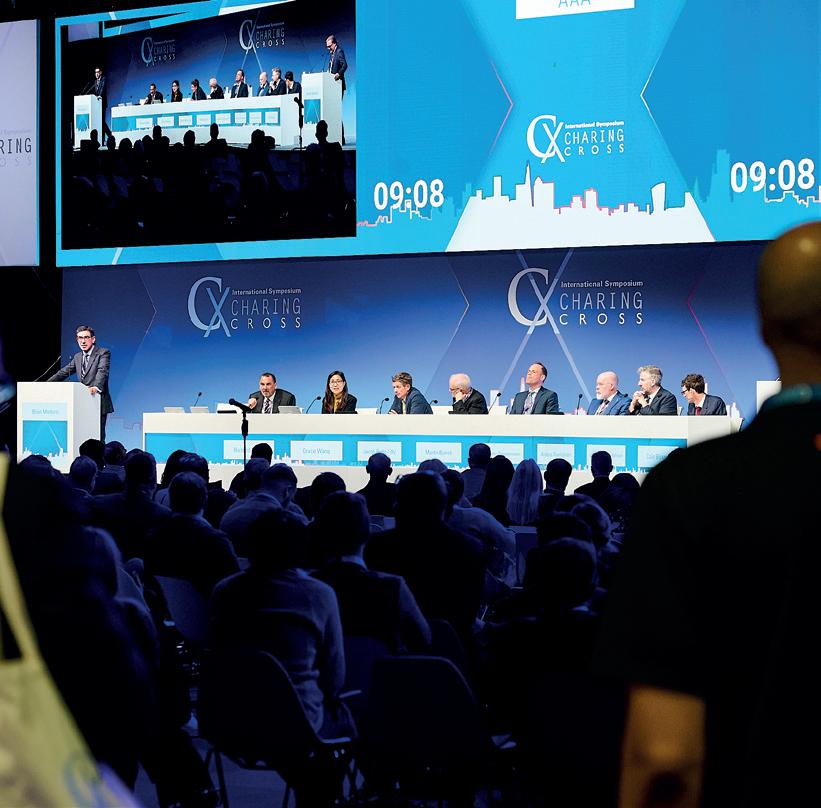
This edition coincides with the highlight of the Spring congress schedule: the Charing Cross (CX) Symposium (21–23 April, London, UK). Last year’s meeting saw Gustavo Oderich deliver the inaugural Roger Greenhalgh lecture, which was a memorable occasion. It’s worth reflecting on Dr Oderich’s messages regarding the rapid evolution of vascular surgery, namely who really needs which procedures, how we determine longevity, and how we establish who will benefit most. Improvements in technology have allowed us to potentially treat more patients and this message is so relevant for all of us. These principles were the foundations of the CX Symposium, established to encourage open discussion about controversies and challenges, and reaching consensus in the best interest of vascular patients. The quality and tone of Dr Oderich’s lecture set the benchmark for the future, and this year will not disappoint, with our fellow Vascular News editorial board member Eric Secemsky taking to the stage to speak on 21st-century challenges in peripheral arterial disease education, innovation, and evidence.
This year’s programme also features numer-
Moving on to highlights of the current issue, notable mentions from the conference circuit over the past few months include a study presented at the Southern Association for Vascular Surgery (SAVS) annual meeting (21–24 January, Paradise Island, the Bahamas) highlighting the adverse impact dementia has on aneurysm outcomes. Samir Shah stresses the need to recognise cognitive decline in our patients. This problem is also highlighted in the results of the CREST-2 substudy, presented at the International Stroke Conference (ISC; 4–6 February, New Orleans, USA). The safety and technical success of strutless bioresorbable below-the-knee (BTK) scaffolds are featured, following a presentation at the Leipzig Interventional Course (LINC; 27–31 January, Leipzig, Germany). This topic will be further explored at CX 2026. A number of important journal articles are discussed, including in our cover story on new international guidelines on the management of pulmonary embolus. In-depth articles include an interview with Dave Bosanquet and Matt Popplewell on the ROSSINI-Platform trial, and a profile of ESVS president-elect and CX 2026 Executive Board member, Kak Khee Yeung. Finally, we remember the remarkable life and work of one of the greatest pioneers of our profession, Tom Fogarty. His legacy is profound, his life story uplifting. We hope to see many of you in London and hope the upheavals around the world will not hinder our ability to meet, discuss and debate. Our patients depend on it.
EU editorial board: Ian Loftus, Rob Morgan, Stephen Black and Nicholas Inston
US editorial board: Ross Milner, Erin Murphy, Eric Secemsky and Bart Dolmatch
Publisher: Stephen Greenhalgh Editor: Jocelyn Hudson Jocelyn@bibamedical.com
IAN LOFTUS is a consultant and professor in vascular and endovascular surgery at St George’s University Hospitals NHS Foundation Trust in London, UK.
ROSS MILNER is chief of the Section of Vascular Surgery and Endovascular Therapy and vice chair of perioperative services and clinical affairs at University of Chicago Medicine in Chicago, USA.
Content solutions manager: Bryan Kay | Editorial contribution: Jamie Bell, Will Date and Éva Malpass
Design: Terry Hawes | Advertising: Nathalie Fortin Nathalie@bibamedical.com
Subscriptions: subscriptions@bibamedical.com
Published by: BIBA Medical Ltd
BIBA Medical, 526 Fulham Road, Fulham, London, SW6 5NR, United Kingdom
Tel: +44 (0) 20 7736 8788
Printed by: Buxton Press. Reprint requests and all correspondence regarding the newspaper should be addressed to the editor at the United Kingdom address. © BIBA Medical Ltd, 2026. All rights reserved.
If you have comments on this issue or suggestions for upcoming editions write to jocelyn@ bibamedical.com
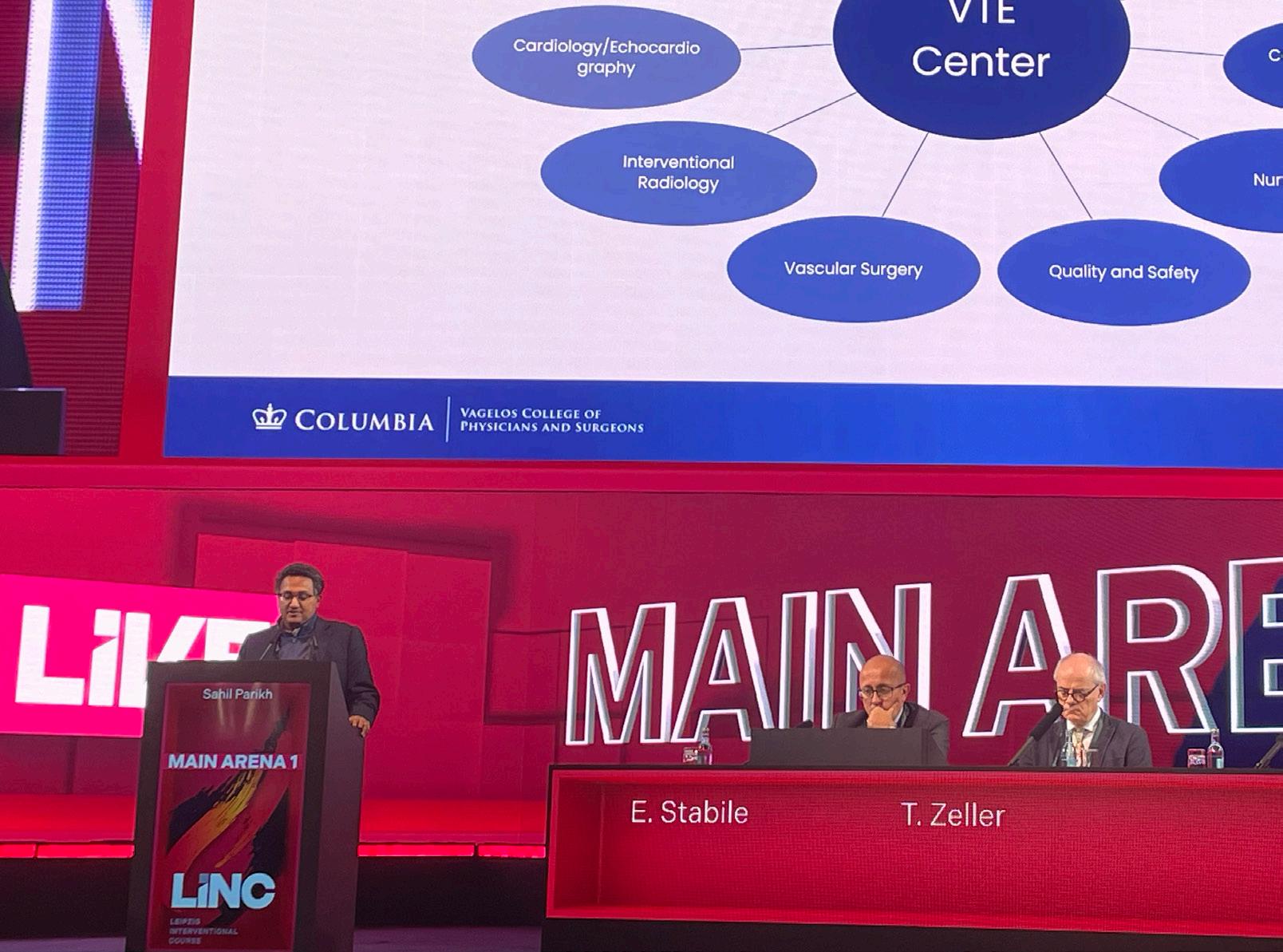
improve outcomes but “magic formula” does not exist, LINC hears
In a session at the 2026 Leipzig Interventional Course (LINC; 27–31 January, Leipzig, Germany) dedicated to pulmonary embolism (PE) management, Sahil Parikh (Columbia University Irving Medical Center, New York, USA) extolled the benefits of a PE response team (PERT). Parikh showcased the PERT framework in place at Columbia—highlighting positive effects on length of hospital stay—while stressing there is no one-size-fits-all blueprint for success.
While stressing that every PERT must possess a core clinical skillset, Parikh also noted that there are no cast-iron rules for the specialty makeup of each group. “Every centre looks different,” he said, referencing Rosenfield’s mantra that “if you’ve seen one PERT team, you’ve seen one PERT team”.
“Every hospital has a coalition of the willing that participates in the care of these patients,” Parikh continued.
This involvement of several groups, however, comes with certain challenges. “One of the things that frequently comes up, at least in the American context—and I would dare say probably in other parts of the world—is how do you deal with competition between specialties?” the presenter put forward. “There’s a lot of competition to take care of these patients.”
The solution, according to Parikh, is ensuring everyone has a seat at the table. “Since there are so many different groups involved in the care of these patients, we try to make it as big of a coalition as we can,” he said. “We try to get as many people involved as possible and make it a win for everybody.”
Parikh notes that this approach addresses the crux of the issue regarding interspecialty competition: accessing revenue. “We avoid competition by sharing the risk and the reward,” he said. “And while that’s difficult with current silos of care, we have both tacit and explicit understanding between disciplines.”
By way of example, Parikh highlighted rotational schedules implemented at some institutions regarding which specialties will do the procedures and which specialties will manage the patients, taking a competency-based approach to steer clear of competition.
Parikh also lauded the benefits of participating in clinical trials to “grow the pie” for all specialties involved. He noted the Columbia team’s involvement in the PE Tract National Institutes of Health (NIH)-sponsored randomised controlled trial (RCT) and the STRIKE-PE registry, for example, among several others.
The success of this collaborative approach, Parikh continued, is evident in the numbers, with the presenter noting that PERTs are becoming increasingly common. “There’s probably close to 300 in the USA alone, and I’m sure many hundred outside the USA,” he stated.
Finally, Parikh highlighted the data showing PERTs’ association with improved outcomes for patients. The Columbia PERT has reduced length of hospital stay for high-risk PE by over 40% in their health system, Parikh shared.
Concluding, Parikh stressed that “there’s no magic formula” for the ideal PERT setup. “All I can [say] is that you need to have a PERT if you want to [treat PE patients] effectively,” he said. “Collaboration in the space has been demonstrated to improve care, the data on fiscal viability is now emerging, and it’s also viable for all participants.”
Strutless bioresorbable BTK scaffold demonstrates technical success and primary safety in
“We try to get as many people involved as possible and make it a win for everybody”
The
Columbia PERT has reduced length of hospital stay for high-risk PE by over 40% in their health system
PRELIMINARY THREE-MONTH results from the first five human implantations of StentIt’s resorbable fibrillated scaffold (RFS) reveal a technical success rate of 100% and no device- or procedure-related serious adverse events at 30 days in patients with below-the-knee (BTK) chronic limb-threatening ischaemia (CLTI).
Marianne Brodmann (Medical University of Graz, Graz, Austria) shared these early findings from the VITAL-IT 1 study as a first-time data release at the 2026 Leipzig Interventional Course (LINC; 27–31 January, Leipzig, Germany).
The RFS device is a bioresorbable stent built from microfibres, providing structural support to instantly open, and facilitate the reconstruction of the artery. Due to the porous design of the implant, patients’ own cells infiltrate into the mesh, triggering the formation of new vascular tissue. While the artery is being reconstructed from the inside-out, the synthetic implant gradually resorbs and ultimately disappears over time.
first cases Uncertainty and opportunity in subacute aortic dissection
highlighted at EVC
AT THE 2026 EUROPEAN VASCUlar Course (EVC; 8–10 March, Maastricht, Netherlands), Bijan Modarai (King’s College London and Guy’s and St Thomas’ NHS Foundation Trust, London, UK) addressed the nuances involved in management of subacute type B aortic dissection.
The presenter drew attention to several areas of ongoing controversy.
While all guidelines support medical management for uncomplicated dissections, some also allow for consideration of early endovascular repair in selected high-risk patients. However, he stressed that the criteria for defining ‘high risk’ are not robust.
Modarai cautioned against the indiscriminate use of thoracic endovascular aortic repair (TEVAR), highlighting procedure-related risks including stroke, spinal cord ischaemia, and retrograde dissection. “The question is not whether TEVAR works, it does, but rather in whom and when it should be applied,” he said.
Looking ahead, Modarai pointed to the potential of precision medicine approaches to address these challenges.
IN AN OBSERVATIONAL STUDY OF OVER 42,000 non-ruptured abdominal aortic aneurysm (AAA) repairs, researchers identified that dementia confers “clinically meaningful higher risks” across a spectrum of outcomes from mortality to discharge to higher levels of care.
Samir K Shah (University of Florida, Gainesville, USA) presented this and other key findings from the “first-ever” US national cohort study focused solely on AAA outcomes in patients with dementia at the 50th annual meeting of the Southern Association for Vascular Surgery (SAVS 2026; 21–24 January, Paradise Island, the Bahamas).
Shah detailed that, while AAA carries significant risks of mortality and morbidity, contemporary knowledge of real-world outcomes in patients with Alzheimer’s disease and related dementias (ADRD) is “sparse”. It was the aim of the present study to characterise the outcomes of AAA repair in patients with ADRD.
The researchers queried Medicare fee-for-service claims from 2016–2020 to identify beneficiaries aged 66 years and older who underwent elective, non-ruptured, open or endovascular AAA repair.
At SAVS 2026, Shah detailed that the cohort study included 42,733 unique repairs, including 1,817 (4.3%) in patients with ADRD. The presenter noted that, compared with the non-ADRD cohort, the ADRD group was older, more likely to be female, and less likely to be non-Hispanic white. He added that patients with ADRD were more likely to receive endovascular repair.
Shah reported that unadjusted outcomes were “significantly worse” for patients with ADRD, highlighting p-values of less than 0.001 across the board. Specifically, the presenter shared that 30-day mortality was 6.9% in the ADRD group compared to 3.6% in the non-ADRD group, with corresponding figures of 12.7% vs 5.9% for 90-day mortality. The same observation was made for major inpatient complications, 30-day readmis-
Recana thrombectomy system shows early promise in treatment of in-stent restenosis
EARLY CLINICAL EXPERIENCE WITH THE Recana thrombectomy catheter system (InterVene) for the treatment of venous in-stent restenosis (ISR) suggests its feasability to improve lumen size in chronic in-stent obstruction, the 2026 American Venous Forum annual meeting heard (AVF; 28 February–4 March, Denver, USA).
William Marston (University of North Carolina, Chapel Hill, USA) presented data on preclinical
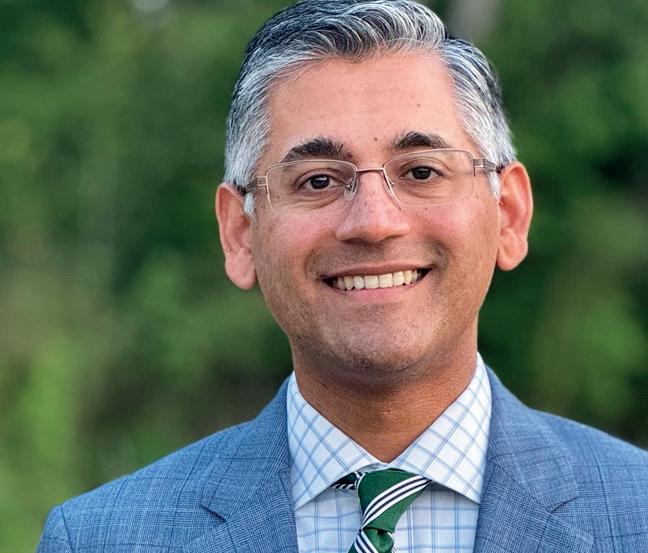
“These data should be used as a foundation for shared decision-making with patients and surrogate decision-makers”
sion, discharge to higher-level care, and 90-day time-at-home ratio.
After adjusting for age, sex, race, Elixhauser comorbidity index, frailty, and repair type using propensity-score-weighted models, the researchers found that ADRD remained independently associated with worse mortality and readmissions at 30 and 90 days, major inpatient complications, and discharge to higher-level care.
“These data should be used as a foundation for shared decision-making with patients and surrogate decision-makers,” Shah concluded, noting that future work should focus on the use of routine cognitive screening, goal-concordant counselling, and perioperative optimisation to improve outcomes and ensure that treatment aligns with patient goals.
testing of the device in 13 pigs, as well as insight from the three clinical cases he has performed so far. Drawing on a sample case involving a 46-yearold male who had stenting performed in 2023, Marston noted how after a few years the individual developed a restenosis and, eventually, occlusion of the stent. After Marston and colleagues performed a balloon angioplasty to expand the lumen, the patient received a Recana intervention, which resulted in the successful clearance of “organised ISR material to restore patency”, “improved cephalad flow and increased luminal area”, he told AVF 2026. Around 24 cases involving the Recana had been performed worldwide as of AVF 2026, most of them led by Stephen Black (King’s College London, London, UK).
LumiGuide outperforms standard FORS in complex aortic repair, SAVS audience hears
IN A STUDY COMPARING PHILIPS’ FIBER Optic RealShape (FORS)-enabled guidewire with its enhanced successor LumiGuide, researchers found that the latter was associated with improved technical success and reduced procedure times.
Authors Paula Huertas, Carlos Timaran (UT Southwestern, Dallas, USA) and colleagues also report that the ability to use different commercially available catheters with LumiGuide “results in enhanced convenience and lower radiation exposure, thereby improving efficiency and safety”. Huertas recently presented these findings at the 50th annual meeting of the Southern Association for Vascular Surgery (SAVS 2026; 21–24 January, Paradise Island, the Bahamas).
RESTORING BLOOD FLOW TO THE BRAIN by treating carotid artery stenosis does not appear to improve patients’ cognitive skills, according to preliminary late-breaking science presented today at the 2026 International Stroke Conference (ISC; 4–6 February, New Orleans, USA).
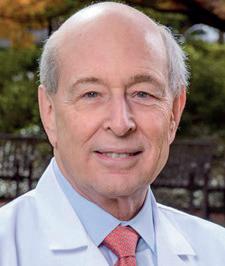
“Whether patients undergo a procedure to remove plaque in the carotid artery [known as] carotid endarterectomy, stenting to insert a flexible tube to hold open the narrowed part of the artery, or a combination of medications and lifestyle guidance without a procedure, there should be no expectation that cognition will improve after the treatment,” said study lead author Ronald Lazar (University of Alabama at Birmingham, Birmingham, USA).
High-intensity focused ultrasound found to be
“viable alternative to existing thermal, nonthermal methods”
“THE USE OF A TRANSCUTANEOUS HIGHintensity focused ultrasound [HIFU] device is definitely a viable alternative to existing thermal and non-thermal methods.” That was the message from Steve Elias (Englewood Hospital and Medical Center, Englewood, USA) at the 2026 American Venous Forum annual meeting (AVF; 28 February–4 March, Denver, USA), where he presented final results from the multicentre pivotal trial of HIFU using the Sonovein (Theraclion) device. Elias reported that the data confirm its safety and efficacy in the treatment of primary insufficiency in the great saphenous vein (GSV). The trial took place across four sites and enrolled 70 patients.






We want to ensure you still receive your copy of Vascular News the way that works best for you.
To reconfirm your subscription, scan the QR code. You can also let us know if you would like to change the way you read it by opting to receive a digital instead of a printed version or by moving from digital to print
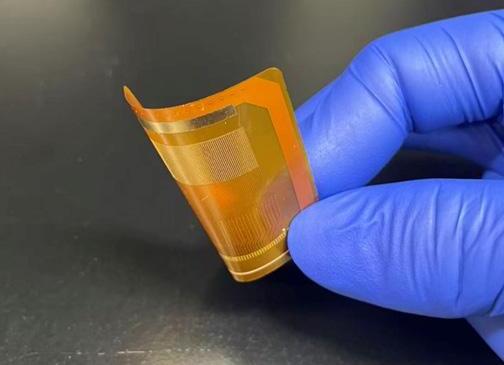
A miniature, wearable ultrasound device for at-home use by patients who have undergone interventions for peripheral arterial disease (PAD) and carotid artery stenosis gathers data with similar quality to a standard-of-care ultrasound machine after being tested in a group of healthy patients, a feasibility study shows.
A RESEARCH TEAM LED BY VASCULAR surgeon-scientist Elsia Ross (University of California San Diego, San Diego, USA) and resident Sean Perez is developing the prototype with the aim of expanding access to vascular imaging among low-resource regions and improving surveillance after vascular surgery procedures have been performed.
The device—developed by the engineering team using technology from previous work, takes the form of an ultrasound patch and positioned flat in the anatomical area of interest—was shown to collect accurate waveform and flow velocity data from a cohort of 28 healthy volunteers (median age 28 years; 54% male).
The feasibility study, published in Annals of Vascular Surgery, showed that there were no significant differences observed between measurements obtained by standard-of-care duplex ultrasound when compared to the prototype for peak systolic velocity of the common femoral, superficial femoral, common carotid and internal carotid arteries. The mean absolute difference between the prototype and duplex ultrasound were 3.06cm/s, 2.27cm/s, 3.51cm/s and 3.55cm/s for the four anatomical areas, respectively. There were no reports of skin injury immediately
Medical societies call for new standard in radiation protection
NINE MEDICAL SOCIETIES—INCLUDING the Society for Vascular Surgery (SVS) and Society of Interventional Radiology (SIR)—are calling for updated safety standards in fluoroscopy laboratories, where clinicians face radiation exposure and orthopaedic injuries from heavy protective equipment. A report published simultaneously in the Journal of the Society for Cardiovascular Angiography & Interventions (JSCAI), Heart Rhythm, the
and one week after the study, Ross, Perez and colleagues report.
Reflecting the stringent requirements in place to ensure accuracy in regular ultrasound measurements, one of the development hurdles with which the developers are grappling is being able to create reproducible and reliable data from patients or their caregivers. “The focus of this study was to evaluate standard of care with a member of the study team placing the device, similar to a vascular ultrasound technologist,” they write. “As we plan to enable patients to use this device themselves, future studies will focus on reliability and usability.”
“The focus of this study was to evaluate standard of care with a member of the study team placing the device, similar to a vascular ultrasound technologist”
Journal of Vascular and Interventional Radiology (JVIR), and the Journal of Vascular Surgery (JVS)–Vascular Insights details the health, financial, and workforce impacts of fluoroscopy-guided settings and proposes an enhanced safety framework: ALARA+—meaning As Low and As Light as Reasonably Achievable.

“How we think about radiation safety has been historically guided by the ALARA principle, or ‘as low as reasonably achievable.’ But that approach has proven to be not safe enough for healthcare staff working in fluoroscopic labs,” said Robert F Riley (The Christ Hospital, Cincinnati, USA), chair of the 2025 Summit on Radiation and Orthopedic Risks in Fluoroscopic Labs.
International expert panel agree on definition and aims of
A NEWLY PUBLISHED INTERNATIONAL consensus document offers what is said to be the first standardised definition of vessel preparation in endovascular treatment of peripheral arterial disease (PAD). The document also outlines core aims of the techniques and practical guidance.
Writing in the Journal of Endovascular Therapy (JET), Athanasios Saratzis (University of Leicester, Leicester, UK) and colleagues note that the findings will “[enable] more consistent clinical practice, research design, and health policy development worldwide”.
Saratzis and colleagues write that vessel preparation techniques, including atherectomy and intravascular lithotripsy (IVL), are being increasingly adopted to address certain challenges associated with endovascular intervention, such as as calcification or long occlusions. They note that consensus on their definition, purpose, and clinical role is lacking, however.
In order to bring clarity to the topic, Saratzis and colleagues conducted a modified Delphi process involving 103 international experts across vascular surgery, interventional radiology, angiology, and cardiology.
The authors relay that 93% of experts agreed on a definition of vessel preparation as “the initial step in an endovascular procedure to facilitate subsequent interventions by modifying lesion characteristics”. The panel also established six core aims of the techniques, namely luminal gain, improved vessel compliance, plaque/ calcification reduction, enhanced drug delivery, reduced complications, and improved technical success, with high device costs and insufficient evidence defined as barriers to adoption. There was also “high-level agreement” supporting vessel preparation use in femoropopliteal and popliteal segments, with IVL “preferred for calcified lesions”.


Listening to “vibrational” changes in blood flow could offer promise for AVF surveillance

RESEARCHERS HAVE TESTED A NEW method of assessing arteriovenous fistula (AVF) dysfunction, using a small acoustic sensor to detect vibrational differences in blood flow between dysfunctional and restored AVFs, a technique that may serve as a low-cost addition to current vascular access surveillance methods.
Writing in the Journal of Vascular Access (JVA), Justin K Liew (University of Western Australia, Perth, Australia) and colleagues detail the findings of an exploratory pilot study using a haemodialysis access vibration and sound evaluation (HAVSE) device—a surface accelerometer that is placed at locations around the anastomosis, outflow vein and non-stenotic reference site—to quantify mechanical vibrational signals generated by AVF blood flow.
Non-pneumatic compression device
Non-pneumatic compression is “safe, effective” alternative in treatment of lymphoedema
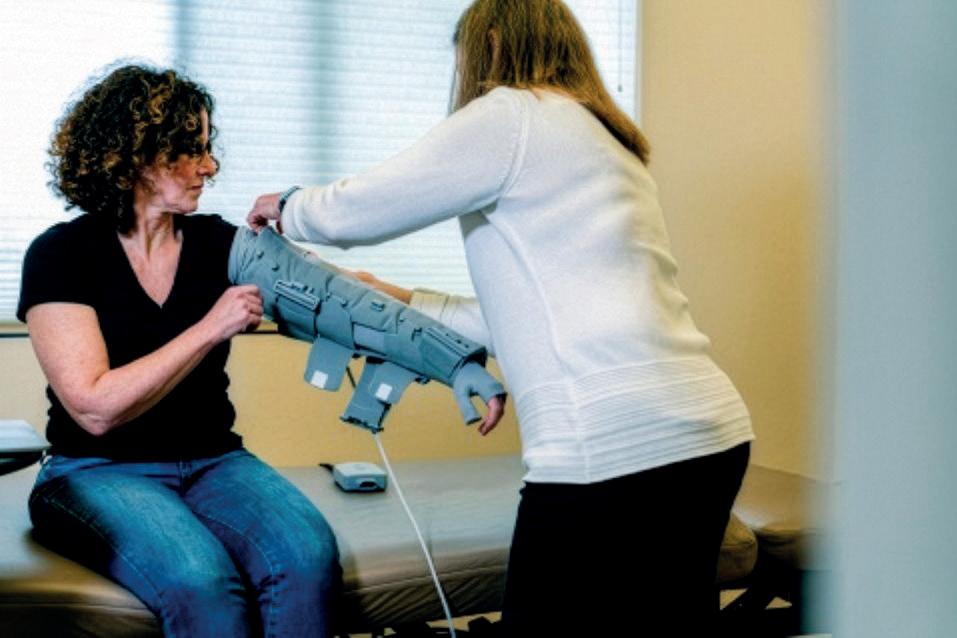
A position statement endorsed by the American Venous Forum (AVF) and the American Venous and Lymphatic Society (AVLS) marks out a non-pneumatic compression device (NPCD) as a “therapeutically advanced hybrid approach” that is a “safe and effective”—as well as user-friendly—alternative to pneumatic compression devices in the treatment of patients with lymphoedema.
The statement refers to a device initially cleared in 2021 by the US Food and Drug Administration (FDA) as a prescription-only NPCD indicated for the treatment of lymphoedema, phlebolymphoedema, venous insufficiency, lipoedema and chronic oedema-related conditions: the Dayspring (Koya Medical) mobile, non-pneumatic compression. It supports active mobility during treatment—in the clinic or at home—and consists of a compact, mobile-powered controller and limb-specific garments that deliver programmable, therapeutic sequential gradient compression. “Unlike traditional PCDs, the NPCD does not rely on stationary air compressors or air-inflated sleeves, offering a more streamlined, user-friendly alternative for oedema management,” the statement reads.
Safety, efficacy and clinical superiority
NPCD has been used to treat more than 10,000 patients and clinically evaluated in 11 research studies, the statement authors point out. Led by former AVF president Glenn Jacobowitz (Northwell Health, New York, USA) et al, they list, among others, two large, prospective, multicentre, randomised, head-to-head comparative effectiveness trials—“both of which demonstrated NPCD’s safety, efficacy and clinical superiority over current of standard care, advanced pneumatic compression”.
Published in the Journal of Vascular Surgery: Venous and Lymphatic Disorders (JVS-VL) in 2024 by senior investigator Thomas Maldonado (New York University, New York, USA) and colleagues,
the randomised, crossover head-tohead TEAYS (Treatment effectiveness of a non-pneumatic compression device versus an advanced pneumatic compression device for lower extremity lymphoedema swelling) study, demonstrated that patients using NPCD experienced a mean limb volume reduction of 369.9ml, significantly greater than the 83.1ml reduction observed in the advanced PCD treatment arm.
In terms of quality of life, TEAYS showed significant improvements in the overall Lymphedema Quality of Life Questionnaire (LYMQOL) scores for NPCD users, with a mean improvement of 1.01 compared to 0.17 for advanced PCD users, the study team reported. Meanwhile, NPCD users demonstrated an adherence rate of 81%, significantly higher than the 56% adherence observed in the advanced PCD group.
The AVF-AVLS-endorsed position statement was published in the March 2026 issue of JVS-VL
“An effective compression solution” “Given its multimodal approach and patient-friendly design, NPCD should be considered after conservative treatment failure and included in future guideline assessments,” the authors conclude in JVS-VL. “By addressing common limitations of advanced PCDs, NPCD provides an effective compression solution that enhances both lymphatic and venous return and offers clinicians access to a distinct, clinically validated and patient-centric treatment option that improves outcomes while reducing barriers to adherence.”
Multimodality therapy shows promise of “therapeutic advance” in lower extremity wound treatment
THE COMBINATION OF PRESSURISED topical oxygen therapy and non-contact cyclical compression addresses a trifecta of hypoxia, inflammation and lymphatic dysfunction in chronic wounds, showing promise as an adjunctive therapy to “accelerate healing, enhance clinical outcomes, reduce complications and achieve durable closure in difficult wounds of varied aetiologies”.
“NPCD [...] offers clinicians access to a distinct, clinically
validated
and patient-centric treatment option”
This is according to a special communication published in the January 2026 issue of the Journal of Vascular Surgery: Venous and Lymphatic Disorders (JVS-VL). Authors of the paper, led by Joann M Lohr (William Jennings Bryan Dorn VA Medical Center, Columbia, USA), carried out a comprehensive review of the mechanistic, translational and clinical evidence—including randomised controlled trials (RCTs) and cohort studies—behind the “integrative approach” of multimodality intermittent topical oxygen therapy.
Meta-analysis scrutinises use of aortic size index in women with infrarenal AAAs
A SYSTEMATIC REVIEW AND METAanalysis have shown that women undergo abdominal aortic aneurysm (AAA) repair at lower aortic diameter but higher aortic size index (ASI) than men, and that use of ASI “suggests that women undergo diagnosis and treatment at a later stage of disease”.
Authors Laurence Bertrand (Ludwig Maximilian University Hospital, Munich, Germany) and colleagues state that, by taking relative body size into account, ASI minimises the differences observed in the AAA prevalence rates and rupture rates between male and female patients compared with absolute aortic dissection. They note that the index “could improve accurate in defining AAA, enabling more equitable screening and treatment recommendations for both women and men”.
“These findings warrant at least a re-evaluation of the current aortic dissection threshold recommendations and further in-depth studies assessing the impact of ASI standardisation for both men and women,” Bertrand and colleagues write. This study was published in the European Journal of Vascular and Endovascular Surgery (EJVES) on behalf of the European Society for Vascular Surgery (ESVS) Consensus Group on Women with Arterial Vascular Disease.

UK report calls for vascular care reform to reduce avoidable lowerlimb amputations
Developed in collaboration with the Association of British HealthTech Industries (ABHI) and the Royal College of Podiatry (PCoP), the report proposes a prevention-led, community-based model of vascular care to improve patient outcomes.
In the report, the VVAPPG highlights vascular disease as one of the leading causes of preventable disability and premature death in the UK, with improvements in outcomes lagging behind those of cardiovascular conditions such as heart disease and stroke. The report notes that patients face delayed diagnosis, inconsistent referral pathways, and variable access to specialist care, which result in “avoidable harm and thousands of major lowerlimb amputations each year”.
To remedy this, the report identifies a necessary shift toward earlier detection, consistent pathways, and community-based services through five key actions for national leaders:
• Fund and implement a National Foot Attack Pathway
• Establish community Foot Protection Services in every Integrated Care System (ICS)
• Set national maximum waiting times
• Reform commissioning to reward outcomes
• Accelerate proven innovation “Together, these reforms would deliver faster urgent care, fewer amputations, improved healing rates and reduced hospital pressures,” the report reads.
Furthermore, the VVAPPG notes that these reforms support the ambitions of the National Health Service (NHS) England 10-Year Health Plan by “shifting care upstream, reducing hospital pressure, and accelerating innovation adoption”. The plan—‘Fit for the future’—was published in July 2025 and aims to reform the NHS by moving care from hospitals to the community, transitioning from analogue to digital, and focusing on prevention over sickness.
In a foreword to the new white paper, Jim Shannon, UK Member of Parliament (MP) and chair of the VVAPPG, highlights the “timely, achievable and politically visible” nature of the opportunity presented by the report.
Speaking to Vascular News following the report’s publication, Colin Bicknell (Imperial College London, London, UK) provided a clinician’s perspective on the scale of the issue at hand. “I have seen more and more admissions with lower limb ischaemia, but for many of these patients the treatment is far later than ideal, ending in amputation,” he said. “Examining the [UK] National Vascular Registry, it is striking that there is an increasing number of cases of complex lower limb intervention and a consistent increase in amputation. The NVR team has provided some unique research to understand associations and risk factors. What is needed is a comprehensive strategy for patients with lower limb vascular disease.”
Bicknell continued, remarking on the significance of the new report: “The work of the VVAPPG sets out what is needed, from education to pathway development to utilisation of cutting-edge technology. This is fully supported by all the major societies and charities, and we should all work towards making this vision a reality for every patient in the future with lower limb vascular disease.”
“I have seen more and more admissions with lower limb ischaemia, but for many of these patients the treatment is far later than ideal, ending in amputation”
Colin Bicknell
AN ONLINE VASCULAR SURGERY history archive being put together by senior members of the Society for Vascular Surgery (SVS) is set to be officially launched this summer.
The digital annals will chart the broad sweep of the specialty’s history with multimedia materials curated over the course of several years. The initiative is the work of the SVS History Digital Archive Task Force, led by SVS members Craig Miller and Jerry Goldstone as co-chairs.
“The launch is going to be June at the Vascular Annual Meeting [VAM; 10–13 June, Boston, USA],” said Goldstone. “We have got a lot of material that has been curated and we’ve hired a company that is developing the website. We’re currently curating three stories to be featured as part of the launch. One of them is going to be the role of the military and the various wars in the evolution of vascular surgery.”
The archive was “soft-launched” at VAM last year in New Orleans, USA. That event saw short vignettes featured trailing what the full live launch set for VAM 2026 is set to look like.
The VVAPPG’s report, ‘Making the Case for Reform in the Vascular Sector’, was officially launched on 17 March
THE AMERICAN VENOUS FORUM (AVF), pioneers of a Day of Service initiative aimed at bringing care and basic vascular education into the communities of underserved populations, saw a record number of people attend an event that aimed to help homeless people in Denver, USA, during its 2026 annual meeting in the city.
More than 350 individuals were served by dozens of volunteers—including AVF members and employees from industry partners supporting AVF 2026 (28 February–4 March)—who provided crucial patient-facing information on vascular disease, as well as free health screenings. Architects of the initiative told Vascular News how the twin aims of education and screening coalesced on the ground.
The AVF rolled out the Day of Service concept for the first time at the forum’s 2024 annual meeting in Tampa, USA, and has staged one every year since. Subsequently, other US-based societies have followed suit, including the Eastern Vascular Society and the International Society for Women Vascular Surgeons.
Over the last three years, the event has grown exponentially, culminating in the largest turn out yet during the 2026 iteration.
Purpose-built to crack calcium in large vessels like the iliacs and CFA
Available in sizes 8-12 mm
Powerful workhorse catheter capable of cracking long lesions above and below the knee
Available in sizes 2.5-6 mm
Modify and cross calcified occlusive disease to enable further treatment 1.5 mm crossing profile


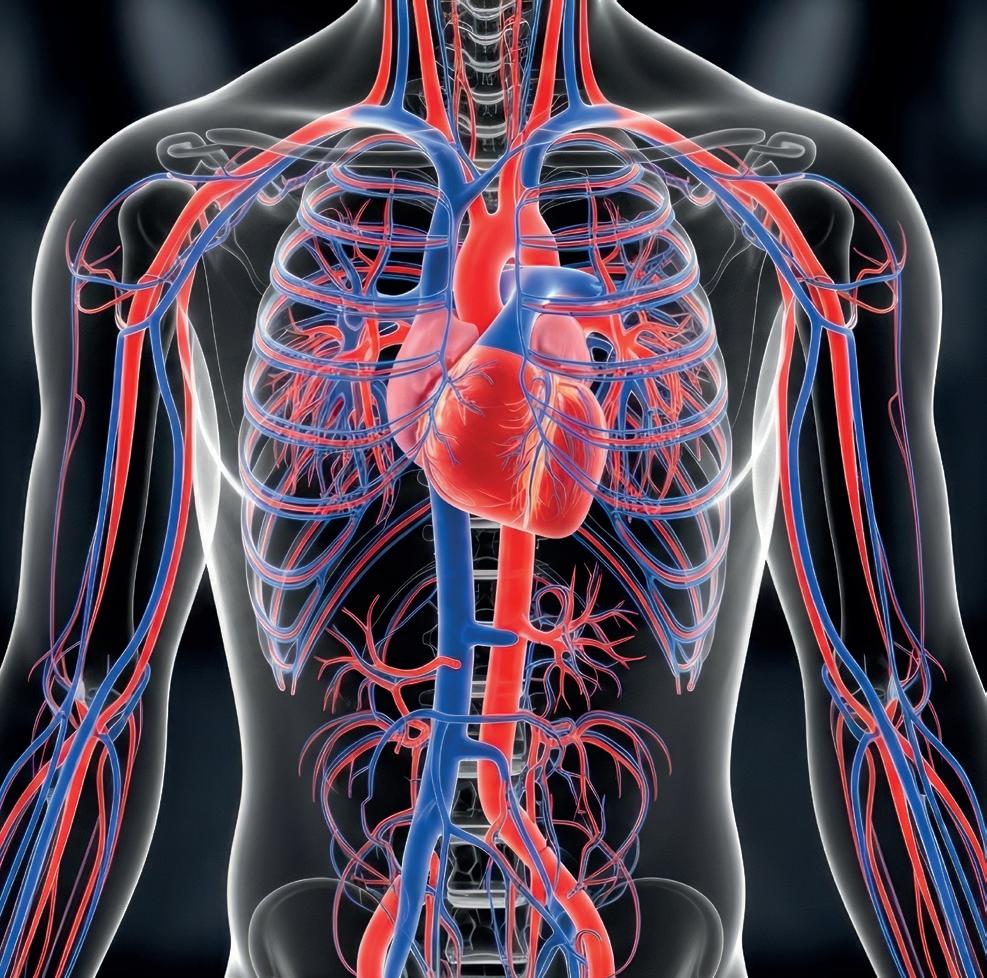
Newly shared randomised trial data and US guidelines mark two of the most recent steps in the development of pulmonary embolism (PE) management. While findings from HI-PEITHO add clarity to the best treatment options for patients with acute intermediate-risk PE, American College of Cardiology (ACC)/American Heart Association (AHA) guidelines establish a new clinical classification system.
Patients who had low doses of thrombolytics delivered directly to the site of a PE via a catheter using ultrasound to enhance their effect had significantly better outcomes than those who received standard systemic anticoagulants, according to a study presented at the ACC’s Annual Scientific Session (ACC.26; 28–30 March, New Orleans, USA). The targeted catheter-based approach reduced early PE-related death, circulatory collapse or PE recurrence by more than 60%.
HI-PEITHO is the first trial to directly compare clinical outcomes from a catheter-based strategy versus systemic anticoagulation alone in patients with elevated-risk forms of PE. The study was published online in the New England Journal of Medicine at the time of presentation at ACC.26.
“This trial shows that a catheter intervention can indeed be effective and improve the prognosis for patients with severe PE and elevated risk of early death or life-threatening complications,” said Stavros V Konstantinides (University Medical Center of the Johannes Gutenberg University, Mainz, Germany), the study’s lead author. “If the right patients are selected for this procedure, it can prevent patients from deteriorating and
it can do so at an acceptably low risk of bleeding complications.”
The trial enrolled 544 patients at 59 sites in the USA and eight European countries (Austria, France, Germany, Ireland, Poland, Switzerland, the Netherlands and the UK). Participants had intermediate-risk PE with two additional indicators of clinical severity, including: tachycardia, low blood pressure (although not at a level indicating shock) and/or low oxygen saturation. Half of the patients were randomly assigned to ultrasound-facilitated catheter-directed thrombolysis with the Ekos endovascular system (Boston Scientific), and the other half received standard systemic anticoagulation. Physicians used standardised protocols for administering the study medications in both treatment arms, and they also followed standard protocols for initiating rescue treatment if patients suffered cardiorespiratory decompensation or a repeat PE.
decompensation or collapse, or symptomatic PE recurrence within seven days of randomisation. The 61% between-group difference was significant in favour of the catheter-based treatment arm and was driven by a reduction in the rate of cardiorespiratory decompensation or collapse in this group. No brain bleeds occurred, and there were few deaths in either study arm; the results showed no significant difference in deaths of any cause or in major bleeding complications between groups.
Researchers said that the ultrasound-facilitated catheter-directed thrombolysis approach used in the study is feasible to perform for physicians experienced in cardiovascular interventions and in hospitals that are equipped with a catheterisation lab and a team qualified to support the procedure around the clock.
“The results regarding effectiveness are very convincing,” Konstantinides said. “In addition, the study offers a precedent for how to evaluate the effects of catheter treatments for PE. There are many types of catheter treatment, and as more trials are conducted, we hope that we will have increasingly strong evidence to inform guidelines on what strategies to recommend.”
Researchers are currently tracking patient outcomes up to 12 months to assess potential differences in long-term survival, late complications, functional outcomes, quality of life and healthcare utilisation. They said the results might differ in more ethnologically diverse populations, and that the study was not powered to exclude potential differences in bleeding risk between groups. They also said the study results should not be extrapolated to apply to all catheter-based PE treatment approaches, which include a wide range of devices and methods.
The HI-PEITHO trial was an investigator-initiated study funded by Boston Scientific, and conducted in partnership with the University Medical Center Mainz in Germany and the PERT Consortium in the USA.
“If the right patients are selected for this procedure, it can prevent patients from deteriorating and it can do so at an acceptably low risk of bleeding complications”
Following the ACC.26 presentation, Marianne Brodmann (Medical University of Graz, Graz, Austria) shared her thoughts on the newly presented data with Vascular News: “Even if we are now able to achieve good results with large-bore thrombectomy devices, we still miss the narrower branches in the pulmonary arteries when it comes to clot removal. So the addition of local thrombolytic therapy is a valid and necessary approach.”
At 30 days, 4% of those in the catheter-based treatment group and 10.3% of those in the control group experienced the trial’s primary composite endpoint of PE-related death, cardiorespiratory
Speaking on the sidelines of the 2026 Society for Clinical Vascular Surgery (SCVS) annual symposium (28 March–1 April; San Diego, USA), Nicolas Mouawad (McLaren Health, Bay City, USA) said the data were “long-awaited”, “most rigorous” and, crucially, from a global randomised controlled trial (RCT) spanning Europe and North America.
“The goal has always been, what should
we do with patients with intermediate-risk PE? That was an unmet answer. Is intervention important, or is anticoagulation the correct answer? And there was equipoise in this moving forward; there was no real answer. So this is the first RCT—global—in over 500 patients showing that intervention with thrombolytic therapy with the Ekos device plus anticoagulation did better than anticoagulation alone.”
Also at SCVS, Joseph Liechty (Texas Vascular Associates, Frisco, USA) said that the trial “very clearly delineated two arms of patients and who to treat,” seeing “a great outcome with thrombolytics”. “Now, there are so many thrombectomy devices and so many ways to treat PE, having individual studies that look at the effectiveness of each device is probably the right place to start.”
Earlier this year, a new ACC/AHA guideline for the evaluation and management of acute PE in adults established a new clinical classification system to assess PE severity and guide treatment strategies.
“The thing everybody would love to see would be more of a randomised trial where once you decide the patient needs an intervention—most people don’t need to be convinced an intervention is going to help the sickest people—the question is then: which device? Which one gets you better faster and which one has the fewest complications while you’re still admitted, and which one requires the fewest reinterventions, which one is the most cost effective?”
The ACC/AHA Joint Committee on Clinical Practice Guidelines, in collaboration with eight other societies, released the guidelines in February. The document was published jointly in the Journal of the American College of Cardiology (JACC) and Circulation
“This guideline is a roadmap to help clinicians navigate these advances for the safest and most effective approaches to care for people with this condition,” said chair of the guideline writing committee Mark A Creager (Geisel School of Medicine at Dartmouth College, Hanover, USA; Heart and Vascular Center at Dartmouth Health, Lebanon, USA) in a press release from the AHA.
Among several take-home messages, Creager and colleagues highlight three as representing the most “impactful” changes.
One such key update is the presentation of a new clinical classification system. The authors outline five categories and subcategories, ranging from low to high risk for adverse outcomes. Patients in Categories A and B have no or mild symptoms and
544 patients
The HI-PEITHO trial enrolled 544 patients at 59 sites in the USA and eight European countries
59 sites
low risk of experiencing severe complications; they often can be safely discharged from the emergency department. Categories C–E include people with symptoms of acute PE who are at higher risk of adverse outcomes and require hospitalisation.
Another core takeaway is the recommendation that advanced therapies, including systemic thrombolysis, catheter-based thrombolysis, mechanical thrombectomy, and surgical embolectomy are “reasonable” for patients with acute PE in Category E1—denoting recurrent or persistent hypotension with cardiogenic shock—and “can be considered” for patients with acute PE in Category D1–2, which signifies transient hypotension and normotensive shock.
The importance of PE response teams (PERTs) is also a central message in the new guidelines, with the authors labelling this setup as “essential for appropriate risk stratification and management” and recommending their use “to improve timeliness of care”.
Speaking to Vascular News, co-author Eric Secemsky (Beth Israel Deaconess Medical Center and Harvard Medical School, Boston, USA) said: “These are the first multisocietal, multidisciplinary guidelines in the USA and they set a new approach for the diagnosis, classification and treatment of acute PE. We look forward to implementation of these guidelines in clinical practice and future updates reflecting the ongoing investment in generating robust randomised clinical trial data.”



venousnews.com and click ‘Subscriptions’ for
Thomas J Fogarty, the world-renowned cardiovascular surgeon, innovator and inventor of the Fogarty catheter, died peacefully on 28 December 2025 at the age of 91.
Colleagues at Fogarty Innovation, a nonprofit educational incubator dedicated to advancing medical innovation, announced the news of their founder’s passing. “We are immensely grateful for all Tom did for patient care, for the medtech innovation ecosystem, and for so many of us personally—as a leader, a mentor, and a friend,” the statement reads. “His relentless curiosity, refusal to accept the status quo, and boundless imagination reshaped the field and continue to inspire generations of innovators. We will miss him more than we can say.”
Born on 25 February 1934 in Cincinnati, USA, Fogarty was a keen inventor from an early age. One of his first creations was the centrifugal clutch, which was taken up by Cushman motors and is a technology that is still used today. Boxing was another passion, and one Fogarty had early ambitions to pursue professionally before medicine became his chosen career path.
As a teenager, Fogarty took on a job as an orderly at the Good Samaritan Hospital in Cincinnati that piqued his interest in a medical career. “I was able to get to know the doctors and became interested in what they did,” he told Vascular News in a profile interview from 2006, referencing vascular surgeon Jack Cranley as an important mentor from this point onwards.
In 1956, Fogarty graduated with a BS in biology from Xavier University in Cincinnati and subsequently from medical school—the University of Cincinnati College of Medicine—in 1960. Fogarty undertook cardiovascular surgery training at the University of Oregon Medical School (Portland, USA), the Good Samaritan Hospital, and Stanford University Medical Center (Stanford, USA), where he later began teaching
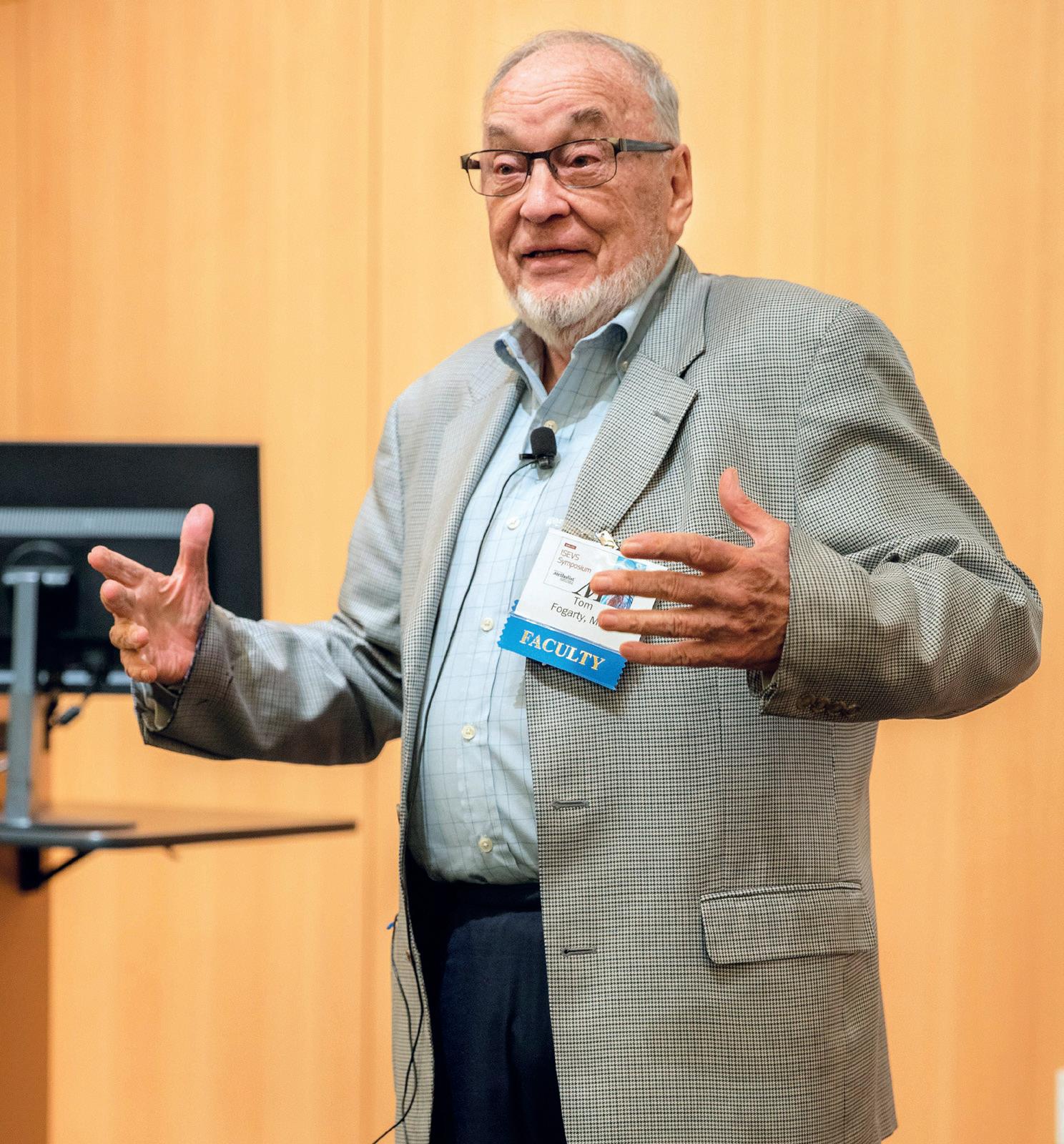
in the 1970s. In 1980, he became the director of cardiovascular surgery at Sequoia Hospital in Redwood City, USA, and, in the early 1990s, professor of surgery at Stanford University Medical Center. Fogarty also held a private practice while living in California.
In his profile interview with Vascular News, Fogarty highlighted the challenging technical nature of cardiovascular surgery as a key reason behind his pursuit of a career in the specialty. “It takes a more focused approach and complete understanding of pathophysiology,” he said at the time.
Fogarty is well known as the inventor of the eponymously named balloon embolectomy catheter, as well as several other innovations including the Hancock tissue heart valve and the AneuRx endovascular aortic stent graft.
“The balloon catheter was invented while I was in medical school,” he told Vascular News. “I used to be a scrub technician—the individual who hands the instruments to surgeons during surgical procedures. I saw many legs being amputated because they could not remove the thrombus. My mentor Jack Cranley challenged me to come up with something better than what we were doing.”
the bigger the surgeon (in reputation). So that was a major paradigm shift, when you were able to do things effectively through smaller incisions. It was also a major paradigm shift in the way the medical community thought.”
The invention of the balloon catheter led to Fogarty being inducted into the National Inventor’s Hall of Fame, which he described to Vascular News in 2006 as the proudest moment of his career to date. “At the time I was inducted, there were less than 100 inductees—Edison, the Wright brothers, Hewlett Packard—so it was a pretty elite award,” he recalled.
“Tom’s unprecedented contributions to science and medicine are only overshowed by his compassion and dedication to family and friends”
Rodney White
Throughout a long and distinguished career, Fogarty was the recipient of numerous awards in recognition of his contribution to medical innovation. These included, in 2014, the Presidential National Medal of Technology and Innovation, which is the USA’s highest honour for achievement and leadership in advancing the fields of science and technology. Several friends and colleagues have shared with Vascular News their memories of Fogarty and remarked on his legacy as an endovascular innovator.
Fogarty also commented on the role of the balloon catheter in the advent of endovascular surgery. “It was the beginning of less invasive surgery and of catheter-mediated therapy,” he shared. “We used to say the bigger the incision,
Frank Veith , chair of the VEITHsymposium and professor of surgery at Cleveland Clinic Lerner College of Medicine of Case Western Reserve University (Cleveland, USA) and New York University Medical Center (New York, USA), said: “[I was] so sad to learn of the passing of
my friend, Dr Thomas Fogarty. Tom was a brilliant inventor whose contributions significantly improved the care of vascular patients. He was also an iconoclast who could forcibly express his sometimes-controversial views. Tom Fogarty will remain a unique individual and innovator in the vascular world. He will be sorely missed.”
Christopher Zarins, co-founder of HeartFlow and emeritus professor of surgery at Stanford University (Stanford, USA), shared: “Tom Fogarty was a dear friend, mentor, and a constant source of inspiration. He was not satisfied by the status quo and always challenged us to find a better way to care for patients, with new medical device innovations, better diagnostics, or simply improved bedside care. Nothing was too big or too small a problem for Tom to consider. He was
the first to try a new idea and the first to discard ideas that did not benefit patients. ‘The patient always comes first’ was Tom’s mantra and I abide by that. Tom will be greatly missed.”
Rodney White , medical director of vascular surgical services at MemorialCare Long Beach Heart & Vascular Institute (Long Beach, USA), told Vascular News that Fogarty’s passing ends a nearly 50-year professional relationship and friendship.
“By the time I met Tom he had already established a reputation as the inventor of the Fogarty clutch and the balloon catheter,” White said. “The latter revolutionised the vascular field, prompting a shift from open surgical procedures to increasingly catheter-based interventions for repair along the entire length of the thoracoabdominal aorta.
“A magnificent dinner that Stephen Greenhalgh arranged last year for the founders of EVAR [endovascular aneurysm repair] displayed the revolution that Tom initiated. At the dinner I remember being able to go from table to table with all interventional specialties (cardiovascular surgery, interventional radiology, and cardiology) as well as industry representatives plus ancillary staff in an unprecedented display of the impact of Tom’s influence.
when we did preclinical animal evaluation of the AneuRx device and then I worked with Chris Zarins and Tom on the phase 1 clinical trial. Over the years Tom became a close personal friend aside ongoing new device evaluations. Tom’s consistent passion for solving clinical problems was guided by his philosophy on being the ‘first to know if a new intervention didn’t work’.
“Over the years, we had many personal interactions that generate interesting stories on their own. He helped me with many personal issues and always provided interesting insights like ‘bankruptcy is a part of doing business’. Despite his international acclaim, Tom always displayed a humorous, almost self-deprecating attitude about his success.
“[Fogarty] was not satisfied by the status quo and always challenged us to find a better way to care for patients, with new medical device innovations, better diagnostics, or simply improved bedside care”
Christopher Zarins
“Tom’s unprecedented contributions to science and medicine are only overshowed by his compassion and dedication to family and friends. The last several months of no return calls was ominous, with reports from those close to him that he was failing. As I listen to a saved voicemail I am drawn to tears to hear Tom say ‘Hey Rod, its Tom, just checking in on you to see how you are doing. Haven’t heard from you for a while—anyway, I’ll call back’. Rest in peace my friend.”
“My research with Tom began in the 1970s
Fogarty is survived by his wife, Rosalee, their four children, and ten grandchildren.



ROSSINI-Platform—said to be the largest-ever UK surgical trial—is set to commence in the coming months with the aim of assessing various methods for reducing post-intervention surgical site infection (SSI). The project will encompass six parallel randomised controlled trials (RCTs) across several surgical specialties, including vascular surgery. Two of the vascular surgeons involved speak here about the goals and scope of the trial, encouraging fellow specialists to take part.
“ROSSINI-PLATFORM IS A VERY ambitious trial,” says David Bosanquet (South East Wales Vascular Network, Cardiff, UK), who is part of a cross-specialty team of investigators led by Thomas Pinkney (University of Birmingham, Birmingham, UK). Indeed, the trial is set to recruit 26,000 patients from 100 sites across the UK. The trial is also noted to be the largest surgical trial ever funded in the UK, as per a press release from the University of Birmingham, which states the centre has been awarded more than £10 million funding from the UK National Institute for Health and Care Research (NIHR) to conduct the research.
of these groups, and we’re comparing outcomes for surgical site infection depending on what group patients are randomised to,” says Bosanquet. “Patients can be randomised to either receive or not receive three different types of intervention, with all interventions delivered at the time of surgery. It’s all about looking at what interventions do actually reduce infection rates.”
The trial design is based on that of ROSSINI 2, which assessed how to reduce rates of infection associated with midline laparotomy wounds in a multi-arm platform study. Bosanquet explains that researchers evaluated the effectiveness of three interventions delivered at the time of surgery, with every patient randomised to either receive or not receive all three interventions.
“The researchers were able to drop arms that were demonstrating no impact in reducing infection rates and able to keep arms that were suggestive of improving or reducing infection rates,” Bosanquet shares, elaborating on the trial’s unique design. “They were also able to add in new interventions as well.”
ROSSINI 2 showed that “you can essentially undertake multiple RCTs within one trial,” Bosanquet remarks. “You don’t have to set up each trial individually, you don’t have to go through ethics, and you don’t have to develop a whole new protocol.”
Bosanquet describes ROSSINI-Platform as “even more ambitious” than its predecessor. While ROSSINI 2 assessed one type of incision, the present trial will evaluate six, with two falling under the vascular surgery umbrella: groin incision for arterial revascularisation and major lower limb amputation.
“We are looking at patients in both
Alongside these groups, the trial will include patients undergoing obstetric, breast, neuro, and cardiac surgery, with interventions ranging from state-of-the-art wound cleaning solutions to applying antibiotics differently during surgery to reduce rates of SSI.
“It’s really exciting,” Bosanquet comments, referencing the ground that the trial aims to break.
The clinical need for ROSSINI-Platform is clear, notes Bosanquet. Referencing the literature, he mentions the GIVE (Groin Infection after Vascular Exposure) and SIMBA (Surigcal site Infection in Major lower limB Amputation) studies, both of which have highlighted SSI as “a major issue”.
Considering the types of infection ROSSINI-Platform ultimately aims to curb, Bosanquet highlights a scale from the “annoying” to the “catastrophic”, with the latter being a particular focus.
Using the example of an infection at the site of a groin incision for arterial revascularisation, Bosanquet points to the risks: “[Infection] can impact the anastomosis that you’ve created underneath it, which could blow.” As for amputations, he highlights the scenario of an infection at the site of an amputation below the knee that has to be revised to an above-knee amputation making the difference between the patient ambulating or not ambulating with an artificial limb.
“There are important outcomes in terms of length of hospital stay, finances, how it impacts the NHS [UK National Health Service] and inconvenience to the patient in terms of antibiotics and further
surgery,” says Bosanquet, “but there can also be not-infrequent catastrophic implications for surgical site infection, which is why this study is so important.”
Matthew Popplewell (University of Birmingham, Birmingham, UK), also a co-investigator, is in agreement about the clinical demand for ROSSINI-Platform, highlighting in particular the ubiquity of SSI. He highlights a recent study from Ian Chetter (Hull York Medical School, University of Hull, Hull, UK) and colleagues— the DRESSINGS trial—which looked at a special active dressing predominantly in patients with lower limb surgery. The trial included amputees, lower-limb bypasses, and groin wounds. “The infection rate in that study in both arms was 22%, so that’s almost one in four people getting some sort of wound infection,” he says.
While acknowledging that some cases of infection can be solved quite simply, Popplewell echoes Bosanquet by emphasising others cannot. “It’s the people who are coming back and having more interventions, losing their legs, having revisions, dying and having bacteraemia ICU [intensive care unit] admissions. Those are the ones that we want to stop,” he says.
“The follow-up method the trial will be adopting is cognisant of the fact specialists are busy”
David Bosanquet
As for timelines, the team hopes to open the trial this spring. Bosanquet stresses the complexities of working up a project of this scale and the inevitable delays that come with the involvement of six different surgical specialties. With a trial of this magnitude, he says, “it’s worthwhile getting the basics right” to avoid “rushing things and ending up with problems further down the line”.
For the time being, the team is conducting audit work to look at current practice, with the plan being to repeat this exercise at regular intervals during the study.
Looking ahead, Bosanquet hopes ROSSINI-Platform will exemplify the benefits of cross-specialty collaboration for best patient care. “The strength of this type of trial design lies in the fact that you can pull interventions or procedures that work in other surgical pillars, and investigate if they benefit your pillars’ patients,” he notes. “That’s really interesting.”
As for the vascular pillars specifically, Bosanquet and Popplewell share their hope that all vascular centres across the UK will get involved, with both keen to stress the suitability of the follow-up method for time-poor research teams.
“The follow-up method the trial will be adopting is cognisant of the fact specialists are busy,” Bosanquet explains, describing an all-digital platform—the Central Digital Wound Hub—that utilises photographs on a dedicated app.
Bosanquet hopes that this element of the study will encourage specialists to take part. “The study is designed so the central team deliver as much of the data collection as they can, rather than leave it to individual research teams,” he says. “That makes the trial more deliverable and attractive to clinicians and R&D [research and development] teams.”
Michael Åkesson

Following a successful financing round in late 2025 to the tune of 24 million Swedish Krona, MedVasc finds itself in a position to target US Food and Drug Administration (FDA) clearance for the Solutio catheter. This technology is designed to make intravenous anaesthesia delivery during endothermal ablation for varicose veins less painful and has shown promise in early studies. At this pivotal point for the Malmö, Sweden-based venture, Vascular News caught up with founder and interventional radiologist Michael Åkesson (Scandinavian Venous Centre, Malmö, Sweden) to discuss the origins of the technology, the winding road to regulatory approval, and the team involved.
When did MedVasc start and how did the idea for the company originate?
MedVasc was started in 2013 and came from an idea that I had when I was working with patients in our Scandinavian Venous Centre facilities in Malmö. I saw that a number of patients experienced high levels of pain and discomfort during tumescent anaesthesia deployment for endothermal varicose vein ablation and thought that maybe we could perform this part of the procedure in a better way, using new techniques. At the time, glue wasn’t quite there yet, but I started to question, could we administer the tumescent solution in a way that it would be less painful?
I came up with the idea that we could introduce tumescent anaesthesia from inside the vein instead. Because there are no pain receptors inside the vessel wall, this option could be pain free. I found this out when I was working at the University Hospital SUS here in Malmö doing a lot of subintimal recanalisation. Even when we perforated the arteries, the patients didn’t feel anything. That gave me the idea that we could go inside the veins as well. That was the basic idea—to help patients be more comfortable.
I contacted various colleagues I had worked with previously on other devices to brainstorm
and get the idea off the ground, and the company started from there.
How did things progress?
The problem was always raising funds, which takes up around 70% of your time when you are developing a technology such as this. But by 2019, we had reached a stage where we were ready to test the technology in humans based on positive results from our animal studies. We ran a small safety and feasibility study at the Scandinavian Venous Centre and were pleased with the results. The patients didn’t feel much pain at all when we put the tumescent anaesthesia in place.
officer], Cathrin Johansson. She was instrumental in helping us source further funding and with that we have been able to develop the product. The technique is the same, but we now have a second prototype that is a little different from the first iteration.
We have now raised enough money to perform another human study and further animal studies, which we are hoping will take us all the way to the market in the USA. We’re planning to go for FDA clearance during Q4 this year. That’s where we are right now.
What does the US FDA approval process look like?
We have had several pre-submission meetings discussing the regulatory pathway for our 510(k) submission which includes various bench tests, pre-clinical and clinical data. Initial data from the animal study look promising and the plan is to kick off our clinical study including 30 patients mid-April.
When we have the results from both, together with the technical file, we should have everything we need to send to the FDA for their review, which we are hoping to do during the summer.
How does this compare to the process in Europe now?
Historically, CE marking was faster and easier than FDA approval, but the shift in 2021 to MDR [Medical Device Regulation] changed that. Things are looking much better on the European side now. In theory, our case could be looked at in maybe six months compared to the three or four years it used to be.
Also, for the human study that we are doing now, we have to provide all the same details that are required for MDR. Therefore, when we have completed that study, we should have all the necessary information we need to go for MDR as well.
Could you speak a bit about the team involved in the clinical studies you’re conducting at the moment?
At the Scandinavian Venous Centre in Malmö, we have a mix of interventional radiologists, vascular surgeons, and general surgeons treating varicose vein patients. I’m an interventional radiologist, but my colleague here who was the PI [principal investigator] for the first study is a vascular surgeon. He’s almost retired now, but the new PI is also a vascular surgeon who’s working at our facilities in Gothenburg, Sweden. She is planning to come down here to Malmö. So, we have a really multidisciplinary group working on this project.
“Our goal is to make treatment for varicose veins as simple and easy as possible for both patients and physicians”
However, we saw that there were some issues that we had to solve, like having a catheter that could fit all types of endothermal techniques. We were also hit by the COVID-19 pandemic and everything stopped for three years. We couldn’t raise any money, and we couldn’t make any progress.
Eventually, the funding started to come in again, and I employed my CEO [chief executive
What’s the overarching goal with this technology? I would say that our goal is to make treatment for varicose veins as simple and easy as possible for both patients and physicians. Hopefully we can achieve this very soon once the technology is on the market. I think it will help a lot of patients and physicians. For the patients, tumescent is the most uncomfortable part of varicose vein surgery and, for physicians, it’s the most difficult part of the procedure. With our technology, I think we can provide a faster and better way to perform the endothermal technique. Hopefully, this will be a gamechanger.
Soon to be the youngest and second-ever female president of the European Society for Vascular Surgery (ESVS), Kak Khee Yeung (Amsterdam, Netherlands) speaks to Vascular News about her career so far. The vascular surgeon and professor of vascular surgery at Amsterdam University Medical Center (UMC) covers her route into the specialty, current projects including the VASCUL-AID disease prediction platform, and why collaboration is crucial when it comes to moving the needle in vascular research.
Why did you choose to pursue a career in vascular surgery?
When I was a student at the University of Amsterdam, I became fascinated by vascular surgery and all the new techniques that it involved. Specifically, I was inspired by a great presentation on aneurysms from Professor Willem Wisselink, who at the time was at the forefront of robotic aortic surgery. I asked if I could join him during a robotic surgery case at the VU Medical Center in Amsterdam, to which he agreed. From one interest came another, and I joined his research group, exploring why we were performing surgery on aortic aneurysms and why they were growing in the first place. I became interested in the pathophysiology of vascular disease and of aneurysms in particular, which has been a central theme of my research ever since.
Who were your career mentors?
On the clinical side of vascular surgery, and specifically robotic surgery, Professor Wisselink was a really important mentor, while Jan Blankensteijn of the DREAM trial was crucial on the research side. I also had some mentors in physiology, who taught me invaluable lessons regarding research. Geert-Jan Tangelder and Jolanda van der Velden, both professors of physiology, were two of my most important mentors here. During my time working with them, I learnt how to pursue a multidisciplinary career, encompassing both clinical vascular surgery and research into vascular diseases.
What are your current research interests?
My current research interests relate back to work I conducted as a student. When I was 19, I got involved in research related to how aortic disease evolves. I started to build a biobank with patient cells, blood samples, imaging, and health and lifestyle data, which became one of the largest biobanks in the world. Now, for every patient we perform surgery on at Amsterdam UMC, we collect live cells—white blood cells, smooth muscle cells and even endothelial cells—alongside imaging and other data for the purpose of 3D modelling. My current research is focused on how to connect what we see on computed tomography (CT) scans together with the live cells we are collecting to understand aortic disease, predict its evolution and development, and to come up with new ways to treat it.
I started to use artificial intelligence (AI) to connect all of these dots and analyse different datasets. Ten years ago, I devised the Horizon-sponsored VASCUL-AID project, which is an AI-driven platform that aims to predict the risk of cardiovascular events and disease progression. The ultimate aim is to enable early intervention and personalised prevention strategies.
Could you point to some of your most recent published work?
I would like to highlight a paper the VASCUL-AID consortium published last year. This focused on the development of a data dictionary with clinical variables for AI-driven tools in research on abdominal aortic aneurysms and peripheral arterial disease. With this paper, we take steps towards standardising the kind of data we
need to collect for AI and understanding why we are collecting these data points. I think it’s important that, if you use AI, you define the outcomes and the data using data dictionaries and standard outcome sets, and develop those with key opinion leaders, AI experts, a multidisciplinary team of specialists, and patients. If you are going to start collecting data or using AI, then standardisation of the data collection method and harmonisation of the data are also very important.
What are some of the biggest challenges currently facing vascular surgery, and what do you think can be done to address these?
I think some of the biggest challenges currently facing the specialty relate to collaboration and data organisation. We need to step away from publishing small datasets, which do have a place for new techniques that you want to let the world know about, but I think we need to collaborate if we want to do prediction modelling and if we want to look at really big data. Everyone needs to collect the same data. In addition, the quality of the data that are being collected is very important, as are the data collection protocols. We need to move away from academic thinking a little bit; of course, everyone wants to do their own research, but we need to do a lot more together. Taking into account the fact that one research grant takes seven or eight years to secure, the only way we are going to solve problems in vascular surgery is via collaboration, so that a team is available to continue large, longer-term projects.
Could you outline one of the most memorable cases from your career so far?
There have been so many memorable cases, but among my favourite are those which involve a new technique working well. One such case that comes to mind was a thoracoabdominal aortic aneurysm repair involving a hybrid spider graft. The first stage of this case was training with Sebastian Debus and his team, which included thoracic surgeons and vascular surgeons. We then prepared the case in Amsterdam with a wider team involving nurses and anaesthesiologists, and the case went well. Cases such as these, which involve a novel technique and training together as a team, are particularly memorable. You succeed because you have trained and planned the case together. Teamwork is always key.
You are set to take on the presidency of the ESVS in October. What are your plans for the role?
As president-elect, I have already started to get involved, which is great. One of the things that I’m working on at the moment is standardising not only data collection, but also education. Beyond that, I would like to build a sustainable future for everyone, for every region. To do that, I think it’s very important to put both vascular
CURRENT ROLES
Vascular surgeon and full professor of personalised therapy in vascular surgery, Amsterdam UMC
Principal investigator of translational research in vascular surgery, Amsterdam UMC
Organisation for cardiovascular research master / personalised medicine VU, vascular surgery, Amsterdam UMC
Theme leader for atherosclerosis and aortic diseases, Amsterdam Cardiovascular Sciences research institute
President-elect, ESVS
Executive board member, CX Symposium
AWARDS (SELECTED)
KNAW early career award (Royal Dutch National Science award)
Rembrandt Research Award
Vascular Society of Great Britain and Ireland BJS lecture award
Dutch Heart Foundation/ Hartstichting Dekkerbeurs senior clinical scientist

surgery and vascular disease more into the spotlight. So, my plans are to involve both patients and the European Commission more with the society. But first of all, I want to sustain what we have and to continue the vision of the ESVS, which is to deliver standardised, patient-centred care to the whole of Europe.
You are on the aortic executive board for the upcoming Charing Cross (CX) Symposium. What should attendees look out for on this year’s programme?
There are several great presentations on the aortic agenda this year. I think the management of type 2 endoleak will be a real highlight of the programme. It’s a never-ending topic and I think it’s exciting that there are some trials coming out in this arena. AI is another hot topic that we plan to address, as well as the classification of aortic dissections. We also have several talks from colleagues in China this year, including on genetic aortic aneurysms and diseases.
“If you like technical challenges, working in a team and doing some research, then this is definitely a career worth considering”
What advice would you give to someone looking to start a career in vascular surgery?
Vascular surgery can be a very rewarding career. Every day you are doing something to benefit a patient’s life, whether that’s extending it or improving its quality. Secondly, vascular surgery is a great career for anyone who likes a technical challenge. I often feel like an architect in this role; if I’m repairing an aneurysm, then I’m drawing everything from my CT scan and putting together some kind of a plan in my head. It’s
always a puzzle and it’s always a technical challenge. Finally, vascular surgery is, I think, the most individualised, personalised surgery that you can get, with options ranging from open surgery to endovascular treatment, to robotic surgery, or even no surgery at all. There are so many unsolved problems in our patient group and there is so much research to do. Overall, I think vascular patients deserve to have good doctors, and they deserve to have passionate doctors, so if you like technical challenges, working in a team and doing some research, then this is definitely a career worth considering.
What are your hobbies and interests outside of medicine?
One of my favourite things to do is play with my dog, Lychee. I also like to play piano and violin, and dance ballet. I like to watch movies, go on trips and holidays, and spend time with my boyfriend and parents. I also like shopping, especially at Chanel and Gucci.

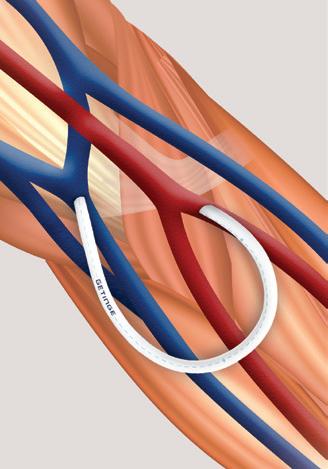
The right graft for long lasting durability and proven reliability
The right graft for safe graft placement
The right graft for suturability and handling
The right graft for early cannulation
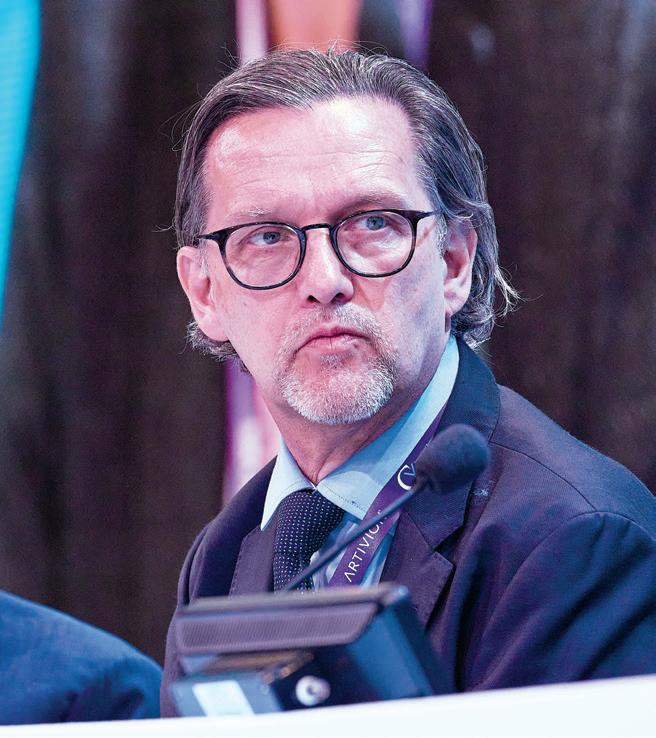
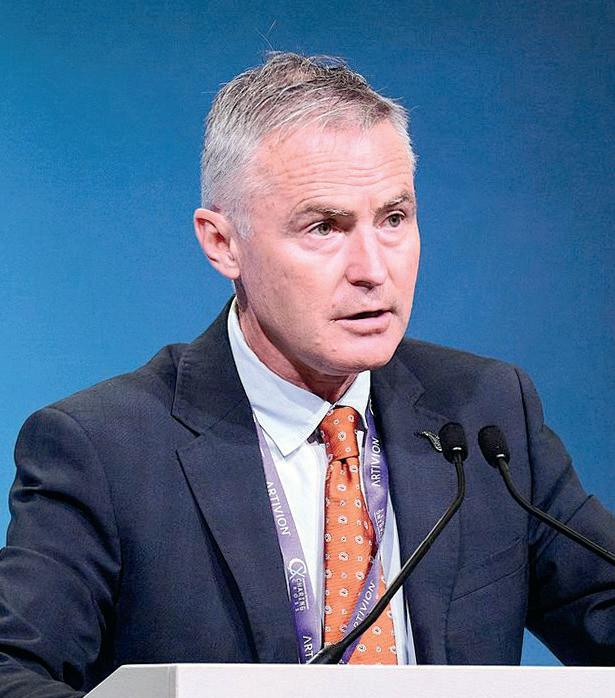
CX 2026 WILL HOST A SERIES of additional programme events across the three-day meeting. Among these will be joint sessions with vascular and endovascular societies and specialists from across the globe. Taking place on 21 April will be this year’s CEC@CX session, which is set to showcase the latest updates from China including a multicentre retrospective study of a singlebranched stent-graft with on-table fenestration for endovascular repair of primary retrograde type A aortic dissection. The following day, 22 April, will feature a CLI-C@ CX session, which includes a presentation on real-world technique and pitfalls relating to retrograde pedal access in chronic limb-threatening ischaemia (CLTI). Also taking place on 22 April is the annual CX Meets Latin America session featuring a presentation on tips and tricks to improve outcomes in aortoiliac aneurysms, among several others, and a VIVA@CX session, addressing the question, ‘Will the late-breaking trials from VIVA and Charing Cross change clinical practice?’
This year’s additional programme activities also include the Footprints Challenge on 22 April, and on 23 April the Challenging Cases and Complications Competition, a session led by the King’s Multidisciplinary Foot Unit, and a Hurting Leg roundtable, dubbed ‘Cents and Sensibility’, which will see a multidisciplinary panel addresses the question of ‘How do we reposition major amputation as a strategic signal for system-wide reform?’

aortic programme. “We made the first day on Tuesday [21 April] a CX Aortic Live day. We have live cases from Asia, from Europe, from very well-known operators. The CX meeting will furthermore have seven high-impact debates. We will focus on important topics like whether it’s time to raise the threshold for AAA repair to six centimetres, what role active sac management plays, and many more very important, exciting topics.”
The Charing Cross (CX) Symposium returns to ExCeL in London, UK this spring with the aim of reaching consensus on some of the most pressing vascular and endovascular debates of the moment. Across three days, from 21–23 April, the programme spans all vascular domains, offering faculty and delegates from across the world the chance to assess the available evidence and get involved in determining the best care for patients.
A GLOBAL EXECUTIVE BOARD LED BY CO-CHAIRS
Dittmar Böckler (University Hospital of Heidelberg, Heidelberg, Germany), Andrew Holden (Auckland City Hospital and the University of Auckland, Auckland, New Zealand) and Erin Murphy (Carolinas HealthCare System’s Sanger Heart and Vascular Institute, Charlotte, USA) have assembled a programme designed to spark debate and discussion. As ever, audience participation will be strongly encouraged.
Aortic highlights include a full day of live and edited cases in a dedicated CX Aortic Live session, alongside seven debates and 14 podium-first presentations. Screening and new technologies in abdominal aortic aneurysm (AAA) repair will be discussed in depth, as well as updates on stroke, radiation and imaging, and new guidelines and registries.
“The aortic programme at CX 2026 has a lot of highlights to look forward to,” says Tilo Kölbel (University Heart Center Hamburg, Hamburg, Germany), CX 2026 Executive Board member for this year’s three-day
Late-breaking data and 36 podium-first presentations will be a feature of this year’s peripheral arterial and chronic limb-threatening ischaemia (CLTI) programme, which also spans the full three days of CX 2026. The agenda includes further analysis from the BASIL-2 and BASIL-3 trials, key new secondary analysis findings from BEST-CLI, and an update from the SWEDEPAD trial, as well as pre-recorded live case presentations and discussion.
Speaking to Vascular News, Holden remarks that the first day of the meeting is “jam-packed with a lot of new data” in the peripheral arterial space, covering topics such as drug-coated balloons, bioresorbable scaffolds, and vessel preparation.
“On the third day [23 April], we’re going to really dive deep into some new data from SWEDEPAD as well as obviously the BASIL trials and BEST-CLI,” Holden continues. “So, lots to look forward to in the peripheral arterial programme.”
Meanwhile, 22 April’s carotid and acute stroke programme will feature several debates, including one titled ‘What do we believe: ECST-2 or CREST-2?’ following the long-awaited publication of the CREST-2 trial— which showed reduced stroke risk with carotid stenting versus medical therapy alone—late last year. Another debate will consider whether access is more important than stent design.
Also on 22 April, a series of presentations on pulmonary embolus management will open this year’s venous and lymphatic programme. Several talks on the latest data will feature, including from the STORM-PE, STRIKE-PE and HI-PEITHO trials. Another highlight of
Continued on page 20
Continued from page 19
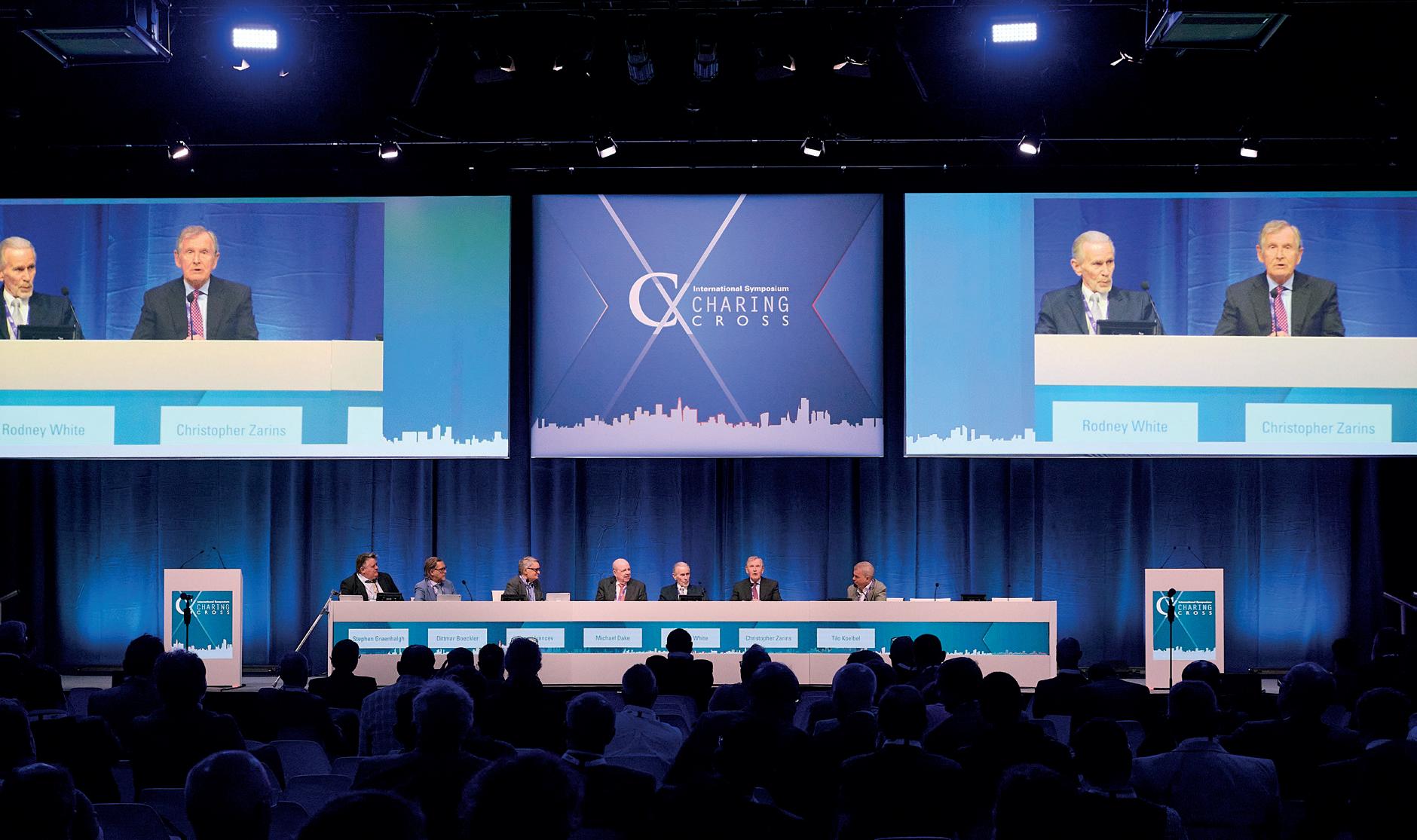
“The vascular field remains fragmented, and care delivery, collaboration and optimising treatment pathways is the only way to achieve a true difference”
the session will be a debate on whether early rib resection should be routine after thrombus removal for upper extremity deep vein thrombosis (DVT).
The vascular trauma programme, scheduled for 23 April, will focus on evolving clinical practice using experience from vascular injuries in recent conflicts and feature a debate on the motion ‘Limb salvage for blunt knee dislocation popliteal injury at 2am: Vein first’.
“Vascular injuries are not something that we see every day, but they can be very complex and very challenging to manage,” says Ross Davenport (Barts Health NHS Trust and Queen Mary University of London, London, UK), a CX 2026 Executive Board member. “Coming and joining us, getting involved in the discussions, and listening and learning from others, is a sure way that we can improve the care for these injured patients worldwide.”
This year’s vascular access and renal interventions programme on 21 April will feature approaches to arteriovenous fistula (AVF) stenosis, endoAVF and cephalic arch case discussion, and a debate on whether innovation is dead in vascular access.
Treating and preventing stenosis in vascular access “is always a controversial topic,” CX 2026 Executive Board member Nicholas Inston (Queen Elizabeth Hospital Birmingham, Birmingham, UK) tells Vascular News, explaining the focus of the first session, which centres on approaches to AVF stenosis.
“This year we’ll be aiming to bring current evidence together, including some podium-first presentations to try and at least come to some consensus on, perhaps, an algorithmic approach to stenosis, and defining whether or not certain stenoses should be treated differently than others,” he comments.
Roger Greenhalgh lecture addresses 21st-century PAD challenges
Another programme highlight will be this year’s Roger Greenhalgh memorial lecture. Following in the footsteps of CX 2026 Executive Board member Gustavo Oderich (Baylor College of Medicine, Houston, USA), who delivered last year’s inaugural address, Eric Secemsky (Beth Israel Deaconess Medical Center and Harvard Medical School, Boston, USA) will speak on 21st-century challenges in peripheral arterial disease (PAD) education, innovation and evidence during Thursday’s peripheral arterial and CLTI session.
“Education must move to the layperson and non-vascular provider, as the earlier we can get at-risk patients into optimised care, the greater the impact we can make as vascular specialists,” comments Secemsky ahead of CX 2026.
Secemsky’s lecture seeks to show that, despite the evolution of PAD care, many challenges remain “front of mind”, Secemsky tells Vascular News. “The first and most critical initiative
to improve limb salvage is optimising multidisciplinary care and early targeted screening for at-risk patients. The vascular field remains fragmented, and care delivery, collaboration and optimising treatment pathways is the only way to achieve a true difference,” he noted.
Concerning education, Secemsky shares a “remarkable” gap in patients’ awareness of PAD, despite cognisance of heart attack and heart failure. “We need to continue PAD education to patients directly,” he shared. “We need non-vascular providers to be thinking about PAD when relevant risk factors are present (like uncontrolled diabetes and tobacco use) and to be using PAD and PAD-related amputations as encouragement to get these risk factors under control.”
In terms of innovation, Secemsky believes that accomplishments in PAD care have come about due to high-quality evidence from trials such as BASIL-2/3, BEST-CLI, SWEDEPAD, and LIFE-BTK. “No matter the opinion on specific results, these trials are critical to our field,” said Secemsky. “Look at how many papers have come from BEST-CLI that have educated us on CLTI epidemiology.”
“As we move forward, innovations specific to PAD revascularisation will focus on optimising antiproliferative drug delivery, as this has made the largest impact on coronary intervention and has similar potential for CLTI care. Coupled with greater use of intravascular imaging strategies and optimised medical therapies, we have a recipe for how to prolong our interventions and, more importantly, prolong a functional limb for our patients,” Secemsky shared.
By way of his lecture, Secemsky hopes to “send everyone away with encouragement to work across the aisle with fellow vascular clinicians, prioritise the patient, and dedicate the future to collaborative care to advance limb salvage”.
“I hope the excitement of upcoming future technology coupled with a willingness to be all-inclusive with the vascular team both memorialises the teachings of the late, great Roger Greenhalgh and inspires everyone to think outside the box and look at the future with optimism.”
Dedicated innovation session showcases key technological advances
Elsewhere on the programme, this year’s CX Innovation Showcase will features a series of presentations on some of the latest technological developments in the vascular and endovascular world. The session, taking place on 23 April, will highlight innovations in the realms of peripheral arterial, aortic and venous disease, as well as provide updates regarding imaging and artificial intelligence (AI) technologies. The session will close with the annual Dragons’ Den-style competition and announcement of the winner of the CX Innovation prize.
This advertorial is sponsored by Laminate Medical
The VasQ extravascular support device (Laminate Medical) is designed to address haemodynamic and mechanical factors of arteriovenous fistula (AVF) failure, offering fewer interventions, and better long-term durability than traditional fistulas. This is according to an expanding evidence base, which now includes 18-month data from Tan Tock Seng Hospital in Singapore. Senior author Enming Yong and co-author Li Zhang speak to Vascular News about what these latest findings mean for vascular access patients.
YONG, ZHANG AND COLLEAGUES’ newest publication, by Lim et al, published in the Journal of Vascular Access (JVA) last year, was intended to address vascular access challenges specific to the patient population they serve. “We have a high burden of end-stage renal disease (ESRD) patients in Singapore,” Yong notes, specifying that Tan Tock Seng Hospital is a high-volume access centre. “Every surgeon does about 80–100 access surgeries a year.”
The publication’s 18-month data demonstrates that VasQ improves and sustains the life of healthy fistulas.1 In particular, the authors highlight positive outcomes regarding early physiological maturation, durable access, and primary patency, as well as a strong safety profile. The study reviewed 118 consecutive patients who had the VasQ device implanted during surgical AVF creation from October 2023 to February 2025 at two tertiary referral centres in Singapore. The majority of AVFs created with the device (57.6%) were radiocephalic (RC) fistulas, 33.9% were brachiocephalic (BC) fistulas, and 8.4% were brachiobasilic transposition (BVT) fistulas.
Outlining the results, Yong, Zhang and colleagues note in JVA that AVF physiological
without the use of [the] VasQ device.”
“The VasQ device demonstrated safety and efficacy with improved AVF maturation in a realworld Asian population, across all AVF types (RC, BC, and BVT),” the authors conclude, adding that the rate of primary failure was low while the BAM rate improved compared to the team’s historical data. As a result, the authors “recommend [the] VasQ device as standard of care in patients undergoing AVF creation”. Yong is set to present these data at the 2026 Charing Cross (CX) Symposium (21–23 April, London, UK).
In conversation with Vascular News, Yong and Zhang delve into the rationale behind the study, highlighting the team’s aim of replicating existing results from the USA and Europe in an Asian population.
Literature highlights on the VasQ so far include the US pivotal trial, results of which were shared in 2023 in the Journal of Vascular Surgery (JVS). 3 In this paper, Ellen Dillavou (Triangle Vascular Associates, Durham, USA) and colleagues conclude that VasQ “shows great promise in expeditiously and efficiently enhancing AVF functional success.” More recently, in JVA, Robert Shahverdyan (Vascular Institute, Hamburg, Germany) and colleagues reported positive fiveyear results from their European single-centre experience. 4
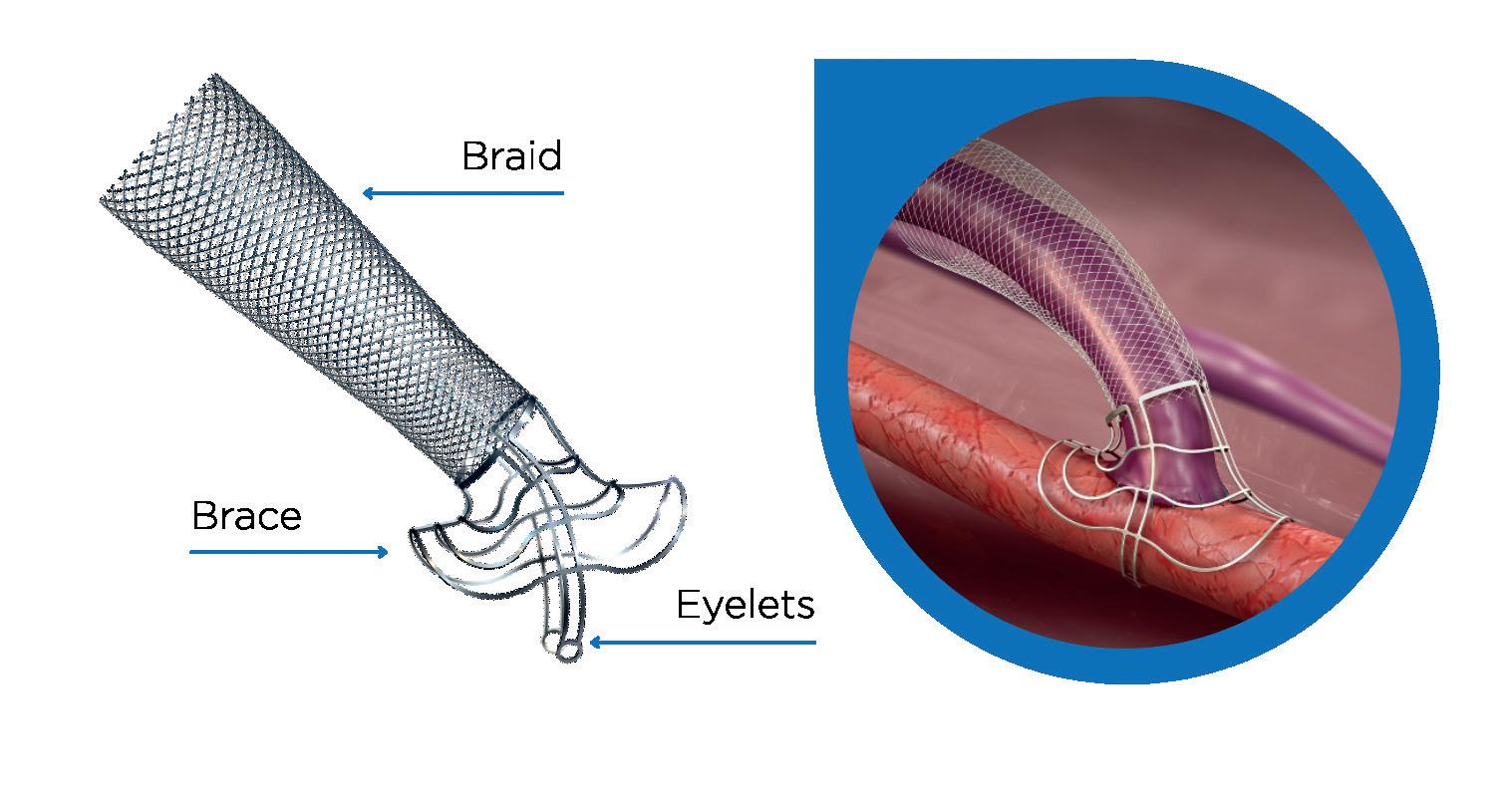
maturation was 64.4%, 83.1%, and 95.8% at one, three, and six months, respectively. In addition, they share that the overall balloon-assisted maturation (BAM) rate was 26.9%, down from 46%; there were four (3.9%) instances of haemodialysis access-induced distal ischaemia; and there were no device-related complications nor infections during the follow-up period.1,2
Furthermore, the authors write that primary patency was 62.5%, 49%, and 37.3% at six, 12, and 18 months, respectively, while secondary patency was 98.3%, 88.4%, and 86.2% at the same timepoints. “Comparatively,” they note, “previous retrospective series in our centre demonstrated a primary failure rate of 25% with RC AVFs and primary patency rates of 33% and secondary patency rates of 72% at 12 months
“There are many papers from around the world, single-centre and multicentre services, all showing a positive benefit, and we wanted to show in our own study population whether [VasQ] was also applicable,” says Yong. “I think we’re reasonably convinced that [the device] works in an Asian context, despite smaller blood vessels, different demographics.”
Specifically, in discussion of the latest findings, Yong comments on his reduced BAM and fistuloplasty rates. He also highlights the added benefits seen when the anastomosis is supported. “When the patients do get stenosis,” he says, “it’s not so severe and is isolated to the anastomotic area”. Zhang points out another key benefit she has anecdotally observed, which is that the device can be “useful in patients with very deep anatomy”.
Yong also remarks that the advantages of VasQ can be seen both intra- and postoperatively. Immediately following a procedure, from his
observations, he believes that VasQ’s support helps prevent haematoma and early failure. In addition, Yong states that the VasQ makes the longer-term postoperative course “a lot more predictable in terms of what the surgeon can expect”, highlighting fewer instances of severe stenosis that require intervention.
Yong and Zhang share that they have incorporated VasQ into their practice as standard of care in the last two years. “In our centre, we have already had quite a lot of experience and so we embrace this new technology,” says Yong. Zhang is in agreement, noting that “so far, we have not observed any adverse events”.
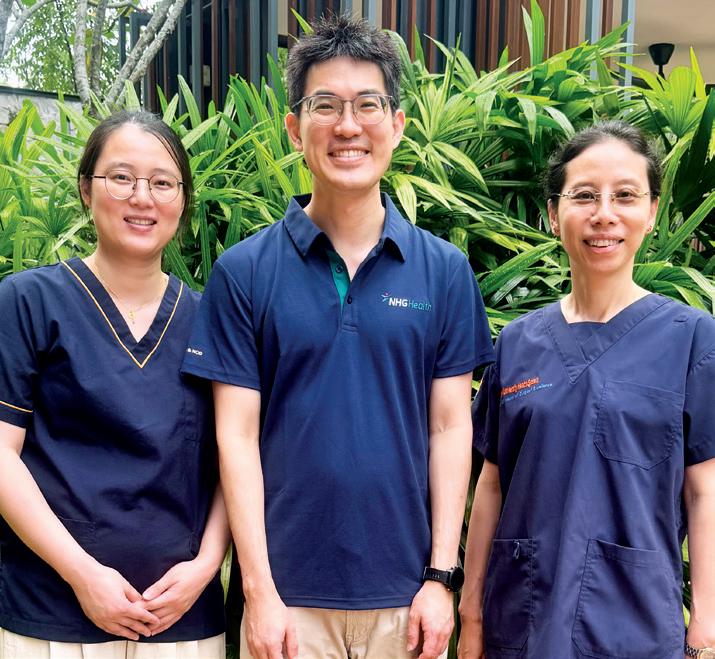
Yong does highlight a small learning curve with VasQ. However, he shares, “the on-site support from both our local distributor and also by Laminate has been quite fantastic”. Yong also mentions his visit to Shahverdyan’s centre in Hamburg for additional training. Overall, Yong relays that the Singapore team has “found [VasQ] to be very effective clinically”.
In terms of what further evidence is needed, Yong highlights the importance of collecting outcomes regarding the cost-effectiveness of VasQ. Indeed, this is forthcoming, with a quality improvement report that includes a cost-effectiveness analysis—incorporating data from both the USA and Europe—in the works.
Zhang adds that there may be some benefit of the VasQ in preventing a brachial artery-based fistula from developing steal syndrome, while noting that more data are needed to validate this observation.
On this point, Yong relays the team’s hope to eventually look into outcomes for brachial artery-based fistulas besides the steal syndrome rate. “I personally believe that having the VasQ there may also limit the severity of cephalic arch stenosis,” he remarks, referencing the impact of VasQ on flow rate and haemodynamic profile.
For now, Yong, Zhang and colleagues’ latest study adds to a growing body of evidence on the clinical impact of the VasQ across the globe. “There are so many positive studies about [the VasQ],” Yong concludes, “so I encourage anyone, if you think that it may be useful to your practice, to try it.”
References:
1. Lim X, Zhang L, Pan Y, et al J Vasc Access 2025 Oct; Online ahead of print.
2. Yong E. Asian Society for Vascular Surgery annual congress 2024.
3. Dillavou E et al J Vasc Surg 2023; 78(5):1302-12.
4. Shahverdyan R et al J Vasc Surg 2025 Jul;82(1):229-39. Epub 2025 Jun 4.

● Gore | Stand 340
Gore engineers medical devices that treat a range of cardiovascular and other health conditions. With more than 55 million medical devices implanted over the course of more than 50 years, Gore builds on its legacy of improving patient outcomes through research, education and quality initiatives. goremedical.com
● Medtronic | Stand 310
We lead global healthcare technology, boldly attacking the most challenging problems. Our mission—to alleviate pain, restore health, and extend life— unites a global team of 90,000+ people, and our technologies transform the lives of two people every second, every hour, every day. Expect more from us. Medtronic. Engineering the extraordinary. medtronic.com
● COOK Medical | Stand 300
Since 1963, Cook Medical has worked closely with physicians to develop technologies that eliminate the need for open surgery. Today, we are combining medical devices, biologic materials, and cellular therapies to help the world’s healthcare systems deliver better outcomes more efficiently. We have always remained family owned so that we have the freedom to focus on what we care about: our patients, our employees, and our communities. cookmedical.eu
● Terumo Aortic | Stand 320
At Terumo Aortic, we partner with our customers to revolutionise aortic care. We deliver innovation, versatility and precision with the broadest range of solutions that can be personalised for every patient. We are further complementing our implantable device portfolio through the development of digital technologies. terumoaortic.com
● Boston Scientific Stand 246
Boston Scientific transforms lives through innovative medical technologies that improve the health of patients around the world. As a global medical technology leader for more than 45 years, we advance science for life by providing a broad range of highperformance solutions that address unmet patient needs and reduce the
cost of healthcare. Our portfolio of devices and therapies helps physicians diagnose and treat complex diseases and conditions. bostonscientific.com
● Cordis Stand 252
From the first guidewire to the first drug-eluting stent, Cordis has been at the heart of cardiovascular innovation for nearly 70 years. Today, Cordis drives transformation through internal development, Cordis-X partnerships, and strategic acquisitions—powered by a global footprint and deep operational expertise. With a focus on better clinical outcomes, customer-centred service, and impactful education, Cordis will go beyond to relentlessly pursue its mission to transform cardiovascular care. cordis.com
● MicroPort Endovastec Stand 356
MicroPort Endovastec, formerly Lombard Medical, part of MicroPort Corporation, is dedicated to advancing endovascular treatment of aortic disease. Our portfolio includes unique thoracic endovascular aortic repair (TEVAR), fenestrated endovascular aneurysm repair (FEVAR), and EVAR solutions, empowering physicians with innovative technologies that improve patient outcomes and broaden therapeutic possibilities worldwide. Discover more at our exhibition or online. endovastec.com
● Shockwave Medical, part of J&J MedTech Stand 303
Shockwave Medical aims to establish a new standard of care for medical device treatment of atherosclerotic cardiovascular disease through our differentiated and proprietary local delivery of sonic pressure waves for the treatment of calcified plaque. As part of Johnson & Johnson MedTech, we’ll continue to deliver our same unmatched commitment to innovation, customer service and improving patient outcomes. shockwavemedical.com
● Penumbra | Stand 308
Penumbra, Inc., the world’s leading thrombectomy company, is focused on developing the most innovative technologies for challenging medical conditions such as ischaemic stroke, venous thromboembolism including pulmonary embolism, and acute limb ischaemia. Our broad portfolio, which includes computer-assisted vacuum
thrombectomy (CAVT), centres on removing blood clots from head to toe with speed, safety and simplicity. penumbrainc.com
● Philips | Stand 262
Philips is a leading health technology company focused on improving people’s health and enabling better outcomes—from healthy living and prevention, to diagnosis, treatment and home care. philips.com
● Siemens Healthineers Stand 206
At Siemens Healthineers, we pioneer breakthroughs in healthcare. For everyone. Everywhere. Sustainably. We enable healthcare professionals to innovate personalised care, achieve operational excellence, and transform the system of care. Our portfolio, spanning in vitro and in vivo diagnostics to image-guided therapy and cancer care, is crucial for clinical decisionmaking and treatment pathways siemens-healthineers.com
● Argon | Stand 267
Argon Medical is a global manufacturer of specialty medical products and offers a broad line of medical devices for interventional radiology, vascular surgery, interventional cardiology and oncology. We improve the lives of caregivers and patients by delivering best-in-class medical device products, programs and services. For over 50 years, medical professionals worldwide have trusted us to deliver consistent clinical performance. argonmedical.com
● AOTI Ltd | Stand 107
AOTI’s TWO2 therapy is clinically proven to heal non-healing wounds, reducing hospitalisations and amputations while improving quality of life and reducing costs. As an at-home therapy, TWO2 improves patient access and compliance. aotinc.net
● BD | Stand 256
BD is one of the largest global medical technology companies in the world and is advancing the world of health by improving medical discovery, diagnostics and the delivery of care. BD and its 75,000 employees have a passion and commitment to help enhance the safety and efficiency of clinicians’ care delivery process, enable laboratory scientists to accurately detect disease and advance researchers’ capabilities to develop the next generation of diagnostics and
therapeutics. bd.com
● Biocomposites | Stand 100
Biocomposites is an international medical devices company that engineers, manufactures, and markets worldleading products for use in infection management in bone and soft tissue. Based in Keele, UK, it has global operations across Europe, the USA, Argentina, Brazil, Canada, China, India and Australia. biocomposites.com
● Bonesupport UK | Stand 136
Bonesupport AB is a Scandinavian Ortho biologics company that develops and markets Cerament, an innovative range of radiopaque injectable osteoconductive and drug-eluting bio ceramic products that have a proven ability to heal defects by remodelling to host bone in six to twelve months. bonesupport.com
● Beijing Percutek Therapeutics Inc
Stand 112
Headquartered in China, Beijing Percutek Therapeutics Inc. is a pioneering medical device company specialising in advanced vascular care. They develop innovative EVAR and TEVAR solutions, including specialised stent grafts for complex anatomies, aiming to transform global cardiovascular health through endovascular precision and clinical collaboration. percutek.com
● BIBA Insights Stand 410
BIBA Insights is the market intelligence arm of BIBA Medical, delivering market trackers, conference research and bespoke studies for the global medical device industry, focusing on Europe and North America. Leveraging a proprietary panel of healthcare professionals and alignment with publications and events, including CX Symposium, it provides clinically informed insights. bibainsights.com
● Cydar Medical | Stand 264
Since 2014, Cydar Medical has provided cloud-based artificial intelligence software designed to enhance imageguided endovascular procedures. Cydar Maps integrates advanced 3D visualisation, real-time anatomical alignment, and data-driven insights to support clinical procedure planning, intraoperatively and postoperative outcome assessment. Cydar Maps supports surgical planning and improves patient outcomes. cydarmedical.com
● DK Medtech | Stand 115
Founded in 2015, DK Medtech is dedicated to enhancing patients’ quality of life through cutting-edge technologies
Continued on page 24

and innovative medical solutions. With a comprehensive product portfolio spanning coronary, peripheral, and neurovascular interventions, we deliver high-quality therapeutic options for global patients. dkmedtech.com
● Endologix | Stand 133
At Endologix, we believe the pursuit of disruptive innovation requires unwavering persistence. Guided by data, we pioneer interventions that address persistent unmet needs in patients with vascular disease. We empower physicians underserved by current solutions so we can confidently redefine what’s possible, together. This is our promise. Embrace the evidence. endologix.com
● Flex Vascular | Stand 404 VentureMed, now doing business as Flex Vascular, develops devices for endovascular therapies in patients with arteriovenous (AV) fistulas, graft stenosis, and peripheral vascular disease. The Flex Vessel Prep system is used in kinetic endovascular microincision creation (KEMIC) procedures and targets optimising vessel preparation, reducing trauma, extending patency, and contributing to improved patient outcomes. Based in Minneapolis, USA. flexvascular.com
● Getinge | Stand 232
As a partner for cardiovascular/thoracic procedures, we offer technology and knowledge to improve the clinical experience before, during and after surgery. Our solutions support faster patient recoveries, minimise infections, and reduce risk of complications. This is why customers consistently experience easy-to-use solutions perfectly suited to meet their needs. getinge.com
● Huntleigh Stand 134
A proud member of the Arjo family, Huntleigh is committed to supporting healthcare professionals in improving outcomes and enhancing patient wellbeing since 1979. With innovation and customer satisfaction as our guiding principles, we strive for clinical excellence and improved performance within vascular assessment and treatment as well as foetal and patient monitoring. huntleigh-diagnostics.com
● Inari, now part of Stryker Stand 116
patients suffering from venous and other diseases. www.stryker.com
● InspireMD | Stand 216
InspireMD is the developer of the CGuard carotid embolic prevention stent system (EPS) for the prevention of stroke. InspireMD seeks to utilise its proprietary MicroNet technology to make its products the industry standard for carotid stenting by providing outstanding acute results and durable, stroke-free long-term outcomes. inspiremd.com
● InVera Medical | Stand TT6
InVera Medical has developed an innovative infusion catheter for the delivery of sclerosant into veins of the peripheral vasculature. The US Food and Drug Administration (FDA) 510(k)-cleared and CE mark-approved InVera infusion device is a non-thermal technology capable of controlled disruption of the vein wall to expose the media layer, supporting effective sclerosant delivery. inveramedical.com
● LeMaitre | Stand 124
LeMaitre is a leading global provider of devices for the treatment of cardiovascular and peripheral vascular disease and for AV access. We develop, manufacture and market a broad range of high-quality disposable and biologic implantable devices to address the needs of vascular and cardiac surgeons and interventionalists. lemaitre.com
● LifeTech Scientific | Stand 141
LifeTech Scientfic is committed to the research and development, manufacture, and sale of minimally invasive interventional medical devices for cardio-cerebrovascular and peripheral vascular diseases, with over 25 years’ experience and network penetration in nearly 120 countries and regions around the world. lifetechmed.com
● LSO MEDICAL | Stand 130
● Medistim ASA | Stand 108
Medistim is the global leader in intraoperative ultrasonic surgical guidance and quality assessment. The MiraQ system delivers advanced transittime flow measurement (TTFM) and highfrequency ultrasound (HFUS) imaging, giving surgeons real-time insights that reduce risk, enhance outcomes, and increase confidence in cardiac, vascular, and transplant procedures. medistim.com
● Merit Medical | Stand 266
Merit Medical offers an integrated portfolio supporting vascular surgery, dialysis, peripheral interventions, interventional radiology, and cardiology. We bring you innovative solutions for vascular challenges. Join our satellite symposium and the CX hands-on workshop ‘Complex Access Maintenance‘ to learn more about Merit’s solutions. merit.com
● optimed | Stand 204
For three decades, optimed stands for high-quality, German-engineered self-expanding nitinol stents shaped by a patient-centric mindset. Our deep vascular expertise and global surgeon partnerships drive innovations—from life-saving ductus stents for infants to venous solutions like sinus-Obliquus or the sinus-XL family, the only bare-metal stent (BMS) for both aorta and vena cava. optimed.com
● PrediSurge | Stand 208
PrediSurge develops predictive software solutions for cardiovascular interventions that allow physicians and medtech companies to improve procedural planning and medical device designs. Based on preoperative imaging, our technology enables the creation of patient-specific digital twins: numerical models simulating arteries and valves’ biomechanical behaviour. This solution allows physicians to optimise intervention strategy, by choosing a graft adapted to each patient and anticipating potential operative complications. predisurge.com
● Reflow Medical | Stand 212
The company’s proprietary Tyrocore polymer platform combines strength, radiopacity, and controlled degradation, enabling innovative solutions such as the Motiv sirolimus-eluting resorbable scaffold for peripheral arterial disease. revamedical.com
● Scanlan International Stand 118
Experience the Scanlan Difference at CX 2026. Discover the world’s finest surgical instruments designed and manufactured by the Scanlan family since 1921, including precision Legacy needle holders and forceps, Super Cut scissors, Scanturian minimally invasive cardiac (MIS) surgery and video-assisted thoracic surgery (VATS) instruments, and single-use products trusted by surgeons worldwide.
scanlaninternational.com
● Shape Memory Medical Stand 106
Shape Memory Medical is reshaping clinical success through the science of smart polymer. Smart polymer upgrades device performance and redefines embolisation possibilities. Our conformable smart polymer delivers unparalleled volume, returns imaging clarity, and promotes healing as the material absorbs. We continue to drive a cross-specialty portfolio to meet procedural demands. shapemem.com
● Vascular Technology Inc. Stand 402
Vascular Technology, Inc. (VTI) is a medical device company specialising in the development, manufacture, and sale of surgical device solutions for operating rooms worldwide. For over 30 years, VTI has taken pride in delivering innovative, reliable intraoperative Doppler systems, surgical suction tools, and specialised probes that support vascular, urology, reconstructive, robotic, and other surgical specialties.
vti-online.com
● VasQ in partnership with Kimal Stand 408
Stryker acquired Inari Medical, a medical device company with a mission to treat and transform the lives of
Driver of innovation in the treatment of venous diseases, LSO Medical is a French company specialising in the design of vascular lasers for over 20 years. Serving patients is a privilege, which is why we uphold the highest standards of quality and ethics. These standards apply to all of the company’s activities: the design, manufacture, and sale of our products. LSO Medical enhances patients’ quality of life by constantly optimising existing treatments. lsomedical.com
Reflow Medical, based in California, develops endovascular devices addressing unmet clinical needs in the treatment of complex cardiovascular disease. The portfolio includes microcatheters, crossing catheters, and the revolutionary Spur device enabling retrievable scaffold therapy (RST) in below-the-knee interventions. Its CEmarked peripheral products include Spur, Wingman, Spex, and Spex LP. reflowmedical.com
● Reva Medical | Stand 128
Reva Medical is a medical device company focused on developing and commercialising bioresorbable polymer technologies for vascular applications.
IVasQ is an extravascular support designed to improve surgical fistula outcomes by providing permanent reinforcement to the artery-vein connection, promoting stability against wall tension, and decreasing turbulent flow. In partnership with Kimal, VasQ is transforming fistula care in the UK and beyond.
www.laminatemedical.com
● ViTAA Medical Solutions Stand 104
ViTAA Medical Solutions Inc. develops artificial intelligence (AI)-powered imaging and analytics platforms to improve the assessment, planning, and monitoring of vascular disease. Its AiORTA suite features AiORTA Plan (FDA-cleared), AiORTA Watch, and AiORTA Maps (both in clinical studies), Continued from page 23
designed to provide deeper insight into vascular biomechanics and enable more personalised, precise care for patients. vitaamedical.com
● Veryan Medical | Stand 244
Veryan has developed innovative technology to improve the performance of vascular stents by adopting the principle of biomimicry; developing structures that imitate those occurring naturally. Veryan’s vascular biomimetic stent technology involves adapting a straight stent design to a threedimensional helical shape, which more closely mimics the natural geometry of the human vascular system. veryanmed.com
● Virtonomy | Stand 132
Virtonomy introduces v-Patients, enabling medical device developers to perform development and testing in a virtual environment, thereby accelerating development, reducing risks, expenses, and regulatory burden. virtonomy.io
● Xeltis Stand TT4
Xeltis is a medtech company (Netherlands and USA) developing advanced polymer vascular implants that transform automatically, through
endogenous tissue restoration (ETR), into a natural living and long-lasting human vessel. Xeltis’ most advanced product, currently under clinical development, is aXess, an implantable blood vessel for patients requiring haemodialysis vascular access. xeltis.com
● Ziehm Imaging | Stand 236
Ziehm Imaging is specialised in the development and manufacture of mobile C-arms. Since 1972, we have produced technologies that enhance imaging and streamline clinical workflows. Our devices’ exceptional image quality and flexibility in the operating room serve as an important basis for treatment success.
ziehm.com
● Zylox-Tonbridge | Stand 204
Zylox-Tonbridge, founded in 2012, is a leading Chinese company specialising in neurovascular and peripheral interventional devices. With over 50 innovative products in use across 80+ countries, Zylox-Tonbridge continues to provide affordable, high-quality solutions to doctors and patients worldwide. www.zyloxtb.com
● Abbott
Abbott is a global healthcare leader that helps people live more fully at all stages of life. Our portfolio of life-changing technologies spans the spectrum of healthcare, with leading businesses and products in diagnostics, medical devices, nutritionals and branded generic medicines. Our 114,000 colleagues serve people in more than 160 countries. abbott.com
● Artivion
Artivion is a leader in the manufacturing, processing, and distribution of medical devices and implantable tissues used in cardiac and vascular surgical procedures with a suite of aortic-centric solutions such as cryopreserved cardiac and vascular allografts, surgical sealants, prosthetic heart valves, and aortic stents and stent grafts. Artivion has over 1,250 employees worldwide, with sales representation in over 100 countries. artivion.com
● Bentley
Bentley’s passion is the development, manufacturing and distribution of innovative implants for minimally invasive treatments of vascular diseases. Since market launch in 2012, we rapidly
expanded worldwide. Thanks to our international network of exclusive distribution partners, we are represented in more than 80 countries—in some we are already market leader. bentley.global
● Nectero Therapeutics
Nectero Therapeutics is a clinicalstage biotech company pioneering novel therapies with a potential to treat aneurysmal disease and improve patients’ lives. The company is led by a highly accomplished, multidisciplinary management team with input from an experienced board of directors and renowned physician leaders in vascular surgery and interventions. necterotherapeutics.com
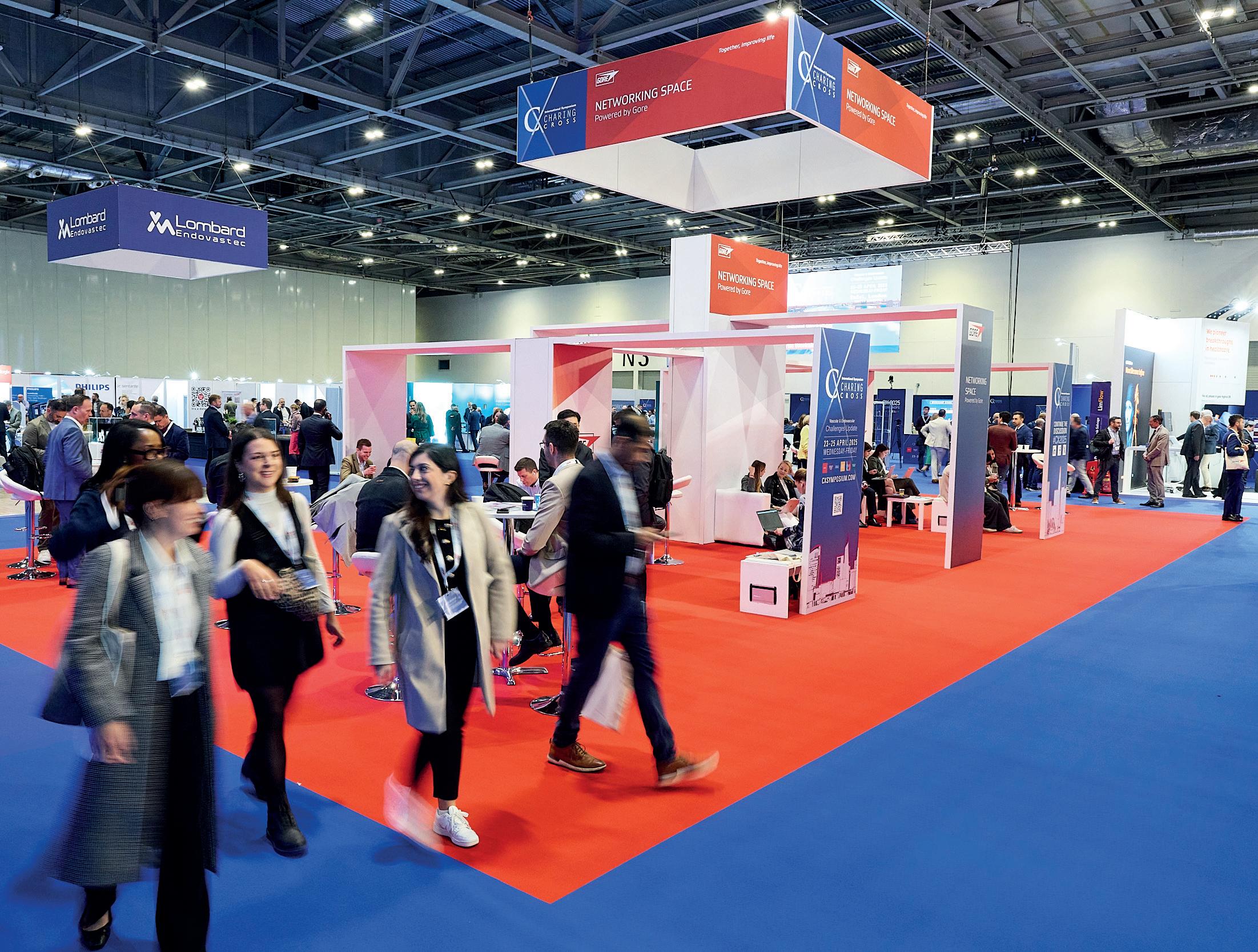
Visit the CX 2026 Exhibition on all three days of the meeting— Tuesday 21, Wednesday 22 and Thursday 23 April.

Ben Li (Toronto, Canada) ponders the current state of artificial intelligence (AI) application in clinical practice, analysing the obstacles to scaled use.
IN AN ARTICLE I RECENTLY AUTHored in npj Digital Medicine, I examined a translational gap in methodological development and real-world clinical adoption of AI tools through the lens of medical AI commercialisation. Rather than focusing on model accuracy or validation metrics, the article explored the broader ecosystem required for sustained clinical impact, including funding mechanisms, regulatory approval pathways, reimbursement structures, and integration into clinical guidelines.
The vascular AI literature is now rich with technically robust models, many of which demonstrate high accuracy in retrospective datasets. However, prospective validation and assessment under real-world conditions are less common. Even when such studies are performed, translation into clinical practice remains challenging. One example is an AI-guided ultrasound system developed to support abdominal aortic aneurysm (AAA) screening by non-expert operators. In a prospective clinical study, the system enabled nurses without formal ultrasound training to acquire diagnostically adequate images and identify aneurysms with high sensitivity and specificity. Importantly, the system provided real-time feedback to guide probe positioning and image acquisition, thereby reducing reliance on operator experience.
This example highlights how AI may extend diagnostic capability beyond specialist settings, potentially improving access to care and supporting population-based screening initiatives. At the same time, it underscores a recurring theme in AI research: strong model performance alone does not translate into clinical adoption. Without a viable pathway through regulatory approval, reimbursement, and professional endorsement, even well-validated technologies risk remaining confined to research settings. Commercialisation should be viewed as an integral component of translational research rather than as a downstream activity that follows technical develop -
ment. Early-stage AI development is often supported by academic funding, which is typically well suited to exploratory research and initial validation. However, advancing a tool to a deployable medical product requires additional resources to support regulatory compliance, scaling, software maintenance, cybersecurity, and postmarket surveillance. The absence of dedicated funding mechanisms for these vital activities contributes to the attrition of many promising technologies before they reach clinical deployment.
Importantly, commercial viability is not determined solely by market size. In vascular care, AI applications that address clearly defined clinical problems, such as improving screening efficiency, supporting perioperative decision-making, or reducing administrative burden, may offer compelling value propositions. Health economic evaluation therefore becomes a critical component of AI development, enabling researchers and developers to articulate value in terms that are meaningful to health systems, payers, and policymakers.
Regulatory approval represents a major hurdle for AI-based medical devices. In most jurisdictions, clinical AI algorithms are subject to medical device regulations, requiring evidence of safety, effectiveness, and quality assurance.
It is important to incorporate regulatory considerations early in the development process. Establishing quality management systems, maintaining appropriate documentation, and adhering to recognised standards such as Good Machine Learning Practice are essential for successful approval.
For academic teams, regulatory processes may appear opaque or burden some. However, early engagement with regulatory expertise can reduce risk and facilitate translation, particularly as regu latory bodies increasingly clarify expecta tions for AI-based devices.
Even when regulatory approval is achieved, adoption of AI tools is unlikely without reimbursement pathways that align with existing health system incentives. Most current reimbursement frameworks were designed before the emergence of AI technologies and do not readily accommodate
software-based interventions. As a result, uncertainty regarding payment remains a significant barrier to implementation. Engagement with payers and policymakers should occur alongside clinical validation. Demonstrating not only algorithmic accuracy but also cost-effectiveness, efficiency gains, or improvements in patient outcomes strengthens the case for reimbursement.
In vascular care, where large-scale prevention, screening, and surveillance programmes must balance benefit against cost, these issues are particularly salient. AI tools that improve feasibility or reduce resource utilisation may offer systemlevel value. However, such benefits must be demonstrated through appropriately designed studies that reflect real-world practice.
Clinical guidelines remain a key determinant of practice and play a critical role in legitimising new technologies. Without inclusion in guidelines, AI tools are often perceived as optional or experimental, limiting clinical uptake. Integration into guidelines requires evidence that aligns with the priorities of professional societies, including population-level impact, safety, and alignment with established care pathways. Engagement with guideline committees should begin early in the development process.
For vascular clinicians and researchers, the implications are clear. AI development cannot occur in isolation from the clinical, regulatory, and economic contexts in which the technologies are ultimately deployed. Clinician involvement early in development is essential to ensure usability, relevance, and alignment with clinical workflows, while multidisciplinary collaboration is necessary to navigate the complexities of commercialisation.
“AI has demonstrated considerable promise across multiple domains of vascular care, but its clinical impact will depend on more than technical performance”
For clinician-scientists, success in AI research should increasingly be measured by translation and impact rather than technical novelty alone. Model performance metrics remain important, but they represent only one component of a broader pathway towards meaningful clinical change.
AI has demonstrated considerable promise across multiple domains of vascular care, but its clinical impact will depend on more than technical performance. Commercialisation, encompassing funding, regulation, reimbursement, and guideline integration, represents the critical pathway through which innovation becomes routine practice.

Addressing these challenges requires early planning, sustained multidisciplinary collaboration, and a broader conception of translational success. If these conditions are met, AI has the potential to become a meaningful and sustainable component of vascular care.
BEN LI is a vascular surgery resident in the Division of Vascular Surgery at the University of Toronto in Toronto, Canada.
The author declared no relevant disclosures.
Launch Pad columnist Adam Talbot (Manchester, UK) explores what can be gained from looking beyond formal teaching in vascular surgery.
MUCH OF WHAT DEFINES VASCULAR surgery is not found in guidelines, textbooks, or trial data. It is picked up more quietly on ward rounds, in operating theatres, and in the space between formal teaching. Alongside the visible curriculum of evidence-based practice and operative skill, there is also something less explicit: a hidden curriculum. It consists of the unspoken lessons about decision-making, responsibility, and what it means to provide good care. It is not unique to vascular surgery, but it is rarely acknowledged, and even more rarely discussed. It has a real influence on how we think and how we act, especially when decisions are not straightforward.
From the operating theatre to Westminster, PAD needs a unifying voice
In the first of a series of regular columns, Rachael Forsythe (Edinburgh, UK) provides an update from the Circulation Foundation—the UK’s only national charity dedicated to vascular disease.
THERE’S SOMETHING VERY IMPOSING about the UK Houses of Parliament on a crisp winter morning. The security hustle, wood panelled walls and the dissonant division bell calling parliamentarians to vote, all set against the relentless rhythm of central London business, the powerhouse of the country. As the new chair of the Circulation Foundation, I’ve had the opportunity to walk these corridors several times lately, sensing opportunity and gravitas in equal measures. For those of us treating peripheral arterial disease (PAD), the reality is familiar: chronic
One of the clearest times this becomes apparent is when complications occur. Vascular surgery is an unforgiving specialty, and complications are part of the job, even when decisions are sound and procedures are well executed. What is much less visible is everything that sits alongside it. There is very little formal teaching on how to deal with complications on a personal level. How to reflect on them, how to process them, or how to carry the sense of responsibility that often comes with them. Support, where it exists, is inconsistent and often informal. By the time vascular surgeons reach independent practice, they are expected not only to make complex decisions, but also to live with their consequences. That expectation is rarely stated out loud, but it is widely felt. Over time, these experiences shape how surgeons think about risk, outcomes, and themselves.
“There
larly when emotions are high. This is often the case in patients with advanced frailty and chronic limb-threatening ischaemia, where the balance between benefit and burden is uncertain. In these situations, deciding not to operate is not passive. The intention is the same as with intervention: to do what is in the patient’s best interests. But it does not always feel that way in practice.
is very little formal teaching on how to deal with complications on a personal level”
Another part of this hidden curriculum lies in the language used in everyday practice. Terms become familiar and are often used without much reflection, yet they can carry underlying assumptions. Take the concept of ‘limb salvage’. It is widely used and easily understood, but it frames the clinical problem in a particular way. It suggests a binary outcome: the limb is either saved, or it is lost. The language itself subtly directs attention towards the limb as the endpoint, rather than the person.
Alongside this is how non-intervention is perceived. Operating is visible. It fits naturally with how surgeons are trained and how success is often understood. Not intervening can feel different and sometimes harder to explain, particu -
limb-threatening ischaemia (CLTI) is associated with a worse prognosis than most common cancers. Amongst parliamentarians, there is always a suppressed disbelief that 50% of patients with CLTI are dead at five years. Seems too bad to be true, surely? The bleak reality is that 70% of people have never even heard of PAD. That includes our policymakers, as well as the at-risk patient population themselves. We cannot act on what we cannot see, and visibility remains a key barrier to PAD care. When it comes to policymaking, it seems like PAD is the ‘any other business’ of cardiovascular disease here in the UK. The UK National Health Service (NHS) 10-year plan specifically brings ‘cardio-’ problems to the forefront, leaving ‘vascular’ to the footnotes. Across the Atlantic, the US PAD National Action Plan launched in 2018 as a clinician-driven strategic framework for advocacy, education, awareness and research, recognising that joint action was necessary to improve PAD outcomes. In the UK, momentum is growing now too. Charities, professional societies, medtech companies and others are aligning around the same unifying goal of improving PAD outcomes through awareness campaigns and national pathway changes. To this end, the Circulation Foundation is engaging with parliamentarians directly, attending roundtable discussions and stakeholder meetings along with other charities and societies, working alongside industry
Within that sits the question of when not to operate. It is something that is talked about more, particularly as the patients we treat become older and more complex. Even so, these decisions are rarely clear cut. They often sit in a grey area, where more than one option seems reasonable. Learning how to navigate this is part of becoming a vascular surgeon, but it is not something that is usually taught directly. It develops over time, shaped by experience and by the people and environments around us.
The hidden curriculum will always be there, shaped by experience, by culture, and by the realities of clinical practice. But bringing parts of it into view changes how we relate to it. It allows space to reflect not only on what we do, but how we think, how we speak, and how we carry the consequences of our decisions. In a specialty defined by difficult choices, that awareness may matter as much as any guideline.
ADAM TALBOT is a specialty trainee in vascular surgery based in Manchester, UK, and education representative for the Rouleaux Club—the vascular trainees’ association for Great Britain and Ireland.
partners and the Association of British Healthcare Industry. Along with our allies in the Vascular and Venous All Party Parliamentary Group, we now have an ecosystem with the real potential to shine the spotlight on PAD, through pooling of resources, expertise and influence. In fact, the release of the white paper, ‘Making the Case for Reform in the Vascular Sector’, is an example of the strength of this unified voice, calling for meaningful change on a national level. But these conversations are not abstract for those of us also in the operating theatre. They give clinicians a platform to translate the realities of the challenges that we face in clinical practice into policy conversations that can lead to change on the ground. They set the stage for earlier diagnosis, improved referral pathways and better access to care. However, whilst commissioning and national frameworks are needed to change the PAD narrative, it is also through well-resourced local clinical action that our patient outcomes will improve. The Circulation Foundation aims to support this work whilst remaining grounded in the challenges faced by clinical teams across the country. If PAD is to move further up the national agenda, then we need an ongoing coordinated voice from all corners, whether in the operating theatre or in Westminster
RACHAEL FORSYTHE is a consultant vascular surgeon in Edinburgh, UK, and chair of the Circulation Foundation.
Caitlin Hicks (Baltimore, USA) reflects on CREST-2 following publication of the trial late last year.
AFTER NEARLY A DECADE OF ENROL ment and follow-up, CREST-2 provides the most contemporary randomised evidence comparing carotid revascularisation with intensive medical therapy for asymptomatic disease. The investigators deserve considerable credit. Randomised trials in asymptomatic carotid disease have become increasingly difficult as medical therapy improves and clinical practice evolves. CREST-2 required sustained collaboration across hundreds of sites, rigorous credentialing of operators, and a highly structured protocol for risk-factor management.
The most important lesson from CREST-2 is not about which procedure performs best. Instead, the trial highlights just how dramatically the natural history of asymptomatic carotid disease has changed. Put simply: modern medical therapy works.
The most striking observation in CREST-2 is the low stroke rate observed among patients treated with intensive medical therapy. The annual stroke risk in the medically managed cohorts was approximately 1.5% per year.1 That number matters because it fundamentally reshapes the risk–benefit equation that has historically driven decisions about intervention.
Earlier trials that established the benefit of carotid revascularisation were conducted in an era when medical therapy was far less effective. Statins were not widely used, blood pressure control was less aggressive, and preventive cardiovascular care was inconsistent. CREST-2 reflects a very different treatment landscape. With contemporary medical therapy, including aggressive lipid control, antiplatelet therapy, and structured follow-up, many patients with asymptomatic carotid stenosis now face a relatively low short-term risk of stroke. For some patients, particularly older individuals with competing comorbidities, this means the immediate procedural risk of intervention may outweigh potential longterm benefits.
That does not mean carotid revascu -
larisation for patients with asymptomatic disease is obsolete. But it does mean the threshold for intervention deserves careful reconsideration.
It is important to recognise that the results of CREST-2 were achieved under highly controlled conditions. 2 Patients enrolled in the trial received structured follow-up and intensive risk-factor management that may be difficult to reproduce in routine clinical practice. Medication adherence was closely monitored, and risk factors were aggressively addressed.
Operator credentialing was also rigorous. Interventionists performing transfemoral carotid artery stenting were required to demonstrate extensive experience before being allowed to participate in the trial, and a significant proportion of applicants were not approved. 3
In addition, patients with unfavourable anatomy, including complex arch anatomy or calcified lesions, were excluded from stenting randomisation. In contrast, anatomic limitations for carotid endarterectomy were minimal.
These safeguards undoubtedly contributed to the excellent outcomes reported in CREST-2. The question now facing clinicians is not whether these outcomes are achievable, but whether they are reproducible in everyday practice.
One of the most notable aspects of CREST-2 is what the trial did not include.
Transcarotid artery revascularisation (TCAR) has become a major component of carotid intervention in the USA. However, TCAR was not incorporated into the CREST-2 trial design because the study began before the technology achieved widespread adoption. As a result, CREST-2 compares intensive medical therapy with carotid endarterectomy and transfemoral carotid stenting, but does not address the approach that many vascular surgeons use with increasing frequency in contemporary practice.
Registry data suggest favourable outcomes with TCAR, particularly when compared with transfemoral stenting.4 Whether TCAR would have influenced the conclusions of CREST-2 remains unknown, but its absence is an important consideration when applying the trial’s findings to contemporary practice.
So what should clinicians take away from CREST-2?
First, the trial reinforces the importance of aggressive medical therapy for all patients with carotid disease. Risk-factor control is no longer simply an adjunct to intervention; it is a central component of stroke prevention.
Second, the CREST-2 results highlight the importance of patient selection. Not every patient with asymptomatic carotid stenosis requires intervention. For some individuals, such as older patients with well-controlled risk factors, medical therapy alone may be a reasonable strategy. Other patients, such as those with long life expectancy and favourable anatomy, may still derive meaningful benefit from revascularisation. Even modest annual stroke risk can accumulate over time, making long-term risk reduction relevant for carefully selected individuals.
“CREST-2 does not end the debate over asymptomatic carotid stenosis, but it reframes it”
The annual stroke risk in the medically managed cohorts was approximately per year 1.5%

Finally, shared decision-making will become increasingly important. Patients should understand both the relatively low stroke risk associated with modern medical therapy and the potential long-term benefits—balanced against the short-term risks—of intervention.
CREST-2 does not end the debate over asymptomatic carotid stenosis, but it reframes it. The future of carotid disease management will depend on better tools to identify which plaques are truly high risk and which patients stand to benefit most from intervention. Advances in imaging, plaque characterisation, and risk stratification may ultimately help guide these decisions.
In the meantime, the central message of CREST-2 is clear: optimise medical therapy, intervene selectively, and individualise treatment decisions.
Carotid revascularisation remains an important tool for preventing stroke. But CREST-2 reminds us that the goal is not simply to perform procedures—it is to ensure that the right patients receive the right treatment at the right time. This shift from routine intervention toward precision patient selection may ultimately be CREST-2’s most lasting contribution.
References
1. Brott TG, Howard G, Lal BK, et al ; CREST-2 investigators. Medical management and revascularization for asymptomatic carotid stenosis. N Engl J Med . 2026 Jan 15;394(3):219–231.
2. Turan TN, Voeks JH, Chimowitz MI, et al . Rationale, design, and implementation of intensive risk factor treatment in the CREST-2 trial. Stroke . 2020 Oct;51(10):2960–2971.
3. Lal BK, Meschia JF, Roubin GS, et al ; CREST-2 investigators. Factors influencing credentialing of interventionists in the CREST-2 trial. J Vasc Surg 2020 Mar;71(3):854–861.
4. Columbo JA, Martinez-Camblor P, Stone DH, et al . Effectiveness of transcarotid vs transfemoral carotid stenting for stroke prevention. JAMA Netw Open . 2025 Apr 1;8(4):e259143.
CAITLIN HICKS is vice chair of research in the Department of Surgery and associate professor of surgery at The Johns Hopkins University School of Medicine in Baltimore, USA.
The author declared no relevant disclosures.




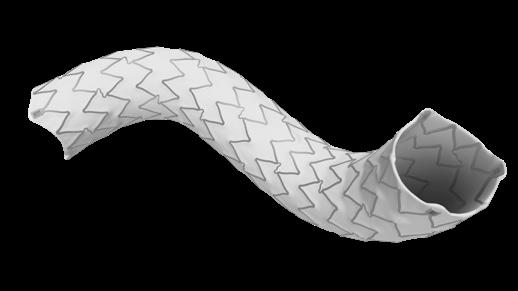
First patient enrolled in iVascular’s fenCo study iVascular has announced the enrolment of the first patient in the fenCo clinical study, marking the initiation of a European clinical trial evaluating iCover in fenestrated endovascular aneurysm repair (FEVAR) for the treatment of complex abdominal aortic aneurysms. The study is designed to assess the performance and safety of the iCover balloon-expandable, ePTFE-covered stent when used as a bridging stent graft in complex aortic anatomies.
FenCo is a prospective, singlearm, European multicentre study that will enrol up to 165 patients across 24 centres in five countries over a 12-month enrolment period. The trial’s co-primary endpoints are bridging stent patency—defined as the absence of binary restenosis at 12 months—and the absence of target vessel instability from implantation through the 12-month follow-up.
The first patient was enrolled at the Centre Hospitalier Universitaire de Bordeaux (Bordeaux, France) by a team led by Eric Ducasse, principal investigator together with Vincent Riambau (Hospital Clínic de Barcelona, Barcelona, Spain).
Enrolment in SPIRARE II pivotal trial of embolectomy system for pulmonary embolism completed Jupiter Endovascular has reported completion of patient enrolment in the SPIRARE II pivotal trial evaluating the Vertex pulmonary embolectomy system in patients with acute, intermediate-risk pulmonary embolism (PE). The final subject was enrolled by Vikas Aggarwal (Henry Ford Hospital, Detroit, USA), the site’s principal investigator.
SPIRARE II is a prospective, single-arm, multicentre pivotal study that enrolled 123 patients across 23 sites in Europe and the USA. Trial endpoints characterise the procedural and clinical performance of PE treatment with the Vertex system across measures of safety, right heart function and clinical improvement from the time of the procedure to 30 days post-procedure. The Vertex system incorporates Jupiter’s Transforming Fixation (TFX) technology to provide on-demand stability and control during transcatheter interventions in the pulmonary vasculature.
“The high level of investigator engagement in SPIRARE II underscores
a critical shift in how we approach pulmonary embolism, moving toward total procedural control and intentional access to drive superior clinical outcomes,” said Sameh Sayfo (Baylor Scott & White The Heart HospitalPlano, Plano, USA), the trial’s global co-principal investigator.
Endospan announces oneyear data from TRIOMPHE IDE study
Endospan has announced the one-year results of its TRIOMPHE investigational device exemption (IDE) study evaluating the Nexus aortic arch stent graft system. The data were presented at the Society of Thoracic Surgeons (STS) annual meeting (29 January–1 February, New Orleans, USA).
TRIOMPHE is a prospective, multicentre, three-arm trial designed to assess the safety and effectiveness of the Nexus system in patients with aortic arch pathologies (dissection, aneurysm, penetrating aortic ulcer [PAU]/intramural haematoma [IMH]).
Endospan shares that the one-year results for the 94 high-surgicalrisk patients in the three arms are “promising” for aortic arch treatment in zone 0, which is noted to be a difficult segment of the aorta to treat without high rates of comorbidities such as mortality or stroke.
“As a vascular surgeon, I am excited to see the one-year results from TRIOMPHE continue to mirror the positive results we have seen in the long-term data on NEXUS in Europe,” said Ross Milner (UChicago Medicine, Chicago, USA), national vascular surgery principal investigator.
First patient treated in US trial of renal pelvic denervation technology
Verve Medical has revealed successful treatment of the first patient in its randomised, double-blinded US pilot clinical trial using its renal pelvic denervation (RPD) technology for uncontrolled hypertension.
The RPD pilot trial builds on the results from Verve’s TUSK feasibility trial, which demonstrated an average reduction of approximately 20mmHg in systolic blood pressure among treated patients through one year of follow-up.
The first procedure was performed by Michael Borofsky, associate professor and director of endourology fellowship at the University of Minnesota and M Health Fairview (Minneapolis, USA).
The RPD pilot trial is enrolling 60 patients across 10 US clinical sites, with participants randomised to receive either RPD therapy or a sham procedure “to ensure rigour and objectivity”.
Verve’s RPD therapy directly targets overactive renal nerves using radiofrequency (RF) energy delivered into the densely enervated renal pelvis through an outpatient procedure.
Vena Medical secures US FDA clearance for MicroAngioscope system
Vena Medical recently announced it has received regulatory clearance from the US Food and Drug Administration (FDA) for the use of its flagship technology, the Vena MicroAngioscope system, in the peripheral vasculature.
According to the company, the Vena MicroAngioscope system is the world’s smallest camera for a live, full-colour view from inside the vasculature.
“This landmark regulatory achievement opens the door for international exporting, beginning with entry into the USA, the largest peripheral vascular market in the world with 2.5 million procedures annually,” Vena Medical notes in a press release. “It marks Vena’s most significant commercial expansion to date and the opportunity to impact patient care at meaningful scale.”
Leipzig, Germany), where physicians discussed its potential impact on iliac interventions.
GE HealthCare’s Allia Moveo gains FDA and CE mark approvals
GE HealthCare recently announced that its Allia Moveo image-guidance platform has received US Food and Drug Administration (FDA) 510(k) clearance and CE mark.
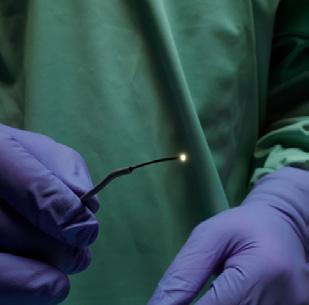
Close up of the illuminated Vena MicroAngioscope system microcamera tip in hand
To support this commercial expansion, Vena Medical simultaneously celebrated the grand opening of its new US$4.5 million Manufacturing Centre of Excellence in Kitchener, Canada. The facility, made possible through strategic funding from the Life Sciences Scale-Up Fund (LSSUF), was officially unveiled with a ribbon-cutting ceremony led by the Honourable Vic Fedeli, Ontario’s minister of economic development, job creation and trade.
BD receives CE mark for Revello vascular covered stent
BD has obtained CE marking for the Revello vascular covered stent, which the company describes as a nextgeneration endovascular solution for the treatment of atherosclerotic lesions in the common and external iliac arteries.
The Revello stent is designed to combine the flexibility of a nitinol selfexpanding stent with the radial resistive force tailored for the iliac arteries. The stent features an ultrathin expanded polytetrafluoroethylene covering, compliant stent ends and, for placement accuracy, tantalum radiopaque markers.
“Revello is delivered via a triaxial delivery system designed for controlled deployment and accurate placement. The system includes an atraumatic tip for smooth insertion, a stability sheath for smooth and precise delivery, and a thumbwheel that provides intuitive control and precise adjustments during deployment,” BD notes in a press release. The company adds that the stent is available in a wide range of sizes.
Following receipt of the CE mark, the Revello stent was introduced at the 2026 Leipzig Interventional Course (LINC; 27–31 January,
GE says that the new system will assist clinicians in a wide range of cardiovascular, vascular, non-vascular, interventional and surgical procedures. New features include a compact, cable-free C-arm system and artificial intelligence (AI)-powered guidance tools to help clinicians work efficiently and adapt to the spatial constraints of traditional interventional suites.
The Hôpital MarieLannelongue in Paris, France, was the first medical centre in the world to complete the installation of Allia Moveo. The platform is intended to enable flexible cone-beam computed tomography (CT) and support this leading hospital in treating vascular and cardiology diseases.
“My initial experience with Allia Moveo has been incredible, it’s a real gamechanger. With Allia Moveo, we had this opportunity to position the system very quickly in any working position that will adapt the best to us,” said Stephan Haulon (Hôpital MarieLannelongue, Paris, France).
Penumbra unveils latest iteration of thrombectomy system for VTE
Penumbra has launched the Lightning Flash 3.0 computer-assisted vacuum thrombectomy (CAVT) system, a development that includes “significant upgrades” to the venous thromboembolism (VTE) platform, according to the company.
“Engineered for the rapid removal of pulmonary and venous thrombus, the latest Flash 3.0 algorithm is designed for enhanced clot detection capabilities with increased sensitivity to thrombus and blood,” Penumbra reported. The latest iteration includes enlarged tubing coupled with an automated backflush feature tailored for large thrombus burdens and to reduce friction from aspirated thrombus.
The STORM-PE randomised controlled trial found that the use of Penumbra’s CAVT technology with anticoagulation achieved superior reduction in right heart strain compared to anticoagulation therapy alone in patients with acute intermediate-high risk pulmonary embolism (PE).
Boston Scientific announces agreement to acquire Penumbra Boston Scientific and Penumbra announced the companies have entered into a definitive agreement under which Boston Scientific will acquire Penumbra in a cash and stock transaction that values Penumbra at US$374 per share, reflecting an enterprise value of approximately US$14.5 billion.
“Penumbra is a well-established company with an experienced, highperforming team and this acquisition offers Boston Scientific an opportunity to enter new, fast-growing segments within the vascular space,” said Mike Mahoney, chairman and chief executive officer (CEO) of Boston Scientific.
“I’m thrilled to combine the talents and shared values of our teams— including welcoming Penumbra’s chairman and chief executive officer, Adam Elsesser, to our board of directors upon close. The addition of Penumbra can expand access for these novel technologies to more patients and customers around the world, further enhancing our revenue and margins over time with proven offerings that have a history of growth and innovation.”
Penumbra offers mechanical thrombectomy products for use in peripheral vascular procedures to remove blood clots causing blockages in arterial, venous and pulmonary vessels, including the Lightning Bolt and Lightning Flash computer-assisted vacuum thrombectomy (CAVT) systems. The company’s vascular portfolio also includes a minimally invasive peripheral embolisation system.
Neurovascular offerings from Penumbra currently include differentiated solutions for access, stroke revascularisation and neuroembolisation.
“Our decades-long development of therapies for challenging medical conditions has focused on deep innovation for complex diseases so that we can offer physicians novel solutions to transform patient care,” said Elsesser. “I am grateful for the amazing people who have contributed to this work and look forward to uniting our efforts and shared values as we come together with Boston Scientific.”
The transaction is expected to be completed in 2026, subject to receipt
Conference calendar
8–10 April
CLI-C Global Venice, Italy cli-courses.com/events/clicglobal-2026
21–23 April
Charing Cross (CX) Symposium London, UK cxsymposium.com
of Penumbra’s stockholder approval and the satisfaction of other customary closing conditions.
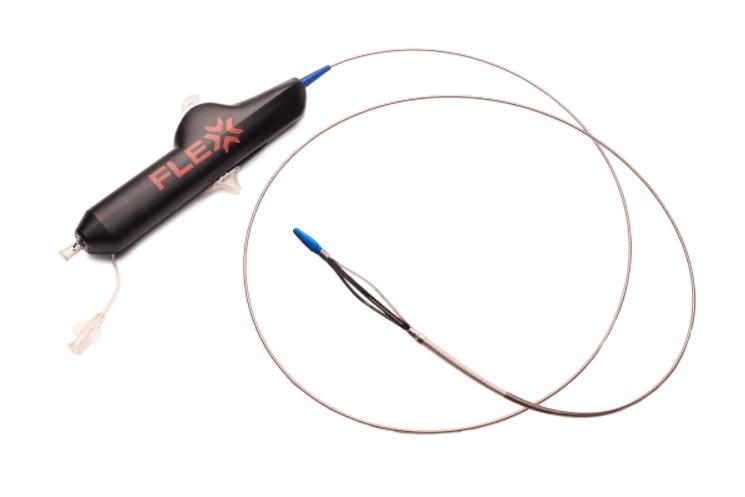
Flex Vessel Prep system
VentureMed changes operating name to Flex Vascular VentureMed, the company behind the Flex Vessel Prep system for arteriovenous (AV) access and peripheral arterial disease (PAD) interventions, is now doing business as Flex Vascular.
“The DBA (Doing Business As) name reflects the company’s focused commitment to vascular innovation and aligns directly with its flagship technology, the FLEX Vessel Prep system,” the company announced in a press release.
“Flex Vascular more clearly represents who we are and what we do,” said Denis Harrington, the company’s CEO. “As adoption of FLEX Vessel Prep has grown, it became increasingly important that our publicfacing name clearly align with our vascular focus and the technology we bring to clinicians and patients.”
VentureMed Group, Inc. remains the company’s legal corporate entity. “The transition to operating as Flex Vascular is a branding update and does not involve a change in ownership, leadership, corporate structure, product offerings or regulatory status,” the company press release added.
FLEX Vessel Prep is US Food and Drug Administration (FDA) 510(k)cleared and CE mark-approved.
SonoVascular completes first close of series A preferred stock financing
SonoVascular, developer of the SonoThrombectomy system for the treatment of venous thromboembolism (VTE), has completed the first close of its US$6 million series A preferred stock financing.
A press release notes that Harbright
27–29 April Advanced Vascular Conference (AVC) Frankfurt, Germany avc-vasc.com
21–22 May 18th Pacific Northwest Endovascular Conference (PNEC) Seattle, USA pnec-seattle.org
Ventures is serving as lead investor, and Robert Ross, founding partner at Harbright, has joined SonoVascular’s board of directors.
The SonoThrombectomy system is an ultrasound-facilitated, thrombolyticenhanced thrombectomy system that utilises microbubble-mediated cavitation as a core mechanism of action. This system is designed to provide a single-session, standalone cath lab-based procedure.
SonoVascular shares that it has successfully treated 10 patients in South America in its first-in-human (FIH) study for deep vein thrombosis (DVT). Its SonoThrombectomy system achieved a complete 100% Marder score (clot) reduction in all cases as adjudicated by an independent core lab, with no device-related adverse events. Followup at both 30 days and six months

confirmed significant and sustained improvements from baseline in postthrombotic syndrome (PTS) severity scores, including Villalta, revised Venous Clinical Severity, and Numeric Pain Rating Scale scores.
According to SonoVascular, the initial results suggest the SonoThrombectomy system has the potential to redefine how clinicians approach clot management, offering a transformative alternative to today’s standard of care.
Lisandro Carnero-Vidal (Clínica La Sagrada Familia, Buenos Aires, Argentina), principal investigator, said: “There is currently no ideal device for the treatment of deep vein thrombosis, as existing technologies carry inherent trade-offs, including blood loss and risk of valvular or endothelial injury. In this first-in-human feasibility study, the SonoThrombectomy system demonstrated a favourable safety profile and consistent procedural performance in patients with deep vein thrombosis.
All 10 patients were treated successfully, with no device-related serious adverse events and sustained
10–13 June Vascular Annual Meeting (VAM) Boston, USA vascular.org/vam-2026
25–26 June
British Society of Endovascular Therapy (BSET) annual meeting South Gloucestershire, UK bset.co.uk
clinical improvement through six-month follow-up. While these findings are preliminary, they support further clinical evaluation of intravascular sonication as a therapeutic approach intended to preserve venous valves and endothelium without blood loss.”
SonoVascular states that the series A round will fund achievement of two important milestones during 2026: (i) secure US Food and Drug Administration (FDA) approval for a US-based peripheral venous pivotal study; and (ii) conduct an FIH study for pulmonary embolism treatment.
Inquis Medical closes series C financing round Inquis Medical announced the closing of a US$75 million series C financing round.
The company stated in a recent press release that the financing follows a transformative 2025 during which Inquis Medical successfully transitioned into a commercial-stage organisation. Key achievements include expanded regulatory clearance for pulmonary embolism (PE) treatment and publication of pivotal trial data. The data demonstrated significant thrombus removal while minimising blood loss through integrated autologous blood reinfusion in 130 patients with intermediate-risk PE with no devicerelated adverse events.
“The successful closing of our series C financing marks a pivotal inflection point for Inquis Medical as we scale our footprint in the VTE [venous thromboembolism] market,” said Vahid Saadat, co-founder and co-chief executive officer (CEO) of the company. “This partnership with a strategic investor provides the capital necessary to execute our long-term vision of redefining the standard of care in VTE through the convergence of clinical excellence and technological innovation.”
This latest round builds upon the momentum established by a US$40 million series B financing completed in August 2024.
“This capital infusion is a strong endorsement of our commercial trajectory and the clinical progress our team has achieved,” said Mojgan Saadat, co-founder and co-CEO of Inquis Medical.
25–27 June
26th annual meeting of the European Venous Forum (EVF) Versailles, France europeanvenousforum.org
5–9 September
Cardiovascular and Interventional Radiological Society of Europe (CIRSE) annual congress Copenhagen, Denmark cirsecongress.cirse.org
10 September
Interdisciplinary Aortic Dissection Symposium (IADS) London, UK aorticdissectionsymposium.com
3–7 October
The VEINS and VIVA Las Vegas, USA viva-foundation.org