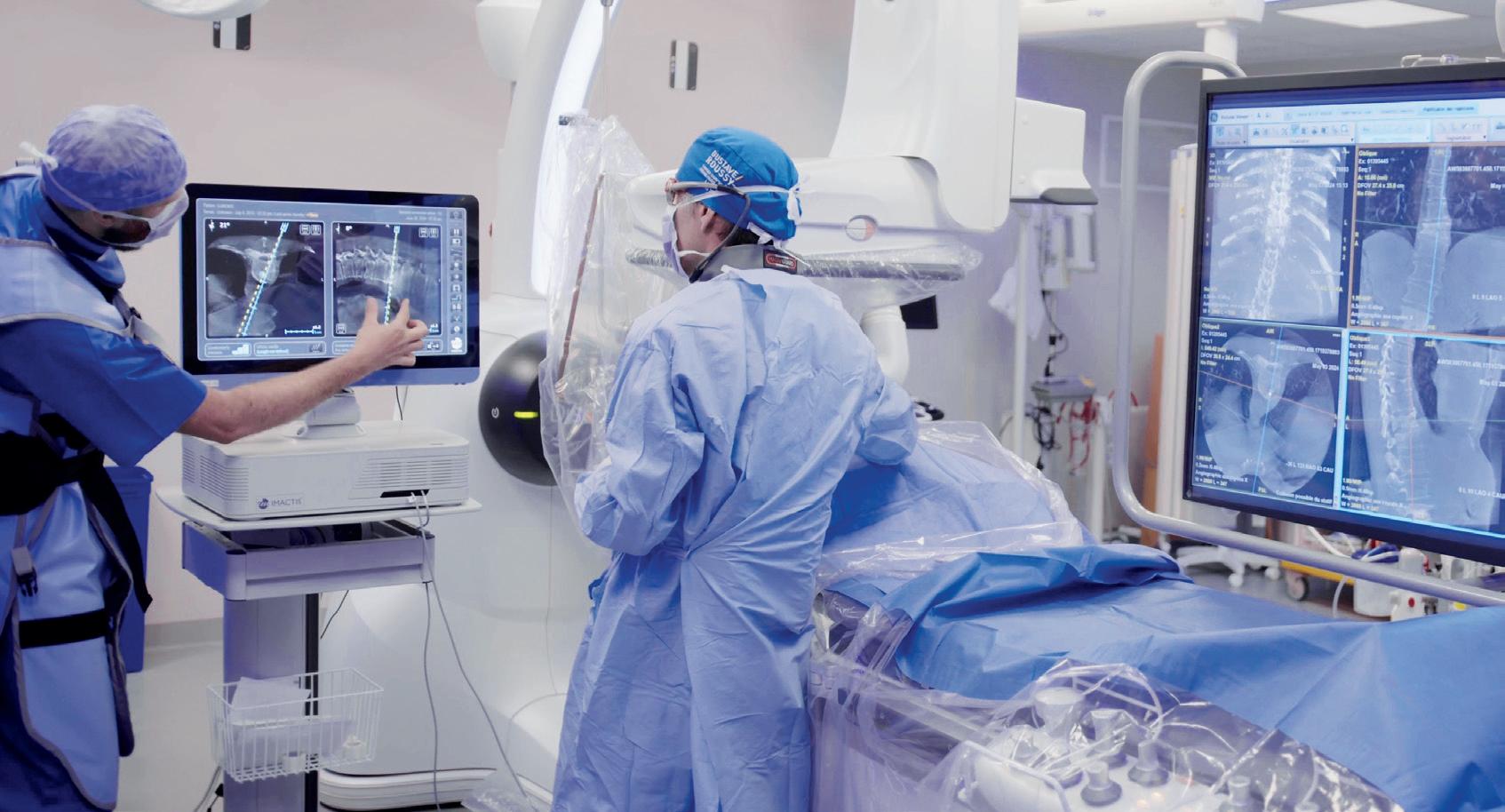
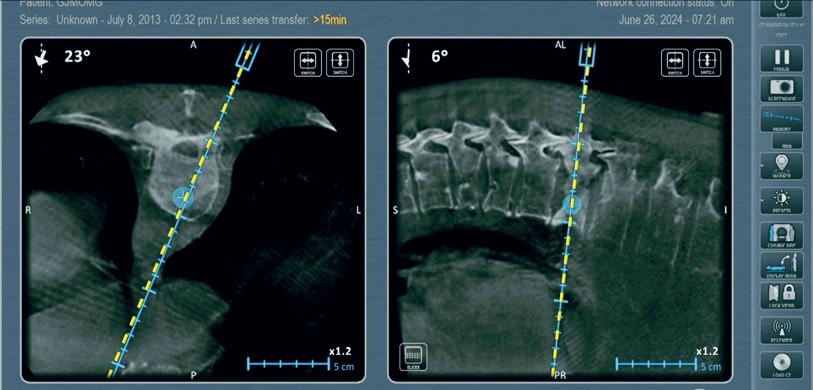
In 2023, the Society of Interventional Radiology (SIR) Foundation awarded the percutaneous cholangiopancreatoscopy (PCPS) registry the largest grant to date to investigate the use and role of cholangioscopy in the treatment of gallbladder and biliary tree lesions with the goal of removing indwelling drainage catheters quickly, treating biliary stones and diagnosing and treating strictures. Although cholangioscopes are not new and have been used for decades during gastrointestinal interventions and by a small number of interventional radiology (IR) practices, recent advancements in technology have begun to make new of old, drawing scopes to the forefront of a novel era of biliary intervention.
“Percutaneous biliary endoscopy has come to the procedural forefront in the past five years,” said Harjit Singh (Johns Hopkins University, Baltimore, USA), lead researcher for the PCPS registry, when speaking to Interventional News. “Prior to that time, only a few large academic centres were performing the procedure.” Since the early 1990s, laparoscopic cholecystectomy has typically been the gold standard for patients with symptomatic gallstones, which involves the surgical removal of a diseased gallbladder. However, when considered in an aging, increasingly comorbid, and so surgically unsuitable patient population, this treatment option is unviable. For these patients, percutaneous drains can be inserted into the gallbladder, but these require regular changing. Cholangioscopy can improve the efficiency of such procedures and the patient’s quality of life (QOL).
Percutaneous cholangioscopy is a minimally invasive procedure used to diagnose and treat conditions affecting the biliary tree and gallbladder. This typically involves the insertion of a flexible endoscope into the biliary system, enabling visualisation of the gallbladder lumen or bile ducts for the removal of stones, to place stents, treat strictures or perform biopsies. When the biliary tree/gallbladder cannot be approached endoscopically, percutaneous access with the placement of a drainage catheter is usually the first step. For choledocholithiasis and cholelithiasis, percutaneous scopedirected lithotripsy with fragment removal is increasingly being used as an effective minimally invasive option.
Although a smattering of medium-sized studies have
evaluated the effectiveness of cholangioscopy and eventual tube removal, no large studies have been conducted to date. In 2022, to begin filling these gaps in understanding, Singh led the SIR Foundation research consensus panel, identifying crucial priorities regarding percutaneous image- and cholangioscopyguided procedures for biliary and gallbladder diseases.
“Bringing together experts who have performed cholangioscopy was critical,” he commented. They identified three key areas of future research: the treatment of benign biliary strictures, the evaluation and treatment of intrahepatic cholangiocarcinoma (IHCC), and cholelithiasis/ choledocholithiasis in patients not suitable for surgery. Based on the response the panel received, Singh and his team determined that a multisite registry would be the best vehicle to collect these data and—with the sponsorship of the SIR Foundation—
Some people worry about losing their turf, but this is one area that any other specialty would be apprehensive to take on”
Peter Mueller
Point of view: IR devices in low-income countries
Money-maker or meritable: Is renal denervation out of retirement?
In a paper published in the July 2024 issue of the Journal of Hypertension, Andrew Sharp (University Hospital of Wales and Cardiff University, Cardiff, UK) et al reviewed 16 randomised controlled trials to assess the evidence of renal denervation’s (RDN) efficacy, concluding that, in uncontrolled arterial hypertension, RDN leads to a consistent reduction in blood pressure.
UP UNTIL NOW HOWEVER, RDN had been effectively abandoned, largely due to the influential 2014 SYMPLICITY HTN-3 (Renal denervation in patients with uncontrolled hypertension) trial which found no significant difference between RDN and sham control groups at six-month follow-up. Yet—perhaps supplying the spark for RDN’s revival—in 2022, the Medtronic-sponsored trial published three-year follow-up data which showed that RDN provided a sustained blood pressure reduction benefit for those patients, with the first-generation single-electrode technology.
In Franz Messerli’s (Saint Luke’s Roosevelt Hospital, New York, USA) view, there are still two groups despite the emerging data—the enthusiasts and the sceptics. “In recent meta-analyses—such as Sharp et al’s—we see a fall of 3.6mm of mercury [mmHg], and to many of us, this is simply not sufficient to justify an invasive procedure.”
Although, in an accompanying commentary to Sharxfp and colleagues’ research titled ‘Why the lack of enthusiasm for renal denervation?’ in the July issue of the Journal of Hypertension, Messerli asserts that the authors “correctly conclude” that RDN leads to consistent blood pressure
“Quality of life is the most underrated metric in IR”
Stop and think about that for a minute. For the next few days, as you work, think about quality of life (QOL) as your key metric, writes Brian Stainken, one of the editors-in-chief of Interventional News. Did you and your team make a difference?
Leave it to one of our titans, Peter Mueller (Massachusetts General Hospital, Boston, USA), to make this statement. He was speaking to the quiet revolution happening in the field of biliary interventions (see lead story). He was speaking to the patients we all know whose lives were saved with chronic biliary and gall bladder drains, but are now cursed by the same solution. Have you ever met a patient who said I want to keep my drain? The next generation solutions that Harjit Singh (Johns Hopkins University, Baltimore, USA) and the Society for Interventional Radiology (SIR) Foundation have invested in for years are now almost ready for prime time.
Get rid of the stones, lose the tubes! The patients are certainly out there. Soon the multicentre trial data will be ready, and hopefully by then you will have assembled the multidisciplinary team and the technical competencies to deliver these new solutions and the innovation that will certainly follow. As many of us know, removing a chronic drain is almost guaranteed to get a hug from the patient. Patient hugs are key positive endpoints when measuring QOL improvement. Survival is another positive indicator.
Two stories in this issue take this home. On page 19 you can read the story of a best-selling author, Sebastian Junger, who went public with his near-death experience from a ruptured visceral aneurysm. He was rushed to a local hospital where the emergency department effectively initiated a mass transfusion protocol, and a wise vascular surgeon made the call to refer to the case to the best equipped professional. Phillip Dombrowski (Cape Cod Hospital, Hyannis, USA) a community-based interventional radiologist, answered the late night call. But why did the surgeon call Phil? Because, over many
years, Phil built a reputation for excellence, availability and teamwork. Sometimes these teams grow organically, but when not present, build one. Be it a tumour board, trauma or pulmonary embolism (PE) care, the best care is team care. Work out process and referral plans up front. As Junger notes, it took a team to save his life and survival is a prerequisite for assessing quality.
Patient hugs are key positive endpoints when assesing QOL improvement. Survival is another positive indicator”
One more must read article is on page 22. The Dutch COLLISION trial was recently halted halfway through enrollment because it met predefined halting rules. This trial, comparing hepatic resection with percutaneous thermal ablation in the setting of colon cancer found that both approaches delivered similar progression-free survival. Surgery was associated with a 2.1% mortality risk, there were no deaths in the ablation group. This is huge. It’s the sort of trial we’ve needed to redefine the standard of care.
How about
QOL?
If you have fewer than 10 metastases, less than 3cm in diameter, and no extrahepatic disease, you probably don’t need surgery. Do I need to say anything more? But that assumes that you are delivering the solution with the same level of expertise and to the same technical endpoints as the trial centres. If you are, prove it! Others will want to do the same. Be like Phil. Be excellent, be available, build your network and your reputation for excellence. Know your outcomes. Wait for the trial data publication and read it. Twice. Does it mirror your practice? Interventional News will be covering this important trial in depth in upcoming issues, so stay tuned.
Finally, as I ponder this whole space of QOL as it relates to interventional radiology (IR) care, it strikes me that the subthemes, the importance of teamwork, preparation, professional networking, and awareness of the patient’s needs merit just a few more words. We, as interventional radiologists, benefit from an abundance of opportunity to care. It seems that the field’s growth knows no limits. But, when viewed from the patient’s perspective, what do they experience? Did it hurt? Did anyone show compassion? Did you take the time to explain the imaging when you see the patient afterward in the office? Anyone who has experienced the sharp end of the needle will tell you that these elements matter. Can you and your team be better? From the simplest case to the herculean, pay attention to the impact of your work on your patient. You might just get a hug.
As always, if you have ideas for stories, comments, or an opinion that needs to be shared, email Interventional News via eva@bibamedical.com.
Editors-in-chief: Professor Robert Morgan, Professor Andy Adam, Professor Brian Stainken
Publisher: Stephen Greenhalgh | Content director: Urmila Kerslake | Global sales director: Sean Langer
Editor: Éva Malpass
Design: Terry Hawes, Josh Lyon and David Reekie
Advertising: Michael Broughton michael@bibamedical.com
Subscriptions: subscriptions@bibamedical.com
Published by: BIBA News, which is a subsidiary of BIBA Medical Ltd
In a new post-hoc analysis of the Lutonix (BD) arteriovenous (AV) global registry using investigational device exemption (IDE) criteria, Dimitrios Karnabatidis (Patras University Hospital, Patras, Greece) reports the “highest” sixmonth target lesion primary patency (TLPP) to date when evaluated through IDE criteria. The Lutonix AV global registry assessed the safety and clinical benefit of the Lutonix drug-coated balloon (DCB) catheter for the treatment of dysfunctional AV fistulae (AVF) and grafts (AVG) located in the arm.
For more on this story go to page 4.
n UTERINE FIBROID EMBOLIZATION
SURVEY:
A recent survey conducted by The Harris Poll on behalf of the Society of Interventional Radiology (SIR) has revealed that more than half (53%) of women diagnosed with uterine fibroids were primarily offered a hysterectomy. This highlights a “significant lack of awareness” among women regarding uterine fibroids, with approximately 72% of women being unaware of their risk for developing fibroids.
For more on this story go to page 21.
n COLLISION TRIAL:
A study evaluating the potential noninferiority of thermal ablation compared to surgical resection for patients with small-size resectable colorectal liver metastases (CRLM) has been halted at halftime after meeting halting stopping rules. The findings from the COLLISION trial showed that the standard of care for these patients should be transition from surgery to thermal ablation based on overwhelming data collected in the trial.
For more on this story go to page 22.
If you have comments on this issue or suggestions for upcoming editions write to eva@bibamedical.com Subscribe here
Brain Stainken
www.ivascular.global
have enrolled close to 500 patients.
Moving beyond specialised academic centres, Singh stated that percutaneous cholangioscopy’s maturation can be attributed to the technological advancements of recent years. Sharing his experience, Hugh McGregor (University of Washington Medical Center, Seattle, USA) explained that the broader market availability of smaller, disposable scopes “lowered the barrier to entry”, making the procedure more accessible to IR teams. Previously, clinicians would need to buy a reusable endoscopic system or borrow one from another speciality, creating “challenges” for various reasons, he added. “There is definitely a learning curve—it’s a new modality that interventional radiologists don’t typically come across. We’re used to looking at X-rays in real time, not videoscopic images,” McGregor said.
McGregor’s own research has focused on gallbladder cryoablation, having conducted a first-inhuman trial in 2020 which found the modality to be a promising alternative to long-term cholecystostomy tube drainage for the treatment of cholecystitis in nonoperative patients. “When you look at devitalisation of the gallbladder, there was a lot of work done in the 1970s and 1980s, but there seemed to be a gap in the 1990s into the 2000s, perhaps due to the advent of laparoscopic cholecystectomy becoming the absolute standard, despite still being a fairly morbid operation in some patient groups.”
McGregor noted however that the clinical problem has begun to resurface once more, defined by an aging
population with increasingly complex comorbidities. To meet this need, investment in scope technology applied to minimally invasive IR techniques is increasing. “The growth in the number of patients we’re seeing is outpacing the number of doctors we’re gaining, which has driven speciality crossover and collaboration, each coming toward the centre to act as proceduralists,” McGregor said.
Peter Mueller (Massachusetts General Hospital, Boston, USA) backed the motion for multidisciplinary collaboration, identifying intensivists, surgeons, interventional radiologists and gastroenterologists as key players in the management of these patients. “Collaboration is extremely important,” Mueller said. “Some people worry about losing their turf, but this is one area that any specialty would be apprehensive to take on. Treatment options for patients with biliary/
If it turns out that 100% of patients will experience stone recurrence at five years, that changes the treatment equation”
Hugh
McGregor
gallbladder diseases have little to no long-term data or evidence, but at our hospital we can confidently say that percutaneous cholangiopancreatoscopy to place a drainage catheter is very effective.”
Mueller reiterates that data must be sought, particularly for the sake of patient QOL metrics; “the five-year survival of these patients may not be great, but what about the two-year survival rates—did
Lutonix AV global registry shows higher target lesion primary patency when considered under IDE criteria
In a new post-hoc analysis of the Lutonix (BD) arteriovenous (AV) global registry using investigational device exemption (IDE) criteria, Dimitrios Karnabatidis (Patras University Hospital, Patras, Greece) reports the “highest” six-month target lesion primary patency (TLPP) to date when evaluated through IDE criteria.
AS PART OF A POST-APPROVAL study mandated by the US Food and Drug Administration (FDA), the Lutonix
AV global registry assessed the safety and clinical benefit of the Lutonix drug-coated balloon (DCB) catheter for the treatment of dysfunctional AV fistulae (AVF) and grafts (AVG) located in the arm. The real-world, multicentre, prospective study enrolled 320 patients from 12 countries across Europe and Asia—the largest DCB arm to date— Karnabatidis told EVA delegates. At six months, the primary safety endpoint defined as freedom from serious adverse events was reported as 95.5%, while TLPP was 73.9% and access circuit primary patency (ACPP) was 71%. TLPP for stenosis of AVFs was 78.1%.
Karnabatidis then went on to question how key IDE exclusion criteria would affect these results, detailing which variables would affect the patient population. These variables include:
they get cholecystitis again? Did their stents become clogged?” he said. “In fact, I’m going to go to my old hospital next week and encourage the team to look at this.”
“Quality of life is the most underrated metric in IR,” Mueller continued. “It’s all in the decision making, the talking to the family and in the follow-up.” Today, patients are more autonomous during treatment decision-making conversations. John Smirniotopoulos (MedStar Washington Hospital Center, Washington DC, USA) shared that, at his centre, “a new subset” of patients has emerged, self-referring from across the country and internationally for biliary colic secondary stones. In doing so, these patients elect to avoid surgery and undergo organ sparing gallstone removal via percutaneous cholangiscopy.
From a research perspective, Smirniotopoulos stated that the efficacy of such a procedure still needs “bearing out”, and that stone recurrence should also be an area of particular interest. McGregor also touched on recurrence rates, stating that: “increasing the body of literature is going to be important here. If it turns out that 100% of patients will experience stone recurrence at five years, that changes the treatment equation and there may be an argument for a higher-risk cholecystectomy upfront, but we just don’t know yet.”
Primed to bolster or bin scope-directed biliary intervention, Singh et al’s forthcoming registry data are hoped to equip IR with a “whole new set of tools for the diagnosis and treatment of biliary tract disease,” said Singh. “Using what I expect to be proven [via the PCPS registry data], through an adjunctive set of tools, we can accelerate the process of diagnosis and treatment of biliary pathology such as stones, strictures and obstruction.” Singh hopes that subsequently, a “new treatment algorithm” can begin, providing an alternative to the “long, tedious and financially burdensome” treatment algorithms that are available now for these patients and their families currently.
■ Lesions of >80mm
■ Lesions outside the range of 4–12mm
■ >30% residual stenosis
■ Previous graft
■ In-stent restenosis
■ Central veins as target lesions
Karnabatidis and his team also identified thrombosis at index as a potential exclusory variable, comparing this to the IN.PACT IDE trial which also excluded patients with current or previous thrombosis events. Other key exclusions include the presence of a stent in the target or secondary lesion, or if more than two secondary lesions are in circuit, however Karnabatidis specified that if a single patent stent is in circuit this was allowed.
Freedom from access circuitrelated serious adverse events
Using IDE exclusion criteria to better understand the Lutonix registry results, Karnabatidis stated that the primary safety endpoint of freedom from access circuit-related serious adverse events was 94.9% at 30 days. Concerning the registry’s efficacy endpoint, TLPP was 85.1% at 180 days—the “highest” reported when compared with the original dataset. zKarnabatidis concluded that often DCB trials are impacted by procedural variables such as inflation time, variations in dose when delivering drugs and excipients and patient population differences. For these reasons, it is challenging to compare DCB trials, he said, underscoring the importance of future randomised controlled trials in this area.
Target lesion primary patency
at 30 days at 6 months 94.9% 85.1%
Dimitrios Karnabatidis
Your partner for embolization solutions
Money-maker or meritable: Is renal denervation out of retirement?
Continued from page 1
lowering. Messerli however, took issue with the authors’ statement that the reduction of systolic blood pressure of 2mmHg was associated with a 10% reduction in stroke mortality in a middle-aged population, which references the 2002 Sarah Lewington (Nuffield Department of Population Health, Oxford, UK) et al study of age-specific relevance of usual blood pressure to vascular mortality.
“This is a wishful misinterpretation of the Lewington [et al] data,” Messerli writes, “all too commonly misused for marketing drugs with paltry antihypertensive efficacy.” He believes that, due to hypertension’s prevalence as one of the most common cardiovascular diseases worldwide, it has therefore become “a money-making” procedure. “You can simply assume that without industry support, RDN would not survive,” Messerli said.
procedure, to reduce the frequency or dosage of medication a patient must take, or to treat patients who cannot tolerate antihypertensive drugs.
The incidence of non-adherence to antihypertensive medication could be why the early randomised RDN studies like SYMPLICITY HTN-3 were negative, Razavi stated. “Patient selection is key—this could have been due to patients who were non-compliant with medication and once entered into the trial, received treatment and therefore their blood pressure dropped.” Despite this, Razavi recounted that, of the patients that his centre enrolled into SYMPLICITY HTN-3, they reported “very positive outcomes”, having observed that even in patients on
significant reduction in blood pressure compared to sham control groups. Presenting at the 2024 Charing Cross (CX) International Symposium (23–25 April, London, UK), Neelan Das (East Kent Hospitals University NHS Foundation Trust, London, UK)— presenting in a session dedicated to the developing evidence in support of RDN’s return—exemplified the 2023 Recor Medical-sponsored RADIANCE II trial results as proof of this fact.
He continued, describing a term he has coined as ‘gizmo idolatry’, stating that the treatment of hypertension—a disease that has been around for centuries—is “absolutely boring”, but with the development of a new device, “there is a new kid on the block—a gizmo”. In his opinion, following this excitement drawn up by recent meta-analyses concerning RDN, clinicians will realise that there is “very little reason” to use the technique except in “selected patients, few and far in between”.
Hypertension leads to stroke, heart attack, heart failure, kidney damage, and several other health problems, particularly in an aging population. As set out in Dena Ettehad (University College London, London, UK) et al’s 2016 data in The Lancet, a reduction of 10mmHg in systolic blood pressure is associated with substantial risk reductions: 28% for heart failure, 27% for stroke, 17% for coronary disease, 5% for chronic kidney failure, and 13% for mortality. Although RDN is commonly believed to reduce blood pressure to the equivalent of one antihypertensive drug, the minimally-invasive procedure can reduce the issue of non-adherence to medication, as often patients are required to take anywhere from one to three types of medication daily. Mahmood Razavi (Providence St Joseph Hospital, Orange, USA) commented that compliance with this level of medication is challenging for most. “No one likes to get up every day and take one, two or three medications multiple times daily,” he stated. On top of this, he noted that hypertensive patients will likely have other medical conditions that they will also be taking medication for. He explained that the idea behind RDN was to replace medication with a single
three antihypertensive medications, blood pressure was reduced by 20mmHg following RDN.
Since then, several second-generation RDN trials using multielectrode technology and adjacent ultrasound techniques have been reported to cause a
You can very simply assume that without industry support, RDN would not survive” Franz Messerli
Das described the study as the largest trial to compare ultrasound RDN to a sham control. The trial highlighted the statistically significant improvement in blood pressure in patients who were taken off antihypertensive medication for four weeks, with a sustained benefit at night to prevent the deleterious effects of nocturnal hypertension. In November 2023, the Paradise (Recor Medical) RDN system used in the RADIANCE II trial was approved by the US Food and Drug Administration (FDA), followed closely by the Symplicity Spyral RDN system (Medtronic) in the same month. Then, Das detailed the current European Society of Hypertension (ESH) and UK National Institute for Health and Care Excellence (NICE) guidance which suggest RDN should only be used in patients who have resistant hypertension, are intolerant to medications, or are on fewer than three medications. This guidance, however, contrasts the findings of the RADIANCE II trial, he stated, which provided a significant reduction in blood pressure “overall, even without antihypertensives”. “I do believe that there is a role for RDN in this difficultto-treat group,” he concluded.
Lindsay Machan (The University of British Columbia, Vancouver, Canada) also presented in the CX 2024 session, and stated: “Looking at the historic headlines, everybody here would think this is a dead technology and assume that it shouldn’t resurface—why is it alive again? The answer is new information. We have new information for physicians who treat hypertension—of the 116 million adults in the USA with hypertension, less than half are controlled and this rate of control is falling off. Nobody entirely understands why.”
However, with the advent of this new information, access to RDN remains a challenge in locations worldwide. As Razavi highlighted, difficulties have arisen when seeking reimbursement—“although two devices are approved by the US FDA, we cannot offer them to our patients as there is no reimbursement from Medicare or from private insurance companies. This means patients realistically have no access to the technique.”
RDN continues to divide opinion. As industryled data emerge to show that the technique can provide a significant reduction in blood pressure long-term, some clinicians remain dubious. “We need more refinement that correlates various physiological characteristics with outcomes— without refinement which tells us who will benefit from which type of technology, we won’t know who needs RDN. But, we are learning and progressing, and over the next several years we will know who responds best,” Razavi said.
Mahmood
Razavi
Neelan Das Lindsay Machan
Franz Messerlli
Get what you want from your career: CIRSE Women in IR workshop to raise resilient interventional radiologists
Taking place at the 2024 Cardiovascular and Interventional Radiological Society of Europe (CIRSE) annual congress (14–18 September, Lisbon, Portugal) the Women in Interventional Radiology (IR) focus session will include a brand-new forum. Taking place on Saturday afternoon, the inaugural Women in IR workshop: ‘Influencing with authenticity and assurance’ wants attendees to leave with actionable strategies to gain confidence at work. Speaking to Interventional News, Alex Barnacle (Great Ormond Street Hospital, London, UK) tells of what may be holding female interventional radiologists back, and the soft and hard skills needed to lead a room and command attention.
IN: What is the purpose of the Women in IR workshop and the new format? The annual Women in IR session that is part of the CIRSE programme every year is always a big success, but we were keen to add something more for 2024. This year, the CIRSE meeting will include a focused workshop for mid-career female consultants in IR led by a wonderful leadership coach, Sarah Perugia. Sarah is well known to many of us in the leadership space. She brings expertise in working with diverse teams and women in leadership from around the world. Her focus is on empowering leaders to advance their careers, build confidence, enhance their performance in the workplace and ultimately to flourish and thrive.
During the two-and-a-half-hour workshop, Perugia will help participants to explore their mindset at work and reflect on how they present themselves in both clinical situations and during meetings or presentations. She will provide tips and tricks to help women gain confidence in order to lead with assurance, yet stay true to themselves. There will be opportunities for the workshop delegates to present topics to each other, discuss what might be holding them back in their career journeys and reflect on new ways to approach the challenges every single one of us face at work, male or female. By limiting this workshop to a small number of delegates and allowing plenty of time to explore these themes in depth, we hope to give participants a unique space to focus on themselves and their careers in a way that is almost never afforded them in their busy everyday lives.
This Saturday afternoon workshop will follow on very well from the morning plenary session which
will focus on three different aspects of how women can be at our best in the workplace. Sarah will join a group of female interventional radiologists on stage in the morning to look at the role of mindset in shaping success in the workplace, building resilience in high-stress environments and the role of non-verbal communication.
IN: In the promotional video for the Women in IR session at CIRSE this year, Perugia explains that female body language and outward femininity makes it harder to “tell the story of power”—do you feel that femininity cannot be synonymous with power and leadership in IR?
We all know that we should be confident in being who we are and as feminine as we want to be, but it is something that many women in a male-dominated environment struggle with. Each of us need to find our own way to do it, and different people will do it in different ways. Some women are naturally more feminine in their style or their outlook than others, but it is something that I think preys on some people’s minds, especially early in a career when interventional radiologists are working to establish their credibility and figuring out how to express their professional expertise and fit in with a team. All of this is often an unspoken thing, too. When I ask female colleagues about this, they often admit to concerns about feeling less equal than others in the workplace or about how to express themselves confidently at work without being labelled as aggressive or ‘bossy’. But there are very few forums that provide space for us to have these honest conversations or explore solutions. In the workshop, Sarah will look at all this in detail. I think it will be really valuable, because women rarely get
We all know that we should be confident in being who we are and as feminine as we want to be, but it is something that many women in a male-dominated environment struggle with”
the opportunity to deeply reflect on these things. I suspect that we often do ourselves a disservice by being uncertain in knowing how to project ourselves in the workplace and thinking we may be open to judgement. And for whatever reasons, men seem to struggle with this less often, though it is by no means a female-only problem.
IN: The sessions are geared toward mid-career interventional radiologists. Why is this and do you think earlycareer interventional radiologists would also benefit from this training?
We suspect that today’s mid-career consultants have probably never had any opportunities for this kind of training, it just doesn’t come up. Leadership and coaching themes are becoming more of a thing for junior doctors coming up through the ranks, and there are various mentor schemes available for younger doctors. So there are a few forums where some of these valuable conversations are taking place for our future IRs and that is wonderful. But when I was training, there was never a focus on these aspects of building a successful career. I know many women who are mid-career and who feel stuck, who wish that they could be on stage speaking at CIRSE, who wish they could be become a principal investigator on a research study, who wish that they could put themselves forward for a committee or a writing group, but just don’t feel that they have the confidence or the ability to do that.
It’s those women that I am interested in right now. CIRSE has a huge group of highly talented females who are out there doing really amazing work already, but their expertise may be under-recognised at national and regional levels because they do not put themselves forward. They remain very hesitant at taking that next step. And we see evidence of this quite often, we don’t always get a yes from women when we encourage them to step up to these roles. I know there are many, many reasons for that and some of it may well be work commitments as well as family life, but there is also a confidence issue that underlies it in many cases. We want those women to be flourishing in their careers to the best of their ability and recognised for being IR experts. So that’s what we are trying to achieve by providing these building blocks for them.
IN: You have gathered applications for the workshops, asking potential attendees what they would like to take from the forum. Can you share what some of the most common responses have been?
We had so many honest and open responses. Many attendees hope to gain a better understanding of how their body language changes how they are perceived by others and how they can express themselves with greater confidence at work. Frequently, responders reported that they feel unseen in the workplace, one woman sharing that patients often assume her to be a technician or nurse when male counterparts are in the room. Others have said that, although they are confident in their knowledge, transmitting this with confidence to colleagues and patients can be difficult, and they are concerned that this then lessens the importance of their viewpoint; this can be critical in emergency clinical scenarios. Several said they wanted to feel more self-asurred when presenting and wanted to gain the confidence to push themselves forward for new roles. To address these concerns, we hope to provide the workshop attendees with constructive, actionable ways to project themselves with more self-assurance, increase their influence in the workplace and work towards building the careers they dream of.
Alex Barnacle
From immobility to mobility: 36-month MOTIV BTK results set to show significant clinical improvement
“A significant number of patients could clinically improve and turn from being unable to walk, having ulcerations and pain, to a stage without open wounds, less pain and improved mobility,” said Thomas Rand (Klinikum Floridsdorf, Vienna, Austria) in conversation with Interventional News, giving insight into the 36-month results from MOTIV bioresorbable scaffold (Reva Medical) below-the-knee (BTK) trial set to be delivered at this year’s Cardiovascular and Interventional Radiological Society of Europe (CIRSE) annual congress (14–18 September, Lisbon, Portugal).
AT CIRSE 2023, RAND SHARED the trial’s “excellent” 24-month outcome data, which showed a 2% clinicallydriven target lesion revascularisation (CD-TLR) rate and 95% limb-salvage rate among their patient cohort. Rand also reported high primary patency of 81.7% at 24 months and presented a 98.3% clinically driven target lesion
revascularisation outcome.
“The positive results regarding patency rates have continued, particularly in regard to clinical results such as improvements in Rutherford stage. This is what really counts,” Rand stated. Having presented specific patient cases to exemplify their results during
last year’s presentation, Rand hopes to once again display those patients who have improved from “immobility to mobility”, he said. “Being able to witness the healing of an ulcer is really impressive and showing this will send a simple and positive message.”
Commenting on the running of the trial, Rand shared that dropouts have been an issue given the long time period and the level of disease these patients are experiencing.
“Most have other severe comorbidities and are in a rather high age group,” Rand said, while adding that
some patients were lost to cancer. He stated however that the vast majority of patients in their cohort remain engaged due to the improvements they have seen in their health status.
In previous data presentations, Rand highlighted the bioresorbable nature of the MOTIV scaffold and its potential to promote a “leave nothing behind” approach. Now, Rand noted that, although this is a “good and strong” concept, it is of course not the only option. Generally treatment must always be individually adapted to the vessel status of each patient.
The positive results regarding patency rates have continued, particularly in regard to clinical results”
Minimal IR “survival kit”: What you need to know about trauma care
“When providing a 24/7 interventional radiology [IR] trauma service, sometimes our procedures are expected to be concluded in few minutes. That’s why it’s important that we approach patients with a clear strategy,” said Anna Maria Ierardi (University of Milan, Milan, Italy), speaking to Interventional News ahead of her presentation titled Minimal IR “survival kit” within trauma care.
Ierardi’s talk will appear during the Trauma team and the role of IR session at this year’s Cardiovascular and Interventional Radiological Society of Europe (CIRSE) annual scientific congress (14–18 September, Lisbon, Portugal). Setting out her objectives, Ierardi described what variables contribute to a successful IR trauma service.
“Our team is often faced with unpredictable situations in which time is crucial,” she detailed. “For us, it’s mandatory to have every tool available in order to choose the most suitable technique and to go with what we are most comfortable with.”
Among the devices used in this setting, Ierardi defined what is needed to perform resuscitative endovascular balloon occlusion of the aorta (REBOA)—a procedure for patients with life-threatening bleeding not responding to resuscitative manoeuvres.
with the most unstable and shocked patients without arterial pulses, so it’s important to be familiar with ultrasound guidance.”
In modern hospitals, the hybrid trauma room is equipped with a sliding computed tomography (CT) scanner—a feature which she stated is becoming more widespread across European and international centres.
Anna Maria Ierardi
“A REBOA kit includes a needle, a sheath, guidewire, and balloon. In my opinion, to perform REBOA in a trauma setting, it should be a requirement to be able to get the access with ultrasound guidance,” Ierardi said. “You are faced
“This is the ideal situation,” she explained, “with this set up, specialists don’t need to move the patient for a CT, so when the patient arrives, they do not need to be mobilised until treatment is concluded, when they are then transferred to the intensive care unit”.
Another crucial aspect of the IR trauma team is cooperation between personnel, Ierardi shared. She believes that cooperation between trained interventional radiologists who usually work together on both elective and trauma cases makes a successful team. “It’s so that they know each other and are confident that they work in an effective and complementary way. Good results are dependent on the team being tight-knit.”
Ierardi went on to describe the differences in
“Uncountable sessions and discussions have been filled with this topic, and yes, I maintain that there are well-established concepts, however I feel that patients and colleagues have had an increasing interest in combined treatment using drug-eluting devices and resorbable stents,” Rand detailed.
In anticipation of his presentation during the FIRST@CIRSE session on Saturday 14th, Rand believes that these data will increase interest in the technique and concept behind it, and predicts that this will once again draw a large crowd.
skillset between interventional radiologists who deal with elective cases and those who deal with trauma patients, stating that the latter, in her opinion, must be “very experienced”. “A good background— equating to long-term experience as an interventional radiologist—should translate well to the fast-paced environment that trauma care demands,” she added. During her presentation, Ierardi will describe memorable cases from her centre that exemplify the scenarios her IR trauma team often encounter. Reflecting on how these cases went, Ierardi shared that often, cases that occur during the night are harder to manage.
Good results are dependent on the team being tight-knit”
“A big problem in this setting is that interventional radiologists are usually on call during the night. During the day, when all specialists are on-site, we can all be a part of the decision-making process along with orthopaedics, surgeons and anaesthesiologists,” Ierardi said. However, during the night or over the weekend, interventional radiologists are usually called in and must travel to the hospital when the diagnosis is already finalised and the indication for embolization has been determined by specialists. In most cases, the result is that the delivery of treatment is inevitably delayed, she said.
In setting out the “modern reality” of the IR trauma setting and the crucial elements that make up a 24/7 service, Ierardi invites all attendees to map their teams’ successes and failures to outline where improvements can be implemented to better approach the most critical of cases.
Thomas Rand
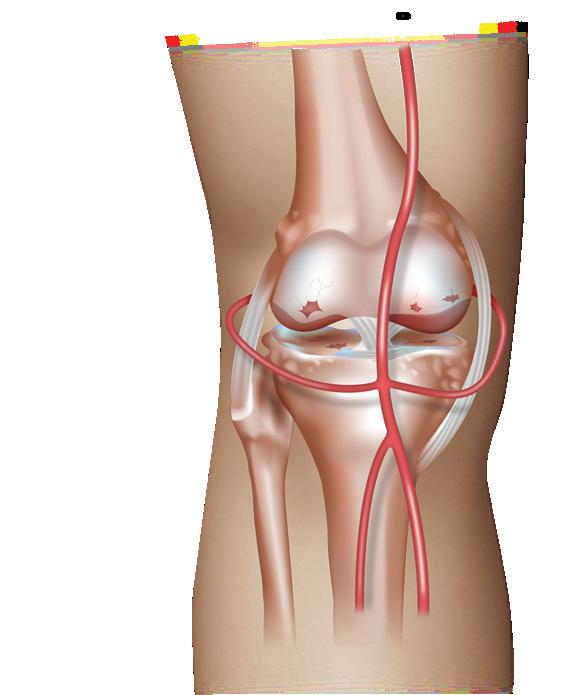
GAE for mild knee osteoarthritis deemed “safe” with
unexpected neuropsychological effect
A new study has determined genicular artery embolization (GAE) to be a “safe intervention” for mild knee osteoarthritis (OA), showing a sustained benefit at two years. Published in the journal CardioVascular and Interventional Radiology, the authors state that the “learning curve” reflected in their technical success rates uncovers the “complexities” behind the safe and successful performance of GAE.
THE STUDY, TITLED GENICULAR ARTERY embolization in patients with osteoarthritis of the knee (GENESIS) and led by Mark Little (Royal Berkshire NHS Foundation Trust, Reading, UK) et al, is a National Institute for Health and Care Research (NIRH) portfolio single-centre prospective trial which recruited patients presenting to the orthopaedic department at Royal Berkshire Hospital in Reading. Patients were aged 45 years or older with mild-tomoderate knee OA, defined as Kellegren-Lawrence grade 1–3, who had experienced pain for more than six months despite conservative management.
Little et al enrolled 46 patients with a median age of 60 years, performing GAE using 100–300μm Embosphere (Merit Medical) permanent particles diluted in 20ml (300mg/ml) iodinated contrast (Iomeron). Technical success—defined as embolization of the targeted genicular artery—was achieved in 40 patients (87%) and mean visual analogue scale (VAS) improved from 58.63 (standard deviation [SD] 20.57, 95% confidence interval [CI] 52.7–65.5) at baseline to 37.7 at two years.
The authors also assessed knee injury and osteoarthritis outcome score (KOOS) which they state showed significant improvement at six weeks, three months, one- and two- year timepoints, with
associated reductions in analgesia usage. Concerning complications following GAE, Little and colleagues observed a self-limiting groin haematoma and a single case of deep vein thrombosis due to immobilisation, which they say highlights the importance of early mobilisation post GAE.
Embolization can be utilised in this cohort without being prohibitive of further surgical intervention”
Further, Little et al detail that nine patients underwent total knee replacement following GAE but when followed up post-surgery, no intraprocedural issues or adverse events were experienced by the operating surgeons or the patient. “This
Gelatin embolization efficacy data aims to lift regulatory embargo
“Yes, we know that gelatin sponge works, but I believe that these are vital data to show that what we do is safe and effective, and to guide regulatory approval not only in Australia, but internationally,” said Warren Clements (Alfred Health, Melbourne, Australia), presenting preliminary efficacy results using EmboCube (Merit Medical) embolization gelatin to control haemorrhage.
CLEMENTS SHARED THESE results at The European Conference on Embolotherapy (ET) annual meeting (1–4 June, Vienna, Austria), ahead of a further data release at the Cardiovascular and Interventional Society of Europe (CIRSE) annual congress (14–18 September, Lisbon, Portugal).
“We know that uncontrolled bleeding is a leading cause of preventable death following trauma, and embolization has become an important facet of the management of haemorrhage in this space,” Clements stated. He described that, over the last 10 years, open
surgery has been common in these patients, but now a “shift” toward endovascular techniques is taking place.
Charting the course of gelatin embolization, Clements highlighted that this technique was reportedly first used in 1967. “Why are we doing a study looking at gelatin when we know it works?” he asked the ET audience. In response, he explained that, often in interventional radiology (IR), clinicians adopt a technique that works and begin using it without gaining the “right data” to prove why.
“What happens is jurisdictional
provides further support for the procedure’s utility in those with mild-moderate disease,” the authors state, “as it appears that embolization can be utilised in this cohort without being prohibitive of further surgical intervention in cases of disease progression.”
The authors also carried out functional magnetic resonance imaging (MRI) and psychometric assessments, observing an “unexpected” correlation between baseline catastrophising—maladaptive pain cognitions—and greater reduction in pain post GAE. The authors note that these findings may suggest that patients who catastrophise at baseline experience a bifold improvement.
“The neurological data suggest that those who catastrophise at baseline are associated with higher functional connectivity between pain modulatory and processing regions of the brain, perhaps representative of frequent dependency on pain modulation. These patients could be benefitting from a successful reduction in nociceptive signalling via embolization and an overreliance on pain modulatory circuitry.”
Remarking on the operator learning curve visible in their technical success data, the authors identify that a “thorough knowledge” of genicular vascular anatomy, including a “myriad” of anastomoses and non-target tissues supplied by these vessels, is crucial to obtain good technical outcomes. They explain that improved anatomical understanding and the application of intraprocedural cross-sectional imaging has enabled GAE to be undertaken in more complex cases today.
Of their limitations, the authors highlight their small sample size, the lack of an experimental control group and note a placebo effect which “requires consideration” when evaluating modes of treating pain. Going forward, the team detail the GENESIS 2 randomised sham-controlled trial which will consider the placebo effect “inherent with GAE”. Little et al note that they are currently recruiting patients for this study and hope to build on experiences gained from the current work.
and regulatory bodies then step in,” Clements said. In Australia, Gelfoam sponge (Pfizer) is currently off-label for endovascular use following an embargo that was placed in May 2021. Previously, Gelfoam was favoured for gelatin embolization procedures.
Clements et al, in the introduction to their study, note that this embargo did not reflect Australian IR user experience, which largely believed Gelfoam to be a “highly effective” life-saving tool. Providing evidence for their experience, Clements outlined their multicentre, prospective cohort study which enrolled 100 patients experiencing haemorrhage. Their primary endpoints were defined as safety—the absence of unanticipated serious adverse device-related effects within 24 hours, and effectiveness— technical success and clinical success, or the cessation of bleeding within 24 hours post-procedure.
the vessels treated were significantly heterogenous, pointing out that the hepatic artery, uterine artery and pelvic artery were among the most commonly treated.
Technical success was achieved in all patients with no complications recorded with the use of gelatin.
Clinical success was reported as 98% due to two patients requiring repeat intervention. Additionally, he noted a 7% rate of all-cause mortality, which, when considered in this patient population which experience multisystem trauma including neurological trauma, a 7% rate of mortality—a rate lower than general pelvic trauma management—is a “good rate”, Clements said.
In this patient population, the mean age was 56 years, and 48 patients were reported to be taking anticoagulants or antiplatelets. Clements stated that
He underlined that gelatin foam is safe and effective, despite this being somewhat known already. However, in collecting these “vital” data Clements hopes to guide regulatory approval in Australia to prevent future embargoes being placed which restrict clinicians’ access to efficacious tools.
Mark Little
Warren Clements
THE FIRST RESORBABLE DRUG ELUTING MICROSPHERES
OPENING NEW TACE HORIZONS
BioPearl™microspheres are indicated for embolization of blood vessels supplying primary-hypervascular tumours or metastases in the liver. Note: BioPearl™ microspheres can be loaded with chemotherapeutic drugs. When used for drug loading, drug loading should be done under a physician’s direction, choice and responsibility, based on type and dose of drug most beneficial to the patient. BioPearl™ microspheres are compatible with doxorubicin, epirubicin, and idarubicin. BioPearl™ microspheres can be drug loaded prior to embolization and then, as a secondary action, elute a local, controlled, and sustained dose to the targeted tumour sites after embolization. BioPearl™ microspheres are not available for sale in all countries.
This information is provided only in respect to markets where this product is approved or cleared. BioPearl™ Microspheres are not approved in the USA by the
pheres are not approved in Canada. Please contact
representative for more information.
and
Bariatric embolization deemed relevant in combination with medication for optimised obesity therapy
In a session titled ‘Bariatric embolization: Is it the end or a new resurgence?’ at the Global Embolization Oncology Symposium Technologies (GEST) annual conference (16–19 May, New York, USA), Clifford Weiss (Johns Hopkins University, Baltimore, USA) made a case for “his future” and the future of bariatric embolization, providing the capability to “do surgery without doing surgery” to treat a highly comorbid patient population suffering with obesity.
FIRST, PLACING EMPHASIS
ON the severity of the obesity crisis in the USA, Weiss relayed that a dataset collected by Nima Hafezi-Nejad (Johns Hopkins University, Baltimore, USA) et al, found that 22 states reported an obesity prevalence of over 35%. However, he noted that the comorbid nature of obesity, which causes sleep apnoea, cancer, pancreatitis, diabetes, heart disease, and suicide and depression, is fundamentally “what kills”.
“Minority populations in particular are heavily hit by this disease. We also know that annually, there’s an aggregate of US$260 billion spent on obesity
and obesity-related illnesses in the USA. This is a deadly disease causing significant excess mortality annually. We need effective treatment options and I think we can all agree with that,” Weiss stated.
He explained that treatments for obesity are most effective and show the highest mortality signal improvement when sought intentionally, “in other words, you don’t seek to lose weight because you’re sick—this is the argument for why we need patients to be healthier and thinner. It’s not to look better at the beach, but it’s to be clinically healthy”.
Treatments can range from extreme,
such as surgery, which is the “least accepted but the most effective”, he stated, to lifestyle modification. His focus, however, is on the pharmacotherapy treatments which sit in the middle and include interventional radiology and gastroenterology devices.
When performing bariatric artery embolization (BAE), the targeted intra-arterial therapy delivers the embolic to the gastric fundus, defunctionalising it and causing a mechanical shift which affects ghrelinproducing cells, or hungerstimulating hormones, Weiss described. “We downregulate these cells, turning them off rather than cutting them out.”
month results also show “soft signs” of improvement, such as cardiovascular markers, changes in hunger and qualityof-life scores, each showing statistically significant values post-BAE.
Regardless of his allegiance to BAE, Weiss stated that the current US investment in anti-obesity medications (AOMs)—such as Ozempic (Novo Nordisk)—is valuable. “I didn’t want to avoid this. We have really good drugs on the market right now that are getting an easy 15–20% weight loss, so is there relevance to [BAE] still?”
Weiss went on to provide an update on the ongoing BAE of Arteries with Imaging Visible Embolics (BEATLES) trial—of which he is principal investigator. He detailed that participants with a body mass index (BMI) of ≥40kg/m2 with no other comorbid conditions underwent BAE with 300–500µm Embospheres (Merit Medical), which at six months, show a 7.6% weight loss or a 60% excess weight loss.
“What we’re doing in this trial is looking at whether this is fat loss or muscle loss, and multi-compartment [magnetic resonance imaging] MRI shows that we were losing subcutaneous fat and liver fat, while muscle volume remains steady,” he said. Their six-
Miyuki Sone spotlights women’s empathy as crucial part of any IR team
“It’s a boy’s club. If the only examples of success are men, it becomes harder for women to envision themselves in those positions.” These were the words of Miyuki Sone (National Cancer Center, Tokyo, Japan)—head of interventional radiology (IR) and consultant radiologist—during her honorary lecture at the Global Embolization Oncology Symposium Technologies (GEST) annual conference (16–19 May, New York, USA).
SONE’S TALK COVERED A PLETHORA OF issues faced by women in IR, including visibility and social and cultural barriers. Speaking to Interventional News following her lecture, Sone first and foremostly emphasised empathy in the IR suite.
“Women are more capable of empathy than men,” Sone explained, describing the 2023 report published in Nature which found women to be superior to men in displaying empathy and compassion, but found men and women equal when expressing theory of mind— the inference of others’ emotional status. “If you include women in your IR team, you can build an empathetic environment which is translated to the patients,” Sone said. “This nurturing environment is crucial for the development and retention of talent, particularly in women who may face unique challenges in their career.”
position and 55% reported having a mentor, of which 88% stated that their mentor was male.
These numbers have remained low, Sone reporting that in 2023, only 40% of Japan’s new medical students were women, and further, only 13% of those with JSIR membership were women. “When women see other women thriving in IR, they can envision themselves in those roles,” she said. “We need to promote a self-reinforcing cycle where more women are encouraged to join and excel in the field.”
Recruiting women to the team however remains Sone’s initial challenge. In her talk, she shared data from a 2019 survey carried out by the Japanese Society of Interventional Radiology (JSIR) which compared membership, leadership, and mentorship with that of the Cardiovascular and Interventional Radiological Society of Europe (CIRSE). Of the 304 women who were members of JSIR, 63 responded—79% of whom did not hold a leadership
However, women who have gone into IR in Japan report high job satisfaction, Sone stated, having conducted another survey to measure this regardless of gender. Receiving 901 responses from a total of 2,824 recipients, 56% reported high job satisfaction, which was positively associated with a higher number of IR procedures and negatively associated with salary, overtime and the absence of an “IkuBoss”—a person who manages the working environment and supports worklife balance.
“My young colleagues have a different mind as they are of another generation,” Sone explained. “They care more about their family and believe that if they are not happy, the patient can’t be happy. It’s my belief that happiness should come from both work and private
In Weiss’ belief, BAE still provides a crucial and relevant benefit to this patient population as medication persistence—which is a prevailing issue with AOMs—can be avoided.
“When you take these medications away, the benefits go away with them, almost back to baseline. The current AOM guidelines state that these are lifetime medications, yet that’s a problem—many patients don’t qualify and adherence can be as low as 27% after the initial weight loss. So, can we have a combination strategy to mitigate recidivism and dependence on medication?”
Finalising his talk, Weiss advocated for the cost-effectiveness and efficacy of combined pharmacotherapy and embolization, for the dual benefit of patients as well as national and international healthcare systems.
life, so I always tell my colleagues: ‘your life and your family are your first priority—if you want to go early to take care of your children or go out and enjoy a concert, just manage your time and we can manage the team together.”
To her point on time management, Sone then used the 2017 paper titled ‘Women’s challenges in IR: #ILookLikeAnIR’ as an example of the positive retentive outcomes that occur when work-life balance is prioritised. The paper discussed the six-strong team of women interventional radiologists at Memorial Sloan Ketting Cancer Center in New York, USA, who organise their team according to preferred working hours. Their team channels add-on inpatient cases to prespecified rooms, ensuring that colleagues who require a scheduled finish are able to leave on time, enhancing the quality of life of their male and female colleagues.
Through her honorary lecture, Sone highlighted the crucial “drivers of change” that will be led by “individuals, allies, sponsors, institutions and through organisation structures”.
“I was fortunate to have the opportunity to speak at GEST particularly on the topic of women in IR. The conference organisers were early adopters in terms of diversity and inclusion. It was excellent to connect with people around the world and talk about strategies to increase the number of women in our field.”
We need to promote a self-reinforcing cycle where more women are encouraged to join and excel in the field”
Clifford Weiss
Miyuki Sone
AVeNEW trial shows superior AVF target lesion patency with covered stent placement
“Study design is critically important when interpreting outcomes,” said Bart Dolmatch (Mountain View Hospital, Mountain View, USA) in his evaluation of the “disconnect” between target lesion primary patency (TLPP) and access circuit primary patency (ACPP) analysing AVeNEW study data at this year’s Endo Vascular Access (EVA) meeting (14–15 June, Patras, Greece).
AVeNEW is a prospective and randomised study, which compared outcomes using the Covera (BD) vascular covered stent versus percutaneous transluminal angioplasty (PTA) for the treatment of stenotic lesions in the venous outflow of upper-extremity arteriovenous fistulas (AVFs). Composed of 280 patients enrolled at 24 sites in the USA, Europe, Australia, and New Zealand, 142 patients were randomised to treatment with Covera and 138 patients to PTA.
Alongside criteria stipulating that enrolled patients have a 50% or greater target stenosis and evidence of dysfunction, Dolmatch noted that non-target stenoses were also allowed, but could only be treated with PTA. Primary outcomes were 30-day safety and six-month TLPP, powered to test whether TLPP after covered-stent placement was superior to PTA alone. Twelve-month TLPP and six-month
ACPP were also evaluated while additional clinical outcomes were observed through to two years.
Dolmatch stated that their results showed comparable and non-inferior safety for the PTA group compared to the group treated with the covered stent, while the covered stent group had superior TLPP and fewer target-lesion reinterventions through to 24 months. In terms of efficacy, he added that they saw a “very significant” improvement of TLPP for the covered stent group, which was 30% more than TLPP for the PTA group at six months. “However, that’s the target lesion,” he said, stating that when they looked at circuit patency, it appeared to be numerically better for patients who received the covered stent, but not statistically superior.
“So you have to wonder, why was TLPP superior, yet ACPP was not statistically better for the covered stent group?” Answering this question, Dolmatch suggested that this is largely related to the study protocol which allowed enrolment of patients with non-
target stenoses that were found in roughly one third of all patients enrolled in the AVeNEW trial. Per protocol, non-target stenoses could only be treated with angioplasty. While this reduced primary circuit patency for both groups, there were randomly more non-target stenoses in the covered stent group. Early recurrence of non-target stenoses after PTA led to a disproportionally greater loss of circuit patency in the Covera group, even though the target treatment site had better patency with the covered stent.
He offered pros and cons for including patients with secondary stenoses in this type of randomised, prospective clinical trial. By including patients with non-target stenoses the AVeNEW study was closer to a “real-world” experience since many dysfunctional AVFs will often have more than one stenosis. Furthermore, faster enrolment was possible by including patients with non-target stenoses. Yet, Dolmatch noted that primary circuit patency was more quickly lost due to non-target stenosis, even though the target lesion had a superior outcome with the covered stent. He recommended treating both target and non-target stenoses with the mode the patient was randomised to, PTA or covered stent, in order to better address the impact of target lesion treatment upon circuit patency.
Dolmatch reiterated the importance of study design when interpreting outcomes, and believes that the markedly improved TLPP with the covered stent reiterates the benefit of using covered stents in AV access circuits. He concluded by stating that more data is on the way, with results from the postapproval AVeNEW study of 100 consecutive patients treated with the Covera covered stent to be presented at this year’s Cardiovascular and Interventional Radiological Society of Europe (CIRSE) annual congress (14–18 September, Lisbon, Portugal).
SATELLITE SYMPOSIUM
Sunday, September 15, 2024 | 11:30–12:30 | Location: Auditorium 2
Treating Synovial Arterial Hypervascularity in the Knee Joint: What We Know and What We Still Need to Know. Data, Cases & Research.
The symposium provides an overview of the current understanding, the latest findings and ongoing research in the treatment of synovial arterial hypervascularity of the knee joint. It highlights the therapy’s potential as a novel treatment option and the necessity for continued research to fully comprehend its long-term outcomes and optimal application in clinical practice. Personal clinical experience will complement the presentations.
LECTURES AND FACULTY
GENESIS I: Time for prime time M. Little (Reading/GB)
To be permanent or not to be permanent? This is the question. An answer from the GAUCHO Trial M. Picada Correa (Passo Fundo/BR)
What does the future of GAE look like? A lens on the MOTION
Randomized Control Trial C. Bent (Dorset/GB)
Challenges, Efficacy & Safety: from literature to practice Y. Okuno (Tokyo/JP)
Bart Dolmatch
M. Little (Reading/GB)
Y. Okuno (Tokyo/JP)
M. Picada Correa (Passo Fundo/BR) C. Bent (Dorset/GB)
Work still needed to mitigate patient harm, concludes CX 2024 paclitaxel roundtable
“M
ortality is what [regulatory bodies] were dealing with; they had to be intensive and conservative in their process. Now, we just need to move forward and get back to where we were with treating our patients,” said Eric Secemsky (Beth Israel Deaconess Medical Center, Boston, USA) during a Charing Cross (CX) Symposium (23–25 April, London, UK) roundtable. Speaking to CX co-chair Andrew Holden (Auckland City Hospital, Auckland, New Zealand), the pair discussed the salutatory lessons learned following regulatory body restrictions on paclitaxel-coated devices.
This followed Secemsky’s late-breaking presentation, during which his team determined that “unfortunately, we are doing worse for our patients today”, and confirmed for the packed standing-only audience, that more patients in the USA today are undergoing amputation and death than they were prior to the Konstantinos Katsanos (Patras, Greece) et al 2018 meta-analysis.
“It was an exciting year last year, because we had been slowly building mounting data for paclitaxel devices. After the controversy started, the response was: how do we confirm that this is wrong but with the right data?” Secemsky then mapped the “surprisingly quick” beginning of the end for the controversy with the patient-level meta-analysis set out by William Gray (Lankenau Heart Institute, Wynnewood, USA), Sahil Parikh (Columbia University Irving Medical Center, New York, USA) and Peter Schneider (University of
Paclitaxel puzzles
California San Francisco, San Francisco, USA).
“The US Food and Drug Administration (FDA) were swift to respond, to their credit,” Secemsky said. Holden, in agreement, reflected on the prompt updates the US FDA had provided on the matter in 2023, while the UK Medicines and Healthcare products Regulatory Agency (MHRA) only followed suit earlier this year. “Interestingly,” Holden added, “in many parts of Europe clinicians don’t have that clear guidance covered by those two regulatory bodies.”
“This was shocking,” Secemsky responded. “We know that many global regulators look to the USA for guidance. Typically, the MHRA moves a little more slowly, but they followed the [US] FDA quickly. We’re still waiting on the rest of the world to catch up. I’m unsure whether this is delayed due requirements accessing the necessary safety data or whether local data is needed, but we still have room to go to get practices back to where they were.”
Recalling a question posed to challenge Secemsky’s data during his session, Holden asked if there were any unintended consequences in halting access to a “very efficacious” tool i.e. paclitaxel-coated devices. In his response, Secemsky noted first that, when this question was asked of the US FDA, their response in essence was that mortality is the “ultimate” endpoint. If it was something “I don’t want to say ‘benign’— but something less terminal, there would have likely been a different approach”, he added. But, Secemsky reiterated that during the period in which physicians could not access paclitaxel devices, patients were harmed, reporting in his presentation that the risk of amputation or death was identified in 40.4% and 43.2% of patients in the pre- and post-paclitaxel period, respectively.
“The risk to patients isn’t only as severe as death and amputation, however,” Secemsky explained. “Needing another intervention, taking time off work to be hospitalised each time that vessel fails—that’s a risk
Konstantinos
Katsanos
Point of View
Following his recent statement titled ‘Paclitaxel meta-analyses in the lower limbs: Missing the trees for the forest’ published in the June issue of The Journal of Vascular and Interventional Radiology, Konstantinos Katsanos (University Hospital Patras, Rion, Greece) imparts his final word on the paclitaxel controversy, surveying the key meta-analyses data that moved the needle.
More than five years ago we documented an increased longterm risk of all-cause death with the use of paclitaxel-coated devices in the femoropopliteal artery that sparked an intense scientific debate and flurry of research articles pursing to elucidate the actual risk of death associated with such devices in the peripheral arteries.1 Of note, our findings were soon corroborated by an individual patient data (IPD) meta-analysis of US Food and Drug Administration (FDA)regulated paclitaxel devices.2 However, several follow-up observational studies
have failed to replicate the survival detriment in real-world cohorts and the latest version of a similar IPD metaanalysis with more complete followup has found no significant mortality risk.3 Consequently, several regulatory agencies have recently exonerated paclitaxel from the death stigma in the lower limbs.
Certainly, this remains one of the most puzzling scientific questions and one needs to carefully review the design and quality of enrolled studies, the dosage and pharmacokinetics of the devices tested, the patient case mix
Andrew Holden and Eric Secemsky
The risk to patients isn’t only as severe as death and amputation”
Eric Secemsky
to the patient. When we look at drug-coated devices, we’re not looking to save the world, we’re looking to get patients out of the hospital, make them functional and give them a good quality of life for as long as possible.”
Holden then asked whether this “sorry event” may influence how meta-analysis data is examined, to which Secemsky replied that the most important aspect when looking at any data is to “take a look under the hood”. In his opinion, despite meta-analyses sitting at “the top of the pyramid” of clinical evidence, this “doesn’t mean it was done correctly or with the right data”.
“For me, a big part of this is to say—let’s step back, let’s understand why this was done, let’s understand the data that went into it, let’s understand if this is the right approach and not be swift with our decision-making until we’ve done that process,” Secemsky said.
differences, and of course the rigour of the statistics methods employed in the analyses. For starters, cause-andeffect questions (i.e. does paclitaxel in the legs increase risk of patient death?) are best answered by appropriately designed randomised controlled trials (RCTs) alone that by design suffer from reduced confounding and other bias compared to observational studies. To build on this, a recently updated studylevel summary of 27 studies with 5,502 patients produced a significant risk ratio of 1.28 (95% confidence interval [CI], 1.04–1.58; random effects model) at two years, contrary to the reassuring patient-level results of Parikh et al from 10 RCTs with 2,666 patients at 4.9 years (Hazard ratio [HR]: 1.14, 95% CI (0.93–1.40), frailty Cox model).3,4
From a critical perspective, the latter meta-analysis of industry-sponsored analyses are missing a significant number of studies from our original 2018 meta-analysis with selective inclusion of mostly low-dose trials. Apparently, the latest IPD analysis suffers from selection bias being dominated by the low-dose devices and missing a significant amount of evidence from the rest of the devices. Therefore, the original paclitaxel mortality signal has been obviously diluted, but most likely not invalidated.4
So, how can we consolidate our understanding so far of the relationship between paclitaxel in the lower limbs
and potential risk of death, and what should be the next steps? Certainly, the subgroup of low-dose paclitaxelcoated balloons has appeared to be safe since our original meta-analysis, but the IPD data silo built by the industry (with the exception of Cook Medical) along with the complexity of paclitaxel chemistry, pharmacology and tissue bioavailability still precludes any definitive conclusions. In addition, upon observation of diverse treatment effects between trials and time periods, one also needs to consider patient case mix differences and changes in medical science and practice over time. Therefore, an informed patient and doctor’s decision remains the wisest choice as advocated by our teachers a long time ago.
References:
1. Katsanos K, Spiliopoulos S, Kitrou P, et al. Risk of Death Following Application of Paclitaxel-Coated Balloons and Stents in the Femoropopliteal Artery of the Leg: A Systematic Review and Meta-Analysis of Randomized Controlled Trials. J Am Heart Assoc 2018; 7:e011245.
2. Rocha-Singh KJ, Duval S, Jaff MR, et al. Mortality and Paclitaxel-Coated Devices: An Individual Patient Data Meta-Analysis. Circulation 2020; 141:1859-1869.
3. Parikh SA, Schneider PA, Mullin CM, et al. Mortality in randomised controlled trials using paclitaxel-coated devices for femoropopliteal interventional procedures: an updated patient-level meta-analysis. The Lancet 2023; 402:1848-1856.
4. Katsanos K. Journal of Vascular & Interv Radiol Published:June 04, In press, 2024 DOI:https://doi. org/10.1016/j.jvir.2024.05.018.
Konstantinos Katsanos is a consultant vascular and interventional radiologist, specialising in endovascular, spine and oncology at the University Hosptial Patras, Rion, Greece.
Thrombectomy gold rush set to follow ATTRACT study, experts argue
At the recent Endo Vascular Access (EVA) meeting (14–15 June, Patras, Greece), Ziv Haskal (University of Virginia School of Medicine, Charlottesville, USA) spoke to Timothy Clark (Perelman School of Medicine at the University of Pennsylvania, Philadelphia, USA) about what they referred to as the “gold rush” of thrombectomy devices for large-calibre blood vessels.
Haskal: Is this truly the “gold rush” in thrombectomy devices? Or does this landscape hold no promise?
Clark: There is no question that the portion of patients who are treated with thrombectomy is a small fraction of the number of patients presenting with deep vein thrombosis (DVT). There are differing estimates—we are currently treating somewhere between 4–12% of DVT patients with thrombectomy—you can look at the data and think that that is appropriate, or you can think that that is vastly underutilising endovascular therapy. In the USA, there is only the Acute venous thrombosis: Thrombus removal with adjunctive catheter-directed thrombolysis (ATTRACT) trial that has level one data, and the ATTRACT trial used a semi-quantitative primary endpoint that the US Food and Drug Administration (FDA) required the investigators to use. So, the Villalta score—like all these symptom severity scores—is semi-quantitative at best, and is still a relatively crude metric to assess and compare outcomes, but it is among the best we have.
Haskal: Clinicians like you had been pushing to treat patients with lysis well before ATTRACT. Has the expanded recognition of thrombectomy driven individuals to design devices that make money?
Clark: There is no question that there has been a huge surge in the number of dedicated thrombectomy systems and devices in the last several years, and that’s just the tip of the iceberg. There are many more technologies that are in various phases of development and stages of regulatory approval. Now we are going to have a plethora of devices which will make it difficult to choose. The ATTRACT trial had two devices—AngioJet (Boston Scientific) and Trellis (Covidien; now Medtronic)—one of which is no longer in the market and the other is rumoured to be actively “sun-setted” by the manufacturer at some point in the future. When this happens, we will have no devices that have withstood the rigours of an investigatorinitiated randomised trial, and so this leaves us trying to understand where these currently available and emerging systems fit into providing a treatment solution that doesn’t require
an intensive care unit (ICU) bed, transfusion for blood loss, or lytics and the resultant need to escalate the level of care and deal with lytic-related complications. So, we all can agree on the attributes of what a perfect device should do.
Haskal: Cost is a fundamental question here, given the extraordinarily high price of this class of devices. Out of cheaper, faster and safer, we may be able to do faster and safer. What are your thoughts?
Clark: There have been some medical economic estimates that show that the expensive thrombectomy systems are still cost-effective by reducing length of hospital stay and mitigating, or avoiding altogether, the need for expensive ICU stays. Twenty years ago, it wasn’t uncommon for us to perform venous thrombolysis for DVT and require 72–96 hours of urokinase infusions in the ICU, then also have to transfuse the patient if they had blood loss and manage the puncture site haematomas that would occur.
Haskal: For a long time, clinicians still could not get massive pulmonary embolism (PE) patients treated routinely. Now it is more widespread, there is some cost sensitivity to that, but some still struggle with the idea of 18Fr or larger for leg DVT. Is that a concern, or do you see peripheral devices “amping up” to work with smaller catheters?
Clark: I can remember back when certain vena cava filters were being selected by interventionalists because “it goes through a 7Fr or 6Fr delivery system and I don’t want to put that big 8Fr device in”. Now, endovascular clinicians think nothing of putting in a 13Fr, 16Fr, and even larger devices through the popliteal, femoral and jugular veins. Some people are using a pre-close suture technique to get haemostasis. Others are putting in purse string sutures, holding pressure and hoping that that is going to work— and it typically does. I agree there has been an arms race of sorts in PE treatment with progressive escalation of catheter size. You have one vendor that now is up to 16Fr, another goes up to 24Fr, and newer systems are also very large. There seems to be almost no limit. You can also look to the
structural heart field where there are transvenous structural heart systems that go through a 30Fr sheath. So perhaps the PE thrombectomy systems have the capacity to get even bigger providing they can safely traverse the right heart into the pulmonary arteries.
Haskal: Do you think it is beneficial to move towards devices that have mechanical actuators and energybased systems that might be able to increase efficacy and perhaps reduce blood loss, rather than plain old suction?
Clark: With suction, you are limited because you cannot change physics. If your system is an aspiration system, and the tip of the device becomes occluded by impacted clot, there’s just no longer going to be any movement of the clot. You can’t overcome the force.
Haskal: There is only so much, as you say, that you can do due to physics. We need to see devices that move beyond that. Do you see that lying in the long grass out there for us?
Clark: Yes, I see that. I think the other thing that’s not talked about in this post-pandemic world, is that many practices struggle from staffing
that procedure is going to take an hour, two hours, or three hours, that becomes a problem. It becomes a huge problem for workflow and staffing demands. As these technologies evolve, if there are systems that can improve procedural efficiency and enable you to basically predict—with a high degree of certainty—whether you’re going to be able to get that patient’s clot out and flow restored in under an hour with little to no blood loss, then these will be incredibly beneficial.
Haskal: Coming full circle, do you feel that this gold rush is because of data that’s arisen from the PE intervention world? There is certainly a lot of interest in mechanical or mechanicalassisted thrombectomy. What are your projections here?
Clark: What informs what clinicians are using frequently is what they are most familiar with. They get comfortable with a system, they learn its little nuances, they figure out workarounds for limitations of that system and they tolerate those limitations. We all have our go-to systems that we use for certain disease states. I think that is true with DVT and PE, and I think on the educational front—the awareness front—or you
There is no question that there has been a huge surge in the number of dedicated thrombectomy systems and devices in the last several years, and that’s just the tip of the iceberg” Timothy Clark
shortages. There’s a nursing shortage, and a technologist shortage. In the USA, many large health systems and hospitals are, at the present time, financially underwater. Among the most precious commodities we have is time. For example, PE cases aren’t something we schedule. They are add-on cases done urgently and/ or emergently as additions to our already busy schedules. So, if you’re incorporating DVT thrombectomy into your already busy interventional practice, when you bring a patient into the interventional suite for a DVT thrombectomy and you don’t know if
could also say the sales and marketing front, certain stakeholders are looking well beyond the interventional suite to other points-of-contact in the care cycle for a patient with DVT and say “how can we make other people aware of these catheter-directed therapeutic options?” They are looking to get in front of the decision-makers, whether they are in the emergency room (ER), in the ICU, or on other parts of the front line of people who are seeing DVT and PE, where they can be very influential in determining whether or not a patient is going to end up seeing an interventionist.
Ziv Haskal
Timothy Clark
PATRICK HAAGE
As a champion of innovation and forward movement in his chosen field of interventional radiology (IR), Patrick Haage’s career is no less a reflection of this ideology. With an interest in vascular access, state-of-the-art imaging technologies and artificial intelligence (AI), Haage’s research throughout his career has looked to steer many domains toward progress. Haage is also active in education on a national and international level through leadership roles within multiple scientific conferences and as a founding member of the European Board of Interventional Radiology (EBIR). Set to receive the Distinguished Fellow award at this year’s Cardiovascular and Interventional Radiological Society of Europe (CIRSE) annual congress (14–18 September, Lisbon, Portugal), Haage speaks to Interventional News to share key moments from his career so far.
What attracted you to a career in IR?
During my medical studies, I developed an interest in less invasive surgical procedures that enable substantial interventions through small incisions. Simultaneously, I was deeply impressed by the scope of radiology as a field and its potential for interdisciplinary and multidisciplinary collaboration. As a radiologist, one has the unique ability to both diagnose a disease and offer therapeutic interventions. The opportunities presented by this discipline appeared to be the ideal path forward for me at that time, and I am happy to affirm today that it was indeed the correct decision. In my view, interventional radiology (IR) offers an unparalleled blend of innovation, technology, patient care, problem-solving, diversity, and constant advancement.
Who were your mentors?
Throughout the years, professor Rolf W Günther, former chairman of radiology at the Rheinisch-Westfälische Technische Hochschule (RWTH) Aachen University in Aachen, Germany, has been a mentor of mine, having previously been my academic teacher and later friend. Professor Dierk Vorwerk Klinikum Ingolstadt in Ingolstadt, Germany, who is the former head of IR at RWTH Aachen University who also supported me in my clinical and scientific development from day one.
Could you describe a particularly memorable case of yours?
There are many cases that have stayed in my memory. Every single event, whether positive or negative, has contributed to my development. The combination of these experiences has shaped me into the person I am today.
I have been very fortunate to never have permanently harmed a patient due to an avoidable complication over all these years, even in difficult situations that I encountered for the first time. Therefore, every procedure that I was allowed to perform as lead interventional radiologist for the first time was memorable—my first dialysis patient, my first gastrointestinal bleed, my first cava filter, my first thrombectomy, my first transjugular intrahepatic portosystemic shunt.
I also had the great fortune to be the first interventional radiologist in Aachen to insert an aortic prosthesis endovascularly. In collaboration with vascular surgeons at my centre, we spent a long morning
in the angiosuite successfully inserting this prosthesis. I am still amazed at how confidently the team and I took on this challenge. This is not only a matter of attitude but perhaps also the privilege of the young.
Having been involved in several CIRSE committees for many years, how has the programme adapted to scientific innovation and what key developments stick out in your memory of previous congresses?
The Cardiovascular and Interventional Radiological Society of Europe (CIRSE) has a long tradition of adapting its programmes to scientific innovation by incorporating the latest advancements in IR and related fields into its congresses and events. This includes hot-topic symposia, hands-on workshops, and presentations on emerging technologies, techniques, and research in the field.
Key developments that stick out in my memory from previous CIRSE congresses include the introduction of ever-new minimally-invasive procedures, paired with advancements in imaging technologies, breakthroughs in the treatment of emergency, tumour and paediatric conditions. Particularly exciting has been the implementation of prostatic artery embolization and more recently musculoskeletal embolization and its direct impact on patient well-being.
The integration of artificial intelligence (AI) and machine learning in IR practices will significantly impact the way interventional radiologists diagnose and treat patients. I believe that this technology will ultimately lead to improved outcomes, time and money savings and improved patient care. In the end however, the patient-doctor relationship will remain as an non-negotiable part of the diagnostic, and especially therapeutic, road to restitution.
As one of the founding members of European Board of Interventional Radiology (EBIR), how important is the standardisation of education for IR and how do you feel the EBIR examination has influenced IR practice?
Ensuring that practitioners of IR possess the required knowledge and skills to deliver top-notch patient care is essential. EBIR plays a vital role in this process by establishing educational standards, creating curricula, and conducting examinations to evaluate the proficiency of IR specialists. Since 2010,
FACT FILE
CURRENT APPOINTMENTS
Head of Radiology, HELIOS University Hospital Wuppertal, Wuppertal, Germany
Chief medical officer, HELIOS University Hospital Wuppertal
2021–2023: Chairman, ET 2011–2023: Member, CIRSE Executive Committee
2012–2015: Executive Committee, German Society of Interventional Radiology (DeGIR)
2009–2011: President, Vascular Access Society
EDITORIAL APPOINTMENTS
Editor, RöFo
Editor, European Journal of Radiology
Editor, Journal of Vascular Access
the EBIR exam has had a hugely beneficial impact on IR practice in various ways. Firstly, it guarantees a consistent level of knowledge and expertise among IR specialists, throughout not only Europe, but worldwide, fostering uniformity and excellence in patient care. Secondly, the exam promotes ongoing learning and professional growth among interventional radiologists as we strive to meet the high standards set by the EBIR. Additionally, the EBIR exam offers a respected credential that showcases the proficiency and competency of IR specialists to patients and other healthcare professionals. This has boosted the reputation of IR as a specialised field within radiology and attracts talented individuals to pursue a career in IR.
Overall, the standardisation of education through the EBIR exam has positively influenced IR practice by campaigning for excellence, ensuring know-how, and elevating the overall standard of care provided to patients. The newly established European Certification for Endovascular Specialists (EBIR ES) serves as a validation of an interventional radiologists’ knowledge, experience, and competency in performing complex endovascular procedures, and thus not only enhances our credibility and reputation, but also radically increases our visibility for patients, colleagues, and healthcare institutions.
You are also a co-founder of the European Conference on Embolotherapy (ET) conference which just recently commenced. What were the priorities of this year’s meeting and were there any particularly exciting data releases?
Founded by Christoph Binkert in 2019— with a little help from myself —ET is typically focused on in-depth discussion of the latest research findings, advancements in embolization procedures, updates on imaging technologies for embolotherapy, and the management of complex cases using embolization techniques.
At the 2024 ET meeting in Vienna, some of the data releases and presentations included new research on the efficacy of embolization procedures, advancements in imaging technologies for embolotherapy, and updates on the management of complex cases using embolization techniques. Some of the main foci this year were the treatment of haemorrhoids, lymphatics, endoleaks and musculoskeletal pathologies. The newly added “deep-dive” sessions intensified the teaching and learning aspect for attendees.
Several of your recent research papers have considered the place of AI and machine learning in IR. How do you feel these technologies will interact with IR in the future? Should interventional radiologists have any reservations in embracing this technology? AI and machine learning have the potential to greatly impact our field by improving efficiency, accuracy, and outcomes. These
technologies can help in image interpretation, treatment planning, and decision-making. In the future, AI algorithms and machine learning should play a significant role in IR by automating routine tasks, assisting in complex procedures, and providing personalised treatment options. Interventional radiologists should not have reservations in embracing AI and machine learning technology. Instead, they should see it as a tool that can enhance and improve their existing skills. Nevertheless, it is important for interventional radiologists to receive proper training on how to effectively integrate these technologies into their practice. Plus, they should also be aware of the limitations and potential biases of AI algorithms, and use them as a supplement to their own expertise rather than a replacement.
With decades of experience in IR education, what, in your opinion, is the most underserved/underresearched area of IR?
Generally, I find the development of our community and society in the last 20 years
as breathtakingly positive. Interventional radiologists are constantly reinventing themselves by opening up multiple intelligent and less invasive treatment possibilities that are beneficial to the patient. If I should name one area I find underserved and in need of more attention it is paediatric IR.
Paediatric patients have unique anatomical and physiological considerations that require specialised care and tailored interventions. As of now, there is a limited amount of research and few dedicated training programmes focused on paediatric IR compared with adult programmes. In my years as scientific programme committee member and chairman I have tried to push paediatric IR training into attention. This development should be continued.
What piece of advice would you give to early-career interventional radiologists today?
As I’ve mentioned, IR is rapidly evolving. Thus, focus on continuous learning and professional development is key. Actively
"In my years as scientific programme committee member and chairman I have tried to push paediatric IR training into attention. This development should be continued”
attend national and international conferences and workshops. Pursue additional training and certifications and advance your skills. Engage in research and academic activities, publish scientific papers and present your work at conferences to contribute to the advancement of IR. This will give you the benefit of expanding your network. Seek mentorship and guidance as you navigate your early career. Finally, always welcome innovation and technology, stay ever curious so that you can deliver cutting-edge care to your patients. Don’t let yourself be changed, be part of the change.
What are your interests and hobbies outside of your career?
Outside of my work I enjoy spending time with my family (my two sons Noah and Jona, and wife Nadja) or my friends. I like to travel, particularly to Asia and Korea. I also enjoy sports such as skiing or tennis, and driving fast cars—or old ones, (Porsche 911, Volkswagen Beetle)—and going to big events, such as rock concerts and soccer games.
Building equitable IR supply chains to support training in LMICs: A case study
Chidubem Ugwueze
Point of View
Chidubem Ugwueze (Oregon Health & Science University, Portland, USA) provides an update on the current state of play concerning interventional radiology (IR) equipment and training in low and middle-income countries (LMICs).
Developing an equitable supply chain for IR equipment is essential for training and encouraging interventional radiologists in LMICs, especially in Sub-Saharan Africa. The need for IR training programmes in LMICs has long been acknowledged. Over the past five to ten years, various training initiatives have emerged to address this need. Despite the nascent growth of IR training programmes in the region, local manufacturing of IR devices is clearly non-existent, and direct supply chains are scarce. The graduates of these programmes then find themselves in settings where they cannot fully utilise the range of skills which they have acquired from their training. This is
particularly true for clinicians returning to their practice in the public teaching hospitals following completion of their training. One such programme is the twoyear IR fellowship in Lagos, Nigeria. Established through a tripartite partnership between RAD-AID International, University College Hospital (UCH) in Ibadan, and IRDOCNIGERIA, this programme aims to leverage the growing clinical IR practice in the private sector and to transfer this clinical expertise to clinicians in public teaching hospitals. IRDOCNIGERIA, led by Hammed Ninalowo, is a private IR practice in Lagos offering interventional and neurointerventional services. In addition to excellent clinical
training, further honed by working as an IR attending at a tertiary hospital system in the USA, Ninalowo’s success in creating a clinical service which is suitable as a training programme is based on creation of a reliable supply chain for necessary consumables to utilise the capital imaging equipment instalments already made by hospitals in the private sector. This strategic approach, detailed in an Journal of the American College of Radiology (JACR) article titled ‘Developing a supply chain for interventional radiology consumable equipment in a lower middle-income country: A strategic approach’, includes leveraging clinical expertise, focusing initially on elective cases, adopting a ‘just in case’ bulk procurement model, fostering self-sustaining investment, and collaborating with multiple hospitals. The wide range of clinical services offered by IRDOCNIGERIA made the practice an ideal partner for an in-country IR fellowship programme, which aims to train senior registrars or junior consultants from teaching hospitals who pledge to return to their teaching hospitals to build IR practice and train residents. The first trainee, Peter Adenigba from UCH in Ibadan, completed his fellowship in June 2024, having performed up to 936 interventions on 821 patients. He now faces the daunting challenge of securing consumables for his new clinical practice. This is not a problem unique to Adenigba. There is a new generation of IR trainees across LMICs who have put
in the hard work to become trained, with the goal of training future generations, only to find themselves struggling to obtain the required support to achieve this.
Possible avenues of support include national governmental investment in the capital equipment required to grow an IR practice in public institutions and the support of industry to make consumable devices more easily accessible to these burgeoning IR pioneers like Adenigba. The aim of this article is to add to the voices advocating for industry investment in device registration, partnership with local distributors, and eventual local manufacturing of equipment in LMICs. This is an investment that is bound to be mutually beneficial for industry and the growing practice of IR in LMICs.
Chidubem Ugwueze is an associate professor of interventional radiology at the Dotter Institute of Oregon Health and Sciences University in Portland, USA.
New Evidence: Reshaping Clinical Strategies For AV Access Long-Term Patency With Merit WRAPSODY™ Cell-Impermeable Endoprosthesis
The symposium serves as a platform for sharing the latest evidence and discussing the impact of WRAPSODY™on clinical strategies for maintaining long-term patency in AV access, which is crucial for patients requiring hemodialysis. The insights from the symposium are expected to contribute to guiding future clinical practices and improve patient outcomes.
LECTURES AND FACULTY
WRAPSODY™, the game changer designed for AV access long-term patency M. Razavi (Orange/US)
World’s first results: 6-month outcomes from the WAVE clinical trial R. Jones (Birmingham/GB)
WRAP Clinical Registry: enrollment updates in a real-world population D. Rajan (Toronto/CA)
Real-world results: 12-month clinical outcomes from SAVE registry T. Barroso (Brasilia/BR)
Long-term clinical experience with WRAPSODY™ P. Kitrou (Patras/GR)
Closing remarks M. Razavi (Orange/US)
From left to right: Hammed Ninalowo, Peter Adenigba, Chidubem Ugwueze
M. Razavi (Orange/US)
T. Barroso (Brasilia/BR)
P. Kitrou (Patras/GR)
R. Jones (Birmingham/GB)
D. Rajan (Toronto/CA)
Merit WRAPSODY™ Cell-Impermeable
From both sides of the table: How interventional radiologist Philip Dombrowski saved Sebastian Junger from a rare fatal aneurysm
“Dombrowski finally determined that the rupture had happened in the pancreatic branch of the inferior pancreatic-duodenal arcade, a minor and rarely problematic artery. All that remained was to run a catheter down the artery and embolize it with a series of coils that are left in place to create a massive blood clot. A guide catheter was advanced to the site of the occlusion in the celiac. Dombrowski forced his way through the blockage, to reach the rupture.”
This extract, taken from his latest book, In My Time of Dying, Sebastian Junger—acclaimed journalist and best-selling author of The Perfect Storm—exemplifies a visceral departure from his usual exploration of conflict and war. Here, he offers a sobering first-person account of his neardeath experience and the interventional radiological treatment that saved his life.
In stark contrast to the gravity of Junger’s experience, to Phillip Dombrowski (Cape Cod Hospital, Hyannis, USA)—the interventional radiologist who treated Junger—these events were somewhat routine. Yet, when told from the perspective of the patient on the table, the pioneering interventional techniques used to treat critical conditions such as Junger’s are brought to life. Speaking to Interventional News, Dombrowski recounted the incident.
“It was during the beginning of the COVID-19 pandemic, and I got a call for our interventional service for a late-50-year-old male with a ruptured aneurysm in his pancreatic artery. Haemodynamically, he was in a very guarded condition in terms of his blood pressure, and I had been given prior warning as he was being resuscitated in the emergency room at that time.
We were still perplexed over the source of his bleeding, and a computed-tomography [CT] scan was ordered which ultimately showed that he was bleeding from the bed of the pancreas and had a large intraperitoneal haematoma. I got a call from Dan Gorin, the vascular surgeon on call, and Steve Kohler, the emergency room physician, who felt he was not a good candidate for surgical exploration. We considered approaching this from an intravascular standpoint, and when we were able to isolate the area from the CT scan, the issue appeared to be a pseudo-aneurysm occurring from the pancreatic or duodenal artery that supplies the pancreas. We determined that an endovascular approach would be best to try to embolize or block the aneurysm.”
which means the patient is in a semi-awake state. I know that Junger has spoken on being awake for different parts of the procedure and could hear and was aware of what was happening. It’s interesting to read.”
Junger describes how, during his treatment, he was visited by his deceased father who invited him to join him. He recounts that this is the last thing he remembered before coming to the following day in the intensive care unit. This ordeal prompted him to research the IR techniques that prevented his death and provoked his near-death experience. Junger began reviewing medical literature and interviewing retired interventionists, seeking a better understanding of what had happened.
sure’. This process was frankly far more traumatic than the original aneurysm rupture and really should be guarded against. I opted against surgery, and I am fine.”
Junger stated that, following his treatment, he experienced mild radiation burns on his back—“an unavoidable consequence of saving my life”. Although rare, he highlighted how important information sharing is on radiation exposure and the associated risk of cancer. “The vast majority of survivors are going to be externally grateful to the doctors for saving their lives, but still deeply traumatised by the events. This leaves them wide open to paranoid fears about their health that only full, open conversations can alleviate.”
Philip
Dombrowski
In Nantucket last month, Dombrowski and his family attended Junger’s talk on his experience, meeting for the first time since his treatment. For Junger, this meeting was emotional, describing Dombrowski as a “sweet, compassionate and humble man, and an unbelievably skilled interventionist”.
I was very worried that I had died but didn’t know I had, and was some kind of spirit—I know how crazy this sounds” Sebastian Junger
Dombrowski noted that this type of aneurysm is rare, accounting for only 2% of all visceral artery aneurysm cases and carries a mortality rate of between 20–30%.
In conversation with Interventional News, Junger shared that he was “strongly averse” to literature on near-death experiences for a long time. “It’s hard overstate how psychologically debilitating this was for many months afterwards. I was very worried, against all evidence, that I could develop another aneurysm very quickly that would rupture and kill me. I was very worried that I had died but didn’t know I had, and was some kind of spirit—I know how crazy this sounds—” Junger explained.
Sebastian Junger
“After resuscitation, his vital signs had improved and so we were using what we call conscious sedation
“Apparently, this kind of derealisation is a well-known consequence of near-death experiences. A mass was later detected against my pancreas, which was clearly the remnants of the haematoma, and was tested as a possible tumour. That, of course, was absolutely terrifying. The testing went on for months and wound up with a recommendation of surgery ‘just to make
“Everyone in the audience knew that they could have been me in the IR suite that day. After the talk, Dombrowski and I hugged and chatted for a bit. It brought the entire terrifying ordeal full circle and allowed for a bit of closure,” Junger said.
Reflecting on Junger’s near-death experience, Dombrowski admitted that he doesn’t necessarily believe in life after death. “I tend to approach things in a very scientific way and need some proof before believing. But there are situations that have occurred that make you wonder if there is something beyond what we can understand or grasp.”
Yet—suspending his disbelief—Dombrowski anecdotally shared how he came to realise that he was the interventionist described in Junger’s book.
“I got a message from Michael Hallisey saying ‘Good job—I’ll call you in two hours’. Hallisey is an interventional radiologist I’ve known for 30 years. We were at the forefront of training in the 1970s and 80s—it was a relatively new profession, and we would both call to discuss cases and bounce ideas off each other. Hallisey told me that he had recently seen the New York Times article about Junger’s experience and was heading to his book signing in Atlanta and had listened to his talk, not realising that I was the one who had performed the procedure until after. He called me on his drive home.
The fact that we have known one another and collaborated for years—and Hallisey had even published a paper on the specific aneurysm Junger experienced 20 years earlier—makes me think there is probably more out there in space than we realise, something pulling the strings.”
1 MEETING | 3 DAYS | 4 TRACKS
This deep-dive meeting, hosted by the Society of Interventional Radiology (SIR), is designed for interventional radiologists seeking master's or PhD-level content to enhance their clinical care knowledge. SIR EDGE highlights clinical advancements, offering faculty-led special skills workshops and opportunities to explore new devices and techniques in four highly compelling and sought-after topics.
sirweb.link/SIRedge24
Survey finds women with uterine fibroids offered hysterectomies over minimally invasive treatments
A recent survey conducted by The Harris Poll on behalf of the Society of Interventional Radiology (SIR) has revealed that more than half (53%) of women diagnosed with uterine fibroids were primarily offered a hysterectomy. In contrast, fewer than 20% were presented with less invasive alternatives such as over-the-counter non-steroidal antiinflammatory drugs (NSAIDs; 19%), uterine fibroid embolization (UFE; 17%), oral contraceptives (17%), and endometrial ablation (17%). Additionally, 17% of women surveyed “mistakenly” believe that hysterectomy is the only available treatment, a misconception held by over 27% of women aged 18–34.
THE SURVEY HIGHLIGHTS A “SIGNIFICANT lack of awareness” among women regarding uterine fibroids. Approximately 72% of women are unaware of their risk for developing fibroids, despite up to 77% of adult women developing them at some point in their lifetime. The incidence of fibroids is notably higher among women of colour, with Black women experiencing the highest rates.
John C Lipman (Atlanta Fibroid Center, Smyrna, USA)—advisor for the report—emphasised the importance of informing women about all available
How does uterine artery embolization affect reproductive outcomes?
treatment options. He noted that the survey results indicate a gap in education, as minimally invasive treatments like UFE are not being consistently offered. Lipman criticised the tendency to prioritise surgical options over minimally invasive ones.
“The survey findings, coupled with the low number of women who were offered a minimally invasive treatment like UFE, indicate that women are not being given all of the information they need to make their own healthcare decisions,” said Lipman. “Not offering minimally invasive treatments like UFE in addition to the surgical treatment options is a significant oversight. Women need to be informed about the complete range of options available for treating their uterine fibroids; not just the surgical options as is most commonly done by gynaecologists.” The survey included over 1,000 women in the USA, including those diagnosed with uterine fibroids, and are part of the report titled ‘The fibroid fix: What women need to know’ which serves as a resource to inform women about minimally invasive treatment options for uterine fibroids.
UFE is a minimally invasive, image-guided, non-surgical, outpatient treatment that is often just as effective as other uterine fibroid treatments and doesn’t require the complete removal of the uterus. Even though several studies have noted the long-term efficacy of UFE, this survey shows that women are not learning about UFE from their doctors. Among women
Many patients don’t want a hysterectomy and they’re left to suffer in silence, even though their lives could be transformed back to normal if they only knew about UFE”
who have heard of or are familiar with UFE, only two in five (40%) first heard or learned about the procedure from a healthcare provider.
The survey also found significant gaps in awareness across different demographics. More than half of women aged 18–34 (56%) and 35–44 (51%) reported being unfamiliar with uterine fibroids. Among Hispanic women, 50% were unaware of fibroids, compared to 37% of Black women. Furthermore, 22% of Hispanic women and 36% of Black women incorrectly believe that they are not at risk for developing fibroids, despite the condition being two and three times more common in these groups, respectively. The survey showed that in women with uterine fibroids who are seeking treatment, 48% prioritised prevention of recurrence and 46% proven effectiveness.
“The survey noted deep disparities in awareness and access regarding fibroids and fibroid treatments among Black and Hispanic women, who have a higher risk factor for developing uterine fibroids,” said Robert J Lewandowski (Northwestern Medicine Feinberg School of Medicine, Chicago, USA), president of the SIR. “The data serve as a guiding light for improving physician and patient educational efforts on various treatments to ensure all women, regardless of background, are informed about their risks and the full range of treatment options available.”
UFE involves inserting a thin catheter into an artery and guiding it to the fibroid’s blood supply. Small particles are released to block the blood vessels, causing the fibroid to shrink and die. Most patients can leave the hospital the same day and resume normal activities within a week. Studies show that nearly 90% of UFE patients experience significant or complete symptom resolution.
“Women suffering from fibroids are often given only one treatment option by their gynaecologist— hysterectomy—without being informed of less invasive treatments, like UFE,” said Lipman. “Many patients don’t want a hysterectomy and they’re left to suffer in silence, even though their lives could be transformed back to normal if they only knew about UFE.”
Point of View
Jessica K Stewart (University of California, Los Angeles, Los Angeles, USA) shares what is currently known about reproductive outcomes following uterine artery embolization (UAE) through recent exemplar studies.
Understanding the impact that UAE for the treatment of symptomatic uterine fibroids may have on future reproductive outcomes is essential in helping patients choose a treatment that aligns with their goals. Though data regarding these outcomes is limited, several studies have provided information that might be useful in counselling patients considering UAE who have not yet completed their families.
A randomised controlled trial (RCT) by Maskova J Mara (Charles University, Prague, Czech Republic) et al compared
reproductive outcomes between women undergoing myomectomy or UAE for uterine fibroids.1 In this study, more women undergoing myomectomy attempted to conceive compared to those undergoing UAE (40 vs. 26). There were significant differences in reproductive outcomes in favour of myomectomy, including a pregnancy rate of 78% vs. 50%, a delivery rate of 48% vs. 19%, and an abortion rate of 64% vs. 23%. This study was limited by small numbers, follow-up time, loss to follow-up, potential lack of generalisability, and lack of information
about any fertility treatments utilised. The randomised trial of treating fibroids with embolization or myomectomy to measure the effect on quality of life (FEMME), led by Isaac Manyonda (St George’s University Hospital, London, UK), included reproductive outcomes as a secondary endpoint and found a pregnancy rate of 15% after UAE vs. 6% after myomectomy, but was also limited by small sample size.2 These conflicting RCT results underscore the need for additional investigation of the factors impacting reproductive outcomes. One interesting recent study focused on ovarian function after UAE, and the impact that protective coiling might have on pregnancy rates.Their results found that 108 of 398 patients undergoing UAE had a “dangerous utero-ovarian anastomosis”, of which 33 underwent protective coil embolization. In patients desiring pregnancy, this occurred at a rate of 0.95 with ovarian protection versus 0.61 without ovarian protection (p=0.001), and remained significant when adjusting for age.3 Another study found that of five out of six women with increased follicle-stimulating hormone (FSH) levels after UAE had type IB or III utero-ovarian anastomoses, while none of the 21 women undergoing protective coiling for these anastomoses developed ovarian failure.4 These studies suggest that changes in technique could mitigate effects of UAE on ovarian function, which may impact fertility.
There are several challenges in attempting to design RCTs or large registry to evaluate reproductive outcomes in patients undergoing UAE. Enrolment is unlikely to be achievable, given that most women seeking pregnancy are counselled to undergo myomectomy based on the existing, low-quality data. Alternative approaches to studying reproductive outcomes should be considered in the future, such as studies of proxy metrics of fertility that could provide information to patients and physicians that would be valuable in shared medical decision making.
References:
1. Mara, Maskova J, Fucikova Z et al. Midterm clinical and first reproductive results of a randomized controlled trial comparing uterine fibroid embolization and myomectomy. Cardiovascular and Interventional Radiology. 2008 Jan;31:73-85.
2. Daniels J, Middleton LJ et al. Uterine artery embolization or myomectomy for women with uterine fibroids: Four-year follow-up of a randomised controlled trial. European J Obstet & Gynecol and Reproductive Biology: X. 2022 Jan 1;13:100139.
3. Serres-Cousine O, Kuijper FM et al. Clinical investigation of fertility after uterine artery embolization. Am J Obstet Gynecol. 2021 Oct;225(4):403.e1-403.e22. doi: 10.1016/j. ajog.2021.05.033. Epub 2021 May 29.
4. Sheikh GT, Najafi A, et al. Angiographic Detection of Utero-Ovarian Anastomosis and Influence on Ovarian Function After Uterine Artery Embolization. Cardiovasc Intervent Radiol. 2020 Feb;43(2):231-237. doi:10.1007 s00270-019-02305-7. Epub 2019 Sep 17.
Jessica K Stewart is an assistant professor of interventional radiology at the University of California, Los Angeles, Los Angeles, USA.
Thermal ablation versus resection in colorectal liver metastases: COLLISION final results
An international trial evaluating the potential non-inferiority of thermal ablation compared to surgical resection for patients with small-size (≤3cm) resectable colorectal liver metastases (CRLM) has been halted at halftime after meeting predefined halting rules. The findings from the COLLISION trial showed no evidence for a difference in overall survival (OS) between surgical resection and thermal ablation.
THE DATA WERE PRESENTED BY MARTIJN Meijerink (Amsterdam University Medical Center, Amsterdam, The Netherlands) at the 2024 American Society of Clinical Oncology (ASCO) annual meeting (31 May–4 June, Chicago, USA). Meijerink detailed that a total of 342 patients were included in the multicentre, phase three Dutch Cancer Group trial; 300 were randomly assigned—148 of whom were assigned to thermal ablation and 148 of whom to surgical resection, with four exclusions.
Inclusion criteria for COLLISION required patients be aged 18 years and older with previously untreated CRLM, collected from 12 centres in the Netherlands, one in Belgium, and one in Italy. Patients with ≤10 CRLM, no extrahepatic metastases and Eastern Cooperative Oncology Group (ECOG) performance status scale score of between 0–2 were stratified to low, intermediate and high disease burden subgroups and randomly assigned to undergo surgical resection or thermal ablation. The primary outcome was overall survival (OS), secondary outcomes included distant and local
tumour progression-free survival (PFS), local control, safety, length of hospital stay, quality of life and cost-effectiveness.
Following median follow-up of 28.9 months, Meijerink and colleagues found no difference in OS (hazard ratio (HR) 1.051; 95% confidence interval (CI), 0.695–1.590; p=0.813) with a conditional probability of >90% to prove the hypothesis of noninferiority. All-cause 90-day mortality was 2.1% after resection versus 0.7% after thermal ablation. Considering secondary variables including total number of adverse events, length of hospital stay, and eventual local control, the data were in favour of thermal ablation. Further, the investigators found no significant difference regarding local and distant PFS.
Following the release of these results, current Society of Interventional Radiology (SIR) president, Robert J Lewandowski (Feinberg School of Medicine, Chicago, USA) issued a statement congratulating Meijerink and his team for the “tremendous news” this is for patients globally. He
CROSSFIRE pancreatic cancer trial shows no significant survival difference between SABR and IRE
Final results from the magnetic resonance imaging (MRI)guided stereotactic ablative body radiotherapy (SABR) versus computed tomography (CT)-guided percutaneous irreversible electroporation (IRE) for locally advanced pancreatic cancer (CROSSFIRE) trial have identified no difference in overall survival or incidence of adverse events between modalities. The findings were presented at the European Conference on Interventional Oncology (ECIO; 28 April–1 May, Palma de Mallorca, Spain).
FLORENTINE E TIMMER
(Amsterdam University Medical Center, Amsterdam, The Netherlands) et al commented that pancreatic ductal adenocarcinoma remains an aggressive disease with a “dismal” prognosis. Currently, stage three locally advanced pancreatic cancer is considered unresectable and palliative treatment algorithms only modestly improve survival outcomes.
“Guidelines suggest chemoradiation or SABR could be beneficial in certain circumstances. Other local treatments such as IRE could enhance patient outcomes by extending survival while preserving quality of life,” the authors detail. Via the CROSSFIRE trial, Timmer and colleagues aimed
to compare the efficacy and safety of MRI-guided SABR versus CT-guided percutaneous IRE following standard FOLFIRINOX chemotherapy.
During the ECIO presentation, principal investigator Martijn Meijerink attested that chemotherapy should always be sought as a firstline treatment, “to select out early progressors, but also if you observe a good response, there is a good chance that the tumour will become resectable”. This is preferable, as the results after downstaging to resection are “much better” and should not be substituted for SABR or IRE, he stated.
CROSSFIRE was an open-label, phase two superiority trial conducted at the Amsterdam University Medical
stated that “interventional radiologists are uniquely suited” to offer thermal ablation due to their extensive training in imaging, imaging-guided treatments and clinical care”.
Lewandowski continued, stating that these data exemplify how ablation as standard of care can reduce complications and improve local tumour control, without compromising disease-free survival and OS. He hopes that through this research thermal ablation can be “operationalised” in the field, to move standard of care forward and give patients “new hope for not just treatment but recovery”, and praised the study’s coordinators Susan van der Lei, Robbert S Puijk, Petrousjka van den Tol, and Meijerink, at Amsterdam University Medical Center.
Interventional radiologists are uniquely suited to offer thermal ablation due to their extensive training in imaging, imagingguided treatments and clinical care”
Centre in Amsterdam, The Netherlands, concerning patients with confirmed histological and radiological stage three locally advanced pancreatic cancer. Included tumours were required to be smaller than 5cm and 3–8 pretreatment cycles of FOLFIRINOX were carried out for each patient.
The trial was stopped at the predefined halfway point for futility, Meijerink told ECIO delegates, as the likelihood of one technique being superior was determined as less than 20%.
Between 1 May 2016 and 31 March 2022, 68 patients were enrolled and randomly assigned to SABR or IRE, 53% of whom were male and 47% of whom were female. The median age of this cohort was 65 years. Median overall survival—the trial’s primary endpoint— was shown to be 16.1 months in the SABR group versus 12.5 months in the IRE group. Adverse events were recorded in 20 of the 32 patients in the SABR compared with 19 of 32 patients in the IRE group. One patient in the SABR group and one in the IRE group died due to a treatment-related adverse event.
Summarising their results, Meijerink noted that distant progression-free survival seemed to favour IRE, “but somehow this did not translate to a survival benefit—we need more research on that”. He did point out that both techniques induced a T cell
Median overall survival Months Months in the IRE group in the SABR group
12.5 16.1 vs
immune response following treatment, with activation of CD4 and CD8 T cells, and a decrease in regulatory T cells. When posed audience questions at ECIO, Meijerink was asked whether he has data to show superiority of local treatment for pancreatic cancer in comparison to systemic treatment alone. To this he responded that, although pancreatic cancer is referred to as “locally advanced”, it remains a systemic disease and there is, to date, no “hard evidence” that any local treatment will be effective. To this, Meijerink stated that the CROSSFIRE results will be compared to the pancreatic locally advanced unresectable cancer ablation (PELICAN) trial data once this is released to evaluate local and systemic treatment in this patient population.
Martijn Meijerink
Electromagnetic navigation system using CBCT takes leap toward automisation for percutaneous interventional procedures
“For us, the main clinical objective is accuracy. Precision is key for interventional radiology [IR] procedures,” said Lambros Tselikas** (Gustave Roussy, Villejuif, France), who discussed how he and his team have leveraged cone-beam computed tomography (CBCT)-guided navigation to elevate their procedural efficiency.
CBCT-guided percutaneous procedures have gained prominence over the last decade across interventional oncology, radiology and pain management. Real-time CBCT imaging is used to guide the insertion of needles and other instruments to target specific regions of the body, with applications ranging from biopsies and drainages, to the delivery of treatments such as cryoablation.
In Lambros’s practice, procedures that involve the placement of a needle tend to be more technically challenging, more specifically when the needle trajectory is angulated and deep, which is increasingly the case for bone procedures. Most commonly, Lambros and his team perform diagnostic and therapeutic interventions using the Alia IGS 71 for augmented imaging, in combination with the Imactis system—both developed by GE HealthCare—to plan and navigate the patient’s anatomy during percutaneous procedures.
One of the key benefits of CBCT-guided procedures is their ability to provide detailed, cross-sectional images of internal structures. This capability allows for precise navigation to the area of interest, reducing the risk of complications and improving overall procedural outcomes.
The Imactis Navigation system collects detailed CBCT images to create a virtual, three-dimensional model of the patient’s anatomy. The system uses electromagnetic navigation to increase the accuracy of procedures ensuring that clinicians can navigate complex anatomies while avoiding critical structures and organs.
“What I find interesting when using the Imactis system with the addition of CBCT is, due to the wide bore, you can very easily jump from one modality to another,” he detailed. In practice, Lambros is able to plan the trajectory of the needle on the initial CBCT scan while the patient’s arms are down, and then precisely choose the entry point using Imactis.
This way, Lambros and his team can view the virtual anatomical mapping alongside the real-time control images to proceed with absolute confidence.
“We know based on our clinical experience that a good entry point can really make the difference, especially for a tricky case—with Imactis, this is a huge advantage,” Lambros said. “Then, following the needle insertion, we can continue using our advanced guidance tools such a Needle ASSIST2 (GE HealthCare) which can help to reduce dose and increase the number of patients we can treat. The key benefit of using Imactis Navigation for CBCT with the GE HealthCare Angio system, is to bring together complementary navigation and guidance tools in an easy-to-use, versatile manner, to make difficult cases easy.”
The key benefit of using Imactis CT-Navigation with the GE HealthCare Angio system, is to bring together complementary navigation and guidance tools in an easy-to-use, versatile manner, to make difficult cases easy”
Although centres today seek to offer the highestquality treatment to their patients, investment in new technologies can appear unattainable due to costefficiency and time to installation. GE HealthCare
interventional chief executive officer Arnaud Marie told Interventional News hat he heeded this challenge, and explained that their vision for Imactis was to be able to “integrate with already available CT-scanners and innovations emerging from start-ups, academics and other large companies, so we can leverage our ecosystem to seamlessly provide the best-in-class solution”. With this ethos in mind, Marie explained how GE HealthCare has collaborated with companies such as Centerline Biomedical—a provider of X-ray navigation technology—to help to bring beneficial solutions to market.
To Marie, IR is a dynamic field defined by exponential growth in clinical advancement, exemplifying this through the development of genicular artery embolization (GAE) and musculoskeletal (MSK) interventions. In response to these leaps, new navigation software using X-ray and electromagnetic energy, as well as robotic elements has rapidly evolved.
“My vision is that there will be a convergence of technologies to provide integrated systems that will enable delivery of these procedures in a much more predictive, democratised and safer way for both for the patient and the interventionalist through reducing exposure to radiation.”
Marie shared that their intent is to initiate a “strong step toward automisation”, using the Imactis CTNavigation system in collaboration with “several” companies who specialise in robotics. He believes that “lighter, portable and flexible” robotic technology can achieve improved needle placement in combination with GE HealthCare’s navigation software, producing an all-in-one solution.
While maintaining quality of care, Imactis CTNavigation is aimed to give interventional radiologists better control over patient care. As minimally invasive procedures become more frequently used for a wider range of patient cases, Marie believes this technology can provide confidence of care, making complex procedures accessible to more clinicians while maintaining quality of care.
In early 2023, GE HealthCare acquired Imactis—a France-based company developing ergonomic stereotactic needle guidance through CT-navigation and CBCT-navigation—which the company states is a part of a broader strategy to improve the workflow of interventional radiologists and become standard of care. The Imactis CT-Navigation system, which includes an integrated workstation, guidance software, and disposable procedure kit, is currently approved under the European Union’s Medical Devices Regulation (MDR).
Disclaimer:
*IMACTIS CT-Navigation is CE Marked and US Food and Drug Administration (FDA) approved. IMACTIS CBCT-Navigation is CE Marked but not yet FDA approved and is not available for sale in the USA. IMACTIS Navigation may not be available in all countries. Refer to your sales representative for more information.
**Tselikas Lambros is a paid consultant for GE HealthCare and was compensated for participation in this article. The statements by Lambros described here are based on his own opinions and on results that were achieved in his unique setting. Since there is no “typical” hospital and many variables exist, i.e. hospital size, case mix, etc. there can be no guarantee that other customers will achieve the same
1.
The Imactis CT-Navigation system provides realtime procedural mapping
BSIR 2024
The annual scientific meeting of the British Society of Interventional Radiology provides a platform for knowledge exchange and networking for interventionalists throughout Britain and beyond.
BSIR 2024 will feature a range of interventional radiology topics, from established to cutting-edge. We hope to see you this autumn in Brighton, England !
Register
BSIR 2024 registration includes both onsite and on-demand access to scientific content. It’s not too late to catch the early fee ! Register before 5th September to access a discounted rate.
Programme
BSIR highlights will include sessions on emergency procedures, lymphatic intervention, paediatric IR, MSK embolization, the future of IR, and much more. Scan the QR code to browse the programme !
Accommodation
BSIR’s official travel partner has secured a number of hotel rooms in the Brighton area for the benefit of conference participants. Use the interactive booking map to find your perfect room.
Spread the word !
BSIR 2024 posters, social media graphics, wallpapers and more are available for download – share them with your colleagues !
Mechanical thrombectomy shifts the needle toward interventional management of PE and DVT
Evaluating the current standard of care for the management of acute pulmonary embolism (PE) and deep vein thrombosis (DVT), Michael Kostrzewa (Cantonal Hospital Baden, Baden, Switzerland) and Rashid Akhtar (Barts Health NHS Trust, London, UK) discuss the efficacy of mechanical thrombectomy and its expanding application.
Until today, mortality rates for PE remain unacceptably high, sitting between 6–15% for intermediate-high risk and 25–50% in high-risk patients. A similar trend can be observed in patients with DVT, where residual thrombus after treatment can cause long-term issues, with approximately 50% of patients developing post-thrombotic syndrome (PTS) as a result. Standard treatment for PE has typically involved thrombolysis, and for DVT, anticoagulation. However, via technological advances, a better understanding of the importance of new predictors in choosing the right treatment option, and the availability of new tools have begun to shift the focus towards interventional management.
“There are several reasons why we are increasingly intervening on PE and DVT. We have previously never been able to fully extract the clot and characterise its type, let alone describe the efficacy of tissue plasminogen activator (tPA) on collagen-rich thrombus. Would that clot have been completely dissolved?” Akhtar said. “With the updated toolkits that are now available, such as the FlowTriever ® or ClotTriever ® systems (Inari Medical) for venous thrombectomy in PE and DVT respectively, it makes treatment more approachable,” Kostrzewa added. In his opinion, these technologies, paired with the positive clinical data and growing evidence, provide treating physicians with the necessary confidence of a reliable and predictable outcome.
At present, data from the FLASH and FLAME registries—which collected data on the use of
mechanical thrombectomy with the FlowTriever system for the treatment of acute PE—have shown low rates of all-cause mortality at 30-day follow-up and significantly lower rates of in-hospital adverse events. Similarly in the treatment of DVT with the ClotTriever system, the CLOUT registry shows safety and effectiveness of wall-to-wall thrombus removal, with 93% of patients having no or mild symptoms of post-thrombotic syndrome (PTS) symptoms at two years.
“There’s still a lot to be done,” Kostrzewa said, “but we have good evidence at present and there is very exciting data to come, with the DEFIANCE trial for DVT and the PEERLESS II trial for intermediatehigh risk PE patients, as it is often difficult to decide between conservative or interventional treatment. These results will hopefully bring clarity and change the guidelines.”
Touching on the current guidelines and changing the status quo, Kostrzewa believes that awareness is a prevailing issue, which, in his experience, has prevented him and his colleagues from using new and more effective treatment strategies, and has led to a reduced influence on guidelines. “We need to build awareness to change guidelines,” he said, “but I do believe that awareness is changing in the venous thromboembolism [VTE] space, both among the treaters and the noninterventional stakeholders [NISH]. It is all about building an effective and efficient team.”
ventricle (RV/LV ratio), lactate levels, clot burden and concomitant DVT—all these parameters are essential in their interdisciplinary case discussions and the decision-making process, also known as PE response team (PERT) meetings.
“In the treatment of PE and DVT treatment, interventional radiologists can take the clinical lead, because we see many of these patients and are experts in this field,” Akhtar said. “In my practice, I review patients pre- and post-intervention. You’re getting a DVT procedure with ClotTriever device done within the hour, which is swift and not tedious.” By integrating devices such as the FlowTriever into clinical practice, interventionalists can improve procedural efficiency, Akhtar explained: “It’s useful for interventionalists to do both DVT and PE treatments—I often use the FlowTriever device in DVT interventions. I encourage offering both PE and DVT treatment, as the procedures are straightforward for experienced interventional radiologists. Plus, it’s rewarding. I find that both PE and DVT interventions have renewed my job satisfaction,” he shared.
Kostrzewa points out that the lack of clear guidelines in DVT is a major challenge for referring physicians, as it is not always easy to differentiate between patients who will benefit from interventional treatment and those for whom it is not indicated. “As clinicians, we now have a better understanding of both conditions and what can happen with these patients in the longterm. We also have better tools for PE and DVT to safely and efficiently remove thrombus in the lungs and lower extremities,” he states. “Still, we rely on referring physicians to ensure that all VTE patients who are eligible for mechanical thrombectomy, receive this treatment.”.
In Akhtar’s view, a multidisciplinary approach is key to provide PE and DVT patients with optimal care, as interventional techniques such as mechanical thrombectomy shift to become commonplace. Akhtar and Kostrzewa agree mechanical thrombectomy is a game changer in the minimally invasive treatment of PE and DVT, rapidly restoring blood flow and reducing associated risks. Advances in technology, along with further studies, is expected to establish mechanical thrombectomy as a key tool in the management of venous thromboembolic disease, which is expected to be reflected in the future guidelines for the treatment of PE and DVT.
In Akhtar’s experience, the frequency of mechanical thrombectomy procedures he performs is increasing. “We are in a unique era with the right devices and evolving guidelines, and we are no longer ignoring the mortality figures for PE patients or the prolonged complications that DVT patients face.” Importantly, updates to the European Society of Cardiology (ESC) Guidelines for the diagnosis and management of acute pulmonary embolism from 2019 on mechanical thrombectomy were “a step in the right direction” for Akhtar, helping his team to better assess patients and decide on an informed treatment pathway.
In his institution, he explains, admitted patients are typically administered low molecular weight heparin. Treatment is escalated towards intervention, if the patient shows signs of deterioration within 24–48 hours. They consider factors such as the ratio between right and left
At this year’s Cardiovascular and Interventional Radiological Society of Europe (CIRSE) annual congress (14–18 September, Lisbon, Portugal) Inari Medical will be hosting a hands-on workshop on Saturday 14 September, demonstrating the FlowTriever and ClotTriever systems. In addition— on Sunday 15 September—an expert panel will be exploring the impact of mechanical thrombectomy in the management of venous thromboembolism at the 1pm Symposium in Auditorium 2.
We are in a unique era with the right devices and evolving guidelines, and we are no longer ignoring the mortality figures for PE patients or the prolonged complications that DVT patients face” Rashid Akhtar
Michael Kostrzewa
Rashid Akhtar
Cardiovascular and Interventional Radiological Society of Europe
Portugal
CIRSE 2024
Get ready for CIRSE 2024 !
Offering 340 + presentations from nearly 300 international expert faculty members and over 70 hands-on training sessions, CIRSE 2024 is the world’s largest meeting focusing on minimally invasive, image guided procedures. You cannot afford to miss it ! Register today to secure your spot and take advantage of the greatest learning and networking opportunity of the interventional year.
IDEAS 2024
IDEAS, the Interdisciplinary Endovascular Aortic Symposium, takes place every year at the CIRSE Annual Congress, promoting multidisciplinary collaboration in aortic treatment and featuring experts from both interventional radiology and endovascular surgery.
Get hands-on
CIRSE 2024 will feature dozens of opportunities for attendees to try out the latest tools and devices. With formats including hands-on device training sessions, an IDEAS practical course, simulation training sessions, and GI-lab sessions, physicians at all stages of their IR careers will be able to benefit from these valuable opportunities.
Your stay in Lisbon
Browse our interactive hotel map to find the perfect accommodation for your stay in the beautiful Portuguese capital !
PATIENT CENTERED – SCIENCE DRIVEN featuring September 14-18 Lisbon,
CLEANER™ Rotational Thrombectomy system optimises effective clot maceration and patency restoration
The CLEANER Rotational Thrombectomy system (Argon Medical) used for arteriovenous fistula and grafts seeks to provide interventionalists with an all-in-one tool to treat a range of percutaneous thrombectomy cases. This is according to general surgeon Jason Beaver (Surgery Center South, Dothan, USA) and interventional radiologist Amr Elsaadany (Barts Health NHS Trust, London, UK), who discuss their experiences macerating organised or difficult-to-access thrombus with the device.
The CLEANER device is indicated for the mechanical declotting of native vessel dialysis fistulae, synthetic dialysis access grafts, and peripheral vasculature. Additionally, the device can be used for controlled and selective infusion of physician-specified fluids in the peripheral vasculature. It works via a self-sizing sinusoidal wire that rotates at 4,000 rpm, breaking apart wall-adherent thrombus. This design creates a fluid vortex that forces clot burden to macerate into small particles without causing endothelial damage and has had proven success in patients with pseudoaneurysms and stents .
Procedurally, Elsaadany notes that one of the most “challenging” elements of native AV fistula treatment is the tortuosity of the vessel—especially with longstanding fistulas with aneurysmal dilatation. He adds that challenges also arise due to pseudoaneurysms, as these can often contain thrombi of different ages, from acute to sub-acute and chronic.
“That’s why you need a powerful machine. I usually perform the entire procedure under ultrasound, and, using the CLEANER device, you can massage or compress the rotational wire against the vessel wall,” Elsaadany says. “With its adaptive function, you can ensure that you are going from wall to wall, taking the entire thrombus.”
For Beaver, the adaptability of the system is a key benefit. He believes CLEANER’s self-sizing ability is invaluable when macerating thrombus from a native fistula. Eliminating this thrombus can be challenging, as an inflammatory response can be triggered when the vein clots, creating a more organised, rubbery, defined clot. With the CLEANER device, labelling it the ‘Keep it Cleaner’ system, Beaver asserts that the “appropriately aggressive” rotational function allows for safe and effective thrombus maceration in the first instance. “With other devices, the fistula can often re-clot sooner,” he says.
“The CLEANER device helps you get a large percentage of the clot out quickly, re-establishing flow,” Beaver adds. In doing so, he has seen fewer patients needing a secondary thrombectomy two or three days following the initial procedure. This, he believes, is the effect of the CLEANER device, which provides “more comprehensive clot clearance from the access.”
Continuing, Elsaadany and Beaver agree that macerating clot efficiently minimises procedural time. “Having used several mechanical thrombectomy devices,” Elsaadany states, “the CLEANER device has provided the most efficiency. Graft cases should not take more than 20–30 minutes. Having a patient in your angio suite for over an hour will restrict
the number of patients you can treat daily. The CLEANER device, in my experience, provides a higher level of efficiency.”
Particularly in dialysis patients, Beaver notes that streamlining procedures with the CLEANER system is important to minimise time “on the table” and decrease the disruption to the patient’s regularly scheduled treatment and their daily lives. “The device helps to improve procedure times,” he says.
We need equipment that is fast, efficient, and powerful and that reduces clot recurrence rates, which I have seen with the CLEANER device”
Amr
Elsaadany
“I’m big on not keeping these dialysis patients on the table longer than they need to be, and I can usually do a straightforward declot in around 10–15 minutes. Efficiency-wise, the CLEANER device helps tremendously.”
Selecting patients for mechanical thrombectomy can be complex. Beaver points out, “Often we are working with a patient population that is very frail, with several comorbidities.” For this reason, complication rates are paramount when selecting a device. For difficult cases, such as those involving large, dilated fistulas, Beaver explains that he first injects alteplase to dissolve some of the clot before using the CLEANER device to ensure a more successful outcome.
Elsaadany agrees that careful patient selection is necessary when planning a mechanical thrombectomy. He details that, when using a thrombolytic agent, the
three-way infusion port of the CLEANER device effectively delivers the injection to the patient. Alternatively, Elsaadany highlights his recent experience using the device without a thrombolytic agent in cases where it may be risky, noting that these procedures have been successful.
“Before choosing the most appropriate equipment for a procedure and patient, you will ask yourself— which tool has the potential to cause the fewest complications?” Elsaadany says. In his experience, the CLEANER device has reduced side-effects in his patients undergoing thrombectomy, mainly due to its “atraumatic” tip and rotational wire. “There’s no risk for any perforation or injury to the vessel wall as it macerates the thrombus into minute parts, which also means there is little to no concern about pulmonary embolism [PE],” Elsaadany states.
Citing the risk of PE, Beaver underlines the importance of macerating the entire clot while reducing procedure time to improve patient outcomes. He states this can be helped by combining visualisation techniques with the CLEANER device during thrombectomy procedures. The system’s compatibility with the latest imaging and fluoroscopy technology allows visualisation of the thrombus and surrounding vasculature in real time to ensure interventionalists can make informed decisions and monitor the procedure’s progress. “If you’re de-clotting an access in which you aren’t sure which side is the venous and which is the arterial,” he details, “you can go across with the CLEANER device, inject some contrast and figure out which side you are on—that’s a nice bonus.”
Summing up, Elsaadany reflects that: “The dialysis fistula is the lifeline of chronic kidney disease patients. We need equipment that is fast, efficient, and powerful and that reduces clot recurrence rates which I have seen with the CLEANER device.” To this, Beaver agrees, noting that since moving to CLEANER, he has provided safer and more effective treatment, seeing fewer patients returning re-clotted for a repeat procedure. Using CLEANER for a “multitude” of thrombectomy cases, Beaver attests to the device’s “versatility across a spectrum of indications” and ability to optimise mechanical thrombectomy procedures for the benefit of patients and physicians.
References 1. Vega, F. Safety Comparison of Cleaner™ Rotational Thrombectomy System Versus Arrow PTDTM in Native Vessel. San Carlos, CA: Isis Services, LLC; 2010. 2. Webb A, Zacharias K, et al. Dialysis Shunt Thrombectomy Utilizing a Rotational Thrombectomy Device in Patients with Pseudoaneurysms. The Arab Journal of Interventional Radiology. 2020;4(02):87-91. https://doi. org/10.1055/s-0041-1729018).https://doi.org/10.1055/s-0041-1729018).
Jason Beaver Amr Elsaadany
Multidisciplinary panel supports the positive role of SIRT at SUMM90YT conference
The SUMM90YT conference (23 February, Frankfurt, Germany)—hosted by Sirtex— gathered leading experts in selective internal radiation therapy (SIRT) utilising SIRSpheres Y-90 resin microspheres (Sirtex Medical). The conference facilitated discussion and debate on the appropriate selection of patients with unresectable hepatocellular carcinoma (HCC) and metastatic liver tumours from primary colorectal cancer (mCRC) refractory to or intolerant of chemotherapy, as well as the latest technical advancements in the field.
Organised into three distinct sessions— SIRT in HCC, SIRT in mCRC, and key technical considerations—the SUMM90YT programme fostered dialogue through a modelled multidisciplinary tumour board. Speaking to Interventional News, moderator Macarena RodríguezFraile, nuclear medicine physician (Clínica Universidad de Navarra, Pamplona, Spain) and speaker Irene Bargellini, interventional radiologist (Cuneo Hospital, Cuneo, Italy) reflect on their key takeaways from the conference.
The day’s first session was dedicated to HCC, as speakers including surgeon Claire Goumard (University Hospital Pitié Salpêtrière, Paris, France), surgeon Pietro Addeo (Hôpital de Hautepierre, Strasbourg, France), radiation oncologist Maria Hawkins (University College Hospital, London, UK), Bargellini herself, and others, described what is known to date regarding research and treatment options. Predominantly, speakers used patient cases to illustrate the use of SIRT for bridging or downstaging to transplantation and downsizing to resection, inducing contralateral hypertrophy, and explored the potential of combining SIRT with systemic therapies.
In this segment, Bargellini presented on the applicability of SIRT for intermediate to advanced stage HCC. “Thanks to the refinement of indications and the development of personalised dosimetry, SIRT has become a highly appealing and potentially curative treatment across all stages of the Barcelona Clinic Liver Cancer (BCLC) staging system for HCC, evidence showing most benefits in early-stage HCC, in patients with single lesions, to the advanced stage, in patients with portal vein tumour thrombosis,” she told Interventional News. Bargellini added that the speakers in the morning session suitably described the “value in downsizing tumours with SIRT or to induce contralateral hypertrophy—which is now fully demonstrated—making it a valid tool to convert patients to surgery”.
In agreement with Bargellini, Rodríguez-Fraile detailed the “progressive expansion” of SIRT from advanced HCC to earlier stages, through its potential to reclassify disease status. “Growing evidence of the benefits of using SIRT as a facilitator of surgery were shown during SUMM90YT. This was either to reduce tumour size for resection or to bridge/downstage for liver transplant, allowing for surgery that was initially inadvisable. SIRT can also be performed to increase the future liver remnant evaluating the biology of the tumour through the “test of time”, she said.
“Numerous trials and recent prospective registries from the USA and Europe—namely, RESiN (Radiation-emitting SIR-Speres in non-resectable liver tumor) and CIRT (CIRSE registry for SIRSpheres therapy)—have demonstrated the safety and efficacy of SIRT with Y-90 resin microspheres in HCC patients,” Rodríguez-Fraile conveyed. “Speakers looked at the real-world evidence gained in these registries and concluded that SIRT is a safe and effective bridging therapy.”
Clinical characteristics must define multidisciplinary decision-making In the programme segment which followed, speakers including medical oncologist Elena Elez (Vall d’Hebron University Hospital, Barcelona, Spain), interventional radiologist Franco Orsi (European Institute of Oncology, Milan, Italy) and surgeon Simeon Ruiter (University Medical Center Groningen, Groningen, The Netherlands), among others, introduced SIRT for chemo-intolerant or -refractory mCRC patients.
Here, the multidisciplinary panel and audience-member participants concluded that SIRT “can have a role” in controlling mCRC in advanced settings, Rodríguez-Fraile explained, as SIRT can be used to enable surgery through contralateral hypertrophy induction or by applying radiation segmentectomy. “Consensus was made that SIRT can be used to maximise metastases control to improve progression-free survival and overall survival, as well as for chemotherapy breaks, and chemo-intolerant patients,” she said.
Summarising the panel’s thoughts, Rodríguez-Fraile noted that patient and tumour features—including tumour biology, personalised dosimetry and patient preference—should be considered above all when considering SIRT for mCRC.
Technical advancements in personalised dosimetry
In the final session of the day, speakers including nuclear medicine physician Michael Kreißl (Universitätsklinikum Magdeburg, Magdeburg, Germany), interventional radiologist Manuel González-Leyte Hospital General Universitario Gregorio Marañon, Madrid, Spain), and interventional radiologist Roberto Iezzi (Policlinico Universitario Fondazione Agostino Gemelli, Rome, Italy) provided various insights into the technical facets of SIRT, offering practical guidance on optimal usage strategies.
Rodríguez-Fraile recalled how prominent focus was placed on dosimetry and microsphere distribution. She explained that microsphere distribution is not only related to blood flow and parameters that the interventional radiologist has control over, such as injection velocity, or type of catheter used, but also to the number of microspheres injected and the specific activity per sphere.
“Although we still need better designed and well-conducted clinical trials,” Bargellini said, “there is clear evidence that SIRT is safe and effective for mCRC and should be a part of our armamentarium, and that came across at SUMM90YT.” Expanding on this conclusion, she detailed how speakers in this session exemplified how radiation segmentectomy is able to induce a “complete and durable” response in patients who are unfit for surgery or excluded from ablation, and further, how radiation lobectomy may play a role as a conversion strategy in unresectable patients.
Growing evidence of the benefits of using SIRT as a facilitator of surgery were shown during SUMM 90YT”
Overall, Bargellini stated that to be “actively integrated” into the modern therapeutic landscape for mCRC, “adequate patient selection needs to be mandatory to avoid unwanted toxicities and futile treatments”. In Rodríguez-Fraile’s recollection, this was a central takeaway of the session, the multidisciplinary panel placing emphasis on decerning clinical characteristics when selecting appropriate patients for treatment. She emphasised however, that patient selection can be optimised through tailored profiles A, B and C. Patients in these profile groups she described as: chemo-intolerant with desire for more quality of life (QoL) (A), chemo-refractory, but willing to undergo treatment (B), and aggressive liverdominant disease with poor prognosis (C).
“It has been demonstrated that microsphere distribution has a direct impact on dosimetry such as radiobiological effect, e.g. toxicity and efficacy,” she said. To achieve this flexibility, Rodríguez-Fraile noted that the FLEXdose Delivery programme by Sirtex enables modulation of microsphere properties (number of microspheres and specific activity per sphere) and can facilitate tailored, patient-specific treatments.
“Depending on the goal of the treatment, the volume of the liver to be treated, and the tumoral characteristics (vascularity, size, volume), it is possible to use a different day of calibration vials to maximise the effect. For example, for the same prescribed activity, as the precalibration day increases, the activity per sphere is greater and the number of spheres to be injected will be smaller. This type of vial can be especially useful in selective treatments, as it reduces the risk of reflux and allows greater activity to be administered,” Rodríguez-Fraile explained.
The importance of the work-up phase to precisely plan each treatment was foregrounded at during the session, Bargellini noted. “Today, we know that personalised dosimetry, based on tumour type, extension and treatment goal, is key to achieve high local control and reduce hepatotoxicity.”
“Discussion at SUMM90YT called for a standardised and streamlined workflow, which has been seen through the flexibility of SIR-Spheres in sparing time by exploiting the potential of single-day or single-stay procedures, while better tailoring our treatments to each patients’ clinical and anatomical conditions.”
Processing points given throughout SUMM90YT, Rodríguez-Fraile believes the future of SIRT will be defined by personalisation, combining optimal clinically informed selection of patients with targeted dosimetry-driven treatments. For Bargellini, a central takeaway for the future was the “strong potential synergistic effect” between SIRT and immunotherapy, the integration of which will be better understood via the results of ongoing studies, she states.
As these promising applications develop through research, Bargellini believes that implementation of a standardised treatment protocol for SIRT is required to reach landmarks in its use, to increase safety and efficacy, and to broaden the number of centres that have access to this technology.
Irene Bargellini
Macarena Rodríguez-Fraile
Clinical News
First results of SOL Japan highlight “extraordinary performance” of Luminor DCB in Japanese population
iVascular has announced that “outstanding” results from the SOL Japan study were recently presented at the Japan Endovascular Treatment (JET) conference (14–16 June, Fukuoka, Japan).
SOL Japan is a clinical trial aimed at evaluating the efficacy and safety of the Luminor 18 drug-coated balloon (DCB) in treating femoropopliteal arteries within the Japanese population.
A press release notes that this pivotal study marks a significant milestone for the Luminor DCB in Japan. The trial has been conducted in collaboration with Medico’s Hirata, a company from Japan that iVascular states has vast experience and knowledge of medical devices.
The SOL Japan study, under the guidance of principal investigator Yoshimitsu Soga from Kokura Memorial Hospital (Kitakyushu, Japan), is a prospective, multicentre, single-arm trial. A total of 122 patients were enrolled, with 57.4% of the participants being diabetic. The study focused on femoropopliteal lesions, presenting a mean lesion length of 11cm.
Transit Scientific announces first case using embolic delivery microcatheter
Transit Scientific announces the successful clinical deployment of XO Cath, an embolic delivery microcatheter intended for interventional procedures.
Richard Saxon (North County Radiology Associates, San Diego, USA), performed the inaugural procedure utilising the XO Cath 2.0Fr 130cm microcatheter with a Bern-shaped tip. The prostatic
Conference calendar
14–18 September
The Cardiovascular and Interventional Radiological Society of Europe (CIRSE) 2024 Lisbon, Portugal
https://cirsecongress.cirse.org/
26–27 September
Vascular Access Society of Britain & Ireland (VASBI) 2024 Cardiff, UK
artery embolization (PAE) case involving significant vessel tortuosity demonstrated the microcatheter’s capabilities, a recent press release states, specifically its manoeuvrability while navigating tortuous anatomy.
Saxon commented on the procedure: “The pushability, visibility, and trackability of the XO Cath were notable, enabling precise manoeuvrability even in challenging anatomical conditions. It tracked incredibly well around tight turns and bends, allowing for distal and precise embolic delivery. In addition, the microcatheter’s luminal size allows for strong injection rates and highquality imaging.”
Microbot Medical announces first patient treated with endovascular robotic surgical system
Microbot Medical has announced that Baptist Hospital of Miami, USA— which includes Miami Cardiac & Vascular Institute and Miami Cancer Institute—has completed its first clinical procedure in a patient utilising the Liberty endovascular robotic surgical system.
Baptist Hospital is the second clinical site to perform a clinical procedure, following the announcement earlier this week of the first clinical case at Brigham & Women’s Hospital in Boston, USA.
The principal investigator at Baptist Hospital of Miami is Ripal Gandhi who performed this clinical case. The trial is part of the investigational device exemption (IDE) for Liberty, and the company expects its results will support the future submission to the US Food and Drug Administration (USA) and subsequent commercialisation.
Product News
Penumbra announces European launch of neuro access catheters Penumbra has announced that it has received CE mark approval and so has initiated the European launch of BMX81 and BMX96, devices which are designed for neurovascular management of ischaemic and haemorrhagic stroke.
This announcement further expands the company’s neuro portfolio in Europe, following the news in early May when Penumbra launched three new RED reperfusion catheters (RED 43, RED 72 with SENDit technology, and RED 78).
“Physicians in Europe now have more options to serve their patients using our expanded portfolio. With five innovative devices introduced in Europe in a matter of months, our dedication to improving stroke care enables us to provide physicians with customised stroke solutions,” said Joan Kristensen, head of the Europe, Middle East and Africa region for Penumbra. Penumbra’s BMX81 and BMX96 are made using laser-cut stainless steel hypotube technology, offering stability and trackability. They are designed to allow physicians to navigate the brain’s complex anatomy and can be used from either a femoral or radial access approach (i.e. via groin or wrist), expanding intraprocedural options in both ischaemic and haemorrhagic stroke.
Xeltis receives IDE approval from US FDA for haemodialysis vascular access conduit
Xeltis has announced that it has gained approval from the US Food and Drug Administration (FDA) for an investigational device exemption (IDE) submission to begin enrolling patients into a pivotal study for aXess.
aXess is a restorative conduit that enables the creation of a
new, permanent, living vessel for haemodialysis vascular access, combining the safety and patency of an arteriovenous fistula (AVF), with the speed to treatment of an arteriovenous graft (AVG) a recent press release has stated. The aXess vascular access conduit is said to offer an improved dialysis patient experience and avoids the frequent reinterventions and complications, such as infections, faced by many renal disease patients.
Xeltis’ implants platform is an important development in vascular replacement technology as, over time, its implants are gradually replaced by the patients’ own living healthy tissue.
AVS receives IDE approval from US FDA for pivotal intravascular lithotripsy study
Amplitude Vascular Systems (AVS) has announced that it has received an investigational device exemption (IDE) from the US Food and Drug Administration (FDA) to begin its pivotal trial for pulsatile intravascular lithotripsy (IVL) therapy.
The POWER-PAD-II clinical study will evaluate the safety and efficacy of AVS’s Pulse IVL system for the treatment of patients with severely calcified peripheral arterial disease (PAD) in the USA.
POWER-PAD-II will enrol up to 120 patients who will be followed for up to six months. This new trial follows the success of POWER-PAD-I, which was presented by Jon George (Pennsylvania Hospital, Philadelphia, USA) at TCT 2023 (23–27 October, San Francisco, USA). POWER-PAD-I demonstrated clear benefits to patients with calcific femoropopliteal arteries, including reduced leg pain, increased blood flow and improved ability to walk.
27–29 September
The Portal Intervention Symposium 2024 Chicago, USA https://portal360meeting.com/
17–19 October
SIR EDGE 2024 Denver, USA https://www.sirweb.org/learningcenter/meetings/sir-edge/
6–8 November
British Society of Interventional Radiology (BSIR) 2024 Brighton, UK https://www.bsirmeeting.org/
16–18 January SPECTRUM 2025 Miami, USA https://thespectrumconference.org/
20–22 February
International Multidisciplinary Endovascular (IM Endo) Forum 2025 Florence, Italy www.imendoforum.com
29 March–3 April
Society of Interventional Radiology (SIR) 2025 Nashville, USA https://www.sirmeeting.org/
13–16 April
European Conference on Interventional Oncology (ECIO) 2025 Rotterdam, The Netherlands https://www.ecio.org/
11–14 July
European Conference on Embolotherapy (ET) 2025 Porto, Portugal https://www.etconference.org/
Open repair of dissected infrarenal aortic aneurysm
Dittmar Bockler, Heidelberg, Germany
EDITED CASE:
Branched-EVAR with an inner-branch design
Mark Farber, Chapel Hill, United States
EDITED CASE:
TEVAR after debranching by axillary-axillary bypass
Kazuo Shimamura, Osaka, Japan
A radial first approach puts patients first. It provides a high standard of interventional care to patients, providers and hospital systems. With radial access you can:
• Reduce complications1
• Achieve faster ambulation and discharge2
• Optimize resources and cost savings 3
Deliver on the promise of minimally invasive solutions. Choose Radial First.
RADIAL. CHANGE THE COURSE OF CARE.
www.terumo-europe.com
References:
1. Valgimigli M et al. Radial versus femoral access and bivalirudin versus unfractionated heparin in invasively managed patients with acute coronary syndrome (MATRIX): final 1-year results of a multicentre, randomised controlled trial. Lancet. 2018;392(10150):835-848.
2. Diego-Nieto A et al. Safety and feasibility of transradial access for percutaneous coronary intervention in chronic total occlusions. Rev Esp Cardiol (Engl Ed). 2022;S1885-5857(22)00140-2.
3. Mason PJ et al. An Update on Radial Artery Access and Best Practices for Transradial Coronary Angiography and Intervention in Acute Coronary Syndrome: A Scientific Statement From the American Heart Association. Circ Cardiovasc Interv. 2018;11(9):e000035.