Accumulating long-term IVL data spark debate on key outcome measures for CLTI
Data on peripheral intravascular lithotripsy (IVL) for the treatment of calcified lesions below the knee (BTK) in patients with peripheral arterial disease (PAD) have rapidly emerged in recent weeks. At the 2025 Vascular Interventional Advances (VIVA) conference (2–5 November, Las Vegas, USA), several studies including DISRUPT BTK II, FORWARD PAD, and POWER PAD II delivered positive reports, some contributing to the longest follow-up of patients treated with IVL to date. As industry races to produce data for the newest devices, clinicians speak to Interventional News on the outcomes that matter most as continued assessments determine how IVL fits in the armamentarium of calciummodifying technology.
Several late-breaking data presentations at VIVA 2025, Ehrin Armstrong (Swedish Medical Center, Denver, USA) shared 12-month results from the postmarket, prospective, multicentre DISRUPT BTK II trial, evaluating the Shockwave IVL system (J&J MedTech/Shockwave Medical) in 250 patients with 305 lesions across 38 sites globally.
In the study, 58.5% of patients presented with baseline wounds, 80% with chronic limb-threatening ischaemia (CLTI), 70% with diabetes mellitus, 30% with chronic total occlusions (CTOs) and 85% with moderate-to-severe calcium. The research team demonstrated a 94.8% freedom from major target limb amputation, with no amputations observed among non-CLTI patients. Freedom from clinically driven target lesion revascularisation (CD-TLR) was achieved in 84.5% of patients and Rutherford classification improvement was reported in 75.5% of patients at one-year follow-up.
Among those with CLTI at baseline, 8.1% of patients experienced an amputation. Significant symptomatic and
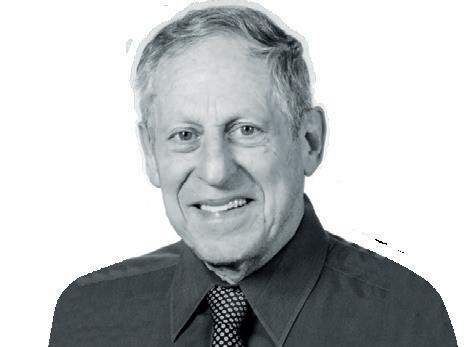
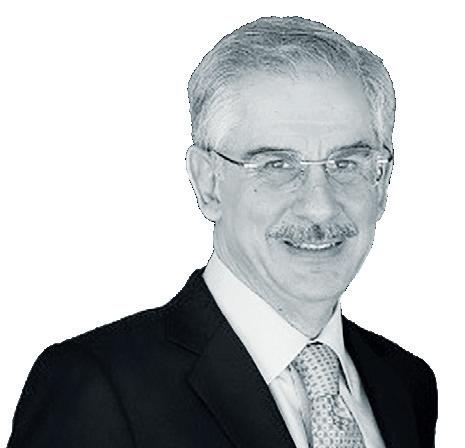
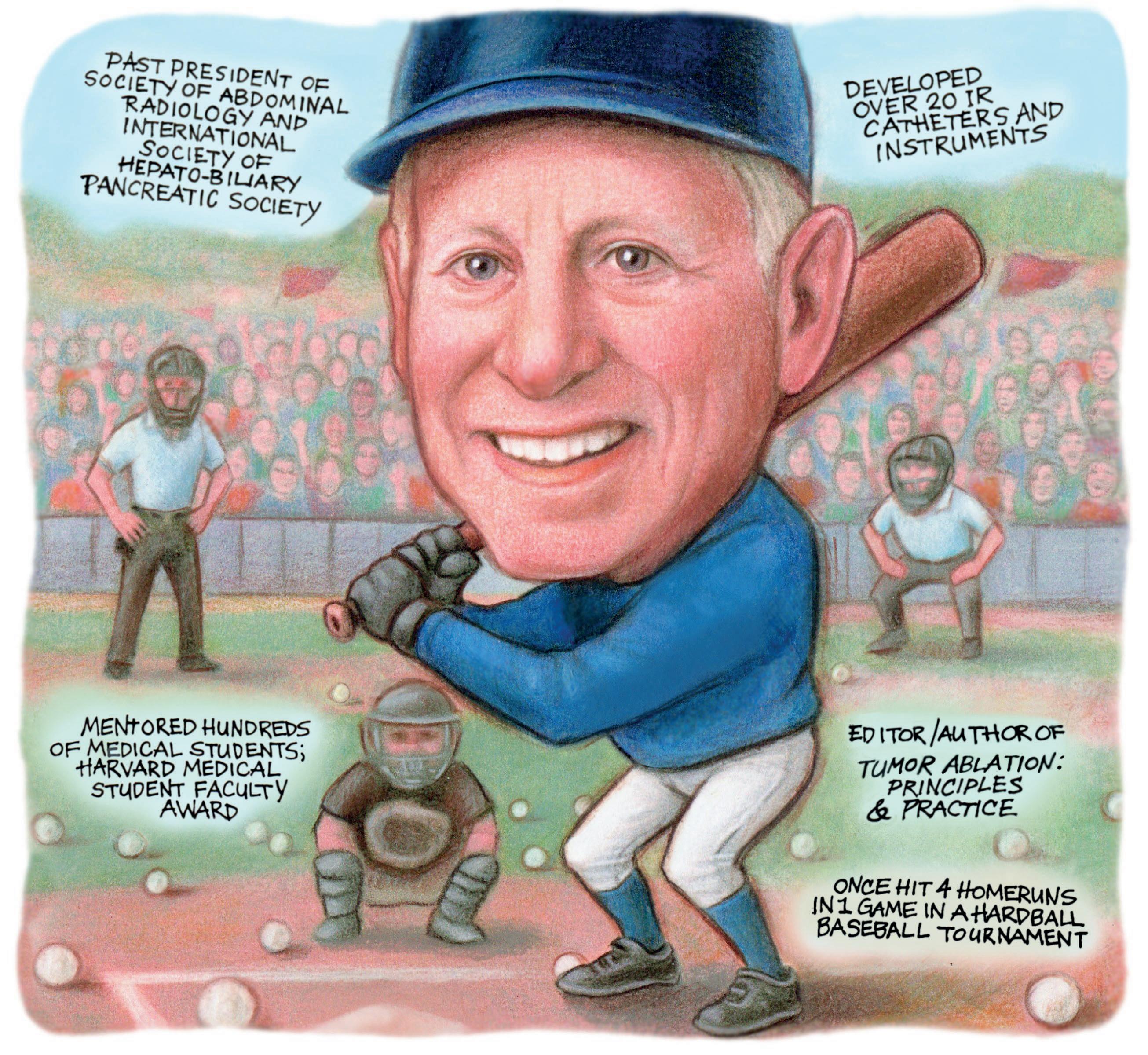
14 Profile: Eric vanSonnenberg 18
VascuQoL improvements were also documented, with a more than five-point increase from baseline (11.9±4 to 17.2±5, p<0.001) at one year.
Armstrong noted that the “DISRUPT BTK II study represents a complex, truly real-world patient and lesion cohort,” highlighting high rates of diabetes mellitus, severe target lesion calcification, dialysis-dependent renal failure and CLTI with wounds. He added that the trial has set a “new standard” by introducing IVL as a “frontline strategy” to modify calcification and restore vessel compliance.
A paradigm shift in cutting calcium
“Up to one year, these results suddenly start to become more relevant,” says Conrad von Stempel (Royal Free Hospital, London, UK), speaking to Interventional News, detailing how the emerging evidence aligns with his experience. “IVL has initiated a total paradigm shift in the way we release calcium.”
Von Stempel explains that his centre’s adoption of IVL came from necessity. “We have a big renal population and in that group of patients there wasn’t really a safe device to use,” he states. Atherectomy devices, he recalls, “promised to cut the calcium, but there’s always a risk of trashing and other complications”, whereas IVL has provided “a better way” to improve treatment compliance. “It wasn’t necessarily always about removing the calcium but preparing the vessel to respond
IVL has initiated a total paradigm shift in the way we release vessels from the constraints of calcium”
CAVT with anticoagulation significantly improves functional outcomes in PE patients, RCT shows
THE USE OF MECHANICAL thrombectomy, specifically computerassisted vacuum thrombectomy (CAVT) using the 16Fr Lightning Flash system (Penumbra), with anticoagulation achieves superior reduction in right heart strain compared to anticoagulation therapy alone in patients with acute intermediate-high-risk pulmonary embolism (PE). This is according to data presented at the 2025 Transcatheter Cardiovascular Therapeutics (TCT) conference (25–28 October, San Francisco, USA) from the STORM-PE randomised controlled trial (RCT).
“These findings mark a pivotal step in advancing care for PE, providing the strongest evidence to date that advanced therapy with CAVT can rapidly and safely improve recovery of the right heart compared to conventional anticoagulation therapy,” said presenter and coglobal principal investigator Robert Lookstein (Icahn School of Medicine at Mount Sinai, New York, USA) in a press release announcing the results. “STORM-PE supports the role of CAVT as a more effective therapeutic option for intermediate-high-risk patients and will evolve the paradigm of care by delivering rapid relief with a comparable safety profile to anticoagulation alone.”
The trial enrolled 100 patients across 22 international sites. Patients treated with CAVT demonstrated a greater reduction in right-to-left ventricular (RV/LV) diameter ratio within 48 hours (mean reduction 0.52 vs. 0.24; p<0.001) and nearly 80% of patients had positive treatment effect with CAVT, which was significantly greater than the patients who received anticoagulation alone (78.3% vs. 51.9%; p=0.011), reflecting rapid haemodynamic recovery.
“What’s particularly compelling is that a significantly greater portion of
VENOUS
The time and tide wait for no man (or woman)
Why talking for too long is worse than bad manners.
I CAN’T REMEMBER WHEN I ATTENDED MY first conference, but it was several decades ago. In all that time I have come across many brilliant lecturers, many more indifferent ones and a few that bored me so much that only the desire not to give offence kept me from yawning too much. Every lecture takes some effort, and even terrible lecturers deserve some respect for the hours they have spent preparing their slides and gathering their thoughts.
Of course, some lecturers are more gifted than others, and there is a yawning gap (pun intended) between the best and the worst. In the days when consultants would not have dreamt of not wearing a suit and tie, I shall never forget a young specialist in oncology standing in front of a large audience dressed in jeans and an open-neck shirt, with his hands in his pockets, starting a lecture on complex chemotherapy—perhaps not the easiest of subjects. He had no slides. I was convinced it would turn out badly but could not have been more wrong. The talk was stunning, and I remember it to this day. Of course, that young man was destined for stardom, and became one of the most eminent professors of oncology in the UK. At the other end of the spectrum, I remember a pillar of the medical establishment giving a lecture on the rules and regulations governing conduct in the medical profession. He had many slides— all of them copies of text from the articles and rules of the General Medical Council—and he read them out word for word for a whole hour. I think it was the only lecture that almost moved me to tears, of boredom.
There are no rules about lecturing. Slides or no slides, jokes or no jokes, beautiful pictures or depressing ones, complex concepts or very simple ideas, mad predictions about the future or deep historical reviews, detailed scientific analyses or technical talks on gadgets with no science at all, long lectures or extremely short ones, political talks or complex accounts of randomised trials— all of these can work, and all of them can fail disastrously. It all depends on how good the speaker is at getting their points across.
Sticking to one’s remit is important. A common error is to give a talk on the subject that you wish you had been asked to address rather than the topic you have actually been given. We have all witnessed this. A speaker has been asked to talk about the complications of biliary drainage. But they loves metallic stents, and they considers themselves an expert on these devices. So, they makes some cursory references to bleeding and sepsis but then talks at great length about the springs they love. This will always be inappropriate but is particularly bad when another speaker in the same session has been asked to talk about metallic stents. The audience is short changed and left
potentially confused.
I have left the worst for last. Exceeding your allotted speaking time is a cardinal sin. There are two different types of speakers responsible for it, one much worse than the other: the less pernicious one is the incompetent speaker who has not bothered to practise their talk or is simply incapable of timing it. Such people are not malicious. Thankfully, they are unlikely to receive many invitations to major conferences. Much worse, is the person who speaks for too long deliberately, knowing exactly what he is doing. They are likely to be arrogant, lacking in insight and they are certainly inconsiderate. This behaviour is particularly bad when the talk is one of several setting the scene for a ‘round table’ discussion because, by speaking for too long, the discourteous speaker has curtailed the available time for debate. Very often, such people think they are more important than anyone else and that what they have to say is so significant that the audience should hear it regardless of time.
NEWS IN BRIEF
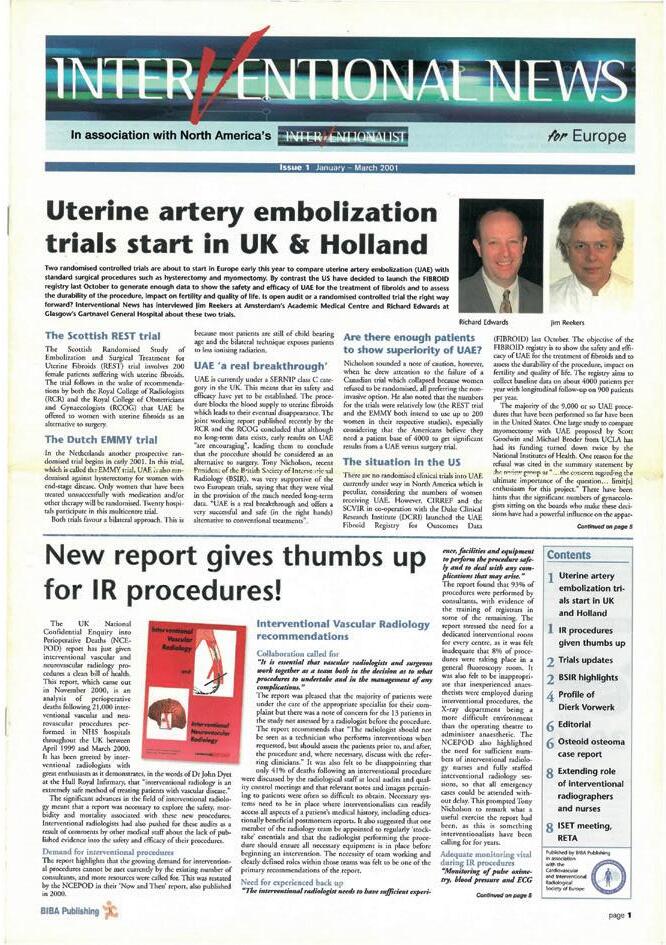
n 100TH ISSUE: Interventional News has evolved in tandem with interventional radiology (IR); as a publication positioned to share details of novel minimally invasive procedures and cutting-edge devices. The specialty’s advancements year on year have provided ample news to fill the pages. Here, we look back at the stories that have defined IR today, celebrating our 100th issue we mark 23 years of delivering the latest in IR.
For more on this story go to page 6.
For goodness’ sake, if you think that your allocated time slot is too short, you should contact the organisers well in advance and ask them to make it longer. If your request is granted, fine. If not, you have two choices: refuse the invitation or stick to the time that has been allotted to you.
Moderators who do not stop people from speaking too long are complicit in such rude and inconsiderate behaviour. Often, they are too timid to do it, particularly if the speaker is eminent, or a friend. Such moderators are letting the audience down by not administering some timely loperamide to stop the verbal diarrhoea.
Perhaps conference organisers should adopt a system I saw in place at a major scientific meeting: a green light under the speaker’s microphone goes orange one minute before the end of the time allocated to them. When the time is up it goes red. Thirty seconds later the microphone is switched off.
If you like the sound of your own voice so much, just sing in the shower.
ANDY ADAM is emeritus professor of interventional radiology at King’s College London, UK and joint editor-in-chief of Interventional News.
Editors-in-chief: Professor Robert Morgan, Professor Andy Adam, Professor Brian Stainken
Publisher: Stephen Greenhalgh
Editor: Éva Malpass | Editorial contribution: Jocelyn Hudson, Will Date, Bryan Kay, Jamie Bell
n NHS CANCER PLAN: First expected in late 2025, the UK National Health Service (NHS) 10-year cancer plan, setting out a comprehensive strategy for oncology funding and care coordination, has been delayed and is now expected for release in early 2026. Clinicians now wait for further updates amid new reports which state approximatley three out of 121 NHS Trusts are meeting waiting time targets and, according to a recent publication in journalist Elizabeth Gourd, additional delays to the release of the plan could cost lives.
For more on this story go to page 11.
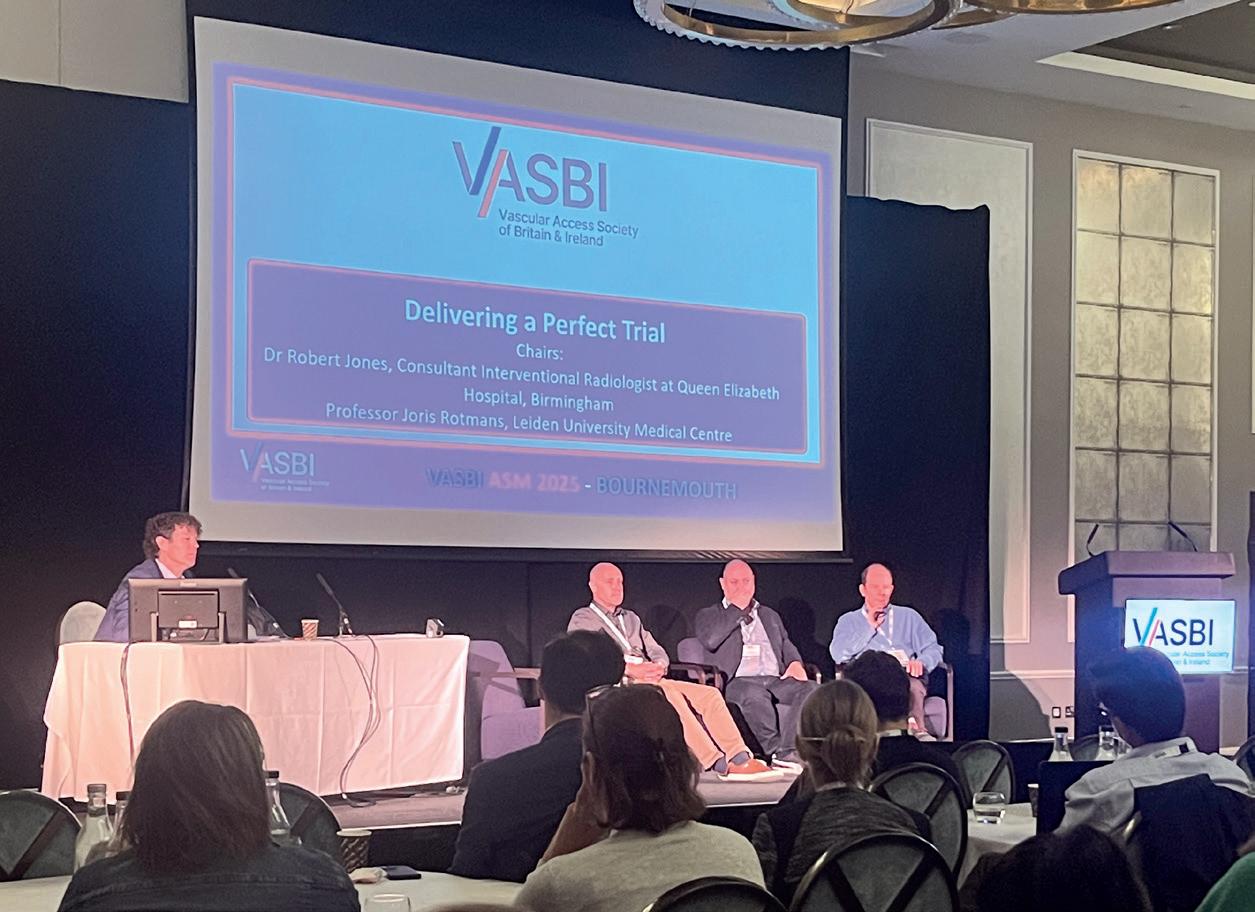
n VASBI DEBATE: Optimal trial design for vascular access studies went under the microscope at the Vascular Access Society of Britain and Ireland (VASBI) 2025 annual scientific meeting (25–26 September, Bournemouth, UK), where speakers highlighted some of the challenges facing researchers in conducting randomised controlled trials within this space.
For more on this story go to page 17.
Subscribe here
If you have comments on this issue or suggestions for upcoming editions write to eva@bibamedical.com
Praveen Peddu Nicky Thorp
Accumulating long-term IVL data spark debate on key outcome measures for CLTI
Continued from page 1
better to our definitive treatment—be it plain balloon angioplasty, a drug-eluting device or stenting.”
In a CLTI population, von Stempel adds that IVL allows clinicians to “be a little gentler” in vessel preparation, offering a strong safety profile even if the treatment is unlikely to work in the most severe cases. He now uses IVL five to 10 times a week “for everything from iliac disease down to the pedal vessels”, guided by intravascular imaging (IVUS).
For Raghu Lakshminarayan (Hull University Teaching Hospital, Hull, UK), who has been using IVL for approximately five years, the technique’s impact on calcific disease is reflected by the sharp rise in UK utilisation. “Around 5,000 catheters were sold in the UK last year, which is substantial. There’s proven safety and efficacy data and now we’re working to see if it improves amputation-free survival, that’s the bottom line,” he says.
In Europe, however, reimbursement challenges limit access, states Peter Reimer (University Hospital Freiburg, Freiburg, Germany), who adopted IVL after witnessing its successes within clinical trials. “In Germany, you have to justify when and why you want to use a device, discuss it with your hospital administration, present the costs and argue that, by using IVL upfront, you might avoid other expensive interventions such as multiple stents,” he describes. Reimer defines how IVL can also be used off label to soften calcium that has grown outside of a stent and is compressing it before re-dilating rather than placing more stents, creating a costly “full metal jacket”, he says.
Priority outcome measures
As solid justification builds through emerging data, speakers agree that outcome measures must reflect
COVER STORY continued
CAVT with anticoagulation significantly improves functional outcomes in PE patients, RCT shows
Continued from page 1
patients treated with CAVT achieved normalisation of RV/LV ratio within 48 hours—a critical indicator of right heart recovery—without an increase in complications,” said Rachel Rosovsky (Massachusetts General Hospital and Harvard Medical School, Boston, USA), co-global principal investigator. “These findings represent a meaningful advancement in optimising early interventions in patients with intermediate-high-risk PE, and we look forward to exploring how changes in RV/LV ratio correlate with other clinical and functional outcomes.”
what is most meaningful to clinicians and patients. Lakshminarayan highlights reintervention rates and amputation-free survival as key endpoints for trials in this arena. Above all, he hopes that a reduction in reintervention rates will “improve patient quality of life and reduce costs”, particularly given how high reintervention rates typically are for calcific disease.
Reimer similarly highlights mobility, explaining that “if they can walk, mortality decreases significantly. But if they undergo major amputation, it’s fatal”. In his view, maintaining ambulation in this patient population is the “most important outcome measure”.
Von Stempel, however, argues that powering a CLTI IVL study to evaluate amputation-free survival is “too narrow” a clinical outcome in this complex group of patients. “If you look at wound healing, if you look at tissue loss—all of these things—I don’t think they are particularly robust outcome measures. We need to develop a win ratio which is a composite measure of outcomes. CLTI is such a minefield to study,” he says.
First-ever IVL CLTI registry
To address this, a first-of-its-kind study has been launched to evaluate the role of IVL in CLTI: the Chronic Limb-Threatening Ischaemia treated with Intravascular Lithotripsy Observational (CALCIO) prospective cohort study—funded by Shockwave Medical in collaboration with the Cardiovascular and Interventional Radiological Society of Europe (CIRSE). The study’s aim is to collect real-world data to better understand clinical effectiveness while avoiding the narrow scope of randomised controlled trials, explains Reimer, a coordinating investigator. The study will assess Shockwave Medical’s IVL system in promoting wound healing and preventing amputation in CLTI patients with calcified femoropopliteal or crural lesions. The primary outcome is a composite of wound healing and freedom from amputation of the treated limb at 12 months. Secondary objectives include wound healing at 24 months, freedom from amputation at 24 months, and amputation-free survival and primary and secondary patency rates at 12 and 24 months.
Raman Uberoi (John Radcliffe Hospital, Oxford, UK), co-chief investigator for CALCIO alongside Reimer and Christoph Binkert (Kantonsspital, Winterthur, Switzerland), told Interventional News that
The rate of major adverse events (MAE) within seven days—including a composite of PE-related mortality, recurrent PE, clinical deterioration requiring rescue therapy, and major bleeding—was comparable between groups (4.3% [2/47] with CAVT vs. 7.5% [4/53] with anticoagulation alone).
“For the first time we have prospective, level-one evidence demonstrating that CAVT with anticoagulation is superior to anticoagulation alone,” said James F Benenati, chief medical officer at Penumbra. “This randomised evidence will play a critical role in supporting the inclusion of CAVT in guidelines.”
Speaking to Interventional News, Rosovsky not only underscores the impact of the physiological recovery results but also highlights the improvements in functional outcomes. She shared that, to date, no previous trial of mechanical thrombectomy has assessed functional outcomes. “These results show us that patients treated with CAVT plus anticoagulation are
the goal is “not to change what clinicians are doing, but to collect real-world data on how people are using IVL and outcomes”. Recruitment is currently ahead of schedule, and he hopes that “by this time next year, we will be analysing preliminary data”.
“We hope CALCIO provides more resonance and impact for users, potential users and regulators,” Uberoi says, adding that industry trials will continue to deliver “important basic data on device function. This will be crucial to provide vital data needed by regulators to accept IVL in the treatment of CLTI to gain funding”. He notes that it will be interesting to see whether differences emerge between newer devices entering the market, which he currently believes are largely similar. Ultimately, he says, the boom in IVL research and manufacturing reflects companies “cashing in on a pretty safe bet” as evidence for the technique’s efficacy continues to grow.
A bid for more pulses
Looking to the future, von Stempel believes that dual assessment of IVL through industry-led data and proceduralist-driven studies “will really disrupt the way we assess outcomes” over the next five to ten years. As IVUS and IVL become “cheaper and more ubiquitous”, he adds, outcomes will be measured more objectively.
For now, however, Lakshminarayan notes that cost and access remain challenges. While IVL may reduce reintervention—and therefore overall cost— technological limitations persist, particularly regarding pulse capacity and balloon sizing. The 300-pulse limit of the IVL catheter is inadequate in his experience, and Uberoi adds that it is “cynically, a means to sell more devices”, questioning: “If the balloon is intact and shocking, why stop at 300 pulses?”
Where there is smoke, there is fire, Lakshminarayan suggests: the increasing industry attention surrounding IVL must indicate its effectiveness. “If approximately 34 industry partners are currently bringing IVL devices to market, this must mean, as a technology, it works well—otherwise, why would so many invest in it?” He concludes that growing discussion around cost, availability and clinical value will determine whether the technology “is truly worth it”, as interventionists wait to see whether its potential will be confirmed by upcoming trial data.
recovering and getting back to their ‘normal lives’,” says Rosovsky. CAVT-treated patients experienced 2.2 times greater likelihood of progressing towards recovery of functional status, based on post-venous thromboembolism functional status (PVFS) from pre-PE event to discharge (p=0.032); as well as significantly longer distance walked during the 90day six-minute walk test (6MWT; 472m vs. 376m; p=0.019). Rosovsky shared that CAVT patients near normalised their percent predicted 6MWT at 90 days, walking 94% of their predicted walk distance versus 75% among the patents treated with anticoagulation only (p=0.022).
Rosovsky explains that “uniquely”, patients enrolled were offered a Garmin wearable device to wear around the clock for three months following their PE treatment. Using the information collected from the devices, the research team will conduct further analyses using data across heart rate trends, oxygen saturation, sleep patterns, and patient activity levels. “It’s a treasure trove of
information, and we have much more data coming with several additional quality-of-life measures to gain a comprehensive understanding of patient recovery,” she details.
“When we think about PE care, it’s not just an acute illness. Of course, survival, bleeding risk, and preventing recurrence are essential, but long-term functional outcomes are also critically important. We want patients to get back to their lives. This study shows that is possible, and it’s the first to demonstrate such findings,” says Rosovsky.
Reflecting on the significance of the data in context, Rosovsky highlights that anticoagulation has been “the mainstay of therapy” since 1960 following Donald W Barritt and Jordan M Brist’s “first and only” randomised trial on anticoagulation for PE published in The Lancet. “In the 73 patients included, anticoagulation showed dramatic improvement in mortality, defining a treatment approach that has remained in practice to this day,” she notes, “I believe STORM-PE presents another such pivotal moment.”
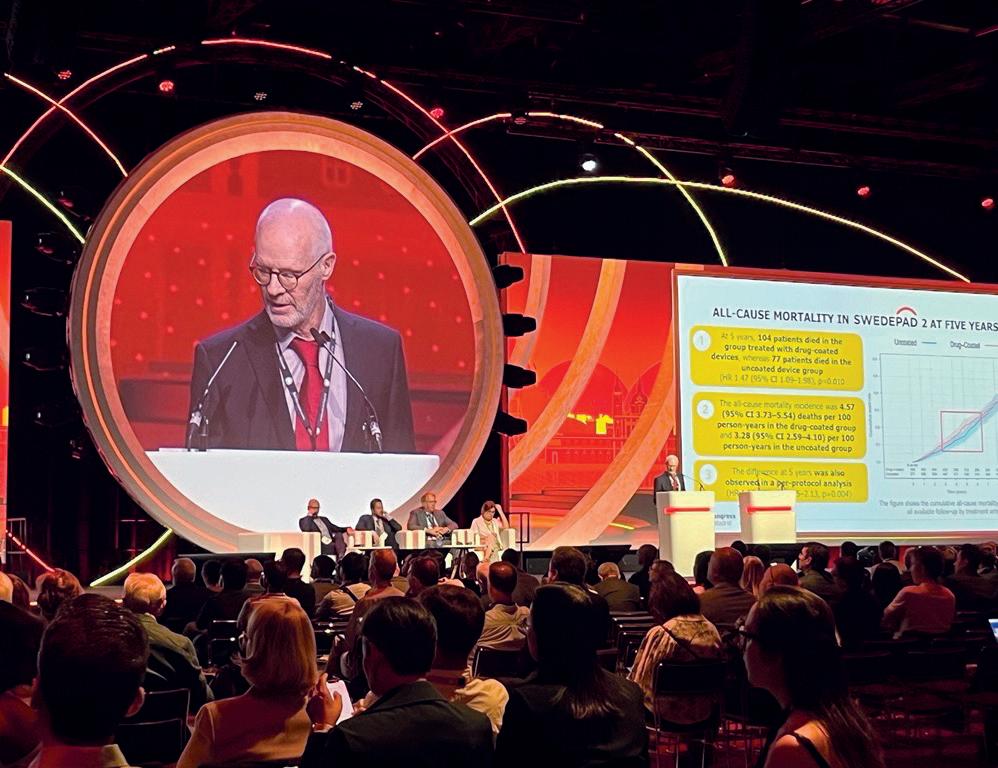
Drug-coated balloons (DCBs) and stents were not associated with reduced risk of amputation or improved quality of life compared with uncoated devices in the SWEDEPAD 1 and 2 trials. In addition, higher five-year mortality with drug-coated devices in patients with intermittent claudication was noted, leading researchers to stress that the safety of paclitaxel-coated devices is an “ongoing discussion”.
SWEDEPAD 1 AND 2 WERE pragmatic, participant-blinded, registrybased randomised trials that set out to determine the clinical impact of drug-coated technology on patients with peripheral arterial disease (PAD). Late-breaking findings from the trial were presented at the 2025 European Society of Cardiology (ESC) congress (29 August–1 September, Madrid, Spain) and simultaneously published in The Lancet.
Explaining the rationale for the trials at ESC, co-principal investigator Joakim Nordanstig (University of Gothenburg, Gothenburg, Sweden), said: “Drugcoated balloons and stents have been shown to reduce restenosis and the need for reinterventions in the endovascular treatment of PAD. However, there are uncertainties regarding whether drug-coated devices improve outcomes that are meaningful to patients, quality of life and reducing amputations, and there are some concerns over safety. We investigated these and other endpoints in two trials in PAD—one in chronic limbthreatening ischaemia [CLTI] and one in intermittent claudication—comparing drug-coated and uncoated devices.”
In SWEDEPAD 1, 2,355 patients with CLTI (Rutherford stage 4–6) undergoing infrainguinal endovascular treatment were randomised 1:1 to drug-coated or uncoated balloons or stents. In nearly all of the drug-coated devices implanted, the drug delivered was paclitaxel (>99%). There was no significant difference in the primary endpoint of time to ipsilateral aboveankle amputation with drug-coated versus uncoated devices (hazard ratio [HR] 1.05; 95% confidence interval [CI] 0.87–1.27) over five years of followup. Target vessel reinterventions were reduced in the drug-coated group during the first year (HR 0.81; 95% CI 0.66–0.98), but this difference disappeared with longer follow-up. There was no difference in all-cause mortality or in quality of life (as assessed using the VascuQoL-6 questionnaire).
In SWEDEPAD 2, 1,155 patients with intermittent claudication (Rutherford stage 1–3) undergoing infrainguinal endovascular treatment were randomised
1:1 after successful guidewire crossing to receive either drug-coated or uncoated balloons or stents. All drug-coated devices implanted delivered paclitaxel. There was no difference in the primary efficacy endpoint of quality of life between the drug-coated and uncoated groups at 12 months (mean difference in VascuQoL-6 scores: –0.02; 95% CI –0.66–0.62). Target vessel reintervention rates were not different at one year or over a median follow-up of 6.2 years. All-cause mortality did not differ over 7.1 years (HR 1.18; 95% CI 0.94–1.48), although higher five-year mortality was noted with drug-coated versus uncoated devices (HR 1.47; 95% CI 1.09–1.98).
Summarising the findings, coprincipal investigator Mårten Falkenberg (Sahlgrenska University Hospital and the University of Gothenburg, Gothenburg, Sweden), said: “Paclitaxel-coated devices were not effective in preventing amputation in chronic limb-threatening ischaemia or improving quality of life in intermittent claudication. Given the signal of increased mortality with intermittent claudication, clinicians should carefully evaluate the potential risks and benefits when considering these expensive devices. Devices incorporating antiproliferative agents other than paclitaxel warrant further investigation in PAD.”
In a press conference at ESC, Nordanstig commented on how the newly presented SWEDEPAD data compare to other trials in the PAD space. He noted that the results are “a bit different” to those of previously conducted pivotal trials and metaanalyses on drug-coated technology in patients with PAD, which “consistently demonstrated” reduced reintervention rates. “The big difference here I think,” Nordanstig said, “is this is a strategy trial rather than a single device trial, and [the SWEDEPAD findings] might be what is happening when broadly introducing these therapies in a more everyday patient population.”
Nordanstig also touched on the finding in SWEDEPAD 2 that higher
Mårten
five-year mortality was noted with drug-coated versus uncoated devices, stressing that the safety of paclitaxelcoated devices is “still an ongoing discussion” following the identification in 2018 by Katsanos et al of a late mortality signal. He remarked: “It’s hard for us to ignore the fact that it seems that we mirrored that signal in SWEDEPAD 2, but not in SWEDEPAD 1.”
Closing the press conference, session chair Dan Atar (Oslo University Hospital Ulleval, Oslo, Norway) commended the researchers for their use of “hard” endpoints in the SWEDEPAD trials. “That’s a very interesting approach to showing outcomes,” he said.
Speaking to Interventional News at the 39th European Society for Vascular Surgery (ESVS; esvs.org)
annual meeting (23–26 September, Istanbul, Türkiye), one month following initial presentation and publication of SWEDEPAD, Nordanstig reflected on initial reactions to the trial. “I think, so far, it has been very well received,” he said. “I think everyone has been interested in the data.”
“Obviously there has been interest regarding this potential safety signal in SWEDEPAD 2, that we were very surprised about as well, and that raises certain questions we need to address, both as trialists but also as clinicians,” he said. “As we wrote in The Lancet papers, I think at this stage it’s very reasonable to say that we need to carefully consider when we use these devices and for what reasons.”
Nordanstig also shared plans for future research. “More data will come out of this and a very high priority for us now is to scrutinise the mortality signal in SWEDEPAD 2,” he revealed. “We are in a good position to study causespecific mortality, which I think is a new piece in this intriguing puzzle.”
“No evidence” of long-term mortality risk in SAFE-PAD
The conversation around the paclitaxel mortality signal continues with the publication of the final report from SAFE-PAD, which differs in findings from SWEDEPAD. The study—which was commissioned by the US Food and Drug Administration (FDA) and helped inform the reversal of regulatory warnings against routine use of drugcoated devices—was published in the European Heart Journal (EHJ).
Findings from SAFE-PAD show no evidence of long-term mortality risk associated with drug-coated devices used for femoropopliteal revascularisation.
In their EHJ paper, authors Robert M Kim and colleagues at Beth Israel Deaconess Medical Center (Boston, USA), including senior author Eric A Secemsky, note that SAFE-PAD was a retrospective cohort study of 168,553 Medicare fee-for-service beneficiaries aged 66 years and older who underwent femoropopliteal artery revascularisation between 2015 and 2018.
The authors share that device exposure to either drug-coated devices or non-drug-coated devices was identified using Medicare claims data, with the primary outcome being allcause mortality. Secondary outcomes included all-cause hospitalisations, repeat revascularisation, major amputation, and cardiovascular medication use.
Kim and colleagues report that, at a median follow-up of 4.3 years, drug-coated device use was not associated with increased mortality, meeting a prespecified 5% noninferiority relative margin. They add that secondary outcomes showed similar hospitalisation and amputation rates between groups but an increase in repeat revascularisation with drug-coated devices.
“These real-world findings indicate no long-term mortality risk with paclitaxelcoated devices,” Kim et al write as their take-home message. “These findings have informed regulatory guidance, and highlight the utility of large-scale observational research.”
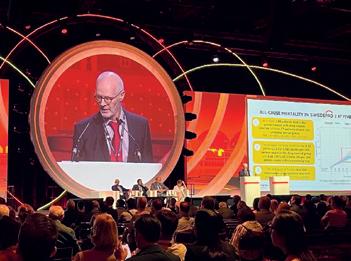
Falkenberg presents SWEDEPAD findings at ESC 2025
100 EDITION HIGHLIGHTS
Interventional News reaches 100
Interventional News has evolved in tandem with interventional radiology (IR); as a publication positioned to share details of novel minimally invasive procedures and cuttingedge devices. The specialty’s advancements year on year have provided ample news to fill the pages. Here, we look back at the stories that have defined IR today, celebrating our 100th issue we mark 23 years of delivering the latest in IR
Uterine artery embolization trials start in the UK and Holland
Two randomised controlled trials are about to start in Europe early this year to compare uterine artery embolization (UAE) with standard surgical procedures such as hysterectomy and myomectomy. By contrast, the USA decided to launch the FIBROID registry last October to generate enough data to show the safety and efficacy of UAE for the treatment of fibroids and to assess the durability of the procedure, impact on fertility and quality of life. Is open audit or a randomised controlled trial the right way forward?
CMS proposes to expand coverage for carotid artery stenting
The Centers for Medicare & Medicaid Services (CMS) is proposing to expand its coverage for carotid artery stenting. The proposed National Coverage Determination (NCD) includes a coverage expansion that, according to the CMS, reflects the latest evidence on the effective use of stenting. Medicare is proposing to expand coverage to patients who have greater than 80% carotid artery stenosis.
Immunotherapy could transform systemic power of locoregional IO treatments
Many physicians now believe that immunotherapy is a disruptive field in cancer medicine. Interventional oncology (IO) can either “snooze and lose” as one prominent interventional radiologist put it on a recent podium presentation or wake up and do the research needed on how best to harness the potential of this field when using IO treatments.
“We are lucky to be interventional oncologists in an era of transformation”
Wood
ATTRACT trial results a catalyst for advance in management of deep vein thrombosis
Data from the randomised controlled ATTRACT trial revealed that the addition of catheter-based intervention to standard-of-care anticoagulation failed to significantly decrease the occurrence of post-thrombotic syndrome in patients who received this treatment strategy when compared to its occurrence in patients who received anticoagulation alone. While there is disappointment at the headline findings of this landmark trial, experts have called the data both illuminating and hypothesis-generating.
UEMS decision put European IR in charge of its destiny
The recent vote by the European Union of Medical Specialists (UEMS) shows how interventional radiology (IR) has moved from a technical discipline to a true clinical discipline, which marks a real milestone—the official birth of a new medical specialty in Europe. Cardiovascular and Interventional Radiological Society of Europe (CIRSE) president, Jim Reekers (University of Amsterdam, Amsterdam, The Netherlands) said European standards for training in IR can now be implemented, which would result in the improvement of quality of care for patients.
Interventional radiology gets primary specialty status in the USA
The American Board of Medical Specialties (ABMS) has approved the American Board of Radiology’s application for a new dual certificate in interventional radiology and diagnostic radiology (IR/DR), meaning that IR is now recognised as being a primary specialty rather than a subspecialty of DR.
Preliminary results for cryoablation in small lung tumours look promising
The initial results from the Eclipse (Evaluating cryoablation of metastatic lung/pleura tumours in patients—safety and efficacy) clinical trial investigating the use of cryoablation for metastatic lung tumours have demonstrated the safety of the procedure. At a median three-month follow-up, the intervention showed 100% control rate in tumours under 3.5cm.
FEMME trial finds myomectomy improves quality of life more than UAE at two years
Results from a multicentre, randomised controlled trial— FEMME—published recently in the New England Journal of Medicine (NEJM) indicate that myomectomy shows superior fibroid-related quality of life at two years compared to uterine artery embolization (UAE) in women with symptomatic uterine fibroids. Several prominent interventional radiologists suggest that while gynaecologists may use this headline finding to cease recommending UAE, the treatment is still a good therapeutic option in patients with symptomatic fibroids. They highlight that informed patient choice is at the heart of personalised fibroid therapy.
Will the MDR transition fall short of mitigating impact on IR and beyond?
In May 2021, the European Union (EU) Medical Devices Regulation (MDR) came into force to revise quality and safety standards for thousands of types of medical devices, and to reclassify in some cases. MDR was intended to come into effect in May 2020 after a three-year transition period, but this was delayed due to the COVID-19 pandemic. The transition period was recently extended again to allow device companies and manufacturers more time to plan their route to conformity with the new regulations, which many industry and healthcare stakeholders consider will make for slower implementation of new devices than under the MDR’s precursor, the Medical Device Directive (MDD). Interventional News sought out the views of interventional radiologists in Europe and the UK to capture the concerns within the subspecialty relating to MDR, as well as those of industry.
SUCCESS PTA stratified analysis finds equal benefit for sirolimus DEB above and below the knee
Positive 12-month outcomes for the Selution sustained limus release (SLR; Cordis) drug-eluting balloon (DEB) were observed, with consistent haemodynamic, functional and clinical improvements irrespective of lesion location or Rutherford classification in both above-the-knee (ATK) and below-the-knee (BTK) arteries.
MICHAEL LICHTENBERG (Klinikum Hochsauerland, Arnsberg, Germany), presenting on behalf of the SUCCESS PTA study research team at the Cardiovascular and Interventional Radiological Society of Europe (CIRSE) annual congress (13–17 September, Barcelona, Spain), stated that these results support the utility of the Selution DEB in everyday clinical practice for a “wider spectrum of patients and peripheral arterial disease [PAD] presentations”.
“With this stratified analysis we can now conclude that patients with complex BTK lesions have a very good outcome after sirolimus technology usage—these are the first data to prove that,” said Lichtenberg.
In the trial, investigators included the full SUCCESS PTA cohort of 720 patients, stratified by ATK or BTK lesions: 666 patients to ATK and 156 to BTK.
Among the overall cohort, 74% were identified with claudication and
26% with chronic limb-threatening ischaemia (CLTI). Within these subgroups, 78% of claudicants had ATK lesions compared with 54% with BTK lesions; 22% of patients in the ATK group were identified with CLTI compared with 46% in the BTK group.
The patient population had an average age of 70.7 years, 37.9% had diabetes mellitus and 16.8% had renal failure or impairment, Lichtenberg highlighted.
Concerning procedural characteristics, Lichtenberg emphasised that 98.6% of ATK and 99.3% of BTK patients received lesion preparation, largely using plain balloon angioplasty or, to a lesser extent, atherectomy/ thrombectomy.
Device success was reported in 99% of ATK lesions and 99.1% of BTK lesions, with procedural success rates of 98% and 97.6%, respectively.
At 12 months, freedom from clinically driven target lesion revascularisation (CD-TLR) was achieved in 91.4% of ATK lesions
SAVE trial reports higher efficacy for Selution SLR DEB in failing AVF
A first report from the SAVE prospective, multicentre, single-blinded randomised controlled trial of the Selution sustained limus release (SLR; Cordis) drugeluting balloon (DEB) in patients with failing arteriovenous fistula (AVF) undergoing haemodialysis has demonstrated “significantly higher efficacy” compared with plain balloon angioplasty, with a higher target lesion primary patency (TLPP) at six-month follow-up.
KONSTANTINOS KATSANOS (PATRAS University Hospital, Rion, Greece) presented these data during the FIRST@CIRSE session at this year’s Cardiovascular and Interventional Radiological Society of Europe (CIRSE) annual congress (13–17 September, Barcelona, Spain).
A total of 84 patients were randomised to either standard high-pressure balloon angioplasty followed by local application of Selution SLR, or high-pressure balloon angioplasty with no further lesion treatment. The primary safety endpoint was defined as freedom from any serious adverse event
and 89.3% of BTK lesions. “This is very convincing data for patients,” Lichtenberg commented, also underlining the 1.7% and 5.2% rates of target limb amputation in the ATK and BTK groups, respectively.
Following his presentation, a question from the audience focused on the near-identical CD-TLR rates between ATK and BTK lesions, the latter of which are generally assumed to have inferior outcomes. Lichtenberg responded that this discrepancy may have arisen due to the lack of emphasis placed on “proper lesion preparation” in previous datasets concerning BTK disease.
“All of these randomised, prospective
involving the patient’s arteriovenous access at 30 days. The primary efficacy endpoint was TLPP, defined as freedom from clinically driven target lesion revascularisation (CD-TLR) or access-circuit thrombosis at six months.
Patients were enrolled across three sites in Greece and Singapore. Eligibility criteria included at least one previous successful dialysis access session, stenosis >50% at the outflow vein with clinical circuit dysfunction, and lesions ≤7mm in diameter and ≤80mm in length. Patients had an average age of 63.8 years in the DEB arm and 65 years in the plain balloon angioplasty arm. The number of pretreatment devices used was 1.5±0.7 in the DEB group and 1.3±0.5 in the plain balloon angioplasty group.
Reporting results, Katsanos noted 100% device success in both groups. In the DEB arm, a 95.2% rate of clinical success was observed compared with 92.9% in the plain balloon angioplasty arm.
For the primary efficacy endpoint, a 78% TLPP rate was achieved in the Selution SLR group at six months, compared with 58.5% in the plain balloon angioplasty group (p=0.026), with an odds ratio (OR) of 3.1 (95% confidence interval [CI]: 1.1–8.9). Using Kaplan–Meier curves, Katsanos added that, at 180 days, an 82.5% TLPP rate was observed in the DEB arm compared with 67.5% in the plain balloon angioplasty group (p=0.036).
Freedom from serious adverse events at 30 days
DEB or paclitaxel trials didn’t use proper preparation strategies, and I can show you here that a lot of colleagues and centres [in the SUCCESS PTA dataset] used BTK lesion preparation strategies. I think this is an important aspect here in combination with DEB technology and this is a shift we need to concentrate on,” he said. He went on to add that plain balloon angioplasty is “not the way to go” for lesion preparation in future, highlighting instead that new strategies using intravascular lithotripsy, atherectomy or scoring devices in combination with DEBs will produce “much better outcomes” in BTK lesions.
was 92.9% in the DEB arm and 100% in the plain balloon angioplasty arm (p=0.08). CD-TLR occurred in 17.1% of patients in the DEB arm compared with 31.7% in those treated with plain balloon angioplasty (p=0.03).
“Selution SLR showed significantly higher efficacy versus uncoated angioplasty at six-month follow-up,” Katsanos underlined. “This was also associated with improved angiographic followup but, most importantly, with improved physiological function, as reflected by the higher minimal lumen diameter and the significantly higher volume flow rate of the fistula at six months.” Volume flow rate was reported as 1,061.7ml/min with Selution SLR versus 823.7ml/min in the control group (p=0.03).
In the discussion, Katsanos was asked whether lesion preparation had any bearing on the results of the SAVE trial, to which he responded: “Yes—you first prepare the lesion by adequate balloon angioplasty and then deliver sirolimus with Selution SLR.”
“In all cases you must achieve the best angioplasty effect first and then decide whether to upgrade to the DCB. In this study, we performed high-pressure balloon angioplasty with balanced diameter sizing in both study arms, and then applied Selution SLR in the active intervention group,” he explained. “It is imperative to obtain a very good angioplasty effect to begin with.”
Michael Lichtenberg
The greater good: Is it time DR and IR part ways? Expert
panellists have their say
Enmeshed throughout most global training curriculums, dual certification in diagnostic radiology (DR) and interventional radiology (IR) is commonplace, but is extensive knowledge of DR necessary to operate as a competent interventional radiologist? This was among questions raised during a poignant session at this year’s Cardiovascular and Interventional Radiological Society of Europe (CIRSE) annual congress (13–17 September, Barcelona, Spain).
In a Q&A-style discussion, moderator Gerry O’Sullivan (University Hospital Galway, Galway, Ireland) posed a series of audience queries to panellists Liz Kenny (Royal Brisbane and Women’s Hospital, Brisbane, Australia), Bulent Arslan (Rush University, Chicago, USA), John Kaufman (Oregon Health and Science University, Oregon, USA) and Andy Adam (King’s College London, London, UK) who debated whether it’s high time for a velvet divorce.
O’Sullivan: Have you faced resistance from other clinical specialties or higher management in your own hospital while becoming more clinical? And how did you combat that?
Arslan: I haven’t faced resistance from other specialties. We have a very good relationship with them, and I think that’s essential in IR—working with everybody. Anytime another specialist needed something, we would always entertain the idea and see what the best solution was for the patient and that created a lot of supporters for us.
One aggressive question I was asked in the process was: “So, cardiology is bigger than you. Why aren’t they becoming a department and you are?” I answered that by showing our clinical numbers, procedures, and growth over 10 years. I explained that IR is a clinical specialty, whereas DR is diagnostic. Cardiology is also a clinical specialty, but a medicine chair will never tell a cardiology chief they don’t need a clinic. However, I was told that three times because DR chairs don’t understand how we operate as a therapeutic specialty. That answer settled the issue. Kaufman: I’ll share an anecdote. We were an institute separate from DR for almost 30 years before moving to true academic departmental status. The operational questions about funding and such were easy to resolve because we already had one of the busiest consult services in the hospital.
As part of the process I met with every single department chair, explained our plan, and asked for their concerns and support. Their most common question was: “What does the chair of DR think about this?” despite our having been separate for decades. This highlights the point that identity remains a critical issue. Luckily, the chair of DR was fully on board and supported our transition from institute to department.
Adam: Another anecdote; we didn’t face vehement opposition, but there were ripples. For example, after renal ablations, one young urologist wrote to me complaining that it was wasteful for patients to be seen in both urology and IR clinics. I wrote back agreeing, and suggested she stop seeing them.
O’Sullivan: That’s what we want to hear! Let me ask another question. Do you think other specialists should get basic DR training, like surgeons and cardiologists do, to improve their 3D anatomical vision? Just a yes or no.
Kenny: Yes. For me it’s essential, it’s a core
part of our training.
Kaufman: A little training is great, no problem. But competency is different. That’s where Andy [Adam] and I may differ on what the DR part should mean. Adam: I completely agree.
Kenny: Our department has its own computed tomography [CT] and magnetic resonance imaging [MRI] scanners. Some even have positron emission tomography [PET]-CTs. But we don’t report, we don’t provide diagnostic advice. That’s the key difference between DR and how we use imaging in radiation oncology.
O’Sullivan: Interesting. The transition is towards a more clinical specialty, but will DR knowledge change with that transition?
After renal ablations, one young urologist wrote to me complaining that it was wasteful for patients to be seen in both urology and IR clinics. I wrote back agreeing, and suggested she stop seeing them”
Andy Adam
Adam: In the UK, training is three plus three, so six years. Some may see that as unattractive, but in my view, it’s necessary.
O’Sullivan: Do you see a pathway where IR residents drop DR certification altogether? If not, why not?
John and Bulent—this is to you.
Arslan: In the USA, everything is controlled by hospitals. That’s how turf wars started. Surgeons could observe a few cases, take a short course, then apply for credentialing. Hospitals often don’t check competency properly. Complications get reviewed, but not always by IR. The chair of surgery signs off their financial position and prospects procedures and problems will not be unmasked. That’s the unfortunate reality. Having said that, interventional radiologists can easily do image readings without a
formal DR certification. Cardiologists are already doing that in the USA.
O’Sullivan: Yes, I’ve seen low-level IR services block access for specialists wanting to provide higherlevel care. John, what’s your take?
Kaufman: Things are changing. Many DR practices now want independent interventional radiologists to take over that part of the practice. But all politics are local. In rural areas, 100% IR isn’t feasible, and we know a large percentage of interventional radiologists choose to practice some DR, so combined training and certification remain important.
Looking forward, we must maintain DR competency as part of our training. Almost everything we do is based on sophisticated image interpretation. If we lose that, we lose one of the most important skills that we bring to our patients. So, DR competency as part of training is non-negotiable.
Adam: I agree. Separation of DR and IR could have been affected decades ago, but not now. The real question is: how do we increase the clinical element of IR?
For me, the best route is through interventional oncology [IO]. It provides a referral base, and it’s too risky not to follow-up your own patients. That’s the difference between vascular and cancer.
Arslan: I agree with the importance of IO, but in the USA we follow all of our patients. Every patient, whether for vascular disease, embolization, biopsy, or other procedures, comes through our clinic. I believe we need to build clinicians across everything we do, not just oncology.
O’Sullivan: Good point. Another question: how do we deal with resistance from the Royal College of Radiologists [RCR] in the UK? Andy?
Adam: Creating a subspecialty was the first step. Now, we need to pressure the RCR to form a faculty of IR. Radiation oncology and DR have one, why not IR? The college claims it would cost a million pounds, but I don’t buy that. The British Society of Interventional Radiology [BSIR] should push hard for this.
O’Sullivan: Next—IR involvement in multidisciplinary tumour boards. Do you attend as clinicians or diagnosticians?
Kenny: As clinicians. Bottom line.
O’Sullivan: Absolutely. Otherwise, you risk being dragged into diagnostic work just to get IR cases. Kaufman: Agree. Tunnel vision is a danger if you’re both the treating IR and the diagnostic interpreter. Having separate, objective input is critical.
Arslan: I agree. When I was at Moffitt Cancer Center [Tampa, USA], I refused to run the tumour board as a DR. Instead, we ran it as IR clinicians. At Rush [Chicago, USA], we run the liver tumour board, and our residents present every case. We also join other tumour boards (gastrointestinal, spine, sarcoma) as IR clinicians alongside a DR who does image interpretation, which we sometimes have to correct, I might add.
O’Sullivan: Final question: should IR residents rotate through internal medicine wards, surgery, and intensive care unit to increase clinical skills?
O’Sullivan (answering his own question): Unequivocally yes—it has to happen.
L-R: Gerard O’Sullivan, Liz Kenny, Bulent Arslan, John Kaufman and Andy Adam
Y-90 glass microspheres demonstrate cost-effectiveness over TACE in HCC
An economic analysis presented by Laura Crocetti (University of Pisa, Pisa, Italy) in collaboration with several Italian centres including the Bocconi University, University of Bologna, University of Turin, Istituto Nazionale Tumori–Milan, and Presidio Ospedaliero Universitario–Udine, has found that transarterial radioembolization (TARE) with yttrium-90 (Y-90) glass microspheres with both standard and personalised dosimetry is a more cost-effective treatment option than transarterial chemoembolization (TACE) in patients with early- and intermediate-stage hepatocellular carcinoma (HCC) who are not eligible for surgery or ablation.
THE ANALYSIS WAS PRESENTED AT THE Cardiovascular and Interventional Radiological Society of Europe (CIRSE) annual congress (13–17 September, Barcelona, Spain) during a first-release data session.
The study applied a micro-costing approach, which is considered a precise method of calculating hospital expenditure, to capture the cost of the full patient pathway, Crocetti explained. This included first-line treatment, re-embolization, complication management, follow-up visits, imaging, laboratory testing, and first subsequent therapy at progression. Data were derived from the TRACE randomised controlled trial led by Elisabeth Dhondt (Ghent University, Ghent, Belgium) et al, which compared radioembolization with TACE, and included a scenario analysis to test robustness across different European healthcare settings.
Crocetti indicated that longer survival among Y-90treated patients resulted in higher overall treatment costs due initial cost of treatment and to longer follow-up, but this cost is distributed in a higher number of living patients and was offset by fewer early retreatments, a longer duration of response,
and reduced adverse event burden. When adjusted for life-years gained, Crocetti detailed that treatment with Y-90 generated savings of €800 per life-year with standard dosimetry and €2,700 with personalised dosimetry compared with TACE.
The speaker went on to describe incremental net monetary benefit (INMB), which translates health gains into economic value, stating that this value was positive for both approaches, particularly when using
personalised dosimetry. “To make things very easy,” Crocetti said, “if the INMB is positive, it indicates that the new treatment under evaluation is cost-effective. As you can see, both standard dosimetry and personalised dosimetry had a very positive INMB.”
Crocetti then addressed their analysis’ generalisability, explaining that their scenario analyses across European countries with different healthcare cost structures yielded consistently positive INMB values.
“The investigators chose two different countries from the lowest to the highest cost levels, and the model demonstrated consistently positive INMB values by country, and this is confirmation of what we have already seen in the literature regarding the costeffectiveness of Y-90 when compared with TACE,” she said.
This is confirmation of what we have already seen in the literature regarding the costeffectiveness of Y-90 when compared with TACE”
DOORwaY90 clinical trial interim analysis demonstrates efficacy of Y-90 resin microspheres in unresectable HCC
An interim analysis of the DOORwaY90 clinical trial has shown that yttrium-90 (Y-90) resin microspheres—SIR-Spheres (Sirtex)—using partition dosimetry, achieved high objective response rates and durable tumour control in patients with unresectable and unablatable hepatocellular carcinoma (HCC).
PRESENTING THE RESULTS AT the Cardiovascular and Interventional Radiological Society of Europe (CIRSE) annual congress (13–17 September, Barcelona, Spain), principal investigator Srinivas Cheenu Kappadath (MD Anderson Cancer Center, Houston, USA) described the DOORwaY90 clinical trial as the first pivotal, prospective, multicentre, openlabel, single-arm study in the USA to investigate SIR-Spheres with partition dosimetry as a first-line treatment for unresectable and unablatable HCC. The trial enrolled 100 patients between May 2021 and August 2024, with data cutoff for this interim analysis set at 30 October 2024.
At six months, the objective response rate was 98.5%, including a 92.2% complete response rate, as assessed by
independent core laboratory review using modified RECIST criteria. Duration of response greater than six months was achieved in 76.7% of patients, with investigators noting that this figure is likely underestimated due to inclusion of patients who withdrew from the study, died, or underwent transplantation. The median duration of response exceeded 300 days, and no local tumour progression was observed at 12 months.
Sixteen patients proceeded to curative treatment during follow-up—15 to liver transplantation and one to surgical resection—with a median time of 10.5 months
Summarising the findings, the presenter reported that radioembolization with glass microspheres offered improved survival over two years compared with TACE, with a lower cost-per-life-year and positive INMB values. The results, Crocetti announced, have been accepted for publication in the journal CardioVascular and Interventional Radiology (CVIR). Crocetti emphasised that reimbursement remains a key hurdle in Italy and other European countries, and that these findings will be used to support wider access to Y-90 treatment.
Session moderator Stephen Kee, interventional radiologist and executive vice president of Syncromune, noted that the results, in a nutshell, demonstrate that: “If you live longer, it costs more. But the cost-per-year goes down, and that is superb,” he said. “It may not change how we practise, but it’ll influence the people who make decisions about us.”
from Y-90 treatment to liver transplantation. Safety analysis across the 100 treated patients showed most adverse events were grade 1–2, with 15% grade ≥3. Four serious adverse events were considered device- or procedure-related, which included two reports of abdominal pain, one of nausea, and one of nonfatal radiation-induced liver disease. Notably, over 95% of patients maintained stable liver function, and no cases of radiation pneumonitis were reported.
Following the presentation, discussants highlighted the high complete response rates and durability of tumour control, even in patients with tumours up to 10cm in summed diameter. Session moderator and interventional radiologist, Stephen Kee, noted: “If you can get a 90% complete response rate in unresectable HCC, it is superb, regardless of methodology.” Importantly, investigators reported that the strength of these interim results supported US Food and Drug Administration (FDA) approval of SIR-Spheres with partition dosimetry as a first-line therapy for unresectable HCC, thereby expanding the treatment indication in the USA.
Laura Crocetti
Srinivas Cheenu Kappadath
“Bureaucratic hurdles” and “gross inequality” must be addressed in delayed NHS 10-year cancer plan
First expected in late 2025, the UK National Health Service (NHS) 10-year cancer plan, setting out a comprehensive strategy for oncology funding and care coordination, has been delayed and is expected for release in early 2026. Clinicians now wait for further updates amid new reports which state approximately three out of 121 NHS Trusts are meeting waiting time targets and, according to a recent publication in The Lancet by journalist Elizabeth Gourd, additional delays to the release of the plan could cost lives.
Nicky Thorp (The Christie NHS Foundation Trust, Manchester, UK), vice president of clinical oncology at the Royal College of Radiologists (RCR) and Praveen Peddu (King’s College Hospital, London, UK), chair of the Interventional Oncology United Kingdom (IOUK) group, speak to Interventional News on what must be factored into the awaited plan to strengthen the NHS’s cancer care system.
Bureaucratic barriers
Thorp uses the example of stereotactic ablative radiotherapy (SABR) to illustrate how “bureaucratic hurdles” throughout the commissioning process—despite being placed in “good faith”—are stifling clinicians’ ability to care for cancer patients.
She explains that SABR is often used for prostate cancer: “It’s not indicated for everybody, but for a selected group of patients who have very focused lesions, it’s useful and effective,” she says. “The difference between that and standard radiotherapy, which is still a great treatment, is that it can be one to five fractions of treatment—one to five visits for the patient—whereas standard radiotherapy can be up to six weeks or 30 visits.”
Reducing the number of treatments benefits both the patient and the healthcare system, Thorp states. “NHS England has acknowledged this, but to have the technique approved and commissioned is taking many, many months. SABR is still being treated as a ‘not-business-as-usual’ specialised technique, yet clinicians have been trained, and protocols have been written.” Although rigorous checks are necessary, she adds that “it often feels like we are hitting our heads against a brick wall”.
“Gross inequality” in cutting-edge treatments
In Peddu’s view, “gross inequality” in service distribution must be addressed by the NHS’s 10-year plan. He describes that there are no basic interventional oncology (IO) services across the south of England, meaning patients who are counties away must travel to King’s—Peddu’s centre—to gain access to any “quality IO”, including
straightforward treatments such as bile duct decompressions for pancreatic or bile duct cancers or radioembolization treatments for primary liver tumours.
Access to the newest treatment is not universal, he emphasises. Peddu gives the example of selective internal radiation therapy (SIRT), a treatment now recommended by the National Institute for Health and Care Excellence (NICE) for primary liver tumours, which is only available in select centres across the UK.
“Centres that offer SIRT has just about reached double digits, whereas this must be at least three or four times more for the treatment to be universally rolled out and equitably distributed across the country,” says Peddu. This has not yet been achieved, which Peddu attributes to infrastructure and workforce shortages across the UK— two areas he hopes will be addressed in the upcoming NHS plan.
“What we’ve got now is a postcode lottery, which is completely against the principles of the NHS,” says Thorp. She details that the plan must reprioritise the clinician voice and place less focus on “complicated processes”. During the COVID-19 pandemic, she explains that processes were “swept away—the clinician’s voice was heard, and we were able to innovate to make very rapid progress”.
Thorp states that, although a degree of discernment is necessary, restricting all decisions by way of complex red tape is restricting the NHS’s potential to lead the way in innovation. “The NHS has a history of leading the world in amazing medical advances, such as transplant and dialysis, but now we risk being left behind,” continues Thorp.
Multidisciplinary team meeting reform
Elsewhere in the NHS plan, Thorp and Peddu both hope to see the multidisciplinary nature of modern cancer care addressed, with focus on reform of multidisciplinary team (MDT) meetings for more efficient diagnoses.
In Peddu’s view, IO should have a central role here, as, in the early stages of diagnosis, IO
is able to offer curative treatments.
“One of the ambitions of the cancer plan is to diagnose 75% of cancers at the T1 and T2 stage—very early stages—by 2028. You want to pick up the cancers early by establishing emphasis on diagnosis, but there should also be emphasis on deciding, when you pick up these cancers early, what is the most cost-effective way of treating these cancers—and this is where IO comes in,” says Peddu.
To Thorp, collaboration between all healthcare professionals and the opportunity to share ideas to make decisions around individual patient options is “absolutely key” to highquality care. “This should not be revised,” she states. Rather, she believes
What we’ve got now is a postcode lottery, which is completely against the principles of the NHS” Nicky Thorp
more clearly defined “streamlined” MDT meetings could improve productivity and speed up diagnoses.
Thorp shares that a joint survey between Thiscovery and the RCR was recently sent to all staff who attend MDT meetings, to which they received 1,455 responses. They found that respondents reported the value of MDT working as well as MDT meetings, but inefficiency was frequently flagged as an issue concerning the latter.
to seize the potential of MDT meetings as a vehicle for collaboration and a platform for the patient voice. Currently, clinicians must discuss patient cases in MDT meetings before initiating treatment, which can slow down diagnoses if the meeting occurs once weekly, Thorp explains. She continues: “We’re not looking to stop MDT meetings. They have great potential to improve standards for care but we need to reassess what they’re for. Are they just a forum to discuss lots of patients? We’ve gone a little too far down the path of dependence on MDT-backed decision making. Clinicians need to be confident that we won’t be criticised or taken to court if a patient wasn’t discussed in the MDT.
Centres that offer SIRT has just about reached double digits, whereas this must be at least three or four times more for the treatment to be universally rolled out”
Praveen Peddu
This reassurance must come from the Royal Colleges, NHS England and the Department of Health and Social Care.”
“Once-in-a-decade opportunity”
out of 121 NHS Trusts meeting waiting time targets
“We are spending more and more time in MDT meetings,” Thorp says. “When they were initially developed, it was the view that every patient must be discussed to prevent one doctor from determining the care pathway with no oversight and therefore introducing variation in care. Now unfortunately, there is still a lot of unwarranted variation even with MDT meetings.”
Thorp states that a “lighter degree of scrutiny” is needed
Expected in early 2026, Peddu hopes that the NHS 10-year plan for cancer care will take “all of these factors into consideration and ensure that there’s seamless delivery of the service without super-rounded bureaucracy or multiple ring-fencing of everything”. Conversely, if the plan continues to propose change without consideration of limiting processes, he believes that “suboptimal delivery” of cancer care will lead to poorer outcomes for patients. “It’s a once-in-a-decade opportunity,” Peddu concludes, as he and others now await the release of the national cancer strategy in the coming months.
Praveen Peddu
Nicky Thorp
Point of View
Ictatibus
Retrospective
a aut adio int et accaes ipsandunto venist repudit
studies
in
interventional oncology: The evidence we have and how to make it matter
atiisquis eos et faccat
Johannes Uhlig
Hyun S Kim
Thomas Kroencke
you could run. Align follow up, specify treatment strategies, and guard against biases. Use modern statistical adjustment and show your homework with sensitivity analyses for unmeasured confounding.4,5 Report transparently and reproducibly, adhering to the Strengthening the Reporting of Observational Studies in Epidemiology (STROBE) checklist and share protocols, code, and curated data dictionaries.6,7
Infrastructure matters
policymakers should weigh coherence across retrospective series, mechanistic plausibility, and patient important outcomes.
Done poorly, retrospective studies mislead. Done well, they shape practice, prioritise trials, and inform policy in ways randomised controlled trials alone cannot. In IO, that is not a compromise, it is how we responsibly learn from our patients to do better for the next patients.
References:
1. Uhlig J, Kroencke T, Kim HS. Retrospective Clinical Studies in Interventional Oncology: Relevance and Challenges. Cardiovasc Intervent Radiol. 2025/08/06 2025;doi:10.1007/s00270-025-04143-2
2. Bilhim T, Costa NV, Torres D, et al. Long-Term Outcome of Prostatic Artery Embolization for Patients with Benign Prostatic Hyperplasia: SingleCentre Retrospective Study in 1072 Patients Over a 10-Year Period. Cardiovasc Intervent Radiol. Sep 2022;45(9):1324-1336. doi:10.1007/s00270-02203199-8
3. Kuo TM, Mobley LR. How generalizable are the SEER registries to the cancer populations of the USA? Cancer Causes Control. Sep 2016;27(9):111726. doi:10.1007/s10552-016-0790-x
On rati des experum quiam quunt offic testotaturit rem harciis int, simusam quaero beatibus ium eatempos.
On rati des experum quiam quunt offic testotaturit rem harciis int, simusam quaero beatibus ium eatempos.
References:
On rati des experum quiam quunt offic testotaturit rem harciis int, simusam quaero beatibus ium eatempos.
xxxx rati des experum quiam quunt offic testotaturit rem harciis int, simusam quaero beatibus ium eatempos.
Randomised trials remain the cornerstone of evidence in interventional radiology (IR), yet they are resource intensive and slow to yield results. Retrospective studies provide a practical complement by leveraging existing clinical data to describe real-world practice, capture rare events and long-term outcomes, and generate hypotheses efficiently. Building on our recent review in the journal CardioVascular and Interventional Radiology (CVIR), this opinion emphasises pragmatic steps to strengthen transparency and credibility, making retrospective findings more reliable and useful for everyday interventional oncology (IO) decision making.1
While randomised controlled trials remain the benchmark, they are costly and slow to design and complete. Retrospective clinical studies therefore offer a practical, complementary source of real-world evidence in interventional oncology: leveraging existing data to provide timely insights, cover broad patient populations, and illuminate long-term and rare outcomes in the diverse patients we treat.2 The key question is no longer whether such studies are ‘inferior’, but whether they are specified and analysed rigorously enough to inform the clinical decision at hand. By prespecifying a target trial framework, addressing confounding
with modern methods, and reporting transparently, high quality retrospective cohorts can complement—and often guide—prospective research in IO.1
The critique is familiar and warranted: confounding, selection bias, missingness, variable data quality, and limited generalisability.3 Retrospective observational studies should not be sold as causal proof, but the right question is no longer ‘are they useful?’, it is ‘are they credible enough for the decision at hand?’
Credibility starts with intent
Predefine the question, population, index date, and outcomes. Then, emulate the target trial you wish
Multicentre registries and common data models lift us beyond single institution idiosyncrasies.8,9 Structured IO reporting and core outcome sets add granularity that chart reviews lack. Natural language processing can unlock procedural nuance from notes; linkage to claims and registries extends follow up. When prospective trials are infeasible, high quality retrospective cohorts can serve as external controls for single arm device studies, while also seeding pragmatic trials where equipoise remains.
The path forward is pragmatic; journals and societies can help by enforcing prespecified analysis plans, target trial checklists, and complete case ascertainment standards. Clinicians should read effect sizes and uncertainty, not just p values;
Retrospective observational studies should not be sold as causal proof, but the right question is no longer ‘are they useful?’, it is ‘are they credible enough for the decision at hand?’”
Cost-effectiveness analysis favours ultrasoundguided cryoablation over breast-conserving surgery in early-stage breast cancer
A cost-effectiveness analysis comparing ultrasound-guided cryoablation and breastconserving surgery for patients with early-stage, low-risk breast cancer has shown the former to provide comparable health benefit at a lower cost.
LED BY XIAO WU (UNIVERSITY OF California San Francisco, San Francisco, USA), the research team constructed a Markov decision tree comparing cryoablation and surgery for small (≤1.5cm) unifocal, lymph node negative, ultrasoundvisible breast cancer from a payer’s perspective over a five-year period.
Outcomes after cryoablation were based on the ICE3 trial led by Richard E Fine (West Cancer Center and Research Institute, Germantown, USA) and those following surgery were based on a metaanalysis published in The Lancet by Sarah Darby
(University of Oxford, Oxford, UK) et al. Outcomes were measured in US dollars and quality-adjusted life years (QALYs).
Base case analysis showed cryoablation achieved comparable health outcomes (0.01–0.09 QALY higher) at a lower cost—US$17,682 of cost saving per patient. Probabilistic sensitivity analysis showed cryoablation to be the better strategy in most cases mainly driven by its lower procedural cost; Wu et al describe that surgery in these patients involves operating room time and general anaesthesia, whereas cryoablation can be performed in an office-based
4. Hernán MA, Hernández-Díaz S, Robins JM. A structural approach to selection bias. Epidemiology Sep 2004;15(5):615-25. doi:10.1097/01. ede.0000135174.63482.43
5. Hernán MA, Robins JM. Using Big Data to Emulate a Target Trial When a Randomized Trial Is Not Available. Am J Epidemiol. Apr 15 2016;183(8):75864. doi:10.1093/aje/kwv254
6. Page MJ, McKenzie JE, Bossuyt PM, et al. The PRISMA 2020 statement: An updated guideline for reporting systematic reviews. J Clin Epidemiol. Jun 2021;134:178-189. doi:10.1016/j.jclinepi.2021.03.001
7. von Elm E, Altman DG, Egger M, et al. The Strengthening the Reporting of Observational Studies in Epidemiology (STROBE) statement: guidelines for reporting observational studies. Lancet. Oct 20 2007;370(9596):1453-7. doi:10.1016/ s0140-6736(07)61602-x
8. Uhlig J, Kokabi N, Xing M, et al. Ablation versus Resection for Stage 1A Renal Cell Carcinoma: National Variation in Clinical Management and Selected Outcomes. Radiology. Sep 2018;288(3):889-897. doi:10.1148/radiol.2018172960
9. Uhlig J, Strauss A, Rücker G, et al. Partial nephrectomy versus ablative techniques for small renal masses: a systematic review and network meta-analysis. Eur Radiol. Mar 2019;29(3):12931307. doi:10.1007/s00330-018-5660-3
Johannes Uhlig is a medical doctor at Universitätsmedizin Göttingen, in Göttingen, Germany, Hyun S Kim is a professor of radiology at the University of Maryland Medical Centre, Baltimore, USA, and Thomas Kroencke is a professor of diagnostic and interventional radiology at the University Hospital Augsburg, Augsburg, Germany.
setting under local anaesthesia only.
The authors detail that, when varying the annual mortality associated with breast cancer after cryoablation from zero to 10%, surgery became the better strategy when the annual mortality after cryoablation was above 2.1% per year—equivalent to a five-year cancer survival after cryoablation of 90% (ICE3 result: 96.2% at five years). Twoway sensitivity analysis, varying mortality after both surgery and cryoablation, showed that surgery became the more cost-effective strategy if mortality was more than 1.9% lower than that after cryoablation. Cryoablation was the optimal strategy when its local recurrence risk was <51.5% per year.
Wu et al state that cryoablation’s financial benefit will become clearer with more “robust” future analyses which should include younger patients and those with high-risk breast cancers. They hope to gather data on cost and quality of life in multiple countries to help elucidate the cost-effectiveness of ultrasound-guided cryoablation and breast-conserving surgery in various healthcare systems.
First-in-human CAIN trial demonstrates feasibility of histotripsy for small renal tumours
First-in-human results of the CAIN trial evaluating HistoSonics’ Edison system for the treatment of primary renal cancer have demonstrated that histotripsy can be used to safely and effectively target small renal tumours, achieving high technical success and good early efficacy outcomes. Findings were presented at the Cardiovascular and Interventional Radiological Society of Europe (CIRSE) annual congress (13–17 September, Barcelona, Spain).
PRESENTING THE RESULTS, PRINCIPAL investigator Tze Min Wah (Leeds Teaching Hospitals NHS Trust, Leeds, UK) explained that histotripsy uses short, high-pressure focused ultrasound pulses to generate cavitation at a precise focal point, enabling non-invasive tissue destruction under ultrasound guidance. Unlike other ablative technologies, histotripsy is non-thermal, does not require needles, and avoids radiation exposure.
CAIN, named in honour of the late Charles Cain, professor of biomedical engineering at the University of Michigan (Ann Arbor, USA) was designed as a prospective, single-centre, single-arm feasibility study with the aim of generating data to inform a subsequent larger pivotal trial.
The research team enrolled 20 patients aged over 18 years with non-metastatic, biopsy-proven renal cancer. Key inclusion criteria included a single tumour ≤3cm in diameter and estimated glomerular filtration rate (eGFR) >/=45ml/min. Exclusion criteria included concurrent cancer treatment within 30 days post histotripsy, genetic predisposition to renal cancer, or tumours overlapping with other vital structures.
Patients were followed up at 36 hours and at one month following treatment. The primary effectiveness endpoint was defined as technical success—complete tumour coverage confirmed by CT or MRI at 36 hours postprocedure—while the primary safety endpoint was freedom from any major complication (Clavien–Dindo grade >/=III) within 30 days.
Of 20 patients initially screened, five were excluded for not meeting inclusion criteria and four were deemed unsuitable at the investigators’ discretion, leaving 11 patients who underwent treatment. Median age was 71 years, the majority were male, and mean tumour size was 2.37cm. Most tumours were of low complexity by RENAL nephrometry score and located in the right kidney, predominantly in interpolar or lower pole positions.
90.9%, with one patient experiencing a grade IIIa event related to prolonged head-down positioning rather than the device itself, which required the patient to be kept overnight in the high dependency unit for oxygen and intravenous fluids, but was discharged uneventfully the following day, Wah states. Minor complications—which were the majority—including transient haematuria, resolved by day five.
“What have we learned through this study?” questioned Wah, who stated that “successful ablation depends on optimising the acoustic window, minimising respiratory motion, and ensuring the tumour is fully encompassed throughout the respiratory cycle”.
Technical success at 36 hours was achieved in 100% of cases, while 30-day efficacy was reported in 90%. Freedom from major complications at 30 days was
CIRSE announces modification to classification of complications
“The modified CIRSE classification system is not just a technical update; it’s expected to have meaningful clinical, educational, and quality-assurance impacts on daily practice and complication reporting. This new version enhances reproducibility and at the same time preserves simplicity while improving accuracy.”
THESE ARE THE THOUGHTS OF Dimitrios Filippiadis (National and Kapodistrian University of Athens, Athens, Greece), co-author of a new standard of practice paper outlining a modified classification of complications produced by the Cardiovascular and Interventional Radiological Society of Europe (CIRSE). Originally published in 2017, the update addresses shortcomings found in the original system regarding patient outcomes, presence of complications, impact on hospitalisation, severity of the complication and sequalae in a patient’s everyday life.
The original system described six
grades: grade 1: complication could be solved within the same procedure, grade 2: unplanned prolonged hospitalisation of less than 48 hours without an additional therapy, grade 3: additional therapies needed or hospitalisation of more than 48 hours, but no sequelae, grade 4: mild sequelae beyond hospitalisation, grade 5: severe sequelae requiring assistance in daily life, and grade 6: death.
Following an initial evaluation of the classification system during the 2023 International Conference on Complications in Interventional Radiology (ICCIR; 1–3 June, Pörtschach am Wörthersee, Austria),
During discussion, audience members queried anaesthesia protocols during treatment with histotripsy. Wah described that all patients in this initial series were treated under general anaesthesia, with treatment duration varying depending on tumour depth.
“We don’t use jet ventilation for anaesthesia, so there’s a learning curve to work with anaesthetist to ensure good positioning and ensure the tumour is within the planned treatment volume throughout the respiratory cycle,” said Wah, who added that positioning is important to reduce pain in these patients. “It can take up to 83 minutes, so treatment does take a long time—it’s also longer when compared to treatment of the liver with histotripsy,” Wah explained. She continued that, in the future, she would “love to see histotripsy performed without anaesthesia”, ideally as a day-case procedure. “That’s my aspiration,” said Wah.
Wah concluded that CAIN demonstrates the feasibility of using the HistoSonics system to successfully and safely treat small renal tumours with high early efficacy. The speaker underlined that further refinement of respiratory management and acoustic window optimisation will be critical to support broader clinical adoption.
the committee sought to modify grades 1 and 3. Grade 1 refers to the degree of impact on the patient in terms of success or failure of the procedure and grade 3 to the duration of hospital stay.
The modifications made to grade 1 and 3 are as follows:
● Grade 1 was subdivided into 1a and 1b. 1a refers to situations where the complication was solved within the same procedure and 1b to scenarios when the complication was resolved within the same procedure, but the intended procedure was not completed.
● Grade 3 was subdivided to create 3a and 3b. 3a which identifies a
This contributes to standardising complications reports which is vital for multicentred registries”
hospital stay of more than 48 hours but less than two weeks, and 3b which refers to a stay longer than two weeks. Grade 3 subgroups have been created to depict the complications that resulted in the most time and resource consuming hospitalisations.
“The classification approach utilised in the modified CIRSE classification system emphasises the combination of outcome, presence of complication, impact on hospitalisation and severity of a specific complication and sequelae in a patient’s everyday life,” says Filippiadis.
He continues: “The refinements in the modified CIRSE system for classification of complications reduce grey areas providing clearer definitions and examples. This contributes to standardising complications reports which is vital for multicentred registries enabling more robust meta-analyses and outcome research, audits and benchmarking. The new subdivisions correlate more closely with utilisation of resources helping physicians and administrators to assess true procedural burden and cost implications of complications.”
Tze Min Wah
Edison histotripsy system
ERIC ‘SKIP’ VANSONNENBERG
From the baseball field to the angiography suite, Eric vanSonnenberg’s career is woven with curiosity and innovation. A surgeon by early training and an interventional radiologist by intuition, vanSonnenberg has helped shape the foundations of image-guided therapy. His work at pioneering institutions has advanced procedures like percutaneous cholecystostomy and abscess drainage, while his collaborative ethos underscores the tenets that define interventional radiology (IR) today. VanSonnenberg credits necessity and the lessons learned from ‘real patients’ as the driving force behind his innovations. Yet, beyond his many clinical milestones, his continued commitment to mentorship highlights his dedication to the development of IR for the future. Here, vanSonnenberg reflects on the experiences that have shaped his multifaceted career, spanning early experiments to “miracle” cases, and shares his vision for the specialty’s future.
Why did you choose to pursue a career in medicine and what drew you to interventional radiology?
I recently gave a talk and wrote an article about when I was 12 years old—about the six careers I wanted to pursue. They were, in descending order: 1) professional baseball player, 2) professional basketball player, 3) Supreme Court judge, 4) pastor/minister, 5) bulldozer operator, 6) medical doctor. Throughout most of medical school I planned to pursue surgery. I did both my sub internship and my internship in surgery. Although I’ve always loved diagnostic radiology (DR)—and still do it—focusing on interventional radiology as my primary career came naturally.
Who are the individuals that have helped to shape your career?
My wife and I just came back from our seventh annual reunion in Boston with my previous Massachusetts General Hospital (MGH) mentors who are now my best friends—Joseph Ferrucci, Jack Wittenberg, Joe Simeone and Peter Mueller. I would also include later colleagues from University of California San Diego (UCSD), including Giovanna Casola, Gerhard Wittich and Horacio D’Agostino.
Could you outline one or two of your most memorable cases?
Moonlighting—which my classmate Courtney Neff and I did lots of during our radiology residencies—in a private hospital in the Boston area, a surgeon had said that he heard that at MGH (30+ years ago) we were draining fluid collections through the skin. He asked if I could drain a hot gallbladder (cholecystitis) in a patient who had just had a myocardial infarction. Of course, I said yes, and we believe that this was the first percutaneous cholecystostomy in Boston. Other than the patient developing vagal bradycardia and hypotension—which we published—all eventually went well.
A second memorable case was being asked by a Spanish-speaking surgeon to go to Spain to work on the “richest man in Spain”. This occurred soon after I had arrived at UCSD after my MGH abdominal imaging and interventional fellowship. The patient had a bilirubin of 18mg/dL, was septic, skyhigh leukocytosis status following several pancreatic and abdominal operations, and was immobile because of incapacitating
abdominal pain.
My internal medicine residency background, which took place before radiology and in which I eventually became board certified, was helpful in determining initially that he was on numerous cholestatic jaundice medications, which we then stopped. After doing numerous IR procedures—draining an infected splenic haematoma, biopsy of a previously unknown metastatic lesion, celiac ganglion block to ameliorate the pain—the patient’s bilirubin was down to 3mg/dL, he became afebrile and was up walking around. The surgeon who had contacted me to go to Spain and I were lauded extensively in Spain with the word “milagro” meaning miracle.
You have invented many devices throughout your career. How did you decide which ideas would be successful?
“Necessity is the mother of invention”, or as some would say, “actual patients are the best substrate to create inventions”. I was a fellow in abdominal imaging and intervention at MGH when, I believe, my surgical background was instrumental in designing numerous different catheters (including the sump catheter) for various types of drainages—abscess, gallbladder, pancreatic, thoracic, gastrostomy, gastrojejunostomy and receptacles to avoid needle sticks.
You have worked in hospitals in several states in the USA. Which hospital and state were your favourite and why? True, I have moved around, always with good reason and always with positives from each stop. MGH—my basic training and being exposed to luminaries of radiology who have become my best friends; UCSD—heavy duty daily abundant IR cases, with creativity abounding; University of Texas—being exposed and immersed in interdepartmental administration, while still maintaining IR activities; Brigham and Women’s Hospital—a new and highly valued radiology colleague, Stuart Silverman, where we took percutaneous tumour ablation to new heights; Dana Farber Harvard Cancer Institute—was a wonderful experience working with highly dedicated folks in the oncology world (published a commentary article on the oncology experience, ‘Depressing?—Heck No, Uplifting!’); University of Arizona— somewhat transitioning to primarily working with medical students while enhancing DR and
IR among other specialities. Recently, I did an hour session in which around 40 1st and 2nd year medical students showed up voluntarily to hone their interest in radiology.
Given that you were a member of the MGH abdominal group that were pioneers in body IR, how have you promoted and expanded IR over the years?
FACT FILE
CURRENT
APPOINTMENTS
2013–present: Clinical professor of radiology, University of Arizona College of Medicine (Phoenix, USA)
2007–present: Adjunct professor emeritus college, Arizona State University (Phoenix, USA)
PREVIOUS APPOINTMENTS (SELECTED)
2012–2019: Clinical professor of radiology, David Geffen School of Medicine at UCLA, (Los Angeles, USA)
2005–2008: Chairman and professor of radiology, St. Joseph’s Hospital and Medical Center (Phoenix, USA)
SOCIETY MEMBERSHIPS (SELECTED)
2004–2005: President-elect, New England Roentgen Ray Society (NERRS)
2000–2001: President, Society of Gastrointestinal Radiology (SGR)
1995–1996: President, International Society of Hepato-Biliary Pancreatic Radiology (ISHBPR)
1993: President-elect, San Diego Radiology Society
Initially, there was plenty of resistance against what we were doing. Our initial manuscript on percutaneous abscess drainage was accepted in JAMA, which, at the time, was the largest subscription medical journal. This was strategically thought to be a wise idea to promote the technique by our section leader Joseph Ferrucci. The editor of JAMA at the time asked if we would be amenable to include a surgical response, and of course we said yes. The editor showed us potential surgical responses that included: “This is a terrible idea, it’ll never work.”
When I was in my residency and fellowship at MGH, I recall two international faculty physicians from Iran and Canada who came to learn from us as we were pioneering these nascent IR procedures. When I moved to UCSD, we expanded this visiting fellow concept with a programme that attracted many US radiologists, and a wide swath of radiologists from around the world (South Africa, Denmark, Japan, Mexico, New Zealand, Canada, Germany, England, Korea, Australia, Ireland, Argentina). My IR colleagues, Giovanna Casola, Gerhard Wittich and Horacio D’Agostino were instrumental in the teaching, national and international lecturing, visiting professorships, and publishing that we did to ‘spread the word’. Given the phrase, ‘you can never start too early’, my colleagues and I routinely spoke to residents, fellows, and medical students about radiology imaging leading to IR. In the UCLA system, we started a pipeline series of conferences focused on high school students (up to 700 attendees) that would lead to undergraduate studies at UCLA, then medical school at UCLA. Currently, at the University of Arizona, we have had five years of the National and International Radiology Symposium for Medical Students. These zoom webinars cover the spectrum of radiology, with specific talks on IR. The participation of medical students has not only included the USA and Canada, but a wide variety of international medical students from Asia, Europe, South America, Australia, and Africa. IR is clearly entrenched medically around the world and continually expanding.
Currently, along with a paediatric IR luminary friend, Richard Towbin, he and I mentor medical students, predominantly at the University of Arizona. The students have had several hundreds of publications and national and international posters and oral abstracts that have been presented with our mentoring. At any given time, we have well over 50 projects in progress with the students. Truly, we can never start too early.
Throughout your career you formed or joined teams. What has been your experience of working within a team and how important is teamwork in IR? Teamwork in all endeavours is essential. The
focus on teamwork likely emanates from my experience managing many baseball teams as a player and being the captain of my high school basketball team. While medicine in general and IR is intellectually and clinically captivating, whom we work with makes it far more rewarding and enjoyable. When I write letters of recommendation, I always include words about teamwork with respect to the individual. I consider that sine qua non in colleagues and trainees whom I’m happy to support.
What advice would you give to those currently training in IR?
Choose the right practice for you personally (academic/private practice), keep work/ life balance, balanced, don’t lose your DR skills and family is a priority. Six of us interventionalists—Mueller, Towbin, Silverman, Berliner, D’Agostino, and myself— recently published an article on transitioning from IR; probably worth a read for budding interventionalists, this was titled ‘Transitioning from interventional
radiology: ideas for the inevitable’ published in Abdominal Radiology.
How has your background in competitive sports influenced your interventional career?
Several themes I would say. First is the importance of teamwork. Within our radiology department this including technologists, nurses, administrative staff, transporters, janitors, residents, fellows, medical students— basically everyone. Outside of our department would include our physician consultants, and anyone related to care of the patients. A second theme relates to tenacity. As long as it doesn’t harm the patient, keep on going with challenging situations is similar to the ‘never give up’ mentality in sports. Nonetheless, judgment is important and there are times when it is prudent to pack it in for another day. Win or lose, being respectful, with integrity, works in sports and in IR. The pinnacle of this teamwork, tenacity, respect, and focus on the patient in my personal experience was at the Dana Farber Harvard
"Win or lose, being respectful, with integrity, works in sports and in IR”
Cancer Institute. Although, I’ve never worked in the Mayo Clinic, I love their mantra: “The only interest to be considered, is the best interest of the patient”.
What does your life look like outside of medicine?
I’ve always been a sports guy, so I’ve continued to play competitive hardball baseball and basketball, in addition to skiing, tennis, swimming, and deep-sea fishing. I’m far from a virtuoso, but I continue taking and playing banjo and mandolin, have been a serious Master of Divinity student at the Phoenix Seminary (non-denominational Christian theology) but place family, kids, and friends above all else. I like taking my internal medicine wife, Misa, to the baseball batting cage where she’s really good!
As a known fan of Yogi Berra, what is your favourite quote?
“Pitching is 90% of baseball, hitting is the other 1/2.” That always gets a laugh when I put it in the results and data section of talks!
GAE with rapidly resorbable microspheres: A step toward safer, standardised therapy
Florian Nema Fleckenstein
Genicular artery embolization (GAE) has emerged as a minimally invasive treatment option for patients with osteoarthritis-related knee pain unresponsive to conservative therapy. Here, Florian Nema Fleckenstein (Charité-Universitätsmedizin Berlin, Berlin, Germany) describes how, by selectively occluding hypervascular synovial branches, the procedure targets chronic low-grade inflammation and aberrant neoinnervation, key drivers of osteoarthritis pain.
UNTIL RECENTLY, THE MOST commonly used embolic agents were imipenem/cilastatin (IMP/CS) and permanent microspheres. Both have demonstrated efficacy but carry notable limitations. IMP/CS, an antibiotic compound that self-aggregates into transient crystals, provides temporary vessel occlusion with excellent safety but lacks regulatory approval and size calibration. Permanent microspheres, in contrast, offer controlled particle size but remain in the vasculature, potentially provoking prolonged inflammation and increasing the risk of non-target embolization.
Rapidly resorbable, gelatin-based
microspheres have been developed to bridge this gap. These calibrated, spherical particles are designed to dissolve within hours, combining the short-term safety of temporary embolics with the precision of modern microsphere technology.
A recent prospective study conducted at Charité-Universitätsmedizin Berlin that was presented at the 2025 Cardiovascular and Interventional Radiological Society of Europe (CIRSE) annual meeting (13–17 September) in Barcelona, Spain, evaluated the safety and performance of rapidly resorbable, gelatin-based microspheres
Transcatheter arterial microembolization improves long-term functional improvement in treatment resistant
Achillies tendinopathy, study finds
(Nexsphere-F; Nextbiomedical) in 194 participants—239 procedures—with symptomatic knee osteoarthritis.
All procedures were technically successful. Mild, self-limiting skin discoloration occurred in 6.3% of cases, and no moderate or severe adverse events were observed. Median numeric rating scale (NRS) pain scores improved from seven (IQR 6–8) at baseline to three (IQR 2–5) at six months, with significant functional gains across all Knee Injury and Osteoarthritis Outcome Score (KOOS) domains. Between 69% and 73% of participants achieved improvements exceeding the minimum clinically important difference.
These results confirm that GAE using rapidly resorbable, gelatin-based microspheres provides substantial
pain and function improvement with an exceptionally low rate of adverse events. Compared with previous data on permanent or antibiotic-based embolics, rapidly resorbable, gelatinbased microspheres demonstrate a more favorable safety profile while maintaining strong clinical efficacy.
As GAE continues to evolve, the development of purpose-built, resorbable microspheres marks an important step toward safer and more standardised embolization techniques for musculoskeletal pain management.
Florian Nema Fleckenstein is an interventional radiologist and clinical scientist at the CharitéUniversitätsmedizin Berlin, Berlin, Germany.
Figure 1: A) X-ray image of a 62-year-old patient with predominantly medial knee osteoarthritis (Kellgren–Lawrence grade 3). B) Pre-interventional angiogram showing pronounced hyperperfusion in the pain-correlated area supplied by the descending genicular artery; the patient’s characteristic pain was reproduced during intra-arterial contrast injection. C) Post-interventional DSA: Following embolization of the synovial hyperperfusion using temporarily resorbable microspheres, complete resolution of the hyperaemia is observed. Blue arrow: Successful, temporary embolization of the target vessel.
A multicentre, retrospective study has demonstrated that patients who underwent transcatheter arterial microembolization (TAME) as a therapeutic intervention for chronic Achilles tendinopathy (AT) refractory to conservative treatment improved longterm functional outcomes when compared with conservative management.
PUBLISHED IN THE JOURNAL
CardioVascular and Interventional Radiology (CVIR), the research team, led by Eiji Sugihara
(Tokyo Medical University Hospital, Tokyo, Japan), included 82 patients—67 men and 15 women—who underwent TAME using imipenem/cilastatin sodium
for refractory chronic AT between May 2019 and February 2023. Patients had a mean age of 47.3±12.7 years and a mean body mass index (BMI) of 24.4. The authors describe that 23, 37 and 22 patients displayed right, left or bilateral tendinopathy, respectively.
To assess pain at baseline, Sugihara et al used a numerical rating scale (NRS; 0–10) at one, two, three, six, 12 and 24 months. Clinical success was defined as a >50% decrease of NRS score at 12 months compared to baseline. Additionally, the Victorian Institute of Sports Assessment (VISA-A) score was used to evaluate pain and function at baseline and six and 24 months.
Of their results, Sugihara and colleagues report that clinical success was achieved in 67 (81.7%) of the 82 patients.
The baseline mean NRS was 6.7±1.5, which improved to 1.8±2.2 and 1.5±2.2 at 12 and 24 months, respectively. The mean baseline ISA-A score was 48.4±19.1, which improved to 76.9±17.4 and 82.2±17.0 at six- and 24-month follow-up. The authors report that no major complications or tendon ruptures were observed during the two-year followup period.
In their conclusory commentary, Sugihara and colleagues illustrate that TAME for chronic Achilles tendinopathy is a “safe and effective treatment that improves long-term functional outcomes and can be offered to patients resistant to conservative management”.
VASBI panel debates suitability of randomised trials in vascular access
Optimal trial design for vascular access studies went under the microscope at the Vascular Access Society of Britain and Ireland (VASBI) 2025 annual scientific meeting (25–26 September, Bournemouth, UK), where speakers highlighted some of the challenges facing researchers in conducting randomised controlled trials within this space.
Speakers at the two-day conference—which brings together specialists in vascular access surgery, interventional radiology, nephrology and other professionals involved in dialysis access from the UK and further afield—discussed whether they could be best served using more data from retrospective studies or real-world registries to guide practice, as a way of overcoming some of the limitations of randomised trials which are seen as the gold standard of scientific research, but can be costly and complicated to administer.
Michael Robson, a consultant nephrologist at King’s College London (London, UK) set out the extent of the challenge facing trialists in the vascular access space, describing it as a “difficult job” to design and execute a trial. Offering details of the ongoing PAVE-2 trial, a multicentre double-blind randomised controlled trial to determine the efficacy of additional paclitaxel-coated or sirolimus-coated balloons for treating stenosis in arteriovenous fistulas (AVF)—for which he is the lead investigator— Robson outlined the scale of the task of bringing the trial from conception in late 2021 to its first patient enrolment in June 2024, months later than anticipated.
The trial, which has been funded by the National Institute for Health and Care Research (NIHR), is a three-armed trial aiming to include over 600 patients from 20 centres around the UK, assessing both the IN.PACT AV (Medtronic) and MagicTouch (Concept Medical) drug-coated balloons (DCBs) compared to a control group, with a primary endpoint of time to end of treatment segment primary patency.
“For PAVE-2, we wanted to try and confirm the findings of the IN.PACT AV access trials which showed that the Medtronic IN.PACT paclitaxel-coated balloon was effective, whereas other trials, the PAVE trial and the Lutonix trials using a different balloon had given a negative result,” Robson detailed. “We also wanted to look at sirolimus-coated balloons in the same trial and we really wanted to provide a definitive answer as to whether drug-coated balloons were a good thing, so we wanted a big sample.”
Recruiting the size of population needed for the trial to provide meaningful evidence has been a
particular challenge, as has organisation of the supply and payment for the devices used in the study. These were major factors pushing back the commencement of recruitment beyond both the anticipated mid-2023 start date, and the officially planned January 2024 start date. Robson said that the trial will need to enrol in the region of 20 patients per month to reach its recruitment targets, and NIHR are actively reviewing progress.
“Trials, studies and research come with different levels of evidence; systematic reviews are at the top of the pyramid, and randomised controlled trials are basically the gold standard,” commented Nicholas Inston (University Hospitals Birmingham, Birmingham, UK), a renal transplant and vascular access surgeon, offering a view on the ideal trial design for vascular access surgery research. Much of the evidence that underpins practice in the vascular access field, he said, is derived from what is perceived to be lower quality evidence which includes cohort studies and case series. “If you look at the guidelines there is very little that is led by randomised controlled trials and a lot of that is expert opinion,” he noted.
There is a learning curve. Often these will be new devices, so what do you do with the first five cases?”
Inston offered an appraisal on the design, delivery and interpretation of randomised trials and questioned whether this level of evidence should necessarily be viewed as the default when it comes to shaping care that is most relevant to patients requiring vascular access interventions.
Factors such as operator variability can make direct statistical comparison challenging within a surgical setting, Inston commented, noting that issues such as a surgeon’s experience with certain types of procedure may also colour outcomes. “Different surgeons will do different procedures, and so it is very difficult to standardise this stuff,” he said. “There is a learning curve. Often these will be new devices, so what do you do with the first five cases? Do you do a training set so that people do five new grafts before we start collecting data?”
representative of real-world practice. “Trials are going to have inclusion and exclusion criteria; many trials will exclude old patients, younger patients, patients with previous access, patients with certain comorbidities. This doesn’t apply to the real world, and the control group is actually pushed up because these patients are in a trial and are being looked at more rigorously and picked out,” he said, commenting that, instead, greater utilisation of real-world data in the form of registries is something that “shouldn’t be dismissed”.
Following Inston, interventional radiologist Robert Jones (Queen Elizabeth Hospital, Birmingham, UK) detailed what he saw as the key studies needed in the endovascular management of vascular access. “There are many unanswered questions both within the AV [arteriovenous] access maintenance space, and more recently within the AV access creation space with the advent of endoAVF,” he said.
According to Jones, an area that has been well studied is the application of covered stents for the treatment of AV access stenosis, which has level I evidence for both grafts and fistulas demonstrating superiority over angioplasty alone. Jones, however, questioned whether trials in this area adopt a “onesize-fits-all” approach, which, he said may miss some of the nuance of patient-specific factors that could impact outcomes.
“Covered stent may not always be appropriate, for example in the inflow segment. We know stenosis is the enemy of vascular access, and each stenosis is, to some extent, fairly unique, both in terms of its pathophysiology and its response to angioplasty. Lots of trials and studies that are being designed tend to adopt a one-size-fits all approach to stenosis,” he said.
Jones called for a “lesion-specific” approach to answer questions in this arena, in order to draw out “the right treatment for the right lesion”.
“As a community we are very committed to work on improvement of the treatment of our patients, but if we compare ourselves with the people of cardiology, we do a rather poor job in terms of performing trials,” Joris Rotmans (Leiden University Medical Centre, Leiden, the Netherlands), chair of the session, commented during discussion that followed the presentations. Rotmans said that patients are not solely undergoing an intervention, but there is also very intensive use of the AV access afterwards, for which there is a lot of practice variation. “That is, to some extent, hampering the execution of these kinds of trials,” he commented.
Rotmans asked the panellists how best to deal with practice variation, in light of their comments, and how to minimise its impact on the outcome of trials.
Inston also questioned whether, with a heavily selected population of patients, randomised trials can be considered truly
“All surgeons will do something differently unless you have someone peering over their shoulder,” responded Inston, who commented that results can sometimes differ between trials depending on how they are funded. “Sometimes there is influence where you have got that industry rep behind you saying ‘do it like this’,” he said.
Jones commented that a lot of variation in practice can be attributed to how aware clinicians are of latest data. “Even in my own centre not everyone is aware of the latest stent graft data for example—a lot of it boils down to lack of awareness of what the data say,” he noted.
Robson opined that trials can be designed to minimise the impact of bias and to lessen the influence of operator variability on results. “The design of a trial to try and minimise bias is really important and blinding is part of that; how the patients are allocated and randomised is another thing,” he said. “In terms of practice variation, that is part of life, and you can account for that if you stratify or minimise according to centre, so that you make sure every centre has the same number of patients in each treatment arm.”
Panel from left to right: Joris Rotmans, Robert Jones, Nicholas Inston and Michael Robson; Inset: Nicholas Inston
The arsenal of skills a trainee needs to navigate emergency IR
Thevarajah Viyasar
Emergency interventional radiology (IR) sits at the heart of acute care.1 It calls for resilience, razor-sharp thinking and calm under pressure. Whether you’re embolizing a life-threatening bleed to rescuing a septic kidney, emergency IR can test your technical skills, decision making and ability to stay calm. Here’s how to not just survive it but thrive when the pressure is on.
1. Ask the right questions
In emergencies, especially trauma, clarity amid chaos is vital and identifying the crux of the emergency is key. Combining calm communication with sound knowledge of acute pathology aids decision making and sometimes the best intervention is to wait. The ability to balance risks and benefits develops only with experience, so seek case exposure and discussion. Even when patients aren’t suitable for intervention, interventional radiologists play a crucial hidden role in guiding referring teams.
2. Know the imaging
Even in emergencies, there’s always time to think, review imaging and plan. Careful interrogation of prior imaging clarifies anatomy, guides the most appropriate intervention, sometimes this will be surgical or
Resilience grows from rest and reflection, not relentless effort”
none, and shortens procedures.2 This reduces radiation, blood loss and complications.3,4 Technical precision matters but excellent diagnostic skills are what make an interventional radiologist truly excel.5
3. Make your environment work for you
Planning is key, but it starts with knowing your equipment. Knowing what’s available in the department: stents, balloons and embolics means you can adapt if/when challenges arise. Knowing the drugs available to make patients comfortable will allow a smooth procedure.6 Organising the lab ergonomically and preparing preferred tools boosts wellbeing.7 The best interventional radiologists optimise these details, turning small gains into big advantages, especially under pressure.
4. Don’t be a lone hero, teamwork beats tunnel vision Emergency IR is demanding and recognising your limits and knowing where to find help from seniors or colleagues like anaesthetists is essential. Stress impairs judgement, so selfawareness and composure are crucial, a moment of haste can lead to hours of avoidable procedural time.8 Debrief, reflect, and protect your wellbeing in and outside work; resilience grows from rest and reflection, not relentless effort.9
5. Master small-vessel access Everything begins with access, whether
New consent curriculum launched to help interventional radiologists to have better conversations with patients
“How do you teach something that is so ubiquitous that we often take it for granted despite studies continuing to show that we’re not very good at it?” says Eric J Keller (Delaney Radiology and University of North Carolina, Wilmington, USA) describing the conception of a new, first-of-its-kind consent curriculum for interventional radiology (IR)—iCONSENT. Focused on “elevating relationships between patients and physicians”, Keller speaks to Interventional News on the recent launch of the curriculum and plans for specialty-wide rollout.
KELLER EXPLAINS THAT ICONSENT WAS conceived by their team at The Interventional Initiative (The II), a not-for-profit organisation assigned to raising awareness of and access to minimally invasive imaged-guided procedures.
The II was founded in 2015 to help increase public awareness of minimally invasive imaged-guided procedures and created infographics and an ongoing docuseries called ‘Without a Scalpel’.
“We later realised that raising public awareness was only half of the equation and we needed to create resources to help clinicians connect with patients as well. For as much as we talk about how we need to evolve as a specialty and become ‘clinical IR’, we don’t have a shared definition of what that is, and we certainly don’t have a standardised way of teaching it,” Keller explains.
“We were doing that for a while when we realised that there’s no standardised curriculum for teaching people how have these conversations
well. No specialty-specific discussions of consent, on how to have difficult conversations or deal with complications,” Keller says. In response, their team created a six-module curriculum, iCONSENT Keller details that each module combines practical advice with artwork and videos to elevate one’s understanding of each topic.
“For example, module two is about who consents. This covers topics such as determining competency versus capacity, who to select as an appropriate surrogate decision maker, and what qualifies for presumed (‘emergent’) consent,” he states. The module features a short story by the late physician and poet William Carlos William. He wrote about his practice during an era throughout which diphtheria was rife. “It’s a short story about him having to force open a young girl’s mouth to see the diphtheria in the back of her throat, he felt he had to do this against her will, even though her parents were consenting, she was fighting him,” Keller describes.
it’s a bile duct or a branch of the superior mesenteric artery. Proficiency in fine catheterisation improves speed and precision in emergencies. There’s no substitute for practice; high-volume exposure builds the dexterity that defines great interventional radiologists so get stuck in!
References:
1. Kang KS, Lee MS, Kim DR, et al. The Role of Interventional Radiology in Treatment of Patients with Acute Trauma: A Pictorial Essay. Taehan Yongsang Uihakhoe Chi. 2021 Mar;82(2):347-358. doi: 10.3348/ jksr.2020.0099.
2. Garg T, Shrigiriwar A. Radiation Protection in Interventional Radiology. Indian J Radiol Imaging 2022 Jan 10;31(4):939-945. doi: 10.1055/s-00411741049.
3. Goutnik M, Nguyen A, Fleeting C, et al. Assessment of Blood Loss during Neuroendovascular Procedures. J Clin Med. 2024 Jan 24;13(3):677. doi: 10.3390/jcm13030677.
4. Lamb T, Tran A, Lampron J, et al. The impact of time to hemostatic intervention and delayed care for patients with traumatic hemorrhage: A systematic review. J Trauma Acute Care Surg. 2023 Aug 1;95(2):267-275. doi: 10.1097/ TA.0000000000003976.
5. Ahmed, Kamran & Keeling, Aoife & Khan, et al. (2009). What Does Competence Entail in Interventional Radiology?. CVIR. 33. 3-10. 10.1007/ s00270-009-9732-2.
6. Johnson S. Sedation and analgesia in the performance of interventional procedures. Semin Intervent Radiol. 2010 Dec;27(4):368-73. doi: 10.1055/s-0030-1267851.
7. Walker B. Duke surgery introduces ergonomics program to improve surgeon health. (2017). Available at: https://surgery.duke.edu/news/duke-surgeryintroduces-ergonomics-program-improve-surgeonhealth
8. Tam A, Bateman S, Buckingham G, et al. The effects of stress on surgical performance: a systematic review. Surg Endosc. 2025 Jan;39(1):77-98. doi: 10.1007/s00464-024-11389-3. Epub 2024 Dec 3.
9. Evans TR, Burns C, Essex R, et al. A systematic scoping review on the evidence behind debriefing practices for the wellbeing/emotional outcomes of healthcare workers. Front Psychiatry. 2023 Mar 24;14:1078797. doi: 10.3389/fpsyt.2023.1078797.
Thevarajah Viyasar is an interventional radiology fellow and senior medical officer at Health New Zealand in Hamilton, New Zealand.
“Each piece of artwork is meant to take people a little outside their comfort zones and encourage people to think on a deeper level about a topic. This shocking story is meant to stimulate reflection on the line you straddle as a physician, between paternalism and respecting that the patient is the expert in themselves,” says Keller.
The iCONSENT curriculum had its initial launch in August 2025 at University of California San Diego, with 20 participants from the USA, UK, and Poland. Participants were asked to give feedback on the curriculum and participate in an ongoing study to see whether it statistically improves standardised measures of shared decision making, empathy and burnout immediately after completing the curriculum, as well as three months later.
“Our hypothesis is that not only can better shared decision making be taught, but that better connecting with your patients may improve empathy and reduce burnout, which is a major issue in IR as well as medicine in general,” Keller details. He says that the results so far show improvements in shared decision making but that the three-month data will assess whether the effects last and whether there is a delayed positive effect on burnout and empathy.
“As we evolve and mature as a specialty, it becomes increasingly important to practice what we preach. The future of IR is not only dependent upon honing procedural skills but also what we do outside the fluoroscopy suite. It’s those skills and interactions that tend to have a greater impact on patients’ and referring clinicians’ perceptions of the quality of care we provide. Yet, those ‘soft’ skills are often overlooked as something not needing dedicated training and finesse,” Keller explains.
PE thrombectomy: ENGULF pivotal study meets safety and efficacy endpoints
Full results from the ENGULF pivotal study of the Hēlo thrombectomy system (Endovascular Engineering) in acute intermediate risk pulmonary embolism (PE) patients demonstrated a 0.95% major adverse event rate (MAE) at 48 hours and 25.1% reduction in right-to-left ventricular (RV/LV) ratio, meeting both its primary safety and efficacy endpoints “by a wide margin”, investigators reveal.
DATA FROM THE PROSPECTIVE, SINGLE-ARM, MULTICENTRE investigational device exemption (IDE) study were presented by Andrew Klein (Piedmont Hospital, Atlanta, USA), co-principal investigator, during the 2025 Vascular Interventional Advances (VIVA) conference (November 2–5; Las Vegas, USA).
ENGULF was conducted at 19 US centres and enrolled 105 patients in the intention-to-treat population. The study demonstrated that the Hēlo system offers a single-pass procedure and has workflow integrated blood-return capabilities, Klein stated. Secondary endpoints showed substantial clinical benefit, he said, with a 16.6% reduction in systolic pulmonary artery pressure, a 16.9% reduction in mean pulmonary artery pressure, and a 16.2% reduction in Modified Miller score. The introduction of a blood return system during the trial reduced median blood loss from 340mL to 10mL.
There was no major bleeding, pulmonary vascular injury or cardiac injury at 48 hours, Klein added. At 30 days, all-cause mortality was 2.85%, devicerelated serious adverse events was 2.85%, and symptomatic PE recurrence was 3.80%. There were “zero device-related haemodynamic deteriorations or death”, he said.
Study finds PERT-advised mechanical thrombectomy reduces mortality in PE
Results from a retrospective observational cohort study demonstrate reduced 30-day all-cause mortality, length of hospital stay and supplemental oxygen use at discharge in patients with intermediate-high risk and high-risk pulmonary embolism (PE) treated with mechanical thrombectomy and anticoagulation following Pulmonary Embolism Response Team (PERT) consultation and recommendation, compared with those treated with anticoagulation alone.
LED BY RYAN NOLAN (University of Nevada, Reno, USA) et al, the authors report that mechanical thrombectomy use—particularly when PERTs are employed—has increased in recent years, however studies have shown that patients consulted by PERTs can receive “different care” to non-PERT patients, including more extensive cardiac workup and receive catheter-directed therapies, the research team explain.
The study, which was recently published in the Journal of Vascular and Interventional Radiology (JVIR), included 335 patients with PE who received PERT evaluation over 3.5 years—76 received mechanical thrombectomy and anticoagulation, while 259 received anticoagulation alone. Nolan and colleagues report that the use of mechanical thrombectomy was associated with reduced odds of 30-day all-cause mortality (odds ratio
“We have two excellent treatments for superficial venous reflux,” The VEINS 2025 audience hears
Sharing late-breaking secondary outcomes through 12 months from a randomised trial, Manj Gohel (Cambridge University Hospitals NHS Foundation Trust, Cambridge, UK) concluded at The VEINS 2025 (1–2 November, Las Vegas, USA) that cyanoacrylate closure with the VenaSeal system (Medtronic) is comparable to the standard of care for saphenous reflux.
THE RANDOMISED TRIAL WAS part of the Spectrum programme and compared cyanoacrylate closure with VenaSeal to endothermal ablation for saphenous reflux. Conducted at 17 sites across eight countries and beginning in February 2020, the study enrolled patients with Clinical, Etiologic, Anatomic, and Pathophysiologic (CEAP) C2–C5 disease. Outcomes at 12 months included anatomic vein closure, patient and physician assessments of quality of life, safety, time to return to work, and reintervention rates.
Summarising key safety results, Gohel shared that no new types of VenaSeal-specific adverse events were recorded, and that all were easily managed. He noted that all VenaSeal-
specific adverse events occurred early, with none arising between six and 12 months.
Gohel shared that there were no serious adverse events related to a VenaSeal device or procedure through 12 months. Gohel highlighted comparable effectiveness between cyanoacrylate closure and endothermal ablation, noting that patients receiving treatment with the VenaSeal system experienced similar anatomic vein closure rates compared to the global standard of care.
Gohel concluded that these latest results showing comparable outcomes between cyanoacrylate closure and endothermal ablation “confirm that we have two excellent treatments for superficial venous reflux”.
Quantifying the associated mortality signal between treatments, the authors note that Cox proportional hazard ratio (HR) demonstrated a 36.4% reduction in the mechanical thrombectomy and anticoagulation group. Nolan et al continue that PE-associated mortality in this period was 17.8% in the anticoagulation-alone cohort compared to 9.6% in patients who received combined treatment. Further, PEcaused mortality was reported as 9.5% and 7.3%, respectively.
Overall median length of hospital stay was two days shorter in the combined treatment group, state Nolan and colleagues. They continue that, in high-risk patients who received mechanical thrombectomy and anticoagulation, length of hospital stay was reduced by 4.5 days, and two days for intermediate-high risk patients
compared with anticoagulation alone. They note that, “importantly, there were no differences in readmission rates between cohorts, suggesting that discharge for patients in the [mechanical thrombectomy and anticoagulation] cohort was not premature”.
Nolan and colleagues go on to explain that the proportion of patients receiving supplemental oxygen at discharge was lower in the combined treatment group (4.1% vs. 18.5%; p<0.001), without significant differences in 30-day readmission rates (9.5% vs. 20.6%; p=0.115).
They note that mechanical thrombectomy resulted in an 8.7mmHg reduction in mean pulmonary artery pressure, had a technical success rate of 100% and an adverse event rate of 6.6%.
The utilisation of a multidisciplinary PERT in this study facilitated timely risk stratification and consensusbased treatment planning”
In their discussion of the results and the relationship between mechanical thrombectomy and PERT consultation, Nolan and colleagues write that, alongside the literature, these data demonstrate mechanical thrombectomy is a “safe and rapid therapy” for PE and detail how previous studies “demonstrate that PERT implementation tends to increase the use of catheterdirected therapies for eligible patients”.
“Studies have demonstrated that PERT consultation is associated with increased use of catheter-directed therapies; however, there are conflicting data on mortality, with certain articles suggesting potentially improved 30- and 90-day mortality compared with non-PERTmanaged patients, whereas others suggest no benefit. The utilisation of a multidisciplinary PERT in this study facilitated timely risk stratification and consensus-based treatment planning,” Nolan and colleagues write.
The authors acknowledge several limitations of their study, referencing its single-centre design as well as “significant variation” in PERT or institution protocol, team composition, mechanical thrombectomy technique and device utilisation. They note that these factors were “not necessarily controlled” in this study, and further, emphasise the non-randomised nature of their investigation.
VENOUS
Ryan Nolan
www.facebook.com/InterventionalNews
www.linkedin.com/company/interventional-news
@IN_publishing Scan here to subscribe
www.interventionalnews.com
View exclusive video interviews and industry-sponsored content online
Get daily updates on the latest device approvals, clinical data and company news
Stay up to date with real-time coverage of key interventional conferences
Pre-Meeting Offerings on Wednesday, 4 February: The
Master
Comprehensive,
Share
Clinical News Product News
BD enrols first patient in XTRACT registry of Rotarex catheter system for PAD
BD has announced the enrolment of the first patient in the XTRACT registry, a prospective, multicentre, single-arm, postmarket registry study designed to evaluate the real-world performance of the Rotarex catheter system in the treatment of patients with peripheral arterial disease (PAD) lesions.
The XTRACT registry is being led in partnership with co-principal investigators Prakash Krishnan (The Mount Sinai Hospital, New York, USA), an interventional cardiologist, and Todd Berland (NYU Langone Health, New York, USA), a vascular surgeon. The first patient was enrolled on 29 September 2025, under the care of vascular surgeon Kousta Foteh (Vital Heart & Vein, Humble, USA).
“We are proud to be the first site to enrol a patient in the XTRACT registry,” said Foteh. “This registry will provide critical real-world evidence on the Rotarex catheter system and help physicians refine treatment strategies to improve outcomes for patients with PAD.”
Imperative presents positive realworld data on Adapt 2.0 stroke thrombectomy approach Imperative Care has announced the presentation of late-breaking, realworld data from a multicentre review of ischaemic stroke patients treated with Adapt 2.0—a next-generation approach to a direct aspiration first-pass technique (ADAPT) in mechanical thrombectomy. These findings were presented at the recent Society of Vascular and Interventional Neurology (SVIN) annual meeting (19–22 November 2025, Orlando, USA) by Maxim Mokin (University of South Florida, Tampa, USA).
According to the company, Adapt 2.0 combines 0.088-inch intracranial access, asymmetric aspiration and the continuous dual aspiration technique (CDAT) to provide fast and effective clot removal. Imperative’s Zoom stroke system is the only mechanical thrombectomy system capable of performing a procedure using Adapt 2.0, the company states.
FastWave Medical appoints principal investigators for IVL pivotal trial
FastWave Medical has appointed its principal investigators and steering committee for the upcoming investigational device exemption (IDE) pivotal trial of Artero, the company’s peripheral electric intravascular
lithotripsy (E-IVL) system.
Sahil Parikh, director of endovascular services at Columbia University Irving Medical Center in New York, USA and Venita Chandra, clinical professor of surgery at Stanford Health Care in Stanford, USA, will serve as co-principal investigators. They are joined by Eric Secemsky, (Beth Israel Deaconess Medical Center, Boston, USA); Marc Bonaca (University of Colorado, Boulder, USA); and Daniel Clair (Vanderbilt University Medical Center, Nashville, USA), who will help guide the trial’s clinical strategy.
The study will evaluate the safety and effectiveness of the Artero IVL system in treating peripheral arterial disease (PAD).
OncoSil Medical announces positive preliminary PANCOSIL results
OncoSil Medical has revealed the preliminary results of the PANCOSIL investigator-initiated study which demonstrates that it is safe and feasible to deliver OncoSil by CT-guided percutaneous administration. The PANCOSIL trial results were presented by Danielle Vos from Amsterdam University Medical Center (Amsterdam UMC) in the Netherlands at the Cardiovascular and Interventional Radiological Society of Europe (CIRSE) annual congress (13–17 September, Barcelona, Spain).
Vos reported that no procedurerelated mortality was observed. Two (10%) of the 20 patients experienced grade 3 serious adverse device effects by Common Terminology Criteria for Adverse Events (CTCAE) ii within 90 days; one procedure-related and one possibly device-related. Both patients recovered. There were no other procedure- or device-related events.
SYMPHONY-PE trial demonstrates positive efficacy, efficiency, and safety results
Imperative Care has announced efficacy and safety results from the pivotal SYMPHONY-PE trial evaluating the company’s Symphony thrombectomy system in the treatment of acute pulmonary embolism (PE).
Results of the SYMPHONYPE trial were presented in a latebreaking session at the Pulmonary Embolism Response Teams— PERT—Consortium 2025 Pulmonary Embolism (PE) Scientific Symposium (17–20 September, San Diego, USA) and published in Circulation: Cardiovascular Interventions
In the trial, Symphony demonstrated a strong safety profile, high efficacy, and procedural efficiency, the company says in a press release. There were no device-related serious adverse events (SAE), with marked clot-burden reduction, short device-use time, and minimal blood loss.
Gore announces US FDA approval of expanded Viatorr TIPS endoprosthesis
Gore has announced US Food and Drug Administration (FDA) approval of a new 6–10mm diameter range for the Viatorr transjugular intrahepatic portosystemic shunt (TIPS) endoprosthesis with controlled expansion.
In a recent press release the company describes that the Viatorr device enables consistent, tailored control of the shunt diameter to achieve a targeted portal pressure gradient. Once sizing is set, the device maintains a constant diameter. Previously approved with an 8–10mm diameter range, the latest device iteration gives clinicians more options when balancing a desired portal pressure gradient and the risks associated with over shunting.
for the user’s set imaging needs. The parameter exposure control dynamically adjusts tube voltage, tube current, copper prefiltration, focal spot size, pulse width, and detector dose— while also considering source-image distance and collimation.
Terumo Aortic announces launch of Fenestrated Treo pivotal IDE study in USA
Terumo Aortic has announced enrolment of the first patient in the Fenestrated Treo pivotal investigational device exemption (IDE) study in the USA. This study is designed to evaluate the endovascular repair of juxtarenal and suprarenal aortic aneurysms using the Fenestrated Treo abdominal stent-graft system. Getinge’s investigational iCast covered stent system will be used as a bridging stent in the study.
“When I think about my day-to-day practice, I do see a need for a smaller TIPS stent to benefit my patients. A 6–10 mm diameter range increases my ability to target a portal pressure gradient and meet the specific needs of my patients,” said Wael E Saad, director of interventional radiology and vice chair of image-guided procedures at the University of Utah (Salt Lake City, USA) and a Gore consultant. “I trust in controlled expansion today and will trust it in smaller diameters.”
Siemens Healthineers launches AI-powered imaging system, Optiq AI
Siemens Healthineers has launched its new imaging chain, Optiq AI, an artificial intelligence (AI)-powered system that is designed to deliver high quality low-dose images for precise image-guided procedures. The system, launched at the Radiological Society of North America (RSNA) 2026 annual meeting (30 November–4 December, Chicago, USA), will be available across the three new imaging platforms Artis genio, Artis icono.explore, and Artis icono.vision/Artis pheno.vision.
In a press release, Siemens Healthineers details that, as part of the image processing step, an AI-based algorithm reduces noise introduced by the imaging system during image formation (such as noise from electronics) in real time. This denoising benefits different twodimensional imaging modes, including fluoroscopy, acquisition, and digital subtraction angiography in the fields of interventional radiology, cardiology, and minimally invasive surgery, the company states.
During image data acquisition, Optiq AI uses big data to automatically find the optimal parameter combination
“Achieving the first enrolment in this FDA-approved IDE is a major milestone that brings us one step closer to making a fenestrated endovascular graft system available to patients in the USA, representing a significant advancement in treating complex abdominal aortic aneurysms (AAA),” Terumo Aortic states in a press release.
Merit Medical to acquire Pentax Medical’s C2 CryoBalloon technology
Pentax Medical has revealed an asset purchase agreement with Merit Medical Systems for the acquisition of the C2 CryoBalloon technology. The C2 CryoBalloon has been part of Pentax Medical’s therapeutic portfolio since 2017, offering a minimally invasive option to treat patients suffering from Barrett’s Oesophagus and other gastrointestinal disorders. The minimally invasive device delivers controlled cryotherapy to ablate unwanted tissue while preserving surrounding structures. A press release issued by the company states that, under Merit Medical’s stewardship, the technology is expected to reach new levels of adoption and impact, expanding access to care for patients suffering from chronic gastroesophageal reflux disease (GERD) and related conditions.
“C2 technology has been an exciting part of our innovation journey,” said Dominique Vincent, president of Pentax Medical. “We are proud of the clinical value it has delivered and are confident that Merit Medical, with its expanding footprint in upper gastrointestinal (GI) treatments and deep expertise in therapeutic endoscopy, is ideally positioned to unlock the full potential of C2. This transition allows Pentax Medical to refocus on our core strength—flexible reusable endoscopy—and continue delivering intuitive solutions that empower clinicians worldwide.”
Pathfinder Medical appoints Lorenzo Patrone as chief medical officer Pathfinder Medical recently announced the appointment of interventional radiologist Lorenzo Patrone (Azienda USL Toscana Centro, Florence, Italy) as its chief medical officer (CMO).
Patrone has been collaborating with Pathfinder since 2019 as lead clinical consultant. A press release states that he has played a pivotal role in the development and validation of the company’s ePath catheter system, which is designed to enable precise, minimally invasive vascular connections.
arterial disease (PAD) or abdominal aortic aneurysm (AAA) live longer, healthier lives and will fund a team of researchers, doctors, and patients working together to design simple checklists, apps, exercise advice, and patient-friendly materials.
During his time with Pathfinder, Patrone has performed the first clinical cases using the company’s CE-marked first-generation ePath device to treat lower limb chronic total occlusions (CTOs). He has also led Pathfinder’s preclinical endovascular arteriovenous fistula (endoAVF) studies, including the GLP in-vivo trial, and will now serve as an investigator in the upcoming first-in-human study for wrist-level endoAVF creation.
Sorin Popa, chief executive officer (CEO) of Pathfinder Medical, said: “Lorenzo has been a driving force behind the clinical progress of our technology. His extensive endovascular experience, creativity, and passion for improving patient outcomes make him an exceptional addition to our leadership team as we advance toward commercialisation.”
New centre set to boost research and treatment for patients with PAD and AAA University of Leicester experts have been awarded nearly £2 million to set up a global vascular research centre, based at the National Institute for Health and Care Research (NIHR) Leicester Biomedical Research Centre, a press release reports.
The funding, from the NIHR Research Professorships scheme, will support the creation of a new programme called CIRCULIFE. This aims to help patients with peripheral
Conference calendar
15–17 January Spectrum Conference Miami, USA www.thespectrumconference.org
26–27 January Mediterranean Interventional Oncology (MIO) Rome, Italy www.miolive.eu
Leading the new centre will be Athanasios Saratzis (University of Leicester, Leicester, UK), who has received the firstever NIHR professorship in vascular surgery. He said: “Too many people with arterial disease don’t get the right medicines or lifestyle support in order to improve their condition and overall health. By creating practical tools for patients and healthcare staff, the research will improve treatment, prevent amputations, and save lives, not just in the UK but internationally.”
Techsomed and Medtronic announce collaboration on image-guided ablation therapy Techsomed has launched a collaborative partnership with Medtronic, combining Techsomed’s BioTraceIO360 software and the Medtronic Emprint microwave ablation system as a solution for image-guided ablation therapy.
In a recent press release, the company outlines that, in minimally invasive therapies such as ablation, effective image guidance is crucial. However, challenges such as limited intra-procedural visibility, nonintegrated technologies, and reliance on fragmented imaging systems can hinder physicians’ ability to maintain local control of tumour margins, often leading to the need for repeat interventions.
By using Techsomed’s planning, visualisation, and margin confirmation software in combination with the Emprint ablation system with Thermosphere technology, interventional radiologists will arm themselves with advanced capabilities for real-time visualisation, predictive margin control,
27–30 January Leipzig Interventional Course (LINC) 2026 Leipzig, Germany www.hmpglobalevents.com/linc
16–19 January
International Symposium on Endovascular Therapy (ISET) Hollywood, USA www.iset.org
dynamic treatment planning, and scalable, spherical ablation zones, allowing them to pursue optimal treatment outcomes.
“In collaboration with Medtronic, we aim to set a new standard for minimally invasive ablation treatment—grounded in data, not assumptions,” said Yossi Abu, chief executive officer and founder of Techsomed.
“By adding our advanced imaging, real-time predictive modelling and seamless workflow integration to the cutting-edge ablation technology offered by Medtronic and their industry-leading in-vivo therapy datasets, we aspire to bring a new level of treatment precision to our customers.”
Jupiter Endovascular secures funds to continue development of TFX platform
Jupiter Endovascular has closed a series B financing round, surpassing its US$40 million target, with proceeds to be used to complete the ongoing SPIRARE II pivotal clinical trial, prepare for commercialisation, and develop new clinical applications for its Transforming Fixation (TFX) platform technology.
The financing comes between two major milestones; US Food and Drug Administration (FDA) 510(k) clearance last month of the Vertex catheter incorporating TFX, and the upcoming presentation of first-in-human results for the Vertex pulmonary embolectomy system with TFX from the SPIRARE I trial at the 2025 TCT meeting (25–28 October, San Francisco, USA).
The round was led by Sonder Capital, with participation from Senvest Management, LB Investment, and a new strategic corporate investor.
“Closing this oversubscribed series B financing round reflects strong conviction in our mission to rewrite the rules of endovascular medicine using TFX technology,” said Carl J St Bernard, chief executive officer of Jupiter Endovascular. “We’re energised by the support of this distinguished syndicate of investors as we tackle one of the greatest unmet needs in transcatheter interventions—the lack of stability and control physicians
4–8 February
Society of Interventional Oncology (SIO) 2026 Savannah, USA www.sio-central.org/SIOSavannah
9–12 February
International Symposium on Endovascular Therapies (ISET) Miami, USA www.hmpglobalevents.com/iset
face while operating in complex cardiovascular anatomies—starting with pulmonary embolism.”
The company is also currently enrolling patients in SPIRARE II, a prospective, single-arm, multicentre pivotal trial which will enrol up to 145 patients with acute, intermediate-risk PE treated with the Vertex pulmonary embolectomy system at up to 25 sites in the USA and Europe.
Trial endpoints for both SPIRARE I and SPIRARE II will characterise the procedural and clinical benefits of PE treatment with TFX using the Vertex system, across measures of safety, right heart function, and clinical improvement from the time of the procedure to 30 days post-procedure.
Interventional Systems announces marketing partnership with Siemens Healthineers for roboticassisted procedures Interventional Systems announces a co-marketing agreement to promote robot-assisted percutaneous procedures in the Siemens Healthineers angiography suites.
In a joint press release, the companies state that this collaboration is set to address the growing demand for enhanced precision and efficiency in image-guided therapies.
Micromate by Interventional Systems is a miniature robotic platform cleared for any 2D and 3D imageguided, needle-based procedures that delivers submillimetre accuracy to reduce radiation exposure to operating room staff and patients and speed up intervention times. The Siemens Healthineers ARTIS systems offer exceptional high-resolution real-time imaging. Together, these technologies empower clinicians with greater confidence and control to deliver better care to their patients.
Pedro Costa, Interventional Systems chief strategy officer, stated: “We believe that performing a procedure in the angiography suite provides interventional radiologists with the most optimal, safe, and effective way to perform percutaneous interventions. With this partnership, we can offer hospitals a powerful and seamless solution that enhances procedural precision and efficiency. Our shared goal is to make these advanced procedures more accessible, ultimately benefiting patients worldwide.”
19–21 March
International Multidisciplinary Endovascular (IMENDO) Forum Rome, Italy www.imendoforum.com
7–10 April
Pan Arab Interventional Radiology Society (PAIRS) Dubai, UAE www.pairscongress.com
11–15 April
Society of Interventional Radiology (SIR) Annual Scientific Meeting Toronto, Canada www.sirmeeting.org
21–23 April
Charing Cross (CX) Symposium London, UK www.cxsymposium.com
Lorenzo Patrone
ANNUAL SCIENTIFIC MEETING SIR 2026
APRIL 11-15
TORONTO, CANADA
Join us for the premier IR event of the year where innovation, education and collaboration come together to shape the future of patient care. Register now and save up to $200!
Early-bird registration closes Feb. 19!
CREATING
COMMUNITIES
CARE TRANSFORMING
SIR 2026 Dotter Lecture
Sunday, April 12
Since 1985, we have invited one individual to give the “Dr. Charles T. Dotter Lecture” at our Annual Scientific Meeting in honor of the founding father of interventional radiology. For the upcoming meeting, Andrew Holden, MBChB, EBIR, ONZM, has received this special honor!
Professor Holden is the director of Northern Region Interventional Radiology Service and is based at Auckland City Hospital where he co-directs the Vascular Intervention Research Unit. In 2018, Professor Holden was recognized for his contribution to vascular and endovascular intervention by being awarded an Officer of the New Zealand Order of Merit (ONZM) medal.