surgeons have begun to shift the tide in TAVI explant mortality
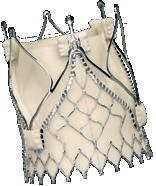
Operative mortality for surgical aortic valve replacement (SAVR) procedures performed after prior transcatheter aortic valve implantation (TAVI) has improved “dramatically” over the last decade, as surgeons deal with an exponential increase in the volume of TAVI explant cases.
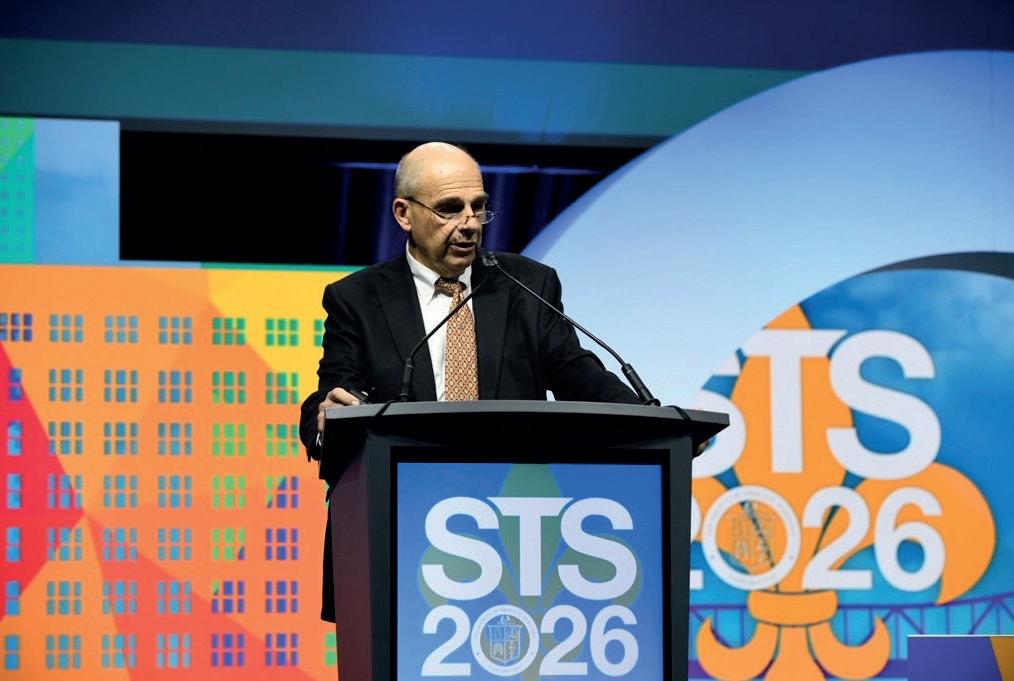
This is one finding of an analysis drawing on data from the Society of Thoracic Surgeons (STS) Adult Cardiac Surgery Database characterising risk over time, used to validate a dedicated risk model to support decision making for patients requiring surgery after TAVI. Results of the analysis, where investigators examined outcomes from more than 5,700 patients who underwent SAVR after TAVI at nearly 700 US centres between 2014 and 2025, were presented as a late-breaking study at the 2026 STS annual meeting (29–31 January, New Orleans, USA).
The analysis straddles a period that has seen a rapid expansion in TAVI, during which time transcatheter procedures have overtaken surgery as the predominant approach for the treatment of aortic valve replacement in the USA. TAVI
PREVENTION
over the 12 years studied. These are often required alongside concomitant procedures, such as mitral valve repair or coronary artery bypass graft (CABG) surgery, which adds to the complexity of the repair. Some early series have reported operative mortality rates as high as 18% for isolated SAVR after TAVI alone; however, the latest analysis suggests that the odds of mortality associated with the procedure have decreased over time.
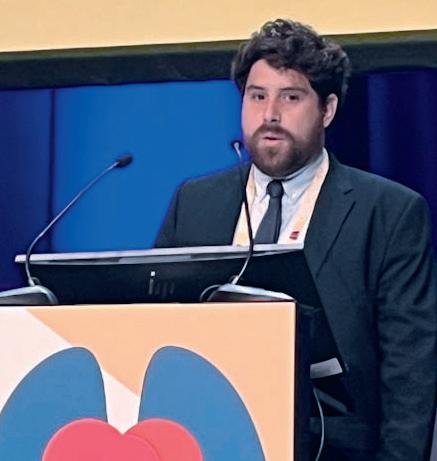
“We can see that patient related factors have declined over time as lower risk and younger patients undergo TAVI. However, outside of this, surgeons appear to be improving their technique as risk of mortality has decreased 3% every year over and above patient-related factors,” presenting author Robert Hawkins (University of Michigan Health, Ann Arbor, USA) tells Cardiovascular News following his presentation at STS 2026.
Among the 5,708 cases included in the analysis, 40% involved isolated SAVR after TAVI, with 60% including concomitant procedures such as aortic root enlargement, mitral
Surgeons appear to be improving their technique as risk of mortality has decreased 3% every year.”
Robert Hawkins
USE OF THE PCSK9 INHIBITOR
evolocumab on a background of high-intensity cholesterollowering regimen has been shown to reduce the risk of major adverse cardiovascular events (MACE) in patients at high cardiovascular risk but who have no history of myocardial infarction (MI) or stroke. This is the headline finding from the VESALIUS-CV trial, a randomised, double-blind trial involving more than 12,000 patients with atherosclerotic cardiovascular disease (ASCVD) or high-risk diabetes who were randomly assigned to receive the drug—which goes by the brand name Repatha (Amgen)—or a placebo. Investigators followed the patients out to a median of 4.6 years and found that patients who received evolocumab had a 25% reduction in the risk of coronary heart disease death, MI, or ischaemic stroke and a 19% reduction in the aforementioned composite or ischaemia-driven arterial revascularisation.
Results of the phase 3 trial, which was sponsored by Amgen and conducted by the Thrombolysis In Myocardial Infarction (TIMI) Study Group, were presented during a late-breaking trials session at the American Heart Association (AHA) 2025 scientific sessions (7–10 November, New Orleans, USA) and simultaneously published in the New England Journal of Medicine
A previous TIMI trial— FOURIER—had demonstrated that evolocumab reduced the risk of MACE in patients with established atherosclerotic disease who had a history of major cardiovascular events such as MI or stroke.
“We know that lowering LDL with PCSK9 inhibitors, including evolocumab, has been shown to reduce the risk of cardiovascular events in patients with a prior major ASCVD event, such as MI or stroke,” presenting author Erin
Continued on page 4
12 Profile Roxana
2026
Robert Hawkins
STS data suggest surgeons have begun to shift the tide in TAVI explant
mortality
Continued from page 1
procedures, CABG or tricuspid replacement. Seventeen per cent of explants took place in the same admission as the initial TAVI, he reported.
Operative mortality stood at 8.2% for isolated SAVR cases, whereas those requiring a concomitant procedure were associated with higher complication rates, totalling 17.6% for CABG, 24.9% when performed alongside an aortic root enlargement, 15.9% with procedures in the ascending aorta, and 19.2% with associated mitral valve procedures—representing an overall operative mortality rate of 14.4%.
Hawkins reported that there was a decrease in complications over time in each of the outcomes—operative mortality, permanent stroke, renal failure, prolonged ventilation, reoperation, morbidity and mortality—with 3% decreased odds of mortality each year.
“Risk was driven by concomitant pathology requiring mitral or tricuspid valve procedures, and this points to the importance of the first aortic valve procedure,” comments Hawkins on the factors contributing to a patient’s risk profile over time. “Concomitant valve, coronary or atrial fibrillation pathology should be addressed, and is usually best addressed with surgery. Timing of the TAVI explant also is important and hyperacute (emergent TAVR explant) carries high risk.”
are categorised as having low surgical risk, highlighted by the last two years (2023–2024) of data where the mortality rate for isolated SAVR after TAVI in patients who could potentially have undergone redo-TAVI stood at 3.5%.
Providing a European perspective on TAVI explant trends, Mateo Marin-Cuartas (Leipzig Heart Center, Leipzig, Germany), one of the researchers behind the EXPLANTTAVR registry, tells Cardiovascular News that “there are indeed hints of improvement in operative mortality for isolated SAVR after TAVI”, but says caution is warranted as mortality rates remain unacceptably high.
He adds that considering factors such as the potential presence of infective endocarditis, which was excluded from a subanalysis of valve-in-valve candidates from the STS data, and the proportion of patients undergoing explants during the same admission as their TAVI procedure—which Hawkins describes as having been identified within the risk model as being a significant risk factor—may colour the interpretation of the results.
“Improvements might be partly due to greater experience and procedural volume: surgeons are performing more explants and are more involved in transcatheter procedures, so we better understand how these valves work and can remove them more effectively,” he said. “But, even with that progress, we must be realistic. When we factor in endocarditis cases and fewer early explants, the real-world mortality is likely even higher. So, we must be measured in how we frame these improvements.”
Marin-Cuartas echoes Hawkins’ comments that these data should put more focus on decision making around the choice of index procedure, particularly in younger patients who may require several interventions over time.
NEWS IN BRIEF
THE LATEST STORIES FROM THE CARDIOVASCULAR WORLD
n STATIN SIDE EFFECTS:
New research published in The Lancet has shown that the majority of side effects listed on packaging labels for statins may not be linked to the medication. This has prompted researchers to suggest that confusion about the safety of the medication may hinder informed decision making for patients and healthcare providers about initiating or continuing the therapy.
For more on this story go to page 4.
n EXCELLENCE, EVIDENCE, IMPACT:
He said that he hopes that alongside guiding decision making at the point of reintervention, the new risk model will give heart teams food for thought at the point of the initial valve intervention as well.
“This risk model will help inform decisions on how to handle the second valve choice with a failed TAVI valve,” he commented. “However, we hope that the heart team is able to use the risk calculator to learn how decisions at the time of the first valve implant impact lifetime management. The drivers of high risk at the time of TAVI explant should be addressed whenever possible at the time of the first aortic valve replacement.”
According to Hawkins there are some “clear reasons” to select TAVI explant over valve-in-valve TAVI, most notably when surgery is needed to address non-TAVI pathology such as mitral stenosis or complex coronary disease.
For isolated TAVI failure, he adds, the risk model will help to provide accurate information on the likely low surgical risk associated with TAVI explant. “Many patients and referring doctors are wary of TAVI explant, and that bias may incorrectly label valve-in-valve [TAVI] as the better option. This risk model will help provide the information needed to make well informed decisions from a lifetimemanagement perspective.”
Furthermore, many of the patients with isolated TAVI
“We need to think much more consistently in terms of lifetime management, particularly in younger patients, where the likelihood of needing a second, or even third, intervention after an initial TAVI is high,” he adds. “This is especially relevant because, in contrast, redo SAVR after prior SAVR is a well-established and well-understood procedure. The outcomes are consolidated, and in many
We better understand how these valves work and can remove them more effectively.”
contemporary series, the risk of redo SAVR is comparable to primary SAVR when performed in experienced centres. That predictability stands in clear contrast to the much higher risk we currently see with SAVR after TAVI.”
Marin-Cuartas said that there is no similar risk model to support decision making in wide use in Europe, but says that it would be useful, particularly in cases where patients may equally be candidates for valve-in-valve TAVI or SAVR, whilst recognising that there is a need to offer some tools that support decision making in patients with endocarditis.
Editor-in-chief: Simon Redwood | Publisher: Stephen Greenhalgh
Senior editor: Will Date will@bibamedical.com | Editorial contribution: Jamie Bell, Jocelyn Hudson
Vinay Badhwar (Morgantown, USA), recently elected as the 62nd president of the Society of Thoracic Surgeons (STS), has set out his manifesto for his tenure at the helm of the organisation. His three-pillared strategy will require require collaboration across surgical disciplines and health system leadership, he says in his inaugural address in post.
For more on this story go to page 7.
n MERGERS AND ACQUISITIONS:
Recent months have seen a flurry of high-profile merger and acqusition activity and consolidation in the cardiovascular medtech space, with deals advancing for Medtronic, Gore, Philips and others. In other major news, Edwards Lifesciences dropped its proposed takeover of the transcatheter aortic valve implantation (TAVI) device developer JenaValve, following an injunction from the US Federal Trade Commission (FTC) on competition grounds.
For more on these stories go to page 23.
cardiovascularnews linkedin.com/company/cardiovascular-news @cn_publishing Scan the QR code to subscribe
If you have comments on this issue or suggestions for upcoming editions write to will@bibamedical.com
Mateo Marin-Cuartas
Evolocumab cuts MACE risk, even in patients with no prior events
from page 1
Bohula (Harvard Medical School, Boston, USA), a TIMI Study Group investigator, commented at AHA 2025. “What we don’t know is if there is clinical benefit of PCSK9 inhibition in patients without a prior MI or stroke.”
Patients qualified for inclusion in VESALIUS-CV if they had an LDL-cholesterol of at least 90mg/dL (or met non-high-density lipoprotein cholesterol or apolipoprotein B criteria), met study inclusion criteria for atherosclerosis (including the presence of coronary artery, peripheral arterial or cerebrovascular disease) or high-risk diabetes, and had at least one other cardiovascular risk factor.
The study included 12,257 patients, with an average age of 66 years old. At the start of the study, about two-thirds of the participants met the inclusion criteria for atherosclerosis (without a prior MI or stroke), and 50% met inclusion criteria for diabetes. Investigators reported that the average LDL-cholesterol level was 122mg/dL. Seventy-two per cent of participants were on a high-intensity lipid-lowering regimen. Participants were randomised to one of the two treatment groups: 140mg of evolocumab injected under
the skin every two weeks, or a placebo also injected every two weeks, for the duration of the trial.
At AHA 2025, Bohula reported that the use of evolocumab resulted in a 25% relative risk reduction in the threepoint MACE composite of coronary heart disease death, MI or ischaemic stroke, whilst a broader composite that also included any ischaemia-driven arterial revascularisation resulted in a 19% relative risk reduction. Findings for the dual primary endpoints were consistent across key subgroups, including in participants with high-risk diabetes without qualifying ASCD, which represented one-third of the total study population.
Nominally lower rates of death from cardiovascular causes (2.8% vs. 3.6%, respectively) and death from all causes (7.9% vs. 9.7%, respectively) were noted in the evolocumab group compared to the placebo group, Bohula detailed, adding that “interestingly, the curves diverge quite late, at about 1.5 years, which is consistent with what we’ve seen with the statin trials”.
A substudy that evaluated participants’ lipids measures over time, demonstrated that the median LDLcholesterol at enrolment was 115mg/ dL, and was lowered by nearly 55% in the evolocumab group at 48 weeks, resulting in a median LDL-cholesterol level of 45mg/dL. In contrast, LDLcholesterol levels remained elevated among those in the placebo group, at a median of 109mg/dL.
“The VESALIUS-CV results support intensive LDL-cholesterol lowering— one could argue maybe to a range of
around 40mg/dL—even in patients without a prior event,” said Bohula explaining that this number may be significant as recent guidelines for extreme-risk patients suggest shooting for a target below 40mg/dL.
Speaking to Cardiovascular News, Marc Sabatine (Brigham and Women’s Hospital and Harvard Medicine School, Boston, USA), chair of the TIMI Study Group, agreed that the study’s results, taken alongside those of FOURIER, help to inform strategies for LDLcholesterol lowering as a strategy for primary prevention.
“It’s always worthwhile to try to prevent a heart attack or stroke, as these represent irreversible loss of heart or brain tissue. FOURIER and now VESALIUS-CV show that getting LDL-cholesterol to ~1mmol/L (~40
The VESALIUSCV results support intensive LDLcholesterol lowering—one could argue maybe to a range of around 40mg/dL— even in patients without a prior event.”
Statins likely not the cause of most side effects listed on packaging
A major review of adverse events attributed to statin therapy has found that the majority of conditions listed on packaging labels for the medication—including cognitive impairment, depression, sleep disturbance, and peripheral neuropathy—are not attributable to the medication.
STATIN LABELLING SHOULD BE REVISED
“to better support informed, evidence-based decision making”, authors of the study have claimed in response to the finding, noting that “widespread confusion” about statin safety hinders the ability of doctors and patients to make informed decisions about initiating or continuing the therapy.
Through the study, researchers at Oxford Population Health (University of Oxford, Oxford, UK) gathered data from 23 large-scale randomised studies from the Cholesterol Treatment Trialists’ collaboration, which included 123,940 participants in 19 clinical trials comparing the effects of statin therapies against a placebo, alongside 30,724 participants in four trials comparing more intensive versus less intensive statin therapy.
Reporting the findings of the study in The Lancet, the researchers detail that they found similar numbers of reports for those taking the statins and those taking the placebo for almost all the conditions listed in package leaflets as possible side effects. The number of reports of cognitive or memory impairment, for example, was 0.2% in those taking the statins, but also 0.2% in those taking the placebo. This means that
while people may notice these problems whilst taking statins, there is no good evidence that they are caused by the statin, they state.
The findings led the study team to conclude that there was no statistically significant excess risk from statin therapy for almost all the conditions listed in package leaflets as potential side effects, and that taking a statin did not cause any meaningful excess of memory loss or dementia, depression, sleep disturbance, erectile dysfunction, weight gain, nausea, fatigue or headache, and many other conditions.
mg/dL) is worthwhile in individuals with known atherosclerosis or at high risk. Epidemiological and imaging studies suggest coronary plaque grows when LDL-cholesterol is above ~70mg/ dL. Thus, for individuals in whom you have confirmed they do not have atherosclerosis, I would advocate targeting an LDL-cholesterol of 70mg/ dL or lower.”
As for which tools are best suited for the job, be they statins or PCSK9 inhibitors, Sabatine comments that the choice is likely to be guided by cost and patient preference—including whether they prefer an injectable or oral drug delivery—above all.
On the wider significance of the findings, and whether VESALIUS-CV builds the case for preventive strategies that address LDL-cholesterol earlier in life, Sabatine seems convinced.
“It makes more sense to treat earlier to prevent heart attacks and strokes than to wait until they happen and only then treat intensively,” he explains.
“From a population health perspective, if we kept LDL-cholesterol of 70mg/ dL or lower from adulthood on, we could largely eliminate coronary artery disease. Indeed, in preindustrial societies still in existence, their LDLcholesterol is often around or below this level and they have almost no coronary disease.”
Further data from the trial will be presented at the American College of Cardiology (ACC) scientific sessions (28–30 March, New Orleans, USA), detailing the effect of evolocumab in patients without significant atherosclerosis.
0.2% reports of cognitive or memory impairment among patients taking statins or placebo
They did show a small increase in risk (about 0.1%) for liver blood test abnormalities. However, there was no increase in liver disease such as hepatitis or liver failure, indicating that the liver blood test changes do not typically lead to more serious liver problems.
“Statins are life-saving drugs used by hundreds of millions of people over the past 30 years. However, concerns about the safety of statins have deterred many people who are at risk of severe disability or death from a heart attack or stroke. Our study provides
reassurance that, for most people, the risk of side effects is greatly outweighed by the benefits of statins,” Christina Reith (Oxford Population Health, University of Oxford, Oxford, UK), the study’s senior author, commented of the findings.
A previous randomised study, presented at the 2020 scientific session of the American Heart Association (AHA) and published in the New England Journal of Medicine (NEJM), had shown that patients who stopped taking statins due to side effects reported similar symptoms to those who unknowingly took placebo tablets, which they said suggested a potential psychological rather than pharmacological effect of the statin therapy.
Rise in primary PCI has not shifted the dial on acute MI mortality
An increase in primary percutaneous coronary intervention (PCI) procedures has not reduced mortality rates for acute myocardial infarction (AMI), according to the results of a study presented at the inaugural European Association of Percutaneous Cardiovascular Interventions (EAPCI) Summit (19–20 February, Munich, Germany).
THE FINDINGS COME FROM an analysis of data from 21 European countries, in which investigators were unable to find a significant association between the increase in primary PCI procedures and reduced mortality rates among these patients. Ali Malik (King’s College London, London, UK), who presented the findings of the study, said that statistical analyses are ongoing to evaluate the impact of primary PCI procedures across Europe.
Investigators analysed data from the ESC Atlas of Cardiology and the ESC Atlas in Interventional Cardiology, which include statistics on cardiovascular disease burden, risk factors, outcomes, and management
practices The link between primary PCI procedures per million inhabitants and age-standardised AMI mortality rates was assessed, adjusting for confounding variables including the prevalence of cardiovascular disease and gross domestic product (GDP) per capita.
Across the countries analysed, higher GDP per capita was associated with lower age-standardised MI mortality rates, demonstrating a moderate inverse correlation (population correlation coefficient=−0.54; p=0.004). Conversely, greater cardiovascular disease prevalence was associated with higher age-standardised MI mortality rates (population correlation coefficient=+0.45; p=0.02). Following adjustment for GDP per capita and cardiovascular disease prevalence, a moderate positive correlation emerged: higher rates of primary PCI were associated with increased age-standardised MI mortality (population correlation coefficient=+0.68; p<0.001). A weak inverse association was seen, showing that a greater number of primary PCI procedures performed per interventional cardiologist was associated with lower MI mortality rates (population correlation coefficient=−0.27; p=0.23).
Serbian registry offers new insight on spontaneous coronary artery dissection
Stent implantation may not be beneficial in many patients with spontaneous coronary artery dissection (SCAD), research from a dedicated SCAD registry indicate.
“SCAD STILL REMAINS UNDER-DIAGNOSED AND UNDER-STUDIED with few, if any, randomised trials conducted to define the most appropriate treatment approach,” study presenter Svetlana Apostolović (University Clinical Center Niš, Niš, Serbia), said. “The mechanisms responsible for myocardial infarctions (MIs) after SCAD are very different from MIs caused by atherosclerosis and yet they are often treated in the same way.”
This analysis of the Serbian SCAD registry included 123 patients from 14 centres from November 2021 to November 2024. In total, 27 patients were retrospectively studied and 96 were prospectively studied. Intracoronary imaging was used to establish the diagnosis in 26% of patients.
The majority were female (85.4%) and the mean age was 47.5 years. In total, 6.7% of patients were pregnant or in the postpartum period, while 36.2% were menopausal. Common risk factors included hypertension (49.6%) and dyslipidaemia (46.3%). The most common precipitating factors were mental stress (38.5%) and physical stress (10.7%).
Percutaneous coronary intervention (PCI) was performed in 41.5% of patients, which involved stent implantation in 28.5% of all patients. Medical therapy alone was received by 58.5%. More than half of patients received dual antiplatelet therapy (58.5%) and low-molecular weight heparin (56.9%).
During hospitalisation, 23.6% of patients experienced a major adverse cardiovascular event (MACE: recurrent MI, haemodynamic instability, malignant arrhythmia, congestive heart failure, unplanned revascularisation or a cerebrovascular event) and 8.1% of all patients died.
In the 30 days after hospitalisation, 18.1% of patients experienced MACE and 0.8% died. Independent predictors for MACE included stent implantation (p=0.010) and depression (p=0.008). Full resolution of SCAD was observed in 62.2% of patients after 30 days.
One in five patients can be discharged on day of TAVI procedure
Same-day hospital discharge was found to be feasible and safe in around one-fifth of patients undergoing transcatheter aortic valve implantation (TAVI), the findings of a study from a leading UK TAVI centre have demonstrated.
KRISHNARPAN CHATTERJEE (JAMES COOK UNIVERSITY HOSPITAL, Middlesbrough, UK) presented the findings of a retrospective analysis of all elective cases identified as eligible for same-day discharge following elective day-case transfemoral TAVI at his centre between June 2018 and December 2024.
Eligibility criteria for same-day discharge included no significant peripheral vascular disease, an existing pacemaker or normal baseline heart rhythm, and adequate home support including supervision by a relative/friend/carer during the first night. Exclusion criteria included severe frailty, cognitive dysfunction, complex prescribing needs or clinical instability.
Of 790 patients who underwent elective transfemoral TAVI during the study period, 279 patients (35.3%) were deemed eligible for potential same-day discharge at preassessment screening and 160 of these patients (57.3%) underwent successful same-day discharge. Reasons that patients were not successfully discharged on the same day included heart rhythm conduction abnormalities (67.2%) and vascular problems (10.9%). Clinical records were retrospectively analysed to assess 30-day outcomes.
The mean age of patients who underwent same-day discharge was 80.4 years and 40% were female.
Clinical outcomes between discharge and 30 days were similar in those who underwent successful same-day discharge and those initially considered potentially eligible for same-day discharge, but who stayed in for one night or longer. Mortality rates after 30 days were 1.8% in the same-day discharge group and 0.8% in the nonsame-day discharge group (p=0.472).
Readmission rates after 30 days were 4.4% for same-day discharge and 9.2% for non-same-day discharge (p=0.102).
“With careful selection, we have shown that around one in five patients can be successfully discharged on the same day as their day-case TAVI procedures, without increased risk of adverse outcomes,” Chatterjee concluded.
Further insights regarding epidemiology, presentation, management and outcomes will be provided by the ESC’s ongoing large, multinational SCAD registry.
Registry seeks to bridge ACS gender gap
Preliminary results from an Italian registry describe the risk profile of women experiencing acute coronary syndromes (ACS) and provide insights to improve management.
EVIDENCE SUGGESTS THAT although fewer women develop ACS than men, women are at greater risk of dying than men in the same age group.
According to Francesca Napoli (IRCCS San Raffaele Scientific Institute, Milan, Italy), more needs to be done to understand ACS and its effective treatment in women.
“There is underrepresentation of women with ACS in clinical trials, despite cardiovascular disease being a leading cause of mortality,” she said.
“The Gender, Diversity and Inclusion–Acute Coronary Syndromes (GEDI–ACS) registry is the first multicentre, prospective Italian registry dedicated to studying ACS in women.”
The registry study is enrolling 100 consecutive women presenting with ACS across multiple centres in Northern and Southern Italy to ensure the inclusion of patients from different geographic, socioeconomic and cultural backgrounds. Clinical data from the first 68 patients were presented at the EAPCI
Summit, where Napoli detailed that the study population has a mean age of 68 years and 7.4% were non-Caucasian. Most women (85.3%) had low health literacy.
Cardiovascular risk factors were frequently observed: 83.6% had dyslipidaemia, 77.9% had hypertension and 50% had a history of smoking. In total, 32.3% reported miscarriage and 16.2% reported premature menopause.
For most patients, ACS (86%) was the first manifestation of cardiovascular disease, with chest pain (88.2%) the main symptom. Over one-third (38.2%) had MI with non-obstructive coronary arteries (MINOCA), a condition that occurs when patients have a heart attack without evidence of major blockages to the coronary arteries.
Outcomes were favourable—no deaths, strokes or reinfarctions occurred during the first 30 days. Recurrent chest pain was experienced by 11.3% of patients.
EAPCI Summit
Badhwar elected STS president with focus on “excellence, evidence and impact”
THE SOCIETY OF THORACIC Surgeons (STS) has elected Vinay Badhwar as its 62nd president. Badhwar, who is described by STS as an internationally recognised cardiothoracic surgeon, physician–scientist, and innovator, brings two decades of clinical, research, and administrative leadership experience.
Currently the executive chair of the West Virginia University (WVU) Heart and Vascular Institute and Service Line and the professor and chairman of the Department of Cardiovascular and Thoracic Surgery at WVU, in Morgantown, USA, he previously served as STS first vice president and in multiple leadership roles within the Society.
During his presidential year, Badhwar will advance a three-part framework that reflects both the daily practice of cardiothoracic surgery and the mission of STS and focuses on the three pillars of excellence, evidence and impact.
“These are not abstract ideals; they define who we are as cardiothoracic surgeons and the enduring identity of the STS,” he said. “Excellence begins with our commitment to perform the very best operation for every patient every time. Evidence challenges us to evolve with data and ground our decisions in science. Impact is measured not only in survival rates, but in lives restored, families preserved, and trust earned.”
He emphasised that each of these principles requires deeper collaboration across surgical disciplines, medical subspecialties, health system leadership, and policymakers. “The future of our specialty depends not only on how well we operate, but on how effectively we integrate, communicate, and lead within the broader care team and healthcare ecosystem,” he said.
A master valve surgeon and expert in robotic cardiac surgery, Badhwar has authored over 400 peer-reviewed publications and holds eight patents in cardiovascular technology. Among his national academic leadership roles, he currently serves as a senior editor of The Annals of Thoracic Surgery
Badhwar completed his training at McGill University, the University of Ottawa, and the University of Michigan. He served as chief of Adult Cardiac Surgery at the University of Pittsburgh from 2011 to 2016. Since 2016, Badhwar has led WVU’s cardiology and cardiovascular surgical clinical and academic programmes, including the advanced robotic cardiac programme.
“I am deeply honoured to serve the STS at such a pivotal moment for our specialty,” said Badhwar. “As cardiothoracic surgery advances at unprecedented speed, our responsibility is to ensure that excellence, evidence, and impact guide not only our enduring legacy as a surgical specialty society but, most importantly, how we continue to advance the care for patients.”
Off-pump CABG, in experienced hands, reduces perioperative complications with similar longterm survival
Coronary artery bypass graft (CABG) surgery performed ‘off-pump’—without the use of cardiopulmonary bypass (CPB)—is associated with significantly lower perioperative morbidity and mortality compared with on-pump CABG, while long-term survival outcomes were largely equivalent across techniques in the hands of experienced surgeons.
THESE WERE THE CONCLUSIONS OF AN analysis of more than 15 years’ worth of follow-up data taken from the Society of Thoracic Surgeons (STS) Adult Cardiac Surgery Database, the society’s national database for tracking clinical outcomes. The study, led by John Puskas (Emory University Hospital Midtown, Atlanta, USA), analysed outcomes for non-emergency, isolated CABG procedures performed between 2008 and 2023.
Puskas and colleagues sought to compare off-pump CABG (OPCAB) and on-pump CABG (ONCAB) when each approach was performed by surgeons with extensive, technique-specific experience.
Numerous retrospective and prospective randomised studies have documented improved perioperative and 30-day outcomes with OPCAB, Puskas, who presented the findings of the study during a late-breaking trials session at the STS’s 2026 annual meeting (29 January–1 February, New Orleans, USA), said, adding that studies have diverged on whether OPCAB offers completeness of revascularisation, graft patency and long-term survival outcomes similar to those achieved ONCAB.
Surgeon experience may be key to optimising results with both OPCAB and ONCAB, Puskas noted, detailing that the study’s primary objective was to compare risk-adjusted intermediate (0–5-year) and late (0–15-year) mortality
outcomes of OPCAB versus ONCAB surgery overall and stratified by the extent of coronary artery disease. The investigators also sought to document surgeon and volume trends regarding the two approaches in the USA over the past two decades.
Long-term survival was determined through linkage to the National Death Index and Centers for Medicare & Medicaid Services (CMS) inpatient data, with follow-up extending through December 2024.
To ensure a rigorous comparison, the analysis included only surgeons meeting strict criteria for experience and procedural volume, and outcomes were assessed using intention-to-treat methodology. More than 184,000 OPCAB cases and 1.34 million ONCAB cases were identified. After propensity matching based on 64 preoperative variables, researchers created more than 184,000 closely matched patient pairs.
Results showed that patients undergoing OPCAB experienced significantly better perioperative and 30-day outcomes, including lower operative mortality, reduced rates of stroke, atrial fibrillation (AF), renal failure, reoperation, prolonged ventilation, and blood transfusion. However, OPCAB was associated with higher rates of incomplete revascularisation and a slightly lower average number of grafts per patient, while use of multiple arterial grafts was more common in the off-pump group.
Long-term analysis revealed that the early survival advantage seen with OPCAB diminished over the first five years following surgery. At 15 years, a small survival advantage re-emerged among patients with single-vessel coronary artery disease, but no significant long-term survival difference was observed in patients with multivessel disease.
“These findings highlight that when performed by experienced surgeons, both off-pump and on-pump CABG can deliver excellent long-term outcomes,” said Puskas. “Patients at high risk for operative/perioperative morbidity and mortality may benefit most from OPCAB by an experienced OPCAB surgeon. Our results emphasise the importance of surgeon experience, complete revascularisation, and use of multiple arterial grafts— regardless of surgical technique and may support the concept of coronary surgery as a subspecialty of adult cardiac surgery, benefitting from specialised training and expertise.”
According to the investigators, the study underscores the value of the STS National Database in answering complex, clinically relevant questions that cannot be addressed through randomised trials alone. The scale, depth, and longterm follow-up of STS data allowed researchers to examine outcomes across 15 years in a real-world population while accounting for surgeon experience and patient complexity.
John Puskas
Long-term comparison of multiarterial coronary bypass strategies finds similar survival rates
Two of the most common strategies for multi-arterial coronary artery bypass graft (CABG)—using either the bilateral internal thoracic artery (BITA) or single internal thoracic artery plus radial artery (SITA+RA)—provide comparable long-term survival overall, with BITA offering a modest advantage among younger patients, compared to a small advantage for SITA+RA in older patients.
THIS IS ACCORDING TO RESEARCH PRESENTED during a late-breaking trial’s session at the Society of Thoracic Surgeons’ (STS) 2026 annual meeting (29 January–1 February, New Orleans, USA), drawing on more than 15 years of national outcomes data from the STS Adult Cardiac Surgery Database (ACSD).
The study, led by Thomas Schwann (Corewell Health William Beaumont University Hospital, Royal Oak, USA), represents the largest comparative effectiveness analysis to date of multi-arterial bypass grafting platforms in US practice, leveraging the depth, longitudinal follow-up, and real-world applicability of the ACSD.
Using ACSD data from 2008 to 2023, Schwann and his fellow investigators analysed longitudinal outcomes from more than 2.1 million CABG patients, ultimately identifying over 172,000 patients who underwent multi-arterial bypass grafting with either BITA, SITA+RA, or both BITA and RA. Long-term survival—extending up to 15 years—was assessed through linkage with the Centers for Disease Control and Prevention (CDC) National Death Index and Centers for Medicare & Medicaid Services (CMS) claims databases.
After propensity-score matching and risk adjustment, the study found equivalent 15-year survival between BITA and SITA+RA strategies overall, improved survival with BITA in patients younger than 60 years and lower mortality with SITA+RA in patients aged 70 years and older.
The researchers reported an early survival advantage between 0 and five years for SITA+RA, with BITA trending
toward benefit beyond 10 years. An additional survival benefit was seen when a third arterial conduit was used, regardless of strategy.
Importantly, the study also documents a steady increase in multi-arterial CABG use across the USA, rising from approximately 9% to more than 16% over the past decade, driven largely by growth in SITA+RA use.
“These findings underscore the power of the STS National Database to answer clinically meaningful questions that randomised trials have struggled to resolve,” said Schwann, the lead author of the study.
“In a contemporary, real-world US population, we found that both BITA and SITA plus radial artery strategies provide excellent long-term outcomes,” Schwann said. “Rather than a one-size-fits-all approach, our data suggest that patient age and life expectancy should play a central role in selecting the optimal multi-arterial bypass strategy. Given the improved survival associated with additional arterial grafts beyond two, this should encourage and challenge surgeons to use as many arterial grafts as possible to optimise outcomes.”
This should encourage and challenge surgeons to use as many arterial grafts as possible to optimise outcomes.”
PCKS9 inhibitor use reduced LDL levels after heart transplant surgery
THE PCSK9 INHIBITOR ALIROCUMAB, combined with a statin, appeared to reduce LDL cholesterol levels by more than 50% in patients after a heart transplant, findings of a clinical trial—CAVIAR—have shown.
William F Fearon (Stanford University School of Medicine, Stanford, USA) presented findings in a late-breaking science presentation at the American Heart Association (AHA) 2025 scientific sessions (7–10 November, New Orleans, USA).
“Our study found treating patients who have had a heart transplant with a more aggressive cholesterol management regimen was safe and lowered their LDL cholesterol levels significantly,” said Fearon. “These results support PCSK9 inhibitors for patients who have high LDL cholesterol levels in conjunction with statin therapy; however, we need more studies testing treatment with PCSK9 inhibitors with longer-term follow-up with more participants to confirm if PCSK9s can reduce the development of cardiac allograft vasculopathy.”
In the trial researchers tested the safety and effectiveness of adding alirocumab to a statin regimen among patients soon after a heart transplant to prevent the development of cardiac allograft vasculopathy (CAV). CAV is common and the primary cause of death for many patients after a heart transplant.
The study, which included more than 100 adults after a heart transplant, also evaluated the change in coronary artery plaque volume soon after the heart transplant through one year later. Participants were assigned to take either alirocumab or a placebo, together with rosuvastatin, a commonly prescribed cholesterol-lowering medication.
The trial results showed that one-year post-transplant, alirocumab plus rosuvastatin was safe and effectively lowered LDL cholesterol. The cholesterol-lowering impact of taking both medications was beyond what was achieved with rosuvastatin alone. Coronary plaque reduction was not significant in either group though, and there was no statistically significant difference between the plaque progression in the groups.
After one year, the study found the average LDL cholesterol levels decreased by more than 50% among participants in the alirocumab group—from 72.7mg/dL at enrolment to 31.5mg/dL. The average LDL cholesterol levels among participants in the placebo group did not statistically change from the average 69mg/dL at enrolment.
Although the coronary artery plaque volume increased numerically in both groups from baseline, there was no change in plaque volume between the alirocumab and placebo group. Plaque progression was minimal in both the alirocumab group and the placebo group.There were no significant side effects in either group.
The study had some limitations, with researchers noting that as there was less plaque progression than expected between both groups and because the LDL levels were low at baseline in the rosuvastatin alone (placebo) arm, the study power to detect a difference when adding alirocumab was reduced.
Thomas Schwann
Gene therapy trial seeks to reduce coronary graft failure
The first patient has been treated using a novel gene therapy designed to enhance saphenous vein graft (SVG) durability following coronary artery bypass graft (CABG) surgery, part of a clinical trial aiming to reduce the incidence of graft failure and improve the life expectancy of patients undergoing the procedure.
THE PROTECT STUDY, A COLLABORATION between NHS Greater Glasgow and the University of Glasgow (both Glasgow, UK), investigates the use of veins grafted with a viral vector carrying a gene for Tissue Inhibitor of Metalloproteinases-3 (TIMP-3), a protein involved in regulating tissue remodelling.
The harvested vein is treated with the viral vector ex vivo immediately following removal from the patient’s leg. Unlike arteries, veins are not physiologically adapted to the high-pressure arterial environment, leading to pathological tissue remodelling, neointimal hyperplasia, and eventual graft occlusion. It is thought that treating them with the TIMP-3 gene therapy will help prevent thickening and blockage of the graft over time, potentially prolonging its effectiveness well beyond the current standard and reducing graft failure.
“Heart bypass surgery is a life-saving treatment for patients with coronary heart disease and millions of people around the world are living longer due to the
benefits of bypass surgery,” Colin Berry, professor of cardiology and imaging at the University of Glasgow (Glasgow, UK), who is one of the cardiologists leading the study, comments. “The heart surgeon will typically use one artery and two or more veins as bypass grafts. However, in the years after surgery, the veins commonly narrow and may block leading to angina, heart attacks and heart failure.
“Our team has developed a new approach to prevent vein graft failure. The new gene therapy has been developed during more than two decades of teamwork involving many experts working in collaboration. We are delighted to be leading this new study which is designed to clarify the feasibility and potential benefits of this new therapy for patients undergoing heart bypass surgery.”
A 73-year-old male with a history of myocardial infarction (MI) and a previous percutaneous coronary intervention (PCI) was the first to receive the treatment when he underwent a CABG procedure at the Golden Jubilee University National Hospital (Clydebank, UK).
Investigators described the patient’s postoperative recovery as “unremarkable”, and said that at early follow-up, the patient reported significant improvements in functional capacity, exercise tolerance, and quality of life compared to his status following previous interventions.
Nawwar Al-Attar, a consultant cardiac surgeon and honorary clinical associate professor at the University of Glasgow, the study’s principal investigator, tells Cardiovascular News that the study is noteworthy on a number of levels. Firstly, considering the wider gene therapy landscape, noting that barely a decade ago virtually no gene therapies were approved.
“Currently, those that are available treat rare or very rare genetic diseases. While this is significant, our goal is to apply this approach to much more common conditions. Currently, there are no approved gene therapies for cardiovascular disease.”
Furthermore, he added, the simplicity of the approach is important. “We designed it to be performed in cardiac theatre with access to the tissue. Our aim is to create a safe, effective and affordable therapy.”
The PROTECT study is sponsored by NHS Greater Glasgow and Clyde’s Research and Innovation directorate in partnership with the University of Glasgow and in collaboration with NHS Golden Jubilee and the University of Edinburgh.
The clinical trial is supported by the Medical Research Council and British Heart Foundation (BHF), and has received additional support from the Cell and Gene Therapy Catapult, MVLS Translational Research Initiatives Wellcome Translational Partnership Award and Northern Alliance Advanced Therapy Treatment Centre, as well as the universities of Bristol and Cardiff.
POINT OF VIEW
of View
Gene therapy: Breaking new ground in cardiac surgery
Nawwar Al-Attar (Glasgow, UK) writes for Cardiovascular News about a new frontier in cardiovascular surgery, with the advent of gene therapy as a potential solution to vein graft failure.
THE LANDSCAPE OF cardiovascular surgery is currently witnessing a potential paradigm shift. While coronary artery bypass graft (CABG) surgery remains a goldstandard, life-saving intervention, it faces a persistent biological hurdle: the inherent weakness of the saphenous vein graft (SVG). Currently, many surgeons use one
artery and several veins harvested from the leg to bypass stenosed coronary arteries. However, veins are physiologically designed for low-pressure environments. When transplanted into the high-pressure arterial system, they undergo a pathological tissue remodelling. This leads to neointimal hyperplasia which eventually causes graft failure and
occlusion. Current treatments focus largely on systemic management, such as antiplatelet therapy and statins, to keep the blood flowing. Certain preservation solutions like Duragraft (Marizyme) have been studied. While helpful, these do not address the fundamental structural failure of the vein itself. As a result, many grafts eventually fail, leading to recurrent angina, heart attacks, or the need for iterative revascularisation.
The PROTECT study introduces a fundamentally different strategy. Instead of just managing the blood inside the graft, this approach aims to enhance the biology of the graft itself. By using a viral vector to deliver the gene for tissue inhibitor of metalloproteinases-3 (TIMP-3) directly into the harvested vein ex vivo, scientists are essentially “reprogramming” the vein to survive in an arterial environment.
But what is the mechanism of action that make this a potentially effective option? TIMP-3 is a protein that regulates tissue remodeling. By increasing TIMP-3 levels, the therapy prevents the aggressive wall thickening that leads to blockage. The treatment is performed in the operating theatre immediately after the vein is harvested, ensuring it is protected before it enters the high-pressure system.
The successful treatment of the first patients who have shown significant improvements in exercise tolerance and quality of life marks a milestone. If this proves successful in wider trials the implications are profound—we could see a drastic reduction in graft failure rates, making a single CABG procedure a lifelong solution for more patients. Most current gene therapies target rare genetic disorders. This study represents a move toward using gene therapy for common cardiovascular conditions, which affect millions worldwide.
As the therapy is designed to be “safe, effective, and affordable” and performed within the standard surgical workflow, it could become a routine part of cardiac care without requiring specialised, external facilities.
By moving from systemic maintenance to localised genetic enhancement, the PROTECT study offers a glimpse into a future where the body’s own vessels are bio-engineered to be more resilient, ultimately extending the lives and healthspans of heart disease patients globally.
Nawwar Al-Attar is a consultant cardiac surgeon at the Golden Jubilee National Hospital (Glasgow, UK) and honorary clinical associate professor at the University of Glasgow (Glasgow, UK).
Point
Nawwar al Attar
First-in-man VECTOR procedure offers new approach for preventing coronary obstruction
The first-in-man use of the ventriculo-coronary transcatheter outward navigation and reentry—VECTOR—technique, a closed-chest, transcatheter, coronary ostial bypass procedure, has been reported in Circulation: Cardiovascular Interventions
ADAM GREENBAUM (EMORY SCHOOL of Medicine, Atlanta, USA) and colleagues from the US National Institutes of Health (NIH) detail the case involving a 67-year-old male patient treated for bioprosthetic aortic valve degeneration. Investigators used the VECTOR procedure to bypass the patient’s left main stem prior to transcatheter aortic valve implantation (TAVI), relocating the coronary ostium to avoid obstruction of the coronary artery by the transcatheter valve.
The procedure uses covered stents and catheter techniques resembling retrograde chronic total occlusion revascularisation and may offer a less traumatic alternative to open-heart surgery for those at risk of coronary artery obstruction.
In their paper, Greenbaum et al detail that the patient had undergone previous aortic and mitral valve replacements and had developed decompensated heart failure due to severe stenotic degradation of the aortic bioprosthesis. Comorbidities included end-stage renal failure requiring haemodialysis, non-disabling stroke, a severe non-ischaemic cardiomyopathy, and severe peripheral arterial disease. After heart team discussion, it was decided that the patient was at prohibitive risk for redo surgery due to the presence of advanced comorbidities and low rehabilitation potential.
“Our patient had an extensive history of prior interventions, vascular disease, and other confounders, which meant that open-heart surgery was completely off the table. Having a minimally invasive alternative in a case like this is paramount,” comments Greenbaum
in a press release issued by NIH following the publication of the case report detailing the procedure.
In their Circulation: Cardiovascular Interventions paper, the researchers detail how the patient’s unique anatomy limited the options available to them. Cardiac computed tomography (CT) showed that the bioprosthetic valve frame extended above both the left coronary artery and sinotubular junction, indicating extreme risk for left coronary artery obstruction.
tools into the target artery.
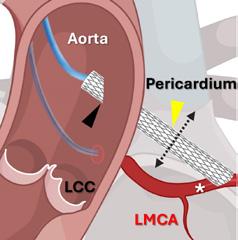
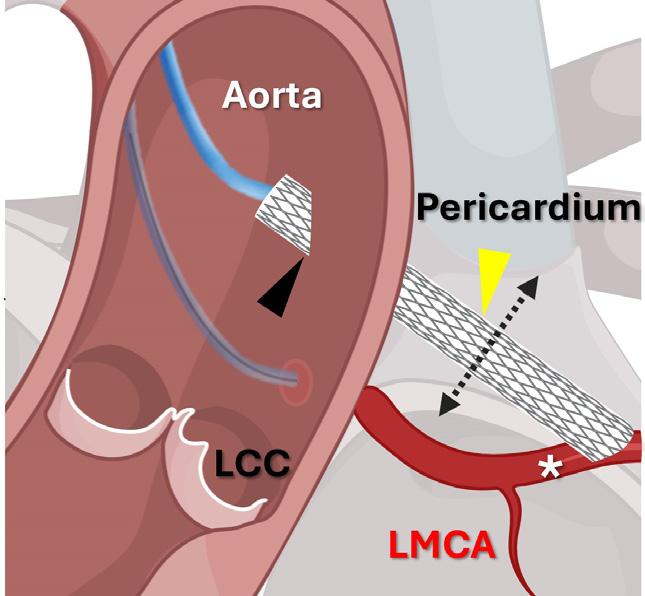
The next goal of VECTOR is to produce a new ostium for the coronary bypass. The operators create one hole in the aorta downstream from the valve, out of range of potential blockage. They then make a second opening by piercing through the coronary artery wall using a special catheter, which is braced by an expandable stent. They pass two loose ends through each of the holes and then, as in the previous phase, tie them together to create another bridge, this time tracing a safe path for the bypass.
“We thought, ‘why don’t we just move the ostium of the coronary artery out of the danger zone?’,” Greenbaum is quoted as saying in the press release.
The procedure creates a new route for blood flow that is a safe distance away from the aortic valve using the vascular circuitry to reach the heart without the need for a thoracotomy. A wire is passed through the aorta and into the at-risk coronary artery. From there, the wire is steered deep into one of the artery’s branches, breaching the vessel into the right ventricle. There, a separate catheter is operated to ensnare that wire and then pull the wire’s end out through the femoral vein. Now a continuous line from aorta to vein, this wire enables loading of more sophisticated
Bypass surgery may offer longer-term benefit to women with severe coronary disease compared to PCI
Women with chronic severe coronary artery disease may derive greater long-term benefits from coronary artery bypass grafting (CABG) surgery compared with percutaneous coronary intervention (PCI), the findings of a study published in the European Heart Journal (EHJ) have shown.
THE STUDY ADDS MUCH -needed evidence to guide decisions for women with heart disease—the leading cause of death in women worldwide— the study’s authors state. Historically, women have made up a small proportion of the population in large, prospective clinical trials comparing CABG and PCI, making it hard to draw conclusions about their outcomes.
“If you are a man, and you need coronary revascularisation, you will receive what we call evidence-based treatment, because there is strong evidence to guide your treatment decision,” said the study’s senior author Mario Gaudino (NewYork-Presbyterian/ Weill Cornell Medical Center, New York, USA). “If you are a woman, that’s not the case. We don’t have data, and
so we use the data generated in men. However, we all know that women are not small men.”
In their paper, Gaudino and colleagues acknowledge that women differ from men in the development of coronary artery disease in several ways, notably that they tend to develop the disease at an older age and have, on average, smaller, more vasoreactive coronary arteries and grafts, less obstructive disease, and more microvascular disease.
Gaudino’s team partnered with University of Toronto investigators to conduct a propensity score-matched retrospective cohort analysis linking clinical and administrative databases in Ontario, Canada to identify women with
Using this second wire, the team feeds a coronary bypass graft through the two new openings. Once deployed, the graft provides a new route for blood flow.
Six months after the procedure, the patient showed no signs of coronary artery obstruction, meaning that the first use of the procedure in a human proved to be a success, the researchers have stated.
The authors suggest the new technique may also find some footing in treating coronary diseases more broadly, such as in calcified ostial coronary lesions or recurrent in-stent restenosis.
“The technique was accomplished in a hostile, postsurgical, pericardium with extensive adhesions. Longevity of the covered stent conduit remains uncertain; however, we hypothesise, based on experience with extra-anatomic venous conduits, that the extra-vascular course may prevent restenosis,” Greenbaum and colleagues write in their case report in Circulation: Cardiovascular Interventions. “Further procedures, in highly selected patients, are required to demonstrate reproducibility, shorten procedure time, and determine if the use of extracorporeal circulatory support is uniformly necessary.”
chronic severe CAD undergoing PCI or CABG from 2012 to 2021. A subset of 4,066 women were matched by their characteristics to emulate a randomised clinical trial. The dataset included, on average, five years of follow-up data for each woman.
“We were very fortunate to have access to this unique dataset,” said lead author Kevin An (NewYorkPresbyterian/Columbia University Irving Medical Center, New York, USA), who conducted this research while a research fellow in cardiothoracic surgery at Weill Cornell Medicine. “It allowed us to look at a large number of women with severe coronary artery disease in a real-world setting and follow their long-term outcomes.”
They found that about 36% of the women who underwent PCI experienced major adverse cardiovascular and cerebrovascular events (MACCE), defined as a composite of allcause mortality, myocardial infarction (MI), stroke, or repeat revascularisation. By
comparison, only 22% of the women who underwent bypass surgery had such an event.
Women who underwent PCI also had about a 30% higher risk of dying from any cause during the entire follow-up period than women who underwent bypass. During the first six months after the procedures, however, death risks were similar between the two groups.
“Over the long term, bypass surgery seems to be more protective compared to stenting,” said An. There was, however, one trade-off: women who underwent stenting had a slightly lower stroke risk than women who underwent bypass surgery.
“Currently, women are about half as likely to undergo bypass surgery as men.”
“More definitive data are needed to change practice guidelines,” said Gaudino. He and his team are conducting a large prospective clinical trial comparing the two interventions in women with severe coronary artery disease to fill that evidence gap.
“For now, treatment decisions should remain individualised,” adds An. “Although our study suggests that bypass surgery may offer more longterm protection compared to stents, anatomical considerations, individual surgical risk, and patient preferences remain critical.”
Mario Gaudino
The VECTOR technique is a closed-chest, transcatheter coronary ostial bypass procedure
Demonstrating the case for inpatient prehab and rehab for advanced heart failure Radha Gopalan
Frailty has become a decisive barrier to treatment for patients with advanced heart failure. Many hospitals remain poorly equipped, and poorly incentivised, to keep these patients active during prolonged inpatient stays. In this article, Radha Gopalan (Phoenix, USA) argues that bringing structured prehab and rehab into the hospital is not only clinically necessary, but achievable and cost-effective, drawing on experience pioneering an inpatient frailty optimisation programme in his institution.
Why can’t we bring the gym to the patients? That’s the thought that sprang to mind as I had to advise yet another patient and her family that her frailty level—worsened during her hospital stay—now disqualified her from transplant surgery. We lose patients for many reasons, but it’s especially heartbreaking when preventable frailty becomes the barrier to lifesaving surgery.
Prehabilitation services focused on increasing physical activity and improving frailty and nutrition prior to major surgery have been repeatedly shown to improve patients’ outcomes. Yet, candidates for heart transplant and mechanical circulatory support (MCS) often spend weeks in a sedentary state in the hospital awaiting their procedures. Moreover, because of Medicare policies, their first several weeks of postprocedure recovery for many involve therapies designed around activities of daily living; they typically wait weeks for any physical activity to become part of their rehabilitation.
Hospitals are not designed to provide opportunities for physical activity. Short of walking corridors, climbing stairwells or exercising in their rooms, patients can
Music therapy improves patient experience during PCI
do very little to stay physically active and avoid becoming frailer. Given their condition, many transplant and MCS candidates may worry about engaging in unsupervised physical activity.
For health system administrators, liability concerns as well as staffing and other resource limitations present understandable challenges to meeting patients’ prehab and rehab needs in the hospital even as the evidence points to the significant outcome advantages.
Of course, there is also the cost issue; insurers do not reimburse health systems for inpatient prehab or rehab services.
At Banner–University Medical Center Phoenix (Phoenix, USA), we could no longer simply watch patients get weaker and miss opportunities for life-saving surgeries because of such obstacles.
That’s why we pioneered a new inpatient prehab and rehab programme, demonstrating that innovation and compassion can overcome barriers and put patients’ needs and outcomes ahead of conventional limitations.
Establishing a model for inpatient prehab and rehab
We launched our Inpatient Frailty Optimization programme as a pilot in
Playing music to patients undergoing percutaneous coronary intervention (PCI) may reduce stress and pain while enhancing the overall patient experience, findings of a pilot randomised trial show.
BERNARDO CORTESE (HARRINGTON Heart & Vascular Institute UH, Cleveland, USA) presented findings of the trial—MUS.E I— at the 2025 Transcatheter Cardiovascular Therapeutics (TCT)
2023. To our knowledge, there is only one other inpatient programme like this in the USA. After two years with no safety issues or adverse events, we believe that it offers a model for advanced heart failure centres seeking to improve outcomes and reduce preventable mortality. We also believe the programme demonstrates how inpatient prehab and rehab can be costeffective despite lack of reimbursement.
We initiated the Inpatient Frailty Optimization programme with US$50,000 from the Banner Health Foundation’s At the Heart of Health Fund. Primary costs were the 0.5 fulltime equivalent hours per day provided by an exercise physiologist and the purchase of exercise equipment that fits the needs of patients with advanced heart failure. We developed clear criteria for inclusion and exclusion, as well as protocols for emergency response, among other guiding policies.
The goals of the programme are:
• Increasing functional capacity and decreasing frailty measured by metabolic equivalents (METs) and Fried Frailty.
• Reducing morbidity and mortality in patients with advanced heart failure.
• Improving quality of life measured by Kansas City Cardiomyopathy Questionnaire.
• Improving candidacy for advanced therapies.
• Improving discharge readiness, reducing length of stay and readmissions, and decreasing transfers to inpatient acute rehab or skilled nursing facility.
Efficacy and safety of inpatient services
Banner–University Medical Center Phoenix’s Inpatient Frailty Optimization programme demonstrated that inpatient prehab and rehab can be provided safely, enhance patients’ readiness for surgery, and improve their post-procedure outcomes.
Over a two-year period (November 2023–September 2025), 41 patients with advanced heart failure participated, including patients awaiting either heart transplant or MCS implant, including total artificial heart (TAH) implant. Key outcomes include:
meeting (25–28 October, San Francisco, USA). There, he reported that patients who listened to music before and during their PCI experienced significant reductions in postprocedural systolic blood pressure, along with improvements in pain, heart rate, and troponin, compared with patients who received no music.
This study, sponsored by Fondazione Ricerca e Innovazione Cardiovascolare (RIC), involved 100 patients (mean age 67 years; 81% male) undergoing PCI procedures at Grand Hôpital de l’Est Francilien (Paris, France). The study used a music therapist from Fondazione RIC, Beatrice Barbano, who, based upon the findings of questionnaires given to the patients, produced a tailored playlist for each participant, mainly comprising opera, jazz, pop and classical music.
The study team, led by primary investigator Rima Chaddad (Grand Hôpital de l’Est Francilien, Paris, France), randomised patients into three groups:
• 44% (18/41) increased METs; 50% of these individuals progressed from “light” to “moderate” activity tolerance.
• 54% (22/41) improved frailty level; many others avoided a decrease in frailty.
• 77% (24/31) of those who attended multiple sessions improved METs, frailty or both.
• 59% of pre-transplant patients met listing criteria after improvements.
• 100% (4/4) TAH patients who participated before and after implantation maintained or improved frailty.
The financial case for inpatient prehab and rehab
Given the known advantages of prehab and rehab for better patient outcomes, providing these inpatient services would be an obvious way for health systems to boost quality of care were it not for lack of reimbursement.
Donated funds made our programme initiation possible, a resource that may not be available to all health systems. However, our pilot showed that improved patient outcomes and shorter lengths of stay following procedures can generate savings that help offset the unreimbursed programme costs.
The prehabilitation and frailty optimisation services increased patients’ ability to proceed to transplant or implant. Moreover, we received high patient satisfaction feedback, which can translate into improved quality scores, referrals and possibly future donations. In short, we have shown that inpatient frailty optimisation services produce better outcomes, are safe, and can be cost-effective. Given the positive results, we are now looking to expand our programme into our intensive care units. This reflects my personal philosophy, shared by others at Banner–University Medicine, that patients can be selfempowered to build wellbeing to help them fight off illness, aid in recovery, and experience the best possible health.
Radha Gopalan is director of the Center for Advanced Heart Failure, Transplant and Mechanical Assist Devices, Banner–University Medical Center Phoenix (Phoenix, USA).
one group had music played before and during the procedure, one played before only, and one group received standard care with no music. They used systolic blood pressure as a surrogate for stress as the study’s primary endpoint, with other cardiovascular parameters, including diastolic blood pressure, heart rate, B-type natriuretic peptide (BNP) level, and troponin, included as secondary endpoints.
“Music therapy played before and during PCI significantly reduced systolic blood pressure at the end of the procedure, whereas no music therapy and music therapy only before PCI didn’t have any effect on systolic blood pressure,” said Cortese of the trial’s primary endpoint result.
The level of pain reported by the patients immediately post-procedure was also higher in the group who had no music played at all, despite these patients receiving higher levels of sedation.
ROXANA MEHRAN
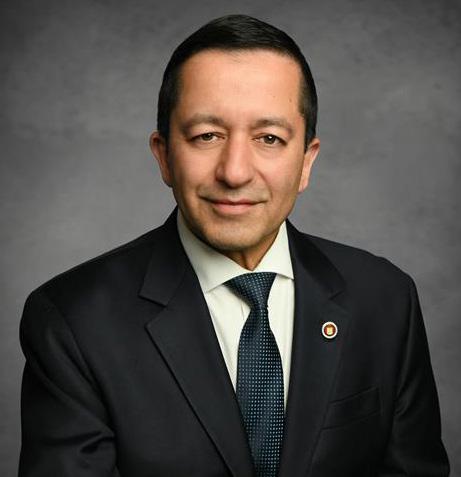
Roxana Mehran is an interventional cardiologist and clinical trialist whose work as a clinician, researcher, and educator has established her as one of the world’s leading figures in the field. Ahead of her tenure as president of the American College of Cardiology (ACC), Mehran speaks to Cardiovascular News about her career in medicine, how a dedication to public service has shaped her work, and her mission to level the playing field in cardiology.
What drew you to medicine and then to interventional cardiology in particular?
I was born in Iran and grew up there until about the age of 13, before moving to the USA. From an early age, I was drawn to STEM disciplines—particularly biology and chemistry—and to understanding how the scientific world works.
As I developed as a person, I came to recognise the importance of helping and serving others. This was largely influenced by my parents and their guiding philosophy of life, which centred on service and giving back. We were taught that whatever we do should have a lasting positive impact, and that every action has consequences.
My interest in medicine deepened when my younger brother became ill shortly after we arrived in the USA. He was hospitalised for several weeks with an illness that initially defied diagnosis. It was eventually identified as a paediatric post-viral illness, but I vividly remember watching him undergo repeated tests and thinking, ‘why can’t they solve this puzzle?’ The idea of confronting and solving medical challenges every day was deeply compelling to me, and I felt immediately at home in the hospital environment.
During training, as I rotated through various subspecialties, I realised how much I loved all aspects of medicine. I gravitated toward cardiology because it is an extraordinary field—one defined by both established knowledge and unanswered questions, with an unparalleled ability to reduce disease burden and improve outcomes.
At that time, interventional cardiology was still in its infancy. The opportunity to understand device mechanisms, apply less invasive treatments for cardiovascular disease, and directly improve patient outcomes strongly influenced my decision. I could clearly envision a career that combined clinical care with clinical research—finding answers at the bedside. The immediacy of treating critically ill patients using devices and pharmacology was, and remains, profoundly motivating. It became crystal clear to me that interventional cardiology was the right path. I knew I was exactly where I belonged.
Who have been your biggest influences?
During my residency at the University of Connecticut, I met Arnold Katz, an extraordinary mentor who taught me what it truly means to be a sponsor—someone who genuinely invests in another person’s journey. When I met him in 1987, I was an intern filled with enthusiasm but little confidence that I would ever achieve my aspirations. Through his vision and perseverance, I was given my
first major opportunity: working closely with his team on important basic science research.
Following that, I had the privilege of working with several giants in cardiology, including Richard Gorlin, Milton Packer, Valentín Fuster, Samin Sharma, Alice Jacobs, and Linda Gillam. They were not only leaders in discovery and patient care, but also deeply committed to training and sponsoring the next generation. From them, I learned the importance of mentorship as a defining professional responsibility.
The most influential mentor in my career has been Martin Leon. At a time when there were very few women in interventional cardiology, he was completely gender-neutral in offering opportunities. He trusted me, invested his time, gave me visibility, and actively supported my growth. He played a pivotal role in shaping me as a clinician-scientist.
Reflecting on these individuals, I feel profound gratitude as a mentee and beneficiary of their support. I strive to incorporate their best qualities, add my own perspective, and pay that commitment forward.
What has been the biggest change in the field during your career?
It feels remarkable to consider that nearly 50 years have passed since Andreas Grüntzig first demonstrated balloon angioplasty in a dog model at the 1976 American Heart Association meeting. Since then, the field has experienced transformative change.
Interventional cardiology has profoundly improved care for patients with coronary and valvular heart disease, acute coronary syndromes, cardiogenic shock, peripheral arterial disease, and heart failure. At the same time, we continue to confront residual risk and persistent disparities in care.
The impact we have achieved extends beyond procedures themselves. Early diagnosis, rapid recognition, swift intervention, and the integration of increasingly sophisticated devices with preventive medical therapy have together reduced cardiovascular morbidity and mortality.
Transcatheter valves and percutaneous coronary intervention have improved not only hard clinical endpoints, but also patientreported outcomes and quality of life.
Can we do better? Absolutely. Can we prevent cardiovascular disease in the first place? Without question. The future lies in earlier diagnosis through advanced imaging, better identification of vulnerable patients, and proactive intervention. Critically, we must ensure that these life-saving therapies— pharmaceutical and device-based—are accessible to all.
What do you hope your legacy will be from your term as ACC president?
The ACC’s mission is to transform cardiovascular care for all, and its members are the driving force behind that mission. They deliver care at the bedside, conduct ground-breaking research in laboratories, and translate discoveries into evidence through clinical trials.
FACT FILE
APPOINTMENTS & POSITIONS
Professor of Medicine, Icahn School of Medicine at Mount Sinai
Director of Interventional Cardiovascular Research & Clinical Trials, Zena and Michael A Wiener Cardiovascular Institute, Icahn School of Medicine at Mount Sinai
Director of Women's Heart and Vascular Center, Mount Sinai Fuster Heart Hospital
President, American College of Cardiology (ACC)
Co-founder, Cardiovascular Research Foundation (CRF)
Co-founder, Women as One Leader, Lancet Commission on Women's Cardiovascular Diseases HONOURS (SELECTED)
Gold Medal, European Society of Cardiology (ESC)
Andreas Grüntzig Lecture Plaque, ESC
Bernadine Healy Leadership in Cardiovascular Disease Award, ACC
Terry Ann Krulwich Physician-Scientist Alumni Award, Icahn School of Medicine at Mount Sinai Ellis Island Medal of Honor
Leadership, to me, is fundamentally about public service. True leadership cannot be self-serving. That principle has guided me since my earliest days in medicine, and is what ultimately brings people into leadership roles. One of my strengths is recognising how much more we can accomplish together. Cardiovascular disease remains the leading cause of death worldwide. Addressing it requires global collaboration, across societies and borders.
Over the past 30 years, I have worked closely with major cardiovascular societies, including the European Society of Cardiology (ESC), American Heart Association (AHA), Society for Cardiovascular Angiography & Interventions (SCAI), and ACC. I firmly believe that advancing our strategic missions demands unified effort. I am committed to strengthening these collaborations and confident that we will succeed.
I am also a strong advocate for public–private partnerships. Working together is essential to extending high-quality cardiovascular care to urban, rural, and vulnerable populations worldwide.
When did you recognise that concerted action was needed to better represent women in cardiology?
Cardiovascular disease is the leading cause of death in women globally, yet there are disproportionately few cardiologists specialising in women’s heart disease—and most of those who do are women themselves. This imbalance is unsustainable.
When I began my career, I was often the only woman in the room. Women were treated differently, compensation was unequal, and expectations were inconsistent. Many exceptionally talented women left interventional cardiology because the environment was simply too unwelcoming.
I realised we needed an organisation dedicated to supporting women in medicine— one that would provide a home, a network, and a platform to elevate their careers. Women who have worked tirelessly, demonstrated excellence, and contributed meaningfully to cardiovascular care deserve equal opportunity and recognition.
Progress is happening, but there is still significant work to be done.
What progress has been made in levelling the playing field for women?
We have made meaningful progress in opening doors, but now the priority must be sustained advancement. With progress comes responsibility: as we climb, we must lift others with us.
Our obligation is not only to help women attain leadership positions, but to ensure they have clear pathways forward and remain engaged long term. While some major barriers have been removed, there are still obstacles— perhaps smaller, but persistent. We’ve moved the boulders, but there’s still gravel in our shoes.
How do you reflect on the impact of the Lancet Women and Cardiovascular Disease Commission?
This year, we will release a five-year progress report alongside a women’s cardiovascular health summit. This will allow us to evaluate what has been achieved, where progress has stalled, and why. Reducing cardiovascular disease in women requires studying disease through a fundamentally different lens— not treating women as “small men,” but recognising sex as a biological variable and understanding the clear differences between the sexes. Excluding women of childbearing age from clinical trials—effectively four to five decades of life—has left critical gaps in our understanding of disease evolution in women. Without this knowledge, our ability to intervene meaningfully remains limited.
Do you feel a sense of responsibility as a role model for women in cardiology?
Absolutely. It is a profound responsibility— one that carries weight, but also purpose. I am deeply committed to advancing a new paradigm in cardiovascular medicine that
recognises sex-specific biology, enables earlier diagnosis, refines risk assessment, and delivers effective, equitable care for all.
How will post-PCI antiplatelet therapies evolve in the personalised medicine era?
Antiplatelet therapy is clearly not one-sizefits-all. Today, there are more than two million possible permutations across key decisions— agent selection, timing, duration, and deescalation. Precision is essential. We now have unprecedented volumes of data, and we must integrate technology into electronic health records to enable predictive, individualised decision-making at the point of care. I am confident that this evolution will continue.
What are your current research interests?
My focus is on integrating prevention with intervention—enhancing procedural outcomes, reducing complications, and improving long-term health. This applies not only to coronary disease, but also to structural heart interventions. The ultimate goal is early prevention to avoid the need for intervention whenever possible.
“The future lies in earlier diagnosis through advanced imaging, better identification of vulnerable patients, and proactive intervention.”
Are there any recent trials that have caught your eye?
The VESALIUS-CV trial, presented by the TIMI study group, was particularly striking. It demonstrated that preventing a first cardiovascular event—through interventions such as LDL reduction—can reduce events by close to 40% and significantly lower mortality. It powerfully reinforces the role of prevention.
What occupies your time outside of medicine?
Much of my downtime is spent in nature— walking, especially in Central Park, reflecting, and reconnecting with the world around me. Travel has often been work-focused, leaving little time for exploration, but I enjoy meeting the world outside of my comfort zone. My biggest joy is downtime with my family, cooking and following several sports. I am an avid Tennis fan; I enjoy the competition, commitment and intangibles in the game. It’s a beautiful life, and we must remember this all the time to put it all in perspective. Self-care is something I am committed to prioritising more intentionally in the years ahead.
Structural Heart Interventions
PCR LONDON VALVES
Largest dataset from ALIGN-AR trial shows favourable outcomes with Trilogy valve
Data from 700 patients treated for severe aortic regurgitation (AR) with the Trilogy (Jenavalve) transcatheter aortic valve implantation (TAVI) system demonstrate sustained performance with the valve, with procedural refinements linked to improved safety and pacemaker rates.
RAJ MAKKAR (CEDARS-SINAI, LOS ANGELES, USA) presented the latest ALIGN-AR data, the largest cohort available form the trial, in a late-breaking trials session at PCR London Valves (16–18 November, London, UK), with the results simultaneously published in The Lancet.
Off-label use of non-AR-specific TAVI valves is associated with high rates of valve embolisation and residual paravalvular regurgitation, both of which increase mortality, Makkar said. Unlike other available TAVI devices engineered for the treatment of aortic stenosis, Trilogy is designed for AR, with locators that clip onto native leaflets and enable secure anchoring in the absence of calcium.
ALIGN-AR is a multicentre, non-blinded, single-arm study, evaluating the safety and efficacy of the device in patients with symptomatic, severe AR who were considered high risk for surgery. More than 1,300 patients were screened for inclusion in the trial, which took place at 30 US sites, with 700 patients ultimately enrolled. Of these, 500 patients have reached oneyear follow-up and 365 have reached two years. Thirty-day safety outcomes are available in all 700 patients.
Trilogy was successfully implanted in 97.7% of cases, with an average procedural time of 67 minutes. General anaesthesia was used in 70% of cases. Technical success was seen in 94.9% of cases, with no procedural deaths among any of the 700 patients. Device success to 30 days was recorded in 96.8% of cases, with 0% prosthesis mismatch.
The trial’s primary safety endpoint, a composite of all-cause mortality, stroke, life-threatening or major bleeding, major vascular complication, acute kidney injury (AKI) ≥2 or dialysis, valve reintervention, new pacemaker implantation or ≥moderate valvular regurgitation occurred in 24% of cases, Makkar reported, primarily driven by high pacemaker rates, but lower than the trial’s overall prespecified performance goal of 40.5%.
Thirty-day mortality stood at 1.6%, major bleeding 2.7%, and one-year all-cause mortality, the trial’s primary efficacy endpoint, was observed in 7.7% of cases, achieving superiority against the prespecified performance goal of 25%. Mortality increased to 13.3% at two years, Makkar detailed, primarily driven by non-cardiac causes of mortality. He described stroke rates as “acceptable”, with a rate of 0.8% for disabling stroke at 30 days, increasing to 2.2% at two years, and 2.2% for all strokes at 30 days, increasing to 5.6% at two years.
On the haemodynamic performance of the valve, which he described as “excellent”, Makkar reported that the mean aortic valve gradient stood at 3.71mmHg at 30 days and 4.27mmHg at two years, whilst effective orifice areas of 2.99cm2 and 4.27cm2 were recorded at 30 days and two years, respectively.
hospitalisations,” he detailed.
New York Heart Association (NYHA) functional class improved significantly from baseline, with 92% of patients in either NYHA class I or II at two years, alongside an increase in Kansas City Cardiomyopathy Questionnaire (KCCQ) score of almost 20 points, which was sustained. Rates of bioprosthetic valve dysfunction were low, Makkar noted, with an aortic valve reintervention rate of 0.8%.
Investigators probed the potential impact that increased experience with the device may have on safety outcomes, analysing 30-day safety outcomes based upon tertile of enrolment. “What you can see is that the primary composite endpoint decreased from 28.5% to 17.5%, and this was driven by a decrease in new pacemakers, any bleeding complication, as well as any major vascular complications,” Makkar commented.
In their Lancet paper, the investigators describe the high rate of pacemaker implantation as “an area of ongoing concern”, stating that this “remains higher than desired, with approximately one in five patients requiring a new pacemaker at 30 days”.
“This valve was highly effective in treating aortic regurgitation,” he commented, observing that 99% of patients had mild or less residual aortic regurgitation at one and two years. Additionally, Makkar reported that “very favourable” left ventricular (LV) remodelling was observed, evidenced by a two-year LV end-diastolic volume of 65mL/m2, LV end-systolic volume of 30.6mLm2, and LV mass index of 107G/m2
“We also saw in a tertile analysis, that patients who had the most LV remodelling, patients who had decreased their LV and systolic volume index by most actually had the best clinical outcomes and lowest incidence of death and heart failure
“The association between larger valve size and greater need for pacemaker might reflect greater circumferential contact and radial force in compliant, non-calcified annuli—increasing mechanical stress near the membranous septum,” they write in their summary of the findings. Similar to a previously reported series on use of the Trilogy valve, pre-existing right bundle branch block (RBBB) was a significant predictor of pacemaker implantation in the study.
Asked to comment on this pacemaker rates in discussion that followed the presentation, Makkar noted that changes in approach to oversizing of the valve had hope of a solution to mitigate this issue.
“We know that aortic regurgitation is a different disease compared to aortic stenosis. Even after surgery, patients who have aortic regurgitation actually have higher pacemaker rates, more like 10–11% rather than 5–6%,” he commented. “One of the things that changed is that we became a little bit conservative in terms of oversizing. When you have valves that could be eligible for both a medium-sized valve or a large-sized valve, I think the trend over the last year or so has been to go ahead in the areas of overlap to use a smaller valve.”
Ataciguat slows progression of aortic valve calcification
Phase 2 data on the use of ataciguat (Kardigan) in patients with moderate calcific aortic valve stenosis were presented at the American Heart Association (AHA) 2025 scientific sessions (7–10 November, New Orleans, USA).
Results show that the oral soluble guanylate cyclase activator slowed the progression of aortic valve calcium, leading to improvements in measures of valvular compliance, cardiac output (CO), and cardiac function when compared to placebo.
“The primary driver of calcific aortic valve stenosis is the accrual of aortic valve calcium, which causes chronic left ventricular pressure overload, leading to maladaptive ventricular remodelling and dysfunction. Without disruption, this will result in progression to heart failure and eventually procedural intervention in most patients,” said Brian Lindman (Vanderbilt University Medical Center, Nashville, USA).
“The data presented on ataciguat at AHA reinforce the potential to deliver the first medical treatment for moderate calcific aortic valve stenosis that targets the root cause of the disease, moving us beyond passive monitoring toward earlier, disease-modifying intervention.”
In the clinical trial, treatment with ataciguat resulted in improvements in left ventricle ejection fraction (LVEF) and CO, and slowed the progression of worsening of diastolic function, at six months compared to placebo.Those with the least increase in valve calcium had the largest increase in CO. In addition, treatment with ataciguat slowed the progression of aortic valve resistance compared to placebo at six months. Changes in aortic valve resistance also correlated with changes in left ventricular remodelling, specifically left ventricular mass index (LVMI). As such, treatment with ataciguat may help preserve aortic valve compliance by reducing aortic valve resistance and have a direct effect on left ventricular remodelling. These hypotheses will be evaluated in the KATALYST-AV phase 3 trial.
“For the millions of patients diagnosed with moderate calcific aortic valve stenosis each year, there are no treatment options except to watch and wait for their disease to progress to a point where surgical intervention is necessary to replace the valve. The phase 2 data on ataciguat presented at AHA reinforce our hypothesis that slowing the buildup of aortic valve calcium is associated with improvements in cardiac output and function,” said Jay Edelberg, co-founder and chief medical officer, Kardigan.
Trilogy
Raj Makkar at PCR London Valves
VASCULAR CLOSURE
Vascular complications uncommon in study of latestgeneration arterial closure device
No major vascular complications were seen in the ELITE trial using the latestgeneration PerQseal Elite (Vivasure Medical), a patch-based, resorbable, sutureless vascular device for large-bore arterial closure. Results of the trial were presented during a late-breaking trials session at PCR London Valves 2025 (16–18 November, London, UK) by Nicolas van Mieghem (Erasmus University Medical Centre, Rotterdam, the Netherlands).
THE TRIAL INCLUDED A TOTAL OF 121 patients undergoing transcatheter aortic valve implantation (TAVI) or endovascular aneurysm repair (EVAR) procedures at 12 centres throughout Europe, designed to test the safety of the device by following major access site complications at 30 days, as well as its efficacy in terms of time to haemostasis.
“The last randomised controlled trial on access site closure was the CHOICE-CLOSURE trial that was comparing plug-based closure with suturebased closure, and the complication rate was more than 10%,” Van Mieghem said in his presentation, describing patch-based closure as a “different concept”.
PerQseal Elite consists of two core components, he explained, the closure patch and a fixation scaffold. The system is compatible with a 0.035inch (0.89mm) guidewire and is completely resorbed within six months. Arteriotomies up to 22Fr can be closed using the technology.
Describing the ELITE trial population, Van Mieghem detailed that patients had a mean age of 78 years and 70% were male. The majority of cases (79%) involved TAVI procedures.
On the safety outcomes seen in the trial, Van Mieghem reported that there were no instances of major vascular complications at 30 days, with only two minor access site complications requiring manual compression. Average time to haemostasis stood at less than one minute, meaning that the trial
met both primary safety and efficacy endpoints.
“The ELITE primary endpoints demonstrate that the PerQseal Elite is a safe and effective device for large bore arteriotomy closure with low complication rates and also rapid and durable haemostasis. Haemostasis was usually achieved without manual compression,” said Van Mieghem, who added that the device is “characterised by an ease of use and a faster deployment as compared to competitors”.
Following the presentation, Van Mieghem was asked by Howard Herrmann (Perelman School of Medicine at the University of Pennsylvania, Philadelphia, USA) to comment on the applicability of the device, given reportedly low rates of vascular complications seen following TAVI procedures in real-world data.
“In terms of the access site complications in general, indeed in the TVT registry, access site complications are low, but if you look at prospective studies, for instance at the VANTAGE prospective study, then the complication rates tend to be somewhat higher—more around five to 10%,” he commented. “Minor complications are much more common, and we are living in a day and age where procedure volumes are increasing so I do feel that there is a need for devices that allow for faster haemostasis. As we are training more and more people to do these cases, I think it makes sense to come with a technology that democratises access site closure.”
TARGET study demonstrates TR reduction with Cardiovalve system
Venus Medtech has announced the submission of technical files for CE mark approval of the Cardiovalve transcatheter tricuspid valve replacement (TTVR) system, following completion of the TARGET study assessing the safety and performance of the device in 150 patients.
TAKING PLACE ACROSS 30 SITES in Europe, the UK and Canada the prospective, single-arm, open-label, multicentre clinical trial was designed to evaluate the safety and performance of the Cardiovalve system.
Interim results of the study were presented at PCR London Valves (16–18 November, London, UK), demonstrating that transcatheter tricuspid valve replacement (TTVR) with the Cardiovalve system effectively
“Durable” valve performance seen with early generation transapical TMVR system
Five-year results of the pilot study of the early-generation Intrepid (Medtronic) transcatheter mitral valve replacement (TMVR) system have demonstrated sustained elimination of mitral regurgitation (MR) and durable performance of the valve.
THE STUDY, WHICH BEGAN ENROLLING IN 2015, charts early use of the Intrepid device featuring a transapical delivery system, though later generations of the device have switched to using a transfemoral approach. Procedures were conducted at 21 sites spanning Europe, Australia and the USA and involved 95 patients with symptomatic severe MR who were at high risk for surgery.
Michael Reardon (Houston Methodist Hospital, Houston, USA) presented the clinical and echocardiographic outcomes from the study at PCR London Valves (16–18 November, London, UK), with the findings simultaneously published in EuroIntervention
Patients had a mean age of 74 years, with 88.4% in New York Heart Association (NYHA) class III or IV and around 80% of patients had secondary MR, Reardon reported. Rates of mortality and heart failure hospitalisation steadily grew during the first six months, he detailed, commenting that this was unsurprising due to the very high-risk characteristics of the population. All-cause mortality stood at 31.9% at one year, and 66.7% through to five years, whilst rates of heart failure hospitalisation stood at 26% and 55.4% at one and five years respectively.
Comparing the clinical outcomes between the two timepoints, Reardon noted that rates of cardiovascular mortality almost doubled between one and five years, increasing from 26.1% to 51.6%, however only one in five cardiovascular deaths were adjudicated as being caused by the valve by the study’s clinical events committee. Myocardial infarction (MI) occurred in 22.9% of patients at five years, none within year one, with the majority among patients with previous MI.
Results showed that Intrepid was effective at reducing MR, with 95% of patients having moderate-to-severe or severe MR at baseline, and over 80% none or trace MR at five years, with the remainder having mild MR.
Haemodynamic valve deterioration occurred in 1.4%, median valve mean gradient remained stable at 3.6mmHg, and 84.6% of patients were in NYHA class I/II at five years, reported Reardon, commenting: “We know this is a very hostile environment, and this valve is holding up very well over that time period.”
Future study of the device, using the transfemoral Intrepid system in both the APOLLO and APOLLO-EU studies “will help determine the role of TMVR in managing this high-risk population,”
Reardon concluded.
eliminated tricuspid regurgitation (TR) in the majority of patients, despite 73% presenting with massive or torrential TR at baseline, Venus Medtech detailed in a press release.
In addition to endpoints for efficacy, the procedure was observed to have an acceptable safety profile, with improvements in patients’ symptoms by 30 days post-treatment.
Patients enrolled in the study will continue to be followed for up to five years. Comprehensive clinical and echocardiographic outcomes, including mortality and heart failure hospitalisations from the full 150-patient
cohort, will be presented in the near future.
George Nickenig (University Hospital Bonn, Bonn, Germany), who presented the results at PCR London Valves, was quoted as saying: “The results of the Cardiovalve study are highly encouraging, demonstrating strong efficacy in TR reduction and a favourable safety profile, particularly with the new device iteration. These findings represent an important step forward, offering hope that patients suffering from TR will soon have access to a novel and effective treatment option.”
Nicolas van Mieghem presents at PCR London Valves
Latest data from Dragonfly pivotal studies shared at PCR London Valves
Latest clinical data for the Dragonfly transcatheter mitral valve repair (TMVR) system (Valgen Medtech) were shared at PCR London Valves (16–18 November, London, UK)—one of several new-entrant transcatheter valve systems highlighted at the meeting—with the performance of the device having been described as comparable to those for existing, commercially available platforms.
IN A LATE-BREAKING TRIAL presentation, Francesco Maisano (IRCCS Ospedale San Raffaele, Milan, Italy) shared three-year results from the Dragonfly-DMR China pivotal study, assessing the use of the device for the treatment of symptomatic chronic degenerative mitral regurgitation (DMR) at 27 sites in China, alongside six-month results of the Dragonfly EU pivotal study, ongoing at eight European centres.
The device, which can be deployed for transcatheter edge-to-edge repair (TEER) in the mitral or tricuspid valves, has similar design features to existing mitral TEER devices including MitraClip (Abbott) and Pascal (Edwards Lifesciences), and includes a mechanical closure system and central spacer. The device has received approval from China’s National Medical Products Administration (NMPA) and a CE mark to date.
A total of 120 patients were enrolled in the Chinese pivotal study of the device, with follow-up available in
AltaValve early feasibility study reports out to one year
108 patients at three years, Maisano reported. The trial’s primary endpoint was a composite of avoidance of death, mitral valve reintervention or recurrence of mitral regurgitation (MR) at 12 months, with patients eligible for inclusion if they met high surgical risk criteria. Patients had an average age of 75 years, with the procedures taking an average of 116 minutes, including a device time of 96 minutes, and typically involving around 1.5 clips per patient.
Maisano detailed that at 36 months, 82.5% of patients met the primary efficacy endpoint, 92% had better than moderate-to-severe MR, and sustained improvements in New York Heart Association (NYHA) class were seen, with 88.5% of patients in NYHA class I-II at three years.
Single-leaflet device attachment (SLDA)—where one leaflet becomes detached from the clip—occurred in one patient at 12 months and one further patient at 36 months, whilst no device embolisation was seen up to the threeyear timepoint.
One-year outcomes from the early feasibility study (EFS) assessing the AltaValve system (4C Medical Technologies)—a supra-annular transcatheter mitral valve replacement (TMVR) system designed to overcome limitations of existing mitral replacement technologies—demonstrate sustained clinical benefits with the device, investigators have reported.
PRESENTING THE LATEST RESULTS DURING a late-breaking trials session at PCR London Valves (16–18 November, London, UK), Vlasis Ninios (Interbalkan Medical Center, Thessaloniki, Greece) reported that, in a population of patients including many who would have been ineligible to receive other mitral valve technologies, implanters achieved a high rate of technical success with the procedure, resulting in symptomatic improvements for patients.
Left ventricular outflow tract (LVOT) obstruction is a common limitation of existing TMVR technologies leading to high rates of screen failure for patients screened for TMVR trials, Ninios highlighted in his presentation, ranking this alongside mitral annulus size and the presence of mitral annular calcification (MAC) as the exclusions that comprise the “Achilles’ heel” of existing TMVR technologies. The AltaValve system’s atrial fixation TMVR device is designed to
Turning to the results of the device in the European patient cohort, Maisano detailed that a total of 39 patients received the Dragonfly system at the eight European sites. Patients were slightly older (with an average age of 80 years) compared to the Chinese trial, and the baseline surgical risk was typically lower.
Additionally, most of the sites participating in the European trial were high-volume TEER centres, which
was reflected in a significantly lower procedure (53.6 minutes) and device (41.7 minutes) time compared to the experience in Chinese centres. “This is an almost 50% reduction compared to what has been observed in China, which represents not a learning curve specific to the device, but I think is a learning curve which has been already managed in centres in Europe,” Maisano commented.
MR reduction to ≤2+ was seen in 93% of patients at six months, with 96.7% of patients in NYHA class I-II at
minimise the risk of LVOT obstruction and treat a broad population of mitral regurgitation (MR) patients as well as varied mitral annulus sizes.
The device is a transseptal TMVR platform whereby the prosthetic valve is positioned above the native mitral valve via an atrial-only fixation that is intended to ensure that cardiac structures are retained within the left ventricle. The AltaValve implant is also designed to allow future left atrial access for other procedures.
Ninios described the deployment and positioning of the device, which features a 27mm bovine pericardial valve encased in a nitinol stent frame, as a “straightforward, single-stage” procedure, whereby a steerable guide is inserted into the left atrium and flexed down towards the mitral valve, with the implant then deployed from the mitral annular level to the top of the left atrium. The valve is repositionable and recapturable throughout the procedure.
“We have seen in the EFS data that the anatomical acceptance rate in using this technology is 77%,” Ninios commented, adding that more than half (53%) of the 30 patients included in the trial had a narrow LVOT and had been rejected for other technologies. Added to this, 27% of the patients had large annuli, defined as a diameter >48mm, and moderate-to-severe MAC was seen in 23% of patients.
this timepoint.
“Dragonfly incorporates several unique design features, taking some good features from different devices,” said Maisano of the performance of the device in his closing remarks. “The clinical values have been demonstrated in both Chinese—up to three years—and European populations, and the device is at the moment CE marked, but still in the early stages of commercialisation.”
Following his presentation, Maisano was asked if he thought there were distinguishing factors that would lead clinicians to choose the Dragonfly system over existing platforms including MitraClip or Pascal. “It’s very much operator dependent,” he commented. “In my opinion, the winning proposition of these devices will be the reliability of the system, in terms of how the delivery system reliably transfers the movements that the operator is acting on it, as well as the way the device itself behaves properly in terms of closure, durability and leaflet insertion.”
Dragonfly incorporates several unique design features, taking some good features from different devices.”
Technical success of the procedure was high (97%) with only one patient converting to surgery. The device resulted in total elimination of MR in all cases, with mitral valve gradients averaging 2.5mmHg at baseline and 2.1mmHg post-procedure. Additionally, computed tomography (CT) analysis showed that the AltaValve implant increased the neo-LVOT by approximately 0.8cm2, and the valve’s annular ring moved away from the LVOT during systole, preserving native MV dynamics.
All-cause mortality stood at 17% at one year among patients in the transapical cohort and 7% in the transseptal cohort, with a rate of cardiac mortality of 14% among transapical patients and 0% among transseptal patients. Valve thrombosis occurred in one patient (who did not adhere to medication schedule), and one pacemaker was implanted across the entire cohort. There was no stroke, new-onset atrial fibrillation or need for mitral valve reintervention across the entire patient group. New York Heart Association (NYHA) class improved to class I–II in 96% of patients at one year.
Enrolled at sites in Europe, the USA and Japan, patients were eligible for inclusion if they were deemed high risk for surgery and had symptomatic, severe MR. More than half (63%) of patients were female, and there was an even split between patients with functional or degenerative MR.
The study included 13 patients treated via a transapical approach; however, today, only the less invasive transseptal approach is used. Seventeen patients were treated using the transseptal approach.
A recent paper, published in JACC: Advances and authored by Nadira Hamid (Minneapolis Heart Institute, Minneapolis, USA), suggests evidence of reverse-remodelling post-implantation, Ninios said, with reduction in left atrial volume and left atrial strain, correlating with sustained clinical benefit of improvements in NYHA, Kansas City Cardiomyopathy Questionnaire (KCCQ) scores and six-minute walk tests.
Follow-up from the EFS is expected out to five years, while further study of the device is ongoing with enrolment having begun in the ATLAS pivotal study at European and US sites. ATLAS will include a MAC cohort of 100 patients, as well as a primary cohort of up to 350 patients, Ninios said.
Vlasis Ninios
Dragonfly TMVR system
New evidence investigates the impact of Shockwave IVL, Wolverine™ Cutting
Balloon and OPN® NC in severely calcified coronary lesions
Coronary artery calcification (CAC) has become increasingly frequent in contemporary coronary intervention driven largely by aging populations, a higher disburden of comorbid conditions and the treatment of long-standing, advanced coronary artery disease.1,2 Approximately a third of all lesions treated with percutaneous coronary intervention (PCI) have significant angiographic calcification which impacts stent delivery and expansion, as well as long term stent outcomes.3-5 Devices designed to modify CAC such as mechanical atherectomy, non-compliant balloons and scoring/ cutting balloons can be effective for lesion preparation but have limitations and risks.
SINCE ITS INTRODUCTION IN 2021, intravascular lithotripsy (IVL) from Shockwave Medical is an important adjunctive therapy that has become a preferred coronary calcium modification strategy among the interventional cardiology community.6 Recent evidence provides further insight into Shockwave IVL’s mechanism of action as compared to alternative balloon-based strategies. Jason Wollmuth, interventional cardiologist at Providence Heart Institute (Portland, USA) helps to put this new evidence into context and how it has supported and informed his clinical practice during the treatment of CAC.
How would you summarise the mechanism of action of Shockwave IVL?
Why is it important to understand a device’s mechanism of action when thinking about your treatment algorithm?
A better understanding of a device’s mechanism of action helps inform where and when that device should be implemented in clinical practice. There is no “one-size-fits-all” strategy to managing CAC and oftentimes, multiple calcium modification modalities are needed. Utilising intravascular imaging to understand the thickness, length and arc of calcification are important in determining the best approach. Once the lesion morphology is defined, then it is important to understand how each device mechanistically modifies coronary calcification. In balloon uncrossable lesions, an upfront strategy with atherectomy is needed. In balloon crossable lesions, balloon-based strategies are reasonable in calcium less than 0.5mm thick or less than a 180-degree arc. However, in lesions with concentric calcification, calcium that is greater than 0.5mm thick, or an arc of calcium >180 degrees, IVL is a preferred strategy. However, even in vessels with less than 180-degree calcium arc, recent cadaveric studies suggest IVL does reasonably well in fracturing calcium with no medial injury.7 Even in nodular calcium, IVL has been shown to create fractures and thus may be helpful especially in nodules where wire bias doesn’t allow for good contact with atherectomy devices.8 After a calcium modification device is used, it is important to confirm adequate vessel expansion prior to stent implantation. I use a long 1:1 size NC balloon to assess for adequate lesion expansion and intracoronary imaging to assess for calcium fractures.
Shockwave IVL uses the energy-based production of ultrasonic acoustic pressure waves—or shockwaves— for modification, fracture, and fragmentation of arterial calcification. Once delivered to a target lesion, the Shockwave IVL balloon catheter is inflated to sub-nominal pressures coupling the balloon to the arterial wall. Shockwaves are produced from electrical energy that travels from the Shockwave IVL generator and terminates at the spark gaps found on the emitters. The energy creates a plasma event which is rapidly absorbed within the fluidfilled balloon and instantaneously produces a Shockwave. Shockwaves travel through soft, noncalcified tissue due to the similar densities of fluid and soft tissue and generate disruptive forces when they encounter a large change in densities as seen in calcium. This minimises vessel injury to non-calcified segments of the artery while maximising fractures in the calcification.
Figure 1: Shockwave IVL produced calcium fracture without medial injury in >50% of histologic sections containing calcium arcs <180 degrees
What new evidence provides further insight into Shockwave IVL’s mechanism of action and how it compares to alternative, balloon-based strategies?
A recent cadaveric study compares the frequency of calcium fracture and presence of medial injury utilising micro-CT and histology within 17 severely calcified lesions treated with Shockwave IVL (IVL), Wolverine cutting balloons (CB) or OPN ultrahigh pressure balloons (UHB). Calcium fractures were most frequently observed and medial injury significantly less frequent within lesions treated with Shockwave IVL as compared to CB and UHB. Medial injury occurred in 100% of lesions treated with UHB despite 0.5mm downsizing. Additionally, Shockwave IVL produced calcium fracture with no medial injury in 100% of histologic sections containing calcium arcs ≥180 degrees and within >50% of histologic sections containing calcium arcs <180 degrees. Fractures caused by CB and UHB were mostly associated with medial injury in histologic sections with calcium arcs ≥180 degrees and no calcium fractures were identified within histologic sections containing calcium arcs <180 degrees treated with UHB (Figure 1).7
What are some lesser-known or underappreciated aspects of Shockwave IVL’s mechanism of action that support the findings of this study?
Shockwaves—the ultrasonic acoustic pressure waves produced by Shockwave IVL—consist of an acoustic waveform that is tuned to maximise safety without tradeoffs for efficacy. Perpendicular to the emitters at the edge of the treatment zone, Shockwaves have an acoustic waveform with an average positive peak pressure of ~5MPa (or 50atm) which modify calcium through various forces and an extended duration or low amplitude negative peak pressure which minimises soft tissue damage due to tensile stress.8
The Shockwave acoustic waveform is the basis of the clinical evidence generated to date demonstrating IVL as a safe and effective calcium modification strategy (Figure 2). Additionally, the ultrasonic acoustic output of Shockwaves are measured to be distributed around and across the device. There are no areas between the marker bands or within quadrants around the balloon lacking an acoustic output less than the threshold needed for calcium modification. All together, these aspects of Shockwave IVL’s mechanism of action helps to explain the safety and effectiveness demonstrated in this cadaveric study.
How do the results of this cadaveric study compare to your clinical experience with Shockwave IVL within eccentric calcium? All calcium modifying devices require contact with the calcific lesion to lead to disruption. Atherectomy devices may miss calcium because of wire bias and scoring/cutting balloons need to have the scoring element in contact with the calcium to lead to disruption. Shockwave IVL’s acoustic output is consistent circumferentially around the balloon and along the length of the balloon which maximises the likelihood of calcium fracture. This fits with clinical experience where Shockwave IVL seems to add value in a variety of calcific lesions. In addition, the low tensile stress (from the propagating shockwave) on soft tissue minimises medial injury that can be seen with other balloon-based strategies.
Any closing remarks?
Shockwave IVL has become an important tool in managing coronary calcification. Its ease of use, safety and efficacy have lead to a rapid uptake in the interventional community and it is now the most commonly employed calcium modification device.6 Understanding its mechanism of action and data from recent cadaveric studies give operators confidence that Shockwave IVL can be effective in managing a variety of calcific lesions.
3. Madhavan MV et al. Coronary artery calcification. J Am Coll Cardiol 2014;63:1703–14.
4. Généreux P et al. Two-year outcomes after PCI of calcified lesions with DES. Int J Cardiol. 2017;231:61–67.
5. Généreux P et al. Ischemic outcomes after PCI of calcified vessels in ACS (HORIZONS-AMI & ACUITY pooled). J Am Coll Cardiol. 2014;63:1845–54.
6. Butala NM et al. Use of calcium modification after introduction of coronary intravascular lithotripsy. J Soc Cardiovasc Angiogr Interv 2024;3(2):101254.
7. Sekimoto T et al. Vascular injury from IVL vs cutting vs ultra-high-pressure balloons. J Am Coll Cardiol Intv. 2025;18(17):2093–2104.
8. Kereiakes, D, Virmani, R, Hokama, J et al. Principles of Intravascular Lithotripsy for Calcific Plaque Modification. J Am Coll Cardiol Intv. 2021 Jun, 14 (12) 1275–1292.
9. Ali ZA et al. Outcomes of coronary intravascular lithotripsy for calcified nodules (Disrupt CAD pooled). EuroIntervention. 2024;20:e1454–64.
Disclaimer: Jason Wollmuth is a paid consultant of Shockwave Medical, the views expressed are of their own opinions, reflect their daily medical practice and do not necessarily represent Shockwave Medical.
In the USA: Rx Only. Prior to use, please reference Instructions For Use for information on indications, contraindications, warnings, precautions, and adverse events. www.shockwavemedical.com/IFU
Please contact your local Shockwave representative for specific country availability. SPL-79436 Rev.A
Jason Wollmuth
Figure 2: Acoustic waveform of Shockwave IVL perpendicular to the emitter at the edge of the treatment zone
Product News
TricValve bicaval valve system receives EU MDR certification P&F Products and Features has received CE-mark certification under the EU Medical Device Regulation (MDR) for its TricValve transcatheter bicaval valve system. The certification confirms TricValve’s compliance with the EU’s most stringent medical device regulatory requirements.
The MDR CE certification applies to the TricValve system as a class III active implantable medical device for patients with symptomatic severe tricuspid regurgitation (TR) and caval reflux who are at high risk for open-heart surgery. Patient eligibility is not limited by native tricuspid annulus size or right heart anatomy, and the presence of pacemaker leads is not a contraindication.
supporting clinical decision-making and intervention planning.
“There is a lot of information that is locked within CT images. Syngo. CT Coronary Cockpit is an automated tool that provides a fast approach to unlock this information to include it in our everyday clinical routine,” Balint Szilveszter (Semmelweis University, Budapest, Hungary) commented. “The information can be used for optimising medical therapy or to plan PCI [percutaneous coronary intervention] procedures before even entering the cath lab.”
MDR certification reinforces TricValve’s regulatory foundation following its original CE mark under the former Medical Device Directive (MDD) in 2021. The MDR replaces the MDD and significantly raises regulatory, clinical, and post-market surveillance requirements. Class III devices previously certified under the MDD must achieve MDR compliance by May 2027 to remain commercially available in the EU.
The TricValve system is a minimally invasive, catheter-based therapy designed to reduce caval reflux and improve cardiac output by implanting self-expanding valves in the venae cavae. Clinical experience has demonstrated reductions in right heart failure (RHF) symptoms and improvements in patient condition.
TricValve is commercially available in 70 countries, and has been used in the treatment of more than 3,000 patients. In the USA, TricValve is an investigational device limited to use under US Food and Drug Administration (FDA) investigational device exemption (IDE).
In December 2025, the FDA authorised the start of the TRICAV II pivotal trial, a randomised, controlled study comparing the TricValve system with optimal medical therapy (OMT) versus OMT alone for patients suffering from severe TR and RHF.
New imaging tool launched to aid coronary interventions Siemens Healthineers has announced a new software solution within its Syngo.via imaging platform designed to support the management of coronary artery disease (CAD) for both dualsource and photon-counting computed tomography (CT) scanners—Syngo.CT Coronary Cockpit.
The new tool provides advanced, automated plaque analysis, a press release from the company states,
To enhance diagnostic confidence, Syngo. CT Coronary Cockpit characterises both the amount and the morphology of coronary plaque through artificial intelligence (AI)based segmentation, labelling, and visualisation.
Information such as plaque composition, size, and distribution supports clinicians in better assessing risk and selecting the most appropriate treatment, whether medical management or intervention, the company says in its press release.
Siemens Healthineers announced the launch to coincide with the Radiological Society of North America (RSNA) 2025 annual meeting (30 November–4 December, Chicago, USA), where it also unveiled Optiq AI, an AI-powered imaging system that is designed to deliver high-quality low-dose images for image-guided procedures.
Da Vinci 5 surgical robot gains new clearances for cardiac procedures
Intuitive has announced that the US Food and Drug Administration (FDA) has cleared the da Vinci 5 system for certain cardiac procedures, including mitral valve repair and internal mammary artery (IMA) mobilisation for cardiac revascularisation.
“Opening the chest to perform surgical procedures can involve significant pain, high risk of complications, and long recovery times that can affect patients’ physical and psychological wellbeing,” said Intuitive chief executive officer Dave Rosa. “This clearance reflects our commitment to advancing minimally invasive cardiac surgery so more surgeons and care teams can pursue improved outcomes for their patients.”
Cardiac surgery was the first specialty cleared on the original da Vinci system in 2002. Since then, more than 140,000 roboticassisted cardiac procedures have been performed using da Vinci systems across 51 countries, the company says in a press release.
While early milestones demonstrated clinical potential, a combination of technical limitations of first-generation platforms and the absence of a global training and support infrastructure led Intuitive to shift its primary focus away from cardiac surgery. Today, with those barriers addressed and a mature ecosystem in place, minimally invasive cardiac surgery is positioned for meaningful expansion with da Vinci 5, the company states.
The design of da Vinci 5 can support minimally invasive cardiac procedures by enabling surgeons to operate through small incisions without opening the breastbone.
“Da Vinci 5 marks the beginning of a global initiative to help transform cardiac care,” said Intuitive’s global vice president of cardiac Darla Hutton. “By combining 30 years of meaningful innovation, structured team-based training programmes and a service model built on reliability and safety, we believe we can enable cardiac teams to adopt robotic-assisted surgery in a consistent, scalable and sustainable way.”
Da Vinci 5 is now indicated for the following selected thoracoscopicallyassisted cardiac surgical procedures using non-force feedback instruments: mitral valve repair, IMA mobilisation for cardiac revascularisation, patent foramen ovale closure, atrial septal defect repair, left atrial appendage closure/occlusion, atrial myxoma excision, mitral valve replacement, tricuspid valve repair, and epicardial pacing lead placement.
HighLife TMVR system gains CE mark
HighLife SAS has announced that it has received CE-mark approval for the HighLife transcatheter mitral valve replacement (TMVR) system for the treatment of adult patients suffering from symptomatic moderate-severe or severe mitral regurgitation (MR), who are deemed unsuitable for surgical repair or replacement and transcatheter edge-to-edge repair (TEER) by a multidisciplinary heart team.
The initial commercial availability of the HighLife TMVR system across Europe provides access to a transfemoral mitral valve replacement option featuring a dual-component valve-in-ring design, capable of treating the broadest range of native mitral annulus sizes (30–53mm) of any CE mark–approved TMVR system.
Early cases have demonstrated evidence of left ventricular reverse remodelling and improvements in New York Heart Association (NYHA) functional status and quality of life,
including clinically meaningful changes in Kansas City Cardiomyopathy
Questionnaire (KCCQ) and six-minute walk test (6MWT) scores.
“Long-term durability data in TMVR are extremely limited, which is why the HighLife clinical experience is particularly meaningful,” said Wolfgang Rottbauer (Universitätsklinikum Ulm, Ulm, Germany). “The system has demonstrated stable performance over multiple years, together with a transfemoral approach and predictable valve function, offering physicians an important new option for patients with severe mitral regurgitation who are not candidates for surgery or repair.”
“HighLife offers a procedural approach that feels familiar to interventional teams,” said Michael Joner (Deutsches Herzzentrum München, Munich, Germany). “The two-step process of ring implantation followed by valve deployment is straightforward and reproducible, fits naturally into the cath-lab environment, and can be performed within procedure times similar to those of transcatheter edge-to-edge repair.”
With CE-mark approval, HighLife will begin a phased commercial introduction across Europe, working closely with experienced structural heart centres to support initial cases, physician training, and post-market clinical follow-up.
The company plans to continue expanding its clinical evidence base, including longer-term durability follow-up.
Sonico-CX coronary IVL system takes step forward with CE-mark certification Spectrumedics Medical has announced that its Sonico-CX intravascular lithotripsy (IVL) system has obtained CE-mark certification under the European Union Medical Device Regulation (EU MDR). The system comprises the Sonico-CX coronary IVL catheter and the IVL generator.
The CE mark was issued by the internationally recognised notified body BSI, confirming that the Sonico-CX IVL system meets the EU’s stringent requirements for safety, performance and quality, the company said in a press release. This milestone further follows initiation of commercialisation across Latin America and Asia Pacific, and enables Spectrumedics to advance its planned commercial launch in Europe and the Middle East, the company added.
“This achievement marks a significant step in Spectrumedics’ mission to broaden global access to advanced IVL therapy,” Elynn Phang, founder and chief executive officer of Spectrumedics commented. “We look forward to collaborating with more physicians to deliver faster, safer, and more effective treatment to patients with complex calcification worldwide.”
The Sonico-CX system treats calcified coronary lesions by utilising acoustic pressure waves to modify both
TricValve
Da Vinci 5
superficial and deep calcified plaques safely, thereby enhancing vessel compliance and facilitating optimal stent implantation.
It features 360-degree of circumferential energy delivery, up to 120 pulses per catheter, a low crossing profile and a range of seven balloon sizes (2.5–4mm). These design advancements aim to improve vessel compliance and procedural outcomes.
As a minimally invasive and user-friendly technology, IVL is characterised by a short learning curve and broad applicability, which reduces procedure-related complications and the need for subsequent treatments— thus improving patient outcomes, Spectrumedics claims.
First transseptal TMVR system gains US FDA approval Edwards Lifesciences has announced the company’s Sapien M3 mitral valve replacement system is the first transseptal transcatheter system to receive US Food and Drug Administration (FDA) approval for the treatment of mitral regurgitation (MR).
The Sapien M3 transcatheter mitral valve replacement (TMVR) system is indicated for the treatment of symptomatic moderate-to-severe or severe MR in patients who are deemed unsuitable for surgery or transcatheter edge-to-edge repair (TEER) therapy by a multidisciplinary heart team.
It is also indicated for the treatment of symptomatic mitral valve dysfunction—moderate-to-severe or severe MR, severe mitral stenosis (MS), or moderate MR with moderate MS—associated with mitral annular calcification (MAC) in patients who are deemed unsuitable for surgery or TEER therapy by a multidisciplinary heart team.
“Mitral regurgitation is very common among valvular heart diseases, and these patients often present with debilitating symptoms that are lifethreatening and significantly diminish their quality-of-life. Up to this point, many patients were unsuitable for available treatment options, leaving the vast majority untreated and suffering,” said David Daniels (Sutter Health, San Francisco, USA). “The Sapien M3 system’s ability to provide a fully percutaneous mitral valve replacement that safely delivers near elimination of significant mitral regurgitation and meaningfully improves their symptoms is a gamechanger for these patients.”
The Sapien M3 TMVR procedure involves two steps: dock delivery followed by valve delivery, completely replacing the mitral valve. Both the dock and the valve are delivered through a percutaneous, 29Fr outer diameter steerable guide sheath inserted through the femoral vein.
One-year data from the ENCIRCLE single-arm pivotal trial were presented at the 2025 Transcatheter Cardiovascular Therapeutics (TCT) conference (25–28 October, San Francisco, USA), simultaneously published in The Lancet. The trial
achieved all primary and secondary endpoints for safety and effectiveness in the trial’s main cohort (299 patients unsuitable for other treatment options), achieving significant MR elimination (95.7% MR ≤0/1+) and meaningful improvements in symptoms and quality-of-life.
The Sapien M3 system received a CE mark in April 2025.
US FDA clearance for Hotwire transseptal access system
Atraverse Medical has received 510(k) clearance from the US Food and Drug Administration (FDA) for its Hotwire transseptal access system.
The novel system includes the Hotwire radiofrequency (RF) generator featuring impedance-guided shutoff after transseptal crossing—mitigating the risk of uncontrolled energy delivery after accessing the left atrium—along with an ability to activate energy within the sterile field.
The FDA 510(k)-cleared Hotwire RF guidewire has been utilised successfully in nearly 2,000 clinical procedures to date, the company says in a press release, and new features are designed to enhance procedural control and workflow efficiency with an end-to-end, zeroexchange, sheath-agnostic solution.
focused ultrasound waves microfracture calcification embedded in aortic valve leaflets without damaging tissue. The treatment is designed to be repeatable over time, as needed, to manage disease progression.
The approval follows the results from Cardiawave’s Valvosoft firstin-man (FIM) study (24 months) and Valvosoft pivotal study (12 months) evaluating its innovative therapy for the treatment of severe symptomatic aortic stenosis. Conducted in 100 elderly, highly comorbid patients across 12 centres in four European countries, the studies demonstrated the feasibility, safety, and clinical benefits of the therapy, the company says in a press release. Durable improvements were observed one year after treatment, including enhanced cardiac function and significantly better patient quality of life.
Christian Spaulding (Hôpital Européen Georges Pompidou APHP, Paris, France), coordinating investigator for the pivotal study, stated: “The Valvosoft pivotal study has demonstrated a strong safety profile and has shown its ability to improve haemodynamic parameters in patients suffering from symptomatic severe aortic valve stenosis who are not eligible for immediate valve replacement. The improvements in patients’ quality of life are now offering a therapy to many patients who previously had no treatment options.”
“Gaining safe and precise access to the left atrium remains one of the most critical steps in both electrophysiology and structural heart interventions,” said Devi Nair (St Bernard’s Heart and Vascular Center, Jonesboro, USA). “In my clinical experience, the Hotwire system delivers a level of control, accuracy, and procedural ease that meaningfully elevates the transseptal workflow.”
“Historically speaking, the challenges and risks associated with needle-based left-heart access have been a frustration,” commented Mark Metzl (Endeavor Health, Bannockburn, USA). “The fully integrated Hotwire system meets these issues head on and delivers control, visibility, and efficiency—simplifying the process and improving workflow in our centres.”
Non-invasive ultrasound therapy for aortic stenosis gains CE mark Cardiawave has received CE certification for Valvosoft, its noninvasive therapeutic alternative to treat severe symptomatic aortic stenosis.
Valvosoft is designed to noninvasively restore leaflet mobility in a stenotic aortic valve and widen the valve opening to relieve patient heart failure symptoms. High-intensity
within five days of the final valve implantation.
Coronary thrombectomy system gains US FDA clearance Vesalio has announced US Food and Drug Administration (FDA) 510(k) clearance and the US commercial launch of enVast, a clot retriever for mechanical thrombectomy in the cardiac circulation.
Large thrombus burden (LTB) is a common and challenging finding in patients undergoing primary percutaneous coronary intervention (PCI). Prompt and effective restoration of coronary flow is critical to minimising myocardial damage, reducing procedural complications, and improving clinical outcomes, the company says in a press release.
Powered by Vesalio’s Drop Zone technology, enVast is capable of removing the full spectrum of coronary thrombi, including soft, fragment-prone clots, or dense, fibrin-rich thrombi that may be resistant to existing techniques.
EnVast is the first Vesalio product platform to receive regulatory clearance in both the USA as well as in Europe.
“With FDA clearance and upcoming US launch of enVast, we are proud to introduce a device that we truly believe redefines coronary thrombectomy,” said Steve Rybka, chief executive officer of Vesalio.
RoseDoc system gets first-in-human use in tricuspid valve replacement cases Allmed Solutions has announced first-in-human use of the RoseDoc system, a twostage heart valve replacement system developed by its subsidiary TruLeaf Medical. The new technology allows for full replacement of a diseased heart valve to be fully replaced through a needle stick access point.
The procedure was carried out on two patients suffering from severe heart failure caused by a massive leak in their tricuspid valve. For both patients, conventional medical and surgical options had been exhausted, and their condition was considered too severe to undergo standard open-heart surgery. The investigational treatment was therefore provided under a compassionate care pathway.
The replacement was completed in two stages. Approximately three months prior, a novel proprietary docking system was implanted in the patients’ hearts. The final procedure, completed recently, involved the implantation of the valve itself—the RoseDoc system.
According to a press release issued by Allmed Solutions, restoration of normal valve function resulted in immediate and dramatic clinical improvement. Both patients reported a substantial change in their functional capacity and were discharged home
“EnVast is the first coronary-specific retriever designed with a stent-based clot capture architecture enhanced by our proprietary Drop Zone technology. Clinical experience internationally has consistently demonstrated its safety and effectiveness in managing complex LTB situations. We’re excited to now make this impactful solution available to US interventional cardiologists and their patients.”
Dedicated TAVI system for AR gains NMPA approval in China Peijia Medical has announced that its TaurusTrio transcatheter aortic valve (TAV) system has received approval from the National Medical Products Administration (NMPA) of China.
The TaurusTrio TAV system is developed and manufactured by Peijia Medical under an exclusive license from JenaValve Technology for its Trilogy transcatheter heart valve (THV) system. It is designed to treat patients with native symptomatic severe aortic regurgitation (AR) via transfemoral access.
“Historically, many patients with severe, pure AR who are ineligible for surgery have lacked an ideal interventional treatment—leaving a significant unmet clinical need,” said Yi Zhang, chairman and chief executive officer of Peijia Medical.
“By proactively introducing JenaValve’s unique locator technology, we directly tackled the core challenge of ‘unstable anchoring’. This gives physicians a vital new tool and finally offers patients a dedicated, longawaited solution, moving AR treatment decisively into a new phase.”
Sapien
Hotwire
Clinical News
Trisol shares early results of TTVR system in severe-to-torrential TR Trisol Medical has announced results from its US Food and Drug Administration (FDA)-approved early feasibility study evaluating the Trisol transcatheter tricuspid valve replacement (TTVR) system in patients with severe-to-torrential tricuspid regurgitation (TR).
To date, 22 patients with severeto-torrential TR who were considered high risk for conventional surgery have been treated at US centres using a transjugular (TJ) access approach. Enrolment in the TJ cohort is complete, and the study is proceeding with continued enrolment using a transfemoral access route.
Results from the study indicate a less than 5% need for permanent pacemaker at 30-day follow-up; considerable reduction in TR following implantation and improvements observed in quality of life, heart failure symptoms, sixminute walk distance, right ventricular function, and cardiac output at 30-day and 12-month follow-up.
The results include patients with reduced right ventricular function, a high-risk subgroup associated with poorer outcomes and underserved by existing treatment approaches, Trisol says in a press release.
Pradeep Yadav (Piedmont Heart Institute, Atlanta, USA) commented: “Trisol brings several novel features from ease of use to recapturable anchors, broad size range, lower pacemaker rate and performance in dysfunctional right ventricles. We are very excited to investigate the next phase with its transfemoral delivery system and pivotal trial.”
“We are thrilled by these positive outcomes, which further validate the potential of our best-in-class technology to improve care for patients with severe TR. I would like to thank our clinical investigators and the entire clinical teams for their dedication and outstanding patient care,” said Ron Davidson, chief executive officer of Trisol Medical.
Trial of polymer-free DES in STEMI PCI enrols first patients Concept Medical has announced enrolment of the first patients in the STARS DAPT randomised controlled trial, evaluating its polymer-free sirolimus drug-eluting stent (DES) technology for the treatment of ST-segment elevation myocardial
infarction (STEMI).
The first four patients were enrolled by Barbara Stähli and her team at the University Hospital of Zurich in Zurich, Switzerland, marking the beginning of the trial which will assess the different strategies to manage acute coronary syndrome (ACS) patients with antiplatelet regimen.
STARS DAPT is an investigatorinitiated, prospective, multicentre, international, open-label, randomised controlled pilot study. The trial will enrol 350 all-comer subjects with STEMI undergoing primary percutaneous coronary intervention (PCI) with the Abluminus np (Concept Medical).
The study aims to assess the difference between a P2Y12 receptor inhibitor-based single antiplatelet therapy (SAPT) regimen after a short period of dual antiplatelet therapy (DAPT) versus conventional six or 12 months of DAPT. The co-primary endpoints at 12 months are major adverse cardiac and cerebrovascular events and major bleeding complications.
The trial is led by principal investigator Juan F Iglesias (Geneva University Hospitals and University of Geneva, Switzerland).
Jupiter Endovascular completes enrolment in SPIRARE II pivotal trial
Jupiter Endovascular has announced completion of patient enrolment in the SPIRARE II pivotal clinical trial evaluating the Vertex pulmonary embolectomy system in patients with acute, intermediate-risk pulmonary embolism (PE). The final subject was enrolled by Vikas Aggarwal at Henry Ford Hospital in Detroit, USA—the site’s principal investigator.
SPIRARE II is a prospective, singlearm, multicentre pivotal study that has enrolled 123 patients across 23 sites in Europe and the USA. Trial endpoints will analyse procedural and clinical performance of PE treatment with the Vertex system across measures of safety, right heart function, and clinical improvement from the time of the procedure to 30 days post-procedure.
The Vertex system incorporates Jupiter’s transforming fixation (TFX) technology to provide ondemand stability and control during transcatheter interventions in the pulmonary vasculature.
“Completion of enrolment in SPIRARE II represents a major milestone for both the SPIRARE clinical programme and the broader PE field,” said Catalin Toma, director of interventional cardiology at the UPMC Heart and Vascular Institute in Pittsburgh, USA and the trial’s global co-principal investigator. “Pulmonary embolism is fundamentally a cardiac disease that places acute strain on the right heart. Technologies that enable
safe, reliable access to the pulmonary arteries while allowing operators to focus on normalising cardiac function have the potential to positively impact how we treat these patients.”
Robocath launches FIH clinical study of second-generation robotic system in coronary artery disease
Robocath has announced the launch of a first-in-human (FIH) clinical study evaluating its new robotic system in coronary artery disease.
The study will recruit 20 patients with coronary artery disease, primarily complex cases representative of routine cath lab activity. It will be conducted at the Centre Cardiologique du Nord (CCN) in Saint-Denis, France, under the leadership of Mohammed Nejjari, principal investigator, and Franck Digne, coinvestigator.
The study will also involve members of Robocath’s medical advisory board (MAB), including Michael Haude (Rheinland Klinikum, Neuss, Germany) and Jean Fajadet (Clinique Pasteur, Toulouse, France), who will provide their clinical and scientific expertise throughout the programme.
press release. The results demonstrated significant diagnostic performance, with the AI achieving an area under the curve (AUC) of up to 0.97 for detecting reduced ejection fraction and 0.95 for right ventricular dysfunction during real-world prospective testing.
“The findings of this study represent a significant shift in how we approach cardiac screening,” said lead author Lior Fisher (Leviev Cardiovascular Institute at Sheba Medical Center, Ramat Gan, Israel). “By proving that a single-view acquisition can yield such high diagnostic accuracy for major pathologies like heart failure and valvular regurgitation, we are effectively removing the technical barriers to cardiac imaging. This allows a much broader range of clinicians to identify potentially life-threatening conditions at the point of care, long before a patient reaches the echo lab.”
“The launch of this first-in-human study represents a major milestone for Robocath. With our second-generation robot we are leveraging the strong clinical and industrial experience acquired with our first platform, now in use internationally. This world first illustrates our leadership position and our commitment to continuing to push the boundaries of interventional robotic technology,” said Philippe Bencteux, president of Robocath.
This clinical launch confirms Robocath’s ambition to further strengthen its global leadership in this market and to contribute sustainably to the evolution of standards of care for patients with coronary artery disease, the company said in a press release.
Study validates AI tool’s ability to detect valvular disease and ventricular dysfunction
AISAP has announced the publication of a clinical study in the journal Frontiers in Digital Health, providing clinical evidence for its deep learning model for the detection of significant valvular disease and ventricular dysfunction.
The study analysed more than 120,000 echocardiographic studies to train the model, which was then validated against a prospective cohort of patients. By capturing structural and temporal cardiac features across the cardiac cycle, the model demonstrated that artificial intelligence (AI) can identify meaningful signatures of heart disease from standard 2D grayscale clips alone, without the need for traditional and complex modalities such as colour flow doppler, AISAP says in a
CVRx initiates
BENEFIT-HF trial of Barostim device in “significantly expanded population” CVRx recently announced the start of the BENEFITHF clinical trial, a randomised study designed to evaluate the impact of the Barostim neuromodulation device in a “significantly expanded heart failure population”.
The trial is supported by Centers for Medicare and Medicaid Services (CMS) category B investigational device exemption (IDE) coverage, CVRx reports.
Barostim baroreflex activation therapy is an implantable device that delivers electrical signals to baroreceptors located on the carotid artery, increasing baroreflex signalling, rebalancing the autonomic nervous system, and improving heart failure symptoms.
The BENEFIT-HF trial is expected to randomise 2,500 patients in 150 centres in the USA and Germany, according to CVRx. The primary endpoint will be a composite of all-cause mortality and heart failure decompensation events. Enrolment is expected to begin in the first half of 2026.
The trial is designed to evaluate Barostim in patients with heart failure who remain symptomatic after receiving optimised guideline-directed medical and device therapies (GDMT); have a left ventricular ejection fraction (LVEF) <50% (compared to the current Barostim indication of <35%); and have NT-proBNP test levels <5,000pg/ mL (compared to the current indication of <1,600pg/mL).
If successful, the trial could expand the indicated patient population for Barostim. The therapy received US Food and Drug Administration (FDA) approval in 2019 following its designation under the FDA’s breakthrough devices programme, and is now commercially available in both the USA and Europe.
Robocath
Trisol valve
Medtronic exercises its option to acquire CathWorks and invests in TAVI valve developer
Medtronic is to exercise its option to acquire CathWorks, developer of the FFRangio system, a novel angiographybased technology for assessing the functional significance of coronary stenoses without pressure wires.
The two companies agreed a strategic partnership in 2022 with a copromotion agreement for the FFRangio system in the USA, Europe and Japan, where it is commercially available. The acquisition is valued at up to US$585 million with potential undisclosed earnout payments post-acquisition.
Using a combination of artificial intelligence (AI) and advanced computational science, the CathWorks FFRangio system provides a comprehensive physiological assessment of the entire coronary tree directly from routine coronary angiograms as an alternative to traditional, wire-based fractional flowreserve (FFR).
“Medtronic is thrilled to move forward with our option to officially acquire CathWorks. Through our copromotion agreement, we’ve seen how CathWorks can disrupt the traditional wire-based FFR segment and leverage the power of data and AI to deliver innovative solutions that assist physicians at every step of a patient’s journey, from diagnosis to treatment,” said Jason Weidman, senior vice president and president of the Coronary & Renal Denervation business, which is part of the Cardiovascular Portfolio at Medtronic. “This acquisition allows Medtronic to transform the cath lab with a technology that provides real-time data, informs individualised treatment approaches, and drives new standards of care.”
Conference calendar
8–11 March
Cardiovascular Research Technologies (CRT) Washington, DC, USA crtmeeting.org
28–30 March
American College of Cardiology (ACC) scientific session
New Orleans, USA Aexpo.acc.org
This news comes as it was also announced that Medtronic has completed a US$90 million investment in Anteris Technologies, developer of the DurAVR transcatheter heart valve (THV). DurAVR is a balloonexpandable, 3D single-piece transcatheter aortic valve implantation (TAVI) device, which is shaped to mimic the native human valve.
Edwards drops JenaValve deal after FTC injunction upheld Edwards Lifesciences has announced that it will not be pursuing its acquisition of JenaValve Technology, after the US District Court for the District of Columbia granted the motion from the US Federal Trade Commission (FTC) for an injunction blocking the proposed acquisition.
In a statement, Edwards said that it disagrees with the decision and believes that the acquisition “would have been in the best interest of a large, growing and underserved group of patients”.
JenaValve is the developer of the Trilogy TAVI system, a transfemoral TAVI system which carries a CE mark for the treatment of aortic regurgitation (AR) and aortic stenosis (AS). The device is seen as meeting an unmet need for the treatment of AR, particularly among patients who are deemed to be at too high risk for surgery.
In July 2024 Edwards announced plans to acquire the company, one of several acquisitions to expand its structural heart division, following the sale of its Critical Care product group to BD in June of the same year. This was a part of a raft of acquisitions that also saw Edwards’ complete a deal for JC Medical, which included the intellectual property and commercial rights to the J-Valve, another TAVI system designed for the treatment of AR.
However, the FTC sought to block the JenaValve deal in August 2025, claiming that the acquisition would combine the only two companies with ongoing clinical trials in the USA for a TAVI-AR device, threatening to reduce competition in the market and likely resulting in reduced innovation, diminished product quality,
21–23 April Charing Cross (CX) Symposium London, UK cxsymposium.com
19–22 May EuroPCR 2026 Paris, France course.pcronline.com
and potentially increased prices for consumers.
The competition concerns caused by Edwards’ dual-acquisition strategy were predicated on Edwards owning both JenaValve and JC Medical simultaneously.
In light of this development, Edwards states that it remains committed to leading AR therapy for patients in need. “The company will continue to deliver novel therapies and world-class evidence to transform patient care, including advancing the Sojourn transcatheter AR valve and enrolling patients in the JOURNEY pivotal trial,” its statement adds.
Gore ties up agreement for Conformal Medical
WL Gore & Associates—Gore—has entered into a definitive agreement to acquire Conformal Medical, developer of the CLAAS AcuFORM left atrial appendage occlusion (LAAO) system. The transaction is expected to close in early 2026, subject to regulatory approval.
“The investigational CLAAS AcuFORM system represents the kind of transformative, sciencedriven innovation that reflects our long-term commitment to improving patient care,” said Bret Snyder, board chair and chief executive officer of Gore. “It is an ideal fit with our endovascular portfolio and a strong complement to our existing cardiac products. As a privately held company founded on scientific innovation, Gore continues to thoughtfully pursue opportunities and partnerships that expand our ability to improve lives through the work of all our businesses, including expanding our ability to serve clinicians and improve patient outcomes.”
Philips to acquire SpectraWAVE Royal Philips has entered into an agreement to acquire SpectraWAVE, an innovator in enhanced vascular imaging (EVI) of coronary arteries, angiography-based physiology assessments, and the use of artificial intelligence (AI) in medical imaging.
SpectraWAVE has developed the HyperVue imaging system, an intravascular imaging system combining next-generation DeepOCT images and near infrared spectroscopy (NIRS) to support physicians optimising coronary stenting in the cardiac catheterisation lab.
SpectraWAVE’s X1-FFR is an angiography-derived, AI-enabled physiology solution that calculates fractional flow reserve (FFR) from a single coronary angiogram, providing a non-invasive ischaemia assessment and turning routine X-ray images into coronary physiology data for simplified percutaneous coronary intervention workflows.
“Philips shares our deep conviction that the convergence of intravascular imaging, coronary physiology and AI can fundamentally improve how every patient with coronary disease is treated. This partnership allows us to integrate and scale HyperVue and X1-FFR into the world’s leading image-guided therapy ecosystem, expanding choice for clinicians and supporting more consistent, high-quality care for the millions of patients who depend on coronary intervention each year,” said Eman Namati, chief executive officer of SpectraWAVE.
24–26 June
The investigational Conformal CLAAS AcuFORM system features a nitinol endoskeleton with a proprietary foam matrix implant designed to conform to a broader range of left atrial appendage (LAA) anatomies with fewer sizes. Designed in two sizes, the device has the potential to transform LAAO into a same-day procedure, moving clinical practice away from general anaesthesia and overnight hospitalisations.
New York Valves 2026 New York, USA nyvalvesconference.com
28–31 August
European Society of Cardiology (ESC) congress Munich, Germany escardio.org/congresses-events/ esc-congress
5–9 September
“With today’s announcement we continue to expand the role of minimally invasive image guided therapy procedures, which are associated with better patient outcomes and improved cost-effectiveness. The acquisition of SpectraWAVE’s nextgeneration technologies for coronary intravascular imaging and physiological assessment mark a significant step in expanding our portfolio with breakthrough, AI-powered technologies that help clinicians decide, guide, treat and confirm treatment in one setting,” said Bert van Meurs, chief business leader, Image Guided Therapy at Philips.
Cardiovascular and Interventional Radiological Society of Europe (CIRSE) 2026
Copenhagen, Denmark cirsecongress.cirse.org
7–10 October
European Association of Cardio-Thoracic Surgeons (EACTS) annual meeting Barcelona, Spain eacts.org
31 October–3 November
Transcatheter Cardiovascular Therapeutics (TCT) 2026 San Diego, USA tctconference.com
22–24 November
PCR London Valves London, UK pcronline.com/Courses/PCRLondon-Valves