THE RESOURCE FOR BEHAVIORAL HEALTH AND WELLNESS JUNE/JULY 2026
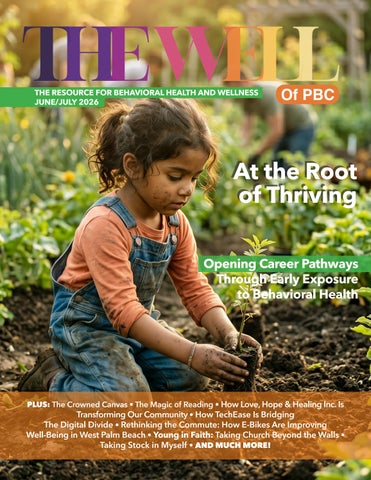
THE RESOURCE FOR BEHAVIORAL HEALTH AND WELLNESS JUNE/JULY 2026
PLUS: The Crowned Canvas • The Magic of Reading • How Love, Hope & Healing Inc. Is Transforming Our Community • How TechEase Is Bridging The Digital Divide • Rethinking the Commute: How E-Bikes Are Improving Well-Being in West Palm Beach • Young in Faith: Taking Church Beyond the Walls • Taking Stock in Myself • AND MUCH MORE!
The Be Well Café is a weekly open and safe drop-in space for out-of-school time (OST) professionals and stakeholders to de-stress, reset, and leverage their inner strengths as we respond to the daily demands and challenges of working in the OST field. This well-being community of practice circle is a drop-in offering with neither attendance nor participation requirements.
The hour-long virtual sessions are informal and simple, following a flow of experiential well-being practice, honest sharing, empathetic listening and peer support. Take part in a broad range of guided self-care, stress reduction, resiliency, empathy and team-building exercises, practices and themes including mindfulness, art, music, humor, games and communication activities. So, grab your coffee and start the day off with ease
Hold space in an informal yet safe environment for OST practitioners to cultivate regular adult practice of well-being and reduce burnout and stress.
Provide an ongoing drop-in community of practice for Well-being and Life Skills cohort graduates to support their adult practice and skill-building with youth
Offer all OST practitioners and stakeholders a judgment free zone for shared well-being experiences and community building
Less stressed and more resilient practitioners working with youth across QIS programs and the broader OST community
Sustained impact of Well-being and Life Skills practices in previous cohort sites and increased percentage of trained staff per site
Sessions are held Thursday mornings, virtually, from 8:00 a.m. to 9:00 a.m.
Better understanding of needs and stronger relationships among OST practitioners and stakeholders

BEWELLPBC
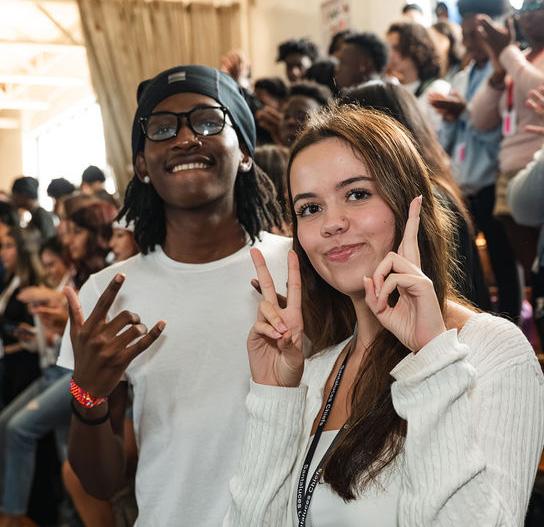
Opening Career Pathways Through Early Exposure to Behavioral Health
THE WORD How TechEase Is Bridging The Digital Divide
THE RESERVOIR
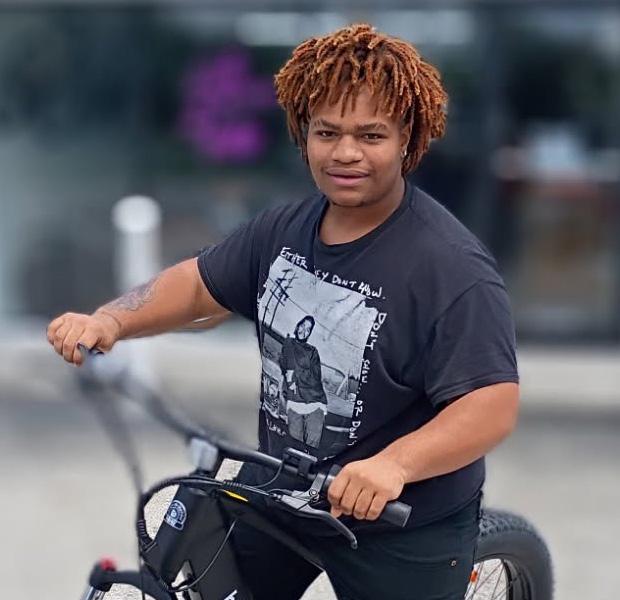
Rethinking the Commute: How E-Bikes Are Improving Well-Being in West Palm Beach
THE DEPTH
Young in Faith: Taking Church Beyond the Walls
ACORNS
A Gentle Transition: Helping Kids Thrive This Summer
CORNER TALK
"Do You Believe That Learning Continues After You Graduate?"
BEYOND THE COUCH Taking Stock in Myself
THE PROVIDERS
LGBT Elders Deserve to Live

The Well of PBC would like to thank our distribution partners:
3 Demetrie’s Eatery - Montre G Bennett
Amyzing Spaces - Amy Bergman
Author Camisha Hollifield - Camisha Hollifield
Black Chamber of Commerce of Palm Beach County - Tracy Thomas Center for Child Counseling - Hannah DeMarco
Children's Services Council of Palm Beach County - Shana Cooper
Community Partners of South Florida - Kelly Powell
District's Wellness Promotion Task Force - Megan Rimpel
Flawless Foundation - Janine Francolini
"Gelena Mental Health" Psychotherapist - Joycelean Baker
Hanley Foundation - Lindsey White
Kalimba Love - Kalimba Love
LaFrance Project - Lisa LaFrance
Nonprofit Nest - Jenell Harris
Palm Health Foundation - Vanessa Moss
People of Purpose - William Freeman
Rhonda’s Promise - Rhonda Rogers
The HUB Community Recovery of Palm Beach County - Faith Batt
Total Body Fitness with Rosa LLC - Rosa White
Khanna House Studios - Julie Khanna
Unity3 Palm Beach - Katrina Blackmon
Distribution partners are colleagues, neighbors and community members who commit to sharing The Well of PBC in their communication channels so that we can continue to make greater footprints together.
With a readership of thousands that covers Belle Glade to Lake Worth Beach to Jupiter to Boca Raton, The Well of PBC is a comprehensive, community-directed resource, dedicated to elevating the voices and concerns of all who call Palm Beach County home. Please join us as we advocate for mental health and work together to transform the behavioral health landscape. Your commitment helps us do exactly that.
To commit, please email thewellads@bewellpbc.org and let us know you’re interested in becoming a distribution partner.
JULIE KHANNA, EDITOR-IN-CHIEF
"At heart, all non-profit organizations essentially have the same mission - the selfless act of committing your life's work to change bigger than yourself."
If you want the advantage, you’ve got to change your vantage point.
This lesson echoes loudly in my personal and professional life and I have come to realize that the ability to see things from a different perspective allows me to make smarter, more strategic decisions, lead with compassion and creativity and adapt quickly instead of getting stuck amidst the pines asking where the forest is.
Nowhere is this concept more relevant than in my work with The Well of PBC and various non-profit organizations across Palm Beach County.
At heart, all non-profit organizations essentially have the same mission - the selfless act of committing your life's work to change bigger than yourself.
Whether they’re working to make sure every family has the ability to pay their medical bills, every waterway in the area is clean and protected or every family has a safe, stable and affordable place to call home, non-profit organizations are fighting every day for a better future for us all.
However, a deeper look fosters deeper understanding and that is where effective and tangible change can happen.
When you understand how clean waterways and affordable and reliable transportation are connected or how a stable home and optimum mental health are intertwined, you can start to see patterns and from these patterns emerge pathways to success.
I am working on honing this ability to look a little deeper and the most effective way I’ve done so is through the incredible people I’ve met in my work with The Well of PBC.
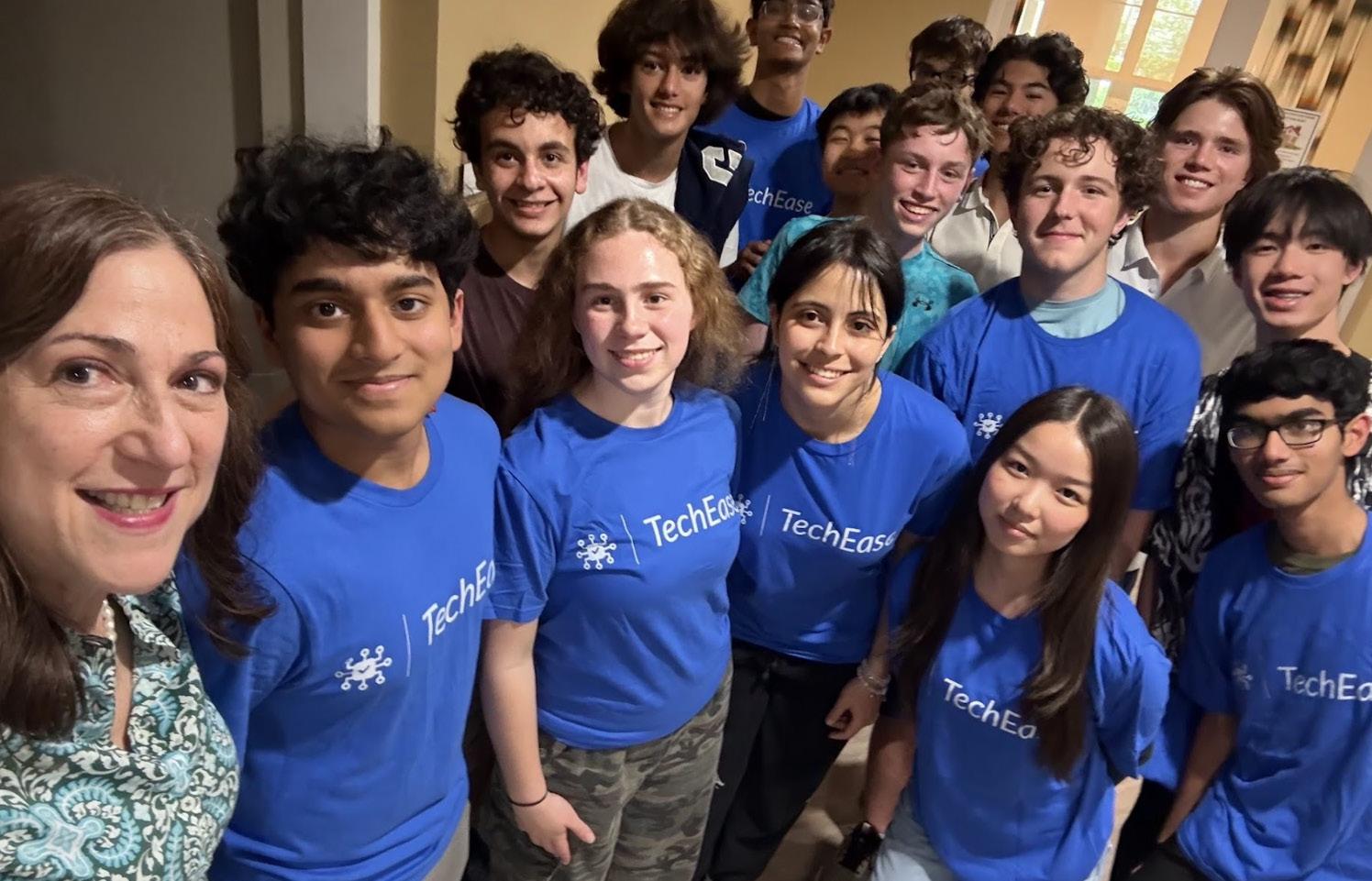
In this issue, we feature Palm Beach County residents like Allan at The Connie House who understood that LGBT+ elders needed a safe place to call home and worked to create that oasis. Or the enterprising teenagers at TechEase who watched their grandparents struggle to stay in touch in an increasingly digital world and decided to close that gap and make connection a little easier.
I urge you to look a little more closely - personally and professionally - and I hope that The Well of PBC helps guide your journey towards a more deeply examined life.
It is my hope that within these pages, you will find inspiration to continue the pursuit of lifelong learning, that you will understand that while change might seem incremental at times, it does lead to substantial impact and above all, I hope The Well of PBC will embolden you to take risks and disrupt the status quo to achieve whatever you dream success to be.
As always, thank you for being part of the mission:
"To be the primary resource for behavioral health and wellness for Palm Beach County; a safe exchange space for community and an outlet for our neighbors and stakeholders to transform the behavioral health landscape."
With deep appreciation,

Our mission is to be the primary resource for behavioral health and wellness for Palm Beach County; a safe exchange space for community and an outlet for our neighbors and stakeholders to transform the behavioral health landscape.
To share feedback, obtain advertising information, or contribute, please reach us at thewell@bewellpbc.org.
The largest behavioral health publication in Palm Beach County, The Well of PBC is a non-profit magazine which aims to be a community-directed resource for Palm Beach County residents. Advocating for mental health accessibility is central to our mission and we believe in “walking the walk” when it comes to ensuring every Palm Beach County resident has the opportunity to have their voices heard. We are proud to use our platform to highlight both national and global concerns while remaining focused on local mental health and wellness issues that matter the most to our audience.
The Well of PBC is proud to be the premier behavioral health and mental wellness publication in Palm Beach County and we are honored to elevate the voices and concerns of Palm Beach County residents. The opinions, beliefs and viewpoints expressed by the various authors and forum participants on this website do not necessarily reflect the opinions, beliefs and viewpoints of The Well of PBC. The author of each article published in The Well of PBC owns their own words. Portions of the articles on this web site may be freely redistributed in other media and non-commercial publications as long as the following conditions are met:
1) The redistributed article should should be linked back to the original link on https:// www.bewellpbc.org/media/the-well-of-pbc/ including the words “Read in full, visit https:// www.bewellpbc.org/media/the-well-of-pbc/”
2) The redistributed article may not be abridged, edited or altered in any way without the express consent of the author.
3) The redistributed article may not be sold for a profit or included in another media or publication that is sold for a profit wit vhout the express consent of The Well of PBC.
4) The articles on this web site may be included in a commercial publication or other media only if prior consent for republication is received from The Well of PBC. The Well of PBC may request compensation for republication for commercial uses.
5) All content including the original files, published digital or in-print material of The Well of PBC is the property of BeWell PBC. You may not copy, reproduce, distribute, transmit, modify, create derivative works, or in any other way exploit any part of our material without the prior written permission from BeWellPBC.

Call to Action: We are looking for people to contribute to our art, ask the experts, students, self-care, cultural, spiritual, and provider columns. Email us for our contributor guidelines, editorial calendar, or if you’d like to share an event or position you’re hiring for. E: thewell@bewellpbc.org | Follow along at @thewellofpbc

EDITOR-IN-CHIEF
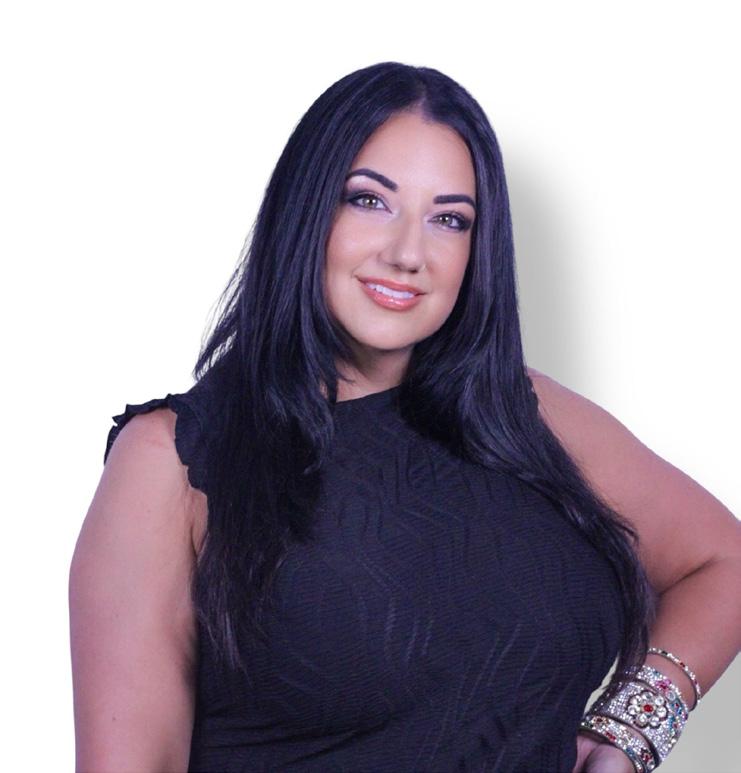
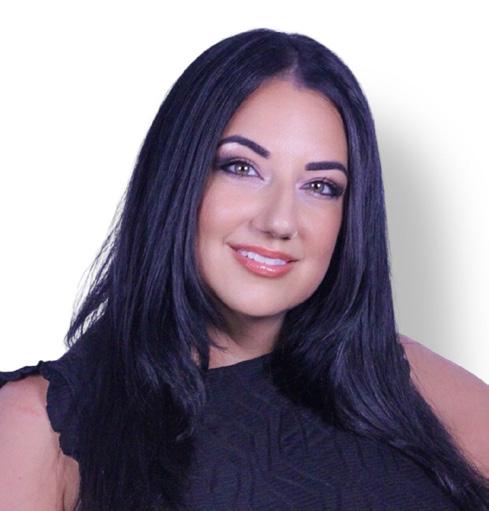
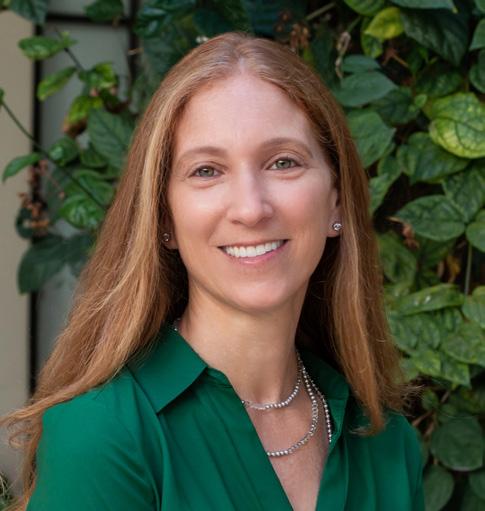
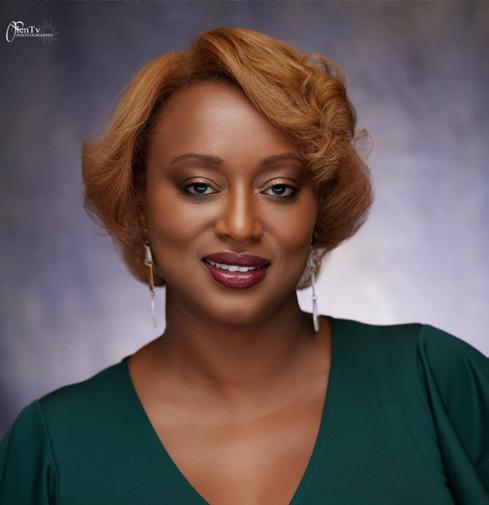
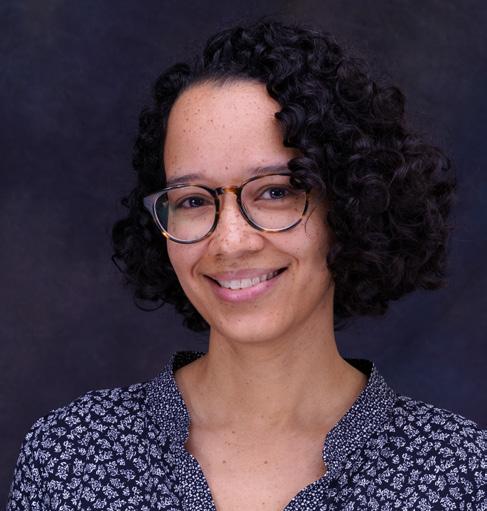
Julie, CEO of Khanna Connections, enjoys using her creativity to help health and wellness industries communicate with their audiences.
Lauren is a licensed clinical social worker and Palm Beach County resident and professional with commitment to advance health and wellness for every person across the county. The Well of PBC is a passion project for Lauren to increase behavioral health awareness, engage diverse perspectives across the county, and promote solutions to address our county’s most complex challenges.
Katrina, CEO of Unity3 Palm Beach and Community Action & Communications Administrator at BeWellPBC, brings over 25 years of executive advertising experience to The Well of PBC. Her passion for faith, family, and Palm Beach County’s diverse community drives her commitment to uplifting voices and advancing wellness through media and engagement.
CONTRIBUTOR
Melanie, president of Otero Communications, provides consulting services for some of Palm Beach County’s leading nonprofit organizations. With a special interest in behavioral health, she has assisted with the launch of The Well of PBC and serves as a contributing writer.
Jaime, founder of Rosewood Media, is a West Palm Beach resident, creative and contributing writer to The Well of PBC. With a decade of experience in non-profit communications and a lifetime of experience as a writer, Jaime’s work focuses on behavioral health, diversity, equity and inclusion, travel, music, food and parenthood through a pop culture lens.
EDITORIAL SPECIALIST
Alita, BeWellPBC Coordinator, wishes to help make the behavioral health field more equitable and accessible for all in Palm Beach County, including those seeking services and those looking to work in the field.
Jessie is a creative director and brand strategist with fifteen years of experience at the intersection of publishing, marketing, and design. She serves as VP of Creative Strategy for a portfolio of real estate and development companies led by Arterra Realty, guiding brand, marketing, and creative initiatives across the organization.
By Melanie Otero
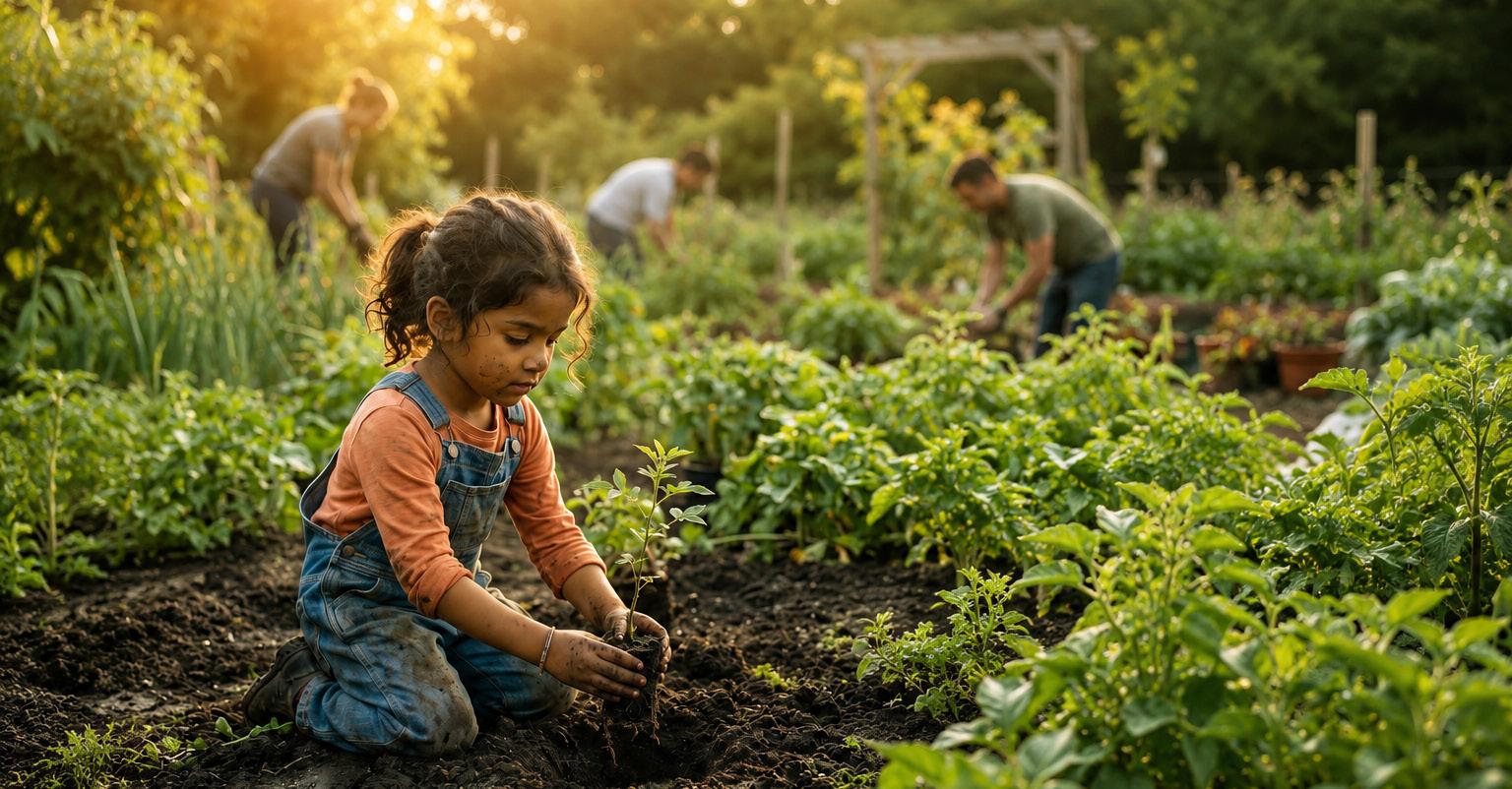
As you drive 45 miles west from the gilded mansions along Palm Beach’s coastline into the sea of sugar cane around Lake Okeechobee, a different form of wealth greets you at Belle Glade’s welcome sign: “Her Soil Is Her Fortune.” For the Glades communities, more than sugar cane and winter vegetables take root and flourish here. The people do, too.
In this rural region, often isolated from eastern Palm Beach County’s support systems, residents lean on one another and form strong bonds through community strongholds like churches, community centers, and respected matriarchs and patriarchs.
Trust is paramount here. People from the outside often earn it through connections with resident leaders, learning how to leverage the strengths and assets of the local people to create home-grown solutions for health and well-being with staying power.
They are resident leaders like Annie Ifill, Palm Health Foundation’s Healthier Glades project director. “As a native of the Glades, born and raised, I get a chance to give back to the community that has poured into me,” Ifill said. “Now I work with our residents and partners, focusing on the positive aspects of the Glades to unlock our community strengths.”
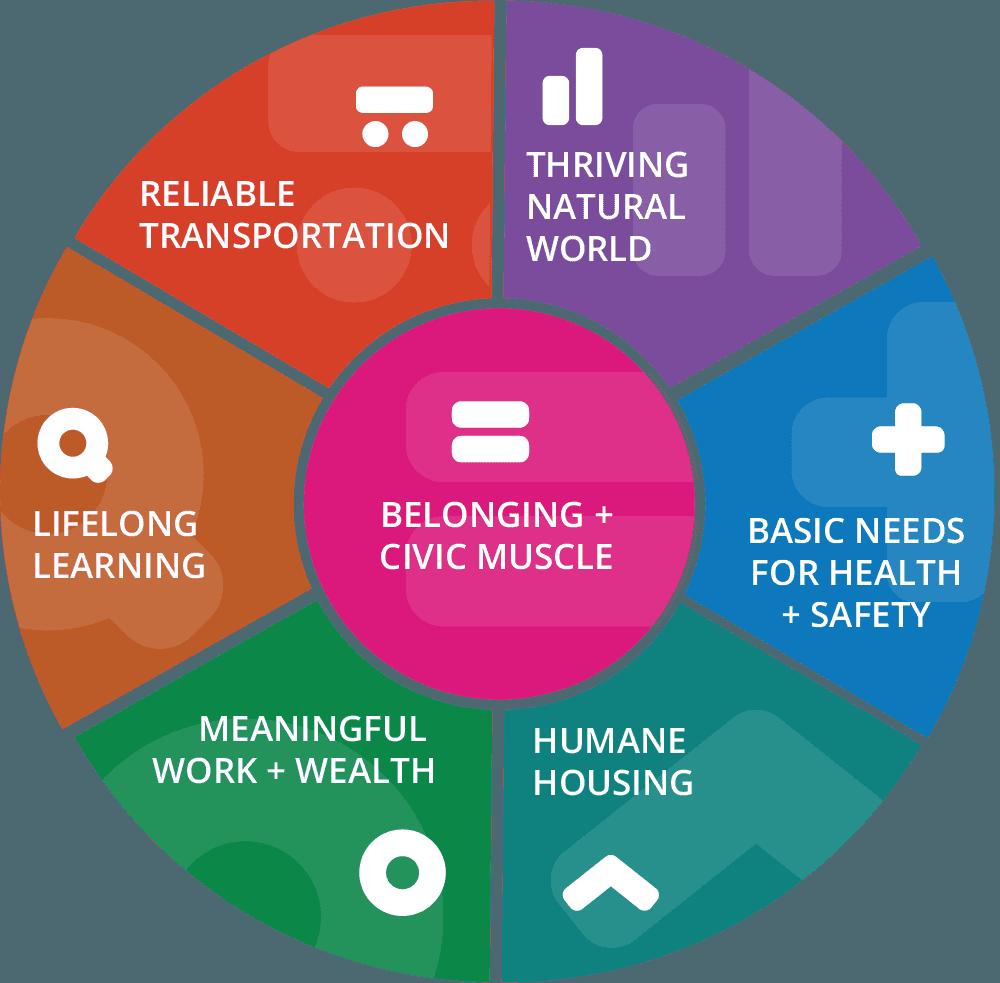
Ifill has long understood the interconnected factors that strengthen a community’s ability to thrive, what’s now known as the Vital Conditions for Health and Well-Being. While urgent services, like emergency rooms and food banks, act as a vital safety net to help people in immediate crisis, vital conditions, like stable housing and clean air, are the essential building blocks of a community that prevent crises from happening in the first place.
Belonging is the heart of it all. When people feel connected and valued, they have the collective power to fix the very systems that cause crises, helping everyone improve their health and thrive.
Take a vital conditions tour with Glades leaders like Ifill —homegrown leaders and partners who fell in love with this region—and see what grows when a community is given the tools and trust to tend to itself.
“As a native of the Glades, born and raised, I get a chance to give back to the community that has poured into me. Now I work with our residents and partners, focusing on the positive aspects of the Glades to unlock our community strengths.” -Annie Ifill
Source: The Rippel Foundation: rippel.org/vital-conditions
"Clean air may seem like a basic right, but in our community, it's something that needs to be monitored and advocated for," said Cynthia Graham Blake, a South Bay resident and Tri City Glades Life facilitator. It's a responsibility her community has taken to heart. Every fall, winter, and early spring, what Glades folks call "black snow" — ash and smoke drifting from the sugarcane fields—increases the exposure to tiny particles in the air as the ash settles over their towns.
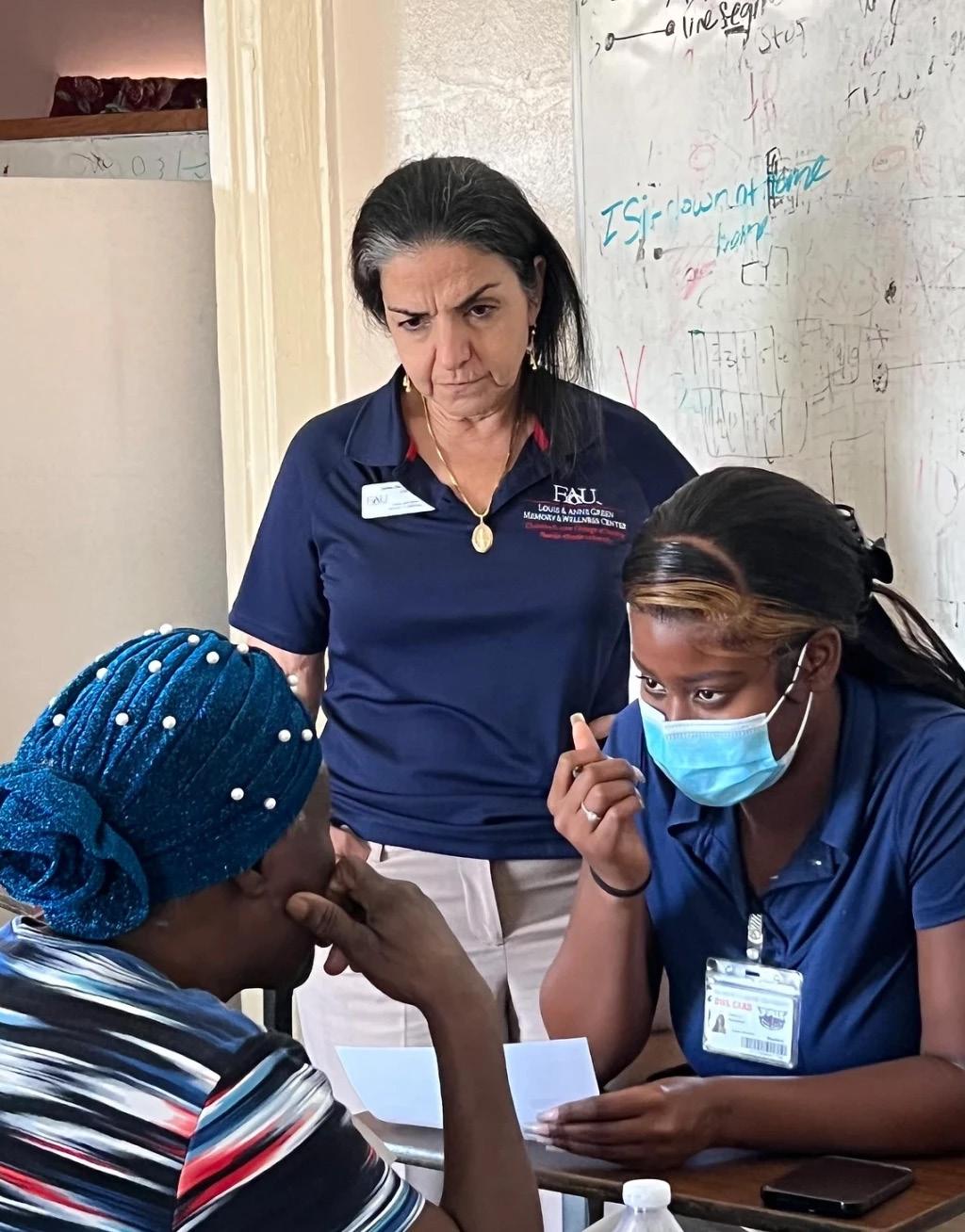
Trained as community research assistants, residents are going door to door to help shape a question that hits close to home: could that smoke be accelerating memory loss in the people they love, as has been shown in other areas with consistent exposure to these particles?
Dr. Lisa Kirk Wiese and Dr. Christine Williams, professors at Florida Atlantic University'sChristine E. Lynn College of Nursing, designed the five-year, NIH-funded study with community stakeholders. "We don't want to stop any of the industries in the region," Wiese told WLRN in 2024. "We do want to see if there are health-related issues — and if so, partner with the agricultural companies to adopt farming practices that protect health."
This spirit of community-led advocacy extends naturally through Dr. Wiese’s partnership with Healthier Glades, inspiring a multidisciplinary team of faith-based health educators in the Glades who are leveraging churches and local organizations to create a resident-led system of care.
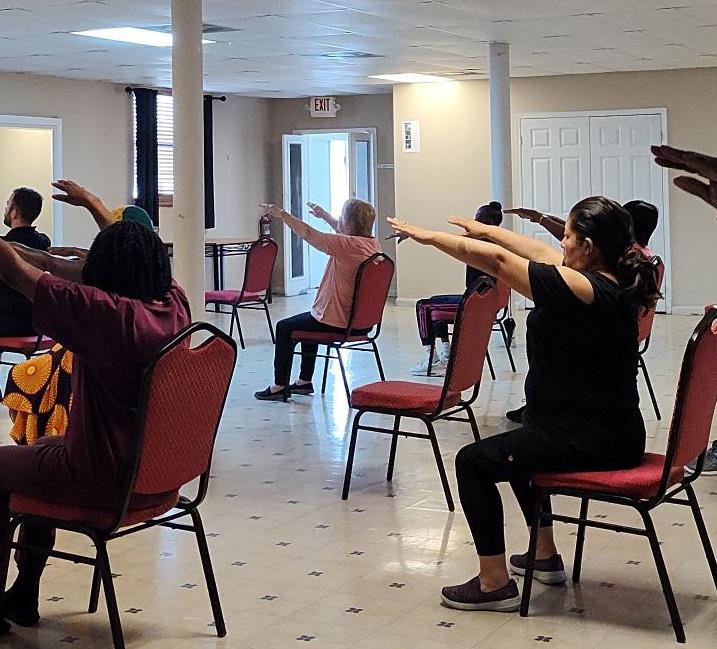
Examples include brain-health workshops, walking groups, and chair yoga, first launched by Dr. Wiese and FAU colleagues, and sustained by Healthier Glades and the Faith-Based Health Educator Bettye Lawson, who won a BeWellPBC mini-grant to create the program for improving the brain health of older adults.
“We have a strong faith-based approach, building on family, faith, and friendship while addressing the vital conditions to support physical, emotional, and spiritual wellness,” Ifill said.
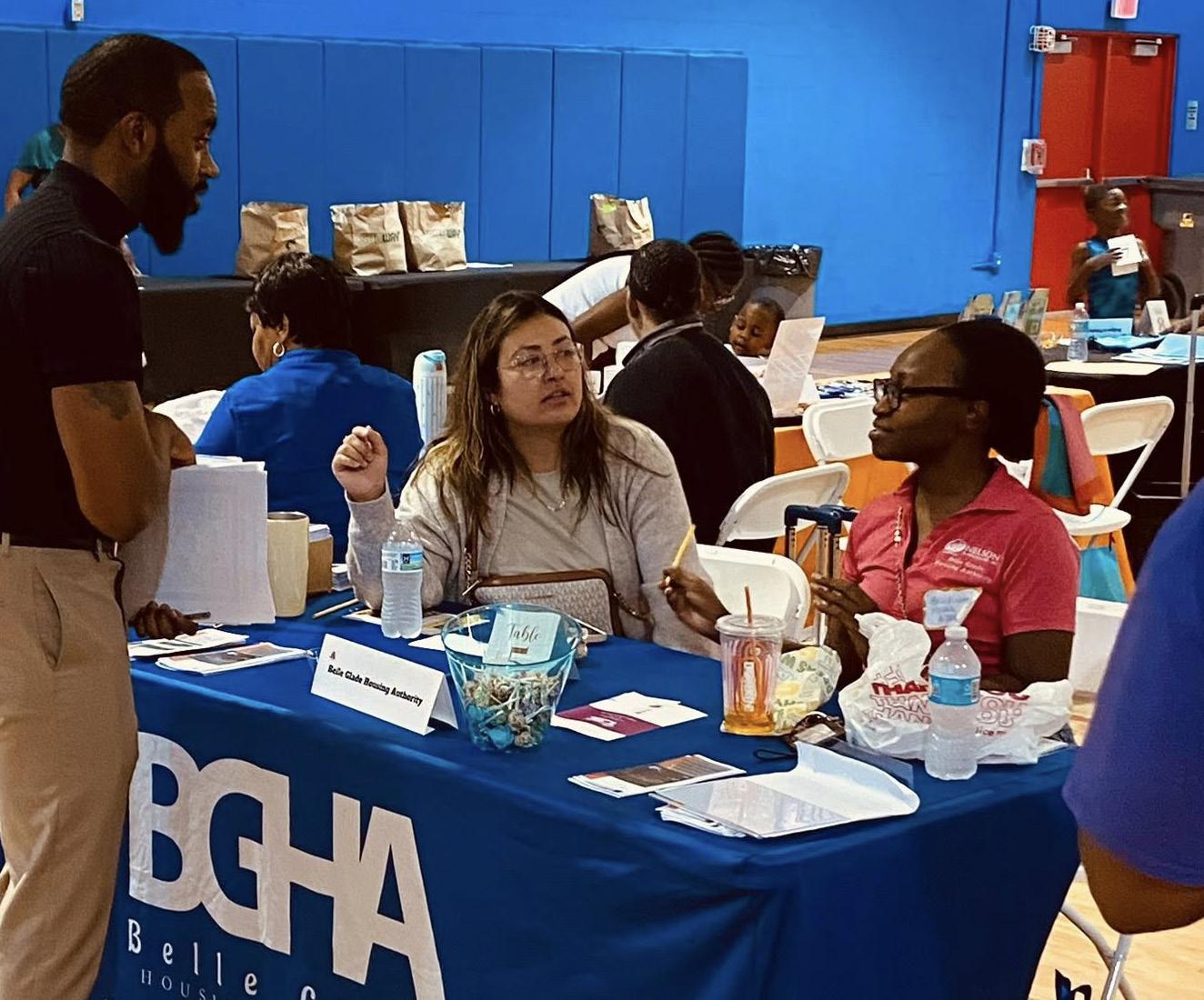
Just as spiritual wellness relies on faith leaders, physical health often relies on the stability of a home. The Glades Housing Summit brings residents together around the shared understanding that housing is central to health and belonging. Offered in Pahokee, the event is a collaboration between Healthier Glades and the Glades Alumnae Chapter of Delta Sigma Theta Sorority, Inc., creating a welcoming space for neighbors to learn about homebuying, tenant rights, and resources that help families stay rooted in their communities.
While humane housing offers stability, Glades community members help others to find work and wealth needed to sustain it. "The Glades is a demonstration of how our country can reclaim the human potential of all people," said Jon Katov, founder and CEO of Open Table, a national model that moves individuals and families out of poverty permanently.
Launched in 2019 as the first rural, low-income Florida community to adopt the model, Open Table in the Glades began with churches hosting six tables throughout the Glades to support a person or family facing hardship, transforming poverty rather than simply managing it. The initiative has expanded to community networks helping people with specific issues such as cancer, substance use, and chronic health conditions.
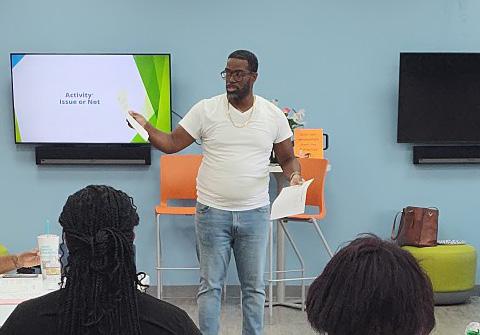
That spirit of self-determination extends to how the community grows its own leaders and problem-solvers. In 2026, Healthier Glades launched a free five-week Mini Grant Workshop Series for first-time applicants with a goal bigger than funding. "This series is about building confidence, skills, and connections," said Ifill. "We want to make sure that everyone—especially first-time applicants—feels ready to share their vision for a healthier Glades." Mini grants — small, targeted awards that fund community-led health and wellness projects — have been a cornerstone of Healthier Glades since 2019, with more than $163,000 awarded to 60 residents and organizations. The workshop walks residents, grassroots groups, and youth through grant writing essentials so their ideas have the best chance of becoming a funded reality.
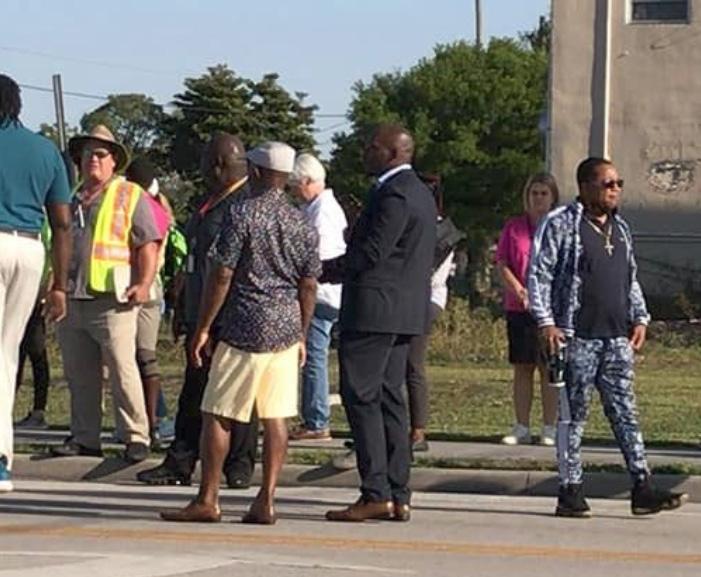
Some ideas just need someone to listen. At a South Bay storytelling collaboration with Glades Life facilitators, a parent raised her concern about safety for children walking to and from school. The “Safety Walk” was the result. Local leaders and community members walked and surveyed the routes together to identify where change was needed. Because of this collaboration, flashing lights were installed in critical areas to make those walks safer. “This wasn’t just a survey—it was a movement that produced visible, lasting results,” said Blake.
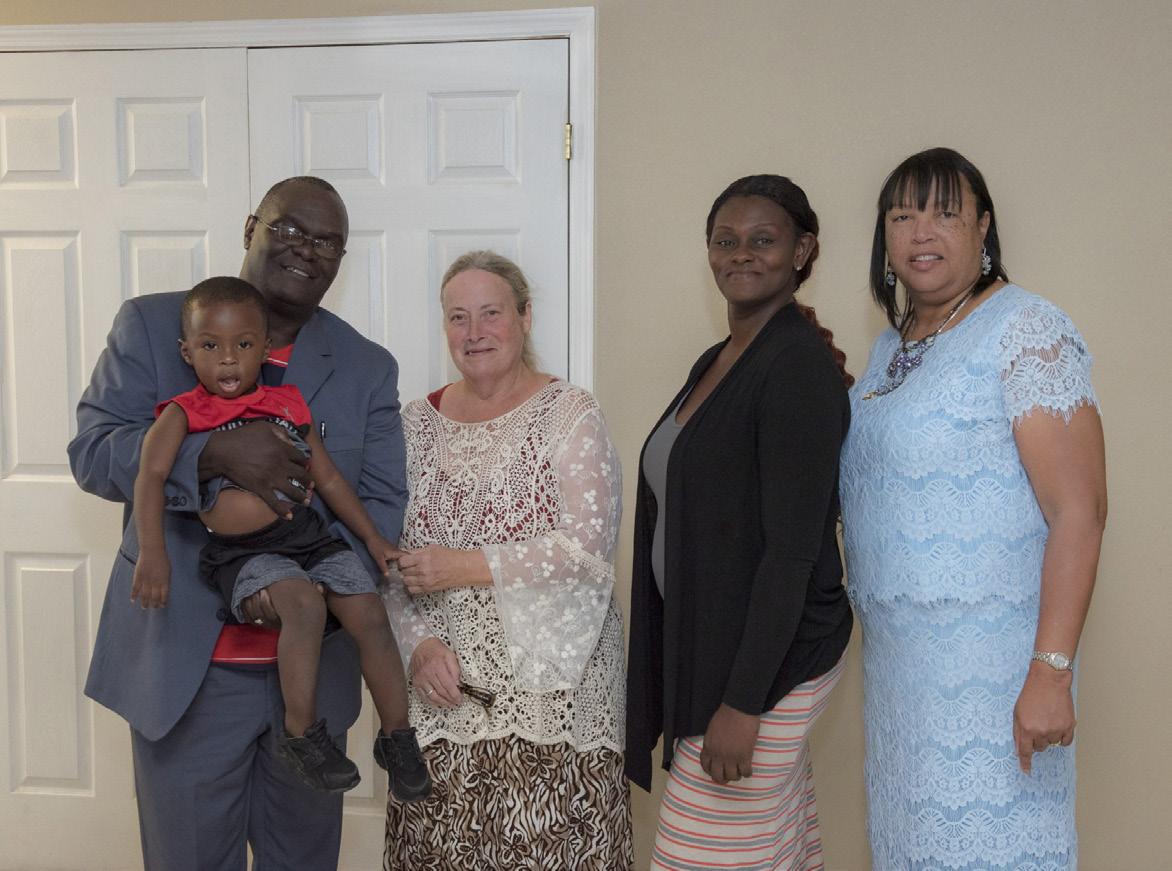
At the center of these vital conditions is belonging and civic muscle, the threads that connect every residentled initiative. Two examples from either end of the age spectrum demonstrate how the Glades embraces all ages: the Youth Explosion and the Senior Prom.
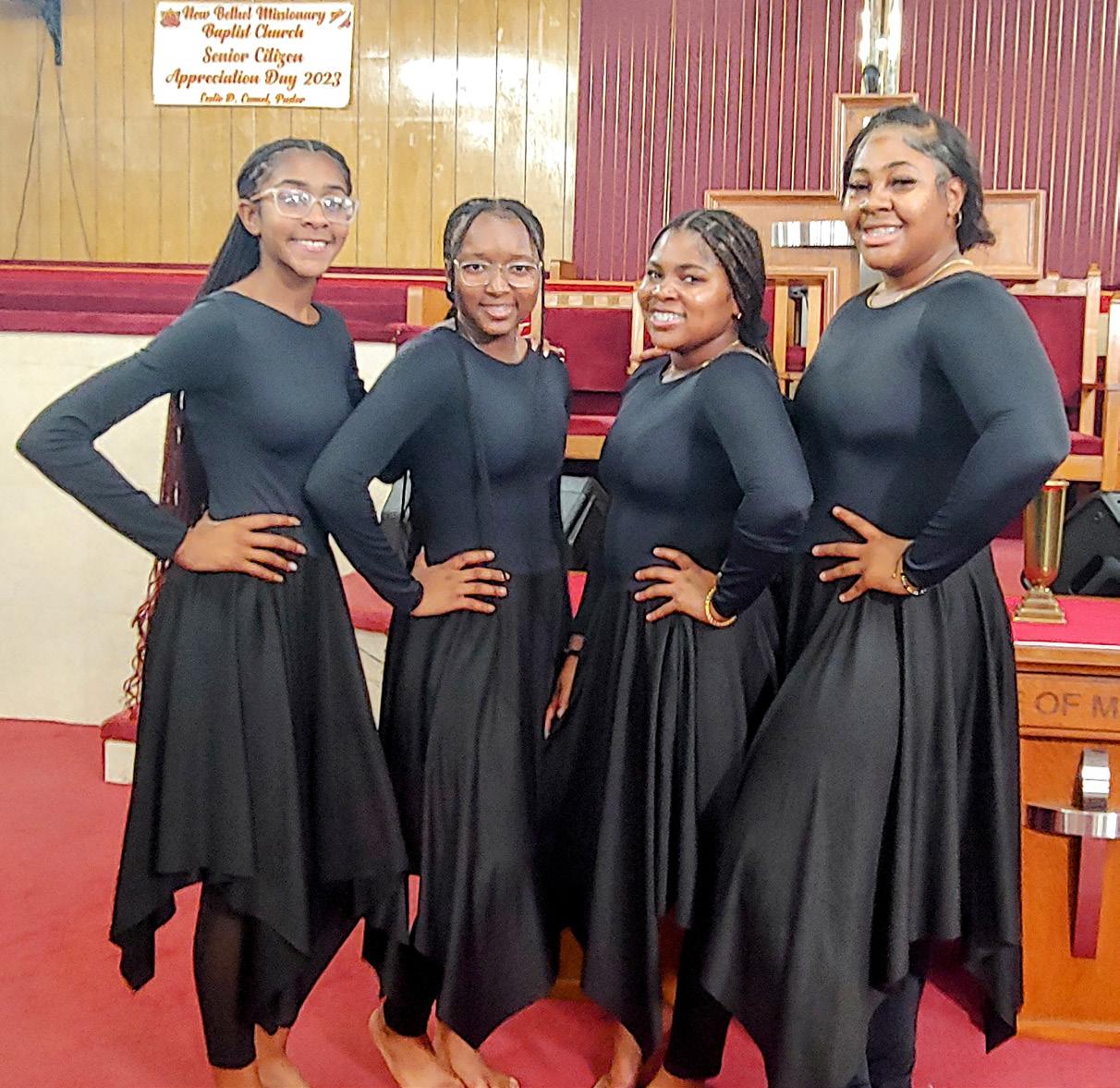
The annual Glades Youth Explosion showcases youth singers, dancers, and instrumentalists from Belle Glade, Pahokee, and South Bay. Organized by Rev. Willie Lawrence, Veree Jenkins of the Federation of Families of Florida, Inc., and Youth Explosion Program Manager Joel Simmons, the event gives close to 100 young people ages 5–18 a stage to perform and compete for cash prizes.
"While the Glades is known for producing the greatest of football players, we also have many youth who are gifted in the arts," said Rev. Lawrence. "The Glades Youth Explosion nurtures and develops talent that will take youth higher in life and potentially higher in academic schools of the arts.”
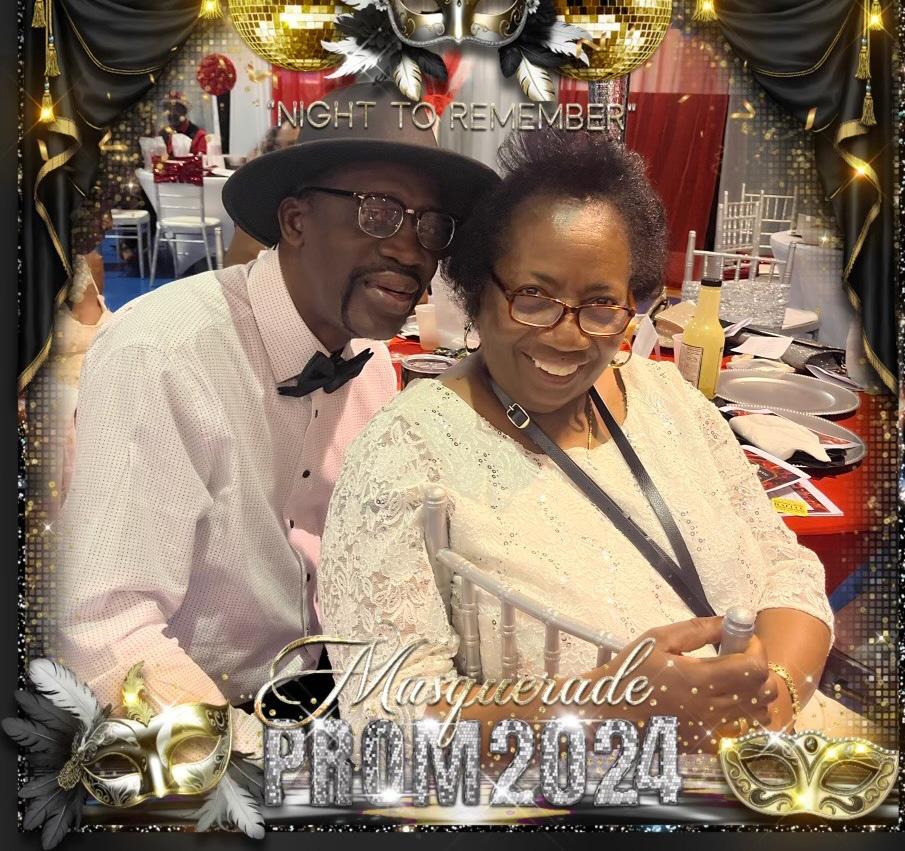
If the Youth Explosion belongs to the next generation, the Tri-City Senior Prom proves that belonging has no expiration date. Originally conceived by Belle Glade resident Lynette Butts and organized by KTM Youth & Community Network, the annual event supports the mental health benefits of social connection for over 250 residents age 65 and older.
It turns out belonging looks a lot like a dance floor, and in the Glades, everyone's invited.
What grows in the Glades—the trust, the tables, the safety walks, the teenagers taking the stage, and the elders dancing the night away—has been cultivated by people who know this community from the inside out. The welcome sign at the edge of Belle Glade got it right all along: her soil is her fortune. In the Glades, that was never just about what's planted in the ground. It's about what takes root in people, and what they grow together.
“If the Youth Explosion belongs to the next generation, the Tri-City Senior Prom proves that belonging has no expiration date.”
By Monique Smith | https://linktr.ee/artexpressionswithmonique
“My work centers on using art as a tool for healing, connection, and empowerment—creating spaces where creativity inspires hope and meaningful impact.”
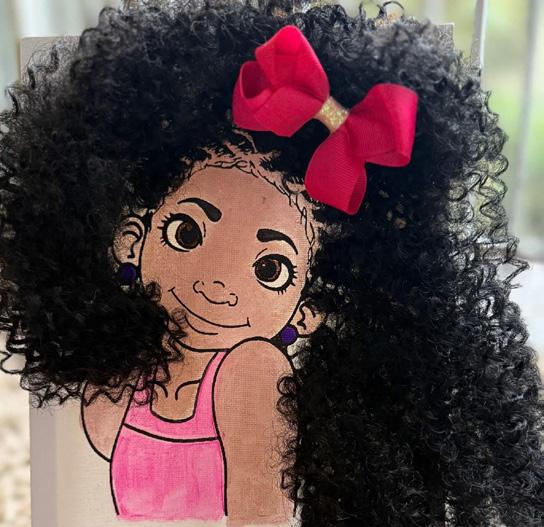
Every strand tells a story unique, bold, and beautifully its own. A crown rooted in heritage, woven with strength, resilience, and history. On this Juneteenth, we honor freedom, we honor identity, we honor the beauty that was always ours. Every curl, every coil, every stranda celebration of who we are and where we come from.
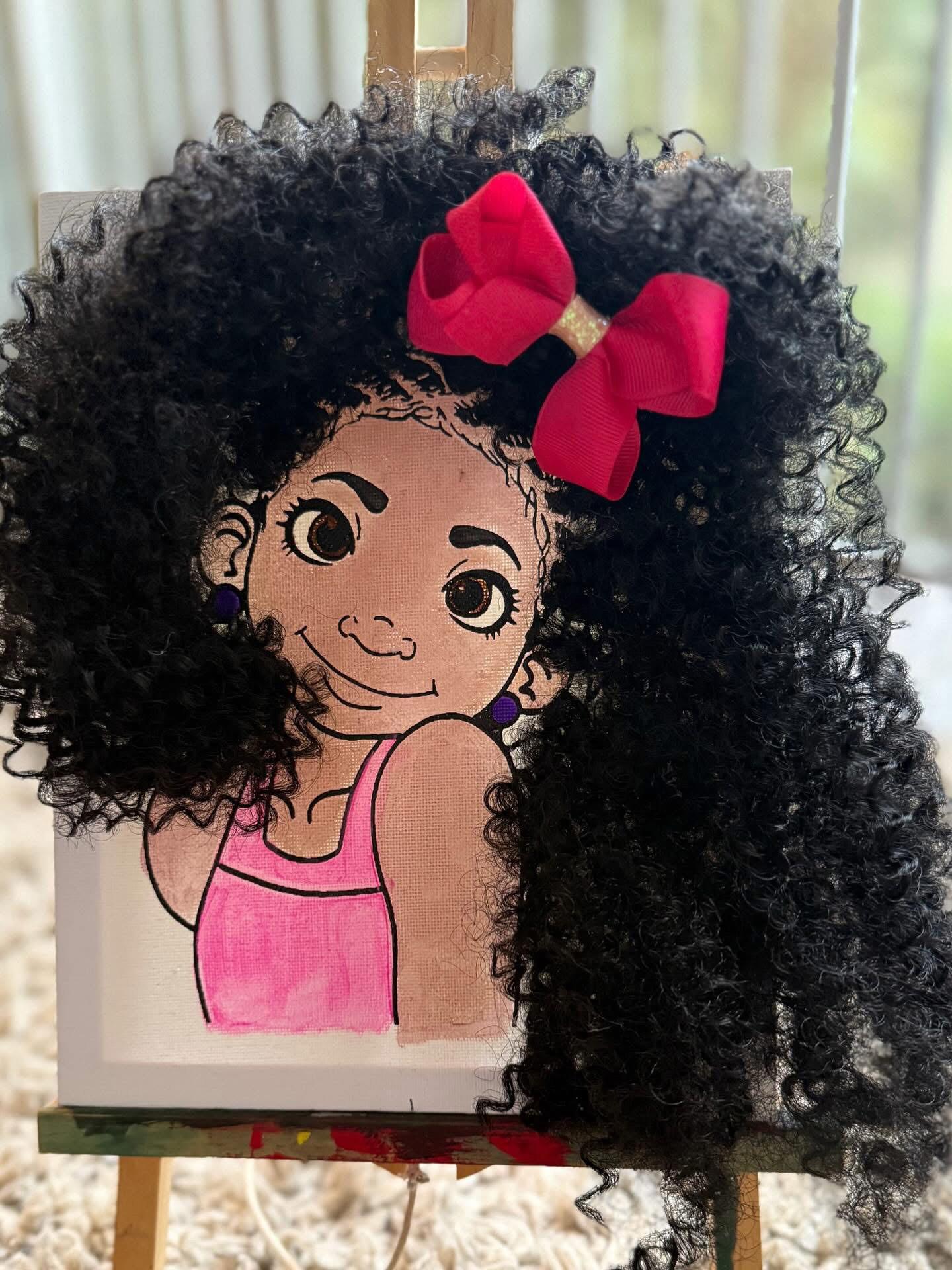
The Draw is a space for creatives to share their art, poetry, spoken word, etc. and/or how their art helps themselves and others.
To contribute, send your article ideas to thewell@bewellpbc.org with "The Draw" in the subject line.
When you can view something - a problem, a system, a concept - with a macro lens, you have the ability to drive substantive change.
Being unable to see the forest for the trees is an issue everyone faces within their life.
We get hung up on the small details and lose perspective but once we recalibrate and reorganize our thoughts - we gain a clearer understanding of what needs to be done to ensure success.
The Rippel Foundation was founded in 1953 with an initial focus on supporting hospitals and researching cancer and heart disease but in the 70 years since then, the Foundation has shifted its focus and now operates as a catalyst for system-level change, focusing on the vital conditions for health and well-being necessary for everyone to thrive.
In order for everyone to thrive, certain fundamental principles must be in placefostering a sense of belonging to ensure inclusion, respect for partners who are working alongside you, learning and embracing diverse perspectives during the educational process, understanding that true change doesn’t occur in isolation and being willing to take risks and disrupt the status quo to achieve impact.
The Source is your resource to find what you need to thrive and we strive to exemplify these ideals throughout the course of our work to ensure a healthy, successful and expanding community for all of us.
If you have something you’d like to share which you believe might help Palm Beach County residents thrive, we encourage you to email us at: thewell@bewellpbc.org and tell us about it so we might highlight it in a future issue.
The Rippel Foundation (podcasts)
The Rippel Foundation's Unsung Stewards podcast series spotlights and celebrates individual stewards—people who are dedicated to working with others to create the conditions that everyone needs to thrive. rippel.org/podcasts/
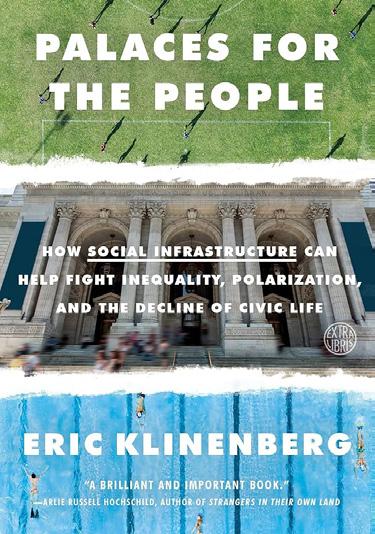
Palaces for the People: How Social Infrastructure Can Help Fight Inequality, Polarization, and the Decline of Civic Life by Eric Klinenberg (book)
A national bestseller and named one of the best books of the year by NPR, this book by sociologist Eric Klinenberg discusses how the way forward rests upon the vital conditions of belonging and civic muscle and the thriving natural world - the third place and shared spaces of libraries, childcare centers, churches, and parks where crucial

By Donte & Yolanda Bates | www.1lovehopehealing.org
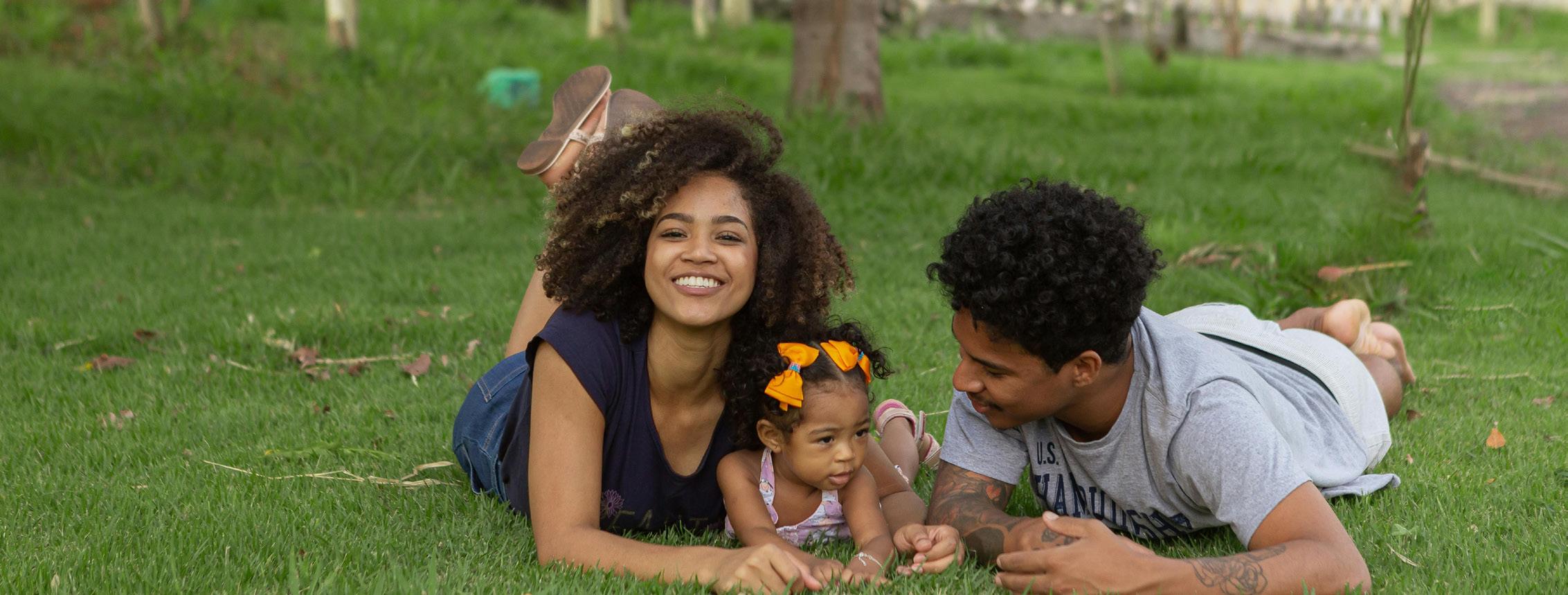
In every community, there are stories waiting to be rewritten. For many youth and families in underserved areas, the weight of generational trauma and a lack of resources can make a "bright future" feel like a distant dream. However, Love, Hope & Healing Inc. is changing that narrative by turning those dreams into actionable plans.
Love, Hope & Healing Inc. was founded by Donte and Yolanda Bates in 2020. This organization was born from a personal realization: the struggles many families accept as "normal" are often the result of unaddressed trauma. Love, Hope & Healing is family-oriented. Today, we are on a mission to empower underserved and under-represented youth and families by providing wellness, mentorship, mental health support, and life skills necessary to break cycles and build lasting success.
While the youth are the focus, Love, Hope & Healing understands that a child thrives best when the family is united. Their approach to wellness and mental health is grounded in the belief that everyone deserves access to therapy and emotional support.
The organization actively encourages families to seek therapy to heal from "generational curses"—those patterns
of behavior passed down through trauma. By providing exposure to resources and normalizing conversations about mental health, we are helping families create a new, healthier legacy of unity and togetherness.
One of the most impactful ways Love, Hope & Healing engages the community is through their annual summer initiative, H.O.P.E Youth Camp. We don’t just provide a place for kids to go; we provide a place for kids to grow.
This multi-day overnight leadership program is designed for deep impact. We are in partnership with Keiser University to offer workshops in public speaking, creative arts, entrepreneurship and much more. The camp fosters a sense of independence and leadership.
In partnership with Palm Beach State College, this sixweek camp allows high school students to get hands-on experience in skilled trades and other career options, life skills like financial literacy, wellness and goal setting. It’s more than just finding a job; it’s about discovering a career path and seeing the "real world" application of their talents.
"We believe everyone deserves a fair chance to succeed in life, with access to the necessary tools and resources." — Founders Donte & Yolanda Bates
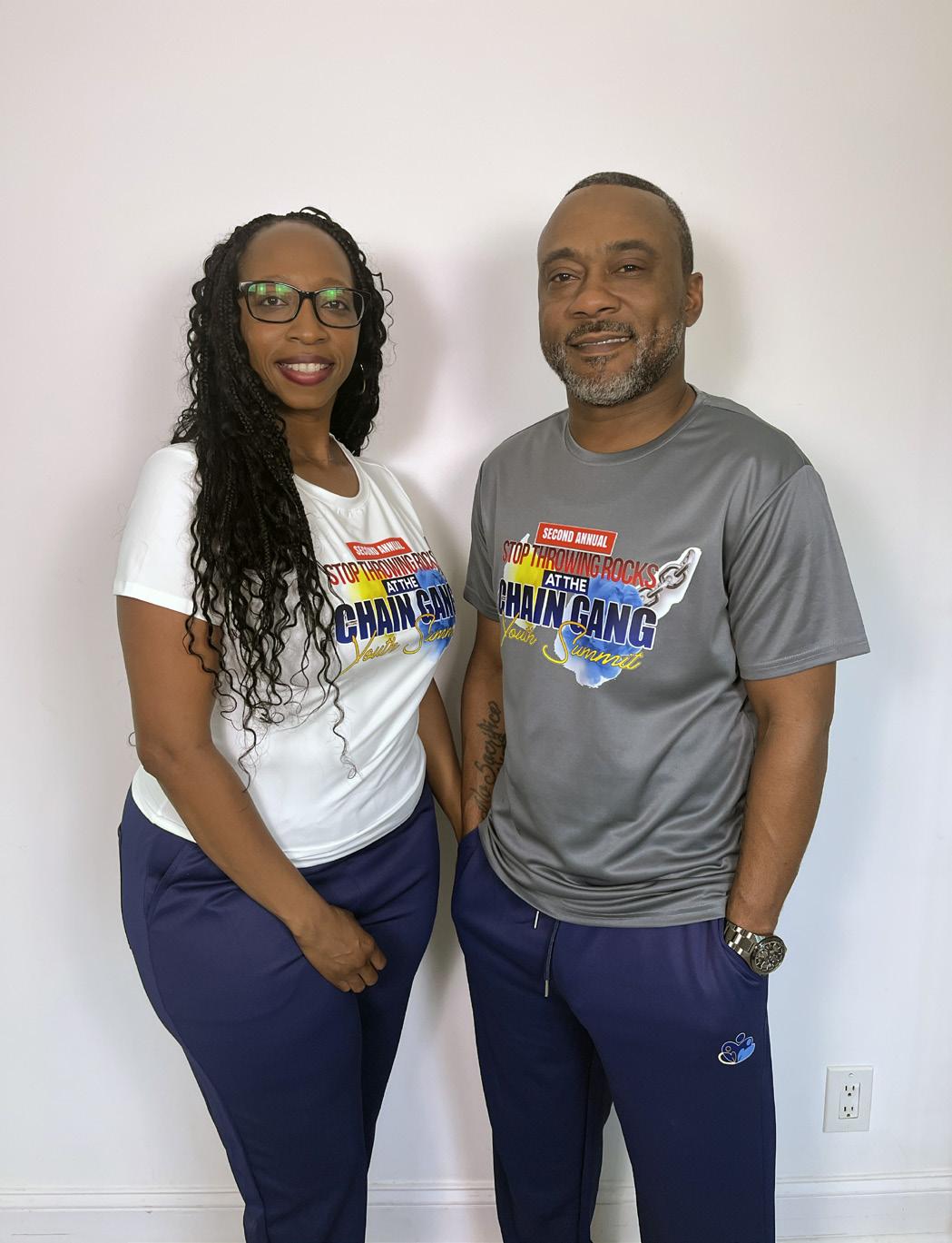
We have our youth group mentorship program facilitated by a licensed mental health practitioner or certified life coach. This is a "safe space for the youth to come and are free to be themselves. We can't forget about our parents who we also have a "safe space" for. We had our 2nd Annual Stop Throwing Rocks at The Chain Gang Youth Summit, that is about prevention and anti-violence on May 2nd 2026.
Families come together to create spaces for their family to reset, reconnect and rebuild healthy habits including nutrition and physical movement. We have a monthly community engagement such as a walk in the park, line dance, nutrition workshop, or mental health conversations. Each participant that attends our monthly engagement receives fresh produce and hygiene products.
The work of healing a community belongs to everyone. Whether you are a parent looking for support for your child or a resident wanting to give back, there is a place for you here. You can support our mission through volunteering, donations, or simply by spreading the word about our rganization.
The Fountain is the space for youth contributors and youth-related topics.
To contribute, send your article ideas to thewell@bewellpbc.org with "The Fountain" in the subject line.
SCAN QR CODE TO WATCH ON YOUTUBE
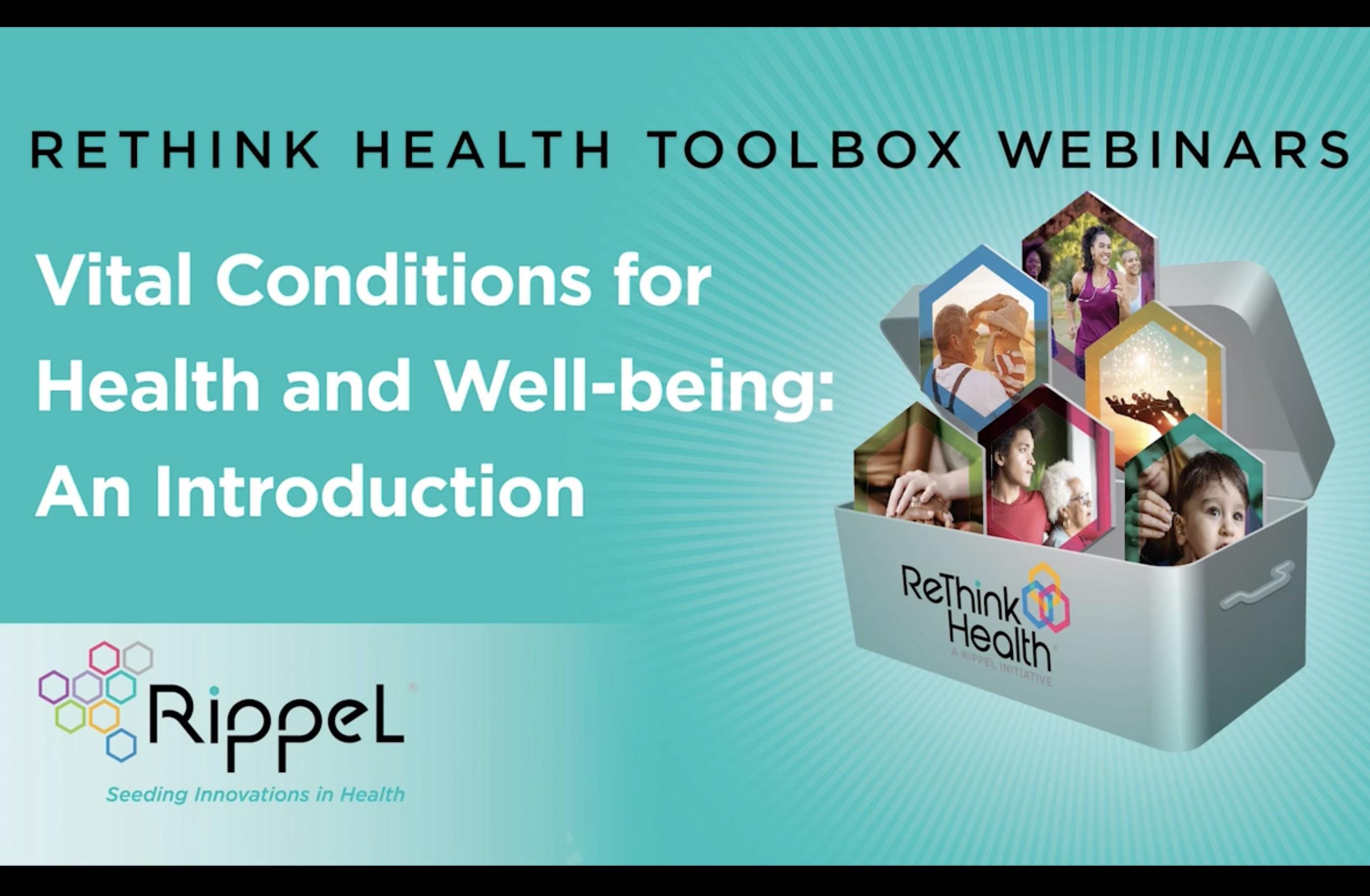
Hosted by the Rippel Foundation, this webinar marks the debut of the Rethink Health Toolbox series, an initiative designed to equip community "stewards" with frameworks to drive systemic, equitable transformation.
The video introduces the Vital Conditions for Health and Well-Being framework, which moves beyond traditional social determinants of health to foster an optimistic, actionable mindset shift.
The presenters introduce their "North Star" goal: creating a future where all people and places thrive, with no exceptions.
Based on Gallup poll data, the percentage of thriving Americans has consistently capped at 60%, leaving roughly 40% struggling or suffering, a metric that worsened during the COVID-19 pandemic and varies significantly by race and ethnicity.
To pivot away from short-term "Urgent Services" that address crises rather than root causes, the framework structures seven interconnected vital conditions (such as humane housing and lifelong learning) and at the center lies Belonging and Civic Muscle, a core condition shown to have an outsized positive impact on all other community outcomes.
In order to facilitate systemic change, we need transpartisan, cross-sector collaboration and a long-term commitment to shared stewardship so we can rewrite legacy trajectories for future generations.
From community events to county-wide campaigns, The Real shows us what’s really going on in the county. Submit your event photos or news to thewell@bewellpbc.org.
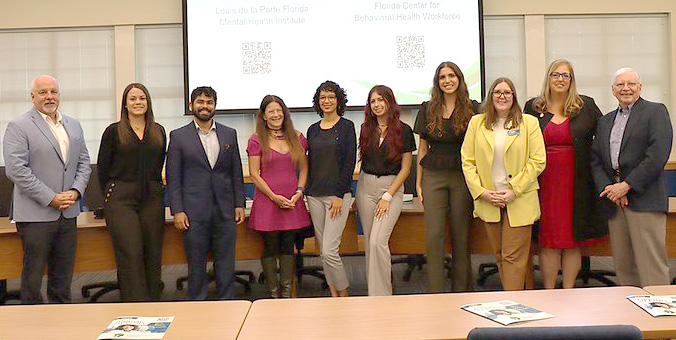
By Katrina Blackmon, Community Action & Communications Administrator for BeWellPBC
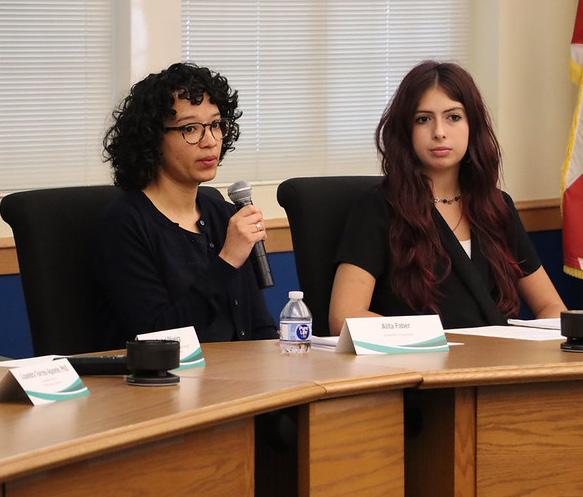
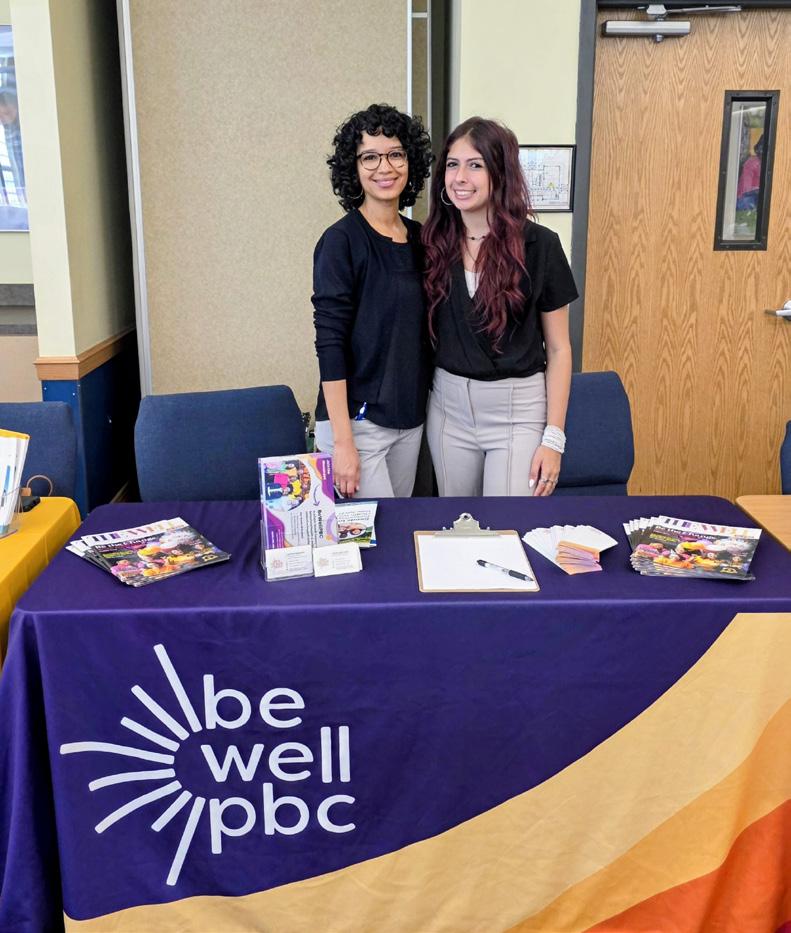
BeWellPBC Coordinator Alita Faber recently served on two separate panels focused on one shared priority: building the front end of Palm Beach County’s behavioral health workforce pipeline for high school-aged youth.
Through partnerships with the Biomedical and Medical Sciences Academies within The School District of Palm Beach County, the Florida Certification Board, and various community partners, BeWellPBC is helping introduce students to behavioral health careers early. These efforts include supporting a behavioral health curriculum within School District medical academies and helping advance a new state behavioral health certification attainable by high school graduates.
Together, this work is creating meaningful entry points for students to explore behavioral health as an accessible, needed, and fulfilling career path.
On April 24, national and state leaders convened for “Seeds to Systems: Cultivating the Behavioral Health Workforce,” a colloquium hosted by the Louis de la Parte Florida Mental Health Institute and sponsored by Carl Hawkins, DPA, and Cynthia Hawkins, PhD. The event marked FMHI’s 12th annual colloquium, bringing together experts to examine pressing behavioral health issues through both a convening and annual report.
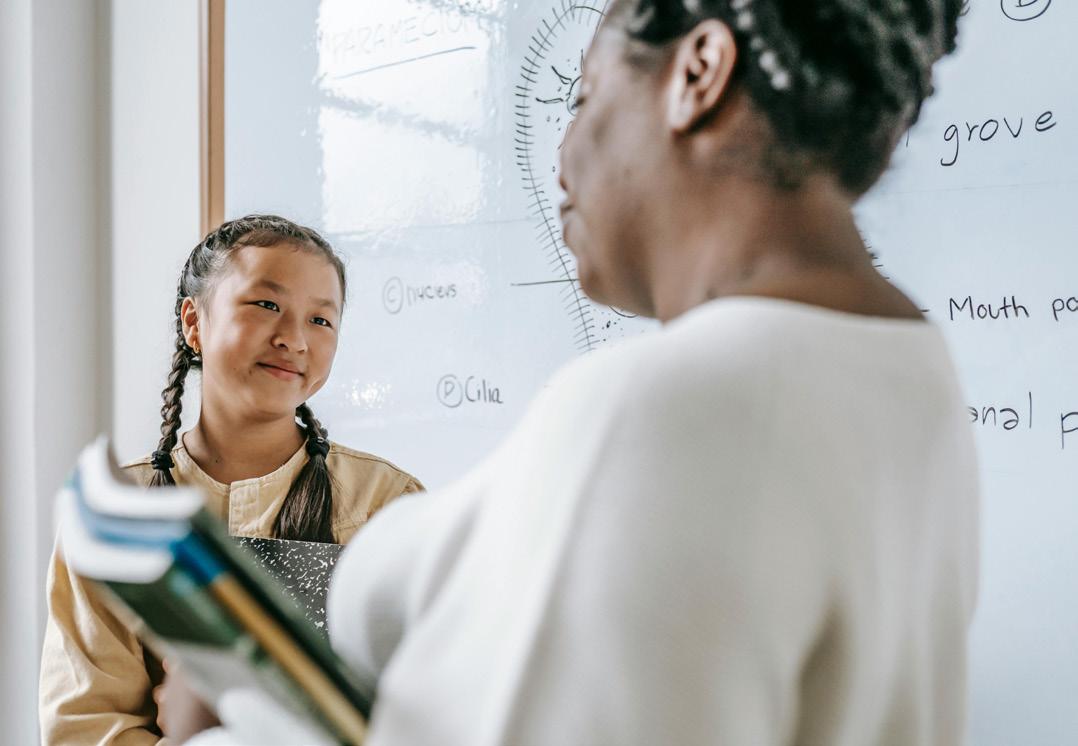
During the panel, Faber was joined by Berlin Munoz, who participated in the Behavioral Health Technician program as a senior at West Boca Raton Community High School. Munoz is now a student in the Department of Psychology at Florida Atlantic University, offering a powerful example of how early exposure, supportive partnerships, and clear career pathways can help students take their first steps into the behavioral health field.
“Early exposure can help young people understand career options, gain confidence, build real-world experience, and imagine themselves as part of the solution to one of the community’s most urgent needs.”
Faber and Munoz discussed the importance of introducing students to behavioral health careers before college or graduate training. Their conversation highlighted how high school curriculum, internships, certification opportunities, scholarships, and community-based learning experiences can help students see themselves in the field earlier and more clearly.
Reflecting on the experience, Faber shared:
“I was happy to be part of a panel on Friday on the behavioral health workforce. I shared about our community partnerships and how we support students through internships, scholarships, and co-instruction with the School District of Palm Beach County's Behavioral Health Technician (BHT) Program. I was also proud to invite Berlin Munoz, a former BHT intern with the Youth Services Department, to share her experience in the program and internship. Building the pipeline matters and BeWellPBC continues to do our part.”
Faber also served on a panel during the 5th Annual EJS Teen Career Conference 2026, where nearly 100 local teens gathered for a day of career exploration, learning, and preparation for the future.
Held at Palm Beach State College, the conference featured keynotes, panel discussions, workshops, mock interviews, and a behind-the-scenes tour of the PBSC Criminal Justice Institute simulations, including a courtroom, jail, and de-escalation chamber. The strong turnout, student engagement, and enthusiastic feedback from youth and partners reinforced the importance of creating free, accessible learning opportunities for future leaders and workforce members.
Both panels reinforced that building the behavioral health workforce begins long before a student enters college or clinical training. Early exposure can help young people understand career options, gain confidence, build real-world experience, and imagine themselves as part of the solution to one of the community’s most urgent needs.
BeWellPBC’s continued role in this work reflects its commitment to collaboration, community-informed solutions, and strengthening the systems that support mental health and wellness across Palm Beach County. By helping students access curriculum, certification, mentorship, internships, scholarships, and co-instruction opportunities, BeWellPBC and its partners are planting seeds for a stronger behavioral health workforce for years to come.
By Alexander Schrier & Bryan Dominguez, Co-Leads | https://www.techeasefl.org/ | @TechEaseFL
“I thought I had lost a part of my life,” Luiza said. “They gave me memories back.”
Technology has transformed everyday life faster than almost anyone could have predicted.
In less than twenty years, basic tasks like paying bills, calling family members, ordering groceries, scheduling appointments, or even reading restaurant menus have become dependent on smartphones, apps, passwords, and online systems.
Society has rapidly become embedded in 0s and 1s. Younger generations adapted alongside that change because they grew up with it but millions of seniors did not.
What often gets overlooked is what this rapid shift has done to older adults who were suddenly expected to understand an entirely new digital world overnight. For many seniors, technology does not feel convenient. Instead, it feels isolating and frustrating. Something as simple as a pop up notification, a forgotten password, or a suspicious email can create fear and confusion.
That fear has become increasingly dangerous.
According to the FBI’s Internet Crime Complaint Center, Americans over the age of 60 lost more than $3.4 billion to online scams in 2023 alone, more than any other age group in the country. Seniors are frequently targeted through phishing emails, fake tech support calls, ransomware attacks, and banking scams because scammers know many older adults never received formal digital education.
Beyond the financial damage, these scams often destroy confidence. Many seniors stop using technology entirely after being targeted, cutting themselves off from the outside world. Despite how widespread this issue has become, there has been little real response focused on helping seniors navigate technology with patience and dignity.
That is what TechEase hopes to change.
Co-founded and led by high school juniors Bryan Dominguez and Alexander Schrier, TechEase is a 501(c) (3) nonprofit organization dedicated to helping seniors confidently navigate technology.
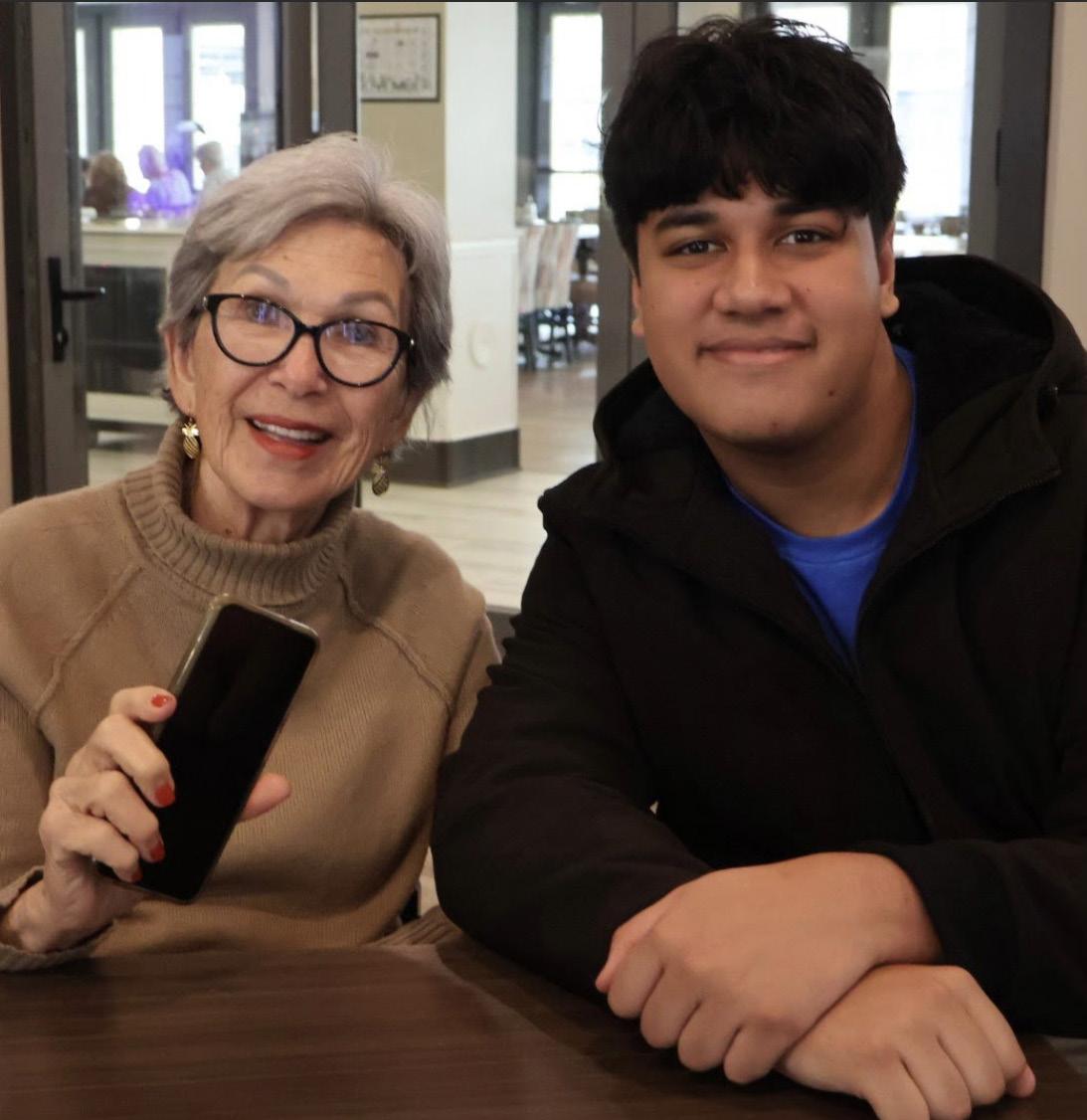
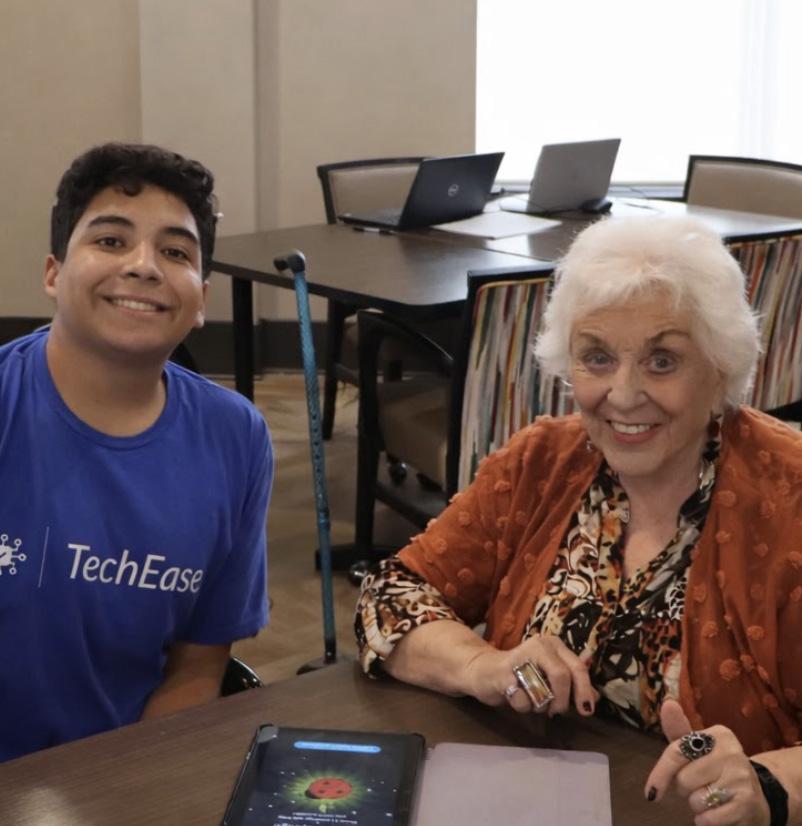
“After accidentally deleting years of family photos connected to memories of her late husband, (Luiza) believed they were gone forever. TechEase volunteers recovered the photos and securely organized them so they would never be lost again.”
Over the past year, the organization has expanded across South Florida, Washington, Virginia, New Jersey, and New York City, building a network of more than 50 volunteers and serving over 1,000 seniors nationwide through handson technology support sessions.
The impact of that work can be seen through the stories of the seniors they help.
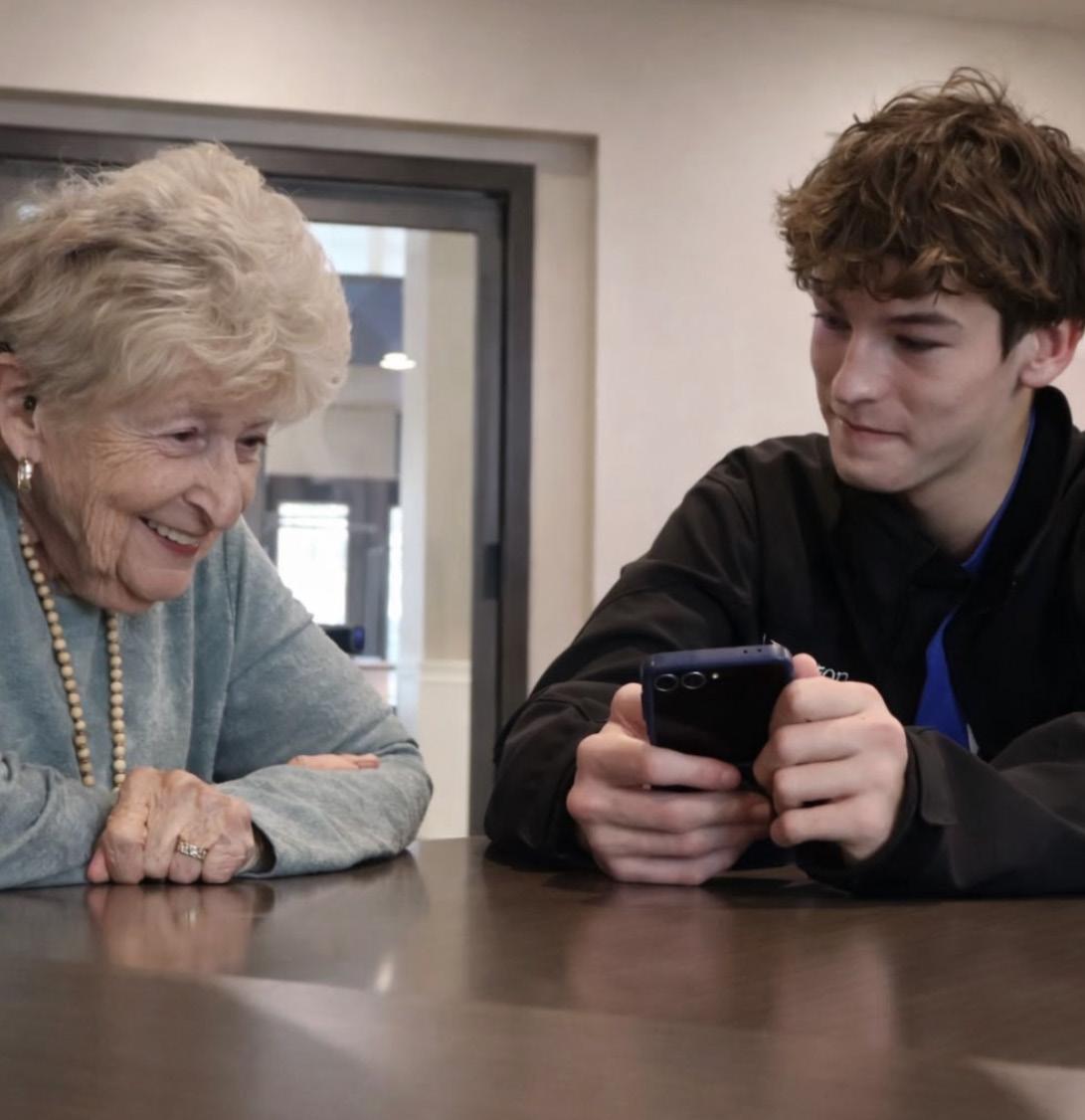
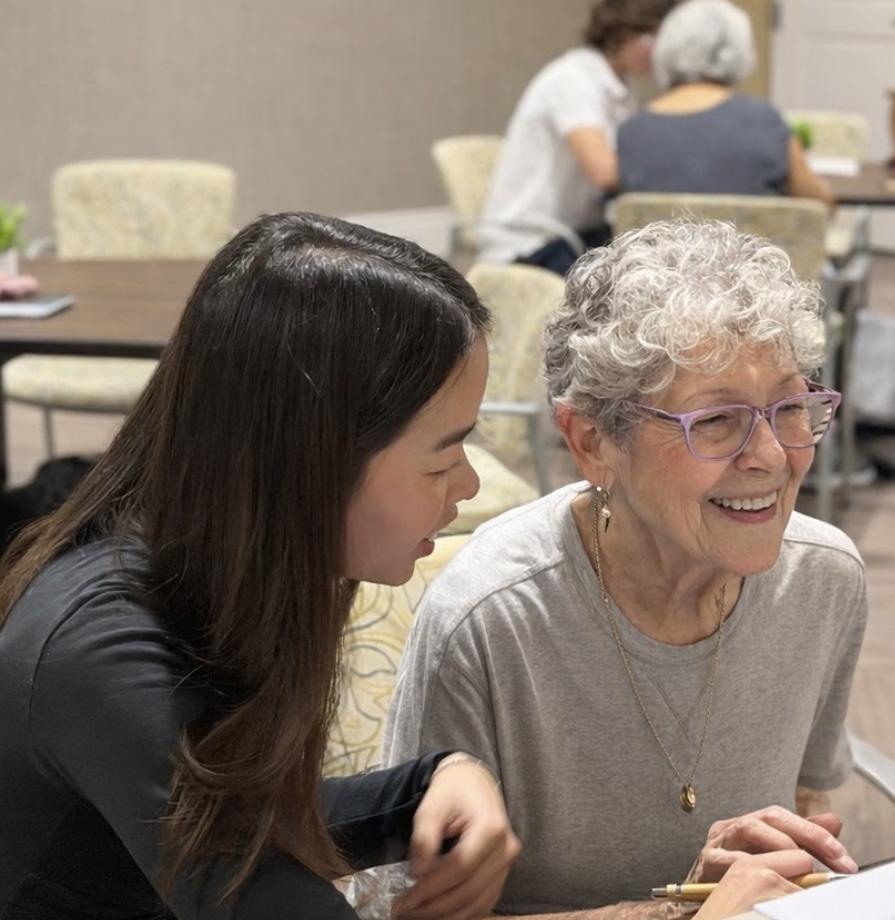
At a senior living community in Wellington, Jerry lost nearly $15,000 after falling victim to an online ransomware scam. Afterward, he stopped using his computer completely and replaced his smartphone with a flip phone because he no longer trusted technology. TechEase volunteers removed the malicious software from his devices, but more importantly, they sat down with him and explained what had happened and how to stay protected moving forward.
“TechEase is true to its name,” Jerry said. “For the first time in a long time, I felt like someone was willing to slow down and help me understand.”
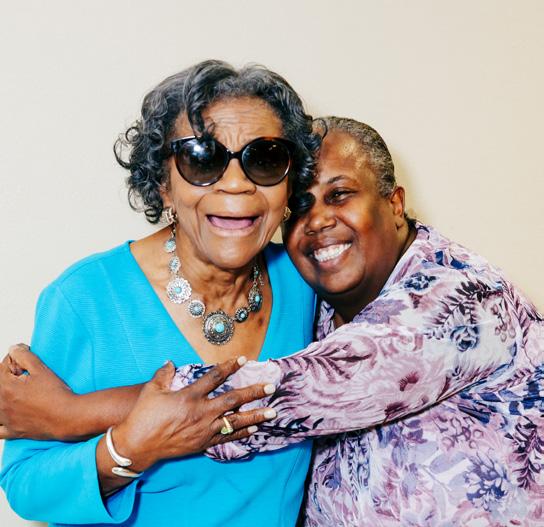
For Luiza, an 84 year old retired schoolteacher in West Palm Beach, the organization’s help was deeply personal. After accidentally deleting years of family photos connected to memories of her late husband, she believed
they were gone forever. TechEase volunteers recovered the photos and securely organized them so they would never be lost again.
Stories like these show that the digital divide is about far more than devices or apps. It is about confidence, independence, and human connection. Through patience and compassion, TechEase is helping ensure seniors are not left behind in a world increasingly built online.

The Word is a broad topic space for contributing writers (a.k.a the community) to share your stories of behavioral health or anything self-care related i.e. fitness, health, educational, parenting, hobbies, wellness, etc. To contribute, send your article ideas to thewell@bewellpbc. org with "The Word" in the subject line.
By Lauren Klemowich, Program Coordinator, West Palm Beach Mobility Coalition | wpbgo.com/ | @WPBGoMobility
What if getting to work, school, and daily activities didn’t require using a car and instead became a source of reduced stress and improved well-being?
In West Palm Beach, transportation is one of the biggest financial challenges facing residents today, with car ownership costing an estimated $10,000 to $12,000 per year (AAA, 2023). Across the city, about 13.6% of residents do not own a vehicle, creating barriers to accessing jobs, education, and essential services (U.S. Census Bureau). At WPBgo, we see transportation as more than just how people get from place to place, it directly impacts overall quality of life.
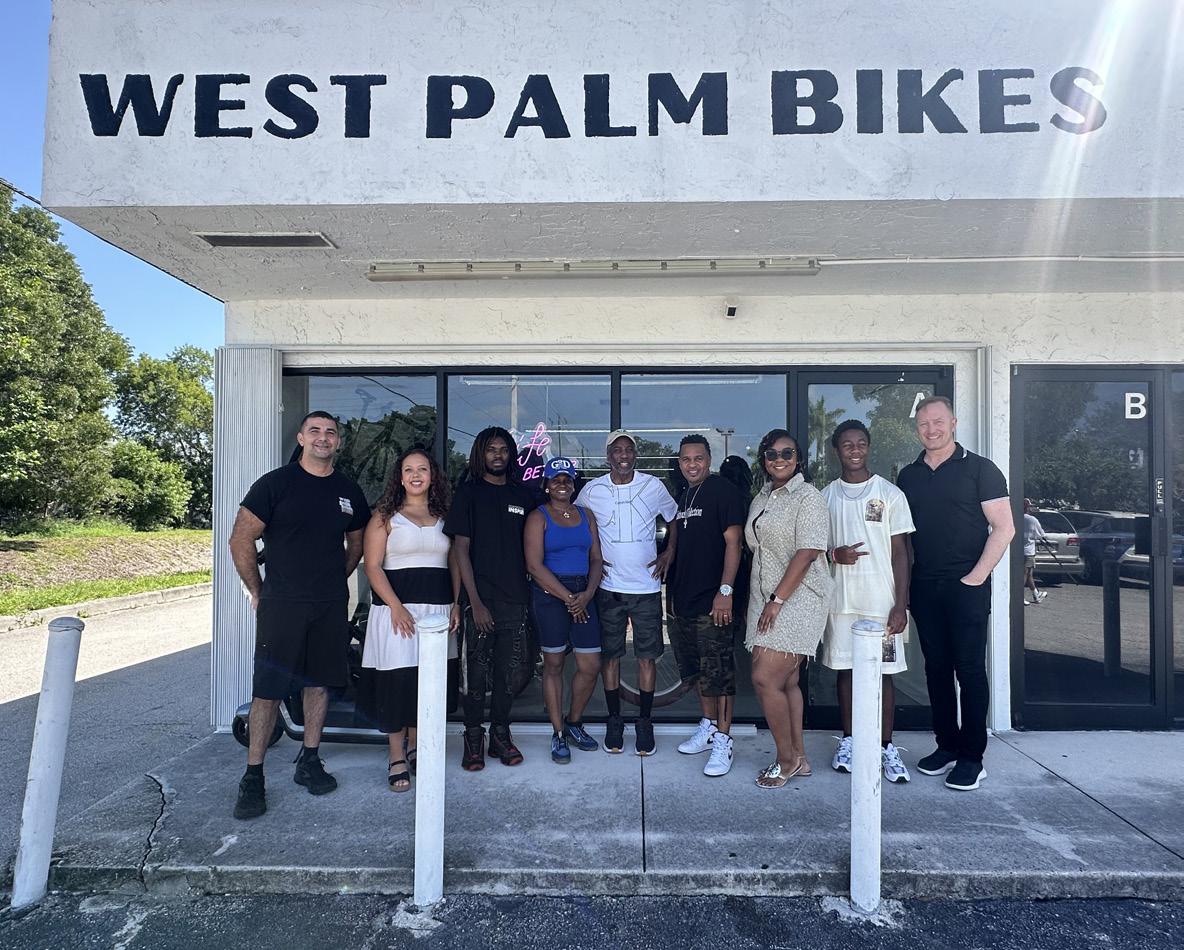
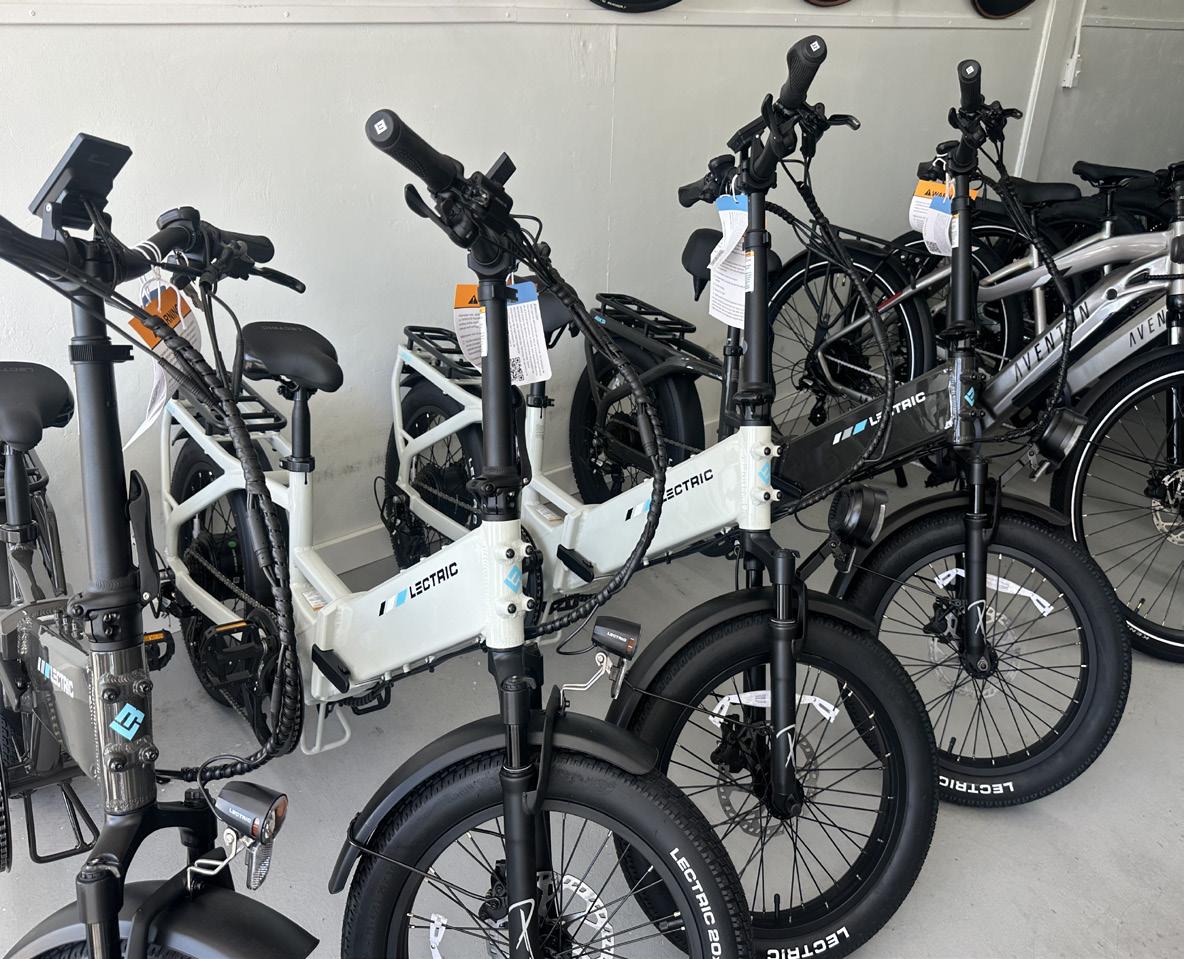
This is why we launched the E-Bike Voucher Program (goRide) in 2025. Developed through partnerships with the Knight Foundation, Downtown Development Authority, Chamber of Commerce of the Palm Beaches, RISE
Coleman Park, and West Palm Bikes, the program provides e-bike vouchers to residents, students, and workers. We began in Coleman Park, Historic Northwest, and Pleasant City, and have since expanded into downtown, with nearly 1,000 applicants to the program.
One of the most immediate impacts is financial relief. The cost of owning a car–gas, insurance, maintenance, and parking, can place ongoing pressure on households. Through goRide, participants receive $500 or $1,000 vouchers based on household income, along with a helmet and lock, significantly reducing the upfront cost of an e-bike and making ownership more accessible.
Ongoing costs are also minimal, with e-bike ownership estimated at $300 to $500 per year (PeopleForBikes). In a city where the median household income is $74,000, replacing one car with an e-bike is equivalent to a 15% pay raise. This can be impactful when cost of living is one of the greatest workforce concerns in the region.
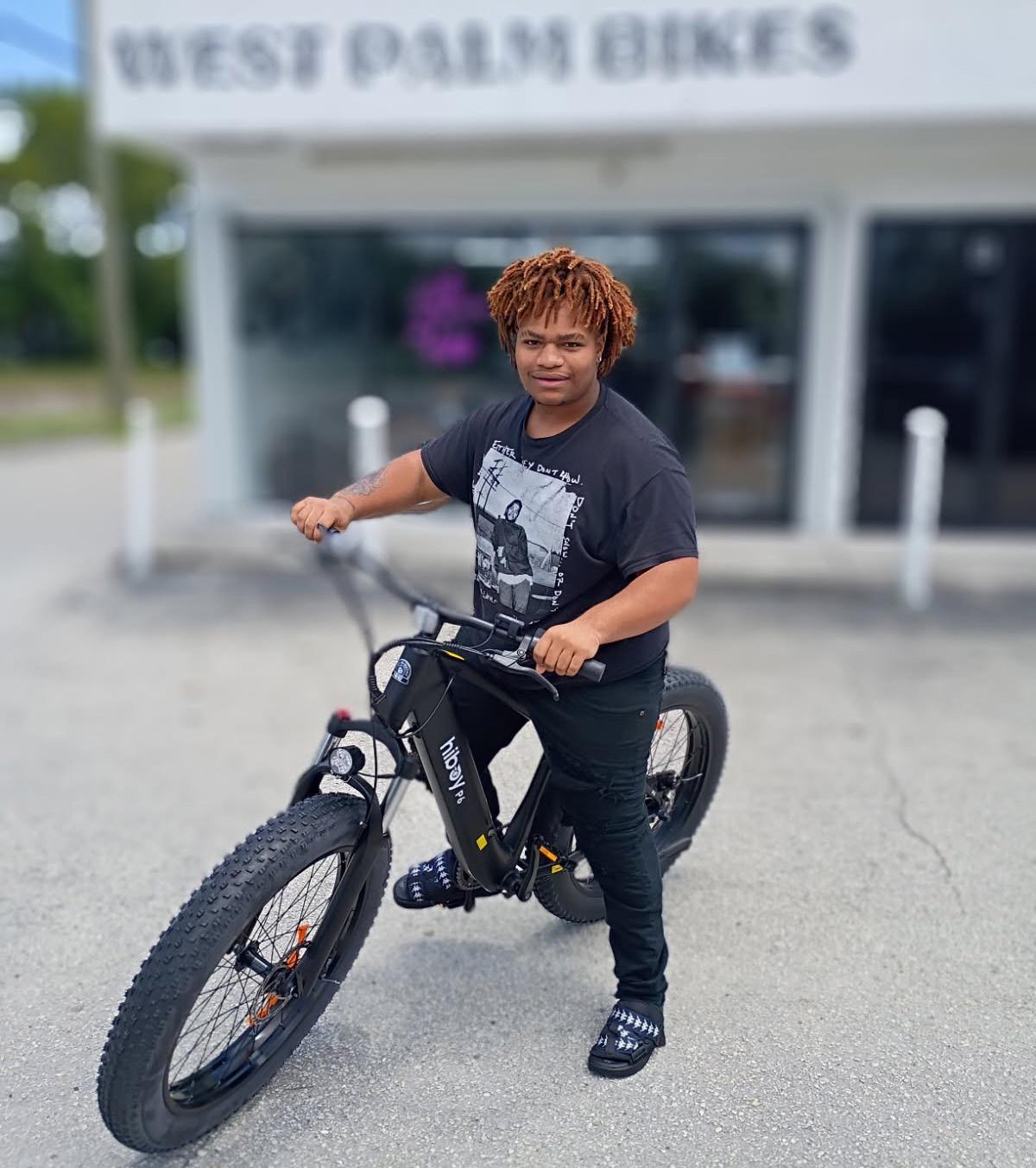
For many participants, that shift brings more than savings, it reduces stress. When transportation becomes more predictable and affordable, it removes a daily burden. Instead of worrying about gas prices or unexpected repairs, individuals can focus on essentials like housing, food, healthcare, and education. As one participant shared, “When I am running late to work, I don’t have to worry about how I am getting there.” That sense of reliability and control can make a meaningful difference in daily life.
We also see strong connections between the program and increased physical activity. Unlike driving, riding an e-bike still requires movement, even with motor assistance, making it easier for people of all fitness levels to stay active during daily routines. Regular movement is linked to improved mood, reduced stress, and better mental clarity.
Research supports these outcomes. A study highlighted by Bicycling Magazine found that e-bike riders experienced improvements in mental well-being and cognitive function, particularly among older adults (Bicycling Magazine, 2026). Locally, 94% of goRide participants report increased physical activity, reduced stress, or improvements in overall well-being. They also gained something less measurable but just as important: time outdoors. Whether commuting along Flagler Drive or traveling through neighborhood streets, participants are
WPBgo’s goRide program is expanding access to affordable transportation while reducing stress, improving health, and supporting overall quality of life for West Palm Beach residents.
experiencing fresh air, open space, and moments of calm throughout their day. As one participant described, “I ride my bike by Flagler and the breeze by the water is very relaxing.”
At WPBgo, we believe transportation should support, not strain people’s daily lives. Programs like goRide show that improving how people move through their city can also improve how they feel. By reducing financial pressure, encouraging movement, and creating more enjoyable ways to get around, e-bikes are helping build a healthier, more connected West Palm Beach.
WPBgo is a 501(c)(3) nonprofit organization focused on improving access to transportation options to reduce traffic impacts and improve mobility in and around downtown, enabling economic growth, saving people’s precious time, and making everyday life easier.
The Reservoir is the cultural space for contributors to highlight customs, celebrations, holidays, rituals, and more. To contribute, send your article ideas to thewell@ bewellpbc.org with "The Reservoir" in the subject line.
By Guery Ulysse | Founder of Young in Faith | @YounginFaith
What if church didn’t start in a building—but met you right where you are?
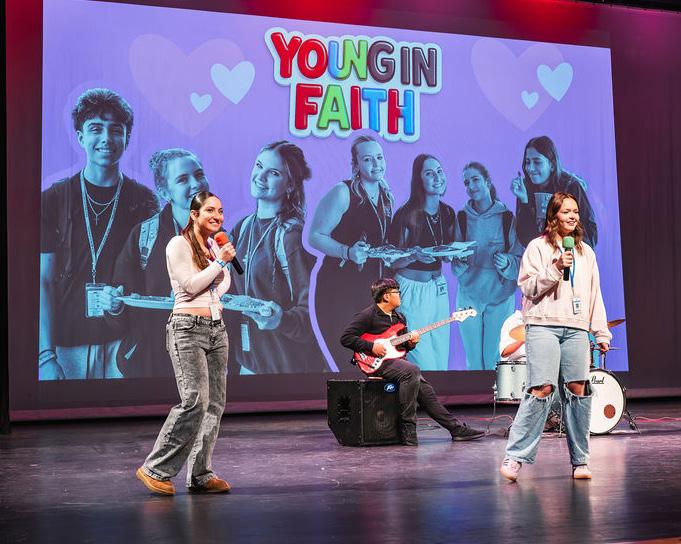
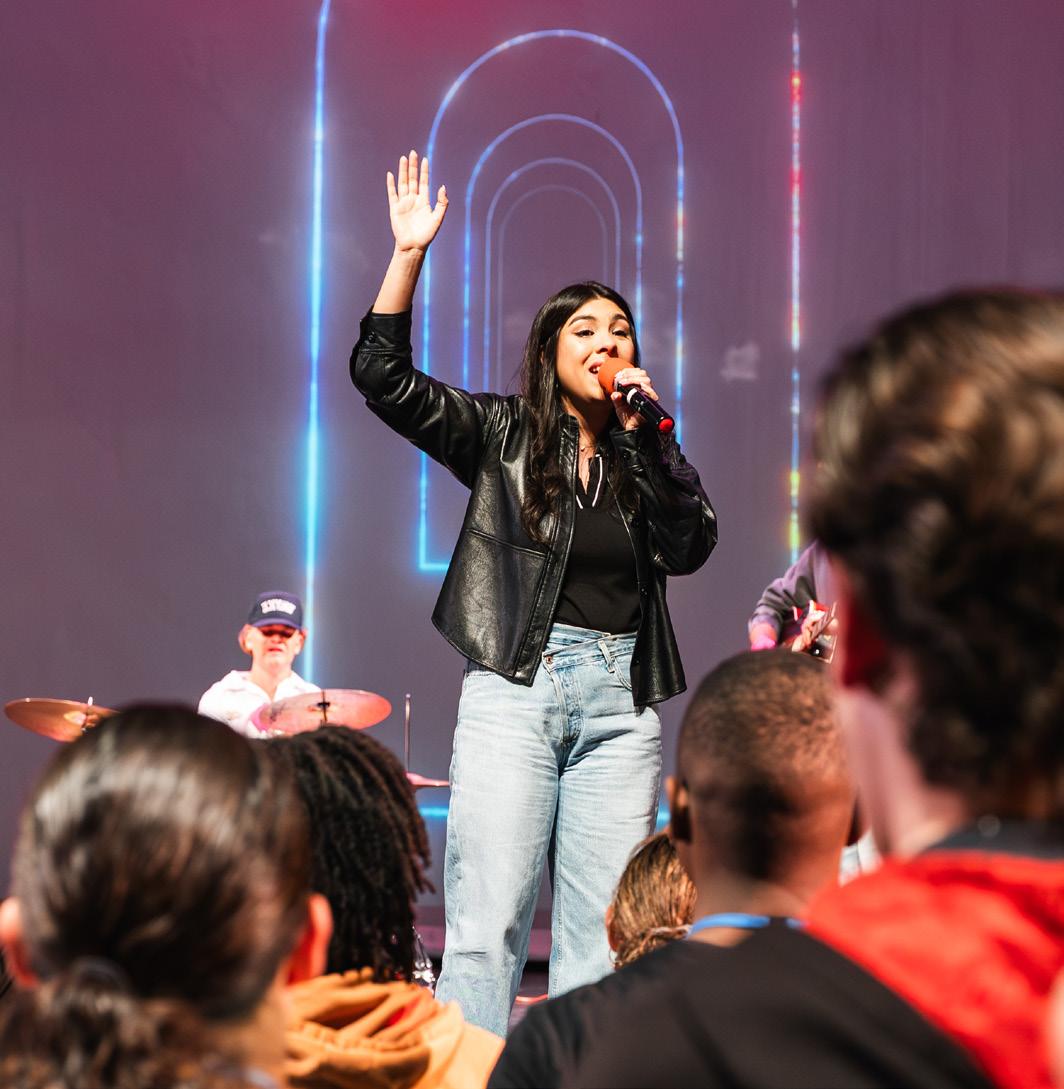
That question is the heartbeat behind Young in Faith, a growing movement that’s reimagining what church can look like for this generation. Instead of waiting behind doors, it steps into everyday spaces—schools, campuses, and communities—bringing faith directly to students who might never walk into a traditional church.
At its core, Young in Faith exists for those who feel disconnected, overlooked, or unsure where they belong. It recognizes something simple but powerful: faith was never meant to be confined. It was meant to move—to show up in real moments, real conversations, and real lives.
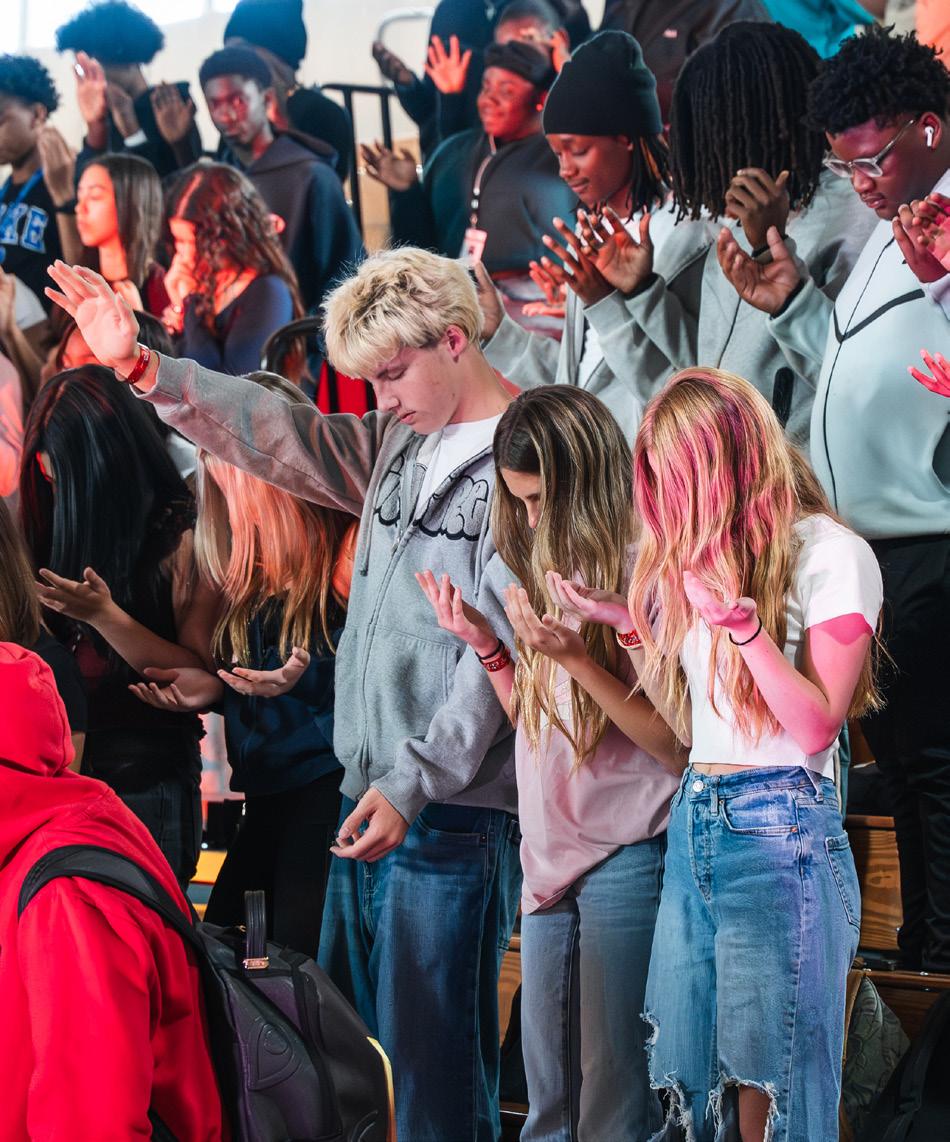
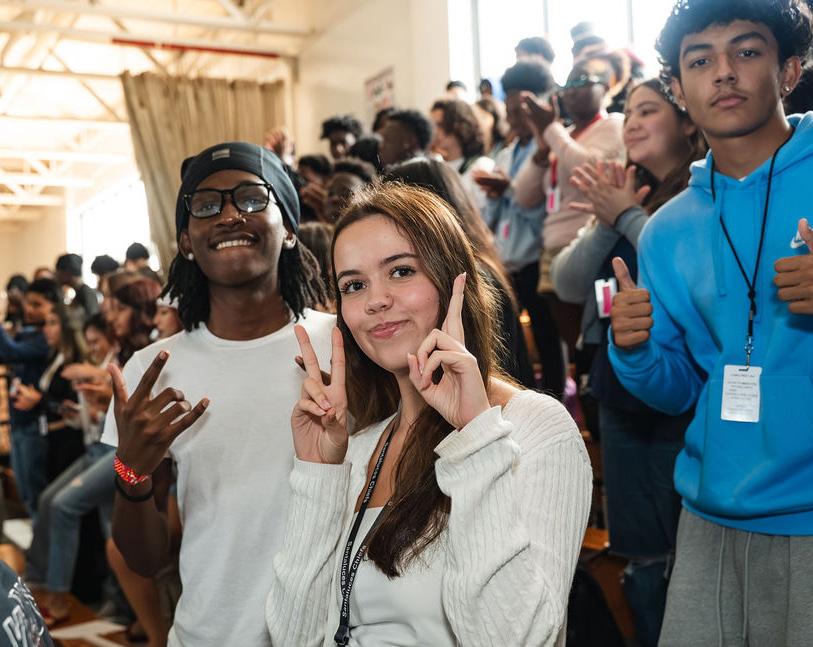
One of the most impactful expressions of this mission happens inside high schools. During lunch hours, Young in Faith hosts student-led gatherings that feel alive and welcoming. In the middle of an ordinary school day, something extraordinary happens—students walk into an environment filled with live worship, a meaningful message,
genuine community, and even free food. What begins as curiosity often turns into connection. On many campuses, these gatherings are reaching over 400 students per school, a powerful reflection of the hunger for belonging and purpose among this generation.
And at the heart of it, Young in Faith is reaching students who are often overlooked—the lost, the hurting, and the broken. Many come from underserved communities, facing poverty, instability at home, and challenges most never see. For these students, school may be the only consistent place in their lives—and now, it’s becoming a place where they can also find hope. In the middle of their everyday environment, they are encountering encouragement, support, and a reminder that their story isn’t over.
But what makes it truly different isn’t just the setting—it’s the culture.
The motto is clear: you can belong before you believe.
Students from every background, belief system, and life story come together under one roof. No pressure. No prerequisites. No need to have it all figured out. Whether someone is full of faith, full of questions, or somewhere in between, they are welcomed the same. That sense of belonging becomes the foundation for everything else.
The mission is simple: to reach, relate, and restore. It’s about meeting students where they are, speaking in a way that feels real, and walking with them through the challenges they face every day. It’s not about forcing belief—it’s about building trust and creating space for something deeper to grow.
What sets Young in Faith apart is its commitment to presence. It doesn’t wait—it goes. It shows up consistently, builds relationships intentionally, and creates environments where students feel seen long before they feel changed. Because real impact doesn’t start with a message—it starts with connection.
The vision is a generation transformed not by obligation, but by encounter. Young people discovering their identity, purpose, and worth through authentic experiences with faith—without pressure, without pretense, and without barriers.
Just a few years ago, founder Guery Ulysse never imagined this would become what it is today. What started as a step of faith has grown into a movement reaching thousands of students—each one with a story, a struggle, and a future full of potential.
And that’s the weight of it.
This isn’t just a program. It’s not just another initiative. It’s lives being impacted in real time. It’s students finding belonging in places they never expected. It’s hope showing up in hallways, cafeterias, and conversations that might have otherwise gone unnoticed.
Young in Faith is proving that church isn’t a place you go—it’s something you carry, something you live, and something you bring to others.
This is church, reimagined.
Alive. Present. Moving.
And showing up exactly where it’s needed most.
And
at the heart of it, Young in Faith is reaching students who are often overlooked—the lost, the hurting, and the broken.
The Depth digs deep into faith and fellowship at the neighborhood level. Email thewell@ bewellpbc.org with "The Depth" in the subject line for a chance to be featured.
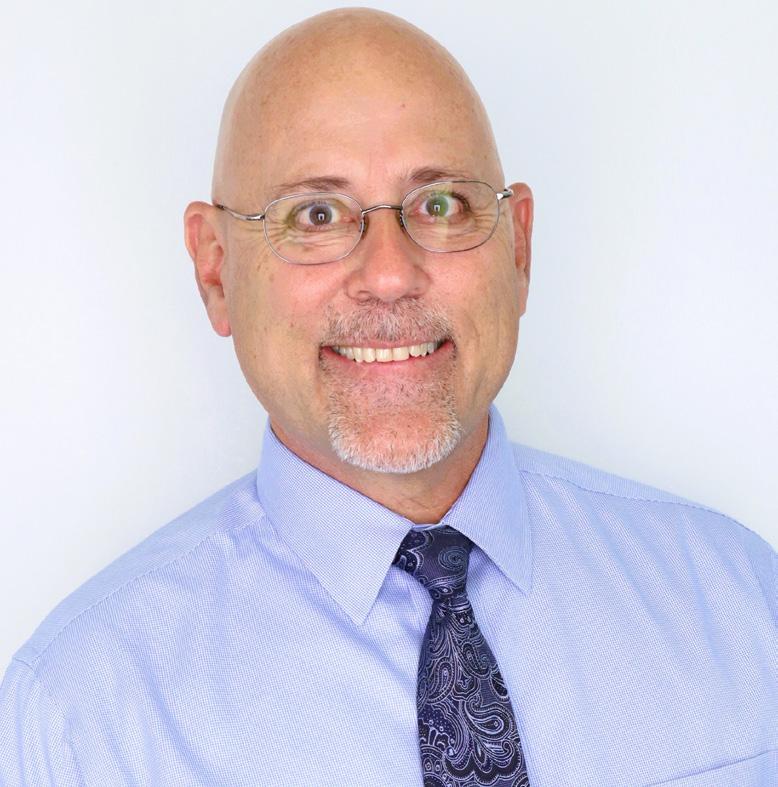
Michael C. Kane, Ph.D., Manager, Behavioral Health Services Department of Behavioral and Mental Health
The transition from school year to summer months is an annual ritual for school-aged youth and families in Palm Beach County. For many, it can be an exciting time and one to look forward to with anticipation. Some may experience natural apprehension.
Youth mental health and well-being are important. A few strategies can help families ease into a successful, restful summer.
• Routines - Continue routines. A consistent routine fosters a sense of security in children. Establishing a regular sleep schedule, eating healthy meals, and setting aside time for reading and relaxation can help children adjust.
• Be Social - Encourage and assist children to have inperson social interactions, making the summer more enjoyable.
• Structure Screen Time - Create a balanced, consistent routine for device usage. Strategies and resources are available for parents on the American Academy of Pediatrics and Common Sense Media websites.
• Communicate - Encourage your child to express their feelings about summer. Acknowledge that they may express a range of emotions (excitement, anxiety, boredom). Try to make them feel heard and understood.
• Community Resources - Tune into your local community resources (e.g., public library, parks and recreation departments). 211 Palm Beach and Treasure Coast is a resource for families seeking community services and/or resources.
It’s OK to be OK. It’s OK to not be OK. It’s OK to ask for help.
As your family prepares for the 2026-2027 school year, remember that all schools have school counselors or school behavioral health professionals in place to support students.
For more information, please visit:
Caring First - http://l.sdpbc.net/2zq6a
Department of Behavioral and Mental Healthhttp://l.sdpbc.net/v17y7
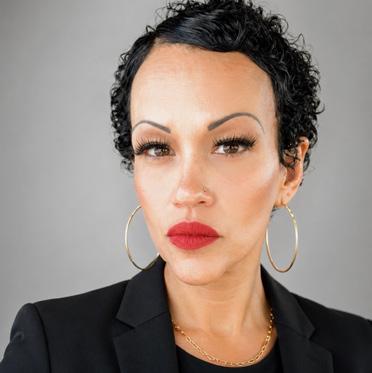
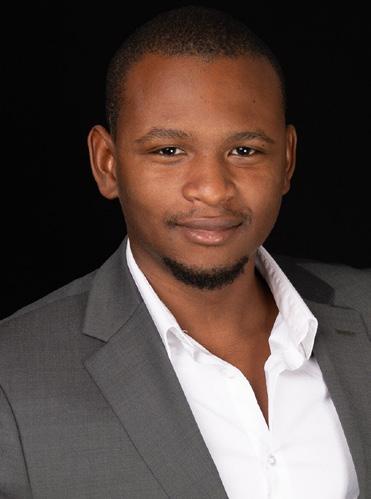
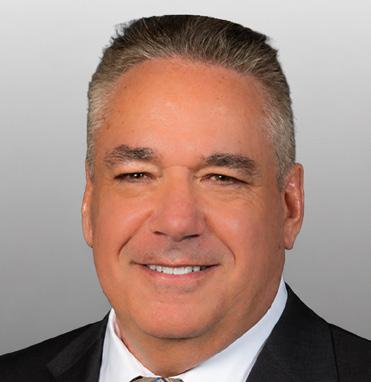
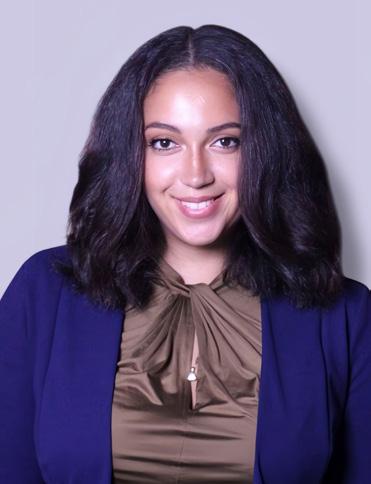
Yes, learning continues long after graduation because real-life experiences teach valuable lessons. Growth happens through challenges, relationships, and new opportunities that shape who we become. Staying open to learning allows us to improve ourselves and build a better future.
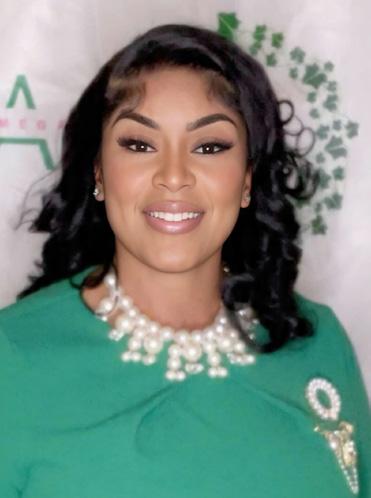
Absolutely, I think graduation is more like a milestone than a finish line. Learning definitely keeps going long after you walk across that stage. Jobs change, technology shifts, and life throws you into situations no textbook covered, so you end up picking up new skills whether you planned to or not. Some of the most useful skills—like navigating workplace politics, managing money, or even just figuring out how to fix a leaky faucet—usually happen outside a classroom anyway. Plus, curiosity doesn’t retire at 22 or 47. If anything, you start learning for you instead of for a grade, which makes it stick even more.
That which does not grow is dead. Regardless of the sector, the world is constantly evolving, and new practices emerge that can improve efficiency. Every failure carries a lesson that moves you closer to success. Any business or organization that fails to learn, from its environment, its competitors, and its mentors—is one destined to fall behind. Education provides a foundation of theory and broad knowledge, but real progress requires a deeper, continuous pursuit of understanding as we refine our roles and goals.
I've learned that the most valuable education can happen after school. Once you're out in the world, every project, mistake, and collaboration teaches you something new. It becomes less about knowing and more about continually evolving. That’s something I’ve seen firsthand over years of leading organizations. Every decision has a different effect across teams, operations, and long-term results and you quickly learn that learning never stops.
73% of adults identify as lifelong learners, according to a 2022 survey by the Pew Research Center. As life expectancy increases and individuals move beyond traditional life paths, many are seeking meaningful pursuits that help define their personal and professional identities. In Palm Beach County, the emergence of new industries has transformed the region into a growing hub for finance, technology, and culture. Once known primarily as a retirement destination, it is now characterized by expanding opportunities and evolving career pathways. As a result, this ongoing evolution underscores the reality that education does not end at graduation, but continues as a lifelong necessity in order to adapt and thrive.
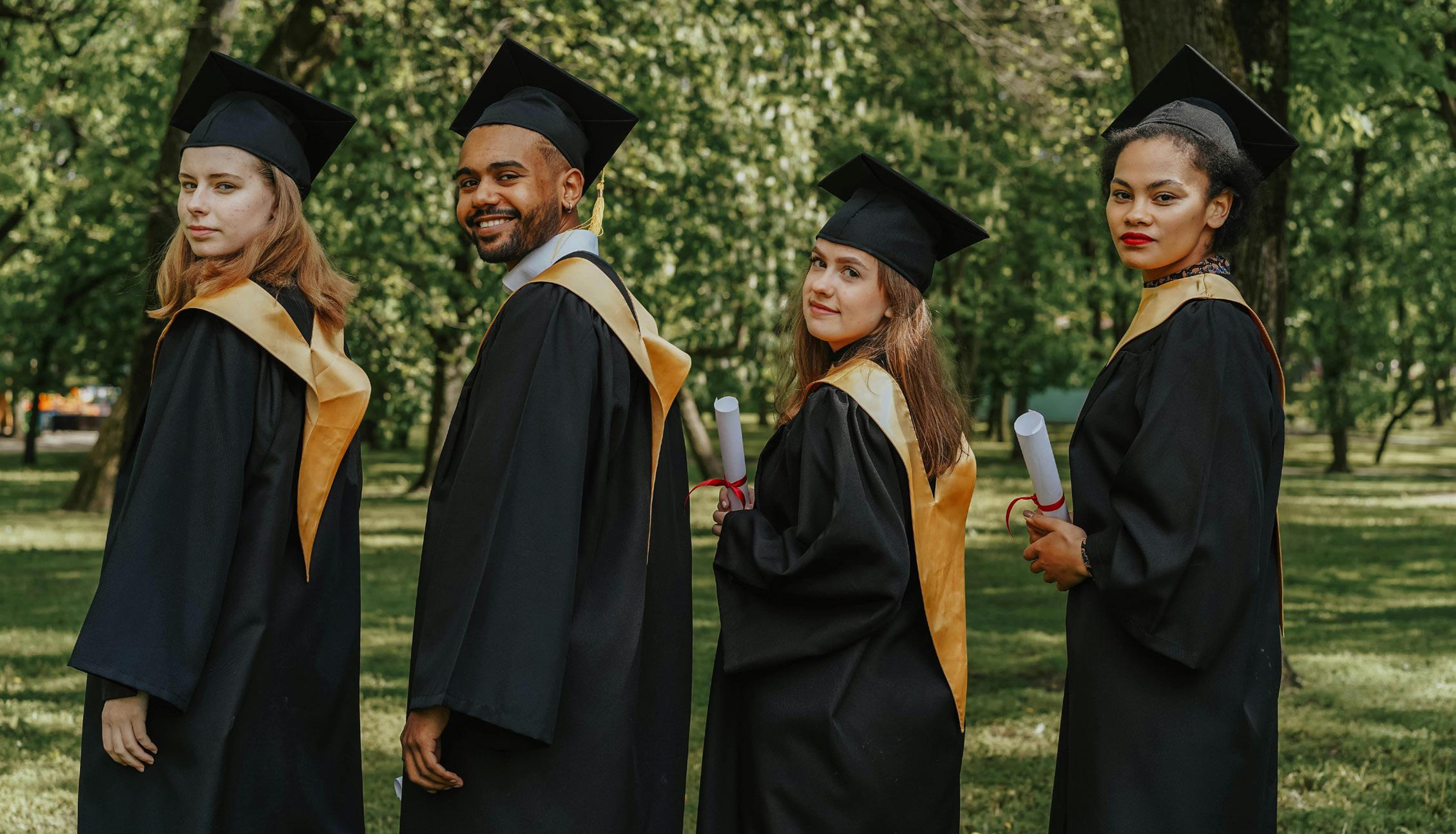
By Michel Rubio
The future isn’t just about getting a high school diploma. It is about opening doors and taking opportunities you don’t even realize exist yet.
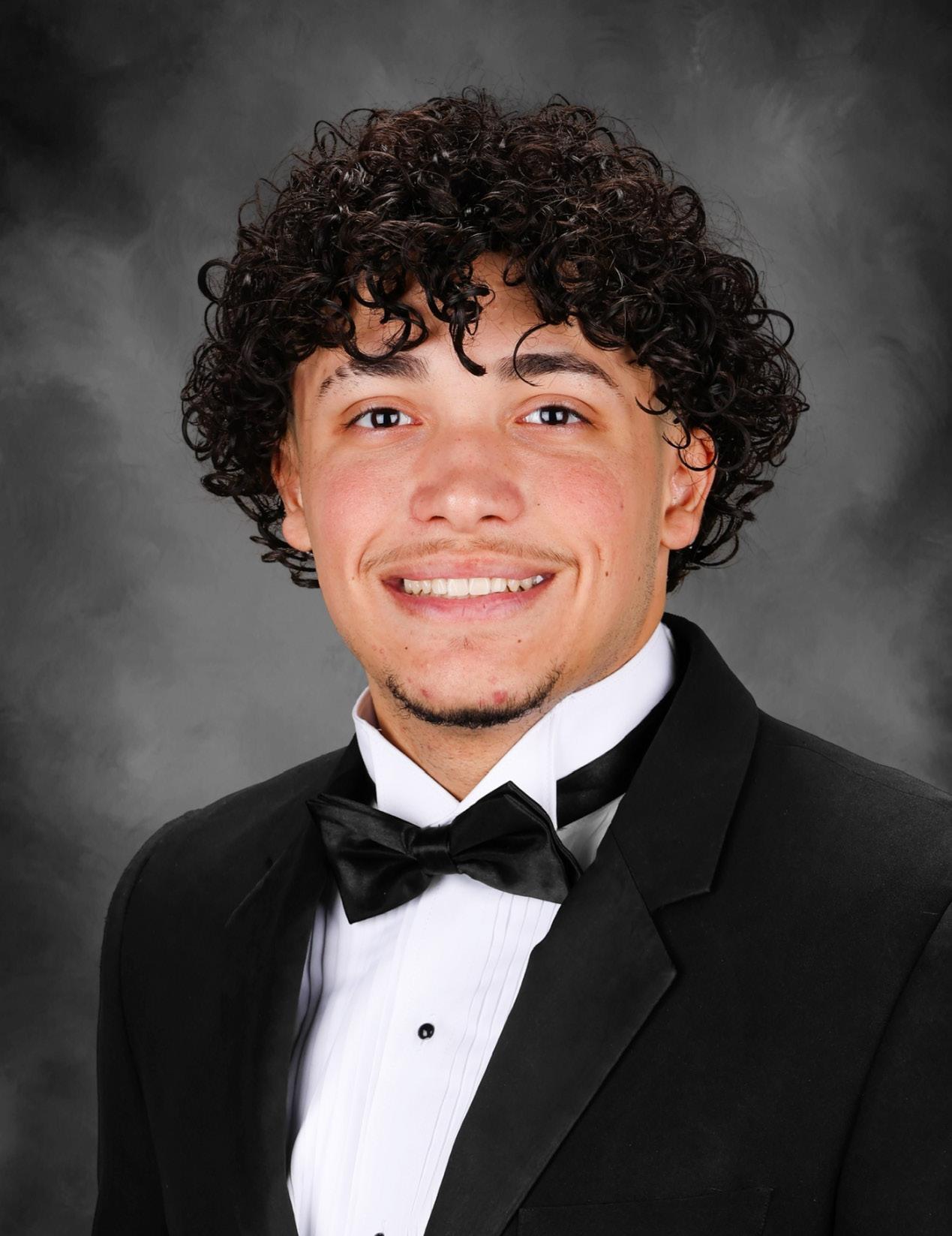
Before the sun rose on the morning of my graduation, I was planning for the ceremony and thinking about the journey that led me to this moment. All the hard work, all the sacrifices my mom made for me and the impact that Take Stock in Children has had on my life over the past four years.
My mom heard about the program through a community resource and she thought it would be a good fit for me as we had been having more and more conversations about my future.
It’s a lot to think about when you’re 14 and fresh out of middle school but we both knew graduation would be here before we knew it.
“Take Stock in Children helped to boost my confidence and helped me to realize that life’s most important lessons can happen outside of the classroom as well.”
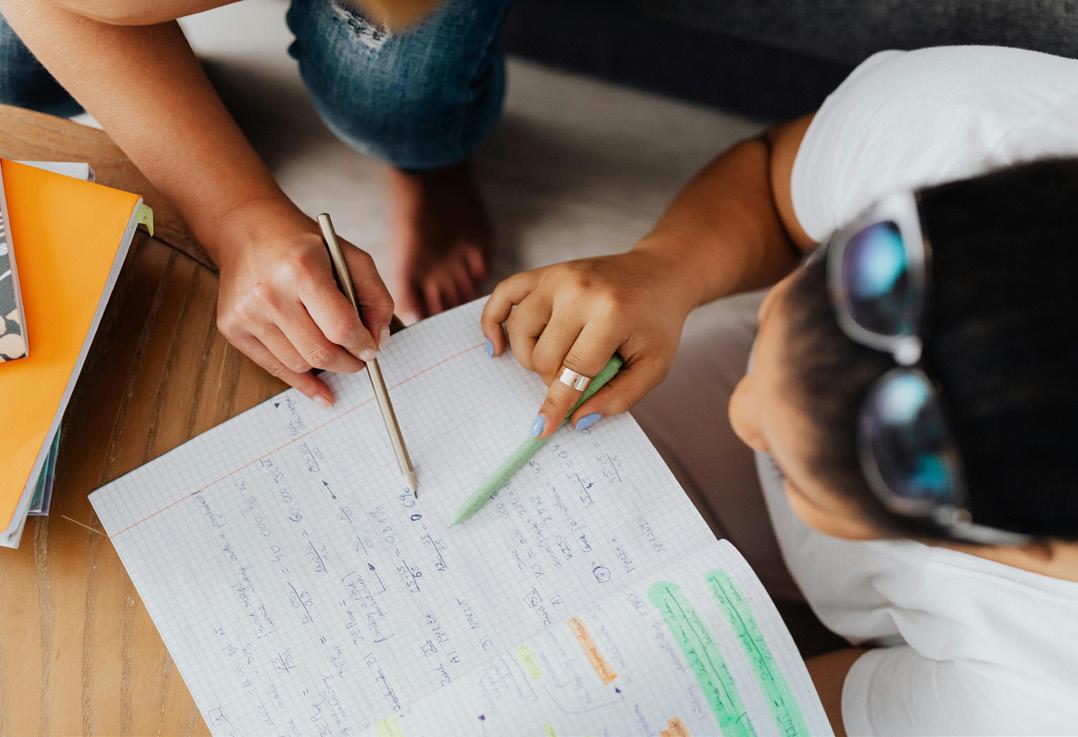
Together, we came up with a clear goal - explore every opportunity we could and make sure that financial and logistical barriers wouldn’t stand in the way of my ability to achieve my goals. This aligned perfectly with Take Stock in Children’s mentoring program.
I was matched with a volunteer mentor, Subi Katragadda, who genuinely cared about my academic and personal progress and stayed with the program through the entirety of my high school career.
During this program, I focused on academics with my mentor but I soon realized that my way of thinking was evolving. I realized that letting an opportunity pass you by because you don’t believe in yourself is something far worse than failing.
Take Stock in Children helped to boost my confidence and helped me to realize that life’s most important lessons can happen outside of the classroom as well.
School sets a great foundation and gives you structure but you will also learn so much from the people you meet, the mentors who guide you and the experiences which make your life your own.
I don’t know what the next chapter of my life will bring—none of us really do—but I’m looking forward to taking every opportunity I can, expanding my horizons and never taking any moment for granted.
Beyond The Couch highlights non-traditional mental health outlets and resources in Palm Beach County. To contribute, send your article ideas to thewell@bewellpbc.org with "Beyond the Couch" in the subject line.
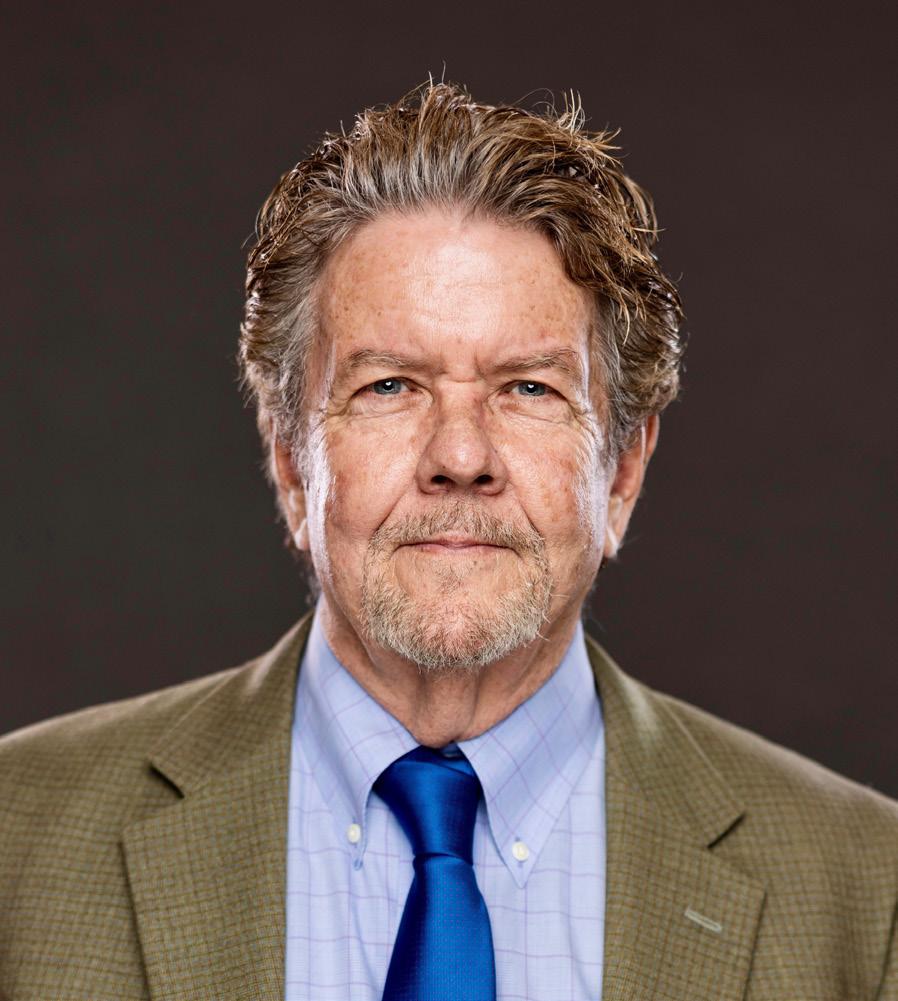
By Allan Hendricks | thepridetribe.org/the-connie-house
I don’t think it is possible to be fully healthy without feeling safe in your environment.
Before I built the Connie House Assisted Living Facility, I had someone I love ask me this question, “Is this really needed?”
The answer was yes.
After three years in operation, the answer is still most assuredly, yes.
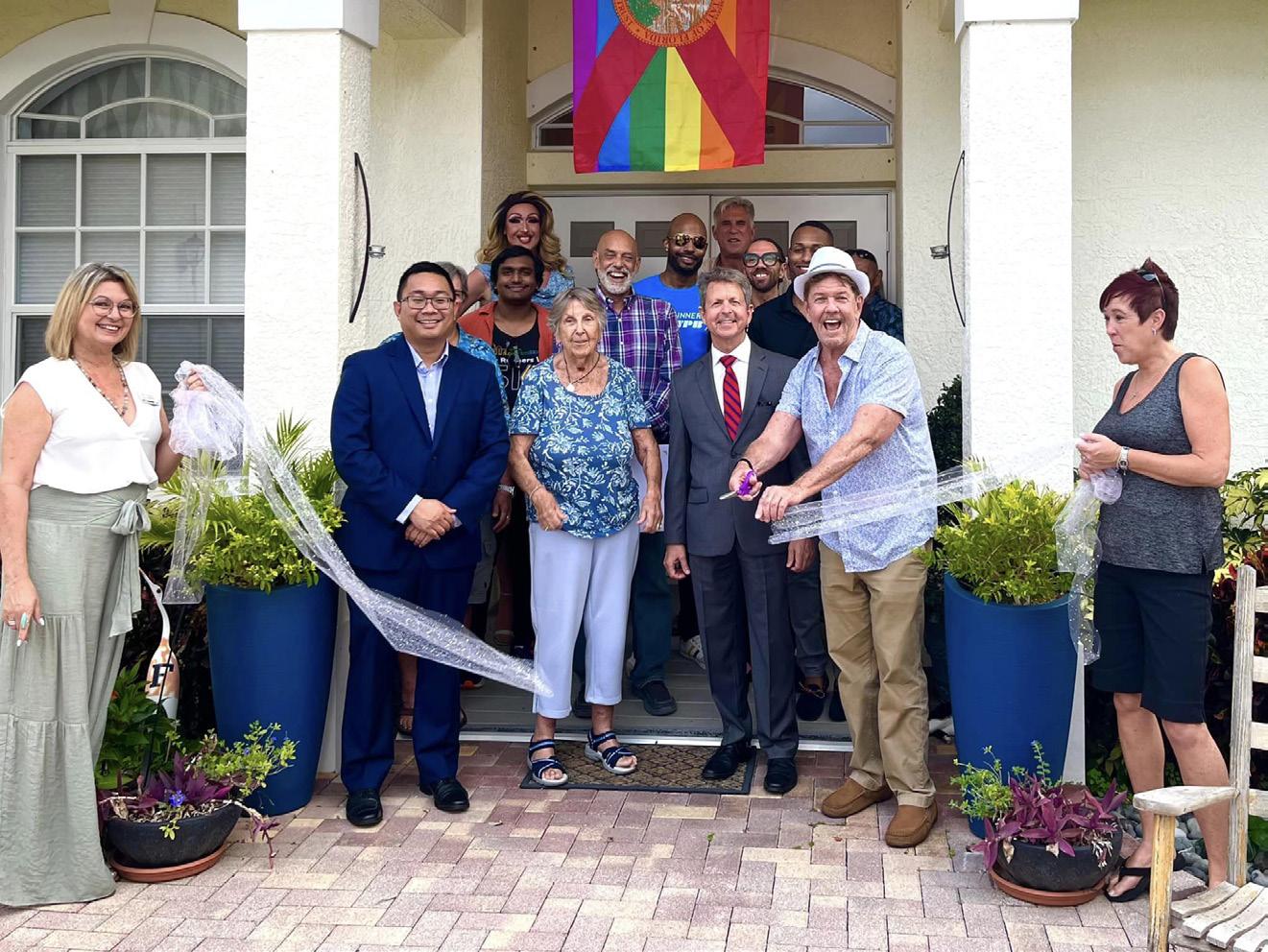
The Connie House Assisted Living Facility (ALF) is a small residential/boutique ALF tailored to the LGBT community. It is the second such facility in the nation.
Care for our elders and seniors has its own set of challenges and we want to provide the very best care for our fellow human beings as possible.
These people are at a time in their life where we hope to make them feel relaxed and comfortable and as an industry, we strive to make their life experience enjoyable. Their journey has had plenty of challenges.
Now would be a great time to kick back and enjoy.
“Their journey has had plenty of challenges. Now would be a great time to kick back and enjoy.”
I’ve immersed myself in this new profession and I see the great work other facilities are doing with residents in their communities.
Caregivers are an amazing group of people and it takes a particular type of person to be a great caregiver.
Our focus as an industry should be on the whole person’s health which includes mental and spiritual health.
What are the challenges a member of the LGBT community can face when moving into an assisted living community?
The LGBT community has suffered a great deal of discrimination, oppression and violence over the years and our elders have suffered the most.
They have lived through having to hide themselves just to survive.
Being LGBT in their time would mean loss of a job and a loss of family as well as being driven out of the church and generally shunned by society at large.
Society at the time thought they should be cured and options for a cure included electroshock therapy, chemical castration and a plethora of psychological therapy practices.
They have been through hell and have come through this hell to emerge into a new reality.
A new reality that brought them the possibility of stepping into the sunlight on the spirit. Free at last.
Today, they need to go into an assisted living facility or a skilled nursing facility.
That could mean going back into darkness to survive. Care staff and other residents can still harbor old prejudice and bigoted ideas about the LGBT community. This mistreatment can come in many forms. Anything from a cold snub to outright verbal abuse or neglect.
There is a very real chance they will feel isolated or become ostracized from participating fully in community events.
Although LGBT-centric assisted living facilities are an amazing solution, we are not going to be able to build our way out of this problem.
As more people self-identify as LGBT and as the Baby Boomers age into aging network services, the total population size of this demographic is expected to reach at least 7 million people by the year 2030.
Over the last decade, the LGBT community has been developing solutions. Across the nation, communities are building affordable independent living facilities. Organizations such as SAGE USA and the Human Rights Campaign have developed excellent training programs for businesses that work in the elder care fields.
We will need our senior care providers to work with the LGBT community to assure we are providing excellence in care to this demographic.
Connection to community and feeling safe in your living environment are the goals we need to achieve if we want to provide top-level care.
The Providers is a space for providers, practitioners, thought leaders, and systems change leaders to share. To contribute, send your article ideas to thewell@bewellpbc.org with "For The Providers" in the subject line.