
RURAL FUNDERS LEARNING NETWORK
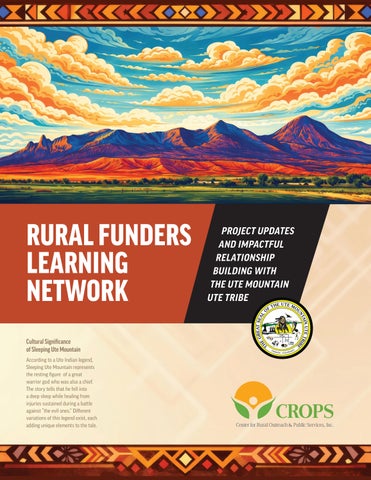
Cultural Significance of Sleeping Ute Mountain
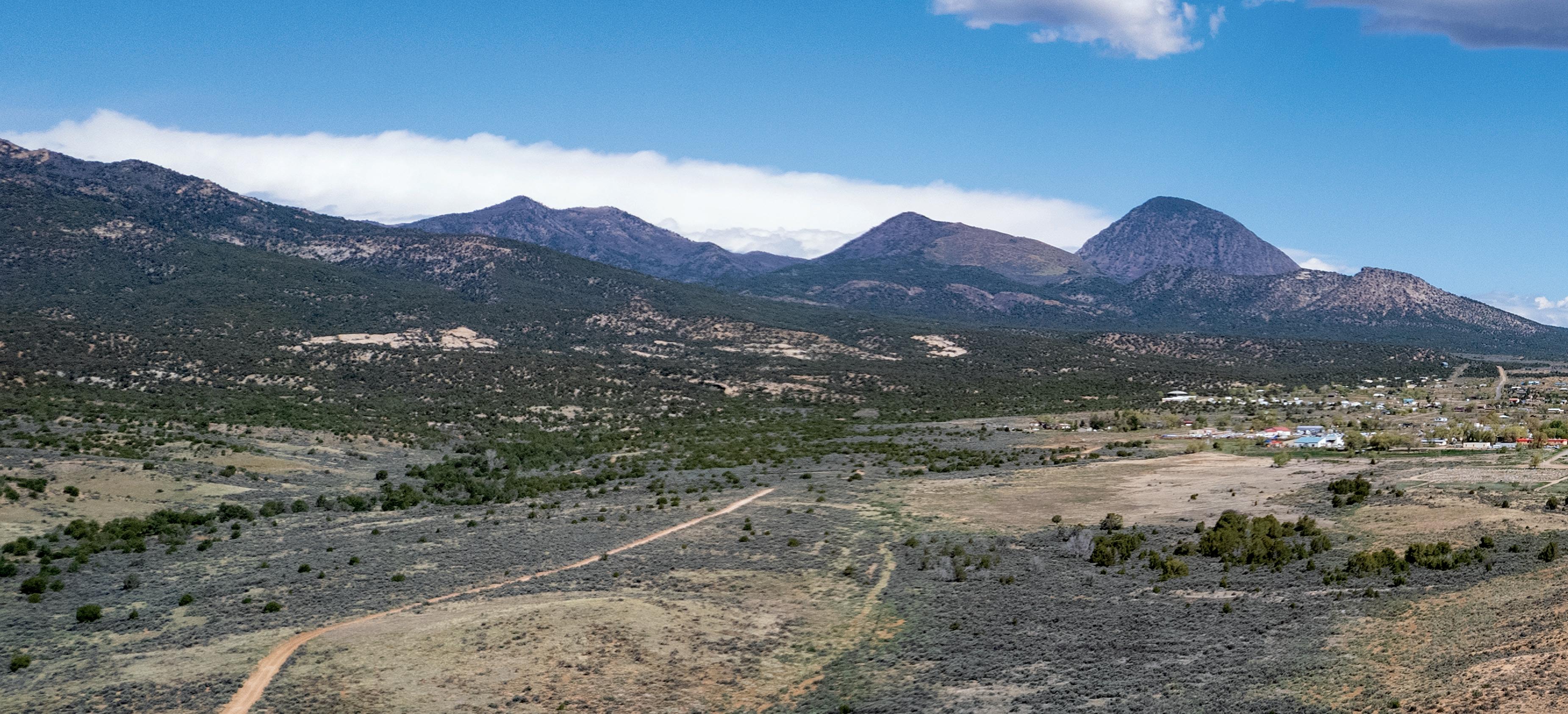
According to a Ute Indian legend, Sleeping Ute Mountain represents the resting figure of a great warrior god who was also a chief. The story tells that he fell into a deep sleep while healing from injuries sustained during a battle against “the evil ones.” Different variations of this legend exist, each adding unique elements to the tale.

PROJECT UPDATES AND IMPACTFUL RELATIONSHIP BUILDING WITH THE UTE MOUNTAIN UTE TRIBE
THANK YOU TO OUR FUNDING PARTNERS

We extend our deepest gratitude to the members of the philanthropic community of Colorado, whose collective investments of more than $12 million since 2021 have helped leverage close to $70 million in additional public and private resources. Your commitment to relationship-centered philanthropy, longterm partnership, and trust-based engagement has been instrumental in advancing community defined priorities and strengthening locally led solutions. These investments represent far more than financial support — they reflect confidence in shared vision, respect for self determination, and a belief in the power of collaboration to create lasting impact. Together, your leadership has helped build momentum, capacity, and resilience that will benefit communities for generations to come.
















































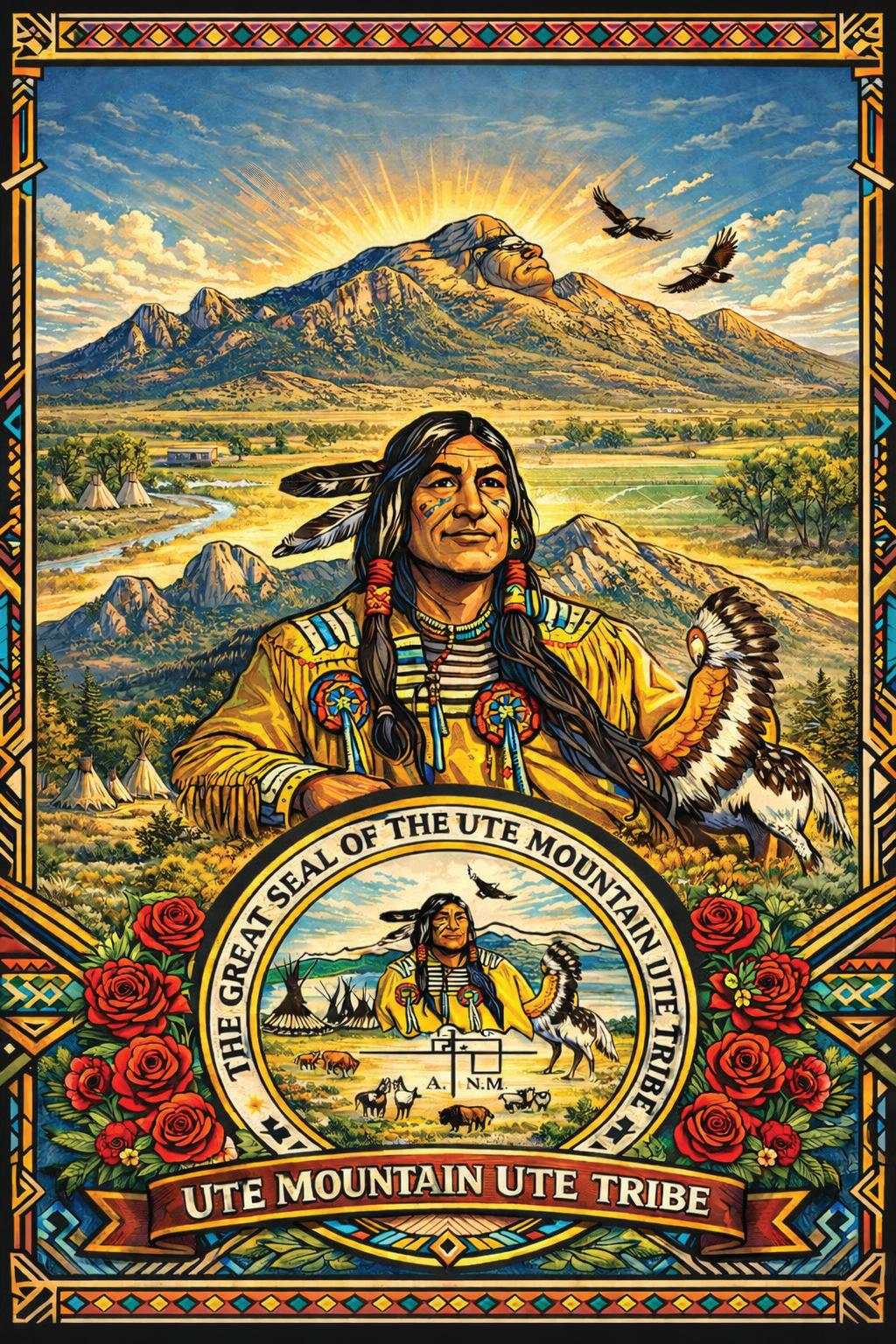
This booklet has been prepared for the members of Philanthropy Colorado Rural Funders Learning Network (RFLN). Philanthropy Colorado is a dynamic statewide network of grantmakers, with active involvement of 120 members that represent private, family and community foundations, businesses and corporate foundations, federated funds and workplace giving programs, government agencies, donor-advised funds, and individual philanthropists. Its Rural Funders Learning Network connects funders and government agencies with communities and nonprofit organizations to deepen understanding of Colorado’s rural assets and challenges, share strategies, and foster collaboration for locally led solutions. On April 1, 2026, twenty members of Philanthropy Colorado’s RFLN joined with leaders of the Ute Mountain Ute Tribe in Towaoc, Colorado to learn about the Tribe’s priorities, progress on grants awarded, and key issues. The event is planned to strengthen and build relationships, as well as identify next steps for how funders can support and collaborate on work underway.
HISTORY OF THE UMUT AND THE NEED FOR FUNDING
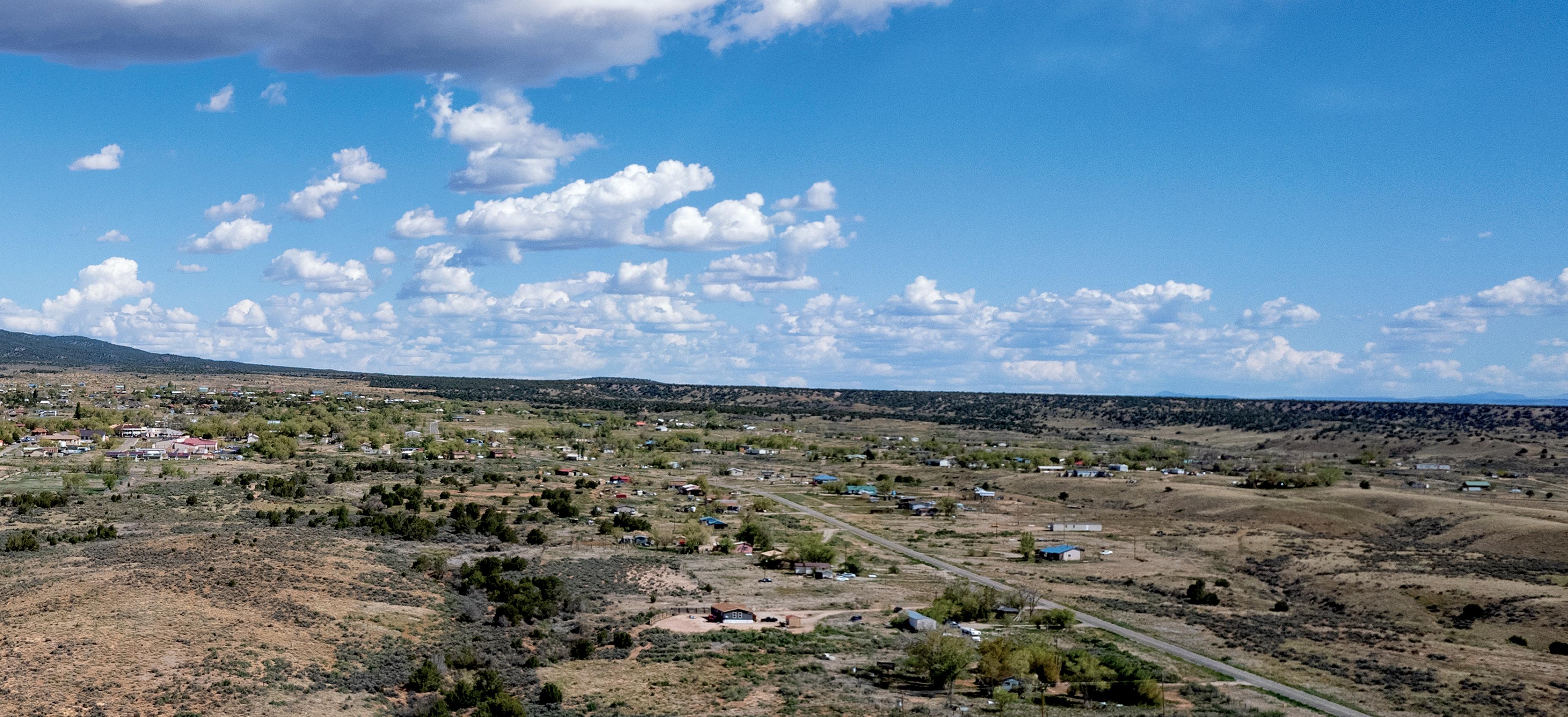
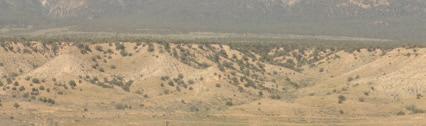
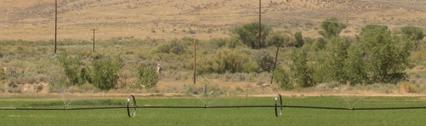
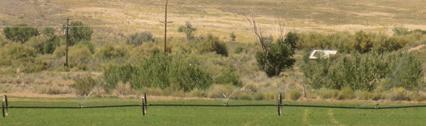
The Ute Mountain Ute are a federally recognized Tribe living on the 889.1 square miles of the Ute Mountain Ute Tribe Reservation in the Four Corners Region of America’s Southwest, spanning across Montezuma County (Towaoc), Colorado and San Juan County (White Mesa), Utah. Towaoc is secreted away southwest of Mesa Verde National Park and northeast of scenic Monument Valley. Most Tribal members live on the reservation in Towaoc, with a smaller population in the White Mesa community. This is a harsh, isolated land, with no nearby cities to provide specialty
healthcare services for the residents living on tribal lands.
Health disparities have long plagued the Ute Mountain Ute Tribe (UMUT), leaving the community disproportionately affected. The life expectancy in this community is just 55 years, compared to the US average of 78 years.
Poverty significantly detracts from the quality of life in this rural region where the per capital income is about one-third of the US average and the median household income is $22,955 according

NEW MEXICO
COLORADO
ARIZONA
UTAH
WHITE MESA
TOWAOC
to US Census data, approximately one-third of the US average. One-in-three residents live below the poverty line, more than double the national average. Approximately 96% of the community is Native American. Just 4% of residents have attained a bachelor’s degree or higher, less than a fifth of the US average of 32.2%.
Work is underway to recapture the traditional Ute language, and encouragingly, 35% of UMUT adults report speaking “Other” at home, indicating ongoing efforts to renew lost heritage through the Ute language. Unfortunately, at this time, the US Census Bureau also reports that 91% of UMUT children speak English only at home.
Beginning in the 1930s, Ute children were subjected to the boarding school model of assimilation, which disregarded the Ute culture and language in favor of the traditional American education. Ute families
Life expectancy in this community is just 55 years, compared to the US average of 78 years.
lost their Ute language and cultural knowledge as generations of children were pulled from their homes to learn American history, art, music, and science in English, and forbidden to speak Ute or discuss traditional stories.
The reverberations of these destructive policies, designed to be a “massive pulverizing engine,” are still felt today. Ute children of the Boarding School Era lost their connection to the Ute community and have raised generations of children who feel completely disengaged and without self-identity, making them vulnerable to drug abuse, domestic violence, diabetes and suicide. A direct result of Indian Boarding School Era policies, in 2025, poverty impacts 62% of UMUT children (more than double the rate in Colorado).
UTE MOUNTAIN UTE TRIBE
TRIBAL COUNCIL

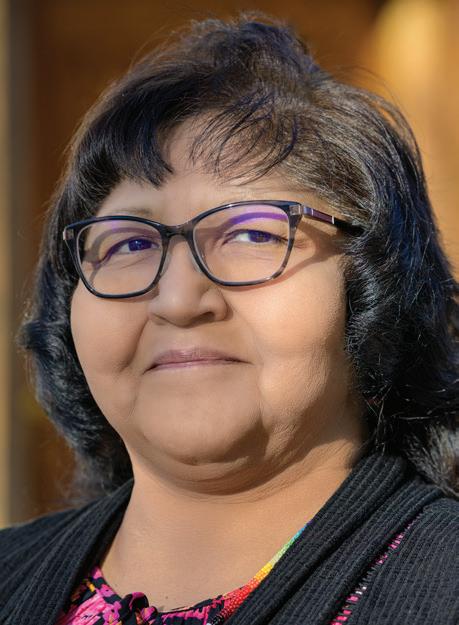
Gwen Cantsee Vice Chair/White Mesa
Gwen.Cantsee@utemountain.org
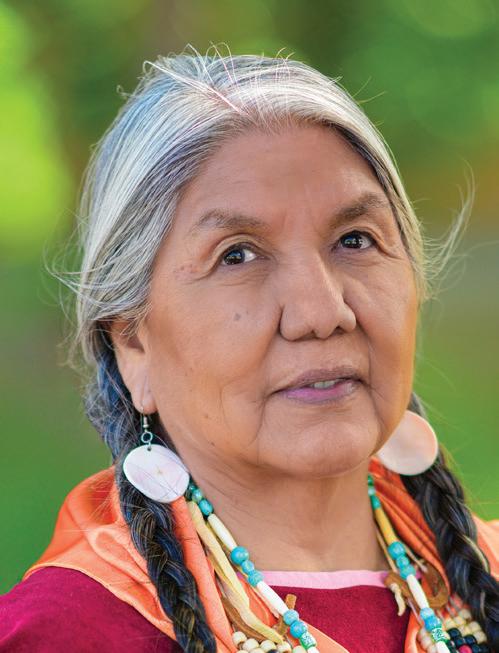
Kathryn Jacket Councilwoman
Kathryn.Jacket@utemountain.org



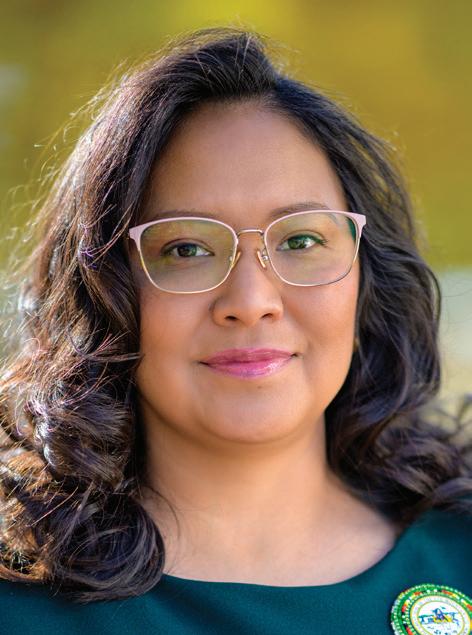
Marilynn House Secretary
Marilynn.House@utemountain.org
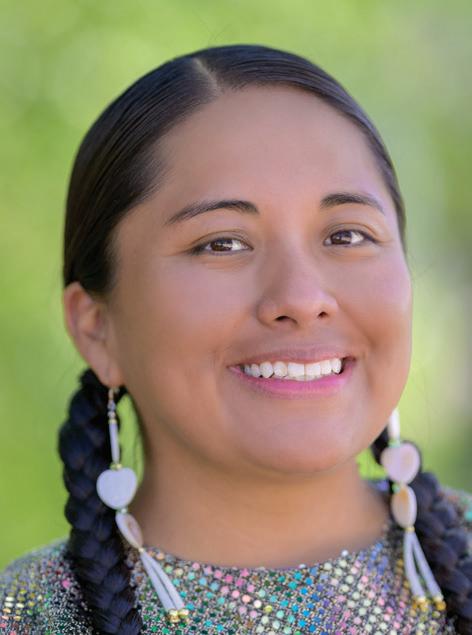
Tawnie Knight Councilwoman
Tawnie.Knight@utemountain.org



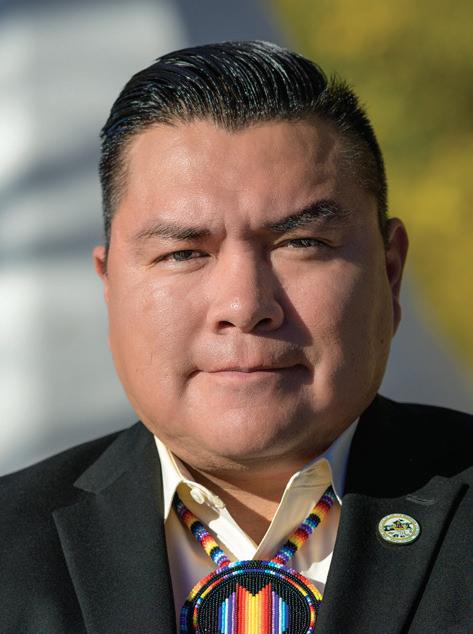
Conrad Jacket Treasurer
Conrad.Jacket@utemountain.org
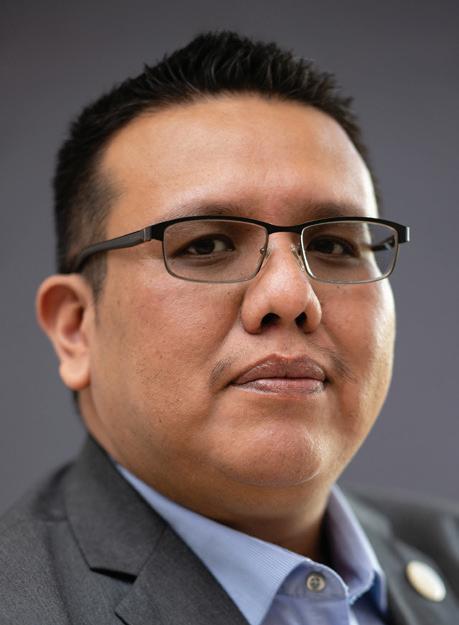
Alston Turtle Councilman
Alston.Turtle@utemountain.org






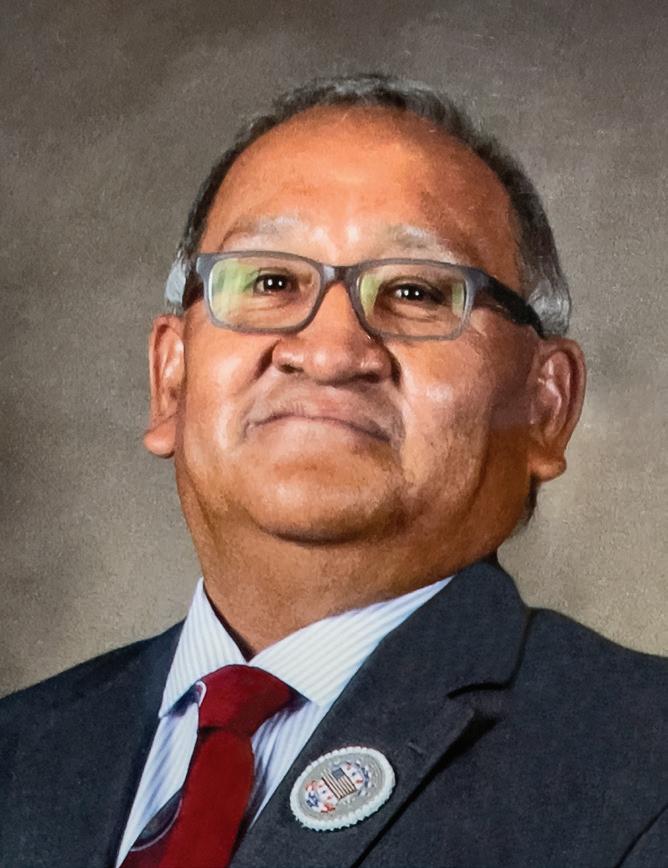
Selwyn Whiteskunk Chairman
Selwyn.Whiteskunk@utemountain.org
The Ute Mountain Ute Tribe (UMUT) is a federally recognized tribe. The UMUT tribal constitution was adopted in 1940. The Tribe is governed by a seven-member elected council, including a Chairman. One council member represents White Mesa and the other members are elected atlarge. The Chairman’s council seat is one of the seven seats elected through popular vote for a threeyear term. The position of Vice Chairman is held by an elected Councilman, selected every year by the Chairman. The Tribal Council Treasurer is an elected Councilman voted annually by the Tribal Council members.






RURAL FUNDERS LEARNING NETWORK
UTE MOUNTAIN UTE TRIBE PHILANTHROPY COLORADO
ince 2019, the Ute Mountain Ute Tribe has significantly expanded its philanthropic partnerships and funding portfolio, including intentional relationship building with Philanthropy Colorado. These relationships have been translated into leveraged and diversified grant investments that support the Tribe’s longterm priorities across housing, infrastructure, health, youth development, education, community wellbeing, and more.
Through these partnerships, the Tribe has received over $12 MILLION in direct or pass-through grants between 2019 and 2026 which have helped leverage an additional $69 MILLION in state, federal and other private foundation funding for the Tribe. These results reflect both the depth of trust developed with funders and the Tribe’s growing capacity to successfully implement complex, multi-year initiatives. A significant portion of this support comes from Colorado-based philanthropic institutions and aligned public-sector partners that participate in or engage closely with Philanthropy Colorado’s network.
One of the most impactful outcomes of these relationships has been sustained investment in housing stability and development. Philanthropic and quasi-public partners
This blend of philanthropic and public funding underscores how relationship-driven philanthropy has helped the Tribe braid funding sources to achieve greater long-term impact.
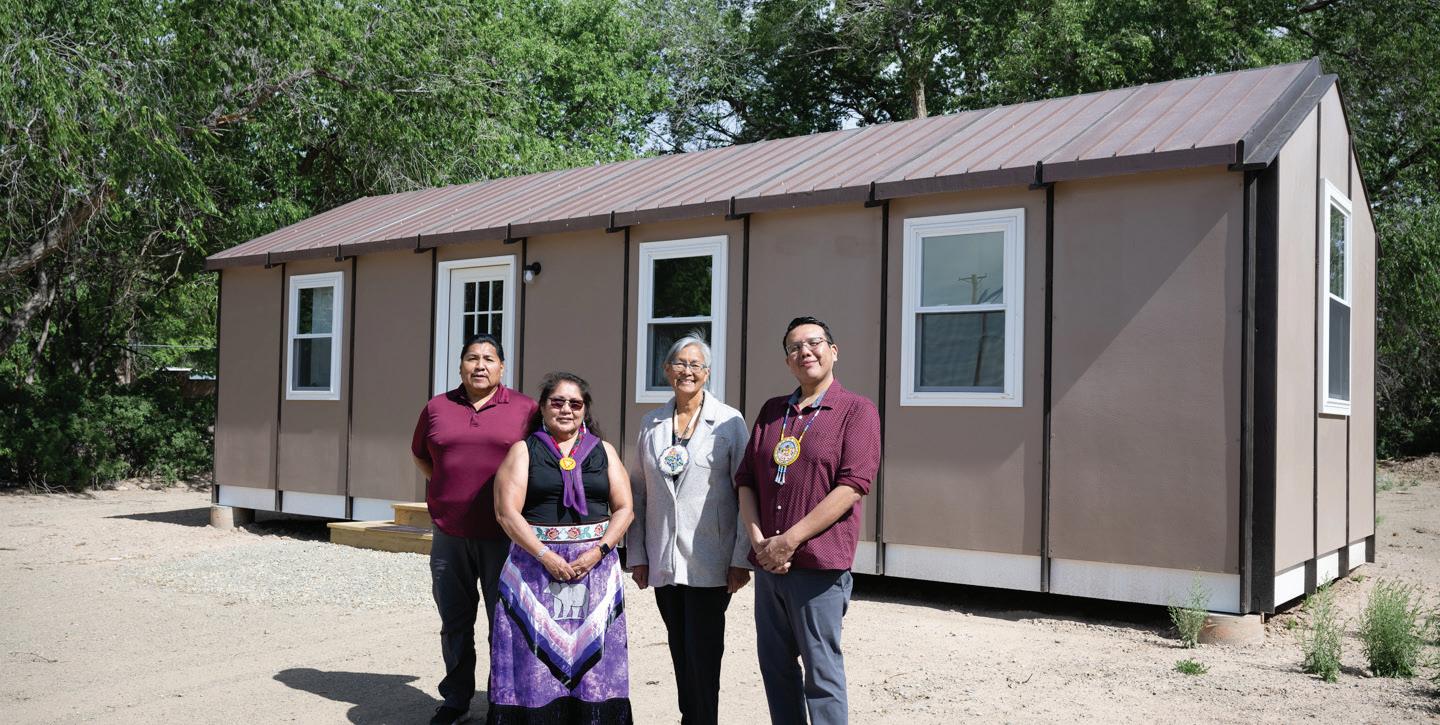
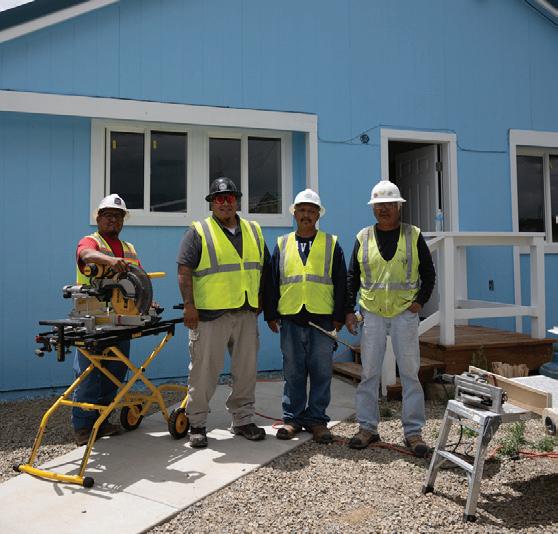
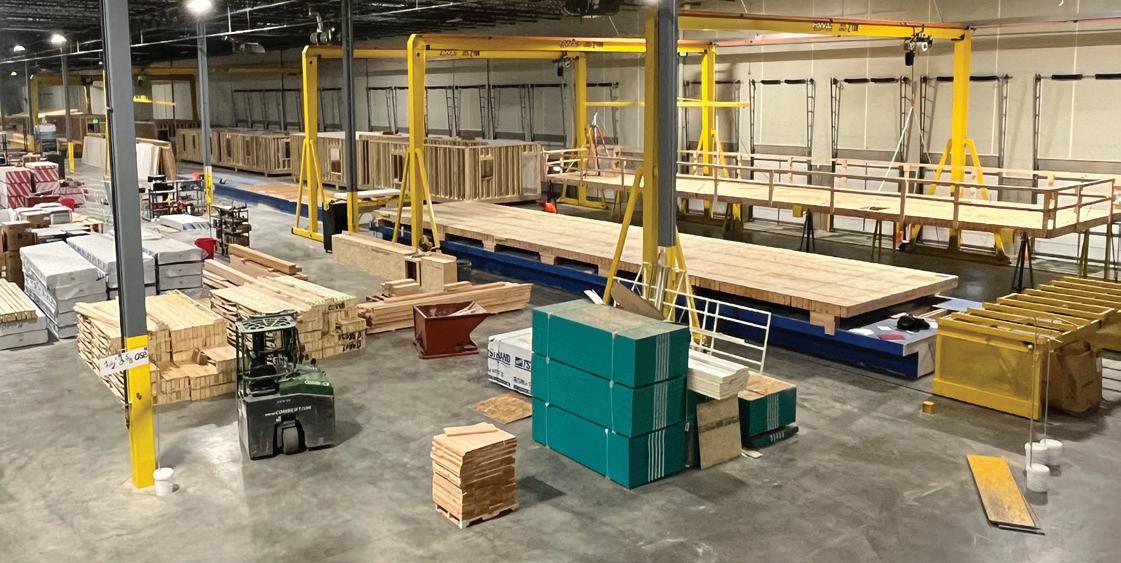
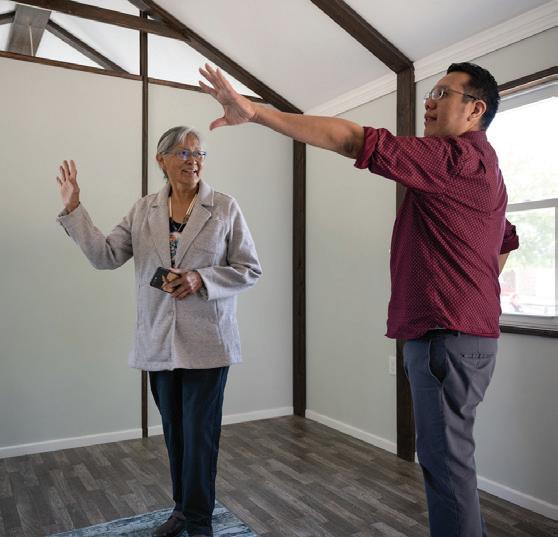
such as the Colorado Health Foundation, Colorado Housing and Finance Authority, Colorado Department of Housing, and regional foundations have provided consistent funding for both housing rehabilitation and new housing construction. These grants have supported rehabilitation efforts in Towaoc, Colorado and White Mesa, Utah, as well as the construction of single-family, multi-family, and transitional housing.
The continuity of funding across multiple years demonstrates funder confidence built through ongoing engagement and shared learning fostered by Philanthropy Colorado connections. The Tribe has also leveraged these relationships to advance community infrastructure and economic development at an unprecedented scale.
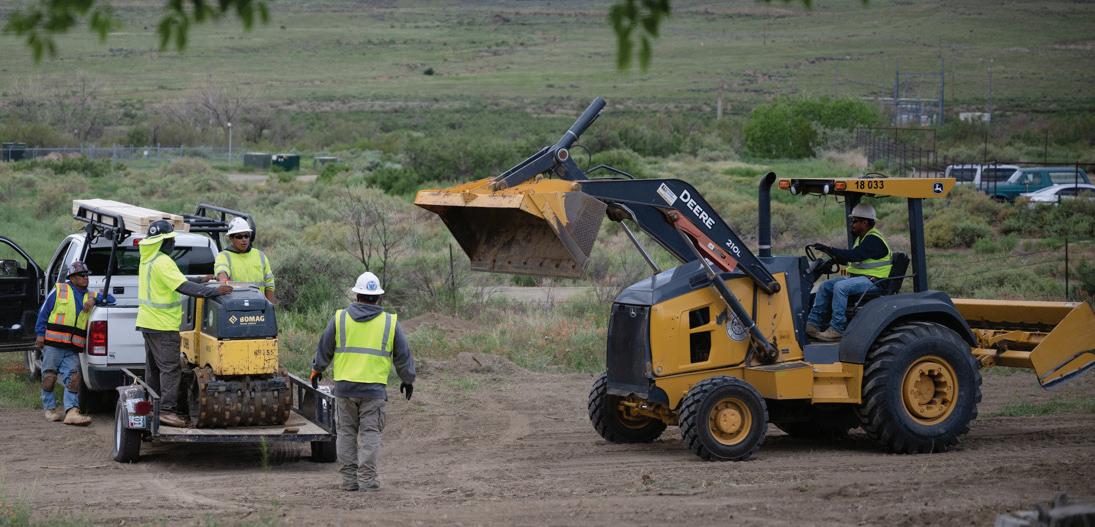
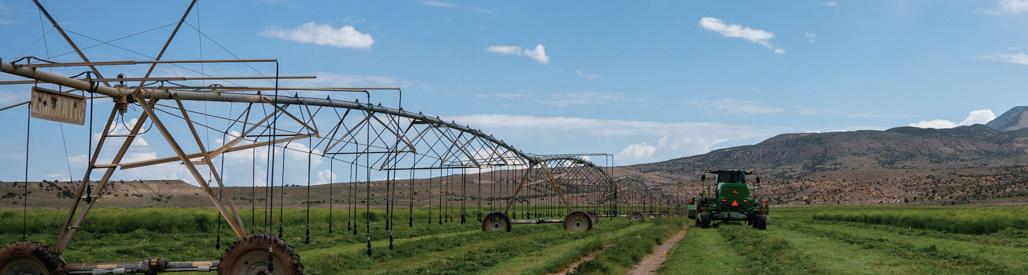
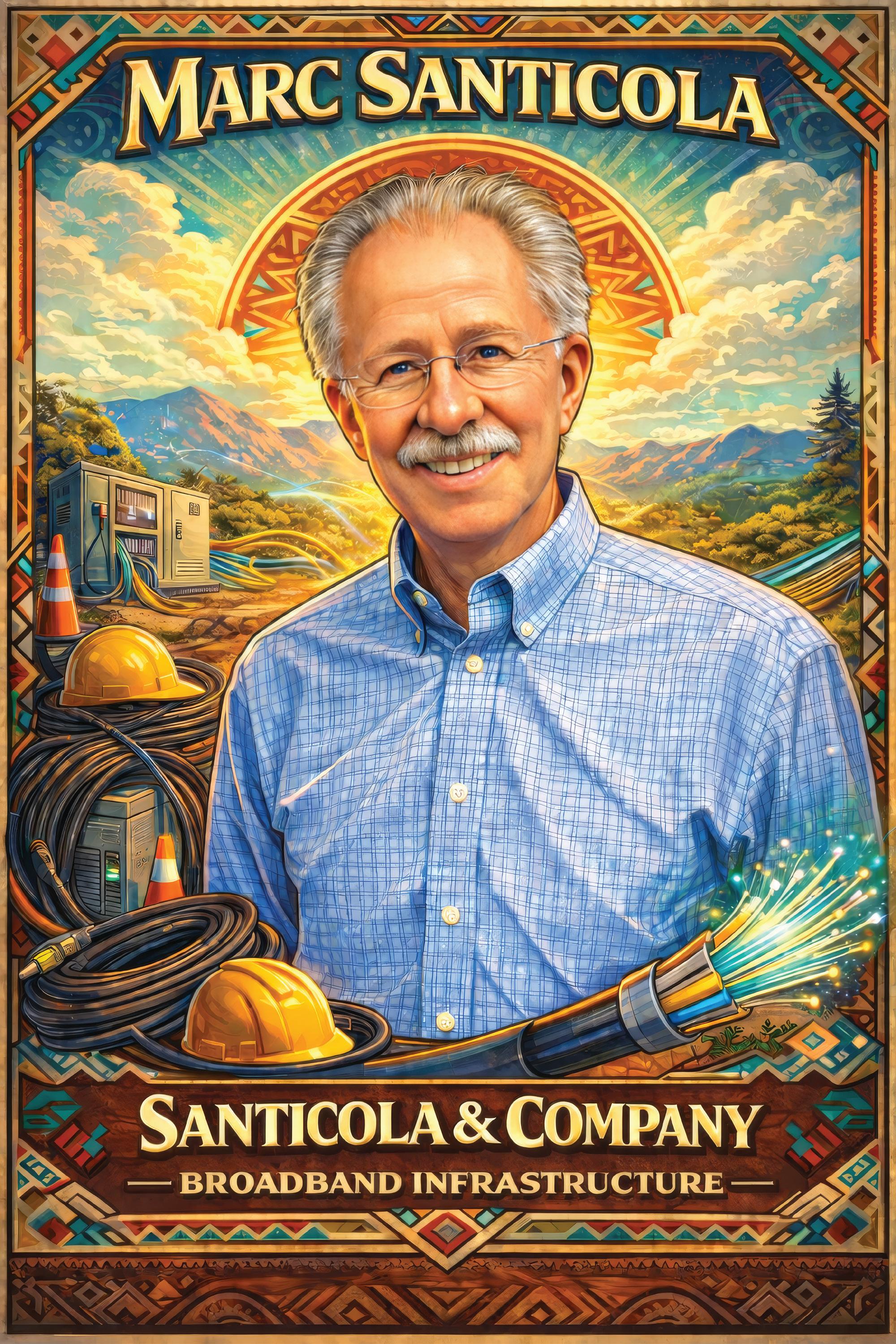
Planning and infrastructure grants—many supported or complemented by Colorado-based philanthropic partners — have funded broadband expansion, water and wastewater systems, market development, site preparation for housing, and long-term master planning.
These investments reflect a shift from onetime project funding to long-term impacts,
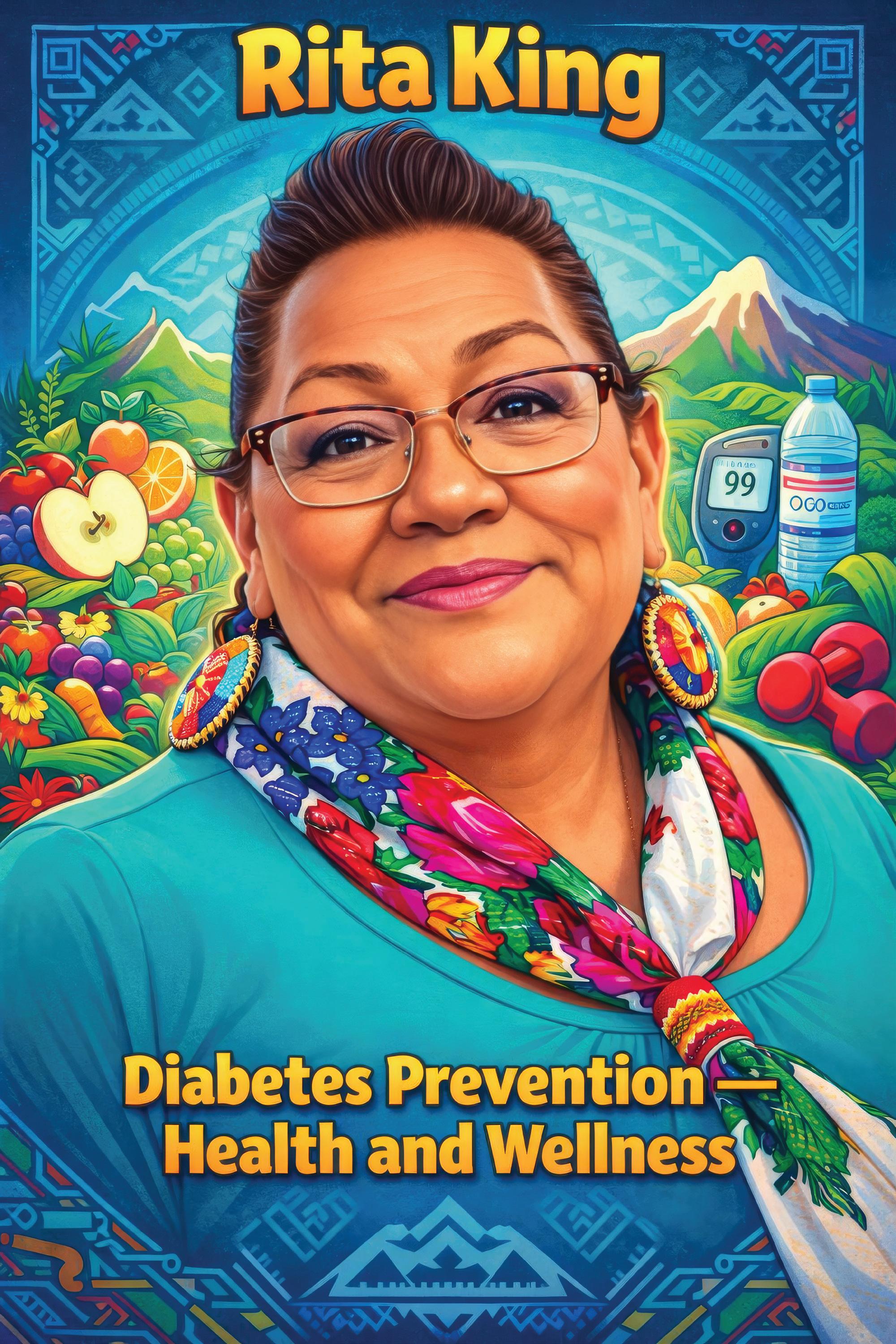
based on the Tribe’s five-year Comprehensive Economic Development Strategies and Tiwahe Plans that holistically braid funding sources and service programs to meet the needs of the people. Grants from Colorado-based foundations have complemented federal and state funding to sustain diabetes prevention, healthy food initiatives, vision care, substance-use prevention, and youth leadership programs.
This blend of philanthropic and public funding underscores how relationship-driven philanthropy has helped the Tribe braid funding sources to achieve greater long-term impact.
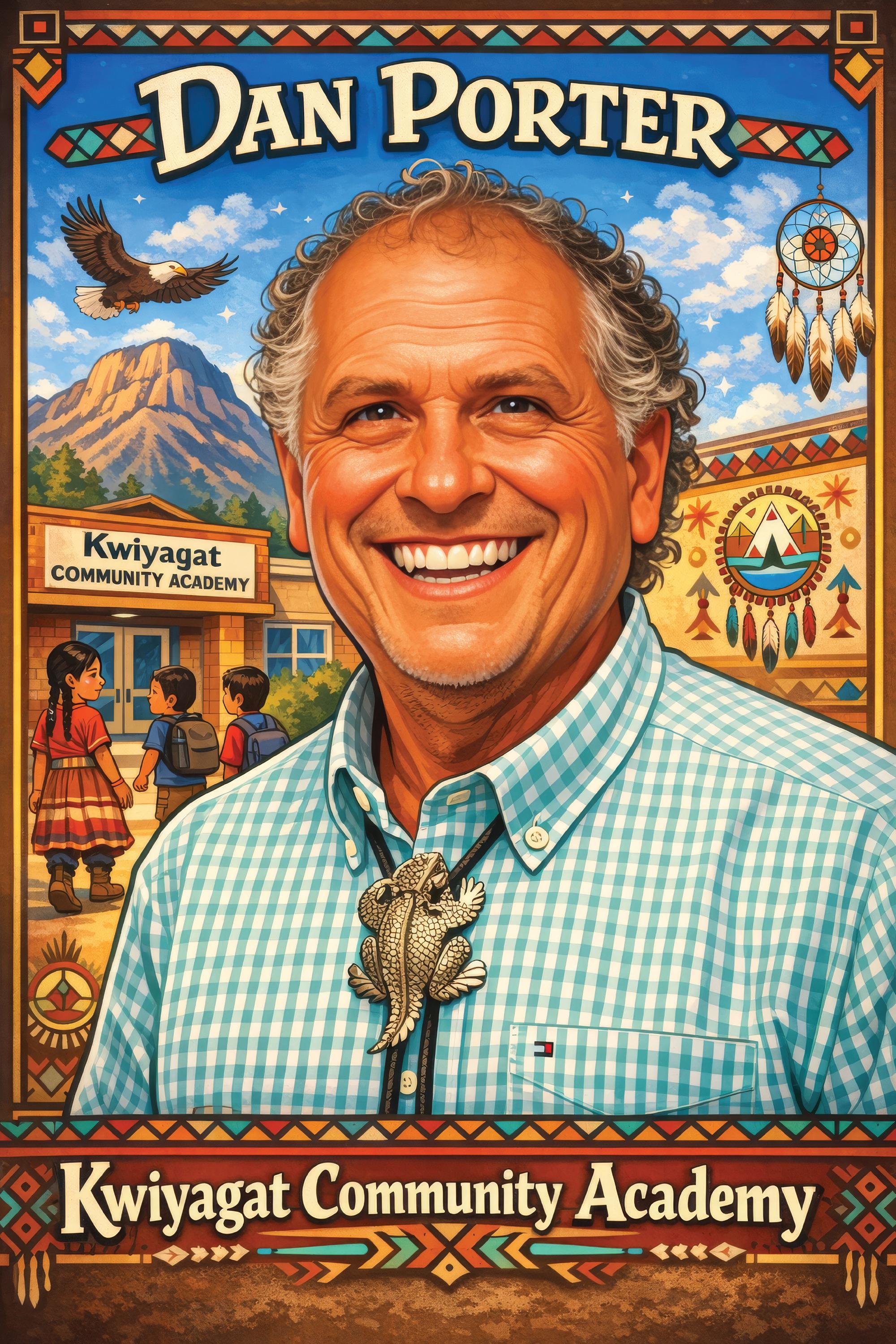
Another notable outcome of these relationships is the substantial philanthropic investment in education and youth-serving institutions, particularly the Kwiyagat Community Academy. Colorado foundations and aligned partners have funded academic improvement, facilities, language and culture preservation, outdoor recreation, and operational stability. The breadth and consistency of this support reflect funders’ growing understanding of the Tribe’s holistic approach to education — an understanding cultivated through repeated engagement, site visits, and peer learning opportunities facilitated by Philanthropy Colorado.
Collectively, this grants portfolio illustrates how relationship-centered philanthropy has moved beyond transactional funding toward long-term partnership. Engagement with Philanthropy Colorado has helped position the Ute Mountain Ute Tribe as a trusted, visible, and capable partner within Colorado’s philanthropic ecosystem — resulting in sustained investments that advance Tribal sovereignty, community resilience, and self determined development.
Leveraged Funding from Philanthropic Investments
$69,393,281
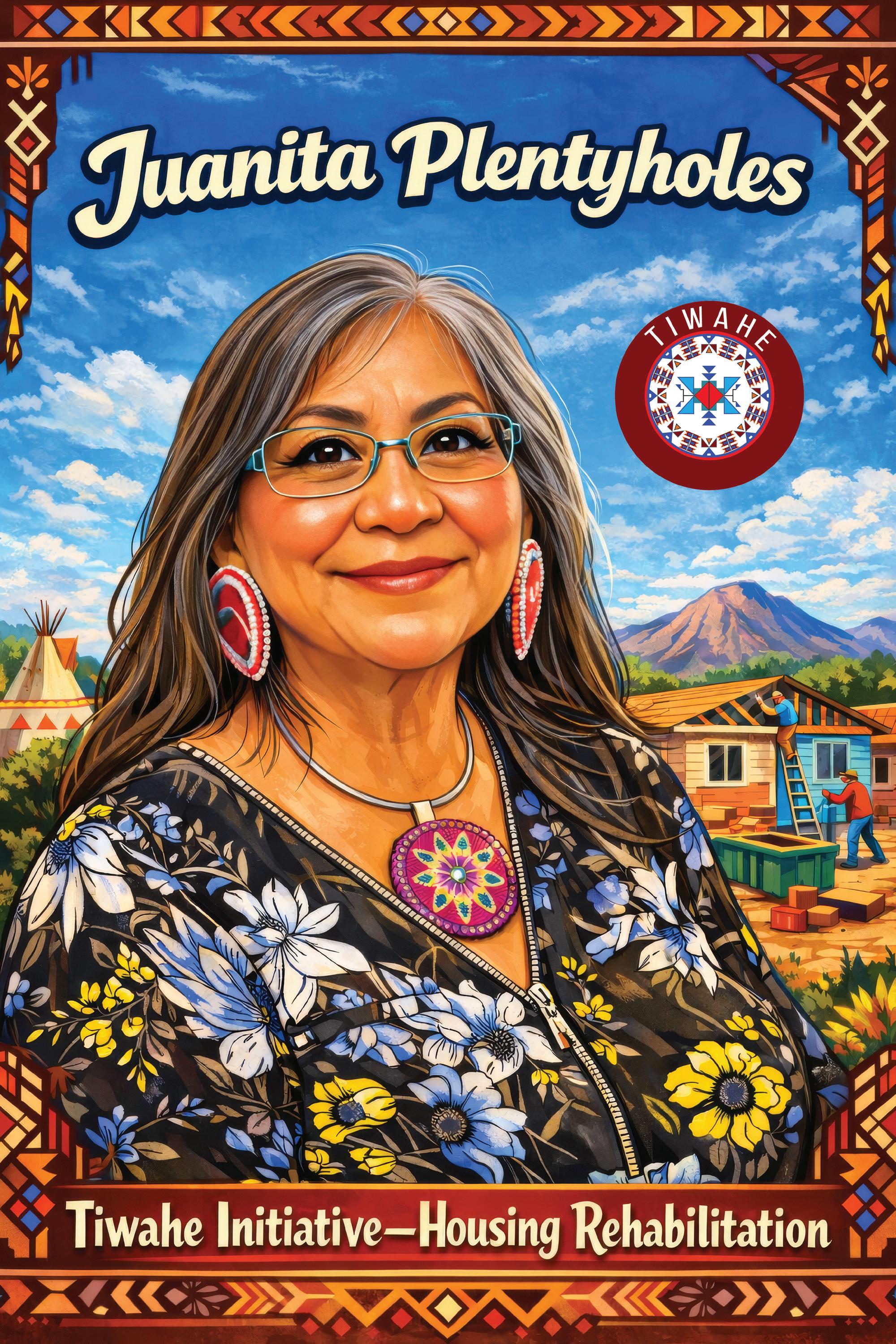
HOUSING REHABILITATION GRANTS
Juanita Plentyholes jplentyholes@utemountain.org 970-560-0104
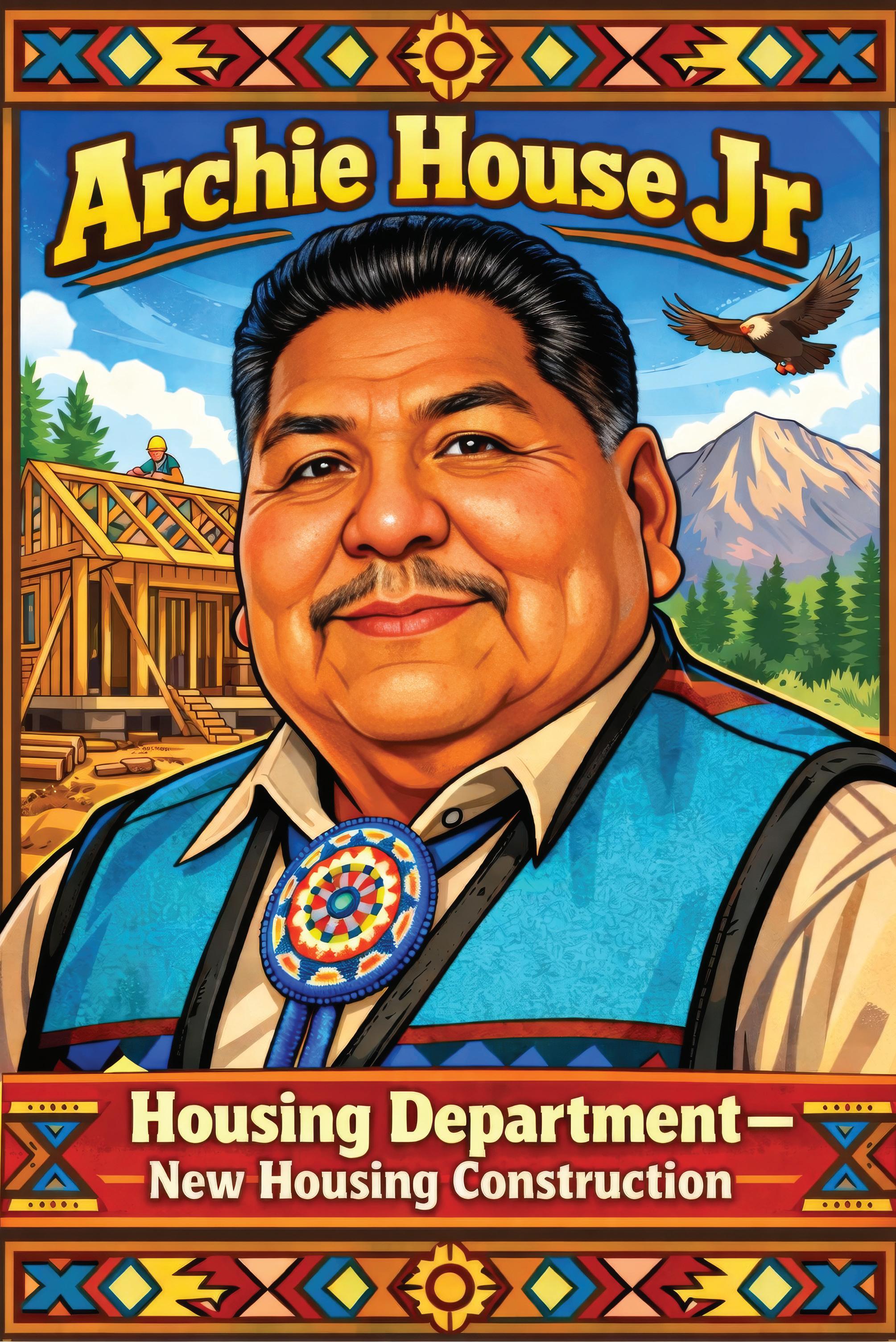
NEW HOUSING CONSTRUCTION GRANTS
KWIYAGAT COMMUNITY ACADEMY GRANTS
Dan Porter
dporter@utekca.org 970-238-6716
Charter School Growth Fund
Charter School Institute
$590,000 2021 Staff Incentive, Staffing, Facilities, Architect
$152,000 2021 Facility Improvements
Colorado Department of Education $3,393,104 2021 Academic Improvement, Building Improvements, Career Awareness
Colorado Department of Public Health Env
Colorado Trust
Denver Foundation
Gates Family Foundation
Gates Family Foundation
Denver Broncos
Nathan Yip Foundation
State of Colorado Governor’s Office
Trees Water People
Colorado Department of Parks and Wildlife
Colorado Health Foundation
Colorado Housing and Finance Authority
Colorado Plateau Foundation
Gates Family Foundation
United States Department of Education
Colorado Trust
First Nation Development Institute
Gates Family Foundation
GOCO
Montezuma Land Conservancy
Colorado Health Foundation
Colorado School Fund
Colorado Trust
Gates Family Foundation
Gates Family Foundation
Trust for Public Lands
United States Department of Agriculture
$458,409 2021 Nursing Services, Facility Security
$41,000 2021 KCA Facility Improvements, Architect
$408,000 2021 Facility Improvements, Architect
$250,000 2021 Facilities Improvements; Academic Improvement
$150,000 2021 KCA Facility Improvements, Architect
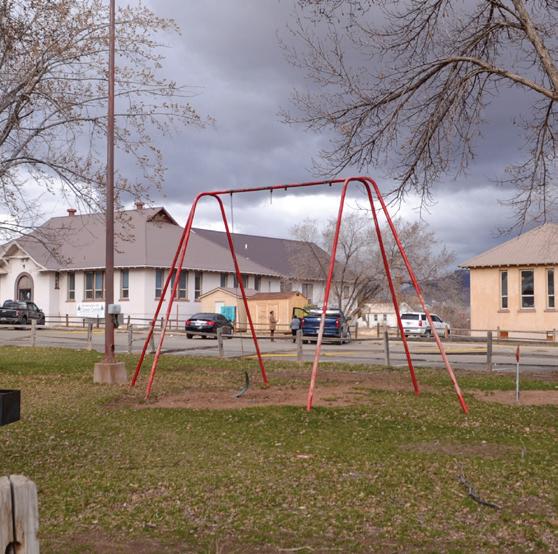
$10,000 2022 Playground Improvements
$30,000 2022 Playground Improvements, Master Planning
$578,000 2022 Playground Improvements, Master Planning
$15,000 2022 School Garden
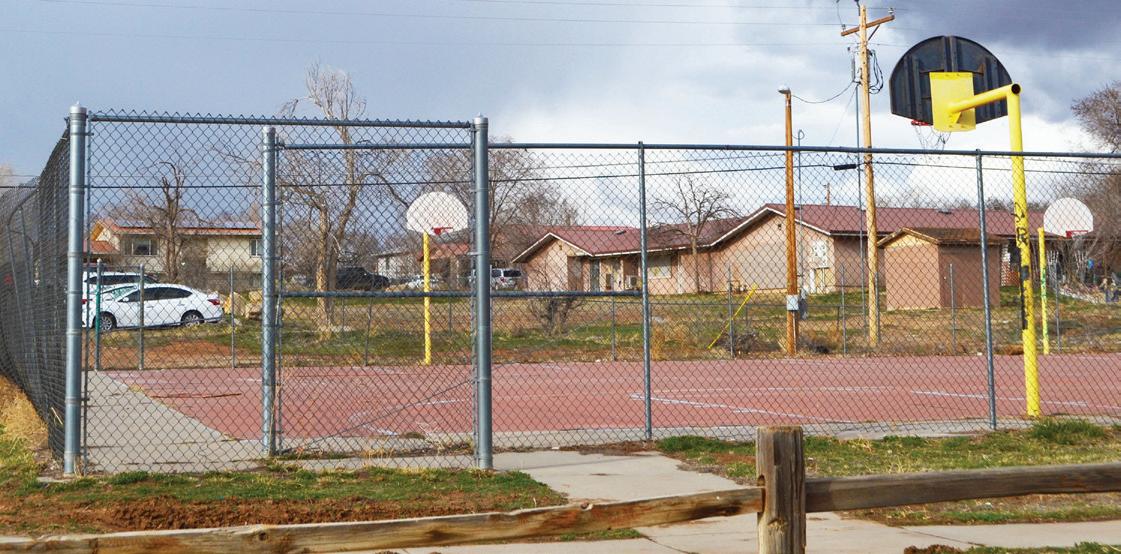
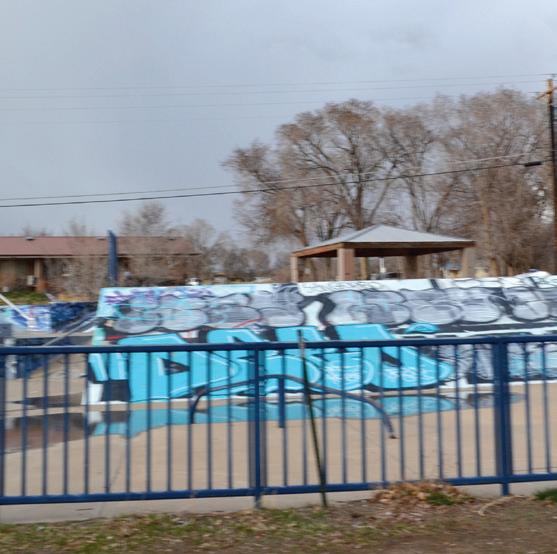
$69,200 2023 Outdoor Recreation
$200,000 2023 Architect, Cultural and Fitness Programs
$27,600 2023 KCA Facility Improvements, Architect
$75,000 2023 Ute Language and Culture
$30,000 2023 KCA Facility Improvements, Architect
$1,500,000 2023 Ute Language and Culture Academic Supports
$50,000 2024 Operational
$190,000 2024 Ute Language and Culture; Native Foods
$50,000 2024 KCA Facility Improvements, Architect
$42,000 2024 Outdoor Recreation
$24,000 2024 Programming
$350,000 2025 Shortfall for Architecture Design
$30,000 2025 Teacher Incentives
$20,000 2025 Follow up from Rural Funders Site Visit
$40,000 2025 Academic Improvements
$50,000 2025 KCA Facility Improvements, Architect
$88,200 2025 Facilities Improvements
$2,000,000 2025 Matching funds for New Building — CDS “Earmark”
United States Department of Education $1,400,000 2026 Language, Culture, History Curriculum, Staffing, Technology
TOTAL $12,311,513
PARKS & RECREATION GRANTS

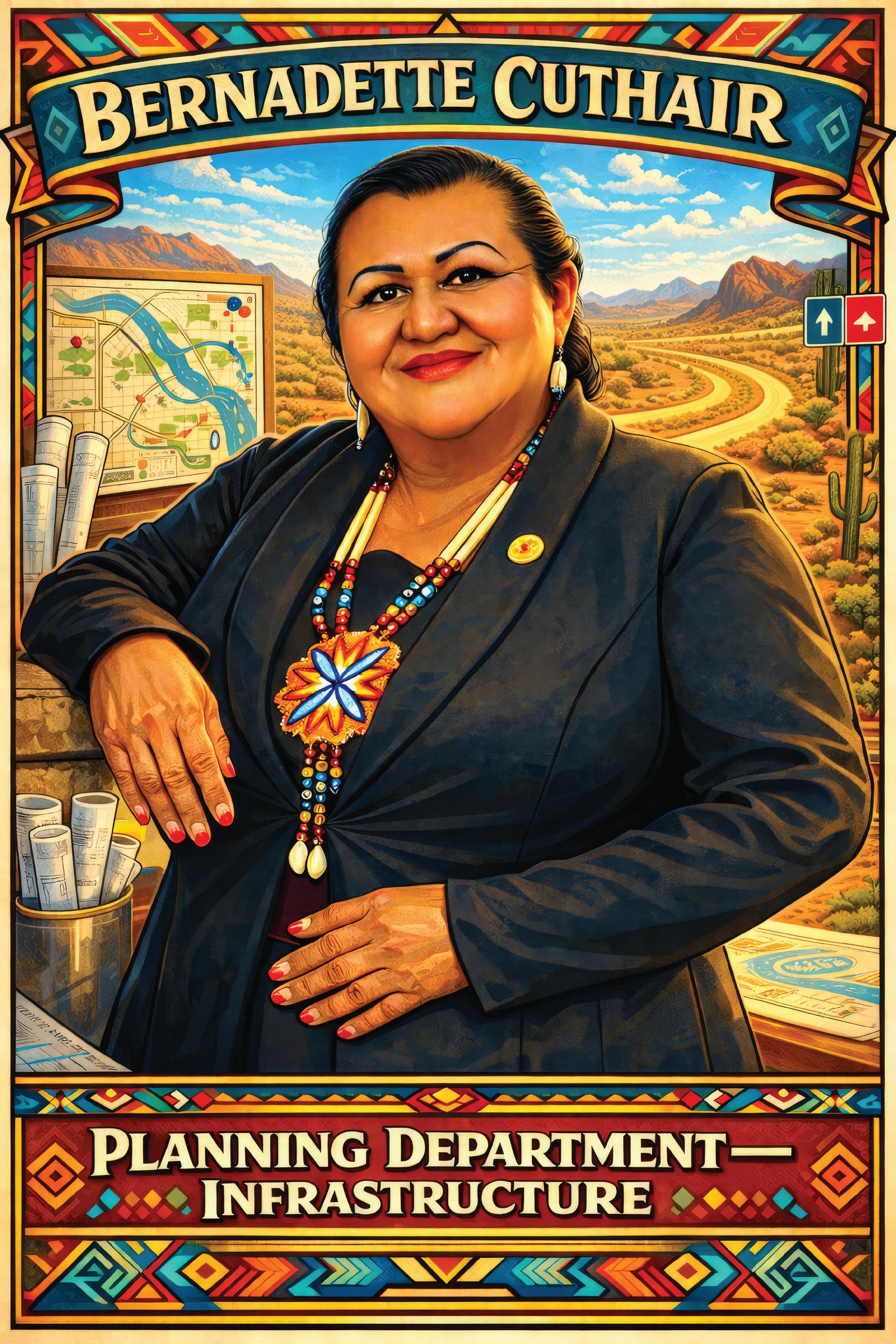
PLANNING & INFRASTRUCTURE GRANTS
Bernadette Cuthair
bcuthair@utemountain.org
970-238-0129
Colorado Housing and Finance Authority
Colorado Housing and Finance Authority
Colorado Housing and Finance Authority
Colorado Housing and Finance Authority
Gates Family Foundation
Colorado Health Foundation
National Telecommunications & Information
State of Colorado
State of Colorado
Colorado Housing and Finance Authority
Colorado Health Foundation
Gates Family Foundation
Colorado Housing and Finance Authority
Colorado Housing and Finance Authority
Colorado Housing and Finance Authority
Boettcher Foundation
Colorado Housing and Finance Authority
Indian Health Service
Colorado Health Foundation
Colorado Trust
$2,500 2019 Grocery Store Feasibility Study
$1,544 2019 Housing Department Exterior Lighting
$97,000 2020 25 Furnace Replacements
$2,000 2020 Signage and Curriculum for Ute Indian Museum
$15,000 2021 Nuchu Market
$1,150,000 2022 Broadband
$22,700,000 2022 Broadband
$9,800,000 2022 Broadband
$3,450,000 2022 Broadband
$250,000 2022 Match for Comprehensive Master Plan
$1,000,000 2022 Nuchu Market
$75,000 2022 Nuchu Market
$250,000 2022 Pads for White Mesa Manufactured Homes
$500,000 2023 Building Partnerships Year 2
$500,000 2023 Building Partnerships Year 4
$35,000 2023 Nuchu Market and Tiwahe Initiative
$500,000 2024 Building Partnerships Year 3
$5,057,000 2025 Cortez to Towaoc Water Main
$200,000 2025 Engineering Services for Industrial Water Supply
$10,000 2025 Engineering Services for Industrial Water Supply
Colorado Health Foundation $488,204 2025 Planning/Infrastructure
Indian Health Service
Colorado Health Foundation
Indian Health Service
Colorado Health Foundation
TOTAL $47,163,944
$168,000 2025 Scattered Housing
$28,696 2025 Shortfall for Cortez to Towaoc Water
$645,000 2025 Vac Truck Trailer and Failing Drain Fields
$239,000 2025 Wastewater Treatment Facility PER for Lagoon
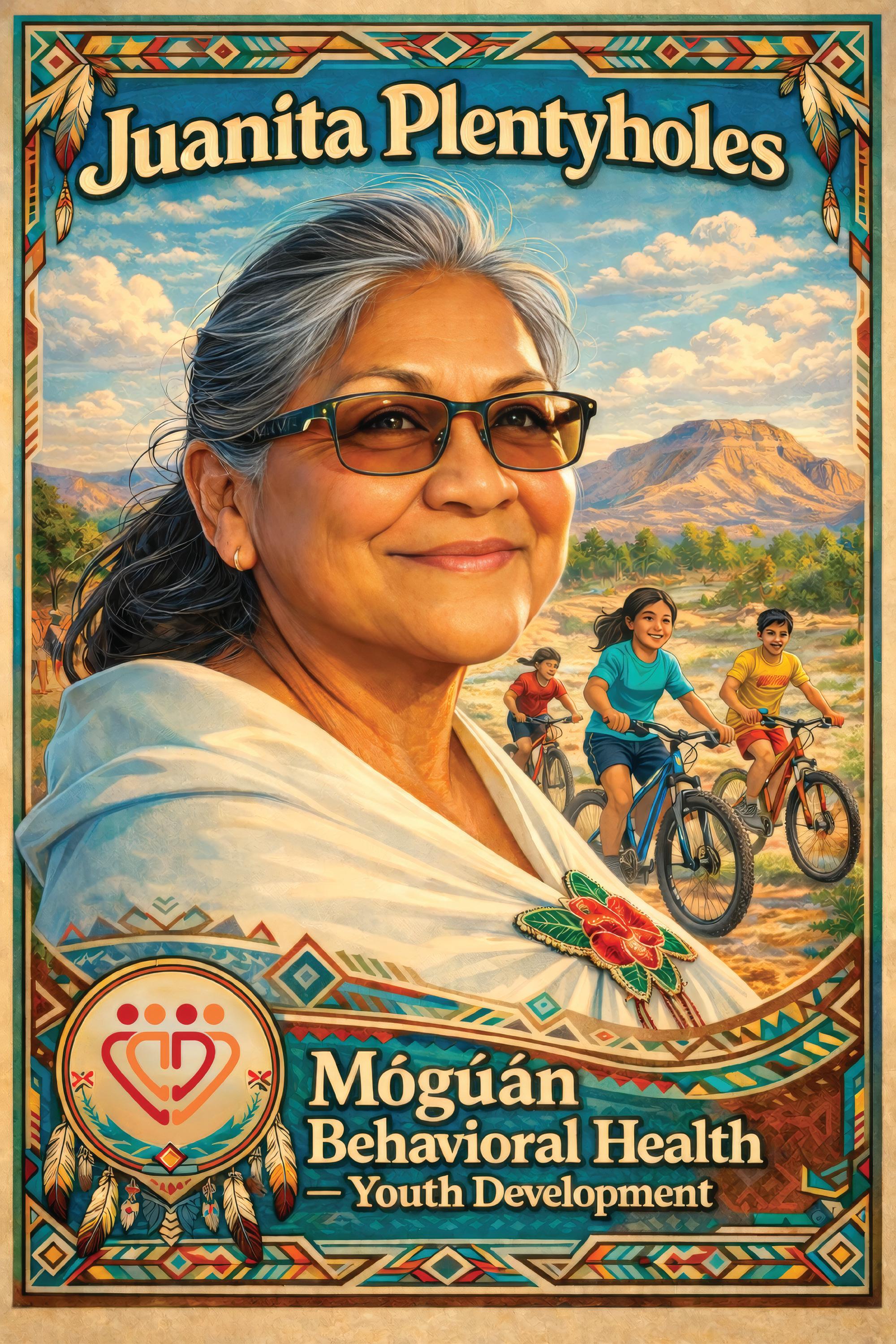
YOUTH SUBSTANCE PREVENTION
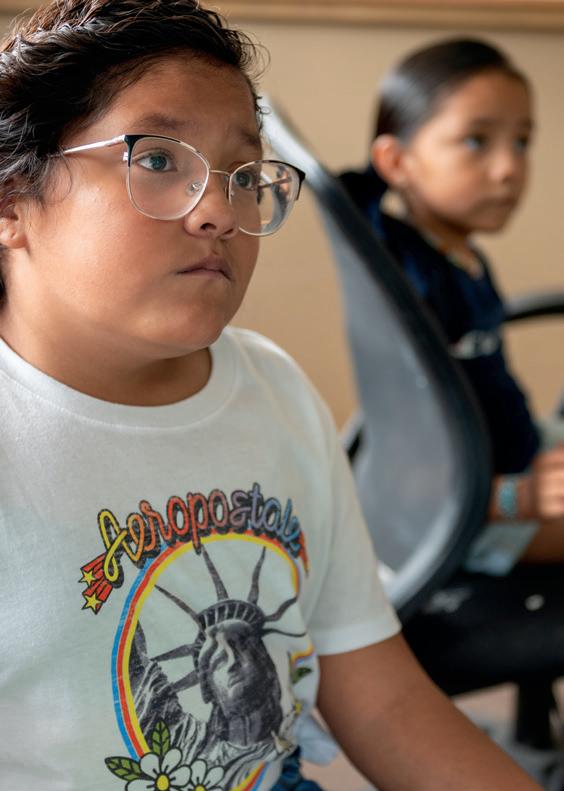
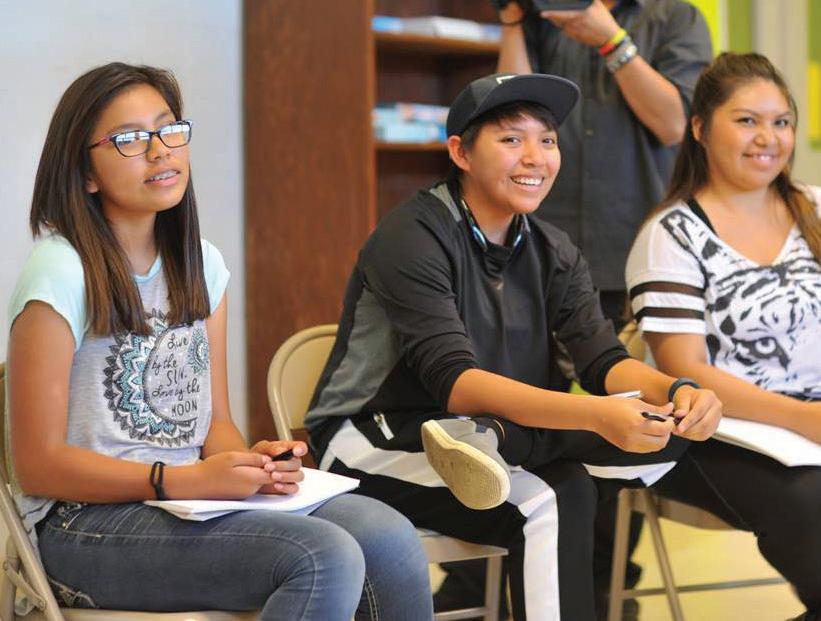
CAPACITY BUILDING GRANTS

HEALTH & WELLNESS GRANTS

HOW WE DO IT
The Center for Rural Outreach and Public Services, Inc. (CROPS) is 501(c)3 organization that was established in 2004 with a long-term vision to alleviate poverty in rural America. The mission of CROPS is to partner with rural and indigenous communities to reach economic, health and social equity. CROPS provides capacity building, project facilitation, evaluation, and strategic planning retreats for the Ute Mountain Ute Tribe.
CROPS’ Native National Partnership Strategic Planning Process is grounded in the belief that Indigenous communities are best positioned to define their own futures when planning is led by community values, lived experience, and collective wisdom. CROPS’ work is rooted in the assumption that strategic planning is most effective when it is participatory, culturally grounded, and partnership-driven.
When Indigenous leaders, elders, youth, and organizational partners are brought together in a structured yet flexible planning process—one that centers strengths, honors relationships, and aligns around shared priorities—communities are better positioned to develop actionable strategies and sustain long-term impact.
The Native National Partnership Strategic Planning Process draws on CROPS’ deep experience in capacity building, technical assistance, and collaborative planning with Indigenous communities, as well as state, federal and private funding partners.
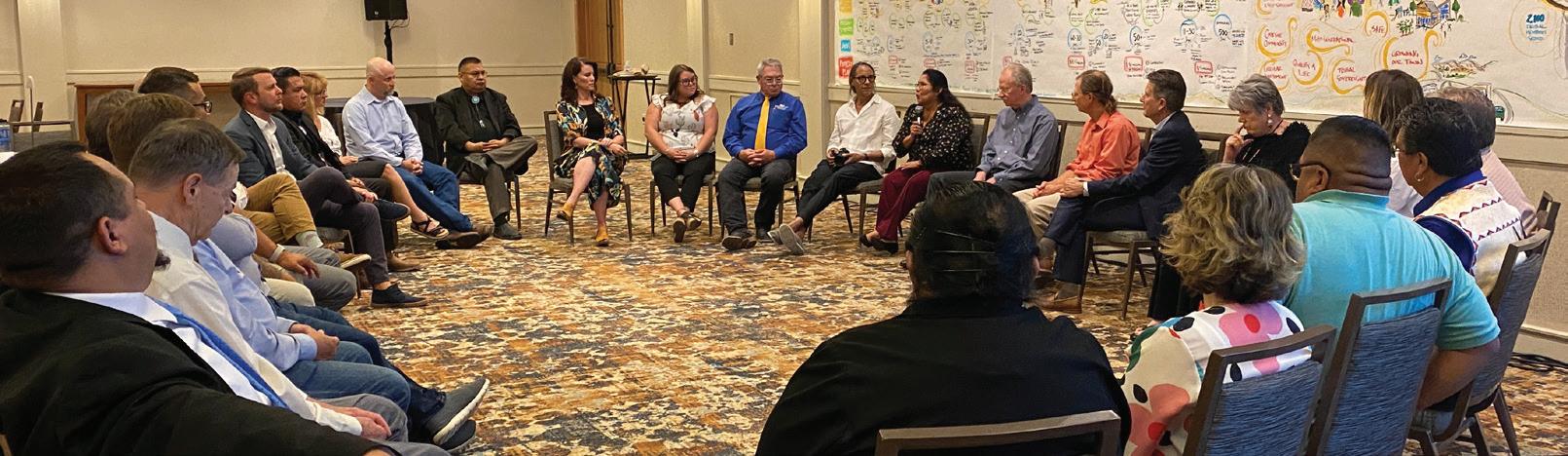
Inputs include trusted facilitation, Indigenous leadership engagement, data-informed reflection, and space for storytelling, dialogue, and collective analysis with potential grantmakers. The
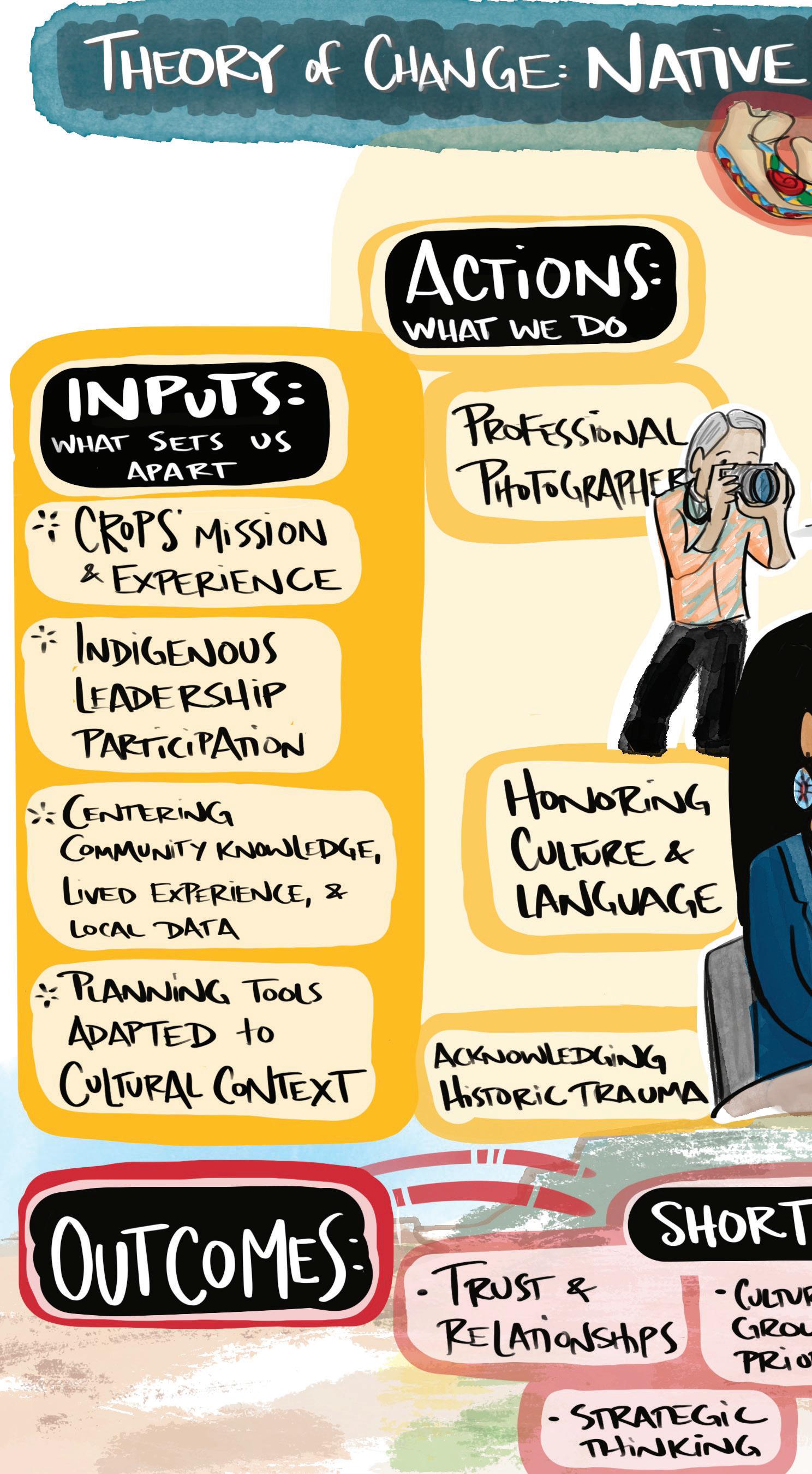
process intentionally balances Western strategic planning tools with Indigenous knowledge systems, ensuring that vision, values, and cultural responsibility guide decision-making. Key activities include convening Native partners and stakeholders; facilitating inclusive discussions to identify shared goals, challenges,
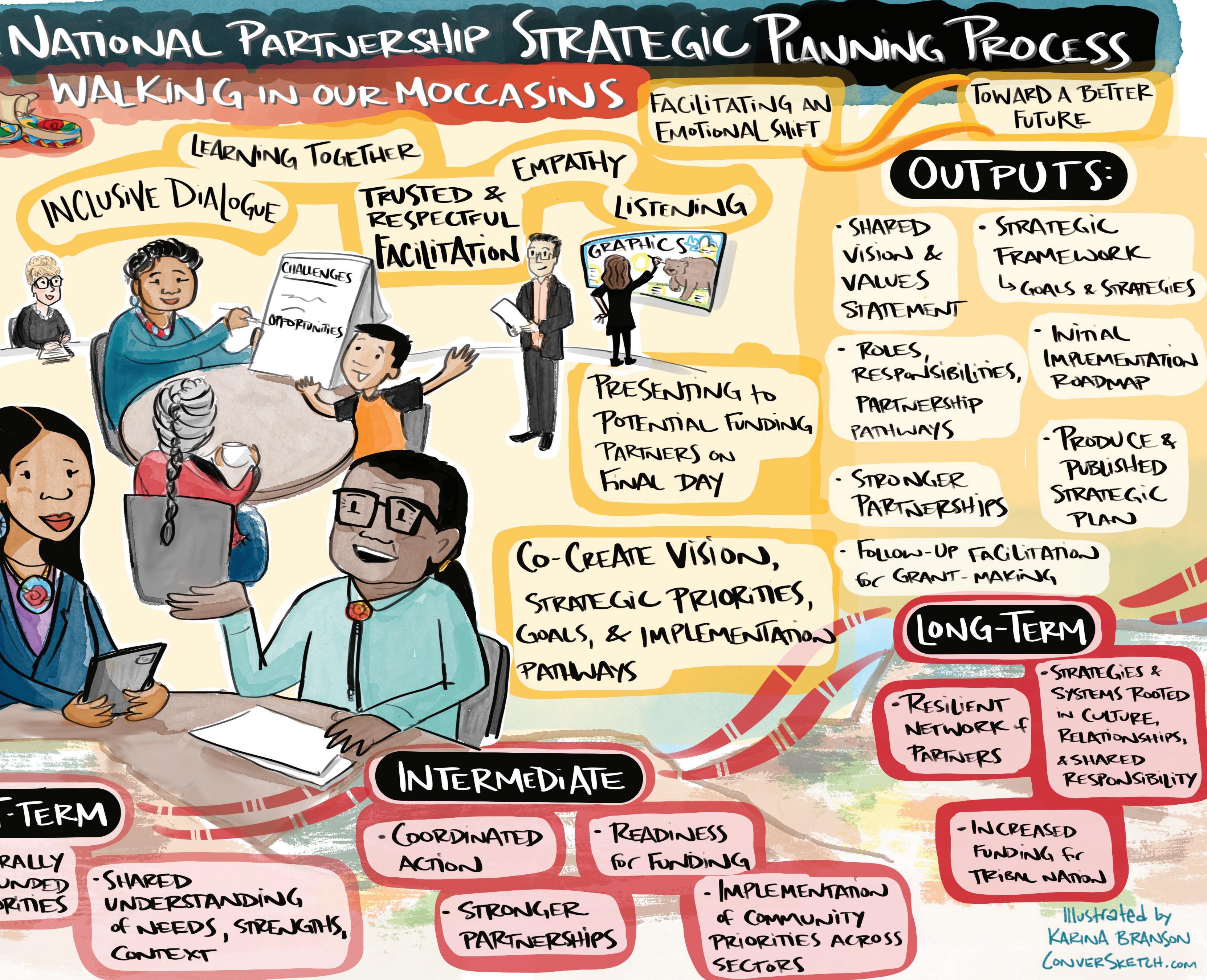
CROPS’ work is rooted in the assumption that strategic planning is most effective when it is participatory, culturally grounded, and partnership-driven.
and opportunities; mapping community and organizational assets; and co-creating strategic priorities and implementation pathways.
Emphasis is placed on trust-building, transparency, and accountability, allowing partners to move at the speed of relationships rather than imposed timelines. Immediate outputs include a shared strategic framework that reflects Indigenous priorities, clearly articulated goals and strategies, strengthened partnerships, and increased alignment among
participating organizations and leaders. The process also produces greater clarity around roles, responsibilities, and pathways for collaboration. In the short term, participants experience increased capacity for strategic thinking, partnership development, and coordinated action.
Over time, these outcomes support stronger governance, more effective fundraising and resource alignment, and the successful implementation of community-defined initiatives across sectors such as economic development,
Logic Model: Native National Partnership Strategic Planning Process
INPUTS
• CROPS mission, governance, and experienced staff/partners
• Indigenous leadership participation (elders, youth, practitioners, Native-serving organizations)
• Trusted facilitation and relationship-centered convening space
• Graphical recording of all conversations
• Professional photography to be used in final report
• Planning tools and templates (adapted to cultural context)
• Community knowledge, lived experience, and (where available) local/regional data
ACTIVITIES
• Convene partners and stakeholders across communities/regions
• Start with blessing by Tribal leader in Native language
• Establish shared values, decision-making norms, and accountability agreements
• Facilitate inclusive dialogue to identify challenges, opportunities, and priorities
• Graphically record assets, capacities, and partnership roles
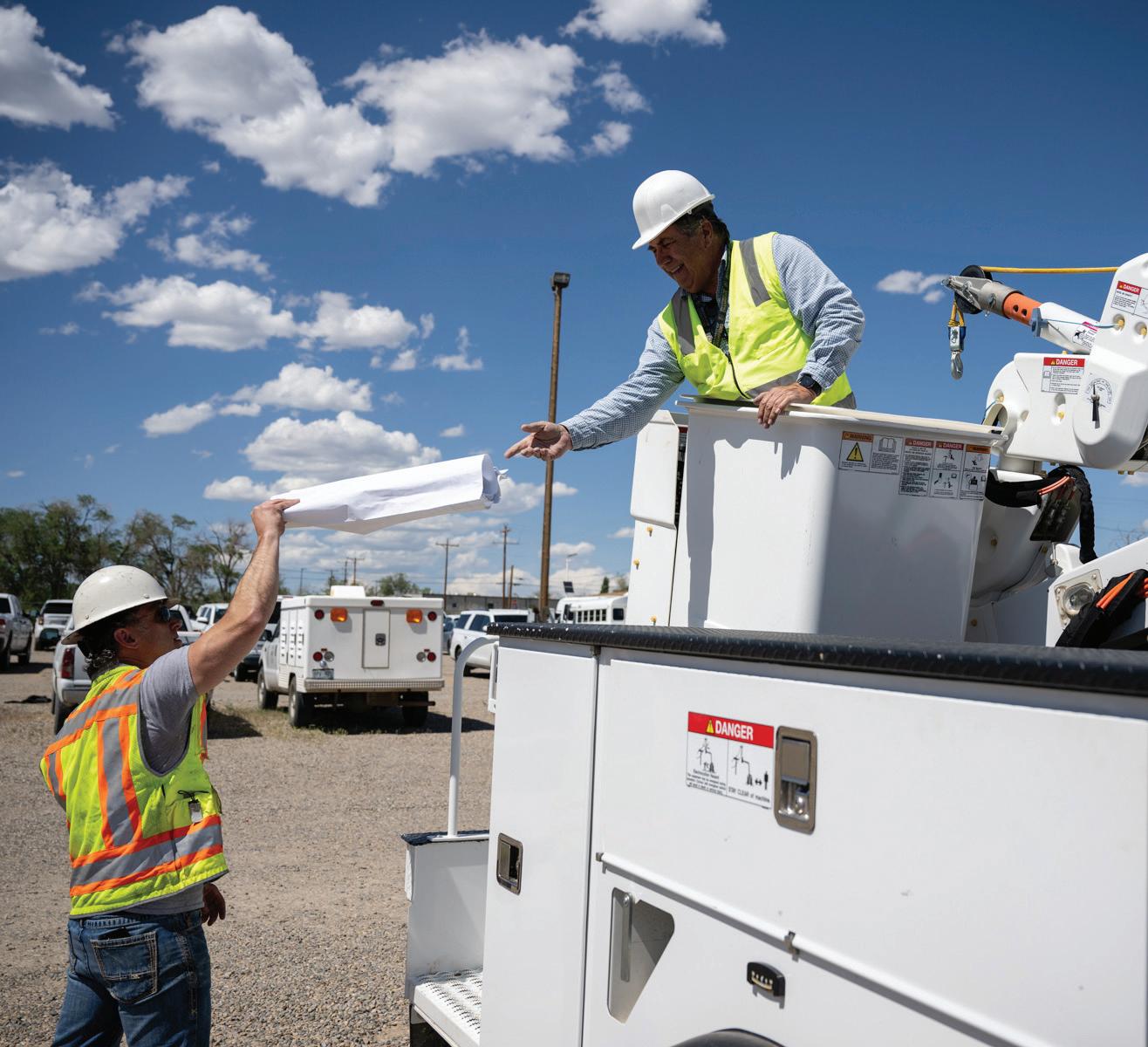
• Professionally photograph tribal leaders (headshots) and action photos for final report (CEDS)
• Co-create strategic priorities, goals, strategies, and implementation pathways
• Present plan to potential funding partners on the final day of the event with integration of tribal traditional and cultural opening ceremony
OUTPUTS
• Shared vision and values statement
• Strategic framework / plan with prioritized goals and strategies
• Defined roles, responsibilities, and partnership pathways
• Initial implementation roadmap (actions, owners, timelines)
• Stronger partner alignment and communication channels
• Produce and publish Strategic Plan for distribution
• Follow up facilitation by CROPS with donor cultivation to align goals and objectives to grant maker giving interests
health, education, culture, and social services. The long-term impact of the Native National Partnership Strategic Planning Process is the creation of a resilient, values-aligned network of Indigenous partnerships capable of advancing self-determination and equity.
By grounding strategy in culture, relationships, and shared responsibility, this process supports sustainable change that honors past, present, and future generations.
The long-term impact of the Native National Partnership Strategic Planning Process is the creation of a resilient, values-aligned network of Indigenous partnerships capable of advancing self-determination and equity.
SHORT-TERM OUTCOMES
• Increased trust and strengthened relationships among partners
• Greater shared understanding of needs, strengths, and context
• Improved capacity for strategic thinking and collaborative planning
• Clearer alignment around culturally grounded priorities
INTERMEDIATE OUTCOMES
• Coordinated action across partners (reduced duplication, improved alignment)
• Stronger governance and partnership functioning
• Improved readiness for funding and resource alignment
• Implementation of community-defined initiatives across sectors (e.g., economic development, health, education, culture, social services)
LONG-TERM IMPACT
• Resilient, values-aligned national network of Indigenous-centered partnerships
• Greater self-determination and sustained equity outcomes over generations
• Strategies and systems rooted in culture, relationships, and shared responsibility
• Increased funding for tribal nation
ABOUT CROPS
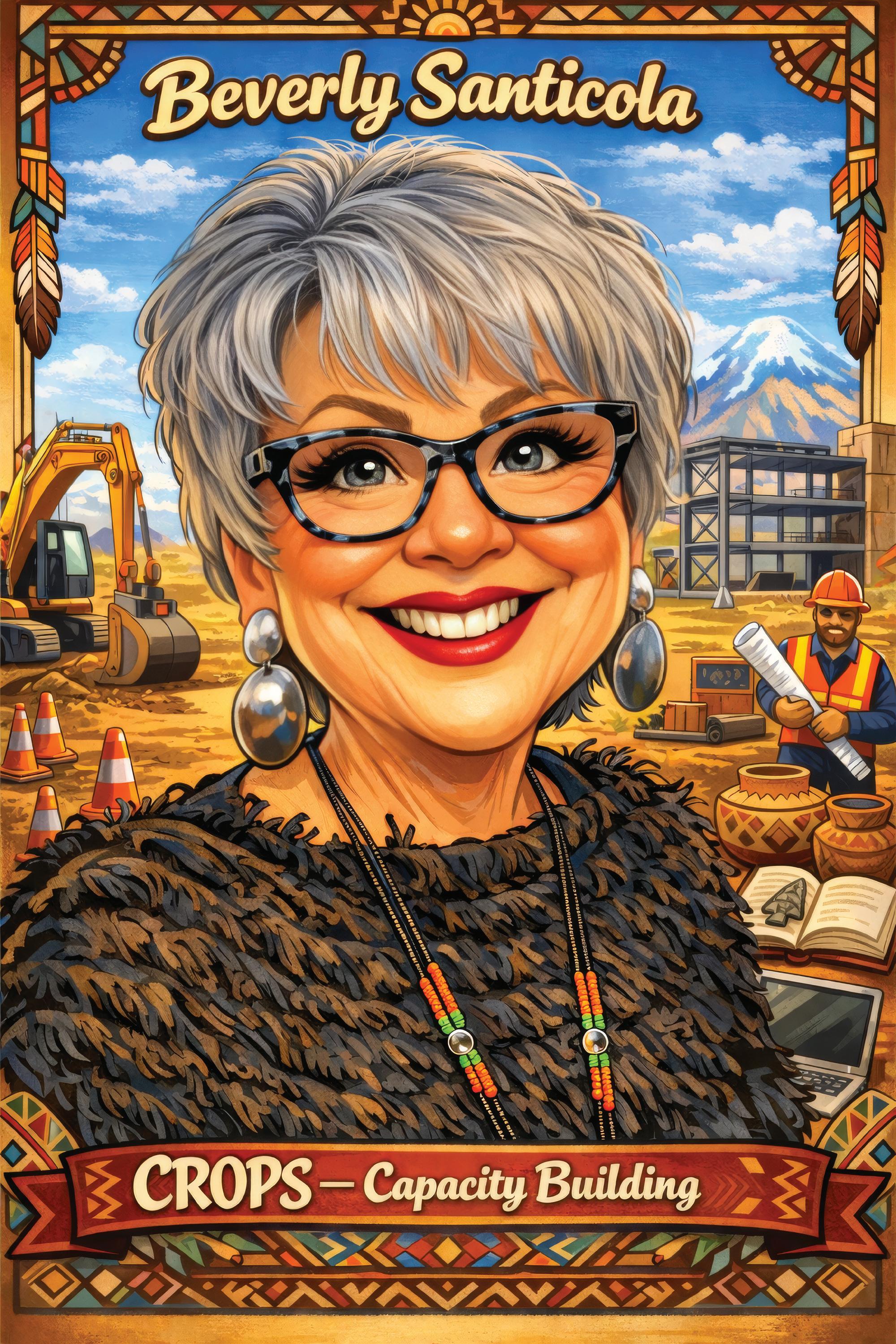
The Center for Rural Outreach and Public Services, Inc. (CROPS) is 501(c) 3 organization that was established in 2004 by Beverly Santicola and her late mom Ardella Paulsen, with a longterm vision to alleviate poverty in rural America.
The mission of CROPS is to partner with rural and indigenous communities to reach economic, health and social equity. Since 2015, by empowering Indigenous youth and elders, with a focus on passions, strengths, and needs, CROPS has helped generate over $176 MILLION in grant funding for arts, broadband, culture, economic development, education, healthcare, language, victim services and more for the Ute Mountain Ute Tribe.
CROPS pairs fundraising successes with strategic planning, capacity building and technical assistance to ensure sustained impact. CROPS Board of Directors is comprised of Dr. Susan Thomas (Chair); Eileen “Taffy” Lafferty (Vice Chair); Nathan Lillie (Member); and Jodi Prout (Member). Its Executive Director is Beverly Santicola.
CROPS pairs fundraising successes with strategic planning, capacity building and technical assistance to ensure sustained impact.
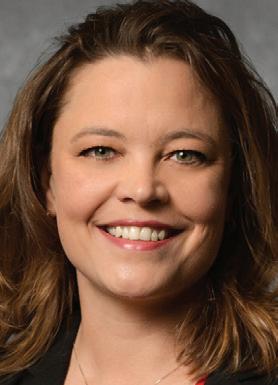
Susan Thomas is a senior attorney with a municipal law firm, Messer Fort, PLLC, in Frisco, Texas. Susan represents small and medium sized cities and towns across the DFW metroplex and assist those jurisdictions with a wide array of general municipal legal services. Prior to entering the practice of law, Susan served as the executive director of a regional
government organization working with cities and counties to promote economic and community development. Before that, she worked at the City of Fayetteville, Arkansas as the public information officer, government channel manager, and policy advisor to the mayor. Susan also served as the inaugural director of the Delta Research and Design Center in Clarendon, Arkansas, a community and economic development outreach program of the University of Arkansas that served cities across a 22-county region in eastern Arkansas. She has taught undergraduate and graduate level classes in American National Government, Public Administration, and Public Policy and has directed strategic planning and vision planning sessions for multiple cities and nonprofit organizations in both Arkansas and Texas.
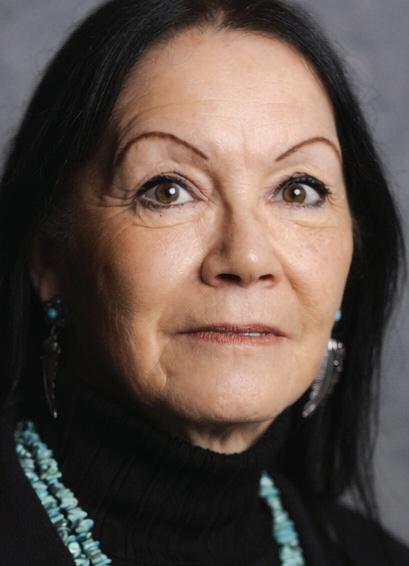
Eileen “Taffy” Lafferty is an enrolled member of the Rosebud Sioux Tribe. Taffy previously served as the Loan Fund Director at Black Hills Community Loan Fund in Rapid City, South Dakota. She has worked with Native CDFI’s in the Northern Plains Region, as well as 19 Tribes and numerous organizations/programs on economic development, housing, funding, and training.
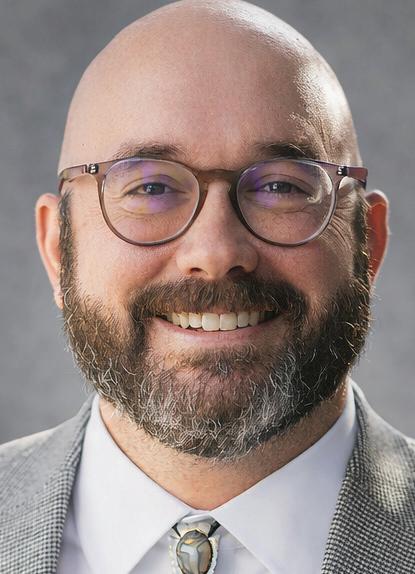
Nathan Lillie is a citizen of the Cherokee Nation of Oklahoma and holds a Bachelor of Science in Agricultural Sciences and Natural Resources from Oklahoma State University. Nathan has over 18 years of experience in federal service and tribal consulting in the field of natural resources management, workforce development, and policy advising.

Jodi Prout is a community development professional with 20+ years of experience implementing place-based policy, systems & environmental (PSE) changes to create sustainable, healthy communities through a holistic and community-driven approach that connects policy and practice. Her expertise includes workforce development, sustainable development, community health assessment, land use policy, community engagement, quality assurance/evaluation, subrecipient monitoring, and grant writing.
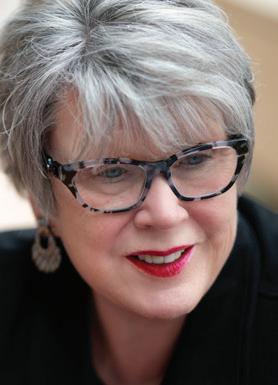
Beverly Santicola is social entrepreneur, capacity builder, problem solver, project facilitator, and grant writing consultant. Over the past ten years Santicola has focused her expertise and energy in the arenas of community development and collaborative partnership building for the Ute Mountain Ute Tribe in Colorado, New Mexico, and Utah. Santicola has been nationally recognized for social innovation and leadership excellence by the US Department of Interior, Bureau of Indian Affairs, as well as Encore.org as a 2010 and 2014 Purpose Prize Fellow sponsored by the Atlantic Philanthropies and John Templeton Foundation. She has helped produce international award- winning Comprehensive Economic Development Strategies (CEDS) Plans for Tribes since 2021, winning numerous Communicator Awards and Anthem Awards for excellence, effectiveness, and innovation across all areas of communication, as well as global impact for mission-driven work.

A
nonprofit organization partnering with Indigenous and rural communities to reach economic, health and social equity.
About Sleeping Ute Mountain
The Ute Mountains, commonly called the Sleeping Ute Mountains, form a small mountain range covering an area of about five by 12 miles in the southwestern corner of Colorado.
These mountains stand apart from surrounding ranges, creating a striking landscape feature. As part of the range, Sleeping Ute Mountain’s significant elevation change is one of its most defining traits, rising approximately 4,250 feet above the Montezuma Valley to the southeast.
The mountain’s unique shape, that of a sleeping Ute chief, and its location make it a prominent landmark in the region. When viewing Ute Peak, it’s easy to identify profile features, like the head, crossed arms, ribcage, knees, and toes.

Beverly Santicola, Executive Director 281-224-1443 500 Academy Place, Sewickley, PA 15143 bevsanticola@outlook.com • www.cropsorg.com