UNFI CLIMATE ACTION PARTNERSHIP
CASE STUDY Traditional Medicinals®: Responsible Sourcing that Protects Forests and Promotes Biodiversity
Traditional Medicinals® is a botanical wellness company known for its commitment to promoting sustainable practices and preserving forests and biodiversity. The ethos of Traditional Medicinals (TM) is summed up in the following statement: “We are not just in the business of tea. We are in the business of change—changing lives, changing communities, and changing the quality of herbal remedies.” Sustainable sourcing is at the heart of this ethos. By sourcing its ingredients responsibly, engaging in forest preservation efforts, and supporting local communities, TM established
itself as a leader in promoting wild collection and biodiversity.
Traditional Medicinals recognizes that their herbal teas are critically reliant on the health and preservation of natural ecosystems. Deforestation and land-use change threaten the long-term viability of herb supply along with the other vital ecosystem services that support rural livelihoods. Roughly 40% of their botanical herbs are collected in the wild. Wild sourced herbs create pathways for providing sustainable economic prosperity in rural collection regions across the globe, thereby preserving the very environments in which they are located.
Bringing Rigor to Forest Protection with Certifications
Traditional Medicinals is committed to sourcing botanical ingredients and packaging materials that are produced and harvested according to independently verifiable and certifiable sustainability standards (comprising ecological, fair trade, and social sustainability criteria). Verification by auditors via farmlevel visits on a recurring basis ensures continued compliance with certification standards. Examples of certifications used that promote forest conservation include:


Fair for Life (FFL): Fair for Life is a third-party certification program that promotes fair trade and social responsibility throughout the supply chain. To be eligible for FFL certification, there cannot be any destruction or clearing of primary or old growth secondary forest, and the lookback period is 10 years. In addition to the 3rd party verification that supply chain partners are not clearing forests, TM is personally required to visit FFL partners. Those in-person visits include observing the forests that are maintained in service of FFL certification, adding another layer of commitment, oversight, and interaction with forests. In the first half of 2023, TM achieved FFL brand certification and approximately 34% of its sourced ingredients, by volume, are certified to FFL standards. Traditional Medicinals’ 2030 sustainable sourcing goals include increasing the share of FFL certified ingredients to 80%.
FairWild: The FairWild Standard is a certification system that aims to promote the sustainable and equitable trade of wild-collected plant ingredients. By ensuring the responsible and ethical sourcing of wild plants, the FairWild Standard plays a crucial role in protecting forests and biodiversity. The FairWild Standard’s focus on biodiversity ensures that the trade in wildcollected plant ingredients is conducted in a way that safeguards the ecological integrity of

forests and other sensitive ecosystems. The FairWild Standard also seeks to promote the social and economic well-being of local communities that depend on wild plant resources. By empowering local communities, the FairWild Standard fosters a sense of stewardship towards forests, encouraging sustainable practices and reducing the pressures of unsustainable harvesting.
Forest Stewardship Council (FSC) Certification: Traditional Medicinals prioritizes the use of FSC certified packaging materials for its products. FSC certification guarantees that the wood and paper used in packaging are sourced from responsibly managed forests. By adopting FSC certified packaging, the company demonstrates its commitment to promoting sustainable forestry practices, biodiversity conservation, and the protection of ecosystem services provided by forests. This initiative helps to minimize the company’s environmental impact and supports the preservation of vital forest ecosystems around the world.
Wildlife Friendly Enterprise Network (WFEN): The Wildlife Friendly Enterprise Network (WFEN) is a global nonprofit organization that promotes wildlife conservation through the development and support of wildlife-friendly business practices. Traditional Medicinals sources Elephantfriendly certified green and black teas to ensure that Indian elephants have sufficient forests and pathways to coexist with tea plantations.

Spotlight on Schisandra: Ingredient Specific Action to Protect an Ecosystem
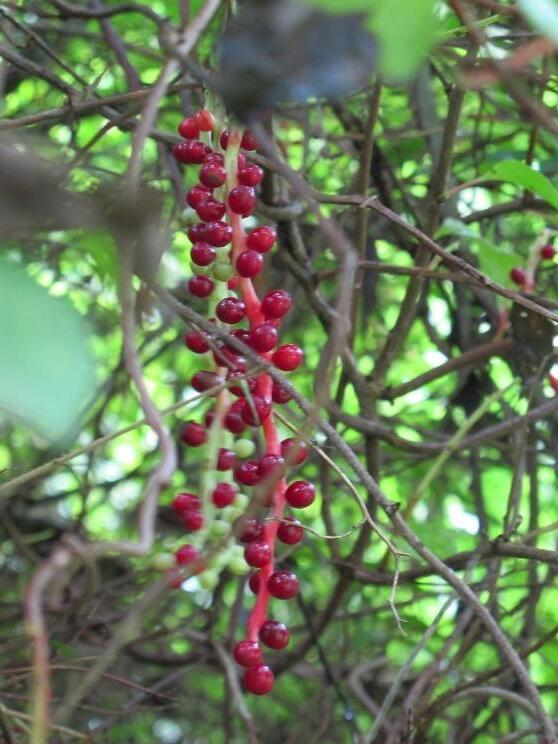
Each of the plants in Traditional Medicinals’ portfolio of botanicals is unique, reflecting specific growing needs, harvesting requirements, and ecosystem risks. One example of this is schisandra berry, a product of the schisandra vine that is native to China and parts of Russia. Traditional Medicinals sources wild schisandra berries for their EveryDay Detox® tea from southern China. This region is unique because it encompasses a bamboo forest that is home to one of the few populations of giant pandas. A 2014 census estimated 1,864 pandas remain in this area. In 2011, TM collaborated with Chengdu University of TCM, TRAFFIC, and World Wide Fund for Nature (WWF China) to help develop draft “Standards for Giant Panda-Friendly Products.” This is the first certification to consider the long-term survival of the giant panda bear of southern China, which involves protecting the bamboo forests that pandas require for survival, while ensuring the livelihood of the Chinese wild collectors who rely on the forest as a source of income year after year. TM is also the first company to sell a product bearing the panda-friendly logo.
Panda-Friendly Certification Improves the Well-Being of Herb Communities
The highest density of panda bears lives specifically in Pingwu County, Sichuan, where TM supports and works with the Pingwu Shuijing Traditional Chinese Medicine Cooperative with members from 23 villages, to promote the sustainable harvesting of wild schisandra berries and the protection of critical panda habitat. The company supports the viability of these communities with fair compensation for the berries sourced from them. Traditional Medicinals recognizes that for the local inhabitants to carry out the important work of managing, monitoring and caretaking these habitats for pandas and this invaluable plant, there is a need to support the economic viability of their communities with fair compensation.