A History of Soil Health Innovation in
Wheat Production
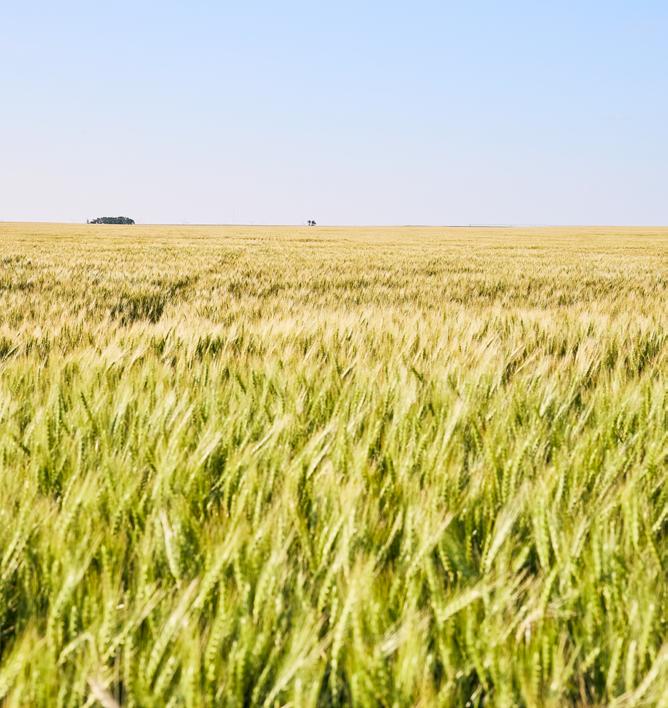
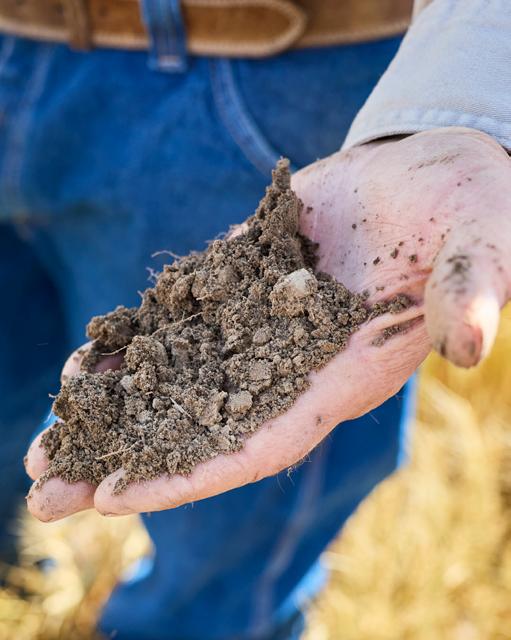
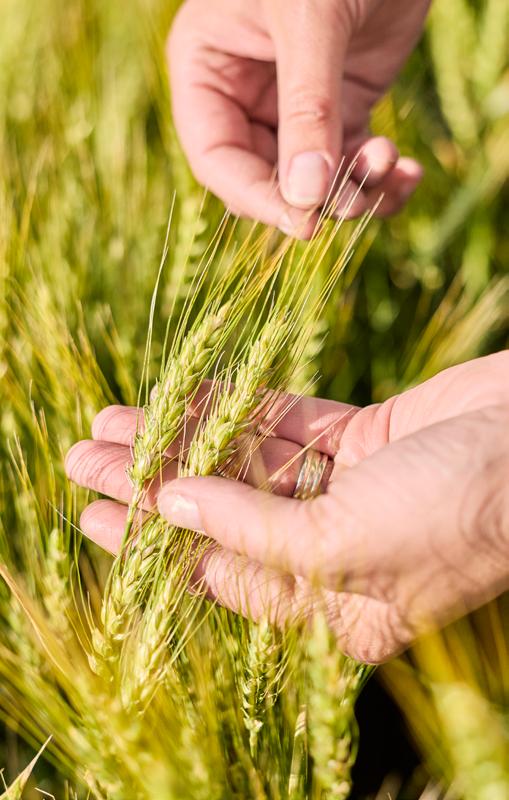
Long before King Arthur started using the term “regenerative agriculture,” they were partnering with Farmer Direct Foods—then a farmer cooperative rooted in doing what’s right for the soil, growers, and consumers—to grow wheat in more innovative and sustainable ways. In 1993, this collaboration led to the introduction of Golden Whole Wheat Flour, milled hard white spring wheat, which is lighter in color than traditional red wheat and produces milder-tasting baked goods.
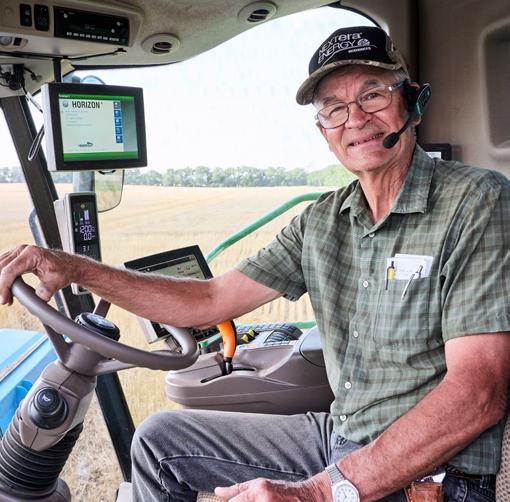
“Golden Wheat has demonstrated true partnership between King Arthur and farmers since 1993. Years of collaboration, feedback, and evidence gathering in how hard white wheat is grown are the necessary components to build a program that addresses soil health as well as sustainability of the grower and the rural agricultural community.”
-Julie Mayden, Vice President, Farmer Direct Foods
Through the development of an identitypreserved supply chain for Golden Wheat, along with robust feedback mechanisms for farmers, this work helped lay the foundation for subsequent sustainability and soil health initiatives across King Arthur’s supply chain. Critically, production of Golden Wheat helped identify and build relationships with farmers who were interested in growing new wheat varieties and thinking differently about the future of their farms, paving the way for more ambitious sourcing and sustainability efforts in the future.
“Golden Wheat has demonstrated true partnership between King Arthur and farmers since 1993. Years of collaboration, feedback, and evidence gathering in how hard white wheat is grown are the necessary components to build a program that addresses soil health as well as sustainability of the grower and the rural agricultural community.”-Julie Mayden, Vice President, Farmer Direct Foods
Today, Golden Wheat growers are recognized for their leadership in soil health management practices and play an important mentorship role in supporting broader adoption of what are now called regenerative practices within their farming communities. Golden Wheat continues to be sold in grocery stores across the United States, reflecting the long-term value of enduring farmer partnerships and incremental innovation.
Photo courtesy of King Arthur
“We believe our responsibility is not only to sustain the planet but to heal it—purposefully, courageously, and confidently. This unwavering commitment to regeneration and care guides every step we take.”
-Suzanne McDowell, Vice President of Impact, King Arthur Baking
The Grains for Good Commitment
Building off learnings from Golden Wheat, in 2022 King Arthur launched Grains for Good, committing to source 100 percent of its flour from regeneratively grown wheat by 2030. The commitment is designed to improve soil health, strengthen farm profitability, enhance biodiversity, reduce chemical inputs, and reduce emissions while ensuring long-term access to high-quality wheat. To achieve these goals, Grains for Good centers on strong supplier partnerships, farmer support mechanisms, and ongoing engagement across the value chain. The initiative represents a long-term investment in the quality, resilience, and viability of wheat as a foundational ingredient for bakers today and into the future.
“We believe our responsibility is not only to sustain the planet but to heal it—purposefully, courageously, and confidently. This unwavering commitment to regeneration and care guides every step we take.” -Suzanne McDowell, Vice President of Impact, King Arthur Baking
Designing the Regenerative Transition Strategy
Translating the Grains for Good commitment into action requires a long-term strategy that addresses both current wheat production challenges and the difficulty of translating soil health research into consistent on-farm practice. King Arthur focuses its strategy on areas where it has the greatest influence: how
it sources wheat, how it supports its farmers, and how it contributes to systems that enable regenerative adoption over time.
Internally, this requires alignment across the company. The Impact team—supported by the Board of Directors, CEO, Strategy Team, Operations, and Marketing—works to integrate regenerative sourcing goals into business processes and operations.
Externally, the strategy emphasizes partnership rather than stand-alone program development. Working with the Sustainable Food Lab and Kansas State University, King Arthur developed a framework rooted in regional expertise and applied scientific research. This work connects leading soil health research to real-world application across the Great Plains, helping farmers address practical barriers to adoption through local trusted partners.
Photo courtesy of King Arthur
King Arthur also helps strengthen regional advisory systems supporting farmers to implement soil health practices. As a founding member of the Northern Plains Trusted Advisor Partnership, the company supports funding for agronomists who provide direct technical support. The UNFI Foundation has also played a funding role in the Partnership. Over three years, the Partnership shows early signs of scaling success, growing from 19,000 acres enrolled in its first year to more than 300,000 acres in its third year, with advisors collectively consulting across more than 2 million acres in North Dakota. This demonstrates the potential for advisory networks to scale regenerative agriculture—including within King Arthur’s own sourcing program.
Implementation and Farmer Support
Implementation of the Grains for Good commitment focuses on putting the Sustainable Food Lab’s farmer adoption framework into practice through regionally grounded partnerships and on-farm engagement. This framework is outlined in the accompanying callout box.
In alignment with this framework, King Arthur’s Grains for Good farmer community receives premium pricing, term agreements, and soil testing as the program looks to understand and support technical advising and peer network needs. King Arthur invests in local advisors and transition support to help farmers address practical challenges in implementing regenerative methods. They also help fund a Kansas State Extension position to assist farmers in adopting soil health practices and engage directly with Kansas State researchers through on-farm visits and field engagement.
King Arthur follows the Sustainable Food Lab’s “three-legged stool” framework, which recognizes that successful farmer adoption of regenerative practices depends on three interconnected elements:
1
Financial Incentives
A Regenerative Scorecard incentivizes farmers at different stages of their journey to layer soil health practices into crop rotations that include wheat.
2
Capable Technical Advising
The program invests in capacity-building opportunities that support farmers enrolled in the program as they implement practices on their farms while also strengthening knowledge across key supply regions.
3
Farmer-to-Farmer Learning and Culture
King Arthur builds long-term partnerships with the same farms over time, recognizing that adoption is shaped by peer examples, trusted advisors, personal networks, and broader media and cultural signals.
Tracking Progress and Feedback at the Field Level
Progress at the field level is tracked through a combination of structured reporting, soil health indicators, and direct feedback from farmers and technical advisors.
Working with Kansas State University, King Arthur collaborated with Nobel Prize winner Dr. Chuck Rice and his team to advance a Scorecard grounded in leading soil health practices informed by years of research. The Scorecard provides a consistent way to recognize progress across farms at different stages of adoption, accounting for regional variation. The King Arthur team is now focused on identifying local technical experts to help farmers implement practices in their own operations.
The program is designed to focus on impact over uniformity—to understand and respond to the unique conditions of how and where wheat is grown.
Through regular meetings and a Scorecard update process, feedback from farmers, millers, agronomists, and researchers helps to inform ongoing adjustments to farm management practices over time. King Arthur and partners use these inputs to understand how practices are being implemented and where additional support or adjustment may be needed.
The program is designed to focus on impact over uniformity—to understand and respond to the unique conditions of how and where wheat is grown.
Market Activation: Retailer and Consumer Engagement
Building retailer and consumer understanding of regenerative agriculture is a core part of the Grains for Good strategy. Effective communication strengthens market engagement, demonstrates business value internally, and helps connect regenerative sourcing efforts to broader demand for regenerative agriculture.
King Arthur Baking Company reaches consumers through a mix of digital channels, retail experience, and on-pack messaging to highlight its sustainability commitments and its 2030 regenerative sourcing goal. Public communication of the 2030 commitments began in September 2022 and is reflected on the company’s website, including information on overall sustainability efforts and a dedicated Grains for Good page.
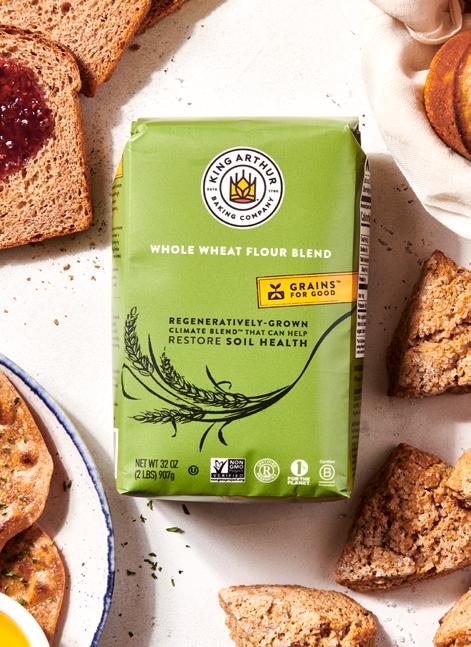
On-pack messaging plays an important role in reaching customers at the point of purchase and communicating the story and intent behind King Arthur’s regenerative strategy. At the same time, consumer research indicates that many shoppers rely on brand trust and past
Photo courtesy of King Arthur
experience rather than closely reviewing product labels on every purchase. Taken together, this underscores the need for communication that extends beyond packaging.
To deepen engagement, King Arthur complements on-pack messaging with digital storytelling that gives consumers additional context about regenerative farming. Research conducted by the company suggests growing consumer recognition of regenerative farming, including associations with soil health, long-term resilience, and human health.
Yet, consumers continue to navigate multiple regenerative certifications and sustainability claims, and some confusion remains about how regenerative practices compare to other environmental labels.
Consumer Understanding and Purchase Considerations
King Arthur’s research shows that awareness and understanding of regenerative agriculture is significantly higher among its own consumers (71%) compared to the general population (51%). Still, awareness among the broader population remains promising. Research also found strong consumer interest in learning more, with consumers expressing a desire to better understand what regenerative agriculture is, why it matters, and how impacts are measured.
Among the general population, regenerative practices were found to influence purchase decisions, with approximately 40% of respondents indicating they would be more likely to purchase products sourced from regenerative systems. These findings reinforce the importance of clear, credible communication. While stories from farmers play an important role in building connection, company research suggests that consumers respond most strongly to messaging that emphasizes personal and environmental
benefits behind these practices. Presenting regenerative agriculture in a way that feels both tangible and relevant helps deepen engagement.
Market Testing and Lessons Learned: Climate Blend
Building on its regenerative commitment and legacy of bringing innovative products to market, King Arthur launched a Certified Regenified Climate Blend flour exclusively with Whole Foods Market in November 2023. This pilot product featured a unique blend of new wheat varieties developed by Washington State University Breadlab that were grown using regenerative practices.
From the outset, the team recognized that bringing this product to market would require a more complex supply chain and carry higher production costs.
Photo courtesy of King Arthur
Innovation always comes with some trial and error, and despite these challenges, King Arthur intentionally chose to move forward—prioritizing the opportunity to learn, test consumer interest, and deepen its understanding of the certification and sourcing landscape.
While interest in regenerative farming continued to grow, the product price necessary to support sourcing, certification, and earlystage commercialization limited accessibility for some consumers. Ultimately, slower turns led Whole Foods to discontinue the item, and without national retail distribution, direct-toconsumer sales alone were not sufficient to sustain production.
Even so, Climate Blend delivered essential insights that strengthened King Arthur’s regenerative sourcing strategy. The initiative advanced learning about certification pathways, pricing dynamics, and consumer expectations. It also provided valuable progress toward the company’s broader regenerative goals—outcomes that made the trial worthwhile despite the commercial outcome.
Climate Blend clarified that regenerative progress can and must continue through sourcing systems, farmer partnerships, and program design. While this particular retail product is no longer on shelves, the knowledge gained continues to guide King Arthur’s regenerative journey and future innovation.
Measuring Impact and Return on Investment (ROI)
The success of Grains for Good is evaluated through a combination of internal reporting, soil testing, farmer feedback, and the outcomes from sourcing partnerships. Soil health over time—measured using leading indicators informed by research from Kansas State University and the Soil Health Institute—serves as the primary indicator of program progress. As the program matures, King Arthur may introduce regional benchmarking to better contextualize soil health outcomes.
Farm-level metrics include:
• Acres enrolled
• Number of farms enrolled
• Soil health indicators
• Emissions performance
• Farm profitability
• Biodiversity
• Reduction in inputs
Photo courtesy of King Arthur
Over the next several years, Grains for Good is expected to deepen its impact by supporting more integrated, whole-system approaches to regenerative wheat production. Insights generated through the program are intended to contribute to broader learning about the effects of layering soil health management practices on the same land over time. King Arthur plans to expand the program to additional growing regions while adapting it to region-specific soil health priorities.
Key lessons include the importance of designing programs that allow farmers to engage at different stages of readiness, investing in local technical expertise to translate research into practice, and grounding progress in place-based realities rather than prescriptive approaches.
Growing Grains for Good into the Future
Since the launch of Grains for Good, King Arthur has learned that regenerative sourcing is not a linear transition but a long-term process that requires patience, partnership, and adaptability.
Key lessons include the importance of designing programs that allow farmers to engage at different stages of readiness, investing in local technical expertise to translate research into practice, and grounding progress in place-based realities rather than prescriptive approaches.
The Climate Blend experience reinforced an additional insight: Market-facing expressions of regenerative agriculture do not always move at the same pace as supply chain transformation. While product launches and certifications can support learning, the most durable progress comes from building sourcing systems, farmer relationships, and advisory capacity that persist beyond individual products or market cycles.
Grains for Good demonstrates that regenerative agriculture can be advanced most effectively when it is treated not as a stand-alone initiative but as a core business strategy. By embedding soil health, farmer viability, and long-term sourcing resilience into core business decisions, King Arthur is working to ensure access to wheat that is part of the climate solution rather than part of the problem while always remaining a high-quality, reliable ingredient for future generations of bakers.
Our Deep Thanks
UNFI and the Climate Collaborative wish to extend our deep appreciation to King Arthur Baking Company for their climate leadership and for their willingness to share their insights in support of our food and grocery community.