UNFI CLIMATE ACTION PARTNERSHIP
CASE STUDY Nature’s Path Organic Foods Protects Forests and Biodiversity Through Stringent Certifications and Sourcing Requirements
Nature’s Path Organic Foods is a leading triple-bottom-line organic food company recognized for its pioneering work in addressing climate change. The organization’s accomplishments include addressing climate change through the use of organic certification for all raw material ingredients, investments in farmers to promote and accelerate the adoption of regenerative organic agriculture, achieving zero waste, and the adoption of impactful water preservation measures. Ratana and Arran Stephens, Nature’s Path Organic Foods Co-Founders, outline the ethos of the company as follows, “at Nature’s Path Organic Foods, our purpose is to always leave the Earth better than we found it.” Nature’s Path Organic Foods Sustainable Purchasing Policy, against which all vendors are vetted, ensures that products and services purchased or contracted conform to this broader purpose.
Nature’s Path Organic Foods’s deep commitment to sustainability governs decision making throughout the entire organization. The company has built a culture of sustainability where all team members understand and are engaged in how the company can reduce negative ecological impacts and increase positive social impacts Nature’s Path Organic Foods team members are provided access to sustainability training workshops and lunch and learn sessions to ensure that the company’s sustainability pillars are reflected in everything from operations to project and program design.
Nature’s Path Organic Foods strives to work with suppliers that share its commitment to earth stewardship and who demonstrate a commitment to improving social and environmental conditions at farms, forests, and facilities worldwide. The organization utilizes third-party certifications for its timber, cocoa, and palm oil to ensure that commodity production and/or sourcing do not cause or contribute to deforestation.
Paper products in Support of Forest Cover, Biodiversity, Local Communities, and Indigenous Peoples
Paper and paperboard made with forest fibers are popular packaging materials to protect goods and provide product information. However, these materials can sometimes be the product of deforestation or poor forestry practices. In that case, they pose a threat not only to the world’s forests and local communities, but also to businesses and brand reputation.
Nature’s Path Organic Foods is committed to promoting sustainable forestry practices, biodiversity conservation, and the protection of ecosystem services provided by forests. Therefore, all the cardboard and paperboard Nature’s Path Organic Foods purchases for packaging come from Forest Stewardship Council (FSC) or Sustainable Forest Initiative (SFI) certified
sources. In 2022, Nature’s Path Organic Foods purchased over 19.5 million pounds of recycled paper products from FSC or SFI certified sources for their packaging.
FSC is an original pioneer of forest certification and has over 25 years of experience in setting standards for sustainable forest management. FSC has close to 50 forest management standards that apply in over 85 countries and account for 39% of the total global area of certified forests. FSC is a third-party certification body that guarantees that the wood and paper used in packaging are sourced from responsibly managed forests. FSC include indicators for planning and monitoring forest management interventions, assessing risks, and evaluating their impacts on forests, which are complemented by specific requirements for areas with high conservation value (HCV) including intact forest landscapes. This guarantees that activities in forests preserve their biodiversity, while securing the essential needs as well
as cultural and spiritual values of Indigenous Peoples and local communities.
All FSC certified forest owners are required to uphold principles of free prior and informed consent (FPIC). This states that a community has the right to give or withhold its consent to proposals that may affect the lands it customarily owns, occupies, or otherwise uses, per the United Nations Declaration on the Rights of Indigenous People (UNDRIP) and the International Labour Organization’s Convention 169.
The SFI Forest Management Standard represents 25% of the total global area of certified forests and applies only in the US and Canada. The SFI 2022 Forest Management Standard covers key values such as protection of biodiversity, species at risk, and wildlife habitat; sustainable harvest levels; protection of water quality; and prompt regeneration.
Responsible Sourcing of Palm-Derived Ingredients in Support of Forests and to Protect Endangered Species
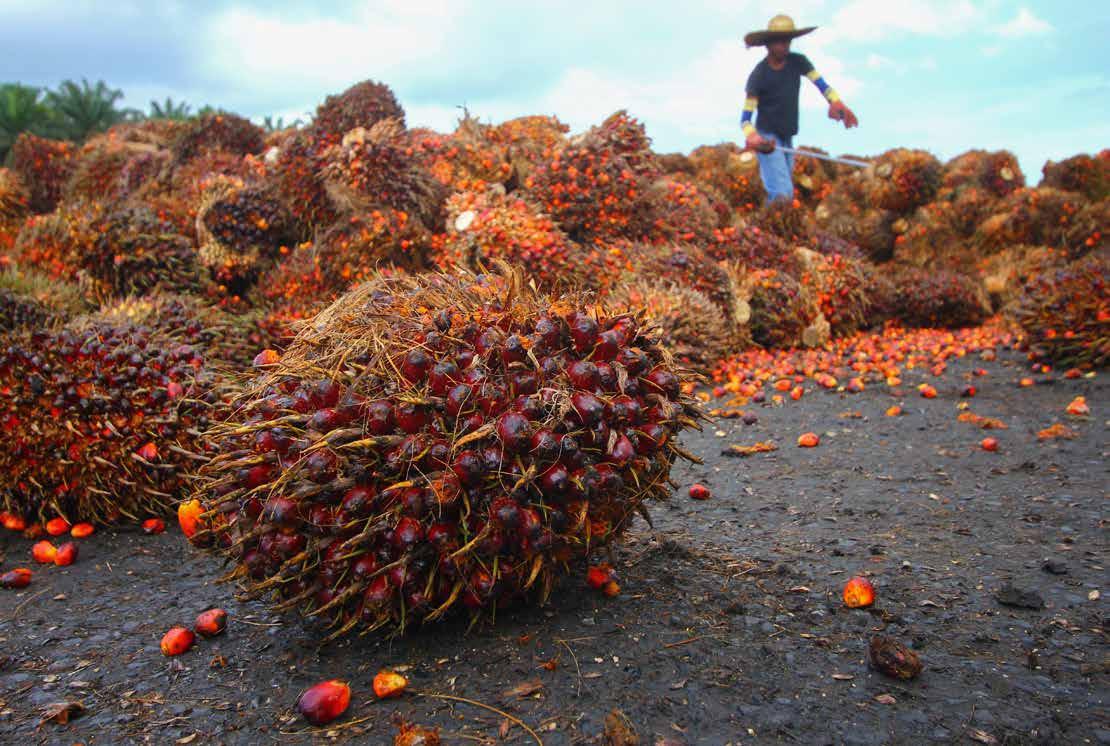
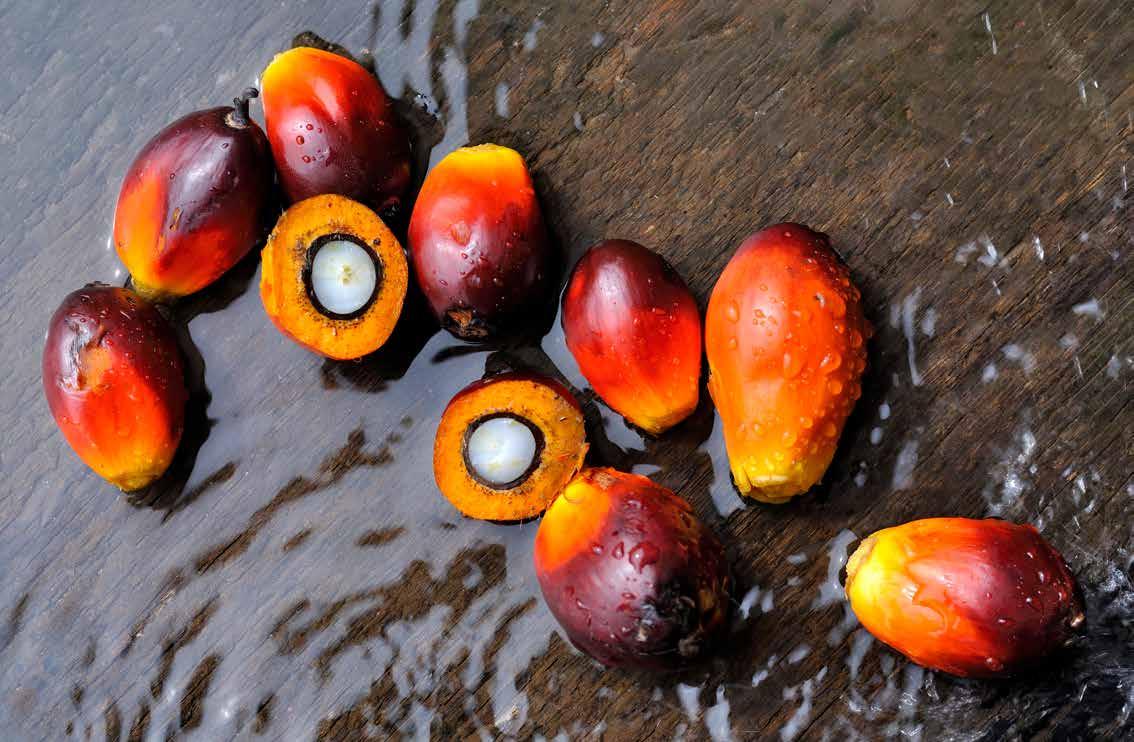
All palm oil (100%) used by Nature’s Path Organic Foods is sourced from South America and is Roundtable on Sustainable Palm Oil (RSPO) and Organic Certified. RSPO is a third-party global certification system that offers assurance that palm oil has been produced and/or handled sustainably.
Palm oil is a global staple for many different countries and diets. The growth in palm oil has been driven by large-scale plantations, increasing deforestation of key tropical habitats, and reducing biodiversity. The loss of tropical ecosystems has negative impacts not only on climate but also on local water supply, fisheries, ecotourism, flood prevention, fire prevention, biodiversity, and other ecosystem services. A study estimated that one hectare of rainforest provides $128 per hectare per year, while one hectare of deforested land for palm oil returns $91. (Source: Economic valuation of the Leuser National Park on Sumatra, Indonesia, Pieter JH van Beukering, Herman SJ Cesar, Marco A Janssen). Further, planting on peat causes peat to decompose and release carbon dioxide. Dying peat is also a high fire risk, and peat fires are difficult to extinguish.
Sustainable palm oil production to RSPO standards involves helping to halt deforestation, protecting endangered species, no new planting on peat, and reduced carbon emissions. Preventing deforestation also helps local communities that depend on natural resources provided by forests for their livelihoods, sustenance, and traditions.
The Roundtable on Sustainable Palm Oil (RSPO) was developed by The World Wide Fund for Nature (WWF) along with industry and government partners in 2001 specifically to address many of the issues around deforestation and loss of biodiversity. Sustainable palm oil production to RSPO standards involves helping to halt deforestation, protecting endangered species, no new planting on peat, and reduced carbon emissions. Preventing deforestation also helps local communities that depend on natural resources provided by forests for their livelihoods, sustenance, and traditions. Finally, when sustainable palm oil is produced in line with RSPO Standards, forests with areas of High Conservation Values (HCV) and High Carbon Stock (HCS) are protected and managed. This helps protect the habitats of many different species of endangered flora, animals, and birds.
Summary
When working with high-risk forest commodities, Nature’s Path Organic Foods’s utilization of third-party certifications such as FSC and RSPO helps to ensure that the commodities do not cause or contribute to deforestation. These certifications also include criteria to ensure that biodiversity is protected. In addition to these certifications, Fairtrade Standard for Cocoa promotes the wellbeing of farmers and empowers them to protect forests. Recent updates to the Fairtrade Standard for Cocoa include strengthened deforestation requirements, which will take effect over the next two years. The use of certifications in Nature’s Path Organic Foods’s Sustainability Policy brings accountability and transparency to the organization’s commitment to leave the earth a better place for future generations.
Supplemental Resources:
• Sustainability Report
• The Palm Oil Debate: What You Need to Know
• Comparing SFI and FSC Certification Standards
• Fairtrade Standard for Cocoa
• Forest Stewardship Council (FSC) Standards
• Roundtable on Sustainable Palm Oil (RSPO) Certification