UNFI Climate Action Partnership Case Study
ROI of Climate-Smart Innovation: How Kuli Kuli, SIMPLi, and Yogi Are Demonstrating Business Value from Climate Action
Tying climate action to clear business returns helps ensure that climate programs are durable over time. Periods of macroeconomic volatility, supply chain disturbances, or other business fluctuations have historically led to a loss of momentum for climate and sustainability initiatives, particularly when these efforts are viewed as discretionary or disconnected from core business performance.
For climate action to endure, it must be embedded in how companies manage risk, protect supply, and support growth across their value chains. This is especially true when climate programs involve external partners, including farmers, processors, and suppliers, who are themselves navigating economic uncertainty and climate disruption. When durability is built into these relationships, it increases trust, strengthens collaboration, and creates shared incentives to invest for the long term.
This case study highlights how three companies are tying climate action directly to business value through focused, practical interventions. Rather than pursuing climate goals in isolation, Kuli Kuli, SIMPLi, and Yogi have designed climatesmart innovations that reinforce supply stability, improve operational performance, and support category growth.
Three Companies Proving Climate Action Pays Off
How ROI is defined in this case study
In this context, Return on Investment (ROI) refers not only to financial return, but also to reduced or avoided risk, supply stability, operational efficiency, category performance, and strengthened trust with suppliers, retailers, and consumers.
ROI of Climate-Smart Supplier Co-Investment
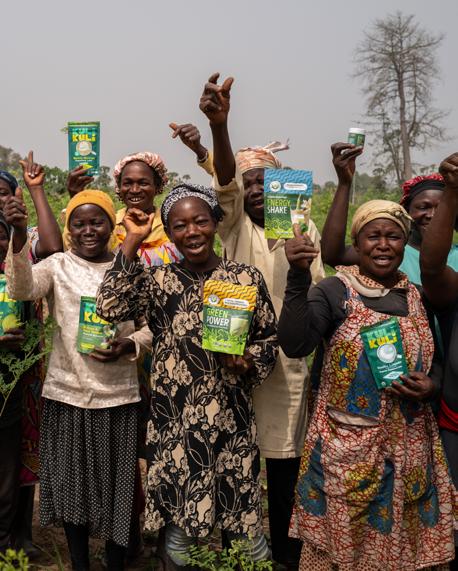
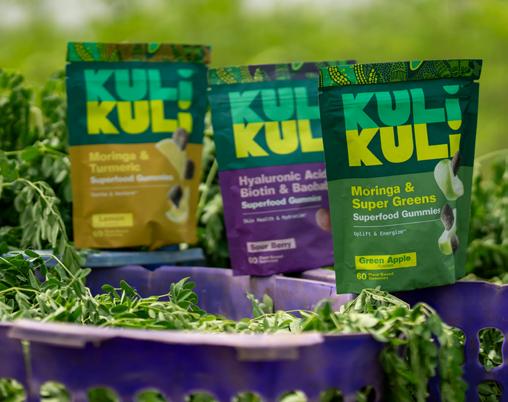
Kuli Kuli’s mission is to turn climate-smart, community-grown superfoods into staple foods, generating income for thousands of farmers while fighting climate change. Kuli Kuli brings climate-smart ingredients such as moringa, hibiscus and baobab to the U.S. market. Founder and CEO Lisa Curtis was introduced to moringa while serving as a Peace Corps volunteer in Niger, where she also witnessed how targeted rural investment can transform livelihoods, support the environment and build community resilience.
“At Kuli Kuli, we’ve seen firsthand that doing right by the planet and by small farmers isn’t charity. It’s a competitive advantage that drives resilience, growth, and consumer trust.”
- Lisa Curtis, Kuli Kuli Founder and CEO
Each year, Kuli Kuli dedicates 10 percent of profits toward projects in the farming communities that grow its ingredients. These projects are selected by asking community partners one simple question: What is one project where a $5,000 to $10,000 grant could make an outsized impact on health, livelihoods, and the environment. This approach underpins Kuli Kuli’s Community Impact Grant Program.
“At Kuli Kuli, we’ve seen firsthand that doing right by the planet and by small farmers isn’t charity. It’s a competitive advantage that drives resilience, growth, and consumer trust.” - Lisa Curtis, Kuli Kuli Founder and CEO.
Inspiration for Climate-Smart Investment
For nearly a decade, Kuli Kuli has partnered with a moringa farm in northern Mozambique that also operates a local nonprofit deeply embedded in the surrounding community. Over the past several years, the region has experienced increasingly severe storms, resulting in power outages that can last for weeks and significantly disrupt farm operations, healthcare services, and daily life.
The farm approached Kuli Kuli with a proposal to install a solar system that could power the local preschool, a maternity health clinic, and core farming operations. Kuli Kuli quickly approved the grant, with no stipulations other than a commitment to visit and see the installation in action.
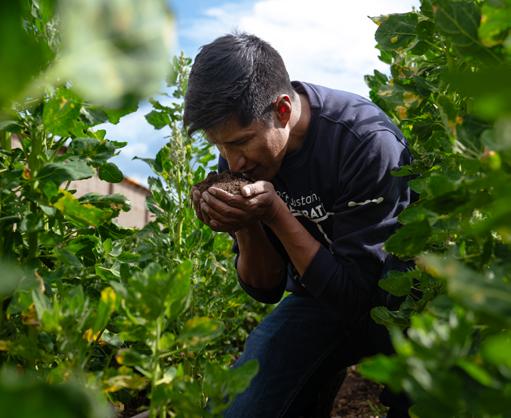
Photo courtesy of Kuli Kuli
Just a few months later, another hurricane struck the region. The entire village lost power, except for the area supported by the solar installation. Farm operations were able to continue despite the storm, preserving both production and income at a critical moment.
Project Design and Supplier Partnership
Kuli Kuli’s partners worked closely with a local solar installer to design the system with battery storage and enough capacity to support community infrastructure and moringa processing.Reliable electricity is essential for moringa, which must be washed and dried quickly after harvest to avoid quality loss.
Kuli Kuli does not place contractual requirements on its Community Impact Grants. Previously the company relied on Right of First Refusal agreements for moringa sourcing. Over time, Kuli Kuli found these agreements difficult to enforce and ultimately less effective than being an exceptionally good partner to suppliers. Direct investment in supplier-led projects has proven to be a more durable way to support communities while strengthening supply reliability and processing continuity.
By reducing fragility at critical points in the supply chain, Kuli Kuli improved its ability to sustain growth under stress.
Data-Informed ROI and Outcomes
In the first half of 2025, Kuli Kuli experienced 132 percent year-over-year growth. While that level of growth was exciting, it placed significant strain on the company’s smallholder supply chain. As order volumes increased, the system had less room for disruption. During
this period, Kuli Kuli experienced out-ofstocks, primarily in e-commerce channels that were deprioritized to keep retail partners in stock. The resulting loss in momentum ultimately cost the company nearly $600,000 in sales.
This experience sharpened the contrast between growth-related risk and supplier resilience. During the same period, Kuli Kuli invested approximately $40,000 in strengthening moringa and baobab suppliers through community-led resilience projects, including the solar installation in Mozambique. These investments helped suppliers maintain production during periods of disruption, avoid downtime tied to power outages and extreme weather, and continue processing sensitive crops during peak demand.
Put in perspective, the return on these investments was substantial. By reducing fragility at critical points in the supply chain, Kuli Kuli improved its ability to sustain growth under stress. The ROI extended beyond Scope 3 emissions reductions to include stronger supplier performance, reduced risk of interruption, and greater confidence in planning and scaling during periods of volatility.
Photo courtesy of Kuli Kuli
Enhanced Relationships
Earlier this year, Whole Foods Market invited Kuli Kuli to present during a nationwide team member educational webinar reaching hundreds of store-level employees. The invitation reflected Whole Foods Market’s interest in how Kuli Kuli builds and supports its smallholder supply chain and the strength of its long-term supplier relationships.
Community-led projects such as the Mozambique solar installation help make Kuli Kuli’s sourcing approach tangible for retail partners. By investing directly in supplier communities and prioritizing trust over contractual enforcement, Kuli Kuli has deepened alignment with retailers around transparency, partnership, and purpose-driven sourcing. These investments strengthen credibility across the value chain and reinforce Kuli Kuli’s reputation as a reliable, values-aligned partner.
ROI of Regenerative Organic Sourcing at Scale
SIMPLi is a regenerative organic pantry staples brand offering grains, beans, oils, and other staples sourced through direct farmer partnerships. On a mission to connect people around the world through the joy of food, SIMPLi offers a suite of Regenerative Organic Certified (ROC) products that have been perfected over generations and harvested with care to ensure the integrity and the highest quality products. SIMPLi is a woman- and minority-owned company, co-founded by native Peruvian Sarela Herrada and her husband, Matt Cohen, in 2020.
SIMPLi selected Regenerative Organic Certified sourcing as its core strategy because biodiversity loss, soil degradation, and water stress pose material risks to long-term supply stability. As the company states,“The regenerative organic path isn’t the most obvious one. But it’s an approach that we truly believe, and that numerous studies and thousands of years of ancient wisdom show, has an invaluable impact on our planet and the communities that call it home.” .” ROC builds on everything customers already trust about organic while adding rigorous standards for soil health, carbon sequestration, animal welfare, and social fairness.
As SIMPLi scaled, achieving ROC at meaningful volumes required deeper investment at the farm level, leading to the creation of the Regenerative Pathway Program (RPP). RPP provides multi-year technical support, in-field training, and a price premium that covers certification costs and rewards the ecosystem benefits resulting from regenerative organic agriculture. SIMPLi partners with farmers by enhancing the work already underway rather than prescribing what it believes farmers need. This farmer-led model has enabled thousands of farmers—including 400 new farmers last year alone—and more than
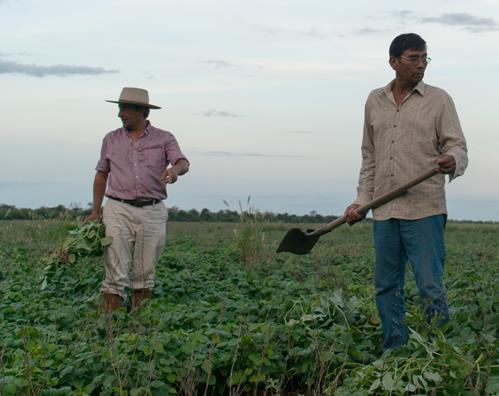
Photo courtesy of SIMPLi
10,000 hectares (25,000 acres) to transition to regenerative organic management, driving a 33 percent increase in regenerative hectares.
To ensure the transition is economically viable and mutually beneficial, SIMPLi structures partnerships around multi-year sourcing contracts, priority sourcing agreements, and premiums tied directly to certification and regenerative outcomes. Soil and biodiversity data are shared with farmers to support continuous improvement. Together, these terms create stable farm-level income and a predictable, resilient supply for SIMPLi, delivering long-term shared value for retailers and consumers.
This launch validated that when regeneration is paired with quality, taste, and credible certification, it can drive velocity and category growth.
Market Performance and Retail ROI
SIMPLi’s regenerative sourcing strategy has translated into strong retail performance in highly competitive, private-label-dominated categories. At Whole Foods Market, SIMPLi is the fastest-growing dried bean brand by units and dollars and ranks among the top three fastest-growing olive oil brands.
Over the past three years, SIMPLi has expanded retail placements by 2,900 percent nationwide while maintaining consistency across multiple categories. In September 2025, SIMPLi launched nine new Regenerative Organic Certified products at Whole Foods Market, including the first ROC-certified avocado oil introduced at national scale.
This launch validated that when regeneration is paired with quality, taste, and credible certification, it can drive velocity and category growth. SIMPLi is outperforming in highly fragmented categories with more than 500 competitors, consistently emerging as a top challenger brand. In non-rice grains and dried beans, SIMPLi is a category leader, reinforcing the view that regenerative organic products are mainstream-ready rather than niche. For the past three years, according to SPINS1 , Regenerative Organic Certified products have outpaced Total Grocery growth in dollars and units sold, while also outperforming on distribution and velocity.
Outcomes of the ROC Sourcing Model Beyond the Shelf
To measure ROI from a climate and sustainability perspective, SIMPLi has been building a data-backed agricultural impact model since 2022. Through the Regenerative Pathway Program, the company estimates that more than one million tonnes of CO₂ have been sequestered or avoided by increasing organic matter on farmland. This measurement is based on an FAO-validated formula for
Photo courtesy of SIMPLi
calculating soil organic carbon. SIMPLi has a long-term goal of reaching more than 40 million tonnes of CO₂ sequestered through the transition of conventionallymanaged land to regenerative organic systems. Farmers report requiring up to 90 percent less water for irrigation due to improved soil health and water retention.
SIMPLi has seen an increase in the percentage of soil organic matter by up to 6% per hectare over five years relative to the previous measurement cycle. According to SIMPLi, this rate of change is consistent with known soil biological processes and the technical literature and reflects incremental Improvements rather than abrupt shifts over short time periods. SIMPLi also observes that regeneratively managed fields recover more quickly from extreme weather, supporting supply continuity during disruptions.
By choosing to source and support Regenerative Organic
Certified farms, SIMPLi has reduced multiple forms of risk across its supply chain.
Through work with Edacious, SIMPLi is building a nutrition dataset to document nutrient density improvements from regeneratively grown crops, what the company calls the story behind every bag. Research indicates regenerative systems achieve more than 50 percent increases in zinc and magnesium, up to 50 percent higher carotenoids, 60 to 70 percent increases in phenolics, and nearly 50 percent higher micronutrient content compared to what is achieved via conventional systems.
Building Resilience into the Future
By choosing to source and support Regenerative Organic Certified farms, SIMPLi has reduced multiple forms of risk across its supply chain. Regenerative practices improve soil health, water retention, and biodiversity, helping stabilize yields and reduce vulnerability to climate disruption. At the same time, premiums and multi-year contracts support more resilient farm economics, while third-party certification reduces market and regulatory risk. The value of these practices becomes most apparent during climate shocks, as regeneratively managed fields tend to recover faster than conventional systems, reducing the risk of supply disruption.
Photo courtesy of SIMPLi
ROI of Ingredient-Level Emissions Reduction Through
Supplier Partnership
Yogi is a purpose-driven tea company with a long history of sourcing organic herbs and spices from smallholder farming communities around the world. With a portfolio built on complex, globally sourced ingredients, a significant part of Yogi’s climate impact sits upstream in agriculture and primary processing. As a result, reducing Scope 3 emissions and strengthening ingredient-level resilience are central to the company’s climate strategy.
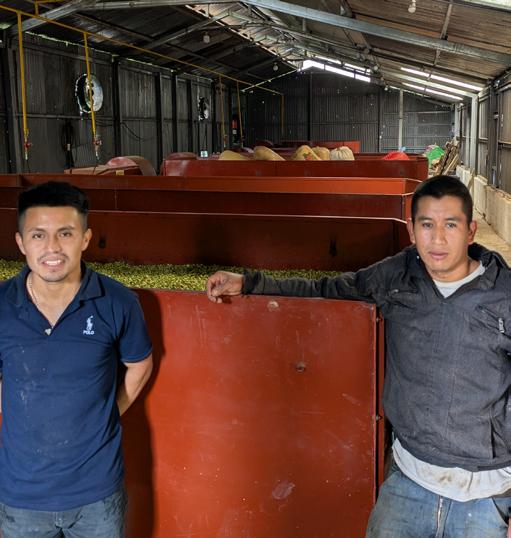
One of Yogi’s most strategically important and emissions-intensive ingredients is cardamom, sourced through a long-standing partnership with Nelixia in Guatemala. Years of collaboration on quality, traceability, and regenerative practices created the foundation for deeper climate-smart innovation tied directly to how this ingredient is produced. Because cardamom drying is both the most energy-intensive and most quality-sensitive stage of production, the drying process represented a clear opportunity to address climate impact, operational risk, and product integrity at the same time.
From Insight to Action: Modernizing Cardamom Drying
Through field visits and shared analysis, Yogi and Nelixia identified traditional wood-burning cardamom dryers as a major source of emissions and operational risk. These dryers rely heavily on firewood, contributing to deforestation while exposing workers to smoke and heat. Drying is also a critical control point for quality, where inconsistent temperatures and moisture levels can affect product consistency and safety for both the product and workers.
Rather than treating this as a reporting challenge, Yogi approached it as an operational intervention. By combining emissions data, on-the-ground experience, and long-term sustainability goals, the partners identified modernizing dryers as a practical, high-impact solution. With support from the Yogi, Nelixia transitioned from traditional wood-burning dryers to cleaner, more efficient gas-powered systems ahead of the 2025 to 2026 harvest season. Today, 100 percent of Yogi’s cardamom volumes sourced from Nelixia are dried exclusively using gas-powered systems.
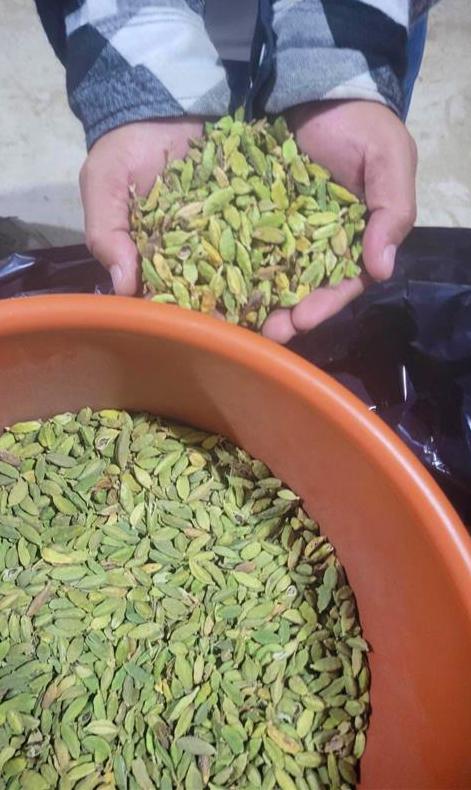
Photo courtesy of Yogi
Alignment with Climate Strategy and Ingredient-Level Emissions Reduction
This project directly aligns with Yogi’s broader climate strategy, which focuses on stopping deforestation, restoring ecosystems, and reducing ingredient-level emissions while advancing regenerative agriculture. Transitioning cardamom drying away from firewood allowed Yogi to advance all three priorities through a single, targeted intervention.
From a climate perspective, switching from traditional wood-fired dryers to gas-powered dryers reduces emissions from cardamom drying by approximately 71% per kilogram, based on emission factors of 0.937 kg CO₂e/kg for wood and 0.269 kg CO₂e/kg for gas; when applied to Yogi’s annual sourcing volume of 70,000 kg of dried cardamom, this shift lowers emissions from about 65.14 t CO₂e to 18.85 t CO₂e, avoiding an estimated 46.29 t CO₂e each year.
Just as importantly, the shift away from firewood reduced pressure on surrounding forests and strengthened alignment with emerging regulatory frameworks such as the EU Deforestation Regulation. In this way, the project functioned as both a climate mitigation effort and a risk management strategy tied to future compliance and sourcing integrity.
Business Outcomes Beyond Emissions
The transition to gas-powered drying delivered immediate operational benefits beyond emissions reductions. More stable temperature control and shorter drying cycles improved product consistency while significantly reducing the risk of anthraquinone contamination.
Eliminating smoke exposure also improved working conditions and reduced labor burdens for producers, creating safer and more predictable operating environments during peak harvest periods.
These changes enhanced supply reliability and reduced operational fragility at a critical point in the value chain. By addressing a known bottleneck in processing, Yogi strengthened its ability to maintain consistent quality and throughput even during periods of disruption. The project also reinforced Yogi’s ability to tell a clear, credible climate-impact story tied to a specific ingredient and intervention. Retailers increasingly value verifiable emissions reductions, zero-deforestation sourcing, improved product consistency, and transparent, long-term supplier partnerships.
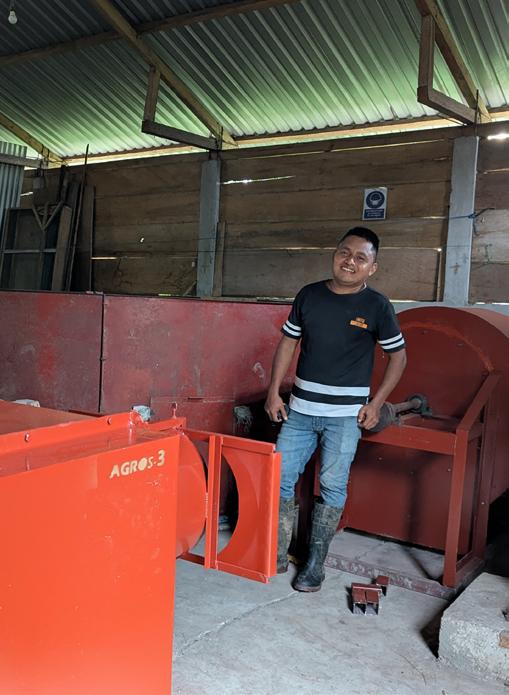
Photo courtesy of Yogi
The cardamom dryer transition provided a concrete example of how Yogi is addressing Scope 3 emissions through real operational change rather than via offsets or abstract commitments.
Supplier Partnership as a Lever for Scope 3 Action
This project was enabled by a long-term partnership built on trust, transparency, and shared sustainability goals. For many years, Yogi and Nelixia have collaborated closely on ingredient quality, producer engagement, and regenerative practices. That history created the foundation needed to take on a technically complex transition such as modernizing the drying system.
Nelixia’s deep field presence and technical capacity allowed the transition to be implemented efficiently and monitored closely, while Yogi’s willingness to co-invest in supplier-led solutions made it possible to move quickly from insight to action. Rather than relying on contractual mandates to effect change, Yogi and Nelixia implemented a project that reflects a shared commitment to long-term regeneration and supply chain resilience.
When companies
pair
ingredient-level
data with trusted supplier
partnerships, targeted investments can unlock multiple forms of returns, from emissions reduction and regulatory preparedness to product quality, worker safety, and long-term supply resilience.
Importantly, Yogi focused on carbon insetting through real operational change. By intervening at a specific, high-impact point in the supply chain, the company was able to reduce emissions, improve quality, strengthen compliance readiness, and enhance supplier working conditions at the same time.
Yogi’s experience shows that meaningful Scope 3 action often lives in very specific operational moments. When companies pair ingredient-level data with trusted supplier partnerships, targeted investments can unlock multiple forms of returns, from emissions reduction and regulatory preparedness to product quality, worker safety, and long-term supply resilience.
Photo courtesy of Yogi