COMMUNITIES AND LIFESTYLE IN THE HEART OF THE GREEN
MOUNTAINS
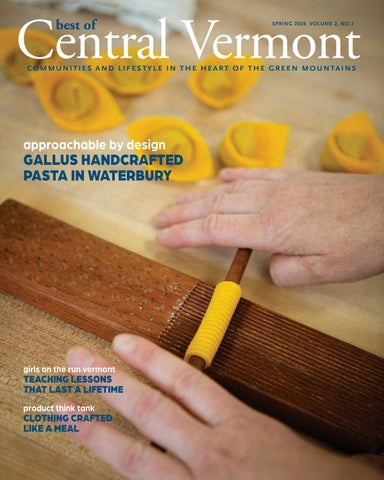
approachable by design
GALLUS HANDCRAFTED PASTA IN WATERBURY
girls on the run vermont TEACHING LESSONS THAT LAST A LIFETIME
product think tank CLOTHING CRAFTED LIKE A MEAL
20 Clothing Crafted Like a Meal
Product Think Tank brings farm-to-table values to small-batch knitwear BY
ANN SCHREIBER
26 Healing Hearts, Building Community
VT Cardiac Kids helps young heart patients and families connect BY
MERYL SIEGMAN
52 Giving Girls the Tools to Win
Girls on the Run Vermont teaches lessons that last a lifetime BY
ELIZABETH PENNEY
The Great Spring Refresh
Spring in Central Vermont always feels like a reset—longer days, brighter colors, and that familiar urge to freshen up everything around us. This issue leans into that energy with a streamlined Home section full of quick wins and fresh ideas. Inspired Closets of Vermont shares smart decluttering tips to help clear out winter’s clutter, while Joy of Home shows how a simple pillow swap can shift the whole mood of a room. We also take a look at what’s new in high-tech home security and check in with Frank Webb Home for the latest design trends shaping New England style this season.
Local makers and producers shine throughout the issue. Barr Hill Gin debuts Phyllis Rye Whiskey, named for the head distiller's grandmother. In Waterbury’s historic grist mill, Gallus Handcrafted Pasta continues to elevate small-batch pasta making. Product Think Tank brings a fresh take on sustainable knitwear using locally sourced fibers. And gardeners will find timely inspiration in a spring planting guide from Vermont Flower Farm.
We’re also highlighting two nonprofits investing in the next generation of Vermonters: Girls on the Run Vermont, building confidence through movement and mentorship, and VT Cardiac Kids, supporting children with congenital heart conditions and their families.
To round it all out, this edition includes a full calendar of spring happenings across the region, including Easter festivities and plenty of ways to get outside and reconnect.
John and Robin Gales
Central Vermont
Coffee Table Publishing, LLC
32 Hermit Thrush Lane South Burlington, VT 05403 www.bestofburlingtonvt.com
• A summary of our most popular ar ticles and comments from our readers
• Local event listings from our calendar
• Special offers from Best of Burlington and local businesses
• Exclusive insights into upcoming features and articles, and much more . . .
Join the conversation online... www.bestofcentralvt.com
Share your comments on our site or on social media, or drop us a line at ryan@bestofcentralvt.com. You might even see your name in our next issue. eNewsletter SIGN UP FOR OUR NEWSLETTER
CLICK ON our online calendar to see local events happening in our community, and you can add your own event for free!
Refresh Your Home for Spring
It’s the perfect opportunity to clear out the old to make room for a new season. This room-by-room guide can help you plan and conquer Spring cleaning. For tips and a room-by-room checklist, go to www.bestofcentralvermont.com
Mud Season
Nothing like some sugar on snow to say it's Mud Season again in Vermont. Yes, it is the Fifth Season. Learn more at www.bestofcentralvermont.com
Spring into Safety
Safe Pets, Happy Trails
With a few seasonal precautions, Central Vermont spring can be one of the best times of year for pets—healthy, active, and safely enjoying the outdoors.
After a long winter indoors, pets are often eager to explore. Increased outdoor activity is good for both your pet’s physical and mental health, but it also comes with seasonal considerations unique to Vermont’s landscape and climate.
From tick prevention and updated vaccinations to smart socializing at local dog parks, spring is the perfect time to make sure pets are protected and ready for the months ahead.
Be Alert for Ticks
As snow melts across Central Vermont, deer ticks become active quickly—often as soon as the ground thaws. These ticks can carry Lyme disease, making spring prevention essential for pets that spend time in wooded areas, fields, or backyard edges.
Daily tick checks are one of the most effective prevention tools. Check ears, between toes, under collars, and around the tail. Veterinarians recommend consistent tick prevention medication during spring, summer, and fall. Many Vermont clinics also offer the Lyme vaccine for dogs, particularly for active or rural pets.
Signs of Lyme disease in dogs may include lethargy, fever, lameness, joint swelling, or decreased appetite. Early veterinary care is typically very effective.
Wellness Checklist
✔ Use veterinarian-recommended tick prevention medication.
✔ Per form daily tick checks after outdoor time.
✔ Keep grass trimmed and yard edges clear.
✔ Ask your veterinarian about the Lyme vaccine for dogs.
✔ Schedule a spring wellness exam and review vaccine schedules.
PLAY SAFE in the Dog Park
Dog parks can be a great way for dogs to burn off energy and socialize, especially after a long Vermont winter. But busy spring weekends can lead to scuffles, overstimulation, or illness if owners aren’t careful.
Before You Go
Before heading to the dog park, it’s important to ensure your dog is up to date on all your veterinarian recommends. If your dog is sick, injured, in heat, or recovering from surgery, it’s best to skip the park for now. Bring your own water and a bowl, since shared water stations can spread germs among pets. If your dog is nervous or still learning social skills, try to avoid peak crowd times to make the experience more comfortable for everyone
At the Park
When you’re at the dog park, it’s important to stay engaged with your dog and not treat the park as a place to scroll on your phone. Pay attention to your dog’s behavior and watch for signs of stress, such as a tucked tail, pinned ears, hiding, stiff posture, or repeated mounting. Keep play balanced; if one dog keeps chasing or cornering another, it’s time to intervene. Make sure to use the correct area for your dog’s size if the park is divided. If the energy among the
dogs turns tense, leave immediately— ending the visit early is always better than risking a bite.
After You Leave
After leaving the dog park, it’s a good idea to do a quick tick check on your dog. You should also check for any scrapes, limping, or signs of soreness. Finally, washing muddy paws helps prevent irritation from grit and leftover road salt.
Central Vermont Veterinary Resources
Need a spring wellness exam, vaccine update, or advice on tick prevention? Here are several Central Vermont clinics:
• Onion River Animal Hospital (Barre) www.onionriveranimalhospital.com
Bringing art into your home is one of the simplest—and most personal— ways to make it feel truly lived in. Art adds personality, sparks memory, and offers moments of inspiration woven into daily routines. Whether you live in a downtown apartment, a farmhouse at the end of a dirt road, or somewhere in between, the art you choose quietly shapes how your home feels.
We often think of art as something reserved for museums and galleries, displayed behind glass or hung beneath bright lights. But some of the most meaningful art lives much closer to home. When it becomes part of your
surroundings—hung on a wall, resting on a shelf, leaned casually in a corner— it shifts the atmosphere of a room in subtle but powerful ways. A house filled with art doesn’t need to be polished or perfectly styled. It simply needs to feel honest and personal.
Living with art isn’t about collecting masterpieces or following design rules. It’s about creating rooms that reflect who you are, where you’ve been, and what brings you comfort or joy. Over time, those choices layer together, turning a house into a home with warmth, character, and a story that continues to unfold.
ART MAKES WALLS POP
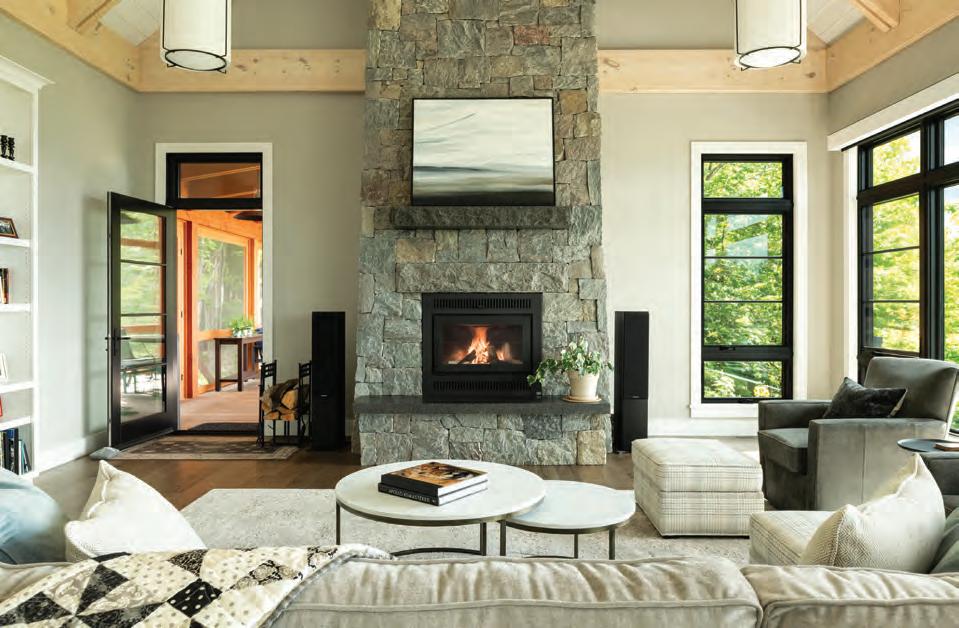
One of the most familiar ways to bring art into a home is by hanging it on the walls. A single, wellchosen piece above a sofa or fireplace can anchor a room and help set its tone. Large artwork naturally draws the eye, whether it’s a bold abstract that energizes a living space or a quiet landscape that brings calm.
For a more collected look, gallery walls offer flexibility and freedom. They allow you to mix photographs, paintings, prints, and found pieces into a visual story that can grow and change over time. Family photos can live alongside travel sketches,
vintage illustrations, or contemporary prints. Repeating frame styles or sticking to a general color palette helps everything feel connected, while leaving space between pieces gives each one room to breathe.
The best gallery walls rarely feel planned all at once. They evolve gradually, reflecting new interests, memories, and moments. That sense of accumulation often makes them feel more personal than a single statement piece.
THINK BEYOND THE WALL
Art doesn’t have to hang to make an impact. Sculptures, ceramics, textiles, and handcrafted objects bring texture and dimension to a room. A handmade bowl on a coffee table, a woven textile draped over the back of a chair, or a small sculpture tucked onto a bookshelf can quietly elevate a space.
These pieces often invite closer attention. Unlike framed artwork, which is usually viewed from a distance, three-dimensional objects encourage interaction. Their materials—clay, wood, glass, fabric—add subtle layers of visual and tactile interest. Even functional items can double as art. Handmade pottery, decorative
trays, and artist-designed lamps blur the line between usefulness and expression.
LIGHT IT WELL
Lighting plays an important role in how art is experienced at home. Natural light can enhance color and texture, allowing artwork to shift in character throughout the day. Morning sunlight may brighten a painting’s palette, while softer afternoon light brings out quieter details.
After dark, thoughtfully placed lamps or picture lights can draw attention to favorite pieces and create intimate moments throughout a room. Even small adjustments—aiming a reading lamp toward a wall or choosing a warmer bulb—can change how art is perceived.
COLLECT WHAT YOU LOVE
Living with art means discovering pieces that hold personal meaning. While original paintings and sculptures can be an investment, meaningful art doesn’t have to be expensive. Affordable prints, student work, local crafts, and even framed postcards can add individuality and charm.
Many people enjoy collecting art while traveling, bringing home small works that
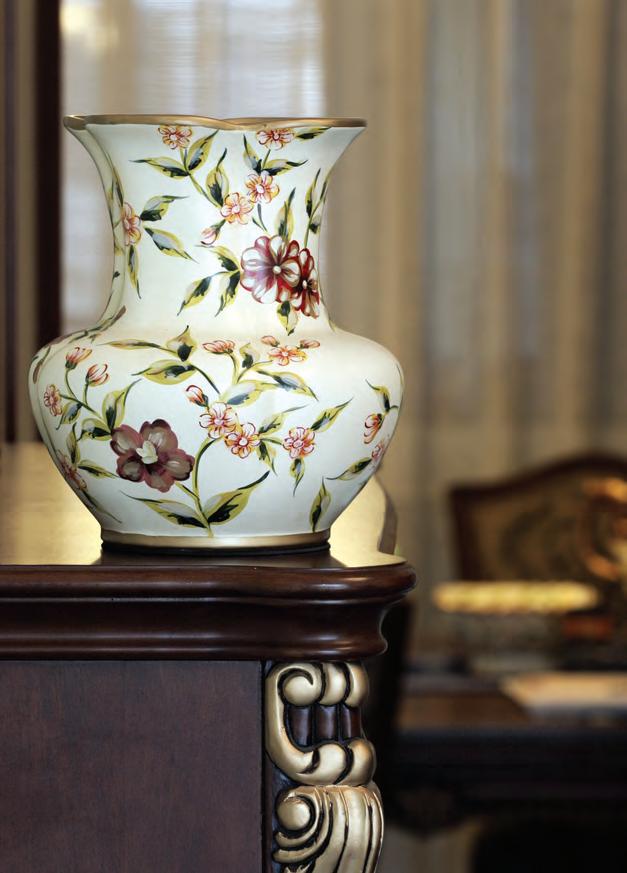
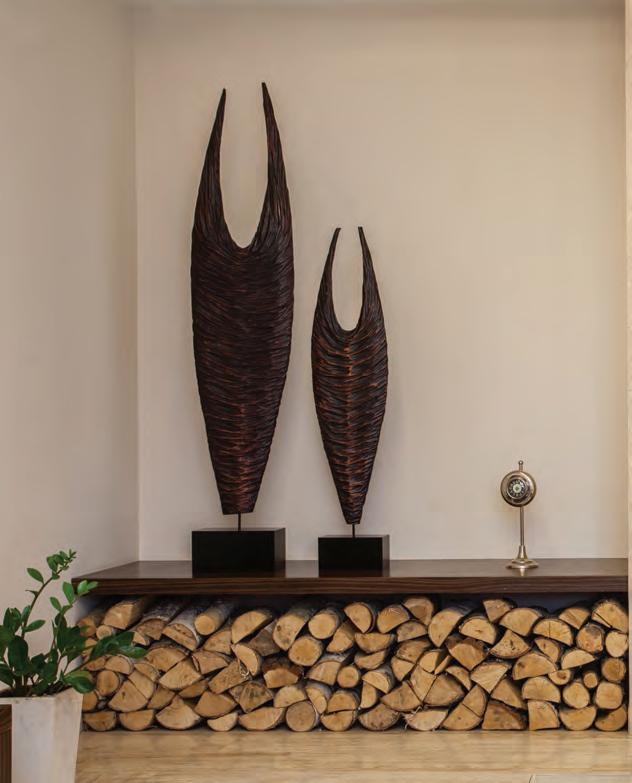
Opposite: A single well-chosen piece above a sofa or fireplace can anchor a room and help set its tone. This page: Sculptures, ceramics, textiles, and handcrafted objects bring texture and dimension to a room.
capture the feeling of a place. Others find joy in supporting artists at open studios, community markets, and neighborhood galleries. Over time, these pieces become reminders of trips taken, conversations had, and moments worth holding onto.
SHARE THE EXPERIENCE
For families, art can be a shared experience. Children’s drawings, school projects, and handmade crafts deserve space alongside professional artwork. Framing and displaying them sends a clear message: Creativity matters here, and everyone’s work has value.
Rotating these pieces as children grow turns a home into a visual record of family life. What begins as a colorful drawing taped to the refrigerator may later become a cherished keepsake, carefully preserved and proudly displayed.
MAKE IT YOURS
Art’s greatest value is often emotional. A painting may recall a favorite hike,
a photograph might capture a fleeting moment, and a sculpture can spark conversation when friends gather. Art carries stories—both from the artist who created it and from the person who chose to bring it home.
In a world where many interiors feel increasingly uniform, art offers a way to hold onto individuality. No two homes display art in the same way, and that
uniqueness is part of what makes living with art meaningful.
ART EQUALS ENJOYMENT
Ultimately, living with art isn’t about perfection. It’s about curiosity, enjoyment, and expression. It becomes part of your home, quietly shaping daily life—adding beauty, comfort, and connection to the places where time is spent and memories are made.
ART & LIGHTING SOURCES
If you’re wondering where to find art and lighting you’ll actually want to live with, these spots are worth a visit.
BARRE
Studio Place Arts
A community arts center with galleries, studios, and classes. www.studioartsplace.com
Barre Electric & Lighting Supply
A trusted local source for lighting fixtures and electrical supplies. www.barreeleectric.com
The Lighting House
One of Vermont’s largest showrooms for decorative and outdoor lighting. www.vermontlightinghouse.com
MONTPELIER
Artisans Hand Craft Gallery
A cooperative gallery featuring jewelry, pottery, glass, textiles, and wood from more than 100 Vermont makers. www.artisanshand.com
STOWE
Bryan Fine Art Gallery
Known for landscapes and contemporary New England artwork inspired by the region. www.bryangallery.org
Northwood Gallery
A welcoming space dedicated to Vermont artists and fine craft. www.northwoodgallery.com
Remarkable
Things at Stowe Craft
A colorful shop showcasing work by hundreds of American artists and makers. www.stowecraft.com
WAITSFIELD
Artisans’ Gallery
A historic Bridge Street gallery representing over 150 Vermont artists in fine art and craft. www.vtartisansgallery.com
ApproAchAble by Design
GALLUS HANDCRAFTED PASTA
Bringing casual craft dining back to Waterbury’s historic grist mill
In the storied grist mill that once housed Hen of the Wood, Gallus Handcrafted Pasta brings a fresh, approachable vision—celebrating handmade pasta, local ingredients, and the quiet magic of simple food done exceptionally well.
OLD WALLS, NEW ENERGY
Though some thought the acclaimed Hen of the Wood would be a hard act to follow,
owner/founder Eric Warnstedt of Heirloom
Hospitality, the visionary behind the twenty-year-old restaurant and its sister establishments Doc Ponds Eat & Drink, Prohibition Pig Restaurant & Brewery, and Hen of the Wood, Burlington, looked upon the space as an opportunity to work his magic to create another winner.
Gallus Handcrafted Pasta, a dining venue that remains true to Heirloom
Hospitality’s dedication to farm-to-table, local ingredients, and handcrafted culinary experiences, is both new and nostalgic. It has a welcoming, intimate atmosphere that honors the past while inviting diners to experience something distinctly different: the culinary art of pasta making, Gallus also offers reasonably priced wines and classic cocktails, as well as salads and antipasti, in the reinvented
and above:
space, which benefits from the state-of-theart kitchen left behind by Hen of the Wood.
CRAFT MADE CASUAL
“It’s just simply about the craft of handmade pasta,” Eric says. “Gallus follows the same ethos of Hen of the Wood but is completely different. It’s still a lovely night out and a world-class dining experience, but with its casual atmosphere and lower price point, it’s more approachable.”
A CHEF’S EVOLUTION
Eric credits the Heirloom Hospitality team, his co-owners Chris Goss, human resources director, Jackson Strayer
Benton, beverage director, and Executive Chef Antonio Rentas, with developing the concept behind the restaurant and its menus, which are designed with communal dining in mind. Antonio, a young chef who represents the next
generation of culinary artists, and is a graduate of the New England Culinary Institute, has been executive chef of Hen of the Wood, Waterbury, for more than a decade.
“It’s awesome to witness his evolution
Opposite
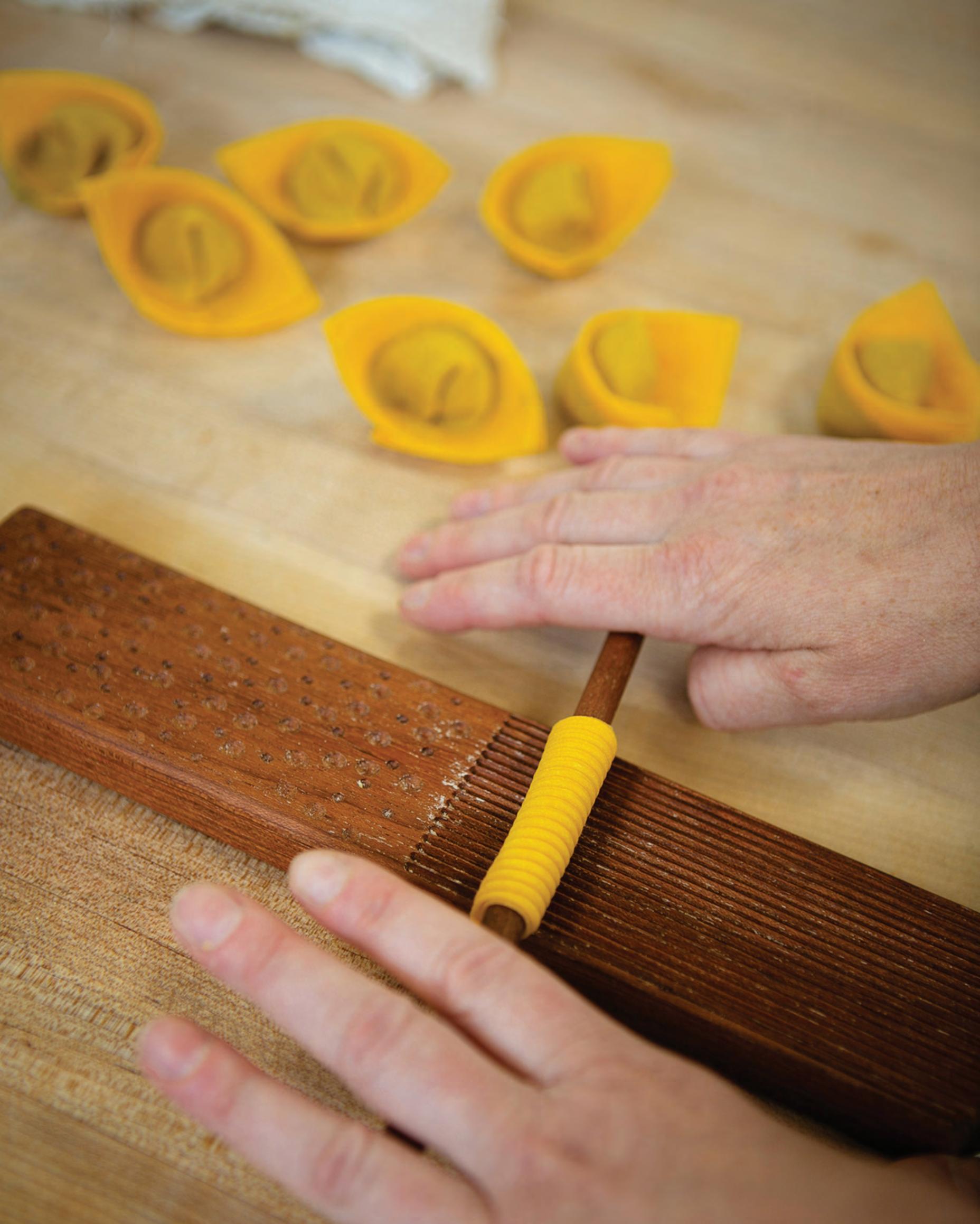
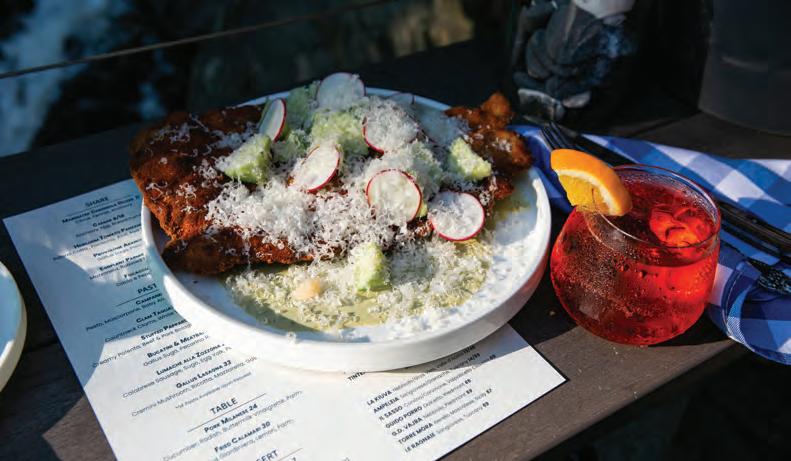
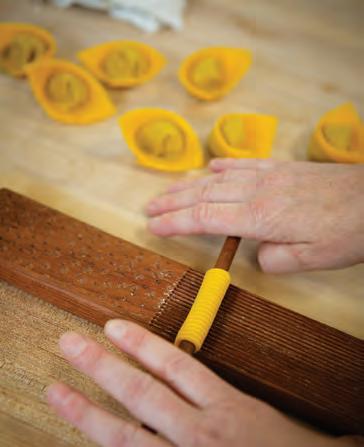
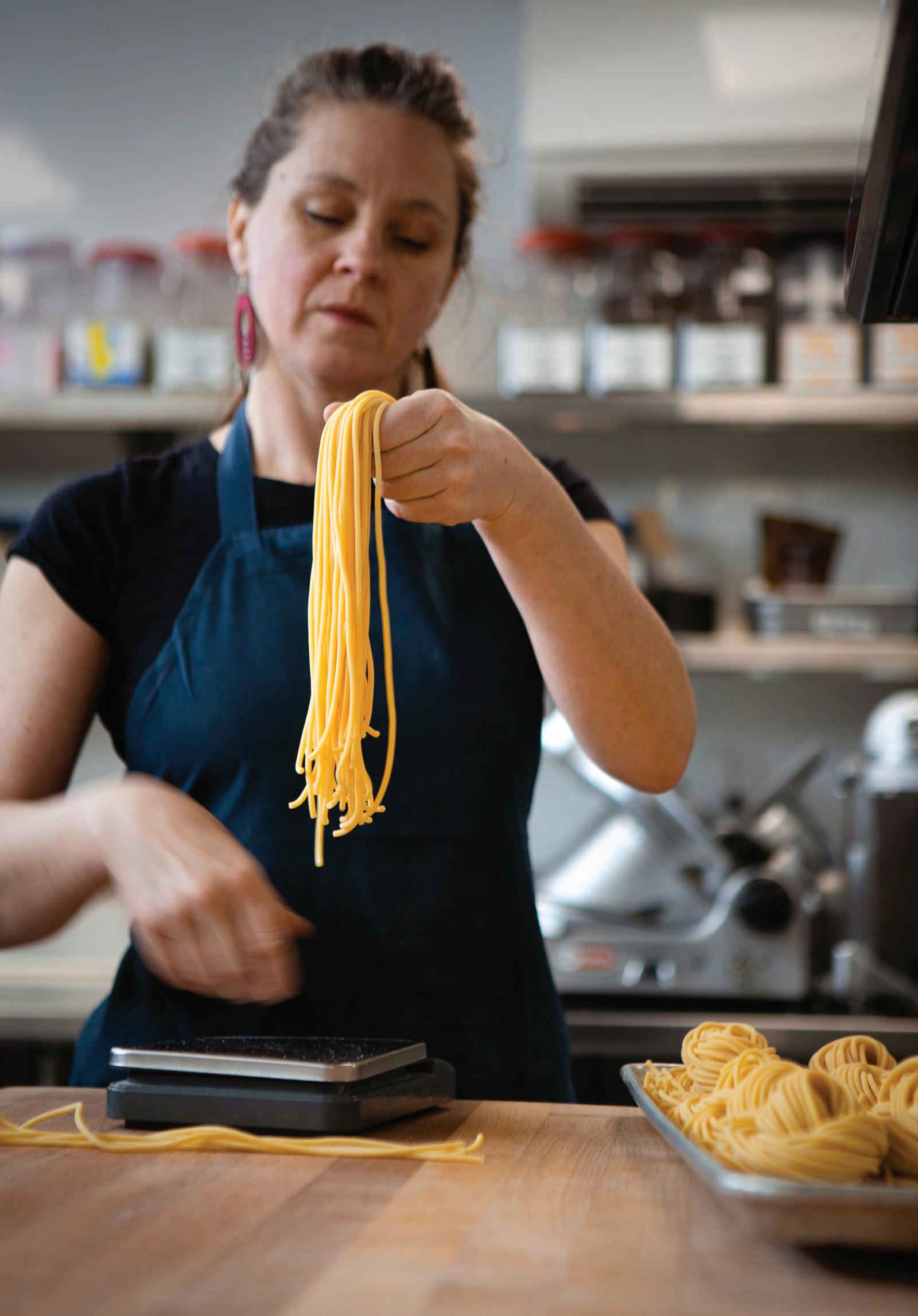
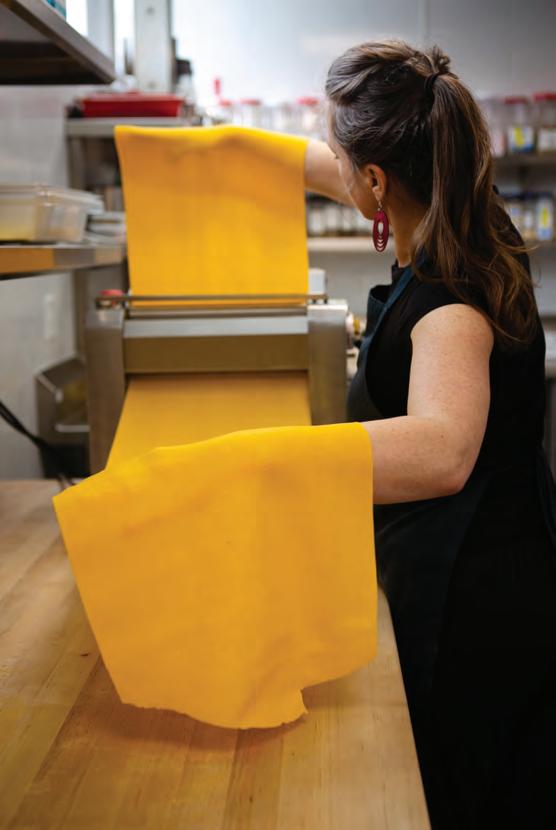
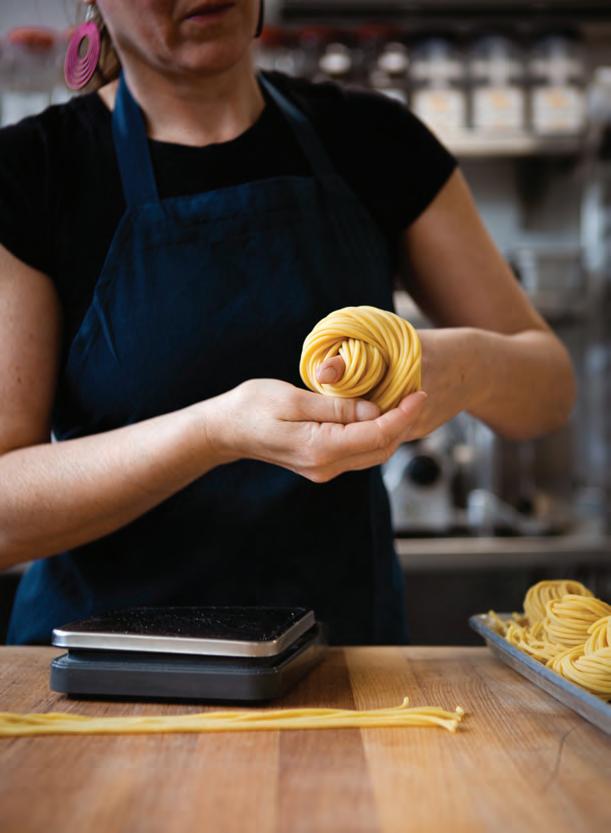
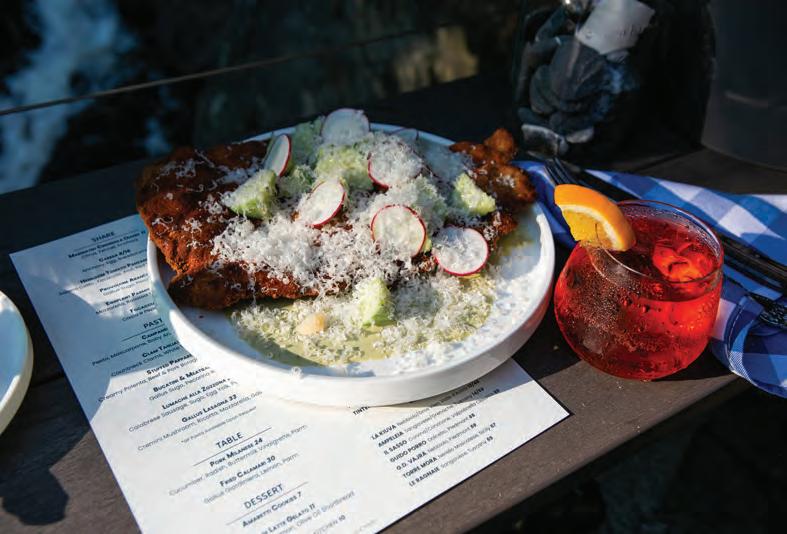
Commissary Chef Tiffany Caldwell is in charge of pasta production and organization at Gallus. Here, she's shown at work, creating the handmade pasta for which the restaurant is known. Every shape, every cut, every noodle is a little celebration of craft and joy. Below right: Crispy cutlet perfection topped with cool cucumbers, peppery radish, and a snowfall of cheese. Vermont comfort with a little extra swagger.
from chef to co-owner,” Eric says. “He has a deep affection for pasta, and although we developed the entire program together, the food comes back to Antonio. And it is his personality that defines the restaurant.”
ROOTED IN COMMUNITY
Gallus took off almost immediately when it opened in 2024. “We started right out of the gate with a super-warm
reception, both by the foodie network and the community at large,” Eric recalls when asked about the restaurant’s rollout. “We had the right combination of approachability and unique destinationtype operation. We had lot of tailwinds behind us,” he concludes, referring to the fortune of riding on Hen of the Wood’s coattails.
PASTA WORTH A TWIRL
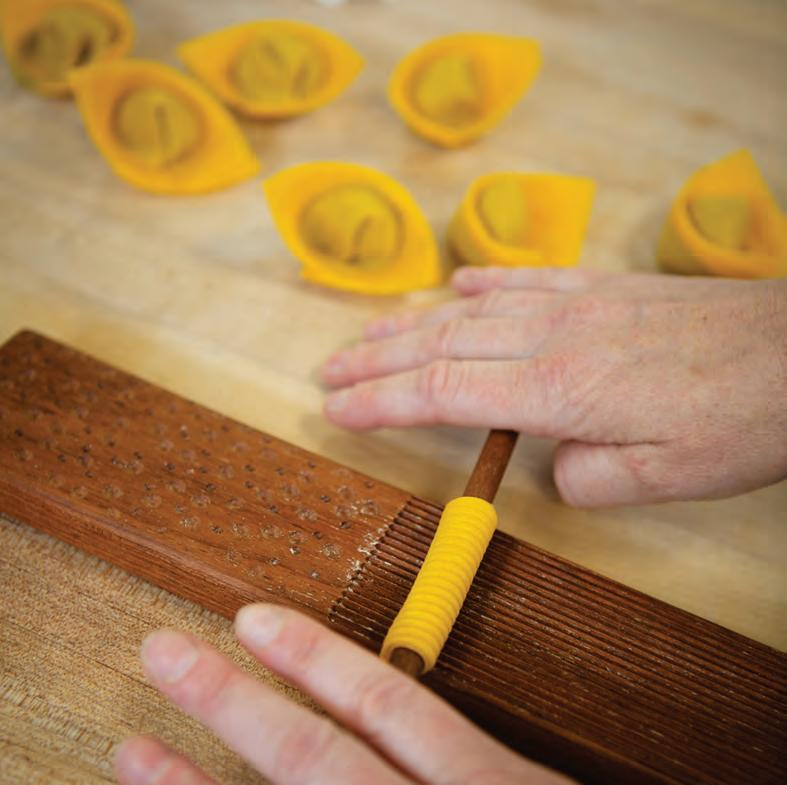
Each day, the restaurant joyously celebrates handcrafted pasta (200 pounds of it!) in all its glory and shapes, from tagliatelle, bucatini, and cappellacci to snail-shaped lumache. The smaller, focused menu changes by season, with several favorites, such as the pappardelle stuffed with beef with pork Bolognese and polenta.
OLD MILL, NEW THRILL
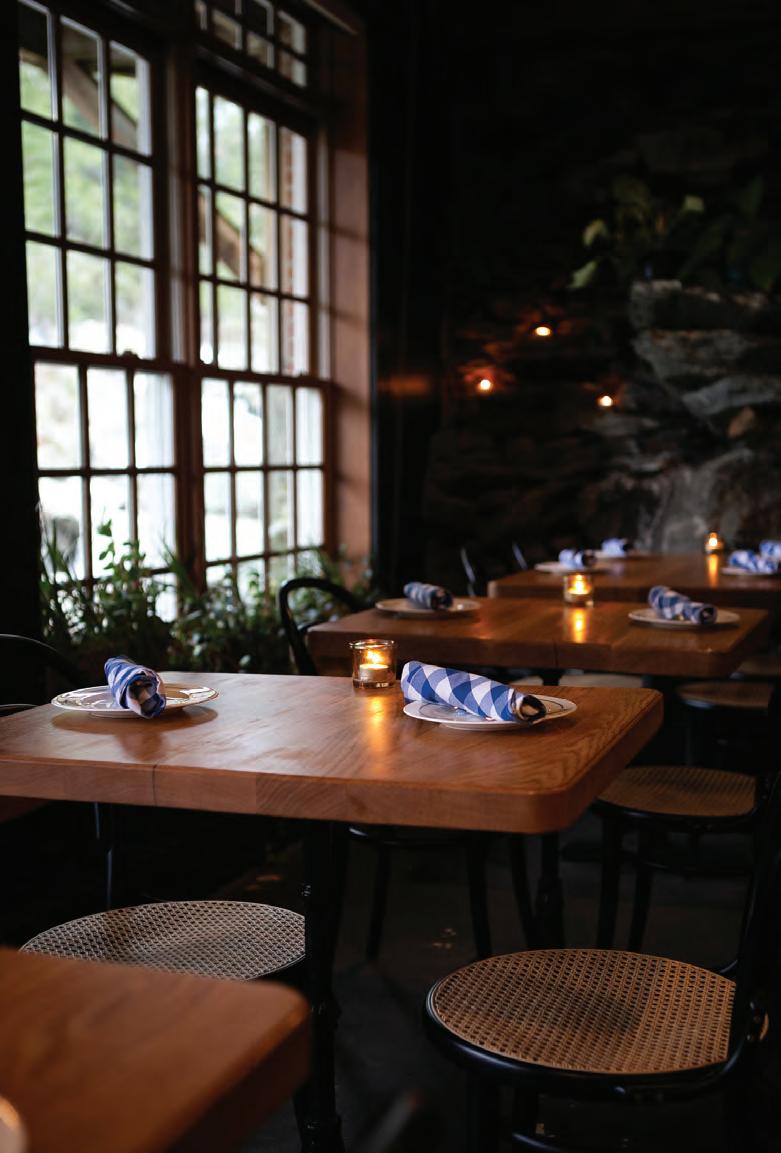
Imagine all of this in a unique setting that is a destination unto itself, a 200-year-old grist mill with original fieldstone walls overlooking Thatcher Creek. Inside, the forty-five-seat space feels reassuringly familiar but delightfully refreshed.
The outdoor patio, with its spectacular view of the waterfalls, is one of the restaurant’s biggest draws in the warmer months, adding an additional twentyfive seats. There’s a four-seat counter to accommodate walk-ins, as well as menus for online and takeout ordering.
EYES ON WHAT’S NEXT
Eric believes that Gallus is making an important contribution to Vermont’s food scene as a welcoming and moderately priced culinary destination. Looking ahead, diners can expect seasonal menu changes, with new pasta shapes and flavors, along with the re-opening of the patio. Even more exciting is the prospect of another Gallus location opening soon in Chittenden County.
Gallus represents both a return to the past and a step forward: a crowd-pleasing restaurant in a familiar setting, yet shaped by a new generation, a fresh concept, and the pleasure of simple food done exceptionally well—and at reasonable prices. It’s a natural evolution for both the space itself and the team behind it.
GALLUS HANDCRAFTED
PASTA
92 Stowe Street Waterbury, VT www.gallushandcrafted.com
BY ANN SCHREIBER
• PHOTOS COURTESY OF PRODUCT THINK TANK
CLOTHING
Crafted Like a Meal
In Waitsfield, Product Think Tank brings farm-to-table values to small-batch knitwear
Just as a chef crafts a meal from handpicked ingredients, Annemarie Furey, founder of Product Think Tank, designs each garment with the same care— sourcing ethical fibers, reclaiming existing materials, and turning them into pieces meant to be lived in, not just worn.
In fact, just as the farm-to-table movement challenges us to think about where our food comes, how it’s made, and by whom, Product Think Tank reimagines how we engage with clothing. The process matters.
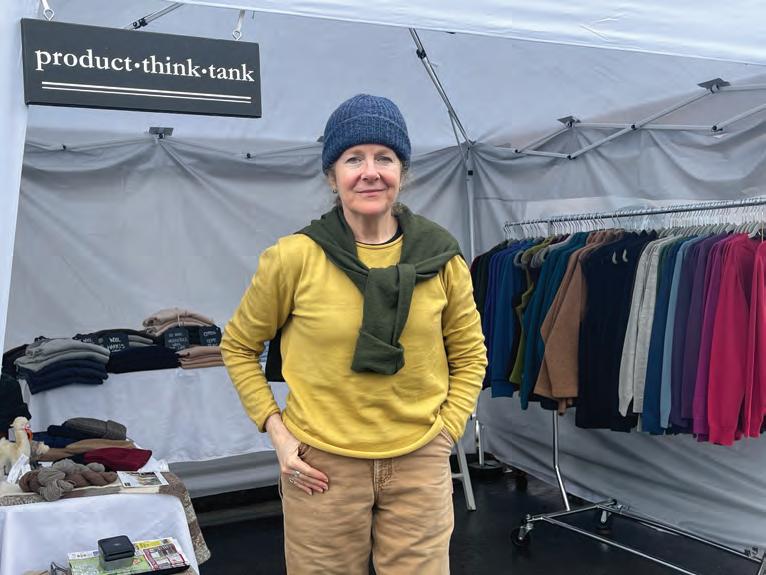
In an era of mass production, Annemarie chose a different path, one rooted in natural fibers, traceable sourcing, and micro-batch production. Step inside the boutique, and you will find a combination shop and studio, where fibers are treated like ingredients and garments are crafted in small runs, thoughtfully and without excess. “I make clothing for people, not closets,” Annemarie says.
FROM 4-H’ER TO SUIT MAKER
Annemarie’s story begins in the Hudson Valley, where she learned sewing and tailoring in her local chapter of the 4-H Club. By the time Annemarie attended the Rhode Island School of Design in the 1980s, she was already hand-tailoring suits.
“While other students were focused on ball gowns, I was focused on knits,” Annemarie recalls. “I come to knitwear from a tailoring background. That makes me a bit of an odd duck.”
Most knitwear designers begin as hand knitters. Annemarie did the opposite. “I prefer sewing by hand and knitting by machine.” The result is knitwear that is structurally proportionate and built to last.
Over the course of her career, Annemarie has included work with brands such as Burton Snowboards and Turtle Fur, where she developed technical expertise in performance and cold-weather apparel. Those experiences shaped her understanding of materials, fit, and production, and sharpened her desire to rethink how clothing is made.
RETHINKING SOURCING
While working in China, Annemarie had a conversation with a factory owner that shocked her. He described how
some factories were using North Korean labor due to labor shortages in China. Annemarie looked for validation of his claims and found it in a 2017 Reuters article. “At that point,” Annemarie says, “I decided I only wanted to work with small suppliers in democracies.”
But that moment also planted the seed for Product Think Tank. The idea was born
out of Annemarie’s consulting experience and reflects her collaborative mindset.
“I call it Product Think Tank because I see myself as the head chef, but I work collaboratively with my knitters. I don’t see myself elevated. If I don’t have the skill I need, I bring others to the table.” The name stuck as the consulting work evolved into a clothing line.
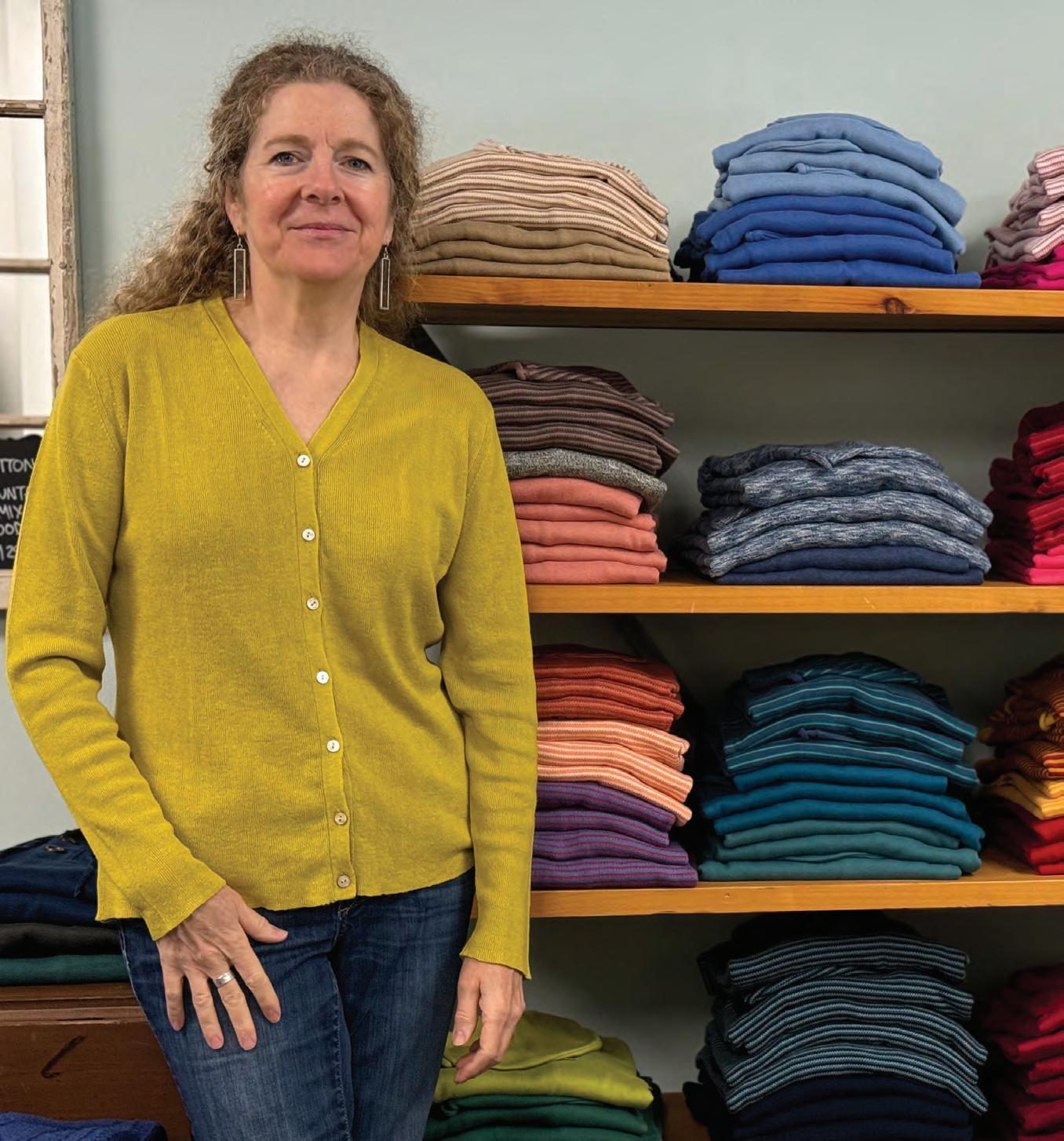
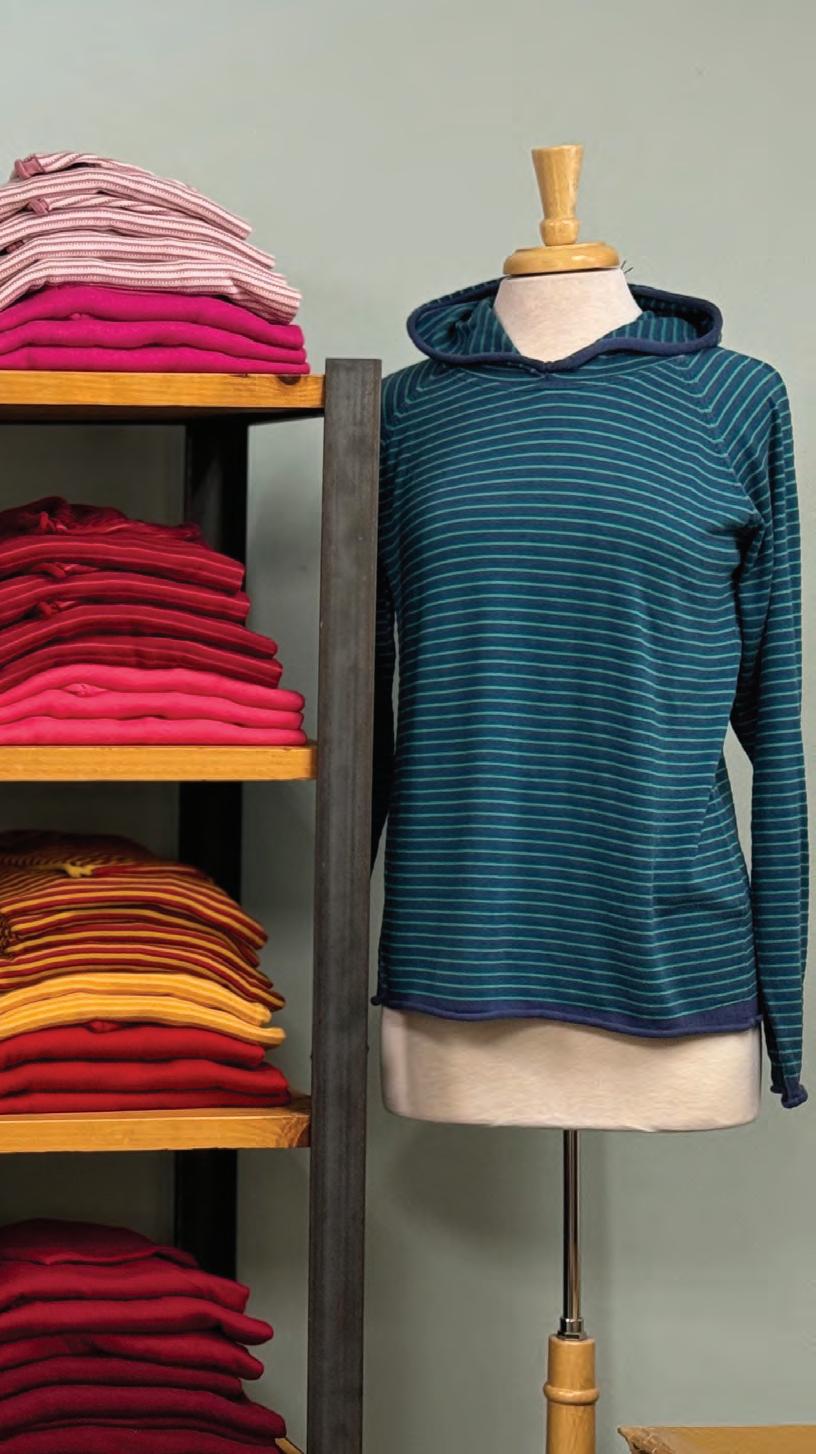
At Product Think Tank, Annemarie Furey's micro‑batch knitwear comes to life in color and texture. Each piece is crafted from natural, traceable fibers and made to deliver the easy, everyday warmth that defines the brand.
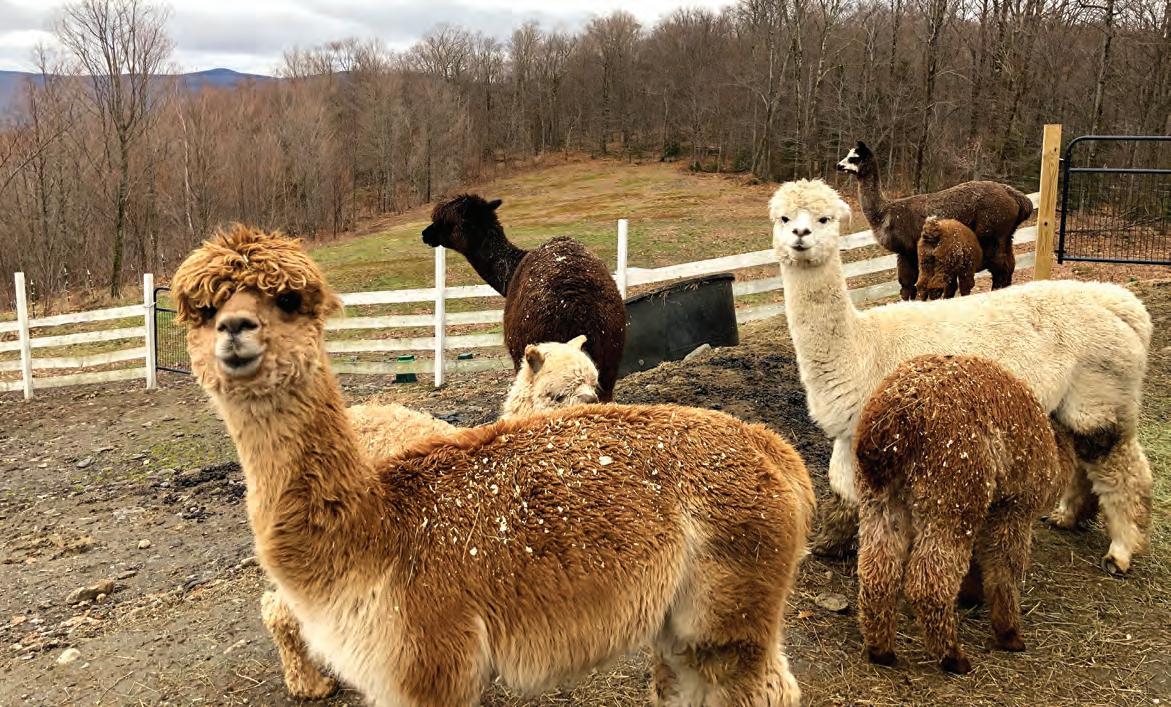
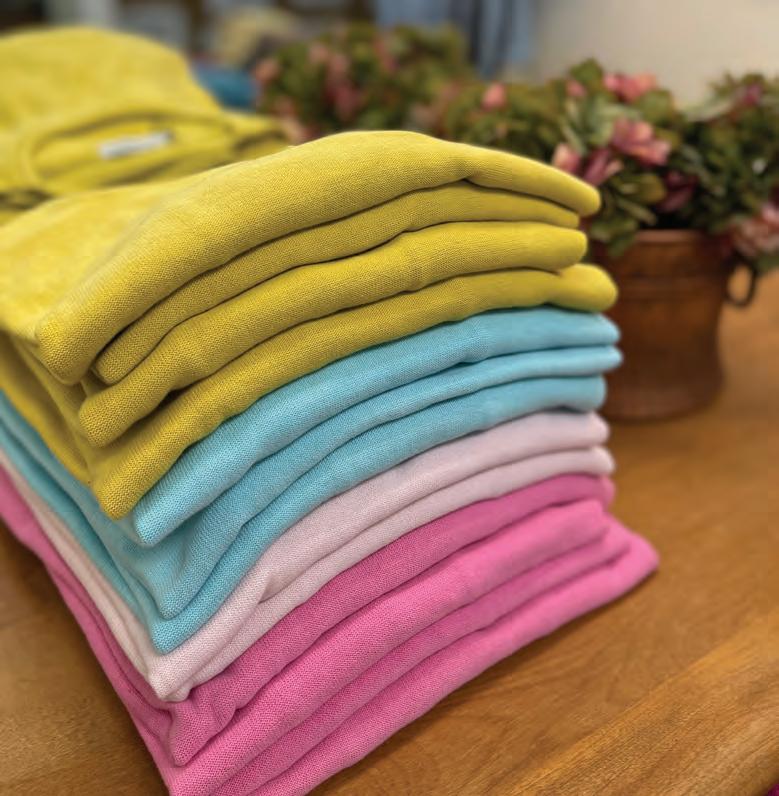
Soft color stories meet small‑batch craftsmanship: neatly stacked pastels, a cozy cardigan in the wild, and the quiet luxury of natural fibers.
INGREDIENT-FIRST DESIGN
Annemarie often describes herself as the “chef” behind her business, and the analogy is intentional. “This is a small farm-to-table restaurant as a clothing line, and I am the chef,” Annemarie says. “Rather than being told what’s in season and putting it on the menu, I take the ingredients based on the yarn supply and decide how to use them.”
Annemarie’s ingredients include Vermont baby alpaca, wool, boiled wool, merino wool, linen, cotton, silk, and regenerative viscose. Many of the yarns are dead stock, an industry term for leftover quantities from other production runs.
“I’ll get a color card from my knitter with small quantities left over from other production or rejected for being slightly off shade for a specific color. “I’ll use existing yarns and fabrics, figure out the ratios of what’s available, and do graphs, specs, and designs based on that," Annemarie explains. "Its the complete opposite of how designs are normally made. In most cases, you’re getting a piece that one of a couple of dozen or less produced,” Annemarie says.
A COMBINATION SHOP AND STUDIO
The space in Waitsfield that Product Think Tank now uses as a retail shop and a working studio was once a hair salon. “We cleaned it up, painted it, and found creative ways to cover up the plumbing still in the walls,” Annemarie says.
At first, Annemarie imagined running only pop-ups. But, she found, sweaters take up space. “My house was getting overrun.” Finding a permanent location made sense.
Even so, pop-ups remain part of the business model. This summer alone, Annemarie has ten scheduled events in the New York City/Brooklyn area and will
add more in Upstate New York and New England.
MICRO-BATCH AND CAPSULE-WORTHY
Unlike many retailers, Product Think Tank does not produce large volumes of any one style. Sizes range from XS to 2XL, though Annemarie begins with smalls and mediums and expands based on available yarn quantities. Customers range in age from teenagers to senior citizens.
“My products are exclusive,” Annemarie says. “The exclusivity comes from knowing where to find me and getting your size before it runs out.”
But exclusivity is not about trend cycles. “My goal is to sell something that people
can wear over and over again,” Annemarie says. “If you care for it, it won’t fall apart.” Before finalizing a design, Annemarie asks herself one question: Can this item become part of a capsule wardrobe? Each piece should integrate into your daily life. “I put beautiful products out that last and become the customer’s favorite.”
CONNECTION AND COMMUNITY
“People make an emotional connection to my products,” Annemarie says. “They come in all the time wearing my pieces, and they are just glowing.”
If a customer suggests a style and it aligns with her values, Annemarie listens. “If someone is looking for something and it
From softly textured summer knits to riverside stripes, Product Think Tank’s pieces move effortlessly with the landscape, season after season.
fits with what I believe in, I’ll try to make it happen. But it has to align with my values.”
LOOKING TOWARD THE FUTURE
After more than thirty-five years in the industry, Annemarie remains inspired.
“Why do I keep doing what I’m doing? I’m driven to lead a creative life.”
Textile design is one outlet. Gardening and cooking are others. “I don’t think there’s a day that goes by that I don’t have some sort of creative outlet,” Annemarie says. “I stay fresh by switching creative lanes.”
Much of the inspiration comes while Annemarie is gardening or preparing meals. The chef analogy is more than branding; It’s a philosophy.
Going forward, Annemarie remains committed to small-batch production, close relationships with family-owned factories, and mindful material sourcing.
In an age when clothing is often disposable, Product Think Tank offers an alternative model, one rooted in natural, non-petrochemical fibers and trims, grounded in collaboration, and built on the belief that the clothes we wear on our bodies should be chosen as carefully as the food we put in it.
Product Think Tank
102 Mad River Green Waitsfield, VT www.producttt.com
Healing Hearts, Building Community
A VERMONT NONPROFIT HELPS YOUNG HEART PATIENTS AND FAMILIES CONNECT
Kathryn Towle, a mother of three from Fletcher, VT, wants you to know that congenital heart defects (CHDs) are far more common than most people realize, and that no family has to navigate the journey alone.
That’s why she and her husband, Michael, founded VT Cardiac Kids in 2013 after learning their infant son Jack was among the roughly one in one hundred babies born each year in the United States with a CHD, making it one of the nation’s most common birth defects.
About a quarter of those cases are critical, requiring surgery or other medical intervention within the first year of life. Yet, thanks to advances in care, more than
95 percent of children born with a CHD go on to live full, active lives.
FINDING THE SILVER LINING
Kathryn, Michael, and Jack’s journey began in upstate New York, when Jack was just three months old. That’s when doctors gave him a diagnosis that would ultimately inspire the creation of a Vermont community dedicated to helping young heart patients and their families connect, cope, and thrive.
Opposite page: VT Cardiac Kids show their custom caricatures donated by local Plattsburgh artist Joe Ferris. This page, clockwise from right: VT Cardiac Kids Founders Michael and Kathryn and their children Maddie, Elise, and Jack. Alexa Jane (Heart Hero) at the annual heart walk. VT Cardiac Kids pose with Lake Monsters mascot Champ at the annual heart walk.
“Jack had his heart repaired in Albany in 2013, when he was just six months old,” Kathryn recounts. “We moved to Vermont after his surgery to be close to his followup team at UVM Children’s Hospital.”
PUTTING IT TOGETHER
The couple had taken advantage of a local support group in New York State for CHD families and was disappointed to learn that nothing similar existed in their new community. She continues, “I started putting together this amazing group of Heart Heros, Super Siblings, and their parents to raise awareness, connect through special events, and so our kids would know that there are other kids out there who are just like them.”
The group that Kathryn and Michael started became a vibrant and effective resource for Vermont families coping with a child with a heart defect. The couple used their own money to supplement whatever they could raise from donations.
GRAND GET-TOGETHERS
In 2014, the group held their first get-together, Breakfast with Santa, with seven kids and their families in attendance. Today, the group serves as many as twenty-six kids at events, like apple picking, seeing how Vermont Teddy Bears are made, and a summer baseball game at the Vermont Lake Monsters ballpark at UVM.
Kathryn’s current goal is to sponsor one activity each month for the kids and their families to come together.
HEARTFELT PARTNERS
Cardiac Kids also partners with companies and institutions, such as the Vermont Teddy Bear Factory, which donates custom-made tee shirts and bears (including one with a chest scar from open heart surgery), the American Heart Association, and the New England chapter of It’s My Heart New England. Kathryn adds, “We are so fortunate
to have the support of Dr. Drucker and the pediatric cardiology department at UVMMC. We love adding new families!”
JACK’S HAPPY HEART
Today, Jack Towle is an active thirteenyear-old, who plays basketball, takes karate lessons, loves to hit the slopes as a black diamond skier, and aspires to become a lawyer. He has been cleared from cardiological visits for life. He is proud to be a Heart Hero and has made new friends engaging in Cardiac Kids activities. His advice to other kids with a CHD is, “No matter how tough it gets, you have to fight through.”
KUDOS FOR CARDIAC KIDS
Jamie Rainville is the mother of a Heart Hero, ten-year-old Rylan. They have been members of Cardiac Kids since Rylan was a toddler, enjoying numerous activities, including attending hockey games in Plattsburgh.
She says, “This group creates a space where families can come together around these medical journeys, without pressure or formality. The kids play, the parents connect, and you realize there are people who truly understand. When I look around at these children and parents who’ve been through so much and are laughing and having fun, it’s a powerful reminder of how resilient we all are.”
MAKING IT OFFICIAL
In 2023, the organization was officially incorporated in the State of Vermont and received its 501(c)(3) status as VT Cardiac Kids, Inc. This important step has emboldened Kathryn to be even more outgoing when asking for support. “At the beginning, we didn’t even have our own bank account,” she recalls. “We relied on Amazon’s Wish List for donations. Now, it is much easier to appeal for help.” She adds that becoming a nonprofit has opened doors with the organization’s partners, with benefits such as free tickets to Lake Monsters games and a chance for the kids to go on the ballfield.
BEING THERE WHEN IT COUNTS
After more than a decade of running Cardiac Kids, Kathryn has a message for parents of Heart Heroes: “I want them to know that they are not alone. There are other kids who’ve gone through this and are thriving—my son is an athlete today. We’re here whenever families need us.”
As VT Cardiac Kids looks to welcome new families and expand its programs, Kathryn says the group is always grateful for community members willing to volunteer, sponsor an activity, or simply help spread the word.
For more information on how you can help, reach out to Kathryn at vtcardiackids@gmail.com
Opposite page, from right: Jack Towle proudly displaying his Heart Hero cape at an event. Trevor, Nikki and Ayonna (Heart Hero) Towle at the 2025 Go Red for Women Luncheon, at which the female cardiac survivors were recognized.
BARR HILL GIN
VERMONT IN A BOTTLE
Crafting spirits from the local landscape and native ingredients
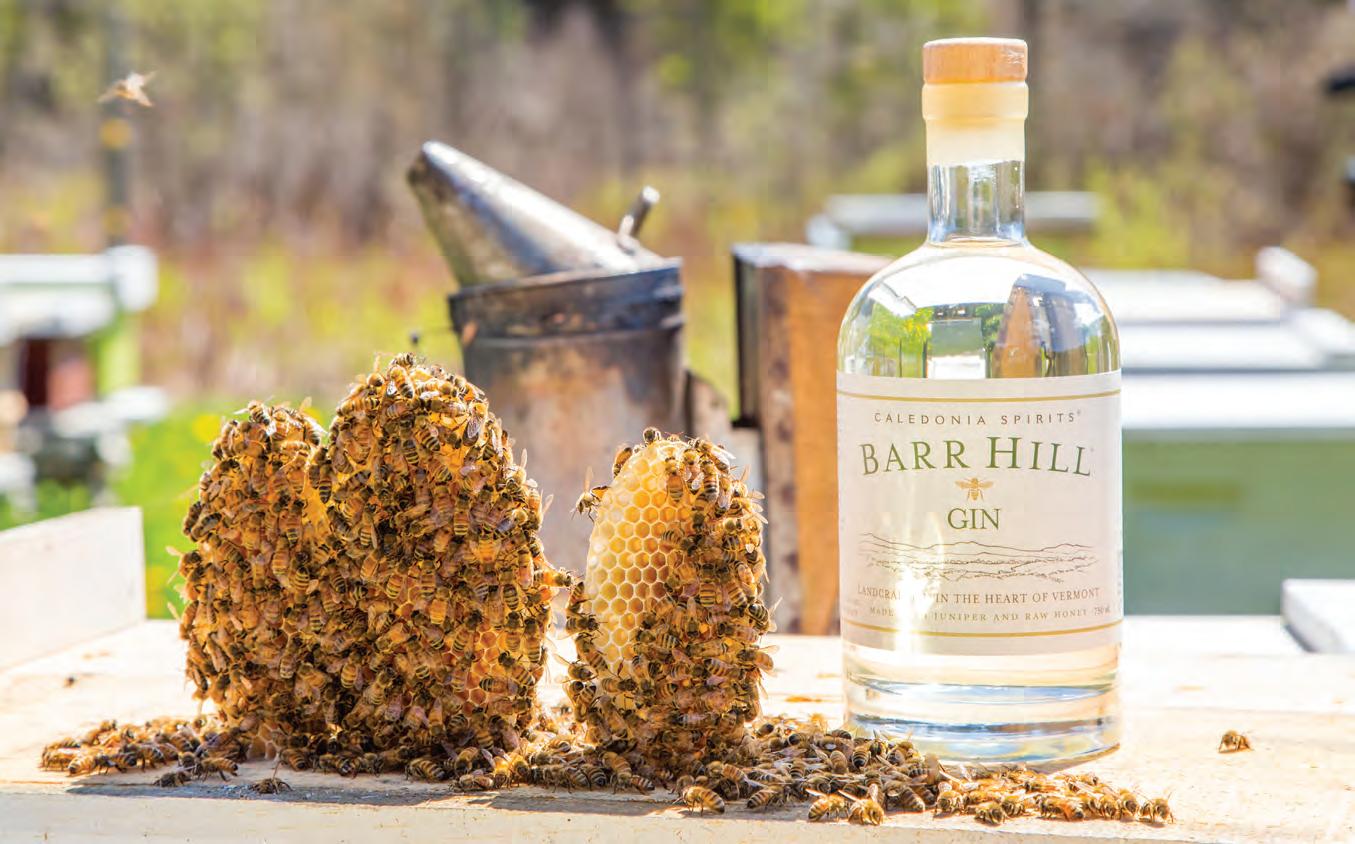
Since its beginning as a small-batch, one-still distillery, Barr Hill Gin in Montpelier has been producing spirits that reflect the true characteristics of Vermont. Today, the company is boosting their commitment to sustainability by preserving thirty-two acres of native pollinator habitat.
Terroir is usually a word reserved for winemaking. Loosely translated to “a sense of place,” it encompasses the many natural elements that go into grape growing, including soil, climate, and geology. But terroir is also an apt word for the craft spirits produced by Caledonia Spirits’ Barr Hill Gin in Montpelier.
“Our spirits are ingredient-driven and inspired by the landscape around us,” says co-founder and head distiller Ryan Christiansen. “We work closely with farmers in our area, visiting and learning from them and exploring new ingredients, flavors, and possibilities.”
from
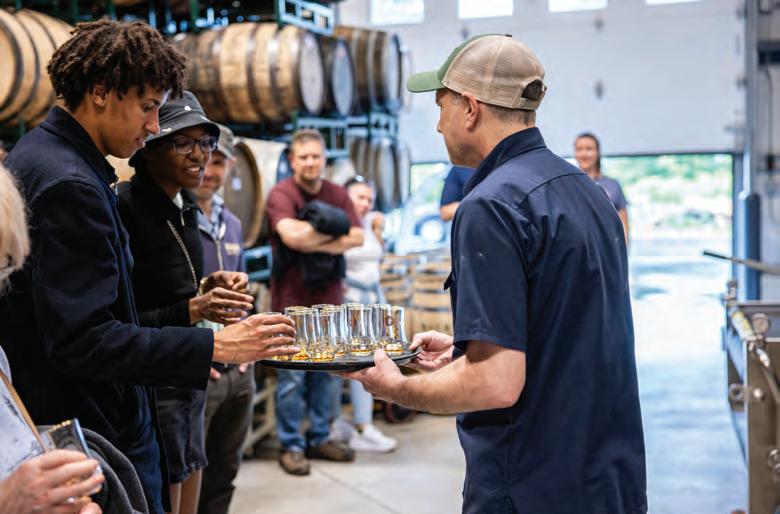
is made with raw honey and wild juniper and aged in barrels made from Vermont white oak. The distillery promotes sustainability through its annual Bee's Knees Week, which calls attention to the importance of preserving pollinators' natural habitat. Behindthe-scenes tours of the distillery include tastings, cocktail classes, and more.
VERMONT-INSPIRED SPIRITS
Best known for their award-winning Barr Hill Gin, the distillery produces spirits that are a true reflection of Vermont. The gin and vodka exhibit traits of raw honey and wildflower nectar, while the whiskies reflect oak and earth.
“As distillers, our role is to highlight farmers’ passion and commitment to the land, extracting remarkable flavor from raw ingredients and creating that bridge between cocktail culture and agriculture,” Ryan adds.
When the company was founded in 2011, it operated with a single direct-fire still. Ryan and his team would transport cases of spirits in an old station wagon, and they offered free samples at the farmers’ market. Although they’ve since expanded, their guiding principles remain the same.
“Scale should never come at the expense of values,” Ryan says. “As we’ve grown, we’ve worked hard to keep our connection to agriculture, to the people who make what we do possible, and to the communities that support us.”
MAKING ITS DEBUT
The company has also expanded its product line to include its first rye whiskey for distribution. After a decade in production, Phyllis Rye Whiskey, named for Ryan’s grandmother and her namesake still, is made from Vermont-grown grains and aged in barrels, many made from Vermont white oak, sustainably harvested from the Champlain Valley.
“Bringing it to the world felt less like launching something new and more like fulfilling a promise we made years ago—to give the whiskey the time it needed and to do it the right way,” Ryan says.
FOCUS ON SUSTAINABILITY
Doing it the right way means keeping sustainability in mind. Whether whiskey,
Left,
top: Barr Hill Gin
gin, or vodka, a spirit isn’t a spirit without the land it comes from, so protecting the land is at the heart of what Barr Hill does. Through its annual Bee’s Knees Week, it has created more than thirty-two acres of pollinator habitat. Ryan says preserving the natural habitat supports a wide range of wildlife and promotes biodiversity.
“For us, honey production and habitat work are connected. Healthy, diverse ecosystems lead to healthier pollinators, and better pollination ultimately means stronger farms, better ingredients, and more resilient communities,” he adds.
But sustainability doesn’t come at the expense of a great-tasting product. In its first year of operation, Barr Hill Gin—made with raw honey and wild juniper—won Double Gold at the New York International Spirits Competition. Later that year, it
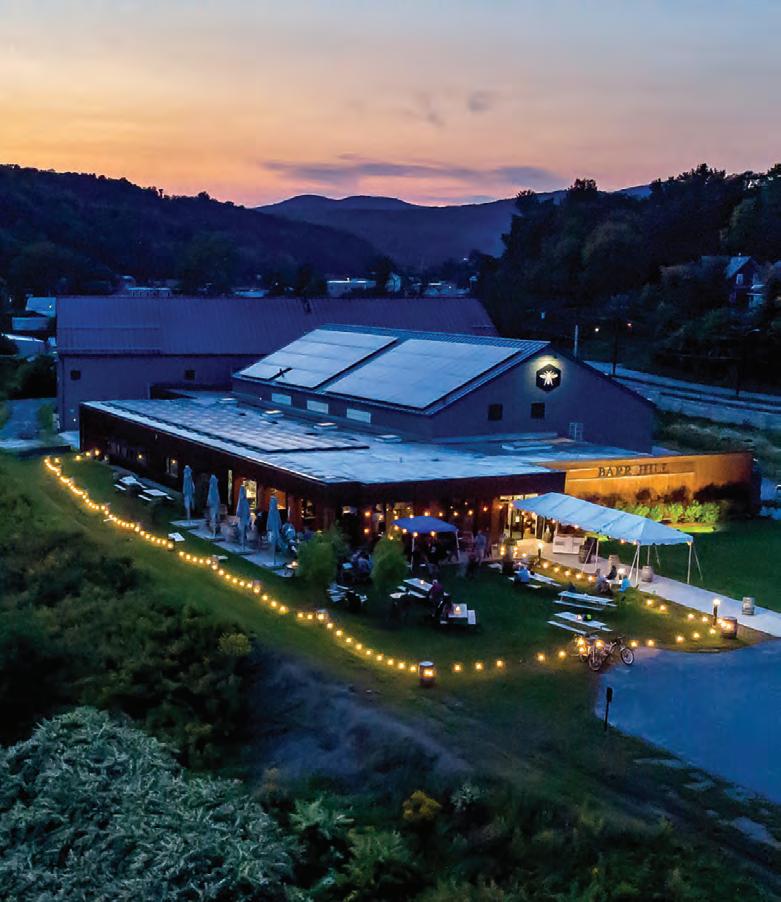
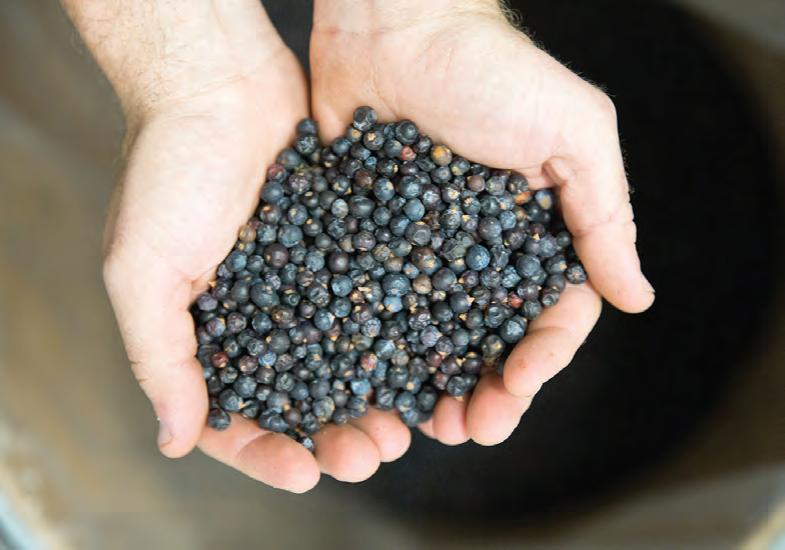
Above: Barr Hill proudly introduces Phyllis Rye Whiskey, named for Ryan's grandmother and namesake still. Right, from top: Barr Hill's Distillery and Cocktail Bar was a 2024 James Beard Award Finalist for Outstandijng Bar. Juniper berries provide the classic gin taste: resinous, piney, and slightly citrusy notes.
won Best Gin of the Year at the Hong Kong International Spirits Competition. In addition, its sustainable Montpelier distillery was a finalist for the James Beard Award for Outstanding Bar in 2024.
CONNECTING COMMUNITIES
Ryan says that, although craft spirits are the core of what they do, they view themselves as educators and their distillery as a community hub, where people can come together, not only to enjoy their spirits, but also to connect with one another and take in the landscape.
“The future for us is about going deeper into our role as educators and as members of a real community,” he says. “A distillery should reflect the agriculture around it, create opportunity locally, and invite people in to understand how spirits actually begin.”
BARR HILL GIN
116 Gin Lane
Montpelier, Vermont
www.barrhill.com
Photo: Ryan Bent
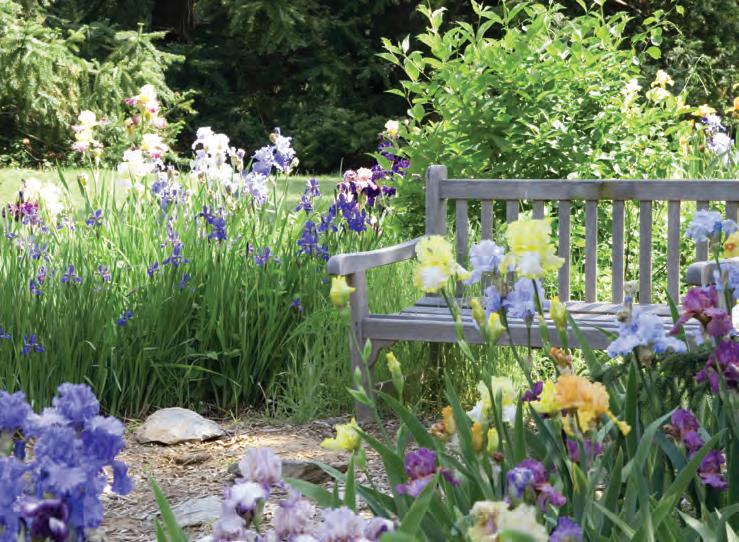
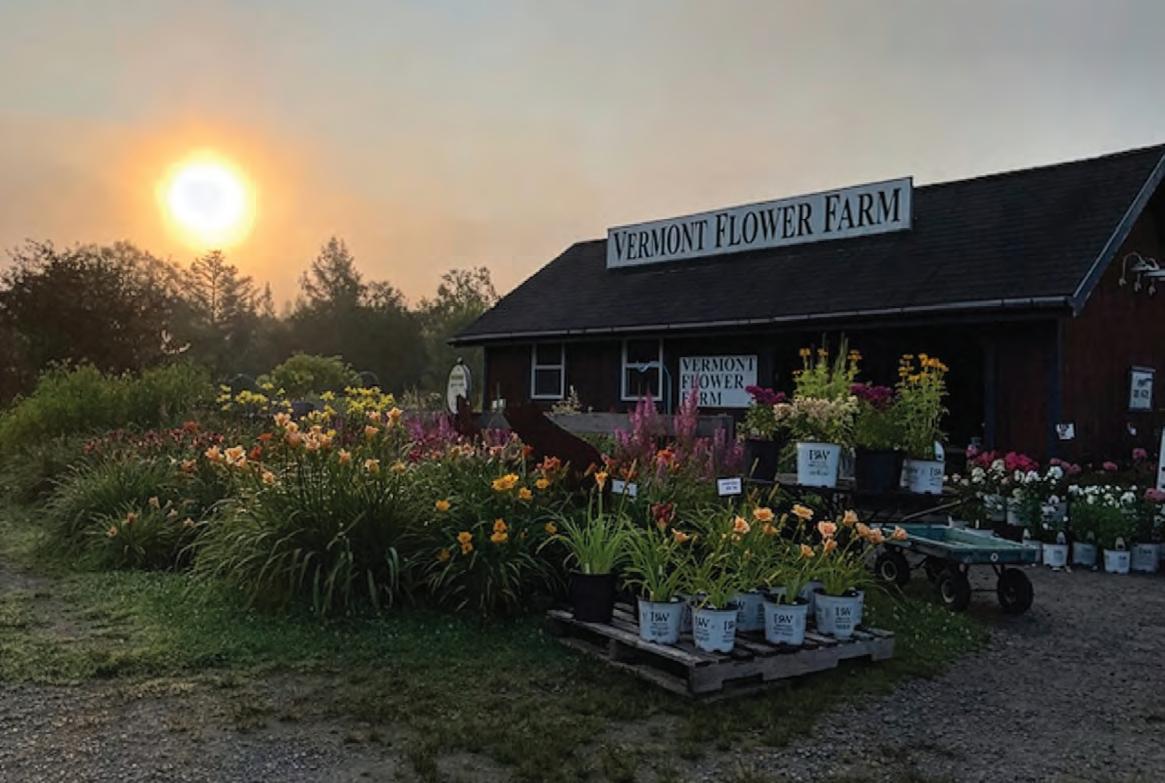
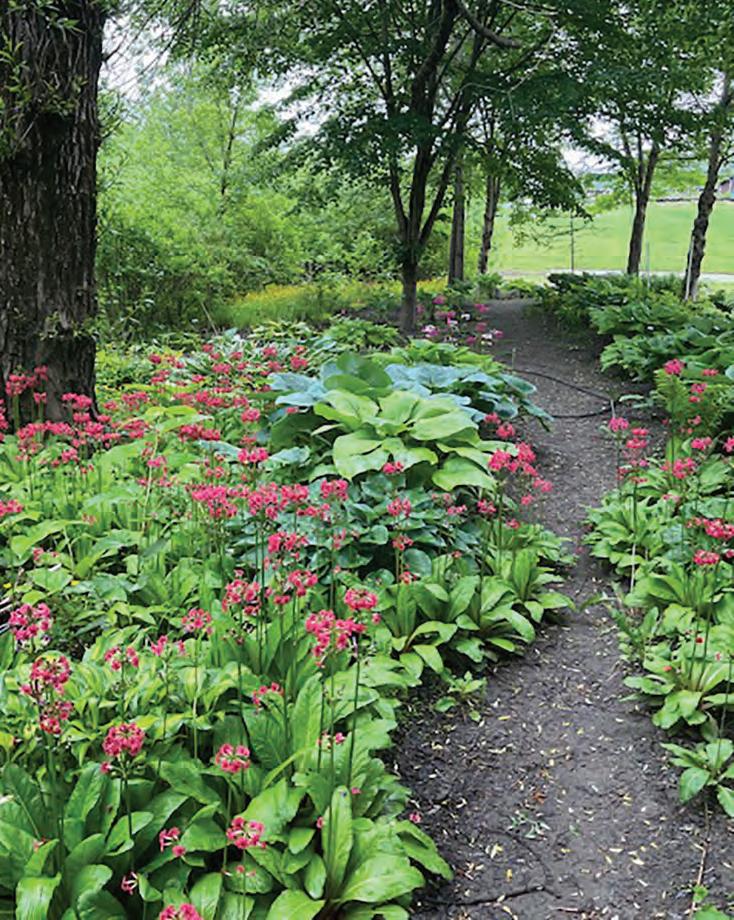
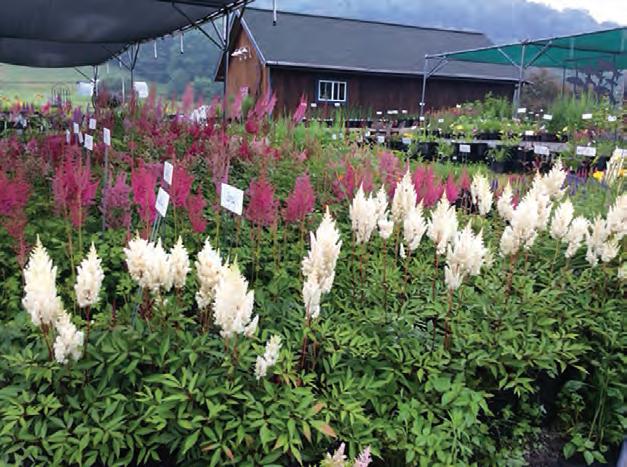
Top: Vermont Flower Farm in Marshfield welcomes spring in Central Vermont with winding paths, vibrant nursery beds, and the first flush of hardy perennials. Clockwise from above: Shade‑loving pink impatiens brighten woodland paths. Daylilies bring bold midsummer color. Astilbe establishes quickly and sends up feathery blooms as the season warms.
DIG IN vermont
A guide to spring planting with patience and purpose
In late April, a special kind of optimism grows in Vermonters. As the mud begins to fade and the sugar maples release their last sap, amazing things start to stir beneath the cold soil of our gardens.
Although Vermont’s spring planting season is short, the right knowledge and a little patience can make it truly rewarding. Whether your gardening plans include flowers, trees, vegetables, or some combination, investing in your own soil is the best choice you can make—whatever the season!
KEEP COLOR COMING
Area gardeners know that our growing season, which runs from about mid-May to early October, requires careful planning for flowering plants. The aim is to have a steady stream of colors in the garden, with
no gaps or missed weeks of enjoyment.
Begin with Lenten roses and snowdrops, says Gail Africa of Vermont Flower Farm in Marshfield. Follow with early spring bulbs, like tulips, daffodils, and scilla. If you plant these bulbs in the fall they, will be among the first to bloom come spring.
By June, peonies and baptisia take their turn, followed in early summer by the always reliable daylily, which now comes in an array of colors! Complement them with cheerful coneflowers (Echinacea), a true stalwart of the Vermont perennial bed.
For midsummer, consider planting black-eyed Susans, bee balm, and helenium, which produce rich golds and oranges that look great against the region’s green hillsides. As summer gives way to September, late-blooming sedums, asters, hydrangeas, and ornamental grasses
will carry color and texture right into October. A well-planned Vermont garden, Gail notes, “will give you and others joy throughout the seasons.”
INVITING THE BEES BACK
The health of Vermont’s pollinators worries gardeners, farmers, and ecologists. Native bee populations are under threat from habitat loss and pesticide use.
Fortunately, home gardeners can help simply by choosing the right plants, according to Chris and Diana Borie, owners of The Vermont Wildflower Farm in Hinesburg.
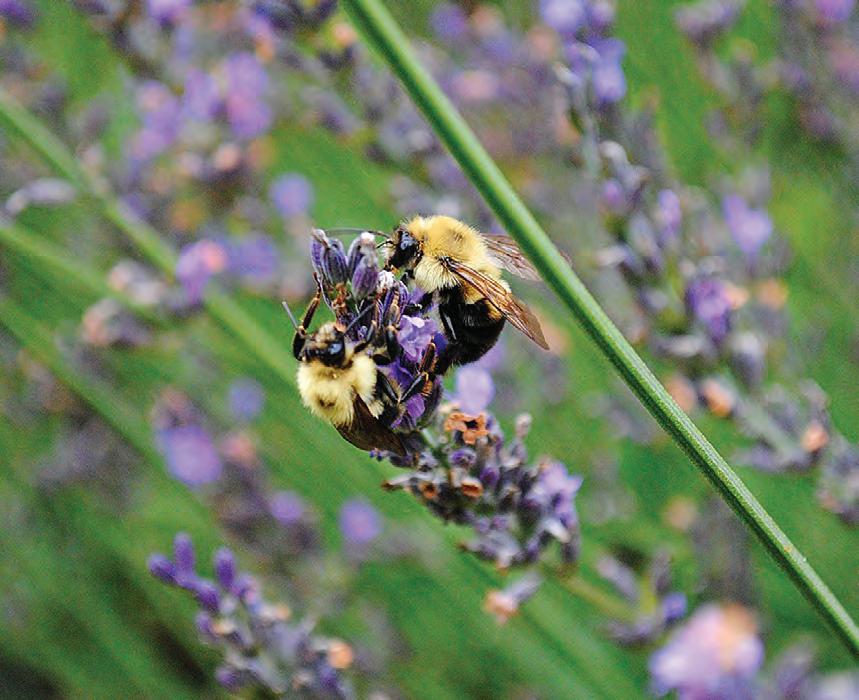
Native flowering species are your best friends. Bee balm (Monarda fistulosa), beardtongue, native asters, and goldenrod attract native bees and monarch butterflies. Partridge pea, lavender, and
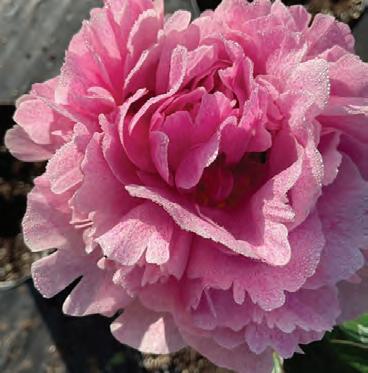
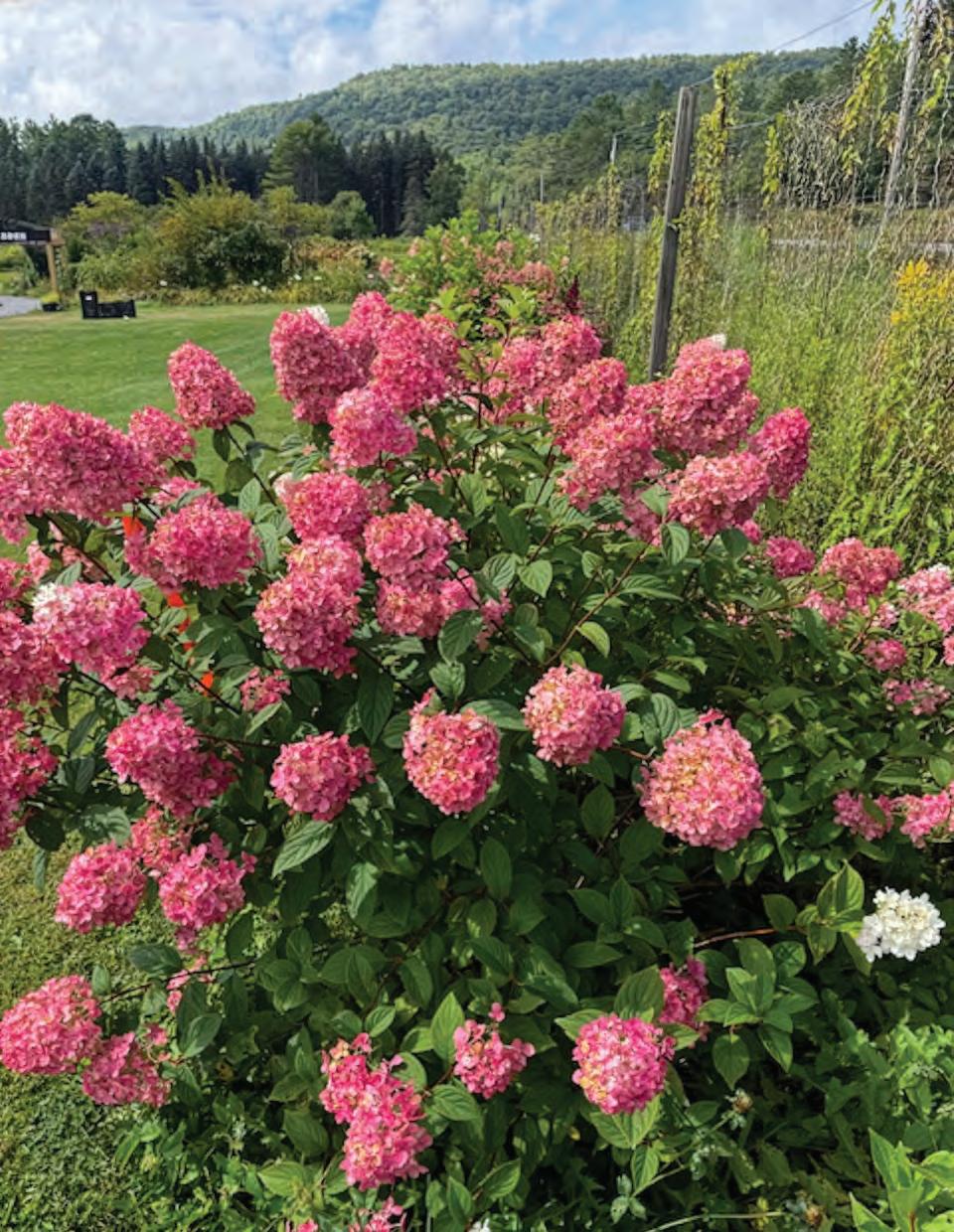
Opposite: Peonies open early with silky pink petals and bright stamens. Zinnias follow with layered midsummer color. Dianthus adds cool‑season pink blooms with finely fringed edges. This page, clockwise from top left: Pink hydrangeas thrive when planted in early spring as the soil warms. Foxglove, delphinium, and yarrow can be set out in spring or early summer. Lavender draws in honeybees with its fragrant purple spikes.
borage draw honeybees in large numbers and are also great for cooking.
For an easy pollinator patch, Chris and Diana advise planting a mix of native wildflowers in a sunny spot each spring, including milkweed varieties (Asclepias syriaca and A. tuberosa) to support monarch butterflies.
For pollination purposes, you’ll want to skip double-flowered cultivars, such as double daffodils, various double peonies, and certain ranunculus varieties. Although they look great, Chris and Diana point out that their reproductive structures are converted to petals,
leaving little or no pollen or nectar for insects to access.
SHADE AND FRUIT FOR GENERATIONS
More than any other act of gardening, planting trees is an exercise in hope. A sugar maple planted today will shade your grandchildren’s summer afternoons. A heritage apple tree, properly sited and pruned, will yield bushels of fruit for decades.
For shade, native species are nearly always the right choice in our climate. The sugar maple (Acer saccharum) is the quintessential Vermont tree, magnificent year-round and deeply adapted to our cold winters. The American linden (Tilia americana) is another excellent option for fast growth, because it provides good shade within a decade. Pollinators love it for its fragrant summer flowers. For a smaller yard, consider serviceberry (Amelanchier canadensis) trees, which reward you with white flowers in spring, sweet edible berries in June, and fiery foliage in autumn.
For fruit, Vermont’s Zone 4b–5b climate calls for hardy apple varieties, such as Honeycrisp, Liberty, and the Vermontdeveloped Zestar, all of which perform reliably in our local climate.
Remember that most apples require a second variety nearby for cross-pollination. Plant in full sun, ensure good drainage, and commit to a modest pruning regimen every late winter. For a modest amount of effort, you’ll be rewarded abundantly for many years.
STARTING RIGHT, GROWING STRONG
Vermont’s short growing season doesn’t have to limit your vegetable growing plans. You just need a strategy! Start seeds indoors six to eight weeks before your last expected frost, which usually hits between May 10 and 20 in Chittenden and Washington counties.
Tomatoes, peppers, and eggplants benefit from an indoor start. On the other hand, lettuce, spinach, and kale can be transplanted as early as late April, as they handle light frost well.
Raised beds are popular among Vermont gardeners, and for good reason. They warm up faster than in-ground beds, drain well in our clay-heavy soil, and can be filled with a custom mix that helps vegetables thrive. The University of Vermont Extension recommends an ideal growing medium for raised beds of about 70 percent mineralrich soil and 30 percent compost, a balance that supports drainage, aeration, and longterm soil health.
Succession planting (sowing short rows every two to three weeks) extends your harvest of lettuce, radishes, and beans throughout the season. Also, don’t forget cover crops. Planting oats or clover in an empty vegetable bed in the fall protects your soil over the winter and adds organic matter in spring.
A COMMITMENT, BUT ALSO A GIFT
At its core, spring planting is an act of faith. You place something small and fragile into the cold ground, trusting the season to do its job. In central Vermont, where our bond with the land is deep
RYAN BENT PHOTOGRAPHY
GROW WITH THE PROS
These Vermont-based growers and educators offer trusted plants, regional knowledge, and science-backed guidance to help gardeners succeed in a short, rewarding season.
VERMONT FLOWER FARM 2263 US Route 2 Marshfield, VT www.vermontflowerfarm.com
THE VERMONT WILDFLOWER FARM PO Box 561 Waterford, VT www.vermontwildflowerfarm.com
and alive, this act holds special meaning. The flowers you plant in May will greet your neighbors on their morning walks. The apple tree you put in this spring will last longer than your mortgage. The tomatoes you nurture from seed will make a July salad that tastes far better than anything from the store. So dig in! The soil is warming, and the season waits for no one.
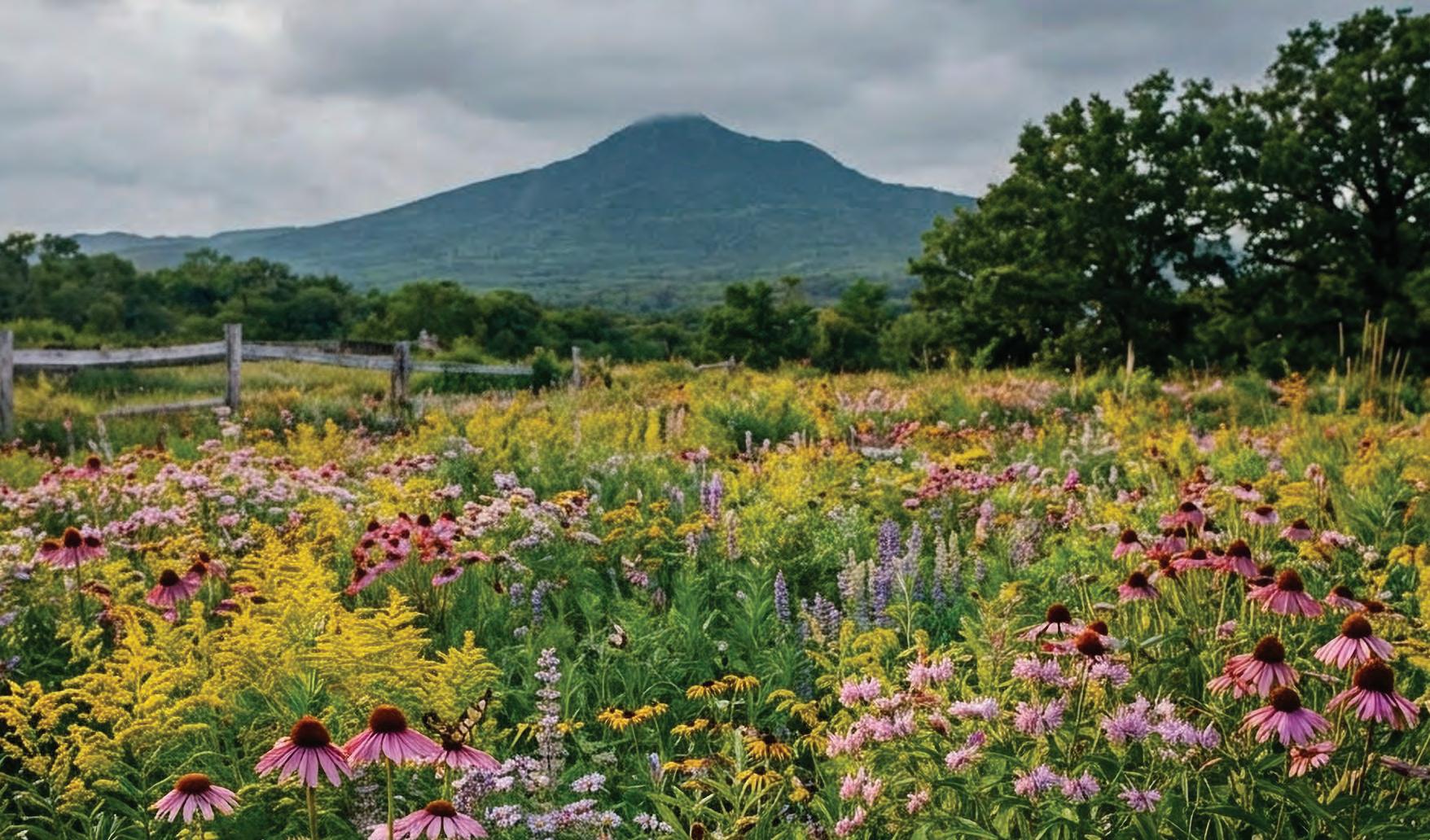
Above: Wildflower fields in Central Vermont burst with black-eyed Susans, purple coneflowers, cosmos, and lupines—pollinator-friendly blooms best sown in early spring or late fall.
CENTRAL VERMONT home
Inspiration starts here EXPLORE, COMPARE, AND CREATE AT FRANK WEBB HOME
FIND INSPIRATION
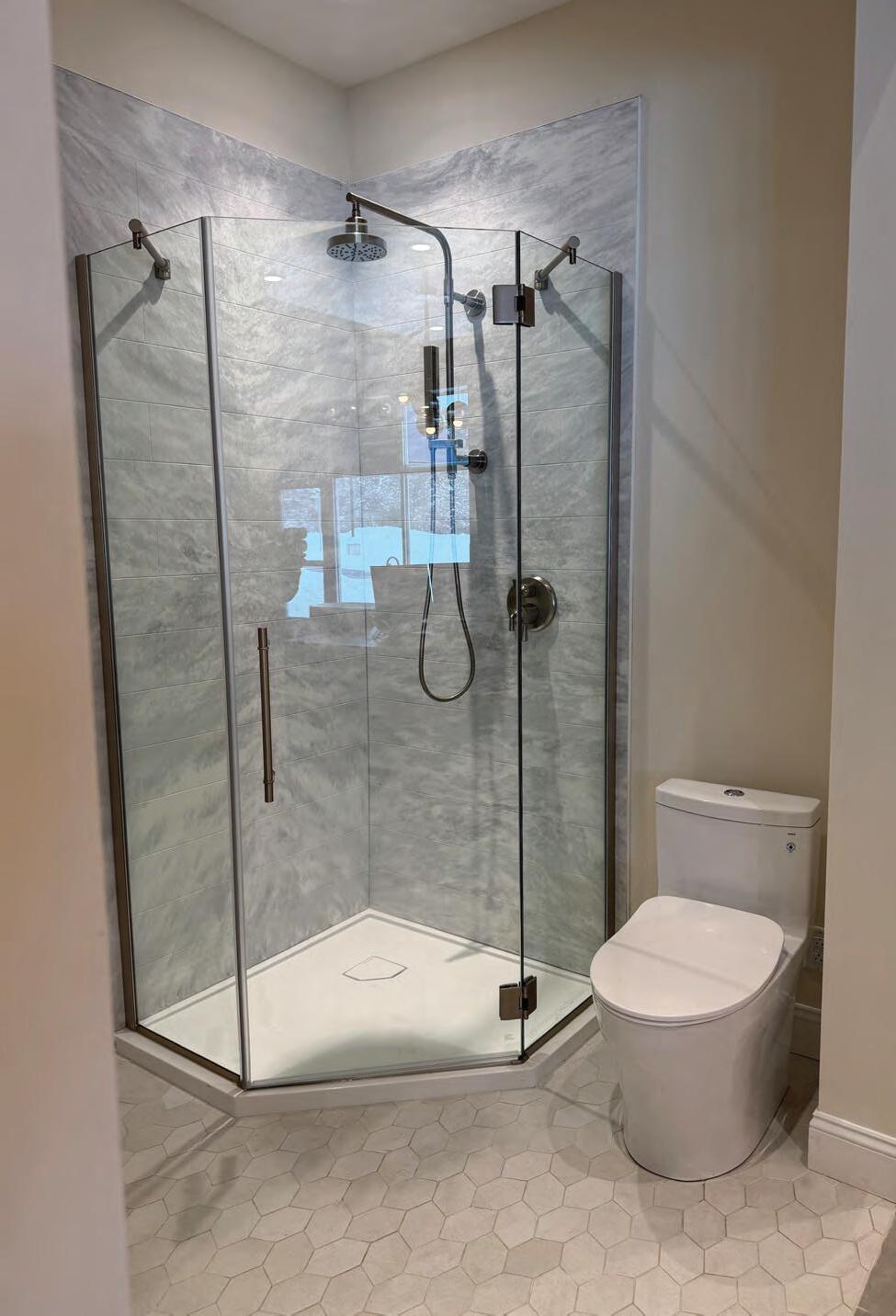
Whether you’re replacing a single fixture, remodeling a bathroom, or building a new home, spending some time browsing through showrooms can help spark ideas, as well as help clarify your preferences.
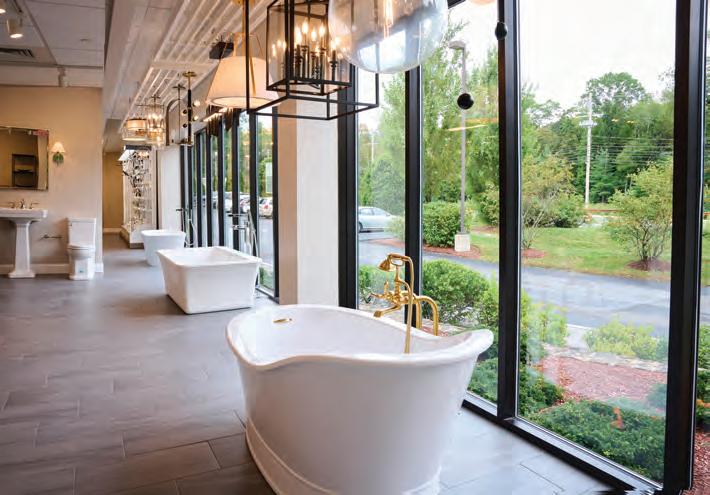
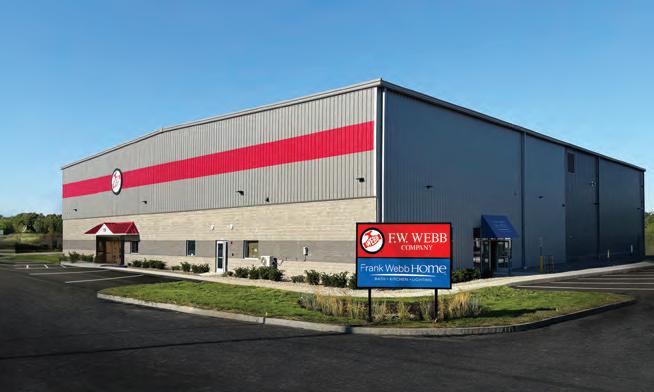
Frank Webb Home’s luxury bath, kitchen, and lighting showrooms are here to help. Walk through displays in home-like settings and find new ideas to enhance your home.
OPTIONS FOR PROJECTS OF ALL SIZES
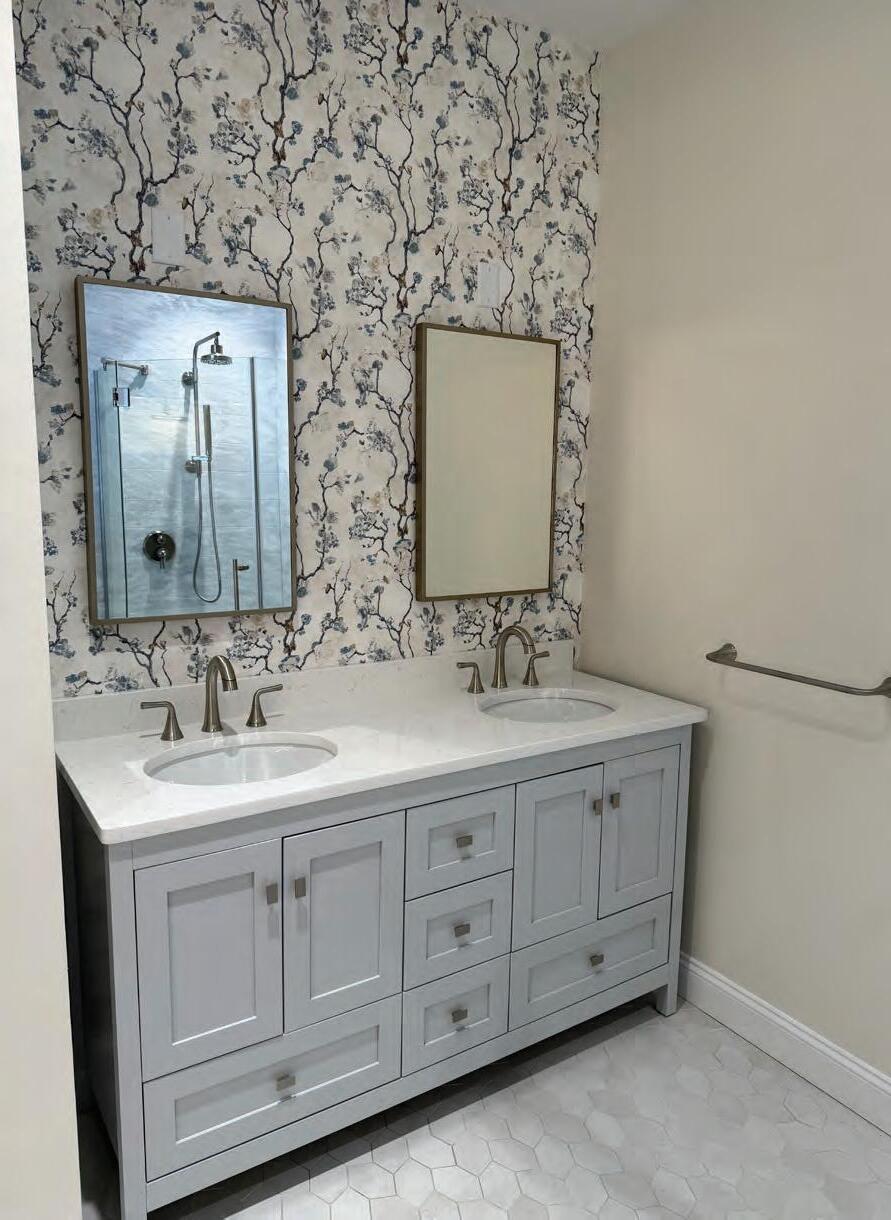
Frank Webb Home offers a wide selection of vanities, freestanding tubs, shower units, toilets, and lighting for projects of varying dimensions and budgets. Homeowners and design professionals trust Frank Webb Home to provide top-quality products and expert selection.
WORKING DISPLAYS
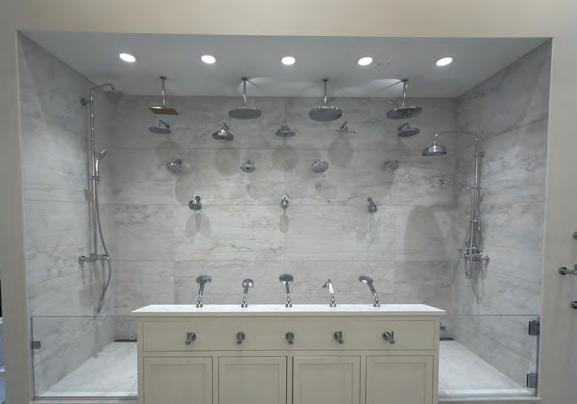
Test the functionality, flow, and feel of dozens of faucets and showerheads––providing an easy way to experience kitchen and lavatory fixtures prior to installation, compare products, and make selections with confidence.
TRUSTED EXPERTISE, RELIABLE SUPPORT
Frank Webb Home showrooms are backed by F.W. Webb Company, the largest plumbing distributor in the Northeast.
Frank Webb Home www.frankwebb.com
NO-PRESSURE ASSISTANCE
To optimize project results, showroom consultants assist customers with design decisions, popular trends and finishes, and appropriate product fit. Frank Webb Home’s friendly, expert consultants will help provide inspiration and guidance from the start of the project down to the very last detail.
Let Go, Live Better
Clear the chaos and discover peace of mind
Let’s not beat around the messy bush: Clutter can clog your physical, mental, emotional, and creative pathways. Look around you. Are things in their place, with enough space for energy to enter and flow? Can you take a deep breath and feel good about your surroundings? Or do you feel a pit in your stomach, because everywhere you look, there is a barrier of one type or another? Do you feel annoyed with yourself or others when you see the disarray?
Studies show that when our surroundings are orderly, we have lower levels of cortisol, the primary stress
hormone. When our surroundings are chaotic, we feel more stressed overall, not just about the clutter.
HOW CLUTTER AFFECTS YOU
There are several ways that clutter affects you physically and mentally. If you tend to live with clutter, you may have difficulty with time management, tend to procrastinate, have a short attention span, leave tasks unfinished, be easily sidetracked, and have trouble stopping and starting projects because they’re not perfect.
What’s more, when you are exposed to
clutter, you tend to experience more anxiety. Chaotic surroundings can also cause sleep disorders, affect concentration, lessen productivity, and even lower self-esteem. However, don’t let the idea of decluttering cause you even more stress. If you’re thinking you don’t know where to start, the beauty is, it doesn’t matter. Just like you eat an elephant one bite at a time, you can declutter your life in small manageable piles.
WHERE TO START
Start with one sock drawer in the bedroom, a kitchen utensil tray, or a closet
or cabinet shelf. Take everything out and put it on the counter or table. Sort the stuff into what you actually use and what you don’t. What you use can go back into the drawer. Everything else should be sorted into trash and donate piles.
Create one medium-size box for donations. You probably have an old Amazon box hanging around in all that clutter. Make sure the box isn’t too large and is easy to carry even when full. You should add to the donate box each time you sort a new area.
Your goal is to fill that box, so you can donate it to people who need and will use your clutter. If you don’t have a box, use a hefty bag or old pillowcase you’ve been meaning to get rid of. Remember: Each drawer or cabinet is an achievement. Each box or bag you fill and donate will not only give you a sense of accomplishment, but also the joy that comes from helping others who need it.
Make it fun with your favorite music or TV show and play Beat the Clock with yourself. Can you organize that drawer, closet, cabinet, or desk in the time it takes to watch one episode or one movie, listen to three songs or an entire Broadway soundtrack? Or make it meditative. Listen to your favorite guided breathing meditation or enjoy a sound bath or nature sounds. Alternatively, you can try it in silence and give your brain a rest, or make it educational by watching a documentary, listening to a podcast, or practicing another language.
WORK THROUGH THE OBSTACLES
• Ask friends and family to help with large items, like electronics and furniture that you need to get rid of. Call local donation centers and see if they do pickups. Talk to local social service agencies and volunteer organizations. Ask your local church or college if they know people who may want to make a few dollars and would be willing to help. If you want to make a few dollars, consider a consignment shop.
• Give things away to loved ones or to someone who will love whatever it is. Are you emotionally attached to your stuff? Does clutter bring you more joy than freeing up space and reducing your mental load? Consider what you are attached to and if you can live without it.
• Let go of the need for perfection. Don’t let an all-or-nothing mentality stymy you. Embrace the idea that even small changes can have a huge impact. In fact, clearing just one area will make you feel accomplished and get you motivated.
FIND PEACE OF MIND
When your surroundings feel peaceful and organized, your relationships—and your sleep—may improve, you’ll suffer fewer allergies from dust and other allergens, you’ll have more energy and be more productive.
So ask yourself, is keeping your clutter worth it? If there is even the chance that decluttering—small pile by small pile—can increase your happiness, you know it isn’t. In your new orderly expanse, perhaps you will find peace of mind and room to dance.
Everyday Order
Inspired Closets of Vermont owner Kerri Salls shares how her team helps homeowners declutter and create lasting storage solutions.
BOB: What storage problems do clients bring to you?
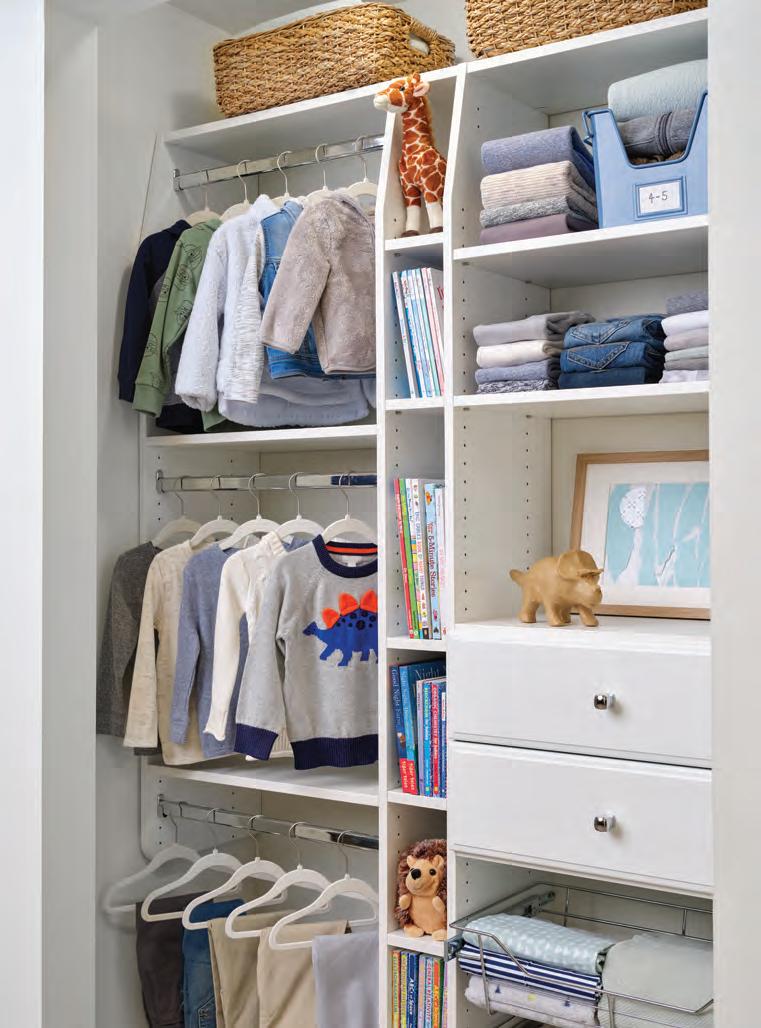
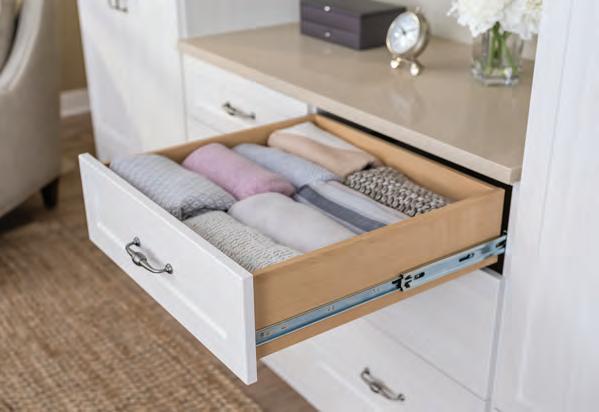
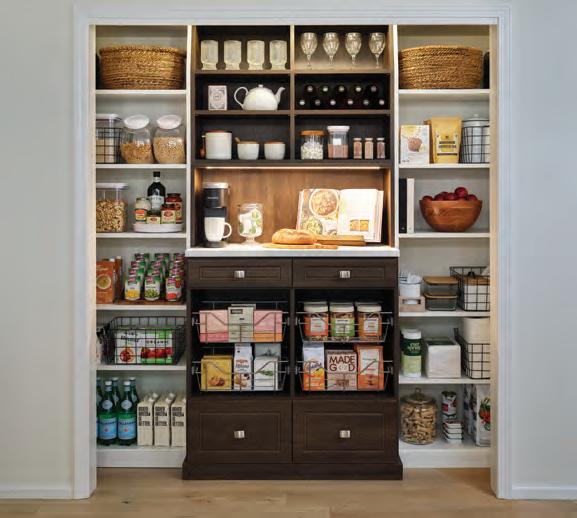
KS: The biggest issues depend on the season. In muddy or snowy weather, mudrooms become a problem spot—families end up with jackets, boots, and backpacks piled by the door. In summer, garages fill up with kids’ balls, pool toys, and bikes, making it hard to even park the car. Closets are a year-round challenge, with people struggling to find what they need amid piles and disorganization.
BOB: When do people reach out for help?
KS: Most clients contact us after trying DIY solutions that only work for a short time. They’re frustrated because the clutter keeps coming back and nothing seems to have a permanent home. That’s when they realize they need a professional to create a solution that truly fits their needs.
BOB: How does the process work?
KS: We start with an in-home consultation to talk through the client’s pain points and goals—even if they can’t picture the solution themselves. Some want cubbies, others prefer shelves, baskets, or everything hidden behind doors. Our designers tailor the plan to each family.
BOB: Can clients see examples?
KS: Absolutely. We have examples in our showroom and on our website, plus our designers bring portfolios of local projects. Seeing real-life solutions from nearby homes helps clients imagine what’s possible in their own space.
BOB: How long is the wait?
KS: Design consultations can usually be scheduled within a week or two, depending on the client’s availability. Once a design is chosen, installation is typically three to four months out due to high demand and our project backlog.
PEACE OF MIND AT HOME
SECURITY OPTIONS FROM SIMPLE TO HI-TECH
From a simple sign to hi-tech systems, homeowners have a range of options when it comes to securing their property. Chittenden County, Vermont, like many other regions, has experienced an evolution in home security options, ranging from traditional security measures to modern tech.
KEEPING IT SIMPLE
Home security doesn’t have to be expensive. If you’re looking to deter trouble, sometimes a simple sign does the trick. A visible yard sign or decals on your windows, indicating that the property is monitored or protected, can deter potential intruders if they know the home has a security system in place.
Another common and relatively easy way to prevent crime around your home is to start a local neighborhood watch program. Engaging with the community and forming or joining a neighborhood watch can be an effective deterrent. A united community is often a safer one.
TRADITIONAL OPTIONS
Investing in a security system often means choosing a traditional alarm system: These are the wired or wireless systems that trigger alarms when a door or window is breached. Local companies, such as Vermont Security, offer comprehensive home security solutions that include monitoring services.
Surveillance cameras are also a common option. Cameras range from simple motion-triggered devices to 24/7 recording systems with night vision. Most modern cameras also link to your smartphone, allowing for real-time viewing.
Motion sensors and motion-activated outdoor lighting are a strong deterent to
intruders. The sudden illumination can spook any unwanted visitors and provide added visibility for cameras.
GOING HI-TECH
With a home automation system, smart homes can connect lighting, heating, locks, and alarms in one convenient place. Controlled via smartphones or tablets, they allow homeowners to create the appearance of an occupied home, even when they’re away.
Even a simple device like a Ring or Nest doorbell allows homeowners to see and communicate with whomever is at their door, regardless of where they are. This not only helps with security, but is a convenient tool.
HEAVY-DUTY OPTIONS
There are many options available to homeowners who feel they need some serious security in place. Reinforced windows and doorframes make it harder for intruders to gain access. Window security film can prevent glass from
shattering easily. Creating a safe room, a fortified room with reinforced walls and doors, can be a last line of defense against intruders.
Biometric locks are an advanced tool that use fingerprints or retina scans, and they are becoming more affordable and accessible. They ensure that only authorized individuals can gain access.
HIRE A PROFESSIONAL
It also can be beneficial to get a professional’s perspective. A local security consultant can evaluate the home and provide tailored recommendations based on the property’s specific vulnerabilities.
For Chittenden County residents, it might be useful to visit local home improvement stores or attend home and garden exhibitions, as these opportunities often feature the latest in home security technology and solutions. Plus, staying updated with local crime trends and working closely with local law enforcement can provide additional insights into how best to protect one’s home.
the PILLOW EFFECT
EASY STYLE UPDATES THAT INSTANTLY ELEVATE YOUR LIVING SPACE
Decorative pillows may seem like a small detail, but they can have an outsized impact on the look and feel of a room. According to the pros at Joy of Home, a few thoughtful pillow swaps are one of the easiest ways to refresh a space, express personal style, and keep interiors feeling current— without a major investment. Simple, flexible, and endlessly adaptable, pillows
remain one of the most effective tools in home styling.
TEXTURES ADD INTEREST
When decorating with neutral furniture, texture does most of the work. Mixing materials adds visual interest and prevents a calm palette from feeling flat. Designers at Joy of Home often recommend layering tweeds, plush
fabrics, and embroidered textiles on the same sofa or chair to create a look that feels both polished and inviting. Varying finishes and softness adds dimension while keeping the palette cohesive.
MUTED COLORS SOOTHE
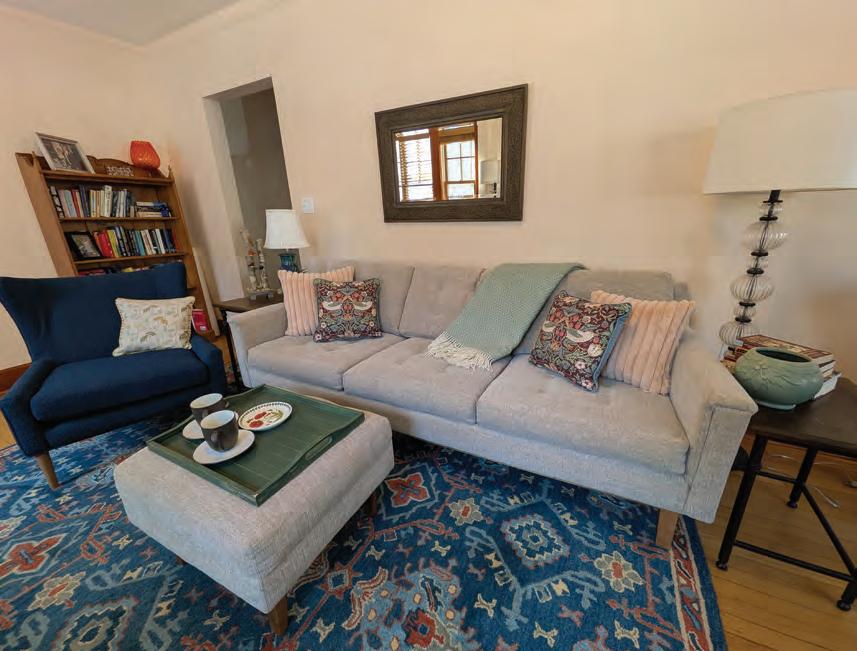
For those easing into color, muted tones offer a soft, approachable option. Gentle pinks, subtle greens, and warm yellows
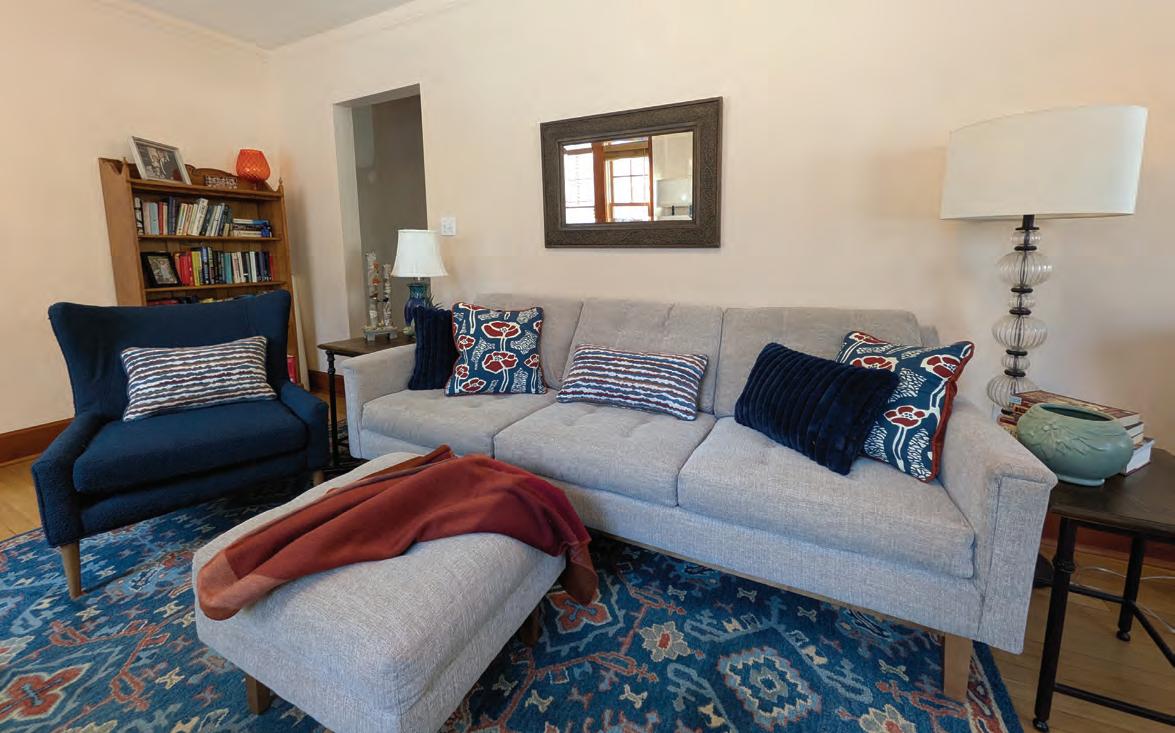
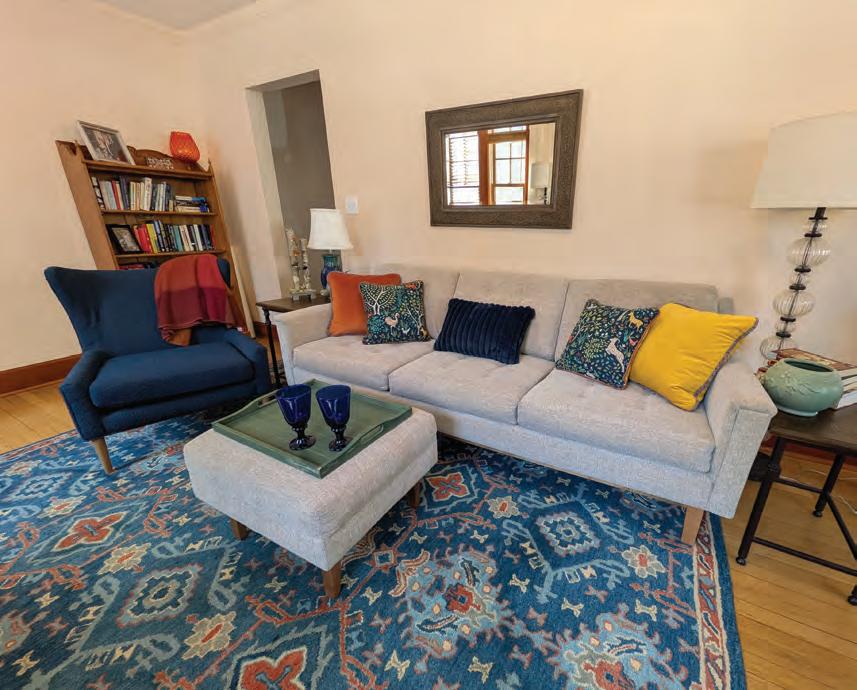
Opposite: Patterned pillows in woven blues and reds layer in softness and contrast, and give the room a touch of visual rhythm. Left, from top: Softly patterned pillows in gentle greens and neutrals bring a calm, grounded mood to the space. Brightly colored pillows in warm oranges, deep blues, and sunny yellows energize the room, adding a cheerful burst of contrast that makes the whole space feel more vibrant and lived‑in.
bring life to a room without overwhelming it. These hues work especially well in spaces meant for gathering or unwinding, lending a calm, collected atmosphere. Muted shades also pair naturally with wood and other organic materials, creating a look that feels timeless and welcoming.
BRIGHT SHADES ENERGIZE A SPACE
If bold style is more your speed, pillows are the perfect place to experiment. Bright colors can instantly energize a room, adding personality and contrast to simple furnishings. The pros at Joy of Home suggest using vibrant pillows as accents—mixing them with solid or neutral pieces to keep the overall look balanced and intentional, rather than chaotic.
BOLD PATTERNS REFRESH
Patterns are an easy way to introduce movement and a contemporary edge. Graphic designs, geometrics, or playful motifs can quickly update a room without the commitment of new furniture. When mixing patterns, stick to a shared color palette and vary the scale—pair larger prints with smaller, more detailed designs for a layered, polished result.
For more inspiration and expert guidance, visit Joy of Home and discover how thoughtful design details can make every space feel more inviting.
Joy of Home
1140 Williston Road South Burlington, VT www.joyofhomevt.com
A WARMER WAY HOME
FROM SOFT CREAMS TO DEEP NAVY
2026 PAINT TRENDS EMBRACE COMFORT
After years dominated by cool grays and stark white interiors, homeowners are embracing a warmer and more expressive color palette. In 2026, paint trends are moving toward tones that feel comforting, natural, and personal. Instead of creating showroomperfect spaces, today’s interiors focus on
warmth, depth, and a stronger connection to the natural world.
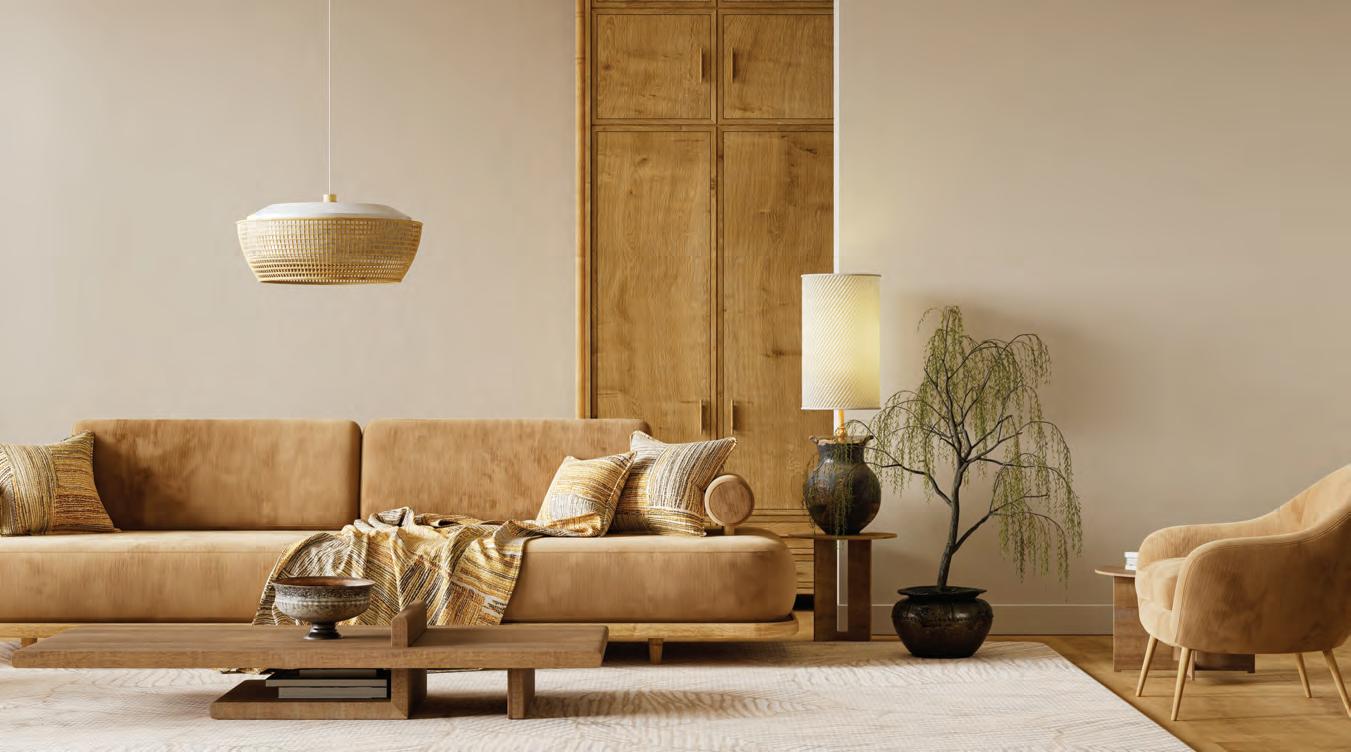
At the center of this shift is the growing popularity of warm neutrals. Soft creams, buttery whites, sandy beiges, and light taupes are replacing the cooler gray shades that defined the past decade. These hues provide a calm foundation while
adding subtle warmth to a room. Designers note that warm neutrals also complement the natural materials that are increasingly common in modern homes—think wood flooring, woven textures, linen fabrics, and stone surfaces.
Another major influence in 2026 paint trends is the rise of nature-inspired colors.
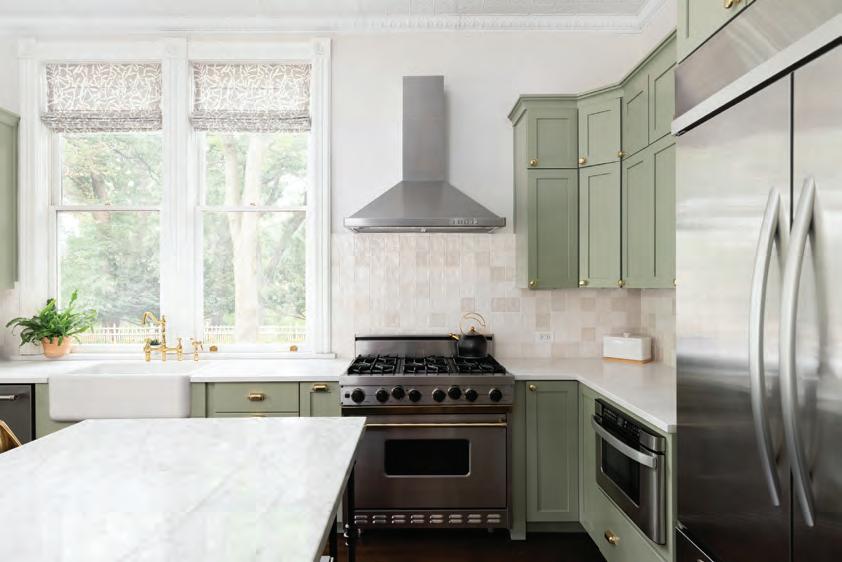
Greens are leading the trend, ranging from soft sage and eucalyptus to deeper olive and moss tones. These shades help bring a sense of calm and balance into the home while reflecting the broader design focus on wellness and comfort.
Earthy shades such as terracotta, clay, rust, and muted browns are appearing
more frequently throughout the home, adding warmth and character without overpowering a space. These colors echo natural elements, like sunbaked soil and desert landscapes.
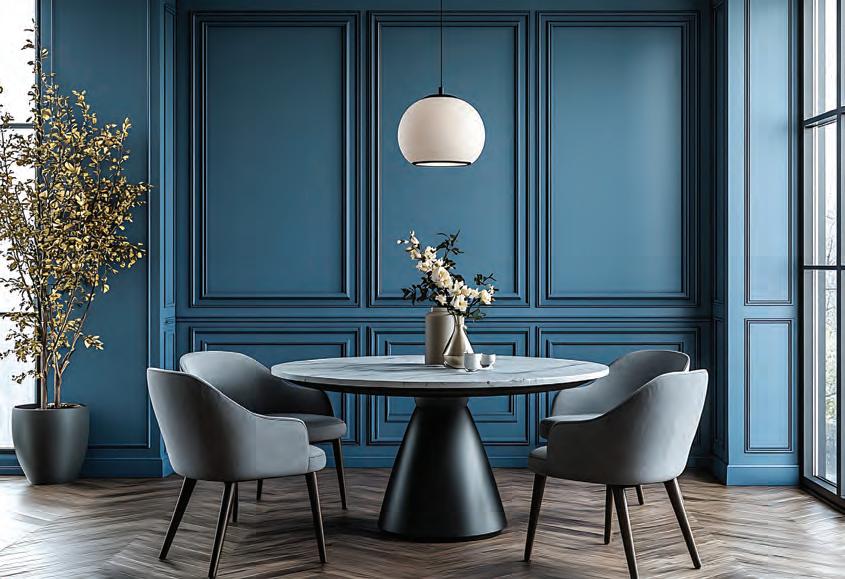
Designers are also embracing moody, dramatic colors for added sophistication. Deep navy, charcoal, plum, espresso brown,
Opposite: Warm neutrals such as cream, sand, and soft taupe are replacing cool gray palettes. Left: Deep, dramatic shades like navy and plum are creating cozy dining spaces.
Nature-inspired greens—from sage to olive—are among the most popular colors for kitchens.
and rich teal are increasingly used in dining rooms, bedrooms, and home offices. One technique gaining momentum alongside these colors is color drenching— painting walls, trim, and sometimes ceilings in the same shade to create a seamless and immersive effect.
LOCAL COLOR
Need paint in a pinch—or finally ready to tackle that weekend project? These nearby shops offer trusted brands, expert color guidance, and all the supplies you need to get it done.
BARRE
BARRE PAINT & PAPER
305 North Main Street
A locally owned Benjamin Moore retailer offering premium interior and exterior paints, along with expert color advice.
SHERWIN-WILLIAMS
131 South Main Street
Supplies interior and exterior paints, primers, and stains, plus professional color consultation services.
MONTPELIER
SHERWIN-WILLIAMS
62 River Street
Provides advanced colormatching technology, design guidance, and a full range of professional paint products.
AUBUCHON ACE HARDWARE
40 Main Street
Carries Benjamin Moore paints, brushes, rollers, and painting supplies for DIY projects and weekend refreshes.
50 Years, Still Shining
OTTER CREEK AWNINGS MARKS A MILESTONE ROOTED IN QUALITY AND CUSTOMER CARE
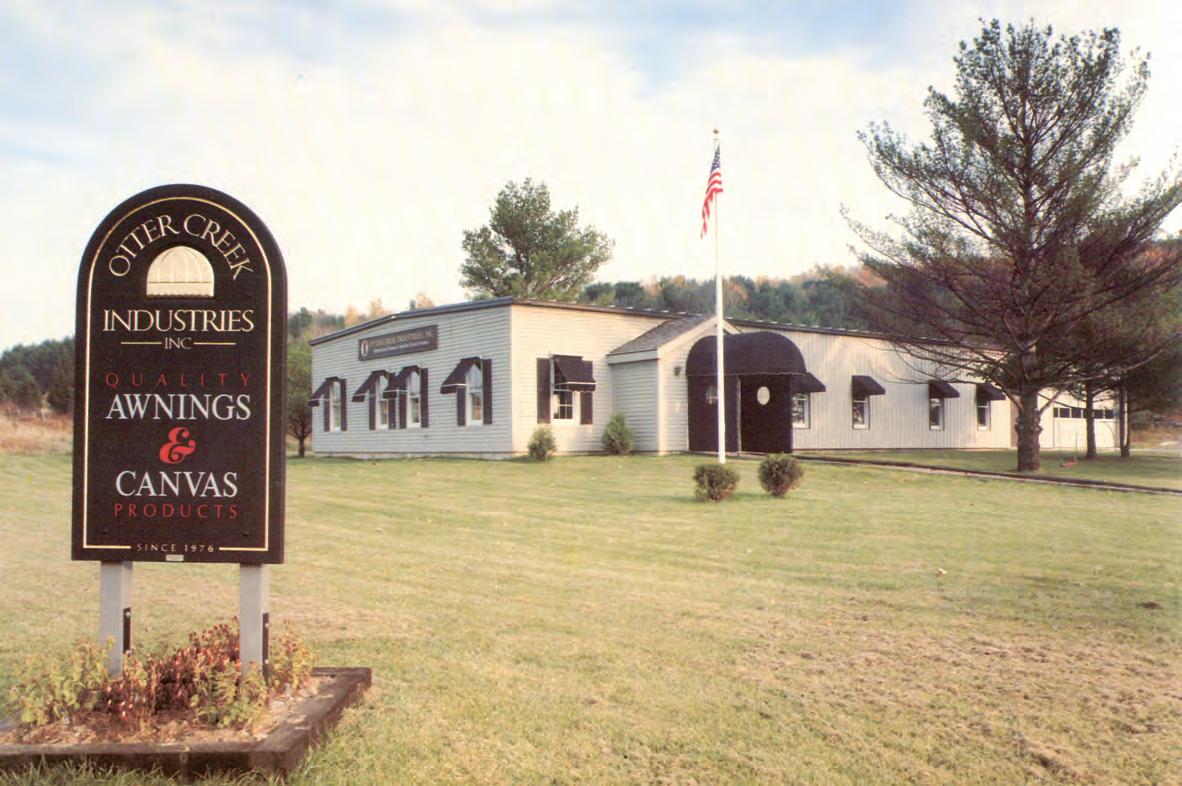
This year, Otter Creek Awnings will celebrate fifty years in business, and it’s a pretty amazing story to celebrate. What began in 1976 in Middlebury has grown into the largest awning company in Vermont, serving customers across Vermont, Upstate New York, and New Hampshire, and the company’s reputation has been built one project at a time.
Kristopher and Sarah Larson have been leading the company since 2018. Kristopher joined the business in 2013 in a sales role, then moved into sales management. Later, he was presented with the opportunity to purchase the company, which he did. Then Sarah, who was a hospital administrator, became CFO.
“At the time, I didn’t know a lot about awnings,” Sarah says. “But there was ample room for me to learn and grow. I was able to transfer my skills to this field, and since then, there’s been no looking back. It’s been a great change.”
A COMMITMENT TO SERVICE
So what has helped sustain this company for the last five years? Sarah is quick to provide an answer. “People know us because of the service we provide. We’re always trying to do what’s right. We want people to love their awnings. And we want them to be as proud to work with us as we are to work with them.”
The products offered by Otter Creek Awnings are not limited to retractable
awnings, however. They’ve expanded their offerings over the years to include deck canopies, window awnings, solar shades, specialty curtains, and screen enclosures. They also have a strong presence in the commercial market. Fashionable solutions include entry and walkway awnings, restaurant canopies, and Gennius pergola-style systems, with custom widths designed to span large outdoor patio spaces. These pergola-inspired systems are an excellent choice for venues with outdoor dining and come with built-in gutters and weather protection. They provide a polished architectural look for outdoor business spaces.
“Our awnings are very high-quality products,” Sarah explains. “When you
combine great quality and great customer service, it’s not hard to see why we’re still in business.”
But the company’s focus is not only on selling a product, but also on building lasting relationships with their clientele. Sarah emphasizes that customers speak directly to real people when they reach out, not automated systems. That personal connection has helped generate a strong mix of repeat customers and new referrals. “Word of mouth travels fast here,” Sarah says. “If it weren’t for our customers, we wouldn’t be here celebrating fifty years. Our focus with this anniversary is on gratitude to our community and our customers.”
RETRACTABLE AWNINGS RULE
The retractable patio awning remains the company’s best-selling product and the majority of its residential work. “The tried-and-true retractable patio awning is great because it is motorized and gives you the shade you need when you want it,” Sarah says. “But awnings have evolved over the years.” Today’s systems include technologically advanced pergola-style designs, hurricane-rated options, even models with built-in gutters
that provide rain protection.
Plus, installation is often faster than people expect. “People think that installing an awning is a multiple-day project,” Sarah explains. “But installation is fast, sometimes as fast as two hours. We show up in the morning, and they can be using their awning by the afternoon.”
RETURNING TO ITS ROOTS
Retractable awnings continue to be manufactured in Chester, New York, with a typical turnaround time of four to six weeks. Stationary and fixed awnings, however, are bringing the company back to its roots. “We’re returning to how we got started,” Sarah says. “By manufacturing our own stationary awnings in our own weld shop and sew shop, we’re providing customers with an in-house option.”
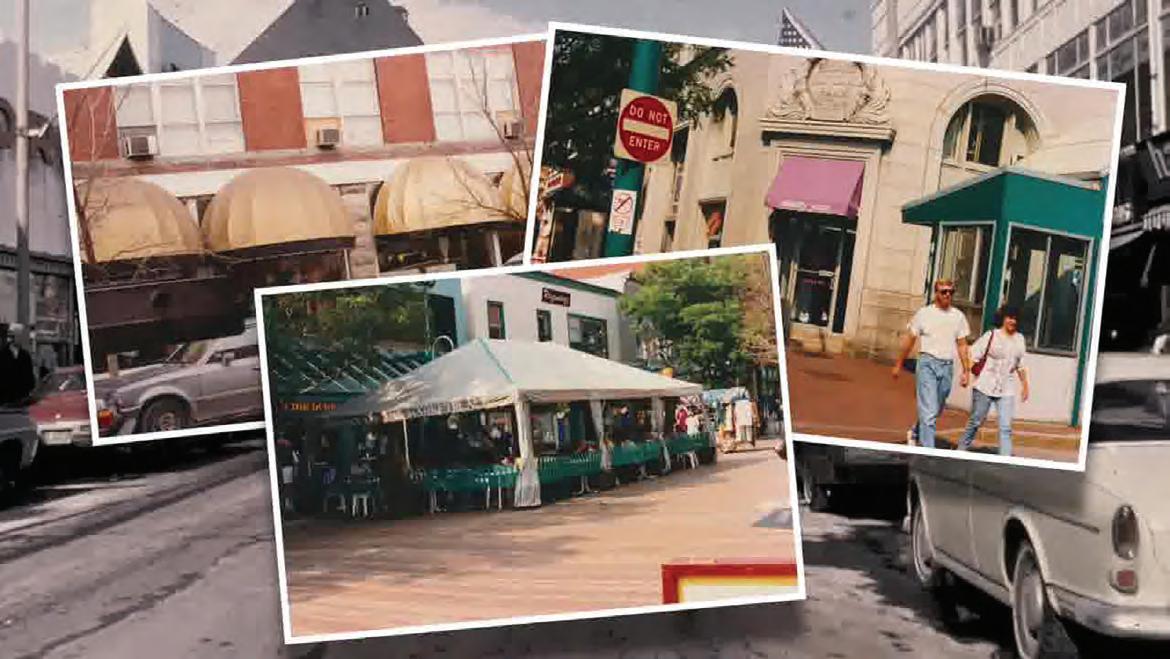
These fixed awnings can include custom graphics, making them especially popular for commercial storefronts and restaurants. Because they are produced locally, customers often enjoy a quicker turnaround, typically around eight weeks, depending on the season.
This focus on in-house production provides a variety of benefits. First,
it allows the team to maintain close oversight of production. But perhaps even better, it adds local jobs and develops skills for workers hoping to learn and grow.
But that’s not all. For Sarah, being a Vermont-owned company carries weight.
“Being a Vermont-owned company is huge,” Sarah says. “It makes us proud as owners. Our customers get to support a local company.”
Now, with the fiftieth anniversary taking place in 2026, the team at Otter Creek Awnings is all about appreciation and optimism. “It is so easy to be enthusiastic about selling a product that will last and that our customers can enjoy for years to come,” Sarah says.
Otter Creek Awnings is well-positioned to carry its legacy forward. And it’s not just because of its deep roots in Vermont. It’s the commitment to serving customers, and creating relationships.
Otter Creek Awnings
19 Echo Place
Williston, VT
www.ottercreekawnings.com
BY MERYL SIEGMAN • PHOTOS COURTESY OF VT CARDIAC KIDS, INC.
Giving Girls the Tools to Win
Girls on the Run teaches lessons that last a lifetime
Since 1999, Girls on the Run Vermont has helped young girls of all abilities and backgrounds learn confidence, resilience, and empathy through the sport of running. Through Girls on the Run Vermont, school-aged girls not only learn about running, but also learn how to face life with confidence and courage.
Now in its twenty-seventh year, Girls on the Run Vermont is a youth development program that combines physical activity with lessons on resilience, strength, and empathy. Designed to support girls in grades 3 through 8 as they approach adolescence, the program has helped tens of thousands of girls at a pivotal moment in their development.
BY ELIZABETH PENNEY • PHOTOS COURTESY OF LEE KROHN
This page and previous pages: Northern Vermont teams warm up and take off for a final fun run at the 2025 Girls on the Run VT Essex 5K Event. Held on the grounds of the Champlain Valley Expo, the event is sponsored in large part by Blue Cross Blue Shield of Vermont and M&T Bank.
TWO MILLION PARTICIPANTS IN THE US
Girls on the Run was formed in 1996 in North Carolina by Molly Barker, an educator and triathlete, who knew young girls needed more support as they navigated childhood. What began as a thirteen-member group at one school has since expanded to every state in the US, with more than 2 million girls having gone through the program nationwide.
Girls on the Run came to Vermont in 1999, and today, there are teams at schools in every county—more than 120 teams, to be exact. The program serves girls in two age brackets: grades 3 through 5 (Girls on the Run) and grades 6 through 8 (Heart & Sole). Both teach girls the ins and outs of running while also focusing on building self-confidence, managing emotions, and recognizing their own unique strengths.
Led by a contingent of dedicated volunteer coaches, the aim of the program is not only to improve physical health, but also to support girls’ social, emotional, and behavioral health, as well.
BUILDING A STRONG FOUNDATION
Rachel Desautels, executive director of GOTR Vermont, says Girls on the Run is much more than a running program. At its core, it’s a strong support system that helps girls manage the transition to adulthood.
The ten-week program includes an evidence-based curriculum on topics such as navigating friendships, positive self-talk, and cultivating empathy. Each lesson builds on itself, resulting in a strong foundation that will last them a lifetime. “The curriculum meets girls where they are developmentally,” Rachel says. “It teaches girls to have the tools and resources they need to see things through a new lens and foster self-esteem.”
Curriculum is tailored for girls in each age group, both at the elementary and middle school levels. It is updated regularly, so that even girls who’ve been through the program before will benefit from doing so again.
The most recent curriculum focuses on girls having a “bold heart,” to encourage them to share their thoughts and ideas and
SUGARBUSH WEDDINGS
photo:
Andy Medea
support others to do the same. “The program is really designed to nurture the social and emotional well-being of girls,” Rachel says. “Girls need this program now more than ever.”
BUMPS ALONG THE ROAD
It wasn’t always an easy run for GOTR. Like many businesses and organizations, the COVID-19 pandemic took a toll. The 2020 GOTR season had just begun when lockdowns were announced, and the season had to be canceled. Since then, momentum has slowly but steadily built over the last six years.
“It’s been a roller coaster,” Rachel says. “But these kids need this program. It’s so important for the girls to have this safe space, and to be with adults who encourage them. Even now,
Clockwise from right: A proud GOTRVT coach poses with her medal winners. Two Heart & Sole participants, holding hands to support each other along the course. A determined GOTRVT participant, running in the pouring rain to the finish line, at the GOTRVT Manchester 5K Event for girls from central and southern Vermont teams, held at Dana L. Thompson Memorial Park in June 2025.
when their world is turned upside down, it’s important for them to be amongst their peers and nurturing adults who help them make their voices heard.”
5K EVENTS WRAP UP THE SEASON
The season culminates with two 5K events, one held in Essex and the other in Manchester. The events are non-competitive (i.e., not timed) and are large community events that attract not only runners and their families, but also neighbors, teachers, and community members. The Essex 5K, for example, averages more than three thousand attendees. Rachel calls them “a joyful party that celebrates the girls’ accomplishments after a ten-week season of empowering lessons.”
LOOKING TOWARD EXPANSION
Since its founding, GOTR Vermont has worked with more than forty thousand girls throughout the state. And they don’t
plan on stopping anytime soon—the goal is to expand to more schools, especially in rural areas. “There are counties where there’s more room to explore and bring the program to more girls,” Rachel says. Rachel says the success of the program isn’t measured by profits or achievements; rather, it’s measured by those who return to give back. Alumni often become coaches to the next generation of runners, and there are even junior coaching roles for younger alumni. “Here in Vermont, one of the ways we measure success is through seeing our alumni come back as junior coaches or 5K volunteers,” she adds. “If that doesn’t say full circle, I don’t know what does.”
COME ONE, COME ALL
GOTR is an inclusive program, and girls of all abilities and backgrounds are welcome to participate. There is financial assistance available for those who may need it to
ensure all girls have access to an inclusive place of belonging and support. And, despite its name, GOTR does encourage boys and men to support the program. Male coaches are welcome, and both boys and men often join the 5K events as running buddies.
Many community members, businesses, and organizations have supported GOTRVT over the years. One of their longtime supporters is BlueCross BlueShield of Vermont. And it’s not just financial support—staff often come out to events and volunteer. “It truly takes a village,” Rachel says. “We’re an organization that is built on its volunteers, sponsors, and donors. We couldn't do it without them.”
Girls on the Run Vermont
188 Allen Brook Lane, Suite 2 Williston, VT info@girlsontherunvermont.org www.gotrvt.org
Women of Americana
SPRUCE PEAKS PERFORMING ARTS
122 Hour Glass Drive
Stowe, Vermont www.sprucepeakarts.org
March 28, 7pm
ANNE LAMOTT AND NEAL ALLEN IN CONVERSATION
March 31, 10am
PETE THE CAT: THE MUSICAL
April 12, 7pm WOMEN OF AMERICANA
May 9, 11am THE MAGIC SCHOOL BUS
May 22, Noon
DON’T LET THE PIGEON DRIVE THE BUS! THE MUSICAL
BARRE OPERA HOUSE
6 N Main Street #4
Barre, VT www.barreoperahouse.org
March 22, 4pm
THE GRAND KYIV BALLET PRESENTS SWAN LAKE
April 17, 8pm KATHY MATTEA
April 19, 5pm VSO JUKEBOX: PORCH SONGS–AMERICANA ROOTS
April 25, 7:30pm DEL MCCOURY BAND
May 29, 8pm THE RUTH MOODY BAND
LOST NATION THEATRE 39 Main Street Montpelier, VT www.lostnationtheater.org
April 16–26, Wednesday–Saturday, 7:30pm Sunday, 2pm OUR TOWN: FOR OUR COMMUNITY
March 21 & 22, 10:30am NATURALIST-GUIDED SNOWSHOE TOURS
March 28, 7pm THE GRIFT
NORTH BRANCH NATURE CENTER
713 Elm Street Montpelier, VT www.northbranchnaturecenter.org
March 28, Noon TEEN MAPLE SUGARING AND WOODCRAFTING
March 31, 6:30pm PERFORMANCE BY TURNMUSIC: MUSIC OF PLACE AND PLANET
April 1–June 10, 10am Wednesdays, except April 22
ROBIN’S NEST NATURE PLAYGROUND
April 3, 7pm
NATURAL SELECTIONS: AN EVENING OF POETRY, PROSE, MUSIC AND PHOTOGRAPHY
April 18, Noon
FRICTION FIRE SKILLS CIRCLE FOR TEENS
April 20–22, 8:45am APRIL BREAK CAMP
April 22, 5:30pm
EARTH DAY DINNER: WILD COOKING AND FORAGING FOR 6TH–9TH GRADERS
April 27–June 8, 8:45am ECO HOMESCHOOL LATE SPRING SESSION
STOWE MOUNTAIN RESORT
5781 Mountain Road Stowe, VT www.stowe.com
April 5
70TH ANNUAL SUNRISE SERVICE
April 11, All Day
2ND ANNUAL SPRING BASH
April 18 & 19, 2pm MANSFIELD MELODIES
April 26, 1pm STOWE WEDDING SHOWCASE
THE PHOENIX GALLERY & MUSIC HALL
5 Stowe Street Waterbury, VT thephoenixvt.com
March 27, 7pm
TURNMUSIC ENSEMBLE: MUSIC OF PLACE AND PLANET
Highland Center for the Arts 2875 Hardwick Street Greensboro, VT
March 28, 1pm
TURNMUSIC ENSEMBLE: MUSIC OF PLACE AND PLANET
Main Street Landing Performing Arts Center 60 Lake Street Burlington, VT
UMIAK OUTFITTERS
849 South Main Street Stowe, VT www.umiak.com
March 10–31
Wednesdays, 1pm SUGAR ON SNOWSHOE TOUR
Mondays, 10:30am & Noon SLED DOG MEET & GREET
Stowe Mountain 2nd Annual Spring Bash
Umiak Outfitters Sugar on Snowshoe Tour
Monday, Friday & Saturday, 5:30pm MOONLIT MAPLE SNOWSHOE TOUR
Tuesday, Saturday & Sunday, 10am INTRO TO NORDIC SKI LESSONS
Tuesday, Saturday & Sunday, 1pm NORDIC SKI TOUR
Fridays–Sundays, 4pm GOURMET FONDUE SNOWSHOE TOUR AWOL Stowe
Saturdays, 4:20pm EVENING DOG SLED RIDES
Stoweflake Mountain Resort and Spa
OTHER NOTEWORTHY EVENTS
April 11, 7:30pm BLUE SKIES–SOLARIS VOCAL ENSEMBLE CONCERT
Waterbury Congregational Church 8 N Main Street Waterbury, VT www.facebook.com/ events/1927481931186272
April 12, 10am
2026 MAD RIVER TRIATHLON Mount Ellen madrivervalley.com/event/2026-madriver-triathlon
Umiak Outfitters evening sled dog rides
April 25, 9am
2026 MUDDY ONION SPRING CLASSIC GRAVEL GRINDER
Onion River Outdoors 20 Langdon Street Montpelier, VT www.facebook.com/ events/2278248479332889
May 9, Noon
MONTPELIER COLOR RUN BY COLOR CRAZE Downtown Montpelier www.facebook.com/ events/4073774972886927
May 12–16, 8:30am STOWE BASKETRY FESTIVAL
Stowe Mountain Resort Stowe, VT
Blue Skies–Solaris Vocal Ensemble Concert
As vibrant blooms push through the fading snow, we are reminded that even after the longest winter... Spring always comes.
WAKE UP WITH BROWS YOU LOVE
With Hairstroke Brows by Luxe Strokes PMU AT FRINGE SALON & LASH BAR
At Fringe Salon & Lash Bar
we believe beauty is an experience. Hairstroke Brows, utilizes advanced techniques to create soft, realistic brows that mimic natural hair. Ideal for those with sparse, thinning, or uneven brows—or anyone ready to simplify their beauty routine. Tanja is also a PMU trainer.
Text 802-249-2269 for more information.
Head spas arent just for hair!
Your scalp holds tension much like your shoulders or jaw can. They’re one of the only treatments that address the emotional stress stored in your scalp. That’s why people often cry, fall asleep, or feel euphoric after just one session. It’s not magic—it’s nervous system therapy. BOOK NOW ! 20% OFF YOUR FIRST TREATMENT !
NOW OFFERING EYEBROW MICROPIGMENTATION BASIC COURSE
• Custom Hair Coloring & Dimensional Highlights
• Precision Cuts & Styling for Women, Men & Children
• Lash Extensions & Lifts
• Spray Tanning & Waxing
• Manicures, Pedicures & On-Site Wedding Services
Scan the QR Code to schedule your appointment 355 – 302 BARRE, VERMONT