

School Senior Leader Level 7 Apprenticeship
(PowerPoint will be shared & a Podcast will be available for each session)




Aim
To critically explore how strategic human resource decisions influence organisational performance, culture, capability and long-term sustainability. Objectives
• Evaluate how organisational structures, culture and workforce planning influence organisational effectiveness.
• Analyse approaches to developing inclusive, high-performing and collaborative working environments.
• Critically examine how leaders optimise workforce capability through feedback, development and talent management.
• Consider different perspectives on contemporary people and organisational challenges.
• Reflect on the role of senior leaders in shaping organisational culture, capability and performance.
• Catch up
• Discuss the following prompts and prepare to give feedback
• To what extent do people leave managers rather than organisations?
• What evidence have you seen that supports or challenges this statement?
• What other factors influence employee retention?

If I am loyal, they will look after me
If I perform well, promotion will follow
• Catch up
• Discuss the following prompts and prepare to give feedback
• Why do you think organisations promote people?
• What assumptions are being made when someone is promoted?
• Have you seen examples where promotion improved or reduced organisational performance?
• What could have been done differently?
People are promoted until they reach a level at which they are no longer competent
retain talented employees because they are too valuable to lose
Are leadership and technical expertise the same thing?
Who benefits from talent hoarding?
What are the long-term consequences?
People are promoted until they reach a level at which they are no longer competent
Managers retain talented employees because they are too valuable to lose
• Catch up
• Discuss the following prompts and prepare to give feedback
• Who are the most influential people in organisations?
• Does influence always come from position or seniority?
• Have you encountered individuals who were critical to organisational success but largely unnoticed?
• What happened when they left?
The value created through relationships, trust, networks and informal influence.
choose to give that is not written into their job description.
Who solves problems before they become issues?
What happens when discretionary effort disappears?
Can organisations accidentally destroy social capital and OCB?
The value created through relationships, trust, networks and informal influence.
The discretionary effort people choose to give that is not written into their job description.
• Catch up
• Discuss the following prompts and prepare to give feedback
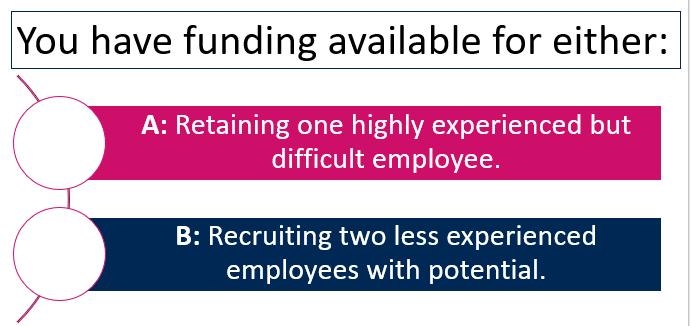
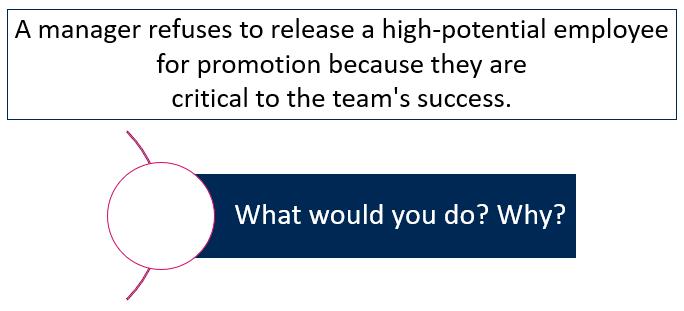
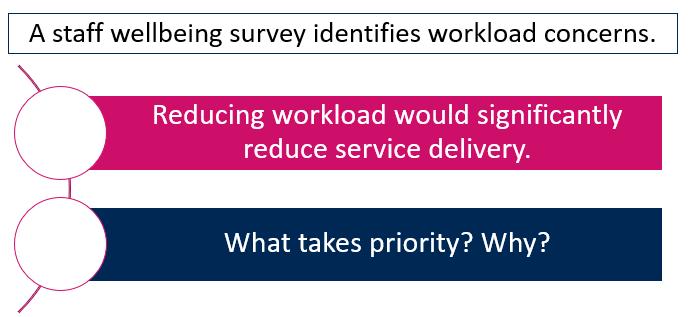
• What decision would you make?
• What are the risks of that decision?
• Who benefits?
• Who loses?
• What might be the unintended consequences?
Aim
To critically explore how strategic human resource decisions influence organisational performance, culture, capability and long-term sustainability. Objectives
• Evaluate how organisational structures, culture and workforce planning influence organisational effectiveness.
• Analyse approaches to developing inclusive, high-performing and collaborative working environments.
• Critically examine how leaders optimise workforce capability through feedback, development and talent management.
• Consider different perspectives on contemporary people and organisational challenges.
• Reflect on the role of senior leaders in shaping organisational culture, capability and performance.