

School Senior Leader Level 7 Apprenticeship
(PowerPoint will be shared & a Podcast will be available for each session)



Aim
To critically explore how senior leaders design, implement and evaluate corporate social responsibility strategies that align organisational values with sustainable, ethical and reputational outcomes.
Objectives
•Evaluate the role of corporate social responsibility in shaping organisational reputation, sustainability and long-term value within a complex external environment (K15, K19)
•Analyse external trends, stakeholder expectations and societal pressures to inform responsible and sustainable organisational practice (S6, K15)
•Apply decision-making approaches to balance ethical, commercial and social considerations in leadership practice (S9, B2)
•Communicate and influence stakeholders effectively to embed socially responsible practices across the organisation and beyond (S8, B4)
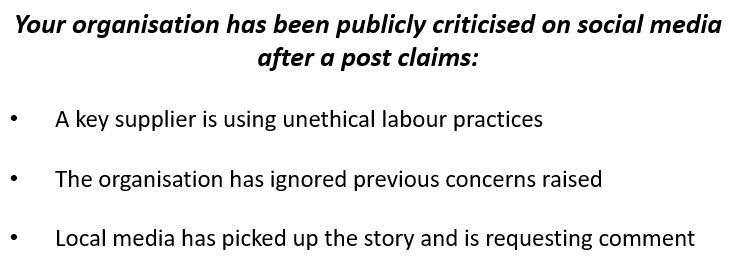
Your organisation has been publicly criticised on social media after a post claims:
• A key supplier is using unethical labour practices
• The organisation has ignored previous concerns raised
• Local media has picked up the story and is requesting comment
A. Pause and investigate before responding
B. Issue an immediate holding statement
C. Defend the organisation publicly
D. Suspend the supplier with immediate effect
E. Other (add a comment)
A strategic approach to organisational impact
A reflection of values in action
A balance of ethical, social and commercial priorities
A visible expression of leadership decisions
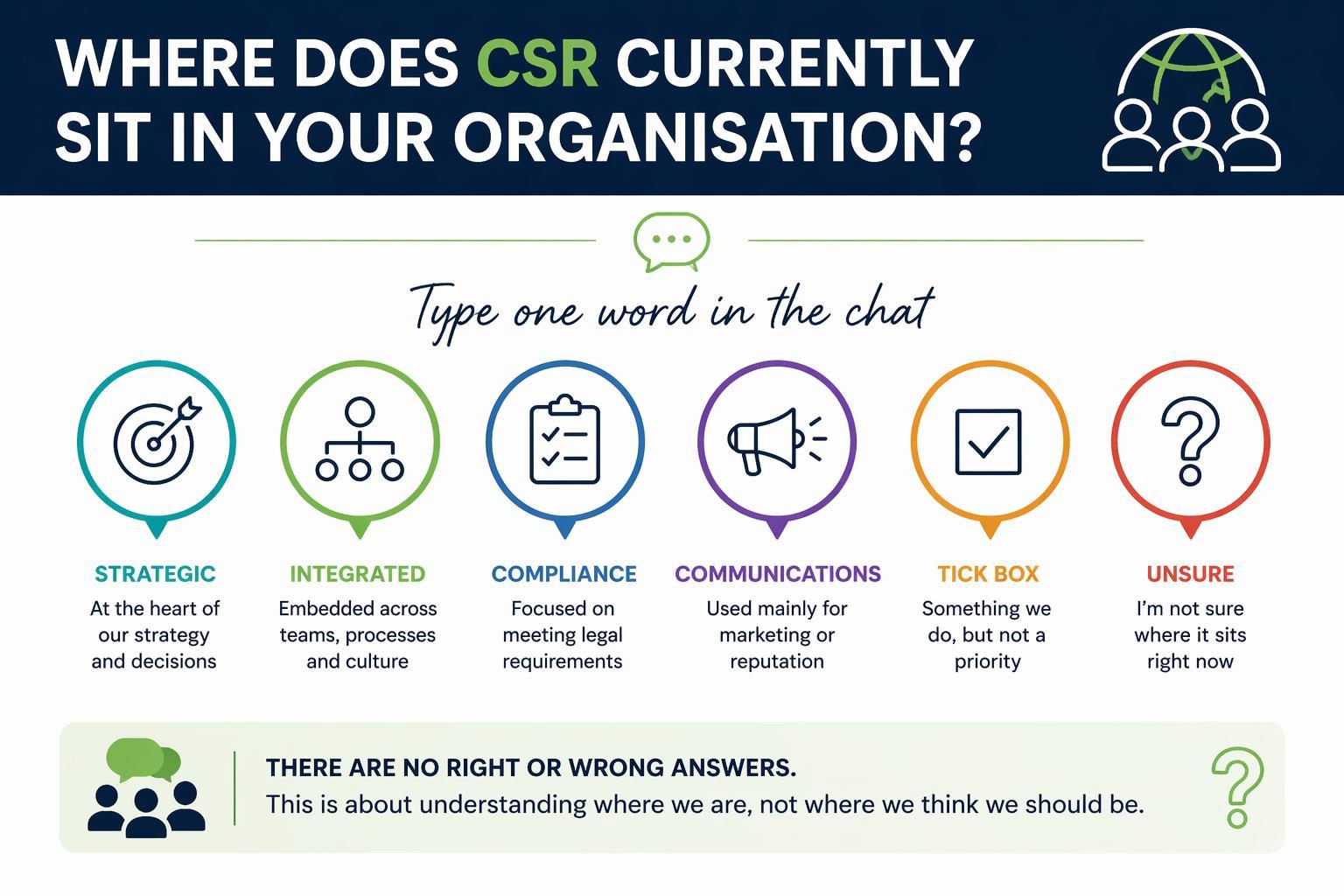
• Catch up
• Discuss the following prompts and prepare to give feedback
Agree where you sit and be ready to justify it
What evidence do you have for your choice?
Who (really) owns CSR in your organisation?
What drives your CSR – values, risk, image, other?
Where does it show up (or not) in decisions?
If someone external looked at your organisation, what would they see? (not what your website says)

Your CSR is not defined by your strategy…
…it is defined by your decisions when the going gets tough
If it disappears under pressure… …it was never really there.
Every organisation thinks it is responsible… …until that responsibility starts to cost something.
UNESCO: Education for sustainable development
DfE: Sustainability and Climate Change Strategy
United Nations: 17 sustainable development goals
Wikipedia: Environmental, social and governance (ESG) overview
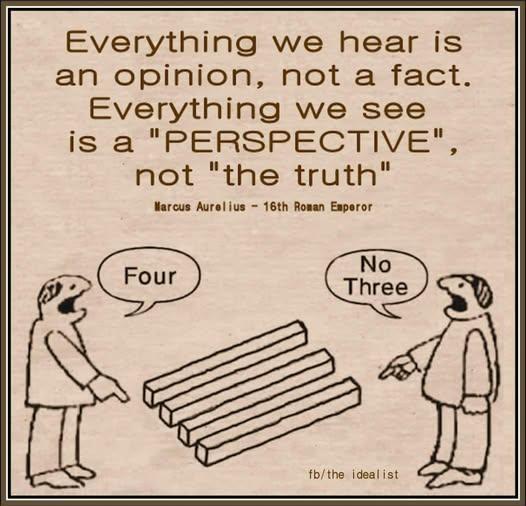
Most decisions are shaped by what feels ‘normal’
CSR expectations are shaped outside of your organisation
• Catch up
• Discuss the following prompts and prepare to give feedback
• One uncomfortable truth about CSR in your organisation
• One leadership behaviour contributing to this
• One action that would start to shift it
What do you tend to prioritise when things are difficult?
What do you tend to walk past without challenging?
What do your decisions/actions signal to others?
What one thing will you now stop?
What one thing will you now challenge?

It might be visible in:
Your strategic priorities
Your stakeholder decisions
Your risk and reputation management
Your long-term sustainability
• You should see CSR in your strategic priorities and the trade-offs you justify.
• You should show how your decisions consider stakeholders, risk and reputation.
• You should demonstrate awareness of long-term impact and sustainability, not just short-term performance.
Aim
To critically explore how senior leaders design, implement and evaluate corporate social responsibility strategies that align organisational values with sustainable, ethical and reputational outcomes.
Objectives
•Evaluate the role of corporate social responsibility in shaping organisational reputation, sustainability and long-term value within a complex external environment (K15, K19)
•Analyse external trends, stakeholder expectations and societal pressures to inform responsible and sustainable organisational practice (S6, K15)
•Apply decision-making approaches to balance ethical, commercial and social considerations in leadership practice (S9, B2)
•Communicate and influence stakeholders effectively to embed socially responsible practices across the organisation and beyond (S8, B4)
1. Applying CSR when it starts to cost
Aligning social responsibility with financial decision-making, workforce planning and organisational priorities
2. Leading through complexity and change Making decisions under pressure, managing risk and driving sustainable organisational change
3. Embedding responsibility through people and culture
Developing others and strengthening culture through coaching, mentoring, teamwork and leadership practice