
Rubus
DRONES VS BIRDS
Strawberries
Blueberries


Specialised crop protection and production solutions for horticulture agnova.com.au

Suppliers of high-quality polytunnels and crop protection systems elitetunnels.com
Suppliers of high-quality coir substrates for sustainable crop growth atlantiscoco.com

Distributor of high-quality growing media for berry cultivation globalaxis.com.au

Industrial automation design, build and installation services automationtechniques.co.nz
Expert irrigation and greenhouse solutions, design and installation services. irribiz.com.au

The leading global provider of end-to-end smart irrigation solutions netafim.com.au

Protected cropping systems for global berry growers haygrove.com
Unique Eco Flat Wing steel trellis system for optimum berry production ecoberry.co.nz

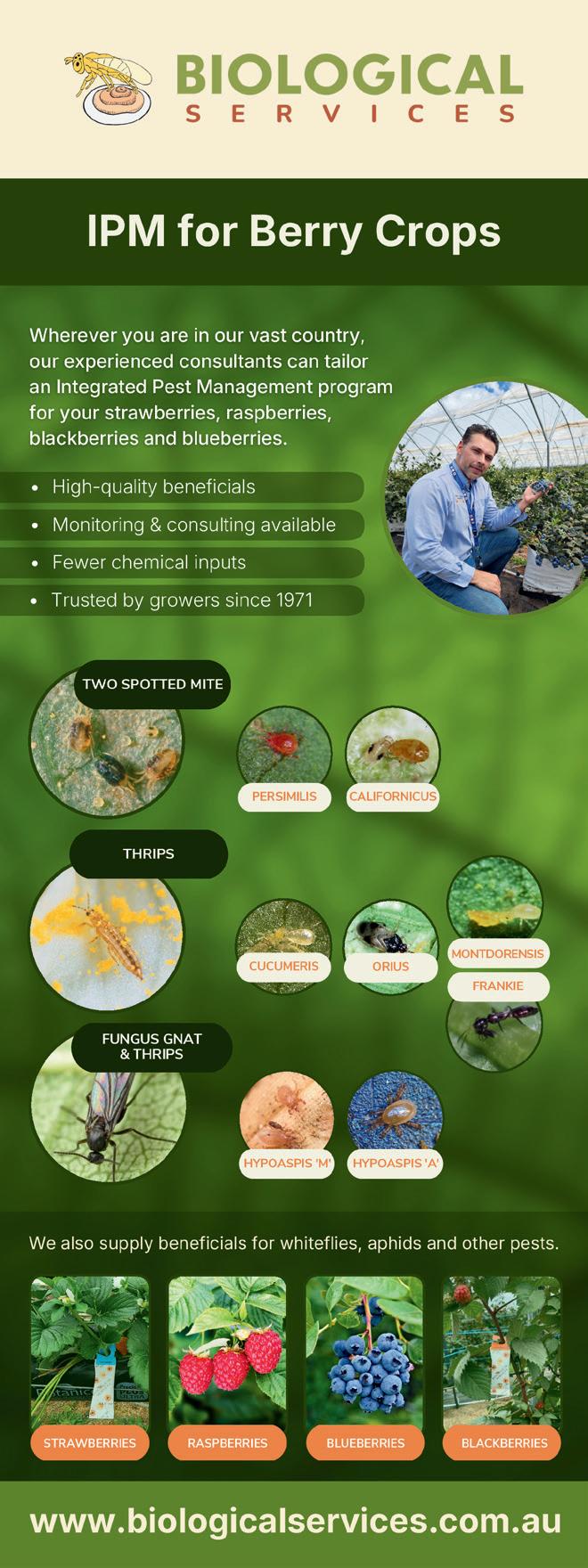
Comprehensive Integrated Pest Management service providers biologicalservices.com.au

Sustainable peat and coir growing media specialists legrogroup.com botanicoir.com

Agriculture Automation Equipment Supplier agriautomation.com.au


Leaders in spraying equipment and crop protection technology croplands.com

Offering Tasmanian agriculture quality machinery solutions marshallmachinery.com.au

Australian provider of specialty fertiliser and crop protection inputs tanuki.com.au
Innovative crop protection solutions that support healthy, productive berries corteva.com/au
Supplier of high-chill strawberry runners and plug plants jclmfarming.com.au

End-to-end custom refrigeration solutions and support approachrefrigeration.com.au
Sustainable, innovative crop nutrition and protection solutions for horticulture agspec.com.au

A leading provider of specialist fumigation services trical.com.au

AI-powered blueberry grading that boosts profitability cailu.ai
Innovative cocopeat growing media for sustainable crop production ecomix.com.au
Innovative global fruit and vegetable sorting solutions unitec-group.com Australian biological and residue-free sustainable crop solutions agreva.com Australian leader in advanced fruit grading technology gpgraders.com

in greenhouse technology and horticultural automation solutions powerplants.com.au
sustainable irrigation solutions backed by global expertise rivulis.com
Experts in advanced berry sorting technology tomra.com/food
Leading supplier of pots and containers for horticulture gardencityplastics.com

Rachel Mackenzie | 0408 796 199 | rachelmackenzie@berries.net.au
When times are tough there is a tendency for us to look back on the ‘good old days’ when all you had to do was grow fruit and there wasn’t all that pesky paperwork to deal with or a potential crisis around every corner. Whilst it can be comforting to dream of past days, there have been many positive changes in the industry over the years, often born out of those challenging times. There is no doubt that we are in a period of great uncertainty, and that can feel overwhelming, but the industry has faced tough times before, and we can get through this. We have before, and we will again!
Picture yourself as an Australian berry grower in 1972. To start with, you would most likely be living in Victoria or Tasmania, as there was no sub-tropical industry to speak of, and contributing to the 5,994 tonnes of production that year. You would be growing raspberries, currants or strawberries because blueberries weren’t grown commercially until 1974, and blackberries were largely inedible.
Your main source of income would be producing bulk fruit for processing into berry pulp by companies such as IXL, to then send over to the UK to be turned into jams, confectionery, and baked goods for retail sale. This trade was highly profitable due to a system called ‘Imperial Preference’, whereby Commonwealth nations received very low-tariff access to the UK market, while nonCommonwealth competitors faced heavy import taxes.
Things were pretty good for the 1972 grower until suddenly they weren’t. The UK joined the European Economic Community (the precursor to the EU) on 1 January 1973 and immediately revoked the Imperial Preference scheme while at the same time granting duty-free market access to continental European producers. Virtually overnight, British food manufacturers substituted Australian bulk raspberry and strawberry pulp with cheaper European product. Tonnage that year fell by nearly a thousand, wiping out one-sixth of total berry production.
The structural loss of this core British export market caused a dramatic downturn in Australia's fruitprocessing sector, ultimately forcing local growers to abandon the ‘jam and can’ model and begin the long evolution toward the high-tech, premium fresh-berry industry we see today.
To add insult to injury, in October 1973, the Arab oil embargo triggered the first global oil crisis, contributing to energy shortages, inflation and economic disruption internationally. Sound familiar?
History shows that there were tough times in the past, and that sometimes those changes were the result of forces completely outside our control, such as the current crisis in the Middle East having much the same impact that it did 53 years ago. Importantly, it also shows us that these types of challenges can lead to reinvention, innovation and ultimately a more robust and profitable industry. No doubt the transition would have been very tough on growers at the time, but the industry came through the other side much stronger and much better poised to take advantage of the modern preference for fresh fruit, turning it into the $1.3 billion fresh berry sector that it is today.
Times change, and there is no point hanging onto a golden vision of the past. That doesn’t mean we glumly accept our lot, but it does mean we have to proactively build our business resilience to continue to thrive despite the inevitability of future challenges.
The 2026–27 Federal Budget establishes several key policy settings that impact the operational costs and financial structures of the Australian berry industry. According to analysis by the National Farmers’ Federation (NFF) and the NFF Horticulture Council (of which Berries Australia is a member), the budget provides targeted tax concessions and input protections however these are balanced against spending reductions in the Department of Agriculture, regional infrastructure and biosecurity programs.
For multi-generational berry operations, a primary outcome is the explicit exemption of primary production income from the government’s new minimum tax on discretionary trusts. This keeps current asset structures intact for family-owned farming businesses. Additionally, the $20,000 instant asset write-off has been made permanent, allowing eligible growers to continue deducting capital investments in specialised equipment, such as substrate gutters, hydroponic tunnels, and automated packing lines. Assets costing $20,000 or more can continue to be entered into the small business simplified depreciation pool.
To support international trade, the Budget commits $77.1 million over four years from 2026–27, plus $17.5 million per year ongoing, to sustain agricultural export and trade functions. The government allocated $8.2 million to defer the planned cost-recovery increases for agricultural export services until 2027, preventing immediate regulatory fee hikes for exporters shipping premium strawberries and blueberries to Asia-Pacific markets. We will continue to work productively with the Australian government to ensure enhanced market access for berries but caution against loading costs into a sector with already thin profit margins, particularly when it comes to export.
To address rising input costs aggravated by global supply chain volatility, the budget includes a $10 billion fuel and fertiliser security package. This initiative establishes a dedicated security facility and a government-owned fuel reserve, designed to
buffer agricultural transport against rapid fluctuations in wholesale diesel prices - a critical factor for the continuous cold-chain refrigeration. The facility does not guarantee lower prices for individual growers; rather, it is designed to reduce the risk of supply disruption and improve national resilience for two critical agricultural inputs. In addition, the Australian Pesticides and Veterinary Medicines Authority (APVMA) received $8.7 million to reduce backlogs in agricultural chemical approvals, thereby streamlining access to updated crop protection tools.
Conversely, the NFF Horticulture Council has identified potential risks regarding unmapped structural changes to the Working Holiday Maker (WHM) visa program. Because berry harvesting requires precise manual handling to prevent fruit damage, the industry remains structurally reliant on seasonal visa holders to provide the labour pool. The Council noted that any policy adjustments reducing backpacker availability could directly restrict harvest capacity and affect supply chain stability. The conversation about the workforce cannot be ignored, and we must maintain access to enough workers with the right skills at the right time to support the sector.
Operational challenges are further compounded by a $200 million reduction in funding for national pest and weed control programs within the Department of Agriculture, Fisheries and Forestry (DAFF). Berries Australia remains concerned that Biosecurity preparedness and response are underfunded and that risk creators in the system are not paying their fair share.
With the impact likely to be felt only in the medium term, the Budget reduces uncommitted Future Drought Fund funding by $52.0 million over four years from 2026–27, with $13.0 million per year ongoing thereafter. This is particularly relevant because water reliability, heat stress management, protected cropping adaptation, and climate-resilient production systems are becoming increasingly important in modern berry production.
You can be confident that Berries Australia remains actively engaged in the broader national conversation about food security. It is vital that reliable and stable food production in Australia is not taken for granted as the global headwinds gather momentum.

Anthony Poiner | 0412 010 843 | anthony@smartberries.com.au
Australia’s macroeconomic landscape is shifting rapidly, creating an intense operational squeeze for our high-value, but cost-intensive berry industry.
The first pressure point is increasing costs. This is spurred by headline inflation, which has climbed to an elevated 4.6% up from 3.7% in the 12 months to February 2026. This inflationary surge has been exacerbated by the escalating war in the Middle East, where disruptions to critical global shipping corridors and energy markets have triggered widespread input-price shocks.
For berry growers, this translates directly into increasing on-farm costs. Whilst the initial Government focus was on diesel, supply constraints have now eased in part due to fuel tax interventions and increasing the onshore fuel storage. Other cost pressures stem from steep increases in nitrogen-based fertilisers and in oil- and resin-derived products, such as irrigation infrastructure, agricultural plastics, and punnets. The cost of petrochemical-based irrigation supplies has increased by 10% to 40% since the start of the USA-Iran war in late February.
To curb this persistent energy-driven inflation, the Reserve Bank of Australia has tightened monetary policy, raising the official cash rate to 4.35%. As we know, modern berry cultivation is a highly capital-intensive enterprise, often requiring steep upfront investments in protected cropping systems, such as hydroponic tunnels, substrate gutters, and automated irrigation networks designed to maximise yield and mitigate weather volatility. These higher interest rates dramatically elevate debt-servicing costs, and it would be prudent to review any plans for expansion.
The Australian Dollar, trading at a moderate US $0.71, acts as a double-edged sword. On the one hand, this exchange rate keeps premium Australian strawberries
and blueberries highly competitive in lucrative Asian export markets such as Vietnam and Singapore, offering a vital lifeline to markets beyond strained domestic supermarket shelves. On the other hand, it inflates the landed cost of some imported inputs.
The second pressure point is that household financial strain is cooling economic growth, with annual GDP projected to slow to a sluggish 1.8% to 1.9%. As household disposable income falls under severe pressure from the broader cost-of-living fallout, consumer purchasing habits are shifting. We are already seeing depressed demand for fruit in the wholesale markets.
As a sector, we need to be aware of these issues but not overwhelmed. Our best defence remains ensuring consumers have a high-quality eating experience every single time, as the consequences of them switching to another product have never been higher
Whilst many of these factors are outside our control, we can focus on maintaining our position as Australia's number one fruit commodity. At the grower level, to do that, we must embrace efficiencies and, even more importantly, remain vigilant about quality. In a consumer environment where customers are reducing their spend on ‘luxury’ products, one bad berry experience is all it will take to drive them away from the category. We simply cannot afford for consumers to desert the category because they had a poor experience. At an industry level, we will continue with our strategy to grow demand through the Berry Basket marketing program and an ongoing focus on export opportunities.
If we can hold the course and maintain positive consumer experiences with berries through these more subdued economic times, when the tide turns to more positive consumer sentiment, we will be wellpositioned to continue the growth of our category.

Brett Fifield, Hort Innovation, Chief Executive Officer
Snacking has firmly shifted from a secondary habit to a central part of how Australians eat. Across the country, more consumers are reaching for something quick between meals, making snacking a key growth opportunity for the Australian horticulture sector, especially for berries.
Approximately one in three (31%) consumers indicated in the last quarter that they love berries, but the latest insights from Hort IQ, drawing on NielsenIQ Homescan data, make one thing clear - health alone is no longer enough to win in today’s snack market. Taste, convenience, value, and ease are now equally important drivers of choice, reshaping how consumers decide what lands in their trolley. For berry growers, this signals an important shift. The opportunity isn’t to rethink what we grow; it’s to rethink how products are positioned for these snacking moments.
Snack behaviour is emotional, not just rational: One of the clearest takeaways from the data is that snacking is often driven by emotion rather than intention. People snack when they’re bored, busy, stressed or simply looking for a small moment of enjoyment - and taste is the number one factor influencing that decision.
While health remains important, it plays more of a supporting role. Consumers still look for products that align with goals like gut health or weight management, but these benefits are reinforcing factors rather than the initial trigger. For berries, this is a strong position to be in. With their natural sweetness, texture and vibrant appeal, berries are uniquely placed to deliver on both enjoyment and reassurance, but the way they show up in-store and at-home matters more than ever.
Convenience is shaping consumption:
Despite ongoing interest in fresh fruit, the data shows that overall fruit and nut volumes are being held back by fewer snacking occasions - not a lack of demand.
In many cases, consumers are still buying fresh but turning to packaged snacks when fresh feels less convenient, leading to the packaged snacks market turning over $14.7 billion in retail sales. Portability, familiarity, and perceived value continue to give packaged products an edge.
This is where berries have a clear opportunity. The category is already moving toward more snack-friendly formats with punnet packs and ready-to-eat portions, but we know that continuing to remove friction will be critical to winning more snack occasions.
Building value in a changing market:
Value is another key driver, and importantly, it’s about more than price. Consumers are increasingly factoring in pack size, shelf life, versatility and reduced waste when deciding what represents good value. For berry growers and the supply chain, this reinforces the role of innovation - not just in production, but across packaging, merchandising and category development.
The insights from Hort IQ point to a clear path forward for Australian produce:
• Remove friction: Make it easier to grab, carry, and eat
• Add craveability: Fresh doesn’t need to be positioned against packaged snacks; it just needs to look as tempting
• Reframe health: Link fresh to how people want to feel - satisfied, energised and balanced - without overselling credentials
• Improve value cues: Value isn’t just price. Pack size, reduced waste, shelf-life and versatility across occasions all influence confidence
Snacking is one of the fastest-evolving eating occasions in Australia. The growers who can align with how consumers really snack - rather than how we think they shouldwill be best placed to capture this growing opportunity.
To find out more about the latest trends, head to www.hortiq.com.au
Dr Angela Atkinson, Research & Development and Biosecurity Manager 0499 645 836 | angelaatkinson@berries.net.au
Berries Australia and Hort Innovation held an R&D (Ideation) Workshop in Melbourne in March as part of the ‘Berry advisory mechanism (MT23003)’ project which is a strategic levy investment under the Hort Innovation Strawberry, Blueberry and Raspberry and Blackberry funds with contributions from the Australian government. The members of the Ideation Panel, which includes growers, researchers, agronomists and the berry industry development officers, attended to identify potential R&D initiatives to address berry industry needs. Each region was well represented, providing a national perspective on issues currently facing growers across all three berry industry sectors.
Several key themes regularly emerge from these meetings, namely pest and disease management, continued access to chemical registrations and permits, labour costs and efficiencies, sustainable production systems, and opportunities for emerging technologies and automation. With the spread of Varroa mite since its introduction 3 years ago, pollination has also become a concern, particularly for Rubus and blueberry growers.
The next step in translating outcomes from this workshop into R&D projects is to develop and present recommendations for levy investment to the strawberry, Rubus and blueberry Prioritisation Panels. Projects addressing fungicide resistance in berries, the renewal of minor use permits and new permit applications, and alternative pollinators for berries are among those being put forward. This process is underway as I write. The panels comprise berry levy payers and berry industry committee members, and endorsed projects will be refined with input from Berries Australia and put out to tender by Hort Innovation. Funded projects from this round of the advice mechanism will be reported in the next edition of this Journal. It is important to remember that Hort Innovation is the custodian of levy funds not Berries Australia, and our role is to support consultation with industry and shape concepts.
Hort Innovation is also developing the next Strategic Investment Plan (now referred to as a roadmap) for all horticulture industries and has consulted with berry

growers nationally to identify priorities, as well as attending the Ideation workshop in March as part of its consultation process. The Strategic Investment Plan will be refined and approved through consultation with the three berry Prioritisation Panels. The new plan will exist as an online dashboard, rather than a static document, accessible directly to industry stakeholders and updated each year if investment priorities change.
As Varroa mite continues to spread, it is concerning that miticide-resistant Varroa has been detected in Queensland and New South Wales. At the moment, these detections are still under investigation by the Commonwealth and state biosecurity agencies to determine if they are the result of a new incursion. Resistance to available miticides will make Varroa management more difficult for beekeepers and pollination service providers. Berries Australia will ensure growers have access to information when it becomes available. To read visit bit.ly/BA-AHBIC-10April
Another pest of concern currently is a newly detected thrip species, Frankliniella intonsa, which is causing damage in Queensland. This thrip has been detected in strawberries and Rubus, and was previously unknown in Australia. At the time of writing, the detection is currently under investigation by Queensland Department of Primary Industries’ Biosecurity team, and IPM specialists and service providers are working with affected growers to manage the problem. Berries Australia will keep growers updated as information becomes available.
The risk season for Brown Marmorated Stink Bug (BMSB) has ended (September – April), with increased detections reported across all states. BMSB is a highly polyphagous pest that enters Australia as a ‘hitchhiker’ mainly on cargo shipments from the Northern hemisphere, but also in the luggage of overseas travellers. BMSB is listed as a ‘high-priority pest’ for the berry industry due to damage to fruit, but it is also a major nuisance pest in the general community in countries where it is established. It is pest to look out for in the coming spring, particularly on imported goods and equipment. For more information about how to identify this pest and how to report sightings, visit bit.ly/BA-BMSB.
Wendy Morris, Berry Industry Development Officer 0484 272 963 | qldberryido@berries.net.au
Let’s start with some great news: a strawberry promotional collaboration.
As I mentioned in my last quarterly report, our Bundy pick-your-own farms are keen to work together to promote their agritourism businesses. We’re at the stage of brochure design and media engagement, and one of the comments I’ve been receiving is how incredible it is that our farms work together to lift themselves and each other.
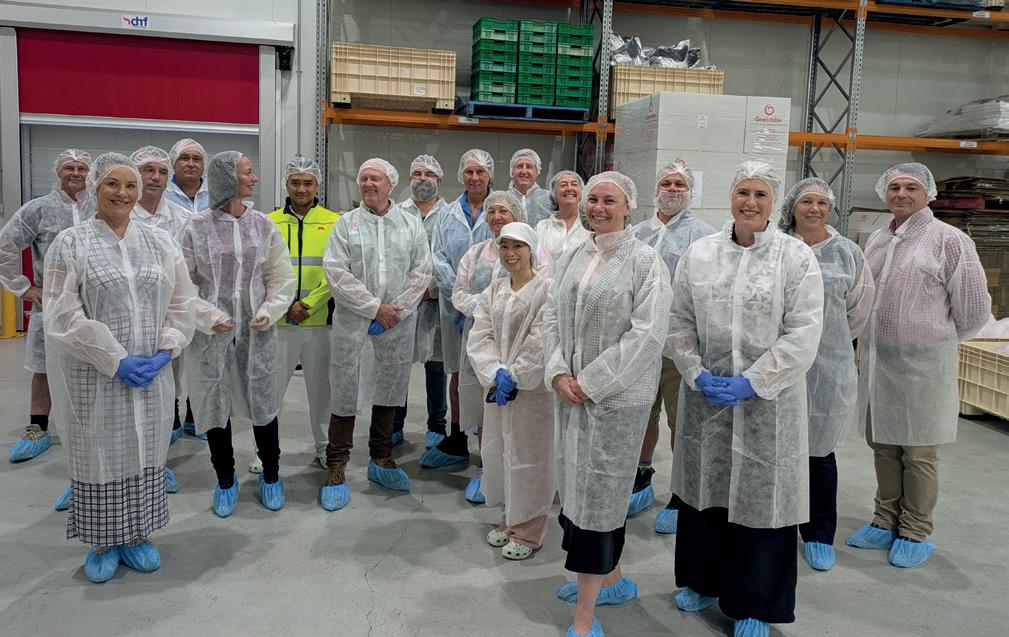
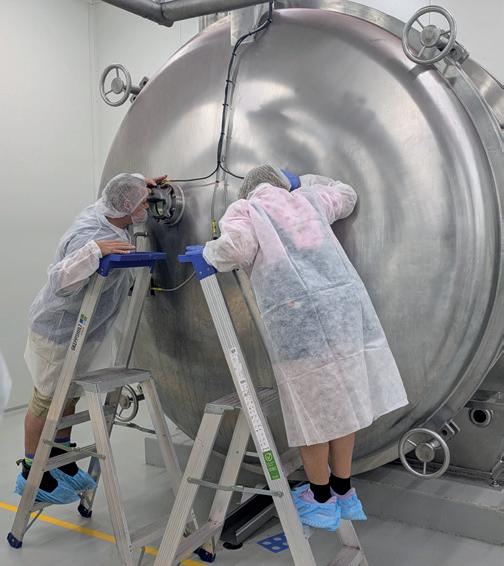
In March 2026, Gina Dang from SSS Strawberries hosted berry growers, industry stakeholders and Bundaberg Region Mayor Helen Blackburn at the Gina’s Table factory. This was a great opportunity for us to discuss berry promotion, hear what’s happening in Bundaberg, and of course, take a tour of the freeze-drying facility to learn more about how it works.
The same message has been echoed by the National Fire Ant Eradication Program (NFAEP) team who report that berry and pineapple farmers in the Caboolture region and surrounds have been excellent to work with. As many of our growers know, Berries Australia and the QSGA submitted a proposed treatment plan for berry farms. While this is currently before senior NFAEP management, treatment teams are instead working with growers to find an interim solution. The most common outcome is that treatment occurs around cropping areas, but not on or very near crops. This method is showing excellent signs of success, and there is hope that in the next year or so some regions will switch from ‘treatment’ to ‘surveillance’. Well done to our growers, it’s so great to see everyone taking biosecurity seriously. It was a beautiful start to autumn in SEQ, which meant conditions were perfect for planting. On the flip-side, Granite Belt growers were struggling with drought conditions. Then, in true Aussie style, we had two unseasonal weather events in May which have resulted in muddy conditions and low quality for the Sunshine Coast strawberry growers but a welcome reprieve for the Granite Belt growers who now have enough water to see them through the season.

Despite the unseasonal May rain, the Bureau of Meteorology is signalling a possible return to El Niño conditions by July, meaning lower rainfall during winter and spring, with hotter days and warmer nights. Now’s a good time to review your drought resilience and take advantage of the support on offer from the Queensland government via the Future Drought Fund. Visit bit.ly/Qld-Drought for more information.
During the lulls of the year, it’s a good time to keep up with maintenance and review what might not have gone according to plan, including reporting adverse chemical experiences. Under the APVMA’s Adverse Experience Reporting Program (AERP), growers are encouraged to report unexpected impacts after chemical use, including plant death, severe stunting or significant yield loss. You might have failed an MRL check, despite using the chemical appropriately, or found a product wasn’t efficacious. All of this information is useful and helps the APVMA assess whether a chemical should remain on the market under the same conditions. You can file a report at bit.ly/APVMA-AE
Berry farms can be plagued by damage from birds, but with Hort Frontiers funding and co-investment from AERIUM Analytics and the Australian government, a new tool called RoBird™ is being trialled in various crop situations in Australia. RoBird is a biomimetic drone that replicates the flight and predatory behaviour of a Peregrine falcon. In early May, we held RoBird demonstrations in Queensland and the team are seeking more trial sites, so if you’re interested in participating, reach out to me and I will introduce you to the RoBird team. For more information on the project, SEE PAGE 80.
As the year progresses, we will be organising our July Field Day – more details to follow - and I’ll be out visiting growers to find out what’s happening on farm across the winter season. I’m always keen to chat with growers and get your perspective on the industry, so please feel free to reach out.
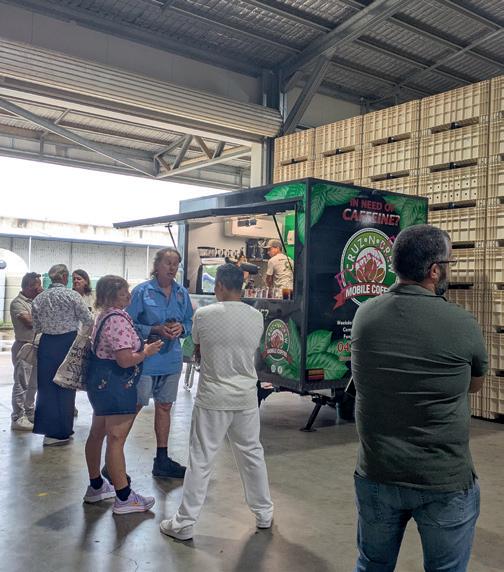
Good coffee is always an excellent drawcard for berry events in Queensland!


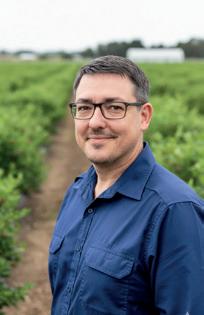
Simon Neil, Berry Industry Development Officer 0400 100 593 | berryido@fruitgrowerstas.org.au
Following a summer that was a serious test for growers across the state, autumn has thankfully been a different story.
The turnaround has been real, if hard-earned. The start of the season came two to four weeks late across the state, with persistent late-season rain and insufficient sunshine limiting early harvest windows and pricing expectations to match. But the dry, mild weather that arrived through the back half of the season has been exactly what was needed to lift quality, extend picking and allow growers to close out with some recovered confidence. Pricing has come in stronger than many initially expected, which matters enormously after a hard run.
Summer into early autumn ran warmer than average statewide but significantly drier; Hobart's summer rainfall came in at just over half the long-term average. March brought the most rain since 2023, but it was still 22% below the historical benchmark. For most berry growing regions, the dry conditions have been a net positive through the back end of the season: disease pressure from botrytis and powdery mildew has been manageable, and there have been decent picking windows. The north coast, in particular, has seen soil moisture shift back toward near average after a long dry stretch. The outlook points toward a drier and warmer autumn than average; weather to suit pruning and the transition into next season's preparations.
With blueberry season largely wrapped up across the state, grower attention is turning to the seasonal rhythm of replanting, pruning and preparation. Strawberry growers are moving into runner establishment, and Rubus growers are enjoying a longer pick window than many expected, given the season’s difficult start.
One emerging pest to watch as crops transition is the bronze leaf beetle (Diachus auratus), which has been showing up across berry crops this season. For more information about how to identify this pest, SEE PAGE 46 of the Spring 2025 edition of the journal. There are no registered chemical controls, so if you find it, contact an agronomist.
Further afield, the conflict in the Middle East is casting a shadow over future costs, but the mood across farms is one of cautious watchfulness rather than alarm. Input cost pressures on fuel, fertiliser and resin have been absorbed this season, but growers are keeping a close eye on the situation, with a clear understanding that a sustained deterioration in the second half of the year could significantly reshape the numbers.
Fruit Growers Tasmania recently participated in Food and Hospitality Asia in Singapore, where Tasmanian raspberries and blackberries were showcased at one of the region's most significant food trade events. SEE PAGE 59.
In April, Fruit Growers Tasmania delivered a two-workshop series on blueberry rust management, reaching 19 growers across the southern and northern growing regions.
For a full account of the sessions and what they covered, SEE PAGE 85. Associate Professor Kara Barry from TIA has also written an update on the underlying science in this edition (SEE PAGE 88) which is well worth a read for anyone managing rust on-farm in our Tasmanian conditions.
This will be my last contribution to the Australian Berry Journal. After eight months as Berry Industry Development Officer at Fruit Growers Tasmania, I left the role in early May for family reasons.
It has been a privilege to work alongside Tasmanian growers through what has been an eventful season. Helping connect the people doing the work on-farm with the research and extension community working alongside them has been genuinely rewarding. I'm grateful to everyone who made time for a conversation, a farm visit or a workshop. The industry is in good hands, and I look forward to watching it continue to grow.
We're delighted to confirm that Mark has decided to return to the team and has started back in the role in May.
Gaius Leong, Berry Industry Development Officer
0484 055 748 | gaius.leong@dpi.nsw.gov.au
The global berry industry has experienced rapid growth in the past two decades, driven by increasing consumer demand for healthy, fresh and convenient berry products. Berries are among the highestvalue horticultural crops in many countries, including Australia. However, the expansion of berry production and international trade has also increased the industry's vulnerability to pest and pathogen incursions.
The interstate movement of nursery stock or planting material and the international movement of genetic material in and out of the country have significantly increased the risk of biosecurity threats. The example of late leaf rust in raspberries detected last year in the region where raspberry production has expanded rapidly in the last five years further highlights the potential for a more sinister biosecurity threat on the horizon. Even though it was not deemed a major concern (and was moved on to ‘management’), the situation should serve as a warning to the industry of the likelihood of more serious biosecurity threats

occurring in areas undertaking rapid expansion using new genetic material. Climatic changes also increase the risk of creating more favourable conditions for exotic pests or diseases to proliferate and spread.
Biosecurity threats pose significant economic, environmental and social risks to berry producers. Exotic pests, fungal diseases, bacterial pathogens and viruses can spread rapidly through planting material, fruit transport, equipment movement and human activity. Once established, these exotic pests and diseases are difficult or impossible to eradicate, leading to long-term management costs, production losses, market access restrictions and reputational damage. The berry industry is particularly susceptible because berry crops are highly perishable, intensively managed, and are often grown in regions with favourable climatic conditions for pest and disease development.
The berry industry must work together through levies, research, and proactive plans to first and foremost detect the entry of these exotic pests in genetic material, but more importantly, to ensure growers are adequately prepared to handle a significant biosecurity threat efficiently and confidently when it does arise.
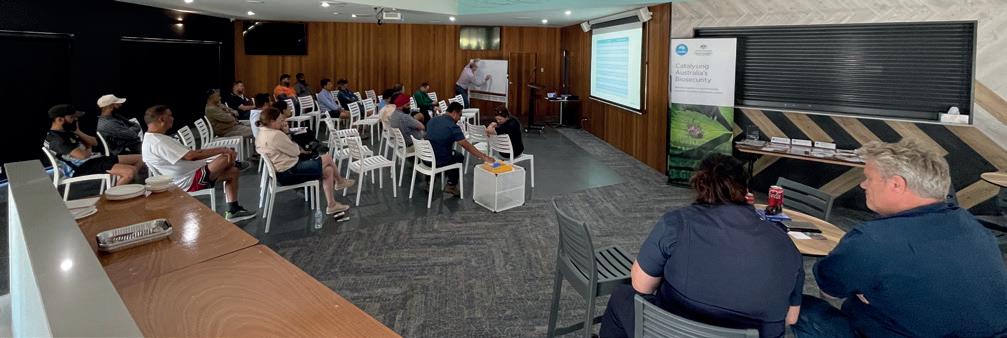

With biosecurity threats on the rise, how can we be better prepared to deal with them and other current challenges?
A selection of growers attended a three-course IPM workshop earlier this year in March, co-organised by NSW DPIRD, FMC, Berries Australia and CSIRO. It brought together three components, allowing growers to learn generally about chemical resistance, leafroller pests, and area-wide management benchmarking.
The chemical resistance session was delivered by FMC Product Development Manager Geoff Cornwell and focused on managing resistance to Group 28 insecticides. This is particularly relevant for industry as the falling price of Coragen® may encourage more frequent use, which can increase selection pressure and heighten the risk of resistance developing. For more information about Group 28 resistance management, please see the article on Diamide insecticides on PAGE 54.
The second component was delivered by NSW DPIRD’s entomologist, Dr Saleh Adnan, who updated the group on the recent developments in the strategic levy investment ‘Improving management of leafrollers
in Rubus and blueberry (MT24009)’ funded by Hort Innovation from the Blueberry and Raspberry and Blackberry levy fund with contributions from the Australian government. See PAGE 29 of the Autumn 2026 edition of this journal for the latest update from this project.
The last component was delivered by CSIRO’s research scientist, Tracy Steinrucken who took growers through the Hort360 IPM benchmarking module. The benchmarking tool will assist growers and advisors in assessing their preparedness for diseases and pests on their farms, their use of Area-Wide Integrated Pest Management (AW-IPM) practices, and the risks they may face in pest management.
Thank you to the growers who attended this and other events we have held in the last quarter. Berry growers are encouraged to share suggestions for future events, training opportunities or priority topics where they would value practical support from the industry development team.

Sandy
After a season that seemed determined to keep everyone on their toes, the coming winter months feel less like a regular off-season and more like a well-earned chance to reset and recharge.
It’s been one of those seasons where the pressure seemed to just keep building. As if bushfires and ongoing biosecurity responses were not enough to keep us busy, growers also had to navigate the uncertainties that erupted surrounding fuel and fertiliser supply. While most growers had fortunately secured what they needed to wrap up the season before the uncertainty began, volatility in fuel costs put pressure on farms already operating on tight margins. For many growers, it was not only the added expense that wore people down, but the unpredictability and uncertainty that came with it.
It wasn’t all bad. After a scorcher of a February and a normal March, a final run of near-perfect growing conditions through late April and early May helped finish the season strongly, with excellent fruit size, quality and yields.
Growers got a chance to catch up on projects happening “around the grounds” in the Yarra Valley in March, with presentations on the local Queensland Fruit Fly monitoring program, the first results on weed prevalence in in-ground strawberry production from the Hort Frontiers project ‘Next Generation Weed Management (BY23002)’, and an update on progress within the Australian Strawberry Breeding Program’s temperate selections.
Ag Logic’s irrigation workshop in May highlighted another growing focus area for berry businessesmaking better use of monitoring technology and farm data. The workshop was designed for growers exploring automated irrigation systems or trying to better understand existing setups. With growing regions in Victoria and South Australia still in drought conditions, despite our notorious weather, water efficiency and input management have become increasingly important.

Practical workshops like these provide opportunities for growers looking to make informed decisions on increasingly limited resources.
For all their stress, the last few months have also been full of possibilities. Growers and researchers have been hard at work designing trials and experiments to implement for the next growing season, and I’m excited to see the fruits of our labour in a few months’ time.
The IDO team has also been busy plotting and planning, and I’m happy to say that come September, we’ll be hosting the first-ever ‘Berry Practical’, a new twoday grower-focused event designed around practical, hands-on learning, being held at the Yarra Valley Lodge. The event features one day of relevant presentations, demos, and a small trade show, followed by a second day featuring a bus tour that takes in the Driscoll’s high-health nursery and the Garden City Plastics pot manufacturing facility.
I’m excited not just to run an event that I think will be beneficial to growers (as a tactile learner myself, I can’t wait to get stuck into some of the demos and workshopstyle events) but also to showcase the breadth and depth of the berry industry here in Victoria. I hope you’ll all join us in the Yarra Valley in September. Tickets for commercial berry growers are free, but we do still need you to register for our catering and bus tour planning purposes. A limited number of tickets are available for purchase by Berry Industry Partners and other industry stakeholders. Secure your tickets today at bit.ly/BA-BP26. Find out more on PAGE 22.
Many growers are currently focused on establishing new plantings and, as winter rolls in, will turn to infrastructure upgrades and other projects that have been sitting on the back burner during the growing season. Winter, while quiet on the production front, is often one of the busiest periods for planning and preparation. For now, though, many in the southern berry industry are looking forward to a winter of regrouping and hopefully getting a bit of well-earned rest. As always, if I can assist you in any way, please get in touch.

Helen Newman, Berry Industry Development Officer
0428 335 724 |
Helen.Newman@dpird.wa.gov.au
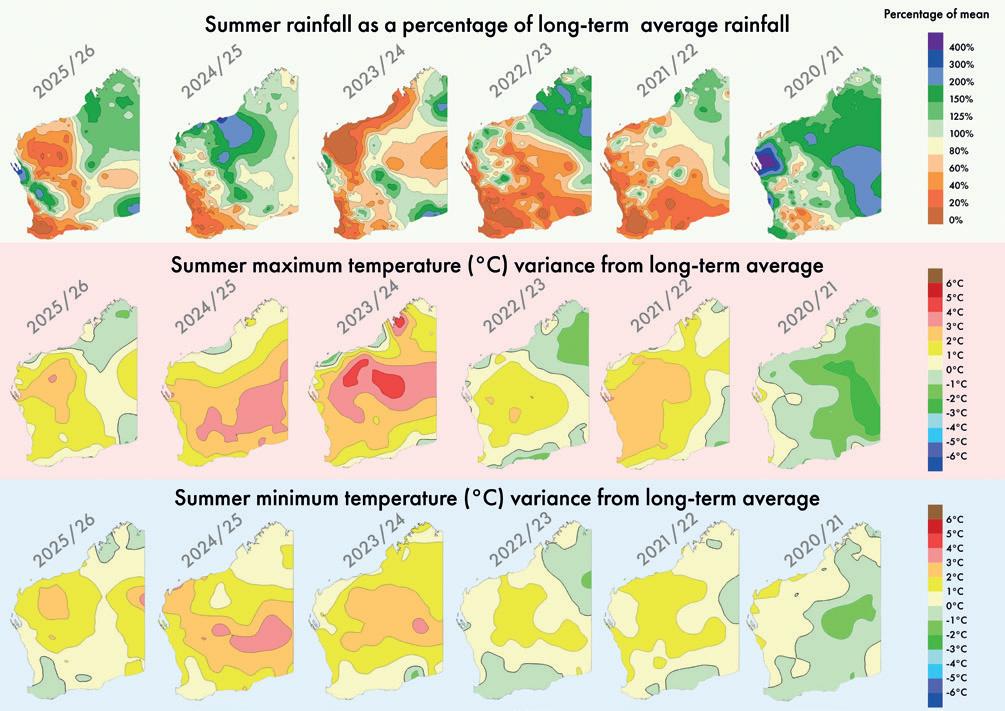
Summer 2025/26 wrapped up with overall below average rainfall across most berry growing regions, average to above average maximum temperatures, and generally average minimum temperatures. Figure 1 shows how summer 2025/26 compares to previous years.
February was dry (as usual) with average falls in the greater Perth region, mostly in the teens, topped up by showers from of ex-tropical cyclone Mitchell. Rainfall totals were very much below average further to the south. Minimum temperatures were average to slightly cooler than average, and maximum temperatures were above average, with 13 days above 35 in the Perth region.

March was warmer and much wetter than usual –although the rain came all at once at the end of the month courtesy of ex-tropical cyclone Narelle. Actual rainfall totals weren’t spectacular - mostly under 50-100mm in growing regions. Maximum temperatures were above average and minimum temperatures very much above average (by >2ºC) in parts.
April was cooler than usual (even in Bullsbrook and Wanneroo!) and rainfall was average to below average. It was generally rainy (light showers) in the Perth region from mid-month with strong winds and isolated thunderstorms later in the month. The cooler than usual temperatures, particularly towards the end of April, may have slowed strawberry plant establishment but warmer temperatures returned in May.
There was plenty of action in WA over the last few months, and here are some of the highlights.
Berry, vegetable and citrus growers visited the WA Water Research and Innovation Centre in Shenton Park in February to hear about new high-recovery desalination technology and see their Electrodialysis Metathesis test unit and pilot-scale integrated Forward Osmosis/Reverse Osmosis plant in action.
Water treatment experts from the Water Corporation and CSIRO explained how these near-zero-to-lowbrine systems work. An article on this new technology will be published in the next edition of this journal.
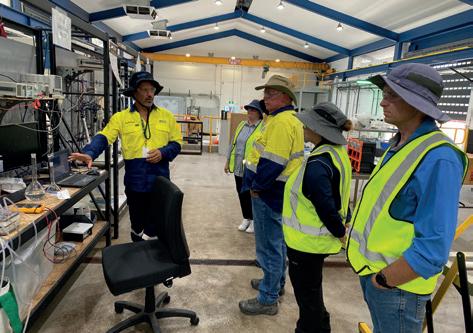
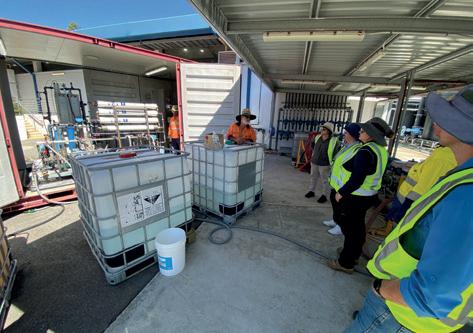
(Top) Researchers have been testing Electrodialysis Metathesis on local water sources (Bottom) This containerised Forward Osmosis –Reverse Osmosis unit uses less electricity, requires less maintenance, and produces much less brine than traditional stand-alone RO systems
WA strawberry growers Thai Tran and Vince Ngo travelled to Melbourne to participate in the Hort Innovation berry industry ideation and SHIFt consultation session.
While there, we visited the Toolangi runner cooperative, the Victorian Strawberry Industry Certification Authority and Australian Strawberry Distributors.
Western Berries in Orange Springs hosted the biggest berry event on the WA calendar with a 70-strong crowd.
Charles Simons from BioScout showed how the airborne fungal spore monitoring and disease prediction platform can slash fungicide spray applications and protect against fungicide resistance.
Joel Haywood from the Curtin University Centre for Crop and Disease Management did a live fungicide resistance test on blueberries from the Western Berries farm (strong resistance to Group 9 was found).
Kev O'Reilly demonstrated the Agovor robotic towing machine with mowing and spray attachments, an impressive setup capable of travelling for 10 hours, mowing or spraying 35 lineal kilometres in that time before needing a charge.
Cam Clifford from Agri Automation borrowed a Burro Grande to showcase from owners TLB Strawberries (thank you Thai Tran!) which was put to very good use carting a heavy PA system on ‘follow me’ mode during the field component of the event. Cam also demonstrated its autonomous capabilities.
The audience was also treated to a tour of Western Berries’ packing operations led by Adam Kwiecien-Fisher and a field tour led by Marek Kwiecien-Fisher.
A big thank you to the Western Berries team for their epic efforts in making the day a success and for openly sharing their knowledge and insights with the broader industry.
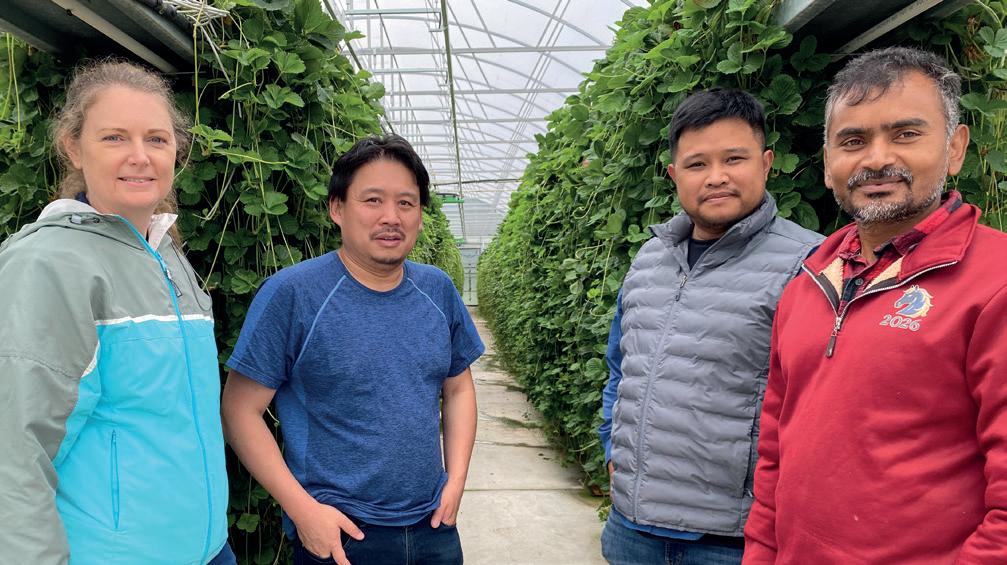
(L-R) Helen, Thai and Vince with Raj Thangaraj as he explained VSICA’s process for multiplying strawberries from nucleus plants to foundation stock, which are then provided as plug plants to propagators who produce mother stock and then certified planting material for strawberry growers
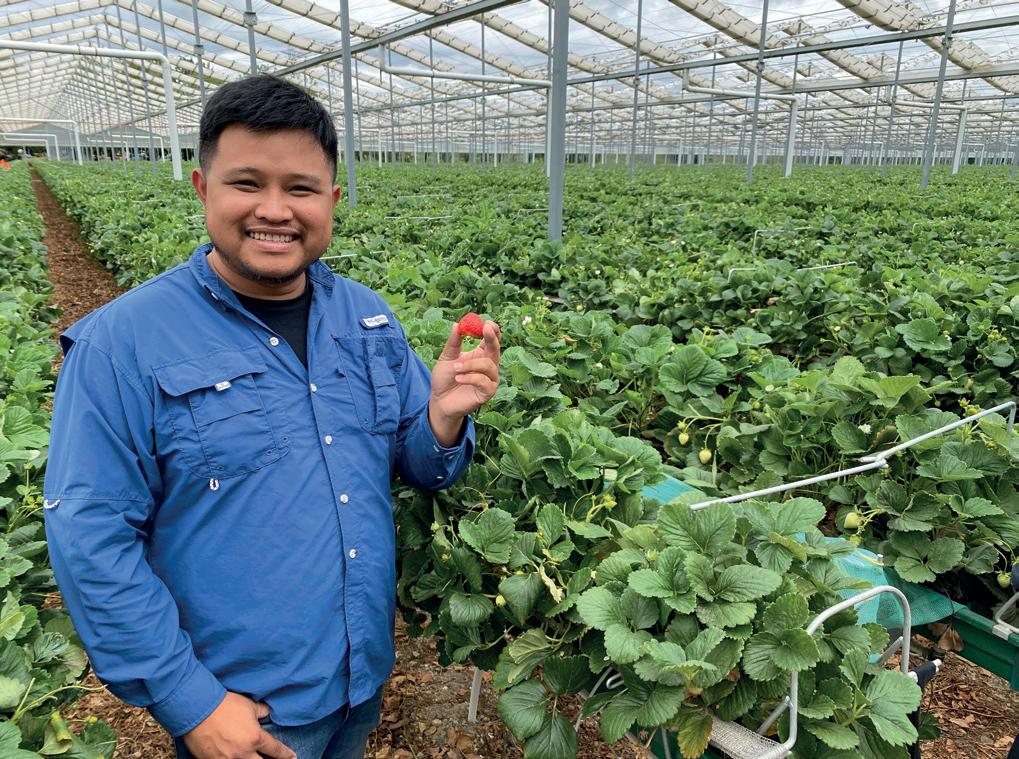
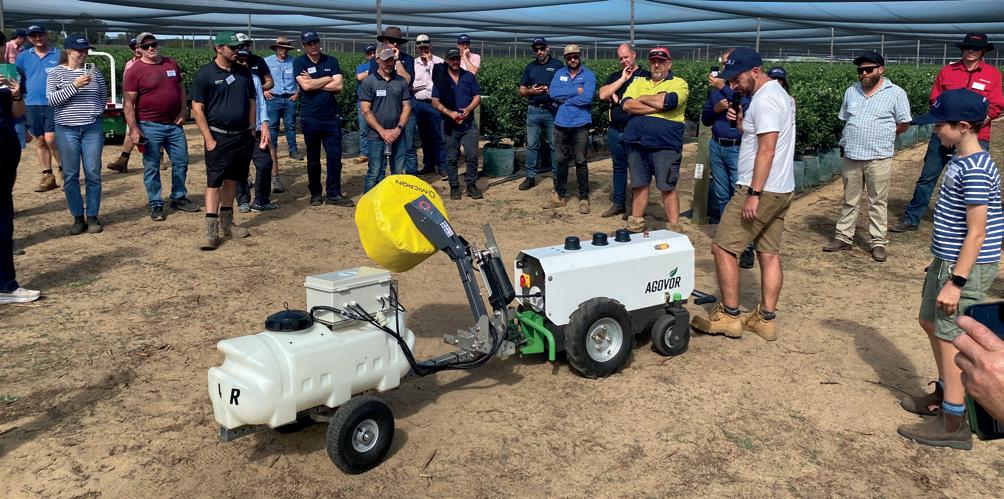
The Agovor unit was demonstrated with its spray attachment providing autonomous weed spray application at the base of the bags and in the immediate row area
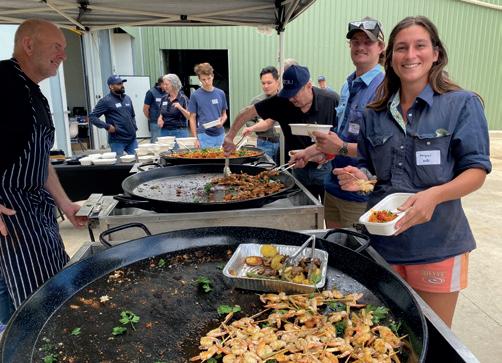
Good food helped fuel the learning and sharing!
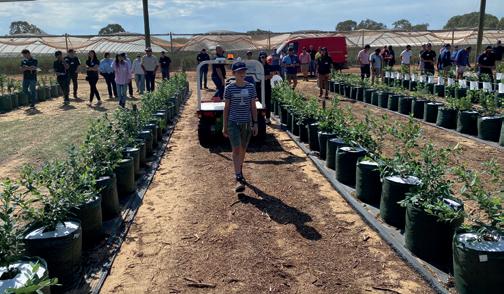
Burro Grande on ‘follow-me’ mode being led by the farm’s next generation, Benjamin Kwiecien-Fisher
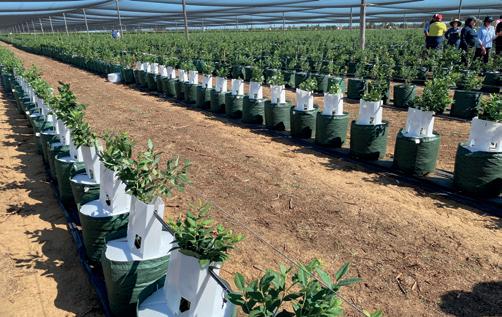
The blueberry planting uses white pot covers with an integrated sleeve to discourage chilli thrips & encourage narrow growth suitable for machine harvesting
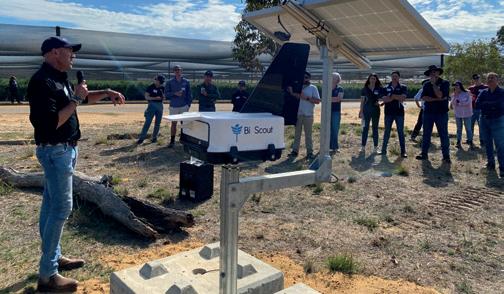
Charles Simons alongside a field-deployed BioScout (in a temporary location with cyclone-proof footing)
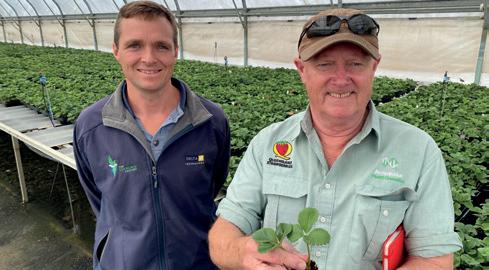
Adrian Schultz, Managing Director for Australasian Plant Genetics, came to WA in March to visit temperate-region growers and propagators and discuss new genetics coming through the ‘Australian Strawberry Breeding Program (BS22000)’, a strategic levy investment funded by Hort Innovation using the strawberry research and development levy and matched funds from the Australian Government, with co-contributions from the Queensland Government through its Department of Primary Industries.
There is some excitement over one of the program's advanced clones in the temperate stream as well as the new white and blush varieties and other subtropical stream varieties.
Please contact Helen if you are interested
WA DPIRD Researcher Dr Kiran Mahat is leading a new chilli thrips project with funding support from the Cooperative Research Centre for Solving Antimicrobial Resistance in Agribusiness, Food & Environments (SAAFE CRC). The 4-year project will investigate insecticide resistance across a range of crops, including berries.
The project will also support work being led by Murdoch University on the identification of beneficial insects and biocontrol agents to manage chilli thrips in berry crops. DPIRD are looking for growers to partner with them in on-farm trials.
Joel Haywood from Curtin University Centre for Crop and Disease Management is leading a 12-month SAAFE CRC Kickstart project focused on in-field diagnostic tests for fungicide resistance.
Joel is looking for WA berry growers interested in participating. The focus is on botrytis and powdery mildew, and participating growers must be able to share information on the fungicide groups they have used and how the fungicide resistance results affect their decision-making and fungicide application.
Please Note: All results will remain anonymous.

BQI27 is set to land on the iconic Gold Coast from 2-5 August 2027, bringing you multiple action-packed days of learning, innovation and connection.
From hands-on farm tours to conference sessions featuring an unmatched line-up of Australian and global speakers, plus a vibrant trade show and plenty of chances to catch up with fellow growers, this is the berry industry’s biggest event and you won’t want to miss it.
The conference venue is now confirmed: RACV Royal Pines Resort offers a sophisticated blend of productivity and relaxation. Nestled on 100 hectares of lush greenery, the resort provides versatile, state-of-the-art convention spaces. Between sessions, delegates can network across eight world-class dining venues or the 27-hole championship golf course.
The Resort's central Gold Coast location ensures easy accessibility, while the expansive grounds and premium facilities reflect the industry’s commitment to growth and excellence. It is the ideal setting to cultivate new ideas and harvest lasting professional connections.
RACV Royal Pines Resort is just 30 minutes from the Gold Coast Airport and 90 minutes from Brisbane Airport,and half way between the southeast Queensland berry growing region and the blueberry industry centred around northern New South Wales.
BQI27 IS WHERE THE BERRY WORLD COMES TOGETHER.







Jen Rowling, Projects & Membership Manager, Berries Australia
This article provides an overview of the recent project report ‘Independent mid-term review of MT22010Facilitating the development of the Australian berry industries (MT25004)’
Australia’s berry growers are no strangers to change. New pests, shifting labour pressures, emerging technologies, evolving consumer expectations, and increasing market complexity mean growers need timely, practical and regionally relevant information more than ever before. That is exactly what the Hort Innovation-funded project ‘Facilitating the Development of the Australian Berry Industries (MT22010)’ was designed to deliver.
Now, halfway through the project, an independent mid-term review has taken a close look at how the investment is tracking, what’s working well, and where improvements could strengthen outcomes for growers over the remaining life of the project.
The review, conducted independently by GHD Pty Ltd for Hort Innovation, assessed progress from July 2023 through to the end of 2025 and involved extensive document analysis alongside interviews with 17 stakeholders, including growers, agronomists, Industry Development Officers (IDOs), Hort Innovation representatives and industry partners.
The project was established to help berry growers adopt innovation and technology through a nationally coordinated but regionally delivered extension and communications program. At its core, the investment aims to:
• Improve production efficiency
• Increase access to export markets
• Build industry capability and engagement
• Improve knowledge sharing and practice adoption across the berry sector
The project combines:
• A national communications program, including the Australian Berry Journal, The Burst e-newsletter, the Berries Australia website and Resource Library, social media and technical resources
• A state-based extension program delivered by specialist IDOs working directly with growers through workshops, field days, webinars, on-farm visits and events such as BerryQuest
The review found the four key project focus areas remain highly relevant to growers:
Pest & Disease Management
Irrigation & Nutrition Management
Business & Labour Management
Innovation & Technology Adoption
Overall, the review concluded that the project is “making good progress towards its intended outcomes” and that stakeholders view the program positively.
Importantly, reviewers found that the project team has a “deep understanding of growers and industry need” and highlighted the strong collaboration occurring between the IDOs and communications team.
One stakeholder described the project team as “probably one of the healthiest teams I’ve actually worked with in terms of collaboration and goodwill.”
The review also recognised the value of the nationally coordinated but regionally delivered model, allowing specialist expertise from one region to support growers in another when needed.
Examples included:
• Tasmanian Rubus specialist Mark Salter travelling to Queensland to support growers
• NSW blueberry specialist Gaius Leong presenting at Tasmanian blueberry field days
• Joint national webinar development and collaborative event planning across states
The review found that growers are receiving a “consistent and highly valued range of communication materials via a range of media”.
Achievements highlighted in the report included:
• The regular production of The Burst e-newsletter
• Continued publication of the Australian Berry Journal
• A Resource Library now housing more than 900 documents
• Development of best practice tools, fact sheets and case studies across multiple berry categories
BerryQuest 2025 in Tasmania was identified as a major project success, with 540 delegates attending and 43 speaker sessions later published online.
Stakeholders described BerryQuest as “a major highlight of the project” and an event that “has gotten better and better over time.”
The review also highlighted strong grower engagement through workshops, field days and webinars focused on practical topics including irrigation, protected cropping, pest management and labour issues.
While the overall findings were positive, the review identified one major challenge: demonstrating and measuring long-term impact.
The reviewers noted that the project team is clearly delivering activities and generating engagement, but the reporting systems currently do not adequately demonstrate:
• How grower knowledge is changing
• Whether growers are adopting new practices
• The scale of practice change occurring across the industry
Several recommendations were made to strengthen this area during the second half of the project, and these will be implemented across the team. Part of this recommendation is to introduce a more standardised grower feedback collection system which will enable the team to better capture grower knowledge, attitudes, skills, aspirations and practice change.
The reviewers also suggested there may be opportunities for the project team to use case studies more strategically to demonstrate adoption outcomes, and to collaborate nationally on a single major issue affecting all regions - such as chemical resistance - to create a clearer and more measurable impact.
Additional recommendations included:
• Improving searchability and visibility of the currency of resources within the Resource Library
• Considering whether some overly technical journal articles could be streamlined or presented in a more accessible style
• Exploring further support for culturally diverse grower groups
• Providing additional monitoring and evaluation training and support for the project team
Despite the recommendations, the review strongly reinforced the value of the project and the importance of continuing nationally coordinated berry extension services.
The review found:
The project is aligned with industry priorities
Growers value access to local IDOs
The extension model is working well
Collaboration across states is a major strength
The project team has developed strong industry trust and credibility
Perhaps most importantly, the review recognised that the project team has built strong relationships with growers and developed a deep understanding of the challenges facing berry businesses across Australia.
The next challenge will be turning those interactions, insights and engagement activities into clearer evidence of measurable industry impact.
As the project moves into its final phase, the focus will increasingly shift from simply documenting what activities occurred to demonstrating how those activities are helping growers make decisions, adopt new practices and strengthen the long-term profitability and resilience of the Australian berry industry.
The mid-term review found that the project is delivering strong value, but needs better evidence of what growers are learning, using and changing on farm.
Growers can help in several ways:
• Sharing your opinions openly and honestly with the team
• Taking the time to complete feedback surveys after events
• Sharing examples of practice change and agreeing to have this featured in a case study
• Proactively telling IDOs what issues are emerging
• Letting the team know which resources, events and communication formats are most useful and which are not
Even a quick conversation after a workshop or farm visit can help shape future activities and ensure the project continues to deliver practical, relevant support for your berry businesses.
Thank you to all industry stakeholders who actively participated in the review process. Our thanks also go to Susan Madden, Emma Oates and Nicolas Arakaki from Project Delivery Partner GHD Pty Limited for your thorough and considered approach during the review.
17-18 September 2026
Designed directly from grower feedback, Berry Practical is all about delivering practical knowledge that can be applied on-farm immediately.
Growers will walk away from each interaction equipped with the knowledge and confidence to adapt the information they’ve been given to their unique on-farm circumstances.
It focuses on giving growers the ‘what’s next’, recognising and responding to pest incursions, making informed business decisions, and planning and implementing farm practice improvements, to name a few examples.
PRESENTATIONS WILL INCLUDE:
SIMON DORNAUF from Hillwood Berries will share his farm expansion experiences, walking growers through what essential farm layout factors he considers when mapping out an expansion or a new property
MARIA FATHOLLAHI, former blueberry grower and Planfarm consultant, will share how to understand your current data set and leverage the numbers you already have to improve profitability and make more confident business decisions
NETAFIM will present on key considerations for optimising water and nutrient management and a detailed look at key considerations for optimum irrigation system design, paired with a live demonstration showcasing water distribution under different irrigation methods
TRADE STANDS & DEMOS WILL INCLUDE:
Chat with a range of industry suppliers and stakeholders to see how they can help you





Hands-on activities designed to boost your learning in a practical way. Test your invasive species ID skills, build a mini bioreactor, learn about your latest IPDM options, and more.




A chance to catch up with fellow growers and talk informally with industry stakeholders about the berry industry.

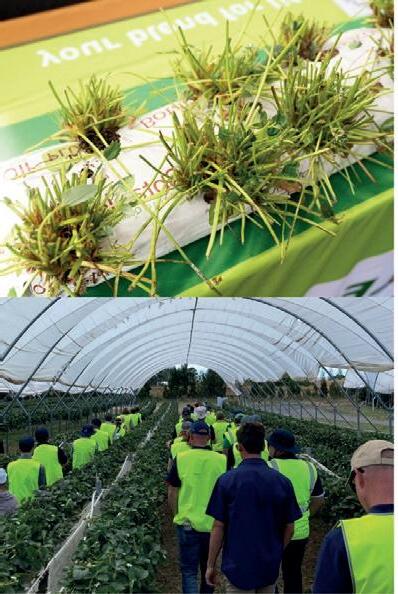
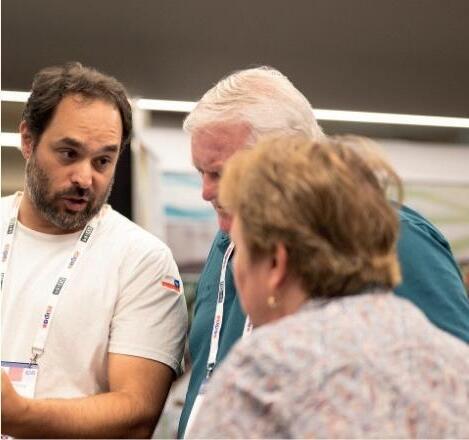

Tour Driscoll’s high-health nursery facility at Pakenham and learn about what goes into providing quality nursery stock for the berry industry. Learn about basic implementation of farm biosecurity practices that can transfer easily to your own operations.
Tour the GCP production facility at Dandenong South and see where your containers come from. Learn about what separates a good pot from a bad one, and high-quality coir from basic coir.
Berry Growers:
This event is FREE for you to attend, but registration is still required for catering and bus tour planning purposes
Berry Industry Partners: BIP employees $250 inc GST per person
Any other general industry attendees: $300 inc GST per person
Non-Growers:
Places are strictly limited so register early to secure your spot
Growers attending
Berry Practical can book accommodation directly at the event venue, Yarra Valley Lodge.
Located at the gateway to the Yarra Valley and about 1 hour’s drive from Melbourne Airport, the venue is set on a 120-hectare estate surrounded by rolling hills and natural beauty.
With 102 guest rooms opening onto either a garden terrace or private balcony, it offers a comfortable and convenient base for the two-day event.
A special event accommodation rate is available for Berry Practical attendees, subject to availability. The special rate has also been extended to include pre- and post-event nights, should you wish to extend your stay, subject to availability.
• Visit www.yarravalleylodge.com
• Select your dates and click CHECK AVAILABILITY
• Select the number of rooms and guests
• Click ‘I have a code’
• Enter the code YARRAEVENT under Corporate ID
• Click UPDATE to access the Yarra Valley Lodge Event Special Rate
• Select your preferred room type and complete your booking
• Rooms at the special rate are limited, so early booking is encouraged
• Reservations cancelled within 24 hours of arrival will incur a one-night cancellation fee
• A two-night minimum stay may apply on weekends, including Friday and Saturday nights, public holidays and other major event dates
• The venue is unable to accommodate room allocation requests
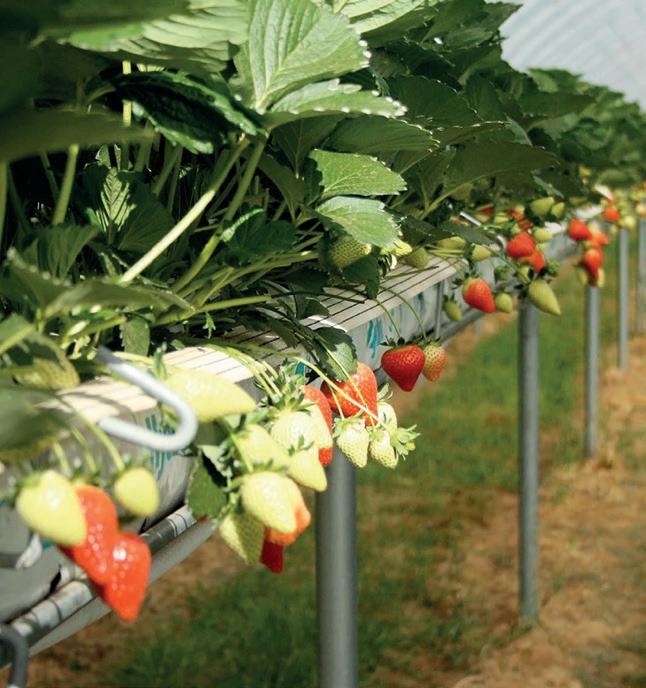




We stock the parts that make them last
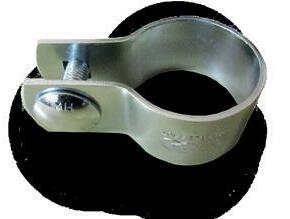

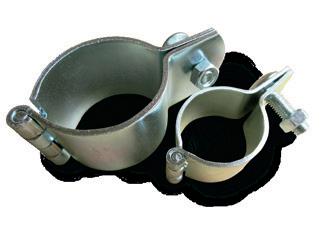
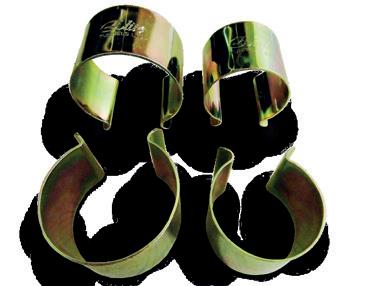
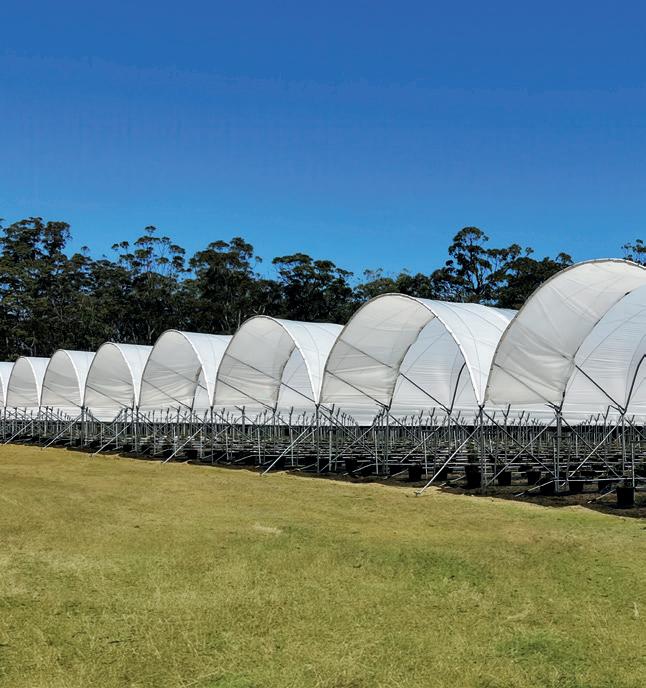
Cultivate success with Elite Tunnels.
We’re an Australian-owned manufacturer and global supplier
polytunnels, innovative substrate gutter systems, and an extensive range of ancillar y parts.
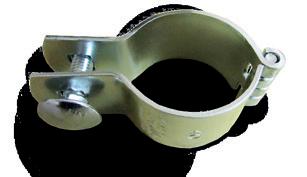
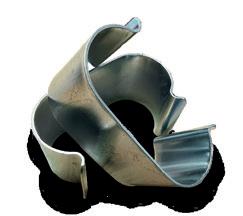
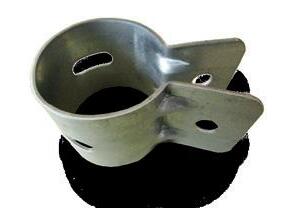
materials

Wendy Morris, Berry Industry Development Officer, Queensland
It is no secret that growers of all sizes are overwhelmed by an increasing compliance burden. Small growers are burning the candle at both ends, and medium and large-sized growers are having to employ staff dedicated just to managing red tape, paperwork and audits. In this environment, it is easy to see why growers are not overjoyed when asked to participate in a ‘trial’, do a survey or collect data to demonstrate good practice.
A knee-jerk response to being approached about participating in a new project or program is to tell the hapless government officer or IDO to get lost. Time is constrained, multiple players want you to ‘invest in your business’ whilst at the same time taking time away from your business, and everyone else seems to be getting paid except you!
That said, while it might feel satisfying to have a rant and send them on their way, these processes usually exist for good reason. There can also be significant consequences if industry chooses not to engage, particularly when regulatory decisions are being made that will directly affect growers.
Times have changed, and so have community expectations around farming. If industry wants to avoid a heavy-handed regulatory approach, growers need to be willing to engage early and help shape practical solutions. And that means when you’re asked for your input, opinion, feedback or whatever it's called that day, giving it openly and honestly could be the smartest response for your business in the long term.
There are still, unfortunately, examples where growers have been left out of important conversations or brought in too late during program development. However, there is also a clear shift towards trusting growers to identify what needs to improve and what will actually work on the ground.
Industry is also increasingly being asked to help co-design and deliver monitoring projects. And yes, ‘monitoring’ is not exactly a word that fills most growers with enthusiasm, but monitoring and measurement programs can lead to useful outcomes with unexpected benefits.
In the best-case scenario, the results show that growers have already adopted best practice and that key risks are well managed. In other cases, monitoring can identify areas where improvements are needed. That information can then be used to support further grants, extension programs and practical resources to help growers make changes on-farm.
So why get involved? The simple answer is that if the industry is perceived as creating a problem, we should be concerned about fixing it or at least demonstrating that it is not us. You might also be surprised at how much money you can save by reviewing and improving your current practices.
On a more practical note, participating in these programs can also help take the ‘heat’ out of an issue. An industry that buries its head in the sand risks attracting suspicion, criticism and closer scrutiny. An industry that engages early and proactively is much better placed to stay ahead of social licence concerns, build credibility, and help shape productive, workable strategies instead of being forced into a defensive position later.
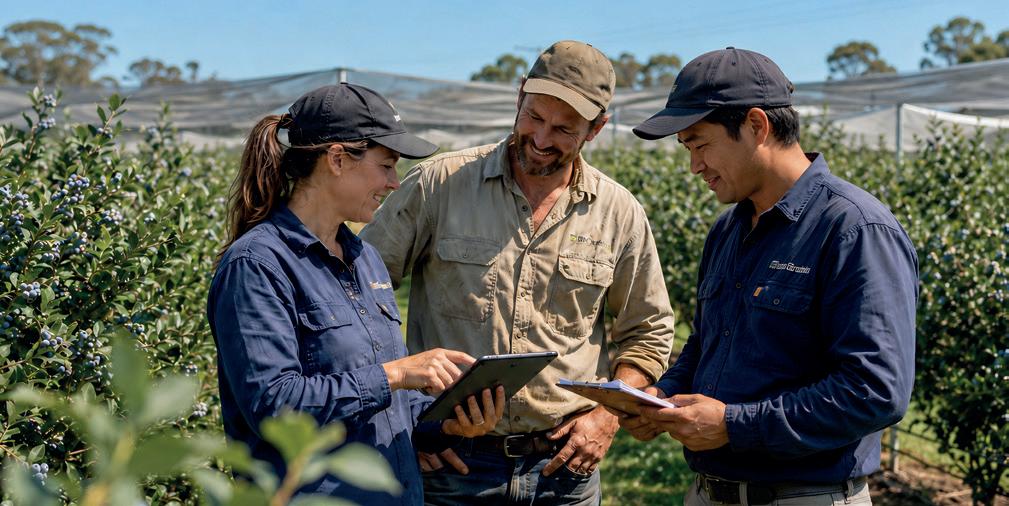
Berries Australia and the IDOs also work hard to filter out the less practical ideas before they ever reach growers. So, if we do come to you asking for input, feedback, or involvement in something new, I encourage you to pause before dismissing it outright. Ask why the program is being developed, what problem it is trying to solve, and whether there may be a benefit for your business or the broader industry.
And importantly, please don’t assume your neighbour will do the heavy lifting. Everyone is busy, and strong industry representation only works when a broad range of growers are willing to take part.
If you are concerned about participating in a project, trial or grant program, it is worth asking a few clear questions before you commit:
• Who is funding the project, and who is responsible for delivering it?
• What are the project objectives?
• Will my farm name, business name or location be identified in any published data or reports?
• If I accept a grant, will I be required to attend workshops, host site visits or allow others onto my farm to view the project?
• What happens if the project does not achieve the intended outcome?
• What happens if a monitoring project identifies an issue, such as excess erosion, nutrient loss or another area of concern?
It is also worth remembering that some grant conditions may be negotiable. If you are interested in applying but feel uncertain about the requirements, contact the program delivery partner and/or your local Industry Development Officer for advice. Your IDO can help you understand the conditions, ask the right questions, and in some cases act as an intermediary if you would prefer to remain confidential while you explore your options.
Finally, we understand that participating in a project or trial can feel like one more thing on an already long list. However, growers who have taken part in trials, monitoring projects and grant opportunities often speak positively about the experience, particularly when the project delivers practical insights, funding support or a clearer understanding of what is happening on-farm.
When proactive growers are willing to engage, test ideas and help shape practical solutions, the whole industry benefits. It helps keep berries at the forefront of innovation, supports better environmental outcomes, strengthens community confidence, and protects our social licence to keep producing fresh, healthy food.
Francesca Goodman-Smith, Director Research, Development and Extension, End Food Waste Australia
The new research helping growers tap into $2.5 billion opportunity in unsold produce under the project ‘Reducing on-farm food waste and unlocking its value for grower profitability and sustainability’ (HN24001)
• On-farm produce losses are a major yet solvable economic opportunity for growers
• End Food Waste Australia and Hort Innovation have launched a new research program focused on improving grower profitability by capturing more value from existing harvests
• The research will deliver practical solutions and insights to maximise first-grade produce sales, and find new markets for second- and third-grade produce
Australian berry growers reported an average crop loss of 21% per farm in 2023-241. Across Australia, it’s a staggering one million tonnes of all fresh produce that never makes it off farm2, estimated at up to $2.5 billion a year3. In response, End Food Waste Australia and Hort Innovation are leading a new research program working collaboratively with growers and industry to tackle on-farm losses and maximise value in every harvest.
End Food Waste Australia works with growers, industry, and government nationwide to turn food waste into value and create a more productive, sustainable and resilient Australian food system. While we use the term food loss and waste, we see it differently: as valuable, nutritious food full of untapped potential.
We’re committed to evidence-based, sustainable and profitable solutions, including helping growers sell more of every harvest. Our new research program 'Reducing on-farm food waste: unlocking value for grower profitability and sustainability’ will work with growers and partners across the supply chain to pinpoint where losses happen, test practical ways to lift utilisation, and find commercially viable pathways for surplus and out-of-spec produce.
Similar international trials in the UK have shown that growers can increase profitability by up to 20% through food waste reduction4. Because when food isn’t sold as intended, it’s not just the food that is wasted; it is also the seed, water, fertiliser, crop protection, and labour that goes to waste – with growers often wearing the cost.
The program has funding from Hort Innovation, and Anthony Kachenko, General Manager of Production and Sustainability at Hort Innovation, says the program’s focus is on improving profitability for growers and strengthening industry viability.
Australian growers produce some of the best horticulture products in the world and work hard to get it to market. This national program will support our growers by providing practical, commercially realistic tools to maximise value from each harvest, said Kachenko
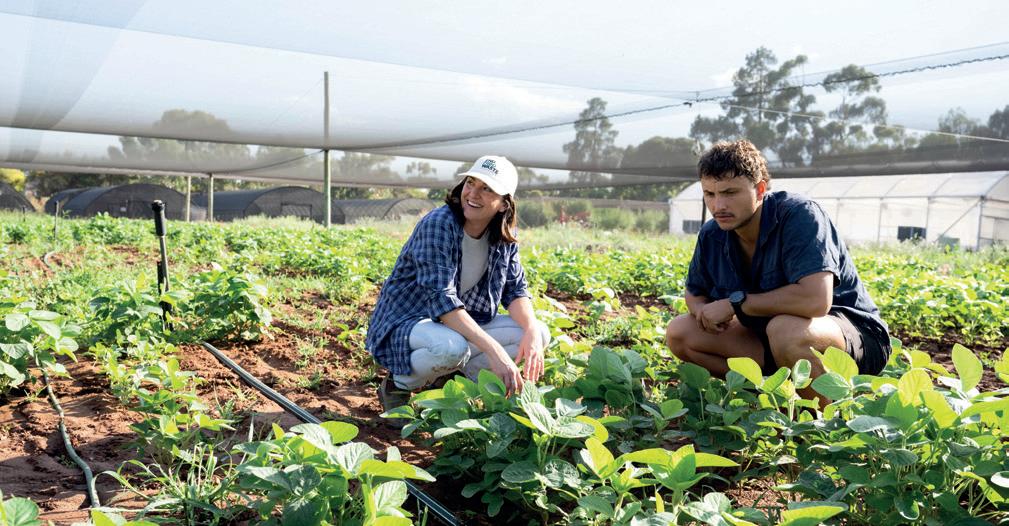
Farm-gate focused outputs from the research will include market feasibility studies across key commodities to identify commercially viable pathways for surplus and out-of-spec produce, as well as assessments of valueadded opportunities such as freeze-dried and frozen snack products, powder ingredients, relishes and other processed uses, and alternative end uses including animal feed and soil amendments.
The research arm of End Food Waste Australia has led other research initiatives helping food businesses transform food that would have gone to waste into marketable new products.
Our research project with SSS Strawberries, for example, has developed expanded freeze-dried and frozen berry product ranges which reduced their food waste by 80%5 - with aims to reduce to zero waste by the project’s end. Reflecting on the project, Gina Dang, CEO of SSS Strawberries and their consumer brand
“Gina’s Table”, said they’ve been able to transform over 250,000kg of waste into new value-added products.
“This research has helped us create great new products for market and consumer consumption. Now, instead of going to waste, that produce is nourishing more Australians,” said Dang.
Our new research will avoid “one-size-fits-all” recommendations, as we know what works can vary between commodities, regions and seasons. Findings are planned to be published in accessible, farm-ready formats, including case studies and a dedicated knowledge hub to make resources easy for growers to find and apply.
A key element will be a deep dive into consumer preferences and tolerances regarding product specifications. This is a current knowledge gap, and this research will provide insights to inform recommendations that help growers sell more produce without undermining customer satisfaction or shifting waste elsewhere in the supply chain.
This will include consultation with growers and industry on their experiences and exploring options to potentially get more produce into the market. One of the first industry engagement opportunities for growers explores product specifications and on-farm waste, and we encourage you to register your interest to contribute to this and future input opportunities.
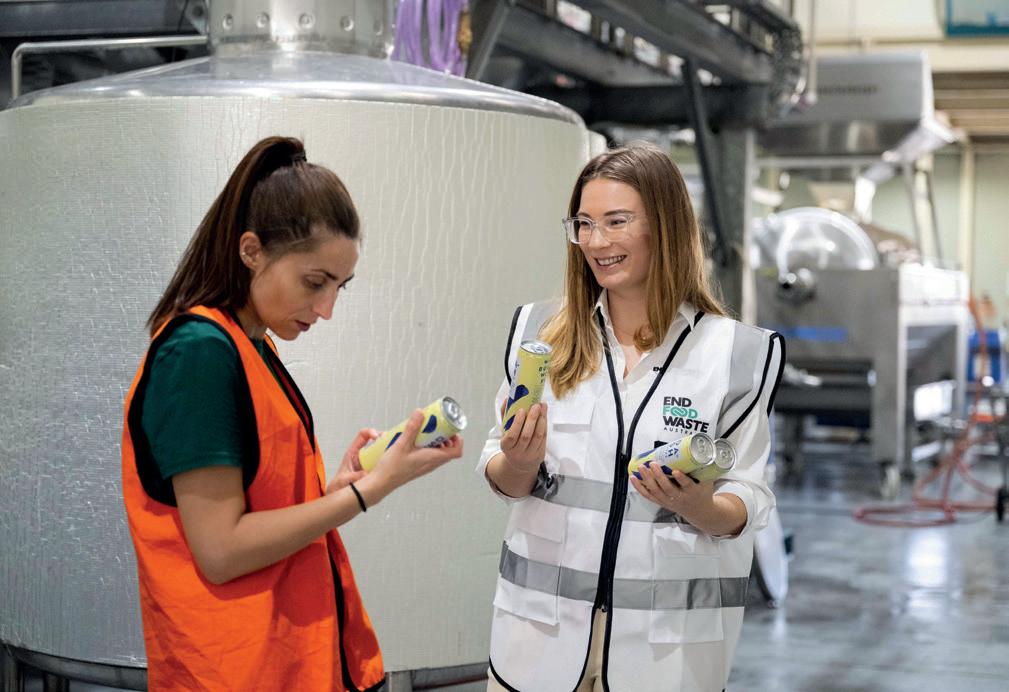
Growers and horticulture supply chain businesses can register interest to take part in on-farm trials, workshops and advisory groups. Your participation will help shape the tools and training and provide early access to practical resources as the program progresses.
Jump on the program webpage to learn more and get involved: endfoodwaste.com.au/horticulture
This new program 'Reducing on-farm food waste: unlocking value for grower profitability and sustainability’ is led by End Food Waste Australia and funded through Hort Innovation Frontiers with co-investment from Queensland Department of Primary Industries, South Australian Research and Development Institute (SARDI), the University of Queensland and contributions from the Australian Government. We also acknowledge the in-kind support of the project’s partners, researchers, growers, and industry participants.
References
1. Australian Bureau of Agriculture and Resource Economics and Sciences (ABARES), 2025, Crop loss/waste on Australian horticulture farms, 2023-24
2. FIAL, 2021, National Food Waste Strategy Feasibility Study
3. Lapidge, 2015, Primary Production Food Losses: Turning Losses into Profit; ABARES 2025; End Food Waste Australia analysis
4. WRAP, 2021, Banbury, Financial implications for farm enterprises of reducing food surplus and waste (FS&W), Prepared by Birnie Consultancy & WRAP
5. End Food Waste Australia (2025) “Case study: Family-owned Gina’s Table leading the way in transforming berry wastage into nourishing freeze-dried snacks”

Jen Rowling, Project Manager, Berries Australia
Recent findings of chemical resistance in Varroa destructor populations across eastern Australia mark a significant and concerning development for both the beekeeping and horticultural sectors. With pollination underpinning the productivity of many high-value crops, the emergence of resistance threatens not just hive health, but the resilience of entire supply chains.
Since early 2026, surveillance and field reports have confirmed that some Varroa mite populations in New South Wales and Queensland are no longer responding effectively to commonly used miticides. Initially, resistance to pyrethroid-based treatments (including flumethrin and tau-fluvalinate products such as Bayvarol™ and Apistan®) was identified following treatment failures in affected apiaries.
Genetic testing linked this reduced efficacy to a known mutation (L925I), which significantly diminishes the effectiveness of pyrethroid treatments.
More recently - and more concerningly - these same mite populations have also demonstrated resistance to amitraz-based products (e.g. Apivar® and Apitraz®), which have been a cornerstone of varroa control programs globally.
In some cases, industry bodies report near-complete treatment failure across both chemical groups.
Evidence suggests these resistant mites may represent a completely new incursion, separate from the original 2022 outbreak. This raises important biosecurity questions around pathways of entry and highlights the ongoing risk of additional introductions.
At present, the distribution of resistant populations appears to be limited, with most Australian beekeepers still achieving effective control with registered products. However, experience from overseas demonstrates how quickly resistance can spread once established.
The berry industry operates on tight production windows, high input costs, and exacting quality standards. Pollination is not optional; it’s a critical production input.
Poor pollination can result in misshapen fruit, reduced fruit size, lower pack-out rates and therefore increased picking inefficiencies. If varroa resistance leads to weaker hives or higher colony losses, growers may face reduced availability of hives during peak flowering, leading to increased pollination costs and greater variability in fruit quality and yield.
For industries like strawberries, where uniformity and appearance directly influence grower returns, this presents a material commercial risk. These developments reinforce the interdependence between berry growers and beekeepers. It should also be remembered that the first casualty of Varroa is feral bee colonies, which are already disappearing. This means managed hives are even more critical for pollination.
Beekeepers are now managing:
• Increased monitoring and treatment demands
• Greater uncertainty around chemical efficacy
• Rising costs and labour inputs
At the same time, growers rely on those same operators to deliver strong, healthy hives exactly when needed. Maintaining open communication around hive strength, treatment programs, and timing will become increasingly important, particularly as conditions change.
Resistance develops when mite populations are repeatedly exposed to the same chemical mode of action. Over time, naturally tolerant mites survive, reproduce, and become dominant. Globally, this pattern has been seen across all major varroa treatment groups where overreliance occurs. The key takeaway: resistance is not a one-off event - it is an ongoing risk that must be actively managed.
For the berry industry, this is the point to shift from awareness to action
1. Support best-practice hive management
Working with reputable beekeepers who follow integrated pest management (IPM) practices is critical.
2. Prioritise hive quality, not just hive numbers
As pressure from varroa increases, the difference between high- and low-quality hives will become more pronounced.
3. Build flexibility into pollination planning
Where possible, consider:
• Earlier booking of hives
• Contingency planning for supply constraints
• Staggered pollination strategies across blocks or varieties
4. Strengthen grower–beekeeper relationships
Clear agreements around expectations, communication, and timing will help manage risk on both sides.
5. Stay informed
Keeping up to date with industry advice and research will be essential for forward planning.

The emergence of resistance shows that chemicalonly control is not a sustainable long-term solution. Globally, effective varroa management increasingly relies on rotating chemical modes of action, regular mite monitoring, non-chemical controls such as brood interruption, and breeding more resilient bee strains.
While these actions sit mainly with beekeepers, their success directly affects the reliability of pollination services that berry growers depend on. Australia still has the chance to learn from international experience, but early resistance signals within just a few seasons make coordinated action urgent.
For berry growers, varroa resistance is not just a beekeeping issue. It is a production risk that can affect pollination reliability, crop performance and profitability.
Long-term resilience will require continued investment in research and extension, strong collaboration between growers, beekeepers and industry bodies, and bestpractice management across both sectors.
Healthy hives are the foundation of consistent berry production. Protecting them will be critical to maintaining supply, quality and competitiveness in the years ahead.
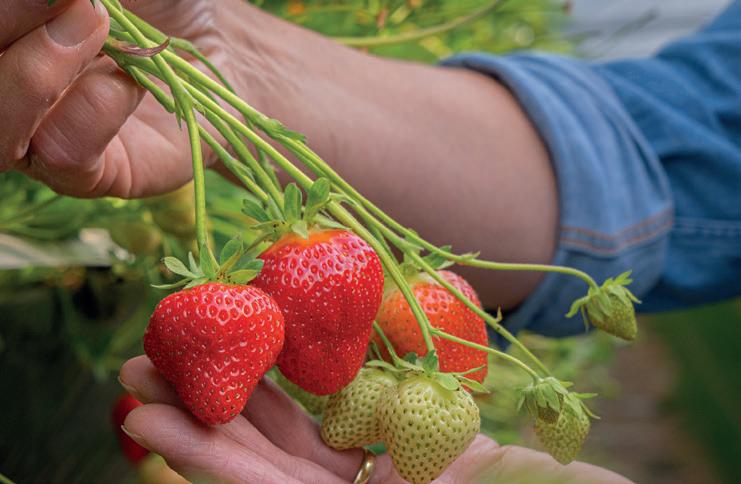
We believe it is important to really listen to our customers. We like to create the right long-term growth for both the customer and its crops. At Legro and Botanicoir, we like to do it together.
Want to know more about our substrates or other sustainable solutions? Feel free to contact me or one of my colleagues.

Jane Richter, Communications & Marketing Manager, Berries Australia
For organic berry growers, the good news is that the consumer proposition is still clear. Australians generally understand what ‘organic’ means, and for many shoppers it still carries powerful associations with food grown more naturally, with fewer synthetic inputs and more care for the environment. The challenge now is making the organic premium feel worthwhile at the shelf.
Recent consumer research from Hort Innovation’s Hort IQ Usage and Perceptions Program shows that 38% of Australians say they sometimes or regularly buy organic fruit and vegetables, up three percentage points since August 2024. That is a meaningful base of shoppers, but it also means nearly two-thirds of consumers are still only occasional organic buyers, or not buying organic at all.
When consumers are asked why they buy organic, the answers are encouraging for berry growers. Among those who sometimes or regularly buy organic fresh produce, 51% say they do so because it is grown without chemicals or pesticides, 48% want to support local farmers, and 46% believe organic is better quality or fresher.
For berries, that matters. Berries are mostly eaten on their own (66%) or as part of a meal or a snack (34%), according to the latest Hort IQ Consumer Usage and Perception dashboard. They are not hidden in a recipe or heavily processed before eating. Consumers can see the fruit, smell it, taste it and make a quick judgment about whether the premium feels justified. The challenge is that value is being judged more sharply than it was five years ago.
Around 2019–2021, the organic market was carrying strong growth signals. Australian Organic Limited reported that 65% of Australian households were buying some type of organic product or produce yearly in 2019, while the 2021 Australian Organic Market Report found 37% of organic shoppers had increased their household food allocation to organic in 2020. A 2022 consultation report prepared for the Australian Government also found that 51% of participants were willing to pay up to 25% more for organic products.
The latest Hort IQ research paints a more cautious picture for fresh produce, specifically 38% of Australians say they are willing to pay more for organic fruit and vegetables, and the same proportion say they would buy organic fruit and vegetables if they were readily available.
Interest in organic certainly remains, but the premium is now more conditional. In a cost-of-living environment, consumers are asking a very simple question at the shelf: ‘Is this worth the extra money?’
For the 62% of consumers who rarely or never buy organic fresh produce, cost is the standout barrier. Hort IQ found 80% of these shoppers say organic ‘costs a lot more than regular produce’. Other barriers are also telling: 33% say they are simply used to buying regular produce, 30% are unsure whether it is really organic, and 30% do not notice a difference in taste or quality.
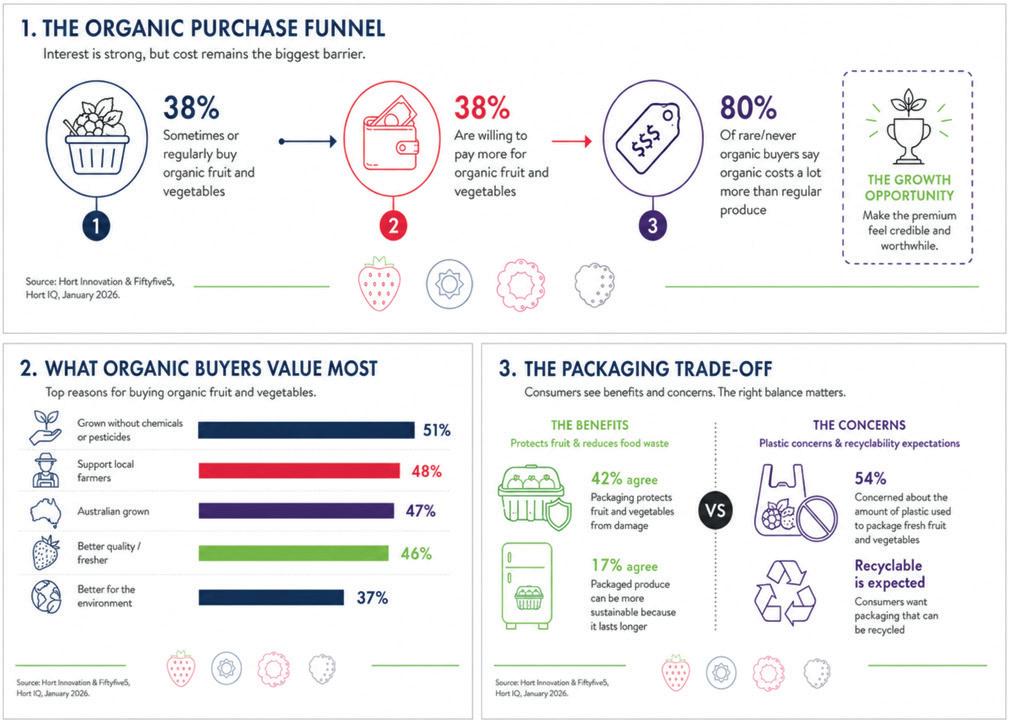
This is a critical message for growers and marketers. The job is not just to tell people that organic exists or spruik the benefits. The job is to make the premium feel credible, and that starts right back with basic trust.
Australia’s domestic organic labelling environment can be confusing. Under the scope of the Australian Consumer Law, the ACCC states that products intended for the Australian market do not need to meet a particular standard or be certified to be labelled ‘organic’, but businesses making organic claims must be able to prove them. For certified growers, this is both a frustration and an opportunity. Certification is not just an admin burden; it is a trust signal.
Australian Organic Limited’s 2023 Market Report found that 64% of shoppers recognised the Australian Certified Organic Bud logo, up from 51% in 2019. 77% of organic shoppers are aware of certification marks (up from 59% in 2019), while 58% of organic
shoppers check for a ‘certification logo on the label’ of their purchases. In a category where some consumers are unsure whether products are ‘really organic’, clear certification marks, straightforward language and visible provenance all help reduce doubt and build trust.
For biodynamic growers, the same principle applies. The words ‘organic’ and ‘biodynamic’ may carry emotional appeal, but consumers still need simple proof points: Who certified it? Where was it grown? What does this mean in practical terms? Why should I trust it?
The second challenge is taste and quality. Organic messaging cannot rely only on what is not used in production. ‘Grown without synthetic pesticides’ is important, but it is not enough on its own. For berries, the consumer needs to see and taste the benefit: flavour, freshness, ripeness, careful handling and a punnet that feels worth the price.

The third challenge is packaging. Packaging is especially tricky for berries because the fruit is delicate. A poorly protected berry becomes a wasted berry. Yet the organic consumer is often more alert to packaging choices, particularly plastic.
The Hort IQ report clearly shows the tension.
Concern about the amount of plastic used to package fresh fruit and vegetables has softened, falling from 61% in May 2023 to 54% in January 2026. At the same time, 42% of consumers agree that packaging protects fruit and vegetables from damage, and 17% agree that packaged fruit and vegetables can be more sustainable because they last longer.
That does not mean shoppers love plastic. It means they are weighing up two forms of waste: packaging waste and food waste.
For organic berries, the worst outcome is packaging that appears to contradict the values of the product. A premium organic punnet in packaging perceived as excessive, hard to recycle or poorly explained may serve to weaken the story before the fruit is even tasted.
The best approach is not simply ‘less packaging at all costs’. It is packaging that is fit for purpose, protects fruit quality, reduces waste and can be explained honestly.
If the punnet is recyclable, say so. If recycled content is used, say so. If packaging is needed to protect delicate fruit and reduce wastage, say so. It’s certainly best not to assume consumers will just work it out for themselves.
The national packaging context also matters. The Australian Packaging Covenant Organisation (APCO) reports that 86% of packaging in Australia is now reusable, recyclable or compostable, but only 20% of plastic packaging is actually recycled or composted. This gap reinforces why growers and brands need to be careful with claims. ‘Recyclable’ and ‘recycled’ are not the same thing, and consumers are increasingly alert to greenwashing.
Even in an era tightly focused on the cost of living, the opportunity for organic berry growers remains strong, but the messaging needs to be comprehensive to meet the identified consumer needs.
Consumers need access to this information in an accessible way at the point of sale. Either directly on the packaging, or via initiatives like a QR code that takes consumers to a resource that quickly explains product and packaging features to assist them in their buying behaviour.
• Lead with recognised certification
• Make Australian provenance clear
• Talk about flavour and freshness
• Explain the care taken in production not just the mechanics of the farming system
• Give consumers practical storage tips to reduce waste at home
• Make packaging choices that support the organic promise rather than distract from it, and explain why packaging choices support quality
Most importantly, remember that consumers are not buying an abstract production system. They are buying a punnet of berries for breakfast, lunchboxes, smoothies, desserts and snacks. The richness of the organic story piques their interest, but it is the eating experience that brings them back. The price premium is still possible, but today it is more important than ever to earn it at every touchpoint.
Hort IQ is funded by Hort Innovation using multi-industry strategic levies and contributions from the Australian Government. Hort IQ is the go-to platform for powerful consumer and customer insights across the Australian horticulture industry. Find out more at www.hortiq.com.au
Australian Organic Limited (AOL) is the peak industry body engaging with government and industry to promote the commercial and social interests of certified members and protect the integrity of the sector against fraud and misleading organics. The Australian Certified Organic ‘Bud’ logo is owned by AOL and is the most recognised organic mark in Australia. Find out more at austorganic.com
References
Hort Innovation and Fiftyfive5, A Fresh Look at Sustainability and Organics, April 2026
Hort Innovation and Fiftyfive5, Consumer Usage and Perception dashboard
Australian Organic Limited, Australian Organic Market Report 2021 and related market reporting
Department of Agriculture, Water and the Environment / PwC, Consultation findings report: domestic organics regulatory framework, February 2022
ACCC, Organic claims
Australian Organic Limited, Australian Organic Market Report 2023
Australian Packaging Covenant Organisation, Australia’s National Packaging Targets
Track industry production. Understand consumers. Make confident decisions.
• Explore trusted insights on consumer behaviour, industry performance and market trends — all in one place.
• Access is free for Growers, Hort Innovation Members and Peak Industry Bodies.
• Register at www.hortiq.com.au to access all the premium insights.
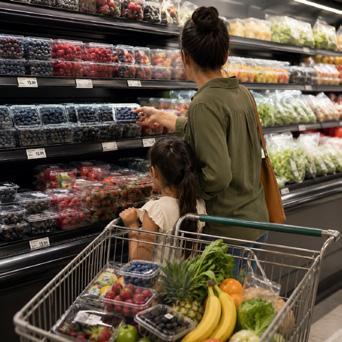
Inside the buyer's mind
Understand how consumers choose, buy and use fresh produce — and what drives their decisions.
Insights on:
• Shopping habits
• Checkout drivers
• Product preferences
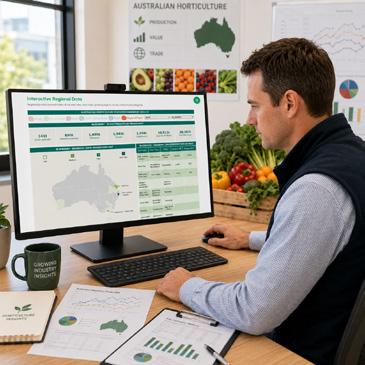
INDUSTRY INSIGHTS
Hort Stats Handbook
Understand how Australian horticulture is performing across production, value and trade.
Insights on:
• Production and supply trends
• Trade performance
• Category trends (75+)
This project is funded by Hort Innovation using multi-industry strategic levies and contributions from the Australian Government.
Sandy Shaw, Berry Industry Development Officer, Victoria & South Australia
Growers often work in unpredictable environments where many important factors are outside their control. A bad storm, uncontrollable pest incursion, tractor breakdown, or unexpected rise in input costs can quickly create financial and emotional strain. Stress can compound throughout the year as growers work long hours to manage fluctuating labour, ride market price swings, and protect their crops and profits from pests and diseases.
For many growers, stress builds gradually over time rather than appearing all at once. During busy periods, it can become easy to ignore warning signs and continue pushing through fatigue, or feel like you can’t afford to ever switch off from work. Finding time for friends and family can feel impossible.
Why is mental health maintenance and stress coping important on-farm?
Mental health maintenance is just as important on-farm as maintaining equipment. Just as regular servicing prevents machinery breakdowns, regular wellbeing maintenance can help prevent stress from becoming overwhelming. You are the machine, and you need maintenance. Ongoing stress can impact sleep, concentration, physical health, productivity, and safety, causing you to break down or function poorly.
Practically this means:
• Increased mistakes and incidents
• Reduced ability to make decisions
• Fatigue and burnout
• Conflict with staff or family
• Lower motivation and energy
Maintaining mental health does not mean avoiding hard work or eliminating stress completely. It means building habits and support systems that help you recover from stress, adapt to challenges, and remain resilient during difficult periods.
You don’t need to be actively experiencing high stress or poor mental health to benefit from ongoing mental health maintenance.
Farmer HAT: Your free 15-minute self-assessment tool
A free online self-assessment tool designed by the National Centre for Farmer Health to help you quickly assess your physical and mental health, and provide tailored resources based on your specific needs. Learn more or do the assessment at farmerhealth.org.au/farmerhat
Stress shows up in people in different ways. It can reveal itself:
Physically
• Headaches and migraines
• Gut issues, or a loss of appetite
• Chest pains, changes in blood pressure
• Fatigue
• Difficulty recovering from or needing longer to recover from illness or injury
Emotionally
• “Being on a hair trigger” – feeling like you’re constantly about to blow up, or having difficulty controlling your emotions
• Increased or constant frustration and/or impatience
• Low self-esteem
• Depression or thoughts of taking your own life
Behaviourally
• Increased smoking or drinking
• Neglecting your health
• Changes in sleeping habits (oversleeping or insomnia)
• Inability to concentrate or constant forgetfulness
• Withdrawing from social events or time with friends and family
• Difficulty adapting to changes
the Mind Maintenance Toolkit
The ‘Mind Maintenance Toolkit’, developed by the National Centre for Farmer Health, provides practical tools to help farmers and growers understand how stress affects both mental and physical wellbeing. It consists of eight sections which explain what wellbeing is as a concept, give growers who are new to the term and the concept the background to understand how stress and mental health affect you, and give you tools and guidance on how to take care of yourself and support others who are also going through stress.
Importantly, the toolkit focuses on practical strategies designed specifically for growers and farming communities. The entire toolkit is online, accessible on phone or tablet, self-paced, and completely confidential and free to use.
The ifarmwell program is a free online wellbeing resource consisting of five modules developed specifically for Australian farmers and growers.
t provides practical strategies to help users manage stress, cope with uncertainty, and build resilience.
Growers can access resources online at their own pace and revisit tools when needed throughout the season. Modules generally take about 40 minutes, but progress can be saved, so they can be tackled in 5-10-minute increments while waiting for a delivery to unload or taking a tea break. The program even sends periodic text and email reminders to keep growers on track.
The program guides growers through practical strategies to:
• Manage unhelpful thinking patterns
• Cope with difficult seasons
• Reduce stress overload

Sign up at ifarmwell.com.au/register
Many growers find these types of resources helpful because they are practical, easy to access, and designed around the realities of agricultural work.
Farming will always involve pressure, uncertainty, and long hours, but stress does not have to be managed alone. Looking after your mental health is part of maintaining a sustainable farming business and a sustainable life.
By recognising the signs of stress early and using practical tools such as the Mind Maintenance Toolkit and ifarmwell, growers can build habits that support them and their communities in the long term.
Growers are encouraged to visit the National Centre for Farmer Health website for more resources and help farmerhealth.org.au
You can also read more on this topic and do a farm stress inventory using the NCFH Managing Stress on the Farm Workbook farmerhealth.org.au/managing-stress-book
Access the Mind Maintenance Toolkit farmerhealth.org.au/mind-maintenance-toolkit
Beyond Blue
Embrace Multicultural Mental Health
Anxiety, depression and stress support
1300 22 4636 beyondblue.org.au
Mental health resources in 30+ languages for culturally and linguistically diverse (CALD) communities embracementalhealth.org.au
Farm Angels
Financial aid, food, care packs and mental health support for producers impacted by natural disasters
Lifeline
MensLine Australia
MindSpot
R U OK?
Rural Aid
Rural Health Connect
Suicide Call Back Service
24/7 crisis support and counselling
Counselling and support services for Australian men
Free mental health assessments, treatment programs and therapist access
07 4662 7371 farmangels.org.au
13 11 14 lifeline.org.au
1300 789 978 mensline.org.au
1800 61 4434 mindspot.org.au
Resources promoting connection and supportive conversations ruok.org.au
Counselling, disaster assistance, fodder and water support for farmers and families
Video and phone access to psychologists in rural and regional areas
1300 175 594 ruralaid.org.au/services-provided
0493 432 144 ruralhealthconnect.com.au
24/7 counselling for people affected by suicide 1300 659 467 suicidecallbackservice.org.au
Scott Carpenter, Senior Project Manager, NRAR
Do you take water from a river, creek or bore? Are you able to take that water under a basic landholder right? Do you know if you need any licences or approvals to take and use that water on your property? Where do you go to find out about any licences and approvals that may be needed? Can you excavate in or around creeks and rivers on your property? If you are based in NSW and have asked any of these questions, then NRAR have got a new resource that can help you find the answers.
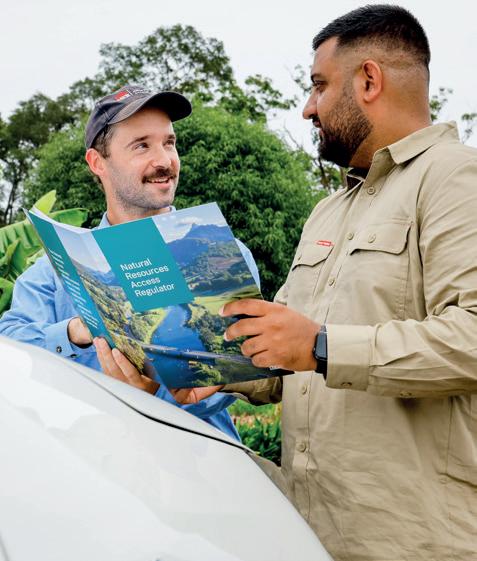
The Natural Resources Access Regulator, or NRAR for short, is the NSW independent water regulator. Water is a community-owned resource, and we need to ensure the NSW community has confidence that water is being used lawfully. NRAR regulates water take, the building and use of water management works, how water is used and activities on waterfront land. NRAR also educate and engage with water users to encourage voluntary compliance.
We recognise that the water regulation landscape can be complex and difficult to navigate at times, creating barriers that can prevent water users from complying with their lawful obligations, so NRAR have developed a free resource with TAFE NSW to promote greater collaboration between the regulator and the agricultural industry.
It’s a short online learning course designed to assist water users in understanding the water regulation framework and how it applies to them, helping to break down the barriers to compliance.

Cost: Free
Duration: 2 hours
Composition: There are two compulsory modules; a video introduction and a module designed to help course participants to understand what the water conversation is all about, including key terminology like what is the ‘Strahler stream order’, what water plans are, and what the difference is between regulated and unregulated river systems, plus an understanding of the impacts of non-compliance. The second component of the course is a series of elective modules allowing you to pick and choose the areas of the regulation that are most relevant to you. There is a helpful e-tool decision tree that will guide you to the elective modules that most benefit your water compliance knowledge.
Delivery: Online (self-paced)
Access period: 6 months' access from the day of enrolment
This free online course is designed to empower growers to navigate the NSW water laws more easily. The learning is self-directed and self-paced, which means you choose the topics you want to learn about and do it at your own pace. You can also revisit the course as many times as you want within the 6 month period from enrolment.
The course is targeted at primary producers and rural landholders. This includes small-acreage/hobby farmers, as well as rural industries. However, anyone interested in understanding NSW water laws and regulations is welcome to enrol in the course. There are no prior learning or prerequisite requirements.
Growers will be guided through:
• what rules apply to you and how to follow them
• how water is managed and regulated in NSW
• non-urban water metering
• harvestable rights dams
When everyone follows the water rules, the environment, communities and industries thrive.

To enrol for the free course, scan the QR code or visit bit.ly/NRAR-WaterCourse
Helen Newman, Berry Industry Development Officer, Agricultural Produce Commission WA
• PlasmaLeap was recently announced as a recipient of funding through the Hort Innovation Venture Fund
• Launched in late 2024, the Venture Fund, delivered in partnership with Artesian Venture Partners, was created to accelerate innovation across the horticulture sector by investing in early-stage, high-growth startups
• Their eNFix system can generate high-concentration liquid fertiliser on your farm using air, water and electricity
PlasmaLeap’s eNFix system is a zero-emissions nitrogen production technology that synthesises ammonia and nitrate fertilisers using only air, water and renewable electricity (Figure 1). The patented plasma-based process bypasses the need for natural gas inputs, as used in traditional Haber-Bosch grey ammonia systems, and is engineered for high energy efficiency and compatibility with variable renewable power (Figure 2).
The eNFix system is containerised and scalable, offering growers a stable, secure, and flexible approach to accessing nitrogen on-farm or in regional ‘nutrient hubs’ where clusters of interested growers are located. Nutrient hubs are planned for construction in Tasmania and regional New South Wales, where the shared model will be tested.
It is hoped that this technology will not only reduce the carbon footprint of nitrogen fertiliser inputs but also reduce exposure to transport bottlenecks, volatile global markets, storage risks and risks associated with long-distance freight and long global supply chains.
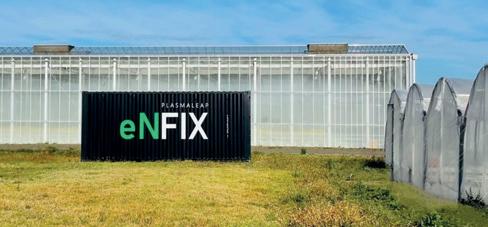
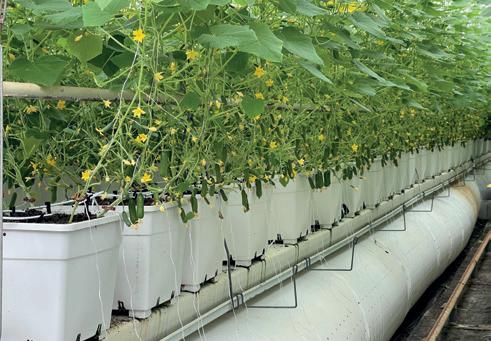
PlasmaLeap’s eNFix system deployed at Green Camel farm in Cobbitty, NSW where it was tested on baby cucumbers. Low-concentration nitric acid (HNO³) was dosed straight into the Priva system.
Photos credit: PlasmaLeap
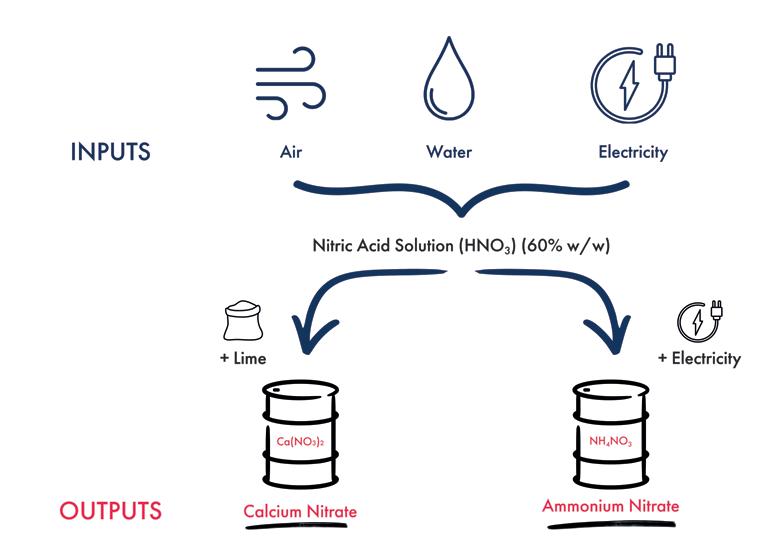
1. Inputs and outputs of PlasmaLeap’s eNFix system
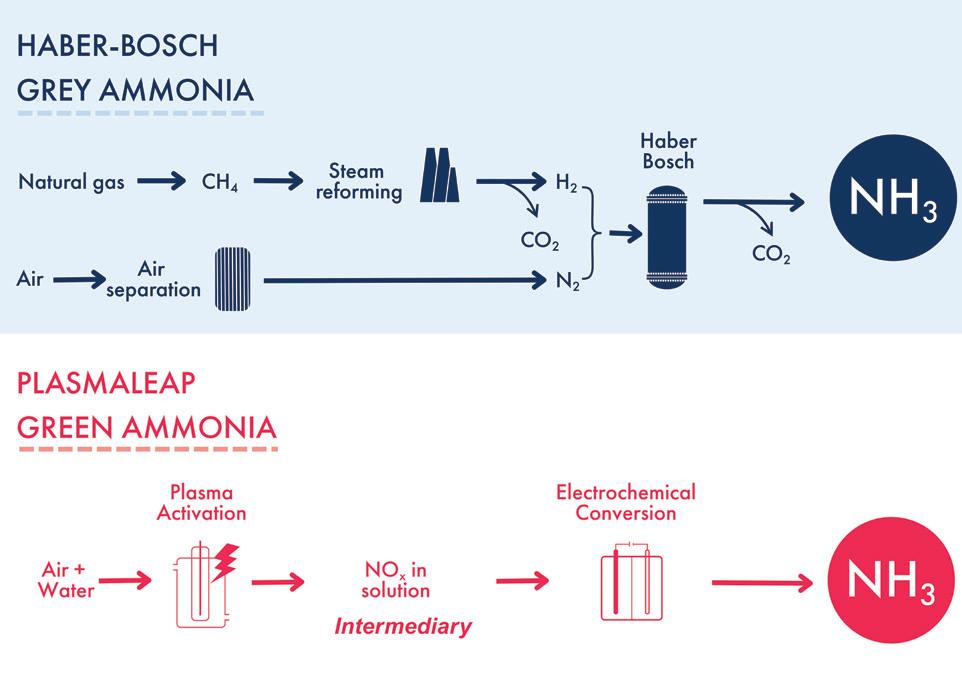
2. Comparison between traditional Haber-Bosch ammonia generation systems and the PlasmaLeap eNFix system
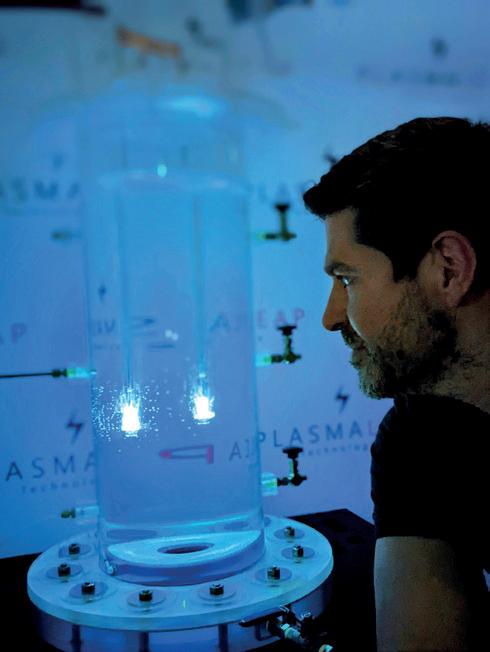
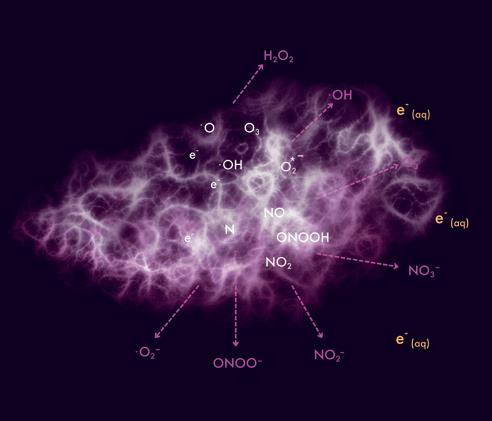
Plasma is the fourth state of matter, distinct from solids, liquids and gasses. It’s generated when energy, in the form of heat, pressure or electricity, is applied to a gas, causing ionisation where electrons separate from their atoms.
The air we breathe is made up of around 78% nitrogen gas (N2). The two atoms in the nitrogen molecule are held together very tightly and are not easily separated.
Like a lightning bolt during a storm, the eNFix system applies enough energy to break apart the triple bond of the Nitrogen atoms. Once split, the nitrogen atoms quickly bond to oxygen in the atmosphere, forming nitrogen dioxide (NO2) and other chemical species. When water is added, like rainfall in a storm, the nitrogen dioxide dissolves, creating nitric acid (HNO3), which forms nitrates (NO3) (Figure 3). Lime can be added to this solution to create calcium nitrate (CaNO3).
As an alternative pH buffer to lime, a further electrochemistry step can reduce part of the HNO3 to generate Ammonium Nitrate (NH4NO3).
While horticulture represents the natural early market, PlasmaLeap’s plasma-based platform extends into broader agricultural applications, industrial, and emerging energy sectors.
Its zero-emission ammonia production is relevant to the rapidly expanding hydrogen and eFuel industries, providing additional commercial pathways that support the company’s growth and the ongoing refinement of the technology.
The Hort Innovation Venture Fund invests in technologies with the potential to materially strengthen the capability, resilience, and sustainability of Australian horticulture. PlasmaLeap aligns with this objective by offering a pathway to more sovereign, emissions aligned fertiliser production – an area of strategic vulnerability for growers.
Hort Innovation Venture Fund: www.frontiers.au/startups
PlasmaLeap: www.plasmaleap.com

PlasmaLeap is actively seeking pilot or trial participants who are willing to provide feedback to the business after using a representative amount of the fertiliser products over a crop growth cycle. Previous trials have covered potatoes, berries, field tomatoes, sorghum, rye grass, wheat and cotton.

If you would be interested in hearing more, scan this QR code or visit bit.ly/ABJ-PL
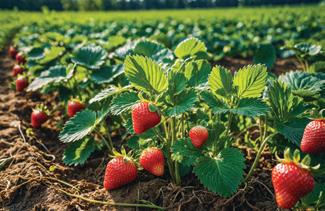
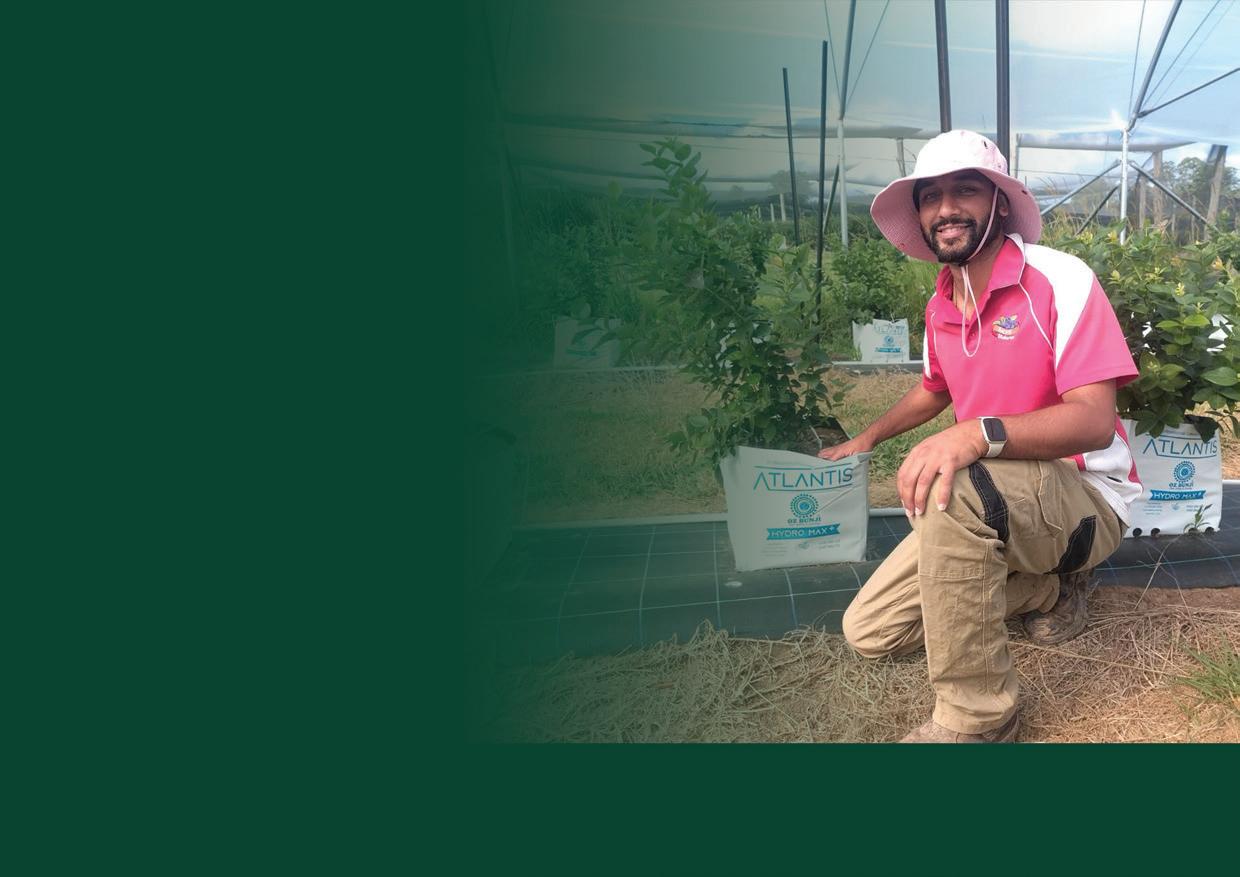
Jane Richter, Communications & Marketing Manager, Berries Australia
Artificial intelligence (AI) is quickly becoming part of everyday farming and business, from marketing tools and record keeping to forecasting and customer communication. Many berry growers are already using tools like ChatGPT, Microsoft Copilot, or AI-powered farm software, often without thinking twice. These tools do save time, improve decision-making, and can help your business run more efficiently. But like any new technology, they also bring new risks, especially when it comes to cybersecurity and protecting your data.
The good news is that staying safe doesn’t require complex IT knowledge. With a few simple practices, you can use AI confidently while protecting your farm business. The Australian Government's Australian Signals Directorate (ASD) has recently published a guide to ‘Artificial intelligence for small business’, and this article draws from the information provided there to help growers understand the risks and set in place safeguards for their business.
Farms today are businesses that rely on large amounts of digital records (spray logs, picking data, payroll, financial transactions) and often use multiple online systems (email, cloud storage, harvest software platforms) to manage and share both customer and staff data. That makes them a target.
Cyber incidents aren’t just a “big business problem” in fact small businesses including farms are often more vulnerable because they don’t always have formal systems in place or tech experts on staff. When AI tools are added into the mix, the risks can certainly increase if they are not used carefully.
AI refers to software that can perform tasks like writing emails or reports, analysing data, answering questions or even generating content. Most AI tools are cloudbased, meaning the information you enter is processed online rather than on your own computer and this is where cybersecurity becomes important.
The ASD guide highlights three main cyber risks when using AI tools.
AI tools often require you to enter information to get a response. If that information includes customer details, staff records, financial data or farm business information, it could potentially be exposed or reused.
Some AI providers may store or use data to improve their systems, depending on settings and terms of use, so the key message here is never assume information you enter into AI is private unless you’ve checked.
AI tools can sometimes give incorrect answers (also sometimes called ‘hallucinations’), can be manipulated by bad inputs and even sound really confident but be totally wrong!
For example, the guide highlights a real case where a professional relied on AI-generated information that turned out to be false, leading to serious consequences. Remember that AI is a useful tool but should never be the final decision-maker. Always double-check important outputs and ensure that the facts are correct.
Most AI tools rely on external providers (software companies), and if those systems are compromised, your business could be affected. This includes risks like data breaches, system outages and weak security from providers.
Always remember that you are only as secure as the systems you use. Ensure your online access always uses strong passwords for all programs or apps, and enable two-factor authentication wherever possible.
You don’t need to become a cybersecurity expert. Focus on a few practical habits.
1
• Don’t upload personal, financial, or sensitive farm data
• Remove names and identifying details where possible
• Treat AI tools like a public space unless proven otherwise
2
• Make sure everyone knows what can and can’t be entered into AI tools
• Provide basic guidance on safe use
• Remind staff regularly
The ASD guidance stresses the importance of training staff on responsible AI use as this is a new area where accepted norms don’t yet exist.
3
• Where is my data stored?
• Who owns the data?
• Will it be used to train the system?
Before using AI in your business, ask yourself:
• Do I understand the risks and benefits?
• Do I know what information is safe to share?
• Have I checked how the tool handles my data?
• Do I verify the outputs before using them?
• Have I trained my staff on safe use?
• Do I know what to do if something goes wrong?
4
• Double-check facts
• Don’t rely on AI for critical decisions without review
• Use human judgement for anything important
5
• Use reputable platforms
• Check for clear privacy policies
• Look for providers that prioritise security
6
Outside AI, simple steps make a big difference:
• Strong passwords
• Multi-factor authentication
• Regular software updates
• Controlled access to sensitive information
• www.cyber.gov.au
Small Business Cyber Security Hub
• www.cyber.gov.au/report
To report incidents
• www.cyberwardens.com.au
Offering free training for small businesses
Jen Riseley, Project Officer (Pome), Pomewest
• Medfly and Qfly are pests of trade concern for growers wishing to export berries interstate and internationally
• Native parasitoid Diachasmimorpha kraussii parasitises both flies
Mediterranean fruit fly (Ceratitis capitata, Medfly) places ongoing pressure on pome fruit orchards in Western Australia (WA), particularly where orchards are located close to towns, waterways and unmanaged backyard fruit trees.
This project, which is part of the apple and pear industry’s research and development program ‘PIPS 4 Profit - Pest and disease management’, investigated the potential to establish D. kraussii in a WA pear orchard, and its potential to contribute to Medfly suppression as part of an integrated pest and disease management (IPDM) program.
Trials were conducted in Donnybrook WA where Medfly pressure from nearby residential areas and escapee fruit trees established along riverbanks is high.
Before considering biological control with D. kraussii, it was critical to determine when local Medfly populations peaked and whether the parasitoid could survive local conditions.
From October 2024 to May 2025, Medfly populations were monitored using pheromone traps in two commercial orchards and one residential site.
One of the commercial orchards (Figure 1, Orchard 2) was selected as the release site, located approximately 2 km from the Donnybrook town centre. This site was selected as the nearby residential properties and unmanaged vegetation along the Preston River would provide shelter opportunities for D. kraussii after release.
• Medfly populations increased early and strongly in the residential site
• The commercial orchards showed later population increases
• Peak Medfly activity in the commercial orchards occurred in late January
This information was critical for scheduling when to release D. kraussii
D. kraussii parasitises second and third instar Medfly larvae, so releases must coincide with rising Medfly populations. Only one mass release was possible in 2026, so January was selected as the optimal window as Medfly numbers were consistently increasing at this time in Orchard 2. Fruit fly stings were also visible on early pear varieties in the orchards, and temperatures were suitable for parasitoid activity. Figure 2 shows how the parasitoid can impact fruit fly.
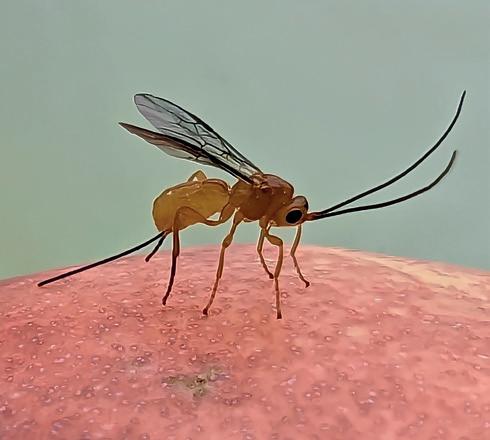
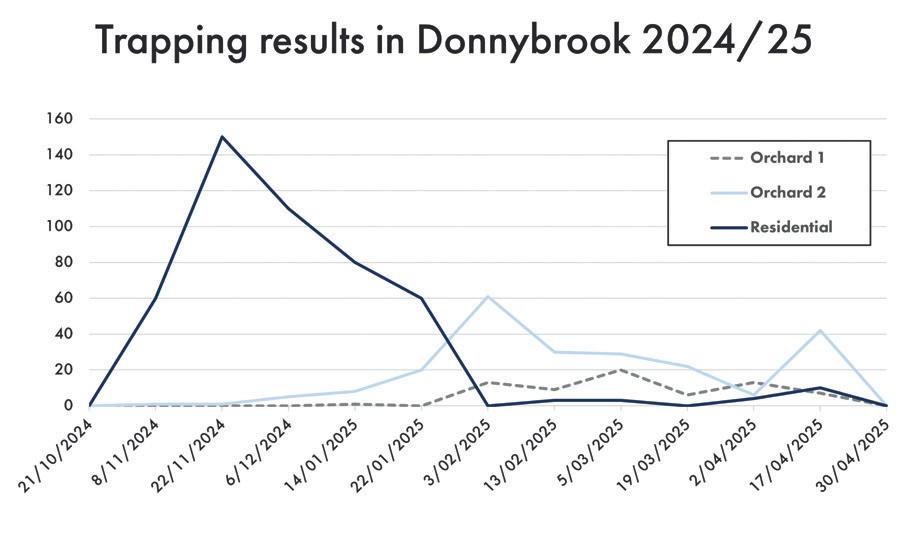
Figure 1. Ceratitis capitata (Medfly) trapping results in Donnybrook region of Western Australia 2024-25
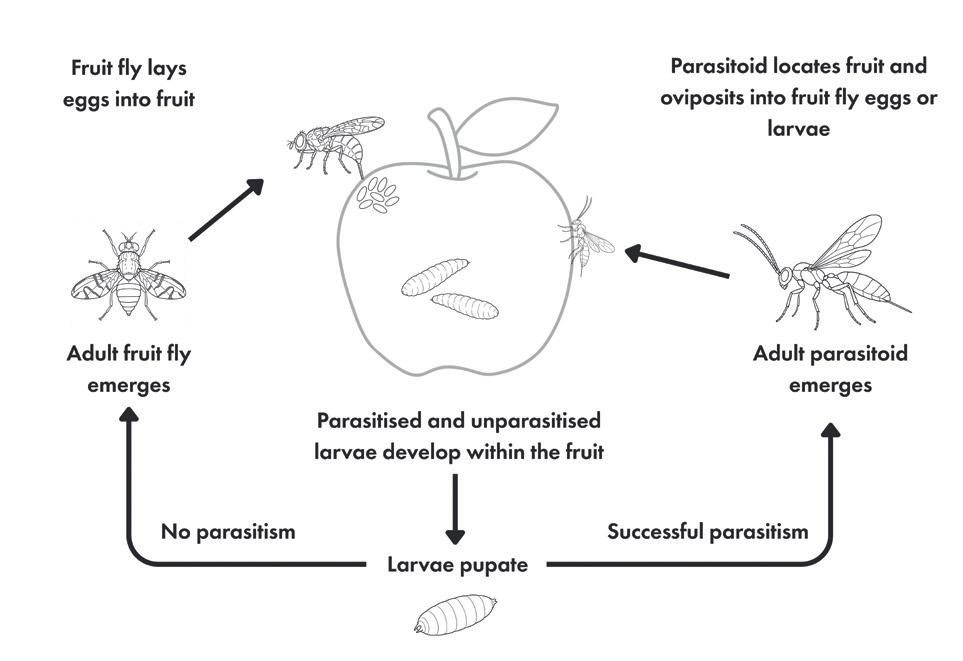
2. Lifecycle of Medfly and parasitoid D. kraussii
Source: Redrawn from Jenkins et al. (2012) Insects 3: 763-788
Although D. kraussii is native to WA, laboratory rearing was required to produce sufficient numbers for mass release. Parasitoids were reared in Victoria at the Tatura Smartfarm and AgriBio laboratories by Agriculture Victoria using Qfly as the host species. This couldn’t be done in WA as Qfly is not permitted in WA at any life stage.
To meet the WA biosecurity requirements, the following steps were taken:
• Only fully emerged adult D. kraussii were transported, isolated from the host Qfly
• No Qfly host material or honey crossed the border
• Detailed documentation and inspections were completed by Quarantine WA
Final clearance was granted on 13 January 2026 after several months of preparation, and compliance conditions were evidenced using photos.
Adult D. kraussii were flown to Busselton WA in a sealed container, with ventilation provided using a fly screen cover on 14 January 2026. On arrival, the population was immediately transferred into insect cages (Figure 3), where they received water and WA-sourced honey. Approximately 250 live adult D. kraussii (female biased sex ratio) were released at Orchard 2 at 11 am when the temperature was 28°C. At the time of release, Medfly numbers were increasing in the same evidenced pattern of 2024-2025, and fruit fly stings were clearly visible on the pears. After release, D. kraussii were observed immediately investigating stung fruit (Figure 4).
Following release, monitoring continued to assess both Medfly population trends and whether D. kraussii survived and reproduced in the orchard. Infested fruit was collected fortnightly and reared in the laboratory to check for the emergence of adult parasitoids.
In March 2026, D. kraussii adults emerged from fully parasitised lemons collected from the orchard (Figure 5). These initial findings are promising as both male and female wasps emerged. The presence of both sexes indicates that mating occurred in the field, confirming that D. kraussii can survive, reproduce, and complete its life cycle under WA orchard conditions. This is an important early milestone in assessing the biocontrol potential of the parasitoid.
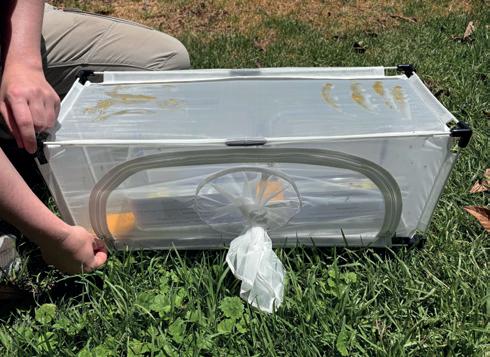
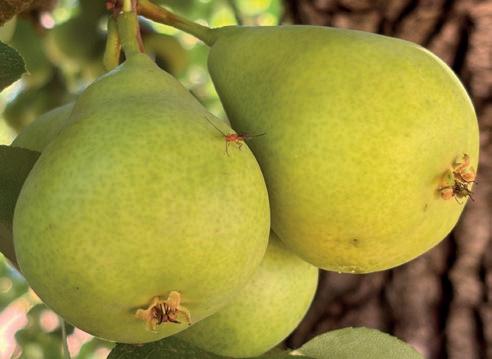
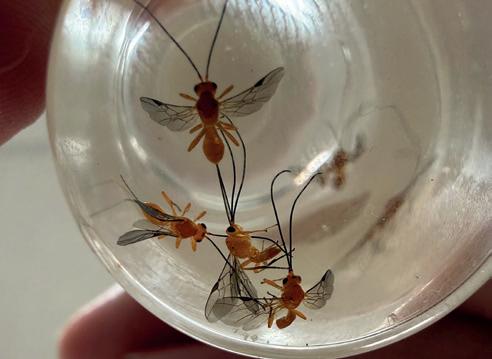
While it’s too early to determine long term pest suppression, this study shows that D. kraussii can establish in a WA pear orchard and timing the release along with Medfly population increases is critical.
Monitoring of this parasitoid’s establishment and efficacy over future seasons will help to determine if there are wider benefits for other industries, such as berry fruit. If successful over multiple seasons, D. kraussii could become a useful component of IPDM programs, particularly in high pressure areas where complete exclusion of Medfly is difficult.
Future work will focus on:
• Tracking D. kraussii persistence across seasons
• Measuring spread within and beyond the orchard
• Assessing long term impacts on Medfly numbers and fruit damage
A multi-year monitoring program is required before recommendations for broader adoption can be made.
Thank you to Dr Greg Lefoe and Dr Lucy McLay of Agriculture Victoria for their assistance in procuring and handling the D. kraussii population within strict constraints.
The PIPS 4 Profit Program’s Pest and Disease Management Project (AP22001) is funded by Hort Innovation, using the apple and pear research and development levy, contributions from the Australian Government and co-investment from Agriculture Victoria. It is supported regionally by the Tasmanian Institute of Agriculture, Pomewest and NSW Department of Primary Industries and Regional Development. Hort Innovation is the grower-owned, not-for-profit research and development corporation for Australian Horticulture.

Built for Berry Performance
• Optimised water to air balance
• Strong root development
• Reliable drainage
Why Growers Choose Pelemix
• Customised growing solutions
• Improved irrigation precision
• Supporting growers since 1999

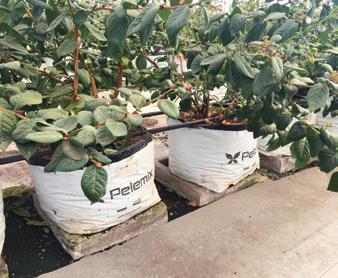

Jane Richter, Communications & Marketing Manager, Berries Australia
If you’ve been hearing more about ESG lately, you’re not alone. The term is showing up in conversations with retailers, exporters, banks, and supply chain partners, and for many growers, it can feel like just another piece of industry jargon. ESG isn’t just a buzzword. It’s becoming an important part of how your business is assessed, supported, and ultimately how your fruit is sold both domestically and in export markets.
The good news is that much of what ESG requires is already happening on your farm. The challenge is capturing it, documenting it, and communicating it clearly to the people who need to know.
ESG stands for:
Environmental – how your farm interacts with the environment
Social – how you manage people, workers, and your community
Governance – how your business is run and how decisions are made
In simple terms, ESG is about showing that your business is responsible, sustainable, and well-managed.
For berry growers, that might include:
• Water use efficiency and irrigation practices
• Chemical use and integrated pest management
• Worker welfare and accommodation standards
• Food safety systems
• Business transparency and record keeping
None of this is new. What is new is the expectation that this information is documented and shared with customers in a consistent way.
The simplistic answer is that the market now expects growers to be able to supply a report of their ESG performance.
Customers are asking for it: Retailers and export markets are under pressure to demonstrate sustainability. That pressure flows down the supply chain directly to growers. Increasingly, buyers want to know where their produce comes from, how it was grown and if it meets environmental and social standards.
It supports market access: For some markets, ESG-style reporting is becoming a requirement, not just a preference. Being able to provide clear information can help you to secure contracts, maintain supply relationships and even enter new export markets.
It can influence finance and insurance: Both banks and insurers are starting to look at ESG as a core part of their risk assessment. A well-documented ESG profile can support loan applications, insurance coverage and access to investment opportunities.
It strengthens your reputation: Consumers are increasingly interested in the story behind their food. ESG helps tell that story backed by evidence and could even become a cornerstone of your marketing activities.
The HortESG platform has been developed and funded by Queensland Fruit and Vegetable Growers (QFVG) specifically for Australian horticulture to make ESG reporting practical and relevant for growers. Rather than expecting growers to navigate complex global frameworks, HortESG:
• Translates ESG into farm-level questions and actions
• Aligns with existing industry standards (like Freshcare)
• Provides a structured way to capture and report information
One of the biggest misconceptions is that HortESG requires major change. Instead, think of it as a toolkit that turns what you’re already doing into a format customers understand. Most berry growers already monitor inputs, follow protocols and invest in sustainability. What’s often missing is consistent recording and a simple way to present it.
That’s exactly the gap HortESG is designed to fill.
Producing an ESG report might sound complex, but it can be broken down into a few practical steps.
Step 1: Gather what you already have
Start with existing records:
• Freshcare or other certification documents
• Spray records and IPM strategies
• Water use and irrigation data
• Staff policies and training records
• Energy use (if available)
You don’t need to start from scratch as this step is about pulling together existing information.
Step 2: Identify your key risks and strengths
Every farm is different. ESG reporting works best when it reflects your actual operation. Ask yourself:
• What environmental risks affect my farm? (e.g. water availability, heat, runoff)
• What systems do I already have in place?
• Where are we performing well?
• Where could we improve?
This helps ensure your report is relevant and not generic.
Step 3: Use the HortESG framework
HortESG guides you through structured categories across Environmental, Social, and Governance areas. It prompts you to:
• Answer key questions
• Reference supporting evidence
• Identify areas for improvement
The benefit is consistency with your information is presented in a format that customers recognise, supply chains can compare and buyers can trust.
Step 4: Fill gaps (if needed)
Once you’ve gone through the process, you may identify gaps, such as:
• Missing documentation
• Informal practices not written down
• Areas where data isn’t currently recorded
You don’t need to fix everything immediately. ESG is a continuous improvement process. You need to start with simple documentation, basic tracking and clear policies, all of which represent good business practice anyway.
Step 5: Generate and share your report
Generate a customisable report enabling you to share what you need to share and to who i.e., retailers, export partners, industry programs, financial institutions and insurance companies. Increasingly financial institutions and insurance companies are seeking sustainability reports rather than business plans.
There’s no single benchmark, but strong ESG reporting typically shows:
Environmental
• Efficient water use
• Responsible chemical management
• Soil and biodiversity considerations
• Waste reduction practices
• Fair treatment of workers
• Safe working conditions
• Training and development
• Community engagement
GGovernance
• Clear business processes
• Compliance with regulations
• Record keeping and traceability
• Risk management
Again, most growers are already doing these things, and ESG reporting simply makes them visible.
ESG is not a short-term trend. It is becoming part of how food is marketed, supply chains are managed, and businesses are evaluated.
Engaging early with ESG and getting ahead of market demands can be a competitive advantage, helping you build stronger relationships with buyers and enhance your business's reputation. ESG is about telling the story of how you farm, backed by evidence. If you’re already running a good farm, ESG helps you prove it.
HortESG is a tool designed by Australian horticulture to make the whole process easier, more consistent, and more relevant to Australian growers. Best of all, it is currently free to use, available to all Australian growers regardless of where they are based, and no compulsory certification or audit is required.
Get started today at www.hortesg.com.au
For more information, please contact: Scott Wallace, National Sustainability Manager 0408 135 002 | swallace@qfvg.com.au
Geoff Cornwell, Product Development Manager and Bronwyn Ford, Area Business Manager, FMC
Chemical resistance in insects is one of the most significant challenges facing modern agriculture. Resistance occurs when insect populations evolve the ability to survive exposure to chemicals that were previously effective at controlling them. Over time, repeated use of the same style of insecticide (mode of action), places selective pressure on pest insect populations, allowing naturally resistant individuals to survive and reproduce. As these resistant traits become more common, the overall effectiveness of the chemical declines.
An insecticide’s mode of action is simply the way it affects the pest to kill it or stop it from causing damage. For example, different insecticides may disrupt an insect’s nervous system, stop it feeding, interfere with growth or moulting, or prevent it producing energy. Understanding mode of action is important because using insecticides with the same mode of action too often can increase the risk of resistance developing.
The development of insecticide resistance is a classic example of evolution through natural selection. Within any insect population, there is natural genetic variation. Some individuals may possess mutations or biological characteristics that enable them to detoxify more efficiently, avoid exposure or tolerate toxic effects. When insecticides are applied repeatedly, susceptible insects are eliminated while resistant individuals survive and pass on their genetic traits to the next generation. Given the short life cycles that insects
possess, these genetically resistant traits can be rapidly transferred over a short period of time. Eventually, entire populations may become difficult or even impossible to control.
Insecticide resistance continues to shape how pests are managed in Australian cropping systems. At the same time, the rate at which genuinely new insecticide modes of action enter the market has slowed, while regulatory pressure has reduced access to some long-standing chemistries. Together, these factors have increased reliance on a smaller number of effective products.
Geoff Cornwell, FMC’s Product Development Manager for Insecticides, has spent more than thirty years working with growers, agronomists and researchers across Australian agriculture. He says the current environment places greater emphasis on how existing tools are used.
“The fewer effective options we have, the more important it is to look after them,” he says. “Resistance isn’t an abstract issue. When it shows up in the field, it affects crop outcomes and limits future choices.”
Group 28 diamide insecticides are now used more widely across crops as registrations expand. Their strong and consistent performance has made them an important part of many pest management programs. At the same time, broader use brings greater responsibility.
“When one insecticide group becomes widely relied upon, the selection pressure on pests increases,” Geoff explains. “That makes resistance management a practical necessity rather than a theoretical discussion.” With fewer alternatives available, managing exposure to key modes of action has become central to maintaining long term control.
Diamide insecticides are recognised for their consistent control of key lepidopteran pests, favourable safety profile, and fit within integrated pest management (IPM) programs.
That combination supports both crop protection and beneficial insect activity. Their value, Geoff says, is directly linked to how carefully they are used.
“When effective tools lose efficacy, it takes years to recover those lost options, if they can be replaced at all. Good stewardship helps extend the working life of these products.”
Resistance management relies on a series of practical decisions made throughout the season. These include applying insecticides only once economic thresholds are reached, targeting the most vulnerable pest life stages, and ensuring good application coverage through correct calibration and droplet size.
Following label directions remains critical, particularly limits on the number of applications per crop and per season. Reducing application rates increases the likelihood of resistance selection and undermines product performance.
Protecting beneficial insects also plays an important role. IPM compatible products allow natural enemies to suppress surviving pests and reduce the need for follow up sprays. Reducing pest carry over through crop hygiene further helps limit pressure in the following season.
“These are well established principles,” Geoff says. “They apply across crops, regions and insecticide groups.”
Understanding insecticide mode of action groups underpins effective rotation strategies. Rotating between products with the same mode of action does not reduce resistance risk, even if product names differ.
The Insecticide Resistance Action Committee (IRAC) mode of action group numbers are displayed on product labels and packaging, and should be used as a guide for rotation planning. Incorporating mode of action discussions into routine agronomic decision-making supports more effective long-term management.
For pests with multiple generations within a crop cycle, repeated exposure to the same mode of action increases the risk of resistance over time. Treatment windows are designed to manage that exposure.
A window approach involves using one mode of action for a defined period, then rotating to another group for subsequent applications.
This limits the number of successive generations exposed to the same selection pressure. “Tight windows help preserve efficacy, even when a product is performing well in the short term,” Geoff says.
Coragen® is a Group 28 diamide insecticide and provides an example of how stewardship recommendations translate into on-farm practice.
Use should align with regional insecticide resistance management strategies and follow a window-based approach. Successive applications may be used within a single pest generation, while exposure of consecutive generations should be avoided.
Label limits should be observed, including a maximum of three Coragen® applications per crop, no more than four Group 28 applications per season, and total Group 28 exposure limited to 50 per cent of the crop cycle. Rotation to effective insecticides from other mode of action groups remains essential, alongside IPM practices and regular monitoring of field performance.
Effective resistance management supports the continued performance of existing insecticides and helps maintain flexibility in future pest control programs.
“Diamide insecticides play an important role in Australian cropping systems,” Geoff says. “Their ongoing value depends on how they are managed today. Careful use helps ensure these tools remain effective for future seasons and future growers.”
Simon Neil, Berry Industry Development Officer, Fruit Growers Tasmania ‘Expansion of flies as berry crop pollinators (MT22007)’
• The European hover fly (Eristalis tenax), also known as the drone fly, can pollinate commercial blackberry as effectively as managed honeybees in spring conditions and outperforms them in winter
• Drone flies remain active at cooler temperatures than honeybees (their foraging optimum is 23–27°C versus 29–34°C for honeybees), making them particularly valuable for cool-climate and winter production systems
• In commercial winter polytunnel trials, drone fly-pollinated blackberries achieved the highest defect-free rate of all treatments (48%), significantly outperforming open (bee) pollination in fruit weight and quality
• A Hort Innovation-funded follow-on project (PH24002) is now advancing drone flies and three additional fly species toward commercial deployment, with scalable rearing and deployment pathways under development
When Varroa mite arrived on the NSW Mid North Coast in June 2022, hive availability collapsed where most of Australia's commercial Rubus production sits. Australian raspberry and blackberry production has more than doubled since 2017/18 to over 13,386 tonnes annually, worth more than $290 million. Almost all of it has depended on a single managed pollinator. New research published earlier this year in Agriculture, Ecosystems and Environment offers what growers haven't had: a credible, climate-resilient alternative.
Dr Abby Davis, postdoctoral research fellow at the University of New England (UNE), led the work alongside Prof. Romina Rader (UNE) and Raylea Rowbottom of seedPurity, Margate. Their tiered program ran from cage trials at a Mid North Coast farm (2020–2022), through a preliminary polytunnel methodology trial at Deloraine, Tasmania, to full commercial polytunnel trials at two Coffs Harbour farms across spring 2023 and winter 2024.
Two fly species were tested: the European hover fly (Eristalis tenax), commonly known as the drone fly, and the native Australian brown blow fly (Calliphora stygia). Honey bees and the Australian native stingless bee (Tetragonula carbonaria) served as comparisons.
"We found both species were able to successfully pollinate berry crops," says Dr Davis.
In cage trials, the drone fly was the clear performer. Single-visit drone fly raspberries averaged 3.56 g, comparable to fruit pollinated by honey bees and stingless bees. With unlimited visitation, drone flypollinated blackberries averaged 8.10 g, ahead of the 7.32 g recorded under open (mainly bee) pollination, and 90.77% were graded marketable, against just 20% for self-pollinated fruit. The brown blow fly performed less consistently at the stocking rates tested and looks better suited as a supplementary pollinator than a primary one.
In spring 2023, at both Coffs Harbour sites, drone fly-pollinated blackberries were statistically comparable to open (bee) pollination on both fruit weight and quality. Encouraging, but not the headline.
In the winter 2024 trial, the enclosed drone fly polytunnel produced the highest defect-free rate of any treatment: 48.0% (201 of 419 fruits). Drone fly fruit weighed significantly more than both open-pollinated and self-pollinated fruit. Open-pollinated and handpollinated fruit showed no significant difference in weight from each other, a clear signal that honey bee performance was constrained. Self-pollinated fruit was 95% critically defective.
The reason sits in the temperature data, and for cool-climate growers, it's the most actionable finding in the paper. Drone flies forage optimally between 23–27°C and 40–50% relative humidity. Honey bees prefer warmer, drier conditions: 29–34°C, 30–40% RH. In the winter surveys, drone flies were significantly more abundant on flowers than honey bees across the 16–23°C range, exactly the band Tasmanian production operates in for much of the season.
Drone flies were also more active across morning survey periods in both seasons, extending the effective daily pollination window. At 10°C, neither species visits flowers. As Dr Davis puts it: "The flies were also more active on flowers during cooler temperatures when honey bee activity is often reduced, which could improve pollination reliability in colder areas and bolster crops facing unusual weather conditions."
The 2022 Deloraine trial marked the first whole-tunnel assessment of the drone fly Eristalis tenax as a pollinator of blackberries. Conducted under relatively cold Tasmanian spring conditions, the trial provided valuable insight into how the species performs when conventional pollinator activity may be limited. The research team found that E. tenax is a highly capable generalist pollinator and, importantly, remained active during periods when honeybee activity was comparatively low.
Under cool conditions, drone flies delivered stronger pollination outcomes than honeybees, producing larger, higher-quality fruit. This is particularly relevant for Tasmanian blackberry growers, whose crops often flower during cool and variable spring weather. Similar yield and fruit quality responses have since been observed in winter and early spring flowering blackberry crops in the Coffs Harbour region of New South Wales.
The Tasmanian connection extends beyond the climatic suitability of the work. The preliminary polytunnel methodology trial was also conducted at Deloraine, helping refine the protocols later used in larger-scale commercial trials in NSW. In addition, the drone fly pupae used throughout the study were reared by seedPurity at Margate, meaning the infrastructure required to support future commercial deployment is already operating within Tasmania.
Building on the 2022 findings, the research team has since progressed to pilot-scale open releases of E. tenax in Tasmania. These trials have demonstrated that flies can be deployed and retained in open commercial berry systems, with improved pollination outcomes observed when flies and bees are stocked together. The current focus is on integrating drone flies into commercial berry production, generating data for cost-benefit analysis, and developing practical case studies for berry pollination in both Tasmania and NSW.
A note on availability: the drone fly is not yet commercially available to Australian growers as a pollination service. The research is strong, but the species sits in a research-to-commercial transition.
The pathway forward is the Hort Innovation project PH24002, led by seedPurity and funded through the Hort Frontiers Pollination Fund. It is advancing four
fly species toward commercial deployment: the drone fly (Eristalis tenax), the common hover fly (Eristalinus punctulatus), and two blow flies (Calliphora dubia and Calliphora vicina)
This new project will develop scalable rearing protocols and work closely with commercial partners to develop efficient fly production systems. The research will also include a framework for best practice release of flies for crop pollination, which will take into account and address any possible environmental or health risks from mass fly release, continue assessing fly efficiency on new crops, and improve understanding of how to integrate and manage flies into cropping systems where their potential benefit has already been tested. It will also seek to develop cost-benefit analysis and case studies of the use of flies as pollinators in horticultural production systems to provide a return-based assessment of the value of these new pollinators.
The project already has two partners interested in the commercialisation of fly pollinators in Tasmania, and there will be an opportunity for other businesses to become involved in the production of flies for pollination through an expression of interest (EOI) tender process with Hort Innovation in a later stage of the project.
Our team from seedPurity and the Rader Lab at UNE have been working closely to develop flies as managed pollinators for a range of horticultural crops, including berries. This work is not only to mitigate the impacts of varroa and other threats to honeybees, but also to unlock yield and quality gains that come from using a range of complementary pollinator species that perform optimally under different conditions. We see flies as an important part of this mix, confirms Dr Raylea Rowbottom, seedPurity.
This is the project to watch.
In the meantime, Dr Davis frames the broader case plainly: "Identifying alternative and complementary pollinators is key to ensuring stable production under changing environmental conditions."
Acknowledgements
This research is part of the ‘Expansion of Flies as Berry and Cucurbit Crop Pollinators (MT22007)’ project. This project has been funded by Hort Innovation, using the raspberry, blackberry, blueberry and vegetable research and development levies, and contributions from the Australian Government. Hort Innovation is the grower-owned, not-for-profit research and development corporation for Australian horticulture.
This research is part of a wider national program to develop fly pollinators for horticulture. Work on berry crops is a partnership between researchers at seedPurity (Tasmania) and the Rader Lab at the University of New England (New South Wales). It has been funded by Hort Innovation through PH16002, “Managing Flies for Crop Pollination” (2018 – 2025) led by DPIRD WA with co-investment from the Tasmanian State Government through their Agricultural Development Fund, MT22007 “Flies as Berry and Cucurbit Pollinators” (2024 - 2026) led by UNE and PH24002 “Flies as Effective Pollinators for Horticulture” (2026 - 2030) led by seedPurity.
Further funding was awarded as part of Australian Research Council Future Fellowships to Romina Rader (FT210100851) and Ayesha Tulloch (FT210100655). The research was additionally supported by Future Food Systems CRC, Holsworth Research Endowment, Jill Landsberg Applied Ecology Award and the Conservation and Wildlife Research Trust.


Kate Dickinson, Trade and Marketing Officer, Fruit Growers Tasmania
• Visiting international markets provides valuable insights into what our competitors are doing, what consumers want, retailers' pricing, and how fresh produce is presented
• It is also key to elevating the Australian brand, building relationships and developing preferred supplier arrangements
• To achieve this, we need to keep showing up in-market!
Food Hospitality Asia (FHA) held in Singapore in April 2026 was attended by Fruit Growers Tasmania as part of the three-year fresh fruit marketing and promotion program “Tasmanian Grown”, made possible by the support of the Tasmanian Government.
The aim of attending FHA is to raise awareness and appreciation of Tasmanian-grown fresh fruit and highlight what sets us apart from our competitors. We also work to build relationships and share trade enquiries with our growers.
FHA is one of the largest annual food and beverage trade shows in Asia, with more than 80,000 visitors across the four days and 115 countries represented. The scale is phenomenal as the exhibitor stands alone occupy ten hectares (100,000 m²) of the Singapore Expo Centre. Fruit Growers Tasmania’s stand was within the Australian pavilion in Hall 8.
We were one of only six exhibitors representing fresh fruit at the event. Within the Australian pavilion, there were State government representatives, together with business representation from NSW, Victoria, Tasmania and Western Australia.
It is densely populated with 6.11 million people; it has a high GDP per capita reflecting a high level of disposable income, and it has a stable government. Perhaps most importantly for fresh fruit exports, it has an excellent and well-established cool chain infrastructure, largely due to its need to import 90 per cent of its food. Singapore has no phytosanitary restrictions in place for fresh produce, and it is a gateway to other Asian markets such as Indonesia and Malaysia.
Importantly, like much of Asia, fruit is an appreciated and celebrated part of the culture. Singaporeans consume 76 kg of fruit per year compared to just about 50 kg for Australian consumers.
To demonstrate the quality of Tasmanian Grown produce, we took samples of raspberries and blackberries, plus RubiGold, Southern Bliss and Tiger Fuji apples. This assisted our engagement with the busy trade representatives from countries including China, Hong Kong, Malaysia, Singapore, Thailand, the Philippines, Taiwan and Indonesia.
To ensure the safe arrival of our samples in Singapore, we sent the apples via an export agent, and the berries received personal attention in our hand luggage!
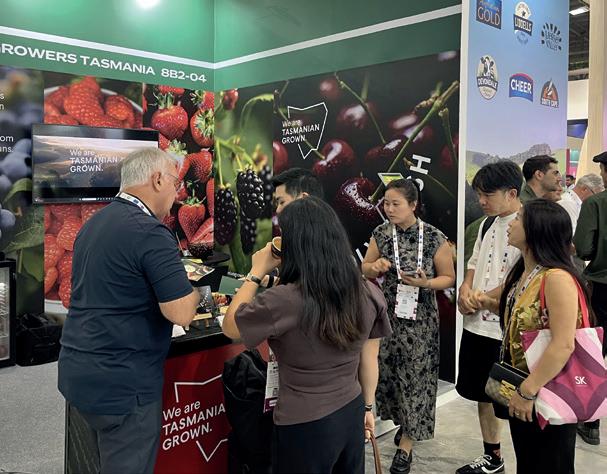
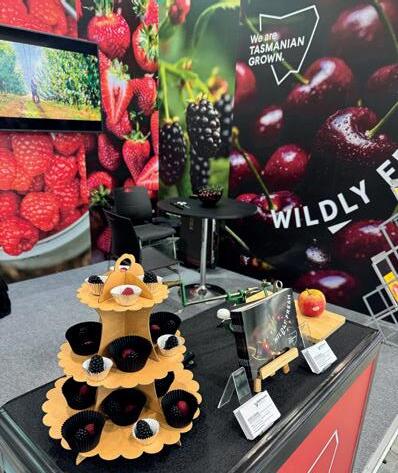
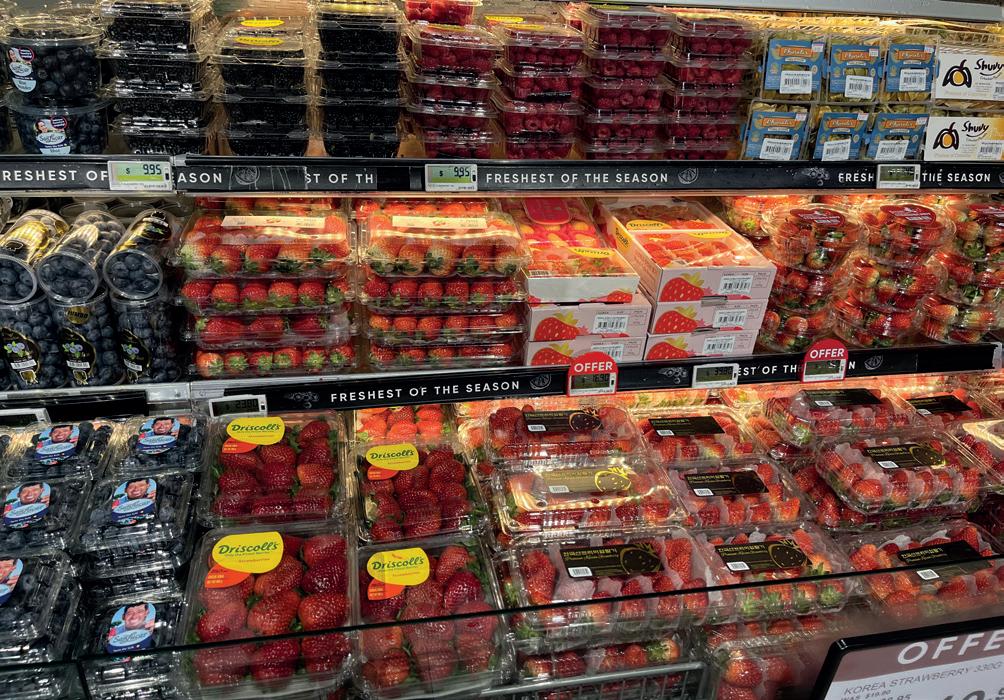
All photos credit: Fruit Growers Tasmania
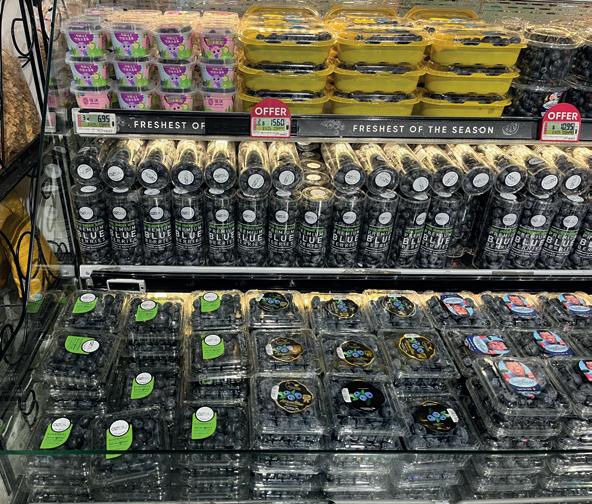
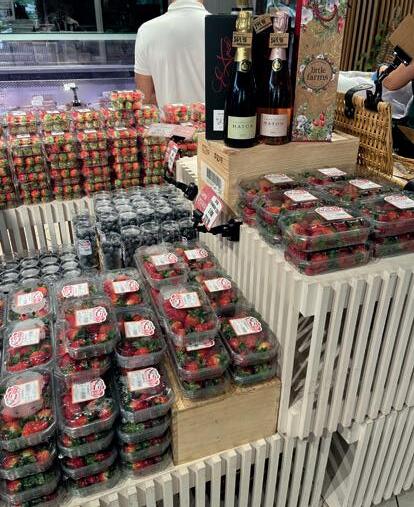
Feedback from the fruit sampling was very positive, and many trade show visitors stated that the berries were noticeably larger and sweeter than those available in the supermarkets. This was backed up by our own retail observations.
Andrew and Steph Terry of Tasmanian Berries provided us with two varieties of berries – ‘Maravilla’ raspberries and ‘Victoria’ blackberries, both late-season varieties which grow well in Tasmanian conditions. These fresh berries were nothing short of magnificent, retaining their freshness and shape throughout the week-long show. They lasted well despite a 16-hour unrefrigerated travel day, followed by transit from a small hotel fridge to the trade show fridge in 33 °C heat and humidity!
Comments from tradeshow
visitors included “These
are the biggest raspberries I have ever seen and… sweet”
and
“Normally the blackberries we buy here are a bit sour and not as large…so these are delicious.”
The key Singapore supermarket chains, such as FairPrice, CS Fresh and Sheng Siong and smaller highend retailer Little Farms, were in attendance, meeting with existing suppliers and looking for new products. It was an important opportunity to speak to them about the quality of Tasmanian-grown fruit and our seasonal availability to supplement existing supply channels.
There is good awareness of Australia as a quality fresh food producer in Singapore, but in fairness, no more or less than other countries like New Zealand and the USA. Competition in this market is truly global; they source the best produce from many different regions, and origin brand reputations prevail.
Japan and Korea are considered best for strawberries, Japan for melons and Italy for tomatoes. This kind of reputation and awareness has taken many years to build. The taste experience and visual appearance are key, and it is not just down to varieties but also the growing conditions.

Fruit is a feature of grocery retail in Singapore with a broad range of choices available in tropical and temperate fruit, both in fresh and frozen forms.
In the major retailers, blueberries and strawberries are prominent in the refrigerated shelves with a range of brands from countries including Korea, Peru, South Africa, China and the USA. The raspberries and blackberries were not as prominent and were almost exclusively Driscoll’s branding from China, with one store stocking Perfection Fresh raspberries from Australia.
During our visit, both raspberries and blackberries were selling for SD11.50 for two punnets ~ AUS$6.27/125 gm punnet, which was slightly lower than similar stores selling two punnets for SD12.50 at the same time last year.
Little Farms also offered a small range of organic blueberries, strawberries and raspberries from Spain.
Having visited Singapore and the FHA trade show for two years running, these are some of the key takeaways from our visits:
• A better understanding and strengthening of the supply chain relationships between the grower, export agent and importer would boost trade outcomes
• Singapore remains a market worth considering for export with potential for substantial growth
• There is an opportunity for more varietal choice of soft berries and grades based on fruit size
• Packaging that removes the use of plastics but still ensures visibility will resonate well with consumers
• Small volumes and snackable serving sizes are popular with health-conscious Singaporeans, and they will pay extra for convenience
Promotion in export markets is vital if we are to continue building market share. It’s a competitive environment, and if you are not visible, you can soon be forgotten!


KENJA® 400 SC FUNGICIDE
• Effective control of grey mould in berries
• Flexible use pattern
• Strong protectant action



FLUTE® 50 EW FUNGICIDE
• Highly effective on powdery mildew in strawberries
• Nil withholding period
• Translaminar and vapour action
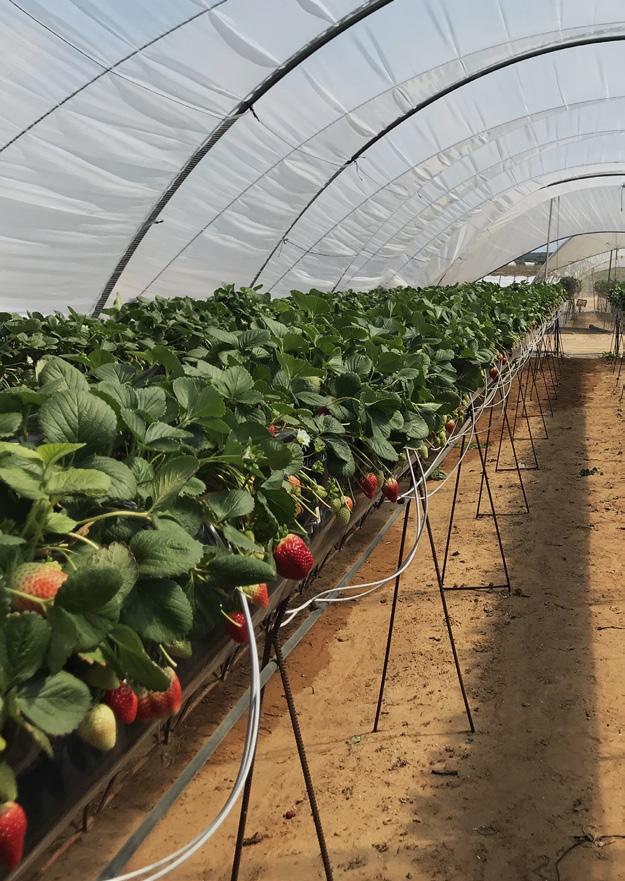
MIGIWA® KINOPROL® ACTIVE FUNGICIDE
• Excellent and reliable grey mould control in strawberries
• One day withholding period
• Group 52 – New mode of action

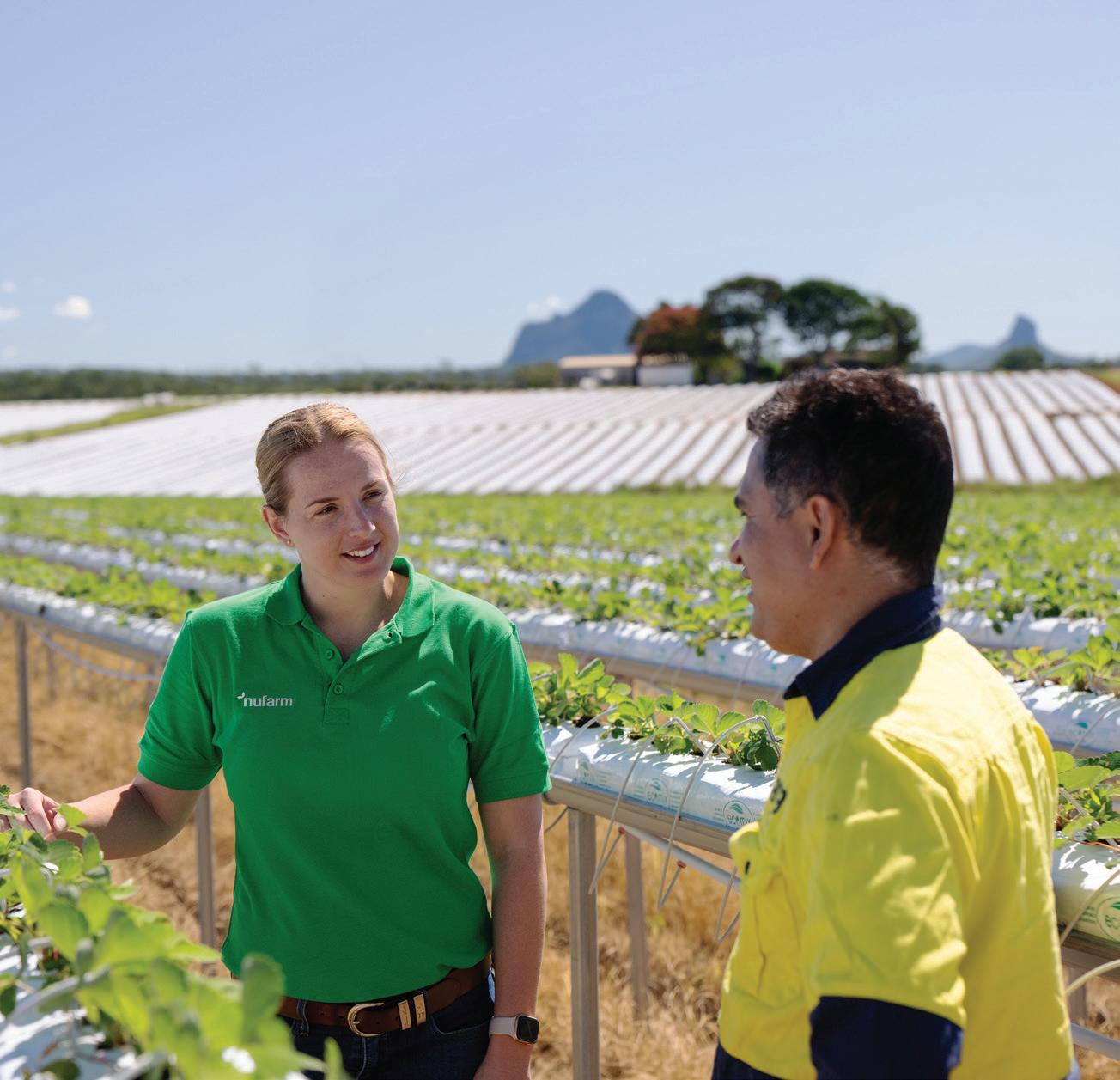

Jodie Campbell, Senior Principal Horticulturist (Supply Chains)
Hung Duong, Pip Bryant, Lawrence Smith, Yiru Chen, Saeedeh Saberi Taghadomi & Andrew Macnish Research Scientists, Queensland Department of Primary Industries
• For long supply chains, 1°C is optimal for strawberries
• Holding berries above 4°C for more than 1–2 days reduces shelf life
• Reducing relative humidity (RH) from 90% to 65% significantly impacted weight loss and shelf life
• Fruit shelf life and quality varied with regions, cultivars and seasons
• Delays of 1-2 hours from harvest to cooling reduced berry quality
Strawberries are among the most popular fruits purchased by consumers, valued for their health benefits and convenience as a snack. However, consumer confidence can quickly decline when strawberries deteriorate soon after purchase.
Over the past three years, the AM21000 Serviced Supply Chains II (SSCII) project team has worked closely with industry to improve the consistency of strawberry quality delivered to market. The project has developed practical decision-support tools, informed by supply-chain monitoring and storage simulation trials.
Between 2023 to 2025, 38 strawberry supply chains were monitored using real-time data loggers from:
• Central Queensland (CQ) and the Sunshine Coast (SC) to Melbourne (2.5 days duration)
• Tasmania to Brisbane (3 days duration, transhipped in Melbourne and Sydney)
• Southern Queensland (SQ) to Brisbane and Sydney (Less than 1 day duration)
Most consignments from Queensland were cultivar ‘Red Rhapsody’ while SQ shipments included ‘Cabrillo’ and ‘Albion’
Quality assessment procedures were developed to measure quality impacts (bruising, rots, dehydration and other defects) from supply chain conditions. Trained quality assessors collected sample trays on arrival in market. The assessments were conducted upon arrival and again at 7 and 10-14 days to measure shelf-life performance.
A quality assessment app was developed to collect the shipment data, accessible in real time. Individual business reports were generated from the data in the app and provided to the grower and marketer to identify and track areas of improvement.
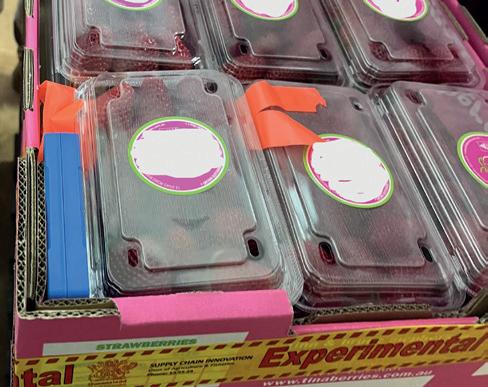
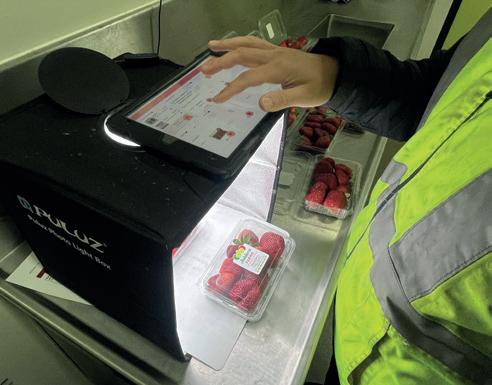
In the first year of monitoring, average supply chain temperatures were 7.5°C compared to 3.7°C in the final year. The main reason for the decrease was improved pre-cooling practices, with average dispatch temperature reduced from 8.7°C to 4.1°C over three seasons. Consignments with higher average temperatures had more bruising and decreased shelf life. Monitoring and reporting activities increased participating businesses’ awareness of the need to improve pre-cooling practices and, in some cases, to invest in appropriate equipment.
We identified that we weren’t achieving best practice, so we invested in a new cold room with much higher cooling capacity and a lot more air flow inside. Brendon Hoyle, Ashbern Farms.
Practice changes improved temperature and humidity control with:
• Dispatch achieving < 5°C, a shift from 15% to 70% of consignments
• Average supply chain achieving < 5°C, a shift from 0% to 90% of consignments
• On arrival < 5°C (within spec for most retailers), achieving a shift from 15% to 70% of consignments
• On arrival < 8°C (within spec by all retailers), achieving a shift from 30% to 90% of consignments
• Improved humidity management, with average supply chain humidity increasing from 64% to 83% of consignments
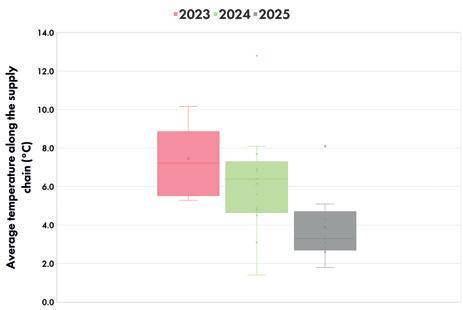
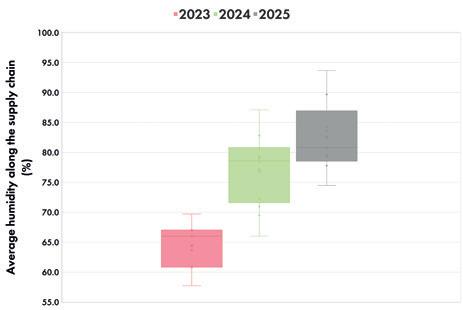
Thirteen laboratory simulation trials, from 2024 to 2026, were conducted to quantify the impacts of temperature and RH on strawberry quality.
The same quality measures were used as for the monitoring. When preparing the treatments, it was identified that around 30% of the fruit had some level of bruising caused during harvesting and packing.
This emphasised the need for growers to ensure fruit is cooled to around 10°C before packing.
‘Red Rhapsody’ and ‘Cabrillo’ cultivars were tested.
A range of scenarios were tested using 1, 4, 10, 15 and 20°C over a range of storage durations (days).
A clear example of the findings was that berries held at 10°C for just one day lost a third of their shelf life
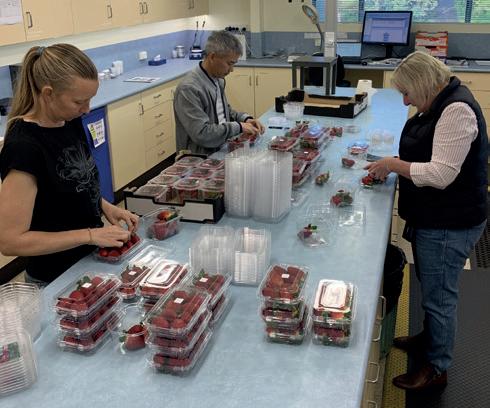
Figure 5. Preparing treatments for the time by temperature storage trials. Around 30% of fruit had to be discarded due to some level of bruising
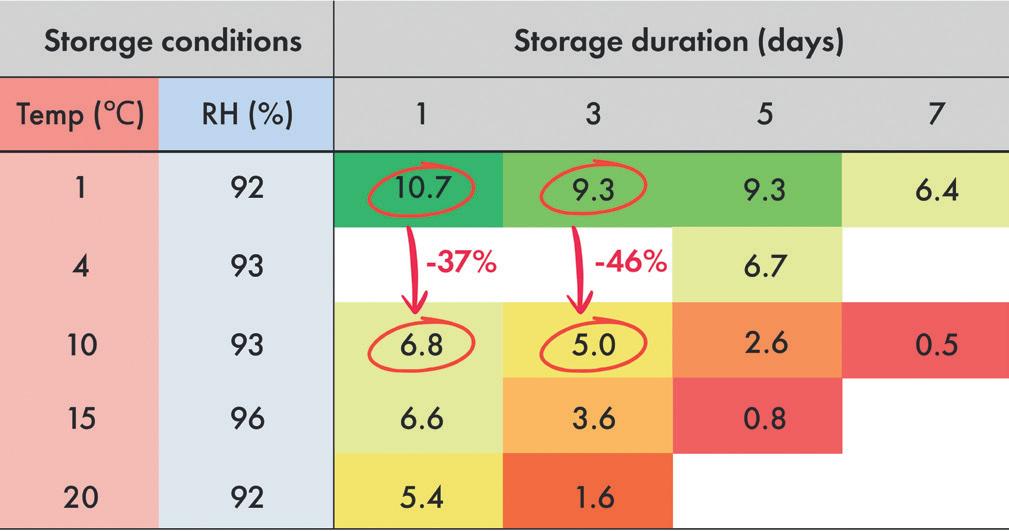
Figure 6. Impacts of temperature and time on strawberry shelf life (days). After one day at 10°C, there was a 37% loss of shelf life, and after three days at 10°C, the shelf life was nearly halved. The impacts of low relative humidity (RH < 70%) were assessed against the recommended high-RH conditions (> 90%).
Low RH significantly increased fruit weight loss and reduced shelf life by 3–4 days, even when stored at 4 °C
The trials showed that a 25–30% reduction in RH had a similar negative effect on strawberry quality and shelf life as increasing storage temperature by 5–6 °C.
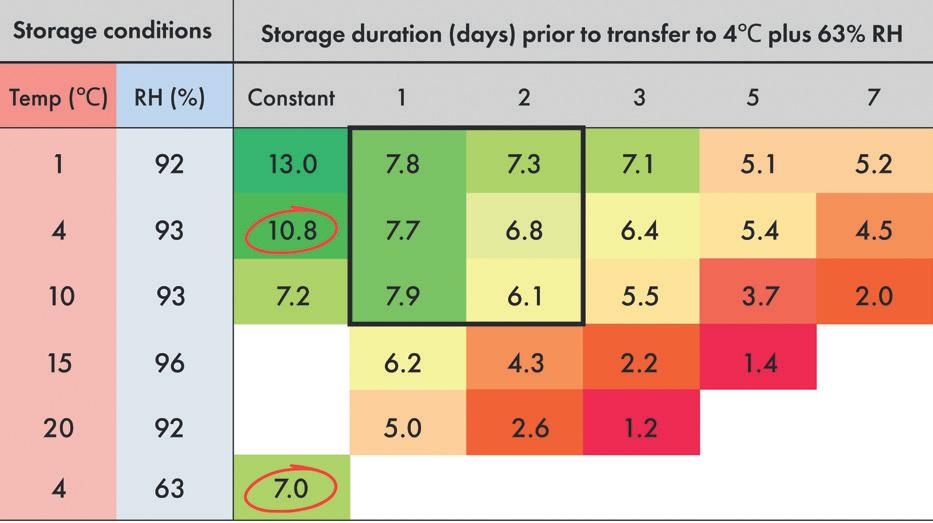
Figure 7. Impacts of RH on strawberry shelf life (days). Low RH at 4°C is shown to reduce shelf life by nearly four days (circled in red).
Trials on delayed cooling after harvest examined responses in both ‘Red Rhapsody’ and ‘Cabrillo’ cultivars. Four trials with ‘Red Rhapsody’ from the Sunshine Coast (September–October 2025) and five trials with ‘Cabrillo’ from Stanthorpe, Queensland (October 2025–February 2026) assessed cooling delays of one to eight hours under ambient conditions (25–30°C).
Delayed cooling accelerated weight loss, dehydration, and softening. A two-hour delay reduced shelf life by 19%, while an eight-hour delay almost halved shelf life
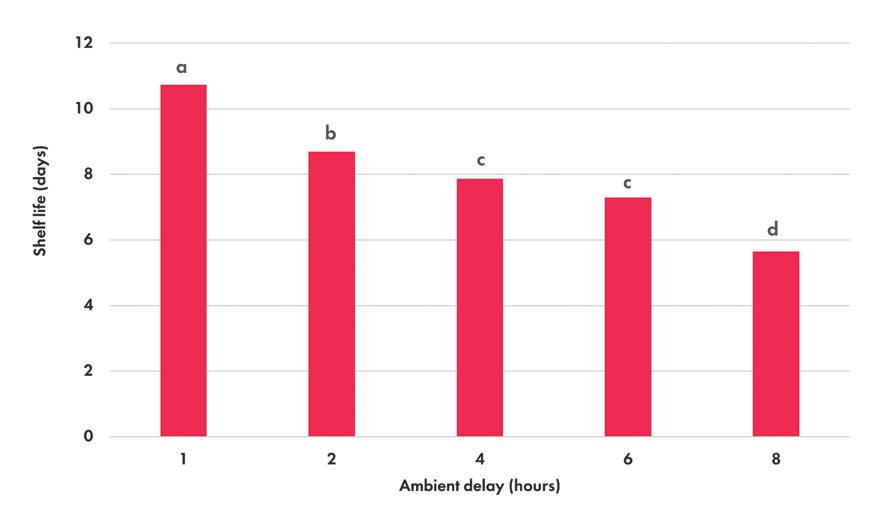
Figure 8. Ambient delays in cooling at harvest reduced shelf life. Note that the longer the cooling is delayed, the shorter the shelf life becomes.
One of the key outcomes of the SSCII project has been the development of predictive shelf-life models to help growers and marketers better manage quality risk for strawberries, avocado, mango, and summerfruit. Shelf-life trials for avocado, mango, and summerfruit commenced earlier in the project, with validated models for selected cultivars already released to industry. Preliminary strawberry shelf-life models have been developed, though further validation using a larger number of commercial shipments will improve prediction accuracy. Even at this stage, the models provide growers and supply-chain partners with a useful tool to assess shelf-life risk, support dispatch and market decisions, and help deliver more consistent fruit quality to customers.
• 460 Punnets from 3 trials from one farm
• Spring, summer, autumn (2025/26)
• Model explains 68% of the variation in shelf life observed in the trials
• Typical prediction error was around 1.5 days
• Includes temperature, duration (days), RH and harvest timing
• 763 Punnets from 10 trials in 2024, 2025
• Substantial year to year effects
• Model explains 73% of shelf life differences when year is known
• Typical prediction error for a new or unknown year is around 2-3 days
• Includes temperature, duration (days), weight, harvest timing and year effects
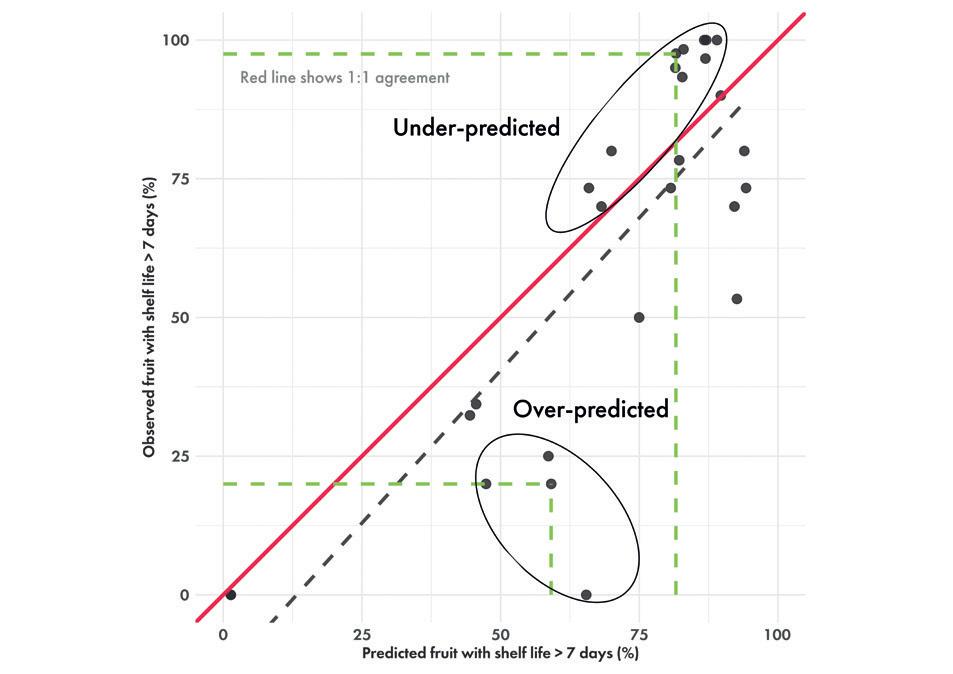
Each point represents one shipment (two export shipments with 0% predicted and observed values overlap at the origin). The red line shows perfect agreement between predicted and observed performance (1:1 line). The grey dashed line shows the overall fitted relationship across all shipments.
Figure 10. ‘Red Rhapsody’ shelf life model validation. Predicted versus observed data for 27 shipments
An economic analysis was completed with Ashbern Farms and SSS Strawberries, two of the key collaborating strawberry-growing and marketing businesses in Queensland.
The potential costs and benefits associated with adopting the following two project learnings were quantified.
• Build confidence in delivering consistent, high-quality fruit, using real-time loggers to monitor supply chain conditions and build accountability with supply chain partners to achieve a price premium.
• Improve pre-cooling practices and investment in infrastructure (cold rooms and cold room upgrades) to reduce rejection rates on arrival in the market.
The analysis was based on 6.5 million punnets per year, between the two businesses, to Australian domestic markets. Implementing the recommendations was forecast to achieve a return on investment of 3.3 : 1.
• Pre-cool strawberries to around 10°C for packing, within 2 hours of picking
• Pre-cool to less than 5°C before transport to market
• Ensure adequate fast cooling capability and cold rooms for storage for the business's volume of strawberries
• Don’t overcrowd cold rooms
• Ensure RH in all cold rooms and transport is > 90%
• Regularly monitor consignment handling conditions, fruit quality and shelf life
• Fruit quality and shelf life will vary between cultivars, regions and seasons (years)
Acknowledgements:
We would particularly like to thank Brendon Hoyle, Ashbern Farms, Victor Dang, SSS Strawberries and the team from Rudge Produce Systems. We thank all other participating growers, packers and exporters for their interest and support. This work forms part of the larger Serviced Supply Chains II (AM21000) project that is funded by the Hort Innovation Frontiers Fund, Avocado and Strawberry research and development levy, and contributions from the Australian Government, with co-investment from the Department of Primary Industries, Queensland (DPI), Department of Energy, Environment and Climate Action, Victoria (DEECA), Department of Agriculture and Fisheries, Northern Territory (DAF), Department of Primary Industries and Regional Development, Western Australia (DPIRD), Pinata Farms Pty Ltd and Summerfruit Australia Ltd. Hort Innovation is the grower-owned, not-for-profit research and development corporation for Australian horticulture.








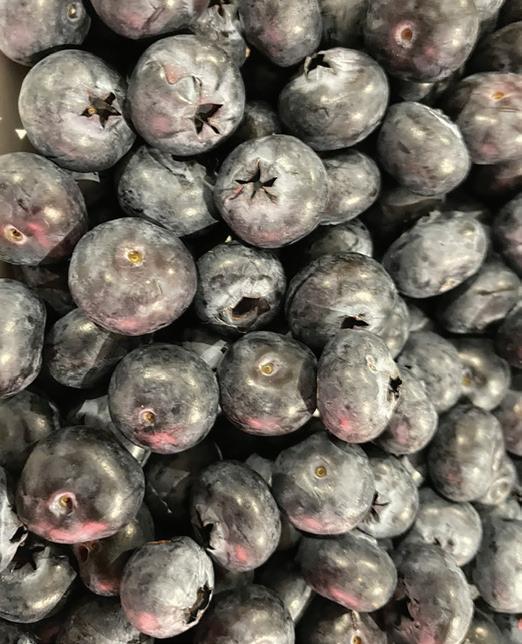
Sandy Shaw (VIC/SA) & Helen Newman (WA), Berry Industry Development Officers
Strawberry growers know that, historically, certain varieties have required a specific number of chill hours to achieve optimal productivity. But what is chill, and how does it work? Chill (or chill requirement) is the cumulative period, normally measured in hours between certain temperatures, necessary to produce internal changes in the strawberry plant that result in a normal (or optimal) sequence of growth after dormancy.
The objective of managing chilling in strawberry is to ensure stable harvest and transport of freshly dug nursery runner plants, and to condition these plants for optimal performance in the fruiting field.
Strawberry plants do not have a true dormancy like deciduous fruit trees, growth and metabolic processes just slow down with low temperatures
It’s generally accepted in strawberry that chill hours are the hours accumulated between 0 and 7ºC prior to planting in the fruiting field1. Extreme high or low temperatures in the nursery may offset some of the effects of chilling.
Chill allows the plant to successfully transition from the nursery to the fruiting field and promotes satisfactory fruit and shoot development upon establishment. It’s a measurement applicable to fresh plants, not frigo (frozen) plants.
Strawberries are not the only crop with chilling requirements. Rubus and blueberries have also historically been subject to chill requirements, and growers with older varieties of these crops may still need to be mindful of them. But those industries have generally moved to varieties which have been bred to be “no chill/low chill”. Strawberries have also been bred to become less responsive to chill and there are several “no chill” and “low chill” varieties on the market in Australia currently.
Chilling is a plant conditioning process and can be divided into two types: in-field chill and supplementary chill (Figure 1).
Cool (chilly) autumn temperatures along with short photoperiods (day lengths) induce flower bud formation, branch crown development, and reduced leaf size, signalling the onset of dormancy (or the strawberry equivalent of dormancy).
As temperatures drop and chill accumulates, chemical growth stimulants that help the plant to grow again after planting are accumulated. Carbohydrates (sugars) produced in leaves and stems are also accumulated in crowns and roots as starches instead of being used to make new leaves and fruit.
These starches are the plant’s stored reserves. When plants are established in the fruiting field, they draw on these reserves to initiate new growth. This is particularly important for leaf-off runners, as they lack leaves for photosynthesis.
The amount of time harvested, boxed plants spend at a temperature of 1-2ºC is called ‘supplemental’ or ‘storage’ chill. Plants in these conditions are not photosynthesising and are therefore not accumulating starches.
The mechanisms for why supplemental chill is beneficial for runners have long been studied but remain unknown. Samples of sugars and starches have been taken in various studies and have confirmed there are changes in sugar type and a decline in starch percentage, but the exact mechanisms and causes are still up for discussion. It’s hypothesised that it is related to growth regulators.
Fundamentally, chill influences vigour. The chilling process is generally understood to increase plant vigour: the more chilling hours a plant receives, the larger the plant size. Too little chill results in too little vigour and smaller plants that can’t stand up to fruit load or can’t bulk up fast enough to produce their optimum yield. However, excessive chill will lead to excessive plant vigour, resulting in vegetative plants with decreased yield.
Chill accumulation can also be beneficial for transport and transplant resilience - some cold acclimation and starch conversion can help plants tolerate the mechanical stress of harvest and shipping
The right amount of each type of chill varies depending on variety, propagule type, planting date, and field conditions.
Specific cold storage treatments that optimise productivity will vary depending on individual grower practices.
Complicating things further, the influence of chill is difficult to separate in field trial experimentation from planting date.
Definitions of chill hours vary between breeding companies, researchers and regions
For example, the standard chill calculation for the California strawberry industry is 0-7ºC and is assumed to be in-field chill prior to nursery digging, with additional advice sometimes available regarding supplemental chill.
Recommendations from some parts of Eastern America include post-establishment chill hours in the fruiting field. Some European or older American recommendations include all exposure time under 7ºC.
To further complicate things, recommendations may or may not differentiate between in-field and supplemental chill.
Most varieties come with recommended chill hours. It is important to know where your varieties come from and how they define chill, so you can determine how to apply that knowledge.
Elevation and latitude are often mentioned but are simply a shorthand (convenient) way of talking about chill
Higher elevation or high latitude nurseries usually cool off earlier than low elevation or low latitude nurseries, so chill hours naturally begin to accumulate earlier. They also often accumulate chill hours more rapidly as cooler temperatures persist for longer in the day.
What matters isn’t whether a nursery is high, low, or subterranean, but what level of chill it provides and when. Plants that need a lot of chill quickly will naturally get that if they are grown in cooler locations.
The impact of chill hours accumulated post-establishment in the fruiting field, such as winter-plantings in southern regions that over-winter before spring production, is still unclear.
There is not enough research on this to draw definitive conclusions.
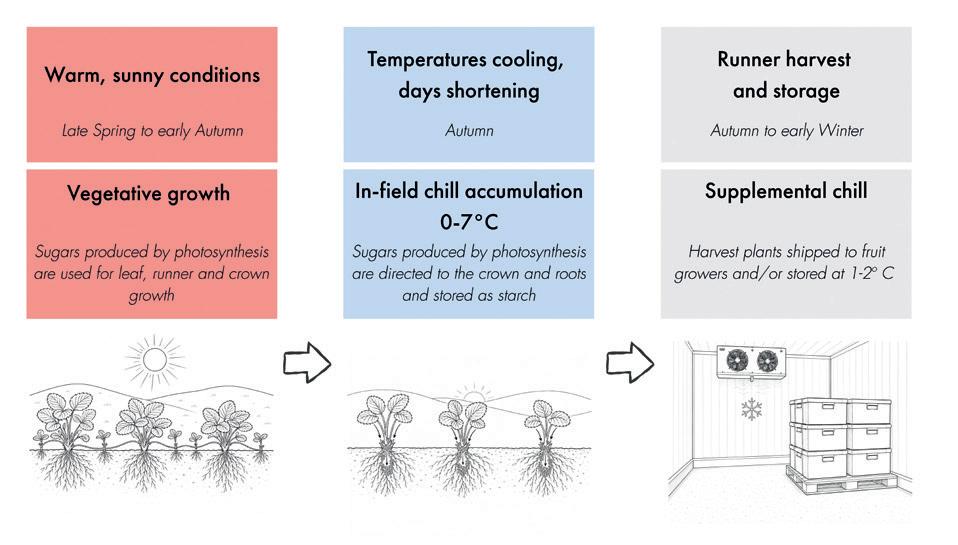
Note1: Some researchers count all hours below 7°C but there is debate as to whether hours below freezing contribute to chill response and in what way. Consequently, some literature counts time spent as frigo plants as chilling hours. This is an area of ongoing debate.
The Industry Resource Library now features over 1,000 items from Fact sheets to Videos to R&D Project Reports
Every article of the Australian Berry Journal is available, as well as hundreds of other useful industry publications
Do you know how to ensure your spray tank is properly cleaned?
Download the latest Factsheet by visiting bit.ly/BA-RL and searching ‘spray tank’


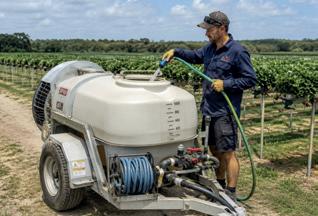
Folco Faber, CEO Apex Greenhouses
Australia’s protected cropping sector is continuing to push into new territory, with a commercial-scale strawberry trial underway at Apex Greenhouses in South Australia. The trial, led by Apex Greenhouses with support from Applied Horticultural Research (AHR), forms part of the national ‘Growing Horticulture through Protected Cropping Innovation (AS23001)’ project, funded by Hort Innovation and co-investors through the Hort Innovation Frontiers initiative.
The seven-year program is designed to accelerate innovation across Australia’s protected cropping industry, helping growers improve productivity, sustainability, and profitability through advanced technologies and applied research.
Within this broader initiative, the strawberry trial aims to answer one of the most important questions currently facing berry producers: can high-tech greenhouse production deliver reliable yields and commercial viability under Australian conditions?
The trial is being conducted inside Apex Greenhouses’ purpose-built research and training facility, a commercialscale glasshouse designed to evaluate new production systems, crop genetics, and technologies in a controlled environment.
Three strawberry varieties are currently being assessed: ‘Albion’, ‘Arabella’, and a ‘Limore One’ F1 hybrid seed variety. Each has been selected to explore how different genetics perform under intensive protected cropping conditions.
While high-tech glasshouse berry production has expanded in parts of Europe and North America, Australian growers have had limited local data on how strawberries respond in a fully climate-controlled environment. The trial aims to address that gap by generating robust yield data and practical production insights that growers can use when assessing the potential of advanced greenhouse systems.
Folco Faber, CEO of Apex Greenhouses, said the work is already attracting strong interest from across the industry.
“We’re seeing increasing interest from growers who want to understand whether high-tech strawberry production can work commercially in Australia,” Faber said. “This trial is about generating real data under Australian conditions. By comparing varieties and documenting the challenges we encounter along the way, we can give growers the information they need to make informed decisions about adopting these systems.”
The demonstration glasshouse is also intended to serve as a collaborative platform where researchers, technology companies and growers can test new ideas and production approaches together.
More than eight months into the first growing season, the trial is already providing valuable insights. Researchers are closely monitoring yields, plant performance, and disease pressure across the different varieties to understand how each responds to the glasshouse environment.
Early observations suggest yield potential is promising, although there is clear variability between the varieties being tested. These differences are expected to play a key role in determining which cultivars may be best suited to high-tech protected cropping systems in Australia.
However, the trial has also highlighted challenges unique to growing strawberries under controlled conditions. Powdery mildew, a common disease affecting strawberry crops in protected environments, has been one of the issues encountered during the season.
Capturing this type of real-world production data is a core aim of the trial, helping the industry understand not only the opportunities but also the management requirements associated with high-tech berry production.
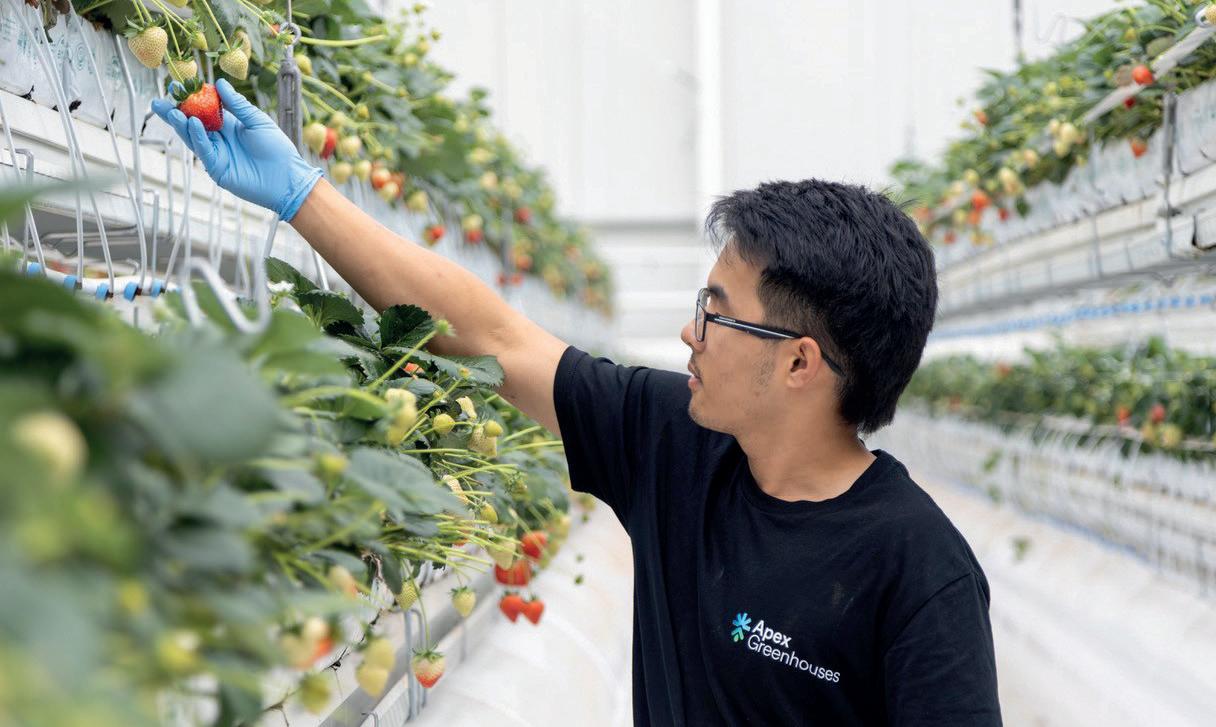
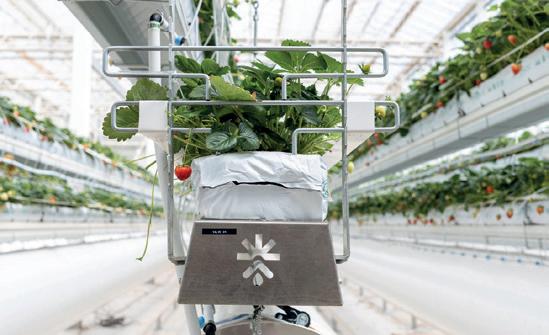
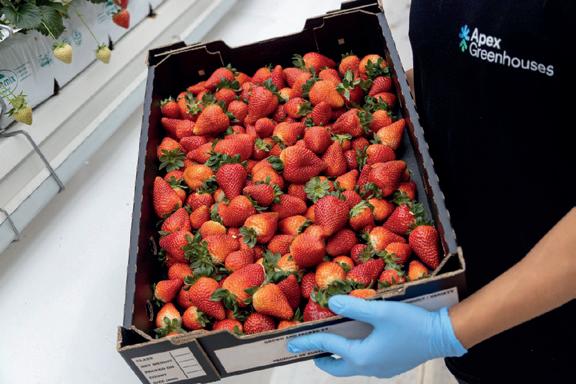
As the current season progresses, researchers will continue to collect yield data and assess plant performance across the three varieties. The next planting cycle will introduce further adjustments to improve the trial design.
These changes will include varying and reducing plant densities to better understand how crop spacing influences productivity and plant health in the glasshouse environment.
There are also plans to investigate additional varieties in future plantings, expanding the dataset and identifying genetics that may be particularly well suited to controlled-environment production.
Given the seven-year timeframe of the broader Hort Frontiers program, the trial will contribute to a long-term body of research exploring the future role of protected cropping in Australia’s horticulture sector.
For growers considering investment in high-tech greenhouse systems, access to credible local data is critical.

The program will help protected cropping growers maintain profitability by delivering key aspects of the Protected Cropping Strategic Investment Plan, specifically sustainability, advanced agronomy, automation to reduce labour costs, energy and improving staff skills and management.
To keep up-to-date with the program, contact Anita Chennell anita.chennell@ahr.com.au or visit ahr.com.au/protected-cropping
Acknowledgements: The ‘Growing horticulture through protected cropping innovation program (AS23001)’ is funded through Hort Innovation Frontiers with co-investment from Applied Horticultural Research (AHR), Flavorite Hydroponic Tomatoes, The Costa Group, Apex Greenhouses, The Victorian Department of Energy, Environment and Climate Action (DEECA), PolyBee and contributions from the Australian Government.
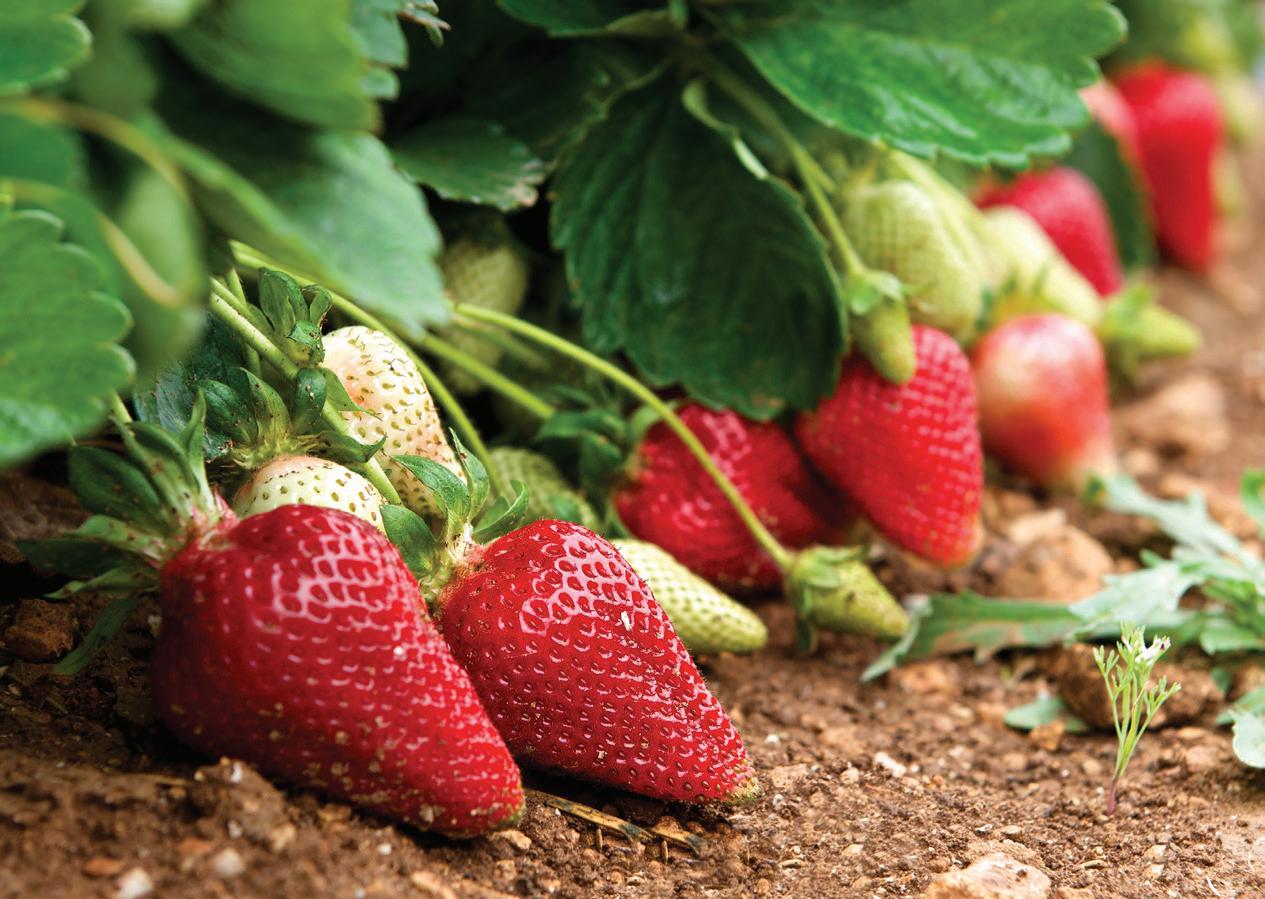







with the beneficial microorganism Streptomyces lydicus WYEC 108, Actinovate actively suppresses a broad range of root and foliar diseases while supporting soil health and nutrient availability.






is effective as a preventative biological control for soil-borne and foliar fungal diseases, with applications in both conventional and organic systems. APVMA registered product and organically certified.












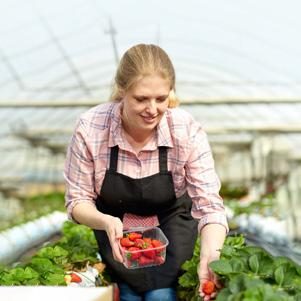
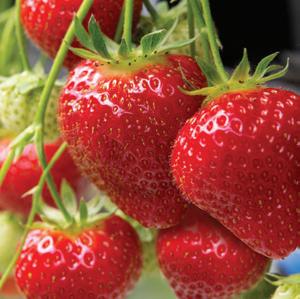
Verpixo ® Adavelt® active - A new mode of action that provides powerful protection from botrytis, powdery mildew, sclerotinia and alternaria. Inspired by nature, Verpixo ® offers growers broad spectrum control of damaging crop diseases that helps to maximise yield and quality. Now registered for use in Strawberries, Cucurbits, Fruiting and Leafy vegetables.
To find out more, contact your local Territory Manager on 1800 700 096 or visit corteva.com.au
Wendy Morris, Berry Industry Development Officer, Queensland Drone-Enabled Bird Management for Australian Horticulture (AS24007)
Late last year, a new project got underway to tackle the rising crop and financial losses caused by bird damage in Australian horticulture. The project will develop and commercialise drone-based bird-deterrence solutions in partnership with AERIUM Analytics. The collaboration combines AERIUM’s expertise in drone technology and wildlife management with Hort Innovation’s leadership in agricultural research and industry impact.
Over the next three years, trials using fixed-wing and flapping-wing RoBird™ drones will be conducted on key bird-affected crops, including almonds, summer and pome fruit in the Goulburn Valley, Victoria, and strawberries in Caboolture, Queensland. RoBird is a drone system engineered to mimic the behaviours and responses of a peregrine falcon. The project aims to assess how these technologies can enhance the efficiency of bird deterrence and fit naturally into day-to-day farm operations.
“Traditional bird deterrence methods often lose effectiveness as birds adapt and return to the same sites. Through this project with Hort Innovation, we aim to demonstrate how RoBird creates sustained predatory presence over time, shaping bird behaviour naturally and consistently. By establishing that presence early and maintaining it throughout the season, we help prevent new bird pressure while steadily decreasing activity in areas already impacted, ultimately supporting growers with more reliable, efficient, and sustainable outcomes,” explains Jill Viccars, Chief Growth Officer at AERIUM Analytics.
Anthony Kachenko, General Manager, Sustainability and Production R&D at Hort Innovation, highlighted the project’s broader impact.
Early field trial results demonstrate a strong reduction in crop loss and bird pressure across Australian almond orchards. The trials evaluated both operational performance and impact on crop outcomes. Results showed an 89% reduction in fruit loss within monitored trial blocks, alongside a 94% bird displacement rate following RoBird engagement. Bird damage is a persistent challenge for growers across Australia. This project brings together cutting-edge drone technology and expert wildlife management to deliver practical, scalable solutions that protect crops, improve productivity and do not harm local bird wildlife.”
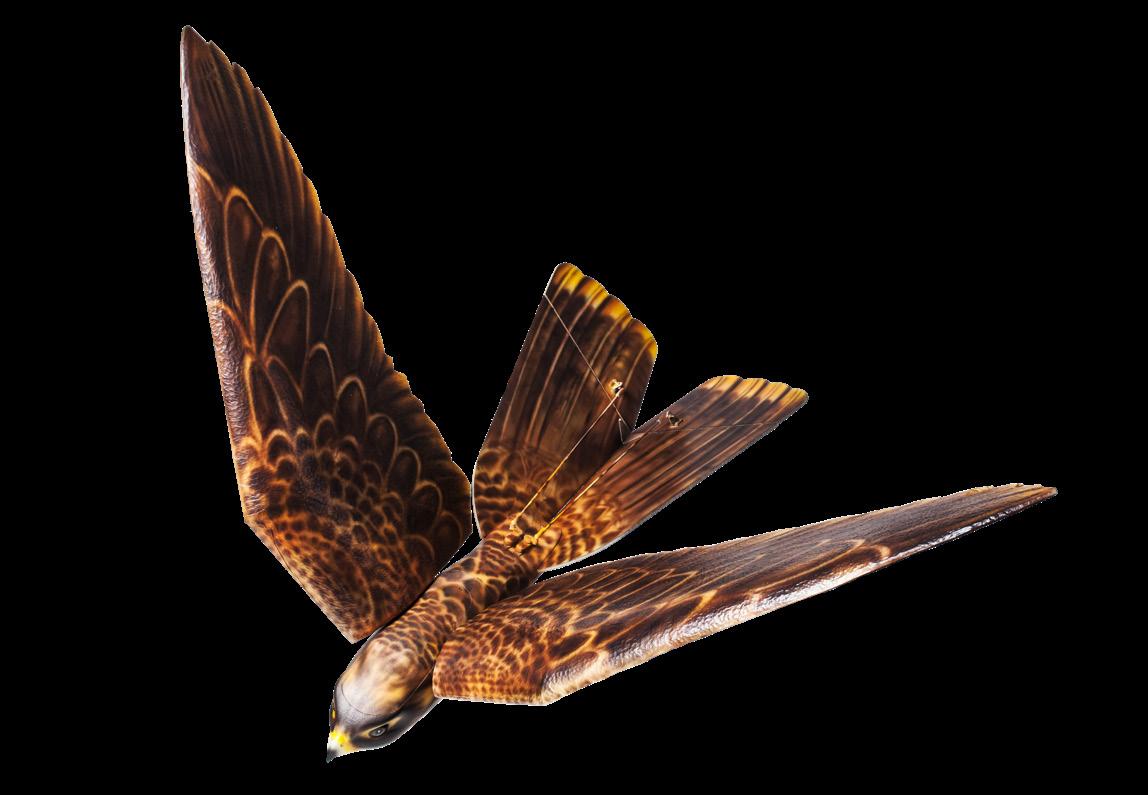
Beyond the initial results, what stands out is the system’s ability to shape bird behaviour over time. We observed increasing effectiveness throughout the trial period, with no signs of habituation. This is critical for growers, as it allows for sustained protection and a more strategic approach to managing bird pressure across the season. Looking ahead, we’re focused on expanding operations and supporting broader adoption of the system across Australian horticulture, says Jill.
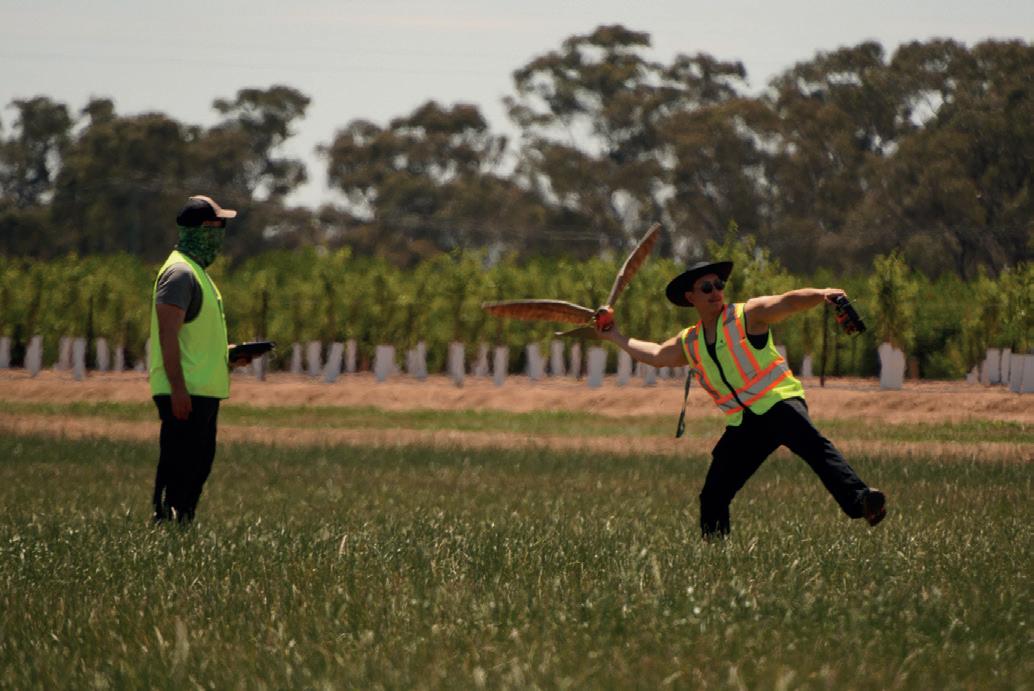
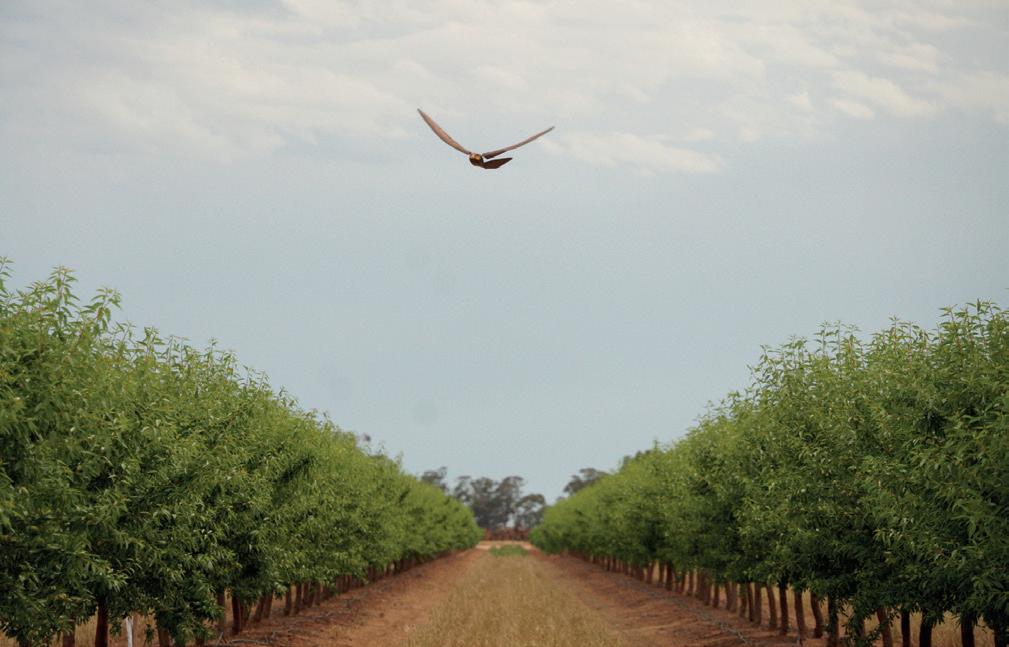
Designed to replicate an authentic falcon in both appearance and flying behaviour, establishing a credible predatory presence that triggers natural flock response and territorial displacement of pest bird populations
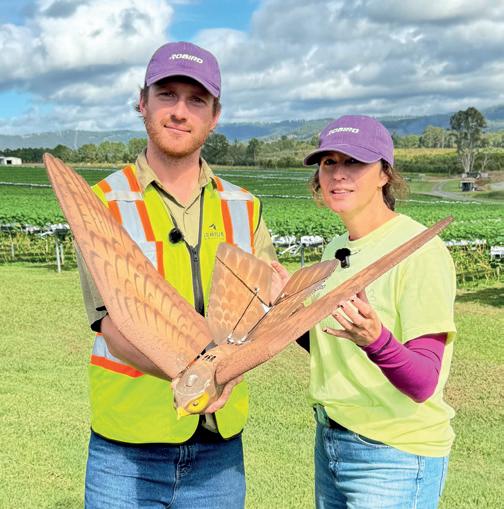
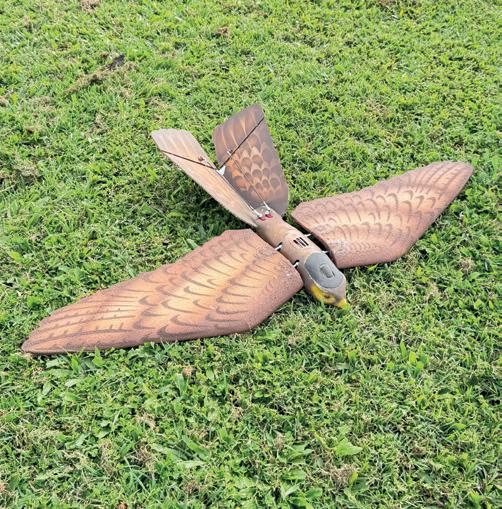
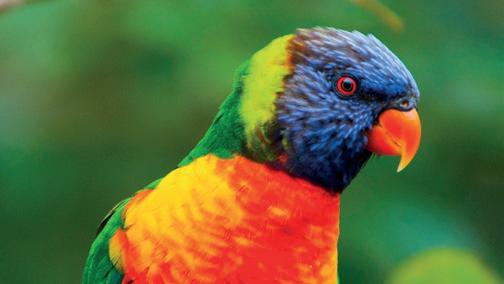
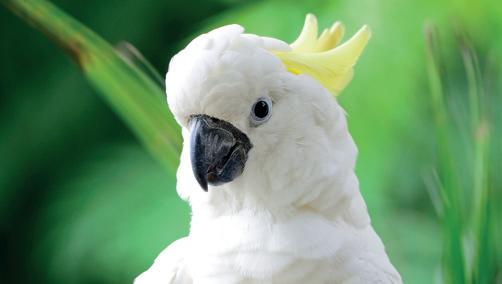
The field trial findings also highlight key operational learnings that will guide the next phase of the project. In Phase 2, trials will shift toward more concentrated management approaches across crops such as pome fruit, cherries and summer fruit, allowing for longer engagement periods and clearer demonstration of impact. The program will also expand toward managing larger production areas and further integrate RoBird into existing bird management strategies used by growers.
This year, a trial is underway at Queensland strawberry businesses TSL Family Farms and Stothart Family Farms, joint producers of the premium Taste n’See brand.
The farms have revealed that bird damage currently costs at least $100,000 per week during the harvest season and it is hoped that the RoBird drone can provide a sustainable and non-lethal deterrence for the cockatoos and rainbow lorikeets wreaking havoc.
Acknowledgements: This project (AS24007) is funded through Hort Innovation Frontiers with co-investment from AERIUM Analytics and contributions from the Australian Government.


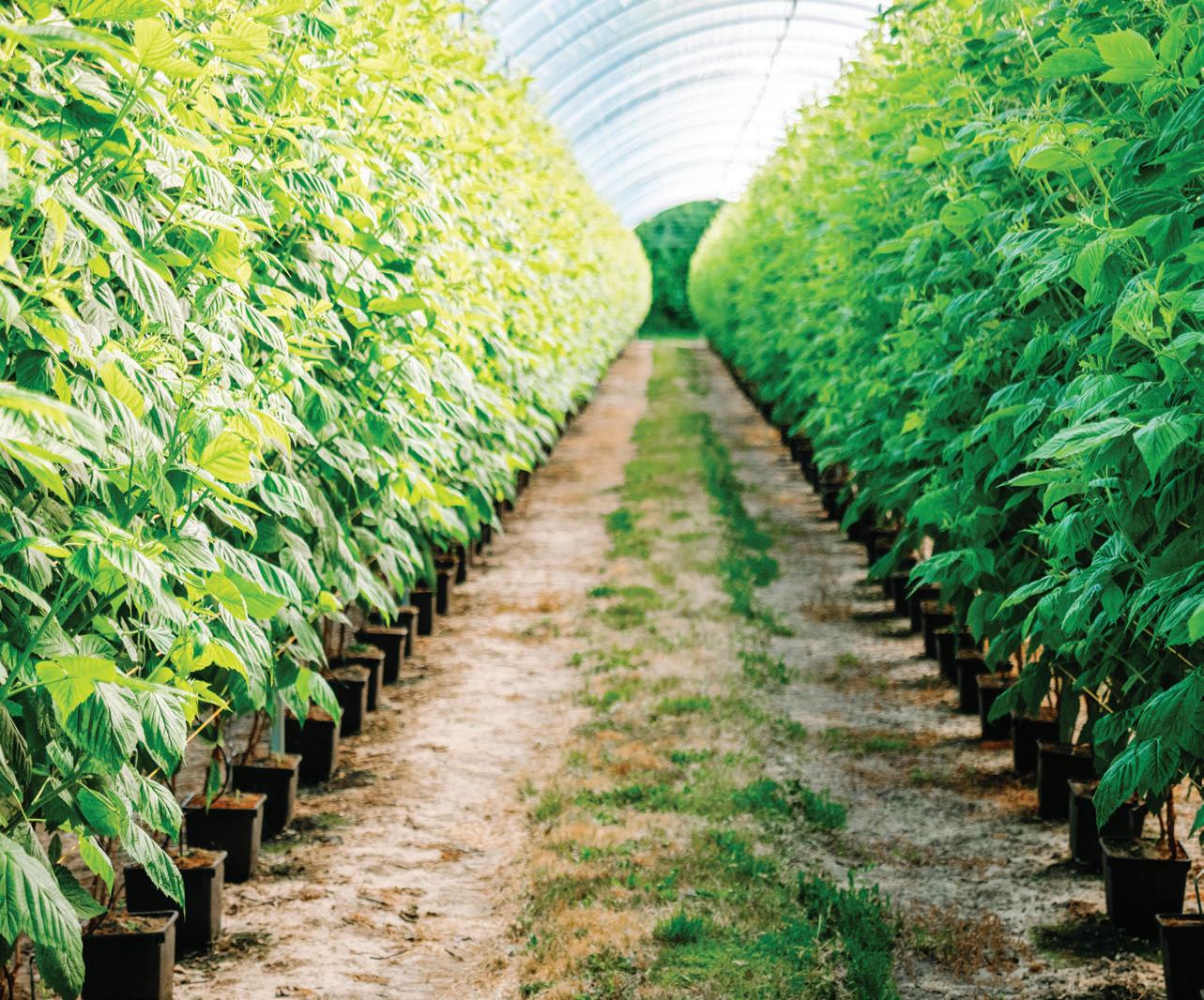

Simon Neil, Berry Industry Development Officer, Fruit Growers Tasmania
Blueberry rust (Pucciniastrum minimum) is now an established part of the Tasmanian production landscape, and the industry conversation has moved firmly into management. Growers are asking how to manage rust economically, how to keep their fruit moving through interstate and international markets, and how to position their operations for the seasons ahead.
This April, we held a workshop series built around those questions, with practical guidance and regulatory context that growers could take back to the farm gate. The series ran across two single day events: a southern workshop on 16 April at Willie Smith's Apple Shed in the Huon Valley, and a northern workshop on 23 April at Rivers Edge, the UTAS facility in Launceston. Both were free to growers, included lunch, and were structured around the same three themes: the science of rust, practical agronomy, and pest and disease priorities.
The decision to run two workshops rather than one centralised event was deliberate and informed by direct feedback from growers in the lead-up, given the geographically split nature of Tasmanian berry production. Off-farm venues were chosen to minimise biosecurity risk. Both sites offered professional presentation facilities, ample parking, and good catering. Willie Smith's legendary apple cidery in the Huon provided a relaxed setting for the southern event. The UTAS Inveresk campus offered a modern teaching space well suited to the northern workshop.
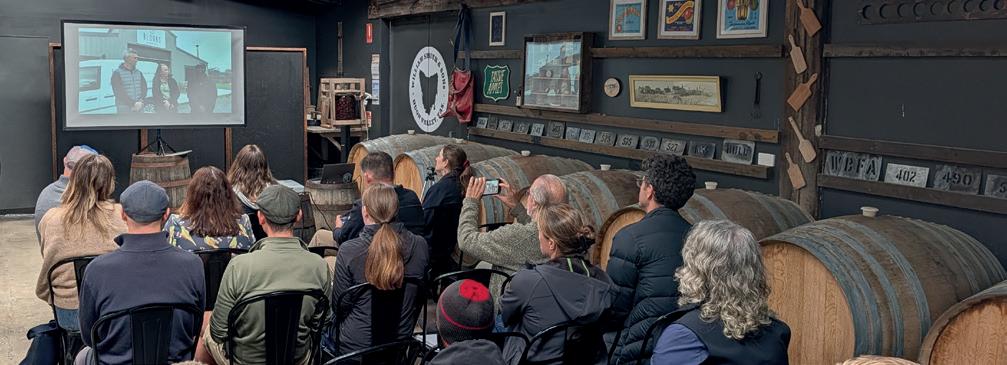
Associate Professor Kara Barry of the Tasmanian Institute of Agriculture opened the technical content at both workshops by discussing the findings from the culmination of the 3-year project “New on-farm strategies for the prevention and control of blueberry rust in Tasmania”. Her presentation showed the notably meticulous work that had been undertaken by her talented team including developing novel inoculation and culturing methods, laboriously defoliating thousands of leaves by hand, and analysing aerial thermal scans to see just how cold it gets in the rows.
The deliverables to the industry were remarkable and include useful climate and seasonal modelling, full genomic sequencing of the pathogen and a clear message for Tasmanian growers of non-deciduous varieties; even the coldest Tasmanian winters are not enough to kill this tenacious fungus. SEE PAGE 88 for more from Kara.
Kara also presented a video case study from Tim Muir of Bloobs Blueberries, whose farm has lived with rust pressure long enough to have developed a working management routine. Tim shared his ups and downs as an organically certified grower, from the initial trepidation upon discovering it on the farm to settling into a rhythm of seasonal monitoring and targeted interventions that keep his fruit moving.
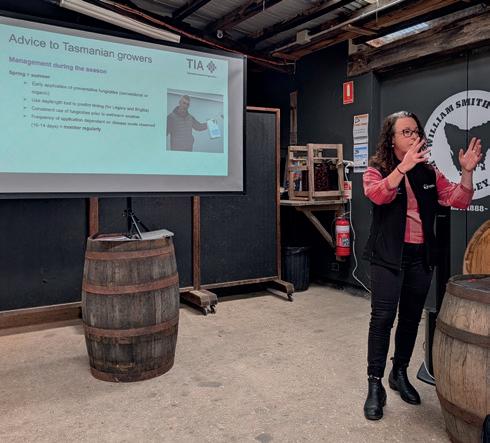
The agronomy session was led by Stuart Doyle of AgVista, whose international experience with rust in higher-pressure environments shaped the day's most practical content. Stuart’s experience is hard to overstate, and the growers were treated to his brand of scientific resources mixed with highly relevant stories from all over the world.
Stuart took a frame that resonated immediately: the rust you don't get is cheaper than the rust you treat. From there, he walked through risk assessment, integrated cultural and chemical approaches, economic decisionmaking at the treatment threshold and practical scenarios at different growth stages.
Stuart's session put numbers and trade-offs in front of growers rather than offering generic guidance, and the questions that followed were specific and scenario-based.
The southern workshop also included a panel discussion with Stuart, alongside the Muirs team (Will Coad, James Douglas and Sam Smee) and Peter Morrison from Nutrien, broadening the agronomy session into a conversation on chemistry and distribution.
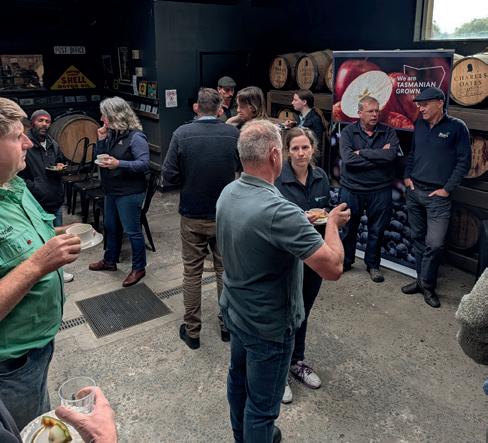
Saba Jahangiri from NRE Tasmania presented at both workshops on the proposed Primary Produce Safety (Horticulture Produce) Regulations, walking growers through the scope of the proposed framework and the public consultation process.
The session was a useful opportunity for growers to engage directly with the regulatory shift on the horizon and to understand how to make their views known during the consultation window.
For more resources to assist you with managing blueberry rust, please visit the Berries Australia Resource Library at bit.ly/BA-RL and search ‘blueberry rust’
Download the latest ‘Managing Rust in Blueberries’ poster at bit.ly/BA-BBR
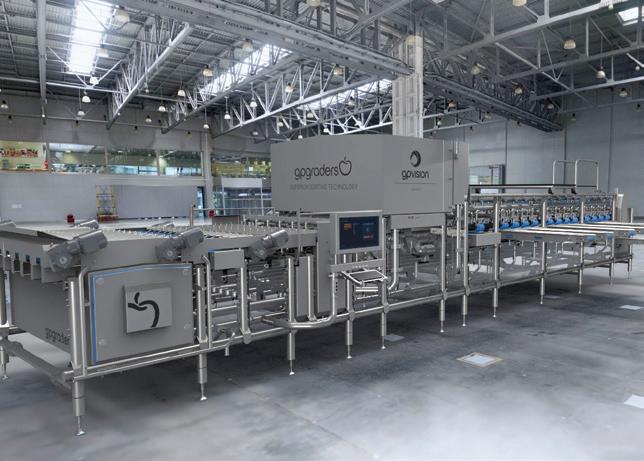
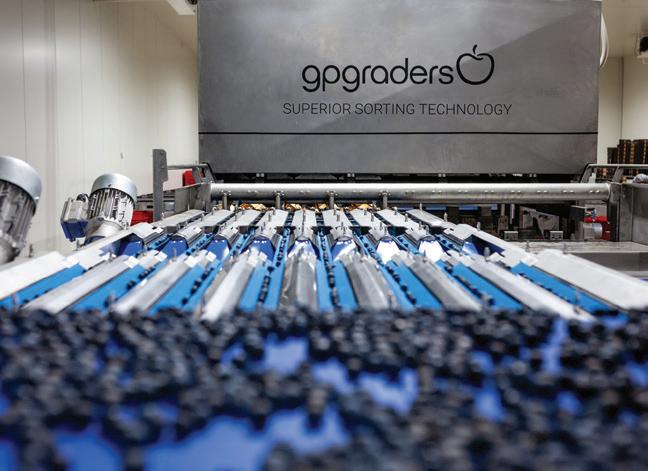
Nineteen growers attended across the two workshops, drawn from both the northern and southern production regions. Field demonstrations and further agronomy-focused content were the clear preferences for future events, and both will inform the design of Fruit Growers Tasmania's next series of grower events.
Acknowledgements
With thanks to Professor Kara Barry (TIA), Stuart Doyle (AgVista), Saba Jahangiri (NRE Tasmania), Will Coad, James Douglas and Sam Smee (Muirs), Peter Morrison (Nutrien), Kate Dickinson, Grace Lamont, Saleh Shariar and most importantly to the Tasmanian growers who gave us their day.
With gpVision™ in your packing shed, you’re able to ensure only the right berries are in your first-class punnets, commanding a higher price and generating more profit for your business.
Sort blueberries according to: Size, Colour, Softness, Shrivel, Defects, Stem On/Stem Off
To learn more about how our machinery and technologies can increase competitiveness and profitability in your business, visit gpgraders.com or email info@gpgraders.com


Associate Professor Kara Barry, Tasmanian Institute of Agriculture, University of Tasmania
This project was undertaken to explore strategies and options for Tasmanian blueberry growers to manage blueberry rust. This disease, caused by the rust fungus Pucciniastrum minimum, is relatively new to Tasmania. After several years of containment, it was declared endemic in 2022. The rust infects blueberry foliage and fruit, and only survives on living plant tissue. While the disease can be well controlled in most environments with a range of management practices, including fungicides, options to effectively reduce the disease or manage it with additional or alternative methods in a cool climate were of interest to the industry. The project aimed to address two main goals, which are summarised here.
This goal explored options that may prevent the rust overwintering on evergreen and semi-evergreen blueberry cultivars, in order to break the rust life cycle. This firstly included determining whether cold winter conditions would naturally break the life cycle.
Urediniospores are the ‘summer’ spore in regions of the world where the rust has originated, and it is other spore types that are able to overwinter. In Australia, only the urediniospore form have been found.
Urediniospore survival was tested in controlled conditions with a range of cold temperatures, with NSW populations of blueberry rust (which were demonstrated by gene sequencing to be genetically the same as the Tasmanian populations).
These studies concluded that blueberry rust spores can survive and continue to germinate after exposure to extended temperatures as low at -5°C (colder than typical Tasmanian winters), whether on detached leaves or on living plants. While there was evidence that pustule activity may be slowed down by -5°C exposure on detached leaves, whether this occurs on attached leaves could not be determined. The findings that the pathogen can survive sub-zero temperatures align with field observations across Tasmania.
Another aspect of pathogen overwintering explored was the potential to defoliate blueberry cultivars that maintain foliage over winter (and therefore sustain rust inoculum). Defoliation trials were conducted with the most popular semi-deciduous cultivar, ‘Legacy’, in a commercial orchard. Replicated field trials were conducted over 3 years, which compared hand defoliation to a range of chemical defoliants (including urea, zinc sulphate, copper sulphate, copper chelate, synthetic abscisic acid product ProTone™, ethylene promoter VBC Accede, and ethephon).
Results demonstrated that while several of the chemical options tested could result in efficient defoliation, the impact on yield was substantial. Application of ProTone™ in late autumn (mid-May) had the least impact on yield (84% compared to undefoliated controls in the first season, and 95% in the second season). However, two applications of ProTone™ were needed to obtain full defoliation, and it is the most expensive of the chemical options trialled; therefore, it may not be financially viable.
Further trials are needed to explore different rates of chemical defoliants and optimal timing of application. Hand defoliation, when conducted in winter, was shown to have no impact on yield, and while very labour-intensive, may be a viable option for small, highly infected areas of orchards.
While blueberry rust disease may survive winter, it is optimal infection conditions that lead to increased disease incidence and severity, which then impacts crop yield. Optimal conditions include the combination of susceptible leaves and warm, wet weather. Knowing when those optimal conditions occur enables management efforts to be well timed.
The project aimed to characterise the timing of leaf development in spring, which determines when susceptible leaves are present to start the new infection cycle. For two widely grown blueberry cultivars, ‘Brigitta’ and ‘Legacy’, leaf development was assessed weekly from July to November over two years, at five commercial orchards.
Using weather data obtained at each site, models were developed that could best predict the leaf development. To find a model that was the best fit across all sites (i.e. a statewide model), several options were tested, including temperature (growing degree days), humidity and photoperiod (daylength). The photoperiod model was the best fit to the data.
With this model, a calendar-based guide to estimate leaf development was generated, which has the advantage of not requiring blueberry growers to collect and upload weather data. The calendar-based guide is useful for planning disease management in the early stages of the season, and we expect infection risk to increase once leaves are 2-3 weeks old.
Once leaves have expanded and are susceptible, the infection risk then depends on weather conditions. An existing model for spore germination was validated with laboratory experiments using Tasmanian rust spores. The optimal spore germination and infection occur when moisture is available for at least 2 hours at 21°C, with no germination below 12°C or above 30°C.
This model was then used to create spatial maps for infection risk in Tasmania, based on observed weather (1986-2015), including both temperature and humidity (modelled to leaf wetness), for grids of 10 km2. For example, the map shown (Figure 1) highlights that all regions of Tasmania have one day per year where at least 20% of rust spores will germinate, while some regions (particularly the North of the state) could have up to 20 days per year where at least 20% of rust spores will germinate. Data for the whole state is based on interpolation between grid points, and it is important to note that as site microclimate may vary between grid points, these maps are indicative only.
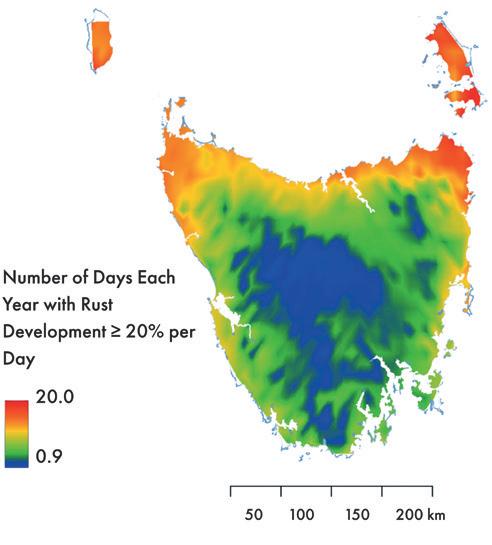
Figure 1. Total number of days each year with a risk of at least 20% germination, based on weather records during the period 1986 to 2015
This project demonstrated that overwintering rust remains a challenge for non-deciduous varieties, and supports emphasis on preventing and controlling blueberry rust via standard disease management practices (including cultural and chemical controls).
For blueberry growers with non-deciduous blueberry cultivars, managing the disease well during the season should be a high priority. This includes orchard hygiene, disease monitoring, maintaining open canopies, effective fungicide applications (product choice and timing to align with infection risk) and considering varietal susceptibility.
In areas of higher blueberry infection risk, planting deciduous cultivars is a recommended option.

Watch this video from Associate Professor Kara Barry for a short summary of the top 3 research findings www.youtube.com/ shorts/18yqZjaWuqI
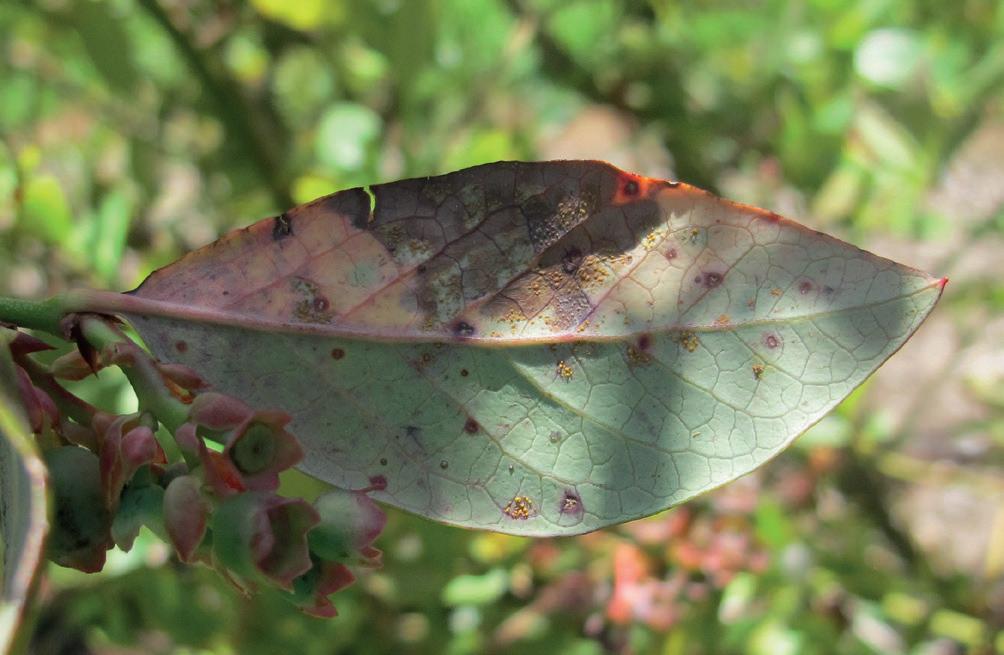
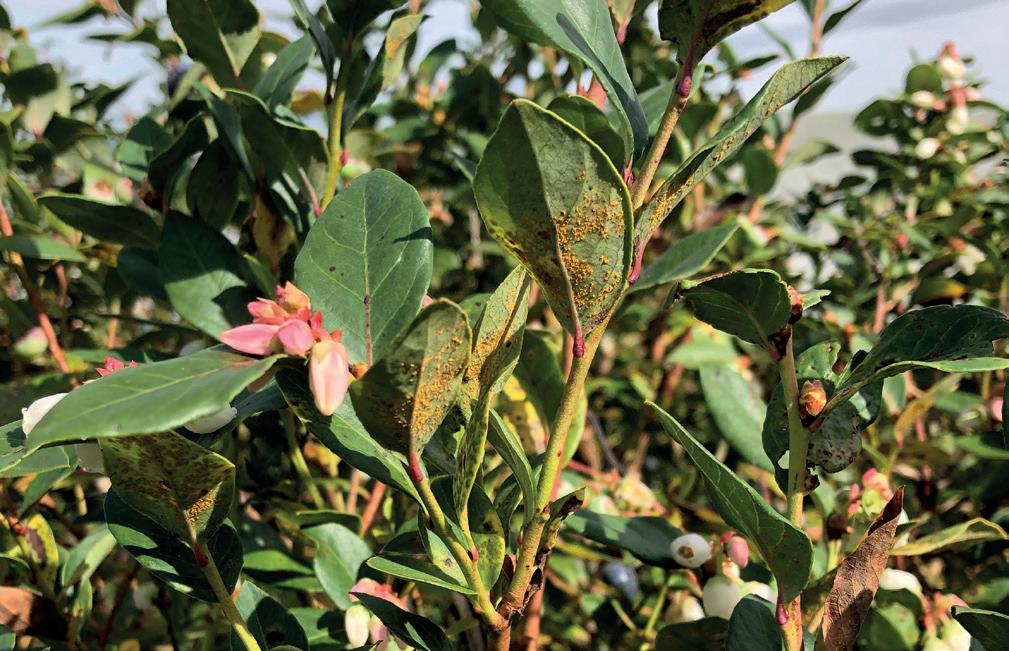
For more resources to assist you with managing blueberry rust, please visit the Berries Australia Resource Library at bit.ly/BA-RL and search ‘blueberry rust’
DOWNLOAD THE LATEST: ‘Managing Rust in Blueberries’ poster at bit.ly/BA-BBR
DOWNLOAD THE LATEST: 'FACTSHEET: Blueberry Rust in Cool Climates 2026 Update' at bit.ly/BA-BBR-FS26
Acknowledgements: This research was funded by the Department of Natural Resources and Environment Tasmania. The research team are gratefully acknowledged, including Tasmanian Institute of Agriculture staff Brian Horton, Michele Buntain, Tamieka Pearce, Jason Scott, Kathy Evans, Pattie Weichelt, Stacey Pilkington and David Page, and Southern Cross University staff Karina Griffin and Jay Anderson.


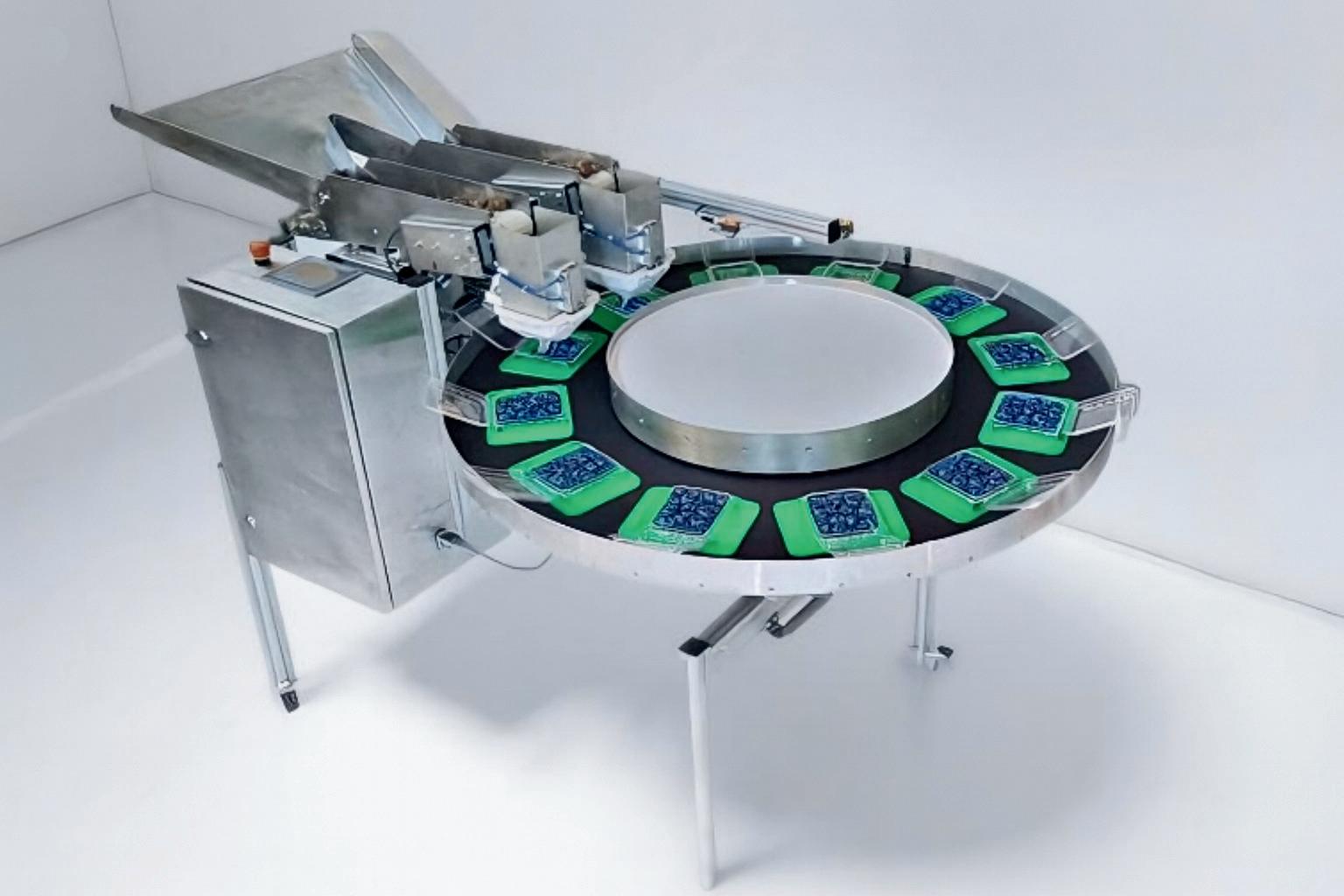
Jesse White, General Manager Asia, Berries Australia
On 28 April 2026, the Kunming Haiguanxing Fruit Market officially opened in Yunnan's Dianzhong New District, marking a significant milestone in the development of China's southwest fruit trade infrastructure, and one with direct implications for Australia's blueberry industry.
Berries Australia's General Manager Asia, Jesse White, attended the opening alongside representatives from the Australian Department of Agriculture and Austrade.
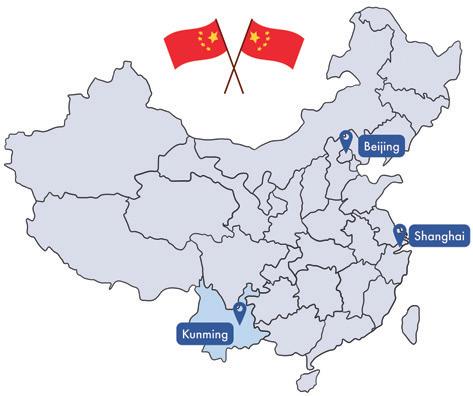
Backed by ¥1.6 billion in investment from a consortium of Jiaxing Fruit Market, Guangzhou Jiangnonghui, and Shanghai Ouheng Group, the market has been purposebuilt as the southwest's primary wholesale fruit hub. The facility features smart cold chain infrastructure and modern trading operations, and is expected to establish Kunming as a regional fruit price-formation centre, an industry information hub, and a cold chain logistics node. The market reported a 100% merchant sign-up rate ahead of opening, with all stall allocations, logistics, and loading partnerships completed, demonstrating a strong signal of industry confidence.
More than 500 industry guests attended the formal opening ceremony, including Cao Derong, President of the China Chamber of Foodstuffs and Native Produce Import and Export, and Yang Dongwei, Deputy Director of the Dianzhong New District Management Committee. The calibre of commercial tenants reinforces the market's positioning; Zespri® and Goodfarmer opened flagship operations on the day, while Joy Wing Mau, River King, and Yumsun have each established permanent trading bays with dedicated sales desks and cool rooms. Driscoll's was also a visible presence at the event.
Representatives from multiple foreign consulates attended, underscoring the international dimension of the market's ambitions. The scale of the occasion was underscored by a community lunch hosted and funded by the market, which drew an estimated 10,000 merchants and local residents to enjoy local cuisine, demonstrating the market's commitment to embedding itself in the region's commercial and social fabric.
For Australia's blueberry industry, the significance of this market runs deeper than the general horticulture trade. Yunnan is China's largest and fastest-growing blueberry production region, and Australian varieties are already performing strongly there - notably 'Eureka Sunrise' (L25) and 'Arana' (L11), which are well suited to Yunnan's growing conditions.
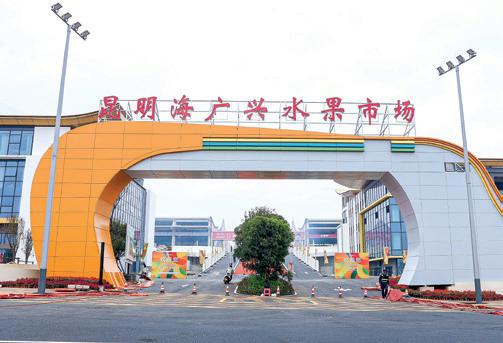
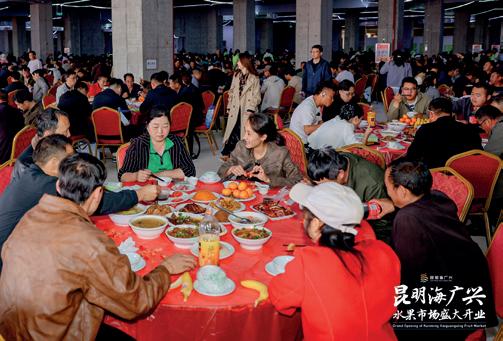


For Australian breeders licensing varieties into China, the Haiguanxing market represents a new and important distribution channel, both for domestic supply into south and west China and as a gateway for blueberry exports to southeast Asia which is a region where berry consumption is still in its early stages.
The market's location makes this viable. Situated adjacent to Kunming Changshui International Airport and connected to Kunming's integrated air, rail, and road transport network, it sits at the intersection of major corridors linking China directly to Laos, Thailand, Vietnam, Cambodia, and Myanmar.
Haiguanxing Chairman Xu Zheng outlined a vision closely aligned with China's ‘Belt and Road Initiative’ to build a southwest wholesale hub and southeast Asian trading centre, capturing the growing opportunity in cross-border fruit trade.
When Australia secures market access for blueberries into China, this market will form part of the supply chain picture. While East Coast wholesale markets will remain the primary entry points for much of the country, the Haiguanxing hub is positioned to serve
south and west China with its growing consumer base that has historically been harder to reach efficiently.
Combined with the facility's role as an export gateway into ASEAN markets, it presents a dual opportunity: a channel for Australian-grown fruit into China, and a distribution point for Australian-bred varieties grown under licence in the region to reach new consumers across southeast Asia.
The presence of the Australian Department of Agriculture and Austrade at the opening reflects the Australian Government's recognition of Kunming's emerging importance in the regional fruit trade.
For Berries Australia, maintaining visibility at developments like these is essential to building the industry relationships and market intelligence that will underpin our long-term trade objectives in the region.

UNITEC supports packing houses in every stage of the SORTING process of blueberries, as well as over 50 types of fruit, tree nuts, and vegetables, from intake to final packing. Automated lines equipped with the latest AI-enhanced technologies, offer a real opportunity for a wide range of products, delivering even faster, smarter, and more reliable sorting.
Looking inside and outside to generate results.
Melinda Simpson, Blueberry Industry Development Officer, NSW DPIRD
Pollination plays a role in berry production, influencing not only yield but also fruit size, shape and uniformity. However, management has traditionally relied on relatively simple approaches, primarily hive stocking rates and visual observations.
As production systems become more intensive, particularly under tunnels, and seasonal conditions become more variable, it’s essential to look for ways to better understand and manage pollination. A new generation of sensor technologies is beginning to provide that insight.
Two technologies gaining traction in horticulture are AgriSound, which measures pollinator activity in the crop, and BeeSTAR, which monitors hive health. Together, they give growers a clearer, more complete picture of how pollination is performing on farm.
AgriSound uses bioacoustic sensors to detect, quantify and record pollinator activity directly within the crops. The sensors pick up bee’s wingbeat frequencies and use machine learning to identify and measure pollinator activity, with micro-environmental information.
Placed within the canopy, these sensors are charged by solar power and connected independently to a cellular network, operating continuously to provide real-time data on pollinator activity across different parts of a block or tunnel.
Pollination activity can vary significantly depending on weather conditions, time of day, crop variety and flowering intensity. Even within the same farm, some areas may receive substantially less pollinator visitation than others.
By tracking activity levels over time and taking datadriven interventions, AgriSound allows growers to:
• Identify areas of low pollination activity before it impacts yields
• Assess whether hive stocking rates are sufficient
• Optimise hive placement within tunnels or blocks
• Monitor how pollination responds to weather events
This type of information has traditionally been difficult to capture, particularly at scale. Having continuous, objective data opens new opportunities to fine-tune pollination management.
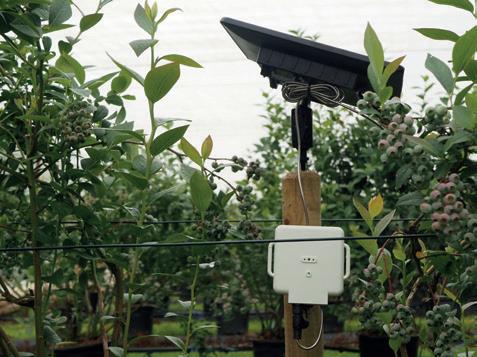
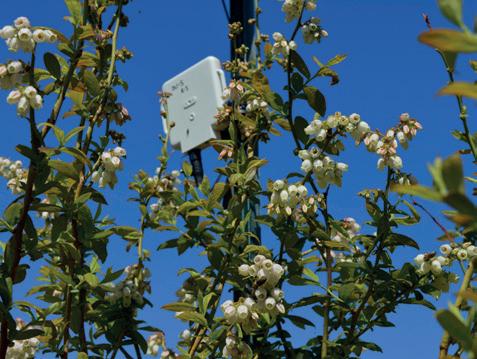
While measuring activity in the crop is one part of the equation, the strength and health of the hive itself are equally important.
BeeSTAR is an in-hive monitoring system designed to provide real-time insight into colony condition. Sensors are installed between frames to collect data on internal hive conditions, such as temperature and humidity.
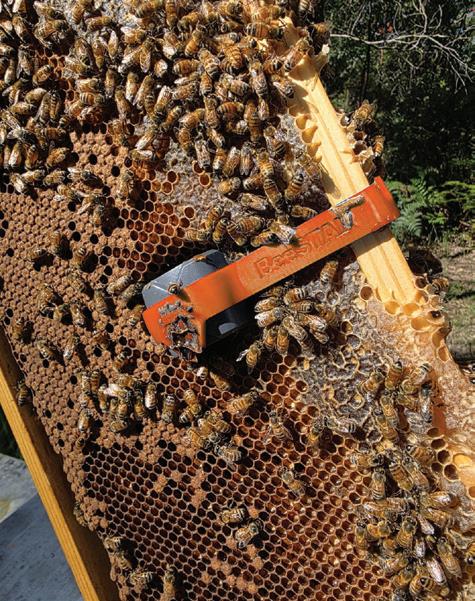
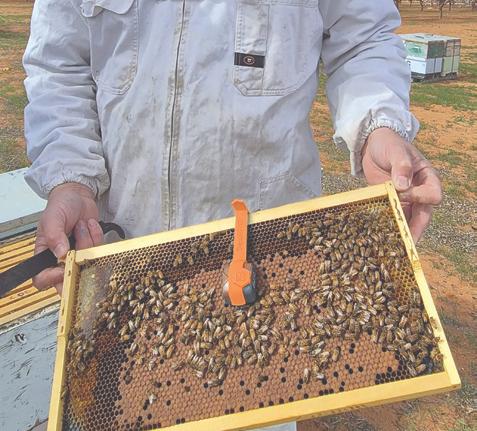
This information is used to generate indicators of hive health, including early warning signs of stress, queen issues or declining colony performance.
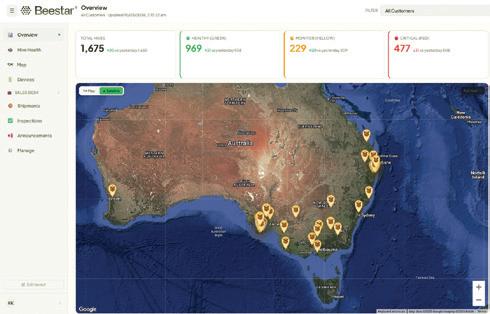
For berry growers, hive strength can be a significant but often hidden variable. Two hives may be counted the same on delivery but perform very differently in the field.
BeeSTAR helps address this by:
• Providing greater confidence in hive quality and performance
• Allowing early detection of failing or stressed colonies
• Supporting more transparent communication between growers and beekeepers
• Reducing reliance on manual hive inspections
For beekeepers, the technology enables more targeted management, improving efficiency while maintaining hive performance.
While emerging pollination technologies offer significant potential, their adoption will depend on practical considerations such as cost, data interpretation, connectivity and integration with existing farm systems. Despite these challenges, tools like AgriSound and BeeSTAR are helping shift pollination to one that can be measured and actively managed. By providing real-time insights into both pollinator activity and hive health, these technologies support more informed decision-making, improved crop outcomes and stronger collaboration between growers and beekeepers.


Jiffy Blueberry mix for long lasting results
• RHP Certifi ed inputs to produce a premium blend of coir, peat and perlite.
• AFP and WHC specifi cally designed to suit Australian growing conditions.
• Perfectly balanced particle sizes to ensure mix stability and longevity.
• Quality materials for the perfect starting PH (of approx 4.3).
AFP of 28-38% for healthy roots
WHC of 50-70% for effi cient nutrient uptake
Long lasting premium materials
Tel.: 1300 695 098 www.gardencityplastics.com







CHIEF EXECUTIVE OFFICER
Rachel Mackenzie 0408 796 199 rachelmackenzie@berries.net.au
PROJECT MANAGEMENT
Jen Rowling 0448 322 389 jenrowling@berries.net.au
PROJECTS
EXPORT: HEAD OF TRADE
Jenny Van de Meeberg 0410 536 269 | export@berries.net.au
EXPORT: GM ASIA
Jesse White 0447 353 591 | gm.asia@berries.net.au
R&D / BIOSECURITY
Angela Atkinson 0499 645 836 | AngelaAtkinson@berries.net.au
COMMUNICATIONS & MARKETING
Jane Richter 0431 700 258 | berrycomms@berries.net.au
Wendy Morris 0484 272 963 qldberryido@berries.net.au
NEW SOUTH WALES
Gaius Leong 0484 055 748 gaius.leong@dpi.nsw.gov.au
VICTORIA & SOUTH AUSTRALIA
Sandy Shaw 0408 416 538 vicberryido@berries.net.au
TASMANIA
Mark Salter 0400 100 593 berryido@fruitgrowerstas.org.au
WESTERN AUSTRALIA
Helen Newman 0428 335 724
helen.newman@dpird.wa.gov.au