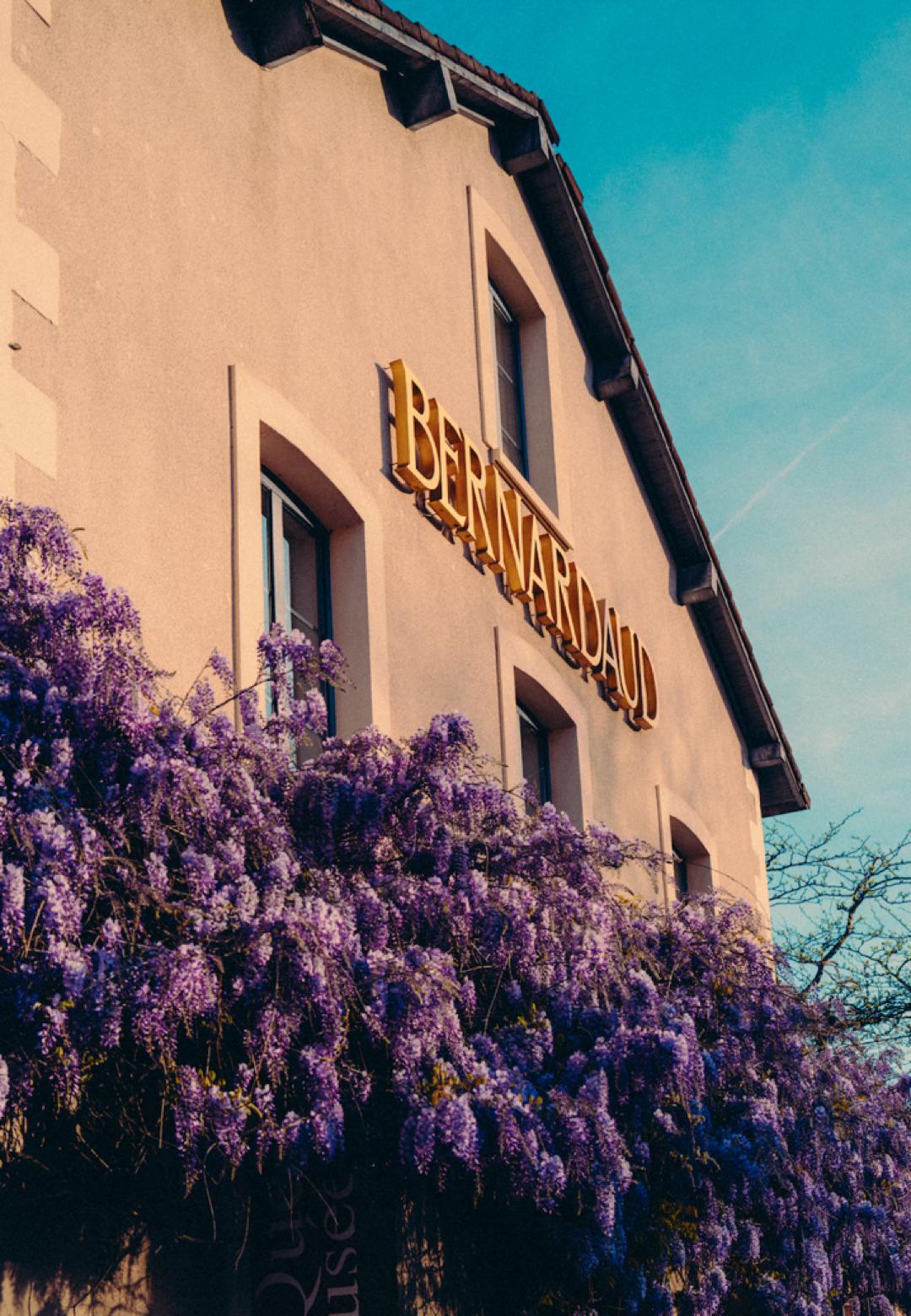
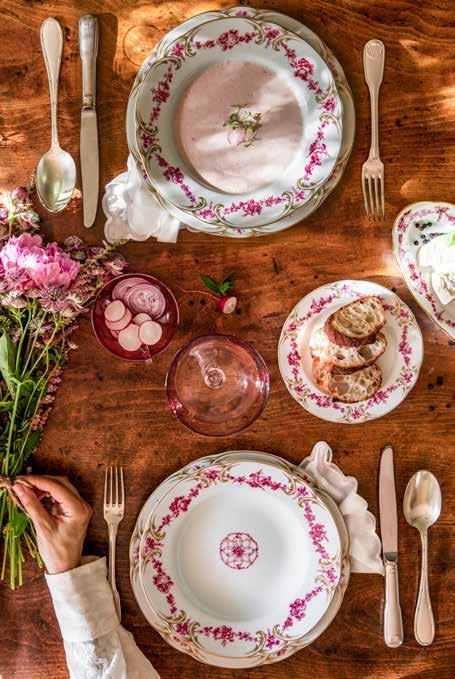
Since 1863, Bernardaud has been synonymous with Limoges porcelain. While its attachment to the Limousin heritage remains a strength, its independence has always been asserted through its creative boldness and artistic collaborations.
Having become a globally recognized player in French luxury, this family business continues to explore the many avenues of expression of porcelain, grounded in respect for a centuries-old craft and a constant drive to innovate without ever compromising on quality.
Three founding principles that, over the decades, have led it to participate in a reinvention of the art of the table while developing applied research in technical ceramics. For all those who bring it to life every day, Bernardaud remains a way of searching and creating, resolutely.
Over the years, the manufacture has transformed and grown, deploying its expertise, acquiring other manufactures with prestigious histories, creating the Fondation Bernardaud and then the Institut des Arts de la Table, to become a house defined by a culture of excellence and innovation..
LIMOGES PORCELAIN
While the Western world first discovered porcelain in 1295, upon Marco Polo’s return from China, it was not until the 18th century and the discovery of kaolin that the production of this infinitely delicate ceramic took hold in France. Rich in deposits of ‘white gold,’ the Limoges region remains the hallmark of an art and, for more than 160 years, the birthplace of the Bernardaud manufacture.
The White Gold of Limoges
Bernardaud’s history is inseparable from the Limousin, a region that possesses the three essential elements for porcelain production: fresh water, forests, and above all, that white, smooth clay that gives porcelain its delicacy, strength, and translucency: kaolin. Discovered in 1768 a few dozen kilometers from Limoges, this ‘white gold’ unlocked the secret of Chinese ceramics and marked the starting point for the production of ‘hard-paste porcelain,’ to the point that the name of the city immediately evokes the art of porcelain.
Birth of a Manufacture
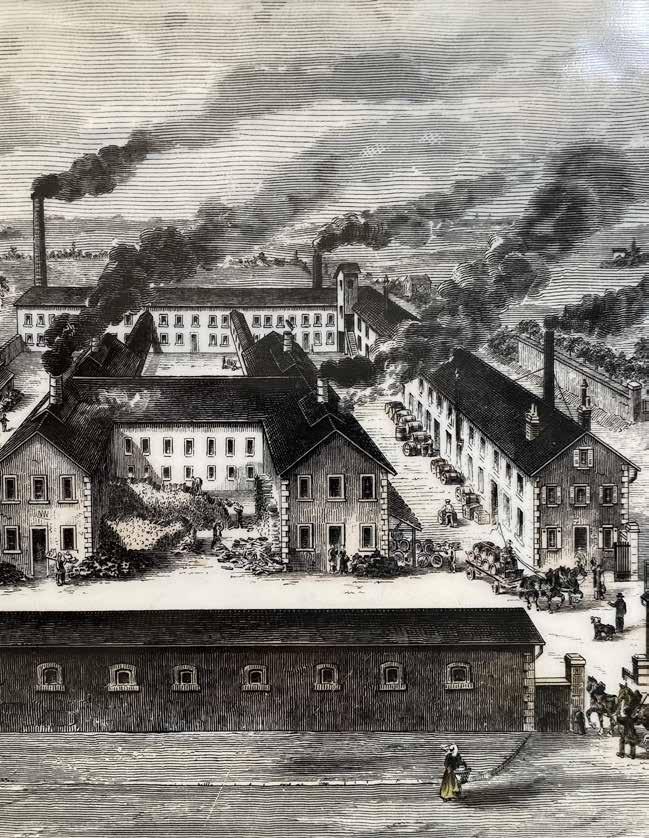
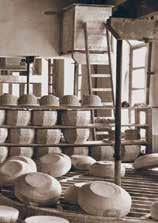
Founded in 1774, the Royal Manufacture was the first to establish itself in Limoges. In the 19th century, the adoption of coal and the development of the railroad allowed production to expand and contributed to popularizing porcelain dinnerware. Many manufactures came into being. It was in one of them, founded in 1863, that the young Léonard Bernardaud began his apprenticeship. From the workshops to the commercial departments, his rise was meteoric. In 1895, he purchased the company, which then took his name. The Bernardaud manufacture was born.
In Léonard’s footsteps, generations have followed one another, each rooted in their era. Over the decades, Bernardaud — which remains in the hands of the founding family — has developed its production capabilities and continued its expansion, contributing to the renown of the ‘Limoges Porcelain’ designation.
Bernardaud apprivoise l’air du temps
Studying the evolution of tastes and habits, experimenting with multiple culinary cultures — all of this drives a constant questioning that allows Bernardaud to design porcelain for everyday use while cultivating the art of the table for more formal meals. This ongoing reflection also leads the company into new fields of expression (interior decoration) as well as into applied research through the development of technical ceramics.
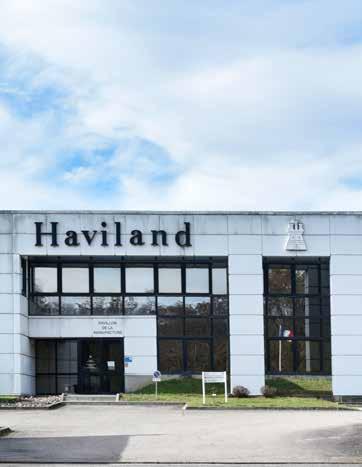
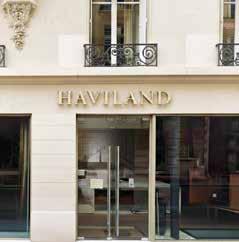
Being part of the ongoing story of porcelain also means preserving a heritage, enhancing its value, and enriching oneself with its expertise. It is in this spirit that many Limoges companies have joined Bernardaud, such as the Ancienne Manufacture Royale and, more recently, Haviland, two manufactures with exceptional histories. Together, creation, fundamental research, and heritage ensure — in a subtle balance — the spirit of the Maison.
FROM EARTH TO OBJECT
By controlling the entire production chain, Bernardaud guarantees a level of excellence while expanding and diversifying the fields of expression of porcelain.
Quality remains a driving force as well as a social and environmental responsibility, which the company translates every day into firm commitments.
A Unique Porcelain Paste
Along with earthenware, stoneware, and faience, porcelain belongs to the family of ceramics (from the Greek keramos, meaning ‘potter’s earth’).
Beyond its whiteness, translucency, and delicate resonance, porcelain is waterproof, hard, and durable, retaining its strength even at extreme temperatures; it is unaffected by heat or cold — easily going from −13°F to +626°F — provides genuine food safety, and is easy to clean. But its most extraordinary quality is its permanence, since neither air, water, nor time can alter it.
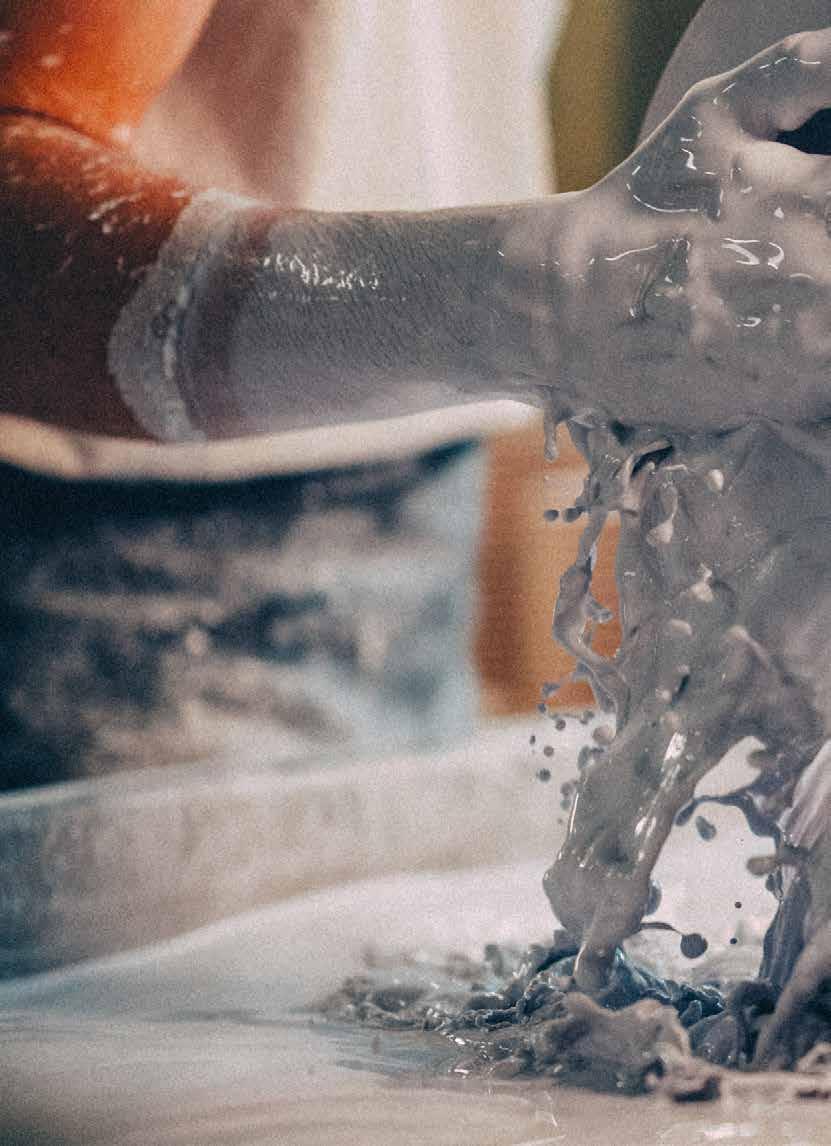
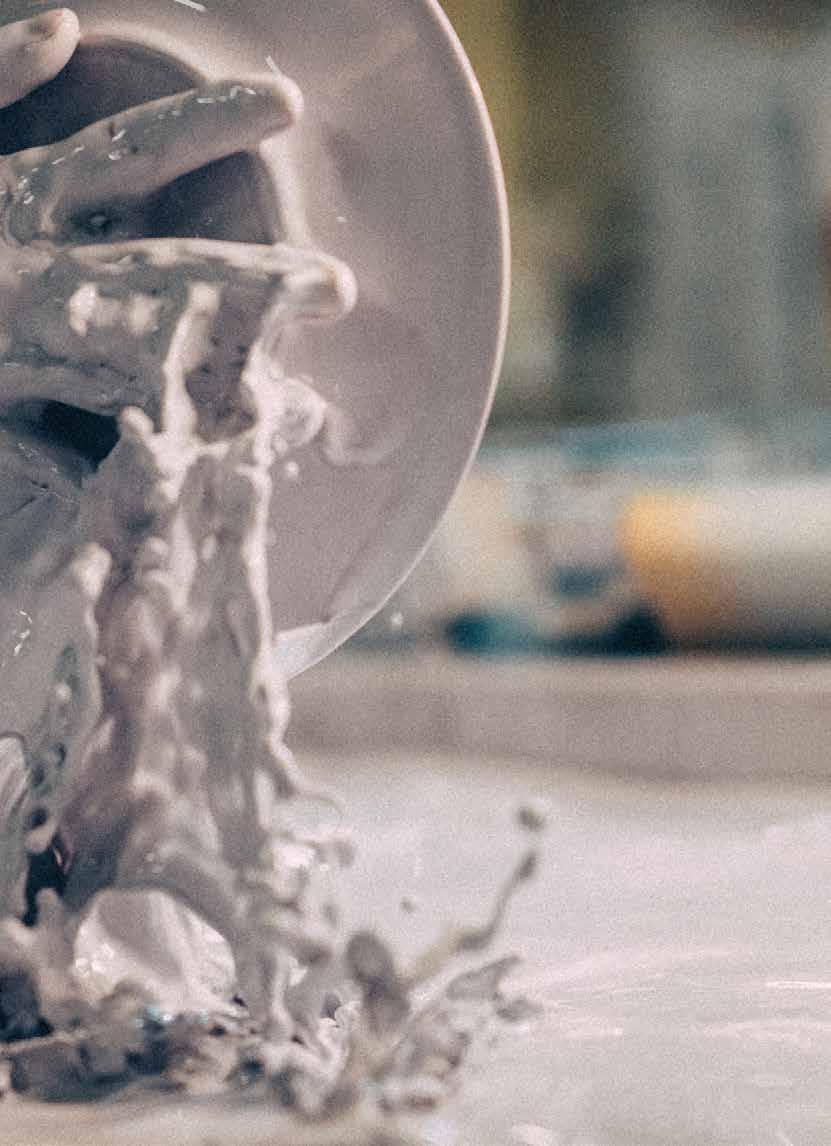
Porcelain is composed of 50% kaolin, 25% quartz, and 25% feldspar. These three minerals are sifted and filtered to form a liquid, plastic, or powder paste depending on the manufacturing technique used.
Maison Bernardaud has refined the proportions and processes for this composition to obtain a whiter and more durable porcelain. The recipe for this unique paste, of which the Maison holds exclusive rights, is used in the production of all its collections. It has notably enabled the hotel and restaurant industry to benefit from pieces that are finer, more durable, and therefore better suited to frequent handling.
Combining Three Trades
Producing a porcelain object requires numerous skills and areas of expertise. True to its commitment to quality control, the Bernardaud manufacture brings these together around three areas:
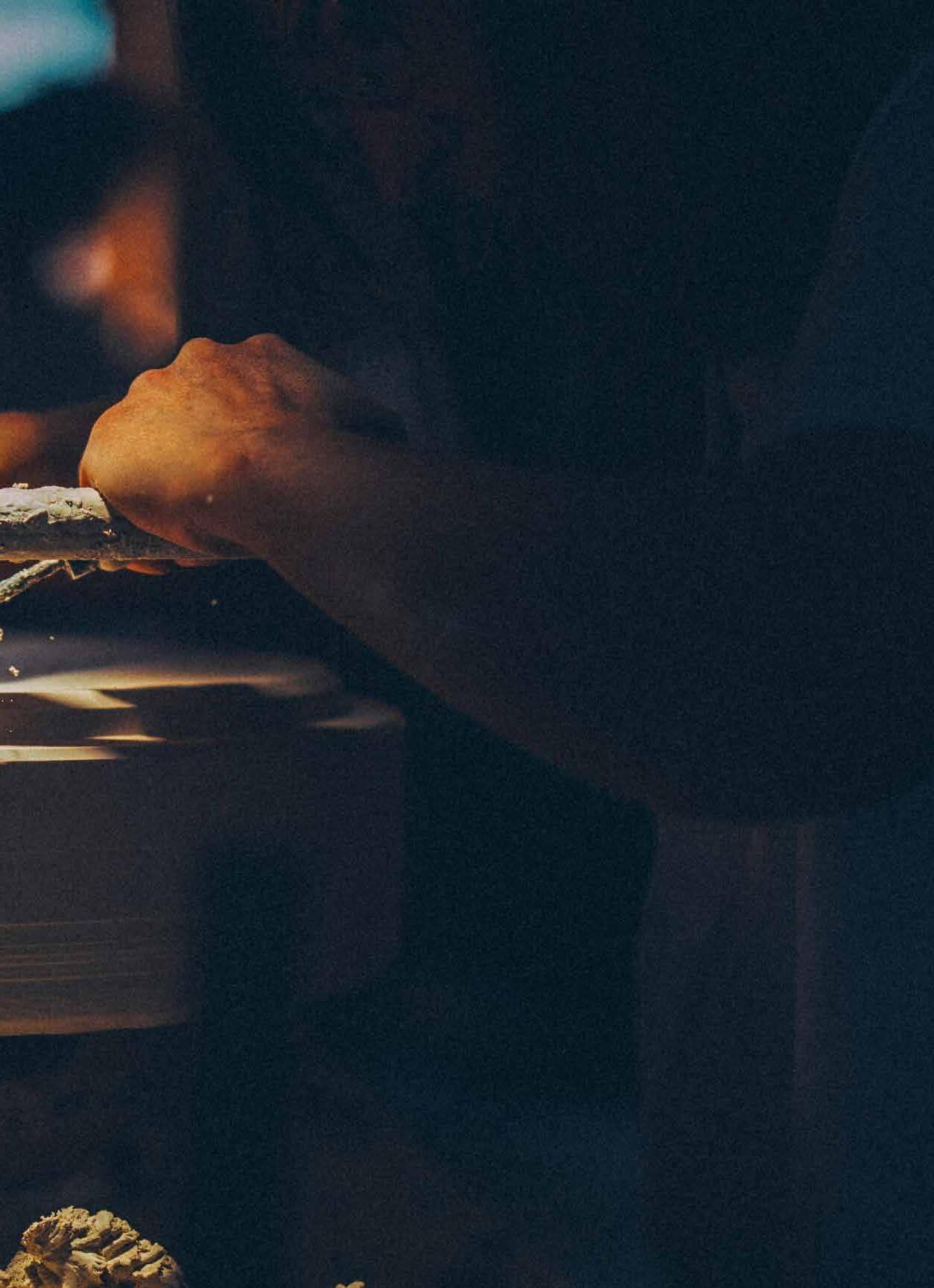
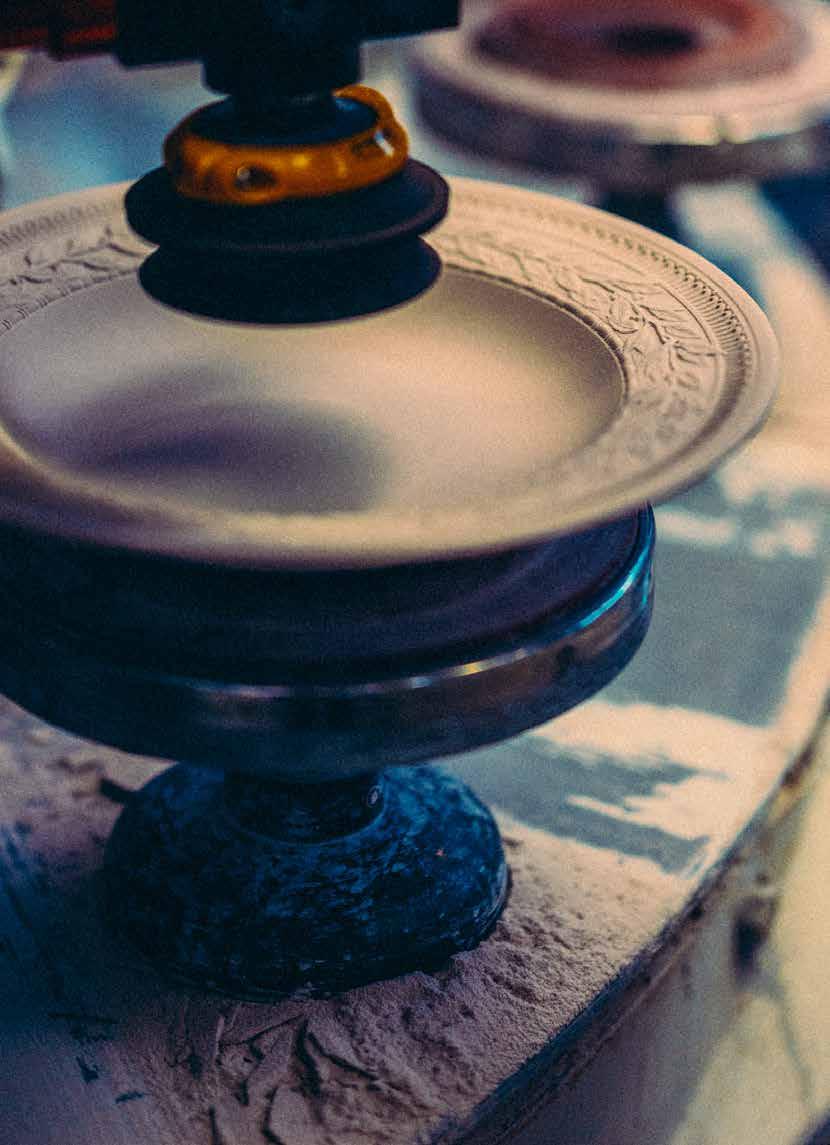
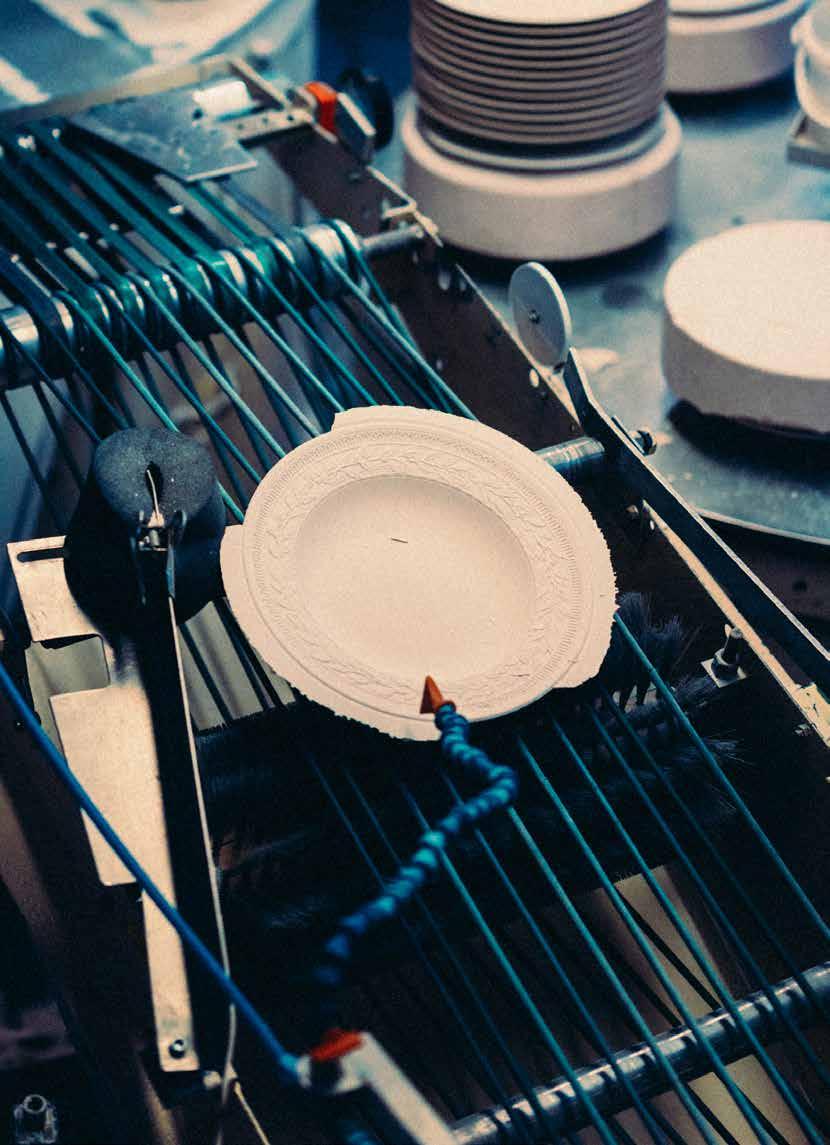
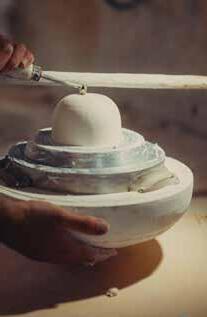
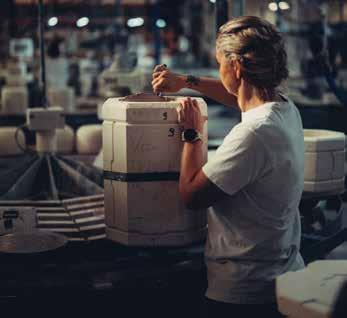
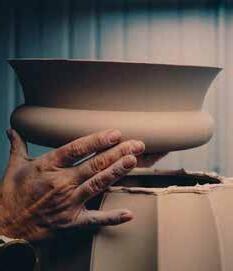
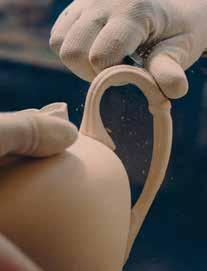
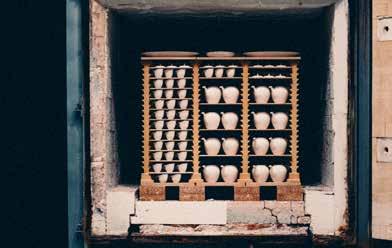
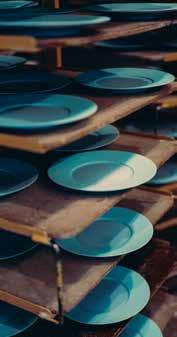
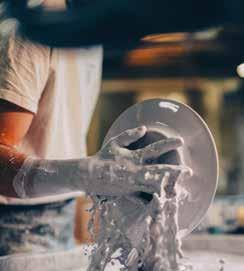
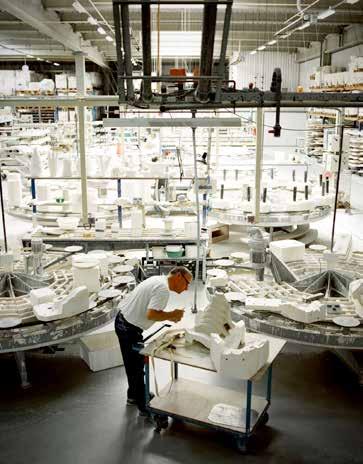
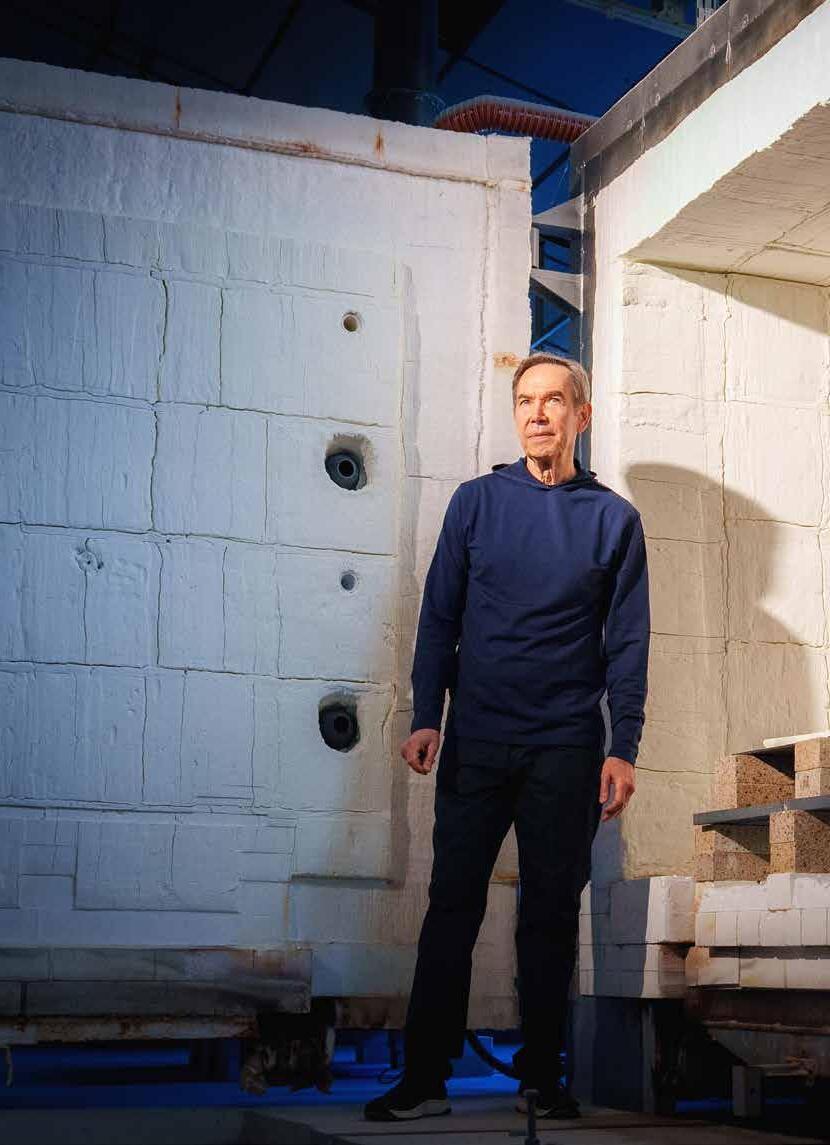
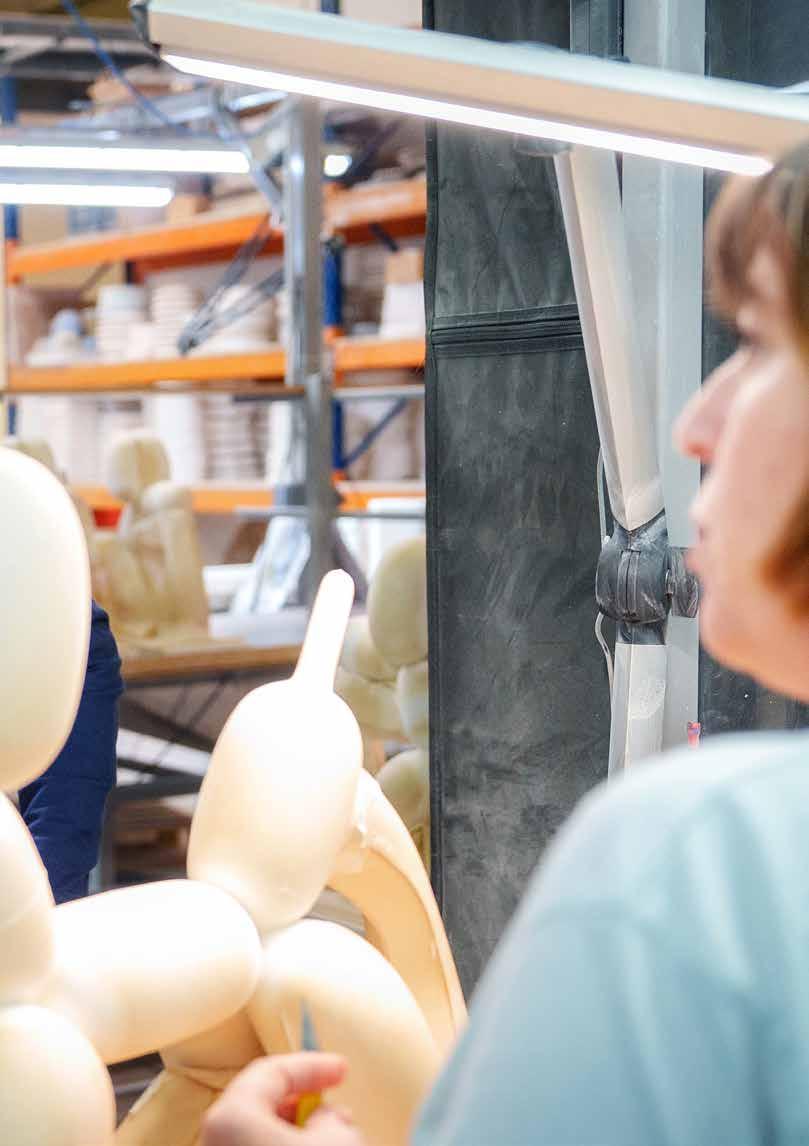
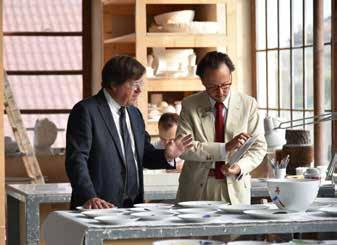
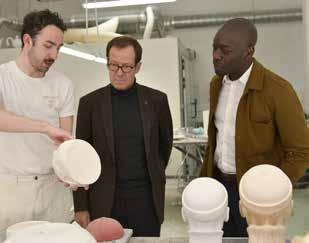
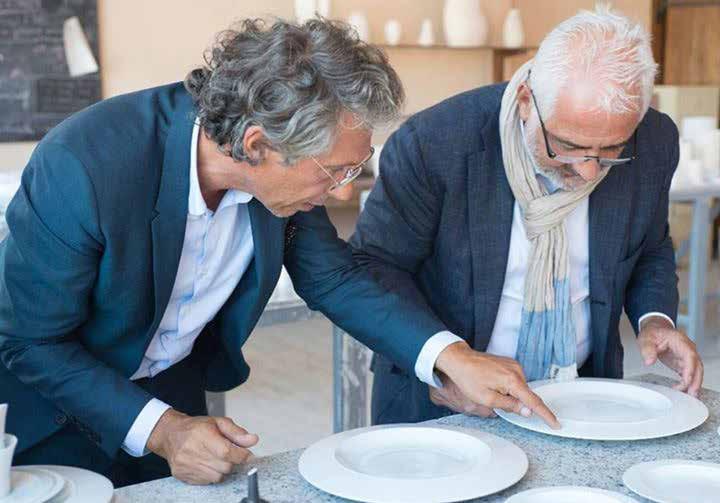
- The production of white porcelain, from creating models and manufacturing plaster molds through to glazing and firing, including the research and development of technical ceramics. The critical design phase is handled by the in-house Design Studio, which conceives and develops each of Bernardaud’s collections. It also responds to the many requests for custom objects for companies or private projects. Their production offers constant opportunities to achieve technical feats or even implement innovations.
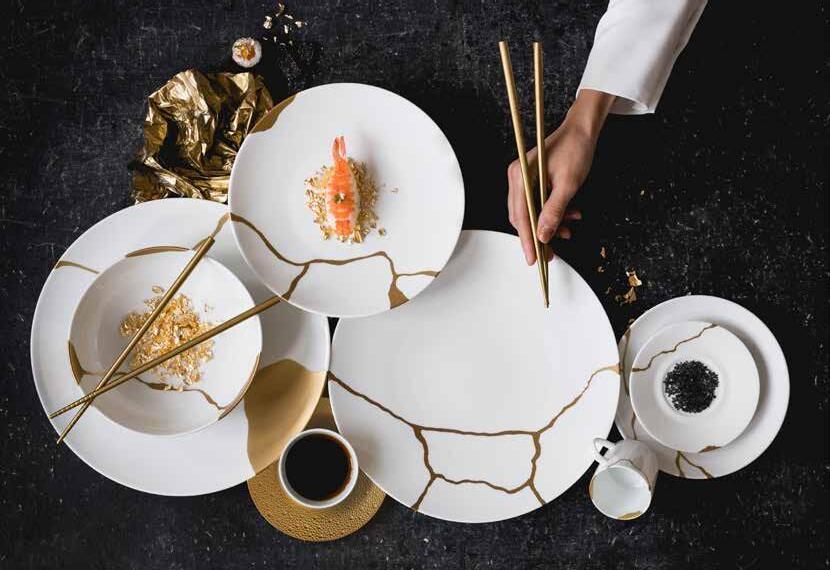
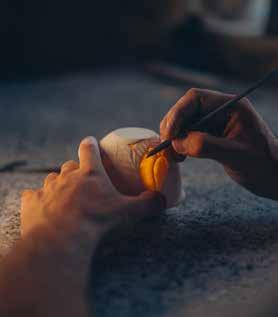
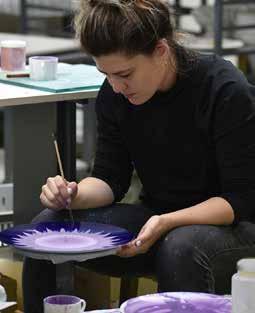
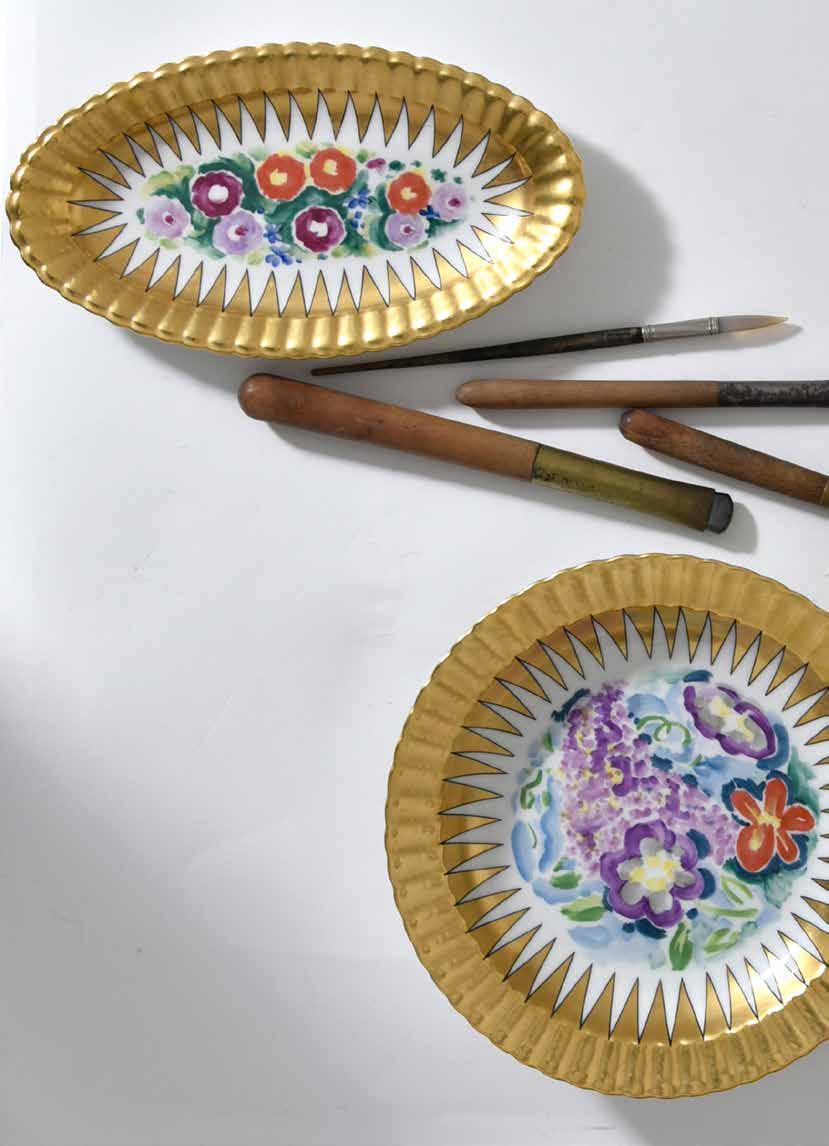
- Decoration, from conception through execution and firing — since, regardless of the process used, one or more firings are required for the ceramic colors to develop. Decoration is most often applied by decal or hand-painted, as with gold lines. Special commissions regularly provide an opportunity to perpetuate rare expertise, such as gold relief or incrustation decoration.
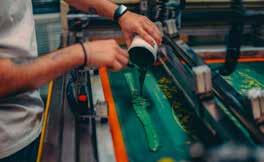
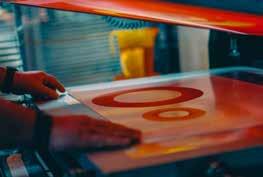
- The printing of decals (or chromolithographs), which, like transfers, are applied to white pieces or any other surface. Equipped with state-of-the-art equipment, the Bernardaud manufacture’s printing plant can address a variety of industrial challenges, such as printing decorations for glass, crystal, metal, or other surfaces. This mastery of the entire manufacturing process clearly optimizes both quality and production timelines, while also allowing the company to explore fields of expression beyond the art of the table and to develop new applications for porcelain.
Porcelain Variations
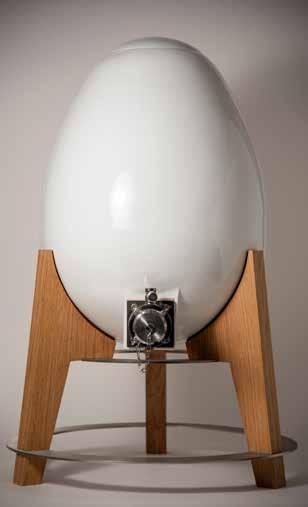
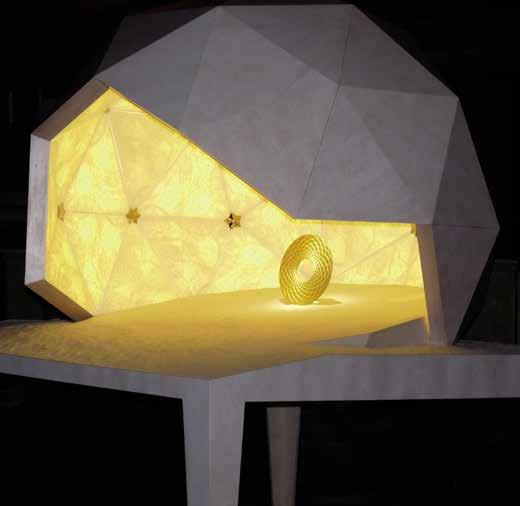
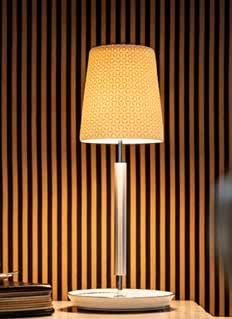
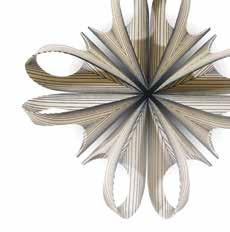
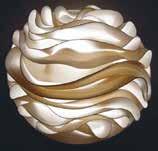
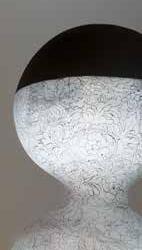
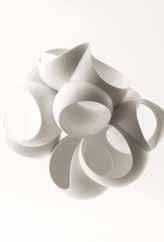
Making porcelain means constantly reimagining everyday objects. This ongoing drive to explore new territories has led Bernardaud to venture into interior decoration, thereby engaging renowned designers and architects. Their creations draw on all of porcelain’s qualities: its translucent whiteness, its infinite range of decorations, its capacity to naturally pair with other materials, and its always-clean appearance as a washable material.
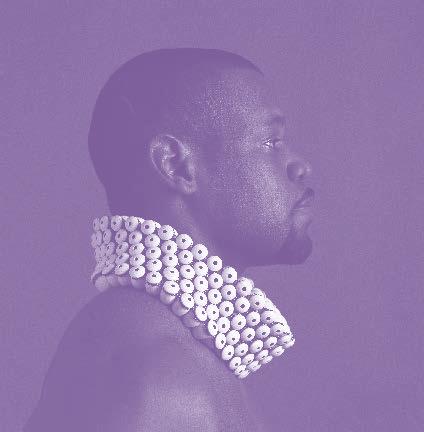
In the same spirit, Bernardaud creates jewelry, a field in which porcelain asserts itself through its delicacy, sensuality, and softness, but also through the multiplicity of its decorations, which naturally complement gold and silver.
Technical Ceramics
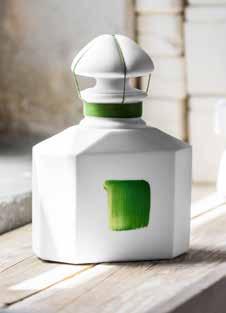
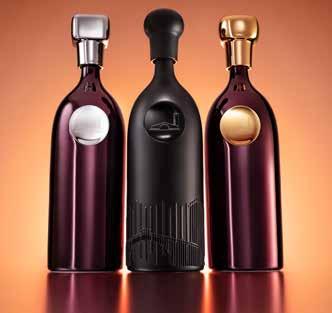
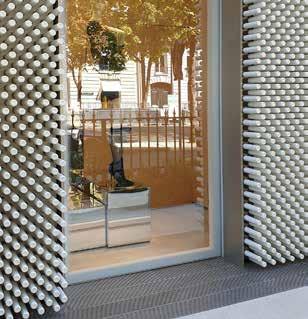
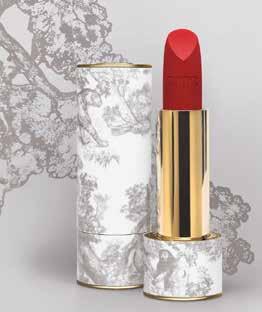
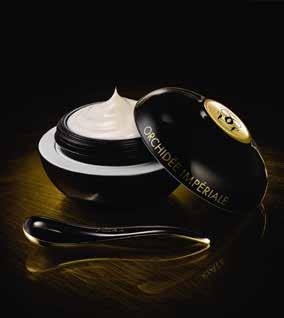
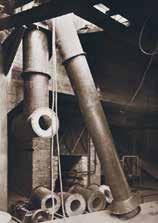
The intrinsic qualities of porcelain make it suitable for an infinite number of industrial sectors. Starting with the luxury sector, through the production of containers for cosmetic products or spirits — applications that draw on the full range of the manufacture’s expertise. In the field of construction, the thermal mass and durability of porcelain, along with its glossy appearance that requires no maintenance, have been used, for example, to clad the façade of a Parisian building.
These theoretical and methodological approaches, which benefit from the manufacture’s cutting-edge production processes, are conducted within the R&D department. Called upon to work with — and even develop — other technical ceramics, its expertise enables it to address industrial challenges in the medical, automotive, aerospace, and energy sectors.
Four Production Sites
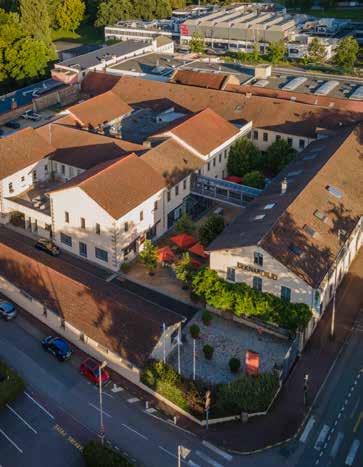
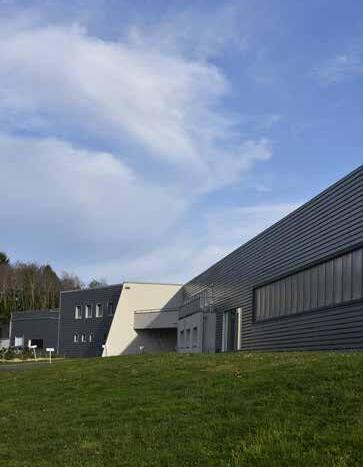
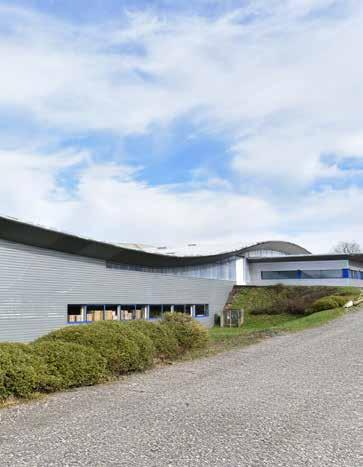
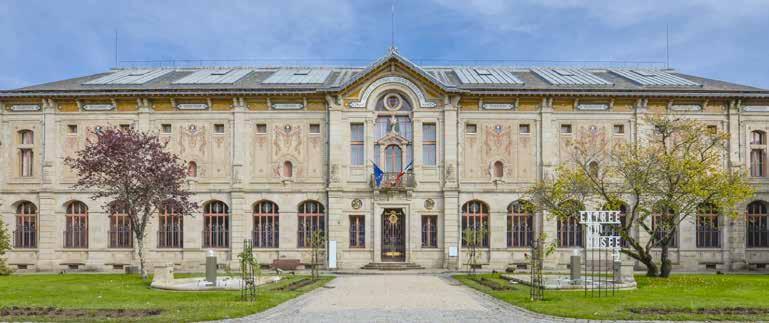
Bernardaud’s four production sites are located in Limoges and its surrounding area, while the historic manufacture, situated in the city center and open to the public, is now dedicated to the discovery of porcelain. One of the characteristics of porcelain production is that it requires not only centuries-old expertise but also skills associated with its technical and technological innovations. In 2026, Bernardaud has 750 highly qualified employees and artisans, 90% of whom work at the Limousin sites.
Quality: A Dynamic Force and a Responsible Commitment
For Bernardaud, the quality of a porcelain object is also measured by its ecological footprint. This commitment extends across the entire production chain, from a procurement policy that favors local suppliers to the use of reusable packaging, including environmental risk prevention (filtering of effluent-laden water) and energy management. Quality is both a driving force and a commitment.
This original commitment to guaranteeing quality in both products and services, and to embracing a process of continuous improvement, has been ISO 9001 certified in 2026. Similarly, the consideration of environmental challenges in order to contribute to the UN’s sustainable development goals has been validated by ISO 14001 certification.
Finally, Bernardaud has received the ‘Entreprise du Patrimoine Vivant’ (EPV — Living Heritage Company) designation. Since 2005, the company has held this state recognition, which distinguishes French companies with excellent artisanal and industrial craftsmanship.
A National and International Distribution Network
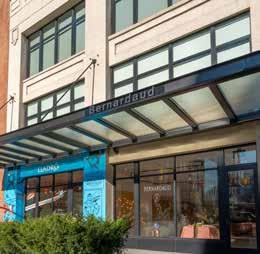
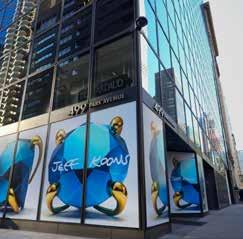
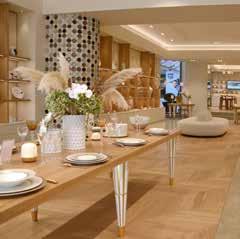
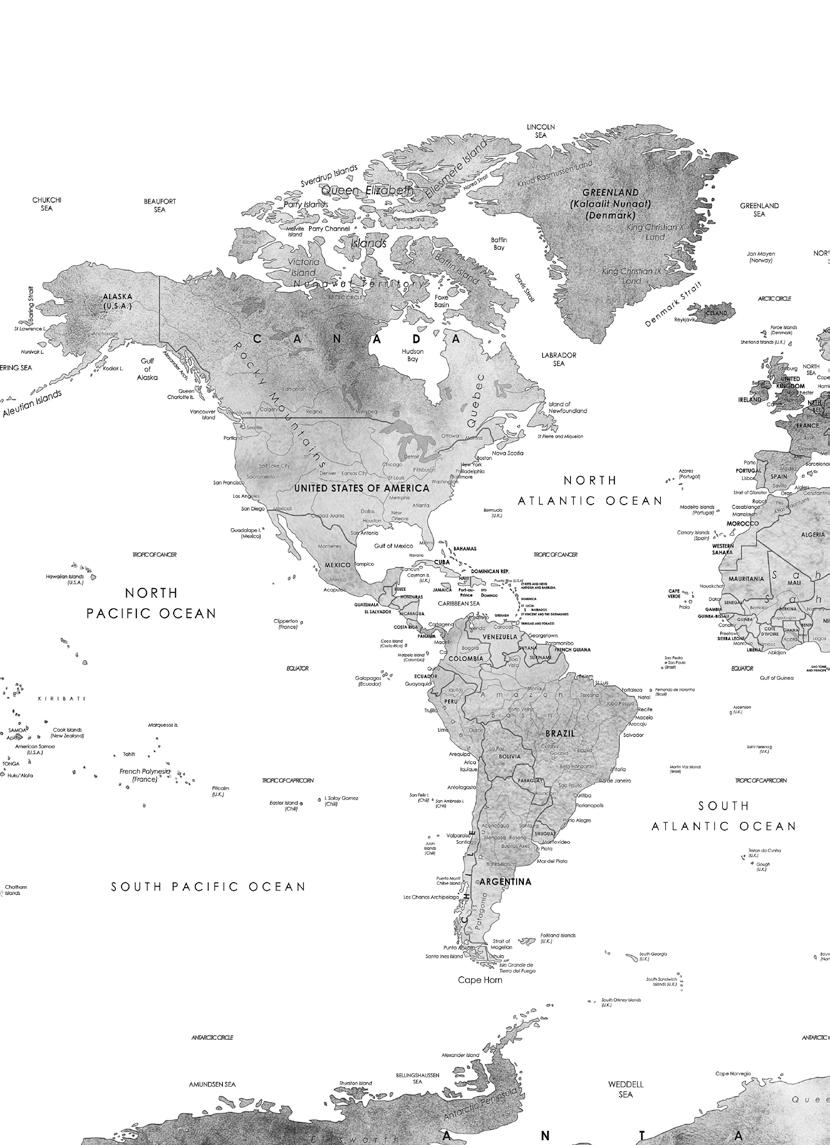
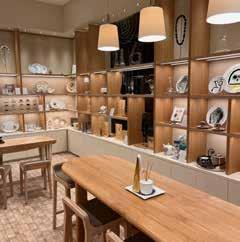
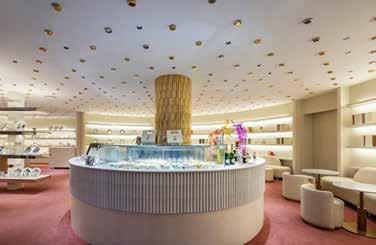
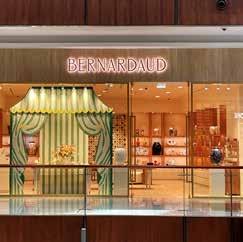
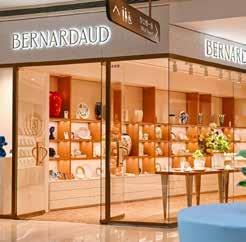
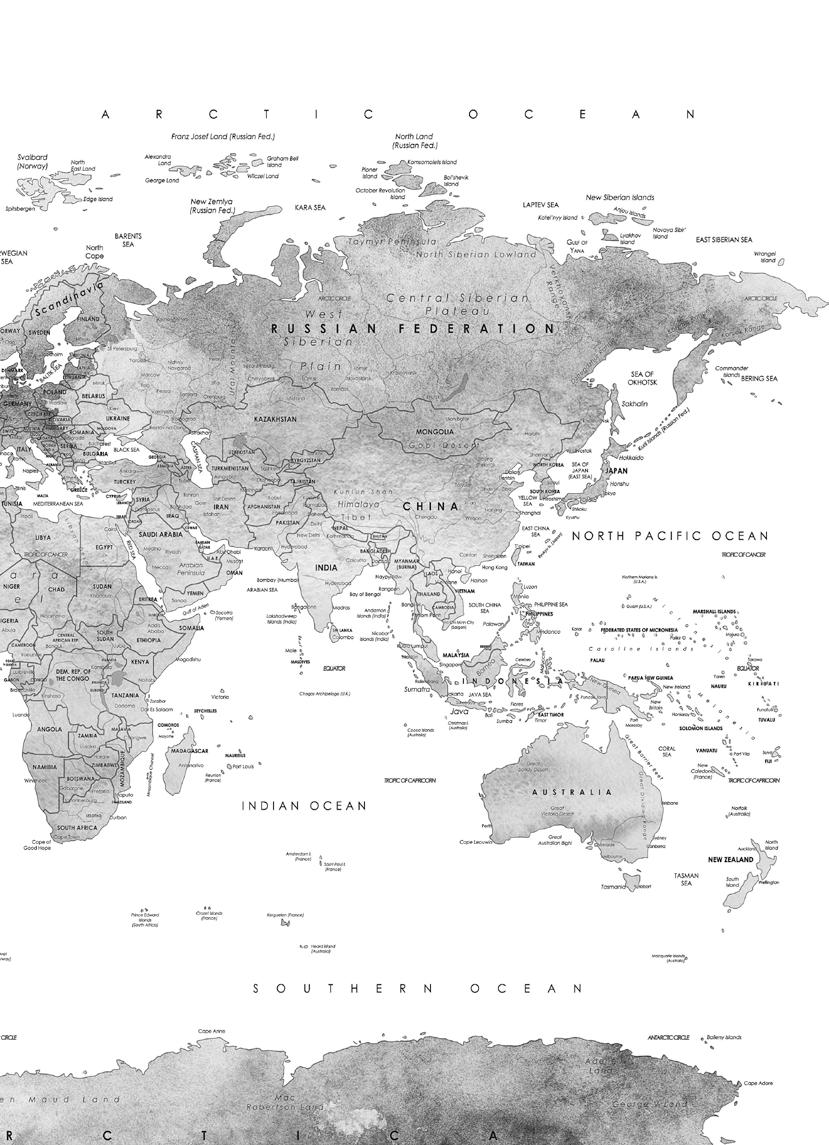
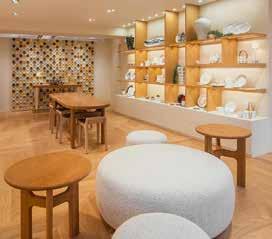
Bernardaud’s roots in its native terroir, combined with its culture of excellence, creativity, and innovation, naturally place it in a global commercial dynamic. This extends at both national and international levels through the activities of its subsidiaries across five continents. The Maison is also present in France and worldwide through Bernardaud and Haviland stores, dedicated e-commerce sites, and its network of authorized dealers, as well as in numerous hotels and restaurants.
Dubaï
ARTISTS, DESIGNERS & CHEFS
For nearly two centuries, Bernardaud has engaged in dialogue with the art world, fueling its desire to remain relevant to its era.
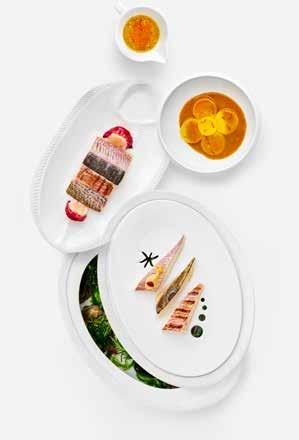
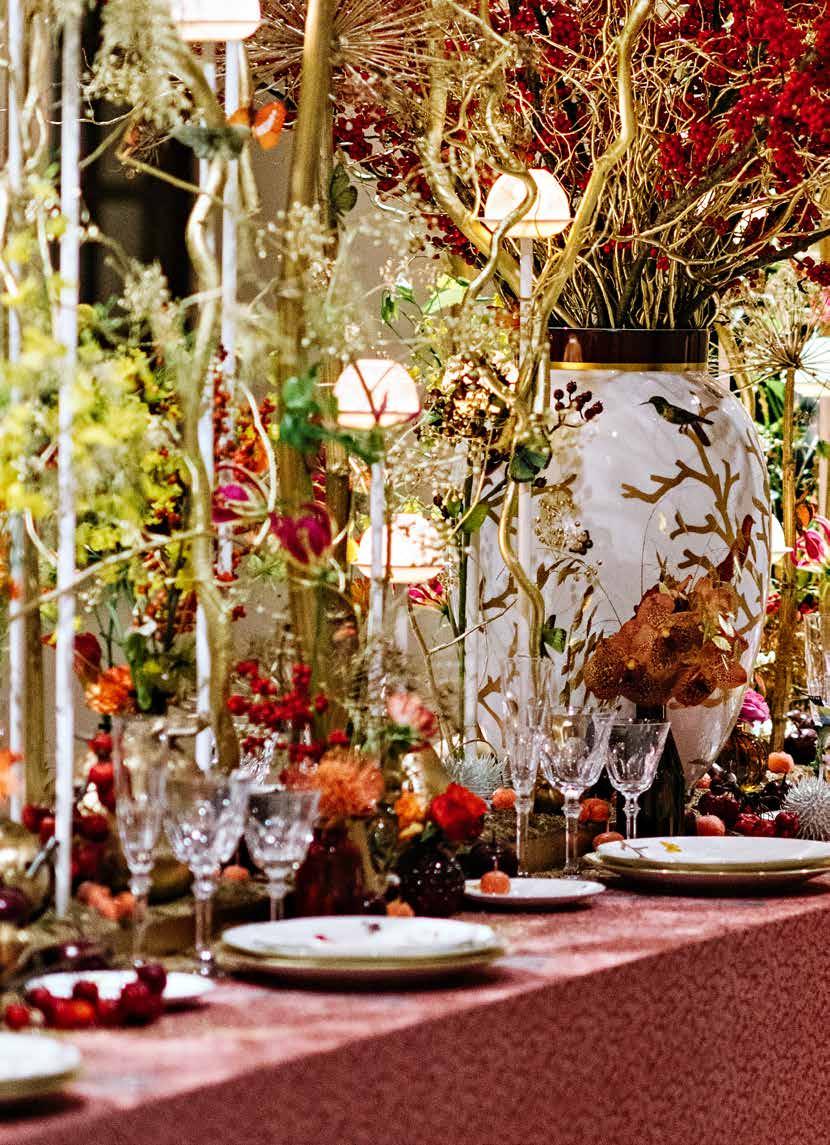
While the manufacture reinvents the art of the table through collaborations with chefs from around the world, it regularly entrusts artists and designers with the creation of unique pieces and decorations, or simply gives them free rein.
Dialogue with Artists and Designers
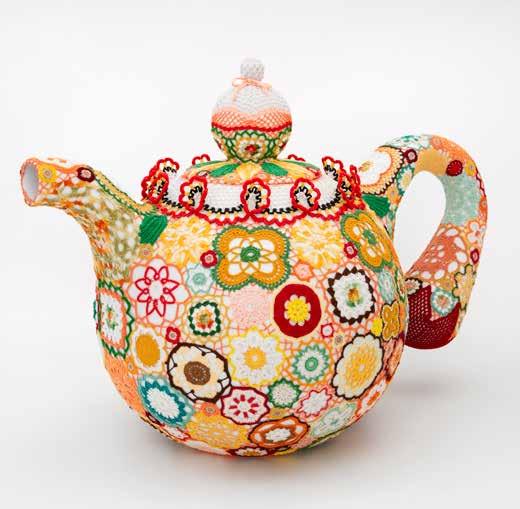
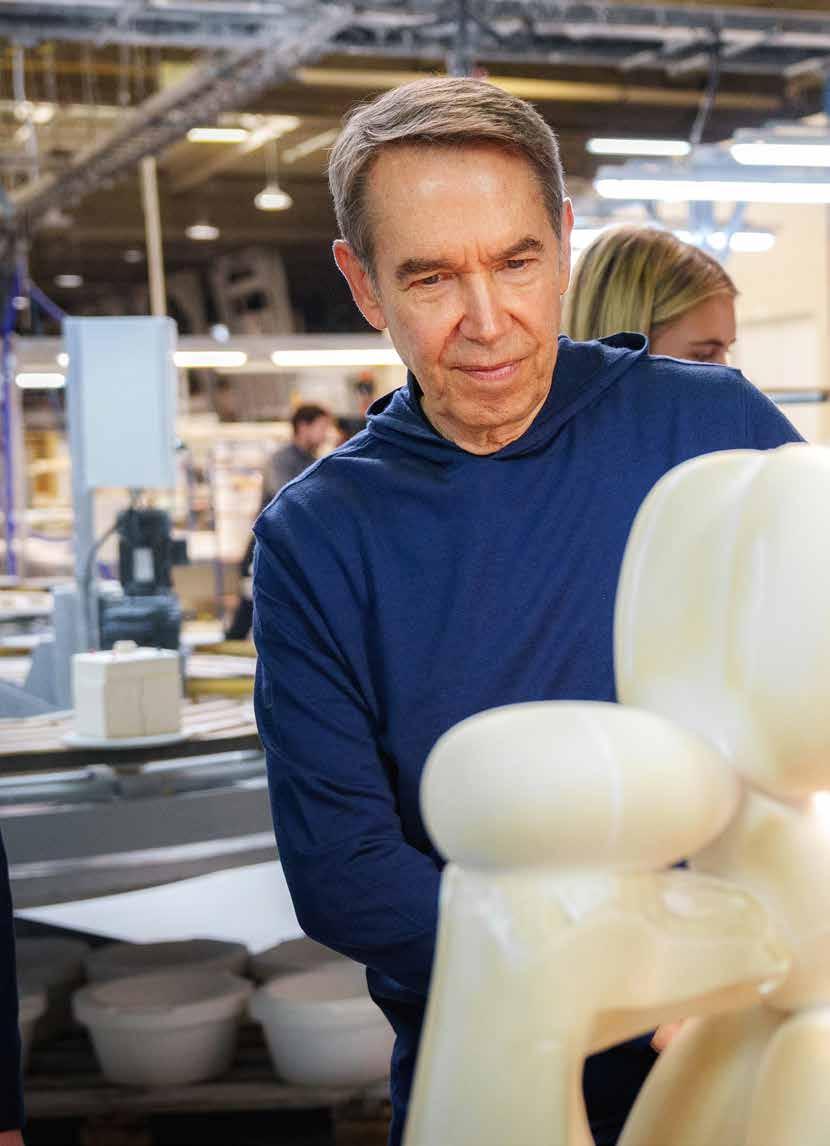
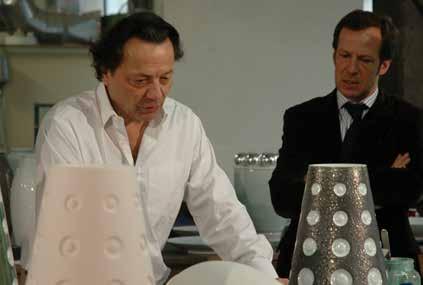
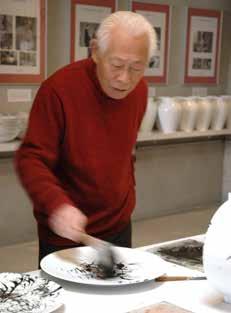
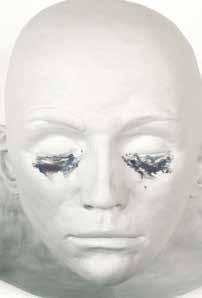
On a regular basis, Bernardaud invites artists and designers either to fulfill a specific commission, to create a work, or simply by welcoming them as artists-in-residence in Limoges to freely explore the ‘white gold.’ While these collaborations inspire wide-ranging reflection, they also present the opportunity to take on fascinating technical challenges.
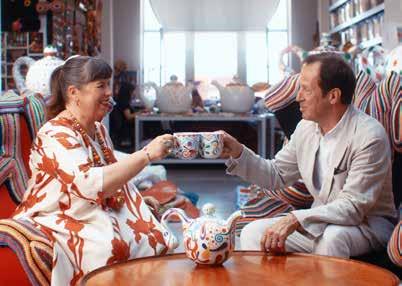
In recent decades, following Raymond Loewy — who designed the contemporary Ariès dinnerware collection — Bernardaud has collaborated, particularly in the field of interior design, with designers Olivier Gagnère, India Mahdavi, the Campana Brothers, and Martin Szekely.
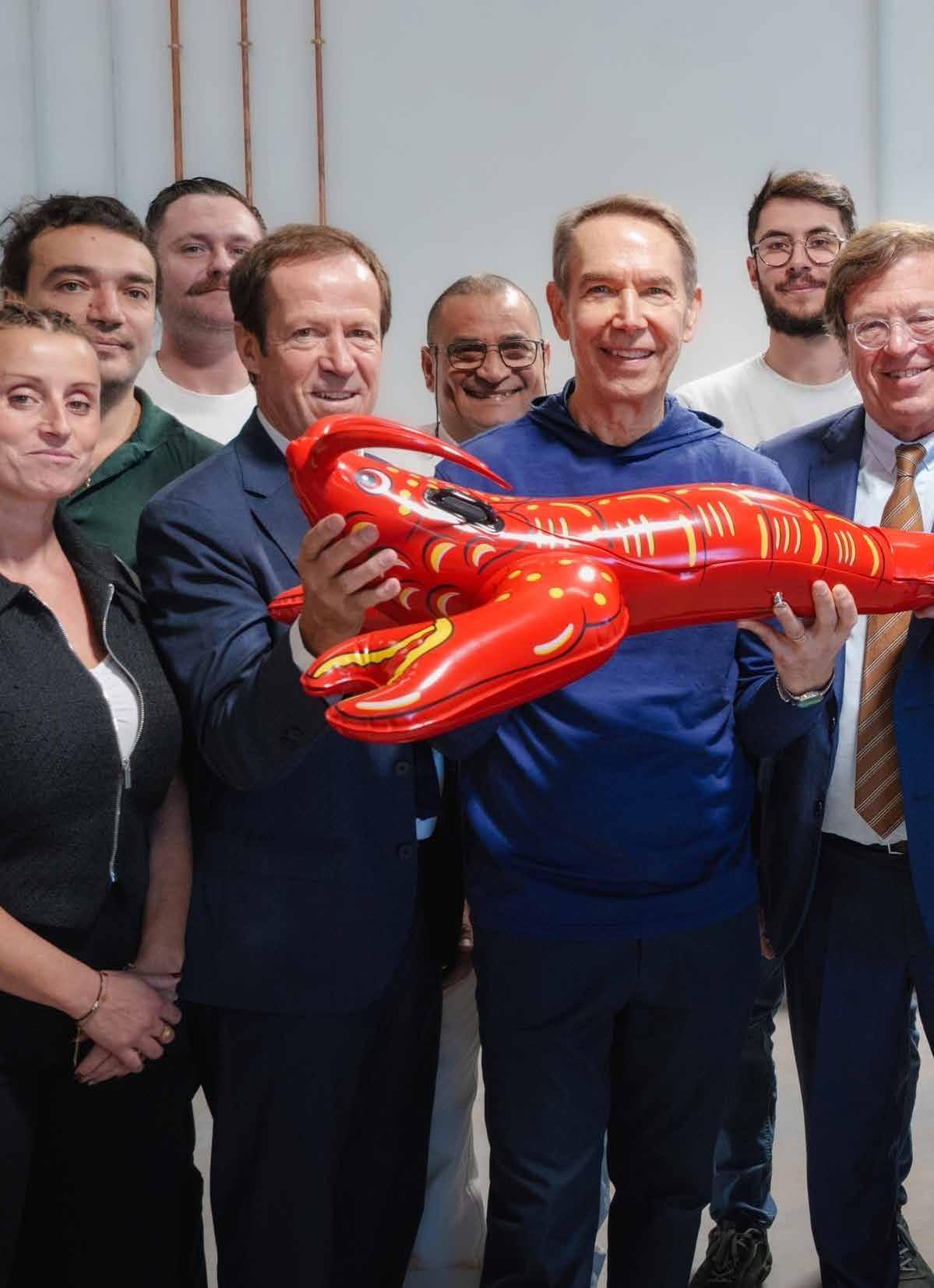
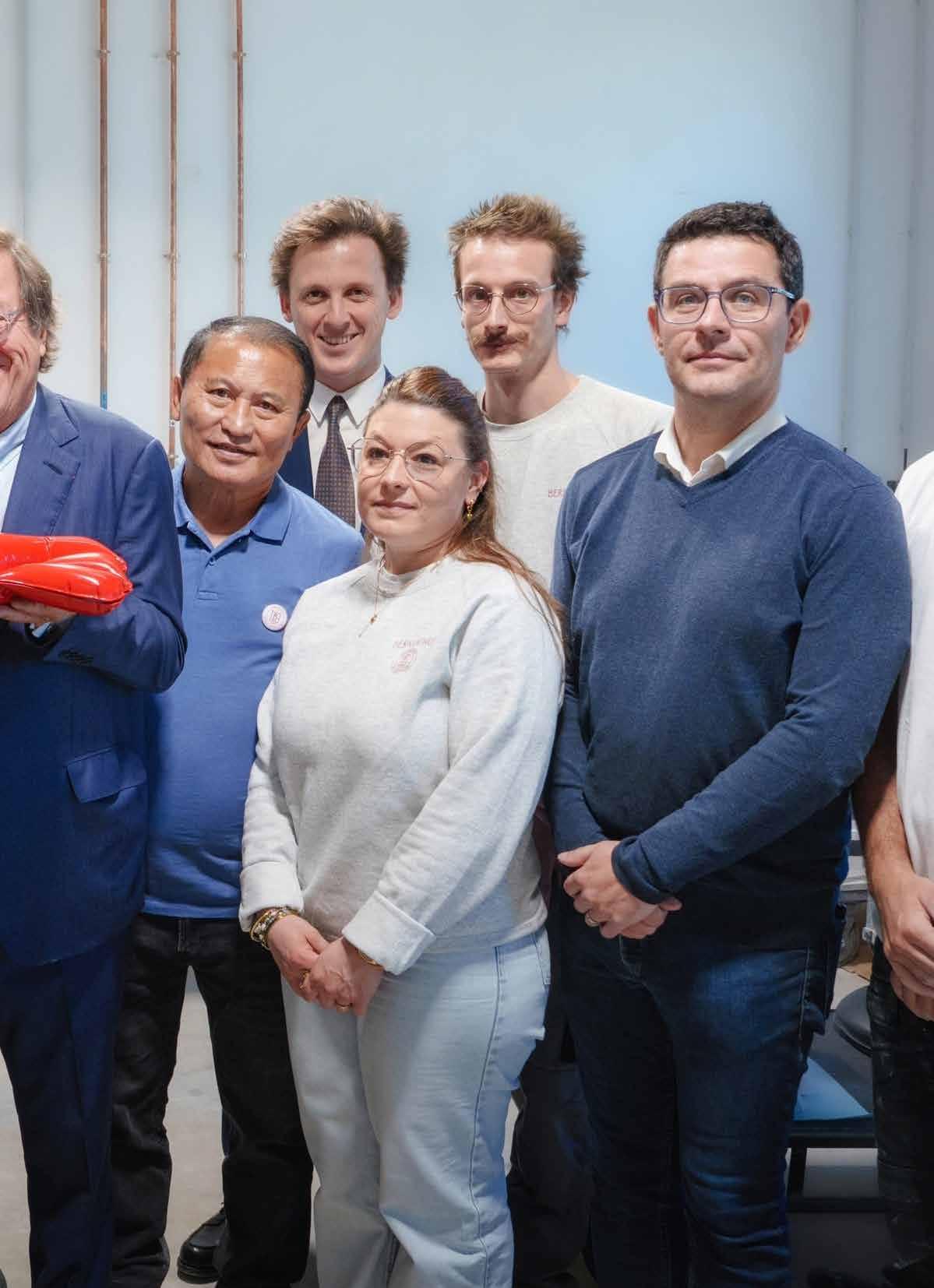
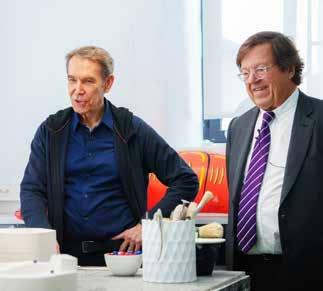
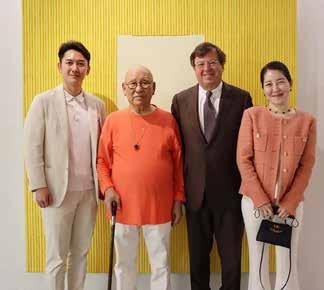
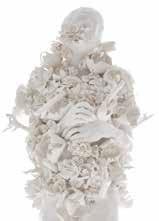
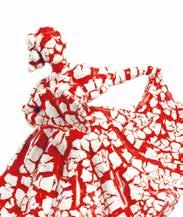
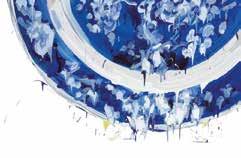
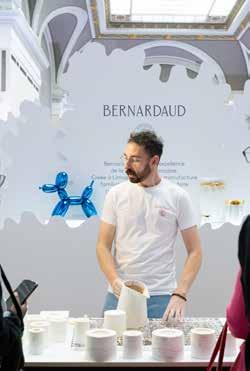
In the field of the art of the table, Bernardaud has worked around the works of Marc Chagall and Joan Miró, and initiated numerous collaborations with, for example, Prune & JR, David Lynch, Kazuyo Seijima, and Joana Vasconcelos. Each in their own way contributes to the renewal of the art of the table, or even challenges its traditional aesthetic codes, in creations produced in series. Meanwhile, artists’ editions — complex and singular objects such as Treille by Andrea Branzi, Lobster by Jeff Koons, Écriture by Park Seo-Bo, and Touki by Omar Victor Diop — are produced in limited editions.
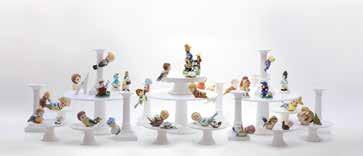
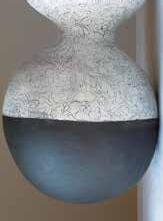
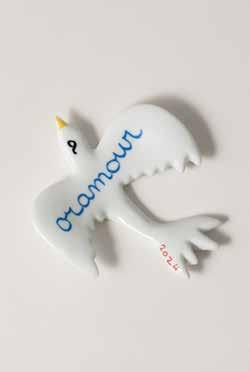
It is in this spirit that Bernardaud created Atelier B. Located in Limoges within the historic manufacture, it welcomes ceramists who wish to draw on the full range of expertise and techniques of porcelain production. These collaborations — with Sarah Linda Forrer, Atelier Buffile, and Tanaka Yu — result in small exclusive series where, for each piece, an element of chance is added, inherent to an entirely hand-crafted production.
Collaborating with Chefs
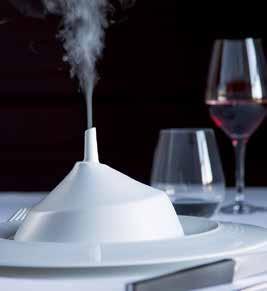
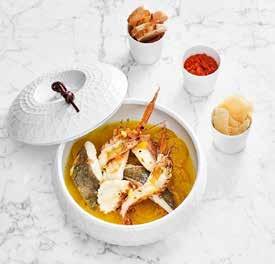
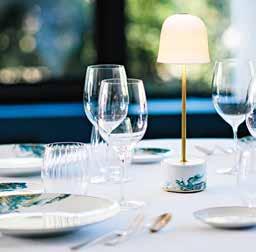
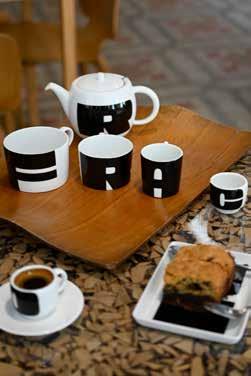
Bernardaud’s creative spirit has led restaurants around the world to choose its collections to adorn their tables, or to entrust it with the creation of porcelain pieces designed to showcase their cuisine and enhance the dining experience. Beyond décor created in harmony with the establishment, each collection dedicated to the hotel and restaurant industry meets two major objectives: withstanding shocks and frequent handling without altering the material’s properties, and designing or adapting forms and ergonomics to the specific use and cooking techniques employed. These ‘techno-creative’ dialogues have enabled Bernardaud to accompany the nouvelle cuisine movement, fusion cuisine, molecular gastronomy, and, more recently, the return of traditional bourgeois cooking.
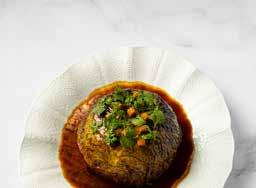
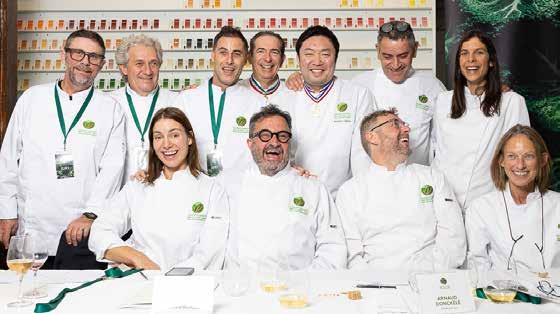
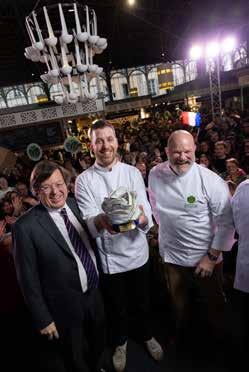
Drawing on this relationship with chefs from around the world, Bernardaud has initiated the World Stuffed Cabbage Championship. Gathering every two years since 2024 the seven winners of regional competitions organized around the world, this event illustrates, beyond the tradition of a humble and generous dish, a value dear to the Maison: culinary excellence.
REDISCOVERING
YESTERDAY’S
ARTISTS
For Bernardaud, contemporary creation is inherent to the enhancement of the historic heritage of Limoges porcelain and all of the artists, famous or anonymous, who have written its history.
The acquisition of the Ancienne Manufacture Royale and, more recently, the Haviland manufacture, bear witness to this commitment.
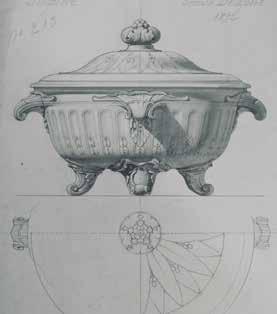
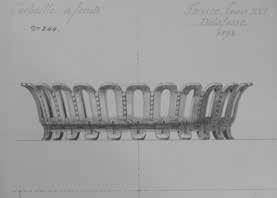
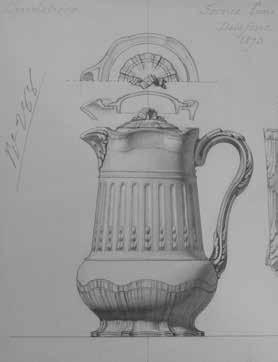
The Ancienne Manufacture Royale
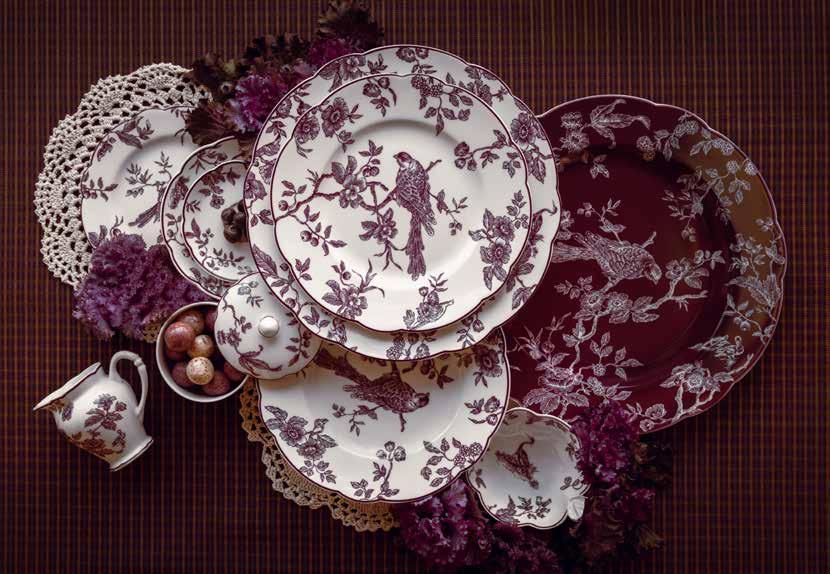
Founded in 1737 and the first factory to stamp the ‘Limoges’ mark on its pieces, the Ancienne Manufacture Royale was acquired by Bernardaud in 1986.
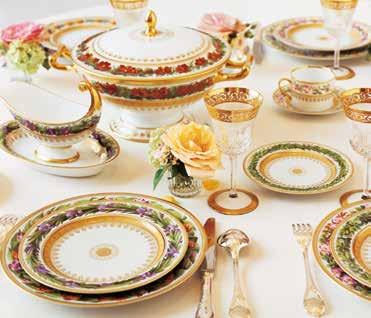
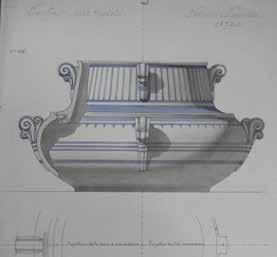
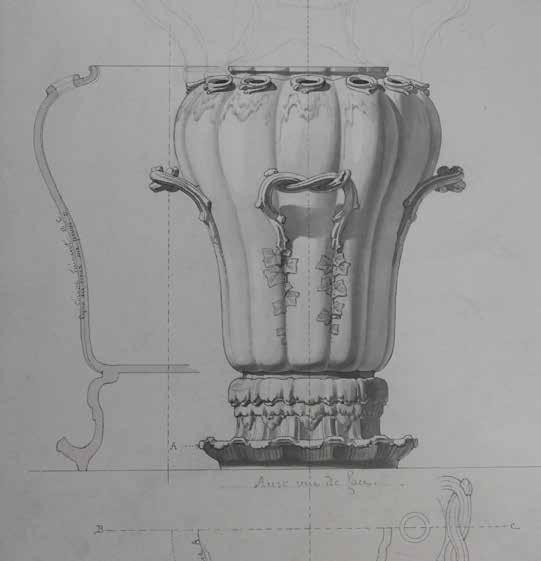
Since then, in collaboration with national and international museums, it has re-issued 18th- and 19th-century pieces in exact reproductions.
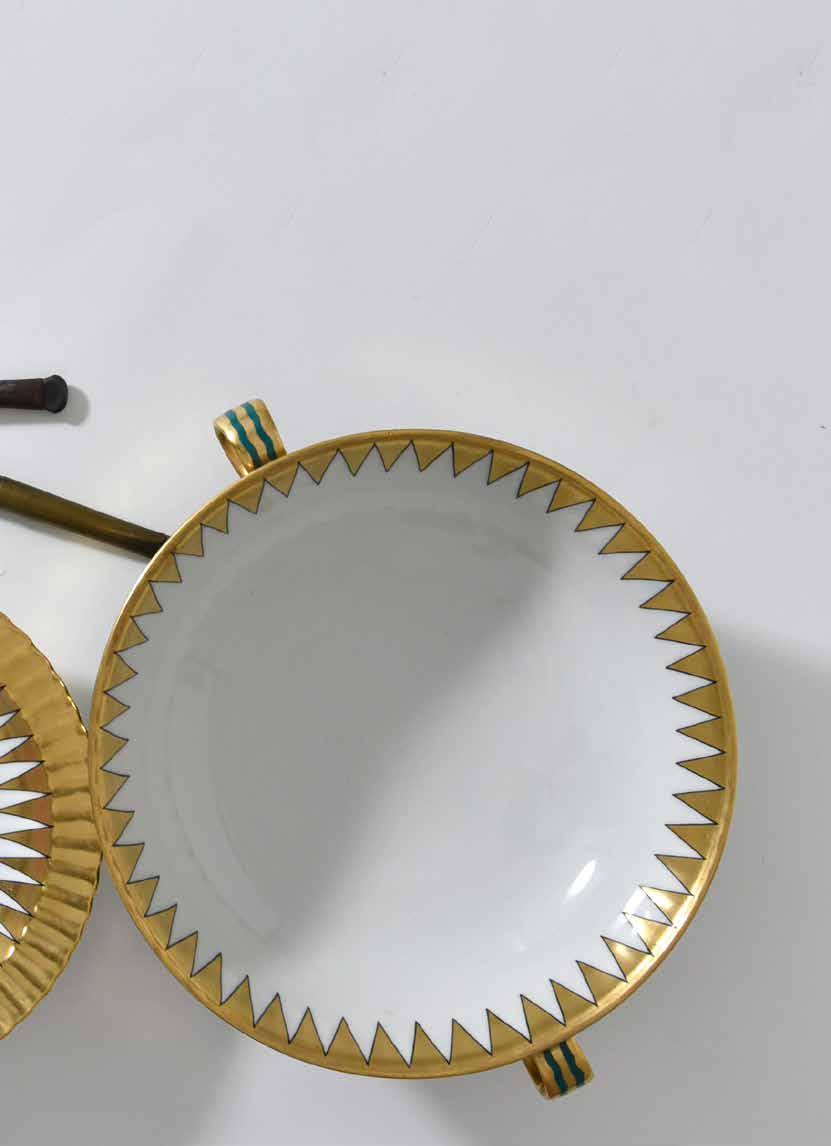
From the first scattered flower motifs concealing imperfections in woodfired porcelain to the untied bouquets emblematic of the Revolution, from a taste for Antiquity to Egyptomania, and through the discovery of unknown lands, the decorations have evolved, enriched by the perpetual movement of people and ideas.
The Haviland Manufacture
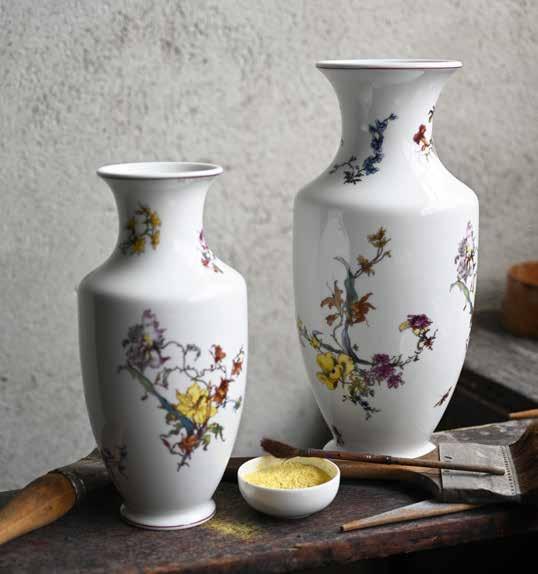
In 2024, the Haviland manufacture joined Bernardaud, bringing with it notably the memory of porcelain from the late 19th century and the first half of the 20th century.
A particularly prolific period in which numerous decorations, signed by Félix Bracquemond, Édouard Damousse, and Suzanne Lalique, as well as JAntoine Bourdelle, Jean Dufy, and EdouardMarcel Sandoz, illustrate a remarkable creative momentum.
A CULTURAL ECOSYSTEM
The history of Limoges porcelain is intimately linked to the table but also to the practice of hospitality. It illustrates at once the richness of a living craft, its ties to artistic creation, and a distinctly French art de vivre. Three aspects of porcelain that Bernardaud, through an original ecosystem, is committed to passing on and sharing.
The Institut des Arts de la Table
For Bernardaud, the inscription of the ‘gastronomic meal of the French’ on UNESCO’s Intangible Cultural Heritage of Humanity list in 2010 resonates with its attachment to an extremely vibrant tradition that brings together conviviality and creativity, and calls on excellence in many fields, including that of porcelain. To this French art de vivre, Bernardaud brings a fresh perspective through the activities of the Institut des Arts de la Table.
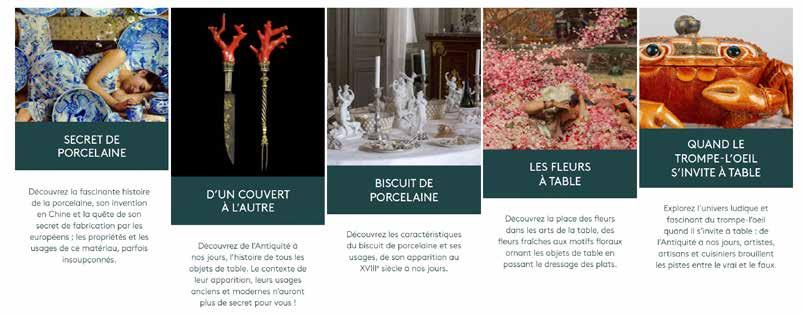
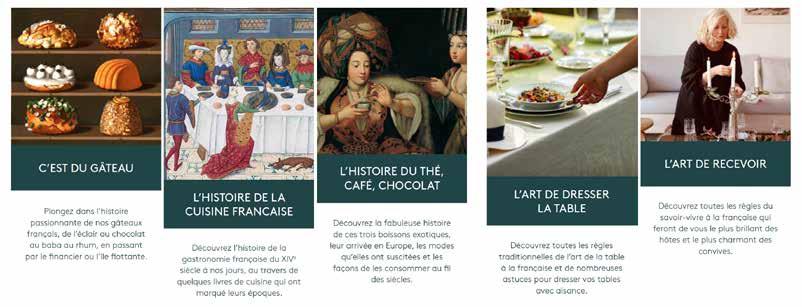
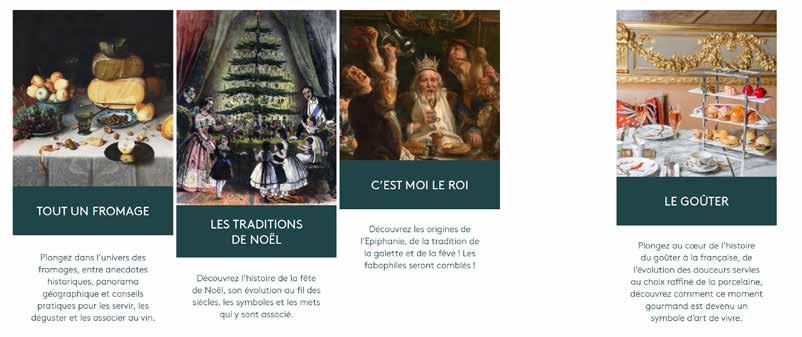
The Institut has a mission to introduce people to porcelain and, more broadly, to the many facets of the pleasures of the table. ‘The Secret of Porcelain,’ ‘The History of Table Objects,’ ‘The Art of Setting the Table the French Way,’ ‘The Long History of Tea, Coffee, and Chocolate’...: workshops and conferences — held in France and abroad — explore the many dimensions of a field where gastronomy, art, savoir-vivre, and decoration have always been intertwined. Led by experts, they form a creative, multidisciplinary program that is resolutely open to the world.
Attesting to the quality of these offerings, the Institut holds the Qualiopi certification.
The Fondation d’Entreprise Bernardaud
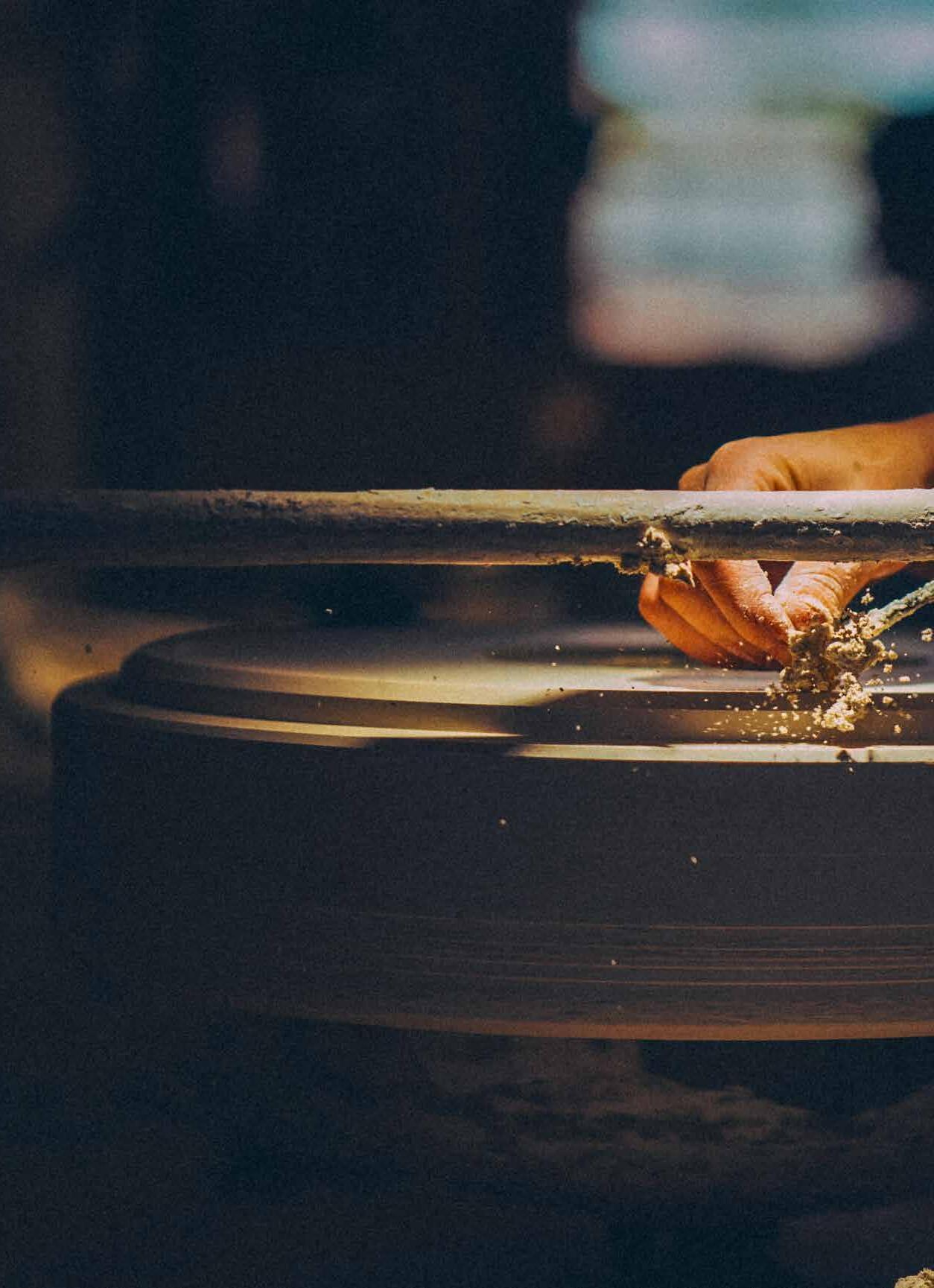
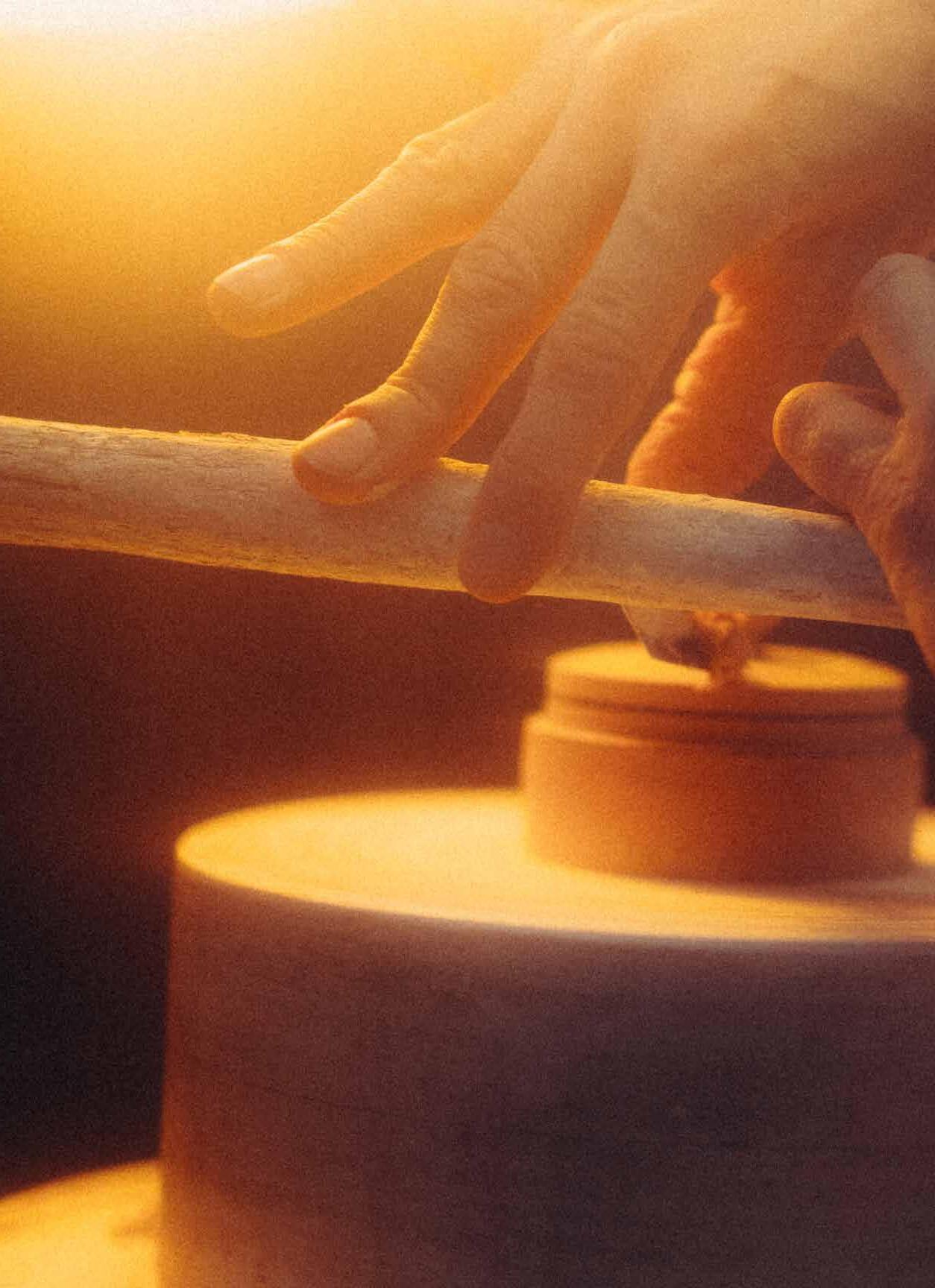
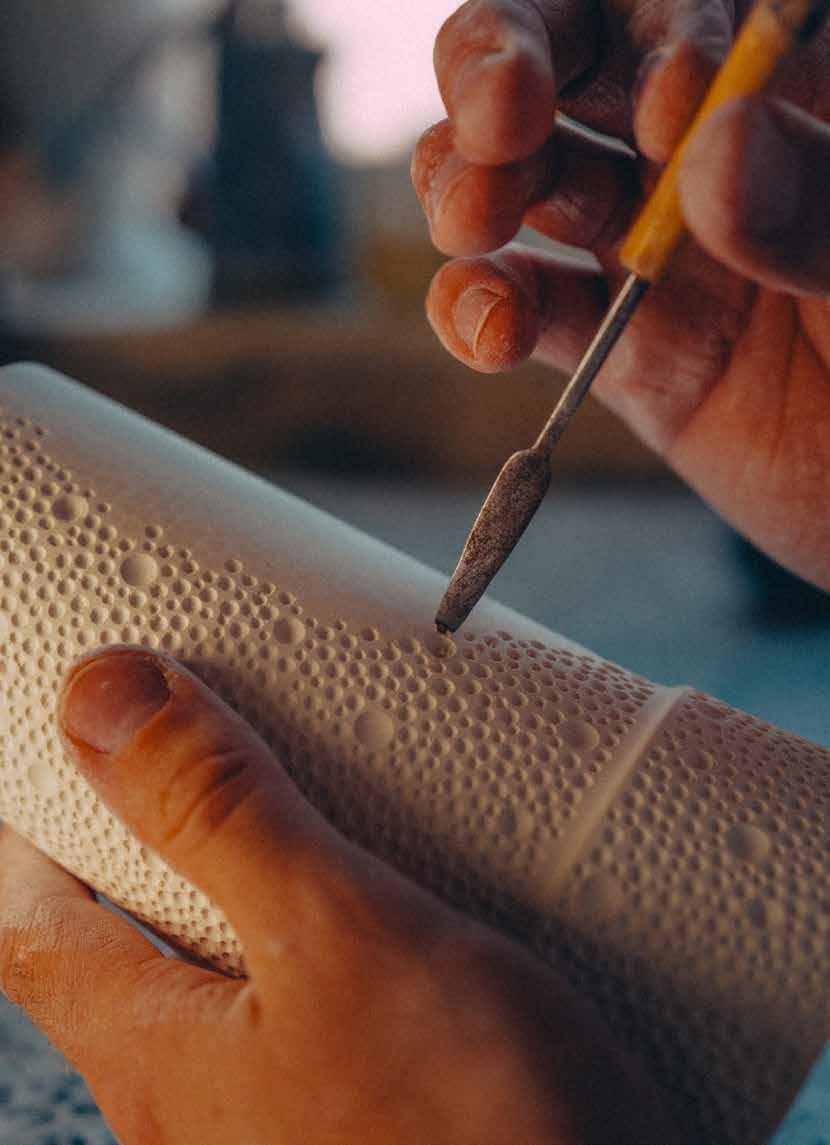
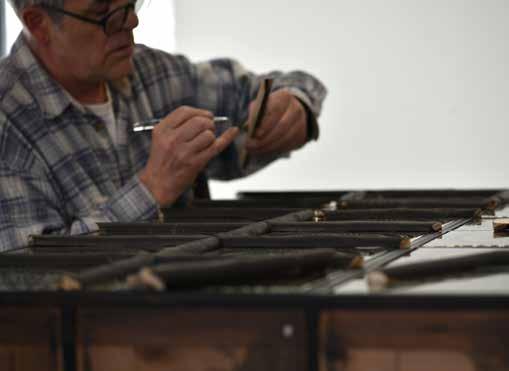
For Bernardaud, a porcelain object is the sum of a multitude of skills governed by the intelligence of the hand. From the modeler to the colorist, by way of the fettler or the decal applicator, each artisan draws, models, glazes, assembles, decorates, and checks... with their hands. Their respective areas of expertise are all the more important given that the perfection of each gesture depends on the one before it and determines the one that follows. It is the richness of these trades that the Fondation d’Entreprise Bernardaud, through its activities, has made it its mission to promote and support.
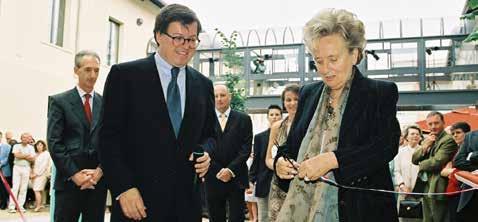
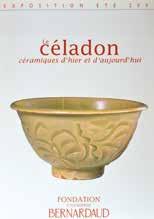
The Fondation d’Entreprise Bernardaud continues its mission, initiated in 2003: to introduce people to porcelain and, more broadly, to all traditional ceramics, by highlighting the richness of handcraft. Each year, this exploration of the history of ‘white gold’ is complemented by a major themed exhibition that has become an unmissable event for ceramic enthusiasts and specialists alike, as well as for those curious about contemporary art. By showcasing ceramics in all their forms and presenting artists from around the world who are underrepresented on the French scene and often little known, the Foundation demonstrates the creative vitality of ceramics today. Following their presentation in Limoges, some exhibitions have been taken up by major museums in France and abroad.
In addition, the Foundation offers year-round a unique tour of the manufacture’s workshops. This discovery trail has been designed to involve visitors in the production of porcelain and its gestures, inviting them not only to touch objects and get close to the tools, but also to try their hand at it.
Strong Local Involvement
Bernardaud’s activities being based in its region of origin give its economic dynamic a decisive territorial dimension. This is evidenced first and foremost by its procurement policy, which favors the region: 50% of purchases are made in Haute-Vienne and more than 90% in France.
Since 2018, Bernardaud has held an official designation it helped to establish: the Protected Geographical Indication (PGI) ‘Porcelaine de Limoges.’ This designation identifies a porcelain whose quality, reputation, or specific characteristics are linked to its geographical origin — the Haute-Vienne department. This European designation protects the product name throughout the European Union.
This commitment to participating in the reinvention of Limoges porcelain is also expressed through Bernardaud’s involvement in the promotion and development of the porcelain trades, from education (schools and training centers) to outreach (regional cultural institutions, the Comité Colbert, professional ceramic sector organizations).
Committed to contributing to the development of its region, the Bernardaud manufacture develops partnerships in the heritage and cultural field, notably with the Musée National Adrien Dubouché, the FRAC-Artothèque de Nouvelle-Aquitaine, and the Diocese of Limoges. Finally, sharing the values of solidarity found in team sports, it also sponsors the Limoges rugby club.
THE STORY OF A FAMILY MANUFACTURE
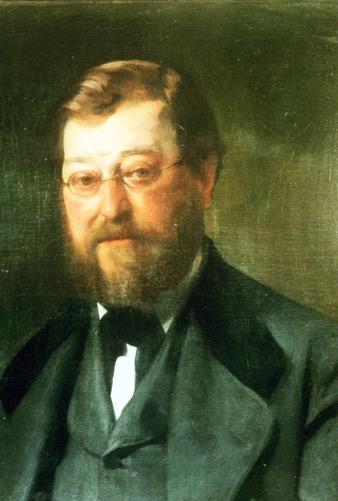
The story of Bernardaud begins when Léonard Bernardaud purchased the manufacture where, having joined as an apprentice twenty years earlier, he had become an associate director.
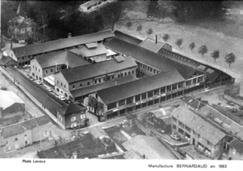
Over the years, he had witnessed porcelain enter the industrial age: the adoption of new casting techniques and the installation of coal-fired kilns, in particular, enabled production to increase and contributed to popularizing these elegant dinnerware sets with their varied decorations. Léonard built on this momentum: he doubled the size of the workshops and launched direct sales, while instilling a truly creative spirit. Bernardaud porcelain then found its way to tables around the world — including in the United States — and aboard luxury ocean liners and trains.
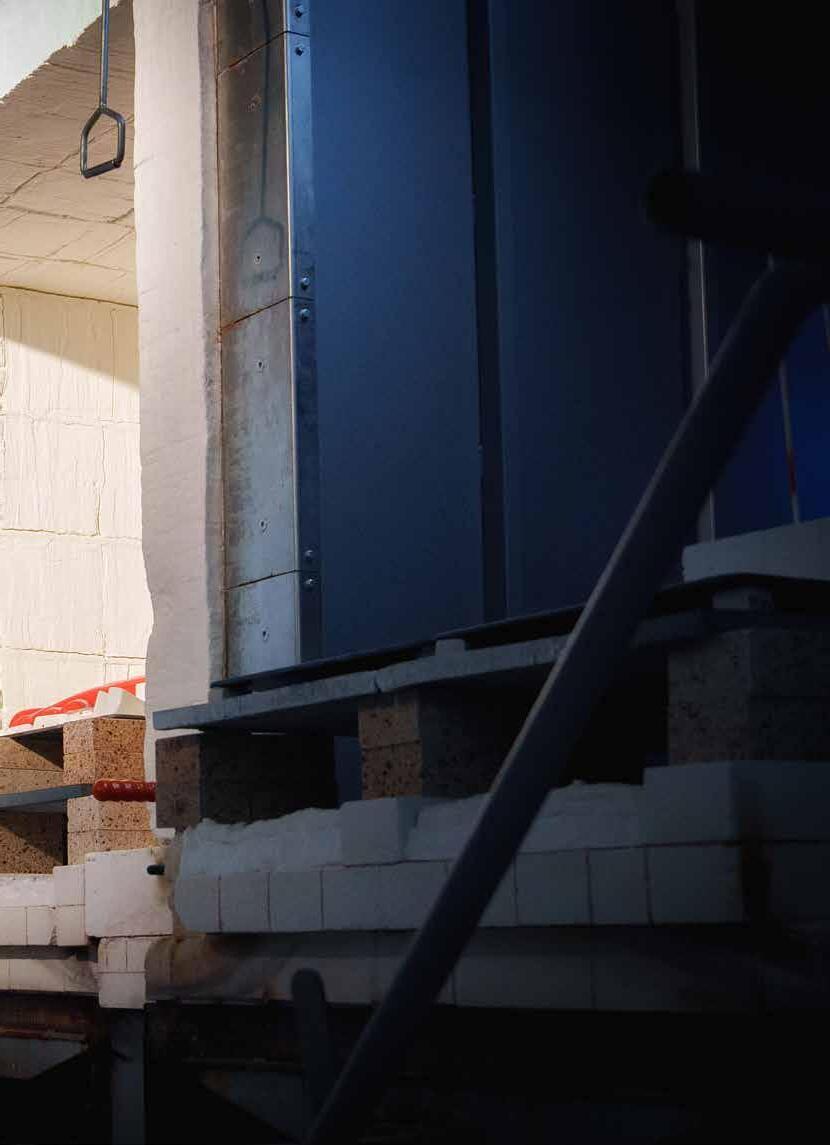
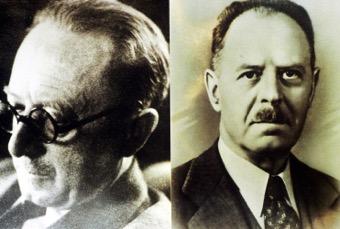
In 1923, Léonard entrusted the manufacture to his two sons. Overcoming the 1929 crisis and then the Second World War, Michel and Jacques continued their father’s expansion policy while upholding the manufacture’s founding values: quality, creativity, and boldness. It was they who, in 1954, commissioned the first ‘tunnel kiln’; this innovative equipment, fueled by natural gas and operating 24 hours a day, improved not only production capacity but also the quality of the porcelain. When illness cut short Michel’s life, he asked his son — who had been planning a career in music — to succeed him. Pierre Bernardaud was 20 years old.
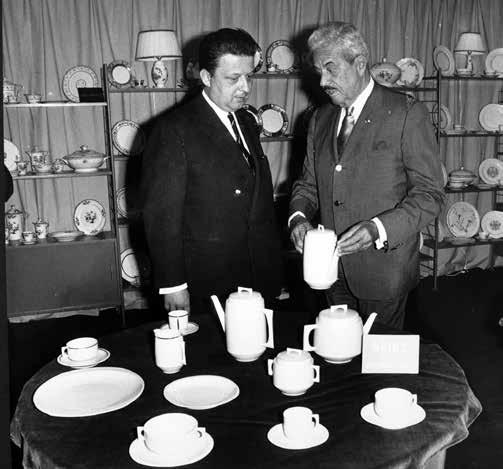
In 1962, Pierre took over the direction of the manufacture, continuing a legacy defined by innovation and creativity. He modernized and restructured the company, adopting major technical innovations, building a new production site, launching the first television advertising campaign, and acquiring the Ancienne Manufacture Royale. Convinced that success lay in renewing forms, he entrusted Raymond Loewy — today regarded as the father of industrial design — with the creation of a contemporary porcelain dinnerware collection, Ariès, whose clean lines and solid white ground anchor Bernardaud’s historic connection with the art world firmly in the 20th century.
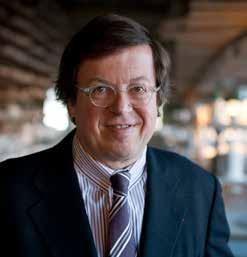
Pierre’s son, Michel, joined the company in 1979. His mission: to develop new markets for a brand representing French luxury. In 1994, he took over its direction, surrounded by his brother Frédéric and his sister France de L’Hermite. The Maison continued to modernize its production tools, strove to preserve certain expertise, and expanded its offering by acquiring the Haviland manufacture. Ardent ambassadors of the ‘Porcelaine de Limoges’ designation, the Bernardauds have encouraged contemporary creation — notably through the Fondation d’Entreprise Bernardaud — while introducing ‘white gold’ into unexplored domains such as furniture, lighting, and jewelry, or industrial sectors such as construction and energy. And because porcelain is intimately linked to a French art de vivre, Bernardaud created L’Institut des Arts de la Table. While France de L’Hermite leads development, Frédéric Bernardaud leads creation, and Michel Bernardaud chairs the management board, the sixth generation has now joined the Maison, beginning with Charles Bernardaud, who has served as CEO since 2024.