From Energy Shock to Packaging Inflation: How the Iran Conflict is Rewiring Packaging Supply Chains
The Iran war and closure of the Strait of Hormuz have triggered a systemic disruption across global energy markets, resulting in cascading cost increases throughout the packaging supply chain. Crude oil prices have surged more than 60% since February, topping over $120 per barrel at their peak.
Because packaging materials are closely tied to crude oil, natural gas, and global logistics, this crisis is driving a rapid inflationary cycle that is impacting plastics, metals (aluminum and steel), glass, paperboard, fuel, and freight shipping. For packaging converters and CPG companies, the implications are immediate and far-reaching: packaging costs are rising rapidly across nearly every material category at once.
This paper focuses on how the Iran conflict is impacting global packaging supply chains through energy markets, material production, and logistics. While other market dynamics may also influence pricing, this analysis isolates the direct and cascading effects of this geopolitical disruption.
Energy Shock to Packaging Costs: A System-Wide Impact
Energy Shock (Oil, Natural Gas)
Feedstocks (Ethylene, Propylene)
Materials (Plastic, Aluminum, Glass, Paperboard)
Conversion + Manufacturing
Freight + Logistics
Total Packaging Costs
Energy Shock Drives Packaging Cost Inflation
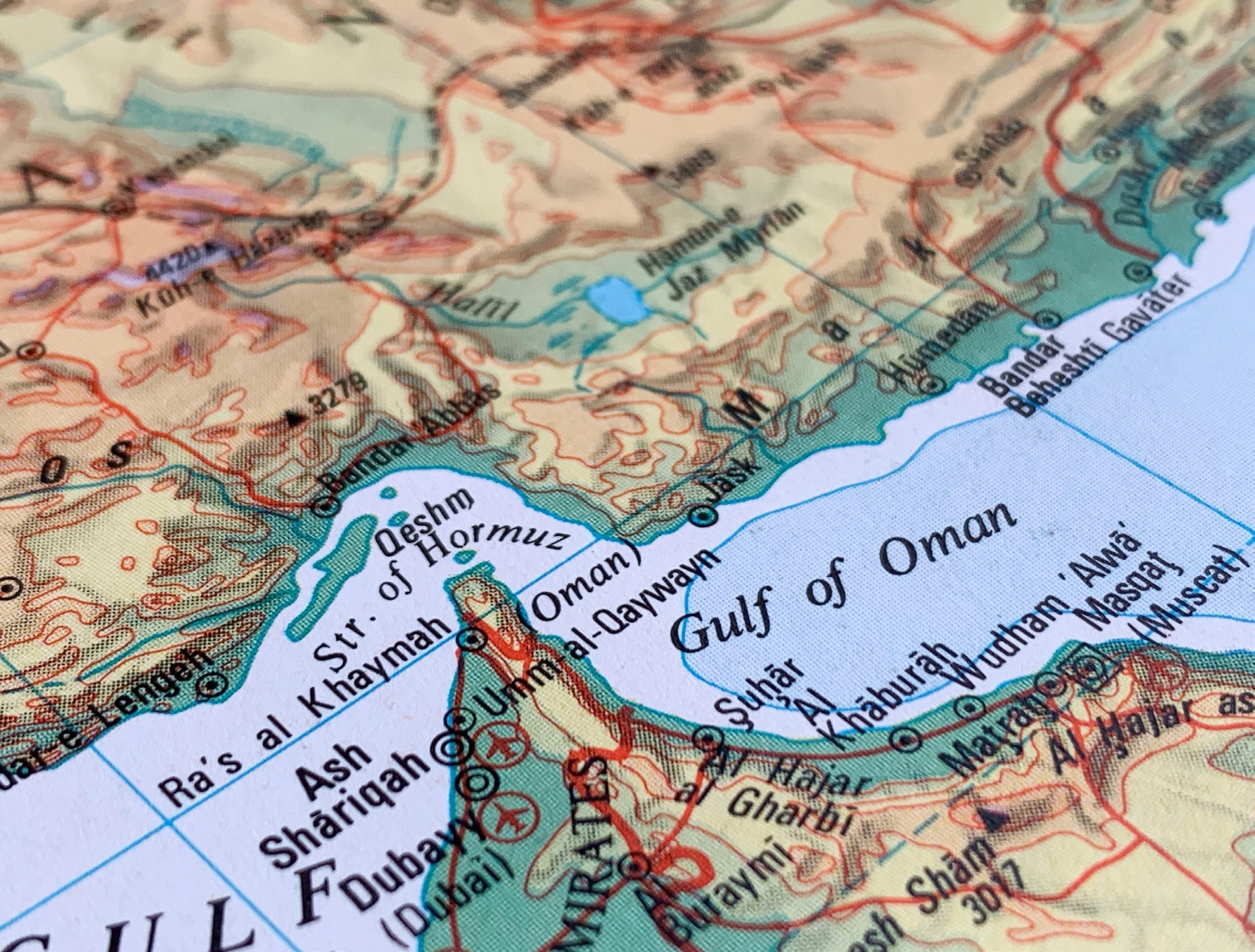
At the center of the disruption is energy. The Strait of Hormuz handles approximately 20%–30% of global crude oil and liquid natural gas (LNG) flows. Its closure by Iran and the subsequent blockade by the United States has idled about 800 commercial vessels, including oil & gas tankers and container ships, in the Persian Gulf.
Since only a limited number of ships has entered and exited the Gulf in the past two months, trade activity has been severely curtailed. This disruption in commerce and shipping activity is constraining global supplies, boosting petrochemical and other commodity prices, and reshaping supply chains.
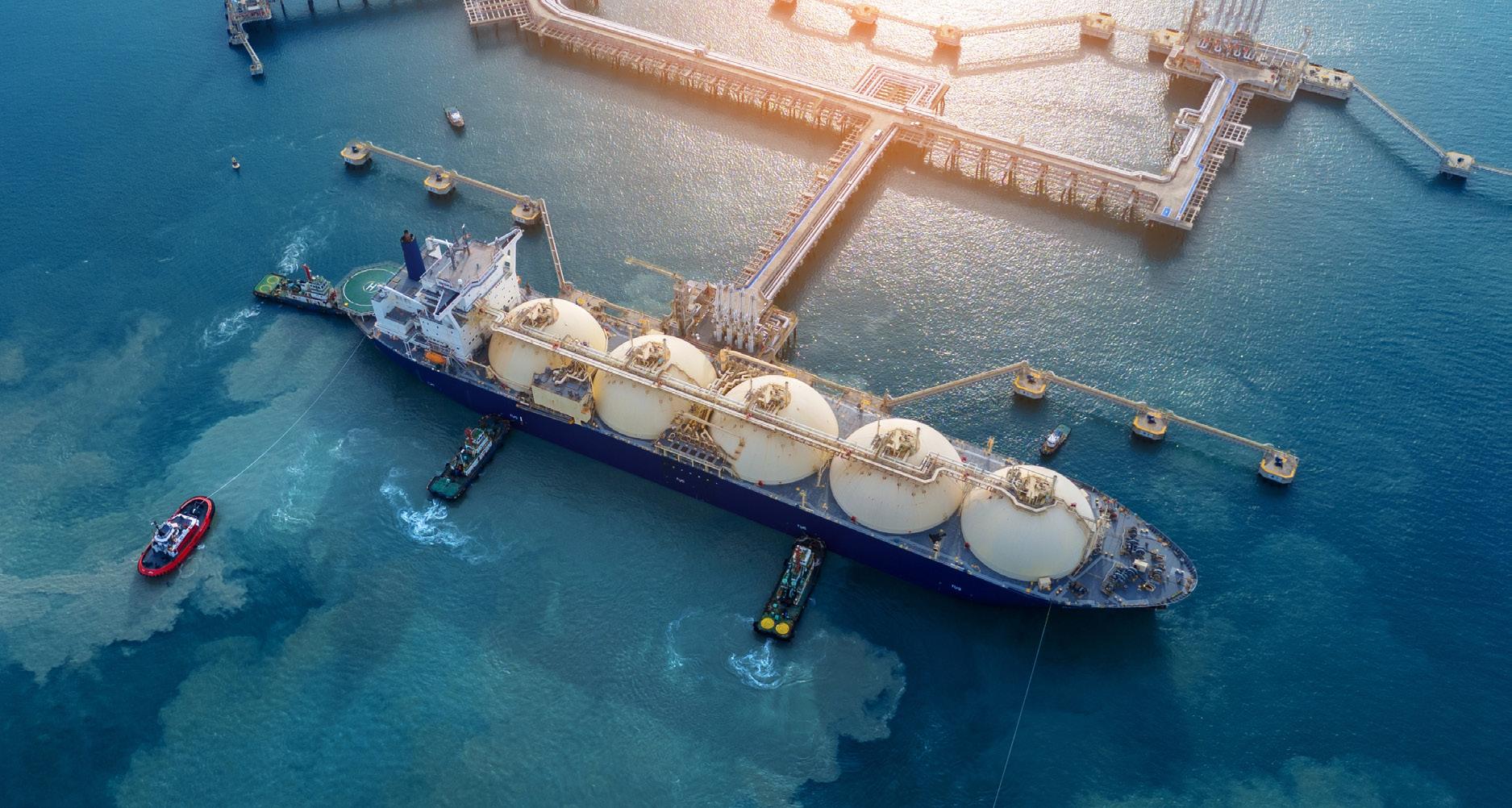
Crude oil (also known as petroleum) and its refined petrochemical products form the building blocks of plastic packaging resins (PE, PP, PET, PS, PVC) and fuels—diesel, gasoline, heavy fuel oil/bunker fuel (container ships), and special grades of kerosene (jet fuel). LNG produces ethane and ethylene (the primary chemical feedstock for polyethylene) and propylene (the primary chemical feedstock for polypropylene).
Rising energy costs impact the global packaging supply chain at multiple levels. Higher crude oil and LNG prices elevate raw material costs, manufacturing expenditures, the cost of finished goods, transportation fuels, and shipping costs.
Plastic Resin Prices Enter Uncharted Territory
Historically, the monthly price index for various plastic resins moves up or down by a penny or two, or remains flat. However, that market dynamic changed abruptly with the global disruption to oil and gas supplies, triggering unprecedented pricing volatility.
In March, HDPE/LDPE resin prices in North America jumped $0.10/lb. month-over-month (MoM), PP increased $0.09/lb., PET rose $0.10/lb., PS gained $0.02/lb. and PVC grew $0.03/lb. In April, resin prices accelerated. HDPE/LDPE leaped $0.30/lb. (with an additional $0.20/lb. forecast for May), PP soared $0.195/lb., PET increased $0.105/lb., PS vaulted $0.16/lb., and PVC advanced $0.05/lb. (see Plastic Resins Pricing chart).
Plastic Resins Pricing (MoM Increase)
Over the past two months—combined with expectations for the coming month (May)—HDPE/LDPE pricing is on track to record the three largest consecutive increases ever, each occurring within a compressed 90-day window. A key driver of this disruption is the reallocation of global supply. U.S. producers, responding to supply shortages in capacity-constrained regions, are exporting significant volumes of resin into international markets.
This shift has tightened domestic availability and introduced spot market dynamics into a system that is typically governed by structured contracts and advance pricing notices. As a result, traditional increase notifications have been largely suspended, with pricing adjustments occurring in real time based on market conditions.
While current resin supply levels remain sufficient to meet baseline demand, the market is showing early signs of strain. Suppliers have begun signaling the potential for allocation, and some have issued force majeure declarations on contractual commitments.
Downstream, these resin impacts lead to higher costs for a variety of plastic packaging, such as PET bottles, HDPE jugs, LDPE flexible films and squeeze bottles, PP containers, caps, and labels, PS trays, and PVC blister packs.
The rapid rise in PE and PP resin prices in North America reveals the strong interconnectivity of the global packaging supply chain. North America is a major producer of PE due to its low-cost feedstock from abundant shale gas and an efficient petrochemical infrastructure. The Persian Gulf is also a major polymer production hub for PE and PP, exporting most of the resins to Asia and Europe. Last year, the Middle East accounted for 40% of global PE exports.
With the suspension of Gulf resin and feedstock exports, global buyers have turned to North America for PE and PP resin supplies. This purchasing shift has elevated export prices and tightened domestic supplies in North America, raising local prices. In fact, PE export prices now exceed domestic prices, something highly unusual. (Export prices typically land lower than domestic contract prices because of the added global freight costs.)
Since North America imports about 30% of its PET, any global disruptions to resin or feedstock supplies can move prices quickly. This market dynamic becomes more acute as brand owners ramp up their purchases of bottle-grade PET to meet peak summertime demand for beverages.
Resin prices are expected to remain elevated throughout the year. Even if the Strait were to fully open soon, carriers may be wary of committing vessel capacity to the region, given ongoing geopolitical uncertainty. In addition, multiple Gulf refineries, oil fields, gas plants, ports, pipelines, and other energy infrastructure have been damaged by missiles and drones. In some cases, repairs and resumption of operations could take many months.
Another reason prices remain high is what economists call “rockets and feathers.” Prices climb like a rocket when costs soar, but float down like a feather when costs plummet. It’s not just a theory. According to research from the U.S. Federal Trade Commission, gasoline prices rise four times faster than they fall.
Why Packaging Costs Fall More Slowly Than They Rise
The “rockets and feathers” effect is a defining characteristic of energy-driven markets and helps explain why packaging costs rise rapidly but decline gradually. When supply shocks occur—such as geopolitical conflict, production outages, or transportation disruptions—markets reprice immediately to reflect scarcity. However, normalization is inherently slower.
Production assets require months to restore, shipping networks take weeks to rebalance, and depleted inventories must be rebuilt before supply-demand equilibrium returns. Even under improving conditions, estimated recovery timelines extend from several weeks for logistics stabilization to multiple months for meaningful production gains and up to years for full regional recovery. As a result, while cost increases are abrupt, cost relief enters the system progressively.
Compounding this dynamic are structural and behavioral lags embedded throughout the supply chain. High-cost inventory must cycle through before pricing can adjust downward, typically delaying relief by 30–120+ days. Contract mechanisms—such as fuel surcharges and index-based resin pricing—reset upward quickly but decline more slowly, reinforcing margin protection.
Manufacturers often hold pricing during downturns to recover prior margin erosion, particularly in concentrated supplier markets like resin production, where high capital barriers limit competition. Additionally, downstream conversion stages (from refinery to resin to packaging production and distribution) introduce cumulative delays, while buyers and suppliers alike wait for sustained trends before adjusting pricing. The net effect is a system where lower input costs take time to translate into reduced packaging prices.
Metal Packaging Faces Supply Constraints
Already impacted by U.S. import tariffs, metal packaging supplies and prices are experiencing additional pressure and a new phase of volatility from the conflict.
The Gulf region accounts for roughly 9% of global aluminum production and a significant share of exports. With instability in the Strait, analysts estimate that 4–5 million metric tons of aluminum supply could be at risk, reducing global supply availability.
Some Gulf aluminum smelters have curtailed or suspended operations because of a lack of raw materials. Restarting these smelters could take weeks or months. Furthermore, two large aluminum smelters in the Gulf sustained damage to their factories from missile attacks. Fully restoring production at one of those facilities could take up to a year. Thus, it may take supply chains many months to normalize and achieve pre-conflict efficiency.
The U.S. is also affected. In 2025, 20–25% of U.S. aluminum imports came from the Middle East, making the region an important supplier. The EU imports about 15% of its aluminum from Gulf states. As those flows become less reliable, buyers are shifting to Canada and other regions. However, alternative supply is limited, and competition is intensifying.
Additionally, the integration of global commodity markets impacts costs, deliveries, and lead times worldwide, rather than being isolated to a specific region. For example, an Indian aluminum smelter declared force majeure due to a disruption of its natural gas supplies from the Middle East. Diet Coke soft drinks, which are sold only in aluminum cans in India, are in short supply.
Markets have pushed prices sharply higher. Aluminum has surged about 15% since the start of the conflict and surpassed $3,600 per metric ton (London Metal Exchange) in April, its highest level in
four years. In North America, the impact is amplified by the Midwest Premium, which topped $1.00/lb. for the first time in 2026. Buyers now face higher global prices and increased regional costs.
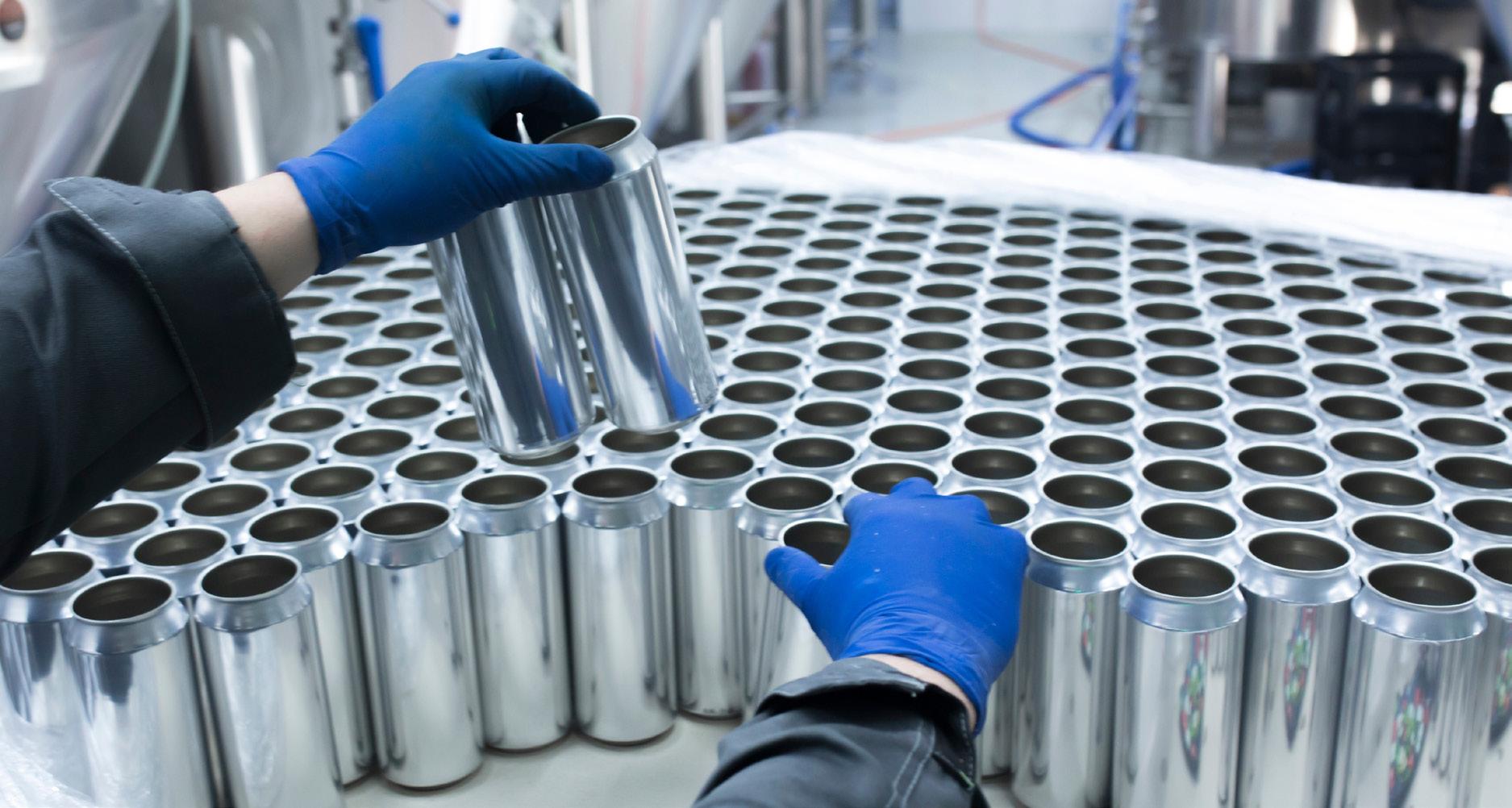
For the packaging sector—especially beverage cans—the effects are immediate. Aluminum sheet is a high-volume, low-margin input, and rising costs are quickly passed through the value chain. Manufacturers report higher conversion costs, tighter contract terms, and increased price volatility.
While North America is unlikely to experience shortages due to strong Canadian supply, aluminum products face sustained cost inflation and increasing uncertainty, prompting packaging producers and consumer brands to adapt to a more volatile and pricey market.
Although the fundamentals for tinplate steel and aluminum differ, the outcomes from the conflict are similar, with added cost pressures. Energy price increases feed directly into steelmaking operations, tinplate production, and transportation costs. The bottom line: metal can manufacturers have increased prices in Q2 to reflect higher input costs while gaining pricing power in the immediate future.
Energy Costs Impact Glass Packaging
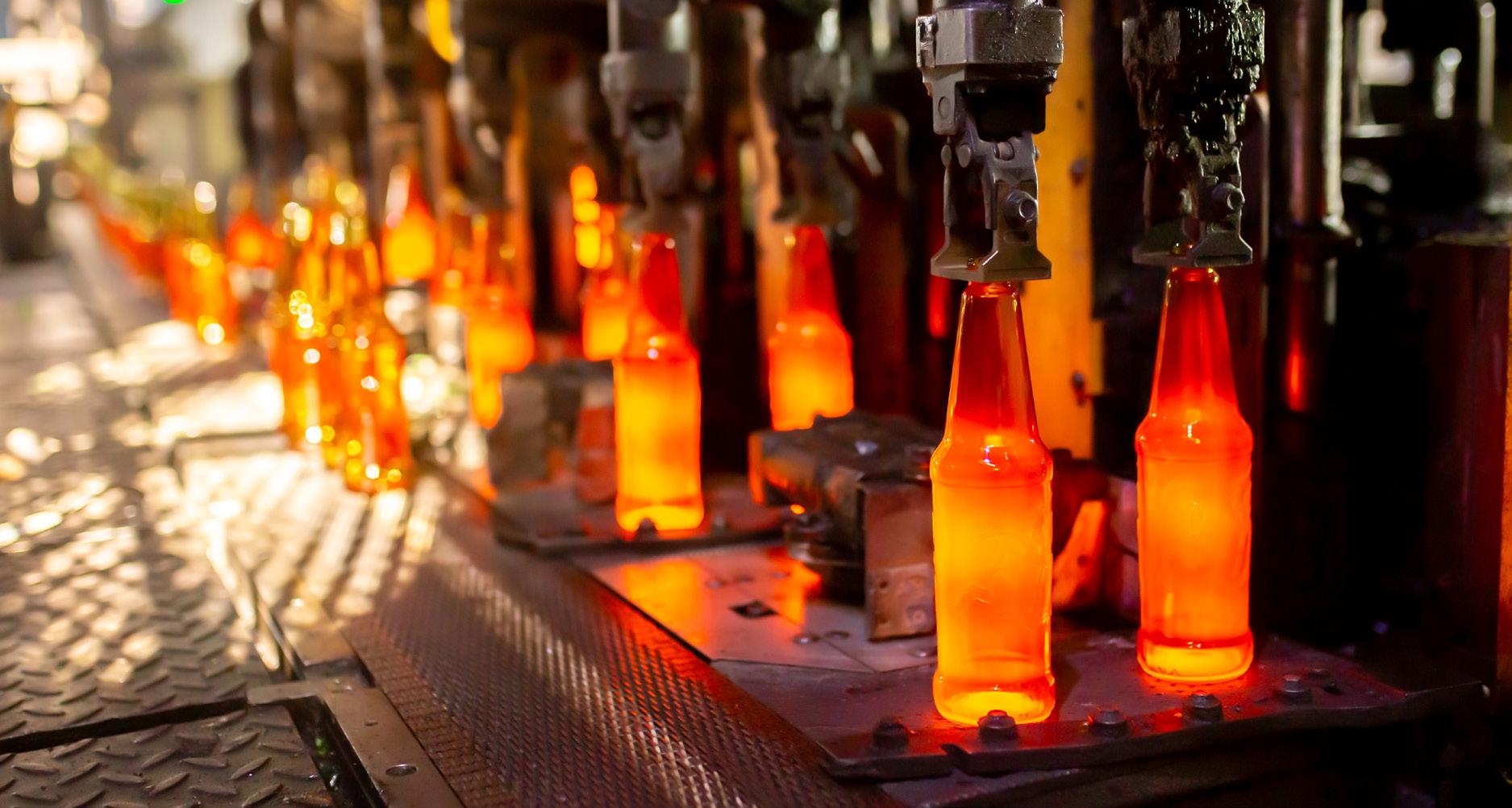
Glass production relies on furnaces operating above 1,500°C, fueled largely by natural gas and electricity. Energy accounts for 20%–30% of total production costs, leaving glass bottle and jar manufacturers highly exposed to pricing volatility. As fuel costs climb, glass producers pass these additional costs downstream. In North America, buyers are facing price hikes for glass containers. In addition to direct energy production costs, imported glass carries added freight costs and fuel surcharges.
Glass supply chains are also tightening. While North America has ample natural gas supplies, other
parts of the world rely on imports to power their glass furnaces. India, a leading producer of glass packaging, is the fourth largest importer of natural gas. Over 40% is sourced from the Middle East. Recent gas supply disruptions have reduced glass production, shrunk supplies, and increased glass bottle prices by about 20%.
Paperboard Markets Adjust to Cost Pressures
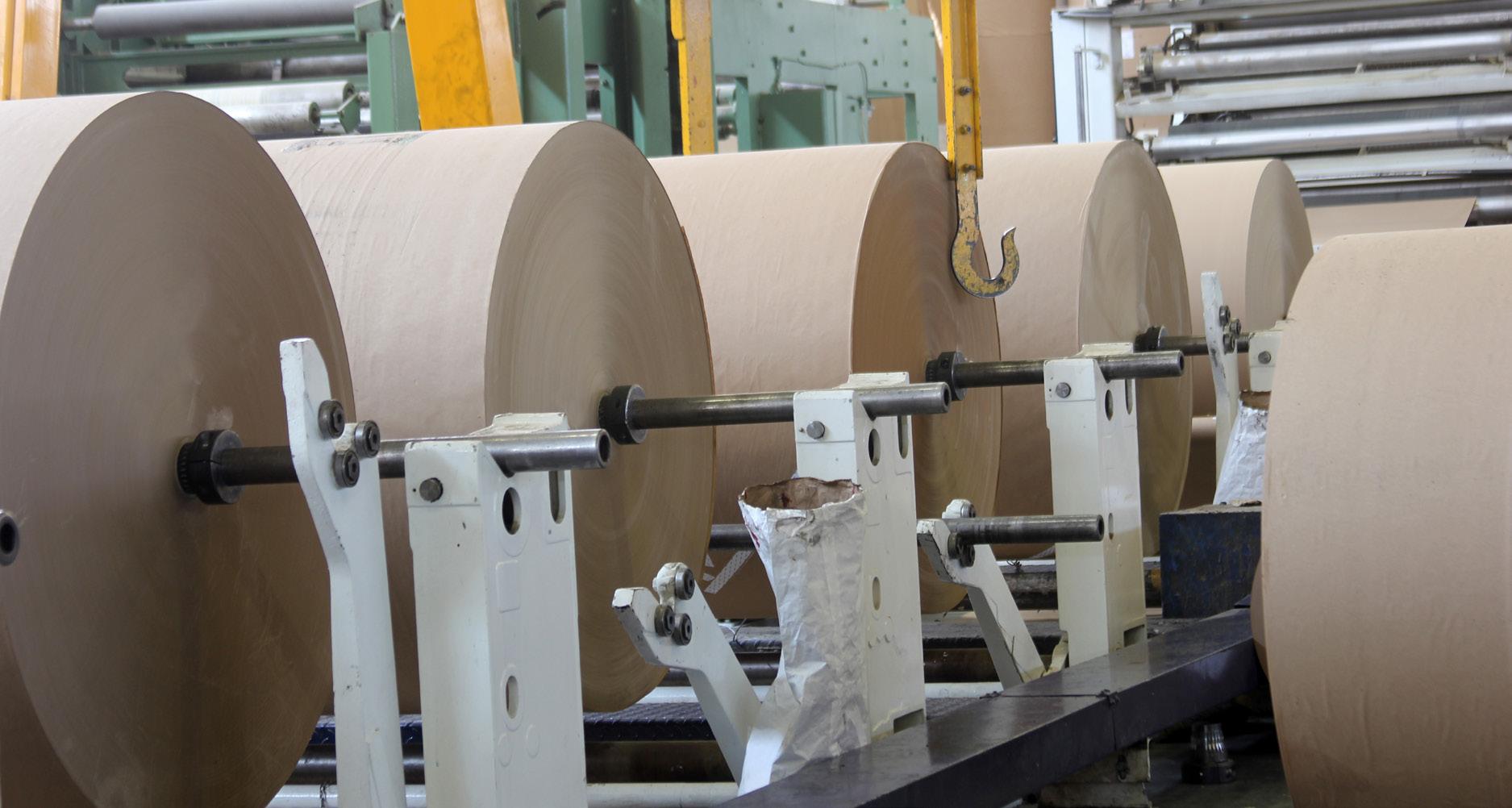
Like glass-making operations, paper mills are energy-intensive, using substantial amounts of natural gas, electricity, and steam. Rising energy costs quickly translate to higher production costs for containerboard (the primary material for corrugated boxes) and boxboard (the primary material for paperboard cartons such as cereal boxes).
Several major paper producers are tying price increases to rising energy costs, higher logistics expenses, escalating wage structures, and other input costs. Industry analysts expect containerboard prices in North America to rise moderately in the near term, while boxboard faces steeper increases due to its reliance on coatings and petrochemical-based inputs. Tightening market conditions and higher input costs buoy prices for recycled paperboard.
Despite cost pressures, supplies remain adequate. North America remains largely self-sufficient in fiber, with domestic mills continuing to operate normally. However, longer lead times and reduced logistical flexibility are tightening availability in certain grades.
Demand adds another layer of complexity. While economic uncertainty could dampen overall consumption, CPG companies may be building inventory buffers to hedge against disruption. That behavior typically keeps baseline demand steady.
Freight Costs Increase Across All Transportation Modes
Since packaging raw materials and finished goods travel by ships, trucks, rail, and even air, they are heavily exposed to fuel (mainly diesel, bunker fuel, and jet fuel) and transportation costs.
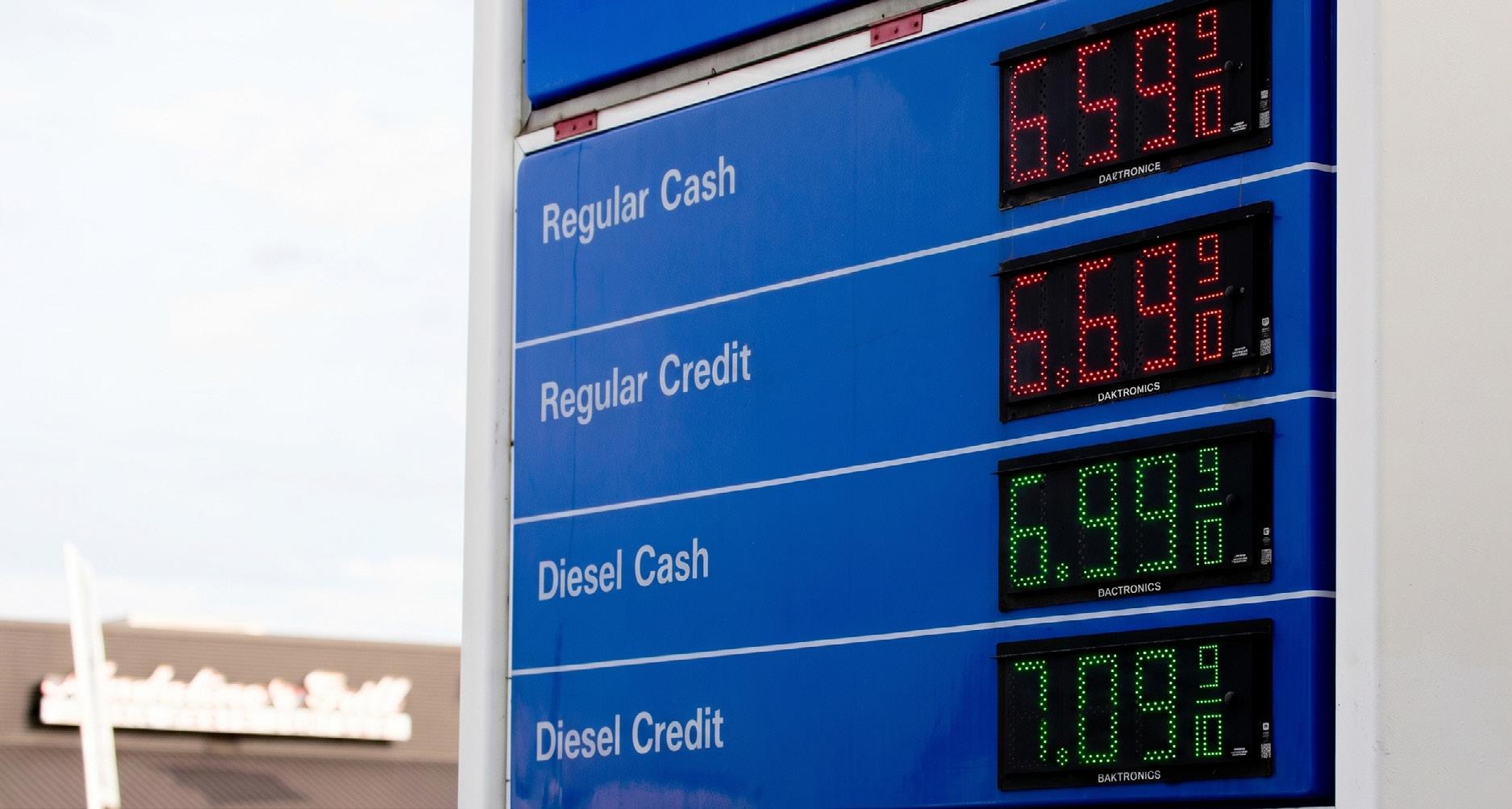
• Diesel Fuel. In the U.S., diesel prices skyrocketed by $0.96/gal. at the beginning of March, the largest weekly increase ever in the government’s 30-plus year tracking of fuel costs. Later that month, diesel fuel prices surpassed $5/gal. and peaked at $5.64/gal. in early April. The last time diesel prices topped $5/gal. was 2022, when pandemic-driven inflation surged to levels not seen in 40 years.
• Trucking. For long-haul trucking, diesel fuel accounts for up to 40% of operating costs. The price of diesel sets fuel surcharges, which have spiked since February. These surcharges boost truckload and partial truckload costs in North America, which have risen over the past several months due to capacity constraints, shipment growth, higher spot linehaul rates, weather disruptions, and driver shortages from new U.S. federal driver rules. Current transportation costs are approaching levels seen during the pandemic.
• Parcel Shipments. Parcel carriers, who regularly use fuel fees to boost their bottom line, adjust their surcharges in step with diesel price increases. In April, the U.S. Postal Service added a firstever 8% parcel surcharge to cover added transportation costs. The upcharge extends through January 2027. Most USPS delivery vehicles run on gasoline, which has risen about 40% to over $4/ gal. since the start of the conflict.
• Rail. Intermodal rail offers some advantages compared to over-the-road transportation. Rail remains three to four times more fuel-efficient than trucking per ton-mile, making it an attractive
alternative for long-haul moves. However, intermodal is not insulated. Diesel powers locomotives and drayage operations, and railroads apply their own fuel surcharges.
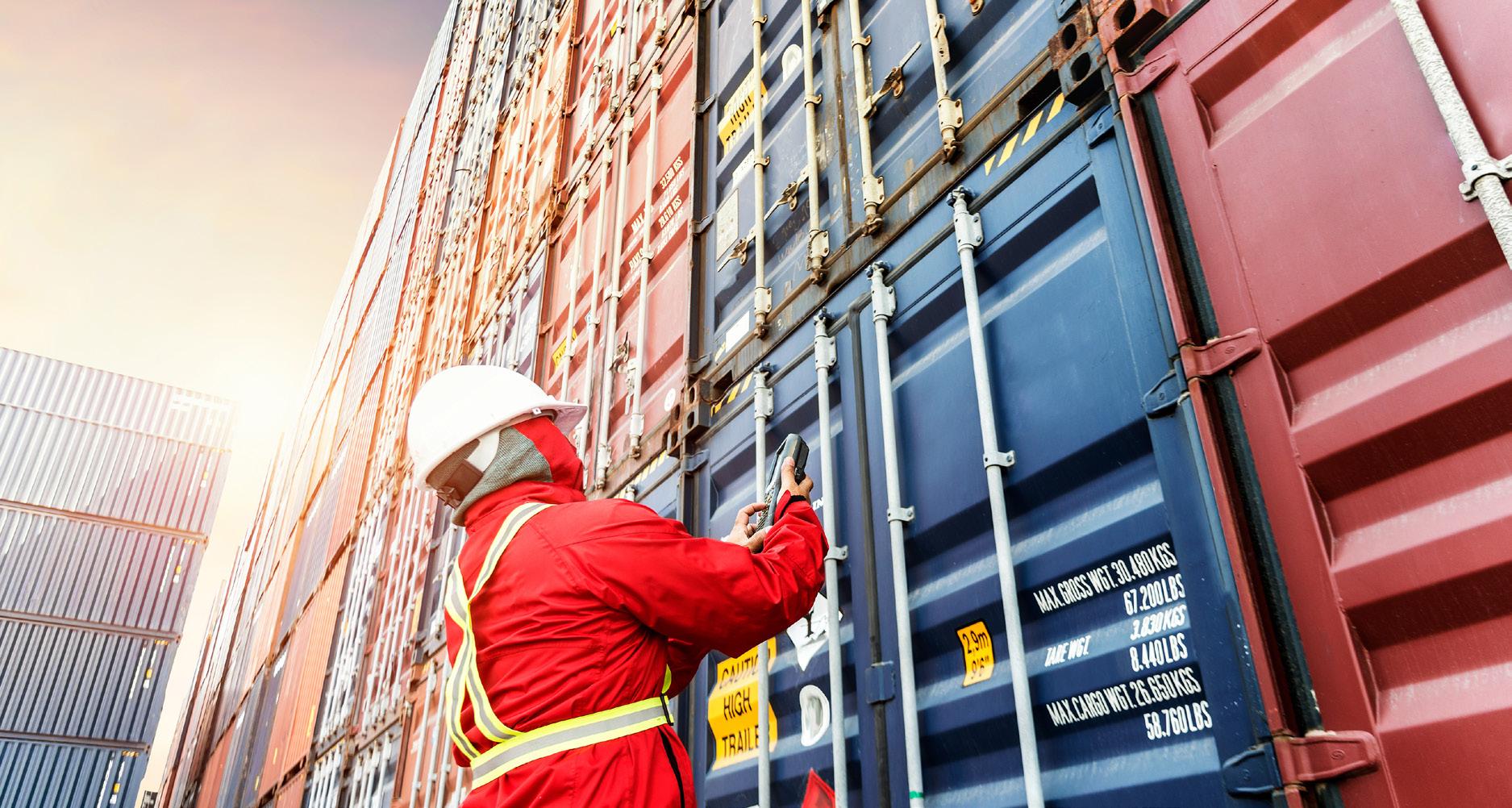
• Ocean Freight. Although freight demand remains modest, ocean freight spot rates are climbing in response to higher fuel costs, “war risk” and fuel surcharges, blank sailings, and capacity management. In normal conditions, bunker fuel accounts for 40%–60% of a vessel’s operating costs. Fuel price hikes have increased operating costs, which carriers are passing along to shippers.
Since late February, trans-Pacific spot rates (Asia–U.S. West Coast) have climbed roughly 40%, driven largely by fuel costs and the tightening of capacity. To conserve fuel, container ships reduce their speed (slow steaming), increasing transit and lead times and decreasing schedule reliability.
• Air Freight. Jet fuel prices jumped more than 100% year-over-year (YOY) in March, while air cargo demand and capacity slumped 4.7% YOY due to severe disruptions at major Gulf hubs, reports the International Air Transport Association. Several major airlines have announced flight cancellations due to jet fuel prices and shortages. Since passenger flights account for 40%–50% of air freight capacity, flight cancellations reduce total cargo capacity.
Air cargo spot rates have increased 40% since February, according to WorldACD data. Most of the increase is directly related to higher fuel costs. Additionally, redirecting airplanes around the Gulf has lengthened routes, which reduces usable cargo capacity because aircraft must carry more fuel.
What This Disruption Means for Packaging Buyers
• Increasing costs across multiple materials simultaneously
• Reduced ability to substitute materials
• Potential material shortages
• Shorter pricing validity windows
• Greater supply chain volatility
• Higher freight costs, longer transit times
Strategies to Manage Volatility and Reduce Risk
At Berlin Packaging, we partner with our customers to navigate volatility by combining market intelligence, engineering expertise, and global sourcing capabilities into a cohesive strategy. This approach is rooted in our Mission to improve our customers’ net income through packaging products and services.
While we supply packaging solutions to virtually every market segment, we go beyond the traditional supplier role by delivering a suite of value-boosting services:
• Global Sourcing Strength: With a diversified global supplier network, we actively shift sourcing strategies to minimize cost exposure and reduce risk.
• Design & Innovation: Our design and engineering teams work with you to identify material alternatives, optimize packaging specifications, and reduce total cost without compromising performance or brand impact.
• Logistics & Inventory Expertise: Our scale and logistics infrastructure enable us to optimize freight strategies, improve inventory positioning, and maintain continuity of supply while consistently securing competitive freight rates to further protect your bottom line.
• Industry-Leading Services: Our teams proactively manage the market on your behalf, so you can stay focused on your business.
To build resilience into our global supply chains, we actively develop multi-source supply networks, reducing dependency on any single region. By qualifying alternative suppliers and materials in advance, we help ensure continuity even when markets tighten.
At the same time, we work closely with customers to engineer smarter packaging solutions. Lightweighting, material substitution, and increased use of post-consumer recycled resin can significantly reduce exposure to fluctuating virgin resin costs. These design-driven approaches often deliver both sustainability and cost benefits without compromising performance.
Equally important is visibility. In a volatile environment, timely information is critical. We provide customers with ongoing insights into market trends, pricing dynamics, and potential risks. This intelligence enables more informed, proactive decision-making.
In uncertain times, partnership matters more than ever. Let’s work together to navigate volatility, mitigate risks, and control costs.