Bereavement support
Advice and support following a death
Advice and support following a death
Our Bereavement Support Team can give support to adults who have been affected by the death of someone in the care of St Leonard’s, or in the communities we serve across our catchment area. The person who has died does not need to have been linked to St Leonard’s Hospice.
We provide safe and confidential opportunities for you to share, express, process and understand your grief. We do this through:
• Ongoing, planned, regular support
• Memorial events throughout the year providing opportunities to reflect and remember
• Opportunities to share experiences with other bereaved people in small managed groups
• Online resources
• Educational opportunities for grief awareness sessions in collaboration with local community groups and partners.
We understand that everyone is unique, we offer our support responding to people’s personal circumstances, culture, faith, gender and disabilities.
We do not charge for our bereavement support services.
Call us to self-refer on 01904 777 760.
If a person close to you has died as an in-patient in the Hospice we will forward the medical certificate directly to the registrar’s office. They will contact you once the certificate has been received and make an appointment with you to talk through the next steps.
If you need to return to the Hospice to collect any personal possessions please call 01904 777 760 the morning after the death (or a Monday following a weekend) and make an appointment to return.
Occasionally there may be an unavoidable delay in the issuing of the medical certificate of cause of death. Sometimes, for legal reasons, the death has to be reported to the Coroner. The Hospice staff will advise you and keep you informed if this has to happen.
If the person close to you has died at home, you will need to contact the GP and then you will be guided through what to do next.
The death must be registered within five working days. You will need to make an appointment with York Register Office. Some people appreciate the support of a friend or relative. There is no charge to register a death unless a certified copy of the death certificate is purchased. You may need several copies for banks, building societies, solicitors and other official institutions that require proof that death has occurred.
Following a death at home or a death at the Hospice please note that we have been advised by the Register Office that pre-payment needs to be made for the certificate prior to the appointment. If this is difficult, please contact Register Officer Customer Services on 01904 553 190 and payment can be made over the telephone.
You can register the death if you are:
• A relative of the person who has died
• Not related to the person who has died but you were present at their death
• The person instructing the funeral director
York Register Office is open Monday to Friday, 8.30am to 5pm, with an out of hours service to meet cultural and faith needs for an immediate funeral. It operates on an appointment only basis.
Telephone 01904 553 190 or visit www.york.gov.uk
If the person has died outside of the York area you will need to contact the local Register Office. If you are uncertain of this information, the York Register Office may be able to advise you further.
It would be helpful to have the following information to hand. Do not worry if not all the documents are available:
• Birth certificate of the person who has died
• Driving licence
• Council Tax bill
• Marriage or civil partnership certificate
• NHS medical card
• Passport
• Proof of address (e.g. utility bill)
The Registrar will ask about
• The date and place of death
• The full name of the person who has died and any previous names
• Their date and place of birth
• Their home address
• Their last occupation and whether they were retired
• The full name, date of birth and occupation of surviving or late spouse or civil partner
The Registrar will register the death and give you a Certificate for Burial or Cremation (or ‘green form’) to give to the funeral director, and a Certificate of Registration of Death (form BD8).
When someone has died there are lots of things that need to be done, at a time when you probably least feel like doing them. One of these is contacting government departments and local council services that need to be told. The Register Office may provide a service called ‘Tell Us Once’. If so, they will give you a unique reference code, as well as instruction on how to use it and who will be informed.
You can use this service to tell the following organisations about the death:
Local councils:
• Housing Benefit Office
• Council Tax Benefit/Support Office
• Council Tax
• Collection of payment for council services
• Electoral Services
• Blue Badges
• Adult Services
• Children’s Services
• Council Housing
Department for Work and Pensions:
• Pension, Disability and Carers Service
• Jobcentre Plus
• Overseas Health Team
HM Revenue & Customs:
• Child Benefit
• Tax Credits
• Personal Taxation
Identity and Passport Service:
• To cancel a passport
Driver and Vehicle Licensing Agency:
• To cancel a driving licence
War Pensions Scheme:
• To cancel a war pension
You will still need to contact these organisations to make any claims but you will not need to send them the death certificate.
To make sure the right information is given to any organisations that the Registrar contacts for you, and so that you get the most out of this service, it will help if you can bring along with you the following information about the person who has died:
• Their National Insurance number and date of birth
• Their driving licence or driving licence number
• Their passport or passport number
• Name and address of next of kin
• Name, address and contact details of the person or company dealing with their estate
• Details of any benefits or services they were receiving, e.g. pension
• Details of any local council services they were receiving, e.g. Blue Badge.
A funeral can be an important event to bring family and friends together, to celebrate and to share memories. It is usual to contact a funeral director soon after the death or once the death has been registered. You can contact them 24 hours a day, including weekends. Most funeral directors belong to their National Association, which has regulations and standards that must be followed. Other funeral directors may not be. However, all should be insured and follow codes of good practice.
More information can be found online at: www.gov.uk/after-a-death
If you use a funeral director you will need to give them the Certificate for Burial or Cremation (‘green form’) from the Register Office. They will discuss your wishes and can make all the arrangements for the funeral and burial or cremation, according to your own particular philosophy, faith and beliefs. If you have a minister or faith leader of your own, you may prefer to contact them yourself.
There are a growing number of funeral celebrants as an alternative to a minister of religion or faith leader, should you require this. Alongside a range of funeral celebrants are also Humanist celebrants who are not religious and do not hold beliefs about an afterlife. There can be a bewildering array of choices to explore, but a funeral director will usually be able to recommend a minister of religion, Humanist, or one of the many other civil celebrants with varying backgrounds, who will provide a ceremony to suit your needs.
The British Humanist Association offers advice on non-religious ceremonies and the Registrars in York can also provide a civil funeral.
If you do not wish to use a funeral director you can contact the Cemeteries and Crematorium Department of the Council to arrange a funeral yourself.
In planning the funeral service, where possible it is important to honour the wishes of the person who has died, as well as thinking of your own feelings and those of others.
The person who arranges the funeral is usually responsible for meeting the costs. These can be met from the estate of the person who has died or any funeral scheme they may have subscribed to.
Funerals can be expensive and, although basic costs tend to be similar, the final cost can vary considerably. Do not be afraid to mention your budget or obtain estimates from several funeral directors. Financial help may be available if you receive certain benefits. Contact the Department for Work and Pensions (DWP) before making any arrangements.
You may be eligible for some bereavement benefits, depending on your circumstances. Information can be found online at www.gov.uk/after-a-death.
If you have difficulty in dealing with the property of the person who has died, or with matters such as the guardianship of their children, it is advisable to get advice from a solicitor or the Citizens Advice Bureau as soon as possible. If there is no Will, speaking with a solicitor may be helpful. Some solicitors are prepared to offer up to half an hour of legal advice free.
Further information is available at: www.gov.uk/wills-probate-inheritance/if-the-person-left-a-will www.gov.uk/wills-probate-inheritance/if-the-person-didnt-leave-a-will www.citizensadvice.org.uk
You will probably want to let the family, friends, and neighbours know of the death right away. If the person who died was living alone, you may need to ensure that their home is secure and remove all signs that indicate that the house is empty. You may wish to collect spare keys from other relatives, friends and neighbours.
You may also wish to inform the following:
Priest, Vicar, Minister of Religion or Faith Leader
Family Doctor
Dept. Work & Pensions (pensions, benefits, etc)
(If you have not used the ‘Tell Us Once’ service)
Bank, Giro, Credit Cards,
Building Society
Social Services (blue badge, home care, equipment)
Schools, College or University attended
Place of work (occupational pension)
Executors of the Estate (Will)
Solicitor
Reference: St Leonard’s Hospice Bereavement
Publication date: February 2026
Insurance Companies
Library Service
Inland Revenue
(If you have not used the ‘Tell Us Once’ service)
Residential or Nursing Home, Landlord, Housing Department
Council Tax office
(If you have not used the ‘Tell Us Once’ service)
Electricity, Gas, Telephone, Water Companies
Subscriptions, internet provider, TV licence
Post Office (redirect mail)
Driving Licence Centre (D.V.L.A.)
Careline/Warden Call
Cancel any appointments
The death of someone you know can be an emotional experience. There may be intense emotions that are not easy to cope with. Most bereaved people come through grief with the help of family and friends. For some people, extra support can be helpful. We provide safe and confidential opportunities for you to share, express, process, and understand your grief.
enquiries@stleonardshospice.org.uk

The Hospice would like to thank RNS Publications for publishing this information and the following pages contain some features from services o ering their help at this time.
Whilst the Hospice is grateful of their support it does not endorse or recommend any of the services that they provide.
Please note, whilst information is correct at the time of publication, this may be subject to future change.





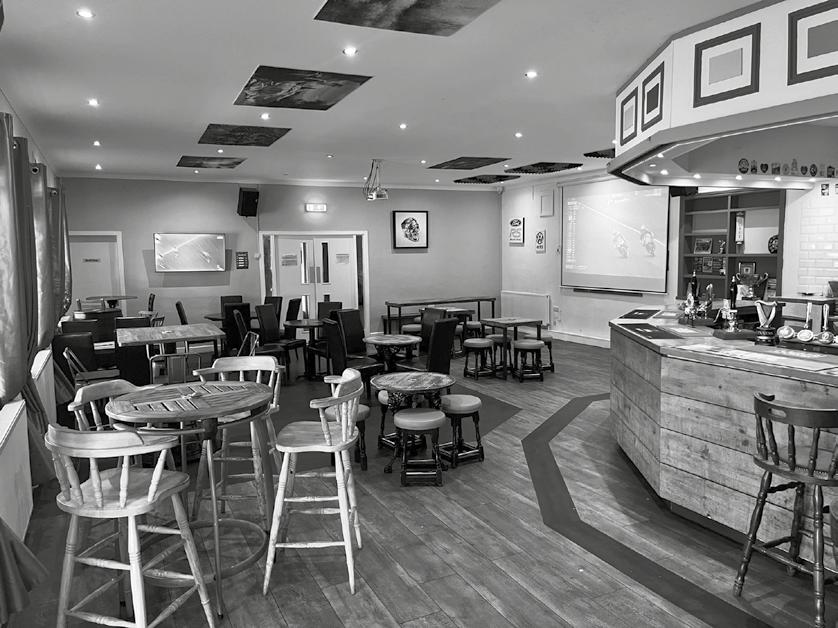

This publication has been jointly developed between ourselves and the hospice. We hope that it has been or will be of help at this time and we welcome any comments or suggestions that you may have.
Please contact us either by phone, email or by post.
RNS Publications, Trium House, Unit 15, Broughton Way, Whitehills, Blackpool FY4 5QN
You may need help, support or advice on what to do when someone dies in relation to probate. It may not always appear obvious if it will be required.
We offer free guidance on the legal and financial aspects of bereavement including your responsibilities and whether probate is required.
You may need to establish whether a property is held in joint names or tenants in common, we can perform a simple check at no cost to establish the title deeds.