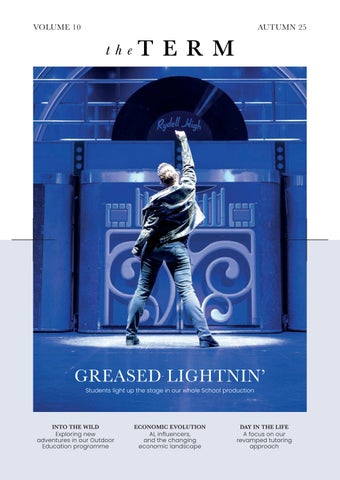
Students light up the stage in our whole School production
INTO THE WILD
Exploring new adventures in our Outdoor Education programme
ECONOMIC EVOLUTION
AI, influencers, and the changing economic landscape
DAY IN THE LIFE
A focus on our revamped tutoring approach
Clermont House, High Street, Cranbrook, TN17 3DN
FROM THE HEADMISTRESS
Welcome to the Autumn issue of The Term for the 2024/2025 academic year.
I’m delighted to introduce this edition of The Term, which celebrates many of the highlights that have made this such a rewarding Autumn at Benenden.
In a term when we have not only brought a UK prep school into our family but earned a wonderfully glowing report from the Independent Schools Inspectorate (including being awarded a Significant Strength for our innovative curriculum), it speaks volumes that the most memorable aspects have been the students’ achievements.
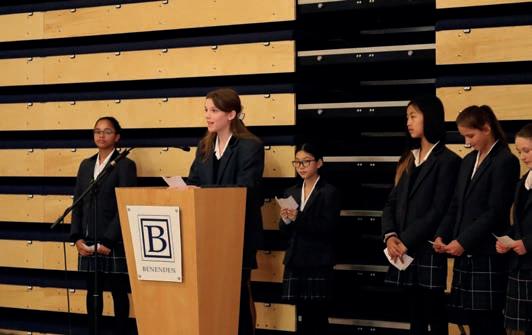
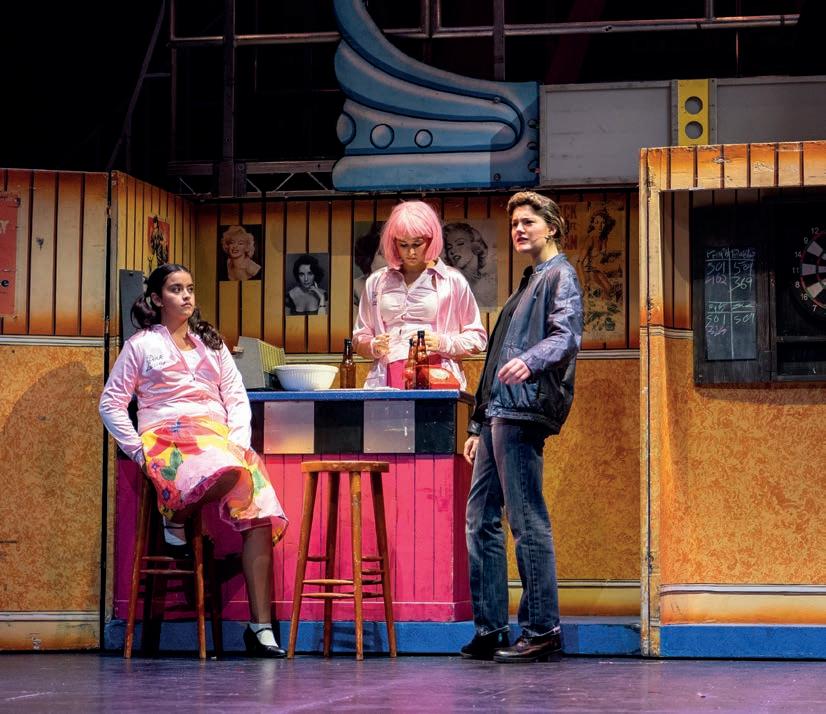
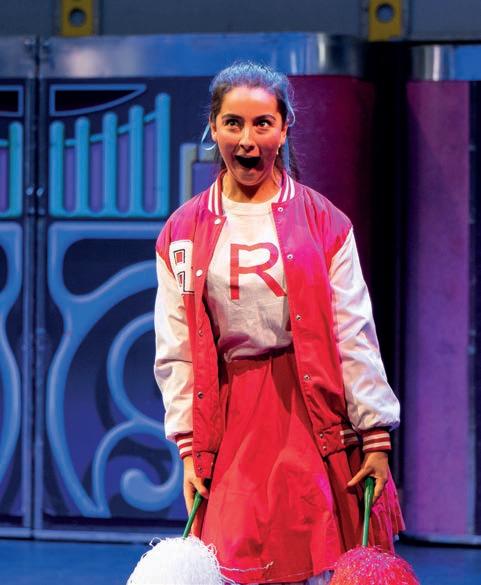
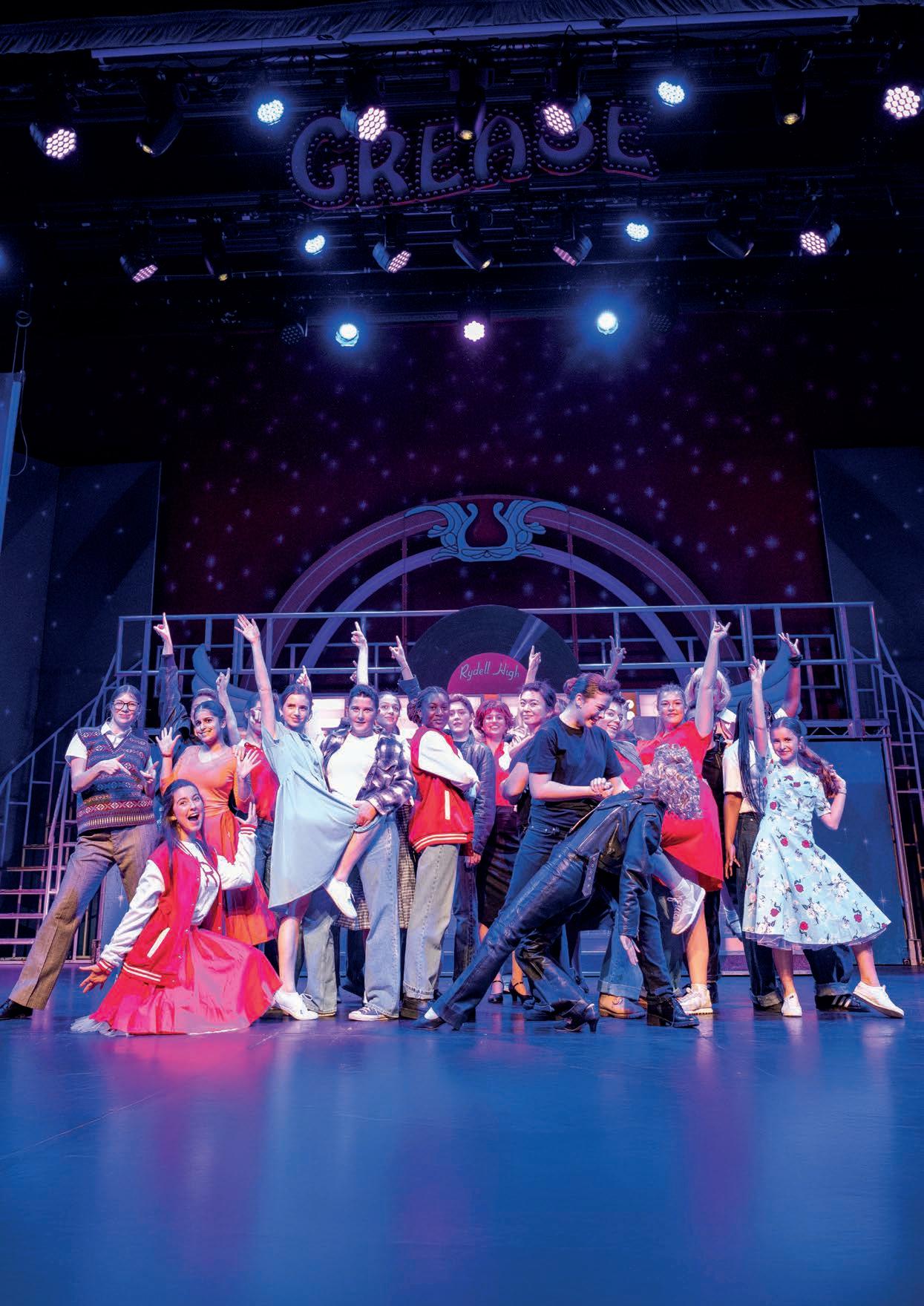
Perhaps the most prominent event was the outstanding whole school production of Grease, and our special feature offers a glimpse behind the scenes, with reflections from the director and students who brought the show to life.
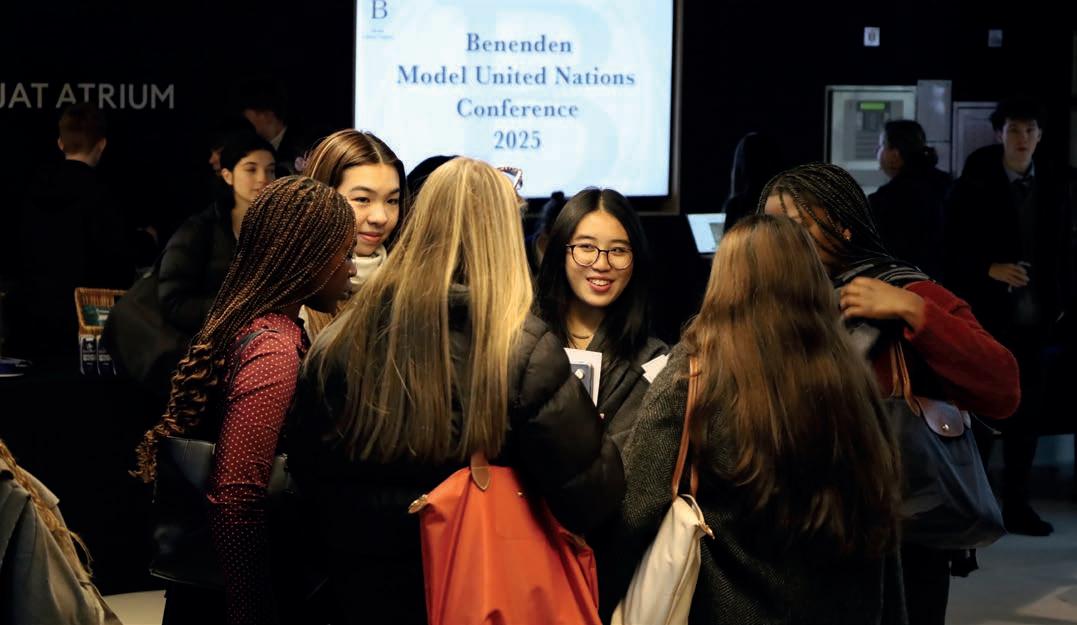
Elsewhere, girls have enjoyed a series of exchange programmes and have fully embraced the opportunities of several conferences, including the STEM Convention, the Enterprising Minds Conference and our annual MUN Conference.
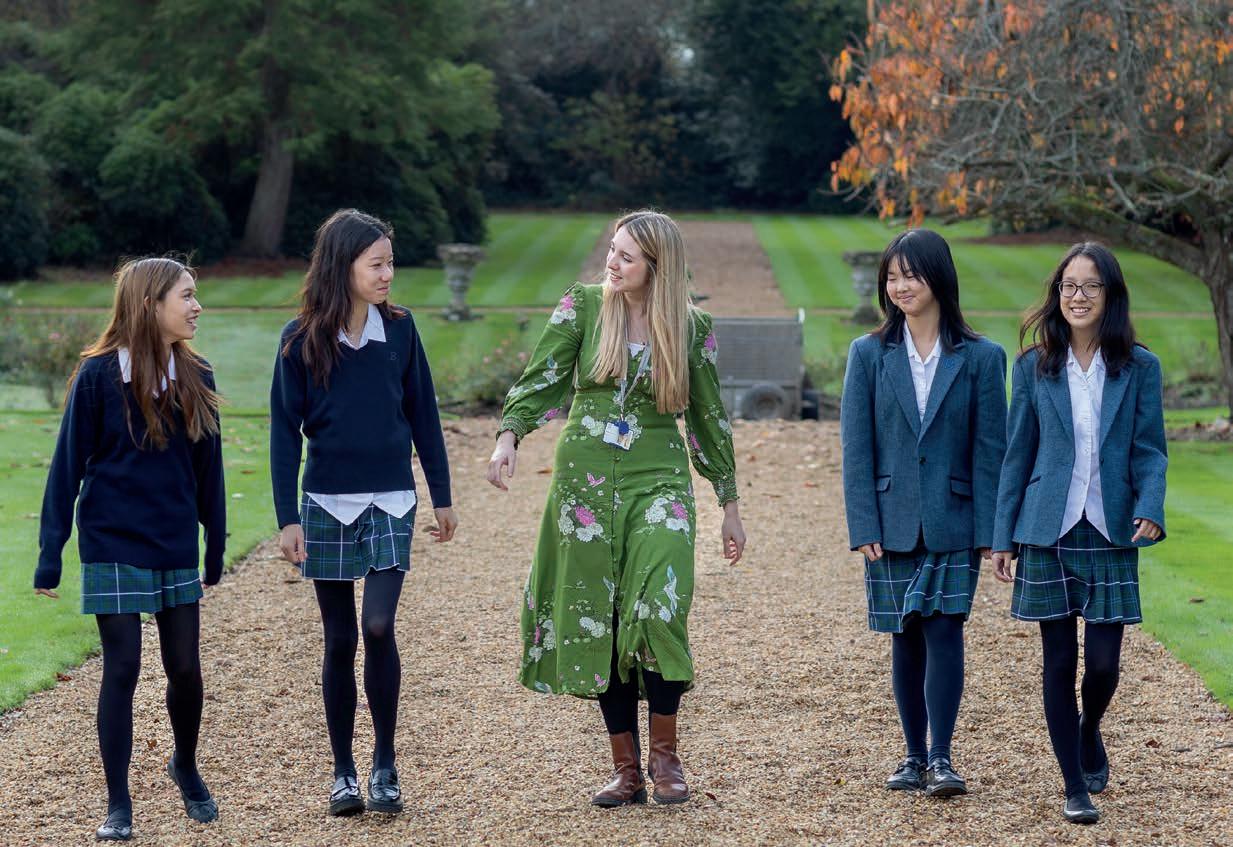
Our renowned curriculum never stands still and in this issue we are pleased to showcase our new Outdoor Education programme for the Lower Fifth, which makes the most of the stunning environment we are fortunate to live in here at Benenden.
Another innovation this term has been in our Tutoring provision. Tutoring has long been a central part of our support for the girls but we have revamped the programme this year to adopt an approach inspired by 1:1 coaching principles, and our Day in the Life feature focuses on how our Tutoring programme works in practice.
Finally, our Economics Department also contributes a fascinating piece examining how influencer culture and AI are reshaping the economic landscape - a timely and engaging topic for the girls as they prepare for their futures.
I hope you enjoy revisiting the term’s highlights as much as we have enjoyed experiencing them.
With very best wishes
Rachel Bailey
A personal approach to financial planning.
We focus on building and maintaining long-term relationships with clients, helping to identify and realise their financial goals.
MEET THE ADVISORY TEAM
We are delighted to be official Partners of Hemsted Park and would like to take this opportunity to introduce you to our highly qualified team of wealth managers - experts in all aspects of financial planning, including retirement planning and later life planning, for you and your families. Whether you are looking to build, grow, protect or preserve your wealth, we are always here to help.
We have offices in Goudhurst and Cranbrook where you are guaranteed a warm welcome. Tel: 01580 211 211 Email: burfieldshousewm@sjpp.co.uk www.burfieldshousewm.co.uk
Benenden School, Benenden, Cranbrook, Kent TN17 4AA, UK
Editors: Lauren Barnett and Benjamin Myatt Design: Jack Witcomb
VILLAGE PUB ROOMS DINING
DRINK, DINE, DREAM
Located just a couple of miles from Benenden, The Milk House in Sissinghurst welcomes Benenden parents, their families and friends.
We’d love to see you for an overnight stay or treat yourselves to lunch or dinner in the Dining Room. In the spring and summer the terrace is an idyllic spot to enjoy a pizza and a pint or simply join us for a drink in the bar.
The Independent Schools Inspectorate (ISI) award a rare 'Significant Strength' as part of its glowing report..
Benenden is proud that its innovative curriculum has been formally recognised by the Independent Schools Inspectorate (ISI).
In a glowing report that praised Benenden in all areas following a routine inspection last month, the School was awarded the distinction of a “significant strength” for its nonexamined courses.
S ignificant strengths are not recognised often by ISI and only when a school delivers something particularly distinct that has a significant impact on pupils beyond that of most other schools.
Ms Bailey welcomed the findings, saying: “At Benenden we pride ourselves on our innovative approach to the curriculum which ensures that girls are not only achieving exceptional academic results – but are truly
developing a love of learning which sets them up for the rest of their lives.”
I n addition to GCSEs and A Levels, all students at Benenden take Electives, which introduce them to a range of 70 different professional and general interest topics including sign language, investments, journalism and meteorology.
Fourth and Upper Fourth girls follow the School’s CREATE Diploma which focuses on enquiry-based skills, inspired by the World Economic Forum’s Fast Growing Skills for 2030.
T hese are further embedded in the Lower Fifth curriculum, which has recently been enhanced with new courses in Data Science, Natural Sciences, Sustainability and Business.
In their report, inspectors praised this approach, saying: “Leaders’ decision to enrich the academic curriculum
through the introduction of wellchosen non-examined courses has substantially developed the academic curiosity shown by the pupils.
“ Through these non-examined courses, pupils develop academic self-confidence and learn skills useful for adult life.”
M s Bailey said: “This is a truly wonderful report and we are delighted that inspectors have recognised the numerous strengths of Benenden that we in the School community are all so familiar with.
“My enormous thanks go to all staff, governors, parents and, most importantly, the students for their ongoing commitment and support, all of which has contributed to this excellent and well-deserved outcome.”
Benenden’s innovative curriculum is just one aspect of the Complete Education for which the School is renowned. Through this model, Benenden offers students excellence across all areas of life, including Academic, Co-Curricular and Personal Development.
C rucially, teachers and pastoral staff get to know the girls as individuals and put bespoke support in place, which has resulted in Benenden being named among the top 6 per cent of all schools – independent and state – in the UK for value-added, the measure of how students improve while at school.
Orwell Park Joins Benenden Family of Schools
We are delighted to announce that Orwell Park School has joined the Benenden family of schools.
Orwell Park School, in Suffolk, has officially joined the Benenden School family of schools after the merger was completed this term.
This partnership is rooted in a shared ethos of delivering a premium, modern education to children at both schools.
Orwell Park is a highly respected day and boarding school in Suffolk for boys and girls aged 2-13, with which Benenden has long had a strong and mutually beneficial relationship.
I n welcoming Orwell Park into the Benenden family of schools, Ms Bailey said: “We are delighted that this partnership has formally come into effect. Our two schools share a vision for providing pupils with the very best education that prepares them for the next stage in their lives.
“ This exciting long-term partnership will see Benenden and Orwell Park working together for the benefit of pupils at both schools.”
Orwell Park Head Simon O’Malley said: “Since we announced our partnership with Benenden in October, the response from parents – both current and future – has been phenomenal and there is a palpable sense of excitement at the opportunities that this partnership brings.
“ Our two schools have been working together on various operational matters in recent weeks and it has been immediately clear that this is a genuinely collaboratively partnership which puts the education of children at its very centre. The future is very bright indeed.”
B enenden and Orwell share the core values of courtesy, respect and a commitment to community, with the culture of both schools underpinned by an ethos of boarding tradition, which day families at both schools also embrace.
Following the formal completion of the merger this term, Orwell comes under the governance of Benenden School but retains its own identity and its own Senior Leadership Team.
I n addition, Benenden recognises that Orwell Park excels at preparing its pupils for a wide range of senior schools and this approach will not change. Orwell Park will continue to prepare its pupils for the right individual school for each and every child.
T he schools will share best practice and expertise across a range of educational and operational functions, but above all, the opportunity to deliver improved academic and co-curricular pathways is truly exciting for pupils at both schools.
Enterprising Minds
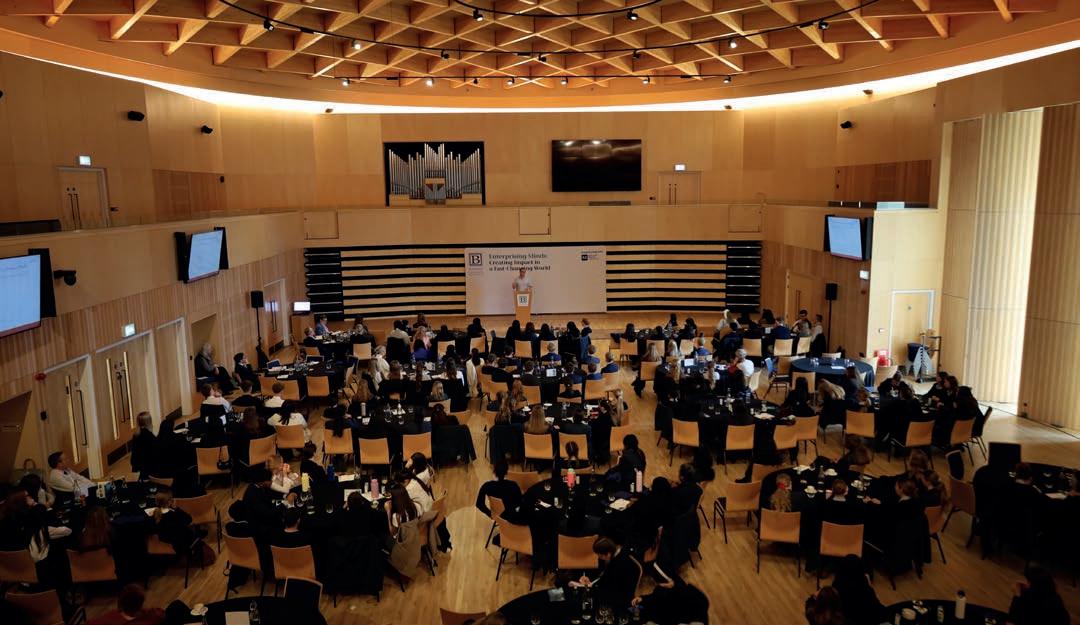
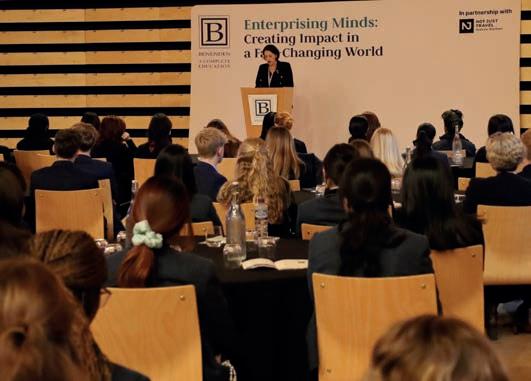
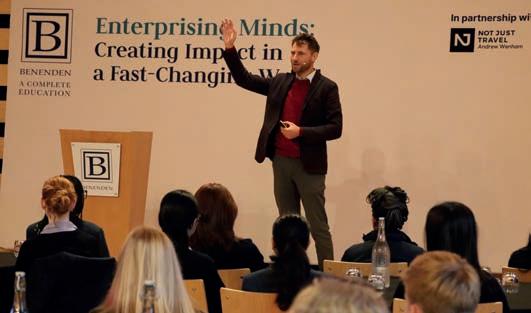
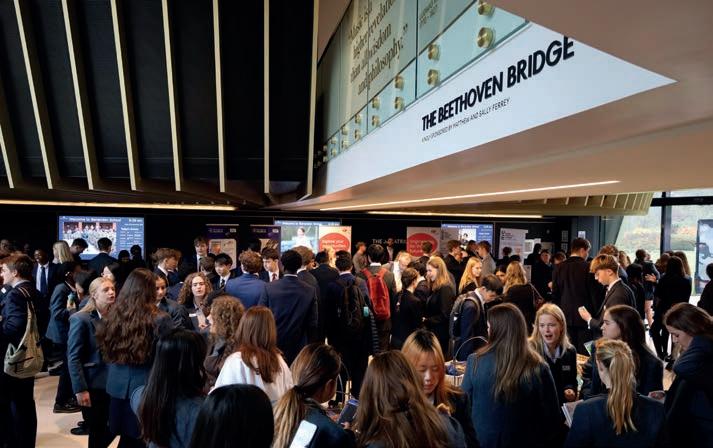
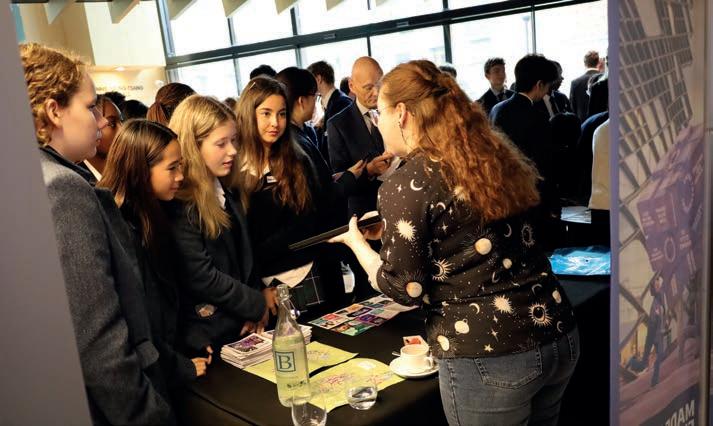
In November Benenden hosted Sixth Form students from across the South East at its third annual business conference.
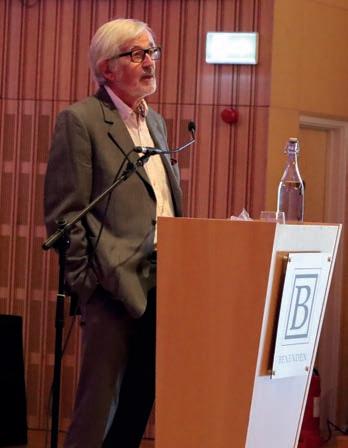
In her opening address, Ms Bailey told the next generation of business leaders that the challenging environment means there has never been a more exciting time to launch an enterprise.
Ms Bailey warned conference delegates they are living in a time of “extraordinary complexity” but that the opportunities for them are “immense”.
Ms Bailey challenged and inspired delegates with a bold message, saying: “Outside of a recession, there has never been a more challenging time to launch a business.”
S peakers at the conference – sponsored by Not Just Travel – included leading business collaboration figure and Tedx sp eaker Rich Watkins, sustainability expert Benet Northcote and the pioneer of fashion guide Tagwalk, Alexandra Van Houtte.
M ore than 160 Sixth Form students were in attendance from six different schools, both independent and state, including Chislehurst School for Girls, Weald of Kent Grammar School, Churcher’s College and The John Wallis Church of England Academy.
The conference featured a wide programme of topics such as:
Adapting to collaboration and change
The power of podcasts in modern communication
Sustainability in business
Business coaching and leadership
Startup insights from an experienced investor
Embracing technology and data
Ms Bailey urged students to embrace the fast-changing world, seize opportunities and absorb the insights shared throughout the day. “Success isn’t just about profit,” she concluded. “It’s about purpose, resilience and creating something that matters.”
The event – Benenden’s third business conference in successive years – reflected the School’s commitment to preparing its own students for leadership, as well as sharing expertise with other schools.
STEM Convention 2025
Benenden was proud to host the 2025 STEM Convention, welcoming both its own pupils and students from other schools.
Designed to promote knowledge exchange between students and leading experts, the Convention demonstrated our commitment not only to academic excellence, but also to empowering young women to push boundaries and excel in STEM fields traditionally dominated by men.
T he day opened with an immersive, science-led disco experience delivered by Counterspike, a company at the forefront of scientific innovation in nightlife safety. Students explored the chemistry and technology behind SpikeStixx, a discreet CE-certified test strip capable of detecting harmful substances in drinks. This dynamic and interactive session set the tone
for a day focused on real science, real-world application, and inspiring young people to see themselves as future innovators.
C ounterspike’s engagement with pupils reached another level, and this is only the beginning of our collaboration. Over the coming months, pupils will be invited to apply for a place on a new joint committee to test-drive future kits, contribute to product design, and conduct laboratory-based chemical testing here at Benenden. This is a firstclass opportunity for young scientists to engage directly with applied chemistry and innovation, and even play a part in developing technologies that may save lives in the future.
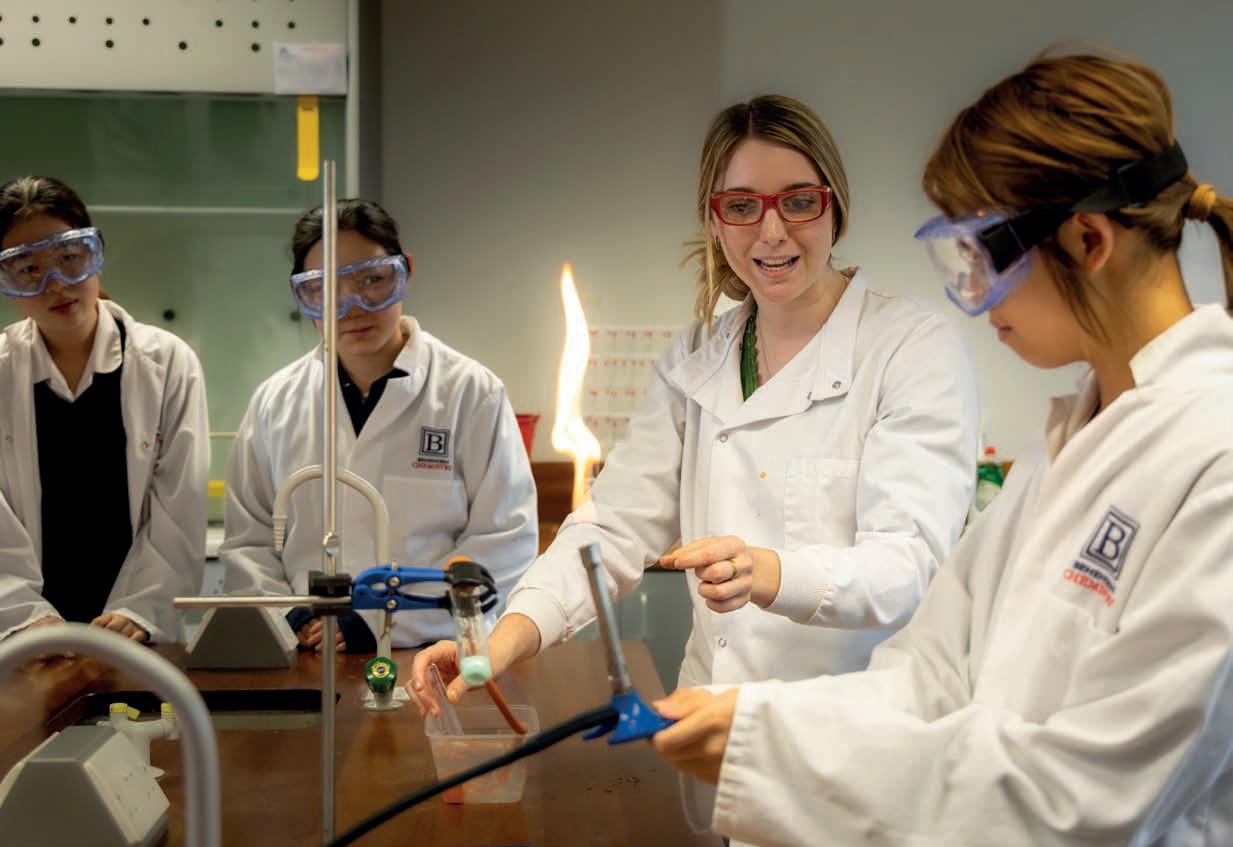
We were also honoured to welcome Professor Kevin Honeychurch from the University of Bristol’s Chemistry Department, who guided students through the electrochemistry of drink-spike detection. Using molecular structures and display formulae, he demonstrated how electron flow and chemical interactions allow substances to be identified at a molecular level, showcasing cutting-edge research and igniting scientific curiosity.
In the afternoon, Professor George Gaskell (LSE) spoke powerfully about the intersection between STEM and society, prompting students to reflect on whether technological innovation always benefits humanity. His discussion of the Turing Test highlighted the complexities of human communication, areas where AI continues to fall short and encouraged pupils to think critically about the role of technology in shaping our world.
Benenden students produced outstanding projects, exemplifying the depth, ambition and intellectual bravery of our young female scientists, students who are not simply learning science, but actively contributing to scientific discourse. The afternoon concluded with high-calibre student presentations from those shortlisted for the STEM Awards. These talks, ranging from Re-wiring Appetite to advanced robotics and biomedical research, showcased remarkable intellectual maturity and research skill.
T his event not only showcased outstanding research but also demonstrated Benenden’s determination to push intellectual boundaries and ensure young pupils can thrive as scientists, engineers and innovators. The Convention reflects the importance of evolving, adapting and pushing new boundaries in STEM education.
CULTURE SWAP
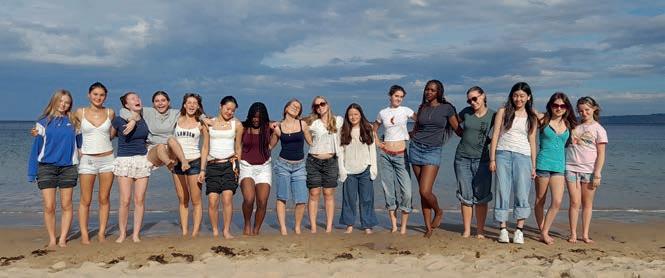
This term Benenden’s exchange programme hit new heights, with students venturing to China, Chile, Canada and Australia.
Toni’s South American Sojourn
The only thing I knew about Chile before I went on my exchange was that it was a coastal country in South America. Now, I can sum it up in three words: friendly, fun and bacán.
Calling it friendly is unquestionable; my host family greeted me with hugs, and almost every day I met people who were messaging me on Instagram the next morning. I made close relationships with girls in my biology class, my volleyball team the “Spike Sharks” who taught me how to play, and my teachers who, in Chile, are addressed by their first names.
Even though all the subjects were taught in Spanish someone was always willing to explain what’s happening. It was the most fun I’ve ever had in the summer holidays. Although there were opportunities to shop and be a normal tourist, I equally enjoyed screaming Bad Bunny songs out the window with my host sister and eating completos (Chilean hot dogs) with a whole class in tutor time.
I found joy everywhere: birthday celebrations, aerial yoga and even Maths. Another highlight has to be going to my first concert, where Emilia Mernes performed. Bacán is a Chilean slang word for cool and (like any word in any language) is a large understatement for the beautiful sights, culture and society of Chile.
The school took us to a city called Valparaíso, which is still a very important port in Chile, and it is filled with stunning multi-coloured houses and intricate street-art. We had insider knowledge and followed the painted white ants to La Dulceria – a sweet store where they make the sweets in front of you! There were vibrant sunsets, picturesque beaches and incomprehensibly large mountains. I found everything cool, just being in a different country, seeing how other countries work and what my life would be like if I was born in Chile.
Now all I want is to return. I made so many great friends and I really do believe a place was eagerly made for me in a formerly foreign country. If you have a chance to go on an exchange, take it with arms wide open because you only have tons and tons to gain.
Toni Fasina, Upper Fifth
Tomisin’s Canadian Quest
We arrived in Canada at the beginning of Half Term and spent the first weekend with our host families, sightseeing in Victoria.
As I was attending St Margaret's as a day student, my exchange buddy and I drove to school each day, except for the days we went on the school bus! It was a classic yellow school bus, which I was far too excited about. I really valued my time in lessons, where I took part in subjects like Japanese and Social Studies, and we learnt a lot about the Indigenous Nations of Canada, which broadened my global understanding.
On the second weekend, my host family took me on the ferry to Vancouver where we stayed for two
nights. It was so exciting – I got to travel on the gondola up to Grose Mountain, where I saw two bears! We also visited the Suspension Bridge, some nice restaurants, the Museum of Anthropology and my highlight –cycling around Stanley Park. When we arrived back in Victoria, my host family also took me to the Pumpkin Patch, where we went through a corn maze and hesitated to set foot in the haunted house! I think the main highlights of my trip were trying Canadian maple syrup, making friends in another country and practising my French where I could, since all the signs were in both English and French.
Tomisin
Olawepo-Hashim, Fifth
Staff and Students Travel to China
Ov er Half Term, our second student exchange and first ever staff exchange with Benenden Schools
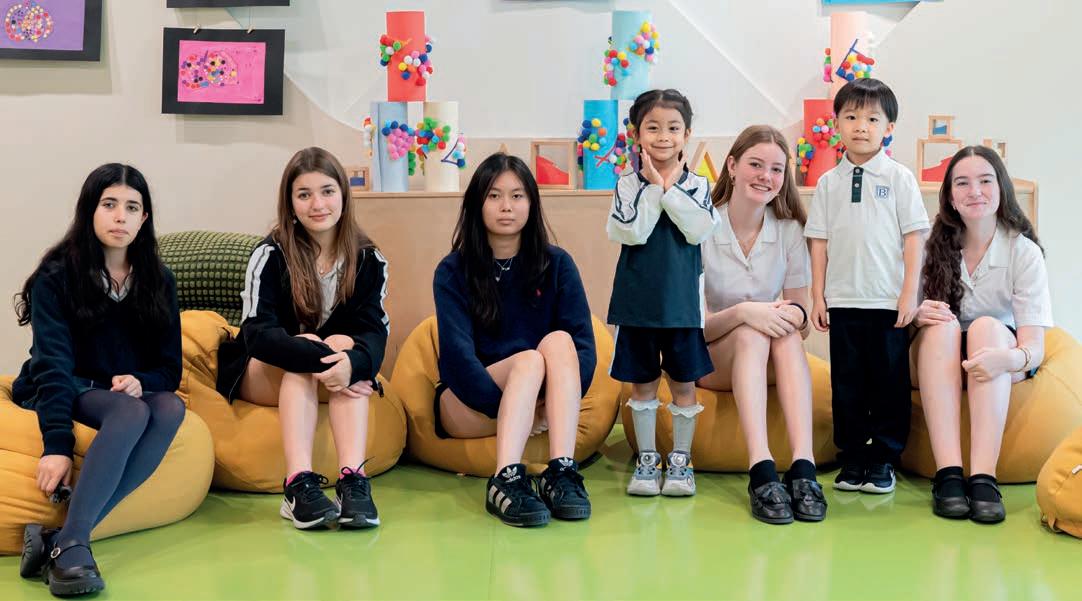
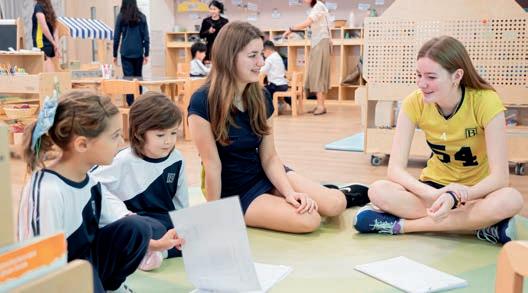
Guangzhou took place. Five students in the Upper Fifth spent almost two weeks at the school. They attended academic lessons, helped out with the primary and kindergarten students, engaged in extra-curricular activities and went on cultural excursions.
On the staff side, Carrie Collins (Head of Diploma and Teacher of English), Alisha Fordham (Head of Chemistry) and Kay Price (Housemistress) spent a week there collaborating with their counterparts and sharing best practice.
All who went had a fantastic time and thoroughly enjoyed the opportunity to immerse themselves in a new culture, experiencing a fascinating and different school environment.
Caroline’s Australian Adventure
Going to Australia opened my eyes to how different the world is everywhere and how different history can be in other countries. I learned new things every day – not just school subjects, but also the wildlife and culture Australia offers.
I had the most amazing exchange family who supported me and made me feel at home in a country that I had never been to before. Experiencing the wildlife, like koalas and kangaroos, was so exciting and rewarding, and staying up late to watch the penguins come in from the shore was mesmerising.
A t school, I was able to learn new things, and revisit old things. I made countless friends, with whom I spent time after class to buy açai bowls and shop. Lastly, I made a lifelong friendship with my exchange partner, who I can’t wait to show around in the UK.
I f someone asked me if they should volunteer for any exchange programme, I would say it would be one of the best trips you could do and I recommend it.
Caroline Vernède, Fifth
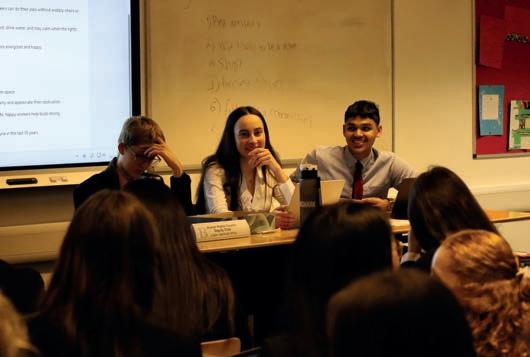
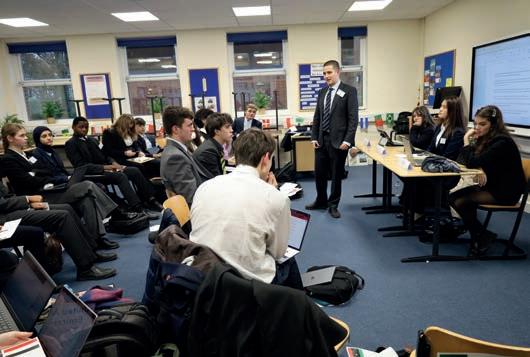
Model UN Triumph
Delegates have performed outstandingly at Model United Nations conferences this term – showcasing their impressive diplomacy, eloquence and current affairs knowledge.
Be nenden students travelled to Reigate Grammar School for the first MUN conference of the year, REIMUN. They represented the countries of China, Chad, Norway and Germany. Delegates were involved in all committees as well as being in both Security Council and Historical Security Council. It was great to see a number of first-timers at this conference, including two brave Lower Fifths.
Questions across the committees were varied and not short of controversy. The Security Council tackled the question of Iran and Israel and the question of the India and Pakistan Kashmir conflict. Other present-day issues in other committees included the question of corruption through illegal financial flows (ECOFIN), the question of organ trafficking (SOCHUM) and the question of climate-induced public health emergencies (WHO). Meanwhile Historical Security Council focused on the question of the Falkland Islands in 1982 and the question of tension and conflict in the Gulf Regions around the time of the 1990s.
Well done to all – and special congratulations to Six One Wendy Jin, who was singled out in the Security Council with the Most Highly Commended Award.
Following that, Benenden students participated in the Bede’s Model United Nations conference, delivering an outstanding performance across multiple committees. The delegation included both experienced MUNers and firsttime participants, all of whom had prepared thoroughly and contributed meaningfully to the day’s debates.
A s ever, the conference offered a rich array of topics and lively, thoughtful discussion throughout. In addition to our delegates, Benenden also supported the event by providing two guest Chairs – Alishba Sultan and Katrina Kadir – whose leadership helped ensure the smooth running of committee sessions.
T he closing ceremony was a proud moment, with awards recognising both seasoned delegates and newcomers for their contributions and diplomacy.
Best Delegate: Stephanie Macintyre (Russian Federation)
Commended Delegate: Hilarie Ng (Honduras – first-time delegate)
SCSW
Commended Delegate: Stephanie Wang (Russian Federation)
Environment
Commended Delegates: Katie Sham (Honduras) and Abigail Chan (Russian Federation)
General Assembly Delegation Award
Russian Federation
Congratulations to all our delegates for their hard work, diplomacy, and success. Benenden continues to make its mark on the MUN circuit with distinction.
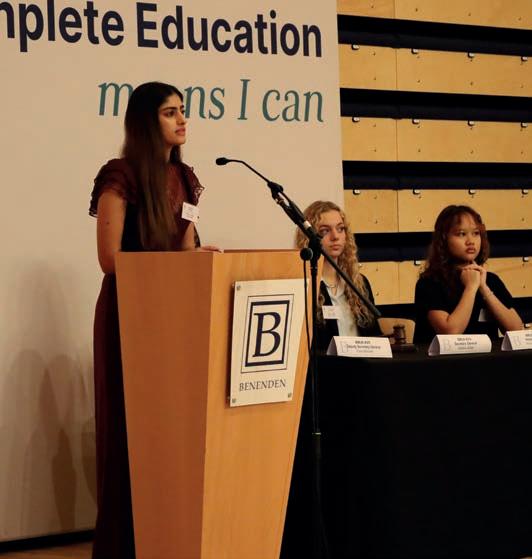
Record Numbers Attend BMUN18 Conference
Some 24 visiting schools attended Benenden’s 18th Model United Nations Conference in December. Masterfully led by Secretary-General Alishba Sultan, her team of fellow Student Officers, Chairs, Admin and Media specialists delivered a highly successful Model UN conference. Following Ms Bailey's warm welcome at the Opening Ceremony, guests were treated to Alishba's Sec-Gen speech.
Being truly student-led, planning for and delivering an event on this scale is an impressive feat. It was a true Benenden community team effort, with eight committees, 100 delegations, more than 50 resolutions debate and hundreds of speeches given and points of information made.
Forty Benenden students also attended as delegates. Esther Oji (UNSC, France), Stephanie Macintyre (HRC, Hungary) and Emily Hulbert (ECOSOC, Ghana) were simply too good to not be given a mention or an award. So many other excellent performances were highlighted in Committee Chair reports read out at the Closing Ceremony.
We look forward to next year’s BMUN!
Benenden Community Marks Remembrance
In November, cadets from Benenden and The John Wallis Church of England Academy CCF took part in the annual Remembrance Parade, marching from School to St George’s Church in the village. The contingent attended a moving service before laying a wreath at the war memorial in honour of those who have served.
A ll cadets demonstrated exemplary drill and discipline, reflecting the values of service and respect. Special
Royal Navy
CCF Field Day
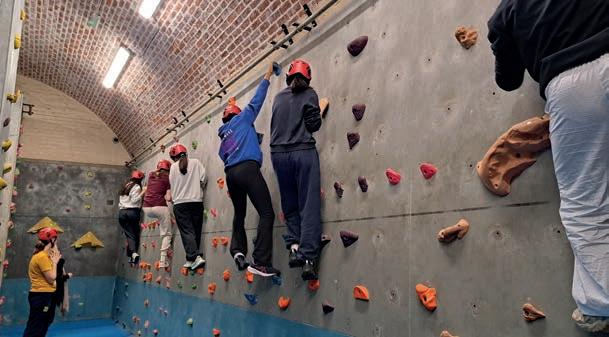
In October eight of us travelled to Portsmouth and stayed overnight at the Fort Pirbrook Activity Centre. After arriving, we got ready for a challenging hour of rock climbing before heading back and getting settled for the night.
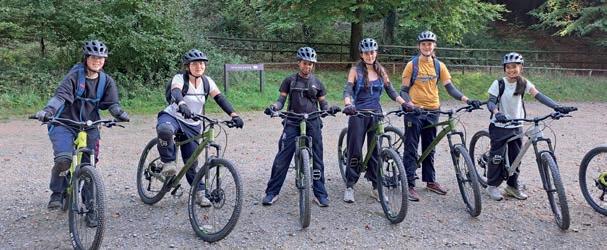
The next morning, we had a filling breakfast prepared by the centre’s chef, then set off for Queen Elizabeth Country Park for a mountain biking day. The Navy instructors, CPO ‘Bomber’ Mills and CPO ‘Bill’ Bilbe took us through some skills on the practice courses, which helped us prepare for the ride ahead.
After a picnic in the sun, we began our descent of the hill. The route was full of berms and sharp turns. Although there were a few falls along the way, the ride was fast-paced and exciting. After a long day of biking, we made our way back to School.
Eniola
Ajibola, Fifth
thanks go to S enior Cadet Ophelia O’Brien and the colour party – Delilah Salisbury and Ray Preston – for their leadership and embodiment of military ethos. This year marked a significant milestone as the contingent paraded for the first time with both Army and Royal Navy sections, making it a truly memorable occasion.
W ell done also to day student Olivia Reid wh o had the important task of welcoming guests to the Remembrance service at Tenterden Church.
Fourths and Upper Fourths Enquiry: Shaping the Future
Girls in the youngest two year groups enjoyed a varied programme of offtimetable activities for their Enquiry project in November, focusing on the theme: Shaping the Future. The programme encouraged students to think critically about global challenges and their role in shaping solutions.
Following a viewing and discussion around a documentary on climate change, students then split into groups to conduct their own research and design solutions inspired by the Earthshot themes.
They reflected on empathy and conflict resolution in PSHE and looked at lessons from past conflicts in History. They were introduced to Economics
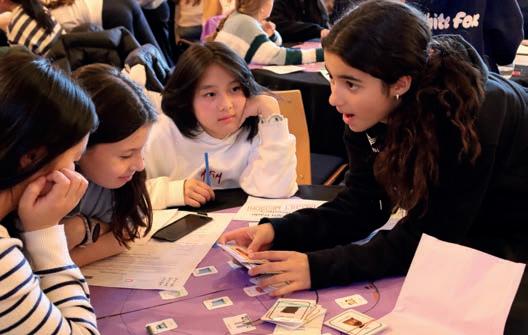
ideas around trade and negotiation as part of a high-energy interactive trading game, building resilience and adaptability while practising oracy skills.
The students worked extremely hard in their groups to condense everything they had learned into their final presentations – exploring their creative solutions for a sustainable future –which were confidently delivered in
front of the Senior Leadership Team and parents.
Showcasing thorough research, deep analysis and eloquent public speaking, the presentations were hugely insightful, and embodied the CREATE Diploma skills of Collaboration, Empathy, Global Outlook, Analytical Thinking, Problem Solving, Technological Literacy and Leadership.
Carol Services Mark the Festive Season
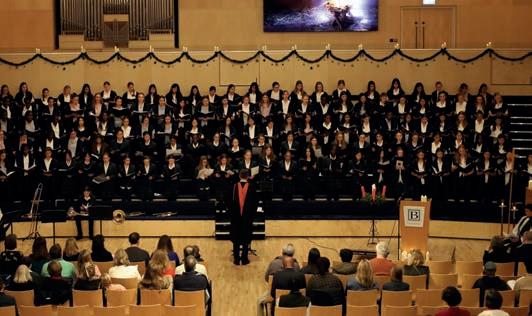
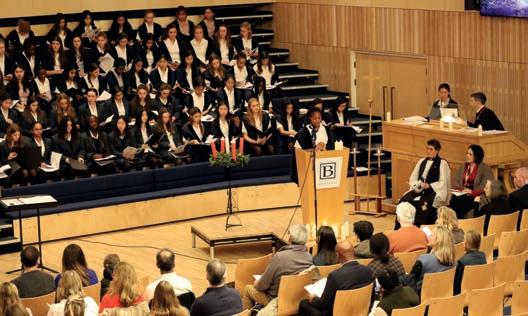
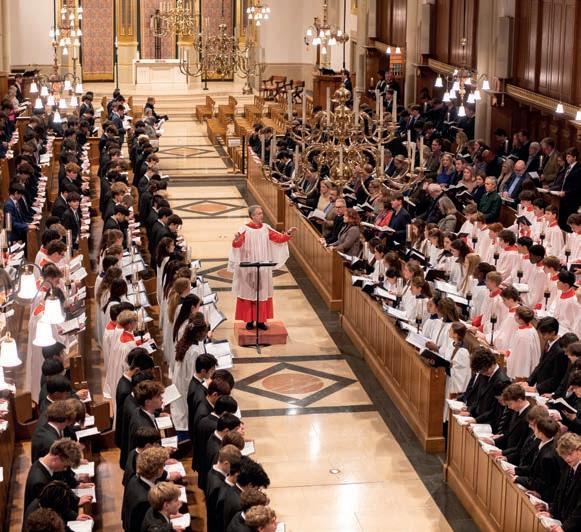
Ov er the last weekend of term, the School gathered for a spellbinding service of carols – following the Choir in a stunning, celebratory programme of Music to mark the festive period.
I nterspersed with readings by students and the Headmistress, the service also included reflections from Rev Tracey on the ordinariness of Christ’s birth and early life, as well as a fun quiz for the audience of students, staff and parents.
T he congregation relished Christmas favourites like Once in Royal David’s City and O Come, All Ye Faithful in full voice, while the depth and quality of the School’s choirs – accompanied by members of the Brass Ensemble and the Chamber Orchestra, and by Six Two Elsie Wang’s exceptional organ playing – was on full display, navigating music across centuries with aplomb.
M eanwhile, a Winter Fair organised by the Weekend Programme Team was set up outside the Centenary Hall to give students and guests the opportunity to purchase Christmas gifts from local small businesses (and our very own Six One Enterprise Challenge groups), adding to the spirit of festive cheer.
MUSIC MAGIC
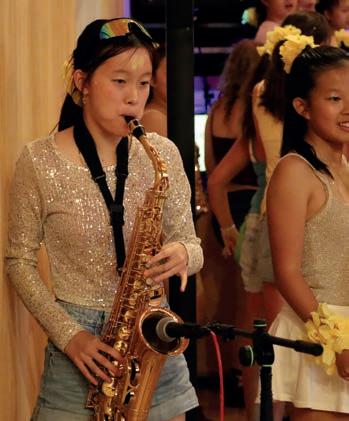
An energetic term of music-making saw students shine in everything from high-energy House Shout performances to inspiring recitals, masterclasses and concerts.
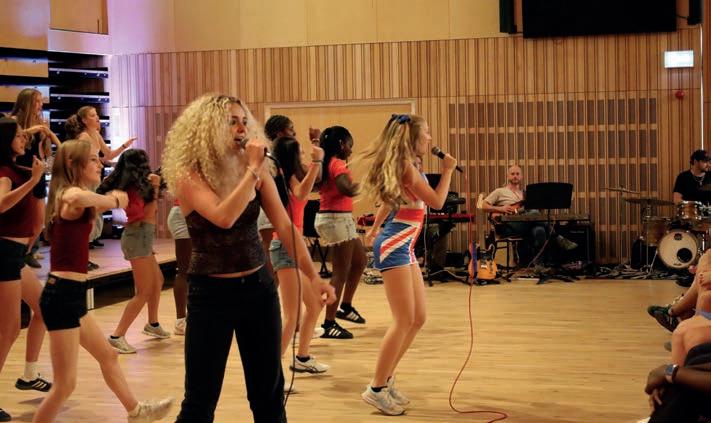
Term Kicks Off with Raucous House Shout
House Shout got the year off to a flying start as usual, with whole Houses coming together over the weekend to practise and perform a song of their choice under the direction of the Upper Fifth.
Guldeford kicked off the competition with a rendition of Demi Lovato’s Confident. Norris then followed with an equally energetic performance of the Spice Girls’ classic Wannabe.
Echyngham was next with Ariana Grande’s Problem, before Marshall took to the stage with a vibrant version of Justin Bieber’s Baby.
Hemsted closed the competition with an animated take on ABBA’s Voulez Vous that earned them the prize for production, but it was Norris’s Spice Girls number – capturing the true spirit of ‘90s girl power – that claimed the overall competition.
Senior Music Scholars' Impressive Concert
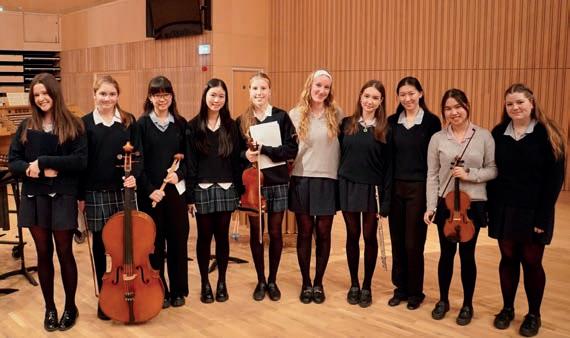
In November a large audience of students, staff, parents and visitors enjoyed a superb concert given by our Music Scholars in Upper Fifth to Six Two.
In a programme including music by Bach, Beethoven, Schubert and Debussy, the students demonstrated outstanding musicality and technique as well as stage presence.
Our thanks go to them, to those who attended, and to Miss Ramsay for co-ordinating the evening and accompanying the students so magnificently.
The Chapel Choir Perform at Evensong
The Chapel Choir very much enjoyed the trip to sing Evensong with their Tonbridge counterparts in November.
The girls performed magnificently, singing new and testing repertoire by Howells and Haydn in front of a large congregation of students, staff and parents.
Inspirational Oboe Recital
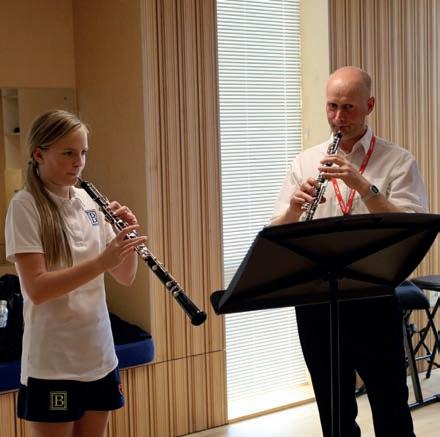
Renowned musician Timothy Rundle joined us in September for a wonderful lunchtime oboe recital to our Hemsted Park audience.
The programme featured a selection of themes from Mozart’s Marriage of Figaro (arranged by Julian Milone), the lyrical SaintSaëns Oboe Sonata, and the world premiere of a new Oboe Sonata by Richard Birchall, combining classical favourites with exciting new music.
Afterwards, Tim generously hosted an inspirational oboe masterclass for our students which included an opportunity to duet with him.
Piano Masterclasses
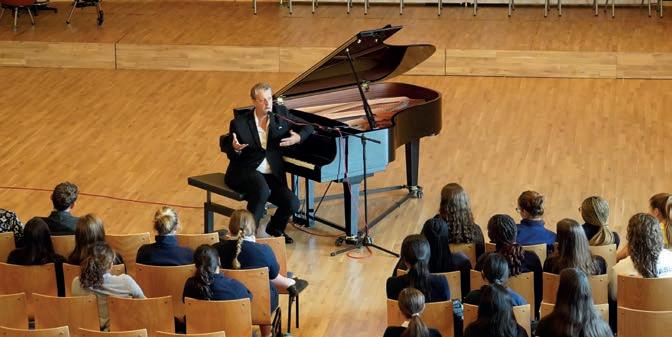
In October we were delighted to welcome Harry the Piano. Famed for his ability to improvise around any piece in any musical style, Harry has played for everyone from David Bowie to the King –and now Benenden!
Some of the School’s A Level students and leading pianists also participated in absorbing masterclasses encompassing the fundamentals of harmony, jazz and improvisation.
SPORT HIGHLIGHTS
Benenden’s athletes have enjoyed an action-packed and highly successful term, with impressive performances showcasing the depth of talent and determination throughout the School’s sporting community.
Rugby Stars
Benenden’s rugby team had an unforgettable Sunday watching the Harlequins Women take on Gloucester-Hartpury at the Twickenham Stoop in November. The first half was actionpacked, with tries on both sides and Harlequins edging ahead. Although Gloucester-Hartpury claimed the win in the second half, the match delivered nonstop excitement from start to finish. After the final whistle, the team waited pitch-side to meet some of the biggest names in women’s rugby, collecting signatures on a Benenden rugby shirt and chatting with players.
Ski Team Success
The Benenden Ski Team had an amazing day in Norwich, competing in the ESSKIA Fin als. Lucy Wilson got some great times, resulting in fourth fastest female of the day, and Antonia Wilson w asn’t far behind, coming fifth in the Year 9 and 10 category.
Gaia Nardo and Harriet Williams got caught out on the technical part of the course on the first run, but both came back with amazing second runs!
Football Cup Fixture
Netball Teams Triumph
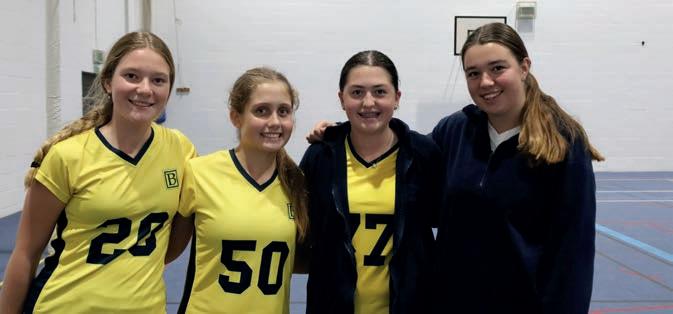
The newly formed Benenden 1st Netball team breezed through the qualifying round at the Kent Schools U19 Netball tournament, made up of no less than 30 schools.
The U16 Netball squad competed for qualification for the Kent Finals of the National Schools competition. Missing a number of players, the team managed to win four out of their seven matches to finish third in their section – only narrowly missing qualification for the Finals.
The U14A Netball team attended the Kent County Qualifiers, also with the hope of qualifying for Kent finals. With wins against St Dunstans, Fort Pitt, Walthamstow Hall and more, they finished 2nd in their group, securing a place in the next round.
This term the U18 football team played their first KSFA cup fixture of the season. Archbishops School were very tough opponents, given they train four days a week and have specialist coaches, but the Benenden team played with real spirit and defended incredibly well. They learnt a great deal and were supported by an enthusiastic crowd of parents and pupils from Benenden Primary School.
The U12A Netball team delivered a powerhouse performance in their opening Cup match, securing a resounding 17–1 win and getting through to the next round of the tournament. With such a dominant start, the team has made it clear they’re serious contenders.
Benenden Hosts Tri-Counties Tournament
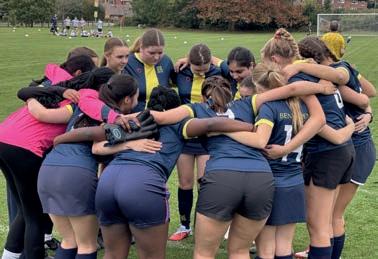
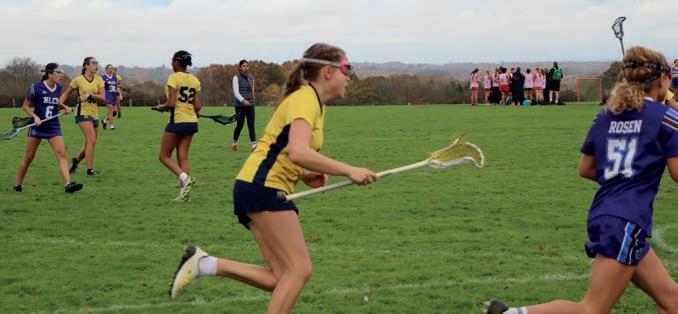
Be nenden was proud to host the U15 Tri-Counties Lacrosse Tournament in November.
T here were 14 teams present representing eight different schools, with an A team and B team competition running side-by-side allowing the opportunity for participation and performance players to experience tournament play.
B enenden finished 4th in the A competition and 3rd in the B competition.
I t was a fantastic day, with plenty of good spirit and high-quality Lacrosse on display.
Cricketing Coup
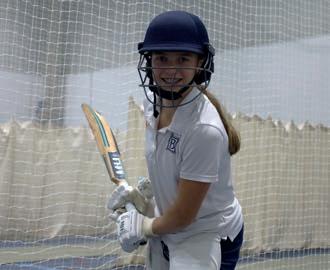
Well done to Lower Fifth Emily Julio, who played in the ECB Girls U15 T20 club national finals at Lord’s. The keen cricketer played as part of the Tunbridge Wells Cricket Club U15 girls team, who qualified for the final after a series of knock-out matches played throughout the summer.
Emily was selected for the U14 Kent County girls team for 2026, as well as being selected as part of an invitational U14 Girls squad to tour Sri Lanka in April. Finally, she was awarded Batter of the Year for the Kent U13 CAG Squad at the recent awards evening held in Canterbury.
We are also pleased to share that Florence Burns has been
selected to represent the Kent U14 girls’ Cricket team this season. Emma Ellvers and Isla Simpson have also been selected to represent the Kent Regional teams in their respective age group for the upcoming season too. Well done to all!
Victory for Our U15 Cross Country Team
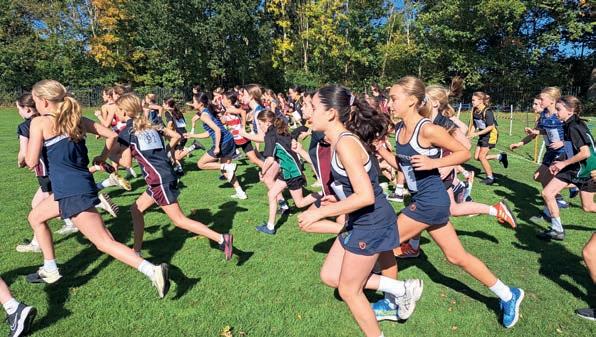
Benenden’s U15 Cross Country team took part in the Skinners’ Schools’ Races and were once again victorious in the U15 Girls team event. The team must be congratulated on their enthusiasm and determination.
Twelve Junior and Inter athletes represented the School at the English Schools Cross Country Cup hosted at Somerhill School. The competition was strong across all age groups, and our athletes rose to the occasion with determination and team spirit.
Benenden's Equestrians Excel
Be nenden was represented at two NSEA Equestrian competitions at Felbridge. Emily Burns (Six Two) competed in a combined training event (dressage and show jumping), while Mia Gibbs (Lower Fifth) and Sofia Henderson (Upper Fourth) both made their debut for Benenden, competing at show jumping.
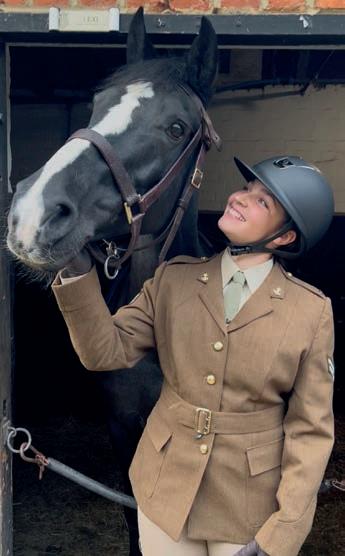
U pper Fifth Didi Brooks (Cadet Corporal Brooks in our Combined Cadet Force) had the opportunity to take part in the annual Cadet Force Military Equitation competition at Flemish Farm, Windsor, finishing 4th out of 20 competitors to bring home a rosette.
C ongratulations too, t o Sofia Henderson who won the 60cm N SEA Grass Roots show jumping class at Hadlow College and has qualified for the Regional Finals next year.
Upper Fourth Explore the Arts in London
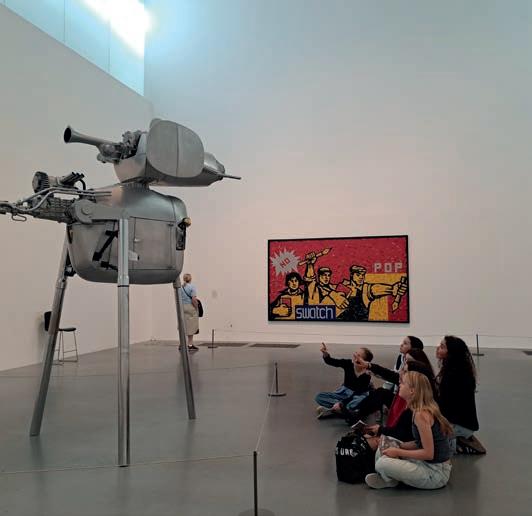
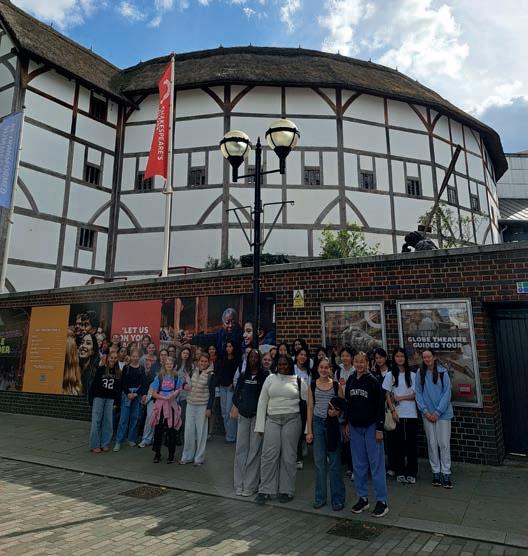
Students in Upper Fourth enjoyed a day in September immersing themselves in the arts. They spent the morning on a self-guided tour of the Tate Modern, observing and reflecting on a range of modern art. It was wonderful to see them engaging with the artworks, the light, shadow and the spaces in between. They were inspired by a broad range of art and styles.
They then walked along the South Bank to watch a riotous production of Twelfth Night at Shakespeare’s Globe. The girls were entranced by the spectacle of costume, music and humour, all in such an iconic venue
Celebrating European Day of Languages
The European Day of Languages, held annually on 26 September, is a celebration organised by the Council of Europe and the European Commission to promote linguistic diversity and encourage language learning across Europe and beyond. During language lessons that morning, students tested their knowledge of European languages by completing various quizzes – including Escape Rooms and quizzes on flags, with the extra challenges of identifying European locations using visual cues and road signs.
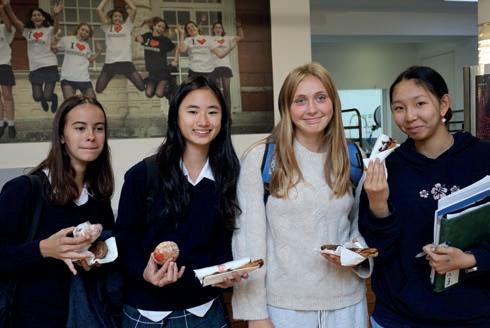
It was fantastic to see students engage so eagerly, and the break time snacks of churros and Black Forest fruit doughnuts went down very well indeed!
New Poet Laureate
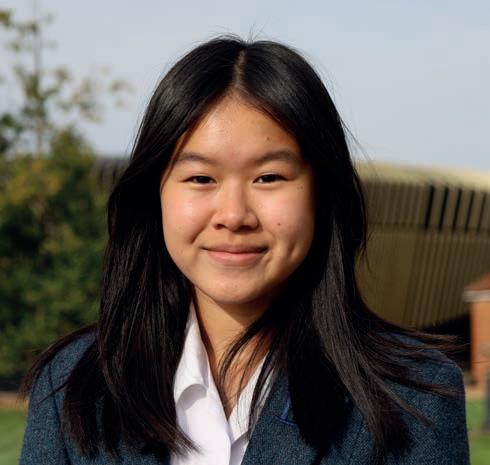
We are pleased to announce Kristen Wong (Upper Fifth) as Benenden’s new Poet Laureate.
She said: “I want to continue Toni’s work on strengthening the creative heart of Benenden, especially through WordFactory by encouraging more student submissions. I am honoured to be able to share my love of poetry from this post. Hopefully I will inspire others along the way!”
Students Explore Culture of Northern Spain
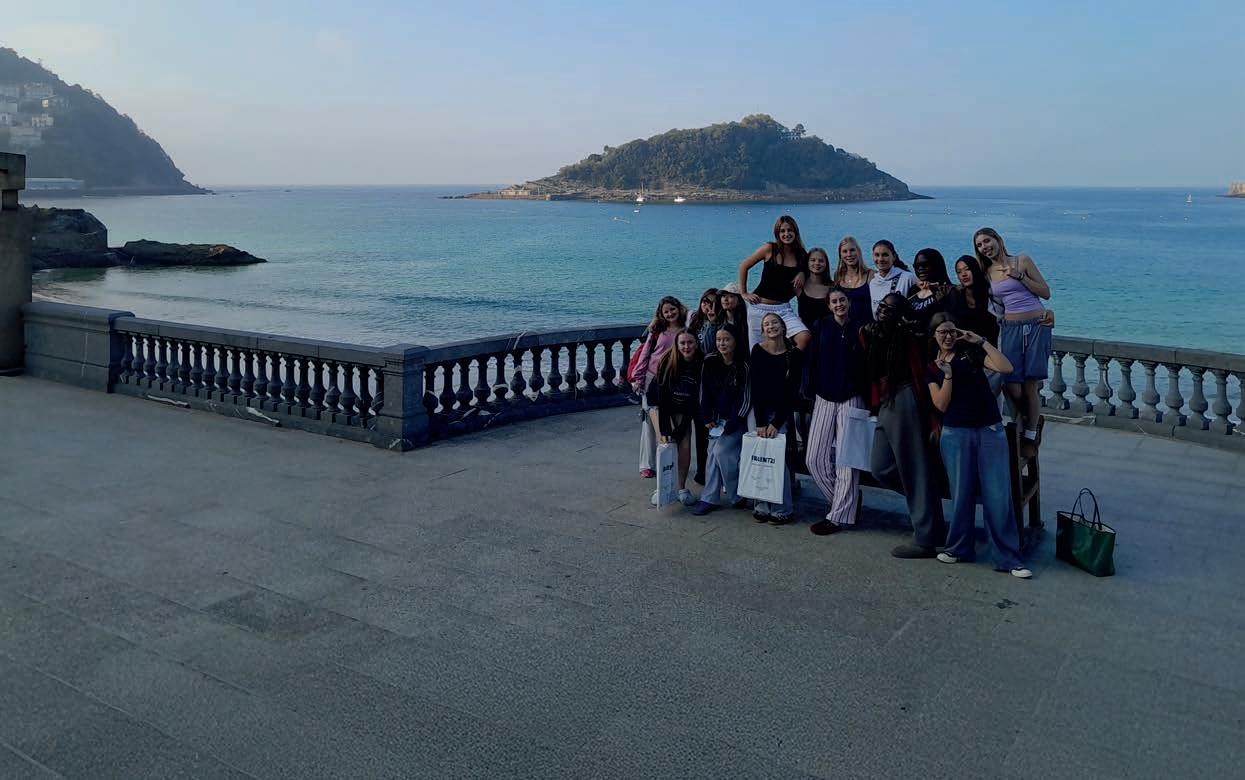
During Half Term, a group of students from Upper Fifth and Six Two enjoyed an unforgettable trip to the north of Spain, visiting Santander, Bilbao and San Sebastián.
Blessed with excellent weather, the group explored the region’s stunning landscapes, rich culture and delicious food. In San Sebastián, they had the chance to sample traditional pintxos, walked the length of the beautiful promenade and rode the funicular up Monte Igueldo to take in the impressive coastal views.
In Bilbao, the students visited the worldfamous Guggenheim Museum, crossed the Zubiduri bridge, wandered through Casco Viejo and experienced the local culture at the Mercado de la Ribera. They also received their Camino de Santiago passports, and had free time to enjoy lunch and browse for souvenirs.
Their time in Santander included a visit to the picturesque Peninsula de la Magdalena, the charming town of Santillana del Mar and had the privilege of entering the Altamira Caves, a UNESCO World Heritage site. One of the most meaningful parts of the trip was walking a section of the Camino de Santiago from Iglesias to Comillas.
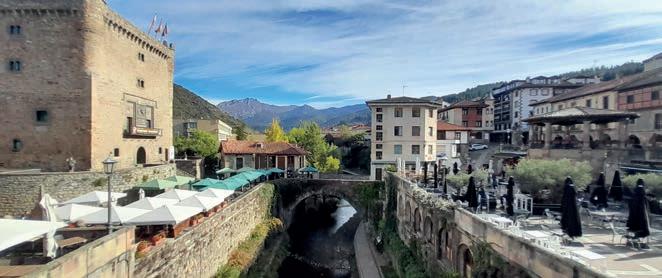
In Comillas, students enjoyed a picnic by the sea, visited Gaudí’s striking El Capricho and spent some time shopping. A highlight of the trip was the day spent high up in the Picos de Europa mountains – starting at the market in Potes, taking the cable car at Fuente Dé and exploring the breathtaking mountain views.
The final afternoon was spent relaxing on Playa del Sardinero and sharing a last dinner together in Plaza Pombo. It was a wonderful trip filled with more than 100,000 steps, laughter, discovery and many firsts – a memorable experience for everyone involved.
Expert Insights
Benenden welcomed speakers from a diverse range of fields this term, offering their unique insights to students.
In September we were delighted to welcome Laura Charleton, Director of Recruitment and Admissions, and Director of International Legal Studies at Kent Law School, University of Kent. Students enjoyed an insightful talk which focused on the different pathways into a career in Law, and also on the job opportunities in other sectors that are typically open to Law graduates.
A lso in September, award-winning comedian and life coach Sydney May spoke to the Sixth Form and a number of Upper Fifth about managing anxiety and positive thinking. Sydney grew up without eyesight but has achieved all her career goals. Speaking with humour and humility, she had a real impact on the audience and was impressed with the thoughtfulness of the questions after her presentation.
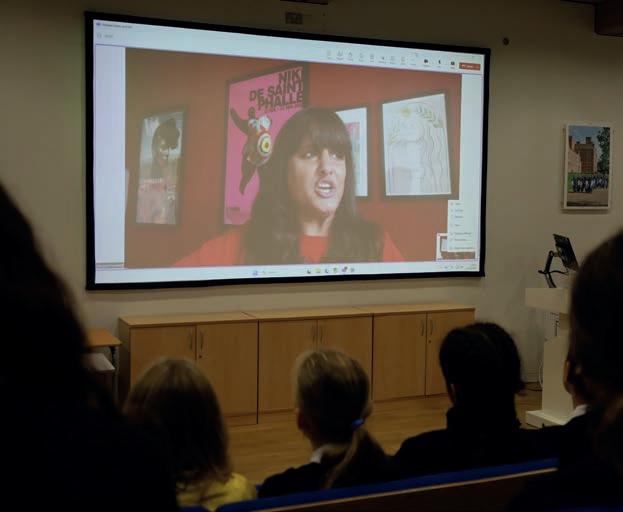
In October award-winning author, playwright, screenwriter and actress Manjeet Mann joined our Upper Fourths online to talk about her inspiration for the class text, The Crossing. She
shared her writing strategies and processes, and our students asked her a variety of thoughtful and interesting questions. One of our talented writers also shared some of her own poetry with her.
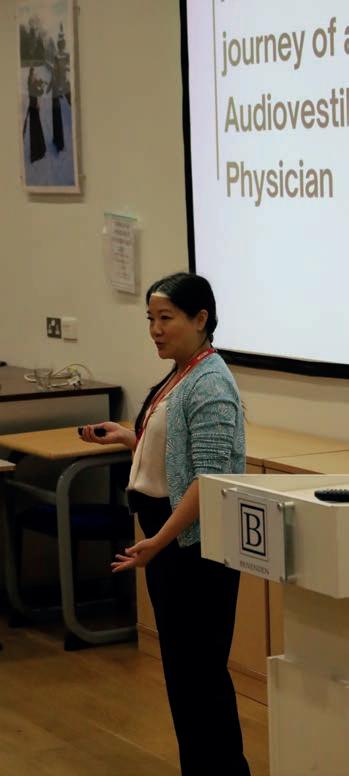
That same week, we welcomed Benenden Senior Dr Rohani Omar B1996 to speak to students about her career in medicine. The talk
– part of our Speaker Series for Sixth Form but open to interested students in other years – was fascinating, offering an insight into her career path to becoming a leading Neurotology Consultant. Dr Omar focuses on treating very common but extremely complex disorders such as tinnitus, dizziness and complex hearing problems.
Miss Sundas Maqsood is a Consultant
Ophthalmologist with over a decade of training and practice in leading Hospitals across the UK, including prestigious institutions like Moorfields Eye Hospital and Queen Victoria Hospital. Miss Maqsood brings a wealth of knowledge and skill to her patients at The Sight Centre, Tunbridge Wells, with specialised expertise in:
• Corneal Diseases • Cataracts advanced
Refractive Surgery • Corneal Conditions
• Common Eye Diseases • Complex Corneal Transplants • Cataract and Refractive Surgeries
• LumiThera Treatment
a non-invasive, light-based therapy designed to improve macular health and visual function.
7 Vale Avenue, Tunbridge Wells
Mr Edward Lee
I have been pleased to recently join the team at The Sight Centre Tunbridge Wells, with their excellent facilities. I have been a consultant in the NHS for over 10 years, and been the Retinal and now the Ophthalmology department clinical lead. My medical training was at Oxford University (scholar of Brasenose College) followed by working in New Zealand, and then posts at both St.Thomas’ and Moorfields Hospitals in London. I specialise in the treatment of:
• Retinal conditions including floaters
• Retinal detachment • Epiretinal membranes
• Macula holes • Macular degeneration
• Retinal vein occlusions and diabetic retinopathy
THE SIGHT CENTRE TUNBRIDGE WELLS
• Cataract Surgery
• YAG Capsulotomy
Quick and painless treatment for post-cataract clouding.
• Pediatric Eye Care
• State-of-the-art
Laser Eye Surgery to correct vision problems and reduce dependence on glasses or contact lenses.
A LANDSCAPE OF LEARNING
As of this September, any Lower Fifth student who isn’t a member of the Combined Cadet Force has been devoting Wednesday afternoons to developing new skills and learning about the natural landscape in Outdoor Education lessons. We look at how Benenden’s stunning scenery sets the foundation for one of our curriculum’s latest innovations.
Outdoor Education at Benenden
Course leader Lisa McNally gives an overview of the new programme’s aims.
Idon’t need to conduct a research study to know that being outdoors has huge benefits. Every time I walk around Benenden’s beautiful site, I know it. Wandering through the Rose Garden, I feel a sense of calm; looking out across the Weald, I feel awe, and hearing the wind as it rustles through our many ancient trees, I feel comfort. And these are just momentary sensations in my busy day. Spending more sustained periods of time in these surroundings must, I’m certain, bring yet greater benefits.
B ut you don’t need to take my word for it. There are of course manifold studies proving that, for young people especially, the benefits of time outside are innumerable. For these reasons, we have decided this year to launch an Outdoor Education programme for the Lower Fifth. Taking place every Wednesday after lessons, it runs alongside the Combined Cadet Force. With every student asked to select
one of these two programmes, we’ve made time outdoors a compulsory part of the week for every student in the year group.
As a result, we expect to: Improve pupils’ mental health
There’s a large and growing body of research that shows that time spent outdoors has beneficial psychological effects: it reduces stress and anxiety, boosts mood and leads to an increased sense of wellbeing.
Deepen young people’s appreciation of nature
S imply by spending time outside, pupils will gain a greater sense of the complexity and beauty of the natural world that surrounds them at Benenden. We’ll deepen that yet further through sessions in which pupils learn how to identify and discover more about the site’s rich flora and fauna.
Protect our environment for future generations
A rather grandiose claim for an houra-week programme, perhaps. But deepening our pupils’ appreciation of nature is the first step to making sure they look after it better than the generations before them have done.
As Sir David Attenborough has said, “If children don’t grow up knowing about nature and appreciating it, they will not understand it. And if they don’t understand it, they won’t protect it. And if they don’t protect it, who will?”
Create a more inclusive learning environment
We know that not everyone learns best in a classroom; for some pupils, sitting at a desk just isn’t the thing that gets their neurons firing. Outside, pupils are less tied to one way of learning; there are more opportunities for them to make use of all five of their senses, and to learn in the way that suits them best.
Enhance curriculum learning
T hroughout the programme, pupils will work on practical, real-life tasks. It has been shown that, while undertaking activities of this nature, pupils’ problem solving and thinking skills are enhanced, as well as their memory – an obvious advantage when they return to the classroom.
Improve pupils’ focus
A 2018 study found that, following outdoor learning sessions, pupils were more focused and on task during their subsequent indoor lessons.
Boost pupils’ confidence
F rom turning their hand to sailing to tackling a climbing wall, pupils will be given the opportunity to have a go at activities that may seem daunting at first. These opportunities for controlled and structured risk-taking will increase their self-esteem.
Build pupils’ social skills
T he sessions take place in small groups, with a maximum of 14 pupils in one group. This means that the pupils in each group will get to know each other well and trust will be built. This will be key, as almost all the tasks that pupils will be set as part of the programme will require them to work as a team. Learning to negotiate and to resolve the disagreements that will inevitably arise will bolster pupils’ communication and people skills.
Make pupils even happier
A 2023 study by Natural England reported that 87 per cent of pupils said that being outside made them very happy. And what better reason can there be than that?
What does it involve?
Throughout the year, pupils on the programme acquire skills and try out activities that will equip them to undertake a series of adventurous activities in the second half of the Summer Term. The pupils on the programme have been divided into three groups. Each half of a term, these groups complete a series of sessions on rotation.
Autumn Term First Half
Focus: Expedition skills
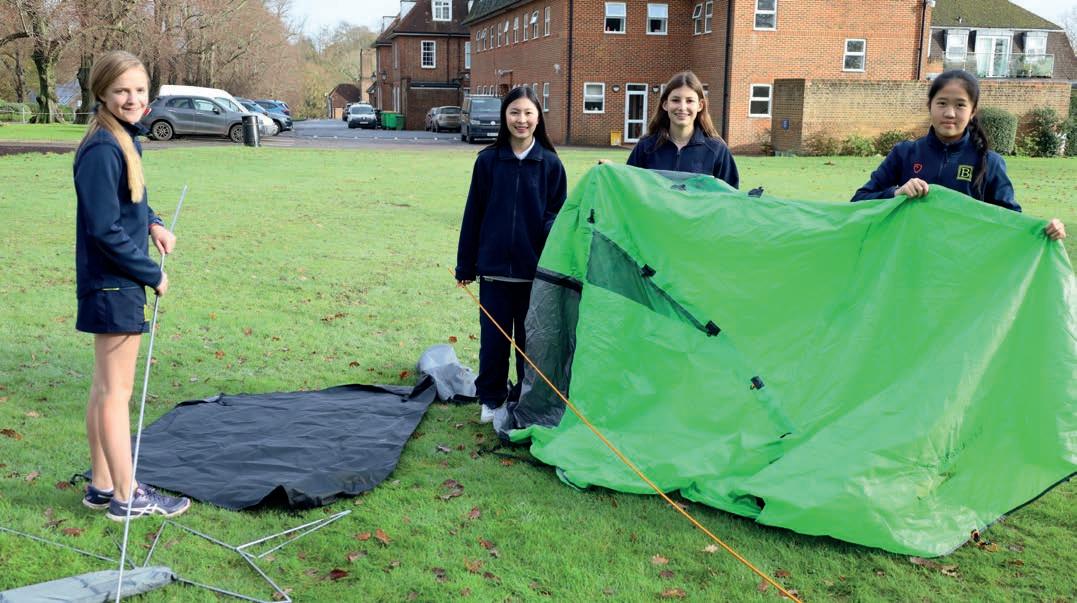
Tents – putting them up and taking them down.
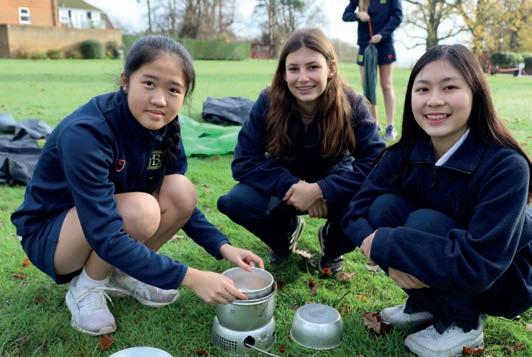
Cooking outside – using a trangia to prepare a meal outside.
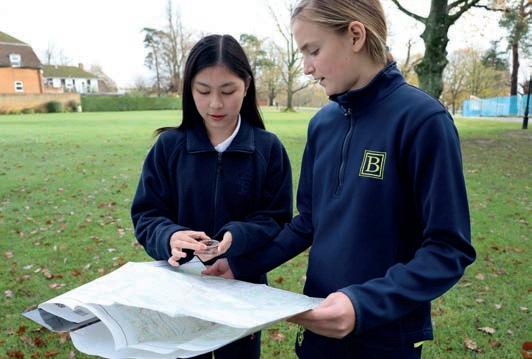
Navigation – using a compass and reading a map.
Route planning – assessing the landscape; planning rest stops and deciding where to camp.
Water safety – a pool-based session focusing on ways to stay safe near and in rivers, lakes and the sea.
Expedition planning – bringing all the above skills together to plan a two-day expedition; for pupils who wish to undertake Bronze DofE, the planning that they do here prepares them for their final expedition.
Autumn Term Second Half
Focus: Appreciating the natural environment
Beekeeping – an introduction to beekeeping (and to Benenden’s own beehives).
Weather spotting – learning how to spot incoming weather without a phone.
Night life – identifying night-time sounds and spotting stars on a night-walk around the grounds.
Trees – identifying trees from their leaves, fruit and seeds; linking trees to the wildlife they support and learning about the mythology associated with different tress.
Local wildlife – using footage captured by the school’s wildlife camera, studying Benenden’s wild animal inhabitants.
Spring Term First Half
Focus: A taste of adventure
Each group completes each of the activities below twice.
Sailing taster – in the cold, dark days of January, an opportunity for pupils to try their hand at sailing using an online sailing simulator.
Climbing taster – a trip to the climbing centre in Maidstone to have a go at some indoor climbing.
SCUBA taster – in the pool, pupils will get a sense of what it’s like to dive, giving them a taste of the PADI course they may wish to complete later in their school career.
Spring Term Second Half
Focus: Community service
This half term, while the weather outside remains uninviting and as we wait for the days to lengthen, pupils will produce knitted items for charity.
Summer Term First Half
Focus: Outdoor survival
Building a shelter
Building a fire
Creating tools
Foraging and purifying water
Summer Term Second Half
Focus: Community service
Watersports at Rye Harbour
Outdoor climbing
Off-site exploration
Go Ape at Bedgebury
During this half term, pupils who have signed up to The Duke of Edinburgh's Award will also, during ACE week, complete their Bronze expedition, putting the skills they learnt in the first part of the programme into practice.
“Outdoor Education is not just practical, it’s also really fun. Being outdoors with our friends doing fun activities is such a great way to learn.”
What the Students Say
Wh en I first arrived at Benenden in Year 7, I was so excited to discover that being here meant we could make lots of use of the grounds around, and would often have the chance to be out of the classroom. At Benenden, the School is surrounded by amazing grounds which includes absolutely loads of countryside and woodlands! I love the freedom to go out on walks and runs in the summer evenings with my friends.
This year, we started a programme called Outdoor Education. It’s where we have an after-School lesson and look at something interesting and different each week. So far, we have started with compass practising, map-reading and navigation, water safety and camp cooking (in the rain!).
B ack in the classroom, we build on these skills by learning to identify native trees or forecasting the weather. The aim of the lesson is to build outdoor skills and to prepare us for the future – for DofE or further expeditions for example –but aside from that, it gives us a great opportunity to bond, as we laugh at our mistakes all together.
We've learnt many different aspects of outdoor education. My favourite has been the activities in the grounds. Recently, on Top Lax we tested our compass skills, when we had to navigate a specific route following grid
coordinates. This was so chaotic to start with, but we soon figured it out! I really enjoyed this lesson because it helped us put these skills into practice and start to get used to using them.
Outdoor Education is not just practical, it’s also really fun. Being outdoors with our friends doing fun activities like making pasta is such a great way to learn things. I’m especially excited about the Summer Term because I’m sure there will be more outdoor activities like camping and hiking.
I think that the Outdoor Education programme is important, especially for our year because it sets us up really well for the upcoming Duke of Edinburgh expedition this summer. It’s given me more confidence about how I’m going to tackle the expedition. So far, Outdoor Education has proven to be one of the highlights of the week and overall, it has been good fun, learning great skills whilst being with my friends.
Alex Greville, Lower Fifth
“Outdoor Education has offered me a wealth of practical knowledge and has given me insight into the importance of nature and the benefits of understanding it”
This term, the Lower Fifth have received Outdoor Education lessons which occur every Wednesday, for those not involved in CCF. We learn a range of skills in these sessions such as tent-pitching, cooking pasta in a Trangia (and eating it!), spotting signs of rain and how to use a compass. Each week, we cover a new topic with a different member of staff, each teaching us about something that interests them and deepens our knowledge.
These lessons help to prepare us for DofE in the summer –but they also provide us with skills for life. We work together in small groups, building teamwork and outdoor abilities. For example, when we pitched a tent, the task not only required problem-solving but also communication between each member of the group. We had to approach the problem like a puzzle – which got easier once we had figured out that our tent was inside-out! This experience enabled us to gain useful experience while also having fun.
One aspect that I found challenging was setting compass bearings. However, with guidance and patience, I became confident in using a compass and map and planning an expedition route. Furthermore, we had the opportunity to get
out of the classroom and put these skills to use. This is my highlight of the programme – our group walked around site with a compass, following directions that our teacher had given us. We also discovered the immense biodiversity that Benenden holds, from redwood trees to mushrooms rich in folklore. As we explored the native mushroom species, we inadvertently stepped right into a fairy ring!
I have thoroughly enjoyed Outdoor Education – it has offered me a wealth of practical knowledge and has given me insight into the importance of nature and the benefits of understanding it. Although initially unenthusiastic about attending lessons on a dark Wednesday evening, I came to value them and really look forward to them. These sessions provide us with a greater understanding of the world around us and that is why they are so important.
Zubaida Khan, Lower Fifth
GREASE IS THE WORD
A look at the passion, preparation and performances powering the School’s production of Grease.
This year’s School musical brought colour, energy and a healthy dose of 1950s nostalgia to the stage as Benenden took on Grease. Under the direction of Matthew Zanetti-Springett, students from across the School dived into one of musical theatre’s most iconic shows, embracing both its exuberant ensemble moments and its quieter emotional beats.
From the Director
This is my first musical here at Benenden. After tackling a Greek tragedy last year, I wanted to show real contrast and scope –and what better way to do that than with one of the most light-hearted, energetic and feelgood musicals ever created: Grease?
Choosing Grease felt like the perfect opportunity to celebrate everything that makes a School production special. It’s a show bursting with colour, character and variety – every song and dance presents its own unique challenge, from the precision of big ensemble numbers to the emotion of quieter, more intimate moments. It’s offered the students a wonderful chance to develop their versatility, confidence and teamwork, and they’ve embraced every step of the process with enthusiasm and joy.
W hat’s been truly heartening is seeing how loved it remains by today’s students. Despite being set in the 1950s, its themes of friendship, belonging, identity and young love continue to resonate across generations. It’s a testament to the show’s universal appeal that the girls connect to it just as strongly now as audiences did decades ago.
T his production has been a fantastic journey, made all the more enjoyable by the professionalism and drive of the students. They have tackled endless dance rehearsals, music sessions and cast calls with boundless energy and positivity – often bursting into spontaneous late-night House renditions or softly humming routines in the dinner queues. Their dedication, humour and team spirit have been the heartbeat of this show.
W atching them bring Grease to life – and make it entirely their own – has been a real privilege.
Matthew Zanetti-Springett
“This production has been a fantastic journey, made all the more enjoyable by the professionalism and drive of the students.”
Student Reflections
Emmy Rushton Sandy
Sa ndy is every girl’s dream role, especially mine, and to be able to play her in this production of Grease has absolutely been a dream come true. Wanting to pursue a career in Musical Theatre meant there was no doubt in my mind when auditioning for the School’s next musical – and with such a fun, exhilarating and nostalgic show, I was even more determined.
I have loved and treasured every sparkling second of rehearsals. As a team, we have been so lucky to have such encouraging support from our Director, Choreographer and Vocal Coach, who have always pushed us to perform at our absolute best. Without them – and the entire cast –this production would not be possible.
I t has been such a privilege to work with aspiring actors across all year groups and to form friendships I never knew I needed, friendships that have truly changed me for good. Every individual brings a unique shine that makes this production come alive.
H onestly, the most challenging part of Grease has been having to let go. It has been such a joyful experience to complete our School musical season on such a high and go out with a bang. Sandy has been a joy to perform, from her sweet innocence in Summer Nights to her bold, electric confidence in You’re the One That I Want. I can’t put into words how much I have loved Grease; it has found a piece of my heart I didn’t know was missing. I will carry so many memories with me as I start my Musical Theatre journey.
Willow Leeming
Kenickie
WBeatrice Hill Frenchy
Grease has been an absolutely unforgettable experience. I have always loved being in musicals and productions, so when I found out we were doing Grease I was over the moon. After Joseph at the Coliseum, I was counting down the days to the next musical!
R ehearsals have been the highlights of my week, from learning choreography to seeing the audience light up when they recognise the iconic songs. One of my favourite parts has been embodying Frenchy and watching everyone truly develop into their characters. At first, learning my lines in an American accent felt daunting, but with practice and support I quickly gained confidence.
W hat I will take away most is the inter-year friendships you make in the cast. There is nothing else quite like it, and I have made many of my closest friends through these productions. We are so lucky to have such fantastic opportunities thanks to our Drama Department.
h en I heard the musical was Grease, I was ecstatic. It has been a privilege working with such a talented cast and incredible staff. One of my favourite things has been the friendships across year groups I’ve formed; the rehearsal room became a judgement-free zone where I could test out ideas and feel fully supported. My biggest challenge was balancing academics with rehearsals, but my teachers were amazing in helping me manage my time.
S omething I’ll take away from this process is the value of making mistakes. Sometimes the wrong move even made it into the final choreography! Thank you to everyone involved in making this such a wonderful and enriching experience.
Sophie Dickson
Danny Zuko
Mu sical theatre has always been a passion of mine, so when I found out the musical was Grease, I jumped at the opportunity to audition. Putting together such a lively and complex show has been strenuous at times, yet always completely rewarding.
Playing Danny Zuko has been demanding, requiring me to fully immerse myself in the role. This musical has a lot of dancing, which was an adjustment for me, but a challenge I’ve loved rising to. I’ve also had great fun mastering my New York accent and attempting John Travolta’s signature strut!
M y favourite part of this production has been getting closer with this wonderful cast and working with our amazing Director, Musical Director and Choreographer. We have really worked our socks off, and I hope the audience enjoyed watching it even a fraction as much as we enjoyed creating it.
Marcella Halama
Patty Simcox
Be ing involved in this production of Grease, especially playing Patty Simcox, has been one of the most exciting experiences of my time in Fifths. I’ve always loved the musical – it’s one of those films I grew up watching, singing along to, and imagining what it would be like to be part of Rydell High.
W hat I’ve enjoyed most is the sense of community within the cast. Everyone has been so supportive and encouraging, and rehearsals never feel like work because the energy is always so positive. It’s been amazing getting to know people I might not usually work with.
P laying Patty, who is bubbly, enthusiastic, and slightly over the top has been an enjoyable challenge. Overall, being part of this production has shown me how rewarding teamwork in theatre can be, and it has made me love performing even more.
“Every individual brings a unique shine that makes this production come alive.”
Emmy Rushton, Sandy
A day in the life of… A MIDDLE SCHOOL TUTOR
Head of Chemistry Alisha Fordham talks us through the many rewards and a few challenges of another of her roles at Benenden – that of a Middle School Tutor.
My day begins with a quick review of what’s ahead. As Head of Chemistry, I ensure my lessons and department commitments are all in hand before checking my diary to see which tutees I’ll be meeting that day. These meetings might take place before lessons begin, at break or lunchtime or after School, depending on what best suits the girls’ schedules.
I meet with tutees weekly, alternating between one-to-one tutorials and group tutor meetings. The individual sessions I hold with each of my tutees are one of my favourite parts of the week. We talk about whatever is going on in their world: tests, fixtures, rehearsals, House events, family news or something they’re quietly proud of.
After each meeting, I jot down any small details that might matter later –an older sister’s birthday, a competition they’re nervous about or perhaps a new hobby they’ve discovered. It helps me keep track of who they are beyond their timetable, and provide appropriate encouragement and support further down the line.
G roup tutor meetings run once a fortnight and follow the themes of the tutoring programme. We’ll cover the planned topic, but there’s usually time for a wider chat and, if the weather is kind, we’ll stretch our legs with a walk. The Rose Garden is our usual route and, without fail, the moment we step outside everyone relaxes and the conversation flows more easily.
Providing academic support is a huge part of being a tutor at Benenden. I monitor how each of my tutees is
getting on across their subjects and step in if there are any areas of concern. We spend time together mapping out revision plans and practising how to revise effectively for each subject. When reports go out to parents from subject teachers, they will also receive notes from me reflecting on their daughter’s overall progress and development, and we’ll have the opportunity to catch up at parent-tutor meetings.
Because I teach some of my tutees myself, I also see them in the classroom, and I’ll sometimes visit their other lessons to get a better sense of how they learn. If anything needs following up, I’ll speak directly with their teachers or point them towards subject clinics or extra help. Where support may be needed from home, I am always happy to reach out to parents to discuss any worries or plans.
B eyond the daily lessons and revision, I walk alongside my tutees throughout their learning journey –from the early conversations about GCSE choices in Lower Fifth, through the ups and downs of exams in Fifth and Upper Fifth, to the reflective moments when they begin to consider their A Level options. There’s a real delight in seeing them develop, grow in confidence and discover what they’re capable of over the years.
While helping students to fulfil their academic potential is a key part of the role, the tutor’s most important job is providing pastoral care and support. The girls’ schedules can become busy very quickly, so I work closely with them to maintain a sensible balance between academic work, co-curricular activities, rest and time with friends. Regular conversations help keep this in check, and sometimes we have frank discussions about what needs to be removed from their weekly activities entirely. Again, sometimes I may reach out to parents for support from home –it is important that we work as a team to support our students fully.
E ach week I meet with the boarding House team to share updates and raise any important points from my tutor meetings. These discussions ensure that House teams and tutors
are aligned and able to provide consistent support and a cohesive School experience. At other points in the week, there’s a good chance you’ll find me in the audience of a concert, drama performance or cheering at a Lacrosse match. Seeing my tutees absorbed in something they love is a real joy and is part of what makes being a tutor so rewarding.
The smaller moments matter just as much – a quick conversation as they pass by on their way to lunch, or a catch-up over a waffle on “Waffle Wednesdays” down in House. These informal interactions help build trust and give me a genuine understanding of how they’re doing.
A s we approach the end of a term, I’m often down in the Boarding House celebrating the term’s successes over tea and cake. It’s a simple tradition, but one of my favourites.
B eing a tutor is an incredibly rewarding part of my role at Benenden; from watching the girls grow in confidence, shape their interests, and learn a huge amount about themselves between Lower Fifth and Upper Fifth. It’s a privilege to walk alongside them as they grow into capable, thoughtful young women who can make decisions for themselves and embrace the opportunities and challenges that lie ahead.
“Seeing my tutees absorbed in something they love is a real joy and is part of what makes being a tutor so rewarding.”
AI, Influence, and the New Economics of Attention
The Head of Economics and Economics students examine how AI, social influence, and the attention economy are reshaping the way we understand modern economics.
AI, Scarcity, and the Evolution of Skills in Economics
In Economics, we study the scarce allocation of resources, and one of those resources is human skill, which often governs wage differentials. Consider why Cristiano Ronaldo commands such a high salary: only a handful of footballers possess his unique combination of technical ability and crowd-pulling power, which translates into higher revenues for his club. Scarcity of talent drives value. But with the rise of AI, an important question emerges: are skills being enhanced or eroded? A recent MIT Media Lab study warns that excessive reliance on AI tools may lead to “cognitive atrophy,” diminishing critical thinking abilities.
I recall a time before the internet was ubiquitous, when research meant hours spent combing through newspapers or searching for that elusive book in the library, only to discover someone else had checked it out. After 24 years in education, I’ve heard countless
arguments claiming the internet was disastrous for young people’s learning, that they had lost the art of book-based research. Yet today, online research is not only accepted but actively encouraged because it is efficient and allows students to focus on higher-order skills like analysis and synthesis.
AI may follow a similar trajectory. Instead of spending an hour compiling GDP and HDI data for multiple countries, students can now generate a table in seconds. This frees time for interpretation and critical evaluation — the skills that truly matter. Just as students once searched for essays on globalisation online, AI offers a faster, more efficient way to allocate time, arguably the scarcest resource of all.
Of course, misuse is a concern. Just as plagiarism checks evolved with the internet, checks and balances must ensure AI enhances rather than replaces human capability. In business, AI-driven customer service can resolve queries
in minutes, improving efficiency and freeing resources to enhance consumer experience. Similarly, when compiling reports, AI can process datasets instantly, allowing analysts to focus on forecasting and strategic decision-making.
So, is knowledge truly becoming a scarce resource or have we unlocked a solution to one of economics’ oldest problems: the scarcity of time? Could this even pave the way for a fourday working week without sacrificing productivity or profits? If economics is fundamentally about scarcity, then AI may have solved one of its most persistent constraints.
In the following articles, we explore how AI has transformed the way we live and work, examining its impact on influence, fast fashion, online trends, and social media algorithms. AI has always been present in our lives, but how much influence does it truly have?
Claire Pearman, Head of Economics
The Cost of Going Viral
In today’s society, trends are constantly changing, meaning people are constantly purchasing goods to keep up. But what are the consequences of this? We live in an extremely trend-driven economy, where consumer demand is highly influenced by fast changing trends seen in the media. Since there has been a rise in the younger population using social media platforms, they become more prone to purchasing excessive amounts of goods. Consequentially, demand becomes volatile.
As demand grows exponentially for a product going viral, suppliers begin to increase the output of this good to
accommodate for the high demand in the hopes of creating a higher profit. However, when the trend dies down and these products are no longer considered fashionable, the demand then decreases. For example, Shein, a well-known fast fashion brand, sells over 600,000 items per day, which causes major overconsumption of unnecessary goods. Their extremely low prices make it accessible and popular amongst various groups within society, enticing consumers to continuously consume their products, despite the lack of practicality and ethics behind the production of such goods.
When Time is Money
It would seem very easy these days to think that we simply scroll through our phones, watching videos, checking posts, or reading the news. But there is something which many of us actually tend to forget which is our attention that's really being bought and sold. Every like, view or second we spend online turns into data, and that data becomes wanted by big companies. This is what people call the attention economy.
Platforms like TikTok and Instagram care about a lot more than what we upload. They watch how we engage,
what we like, comment on, share and especially how long we stick around. These details decide which creators become popular, what ads we see and even how much money is given behind the scenes. One viral video can make a lot of cash, not because it's popular, but because so many people are willing to watch and interact with it.
Our attention has become a resource, a currency traded each and every day. For example, advertisers pay for our attention and platforms encourage us to stay online for as long as possible in order to show us more ads. That is why
Going viral comes with opportunity cost. Some firms may choose to redirect capital, enterprise, land and labour away from long term sustainable strategies to chase short term popularities that may disappear quickly. Therefore, the opportunity cost of chasing popularity results in the loss of sustainability and stability. To conclude, going viral comes with real costs, from overstretched or unethical manufacturing to inefficient allocation of resources, weakening long term sustainability.
content is designed to be eye catching and hard to stop watching, even though it might not be the most useful. It really makes us wonder … are we really in control of how we spend our time, or are we being guided by algorithms that just want us to click next? Understanding the attention economy has led people to question habits online. It is no longer just about entertainment, it's about making choices, because, in this world, how we spend our time really does have value.
Suri Hagger, Six One
Emma Chan, Six One
Supply, Demand and the Power of Popularity
Su pply and demand are two key concepts in economics. Demand has an inverse relationship with price, meaning when one rises, the other falls. Supply, however, has a proportional relationship with price, so when price increases or decreases, supply moves in the same direction. Both concepts are strongly affected by the power of popularity. In a world where trends and celebrity influence shape what is considered popular, the power of popularity heavily affects supply and demand.
M any brands now recognise how significant celebrity influence is and use it to maximise revenue. A recent
example is the mass consumerism surrounding Labubus. In the early summer of 2025, several celebrities — such as Lisa from BLACKPINK and Kim Kardashian — were seen styling these products. Because of their huge following, there was a surge in popularity, creating a quick trend and causing a strong rightward shift in demand as consumers rushed to purchase them. Producer surplus also increased, as sellers were able to raise prices from an average of ten pounds to hundreds for a single product while production costs stayed the same.
T his shows how changes in consumer preferences driven by
The Future of Influence
Influencers have transformed from internet personalities into influential figures shaping trends and consumer behaviour on platforms such as Instagram, Pinterest, Snapchat, YouTube and X since the early 2000s. These social figures have influenced everyone’s tastes and perspectives. Businesses have recognised an advertising opportunity in these figures to promote taboo topics or niche products, using the peer-like connection influencers have with their followers. This creates an ‘invisible hand’ on social media, making herd behaviour more prominent and reinforcing new stereotypes.
In 2024, LetsInfluence conducted a survey demonstrating how influencers
can be a disruptive force that determines the success of brands.
Bhawna Sethi, founder of LetsInfluence, stated: “While influencer marketing has certainly made a mark on shaping purchase decisions, the survey also demonstrated that 57 per cent of consumers are more likely to purchase a product on the recommendation of influencers rather than a celebrity.”
I nfluencers ultimately increase the marginal utility consumers expect from their shared opinion online, regardless of its quality, increasing sales as it alters the perceived value of a product. With such power they can intensify the scarcity of a product both real and perceived by presenting items as difficult to obtain.
celebrity influence can affect firm profitability and shift both supply and demand. However, popularity-driven demand is not sustainable, as trends are temporary and fade when the next best product appears. Once popularity declines, demand falls, reducing producer surplus and destabilising the market. While the power of popularity can bring significant gains, it can also create market disequilibrium, further showing that popularity has both positive and negative effects on markets.
A heightened sense of scarcity shifts the demand curve to the right, often leading consumers to make impulsive purchases to avoid missing out (FOMO). With popularity comes a huge amount of responsibility, leaving information asymmetries to be addressed or worsened. Their opinions are frequently trusted over independent research which can grant them undue influence in connecting companies and consumers. Ethically, we are still yet to justify whether influencer-driven consumption empowers or exploits.
Valerie Giwa, Six One
Ebun Adeyinka, Six One
HEMSTED:
A STORIED LEGACY
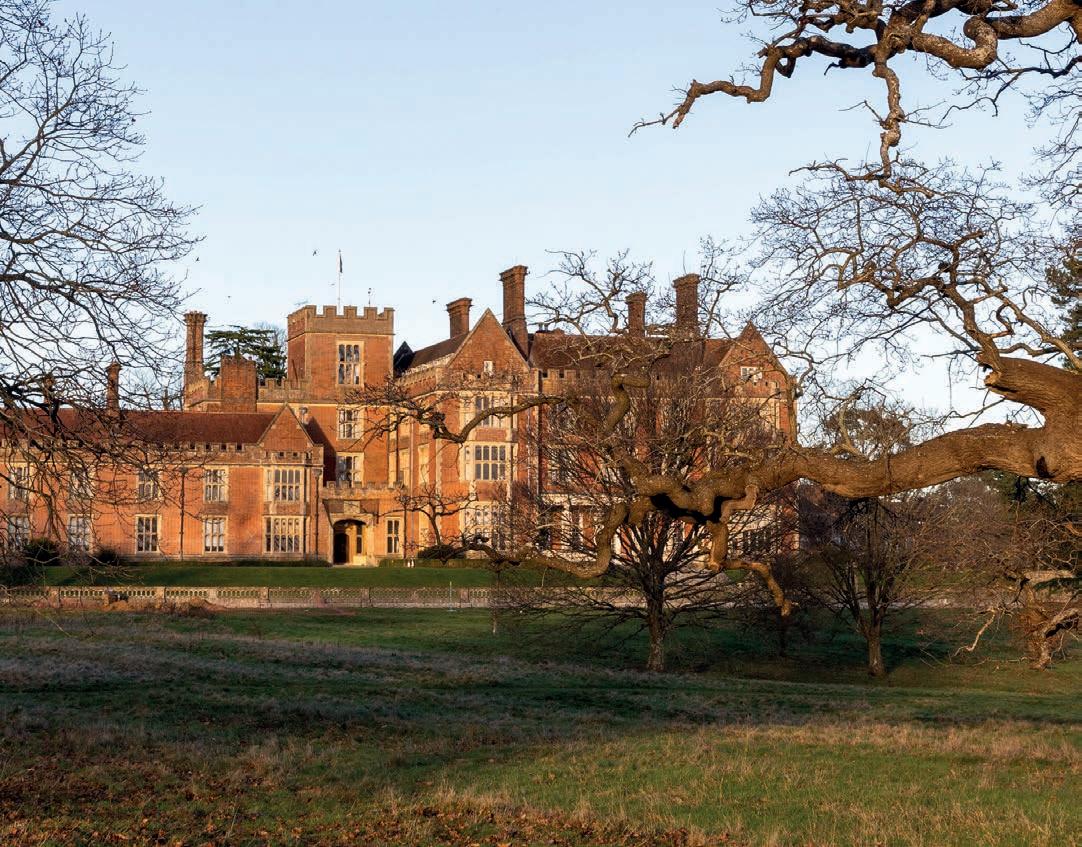
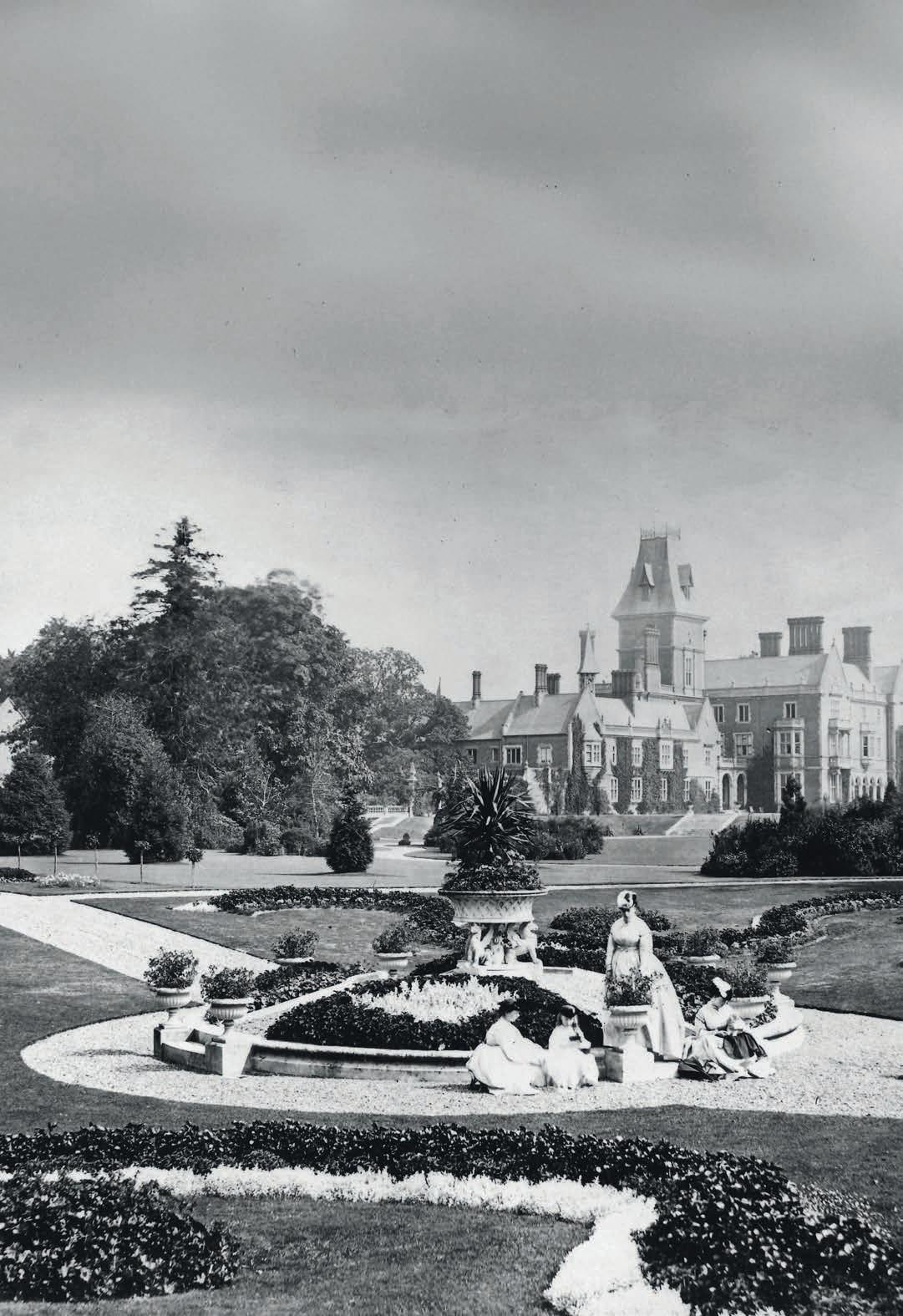
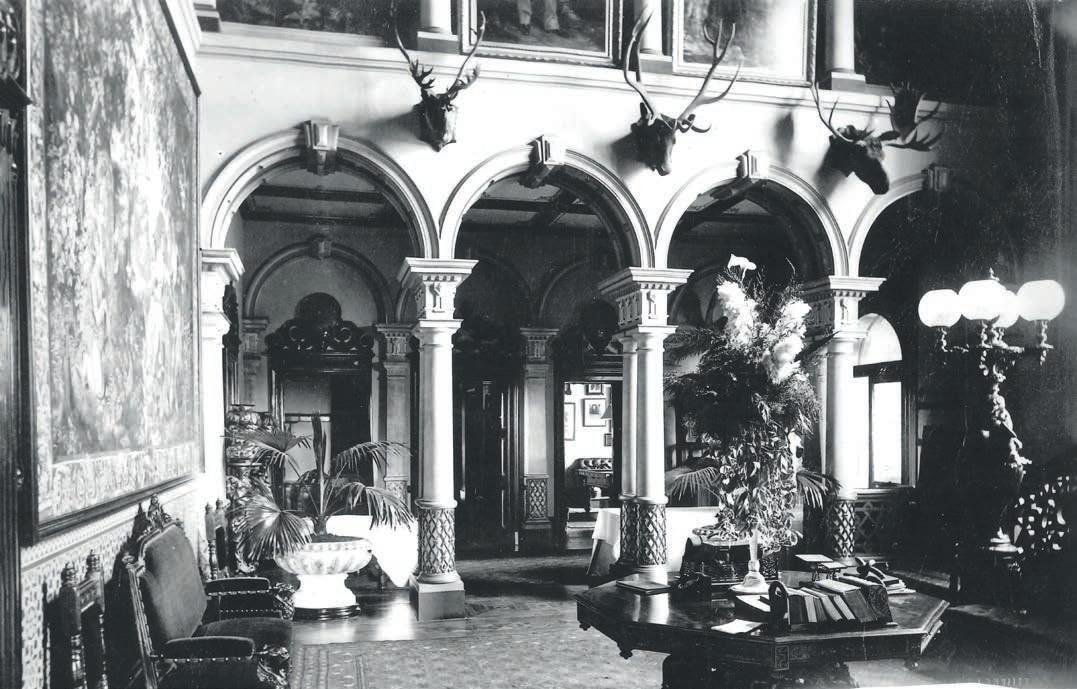
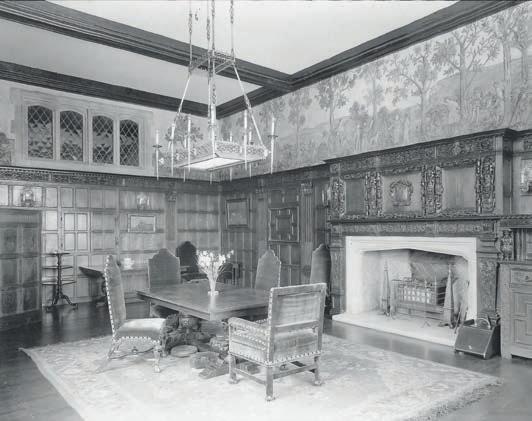
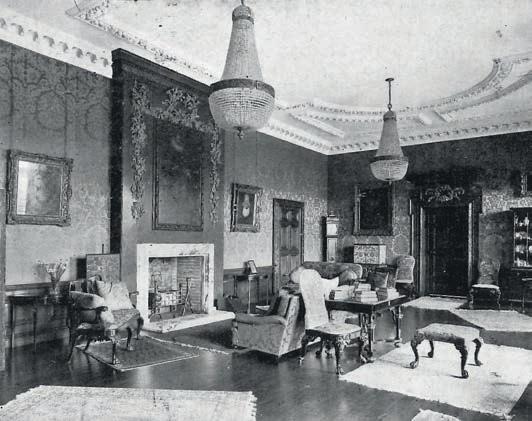
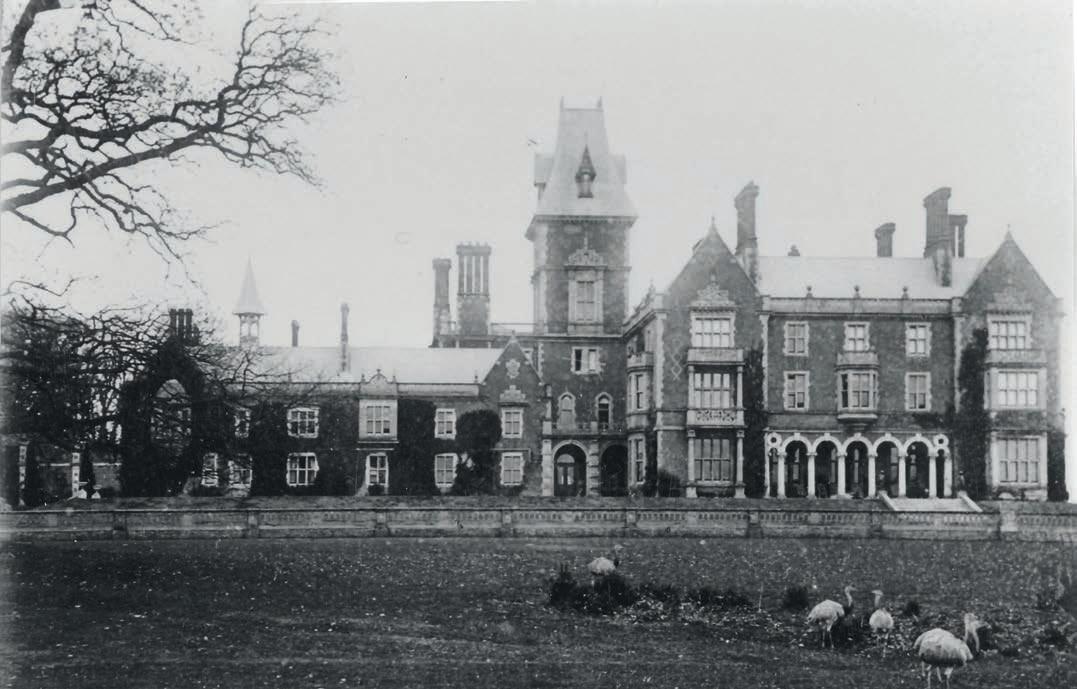
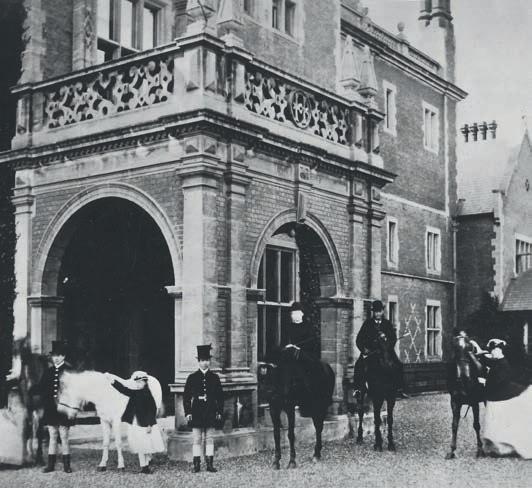
The history of Hemsted Park stretches back nearly a millennium, its story woven through centuries of English history, from Norman conquest to modern education. What began as a royal grant has evolved into one of England's most distinguished girls' schools, and the journey between these two points is rich with admirals, politicians and visionary educators, each of whom have left their mark.
Norman Roots and Medieval Foundations
Following the Norman Conquest, the manor was given by William the Conqueror to his half-brother Odo, Bishop of Bayeux, and the village was mentioned in the Domesday Book of 1086. It is another century and a half before Robert of Hemsted built the first manor house on the site in 1216, establishing a physical presence that would endure, in various forms, for eight hundred years.
The medieval period saw the estate pass through notable hands. James de Echyngham of Sussex took up residence in 1377, while in 1388 King Richard II granted the manor to William of Guldeford. The Guldeford family's stewardship proved significant. When Queen Elizabeth I visited in 1573, Thomas de Guldeford was rewarded with a baronetcy, cementing the family's status among the Kent gentry.
The Admiral's Touch
In 1718, the estate entered perhaps its most colourful chapter when Sir John Norris purchased the property. Known as 'Foul Weather Jack', Norris served as Admiral of the Fleet and Vice-Admiral of England, and his seafaring adventures left a lasting imprint on Hemsted. He brought back exotic plants from his travels, Scandinavian conifers among them, which inspired the planting of Admiral's Avenue.
T he Norris family story took a tragic turn when Sir John's grandson, John, married the celebrated beauty Kitty Fisher, only to lose her to smallpox just four months later while they were in Bath. The Kitty Fisher Walk was laid out in her memory.
Landscape Revolution
T homas Hallet Hodges acquired Hemsted in 1780 and set about transforming it. Son of a former Governor of Bombay and High Sheriff of Kent in 1786, Hodges was a man of vision who fundamentally reshaped the landscape. He removed the wings of the old house, filled in the moat, created the lake, and built the ice house, all practical improvements that also enhanced the romantic quality of the grounds.
When Hodges died in 1800, his son Thomas Law Hodges inherited the estate and continued his father's passion for the landscape, planting ash and chestnut trees across the grounds. The younger Hodges served for many years as Member of Parliament for Kent until his death in 1857.
The Cranbrook Years
That same year, the estate was purchased by Gathorne Gathorne-Hardy, who would become the 1st Earl of Cranbrook. A leading Conservative politician, GathorneHardy held cabinet positions in every Conservative administration from 1858 to 1892, serving as Home Secretary, War Secretary and Secretary of State for India.
Finding the old house beyond repair, Gathorne-Hardy commissioned a replacement from David Brandon at a cost of £18,540. He built a large country house of red brick in the Elizabethan style with a portico and tower. To accompany the new house Hardy called in William Broderick Thomas to redesign the grounds and the approaches. He also restored the church, rebuilt much of Benenden village, and added lodges and estate buildings. Traces of the old house and its moat remain.
Rothermere's Renovations
In 1912, Lord Rothermere, the newspaper magnate, purchased the house and undertook major renovations. He removed the tower and replaced the balustrades with crenelations, introduced old panelling salvaged from the original house, and altered the large window beside the main staircase incorporating coloured glass. These changes created the Tudor-Jacobean aesthetic we see today.
A New Chapter: The Founding of Benenden School
The transformation from private estate to educational institution came about through three exceptional women. Christine Sheldon CBE, Anne Hindle MBE and Kathleen Bird were teachers at Wycombe Abbey in the early 1920s when several events aligned to change their lives and the future of girls' education in England.
The demand for public school education was unprecedented. Miss Dove, Wycombe Abbey's headmistress, challenged her staff to establish another school in the same mould. When the founders of Frensham visited from Australia, they demonstrated that starting from scratch was not only possible but could be successful.
In July 1923, the first Council Meeting was held, and 24 girls were registered. The fledgling school found temporary accommodation in Bickley, Kent, for the first term. Then, in January 1924, the School moved to Hemsted Park in Benenden and found its permanent home.
From the Norman conquest to modern education, from admirals to prime ministers, from landscape gardens to lax pitches, Hemsted's story is one of continuous evolution. Each generation has added its own chapter, and Benenden School continues that tradition today.
UPCOMING PARENT SOCIAL EVENTS:
New Parents' Dinner Tuesday 13 January 2026
Icons PEC Parent Party Saturday 21 March 2026
Two Generation Sports (rescheduled from September 2025) Sunday 10 May 2026