Research involves students from multiple countries
Table of Contents
Cover:
Clinical Counseling student Ashley Brugmann has found a fulfilling career as a Mental Health Co-Responder embedded in the Omaha Police Department’s Northwest Precinct.
Celebrating 60 Years
Mission Statement
To deliver career-focused, cost-effective education, with unmatched care and respect for our learners.
Vision
To boldly adapt to a rapidly changing world to ensure our learners have the skills and support they need to make an impact in the global workforce.
Values
We keep our promises (Integrity)
We listen intently and embrace everyone and their ideas (Empathy)
We are willing to go farther and act fearlessly to help our learners achieve their goals (Courage)
We move with urgency and don’t wait for others to take action (Innovation)
We step up and work together to create a better world (Collaboration)
This issue of The View is a special one for us. We’re celebrating 60 years since a small group of local leaders, led by Bill Brooks, decided our community needed more educational choices, and set about creating a college designed to serve working adults and veterans.
A lot has changed since 1966. We’re living in an age of artificial intelligence, new industries, and new ways of learning. You’ll see that reflected in these pages — from alumni leading in tech, professional sports, and to students who hail from all over the world coming together to conduct research that’s gaining national attention, to renewed investment in campus spaces like the Riley Technology Center. But it’s what hasn’t changed that matters most. Our University’s culture has always been shaped by people who say yes to possibility, who put students first, and who believe education should lead to real opportunity.
It’s one of the reasons we were recognized in 2025 by the Carnegie Classifications as an Opportunity College and University. The classification measures whether institutions are enrolling students reflective of the communities they serve and how the earnings of those students compare to peer institutions. To us, it’s evidence that we’re successfully removing barriers for students and offering relevant credentials to help students build and grow their careers.
As you read this issue, I hope you see the through line –the past, present and future –as well as the overall impact of your experiences with Bellevue University.
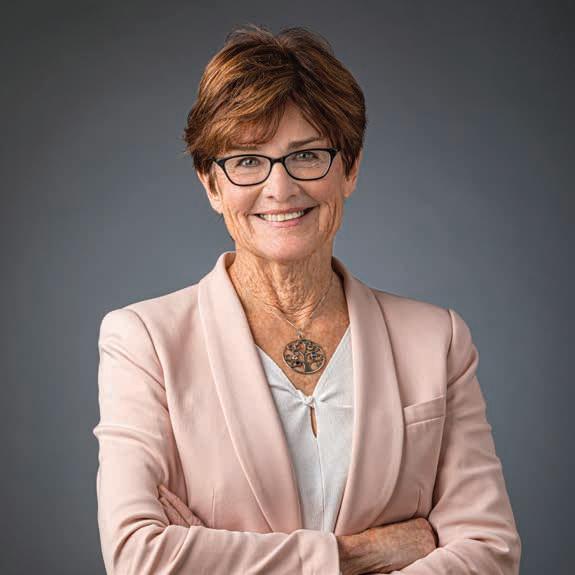
Dr. Mary Hawkins President, Bellevue University
Changing Higher Ed for the Better Since 1966
In 1966, Bellevue College opened with one classroom, a small faculty, and the belief that there should be more high-quality educational opportunities for working adults and veterans. The institution was created as a private, independent nonprofit college. It was an uncommon choice at the time, but one that would define Bellevue’s future.
The decades that followed were marked by resilience and reinvention. After early growth,
Bellevue faced serious financial and enrollment challenges in the 1980s. Visionary leadership and decisive action reshaped the institution and led to expanded degree pathways, new accelerated formats, and the growth of an entrepreneurial, student-centered culture. In 1994, the change in name to Bellevue University reflected a deeper transformation already under way.
As the University grew, so did its reach. Campus facilities expanded, online learning launched in the
mid-1990s, and adult-focused, career-aligned programs became a hallmark. Innovative offerings such as the Kirkpatrick Signature Series and nationally recognized corporate learning partnerships reinforced Bellevue’s commitment to applied learning and civic engagement.
Six decades in, Bellevue University continues to innovate, adapting education to the needs of learners, the workforce, and a changing world.
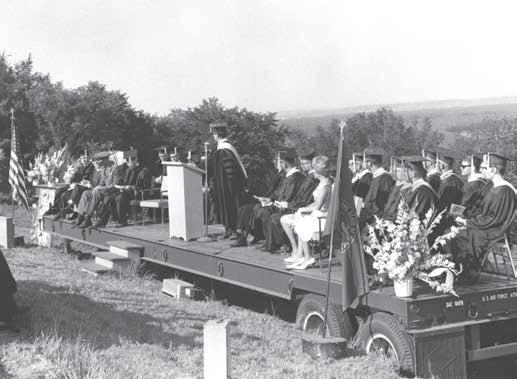
Then: Bellevue University’s first commencement honored 30-plus graduates on a flatbed trailer.
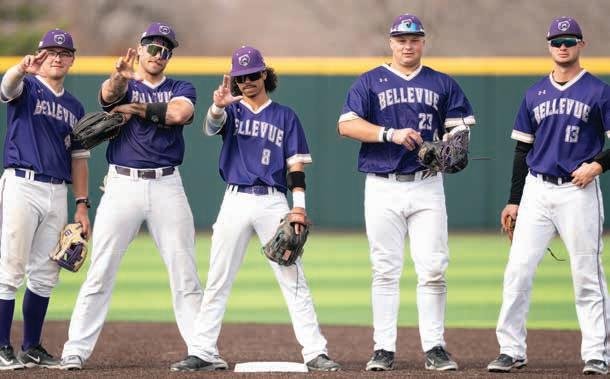
Now: Student-athletes continue BU’s winning tradition at the new Renner Dennis Outdoor Athletic Complex.
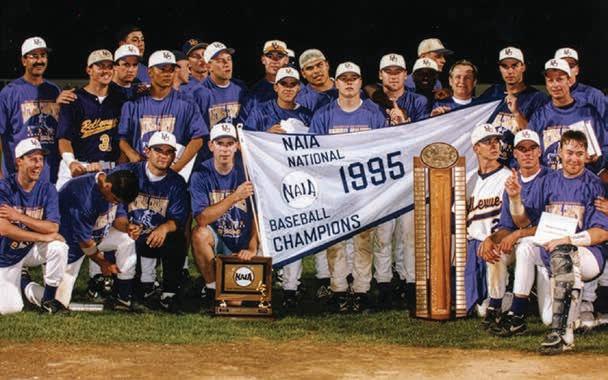
Then: 1995 Bellevue University’s baseball team made history and became NAIA champions, shaping Bruin athletics’ future.
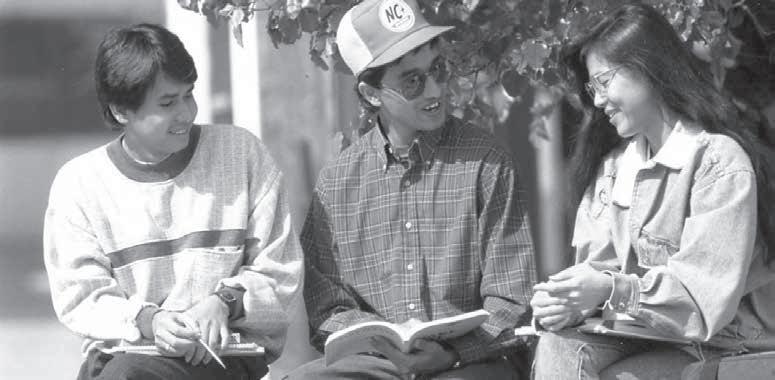
Then: Students built connections and created community, shaping Bellevue University.
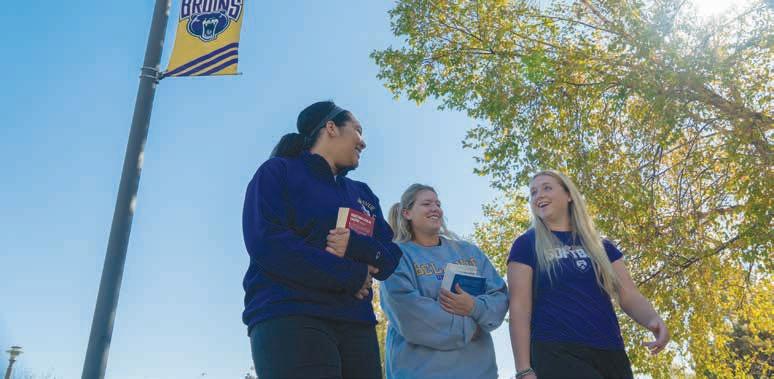
Today’s residential students continue to experience the Bruin advantage.
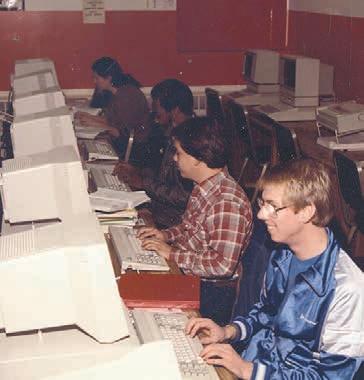
Then: Our classrooms were filled with the technology of the time, giving students the tools they needed to succeed.
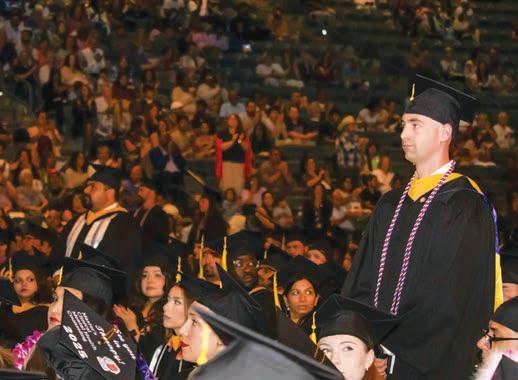
Now: Commencement ceremonies held at the Mid-America Center celebrate hundreds each winter and spring.
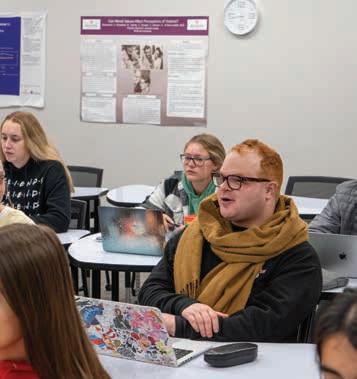
Now: Students from around the globe learn on campus, online and in hybrid settings using cutting-edge technology.
Resilience, Sense of Purpose Lead Alum to High-Impact CEO Role
After earning his master’s degree at Bellevue University, Alphonso led technology efforts at several Omaha companies with steadily increasing scopes of responsibility. He chose Bellevue because “they offered the program I needed and truly supported work-life balance. The program was designed in a way that it applied to real-world experience and the offering aligned with who I wanted to be.”
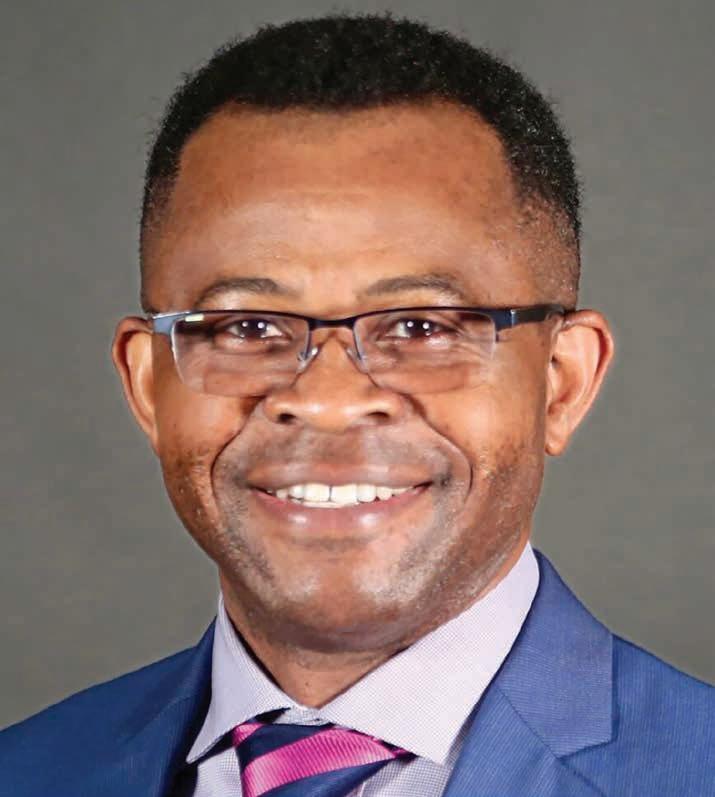
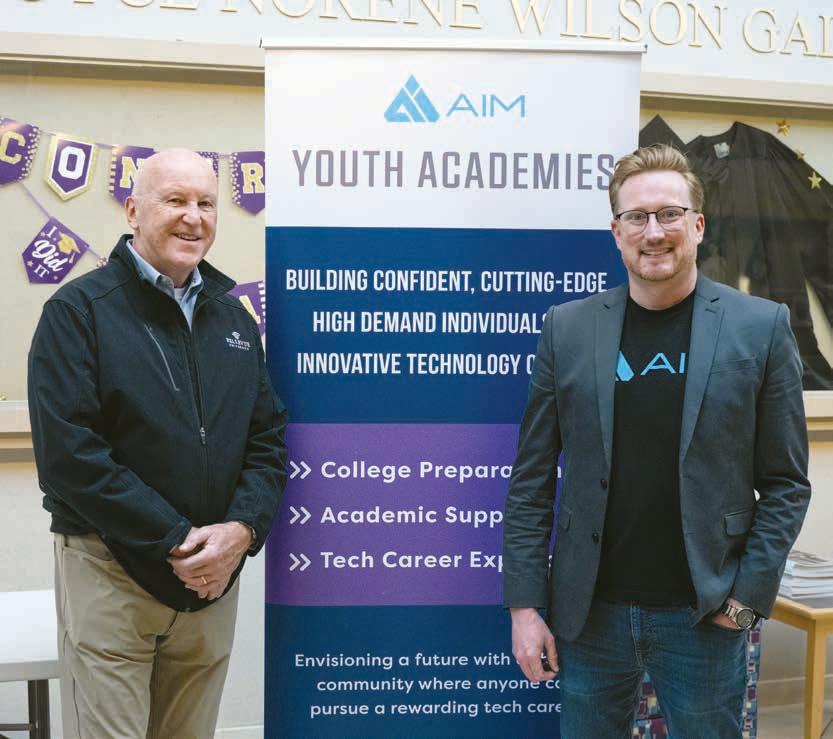
Dala Alphonso is a prime example of an incredible leader with an extraordinary background. The Bellevue University Master of Science in Management alumnus overcame obstacles including surviving a plane crash and defeating cancer on his journey toward mastering technology and leadership, and was recently named CEO of the Omaha, Nebraska-based tech pioneer, the AIM Institute.
“Those experiences made me who I am, knowing that I had a second chance at life,” Alphonso said. “Each life has a purpose,” he continued, explaining that he has found his purpose as a transformative leader. In his current role, he’s able to put this passion to work by focusing on organizational strategy, human capital development and digital evolution.
Initiative, Open Mind Led to New Life in U.S.
Lack of opportunity in Alphonso’s native country of Nigeria pushed him to develop an entrepreneurial mindset early on. He put himself through college with a soccer scholarship, then played professional soccer and ran multiple businesses. “There were no jobs. You had to create your own opportunities,” he said.
His life took a different turn when he visited the U.S. in the late 1990s. “I wanted to live here,” Alphonso said. “Something was drawing me this way.”
Alphonso began looking at legal options for moving to America, recognizing the potential of the tech boom. “There was a high demand for tech skills and computers made sense,” he said.
“Those experiences made me who I am, knowing that I had a second chance at life. Each life has a purpose.”
–Dala Alphonso
After completing a 14-week Oracle training, Alphonso was hooked. He began his career as a software consultant, and later traveled to Omaha to work on a project. “It ended up being home,” he said.
Building on Leadership at Bellevue University
As Alphonso progressed in his career, a supervisor who believed in him promoted him to a leadership role. “I went into management without preparation,” he said. It inspired me to get more formal education because learning is a very important part of who I am.”
He said choosing Bellevue University for his graduate program made sense. “They offered the program I needed and truly supported work-life balance. The program was designed in a way that it applied to realworld experience and the offering aligned with who I wanted to be.”
“The program was designed in a way that it applied to real-world experience and the offering aligned with who I wanted to be.”
He earned his degree online, and said he benefited greatly from studying with a cohort of students.
“Going on the journey with a group of people who I could trade ideas and share experiences with was a huge part of the program,” he said.
Alphonso also said that the structure of the program, incorporating comments and replies, set the stage for authentic engagement. With social media still being quite new and undeveloped when he completed his degree in 2013, this was unique. “Bellevue University was ahead of the curve at that time,” he said.
Upon graduating, Alphonso was chosen as the Commencement Student Speaker for the January 2014 Commencement Ceremony.
Applying Leadership Lessons to Build Tomorrow’s Tech Leaders
After earning his master’s degree, Alphonso led technology efforts at several Omaha companies with steadily increasing scopes of responsibility. “I began to learn that being a leader is more about coaching than authority,” he said. “In my program, I learned a lot of the things that formed who I’ve become as a leader today.”
Throughout the years, Alphonso has approached his leadership journey as a discovery of self. “As you get older, the more aware you become of your passion and purpose,” he said. “I’ve realized tech is where I can impact knowledge and leave a legacy. At AIM, I’m able to hone in on that.”
The AIM Institute is dedicated to building and retaining the tech talent pipeline in the Omaha area. Alphonso is taking the helm in doubling its impact, reach and resources over the next five years. “We must be intentional in expanding our footprint,” Alphonso said. “Tech is an important component of every business and by bridging the gap of unfilled jobs, we are adding exponentially to the future of our city.”
When Alphonso has a free moment from transforming the Midwest tech landscape, he enjoys traveling, reading, riding his motorcycle, and spending time with his four kids. “They are my world,” he said.
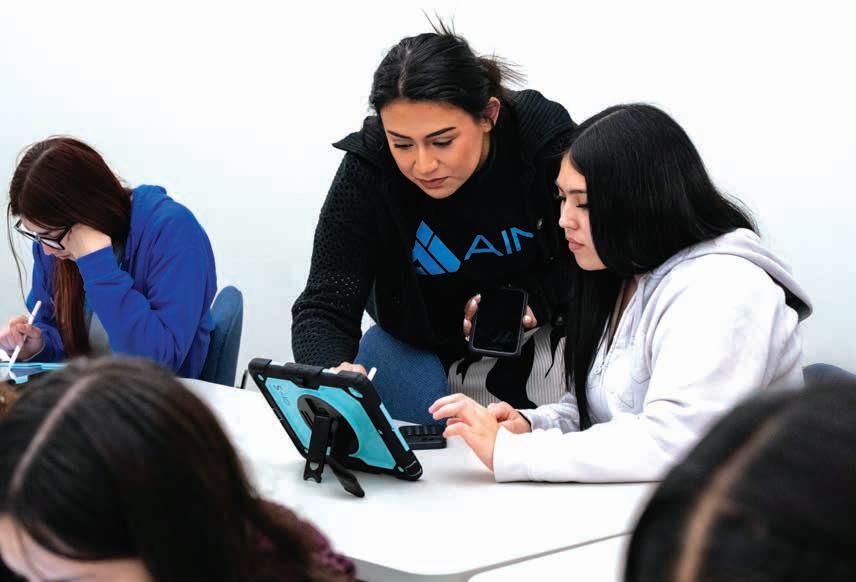
The AIM Upward Bound Academy recently held a TRIO Day event on Bellevue’s main campus for first-generation high school students to learn about college pathways, engage with peers and participate in activities centered on academic and career preparation.
Former Bruin Steps Into First-Ever Sporting Director Role at Union Omaha
“It was an opportunity my family and I felt was too good to pass up. I kind of jumped. I knew in the worst-case scenario, I could go back home. But coming to Bellevue University was one of the best decisions I’ve made.”
–Jamie Henderson
When Jamie Henderson landed in Bellevue, Nebraska, with the opportunity to play collegiate soccer, he wasn’t chasing fame – he was chasing possibility.
A lifelong soccer athlete in the U.K., he, like many young players, had dreams of becoming a professional athlete. However, when that didn’t materialize, the opportunity to play and learn at Bellevue University changed everything.
Jamie had never visited the U.S. before, but the moment he was offered a scholarship to play for the Bruins, it felt like the right fit.
A Turning Point
Jamie arrived in Nebraska at just 18 and decided to pursue a degree in Health & Human Performance. But halfway through, he realized that with only a few more courses, he could double major in Bellevue’s Sport
Management program, too — a decision that would shape both his professional ambitions and his personal confidence.
In his early years, he struggled academically. “I’ve never been a good student,” Jamie confessed. “My main focus was playing soccer.”
But a turning point came when Dr. Brenda Mechels, Jamie’s professor and Program Director in the Sport Management program, sat him down and challenged him. “She said, ‘I see something in you. Stop messing around,’” Jamie recalls. “That was the turning point moment.”
Suddenly, school wasn’t just a requirement — it was his ticket to stay on the field. “If I want to get on that field and play, I have to do well in class,” he said. “The only way to graduate was to be successful in class. To get where I want to be, I’m going to have to do better.”
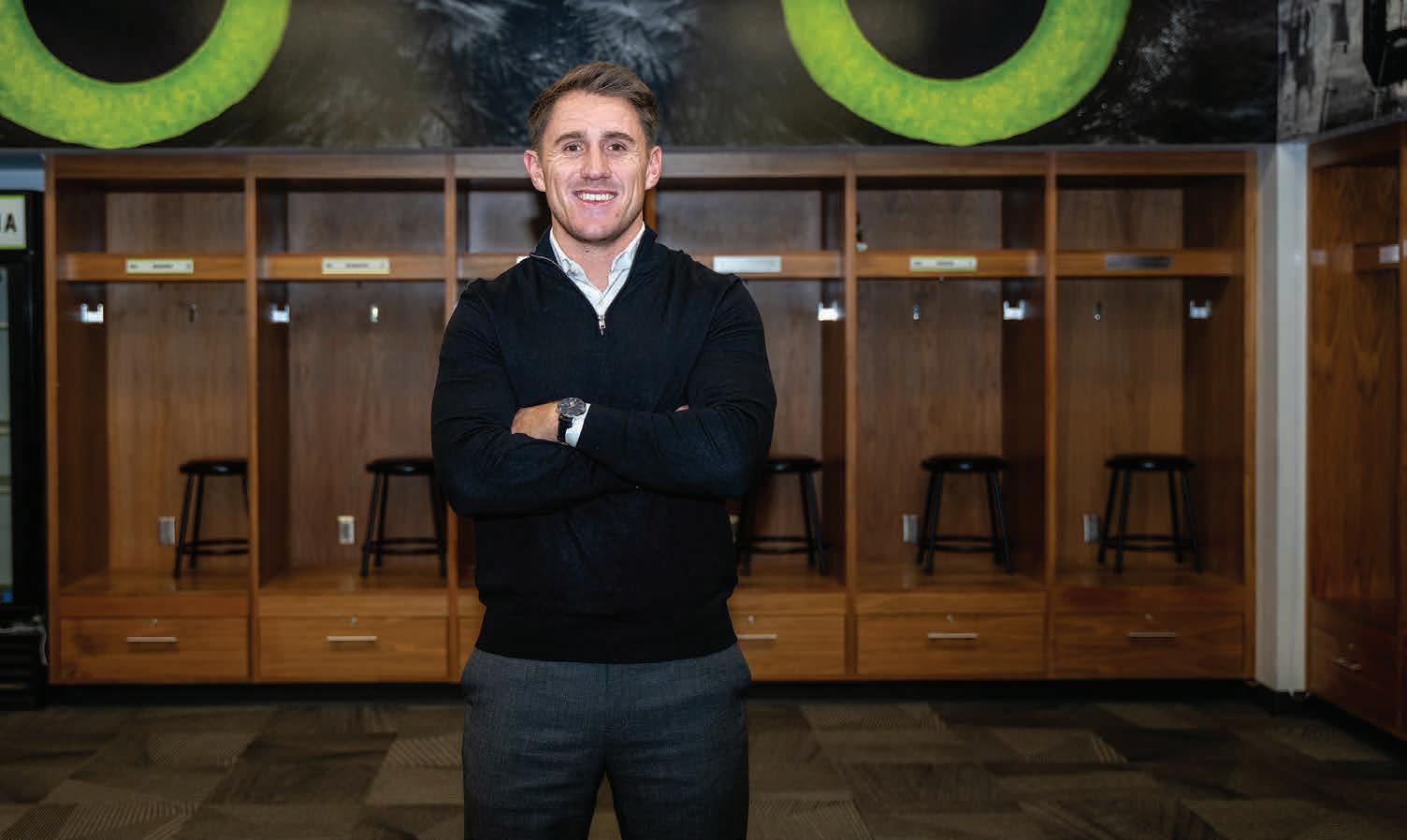
After a few years working in professional soccer with Atlanta United, Jamie Henderson embraced a new challenge: becoming the first Sporting Director at Union Omaha.
That realization, and maturity, pushed him to invest fully in his education.
Dr. Mechels also remembers that conversation. “When Jamie first came to BU, he had potential. He could see the bigger picture of concepts and got along with everyone so well, but he just wasn’t driven by his education. Once he focused on being a professional on the business side of sport, his work ethic and attention to detail shone. He worked hard in classes and gained confidence while at BU. That, coupled with his personal attributes, opened doors for him.”
It still took a few months, but then Jamie began to see a shift in his attitude and aspirations. “I started to believe what Brenda was saying to me and trusted that she was going to help me,“ Jamie remembers. “Coming from the U.K., you realize quickly the opportunities you have here in this country that may be limited in the U.K. I realized that I was really starting to enjoy the sport management side of things and thought that if I apply myself correctly here, I can be in this business as I wish.”
Learning the Business of Soccer
After graduation, Jamie traded his cleats in and became the Director of Player Development at Papillion Soccer Club. Then, he shifted to a role with Hudl, a leading sports technology and video company. At Hudl, he found a passion beyond playing: scouting, video analytics, and contract negotiations. He helped roll out the company’s Wyscout platform, a tool he now uses daily to evaluate players worldwide.
His Bellevue education made the transition from athlete to professional possible. He draws on lessons in finance, ethics, leadership, and communication — all of which are rooted in his Sport Management coursework. “Understanding CBAs [collective bargaining agreements] in class … that’s exactly what I do now with agents. And when working with players, being the middle-man, I draw on my communication and team-building skills,” Henderson says.
He also came to embrace the value of networking — something Bellevue faculty had long encouraged. “Dr. Mechels kept saying, ‘Get a LinkedIn account,’ and I resisted. But once again, she was right. That networking helped me transition from Hudl to my role with Atlanta United (a Major League Soccer team).”
A New Chapter: Sporting Director at Union Omaha
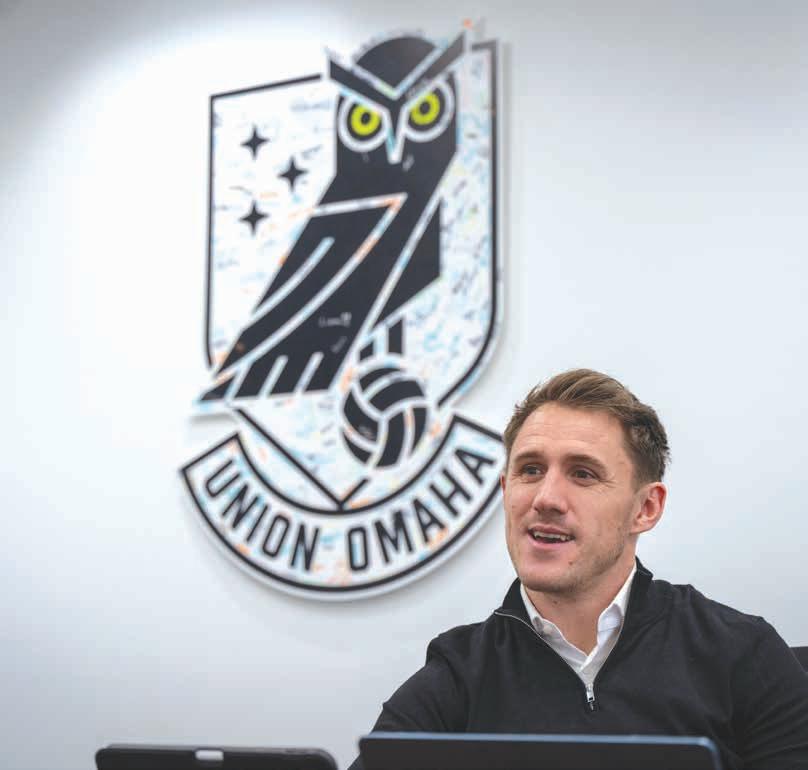
After a few years working in professional soccer with Atlanta United, Jamie embraced a new challenge: becoming the first Sporting Director at Union Omaha, returning to the Bellevue/Omaha area where it all began.
In this role, he’s the bridge between players, coaches, and the front office. He notes that 80% of his day is learning about potential players utilizing the Hudl technology he once promoted to other clubs. He is involved in player contracts, coaching staff decisions, and long-term planning. Every day, the goal is to ask: “How do we align the technical side with the business side, so we remain competitive, sustainable and continue to grow this club?”
One key to his leadership mindset is remembering, it’s not just about performance — it’s about people.
“If our players leave here better people than when they arrived, I’ve done my job,” Jamie says. He believes growth extends beyond the club: “My recruitment process becomes easier if guys know that Union Omaha is a club known for helping shape a player’s future.”
While some might question a move from the MLS league to the United Soccer League (USL), Jamie frames it differently. “On paper, maybe I dropped a league. But this is real progression. I can make an impact here, and I’ve always dreamed of being a Sporting Director.”
Jamie earned his Sport Management degree at Bellevue, and has since returned to speak to current students about the business side of professional sports.
He points to emerging trends — especially the idea of promotion and relegation in the future of the USL — as signs of growth in the U.S. soccer landscape. Relegation is a system in soccer where teams that perform poorly are demoted to a lower-level league for the next season, while the best-performing teams in that lower league are promoted to replace them. “Having some jeopardy makes clubs better,” he says. “It’s better for the fans, and the players; that’s how you grow.”
Giving Back: Paying It Forward at Bellevue
Jamie has returned to Bellevue to speak with current Sport Management students. His message is honest, grounded, direct: “I was once you. I sat in the back of class on my phone, maybe not paying attention as I should have. But by applying myself, by believing in myself, you can be here, too.”
He doesn’t sugarcoat the truth: working in sports isn’t glamorous 24/7. It’s unpredictable, ruthless, and relationship-driven. However, he encourages students to ask questions, lean into rejection and build connections. “Be brave and say yes to opportunities,” he said. “Ask questions. Keep putting yourself out there.”
Dr. Mechels hopes that one day Jamie might consider becoming an adjunct faculty member for the University. “I’ve put the idea out to him on how he might bring real-world experience to our students. Wouldn’t that be a full-circle moment!”
“Sports can be unpredictable, ruthless and relationship-driven, but be brave and say yes to opportunities. Ask questions. Keep putting yourself out there.”
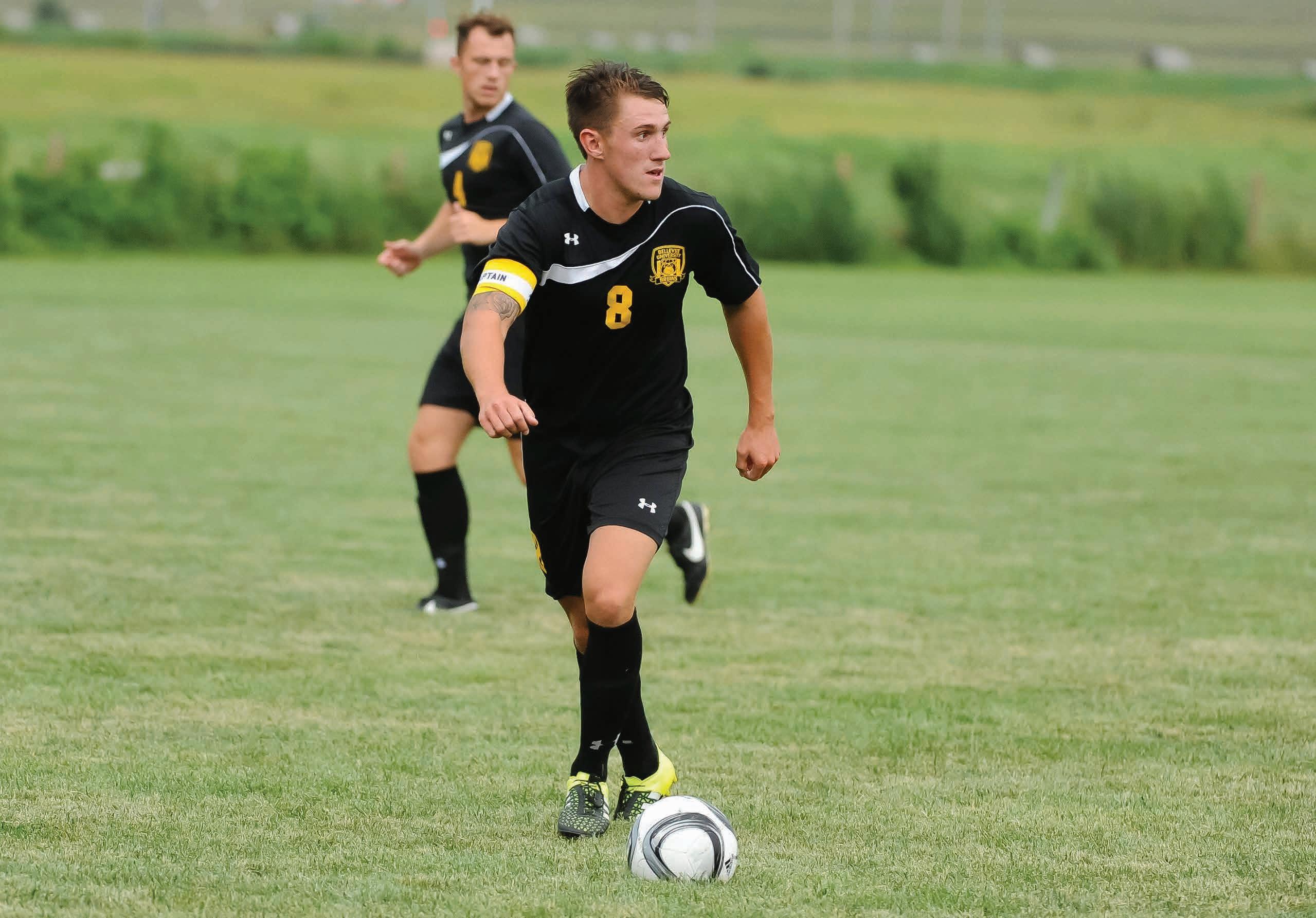
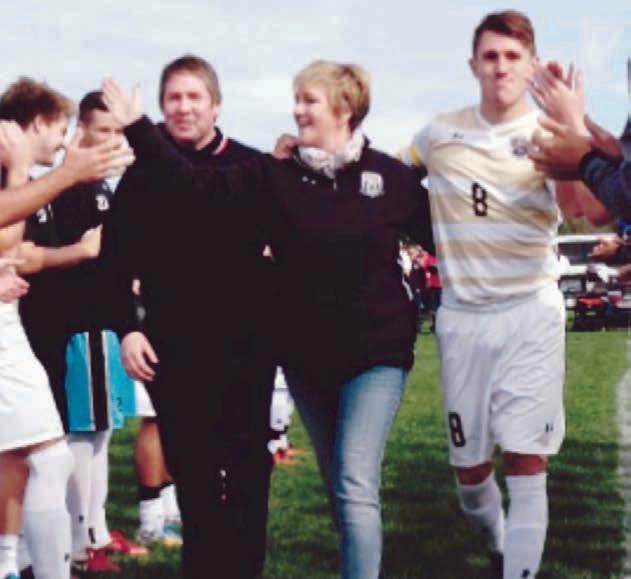
Jamie Henderson played for the Bellevue Bruins.
Building a Legacy — On and Off the Pitch
For Jamie, he finds great excitement waking up every day and “building a soccer team.” His father reminds him constantly: “How lucky are you — to come to work each day and do what you love?”
His goals for Union Omaha are ambitious. Yes, he wants championships. But more than that, he wants to cultivate character, resilience, and opportunities. He firmly believes that the partnership between Bellevue University and USL is one that will continue to build those opportunities for players and staff, as well as his alma mater.
“Players know that their careers won’t last forever,” he said. “When a player ends their professional career on the pitch, there is a lot of life left to live. The education partnership between Bellevue University and the USL allows them to say ‘okay, my life after soccer is going to be this.’ And if, say, they would also choose a sport management degree, they can apply all the knowledge they’ve gained in this futball club and then take that, use that, and leverage that. It’s such a great opportunity. I think more people should take advantage of it. It’s about preparing for life after the game.”
“How lucky are you — to come to work each day and do what you love?”
– Jamie Henderson’s father
Looking Back on a Transformative Journey
Reflecting on his Bellevue University experience, Jamie is without doubt. “I can’t speak highly enough of Bellevue. I wouldn’t be in this position now without it. I just wouldn’t be.” He calls his four years there “incredible — personally and professionally.” He met lifelong friends, built relationships, and even met his wife.
“I wouldn’t have changed my years at Bellevue University for anything. There is nowhere else I would have gone that would have been a better experience,” he says. “My time at Bellevue was amazing.”
After graduation, Jamie Henderson worked for the Papillion Soccer Club and then took a role with Hudl, a leading sports technology company.
Noe Said “Yes” to Bellevue University and Success
When Crayton Noe graduates from Bellevue University, it will mean so much more than a piece of paper. Completing his Bachelor of Science in Business Management and Leadership will be the culmination of years of studying at various schools without success. What makes the difference, he says, is the support, connections and real-world relevance he’s finding at Bellevue University.
Making Strides in the Military
Originally from Seward, Neb., Noe attended a local university after high school. However, when it became quite expensive to continue after two years, his now-wife suggested the U.S. Air Force. That would set the course for his journey.
Noe was looking forward to traveling the world, but instead served his first six years at Offutt Air Force Base in Bellevue. Succeeding in his career and education simultaneously was a struggle at the time.
“There was a continued expectation to get your bachelor’s degree,” he said. “I was getting
promoted and took classes at a couple of different local universities, but I had to keep putting it on the back burner when I got deployed.”
Noe separated from active duty last year after 10 years of service and is now serving in the Air National Guard. In his time with the Air Force, he developed a passion for leadership through career roles including managing affairs for chaplains and representing Offutt in welcoming distinguished visitors.
Finding a One-of-a-Kind Education Experience
As he looked toward the next chapter of his life, Noe began looking at schools again. He landed on Bellevue University, where he could continue exploring leadership.
From the beginning, the experience has been completely different than his previous ones. “It was such a smooth process that I hadn’t experienced anywhere else,” Noe said. “It was seamless, and they easily helped me apply my educational benefits to continue my education.”
Noe has found many unique benefits came from studying in a cohort format where he completes all his classes with the same peers.
“It is a much different experience. I am able to commit to something I’m passionate about and the support system has been phenomenal,” he said. “It is also the first time in a classroom that my background has been respected and sought after.”
Program Director Rebecca Barnes said his classmates are directly benefiting from his background and perspectives. “Between his experience in the Air Force and his work in the nonprofit space, Crayton adds depth and meaning to our discussions,” she said.
Crayton Noe credits both Bellevue staff and faculty for helping him succeed. “Having an advisor coach really makes a difference and the professors have challenged me to grow and make an impact.”
Building on his military background, Crayton has designed experiential leadership development frameworks that help teams build trust, make decisions under pressure, and communicate more effectively.
“He’s constantly thinking about how what we’re learning applies in the real world, and that service-oriented approach makes the learning experience better for everyone.”
The cohort format also gives Noe the opportunity to connect with peers at different levels of leadership within their careers. “The diversity of peers is vertical compared to my other experiences where it was horizontal. I can connect with people implementing leadership programs the way I want to,” he said. “It reframed my world and my thinking.”
Noe is even getting straight A’s for the first time in his life. “I even made the dean’s list multiple times and will graduate with honors,” he said.
Helping Organizations with Leadership Learnings
Noe is now taking steps to make an even bigger impact with his leadership expertise. Building on his military background, Noe has designed experiential leadership development frameworks that help teams build trust, make decisions under pressure, and communicate more effectively— several of which he has already piloted with local organizations.
He said Bellevue University is playing a large role in this venture. “Bellevue University perfectly aligned with where I’m at in my life, with who I am right now and where I want to go,” he said.
Noe credits both staff and faculty with helping him succeed. “Having an advisor coach really makes a difference and the professors have challenged me to grow and make an impact,” he said.
Barnes said Noe’s story is a perfect example of how the University designs the entire student experience to meet their needs. “Bellevue University is built for students who are ready to finish what they started,” she said. “We meet students where they are and give them the support they need to cross the finish line with skills they can use immediately.”
Looking ahead, Noe plans to continue developing leadership programs that emphasize service, accountability, and real-world application—values shaped by his military experience and refined through his education at Bellevue University.
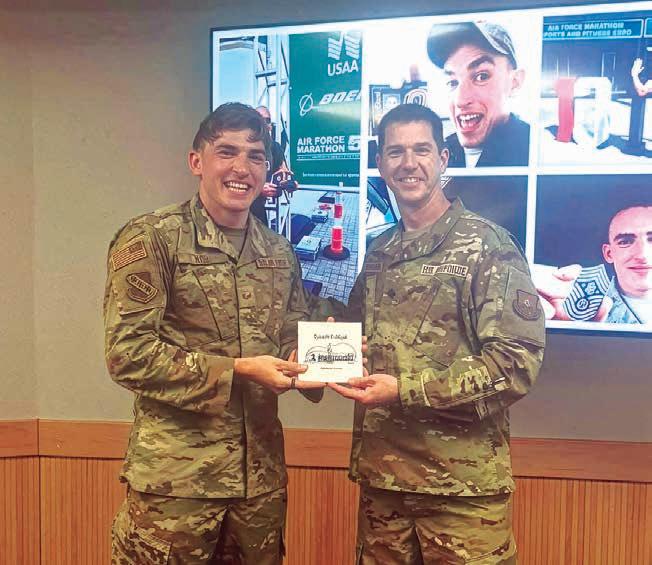
Crayton Noe served in the U.S. Air Force and is now serving in the Air National Guard. At Bellevue, he’s part of a cohort program where he completes all his classes with the same peers.
“It is a much different experience. I am able to commit to something I’m passionate about and the support system has been phenomenal. It is also the first time in a classroom that my background has been respected and sought after.”
Student Research Results in New Salt Marsh Microbiome Publication
By Dr. John Kyndt
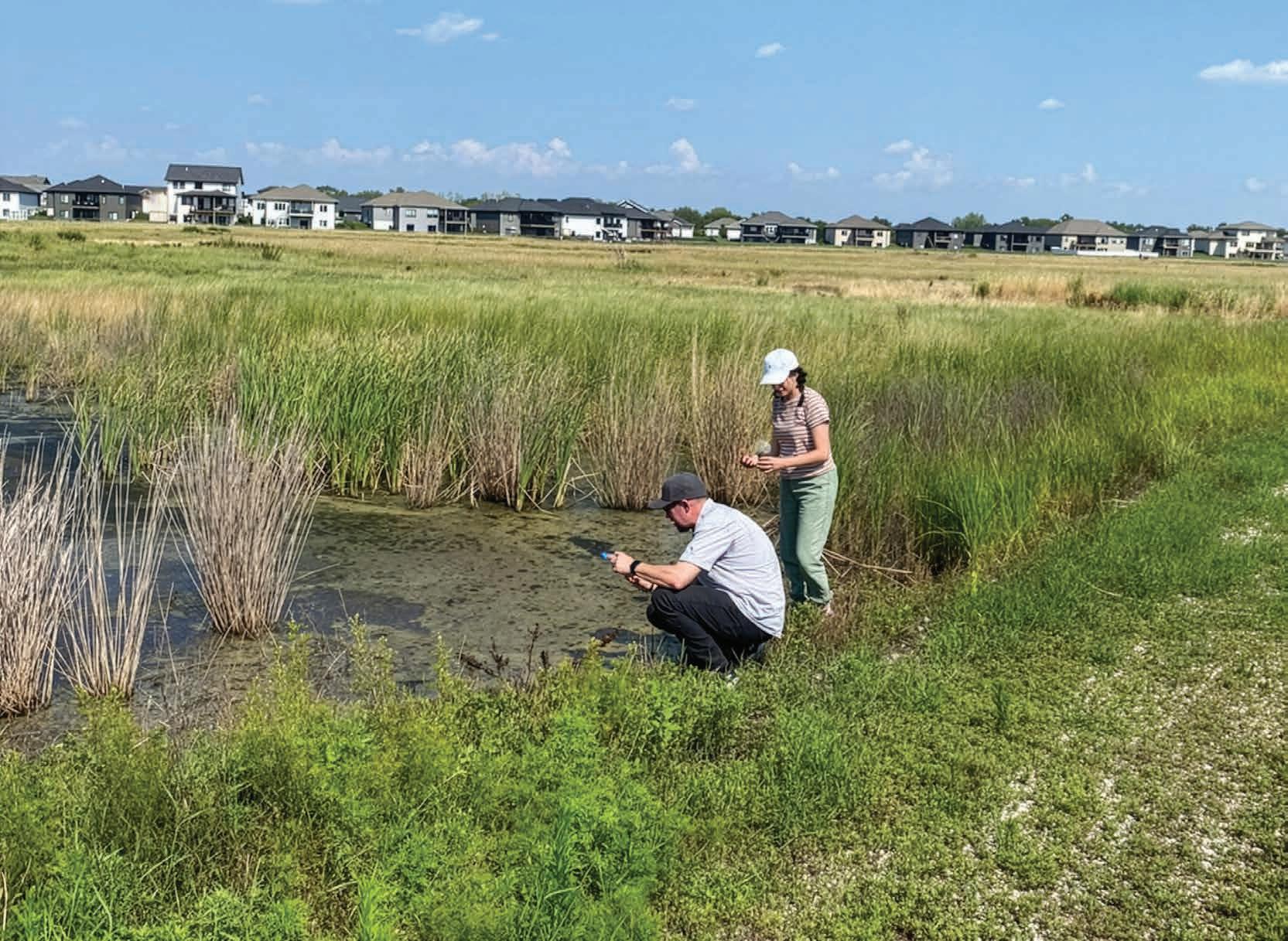
The Nebraska salt marshes are a very unique ecosystem and one of the few places in the United States where the ground water is naturally salty. They are a relic of ancient oceans that once covered central North America. Conservation of natural areas has historically typically emphasized plant and insect ecology, however it is important to start at the basis, by looking at the microbial changes that often show signs of distress, or start the recovery, months or years before changes become evident in the larger ecosystem. To provide a better understanding of the Nebraska salt marsh micro-ecosystem, a Bellevue University team performed a 16-month study to analyze and compare the salt marsh microbiome throughout different seasons.
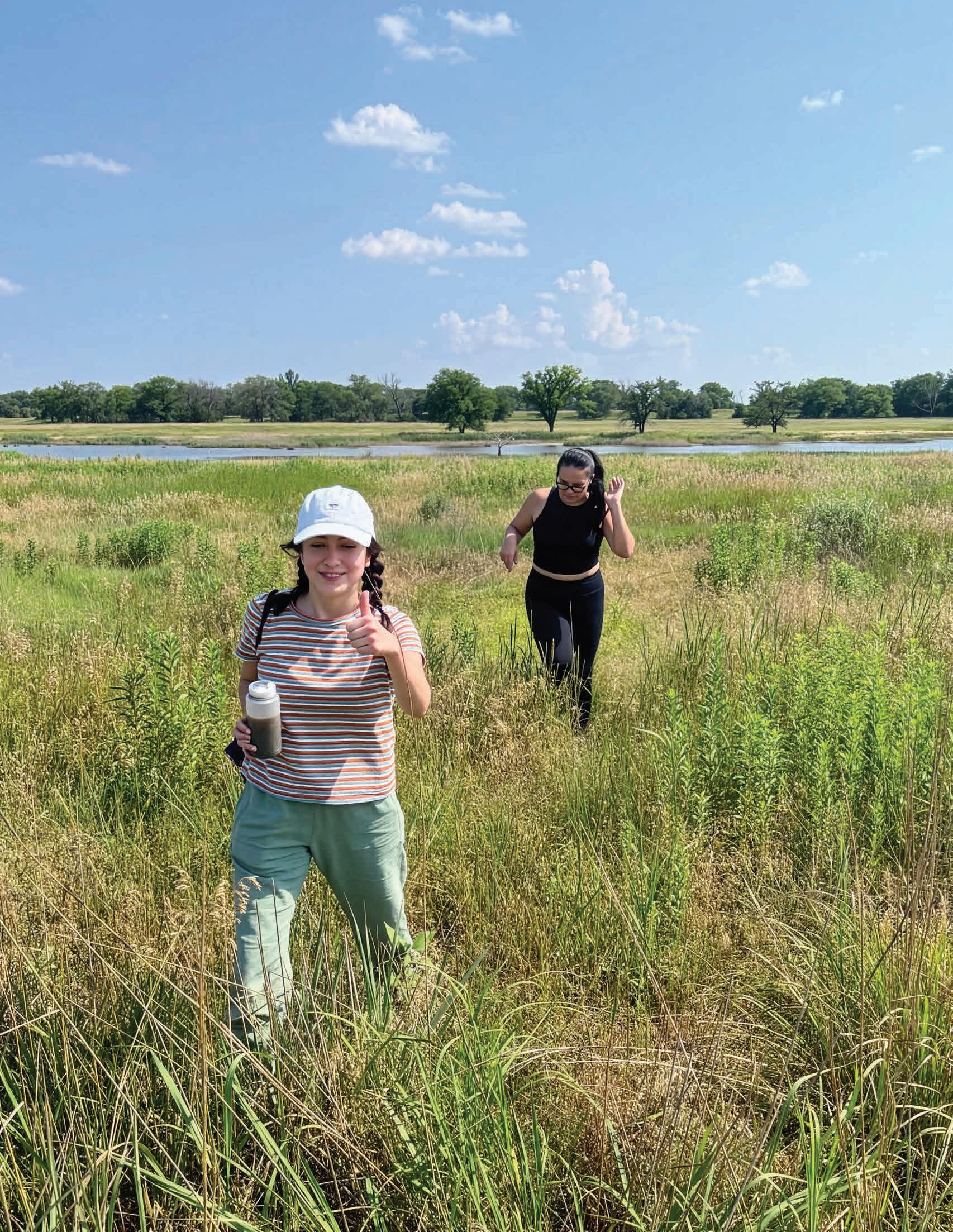
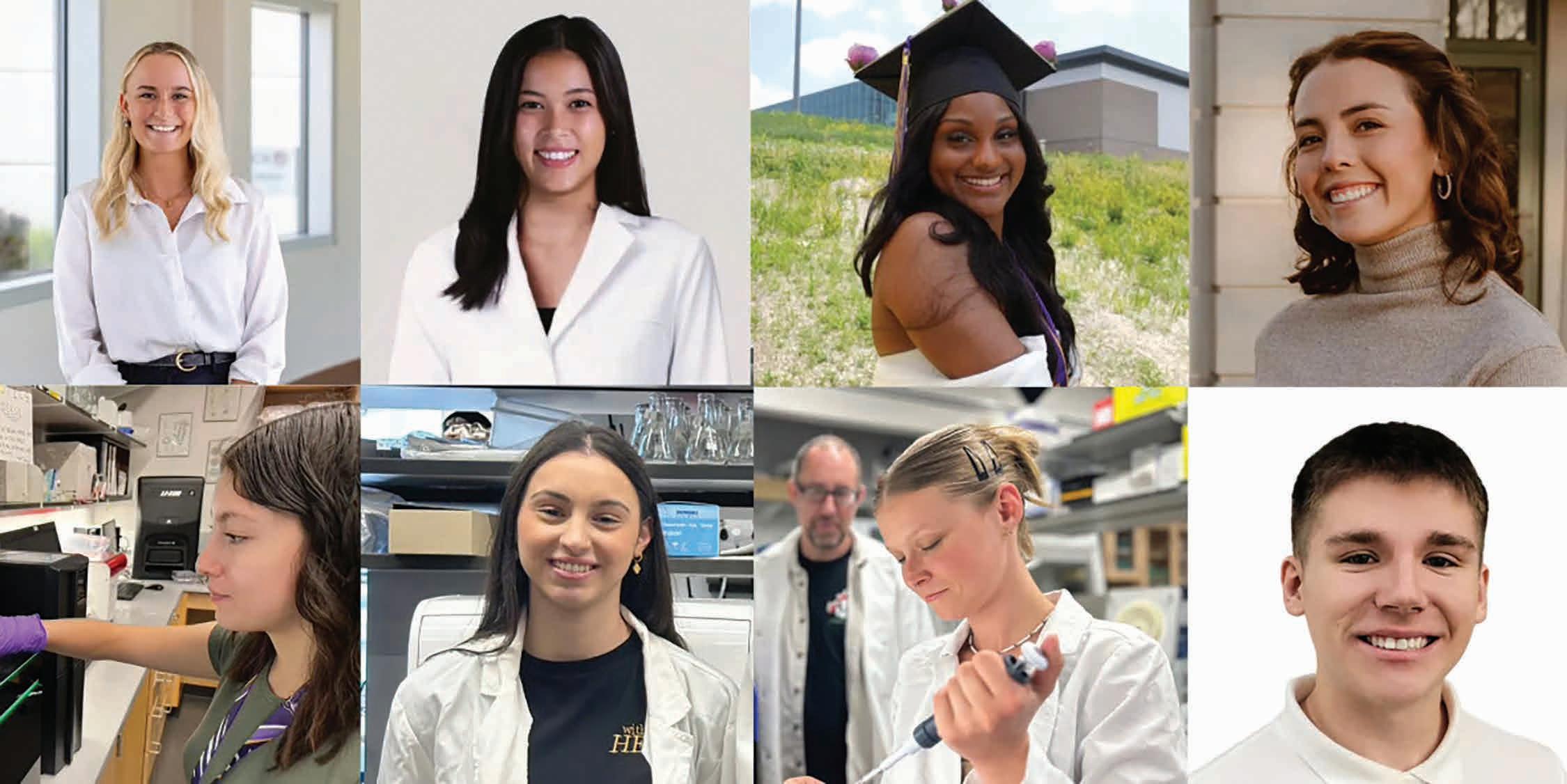
The research team that performed this study was composed of a group of dedicated Bellevue University and international visiting students who worked together to conduct different parts of this study over a two-year time period. The team found that the salt marsh microbiome is resilient, but also shows both
temporal and spatial variations that are concurrent with seasonal variations in salinity, temperature, and vegetation growth.
The study also identified several new species for which the whole genomes were determined. One of the most surprising finding was the discovery of several antibiotic resistance markers (AMR) and human pathogenic strains of Vibrio cholerae and Pseudomonas in these somewhat secluded marsh ecosystems.
In the end, the study was able to determine which species are critical for the health of the salt marsh microbiome, and this could help in future conservation and microbial stewardship efforts to preserve the marshes from further degradation and loss. The results were published this week in the journal Microorganisms.
This is not only a great scientific achievement, but also a great illustration of the collaborative science research success at BU. The research was partially sponsored
by the 2024-25 EPSCoR NE grant (to Dr. John Kyndt) and the Wilson Undergraduate Research Enhancement fund at BU. This research was a collaboration between Bellevue Biology students: Emma Stock, Ketlyn Rota, Brandi Dunn and Maddy Vasquez; a student from our Delfin summer research program (summer 2024), Daniela Hernandez-Velazquez from the Universidad Veracruzana (Mexico); visiting students Alyssia Lespes and Solenn Bosmans (spring 2025) from the Erasmus University Brussels (Belgium); and Jace Smith who provided additional bioinformatics support, all under the guidance of Dr. John Kyndt.
The results provide a baseline understanding of the microbial processes that support these important ecosystems, and can be used to monitor the future
health of the marshes. With increasing urban development near the Nebraska salt marshes there are increasing challenges with effluent contamination of the marshes and, alternatively, potential transfer of these pathogenic and AMR-containing species to neighboring developments. Preserving these wetlands is not only important for the ecosystem of the marsh and the health of the environment, but also allows us to get a historical glimpse of the evolution and adaptation of species to more extreme environments.
This story was originally published on Science on Display, a blog by the Bellevue University Natural Science Center of Excellence. For more Science on Display stories visit https://sciencecenter.bellevue.edu.
Dr. John Kyndt and several students collected samples from the salt marshes during a research team trip to a site near Lincoln, Nebraska.
Alumna Founds Nonprofit Address Statewide Need for Period Products
Four million period products distributed.
70 community partners.
150 schools and school districts.
Education, Experience Lead to Discovering Passion
Lowrey founded Access Period in 2022, after embracing various opportunities, including earning her Master of Arts in Managerial Communications with an emphasis in human resources. Lowrey decided to pursue graduate studies after earning a bachelor’s degree at the University of Nebraska at Kearney.
“I come from a family that really values education,” she said. She said she recalls her mother earning a master’s degree and a Doctorate in Education while Kristin was still in school. “I had a lot to learn and wanted to continue my education. I also knew there would never be a time when I would be as available.”
While seeking out the next step on her educational journey, Lowrey was also working full-time. “ I didn’t think I could be on campus full time or even at night, so I did a lot of research on degrees with online schools,” she said. “It was really important to me that Bellevue University was nonprofit, and I liked that it was local.” She said she also liked the flexibility of having the option to study on campus.
That’s just a glimpse at the impact Bellevue University alumna Kristin Lowrey has made in just a few brief years with her nonprofit Access Period, which fights period poverty by providing free period products to anyone who needs them statewide.
As a young professional, Lowrey said she also benefited from studying with a diverse student body. “I learned from students with different experiences from mine,” she said. This included those further along in their careers and military personnel.
Lowrey began her career in hospitality, where she gained some human resources experience. She eventually moved into the role of Communications Director for a staffing firm. She was in this role when her variety of experiences and lifetime devotion to volunteering led her to establish the groundwork for Access Period.
“I saw it was a huge issue statewide,” she said. While there were many resources to address hunger and homelessness, there was still a gap in making muchneeded basic needs products available – including period supplies.
“I was on my way to making a big difference, and I was fortunate my employer believed in me and this project,” she said. She built the organization parttime alongside her career and was later able to pursue the work full-time as the Executive Director of Access Period.
Building a Movement
Today, Access Period offers 11 statewide access points where people in need can receive a three-month kit with no paperwork or restrictions. Approximately 70 community partners and 150 schools, whether at the district level or through individual counselors, also distribute products. “It has been great,” Lowrey said. “Our partners decide how they can best help their communities.” In total, Access Period distributes approximately 4,500 period products per day. The organization relies on private foundations, corporate partners and individual donors for funding. Volunteers also play a crucial role, whether it’s participating in weekly events at Access Period’s warehouse or driving across the state to deliver products. Those interested in helping can also participate in Access Period’s monthly donation Period Party program. “Our volunteers and donors are essential so we are a more reliable source for our partners,” she said.
Bellevue University got involved in the effort, as well, hosting a period packing party at the school. “That was really special because I didn’t get to be on campus a lot,” Lowrey said.
Though she didn’t know her path would eventually lead to spearheading a successful, impactful nonprofit, Lowrey said she appreciates the role Bellevue University helped play in her journey. “My experience at BU helped me see the many options available for me, and expanded my view of what was possible.”
Opposite page: Kristin Lowrey founded Access Period in 2022. “I saw it was a huge issue statewide,” she said. While there were many resources to address hunger and homelessness, there was still a gap in making much-needed basic needs products available – including period supplies.
Below: Today, Access Period, the nonprofit that Lowrey founded, offers 11 statewide access points where people in need can receive a three-month kit of hygiene products. In total, Access Period distributes approximately 4,500 period products per day.
1000 Galvin Road South Bellevue, NE 68005-3098
Address Service Requested
Are you up to date?
If you’re not receiving AlumniLink online and other alumni emails, or if you’ve moved or changed your name recently, please go to bellevue.edu and click ‘Alumni and Friends’ at the bottom. Click ‘Update Your Personal Information’ and make any changes needed. Thank you!
For more information on all of Bellevue University’s official networking sites, go to bellevue.edu
Doug Riley Remembered Through Technology Center Rededication
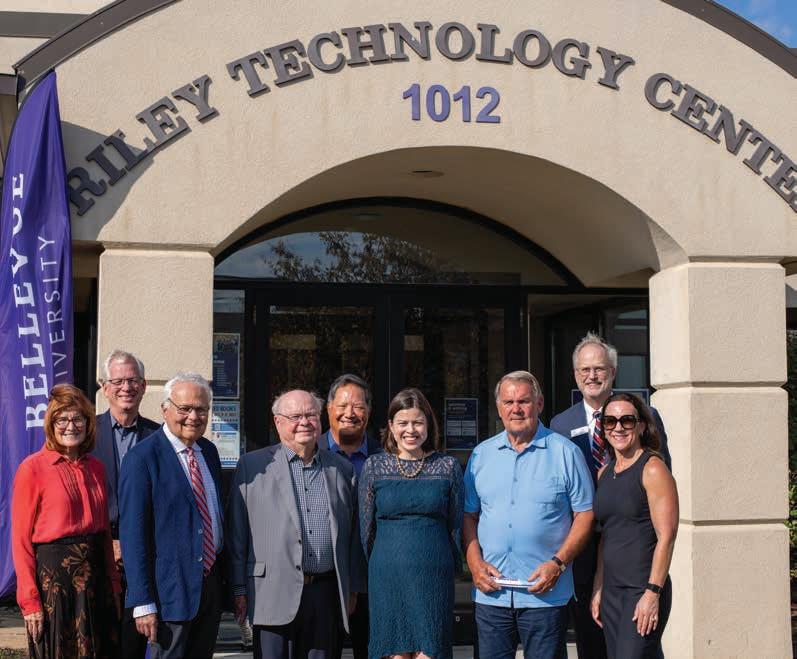
Last fall, Bellevue University celebrated the rededication of the Riley Technology Center during the Riley Tech Reimagined event. The center was originally dedicated in 2001, and today the building remains a hub for learning and innovation, reflecting the belief of former longtime BU board member Doug Riley in the importance of technical education and staying ahead of emerging technologies.
As part of the rededication, the University also announced a new gift from the Riley Family Foundation, made through Doug’s son, Daren Riley, to support the University’s efforts in artificial intelligence and emerging technologies.
“If my dad was here today seeing how people are using new technologies at the Riley Technology Center,” said Daren Riley, “I think he would say that learning new technologies is what’s going to set you apart from your peers, and it’s going to take your game to the next level.”
Doug Riley will be remembered for his remarkable career, his unwavering dedication to education and community, and his lifelong commitment to the principles that guided him: “Make money in a business you understand, invest wisely, and never stop learning.”
To contribute to the Doug Riley Memorial Endowed Scholarship, contact the University Advancement Office at advancement@bellevue.edu or 402-557-7294.
University, 1000 Galvin Road South, Bellevue, NE 68005.
Last fall, Bellevue University rededicated the Riley Technology Center, honoring Doug Riley. The event featured an open house, ribbon cutting, and demos of virtual reality, esports and 3D printing.