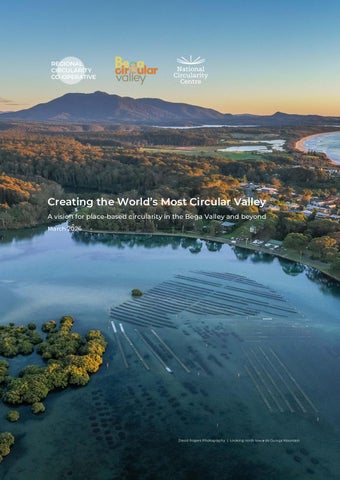


A vision for place-based circularity in the Bega Valley and beyond March 2026
The Regional Circularity Cooperative acknowledges and pays its respects to the Traditional Custodians of the lands, waterways and airspace of Australia.
We learn from these people about the traditions of stewardship of resources, reciprocity and working together as a community to have a lighter, more circular, impact on the environment.

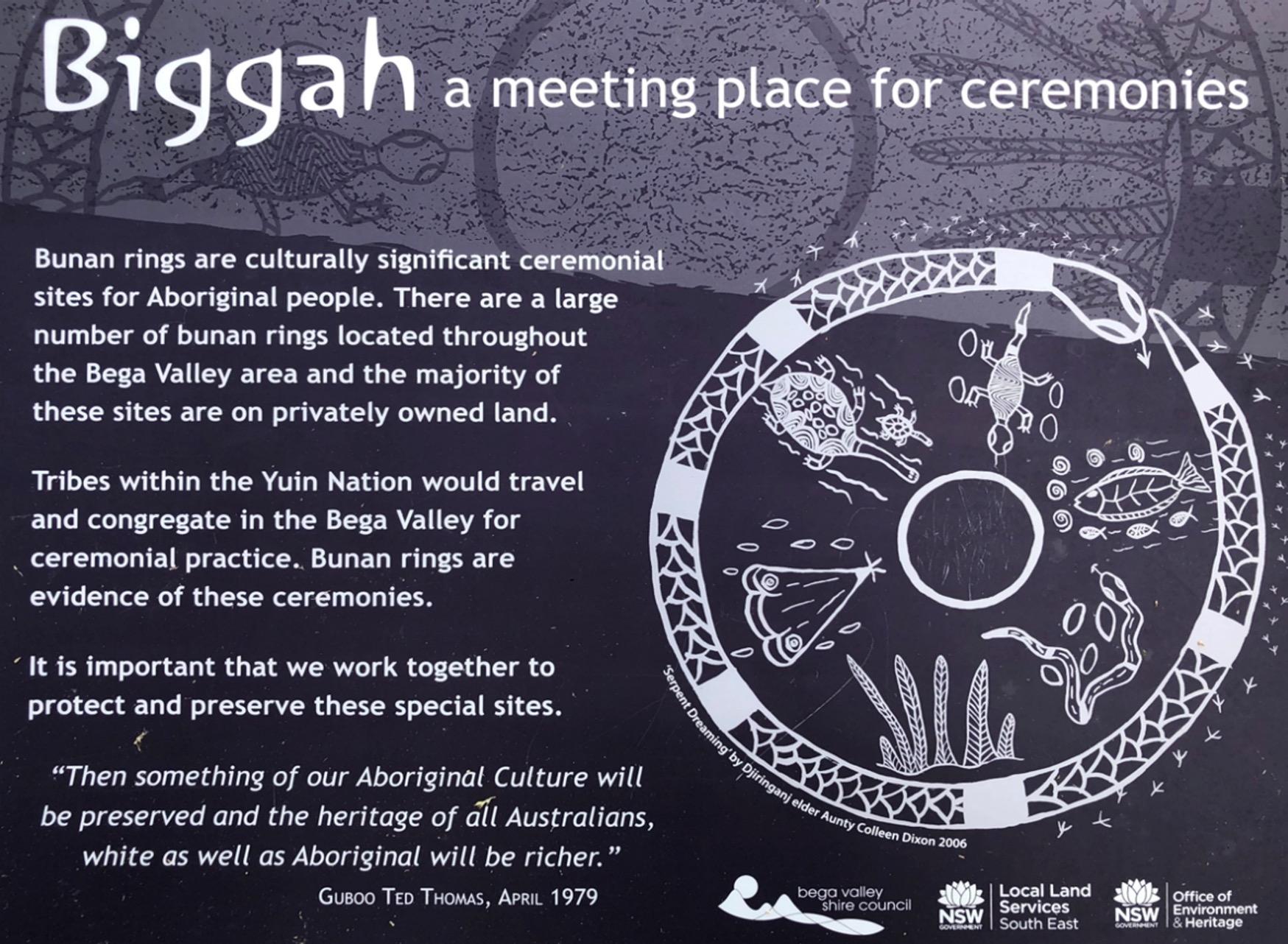
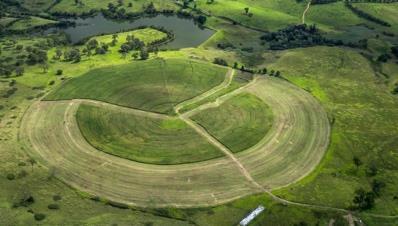
We also thank the original inhabitants of the Bega Valley for the circularity story they have bequeathed us. A story stretching back millennia encompassing bunan rings located throughout our region, an underlying belief in ‘caring for country’, and a more balanced and ‘circular’ way of living that we can all learn from.
The Bega Circular Valley logo acknowledges the role First Nations’ knowledge will play in the circular future, with bunan rings subtly integrated within it; created in 2021, the logo was a collaborative design by Walbunja woman Jamara Nye and Narooma based graphic designer Cat Leach.





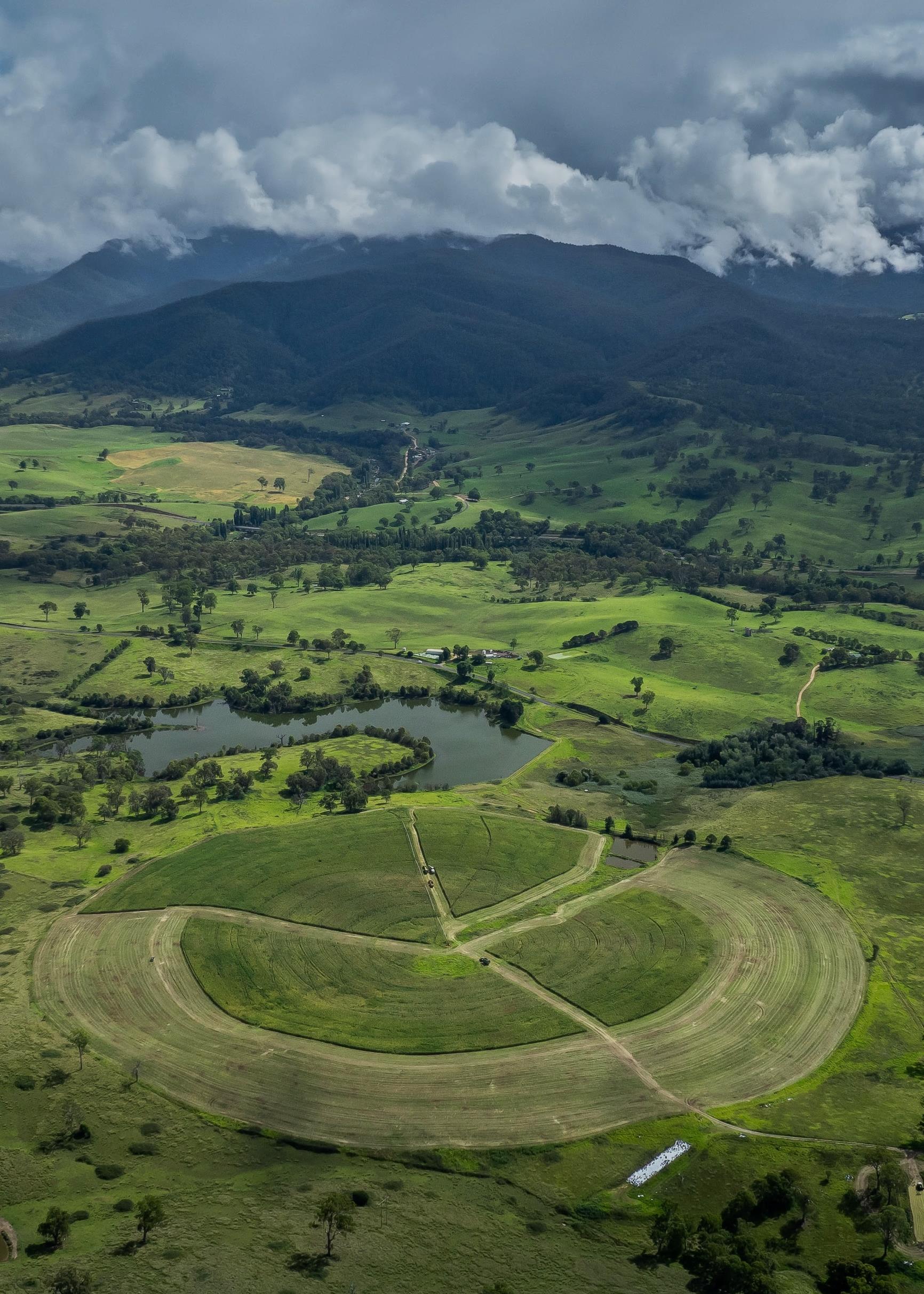
The Regional Circularity Co-operative (RCC) is only four years into its multigenerational journey but has already built significant momentum behind the Bega Valley’s circular transition whilst also establishing its ambition to be a beacon for others as ‘The Most Circular Valley in the World’

These early milestones have been achieved through forging new forms of collaboration across Government, business, academia and civil society; however, we readily acknowledge that we are just getting started when it comes to working with others to demonstrate what the circular economy can offer to the Bega Valley, Australia and the world.

We invite you to join our growing group of circular leaders and play a pioneering role in the journey towards circularity we have ahead of us.
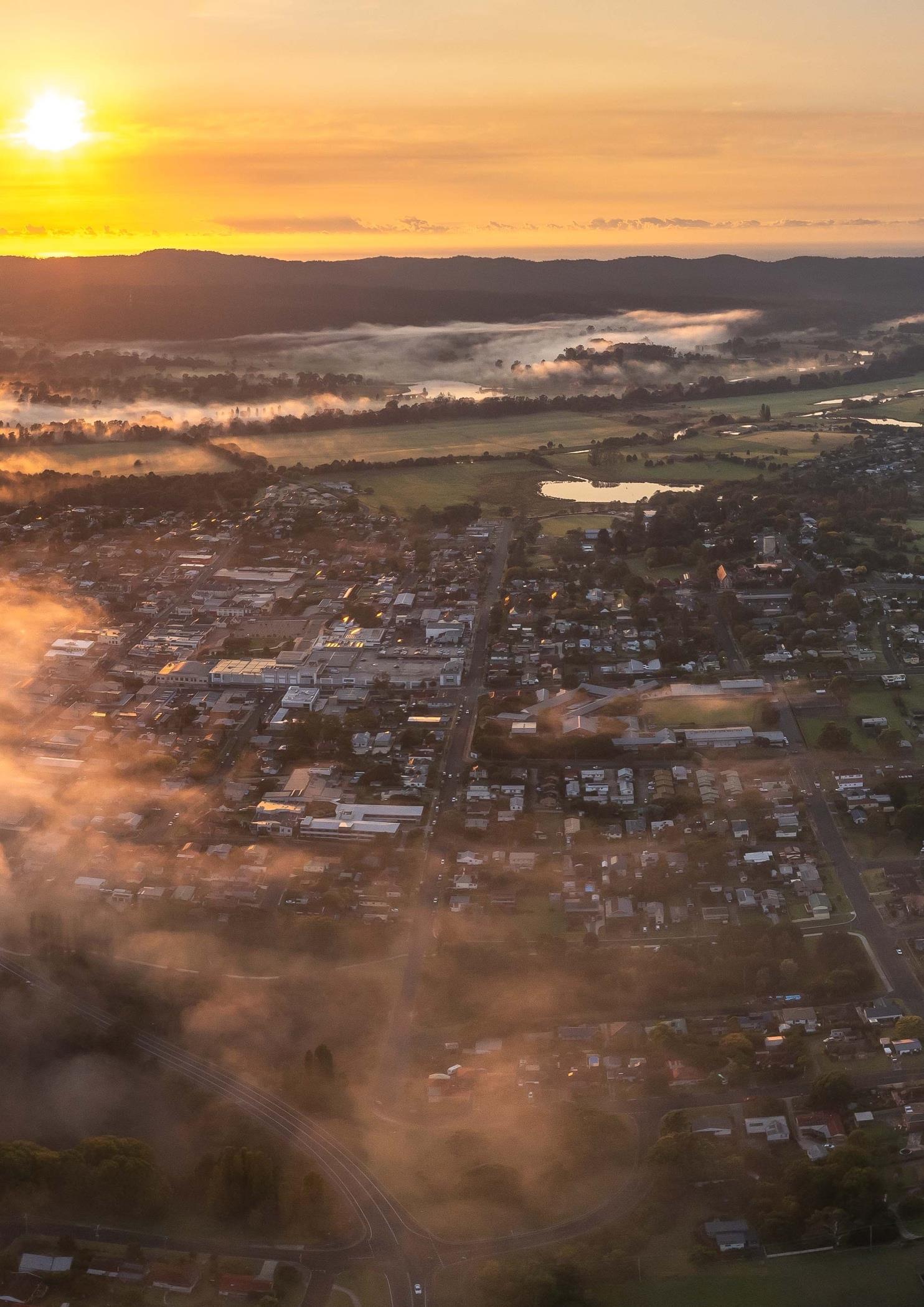



The world is currently on a linear path that most now accept is as unsustainable as it is resource and prosperity hungry.

Circularity and the circular economy provide us with a way to change this path, to put humanity on a trajectory that will allow us to thrive within planetary boundaries forever.



Four years ago, with key leaders from Bega Group, Rabobank and KPMG as the instigators, the Bega Valley decided to explore how it could demonstrate what this future looks like, sparking a multi-generational journey to make the Bega Valley ‘The Most Circular Valley in the World’


Based on a simple organisational structure






In 2021, as we begin our journey, the Regional Circularity Co operative (RCC) was established, a not for profit, non distributing co-operative based in the Bega Valley, on Djiringanj Country.

Made up of a growing group of 14 foundational members and more than 50 partners, the RCC has a single minded purpose to lead the Bega Valley’s transition to become the most circular place based economy in the world.








To do this the co operative does two things: runs the Bega Circular Valley program and leads the creation of the National Circularity Centre

Independent, not-for-profit, non-distributing co-operative leading the Bega Valley’s transition to a more circular economy
High-impact regional development program to help accelerate the Bega Valley’s circular transition
Australia’s National Centre for Circular Discovery

If we are to successfully accelerate the multi-generational circular transition in the Bega Valley and beyond, we know we can’t do it alone.
Since its establishment, the Regional Circularity Co-operative has continuously looked to find new ways to build collaboration between the community, business, government, academia and civil society.
This has led us to seek out new forms of partnership, to reach out to others to learn from their successes (and failures), and to encourage those who usually work in isolation to find a way to work together.
We don’t yet have all the answers but are proud of the collaborative approach we have managed to build in four years, whilst knowing that we will need to keep evolving this approach in the decades ahead.
In recognition of our ongoing efforts to drive new forms of collaboration and drive change through the Bega Circular Valley program, in late 2024 we received the inaugural Australian Design Council Impact Award.











We also collaborate and partner on specific projects with more than 50 organisations of all shapes and sizes in the Bega Valley, around Australia and overseas.


The Bega Circular Valley (BCV) program is a high impact regional development initiative designed to help accelerate the region’s transition to first become Australia’s most circular place-based economy and then target becoming ‘The Most Circular Valley in the World’


This transformational shift towards circularity will make the Bega Valley an even more vibrant, sustainable and resilient community for all those who live, work and visit here.

Built on comprehensive collaboration and a philosophy of freely sharing information, the program will serve as an inspirational demonstration of place based, whole of economy circular transition from which other regional communities in Australia and around the world can learn.

Importantly, the idea behind the program is not ‘new’. The Bega Valley retains much physical evidence of how First Nations’ Peoples were practicing circularity for thousands of years before modern society decided it was an idea worth pursuing.

We often say that while the theory behind circularity is simple, changing the embedded linear economy we live in is incredibly complex. We look to work within that complexity and find pragmatic solutions that can demonstrate circularity to all.


Whilst we have a clear strategic framework to guide us for the next 20 years, a blueprint that identifies 24 interconnected work areas (from agriculture to tourism; construction to education), and a transition network map to help us through the linear economy’s complexity, our day to-day focus is on implementing projects to show what a place-based transition looks like (not just talk about what the theory says).



We are currently involved in more than 40 projects in the region, ranging from a world-first regional circularity baselining project being undertaken with CSIRO (supported by Rabobank), to a natural capital on farm pilot led by Climate Friendly, Bega Group & others that is just about to begin.

We also support many of the inspiring existing circular entrepreneurs in the region who are already ‘doing circularity’, as well as engaging with the varied communities of the Bega Valley to bring them along on the circular transition journey we have ahead of us.








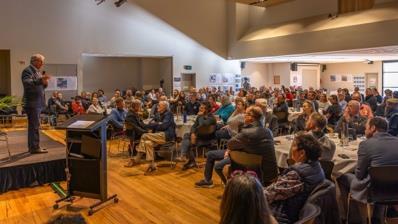

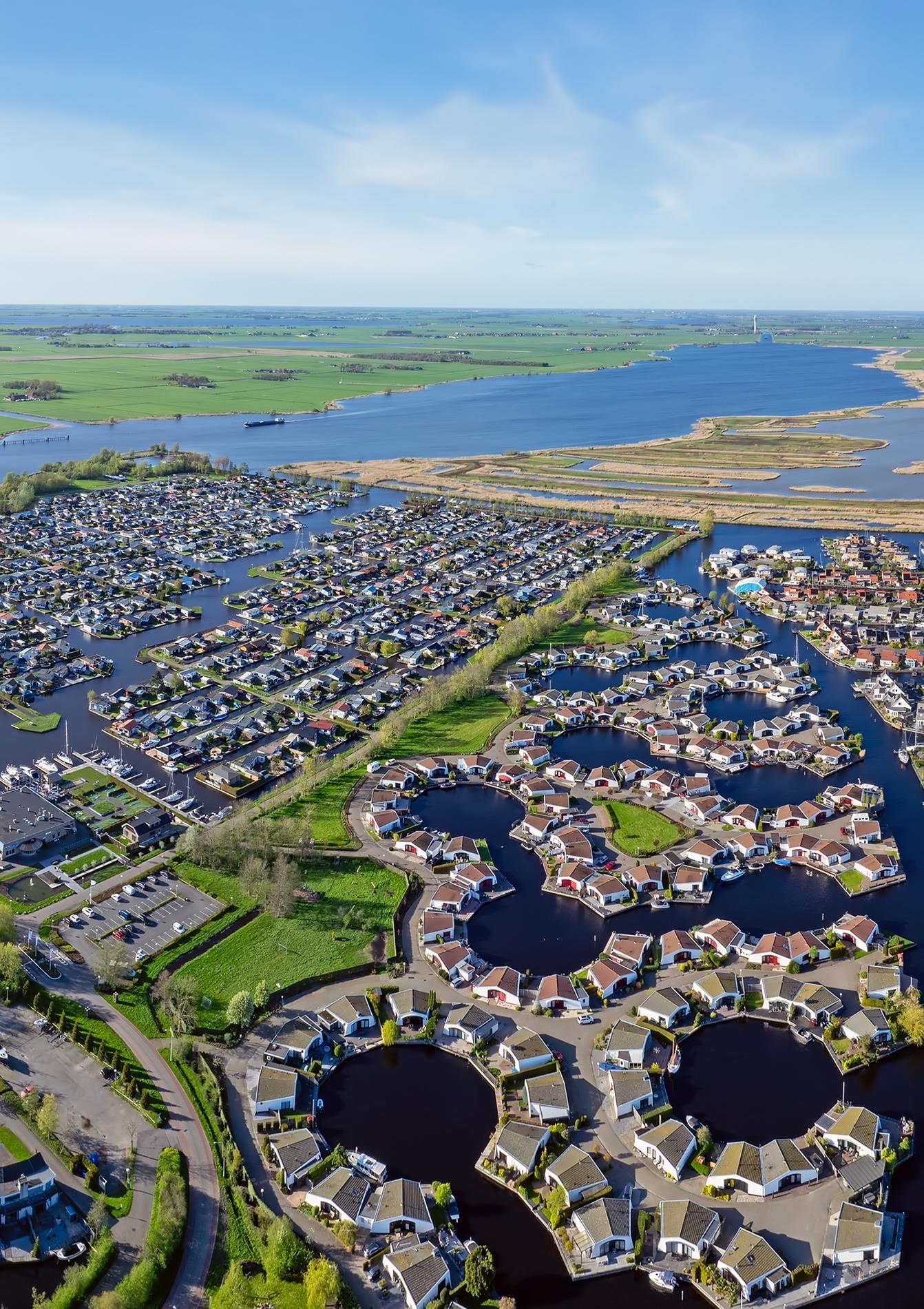
In 2025 we were invited to join the Circular Alliance of Regions (CARe), a new global partnership of nine leading circular regions that was announced at the World Circular Economy Forum (WCEF) in São Paulo.
Being one of the founding partners of this alliance provides us with a great opportunity to be at the forefront of the place-based circular transition and to access best practice from around the world (and share our own).
Despite being one of the ‘newest’ circular regions in the Alliance, we were recently asked to play a leading role in the group, based on the rapid progress we are making with the BCV program and NCC.









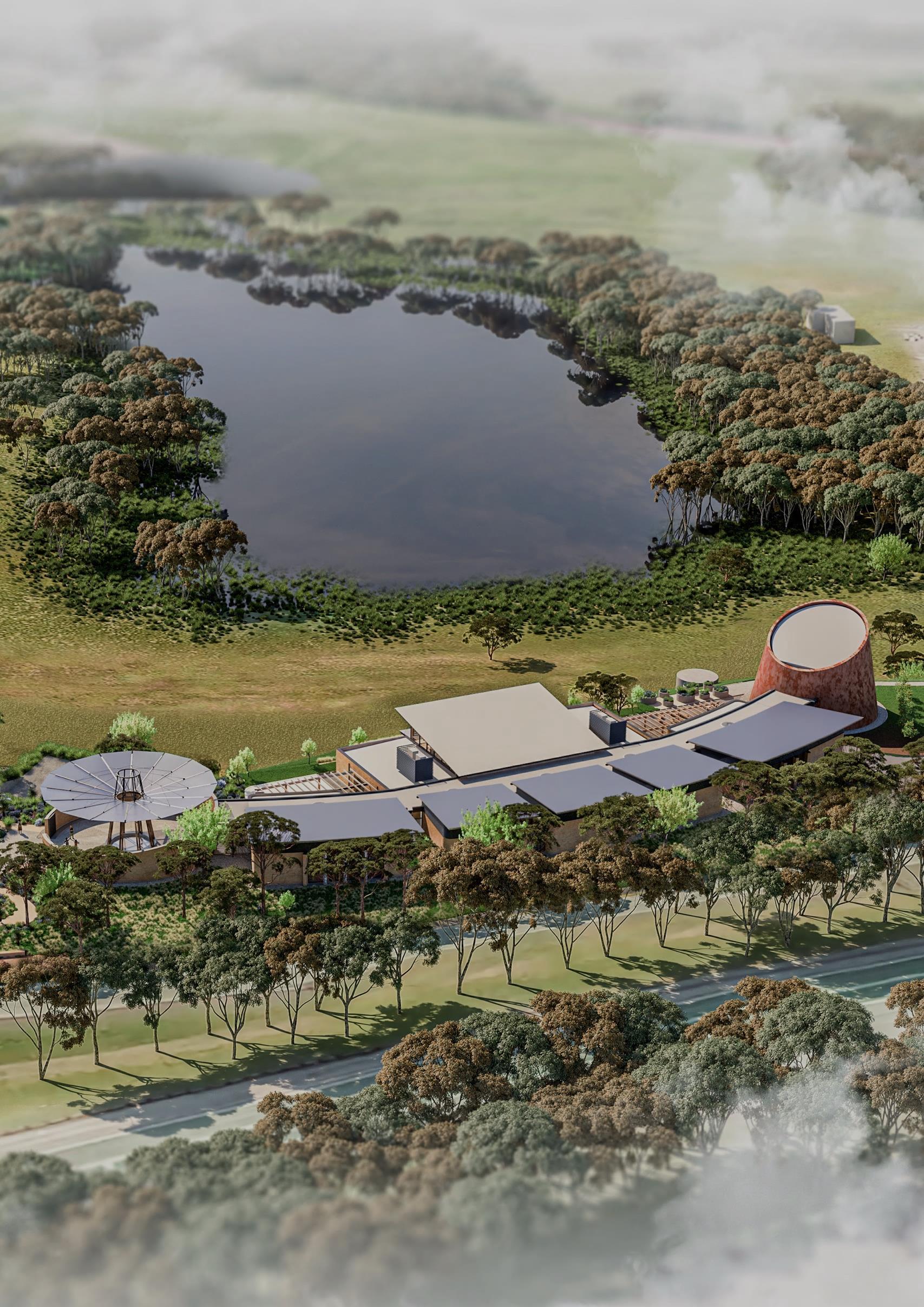
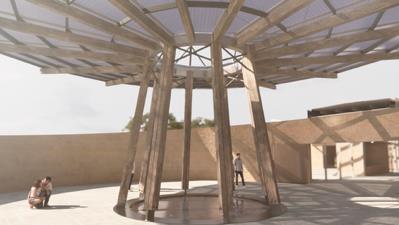
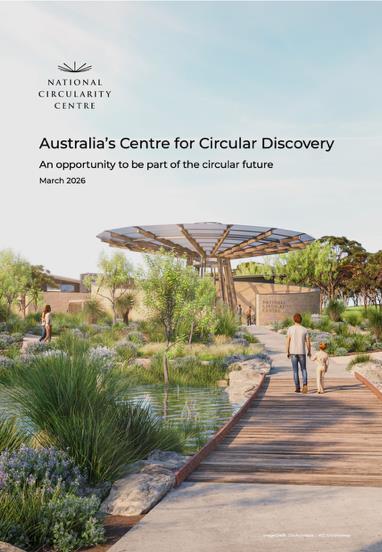
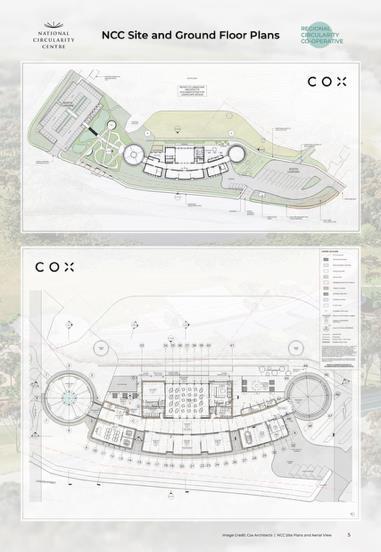
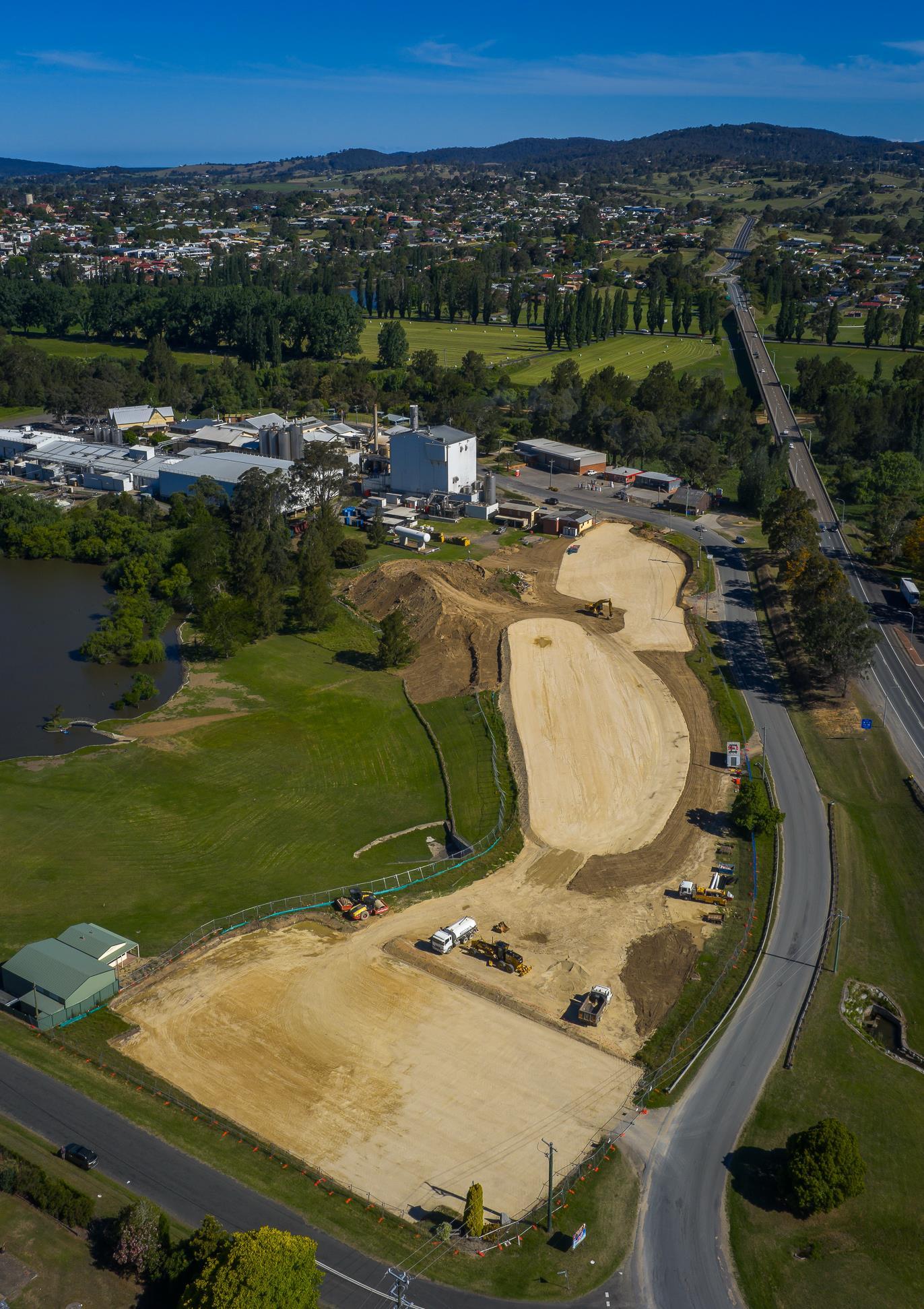
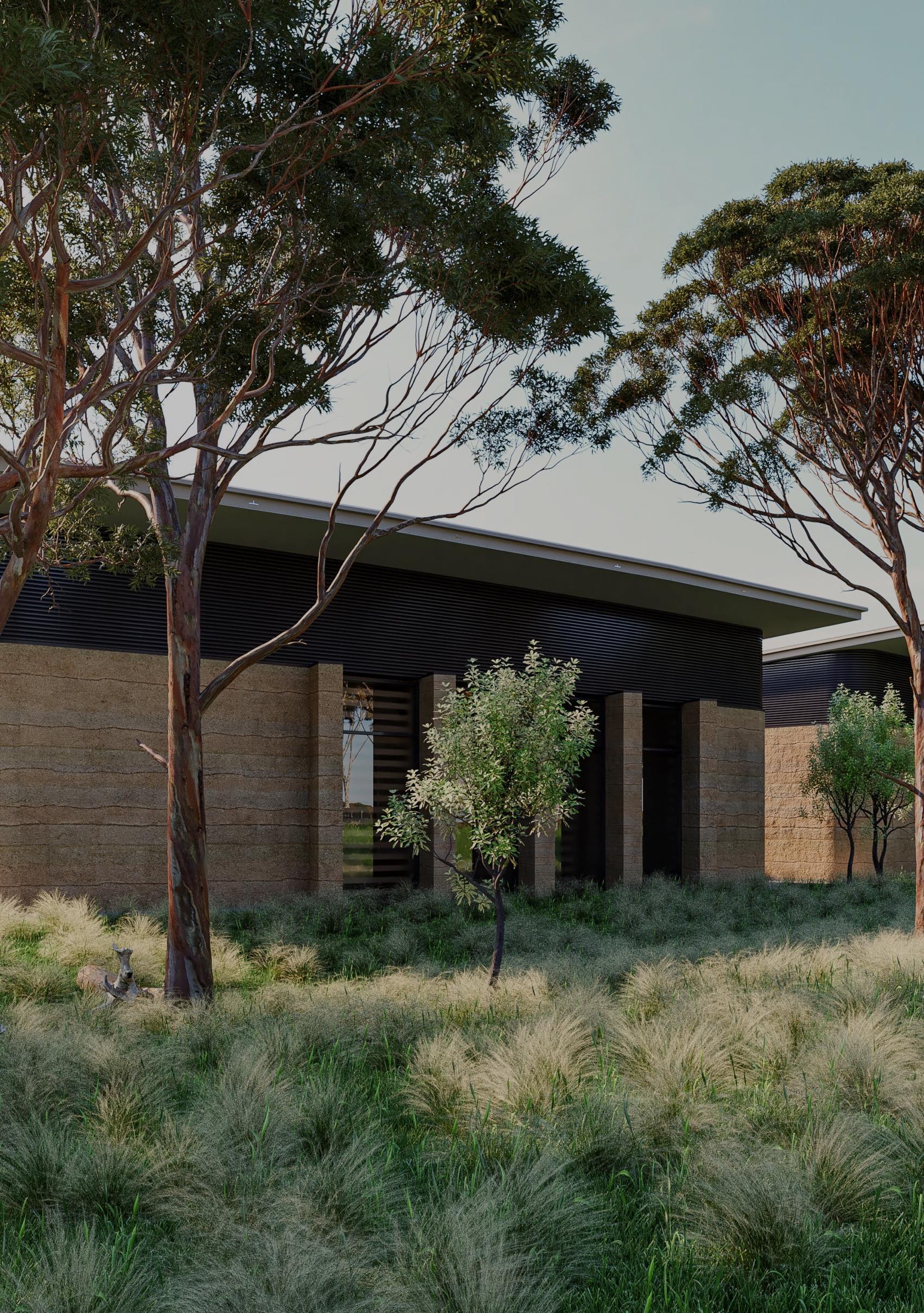
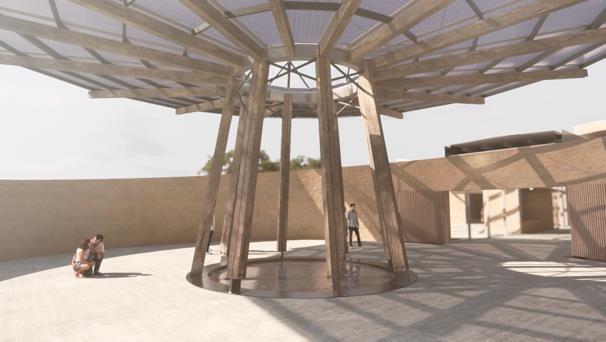
The National Circularity Centre (NCC) is in the early stages of construction in the Bega Valley on the Sapphire Coast of New South Wales.

Due to open in late-2027, the centre will showcase the accelerating circular transition of the Bega Valley and act as a beacon for circularity efforts across the country and internationally.

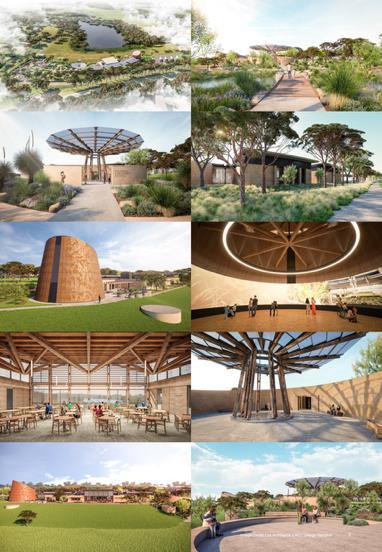
It will include a circularity education centre, café and event space, circular gift shop, tourist information desk and a landscape of indigenous native flora.
A first of its kind, the NCC will attract visitors from Australia and around the world to experience how the circular economy can address many of humanity’s most pressing challenges; it will have a particular focus on education and inspiring the next generation.
The Regional Circularity Co-operative (RCC) has been leading the NCC’s development since 2022 with over $27.5 million in funding generously provided to date by Bega Group and the New South Wales and Federal Governments.
A leading-edge centre, made possible by many
Designed by world-renowned Cox Architecture in partnership with Arup engineering, the building is targeting ‘Living Building Challenge’ accreditation as an exemplar of how the built environment of the future can be constructed in a more circular way.
To make the vision for the NCC a reality, we have already partnered with 12 leading organisations in the Bega Valley and beyond.
As we look to push the boundaries of circular materials use and design in its construction and turn our attention to the development of the NCC’s visitor experience, we are looking to work with many other organisations both in Australia and overseas to deliver on our vision for the centre.








We are currently exploring partnerships with organisations like University New South Wales (UNSW), the Australian Museum, Powerhouse, Questacon, The Rediscovery Centre (Ireland) and Ellen MacArthur Foundation (UK).

Whilst we are already working with more than 50 partners and have an active network of 1,000+ people in the Bega Valley, Australia and Internationally, we have many more collaborations across Government, business, academia and civil society still to build.
As we think about what these new types of collaboration could look like, we have identified three priority areas that we are particularly interested in building partnerships in over the next 12–18 months:
1) The National Circularity Centre (NCC)
Support completion of the NCC as an exemplar of circular construction and/or assist with visitor experience development to drive awareness & adoption of circular practices regionally, nationally and internationally.
2) The Bega Circular Valley (BCV) Program
Accelerate the growth and impact of the BCV program as a ‘Living Lab’ through enabling the introduction of Circular Transition Brokers, investing in our communications capability or supporting one of our 24 work areas.
3) Bega Circular Valley Regional Circularity Baselining
Alongside CSIRO, Rabobank, Bega Group, local businesses and the community, partner in a world-leading Regional Circularity Baselining project with regional, national and international significance and impact.
These are just some of the areas of possible collaboration; we would welcome the opportunity to explore these, and others across our work areas, further.
Select organisations can also become a core member of the Regional Circularity Cooperative alongside our existing 14 members.

In just four years, we have established an award-winning co-operative structure, identified a framework to deliver the world’s most circular valley, got going with more than 40 projects and started to build Australia’s National Circularity Centre.
We have begun the Bega Valley’s circularity transition journey with a range of forward-looking partners and are now looking to collaborate in new ways with all those looking to drive Australia towards a more circular future.

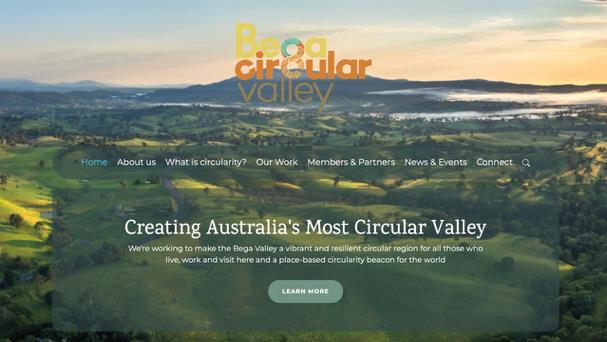
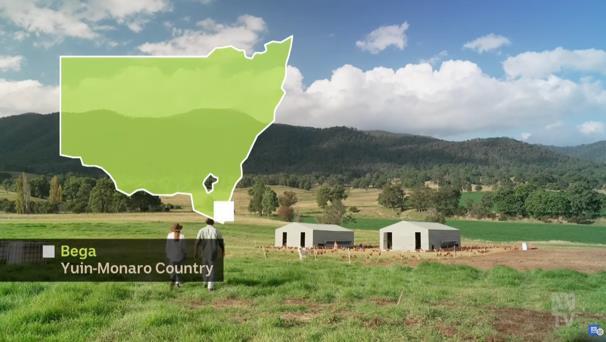
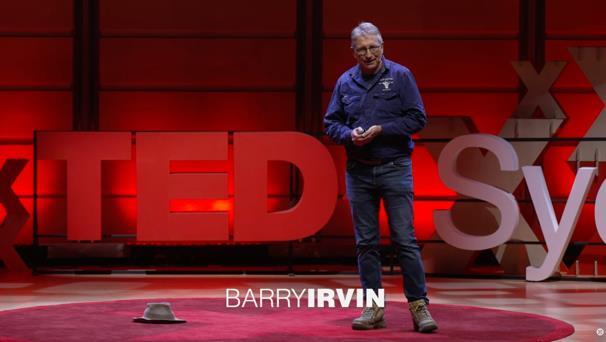
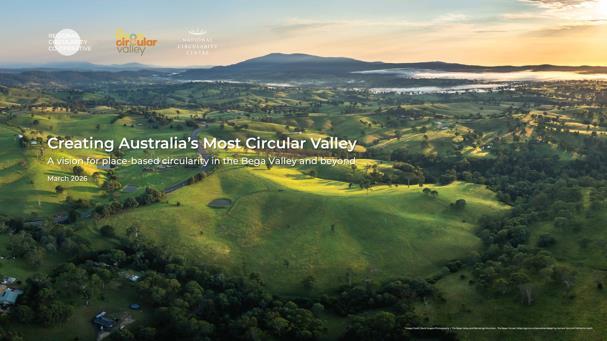
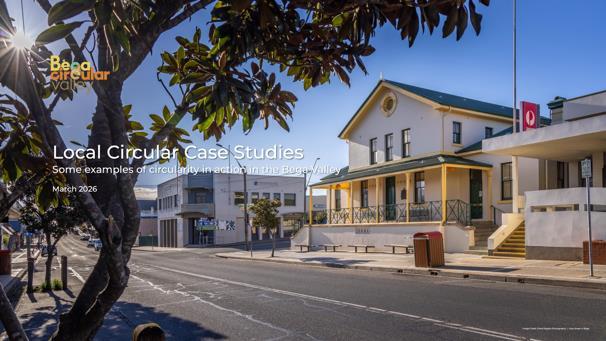
Please click on the images below for additional background on the Bega Circular Valley program and National Circularity Centre, or, if you are reading a hard copy, please email info@begacircularvalley.com.au to be sent the links.
A framework guiding all that we do
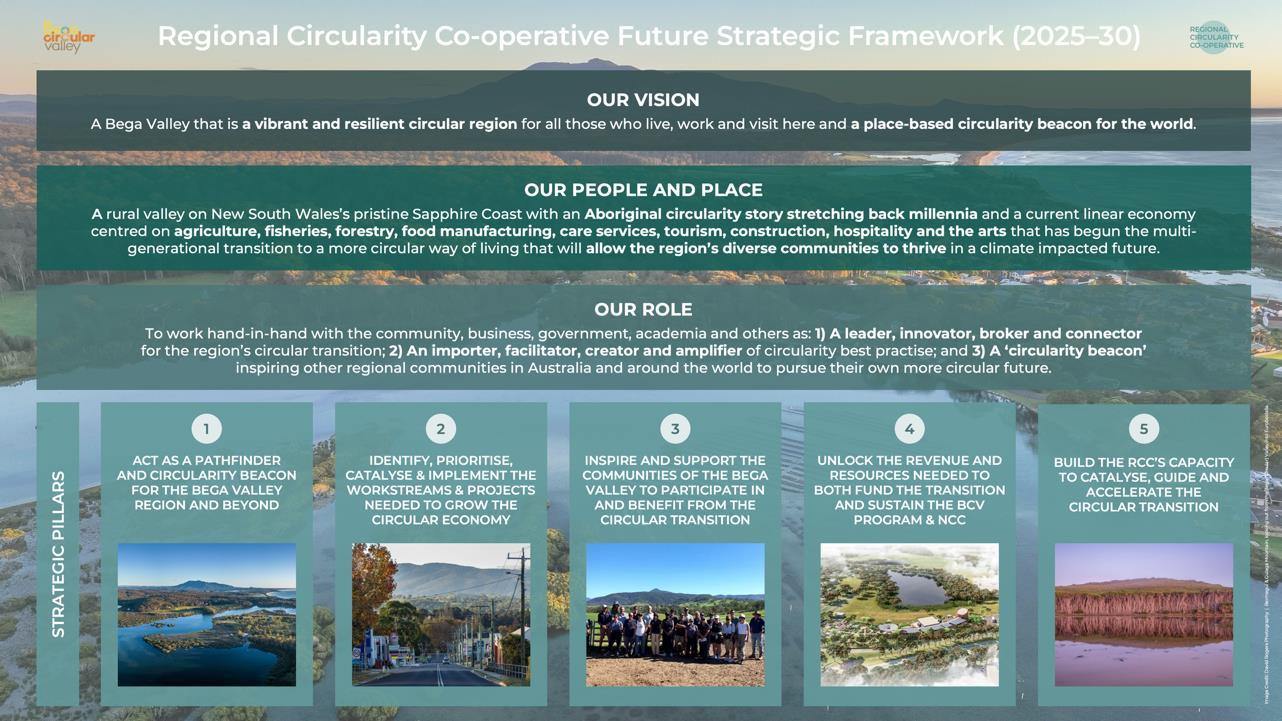
Hidden within the Bega Circular Valley program overview accessible via the previous page, is our long term strategic framework.

This was developed with the input of over 50 individuals from around Australia and overseas as a roadmap for how we plan to drive the Bega Valley’s transition to become ‘The Most Circular Valley in the World’
RCC Strategic Framework 2025–30


Source: www.ellenmacarthurfoundation.org

‘The circular economy is a system where materials never become waste and nature is regenerated.
In a circular economy, products and materials are kept in circulation through processes like redesign, maintenance, reuse, refurbishment, remanufacture, recycling and composting.

The circular economy tackles climate change and other global challenges, like biodiversity loss, waste and pollution, by decoupling economic activity from the consumption of finite resources.
The circular economy is based on three principles, driven by design:

1) Eliminate waste and pollution;


2) Circulate products and materials (at their highest value); and
3) Regenerate nature





Underpinned by a transition to renewable energy and materials, the circular economy is a resilient system that is good for business, people and the environment.’
Initial Bega Circular Valley visualisation developed in 2021
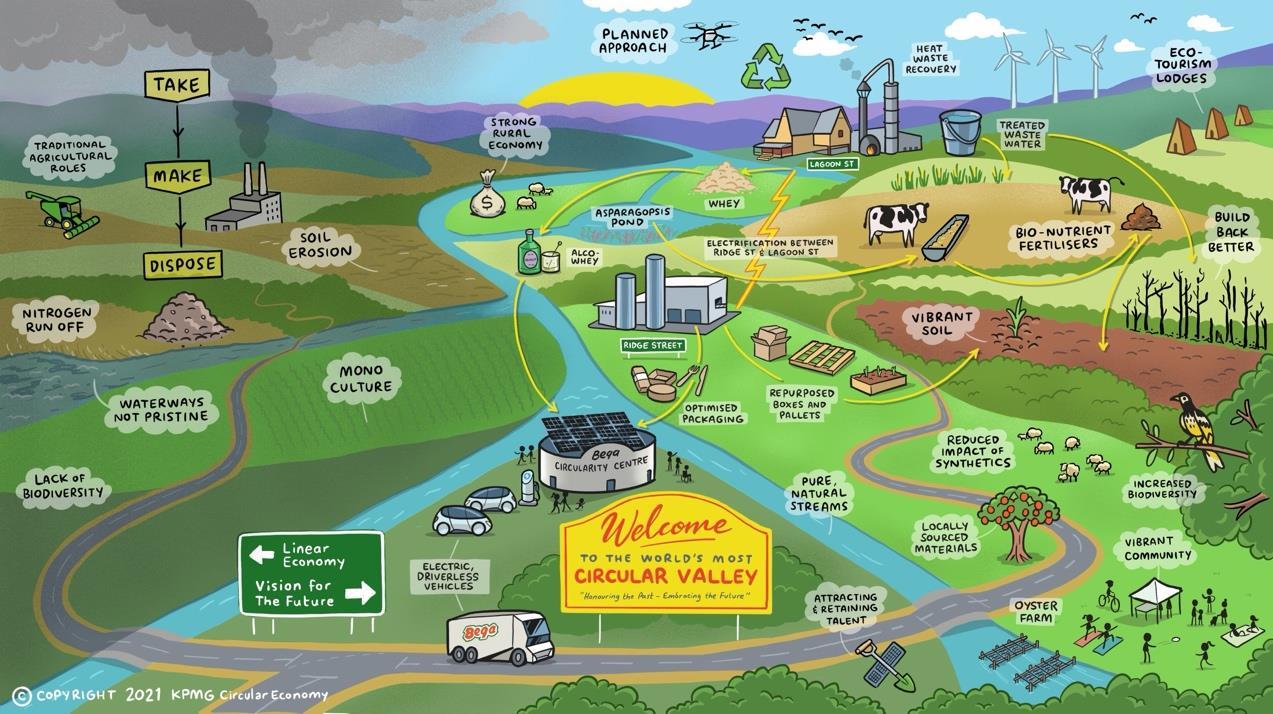
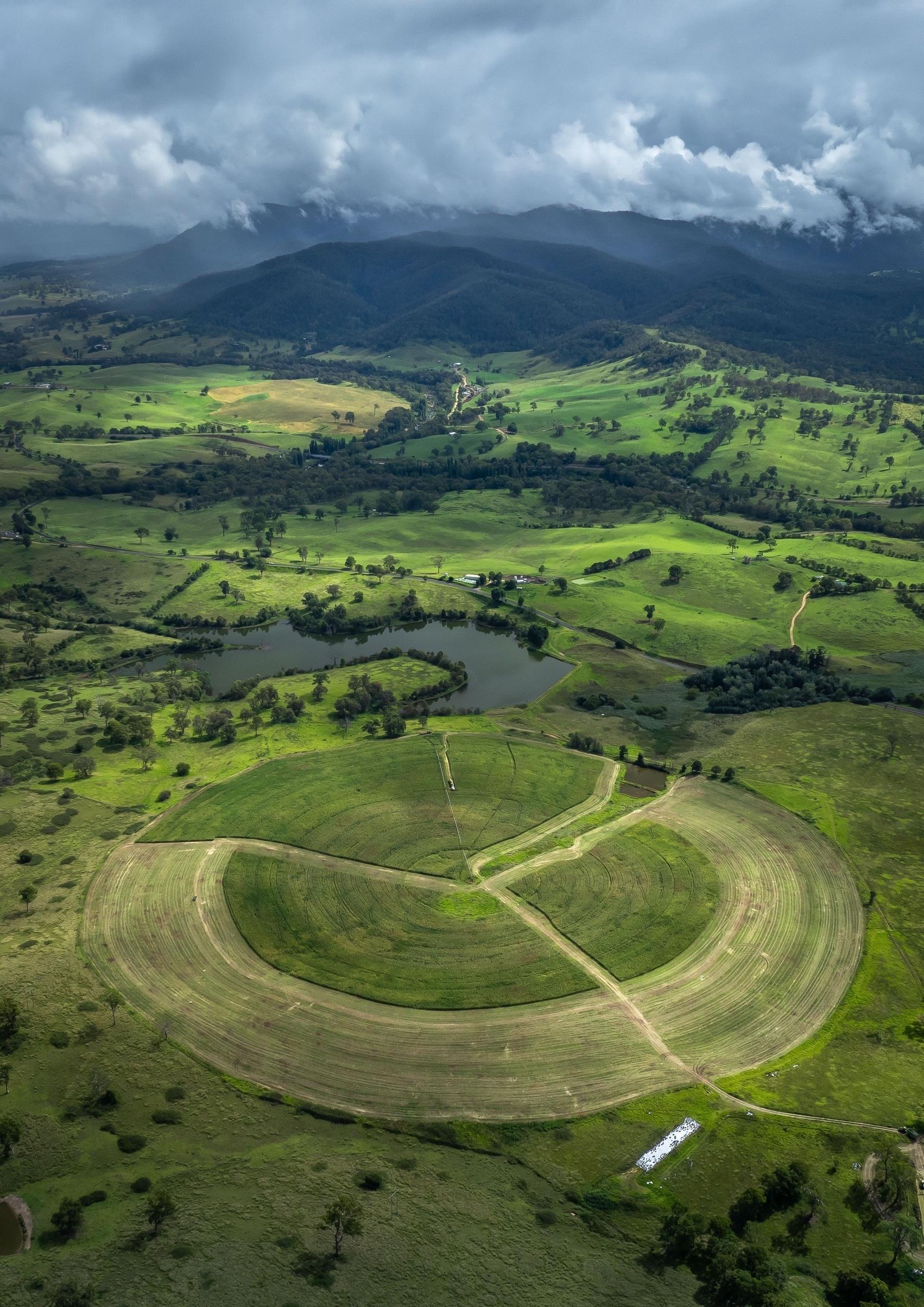
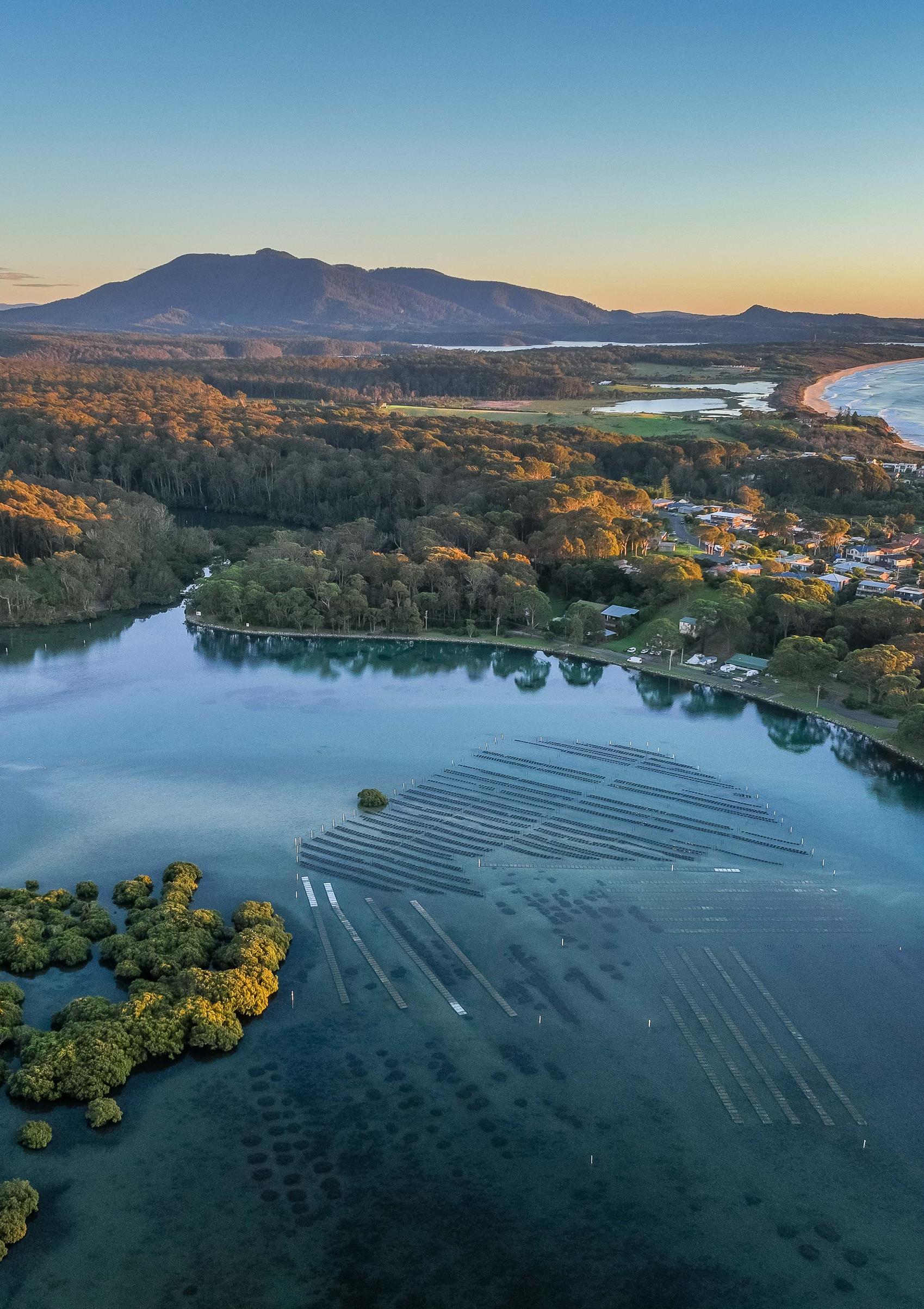
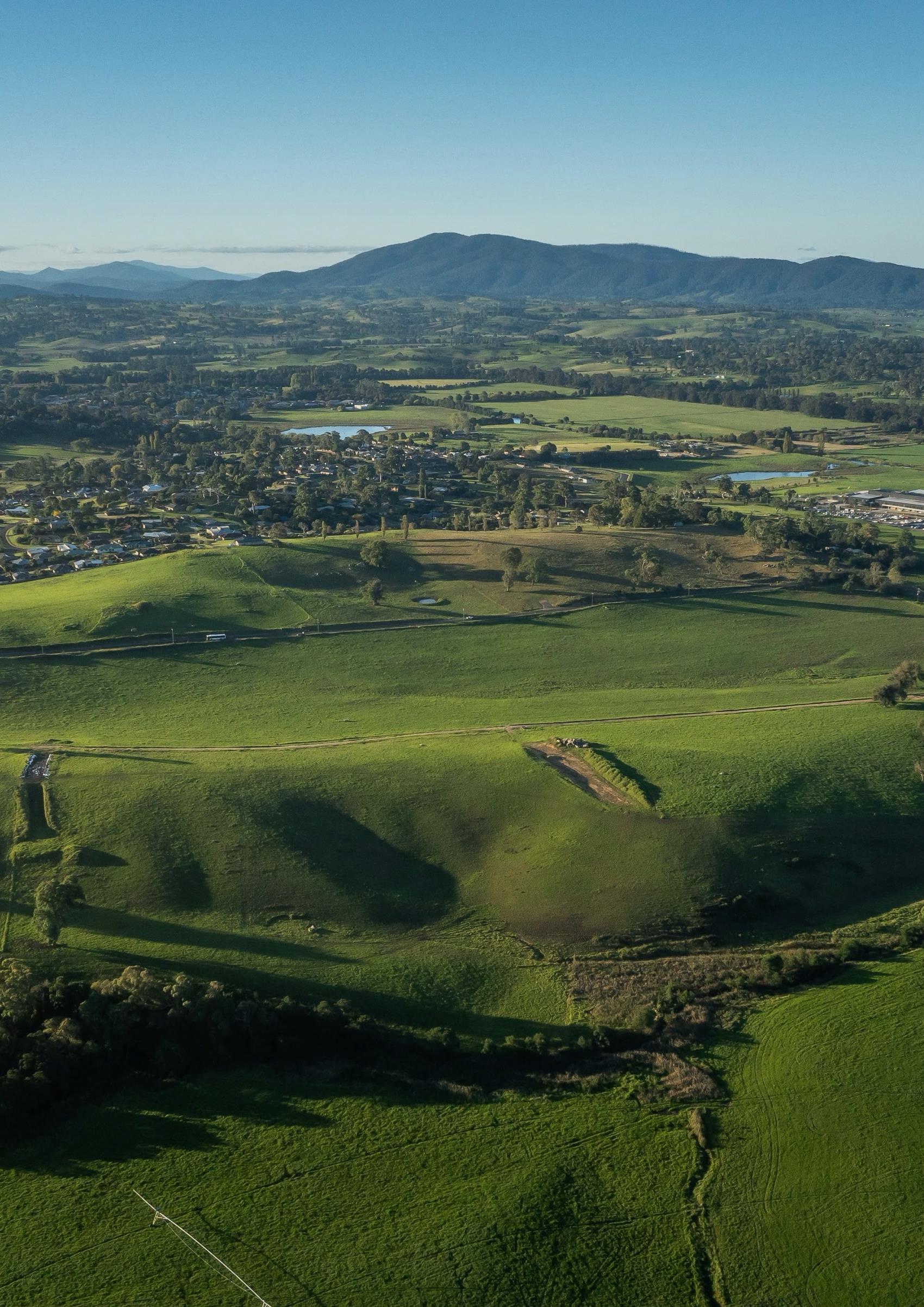
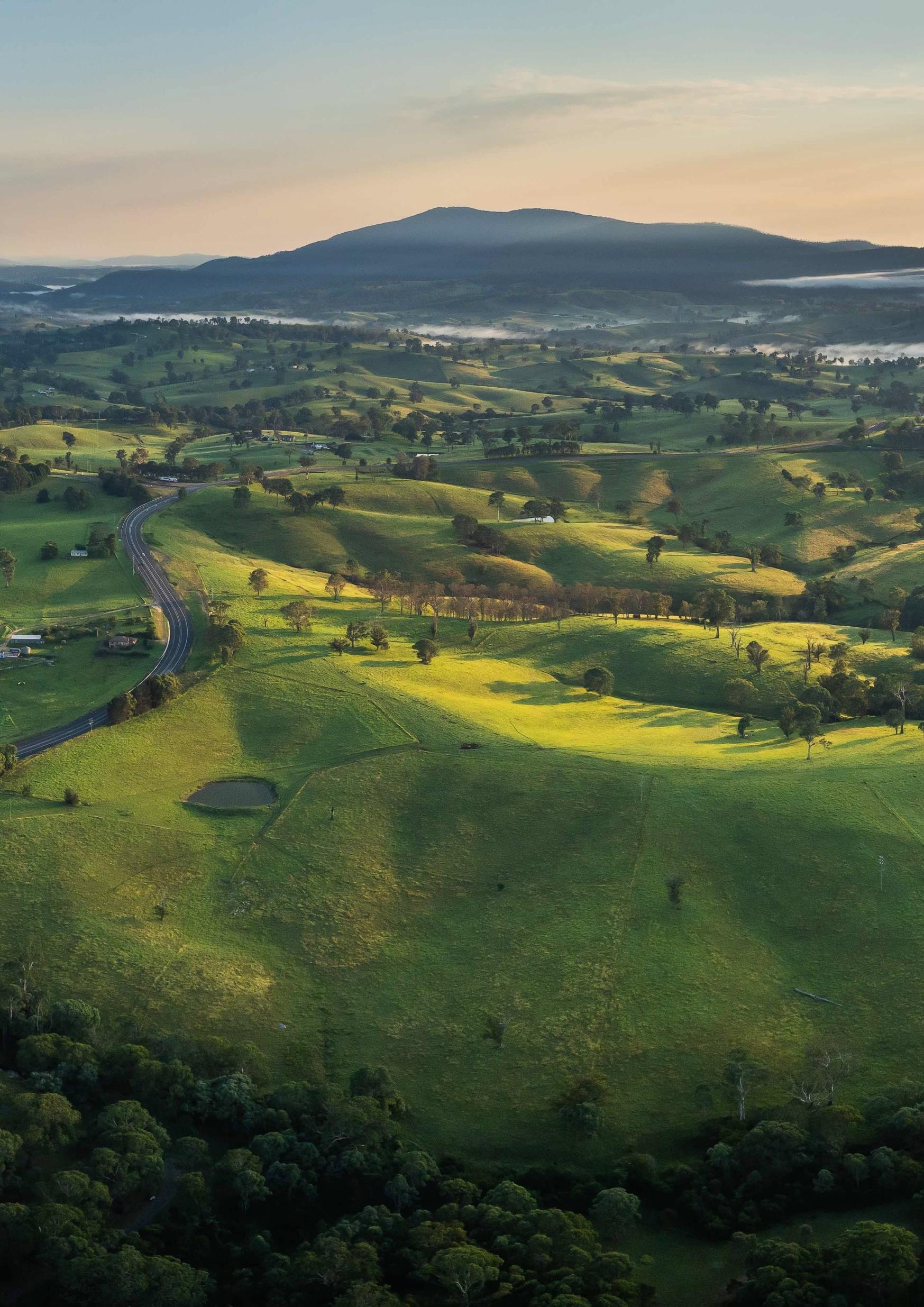
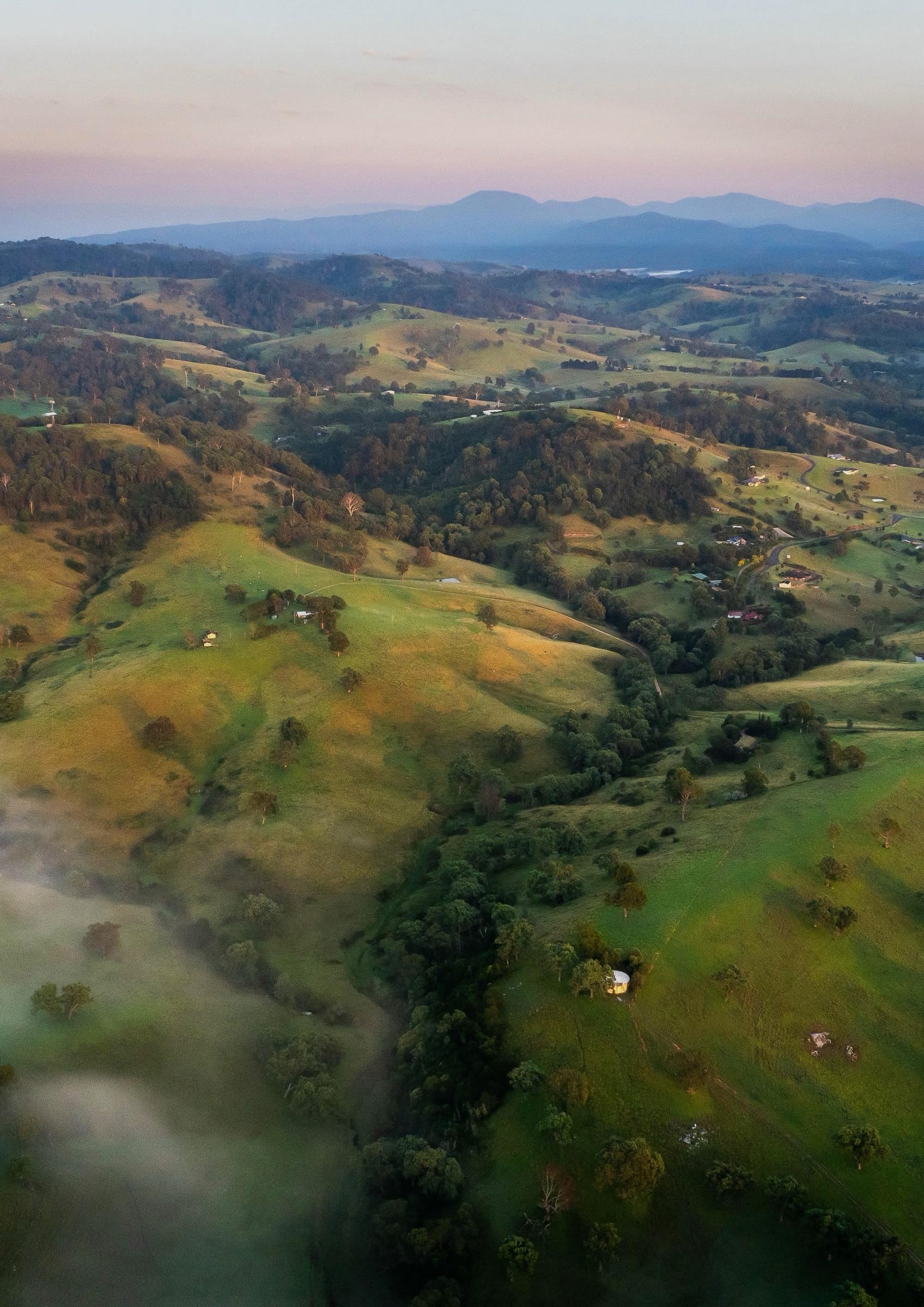
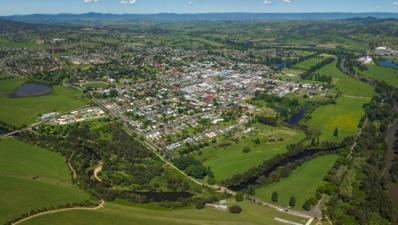
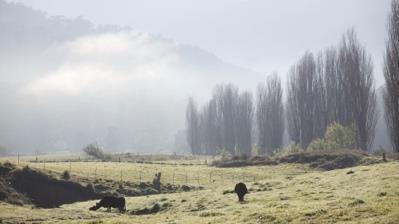
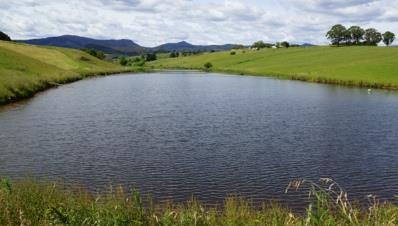
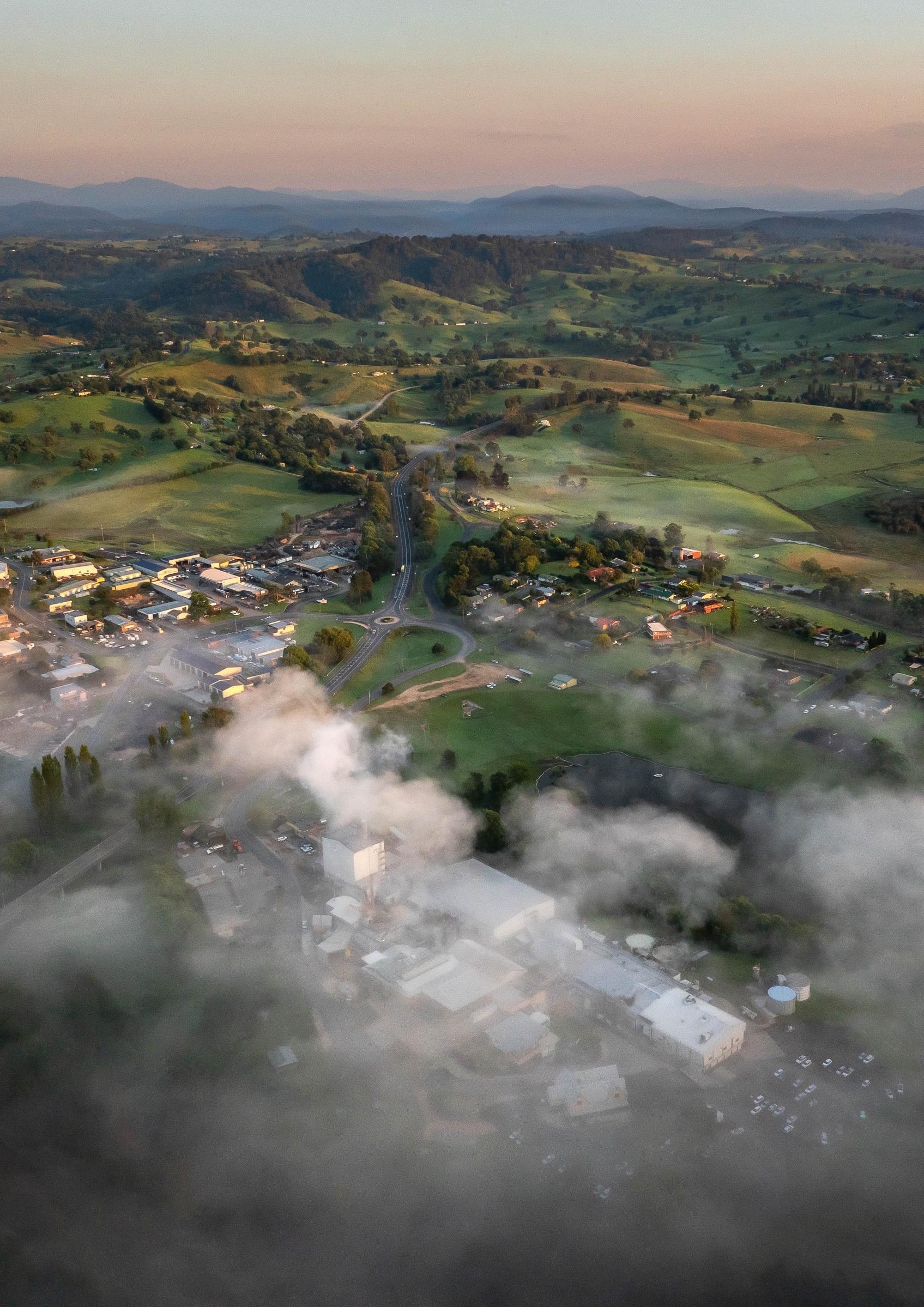
Based on the Sapphire Coast in southeast New South Wales, the Bega Valley is a rural community with an Aboriginal circularity story stretching back millennia and a current largely linear economy centred on agriculture, fisheries, forestry, food manufacturing, care services, tourism, construction, hospitality and the arts. It is:
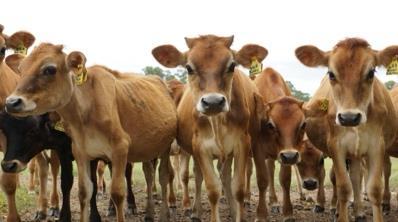
o A region with significant biodiversity and a strong dairy heritage.
o An ancestral land of significance to First Nations people.
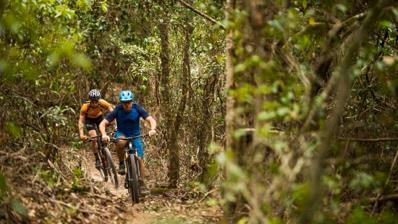
o An inspiring valley to live in and visit.
o The birthplace of one of Australia’s iconic food businesses, Bega Group.
o A place that attracts ever-growing numbers of ‘sea-’ & ‘tree-changers’.
o Fertile ground for circular innovators and entrepreneurs.
o A community primed and ready to lead the way on circularity.
Some key stats
Population: 35,942 (2021 Census)
Land Area: 6,279 km2
Population Density: 5.8/km2
Gross Regional Product (GRP): $2.14 billion
GRP/Cap: $59,700

Current Economy: agriculture/dairy, agri-food, forestry, fisheries/ aquaculture, tourism, recreation & hospitality, manufacturing, care services, construction, and the arts
Currently estimated to be ~6% circular (To be established through regional circularity baselining)
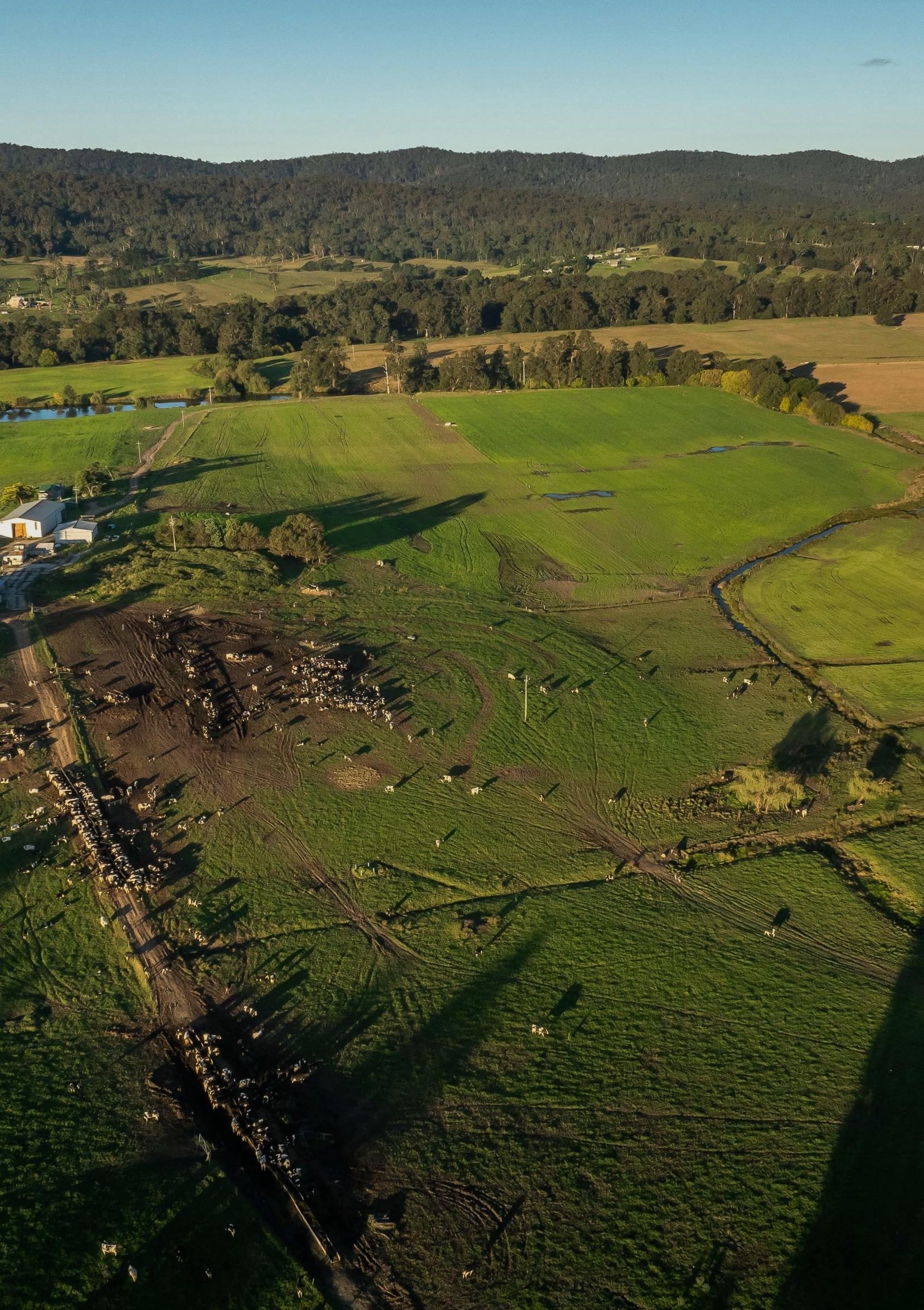
With mountains to the west, the ocean to the east, three roads in and out, one port, one airport and one shire council – and a diverse community – the region is perfectly placed to act as a ‘living lab’ for circularity.

‘Our goal is to create a legacy for the future generations of the Bega Valley and be an example for other regions to follow as the most circular valley in the world.’



Barry Irvin AM, Chair of the Regional Circularity Co-operative, Executive Chair Bega Group.