
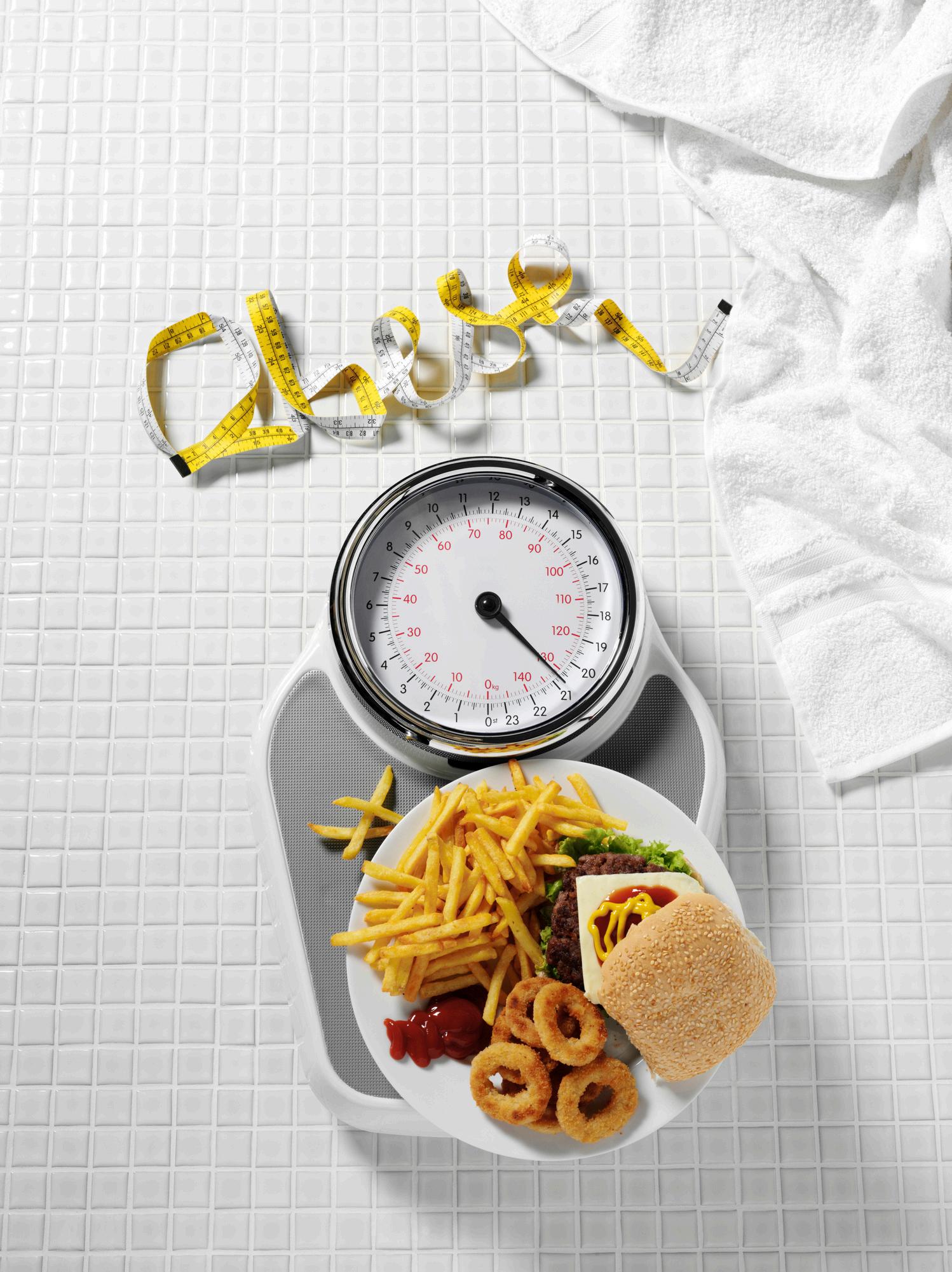
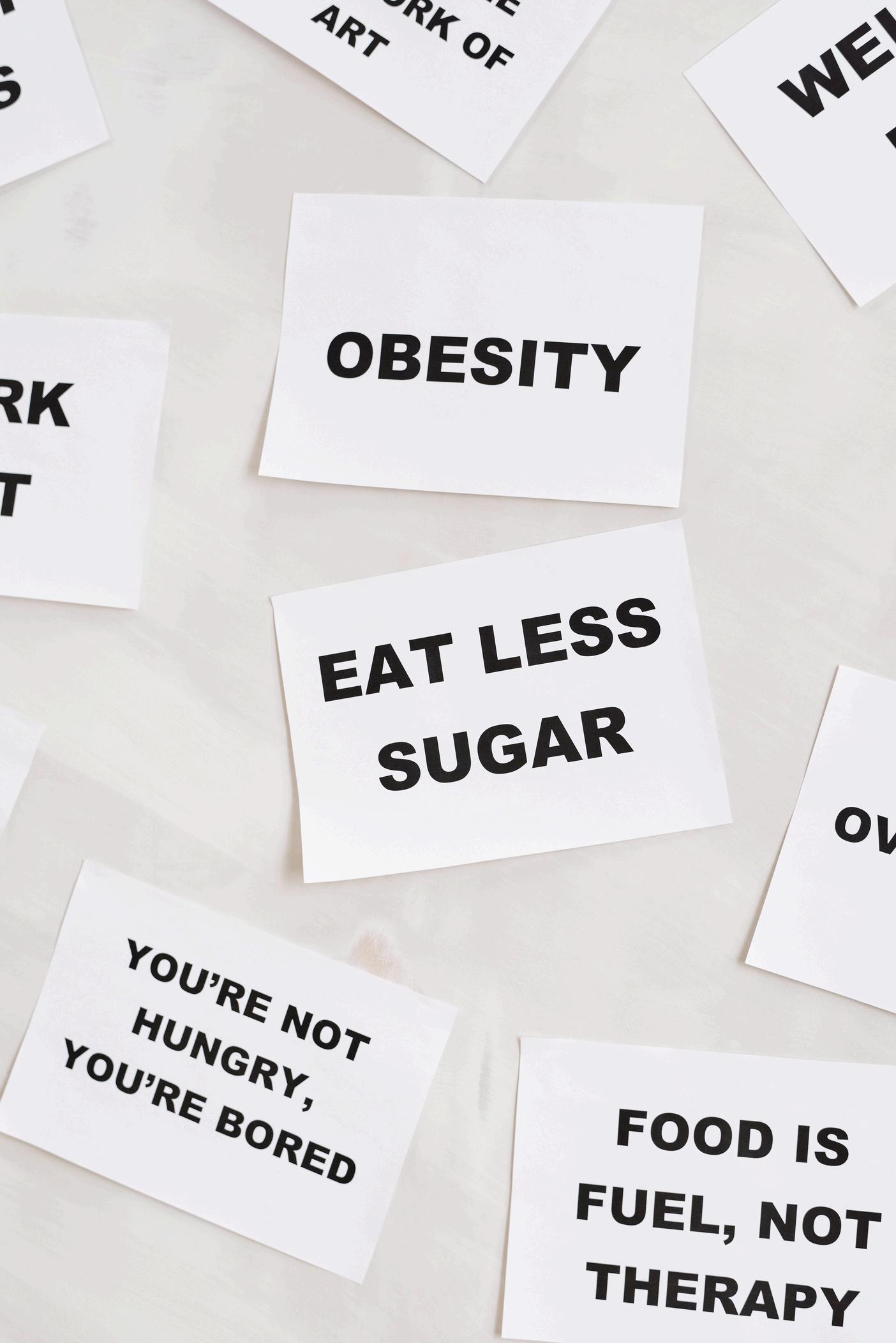
Obesity: More Than a Number on the Scale
When Weight Loss Feels Hard
“Healthycitizensarethegreatestassetanycountrycanhave.”

“Healthycitizensarethegreatestassetanycountrycanhave.”

At Thryve, we believe wellness is a lifestyle, not a moment We empower women through sustainable fitness and wellness experiences that increase health awareness and inspire lasting change. Our approach to wellness integrates mind, body, and soul. Through transformative programs, education, and community, we help women cultivate confidence, consistency, and habits that support lifelongwell-being.

FOUNDER: CHRYSHAWNDA ADAMS
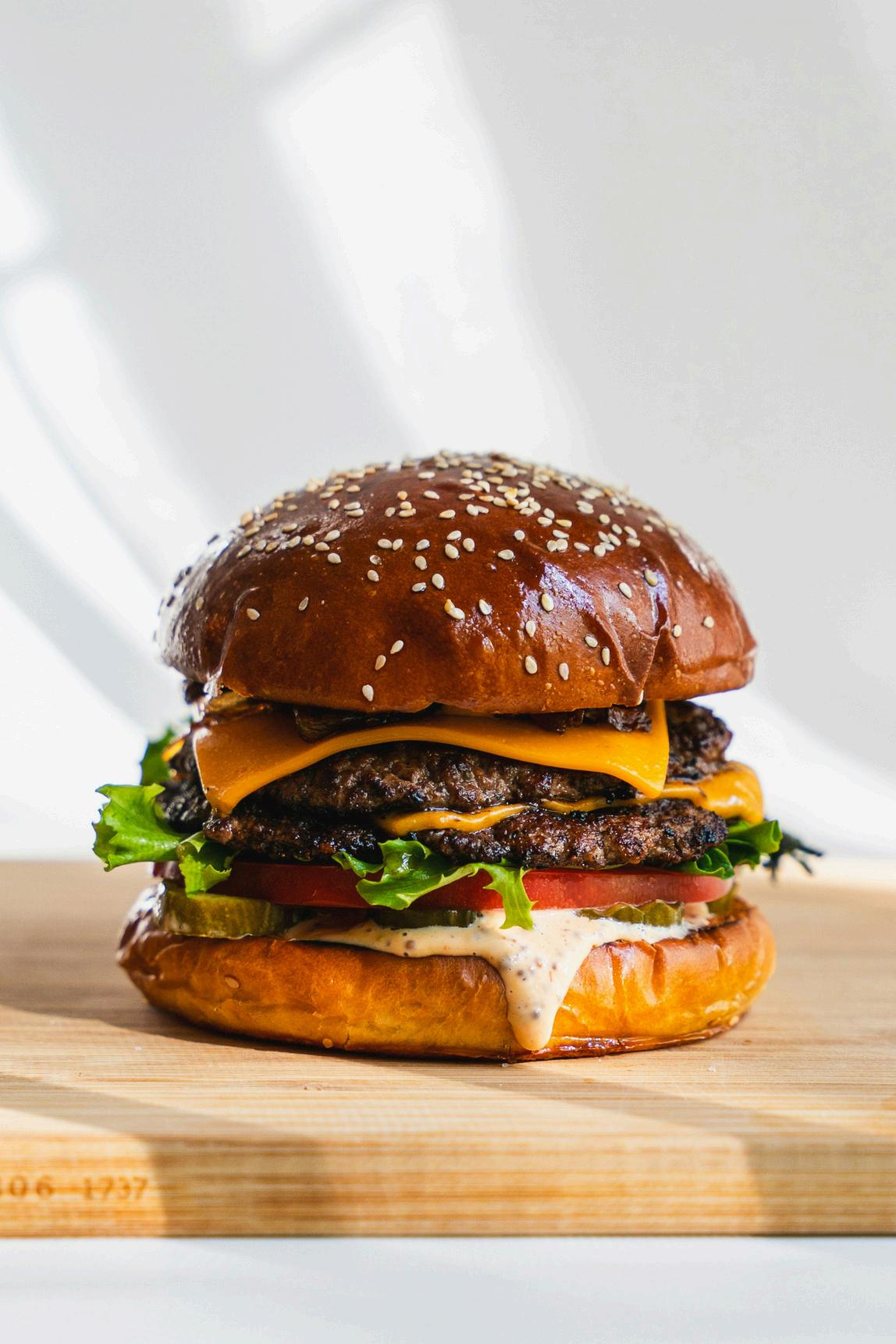
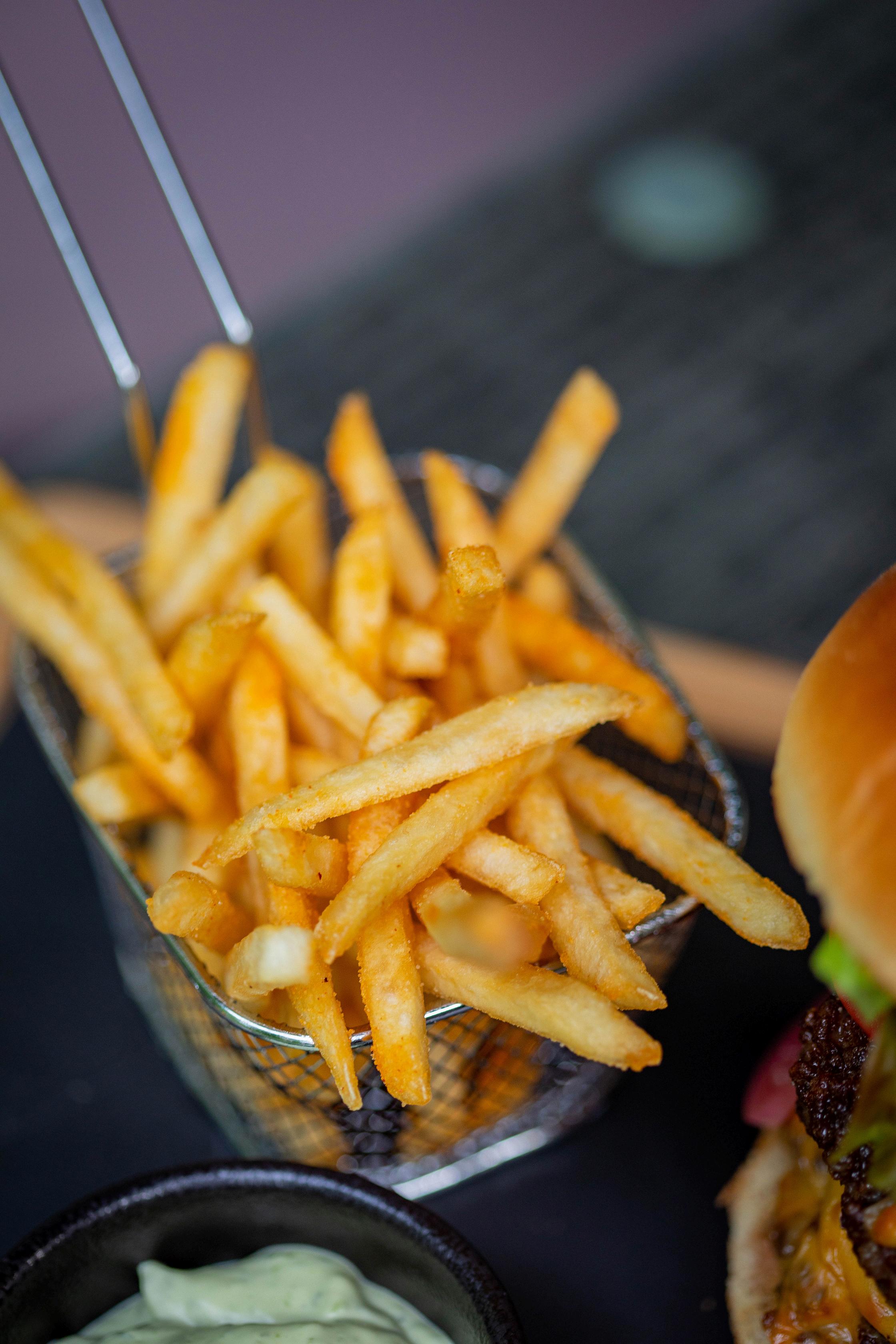
For many Bahamians, food is more than fuel It is culture, family, and celebration. From Sunday lunch to fish fry and conch salad by the beach, food is deeply connected to daily life This is why weight loss advice that demands cutting out favorite foods often feels unrealistic and short-lived.
The truth is simple Weight loss does not require guilt or extreme restriction. It requires balance.
One of the biggest obstacles to sustainable weight loss is the belief that you must eat perfectly. One indulgent meal can quickly turn into feelings of failure, leading many people to give up entirely
Health is not determined by one meal or one day. It is shaped by habits over time Enjoying traditional foods
Weight loss is not only about eating less. It is about eating in a way that keeps you full and energized Meals that include protein, fiber, and healthy fats help prevent overeating later.
Skipping meals or extreme dieting often backfires and leads to weight gain over time.
occasionally does not undo progress Bahamian foods do not need to be eliminated They need moderation. Smaller portions of rice, macaroni, and grits, more vegetables on the plate, and regular protein such as fish, chicken, eggs, or peas can make a meaningful difference. Fried foods can still be enjoyed, just not every day.
Exercise does not have to mean the gym Walking, swimming, dancing, yard work, and active jobs all count. The most effective movement is the one you can do consistently
Weight loss should not feel like punishment. A healthy approach allows flexibility, respects culture, and supports long-term change
Food is not the enemy. Guilt is.
Too much body fat can raise blood pressure and unhealthy cholesterol levels, which damage blood vessels. This increases the risk of heart attacks and strokes, both of which can be life-threatening or cause permanent disability

Excess fat makes it harder for the body to use insulin properly This can cause high blood sugar levels and lead to type 2 diabetes.
Higher body fat levels are linked to an increased risk of cancers such as breast, colon, and endometrial cancer.
Extra weight puts continuous pressure on joints like the knees and hips Over time, this can cause joint damage, pain, and reduced mobility.

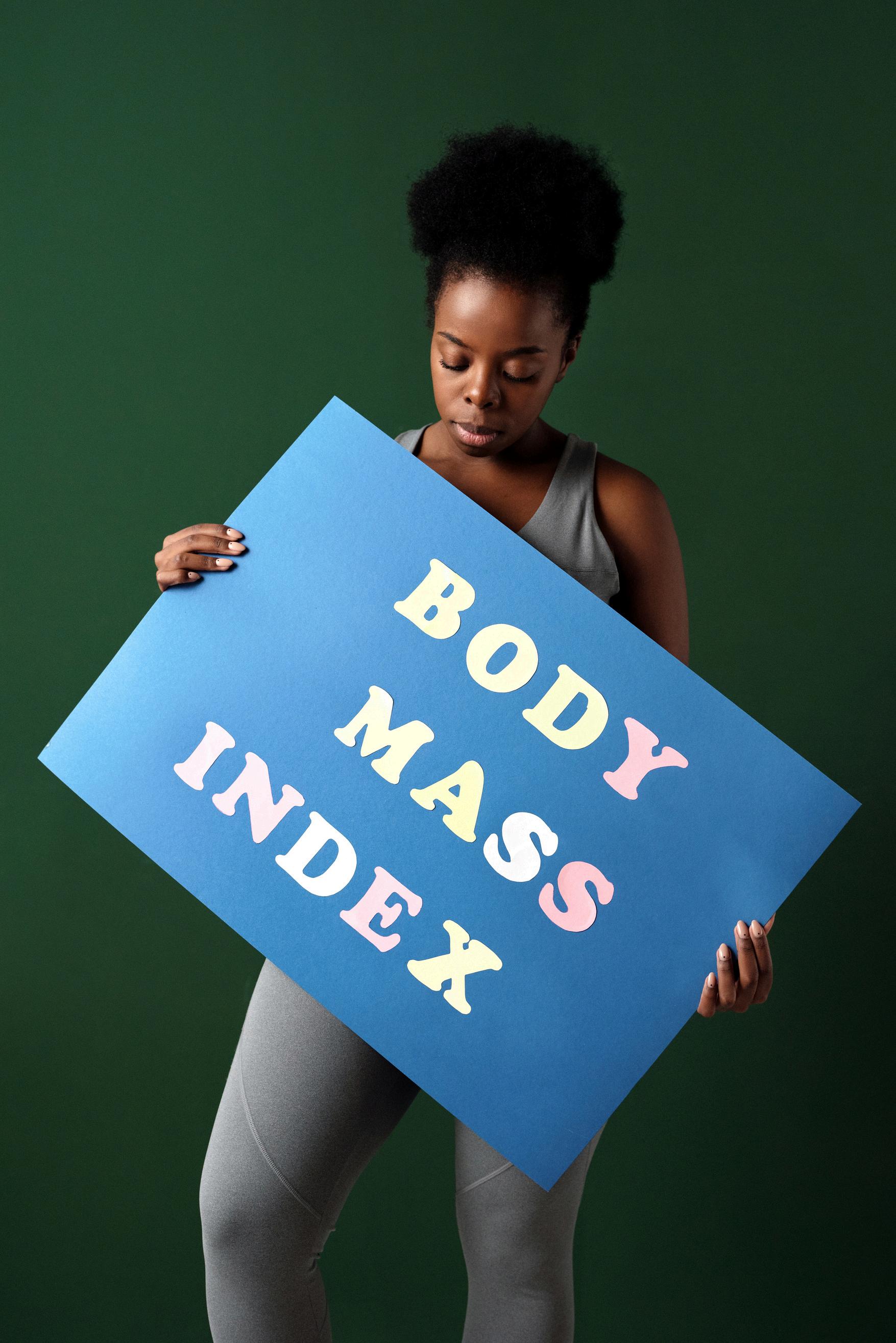
No fancy equipment needed . Just a mat, a water bottle, and your motivation are enough.
1 March in Place – 1 minute
Stand tall and lift your knees one at a time like you’re marching
Swing your arms naturally This gets your heart rate up and warms your legs.
2 Bodyweight Squats – 10 reps
Stand with feet shoulder-width apart
Push your hips back and bend your knees as if you’re sitting in an invisible chair
Keep your chest up and back straight
Go as low as feels comfortable, then stand back up.
3 Hip Circles – 30 seconds each direction
Place your hands on your hips, feet shoulderwidth apart.
Move your hips in a circle clockwise for 30 seconds, then counterclockwise
Helps loosen your hip joints for lunges and squats.
4 Lunges in Place – 5 per leg
Stand tall, step your right foot forward, bend both knees so back knee almost touches the floor
Push through your front heel to return to standing
Repeat on the left leg.
Keep your torso upright and core engaged

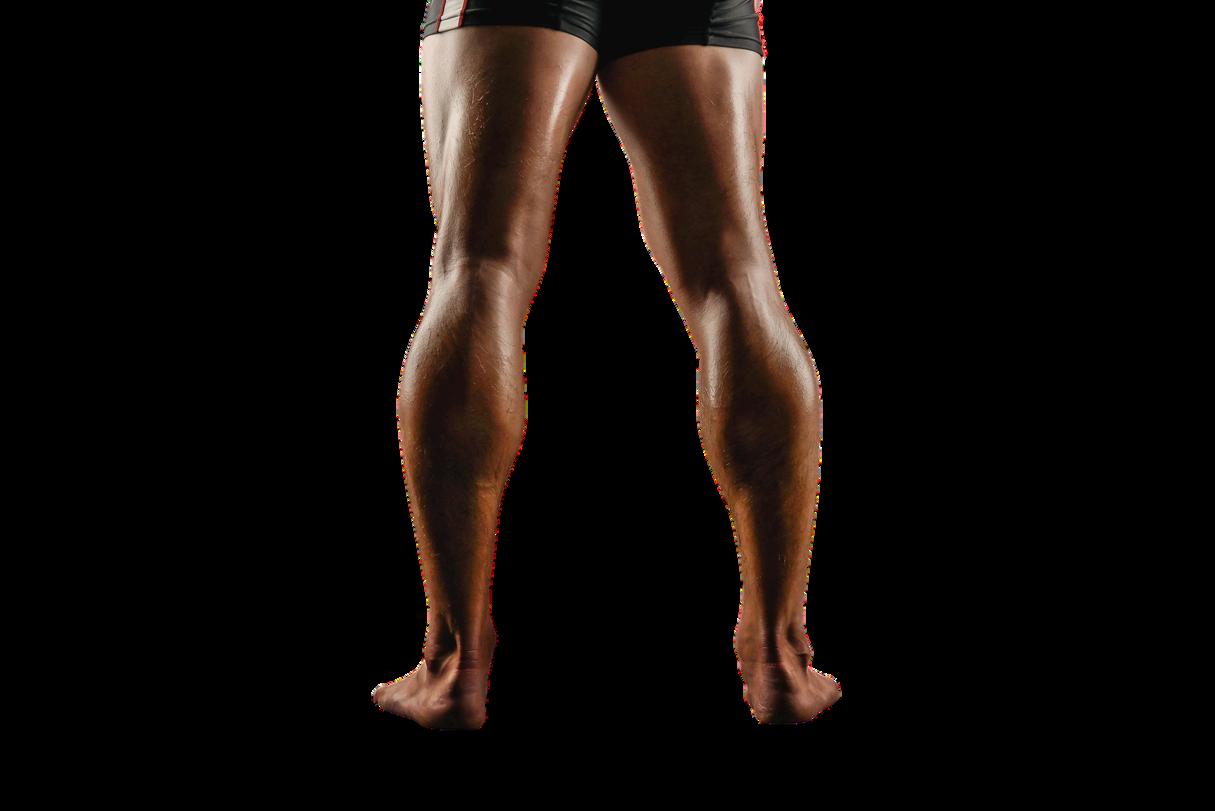
1 Bodyweight Squats (12 reps)
Stand shoulder-width apart, sit back like you’re sitting in a chair, keep chest up.
2 Reverse Lunges (10 reps per leg)
Step one leg back, bend both knees to 90 degrees, return to start
3 Glute Bridges (12 reps)
Lie on your back, knees bent, feet flat, lift hips toward ceiling, squeeze glutes at the top
4.Step-Ups (Use a sturdy chair or step 8 reps per leg)
Step onto the chair/step with one foot, drive through heel, step down carefully
5 Wall Sit –(Hold 20–30 seconds)
Back against wall, knees bent 90 degrees, chest up.





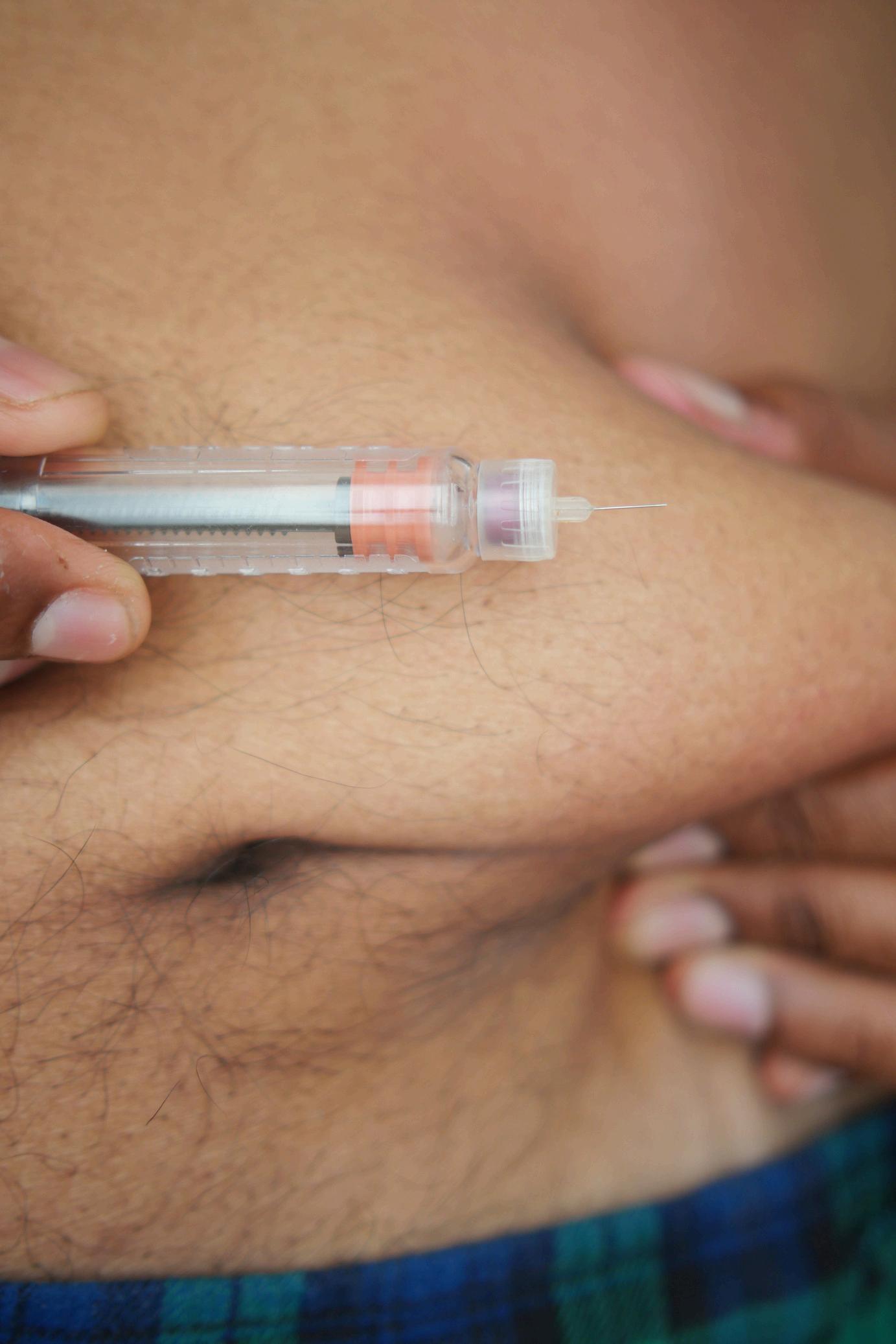
Weight loss medications are becoming more popular worldwide and here in The Bahamas, as more people look for effective ways to manage obesity and improve their health. But with all the buzz, it can be hard to know what is real, what is safe, and what actually works. Here is a simple, evidence-based guide to help you understand the trend.
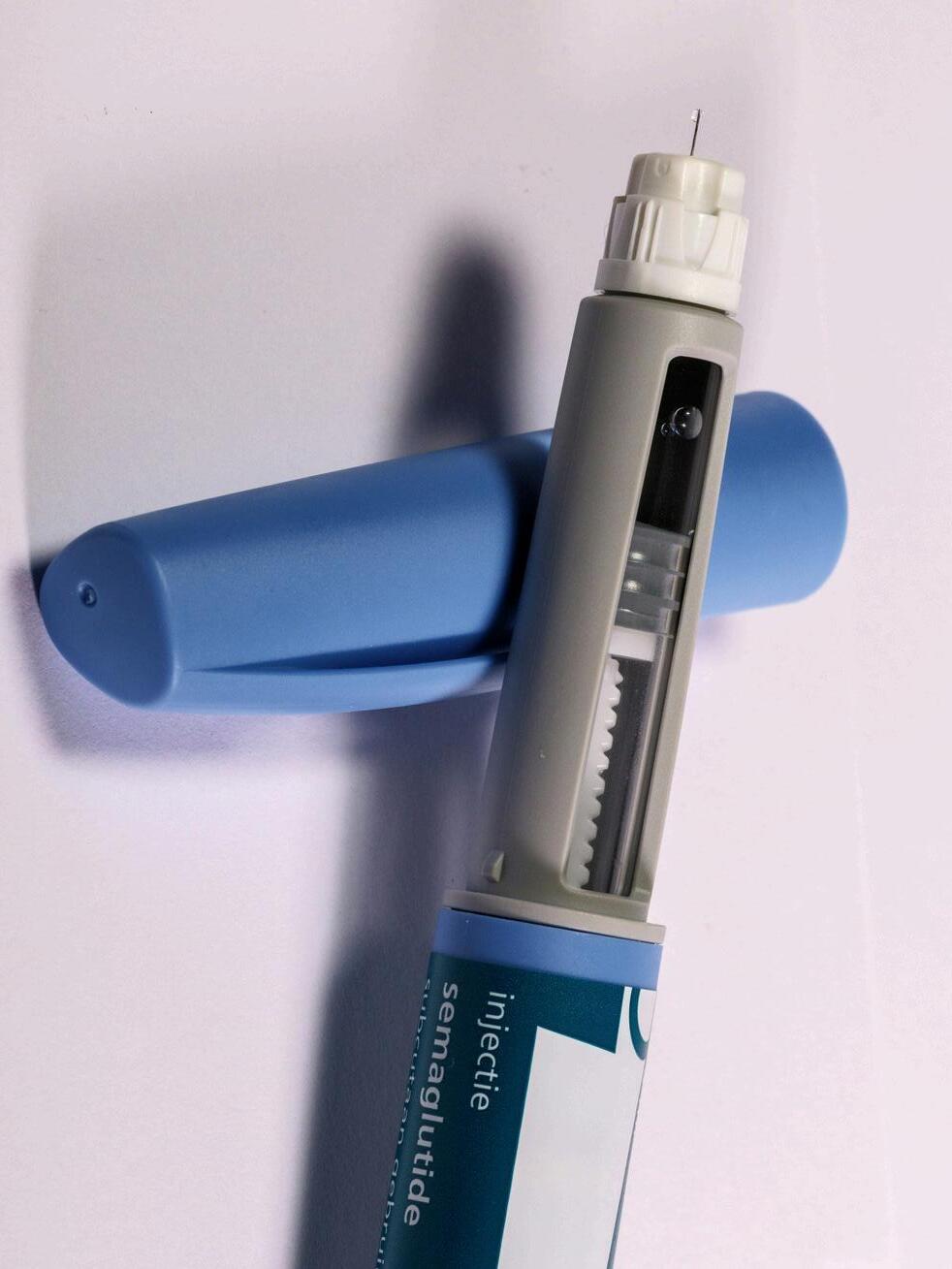
The most talked-about medications today belong to a group called GLP-1 receptor agonists. These were originally developed to treat diabetes, but doctors noticed that people taking them also lost weight.
Examples include:
Semaglutide (sold as Ozempic® and Wegovy®)
Liraglutide (Saxenda®)
Tirzepatide (Mounjaro® and Zepbound®)
They work by:
Helping you feel full longer
Slowing down how quickly food leaves your stomach
Reducing appetite and cravings
This leads many people to eat less without feeling deprived.
Yes, studies show that these medications can help people lose 10 to 20 percent of their body weight over time when combined with healthy eating and physical activity.
For example, someone who weighs 200 pounds could lose 20 to 40 pounds However, they are not magic fixes. Results vary, and lifestyle changes still matter.
For most people, these medications are considered safe when prescribed by a doctor. But like all medications, they can have side effects.
Common side effects include: Nausea Vomiting Diarrhea or constipation
These usually improve over time. Rare but serious risks, such as pancreatitis, can occur, so medical supervision is essential.
Weight loss medications are typically recommended for:
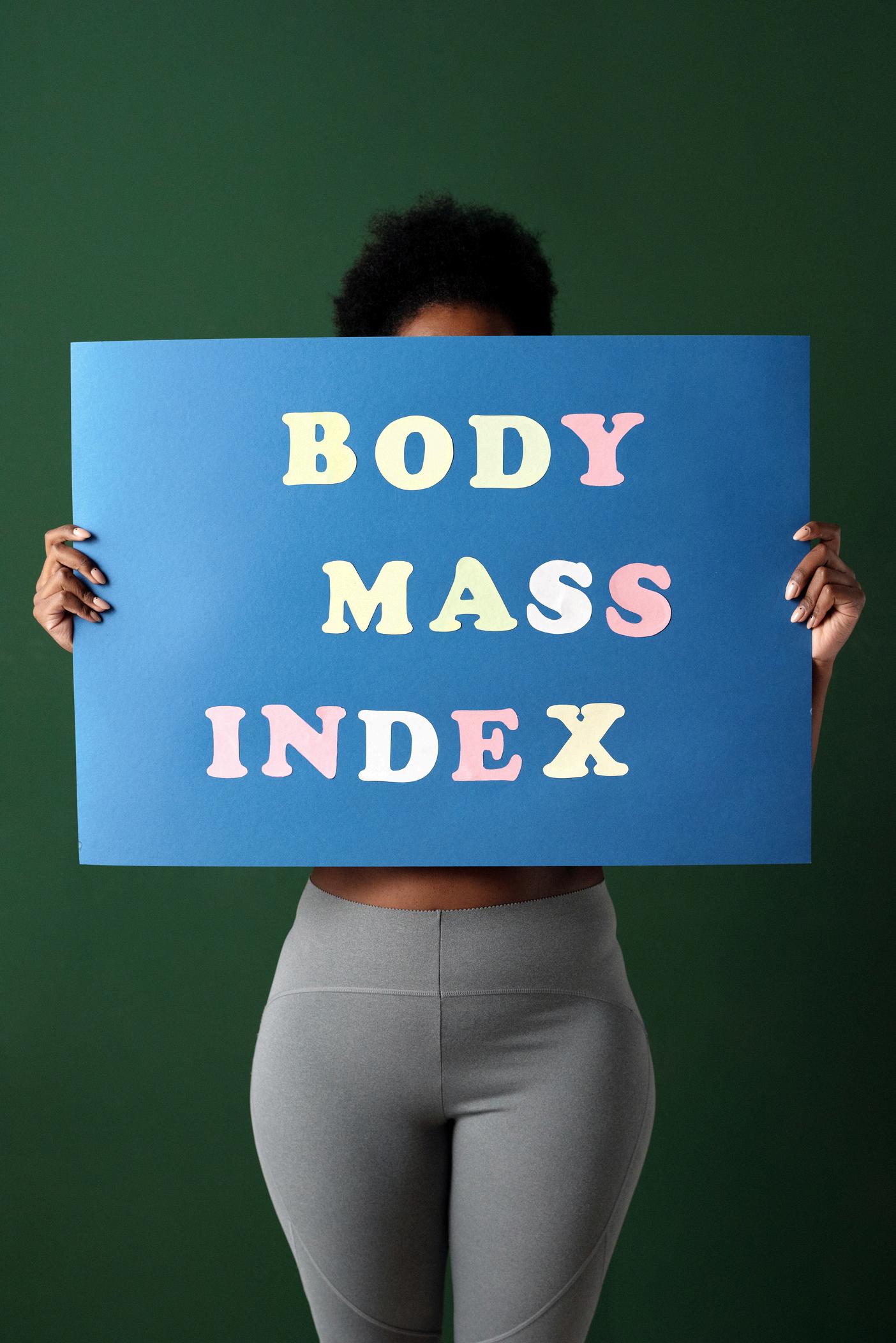
People with a Body Mass Index (BMI) of 30 or higher
People with a BMI of 27 or higher with conditions like diabetes, high blood pressure, or heart disease
They are not recommended for:
Pregnant or breastfeeding women People with certain medical conditions (your doctor will advise)
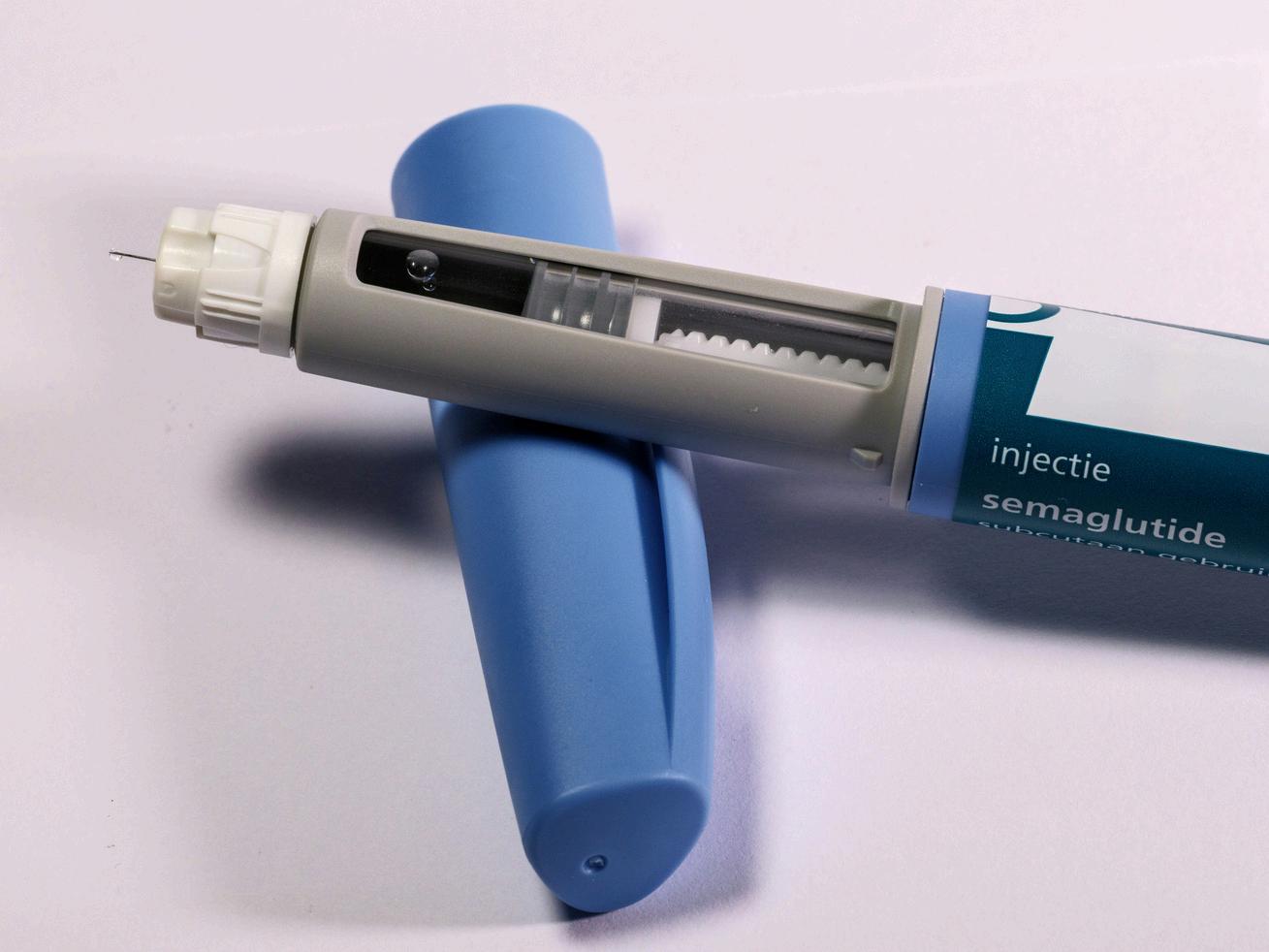
Cost and Access: These medications can be expensive and may not always be covered by insurance.
Lifestyle Still Matters: Traditional healthy habits, such as eating more local fruits, vegetables, and fish, and reducing sugary drinks, remain key.
Long-Term Use: Many people regain weight if they stop the medication, meaning it may be a long-term commitment.
Weight loss medications can be a powerful tool, but they are not a shortcut The best results come when they are combined with healthier eating, regular activity, and ongoing medical care.
If you are considering one of these treatments, speak with a qualified healthcare provider. What works for one person may not be right for another.
Your health journey is personal, and sustainable change is always the goal.

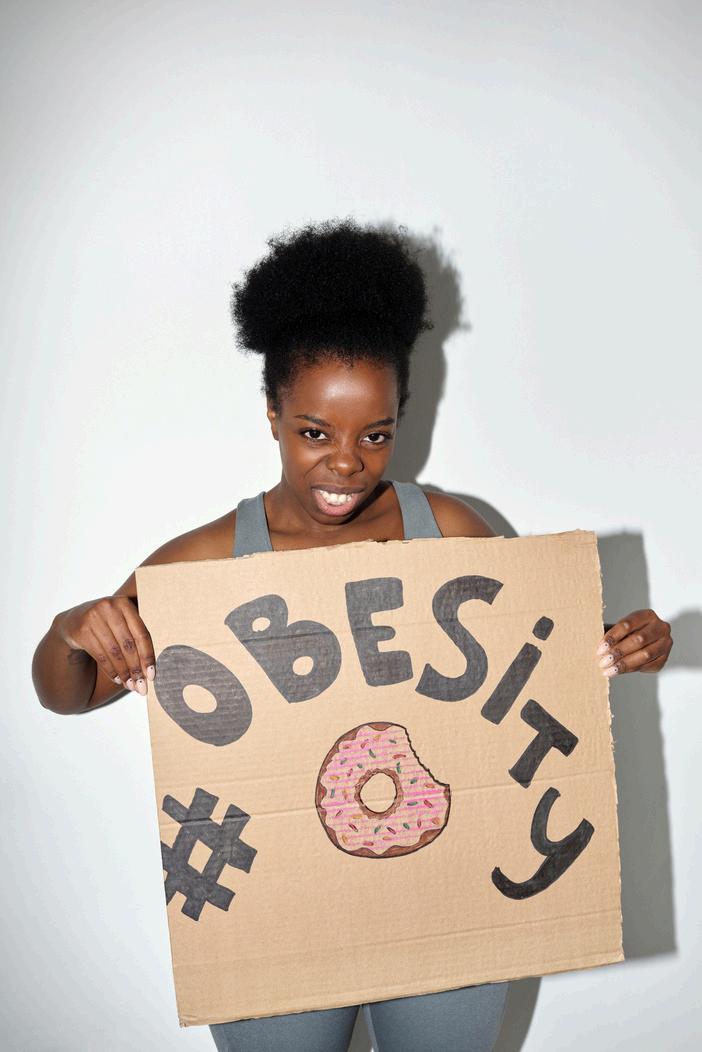

NOTE: If you’ve been struggling with weight loss, remember this: change is possible, even when it feels hard. Every small step counts, and every healthy choice adds up over time. You don’t have to be perfect, and you don’t have to do it alone. With patience, consistency, and a focus on balance, you can reach your goals while still enjoying the foods and life you love.
Trying to lose weight can be really challenging, especially in a place like the Bahamas where food is such a big part of culture and connection Whether it’s weekend gatherings, fresh seafood dishes, or sweet treats shared with loved ones, it’s easy to feel discouraged when you’re making an effort but not seeing results. The constant presence of rich, flavorful meals can make staying on track feel like an uphill battle
The truth is, weight loss rarely comes easy, and that’s normal It doesn’t have to involve strict dieting or giving up the foods you love Instead, focus on balance, not restriction, and on building small, sustainable habits.
1 Portion Your Plate – Fill half your plate with vegetables, include a source of protein like fish, chicken, or peas, and enjoy your favorite traditional dishes in moderation
2.Move Consistently – You don’t need a gym membership. Walking, swimming, dancing, or even active chores like gardening count Find what you enjoy and make it a habit.
3.Hydrate Wisely – Drinking water before meals helps control appetite, supports digestion, and keeps energy levels up throughout the day.
Remember, progress is not about perfection Even small, consistent changes can add up to meaningful results over time. When weight loss feels hard, give yourself grace, celebrate your wins, and focus on habits that fit your lifestyle rather than punishing yourself for occasional indulgences

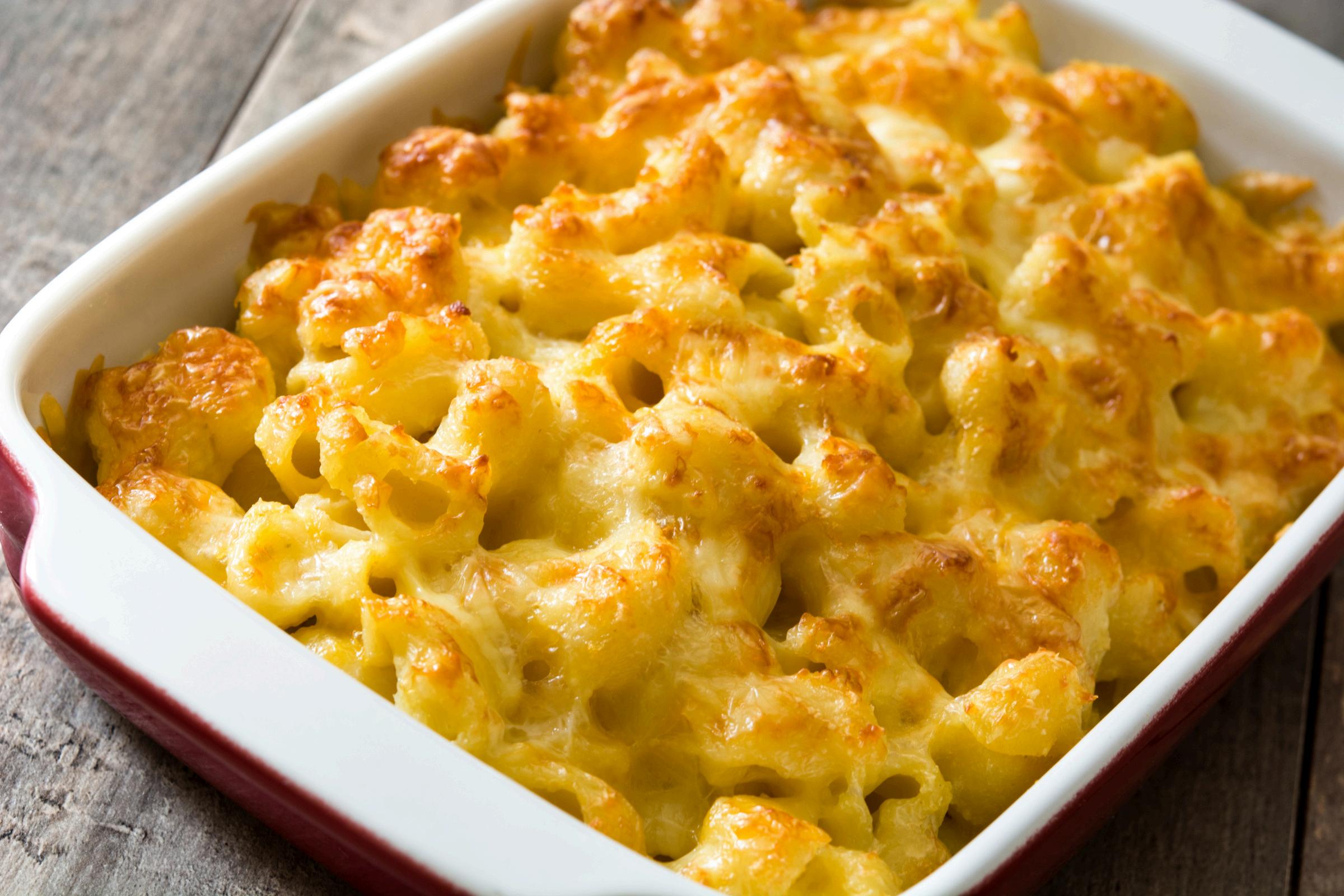
Disclaimer: dis ain’t ya grammy macaroni, but it good
Prep Time : 15-20 min
Servings : 6–8, depending on portion
Cook Time :45-60 mins
(or until cheese browns)
12 oz whole-wheat elbow macaroni
Water + a pinch of salt
1½ cups reduced-fat evaporated milk
½ cup low-fat milk (or unsweetened almond milk)
1½ cups sharp cheddar cheese, freshly grated
½ cup part-skim mozzarella or reduced-fat
Colby Jack
2 tbsp cream cheese or plain Greek yogurt
(for creaminess without heavy fat)
1 large egg, lightly beaten
1 small onion, finely minced
1 bell pepper, finely minced
½ tsp garlic powder
½ tsp onion powder
½ tsp paprika
Black pepper to taste
Salt to taste (go light, cheese already brings salt)
Optional: pinch of cayenne or crushed pepper

ON CALL 24/7, WITH LIMITED RESOURCES AND A CLOSE-KNIT COMMUNITY, LIFE AS A FAMILY ISLAND DOCTOR IS AS CHALLENGING AS IT IS REWARDING.
It is 2 a.m. on a Sunday when I receive a call from the nurse on duty There is an emergency, and the patient requires suturing. I get out of bed, prepare myself, and head into the clinic There is work to do
Upon arrival, the patient’s injuries are extensive but manageable on the island I have no access to an Xray machine or blood tests, only my patient’s medical history and my clinical skills I spent the next few hours repairing the wound before giving the patient discharge medications and referrals I am done, or so I think Another patient arrives immediately, in the midst of an active asthma attack. The nurse and I resume work, administering treatment We had planned to attend church that morning, but duty comes first
Later that night, another patient showed signs of a stroke The patient must be referred to the hospital, and we wait for an emergency flight to Nassau This is the reality of life as a physician on a family island
This account may seem extreme, but for the only physician on an island with a population just under 1,000, this is how we work We are the first and only line of medical care With a small team of nurses, one physician, and auxiliary staff, we do our best with limited resources
The clinic is open five days a week, but nurses and doctors remain on call 24 hours a day for emergencies. Challenges are inevitable Medication and staffing shortages can occur; flights to and from the island operate only twice weekly and often fill up well in advance, and supply boats may occasionally skip a week.
Withasmallteamof nurses,onephysician, andauxiliarystaff,we doourbestwith limitedresources.
There is calm and peace on the island, with fewer cars and less noise. It is a pleasant change from New Providence
While there are joys, however, isolation can be a challenge. I am far from family and close friends
Most Nassuvians never venture beyond their comfort zone to live or work on the family islands, missing the unique highs and lows of island life
My time here has been enriching, offering the opportunity to live and work in the outer islands. Being a family island physician may not be for everyone, but every Bahamian doctor should experience it at least once, even briefly. It offers a more balanced lifestyle with time to oneself. There are countless stories to tell, but I will keep this brief
Despitethe challenges,lifeasa familyislanddoctoris deeplyrewarding.

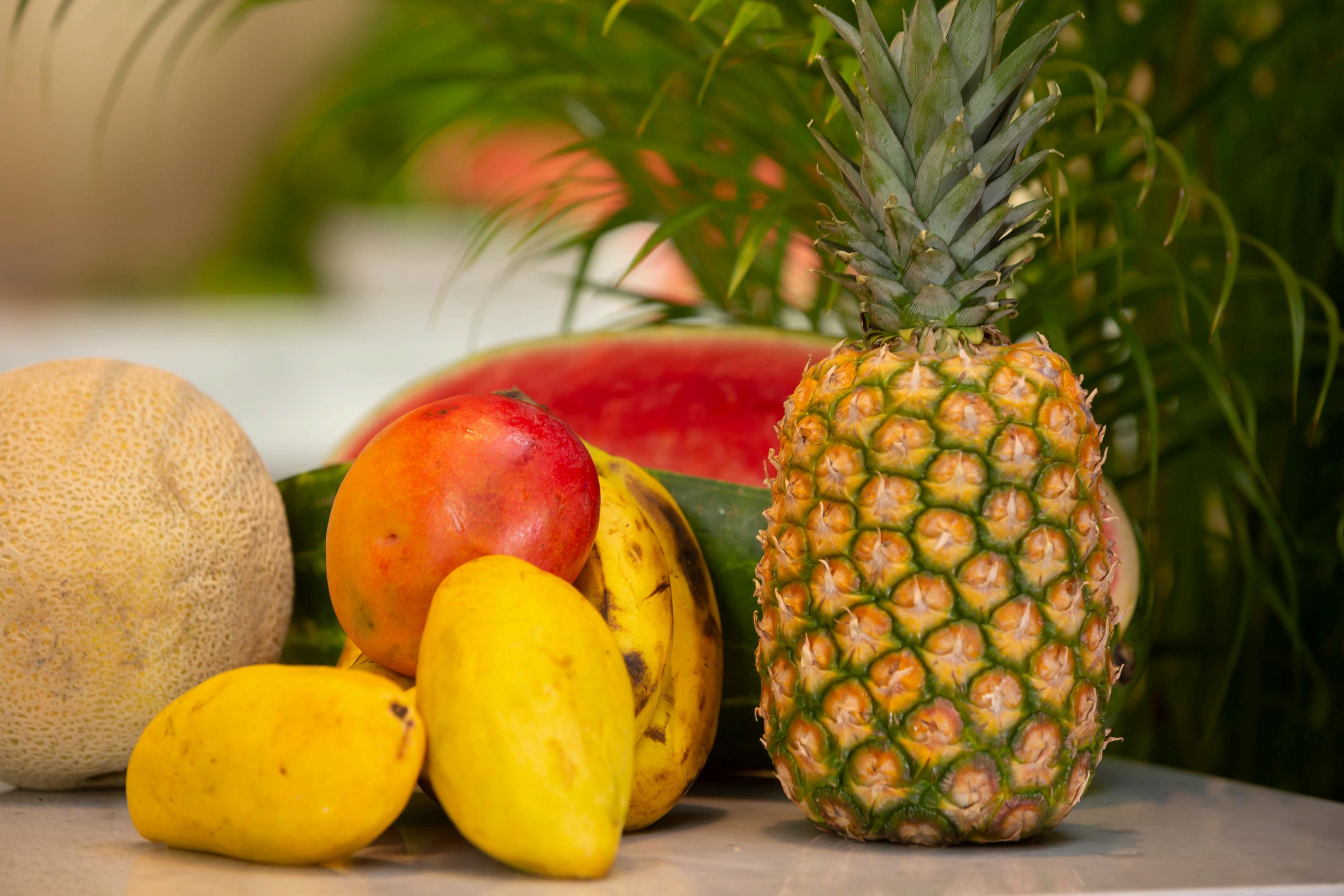

Provides healthy fats for energy
Coconut water supports hydration and electrolytes
Supports gut health
Contains minerals like potassium and magnesium

High in potassium for heart and muscle function
Supports digestion and gut health
Provides a quick and natural source of energy
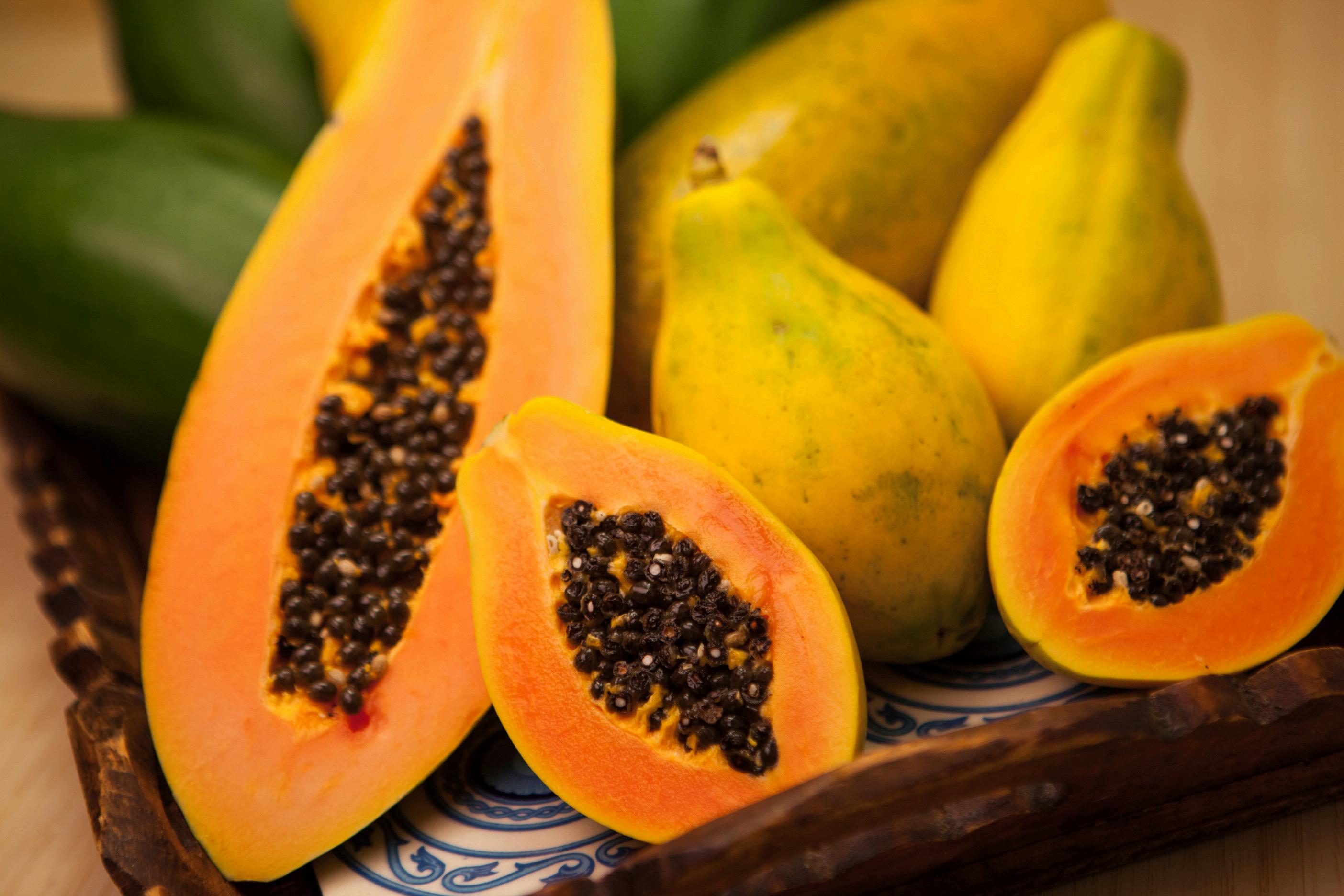
Excellent for digestion due to papain enzyme
High in vitamins A and C
Supports gut and immune health
May reduce bloating and constipation
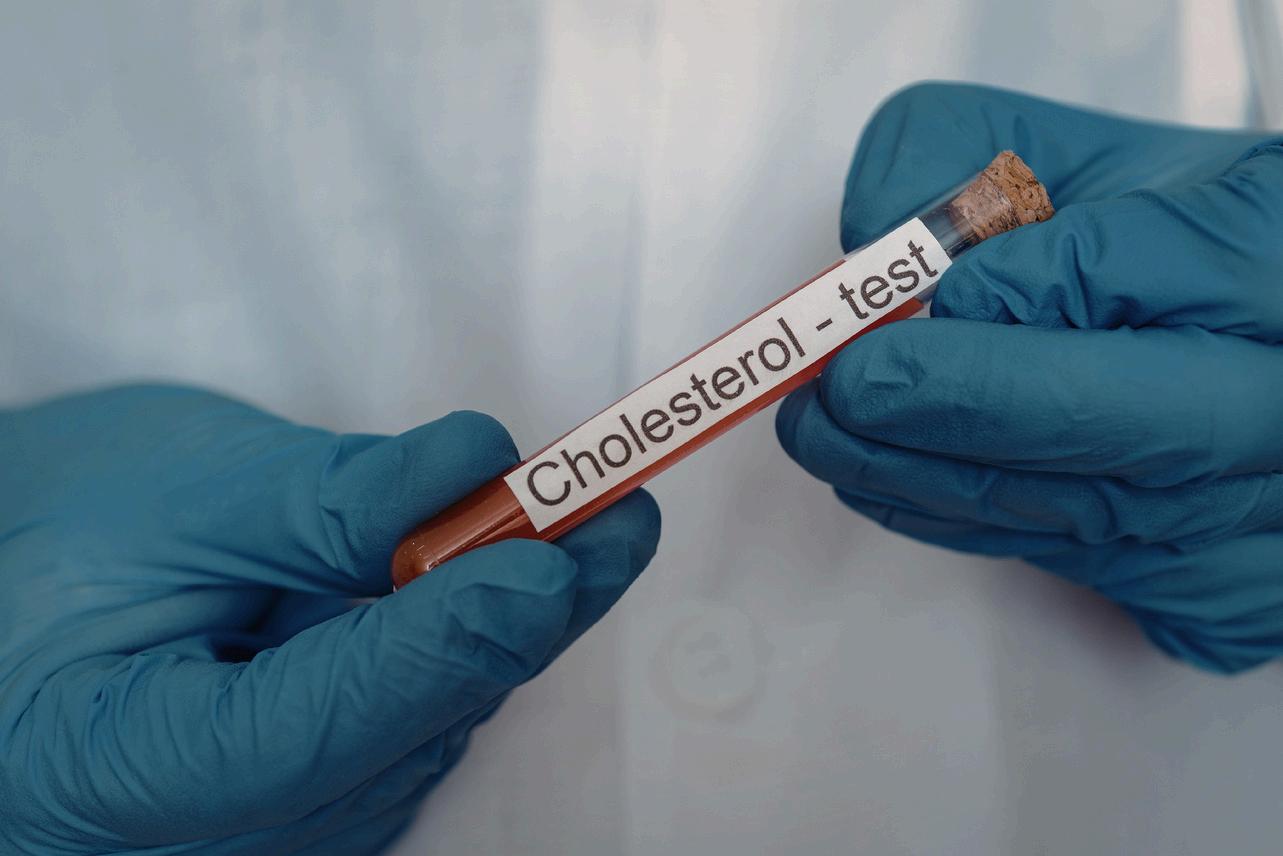

DO YOU KNOW HOW YOUR CHOLESTEROL MEDICATIONS WORK?
Understanding how your medications work empowers you to take an active role in managing your health. It also helps you make informed decisions about your treatment. By knowing how your medications affect your body, you can follow your treatment plan more effectively. You can also communicate clearly with your healthcare provider about side effects, questions, or any issues with takingyourmedications.
Statins (Atorvastatin Lipitor and Simvastatin (Zocor): Think of your liver as a factory that makes cholesterol. Statins slow down the factory, so your body makes less cholesterol. Less cholesterol in the bloodmeanslowerriskofheartattacksandstrokes.
Ezetimibe (Zetia): Your body absorbs cholesterol from the food you eat. Ezetimibe blocks some of that absorption, so less cholesterol enters your bloodstream.
PCSK9 Inhibitors (Evolocumab, Alirocumab) : Your liver has “receptors” that clean cholesterol from your blood Some cholesterol blocks these receptors PCSK9 inhibitors free up those receptors, helping yourbodyremovemorecholesterolnaturally
Bile Acid Sequestrants (Cholestyramine, Colesevelam): Your liver uses cholesterol to make bile, which helps digest food These medicines bind to the bile in your intestines and carry it out of your body To replace it, your liver pulls more cholesterol from your blood, which lowers your cholesterol levels overtime
Fibrates (Fenofibrate, Gemfibrozil): Fibrates help your body break down and remove triglycerides from the blood. They do this by activating certain proteins in the liver that speed up fat metabolism, which lowers the amount of fat circulating in your blood.
Niacin (Vitamin B3): Niacin can raise “good” cholesterol (HDL) and lower “bad” cholesterol (LDL) and triglycerides. It works by improving how your bodyprocessesfats.Doctorsuseitlessnowbecause it can cause side effects like flushing or stomach upset.
Omega-3 Prescription Medications (Fish Oil
Capsules): These are high-dose omega-3 fatty acids, similar to what’s in fish They help lower very high triglycerides by reducing how much fat your liver makes
Statins:
Muscleachesorweakness
Mildstomachupsetornausea
Rarely,liverenzymechanges
Headaches
Ezetimibe:
Mildstomachdiscomfort
Diarrhea
Fatigue(rare)
PCSK9Inhibitors:
Injection site reactions (redness, swelling, or itching)
Cold-likesymptoms
Flu-likesymptoms
Muscleaches
BileAcidSequestrants:
Constipation
Bloatingorgas
Stomachdiscomfort
May interfere with absorption of other medicationsorvitamins
Fibrates:
Stomachupsetorabdominalpain
Increasedriskofgallstones
Musclepain(higherriskiftakenwithstatins)
Liverenzymechanges
Niacin(VitaminB3):
Flushing (warmth, redness, or tingling of the skin)
Itching
Stomachupset
Increasedbloodsugarlevels
Liverproblemsathighdoses
Omega-3FattyAcids(FishOil):
Fishyaftertasteorburping
Upsetstomach
Diarrhea
38.8%have3–5riskfactors
>60%ofadultshave≥1risk factorforchronicdisease
LeadingNCDs:heart disease,diabetes,stroke, cancers
85%don’teatenoughfruits& vegetables
60%drink2+sugary drinks/day
Saltintake:10.5g/day(World HealthOrganization recommends≤5g)
Over50%eatfriedfoods3+ times/week
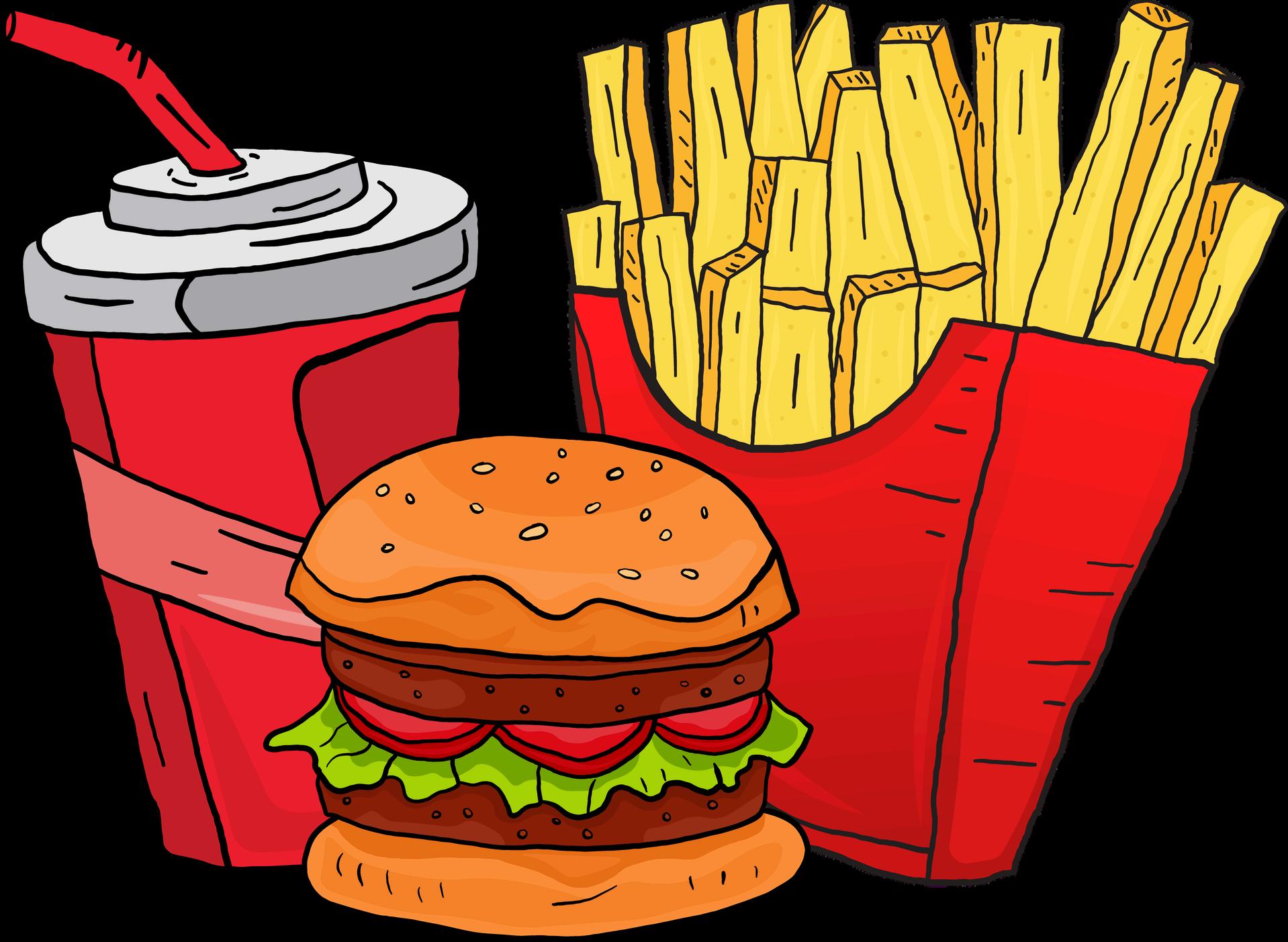
Highratesof overweight/obesityexceed regionalaverages OBESITY
TOBACCO & ALCOHOL
17%smoke,males32%vs females4%
44%engageinharmful drinking
91%neverhadcolonoscopy
~80%menneverhad prostateexam
71%womenneverhad mammogram