In today's fast-paced world, anxiety has become a common challenge for many people, including Bahamians. Whether it's due to work pressures, personal issues, or environmental concerns, managing anxiety effectively is crucial for maintaining mental well-being. Here are four practical coping strategies that can help Bahamians find relief and improve their overall mental health.
1. Embrace the Healing Power of Nature
The Bahamas is blessed with breathtaking natural beauty, from crystal-clear waters to lush green landscapes. Spending time outdoors can have a calming effect on the mind. Take regular walks along the beach, swim in the ocean, or simply sit under a palm tree and soak in the serenity. Nature has a unique way of grounding us and reducing anxiety levels.
2. Cultivate a Hobby
Engaging in a hobby can be a great way to divert your mind from anxious thoughts and focus on something enjoyable. Whether it's painting, gardening, cooking, or playing a musical instrument, hobbies provide a creative outlet and a sense of accomplishment. Finding joy in a hobby can significantly reduce stress and improve your mood.
3. Stay Connected with Community and Loved Ones
Social support is vital for mental health. Make an effort to stay connected with friends, family, and community members. Share your feelings and experiences with trusted individuals who can offer support and understanding. Participating in community activities or joining local groups can also provide a sense of belonging and reduce feelings of isolation.
Regular physical activity is a natural stress reliever. Engage in activities you enjoy, whether it's dancing, jogging, playing sports, or swimming . Exercise releases endorphins, which are natural mood lifters, and helps to reduce the physical symptoms of anxiety. Aim for at least 30 minutes of moderate exercise most days of the week.
Anxiety is a common experience, but with the right strategies, it can be managed effectively. By embracing the natural beauty of the Bahamas, cultivating a hobby, staying connected with loved ones, engaging in physical activity, and prioritizing self-care, Bahamians can find relief from anxiety and lead more balanced, fulfilling lives. Remember, it's important to seek professional help if anxiety becomes overwhelming You are not alone, and there are resources available to support you
Colon cancer, a major health issue globally, is increasingly impacting men in the Bahamas Despite significant advancements in medical technology and awareness this disease remains a critical concern for Bahamian men, whose health outcomes can be drastically improved with early detection and lifestyle changes
Recent data indicates that colon cancer is one of the leading causes of cancerrelated deaths among Bahamian men Furthermore, the incidence of colon cancer in the Bahamas has been on the rise mirroring global trends However the disease’s impact is compounded by limited access to healthcare resources and a lack of widespread screening programs
Risk Factors Specific to Bahamian Men
Several factors contribute to the higher incidence of colon cancer among Bahamian men:
Diet and Lifestyle:
Traditional Bahamian diets, rich in red meat and low in fiber, can increase the risk of colon cancer Additionally
lifestyle factors such as physical inactivity and obesity further exacerbate this risk
Genetics and Family History: Family history of colon cancer or other related conditions can significantly increase a man's risk Genetic predispositions are a concern that cannot be overlooked in Bahamian families
Healthcare Access: Limited access to regular screenings and preventive care in some areas of the Bahamas means that many cases are diagnosed at a later, less treatable stage
Awareness and Education: There is a need for greater awareness and education about colon cancer Many men may be unaware of the risk factors or the importance of regular screenings
Early detection of colon cancer is crucial for effective treatment Symptoms to watch for include persistent changes in bowel habits blood in the stool unexplained weight loss, and abdominal pain Men over the age of 45, or those with a family history of colon cancer, should consider regular screenings such as colonoscopies
Preventive Measures and Lifestyle Changes
Preventing colon cancer involves a multifaceted approach:
Dietary Adjustments: Adopting a diet high in fiber, fruits, vegetables, and whole grains can help reduce the risk
Reducing the intake of red and processed meats is also beneficial
Regular Exercise: Maintaining an active lifestyle helps in managing weight and reducing cancer risk
Regular physical activity is recommended to improve overall health and decrease the risk of colon cancer
Regular Screenings: Routine screenings, starting at age 45 or earlier if there is a family history, are essential for early detection and prevention
Education and Awareness: Increasing awareness about the importance of colon health and early detection can lead to better outcomes Community programs and healthcare initiatives aimed at educating the public can play a pivotal role
Efforts to combat colon cancer in the Bahamas are underway through various health initiatives and community programs Local health organizations are working to improve screening availability and raise awareness about the disease
Colon cancer poses a significant challenge for Bahamian men, but with increased awareness, preventive measures and access to screenings the impact of this disease can be mitigated.
By taking proactive steps, Bahamian men can greatly improve their chances of early detection and successful treatment.
Guava Duff is a beloved Bahamian dessert traditionally made with rich, buttery dough and served with a sweet, guava sauce. This healthier version maintains the classic flavors while incorporating more nutritious ingredients.
Disclaimer: dis ain’t ya grammy duff, but it good
Prep Time : 15-20 min
INGREDIENTS
For the Guava Duff:
1 1/2 cups whole wheat flour
1/2 cup rolled oats
Servings : 8-10 people, depending on portion
Cook Time :45-60 mins (for steaming)
1/4 cup coconut flour (or additional whole wheat flour)
1/4 cup unsweetened shredded coconut
2 tsp baking powder
1/2 tsp salt
1/2 cup guava paste (or guava puree if preferred, lightly sweetened)
1/4 cup coconut oil (or olive oil)
1/4 cup honey or pure maple syrup
1 large egg
1/2 cup milk (or a plant-based alternative)
1/2 cup finely chopped dried or fresh guava (optional for added texture)
For the Sauce:
1/2 cup pure guava juice or nectar
2 tbsp honey or pure maple syrup
1 tbsp cornstarch (optional, for thickening)
1 tbsp dark rum (optional, can be omitted or replaced with a splash of vanilla extract)
DIRECTIONS
Prepare the Guava Duff:
In a large bowl, whisk together dry ingredients
In another bowl, mix wet ingredients until well combined
Add the wet ingredients to the dry ingredients and stir until just combined.
Gently fold in the guava.
Cook the Duff:
Prepare a large piece of aluminum foil by greasing it lightly or spraying it with non-stick spray
Spoon the dough onto the center of the foil, then fold the foil around the dough to form a tight packet.
Steam the packet over simmering water in a large pot for about 45-60 minutes, or until the duff is firm and cooked through You can also use a steamer basket if you have one
Prepare the Guava Sauce:
In a small saucepan, combine the guava puree, honey (or maple syrup), and water If you prefer a thicker sauce, mix the cornstarch with a little cold water to make a slurry, then add it to the saucepan
Cook over medium heat, stirring constantly, until the sauce thickens and becomes smooth. Add a pinch of cinnamon if desired.
Remove from heat and let it cool slightly
Serve:
Slice the guava duff and serve warm or at room temperature with a drizzle of the guava sauce on top
Tips:
Steaming Setup: If you don’t have a steaming rack, you can use a heatproof plate or bowl set upside down inside the pot.
Moisture: Ensure that the duff packet is tightly sealed to keep the dough from becoming too dry during steaming.
Enjoy your healthier Bahamian guava duff! It’s a lighter take on the classic, but still packed with that wonderful flavor.
MythBusters
Depression is a pervasive issue affecting people globally, and the Bahamas is no exception Unfortunately, myths and misconceptions about depression often cloud understanding and hinder effective treatment. In a nation where mental health is frequently stigmatized, it’s crucial to dispel these myths to foster a more supportive and informed community.
Myth1:“DepressionisJusta FeelingofSadness”
Reality: Depression is much more than just feeling sad. It is a complex mental health disorder that involves persistent feelings of sadness, hopelessness, and worthlessness, but also
affects physical health, behavior, and cognitive functions People with depression often experience fatigue, changes in appetite, sleep disturbances, and difficulty concentrating. It’s a medical condition that requires proper treatment, not just a fleeting emotional state
Myth2:“OnlyWeak PeopleGetDepressed”
Reality: Depression affects individuals regardless of their strength or character. It is a medical condition influenced by a combination of genetic, biological, environmental, and psychological factors. Viewing depression as a sign of weakness perpetuates stigma and discourages individuals from seeking the help they need. Strength lies in acknowledging the need for help and seeking treatment.
Myth3:“YouCanJust SnapOutofIt”
Reality: Depression is not something that can be overcome by willpower alone. It often requires professional intervention, which may include therapy, medication,
or a combination of both. Just as you would seek medical treatment for a physical illness, treating depression involves a structured approach with the support of mental health professionals
Reality: While medication can be an effective part of treating depression, it is not the only solution. Therapy, such as cognitive-behavioral therapy (CBT), lifestyle changes, and support networks also play crucial roles in managing depression A comprehensive treatment plan often includes a combination of therapies tailored to the individual’s needs.
Myth5:“DepressionWill GoAwayonItsOwn”
Reality: Depression often requires professional treatment to manage effectively While some people may experience improvements over time, many need ongoing support to fully recover. Early intervention and consistent treatment can significantly improve outcomes and help individuals lead fulfilling lives
Reality: Many people with depression are able to manage their daily responsibilities and maintain a semblance of normalcy Depression affects individuals differently; some may struggle more than others It’s important not to generalize or underestimate the capabilities of those dealing with mental health issues
Understanding and addressing depression in the Bahamas involves dismantling misconceptions and fostering an environment of empathy and support By debunking these myths, we can promote better mental health practices, encourage those struggling with depression to seek help, and work towards a society where mental wellness is prioritized Together, we can break the stigma and build a healthier, more informed community
&YourBrain
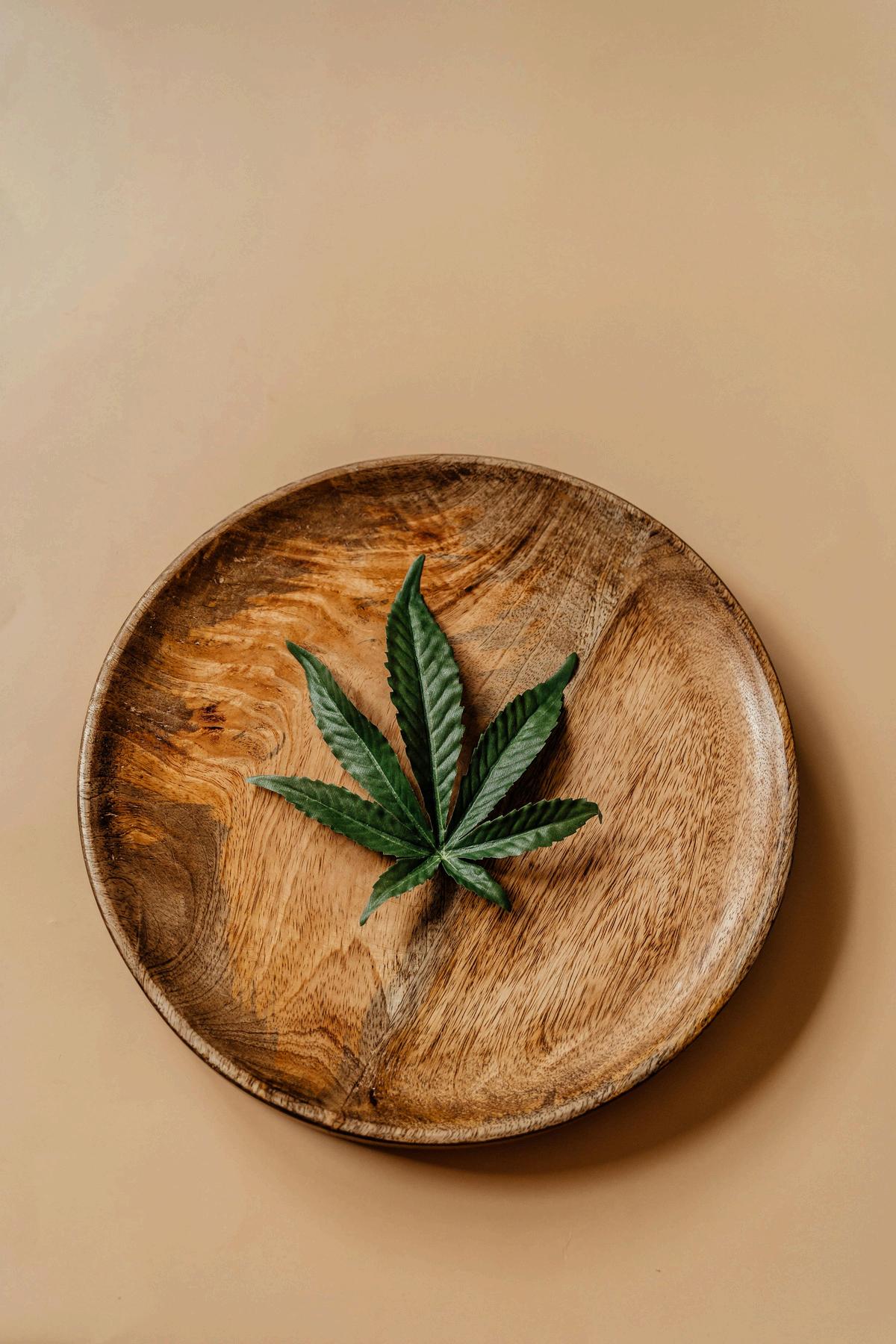
As the conversation around marijuana evolves globally, Bahamians are increasingly curious about how this substance impacts the brain. With shifting legal landscapes and growing interest in its medicinal uses, it's crucial to understand both the potential benefits and risks associated with marijuana use.
Marijuana, derived from the cannabis plant, contains over 100 cannabinoids, the most notable being tetrahydrocannabinol (THC) and cannabidiol (CBD). THC is the primary psychoactive compound responsible for the “high,” while CBD is nonpsychoactive and is often associated with therapeutic benefits.
How THC Affects the Brain
The "High" Experience: THC affects the brain’s cannabinoid receptors, which are part of the endocannabinoid system that regulates mood, pleasure, and perception. This interaction can lead to feelings of euphoria, relaxation, and altered senses of time and space.
Impact on Memory and Learning: THC
disrupts the normal functioning of the hippocampus, an area of the brain crucial for memory and learning. This can make it challenging to remember recent events or absorb new information while under the influence For example, you might find it hard to recall where you left your keys or remember details of a conversation.
Coordination and Motor Skills: THC also affects the cerebellum and basal ganglia, which play key roles in movement and coordination. This can result in impaired motor skills and slower reaction times, making activities such as driving or operating machinery particularly hazardous when using marijuana.
Emotional and Psychological Effects: Marijuana can influence emotions in various ways Some users may feel calm and uplifted, while others might experience anxiety, paranoia, or confusion. These effects can vary depending on the individual, the strain of marijuana, and the amount used
Short-Term vs. Long-Term Effects
Short-Term Effects: The immediate effects of marijuana use can include a noticeable "high," changes in sensory perception, and shifts in mood. These effects generally last for a few hours
Long-Term Effects: Frequent or heavy marijuana use can lead to long-lasting changes in brain function. Over time, it may impact cognitive abilities, motivation, and mental health. Research suggests that chronic use could increase the risk of developing mental health issues, such as depression or anxiety, particularly for those who are predisposed to these conditions.
Marijuana use during adolescence can significantly impact the developing brain, affecting memory, learning, and cognitive functions. THC disrupts areas crucial for memory and impulse control, potentially leading to poor academic performance and increased risk of mental health issues.
As the Bahamas continues to navigate the legal landscape of marijuana, understanding its effects on the brain is crucial:
Regulation: Recent discussions and reforms around medical marijuana indicate a move towards more regulated use. Ensuring that such regulations are based on solid scientific evidence will help in making informed policies.
Public Awareness: Increasing public education about the effects of marijuana on the brain can lead to more responsible use and better management of its potential benefits and risks.
Marijuana’s impact on the brain is multifaceted, involving both potential benefits and risks For Bahamians, staying informed about these effects is essential as the legal and social dynamics surrounding cannabis continue to evolve. Balancing the therapeutic potentials with an understanding of the possible cognitive and psychological impacts can help guide responsible use and policy development. As research progresses, ongoing education and awareness will be key in navigating the complex landscape of marijuana and its effects on mental health
Marijuana often carries a veil of mystery and misinformation, leading to confusion about its true effects on the brain and body. To demystify marijuana, it's essential to focus on scientific evidence rather than anecdotal reports or stereotypes. By understanding that marijuana's impact is influenced by factors like cannabinoid content, individual biology, and consumption methods, we can differentiate between its potential therapeutic benefits and possible risks.
Tamarind is not only flavorful but also packed with essential nutrients. Here's a breakdown of its nutritional profile :
Iron
Magnesium
Folate
Calcium
Vitamin C
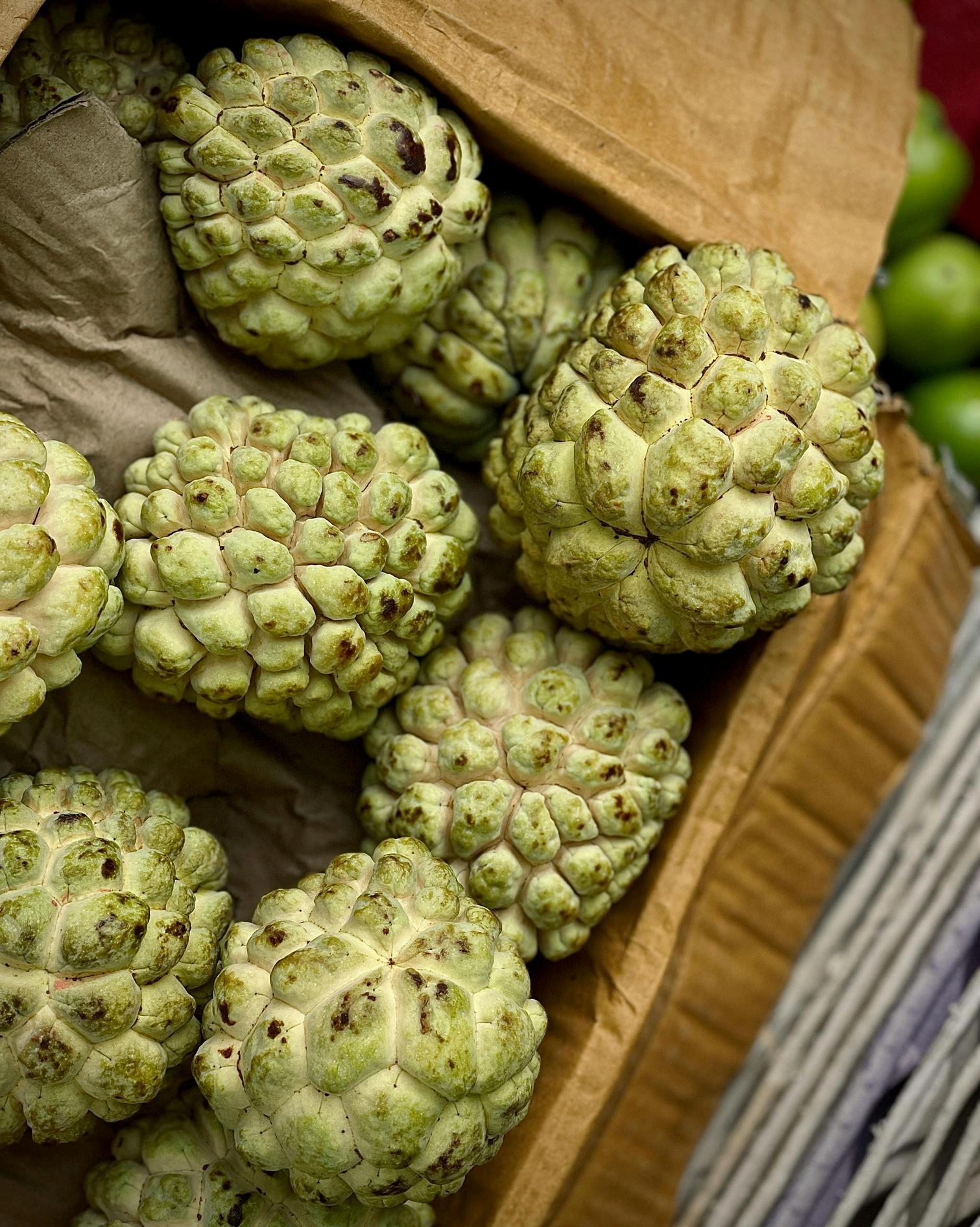
Sugar Apple offers several nutritional benefits:
Phosphorus Vitamin
Energy Boost: The fruit’s natural sugars provide a quick source of energy.
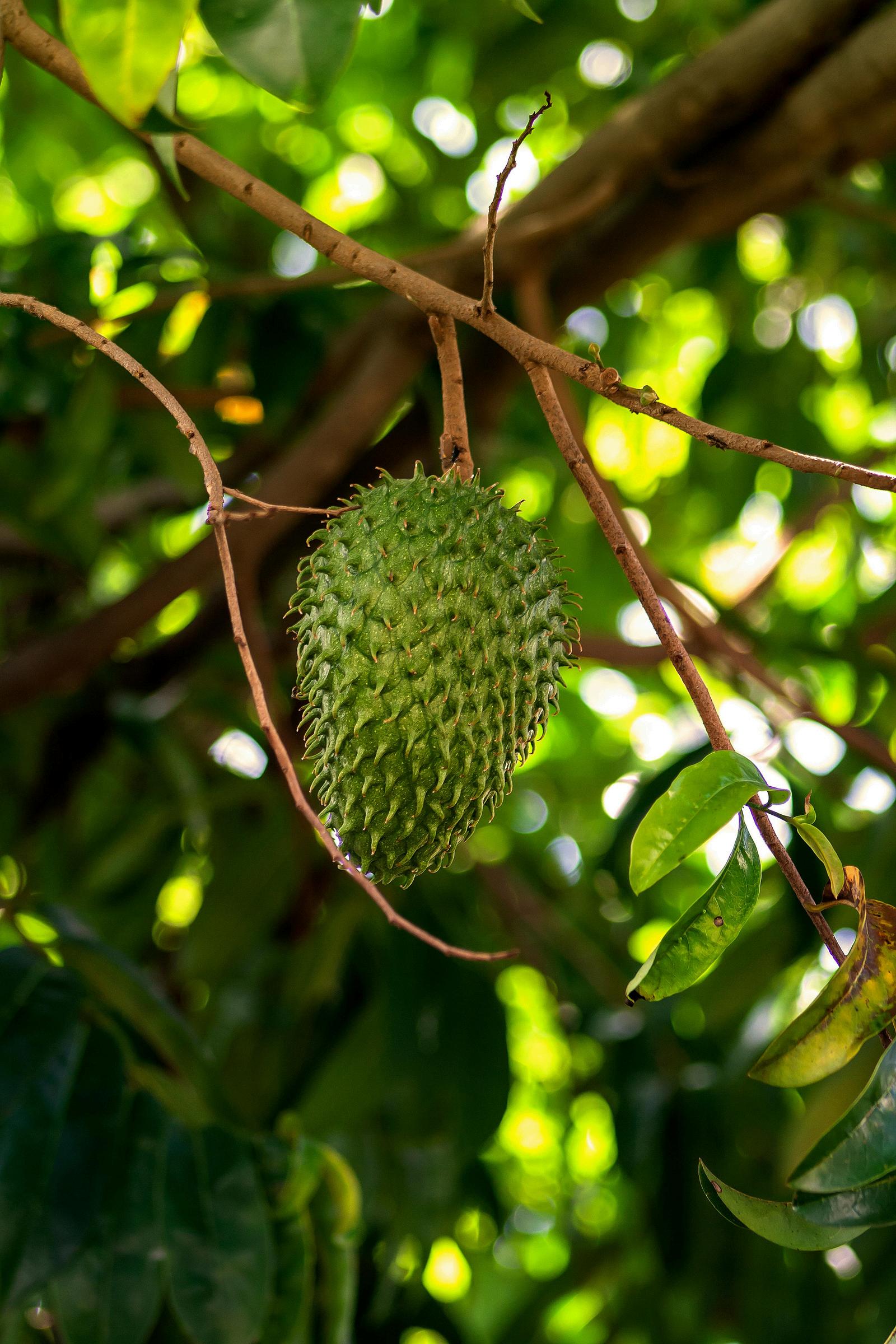
Soursop
Bahamas Soursop Season: August to October
Vitamin C
Vitamin B6
Calcium
Magnesium
Potassium
Magnesium
Fiber: Its fiber content aids in digestion and can help alleviate constipation
**While soursop has many health benefits, it is important to consume it in moderation. Some studies suggest that high doses of soursop extracts could have neurotoxic effects, although consuming the fruit in typical dietary amounts is generally considered safe.
lackoffaith Suchmisconceptio cultural beliefs that prioritize s over open discussion and supp individuals facing mental he seeking professional help, ostracism.
PracticalStepstoCorrecttheIss
Education and Awareness awareness about mental stigma and foster understa campaigns should focus sharing factual informat personal stories to humaniz Schoolsandworkplacescan education into their cu programstonormalizediscu
Community Engagement: G and community leaders p shifting cultural attitudes. support groups, and men entities can create safe sp providevaluableresources influencers and faith-based help to challenge outdated acceptance
misunderstanding,withmanyd as mere madness This stigma isolation but also underscored greater mental health educat addressingsuchcomplexdisord
Bahamians can do better by empathy and understanding th dialogue,andsupportivementa reducing stigma and encouragi thehelptheyneed
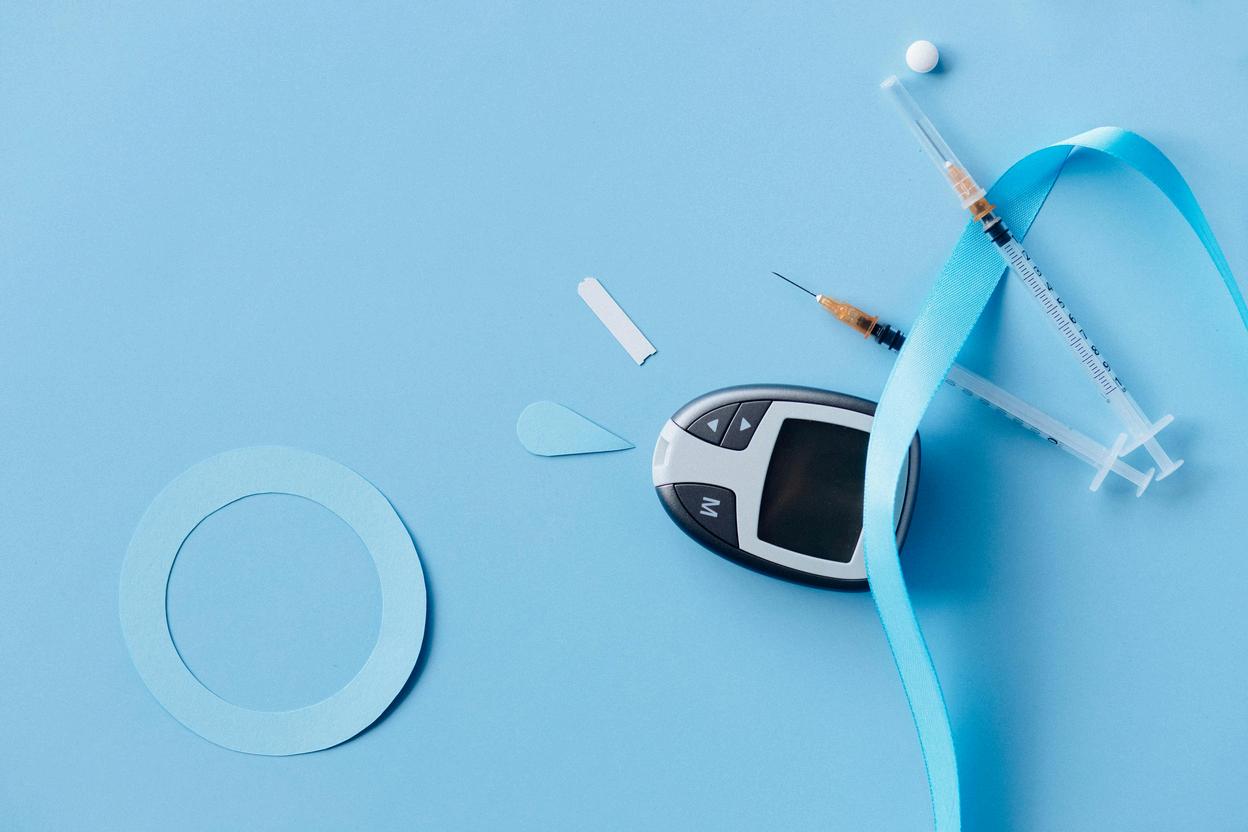
Understanding how your medications work is crucial for ensuring their effectiveness and safety. It empowers you to take an active role in managing your health and enables you to make informed decisions about your treatment. By knowing how your medications affect your body, you can better adhere to your treatment plan and communicate effectivelywithyourhealthcareprovider.
HOW SOME OF THEM WORK:
Metformin: Metformin is often the first medication prescribed for type 2 diabetes It works by helping your body use insulin more effectively and decreasing the amount of sugar your liver releases into the bloodstream Essentially, it makes your body’s insulin work better and helps lower blood sugar levels without causing a significant drop in bloodsugar
Sulfonylureas: These medications, like glipizide and glyburide, work by stimulating your pancreas to produce more insulin. They help lower blood sugar by encouraging the beta cells in the pancreas to release more insulin, which helps the bodytakeupsugarfromtheblood.
SGLT2 Inhibitors : Medications like canagliflozin and empagliflozin help lower blood sugar by preventing the kidneys from reabsorbing sugar into the blood. Instead, they make the kidneys excrete excess sugar through urine. This helps reduce blood sugar levels and also has the added benefitofaidinginweightloss.
DPP-4 Inhibitors: Drugs such as sitagliptin and saxagliptin work by boosting the levels of certain hormones that help lower blood sugar They enhance the body’s natural ability to regulate blood sugar by increasing insulin production when blood sugar levels are high and decreasing the amountofsugarreleasedbytheliver
Insulin : Insulin is a hormone that helps regulate blood sugar levels by allowing sugar to enter cells where it can be used for energy For people with type 1 diabetes, insulin is essential because their bodies do not produce any insulin For those with type 2 diabetes, insulin might be used if other medicationsarenotenoughtocontrolbloodsugar levels. Insulin can be injected or delivered via an insulin pump and helps lower blood sugar by facilitatingtheuptakeofglucoseintocells.
SOME SIDE EFFECTS:
Metformin:Metforminoftencausesnauseaand diarrhea, which usually lessen over time Rarely, it can lead to lactic acidosis, a serious condition requiring immediate medical attention Longterm use may also affect vitamin B12 absorption
Sulfonylureas: Sulfonylureas can cause low blood sugar (hypoglycemia) and weight gain as common side effects. They may also lead to allergic reactions, including rash or itching, in someindividuals.
SGLT2 Inhibitors : SGLT2 inhibitors commonly causefrequenturinationandincreasedthirstas they help the body expel excess sugar through urine. They can also lead to dehydration and urinarytractinfectionsinsomepeople.
DPP-4 Inhibitors: DPP-4 inhibitors can cause mild side effects like headaches and digestive issues. Rarely, they may lead to pancreatitis or allergicreactions,includingrashandswelling.
Insulin : Insulin can cause low blood sugar (hypoglycemia), leading to symptoms like dizziness, sweating, and confusion Other potential side effects include weight gain and localizedskinreactionsattheinjectionsite
ALIFESTYLE. ALEGACY. “
Becoming Health
Pap smears are very important because they can find early signs of cancer before it becomes serious. Catching these problems early can help prevent cervical cancer and save lives. Many women are afraid of the test because it might be uncomfortable or embarrassing, but it's quick and the benefits far outweigh the temporary discomfort. Regular screening helps protect your health and can save lives.
According to the latest guidelines from the American College of Obstetricians and Gynecologists (ACOG) and the Royal College of Obstetricians and Gynaecologists (RCOG), cervical cancer screening guidelines are:
Starting Age: Begin screening at age 21, regardless of sexual history.
Ages 21 to 29: Pap smears (cervical cytology alone) should be performed every three years
Ages 30 to 65: Women have two options:
Pap smear (cervical cytology) every three years
Pap smear combined with HPV (human papillomavirus) testing every five years, which is preferred for its longer interval.
Over 65: Screening may be discontinued if they have had regular, normal screenings in the past 10 years and are not at high risk for cervical cancer.
Post-Hysterectomy: Women who have had a total hysterectomy for noncancerous conditions and have no history of high-grade cervical lesions or cancer may stop screening
These guidelines aim to balance the benefits of early cancer detection with minimizing unnecessary procedures. It is important for women to consult their healthcare providers to tailor screening schedules based on individual health needs and risk factors