
“Healthycitizensarethegreatestassetanycountrycanhave.”

“Healthycitizensarethegreatestassetanycountrycanhave.”
your
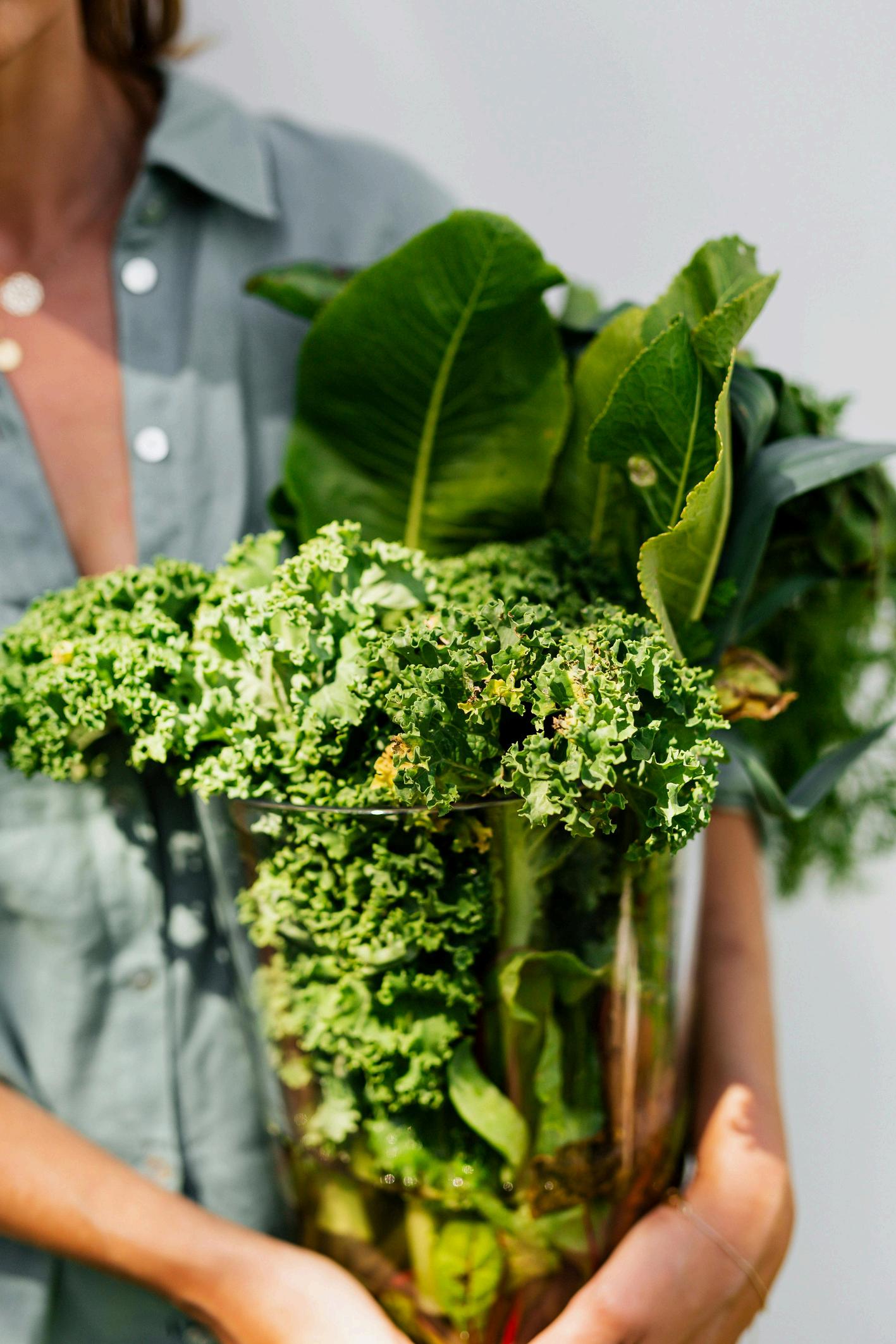
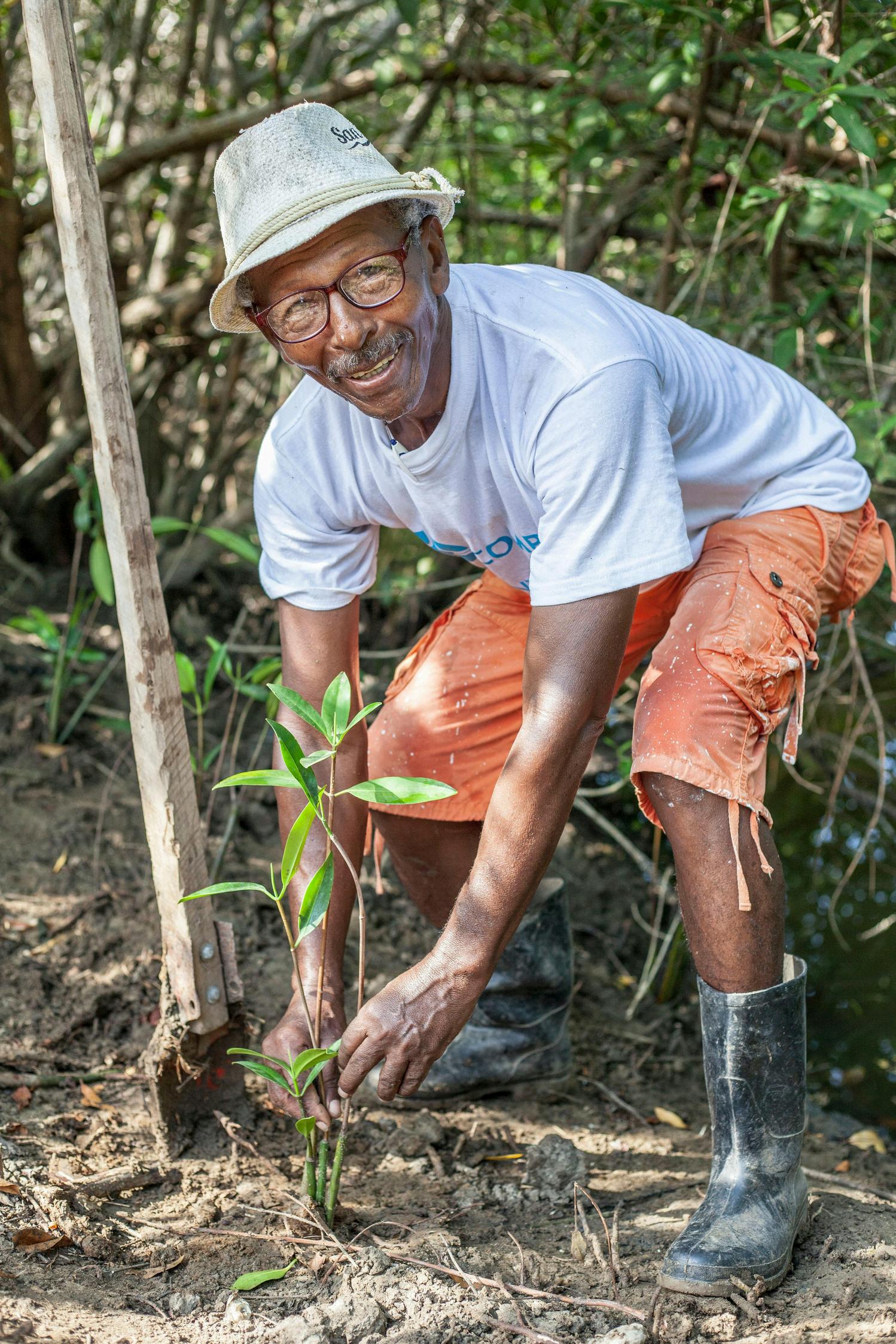
Imagine stepping into your backyard and harvesting fresh vegetables, fruits, and herbs. A backyard farm can provide you with nutritious food, reduce your carbon footprint, and offer a rewarding hobby. Here’s a simple guide to get you started.
Begin by assessing your backyard. Determine how much space you have and how it receives sunlight. Most vegetables and fruits need at least six hours of sunlight daily. Sketch a layout to visualize where each element of your farm will go.
Select crops that suit your climate and personal preferences. Beginners might start with easy-to-grow vegetables like tomatoes, lettuce, radishes, and herbs such as basil and parsley If you have more space, id ddi f it t or berry bus
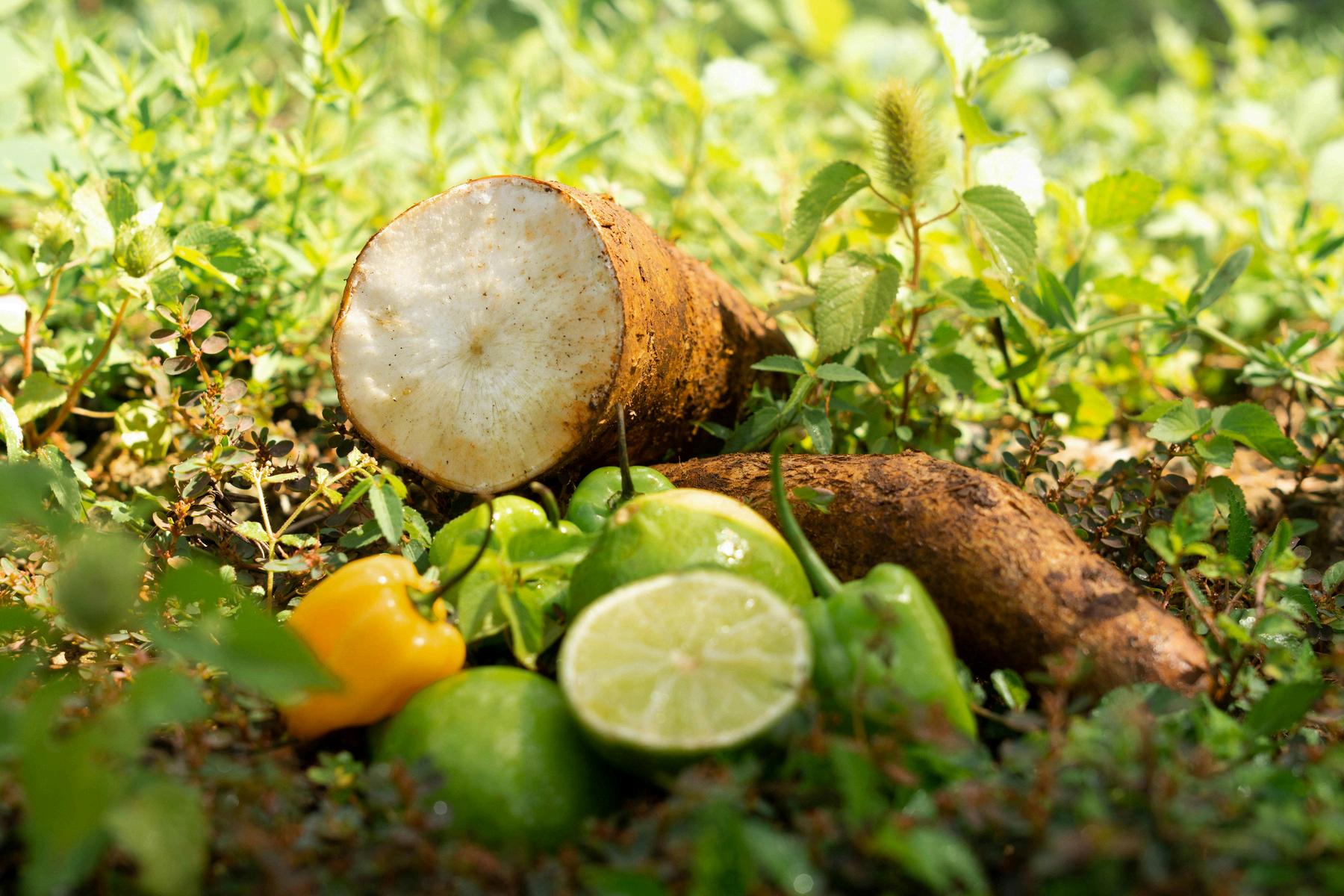
When in doubt, opt for plants that are easy to grow and require minimal care. Herbs like basil, mint, and rosemary, as well as vegetables like tomatoes, lettuce, and radishes, are relatively lowmaintenance and well-suited for beginners Consider the climate and soil conditions in your area when selecting crops to ensure they thrive with minimal intervention.

Follow planting instructions for each crop, paying attention to spacing and depth. Stagger your planting times to ensure a continuous harvest throughout the growing season. For instance, plant new lettuce seeds every two weeks. Use mulch to retain moisture, suppress weeds, and keep the soil temperature consistent
“Opt for plants that are easy to grow and require minimal care.”
Take advantage of companion planting to maximize the health and productivity of your crops. Certain plant combinations can help repel pests, attract beneficial insects, and improve soil fertility For example, planting aromatic herbs like basil and cilantro alongside vegetables can help deter pests, while interplanting nitrogenfixing legumes with heavy feeders like tomatoes can enrich the soil.
Starting a backyard farm is a fulfilling journey that offers numerous benefits, from providing fresh produce to promoting sustainability and connecting with nature. By following these practical tips, even novice gardeners can embark on their own backyard farming adventure with confidence.
Remember that local conditions, including soil quality, drainage, and exposure to wind and salt spray in coastal areas, can influence crop success. It's advisable to consult with local agricultural experts or experienced farmers for tailored advice based on the specific conditions of each island in the Bahamas.

"Send us photos of you beginning your backyard garden for a chance to be featured in the next issue of Becoming Health. Email your submissions to becominghealthbahamas@gmail.com."


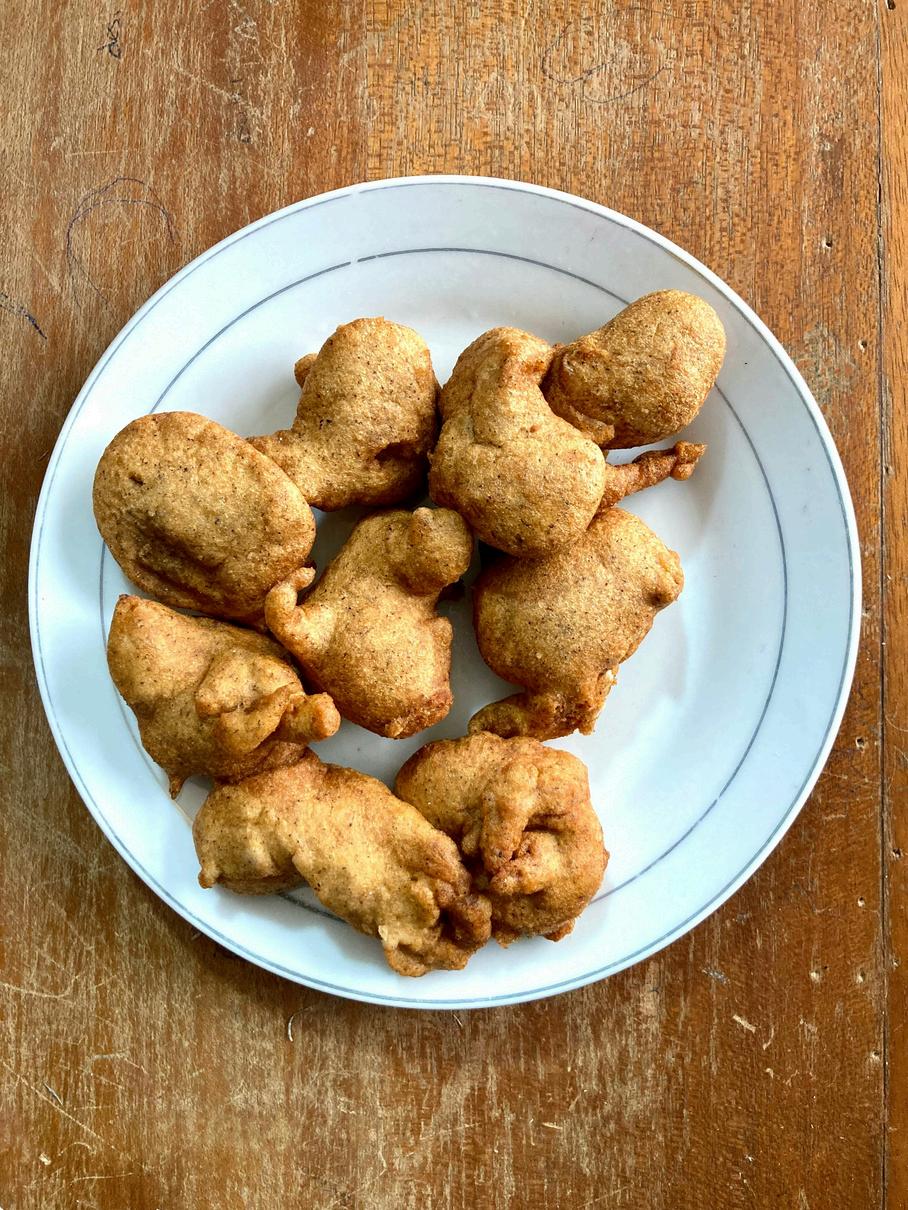
Conch meat is extremely high in cholesterol: While it's commonly believed that conch meat is very high in cholesterol, therealityisthatitcontainsmoderatelevels, similartomanyothertypesofseafood.
Allconchdishesareunhealthy:While some conchdishesmaybepreparedinwaysthat add unhealthy fats or excessive sodium, not all conch dishes are inherently unhealthy. Grilled or steamed conch, for example, can bepartofanutritiousmeal.
Eating conch will significantly raise your cholesterol levels : Despite containing cholesterol, consuming moderate amounts of conch as part of a balanced diet is unlikely to cause a significant increase in cholesterollevelsformostpeople.
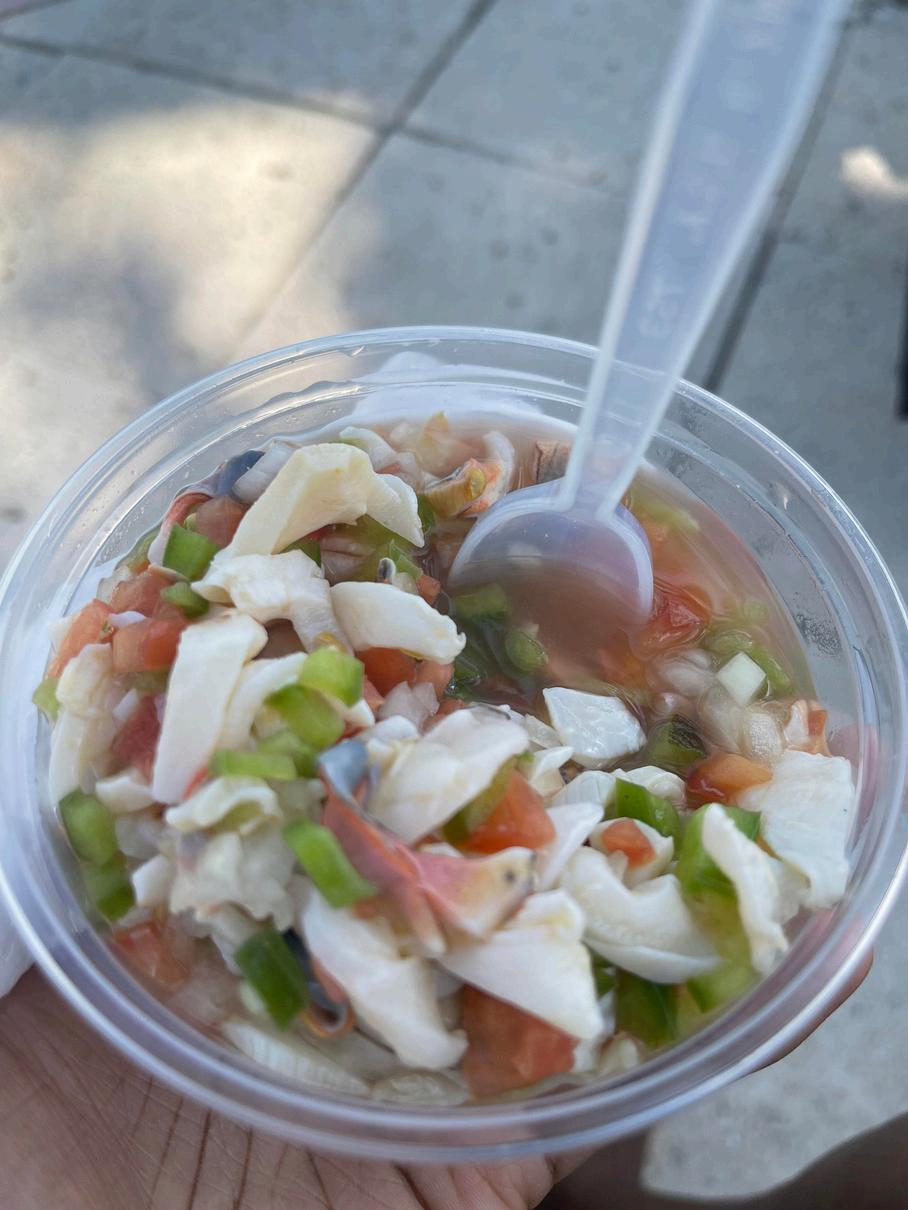
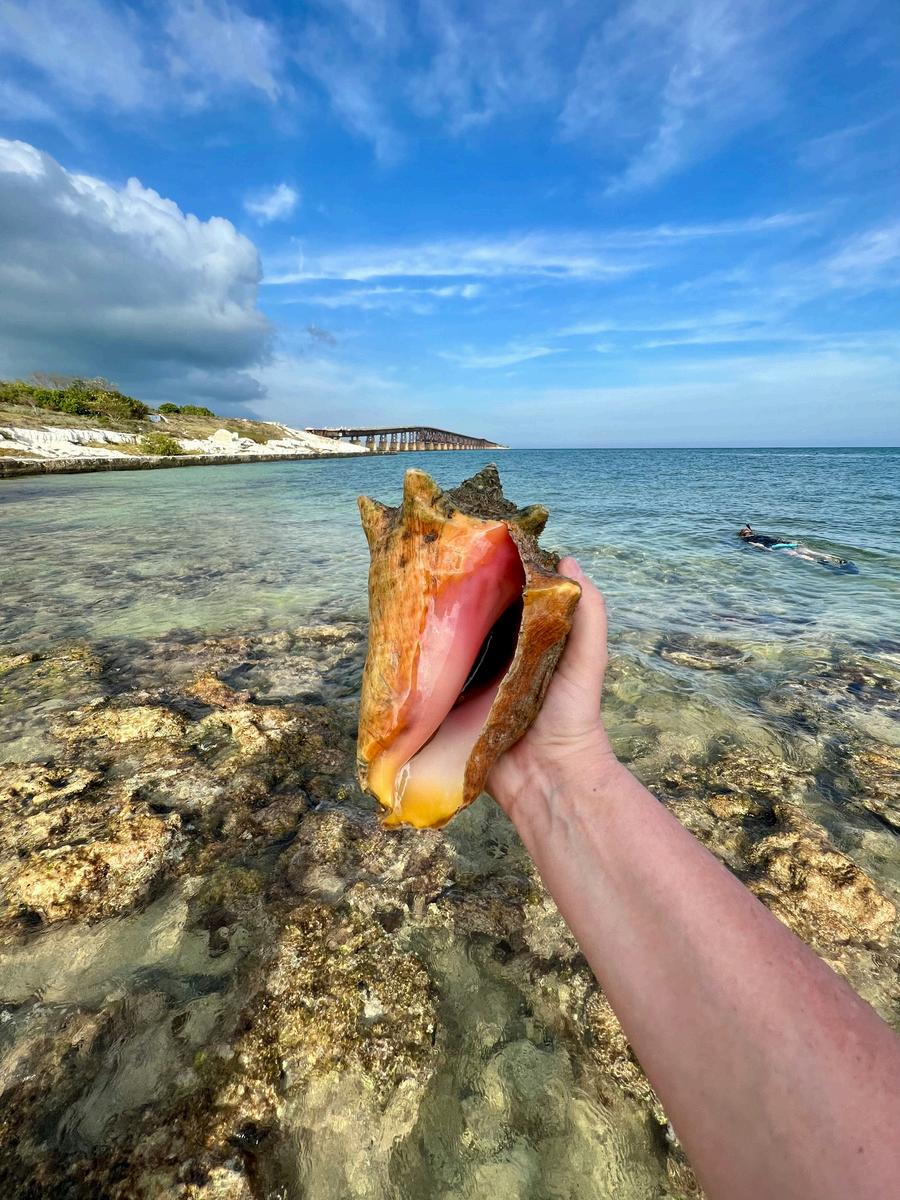


Conchisagoodsourceofprotein:Conch is a great source of lean protein, which is essential for muscle growth and repair. A 3ounce serving of conch provides about 20 gramsofprotein.
It is rich in vitamins and minerals: Conch is highinessentialvitaminsandmineralssuch asvitaminB12,zinc,iron,andselenium,which are important for overall health and wellbeing.
Conch has omega-3 fatty acids: Conch contains omega-3 fatty acids, which have been shown to have various health benefits, including reducing the risk of heart disease andinflammation.
Conch, like many foods, can be part of a balanced diet when consumed in moderation.Individualswithhighcholesterol orgout,mayneedtomoderatetheirintake
Overall, enjoying conch as part of a balanced diet alongside other nutrient-rich foods is unlikely to be harmful for most people, but it's always a good idea to be mindful of portion sizes and cooking methods.
Bahamian peas and rice is a delightful dish, often served as a side or even a main course Here's a healthy version of this classic recipe:
Disclaimer: dis ain’t ya grammy peas n rice, but it good
Cook Time : 35 min
1 cup of pigeon peas
2 cups of brown rice, rinsed
1 medium onion, finely chopped
2 cloves of garlic, minced
1 bell pepper, diced
2 tomatoes, diced
2 cups of vegetable broth (low sodium)
1 teaspoon of thyme
1 teaspoon of paprika
1 teaspoon of black pepper
1 teaspoon of salt (adjust to taste)
2 tablespoons of olive oil
2-3 cups of water
Optional: Bahamian goat pepper for some heat (adjust according to your preference)
Servings : 4-6 people, depending on portion



Snapper is a great source of lean protein, which is essential for building and repairing tissues in the body Protein also helps to keep you feeling full and satisfied after meals, making it beneficial for weight management.
Snapper contains omega-3 fatty acids, including EPA (eicosapentaenoic acid) and DHA (docosahexaenoic acid), which are important for heart health These fatty acids have been linked to reduced inflammation, improved cardiovascular function, and better cognitive health
Vitamins and Minerals:
Snapper is a good source of various vitamins and minerals, including vitamin D, vitamin B12, vitamin B6, niacin, potassium, and selenium These nutrients play important roles in immune function, bone health, energy metabolism, and antioxidant defense
Snapper fish offers several health benefits due to its nutrient-rich profile:
Compared to some other types of meat, snapper is relatively low in saturated fat Diets high in saturated fat have been associated with an increased risk of heart disease, so choosing leaner protein sources like snapper can contribute to a hearthealthy diet
The protein content in snapper supports muscle growth and repair, making it beneficial for athletes and individuals engaging in regular exercise.
The omega-3 fatty acids found in snapper are important for brain health and development This may help improve cognitive function, memory, and mood


High blood pressure, or hypertension, affectsmillionsofpeopleworldwideandisa major risk factor for heart disease, stroke, and other serious health conditions. The goodnewsisthatmanylifestylefactorscan help lower blood pressure naturally, reducing the risk of complications and improving overall health. In this article, we'll explore some effective ways to lower blood pressure through simple yet impactful changes

Systolic(topnumber): less than 120 mmHg and diastolic (bottom number) lessthan80mmHg

Systolic (top number): 121129 mmHg and diastolic (bottomnumber)lessthan 80mmHg
Adopt a Heart-Healthy Diet: Eating a balanceddietrichinfruits,vegetables,whole grains, lean proteins, and healthy fats can significantly lower blood pressure. Reduce sodium intake by limiting processed foods and adding flavor with herbs, spices, and lemon juice. Incorporate potassium-rich foods like bananas, spinach, and avocados, whichhelpcounteracttheeffectsofsodium.


Maintain a Healthy Weight: Being overweight or obese is a common risk factor for hypertension. Losing even a small amount of weight can lower blood pressure and reduce strain on the heart Focus on gradual, sustainable weight loss through a combination of healthyeating,regularexercise,andportioncontrol.
Get Regular Exercise: Physical activity is essential for cardiovascular health and can help lower blood pressure. Aim for at least 150 minutes of moderate-intensity exercise, such as briskwalkingorcycling,eachweek.Incorporatestrengthtrainingexercisestwoormoredays perweektofurtherimprovehearthealthandlowerbloodpressure
Limit Alcohol Consumption: Excessive alcohol consumption can raise blood pressure and contribute to other health problems Limit alcoholic beverages to moderate amounts – no more than one drink per day for women and two drinks per day for men – or consider cutting back altogetherforbetterbloodpressurecontrol.
Quit Smoking: Smoking damages blood vessels and can lead to high blood pressure andheartdisease Quittingsmokingisoneof the best things you can do for your cardiovascular health. Seek support from healthcare professionals, smoking cessation programs,orsupportgroupstoquitsmoking forgood
Limit Caffeine Intake: Excessive caffeine consumption can temporarily raise blood pressure levels. Limit intake of caffeinated beverages such as coffee, tea, and energy drinks, especially if you ' re sensitive to caffeineorhavehighbloodpressure.Optfor decaffeinated options or herbal teas as alternatives.
FollowaLow-SodiumDiet:Reducingsodium intake can help lower blood pressure, especially for individuals with hypertension Readfoodlabelscarefullyand
choose low-sodium or sodium-free options whenever possible. Flavor meals with herbs, spices,garlic,andlemonjuiceinsteadofsalt.
Manage Stress: Chronic stress can contribute to elevated blood pressure levels. Practice relaxation techniques such as deep breathingormeditationtoreducestressand promoteasenseofcalm Engageinhobbies, spend time with loved ones, and prioritize self-caretobettermanagestresslevels.
Monitor Blood Pressure Regularly: Regular monitoring of blood pressure levels is essential for managing hypertension Keep track of your blood pressure readings at home using a reliable blood pressure monitor. Share your results with your healthcare provider to ensure that your treatmentplaniseffective
Get an Adequate Amount of Sleep: Poor sleepqualityandsleepdeprivationcanraise blood pressure and increase the risk of hypertension Aim for 7-9 hours of quality sleeppernighttosupportoverallhealthand blood pressure regulation. Establish a consistent sleep schedule, create a relaxing bedtime routine, and optimize your sleep environmentforbetterrest
In the vibrant tapestry of Bahamian culture, bush medicine holds a significant place. Passed down through generations,
this traditional form of healing relies on indigenous plants, herbs, and remedies to address various ailments However, as modern medicine advances and cultural practices evolve, questions arise about the efficacy and safety of Bahamian bush medicine. Is it truly a beneficial practice, or does it pose potential risks to those who seek its healing touch?
Rooted in the islands' rich history and influenced by African, Indigenous, and European traditions, Bahamian bush medicine encompasses a wide array of practices From using plants like soursop and fever grass to crafting poultices and tonics, the remedies address everything from colds and flu to more serious conditions like hypertension and diabetes
Supporters of bush medicine say it's great because it's natural, it's part of their heritage, and it's more than just physical healing it's about feeling connected to nature and tradition. Many Bahamians swear by it and wouldn't trade it for anything Many Bahamians view bush medicine as a crucial part of their cultural identity, fostering a sense of community and pride.

But not everyone is convinced Despite its longstanding presence in Bahamian culture, bush medicine faces skepticism and criticism, particularly from proponents of modern medicine
Many argue that the lack of scientific evidence supporting its effectiveness raises concerns about its reliability and safety Additionally, the unregulated nature of many bush medicine practices means that the quality and dosage of ingredients may vary, posing potential health risks
Lately, there's been talk about finding a balance between traditional bush medicine and modern healthcare Some doctors think there might be ways to combine the two, taking the best from each to help people stay healthy. By working together, they hope to keep the good parts of bush medicine while making sure everyone stays safe
Some herbal remedies commonly used in Bahamian bush medicine have shown promising results in scientific research. Here are a few examples:
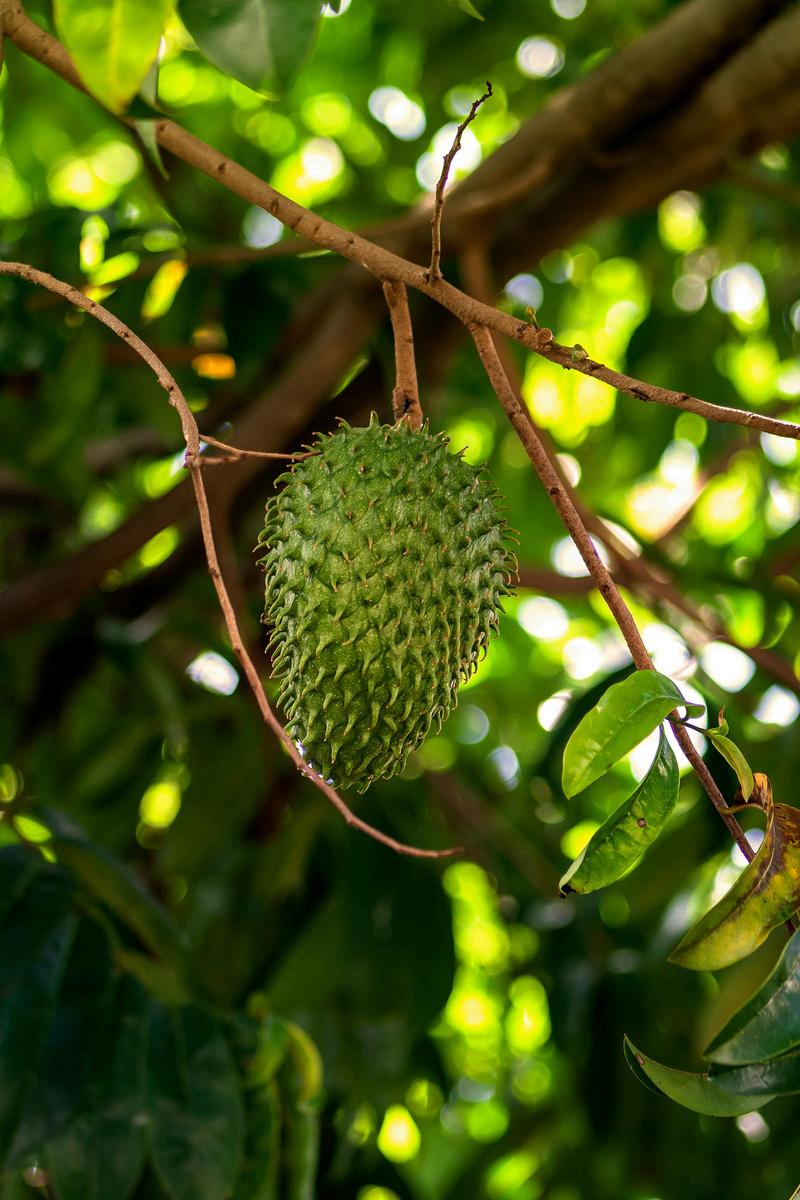
Soursop (Annona muricata): Soursop leaves and fruit are often used in Bahamian bush medicine to treat ailments such as fever, hypertension, and inflammation Several studies have investigated the potential health benefits of soursop. Research suggests that compounds found in soursop, such as acetogenins and alkaloids, possess anti-
inflammatory, antioxidant, and anticancer properties However, more research is needed to determine the optimal dosage and safety profile for medicinal use.
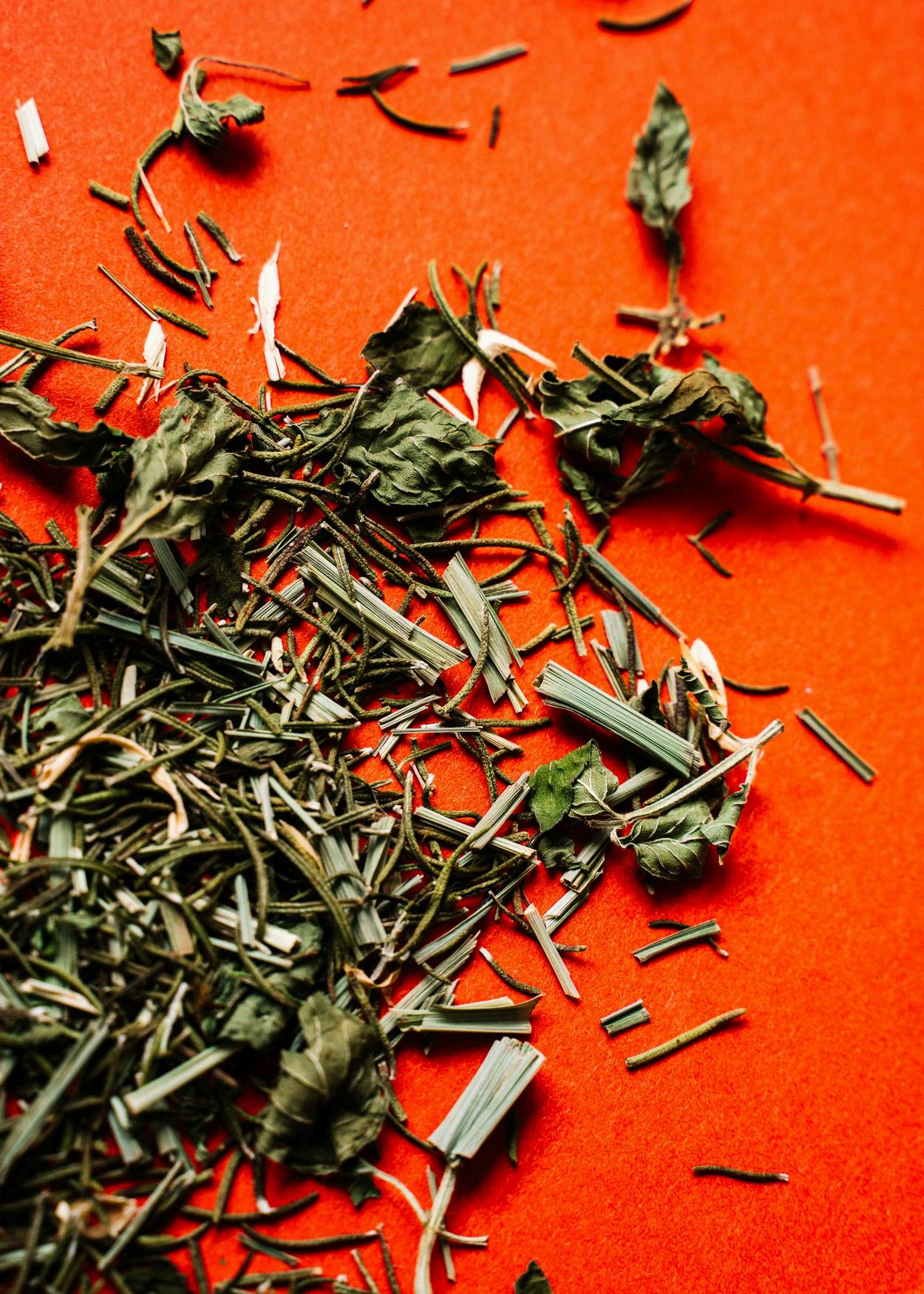
Fever Grass (Cymbopogon citratus): Also known as lemongrass, is commonly used in Bahamian bush medicine to make tea, which is believed to alleviate fever, cold symptoms, and digestive issues Fever Grass contains compounds like citral, which exhibit antimicrobial and anti-inflammatory properties. Studies have shown that the tea may help reduce fever and relieve symptoms of colds and flu.
Aloe Vera (Aloe barbadensis): Aloe vera is widely used in Bahamian bush medicine for its purported healing properties, including treating sunburn, wounds, and skin conditions Aloe vera contains bioactive compounds like polysaccharides and anthraquinones, which have been studied for their wound-healing, antiinflammatory, and antimicrobial effects Clinical trials have shown that topical application of aloe vera gel may accelerate wound healing and relieve symptoms of certain skin conditions like psoriasis and acne
Here are a few examples of Bahamian bush medicine practices and remedies that lack scientific evidence:

Sea Moss/ Irish Moss(Chondrus crispus): It is often used in Bahamian bush medicine to make drinks or gel-like preparations. It is believed to have various health benefits, including boosting immunity, improving digestion, and enhancing sexual performance. While sea moss contains nutrients like iodine, iron, and vitamins, scientific studies specifically examining its health effects in humans are limited. Sea moss may also interact with certain medications or supplements, particularly those affecting thyroid function or blood clotting Individuals taking thyroid medications or anticoagulants should consult with their healthcare provider before consuming sea moss to avoid potential interactions or adverse effects.
Cerasee ( Momordica charantia ): It is often used in traditional medicine to help manage blood sugar levels in individuals with diabetes. It is also believed to offer some relief from cold symptoms and support overall immune health Studies have shown that compounds found in Cerasee , may have blood sugar lowering effects. However, Cerasee may interact with certain medications, including blood thinners and diabetes medications. Combining Cerasee with these drugs may potentiate their effects or lead to adverse reactions, such as hypoglycemia or increased bleeding risk It is also not recommended for pregnant women as it may increase the rates of
pregnancy complications and stillbirths.
Breadfruit (Artocarpus altilis) : In traditional medicine, breadfruit leaves are often used as herbal remedies for a range of ailments, including high blood pressure Some animal studies have suggested that extracts from breadfruit leaves may have hypotensive (blood pressure-lowering) effects However, human studies are lacking Clinical trials specifically investigating the effects of breadfruit leaves on blood pressure in humans have not been conducted individuals with high blood pressure should continue to follow medical recommendations for blood pressure management, including lifestyle modifications and prescribed medications, as appropriate
The debate surrounding bush medicine reflects broader conversations about the intersection of tradition and modernity in healthcare While acknowledging its cultural importance, it is essential to approach bush medicine with a critical eye, prioritizing evidence-based practices and patient safety. By combining the wisdom of the past with the advancements of the present, the Bahamas can chart a course towards a healthcare system that is both culturally sensitive and medically sound.
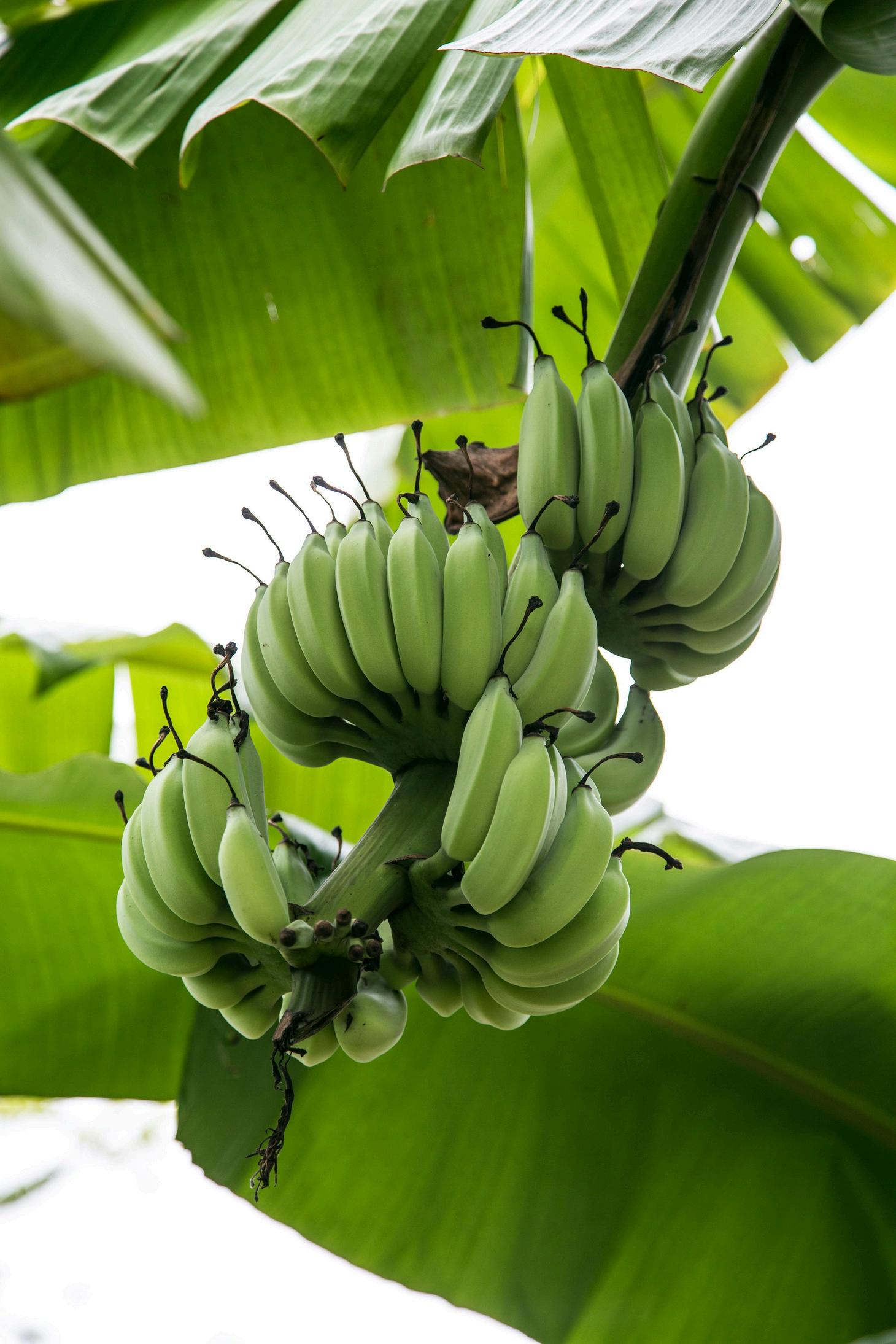
Mangos are not only delicious but also offer a range of nutritional benefits. Here are some key nutrients found in mangos:
Vitamin C
Vitamin A
Vitamin E
Vitamin K
Dietary Fiber
Antioxidants
Potassium
B6
Folate
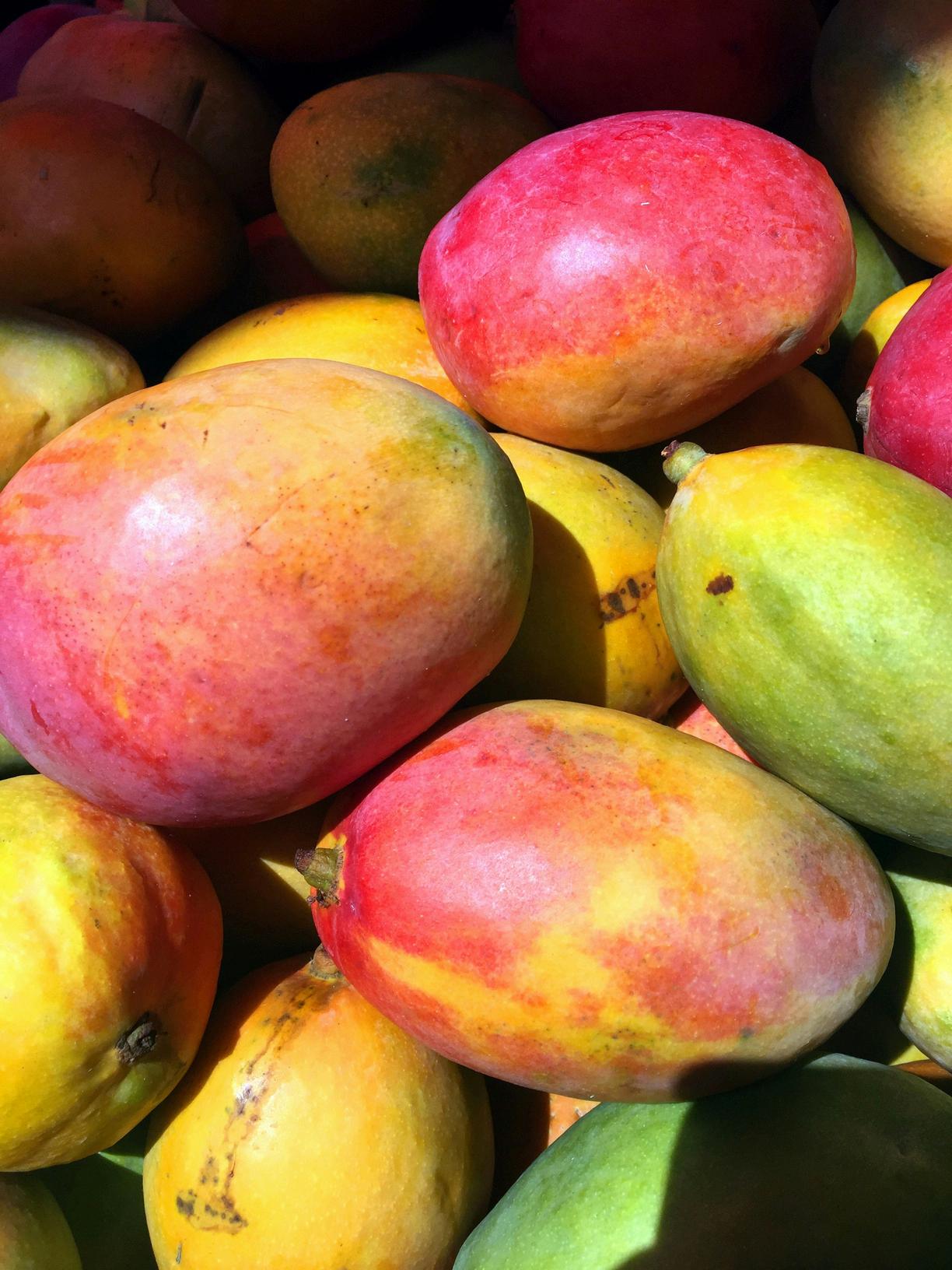
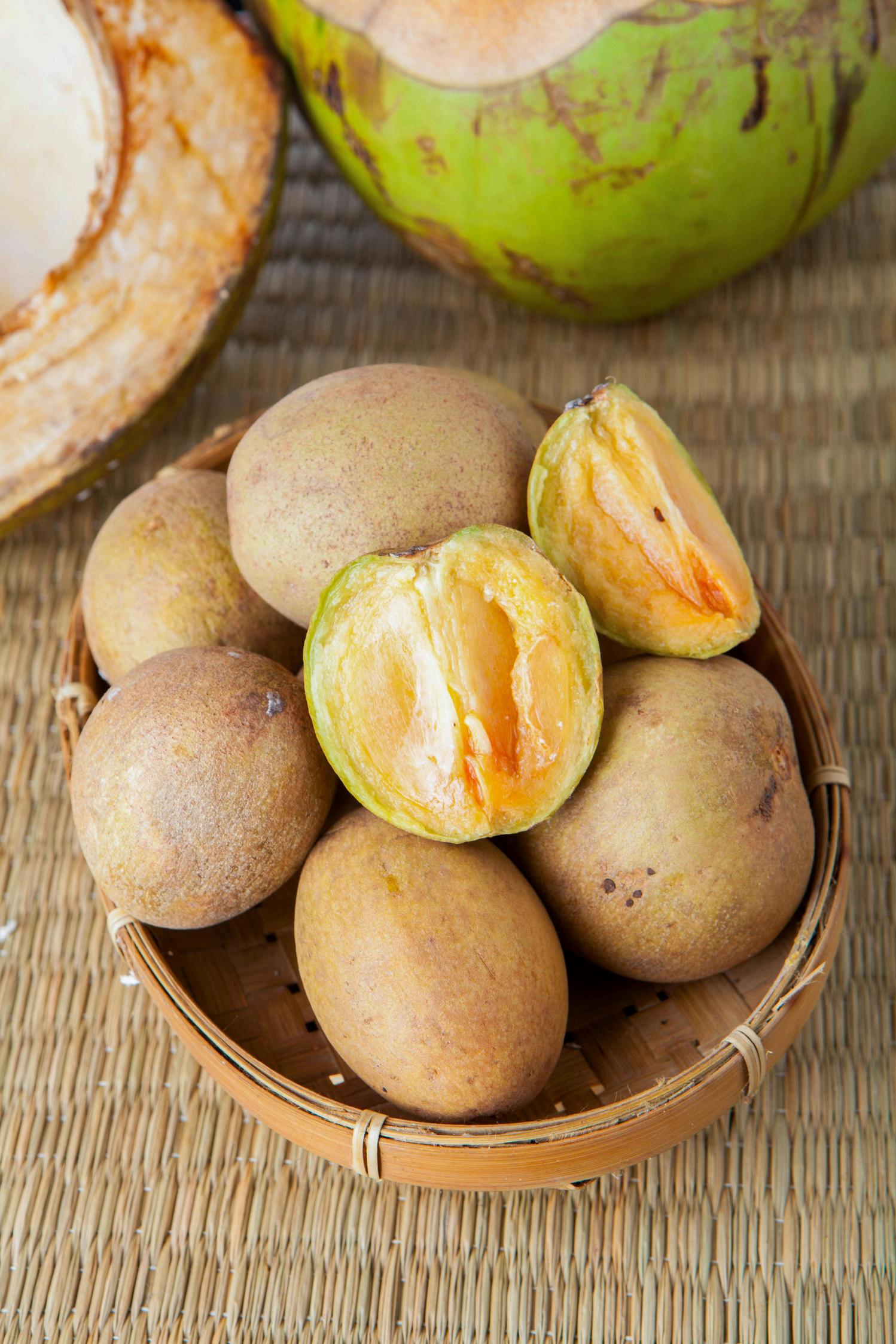
Sapodilla offers several nutritional benefits:
Dietary Fiber
Vitamin C
Vitamin A
Vitamin E
Vitamin K
Potassium
Calcium
Iron
Magnesium
Sapodilla contains tannins, which may have antibacterial properties and could potentially contribute to oral health by preventing plaque formation and cavities.
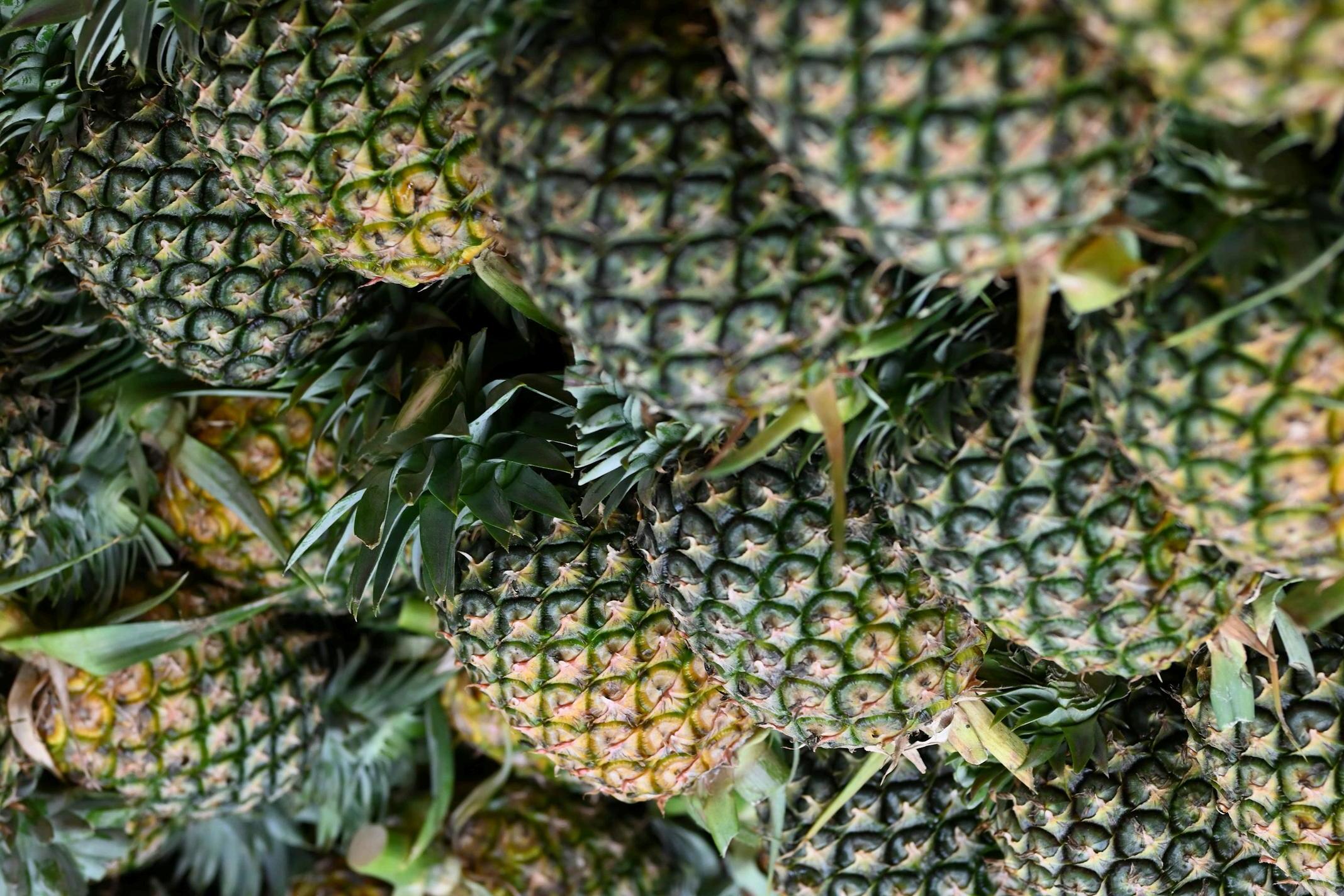
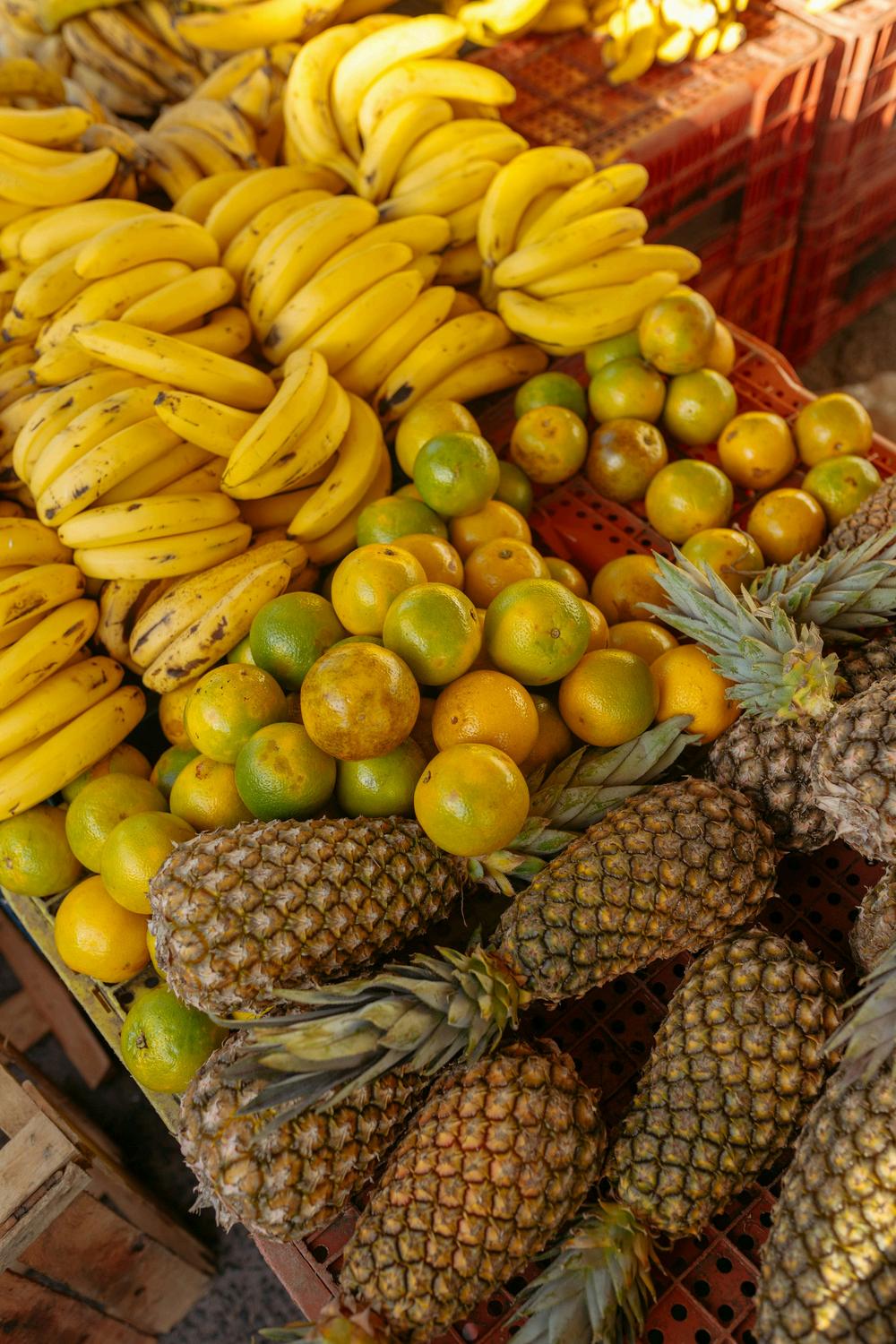
Pineapple is a good source of bromelain, an enzyme that may have anti-inflammatory and digestive benefits. It is also a good source of
Vitamin C
Vitamin A
Calcium
Iron
Potassium
Magnesium
Your relationship with your doctor is a cornerstone of your healthcarejourney.Whileonevisittothedoctorcanaddress immediateconcerns,regularfollow-upsarecrucialforlongterm health and wellness In this article, we'll explore the importance of following up with your doctor and how these check-ins contribute to proactive healthcare management andoverallwell-being
Regular follow-up appointments allow your doctor to monitor your health status over time. Through routine assessments of vital signs, blood tests, and physical examinations, your doctor can identify any changes or trends that may require further investigation or intervention. By staying proactive, potential health issues can be detectedearly,whentheyaremosttreatable

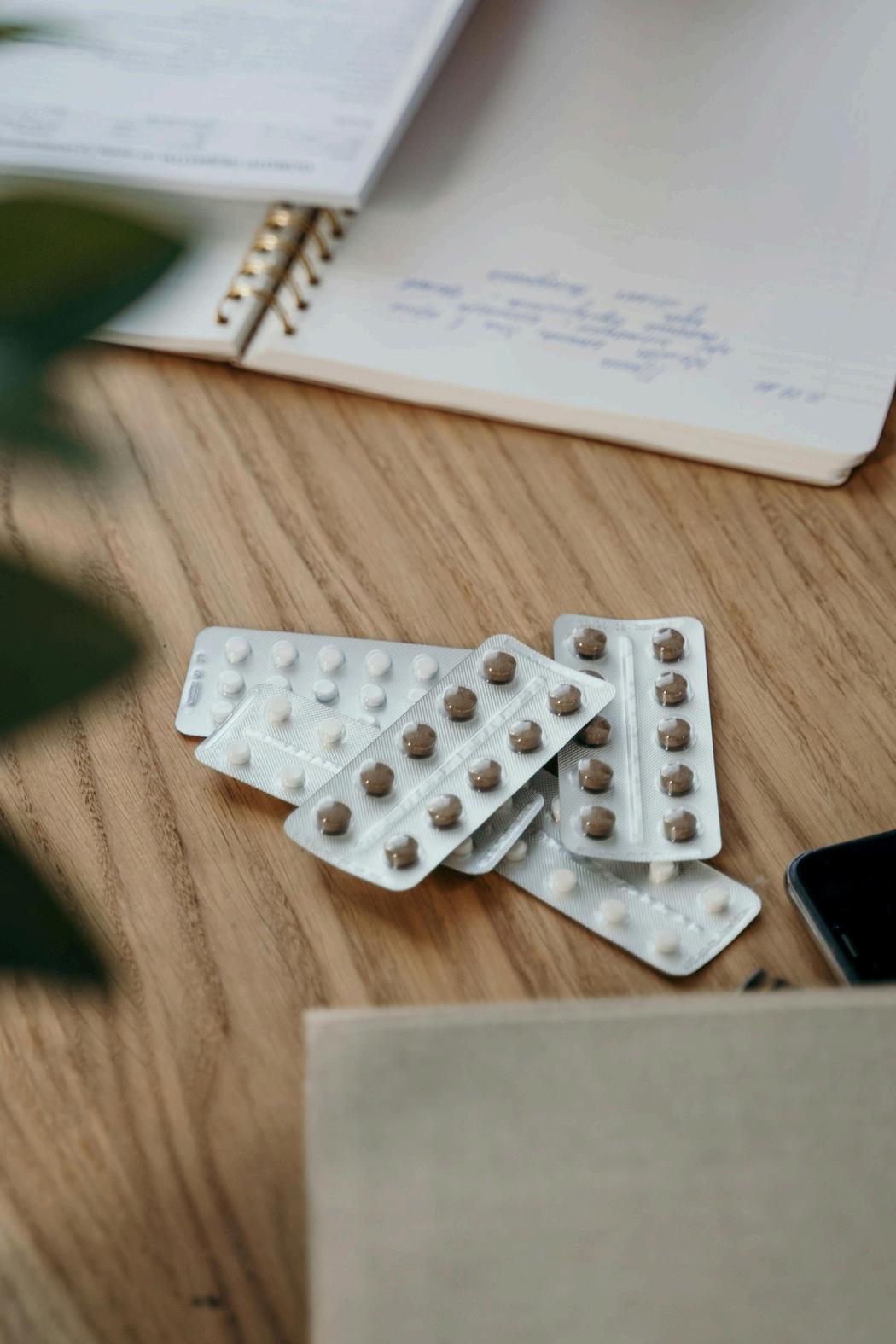
Follow-up appointments provide an opportunitytoreviewandadjustyour treatment plan as needed Whether you ' re managing a chronic condition, recovering from an illness or injury, or pursuing preventive care measures, regularcheck-insallowyourdoctorto assess the effectiveness of your current treatment regimen and make any necessary modifications to optimizeyourhealthoutcomes
Follow-up appointments offer a platform for open communication between you and your doctor This is your opportunity to discuss any concerns, questions, or changes in yourhealthstatussinceyourlastvisit Whether it's regarding symptoms, medication side effects, lifestyle adjustments, or preventive measures, your doctor is there to provide guidance, support, and personalized recommendations tailored to your needs
If you ' re taking medications, regular follow-ups are essential for monitoring their efficacy, safety, and adherence.Yourdoctorcanassess
whetheryourcurrentmedicationsare achievingthedesiredresults,address anypotentialdruginteractionsorside effects, and make adjustments as necessary to optimize your treatment plan
Follow-up appointments are an opportunity to prioritize preventive careandhealthpromotionstrategies
Your doctor can discuss screenings, vaccinations, lifestyle modifications, and other preventive measures that can help reduce your risk of developing chronic diseases and promote overall well-being. By taking proactive steps to maintain your health, you empower yourself to lead ahealthierandmorefulfillinglife.
Following up with your doctor is not just about addressing immediate health concerns; it's about building a collaborative partnership focused on proactive healthcare management and lifelong wellness. By scheduling regular check-ins, you take an active role in prioritizing your health, detecting potential issues early, and optimizing your treatment plan for optimal outcomes Remember, your doctor is your ally on your health journey, and together, you can work towards achieving your health goals and living your best life. Schedule your next follow-up appointment todayandtakethenextsteptowards ahealthierfuture


A big shoutout to all the dedicated Bahamian doctors! Your tireless commitment to providing compassionate care and improving the health and well-being of the community is truly commendable. Your expertise, professionalism, and unwavering dedication make a significant difference in the lives of those you serve. Thank you for your hard work, resilience, and selflessness. You are true heroes!
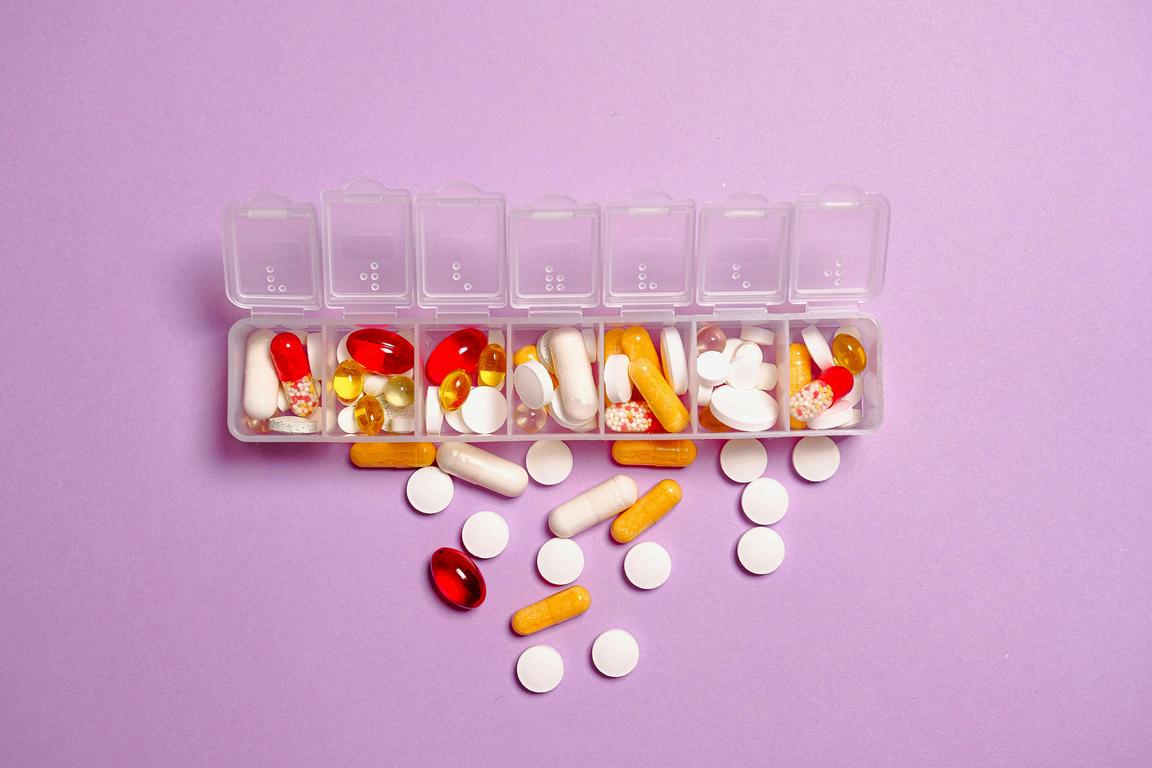

Understanding how your medications work is crucial for ensuring their effectiveness and safety. It empowers you to take an active role in managing your health and enables you to make informed decisions about your treatment. By knowing how your medications affect your body, you can better adhere to your treatment plan and communicate effectivelywithyourhealthcareprovider.
Diuretics (Water Pills): Diuretics help the body get rid of excess sodium (salt) and water. This helps lower blood pressure by reducing the volume of fluid in the bloodstream and decreasing the workload on the heart. Examples include Hydrochlorothiazide(HCTZ),Furosemide(Lasix).
ACE Inhibitors (Angiotensin-Converting Enzyme Inhibitors): ACE inhibitors relax blood vessels, allowing blood to flow more easily, which lowers blood pressure They also decrease the production of angiotensin II, a hormone that narrows blood vessels ExamplesincludeLisinoprilandEnalapril
ARBs (Angiotensin II Receptor Blockers): ARBs block the action of angiotensin II, a hormone that narrows blood vessels, thereby relaxing blood vessels and lowering blood pressure Examples include:LosartanandValsartan
Beta-Blockers: Beta-blockers reduce the heart rate and decrease the force of contraction of the heart muscle, which reduces the amount of blood pumped through the arteries, thereby lowering blood pressure. Examples include Atenolol and Metoprolol.
Calcium Channel Blockers: Calcium channel blockers relax and widen blood vessels by preventing calcium from entering the cells of the heart and blood vessel walls, which lowers blood pressure. Examples include Amlodipine and Nifedipine.
Diuretics(WaterPills):Sideeffectsmayinclude frequent urination, electrolyte imbalances (such as low potassium levels), dizziness, dehydration,andmusclecramps
ACE Inhibitors (Angiotensin-Converting Enzyme Inhibitors): Side effects may include cough, dizziness, increased blood potassium levels (hyperkalemia), and changes in taste sensation.
ARBs (Angiotensin II Receptor Blockers): Side effects may include dizziness, increased blood potassium levels (hyperkalemia), and occasionalallergicreactionssuchasskinrash.
Beta-Blockers: Side effects may include fatigue, dizziness, cold hands and feet, decreased heart rate, and worsening of asthma symptomsinsusceptibleindividuals.
Calcium Channel Blockers: Side effects may include dizziness, flushing, headache, swollen ankles,constipation,andpalpitations
It's important to note that not everyone will experience side effects, and some side effectsmaysubsideovertimeasyourbodyadjuststothemedication.
However, if you experience any concerning or persistent side effects, it's essential to consult your healthcare provider for guidance. They may be able to adjust your dosage or prescribe a different medication to minimize side effects while effectively managing yourbloodpressure.
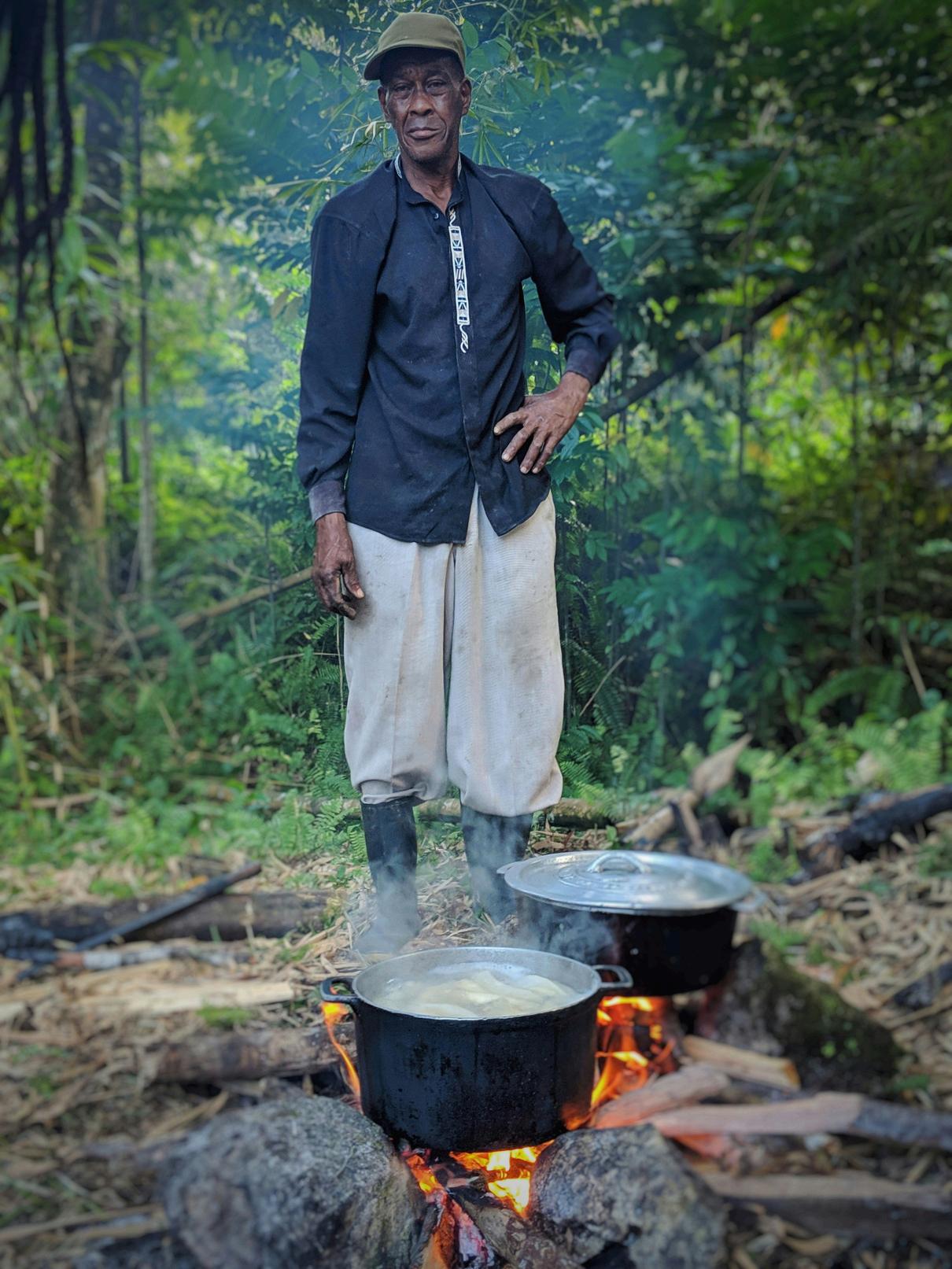



Herearesomestrategies fortakingcontrolofyour health:
Healthy Eating: Adopt a balanced diet rich in fruits, vegetables, whole grains, lean proteins, and healthy fats Limit intake of processed foods, sugary snacks, and high-sodium meals
Regular Exercise: Aim for at least 150 minutes of moderate-intensity aerobic activity or 75 minutes of vigorous activity each week Incorporate strength training exercises at least two days a week
Stress Management: Practice stressreducing techniques such as mindfulness, meditation, deep breathing exercises, and engaging in hobbies or activities you enjoy
Regular Check-ups: Schedule regular visits with your healthcare provider for routine screenings and monitoring of blood pressure, blood sugar levels, and other vital signs
In recent years, a concerning trend has emerged: a rise in hypertension and diabetes among young people Once considered primarily conditions of older adults, these chronic illnesses are now affecting individuals in their prime, underscoring the importance of taking health seriously at every age
The causes of hypertension and diabetes in the young are multifaceted Sedentary lifestyles, poor dietary habits, excessive stress, and genetic predispositions all play a role With the prevalence of processed foods, sugary drinks, and digital distractions, it's no wonder that chronic diseases are

taking root at younger ages Despite their prevalence, hypertension and diabetes often go undetected in the young, as symptoms may be subtle or dismissed as typical of youth However, untreated, these conditions can lead to serious complications such as heart disease, stroke, kidney failure, and even premature death
The good news is that hypertension and diabetes are largely preventable and manageable with lifestyle modifications and proper medical care

“Ignoringyourhealthinyouthdoesn't exemptyoufromitsconsequenceslater”
As we confront the growing prevalence of chronic diseases in the young, it's imperative to prioritize health education and empowerment By equipping young people with the knowledge, resources, and support they need to make healthy choices, we can reverse the tide of this alarming trend and cultivate a healthier future for generations to come. Remember, health is not a destination; it's a journey, and it begins with each of us taking our health seriously, starting today. Ignoring your health in youth doesn't exempt you from its consequences later Take care now; your future self will thank you