In our industry, the highest standard we can achieve for our Quality Management System is the ISO 9001 certification - awarded by TUV Rheinland. It is the global benchmark that guarantees a total focus on customer service and continual improvement.
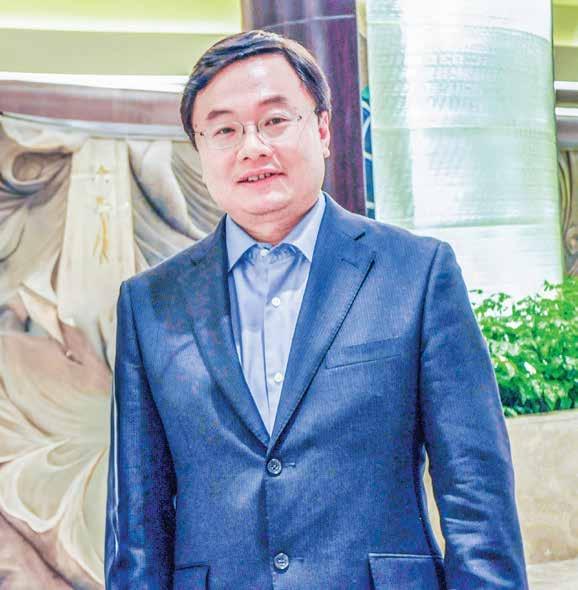
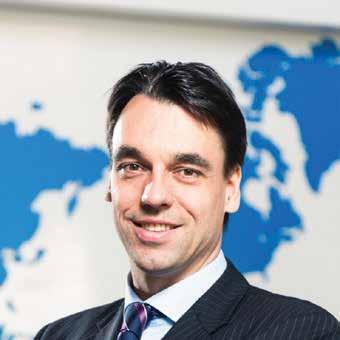
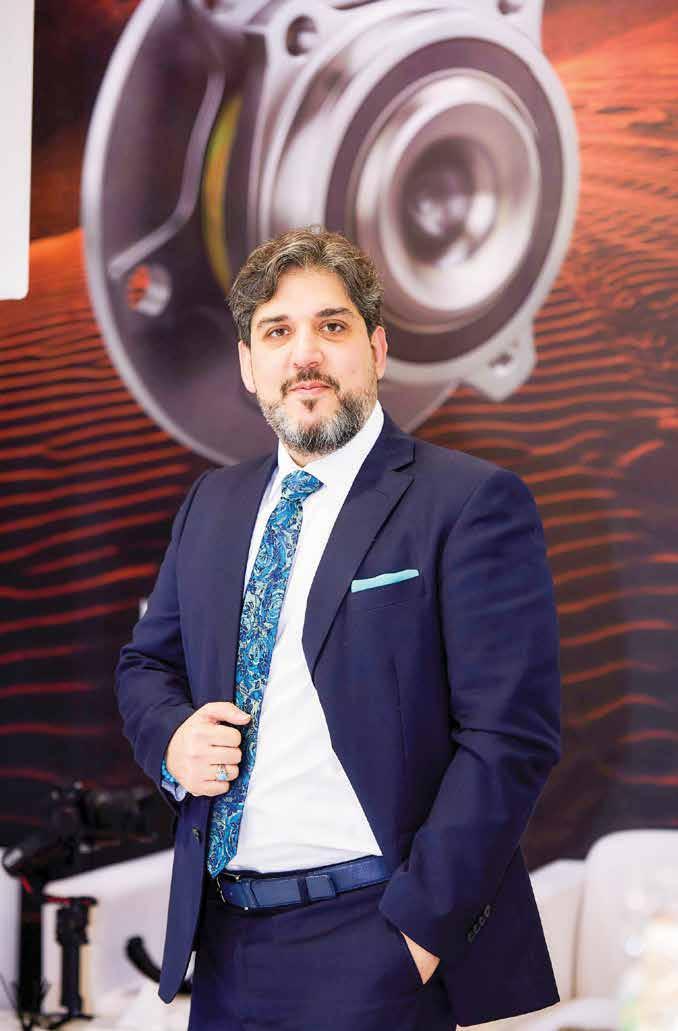
Mike Brandt Editor-in-Chief Motion+Drives Magazine
Transformation of Power Transmission and Automation industries Continues at a Fast Pace
The industrial motion and power transmission sector continues to evolve rapidly as manufacturers, distributors, OEMs, and end-users face increasing demands for higher efficiency, reliability, sustainability, and digitalization. Advances in automation, smart manufacturing, condition monitoring, electrification, artificial intelligence, and energy-efficient drive systems are transforming the entire landscape. At the same time, global supply chain shifts, new materials, stricter requirements, and changing customer expectations are accelerating innovation in bearings, gearboxes, motors, couplings, chains, belts, and related products.
A major milestone has been achieved with the official founding of the World Power Transmission Association (WorldPTA), creating the first global platform dedicated to connecting the entire power transmission industry value chain.
With its next global Annual Meeting in March 2027 and nine regional meetings planned worldwide for the coming year ahead, WorldPTA is set to become an indispensable platform for international networking, cooperation, and sustainable growth.
Innovation remains at the heart of our industry. We further explore new developments in industrial automation and technologies. Focussing on critical
products such as belts, chains and components highlighting solutions that improve efficiency, reliability, and performance across demanding applications.
Bearing technology also takes centre stage further in this issue. We feature an interview with Varun Sood, Co-CEO of Technymon GBT on its advanced Fritex® composite bearings, while Dr. Alberto Barili of the RKB Technical Team presents a technical study on cylindrical roller bearing performance in steel mill applications. We also examine how the technology company APO-GEE is transferring spacederived bearing technologies to the fast-growing electric vehicle sector.
Alongside these features, you will find the latest industry news, investments, product innovations, and market developments covering bearings, gearboxes, couplings, drive systems, and material handling technologies. Together, they reflect the industry's ongoing pursuit of greater performance, sustainability, and reliability.
We hope you enjoy this edition and find inspiration in the innovations shaping the future of power transmission and automation industries.
Napoleon Engineering Services: A comprehensive bearing-service provider
73
Components
Alva Industries Expands
SlimTorq™ Portfolio with New STM-190-35 Motor Size
61 65 69
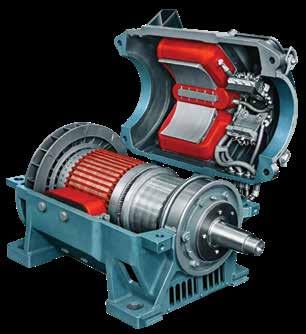
Motors Motorized Torque-Arm Sets New Benchmark in Shaft- Mounted Drive Performance
74
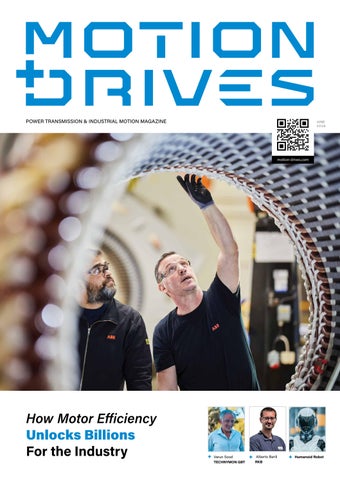
Motors How Motor Efficiency Unlocks Billions For the Industry
Vacuum Technology
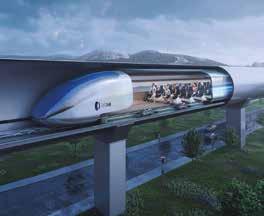
Hyperloop traveling through a vacuum at 1,000 kilometers per hour
79
Linear Motion
Backlash-Free: How Redex Drives Aerospace Precision
82
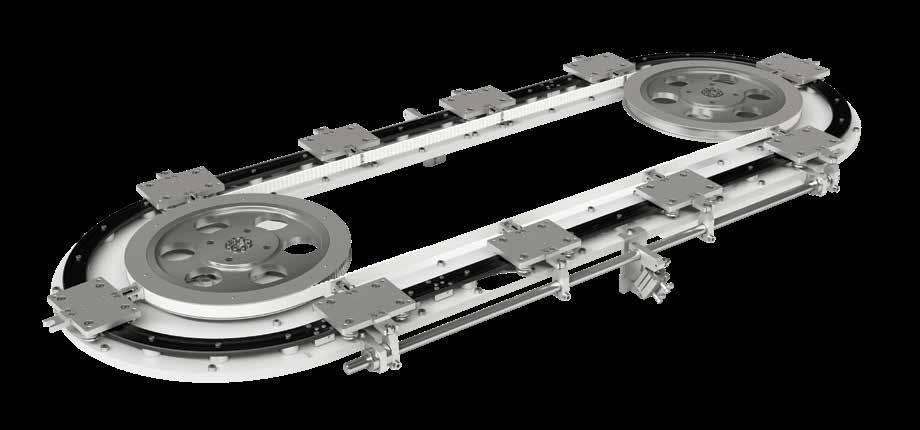
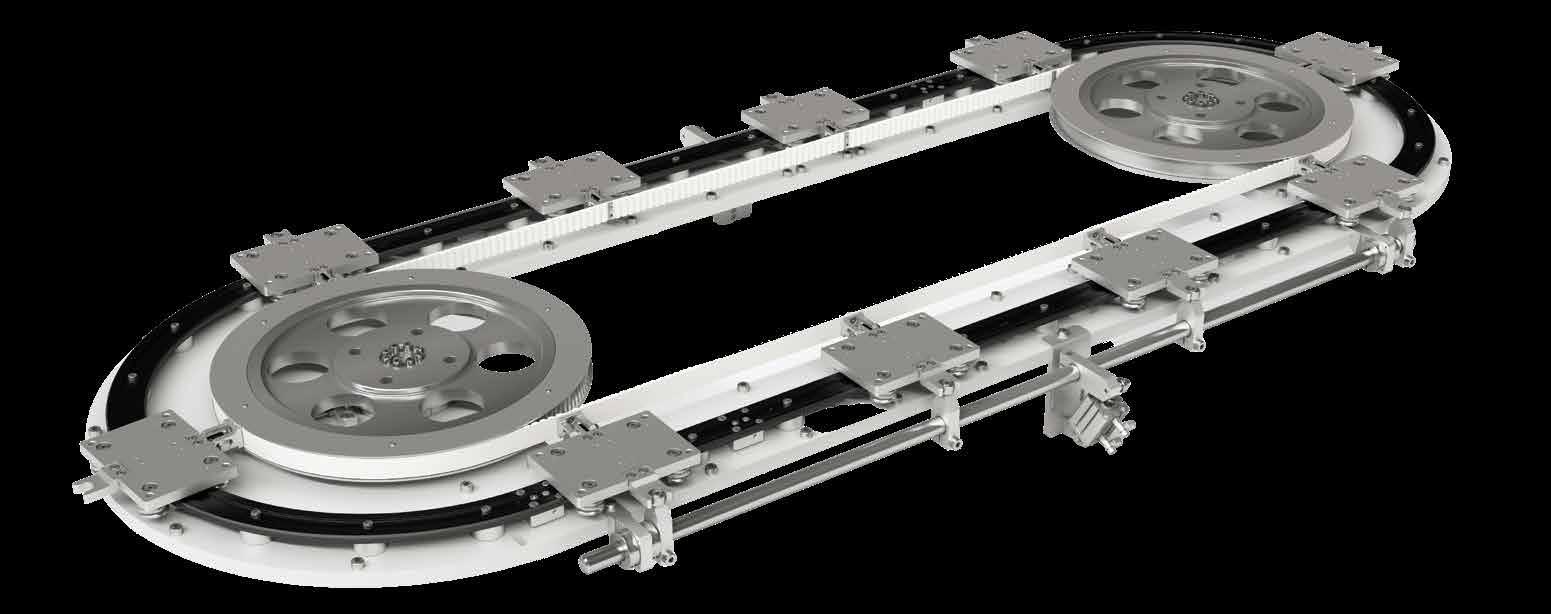
Linear Motion Rollon Expands Linear Motion into Circular Paths
88
Seals & Sealing Systems
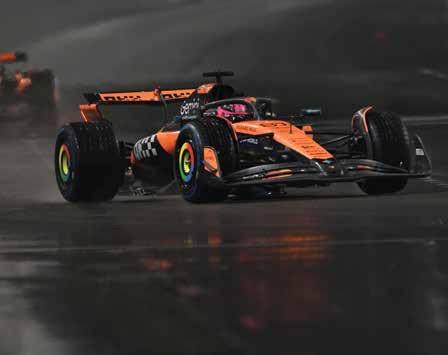
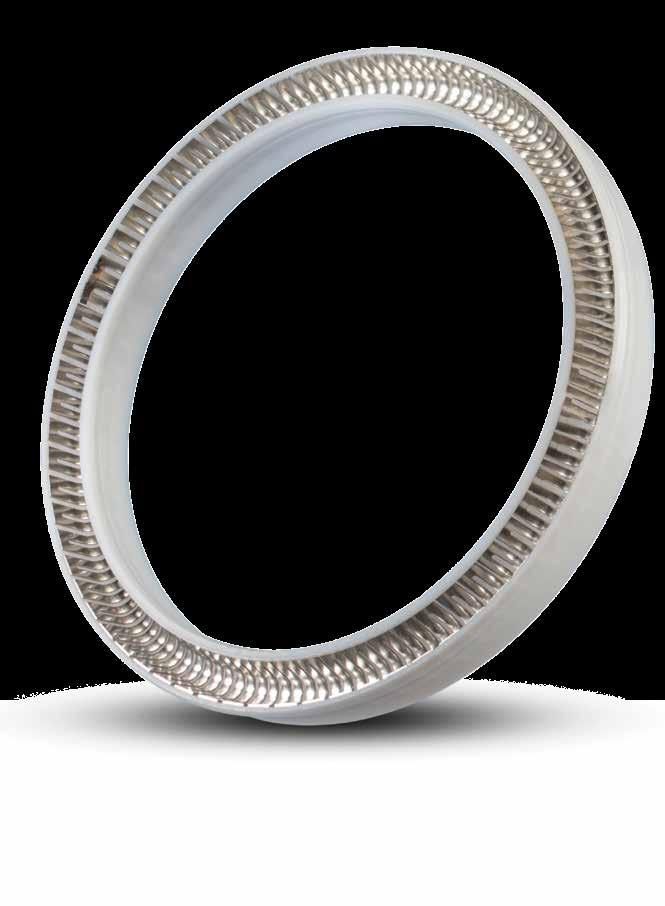
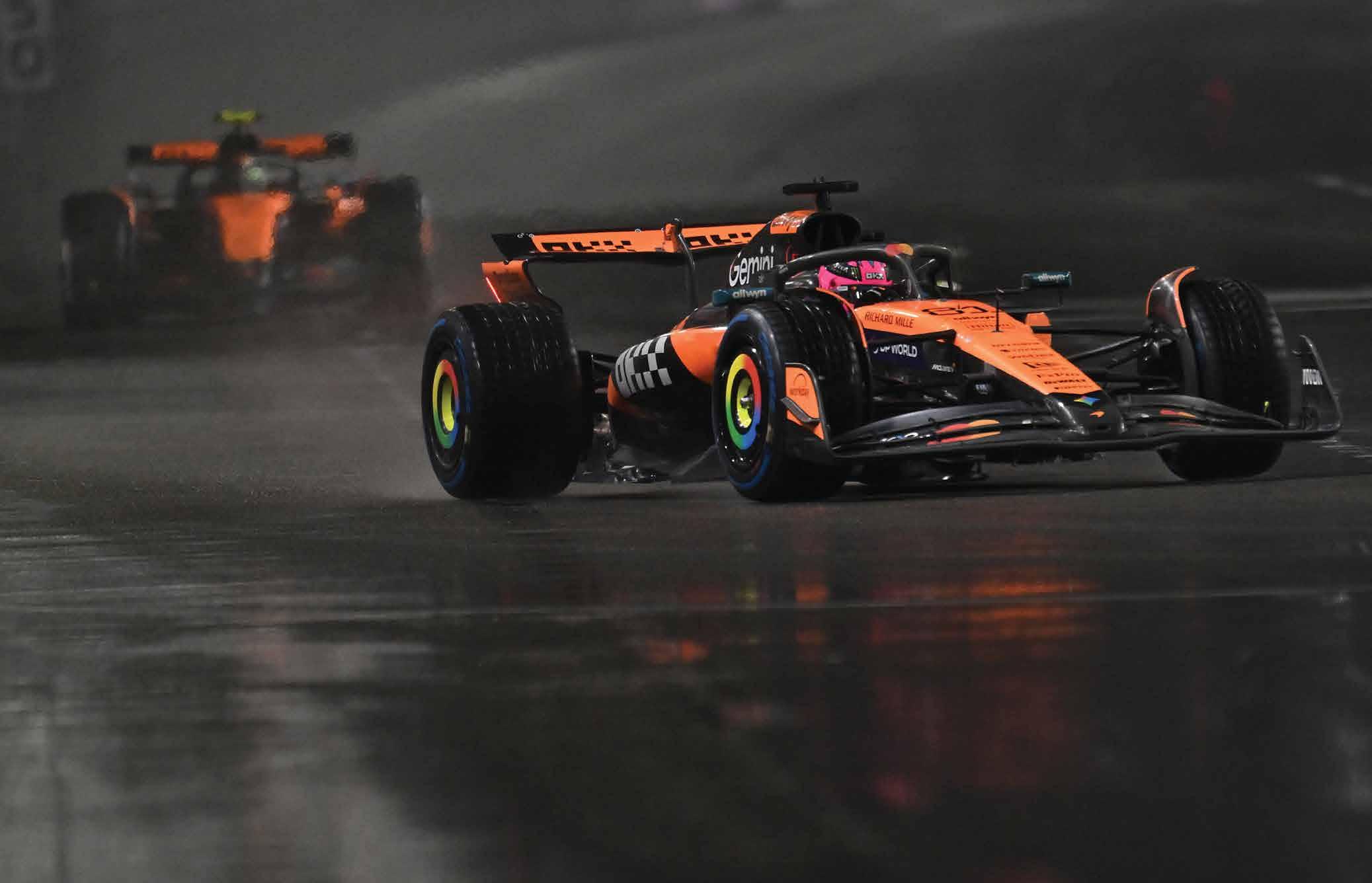
Zero Leakage at 250 Bar: Sealing McLaren's F1 Differential
Motors
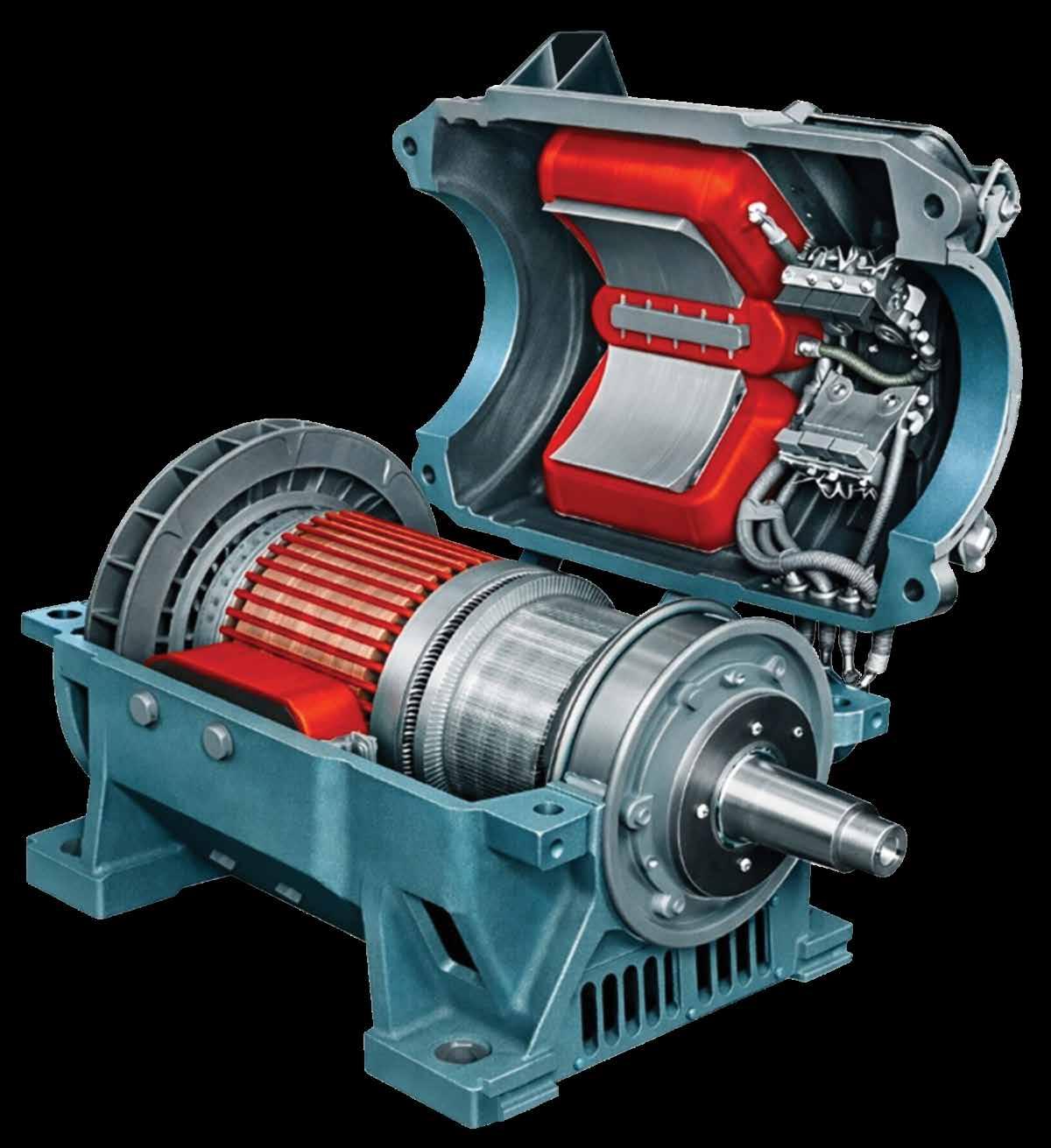
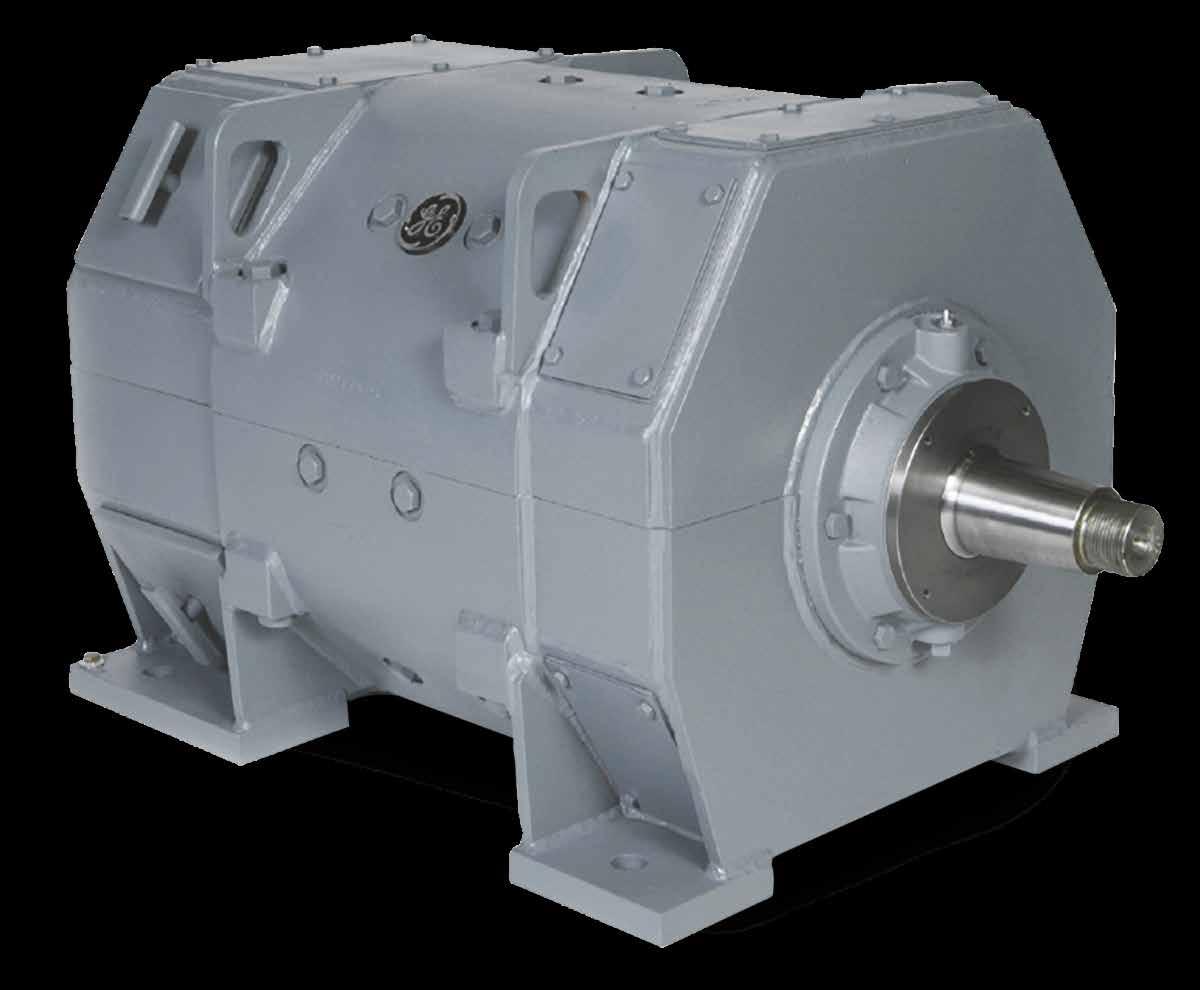
Wolong Electric America Introduces MD600Z Armored DC Motors for Steel and Crane Applications
Robotics & Automation
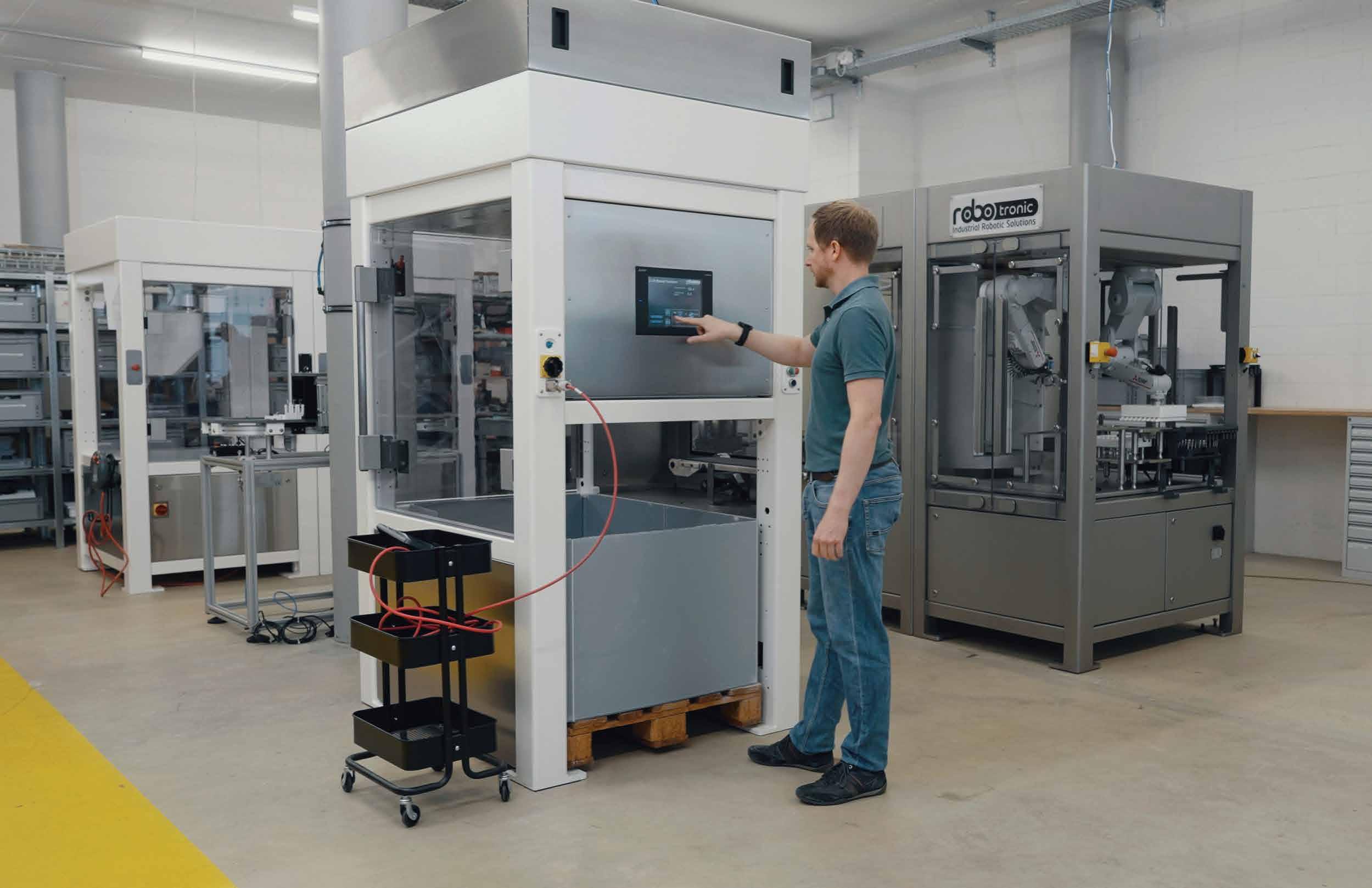
600 Parts a Minute: Mitsubishi Robots Tackle Pharma Shortage
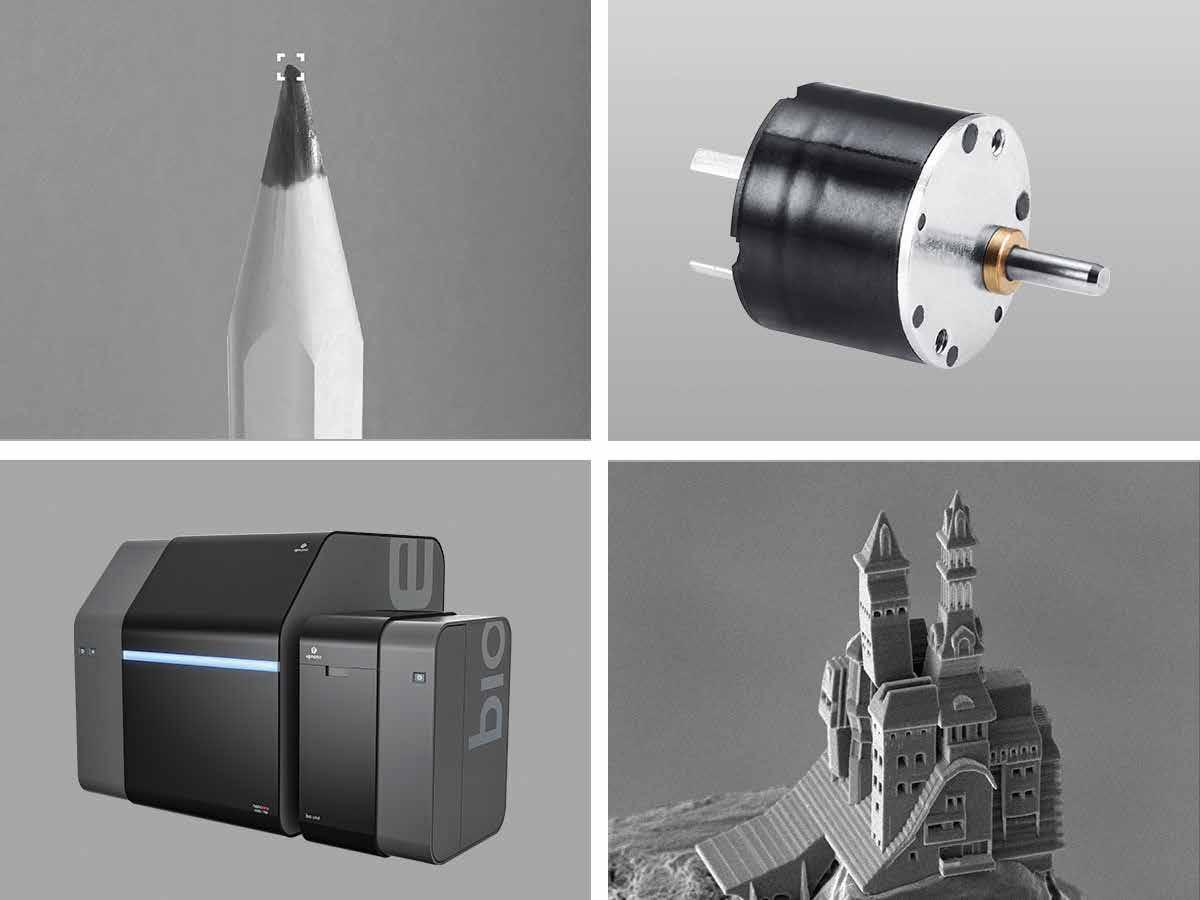
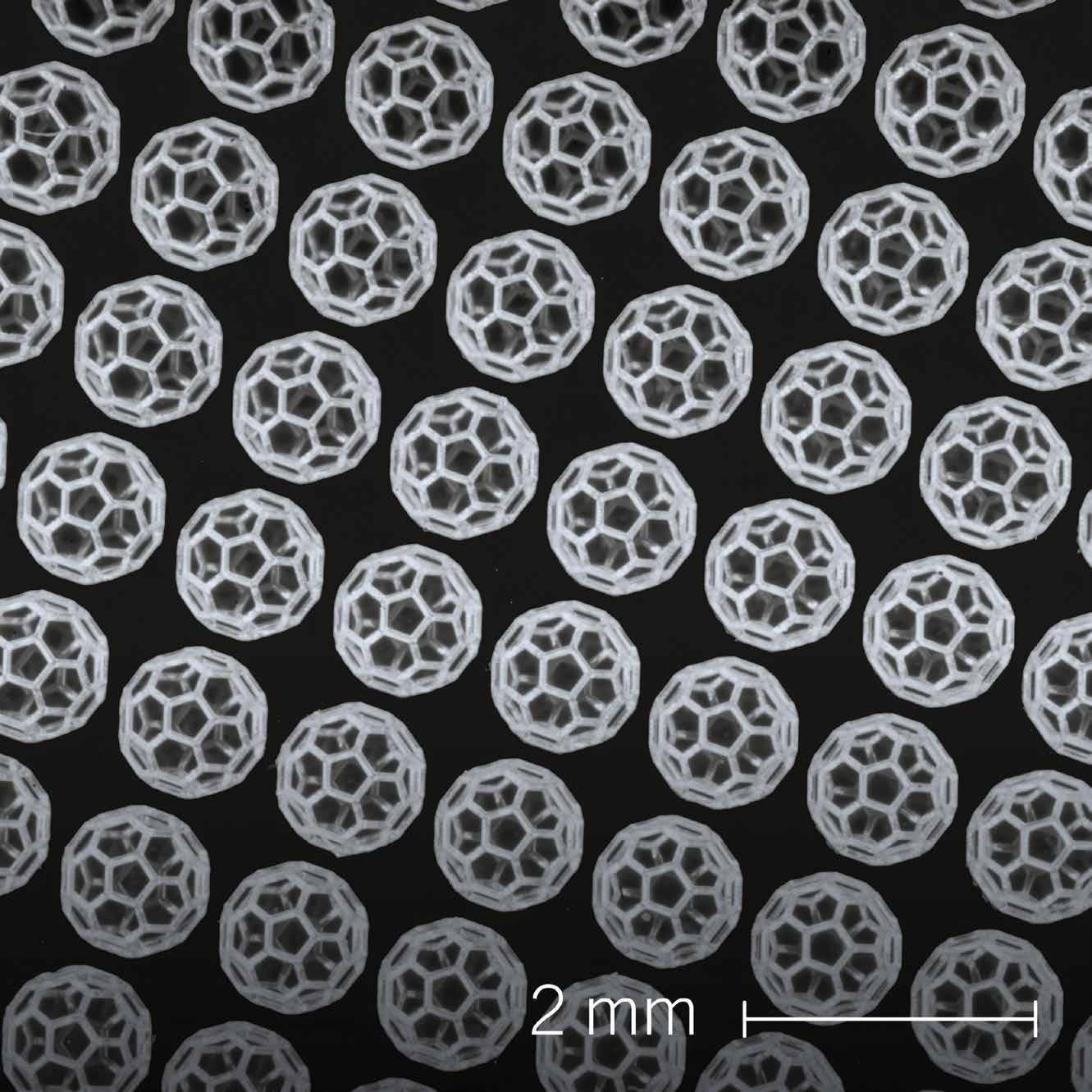
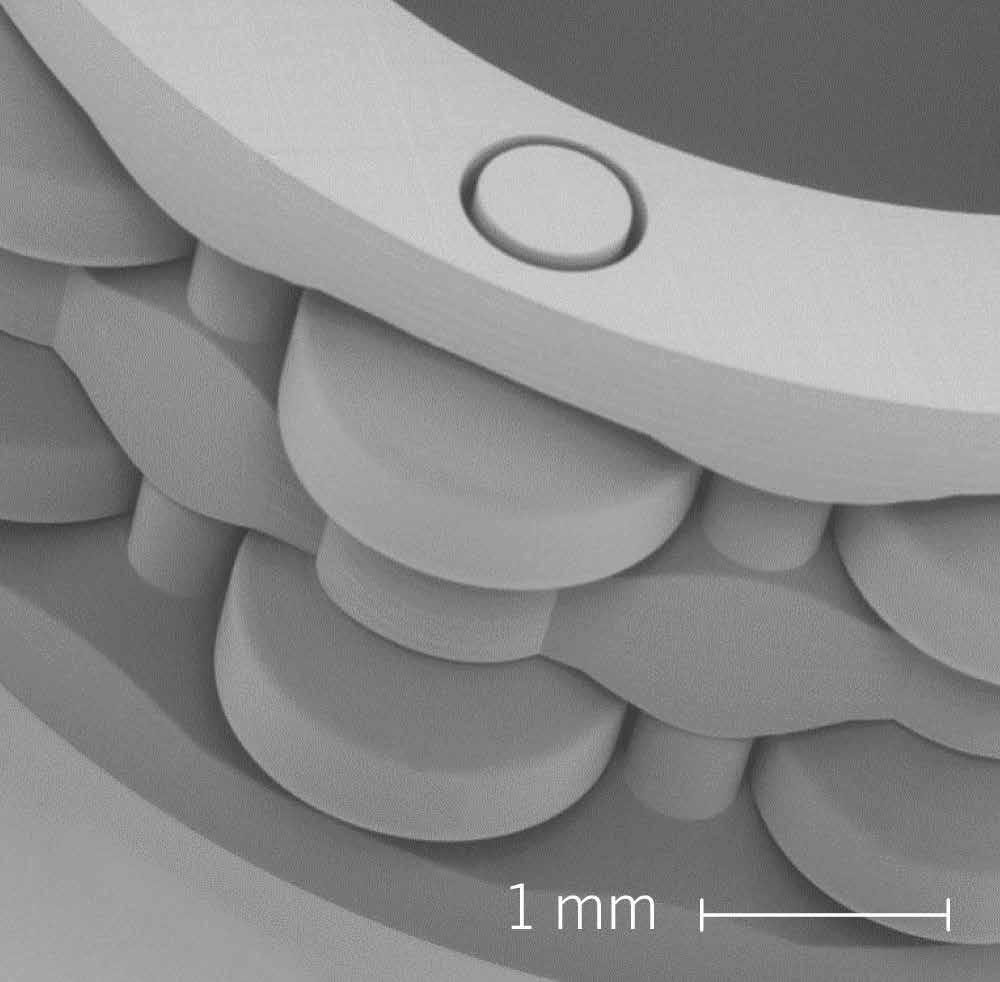
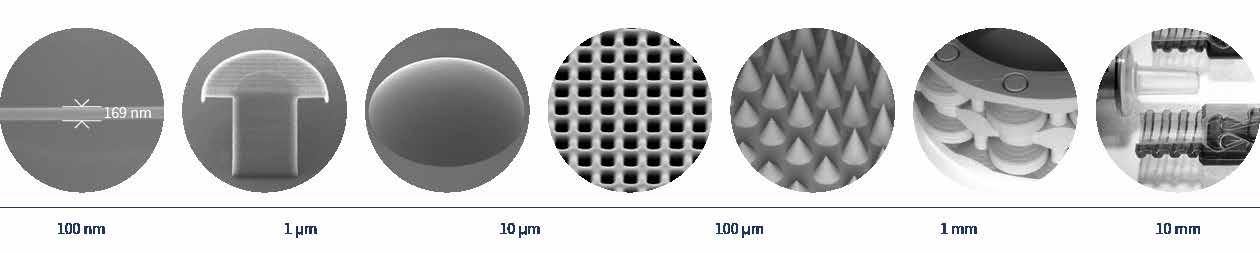
98 Drive Systems The printer for the smallest details
Lifting
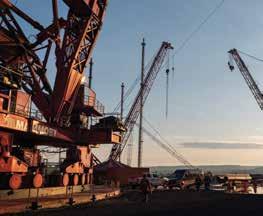
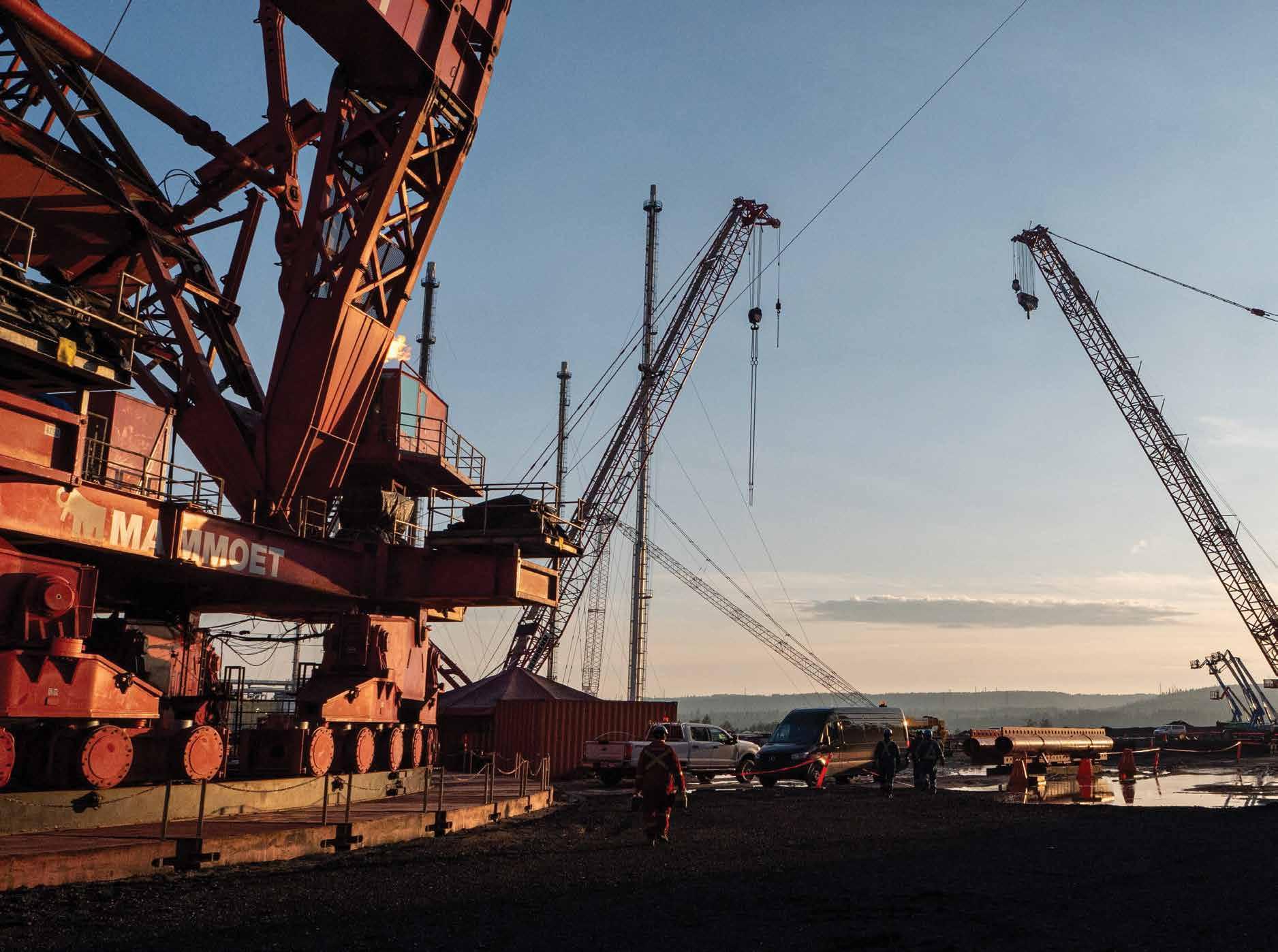
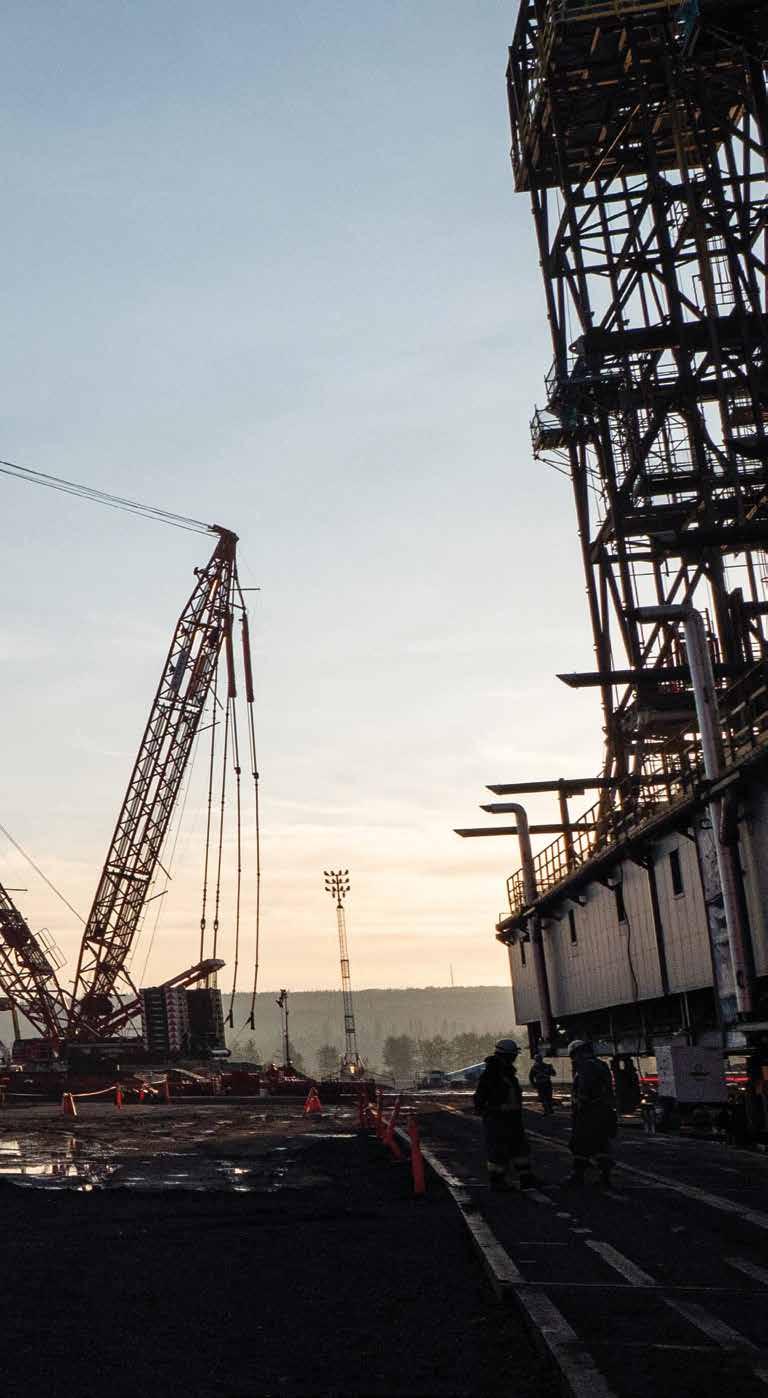
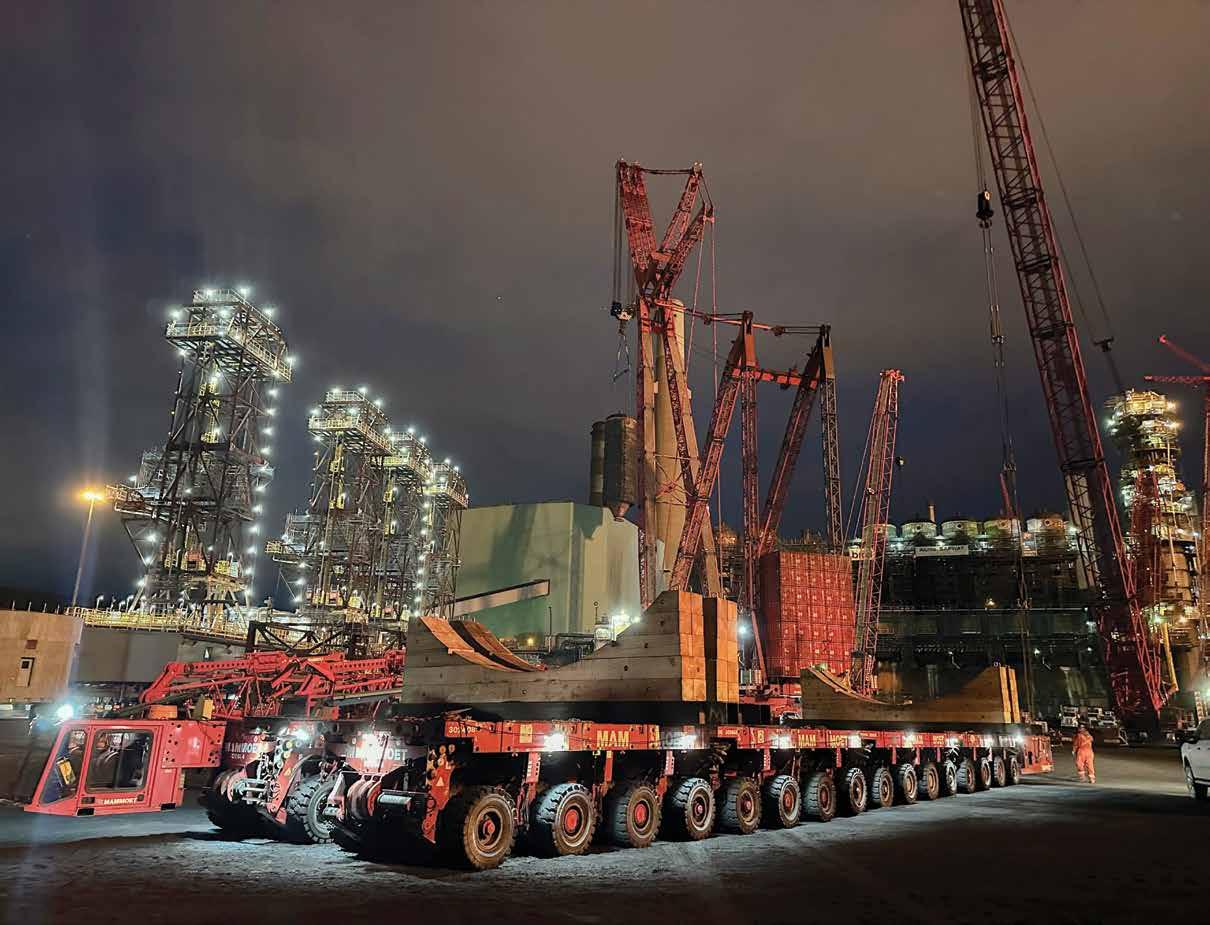
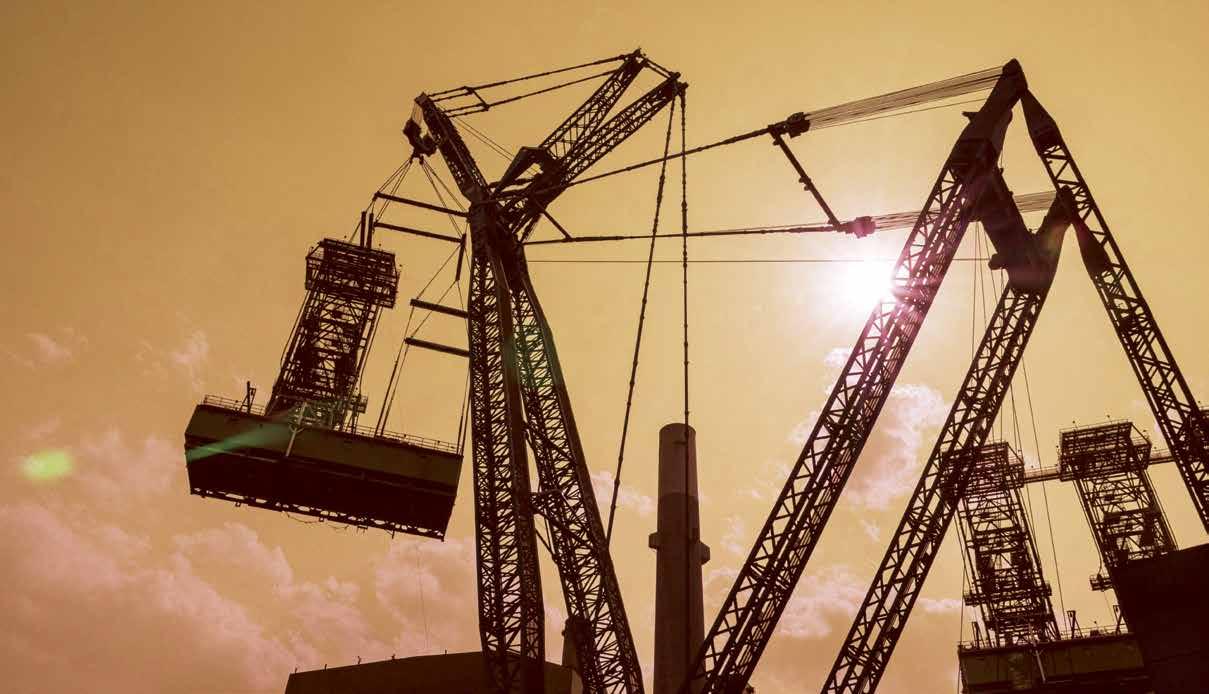
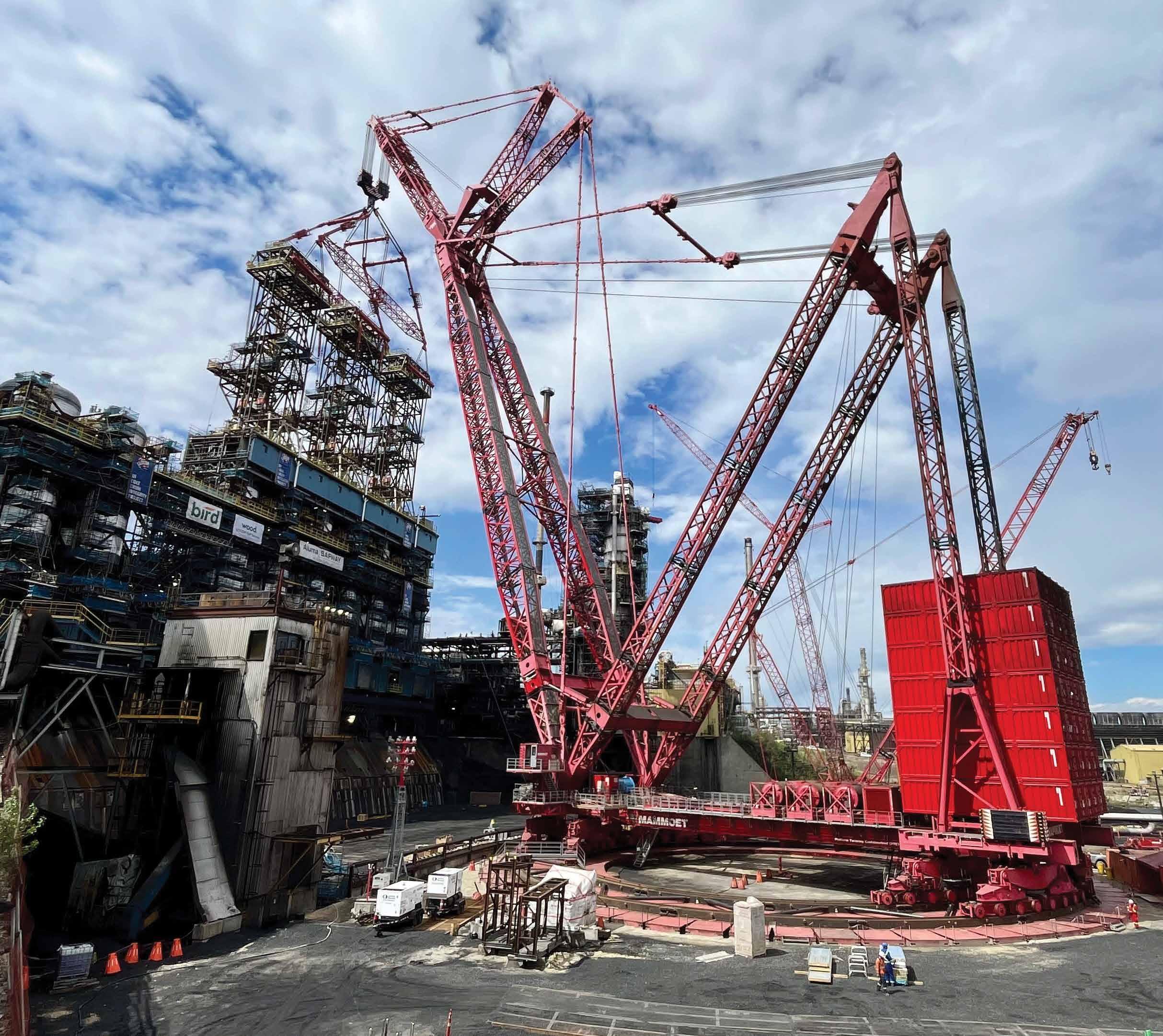
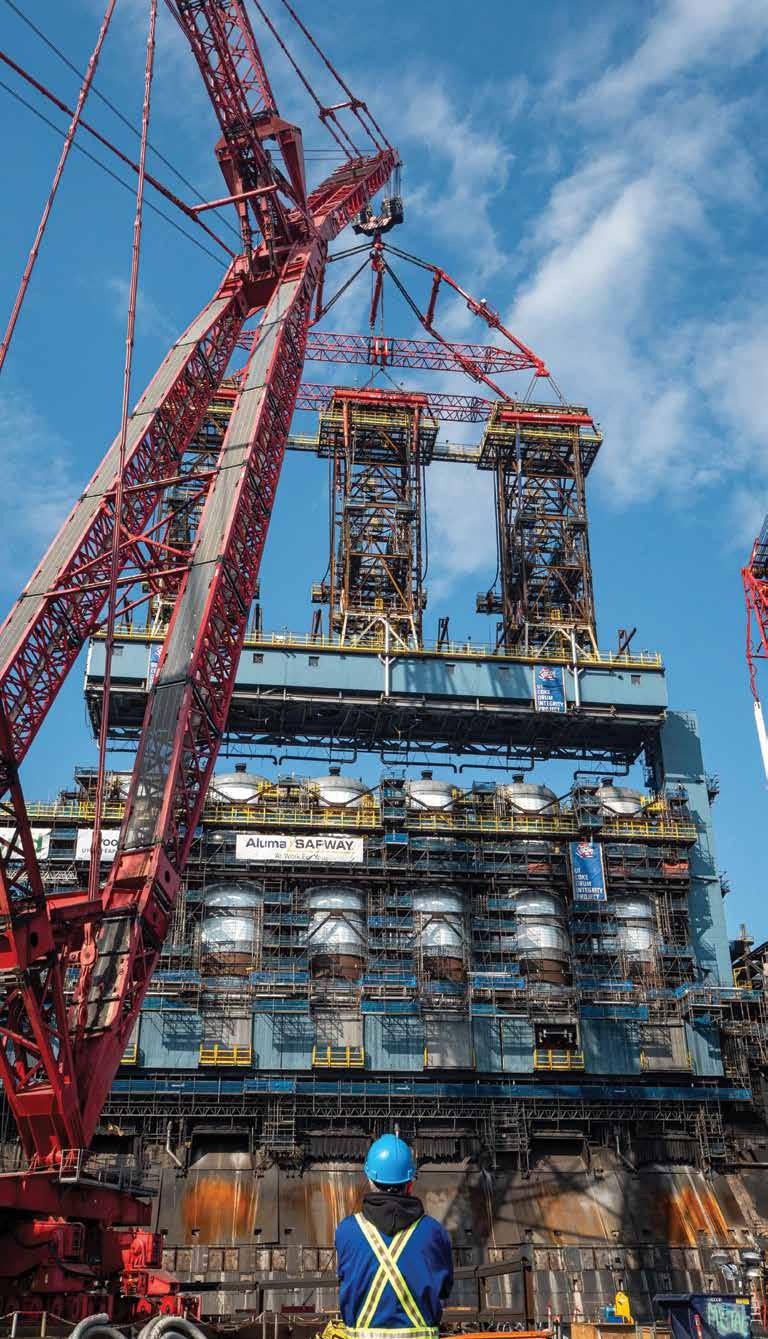
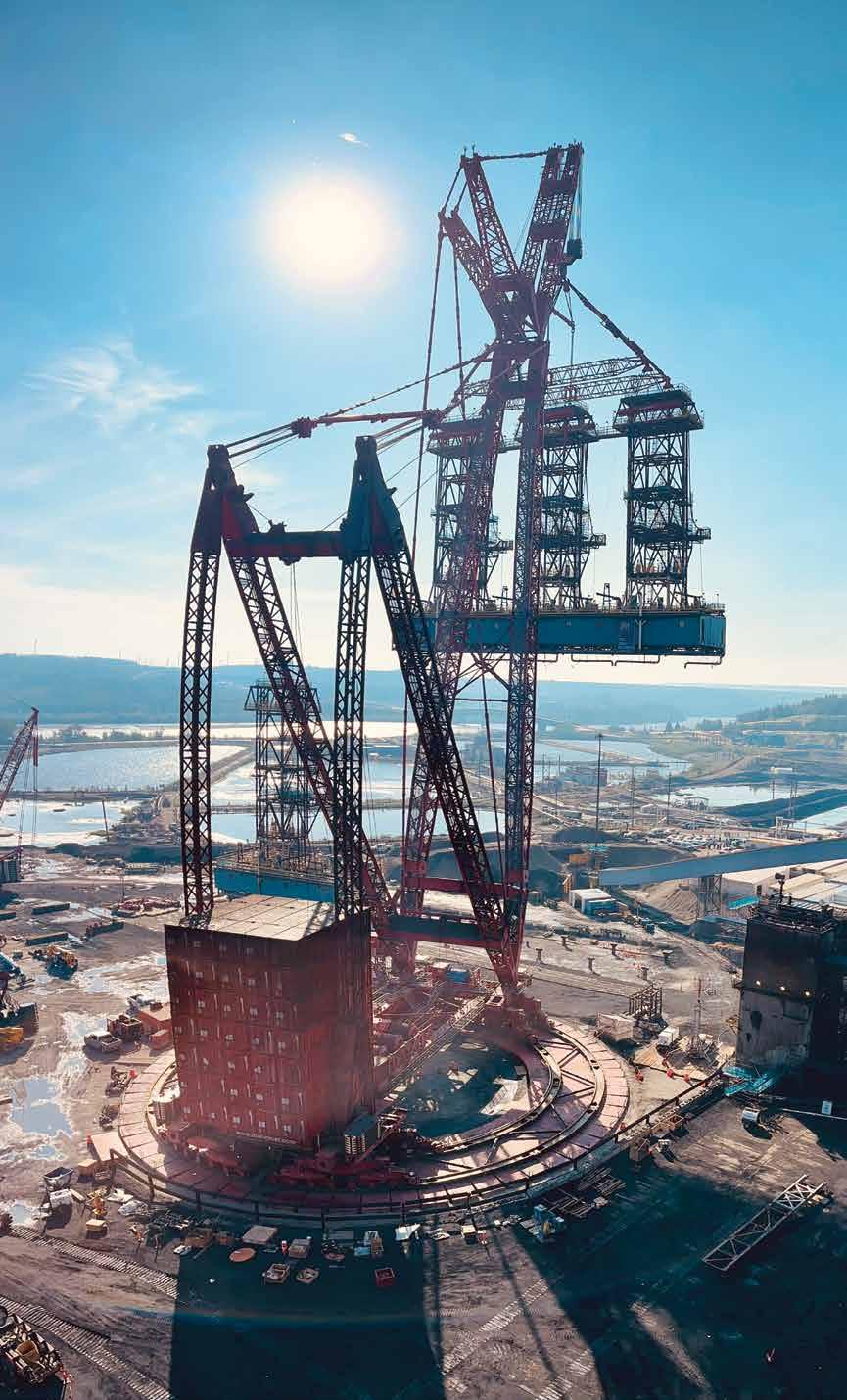
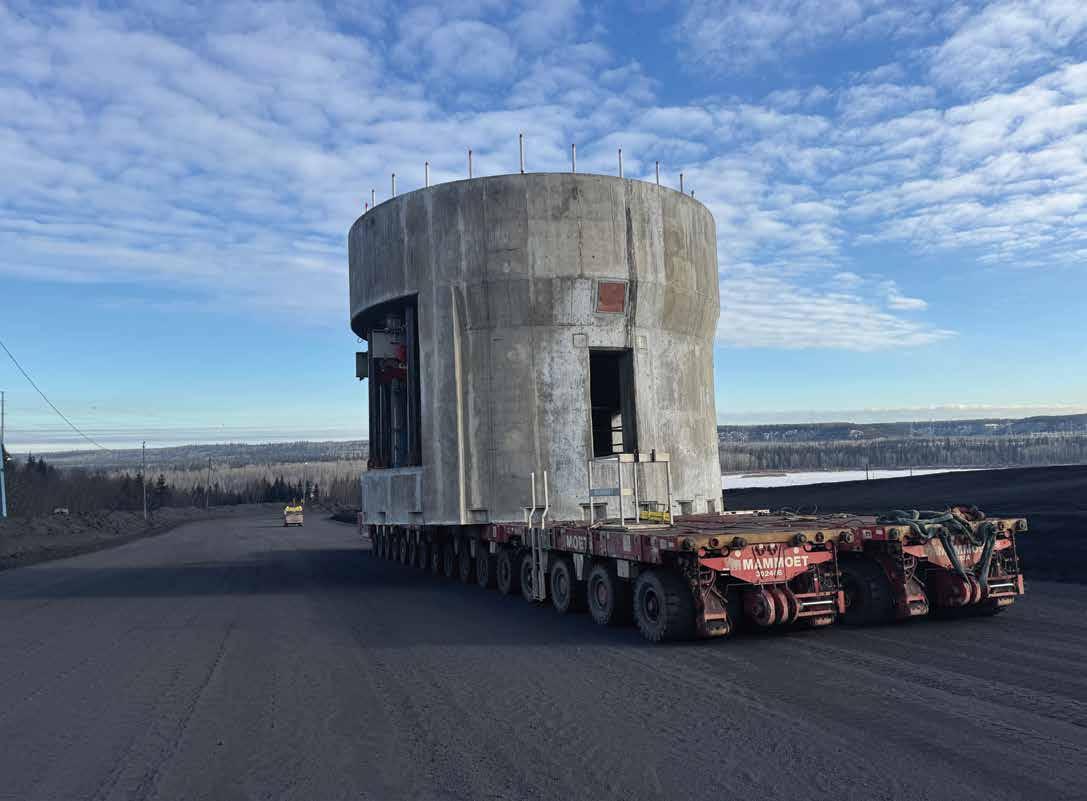
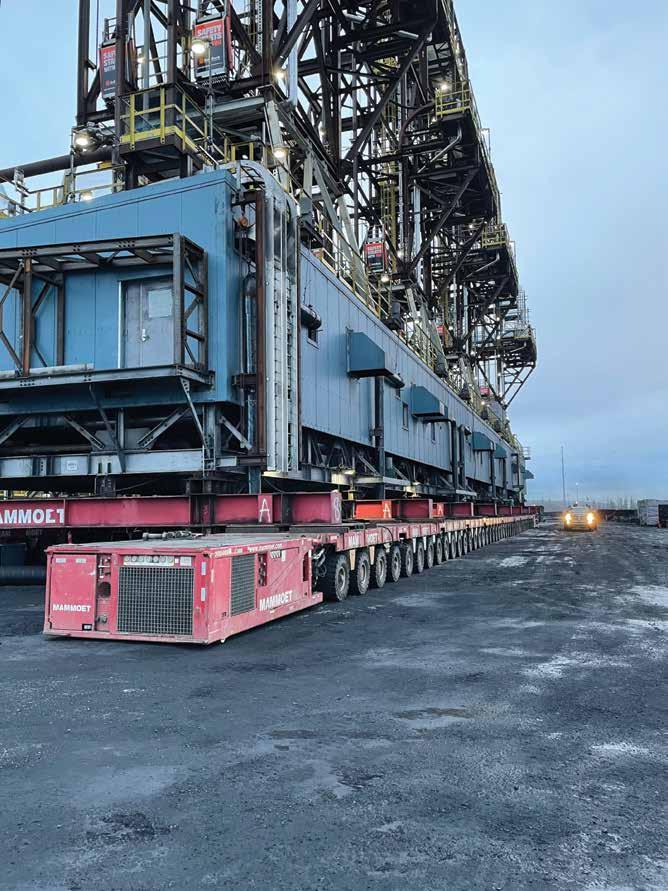
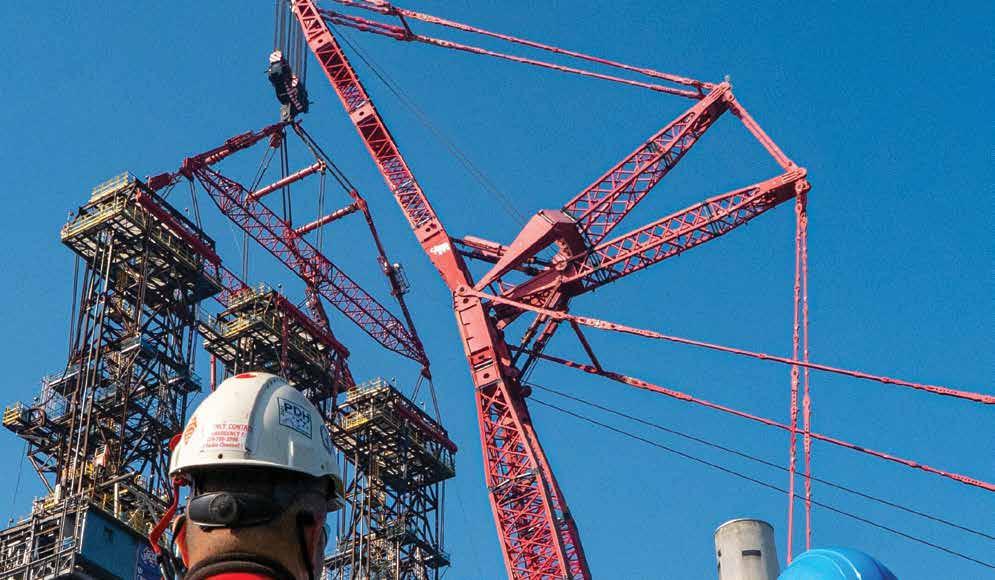
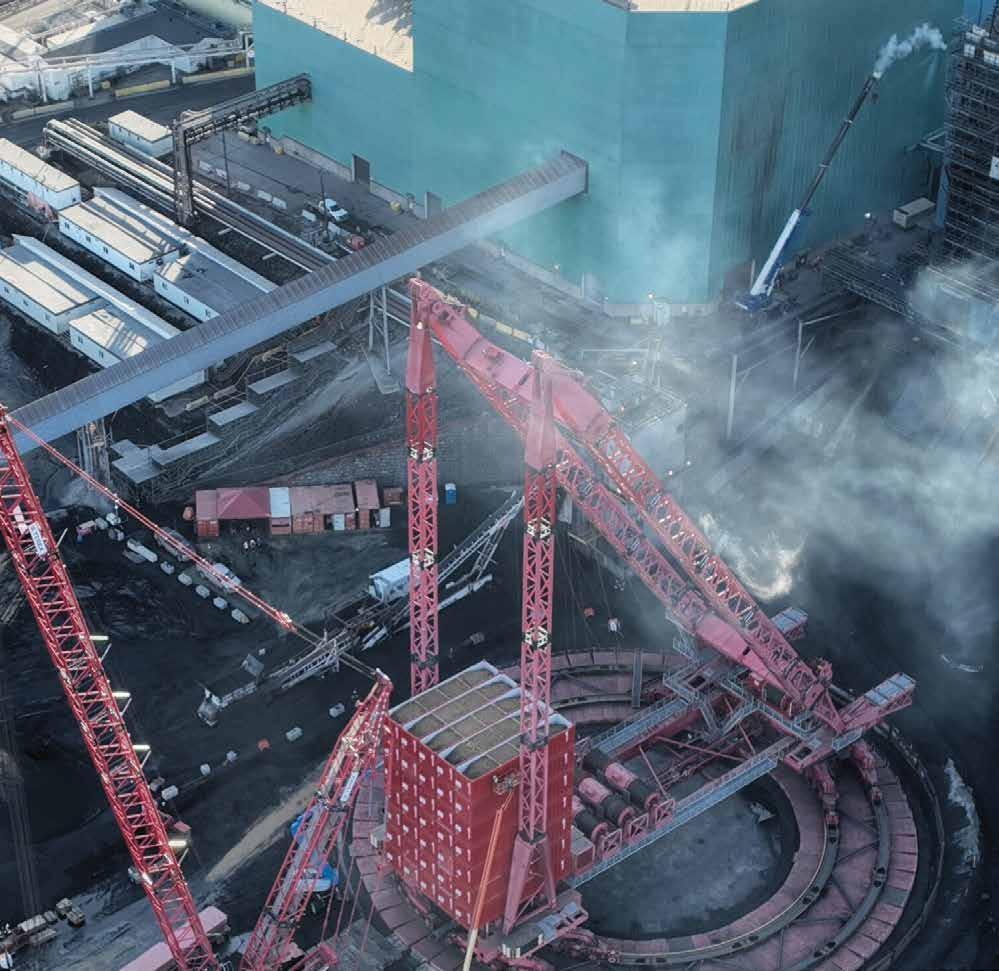
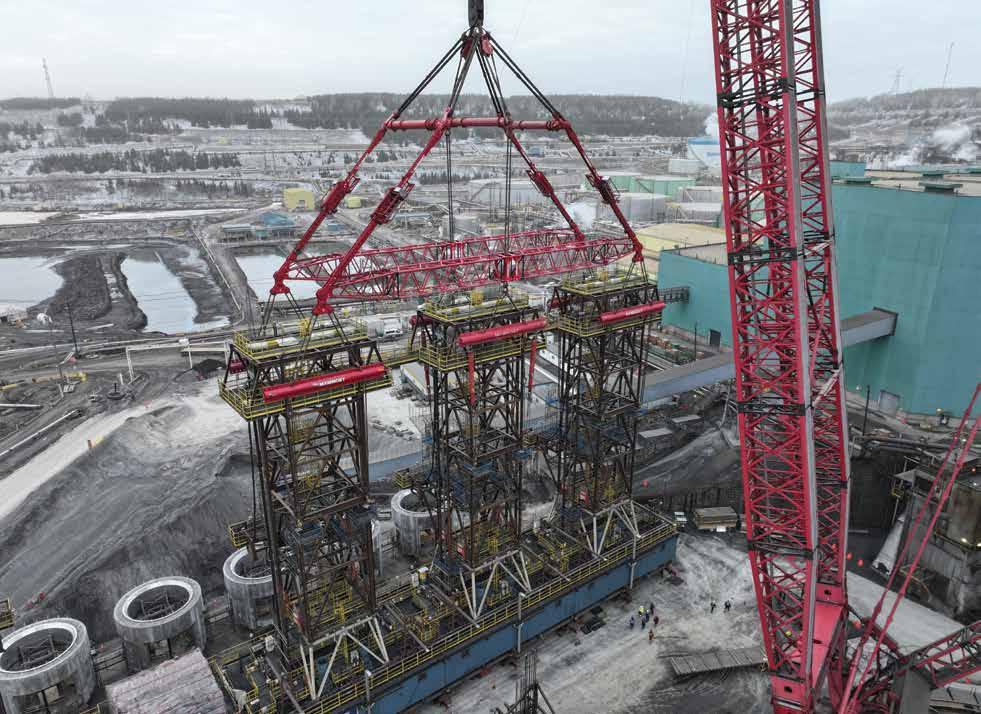
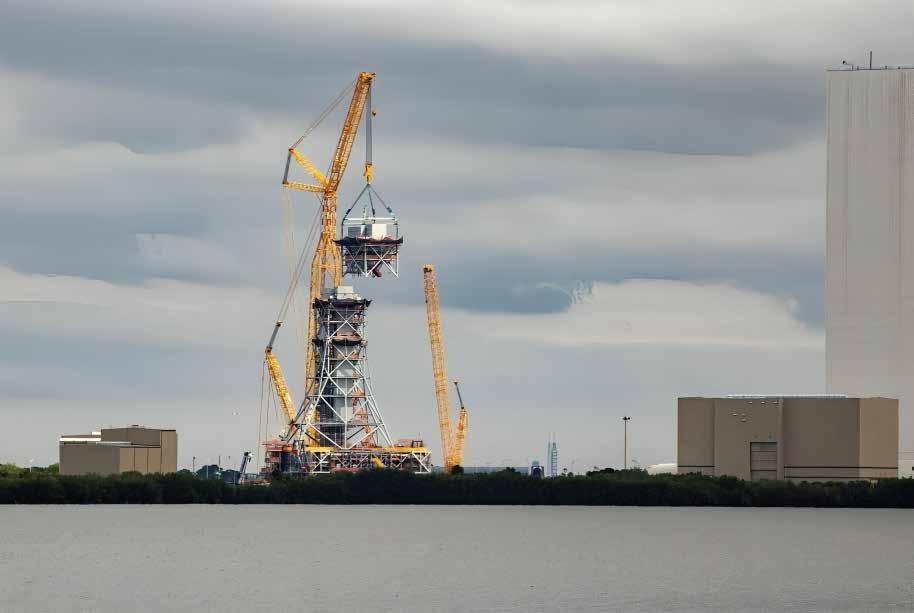
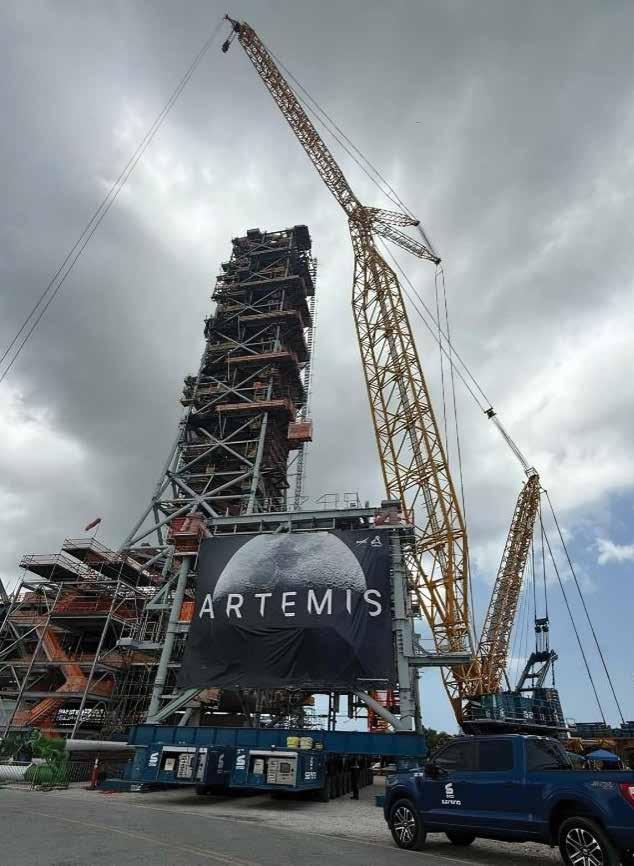
1,200 Tonnes to the Stars: Sarens Lifts NASA's Artemis
90
Industrial Machinery & Equipment
Coke drum integrity project completed at major Canadian oil sands site
103
Company
Precision Drive Systems Adds William Adams as Operations Manager
112
Robotics & Automation
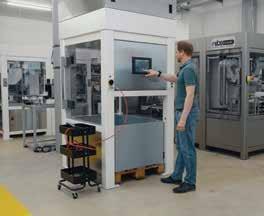
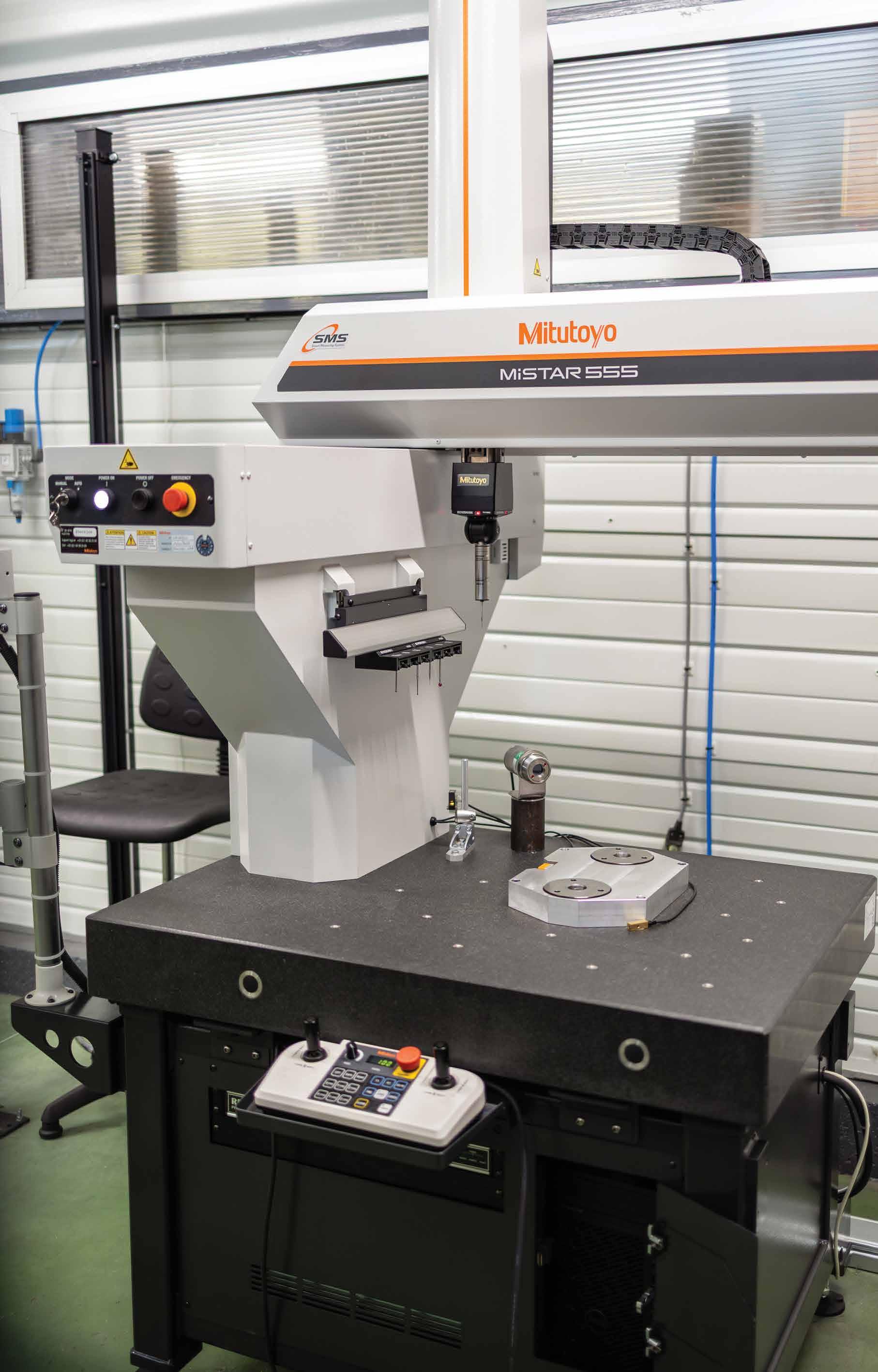
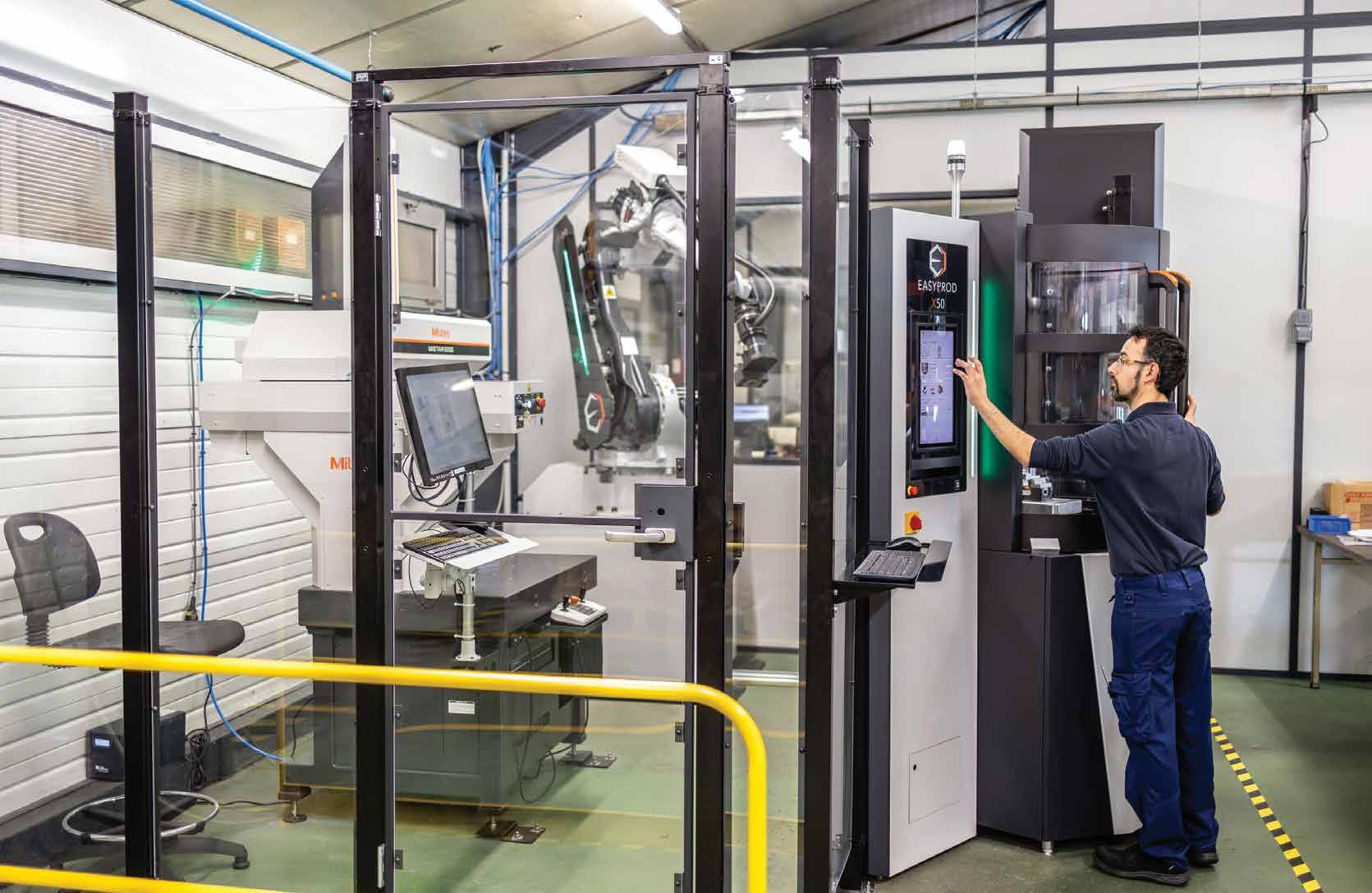
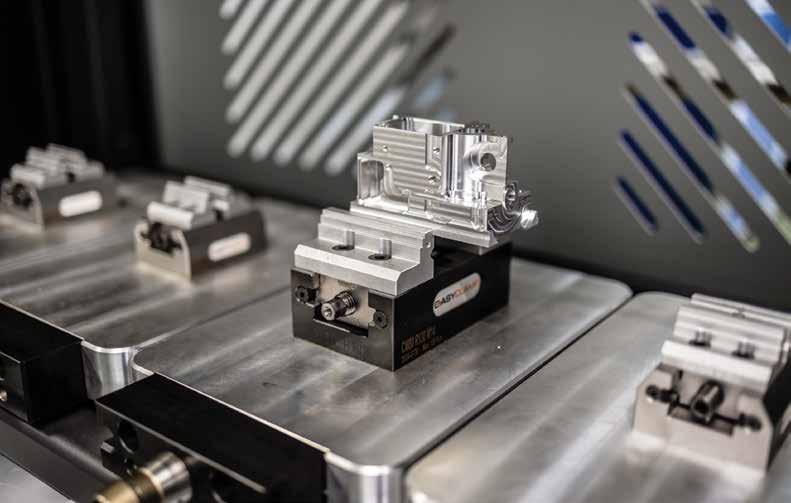
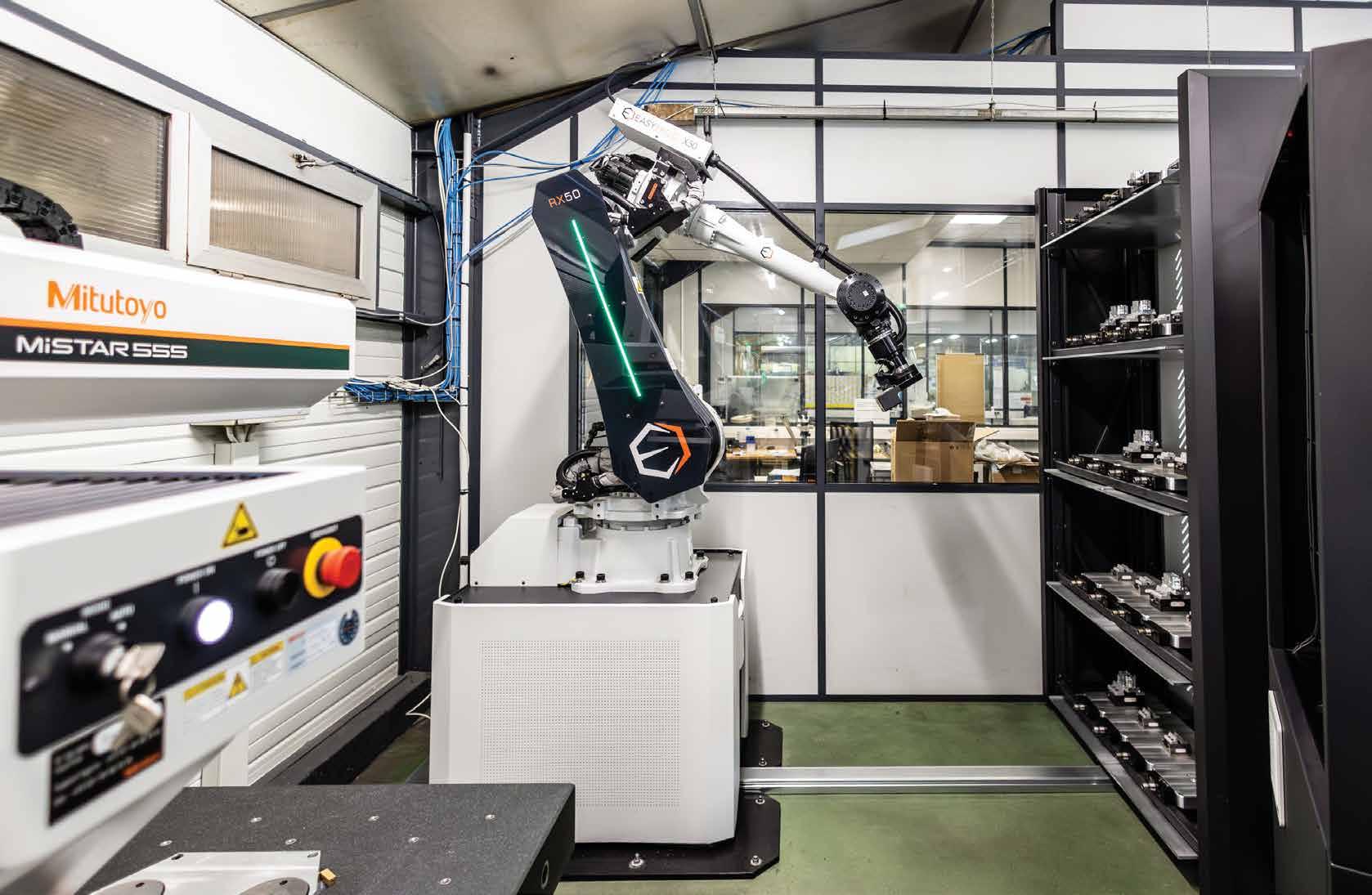
Méca-Précis optimises control processes using robotic measurement cells
97
Drive Technology Digital twins reduce project times 86
104
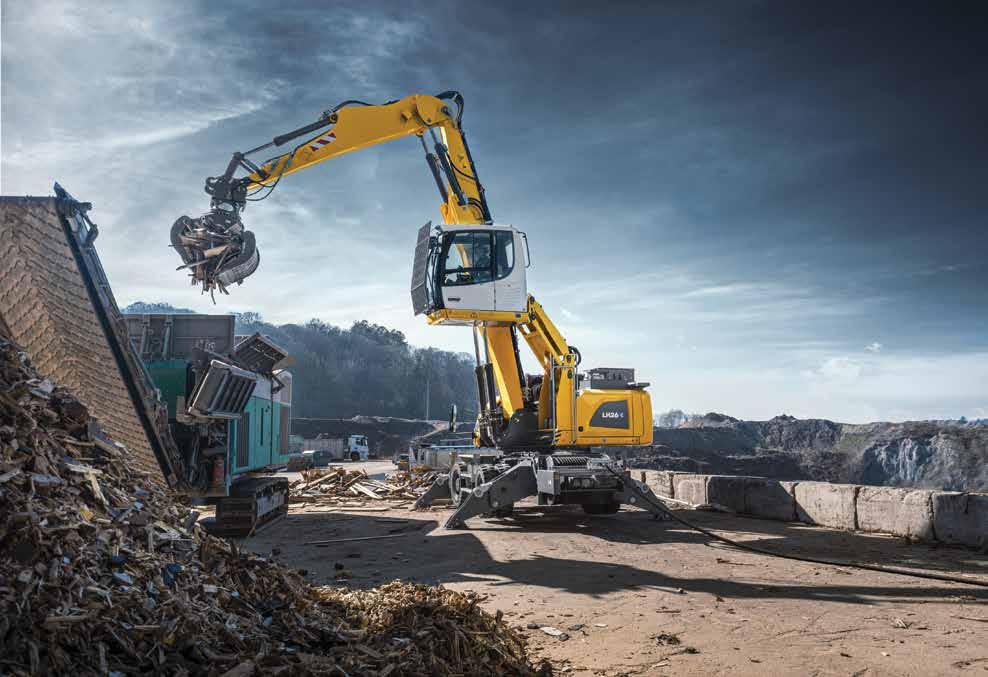
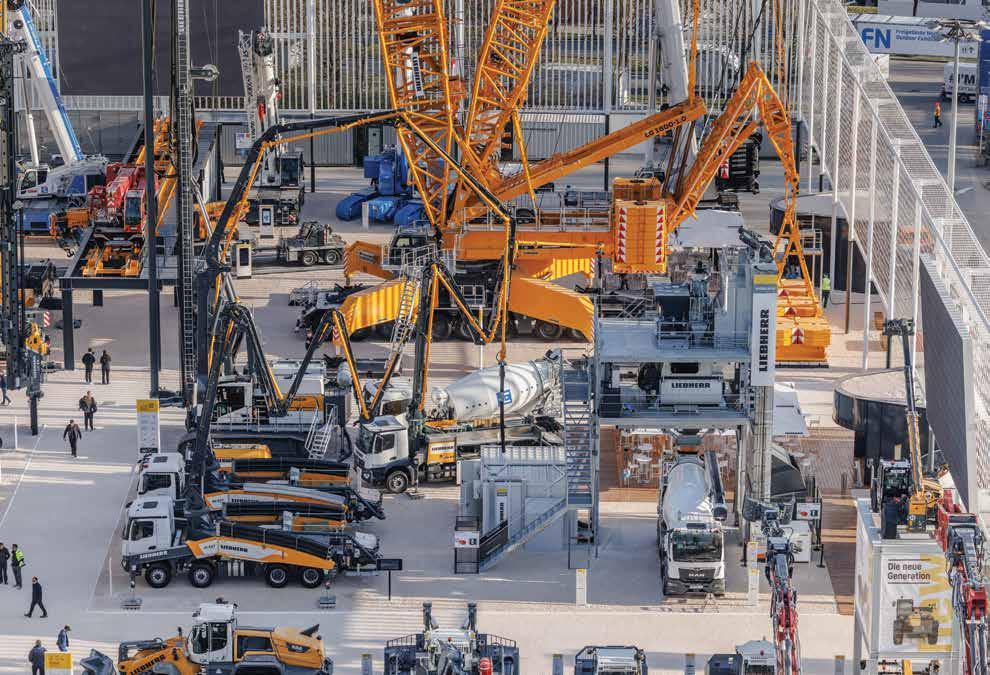
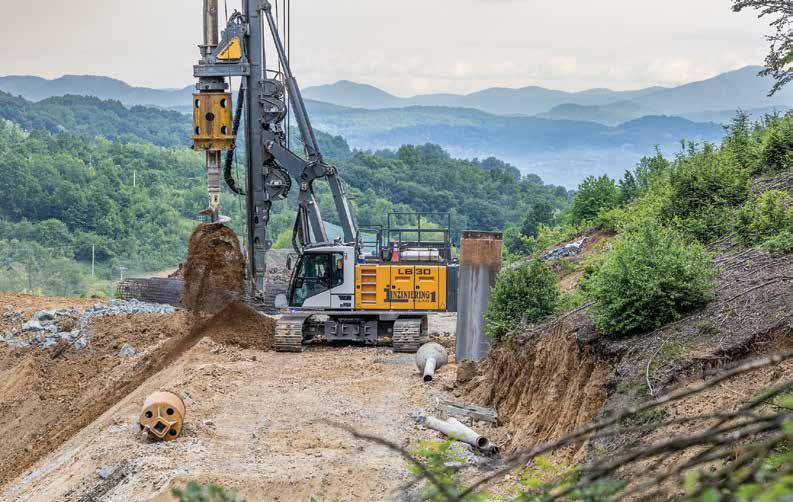
Company Liebherr sees stable growth in the 2025 business year
117
Association WorldPTA Connecting the Global Power Transmission Community
Protecting what matters
Boost uptime
Cut CO2 emissions
Strengthen asset reliability
BEARINGS POWER TRANSMISSION LINKAGES
Let’s talk about: DUNLOP LINKAGES
Design Service
We would like you to take advantage of our design co-operation service from initial application appraisal, through costing and prototypes, to ISIR and PPAP approval and production supply of your rod based Linkage assemblies. They can be supplied loose for final adjustment at the point of fit, alternatively, where required, by using length setting gauges and tooling, linkages can be supplied to pre-determined fixed centres. The flexible manufacturing techniques used in the production of linkage components allow non-standard derivatives to be readily manufactured. We produce hundreds of customer specials with varying dimensions, thread forms and features. We welcome your enquiries - please contact us at sales@btl-uk.com
UK and European Manufacturing
BTL-UK is proud to be a committed European manufacturer of Dunlop brand Bearings, Power Transmission and Linkage components. We believe in the future of European manufacturing and will continue to focus and further enhance the requirements and expectations of our customers globally. As a proud manufacturer we want to help Europe’s industry flourish and to meet the world’s evolving appetite for innovative designs and responsibly produced quality manufactured products.
Linkage Components
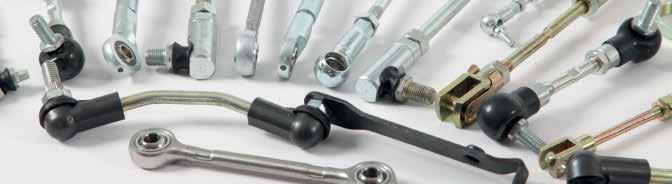
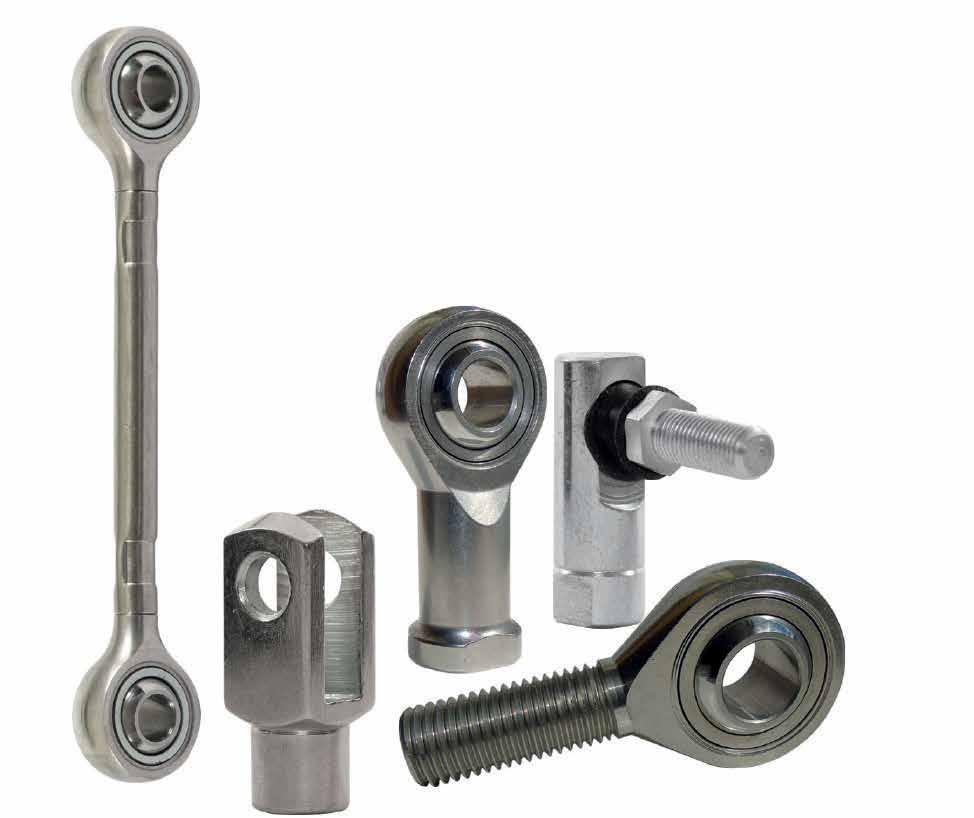
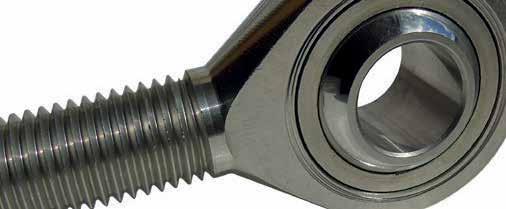
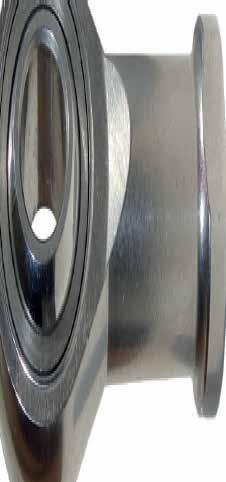
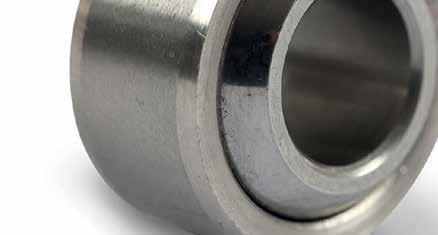
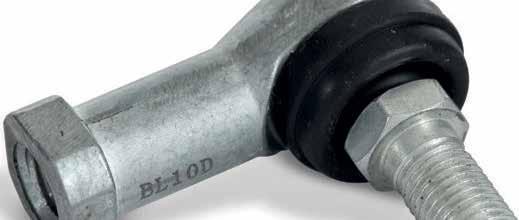
Dunlop linkage components such as Rod Ends, Spherical Bearings & Ball Joints are proudly manufactured in the UK and are used to transfer mechanical motion. Whether that motion is shifting the cutting height in a lawnmower or controlling the exhaust valve on an articulated lorry, we specialise in the supply of these products to bearing distributors and to some of the World’s most well-known original equipment manufacturers.
A wide range of materials are available, steel, stainless steel, plastic, bodies with options of bronze, nylon, PU and PTFE liners and with over 100 plating specifications we are sure to meet your customers heat or corrosion resistant requirements.
We believe our range of Dunlop rod ends, spherical bearings & ball joints are the largest range available throughout Europe.
Please visit www.btl-uk.com for further information.
BTL-UK LTD - Head office & European Distribution Centre MPT House, Brunswick Road, Cobbs Wood Industrial Estate, Ashford, Kent, TN23 1EL United Kingdom
BTL-UK LTD - Production Site Units 6&7 Hilton Road, Cobbs Wood Industrial Estate, Ashford, Kent, TN23 1EW United Kingdom
BTL-UK LTD - Production Site Unit 22, Albert Drive, Burgess Hill, West Sussex, RH15 9TN United Kingdom
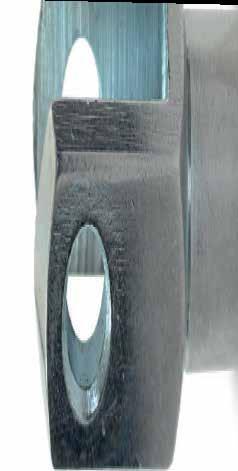
Clevis Joints
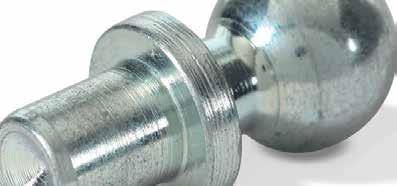
Ball Studs
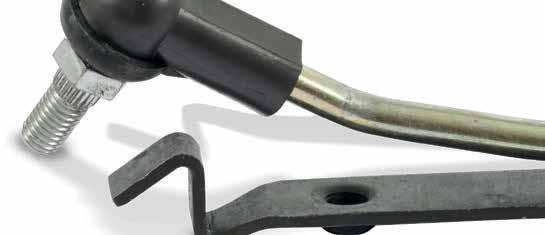
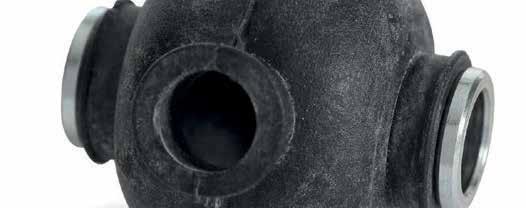
Rubber Dust Seals & Spacers
Ball Joints
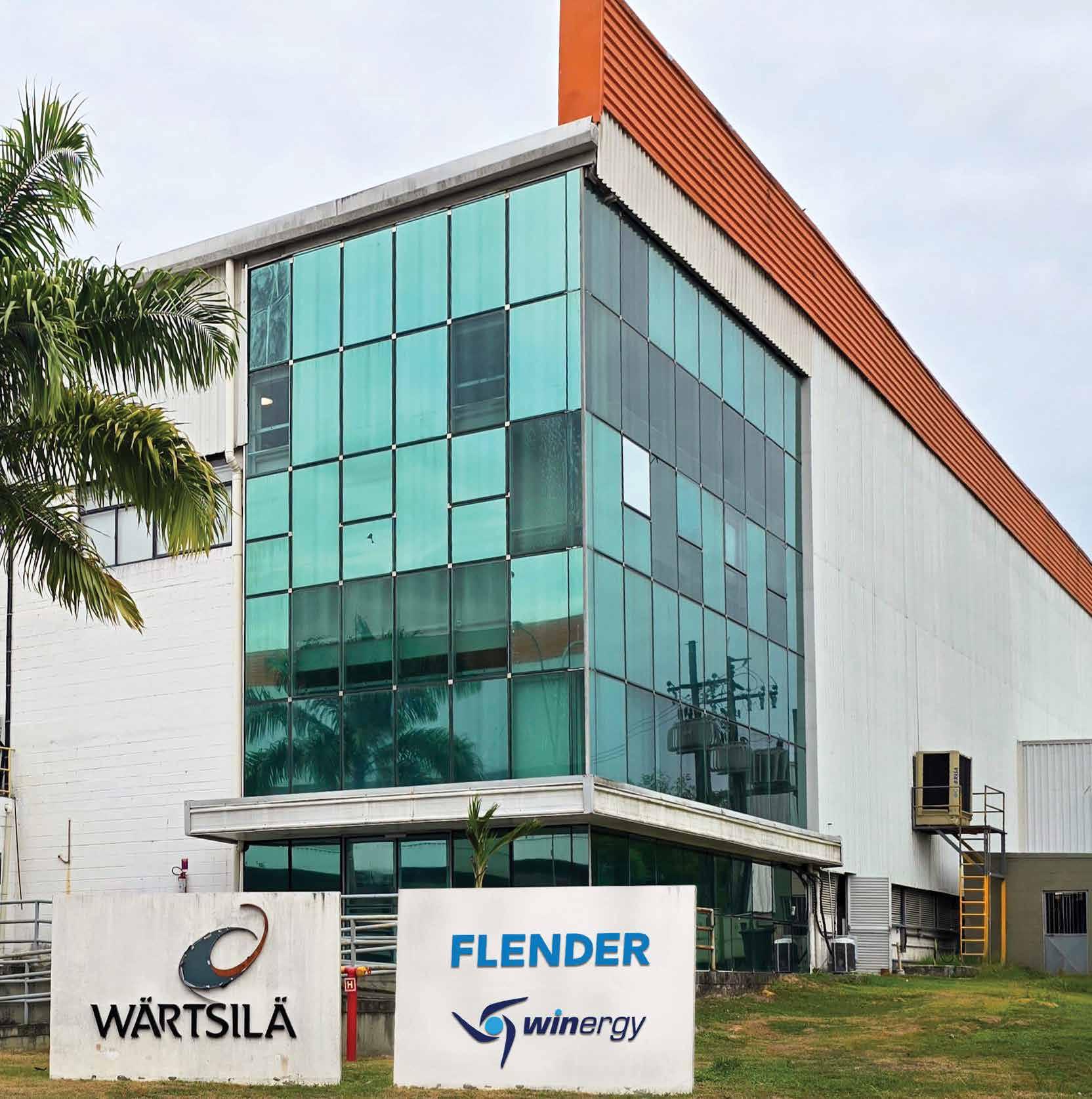
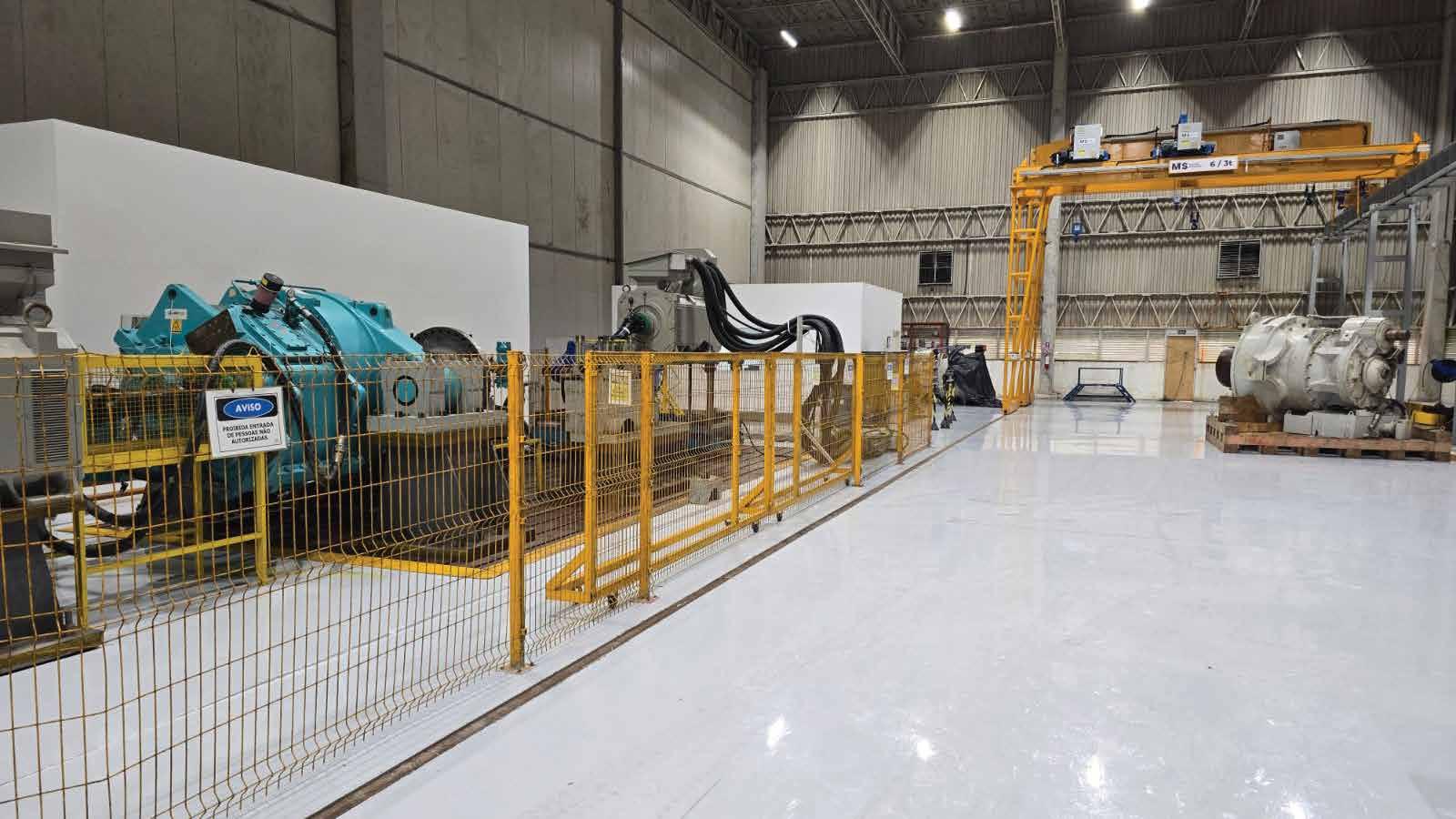
Flender has officially started operating its new location in Brazil
+ Flender expands its presence in South America by acquiring the Wärtsilä Brazil wind turbine and assimilated industrial gears services business
+ Flender Brasil Ltda. offers service solutions for wind energy and industrial applications
+ EU-Mercosur trade agreement creates ideal conditions to deepen customer partnerships in highly dynamic market
Flender has officially started operating its new location in Brazil, strengthening its presence and service offerings in South America, especially in the wind energy sector, but also in the broadly diversified industrial business. This move follows the successful acquisition of the service business for wind turbine and assimilated industrial gear units from Wärtsilä Brasil Ltda., which started as a partnership in 2018 and represents the natural progression of this collaboration.
Local commitment and customer proximity
By taking the strategic decision to assume the business lead and establish a direct presence in Brazil, Flender has sealed its strong commitment to supporting customers locally. Through the acquisition, the gear unit service business, including its service workshop in Cabo de Santo Agostinho, 35 km south of Recife, Brazil, has been transferred to Flender.
With the EU-Mercosur trade agreement taking effect on May 1, Flender is strengthening its foothold in one of South America's most dynamic industrial markets at exactly the right moment. Brazil's strong position in renewable energy — from wind to hydropower — creates ideal conditions to deepen customer partnerships and grow the company's local service capabilities.
“The establishment of our own location in Brazil is a logical step in advancing our service business
in South America. It lays the foundation for longterm growth, further investments and even closer collaboration with our customers across the region,” says Andreas Evertz, CEO of Flender.
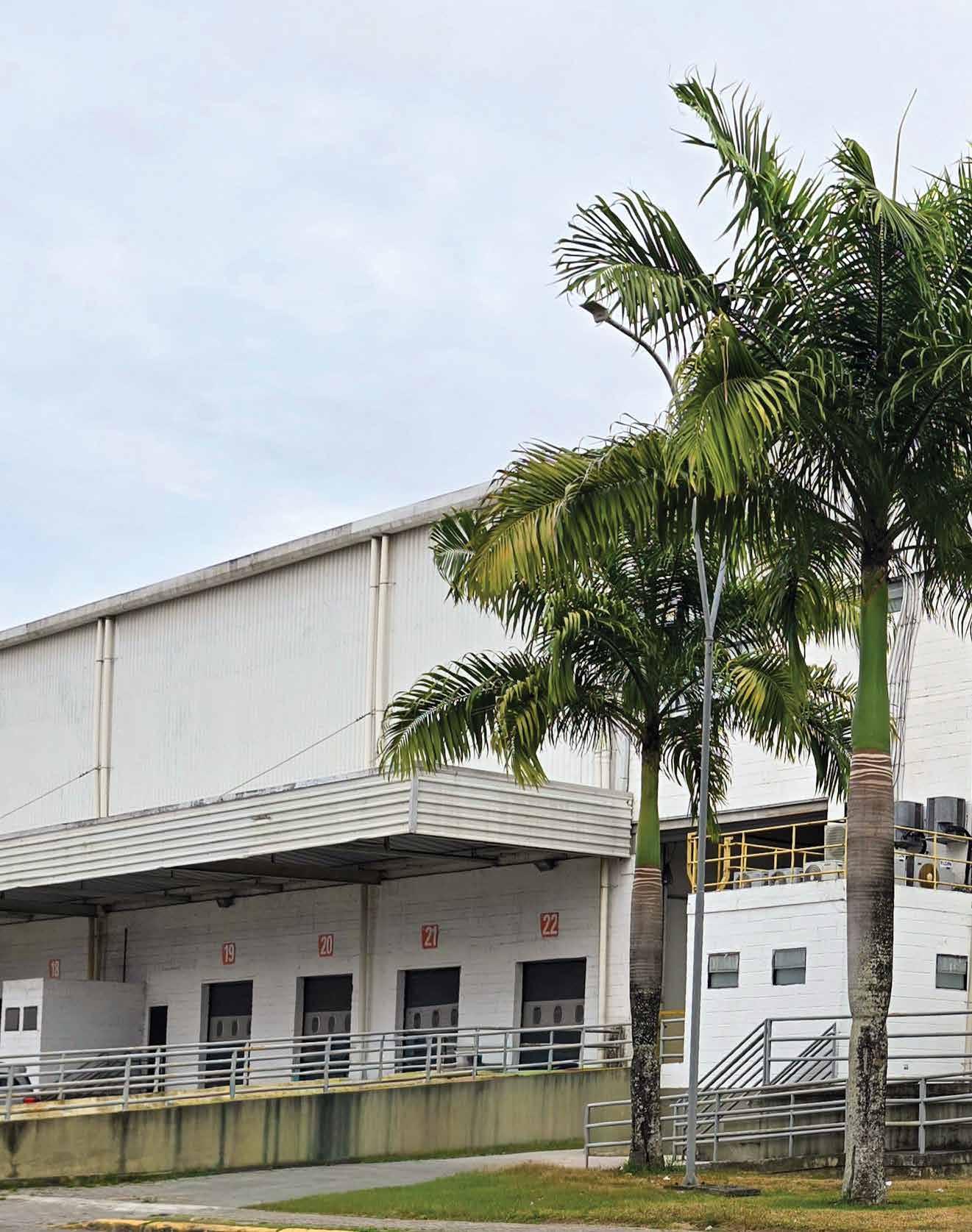
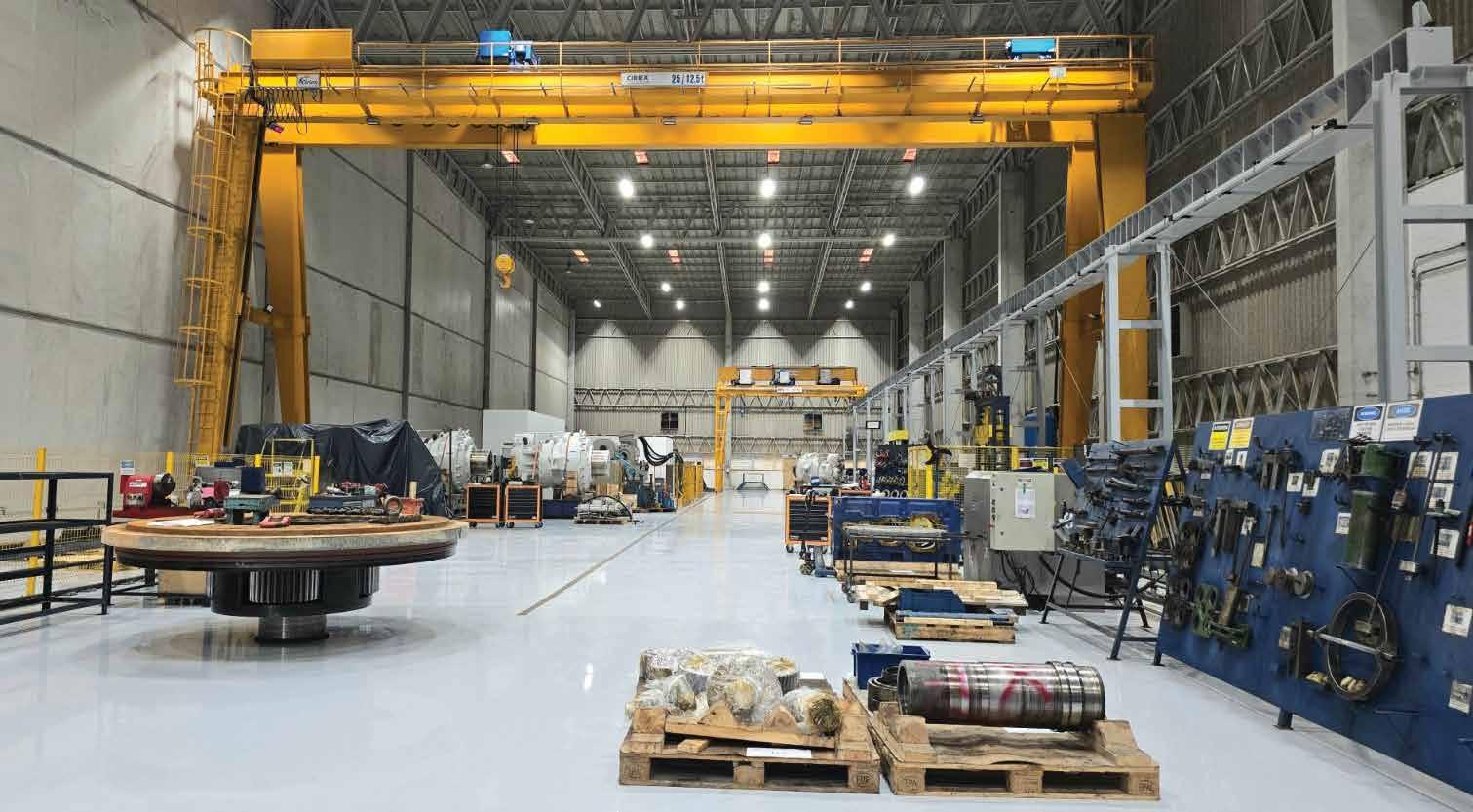
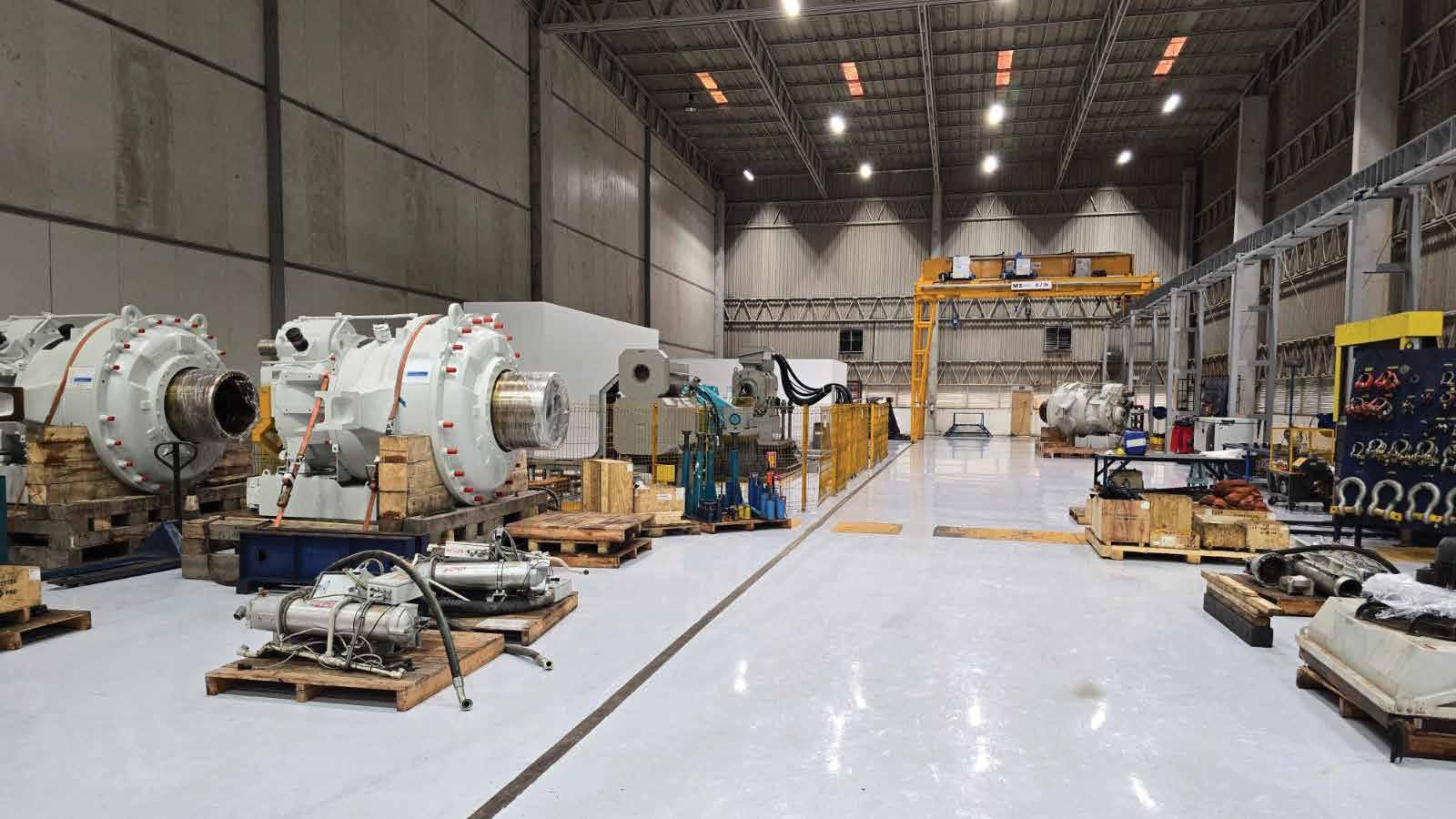
The state-of-the-art facility, opened in 2022, spans 5,000 square meters and is equipped with testing capabilities for wind turbine gear units of current power classes. It is the first facility in Latin America with such capacity and provides a solid foundation for Flender’s service activities. The focus is on the significant installed base of wind turbines in the region, with priority given to continuing to serve local customers with excellence through investments in local spare parts and equipment to boost availability and shorten lead times. Flender is also considering future growth opportunities, such as upgrading test bench and lifting capabilities to service larger and next-generation wind turbines drive trains in South America, which have expanded meaningfully over the last six years.
Integration of Wärtsilä team and business potential
With the acquisition, Flender welcomes the Wärtsilä Brazil gears service team, including staff from sales, workshop team and general management. This integration of qualified specialists will further enhance operational capabilities and outstanding customer service in the region.
The takeover benefits Flender’s global service network. Next to the wind business, the new location opens
Flender has started operating its new location in Brazil and is strengthening its presence and service offerings in South America.
growth opportunities for industrial gear units, industrial customer service, couplings, and generators, further strengthening the company’s market presence.
“With the opening of the location in Brazil, we are ready from day one to serve our customers locally. Thanks to the long-standing cooperation with Wärtsilä as a service partner, we already have an established network, local expertise and a deep understanding of
the Brazilian market. We are now building on this strong foundation,” adds Antti Turunen, VP Wind Service.
The official signing took place on August 18, 2025. With the final, unconditional approval from the Brazilian competition authority (CADE), the transaction has now been fully completed.
+ The state-of-the-art facility was opened by Wärtsilä in 2022. It spans 5,000 square meters and is equipped with testing capabilities for wind turbine gear units, among other things.
+ The takeover benefits Flender’s global service network. Next to the wind business, the new location opens growth opportunities for industrial gear units, industrial customer service, couplings, and generators, further strengthening the company’s market presence.
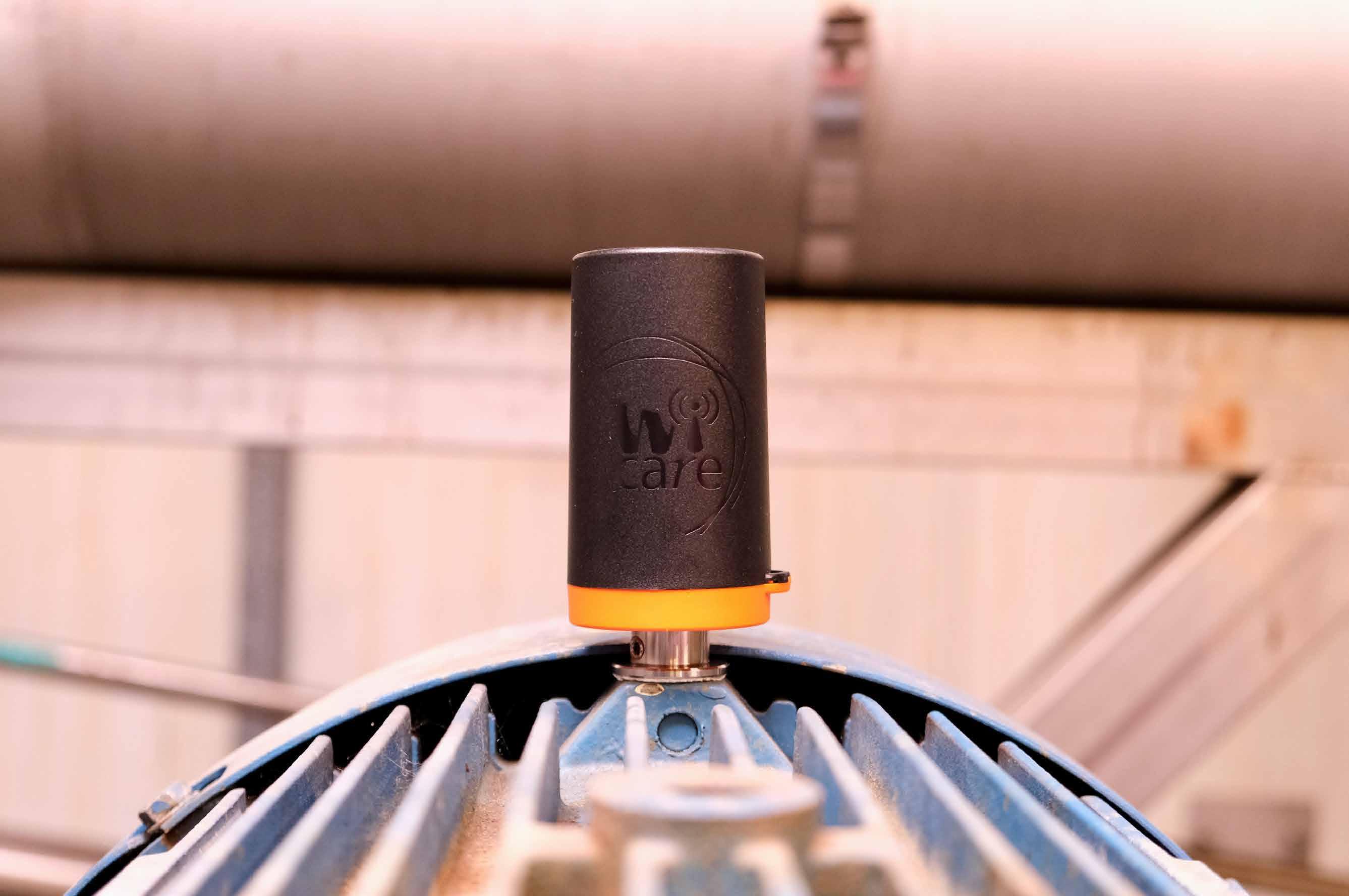
ADVANCED IIOT TECHNOLOGY
Wi-careTM wireless patented PdM sensor
POWER MANAGEMENT
Warranty for 5 years
Highest sampling rate on the market
IDNA : OVERSAMPLED-HIGH FREQUENCY
Earliest detection of the most common failure modes
Scan this QR code to discover more specifications ABOUT THE GATEWAY!
Discover Wi-careTM 130 specifications by scanning this QR code!
Bearing
Lubrication
Gearmesh
Cavitation
ATEX
100% WIRELESS
AI POWERED PLATFORM : I-SEE
SLOW SPEED DEFECT DETECTION
PIEZO TECHNOLOGY
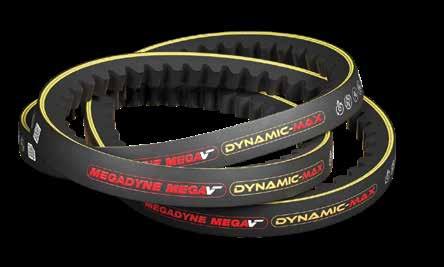
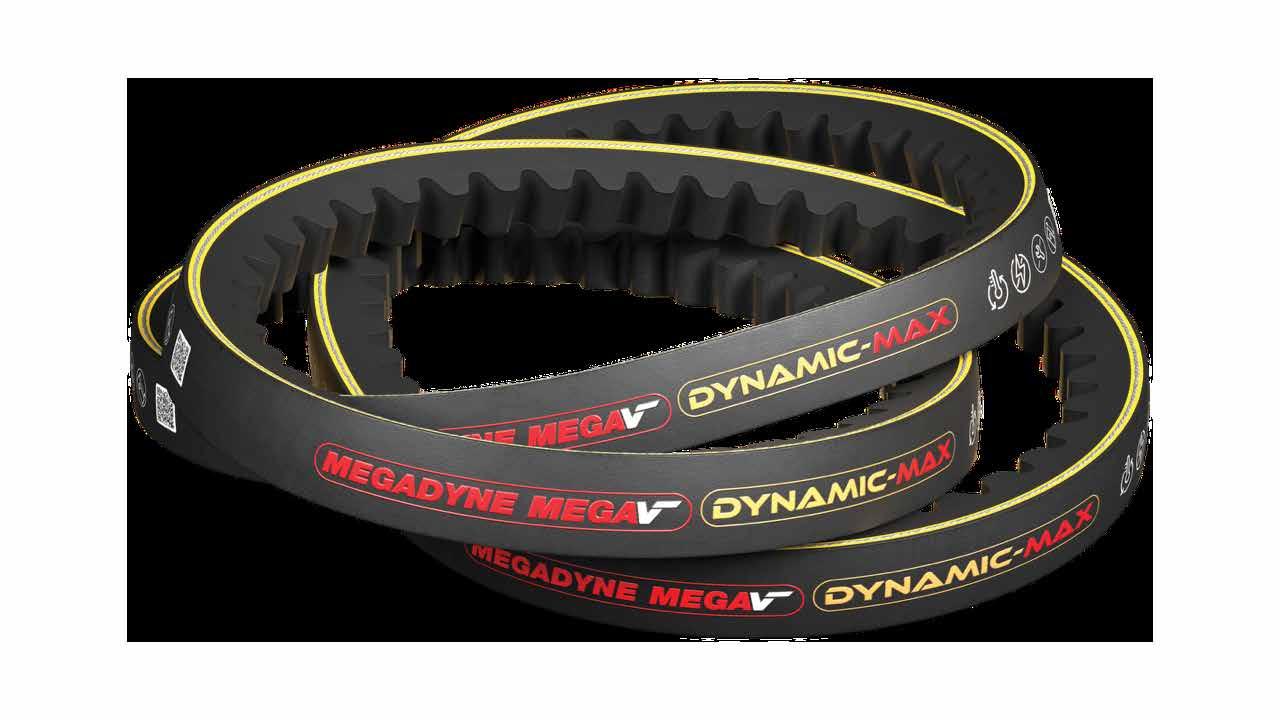
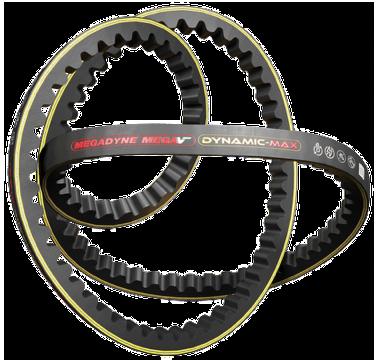
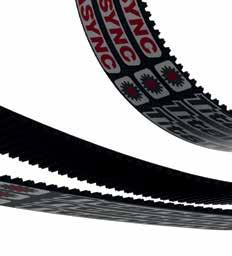
Megadyne Launches MEGAV Dynamic-MAX: A New Standard in V-Belt Performance
Megadyne, a global leader in power transmission solutions, has introduced the Megadyne MEGAV Dynamic-MAX, a next-generation raw-edge cogged V-belt engineered for demanding industrial and mobile applications.
Key Benefits:
+ Up to 40% more power compared to standard raw-edge cogged V-belts
+ At least +95% energy efficiency
+ Ready for extreme conditions: + 40 °C to +120 °C
+ Maintenance-free: no re-tensioning needed throughout the belt's entire lifespan
+ Cost-efficient: compact design requiring limited space
+ Versatile: on belt, multiple industries
Raising The Bar in Rubber Power Transmission
The Megadyne MEGAV Dynamic-MAX replaces both Megadyne's Linea X and Linea Gold, consolidating two established product lines into a single, higher-performing solution. For OEMs and distributors, this simplification translates into easier product selection, reduced inventory levels, and improved operational efficiency.
Engineered with an advanced EPDM compound reinforced with transverse fibers and a low-stretch PET tensile cord, the belt delivers up to 20% more power than its predecessor, Megadyne Linea Gold, while maintaining dimensional stability throughout its service life. Energy efficiency reaches at least 95%, making it well-suited for high-speed, high-load applications in demanding industrial environments.
"With Megadyne MEGAV Dynamic-MAX, we are not simply launching a new product; we are raising the bar for what the industry should expect from a V-belt. This is the result of months of continuous innovation in Megadyne's material, machinery, and production systems, and it reflects our commitment to delivering belting solutions that reduce complexity and total cost of ownership for our customers." - Anna Villalta, Global Product Line Manager Rubber, Megadyne.
The Innovative Raw-edge V-belt For Demanding Operations
The integrated low-stretch PET tensile cord eliminates the need for re-tensioning throughout the belt's entire lifespan, reducing downtime, lowering maintenance costs, and improving overall equipment reliability, a significant operational advantage in continuous-duty environments.
Consistent performance is maintained across a wide temperature range, from -40 °C to +120 °C, making the Megadyne MEGAV Dynamic-MAX a reliable choice for applications subject to significant temperature fluctuations, heavy-duty cycles, and harsh industrial or outdoor environments.
Simplified Portfolio. Superior Performance
The MEGAV Dynamic-MAX is designed to serve a broad range of sectors, including:
+ HVAC and compressor systems
+ Agricultural and outdoor power equipment (lawnmowers, snowblowers)
+ Ski lifts
+ Industrial washing, grinding, and woodworking machinery
+ Pumps and heavy-duty drive systems
New Name. New Label
The MEGAV Dynamic-MAX is part of Megadyne's new MEGAV family.
A unified naming convention and distinctive labelling system allow users to identify the correct belt quickly, reducing the risk of errors and ensuring manufacturing excellence.
For full technical specifications, visit megadynegroup.com
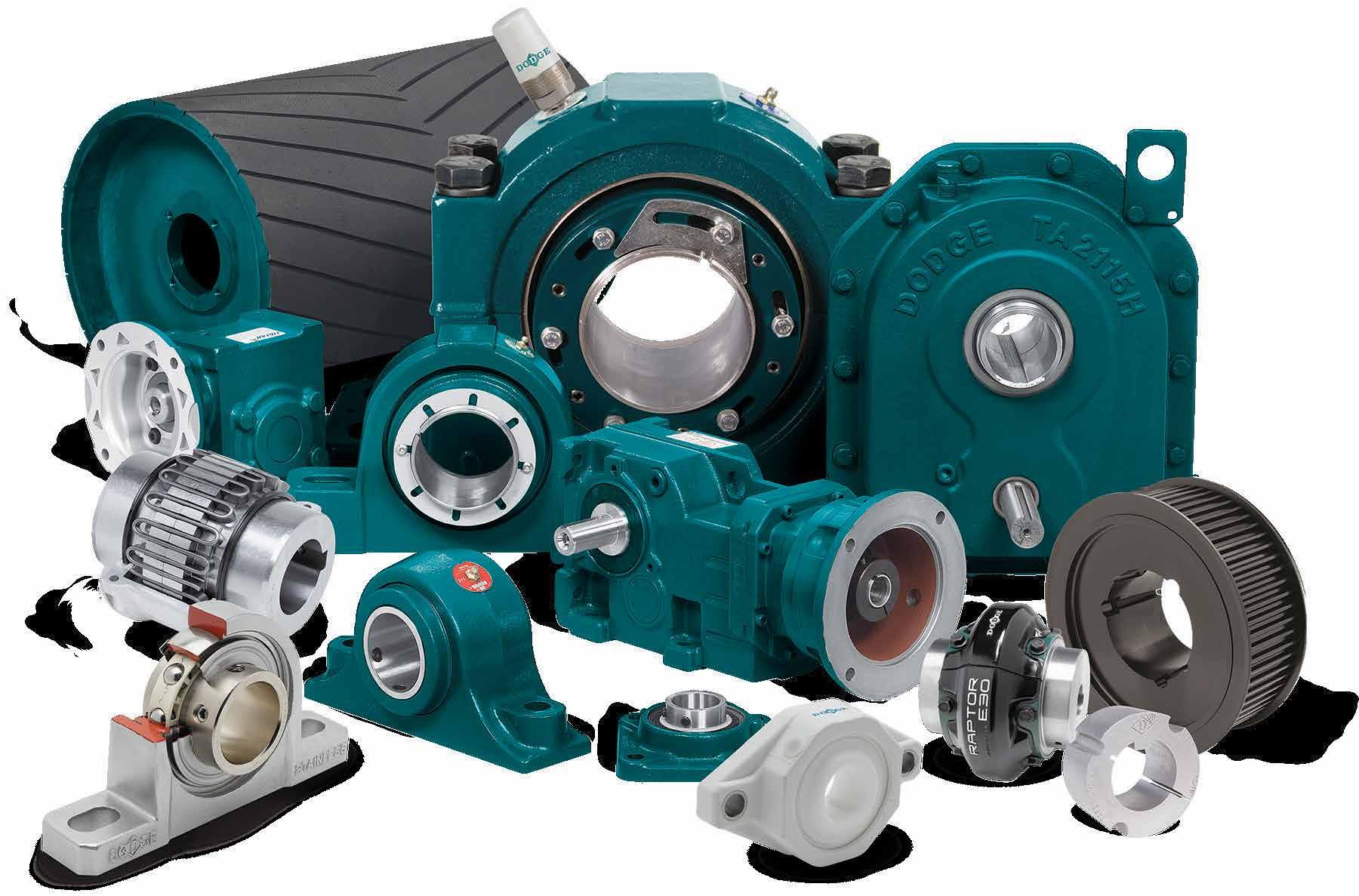
Dodge products are built to last longer, even in the most demanding applications
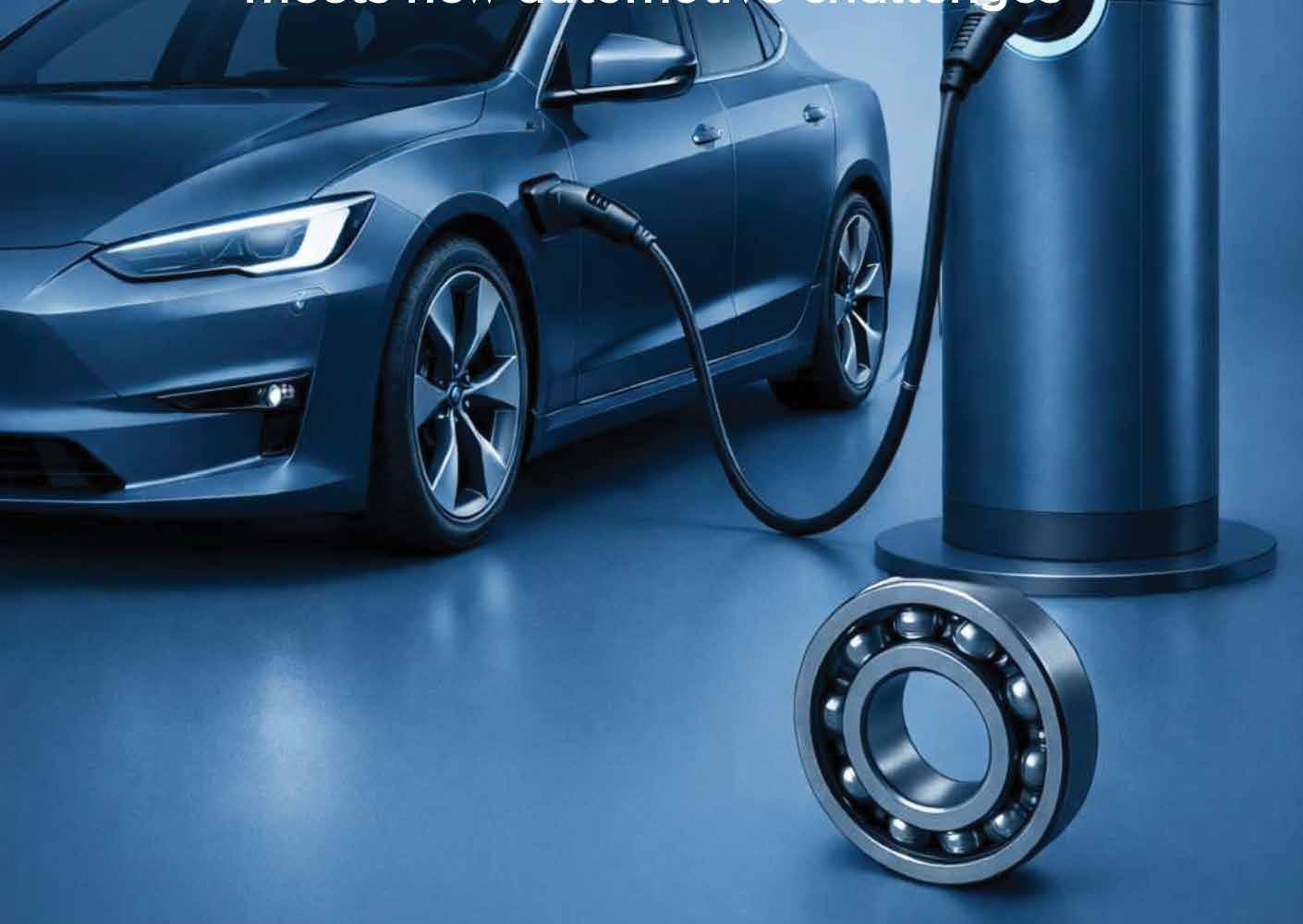
APO-GEE brings a new bearing paradigm to automotive
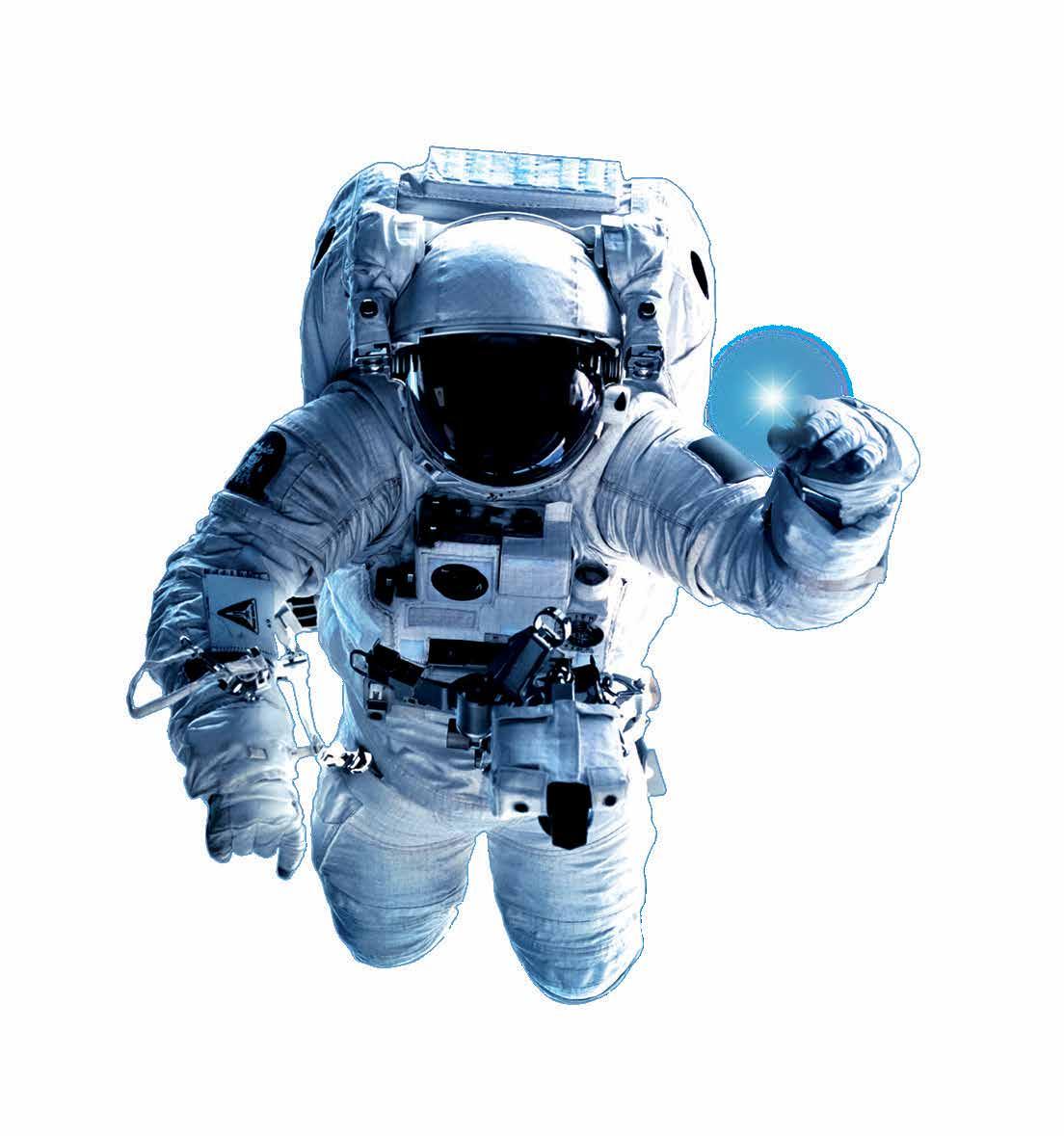
As a deep-tech startup, APO-GEE has been developing advanced bearing technologies for some of the most demanding environments on Earth, and beyond. Initially designed for space applications, where reliability, vibration control, and extreme operating conditions leave no room for compromise, APO-GEE's innovations have also proven their value in terrestrial applications such as high-performance machine-tool spindles for example.
Today, after successful industrialization in these demanding fields, APO-GEE is taking the next logical step: transferring these space-derived technologies to address one of the most pressing industrial challenges of our time, the electrification of vehicles.
A new challenge for bearings in the EV era
The automotive industry is undergoing a profound transformation. Electrification is not only reshaping powertrain systems but also redefining the requirements for all its mechanical components. Bearings, once considered standard components, are now under unprecedented pressure.
The latest special report of APO-GEE on the subject, “How space bearing innovation meets new automotive challenges” (available for free download on www.apo-gee.tech) highlights how electrified powertrains introduce a combination of constraints rarely encountered before: higher rotational speeds, stricter noise and vibration requirements, and increased reliability expectations.
In electric vehicles, the absence of combustion engine noise makes even minor bearing-induced vibrations clearly audible. At the same time, higher speeds and more complex duty cycles push bearings closer to their traditional limits.
From technical bottlenecks to disruptive solutions
Two major challenges are thus emerging. First, noise and vibration, including those linked to cage instability, have become critical. This phenomenon can generate unpredictable high-frequency noise and even lead to mechanical failures, making it extremely difficult to diagnose and eliminate with conventional designs.
Second, the long-standing trade-off between speed and load capacity remains a fundamental limitation. Traditional bearing designs force engineers to
choose between high-speed capability and highload performance, an increasingly unacceptable compromise in electrified systems.
While the industry has made progress through hybrid bearings, advanced materials, and improved lubrication strategies, these remain incremental improvements. As operating conditions approach design limits, unexpected issues such as overheating, vibration peaks, or premature wear become harder to resolve without sacrificing performance.
This is where a paradigm shift becomes necessary.
APO-GEE brings a disruptive answer inspired by space engineering. Two breakthrough technologies illustrate this shift:
+ The Butterfly cage®, which eliminates cage instability, and significantly reduces noise and vibration while improving thermal behavior
+ The Cobweb bearing, which introduces an innovative geometry, removing the traditional compromise between speed and load capacity.
Originally developed for extreme aerospace applications such as rocket turbopumps, these innovations are now applicable to demanding automotive environments, says Sébastien Assouad, CEO.
Replicating a proven path from aerospace and spindles
These technologies are the result of more than a decade of R&D driven by real operational challenges
in aerospace, and they are now being transferred to automotive applications.
This transition is not opportunistic, it follows a structured and proven approach that APO-GEE has successfully implemented in other high-demand industries.
The company systematically starts by identifying the most critical and complex applications within a given sector, those where performance limitations are well known, recurring, and difficult to solve. From there, APO-GEE works directly from concrete customer problems, applying deep analysis, developing tailored solutions, and rigorously measuring results under real operating conditions. Once validated, these solutions are then scaled and adapted across multiple use cases within the same industry.
This methodology has already demonstrated its effectiveness. In the space sector, APO-GEE addressed long-standing cage instability issues in bearings used in critical mechanisms, a problem that had affected mission reliability for decades. Beyond successfully passing all qualification phases, APO-GEE’s solutions are now deployed in orbit, contributing to the protection of investments worth hundreds of millions of euros while improving reliability and micro-vibration behavior. A similar approach was applied in the high precision machining industry, where APO-GEE tackled persistent challenges such as rattling noise in spindle and machining quality. The solutions developed were not limited to test bench validation, they are now used on production floors, where they eliminate rattling noise issues and enable higher levels of
Originally developed for extreme aerospace applications such as rocket turbopumps, these innovations are now applicable to demanding automotive environments
Today, APO-GEE is replicating this same process in the automotive sector. With electrification introducing new technical constraints, the company has identified critical applications where bearing performance becomes a limiting factor. These applications are currently being analyzed in depth, and solutions are being implemented in close collaboration with leading automotive players, marking the beginning of a new potential phase of industrial deployment.
Christophe Servais, CTO explains: "Beyond products themselves, APO-GEE has also developed advanced analysis capabilities and engineering tools based on fundamental scientific breakthroughs in the understanding of ball kinematics. This enables a deeper understanding of bearing behavior under
extreme conditions, allowing APO-GEE to support automotive players very early in their R&D and optimization programs, with high-value insights."
The automotive industry is entering a new era where bearings play a strategic role in achieving performance, comfort, and reliability targets. Incremental improvements alone are no longer sufficient, disruptive innovations are required.
APO-GEE collaborates already with leading Tier 1 automotive suppliers and a high-end racing team, demonstrating that these solutions are not only viable, but are already shaping the future of highperformance mobility.
More info: www.apo-gee.tech
Special report “How space bearing innovation meets new automotive challenges”, available for free download: www.apo-gee.tech/knowledge
Beyond products themselves, APO-GEE has also developed advanced analysis capabilities and engineering tools based on fundamental scientific breakthroughs in the understanding of ball kinematics. This enables a deeper understanding of bearing behavior under extreme conditions, allowing APOGEE to support automotive players very early in their R&D and optimization programs, with high-value insights
Christophe Servais, CTO of APO-GEE
Welcome to the Megadyne world, a place of innovative power transmission solutions.
Megadyne is a group of talented people supporting their customers in achieving operational perfection. The company invests in skilled designers and engineers, who are the key factor in providing the most innovative Megadyne power transmission belt systems. As field experts, they thoroughly analyse and study industrial processes to develop new solutions and upgrades to the already existing ones.
Sustainability is as important as ever at Megadyne. The group consists of like-minded people cherishing the beauty of the world, focused on preserving it for generations to come. For that reason, they produce solutions which last longer, save energy, emit less noise and limit the overall carbon footprint of customers. Contact us. Welcome to Megadyne power transmission solutions.
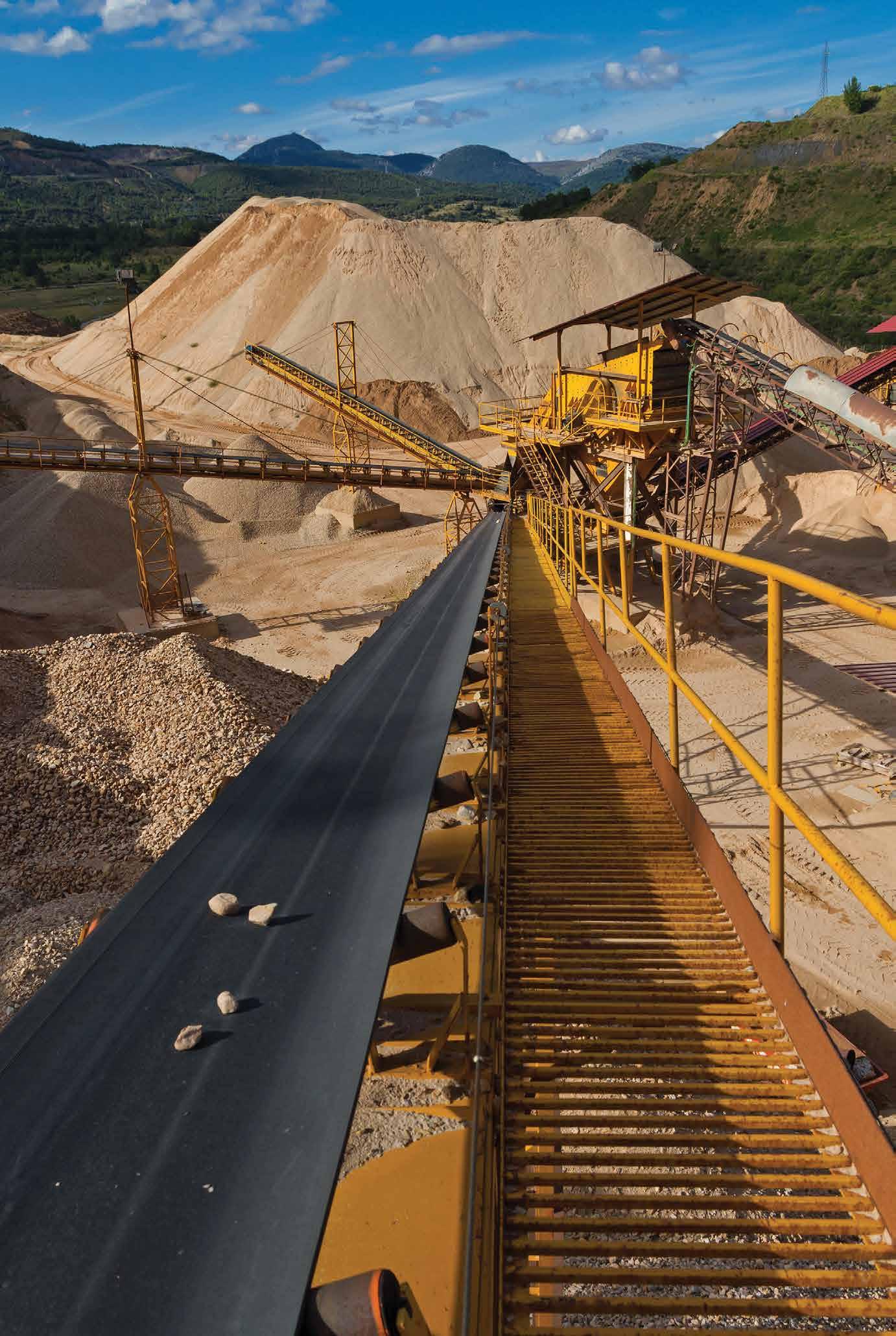
Mines, quarries & cement
Make the world move forward*
Unleash the power of our quarry solutions
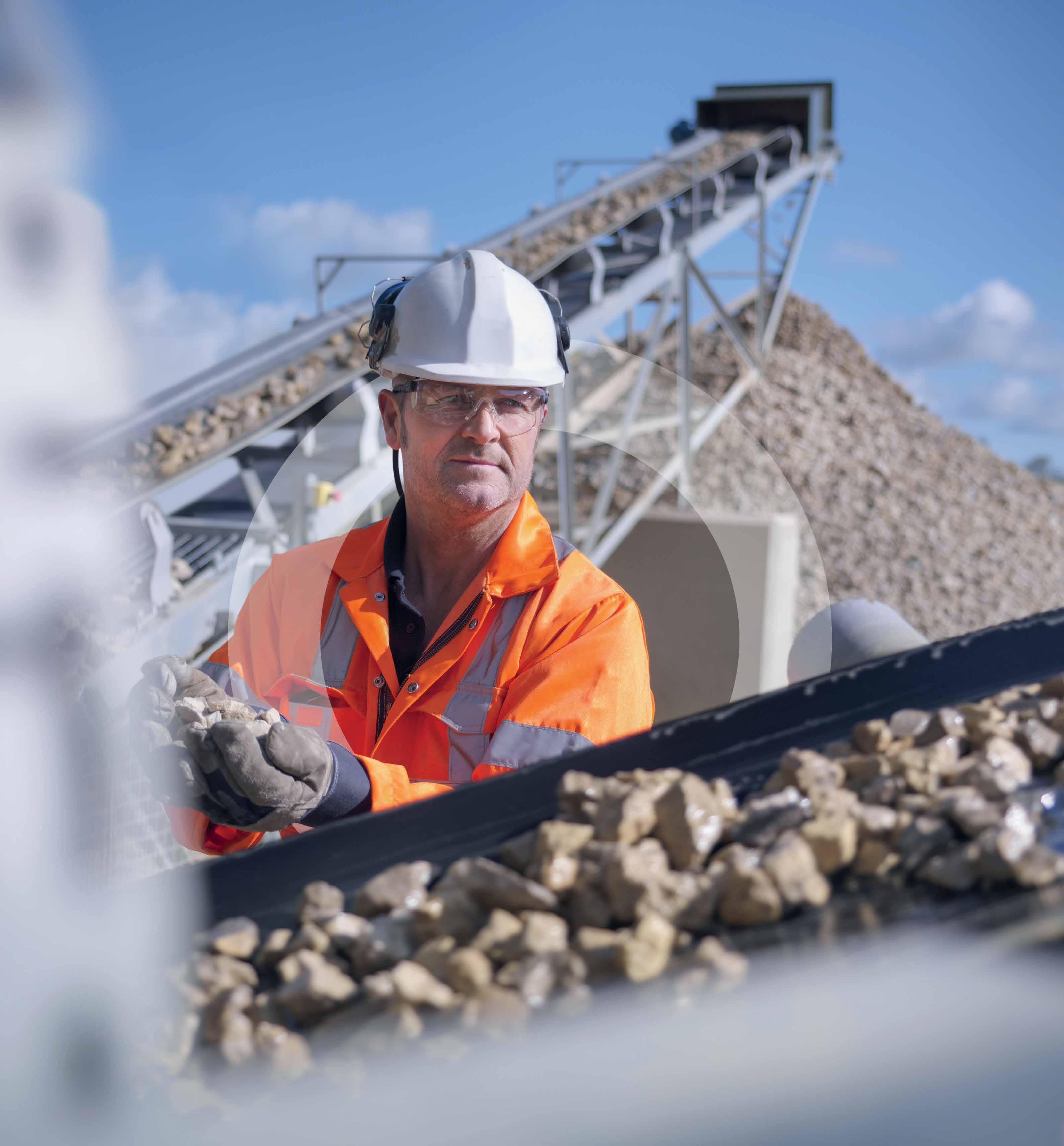
Our quarry solutions are effective, reliable, and built to withstand the harshest applications and extreme conditions. From grinding and crushing to screening and conveying, our comprehensive solutions optimize efficiency and productivity. Our equipment is engineered for seamless operations and maximum output, with easy maintenance using our all-in-one kit. Trust us to deliver the performance, reliability, and durability you need for smooth and efficient quarry operations.
*At NTN, we maximize efficiency for unmatched performances.
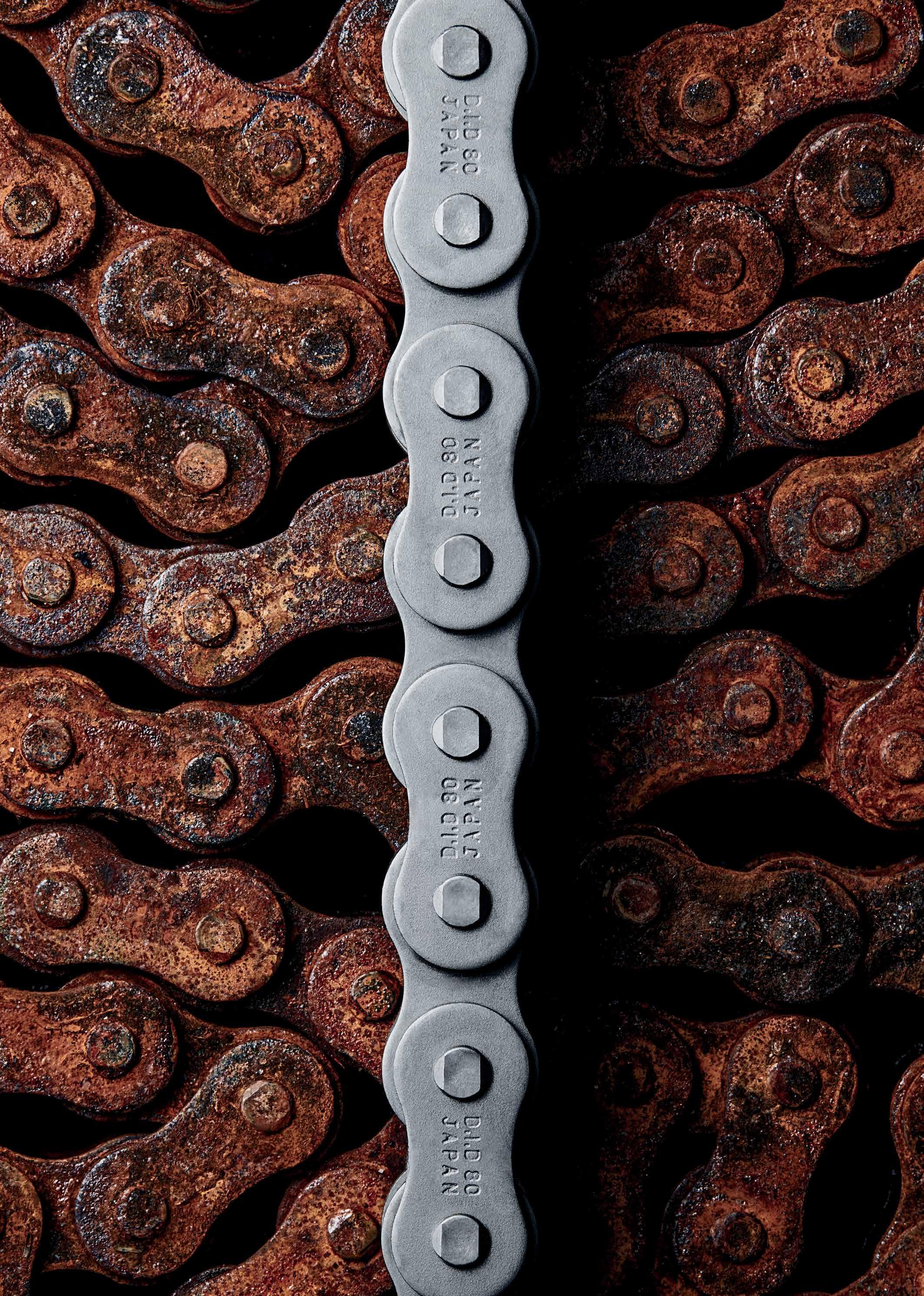
Chain Reaction: Solving Corrosion-Fatigue in Food Processing
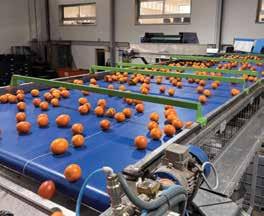
Advanced Drive Solutions: Reducing Corrosion - Fatigue Failures in Fruit - Processing Equipment Using D.I.D Double Guard Industrial Chains
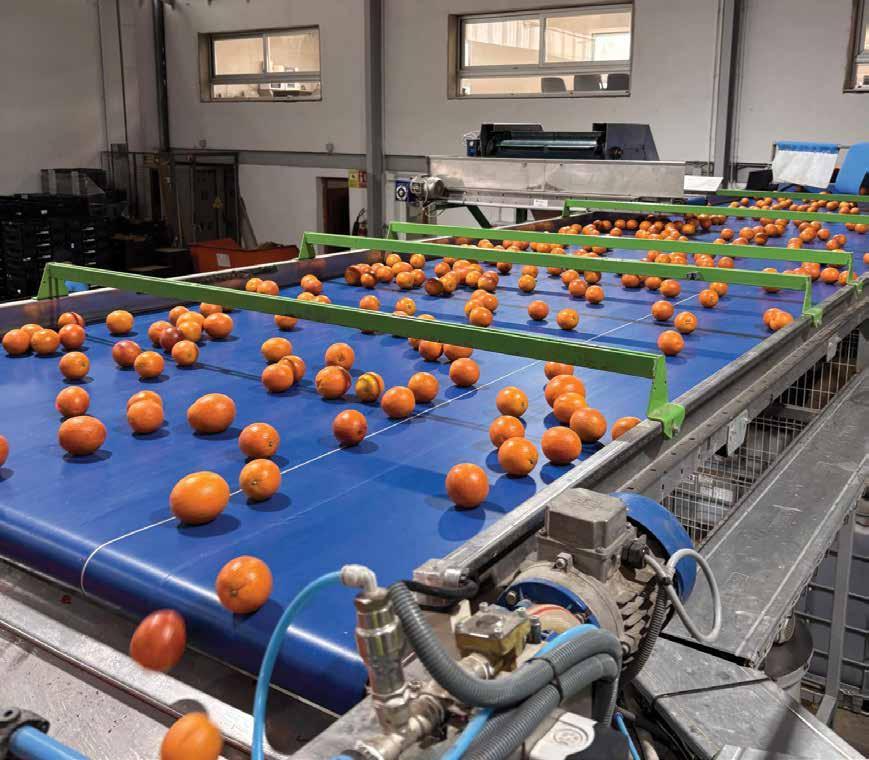
In the high-throughput world of fruit processing and packaging, the drive system is often the most vulnerable link. Machinery is subjected to a relentless cycle of organic acids from produce and aggressive wash-down protocols involving high-pressure water and caustic cleaning agents. For B2B stakeholders, the challenge is clear: standard carbon steel chains succumb to oxidation almost immediately, while traditional stainless steel often lacks the tensile strength required for heavy-duty conveying.
The D.I.D Double Guard (WG) Series represents a paradigm shift in power transmission for sensitive food environments. This environment-resistant series offers a sophisticated dual-layer coating that bridges the gap between maximum mechanical strength and superior corrosion resistance.
Operational Challenges in Fruit Processing
Mechanical components used in fruit-handling systems operate in exceptionally aggressive conditions. Constant exposure to moisture, wash- downs, and strict hygiene protocols create an environment where standard carbon-steel chains and conventional surface treatments degrade quickly. The result is accelerated corrosion, rust formation, and a significant reduction in service life.
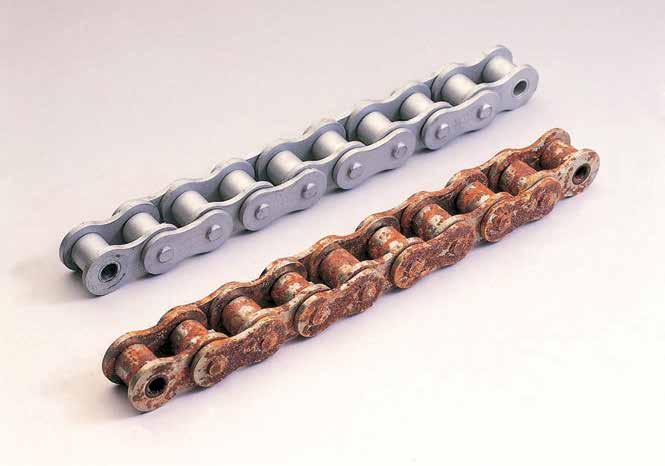
Rust is a zero-tolerance contaminant in food-processing environments. Beyond undermining mechanical performance, it poses a serious contamination hazard, with the potential to compromise product safety and jeopardize regulatory compliance.
Corrosion in chain systems can lead to several serious consequences that affect both performance and reliability. As corrosion increases wear between the pins and bushings, the chain experiences accelerated elongation, which reduces pitch accuracy and lowers transmission efficiency. Surface pitting caused by corrosion also weakens the metal under repeated cyclic loads, leading to fatigue cracking and a reduction in tensile strength, thereby increasing the likelihood of unexpected failure. In addition, these issues result in
higher maintenance and downtime costs, as chains require more frequent replacement, greater labor input, and prolonged equipment downtime, ultimately increasing overall operating expenses.
D.I.D Double Guard Chain: Double-Layer solution for maximum protection
The D.I.D Double Guard (WG) chain is specifically engineered to withstand the combined degradation mechanisms present in hygienic fruit-processing environments. Unlike conventional anti-corrosion chains that rely on a single protective surface treatment, the WG Series uses a sophisticated Double Layer Anti-Corrosion Coating System designed for long-term durability in wet and chemically aggressive environments.
The primary layer (base coating) creates strong adhesion with the steel substrate while forming a highly effective barrier against moisture penetration and oxidation. The secondary layer (surface coating) enhances resistance against red rust formation, chemical exposure, washdown deterioration, humidity and oxidation, surface degradation under continuous operation.
The result is significantly greater corrosion resistance compared with conventional coated chains.
Proven performance under extreme conditions
In standardised testing, the WG series demonstrates remarkable endurance. Results from CASS (CopperAccelerated Salt Spray) testing confirm that the WG chain develops the smallest amount of rust compared to comparable industrial chain solutions.
Main performance advantages are:
+ 5x the service life of conventional carbon steel industrial chains.
+ 2x the service life of D.I.D Hi-Guard (E) chains.
+ Superior resistance to red rust and surface degradation
+ Excellent durability in wet, outdoor, and chemically aggressive environments
+ Superior Corrosion Resistance: Markedly improved resistance to red rust formation, even in outdoor, marine, and chemically aggressive settings.
+ 100% Strength Retention: Unlike stainless steel, the Double Guard series maintains 100% of the tensile strength of standard carbon steel. This allows for high-load applications without the need to oversize drive components.
+ Extended Fatigue Resistance: The chain maintains wear resistance and tensile integrity even under the cyclic loads common in sorting and packaging machinery.
Application Context
The WG chain is the recommended standard for high-moisture and hygiene-critical environments, including:
+ Fresh fruit conveyor systems
+ Sorting and grading machinery
+ Packaging lines
+ Washing and drying systems
+ Material handling conveyors
+ Chemical and wastewater environments
Its durability makes it particularly valuable in facilities operating intensive production schedules with frequent washdown cycles.
D.I.D WG chain: A Strategic Investment in Reliability
To conclude, in food processing, in particular fruit handling, equipment reliability and hygiene are inextricably linked. Standard industrial chains often become the weak point of the system.
The D.I.D Double Guard (WG) chain provides a technically advanced solution by addressing the root causes of failure: moisture ingress and surface degradation. For B2B operators seeking a costefficient lifecycle and reduced downtime without compromising on tensile strength, the WG series represents a strategically sound investment for longterm operational success.
DID EUROPE S.R.L www.dideurope.com/industry
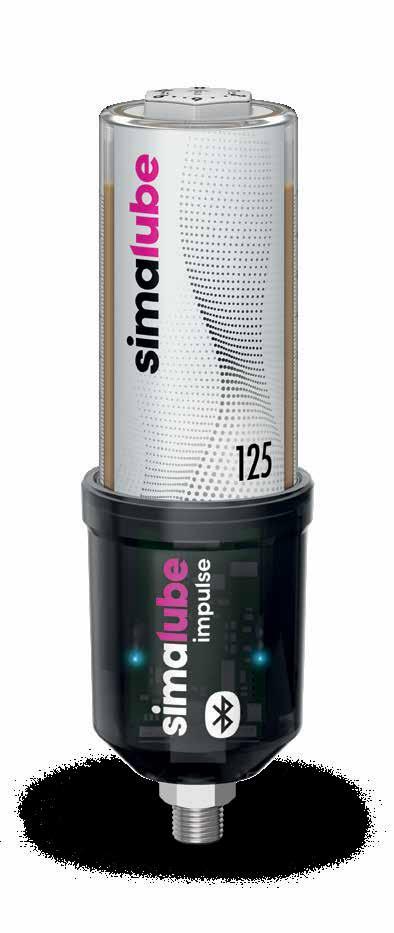
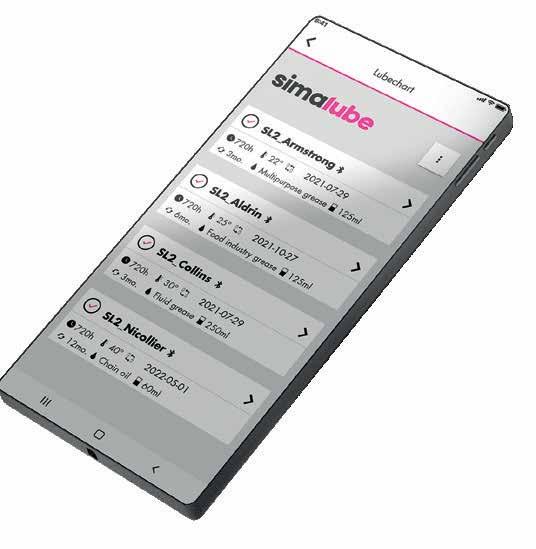
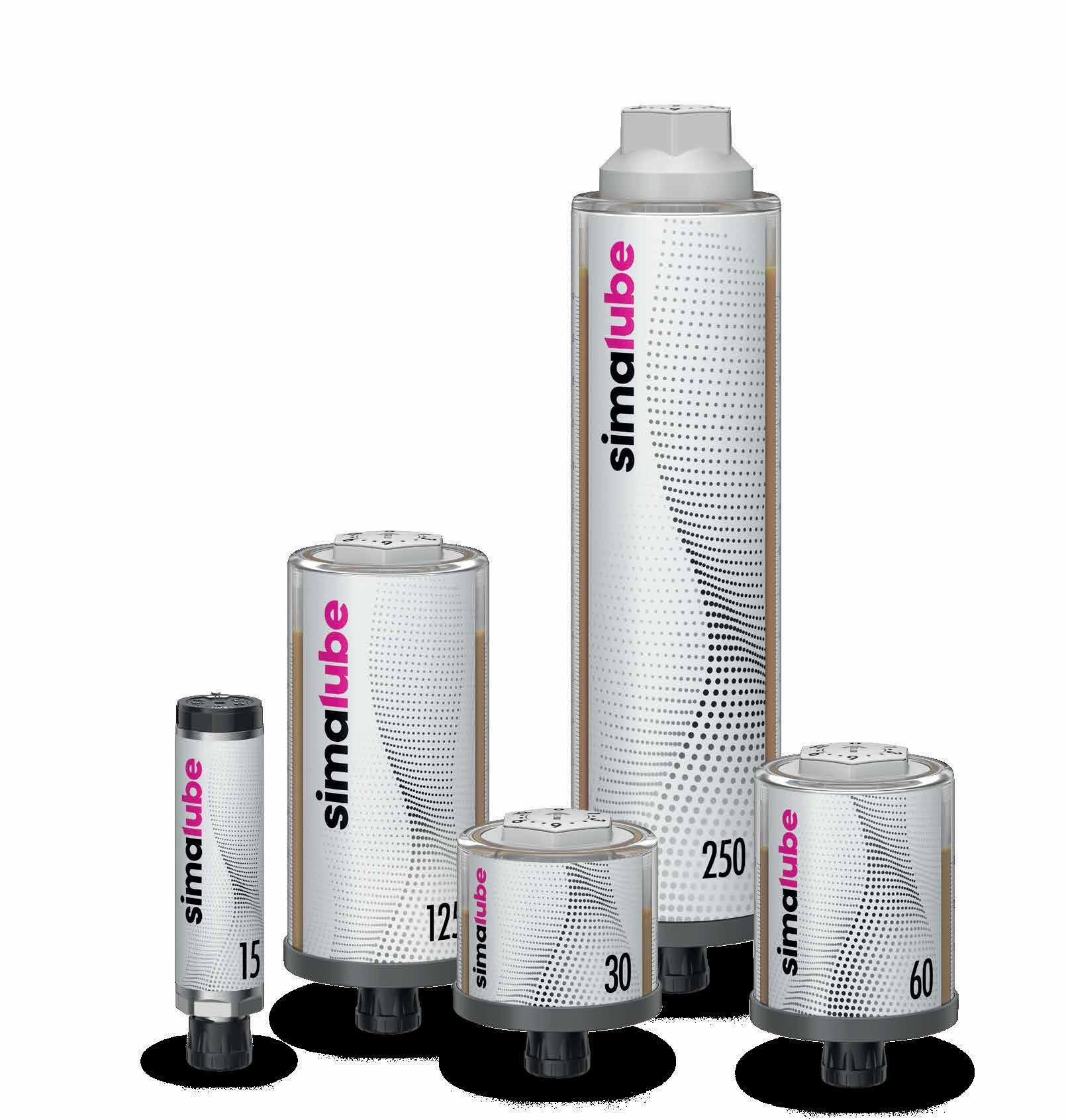
Explore the next level of automatic lubrication: simalube IMPULSE connect
Your personal simatec assistant for efficient and connected monitoring
The «simatec World of Maintenance» app is the overarching digital simatec platform: simatec products can be controlled by the app, taking simatec another step into the
Features
Monitoring of lubrication points
Creation of electronic lubrication schedules in Lubechart (available in the App)
Digital ordering process
Calculation Pro: Calculation programme for the correct setting of your lubricators. Available in the app «simatec World of Maintenance» only Download the
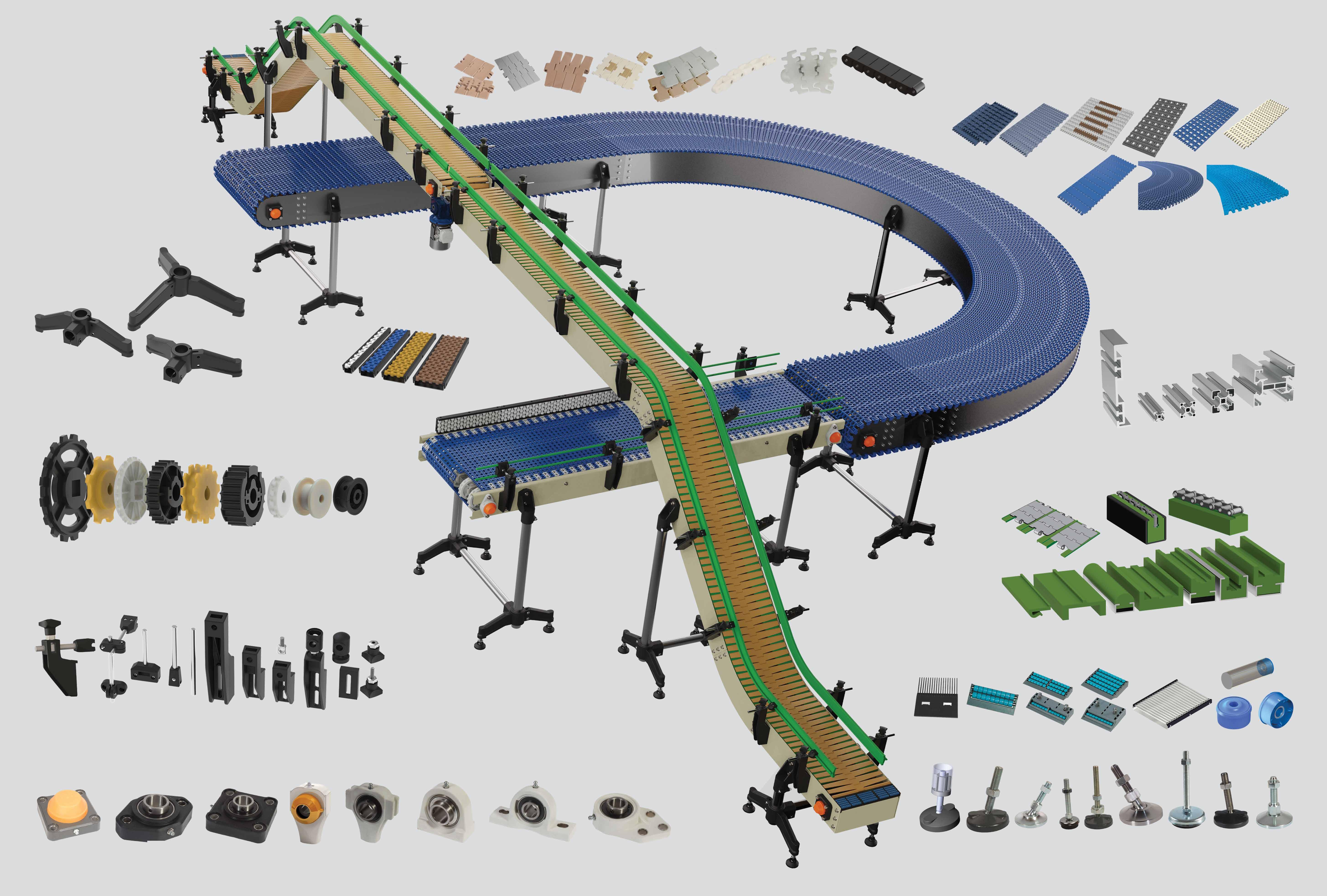
The easiest way to build a conveyor!
Alhan Bipods and Tripods
Alhan Sprockets and Pulleys
Alhan Adjustable Bracket, Clamps, and Photocell Connection Equipments
Alhan Bearing Houses
New facilities and machinery
Optimising our production capacity
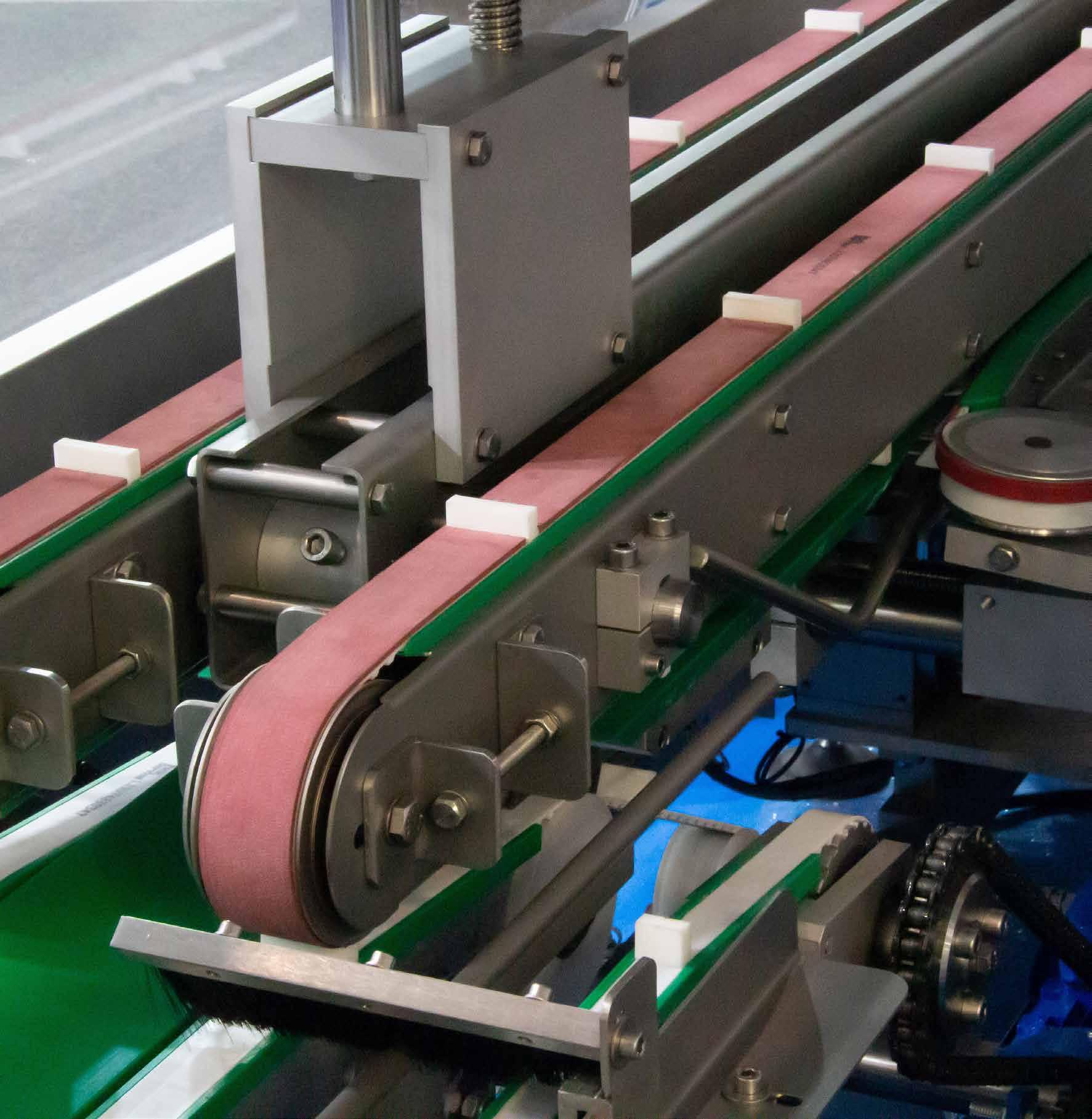
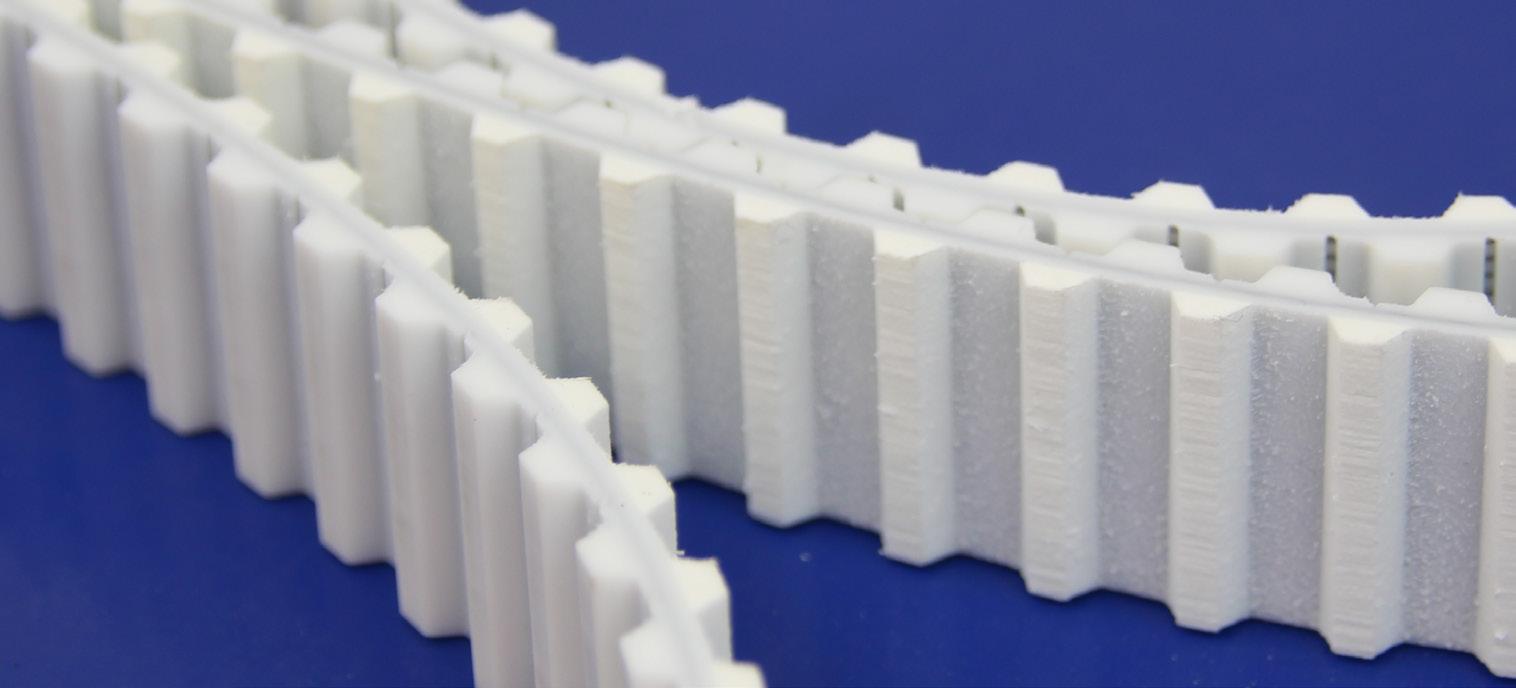
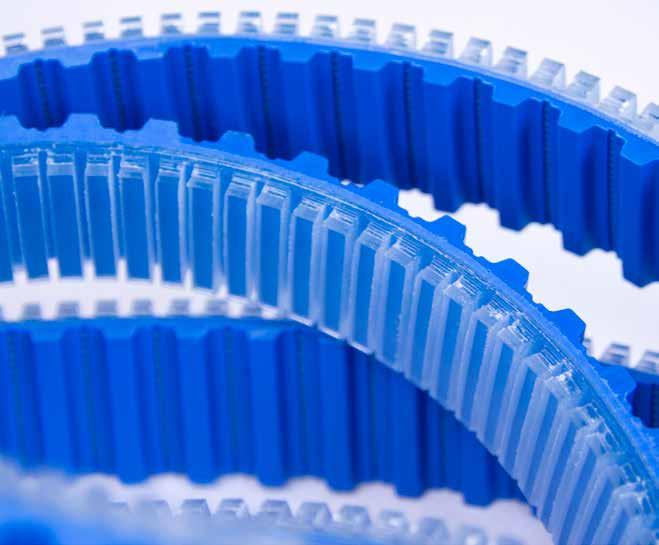
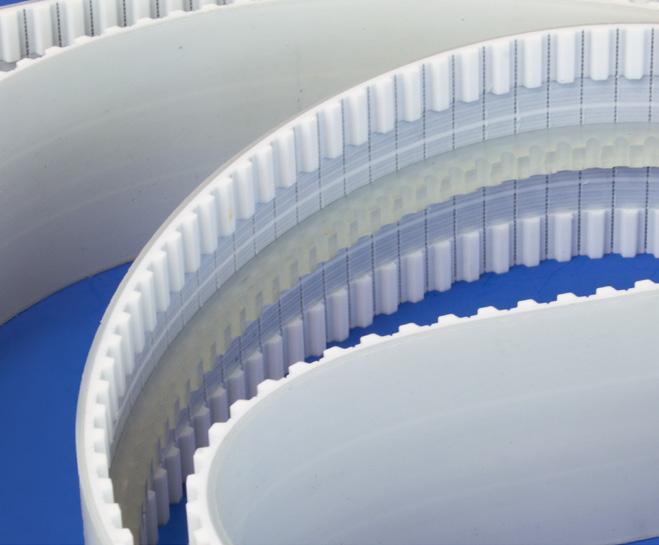
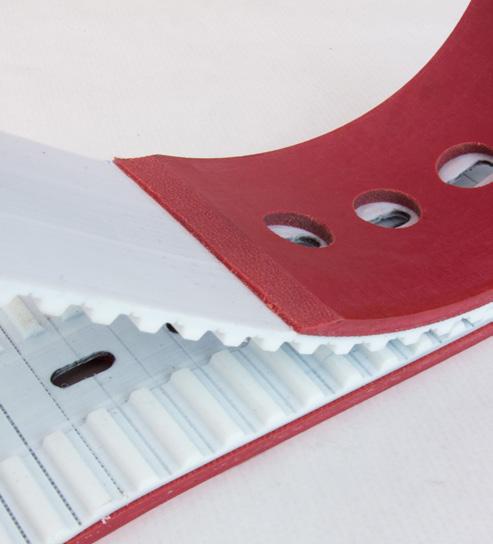
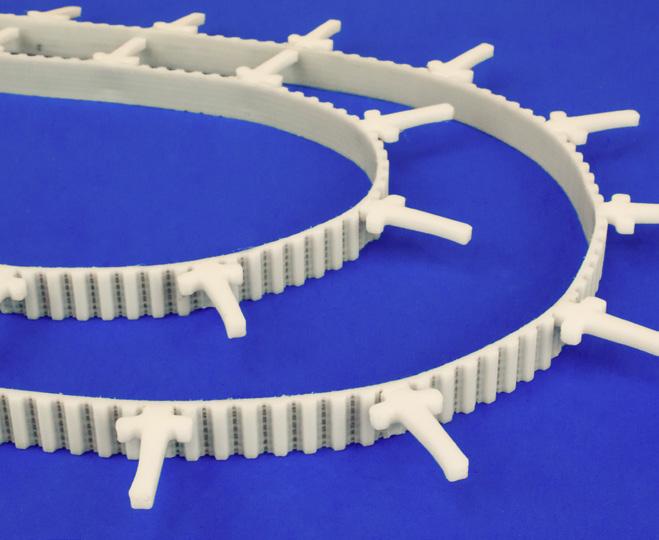
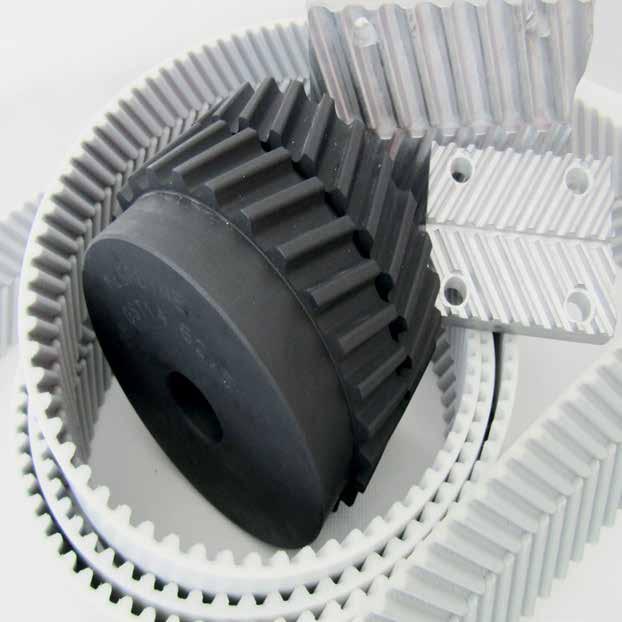
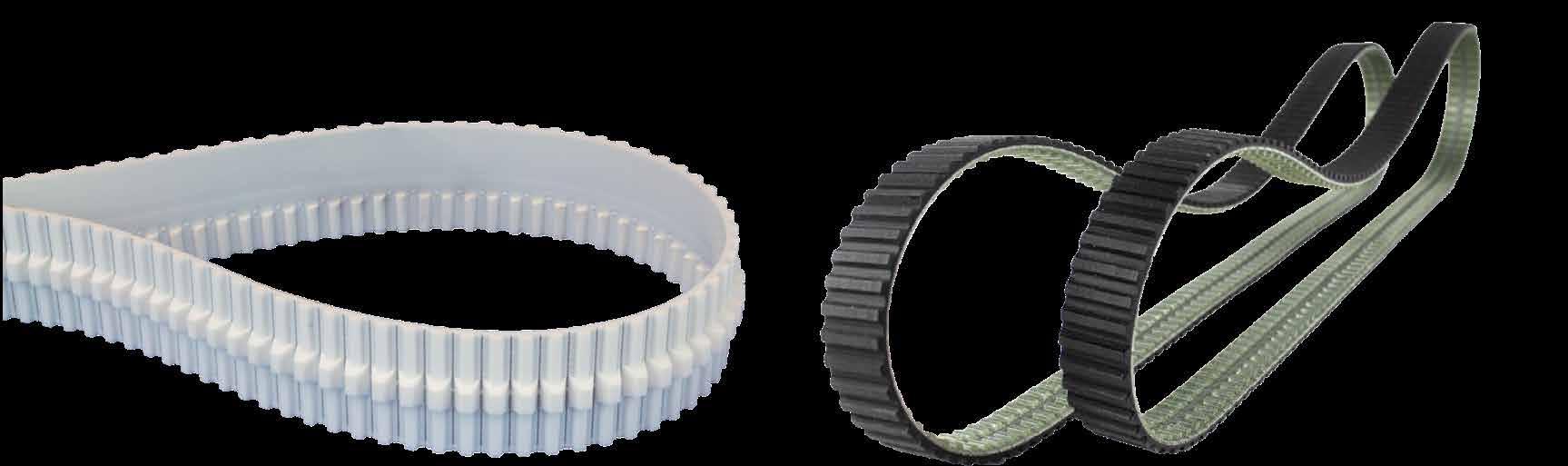
At Ydins, we have optimised facilities equipped with new machinery designed to improve efficiency, precision and quality in the manufacture of custom-made industrial belts.
Optimisation of our manufacturing processes
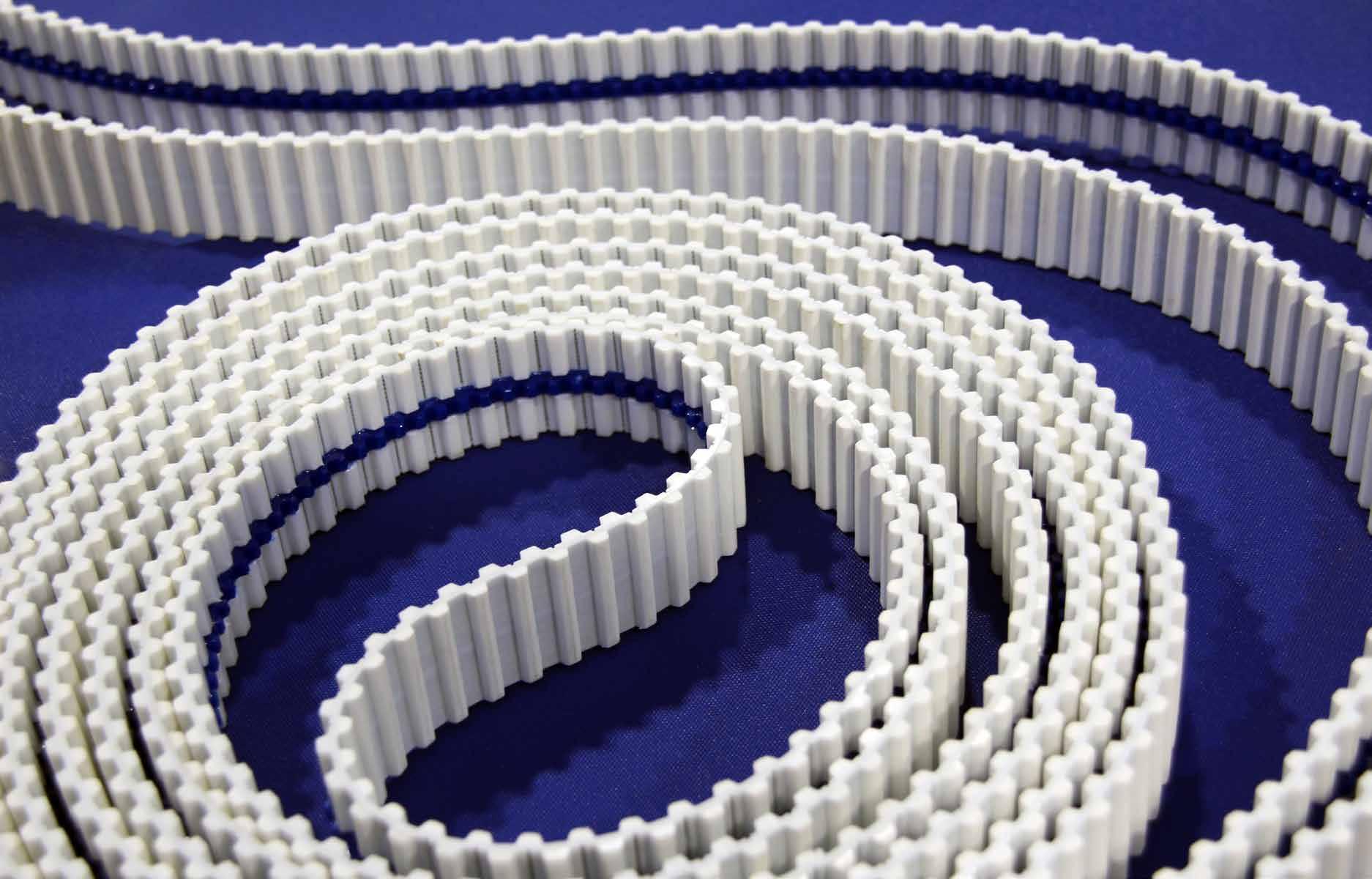
We are improving our service to offer a wider range of double-sided timing belts, expanding the possibilities we had already been providing until now.
Thanks to the incorporation of new machinery and the optimisation of our manufacturing processes, we can now produce more double-sided tooth profiles and adapt our belts to different technical specifications according to the requirements of each application.
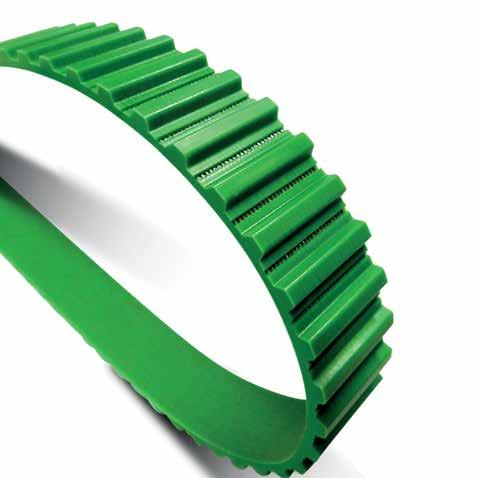
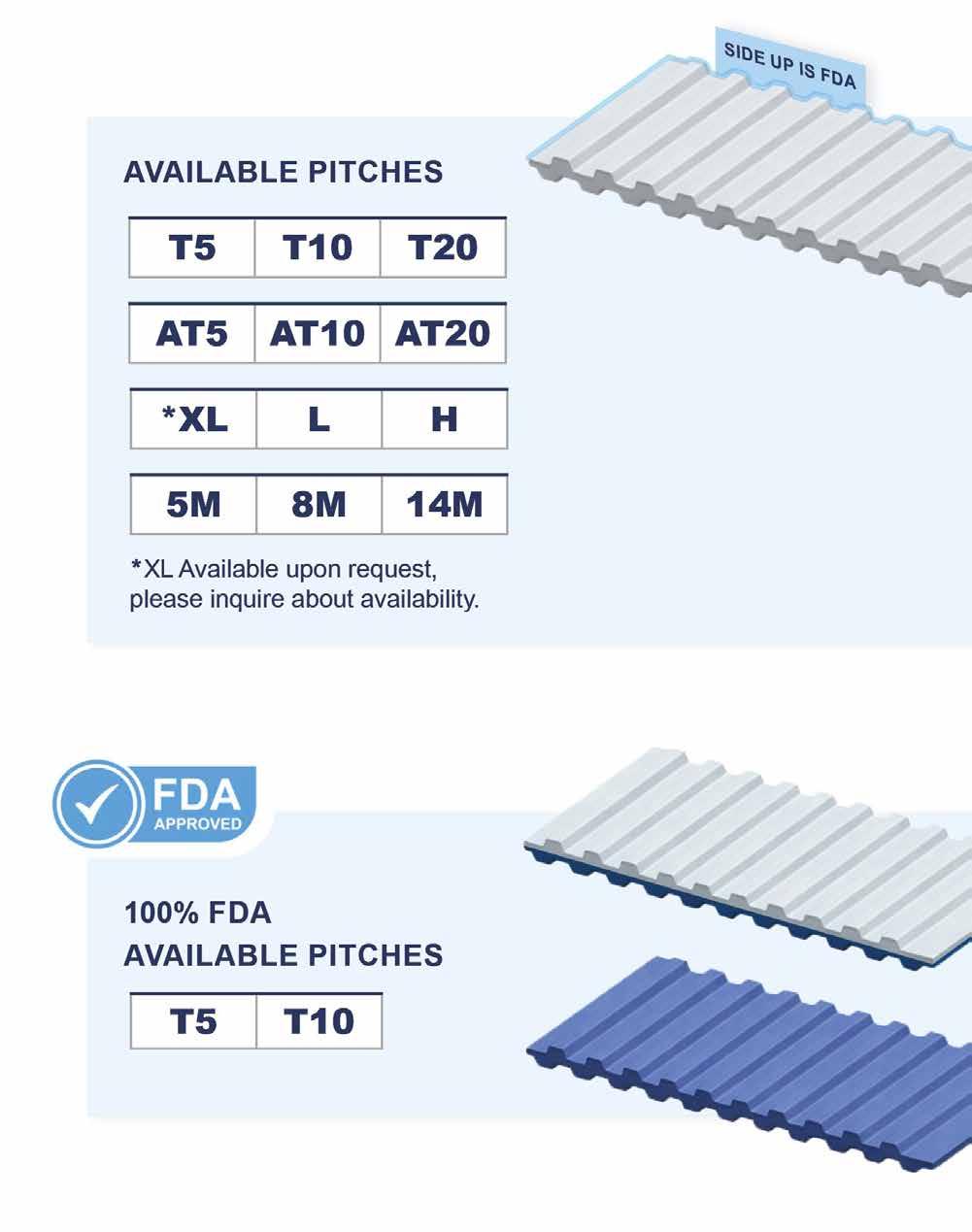
100% FDA double-sided timing belts for special applications
With Ydins, we offer the possibility of manufacturing 100% FDA double-sided timing belts, specifically designed for applications requiring food contact compliance, as well as high standards of hygiene, safety and reliability.
Looking for a belt adapted to your packaging line?
Get in touch with Ydins’ technical team to develop the right solution.
www.ydins.es | info@ydins.es
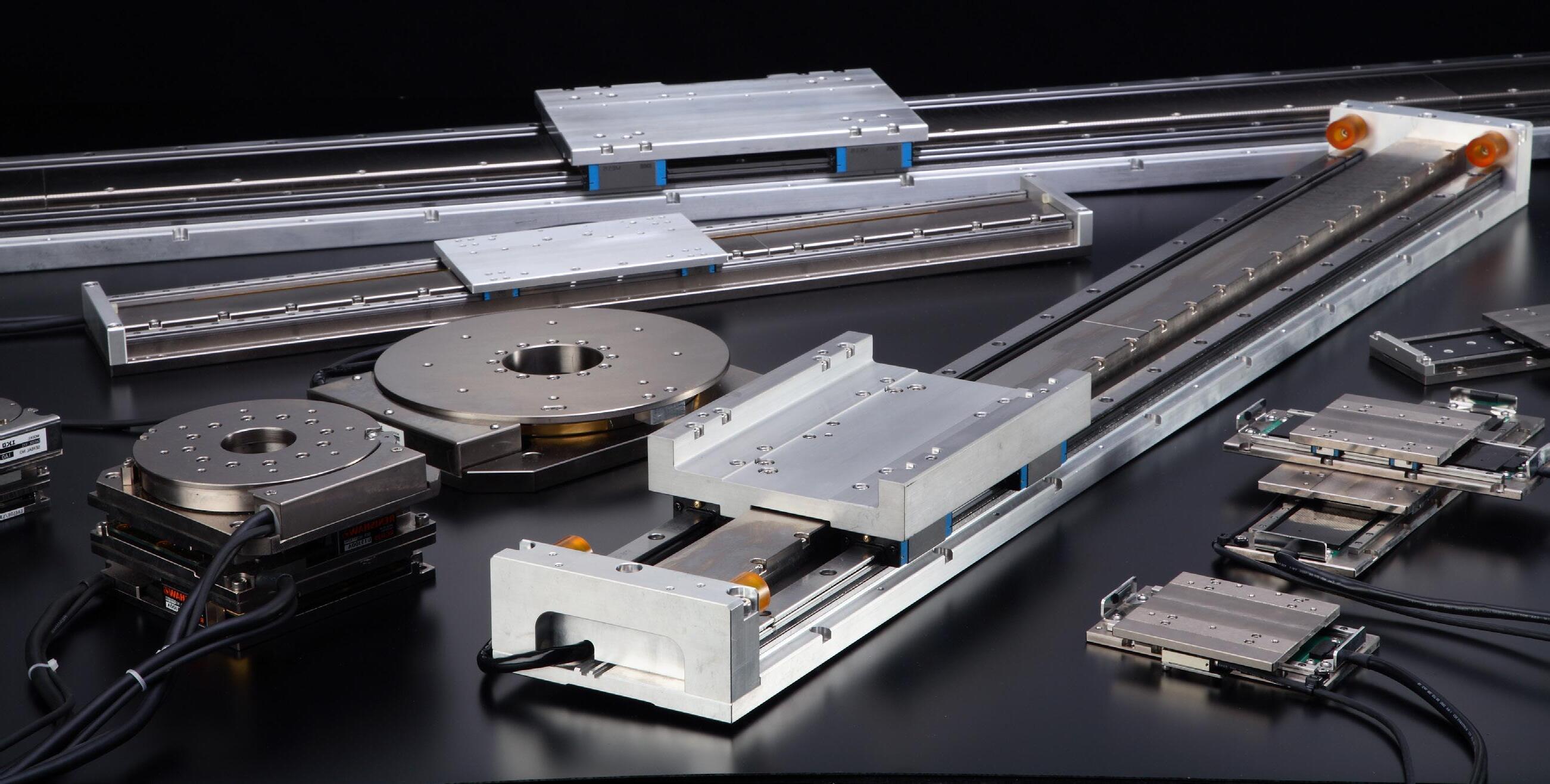
Nippon Thompson and VarioDrive have teamed up to enhance their offerings by combining Nippon Thompson’s advanced motion technology with VarioDrive’s innovative drive systems. This collaboration aims to deliver high-performance, reliable solutions that meet the growing demand for precision and efficiency in industries like automation, robotics, medical and semiconductor markets across Europe.
’s positioning tables offer a tailor made solution to any application imaginable, together with their trusted Linear Motion Rolling Guide technology, now can offer the support with VarioDrive’s who will guide you through the complex landscape of solutions and components with motion control systems.
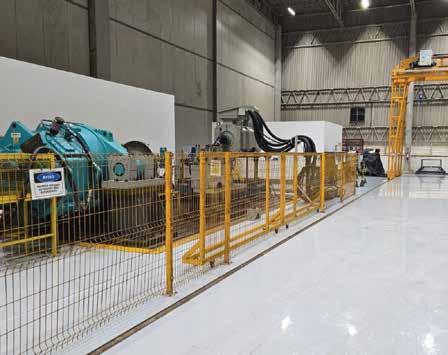
Advanced Test Bench & Automation Solutions
High-level engineering expertise for customized industrial automation and testing systems.
After many years operating as an engineering consultancy, Excogita was founded in 2003 with the objective of directly building customized automation and robotics solutions on a turnkey basis, tailored to specific customer requirements.
A highly dynamic company, Excogita considers continuous research one of its defining characteristics, with the clear aim of constantly improving its expertise and offering new services. Only some mechanical processes are outsourced, while all operational activities and engineering know-how — including software development — are maintained internally.
“Our approach,” explains CEO Eng. Mirco Ronci, “normally begins with a feasibility study based on the customer’s specifications, followed by the proposal of turnkey solutions. One of our key strengths is the ability to provide immediate budgeting and detailed quotations free of charge in a very short time.”
The company operates from its headquarters in Bevagna (Perugia) across four main areas of products and services:
+ complete supply of test benches for product development, qualification, acceptance testing, and continuous product inspection during manufacturing;
+ turnkey supply of production machines, tooling, automatic and robotic assembly and machining lines, including direct support, preventive maintenance, and remote assistance;
+ mechatronic, thermodynamic, and fluid dynamic engineering analysis for the development of new products and processes, including design and drafting services.
“We also deal with prototyping and reverse engineering,” adds Eng. Ronci, “as well as the design and implementation of measurement systems for physical quantities, efficiency, and durability testing. In addition, we provide on-call or scheduled calibration services for Excogita test benches and special machines, issuing the relevant certification.”
Today, the company’s products and services are mainly intended for the domestic market.
“At present,” continues Eng. Ronci, “our export share is still limited and accounts for approximately 10% of total turnover. This is not the case for our customers — mainly medium and large Italian manufacturing companies — which instead export a significant portion of their production.”
Ready for Industry 4.0
Among the product areas mentioned above, the most important and continuously growing sector for Excogita is represented by test benches and special automated production machines aimed primarily at manufacturers of mechanical and electrical transmission components or industrial products in general, such as:
+ ball and roller bearings;
+ ball screws, roller screws, trapezoidal screws;
+ linear motion systems, linear tables and modules, supports;
+ electromechanical, hydraulic, and pneumatic actuators;
+ gearboxes, motors, pumps, and valves.
“These special machines and prototypes,” observes Eng. Ronci, “require experience accumulated over many years, allowing us to consistently achieve successful
results, especially in highly demanding sectors such as aerospace and medical.”
This know-how and expertise are the result of an activity that years of economic crisis have made increasingly indispensable for maintaining competitiveness: continuous innovation.
“For us, innovation,” continues Eng. Ronci, “means constantly keeping up to date from both a scientific and technological point of view. Finding state-of-the-art, highperformance solutions requires dynamic and experienced minds constantly looking toward the future. Our research projects are aimed precisely at this: acquiring in advance the capabilities that will shape the future. In this regard, we have already been conducting research for years to be ready for the new challenge of Industry 4.0.”
Within this framework, the company’s 2017 research project, called “Mixed Reality Robotic Cell – MRRC,” is closely connected to Industry 4.0 and is also central to Excogita’s business as a provider of automation and robotics solutions. The project aims to establish interaction between “robot and operator” through virtual symbiosis.
This is achieved through an environment involving interactive simulations capable of perceiving the user’s position and actions while replacing or enhancing feedback from one or more senses, creating the impression of being mentally immersed in the simulation.
“Product assembly and testing,” continues Eng. Ronci, “are topics we have been dealing with for many years. The objective is to develop an algorithm for anthropomorphic measurement of efficiency and axial play in ball screws — meaning the use of robot force and control directly for testing purposes, rather than merely for handling or assembly functions.”
After achieving this first objective, the company’s second goal will be the development of selflearning algorithms in augmented reality to simplify communication with operators, eliminating the need for traditional programming languages and developing the so-called “passive exoskeleton” system for robot selflearning directly guided by the operator.
This would enable extremely direct interaction, allowing the robot to replicate what the operator manually performs, transferring the added value of human craftsmanship directly to the machine.
“Another objective for the current year,” adds Eng. Ronci, “will be the expansion of our 3D printing laboratory with a metal powder additive manufacturing machine, further reducing production times for complex components while extending the construction possibilities of special systems.”
Constant and Monitored Process Quality
In addition to providing a complete service with a high level of engineering quality — reducing customer nonconformities almost to zero — Excogita continuously researches new techniques and tools to minimize delivery times and provide increasingly immediate responses.
“The market moves extremely fast and is difficult to predict,” emphasizes Eng. Ronci, “and the only solution is represented by the speed and control of the performance we can offer.”
Within this context, one of the company’s recent development projects has focused on creating a new method to constantly ensure calibration, routine maintenance, and safety for all machines produced. “A service,” notes Eng. Ronci, “that we are the first in the sector to offer.”
Through a dedicated online extranet portal, every customer can access their Excogita machine fleet, download updated technical documentation, and view the so-called Machine Life Register (MLR), a chronological record of all operations carried out throughout the machine’s lifecycle.
The MLR is updated after every modification or calibration, and customers can access this information through personalized accounts.
“This represents the most modern approach adopted by machine manufacturers,” concludes Eng. Ronci, “for managing external machine fleets. In addition to remote assistance, when routine checks identify the need for urgent intervention, an emergency procedure can be activated directly by the operator through the internet console. We offer this service through an annual subscription that optimizes costs for both periodic calibration of test benches and machines, as well as ordinary and extraordinary maintenance.”
For more information about this project and – more in general – about the Excogita test rigs for different applications, get in touch with ICT srl (www.consulting-trading.com – info@consulting-trading.com) who is responsible of business development of Excogita’s machinery.
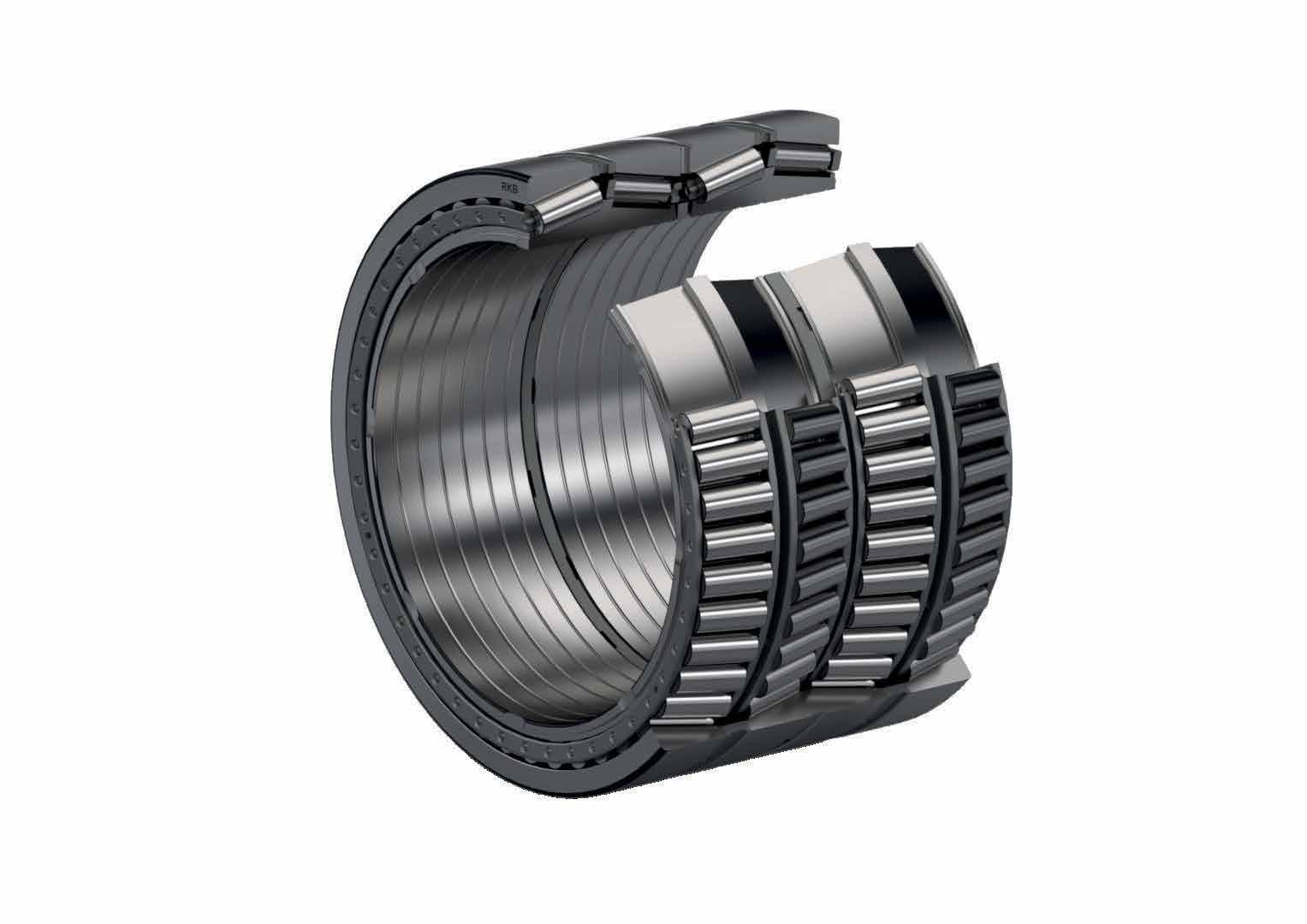
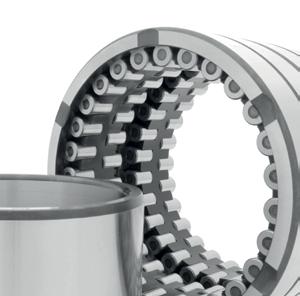
RKB Four-Row Tapered Roller Bearings
Built
Fritex® Composite Bearings: Bridging Italian Engineering Excellence with Global Manufacturing
Technymon, founded in 1975 and headquartered in Bergamo, Italy, has established itself as a pioneer in multilayer sliding bearings and advanced tribological solutions. With a strong engineering heritage rooted in Italy’s renowned “PTFE Valley,” the company has built a global footprint spanning Europe, the United States, and India.
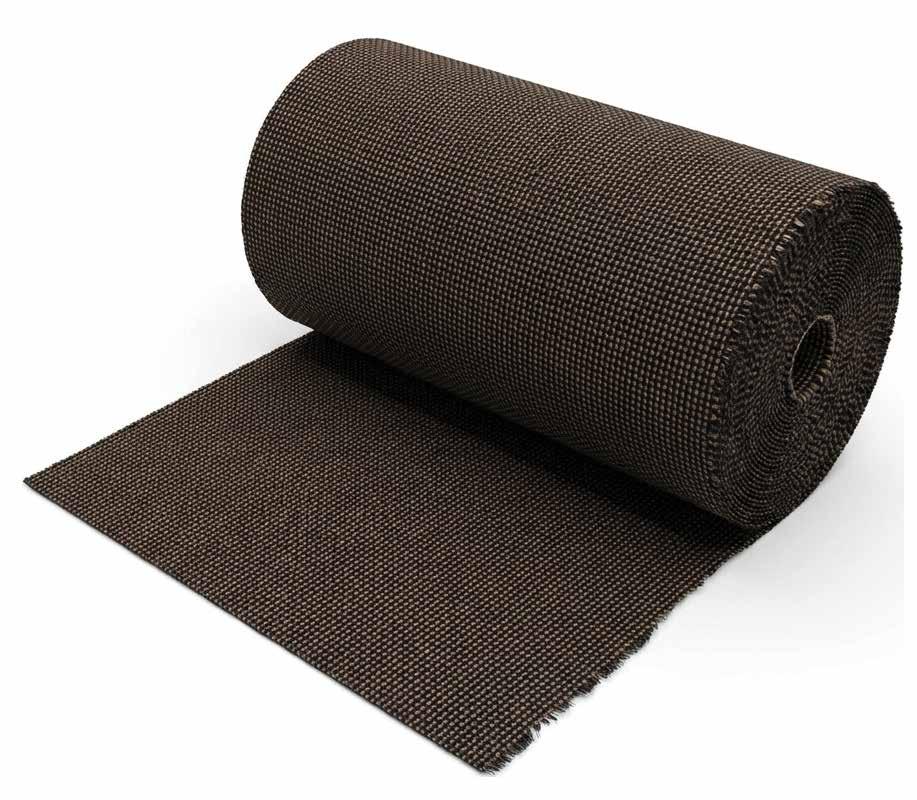
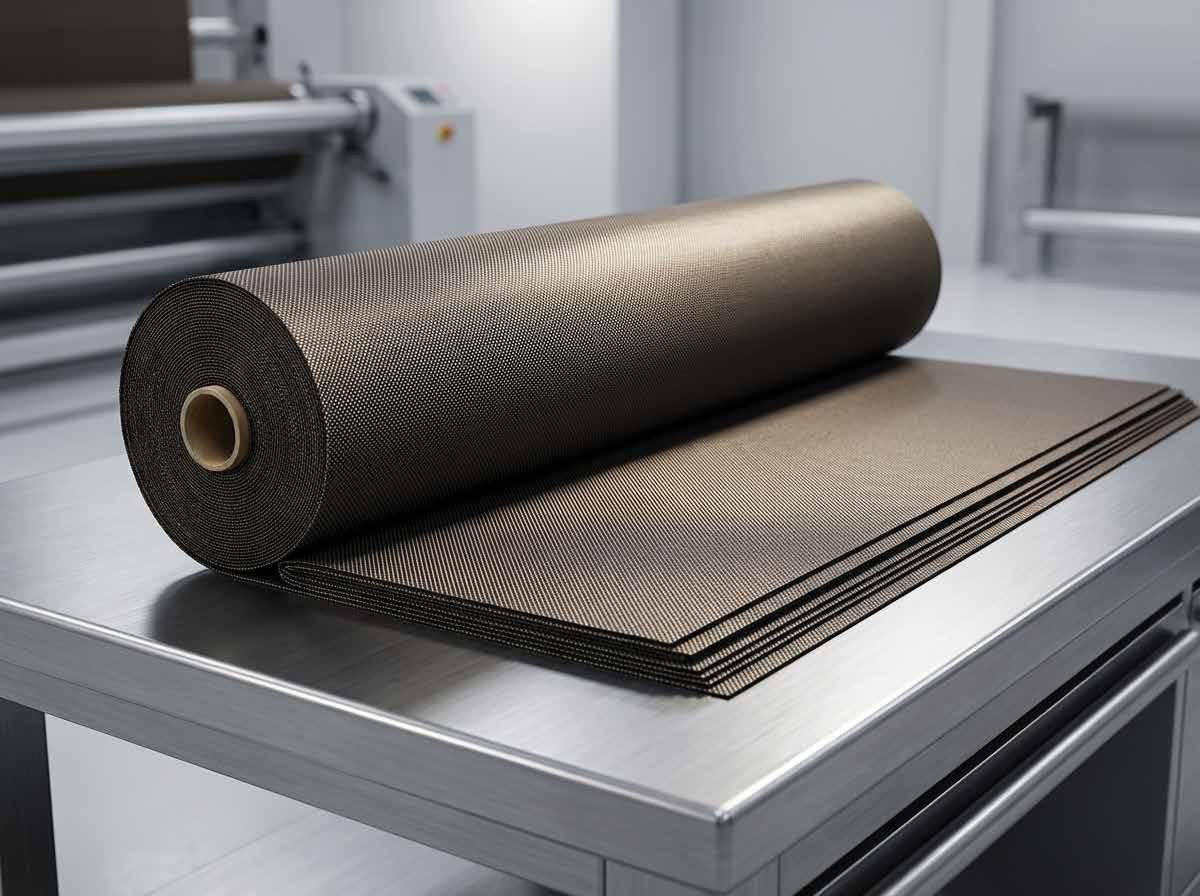
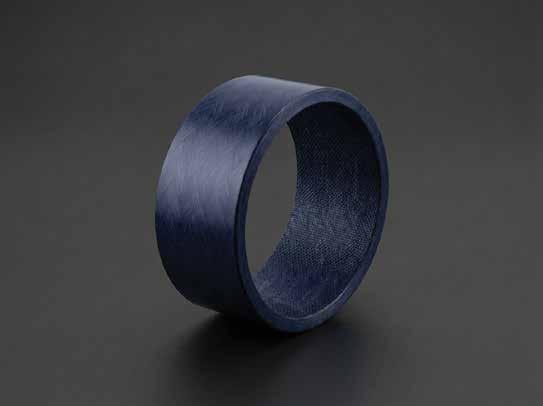
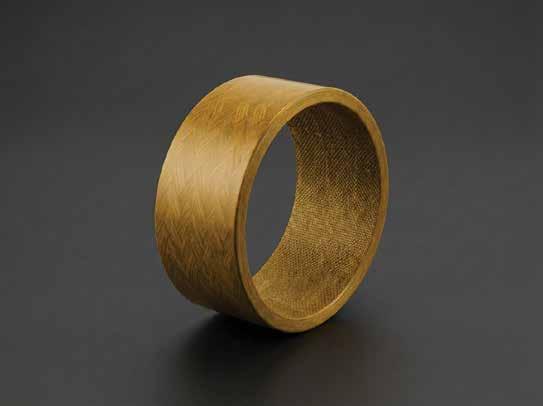
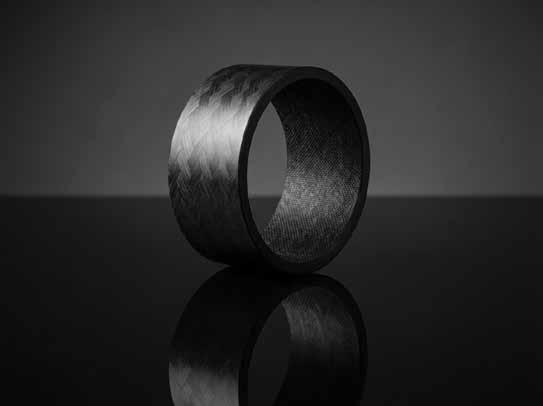
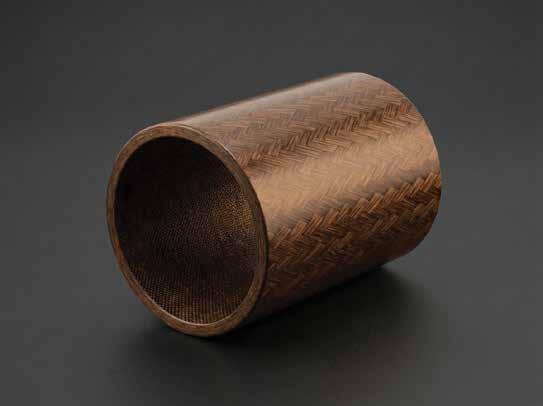
At the center of its innovation portfolio is Fritex® , a range of high-performance composite and fabric-based self-lubricating bearings designed for demanding industrial environments. These solutions combine fiberreinforced composite structures with PTFE-based sliding layers to deliver maintenance-free operation, high load capacity, and exceptional durability under extreme conditions.
Varun Sood is Co-CEO of Technymon GBT and leads the company’s Indian manufacturing operations. His role focuses on scaling advanced composite bearing production while maintaining Technymon’s stringent engineering standards. With responsibility spanning production, supply chain, and global market integration, he represents the operational backbone of Technymon’s international growth strategy.
Can you introduce Technymon and the philosophy behind the Fritex® product range?
Technymon is an Italian engineering company with nearly five decades of expertise in sliding bearing technology. Since our founding in 1975 in Bergamo, we have focused on advancing multilayer and composite bearing solutions.
Fritex® represents the evolution of this expertise. It embodies our core philosophy: delivering reliable, maintenance-free performance through advanced material engineering. By combining tribological know-how with composite technology, we provide solutions that perform consistently in the most demanding industrial conditions.
Technymon combines Italian engineering with global production. How is this reflected in your operations?
Italian engineering remains the foundation of our product development, particularly in material science and tribology. At the same time, our global manufacturing footprint—especially in India—allows us to scale efficiently and remain close to key markets.
Our Indian facility plays a strategic role, supporting both domestic demand and export markets. Importantly, all operations follow the same engineering standards and quality systems established in Italy. This ensures that customers receive consistent performance regardless of where the product is manufactured.
What distinguishes Fritex® composite bearings from conventional bearing solutions?
Fritex® composite bearings are designed primarily for high-load, low-speed, and oscillating applications, where traditional rolling bearings or greased bushings often struggle.
Unlike conventional solutions, they do not rely on external lubrication. Instead, they integrate PTFE-based self-lubricating layers that ensure low friction and stable performance throughout the product lifecycle.
Key advantages include:
+ High static and dynamic load capacity
+ Resistance to shock, vibration, and contamination
+ Corrosion resistance and chemical stability
+ Wide operating temperature range
+ Maintenance-free operation
These characteristics make them particularly suitable for harsh environments such as construction machinery, offshore systems, and hydraulic applications.
Fritex® is strongly associated with fiber-wound technology. Can you explain this in more detail?
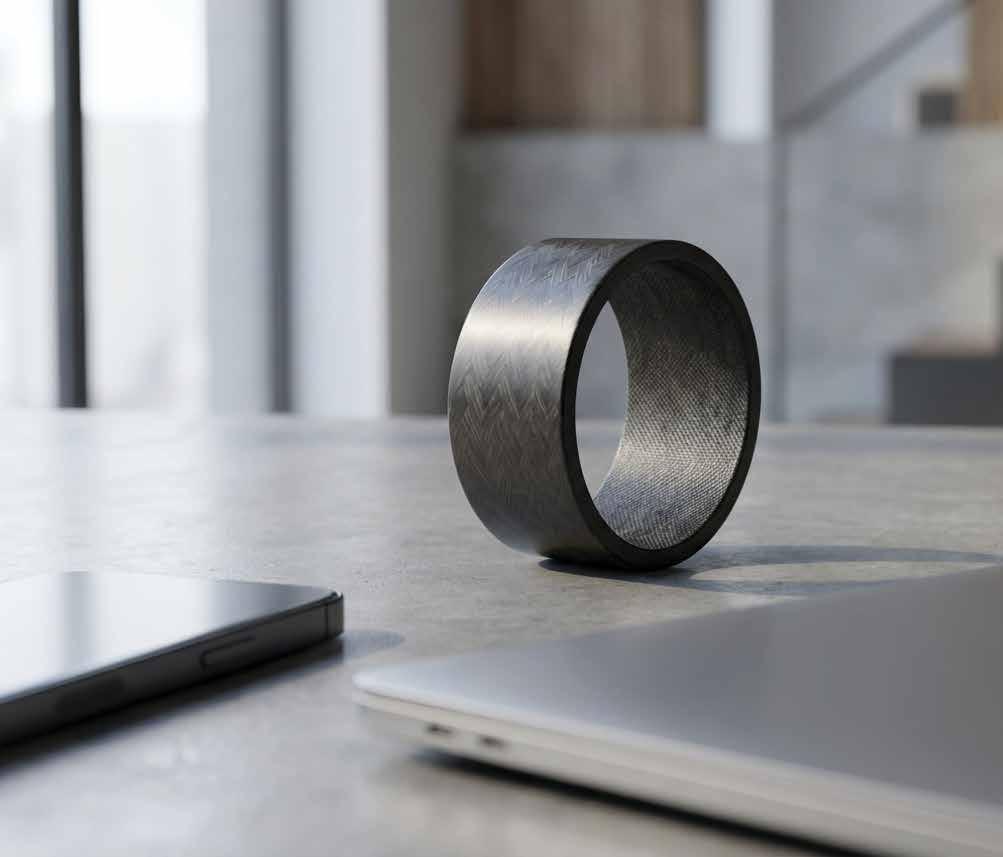
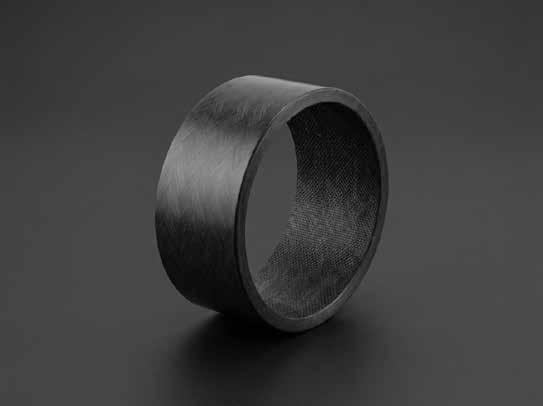
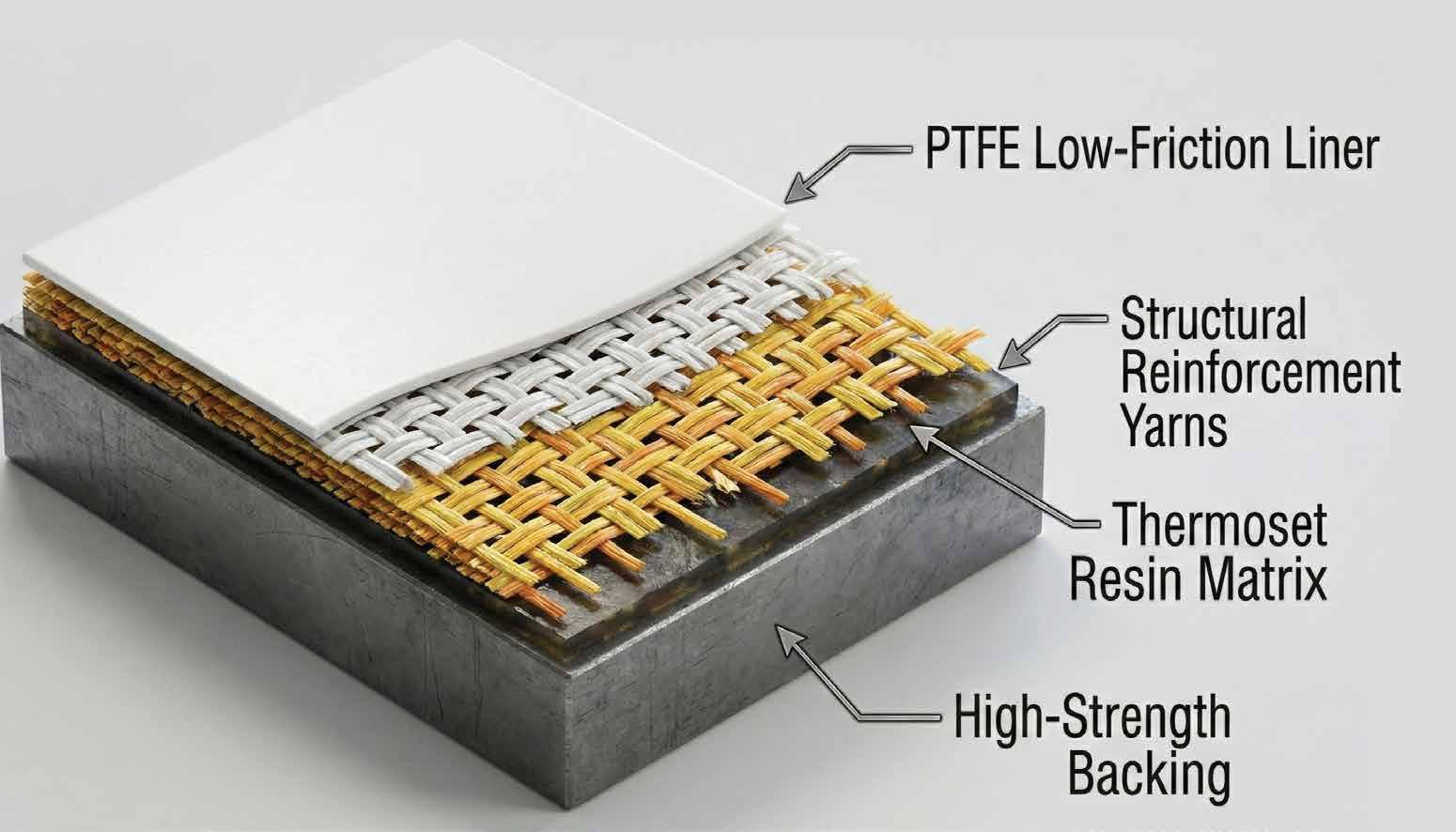
The Fritex® FW Series is based on filament-wound composite technology, where high-strength fibers are impregnated with thermosetting resins and wound under controlled conditions.
This creates a highly engineered, anisotropic structure that optimizes strength, load distribution, and wear resistance. The result is a bearing with:
+ Excellent fatigue resistance
+ High dimensional stability
+ Superior pressure-velocity (PV) performance
+ Long operational life
These bearings are widely used in pivot points, hydraulic systems, and heavy-duty industrial applications where reliability is critical and lubrication is impractical.
Technymon also produces tribological fabrics. How do these complement your bearing solutions?
Our engineered tribological fabrics are an essential part of the Fritex® ecosystem. These PTFE-based woven materials serve as sliding liners in both composite and metal-backed bearings.
They are reinforced with fibers such as glass, aramid, or polyester and bonded with thermoset resins to create a durable, low-friction interface.
By producing these fabrics in-house, we maintain full control over the material system—from fiber structure to final bearing performance. This vertical integration is a key differentiator for Technymon.
What does the launch and expansion of Fritex® composites represent for Technymon?
The expansion of Fritex® marks a significant step in our strategic development. It reflects our commitment to advancing self-lubricating, maintenance-free bearing technologies that address modern industrial challenges.
By combining Italian engineering expertise with scalable global manufacturing, we are able to deliver high-performance solutions that meet the evolving demands of industries worldwide—whether in terms of reliability, sustainability, or total cost of ownership.
Technymon specializes in multilayer sliding bearings and tribological materials, serving industries such as automotive, oil & gas, construction, railways, agriculture, and energy. Its Fritex® product family includes:
+ Fiber-wound composite bearings (FW Series)
+ Metal-backed composite bushings (CR Series)
+ Engineered PTFE-based tribological fabrics
These solutions are engineered to operate in environments where conventional lubricated systems fail, offering high resistance to wear, corrosion, and extreme temperatures, while eliminating the need for maintenance.
With the Fritex® platform, Technymon reinforces its position at the forefront of composite bearing technology. The combination of advanced material engineering, vertically integrated production, and global manufacturing capability positions the company to meet the growing demand for maintenance-free, high-performance solutions across the mechanical power transmission and motion control industries.
As industries continue to push toward higher efficiency, lower maintenance, and greater reliability, technologies such as Fritex® are set to play an increasingly critical role in the future of industrial motion systems.
About Technymon and Fritex®
CONNECTING BEYOND BOUNDARIES
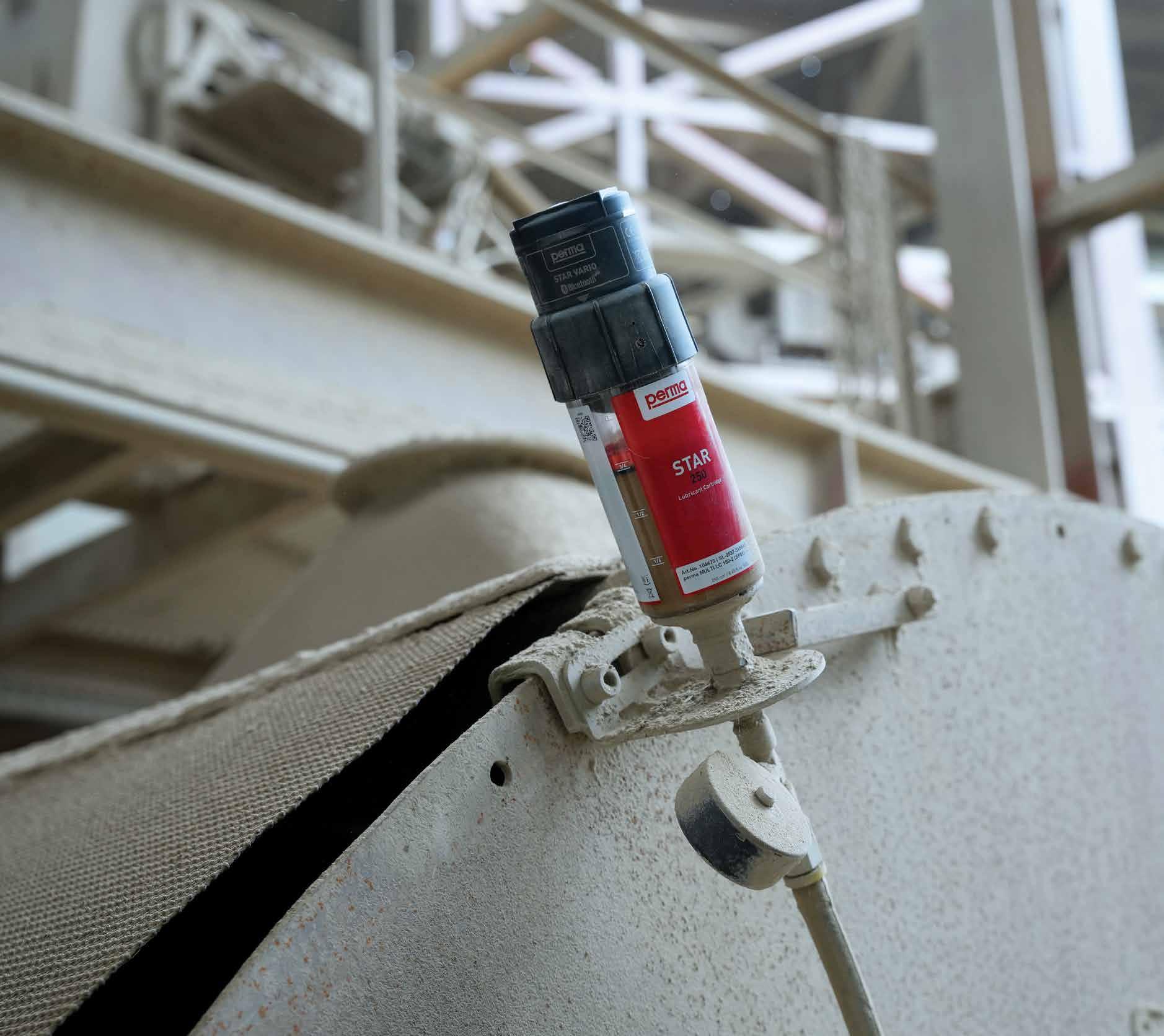
perma STAR VARIO LONG RANGE
• Simple operation via perma CONNECT
• Configuration, control and maintenance from a distance
• Management of up to 2,000 lubrication points via Gateway LONG RANGE
• LED visible all round signals functioning and errors
• Backlit LCD display The Expert in Lubrication Solutions
Study and maximization of the outer ring rib robustness in multi-row cylindrical roller bearings used in roughing mill stands
In roughing rolling mill stands, bearing reliability directly affects mill availability and production continuity. These applications operate under high radial loads, shock loading, vibration, contamination, and repeated transient overloads generated during rolling.
In a recent technical support case, Engineer Alberto Barilli of the RKB technical team assisted a steel producer operating a 2Hi horizontal roughing stand following the catastrophic failure of a multi-row cylindrical roller bearing. The failure caused an unplanned production stop and required a detailed evaluation of the bearing design and operating conditions. The inspection of the failed bearing outer ring showed multiple sites of fatigue crack growth with progression marks (beach marks), nucleating from the most stress-sensitive areas of the outer ring rib section. Based on the failure analysis, the investigation focused on a critical parameter of the bearing internal design for this application: the net width of the outer ring rib.
Importance of outer ring rib geometry
In multi-row cylindrical roller bearings used in rolling mills, the outer ring rib can become highly stressed due to increased friction, misalignment, and impact loading.
In these special cases, the rib section can become critical since stress concentration increases and may promote fatigue crack propagation under severe cyclic loading.
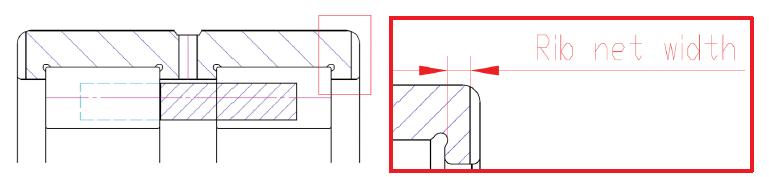
To evaluate the influence of rib geometry, RKB compared two bearing designs with the same main boundary dimensions: a conventional doublepronged cage design and an RKB window-type cage design with reinforced rib geometry.
The conventional design had a rib net width of approximately 6.2 mm, while the RKB design increased this value to approximately 12.3 mm, corresponding to an increase of about 98%. In theory, a larger rib section shall reduce the notch effect and consequently the related stress, improving the outer ring rib fatigue resistance under specific working conditions.
FEM validation
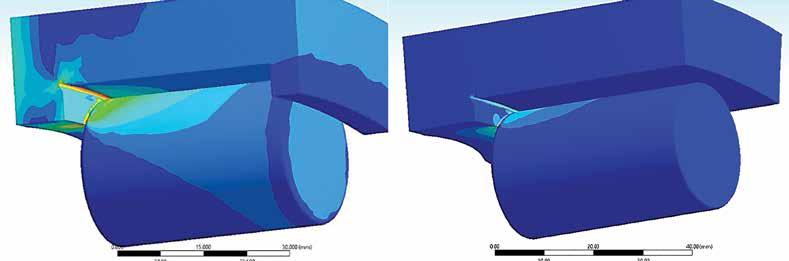
RKB performed a comparative Finite Element Method (FEM) analysis to evaluate the stress distribution in both bearing designs under axial loading acting on the inner surface of the outer ring rib.
The FEM results showed that the increased rib width in the reinforced design reduced the Von Mises stress in the most critical section, showing a reduction in the notch effect. Based on the analysis, RKB recommended field testing of the reinforced design in the customer’s roughing stand application.
Special RKB technical proposal featuring a reinforced bearing design.
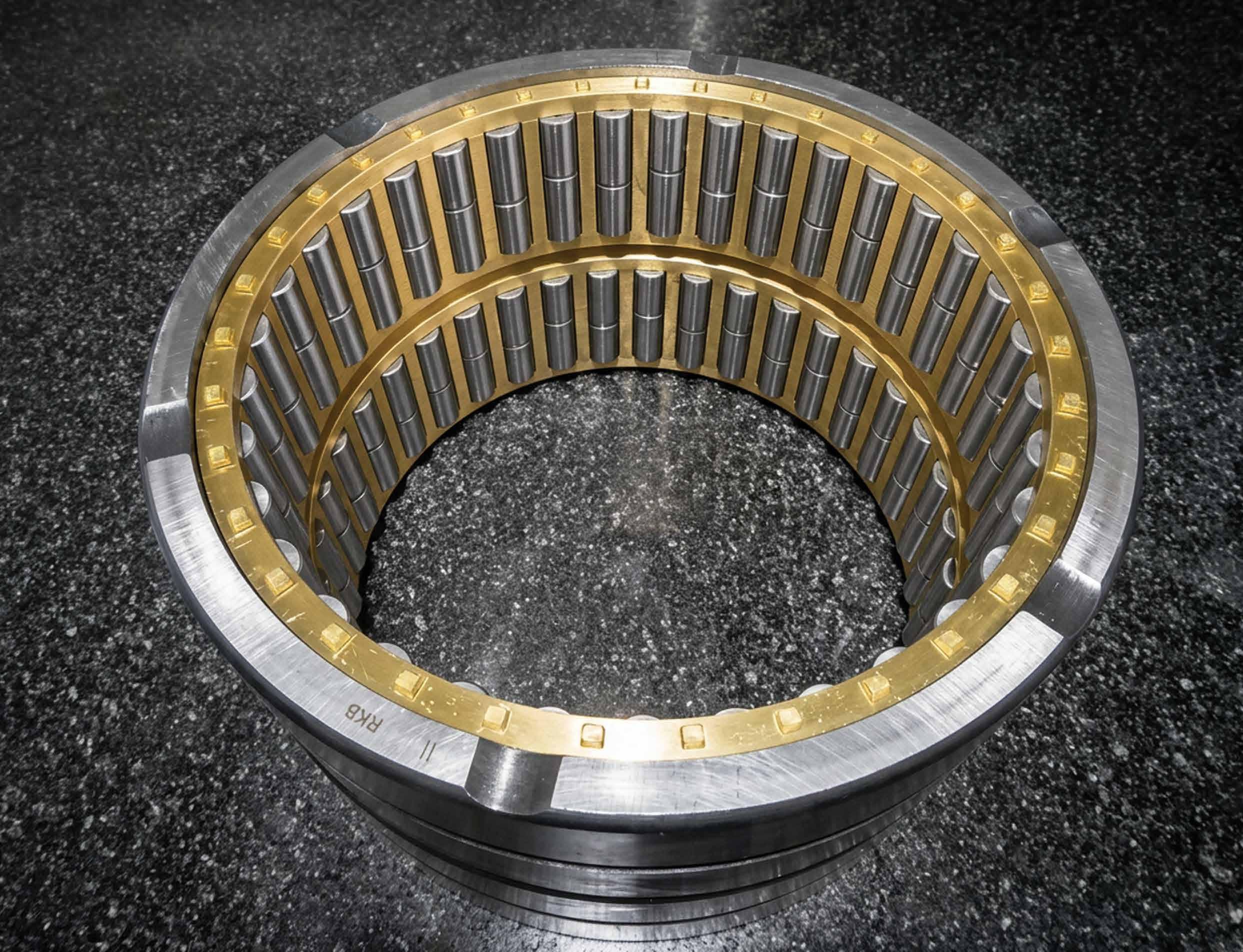
The proposed solution was the RKB R 313822 GB2DXS1ZBAVH/4/L6, a multi-row cylindrical roller bearing outer assembly developed for severe rolling mill conditions.
The design combines reinforced rib geometry with a window-type cage configuration that improves roller guidance and reduces roller displacement during assembly and disassembly. Additional features include bainitic heat treatment to improve toughness, superfinished raceways and rollers to improve rolling contact, and optimized raceways microgeometry for demanding rolling mill applications.
Moreover, the reinforced cage and rib configuration is particularly beneficial in applications requiring repeated maintenance and handling of bearing assemblies.
Heat treatment and surface finishing
In rolling mill applications, bearings are exposed to impact loading, vibration, contamination, lubrication instability, and localized stress peaks. Under these conditions, material toughness and surface integrity are critical for bearing reliability.
RKB’s bainitic heat treatment improves resistance to crack propagation under severe operating conditions, while superfinished raceways and roller surfaces improve lubrication film behaviour and reduce surface distress, especially when the bearing works in an improper boundary lubrication regime.
RKB general recommendations for the customer
RKB recommended periodic inspection of cover contact surfaces, chock abutting faces, mating surface flatness, bearing seating conditions, and lubrication system and related parameters. Although the bearing design is reinforced, it remains essential
+ Comparative FEM analysis of AF2D (left) vs GB2D (right) with roller pushing axially on the rib
that it operates under the best possible conditions to maximize its service life.
Conclusions and future perspectives
The engineering evaluation showed that the original failure mechanism was consistent with fatigue crack propagation in the outer ring rib section. For this roughing mill stand application, the reinforced RKB window-type design provided a more reliable solution due to its increased rib net width, improved stress distribution, and rolling mill-specific design features.
This case demonstrates that bearing selection for severe rolling mill stand applications often requires a careful evaluation not only of dimensional interchangeability but also of bearing-specific working conditions that, in many cases, can be very demanding for standard bearing designs. This task is not straightforward and requires close collaboration between the customer and a highly skilled and experienced supplier in the field. RKB has gained extensive expertise in this field and is able to provide customized solutions for critical customer equipment where standard market solutions do not achieve satisfactory performance.
Industrial production is facing increasing pressure. High equipment availability, predictable maintenance processes and efficient resource utilisation are among the key competitive factors for modern manufacturing facilities. At the same time, expectations regarding the progressive digitalisation of maintenance and production processes continue to rise.
However, many companies face a crucial question: which digitalisation measures can be implemented economically and with manageable effort?
A particularly practical approach lies in the digitalisation of supporting maintenance processes, especially in the field of lubrication. Although lubrication is essential for the operational reliability and service life of numerous machine components, it is still predominantly monitored and managed manually in many industrial environments.
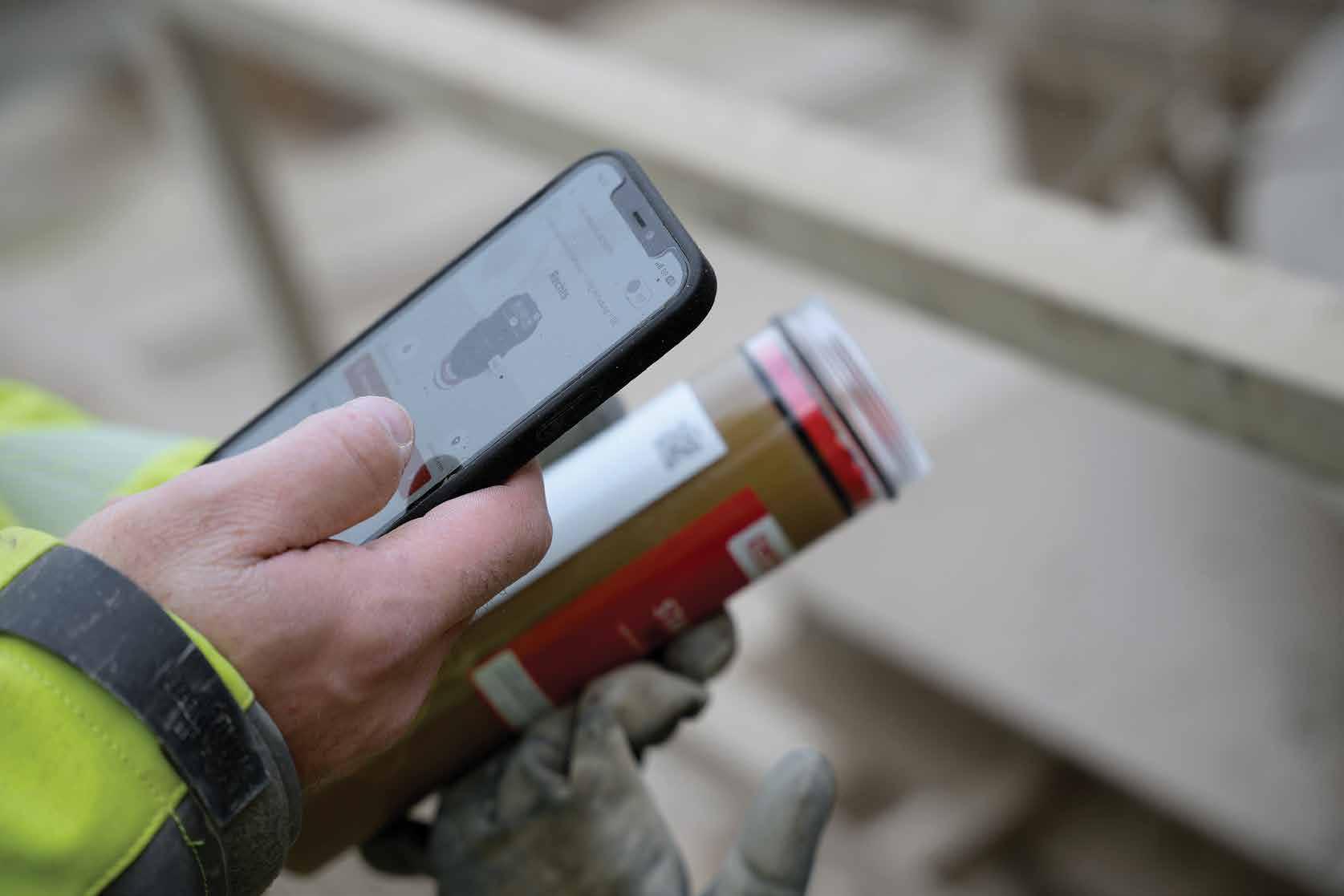
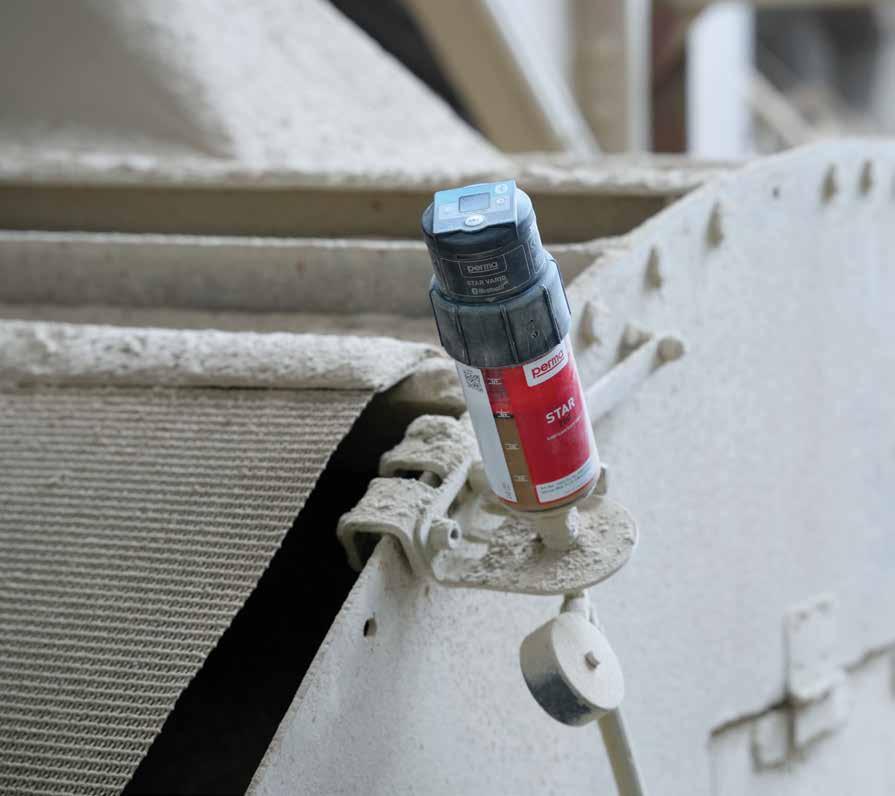
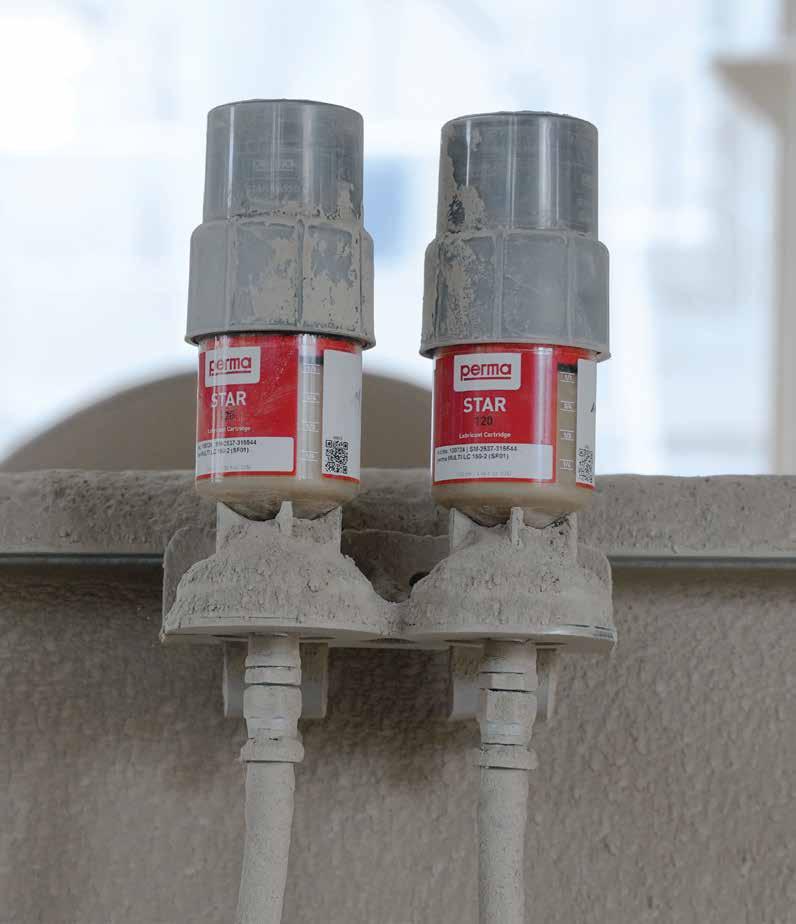
This is precisely where perma automatic lubrication systems, especially perma Connected Solutions come into play. perma Connected Solutions include digitally networked lubrication systems such as the perma STAR VARIO BLUETOOTH and the perma STAR VARIO LONG RANGE with LoRaWAN communication technology. These solutions expand automatic lubrication systems with a digital communication layer, enabling lubrication processes to be integrated into modern maintenance and production structures.
Lubrication as a Digital Maintenance Process
Automatic lubrication systems already provide significant technical and organisational advantages in conventional applications. They reduce manual relubrication tasks, ensure a continuous and demandbased lubricant supply, and minimise the risk of over- or under-lubrication. As a result, wear, unplanned downtime and maintenance-related interventions can be significantly reduced.
The integration of digital communication capabilities further extends these benefits. Condition data becomes transparently available, maintenance activities can be planned more efficiently, and lubrication points can be systematically integrated into higher-level maintenance strategies.
This approach is particularly relevant for large-scale facilities, difficult-to-access lubrication points and production environments with a high number of lubrication points. In such applications, networked lubrication can reduce inspection effort while
sustainably improving the availability of critical equipment components.
A Practical Entry Point into Digitalisation
One of the key advantages of networked automatic lubrication is the balance between implementation effort and practical benefit. While many digitalisation projects require extensive IT infrastructure and long implementation phases, the digitalisation of lubrication can be realised comparatively easily as a clearly defined sub-process.
With perma Connected Solutions, industrial companies gain the opportunity to introduce digitalisation in a technically and economically manageable way while simultaneously achieving immediate operational benefits.
Industrial practice demonstrates that successful digitalisation is often achieved not through isolated large-scale projects, but through targeted optimisation at process-critical interfaces. Networked lubrication with perma lubrication systems is a practical example of this approach.
In addition, perma CONNECT, a free and useroriented application, simplifies the implementation of perma lubrication systems. Thanks to its intuitive operation and low integration effort, the app and web application enable a straightforward introduction to networked lubrication.
Contribution to Smart Manufacturing
Within the context of Smart Manufacturing, attention is often focused on machine connectivity, data platforms and automated control systems. However, a consistent digitalisation strategy also requires supporting maintenance processes to be integrated into digital structures.
Automatic lubrication can make an important contribution in this area. It reduces manual intervention, increases process reliability and improves the traceability of maintenance activities.
As a result, networked lubrication is evolving into a practical building block of modern maintenance strategies and supporting industrial companies on their path towards Smart Manufacturing.
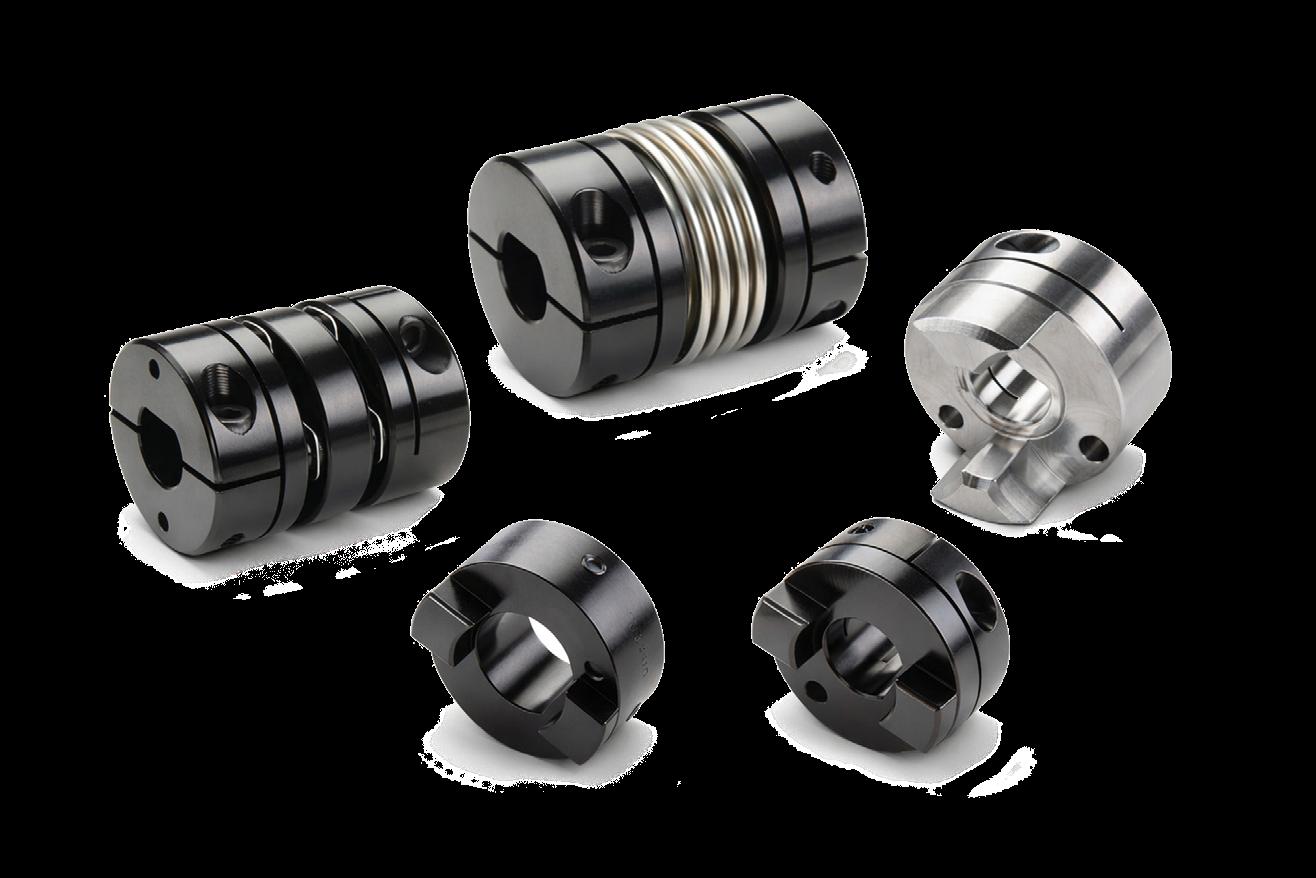
D-bore couplings for secure torque transmission on D-shafts
Ruland has introduced d-bore couplings designed to engage directly with d-profile shafting to prevent slippage in critical motion-control applications such as semiconductor equipment, medical devices, and factory or warehouse automation systems.
The couplings are available in disc, jaw, bellows, and oldham styles, allowing engineers to select the coupling type best suited to their application requirements.
D-bore couplings provide a secure mechanical connection by mating directly with the flat on a D-shaft. Unlike set screw connections that may loosen or slip on small shafts, D-bore couplings engage directly with the shaft profile to provide secure torque transmission. Traditional set screw connections can also be difficult to install reliably on smaller shafts where the screw may not seat properly on the D-profile and may loosen due to vibration or improper installation.
These couplings are particularly useful on shafts under 7 mm where standard keyways are unavailable. By eliminating the need for secondary shaft machining while improving shaft engagement, D-bore couplings simplify assembly and improve reliability in compact motion control systems.
Ruland D-bore couplings are available with bore sizes ranging from 3 mm to 10 mm and are manufactured from aluminium for lightweight performance and low inertia. Clamp and set screw hub configurations are available depending on the coupling style.
Ruland manufactures its couplings in its Marlborough, MA, USA, advanced manufacturing facility from meticulously selected North American bar stock using proprietary manufacturing processes. All couplings are RoHS3-, REACH-, and Conflict Minerals-compliant.
Summary:
+ Direct d-shaft engagement prevents slipping in critical applications
+ Available in disc, jaw, bellows, and oldham coupling styles
+ Ideal for shafts under 7 mm where keyways are not available
+ Carefully made in Ruland’s advanced manufacturing facility
+ Available for immediate delivery
+ RoHS3, REACH, and Conflict Minerals compliant
+ Complete specifications, CAD models, and ordering information: www.ruland.com
Ruland d-bore couplings prevent slipping by engaging directly with D-shafting in precision motion control applications.
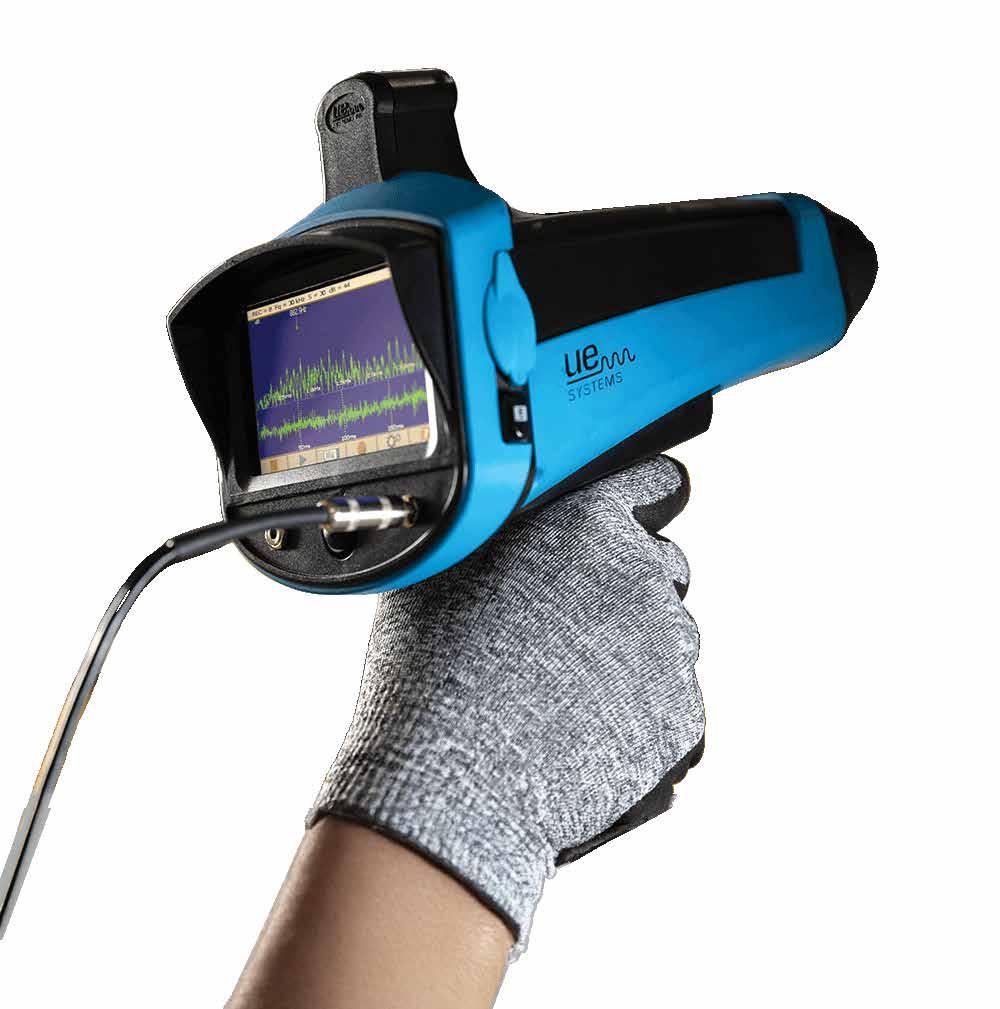
ULTRAPROBE 15,000
All-in-One monitoring system. Every condition, analyzed.
The Ultraprobe 15,000 uses ultrasound to analyze everything from bearings and electrical systems to steam traps and leaks. With an intuitive, built-in touch screen, this single hand-held tool can easily test and report on every aspect of a plant’s equipment.
WHY CHOOSE THE ULTRAPROBE 15,000?
Collect and Analyze Data Faster:
Data syncs via WiFi communication directly to DMS Software
Get instant temperature readings
• Pinpoint locations with laser pointer Use Intuitive Touch Screen Technology:
Analyze conditions with the on-board spectrum analyzer
See historical data and identify trends DISCOVER MORE AT
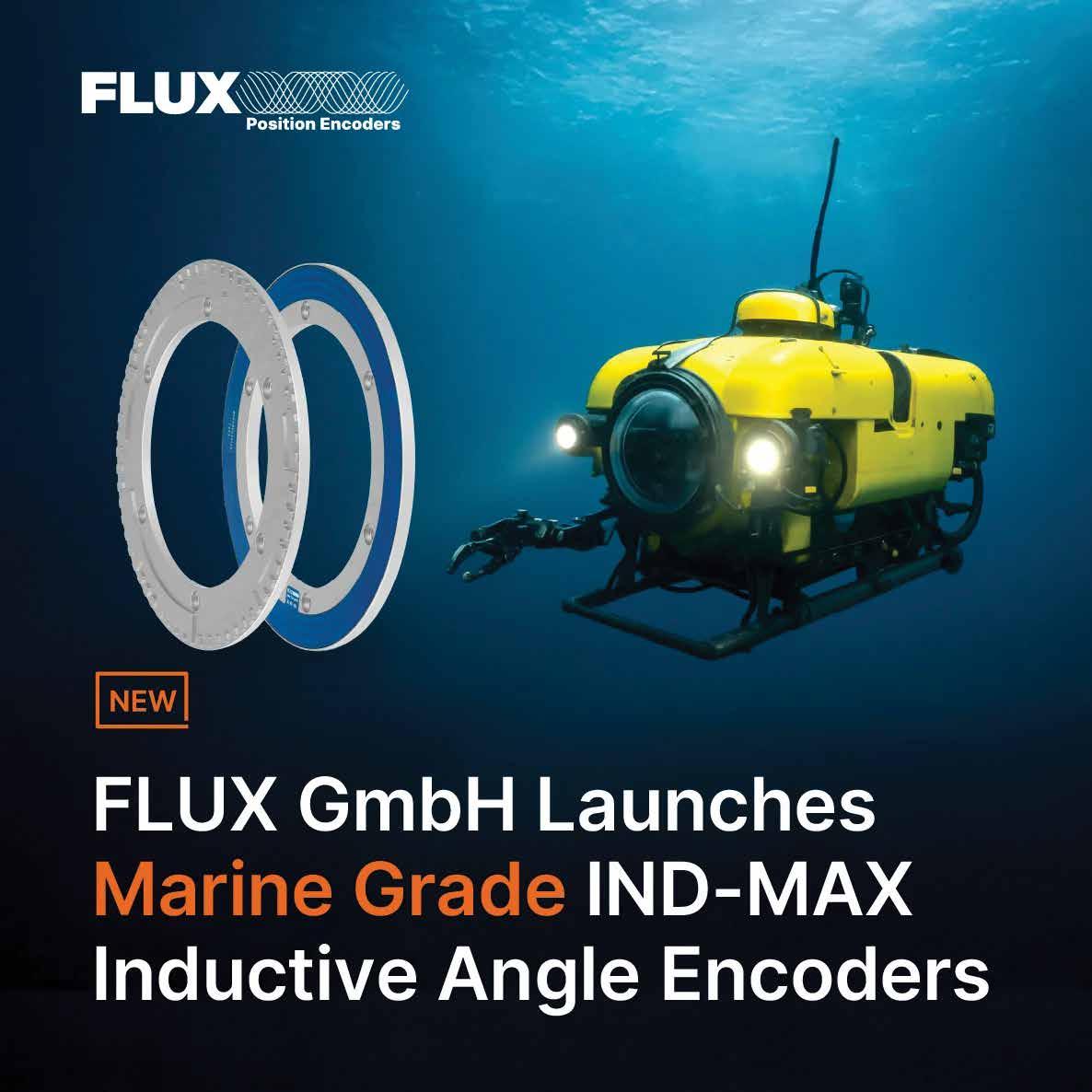
FLUX GmbH (FLUX), a high-precision encoder company, today announced the release of the INDMAX-100 Marine Grade inductive angle encoder, a new variant within the IND-MAX family designed specifically for naval and offshore environments.
The IND-MAX-100 features a housing made from marine-grade stainless steel, providing exceptional resistance to corrosion and continuous saltwater immersion. Built for the harshest maritime conditions, it delivers long-term reliability and precision where standard encoders cannot operate. The corrosionproof design ensures dependable operation even under continuous saltwater exposure, making it ideally suited for ships, offshore platforms, and subsea systems.
With the addition of the IND-MAX-100, the INDMAX series now offers greater flexibility for a wider range of integration needs across both marine and
industrial applications.
“Tailored for naval, offshore, and marine automation applications, the IND-MAX-100 reinforces FLUX’s commitment to delivering durable, high-performance sensing solutions for the world’s most demanding environments.” said Paul Tutzu, Managing Director & Founder of FLUX GmbH. “Unlike optical and capacitive technologies, which can become unreliable in harsh conditions, the IND-MAX encoder series is designed to deliver superior performance and durability, exceeding the limits of existing technologies.”
FLUX encoders stand out from alternative measuring systems by offering all their best features in one encoder solution: outstanding accuracy, resolution and repeatability delivered from a small package that is easy to install and operates in clean and harsh environments.
what are you looking for in a partner?
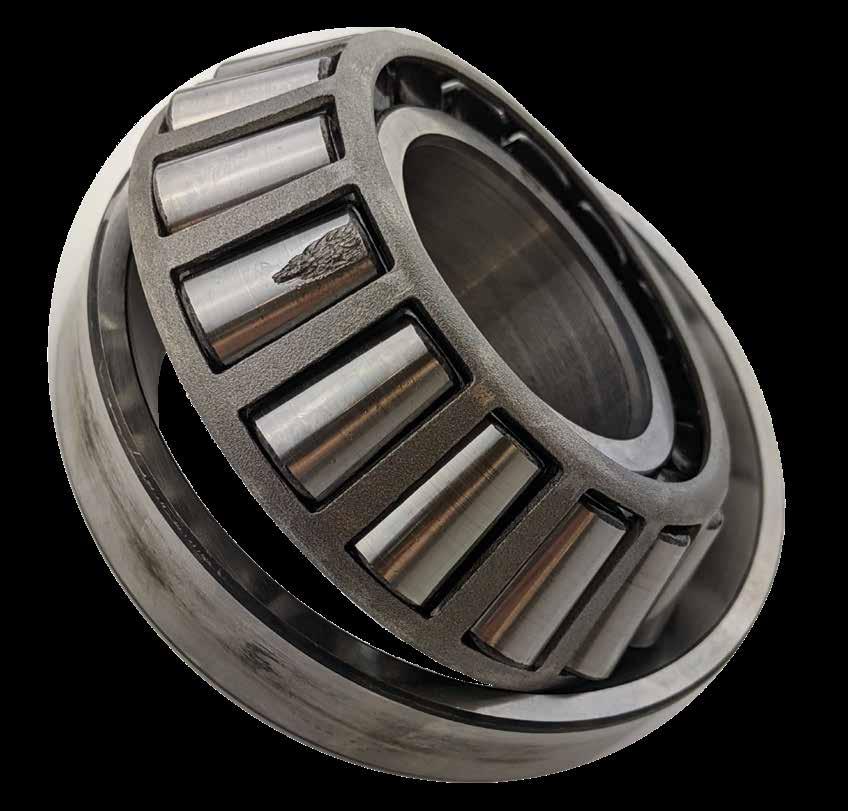
Napoleon Engineering Services: A comprehensive bearing-service provider
NES’ condition analysis program part of extensive bearing inspection arsenal.
On the Napoleon Engineering Services’ (NES) website, just below its nameplate on the masthead – and in many of its print and digital advertisements – sits its familiar tag line: “Your one-stop shop for engineered bearing products.”
Often associated with that phrase is the term “comprehensive,” whether preceding the words manufacturing facility, approach or bearingservice provider.
And that’s not just a marketing buzzword. At NES, operating out of a 46,000-square-foot facility in Western New York, it’s the reality.
And there are myriad tangible examples to support that assertion.
Take, for instance, its relationship with a worldleading marine control technology outfit.
Napoleon Engineering had already enjoyed a longstanding connection with this company, performing bearing condition analyses for it for the last decade-plus. Recently, however, this organization began experiencing issues with its bearing supplier and, by extension, its primary product. Lacking the bearing-specific technical support to resolve the problem, it turned to NES for further assistance. And NES was able to provide it, pairing a dimensional and visual inspection with bearing modeling analysis
– on both new and used products – to help better understand the issue and generate a solution.
And generate a solution, it did.
NES proposed greasing the bearing using a different methodology of distribution; it then affected the initial re-grease while its customer, based on the supplied data, worked with its OEM to begin distributing the grease differently thereafter.
And within that cycle, it demonstrated again how it can, indeed, serve as a “one-stop shop:” Its years of condition analysis work led to an in-depth physical inspection, which led to a re-grease modification job, which led to a solution for a customer, which was empowered with the information needed to talk with its supplier and make a larger-scale change.
“Comprehensive.”
For NES, it was another concrete example of how its business units come together to create an allinclusive bearing service-provider.
AT NES, within each of its bearing inspection, testing and custom bearing manufacturing segments, those services are many..
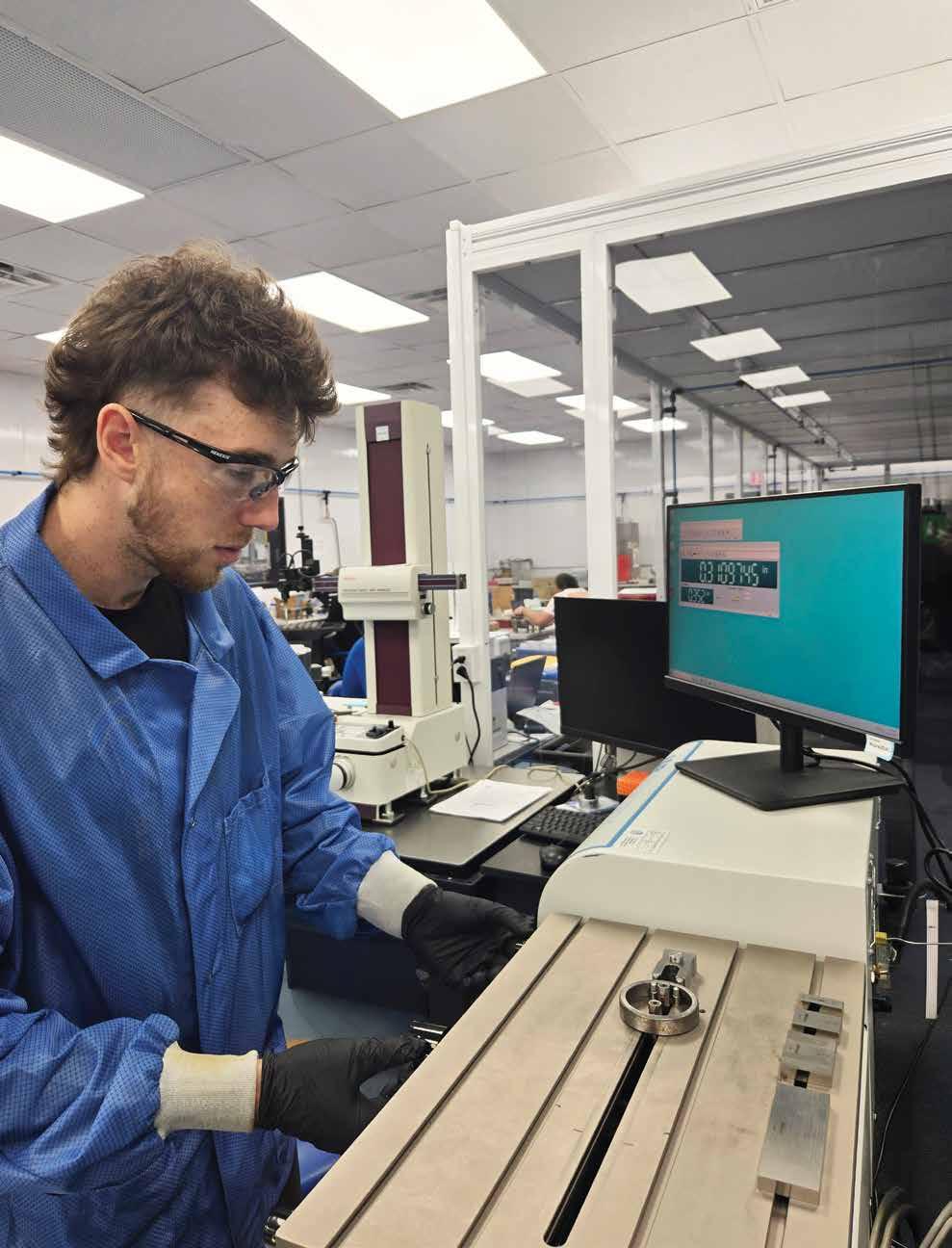
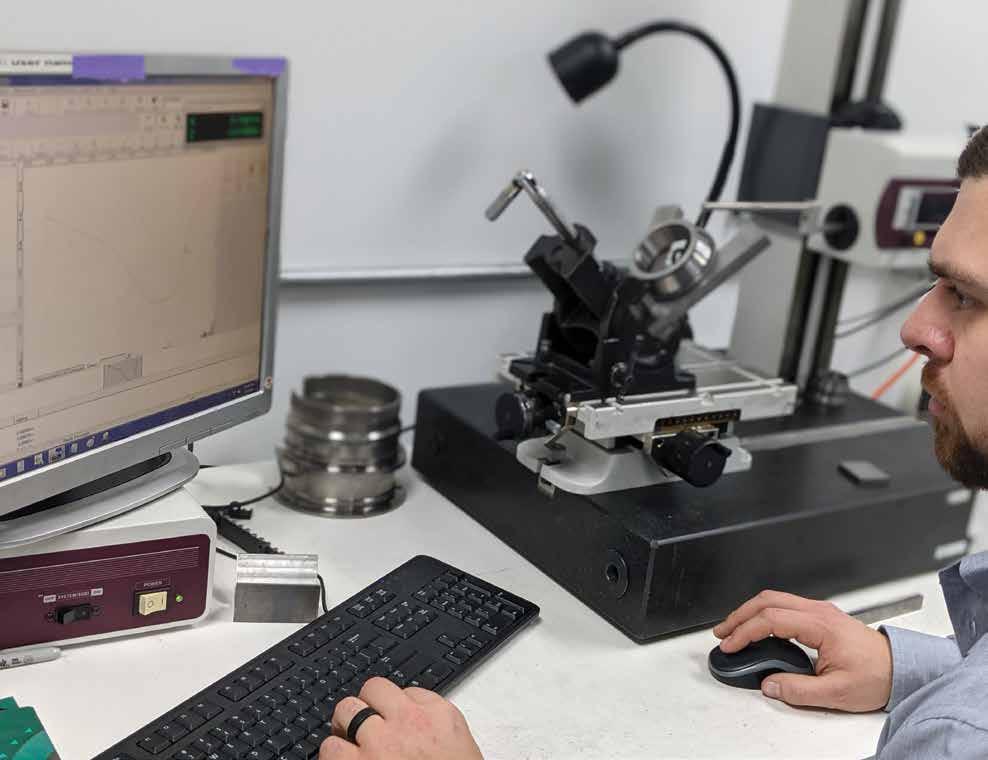
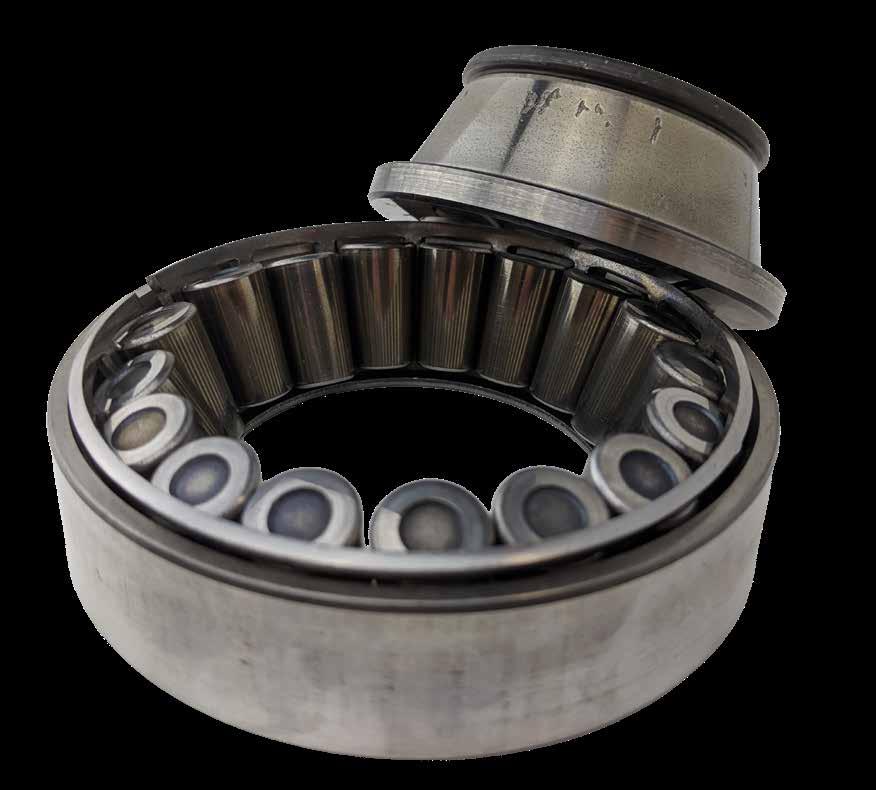
The heart of its bearing inspection department remains its renowned Source Qualification Inspection (SQI) program, a unique bearing reverse engineering program designed for the industrial sector which allows OEMs to more confidently (and cost-effectively) qualify sources of supply. The SQI achieves this through three key elements: Determining the design intentions of a manufacturer, assessing how well the manufacturer carried out those intentions and evaluating the bearing’s overall quality of workmanship.
Also at the core of NES’ inspection arsenal, however, is its failure and condition analysis programs. This, remember, is from where its relationship with that marine control technology outfit was first formed.
THERE ARE, of course, many causes of premature bearing failure, including contamination, assembly error, misalignment, corrosion and electrical fluting.
All of these can be prevented with the proper measures. Many companies, though, aren’t equipped with the engineers, expertise or background to understand why a bearing might have failed in their application.
Enter Napoleon Engineering Services, which boasts all three of those components.
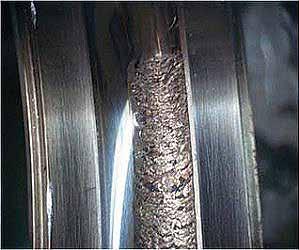
NES’ state-of-the-art failure analysis and metallurgical testing programs pinpoint the cause of bearing failure by determining the material composition and microstructure of a bearing and identifying the wear characteristics that led to that failure.
“NES’ failure analysis program provides customers a complete breakdown of why the bearing failed in the application,” said Chris Napoleon, NES’ president and chief engineer. “Through an extensive inspection (which includes, among several steps, a thorough cleaning of the bearing, profile measurements and visual inspection), NES can determine if the problem is system- or bearing-related.
“With microscopic observation capability and sophisticated dimensional inspection, our team of highly trained engineers can accurately verify the condition of the product and its wear characteristics. Napoleon added: “The resulting detailed reports furnished by our failure analysis program have successfully helped many industrial customers identify failure characteristics and prevent failure recurrence.” Similarly, NES’ condition analysis program consists of a visual and dimensional inspection to assess how well a bearing has performed in a field or lab test conducted by a customer. This type of inspection, Napoleon noted, is ideal for customers who want to identify whether a bearing has useful remaining life after it has been in operation.
By performing condition analysis, NES can highlight issues associated with system design, provide a qualitative assessment of bearing life expectations and allow for direct comparisons of suppliers or different designs. Additionally, it can help define the failure mode of the bearing within the application. This is important since understanding the failure mode is crucial to selecting the proper follow-up standard bearing test, if this next step is needed, allowing for a more cost-effective approach to future product development.
“Many of our customers need someone to (help estimate) how close to end-of-life that bearing was in the application,” Napoleon pointed out. “That’s not something that’s in a book or in a catalog that’s out there. That comes from our years of expertise, which can help guide you in your decision and limit a customer’s risk of continuing to use (a potentially) exhausted or deficient product.”
In the end, the savings gained from these programs are well worth the cost.
“If I can extend that time between overhauls,”
Napoleon said. “If I’m not having to buy expensive new bearings and I’m not shutting production down, then I’m getting more production out for the cost by allowing that equipment to keep running.”
Story courtesy of J.P. Butler, Marketing Coordinator, Napoleon Engineering Services
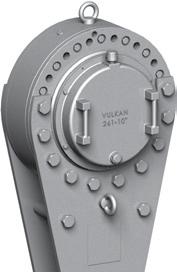
Motorized Torque-Arm Sets New Benchmark in ShaftMounted Drive Performance
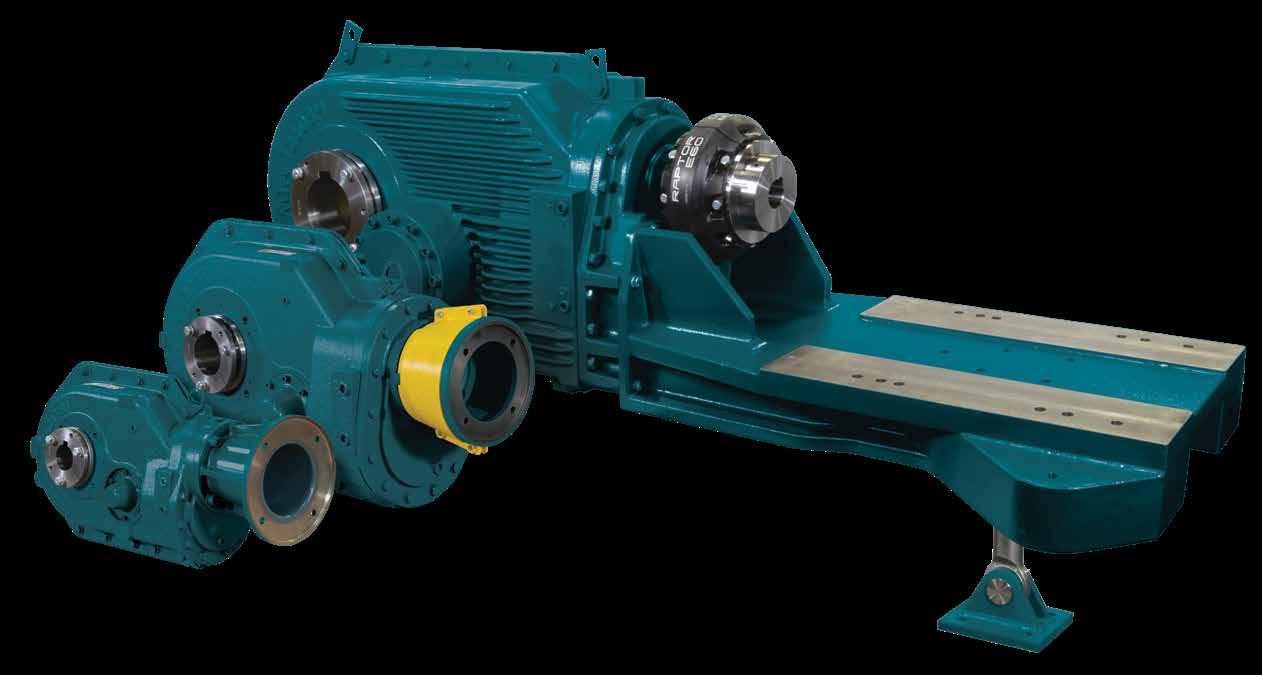
As industries continue to push for higher reliability, reduced maintenance, and increased power density, shaft-mounted gear reducers remain a critical element in countless material-handling and bulk-processing operations. The latest generation Motorized Torque-Arm (MTA) solution brings a new level of engineering refinement to this category, combining rugged construction, simplified servicing, and multiple configuration options in a compact, AGMA-rated package.
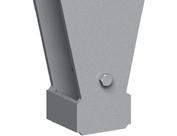
Designed as a direct-drive system built to outperform conventional shaft-mounted reducers, the MTA delivers both durability and ease of use. Its hallmark feature, the patented twin-tapered bushing system, allows for quick installation and confident removal, even in demanding environments. This translates directly into reduced downtime, lower maintenance burdens, and overall improvements in total cost of ownership.
Beyond its mechanical robustness, the MTA platform supports a broad range of motor styles, input configurations, and mounting requirements, making it an adaptable solution for facilities where flexibility and uptime are paramount.
Engineering Features That Drive Operational Reliability
The MTA incorporates a suite of advanced design elements that enhance performance across a wide range of duty conditions:
+ Power-dense, AGMA-rated gearbox design engineered to handle demanding loads.
+ Rugged, case-carburized helical-bevel gearing for long service life.
+ Harsh-duty sealing system capable of operating reliably between –40 °F and 300 °F (–40 °C to 150 °C)
+ Extreme-pressure lubricant-compatible backstop to enhance performance and reliability in critical applications.
+ Available in standard and short-shaft configurations, both optimized for maximum torque transfer.
Flexible Input Options for IEC and NEMA Motors
To simplify integration, the MTA is offered with multiple input assemblies tailored to a wide range of motor types:
Enclosed Input Adapter
+ Supports reducer sizes 2–12
+ Compatible with NEMA C-face motors (frame sizes 56–140T) and IEC motors (frame sizes 90–250)
+ Incorporates a three-piece jaw coupling for smooth power transmission
+ Rated for drive packages up to 100 hp (75 kW)
Safety Input Adapter
+ Allows coupling access via a removable cover, eliminating the need to remove the motor during maintenance
+ Pairs with NEMA C-face motors (180T–405T)
+ Designed for quick and safe servicing in highduty applications
Foot-Mounted Motor Configurations with the Atlas Adapter
For larger drive packages, the MTA platform includes assemblies featuring the patent-pending Atlas Adapter, enabling seamless integration with heavyduty foot-mount motors.
+ Available for reducer sizes 7–12
+ Supports drive packages up to 200 hp (150 kW)
+ Compatible with motor frame sizes 364T–447T
+ Equipped with a heavy-duty Raptor coupling for enhanced performance and reliability
+ Includes fan options that significantly boost thermal capacity, extending lubricant and product life
+ Delivered with tie-rod and torque-arm assemblies for a complete installation package
A Versatile, High-Performance Solution for Critical Applications
Combining powerful gearing, flexible mounting options, premium sealing systems, and maintenancefriendly design, the Motorized Torque-Arm provides a compelling solution for operators seeking reliable, long-life performance in demanding industrial environments.
With availability across a wide range of reducer sizes and motor configurations, the MTA stands out as a robust, future-ready drive system engineered to keep operations running at peak efficiency.
Power rating up to 3.700 kW
Braking Torque up to 12.450 Nm
Braking torque up to 29.900 Nm
Braking torque up to 400.000 Nm
Clamping force up to 400.000 N
Torque up to 578.000 Nm
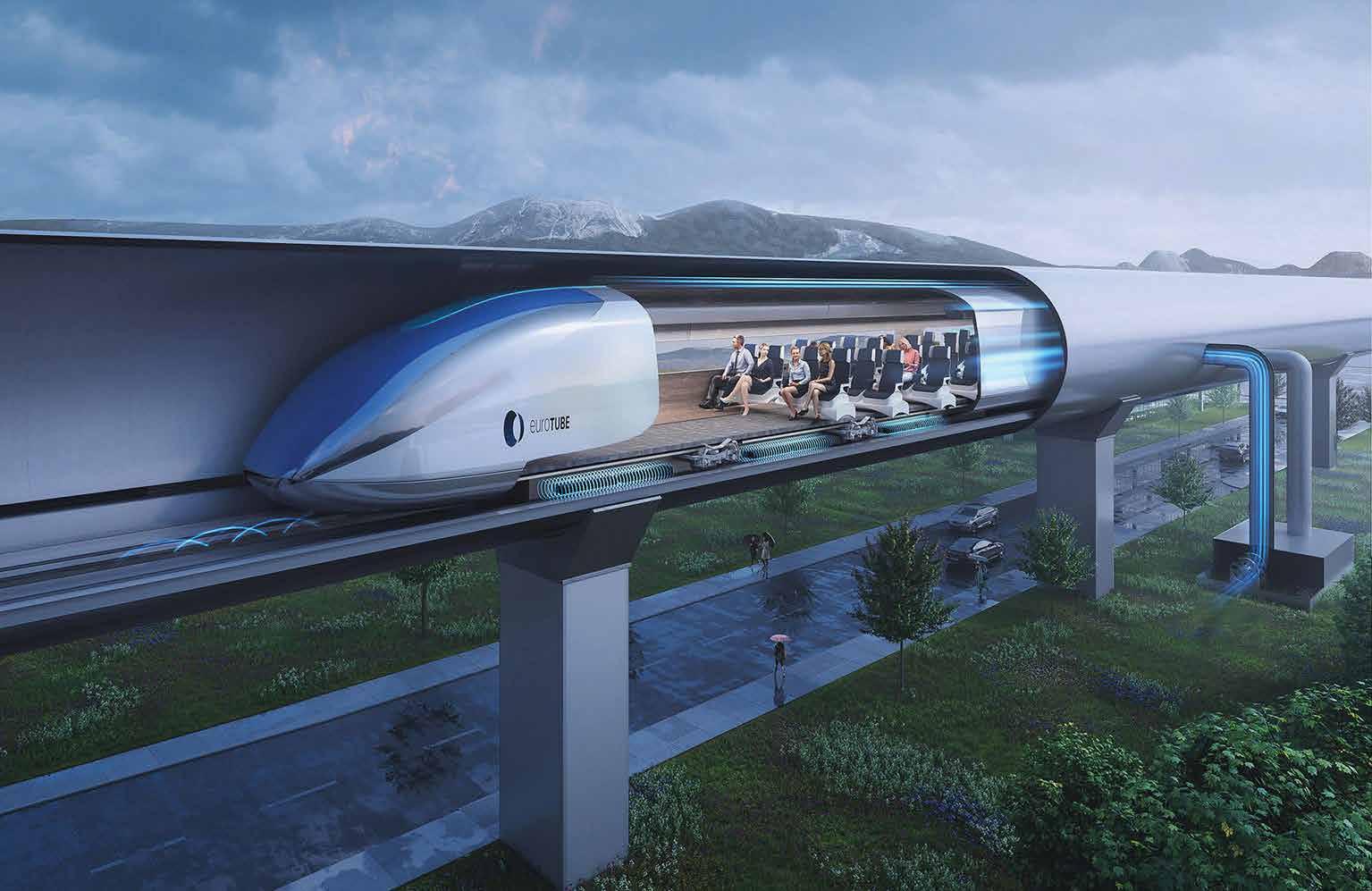
Hyperloop traveling through
a vacuum at 1,000 kilometers per hour
Leybold supports the EuroTube Foundation with expertise and technology
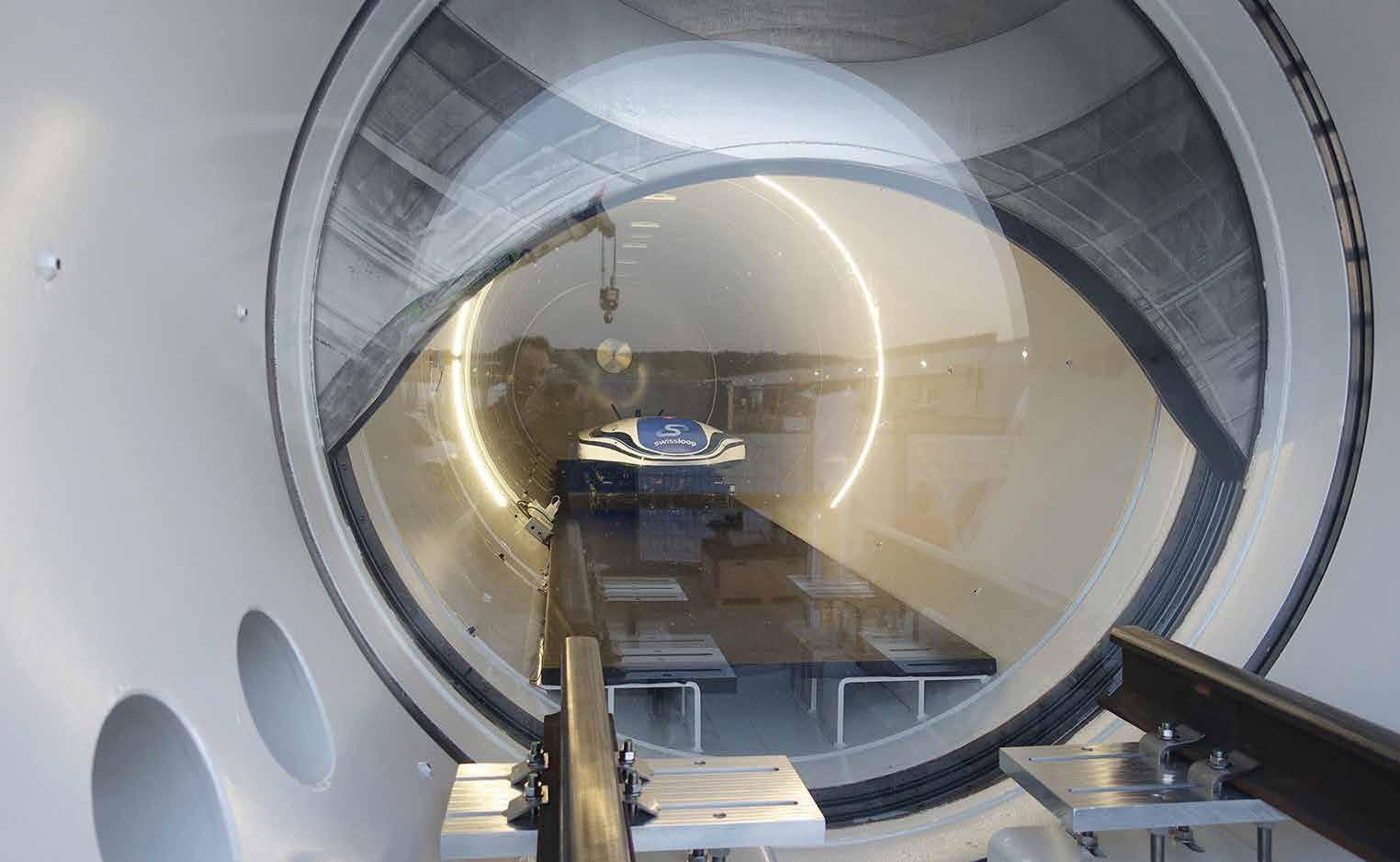
Admittedly, the EuroTube Foundation's vision sounds particularly appealing in times of delayed trains and congested roads: Swiss researchers want nothing less than to transport people and goods from A to B safely, environmentally friendly, and, above all, extremely quickly with the Hyperloop. The technology is currently still in the testing phase, but its success depends not least on the quality of the vacuum technology. Only in a vacuum tunnel is air resistance low enough to enable energy-saving gliding at speeds of up to 1,000 kilometers per hour through a tube. Vacuum pioneer Leybold is therefore involved in the project, providing advice and support as well as its vacuum pumps.
+ The vacuum tunnel enables energy-efficient gliding at speeds of up to 1,000
Proven cooperation between Leybold and EuroTube
The cooperation between Leybold and the non-profit foundation has proven successful and has grown over the years. EuroTube was founded in 2019 by a group of former students from ETH Zurich and EPF Lausanne who successfully participated in the SpaceX Hyperloop Competitions. It has since developed into a research center with 15 employees, an office, and a laboratory in Dübendorf near Zurich. Leybold supports the Hyperloop project with its products and immense application knowledge. “We are confident that our commitment will make the Hyperloop project a success,” emphasizes physicist Dr. Tom Kammermeier, who has been involved in the project at Leybold since 2017.
Swissloop concept has accelerated Hyperloop development
The two partners first met in August 2017 at the SpaceX Hyperloop Pod Contest in Hawthorne, California, on the SpaceX premises. This was after the ETH Zurich students had beaten thousands of teams with their Swissloop concept at Elon Musk's SpaceX competition. The student Swissloop initiative has certainly accelerated Hyperloop development. “That's why we immediately offered Leybold's upport,” reports Tom Kammermeier enthusiastically. “Five colleagues immediately traveled from Cologne
to Zurich to visit two students in rented university rooms and learn about their visionary ideas,” adds Kammermeier. These ideas were so well-founded that other specialists from Leybold have since joined the project: In addition to Dr. Tom Kammermeier, Sebastian Rosensträter has also been supporting the EuroTube team in a management role for four years.
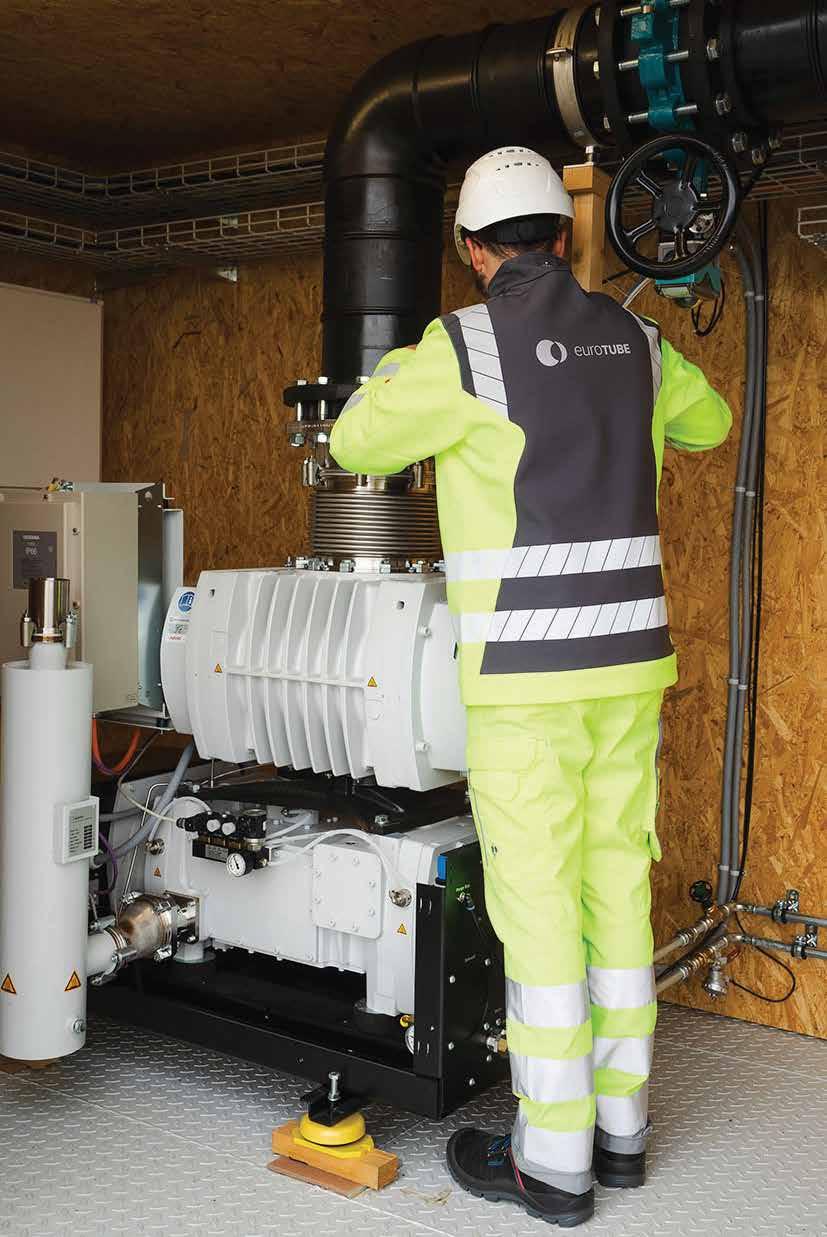
Vacuum pump stand consisting of RUVAC WH4400 and DRYVAC DV650
Among other things, Leybold regularly performed calculations and simulations for EuroTube during this time because the framework conditions were developing dynamically. The designs therefore had to be repeatedly adjusted and recalculated. The result was positive, because in July 2024, EuroTube was able to celebrate the kick-off of the first construction phase of the Hyperloop test facility “DemoTube” in the Zurich Innovation Park. EuroTube currently has a vacuum pump station from Leybold running on this demonstrator, consisting of RUVAC WH4400 series Roots pumps and the DRYVAC DV650 dry-compressing screw vacuum pump. “These are typically volumetric pumps that reach down to the fine vacuum range,” explains Tom Kammermeier. The pump stand container also has space for another system so that the pumping capacity can be increased further as needed during test operation once completion.
+ Traveling in Hyperloop capsules would be as fast as traveling by plane.
Pump-down time and leak rate are crucial
How long and how often evacuation is required, and at which section of the route – these are the crucial questions that needed to be answered from a technological perspective. “And that is precisely the input that Leybold was able to provide. There are two important variables here,” Tom Kammermeier continues: the pump-down time and the leak rate. The pumping time determines how quickly a Hyperloop can resume operation after the tube has been ventilated, and the leak rate determines how many pumps of what size need to be running in order to maintain the operating pressure. Various pressure gradients can then influence the exact positioning and distribution of the suction capacity along the route. “However, this only really becomes relevant for large dimensions that have not yet been realized today,” reveals Kammermeier.
Maintaining negative pressure in the tubes, minimizing energy consumption
Leybold can rely on its proven vacuum technologies to achieve the target values. The two big players, Virgin Hyperloop One, owned by investor Richard Branson, and Hyperloop Transportation Technologies (HTT), have already ordered pumping systems consisting of up to eight DRYVAC and eight WH Roots pumps from Leybold. In addition, the HTT system has been designed in a container so that the vacuum technology can then be offered as a mobile solution. The HTT unit fits into a standard shipping container, offering a complete plug-and-play solution. The entire system is designed to achieve and maintain the vacuum in the tubes with minimal energy consumption and maximum uptime. The containers will be set up at intervals of ten kilometers along the route.
Hyperloop as a future replacement for medium-haul flights
The broad practicality of this futuristic-looking transport system has yet to be proven. In addition, structural change is underway: Virgin Hyperloop One, a major player in the Hyperloop universe, has already withdrawn. According to Sebastian Rosensträter, apart from the EuroTube research institute, almost all of the companies currently active are start-ups that are banking on the growth potential but pursuing different approaches: "Some see the Hyperloop as a future replacement for medium-haul flights. This would require the construction of new vacuum tube routes from airport to airport. The Hyperloop capsules would cover the distances just as quickly as airplanes – but with significantly reduced CO2 emissions," explains Sebastian Rosensträter. The
second group sees the Hyperloop more as an alternative to high-speed trains. The reason: all train routes are already at their capacity limit, and due to the speed and braking distance, the frequency of high-speed trains is so low that the construction of a new Hyperloop route could be cheaper overall than expanding the conventional network. According to Sebastian Rosensträter, the existing railways could then be reserved primarily for freight transport.
Transportation at the Olympic Games
So, it remains exciting, and there are many ideas. Whether the Hyperloop will replace or supplement other modes of transportation in the future remains to be seen. “The fact is that, not least thanks to the support of Leybold, test tracks have been successfully planned and implemented, making the Hyperloop concept technically suitable for transporting people and goods,” concludes Sebastian Rosensträter. Technically and in terms of vacuum technology, there are currently no insurmountable hurdles. According to Sebastian Rosensträter, the projects should ideally be implemented through government tenders. In his opinion, it would also be conceivable to implement prestigious projects in the Middle East or at major sporting events such as the Olympic Games.
+ Leybold is involved in the project – providing advice and support as well as its vacuum pumps.
Alva Industries Expands SlimTorq™ Portfolio with New STM-190-35 Motor Size
Alva Industries (Alva), a manufacturer of frameless motors and the creator of FiberPrinting™ technology,today announced the launch of SlimTorq™ STM-190-35, a new larger size in its SlimTorq™ frameless, slotless motor portfolio. The STM-190-35 expands the STM range with increased torque capability and precision, enabling demanding direct-drive applications where performance, compactness, and design flexibility are critical.
The STM-190-35 is designed for high-precision direct-drive systems such as electro-optical platforms, gimbals, robotics, and other motion-critical applications. With a favorable inner-to-outer diameter ratio and a compact axial length, the motor supports space-efficient system designs without compromising torque density or control performance.
To support system-level design and evaluation, the STM-190-35 is fully supported in Alva’s TorqStudio design and simulation platform. TorqStudio allows engineers to evaluate motor performance, explore winding options, and optimize motor selection early in the design process based on applicationspecific requirements.
“With the STM-190-35, we extend the SlimTorq™ range to address applications that require higher torque in a compact frameless format,” said Nicolas Giraudo, CCO at Alva Industries. “This new size gives system designers more freedom to optimize performance and mechanical integration, especially
in direct-drive solutions where precision and smooth motion are essential.”
The addition of the STM-190-35 brings the SlimTorq™ STM portfolio to nine available motor sizes, spanning different outer diameters and lengths. Each size can be configured with multiple inner diameter options, winding patterns, and custom configurations, allowing engineers to tailor the motor to their specific application requirements.
Like all SlimTorq™ motors, the STM-190-35 is manufactured using Alva’s patented FiberPrinting™ technology, delivering ironless, slotless windings with high copper fill factor and zero cogging. The motor is available with multiple winding options, different terminal block designs, and optional temperature sensors and Hall sensors, supporting precise control and system-level optimization. Detailed specifications and available configurations for the SlimTorq™ STM-190-35 can be found in the SlimTorq™ product catalog.
How Motor Efficiency Unlocks Billions
For the Industry
ABB report shows how a 0.2 percent motor efficiency gain could unlock billions for industry
+ Report examines a decade of data for over 1,000 large motors and generators delivered globally by ABB’s Västerås facility in Sweden
+ The specification gap between standard and Top Industrial Efficiency (TIE) option could be costing global operators up to $12 billion over a 25-year asset life
+ The typical payback period for adopting the TIE option ranges from a few months to up to three years
ABB’s new report, The Industrial Efficiency Gap, shows how high-efficiency industrial motors and generators can unlock one of the largest untapped opportunities to save energy, cut costs and reduce emissions in global industry.
Motors rated above 375 kW account for an estimated 10.4 percent of global electricity demand today, a figure projected to double by 2040. Examining a decade of data from ABB’s Västerås manufacturing facility in Sweden, of more than 1,000 large synchronous motors and generators delivered worldwide between 2015 and 2025, the report finds that a significant efficiency gap persists between what is routinely specified and what is achievable through ABB’s Top Industrial Efficiency (TIE) approach, which focuses on specifying the highest efficiency motor or generator using proven commercially available technology. Applied across the global installed base of similar equipment, this 0.2 percent gap is costing operators between $9.5 to $12 billion in unnecessary electricity costs and generating 60 to 75 million tons of avoidable CO₂ over a 25-year asset life - despite a typical payback period of a few months to up to three years.
Industrial energy efficiency is gaining importance as the global energy transition accelerates, with rising demand from AI and data centers adding pressure to electricity systems. Maximizing the use of each unit of electricity, while strengthening security of supply, is central to addressing these challenges.
"Industry has spent decades optimizing what happens inside a plant. Yet large motors and generators have rarely been part of that conversation, even though they run continuously for 25 years and sometimes even more, converting more energy to motion than almost anything else on site,” said David Bjerhag, Global Business Line Manager, High Speed Synchronous, ABB. “The gap between a standard machine and a TIE-optimized one is not technological. It is a specification gap. The companies closing it fastest are the ones where the engineer who selects the motor and the CFO or
CSO responsible for energy performance are aligned around a single metric: total cost of ownership.”
The TIE initiative is ABB’s contractual commitment to deliver large synchronous motors and generators with the highest possible energy efficiency, without compromising reliability or specification compliance. Open to OEMs, EPCs and end users, it enables solutions optimized for lifecycle performance rather than upfront cost.
The report highlights adoption trends by country and industry segment, showing how uptake varies across regions and applications. On average, the TIE option delivers 98.7 to 98.8 percent efficiency compared with a standard 98.5 percent - a 0.2 percentagepoint improvement that serves as a baseline, with gains of 1 to 1.5 percentage points achievable in some applications, particularly induction-based systems.
Applying that TIE 0.2 percentage point efficiency improvement across the global installed base of industrial motors and generators would save 4 to 6 TWh per year, enough electricity to power roughly 750,000 to 1 million OECD households. Over a 25-year motor lifetime, that rises to 100 to 150 TWh of electricity saved, equivalent to powering the United Kingdom for five months, with associated CO₂ reductions of 60 to 75 million tonnes, equivalent to taking 13 to 16 million cars off the road permanently.
To turn potential into impact, the report sets out a clear set of actions to accelerate adoption. It calls on industry to move beyond upfront cost and embed energy efficiency into procurement decisions, including specifying minimum performance levels and requesting optimized designs. It also highlights the importance of using total cost of ownership as the primary decision metric, aligning incentives across engineering, procurement and energy management teams. Stronger collaboration across manufacturers, OEMs and EPCs will be critical to ensure high-efficiency systems are specified early and delivered at scale.
Bearing solutions for robotics industry
Get to know our bearings at jtekt-bearings.eu
Backlash-Free: How Redex Drives Aerospace Precision
High-end CNC turning and milling machining– with Redex linear drives
With the MC series, NILES-SIMMONS offers CNC turning and milling machining centres that combine maximum precision with a high degree of flexibility and adaptability. These machines are very much in demand in the aerospace industry, for which they were originally developed, but demand also comes from other sectors. The slide drive from Redex, a backlashfree rack and pinion drive with two preloaded planetary gears, contributes to precise and efficient machining with complete part accuracy down to +/- 2 μm.
This is CNC turning and milling machining at the highest level: With the N40 MC machining centre from NILES-SIMMONS, users can manufacture rotationally symmetrical components up to nine meters in length, with a swing diameter of up to 1,100 mm and a weight of up to four tons in a single clamping and, if required, as a closed door machining process. Various perations such as turning, milling, grinding, and measuring are integrated, all with high precision. The 60° slant bed technology of the steel welded frame with
concrete filling makes a significant contribution to machining accuracy.
Target application: high-precision complete machining for the aerospace industry
This machining centre is principally deployed in the aerospace industry, which also uses the smaller and larger models in the MC series, from the N20 MC to the N60 MC. Some parts they are used to manufacture have to enduring high stresses, for example in aircraft landing gear.
This type of application is virtually built-in to the machines from the design stage. Carsten Hirche, project manager for the N40/N50/N60 series at NILESSIMMONS explains, “The goal was to develop a new generation lathe in collaboration with a leading international supplier of jet engines. However, the series is also used in the oil and gas industry and for general heavy-duty machining, in other words, wherever
complex workpieces with extreme demands in terms of precision and stability have to be manufactured.”
Modular options, flexible machining
The characteristic profile of these machines, the N40 MC in this case, can be summed up as follows: It can be designed as a single or multi-slide machine, offers maximum precision, and is also very user-friendly and extremely flexible. The modular system allows variable machining units to be added, and with different tool systems, tool magazine sizes, and a wide range of options, users can tackle even the most demanding machining tasks. They can also adapt the size of the N40 MC to their requirements: The machining centre is available in several nominal lengths.
The challenge: to design a powerful and highprecision slide drive
One of the many tasks that the design team had to tackle during development was the selection of drive concepts that meet the highest requirements for positioning and machining accuracy. The users can choose between an electronic spindle direct drive and various gearbox versions.
For the bed slide, the designers at NILES-SIMMONS opted for a rack and pinion drive from Redex. This enables fast machining processes for large omponents. Key specifications: The maximum travel speed is 30 m/min with an acceleration of 3 m/s² and a moving mass of up to 4,500 kg. Depending on the design, the machine can achieve a feed force of up to 30,000 N.
Decision favoured an electrically preloaded rack and pinion drive
And while these specifications are already impressive, they don’t say anything yet about the precision.
Carsten Hirche continues, "The accuracy equirements, which are being fulfilled, are very high. The machine must guarantee maximum precision and freedom from play even under high forces and accelerations."Here's another number: we get repeat accuracies in the μm range, with overall part accuracy of up to +/- 2 μm.
Why was the DRP2 series from Redex chosen for this application? “The factors that counted in the decision were power transmission, vibration behaviour, accuracy, and space-optimized integration into the machine concept.”
DRP: high-precision, backlash-free linear drive
DRP drives consist of two high-quality planetary gears combined in a torsion-resistant monoblock. Two integrated output pinions engage with the rack and, via the electrical tensioning of the motors, create the desired preload of the pinion-rack drive to enable highly precise and backlash-free movement of the drive.
This design concept fits well from a theoretical and practical point of view and enables designers to achieve greater travel distances and accuracies compared to ball screws, which also have limitations in terms of achievable machining accuracies on the workpiece due to high travel speeds and temperature development on the machine frame.
The NILES-SIMMONS team are fully satisfied not only with the actual drive hardware, but also with the cooperation during the project planning phase. Carsten Hirche summarizes, “Redex provided us with excellent support, and we always received competent answers to our questions.” And the result speaks for itself: The N40 MC is used worldwide in highly demanding applications, not just in the aviation industry.
www.redex-group.com
PRECISELY FORWARD NSK MOTION SOLUTIONS
From Machine Tool, Injection Molding, Medical & Measuring to General Machinery applications, NSK offers the best technical solutions and a full range of engineering services. Every NSK Linear Guide, Ball Screw, Support Bearing and Super Precision Bearing is tailored to your specific needs. NSK, the only comprehensive engineering service supplier on the market, will take your business a step ahead. Find out more at www.nskeurope-motionsolutions.com.
Rollon Expands Linear Motion into Circular Paths
Rollon unveils CLTA, a modular circular solution engineered for flexibility and quick assembly
Rollon introduces CLTA, a new belt-driven circular system engineered to support oval and rectangular motion paths. Built on the robust CLT track platform, CLTA offers a modular, configurable architecture for applications requiring controlled dynamics, durability, and streamlined integration.
Rollon, a global leader in linear motion solutions, announces the launch of CLTA, a modular beltdriven circular system designed to deliver reliable performance in applications involving moderate loads and speeds. Developed from the proven CLT track, CLTA enables the creation of oval and rectangular trajectories using standardized components that can be combined without special machining or complex assembly steps.
At the core of the system is a three-level base that hosts the pulleys and belt, providing a stable and rigid foundation. This architecture supports high structural integrity while allowing users to configure the system with ease. CLTA can be supplied as individual components for integration into existing machines or as a fully assembled unit, helping reduce lead times, simplify customization, and provide costefficient implementation.
+ Rollon’s CLTA is a belt-driven circular system engineered to support oval and rectangular motion paths.
Ideal applications include test and inspection lines, bottling and packaging systems, high-speed conveyors, medical equipment, and multi-station assembly processes, where consistent motion, long service life, and flexibility are key performance drivers.
“The launch of CLTA marks another step forward in expanding our range of highly modular circular systems,” says Andrea Tosi, VP Technology at Rollon. “With CLTA, we are offering a versatile and robust architecture that supports modern automation challenges while maintaining the precision and reliability that define our engineering approach.”
Key benefits
CLTA integrates several design features that help ensure smooth, durable operation. The raceways are ground to minimize friction and vibration, promoting quiet and consistent motion. They undergo nitriding heat treatment, increasing surface hardness and
resistance to wear and corrosion. This contributes to long-term performance stability, even under demanding operating conditions.
Carriages can be equipped with lubricated wipers for environments exposed to dust or contaminants. For more dynamic applications, an automatic lubrication system can be integrated through transverse holes that deliver lubricant directly into the raceways, reducing maintenance requirements and supporting optimal performance over time.
For applications requiring precise repeatability, optional carriage indexing provides accurate, controlled positioning along the motion path. With the introduction of CLTA, Rollon continues to strengthen its portfolio of high-performance linear and circular motion solutions, reaffirming its mission to deliver reliable, application-driven products that evolve with the needs of modern automation.
Industrial powertrains that drive endless potential
The new Regal Rexnord introduces engineered-to-order industrial powertrains, delivering power for the most demanding of applications
It took the combined strengths of our new company to develop complete industrial powertrain solutions, custom designed and built for applications across the full spectrum of horsepower and torque. From start to finish, Regal Rexnord™ electromechanical industrial powertrains are designed, configured, integrated and optimized for your unique applications, opening the door to new ideas and unlimited possibilities. Read about Regal Rexnord and our prominent brands. Go to regalrexnord.com.
Zero Leakage at 250 Bar: Sealing McLaren's F1 Differential
McLaren Mastercard Formula 1® Team Taps Greene Tweed Advanced Sealing Technology to Boost Differential Performance
Greene Tweed, a global leader in advanced materials and highperformance solutions, announced the successful development and deployment of its Metal-Spring-Energized (MSE®) seals for McLaren Mastercard Formula 1® Team’s limited-slip differential clutch pack. The collaboration represents a significant milestone in the ongoing partnership between Greene Tweed and McLaren Racing, which continues to fuel groundbreaking advancements in motorsports engineering.
As the standing Formula 1 (F1) Constructors' Champions, McLaren recognizes that incremental gains in every component deliver a competitive advantage. McLaren turned to Greene Tweed for an advanced sealing solution for the hydraulic actuator that clamps the friction clutch inside the differential. This system optimizes torque distribution for maximum traction and cornering speed. Seal integrity is paramount, as significant leakage would cause a catastrophic loss of system function and force the car to be retired.
“This project was a true example of collaborative engineering at its best,” said Matthew James, Director of Engineering and Product Design at Greene Tweed. “Our teams worked side-by-side to validate seal behavior under real operating conditions, refining the design through testing and iteration. The result is a robust, leak-free sealing
solution that supports McLaren’s pursuit of marginal gains while meeting the long-term demands of Formula 1 racing.”
Greene Tweed developed two MSE® seal assemblies featuring a unique C-shaped profile and a corrosionresistant metal spring to provide uniform sealing force. Designed to operate under the application’s extreme conditions, including temperatures up to 150°C (302°F), pressures from 5 to 250 bar (72.5–3,625 psi), and exposure to aggressive fluids, the seals use Greene Tweed’s proprietary Avalon® 44 (PTFE). This material ensures superior wear resistance, high strength, and low friction, meeting the exacting demands of mission-critical industries –from motorsports and aerospace to semiconductor manufacturing and energy – where reliability and precision are crucial.
“Given Greene Tweed's longstanding reputation for excellent quality, choosing them was an obvious
choice for us,” said James Manning, Head of Transmission at McLaren Mastercard Formula 1® Team. “The MSE Seal has consistently demonstrated its durability and reliability within our system. We’re confident this is only the beginning of a long-term collaboration to drive even greater performance in future seasons.”
Following rigorous testing on a dynamic transmission test rig, Greene Tweed and McLaren engineers have successfully qualified the next-generation MSE® sealing system for the 2026 season. This more robust version, reinforced with backup ring support and a 301SS finger spring, has enabled McLaren to develop a more compact version of their system for future performance gains.
To learn more about the MSE® Seal application in McLaren Racing’s 2025 F1 racecars, visit Greene Tweed’s latest case study: www.gtweed.com/mclaren-racing-sealed-for-speed.
Wolong Electric America Introduces MD600Z Armored DC Motors for Steel and Crane Applications
Drop-in MD600 replacement with modern “Z” vintage reinforced frame and MD800-level features delivers higher reliability, severe-duty performance, and easier maintenance.
Wolong Electric America, a global leader in industrial motor and drive technology, has introduced the MD600Z family of armored DC motors, engineered as direct, drop-in replacements for legacy MD600 machines still operating in steel mills, metal forming lines, and crane applications. The MD600Z combines the proven electrical design of the original MD600
series with modern MD800 mechanical and thermal enhancements to improve reliability and maintainability while preserving the speed, torque, and inertia characteristics required in multi-motor systems.
Plants running large fleets of MD600 motors from the 1940s through the late 1970s often hesitate to
upgrade to MD800 designs because the different speed and inertia profiles can disrupt systems where many motors are mechanically coupled and powered from the same circuit. The MD600Z solves this issue by retaining the original MD600 armature and field coil designs, so it remains electrically interchangeable with legacy MD600 units while offering a reinforced, modernized platform for mill-duty service.
At the core of the MD600Z is a fabricated steel reinforced “Z” vintage frame, building on MD mill-duty experience in heavy mining and steel applications. The split-frame construction, increased clamping, welded lifting lugs, and robust bearing support handle high shock, vibration, and intermittent loading typical of roll tables, metal forming equipment, and overhead cranes. These frame features draw on Z vintage designs originally developed for shovel crowd and rotary blast-hole drill drives, proven over decades in severe environments.
The MD600Z incorporates the standard MD800 feature set, delivering major gains in thermal performance, reliability, and serviceability compared with original MD600 frames. Standard features include TREC coils in both main and commutating fields, a Class H insulation system with 75°C temperature rise, and interlocking, glass-banded commutator construction with Viton sealing for durability and contamination resistance. TIG welded
riser connections and the split frame design further strengthen the motor mechanically and ease access for inspection and maintenance. Mechanical enhancements support continuous severe-duty operation in steel and crane environments. Single-width cylindrical roller bearings provide high intermittent and impact thrust capacity, while cartridge-type bearing assemblies replace older complex frame head castings to simplify bearing replacement and improve alignment. Labyrinth seals, welded lifting lugs, and an XSD extra severeduty motor blower improve protection against contaminants, support higher thermal loading, and help extend service intervals.
To ensure seamless integration, the MD600Z is both electrically and mechanically interchangeable with original MD600 motors built to AISE Standard #1, with similar i2 inertia values to support direct mechanical replacement without compromising acceleration or dynamic behavior. For steel and crane operators, this delivers extended equipment life, simplified maintenance, and lower risk when modernizing large fleets of legacy motors, while Wolong America’s five-year warranty provides added assurance in high-duty DC drive applications.
For more information, visit https://www.wolongamerica.com
600 Parts a Minute: Mitsubishi Robots Tackle Pharma Shortage
Robotronic and Mitsubishi Electric aim to strengthen pharmaceutical supply chain and cut medicine lead times with new ‘smallest’ automated palletising cell
+ The new low-footprint automated palletising cell developed by Robotronic in partnership with Mitsubishi Electric is designed to help the pharmaceutical industry overcome record-high shortages across Europe.
A long-standing automation partnership between a Swiss machine builder and one of the world’s leading manufacturers of industrial robots is aiming to help transform the pharmaceutical supply chain in Europe with the launch of what is believed to be the ‘smallest’ automated palletising cell for vials and pre-filled syringes.
Swiss-based Robotronic has partnered with Mitsubishi Electric’s Factory Automation EMEA division for more than two decades. Now, the two organisations are collaborating together on a new low-footprint cell to help the pharmaceutical industry overcome recordhigh shortages across Europe in recent years for medicines ranging from children’s cough syrups through to antibiotics and even cancer treatments.
The growing demand, which has impacted patient treatment and quality of life, has led the European Medicines Agency to increasingly focus on one of the main causes of shortages - manufacturing and quality issues - with the aim of ultimately strengthening the fragile pharmaceutical supply chain.
Mike Weber, founder of Robotronic, says faster production is required to shorten lead times and cope with the ever-increasing demand.
“We are a Swiss company concentrating on machine building with robotic applications for the pharmaceutical industry, including everything from de-nesting and re-nesting, through to de-traying, retraying, and palletising. We have specific expertise in vial and pre-filled syringe handling, offering solutions that deliver maximum efficiency with a small footprint, and enabling pharmaceutical manufacturers to rise to the challenges in their supply chain.”
One of the key challenges for Robotronics is compliance. “Pharmaceutical consistency is about more than quality,” says Mike. “It is also about regulatory compliance and safety.”
He continues: “To get the required productivity, we need two robots working very closely together at high-speed, but we also need the assurance that the delicate products being handled will not be damaged in the process.”
The Robotronic choice is Mitsubishi Electric, specifically the FR series, a highly flexible robot with compact arm sizes that is equipped with SoftTouch technology.
The result is a small footprint automation solution with increased productivity for handling pallets as small as 120cm x 80cm. Most importantly, the FR series has built-in compliance control that offers soft touch capability that delivers zero product damage with no glass-toglass contact, no broken glass and is easy-to-clean.
“The challenge was to have two robots operating side by side in a confined environment without compromising speed or precision,” says Mike. “With Mitsubishi Electric’s help, we have two robots driving at full speed within millimetres of each other with no possibility of collision. This enables our cells to process up to 600 products a minute, without really challenging the robots.”
He concludes: “The relationship between Robotronic and Mitsubishi Electric is a true technological partnership – a combination of deep pharmaceutical process expertise allied to best-in-class robotic technology. Together, we believe we can develop machines that can shorten lead times and create a more robust pharmaceutical supply chain.”
Stefan Knauf, Division Manager at Mitsubishi Electric Factory Automation – German Branch, adds: “The biggest challenge was enabling Robotronic to safely and continuously operate two robots sideby- side in a confined environment, without compromising speed or precision. Our FR series robots with additional servo axis perfectly matched their requirements to deliver high throughput from a small footprint.
“The unique, built-in compliance control also allows the robots to gently handle glass vials without the risk of damage. Ultimately, in pharmaceutical production, consistency isn't just about quality, it is about regulatory compliance and safety. Our relationship with Robotronic is a true technological partnership. Mike and his team bring deep pharmaceutical process expertise and we bring robotics innovation.”
Eight coke drums were replaced ahead of schedule at oil sands mining operation in Fort McMurray.
When it comes to equipment maintenance and facility shutdowns, particularly for the oil and gas sector, saving even a single day can result in significant cost reductions.
Key to ensuring that a schedule is completed on time, or sometimes accelerated, is having the right planning, people and equipment in place.
Mammoet supported a leading Canadian energy provider in Alberta’s oil sands since 1967, with replacing its original eight coke drums at its Base Plant site in Fort McMurray. The project would extend the life of the original upgrader by 30 years.
The site upgraders use thermal and chemical processes – including coking and hydrotreating – to convert bitumen into synthetic crude oil. Coke drums
gather the petroleum coke that is separated from the feedstock during the refining process.
Weighing 270 tonnes a piece, each coke drum is 7.9m (26 feet) in diameter and 29.8m (98 feet) high. Moving them into place required one of the largest cranes in the world.
Through early involvement, Mammoet was able to advise on the right crane for the job and, when one of the new components was heavier than estimated, they fabricated specialized rigging for the lift.
The team also helped accelerate the schedule by shortening the time between two of the biggest lifts of the project – helping enable the upgrader’s early return to operation.
Choosing the right tools for the job
Mammoet was brought in during the planning stages to conduct a feasibility analysis, assess which equipment would be best to remove the old drums and get the new ones delivered to site and installed.
“In terms of the importance of the project and getting everything done within a specific timeline, this turnaround was completed safely, ahead of budget and schedule,” explains Kurt Reid, Sales Manager at Mammoet. “With the daily cost being significant, it was essential that planning happened years in advance”.
Mammoet was an integral part of the project for over seven years prior to execution, discussing the timing of lifts and movements. Its engineers undertook an entire crane review, assessing every suitable model in Mammoet’s fleet to select the right equipment for
the jobs. The biggest consideration wasn’t weight, but reach.
The engineering team first considered using an LR 11350 crawler crane placed beside an upgrader wall, but the option wasn’t feasible because it interfered with concurrent operations and maintenance work in the area.
Therefore, Mammoet’s PTC210DS ring crane was selected. It has the capacity to not only lift the heaviest component (a six-drum derrick weighing over 1,200 tonnes) but, thanks to its impressive reach capacity, could be assembled further away to not disrupt other on-site work.
As the PTC had to be erected inside the coke pit, civil work was needed to strengthen the ground beneath it. Around 200 piles were driven into the ground to build a solid foundation.
Getting everything ready and in place
Prior to project execution, the new components were delivered to site. They were transported from their fabricator in Edmonton to Fort McMurray using prime movers on Alberta roads, and Self-Propelled Modular Transporters (SPMTs) on site.
This process started a year and a half before the project area would shut down for execution. Niek de Winter, Corporate Account Manager at Mammoet, explains why.
“Our plan was to have everything the company needed – equipment, materials and components –on site by December 2024 so that on May 1st when the plant was shut down, the turnaround could begin without interruption. The crane was assembled, the coke drums and derricks were on site, everything was there months ahead of time. This allowed us to eliminate delays mid-project”.
On site, two sets of SPMTs and crews (each running a day and night shift) allowed things to move forward continuously and the PTC crane to be constantly fed.
Using the PTC to save time and cost
The old derricks (a two drum and six drum) were lifted first, followed by the eight coke drums and finally their concrete foundation sections.
The old components were placed onto SPMTs and driven to a nearby laydown area for decommissioning. For the installation of the new components, the process then happened in reverse. The fourth deck derrick ‘supermodules’ – named for their mammoth size - were transported to the facility in smaller modular sections and then moved and assembled on site.
The base of these supermodules made up the operating deck of the coke drums and were assembled via SPMT from the smaller modules. The derricks were erected with Mammoet crawler cranes.
Due to a weight increase of the largest derrick supermodule, the project team at Mammoet had to maximize use of the PTC210 to deliver the needed lifting capacity. It was reconfigured with a double masthead kit, and specialized rigging was also fabricated.
Accelerating the schedule
Thanks to detailed planning, specialized equipment and the disciplined approach, production at the site could continue right up until April 30th – the day before the shutdown.
From factory to foundation, Mammoet safely and efficiently managed its components on site ahead of the turnaround.
“As soon as we are called on, we are ready to perform the next lift”, ends Reid. “When you have a client that is planning their multi-week event right down to 15-minute intervals, time is of the essence”.
Digital twins reduce project times
NORD enables virtual commissioning of its drive solutions.
NORD now offers digital twins for system development. Based on a myNORD configuration, it is now possible to request individually created drive systems as simulation models. This allows engineers to verify early in the planning phase whether the drive concept is suitable for the system. Virtual commissioning significantly reduces the project time even for complex systems.
Since the publication of the FMI (functional mock-up interface) technical standard in 2010, it has become more and more common to work with simulation models in system planning. NORD DRIVESYSTEMS also uses data-based simulations for the development of its components and drive solutions. The system provider is now using this know-how to help its customers achieve greater efficiency and availability of its drive systems even in the planning phase by offering a digital service: With digital twins of its drives, NORD enables virtual commissioning.
Simple online configuration
Users can configure drive systems or components for their requirements as usual via the myNORD customer portal. They select components and their features such as performance, mounting options or outputs. Then, they can request a simulation model for the fully configured drive system. The process was developed by NORD in cooperation with the software company Machineering from Munich, which specialises in virtual commissioning.
Just a few weeks until actual commissioning
The advantage of these digital twins of the NORD solutions is the significantly faster availability of the entire system. The simulation models are inserted into a similarly simulated system. In this environment, the drive configurations can be extensively tested.
If adjustments are required, they can be easily implemented based on the data. Errors can be remedied in the early stages of development, avoiding potential later damage. Only once the virtual drive system has been validated by the customer, it will be manufactured and delivered by NORD. As the drives are already functionally integrated into the system control at this point, actual commissioning is possible in a very short time. The overall process from configuration to commissioning is reduced from several months to only a few weeks.
High-efficiency IE5+ motors already available virtually
Virtual commissioning of drive systems is of special interest for any technically demanding solution. Therefore, NORD particularly focuses on components that play a decisive role in automating production processes. The manufacturer is kicking off the virtual commissioning with its range of high-efficiency IE5+ and IE4 motors, along with the corresponding gear units and frequency inverters. Simulation models will then gradually become available for other NORD product areas as well.
+ NORD-VIBN.jpg: With digital twins for virtual commissioning, NORD supports its customers with the quicker availability of systems, even with complex drive systems.
The printer for the smallest details
Miniature components from 3D printer.
Although the ancient Greek "nano" means "dwarf", in the nano sector the dwarf would be a giant. In the technical realm, "nano" means ten to the power of negative nine, or one billionth. In addition, parts even smaller than this are possible – for example, the intricate shapes that come out of the NanoOne 3D printer from UpNano. To produce these, light particles are fired at the starting material. This is a process that plays out over a range of thousandths of a millimeter. So that the substrate can be precisely aligned here, three compact, high-performance motors from FAULHABER ensure the correct position.
The structures that UpNano produces in the 3D printer are so small that they are recognizable neither with the naked eye nor with a strong optical microscope. Only under a scanning electron microscope do the smallest printed structures become visible. They are a sort of "tiny sphere" or dust particle with a total diameter of just a fraction of a millimeter. The bars that make up the construct are 100 times thinner than a human hair. These structures are used, for example, in medical experiments as, among other things, a framework for living cells, or as microfilters, microneedles or microlenses.
A castle on the tip of a pencil
UpNano is a spin-off of the Vienna University of Technology. Before the founders switched to free economy more than five years ago, they conducted research at the university in the field of 3D printing with high resolution. To demonstrate what is
possible, they printed the model of a castle complete with multiple levels, oriels, ledges, archways, two spires and elegant columns – on the tip of a pencil. The columns were just 950 nanometers thick. The printer, which UpNano has since developed to market readiness and sells worldwide, goes even a step further: structures smaller than 200 nanometers
+ The castle, measuring just 6 millimeters in height on the tip of a pencil and printed on a NanoOne print system, impresses with extremely fine details
can be realized horizontally and smaller than 550 nanometers vertically.
The production of such miniaturized objects is possible thanks to so-called 2-photon lithography, which is based on a quantum effect between two light particles. They thereby trigger the solidification of the material, resulting in the formation of stable chains in the plastic molecules. "To get the decisive photon pairs across the finish line, we need to fire a massive number of light particles," explains Peter Gruber, co-founder and CTO of UpNano. "This is because we need an enormous photon density with respect to both time and space to bring about the controlled polymerization."
An accurate laser makes it possible
The laser that supplies the photons operates with extremely short, high-intensity pulses. Moreover, the method allows for high accuracy, as Peter Gruber explains: "With other light-based 3D-printing
methods, polymerization is triggered along the entire beam path. As a result, production can only be performed in layers. With 2-photon lithography, we can focus them on a tiny point. This point can be moved freely through the material by our printer's high-performance optics. This allows us to produce nearly any geometric structure."
In addition to channels and other elements for microfluidics, such structures can also be used to create lenses that are printed on the end of individual glass fibers. Printing can even take place in existing microfluidic chips to add additional structures there. A special additional module also enables printing with biomaterial, which contains living cells. Polymerization of the three-dimensional structures transpires only at the intended locations; the cells in the spaces in between remain intact. The constructs can be formed like a cell cluster in human tissue. In such an arrangement, they are used today for pharmaceutical tests without animal experiments.
The customers of UpNano are, however, generally reticent to answer the question of exactly what they are producing with the devices. Many use them under strict secrecy. "We are aware of only a few concrete applications, such as in in-vitro fertilization, where work is performed with individual egg cells, or for lenses in micro-endoscopes," reports Peter Gruber." Our customers are mainly in medical technology, the pharmaceutical industry and in telecommunication. There are also more and more industries that are discovering the possibilities of miniaturized 3D printing for their own uses."
The size scale of the objects that can be produced with a NanoOne printer spans from less than 150 nanometers to more than 40 millimeters. Four lenses with different resolution ensure maximum flexibility. The throughput of more than 450 cubic millimeters per hour is the basis for high productivity. Precision of the printing process is ensured not only by the high quality laser optics but also by the precise alignment of the substrate. This is secured on a moveable support.
FAULHABER drives in the NanoOne devices
The name "Automatic Tilt Correction Insert" describes the function of this support: It corrects the tipping that is nearly impossible to avoid when inserting the print substrate in the printer. The alignment of the substrate can be changed on three axes (x, y and z) and thereby optimally positioned." We achieve a flatness in the sub-micrometer range," emphasizes Peter Gruber. "This ensures that the precision of the laser optics actually finds its way into the print material. Furthermore, the relevant components are decoupled from the surrounding technology and the housing. As a result, the printer can simply stand on any stable table."
The mechanical force for the precise positioning of the support is supplied by three precious metal commutated DC-gearmotors with integrated encoder of the 1512 ... SR IE2-8 series from Faulhaber. The
uniquely flat winding technology with three flat, selfsupporting copper windings enables an extremely compact design with a diameter of 15 millimeters and a length of just 14.3 millimeters. Thanks to the highperformance rare earth magnets, the motor delivers an especially high drive torque.
In addition to the gearhead, an optical encoder is also integrated in the drive. "We selected the gearmotors as the optimum solution for our needs," recalls Peter Gruber. "The suggestion to select the version with encoder came from FAULHABER. Alignment thereby functions even more precisely and more smoothly. In relation to its small dimensions, the drive delivers enormous power. With its high precision, it contributes to the quality of the printing process of our NanoOne devices at a key point."
Precision Drive Systems Adds William Adams as Operations Manager
Precision Drive Systems (PDS), a global provider of precision electro-mechanical motor spindles, expert engineering support, and spindle repair and rebuild services near Charlotte, NC, announces the appointment of William Adams as Manager of Operations, succeeding Brian Titchworth, who will retire after 10 years of dedicated service to the organization.
“William’s background in technical operations, CNC machining, and process improvement makes him the ideal addition to the PDS team,” said Robert Turk, President of PDS. “We’re excited to welcome him and are confident he will build on our 30 years of operational strength and customer satisfaction. We also appreciate Brian Titchworth’s outstanding contributions and leadership over the past decade and wish him the very best retirement scheduled for later in the year.”
As Operations Manager, William will oversee daily manufacturing, ensuring efficient production workflows, high-quality spindle repair and rebuilds, and continuous improvement across all processes. His expertise in CNC machining and troubleshooting, team leadership and training, and quality assurance is very impressive. His years of workflow optimization will strengthen PDS’s ability to deliver high precision and reliability in all products built for all customers served. William’s hands-on leadership and commitment to operational excellence will support faster turnaround times, improved product consistency, and continued innovation in PDS’s manufacturing capabilities and customer service goals.
Before joining PDS, William served as a Production Manager at Aichele, where he led CNC machining operations, supervised and developed technical teams, and implemented process improvements to increase efficiency and reduce downtime. He worked closely with cross-functional teams to meet customer requirements, resolve production challenges, and uphold strict quality standards in fast-paced manufacturing environments.
Liebherr sees stable growth in the 2025 business year
The Liebherr Group ended 2025 with a revenue of €14,772 million. Compared with the previous year, the company recorded a revenue growth of €150 million or 1.0 %. The Group continued investing at the high level of the previous two years with investments totalling €1,059 million.
+ The Hagia Sophia mosque
The Liebherr Group saw stable growth overall and ended the 2025 business year with a revenue of €14,772 million. Its broad diversification and decentralised structure allowed Liebherr to offset falling sales in individual product segments.
In the product segments of maritime cranes, aerospace and transportation systems, gear technology and automation systems, refrigerators and freezers, components and hotels, Liebherr achieved a total revenue of €5,427 million. This represents a significant year-on-year increase of 14.7 %. By contrast, a downward trend was seen in the construction machine and mining sector, which includes the product segments of earthmoving, material handling technology, deep foundation machines, mining, mobile and crawler cranes, tower cranes and concrete technology. Although the deep foundation and tower crane product segments saw gains, the revenue for the sector as a whole fell by 5.5 % to €9,345 million.
The Group’s revenue growth varied by region. Declines were registered in Asia and Oceania and in North America. In Europe, it was a tale of two halves: while business in non-EU countries slumped, Liebherr was able to increase its revenue in the European Union, buoyed in particular by positive growth in Germany. Liebherr also registered growth in Central and South America and in the Africa/Near and Middle East sales region, with South Africa and the United Arab Emirates in particular driving growth.
The Group achieved a net income of €272 million in 2025. Although the operating result was down
compared with the previous year, the finance result was above the previous year’s figure. In the 2025 business year, the number of employees also grew further: at the end of the year, Liebherr had a total of 55,963 employees worldwide, 1,235 more than in the previous year.
Milestones in autonomy
In the 2025 business year, the Group invested €708 million in its research and development activities. In the field of autonomy, Liebherr reached numerous milestones. At Bauma 2025, the Group unveiled an autonomous wheel loader featuring the
+ Two Liebherr LR 11000 crawler cranes unloading a section of a new pipe bridge from a ship on the Rhine-Herne Canal.
+ The LPO 100 energy storage systems provide a stable and reliable power supply without producing any CO₂ emissions on site and they also simplify logistics on the construction site.
award-winning ‘Liebherr Autonomous Operations’ system. Liebherr also presented the S1 Vision – a prototype for an autonomous, battery-electric and single-axle dump truck. Autonomous mining trucks are also getting close to productive operations.
Another focal point of developments has been on alternative drive technologies. In this regard, Liebherr expanded its portfolio with the new, electrified construction machines, such as the first fully electric duty cycle crawler crane, the HS 8100.2 dual power, or the first battery-electric crawler excavator, the R 920 G8-E. Further to this, both the LTM 11505.4E all-terrain crane and the MK 120-5.1E mobile
construction crane, for example, can be powered by a choice of mains power or integrated battery. All this is complemented by the LPO 600 batterybased energy storage system, which allows for electric machines to be charged or powered on the construction site.
In the reporting year, Liebherr also developed numerous digital solutions. New assistance systems for fast-erecting cranes correct any swaying motions and allow the crane to extend to saved positions on a semi-automatic basis. The Energy Planner from Liebherr provides operators with software to plan for their energy requirement on construction sites. It helps
+ The new Liebherr A 909 Compact and A 911 Compact wheeled excavators, which were unveiled at Bauma 2025, add two models to Liebherr’s portfolio of wheeled excavators, specifically in the nine and eleven ton classes. They offer an impressive combination of sophisticated machine design and user-friendly operation.
+ The LH 26 M Industry E electric material handling machine combines tried-and-tested technology with an innovative electric drive concept for low-noise and zero-emission operations.
+ The new Mobilmix 4.0 from the modular system had its premiere at Bauma 2025.
to prevent gaps in supply and efficiently calculates charging phases and energy requirements. Across the entire Group, Liebherr is working on a standardised software basis for digital services and on the ‘Software Defined Machine’ programme that facilitates a future-oriented control architecture for all construction machines. The Group built on its organisation and skills in the field of cyber security and strengthened its in-house AI competence centre to drive forward the responsible use of artificial intelligence.
Paving the way for growth and competitiveness
In the past business year too, Liebherr invested heavily in expanding production sites and in rental fleets, among other areas, highlighting its longterm commitment to innovation and sustainable and organic growth. With investment reaching €1,059 million, it remained at the high level of previous
years and was financed using funds generated by the Group. Depreciation amounted to €587 million.
To meet the growing demand for mobile and crawler cranes, Liebherr acquired a plot measuring more than 500,000 m2 in Ehingen-Berg (Germany).
In Kirchdorf an der Iller, a new dispatch centre was built. Meanwhile, at the Biberach an der Riss site, two high-volume orders for slewing bearings received from the wind industry resulted in further investment in production, infrastructure and testing equipment. Liebherr is also making upgrades to the production facilities for tower cranes and mobile construction cranes in Biberach, due for completion in 2034. Liebherr is also increasing its capacities internationally: in Plovdiv (Bulgaria) and in Guaratinguetá (Brazil), the Liebherr Group is expanding its production capacities. In Tupelo (MS, USA), the Group is establishing a new logistics centre,
+ European transport corridor.
+ SkiveFinishing® is a new method for efficiently hard machining high quality internal gears.
while a plot has been acquired in Houston (TX, USA) for the creation of a new facility for the repair, sale and servicing of construction machines.
Liebherr enters 2026 with confidence
‘Liebherr is anticipating that the 2026 business year will continue to present a challenging economic environment. Global uncertainties, geopolitical tensions and ever-increasing competitive pressure will continue to shape the economy,’ explains Steffen Günther, managing director and member of the executive board for Liebherr-International AG, Bulle (Switzerland). As such, numerous product segments are expecting customers to remain cautious when it comes to investments. ‘Even though the Group has started 2026 with a promising volume of orders, we are not anticipating a marked period of growth until 2027. Until then, we will use the time to target our investment in our sites, innovations and sustainable solutions,’ says
Steffen Günther. Overall, the Liebherr Group benefits from its high level of diversification, its international organisation and its decentralised structure. These factors help to soften the impact of global uncertainties from time to time. Against this backdrop, Liebherr is confident of further growth in 2026.
On Thursday, 2 April 2026, the Liebherr Group publishes its current annual report. In addition to detailed figures, it contains a magazine section that reviews the past business year. In an interview, Jan Liebherr, president of the administrative board of Liebherr-International AG, together with Sophie Albrecht and Patricia Rüf, members of the administrative board of Liebherr-International AG, sum up 2025. In this video, Steffen Günther gives his assessment of business performance in 2025, as well as looking ahead to what can be expected in 2026. The annual report of the Liebherr Group can be found online at www.liebherr.com/annual-report.
1,200 Tonnes to the Stars: Sarens Lifts NASA's Artemis
Sarens strengthens its role in the new era of space exploration by collaborating with NASA on the Artemis missions
Following the successful return of the Artemis II mission, Sarens highlights its contribution to the Artemis program and its well-established track record in supporting some of the most ambitious projects in the space sector.
Since 2022, Sarens has led transport, lifting, and assembly operations for key structures required for the launch and maintenance of the Space Launch System (SLS) rockets, which will enable humanity’s return to the Moon.
Beyond its collaboration with NASA, Sarens has built a strong reputation in the aerospace sector. For example, the company has carried out specialized operations for firms such as SpaceX in Texas and SpinLaunch.
Sarens, global leader in crane rental, heavy lifting, and specialized transport, has positioned itself as a key player in the new era of space exploration by contributing to today’s most relevant and ambitious projects. In collaboration with NASA and Bechtel, Sarens has played a central role in developing critical infrastructure at the Kennedy Space Center to support future Artemis program missions, coinciding with the successful return of phase two of the space program.
Since 2022, Sarens has led transport, lifting, and assembly operations of key structures required for the launch and maintenance of Space Launch System (SLS) rockets, which will enable humanity’s return to the Moon and pave the way toward Mars. Sarens engineers have worked closely with Bechtel and NASA to develop highly detailed planning for executing the various phases of an operation of significant technical complexity. The scope of work initially included the precision offloading of prefabricated steel trusses transported to Cape Canaveral by barge.
Sarens led the roll-off operations, as well as the preparation of components for corrosion protection processes and their subsequent modular assembly, ensuring the integrity of each component from the moment of arrival. The company then carried out the assembly of the base structure using high-capacity equipment, including an M2250 with Maxer, an LR1350, and SPMT configurations of 24 axle lines + 2 power packs.
As part of the lifting operations, Sarens deployed its CS350 climbing jack system, enabling extremely precise positioning of large structural elements. This technology proved key in facilitating assembly and integration processes under controlled conditions. In parallel, the construction, transport, and installation of the main modules were carried out in a separate assembly area.
Finally, the project included the assembly of largescale structural towers. Under tight deadlines, Sarens mobilized a CC8800 equipped with boom booster and superlift carrier to install the main structural components with a high degree of precision, also
leveraging the SARSPIN rigging system to optimize lifting operations.
In addition to its collaboration with NASA, Sarens has developed a solid reputation in the aerospace sector. The company has performed specialized operations for firms such as SpaceX in Texas and SpinLaunch in New Mexico, demonstrating its ability to tackle highly complex technical challenges in demanding environments.
Notably, Sarens also carried out the relocation of the Space Shuttle Endeavour in 2012, an operation that involved moving the shuttle over 14 miles through the streets of Los Angeles. This maneuver required months of planning, the use of specially designed SPMTs, and extraordinary coordination with multiple public and private stakeholders.
Steven Sarens, Managing Director stated: “Sarens’ contribution to the Artemis program, together with our involvement in commercial projects and historic operations such as the Endeavour relocation, demonstrates our unique capabilities to support the world’s most advanced space initiatives.”
Robotics & Automation
+ The Mitutoyo MiSTAR 555 three-dimensional measuring machine, designed for operation in production environments, is installed within Méca-Précis’s robotic control cell. Its accuracy is guaranteed across a wide temperature range, and its absolute encoder ensures high resistance to environmental conditions.
Méca-Précis optimises control processes using robotic measurement cells
Méca-Précis implements a robotic measurement cell to streamline its inspection processes. This solution combines a coordinate measuring machine from Mitutoyo with robotics solutions from Engineering Data, effectively removing bottlenecks in the parts inspection process.
Some trades are passed down from father to son— along with a passion for excellence. When Bruno Mériaudeau speaks about the sophistication of the components produced in his workshop, the sparkle in his eyes and the enthusiasm in his voice, tinged with pride, say it all. This affable and good-humored leader has clearly inherited a deep appreciation for precision engineering. Méca-Précis was founded in 1975 by his father, driven by a strong entrepreneurial spirit and a desire to put his expertise in highly technical component manufacturing to work. This expertise was honed during his time working for the military, where he designed and produced one-off parts tailored to highly specialised applications. His son joined the company in 1982, at a time when Bruno Mériaudeau was the eighth employee of the family business. Today, he is preparing to pass the torch to his own son, Nicolas, who took over the management of Méca-Précis in 2023. The company now employs 45 people and operates a fleet of 25 machine tools, 18 of which are CNCcontrolled. Over the course of nearly half a century, the company— based in Châtillon-sur-Indre (36)—has continuously strengthened both its technical expertise and its production capabilities.
Méca-Précis has more than one string to its bow.
It now specialises in prototype parts, one-off components, small and medium production runs, and welded mechanical assemblies. As a manufacturer of complex parts for the aerospace and satellite industries, the company has also maintained, for 48 years, the trust of a global leader in carton packaging machinery, for whom it produces parts and complete sub-assemblies. While having the expertise and equipment to manufacture sophisticated components is essential, ensuring these parts meet stringent dimensional requirements is equally critical. To this end, Méca-Précis operates a standard measuring machine on the shop floor, as well as a coordinate measuring machine (CMM) housed in a thermally controlled environment. However, certain aerospace and space-sector clients require 100% inspection of all dimensions on every single part produced, both before and after surface treatment.
When inspection becomes a bottleneck in production
“Dimensional inspection of a single pin takes just one minute—but there can be as many as 300 to check. At the other end of the spectrum, inspecting a single complex component for a satellite can require up to 80 hours,” explains Nicolas Mériaudeau.
In this context, as production volumes increased and multiple palletised machining centres operated through the night, the coordinate measuring machine was no longer able to keep pace. “Our two inspectors were overwhelmed. To maintain a high level of service and manufacturing quality, and to ensure reasonable lead times for our customers, we needed to find a solution to eliminate the bottleneck in the inspection process. We therefore began searching for a way to automate and roboticise the inspection process,” explains Bruno Mériaudeau.
As the manufacturer of the coordinate measuring machine (CMM) used by Méca-Précis was unable to provide a suitable solution, Nicolas Mériaudeau turned to Mitutoyo. Mitutoyo proposed the design of a robotic measurement cell integrating the MiSTAR coordinate measuring machine, in collaboration with Engineering Data, a company specialising in fixturing solutions and the automation of machining centres.
Deployment of the robotic measurement cell
Less than a year after the initial meeting between the teams from Mitutoyo, Engineering Data, and MécaPrécis—with both quality inspectors closely involved throughout the project—the robotic measurement cell was installed in the workshop. Following phases dedicated to developing part inspection programs, system commissioning, configuration, and technical fine-tuning, an additional six months were required before the system became fully operational.
“We have effectively removed the bottleneck that was located in the quality control process. This solution brings us greater flexibility and allows us to significantly increase inspection capacity,” says Bruno Mériaudeau with satisfaction. “If we did not have this robotic measurement cell, we would not be able to cope with the growing production volumes of series-manufactured parts, which are highly demanding in terms of quality control. We now have a solution that fully meets our needs. Throughout this project, we benefited from the quality of exchanges, responsiveness, attentiveness, and geographical proximity of the Engineering Data and Mitutoyo teams,” adds Nicolas Mériaudeau. As a result, the pressure that had been weighing on Méca-Précis’s two inspectors has been significantly reduced.
They can now rely on two measurement solutions to perform all the necessary checks in-house. The robotic cell has significantly reduced their workload by performing automated inspections during the day as well as overnight. Before leaving the workshop, they can load parts into the robotic system, which then carries out the inspections automatically in their absence.
Architecture and operation of the robotic measurement cell
This solution is the result of Engineering Data’s expertise in machine tool loading automation, combined with Mitutoyo’s know-how in dimensional control. The robotic measurement cell is installed
+ From the Easyprod cell's human-machine interface by Engineering Data, the Méca-Précis controller selects the type of part being loaded into the robotic measurement cell. This information is transmitted to the cell’s control system, which automatically associates the part with the crresponding inspection program.
within an enclosed structure, defined by glass panels that ensure operator safety while providing full visibility of the system’s internal operation. The cell integrates a multi-axis articulated robot responsible for handling operations, a Mitutoyo MiSTAR coordinate measuring machine designed for shop-floor use, and an automated storage unit capable of accommodating up to 20 pallets on which the parts to be inspected are secured. A loading station, accessible from outside the cell, allows interaction with the operator without interrupting overall operation.
The process begins with the loading phase. The operator places a pallet carrying a part onto the dedicated loading station. Each pallet is designed to hold the component in a position compatible with robotic handling and measurement operations. Using the cell’s human–machine interface, the operator selects the relevant part type. This information
is transmitted to the cell’s control system, which automatically associates the component with the corresponding control program. The robot then picks up the pallet and transfers it to the storage unit. This operation can be repeated until the storage system is fully loaded.
Once the pallets have been loaded, the operator initiates the inspection cycle via the interface. The cell then operates autonomously. The robot successively retrieves the stored pallets and places them on the surface plate of the CMM, which is equipped with a clamping device ensuring proper positioning and stability during measurement. The coordinate measuring machine executes the inspection program associated with the part, performing the required dimensional measurements. The duration of this phase depends on the number of features to be checked and the complexity of the component, ranging from a few minutes to several hours.
At the end of the inspection, the robot retrieves the pallet and returns it to the storage cabinet. The cycle then continues automatically until all loaded parts have been inspected. The measurement results are recorded by the system and can be reviewed later by metrology engineers.
The overall operation relies on coordination between the control system, the robot, and the measuring machine. The automation of pallet handling allows the loading operations to be decoupled from the measurement phases, ensuring continuous use of the control equipment while reducing manual handling.
+ The parts to be inspected are mounted on pallets designed to enable robotic handling.
+ The robot handles the loading of the parts to be inspected into the storage area. Then it successively retrieves the stored pallets one by one and places them on the surface of the three-dimensional measuring machine, which is equipped with a clamping device, ensuring precise positioning and stability throughout the measurement process.
Fast Service.
Large stocks of linear products from world class manufacturers, linear rails cut & shipped worldwide within 24 hours
• Linear bearings
• Linear Slides
• Guide rollers
• Guide rails
• Rail & carriage assemblies
• Linear bearing units
• Linear shafts & supports
• Linear actuators
• Lifting columns
• Braking & clamping elements
• Ball screws
• Ball splines
• Roller screws
• Telescopic rails
WorldPTA Connecting the Global Power Transmission Community
The first and only global association connecting power transmission industries entire value chain to drive collaboration, innovation, and growth!
After two years of intensive dialogue, strategic collaboration, and shared commitment across borders, the World Power Transmission Association (WorldPTA) is now officially founded and fully active.
WorldPTA represents a historic step forward for the global mechanical power transmission sector. For the first time, companies, professionals, and stakeholders across the entire power transmission value chain have come together under a unified, independent, non-profit global association—built to strengthen cooperation, foster innovation, and support sustainable industry growth worldwide.
A Global Industry in Need of a Unified Voice
Mechanical power transmission is a vital foundation of modern industry. From bearings, gearboxes, couplings, chains, and drives to advanced automation and industrial motion systems, the power transmission value chain enables the functioning of almost every industrial sector: manufacturing, energy, mining, cement, steel, automotive, robotics, logistics, and beyond.
Despite its critical importance, the global power transmission community has long lacked a dedicated international platform capable of connecting all segments of the industry in a structured and representative way. Until now, collaboration has often remained regional, fragmented, or limited to individual sectors. WorldPTA was founded to fill this gap.
It was created to provide the industry with a common global home, one that supports knowledge exchange, commercial cooperation, technical development, and long-term alignment across the full ecosystem.
By helping found the WorldPTA, we ensured that every part of the power transmission value chain from bearings to gearing to motion control has a seat at the same table. This global, allinclusive approach allows us to promote consistent standards, strengthen supply chain resilience, and encourage collaboration across markets that historically worked in silos. In the end, a unified global association gives our entire industry a stronger voice and helps all of us deliver better, more reliable solutions to the end users who depend on them.
Allen Baum, Founder & Board Member
The Founding Journey: From Shared Vision to Global Reality
The journey toward WorldPTA began during the Bearing & Power Transmission World Meetings in Istanbul, where industry leaders from around the world gathered with a clear shared ambition: to strengthen global collaboration and establish an international framework for the future
of mechanical power transmission.
WorldPTA is committed to building a strong global presence supported by regionally driven initiatives that deliver tangible value to its members. This roadmap starts with the WorldPTA Annual Meeting in 2026 as the global gathering of the association, followed in 2027 by nine regional meetings, led by dedicated workgroup leaders—offering members direct access to strategic partners, qualified leads, actionable insights, and concrete opportunities at both regional and global levels.
Kenan Özcan, Founder & Board Member
The 2024 Annual Meeting marked the first historic milestone with the inaugural General Assembly and the formation of the WorldPTA Steering Committee, representing nine countries across five continents. This early leadership group trasnformed into the Steering Committee and laid the foundation for what would soon become a truly global association.
Over the following year, Steering Committee members worked closely together to define the association’s purpose, governance structure, membership categories, and long-term ambitions. What began as an initiative driven by collective vision and shared responsibility rapidly transformed into an organized and mission-driven institution. The 2025 Annual Meeting represented a decisive next step forward. During this meeting, WorldPTA’s mission, operational framework, global representation, and strategic direction were further solidified, reflecting two years of dedicated effort, strategic alignment, and international leadership.
Today, WorldPTA stands as the first global non-profit association bringing together the mechanical power transmission value chain under one unified platform.
Why the Founders and Board Came Together
The foundation of WorldPTA is the result of a deep and shared understanding among its founders and board members: the future of the industry will depend not only on individual competitive
excellence, but also on stronger cooperation, shared knowledge, and global alignment.
Supply chain management and collaboration nowadays is undoubtedly critical to companies’ success.
WorldPTA is setup to assemble and support members from all segments of power transmission value chains, from components, raw materials, to distribution and services. It is a great platform to support innovation, cooperation and sustainability within the industry.
The founding leadership came together around key motivations:
+ To create a structured global network for power transmission professionals
+ To represent the industry with a unified international platform
+ To support innovation and sustainable industrial development
+ To strengthen collaboration across manufacturers, distributors, OEMs, traders, and service providers
+ To provide continuity, governance, and longterm initiatives beyond individual events or markets
WorldPTA was established by peers who recognized that the mechanical power transmission sector deserves an international organization that reflects its global scale, technical importance, and economic impact.
Mission, Purpose, and Long-Term Goals
WorldPTA was founded with a clear mission: To strengthen the worldwide mechanical power transmission community across the entire value chain, through collaboration, innovation, structured networking, industry initiatives, and sustainable growth.
Its purpose is to serve as the global platform that connects the entire value chain and delivers value to its members through:
+ Industry-wide networking and strategic cooperation
+ Global representation and community building
+ Market reporting, research, and segment development
+ Workgroups focused on industry priorities and transformation
+ Support for innovation, digitalization, and sustainability
+ Events, projects, and structured international engagement
+ WorldPTA aims to become the reference organization for the global power transmission sector—supporting both technical excellence and business growth.
The time is the most precious asset we have in life and business. Working alone is no longer an option. Collaboration is the best way forward as the industry faces major transformation. All businesses confront challenges –digitization, AI, geopolitical issues, and economic uncertainty – in a world that’s now a small village. In collaboration, we shorten what would take five years into just one.
Hassanein Alwan, Founder & Board Member
Vincent Yang, Founder & Board Member
WorldPTA’s DNA is built on three pillars: being truly global, remaining fully inclusive from individual engineers to multi-billion dollar industry leaders, and fostering constant interaction among members. Activated together, these levers unlock learning and knowledge sharing at a pace never seen before.
Future Outlook: Projects and Regional Expansion
With its foundation now complete, WorldPTA is entering its next cycle with an ambitious roadmap.
In the coming period, the association will launch multiple global initiatives and collaborative projects while working toward the organization of seven regional WorldPTA meetings worldwide.
These regional events will serve as key platforms to:
+ Strengthen local and cross-border cooperation
+ Support industry growth in each major region
+ Provide more frequent engagement opportunities for members
+ Expand the association’s global footprint and impact
+ Unite stakeholders through shared development goals
This next phase represents a major expansion of WorldPTA’s activities, ensuring the association remains active, inclusive, and globally connected throughout the year.
BOARD OF DIRECTORS
Salim Haffar
WorldPTA Board of Directors
WorldPTA is guided by a globally representative Board, reflecting the diversity and strength of the international industry:
+ Salim Haffar (Türkiye) – President
+ Allen Baum (USA) – Founder & Board Member
+ Kenan Özcan (Belgium) – Founder & Board Member
+ Vincent Yang (USA) – Founder & Board Member
+ Hassanein Alwan (U.A.E.) – Founder & Board Member
+ Yago Zens (United Kingdom) – Board Member
+ Ali Karademir (Belgium) – Board Member
+ Fabio Albergaria (Brazil) – Board Member
+ Ulrich Selig (Germany) – Board Member
+ Kevin Chow (Malaysia) – Board Member
+ Jigar Dixit (India) – Board Member
This leadership structure ensures WorldPTA is built on true global representation, combining experience and expertise across regions and across all major segments of the value chain.
An Open Invitation to the Global Community
WorldPTA is built by the industry, for the industry.
As the first global non-profit association dedicated to mechanical power transmission, it belongs to all organizations and professionals who contribute to this essential sector.
We invite manufacturers, distributors, OEMs, service providers, engineering experts, and industry leaders across the value chain to become part of this growing global community.