Beaconhills College’s Environmental Activities and Resource Use
ACKNOWLEDGEMENT OF COUNTRY
Beaconhills College acknowledges the Wurundjeri and Boon Wurrung peoples as the Traditional Custodians of this Land on which our College is built. We honour and respect their ongoing cultural and spiritual connection with this Country which includes Traditional Custodianship of the land, waterways and skies across Australia. We honour the richness, diversity and sophistication of the cultures of First Nations peoples. We admit with sorrow the wrongs of the past that have taken place and continue into today and that Sovereignty was never ceded. We pay deep respects to Elders past and present and honour the strong leadership that is evident in the emerging Elders of tomorrow.
We recognise that education is the key to unlocking our understanding of Aboriginal and Torres Strait Islander Australia and seek to explore what reconciliation means at Beaconhills College by partnering
and working
build a more just and
society for the traditional owners
this land. We are grateful for the connections that we have in our community.
FROM OUR BUSINESS MANAGER
Beaconhills College is pleased to present its annual Our Green Report for the year ending December 2025.
This annual report was first produced in 2015. It aims to communicate to our community the College’s environmental impact and the initiatives we have in place to continually reduce this impact.
We are acutely aware of our size and the resources we need each year to operate the College. However, we are committed to lightening our environmental footprint.
We continue to research and identify opportunities to enhance the College’s environment and learn ways to improve the sustainability of our buildings and facilities.
The release of the National Climate Risk Assessment 2025, provides further context for managing the changing patterns of our climate and its impact on the community in the future. The College is very much aware of the need to build resilience across our operations to minimise risk. However, with this risk comes opportunity to enhance the College for the long term and to develop and implement strategies that will bring sustainable improvement across the College.
This improvement will be reflected in future building and landscape master plans, as well as future energy systems.
Overall, we are very pleased with the results being achieved to date through the use of solar technology and we remain committed in the long term to producing all electricity we use onsite. We will achieve this by installing more solar electricity and battery storage systems over future years.
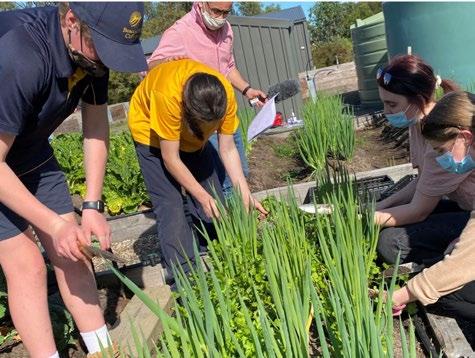
Landscaping and tree planting is ongoing across the College as part of our landscape master plan and our food gardens help educate students on food production. Our canteens and kitchens use the produce grown onsite, with surplus food donated to charity. The production from our food gardens continues to increase, with surplus produced shared with local charities and the Beacon Meals Program, supporting families in need.
One of the most significant challenges facing the College at the moment relates to the management of waste across both campuses. We continue to educate our community on waste and have developed waste management systems that are easy to understand and use. Despite our best efforts, waste contamination of recyclable materials and general waste remains high, with just over 50 per cent contamination rates. We will keep raising awareness in our community about waste contamination, with the ultimate goal of reducing the College’s waste sent to landfill.
Overall, the College is building on its environmental and sustainability achievements and taking a leading role in educating our community about this significant global issue. I would like to thank our Environment and Sustainability Coordinator Kobi Van Raay and our facilities team for their work in supporting our Environmental Program and for engaging our students to enhance their knowledge and understanding of this important program.
David Young Business Manager
LEARNING THAT MATTERS
ENVIRONMENT AND SUSTAINABILITY
OUR STUDENTS DEVELOP A DEEP UNDERSTANDING OF SUSTAINABILITY ISSUES AND BECOME RESPONSIBLE STEWARDS OF OUR PLANET.
Environment and sustainability Learning That Matters Our global community Learning mindset
Citizenship and service Values and character
Wellbeing
Learning That Matters comprises six key pillars; Environment and sustainability, Learning mindset, Values and character, Wellbeing, Citizenship and service, and Our global community
We want to encourage our students and staff members to be responsible stewards of the environment, for their own future and that of the planet. To care, raise awareness of the natural environment and actively work towards being more environmentally friendly in our everyday lives.
Our vision for sustainability is to embed programs and practices into students’ everyday lives to create lifelong sustainable values. We are constantly incorporating ways in our curriculum for students to become ‘stewards of the environment’. Beaconhills strives to break sustainable milestones to become one of the leading green schools in the nation.
LEADERS IN SUSTAINABILITY
RAISING AWARENESS
BEACONHILLS COLLEGE LEADS THE WAY IN RAISING ENVIRONMENTAL AWARENESS IN OUR SCHOOL AND THE WIDER COMMUNITY
Why do we care about being green?
The College was founded in 1982 and now comprises more than 3000 students and over 500 staff (from Early Years to Year 12) across our Berwick and Pakenham campuses, and a community exceeding 10,000 members. Beaconhills College recognises the importance of becoming a sustainable school for the benefit of the Earth’s environmental health. At Beaconhills College, we need to set an example to our students and the community to demonstrate that we are completely committed to protecting the opportunities and futures of our students. In this endeavour, we are committed to lightening our environmental footprint while creating a cleaner learning environment.
We honour and draw upon the knowledge of the First Nations people and their relationship with the land. We believe that fostering a positive attitude and appreciation of sustainable environmental practice is vital to the development of our students, will contribute towards the health of our community, and reduce our impact on the Earth.
The Earth, which we all have in common, is our deepest bond, and our behavior toward it cannot help but be an earnest of our consideration for each other and for our descendants.
Wendell Berry, The Long-Legged House
RESOURCESMART SCHOOLS
ENVIRONMENT AND SUSTAINABILITY PLAN
Beaconhills College is part of the ResourceSmart School program in Victoria. This program has an online portal where schools can participate in yearly audits and work their way to becoming a 5-Star school in sustainability. Facilitators from CERES organise progress workshops each term. These workshops are often at other schools in the southern metropolitan Melbourne area and include school tours, special guest sessions on new sustainable initiatives and student involvement, networking with local schools, and working with facilitators on modules. At Beaconhills College, our Environment and Sustainability Coordinator attends these days and works on modules. By visiting other schools, participants gain valuable real-life knowledge and insight into the inner workings of a sustainable school, sharing ideas, outcomes, successes and failures.
ResourceSmart school stars are obtained through completing various modules and meeting benchmarks for resource use.
2025 achievements:
In 2025 we completed an in-depth litter audit. This data is great to use as a comparison for past and future data. We increased the number of bins and moved some to locations with higher student populations to help reduce litter.
2026 goal:
In 2026, more students will participate in environmental events such as Clean Up Australia Day and Keep Australia Beautiful Week. We plan to plant more trees after several large Eucalyptus were removed in 2024 and 2025. We will also be updating out School Environmental Management Plan (SEMP) for 2027-2030.
Beaconhills College Berwick
Beaconhills College Pakenham
2025 ENVIRONMENTAL LEARNING
ENVIRONMENTAL ACTIVITIES
• Nature Club - Berwick
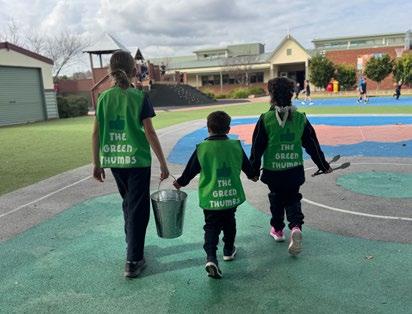
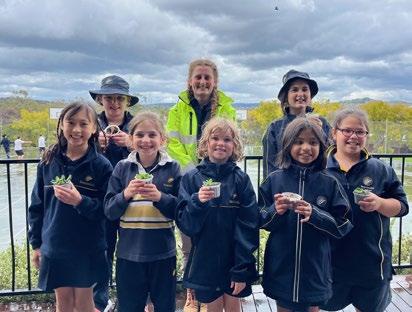
• Green Thumbs Club - Pakenham
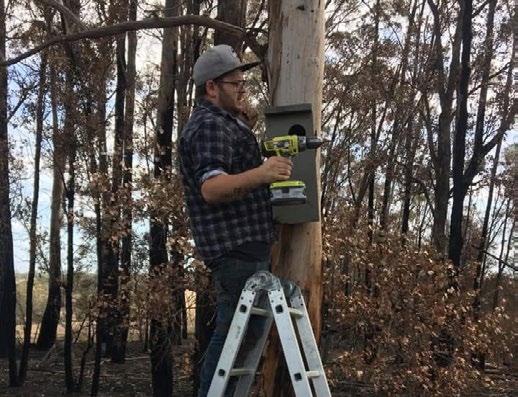
• Building nesting boxes - Berwick
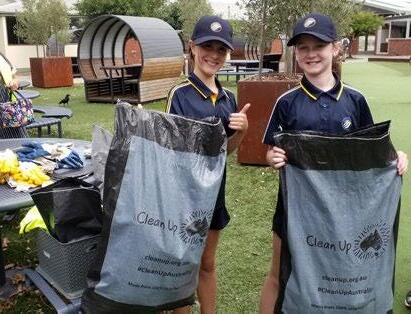
• Clean Up Australia Day
• Cans for Cadets
• Reconciliation Week
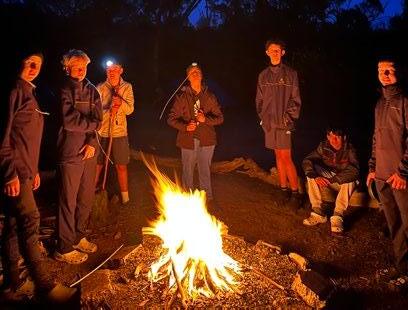
• Beacon Explorers excursions and camps
• End-of-year stationery recycling
PLAY IT FORWARD
In 2024 Charlotte, had an incredible idea for her Sustainability and Community Service project as part of her Year 8 Certificate Program, under the Environment and Sustainability pillar of learning. Charlotte began collecting old uniforms from local clubs to send overseas to Fiji after seeing a fundraising project for sporting equipment for people in a small village.
In 2025, Charlotte’s project, called Play It Forward VIC, received the Rotary Melbourne’s Student Community Service Award. Continuing her work throughout the year, she has now collected more than 2235 items.
This project is diverting uniforms and sport equipment from landfill, some of which had never been worn, or only used for a season. They now have a new lease on life supporting communities across the world such as Fiji and Samoa.
RECONCILIATION WEEK
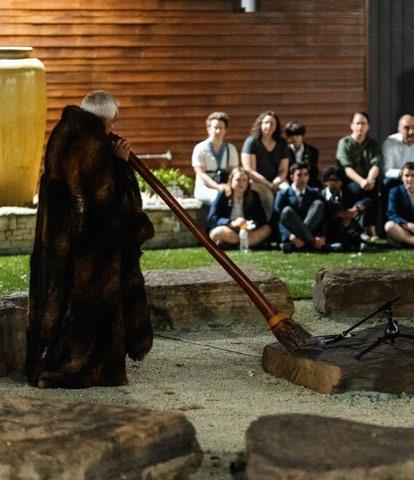
Beaconhills celebrated Reconciliation Week in 2025 with the launch of a new Reconciliation Action Plan. A Reconciliation Week event took place on 24 April at the Pakenham Campus, and included members of the College community, along with Wurundjeri Elders Murrundindi and Aunty Fay and Beaconhills Head of Indigenous Initiatives Lynette George (Birra).
NESTING BOXES
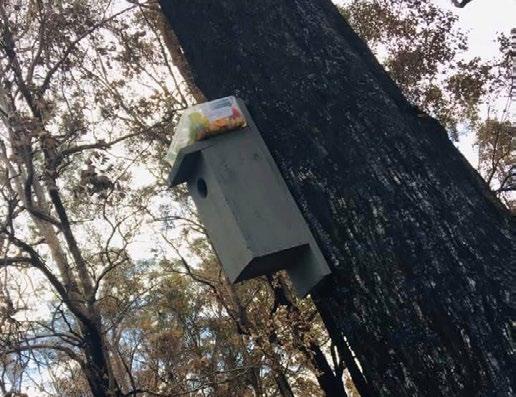
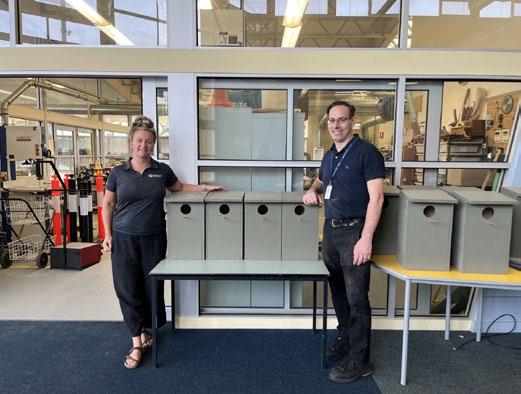
For the past five years Product Design and Technology students have created wildlife habitat in the form of nesting boxes. The first year they were mainly sent to the bushfire affected areas in Garfield North around Mt.Cannibal and Cannibal Creek.
This is now an annual project, with students creating wildlife boxes for a range of animals and projects across the area. An officer from the Western Port Biosphere has been sharing plans on where the boxes are needed for the coming season, enabling Product Design and Technology Assistant James Tankard to pre-cut the next box panels for students to assemble.
The Year 8 and 9 students have worked collaboratively to create and paint the boxes for camouflage and longevity once up in a tree. These boxes will house a number of animals including crimson rosellas, ringtail possums and even a variety of bird species that will opportunistically use empty nest boxes.
VCE OUTDOOR AND ENVIRONMENTAL STUDIES
In 2025, Year 12 VCE Outdoor and Environmental Studies students had the opportunity to connect curriculum, environments with practical outdoor experiences.
In March, over three days, students travelled by ferry and mountain bike to French Island, working with Parks Victoria, Friends of French Island and Landcare, visiting the historic chicory kiln, and collecting data at the Westernport RAMSAR site for their ongoing investigations. In July, students spent five days snow-camping and crosscountry skiing to the summit of Mt Stirling, listening to speakers on the impacts of invasive species in the Alpine National Park.
Students also did fieldwork at a Trust for Nature site in Yellingbo, collecting data on conservation relationships to sustain this environment. Closer to home, they participated in a local Landcare session focused on the critically endangered Helmeted Honeyeater, released in the area as part of the Healesville Sanctuary breeding program under the FFG Act.
These experiences enable students to critically examine relationships with outdoor environments and consider how they can help sustain them in the future, while also preparing them for school-assessed coursework and the final exam.
PERFORMING ARTS AUDITORIUMS RECHARGED
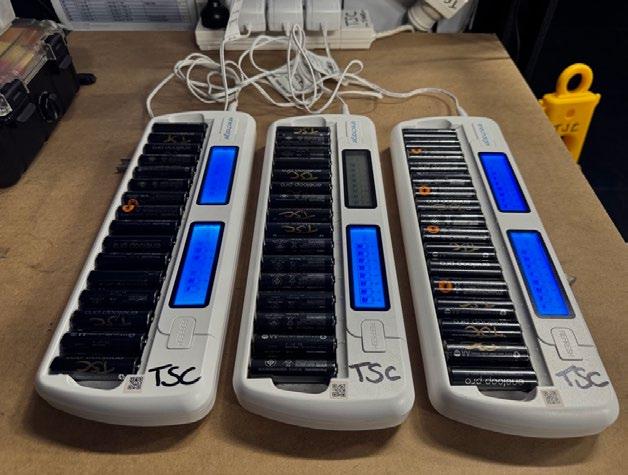
In 2025 the Tech Team in performing arts, led by Aaron Sharpe, introduced all rechargeable batteries for equipment using AA or AAA batteries. This includes microphones, sconces, portable lighting, remotes and computer hardware (such as wireless mouse and keypad).
BEACON EXPLORERS
In 2025, the Beacon Explorers Program continued to build on the waste management initiative introduced in 2024. This system aligns with the language and signage students encounter across each College campus and supports consistent waste sorting practices during outdoor programs. By reinforcing these practices both on program and back at school, students develop a stronger awareness of sustainable waste management and their personal responsibility in reducing environmental impact.
The Beacon Explorers outdoor education curriculum places a strong focus on developing positive relationships with outdoor environments and supporting students to engage with these environments in safe and sustainable ways. Throughout their programs, students analyse safety considerations when outdoors, plan for and undertake journeys responsibly, and reflect on their experiences to deepen their understanding of environmental stewardship. Students are also introduced to a range of minimal impact outdoor practices and encouraged to evaluate how these practices help protect fragile environments while enabling people to continue to experience them.
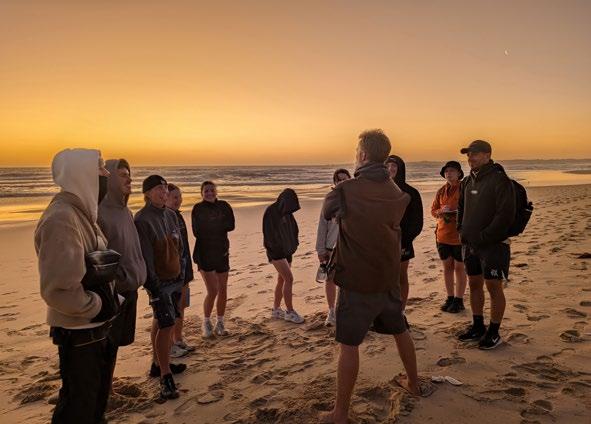
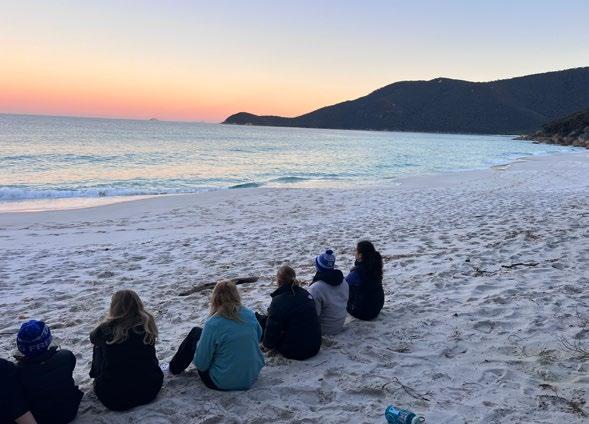
Beacon Explorers programs also embed Aboriginal and Torres Strait Islander perspectives across all year levels, helping students develop a deeper understanding of Country, culture and connection through outdoor learning experiences. For example, Year 6 students participated in an Indigenous Beats session exploring music and storytelling as expressions of culture, while Year 7 students combined coastal learning with beach clean-up activities and discussions about Aboriginal connections to sea Country.
In Year 8, students visited the culturally significant Nagamadidj rock art site in Gariwerd (Grampians National Park) where Traditional Owners shared stories about the significance of the site and the importance of caring for Country. In 2025, the new Year 9 Summit to Sea Program further strengthened the environmental focus of Beacon Explorers. Travelling through environments from mountain landscapes to coastal ecosystems, students explored how natural systems are interconnected and examined human impacts on these environments. As part of the program, students also participated in a dedicated Aboriginal and Torres Strait Islander perspectives session, deepening their understanding of Indigenous knowledge, connection to Country and cultural relationships with land and waterways.
Some Year 10 students participated in the Birrarung Program, which included cultural learning sessions exploring Indigenous worldviews before students travelled along sections of the Birrarung (Yarra River), examining the cultural significance of waterways and contemporary environmental challenges. The East Timor immersion program also includes environmental service learning through coastal clean-ups with local communities. Plastics collected during these activities are repurposed into products sold at local markets, supporting community enterprise while reducing environmental waste.
Together, these experiences reinforce the importance of environmental stewardship while recognising Aboriginal and Torres Strait Islander knowledge as central to understanding sustainable relationships with land and waterways.
Beacon Explorers:
An educational program of adventure, service and cultural experiences aligned with the College’s vision, mission and values.
Little
• is the learning that occurs beyond the classroom. Students discover the natural world, learn about Indigenous connections to Country and its first people, and build life skills such as resilience, leadership and teamwork
• is the largest outdoor and international program of its kind in our region. Students may deliver aid in Timor-Leste villages or learn to prepare campfires while hiking in Victoria’s west
BEACON EXPLORERS 2025 CAMPS AND OUTDOOR EXPERIENCES
• challenges students with experiences beyond mere sightseeing. It integrates community service and crucial life skills such as leadership, teamwork, persistence and resilience
and play
What makes places unique and di erent?
Year 1 How do humans change the planet?
Year 2 Whose voices aren’t we hearing? Bayview Adventure Camp
Year 3 Why should we be interested in studying other cultures?
the elements that build a strong friendship?
Year 5 What impacts do our choices have on others?
Year
Year 7 What does ‛walking in someone’s shoes’ mean to you?
Year 8 How can outdoor adventure in nature foster personal growth, strengthen community and develop leaderships skills?
Year 10
Year 10
Year 10
How can our exploration of culture, community and adventure shape our understanding of ourselves, our relationships with others, and our role in the world?
What are the long-term environmental impacts of New Zealand s economic development, and how can we be sustainable in our interactions with these environments?
How do diverse environments and cultures influence our understanding of global citizenship and interconnectedness?
(cabin)
BIODIVERSITY
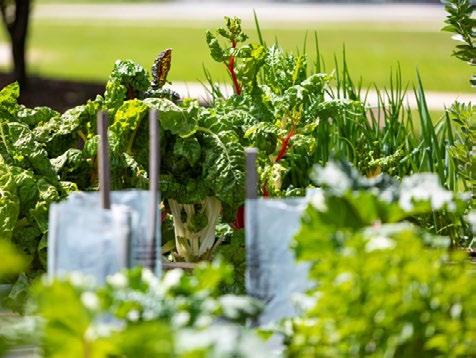
GARDEN SPACES
• Pollinator strip planted by Year 6 Berwick Senior School
• Sensory Garden Pakenham Junior School
• Community Vegetable Garden Pakenham
• Vegetable patches (Year 9, Food Tech, Little Beacons) Berwick
NATURE LEARNING SPACES
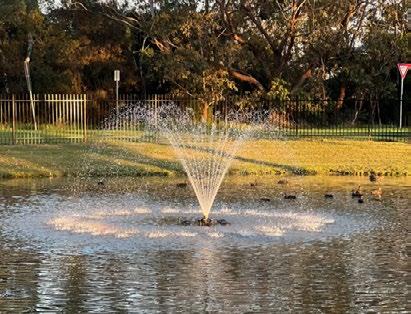
• Front pond Pakenham
• Wetlands (Birri Alamarta) Bush kinder Pakenham
• Nature Play (Biik Ngarnga-ut) Bush kinder Berwick
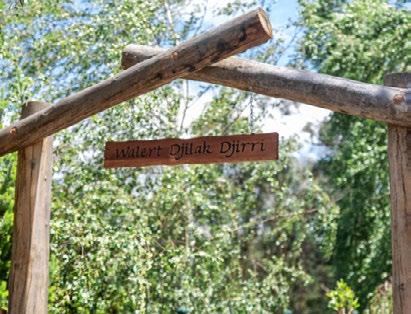
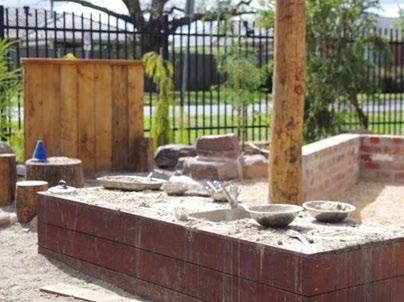
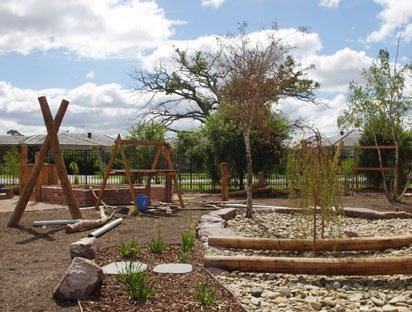
• Nature Playground (Walert Djilak Djirri) Pakenham Junior School
COMMUNITY GARDEN
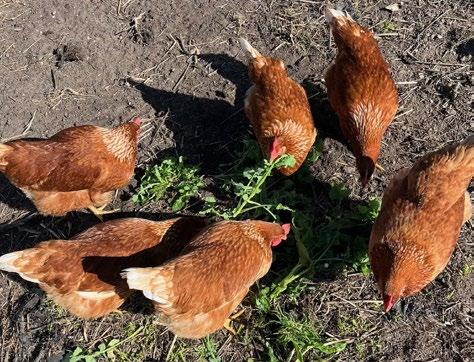
In 2025 the Beacon of Hope Community Garden really came alive with the addition of a fish-fuelled aquaponics system and 10 new chickens.
After two years of work by our VCE Industry and Enterprise students and their teacher, Jeff Porter, they proudly completed the installation of a chicken coop. Shortly after, 10 happy hens moved into their new home and have since been laying eggs. The chickens have been a wonderful and productive addition to the campus, supplying eggs to the canteen and Food Technology classes. Food scraps from student classes are fed to the chickens along with grain and any insects they find foraging in their outdoor enclosure.
Feeding food scraps to chickens is a fantastic way to reduce waste and reduce greenhouses gases. Chickens love food scraps and gain valuable nutrients from this food, enabling them to stay healthy and produce nutritious fresh eggs. Food that goes into landfill can cause methane gas to release, as it is going through the process of rotting rather than decomposing or composting. When food and other organic matter rots in a landfill it does not have circulating air (anaerobically breaking down) and releases methane gas, one of the greenhouse gases which is negatively impacting climate change.
In February the school began building an aquaponics project. The system combines aquaculture (fish farming) with hydroponics (growing plants in water), where nutrient-rich water nourishes hydroponically grown plants. The closedloop system has the capacity to produce 180-240 lettuces per cycle, with six grow beds and two 1100L fish tanks. The produce created and harvested from this system will provide the canteen, Food Technology and Beacon of Hope meals with fresh produce all year round. Since completing the aquaponics project in July 2025, there have been many learning curves with fish species, nutrients and optimal crops. It has generated its first large harvest late in 2025, enabling us to donate four large boxes of lettuce to the kitchen for Beacon of Hope meals donated to charity groups.
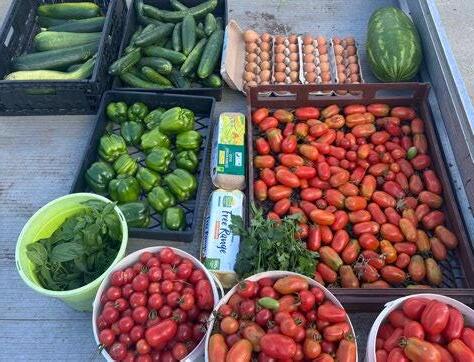
TOTAL HARVEST
75 8.5 KG
290KG Zucchini
Carrots
Tomatoes
Cucumbers
Spring onion
Capsicum
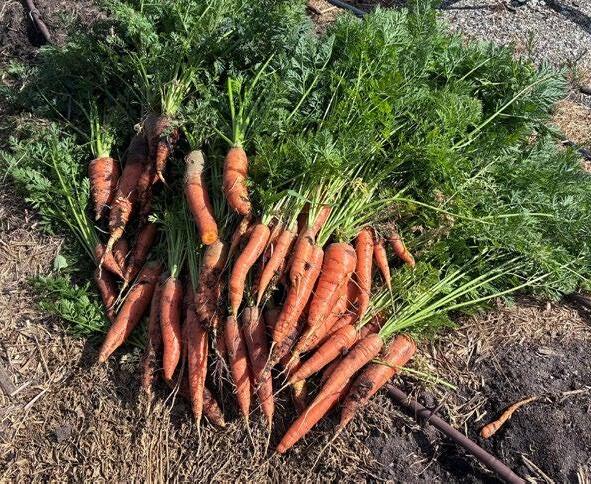
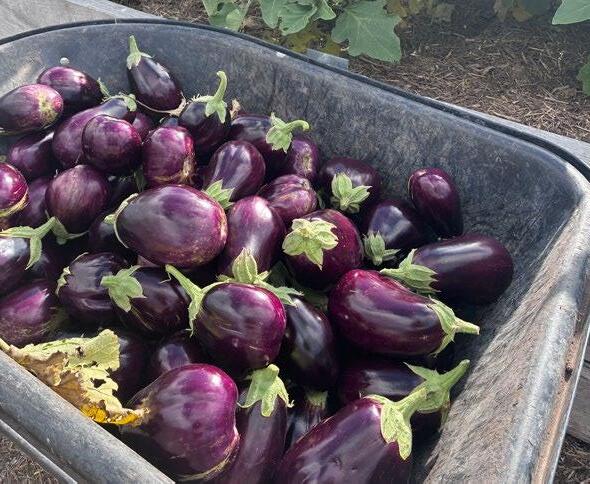
Potato, capsicum, eggplant, leeks and broccoli were some of the other vegetables grown this amazing harvest season.
PRODUCE DISTRIBUTION
RESOURCE TRACKING
AIMING FOR EFFICIENCY
SUSTAINABILITY EFFICIENCY PROGRAMS AND POLICIES
Beaconhills tracks all utility data across all areas of usage. We believe the best way to accomplish our mission of a green sustainable school is to continue to set benchmarks for our sustainability efficiency programs and policies. Evaluating our performance and effectiveness through utility tracking against our targets and outcomes is a critical way to ensure that we continue our progress towards our sustainability goals.
Across all the graphs showing our usage data you can observe a disruption in the data during COVID lockdowns across the years 2020 and 2021 when student attendance was limited. We face the challenge of having to disregard or give consideration to these years of data when observing ongoing progress and adjusting the attainable goals we set. We continue to include these years in our tracking data but allow ourselves grace when comparing years of success to our current progress.
The rising cost of living has complicated the true reflection of reduced utility expenses achieved through our lower usage of electricity, water, waste and gas, as well as improved solar generation. Recognising this, the College is dedicated to thorough data collection and analysis across all usage sectors, ensuring that our sustainability vision progresses hand-in-hand with economic realities.
Our overall objective at Beaconhills is to transform into a model of sustainability, where solar power becomes the cornerstone of our green, reusable-powered campuses and we continue to lighten our environmental footprint. By integrating solar energy and other eco-friendly measures into our daily operations, we’re not only shaping a brighter future for our students but also for the planet.
ENERGY
ELECTRICITY USE (KWH)
A number of factors, including increasing student population and the hottest summer in 12 years in 2024 to 2025 saw an overall increase in electricity use at the College. There were also more external hirers using the school facilities, particularly at night, which naturally increases the electricity use for lighting and water pumps.
In 2026 we expect to continue meeting our goal of annual decreasing electricity use per person, through our efficiency programs and student education.
Berwick campus pakenham campus
2015
ELECTRICITY
In 2025 we saw a small jump in both cost and use of electricity across both campuses. A contributing factor was a rise in student numbers and use of facilities with external hirers and out of hours activities such as school musicals.
The total electricity cost for both campuses was $366,919. Beaconhills aims to reduce this in 2026 by by ensuring all solar systems are working to their full potential.
Total electricity usage increased this year by 203,179KWh. In 2026 we hope to shift this by using more of our onsite solar.
SOLAR
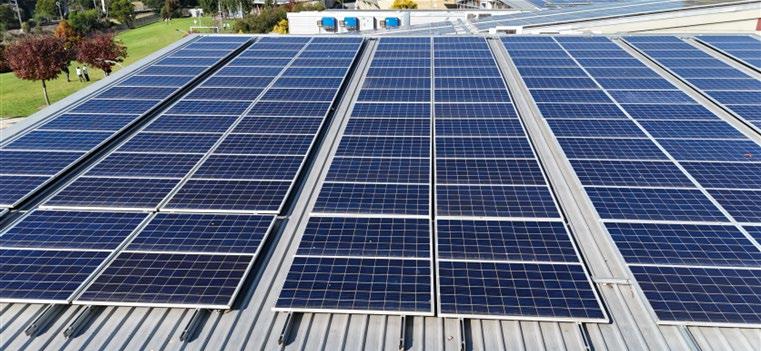
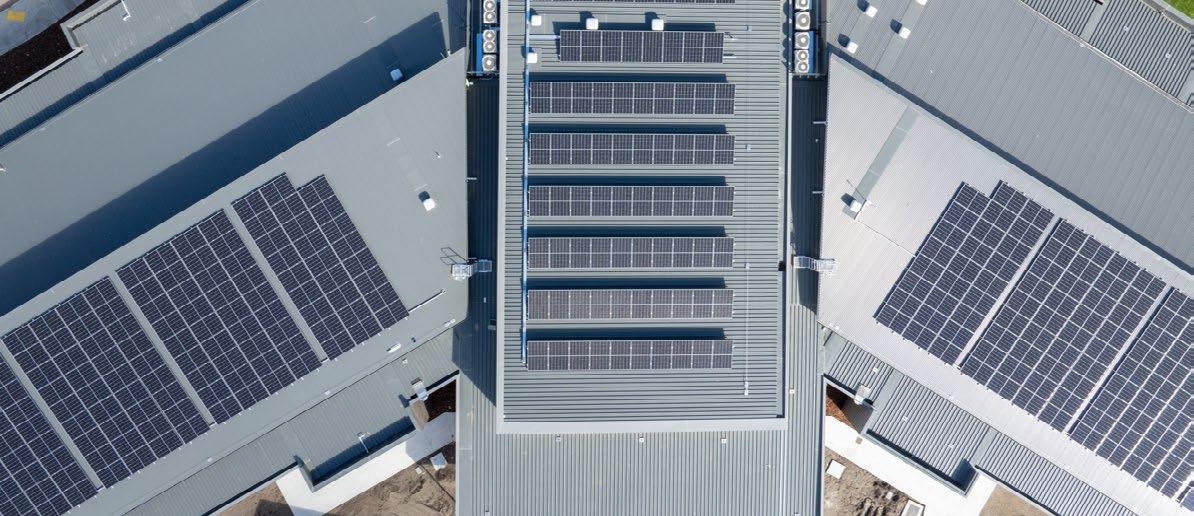
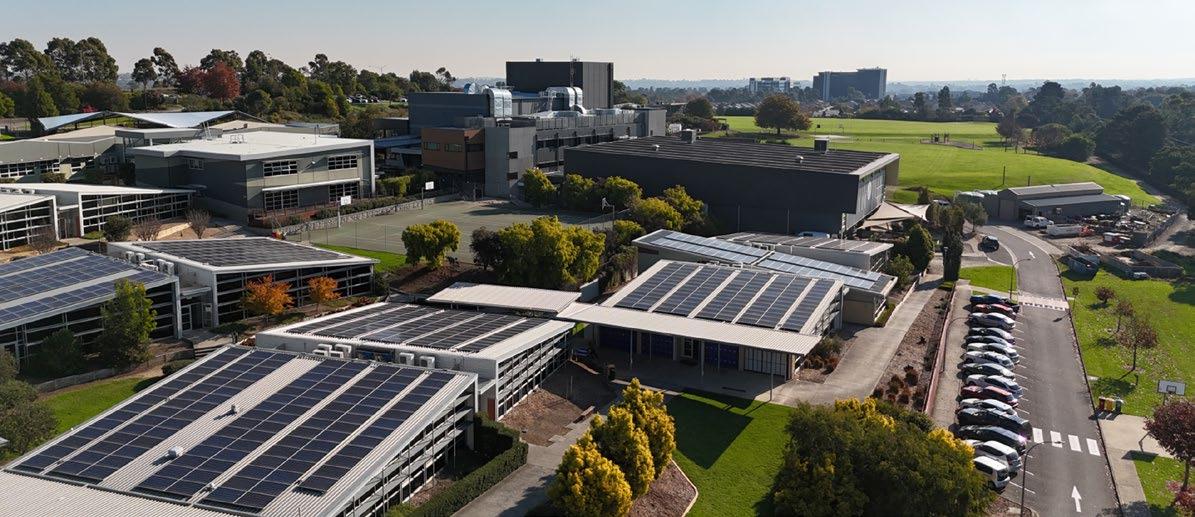
Since 2014 Beaconhills College has added 1040KWh of solar panels to our roof space. Each new build includes a PV solar system when feasible, our most recent being the Pakenham Years 7 and 8 Centre.
Due to some systems approaching more than 10 years old we needed to upgrade some components of our solar connections in 2025. The solar upgrades will continue through 2026 to ensure all systems are fully functioning again.
SOLAR DATA
In 2025 Beaconhills College was powered by 25.03 per cent solar, generated from our rooftop panels (38.97% Berwick, 11.09% Pakenham). Berwick has seen the highest solar production so far. Berwick Campus used more of the solar produced than previous years, however also used more grid energy. One of the key contributors to this is increased usage of the Tony Sheumack Centre for Performing Arts building after hours by external hirers, once solar has stopped daily production.
In 2026 we aim to be powered by 100% renewable energy by engaging in a new contract supplying energy from renewable sources.
GAS
In 2025 we saw an increase in usage of gas. The gas usage will decrease after the removal of a gas line to the performing arts building and food technology in January 2026. Beaconhills is aware of the gas usage and is aiming to electrify all buildings within the next 10 years, maximising our solar systems. In the future the only gas we will have onsite will be for science, to meet thea requirement for bunsen burners in a school setting.
GAS USE
Berwick campus pakenham campus
FUEL
In 2024 we began tracking our fuel consumption, to aid in the accuracy of our greenhouse gas emissions tracking. This usage is from vehicles used for on-ground purposes such as maintenance and grounds staff utes. It is also used in tractors and lawn mowers, and in motorised tools such as chainsaws and whipper snippers. This amount is only a portion of fuel consumption which stems from our activities. This does not include the emissions used for transport on student camps, school bus travel, and vehicle emissions from staff and parents travelling to and from school.
GREENHOUSE GASES
WE HAVE MANY PROJECTS AIMED AT REDUCING OUR ‘THREE SCOPES’ OF EMISSIONS, TO HELP LIGHTEN OUR ECOLOGICAL FOOTPRINT
The three scopes of emissions are:
1. Direct greenhouse gases produced from burning fuel or gas.
2. Emissions generated from electricity requirements.
3. Other indirect emissions through the organisation’s actions such as business travel, transport etc.
To reduce our first scope of emissions, we are planting trees and shrubs at both campuses and working with local community organisations such as the Cardinia Environment Coalition. This vegetation acts as a carbon sink to extract carbon out of the atmosphere. We are reducing company vehicle use, how much fuel we use and have installed electric car chargers on campus for staff and public use. We have reduced our gas use, as we mainly run on electricity and only use gas in stovetops in kitchen areas.
Our second scope is discussed in more detail in the electricity section of this document.
We are reducing our third scope of emissions by looking at how we contribute to the outside world. This includes the energy required to make products for the College and the transport distance it takes to get to the College.
We grow about 35 per cent of the fruit and vegetables we use in the canteens on campus. We source the remaining food locally, from Victorian companies. This ensures we minimise the distance food has to travel getting to the College and the fuel required to transport the food. We only buy from companies which incorporate environmental responsibility into their vision. We also encourage the Beaconhills community use public transport and other transport means to come to school, to reduce emissions from parents’ vehicles.
EMISSIONS DATA
GREENHOUSE GAS EMISSIONS (TONNES CO 2 E)
(Tonnes of CO2-equivalent )
The total GHG is calculated from total gas and electricity that the campuses use.
TOTAL GHG EMISSIONS
(Tonnes of CO2-equivalent )
This is broken down into our three categories of gas, electricity and fuel. In 2024 we started to track our fuel usage from petrol and diesel deliveries, to give an indication of how this is impacting our GHG emissions.
BEACONHILLS USES A MONITORING SYSTEM ON OUR MAINS WATER CALLED SWEP.
SWEP, short for School Water Efficiency Program, is delivered by the Victorian state government and has an online portal to see water usage and get reporting. It also has a notification system which sends emails when water usage is out of normal range, indicating to us if there is a water leak.
We have lowered water consumption by installing water efficient fittings and fixtures such as taps, toilets and water fountains. A rainwater storage system with a capacity of 897,600 litres across both campuses is used where possible, for example in grounds irrigation and bathrooms. This capacity increased in 2024 with the installation of three underground water tanks with a 90,000 litre storage capacity at the Pakenham Campus Years 7 and 8 Centre.
The College also aims to support Melbourne’s waterways through various avenues. As our Pakenham Campus directly links to the Toomuc Creek which flows into Westernport Bay, the College strives to avoid adding extra pollutants to the waterways through run-off. The College has installed dry riverbeds and has eliminated use of pesticides and herbicides in our vegetable gardens to help combat water pollution. Storm water is also directed to toilets and gardens around campuses. As the Berwick Campus is linked to the Cardinia Creek, similar water safe practices are also adopted there. We are hoping to improve the water quality coming from Berwick Campus ovals into the Cardinia Creek in the coming years.
MAINS WATER USE (KL)
TOTAL MAINS WATER USE
Pakenham Campus water use decreased despite an increase in student numbers and some maintenance issues which were swiftly resolved..
Berwick Campus water use increased in 2025. This was due to an increase in external hirers using the performing arts building. This year the Tony Sheumack Centre for Performing Arts had 33 bookings, including two bookings spanning a fortnight, with theatre shows comprising over 500 guests each night. As this venue’s toilets use mains water, that equated to 26 litres of water each school day.
WASTE
AT
BEACONHILLS, WASTE MANAGEMENT IS A COMPREHENSIVE SYSTEM ENCOMPASSING VARIOUS STREAMS TO MINIMISE ENVIRONMENTAL IMPACT AND FOSTER COMMUNITY ENGAGEMENT.
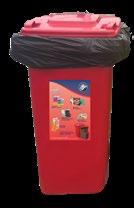
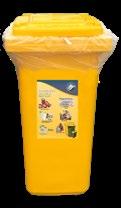
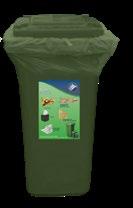
Alongside specialised initiatives, the College operates a three-bin system:
1. General waste - landfill
2. Comingled recycling
3. Green waste
We have began using Bardee for our green food waste. This is a company which collects food waste to turn into fertiliser with the help of fly larvae.
Expanding across both campuses in Junior School, Middle School and Senior School, this new recycling waste stream is a great addition to our recycling service. It is a fantastic way to exchange our rubbish into something that can be useful for our Cadet Unit.
The College is also regularly involved with other school waste recycling initiatives, such as our yearly stationery drive, old library book donation and collaboration with neighbouring schools for furniture and goods exchange, demonstrating our holistic approach to waste management and community support.
The College continues to lower waste exports by encouraging all students to be involved with the school ‘nude food’ initiatives and the introduction of our single-use plastic policies which have eliminated the use of most single-use plastics in school canteens and kitchens. Since the new policy was implemented singleuse plastic sauce sachets, cutlery and straws have been removed from kitchens and replaced with more sustainable alternatives.
In 2025 we moved all waste streams to to a new provider. Overall tonnage of waste decreased across both recycling and landfill disposal for the College.
WASTE STREAMS
Beaconhills College is always finding new ways in the school to reduce, reuse, recycle and avoid landfill as much as possible. We have various waste streams at both campuses:
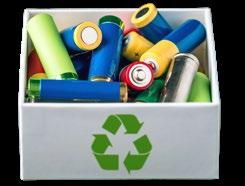
Battery disposal
When batteries are placed in landfill bins they can often cause fires, either in the bins themselves or in the trucks that collect them. They also contain toxic substances that are harmful to you, your family and the environment. There are hundreds of locations that collect batteries for free for recycling and safe disposal. At Beaconhills, there are two main collection points for staff.
Uniform recycling
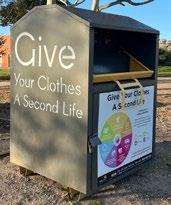
When a new student uniform was introduced in 2025, we placed a bin for the older style uniforms at each campus Uniform Shop. These are collected by Textile Recyclers Group, to be recycled into new material. In total we recycled 1.1 tonnes of uniforms through TRG. We have permanent SRC Group bins for second hand clothes donations at both campuses.
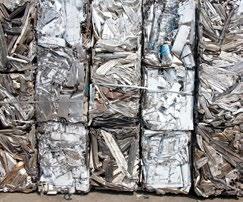
Steel recycling
All earnings generated by steel recycling from Beaconhills College are deposited into the Beacon of Hope Foundation. In 2025 we recycled 4240kgs of steel, earning $207.46 for the Beacon of Hope Foundation.
Paint disposal
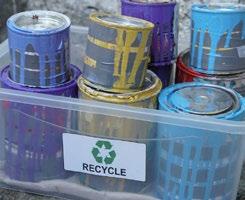
Paint tins are collected at the maintenance shed and taken to the recycling transfer station to be responsibly disposed of for free.
Year 9 hub
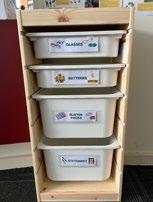
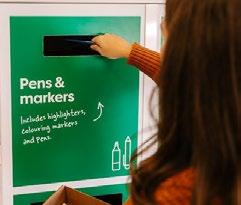
In 2025 we introduced recycle hubs in our Year 9 Centres at both campuses. These hubs are central and easily accessible locations for staff, students and Beaconhills community members We are collecting used and old glasses, batteries, empty blister packs and stationery.
E-waste
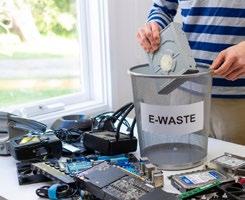
This is banned from Victorian landfill. We have small e-waste and clothing recycling deposit bins on site, in the Little Beacons and Senior School carparks at the Pakenham Campus and in the Middle School carpark near the courts at the Berwick Campus.
Cans for Cadets Container Deposit Scheme
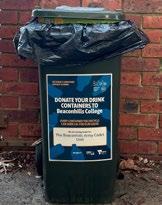
The Beaconhills College Cadets have been working hard at collecting and raising fund for their program with bins around the school. People who want to donate their earnings are encouraged to do so under the school registered name (Beaconhills Christian College Limited).
Stationery recycling
This has been set up to reduce new items being thrown into landfill. In previous years’ clean-ups we have seen so many new or like-new items being thrown away. In term 4, 2025, we allocated each area some bins for writing equipment, folders, plastic pockets and ther school supplies
WASTE FROM BUILDING
PAPER
PRINTED PAGES (MILLIONS)
In 2025 we saw similar amount of printing compared with 2024.
The building which was originally the Year 8 classrooms and multipurpose space at the Pakenham Campus was transformed in 2025 to become a Years 5 and 6 Centre with eight classrooms, four breakout spaces, a Head of House office and a large staff office equipped with a kitchenette and staff meeting space. The new design included a central panel for heating and cooling, ensuring a controlled environment for the building, with the addition of air locks from entry/exit doors.
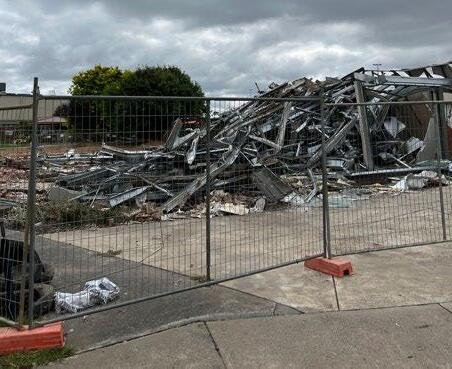
For the areas of the building which were removed, 98.71% was recyclable materials – and from that 80% was accepted by recyclers once separated. These materials include concrete, bricks, metals and e-waste.
Material from the Food Technology building which was demolished over the summer of 2025-2026 was also 81% recycled.
PAPER/CARDBOARD (T)
Our total paper and cardboard recycling data dramatically reduced this year due to using council recycling binsThese bins were mostly full and collected fortnightly.
In 2026 have returned to using paper / cardboard bins onsite collected by our waste contractor.
Beaconhills College takes pride in being a leading school in sustainability and is committed to creating positive change both inside and outside of the classroom. Our focus on environmental sustainability continues to grow each year, with new projects and the ability to make existing structures more efficient and sustainable.
We strongly support our students and have seen a consistent interest in various environmental activities across the school. For the past two years, environmentally conscious groups have been active in the Junior School at each campus. Events such as Keep Australia Beautiful Week and Clean Up Australia Day have become annual traditions, with increasing participation each year. Our students thrive in outdoor activities, excursions, and camps. At the Pakenham Campus, our Beacon of Hope Community Garden produces fresh organic food and eggs for our canteens and food technology programs across all campuses.
We are grateful for our teachers, who play a crucial role in educating our students and shaping them into responsible stewards of the environment for their own future and that of the planet. We have noticed a positive change in students who come to school with a strong foundation in environmental awareness, which can be attributed to early years education and a shift in family practices. We also extend our gratitude to our general staff and Property Services team, who work tirelessly to maintain clean school grounds and ensure the safety of our natural outdoor areas.
Despite an increase in resource usage this year, we are continuously striving to reduce our water and energy consumption while promoting biodiversity on our school grounds. We are proud to report a decrease in waste production, both in terms of landfill and recyclables, and an increase in the disposal of specialised items such as batteries, stationery, and clothing.
In the coming years, Beaconhills College plans to develop buildings with sustainable design, including Food Technology and Visual Arts facilities at Pakenham and a new sports field at Berwick. We are also exploring solutions for contaminated waste, as well as the implementation of solar panels and batteries. Our goal is to enhance our natural environment through the use of bioswales, outdoor classrooms, and improved habitat features. Additionally, we are currently testing various environmentally sustainable practices that can be incorporated into our operations and daily life at the College.