
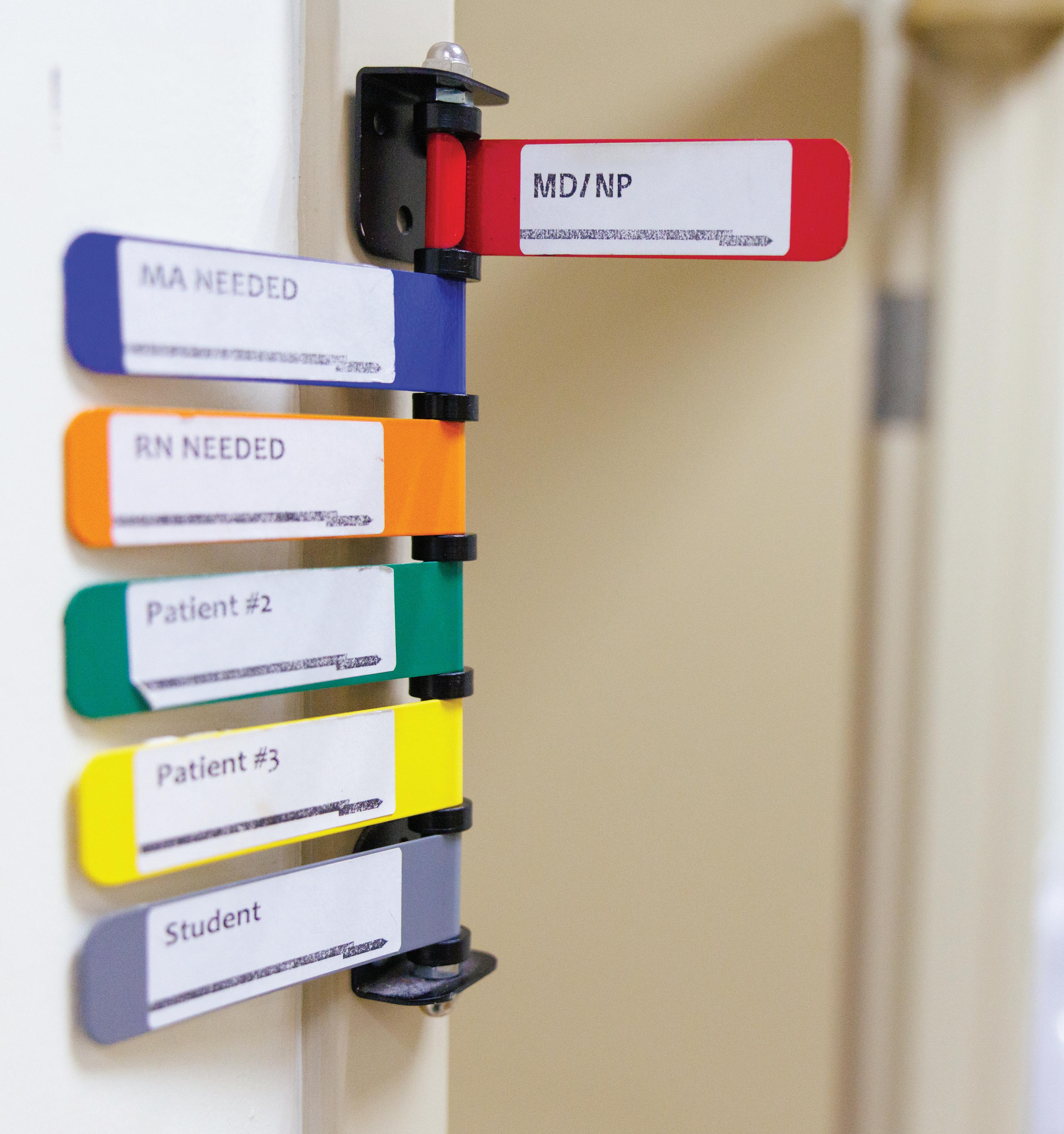
A New Blueprint for Community Care
INNOVATIVE PARTNERSHIPS
PROVIDE ACCESS TO CARE FOR THE MOST VULNERABLE
INNOVATIVE PARTNERSHIPS
PROVIDE ACCESS TO CARE FOR THE MOST VULNERABLE
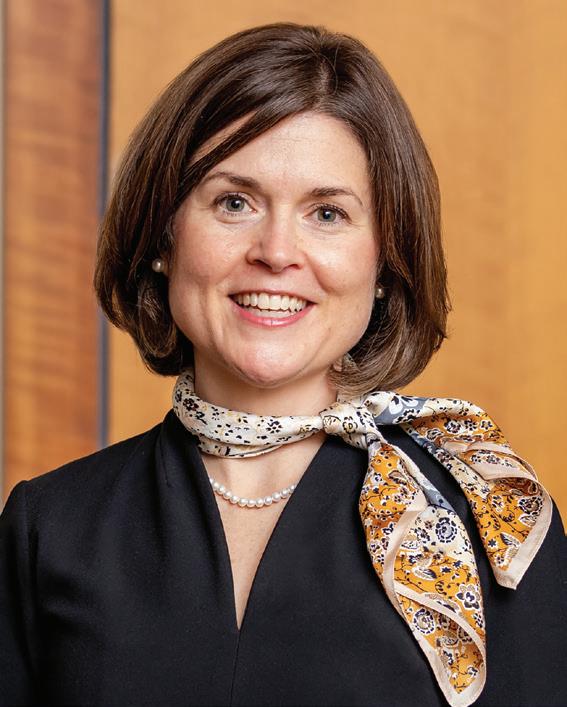
Dear friend,
One of the things I value most about our community is its willingness to rise to challenges, face complexity, ask difficult questions, and keep moving forward even when the path ahead is not fully clear. That spirit runs through everything we do at the Connell School, and it is on full display in this issue of Voice.
In these pages, you will read about our growing work in academic public health, from faculty-led research addressing health inequities in Uganda to fieldwork that takes students from the classroom into communities in Arizona and beyond. You will learn how innovative partnerships with community health centers are giving our students hands-on experience serving vulnerable populations— and helping address real gaps in care. And you will meet students whose determination and resilience remind us why this work matters so deeply. Their stories, and the mentorship, retreats, and academic advising that support them, reflect what is possible when talented people are shaped by a formative education that is both rigorous and deeply human.
Taken together, these stories reflect nursing and public health at its best: grounded in scholarship, shaped by compassion, and guided by a commitment to the health and dignity of all people. They show what it means to lead with both knowledge and purpose in classrooms, communities, and clinical settings.
Thank you for being part of this community. The work we do together—educating students in nursing and public health, advancing science, and improving health—reaches far beyond our campus.
Sincerely,
katherine e. gregory Dean
dean
Katherine E. Gregory
editors
Sara Shay
Kathleen Sullivan
managing editor
Tracy Bienen
art director
Christine Hunt
graphic design
Monica DeSalvo
Heejung Koh
contributors
Kara Baskin
Steven Constantine
Tim Gower
Nathaniel Moore
Ellen Seaward
Kathleen Sullivan
photographers
Caitlin Cunningham
Matthew Healey
Voice is published by the William F. Connell School of Nursing and the Boston College Office of University Communications.
Address letters and comments to: csonalum@bc.edu
Associate Director, Marketing and Communications
William F. Connell School of Nursing
Maloney Hall
140 Commonwealth Ave. Chestnut Hill, MA 02467

2 CSON faculty, students, and alumni research ADHD and diabetes, lead legislative lobbying efforts, and garner prestigious awards for work that impacts the future of health care.
4 A New Blueprint for Community Care
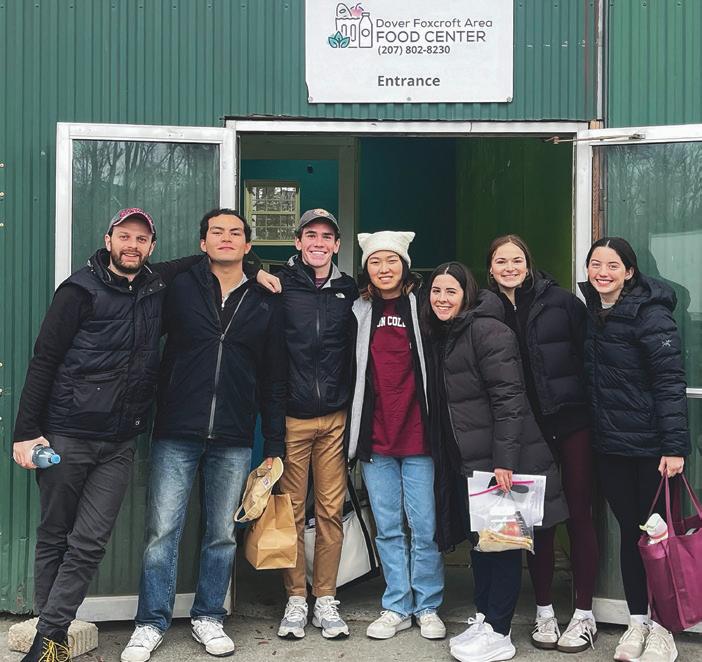
Innovative partnerships with community health centers provide access to care for the most vulnerable.
8 Confidence at the Core
With deep mentorship, hands-on experience, and a culture of belonging, the Connell School prepares future nurses for the realities of patient care.
12 Academic Public Health in Action
The Global Public Health and the Common Good program is turning science into effective interventions worldwide.
achievements
16 In the Journals
Summaries of select faculty research published in Clinical Diabetes, Journal of Pain and Symptom Management, and BMC Cardiovascular Disorders
17 At ENRS
At the Eastern Nursing Research Society’s annual meeting, students and faculty presented innovative work and earned honors for their contributions to the field.
Taylor Bellfield, a Ph.D. candidate and Jonas Scholar, received an American Psychiatric Nurses Association Research Grant for his work exploring how identity and context shape health in adults with ADHD.
At the 2025 American Public Health Association conference, Research Associate Abigail Bryer and Associate Professor Katelyn Sileo presented their qualitative study on the systemic factors affecting gender-based violence screening, referrals, and counseling in Uganda’s HIV care network.
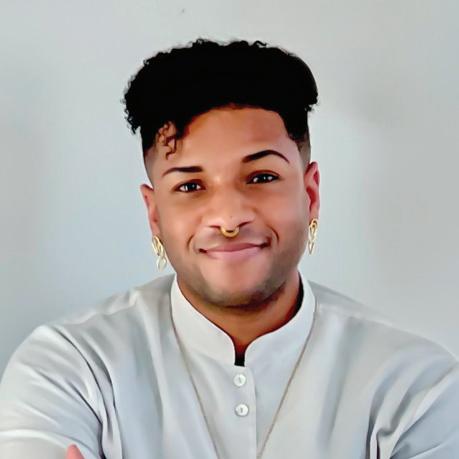
Ph.D. candidate Nickie Burney received a Foundation for Nursing Advancement in Massachusetts Research Grant for her research exploring how work is associated with diabetes outcomes in hospital settings.
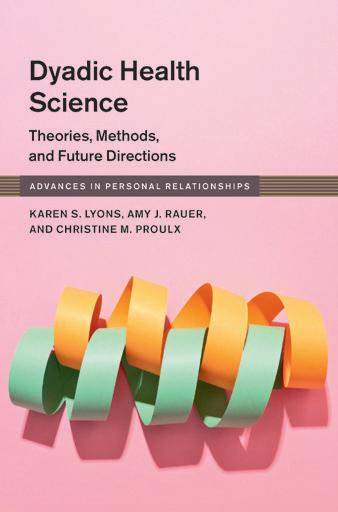
In Dyadic Health Science: Theories, Methods, and Future Directions (Cambridge University Press)—the first book written on dyadic health science—Professor and Elizabeth Power Keohane Faculty Fellow Karen Lyons and her co-authors take a multidisciplinary approach to the field, examining how two people navigate their health and illness within their close personal relationship.
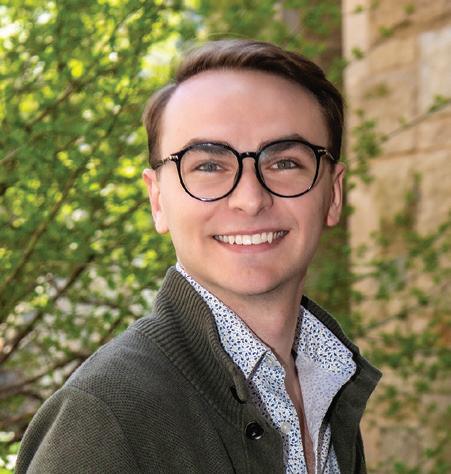
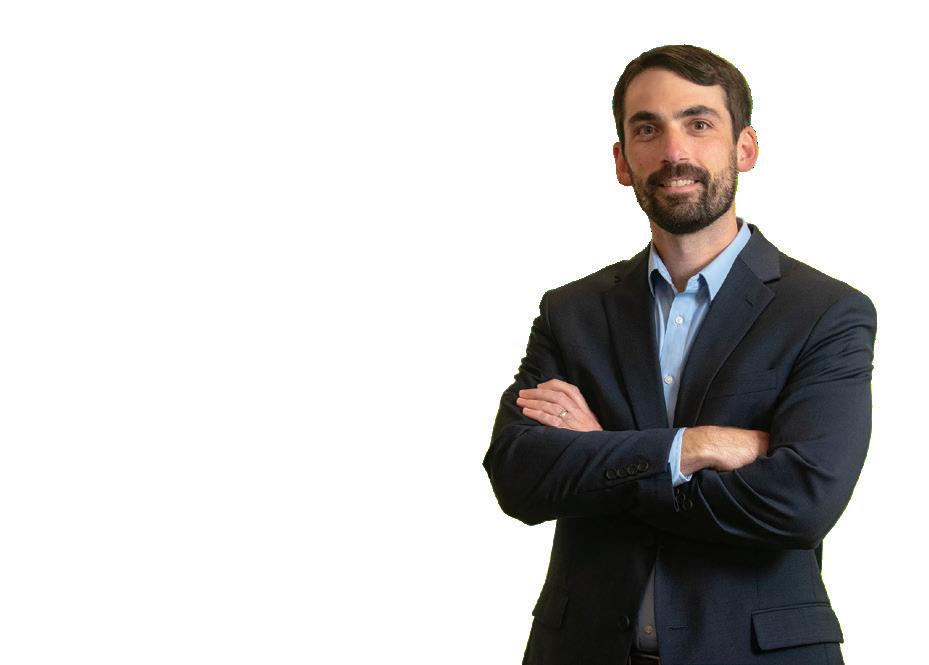
Associate Professor of the Practice Aimee Milliken and mentee Christopher Charles, D.N.P. ’26 (left), co-authored the paper “Walking the Tightrope: The Expanded Ethical Obligations of Nurse Leaders,” which Charles presented at the American Society for Bioethics and Humanities annual conference. He is a clinical ethicist and nurse at Dartmouth-Hitchcock Medical Center.
Professor Ann Wolbert Burgess was named a University of Maryland School of Nursing
Visionary Pioneer to honor her impact in the field of nursing. Burgess received a master’s degree from the university.
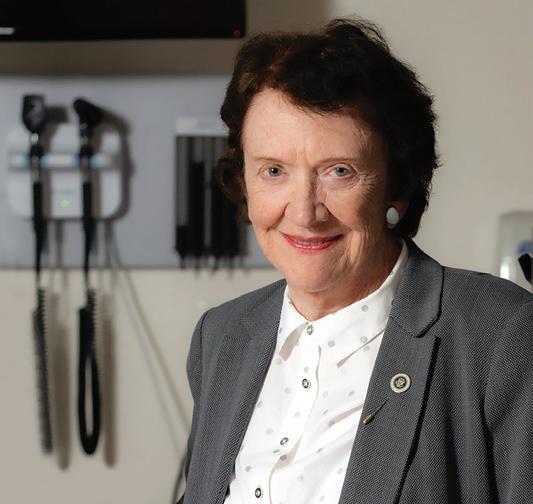
Faculty members Andrew Dwyer and Jane Flanagan rose to the rank of professor and Katelyn Sileo was awarded tenure.
The Academy of Diversity Leaders in Nursing inducted Associate Dean for Strategic Initiatives Leah Gordon and Ph.D. candidate Sasha DuBois into its inaugural class of fellows.
Dean Katherine Gregory received the Alumni Achievement Award from Binghamton University, from which she received a bachelor’s degree.
Assistant Professor Melissa Uveges was inducted as a Fellow of the American Heart Association. She joins Professor Corrine Jurgens and Christopher Lee, the Barry Family/ Goldman Sachs Endowed Professor, who also hold this distinction.
Assistant Professor of the Practice Danielle Walker received NERBNA’s 2026 Excellence in Nursing Award for Research at the organization’s Excellence Celebration in March.
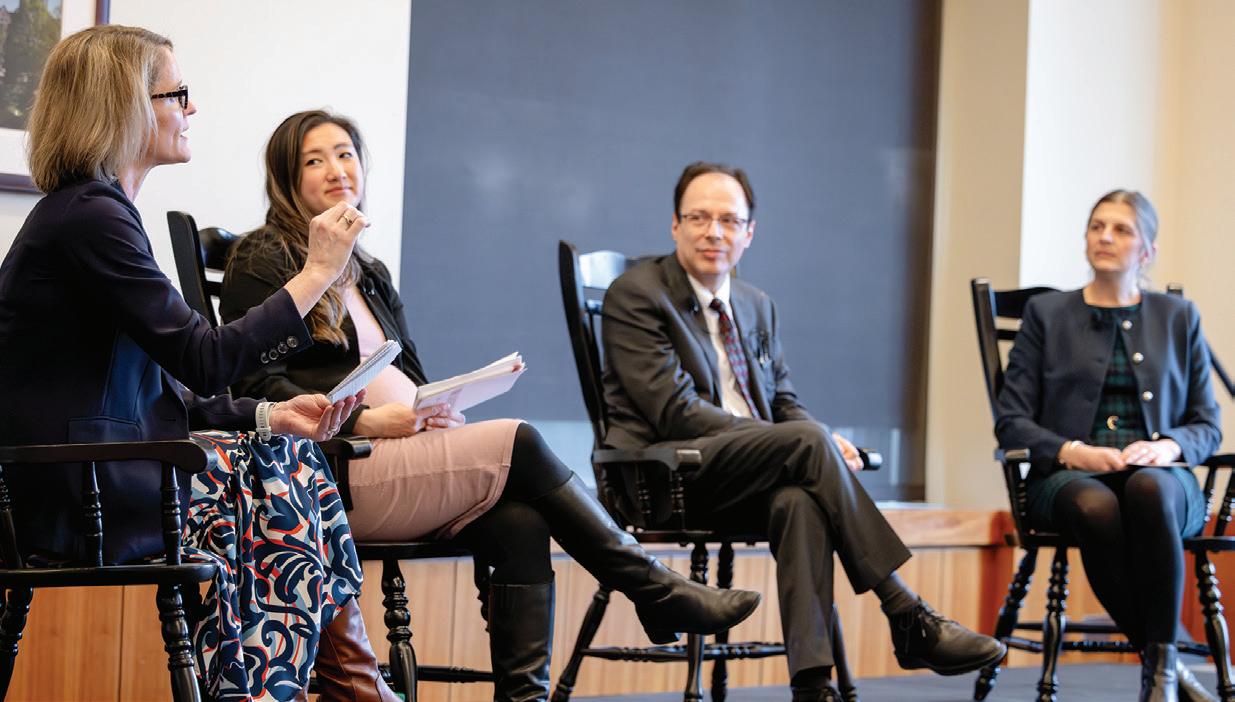
The spring Pinnacle lecture was an interdisciplinary panel discussion on nutrition, diabetes, obesity, and medication management. The panelists, who explored the risks, benefits, and rapidly shifting health care landscape surrounding GLP-1 therapies, were:
▪ Ariana Chao ’10, M.S. ’11, associate professor, Johns Hopkins University School of Nursing with a joint appointment in the School of Medicine, and director of research, Healthful Eating, Activity & Weight Program
▪ Katelyn O’Brien, clinical pharmacy specialist, certified diabetes care and education specialist, Boston Medical Center
▪ Alexander Turchin, director of quality in diabetes, Mass General Brigham, and associate professor of medicine, Harvard Medical School
▪ Patricia Underwood, assistant professor, CSON, and an endocrine nurse practitioner, VA Boston Healthcare System
In a series of media appearances, Dean Katherine Gregory discussed the U.S. Department of Education’s decision to remove nursing from its list of professional degrees. In interviews with the Boston Business Journal, NBC Boston, and Boston 25 News, Gregory warned that this reclassification will significantly reduce financial aid for graduate students, creating new economic hurdles that threaten to negatively affect the ongoing national nursing workforce shortage.
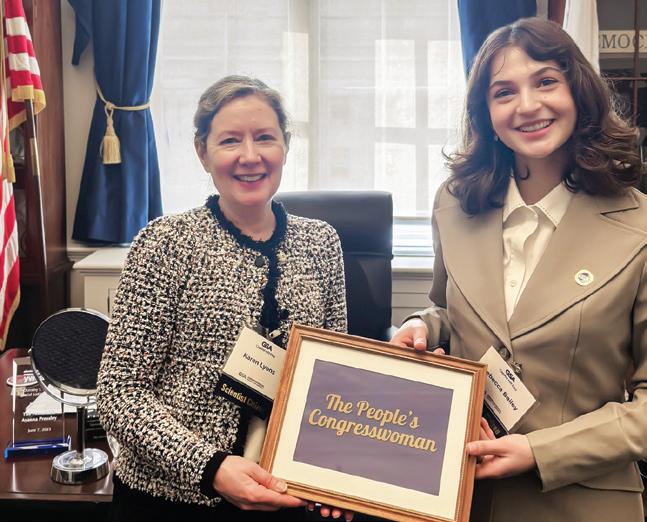
Professor and Elizabeth Power
Keohane Faculty Fellow Karen Lyons (left, with a colleague) advocated for an 8.7 percent increase in NIH funding and structural research reforms during the Gerontological Society of America’s Capitol Hill Day. She met with aides from six Massachusetts congressional offices.
Kristyn Stoia ’23, M.S. ’26, traveled to Washington, D.C., to join advocates for Endometriosis Capitol Hill Day. She lobbied members of Congress for critical policy reforms for and greater awareness of endometriosis and adenomyosis.
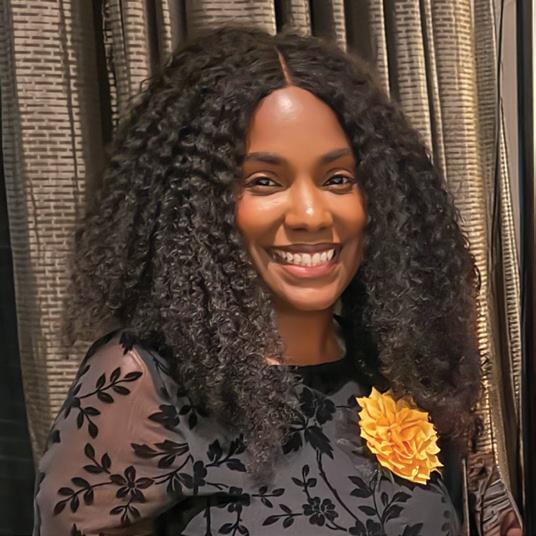
Wolfe, Ph.D. ’95, received the Dean Rita P. Kelleher Award for alumni achievement. Wolfe is provost and executive vice president for academic affairs at the University of Rhode Island and an internationally recognized expert on psychiatric and mental health nursing and eating disorders.
Rubyane Franca, M.S. ’25, D.N.P. ’27 (right), received a New England Minority Nurse Leadership Conference scholarship.
Ava Holland ’26 wrote an op-ed in the Hartford Courant on the critical role of early prenatal care.
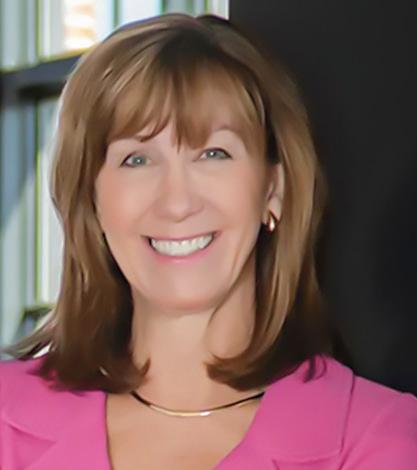
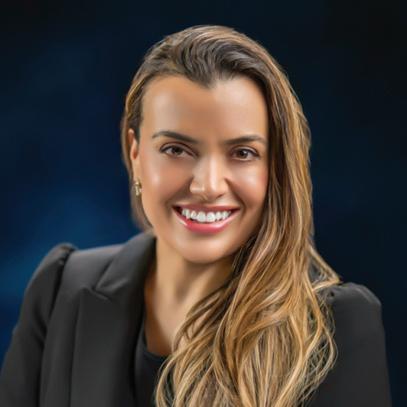
Shaneil Nelson ’23, M.S. ’27, received a 2026 Midwifery BIPOC Scholarship from Grow Midwives LLC.
Chizoba Nwosu ’05 received the Mary A. Manning Nurse Mentoring Award from the American Nurses Association Massachusetts. Nwosu is associate chief nurse of academic affiliations at the U.S. Department of Veterans Affairs.
Christina Sanon, D.N.P. ’26, was awarded the NERBNA 2026 Excellence in Nursing Award for Teaching/Education. She is a graduate teaching assistant in psychiatric mental health.

Do you have news to share?
We want to hear about your awards, achievements, honors, and success.

by tim gower
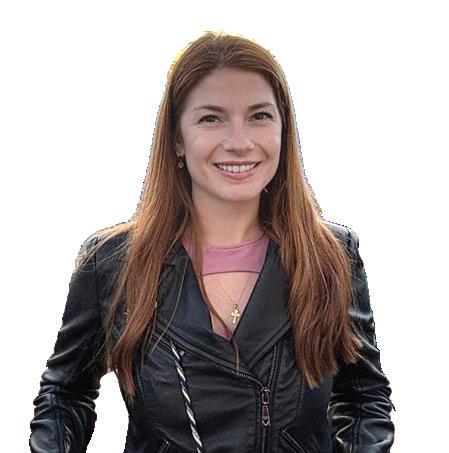
“I learned that sometimes people just need you to sit with them and hear where they’re at in life.”
TAMARA WEBSTER , M.S. ’24
D.N.P. STUDENT


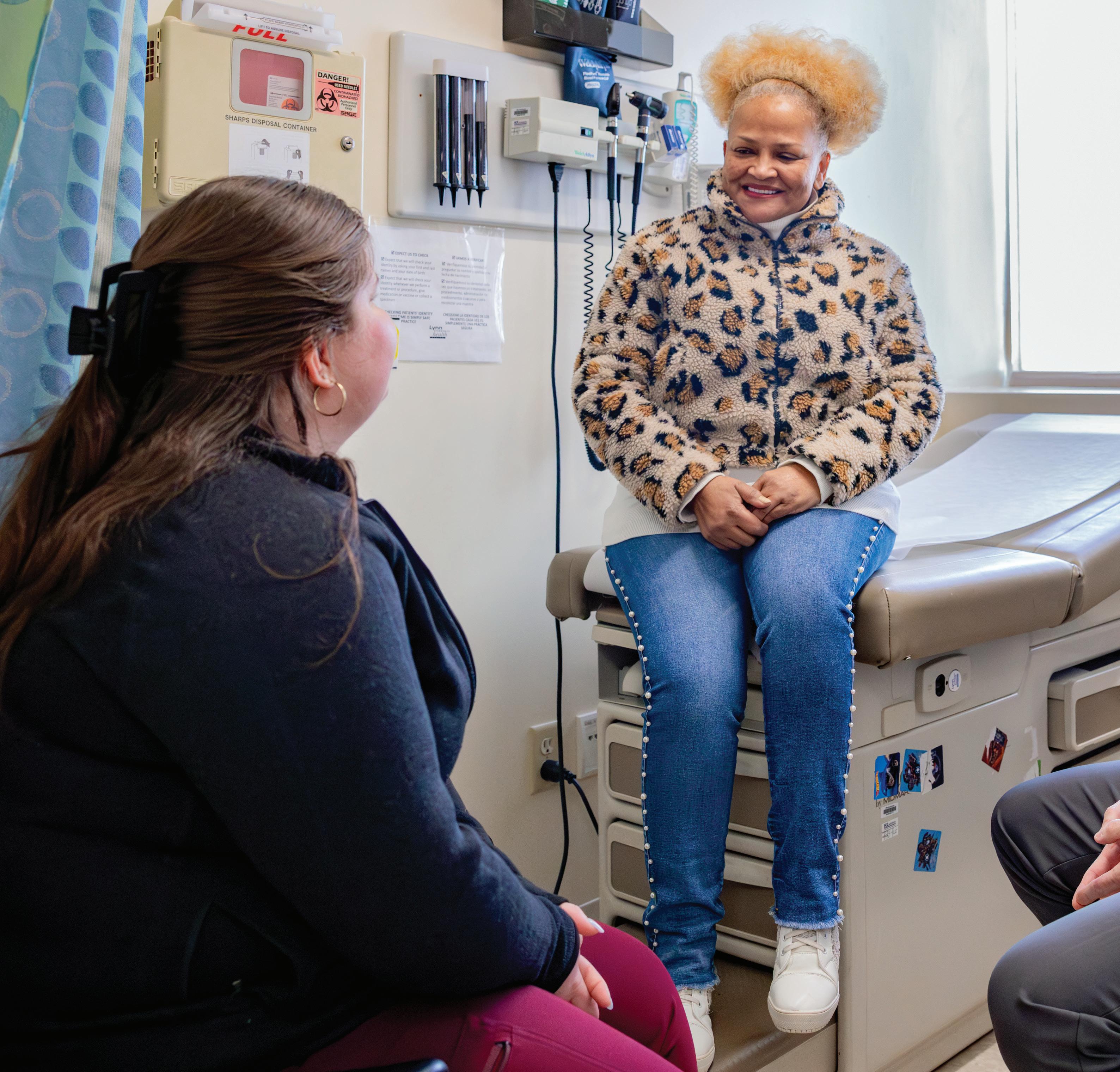
The patient was distraught. She had been in a bicycle accident a few months earlier and, ever since, her menstrual period had been irregular and she had experienced abnormal bleeding. “She was spiraling, thinking she had cancer, and nobody was listening to her,” says
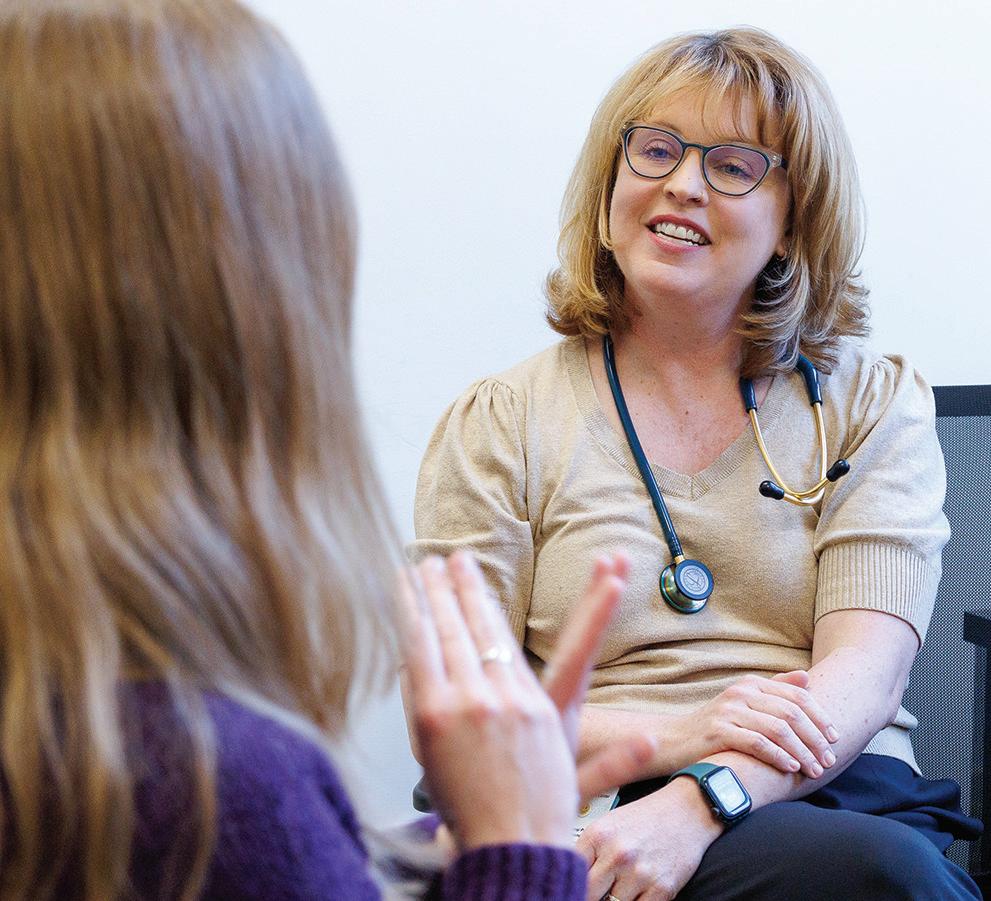
Tamara Webster, M.S. ’24, a D.N.P. student at the Connell School of Nursing (CSON) who cared for the woman last fall while on a clinical rotation at the Lynn Community Health Center. Webster assured her that she would receive a thorough exam and review of her lab tests, and that the clinic would follow up with her.
“I learned that sometimes people just need you to sit with them and hear where they’re at in life,” Webster says. “I think that was very important to her. She definitely left much more at ease than when she came in.”
Webster’s encounter with the woman stemmed from a CSON initiative to boost nursing students’ clinical placements at community health centers. Known as CHCs, these nonprofit organizations offer primary care and other medical services to more than 30 million patients in the United States each year, regardless of whether they have health insurance or can pay for treatment. Primarily funded by federal grants, they are typically located in urban or rural areas where people have limited access to medical services. The first CHC in the United States opened in the Columbia Point section of Dorchester, Mass., in 1965.
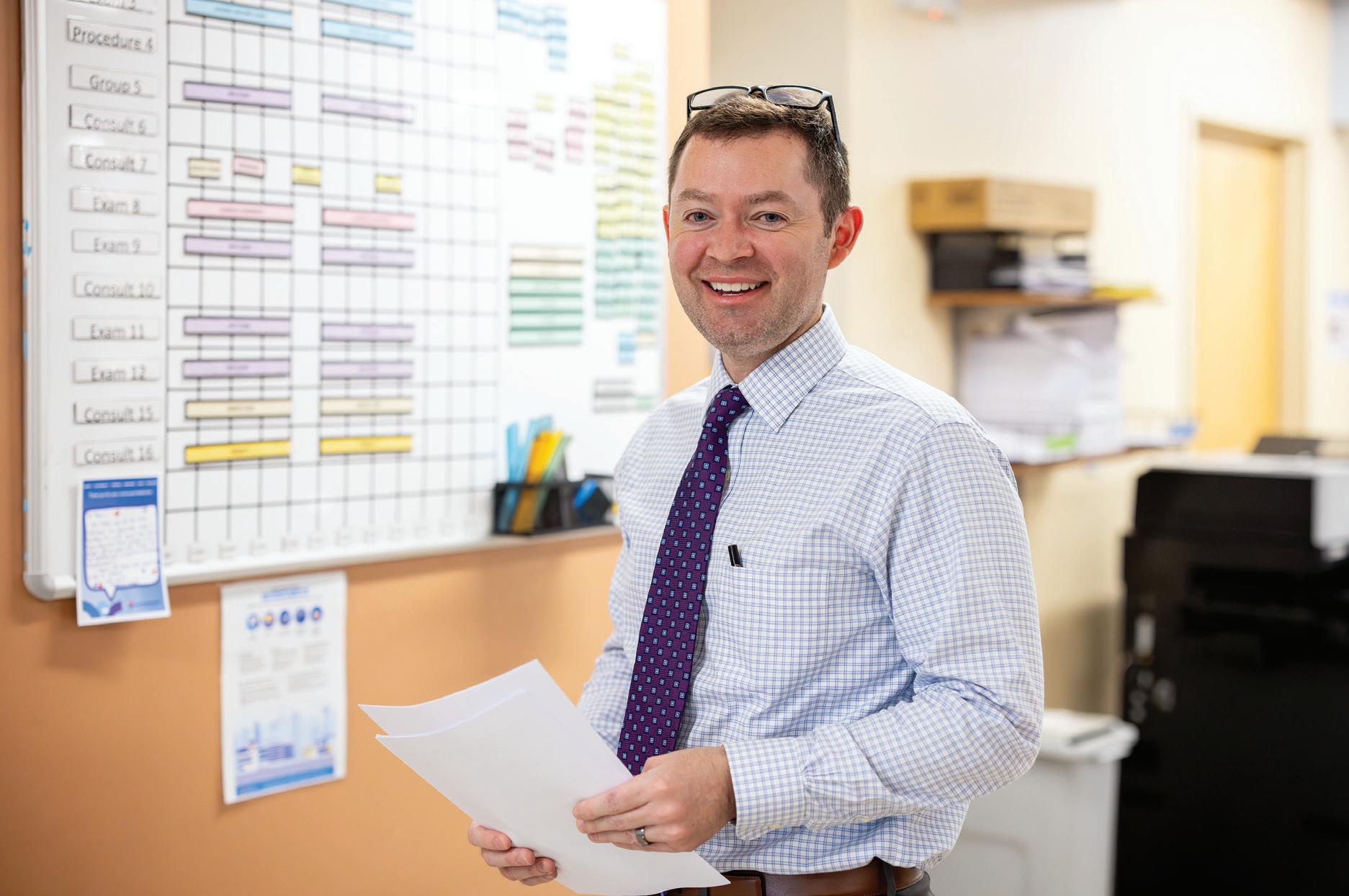
Ted Hannigan, assistant dean of clinical placement and community partnerships at CSON, says the school has worked with CHCs for a long time, but in the past, most placements have been what he calls “one-offs,” which typically occurred when a CSON alumnus working at a CHC offered to serve as a preceptor to a student for a semester.
“What we’re trying to do now is formalize these partnerships so they’re sustainable, where we send students every semester,” says Hannigan. “As a school of nursing, it’s our responsibility to promote health equity. By partnering with community health centers, we’re providing students with an opportunity to work with underserved populations and care for the whole person.”
He notes that the partnerships need to benefit both the school and the CHCs: “It can’t be a one-way street where every semester we ask, ‘How many students are you going to take?’ We always want to be really mindful of what’s in it for the health center.” For two local centers, Lynn Community Health Center (LCHC) and South Boston Community Health Center (SBCHC), working with CSON is helping to address chronic staffing shortages and provide critical care to a population in need.
Of the city of Lynn’s 103,000 residents, about a third were born abroad, making it one of Massachusetts’ most diverse cities. “We see patients from all over the world who are new to the United States. We have treated conditions that most clinicians will never see in their careers, such as malaria,” says Ryan Sullivan, M.S. ’15, chief financial officer at LCHC, who is also a nurse practitioner (NP).
About 90 percent of the people who come to LCHC have family incomes below the federal poverty line. “Many have problems paying for groceries and utilities. For some, even getting transportation to their medical appointments can be a challenge,” says Sullivan. He estimates that English is not the primary language of 70 to 80 percent of the clinic’s patients, which adds to the challenge of coordinating their care.
In his role, Sullivan must ensure that the clinic receives adequate reimbursement for the care it delivers by providing insurers with accurate and complete diagnosis data for their patient population. “But the health center’s providers need to focus on direct clinical care, and this information is often not captured,” says Sullivan. He needed help with that process, and he had another problem: records showed that more than 4,000 of their patients were overdue for cervical cancer screenings. So Sullivan, who had done a clinical rotation at the Lynn facility during his time at CSON, asked Hannigan if students from the school could help out.
As a result of this new partnership, Webster and four other CSON nurse practitioner students, plus two from other schools,
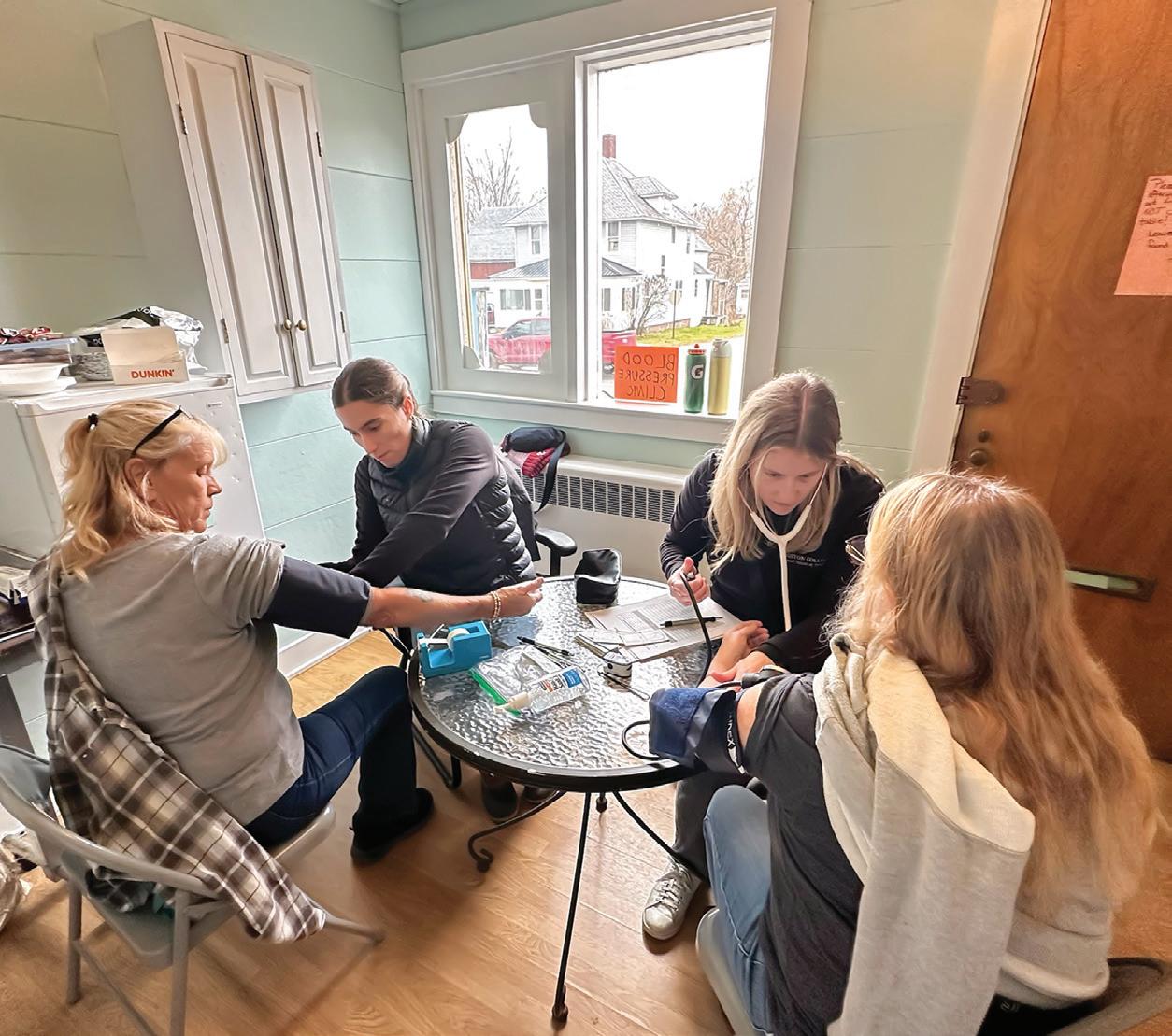
helped conduct weekly wellness clinics at LCHC last fall, a program that continued this year. Over the course of a dozen sessions, 280 people came to the clinic for annual Medicare wellness visits and/or cervical cancer screenings.
During the wellness visits, the CSON students met with Medicare recipients to obtain basic health information, review diagnoses and medications, and discuss required screenings and other routine medical needs. Students also asked them about issues affecting their well-being, called social determinants of health, such as their ability to purchase healthy foods or pay rent. They referred people in need of assistance to a care coordinator.
CSON students also assisted with a program for women who were overdue for screening for cervical cancer, which is responsible for about 4,300 deaths in the United States each year. Students received training and guidance in performing the Pap test, which identifies abnormal cells and flags people at increased risk for cervical cancer. During these sessions, 170 patients were screened; four had results indicating an increased risk for cervical cancer and required referrals to a gynecologist for additional evaluation. “Upward of 30 percent of those patients found to be at high risk could progress to cervical cancer at some point,” says Sullivan. “That is a powerful clinical benefit that the students were able to help us achieve.”

CHCs deliver care at nearly 15,000 sites in the United States.
ABOUT HALF OF PATIENTS treated at CHCs are on Medicaid; roughly ONE-FIFTH have no health insurance.
CSON has had 173 clinical placements at 18 CHCs across Massachusetts in the last three years.
Sources: National Association of Community Health Centers, Connell School of Nursing

Who receives care? In the U.S., CHCs care for:
400,000 veterans 1.4 MILLION people experiencing homelessness 3.6 MILLION adults over age 65 8.8 MILLION children
Source: National Association of Community Health Centers
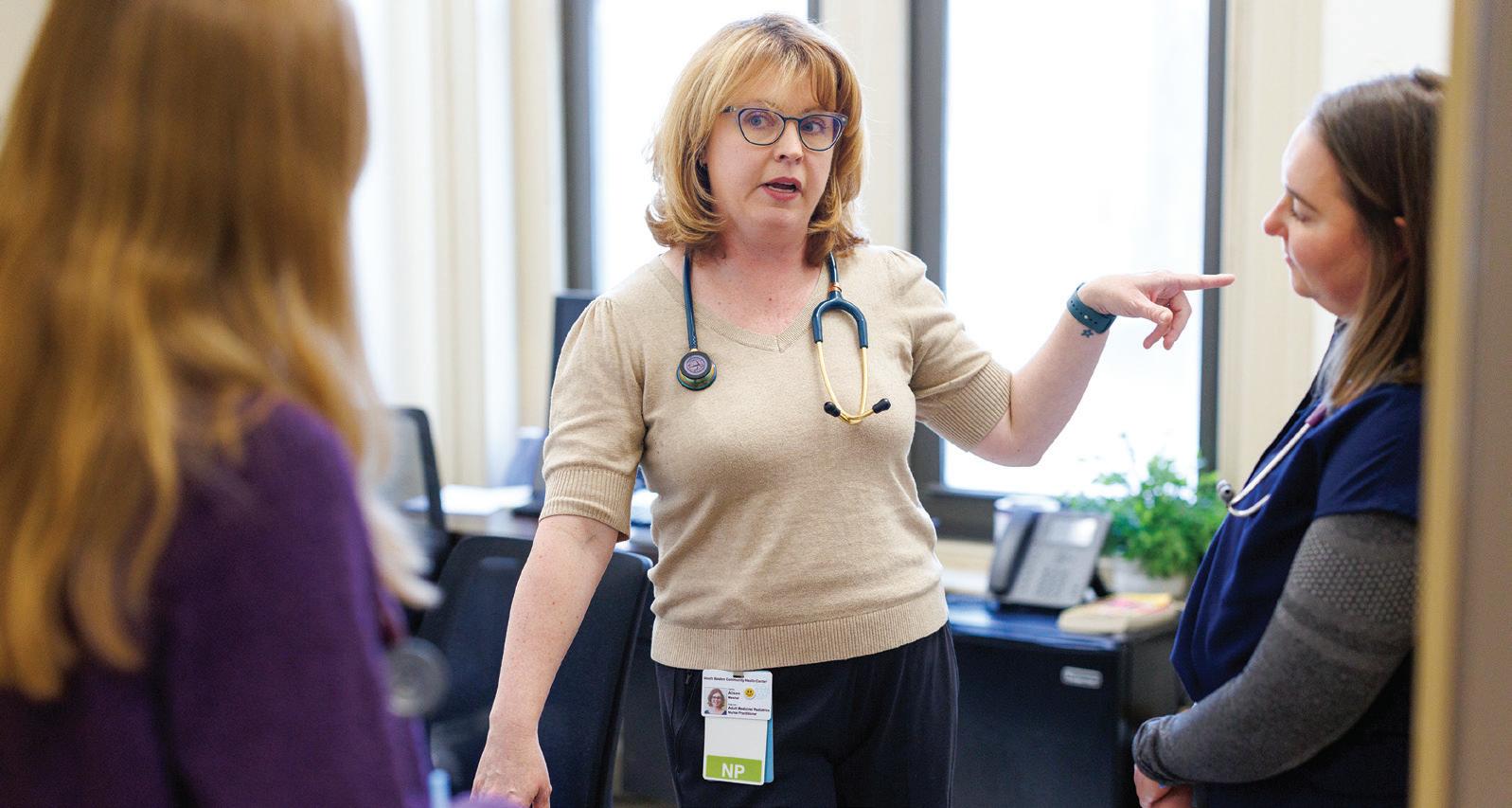
Assistant Professor of the Practice Alison Marshall has been a family nurse practitioner at South Boston CHC for 21 years. “This was my first job out of graduate school. I had a great passion for community health, so I only applied to community health centers,” she says.
Over the past two decades, Marshall has observed a few persistent staffing problems. “We have a very robust practice that takes care of all types of people who have complex health care needs, and we couldn’t keep our nursing staff,” says Marshall. “And we had a few new NPs who didn’t make it through their probationary period to stay on as providers. They weren’t ready to work in a very busy, fast-paced, complicated primary care practice.”
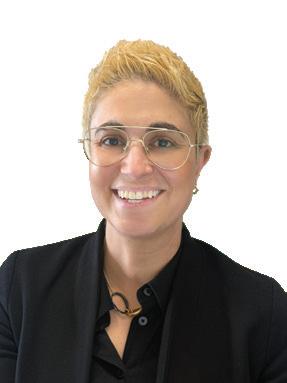
Jocelyn Guggenheim (right), SBCHC’s chief operating officer who is a nurse practitioner, discussed these concerns with Marshall. “This is something that community health centers and other [providers] have dealt with for some time,” says Marshall. Guggenheim came up with an idea to address the longevity problem: a hybrid training program for new NPs. She tasked Marshall with developing the curriculum for what became known as the APRN Transition to Practice Fellowship Program, which she adapted from the American Association of Colleges of Nursing Competency-Based Education framework.
“As a school of nursing, it’s our responsibility to promote health equity. By partnering with community health centers, we’re providing students with an opportunity to work with underserved populations and care for the whole person.”
“Our trainees come in and learn how to do the part of clinical care that happens outside of the office visit, such as triage, returning messages, arranging for hospice services, and dealing with insurance companies,” says Marshall. “Then, slowly, they also start seeing patients one-on-one with a preceptor.” Fellows commit to staying on through the length of the program, a minimum of 18 months, though some remain for up to two years.
“That’s an improvement from the rapid and unexpected turnovers that we had been experiencing for years,” says Marshall, noting that the clinic can plan for the departure of a participant who completes the program and moves on to another job. For some fellows, the opportunity at SBCHC may become permanent if a position is available. Kate Griffin, D.N.P. ’24, recently became the first fellow to be hired permanently. A second student, Christina Bibinski, D.N.P. ’26, will join the fellow team in June.
SBCHC intentionally accepts new fellows on a rolling basis. “That way the more experienced fellows help to train the newer ones, keeping the institutional knowledge within the department,” says Marshall. “This program feels like it steadied our big ship.” ◆


Through mentorship, hands-on experience, and a culture of belonging, the Connell School equips students to thrive academically and meet the realities of patient care.
by Kara b as K in
At the Connell School of Nursing (CSON), education is framed as formation: a holistic process centered on rigorous inquiry, critical thinking, and service to others. The school also measures achievement by whether students feel grounded, empowered, and confident as they grow into health care professionals entrusted with people’s lives.
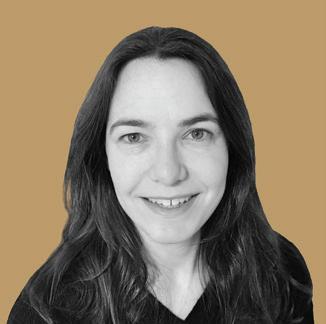
“If students have a sense of belonging, they’re more likely to achieve academically,” says Hilary Scheintaub, inaugural assistant director of learning and student success at CSON. (Her work is supported by a $1.8 million grant from the Bedford Falls Foundation, which focuses on nursing education.)
To foster academic excellence underpinned by the Jesuit tradition of formation, CSON offers three categories of student success programs: support and mentorship, leadership and service, and pivotal transitions. For nursing students, whose classroom learning is paired with emotionally and physically demanding clinical experiences, these pillars are essential to their success. One hallmark program from each category illustrates the depth of support.

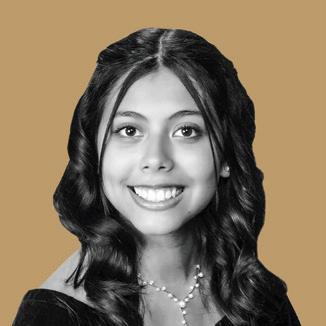
When Kelsy Pinto ’28 arrived on campus, she worried about succeeding in a demanding nursing program. In tears, she approached Anya Villatoro, assistant dean of student services at CSON. Could she really handle the workload? Right away, Villatoro responded with encouragement and a plan.
“What’s unique about CSON is how accessible faculty members are and how close you can get with them,” Pinto says. “Anya literally saw me [crying] and was able to help me continue with my nursing career.”
For CSON students like Pinto, academic difficulty often isn’t the biggest adjustment to campus life; it’s learning how to ask for help. When early science courses like chemistry, anatomy, or pathophysiology don’t come easily, promising future nurses can feel unmoored.
That’s why Villatoro urged Pinto to participate in near-peer mentoring, a
program that connects students with classmates who are trained to provide academic guidance. Pinto says she found it daunting to approach faculty during office hours, but her student mentor, Tessely Solano ’27, became a trusted friend. She assured Pinto that she belonged—and that she could excel in anatomy, physiology, chemistry, and statistics.
“It was so nice to be able to get a student perspective, on a student’s level,” Pinto says.
CSON’s near-peer mentor model is designed to encourage vulnerability by making mentorship relational and proactive. What began as an informal effort evolved into a structured program, pairing first-year and sophomore students with upper-level nursing majors in weekly small-group meetings. Mentors assist with course material, study strategies, and the unwritten rules of college life, from how to take advantage of office hours to how to manage clinical schedules. The program is designed to be as rewarding for the mentors as it is for the students. Sophomore mentors receive a
stipend to support their leadership while juniors earn independent course credit that paves the way for graduate-level coursework in their senior year, credits they can later transfer toward a graduate program. Meetings are intentionally low stakes, often over coffee courtesy of the program, and are intended to foster academic confidence and belonging.
Crucially, the program also reinforces a professional trait central to nursing: recognizing what you don’t know and asking for support.
Every nursing student is also assigned a faculty advisor—an experienced nurse—early in their academic career, a relationship that is intended to last all four years. Advisors do more than help with course selection; they also discuss clinical experiences, provide proactive outreach if grades falter, and guide the transition into professional nursing.
That faculty support, and a 14:1 studentto-teacher ratio, is complemented by academic coaching led by staff with clinical and teaching backgrounds. Coaches work with students on content



mastery and practical skills such as time management, overcoming test anxiety, and adapting to different instructional styles.
“We’re very high-touch, and this is one of the things that I love the most about working at CSON,” says Villatoro. “We benefit from all the wonderful resources of ‘big BC,’ so to speak, but within the context of a really small community where I know the students’ names.”
CSON frames leadership as responsibility to patients, communities, and the broader health care system too.
That philosophy anchors the school’s service initiatives, particularly its global health partnerships. One recent example is a collaboration with St. John’s College in Belize, where CSON faculty supported the launch of a nursing program designed to treat underserved communities.
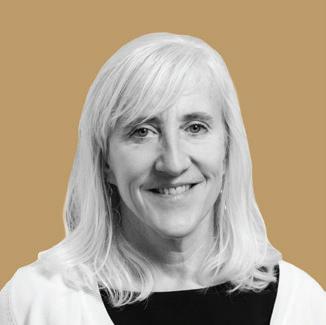
Colleen Simonelli, CSON’s associate dean for student services, traveled to Belize City with six senior nursing students, who observed clinical care, evaluated courses and labs, and engaged with faculty and national nursing leaders over the course of a week. The experience reinforced for the students CSON’s view of nursing as a vocation rooted in service.
“Seeing this health care system firsthand was eye-opening. My students came away with a deep appreciation for the resources we have, and an even deeper respect for the Belizean nurses delivering quality care with so little,” Simonelli says.
Students in the rigorous nursing program can sometimes feel uncertain or overwhelmed, especially sophomore year, when they begin their first hospital clinical placements. This pivotal transition occurs when the dedicated study of nursing evolves into the active practice of being a nurse. To support that shift, CSON hosts a classwide retreat known as SCRUBS (Sophomore Connell Retreat for Undergraduate Baccalaureate Students), held a few weeks into the spring semester.
The program’s timing is intentional, since students are at the crossroads of specialized nursing clinicals and coursework, with some encountering real patients and high stakes. Over the SCRUBS weekend, faculty, alumni, and trained student leaders explore themes such as nursing as a calling, managing pressure, and balancing personal and professional responsibilities. By stepping back, students can purposefully embrace the gradual evolution of becoming a nurse.
“The retreat asks students to sit with hard questions: How do you embrace the discomfort of learning something new? How do you draw on community to identify a vocational commitment to nursing when clinical settings become challenging? From a Jesuit language standpoint, this doesn’t mean that there might not be moments of challenge, doubt, or difficulty,” says Villatoro.
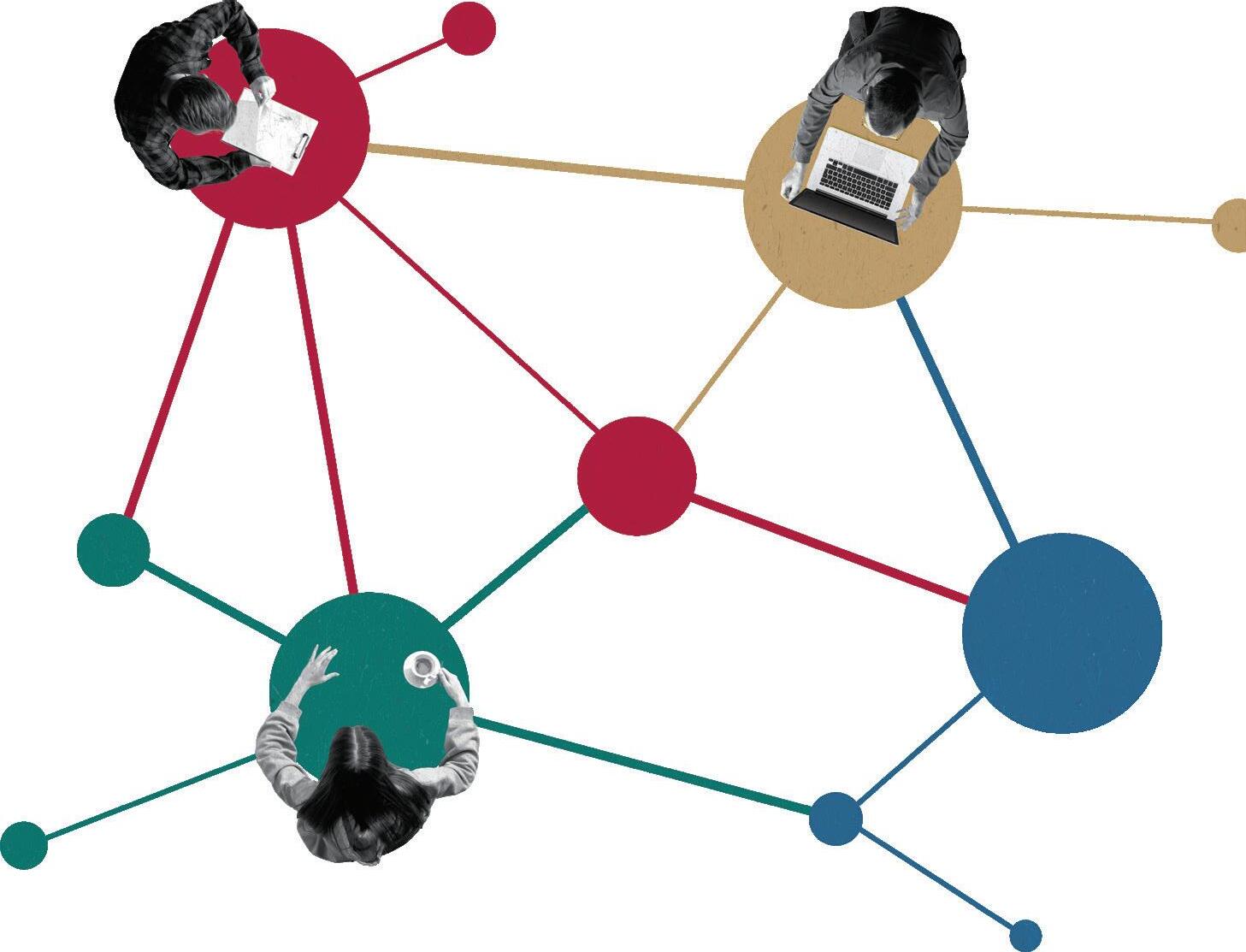
The retreat offers students an opportunity to explore their commitment to helping others and ask themselves how that commitment keeps them grounded in moments of challenge, she says.
SCRUBS also addresses less existential real-world concerns. The nursing curriculum is demanding, and sometimes it can be tough for students who are studying hard to see non-nursing classmates enjoying more free time.
“How do we normalize sacrifice for commitment and responsibility in a way that’s impactful and that gets them to have the conversation?” Villatoro asks.
That’s where senior student leaders play a key role, sharing their own strategies and missteps.
“They model authenticity and vulnerability, creating space for dialogue to occur,” Villatoro says. “It’s emphasizing that we’re not looking for perfection; it’s growth and learning.”
Pinto says the SCRUBS retreat reinforced the importance of balance, self-care, and connection beyond grades. “It was amazing,” she says. “We reflected and had a lot of talks with faculty, who explained to us what it’s like to be a nurse, how to take care of ourselves, and that grades don’t define our overall purpose in life.”
While the philosophy behind CSON’s student success initiatives is deeply values-driven, the school is also committed to evaluating impact.
A new four-year Inclusive Excellence study led by Villatoro and Simonelli is tracking the Classes of 2027 and 2028 to assess students’ sense of belonging, academic confidence, and engagement. Surveyed throughout their first year, students who participated in activities such as peer mentoring and academic support showed early gains in confidence and self-efficacy. The study will follow them through graduation and licensure.

Most of all, the student success program’s central question—“How is this going to manifest in the common good?”—is what makes it uniquely Jesuit, Villatoro says.
“It’s not just about a degree that’s going to set me up for success, although that very much can and should be part of it,” she says. “But what does it mean in the context of my responsibility to the common good in society, doing something that is meaningful? And I think nursing is a wonderful vocation to capture the meaning of doing good in the world.” ◆

In their senior year, as students prepare to enter professional practice, they tackle the ethical and professional questions that define their new identity as nurses in the required capstone course Actualizing the Role of Professional Nurse.
Using a structured reflective approach inspired by Jesuit philosopher Bernard Lonergan, S.J., faculty who teach the weekly course move students through a sequence of experience and understanding that leads to sound judgment and decisive action. The goal is to solidify how each student intends to act as a professional nurse.
An emphasis on open dialogue is deliberate. In an era of polarization and echo chambers, the course challenges students to listen, contemplate, and engage respectfully—skills essential for patient-centered care. Villatoro says this style of formative education helps students make meaning of their classroom experiences. ◆
iMage Collage: Heejung KoH, iStocK/Anton Vierietin; PHoto credit S: Lee PeLLegrini, Ste Ven conS tAntine



by n athaniel m oore and s teven c onstantine
If you want to know how to get well next time you’re sick, visit a primary care provider. But if you want to know why you got sick—and why someone else across town did not—visit a public health professional. Their field accounts for what medicine leaves out: the neighborhood you grew up in, the policies that shape your water and air, and the generational circumstances that impact what services and care you can access. These forces don’t announce themselves in a clinic. But they govern, more than most factors, who gets sick and who stays well. The Global Public Health and the Common Good (GPHCG) program at Boston College’s Connell School of Nursing is organized around that fact. Drawing on the University’s Jesuit commitment to service to others, the program’s renowned faculty are preparing the next generation of public health experts not just to understand health inequity, but to intervene.
You have to start by thinking of individuals in the context of their communities and relationships and the barriers they face,” says Katelyn Sileo, an associate professor of public health and member of the GPHCG faculty. “That requires trying to address health issues through a multilevel lens that mixes both qualitative and quantitative data to create a rich, broad picture of people’s lives and communities.”
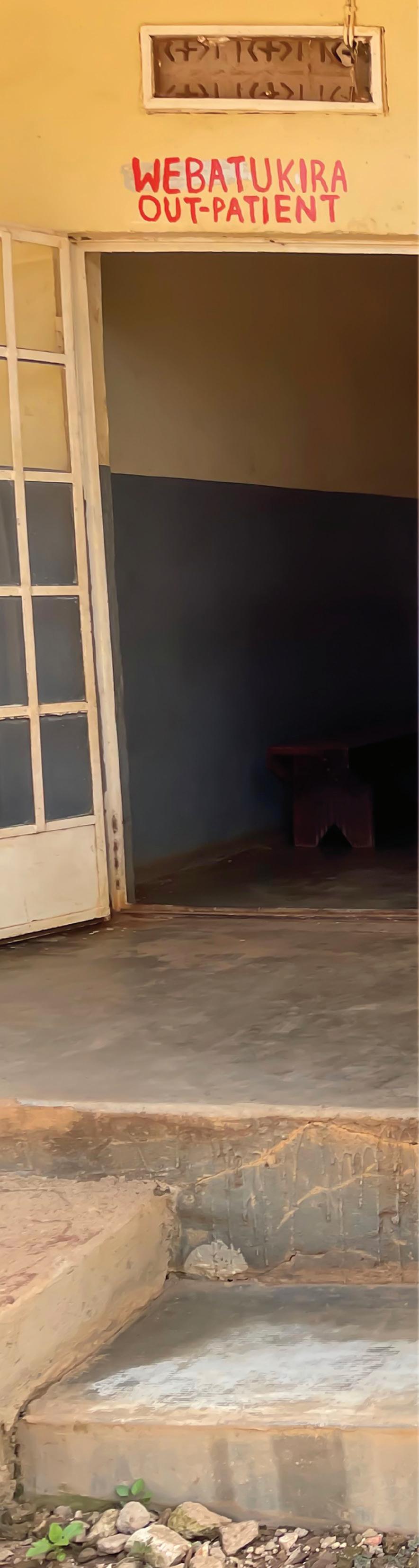
Her flagship project, Family Health = Family Wealth, is funded by a major grant ( R01) from the National Institutes of Health and built around two observations: Many Ugandan men resist family planning. Many Ugandan women are not achieving the family planning goals they’ve set for themselves. Are these two facts connected? And if so, how?
Sileo has found that misinformation plays a key role here. “There are a lot of rumors about family planning,” she says. “That contraceptives cause birth defects, cancer, endless bleeding. Unfortunately, people often don’t have a strong relationship with the health system, which could counter these myths.”
The stakes of this misinformation could not be higher: many women face high-risk pregnancies, which elevates Uganda’s infant and maternal mortality rates.
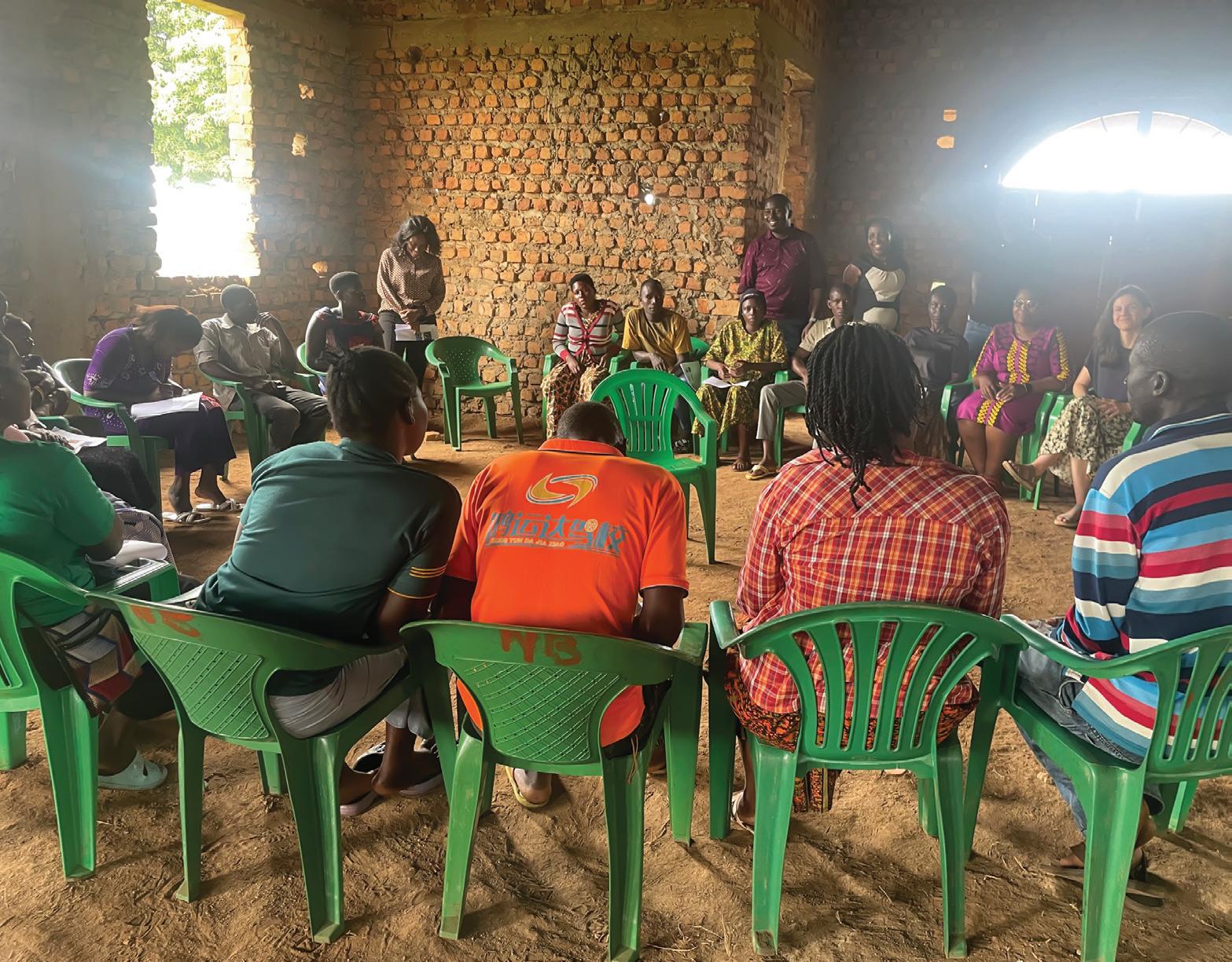
Sileo’s intervention starts there. To overcome distrust and help prevent unintended or dangerous pregnancies, her team has partnered with local Village Health Teams (VHT), known and trusted community members who have volunteered to serve as liaisons between Sileo’s team and individual households. “VHTs accompany our team door-to-door to introduce the study and ask whether couples would be open to hearing more about the intervention,” Sileo says.
If a couple consents to participate, a study facilitator invites them to a series of group discussions with other
couples from the community based on scripted prompts. In addition to correcting widespread misinformation, facilitators frame family planning as a financial matter situated within the context of the couple’s broader hopes and goals. “Many men see their role as providing for their families and take that responsibility seriously,” Sileo says. “When conversations about family planning are connected to household economic stability—such as the ability to provide food, education, and housing—it often resonates with priorities men already hold.”
If Sileo’s intervention is effective, more women will be able to access the family planning methods they say they want. Sileo also hopes these conversations will create a more trusting and productive long-term relationship between Ugandan families and the health care system. “That’s why we include and involve local members of the health system,” Sileo says. “Doing so builds capacity and trust, especially when people do experience side effects from family planning methods. Local participation can help strengthen connections between the community and the health system and make services feel more familiar and accessible.”
To verify whether the family planning intervention results in any changes in the timing and spacing of pregnancies, Sileo has included a control group in her
research project. “With these couples, we use the same conversation structure, but the sessions focus on education and goal setting related to water, sanitation, and hygiene practices,” she says. “That allows us to better understand whether any differences we observe are related to the family planning content itself, rather than simply the result of participants receiving attention, support, or opportunities to reflect together as couples.”
BC undergraduates work on campus with Sileo to analyze the transcripts of these sessions and ensure that each conversation adheres to the script and stated goals of the experiment. “Evaluating the transcripts
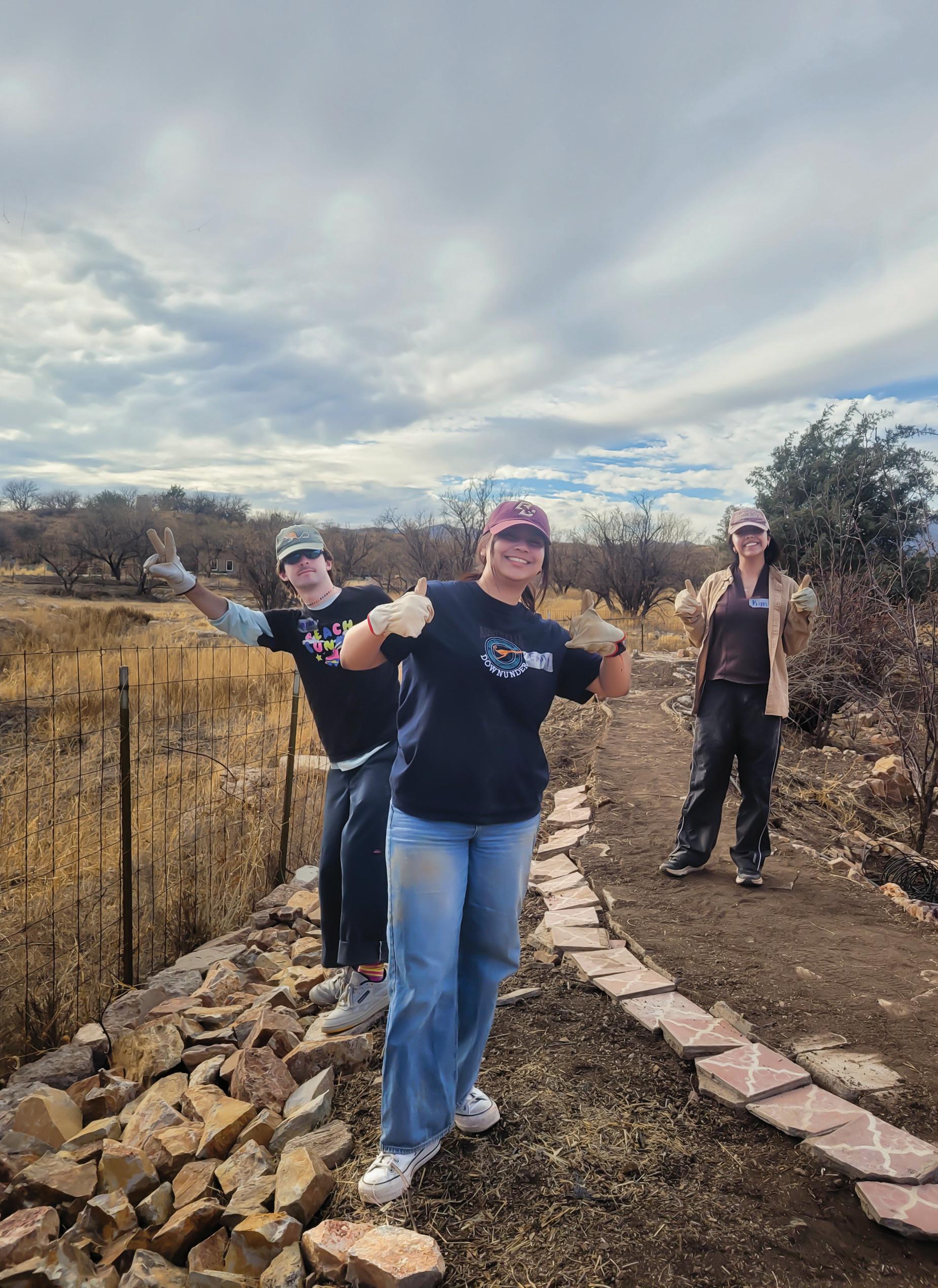
like this is a good way for students to see public health research in action,” Sileo says. “They see how the intervention interacts with cultural norms and social dynamics.”
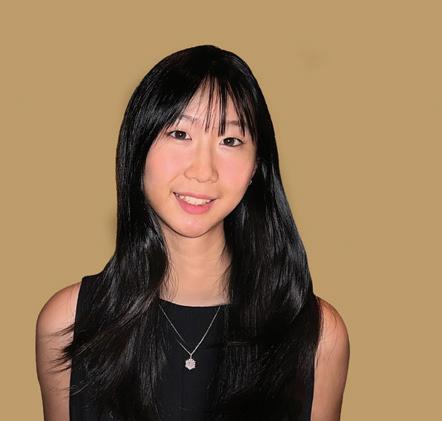
Margaret Jiang, a senior in the GPHCG program and an undergraduate research fellow with Sileo, says that before her work at BC, she had limited knowledge of how social and cultural forces shape health care outcomes across the world. That changed. “Through this research, I learned a lot about Ugandan culture and global health inequities,” she says, adding that this experience will help inform her own research when she attends graduate school for microbiology.
Ashley Longacre, an assistant professor of the practice, frames the GPHCG program’s ambition in terms of what it asks of students: to move from compassion to action.
“The Jesuit heritage gives institutional structure and analytic rigor to the pursuit of justice and service,” she says. “Values that are otherwise merely aspirational. We teach students to ask why inequities exist and how interventions work.”
That inquiry draws on a deliberately wide range of disciplines: ethics, biostatistics, epidemiology, communication, global policy, and qualitative analysis. Together, these disciplines give students a vocabulary for understanding health outcomes and a methodology for change.
“Boston College is a school that’s committed to the whole student,” says Shelley White, associate professor of the practice and director of experiential learning. In her view, that commitment is evident in two components of the GPHCG program’s approach. First, seniors must complete a yearlong capstone project in which they either assist a faculty member with research or intern at a public health institute in the community, such as Boston Children’s Hospital or the Cambridge Health Alliance. At the conclusion of this project, students write—and often publish—a report on their experience and findings.
The second component is the integration of experiential learning and fieldwork into classroom-based coursework. As part of one course, for example, White brings students to the Sonoran Desert in Arizona for a week. While there, they meet with local organizers to learn about interventions designed to overcome the health challenges faced by local communities whose boundaries do not align with national borders.
Based on this type of fieldwork and classroom opportunities for student-led, case-based analysis, White says that students start to think like professional health officials. “They ask how a community partner’s intervention was designed, how it worked and how it
fell short, how theory can help explain what happened, and what can be done better next time,” she says. Crediting the global health physician and medical anthropologist Paul Farmer, White says, “the ultimate goal is to take a historically deep and geographically broad approach to public health.”
Public health is facing a difficult moment. Federal funding cuts are arriving just as the world grows more interconnected and new threats to population health continue to emerge. This means experts are being asked to do more with fewer resources, at precisely the moment when more is needed.
These circumstances make it the exact time to be educating a new generation. White finds herself drawing inspiration from GPHCG’s students, whose work, in classrooms and communities, represents exactly the kind of resourceful, ethics-driven response the moment demands. “I see them graduate and go on to find new and important ways to address urgent needs and tackle health inequity,” she says.
The problems are bigger than ever, but faculty in the GPHCG program are preparing students to meet the challenge. They know that health is shaped long before anyone walks into a clinic, and that changing it requires more than compassion. It requires evidence. ◆
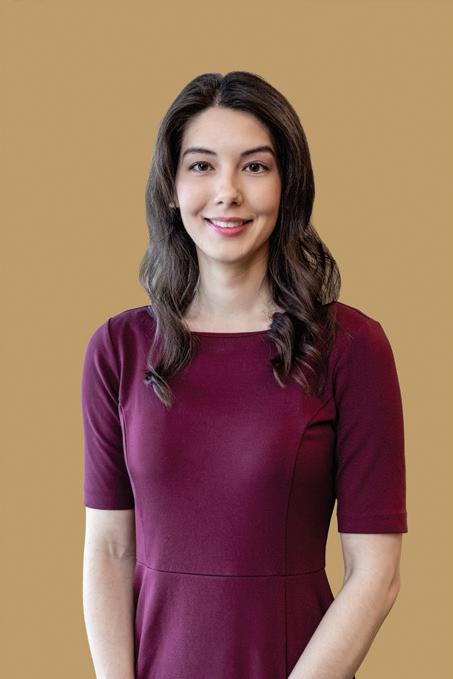
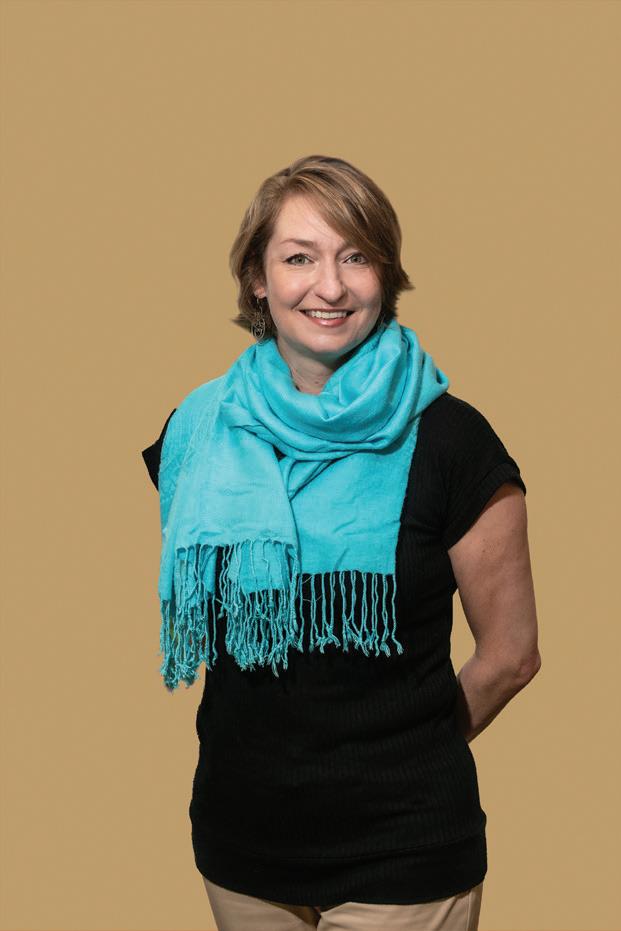
This summer, GPHCG enters a new chapter of leadership. Professor Phil Landrigan (Biology) will conclude his tenure as program director, passing the torch to Professor Summer Sherburne Hawkins (Social Work), who currently serves as associate director.
By ellen seaward
in the Journals
Although African American caregivers disproportionately engage in high-intensity care, it’s not well understood how this work affects their own pain levels. To learn more, a research team that included Assistant Professor Wonkyung Jung studied 1,673 African American caregivers, analyzing the relationships among caregiving intensity, patient needs, and activity-limiting pain. Using the Caregiver Stress Models and the Theory of Unpleasant Symptoms, which suggest that roles such as caregiving have a reciprocal relationship with symptoms such as pain, Jung and her colleagues linked nationally representative data from the National Study of Caregiving and the National Health and Aging Trends Study. In the Journal of Pain and Symptom Management, the researchers found that about 50 % of African American caregivers experienced some pain, and 11% reported activity-limiting pain. The likelihood of such limitations increased among long-term caregivers and those supporting patients with higher care needs, underscoring the links among race, caregiving, and pain. Jung’s team suggests that clinicians consider social roles such as caregiving when treating patients; offer holistic, intersectional treatment; and identify caregivers during patient discharge.
Approximately 1 out of 2 adults with heart failure (HF) also experience physical frailty. Plasma proteomic biomarkers might explain why, according to Assistant Professor Noelle Pavlovic , Barry Family/Goldman Sachs Endowed Professor Christopher Lee , and their research team. Proteomics, or the large-scale analysis of proteins in biological samples, offers insight into how biomarker expression differs between frail and non-frail adults with HF. In BMC Cardiovascular Disorders, the researchers looked at 40 adults with HF. Using propensity scores, they created 20 matched pairs of frail and non-frail patients, controlling for age, sex, and HF severity. Analysis of plasma proteins identified seven proteins with significantly different levels between the two groups. Six proteins, including one linked to muscle growth and several immune system
markers, were elevated in frail patients with HF. One protein involved in cell scaffolding was lower in frail adults with HF. The findings suggest that frail adults with HF may exist in a persistent state of immune dysfunction, stress, and impaired cellular repair. The research also marks an early step toward developing management strategies based on identifiable biomarkers of physical frailty in HF.
Adolescence (ages 13 –17 ) is a tumultuous time as young people progress toward adulthood. But for teens with type 1 diabetes, typical developmental challenges can exacerbate diabetes distress (DD)—the emotional response to the stress and demands of managing the condition. In Clinical Diabetes, Assistant Professor Katherine Wentzell studied the relationship between patterns of DD change and glycemic outcomes to identify key risk factors. Wentzell and her research team tracked 301 teens over 18 months, measuring distress levels and A1c. Every six months, the teens answered a survey of 20 questions about the emotional burden of diabetes. The study found that 43% of participants had persistently low DD, 10 % progressed from elevated to low DD, 15% progressed from low to elevated DD, and 32% had persistently elevated DD. A1c levels rose in parallel with DD, while participants with low DD maintained stable A1c levels. Because of the complex interrelationship of diabetes distress and glycemic control, the study supports the need for regular DD screenings alongside routine A1c checks for adolescents with type 1 diabetes.
at enrs
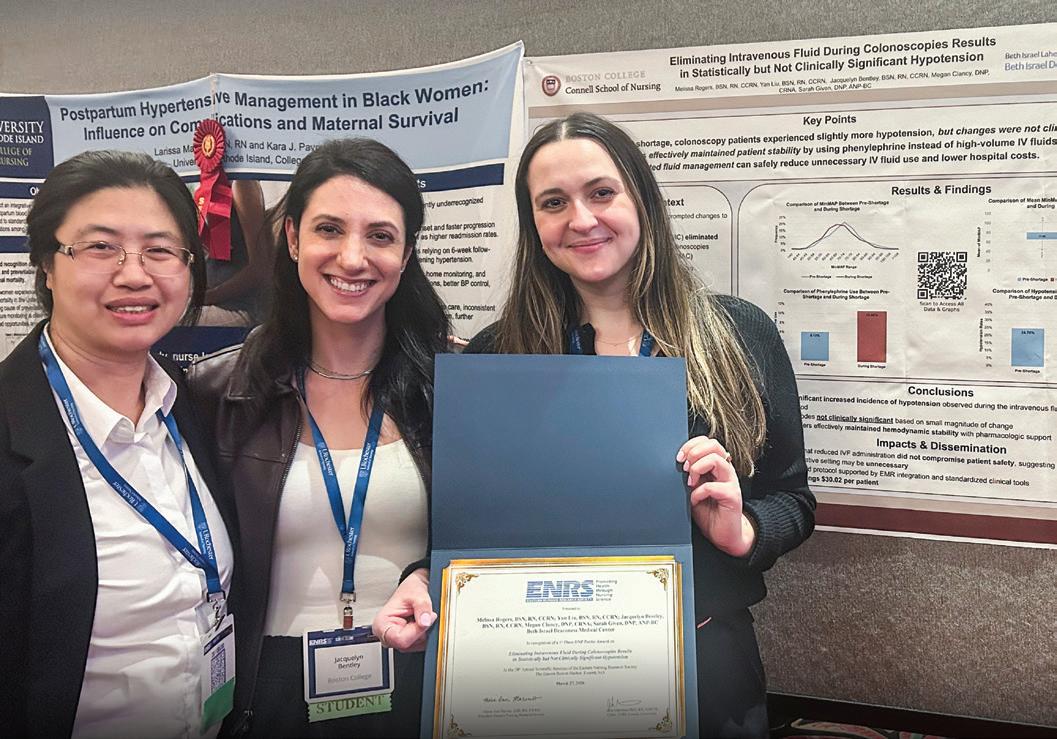
In March, the Connell School showcased excellence in nursing research and evidence-based practice at the Eastern Nursing Research Society (ENRS) Annual Scientific Sessions. Doctoral students and faculty presented scholarly work addressing some of today’s most pressing health care challenges, from end-oflife pediatric care to groundbreaking type 2 diabetes tools. Two presentations were selected for conference awards:
Named First in School-Selected Posters for D.N.P. Students
“Eliminating Intravenous Fluid during Colonoscopies Results in Measurable, but Not Clinically Significant Hypotension” by Melissa Rogers ’17, Yan Liu, and Jacquelyn Bentley (all D.N.P. ’26) with faculty mentors Sarah Given and Megan Clancy.
Named Second in Peer-Reviewed Doctoral Student Posters
“Barriers and Facilitators to Early Postpartum Blood Pressure Follow-Up After Hypertensive Disorders of Pregnancy: An Integrative Review” by Ph.D. student Jill Doyle with faculty mentors including Christopher Lee.
BY THE NUMBERS
65 students involved 21 posters presented 16 faculty mentors
Participation in the ENRS Scientific Sessions is made possible through the generous support of Connell School alumni.
140 Commonwealth Avenue Chestnut Hill, MA 02467 bc.edu/cson
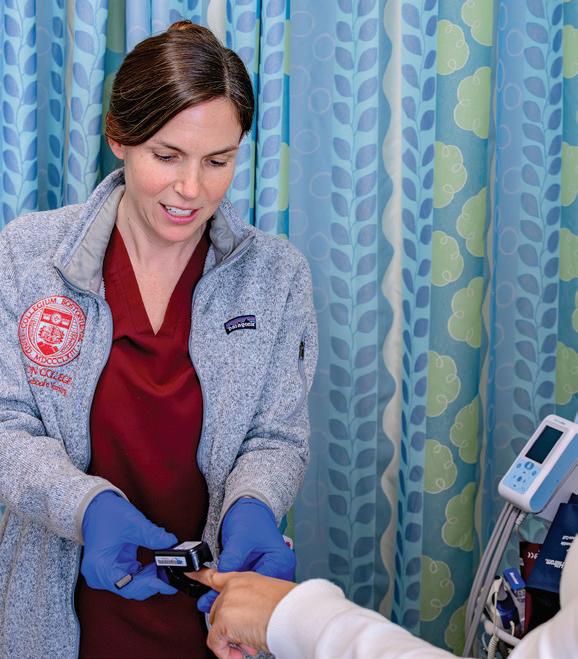
Join the Connell School of Nursing as a preceptor and help prepare the next generation of highly skilled, compassionate nurses. Students who are driven and dedicated will learn from your experience and you will sharpen your own leadership and teaching skills.
BECOME A PRECEPTOR