THE VOICE OF WISCONSIN'S POTATO & VEGETABLE INDUSTRY
THE VOICE OF WISCONSIN'S POTATO & VEGETABLE INDUSTRY
Professor & Extension Specialist
UW-Madison Department of Plant Pathology
NATIONAL POTATO COUNCIL HOSTS
2026 EPA Farm Tour in Wisconsin
W PVGA WORKS ON SUSTAINABLE
Groundwater quantity & quality
2026-’27 POTATO RESEARCH Projects Are Now Approved
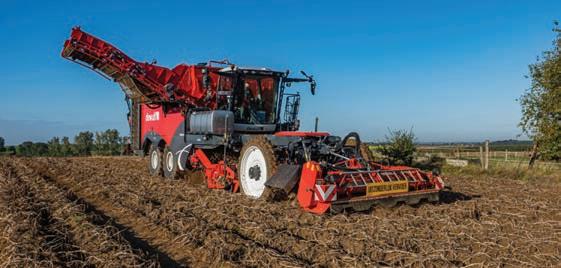
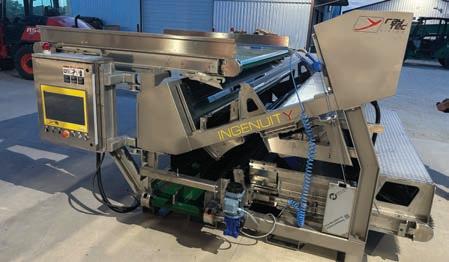
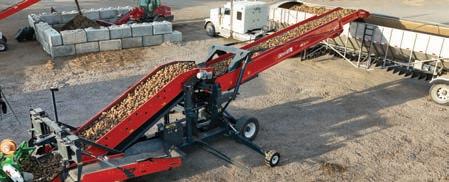
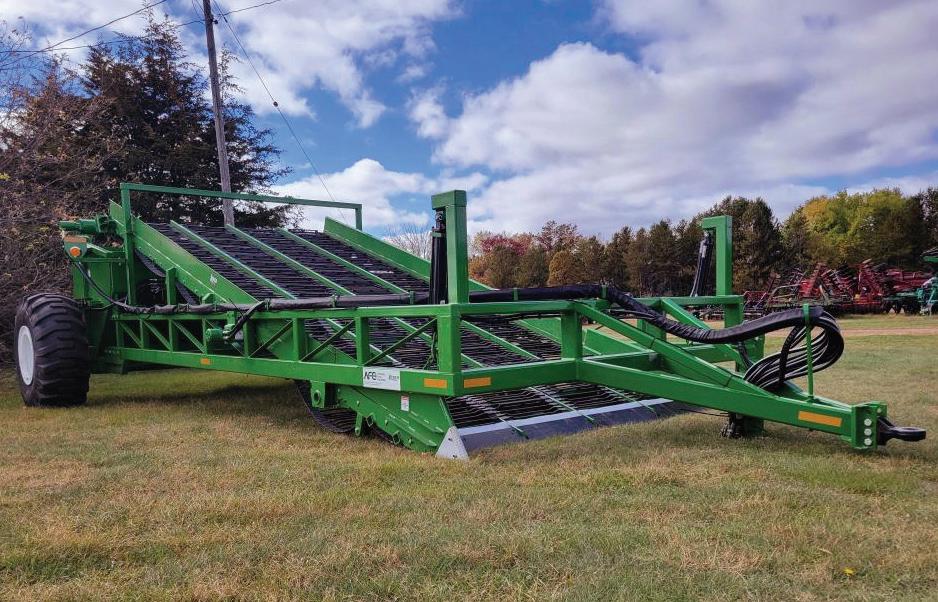
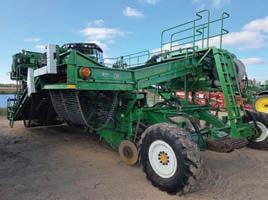
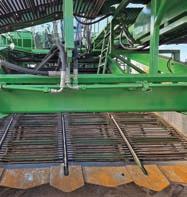
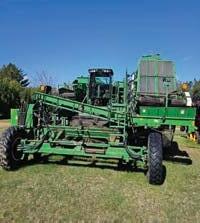
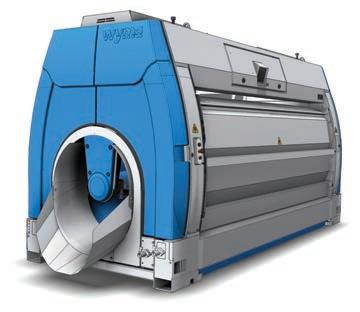
VAM WATERTECH INTRODUCES Sustainable Potato Washing System
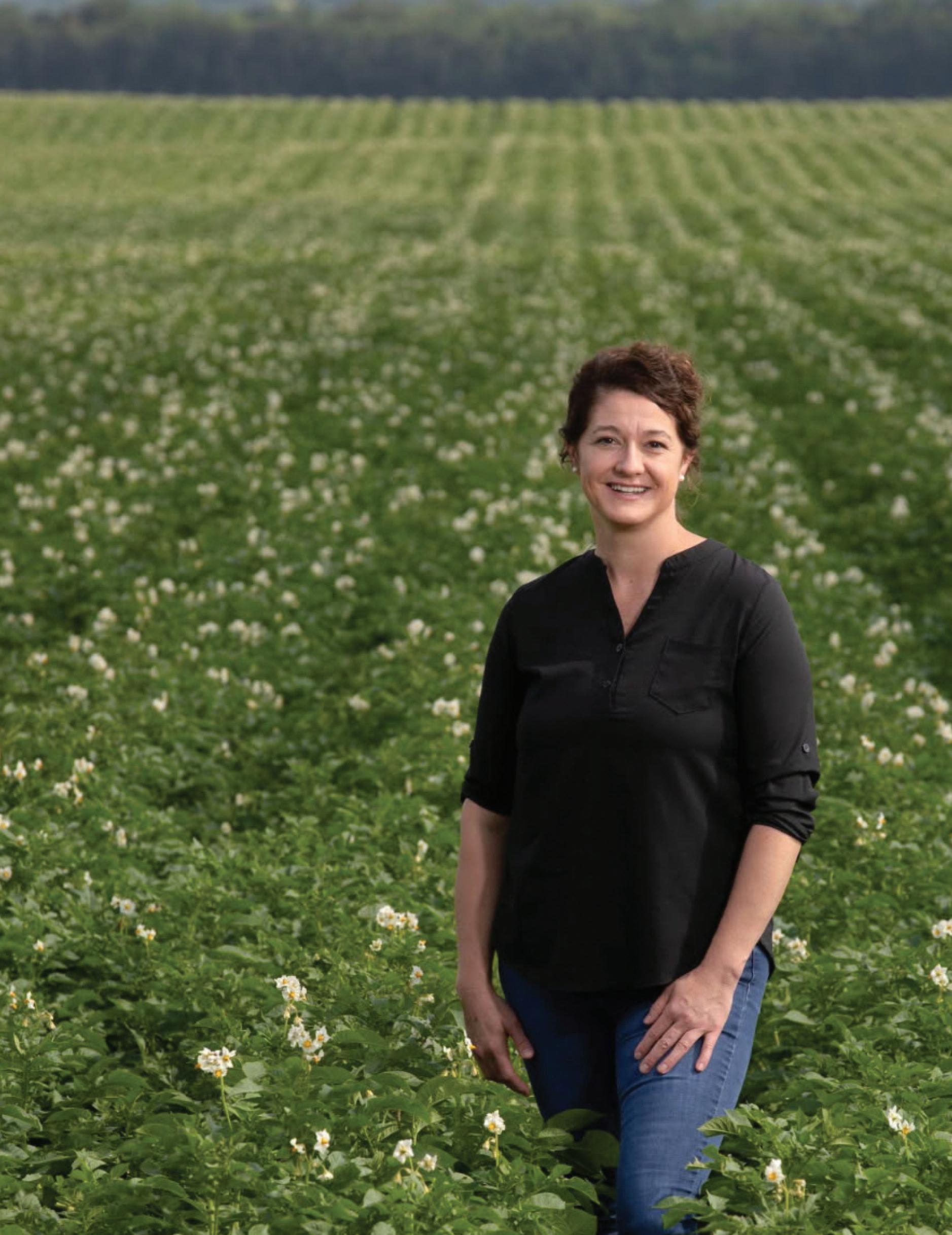
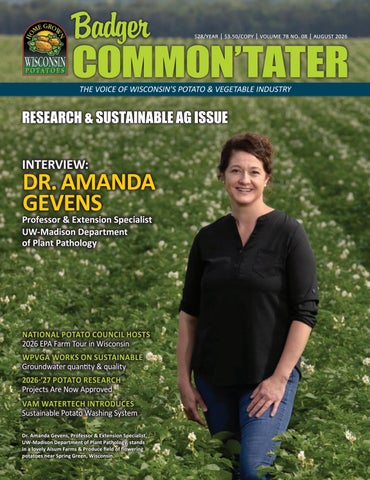
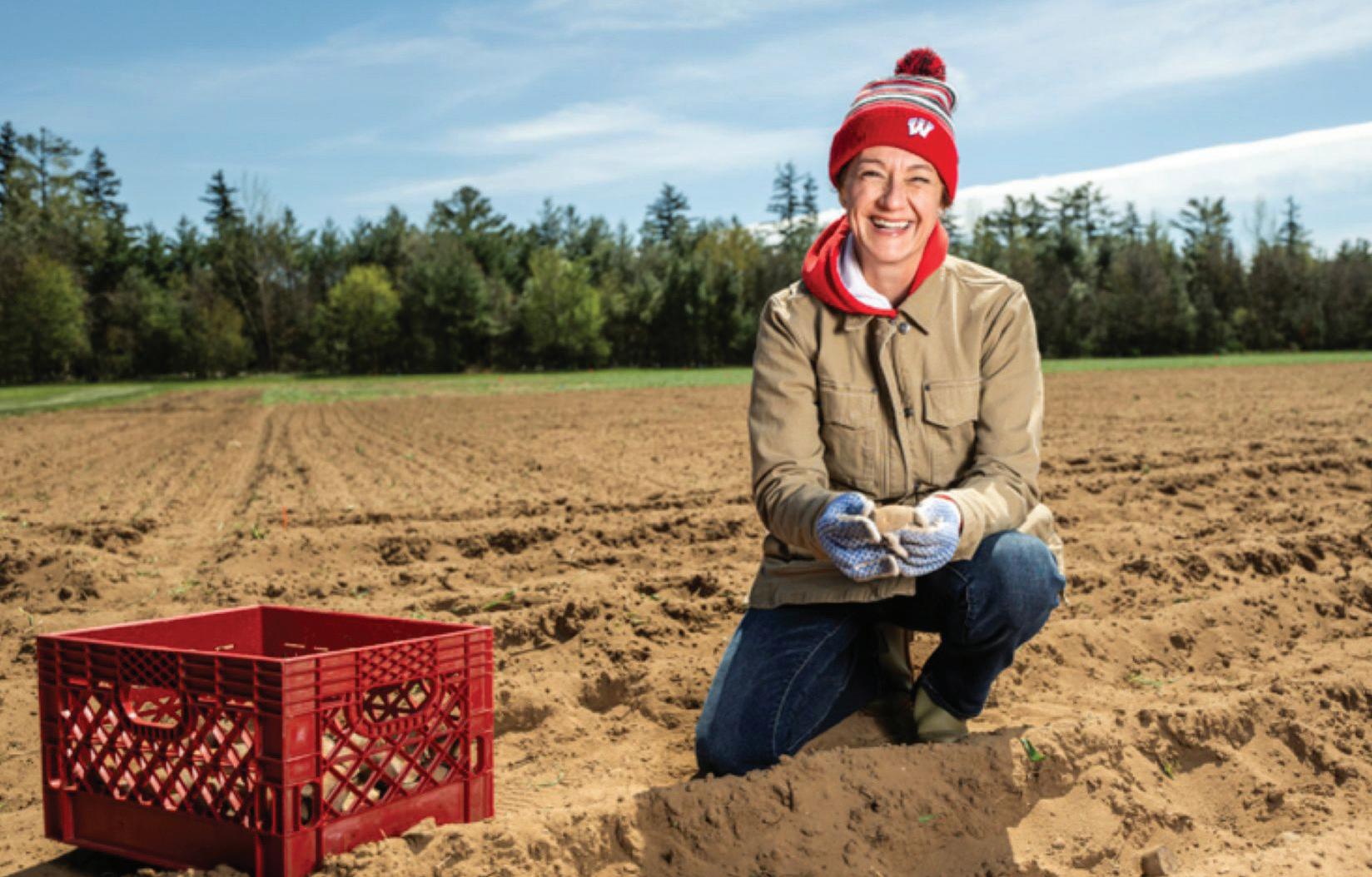
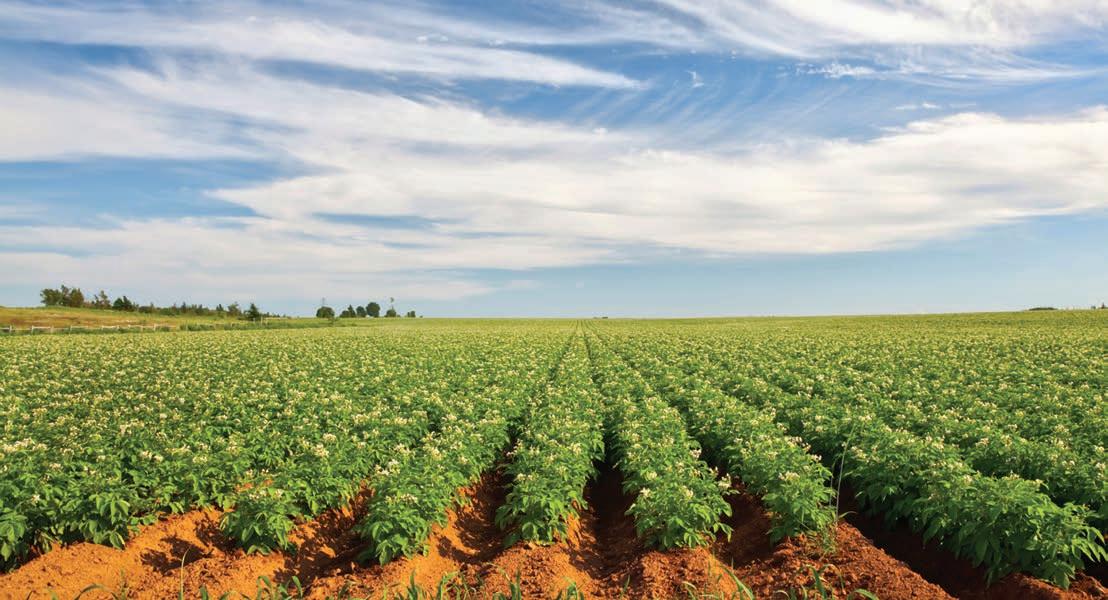
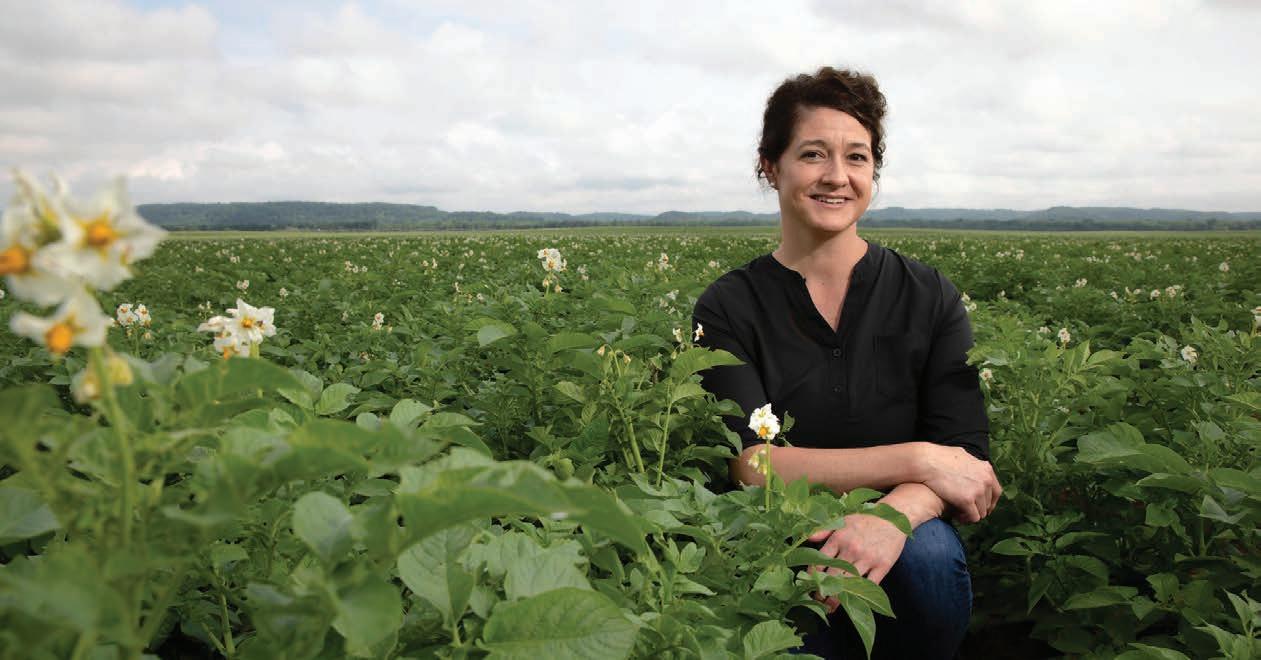
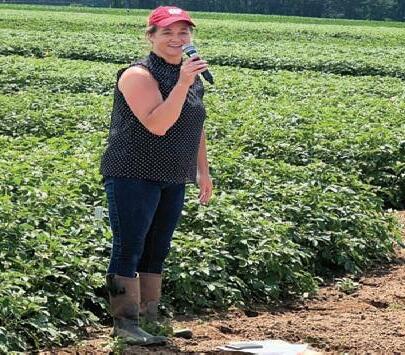
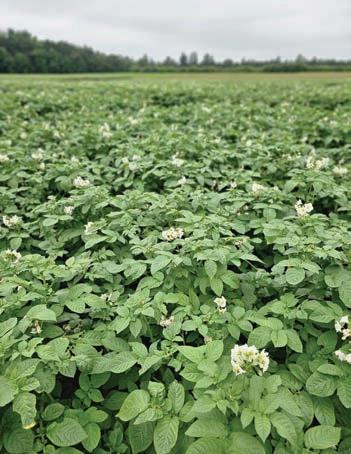
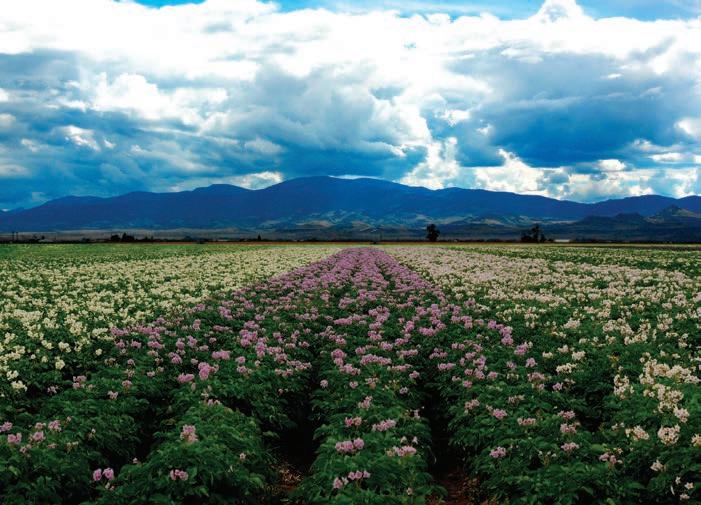
Dr. Amanda Gevens, Professor & Extension Specialist, UW-Madison Department of Plant Pathology, stands in a lovely Alsum Farms & Produce field of flowering potatoes near Spring Green, Wisconsin.


On the Cover: Dr. Amanda Gevens needed her picture taken with potatoes for a University of Wisconsin-College of Agricultural and Life Sciences (UW-CALS) article about her work. Alsum Farms & Produce was the closest commercial potato operation, and the field of flowering potatoes near Spring Green, Wisconsin, was chosen because it looked so lovely that day.
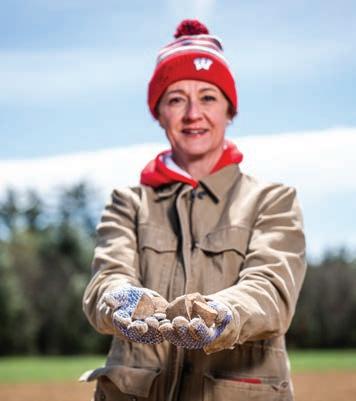
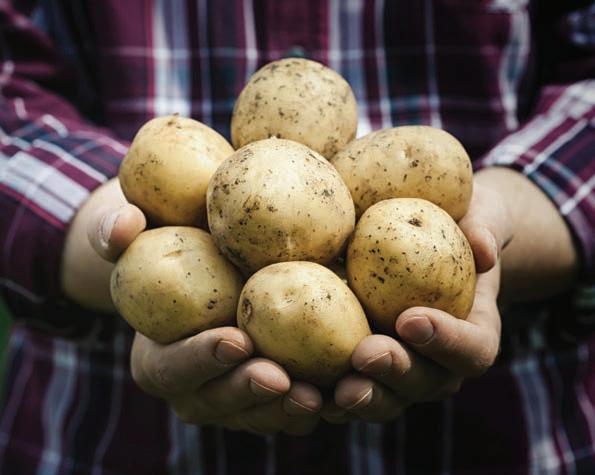
UW-Madison photographer Taylor Wolfram took this picture of Dr. Amanda Gevens holding seed potatoes, in May 2026, at the UW-Hancock Agricultural Research Station. Wolfram was there to photograph Gevens and her lab students planting potatoes for an upcoming article on mycological research at UW-Madison. The lab was planting Columba as part of a trial studying timing and selection of fungicides for black dot disease control.

Potatoes make the perfect binder for flavorful, savory Baked Potato Crab Cakes

WPVGA Board of Directors:
PreSideNT: WeNdy Dyk S T r a
Vice PreSideNT: JoSh KNiGhT S
Secre Ta ry: Bria N Lee
Trea Surer: JohN HopfeNSperGer
Direc Tor S: R a Ndy FleiSh auer, Charlie HuSNick, ANdy Schroeder, Jeff SuchoN & Luca S Wy Socki
Wisconsin Potato Industry Board:
PreSideNT: Heidi Al Sum-Ra Ndall
Vice PreSideNT: ANdy Dierck S
Secre Ta ry: Nicola Carey
Trea Surer: KeiT h WolT er
Direc Tor S: Rod Gumz, Charlie MaT T ek, Jim Okray, Eric Schroeder & Joe SeiS
WPVGA Associate Division Board of Directors:
PreSideNT: MaT T SeleNSke
Vice Pre SideNT: ET h a N Ol SoN
Mission
Mission
Badger
Secre Ta ry: MeliS S a HeiSe
Trea Surer: Paul Salm
Direc Tor S: MaT T hew HarT ma N, Brady PaToka, ScoT T Scheer, MorG a N Smolarek & Bra NdoN Taylor
Wisconsin Seed Potato Improvement
Association Board of Directors:
PreSideNT: ANdy Schroeder
Vice PreSideNT: CloVer Spacek
Secre Ta ry/Trea Surer: Rya N Fa S SbeNder
Direc Tor S: MiTch MaT T ek & MarkuS Shafel
Wisconsin Potato Growers
Auxiliary Board of Directors:
PreSideNT: JeNN a SuchoN
Vice PreSideNT: EriN MeiS T er
Secre Ta ry/Trea Surer: Sama NT h a Cypher
Direc Tor S: Jody BaGiNSki, Emily BuS Ta ma NT e, MiS T i KiNNiSoN & Heidi Schleicher
WPVGA Staff: Execu T iVe Direc Tor: Tama S Houliha N Ma N aGiNG Edi Tor: Joe KerT zma N
Direc Tor of PromoTioNS & CoNSumer
EducaTioN: Da N a R ady
FiN a Ncial Officer: KareN Ra SmuS SeN E xecu T iVe A S SiS Ta NT: Julie BrauN
ProGr am A S SiS Ta NT: MadiSoN Hoffma N -Taylor
Spudmobile EducaT ioN & OuT reach
AdmiNiS T r aTor: PaT rick Popejoy
WPVGA Office: (715) 623-7683 • FAX: (715) 623-3176
E-mail: wpvga@wisconsinpotatoes.com
Web SiT e: www.wisconsinpotatoes.com LIKE US ON FACEBOOK: www.facebook.com/WPVGA
Mailing
Or, subscribe free online: http://wisconsinpotatoes.com/blog-news/subscribe/
ADVERTISING:
AUGUST
6-16 WISCONSIN STATE FAIR
West Allis, WI
8 46th ANNUAL ANTIGO TATER TROT City Park Antigo, WI
31-9/5 POTATO BOWL
Grand Forks-East Grand Forks, ND & MN
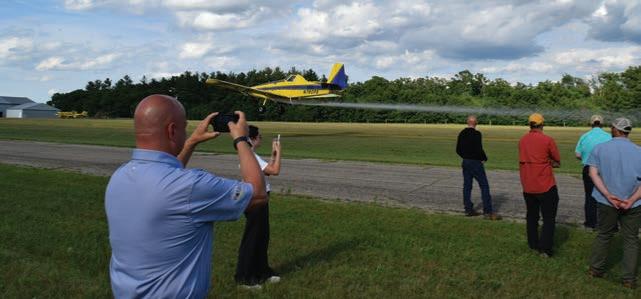
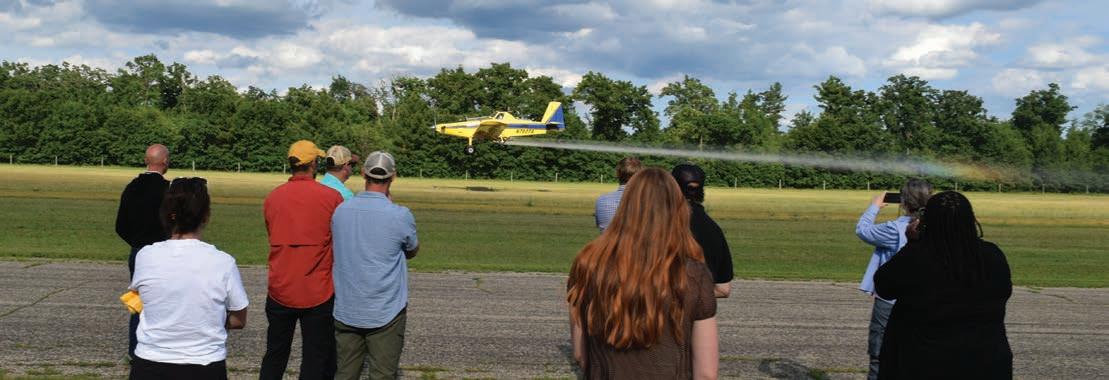
Afavorite stop for guests of the National Potato Council’s EPA Farm Tour, June 22-25, 2026, in Wisconsin, was Reabe Spraying Service. Environmental Protection Agency (EPA) scientists thoroughly enjoyed Damon Reabe’s aerial application demonstration (using water for this purpose, shown above, instead of crop protection products), with help from Curtis Meister who manned the “ground control” radio while Damon flew the plane. Comments like “It’s amazing how precisely he can turn on and off the spray nozzles when he gets to the edges of a field,” or “He can apply product precisely, even down to the droplet size” were heard among those gathered for the demo. Reabe even demonstrated how chemicals can be transferred from tanks to the plane using precision no-leak hoses, clamps and couplings so not one single drop spills in transfer.
Hancock Agricultural Research Station Hancock, WI
Gaylord Rockies Resort & Convention Center Denver, CO
Other stops on the incredible National Potato Council EPA Farm Tour included the Food + Farm Exploration Center, in Plover, Schroeder Bros. Farms and Hyland Lakes Spuds, of Antigo, Wysocki Family Farms/Paragon Potato Packing, in Bancroft, the Hancock Agricultural Research Station, and Heartland Farms of Hancock. See the related feature article in this issue for more photos and information about the EPA Farm Tour.
This August 2026 Research & Sustainable Ag issue of the Badger Common’Tater also includes a fascinating story explaining how VAM WaterTech can help potato processors and grower/shipper/packers with a closed-loop system that achieves automated sustainable potato washing. The state-of-the-art water purification system washes potatoes using treated process water. The system cleans the process water and enables near total reuse, a key component of one potato processor’s washing line. Read “Automated Sustainable Potato Washing” inside.
Wisconsin Potato & Vegetable Growers Association (WPVGA)
Executive Director Tamas Houlihan gives an in-depth, detailed rundown of voluntary conservation practices, groundwater monitoring, state-of-the-art technology and applied research being conducted by the association and collaborators. Read about how the WPVGA collaborates with stakeholders to achieve sustainable groundwater quantity and quality in the related feature article.
And enjoy my interview with WPVGA base-funded research Dr. Amanda Gevens!
Please email me with your thoughts and questions. If you wish to be notified when our free online magazine is available monthly, here is the subscriber link: http://wisconsinpotatoes.com/blog-news/ subscribe.
Joe Kertzman
Managing Editor jkertzman@wisconsinpotatoes.com
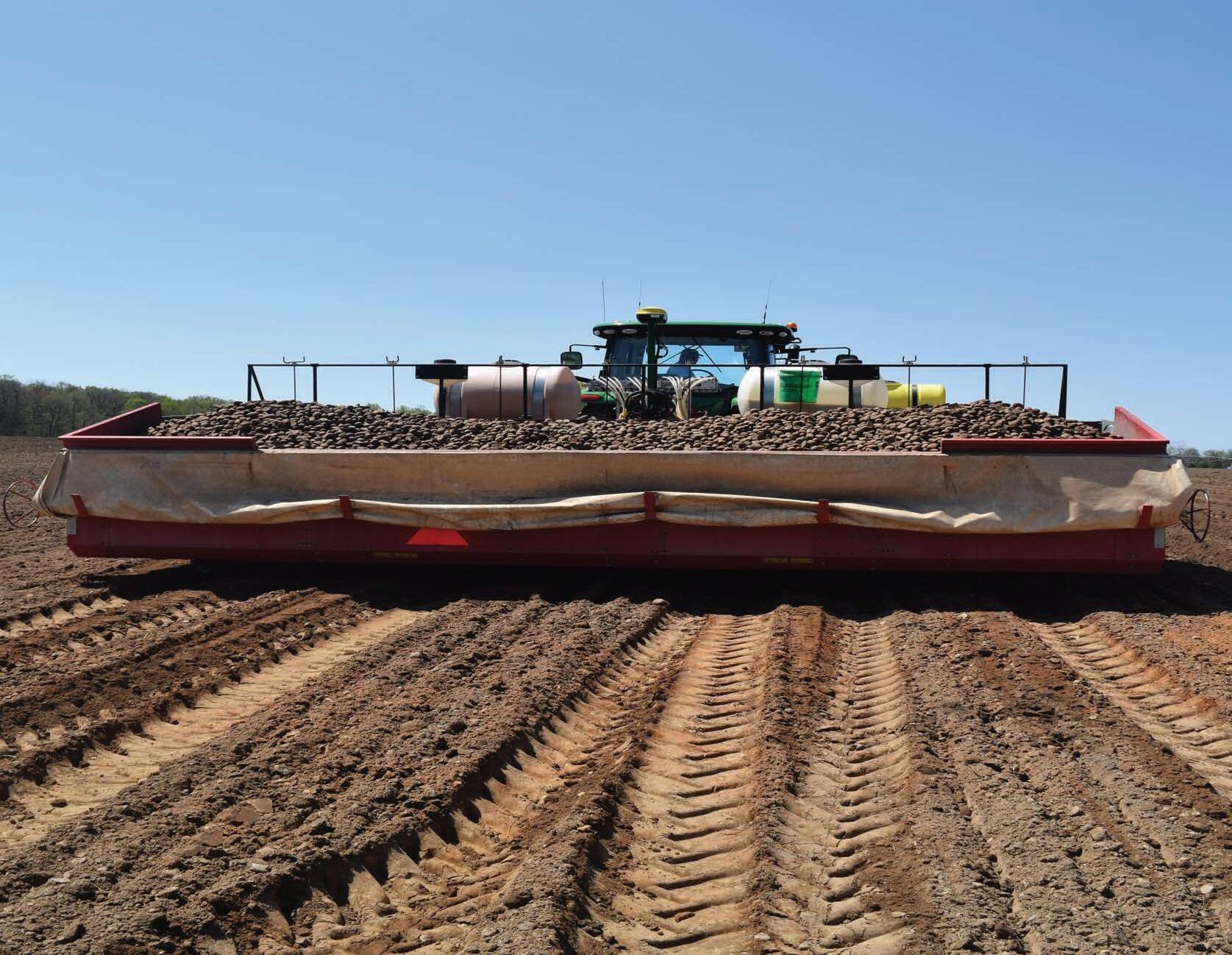
N1435 Cty Rd D Antigo, WI (715) 623-2689 farm@sbfi.biz johnt@sbfi.biz
NAME: Amanda Gevens
POSITION: Professor & Extension Specialist, Administrative Director of the Wisconsin Seed Potato Certification Program, and Associate Chair of the Department of Plant Pathology (former Chair from 2019 to 2025)
UNIVERSITY & DEPARTMENT: Department of Plant Pathology, University of Wisconsin (UW)-Madison College of Agricultural and Life Sciences
LOCATION: Main lab in Madison, Wisconsin, as well as statewide research and Extension programming
HOMETOWN: Southold, Long Island, NY
YEARS IN PRESENT POSTION: 17 years
PREVIOUS EMPLOYMENT: Assistant Professor with the University of Florida in Gainesville
SCHOOLING: Bachelor of Science in Biology, Muhlenberg College, Allentown, Pennsylvania, Master of Science in Plant Pathology, Purdue University, and Ph.D. in Plant Pathology, Michigan State University
ACTIVITIES/ORGANIZATIONS: American Phytopathological Society, Potato Association of America, and Wisconsin Potato & Vegetable Growers Association (WPVGA)
AWARDS/HONORS: 2026 Spudman Impact Award, 2023-2028 UW-Madison CALS Fritz Friday Chair for Vegetable Production Research, 2022 UW-Madison
CALS Agricultural Research Station Research Award, 2018 Excellence in Extension Award from American Phytopathological Society, 2017 UWMadison CALS Pound Extension Award, 2017 Wisconsin Seed Potato Industry Leadership Award, and 2010 WPVGA Researcher of the Year Award
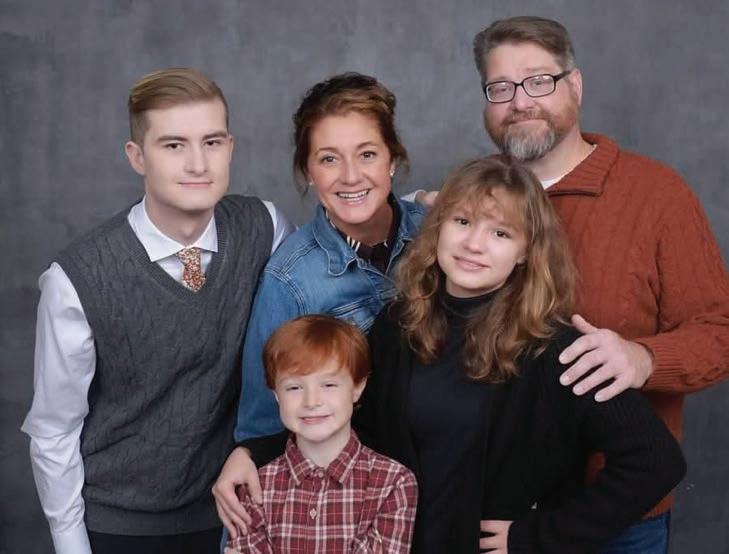
FAMILY: Husband, Dr. Stephen Jordan; son, Jack (age 19 and a freshman at UWMadison); daughter, Lucy (age 11); and son, William (age 9)
HOBBIES: My children, outside activities, gardening, mowing the lawn, and walking 8 BC�T August
GEVENS, Professor & Extension Specialist, University of Wisconsin-Madison Department of Plant Pathology, and Administrative Director of the Wisconsin Seed Potato Certification Program
By
Joe Kertzman, managing editor, Badger Common’Tater
“My path into plant pathology began on a small directmarket vegetable farm on the eastern end of Long Island. As a kid, I loved being outdoors and was eager to be involved in every part of the operation, from planting and weeding to harvesting and interacting with customers,” fondly recalls Dr. Amanda Gevens, Professor & Extension Specialist, UWMadison Department of Plant Pathology.
“What surprised me was how fascinated I became by the diseases and pests that threatened the crops,” she adds.
“That interest only grew during my college summers working as an Integrated Pest Management (IPM) scout with Cornell Cooperative Extension,” Gevens relates, “where I spent my days in growers’ fields learning firsthand about the challenges of crop production.”
Those early experiences sparked a lifelong interest for Gevens in helping growers solve problems and ultimately led her to pursue
a career in applied plant pathology and Extension, combining her passion for agriculture, science, service, and the outdoors.
With a Master of Science Degree
Above: A WPVGA base-funded researcher since 2019, Dr. Amanda Gevens wears many hats, not only as a professor and Extension specialist, but also as associate chair of the University of Wisconsin-Madison Department of Plant Pathology, and administrative director of the Wisconsin Seed Potato Certification Program. Dr. Gevens is shown here posing in an Alsum Farms & Produce potato field near Arena, Wisconsin, on July 3, 2019. Photo courtesy of Michael P. King, UW-Madison CALS
in Plant Pathology from Purdue University, a Ph.D. from Michigan State University, and a two-year stint as an assistant professor at the University of Florida in Gainesville, Dr. Gevens embarked on a career as a Professor and Extension plant pathologist at UW-Madison, in 2009. In what key areas has your program at UW-Madison, the Gevens Lab, and your team grown and evolved in the 17 years that you’ve been at the helm? It has been an incredible journey here at UW! My research and Extension program, supported expertly for many years by Dr. Stephen Jordan in coordinating field and storage research and Dr. Monica Chen in coordinating molecular biology and diagnostic research, has trained 22 graduate students, six post-docs, and dozens of undergraduates.
Along with my students and staff, we have advanced research and understanding of vegetable and potato pathogens and disease management. My research focuses on improving the productivity, sustainability, and profitability of potato and vegetable systems. The work integrates plant disease epidemiology, diagnostics, pathogen biology, soil health, seed potato certification, plant disease
regulation/policy, and precision agriculture technologies.
Specifically, our research on potato and tomato late blight, potato early blight, potato common scab, potato silver scurf, and potato early dying (PED) has helped growers better understand disease risk and underpins effective management strategies.
More recently, through collaborative efforts with Dr. Phil Townsend of UWForest and Wildlife Ecology, we have
pioneered the use of hyperspectral imaging, remote sensing, and machine learning for early disease detection and crop monitoring in potato.
I have greatly valued and enjoyed my collaborations with fellow continued on pg. 10
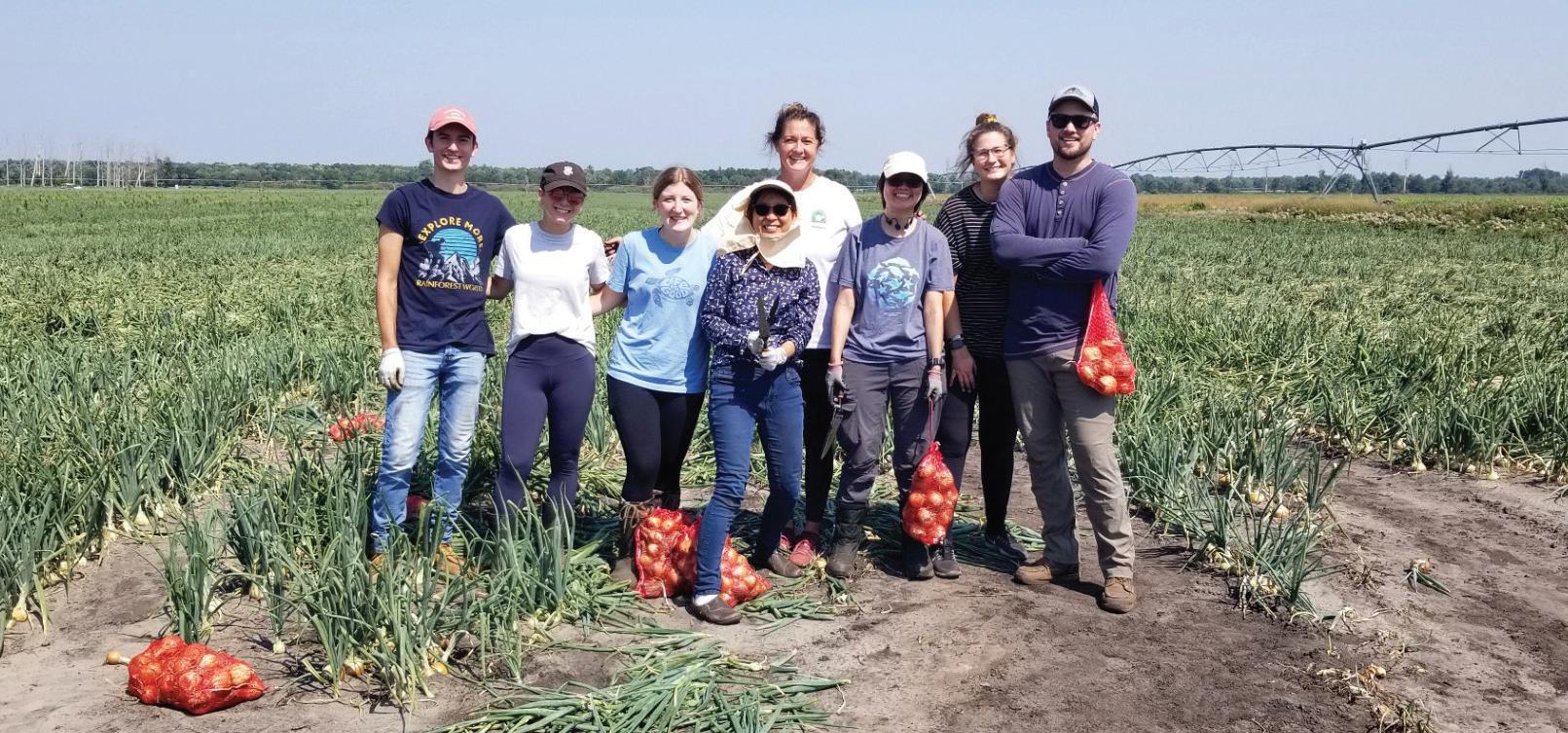
scientists, growers and industry partners. Through these closer collaborations, my work has translated discovery into practical solutions in support of resilient production systems.
Further, my students, upon graduation, have gone on to have even greater impact on agricultural research, production, academia, and regulation. I’m tremendously proud of them, and appreciative of the opportunity that I had to be a part
of their academic, professional, and personal journeys.
Are the problems facing growers today comparable to what they were when you arrived at UW? Disease priorities are not static and often shift in response to changes in production practices and environmental conditions.
New varieties can alter disease susceptibility profiles, while changes in tillage systems, crop rotations,
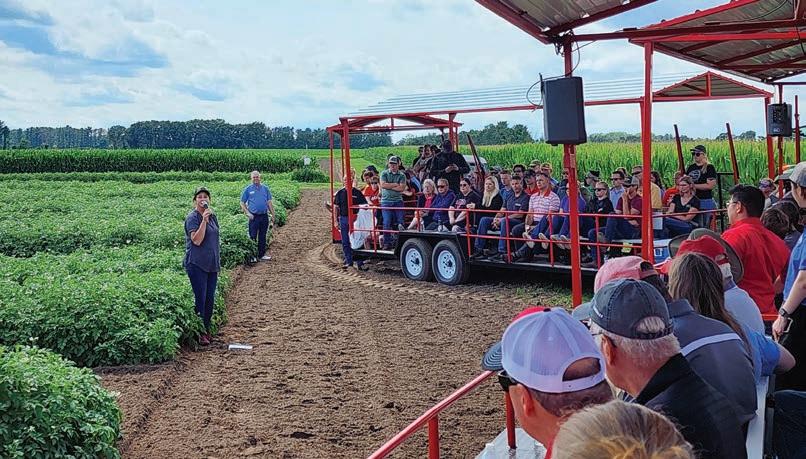
Below: As part of the 2023 Hancock Agricultural Research Station Field Day, Dr. Amanda Gevens (left) updated attendees on potato and vegetable disease research and the then-current growing season. Photo courtesy of Troy Fishler
pesticide availability and use patterns, market demands, and evolving weather conditions can all influence disease risk.
In recent years, gradual environmental changes, particularly during the shoulder seasons, have further affected disease development and management considerations.
While growers contend with a core group of diseases year after year, others occur more sporadically or are emerging as new concerns.
As these challenges evolve, my program remains responsive to industry needs by providing timely diagnostics, research-based management recommendations, and support for both established and emerging disease issues.
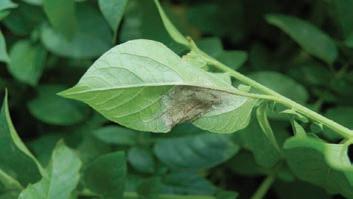
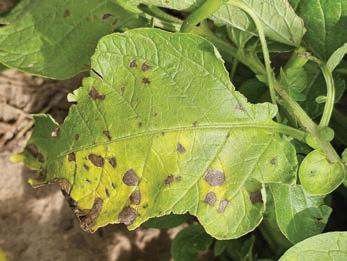
Symptoms of potato late blight (above) and early blight (below) are pictured on plant leaves. Research through the Gevens Lab, along with UW-Madison and industry partners, on potato and tomato late blight, potato early blight, silver scurf, common scab, and potato early dying (PED) has helped growers better understand disease risk and underpins effective management strategies.
To what do you attribute Wisconsin’s ability to largely avoid late blight of potato in the second half of your career at UW-Madison? Late blight management has strengthened considerably in the years following the emergence of several new pathogen clonal lineages, including the now-dominant US-23 genotype, in Wisconsin potato and tomato production.
Increased vigilance across commercial potato and tomato industries nationwide, coupled with rigorous disease prevention measures in the northern U.S. seed potato production regions, has substantially reduced pathogen inoculum.
While Wisconsin’s climate during 2010-2019 was generally warmer and wetter than historical averages, several growing seasons lacked the extended periods of cool, wet weather that favor late blight development.


Wisconsin has long maintained a proactive approach to late blight prevention through partnerships and policies of UW-Madison and UW-Extension, the WPVGA, and Wisconsin Department of Agriculture, Trade and Consumer Protection (DATCP).
These efforts include cull pile destruction deadlines, regulations
addressing unmanaged late blight infections, seed certification standards that support the production and distribution of disease-free seed, and research and Extension efforts to support proactive disease monitoring, diagnostics, and management planning.
At UW, my Extension and research program supports growers through
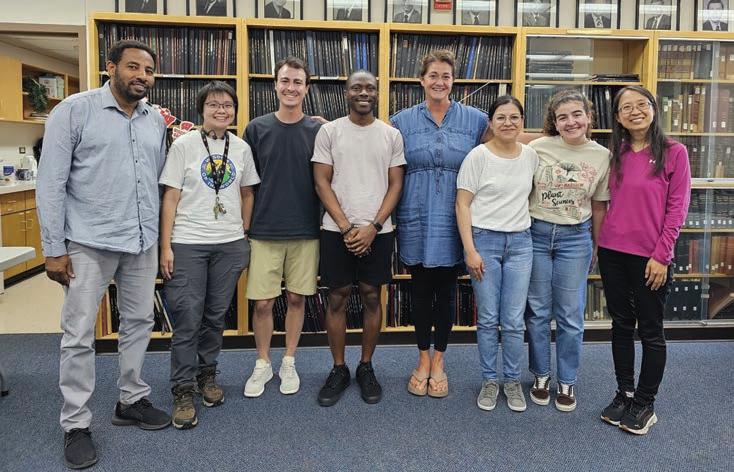
Amanda Gevens poses with seed potatoes in hand, early May of the 2026 during planting season, at the UW Hancock Agricultural Research Station. Photo by Taylor Wolfram, UW-Madison
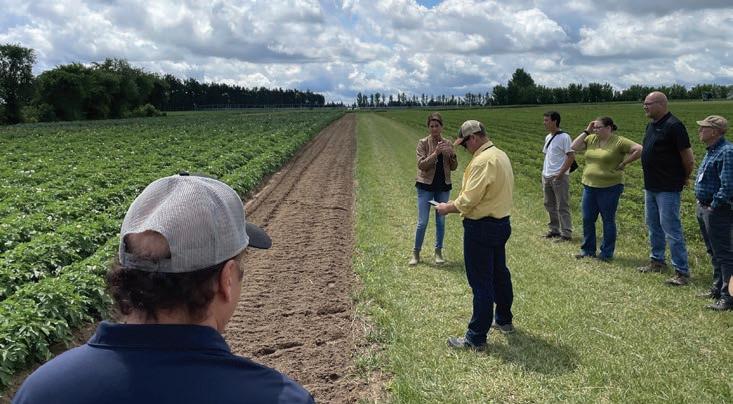
Right: Dr. Amanda Gevens (rear left) presents research findings at the Hancock Agricultural Research Station during the National Potato Council’s 2026 Environmental Protection Agency Farm Tour in Wisconsin. For more on the tour, see the related feature article in this issue.
accessible late blight forecasting tools, including the Blitecast risk model, and through timely disease updates and management recommendations published in the weekly UW Vegetable Crop Updates newsletter.
My laboratory also provides diagnostic and genotyping services that enable rapid confirmation of late blight and characterization of pathogen populations, allowing for more targeted management recommendations.
This work is strengthened through collaboration with the University of Wisconsin Plant Disease Diagnostic Clinic, led by Dr. Brian Hudelson, the partnership of Dr. Russ Groves and Mr. Ben Bradford of UW-Entomology in developing and managing the webbased disease forecasting tools and Vegetable Crop Updates Newsletter, and the support of the WPVGA
through base research funding.
While my role is one part of a broader statewide effort, it is my conviction that consistent support, timely information, and regular reminders help growers manage late blight effectively while balancing the many demands of modern farm operations.
Update me on your WPVGA grantfunded research investigating crop protectants and alternative strategies to manage diseases in potatoes. Every year, my program works to evaluate up-and-coming fungicides and inputs to manage disease in potatoes both in the field and in the post-harvest space at the UW-Hancock Agricultural Research Station and Storage Research Facility, and the UW-Langlade County Research Station.
Some of our trials also take place on grower farms around the state.
We continue to evaluate complex
early blight and white mold fungicide programs for supporting management decisions on fungicide timing and rate.
We have greatly expanded our research in seed-applied, at-planting,
and at-hilling fungicides for the management of diseases including black dot, silver scurf, Rhizoctonia, pink rot, and common scab.
We have also spent a few years looking at the resulting early blight management of complex tank mixes, including commonly used fungicides, insecticides, and fertilizers.
This work expanded to additional cultivars and spray strategies. We aim to further explore drone application technology and disease management in the future.
In 2026, we expanded our research of common scab and black dot to improve our understanding of not only fungicide, timing and rate, but also of pathogen ecology through soil moisture and harvest timing experiments.
These expanded projects have resulted from additional support from the Wisconsin Specialty
continued on pg. 14
Next level nutrition is here.

Most nutrition programs kind of look the same—until they don’t. If you take a closer look at NutriSync products, you’ll see a proprietary nutrient transport technology like nothing else on the market. NutriSync brand micronutrients contain a naturally occurring carbohydrate that moves nutrients through the vascular tissue to the growing points where they are needed most.


Crop Block Grant program and collaboration with Dr. Julie Pasche at North Dakota State University.
How big of a problem is disease in Wisconsin potato storages, and have the number of potatoes being stored and length of time they are stored compounded grower challenges?
Storage diseases continue to present challenges for Wisconsin potato growers. While advances in storage design, environmental controls, disease monitoring, and post-harvest management have greatly improved over the past two decades or so, disease losses can still be substantial.
Nationally, storage losses from shrink, disease, and quality degradation are commonly estimated at just under 10% of stored potatoes, and losses can be considerably greater when conditions favor disease development.
Common storage concerns include bacterial soft rot, Pythium leak, silver scurf, black dot, pink rot, late blight, and Fusarium, many of which originate in the field and are carried into storage.
Currently, growers store larger volumes of potatoes and often maintain them in storage for longer periods to supply fresh, chip, fry, and
seed markets throughout the year.
Longer storage durations increase the amount of time diseases have to develop and spread, while maintaining tuber quality becomes increasingly important.
In many ways, successful storage begins long before harvest. Factors such as variety selection, field disease management, harvest conditions, tuber maturity, handling practices, and storage management all influence how well a crop will store.
As the industry continues to optimize year-round supply chains, there is growing interest in tools that better connect field conditions with storage performance, allowing growers to identify lots at higher risk of breakdown and make more informed management decisions.
Wisconsin growers have been leaders in this area, investing in research and facilities that improve our understanding of the relationship between field management and storage outcomes.
What diseases are most devastating in Wisconsin potato production today, and how can your research team help growers control those pathogens? The diseases that most
Dr. Gevens says potatoes are a particularly rewarding crop to work with because they present both significant challenges and tremendous opportunities.
consistently challenge Wisconsin potato production are PED and early blight.
These diseases are widespread across production regions and remain among the most economically significant due to both yield impacts and management costs.
Common scab and black dot are not far behind, although their effects can be highly dependent on field history, environmental conditions, and cultivar susceptibility.
Other important diseases include powdery scab, blackleg, white mold, silver scurf, pink rot, Pythium leak, and late blight.
The incidence and severity of these diseases can vary considerably from year to year and among production systems, as each is driven by its own unique combination of pathogen biology, environmental conditions, and crop management factors.
Addressing this complex disease landscape requires an integrated approach. My research and Extension program supports growers by advancing diagnostic capabilities, improving our understanding of pathogen ecology, and developing practical disease management strategies. The complexity also requires strong partnerships with other pathologists and industry partners. These relationships and the information they offer fill in the knowledge gaps.
By translating research findings into actionable recommendations, we help growers mitigate multiple diseases.
Potatoes are a particularly rewarding crop to work with because they present both significant challenges and tremendous opportunities. Interestingly, potato is one of the most resource-efficient food crops, delivering exceptional nutritional
value relative to the inputs required for production.
What impresses you most about the potato and vegetable industry in Wisconsin? What impresses me most is the strong culture of collaboration and engagement that exists throughout the sector.
Growers, processors, allied industry partners, researchers, and Extension professionals work together with a shared commitment to advancing the industry and addressing challenges proactively.
I have always appreciated how approachable, responsive, and willing stakeholders are to engage in meaningful dialogue. This creates a highly effective environment where ideas, concerns, and innovations can move quickly between the farm, industry, and research communities.
As a result, research programs remain closely aligned with real-world production needs,
allowing us to develop practical solutions that support the long-term success and competitiveness of Wisconsin agriculture.
What impresses you most about the potato and vegetable research team in Wisconsin? Wisconsin is fortunate to have an exceptionally talented potato and vegetable research team. I am continually impressed, and humbled by the depth of expertise, creativity, and dedication of my colleagues.
Across specialties, my colleagues bring both scientific excellence and a practical mindset to addressing real-world challenges facing growers. Equally important, they are genuinely enjoyable people to work alongside.
Agriculture is a team sport, and the success of our programs depends on strong relationships and a willingness to collaborate across disciplines. Our group has a remarkable ability
continued on pg. 16
Contact: Jim or John
to tackle complex problems while maintaining a sense of humor and perspective.
The science is outstanding, but it is the people who make the work especially rewarding.
I’ve heard several times that Wisconsin has the best potato research team in the country. What do you attribute to that reputation? That is quite a compliment! There are many outstanding potato researchers across the country and here at UWMadison, and I have been fortunate to work alongside many of them throughout my career.
An intentional institutional commitment and reciprocating industry support of potato research are instrumental in building and sustaining a strong team.
Potato production is complex and draws upon expertise in plant pathology, entomology, agronomy, soil science, engineering, economics, data science, and more. By bringing these perspectives together around common goals, we create opportunities for innovation and discovery.
This transdisciplinary approach strengthens our ability to address emerging challenges and deliver science-based solutions that support both growers and the broader potato industry.
If you could name a favorite thing you do in the office, lab, or field as part of your position, what would it be? One of the aspects of my position that I value most is its diversity. The role provides opportunities to contribute across many environments and capacities, allowing for continual growth in research, Extension/ outreach, mentoring, teaching, and administration.
No two days are exactly alike, and I find that variety both energizing and rewarding. I thrive on the range
of activities the position offers, from spending time outdoors conducting field research, to crafting grant proposals and publications, to meeting with students as they explore career paths and opportunities.
On any given day, I may also find myself at a microscope carefully examining an unfamiliar diagnostic sample in search of answers while communicating with a grower on improving their disease management strategy.
The ability to move between these different facets of science, education, and service is what keeps the work engaging and meaningful.
You’re also the administrative director of the Wisconsin Seed Potato Certification Program, so you wear multiple hats. In what ways are you able to make valuable contributions to the seed certification program? The Wisconsin Seed Potato Certification Program (WSPCP) is one of the nation’s premier seed potato certification programs, built on the expertise and
dedication of outstanding scientists, diagnosticians, inspectors, and certification specialists.
The program’s success is a testament to the talented people who work every day to support Wisconsin’s seed potato industry and maintain the high standards that have defined the program for more than a century.
I am particularly grateful for the leadership of Brooke Babler, the program’s manager, whose vision, expertise, and commitment continue to guide the program forward. It is a privilege to work alongside her and contribute to the program’s ongoing success.
As administrative director, one of my primary responsibilities is to ensure that all facets of the WSPCP remain strongly connected to the goals, priorities, and resources of UW-Madison, the College of Agricultural and Life Sciences, and the Department of Plant Pathology.
This role is especially important as the program adapts to evolving operational, financial, and infrastructure needs while continuing
to deliver critical services in diagnostics, tissue culture, mini tuber production, and seed certification. Throughout my career in the Department of Plant Pathology, I have been privileged to support the WSPCP as both an administrator and Extension potato pathologist. Since 1913, the program has exemplified the Wisconsin Idea by delivering university-based expertise and innovation to growers. I remain committed to helping ensure its continued success and service to Wisconsin agriculture for generations to come.
Is Potato Virus Y your biggest challenge in seed potatoes, and has the Wisconsin team had progress in limiting the disease? Potato Virus Y (PVY) remains one of the greatest challenges facing seed potato certification programs in North America.
This aphid-vectored virus poses a significant threat to the production of healthy seed potatoes and to the integrity of certification systems across many northern-tier potatoproducing states.
As environmental conditions continue to change, aphid populations, migration patterns, and strain types are also shifting, increasing the risk of virus introduction, persistence of PVY, and detection of the pathogen.
Addressing this challenge requires a sustained and collaborative effort. The WSPCP, together with research and Extension colleagues, has been committed to understanding and responding to changes in both pathogen and vector ecology for decades.
A key component of this work has been the collaboration with Dr. Russ Groves, whose expertise and leadership in insect vector ecology and management has helped advance our understanding of aphid biology, movement, and virus transmission dynamics in potato systems.
Through integrated advances in vector management, pathogen detection and testing, seed certification practices, and potato breeding and genetics, the industry has made meaningful progress in reducing PVY incidence in seed potato production.
While the challenge continues to evolve, these collaborative efforts have strengthened our ability to protect seed health and support the long-term sustainability of the potato industry.
You are one of only a handful of what I’d consider veteran WPVGA base-funded researchers and certainly one of the leaders. What responsibilities do you take most seriously in your work with the UW Division of Extension? While I approach all aspects of my work with dedication and seriousness, service has always been at the center of my responsibilities as a professor, Extension specialist, and administrative director of the WSPCP.
Whether working with growers, allied industry partners, or graduate students, I view responsiveness and accessibility as essential parts of the job.
I believe it is important to answer questions promptly, provide practical and science-based guidance, and maintain strong relationships with the people and organizations we serve.
A few signature efforts that I’m especially committed to are the UW Vegetable Crop Updates Newsletter and the WPVGA/ UW Extension Grower Education Conference.
I coordinate and contribute to the UW-Madison Extension Vegetable Crop Updates newsletter, which provides timely information on disease management, crop production challenges, emerging issues, and current research findings. The newsletter serves as an
important connection between university research and on-farm decision-making, helping growers respond to changing conditions and protect crop health.
The WPVGA/UW-Extension Grower Education Conference is another signature effort. The event represents the culmination of countless hours of research, Extension programming, collaboration, and preparation.
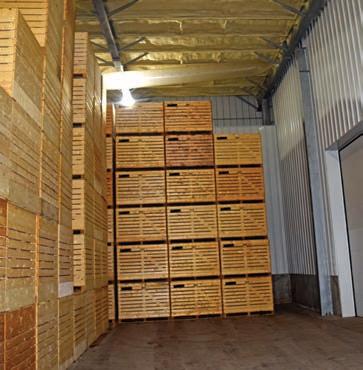
Refrigeration • Humidification • Ozone Electrical Design & Installation
Potatoes • Onions
Sprout Inhibiting: Sprout Nip® • Amplify® • Shield®
It provides a unique opportunity to share new knowledge, exchange ideas, and engage directly with growers and industry leaders. For our team and collaborators, it serves as a nexus where science, education, and industry concerns come together.
At its core, my work is guided by a commitment to service, whether conducting research, mentoring students, supporting certification efforts, communicating through Extension programs, or delivering educational programming,
The goal is to provide value to the agricultural communities we serve and help ensure the continued success of the Wisconsin potato and vegetable industry.
Another important aspect of my service is supporting the success of junior colleagues, students, and industry partners. Throughout my career, I have sought to advocate for opportunities, resources, and professional development for emerging scientists, field agronomists, growers, and students entering our profession.
I have been fortunate to benefit from the guidance, encouragement, and opportunities provided by mentors and colleagues who invested their time and influence in my development. Those experiences
have left a lasting impression on me.
As a result, I am committed to helping create pathways for others to contribute and succeed. Our field advances when talented people are given the opportunity to pursue new ideas, take on meaningful challenges, and grow as professionals.
Whenever possible, I strive to make room at the table for individuals who bring curiosity, dedication, and innovative thinking.
Supporting the next generation of leaders is not only an investment in people, but also in the future of agricultural research, Extension, and the industries we serve.
In what areas (breeding, genetics, crop protection products or best practices, etc.) are the most exciting advances being made in potato and vegetable plant pathology today? I am particularly excited about four advances in potato research.
I’m greatly interested in the advances being made in diploid potato breeding and the opportunities these systems provide for improving our understanding and deployment of disease resistance.
For decades, the genetic complexity of the cultivated potato has made breeding for durable resistance a challenging and time-consuming process.
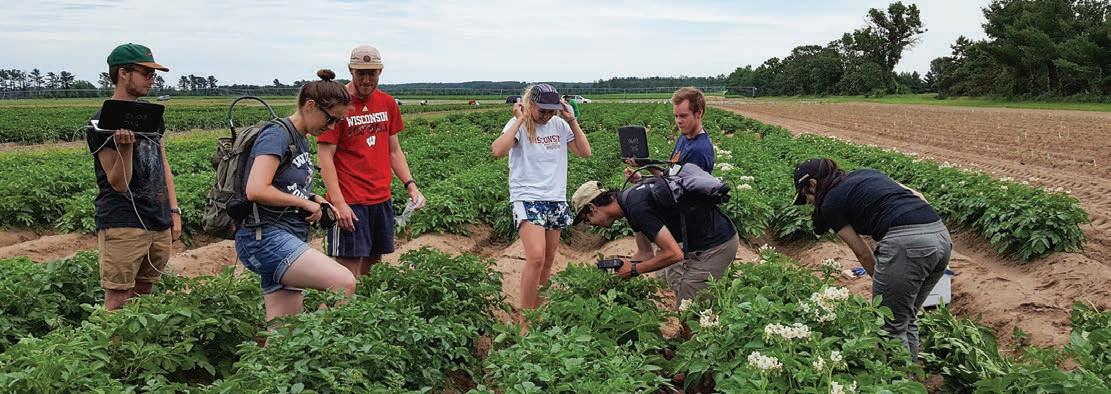
Above: Students and staff of Dr. Amanda Gevens and Dr. Phil Townsend, UW-Madison Department of Forest and Wildlife Ecology, conduct remote sensing exercises in a potato field. Amanda Gevens says, through collaborative efforts with Dr. Townsend, UW researchers have pioneered the use of hyperspectral imaging, remote sensing, and machine learning for early disease detection and crop monitoring in potato.
Diploid breeding strategies offer new tools to more efficiently identify, combine, and incorporate resistance traits against some of the industry’s most important diseases and pests.
I am encouraged by innovations involving True Potato Seed (TPS). Beyond its potential role in production systems, TPS offers opportunities to improve the maintenance, movement, and longterm preservation of clean planting material.
These approaches may ultimately complement traditional seed potato systems and provide additional pathways for maintaining healthy germplasm and reduce the risk of pathogen dissemination.
Another area generating considerable excitement is the development of RNA interference (RNAi) technologies for pest and disease management. These approaches offer the potential for highly targeted control strategies
that can suppress specific pathogens and insect pests, or their ability to transmit disease while reducing impacts on non-target organisms.
Although significant research and development remain ahead, RNAi technologies represent an important new frontier in crop protection.
I am enthusiastic about advancements in hyperspectral reflectance and other remote sensing technologies that are improving our ability to detect and interpret crop stress before symptoms become visible to the human eye.
These tools allow researchers and growers to better distinguish among disease, insect, nutritional, water, and environmental stresses in potato and other high-value specialty crops.
As these technologies continue to mature and integrate with artificial intelligence, precision agriculture, and decision-support systems, they offer tremendous potential for prescriptive input management, helping growers apply the right intervention, in the right place, at the right time.
The result can be improved crop health, more efficient use of resources, reduced environmental impact, and greater economic return.
Collectively, these innovations reflect a broader transformation occurring within potato research and production.
While no single technology will solve every challenge, advances in genetics, breeding, seed systems, crop protection, and precision agriculture are providing powerful new tools that, over time, will help address some of the most persistent disease and pest challenges facing potato production.
These advances are sure to enhance the sustainability and resilience of specialty crop systems.
What do you see on the horizon for disease control in Wisconsin potatoes? We are always working to sustain plant health and reduce overall chemical reliance in potato production. Critical to the success of these initiatives is an underpinning disease resistance within the plant.
As we advance in developing integrated management schemes for PED, early blight, black dot, silver scurf, common scab, PVY, and other important diseases, we must continue to invest and advocate for improved understanding and application of disease resistance within our commercial cultivars.
In what areas would you like to see growers become more invested or involved? While I wouldn’t necessarily ask for growers to do more, one current activity that I would like to see them continue to take on is their engagement beyond the farm gate.
Many actively participate in discussions related to research priorities, public policy, seed certification, crop protection, and advocacy for funding at the federal, state, and university levels.
Their commitment in time, expertise, and leadership has been instrumental in advancing both the industry and the research programs that support it.
I am optimistic that these continued partnerships will have a lasting, positive impact on the future of potato production in Wisconsin.
Engagement from growers and industry leaders helps ensure that UW-Madison remains closely connected to the needs of the agricultural community and fulfills its land-grant mission of service, discovery, and education.
Together, these collaborations help position Wisconsin as a leader in the U.S. and global potato industries and create opportunities for continued innovation and success.
Anything that I’ve missed that you’d like to add, Amanda? I think these questions have covered a lot of territory! Thank you for your interest. I’m honored to be asked to provide responses to this feature in the Badger Common’Tater.
By Joe Kertzman, Managing Editor, Badger Common’Tater
U.S. Environmental Protection Agency (EPA) scientists arrived in Madison, Wisconsin, on Monday, June 22, ready to take part in the National Potato Council’s four-day 2026 Agency Farm Tour.
Participants included nine staff members from EPA’s Office of
Pesticide Programs, as well as a senior entomologist from the U.S. Department of Agriculture (USDA) Office of Pest Management Policy.
In partnership with the Wisconsin Potato & Vegetable Growers Association (WPVGA), the group met with growers on the importance of
pesticides in potato production.
Participants walked through calculating runoff and spray drift setback requirements under EPA’s Endangered Species Act strategy and saw ground rig and aerial applications, toured packing sheds, and met with potato researchers.
The annual tour is designed to strengthen the relationship between agency staff and the U.S. potatogrowing community and educate
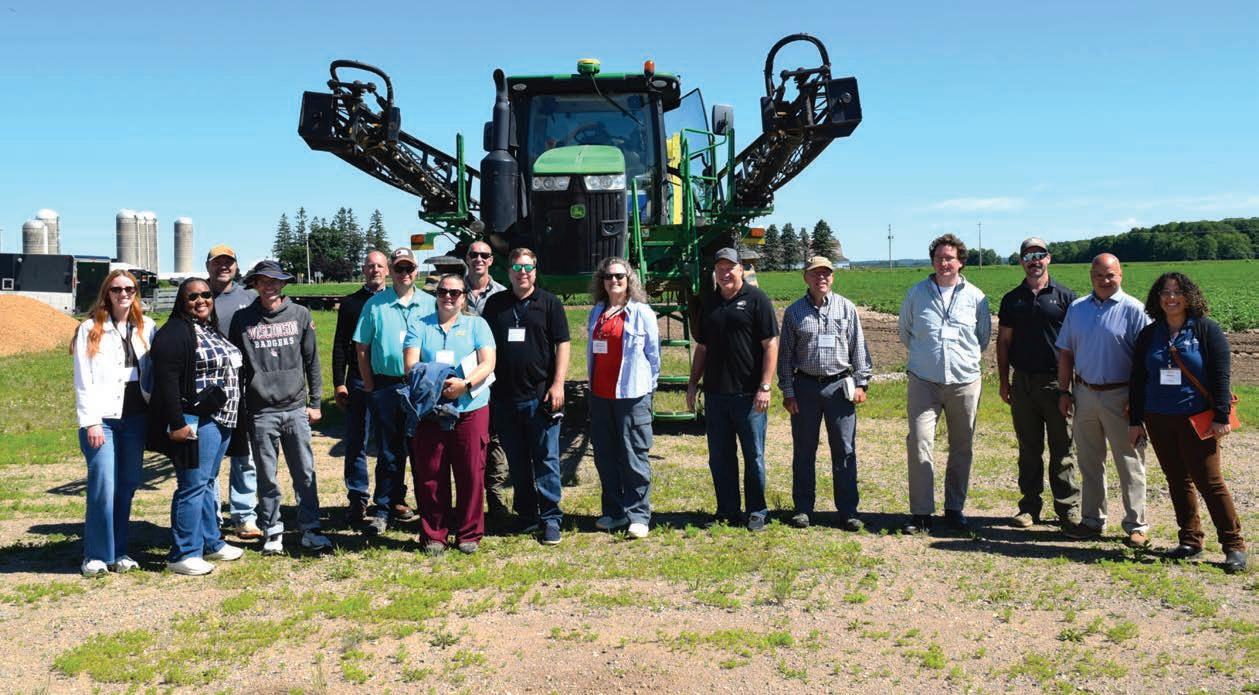
Above: EPA and USDA scientists joined representatives of the National Potato Council, WPVGA, and Hyland Lakes Spuds, all converging at Schroeder Bros. Farms, in Antigo, where Eric, J.D., and Andy Schroeder gave them a tour and spraying demonstration.
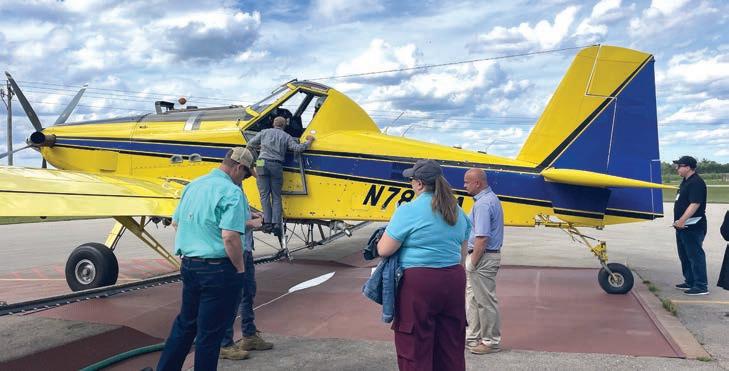
Left: A close-up look at the airplane used in the aerial application demo at Reabe Spraying Service, in Plainfield, WI.
agency participants on commercial potato production practices, including the real-world use of federally regulated pesticides and Integrated Pest Management (IPM).
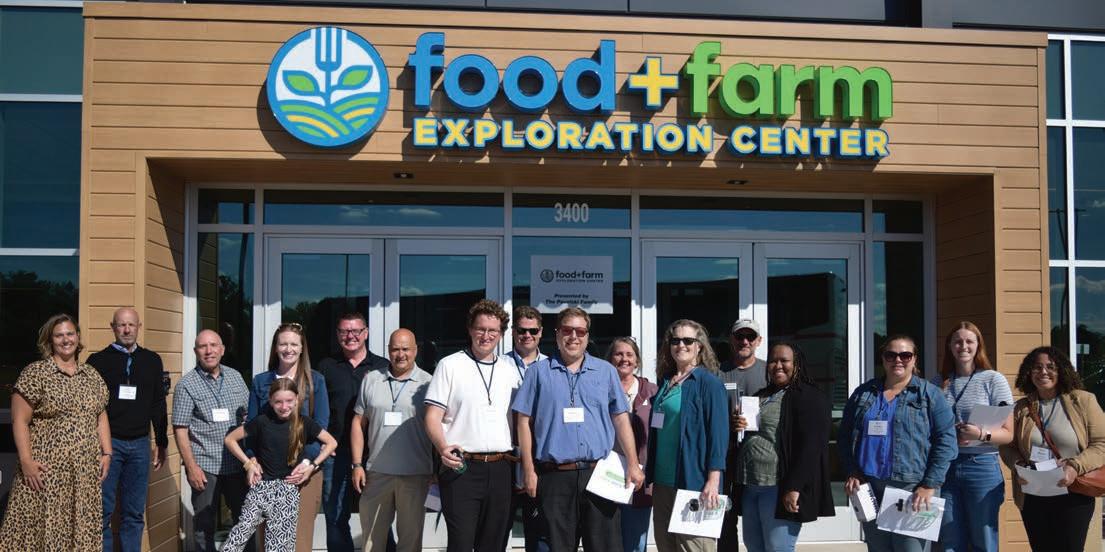
USDA and EPA members in attendance, along with WPVGA and National Potato Council (NPC) representatives, enjoyed a tour and discovery at the Food + Farm
Exploration Center, as well as a Chain O’ Lakes Dinner Cruise on June 22.
With the mission of educating people about agricultural innovation and sustainability, the Food + Farm Exploration Center was the perfect place to kick off the EPA Farm Tour and give participants a chance to visit the Center’s vegetable fields
and experience its many fun and educational exhibits.
Above: Using water for this purpose instead of crop protection products, Damon Reabe of Reabe Spraying Service, in Plainfield, gives EPA Farm Tour participants an aerial application and spray drift demonstration, as well as a close-up look at the airplane used in the demo.

National Potato Council Hosts 2026 EPA Farm Tour in Wisconsin. . .
continued from pg. 21
“I appreciated hosting a stop on the tour, helping the agency staff understand the importance of pest management on our seed farm and sharing the challenges we would face in providing clean seed to the industry without pesticides.”
–
Eric Schroeder, Schroeder Bros. Farms
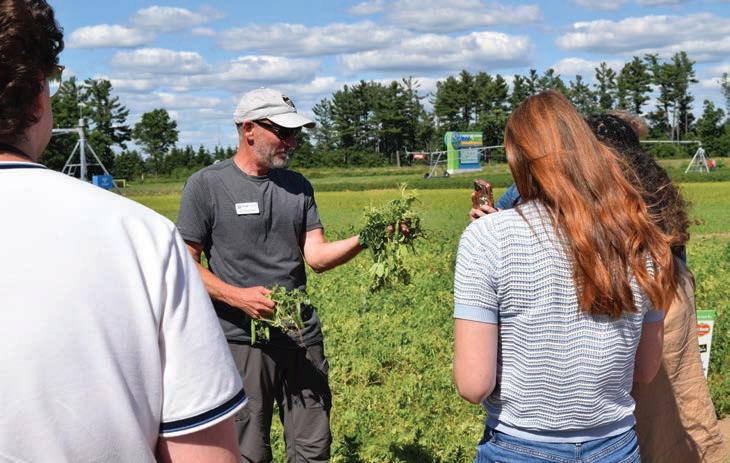
Above and Left: At the Food + Farm Exploration Center in Plover, Wisconsin, Larry Isensee (second image) shows EPA Farm Tour participants a pea plant from a field that will be harvested during an upcoming public U-Pick Harvest Day.
Tuesday, June 23, included tours of Schroeder Brothers Farms and Hyland Lakes Spuds, in Antigo, and the Wysocki Family Farms grading and packing shed (Paragon Potato Packing), of Bancroft.
At Schroeder Brothers Farms, a fifth-generation certified seed potato farm homesteaded in 1879, Eric, Andy, and J.D. Schroeder discussed pest management in seed potatoes, ground application technologies, including a spraying demonstration, and seed cutting and treatment.
“I appreciated hosting a stop on the tour, helping the agency staff understand the importance of pest management on our seed farm and sharing the challenges we would face in providing clean seed to the industry without pesticides,” says NPC Board Member Eric Schroeder.
At Hyland Lakes Spuds, a thirdgeneration fresh and chipping potato producer, EPA and USDA scientists participated in a “Fungicide Strategy Field Implementation Calculation” exercise following the EPA’s Endangered Species Act guidelines, calculating runoff and spray drift setback requirements.
From Hyland Lakes Spuds, the next tour stop was Wysocki Family Farms,
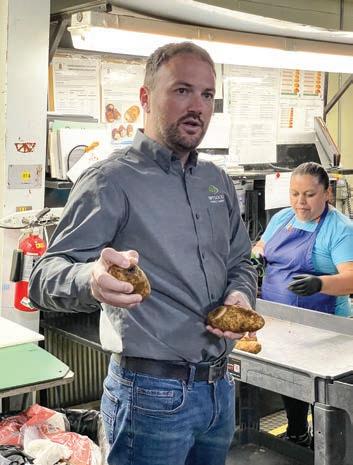
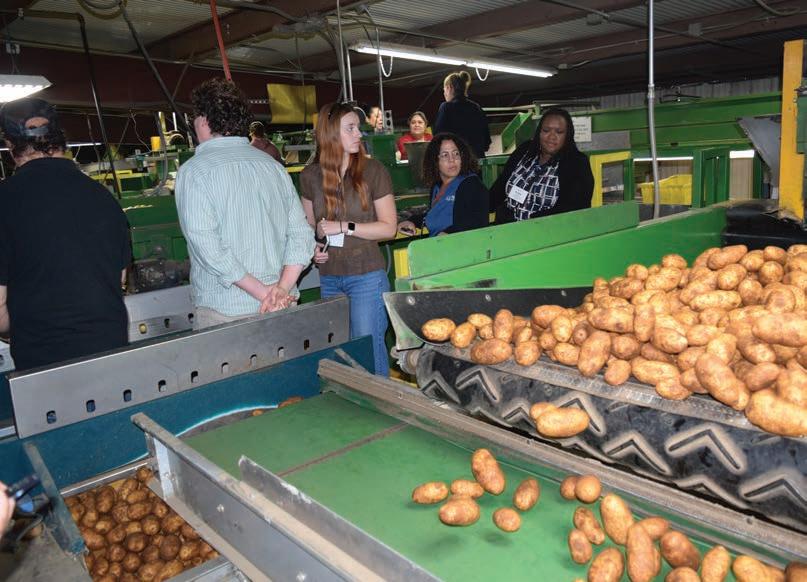
in Bancroft, where Luke Wysocki, who represents the fourth generation on the farm, gave participants a tour of the Paragon Potato Packing operation where potatoes are packed and shipped 52 weeks a year.
Incorporating many modern automated grading, sorting, packing and palletizing processes, Paragon Potato Packing is set up to wash,
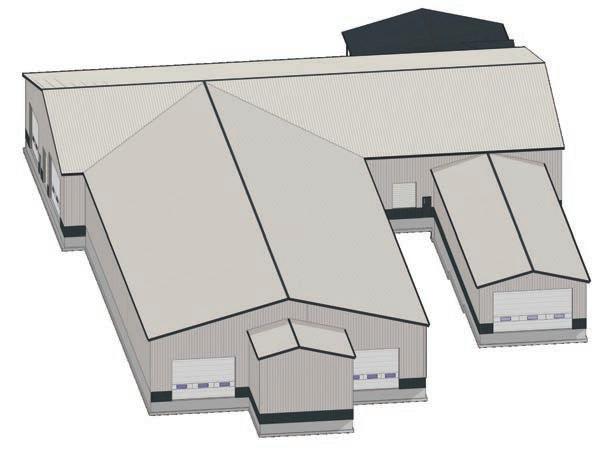
sort, grade, and pack red, yellow, and russet potatoes with half of the workforce that the operation employed a decade ago.
NPC, USDA, and EPA members had the opportunity to witness an aerial application and spray drift demonstration at Reabe Spraying Service, in Plainfield,
National Potato Council Hosts 2026 EPA Farm Tour in Wisconsin. . . continued from pg. 23
and capped Tuesday off with dinner at the Sky Club supper club.
Damon Reabe took farm tour participants through the aerial crop treatment process from the time work orders arrive in the office until each airplane pilot completes the day’s precision applications, in all treating a half-million acres of row crops a year.
Reabe’s up-close aerial application and spray drift demonstration (using water instead of chemicals for safety) was a highlight of the EPA Farm Tour.
On Wednesday, June 24, EPA
Farm Tour participants attended research discussions at the Hancock Agricultural Research Station, including those on pathogen management in potato storage, pestresistant potato variety development, insect management, and fungicide and herbicide strategies.
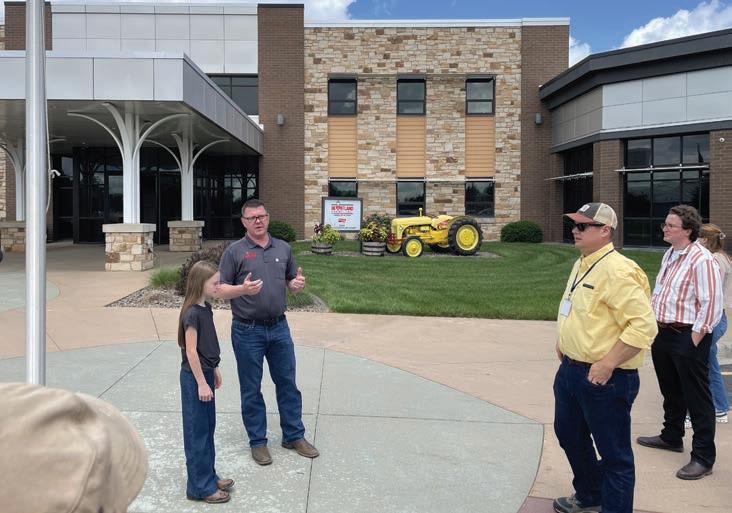
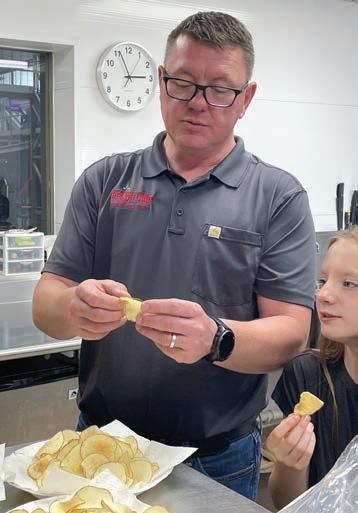
Jeremie Pavelski welcomed EPA and USDA scientists to Heartland Farms, a fifth-generation potato and vegetable operation in Hancock, where they learned about chipping potato grading and standards, storage management, and technologies in potato management.

When you need goods or services, please consider asking our Associate Division Members for quotes or explore what they have to offer. Together, we make a strong organization and appreciate how wonderful we are as a group.
“We appreciate the staff from both EPA and USDA participating in this year’s tour and expanding their knowledge of potato production and the importance of pesticides in potato production,” states Chris Olsen, NPC’s vice president of Environmental Affairs.
“The Wisconsin growers who participated were representative of farms across the country in their commitment to protecting the environment while growing a healthy potato crop,” Olsen stresses.
It is the NPC’s and WPVGA’s goal to encourage EPA members to experience precision potato and vegetable crop production in Wisconsin and across the country, and how growers achieve highyielding crops in a sustainable manner while protecting the environment and feeding the world.
We make biologicals work.
HGS BioScience makes biologicals reliable and easy to use. We own the science across five technology towers, starting with the humic acid we mine and extract ourselves.
Introducing HumiK ONE Slingshot. It stacks living, P- and K-releasing biology onto our extracted humate granule, so the humic acid and the biology work the soil together in one pass.
• NO EXTRA APPLICATION PASS — Delivers P/K-releasing biology directly in the dry fertilizer blend
• BLENDS WITH STANDARD FERTILIZERS — Similar SGN, crush strength, and bulk density as DAP and urea





By Tamas Houlihan, Executive Director, WPVGA
Wisconsin’s Central Sands region remains one of the most productive irrigated vegetable areas in the United States with top five rankings for potatoes, sweet corn, green beans, peas, carrots, cucumbers, beets for canning, and cabbage for sauerkraut.
This production, which is valued at nearly $6 billion annually, would not be possible without irrigation. At the same time, concerns have been raised over the potential impact of irrigated agriculture on the groundwater aquifer and surface waters of the Central Sands.
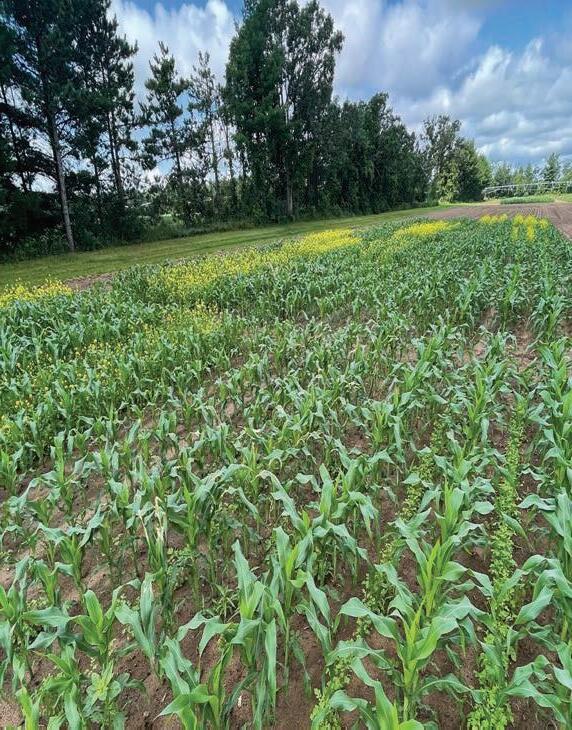
Dr. Jed Colquhoun of the University of Wisconsin (UW)-Madison Department of Horticulture continued in-depth studies, in 2025, to investigate practical agronomic ways to include inter-seeded cover crops in potato and sweet corn on coarse textured soils. The goal is to determine if inter-seeded cover crops can uptake leached inputs such as nitrates and pesticides to help protect groundwater. Here, yellow mustard is inter-seeded with sweet corn as part of Dr. Colquhoun’s research.
In response, the Wisconsin Potato & Vegetable Growers Association (WPVGA) continues to bring together people, organizations and expertise to foster the sustainable use of water resources.
Voluntary conservation practices, groundwater monitoring, stateof-the-art technology and applied research are the focal points of the WPVGA’s efforts.
The Association continues to engage in activities that consolidate and build on the existing knowledge base related to the hydrogeology of the Central Sands and other potato growing areas of Wisconsin.
• In 2025, the WPVGA Water Task Force provided funding for a multi-year project led by Assistant Professor and Extension Specialist in Agrohydrology Dr. Mallika Nocco of the University of Wisconsin (UW)-Madison Biological Systems Engineering Department.
Dr. Nocco’s research will “Measure Fifteen Years of Actual Evapotranspiration [ET] in the Central Sands Using Eddy Covariance, Drones and Satellite Data.” Dr. Nocco will advance this goal by measuring water and energy budgets in different potato and vegetable cropping systems in
the Wisconsin Central Sands.
Dr. Nocco’s team will instrument a movable eddy covariance tower on a trailer that is powered by a solar panel system for flexibility of locations around Central Wisconsin. The anticipated life of this tower is at least 15 years.
The tower will house an open-path gas analyzer and 3-dimensional sonic anemometer, net radiometer, soil heat fluxes, temperature/ relative humidity gauges, and soil moisture sensors.
These instruments will be paired with drone and satellite measurements of evapotranspiration and crop growth to inform irrigation scheduling, crop water stress, and water productivity tools for the Central Sands to improve irrigation management.
They will also be used to evaluate water use from new crop varieties,
water-holding soil amendments, and interplanting trials. Laboratory analyses will be used to evaluate plant water availability.
Data will be shared with growers and the scientific community. The overarching research goal of the proposed project is to collect data to support precision irrigation management and water conservation in the Central Sands region of Wisconsin.
• In 2025, the WPVGA Water Task Force funded research by Dr. Steven Hall, assistant professor in the UW Department of Plant and Agroecosystem Sciences. His project is titled “Expanding On-Farm Nitrate Leaching Measurements to Evaluate Innovative Practices.”
Dr. Hall will evaluate the potential of resin lysimeters (a simple, lowcost sampling method) to measure nitrate leaching in on-farm trials in comparison with equilibrium
tension lysimeters (a well-accepted but complex and expensive method).
Developing feasible and costeffective methods to measure nitrate losses is critical for informing the adoption of effective management practices that benefit the long-term economic and environmental sustainability of the potato industry and the Central Sands region.
• In 2025, the WPVGA Water Task Force also contributed funding toward a project led by Dr. Inna Popova, assistant professor in the UW Department of Soil and Environmental Sciences, titled “Impacts of Jumping Worms on Nitrogen Leaching in Organic Potato Production Systems.”
Jumping worms accelerate the breakdown of organic matter and alter nitrogen cycling, often
WE HAVEN'T LEFT YOUR SIDE SINCE.




resulting in excessive nitrate release and leaching.
The goal of this research is to generate foundational data on nitrogen leaching risk and amendment efficacy, enabling growers to make informed decisions about nutrient management and soil restoration in systems affected by jumping worm invasion.
• The WPVGA Water Task Force recently concluded a five-year research project with the UW Atmospheric and Oceanic Sciences Department looking at newer, more accurate and advanced methods of measuring evapotranspiration, which is the term used for crop water use.
This project was led by Dr. Ankur Desai and used the latest technology of an eddy covariance flux tower system to measure ET in an irrigated vegetable field as well as using another flux tower system to measure ET in a nearby forest.
Research results are being shared with growers to assist them in their irrigation management and scheduling regimes. Five years of data have also helped improve the Wisconsin Irrigation Scheduling Program by fine-tuning the ET measurements used in that system.
• Every year, the WPVGA funds several applied research projects led by Dr. Yi Wang, professor in the UW Department of Plant and Agroecosystem Sciences, and Dr. Matt Ruark, professor in the UW Department of Soil and Environmental Sciences.
In recent years, these studies included evaluating the performance of multiple potato varieties in low nitrogen environments as well as studying nitrate concentrations in irrigation water.
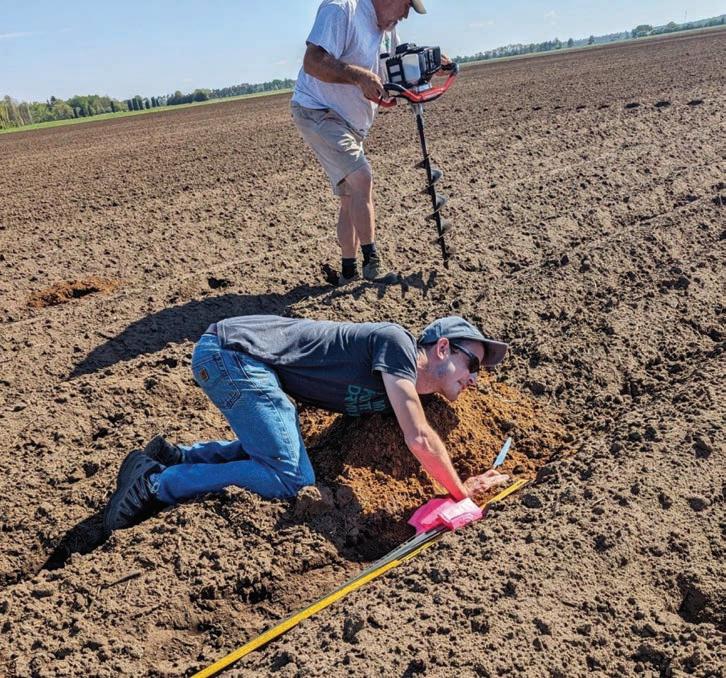
well-accepted but complex and expensive method.
here, Dr.
(foreground) and a team member install resin accumulators in a hilled potato field to estimate nitrate leaching from field trials.
The research results provide important information for growers. It helps them develop improved nutrient management programs that account for nitrogen being applied in the irrigation water. It also helps identify new varieties that use less nitrogen and existing varieties that perform well with less nitrogen.
This research also includes the study of slow-release nitrogen products with a goal of reducing nitrate leaching into groundwater. These studies are being conducted on-farm as well as at the UWHancock Agricultural Research Station.
Dr. Ruark’s current research studies the effect of the previous crop (corn or soybean) on the optimum nitrogen rate for potatoes grown
in the Central Sands. This research will update nitrogen fertilizer recommendations for potatoes based on the previous rotational crop.
Dr. Wang’s current research focuses on developing an efficient platform that predicts and guides in-season potato nitrogen fertilization using remote sensing imagery. The goal is to investigate the possibility of guiding nitrogen management decision-making on farms using AIdriven techniques.
• As part of his annual WPVGA base funding, Dr. Jed Colquhoun of the UW Department of Horticulture continued in-depth studies, in 2025, to investigate practical agronomic ways to include inter-seeded cover crops in potato and sweet corn on coarse textured soils.
The goal is to determine if interseeded cover crops uptake leached inputs such as nitrates and pesticides to help protect groundwater.
Dr. Colquhoun’s research also explores alternative rotational crops that require minimal nitrogen, pesticide or irrigation inputs.
• In 2025, the WPVGA was successful in receiving a fifth Producer-Led Watershed Protection Grant from the Wisconsin Department of Agriculture, Trade and Consumer Protection (WDATCP). Eight member farms are participating in the project, which is in the Little Plover River/Wisconsin River watershed.
Called the Central Wisconsin Farmers Collaborative, the group seeks to promote innovative conservation and stewardship practices that benefit the
watershed, landscape, and the land managers themselves through collaborative partnerships, farmto-farm education programs, and other strategic actions.
Conservation practices employed by the group include the extensive use of cover crops, prairie and pollinator plantings, inter-seeding cover crops to reduce nitrate leaching, and no-till/minimum till practices.
There are also extensive wetlands restoration practices employed in this watershed. The group received funding again in 2026 and plans to recruit several more farms to join this year.
• A second Producer-Led Watershed Protection Grant group, Farmers of the Roche-A-Cri, formed in the Central Sands, in 2022, and received its fourth year of funding in 2025. The Farmers of the RocheA-Cri includes six WPVGA member farms.
• The WPVGA continues to encourage more member farms to participate in the Producer-Led Watershed Protection Grant program.
Two more groups with WPVGA members were approved by WDATCP for Producer- Led Grants in 2025: one in the 14-Mile Creek Watershed and one in the Antigo potato growing region. These groups also received continued grant funding for 2026.
• Multiple WPVGA members are participating in the Commercial Nitrogen Optimization Pilot Program (NOPP) through WDATCP.
The NOPP was designed to encourage agricultural producers to develop innovative approaches to optimize the application of commercial nitrogen for a duration of at least two growing seasons. The selected producers must collaborate with a UW System


on Water. . . continued from pg. 29
institution, which will monitor the grant project on-site and conduct commercial nitrogen optimization field studies.
Coloma Farms received a NOPP Grant for 2024-’25, working with Dr. Hall, a water quality specialist, on the use of a liquid cover crop (glycerol) to reduce nitrate leaching.
Isherwood Farms received a 2024’25 NOPP Grant on optimizing nitrogen in potatoes to reduce nitrogen leaching on sandy soil, and McCain Foods continued its work with a second NOPP Grant in 2024-’25 working with two WPVGA farms to optimize nitrogen use for potatoes in Central Wisconsin.
Four WPVGA member farms have been approved for NOPP Grant funding in 2026-’27 along with the Langlade County Agricultural Research Station, which will focus on optimizing potato nitrogen application rates under reduced phosphorus rates.
• The WPVGA continues to collaborate with the Village of Plover, the Wisconsin Wetlands Association, the Wisconsin Wildlife Federation, Wisconsin Department of Natural Resources (DNR), UWStevens Point, and others on the Little Plover River Watershed Enhancement Project.
This multi-party collaboration has improved the health and flow of the Little Plover River and the quality of life of the surrounding community.
The WPVGA recognizes that restoring the health of the river requires an array of on-the-ground practices and voluntary landowner participation, and is committed to utilizing a combination of protection, restoration and
management practices that ensures the project’s success.
WPVGA member farm Myron Soik & Sons was instrumental in the success of this project by agreeing to take a vegetable field out of production and decommissioning a high capacity well near the headwaters of the Little Plover River.
A dairy farm in the Little Plover River Watershed, Feltz Family Farms, joined the WPVGA and has been actively involved in practices such as rotational grazing and ditch-filling to improve the Little Plover River Watershed.
• The WPVGA continues to maintain and monitor a network of privately-owned irrigation wells in the Central Sands to measure groundwater levels. The network currently consists of over 50 wells across multiple Central Wisconsin counties sampled one to three times per year.
The database is managed by GZA GeoEnvironmental, Inc., and information is available on the WPVGA website (www. wisconsinpotatoes.com).
• The WPVGA continues to collaborate with the University of Wisconsin and the DNR on an initiative to recognize and reward water conservation.
The Wisconsin Water Stewards Program establishes a baseline of water stewardship practices and assists growers in making continuous improvements in water conservation.
Growers have access to a broad range of expertise to help determine the best way to manage and conserve water resources on their individual farms. This has also become a component of the
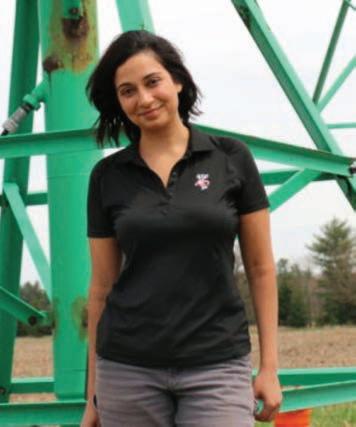
The WPVGA Water Task Force provided funding for a multi-year project led by Dr. Mallika Nocco of the UW Biological Systems Engineering Department. The goal of the project is to collect data to support precision irrigation management and water conservation in the Central Sands region of Wisconsin.
WPVGA’s high-bar sustainability program known as Healthy Grown.
• The WPVGA continues to collect and post data from over 25 monitoring wells to continuously track fluctuations in groundwater at regular intervals across three areas designated as high risk for surface water impacts: the Little Plover River (Plover area), Long Lake (Plainfield area), and Pleasant Lake (Coloma area).
Groundwater elevations are posted at https://wisa.cals.wisc.edu/ every three weeks.
All these WPVGA initiatives are working toward sustainable groundwater quantity and quality through evaluating and implementing strategies to increase the efficiency of irrigation and crop production while conserving the amount of water used and maintaining or improving water quality.
Kevin Schleicher & Lucas Wysocki will draw on their combined expertise to drive innovation
Wysocki Family Farms announces the appointment of Kevin Schleicher and Lucas Wysocki as Co-Chief Executive Officers, effective July 1, 2026. In their new positions, Schleicher will serve as Co-CEO, Commercial, while Wysocki will serve as Co-CEO, Operations.
Together, they will draw upon their combined expertise to drive innovation, strengthen customer partnerships, and support strategic growth.
“Kevin and Lucas bring complementary strengths, deep knowledge of our business, and a shared dedication to our employees,

customers, and partners,” says Russell Wysocki, Chairman of the Board. “Their leadership reflects the strength of our organization and positions Wysocki Family Farms for continued success in a dynamic agricultural marketplace.”
Schleicher has played a key role in the company’s strategic development, building strong customer relationships while advancing innovation and talent development across the business.
As a member of the Wysocki family and a longtime leader within the organization, Lucas Wysocki has extensive experience overseeing
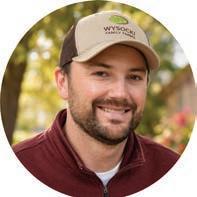
agricultural operations and driving initiatives that enhance productivity, quality, and long-term sustainability.
“We are honored to lead Wysocki Family Farms together,” Schleicher says. “Thankfully, Luke and I have incredible employees and a leadership team who are relentless in pursuing excellence. We have the utmost confidence our company will make a special impact in serving our customers and our community.”
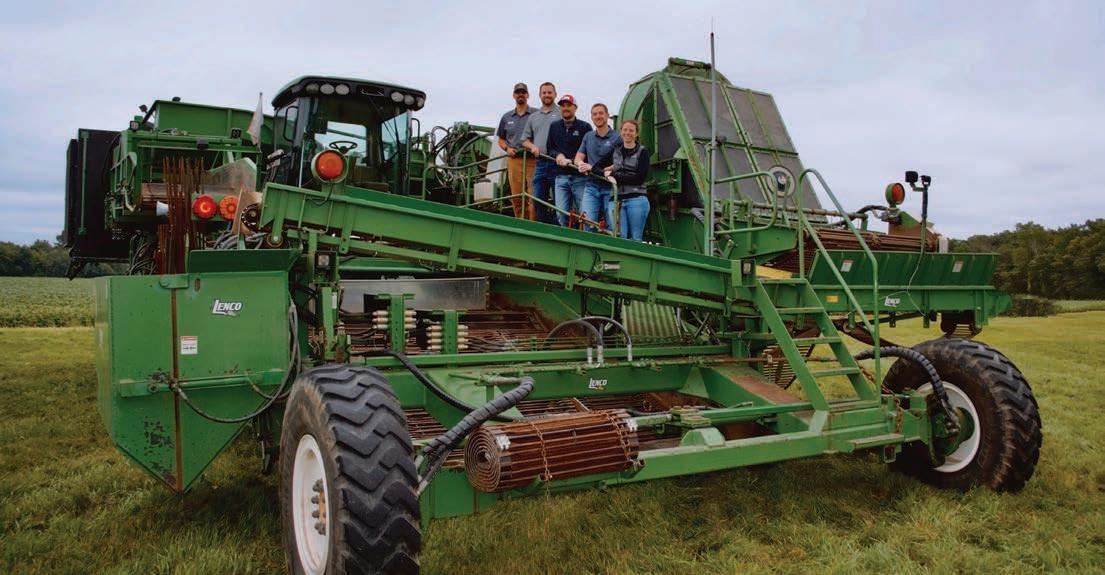
“Having the opportunity to continue my grandfather’s, father’s and the Wysocki family legacy is something I am incredibly proud of,” Lucas adds. “I am grateful for the trust our team has placed in us to lead this next chapter in Wysocki Family Farms’
journey. Together, we will continue building a farm that will be here for generations to come.”
As owners and longtime leaders within the organization, Schleicher and Wysocki bring a deep understanding of the business
Poull uses ag communication to bridge the gap between producers & consumers
The Wisconsin Department of Agriculture, Trade and Consumer Protection (DATCP) has selected Anastasia Poull of Port Washington as Wisconsin’s 79th Alice in Dairyland. In this position, Poull will work for the contract year as a full-time marketing and communications professional for DATCP, educating the public about the importance of agriculture in Wisconsin.
Poull has longstanding passions for agriculture, learning, and new experiences. During her first four years at South Dakota State University, she earned three bachelor’s degrees in animal science, agricultural leadership, and agricultural science, with two minors in agricultural business and
communication studies.
Her extracurricular involvement, including the 2020 Wool Judging Team and ambassadorship for the College of Agriculture, helped develop important connections for her Master of Arts in communication and media studies.
Through her studies and work opportunities, Poull found a strong disconnect between producers and consumers and hopes to help bridge this gap through agricultural communications.
“The role of Alice in Dairyland is a once-in-a-lifetime opportunity to serve as an ambassador for Wisconsin’s abundant and diverse agriculture industry,” Poull remarks. “I am looking forward to connecting
to their new roles. Guided by Wysocki Family Farms’ belief in the legacy of family farms and its role in feeding the world, they remain committed to building a strong future for employees, customers, and the agricultural communities they serve.
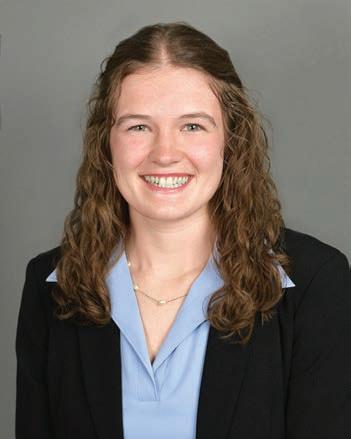
with a wide variety of consumers to share more about this dynamic industry and the hardworking individuals who make it possible.”
Poull was crowned during the 79th Alice in Dairyland Finals hosted by Marathon County in May. She began her term as the 79th Alice in Dairyland on July 6, 2026, as the successor of 78th Alice in Dairyland, Sarah Hagenow, of Poynette.
About Alice in Dairyland
Alice in Dairyland is a one-year, full-time communications professional with DATCP.
The Alice in Dairyland program is supported by several partner organizations, including Dairy Farmers of Wisconsin, the Dairy Innovation Hub, Ginseng Board of Wisconsin, Goodman’s Jewelers, Kettle Moraine Mink Breeders Association, Wisconsin Beef Council, Wisconsin Corn Promotion Board, and the Wisconsin Potato Industry Board.
For more information about the Alice in Dairyland program, visit https://www. aliceindairyland.com and follow Alice online on Facebook, LinkedIn, and Instagram.
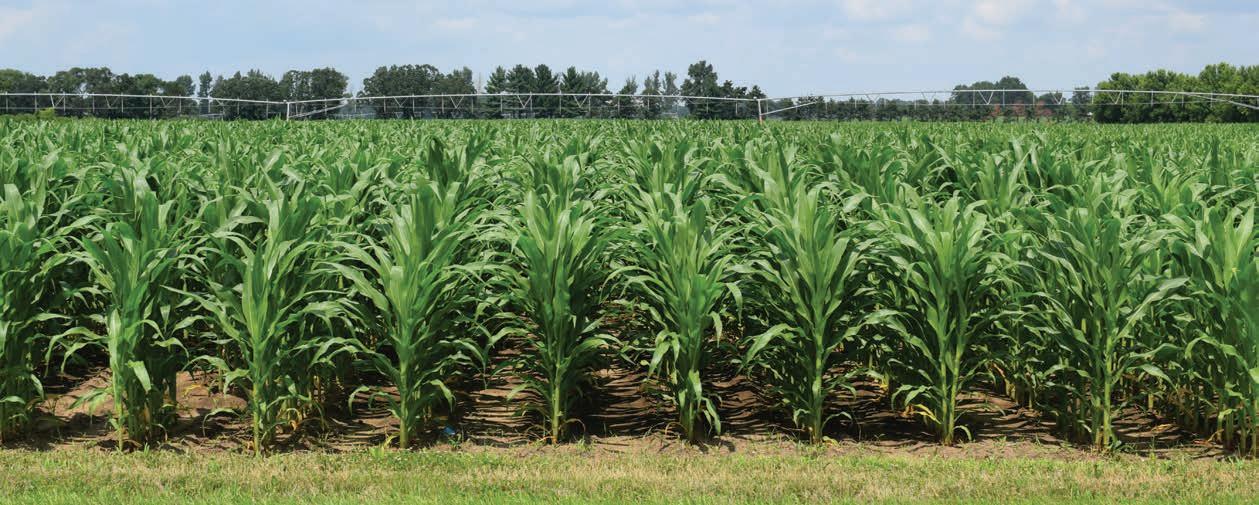
Data shows a persistent consumer push for fresh and frozen veggies over processed and canned options
By Dr. Paul Mitchell and Ph.D. student, Inder Majumdar, University of Wisconsin-Madison Department of Agricultural and Applied Economics
Vegetables for processing are a key part of the potato production in Wisconsin and the Midwest, and not only sweet corn, snap beans, and peas, but also cucumbers for pickling, table beets, cabbage for sauerkraut, and carrots.
The vegetables are common rotational crops for potatoes and add to the economic diversity of production systems in the state, generating $200 million in cash receipts for Wisconsin farms in 2024.
Processing these crops generates
07-26 Badger Common'Tater (7.25x2.25).v2.pdf 1 2026-07-09 8:51 am
even more economic value. Back in 2016, when last calculated, specialty crop production and processing created $5.8 billion in economic activity and more than 24,000 jobs in the state, making Wisconsin a top state for processed vegetable production.
Despite this history, many trends are not positive for the industry. In this article, we explore some of these trends in consumption, production costs and value, and then use a SWOT (strengths, weaknesses, opportunities, treat) analysis to reflect on the future of processing vegetables in general and in Wisconsin in particular.
Figure 1 shows vegetable consumption in the United States (not including potatoes) from 1980 to 2024, the most recent year available. Consumption of all vegetables had been relatively constant since about 2000 and only began a significant drop after 2020.
Per person consumption peaked in 2004 and 2005 at 279 pounds and
came close to this peak again in 2020 at 278.5 pounds, but fell to 242.8 pounds in 2024, almost a 13% decline.
Figure 1 also splits all vegetable consumption into fresh and all types of processed vegetables (canned, frozen, dehydrated, etc.). Fresh vegetable consumption has been relatively constant at around 150 pounds since the late 1990s. It peaked at 161 pounds in 2016 and 2017, and has been declining since, dropping 6.5% from 2020 to 2024.
Processed vegetable consumption has been noticeably less than fresh vegetable consumption for decades, peaking at 132 pounds in 1991. In 2024, processed vegetable consumption was 95.2 pounds, a drop of almost 37 pounds since 1991 and a 21% decline since 2020.
For several years, consumer preferences have been shifting to prefer fresh foods over processed foods, and vegetables are no exception. The sharp drop in both fresh and processed vegetable consumption since 2022 is likely due to many reasons, including inflation and the rising use of anti-obesity drugs.
People not only eat less food overall when using these drugs, they also eat more protein. With the “affordability crisis” continuing and adult obesity rates at around 40% in the United States, we do not see these trends changing any time soon.
Figure 2 reports consumption of major fresh and processed vegetables in the United States in 2024, focusing on “classic” vegetables commonly produced in the Midwest. Potatoes are by far the most consumed vegetable, with tomatoes second.
For processed vegetables produced in Wisconsin, sweet corn is the greatest in terms of pounds consumed,
with snap beans and green peas being relatively minor. Even more problematic for Wisconsin than the relatively small amount of these vegetables consumed are the consumption trends.
Table 1 shows the percentage change in pounds consumed from 1970 to 2024 and from 2020 to 2024. To aid readability, increases are shown in green and decreases in red.
Though consumption of several fresh vegetables increased, looking at processed vegetables commonly produced in Wisconsin, only consumption of potatoes and onions increased, both from 1970 to 2024 and for the last five years, 2020 to 2024.
Sweet corn, snap beans and pea consumption showed declines of 50% to 67% since 1970, with consumption continuing to fall substantially in the last five years.
Given that Wisconsin ranks first among U.S. states in snap bean production and third for sweet corn, green pea, beet, and cabbage production, and sixth for cucumbers, these are not good trends for the state’s processing vegetable industry.
Consumer trends are not the only story. The production side of the vegetable industry also matters. Figure 3 shows the producer price

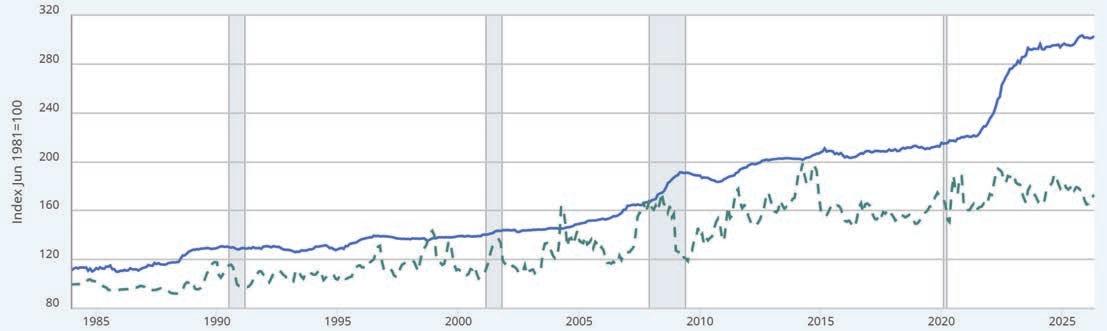
Figure 3. Cost of production index for fruit and vegetable canning and cheese manufacturing in the U nited States January 1984 to May 2026 (FRED 2026) index (PPI) for vegetable canning and cheese making in the United States since 1984. The PPI is the producer version of the consumer price index (CPI) that is often quoted as the measure of inflation.
A simple way to understand these indexes is that the PPI measures the cost of production for industry, while the CPI measures the cost of living for consumers.
The Federal Reserve Bank of St. Louis publishes PPI indexes for many industries, including fruit and vegetable canning. Given the national importance of vegetable canning in the Midwest and Wisconsin, this index is a great proxy for their production costs here in the state.
The PPI for cheese manufacturing is shown for comparison. Again, because of the national importance of Wisconsin cheese production, this index is a great proxy for their production costs here in the state.
Figure 3 shows that costs for both industries closely tracked one another for many years, indicating that they faced the same cost trends for raw inputs, labor, energy, machinery, and similar.
The index for cheese making fluctuates because the price of milk continually varies, while vegetables (and fruits) for canning are contracted with only annual price variation. In general, the two prices indexes move together until early 2022 when the PPI for canning shows
a rapid increase.
Multiple reasons likely exist for this divergence, chief among them being the cost of steel for cans that affects canning more than cheese making. The PPI for canning seems to have stabilized in the last several months, but the industry has had to absorb a substantial cost increase that did not affect the cheese industry.
The two plots in planted for vegetables and potatoes
3: Cost of production index for fruit and vegetable canning and cheese manufacturing in the United States from January 1984 to May 2026 (FRED 2026)
in the United States and the inflationadjusted farmgate value (average farm price multiplied by total yield) of these crops from 2000 to 2024.

continued from pg. 35
planted acres and farmgate values for fresh and processed vegetables in 2015 and 2016. Planted acres show a clear decline for these crops, which occurred for multiple reasons, including declining demand, increased yields per acre, and increased imports.
However, the farmgate value for these vegetables has remained relatively constant after adjusting for inflation.
Declining acres and reduced profits due to higher costs contribute to plant closings and loss of industrial capacity, both of which have occurred in the state.
Declining acres means that Wisconsin farmers will have more difficulty getting contracts to use vegetables as rotational crops for potatoes. Also, the flat farmgate value suggests that the PPI increase for canning is not due to increase raw product costs, but to other factors.
Based on these trends, we conducted a SWOT analysis of the U.S. canned vegetable industry (Table 2). The canned vegetable industry consists of a small number of mature companies that face input cost shocks that place upward price pressure on their products, while these products face declining demand.
Existing companies in the industry use economies of scale and integrated supply chains to maintain low unit costs.
Many vegetable processors operate multiple facilities that include seed production, can manufacturing, packaging plants, farming operations, and a logistical support network, and invest in state-of-the-art production and logistics technology (e.g., Seneca Foods Corporation 2024).
This level of vertical integration makes entry difficult and allows these
businesses to avoid double markups usually encountered by unintegrated firms.
Canned vegetables are shelf-stable and can be stored and stocked yearround to fulfill quick-prep needs and off-season demand in case of fresh vegetable stockouts. These benefits might especially appeal to budgetconscious consumers and hotel/ retail/catering institutions seeking affordable nutrition with a long shelf life.
Lastly, given the small number of companies, firms note that higher supply costs can be passed through, in part, to consumers (e.g., Seneca Foods Corporation 2024).
Weaknesses
Company revenues and costs follow strong seasonal patterns. Costs are
high when canned vegetables harvest and procurement occur, while sales peak during holiday seasons. As a result, most companies must arrange for financing during the 2nd and 3rd quarters when they require more cash than available from sales.
This industry also requires high fixed costs and large capital investments to improve productive efficiency to maintain low unit costs. Canning plants are particularly capital intensive and are built for high throughput during harvest.
Seasonal processing and shifting consumer preferences toward frozen and fresh vegetables mean that companies have excess capacity for part of the year. These problems are exacerbated when years of bumper crops or high crop yield
and continued low consumer demand erode their margins.
By offering health-focused, quality differentiated options, or alternatively packed options, companies might attract consumers who would otherwise avoid canned foods. Examples include fermented foods, often packaged in glass or plastic, and unique flavors and product mixes, often with a focus on vegetables and protein.
Organic is also an option being explored by some companies, but the key seems to be focusing on healthy, high-quality products and unique flavors with organic as part of the profile, not the primary selling characteristic.
A related strategy is to pursue growth in distribution channels beyond traditional center-aisle supermarkets to allow companies to capitalize on their convenience, non-perishability, and value pricing for premium products.
Lastly, overseas markets remain a promising growth channel for valuebased brands if tariff policies stabilize over the medium term. Alterative packaging may be needed as well, given the high cost of steel relative to other nations.
As the trend data showed, the persistent consumer push for fresh over processed and frozen over canned vegetables continues to be a threat for the industry, compounded now by increased use of anti-obesity drugs and increased protein demand.
It may be some time before current declines in vegetable demand stabilize, let alone reverse. Vegetable processing companies have noted in their regulatory filings that fresh produce distribution efficiency continues to improve so that demand for canned vegetables is in decline even when fresh produce was
continued on pg. 38
• Economics of scale and integrated supply chains of existing companies
• Shelf-stable convenience
• Market structure lends itself to cost passthrough
Opportunities
• Possible premium and differentiated product lines
• Expanding distribution channels away from “center-aisle” supermarkets

Weaknesses
• Cyclical production
• Large fixed capital investments with low adjustment capacity
• Persistent consumer push to fresh, frozen, or minimally processed
• External policy shocks (tariffs, US dollar strength)
• Product innovations that better cater to consumer tastes
Badger Beat. . .
continued from pg. 37
traditionally off-season.
Policy uncertainty has emerged as a serious threat, with tariff wars and other trade barriers raising costs and eroding demand, despite the current level of vertical integration in the industry.
Tariffs have been a significant contributor to the cost increases facing the industry and it is unclear when and whether prices for metal will fall in the face of the recent court ruling on the legality of some tariffs. Expansion of exports to international markets is complicated by the trade wars that have emerged in the face of U.S. tariffs.
Lastly, consumers seeking convenience have many alternatives that better cater to their preferences than canned or processed vegetables. It remains unclear whether healthy, high-quality and uniquely flavored canned products can compete with fresh and frozen options, such as ready-to-eat salads and steamer bags.
The canned vegetable industry is facing some tough challenges that
Table 2. SWOT analysis of the U.S. canned vegetable industry Strengths
• Economics of scale and integrated supply chains of existing companies
• Shelf-stable convenience
• Market structure lends itself to cost passthrough Weaknesses
• Cyclical production
• Large fixed capital investments with low adjustment capacity Opportunities
• Possible premium and differentiated product lines
• Expanding distribution channels away from “center-aisle” supermarkets
• Overseas expansion
Threats
• Persistent consumer push to fresh, frozen, or minimally processed
• External policy shocks (tariffs, US dollar strength)
• Product innovations that better cater to consumer tastes
Table 2: SWOT analysis of the U.S. canned vegetable industry
we have highlighted here. At this time, we remain optimistic that the industry can work through these issues and continue.
Consumer preferences are always evolving, and farmers and industry have historically had to shift in response. We currently have many farmers with knowledge, experience and equipment to grow many different vegetables on a commercial scale.
Vegetable processing companies also have lots of knowledge and experience, as well as access to capital to make major investments to
N7158 6TH DRIVE P.O. BOX 215 PLAINFIELD, WI 54966 OFFICE: (715) 335-6660 FAX: (715) 335-6661

STORAGE VENTILATION
• COMPUTERIZED CONTROL PANELS • HUMIDIFICATION • REFRIGERATION
• CIPC, CLOVE OIL APPLICATIONS KEEP ON TRACK WITH OUR SPROUT INHIBITORS AND DISINFECTANTS
SPROUT INHIBITING
• FRUIT GUARD APPLICATIONS
• SMART BLOCK APPLICATIONS
make products that consumers want.
Research and Extension faculty and staff at the land grant universities in the region have had a longstanding practice of working with farmers and industry on the issues they face, and this is no different.
Recent policy uncertainty will likely diminish, though new sources of uncertainty will also likely emerge. Nevertheless, we believe that Wisconsin and the upper Midwest will continue to be a major vegetable production region for quite some time as farmers and companies work through adjustments in response to these trends.
References
Federal Reserve Bank of St Louis (FRED). 2026. Producer Price Index by Industry: Fruit and Vegetable Canning (PCU311421311421). Online: https://fred.stlouisfed.org/series/ PCU311421311421.
Seneca Foods Corporation. 2024. Form 10-K, US Securities and Exchange Commission. Online: https://www.sec.gov/Archives/ edgar/data/88948/000143774924020198/ senea20240331_10k.htm.
USDA Economic Research Service (USDA ERS). 2025. Vegetables and pulses yearbook tables. Online: https://www.ers.usda.gov/ data-products/vegetables-and-pulses-data/ vegetables-and-pulses-yearbook-tables.
USDA National Agricultural Statistics Service (USDA NASS). 2026. Vegetables Annual Summary. Online: https://esmis.nal.usda.gov/ publication/vegetables-annual-summary.
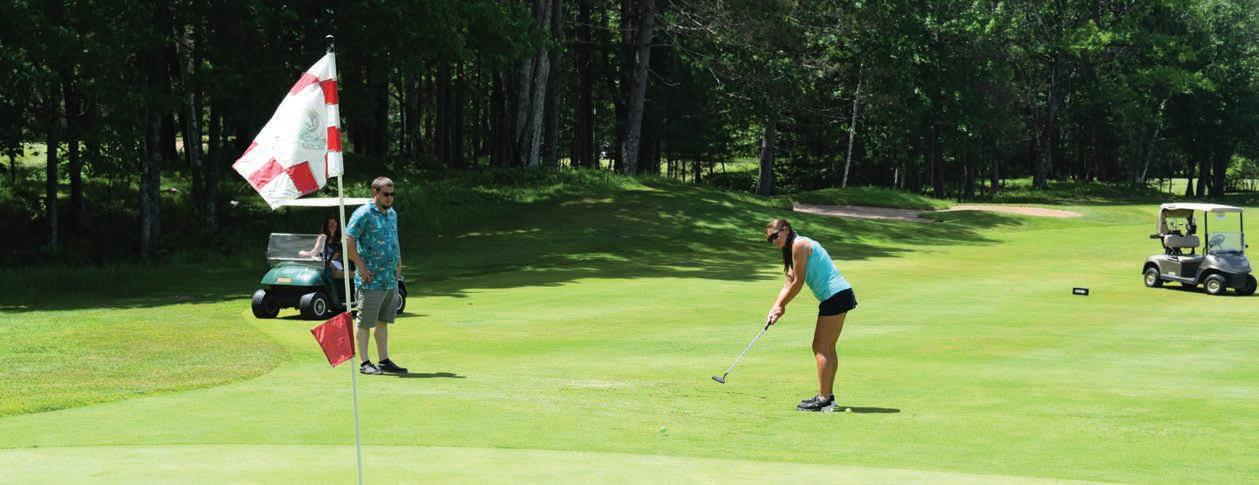
Annual WSPIA fundraiser at Bass Lake Golf Club is a popular calendar event
By Joe Kertzman, managing editor, Badger Common’Tater
With another sold-out card of teams pre-registered for the 2026 Spud Seed Classic golf outing and fundraiser, June 19, at Bass Lake Golf Club in Deerbrook, Wisconsin, the industry turned out in full force to support the event.
Forty-two teams of four players each (some with three) hit the links for a day of camaraderie with fellow growers, agribusiness reps and industry supporters, and competition, games, drawings and delicious food and drinks.
An annual fundraiser put on by the Wisconsin Seed Potato Improvement Association (WSPIA), the Spud Seed
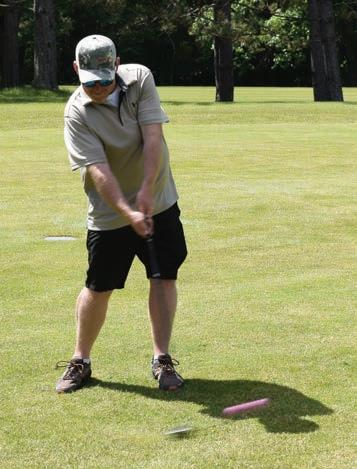
Above: Mindy Cieslewicz putts while her husband, Jarod Cieslewicz of Sand County Equipment, looks on during the 2026 Spud Seed Classic at Bass Lake Golf Club in Deerbrook, Wisconsin.
Classic raises money toward research and research station needs, as well as promotion of the state’s certified seed potato program and industry.
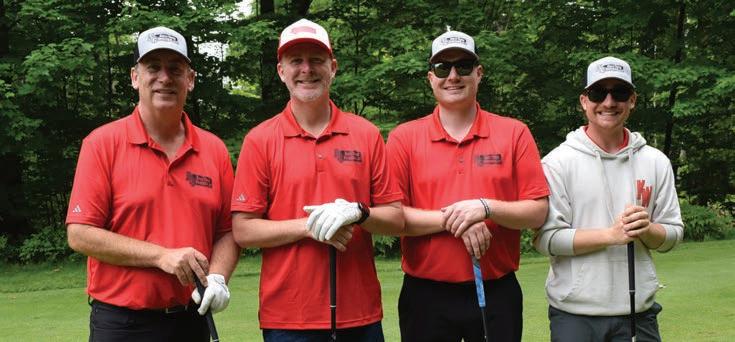
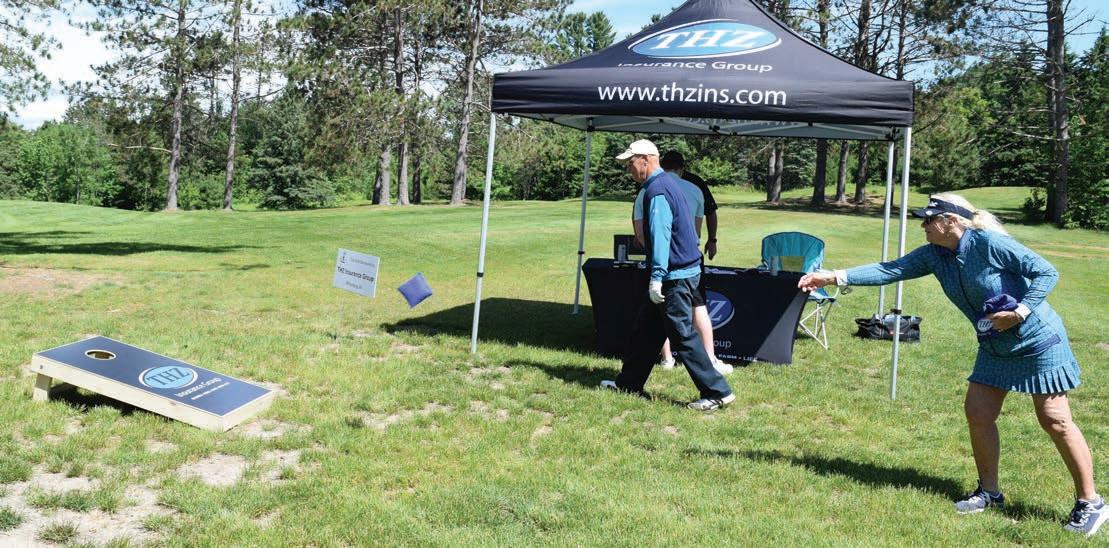
There isn’t a better cause. Garnering amazing support each year, potato and vegetable growers, business reps, industry supporters, and guests arrive in full force for the golf tournament, dinner, and awards ceremony.
Timed after planting is complete on most potato and vegetable acreage, the golf outing serves as a way for growers and industry professionals to unwind, relax, and have fun golfing with friends and industry peers.
The event was a resounding success,
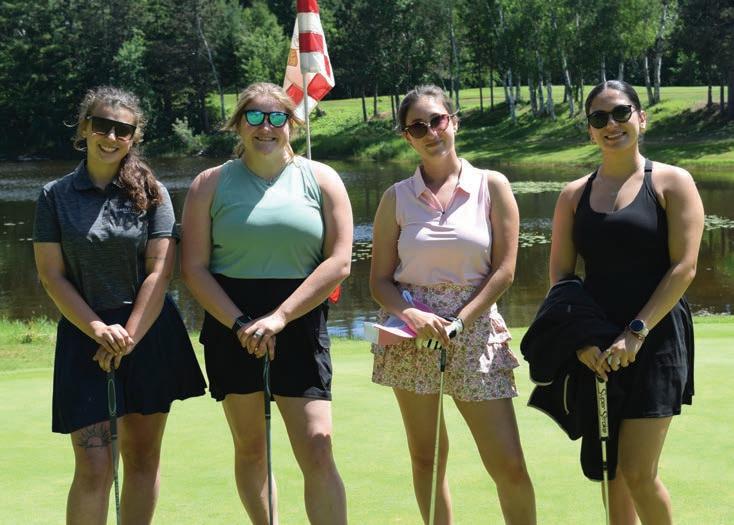
Cheri Guenthner (right) of GP Ventures tosses a bean bag, hoping to make it into the hole and win a can koozie or T-shirt at the THZ Insurance Group sponsored hole, and be entered into a drawing for a chance to win a Pit Boss two-burner tabletop gas griddle. Her husband, Bob Guenthner, walks by the THZ Insurance tent at the sponsored hole.
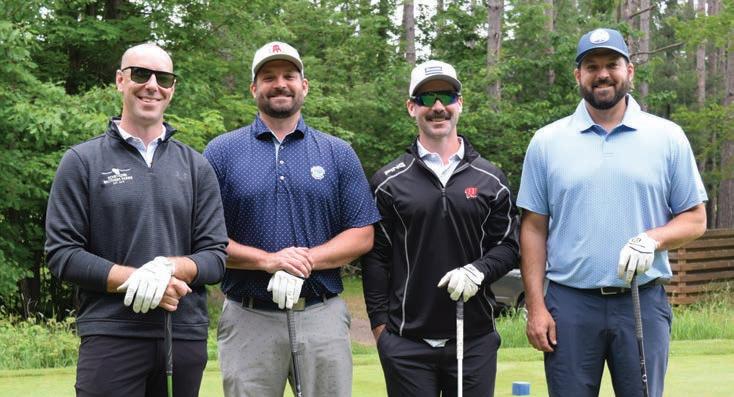
and thanks to the generosity of tournament sponsors, the 2026 Spud Seed Classic raised $28,700, a slightly higher total than last year. Since 1998, the fundraiser, previously known as the Tony Gallenberg Memorial Golf Tournament, has raised more than $243,000, with proceeds invested directly back into the industry.
2026 Spud Seed Classic sponsors include Ag Logistics, Inc.; AgCountry Farm Credit Services; Big Iron Equipment, Inc.; BMO Harris Bank; Bushman Riverside Ranch; Eagle River Seed Farm LLC; Fairchild Equipment; Hyland Lakes Spuds; Insight FS;
RIght: Landing 2nd Place with a score of 57 in a scorecard playoff at the Spud Seed Classic scramble are, from left to right, Eric Schroeder, Josh Knights, Andy Schroeder, and Brad Knights, who together represent Schroeder Brothers Farms and Heartland Farms.
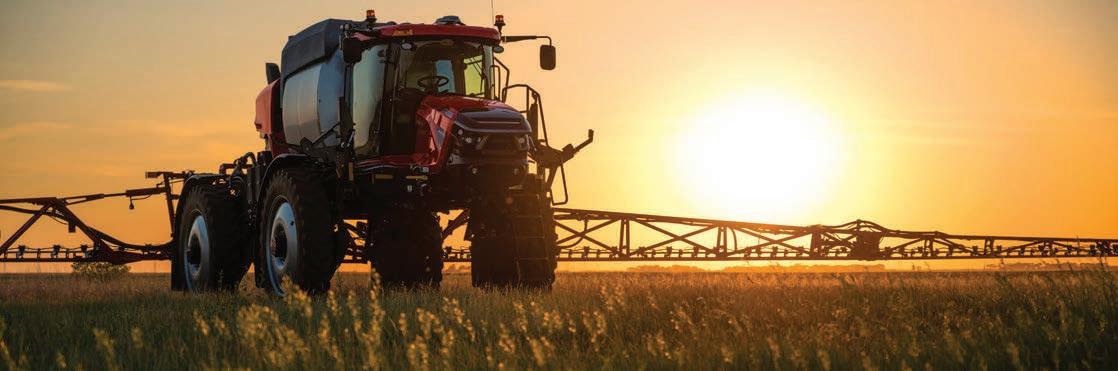
IState Truck Centers; J.W. Mattek & Sons, Inc.; Kretz Truck Brokerage LLC; Krueger & Stienfest, Inc.; Mt. Morris Mutual Insurance Company; Nichino America, Inc.; Northwestern Mutual Wealth Management Company; Nutrien Ag Solutions-Great Lakes; Schroeder Bros. Farms, Inc.; Schumitsch Companies; Sommer, Olk & Payant SC; Syngenta; and Volm Companies.
Doling out prizes, gift packages, beverage and swag were occupied hole sponsors CoVantage Credit Union, Express Employment Professionals, Food + Farm Exploration Center, Langlade Ford, Parsons of Antigo, Riesterer & Schnell, Inc., Roberts Irrgiaton, Swiderski Equipment, Inc., Venture Ag Drones, Vista Financial Strategies, Volm Companies, and WSPIA.
Nearly 25 additional companies are basic hole sponsors, and 14 businesses, centers, and associations made monetary and raffle prize donations to the event. See the full-page Spud Seed Classic “Thank You” ad in this issue.

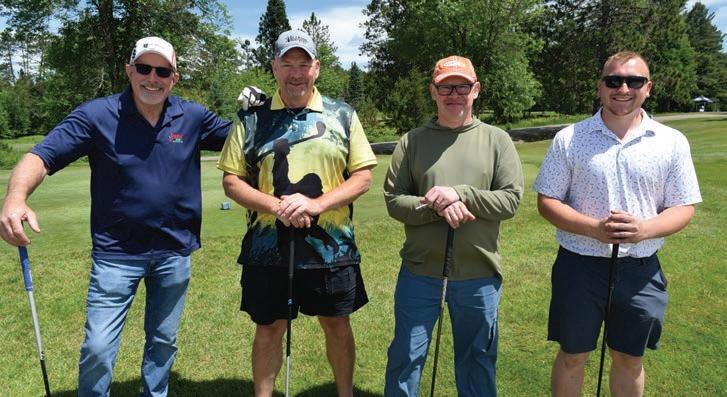
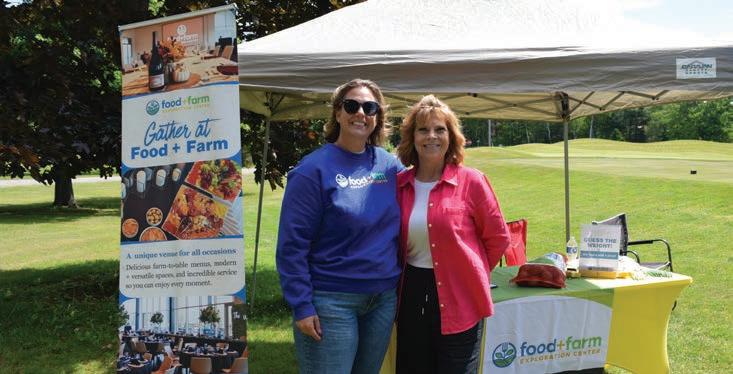
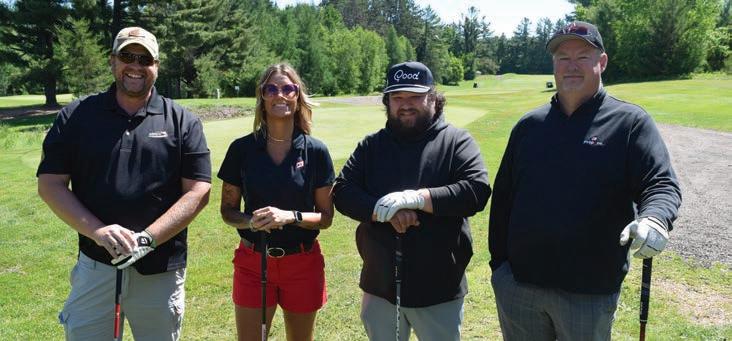

Pam Jansen and the staff at Bass Lake Golf Course prepared a delicious dinner buffet followed by the WSPIA Spud Seed Classic Awards Ceremony, during which top golfers and raffle prize winners were announced.
Ted Baginski of Baginski Farms won a 65-inch LG UHD (Ultra-High Definition) TV; Parker Beadles, son of Gary Beadles and playing for the Volm Companies team, won the raffle ticket drawing for a Stihl chainsaw; and Eric Schroeder of Schroeder Bros. Farms went home with a 28-inch Blackstone Griddle.

More than 15 prizes were awarded for such feats as longest putt at a certain hole, shortest drive at another or closest to the cart path at a third. For being closest to the pin on the par-3 eighth Tony Gallenberg Hole, Justin Bangtson, golfing for Express Employment Professionals, continued on pg. 44
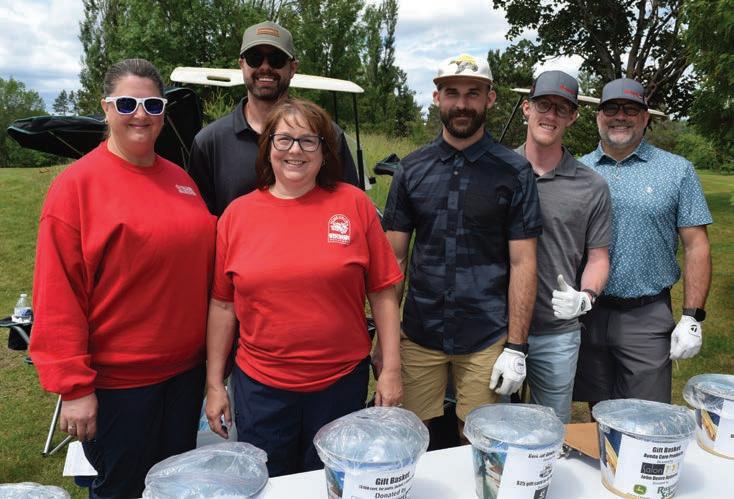
With awards for 1st, 2nd, 7th, and last place, not only did Team T.I.P. Inc. take an awardwinning 7th place with a score of 60 in a scorecard playoff at the 2026 Spud Seed Classic, but they also got a chance to pose with Karen Rasmussen (left) and Julie Braun of the Wisconsin Potato & Vegetable Growers Association, who largely organize the event and represent seed growers and the potato industry at an occupied hole. Seventh place golfers in the back row are, from left to right, Kenton Mehlberg, Max Tatro, Jasper Soetemans, and Steve Tatro of T.I.P., inc.

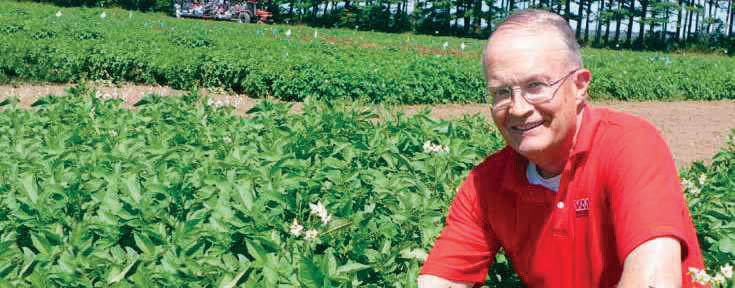
Dr. Walt Stevenson is a member of the Wisconsin Potato & Vegetable Growers Association Hall of Fame. He was named an Honorary Life Member of the Potato Association of America and has received numerous national and state Researcher of the Year Awards.
Potatoes:
“The stringent standards used by the Wisconsin Seed Potato used throughout most of the industry. And the seed potatoes produced by Wisconsin growers are consistently among the best seed tubers produced in North America.”
“It’s fun working with an industry where the growers are constantly working to improve their practices and the already high quality of the potatoes they produce.” Wisconsin Seed Potato Improvement Association, Inc. P.O. Box 173, Antigo, WI 54409 715-623-4039 www.potatoseed.org

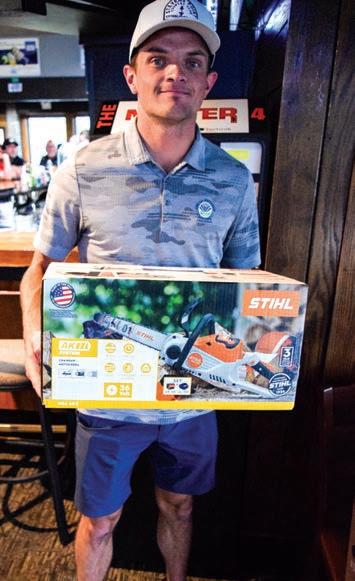
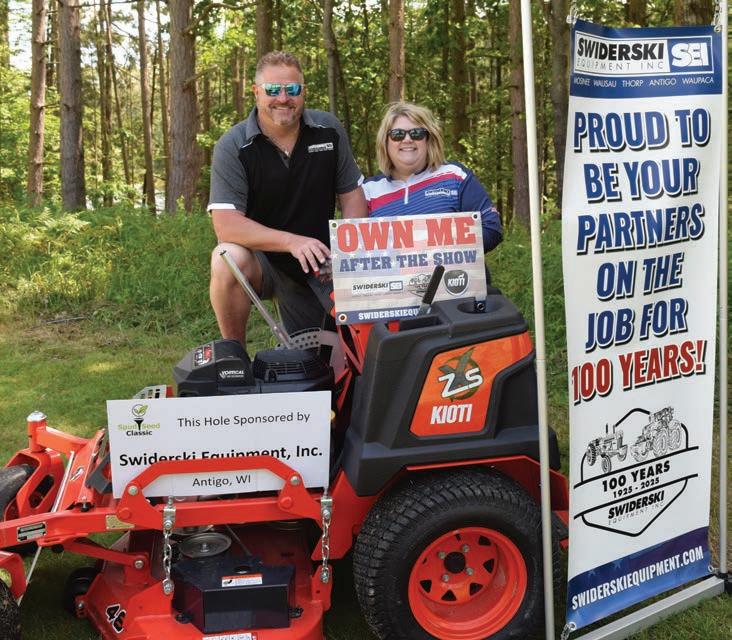
Dusty Stuczynski and WPVGA Associate Division Board Secretary Melissa Heise represent Swiderski Equipment at the company’s sponsored hole where, with a hole-in-one, golfers had a chance to win a Kioti ZXS 48 24-horsepower, liquid-cooled mower.
pocketed a cool $500.
Much appreciation is extended to Jansen and Jim Pukall of Bass Lake Golf Course, and Karen Rasmussen and Julie Braun of the Wisconsin
Potato & Vegetable Growers Association for planning and executing a fun and eventful golf outing.
Considering the great turnout and generosity of golfers and sponsors, the industry looks forward to the Spud Seed Classic taking place right back at Bass Lake Golf Club in 2027.
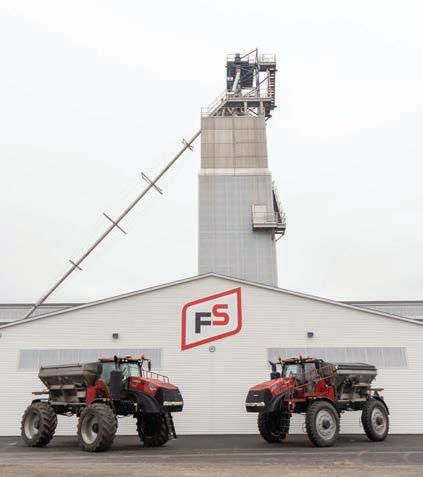

WE
AgCountry Farm Credit Services Syngenta
LUNCH SPONSORS
IState Truck Centers Nichino
GOLDRUSH SPONSORS
Krueger & Stienfest, Inc.
Ag Logistics, Inc.
Bushman Riverside Ranch
Kretz Truck Brokerage LLC
Schumitsch Companies
Volm Companies
Big Iron Equipment, Inc.
Eagle River Seed Farm LLC
Fairchild Equipment
Hyland Lakes Spuds
Insight FS
J.W. Mattek & Sons, Inc.
Mt. Morris Mutual Insurance Co.
Northwestern Mutual Wealth Management Company
Nutrien Ag Solutions-Great Lakes
Schroeder Bros. Farms, Inc.
Sommer, Olk & Payant SC
CoVantage Credit Union
Express Employment
Professionals
Food + Farm Exploration
Center
AgSource Laboratories
Arlen’s TV & Appliances
Ascendance Truck Centers
Badger State Irrigation
Beaver Machine, Inc.
Cropping Central LLC &
Pioneer Seed
Culver’s / Tony’s Family
Fuller Sales & Service
Gowan USA
45 Mercantile
Badger Common’Tater
Bass Lake Golf Course
Culver’s of Antigo
Edelman Meats
Langlade Ford
Parsons of Antigo
Riesterer & Schnell, Inc.
Roberts Irrigation Co.
Swiderski Equipment, Inc.
Venture Ag Drones
Vista Financial Strategies
Volm Companies WSPIA
Jay-Mar, Inc.
Kakes Farms, Ltd.
KerberRose CPAs
Lockwood
Nelson’s Vegetable Storage Systems
Nutrien Ag Solutions-Great Lakes
Quinlan’s Equipment, Inc.
Sand County Equipment
Food + Farm Exploration
Center
North Star Lanes
Riesterer & Schnell, Inc.
Salon 731
Southside Tire Co., Inc.
Sowinski Seed Farm
Sunnydale Farms-In Memory of James Shafel, Sr.
Sunnydale Farms – In Memory of Jimmer Shafel
T H Agri-Chemicals, Inc.
T.I.P., Inc.
Warner & Warner, Inc.
Schroeder’s Gifts
Swartzendruber’s Supper Club
Swiderski Equipment, Antigo
WPVGA
WSPIA
Base funding and competitive grants for 2026-’27 add up to $375,000
Babler, Brooke
Colquhoun, Jed
Endelman, Jeffrey
Gevens, Amanda
Groves, Russell
Ruark, Matthew
Wang, Yi
Gallenberg, Kevin
BFP: Seed Certification
BFP: Weed Management
BFP: Potato Breeding
BFP: Disease Management
BFP: Insect Management {Russ' base funding was reduced to $10,000 for this year only, with $15,000 being used to support his graduate student's $5,000 annual participation in the FFAR program for 3 years ($15,000)}
$10,000
$15,000 Funded by Chip Commitee
$25,000
$25,000
+ $15,000
BFP: Fertility Management $25,000
BFP: Potato & Vegetable Production
$25,000
BFP: Langlade County Potato Research Station Support $15,000
Endelman, Jeff Genetic Resistance to the Colorado Potato Beetle
DiGennaro, Peter
Screening Potato Cultivars for Resistance to Potato Early Die
Gevens, Amanda Investigating Crop Protectants & Alternative Strategies to Manage Diseases in Potatoes in Production & Storage Systems
Groves, Russell Insect Management Systems for Potato Production
Hall, Steven
Lankau, Richard
Popova, Inna
Expanding On-Farm Nitrate Leaching Measurements to Evaluate Innovative Practices
Investigating the Intersection of Microbially Mediated Nutrient Uptake and Suppression Against Verticillium Dahliae
Impacts of Jumping Worms on Nitrogen Leaching in Organic Potato Production Systems
Rakotondrafara, Aurelie Screening for New Anti-Fungal Agents Against Alternaria Solani
$15,000
$15,000
$15,000 Funded by Water Task Force
$15,000
$10,000 / $5,000 Funded by Water Task Force
$15,000
Schoville, Sean Understanding Cross-Resistance to Insecticides in Colorado Potato Beetle$15,000
Townsend, Philip Imaging Support for Potato Research at UW-Madison
Walker, Amber Evaluation of Time-to-Maturity of NexGen Chipping Cultivars in Wisconsin
Walker, Amber
Wang, Yi
Wang, Yi
Multi-Year Screening for Suitability of New and Upcoming Fresh Market Clones for Production in Wisconsin
Seeing Beneath the Soil: Using AI-Augmented Ground-Penetrating Radar for Non-Destructive Visualization and Characterization of Potatoes
Using Remote Sensing to Develop Predicted On-Farm Field Maps for Potato Petiole Nitrate-N
$15,000
$5,000 Funded by Chip Commitee
$15,000
$15,000
$15,000 Funded by Chip Commitee
Total Competitive Proposals $200,000
TOTAL RESEARCH PROJECT FUNDING $375,000.00
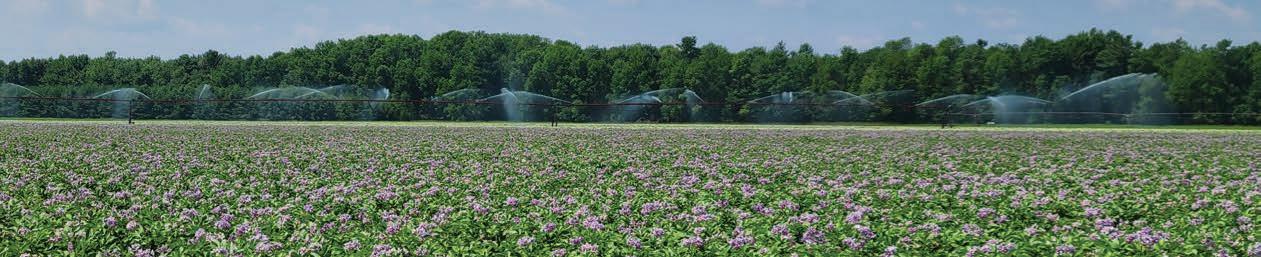
By WPVGA Associate Div. President Matt Selenske, Allied Coop’s Pest Pros Division
WPVGA Associate Division & Community Foundation debut endowed scholarship fund
The Wisconsin Potato & Vegetable Growers Association (WPVGA) and the Community Foundation of Central Wisconsin (CFCWI) have joined together to establish something enduring: a scholarship fund designed not just for today’s students, but for every future generation of Wisconsin agricultural leaders.
Through the Community Foundation’s long-term endowment management, every dollar given to this fund is put to work to grow over time, generating scholarship awards year after year, and ensuring that the investment Wisconsin’s ag community makes today continues to pay forward for decades to come.
Wisconsin agriculture runs deep. It’s in the early mornings, the hard work, and the families who have tended this land for generations. The WPVGA Associate Division Scholarship Fund was created to honor that legacy. The purpose is simple: to support and invest in the next generation of leaders within the Wisconsin potato and vegetable industry, strengthen the workforce, encourage innovation, and drive the long-term sustainability of an industry that feeds families and fuels our state’s economy.
The WPVGA has pledged $15,000 to launch this fund and is $13,000 away from reaching endowed status and the threshold that unlocks the
full power of long-term growth and ensures scholarships are awarded in perpetuity.
That gap is an opportunity. Every gift, at any size, brings the industry closer to a fund that will outlast all of us.
Who This Scholarship Supports
This scholarship is for students who are part of the WPVGA community, those who carry the industry in their roots and are working to build something with it.
To be eligible, applicants must:
• Be a traditional undergraduate, college, or graduate-level student
• Reside in the state of Wisconsin
• Be, or have an immediate family member who is, employed by the WPVGA, or be a WPVGA Grower or Associate Division member
• Include the name of their associated WPVGA person in their application
How to Give
The Community Foundation of Central Wisconsin accepts gifts in many forms.
• Cash - Give by check, credit card, or set up as a recurring gift, so you can give in the way that works best for you.
• Publicly Traded SecuritiesContributions of stock, bonds, or mutual fund shares are a tax-advantaged way to give. Benefits include an immediate charitable deduction for the full fair
market value of donated assets, exemption from capital gains tax on appreciation, and a deduction of up to 30% of your adjusted gross income.
• RMD/QCD - If you are age 70 ½ years old or older, you can make a gift directly from your IRA either as a Qualified Charitable Distribution (QCD) or Required Minimum Distribution (RMD), a simple and tax-smart way to support the scholarship fund while satisfying your annual distribution requirement.
The information above is general and educational in nature. It is not intended as legal or tax advice. Please consult your tax advisor to explore what works best for your personal circumstances.

Give Today https:// tinyurl.com/ WPGVAScholarshipFund
Checks can be made payable to the Community Foundation of Central Wisconsin. Please note WPVGA Associate Division Scholarship Fund in the memo line.
The Community Foundation of Central Wisconsin is a 501(c)(3) public charity serving Portage and Waushara counties.
Until next month!
WPVGA Associate Division President
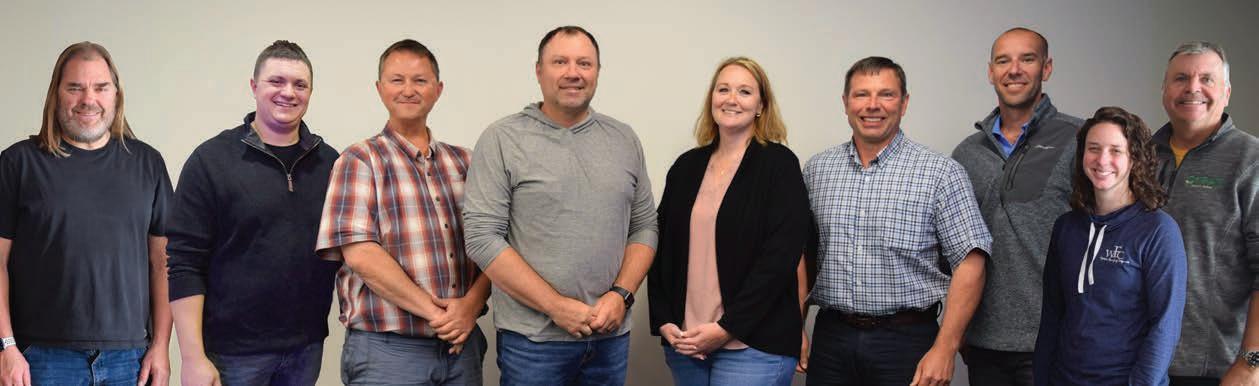
Out-going board member Tom Wild is recognized for decades of dedicated service
The Wisconsin Department of Agriculture, Trade and Consumer Protection (DATCP) has certified the 2026 Wisconsin Potato Industry Board (WPIB) election results.
As of July 1, 2026, the following growers began three-year terms on the Board.
District 1: Charlie Mattek, Deerbrook Ashland, Barron, Bayfield, Brown,
Burnett, Chippewa, Clark, Door, Douglas, Dunn, Eau Claire, Florence, Forest, Iron, Kewaunee, Langlade, Lincoln, Marinette, Menominee, Oconto, Oneida, Pepin, Pierce, Polk, Price, Rusk, Sawyer, St. Croix, Taylor, Vilas, and Washburn counties
District 2: Nicola Carey, Bancroft Marathon, Outagamie, Portage,
Above: The 2026-’27 Wisconsin Potato Industry Board (WPIB) members are, from left to right, Andy Diercks (vice president), Charlie Mattek, Joe Seis, Keith Wolter (treasurer), Heidi Alsum-Randall (president), Rod Gumz, Eric Schroeder, Nicola Carey (secretary), and Jim Okray.
Shawano, Waupaca, and Waushara counties
District 3: Heidi Randall, Cambria Adams, Buffalo, Calumet, Columbia, Crawford, Dane, Dodge, Fond du Lac, Grant, Green, Green Lake, Iowa, Jackson, Jefferson, Juneau, Kenosha, La Crosse, Lafayette, Manitowoc, Marquette, Milwaukee, Monroe, Ozaukee, Racine, Richland, Rock, Sauk, Sheboygan, Trempealeau, Vernon, Walworth, Washington, Waukesha, Winnebago, and Wood counties
The WPIB is composed of nine producers in three districts across the state, with one at-large member elected every third year.
Carey and Randall were reelected for three-year terms. Randall was reelected as president of the Board and Carey as secretary.
Mattek was elected to a three-year term and replaces Tom Wild, who served on the WPIB for more than 35 years, with over a decade as president (2003-2014).
Candidates were nominated during the period that ended March 27, 2026. Potato growers had from May 11 through June 15, 2026, to vote on
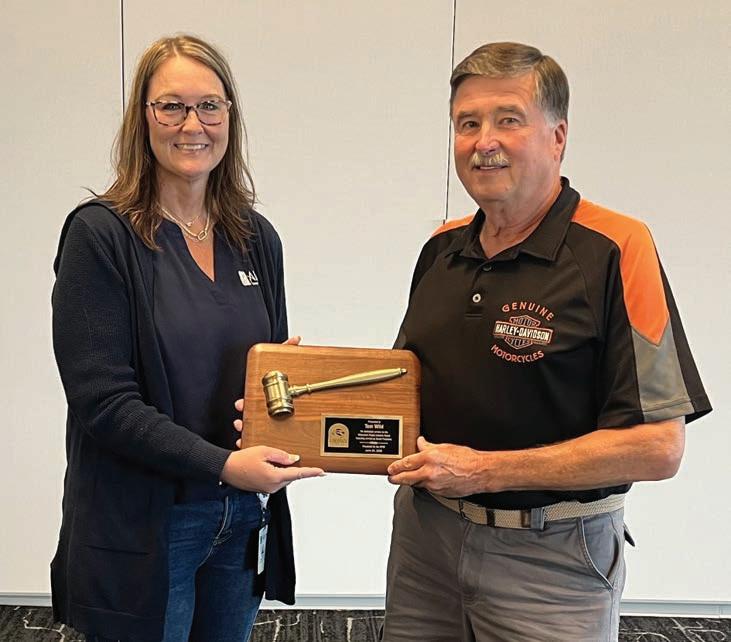
2014-2027 – Heidi Randall (first woman elected president)
2003-2014 – Tom Wild
2002-2003 – Terry Wex
2001-2002 – Steve Diercks
2000-2001 – Doug Rendall
1998-2000 – Sam Ourada
1994-1998 – Donald Isherwood
1995-1996 – Andrew Wallendal
1994-1995 – Steve Diercks
1993-1994 – Bernard Lapacinski
1991-1993 – Gregory Wysocki
1987-1991 – Nick Somers
1985-1987 – Glen Wolter
1982-1985 – Brian West
1981-1982 – Joe Okray
1980-1981 – Donald Schroeder
the candidates.
The rest of the WPIB members are Andy Diercks (vice president), Keith Wolter (treasurer), Rod Gumz, Jim Okray, Eric Schroeder, and Joe Seis.
The Board oversees the collection and use of approximately $2.1 million in assessment fees paid by Wisconsin potato growers. This funding is
used to support the potato industry through research, education, and promotion of Wisconsin-grown potatoes.
DATCP administers elections for Wisconsin commodity marketing boards. To learn more about market order boards, visit https:// datcp.wi.gov/Pages/About_Us/ MarketingBoards.aspx.
1979-1980 –
1978-1979 – Robert Diercks
1976-1978 – John Mommsen
1975-1976 – Dennis Zeloski 1974-1975 – Louis Wysocki, Robert Diercks, vice president
CWT 2,082,664.081,837,453.47642,921.102,193,868.282,558,234.612,533,917.932,160,286.121,795,454.221,467,937.582,343,812.591,959,992.683,067,814.2924,644,356.95
Assessment $167,100.87$146,986.28$51,433.66$175,474.49$204,693.85$202,713.44$172,787.78$143,636.38$117,470.22$187,505.21$156,799.28$245,425.20$1,972,026.66
Month Jul-25Aug-25Sep-25Oct-25Nov-25Dec-25Jan-26Feb-26Mar-26Apr-26May-26Jun-26
CWT 1,636,896.241,249,169.921,428,931.672,036,836.052,430,392.571,648,660.061,345,449.681,805,036.432,013,366.052,620,537.711,980,284.944,973,870.8225,169,432.14
Assessment $130,951.76$99,933.61$114,314.52$162,947.02$194,431.57$131,892.72$107,635.99$144,402.93$161,069.23$209,642.85$158,422.82$397,910.02$2,013,555.04

by Dana Rady, WPVGA Director of Promotions & Consumer Education
Wisconsin potato industry strengthens connections at ANTAD 2026 in Guadalajara
The Wisconsin Potato & Vegetable Growers Association (WPVGA) continued its efforts to expand international market opportunities by participating in ANTAD 2026, Mexico’s premier retail and food industry trade show, held in Guadalajara, May 19-21. Representing the Wisconsin potato industry for the third consecutive year, Dana Rady and consultant Saul Mercado staffed the Wisconsin potato booth, showcasing the quality, consistency, and processing potential of Wisconsin-grown potatoes while
meeting with buyers and decisionmakers from across Mexico.
Throughout the three-day event, Rady and Mercado connected with importers, retail representatives, and food industry professionals to strengthen existing partnerships and explore new business opportunities. Among the companies they spoke with were Al Super, Tarahumara, NaturaSol, and several other retail and import organizations interested in sourcing high-quality potatoes.
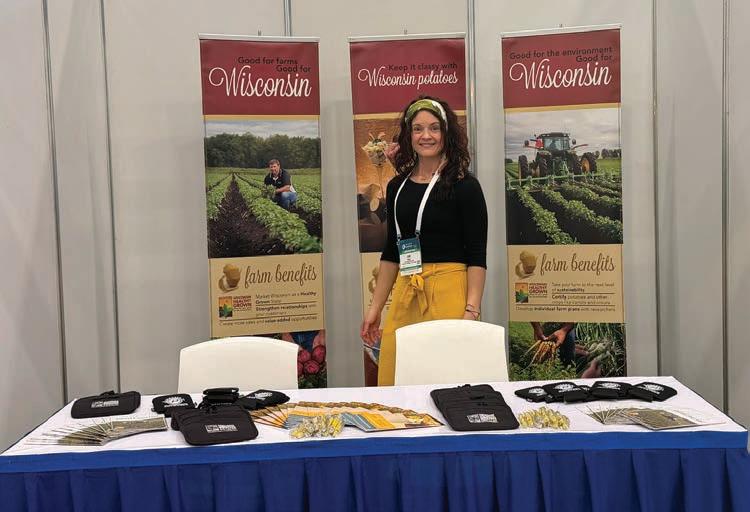
One of the key takeaways from this year’s show is the continued interest in importing Wisconsin potatoes for chip processing. Conversations with buyers reinforced Wisconsin’s reputation for producing potatoes that meet the quality standards required by processors and retailers serving the Mexican market.
RELATIONSHIP BUILDING
Trade shows like ANTAD provide an invaluable opportunity to maintain face-to-face relationships with potential customers and demonstrate
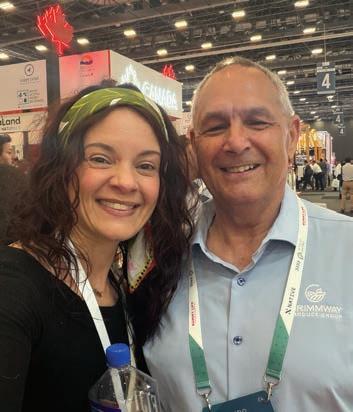
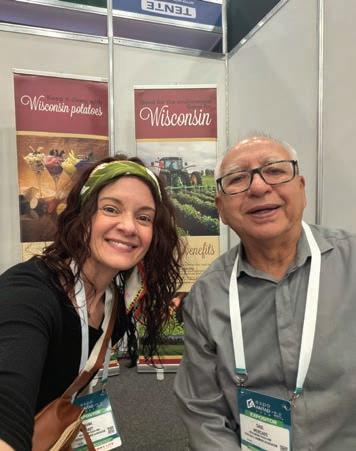
Wisconsin’s commitment to supplying premium potatoes. It’s also about building trust and staying engaged with buyers as the state continues to grow export opportunities.
In addition to discussing current market conditions and supply needs, the discussions allowed WPVGA representatives to gather insights into evolving consumer trends and retail demands in Mexico.
These conversations help Wisconsin growers and industry partners better
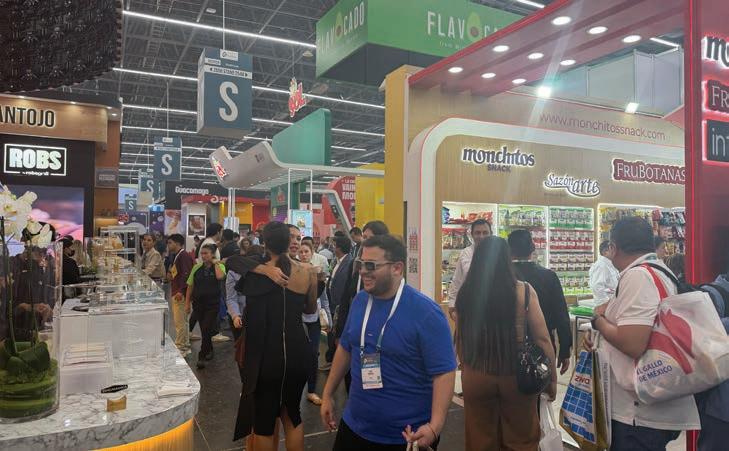
understand market opportunities and position Wisconsin potatoes for future success.
As international demand for highquality potatoes continues to grow, the WPVGA remains committed to promoting Wisconsin potatoes in key export markets. Participation in events like ANTAD strengthens relationships with buyers, importers, and retailers while reinforcing Wisconsin’s reputation as a reliable supplier of premium potatoes.

Dana Rady and Consultant Saul Mercado staffed the Wisconsin potato booth at Expo ANTAD in Guadalajara, May 19-21, having conversations with Mexican importers, retailers, and buyers.
Right: Expo ANTAD is the largest produce show in Mexico, held at the Expo Center in Guadalajara each year.
By nurturing longstanding partnerships and developing new connections, the Wisconsin potato industry continues to lay the groundwork for expanded export opportunities in Mexico and beyond.

There were various
throughout
Sixty channel potato sorter uses Visible Color and infrared technology to detect foreign objects
Raytec Vision’s INGENUITY Optical Sorter, available from T.I.P. Inc. of Custer, Wisconsin, is equipped with double vision and uses Visible Color and NIR (Near Infrared) technology. The system detects organic and inorganic, even completely black, foreign bodies, as well as dirt clods, stones, green potatoes, rotten produce, and color defects in washed products.
Applications include use for washed and unwashed potatoes, carrots, apples, onions and beets. The compact, precise optical sorter is designed to boost efficiency for potato and onion processors and packers.
INGENUITY is available in several configurations and is designed to meet the needs of high-capacity agroindustrial processing lines, including potato and onion packing sheds.
In addition to 60 selection channels, technical features include pulsed LED illumination with photodiode array, a 60-inch viewing area, 4x4 millimeter pixel size resolution, an interactive LCD color touchscreen, digital panel, 1-inch rejection channel width,
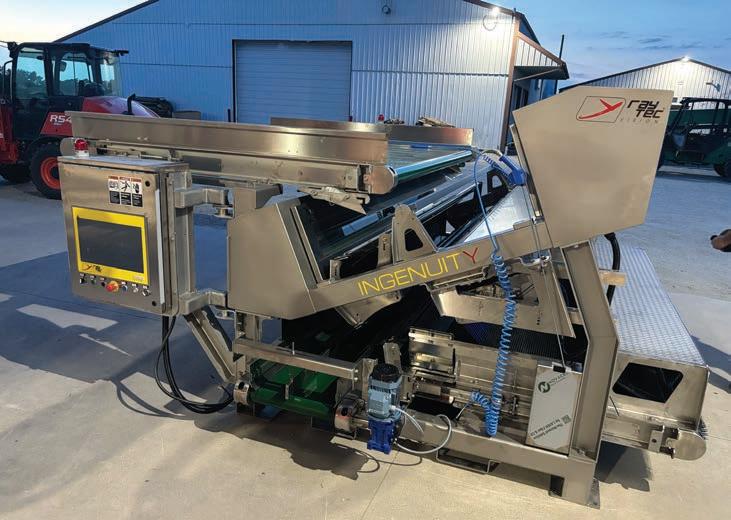
mechanical fingers/paddles, ethernet and/or modem, and a 50-70 meterper-minute conveyor speed (196.85 feet per minute).
Raytec Vision is a leading expert in optical sorting technology for fruit and vegetables. The company is able to provide a wide range of solutions in quality control that can make a difference in final production success.
Raytec sorters remove product defects and foreign materials based on infrared, chlorophyll, translucency, color, and shape. Raytec offers a wide range of sensor-based sorters and camera-based sorters.
For more information, contact Raytec Vision dealer T.I.P. Inc., attn: Steve Tatro, tip@tipinc.net, 715-592-4650, www.tipinc.net.
Organic acid-based system improves nutrient delivery and activates natural plant defenses
Most fertility programs do a good job of putting nutrients in the field. The challenge is getting those nutrients to move efficiently into the plant and work when the crop needs them most.
That’s why Currie Chemical Company
developed C3 Technology.
C3 Technology is a proprietary organic acid–based system designed to improve nutrient delivery and activate natural plant defense responses. After multiple years of research and field validation, the
company is now rolling it out across its own select formulations, including TEM 16 and Formula 5C.
C3 Technology works through three complementary pathways:
• Stabilizes and chelates nutrients for better availability
• Accelerates uptake and internal transport
• Activates plant defense pathways (SAR and ISR)
What makes this different is the consistency of the response.
In replicated trials, adding C3 Technology resulted in:
• Higher marketable yield
• Improved tissue levels of phosphorus, calcium, magnesium, and key micronutrients
• Strong activation of plant defense responses
• Better performance under stress
In short, C3 Technology helps crops make better use of the inputs you’re already paying for. This isn’t about replacing your current program. It’s about adding a proven layer that improves efficiency, reduces hidden losses, and increases return on investment.
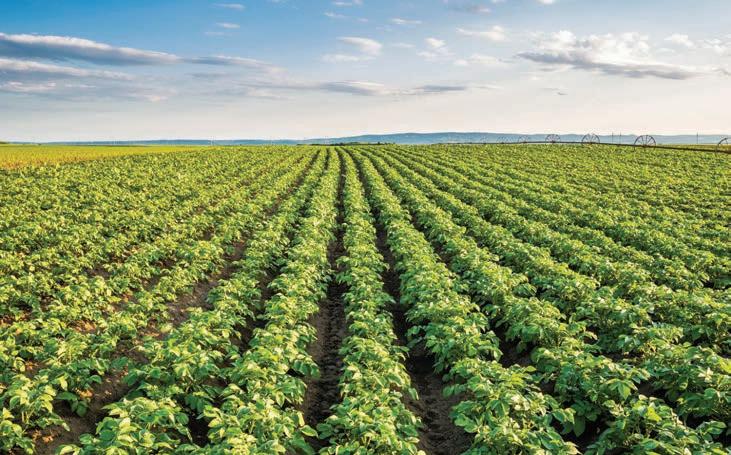
Currie Chemical Company has provided agricultural nutrient products, soil and plant amendments, biotech products, and high-tech equipment since 1990.
It’s time to decide where C3 Technology fits in your season, whether that’s early nutrition,
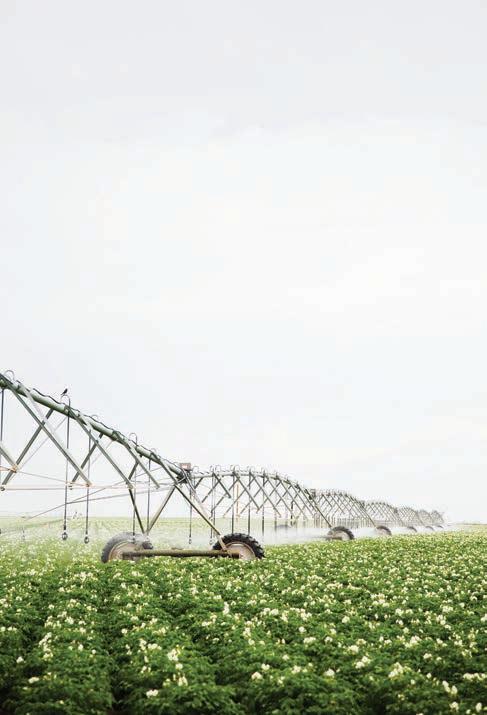

stress periods, or targeted foliar applications.
If you’d like to review trial data, talk through program fit, or start with a limited trial on one field or block, contact Currie Chemical Company, attn: Noel Currie, noel@curriecompany.com, 207-768-0681, https://www.curriecompany.com.


Ojos Locos Sports Cantina launches two potato-forward dishes across locations
A January innovation session with Potatoes USA and Ojos Locos Sports Cantina helped create two new potato-forward menu item launches at the chain’s 35 locations in Texas, Arizona, New Mexico, Nevada, and California.
The new items, which launched May 1, 2026, include:
• Carne Asada Fries – seasoned fries layered with grilled carne asada, melted cheeses, guacamole, and pico de gallo
• Cali Burrito – a hearty burrito packed with carne asada, seasoned fries, and cheese
The innovation session focused on identifying on-trend potato dishes that fit the restaurant’s Latin-inspired menu.
“It was all about understanding their menu and collaborating with them to figure out on-trend items with potatoes that could resonate with their guests,” says Potatoes USA
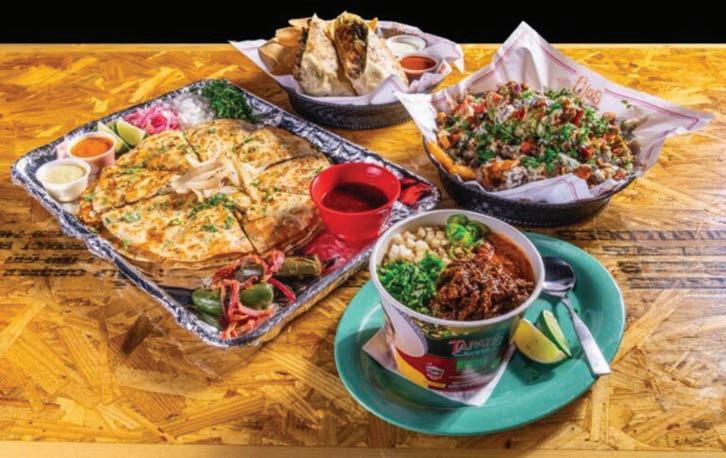
A January Potatoes USA innovation session with Ojos Locos Sports Cantina helped create two new potato-forward menu item launches at the chain’s 35 locations in Texas, Arizona, New Mexico, Nevada, and California. The new dishes, which launched May 1, 2026, include Carne Asada Fries, which are seasoned fries layered with grilled carne asada, melted cheeses, guacamole, and pico de gallo, and the Cali Burrito, a hearty burrito packed with carne asada, seasoned fries, and cheese.
Culinary Director Chef R.J. Harvey. Potatoes USA supported the development with trends information and data to expand the opportunity for potatoes in the Latin cuisine space.
Global celebration recognizes role potatoes play in society and global food security
On May 30, countries around the world marked the third annual International Day of the Potato, and Potatoes USA was proud to take part in the global celebration of America’s favorite vegetable. In the days leading up to the celebration, Potatoes USA used its Potato Goodness social media platforms to spotlight the potato’s place at tables around the world.
Central to the effort were traditional dishes that feature potatoes from around the globe, spanning poutine in Canada, steak and potato tacos in Mexico, suan la tu dou si (sour and spicy shredded potato stir fry) in China, potato fufu in Nigeria, and lomo saltado (a stir-fry of steak, onions, tomatoes, and fries) in Peru, a nod to the potato’s Andean birthplace.
Shared as recipe videos across social and digital channels, the dishes celebrated the potato as a culturally significant food while inspiring new ways to enjoy spuds at home.
Proclaimed by the United Nations (UN) General Assembly in 2023, the International Day of the Potato is the first international day dedicated to a major food crop.
USA used its Potato Goodness social media platforms to spotlight the potato’s place at tables around the world. Central to the effort were traditional dishes that feature potatoes from around the globe, spanning poutine in Canada, steak and potato tacos in Mexico, suan la tu dou si (sour and spicy shredded potato stir fry) in China, potato fufu in Nigeria, and lomo saltado (a stir-fry of steak, onions, tomatoes, and fries) in Peru, a nod to the potato’s Andean birthplace.
Facilitated by the UN’s Food and Agriculture Organization (FAO), the day is designed to raise awareness of the potato’s contributions to food security and society, and to encourage collaboration across the global potato sector.
This year’s theme, “Where Potatoes Grow, Livelihoods Flourish,” recognized the role potatoes play in supporting farmers and communities from the Americas to Africa and beyond. The day is coordinated internationally by the FAO in collaboration with the World Potato Congress (WPC),
with Potatoes USA representing the United States alongside groups from other nations and regions like South America, South Africa, Australia, Canada, and Europe.
The World Potato Congress also recognized Potatoes USA’s efforts to promote global potato dishes in a
planning webinar for International Day of the Potato earlier in May.
If you celebrated the International Day of the Potato, we’d love to hear about it! Follow Potato Goodness on Instagram, TikTok, Facebook, and YouTube to share with your communities.
Ten years ago, a leading potato processor became an industry pioneer by investing in a fully integrated water purification system for washing potatoes with treated process water.
The result was a dramatic reduction in water consumption and a major improvement in product quality and shelf life. Today, the installation continues to operate flawlessly and has recently been upgraded with the latest automation technologies, ensuring long-term reliability and sustainability.
For more than 80 years, the potato processer has supplied customers with a broad portfolio of high-quality potatoes. Grown in the Netherlands, these potatoes are delivered to supermarkets across Europe.
Before packaging, every batch is thoroughly washed using a stateof-the-art water treatment system developed by VAM WaterTech. The system cleans the process water and enables near-total reuse.
“We’ve been working with VAM WaterTech for at least 15 years,” the owner says. “We originally used a system with settling basins that required frequent sludge removal. Since switching to a complete water treatment solution in 2011, we’ve significantly reduced our use of fresh water and achieved a cleaner, more attractive, and more sustainable end product.”
The water treatment installation is a key component of the company’s complete potato washing line.
First, a rotary drum screen removes coarse contaminants such as leaves and branches. A cyclone then
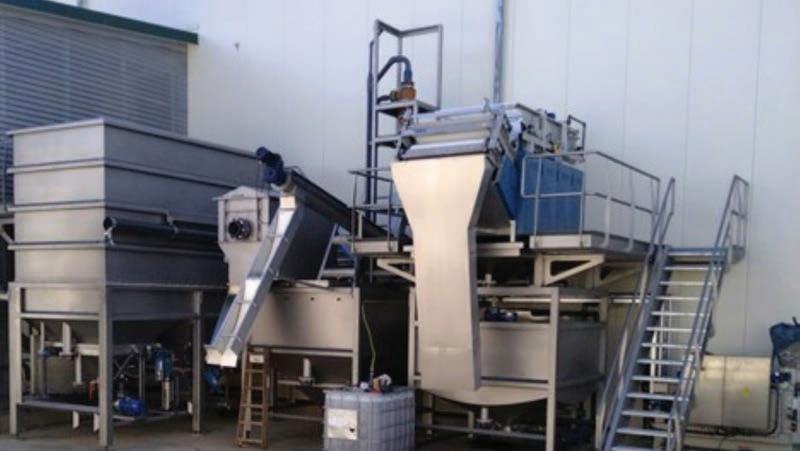
separates sand from the water, followed by a lamella separator that efficiently separates water and sludge.
Fine particles, including microorganisms, are bound together using precisely dosed treatment additives and removed from the system.
The purified water is stored in a clean-water tank and reused directly in the washing process. Remaining sludge is collected and transported to a nearby livestock farm.
“It’s a fully closed-loop system,” the processor explains. “Nothing goes to waste, and that’s exactly how we want it.”
The impact on product quality has been substantial, and customers notice immediately.
“Opening a bag of potatoes can sometimes release an unpleasant odor,” the processor explains. “That simply doesn’t happen with potatoes washed using purified process water.
Cross-contamination is eliminated, and residues are fully removed. Retailers can be confident they’re receiving a food-safe product every time.”
The system reduces microbial load from approximately 90 percent to just 10 percent, delivering a significantly longer shelf life. Clean process water also reduces abrasion and wear on machinery, lowering maintenance costs and extending equipment life.
Recently, the installation was upgraded to further enhance automation and sustainability. “The system has performed perfectly for years,” says the operator. “By integrating the latest technologies, we’re set up for many more years of trouble-free operation.”
Upgrades include the installation of a dynamic sand screw for improved
dewatering and a fully automated control system. As a result, sand is drained far more efficiently, and sludge from the belt filter press is noticeably drier.
Additive dosing is now calculated automatically based on real-time water quality measurements.
“That dosage can vary from batch to batch,” explains the technical manager. “VAM WaterTech can also monitor the system remotely and make adjustments when needed.”
“We’ve trusted VAM WaterTech for over 20 years,” the technical manager affirms. “From day one, their team has been knowledgeable, solutionoriented, and forward-thinking. They keep innovating, and that allows us to stay ahead as well.”
For more information, contact VAM WaterTech, attn: Robert Hoenderdos, Robert.hoenderdos@vam-watertech.com, +31-652-590-033, info@vam-watertech. com, www.vam-watertech.com.
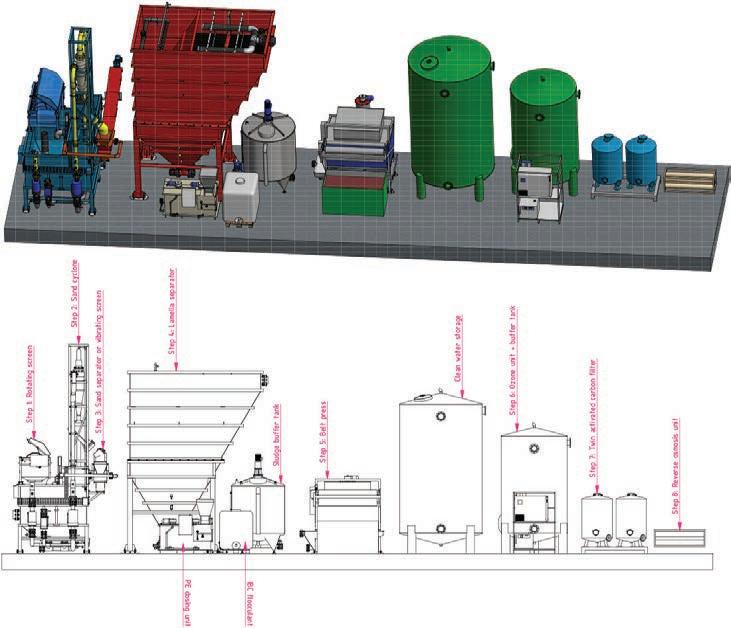
The VAM WaterTech water purification system incorporates a rotary drum screen that removes coarse contaminants such as leaves and branches. A cyclone then separates sand from the water, followed by a lamella separator that efficiently separates water and sludge. The purified water is stored in a clean-water tank and reused directly in the washing process. Remaining sludge is collected and concentrated into a compact, easily disposable mass.
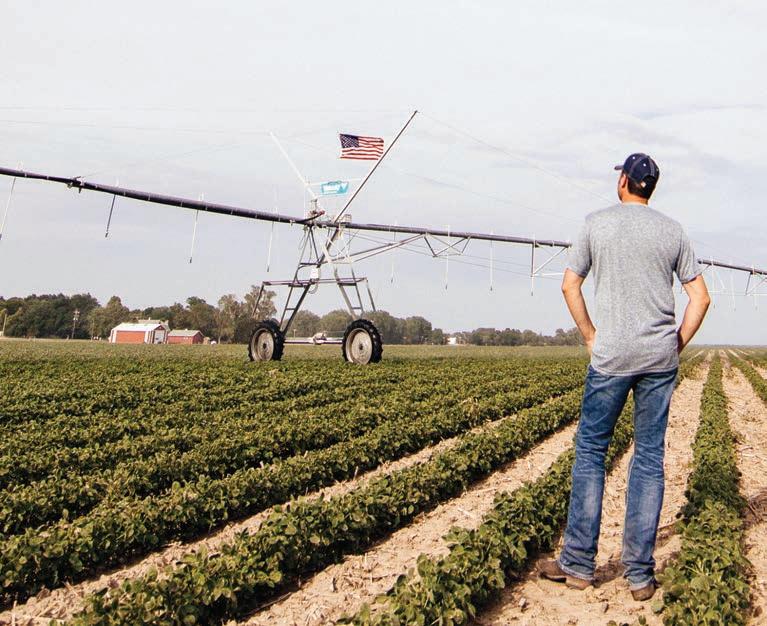
Your choice of Valley® says it all. You know what it takes to be successful, and water management is too important to entrust to anyone other than Valley. Our commitment to unmatched performance and technological innovation keeps operations like yours thriving.
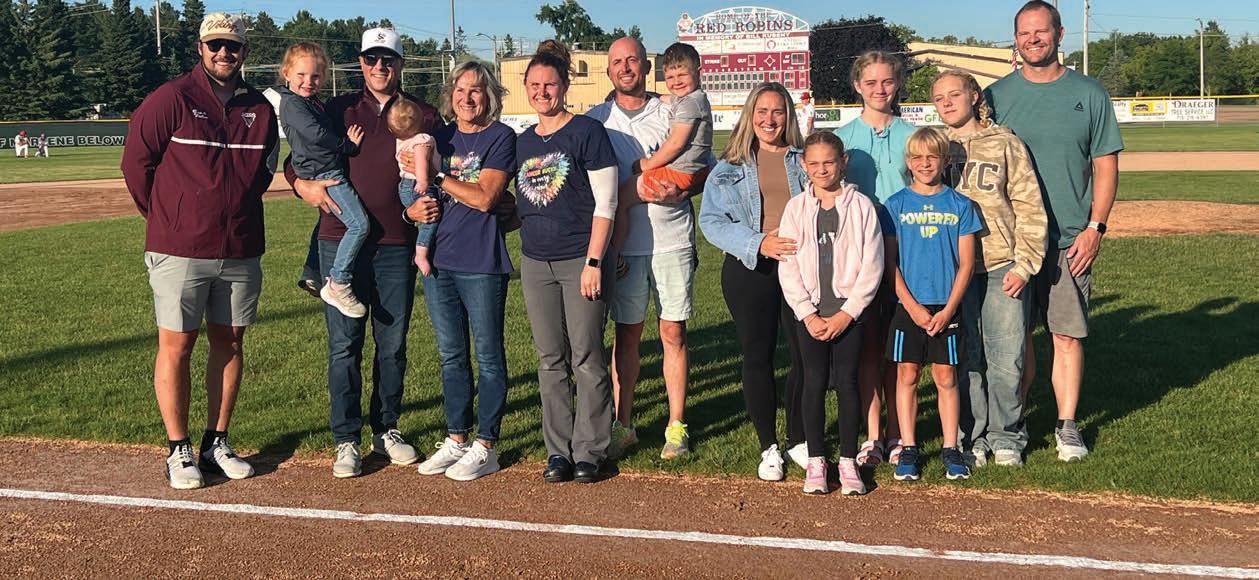
Family of baseball fans honored as longtime supporters of local teams and leagues
The Antigo Typhoon American Legion baseball team rallied to beat Wittenberg 2-1 on Mike Wolter Night, June 25, in Antigo.
The Wisconsin Potato & Vegetable Growers Association (WPVGA) sponsored the game and was proud to honor the Wolter family, who
have been baseball fans and strong supporters of local teams and leagues for many years. Mike Wolter’s son, Michael, threw out the ceremonial first pitch of the game.
Mike Wolter grew up working on his father’s potato farm where he developed a passion for the industry.
Above: The Wolter family was honored at the Antigo Legion baseball game designated as Mike Wolter Night. Pictured are, from left to right, Matt, Blaire, Michael, Teddi and Corinne Wolter; Kristen, Brian and Walter Mattmiller; and Jessica, Alexis, Bridget, Logan, Natalie and Nick Wolter. Not pictured are Britta Wolter and Peyton and Paxton Mattmiller.
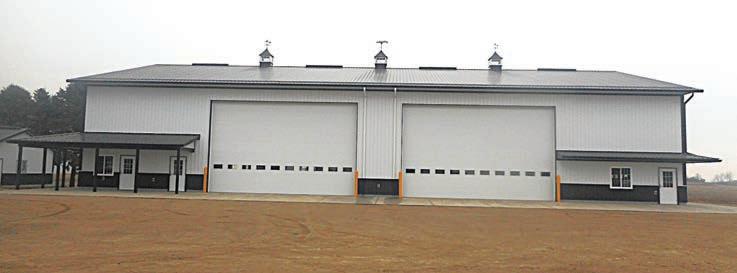
His dad put him to work at a very young age. He told the story of skipping elementary school at Spring Valley, in Bryant, to drive potato truck during the harvest season. As a boy, he won several tractor-pulling contests at the Langlade County Fair.
Mike attended Antigo High School, graduating in 1976. He participated in wrestling and was a member of the state champion football teams. He attended the University of WisconsinMadison and earned an Agricultural Economics Business Management degree in 1980.


In 1982, Mike married his high school sweetheart, Corinne Schumitsch, at St. John’s Catholic Church in Antigo. Together they raised four children that meant the world to him: Nicholas, Kristen, Michael
and Matthew, all of whom he was extremely proud. He was a hero to his kids.
In 1986, he had the opportunity to purchase his own potato farm in Antigo. Knowing this was where his heart was, he returned to potato farming.
In 1995, he served as treasurer of the WPVGA and was named Young Grower of the Year by the association. He served six years on the WPVGA Board and was on several committees. He was elected president in 2000. Mike was also involved in the National Potato Council.
He continued to run Mike Wolter Riverside Farms with his sons through his final harvest season this past fall. Mike lost his battle with cancer
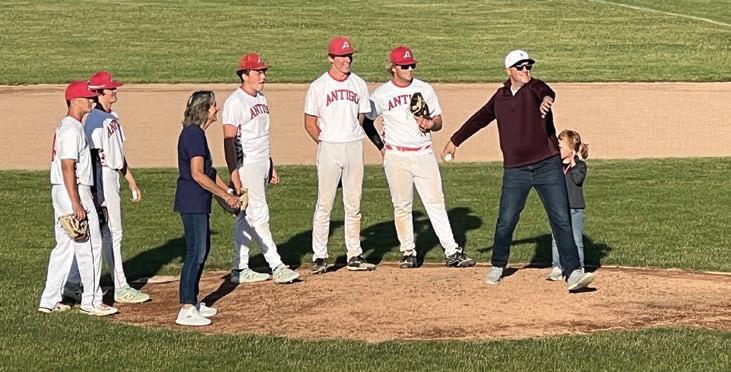
Michael Wolter throws out the ceremonial first pitch at the Antigo Legion Baseball game versus Wittenberg, on June 25. The Antigo Typhoon won the game 2-1.
he was taken. His hobbies included his many “toys,” whether it was motorcycles, boats, side-by-sides, or snowmobiles.
He had an adventurous side, and in the late 1990’s, was an avid stock car racer. He was named Rookie of the Year and was a two-time track champion at the Langlade County

TARGET COLORADO POTATO BEETLES
Speedway. He was a true sports fan, enjoying the Packers, Brewers, and proudly watching his children participate as Antigo Red Robins.
The WPVGA thanks Typhoon Manager Alex Heiny and the Antigo Dugout Club for honoring Mike and the Wolter family.
Contigo™ 600 SC, formulated with chlorantraniliprole, targets destructive pests including Colorado potato beetles and potato tuberworms. Contigo may be applied to potato crops as a direct foliar spray or chemigation using overhead sprinklers.
Authorized dealer expands its lineup for residential and commercial customers
LOCKWOOD® is proud to announce that North Valley Equipment of Grafton, North Dakota, is now an authorized dealership for Bad Boy equipment, expanding its lineup of high-performance outdoor power equipment for both residential and commercial customers.
Known for their durability, power, and innovative design, Bad Boy Mowers have built a strong reputation among homeowners, landscapers, and land management professionals. By adding Bad Boy to its offerings, LOCKWOOD reinforces its commitment to providing top-quality equipment backed by knowledgeable service and support.
“We’re excited to bring Bad Boy Mowers to our customers,” says

Tim Martin, business unit director of LOCKWOOD. “Bad Boy Mowers’ reputation for performance and reliability aligns perfectly with our mission to deliver dependable products that get the job done right.”
“By adding this equipment to our lineup,” Martin adds, “we’re able to conveniently bring high-performance equipment to the Grafton area.”
Customers can visit LOCKWOOD of North Valley to explore a range of Bad Boy models, receive expert guidance, and access ongoing maintenance and
service support. To learn more about Bad Boy equipment, visit https:// badboycountry.com.
About LOCKWOOD Manufacturing
LOCKWOOD manufactures high-quality, reliable potato planters, windrowers, harvesters and handling equipment. To learn more about LOCKWOOD equipment, please contact a potato specialist at 800-247-7335 or by visiting https://lockwoodmfg.com.
For more information about the Bad Boy equipment line, please contact LOCKWOOD Manufacturing North Valley Equipment, 1809 Hwy. 81 S, Grafton, ND, 701-352-1833, https://lockwoodmfg.com/north-valleyequipment/.
Deserving high school seniors land combined $10,000 toward higher education
Alsum Farms & Produce is proud to announce the recipients of the Wisconsin potato grower, packer, shipper’s annual high school senior scholarship program. Ten $1,000 scholarships have been awarded to deserving students preparing to make a positive impact in the agricultural industry.
The recipients were selected based on academic achievement, as well as agricultural, community, and youth organization involvement, and reside in the Alsum Farms & Produce growing or packing region. Each scholarship recipient received a $1,000 award to be used toward educational tuition expenses.
Students earning an Alsum Farms & Produce Scholarship are Brock Dykstra (Cambria,

Wisconsin), Clay Hoksbergen (Randolph), Dylan Ryan (Fond du Lac), Jackson Drews (Pardeeville), Katherine Billhorn (Plain), Mary Zwald (Beaver Dam), Morgan Randall (Cambria), Nancy Hansen (Grand Marsh), Sawyer Bruins (Brandon), and Wyatt Braker (Randolph).
“We are proud to invest in future leaders in agriculture and our rural communities through the Alsum Farms & Produce scholarship program,” says Larry Alsum, Alsum Farms & Produce president and chief executive officer. “We believe in

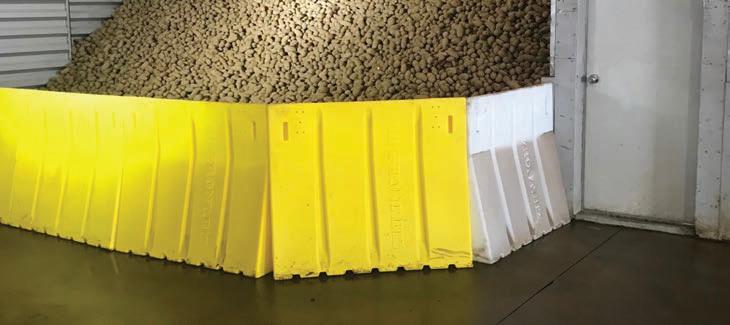
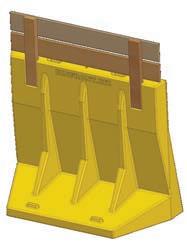
supporting these young adults and are optimistic the students will seek careers in agriculture and the businesses that support agriculture.”
To learn how Alsum Farms & Produce’s farm-fresh and sustainably grown potatoes make their way from field to fork using the Wisconsin Healthy Grown® program, visit https:// alsum.com.


Penn State University Extension agronomist provides options for farm efficiency
By Chris Kick, news writer/marketing
and communications
Rising prices for diesel fuel, fertilizer and other farm inputs continue to strain the agricultural sector during the growing season.
According to the U.S. Energy Information Administration, the average price for a gallon of gasoline in the United States is up 60 cents per gallon compared to last year, and U.S. on-road diesel prices are up more than $1, for an average of $4.83. Most off-road or farm diesel prices are under $4.75 a gallon.
Andrew Frankenfield, Penn State Extension educator, and senior agronomy educator on the crops team in the College of Agricultural
specialist,
Penn State University College of Agricultural Sciences
Sciences, said there are several options available to help farmers be efficient.
“While we don’t have much control over the prices that we’re seeing, there are some basic practices that can help farmers save fuel and fertilizer, which will help ease the pain as much as possible,” Frankenfield explains.
To navigate high fertilizer prices, he says farmers should focus on return on investment. This means testing soils, knowing current nutrient needs, and applying fertilizer responsibly.
Frankenfield offers the following Fuel Saving Tips:
• Gear up and throttle down: For light-load tasks (requiring less than 70% of tractor power), shift to a higher gear and reduce engine speed to maintain your ground speed. This strategy can reduce fuel consumption by 13-20%.
• Match your tractor to the task: Avoid using oversized tractors for light work. Using a large tractor at a rated engine speed for light loads can waste 15-30% more fuel than a smaller, properly matched machine.
• Use power take-off economy settings: When using PTO-driven equipment, select 540E or 1000E modes to maintain proper shaft
speed at lower engine revolutions per minute (rpm).
• Minimize idling: Modern diesel engines should be shut down if to remain stationary for more than 3-5 minutes. Idling a typical large tractor wastes roughly threequarters of a gallon of diesel per hour.
• Transition to no-till farming: Continuous no-till uses approximately 3.6 fewer gallons of fuel per acre compared to conventional tillage
• Tire pressure: Adjust tire pressure based on soil conditions. In moist, tilled soil, using the correct low tire pressure (versus overinflated) can reduce fuel consumption by 20% and increase productivity.
Frankenfield provides the following Fertilizer Saving Tips:
• Targeted soil testing: Test every field zone to identify where phosphorus (P) and potassium (K) levels are already in the optimum range. Fields in these ranges can often maintain yields for a season without additional fertilizer.
• Shift to maintenance rates: Instead of building up soil banks, apply only the maintenance amount that the crop will remove during the season.
• Prioritize macronutrients: Focus your limited budget on primary nutrients. Micronutrient applications should be cut unless they are a proven limiting factor for a specific field.
• Maximize efficiency with the 4Rs: Ensure the Right source, Right rate, Right time and Right placement. Use split applications of nitrogen or in-season side-dressing to reduce leaching and volatilization losses.
• Optimize soil pH: Maintaining a pH between 6.0 and 7.0 is critical for nutrient availability. Acidic soil can reduce fertilizer efficiency by up to 50%, essentially wasting expensive inputs.
• Leverage manure credits: Incorporate manure as a complete N-P-K source. To preserve nitrogen,
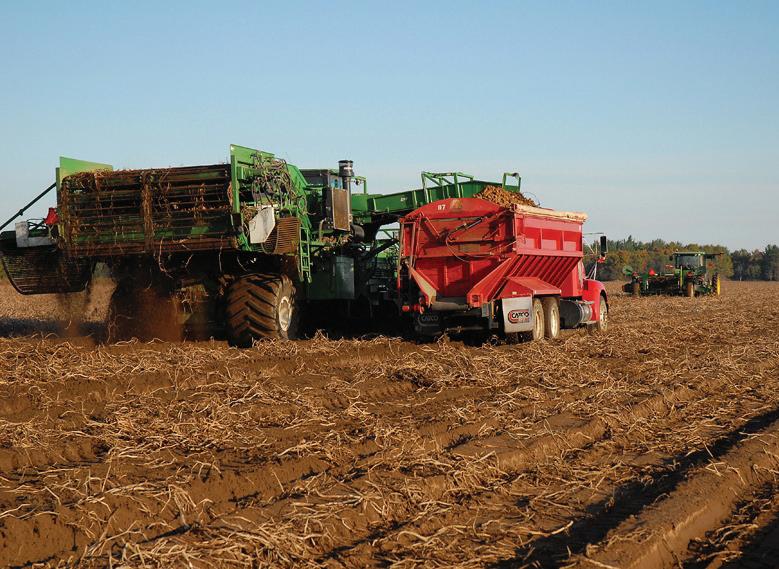
use low-disturbance injection or apply liquid/solid manures before rain to reduce volatility.
• Plant cover crops: Legume cover crops such as clover can credit 30-40 pounds of nitrogen per acre toward the next crop; don’t forget to credit soybeans from the previous year.
• Penn State Extension tools: Use the N Tool (https://extension. psu.edu/graphical-analysis-tool) to estimate nitrogen availability from soil organic matter and cover crop residues, helping you reduce chemical N rates safely.
“A few dollars an acre saving here and there can add up to significant savings,” Frankenfield states.
Chairman Boozman continues momentum for reauthorization of Farm Bill
On June 23, the National Potato Council (NPC) issued the following statement welcoming the release of the discussion draft of the Agricultural Act of 2026 (Farm Bill 2.0) by U.S. Senate Committee on Agriculture, Nutrition, and Forestry Chairman John Boozman (R-Ark.):
“The National Potato Council thanks Chairman Boozman for his leadership in continuing the momentum for reauthorization of the Farm Bill,” says NPC CEO Kam Quarles. “We are
hopeful that meaningful discussions will be generated by today’s release and result in a broadly supported bill being reported to the Senate floor this summer.”
“In particular, we thank the Chairman for recognizing the imperative of specialty crop economic relief and his common-sense framework for delivering vital resources to America’s family-owned potato farms,” Quarles concludes.
Information about Farm Bill 2.0 is available on the Senate Agriculture Committee website, https://www. agriculture.senate.gov/agriculturalact-of-2026-farm-bill-20.
On June 24, the Trump Administration sent a letter to Capitol Hill requesting more funding for specialty crop economic relief as part of a larger supplemental spending package.
“The potato industry welcomes this statement by President Trump that more support is needed for specialty crops,” says 2026 NPC President Ben Sklarczyk. “We will be working closely with Congress to ensure that no less
than $5 billion is provided for the fruit and vegetable industry.”
“The NPC strongly supports Chairman Boozman and Chairman Thompson’s Farm Bill provisions that direct USDA on how to efficiently deliver those resources to vulnerable family farms,” Sklarczyk adds.
This request follows months of discussions between industry and
the U.S. Department of Agriculture (USDA) about the need for specialty crop economic relief and the method of delivery.
In early June, the USDA rolled out a small downpayment program to provide assistance for fruit and vegetable farmers, but the program is burdened with numerous eligibility challenges and a lack of adequate funding.
USDA’s Agricultural Research Service (ARS) awarded funding for 26 research proposals totaling nearly $1.2 million. Proposals address numerous potato diseases, insect pests, and postharvest disorders of critical concern to potato-producing states and the national potato industry.
The list of approved projects is available by visiting https://www. nationalpotatocouncil.org/wp-
content/uploads/2026/06/ARSFunded-Potato-Projects.pdf.
Over the past three decades, the U.S. Congress, at the request of the National Potato Council and state partners, has appropriated funds to ARS to help solve specific production and disease problems of the U.S. potato industry.
Each project demonstrates cooperative research between USDA-
ARS researchers and partners at state agricultural experimental stations and other institutions with active potato research programs.
NPC appreciates the time commitment of volunteers who assisted in the review process: Blaine Meek (Washington), Trey Jones (Colorado), John Nordgaard (North Dakota), and Dominic LaJoie (Maine).

Baked Potato Crab Cakes are a flavorful, savory starter for your next dinner or get-together
Column and photos by Dana Rady, Wisconsin Potato & Vegetable Growers Association
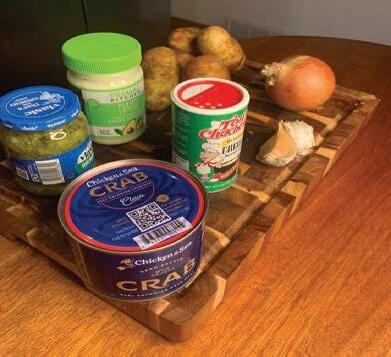
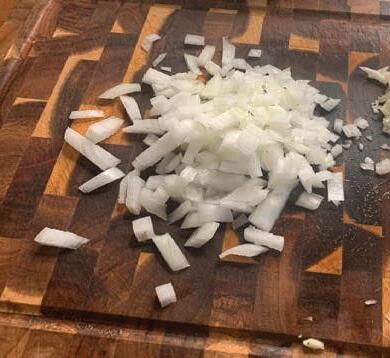
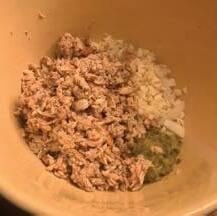
Crab cakes are one of those dishes that are full of flavor, give you the feeling of being on a coast, and can be the perfect appetizer for a party or the center of the plate.
I love trying them with different sauces and making them spicy and robust with creole seasoning and parsley.
There’s a crab cake recipe that is new for me, though. And it’s one that also includes America’s favorite vegetable! It sounds so out of the norm, but when you really think about it, is it really that crazy?
Generally, crab cake recipes have some kind of filler as an ingredient to bind everything together. That filler is usually breadcrumbs, panko
crumbs or crackers, etc.
And, if you need a gluten-free option, using Wisconsin potatoes as that filler is the perfect option.
This recipe is easy, delicious, healthy, and the perfect starter for your next
continued on pg. 66
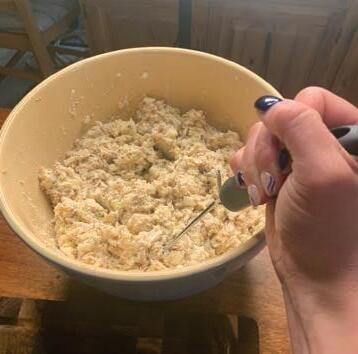
BAKED POTATO CRAB CAKES INGREDIENTS:
3/4 cups finely diced sweet onion
1 Tbsp minced garlic
2 Tbsp olive oil, divided
3 cups crabmeat, canned or fresh
2 large baked potatoes, peeled and mashed with fork
2 Tbsp dill pickle relish
1 tsp salt
1/2 tsp pepper
2 Tbsp seafood seasoning
1/2 cup mayonnaise
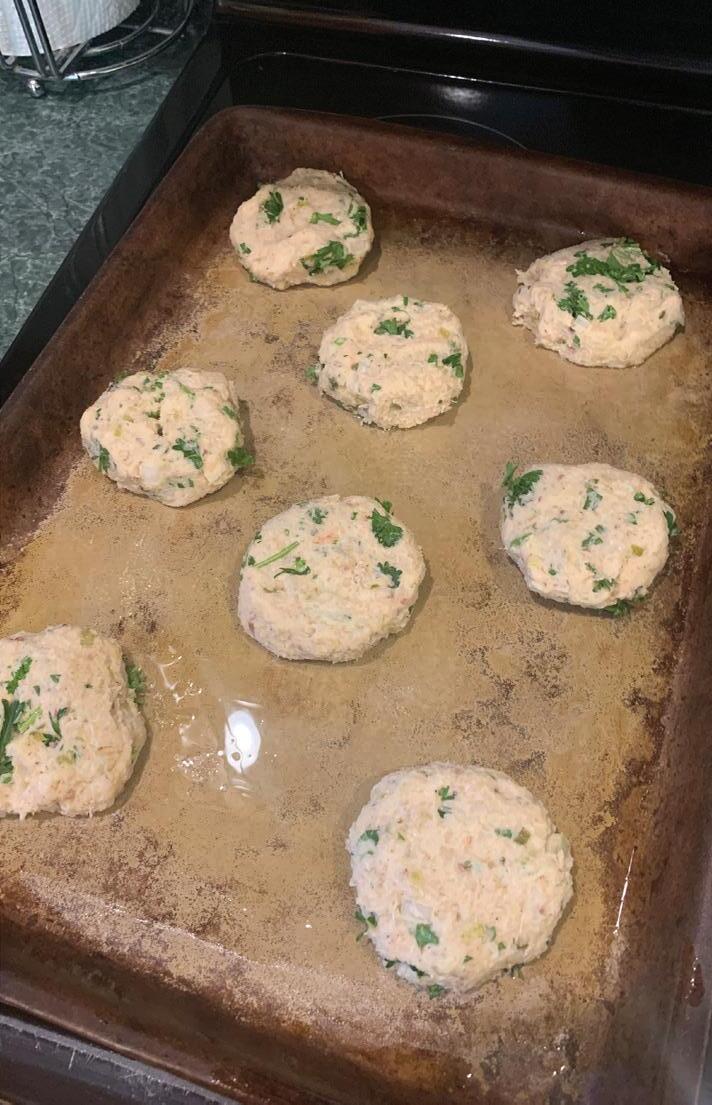
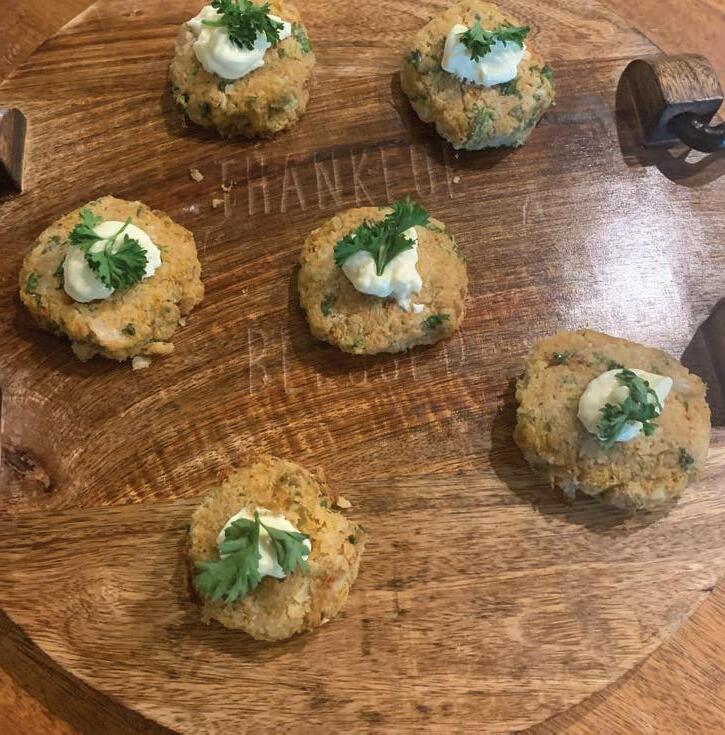
get-together or a fantastic dinner option for your family. And, like many of the other recipes featured in this
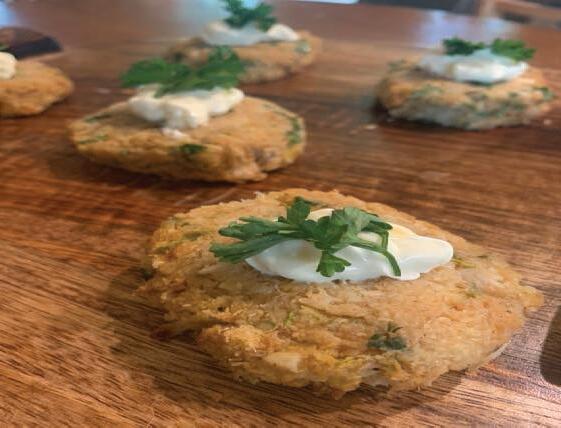
column, it can be great for on-the-go dinners with evening sports activities.
DIRECTIONS:
Preheat the oven to 375 degrees Fahrenheit.
In a medium skillet, heat 1 tablespoon of oil and sauté the onion and garlic over medium heat until soft, approximately 5 minutes.
In a large mixing bowl, combine the crab, potato, dill pickle relish, seafood seasoning, mayonnaise, salt, pepper, and onion/garlic mix.
Form the mixture into 24 crabcakes and place them onto a non-stick or lightly sprayed cookie sheet. Drizzle with remaining olive oil.
Bake for approximately 15 minutes until they are lightly brown.
Visit https://eatwisconsinpotatoes. com/recipes/baked-potato-crabcakes/.





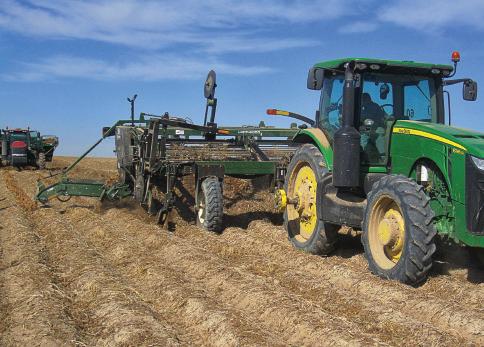
• Heavy-duty, parallel link trailing coulters to cut the potato vines.
• Larger tires for improved flotation.
• Adjustable rear lift allows operator to raise or lower the rear of the machine to accommodate changing conditions.
• Can-bus system with user-friendly