Healthy and Resilient BC
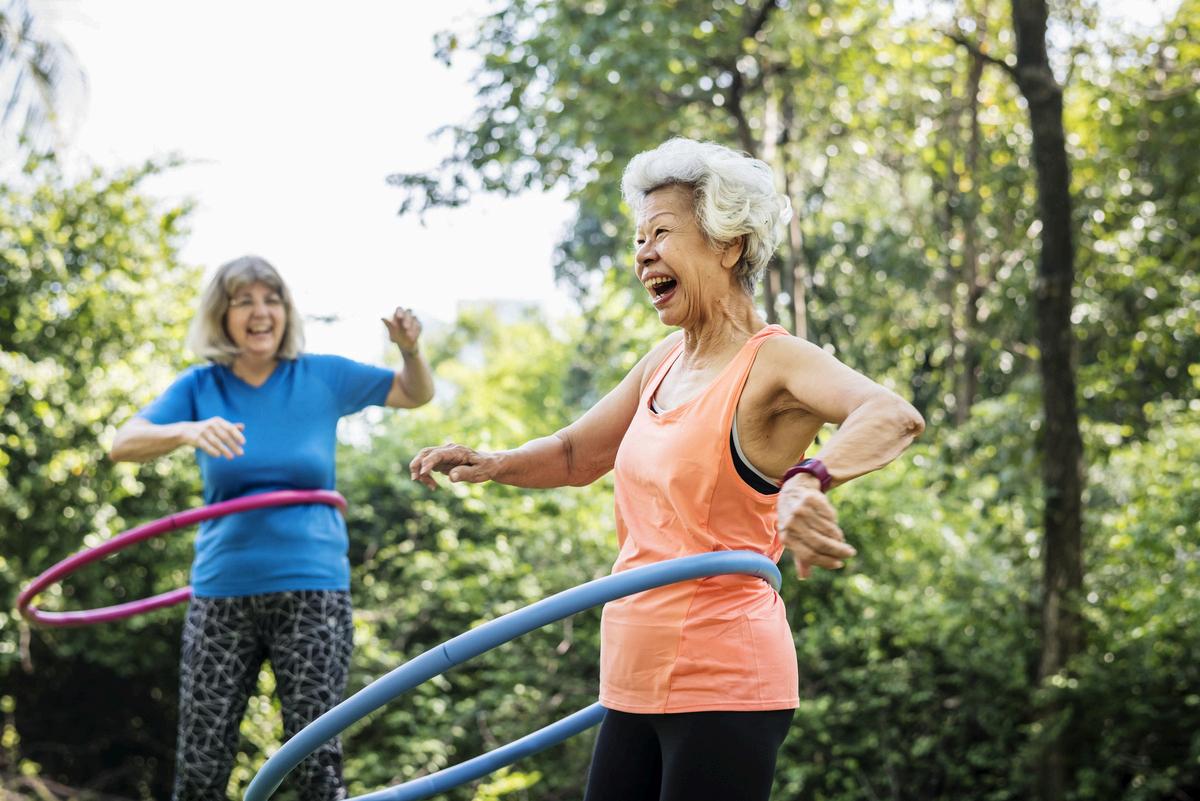




BC, like so many other places is going through a perfect storm of intersecting crises: affordability, extreme weather, and a healthcare system under strain with an aging workforce and population. This is contributing to poor mental health which also contributes to the opioid and substance use crises.
In times of crises, we must respond to the acute issues while also looking at prevention strategies and ways that we can build resiliency in our communities.
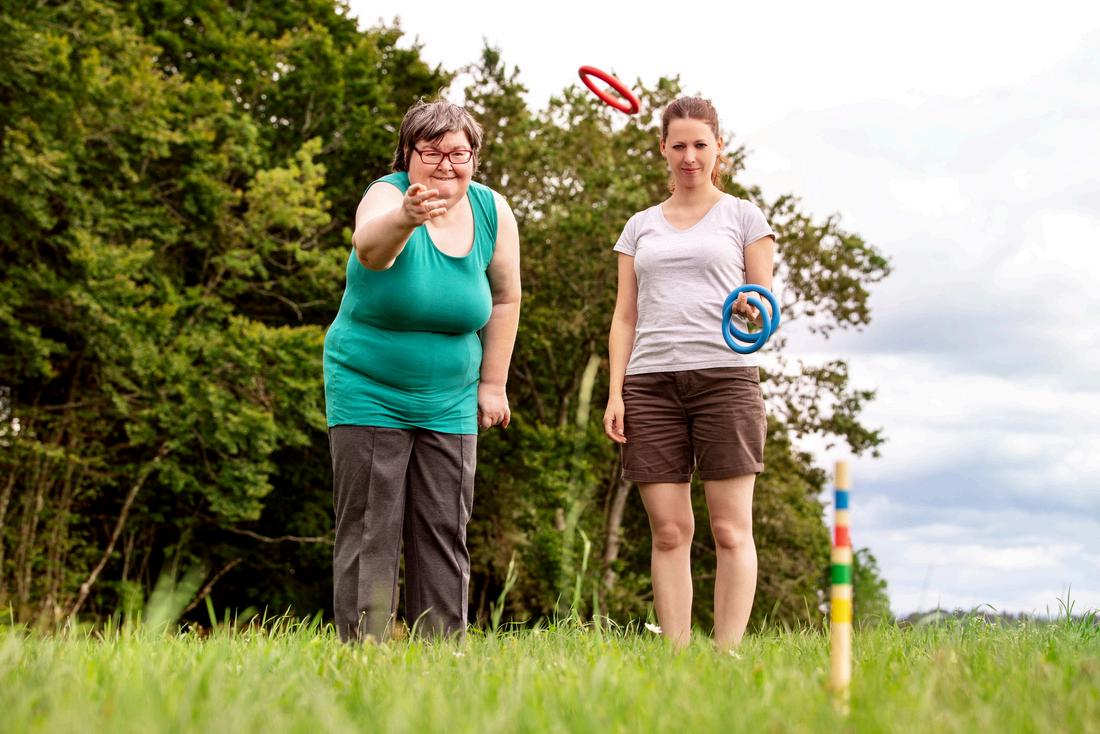
Chronic diseases, such as cancer, type 2 diabetes and heart and lung diseases, affect one in three British Columbians and are the leading causes of premature death in BC These exert a significant burden on individuals and families as well as the healthcare system.
The prevalence of most chronic diseases and conditions increases with age Today one in five people in British Columbia is over the age of 65 and by 2031 older adults are expected to make up one-quarter of the population.
The Provincial Health Officer reports that “the largest proportion of total health care costs is directly or indirectly attributable to chronic disease [and] a significant fraction of these diseases have behavioural antecedents that can be modified.” Most premature deaths are linked to common risk factors, including smoking, unhealthy eating, physical inactivity and harmful use of alcohol Socio-economic inequities also have serious health consequences and are estimated to increase healthcare costs by 20%.
Fortunately, much of that disease burden is avoidable – it is estimated that between 50% and 80% of chronic disease could be prevented To protect our healthcare system, we must do more to protect the population from the risk of chronic disease.
Moving upstream to prevent chronic disease is a strategy that has both immediate and longer-term benefits; in the short-term healthy living makes people feel better as their physical and mental health improves. In the longer-term, these measures promote healthy aging increasing the years that adults can live independently and reduce or delay reliance on the healthcare system
Healthy living environments and practices protect against chronic disease and promote positive mental wellness Income security, affordable housing, social connections and regular activity can reduce the stress hormones that exacerbate anxiety and depression and improve mental health
It is essential to incorporate social infrastructure such as recreation, parks, green space and active transportation networks as well as services like childcare and newcomer programs together with affordable housing Investing in social infrastructure supports physical activity and social connections while strengthening community ties and climate resilience which is necessary to future proof our communities and protect our health
This is an age-friendly approach that supports healthy aging while also supporting the physical and mental health of children and youth who need engaging activities beyond their screens
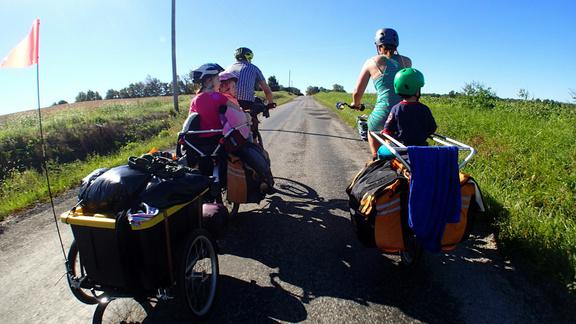
Healthy living environments and practices protect against chronic disease and promote positive mental wellness.
BCAHL recommends:
Increasing the supply of affordable housing and ensure new housing developments include social infrastructure funding for parks and livable community amenities
Ensuring adequate funding to the NGO sector to provide community-based social supports such as childcare, Newcomer services and programs that promote mental health, social inclusion and connection.
Providing funding for municipalities to update recreation facilities such as building new playgrounds, renovating aging pools and arenas, maintaining parks, tennis courts and sports fields
Expediting the building of more active transportation and age-friendly infrastructure –safe routes and trails that accommodate walking, biking, strollers and wheelchairs.
Increasing supports to improve the accessibility of communities for people with disabilities, including adaptive equipment, programs and rehabilitation so individuals living with disabilities and acquired disabilities have opportunities to be independently mobile and physically active
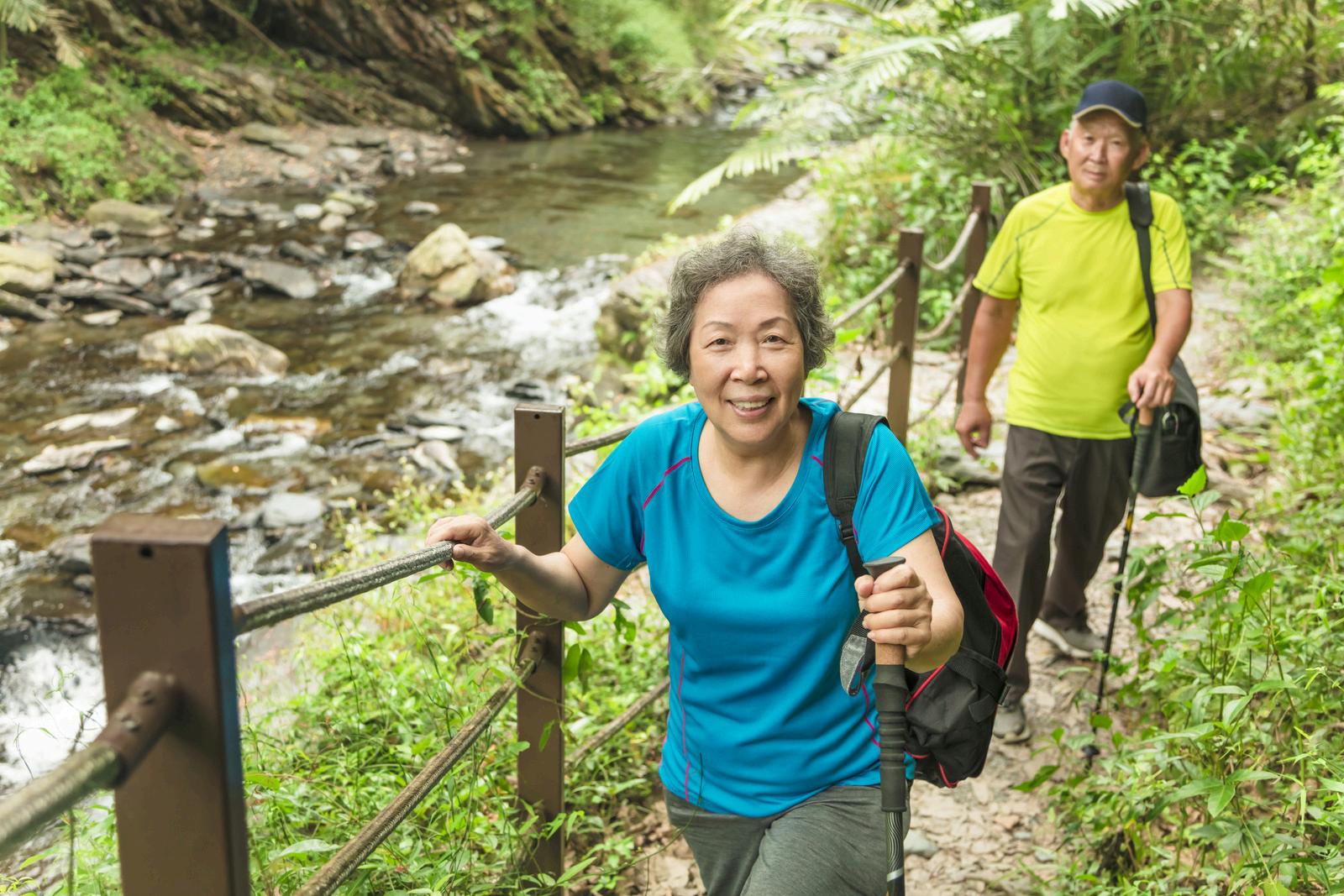
British Columbians who live in our poorest communities are between 24% and 91% more likely to die early from cancer (24%), respiratory diseases (53%), circulatory diseases (65%) and diabetes (91%)
Many of the risk factors for chronic disease such as smoking, inactivity and an unhealthy diet are concentrated in populations with low socio-economic status, but poverty also affects risk for chronic disease independently from these behavioural risk factors. This is believed to come largely from physiological responses to high levels of toxic stress and trauma among those who live in poverty
Population health data clearly shows that as socio-economic status improves, so too do physical and mental health outcomes. Investment in poverty reduction is an investment in health promotion, disease prevention and an opportunity to control the growth of healthcare costs.
BCAHL recommends:
Basing income and disability assistance rates on the Market Basket Measure to ensure they are adequate for providing healthy basics and indexed to inflation.
Providing funding for more low-cost physical activity programming. Subsidize sport and organized physical activity programs for low-income families. Responding to the recommendations put forward by the First Nations Leadership Council in ‘Income Supports and Indigenous People in B C : An Analysis of Gaps of Barriers’

Investment in poverty reduction is an investment in health promotion, disease prevention and an opportunity to control the growth of healthcare costs.
Over the past few years, food inflation has exacerbated food insecurity rates and put a healthy diet out of reach for far too many people in BC This is a serious problem A healthy diet protects against numerous chronic conditions including cardiovascular disease, type 2 diabetes and cancer
Leading experts say that food security is primarily an income issue but eating healthy also requires access to affordable vegetables and fruit, food literacy and cooking skills.
BCAHL recommends:
Establishing a universal Healthy School Food Program for all public schools
Expanding the delivery of programs that teach food literacy and cooking skills to promote healthy eating
Providing grants to improve access to affordable healthy foods in remote areas of the province
Funding studies and initiatives to reduce food waste and increase local food supply with the goal of increasing the amount of food grown, processed and made available within regional areas.
Supporting the nonprofit sector involved in rescuing and distributing food as an essential interim measure to address food insecurity for equity-seeking populations
Implementing recommendations put forward by Indigenous communities on the policies and resources needed to support ‘Indigenous Food Sovereignty and Food Security in a Changing Climate.’

Eating healthy requires access to affordable vegetables and fruit, food literacy and cooking skills.
Clean air is essential to good health. Breathing in pollutants leads to inflammation and stresses our bodies, directly impacting our lungs, heart, brain and other organs which leads to disease
Over the past generation, we have made significant progress reducing tobacco, but complacency will only lead to more disease and premature death. The explosive growth in vaping among young people has altered the landscape of this issue and health experts are worried that our progress will be lost on the next generation
For years we were told that E-cigarettes were less harmful than cigarettes, but those assertions were made with little empirical data. New research analyzing the actual health effects finds that for many diseases e-cigarettes are nearly, or just as bad as smoking. We must be vigilant and continue to look for new ways to dissuade people from using these products
Outdoors, we can look at ways to reduce particulate matter in the air from sources like transportation but we can also benefit from adding green spaces. Trees reduce air pollution and temperatures which mitigates the heat-island effect, they sequester greenhouse gas emissions and produce clean air for us to breathe.
BCAHL recommends:
Renewing BC’s Tobacco and Vaping Strategy
Raising the legal smoking and vaping age to 21.
Increasing smoke-free housing options in multi-unit homes such as condos and townhouses. amending tenancy act to make it easier to go smoke-free using legislative tools and incentives
Investing in public and active transportation to reduce greenhouse gas emissions from motor vehicles, improve local air quality and increase mobility options
Ensuring new housing developments incorporate parks, green spaces and trees.
Population health evidence tells us that we need health promoting environments and targeted efforts to ensure everyone is supported and has an equal chance to lead a healthy life.
When we invest in the health and wellness of communities, we are rewarded with multiple benefits. Green, walkable neighbourhoods are also climate resilient. Community programs and gathering spaces create social connections and trust that can make all the difference when neighbours come together in response to emergencies
With health we have the strength and resilience to weather adversity and accomplish our greater goals and aspirations