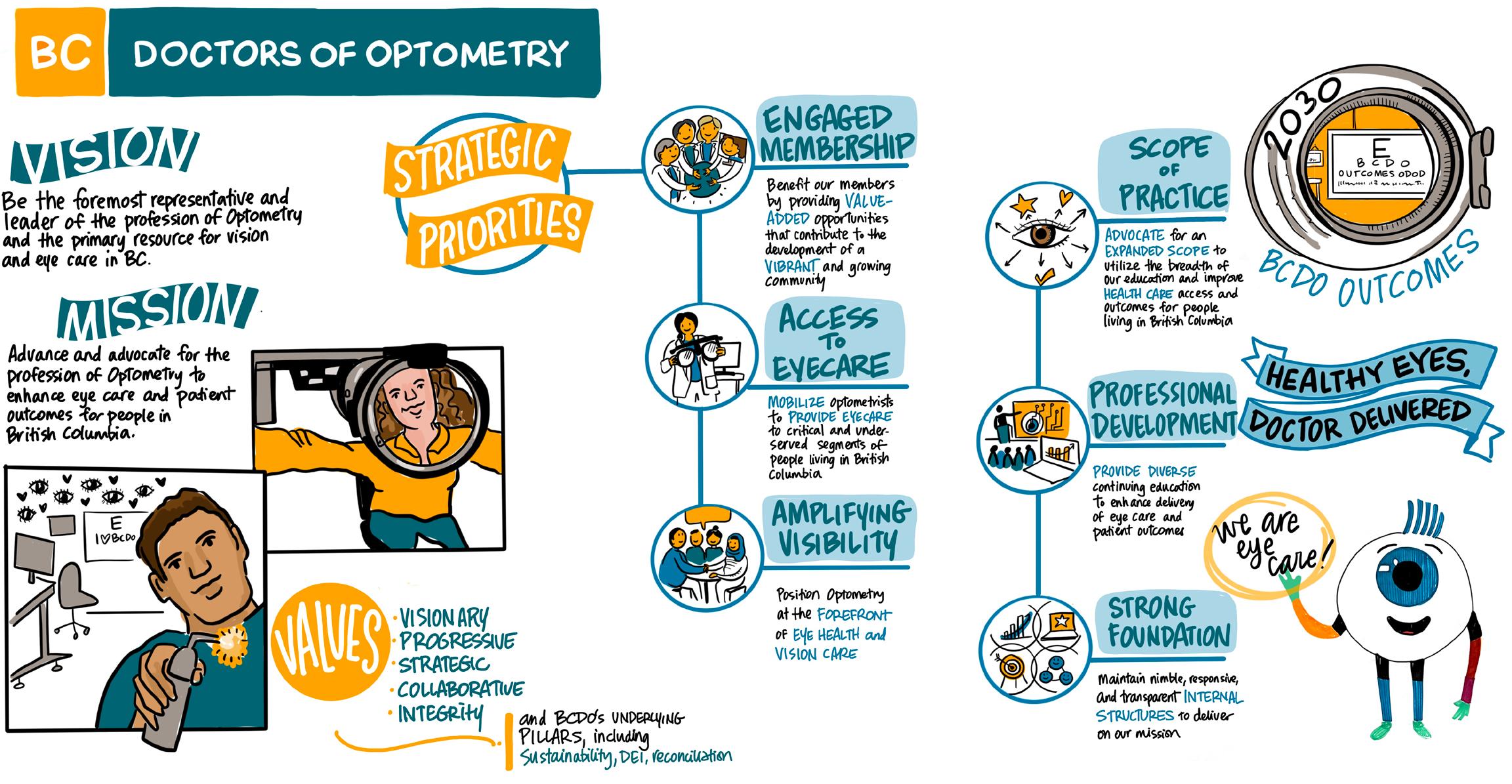
Strategic Priorities

Voting Members: 870
Members:
BCDO is happy to report that from 2024-2025 our membership grew. At the end of 2025, our general membership rate consisted of 870 voting members along with 67 non-voting members, for a total of 937 members.
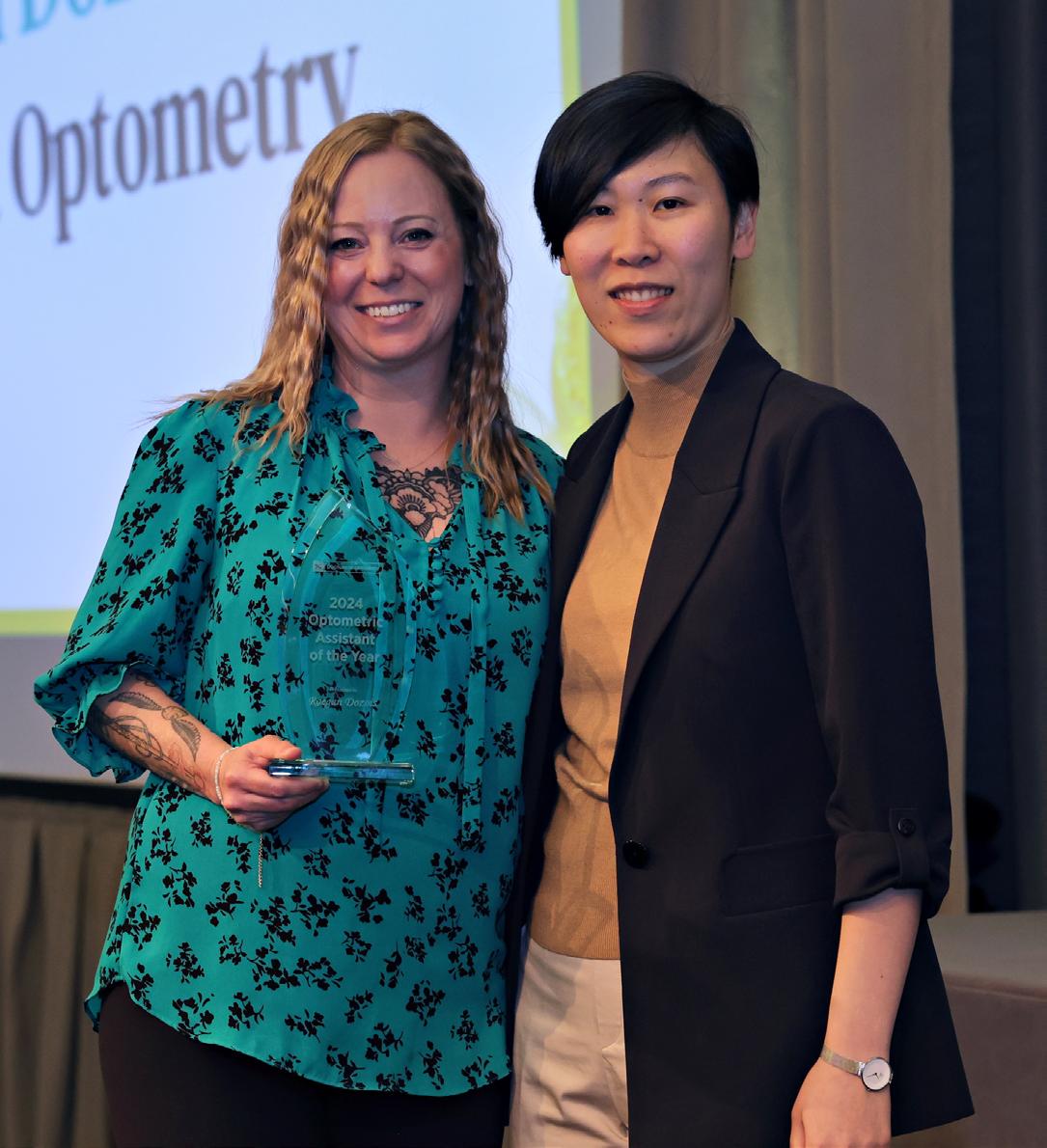

Optometric Assistant of the Year
Ms. Natalia Jette
Ms. Melina Malekzadeh
Ms. Katarina Pekarova 2023 Alicia Jeffreys
Raegan Dozois
Honorary Members 1922 Dr. Charles F. Prentice
Dr. Robert Scholefield
Dr. William M. Lyle
Dr. George L. Darmont
Dr. William R. McRoberts
Dr. Herbert (Bert) Jervis
Dr. G. Rix Graham 2000 Dr. Sherman O. Olsen
Dr. Brian D. Cox 2011 Dr. Jack Williams
2024 Dr. Stanley Woo

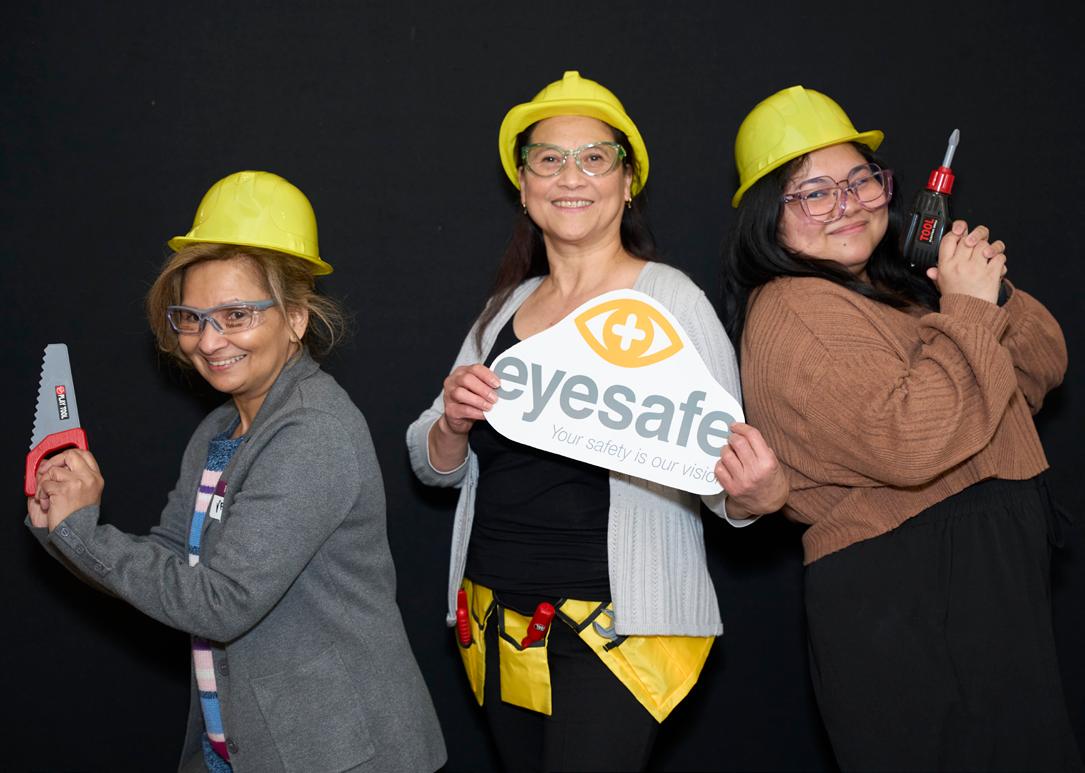
2025 has been a difficult year for many industries due to market instability and applied tariffs both domestically and abroad. The forestry industry, a key customer demographic for our program, has been affected by these issues more than most. In 2025 the number of orders from these employers dropped 16% compared to our 2024 numbers, and this trend is expected to continue.
Despite these losses, EyeSafe was able to maintain a net 1% growth of new jobs in 2025. This growth was only possible due to tradeshow recruitment efforts, and strong positive word of mouth within local industry leading to 19 new employer accounts joining the program.
In total, we processed 3, 841 new jobs, and paid out $260,365 in doctors’ professional fees.
2022-2025 Lab Contract Completed, New Contracts Signed
Our contract with both Essilor and Hoya labs ran from Sept 2022 to Sept 2025. Below is a breakdown of each lab’s performance in key metrics during this period.
In conjunction with the optometric associations in Alberta, Saskatchewan, and Manitoba, BCDO went to RFP for new lab suppliers in early 2025. The RFP concluded with both Essilor and Hoya winning new contracts for the 3-year period of Jan, 2026 to Dec, 2028.
Our new contract with Essilor came with substantial discounts on key products, including entry level single vision and progressive lenses and the TD2 coating. There were also modest increases on products such as transitions and higher end progressive designs.
Unfortunately, the Hoya contract saw significant price increases across all products. Entry level lens and coating combinations increased 35-50%, however, higher end product combinations increased closer to 15% on average. To help compensate for this significant change, Hoya also included Centennial products on their offer, which are priced closer in line with thier comparable 2022-2025 product counterparts.
Vertex Order Management System Soft-Launch EyeSafe successfully soft-launched the new Vertex order management system, which now handles all private safety job orders, and all frame/accessory stock orders. The new system has received enthusiastic support from participating members and their staff, and has reduced the volume of manual processing for these orders for both clinic staff as well as EyeSafe staff.
Work to fully integrate employer contract job orders into Vertex continues, with employer enrollment expected to begin in 2026 Q2. Once employer enrollment is completed, we plan to retire the EyeSafe Online portal that is currently being used.
There continues to be strong interest from other provincial optometric associations in adopting Vertex as their primary occupational vision care program system. We look forward to working with our sister associations on this project once employer enrollment has begun.
New Offerings Launched in 2025
This year, we introduced several new products to enhance the EyeSafe experience:
• Ballistic Rated Eyewear: We introduced the Saber
Advanced and the Vapor frames from WileyX, both of which carry the military ballistic ratings and can accept prescription lenses by way of RX insert.
• The Makalu frame from Edge Eyewear, an affordable wrap-style frame with an RX insert, perfect for patients with difficult prescriptions.
• Plano Eyewear: with models from Edge, Hilco, Stoggles and WileyX brands, some of which offering a variety of specialty polarized or mirrored lenses.
• EyeSafe branded lens cleaning spray, available individually or in 50pc boxes.
EyeSafe Frame & Accessory Sales at a Glance
In 2025, between complete safety jobs and stock supplies orders, we sold 6, 279 frames and 918 accessories. Below is a breakdown of units sold, by type and brand:
• ArmouRx led the way, comprising just over 50% of all unit sales.
• Hilco followed, making up just over 28% of all unit sales.
• HiDX, Stoggles and WileyX each make up between 5% and 7% of total unit sales.
• Our house brand of products (cleaning cloths, cases, etc) make up just under 3% of units sold.
• Edge products were only added at the end of 2025
This coming year is expected to be huge for EyeSafe. Here are some key highlights to look forward to:
• Rebranding of the BC Optimum program to EyeSafe Advantage, in alignment with our sister programs in other provinces, and to highlight the advantages of participating in EyeSafe.
• Significantly reducing EyeSafe Advantage pricing for our participating members!
• Completing the launch of Vertex with all employers onboarded and participating.
• Releasing new premium quality EyeSafe branded frame cases.
• Launching our sports eyewear program.
• Attending 5 industry tradeshows across March, April, and October.
With these initiatives we plan to invigorate our participating members and their clinic staff, by reducing the complexity of placing orders, increasing their profit margins, and helping them reach an even wider audience of potential new clientele.
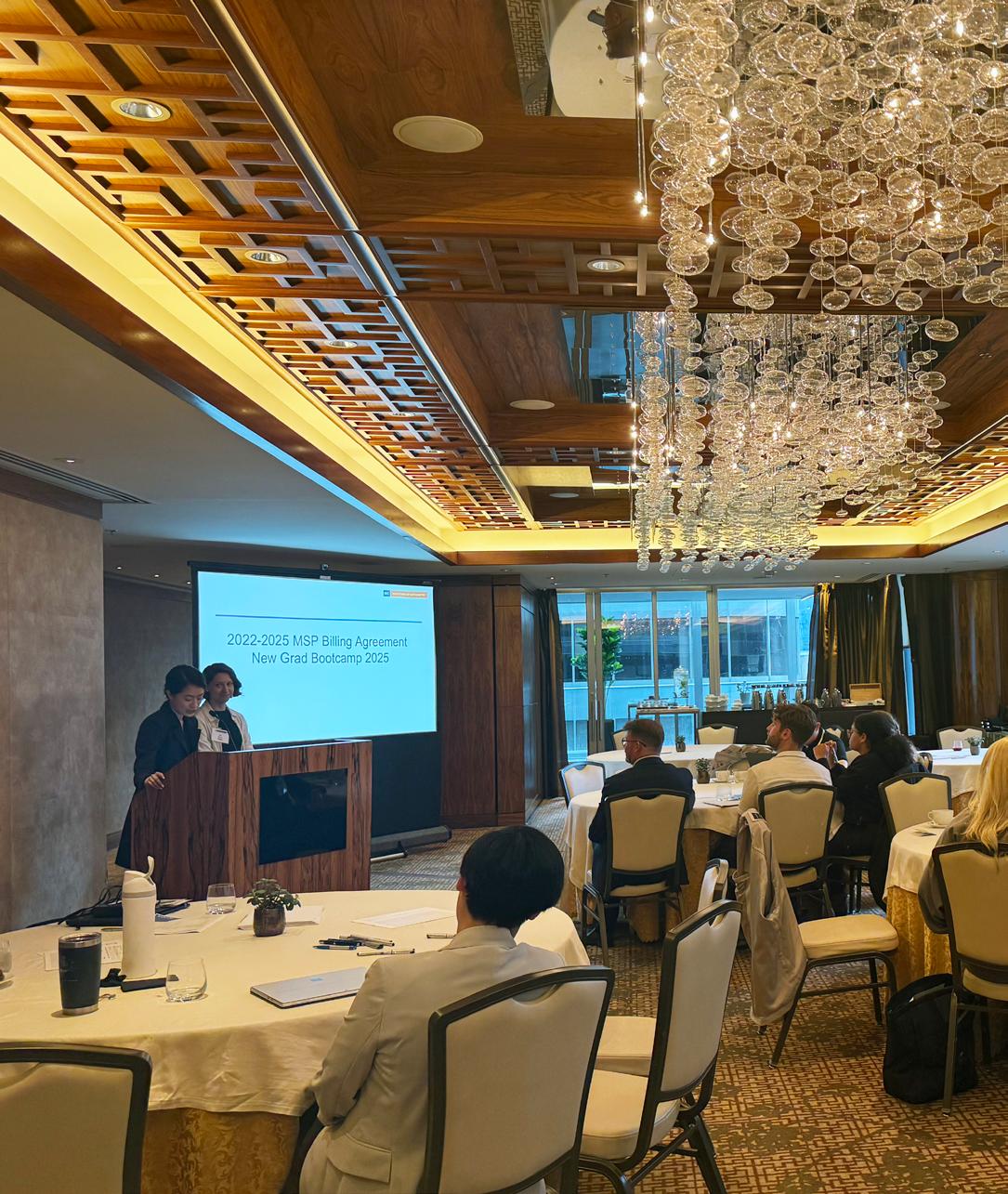
In the first half of 2025, BCDO worked with industry partners to host events in the Lower Mainland for new graduates to build connections with each other and industry representatives. BCDO and CooperVision hosted one of these events on February 20, 2025, and BCDO collaborated with Johnson & Johnson for another on April 1, 2025.
The New Grad Boot Camp was held in person on September 14, 2025, sponsored by an unrestricted education grant from Johnson & Johnson. This event consisted of two hours of COPE approved CE for attendees, as well as panel discussion with practicing doctors and a workshop to help new grads develop
a five year plan as they begin their practice. This annual one-day event provided 31 New Grads an opportunity to benefit from the knowledge and experience of their more experienced colleagues, as well as opportunities to network with both the BCDO and the provincial College.
We look forward to continuing to offer sessions on practical financial advice, MSP billing information, and general guidance that will benefit New Grads’ practice as they establish themselves in BC.

BCDO continues to offer complimentary student membership to students attending schools of optometry who are considering practicing in BC once they graduate. We worked to connect with these students through a number of in-person and virtual events in 2025.
BCDO held four events connecting with students at Pacific University, including participating in the Pacific Career Fair in June and the annual Thanksgiving meal in the fall.
After the CHCPBC announced they would no longer accept the NBEO as part of their license requirements, BCDO hosted a virtual webinar for students to provide information and support to optometry students affected by the decision. Representatives from the College were invited to attend the webinar to explain the reasoning behind the decision, answer questions, and receive student feedback.
At the BCDO 2025 Annual Conference, 36 students attended the inaugural student stream of sessions. These sessions allowed students to connect with practicing optometrists in a variety of different modes of practice, as well providing helpful information regarding employment contracts in BC. After the full day of student specific programming, student attendees were able to enjoy the CE courses for the rest of the conference.
Additionally, at the 2025 Conference, student volunteers from the UBC Pre- Optometry club attended, helping BCDO Staff as well as building connections with the Optometry community in BC. Looking forward, we are hoping to welcome more Optometry Students and Pre-Optometry Volunteers to our 2026 Conference.

BCDO supports optometrists and optometric staff in achieving professional excellence by providing high-quality continuing education through both in-person and online formats. Our conferences, seminars, and webinars are designed to enhance clinical knowledge, strengthen professional skills, and help members stay current with advances in the profession.
In 2025, BCDO delivered a total of 72 continuing education sessions. 18 of these were outside of our Annual Conference, providing members with accessible learning opportunities throughout the year. Despite recent changes to continuing education program requirements from the College, BCDO continues to expand and adapt its programming to ensure members have access to relevant and high-quality education.
BCDO continues to prioritize engaging speakers and practical, relevant content as the availability of continuing education grows across the profession. Our regional meetings, virtual webinars, and Annual Conference remain key education pillars and continue to see strong participation and positive feedback from members.


The three-day Annual Conference, held in the first week of May was hosted at the brand-new venue JW Marriott Parq Vancouver, bringing together optometrists, industry partners, exhibitors and optometric staff for one of the organization’s largest educational events of the year.
The conference program included:
• 45+ hours of accredited continuing education
• 20+ expert speakers
• Hands-on workshops designed to strengthen clinical techniques
• Dedicated education streams for optometric staff
The conference featured interactive hands-on workshops designed to provide practical learning experiences not typically available through traditional continuing education formats. These sessions allow members to reinforce clinical techniques and skills required in the exam room while complementing the broader educational program.
In addition, the conference offered a dedicated staff education program, providing 11 hours of continuing education specifically designed for optometric staff, Certified Optometric Assistants, and opticians, supporting the continued professional development of the entire eye care team.

BCDO hosted the Optofair Tradeshow alongside the three-day Annual Conference in May. For the first time, the tradeshow was expanded to run across both Saturday and Sunday.

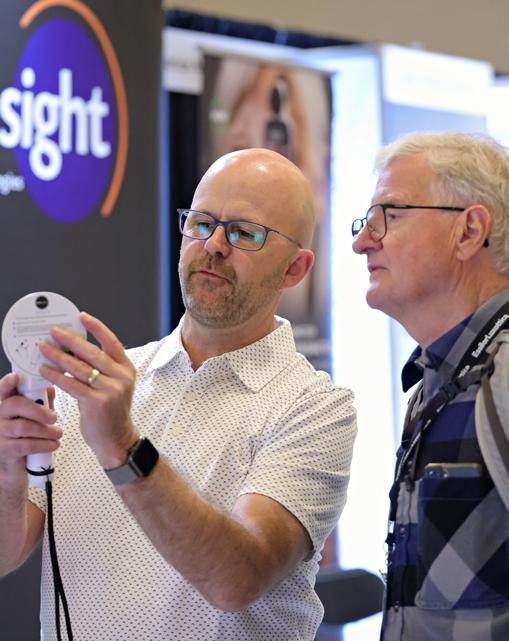
The event saw strong industry participation, with:
• 76 exhibitor booths completely sold out
• A waitlist established due to high demand
• Dozens of leading industry partners showcasing new technology and products
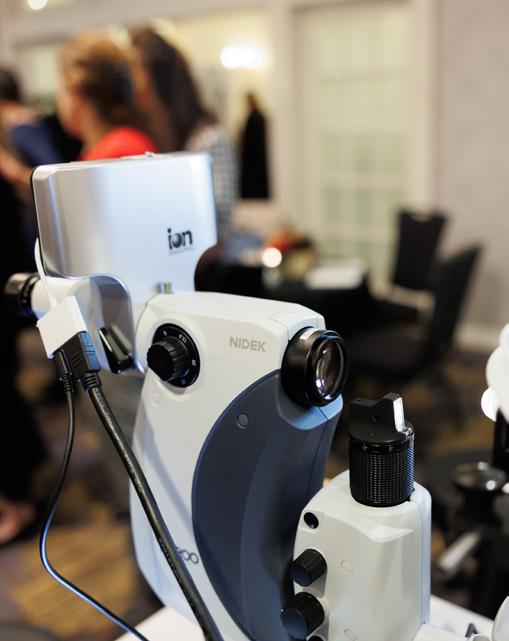
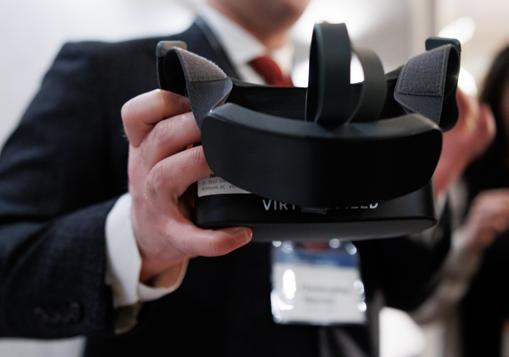
The Optofair tradeshow provides delegates with the opportunity to connect directly with industry representatives and explore the latest ophthalmic technologies, equipment, and innovations. The tradeshow continues to be a major draw for both members and industry partners, supporting professional networking while providing early access to new products and advancements in eye care.

In 2025 the focus of your Government and Professional Affairs Committee (GPAC) remained working with the provincial Ministry of Health for scope modernization. It was a successful year with multiple meetings with Members of the Legislative Assembly from across BC. On the bureaucratic side of government, we had a very positive meeting in September with the Allied Health Provincial Office and the Executive Director for Professional Regulations. We were congratulated in that meeting for having submitted an excellent proposal for scope optimization.
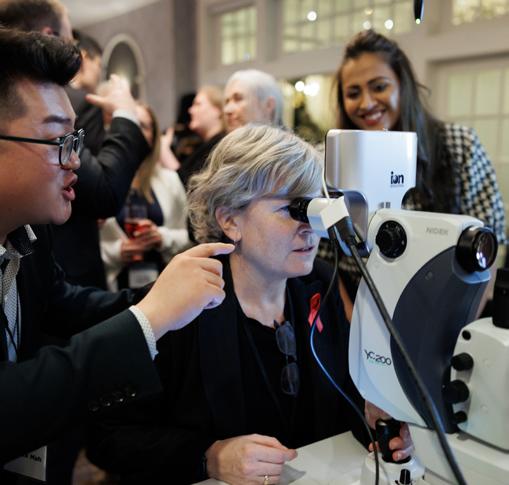
We ended the year with a well attended MLA reception in Victoria. We had a turnout of 45 MLAs plus multiple staff. The Minster of Health, Hon. Josie Osbourne spent almost two hours at the reception, trying out the laser station and meeting optometrists from across the province to discuss how scope would improve patient care and timely access to treatment.
Following that meeting we had several offers from the opposition to prepare private member bills which signalled their support for our proposal and MLA Janet Routledge, Government Whip, used her two-minute speech at the opening of the legislature to speak about our scope expansion and the benefits it will bring to the public.

In our proposal we requested to:
Prescribe and administer injectables for the diagnostic and therapeutic treatment of the human visual system, the eye and adnexa in certain conditions.
Minor laser treatment procedures
– Peripheral Iridotomy (PI), Selective Laser Trabeculoplasty (SLT) and Nd-YAG Capsulotomy. All are performed in-office.
Prescribe oral medications for disorders and diseases of the human visual system, the eye, and its associated structures.
Conduct minor procedures to remove minor skin lesions such as skin tags, papilloma, verrucae, etc. performed in-office under local anesthesia
On February 24, 2026 the Minister of Health posted consultation for scope from several allied health professions including Optometry. Optometry received oral prescriptions and minor laser procedures for consultation. The consultation period ended on March 31, 2026.
Looking forward to 2026, we will continue to work with the Ministry of Health and the College of Health and Care Professionals to have our new scope implemented, if approved.



gains tax for healthcare professionals. The federal government cancelled the proposed increase in March 2025. Through these coalitions, CAO also continued to participate in discussions on health human resources, including recruitment, retention, planning, and innovation.
The year 2025 marked a pivotal and highly productive period for the CAO. Throughout the year, CAO advanced its mandate to support members, strengthen the profession, and foster a better access to vision care for all people in Canada.
Leadership transitions took place during CAO’s 39th Biennial Congress. Dr. Allison Scott (Nova Scotia) was elected President for a two-year term, succeeding Dr. Martin Spiro. I am honoured to serve as Vice-President. Additional Council appointments included Dr. Troy Brady as Treasurer; Dr. Mark Kepes as Nova Scotia Council representative; Dr. Tanya Dillon for Manitoba; Dr. Audrey Daoust for Quebec, and Thaksha Sritharan as Student Representative.
Advocacy and Federal programs
Following the passage of Bill C 284 in November 2024, CAO played an active role throughout 2025 in consultations related to the development of Canada’s National Strategy for Eye Care. CAO submitted formal recommendations to Health Canada ensuring that optometry’s role in primary eye care was clearly articulated and recognized, and contributed to the Vision Partners Coalition’s joint submission.
During the federal election period, CAO mobilized members and optometry students nationwide through a coordinated letter writing campaign urging all political parties to prioritize the inclusion of optometrists in the Canada Student Loan Forgiveness Program. As a result, more than 966 letters were sent to election candidates. Expansion of the Program remains a core advocacy priority. In parallel, CAO continued to support advocacy efforts through the Extended Health Providers
Coalition (EHPC), which also pressed for inclusion of optometrists and other healthcare practitioners.
In August 2025, CAO submitted recommendations to the House of Commons Standing Committee on Finance as part of the 2026 Pre Budget Consultations, reinforcing the importance of sustainable investment in eye care and optometric services.
Ensuring appropriate remuneration for optometric services remained a central focus. The Non Insured Health Benefits (NIHB) program confirmed that general eye examinations within frequency limits are now an open benefit and no longer require prior approval. NIHB also provided updated guidance allowing clinics to create and manage secondary web accounts, enabling staff to verify eligibility, submit and track claims, and manage approvals more efficiently. While CAO welcomed these improvements, it continued advocacy efforts to address persistently low reimbursement rates.
CAO also submitted a comprehensive proposal to the Interim Federal Health Program (IFHP), advocating for fair compensation that reflects the essential services optometrists provide to refugees. The submission highlighted the clinical complexity of cases seen by members, administrative burden, audit practices, and optometry’s critical role within the healthcare system. Engagement with the newly appointed IFHP Director is planned for 2026.
As a member of both HEAL (Health Action Lobby) and the Extended Health Providers Coalition, CAO actively opposed the proposed increase in capital
Building on this momentum, CAO issued a statement addressing the exclusion of optometrists from Caring for Canadians: Canada’s Future Health Workforce –The Canadian Health Workforce Education, Training and Distribution Study. CAO raised concerns about this omission and emphasized the need for optometrists to be recognized as integral members of primary care teams. In October, CAO attended Health Workforce Canada Connects to ensure optometry’s perspective was represented in national discussions.
In mid 2025, CAO and the Alberta Association of Optometrists (AAO) were made aware of a concerning increase in the delisting of optometry clinics by insurers in Alberta. These delistings often occurred without transparent explanations, due process, or clear appeal pathways, placing members at financial and reputational risk and creating uncertainty for patients.
In response, CAO established a Task Force on Billing Practices and Fraud Prevention in collaboration with the Canadian Life and Health Insurance Association (CLHIA), the AAO, FORAC, and optometry networks. This initiative complements the AAO’s Private Insurance Task Force. CAO continued direct engagement with insurers to clarify delisting and appeal processes, address unintentional provider related billing issues, and support the development of tools to help members prevent billing errors and reduce fraud investigations. Member resources were consolidated and made available through CAO’s Insurance Billing and Fraud Prevention webpage (log in required).
Progress was also made on CAO’s insurance industry modernization initiative. Medavie introduced enhanced vision benefit options for clients and increased reimbursement rates for the Canadian Armed Forces. CAO shifted its focus toward brokers and advisors to build broader demand for modernized benefits. Educational webinars supported this work, and then President Dr. Martin Spiro was featured in Benefits and Pensions Monitor, highlighting how outdated coverage models fail to meet current patient needs and limit early detection of eye disease due to inadequate coverage for advanced diagnostics such as retinal imaging and OCT. You can read our latest blog posts directed at insurers, brokers and plan sponsors, emphasizing the importance of early detection and intervention, and ongoing monitoring.
CAO’s 2025 Optometric Leaders’ Forum (OLF) focused on optimizing optometric scope of practice to enhance access to care, improve patient outcomes, and strengthen optometry’s role within the healthcare system. A summary report was published following the Forum. Dr. Martin Spiro further advanced these discussions as a guest on the 20/20 podcast, outlining the necessity of scope optimization for patients and the healthcare system. CAO continued to support provincial initiatives in Ontario, British Columbia, Saskatchewan, and Nova Scotia.
In November 2025, following public statements by the Canadian Ophthalmological Society, CAO issued a detailed response in collaboration with provincial associations actively pursuing scope optimization. CAO also updated its public facing website to provide evidence based information on the role of optometrists and continues to support provinces in advancing scope changes.
CAO maintained its commitment to evidence based guidance through regular review and updates of position statements. In 2025, CAO updated the following:
• Hand held Laser Pointers and Eye Safety Position Statement
• Internet Dispensing Position Statement and Internet Dispensing Fact Sheet
• Prescription Medication Labelling Position Statement
Continuing Education and Congress
CAO continued to expand its continuing education (CE) offerings. The CAO Congress in Halifax welcomed more than 950 participants, offering an extensive CE program and networking opportunities in partnership with the Nova Scotia Association of Optometrists and Vision Therapy Canada. The Congress included the CAO Awards and Honourary Membership presentations, a Scientific Poster Show, and an address by the Honourable Judy Sgro, sponsor of Bill C 284.
Additional CE initiatives included:
• A French language webinar on Indigenous eye care and updated bilingual resources, including a factsheet about Indigenous Eye Care in Canada
• A webinar on personal and business banking was delivered in partnership with TD Bank
• A COPE approved webinar on Meibomian Gland Dysfunction, sponsored by AbbVie
• A new technology and AI webinar series in partnership with Dr. Luke Small
• Continued sponsorship of the Witer Learning Resource Centre at the University of Waterloo

The CAO, in collaboration with the Canadian Optometric Education Trust Fund (COETF) and OSI Group, offered TWO scholarships for Indigenous individuals working in optometric settings to pursue Canadian Certified Optometric Assistant (CCOA) certification.
Supporting the Next Generation CAO strengthened engagement with Canadian optometry students through in person and virtual events across the country or in the U.S, and participated in the AOA On Capitol Hill Student event, delivering advocacy training to Canadian students and supporting their transition to practice in Canada.
with all CAO members. CAO also collaborated with the Global Myopia Awareness Coalition on a co-branded toolkit addressing childhood myopia.
CAO expanded its digital presence through new social media platforms, refined its awareness calendar, and initiated an influencer engagement strategy.
In October, 25 participants from across Canada completed CAO’s inaugural Leadership Development Program in Edmonton. Delivered by L2 Emergence Inc., the program provided practical training in leadership, teamwork, communication, and strategic thinking.
For Canadian Certified Optometric Assistants (CCOAs), CAO released updated and new learning modules, including a two-part course on Vision Therapy, Change Management to support assistants’ role in facilitating change, and Scleral Lenses to address various eye conditions (irregular corneas, severe dry eye syndrome, and post-surgical complications), all available in English and French.
We launched a new committee dedicated to support the Canadian Association of Optometry Students (CAOS), including governance guidance, outreach to U.S. chapters, and the establishment of a joint CAOS CAO membership.
Public Awareness and Research
CAO delivered national bilingual awareness campaigns for Vision Health Month and Children’s Vision Month, supported by GetEyeWise resources and shared
In 2025, CAO completed significant changes to ensure the sustainability and indexing compliance of the Canadian Journal of Optometry (CJO). The journal migrated to a new platform and domain (cjo rco.ca), enabling DOI generation through Crossref, enhanced workflows, revised ethics and AI guidelines, and expanded the editorial board. These efforts are intended to significantly enhance the international visibility and impact of CJO articles.
Under the leadership of Joelle Walker, CAO’s new Chief Executive Officer, the Association initiated the development of its 2026–2029 Strategic Plan. This plan will set an ambitious course for CAO’s future and will be shared with members in the coming months.

The Rural and Indigenous Access Program was established in 2021 with the goal of improving eye health outcomes by enhancing the availability, accessibility, and affordability of optometric care in rural and remote areas of British Columbia.
Recognizing the unique and often complex barriers to accessing comprehensive eye exams and dispensary services in these underserved regions, the program aims to support patients and practitioners by bringing eye care directly to communities. Within this program framework BCDO prioritizes continuity of care, strengthens community relationships and improves logistical coordination, while also acknowledging the service of returning optometrists.
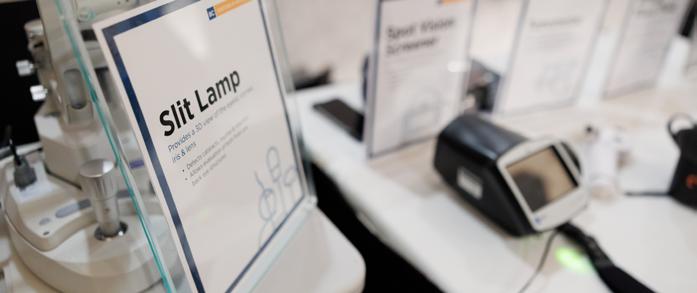
In 2025, a total of 21 optometrists from British Columbia submitted 117 reimbursement applications for trips to 78 rural communities. In addition, capital equipment was purchased to provide remote care, including a mobile equipment kit, slit lamp and OCT.
Also in 2025, we compiled a frame kit and lab contracts for those to use that required these resources in order to provide care in the program.
In 2026, we hope to build on the number of communities receiving care as well as add new Optometrists. If this is of interest to you, please reach out to BCDO for information on how you can participate in this program.
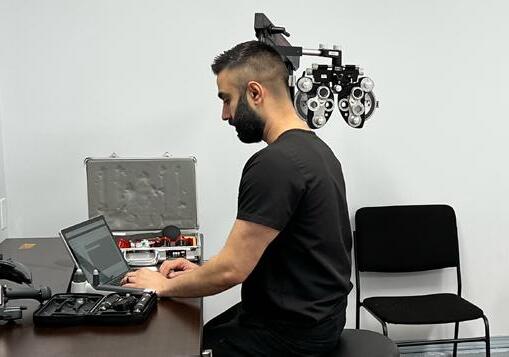
In every discussion we have with MLAs and government agencies they are always impressed with the reach this program has. When we meet with other provinces they all want to have a program like this and all BCDO members should be proud of the accomplishments of this program.
The Rural and Indigenous Access Program continues to address geographical, economic, and logistical challenges, with a strong commitment to equity in eye care for all British Columbians - no matter where they live.

Dr Brent Allen, Chair of the Rural and Indigenous Access Committee.


Vision is a vital part of a child’s success in learning. BCDO has continued to advocate for, and participate in, rebuilding a provincial kindergarten vision program. The previous program was discontinued when public health resources were reassigned during the COVID-19 pandemic, and school vision screening services were paused.
BCDO partnered with Vancouver Coastal Health (VCH) in spring 2025 to provide in-school eye exams for Kindergarten and Grade 1 students. Eye exams were delivered by a team of nine optometrists who performed 892 exams in 17 schools across six school districts within the VCH region. Of the children seen, 216 (24%) were referred for further evaluation. The majority of referrals were for refractive errors requiring corrective lenses.

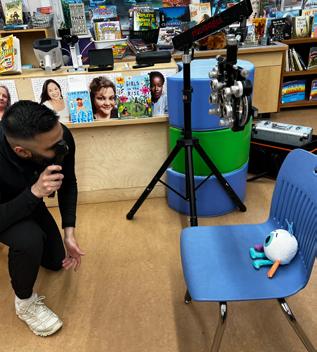
BCDO also partnered with Interior Health in spring 2025 to provide in-school eye exams to Kindergarten students at five schools. In total, 217 students received exams, and 19% were provided with glasses, helping to ensure equitable access to care.
Building on the success of the 2025 pilot project, the program will expand during the 2025–26 school year. The ambitious goal is to provide vision screening, followed by in-school eye exams for identified students, to 2,000 students in both the VCH and IH regions. The intention is to deliver an in-school vision program to students in each school district within geographically diverse VCH, and to all 32 schools in Central Okanagan.
This ongoing work will provide valuable insights into how school-based vision screening contributes to children’s eye health across the region.

BCDO has been participating in the provincial children’s vision project led by Public Health representatives in the Ministry of Health, alongside representatives from the provincial health authorities and ophthalmology. BCDO is acting as a subject matter expert and key partner in program design and delivery for a new school vision program.
The working group is applying learnings from the two pilot programs and assessing the feasibility of scaling the program province-wide. The goal is to provide care to children within their communities and strengthen connections to community-based optometrists for ongoing care.
As part of back-to-school outreach, BCDO supported a children’s vision awareness campaign, including promotion of BookTheTest.ca to encourage families to schedule comprehensive eye exams.
BCDO continues to support members with children’s vision resources and collateral materials. These include informative brochures on children’s vision and myopia management, a children’s vision health slideshow, and child-focused materials such as Opie colouring books. These resources can be distributed in clinics and communities to increase awareness of the importance of children’s vision care.
Looking ahead, BCDO will continue to advocate for increased awareness of the importance of children’s vision care. In collaboration with partners, BCDO will work to build a new in-school vision program, applying the learnings from the pilot projects. This work will integrate evidence-based standards, optometric expertise, and strong community connections to ensure sustainable, accessible vision care for children across the province.


Between April 22 and May 2, 2025, BCDO renewed research conducted by Edelman between 2020 to 2022. A total of 2,026 British Columbians participated in the province-wide survey, providing robust and representative insights into public perceptions of eye health.
The research explored:
• Current attitudes towards eye health and how these have shif ted over time;
• Barriers that prevent individuals from prioritizing eye health or visiting an optometrist regularly;
• Barriers that limit access to optometric care for children;
• Public understanding of the role of optometrists and how optometric care is funded, compared to other health professionals;
• Where BC residents get health-related information.
The findings informed BCDO’s public education initiatives across 2025 and into 2026, and strengthened the media engagement strategy. This research continues to serve as a critical foundation for data-driven public communications and advocacy.
Television advertising
To launch BCDO’s 2025 public education efforts, BCDO partnered with NG Media to develop and air a Public Service Announcement (PSA) encouraging seniors to book routine eye exams. The PSA debuted on February 24 and was broadcast for 8 weeks across 12 of the top 50 major BC networks, including CNN+, MSNBC US, TLC+, A&E+, AMC+, and Fox News US+.

The campaign reached approximately 650,000 households, generating over 1.05 million impressions, ensuring high reach of the importance of proactive eyecare.
BCDO was proud to see public interest reflected in earned media coverage following the launch of the Children’s Vision Pilot. Several local news outlets featured the program, amplifying awareness and helping communicate the value of early eye care to families across the province. Celebrating these milestones publicly reinforces trust and demonstrates the tangible impact of BCDO’s initiatives.
BCDO maintained a visible and active presence at community events across the year, with engagement driven by membership. BCDO booths were features at both the Canada Cup Women’s Softball Tournament, led by Dr. Lauren Kimachi, and at the White Rock “For the Health of It” event, led by Dr. Sally Donaldson and her team.


These events provided meaningful opportunities to connect directly with the public, share trusted eye health information, and highlight the expertise of optometrists within their communities.
BCDO’s research tells us that 93% of BC parents say that maintaining their children’s eye health is important. 93% of parents believe that vision issues can impact a child’s learning, and 86% of parents
say back-to-school eye exams are important. However, only 3 in 5 parents (60%) have taken their children to see an optometrist in the past year.
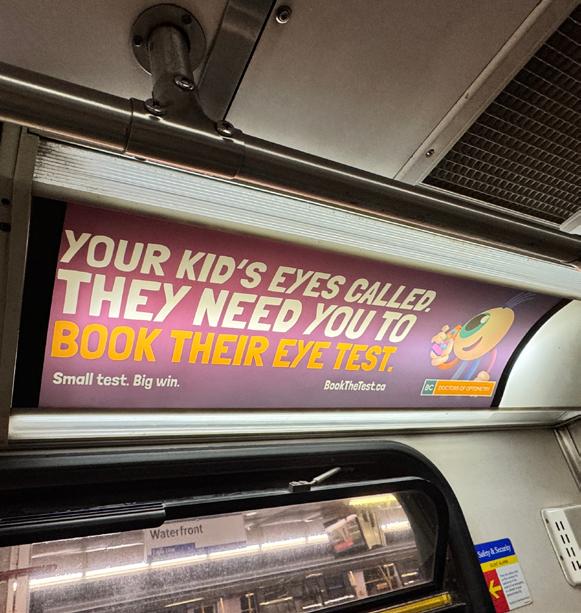
BCDO wanted to educate parents and inspire actionto utilise the time during summer holidays to get kids to their eye exams.
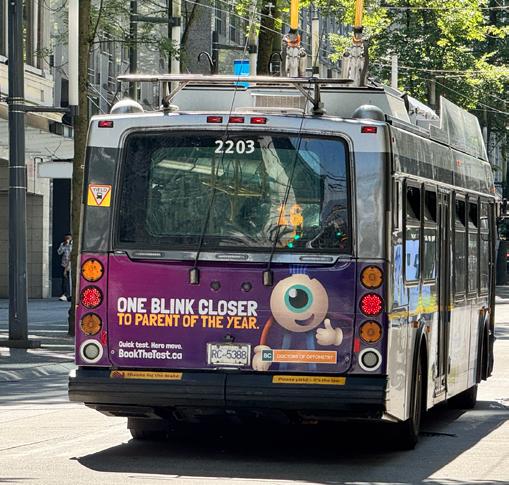

The campaign saw strong engagement across all performance indicators. Most significantly, a 900% increase in the Google search for “eye test” compared to just prior to the campaign launch, and a 195% increase in website views. BCDO’s campaign
won Gold in the Digital Health – Social Media (Other / Miscellaneous Social Media Post Series) category within the Association / Professional Society / Non-Profit division at the 2025 Digital Health Awards – Fall Session.
The summer public education campaign ran from July to September, with everyone’s favourite mascot Opie front and centre. At the heart of the campaign was a landing page that featured a competition for an Opie prize pack, a link to the Find-A-Doctor tool, and access to further information.
The campaign was rolled out across multiple advertising spaces. Out-of-home advertising across BC included bus tails (“supertails”) and sides (“superkings”), interior cards across buses and trains, and digital kiosks in central Vancouver train stations. Grassroots efforts included sharing flyers with multiple community centres and libraries across the lower
Mainland, and more significantly, hosting booths and multiple community events in Vancouver, such as the Steveston Salmon Festival, which sees over 70,000 attendees. BCDO extends sincere thanks to the volunteers who generously gave their time to represent BCDO and optometry.
Out-of-home advertising was bolstered by strong digital presence across paid Google and Social Media ads, with a large variety of carousel, animated, and static assets. These assets were made available to members to utilise on their own social media platforms.


Treasurer

In 2025 the focus was on transforming BCDO financials to embrace new technologies and update and modernize accounting systems and processes. In partnership with consultants from BDO, we started from the ground up, creating a new chart of accounts which allows for transparent and clear reporting, utilizing add-on functions of DEXT and Plooto to streamline expense reimbursements and electronic payments to members and vendors.
The impetus for this move was the decision to create Vertex, the new EyeSafe portal. This portal is cloud based, is intuitive to use and most importantly, allows visibility of orders from start to finish. Moving to Vertex meant that we were able to take the auditors advice and retire Sage 300 as the accounting program for EyeSafe. For many reasons, having BCDO and EyeSafe on completely different accounting programs was problematic.
The result of this is that our audit was delayed due to the challenges of providing clear audit trails from one system to the other, as well as rectifying on-going classification errors.
The results of this hard work are the new and improved financial statements in this annual report.
As you can see, it is now very clear what our revenue and expenses are, along with our non-dues revenue sources.
While we did post a deficit of $354,664 this year, it was largely due to board decisions to fund the first phase of the Children’s Vision is Schools pilot. Please see the Children’s Vision section for additional information.
BCDO continues to have multiple revenue streams beyond member dues. With EyeSafe, the conference and hands-on management of cash investments. Member dues represent 27% of revenue, please see the below pie chart for more information.
The largest expense continues to be salary and benefits. This is appropriate for a service-related not-for-profit. With 12FTE of staff including the CEO, BCDO is delivering a high caliber of services across its mandate, whether it is province-wide, gold medal winning public education campaigns, supporting members to provide in-community care to Indigenous and rural communities, creating the first in Canada children’s vision screening program, delivering the largest optometry conference in Canada, or advocacy and negotiations.
Board expenses continue to be a large expense driver. This is because we have a geographically diverse board, with 5/ 11 board members living outside the Lower Mainland.
The continuing inflationary pressures across all forms of travel mean that we anticipate these costs to continue to increase.
Advertising & Promotion $483,299
Board of Directors & Committees
563 EyeSafe Program $878 ,243
Other Operating Expenses
529
240
Repairs & Maintenance $28, 285 Salaries &
,507
Continuing Education Fund
(to April 15)
Technology, Equipment and Innovation Fund
(to
Looking forward to 2026, we are projecting a balanced budget as we have secured funding for the second phases of the Children’s Vision in Schools pilot and with the onboarding of Vertex, non-dues revenue from EyeSafe will grow. We have also worked hard to ensure that the conference provides additional revenue. Expanding Optofair to two days increases revenue by over $60,000. Please take the time on Sunday to visit our exhibitors, as we would love this expansion to be successful.


For the year ended December 31, 2025

Tel: 250 763 6700
Fax: 250 763 4457 Toll-free: 1 800 928 3307
www.bdo.ca
To the Board of the British Columbia Association of Optometrists
Opinion
We have audited the financial statements of the British Columbia Association of Optometrists (the Association), which comprise the statement of financial position as at December 31, 2025, the statements of operations, changes in net assets and cash flows for the year then ended, and notes to the financial statements, including a summary of significant accounting policies.
In our opinion, the accompanying financial statements present fairly, in all material respects, the financial position of the Association as at December 31, 2025, and its results of operations and cash flows for the year then ended in accordance with Canadian accounting standards for not-for-profit organizations.
Basis for Opinion
We conducted our audit in accordance with Canadian generally accepted auditing standards. Our responsibilities under those standards are further described in the Auditor’s Responsibilities for the Audit of the Financial Statements section of our report. We are independent of the Association in accordance with the ethical requirements that are relevant to our audit of the financial statements in Canada, and we have fulfilled our other ethical responsibilities in accordance with these requirements. We believe that the audit evidence we have obtained is sufficient and appropriate to provide a basis for our opinion.
Responsibilities of Management and Those Charged with Governance for the Financial Statements
Management is responsible for the preparation and fair presentation of the financial statements in accordance with Canadian accounting standards for not-for-profit organizations, and for such internal control as management determines is necessary to enable the preparation of financial statements that are free from material misstatement, whether due to fraud or error.
In preparing the financial statements, management is responsible for assessing the Association’s ability to continue as a going concern, disclosing, as applicable, matters related to going concern and using the going concern basis of accounting unless management either intends to liquidate the Association or to cease operations, or has no realistic alternative but to do so.
Those charged with governance are responsible for overseeing the Association’s financial reporting process.
Other Matter - Comparative Figures
The financial statements for the year ended December 31, 2024 were audited by another auditor who expressed an unmodified opinion on those financial statements on April 14, 2025.
Unaudited Information
We have not audited, reviewed or otherwise attempted to verify the accuracy or completeness of the information included in Schedule 1 of these financial statements.
Our objectives are to obtain reasonable assurance about whether the financial statements as a whole are free from material misstatement, whether due to fraud or error, and to issue an auditor’s report that includes our opinion. Reasonable assurance is a high level of assurance, but is not a guarantee that an audit conducted in accordance with Canadian generally accepted auditing standards will always detect a material misstatement when it exists. Misstatements can arise from fraud or error and are considered material if, individually or in the aggregate, they could reasonably be expected to influence the economic decisions of users taken on the basis of these financial statements.
As part of an audit in accordance with Canadian generally accepted auditing standards, we exercise professional judgment and maintain professional skepticism throughout the audit. We also:
Identify and assess the risks of material misstatement of the financial statements, whether due to fraud or error, design and perform audit procedures responsive to those risks, and obtain audit evidence that is sufficient and appropriate to provide a basis for our opinion. The risk of not detecting a material misstatement resulting from fraud is higher than for one resulting from error, as fraud may involve collusion, forgery, intentional omissions, misrepresentations, or the override of internal control.
Obtain an understanding of internal control relevant to the audit in order to design audit procedures that are appropriate in the circumstances, but not for the purpose of expressing an opinion on the effectiveness of the Association’s internal control.
Evaluate the appropriateness of accounting policies used and the reasonableness of accounting estimates and related disclosures made by management.
Conclude on the appropriateness of management’s use of the going concern basis of accounting and, based on the audit evidence obtained, whether a material uncertainty exists related to events or conditions that may cast significant doubt on the Association’s ability to continue as a going concern. If we conclude that a material uncertainty exists, we are required to draw attention in our auditor’s report to the related disclosures in the financial statements or, if such disclosures are inadequate, to modify our opinion. Our conclusions are based on the audit evidence obtained up to the date of our auditor’s report. However, future events or conditions may cause the Association to cease to continue as a going concern.
Evaluate the overall presentation, structure and content of the financial statements, including the disclosures, and whether the financial statements represent the underlying transactions and events in a manner that achieves fair presentation.
We communicate with those charged with governance regarding, among other matters, the planned scope and timing of the audit and significant audit findings, including any significant deficiencies in internal control that we identify during our audit.
Report on Other Legal and Regulatory Requirements
As required by the Societies Act (British Columbia), we report that, in our opinion, the accounting principles in Canadian accounting standards for not-for-profit organizations have been applied on a basis consistent with that of the preceding year.

Chartered Professional Accountants
Kelowna, British Columbia July 7, 2026



December 31, 2025
1 . Significant Accounting Policies
Nature and Purpose of Organization The British Columbia Association of Optometrists (the Association) is incorporated under the Society Act of British Columbia. The Association is registered as a not-for-profit organization and is exempt from income taxes under Section 149(1) of the Income Tax Act of Canada. The Association also meets the definition of a not-for-profit organization as defined in subsection 123(1) of the Excise Tax Act. In order to maintain its status as a registered notfor-profit organization under the Act, the Association must meet certain requirements in the Act. In the opinion of management, the requirements have been met.
The Association represents optometrists working in communities across British Columbia and is dedicated to advancing the successful practice of optometry by its members advocating the highest standard of patient care, and is the vigilant voice of issues affecting the eye health of all British Columbians.
Basis of Accounting The financial statements have been prepared using Canadian accounting standards for not-for-profit organizations ("ASNPO"), set out in Part III of the CPA Canada Handbook - Accounting, as issued by the Accounting Standards Board in Canada.
Cash and cash equivalents Cash includes cash on hand, balances with banks and short term deposits with original maturities of three months or less.
December 31, 2025
1. Significant Accounting Policies (continued)
Revenue Recognition The Association follows the deferral method of accounting for contributions.
Restricted contributions are recognized as revenue of the appropriate fund in the year in which the related expenses are incurred. Unrestricted contributions are recognized as revenue of the appropriate fund when received or receivable if the amount to be received can be reasonably estimated and collection is reasonably assured.
The Association's membership and public education assessment dues are recognized in the year in which they apply. Dues and grants collected are allocated proportionately over a 12 month period commencing January 1, and the portion not yet taken into revenue is recorded as deferred revenue.
Conference fees and sponsorships are recognized in the period in which the courses or event and related expenses occur.
Interest income is recognized on the accrual basis.
Other revenue is recognized when the services are provided and when collection is reasonably assured.
EyeSafe fees are recognized when the related laboratory has provided the services to the patient and when collection is reasonably assured.
Government grants are recorded as revenue in the period to which the grant applies once there is reasonable assurance that the Association will meet the eligibility criteria, the government support will be received and the amount to be received is measurable.
December 31, 2025
1. Significant Accounting Policies (continued)
Equipment and Software Purchased tangible capital assets are stated at cost less accumulated amortization. Contributed tangible capital assets are recorded at fair value at the date of contribution, unless fair value is not determinable in which case contributed tangible capital assets are recorded at nominal value at the date of contribution. Contributed tangible capital assets are subsequently amortized. Expenditures for repairs and maintenance are expensed as incurred. Betterments that extend the useful life of the tangible capital asset are capitalized.
When a tangible capital asset no longer contributes to an Association’s ability to provide goods and services, or the future economic benefits or service potential of the tangible capital asset is less than its carrying value, the excess of its net carrying amount over its fair value or replacement cost is recognized as an expense in the statement of operations. Any unamortized deferred contribution amount related to the tangible capital asset is recognized in revenue in the statement of operations, provided that all restrictions have been complied with.
Intangible asset Specified intangible assets, Website are recognized and reported apart from goodwill.
An intangible asset recognized separately from goodwill and subject to amortization is recorded at cost. Contributed intangible assets are recorded at fair value at the date of contribution if fair value can be reasonably determined.
Amortization is provided using the straight-line method at a rate intended to amortize the cost of intangible asset over its estimated useful life. Rate Website 3-5 years
When an intangible asset no longer contributes to the Association’s ability to provide goods or services, or the value of future economic benefits or service potential associated with the intangible asset is less than its net carrying amount, its carrying amount is written down to fair value.
December 31, 2025
Internally generated intangible assetsresearch and development costs
(continued)
The Association expenses all research costs as they are incurred. Development costs are expensed as incurred unless they meet the criteria for deferral and subsequent amortization in accordance with the guidance in Section 3064 Goodwill and Intangible Assets.
Financial Instruments Arm’s length financial instruments are recorded at fair value at initial recognition.
Related party financial instruments quoted in an active market or those with observable inputs significant to the determination of fair value or derivative contracts are recorded at fair value at initial recognition. All other related party financial instruments are recorded at cost at initial recognition.
In subsequent periods, equities traded in an active market and derivatives are reported at fair value, with any change in fair value reported in income. All other financial instruments are reported at cost or amortized cost less impairment. Transaction costs on the acquisition, sale or issue of financial instruments are expensed for those items measured at fair value and charged to the financial instrument for those measured at amortized cost.
Financial assets are tested for impairment when indicators of impairment exist. When a significant change in the expected timing or amount of the future cash flows of the financial asset is identified, the carrying amount of the financial asset is reduced and the amount of the write-down is recognized in net income. A previously recognized impairment loss may be reversed to the extent of the improvement, provided it is not greater than the amount that would have been reported at the date of the reversal had the impairment not been recognized previously, and the amount of the reversal is recognized in net income.
December 31, 2025
2. Temporary Investments
Term investments comprise of guaranteed investment certificates which earn interest between 2.35% - 3.65% per annum (2024 -3.65%). These term deposits are non-redeemable and mature between January and November 2026.
3. Long-term Investments
The carrying amounts of investments held at fair value are comprised of the following:
Fixed income investments is comprised of debt securities, including federal, provincial and corporate bonds.
4. Capital assets
No amortization was recorded during the year as the website is still under development.
6. Accounts payable and accrued liabilities
Included in accounts payable and accrued liabilities are government remittances refundable of $Nil (2024 - payable of $55,084).
7. Deferred revenue
Deferred revenue consists of unspent contributions externally restricted for the continuing education of optometrists, membership dues, public assessment dues, and grant funding where the terms of the agreement have not yet been met. Recognition of these amounts as revenue is deferred to periods where the terms of the funding have been met, the funding has been spent, or the period for which the funding relates has been reached.
December 31, 2025
8. Deferred capital contributions
Deferred capital contributions represent the unamortized amount of funds and contributions received and spent on capital assets. Changes in the deferred contribution balance for the year ended are as follows: 2025
Balance, beginning of the year $Capital contributions spent during the year 109,230 Less: Amount recognized as revenue during the year (16,385) $ 92,845
9. Commitments
The Association has entered into various lease agreements with estimated minimum annual payments for the next three years as follows:
10. Internally restricted net assets
During the year, the Association's board of directors internally restricted $1,198,890 (2024$772,867) of unrestricted net assets to be held for unforeseen or anticipated financial obligations. These internally restricted amounts are not available for other purposes without approval of the board of directors.
11. BC Societies Act Disclosure
As required by the BC Societies Act, the Association is required to disclose the remuneration paid to employees and contractors earning over $75,000. During the year ended December 31, 2025, the Association paid total remuneration of $476,579 (2024$371,416) to its four employees (2024 - three employees) earning over $75,000. During the year, the Association paid a total of $203,556 in honorariums (2024 – $188,650) to the fourteen (2024 – fourteen) members of the Board of Directors.
December 31, 2025
12. Upfront and Non-refundable Fees
During the year, the Association recognized $1,773,773 (2024 - $1,630,244) of nonrefundable membership dues into revenue. Membership dues are paid annually, and are generally non-refundable.
13. Comparative figures
Certain comparative figures have been reclassified to conform with current year presentation.
14. Financial instruments
Credit risk
Credit risk is the risk that one party to a financial instrument will cause a financial loss for the other party by failing to discharge an obligation. The Association is exposed to credit risk resulting from the possibility that a customer defaults on their financial obligations. Credit balances are monitored on a continuing basis, and the Association provides allowances for potentially uncollectible amounts receivable.
Liquidity risk
Liquidity risk is the risk that the Association will encounter difficulty in meeting its obligations associated with financial liabilities. Liquidity risk includes the risk that, as a result of operational liquidity requirements, the Association will not have sufficient funds to settle a transaction on the due date; will be forced to sell financial assets at a value, which is less than what they are worth; or may be unable to settle or recover a financial asset. The Association is exposed to this risk mainly in respect of its accounts payable.
The Association’s approach to managing liquidity is to ensure, as far as possible, that it will always have sufficient cash flows to fund its operations and to meet its liabilities when due, under both normal and stressed conditions. The Association maintains a portion of its invested assets in liquid securities.
December 31, 2025
14. Financial instruments (Continued)
Interest rate risk
Interest rate risk is the risk that the fair value or future cash flows of a financial instrument will fluctuate because of changes in market interest rates. The Association is exposed to interest rate risk on its fixed and floating interest rate financial instruments. Fixed-interest instruments subject the Association to a fair value risk while the floating rate instruments subject it to a cash flow risk.
The Association mitigates interest rate risk on investments by diversifying the durations of the fixed-income investments that are held at a given time.
Foreign currency risk
Foreign currency risk is the risk that the fair value or future cash flows of a financial instrument will fluctuate because of changes in foreign exchange rates. The Association enters into transactions to hold investments in foreign stocks denominated in USD currency for which the related cash and investment accounts are subject to exchange rate fluctuations. As at December 31, 2025, the Association has portfolio investments of $487,629 (2024 - $559,313) translated to CAD as at December 31, 2025.
Schedule 1 - EyeSafe Fund Revenues and Expenses