FLEX ADVANTAGE
FutureFuel Restarts Biodiesel Production
PAGE 20

PLUS
Smarter Plants,
Stronger Margins
PAGE 14
New York’s
Bioheat Buildout
PAGE 26




FutureFuel Restarts Biodiesel Production
PAGE 20
PLUS
Smarter Plants,
Stronger Margins
PAGE 14
New York’s
Bioheat Buildout
PAGE 26











Biodiesel and renewable diesel can lower greenhouse gas and particulate matter emissions today in your marine fleet’s existing fueling systems.




Bet ter. Cleaner. Now!® cle anfuels.or g




Joe Bryan
Tom Bryan
John Nelson
Anna Simet
Erin Voegele
Katie Schroeder
Chip Shereck
Bob Brown
Marla DeFoe
Brandon McGarry
CEO jbryan@bbiinternational.com
President tbryan@bbiinternational.com
Chief Operating Officer jnelson@bbiinternational.com
Director of Content & Senior Editor asimet@bbiinternational.com
Senior News Editor evoegele@bbiinternational.com
Associate Editor katie.schroeder@bbiinternational.com
Senior Account Manager cshereck@bbiinternational.com
Account Manager bbrown@bbiinternational.com
Senior Marketing & Advertising Manager mdefoe@bbiinternational.com
Customer Service Coordinator brandon.mcgarry@bbiinternational.com
Jaci Satterlund
Raquel Boushee
Vice President, Production & Design jsatterlund@bbiinternational.com
Senior Graphic Designer rboushee@bbiinternational.com
Subscriptions Subscriptions to Biodiesel Magazine are free of charge to everyone with the exception of a shipping and handling charge for any country outside the United States. To subscribe, visit www.biodieselmagazine.com or send a mailing address and payment (checks made out to BBI International) to: Biodiesel Magazine Subscriptions, 308 Second Ave. N., Suite 304, Grand Forks, ND 58203. Reprints and Back Issues Select back issues are available for $3.95 each, plus shipping. Article reprints are available for a fee. For more information, contact us at 701-746-8385 or service@bbiinternational.com. Advertising Biodiesel Magazine provides a specific topic delivered to a highly targeted audience. We are committed to editorial excellence and high-quality print production. To find out more about Biodiesel Magazine advertising opportunities, please contact us at 701-746-8385 or service@bbiinternational.com. Letters to the Editor We welcome letters to the editor. Please include a name, address and phone number. Letters may be edited for clarity and/or space. Send to Biodiesel Magazine Letters, 308 Second Ave. N., Suite 304, Grand Forks, ND 58203 or email asimet@bbiinternational.com.
St. Louis, MO (866) 746-8385 | www.fuelethanolworkshop.com
Now in its 42nd year, the FEW provides the ethanol industry with cutting-edge content and unparalleled networking opportunities in a dynamic business-to-business environment. As the largest, longest running ethanol conference in the world, the FEW is renowned for its superb programming—powered by Ethanol Producer Magazine—that maintains a strong focus on commercial-scale ethanol production, new technology, and near-term research and development. The event draws more than 2,300 people from over 31 countries and from nearly every ethanol plant in the United States and Canada.
St. Louis, MO (866) 746-8385 | www.sustainablefuelssummit.com
The Sustainable Fuels Summit: SAF, Renewable Diesel, and Biodiesel is a premier forum designed for producers of biodiesel, renewable diesel, and sustainable aviation fuel (SAF) to learn about cuttingedge process technologies, innovative techniques, and equipment to optimize existing production. Attendees will discover efficiencies that save money while increasing throughput and fuel quality. Produced by Biodiesel Magazine and SAF Magazine, this worldclass event features premium content from technology providers, equipment vendors, consultants, engineers, and producers to advance discussions and foster an environment of collaboration and networking. Through engaging presentations, fruitful discussions, and compelling exhibitions, the summit aims to push the biomassbased diesel sector beyond its current limitations. Co-located with the International Fuel Ethanol Workshop & Expo, the Sustainable Fuels Summit conveniently harnesses the full potential of the integrated biofuels industries while providing a laser-like focus on processing methods that deliver tangible advantages to producers. Registration is free of charge for all employees of current biodiesel, renewable diesel, and SAF production facilities, from operators and maintenance personnel to board members and executives.
Tacoma, Washington (866) 746-8385 | www.safconference.com
Taking place August 25-27, 2026 in Tacoma, Washington, the North American SAF Conference & Expo, produced by SAF Magazine, in collaboration with the Commercial Aviation Alternative Fuels Initiative (CAAFI) will showcase the latest strategies for aviation fuel decarbonization, solutions for key industry challenges, and highlight the current opportunities for airlines, corporations and fuel producers. The North American SAF Conference & Expo is designed to promote the development and adoption of practical solutions to produce SAF and decarbonize the aviation sector. Exhibitors will connect with attendees and showcase the latest technologies and services currently offered within the industry. During two days of live sessions, attendees will learn from industry experts and gain knowledge to become better informed to guide business decisions as the SAF industry continues to expand.

Anna Simet
Biodiesel Magazine
Just like its other biofuel counterparts, biodiesel markets shift, policy evolves and margins tighten—then tighten again. If there’s a common thread running through this issue, it’s that success in today’s biodiesel industry isn’t about riding one wave; it’s about navigating all of them, and often at the same time.
On the production side, that increasingly means getting more out of existing assets. As George Hale explores in “Process Optimization in a Margin-Driven Market,” (page 14), rather than buzzwords, producers may increasingly look at automation, data and AI as practical tools to improve consistency, reduce downtime and protect margins in a challenging operating environment. With feedstock variability, shifting policy incentives and growing pressure to reduce carbon intensity scores, plants are being asked to do more (and do it better) with what they already have. Technologies like advanced process controls, machine learning models and even digital twins are helping operators make faster, more informed decisions, often in real time. The result isn’t just incremental efficiency gains, but a more resilient operation overall—one better equipped to respond to the day-to-day variability that defines this business.
At the same time, demand dynamics continue to evolve, and nowhere is that more apparent than in the Northeast. In New York, bioheat has long served as a reliable, policy-driven market for biodiesel, supported by blending mandates and a strong push to decarbonize home heating oil. But as our page-26 feature, “Betting on Bioheat,” explores, that market is no longer operating in a vacuum. Broader electrification efforts, including building decarbonization policies like New York City’s Local Law 154, are beginning to reshape how—and where—liquid fuels fit into the state’s long-term energy strategy. For biodiesel stakeholders, the conversation is largely focused on long-term positioning in a policy environment that is increasingly targeting full electrification. Even so, the existing infrastructure, consumer familiarity and immediate carbon benefits of higher biodiesel blends continue to make bioheat a critical part of the transition, particularly in applications where electrification may be slower or more difficult to implement.
Then there’s the reality of operating in a margin-driven market, where flexibility can make or break a business. Our feature on FutureFuel, “A Diversification Advantage” (page 20), highlights a unique model: the ability to pause biodiesel production when economics don’t pencil out, pivot to other products, and then restart when conditions improve. It’s a strategy that requires not only the right assets, but a mindset that prioritizes optionality over single-product dependence. In an environment defined by volatile feedstock costs, fluctuating credit values and evolving policy signals, that kind of flexibility is proving to be a competitive advantage, allowing FutureFuel to manage risk more effectively and maintain financial stability.
Together, these stories point to an industry that’s doing more than reacting to change. It’s learning how to operate within it—more efficiently, more strategically and with a clearer understanding of where value is being created. Whether through smarter plant operations, evolving end-use markets or more flexible business models, biodiesel producers are increasingly looking at strategies that position them not just to survive, but to compete and be profitable.


In a year marked by intense debate over the pace of the transition to e-diesel and hydrotreated vegetable oil (HVO), a newly patented fuel innovation offers a practical solution that is available now—not years down the road.
U.S. Patent No. 12,371,628 B2 covers a new class of non-fossil, high-biodiesel concentration blends— up to 80% biodiesel combined with 20% renewable fuels, raw plant oils and renewable diesel—that can operate across a wide temperature range without significant additives or engine or fueling infrastructure modifications. Prior to 2025, no drop-in renewable biodiesel fuel could simultaneously achieve high biocontent, a low cloud point in the range of -18 C to -26 C (-0.4 F to -15 F), a cetane number around 53, and price competitiveness with conventional B20 blends. In every case, performance, cost or operability had to be compromised.
This patented solution addresses that challenge through mathematical modeling of real-world conditions, resulting in a quaternary blend of biodiesel (B100 from edible and nonedible sources), raw plant oils, other biofuels and renewable diesel, including HVO and Fischer-Tropsch fuels, with future compatibility for e-diesel. The synergy between these four streams produces a 100% renewable, zero-fossil-carbon fuel with improved lubricity that remains fully ASTM-compliant.
The timing of this innovation is especially significant given the shift in federal incentives. The $1-pergallon blender’s tax credit has been replaced by the Section 45Z Clean Fuel Production Credit, which rewards fuels based on carbon intensity. For conventional B20 blends—comprised of roughly 80% fossil diesel—this policy shift has dramatically reduced incentives, contributing to a reported 54% drop in U.S. biodiesel production in the first quarter of 2025.
By contrast, a fully renewable, zero-fossil blend stands to benefit from significantly higher credits due to its lower carbon intensity score. This creates a meaningful economic advantage, with the potential to restore profitability for producers and bring U.S. and Minnesota biodiesel capacity back online.
From a performance standpoint, the patented blend delivers strong metrics, including biodiesel concentrations up to B80 with 20% renewable fuels; a cloud point of approximately 0 C for standard formulations and as low as minus 18 C (minus 0.4 F) for winter blends; a cetane number greater than 53; a net heating value of 42 megajoules per kilogram; and viscosity ranging from 2.3 to 6.0 centistokes at 40 C.
Importantly, this technology represents a true “transition fuel” for a market not yet ready for full synthetic adoption. It enables immediate movement away from fossil-extended blends while maintaining compatibility with existing infrastructure. At the same time, the patent allows for the progressive incorporation of future fuels such as e-diesel and advanced HVO, making it a forward-compatible solution.
The inventors—Dr. Francisco J. Burgos of Minnesota and Jaime D. Juliao of Florida—are currently seeking licensing partners. Their work underscores an important point: Meaningful progress in the energy transition does not always require disruptive change. Sometimes, it requires smarter blending of resources already within reach.
Authors: Francisco J Burgos burgosnfj@gmail.com
Jaime D. Juliao jaime.juliao@jrinv.com

For the latest episode of the Biodiesel Magazine podcast, Director of Content Anna Simet sat down with Mark Bollinger and Mohit Nahata of Novonesis to discuss the evolving role of enzymatic solutions in renewable diesel production. Known for its work in biological innovation, Novonesis is helping producers tackle one of the sector’s most persistent challenges—feedstock variability— through advanced pretreatment technologies. In this preview, we share select excerpts from the conversation, highlighting key insights from the full podcast interview.
Mark, tell us about Novonesis and what you guys do.
Bollinger: We are a biosolutions provider specializing in industrial enzymes and microbes across many different industries, used across segments such as food and beverages, human health, household care, agriculture, biofuels and energy technology, and also oils and fats, which we’re talking about today.
Novonesis was formed from the merger of Novozymes and Chr. Hansen roughly two years ago, and now we operate globally with about 10,000 employees. Our overarching purpose is to use biology to solve humanity’s most challenging problems. We leverage the power of microbiology—our microbes and enzymes—with science, and we transform the way the world produces, consumes and lives.
Let’s talk about pretreatment. Mohit, why is this such a critical step for renewable diesel producers?
Nahata: That’s a great question. Pretreatment is essential because most feedstocks we want to process—fats, oils and greases, whether it's used cooking oil, animal fats, or what have you—contain a variety of contaminants.
These include metals, phosphorus, free fatty acids and chlorides. Sometimes, there are waxes and chemical additives. These impurities are quite problematic in the sense that they can deactivate catalysts used in downstream conversion. They can cause corrosion in the units and lead to fouling of heat exchangers and guard beds.


The conversion process—hydroprocessing—requires extremely low impurity levels. For example, in many cases, phosphorus in feedstocks must be reduced from about 100 ppm to as low as 2 to 3 ppm to protect catalyst life and maintain reliable operations.
So, better pretreatment directly translates into fewer shutdowns, longer catalyst life, and ultimately a more profitable operation.
Mark, many producers rely on traditional methods like chemical degumming and bleaching. What challenges come with those approaches?
Bollinger: Traditional approaches usually involve chemical degumming—citric acid and sometimes caustic. We refer to these as acid degumming or special degumming—and this is followed by a bleaching earth treatment.
These chemicals, along with water, help bind and remove metals and phosphorus. These impurities are then removed through centrifugation and washing steps. The bleaching earth consumption and disposal is a significant economic pain point
because it becomes a solid waste stream once used. It can retain 30% to 40% of its weight in trapped oil—the product you’re trying to make—resulting in significant yield losses.
There are also disposal and safety challenges. Bleaching is done at high temperatures, and spent bleaching earth can pose a fire hazard under certain conditions.
So, the cost impacts include purchasing bleaching earth, losing valuable oil product into the waste, and paying for disposal as a solid waste. These three factors combined make bleaching a significant cost to producers. What we’ll talk about further is how enzymatic processes can help reduce those costs and improve the overall process.
Let’s shift to enzymatic pretreatment. Moheit, how does this technology work?
Nahata: Our enzymatic solution for renewable diesel is a product we offer—it’s a true drop-in technology, meaning producers don’t need capital investment or equipment changes. They simply dose the enzyme into their existing degumming process.
One big advantage is that it works under mild conditions—low temperature and atmospheric pressure—making it easy to integrate with the existing set up.
The enzyme is a phospholipase, meaning it reacts with phospholipids in the oil, which is one of the main sources of phosphorus within these oils and fats. Through an enzymatic hydrolysis reaction, it converts some impurities into valuable products and makes the rest easier to separate.
The benefits are actually quite substantial. Producers can reduce the bleaching earth consumption by up to 60–65% and citric acid use by 66–70%, resulting in millions of dollars in annual savings for a typical renewable diesel plant.
Listen to the full episode, “Breaking Down Renewable Diesel Pretreatment: The Enzymatic Advantage,” at biodieselmagazine.com/podcast

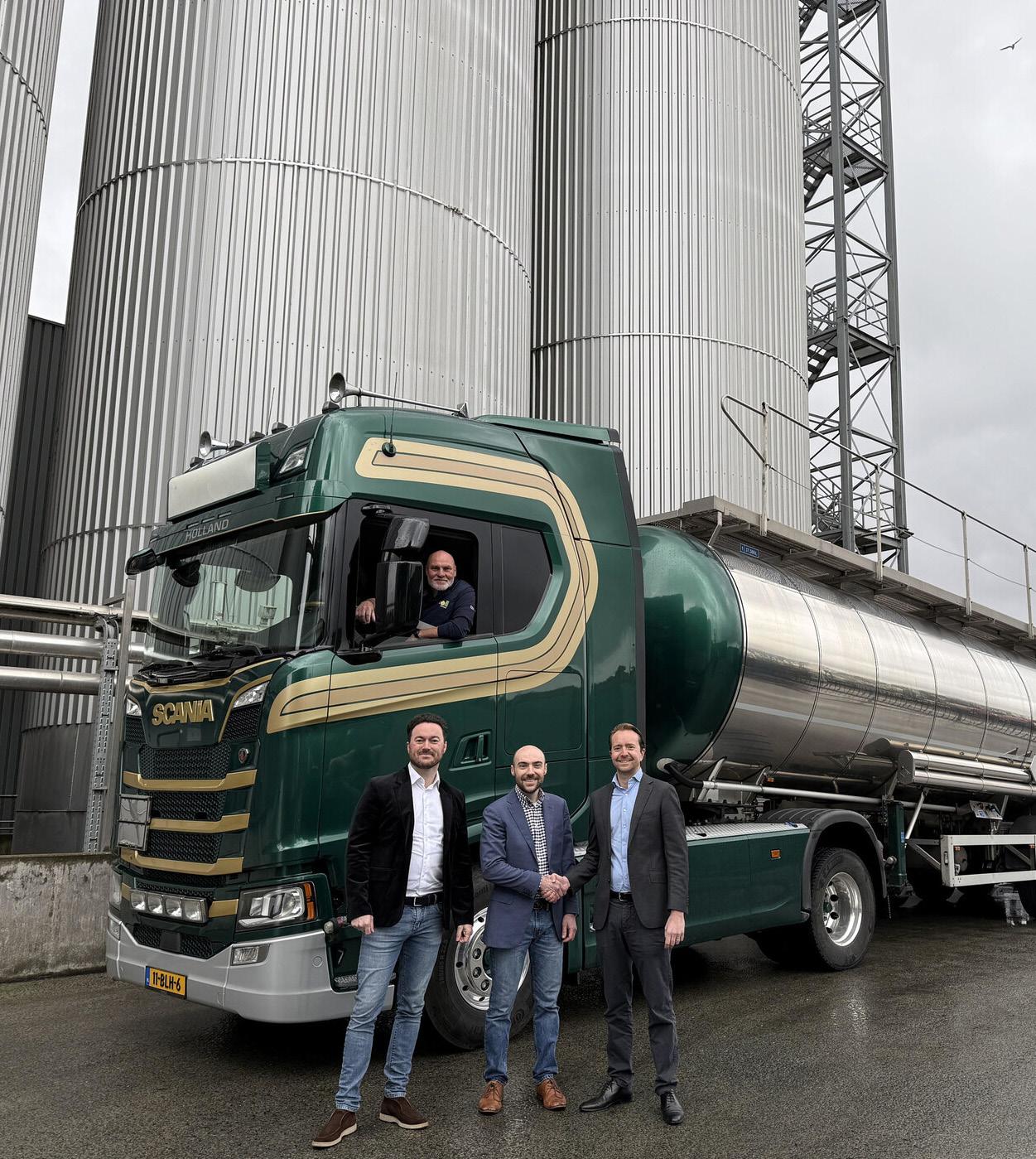
Optimus Technologies Inc. and Sunoil Biodiesel B.V. have entered a commercial partnership to accelerate adoption of 100% biodiesel (B100) across heavy-duty fleets in the Netherlands, marking Optimus’ entrance into the European market.
The companies will combine Optimus’ experience enabling fleets to upgrade heavy-duty vehicles to run on B100 with Sunoil’s biodiesel production, supply infrastructure and customer base, offering a turnkey pathway for fleets to reduce carbon emissions using existing vehicles. Sunoil will provide fuel offtake, while Optimus will deploy its Vector System to support the transition. As part of the partnership, Sunoil will also begin equipping trucks in its own fleet with the Vector System, operating them on its wastebased biodiesel.
Clean Fuels Alliance America announced its approval of the latest revision to ASTM D396, the standard specification for fuel oils, which now includes new grades for biodiesel blends containing 21% to 50% biodiesel by volume (B21-B50). The updated specification, ASTM D396-26a, marks a major milestone for the clean fuels industry and supports expanded use of higher biodiesel blends in heating applications.
The revision provides users of bioheat fuel with clear guidance on fuel properties and procedures needed to deliver the same or improved performance as fuels currently in use.
The revision passed through ASTM’s rigorous consensus balloting process with no objections, underscoring broad industry support and confidence in higher biodiesel blends. The approval reflects years of collaboration among Clean Fuels, the National Oilheat Research Alliance, leading equipment manufacturers including R.W. Beckett and Carlin Combustion, and other stakeholders who contributed the research, testing and technical data needed to support the specification.
Kentucky Gov. Andy Beshear on April 27 signed legislation that creates a tiered tax credit for sustainable aviation fuel (SAF) that allows taxpayers to claim up to $3 per gallon in incentives. The credit is slated to be in effect from Jan. 1, 2029, through the end of 2034.
To be eligible for the tax credit, SAF must achieve at least a 50% lifecycle greenhouse gas reduction when compared to fos-
sil jet fuel, as measured using the U.S. Department of Energy’s GREET model or International Civil Aviation Organization methodology.
The fuel must be made from eligible feedstock, which is defined to include any feedstock that qualifies as an eligible feedstock under the federal 45Z Clean Fuel Production Credit regulations. The legislation specifically excludes fuel derived from palm fatty acid distillates from qualifying for the Kentucky SAF tax credit.
Feedstock providers supplying either eligible feedstocks or synthetic blending component (SBC) to an alternative jet fuel producer can claim a credit of up to 50 cents per gallon. SBC is defined to include any synthesized that meet the requirements in any one of the annexes of the American Society for Testing and Materials International Standard D7566, which may then be used as a component in the manufacture of alternative jet fuel.
A credit of $1.50 per gallon can be claimed by an alternative jet fuel producer that processes eligible feedstocks or blends SBC with conventional jet fuel to produce alternative jet fuel.
The credits can be stacked, up to $3 per gallon, if the alternative jet fuel producer is the same as the feedstock provider. The value of the credit is capped at $2 million per year per eligible taxpayer, with an annual cap of $20 million for entire tax credit program.
A credit of $1.50 per gallon can be claimed by alternative jet fuel producers that process eligible feedstocks or blend SBC with conventional jet fuel. The credit increases to $2 per gallon for agriculturally based jet fuel, and to $2.50 per gallon when the feedstock is produced within Kentucky.
Rep. Mike Carey, R-Iowa, on April 27 introduced the Strengthening Economic and Energy Development Act, a bill that aims to reinstate the $1 per gallon 40A biodiesel tax credit through 2029. Taxpayers would be able to choose between claiming the 40A credit and the current 45Z Clean Fuel Production Credit.
The bill, H.R. 8497, was referred to the House Committee on Ways and Means following its introduction. To date, Reps. J. Luis Correa, D-Calif.; Mike Kelley, R-Pa.; Salud O. Carbaial, D-Calif.; Darin Lahood, R-Ill.; Jim Costa, D-Calif.; Claudia Tenney, R-N.Y.; Mariannette Miller-Meeks, R-Iowa; Dusty Johnson, R-S.D.; Ashley Hinson, R-Iowa; and Tracey Mann, R-Kan., have signed on to cosponsor the legislation. Several similar bills have been introduced since the 40A credit expired at the end of 2024.
The Section 40A biodiesel tax credit was initially created in 2004, providing fuel blenders with the opportunity to claim a credit of up to $1 per gallon of biobased diesel blended into fossil fuel. The credit was repeatedly extended, sometimes retroactively, but expired at the end of 2024 when it was replaced with the technology-neutral 45Z credit, which provides fuel producers with a production credit of up to $1 per gallon depending on the carbon intensity (CI) score of the fuel produced. Although the 45Z credit was established by law in 2022 and came into effect more than a year ago, the U.S. Department of Treasury and the Internal Revenue Service have failed to issue full implementation guidance. The delay in guidance has been particularly damaging to the biodiesel industry, which experienced a sharp drop in production last year. The SEED Act aims to reinstate the 40A credit, helping to lower prices for American consumers while boosting domestic energy production. The SEED Act has been endorsed by the Association of American
Railroads; American Trucking Associations; Energy Marketers of America; National Association of Convenience Stores; National Energy & Fuels Institute; NATSO, Representing America’s Travel Centers and Truck Stops; SIGMA: America’s Leading Fuel Marketers; Sustainable Advanced Biofuel Refiners and the Truckload Carriers Association.
The government of Queensland, Australia, on April 22 announced it will invest $25 million to support a project that will enable renewable diesel production at Ampol’s Lytton oil refinery. The project could expand in the future to include sustainable aviation fuel (SAF) production.
The Lytton refinery, located in Brisbane, Queensland, is one of only two remaining oil refineries in Australia. The facility began operations in 1965. Several years ago, Ampol considered closing the refinery, but in 2021 announced that a support scheme from the federal government would enable Lytton to continue operations until at least 2027. In 2023, Ampol began exploring the feasibility of retrofitting the facility to produce renewable diesel and SAF.
Plans to produce renewable diesel are now moving forward, with a commitment from the Queensland government to invest $25 million in the biorefining project and streamline necessary government approvals.
The initial conversion project will enable 20 MMly (5.28 MMgy) of renewable diesel production. Construction is currently expected to begin in mid-2027, with operations beginning in 2028.
The government funding will support the modification of Ampol’s existing diesel hydrotreater to coprocess conventional diesel with biogenic feedstocks. The project also includes construction of a truck handling gantry, heated and insulated storage tanks with mixing/blending capability, a secondary tank containment system and system upgrades to process the feedstock.
According to the government, future phases of the retrofit project could enable the facility to produce up to 750 MMly of renewable diesel and SAF by the early 2030s.
Once operational, the Lytton biorefining project will enable the first sustainable domestic production of second-generation, low-carbon liquid fuels in Australia. It is also the first project to be funded under the government’s flagship $180.6 million Sovereign Industry Development Fund, which prioritized the potential of biofuels as one of three focus areas before the current national fuel crisis.
Biodiesel producers can leverage automation, data and AI to improve efficiency, consistency and returns.
BY GEORGE HALE
It's been said that history doesn't actually repeat—it echoes. Ongoing geopolitical tensions have been contributing to fossil energy price spikes and supply disruptions reminiscent of past crises that drove interest in alternative fuels. A white paper by biofuel services company Emerson describes the past 100 years of alternative fuel development as being driven by availability and cost, citing alternative fuel projects from the 1930s and 1970s. While those fundamentals still apply, the current market is defined by a more
complex set of drivers, with carbon performance, lifecycle emissions and regulatory compliance now sitting alongside cost and supply as primary decision factors.
Global production trends reflect that shift. An International Energy Agency report notes that renewable diesel production doubled between 2020 and 2021 and is expected to rise steadily through 2026. But growth has not translated to margin relief. Producers are navigating tighter spreads, constrained and increasingly variable feedstock supply, and a policy environment that

is both supportive and demanding. The result is an industry-wide push toward incremental optimization—extracting more value from existing assets through better process control, improved energy efficiency and smarter operational decision-making. With the rise of digitalization, big data and artificial intelligence, biofuel producers are looking toward technology as a way to optimize their operations in the face of rising demand, new public policy, an everfluctuating stream of feedstocks, and an aging workforce.
Whether it’s ethanol, biodiesel, renewable diesel or sustainable aviation fuel, biofuel production's most important factors have shifted toward shrinking humanity’s carbon footprint. In recent years, there has been a push to achieve net-zero greenhouse gas emissions by 2050. With transportation accounting for around 30% of all greenhouse gas emissions in the United States, biofuels have enormous potential.
Market demand, however, is not driven by consumer preference alone. Policy
frameworks, blending mandates and tax incentives continue to shape production economics and investment decisions. In the United States, the 45Z Clean Fuel Production Credit is a prime example, tying financial value directly to carbon performance. Under the program, fuels must meet defined lifecycle emissions thresholds, quantified through carbon intensity (CI) scoring that captures emissions across the full production chain.
“Regulatory pressure and tax incentives are driving people to try to institute
processes that are more carbon and energy friendly,” says Charlie Scott, chief revenue officer and cofounder at Golgix, a technology services company that provides optimization solutions for multiple industries.
For producers, CI is no longer just a compliance metric, but a revenue lever. Lowering CI can unlock additional value through credits while simultaneously reducing operating costs, particularly where energy consumption is a major contributor. That dual impact has elevated efficiency improvements from incremental gains
to strategic priorities. “Incentives can be helpful, but the long-term nature of these projects need more than incentives to drive sustained growth,” says Rajesh Guttupalli, president of Honeywell UOP.
While reducing energy use can help bring down a producer’s CI score, another factor to contend with is changes in feedstocks for fuel production. Advances in production methods have made it possible to use a wider range of feedstocks like used cooking oil and agricultural waste. However, biofuel production processes can vary somewhat across feedstocks. At the same time, increased demand can mean that producers might have to routinely switch between multiple feedstocks. For instance, a renewable diesel plant might frequently pivot from using soybean oil to used cooking oil on short notice, depending on cost and availability. “Feedstock availability remains one of the primary challenges on scaling biofuels, particularly as producers look to expand beyond traditional inputs to lowercost options,” Guttupalli says.
While having more feedstock options is beneficial, each change calls for different reaction conditions, making production more complicated. This is where digital technology can be helpful. Plants have used
various automation systems going back to the 1970s with Honeywell’s Distributed Control System. These systems help operators keep track of everything happening during biofuel production, thanks to sensors that collect huge amounts of data on every step of the process such as temperature, flow rate, energy use and hydrogen consumption.
Accurate measurements are vital for optimal production; simply having the data is not enough. Operators must be able to act on data the right way to repeat what made previous batches successful and improve overall yield. In other words, plants must put the data in the right hands at the right time. “Data doesn’t run a plant—people do,” says Jessica Morrison, vice president of sales and strategic growth at Golgix.
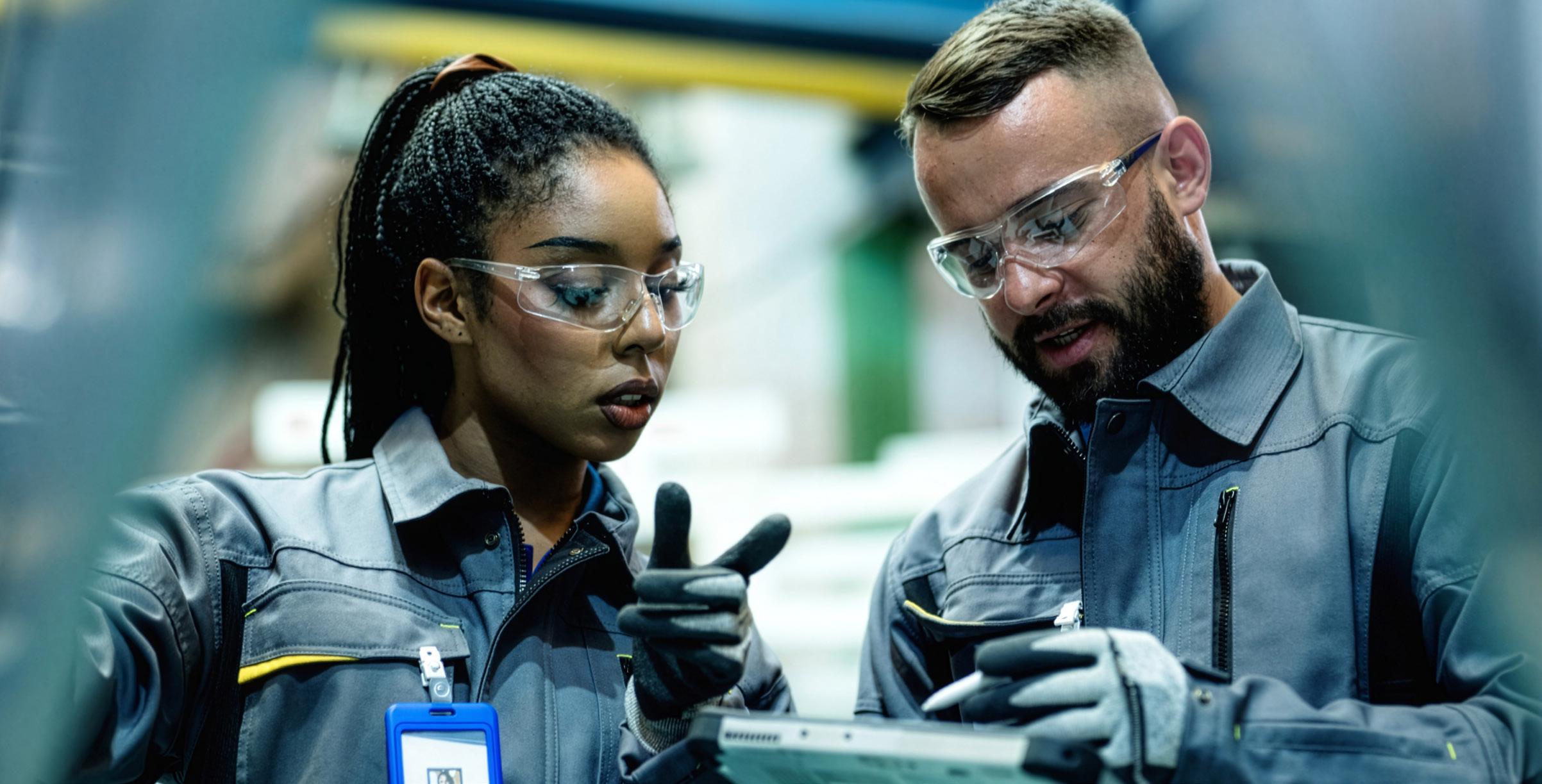
This is where companies like Golgix, Emerson, Siemens and Honeywell come in. Each company is developing systems aimed at improving automation and data-driven decision-making. These systems use data analysis and machine learning algorithms and human-centric AI models to help operators track biofuel production, improve yields, reduce downtime and decrease CI scores. "Something that matters a lot to producers is how energy efficient and carbon efficient their process is,” Scott says.
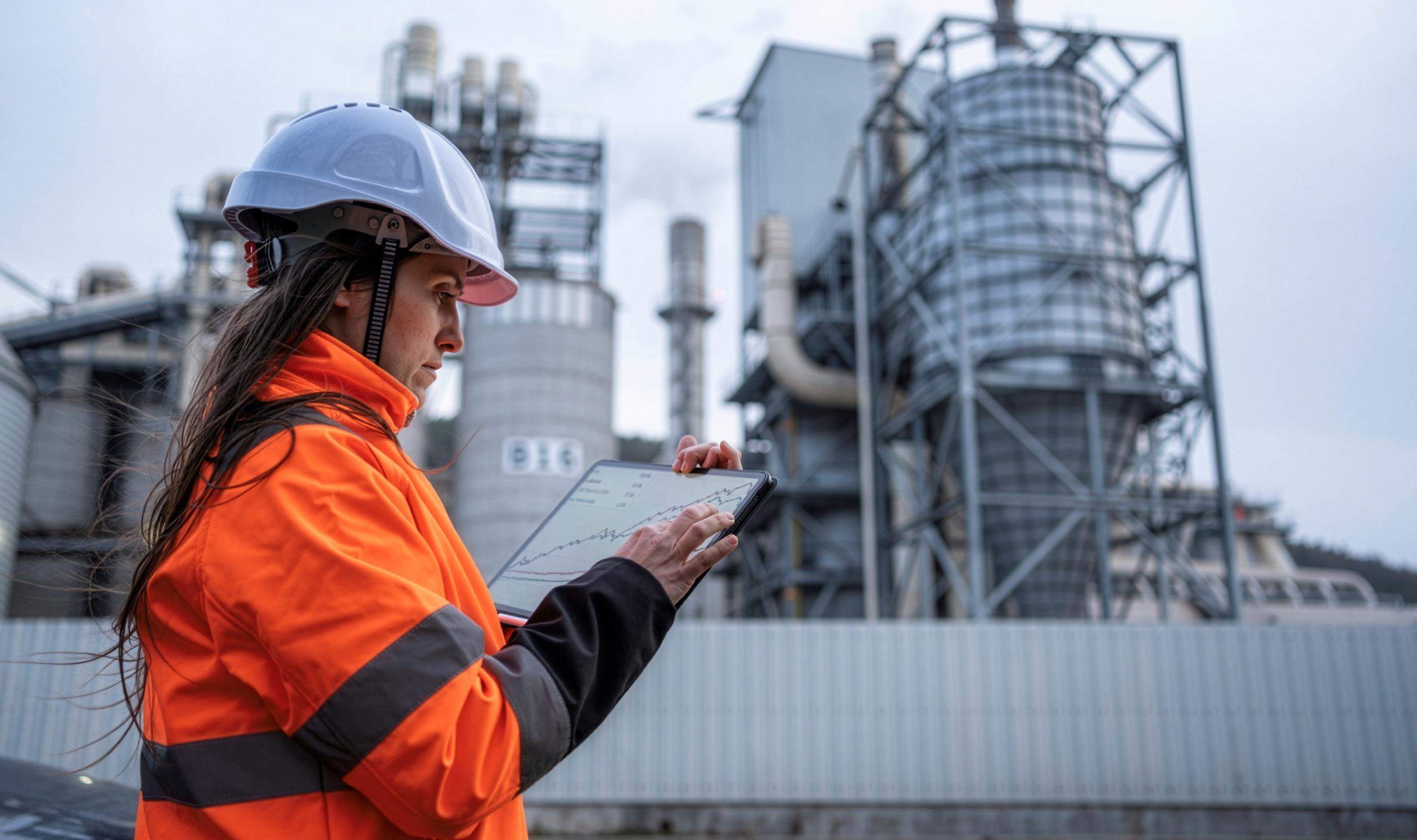
AI tools like ChatGPT and Claude are making waves around the world, and AI chatbots are becoming increasingly common. However, the AI automation tools meant for biofuel plants have many other capabilities. For instance, they can analyze data in real time to make suggestions to improve yield and detect issues in production long before a human operator could observe them.
Another big difference between these systems and public AI tools like ChatGPT is that the models are customized and can run on local hardware or in a producer’s private cloud. By not relying on public cloud models, the system becomes more resilient. In Golgix's case, the plant’s data never even leaves the facility, reducing privacy and security concerns that could arise when sending data out to the cloud. “All of their data stays on premise,” Morrison says. “This keeps the client’s data secure.”
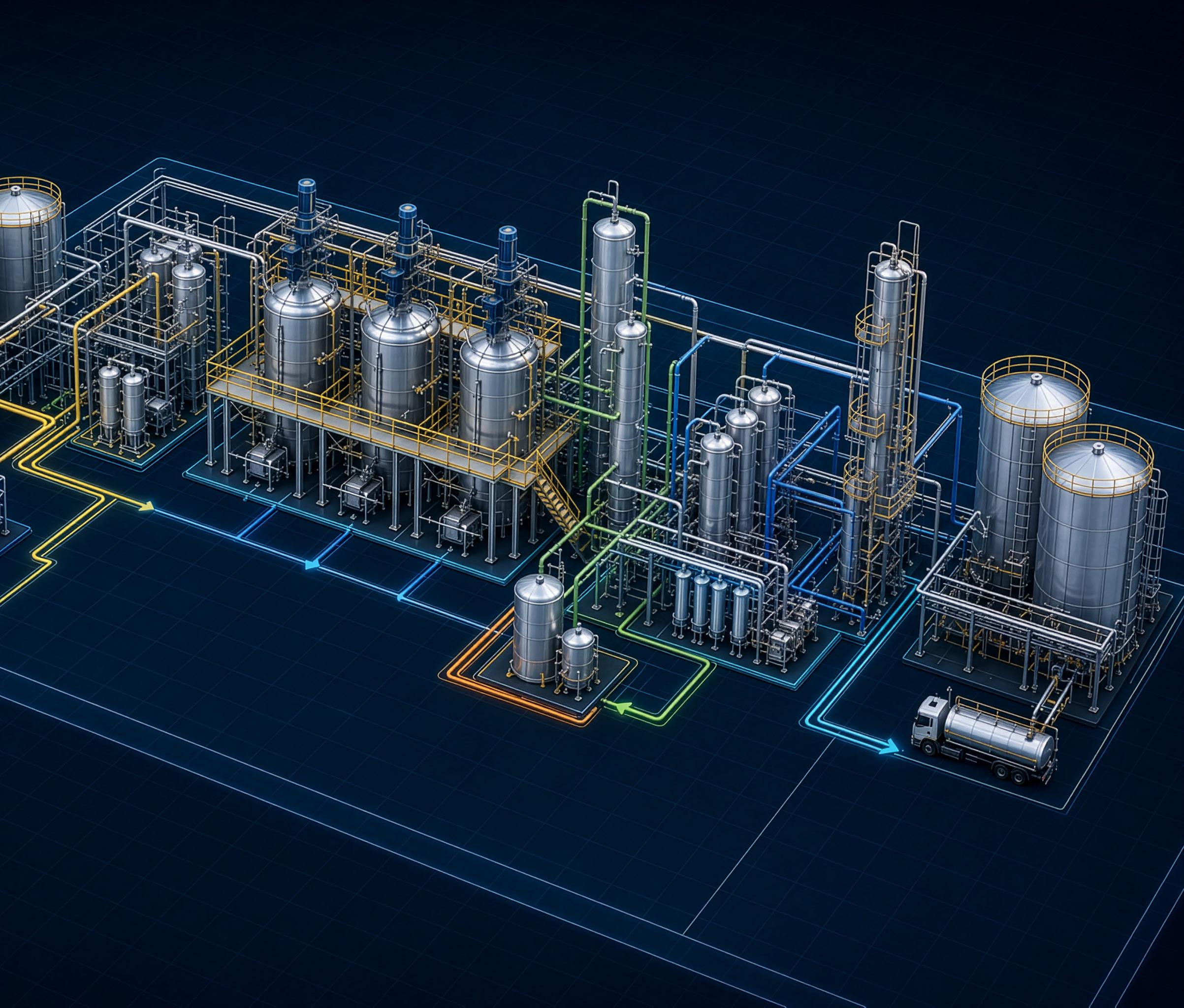
To start, models are trained on historical data on production and lab data along with standard operating procedures, manuals and other relevant materials. The AI then continuously monitors data from existing systems throughout the plant and suggests changes to operating parameters to optimize yield. Plant teams typically make up to 7,000 decisions a day while monitoring
'Innovative technologies that can help reduce the cost to produce biofuels and provide access to a broader range of low-cost and abundantly available feedstocks can help provide a path for growth.'
– Rajesh Guttupalli, president, Honeywell
multiple systems, which can lead to decision fatigue, inconsistency and production losses. With all of the information it has, the AI can act similar to a coworker that operators can collaborate with to achieve better, more consistent results.
“AI-enabled systems can make it easier for less-experienced individuals to run complex processes with greater confidence,” Guttupalli says. “This supports more stable, reliable and safe operations while reducing the learning curve for new workers.”
However, AI can also benefit veteran operators. There are times when an experienced operator will get a hunch that something is off with production; an AI system can provide data to quantify this intuition, helping support decisions experienced operators make.
While human operators can get guidance from AI, the relationship between AI and the operator is a two-way street. The models themselves can learn from operator feedback through a process known as reinforcement learning. Feedback, especially from highly experienced operators, is used to refine the model’s decision-making capabilities. “Even small efficiency gains can add up,” Guttupalli says.
AI systems can also detect small changes in operating parameters often re-
ferred to as drift that can accumulate over time and decrease yield. In some cases, AI can detect contamination or potential maintenance issues hours before they would be noticeable by human operators. This real-time data could also be used to meet regulatory and compliance requirements or to support root cause analyses.
AI automation tools have the potential to optimize biofuel plant operations and give human operators something bordering on superpowers. However, technology can also help producers deal with the challenge of an aging workforce. “The problem is that your experts are about to retire,” Scott says. “How are you institutionalizing that knowledge?”
Automation systems can help guide operators, but meeting the rising demand for biofuel in the future will require training new operators. This is where another technology known as digital twinning comes into play. A digital twin is a detailed virtual representation of a complex system like a biofuel plant. Digital twins allow for high-fidelity simulations of everything from normal day-to-day operations to scenarios that even the most experienced operators may have only experienced once in their entire careers. Simulations are a prov-











































'The problem is that your experts are about to retire. How are you institutionalizing that knowledge?'
– Charlie Scott, chief revenue officer, Golgix
en way to expose trainees to new scenarios and give experienced personnel a refresher. A digital twin allows operators to accurately experience different operating scenarios without disrupting normal plant operations.
The value of a digital twin doesn’t stop at training. Increasing demand, tightening margins and changes in feedstock availability mean that biofuel plants must make continual improvements to their processes. However, parameters don’t exist in isola-
tion. Changing one factor can affect other parameters, influencing yield or even causing problems like corrosion damage or catalyst degradation. A digital twin allows rapid testing of new feedstock blends or equipment upgrades without affecting actual production. “This approach allows producers to move more efficiently from design to operation while maintaining more predictable performance,” Guttupalli says.
Digital twin and AI automation technologies will be powerful tools for biofuel producers as demand continues to rise. Having systems that can augment human performance can improve production yield, reduce unplanned downtime, and even address workforce shortages as experienced operators retire, helping biofuel producers prepare for the future.
“Innovative technologies that can help reduce the cost to produce biofuels and provide access to a broader range of lowcost and abundantly available feedstocks can help provide a path for growth,” Guttupalli adds.
Author: George Hale
Contributing Writer, Biodiesel Magazine
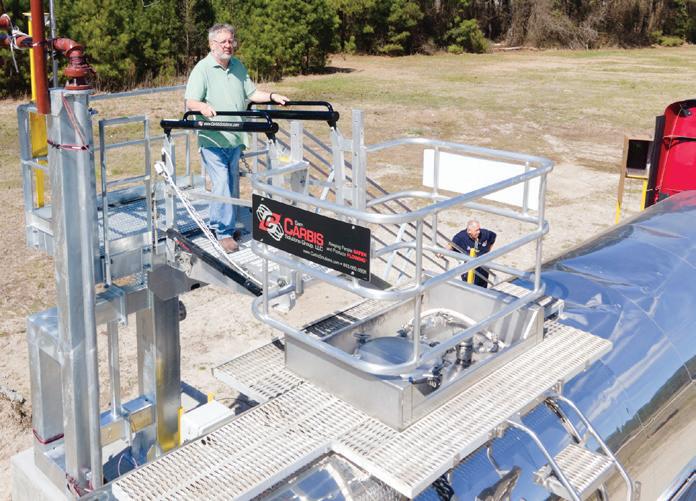
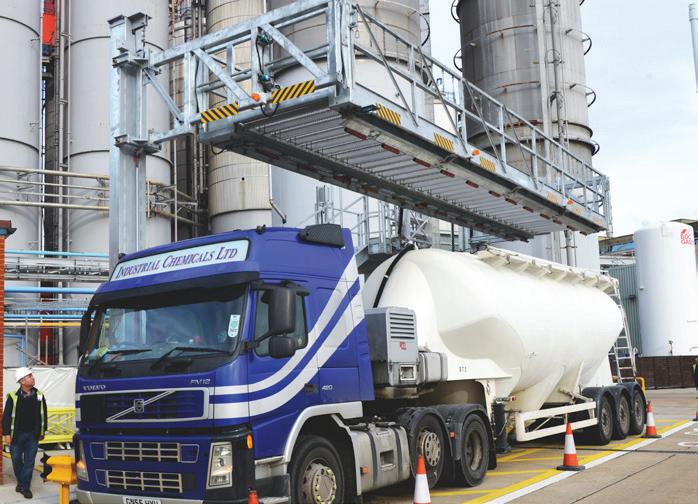
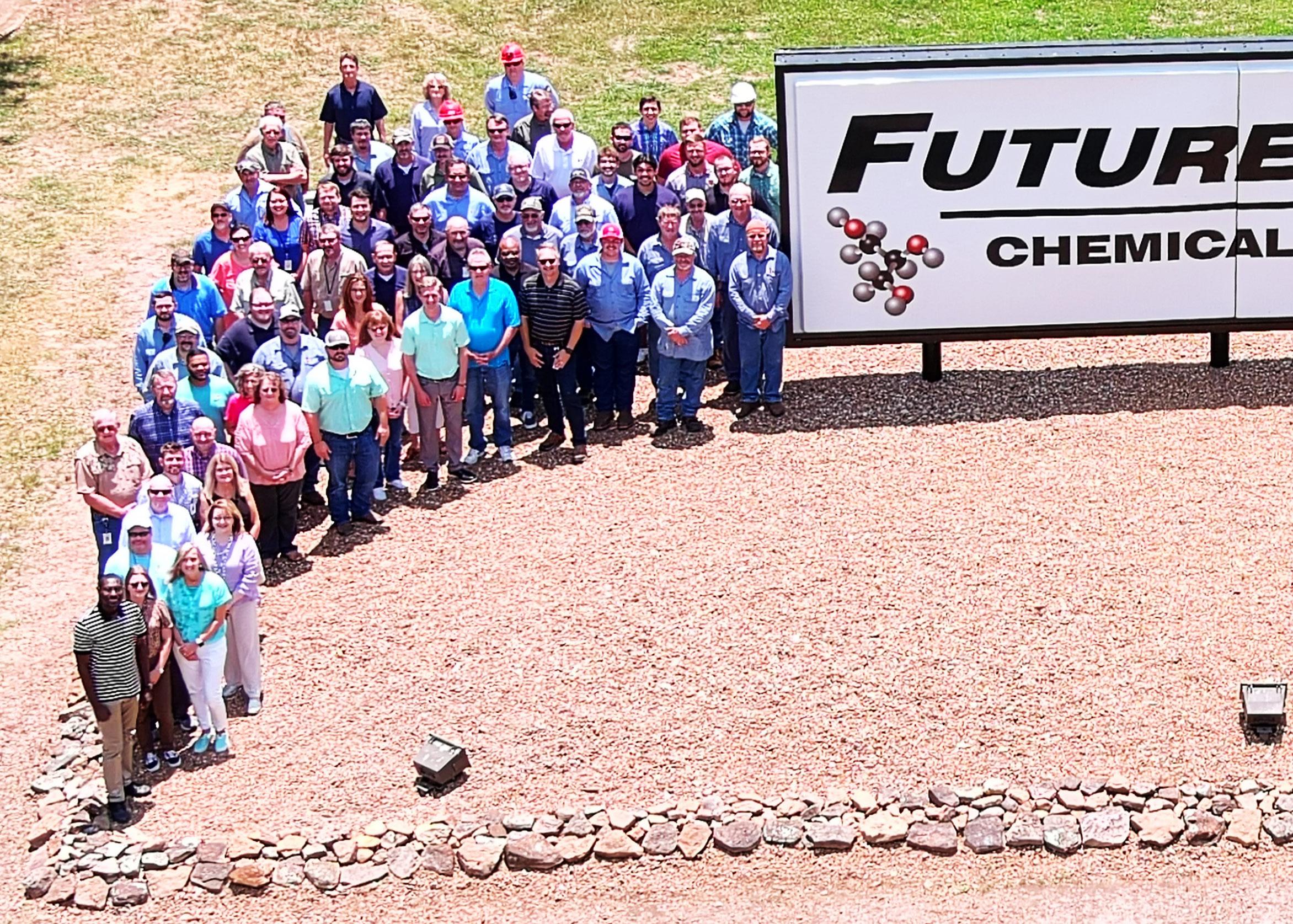
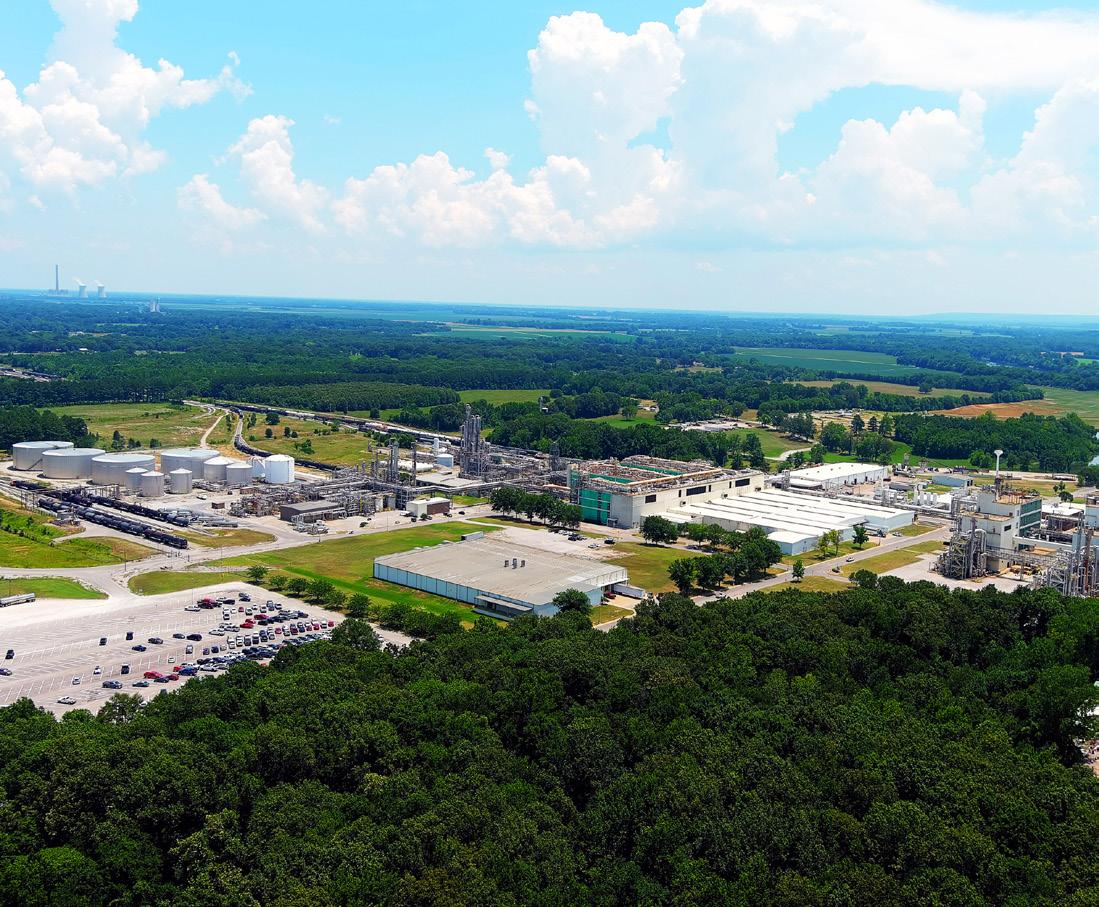
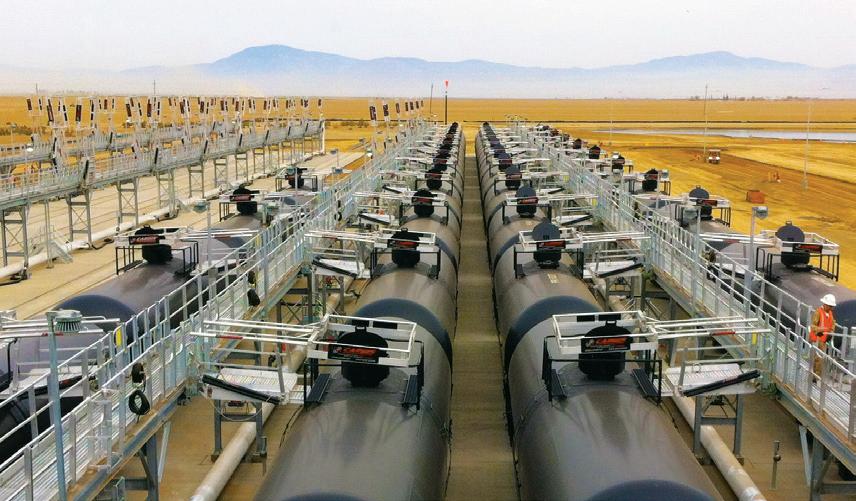
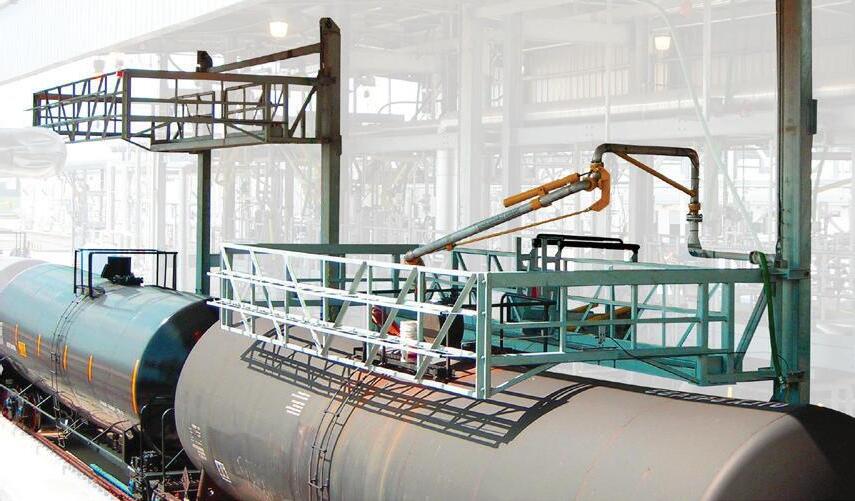
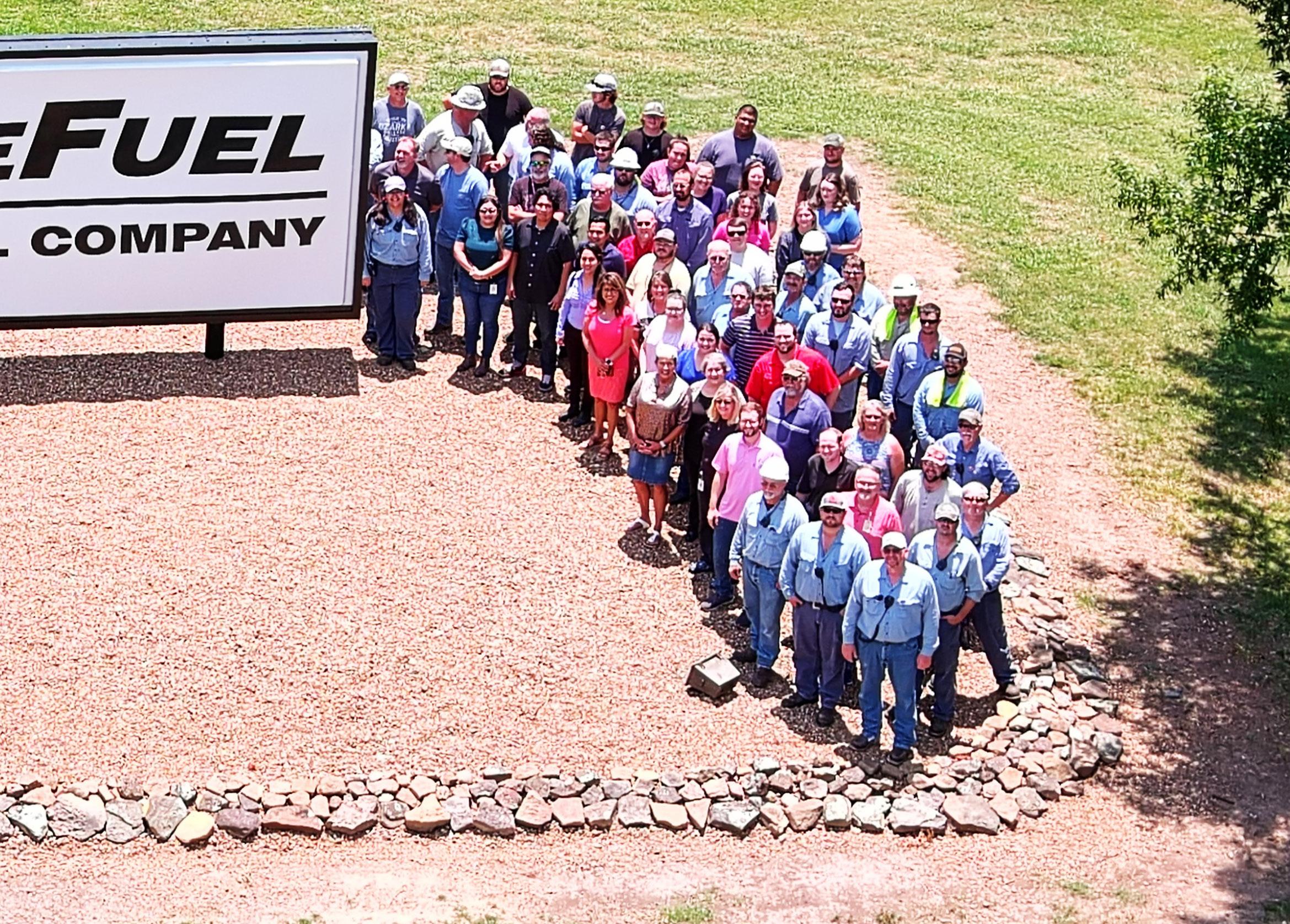
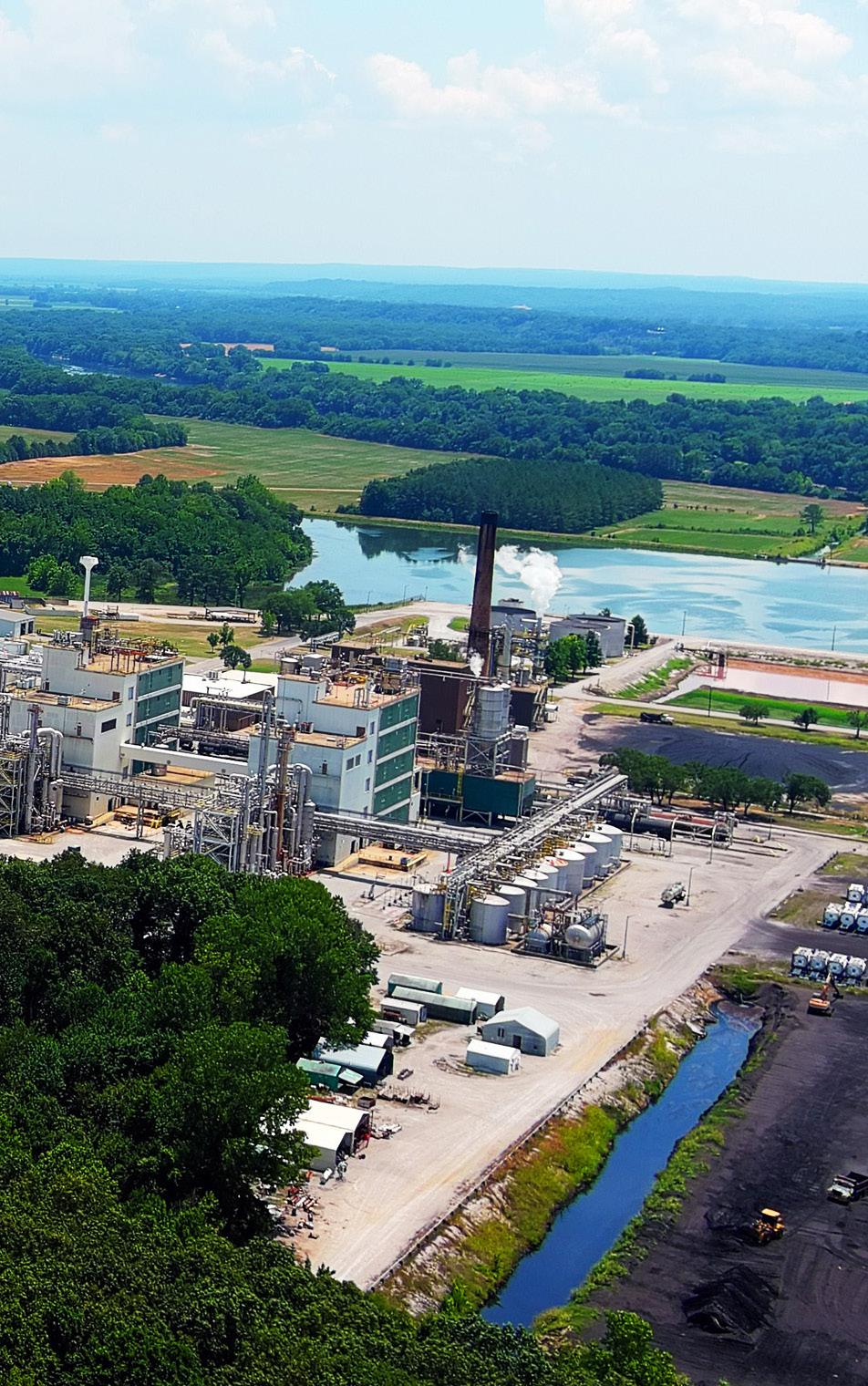
FutureFuel Chemical Company is a U.S.-based manufacturer of specialty chemicals and biodiesel, operating a large, integrated production complex in Batesville, Arkansas. The company employs roughly 500 people, supporting both custom chemical manufacturing and biofuels production. IMAGE: FUTUREFUEL CHEMICAL COMPANY
A strategic shutdown and restart reveal how FutureFuel is balancing policy shifts, feedstock costs and a uniquely flexible business model.
BY KATIE SCHROEDER
For FutureFuel Chemical Company, making biodiesel simply adds one more molecule to its extensive portfolio of chemicals. Roeland Polet joined the company two years ago as CEO, applying his 35 years of experience in the chemicals industry to his leadership at FutureFuel. The company’s diverse product portfolio makes it stand out. “We’re unique; we’re a chemical plant that makes biodiesel versus a biodiesel plant,” Polet says.
The Batesville, Arkansas, plant has capacity to make over 60 MMgy of biodiesel, alongside an even higher volume of other chemical products. Polet explains that FutureFuel operates as a contract manufacturer, producing customer-designed chemicals much like Foxconn builds products for Apple. He joined the company two years ago, bringing extensive expertise built during 35 years in the chemicals industry. Chemical companies enlist FutureFuel’s expertise to produce small specialty batches of their chemicals. “Smaller-run, very complicated chemistry that a lot
of big companies don’t want to do in house,” he says. “And so, we operate plants on our site to make these chemistries for them.”
In June 2025, FutureFuel idled its biodiesel production in light of high feedstock prices and uncertainty surrounding the 45Z Clean Fuel Production Credit. But before the end of the year, the company began restarting biodiesel production due to positive market signals. The decision to fire back up ultimately came down to determining whether biodiesel production would be profitable. Although biofuel manufacturing has many positive implications, at the end of the day, it has to make sense financially. “Anything that you do in business is around economics,” Polet says.
Margins must be sustainable. The price of biodiesel tracks with the price of diesel and heating oil, but at a discount compared to both, Polet explains. “The very first and most primary driver is our ability to buy raw materials that we know we’re going to be

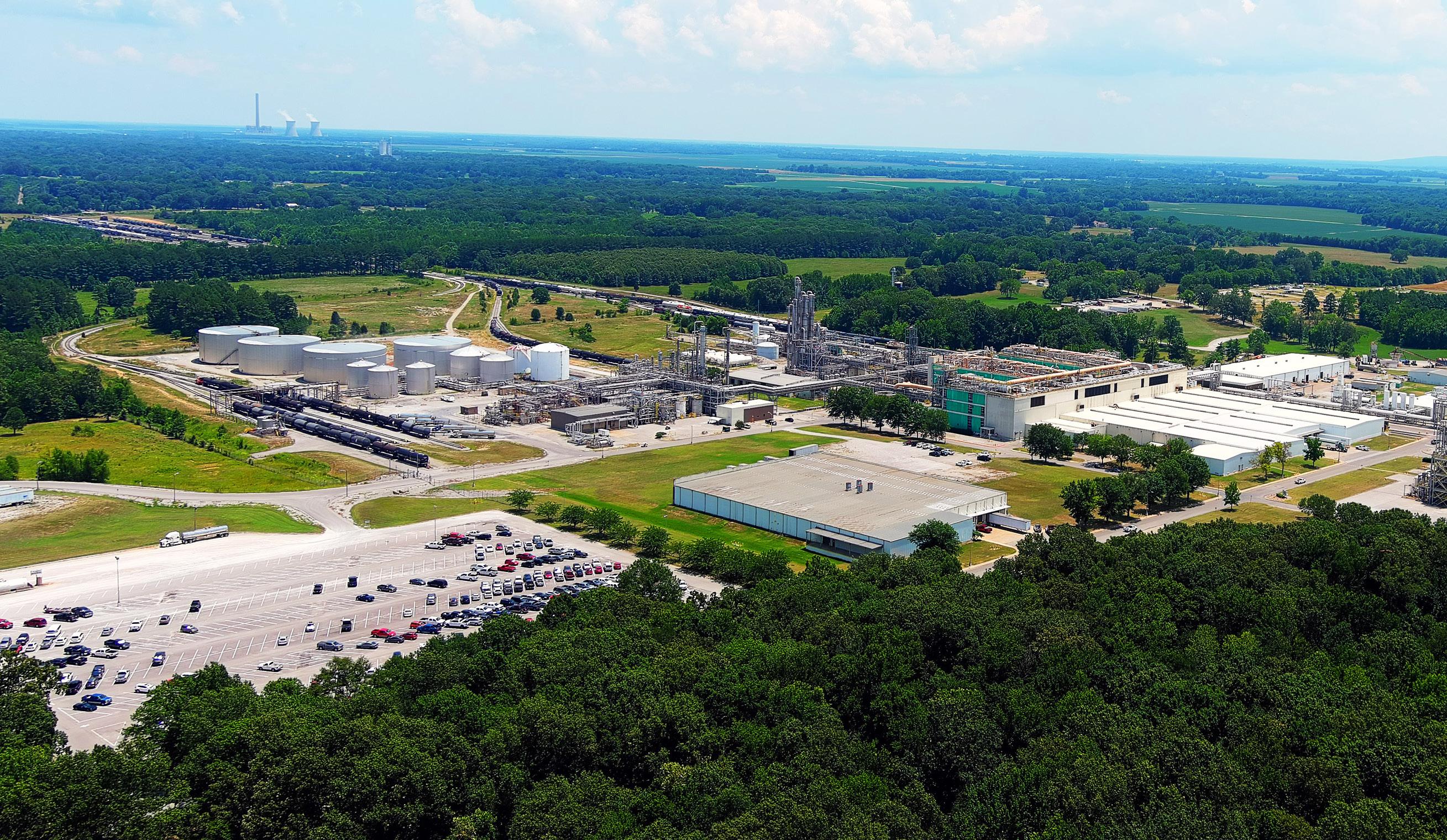
Originating as a local initiative to produce fuel for employees and FutureFuel’s Legacy truck fleet, the plant soon moved from batch to continuous production and today has capacity to make over 60 MMgy of biodiesel, alongside an even higher volume of other chemical products.
able to make a margin on,” he says. “And then the other driver is to take a position whether or not we think that … those conditions are going to be there going forward.”
Running in uncertainty is problematic; it’s not feasible to start up and shut down month to month, Polet explains.
FutureFuel was originally built as a subsidiary of Eastman Kodak Company. The first chemical it produced was a photographic intermediate. In the 1980s, the facility added other chemicals, including a detergent additive, products for the polymer modifier and coatings markets, and other









chemicals produced in the plant’s continuous manufacturing facility.
In 2005, when owned by Eastman Chemical, the facility began exploring batchproducing biodiesel—partially in an effort to attract potential buyers, according to Polet. Renewable fuels were booming after the Renewable Fuel Standard’s implementation,











making biodiesel an attractive supplementary product.
The facility was renamed FutureFuel Chemical Company in 2006 when Tony Novelly, owner of Apex Oil, purchased it. His intent was to focus on both biodiesel and chemical production, demonstrated by the production shift from batch to continuous
biodiesel production in 2007. Polet adds that the company grew after Novelly’s purchase and became publicly traded, listed on the stock market in 2011. Today, many of the molecules made at FutureFuel are used in the oil and gas business, from fracking to fuel transport. Other products include agricultural chemicals and ingredients for paints and coatings.
Due to its capabilities as a chemical plant, the facility has significant flexibility to handle a variety of feedstocks, including soybean oil and animal fats. FutureFuel has a complex configuration of reactors, storage tanks and distillation columns all sharing the same site, with biodiesel being routed through the plant to production steps that are separate from the many chemicals produced at the facility. “You have a bank of distillation columns [that] we use for all of our chemicals, but there’s … a column dedicated to biodiesel,” Polet says. “So, the biodiesel flows through the different parts of our plant and then comes out and goes into a tank. But that whole plant is being used for chemicals as well.”
The biodiesel portion of the facility utilizes feedstock on a one-to-one ratio, consuming 45 MMgy to 60 MMgy of fats and
oils, as well as a small amount of methanol, some of which is recycled in the process.
Ultimately, what led FutureFuel to shut down biodiesel production came down to economic concerns. When the Blenders Tax Credit expired, replaced by the 45Z credit, it left biodiesel producers with significant uncertainty as to what credit value they could access. Also, there was the stipulation that Chinese-sourced used cooking oil would not be allowed as a feedstock if a facility wanted to qualify for 45Z tax credits. “There was no clarity as to what raw materials we could use,” Polet says. “There’s really no clarity as to what the support was going to be and we, together with a lot of other biodiesel producers, opted to run out our inventories, and then afterward, we basically shut down.”
The BTC’s straightforward value structure gave way to a growing number of questions about how the carbon intensity score—the key determinant of credit values—would be calculated. Uncertainty around land-use change assumptions and facility energy sources made it difficult to gauge how much of the $1 credit would ultimately be realized. Renewable diesel, mean-
while, appeared to have an advantage under the regulation, as it was not penalized for using non-green hydrogen, Polet explains. “Renewable diesel is given a bit of an advantage in under 45Z, for reasons that are not really clear to us,” he says. “Having an even playing field will be very welcomed … by us.”
In 2026, producers have more clarity on 45Z, but it’s still not smooth sailing for biodiesel producers. Raw material costs remain quite high. Like many biodiesel producers, FutureFuel mainly uses soybean oil as its feedstock. In spite of a low soybean prices, soybean oil costs remain high, according to Polet. “There’s a scramble in the market to secure raw materials,” he adds. “And it’s really weird, because we had a record soybean harvest last year. China is not buying soybeans. So, naturally you would think that soybean oil is going to come down, and it’s actually done the reverse.”
The Renewable Fuel Standard’s final rule for 2026 and 2027 significantly increases biomass-based diesel obligations, setting volumes at 8.86 billion RINs in 2026 and 8.95 billion RINs in 2027—equating to just over 6 billion gallons annually. That marks a substantial increase from roughly 3.35 to 3.95 billion gallons in 2025.
FutureFuel has multiple reactors and distillation columns used to produce a variety of molecules chemicals, including biodiesel. Because of how the plant was designed, the production stream was not completely isolated, but rather located alongside other process equipment. This would be more time-consuming if the team restarted it from “cold steel,” Polet explains. Although it was empty of liquids, the equipment was kept heated and production-ready. FutureFuel began bringing biodiesel production back on line in December 2025.
When the plant was taken offline last year, FutureFuel’s maintenance team conducted a full inspection and completed preventative maintenance, replacing components as needed over a two-week to twomonth period. “If a plant has been down for a while, there are hundreds of pumps and valves and instruments in the plant that you have to bring back on stream, and you always will have to replace some parts and to do maintenance on some of it,” Polet says.
Since the plant was not completely mothballed, startup was also far less complex than it could have been. The biodiesel production process uses a cleaning stage for the feedstock, a reactor for transesterification, and a purification stage for the biodiesel. “In terms of bringing them online, you go one by one,” he says. “So, you fill the first reactor and then go through that process and onto the next, and the next, and then at the end, you measure what comes out.” The facility’s team samples the outcome of each

stage of the process, checking to ensure that each step is working properly. The finished fuel must meet the ASTM specifications before the restart is complete.
Higher RVOs are driving more demand for biodiesel, but the economic challenge of accessing affordable raw materials remains an issue. This past spring, fertilizer prices shot up 40% higher than average, Polet explains. This may lead many farmers to opt for crops like soybeans, which require less fertilizer. This increased supply could bring soybean oil prices down in coming months. However, looking back at the low cost of soybeans accompanied by high oil prices this year, Polet is uncertain if higher soybean supply will translate to a lower price for soybean oil.
Polet notes that one policy change that would drive biodiesel growth are adjust-
ments to the feedstocks allowed under 45Z. Allowing imported oils, such as used cooking oil from China, could help relieve supply pressure, bringing down prices in the raw materials market.
Unlike many biodiesel producers, FutureFuel’s unique product portfolio grants the company added flexibility, enabling it to adapt to changing market conditions and policy landscapes.
Unlike many biodiesel producers, FutureFuel’s diversified product portfolio provides a built-in hedge against market volatility, giving the company greater flexibility to shift production and priorities as conditions change. With operations spanning both biofuels and specialty chemicals, the company is not solely reliant on biodiesel margins or policy-driven incentives, allowing it to adjust output, optimize feedstock use, or lean more heavily into higher-value chemical production when economics warrant. This


optionality positions FutureFuel to better navigate evolving policy frameworks and fluctuating demand.
And although FutureFuel doesn’t see biodiesel as its main product, it plays a key role fueling the facility’s future—the company is in the midst of a significant expansion, which will increase the capacity of the plant threefold. “Our focus is to be that contract manufacturer to larger chemical companies for their smaller run complex chemistries,” Polet adds. “And then the biodiesel business is there to, first of all, deliver a great product to the travel centers and [retailers] around us, but it’s also there to help us fund the expansion of our chemical business.”
Author: Katie Schroeder

New York is at the forefront of statewide bioheat adoption.
BY CAITLIN SCHERESKY
Conversations around biodiesel consumption and mandated adoption often center on California’s Low Carbon Fuel Standard, and for good reason—California leads in use, at 6.4 million barrels per year (approx. 268 million gallons), and provides state-level credits that can be stacked with federal value streams.
These efforts are largely driven by the state’s demographic and emissions profile. California boasts roughly 12% of the Unit-
ed States’ total population, and according to the U.S. Energy Information Administration’s 2023 report on total carbon dioxide emission estimates from energy consumption by source, annually emits roughly 324 million metric tons of CO2 across coal, natural gas and petroleum. The state falls behind only Texas with just shy of 670 million metric tons of emitted CO2.
On the same EIA report, New York— home to 6% of the U.S.—was shown to emit just under 165 million metric tons of CO2, with 0.5 million metric tons coming from coal, 71.1 from natural gas and 93.3

from petroleum; biofuels were not included. But where California’s decarbonization efforts are concentrated in the transportation sector, New York focuses on residential and commercial heating.
Home heating oil is a $4 billion industry, reports Clean Fuels Alliance America, citing 18.7% of New York state households rely on oil heat—a demand that uses 570 million gallons of heating oil per year. But how did New York get to this position, and what are the end goals? The story is one that traces the state’s aggressive push toward bioheat, where policy, infrastruc-
ture and market demand are converging to reshape how buildings are heated—and how emissions are reduced—in one of the nation’s largest energy markets.
Bioheating fuel is defined in NYS Section 19-0327 as “a fuel comprised of biodiesel blended with petroleum heating oil that meets the requirements of ASTM International specification D396, a fuel comprised of domestically produced renewable hydrocarbon diesel with petroleum heating oil that meets the specifications of ASTM International specification D975, or other specifications as determined by the commissioner.”
New York operates under a twopronged system that sets guidelines surrounding decarbonization, including conversations around bioheat, with the New York State Department of Environmental Conservation and the New York State Energy Research and Development Authority leading the charge. NYS DEC is the primary regulator and enforcer of the state’s bioheat mandate, including managing timelines, compliance and infrastructure, as well as supply and rollout readiness. NYSERDA serves as the policy, research and market development prong, advising on the feasibility of mandates under current state law, providing broader insight into New York’s Climate Leadership and Community Protection Act goals, and informing how bioheat fits into the state’s larger construction decarbonization goals.
In 2023, the EIA estimated that residential and commercial sectors accounted for nearly 5% of all U.S. biodiesel consumption, up 1% from the previous decade. In 2020, schools in New York City used 17.8 million gallons of bioheat fuel, and in a related 2023 study of New York, Connecticut and Rhode Island, New York’s residential and commercial sector biodiesel consumption consisted of 57% of all usage between the three states—approximately 54 million gallons.
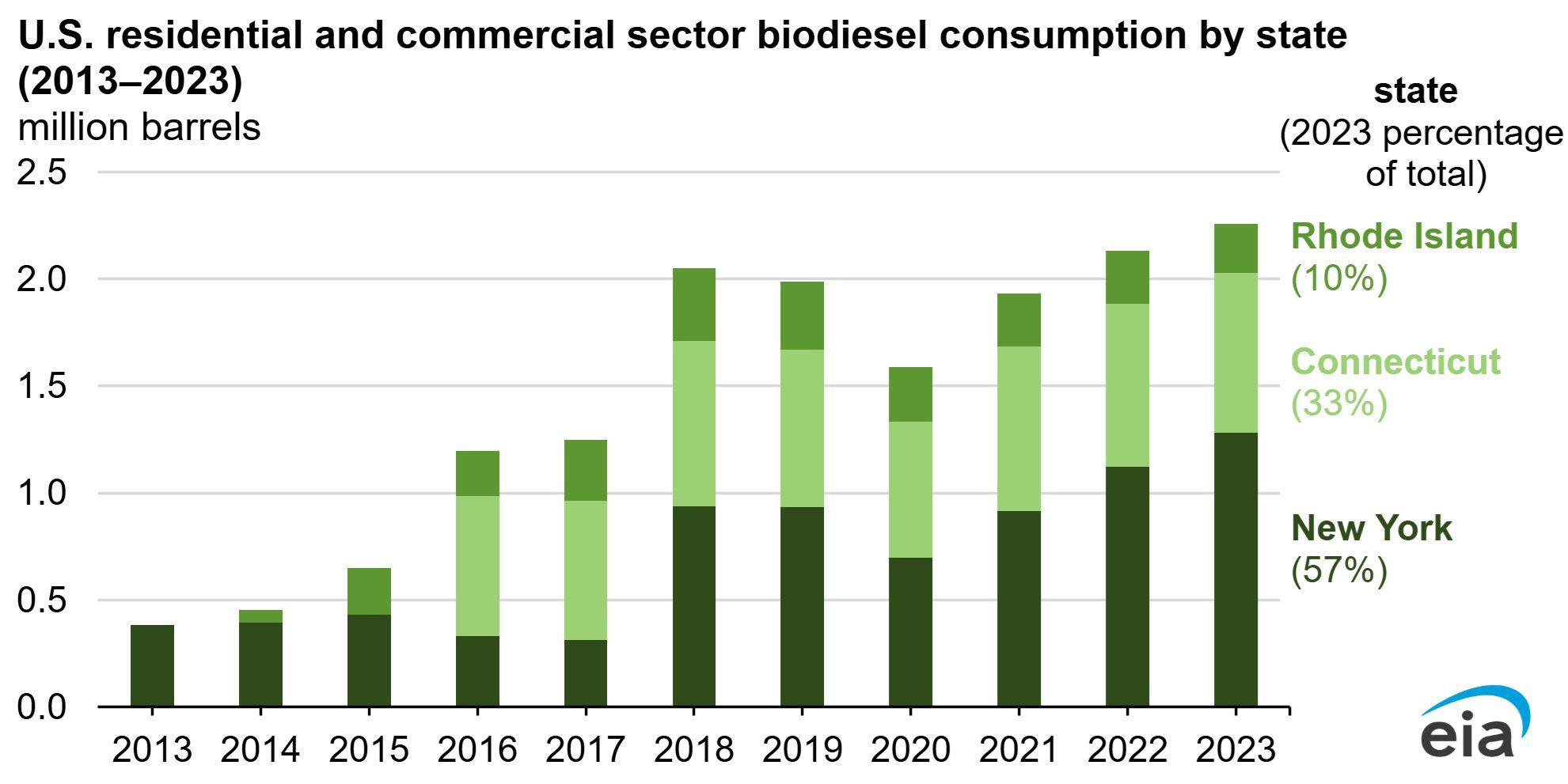
Use of biodiesel for space heating and other building applications is more concentrated in New York than anywhere else in the country, representing 57% of total U.S. consumption in those sectors in 2023. New York City led early policy adoption, enacting the nation’s first requirement for blending biodiesel into heating oil with a 2% minimum starting in 2012. New York later expanded that approach statewide, implementing a 5% blend mandate in 2022 that rose to 10% in July 2025 and will increase to 20% by 2030.
SOURCE: U.S. EIA
New York’s drive to decarbonize began a decade prior to the EIA’s 2023 study. The nation’s first mandate for bioheat fuel went into effect in New York City in 2012, replacing traditional heating oil with the required sale of a drop-in B2 blend. NYS additionally required ultra-low-sulfur heating oil throughout the state, making it the “cleanest heating oil required by any jurisdiction in the United States” at the time.
Later, the state followed with a 202122 regular session law that mandated in-
creasing increments of biodiesel in residential and commercial heating, starting July 2022, with a B5 blend. And as of July 1, 2025, state law requires “all heating oil sold to consumers in New York state buildings to be blended with 10% biodiesel (B10),” says an NYSERDA spokesperson. By 2030, all heating oil sold for use in any building within the state is required to contain at least 20% biodiesel.
Along with the residential bioheat mandate, NYS offers a Clean Heating Fuel
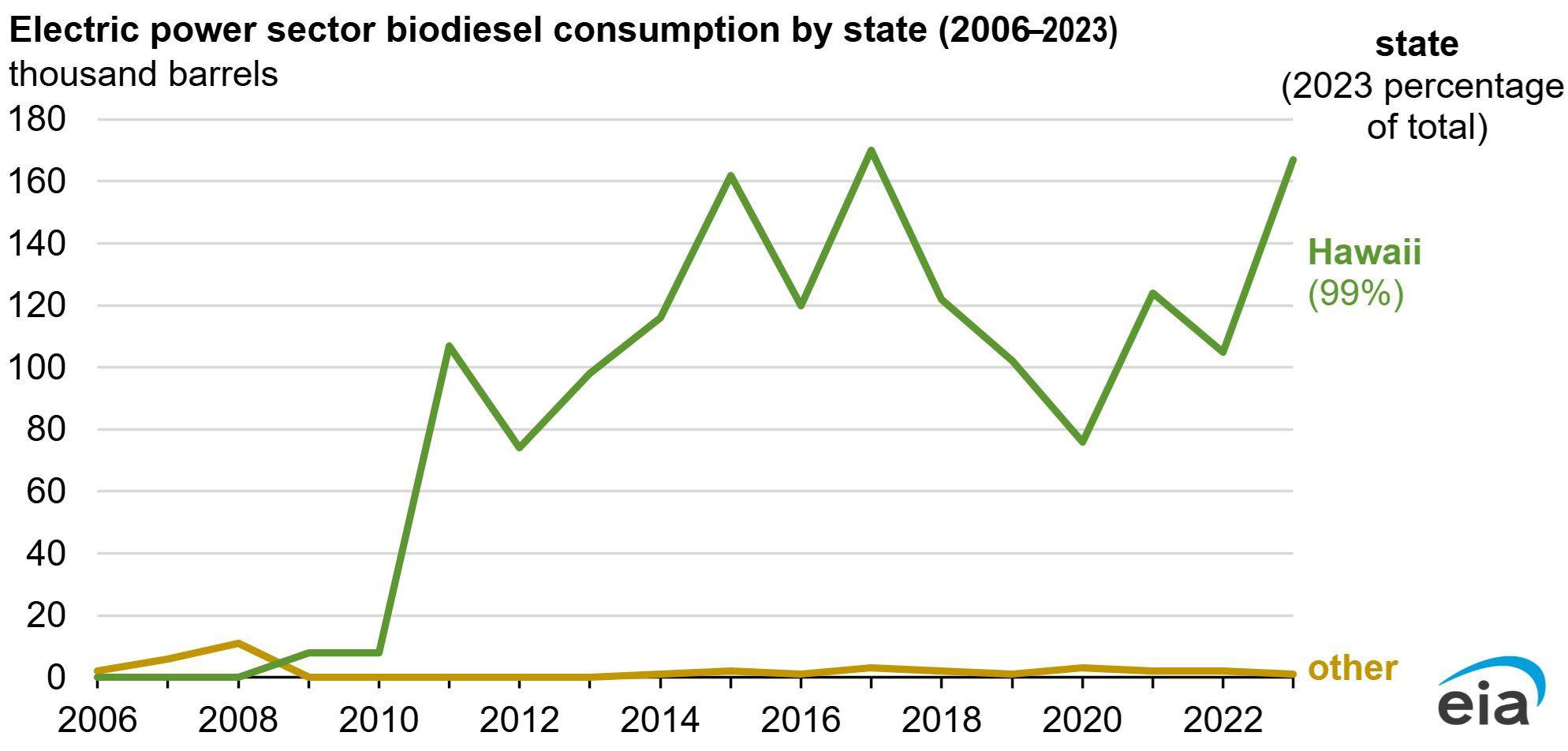
In 2024, the U.S. East Coast emerged as a steady, small-volume market for renewable diesel, supplied entirely by imports and domestic shipments due to a lack of regional production. More than half of supply came from Neste facilities in Singapore, Finland and the Netherlands, averaging about 3,000 barrels per day through September (excluding April and May). Roughly two-thirds of imports landed in New Jersey, with the balance going to Georgia.
SOURCE: U.S. EIA
Credit of 1 cent per percent of biodiesel per gallon of bioheating fuel through 2028, not exceeding 20 cents per gallon, as outlined by the NYS Department of Taxation and Finance.
Additionally, as part of Gov. Kathy Hochul’s 2024 State of the State address, NYSERDA and the NYS DEC are currently evaluating a Clean Transportation Standard and its potential contributions to “energy deployment, emissions reductions, and health and equity in New York.”
Policy and mandates drive decarbonization in New York, but the subsequent drag path produces benefits far beyond state lines. NYS’s supply of biodiesel primarily hails from the Midwest, says a NYSERDA spokesperson. “The demand for biodiesel in New York state each winter is one market signal for Midwest producers to continue generating supply of biodiesel,” they added.
New York’s neighbors have also taken up biofuel and bioheat, making the demand for biodiesel a coast-to-coast affair. In 2008, Massachusetts, the first state in the nation to require biofuel in home heating fuel, signed into law the Clean Energy Biofuels Act. This “gives preferential tax treatment to non-corn-based alternatives to ethanol, requires biofuel content in all the diesel and home heating fuel sold in the state, and proposes a new fuel standard for the region that will encourage a range of emissionsreducing technologies for cars and trucks.” The mandate began at 2% in 2010 and increased to 5% in 2013, growing into the State Agency Alternative Fuel Use Requirement, under which all Massachusetts agencies must use a minimum B15 blend in all on- and off-road diesel engines.
Biodiesel plants in neighboring states have largely contributed to the Northeast decarbonization movement, as the region operates as a multistate biodiesel ecosystem and not an isolated market. For example, American GreenFuels in New Haven, Connecticut, is one of the largest active biodiesel plants in the Northeast. The New Haven facility’s biodiesel produces 86% less GHG emissions, boding well for the state’s Public Act 181 of 2021, under which Connecticut’s 2035 minimum B50 requirement offers even more significant local benefits.
In Pennsylvania, where mandates are set not by year but by sustained, in-state biodiesel production, two manufacturing plants produce 64 million gallons of biodiesel annually. By law, all diesel fuel sold in Pennsylvania must contain at least a B2 blend, with increasing increments of B5 one year after in-state production reaches and sustains 100 million gallons for three months, B10 one year after 200 million gallons sustained for three months, and B20 one year after sustaining 400 million gallons for three months.






Full Steam Ahead
Mandates continue to steer the ship for bioheat, but NYC Local Law 154, signed into law in December 2021 by then-Mayor Bill de Blasio, could slow its role. Now in effect, the law began the collective phasing out fossil fuels from new construction projects starting in 2024, with a timeline stretching to January 2028. Under the law, and with few exceptions, “new buildings will be all-electric, using high-performance technologies like induction stoves for cooking and heat pumps for heating, cooling and hot water,” reports Urban Green Council. The law has not been enacted without controversy, however, and is being fought in court over implementation costs, among other reasons.
Last year, NYSERDA announced the availability of nearly $8 million to support innovation in the development of lowcarbon fuels. Said NYSERDA President and CEO Doreen M. Harris, “Early-stage
innovation is a valuable tool that benefits all New Yorkers by accelerating the adoption of technologies that ultimately help to lower emissions from hard-to-electrify sectors such as aviation, maritime and heavy-duty industrial processes.” Over the next three years, NYSERDA has allocated nearly $24 million to continue studies and projects for low-carbon alternative fuels, such as renewable diesel.
New York also saw legislation introduced last year to create statewide clean fuel standards targeted at decarbonizing on-road transportation by 20% by 2033, as reported Biodiesel Magazine. Senate Bill S01343A and its Assembly companion A00472 are under consideration by the Finance and Environmental Conservation committees, respectively.
Of course, no marathon is without its slower points, and in the case of bioheat, politics seem to create a Sisyphean mountain. Challenges in Albany could throw the
state’s plan off track, with Gov. Hochul facing off with environmental activists in court and expressing a desire to shift from the ambitious 20-year decarbonization period to a more common 100-year period. Under current carbon emission goals, New York must reduce emissions 85% from 1990 greenhouse gas levels by 2050, with the aforementioned 2030 goal. Gov. Hochul suggested an additional 2040 interim goal, but her proposed 100-year period is raising eyebrows.
Only time will tell if New York’s current, nonlinear path to decarbonization will stay on its trajectory. But with increasing calls for greener infrastructure from the public, surrounding states following suit, and key first steps already made, the state’s bet on bioheat is paying off.
Author: Caitlin Scheresky