LIGHT & COSY
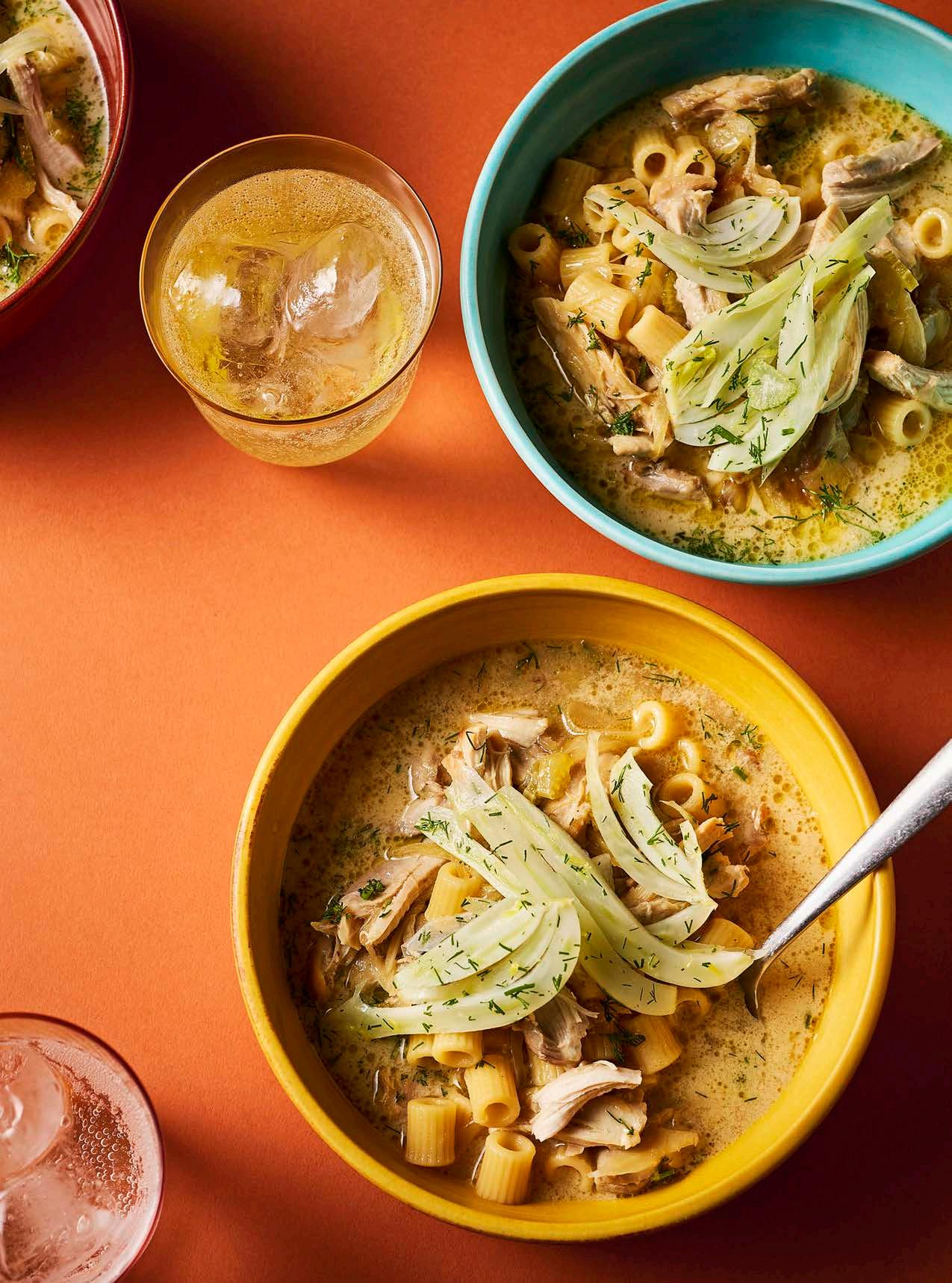
Slow-cooked chicken thighs with fennel, dill, celery & crème fraîche
Gourmet travel
Vienna
Warm and Comforting
• Beef stew & dumplings
• Chorizo & kale brothy rice
• Salted crunchy apple & ginger cobbler



Slow-cooked chicken thighs with fennel, dill, celery & crème fraîche
Gourmet travel
Vienna
Warm and Comforting
• Beef stew & dumplings
• Chorizo & kale brothy rice
• Salted crunchy apple & ginger cobbler
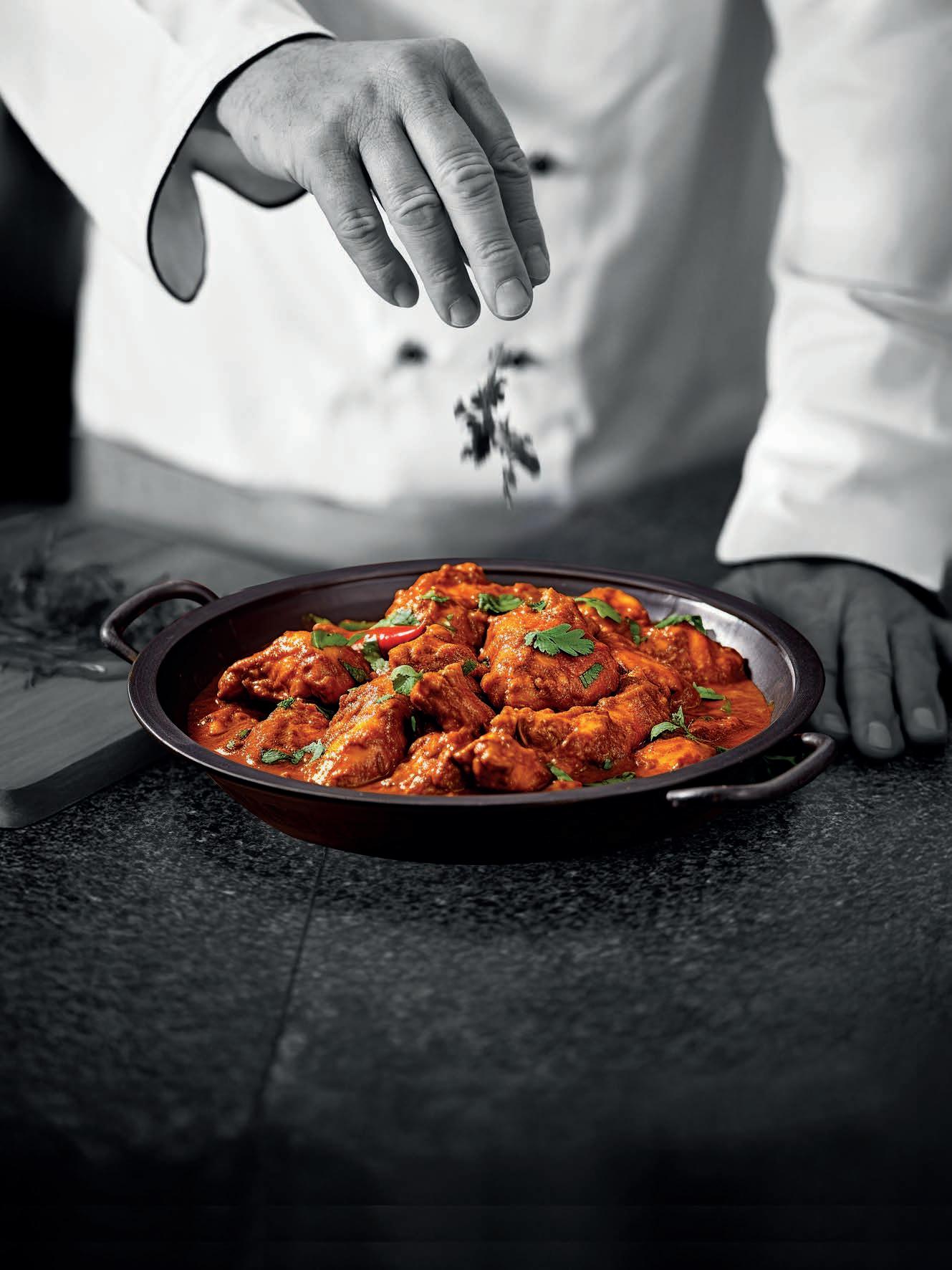
The pace in the kitchen has softened. After the exuberance of December, January is a time to return to food that comforts, nourishes and quietly restores. Our midweek meals are all about ease, using storecupboard staples and clever shortcuts to create warming traybakes, hearty chilli and a flavour-packed Harissa & shallot one-pot rice with aubergine and turmeric yogurt (p25). As home cooking takes on a gentler pace, bring out the slow cooker when time permits. Honey garlic chicken and Lamb curry are ideal for batch cooking and freezing, ready for the days you don’t feel like cooking (p41). For a weekend dinner with friends, our cover star, Slow-cooked chicken thighs with fennel, dill and crème fraîche (p60) is a comforting bowl, accompanied by Sizzled leek & red leicester soda bread (p71).

Elsewhere, we turn our attention to UPF-free family recipes to help you make healthier choices as the year begins – the Coconut & lime fish fingers with sweet potato wedges and crushed coconut peas is a great start (p88). Lighter bakes, including a sugar-free Victoria sponge (p98), prove healthier treats can still feel special. Don’t miss our women’s health special, with practical tips and agespecific dietary guidance (p103). Travel, too, takes on a gentler tone at this time of year. Our gourmet escape to Vienna explores a city where food culture is rooted in warmth, tradition and seasonality (p122). We hope these recipes bring warmth to your table as 2026 unfolds.
Happy New Year.
Editor


EDITORIAL
EDITOR: Nicola Monteath nicola.monteath@cpimediagroup.com
ASSISTANT EDITOR: Blanche D’mello blanche.dmello@cpimediagroup.com
ADVERTISING
GROUP SALES DIRECTOR: Liz Smyth liz.smyth@cpimediagroup.com
SALES DIRECTOR: Gill Fairclough gill.fairclough@cpimediagroup.com
SALES DIRECTOR: Carol Owen carol.owen@cpimediagroup.com
SALES DIRECTOR: Lara Gambardella lara.gambardella@cpimediagroup.com
SALES & MARKETING MANAGER: Yash Gehlot yash.gehlot@cpimediagroup.com
info@cpimediagroup.com
MARKETING marketing@cpimediagroup.com
DESIGN Froilan A. Cosgafa IV
FOR OTHER ENQUIRIES, PLEASE VISIT: www.bbcgoodfoodme.com
FOUNDER CPI MEDIA GROUP Dominic De Sousa (1959-2015)
PRINTED BY Wellpack Printing Press LLC
PUBLISHED BY
Head Office:
Office 1307, DSC Tower, Dubai Studio City, Dubai, United Arab Emirates, PO Box 13700 Tel: +971 4 568 2993
Email: info@cpimediagroup.com
A publication licensed by Dubai Production City, DCCA
© Copyright 2025 CPI Media Group FZ LLC. All rights reserved.
Good Food, UK
GROUP MANAGING DIRECTOR, FOOD: Jessica Norell Neeson GROUP EDITOR-IN-CHIEF: Christine Hayes COMMERCIAL DIRECTOR: Simon Carrington GROUP MAGAZINES EDITOR: Keith Kendrick
Immediate Media Co Ltd CEO: Sean Cornwell CFO/COO: Dan Constanda
DIRECTOR, SUPPLY CHAIN & LICENSING: Alfie Lewis
DIRECTOR INTERNATIONAL, LICENSING & TOP GEAR MAGAZINE, UK: Tim Hudson
HEAD OF LICENSING: Tom Shaw
HEAD OF PARTNERS, BRAND MANAGEMENT & ETHICAL COMPLIANCE: Molly Hope-Seton HEAD OF SYNDICATION: Richard Bentley
While the publishers have made every effort to ensure the accuracy of all information in this magazine, they will not be held responsible for any errors therein. www.cpimediagroup.com Good Food Middle East magazine is published by CPI Media Group under licence from Immediate Media Company Limited, Vineyard House, 44 Brook Green, Hammersmith, London W6 7BT.
© Immediate Media Company London Limited, 2026. Good Food and the Good Food logo are unregistered trade marks of Immediate Media Company London Limited and used under licence. All rights reserved.
YOUR SAY
Find out if you won the Star Letter prize 5 LOCAL ICON
Know about Massimo Vidoni’s favourites 6 FLAVOURS OF THE MONTH
New restaurants and menus to try across the region
14 TRIED AND TASTED
Fine dining venues to dine at this month
18 THIS JUST IN
This month’s top launches and trends
20 MIDWEEK MEALS
Storecupboard staples for easy dinners
27 ONE-PAN HEROES
Easy one-pan recipes to create
32 COOK SMART TONIGHT
Budget-friendly midweek meal ideas
38 MONDAY MASH-UP
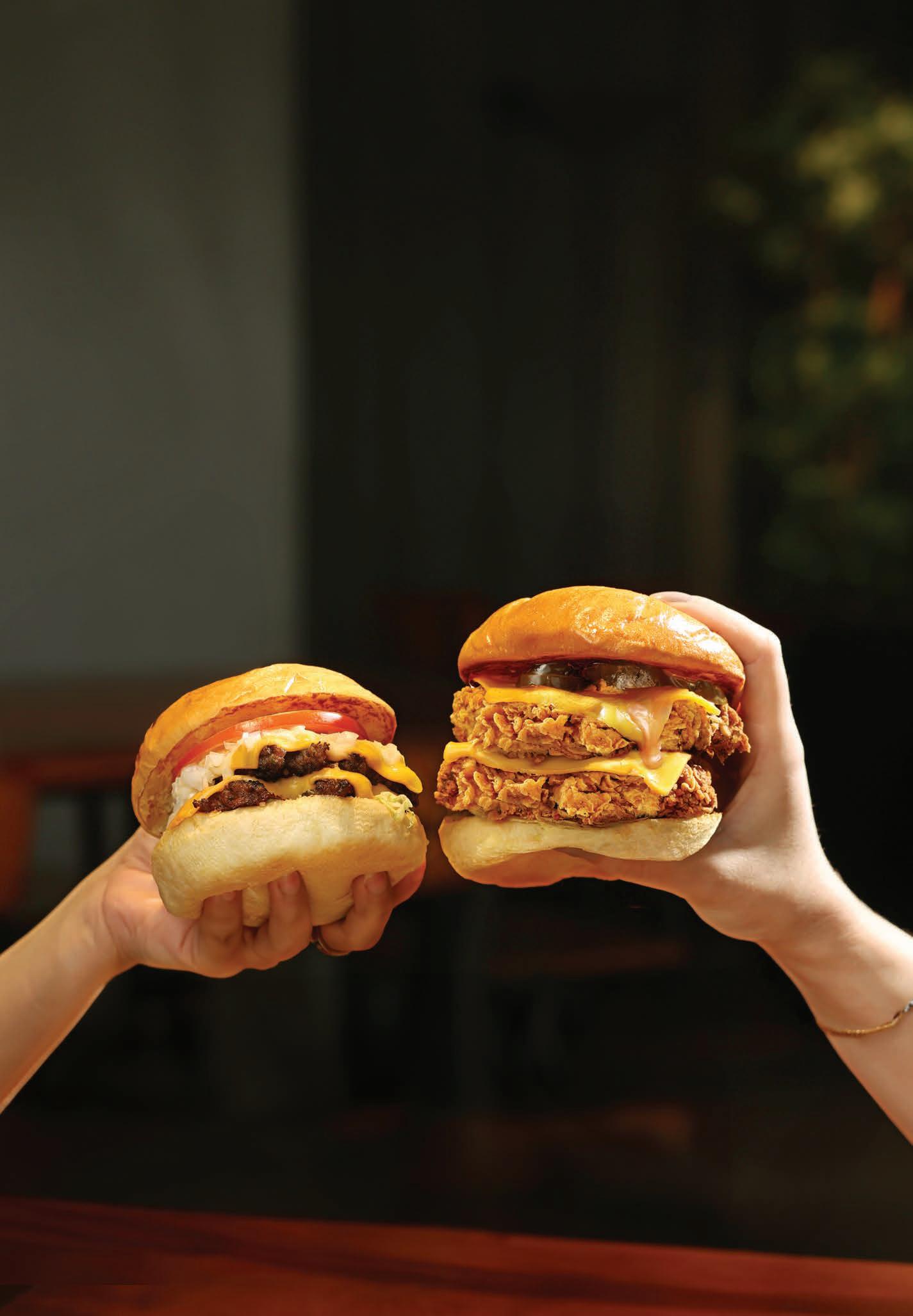
Two-for-one takeaway comfort hits
40 SLOW COOKER
Easy dips that keep you coming back for more
27
63
98
Our recipe descriptions
Suitable for vegetarians. You can freeze it.
Not suitable for freezing.
Easy Simple recipes even beginners can make.
A little effort These require a bit more skill and confidence – such as making pastry. More of a challenge Recipes aimed at experienced cooks.
Low fat 12g or less per portion.
Low cal 500 calories or less per main.
46 COOK YOUR WAY ACROSS INDIA
Chef Maunika Gowardhan shares traditional regional recipes
51 LIGHT & COSY
Celebrate vegetables with hearty recipes perfect for cold January nights
63 AT ITS BEST
Hearty recipes that make the most of root vegetables and winter fruits
74 LEARN SOMETHING NEW
Tips from the expert
78 NEXT LEVEL
Perfect beef stew & dumplings
82 UPF-FREE FOR YOUR FAMILY
Cook simple meals with wholesome ingredients
90 MY FAVOURITE DISH
Joe Wicks’ Thai green chicken curry
93 DEEP AND CRISP AND EVEN
Quick air fryer snacks for gatherings
98 3 BETTER-FOR-YOU CAKES
Lighter desserts for sweet cravings
103 HOW TO EAT WELL AT EVERY AGE
Nutrition tips and recipes for all ages
122 THE CULTURAL PLEASURES OF VIENNA
Discover Vienna in 72 hours
127 GIFT VOUCHERS, MEALS AND PLENTY MORE
Superhealthy Low in saturated fat, 5g or less per portion; low in salt, 1.5g or less; and at least one of the following: provides onethird or more of your daily requirement of fibre, iron, calcium, folic acid and/or vitamin C, or counts at least one portion of your recommended 5-a-day fruit and veg.
Good for you Low in saturated fat, low in salt.
Heart healthy Low in saturated fat, with 5g or less, and low in salt, with 1.5g or less, and high in omega-3 fatty acids.
1 of 5-a-day The number of portions of fruit and/or veg contained in a serving.
Vit C Iron Omega-3 Calcium Folate Fibre
Indicating recipes that are good sources of useful nutrients.
GLUTEN FREE Indicates a recipe is free from gluten. Some recipes contain pork. They are clearly marked and are for non-Muslims only. Look for this symbol:
P Contains pork.
We love hearing from you!
I am a huge fan of Good Food Middle East and look forward to each new edition with great excitement. Every issue perfectly captures the region’s evolving dining scene, from new openings to timeless favourites. My favourite section has always been the restaurant reviews. They are detailed, honest, and incredibly useful — I often base my dining choices on your recommendations, including which dishes to order once I’m there. Thank you for continuing to deliver such engaging and well-curated content. The magazine has become my trusted guide to discovering the best culinary experiences across the city.
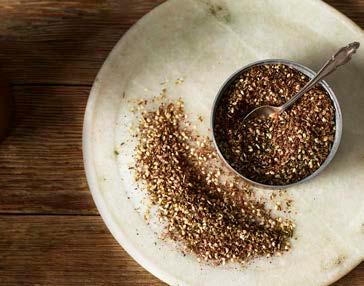
I loved the spotlight on Regional Superfoods. Seeing how traditional Middle Eastern ingredients like sumac, za’atar, and labneh can be integrated into modern, lowcalorie dishes was eye-opening. It’s wonderful to see the magazine celebrate our local flavours while helping us stay on track with our New Year fitness goals.
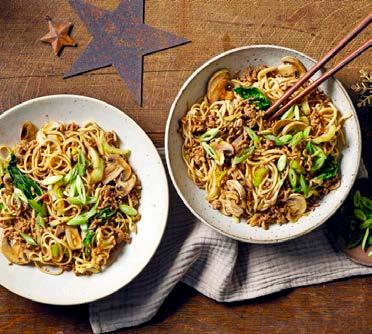
I enjoyed the article Time-Savers midweek meals. Specially during this season, we need recipes that are easy and time saving in making it, and simple. Keep on having these type of articles for us busy parents.
Randolph Veluz
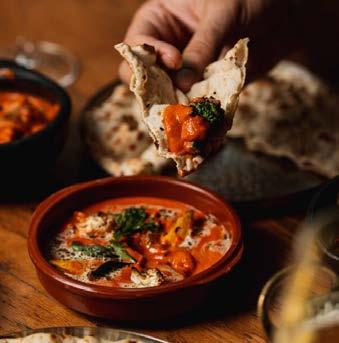
CURRY NIGHTS FOR TWO AT TANDOOR TINA, WORTH OVER AED550
Win a dining experience at Tandoor Tina. Every Thursday from 6pm to 11pm, guests can enjoy unlimited curries, naan, and rice, accompanied by a glass of wine. The rotating selection of curries is prepared with fresh ingredients and authentic spices, offering a true taste of India at 25hours Hotel One Central.
To send in your Star Letter and win this prize, visit the Competitions page on bbcgoodfoodme.com
Email us on feedback@bbcgoodfoodme.com with your thoughts and comments, and send us your photos with your copy of
Espresso first! Then I check my socials and walk the dog.
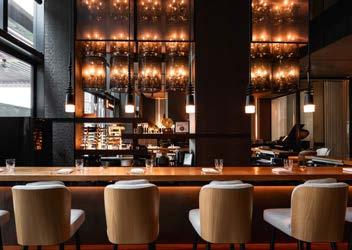
Takahisa & Row on 45 are two of my favourites.
Golositalia for pizza, Reif Kushiyaki for Asian food, and Isola for Italian


Favourite GCC restaurants
So many top places besides the Michelin star and 50 Best venues. I really can’t pick one – it’s so hard! Unfortunately, I’m dieting right now, but 3 Fils is a spot I could dine at every day.

Fresh truffle, caviar, goose speck, and milk for a cappuccino.

If you could only dine on dishes from one TV series, which would you choose?
Espresso, followed by another espresso (never a double — two singles please). And a freshly squeezed orange juice.
Massimo Vidoni, known as The Truffleman, supplies the region’s leading kitchens with some of the world’s most prized truffles. From rare white Alba truffles to aromatic black winter varieties, he’s the person chefs call when they want the real thing.

Joe Rogan, Tom at Dubai Eye and Virgin Radio in the morning.
You’re hosting a dinner party with three celebrities. Who would you invite and what would you serve?
So I have a culinary celebs list of Chef Massimo Bottura, Chef Daniel Boulud and Chef Nobu Matsuhisa. I’ll pull out the ingredients and wait to see the magic happen. For my top celebrity dinner party, it’s Kate Moss, Bella Hadid and Leonardo DiCaprio. I think that would be a very fun evening! I’d serve an amazing BBQ, with top steaks on the grill and plenty of truffle and caviar on the side.
What’s the one dish you love creating?
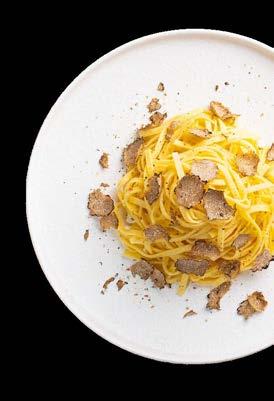
White truffle pasta — egg pasta, a creamy white sauce and plenty of shaved white truffle.


MAISON ANI
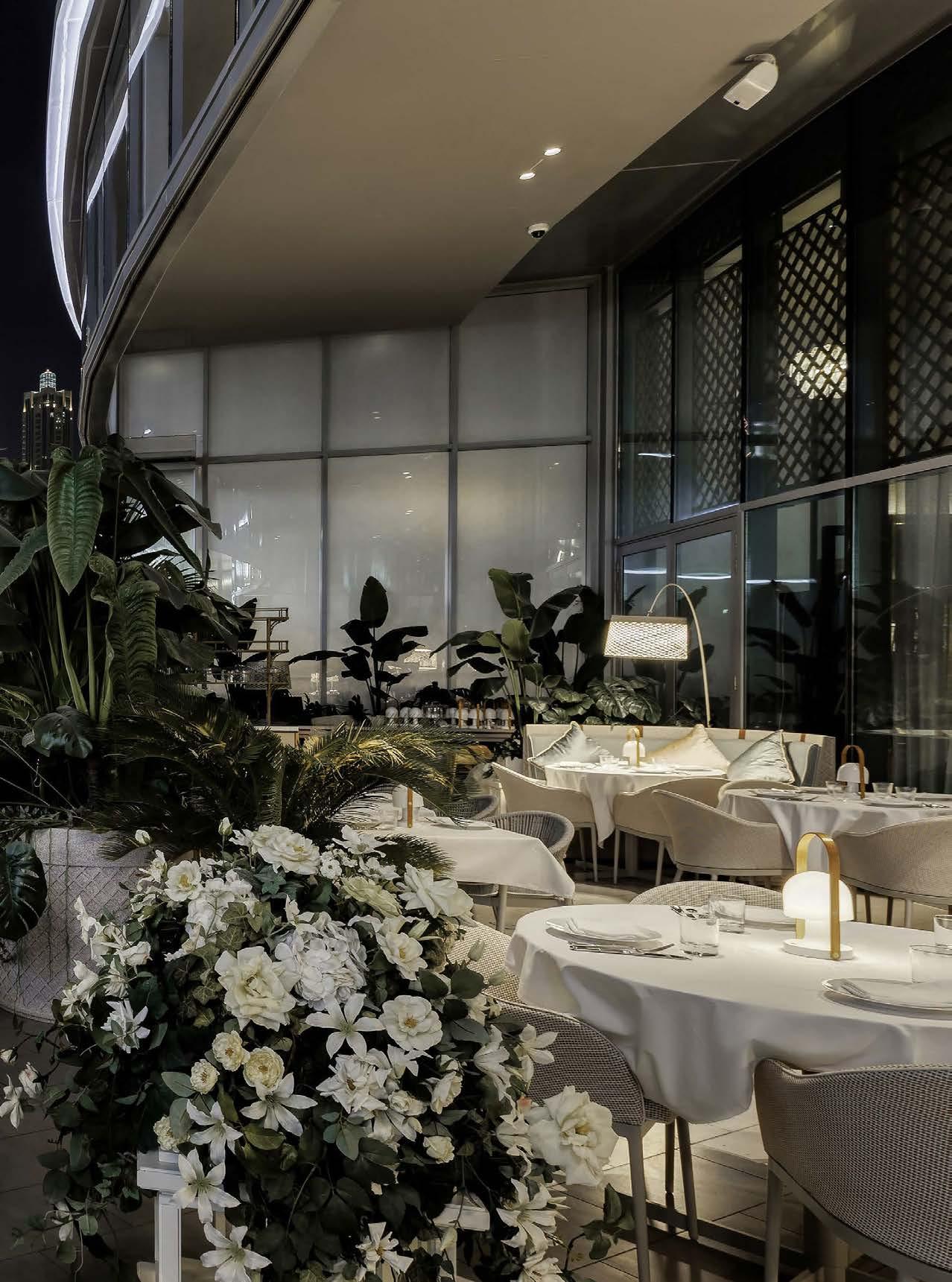
The much-loved outdoor terrace along Fashion Avenue at Dubai Mall has reopened for the season, unveiling a refined open-air dining destination with front-row views of Dubai’s iconic fountain show. Designed as an extension of the brasserie, the refreshed terrace features an updated layout that makes the most of its uninterrupted fountain vistas, setting the scene for alfresco dining. Rooted in Chef Izu’s FrenchMediterranean philosophy, the menu showcases seasonal signatures, seafood highlights and à la carte dishes.
Visit lamaisonanibychefizu.com.
MONTBLANC CHALET BY EUGÈNE EUGÈNE
Eugène Eugène has teamed up with Montblanc to launch the Montblanc Chalet by Eugène Eugène, an ultra-exclusive winter dining experience that whisks guests straight to the French Alps, right in the heart of Dubai. Set within Kempinski Hotel, Mall of the Emirates, two beautifully crafted wooden chalets create an intimate, snow-dusted escape with one seating up to 20 guests at individual tables and the other hosting ten around a communal table, ideal for private festive gatherings. Expect the comforting scent of melting cheese, rustic wooden beams and a warm, fireside feel, all inspired by Montblanc’s Alpine heritage and timeless craftsmanship. The experience features a curated Alpine menu starting with hearty French onion soup or warm goat cheese salad followed by generous raclette and fondue for sharing, and chocolate fondue and blueberry tart for sumptuous desserts.
AED395 per person. Contact +9714 379 8963 or via book@eugeneeugene.ae.
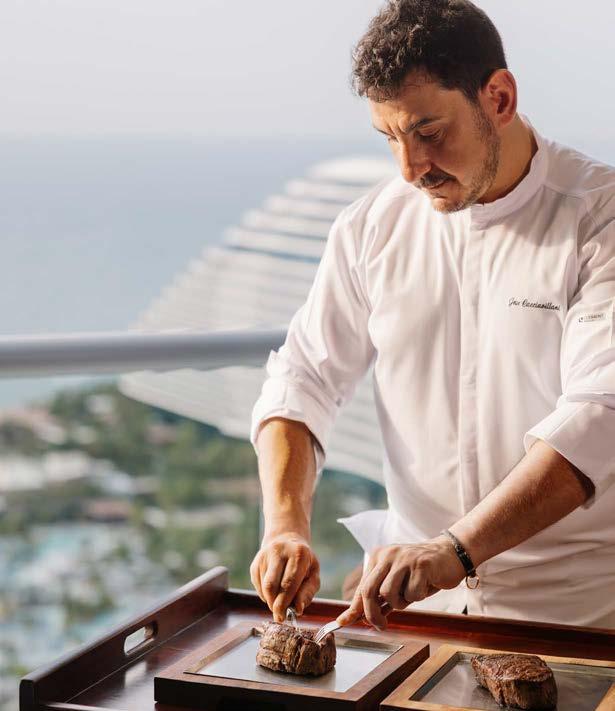
One of Jumeirah Beach Hotel’s original dining concepts and a long-time local favourite, La Parrilla Argentinian Steakhouse makes a confident return this year. Now under the direction of Mendoza-born Chef José Cacciavillani, the restaurant enters an exciting new chapter centred on the craft of firecooking. Inspired by Argentina’s revered asado tradition, the menu opens with entradas such as provoleta with fire-roasted peppers and chimichurri, house-made chorizo and classic empanadas, before moving on to Argentinian cuts cooked over the parrilla, including lomo, bife ancho and vacío tradicional, served with Andean-style fries, seasonal greens and a choice of sauces. Save room for indulgent desserts such as flan mixto, chocotorta and dulce de leche crêpes. The venue comes alive with Tango Nights every Friday and Saturday from 7pm, all set against sweeping views of the Arabian Gulf.
Daily from 6-11pm. Contact +971 800 323 232 or visit jumeirah.com.
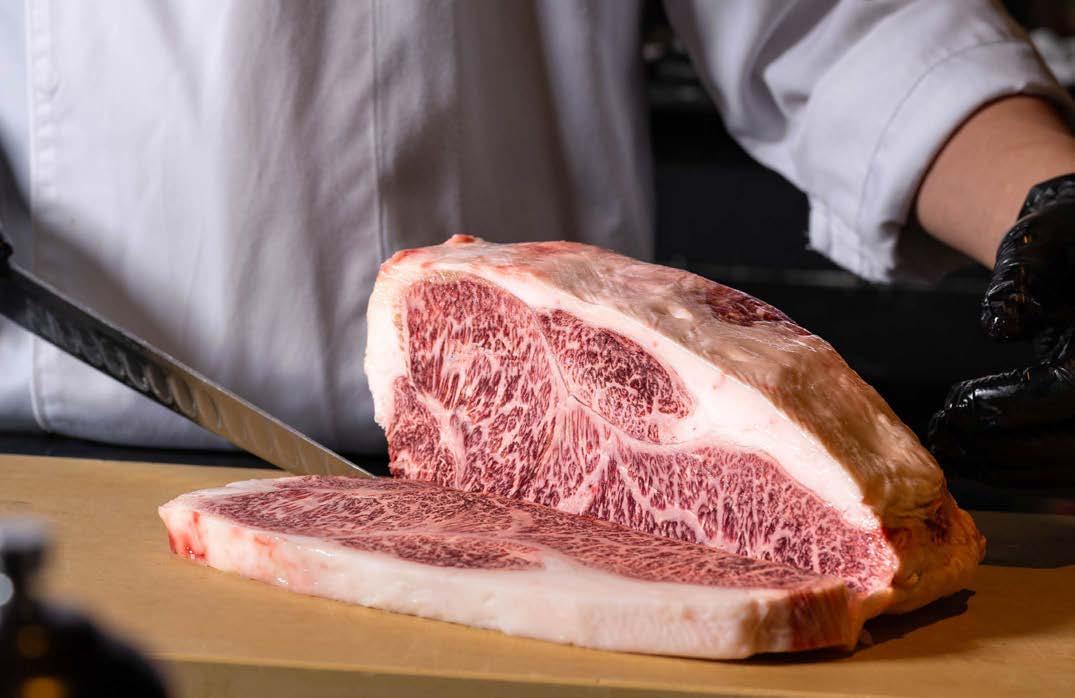
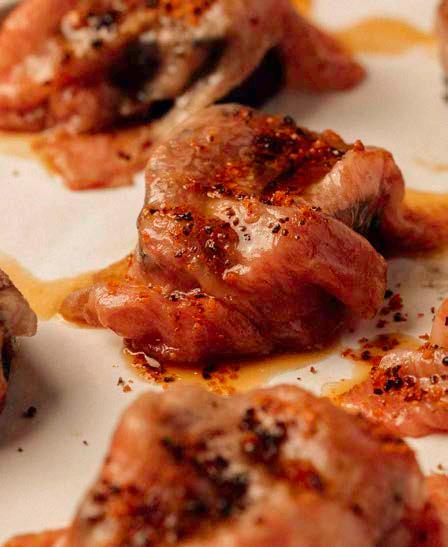
This Downtown Dubai destination ishailed for premium Japanese wagyu, now elevating its offering with the exclusive introduction of Matsusaka Beef from the acclaimed Ito Ranch. Often hailed as the queen of wagyu, Matsusaka is prized for its fine marbling, exceptional tenderness and nuanced flavours, while Ito Ranch stands apart as a legendary producer, having claimed the coveted ‘Cow of the Year’ title at Japan’s official Matsusaka Beef Competition an unprecedented six times. At the helm, Chef Ken Kamatsuda draws on nearly three decades of experience to showcase the beef through à la carte dishes and omakase menus, using signature techniques.
Daily from 6pm (closed Mondays). Contact +9714 570 4316.
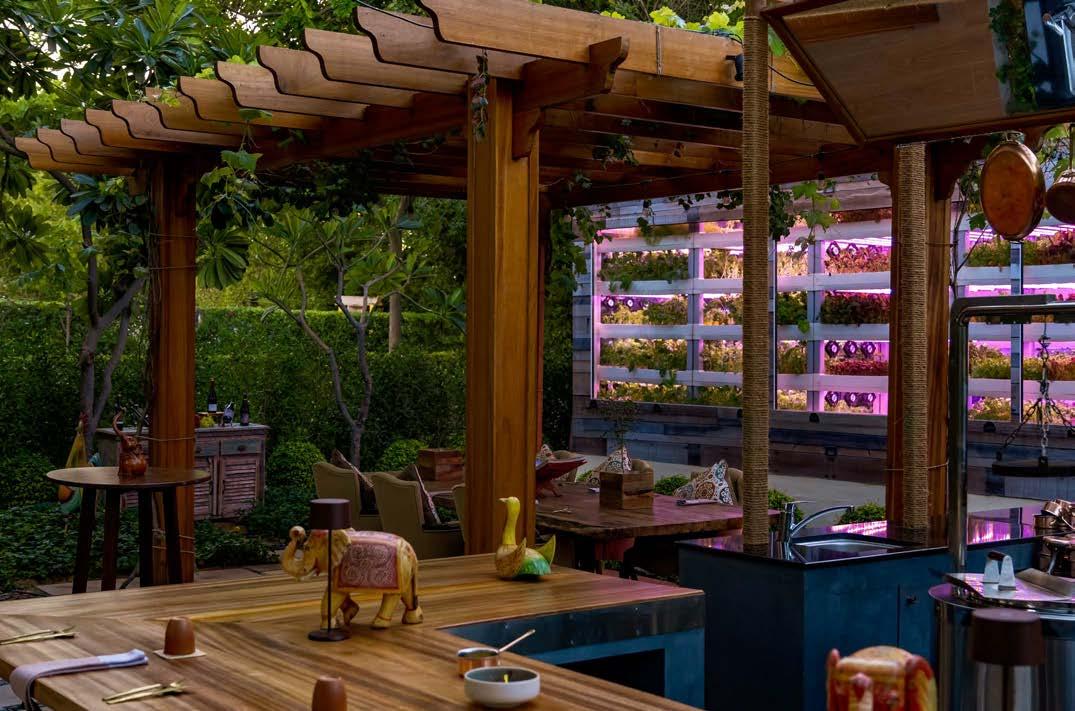
Step into the relaunched Arcadia by Amala at Jumeirah Zabeel Saray, where an immersive tasting experience offers a contemporary take on Indian cuisine. Led by Chef de Cuisine Pravish Shetty, whose two decades of experience were shaped under the mentorship of Michelin-starred Chef Vineet Bhatia, the restaurant presents an 11-course, omakase-style menu that blends traditional Indian flavours with modern technique. Each course draws on India’s rich regional cuisines, showcasing a variety of spice profiles, supported by a farm-to-table philosophy using fresh produce from the resort’s on-site hydroponic farm.
Available from Friday to Sunday from 7pm. Contact +9714 453 0000.
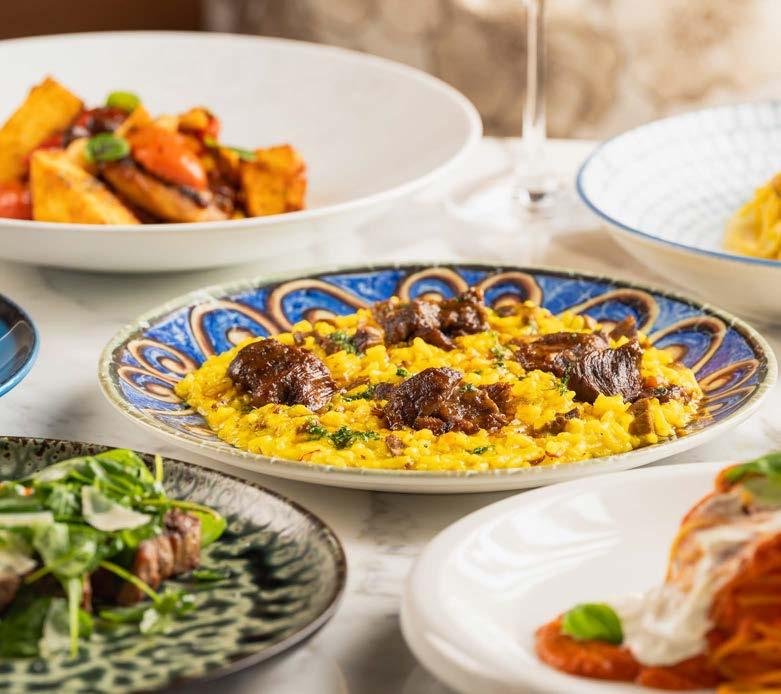
The Italian restaurant at Conrad Abu Dhabi Etihad Towers enters a new chapter with the launch of an updated menu led by newly appointed Chef de Cuisine Nicola Diella. Drawing on his culinary heritage and years spent refining his craft across Europe, South America and the Middle East, the menu features silky homemade Tagliolini al tartufo with seasonal black truffle and a butterParmesan emulsion, comforting Pollo alla cacciatora served with crispy polenta, and creamy burrata pugliese paired with heirloom tomatoes, and Taggiasca olives and basil oil. Enjoy it alfresco during the cooler months, with pizza from the oven, classic aperitivi and sunset views bringing a touch of la dolce vita to Abu Dhabi.
Contact +9712 811 5666.
The neighbourhood café has arrived at Culinara, the gourmet food hall at One Za’abeel known for spotlighting Dubai’s leading homegrown dining concepts through a rotating lineup of 12 brands and culinary residencies. In addition to its own outlet within the hall, One Life will also take over morning service at SIRO One Za’abeel, serving an unlimited à la carte breakfast from 7am to 11am built around its signature favourites and a handful of exclusives created for Culinara. Expect Shakshoumi, with eggs baked in a rich tomato and red pepper sauce with pan-fried halloumi and house pesto, the indulgent Englishman in New York – a full English breakfast served inside a New York-style bagel – a classic steak and eggs featuring grain-fed Australian tenderloin, and Masala omelette with paratha, tomato chutney and whipped labneh amongst other savoury dishes. For something sweet, try the chocolate-hazelnut-filled French toast brioche with macadamia praline, grilled banana and citrus anglaise, or crêpes topped with fresh berries or banana and leche.
Visit onelifedxb.com.


Set along one of Saudi Arabia’s most striking stretches of coastline, The Red Sea EDITION invites guests to welcome 2026 with a refined sense of celebration. The stay includes daily breakfast, a lively programme of entertainment, and a standout New Year’s Eve under the stars, led by world-class DJs, drummers and fire dancers. Throughout the season, dining takes centre stage with Executive Chef Norberto Valdez Palacios’ modern menu, while days are filled with the Jiwa Sound Series, evening fire shows at Jiwa Beach Club, and time to explore Shura Island’s landscapes through cultural experiences and outdoor adventures.
Until 6 January. Contact +966 1 450 44455 or email Reservations.Redsea@ editionhotels.com





Have you voted for the Good Food Middle East Awards 2025? Vote now and show your support for the best dining destinations, hotels, and food brands in the region.
Plus, every vote enters you for a chance to enjoy a two-night stay at Al Baleed Resort Salalah by Anantara.
Make sure to cast your votes before 10 January 2026.
VOTE NOW




A curated set menu and narrative-led beverages mark a new chapter for this local hotspot at Anantara The Palm Dubai Resort

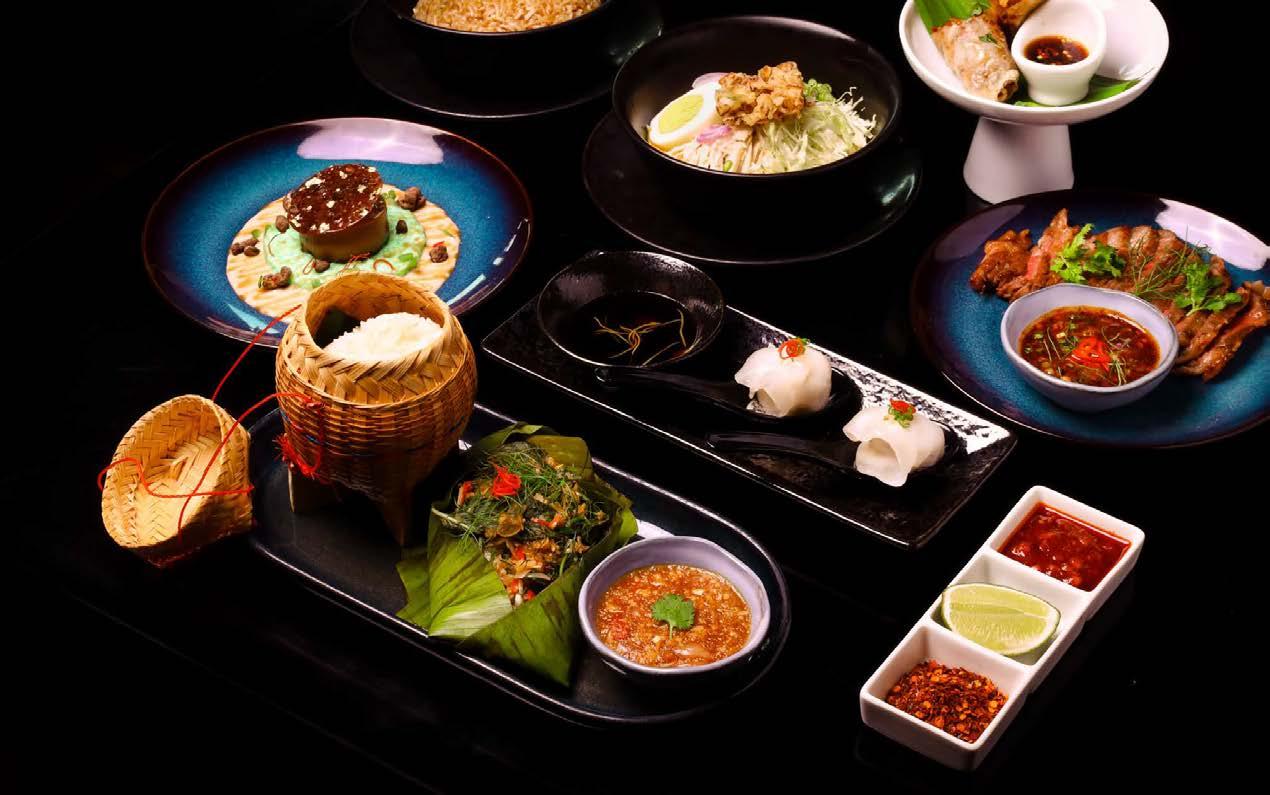
A stalwart of Dubai’s dining scene for over 12 years, Mekong unveils an evocative new journey that complements its muchloved signature offerings. Now is the perfect time to beat the holiday blues and escape to Southeast Asia at the signature dining destination at Anantara The Palm Dubai Resort.
Inspired by the lands that border one of Asia’s most iconic waterways, the set menu traces the Mekong River from the misty highlands of China to the fertile deltas of Vietnam. Spanning six countries —Thailand, China, Vietnam, Cambodia, Myanmar and Laos — each dish reflects a distinct culinary identity, shaped by tradition, place and seasonality.
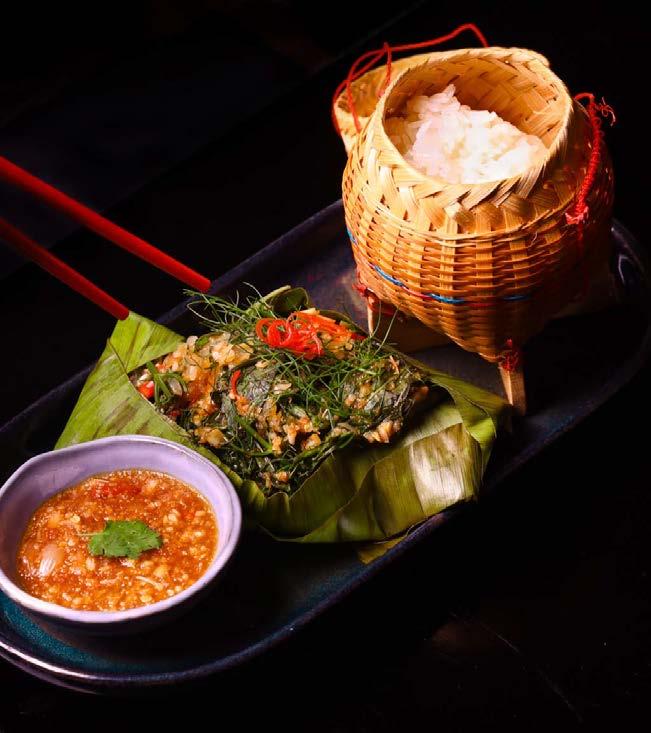
Highlights include Crying Tiger, a Thai favourite featuring seared Wagyu rib eye, marbled at 4–5, marinated in oyster sauce, garlic, fish sauce and soy, and served with a dish synonymous with Thai celebrations, Nam jim jaew. Diners can also feast on the Laotian Mok Pa, steamed seabass wrapped in banana leaf, infused with lemongrass, galangal, dill and shrimp paste, and accompanied by sticky rice and coriander sauce.
Authenticity is at the heart of these flavour-packed additions. Completing the experience, Mekong presents a signature beverage collection rooted in narrative. Inspired by The Tale of Bao Lin, an imagined wandering herbalist, the drinks follow his journey down the Mekong, marrying herbs, botanicals and a sense of discovery into every creation. Angkor Legacy is a rich expression with chocolate, pepper and palm sugar, inspired by
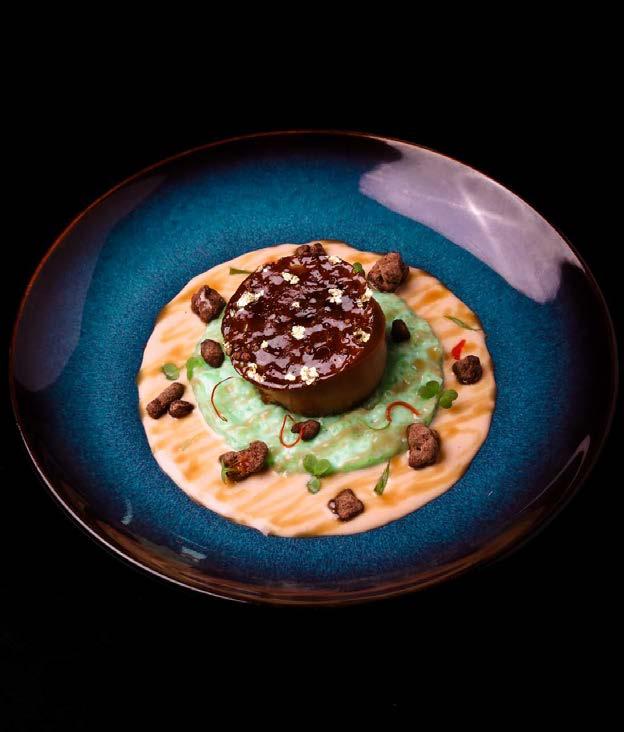
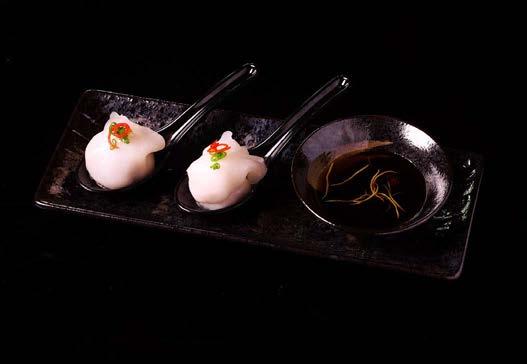
the enduring strength of Cambodia’s stone temples. Angry Bird offers a playful tribute to Myanmar’s mynah birds, combining jackfruit, umeshu and pineapple for a bright, tropical finish. Each concoction represents a chapter in Bao Lin’s journey, inviting discovery with every sip.
The new set menu is available daily from 6pm. Priced at AED450 per person, with beverages from AED70.
Anchored along Sheikh Mohammed Bin Rashid Boulevard, Jun’s embodies a cool composure with cultural sensibility. Chef Kelvin Cheung and his team move fluidly through the intimate dining room, where jade-green floors and rice-bowl-inspired pendant lamps shape an ambience that feels refined without tipping into formality. This is where third-culture cooking comes to life.
Chef Kelvin’s culinary narrative is personal. Born in Canada and raised in Chicago, he grew up in the kitchen and worked his way up through restaurants across North America and Europe, before gaining significant experience in India. His cooking draws on these lived experiences, layering global influences into dishes that are inventive and emotionally grounded. It is a vision that placed Jun’s among the region’s best, ranking No. 7 on the Middle East & North Africa’s 50 Best Restaurants list.
The journey
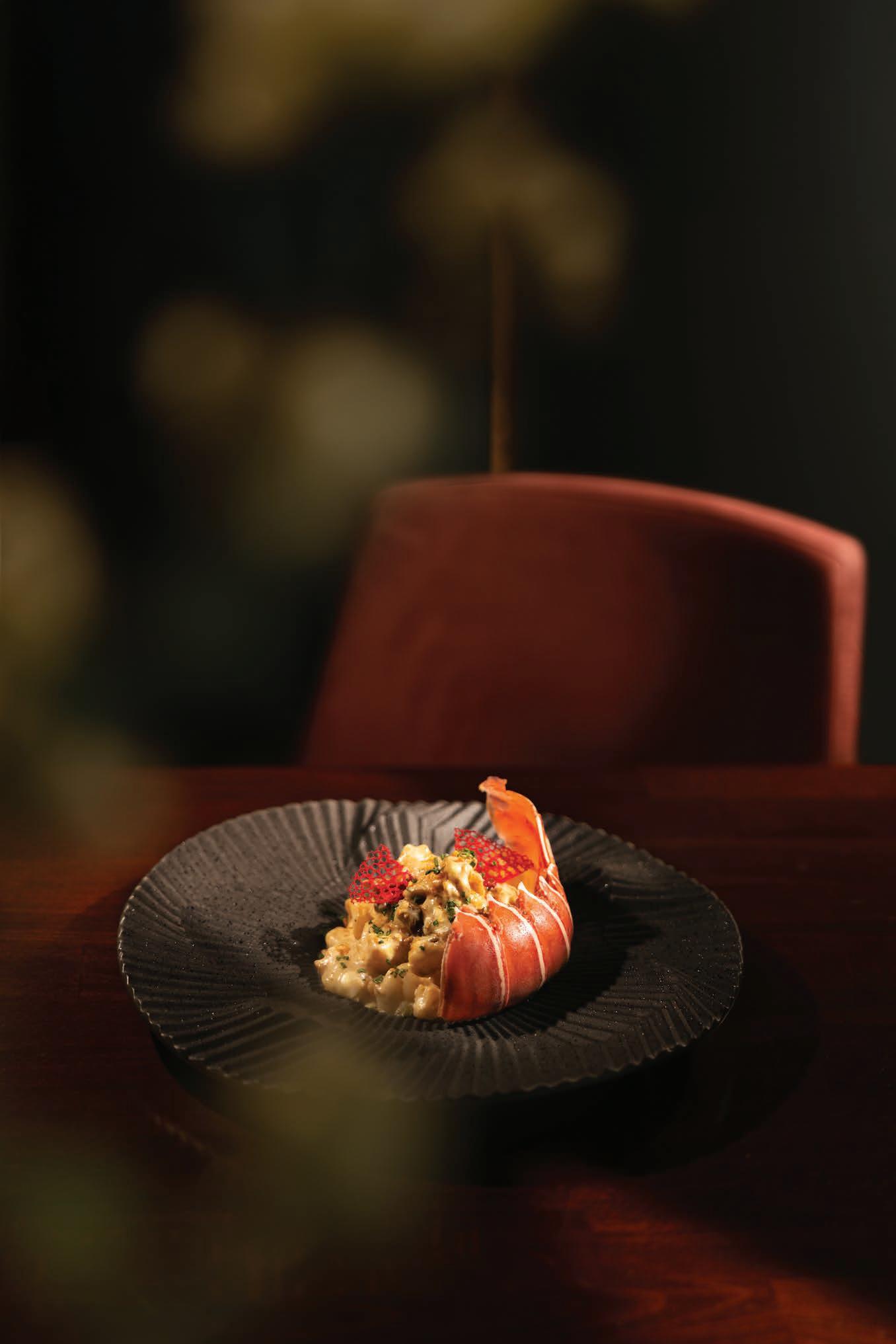
The thirteen-course tasting menu opens with Lobster pani puri, a clever reworking of Indian street food. The delicate shell shatters to reveal sweet lobster, a curry-laced Macanese sauce and a hit of tamarind. It’s a playful bite that more
than lives up to its social media fame. Watermelon follows, showcasing seven-day aged sea bream that’s tender and flavourpacked. We’re told to eat the fish first and follow with a sip of the watermelon and tomato dashi. Palestinian olive bubbles infused with a flash of wasabi lift this beautifully presented creation.
A sequence of three bites signal our culinary arrival in China, revisiting Chef Kelvin’s earliest memories. Flatbread kibbeh nayyeh, Sour cabbage snapper and an Otoro leaf wrap are served, with the latter standing out for its fatty depth. The Hot and sour wonton soup nods to Chef Kelvin’s time in India, doubling as a tribute to his wife’s favourite soup, Rassam. Here, the South Indian broth takes on robust body with a curry-leaf kick, while Norwegian scallop and miniature prawn wontons drift beneath a chaat masala tuile.
Crabby mom is an adaptation of his mother’s Singaporean chilli crab, pairing gentle sweetness from the king crab with confit onions and brown-butter hazelnuts. On the side, a mantou bun accompanies the dish, warm and pillowy within. The sort of bread that invites quiet longing for seconds, or for a bag to take home, should the kitchen ever decide to sell it on its own.

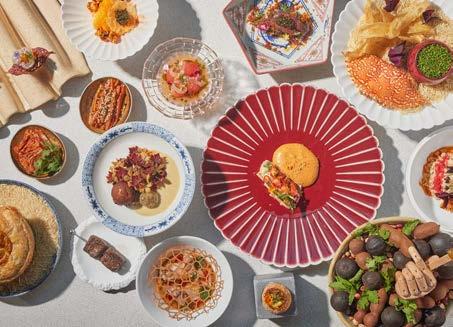
The Fountain of youth, a collagen-rich soup of fish maw, crab and silky steamed egg custard, arrives as a nourishing, healing course. Nostalgia peaks with the Portuguese baked lobster rice, a dish that prompted an emotional response from my dining partner (my mother). Cashew purée, puffed rice, sweetness from apples and smoky lobster come together in something deeply comforting, conjuring memories of my great-grandmother’s home kitchen. That sense of warmth continues with Da Lang congee, theatrically revealed at the table with a golden pastry crust lifted to expose arroz caldo enriched with braised oxtail. A skewer of sambal wagyu tenderloin and a side of kimchi complete the dish.
Desserts are no less thoughtful. Loomi paleta offers a refreshing take on the region’s dried black lemon. I’ve always loved Garrett Popcorn, and the Chicago mix course immediately struck a chord. It arrives as a fun, polished composition with popcorn mousse, popcorn sponge, and burnt caramel ganache, paired with a striking four-cheese ice cream crowned with Kaluga caviar.
The Childhood treat is perhaps the most heartfelt course, with Chef Kelvin’s early years filtered through his heritage and expressed via the familiar maltiness of Horlicks. The warm malty cream is poured around a 70 per cent dark chocolate mousse scented with earthy pu-erh tea, sesame crumble and baked mochi filled with sea-salt caramel ganache. This dessert feels like a warm hug. Petit fours bring the dining experience to a close, featuring dinosaur-shaped gummy bears inspired by his son’s latest obsession, alongside mooncake, a reinterpretation of the iconic White Rabbit candy, a cookie, and fortune cookie, all served with a cup of masala chai.
The beverage menu deserves equal attention, particularly the crafted Midnight brekkie, a clarified Peanut butter and jelly spirit with watermelon and strawberry, and the Nacho libre with guava and jalapeño notes.
Available at both lunch and dinner, with a vegetarian option, Jun’s tasting menu is a great way to experience the breadth of Chef Kelvin’s warmth and cooking.
Book now
AED560 per person. Visit junsdubai.com or contact +9714 457 6035.
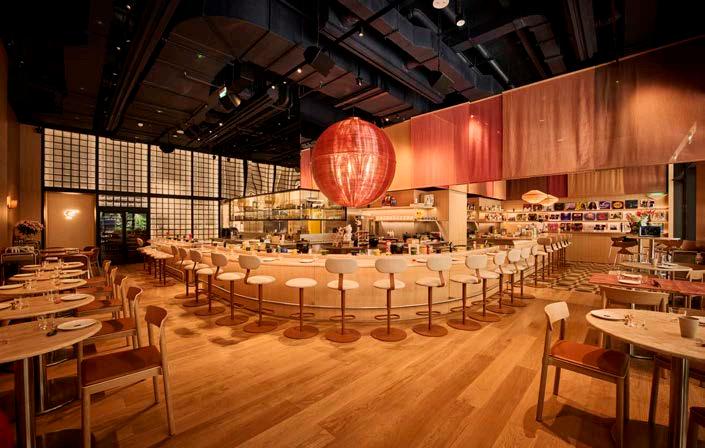

Tucked away in One Central’s dining enclave, 25 Jump Street, Yubi feels like a secret stumbled upon down a Tokyo back alley. As the UAE’s first licensed homegrown handroll bar, this newly opened spot by award-winning Chef Reif Othman, in partnership with 7 Management, boasts a laid-back energy. Urban design features contribute to the room’s casual vibe, backed by old-school and new-age R&B and hip-hop soundtracks.
The highlights
Dishes arrive the moment they’re ready, beginning with a Crab salad that offers delicate sweetness of the meat against a creamy wasabi yuzu dressing, delivering a citrus-led wake-up call to the palate. Golden rock shrimp follow, crisp and addictive, paired with a wasabi mayo that has just the right amount of heat.
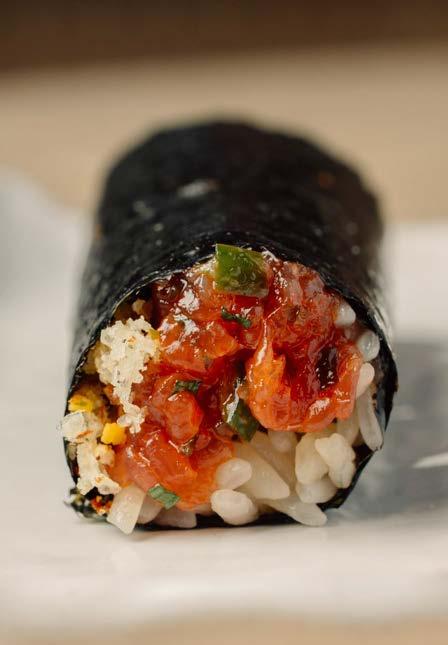
A lightly Seared salmon dressed in clementine ponzu provides a fresh course, the acidity cutting through the richness of the fish, before the main event comes into play, the handrolls. This is where Yubi truly finds its voice. The spicy tuna handroll, spiked with red yuzu kosho, builds heat gradually, with a clean snap of nori. Be sure to enquire about the monthly specials for a real treat.
The Yubi maki is the dish that defines the menu and one we’ll be ordering on every visit. Rich and buttery, the generously topped Wagyu is seared, and served atop otoro and rice wrapped in nori, seasoned with a subtly sweet chilli glaze. This incredible bite offers that melt-in-themouth richness. Kagoshima wagyu gyoza, covered with ponzu butter, is another stunning dish that’s polished off within minutes.
As you watch the lucky cat on the counter and listen to nostalgic tunes, it becomes clear that Yubi has mastered the art of great food without taking itself too seriously. Don’t miss the Truffle mochi for the perfect end to this meal.
Book now Visit yubihandrollbar.com or contact +97150 198 7511.
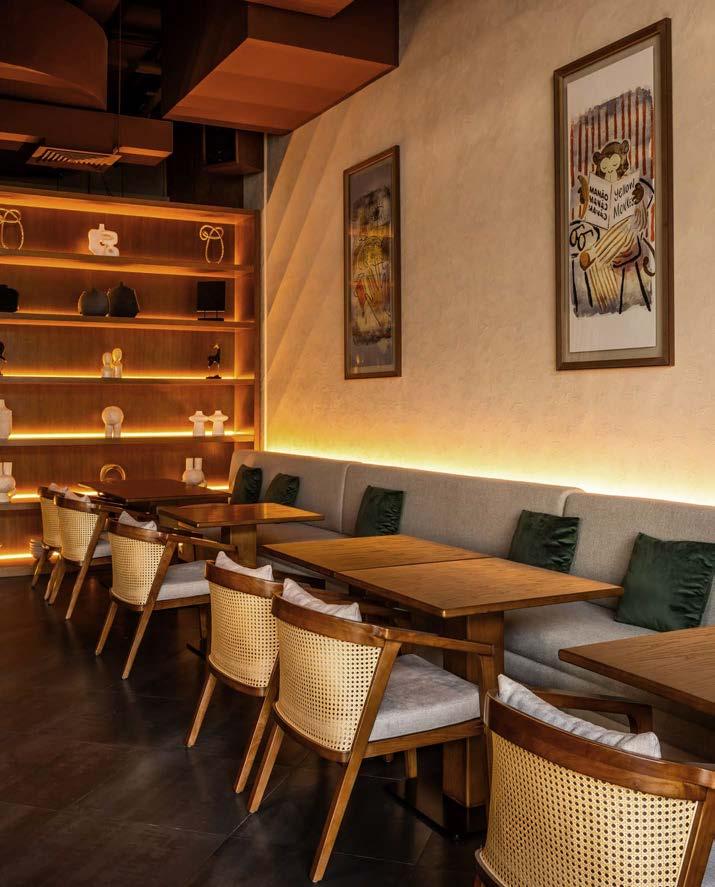
This Thai-inspired restaurant arrived quietly at Jumeirah’s Wasl Vita Mall and, within five months, earned a Michelin star. Conceived by Dubai-born chef Abhiraj Khatwani in collaboration with his mentor, Chef Mohamad Orfali, the restaurant feels immediately welcoming. The city’s noise fades into a dining room of vinyl, art, and earthy hues, where soft lighting and old-school hip-hop records add to the easygoing mood.
The highlights
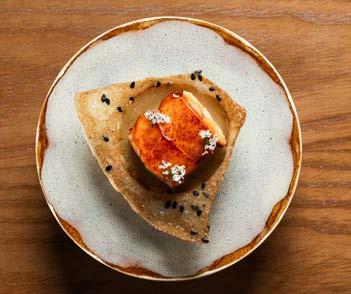
Sunday lunch is served à la carte and designed for sharing, with the Khanom Krok as an opening bite that stays with you long after. Traditionally sweet, here it’s taken in a savoury direction with warm coconut custard inside a crisp fermented rice cracker, topped with Alaskan king crab. It’s creamy, faintly salty and sweet. The kind of dish that leaves a lasting impression long after the meal. Chicken skewers are doused in
coconut bisque, finished with crisp shallots and paired with mint chutney. The Spicy salad is laden with textures, bringing together kohlrabi, roasted rice, tangled herbs and peanuts, coated with a punchy fish sauce that is softened by bursts of sweet grapes.
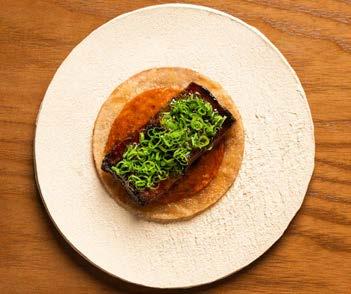
Another memorable plate is the Sticky rice roti, the soft and chewy base with a slight tang is stacked with melt-in-yourmouth coconut-smoked short rib. Kaffir lime relish cuts through the richness - it eats like a Thai-style taco, balancing acid, fat and smoke.
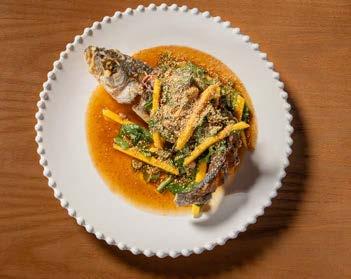
The meal shifts into fuller, heartier territory with the mains. Crispy seabass, fried whole, opens to moist, flaky flesh beneath its golden crust. Dressed with spicy chilli sauce, and fresh mango salad, it plays beautifully alongside the Stir-fried beef with holy basil, which delivers that smoky breath of the wok. Spicy and juicy, every mouthful is incredibly satisfying. Steamed jasmine rice is the
perfect canvas that ties everything together, especially with the comforting Yellow curry of prawns, where coconut milk and cumin leaf form the aromatic gravy that clings to plump, sweet shellfish.
Innovation at Manāo extends far beyond the wok. Drawing from Orfali Bros’ renowned fermentation philosophy, the team integrates sustainable techniques while honouring Thai roots, most notably in the beverage program, which features refined zero proof pairings infused with tea and tropical notes.
Dessert arrives in the form of mango sticky rice, Thailand’s ultimate comfort sweet. Here, it’s served with shaved ice for temperature contrast and coconut ice cream, easing you through the end of Sunday lunch.
Book now
Visit manao.ae or contact +9714 272 2389.
Dubai’s beach clubs have become adept at stretching the day into the night. At J1 Beach, formerly La Mer South, a cluster of venues is designed for that purpose. One of them is Gitano, which means gypsy in Spanish, a Tulum-born modern Mexican restaurant and beach club that brings the relaxed Yucatán aesthetic to the private Jumeirah beachfront.
The décor creates a sense of escape from the city, with pink glass chandeliers and foliage throughout the venue, leading up to the Jungle Roof, where sweeping views of the Burj Khalifa and Dubai skyline come fully into view. Outdoors, the atmosphere shifts to a laid-back bohemian rhythm, with an oversized disco ball scattering light across the terrace. Poolside cabanas, dressed with cushions and towels in soft shades of pink, blur the line between indoor glamour and outdoor ease.
The highlights
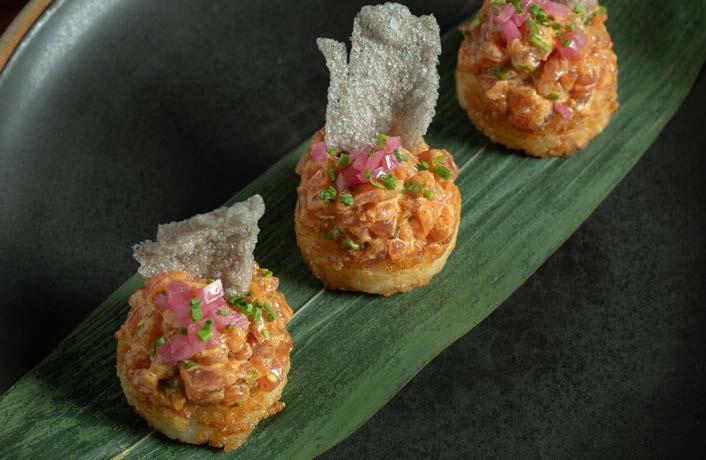
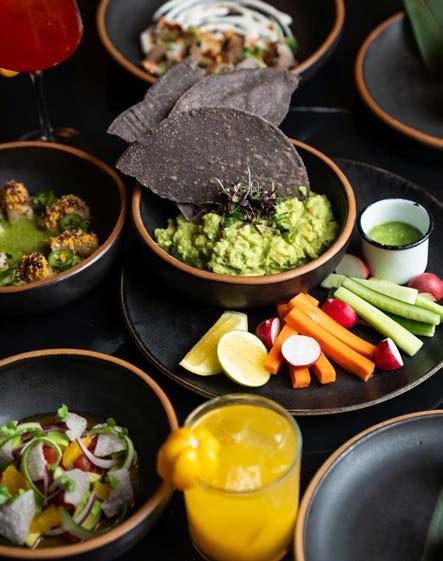
We chose a poolside cabana with a table just in front for that toes-in-the-sand feel. Sitting by the pool, our first order was naturally fresh, creamy guacamole with crisp corn totopos. An Heirloom tomato and watermelon salad followed, notably fresh and sweet, sharpened by Fresno chile and tajín. One of our favourites was the crispy Tuna botana featuring creamy yellowfin tuna on crisp rice, spiced with serrano chile and smoky chipotle mayonnaise.
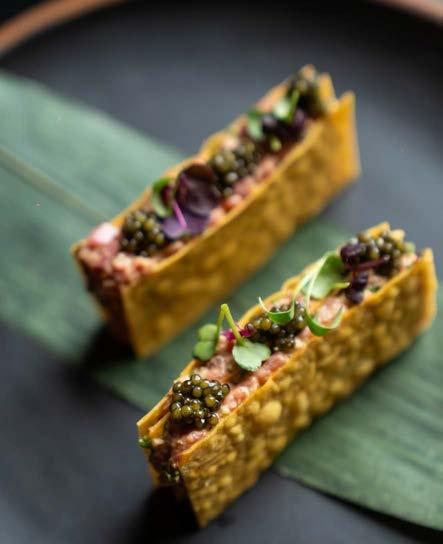
For something more substantial, the three crispy Fish tacos arrive as a generous portion, each soft taco topped with golden-fried seabass, cabbage and pico de gallo, offering satisfying textures. The Wagyu tostada is an indulgent bite. Constructed like a mini club sandwich with flat crisp tortilla chips, it’s packed with richly marbled beef tartare and

topped with caviar and chives.
Gitano’s concoctions express the Mexican spirit through tropical, citrus, and spicy notes, with Kisses in the Car and Jungle Fever as ideal companions for a sun-drenched afternoon that drifts into golden hour.
After a stroll along the beach and dips in the pool, we finished with piping-hot churros, served with a smooth caramel for dipping.
Book now Visit gitano.com/dubai for reservations.

ThisA curated look at this month’s most talked-about launches and standout trends


GODIVA brings a festive twist to a much-loved European tradition, reimagining the classic Yule log as a curated collection of exquisitely crafted chocolates. The limitededition holiday range showcases seasonal pralines, truffles and chocolate cubes, presented in elegant gift boxes and collectible tins. Designed for sharing, celebrating or gifting, the collection is a thoughtful choice for New Year celebrations and for those marking Christmas on 7 January.
From AED89-249. Available at Godiva boutiques until 11 January.

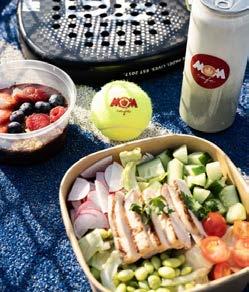
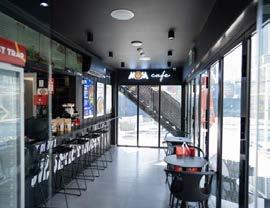
Meals on Me has expanded beyond meal plans with the opening of its first-ever café at Padel Pro, Dubai World Trade Centre, bringing its signature healthy, approachhigh-protein to the space. Welcoming everyone – not just padel players – the café serves breakfast, sandwichessalads, and snacks, alongside the brand’s Protein+ range. Guests can also refuel with bespoke protein shakes and smoothies, plus freshly brewed coffee from Nia Coffee, a purpose-driven homegrown roaster that supports farmers across Africa and reinvests its profits into marginalised youth through training and sustainable employment. The café marks the brand’s first step into physical retail, making nutritious, flavour-led food even more accessible.
Open daily from 6am to midnight. Visit hellomealsonme.com for more information.

The Dubai World Cup is set to raise the bar for race-day hospitality with a landmark collaboration between Dubai Racing Club and globally celebrated Zuma restaurant. Marking the event’s 30th running on Saturday, 28 March 2026, Zuma will, for the first time, curate and host the Royal Enclosure Majlis by Zuma at Meydan Racecourse – a first-of-its-kind fusion of world-class racing and dining. Expect a bespoke Zuma menu created exclusively for the occasion, premium free-flowing beverages, lavish Majlis lounges with prime race views, private chauffeur service and exclusive Royal Enclosure access, alongside unrestricted entry to the Parade Ring and Saddling Garden.
AED22,000 per guest. For bookings and more information, visit dubairacingclub.com.
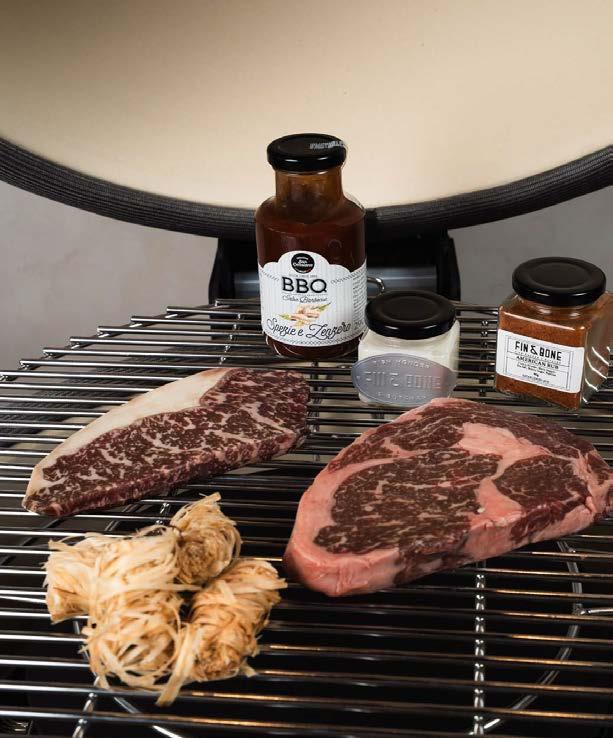
Fin & Bone, the boutique butcher and food store set within Al Barari’s leafy surrounds, has launched BBQ Boxes for effortless, high-quality grilling. Choose from three options, the crowd-pleasing Backyard Box with burgers, Manchamon cheese and sausages, The Bonfire Box with two steaks of choice (700g each), or the indulgent Big Boy Box featuring two big cuts cuts (Angus Tomahawk, Bone in Rib, or T-bone Steak) complete with rubs, sauces and beef tallow. Perfect for barbecues this alfresco season.
From AED110-520. Visit finandbone.ae.
Delicious, simple, and easy-to-make recipes
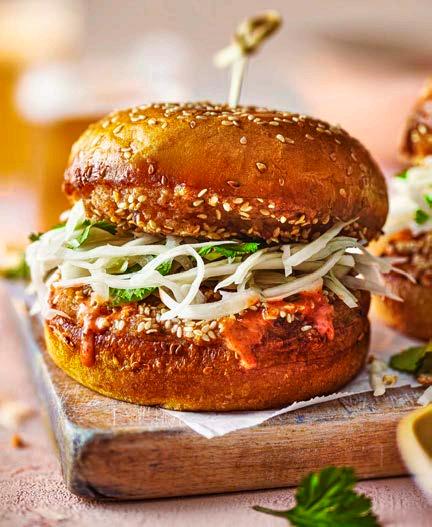
monday mash-up takeaway 2 for 1 p38
slow cooker comfort food p40
midweek meals storecupboard saviours p20
poppy cooks one-pan heroes p27
Rethink the possibilities for dinner by stocking up on these hero ingredients:
pasta
canned fish
peanut butter
rice
jarred beans
recipes HELENA BUSIAKIEWICZ photographs CLARE LEWINGTON
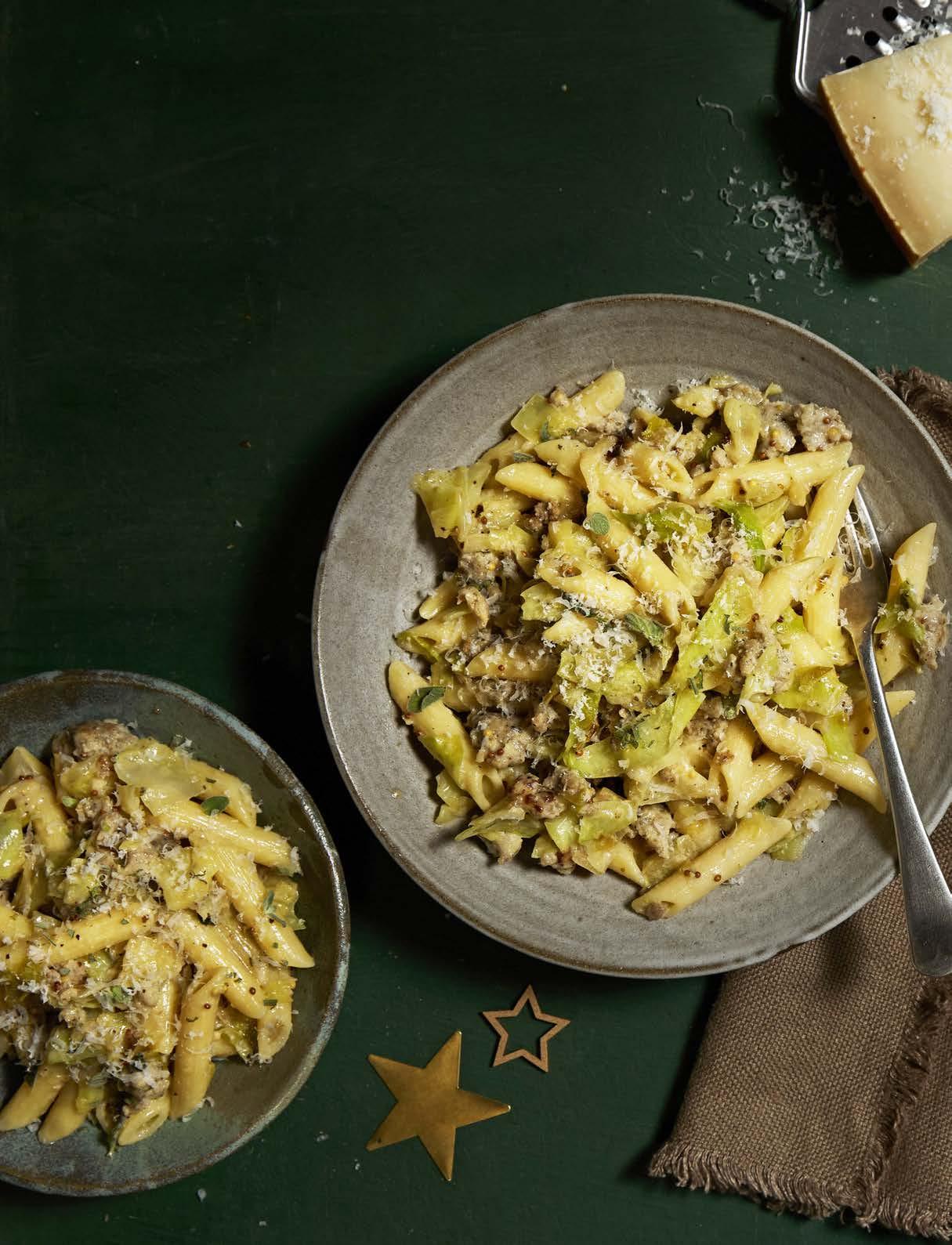
& sausage pasta
Dried pasta is a stalwart of the storecupboard, and at this time of year, you’re likely to have some cabbage and sausages in the fridge as well. Here’s a delicious way to combine all of those ingredients.
SERVES 4 PREP 5 mins COOK 25 mins EASY
1 tbsp olive oil
4 sausages, skins removed 300g penne
1 small hispi cabbage, roughly chopped into small pieces
1 garlic clove, finely sliced
2 oregano sprigs, leaves picked
100g crème fraîche
1 tsp wholegrain mustard
30g parmesan, finely grated
1 Heat a wide, deep frying pan over a medium heat and, once hot, pour in the olive oil. Squash the sausagemeat into the pan using a spatula, crumbling it into small pieces. Cook for 5-6 mins until golden and charred in spots. Remove to a small bowl using a slotted spoon.
2 Meanwhile, cook the pasta following pack instructions, then drain, reserving some of the water
3 Cook the cabbage in the pan you used for the sausage for 6-7 mins over a medium-high heat, stirring often until softened, golden and charred in spots. Stir in the garlic and oregano leaves. Return the sausagemeat to the pan and season.
4 Stir in the crème fraîche, mustard and 2-3 ladlefuls of the reserved pasta cooking water, then stir in the pasta. Mix well, adding more of the water to loosen, if needed. Stir in most of the parmesan and check for seasoning, then serve sprinkled with the remaining parmesan.

plan your week
We know life is busy, so to make things easier, we’re sharing this handy cut-out list with everything you need for our midweek meals.

hispi cabbage garlic oregano shallots green olives parsley lemon spring onions ginger limes cucumber red chilli red onions aubergines jalapeños coriander Thai basil
sausages skin-on, bone-in chicken thighs
crème fraîche parmesan Greek yogurt
STORECUPBOARD
olive oil penne wholegrain mustard chilli flakes orzo
400g can chopped tomatoes
2 x 120g cans sardines in tomato sauce ground turmeric coriander seeds crunchy dark roast peanut butter
2 x 400ml cans coconut milk soy sauce salted peanuts harissa basmati rice chicken stock cube caster sugar
2 x 400g jars black beans vegetable oil
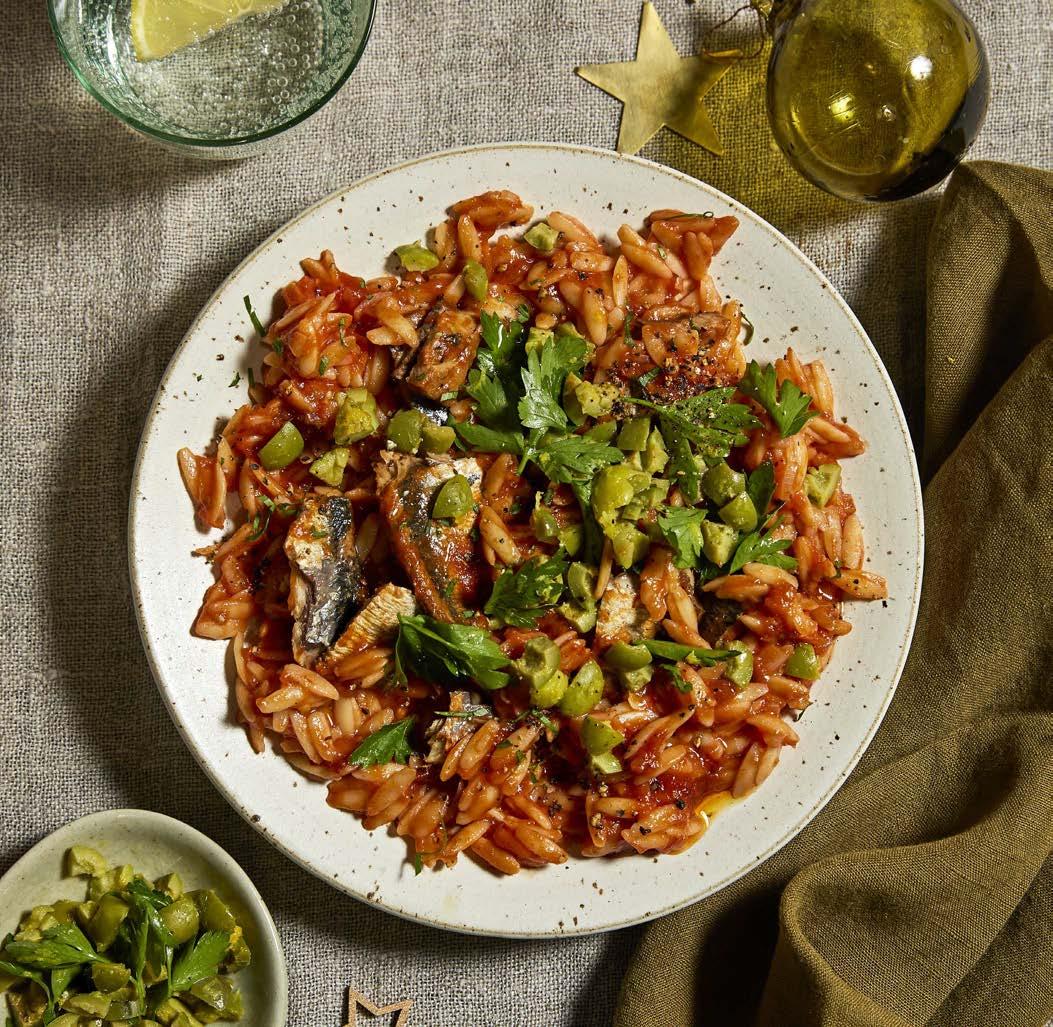
Tomato & sardine orzo with olive gremolata
Use two hero ingredients – canned fish and dried pasta – in this weeknight winner. You can add more or less chilli to taste.
SERVES 4 PREP 5 mins
COOK 25 mins EASY
2 tbsp olive oil
1 shallot, finely chopped
2 garlic cloves, finely chopped
½ tsp chilli flakes
250g orzo
400g can chopped tomatoes
2 x 120g can sardines in tomato sauce
For the gremolata
40g pitted green olives, roughly chopped 15g parsley, leaves picked ½ lemon, zested and juiced
1 Heat the oil in a deep frying pan over a medium heat and cook the shallot for 8-10 mins, stirring often until softened and golden at the edges. Stir in the garlic and chilli flakes, cook for 2-3 mins, then stir in the orzo.
2 Pour in the tomatoes and two cans of water. Bring to the boil, then reduce the heat to a simmer and bubble for 8-10 mins, stirring often until al dente.
3 While the orzo cooks, make the gremolata. Combine the olives, parsley, lemon zest and juice with a pinch of salt and grinding of black pepper. When the pasta is done, flake in the sardines along with their sauce, and stir to combine.
4 Serve the orzo sprinkled with the gremolata and another grinding of black pepper, if you like. GOOD
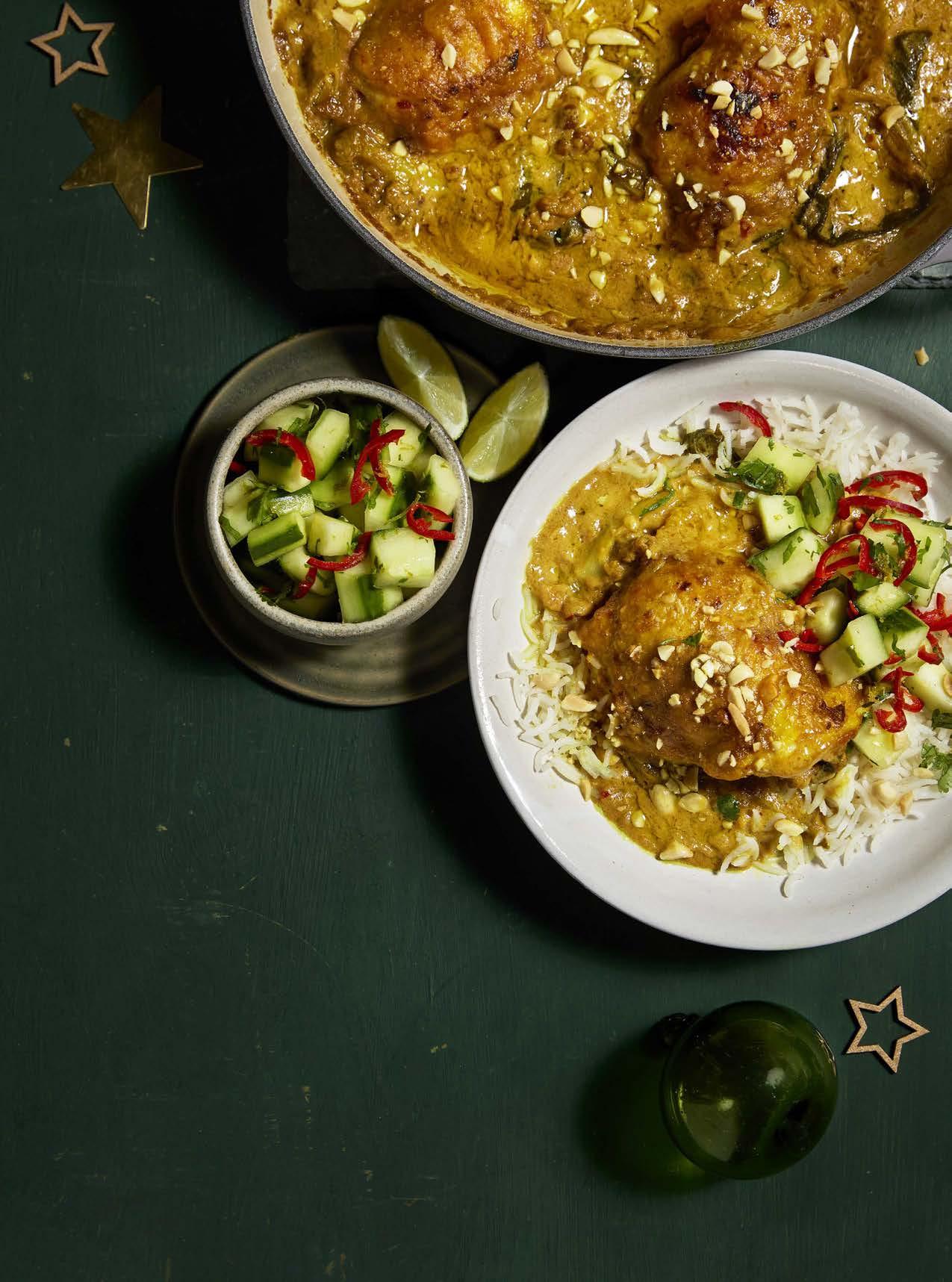
Peanut butter & coconut chicken traybake with cucumber salad
Peanut butter is incredibly versatile, lifting both sweet and savoury dishes. Here, it forms the base of a creamy, spicy sauce for chicken, inspired by classic satay.
SERVES 2-4 PREP 10 mins plus 1 hr optional marinating COOK 30 mins EASY
4 skin-on, bone-in chicken thighs
6 spring onions, chopped into thirds
15g ginger, peeled and finely grated
1 garlic clove, finely grated
1¼ tsp ground turmeric
½ tsp chilli flakes
1 tsp coriander seeds
4 tbsp crunchy dark roast peanut butter
400ml can coconut milk
1 tbsp soy sauce
For the cucumber salad
1 cucumber, peeled in stripes, deseeded and cut into chunks
1 lime, zested and juiced
½ red chilli, finely sliced
10g coriander, leaves picked
To serve coriander leaves
salted peanuts
½ red chilli, finely sliced 1 lime, juiced cooked white rice
1 Put the chicken in a large bowl. Add the spring onions, ginger and garlic. Sprinkle in 1 tsp of the turmeric, the chilli flakes and coriander seeds. Season well with salt and pepper, then mix to coat. Chill for 1 hr if you have time. Heat the oven to 220C/200C fan/gas 8.
2 Put the chicken and spring onions in a deep roasting tin and roast for 15 mins. Meanwhile, whisk the peanut butter, coconut milk, soy sauce and remaining turmeric together. Season lightly with salt and pepper.
3 Remove the chicken from the oven, pour over the peanut sauce and return to the oven for another 15-18 mins, or until the chicken is golden and cooked through and the sauce is reduced and bubbling.
4 Meanwhile, make the cucumber salad. Combine the cucumber with the lime juice and zest, the chilli and coriander leaves. Season and keep chilled until ready to serve.
5 Once the chicken is cooked through, sprinkle over some coriander leaves, salted peanuts and chilli. Squeeze over the lime juice and serve with plenty of rice and the cucumber salad on the side
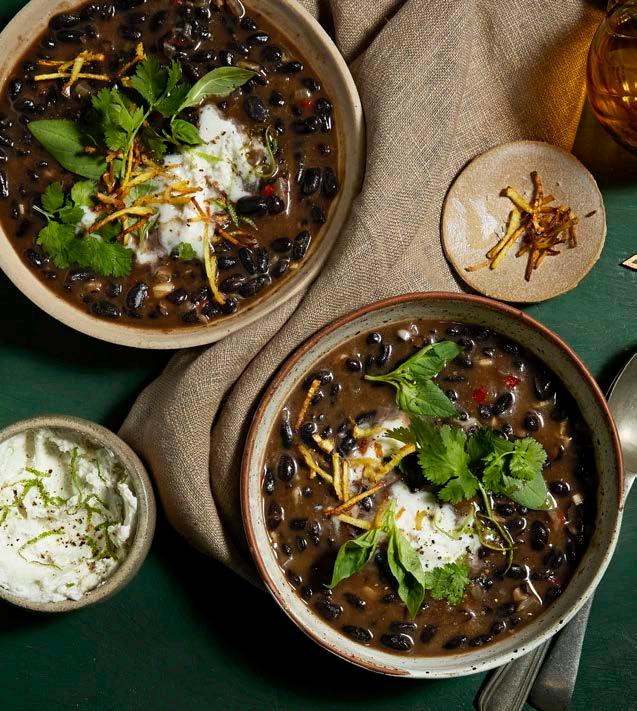
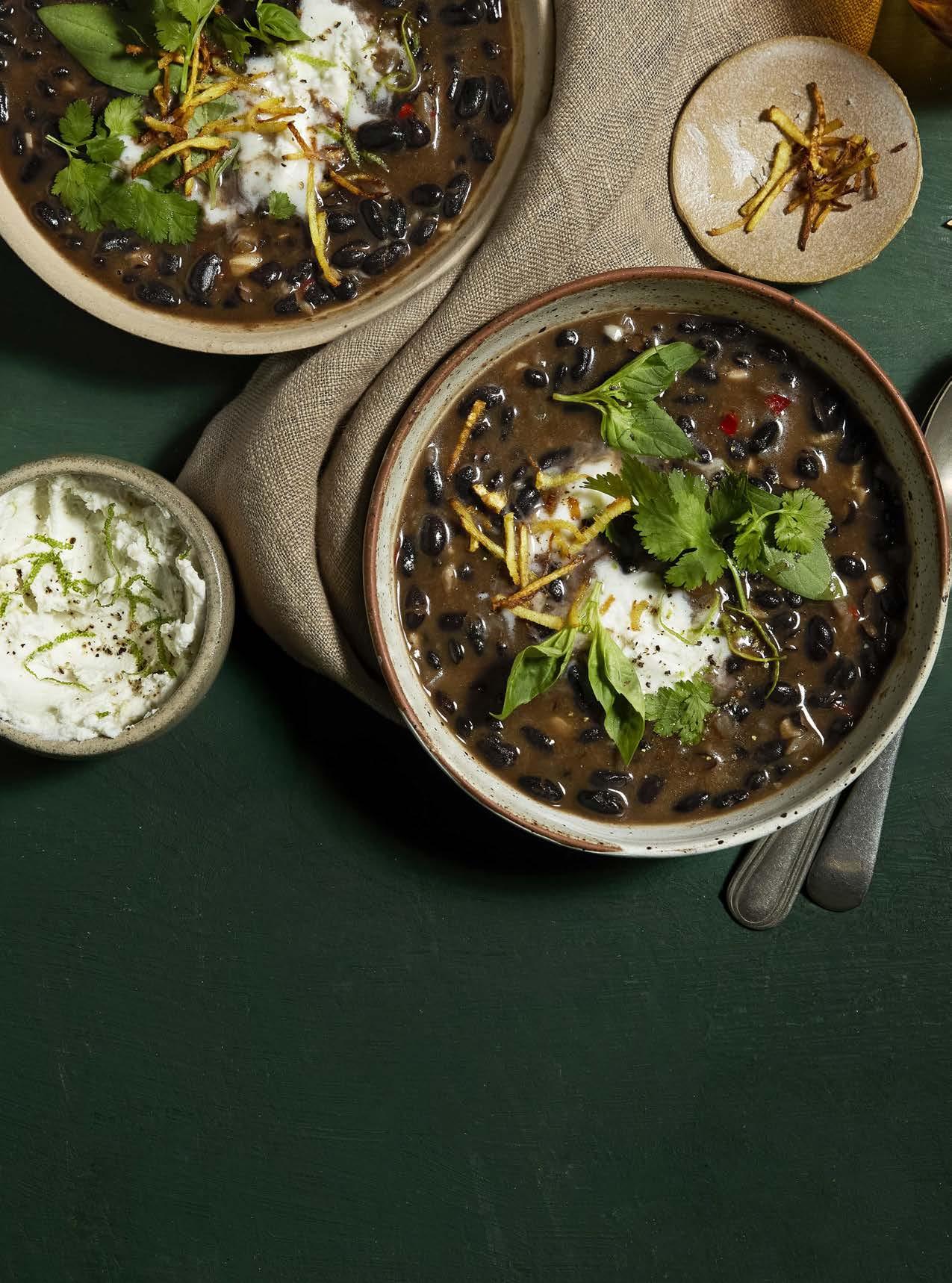
Chilli & lime black beans with coconut cream, crispy ginger & herbs
A jar of black beans goes a long way in this plant-based dish. You can use canned, but jarred beans have more flavour and better texture.
SERVES 2-4 PREP 10 mins
COOK 30 mins EASY V
400ml can coconut milk
¼ tsp caster sugar
1 lime, zested and juiced
2 tbsp vegetable oil
1 red onion, finely chopped
1 red chilli, finely chopped
2 garlic cloves, finely chopped
2 x 400g jars black beans
1 tbsp soy sauce
25g ginger, peeled and chopped into thin matchsticks
To serve
10g coriander, leaves picked
10g Thai basil, leaves picked
1 Scoop the cream off the top of the coconut milk, and put in a small bowl (you’ll need about 100g ). Don’t worry if yours has combined with the milk – just spoon off the same amount. Mix this with the caster sugar, half the lime juice and all of the zest, then stir in a pinch of salt. Set aside.
2 Heat half the oil in a saucepan over a medium heat and cook the onion with a pinch of salt for 8-10 mins until beginning to soften Add half the chilli and all the garlic. Cook for 3-4 mins before adding the black beans, soy sauce and remaining coconut milk.
3 Bring to the boil, then reduce the heat to a simmer and continue to
cook for 5-6 mins until slightly reduced and thickened.
4 Heat the remaining oil in a frying pan over a medium heat and cook the ginger for 3-4 mins until turning golden at the edges. Lift out onto a sheet of kitchen paper and season with a pinch of salt.
5 Serve each bowl of beans topped with a spoonful of the coconut cream, the crispy ginger, coriander and Thai basil leaves.
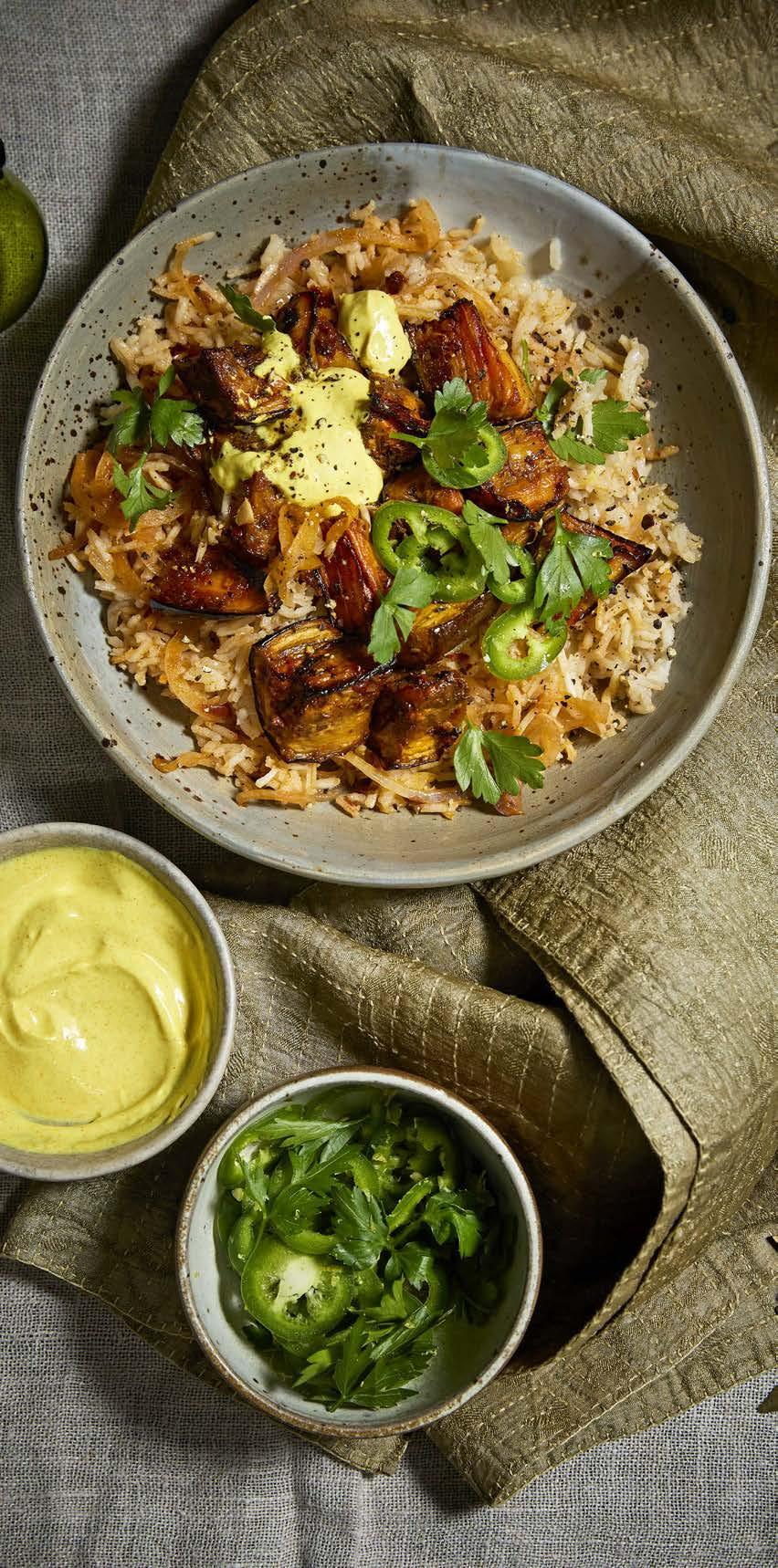
Harissa & shallot one-pot rice with aubergine & turmeric yogurt
Turn rice into a hearty and delicious meal with the addition of roasted aubergines and harissa.
SERVES 4-6 PREP 10 mins
COOK 40 mins EASY V
4 tbsp olive oil
1 red onion, finely sliced
4 tsp harissa
3 garlic cloves, finely sliced 250g basmati rice, rinsed and soaked in cold water for 15 mins
1 vegetable or chicken stock cube, made up to 750ml stock
2 aubergines, chopped into chunks
150g thick-set Greek yogurt
1 tsp ground turmeric
1 lemon, zested and juiced 10g parsley, leaves picked
1 jalapeño, thinly sliced
1 Heat half the oil in a non-stick, deep frying pan over a medium heat and, once shimmering, cook the red onion with a pinch of salt for 5 mins until beginning to soften
2 Stir in 2 tsp of the harissa and the garlic, and cook for 4-5 mins more until fragrant. Stir in the rice.
3 Pour in the hot stock, bring to the boil, then reduce the heat to a simmer. Cover with a lid and cook for 15 mins, then turn the heat off and let stand, covered, for 15 mins.
4 Heat the oven to 220C/200C fan/gas 8. Arrange the aubergine on a roasting tin lined with baking parchment and rub in the rest of the olive oil and harissa. Season and roast for 25-30 mins.
5 Meanwhile, combine the yogurt, turmeric, half the lemon zest and juice and plenty of salt and pepper. In a separate bowl, mix the parsley and jalapeño with the remaining lemon juice and zest. Season with salt and pepper.
6 Serve each portion of rice topped with the roasted aubergine and a spoonful each of the turmeric yogurt and spicy parsley salad.



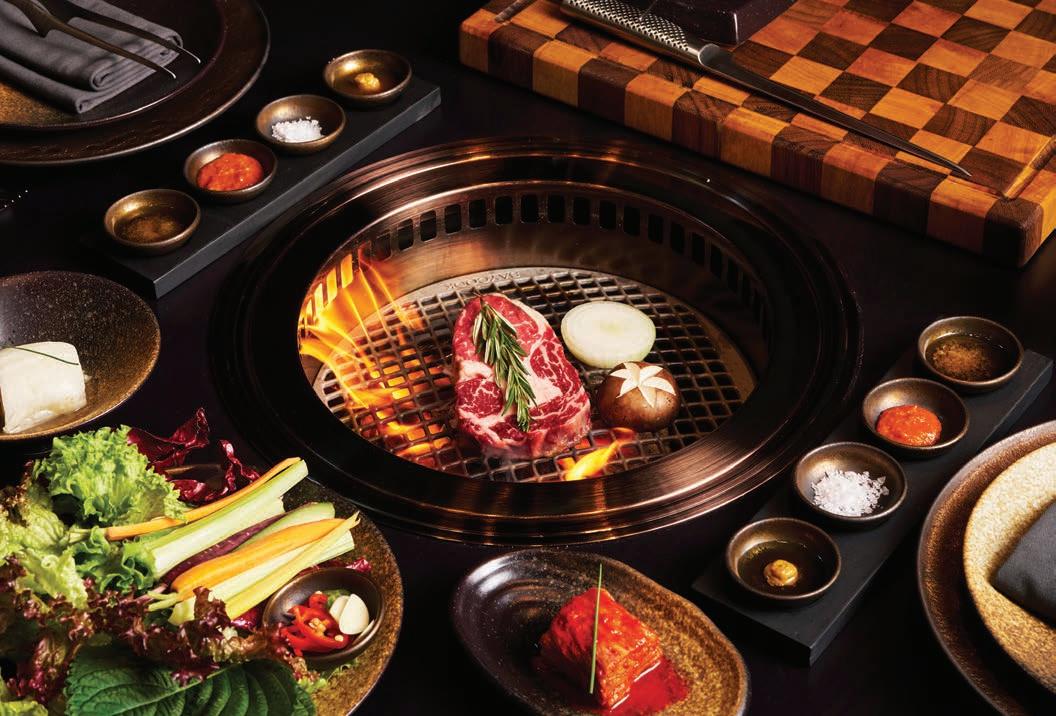


Enter the gritty realm of Smoki Moto, our Steakhouse with Korean flair, where we tear up the rulebook on tradition and drag you through an unfiltered journey deep into the chaotic heart of Korean culinary experience

OPEN DAILY
Try simple, flavourful dishes from social media star Poppy O’Toole that also save on the washing-up
photographs ELLA MILLER
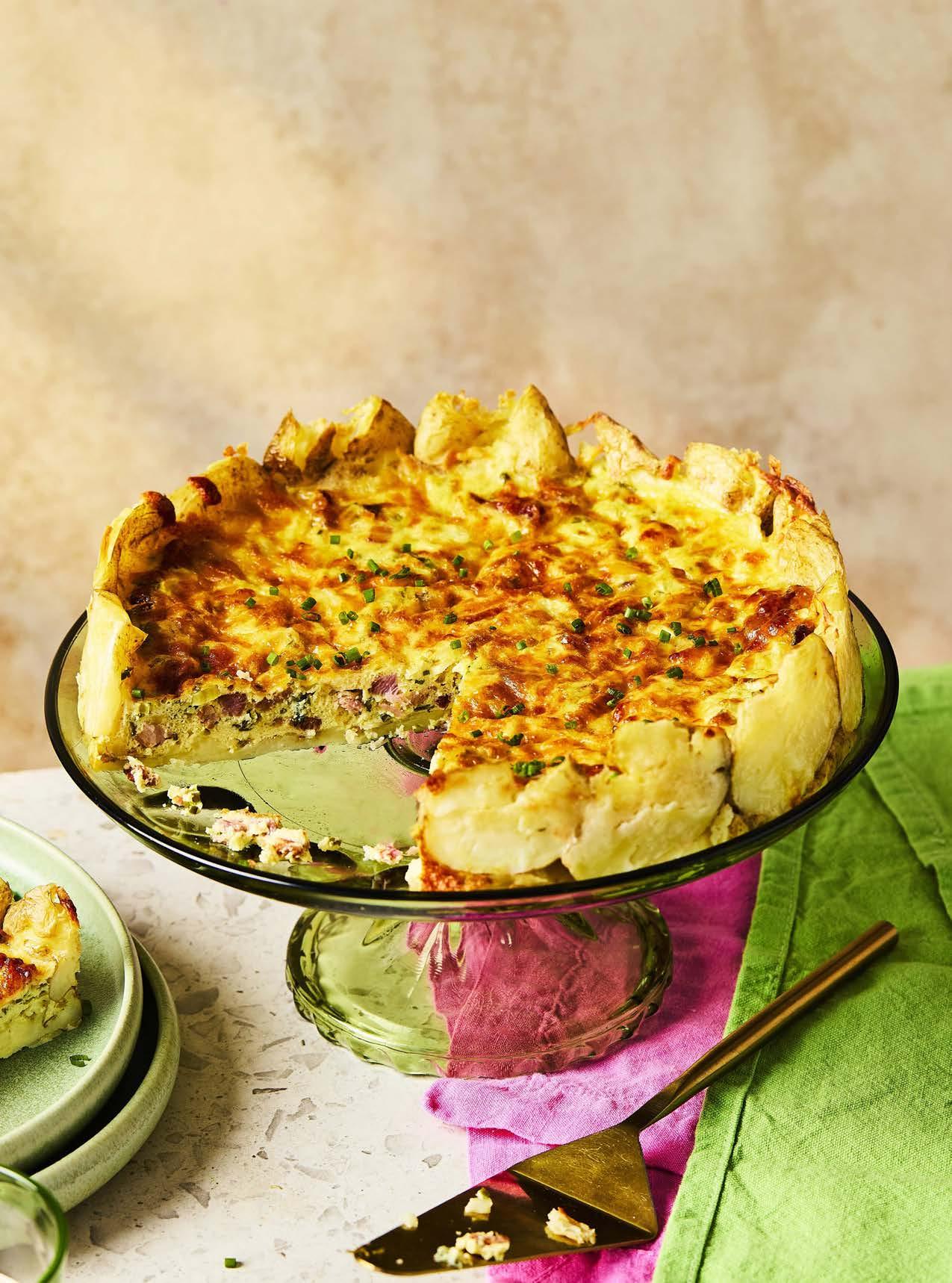
Viral smashed potato quiche
My smashed potato salad went viral on social media last year, and I’m always looking for innovative ways to use potatoes – here, they’re a great stand-in for a pastry case.
SERVES 6-8 PREP 15 mins
COOK 45-50 mins EASY
500g baby potatoes
neutral-tasting oil (such as vegetable), for the tin
4 eggs, beaten
150g soured cream
150ml double cream
1 tbsp American-style mustard handful of chives, chopped
3 spring onions, sliced
200g smoked bacon lardons, cooked until crispy 75g grated mozzarella
1 Halve the potatoes and put in a pan of cold water. Season well with salt, then bring to the boil. Once boiling, cook for 20 mins until tender when pierced with a knife. Drain in a colander.
2 Heat the oven to 200C/180C fan/ gas 6. Lightly oil a 23cm springform cake tin and tip in the potatoes. Use the bottom of a mug or a clean, smaller tin to press the potatoes down in an even layer and create a uniform base and side.
3 Whisk the eggs with the cream, mustard, most of the chives, the spring onions, bacon lardons and a pinch of salt and pepper in a jug Pour this into the potato base, then sprinkle over the grated mozzarella.
4 Put the quiche in the oven for 25-30 mins until the centre is just set and the top lightly browned. Sprinkle over the remaining chives. Leave to cool before slicing.
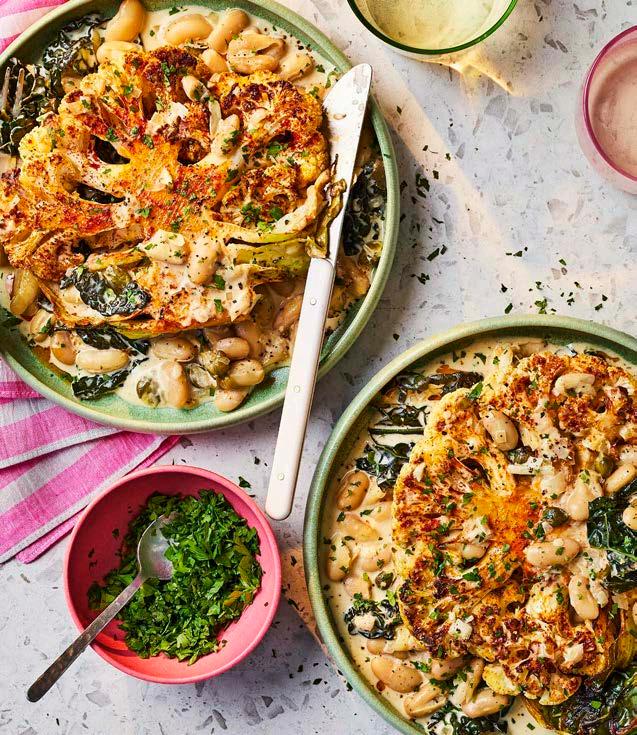
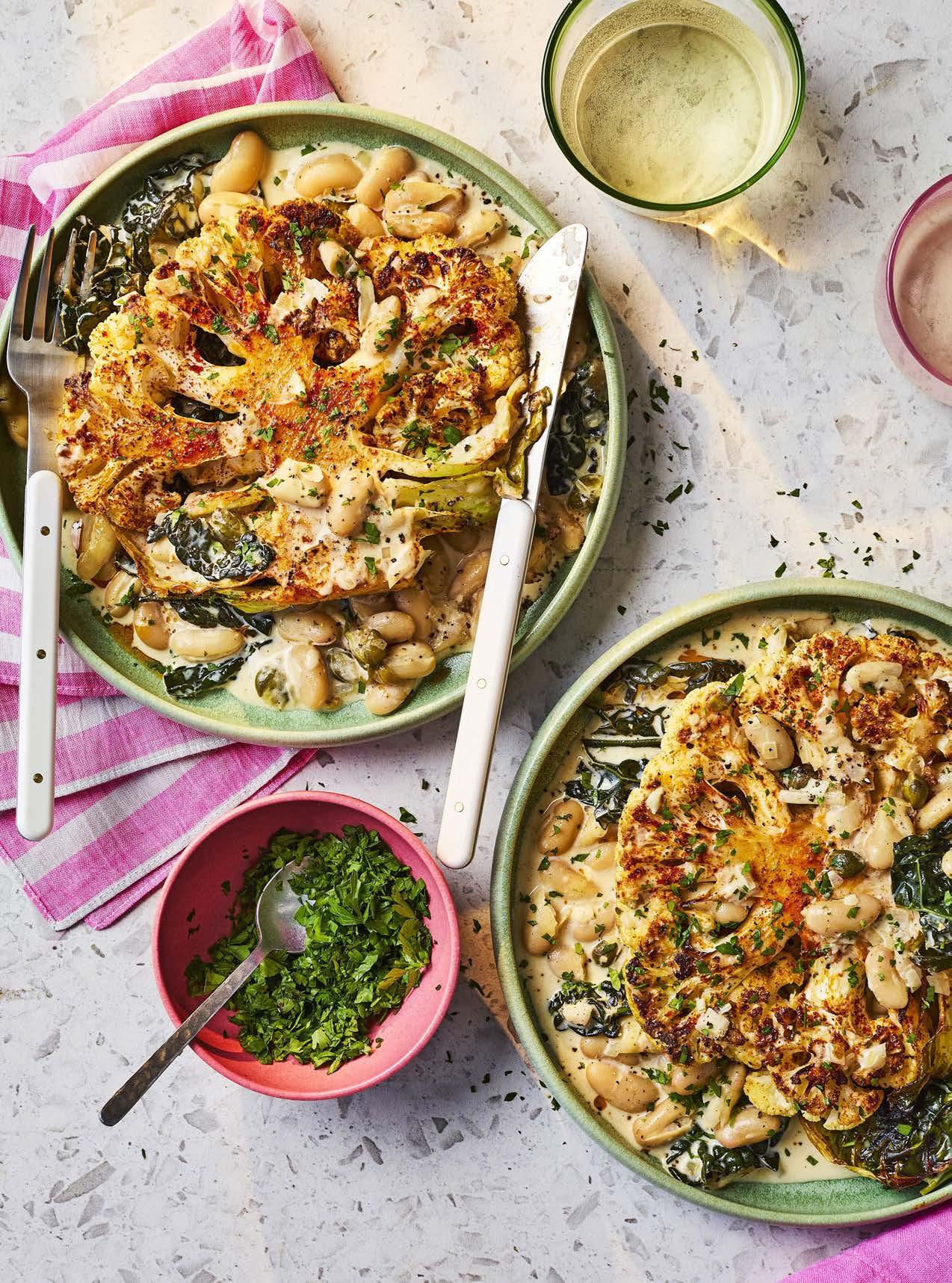
Cauliflower steak with piccata sauce & white beans
Make this for your next date night. Usually made with steak or chicken, even avid meat-eaters will love my smart vegetarian version.
SERVES 4 PREP 15 mins
COOK 30 mins EASY V
1 extra-large cauliflower, cut into 4 x 2cm-thick steaks olive oil, for drizzling
2 tsp smoked paprika
100g unsalted butter, cubed
2 banana shallots, peeled and finely diced
3 garlic cloves, finely chopped or grated
2 tbsp capers, drained
125ml non-alcoholic dry white wine
2 x 400g cans cannellini beans, drained and rinsed
200g cavolo nero, thick stems removed, roughly chopped
1 vegetable stock cube, made up to 300ml with boiling water
200ml double cream
2 lemons, zested and juiced 15g parsley, finely chopped
1 Heat a 28cm ovenproof frying pan over a medium-high heat and drizzle both sides of the cauliflower steaks with olive oil. Season well and sprinkle over the smoked paprika before frying on both sides until light golden brown.
2 Meanwhile, heat the oven to 200C/180C fan/gas 6. Divide about 75g of the butter between the cauliflower steaks, then put in the oven for 10-15 mins until tender.
3 When the cauliflower steaks are cooked, remove from the pan and set aside. Add the shallots and garlic to the pan and season lightly. Cook over a medium heat for 4-5 mins until just softening.
4 When the shallots and garlic have softened, turn the heat to high. Tip in the capers and wine and let it bubble for 2 mins, stirring well. Reduce the heat to medium and stir through the cannellini beans and
cavolo nero. Cook for 3-4 mins until the cavolo nero starts to wilt, then pour in the vegetable stock and double cream. Bring to a simmer.
5 Simmer until thickened and saucy, about 3-4 mins, then stir the remaining butter and lemon zest into the sauce. Season well with salt and pepper, and add the lemon juice.
6 Return the cauliflower steaks to the pan and sprinkle over the parsley to serve.
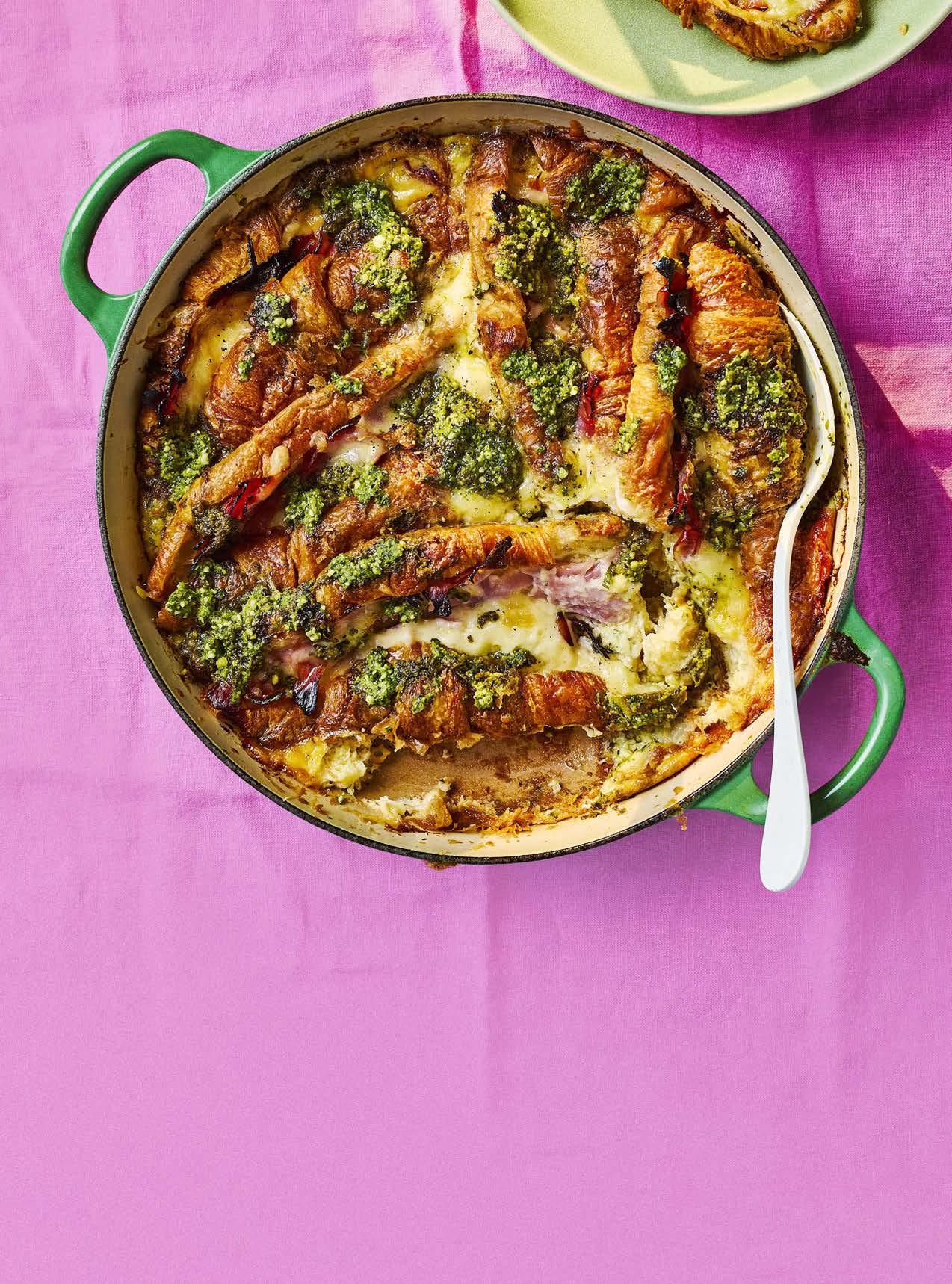
Ham, cheese & pesto croissant bake
This is so indulgent and delicious – perfect for brunch this weekend. Leave out the ham, switch out the gruyère and use alternative pesto to make these veggie, if you prefer.
SERVES 4 PREP 10 mins plus soaking and resting COOK 40 mins EASY
6 stale croissants
4 tbsp butter, plus extra for the tin
6 slices of ham, roughly torn
100g chedder, grated
100g gruyère, grated
small handful of chives, chopped
4 thyme sprigs, leaves picked
4 eggs
100ml double cream
100ml milk
2 tsp Dijon mustard grating of nutmeg
75g pesto
10g parsley, finely chopped
1 Halve the croissants through the middle and butter each side. Fill each croissant with ham and most of the grated cheddar and gruyère. Butter the base and sides of an ovenproof dish or frying pan (about 26cm), then pack all of the croissants tightly in.
2 Mix the remaining cheese, the chives, thyme, eggs, double cream, milk and mustard together in a jug
Season well with salt, pepper and freshly grated nutmeg to taste. Pour this over the croissants and leave to soak for 15 mins. Dot the pesto over the top using a teaspoon Heat the oven to 180C/160C fan/gas 6.
3 Top the croissants with a little more butter, if you like. Bake for 30-35 mins until golden brown and the eggs are set. When cooked, leave to rest for 10 mins before serving sprinkled with the parsley.
Who says desserts need baking? These no-bake Rockit™ apple bites blend freshness with indulgence. Each slice is a perfect balance — crunchy apple, creamy topping, nutty crunch, and a golden drizzle of honey. Serve it as a guilt-free treat or a stunning party platter!
You’ll need:
3-4 Rockit™ apples
1 log of soft goat cheese
1/2 cup toasted walnuts, chopped
2 tbsp pumpkin seeds
3-4 fresh thyme sprigs
2-3 tbsp honey
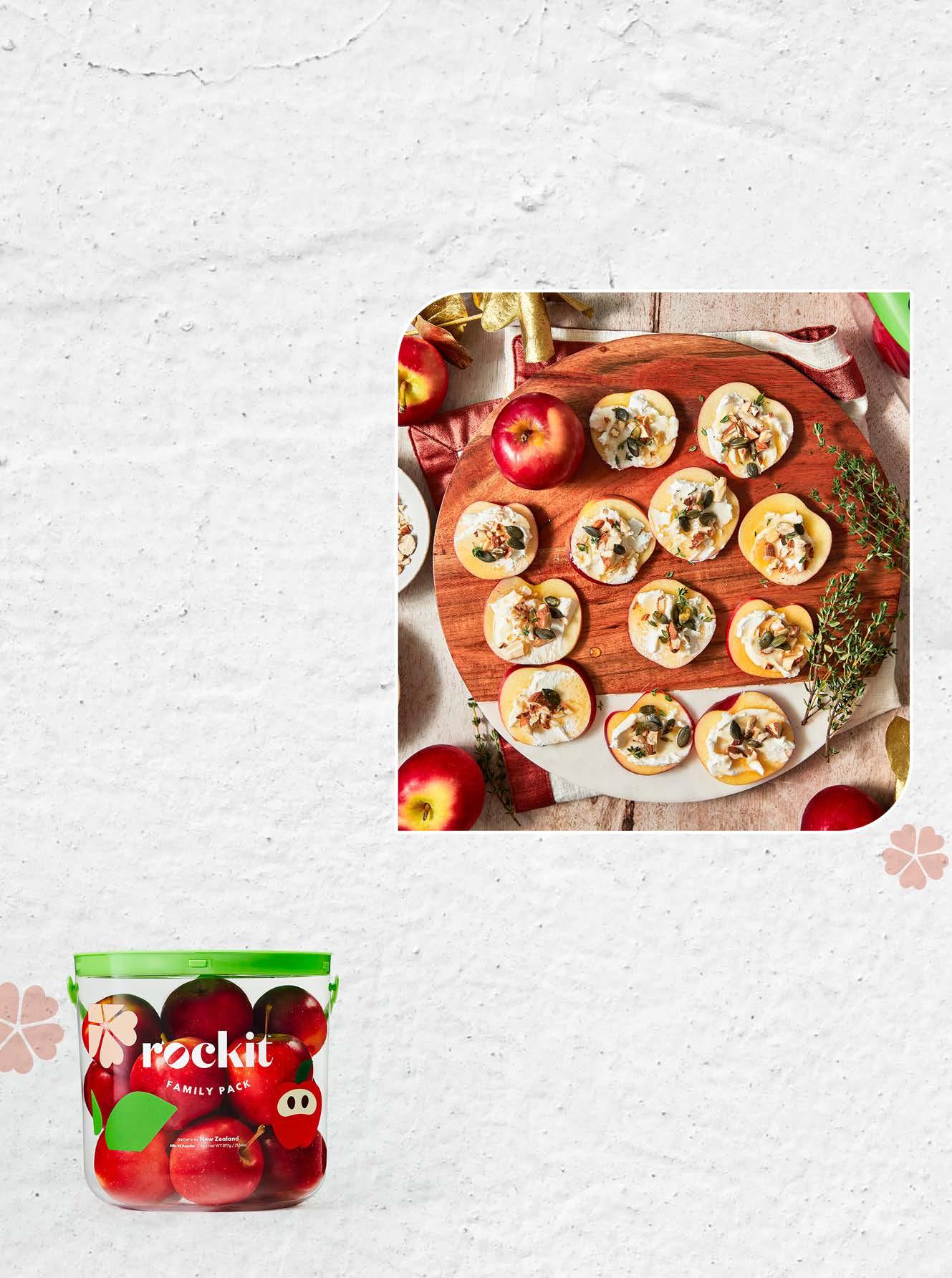
Prep the base: Slice apples into thin rounds and pat dry. Spread the cream: Add a small dollop of goat cheese or yogurt onto each slice.
Add crunch: Sprinkle chopped walnuts and pumpkin seeds on top.
Finish beautifully: Drizzle with honey and top with a few thyme sprigs.
Serve fresh: Enjoy immediately or chill for 10 minutes before serving.
Pro Tip: A tiny pinch of sea salt or a touch of lemon zest lifts the flavors beautifully.
Introducing our new way of cooking midweek using our favourite storecupboard stars to balance the budget recipes ANNA GLOVER photographs LAUREN MCLEAN
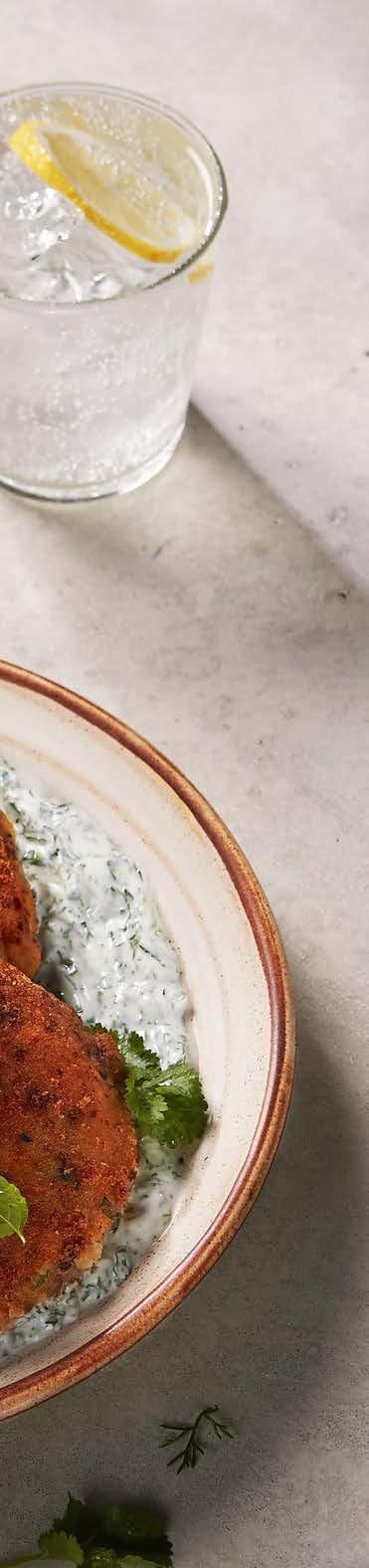
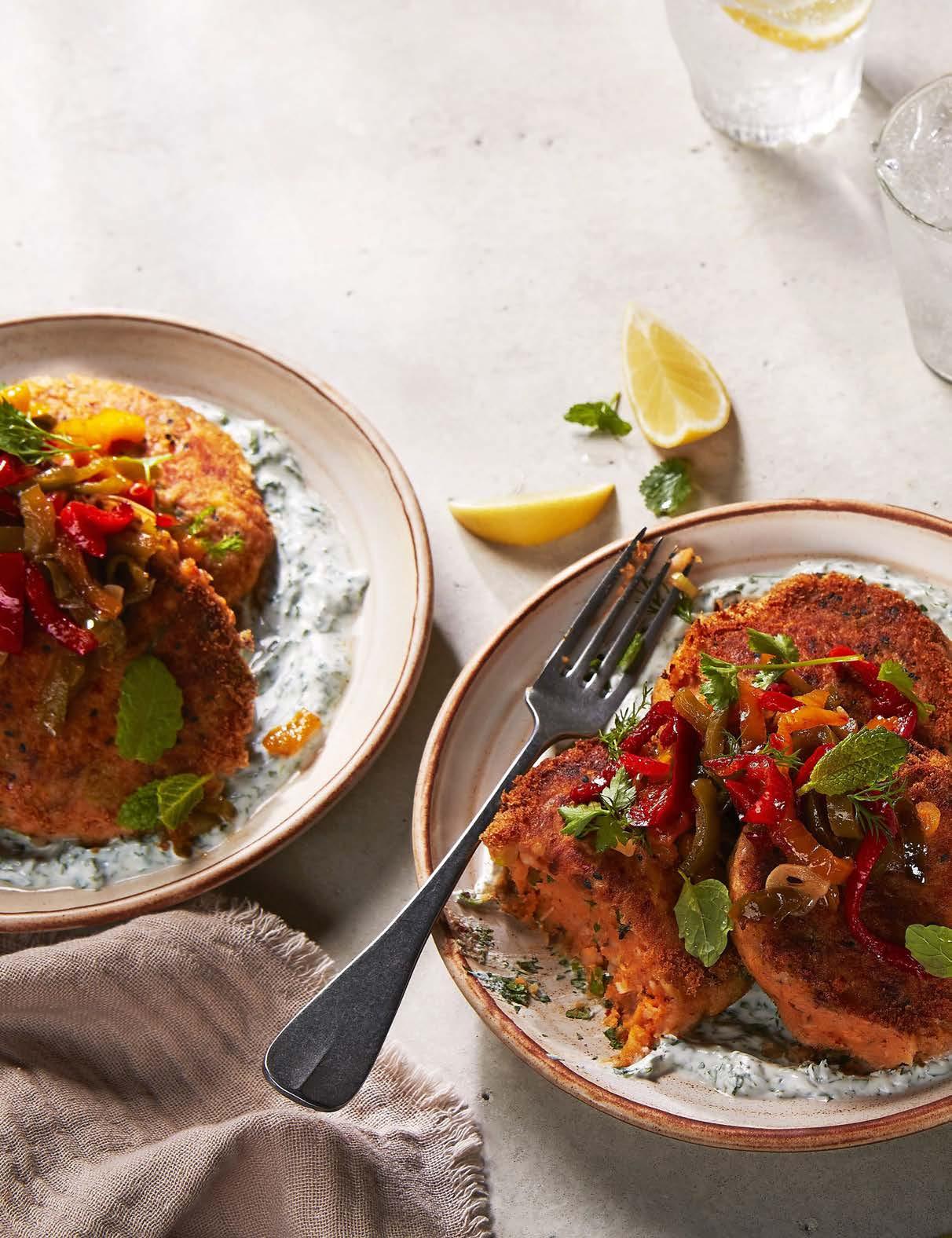
Harissa mackerel fishcakes with agrodolce red peppers & garlic yogurt
SERVES 2 PREP 25 mins
COOK 20 mins EASY ❄
4 large floury potatoes (such as Maris Piper), peeled
3 tbsp sunflower or rapeseed oil
200g frozen pepper slices
2 garlic cloves
2 tbsp honey (or use maple or agave syrup)
2 tbsp red wine vinegar (or use white wine or cider vinegar)
125g can mackerel fillets in spring water
1-2 tbsp rose harissa
1 lemon, zested and cut into wedges
2 spring onions
4 tbsp plain flour
● Harissa
● White miso
● Sundried tomato paste
● Crispy chilli oil
2 tsp nigella seeds (optional) handful of soft herbs (such as parsley, coriander, mint or dill)
200g natural yogurt (any kind)
1 Chop the potatoes into small pieces. Tip into a pan, cover with water and add a pinch of salt. Bring to the boil and simmer for 15 mins until tender.
2 Meanwhile, heat 1 tbsp oil in a frying pan and fry the peppers for 10 mins. Finely slice 1 garlic clove, add to the pan and fry for 1 min. Stir in the honey and vinegar. Season. Fry for a few minutes more until jammy. Remove from the heat.
3 Drain the potatoes and steam-dry for a minute, then mash. Drain the mackerel and add to the mash with the harissa. Season Add the lemon zest. Finely slice the spring onions and stir in. Mix well, then form into six patties. Will keep chilled for up to two days or frozen for up to three months. Defrost fully before cooking.
4 Combine the flour and nigella seeds on a plate, season, then dust the fishcakes on both sides. Put the peppers in a bowl. Heat the rest of the oil in the pan and fry the fishcakes for 2-3 mins on each side until golden and crisp.
5 Finely chop the other garlic clove and most of the herbs, then stir into the yogurt. Season, spoon onto plates and top with the fishcakes, peppers and reserved herbs. Serve with the lemon wedges
We’ll point out any swaps
If you can use things like yogurt instead of crème fraîche, chives instead of spring onions or butter beans instead of cannellini beans, we’ll let you know, so you’re not buying extra ingredients. This also helps prevent food waste.
Optional extras are your choice
If you have them, great, but if you don’t, don’t worry! We’re talking the final garnish of nuts, seeds or lime wedges – don’t put them in your shopping basket just for one recipe.
All meals will serve at least two ...and any dishes with larger servings will be designed to be freezable in portions, so you can batch-cook them.
Dishes will be quick to make
We know that time is of the essence during the week, but you still want to create inventive and delicious dinners. Our promise is that dinner will be on the table within an hour — often in less time.
We’ll use storecupboard staples
All recipes in this series will aim to include items already found in your storecupboard. This means that if you cook from this series regularly, you’ll get to explore new ways to use up the rest of the ingredient, rather than having it linger in the back of your fridge until you make the same meal again.
Gadgets will be go-tos
tip
Agrodolce means ‘sour sweet’ in Italian – it’s a way of adding complexity to simple dishes, by balancing a sweet element, like sugar or honey, with a sour flavour, like vinegar or lemon juice. Try it with any pan-fried veg as a quick chef’s trick.

We love a gadget here at Good Food, especially if it means avoiding turning the oven on midweek. So, we’ll give you options for the air fryer and other gadgets where we can, but try to avoid anything that requires extra washing-up, like food processors, stand mixers or excessive pans, where possible.
All the prep is in the method ...so you can cook the recipe in real time.
Easy miso salmon tacos
SERVES 2 PREP 15 mins
COOK 10 mins EASY
2 tbsp white miso
1 tsp sesame oil, plus a little extra to serve
2 limes
1 tbsp sesame seeds
1 tsp sugar
2 salmon fillets (see tip, right) handful of radishes
1 ripe avocado
6 small corn tortillas
2 tbsp salad cress, coriander or chives
1 Whisk the miso, sesame oil, the juice of 1/2 lime, the sesame seeds and sugar together with a pinch of salt in a small bowl. Pat the salmon dry. Spoon the miso mixture over the salmon flesh, then put skin-side down (if the fillets still have the skin on) in an air fryer at 200C and cook for 8-10 mins until golden and flaky
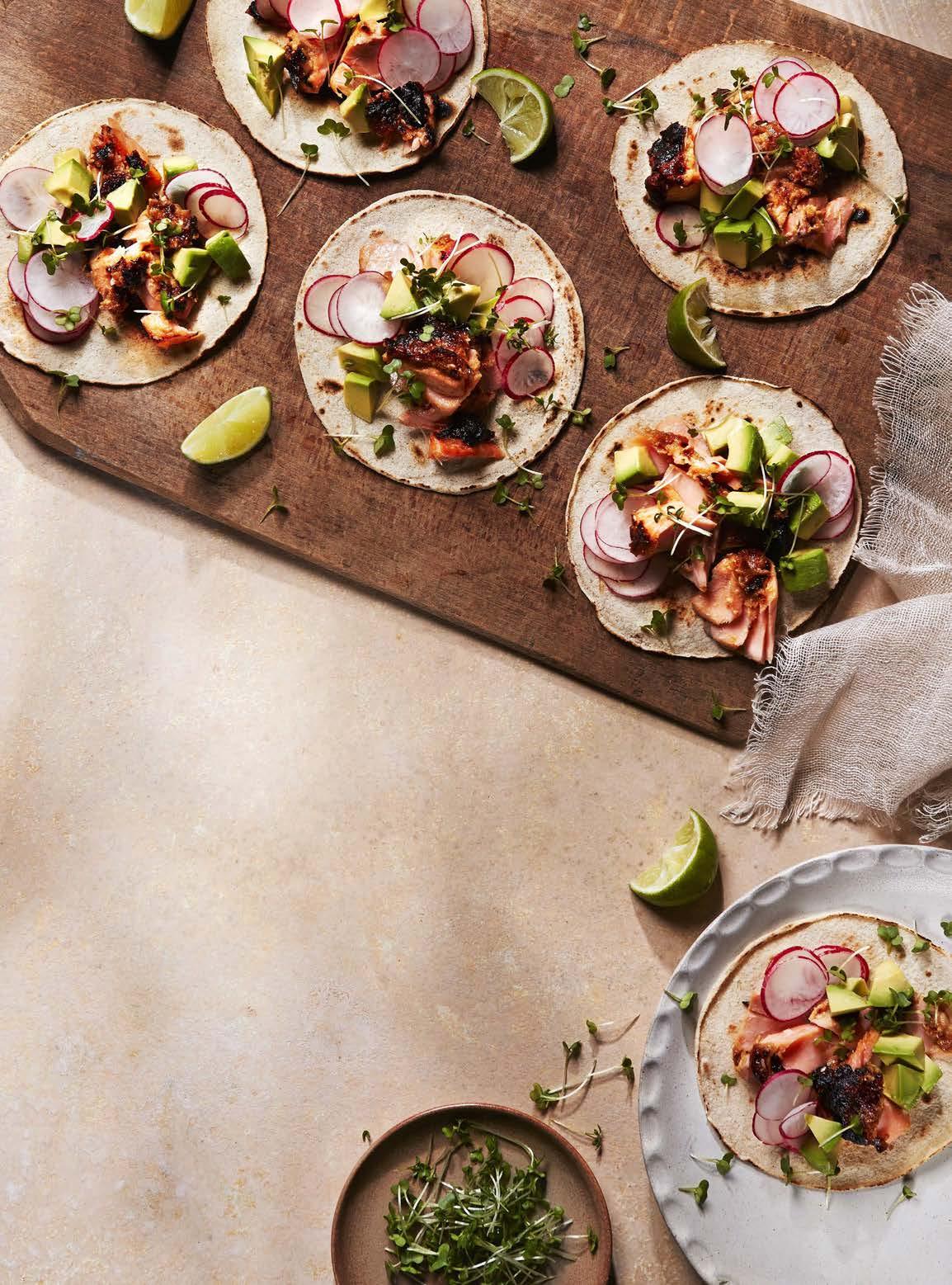
when pressed. Alternatively do this under a grill on high heat.
2 Meanwhile, finely slice the radishes and cut the avocado into small chunks. Squeeze over the juice of 1/2 lime. Cut the remaining lime into wedges and set aside.
3 Warm the tortillas in a dry frying pan for a few seconds on each side until lightly toasted. Flake the cooked salmon with a fork and spoon a few pieces over each tortilla. Top with the avocado, radishes, cress and more sesame seeds, then serve with the lime wedges for squeezing over.
Swap salmon for any firm, flaky fish — pollock, hake and cod all work well. The fish can also be flaked into rice bowls with a soy dressing.
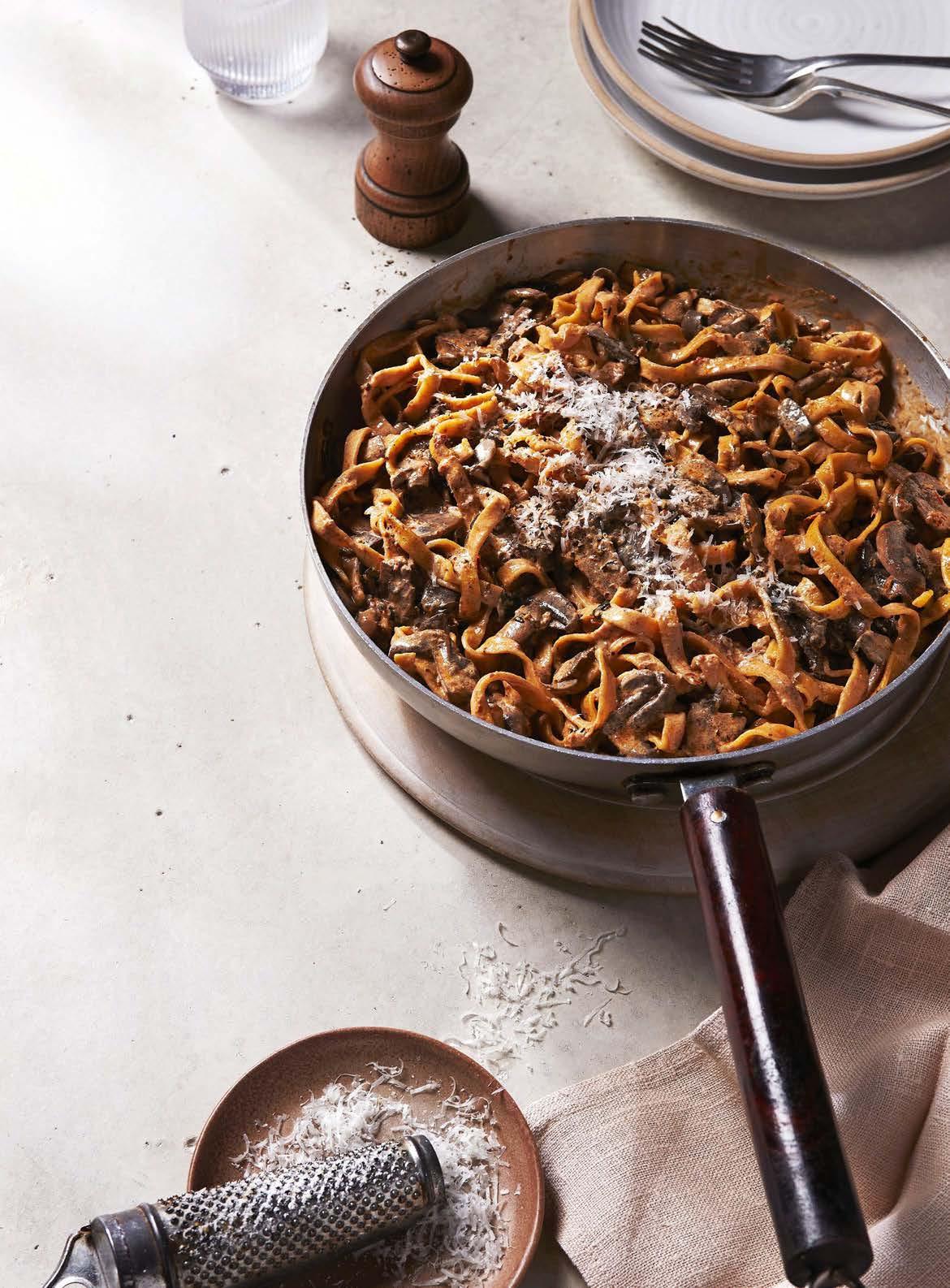
SERVES 2 PREP 15 mins
COOK 20 mins EASY V
300g closed cup mushrooms (or any other kind)
2 tbsp olive oil
180g tagliatelle nests (or any other dried pasta)
2 garlic cloves
2 tbsp sundried tomato purée
2 woody herb sprigs (such as thyme, rosemary or oregano)
200ml vegetable stock
100ml double cream or mascarpone
½ lemon, juiced
20g parmesan or vegetarian alternative
1 Finely slice the mushrooms. Heat the oil in a large frying pan over a medium heat and fry the mushrooms for 10 mins until all their water has evaporated. Season.
2 Bring a large pan of salted water to the boil and cook the pasta for 2 mins less than pack instructions.
3 Finely grate the garlic over the mushrooms and stir for 2 mins until fragrant. Stir in the tomato purée and cook for a minute. Finely chop the herbs, add with the stock, bring to a simmer for 5 mins until thickened slightly, then stir in the cream or mascarpone.
4 Drain the pasta, reserving a mugful of the cooking water. Add the lemon juice and grate in the parmesan, then toss with the pasta and enough of the reserved water to make the sauce to cling to it. Serve in shallow bowls.
Sticky soy chicken with baked rice & crispy chilli oil
SERVES 2 PREP 10 mins
COOK 50 mins EASY
175g basmati rice
2 large or 4 small chicken thighs
bunch of spring onions
4 tbsp dark soy sauce
2 tsp crispy chilli oil, plus extra to serve
2 tbsp honey
3 tbsp mirin
2 garlic cloves
thumb-sized piece of ginger
275ml chicken stock
2 handfuls of winter greens (such as kale or fresh greens; see tip, right)
2 tbsp sesame seeds
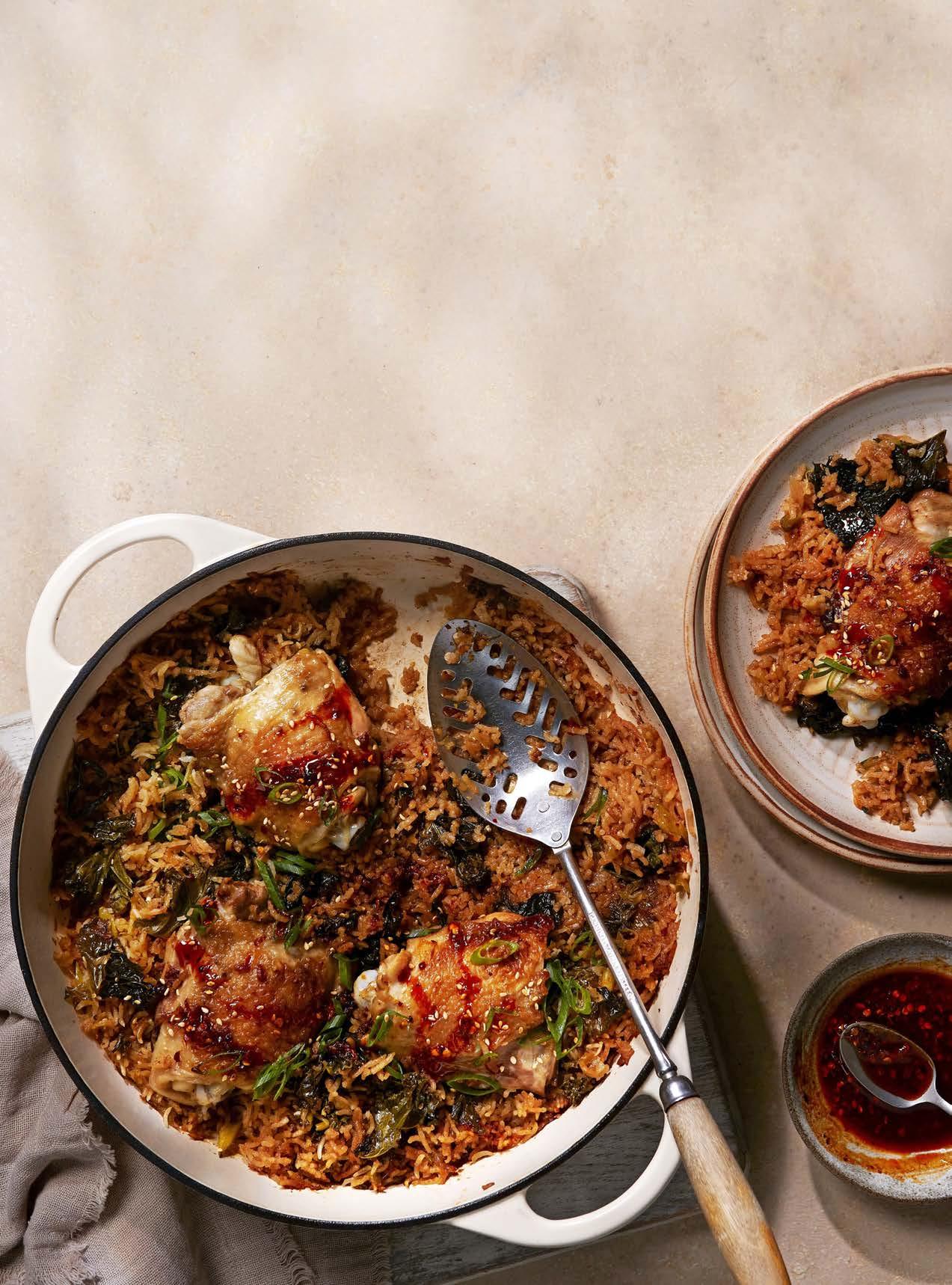
1 Heat the oven to 200C/180C fan/ gas 6. Rinse the rice a few times, then leave to soak in a fresh bowl of water. Season the chicken thighs, then transfer to a wide, flameproof casserole dish, skin-side down. Fry over a medium heat for 8-10 mins until crisp and golden brown.
2 Meanwhile, finely slice the spring onions, keeping the white and green parts separate. Flip the chicken over and fry on the other side for 5 mins. Combine the soy sauce, chilli oil, honey and mirin.
3 Remove the chicken to a plate. Reduce the heat to low, and grate the garlic and ginger into the chicken fat left in the pan. Add the spring onion whites, and fry for 1-2 mins until fragrant.
4 Drain the rice, stir into the pan and toast for 2 mins. Pour in the stock and bring to a simmer.
5 Remove any thick stems from the winter greens and roughly chop. Stir these into the rice, then nestle in the chicken thighs and pour over the soy mixture. Cover with a lid, transfer to the oven and cook for 30-40 mins until the chicken is cooked through, the rice is fluffy and the stock has been absorbed. Scatter over the spring onion greens and sesame seeds, and drizzle over more chilli oil to serve.
Swap seasonal greens for any veg you like – frozen edamame or broccoli would also work well.
SERVES 4 PREP 15 mins
COOK 20 mins EASY V ❄
2 carrots
1 onion
2 garlic cloves
1 tbsp olive oil
2 woody herb sprigs (such as thyme or rosemary)
1 bay leaf
1 tbsp tomato purée (or sundried tomato purée)
1 litre vegetable stock
1-2 tsp harissa (optional)
200g cavolo nero
2 x 400g cans butter beans
1-2 lemons, juiced, to taste extra virgin olive oil, for drizzling (optional)
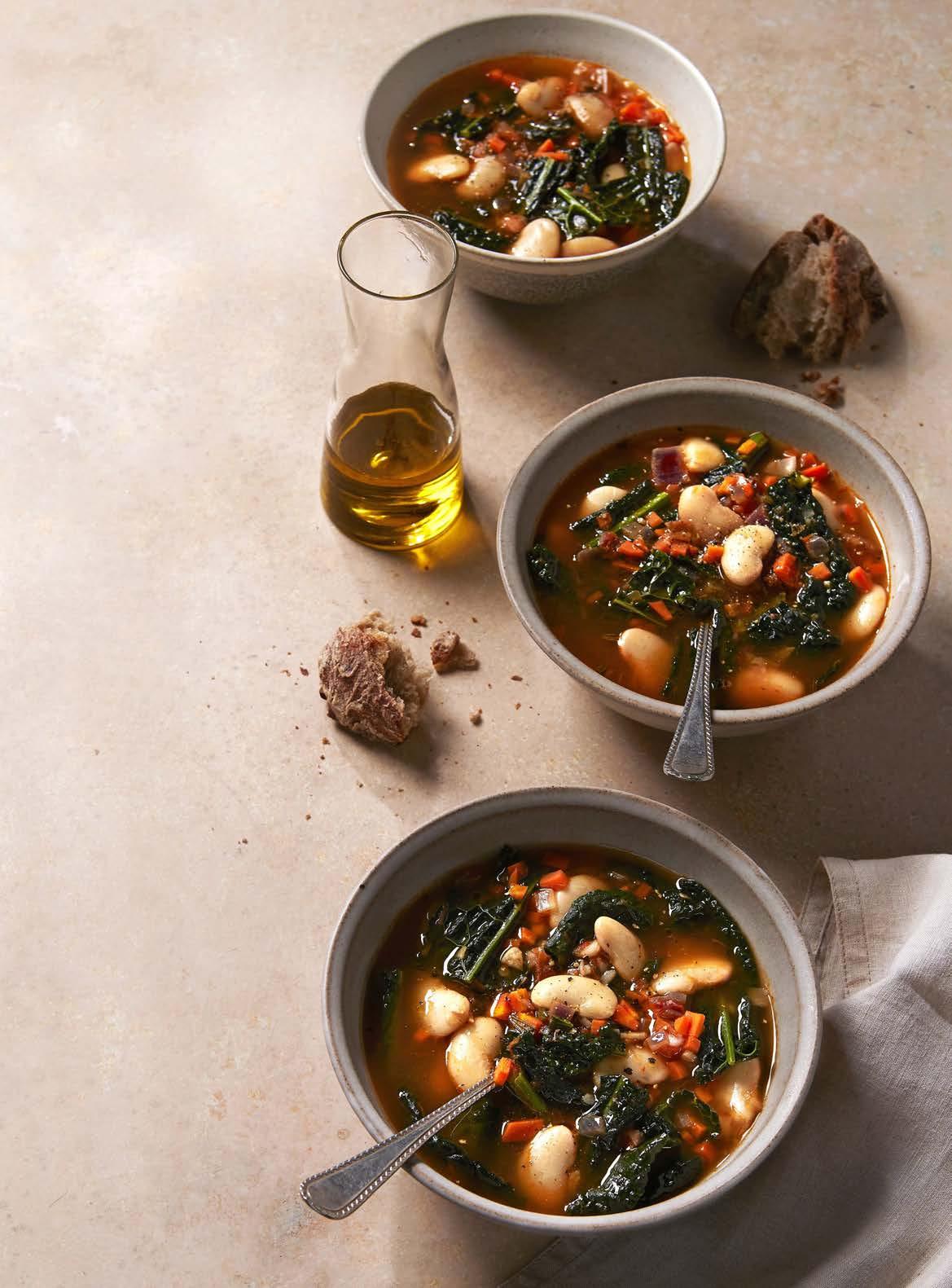
1 Finely chop the carrots, onion and garlic. Heat the oil in a large saucepan and fry the onion and carrot with a pinch of salt for 6-8 mins until soft. Stir in the garlic and herbs, cook for a minute, then stir in the tomato purée and cook until darkened in colour. Pour in the stock and bring to a simmer. Stir in the harissa, if using.
2 Roughly chop the cavolo nero, discarding any thick stalks. Tip into the broth with the drained butter beans and simmer for 6-8 mins until the greens are tender. Season well.
3 Squeeze in the juice of 1 lemon, taste and add more, if you like – it should be bright and flavourful. Remove the herb sprigs. Once cool, will keep frozen for up to three months. Defrost thoroughly before reheating until piping hot. Ladle into bowls and drizzle with extra virgin olive oil to serve, if you have it.
tip
For a thicker, creamier soup, whizz for just a few seconds using a hand blender – this will break down some of the beans and thicken the broth.
recipe BARNEY DESMAZERY photograph TOM REGESTER
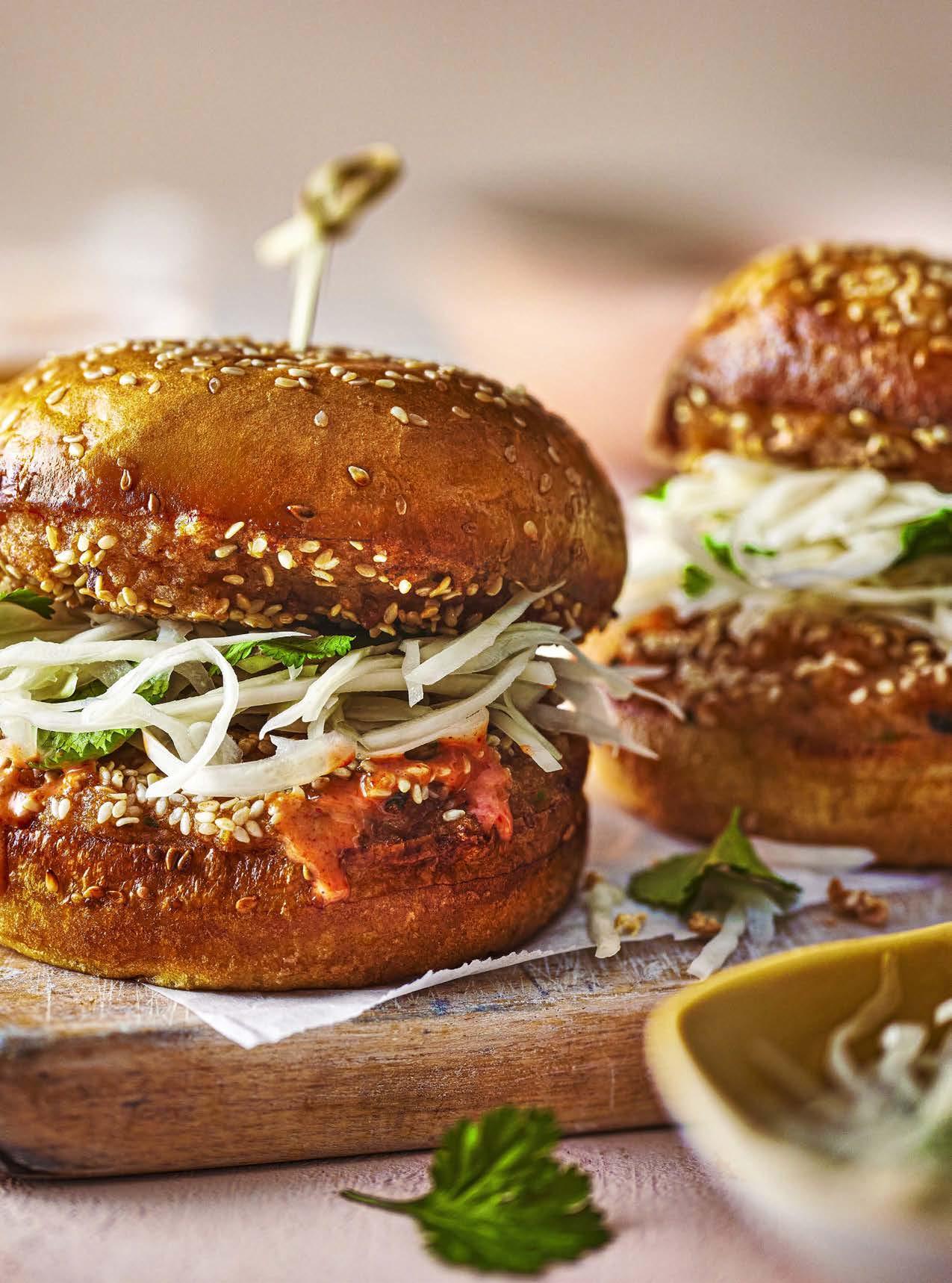
Prawn toast burgers
You can get ahead by making the prawn mixture up to a day in advance, then chill until you’re ready to use it in these burgers.
SERVES 2 PREP 15 mins plus chilling COOK 2 mins EASY
about 200g raw king prawns, peeled (defrosted if frozen)
1 garlic clove, finely chopped
1/2 thumb-sized piece of ginger, finely chopped
1 egg white (use the yolk in another recipe)
½ tsp golden caster sugar
1 tsp soy sauce
2 spring onions, chopped
2 sesame seeded burger buns, split 100g sesame seeds
sunflower or vegetable oil, for frying sriracha or sweet chilli sauce, to serve (optional)
For the slaw
100g white cabbage, finely shredded
1 tbsp rice vinegar
1 tsp sesame oil
small pinch of golden caster sugar
small handful of coriander leaves (optional)
1 First, make the slaw Toss the cabbage, vinegar, sesame oil and
sugar together until the cabbage is glossy and well coated, then chill until needed Will keep chilled for up to 24 hours
2 Tip the prawns, garlic, ginger, egg white, sugar, soy and spring onions into a food processor, and blitz until you have a thick, spreadable paste. Scrape the mixture into a bowl, cover and chill for about 30 mins until firmed up slightly Will keep chilled for up to 24 hours
3 Spread the prawn mixture evenly over the cut sides of all the buns, spreading it right to the edges. Scatter the sesame seeds over a plate, then lightly press the prawn mixture into the seeds to fully coat
4 Pour enough oil into a large frying pan to cover the base and heat until shimmering. Fry the buns, prawnside down, for 2-3 mins until golden and cooked through. Carefully transfer to a plate or board lined with kitchen paper to drain. Toss the coriander through the slaw, if using, then divide the slaw between half the buns and drizzle over sriracha or sweet chilli sauce, if you like. Sandwich the bun halves together, then serve.

You can batch-cook and freeze these recipes for added convenience
recipe BARNEY DESMAZERY photographs LAUREN MCLEAN
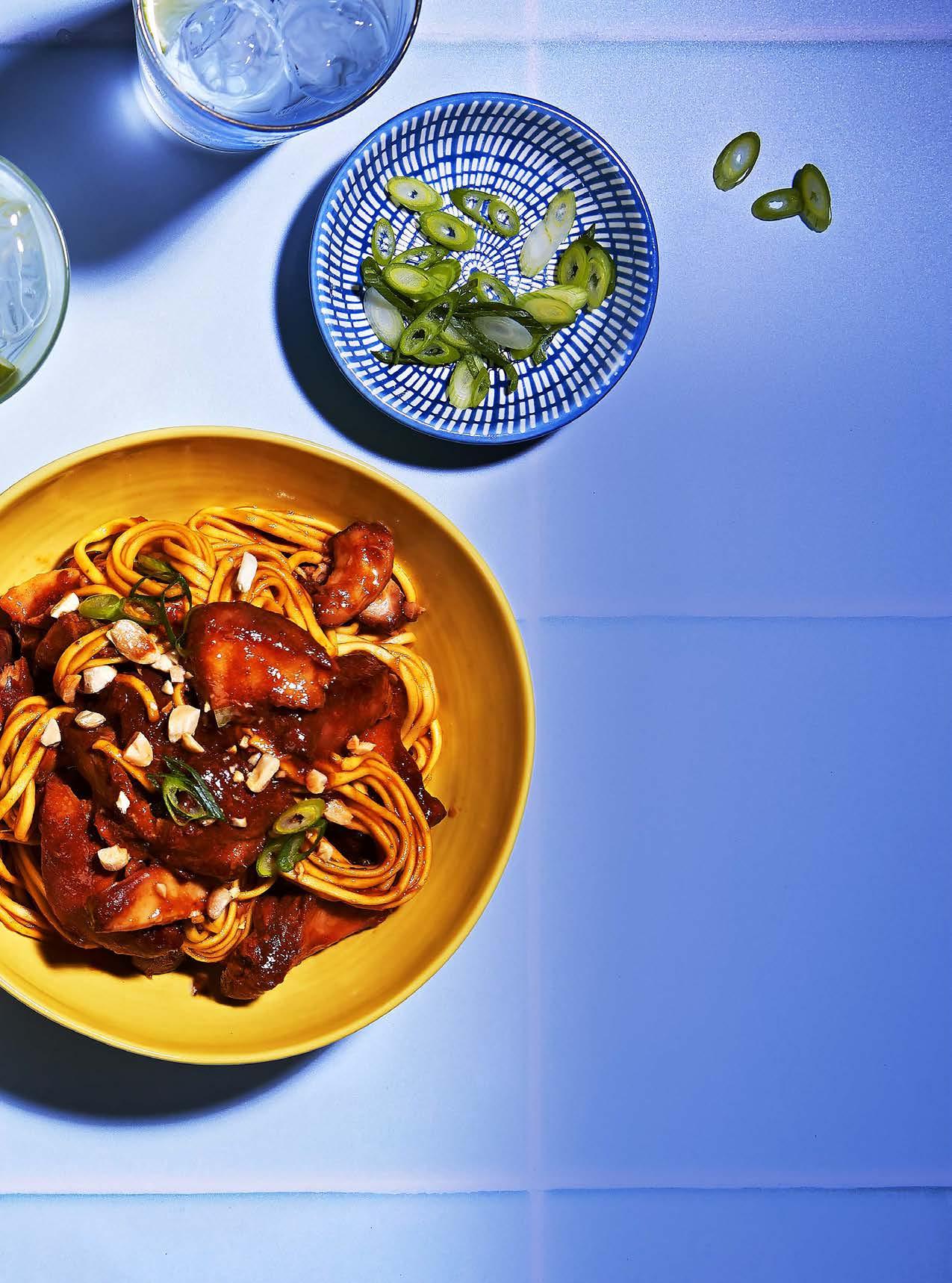
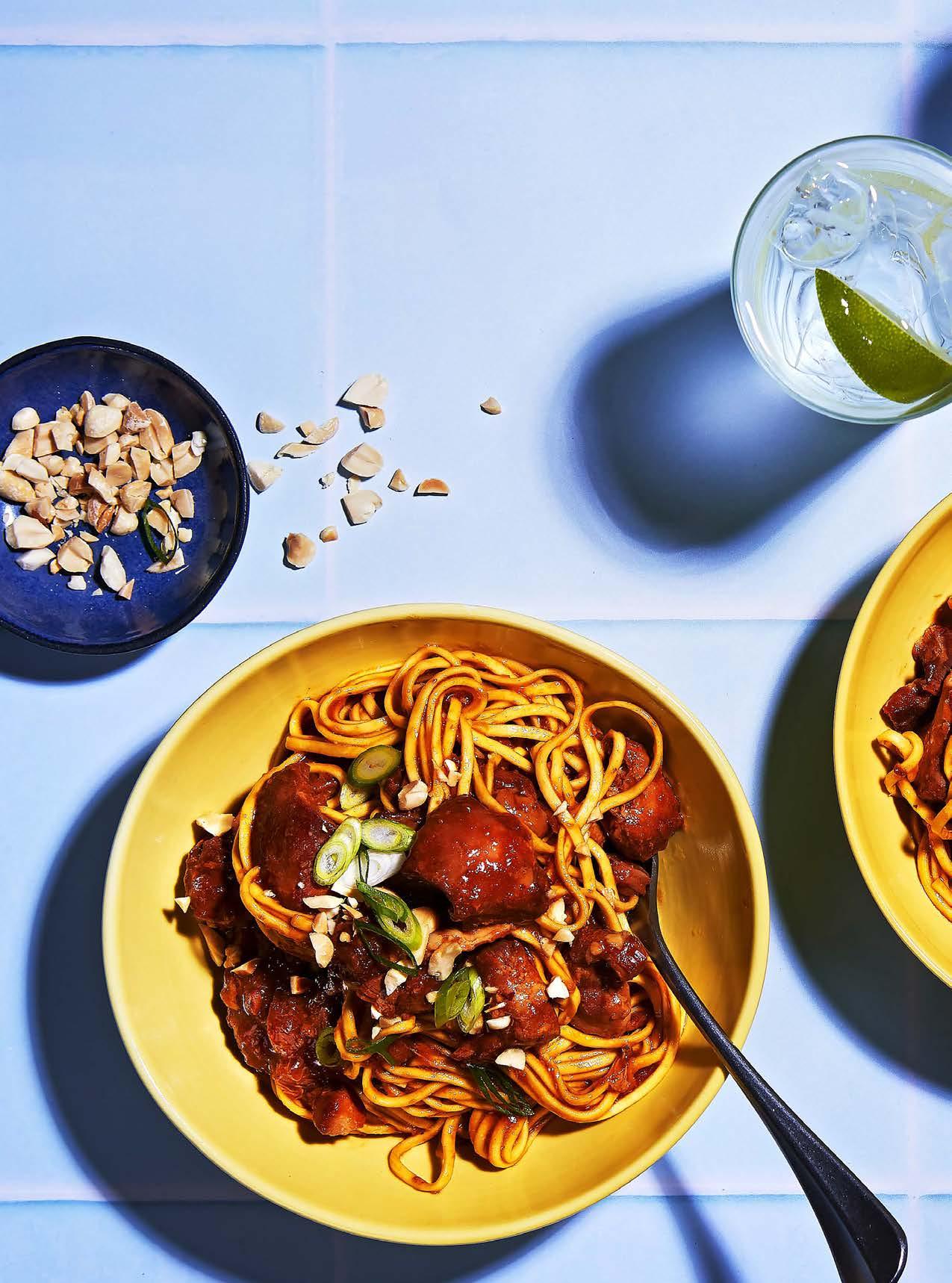
Slow cooker honey garlic chicken
Swap out the noodles for steamed white rice if you prefer, and if you like a bit of heat, add more chilli flakes or use a fresh chilli instead.
SERVES 4-6 PREP 20 mins COOK 3-7 hrs EASY ❄
800g boneless, skinless chicken thighs (about 8), cut into large chunks
4 garlic cloves, crushed thumb-sized piece of ginger, peeled and finely grated
3 tbsp runny honey
3 tbsp soy sauce
3 tbsp tomato ketchup
1 tbsp rice or cider vinegar
½ tsp chilli flakes (optional)
150ml chicken stock, made using 1 stock cube
1 tbsp cornflour
cooked egg noodles, to serve 50g roasted peanuts (optional) spring onions, thinly sliced, to serve
1 Tip the chicken pieces into the slow cooker. Scatter over the garlic and ginger, then stir through the honey, soy sauce, ketchup, vinegar, chilli flakes (if using) and stock to coat the chicken. Cover and cook on low for 6-7 hrs or on high for 3-4 hrs until the chicken is tender but still holding its shape.
2 Mix the cornflour with 2 tbsp cold water to make a smooth paste, then stir this into the cooking liquid. Cook on high for 10 mins, or until the sauce has thickened, stirring occasionally. Once cooled, will keep frozen for up to three months. Defrost thoroughly before reheating until piping hot. Stir through some cooked egg noodles, then scatter over the peanuts if using and sliced spring onions to serve.
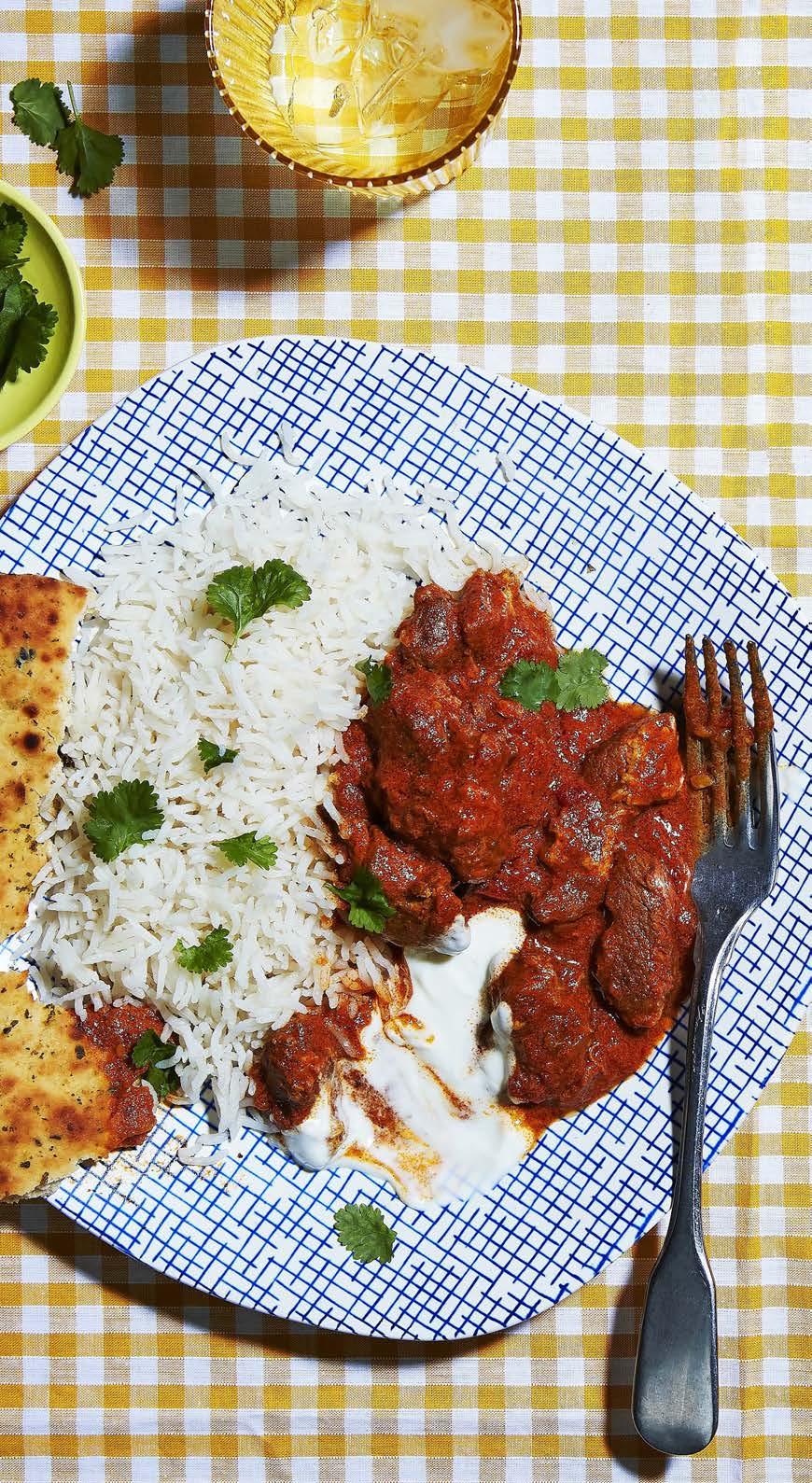
Use stewing beef chunks or diced chicken thigh in place of lamb if you like – just remember to adjust the cooking times accordingly.
SERVES 4 PREP 20 mins
COOK 3 hrs 30 mins-8 hrs EASY ❄
3 tbsp sunflower or vegetable oil
1 large onion, finely sliced
3 garlic cloves, crushed or finely grated
thumb-sized piece of ginger, peeled and grated
100g madras curry paste (see tip, opposite)
600g lamb shoulder or neck fillet, trimmed and cut into 3-4cm chunks
2 tbsp tomato purée
400g can chopped tomatoes
300ml lamb or chicken stock
1 cinnamon stick
2 bay leaves
100ml natural yogurt, plus extra to serve
To serve small bunch of coriander, roughly chopped steamed basmati rice naans
1 If your slow cooker has a sauté function, heat the oil directly in the pot. Or, heat in a frying pan over a medium heat. Fry the onion for 8-10 mins until golden. Stir in the garlic and ginger, and cook for 1 min. Stir in the curry paste and cook for 1-2 mins more until fragrant. Add the lamb and tomato purée, season and stir to coat.
2 If you used a pan, tip everything into the slow cooker. Add the tomatoes, stock, cinnamon stick and bay leaves, then stir. Cover and cook on low for 7-8 hrs or on high for 3 hrs 30 mins-4 hrs, with the lid ajar for the final hour, until the lamb is fork-tender. Remove the cinnamon and bay. Once cooled, will keep frozen for up to three months. Defrost thoroughly before reheating until piping hot. While simmering, stir in the yogurt. Season to taste. Ladle into bowls, scatter over the coriander and serve with more yogurt, some rice and naans.
To make your own curry paste, toast 2 tsp cumin seeds, 2 tsp coriander seeds, 1 tsp black peppercorns and 1 tsp mustard seeds in a dry frying pan over a low heat until fragrant, then grind to a powder using a spice grinder or pestle and mortar. Tip into a blender along with 2 tbsp ground turmeric, 1 tsp chilli powder, 1 tsp ground cinnamon, 1 tsp ground fenugreek, 1 tsp paprika, 3 garlic cloves, a thumb-sized piece of ginger, peeled, 2 tbsp tomato purée, 2 fresh chillies, 3 tbsp white wine vinegar, 2 tbsp sunflower oil and 1 tsp salt, then blitz to a smooth paste. Spoon into a clean jar and cover with a drizzle of oil. Will keep chilled for up to two weeks or frozen for up to three months.
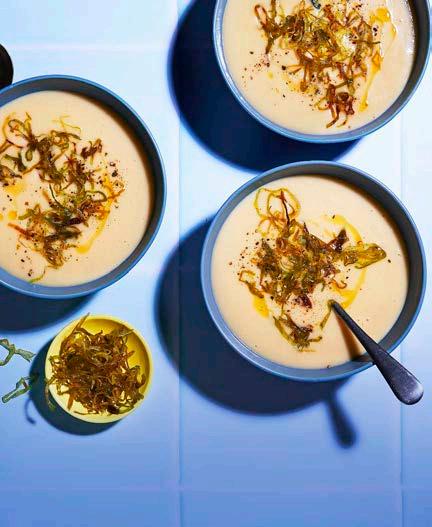
Slow cooker leek & potato soup
You can use this recipe to make the base for many other creamy vegetable soups – like celeriac, squash or even mushroom – simply by adding 200g of your chosen veg instead of the second leek.
SERVES 4 PREP 15 mins
COOK 3-7 hrs EASY V ❄
50g butter
1 onion, finely sliced
2 leeks, halved and sliced, greens trimmed (reserve the greens from 1 leek; see tip, optional)
1 bay leaf
1 medium-large floury potato, such as Maris Piper (about 300-400g), peeled and cut into small chunks
1.2 litres vegetable stock
2 tbsp crème fraîche
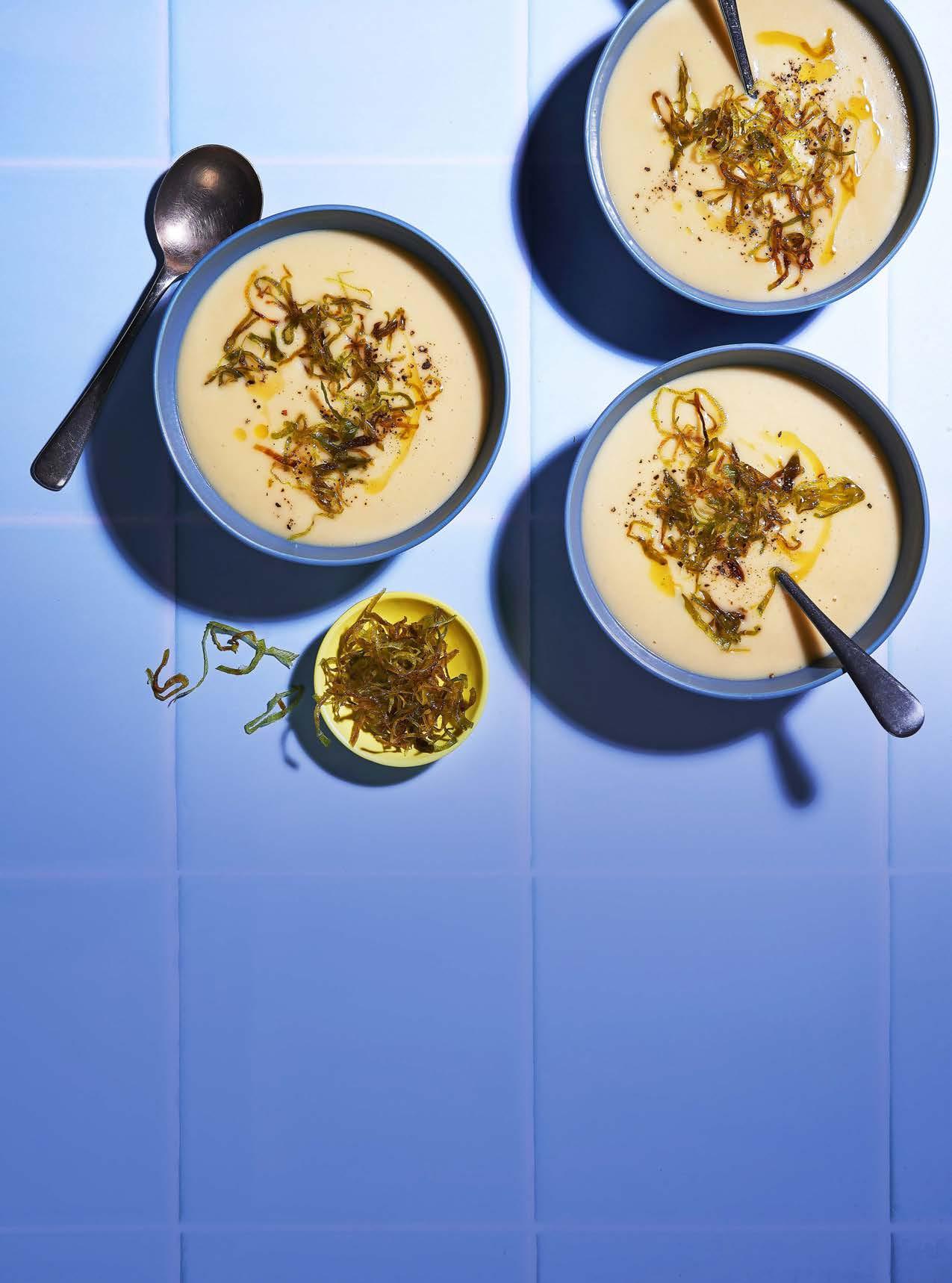
1 If your slow cooker has a sauté function, melt the butter directly in the pot. Or, do this in a frying pan over a medium heat. Cook the onion, leeks and bay leaf with a pinch each of salt and black pepper for 10-15 mins, stirring occasionally until all the veg is soft. If you’ve used a frying pan, transfer the softened veg and bay leaf to the slow cooker.
2 Add the potato and stock to the slow cooker, stir, then cover and cook on low for 6-7 hrs or on high for 3-4 hrs until the potato is completely soft. Remove the bay leaf, then spoon in the crème fraîche. Blitz the soup until smooth using a hand blender, or do this in batches in a jug blender. Taste for seasoning and adjust as needed. Once cooled, will keep frozen for up to three months. Defrost thoroughly before reheating until piping hot.
Ladle the soup into bowls, then top with crispy leeks, if you like (see tip, below) and a grinding of black pepper to serve.
Trim the dark green tops from 1 leek, wash well and dry thoroughly. Slice as thinly as you can, then scatter over a microwave-safe plate. Drizzle lightly with sunflower oil, season with a pinch of salt and microwave on high for 3-4 mins, checking and tossing every minute or so, until crisp and golden. Leave to cool – they’ll firm up more as they do – then use to scatter over soups.




Chef Maunika Gowardhan showcases a variety of traditional regional dishes, passed down through generations photographs


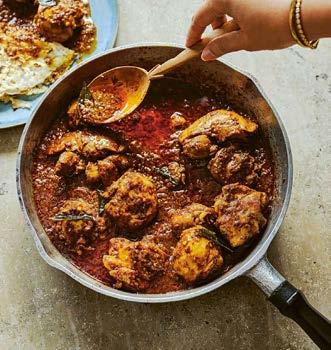
I ate a traditional version of this dish for the first time at a wedding 12 years ago. It was served with a rice-based roti. Dipping pieces of the roti in this luscious curry is probably what keeps me hooked on this dish, just so I can replicate those delicious flavours. It’s also great served with rice or soft dosas.
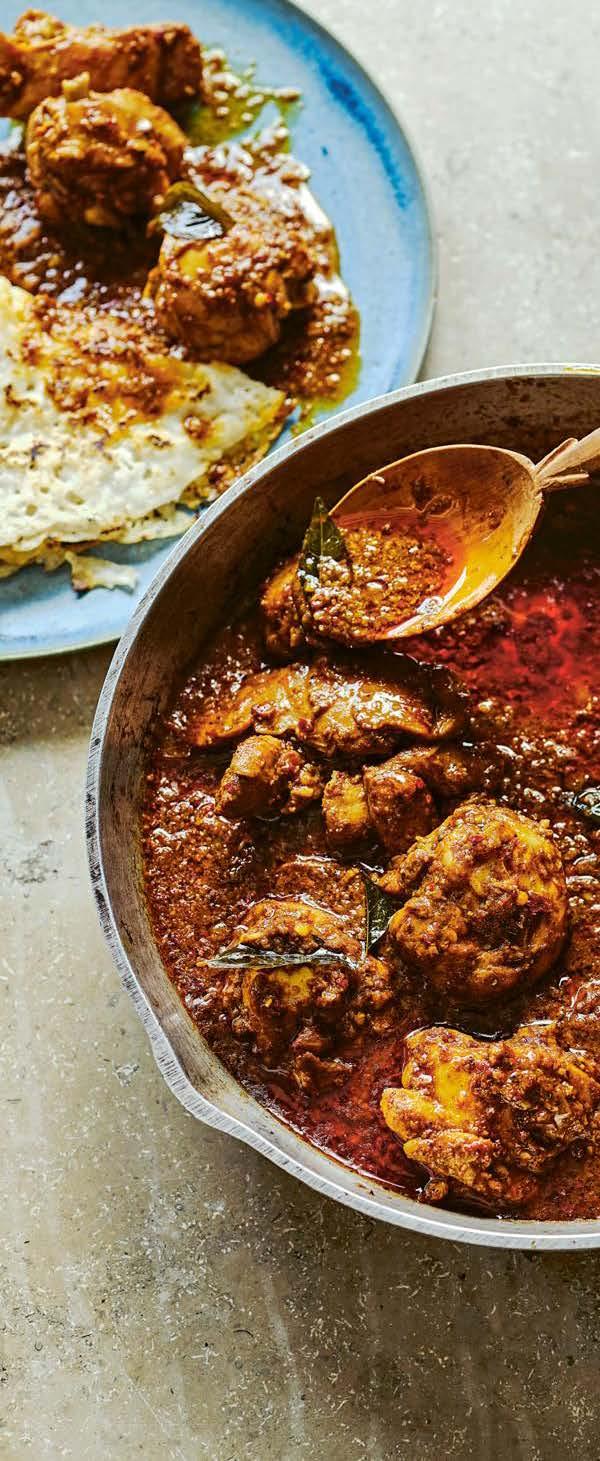
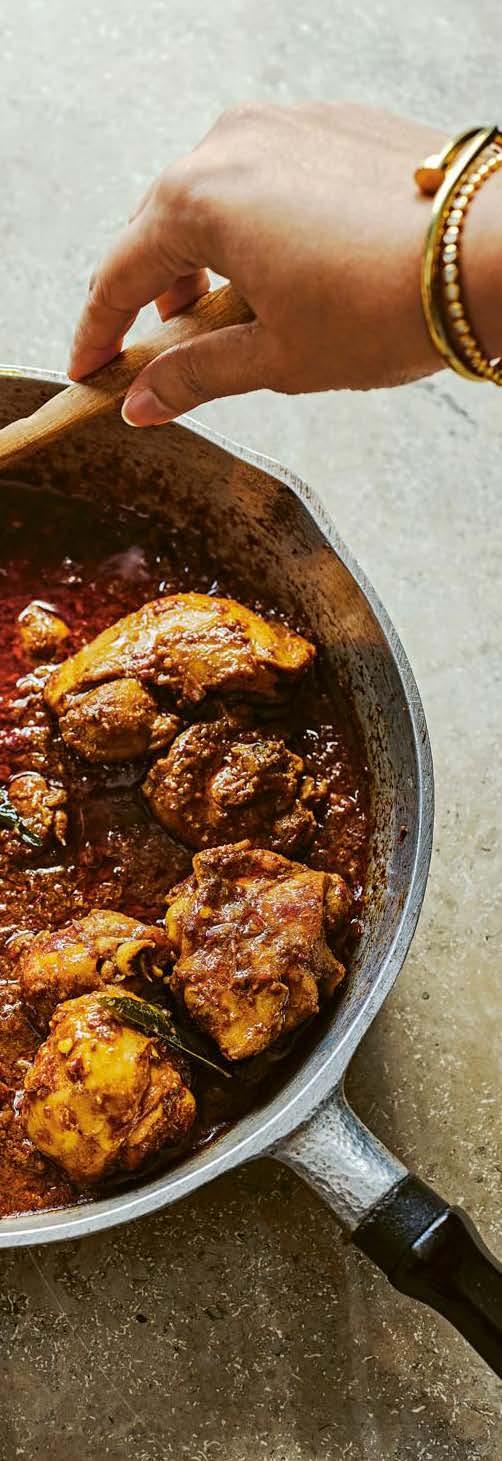
Mangalorean kori ghassi (Spiced chicken curry with curry leaves, garlic, chilli & tamarind)
Hailing from the Bunt community in Mangalore, this recipe is an absolute keeper! The secret to this gravy is the ghassi paste, which is made with coconut and dried chillies. It’s a rich, fiery red curry that is cooked with chicken, but can also be made with vegetables, since Mangalorean cooking is synonymous with vegetarian dishes as well as coastal flavours.
SERVES 4 PREP 15 mins plus cooling COOK 1 hr 10 mins EASY
6 small garlic cloves
½ tsp ground turmeric
750g skinless bone-in chicken, jointed and cut into small pieces
3 tbsp vegetable oil
12 curry leaves
70g onion, finely chopped
¼ tsp ground cinnamon
3 tsp tamarind paste (adjust the quantity based on the strength of your paste)
chopped coriander leaves, to garnish (optional)
For the spice paste
3 tbsp freshly grated coconut
1 tbsp vegetable oil
70g onion, thinly sliced
8 dried kashmiri chillies
½ tsp black peppercorns
2 tbsp coriander seeds
1 tsp cumin seeds
¼ tsp fenugreek seeds
160ml coconut cream
1 Put the garlic in a small food processor with a splash of water and blend to a paste, then transfer to a bowl with the turmeric and a pinch of salt. Add the chicken, mix well and leave to marinate.
2 Meanwhile, make the spice paste. Heat a dry frying pan over a medium heat and toast the coconut for 6-7 mins, stirring a few times as it begins to turn light brown. Transfer to a bowl and add the oil to the pan. Add the sliced onion and fry over a low heat for 8-10 mins until starting to brown. Add the chillies, peppercorns, coriander seeds, cumin seeds and fenugreek seeds. Fry all the spices for 7-8 mins, stirring a couple of times – they will release their aroma and flavour. Remove from the heat and leave to cool, then transfer this spice mix to a food processor with the coconut cream and toasted coconut. Blend to a smooth, fine paste. You won’t need any more water, as the paste should be thick and vibrant red.
3 To make the curry, heat the oil in a large, heavy-based saucepan over a medium heat and fry the curry leaves and onion for 7-8 mins, stirring often, until the onion starts to colour. Add the marinated chicken and fry for 6-7 mins more to seal the pieces. Add the spice paste and stir well, coating the chicken in the paste. Fry for a further 3 mins, then add 300ml water and season with salt. Bring to the boil, then cover and simmer over a low heat for 30 mins, stirring halfway through. To finish, add the cinnamon and tamarind paste. Stir well and simmer for 3-4 mins, then serve garnished with coriander.
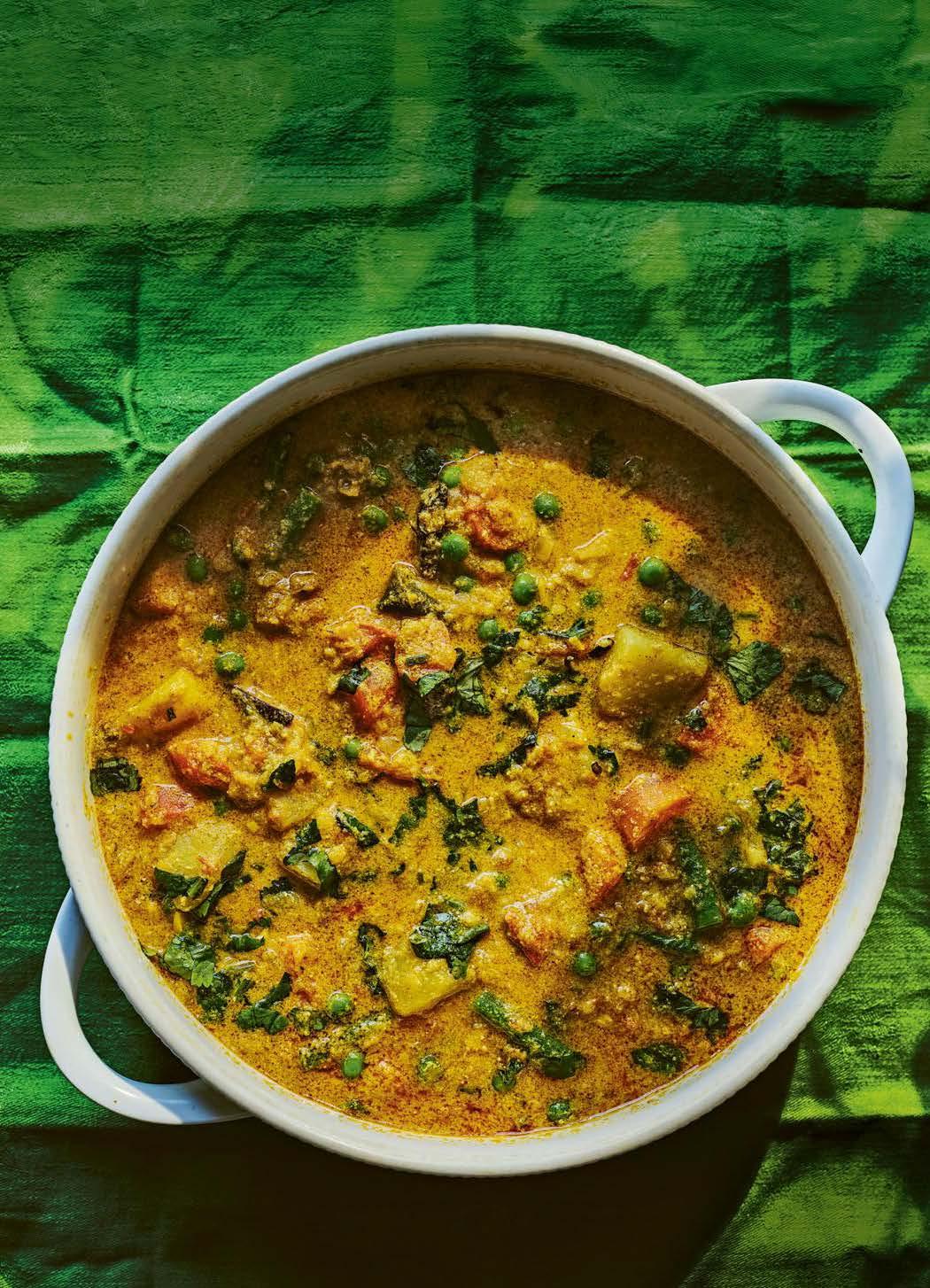
Puducherry vegetable kurma (Vegetable korma with coconut, chilli & turmeric)
My first trip to Puducherry in my teens left a massive imprint on me, not only because of the people there, but also the diverse food, which includes French colonial influences sitting comfortably alongside local favourites. I have visited many times since, and this is one dish I love cooking at home that celebrates the very best of vegetarian food in the region. Serve with dosai or rice.
SERVES 4 PREP 20 mins plus 1 hr soaking COOK 40 mins EASY V
3 tbsp vegetable oil
4 green cardamom pods
5 cloves
2.5cm cinnamon stick
2 green bird’s-eye chillies, slit lengthways
200g onions, finely chopped
5 garlic cloves, chopped
2.5cm piece of ginger, chopped
200g tomatoes, finely chopped
½ tsp kashmiri chilli powder
½ tsp ground turmeric
1 heaped tsp ground coriander
100g potatoes, peeled and cut into bite-size pieces
200g carrots, peeled and roughly diced
1 tsp sugar
100g green beans, quartered
100g frozen peas
½ tsp garam masala handful of coriander leaves, chopped
For the korma paste
50g cashews
1 tbsp white sesame seeds
100g freshly grated coconut
1 First, make the korma paste. Soak the cashews and sesame seeds in hot water for 1 hr, then drain and transfer to a food processor with the coconut and 120ml water. Blend to a smooth, fine paste, and set aside.
2 Heat the oil in a large saucepan over a medium heat. Add the whole spices and, as they sizzle, add the greens chillies and onions. Fry for
8 mins until they start to soften, then add the garlic and ginger, and fry for 2 mins more.
3 Add the tomatoes and fry for another 6-7 mins, mashing them using the back of a spoon. Add the chilli powder, turmeric and ground coriander, stir well, then add the potatoes and carrots. Cook for 2 mins, then add 600ml water and the sugar, season with salt, cover and simmer over a low heat for 8 mins.
4 Add the green beans and peas, and simmer for 2-3 mins until cooked. Finally, add the korma paste. Cover and cook over a low heat for 6 mins, stirring halfway through, until everything is cooked through. Finish with the garam masala and coriander, then serve.
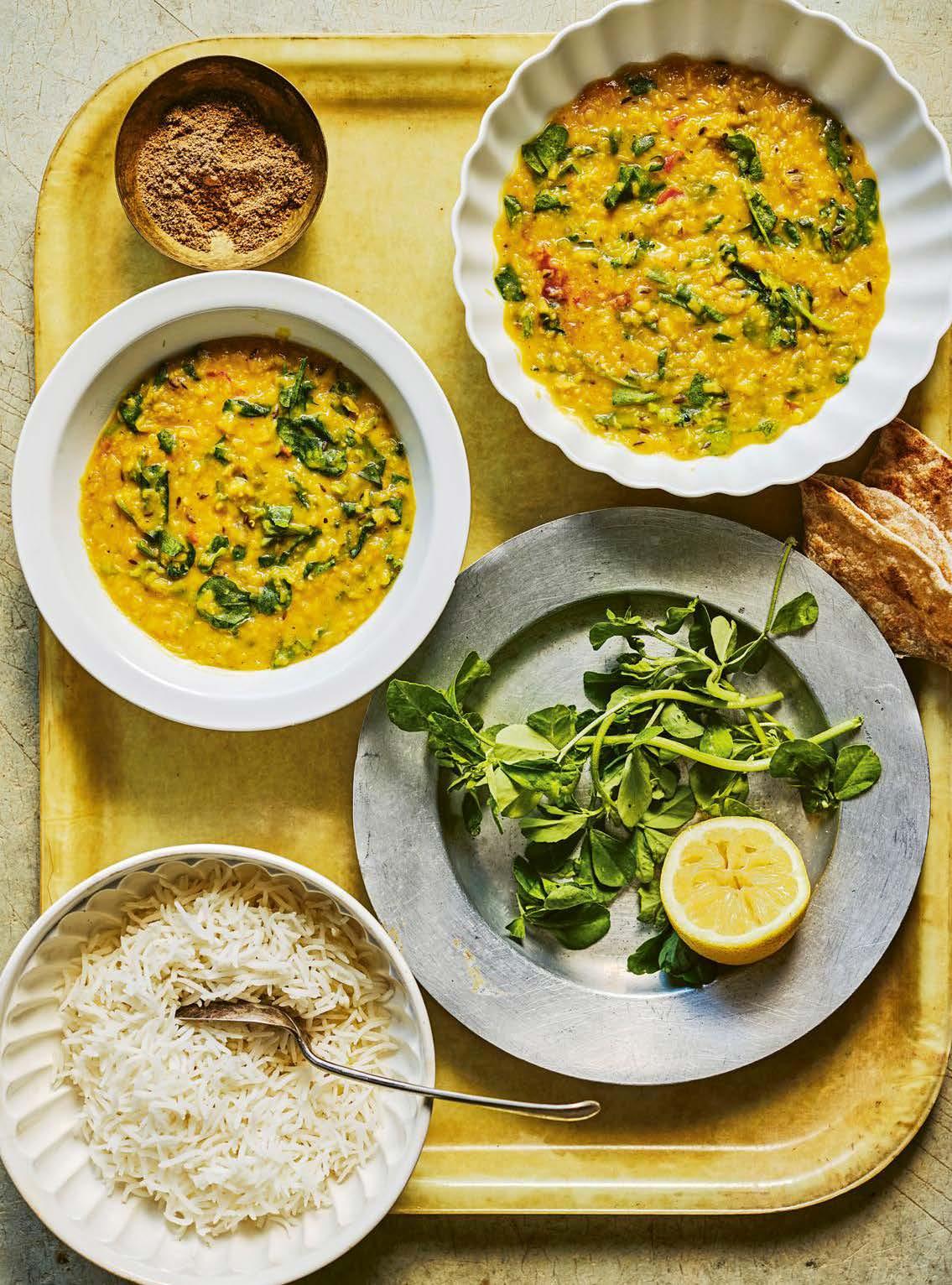
Indore ki methi dal
(Masoor dal with fenugreek leaves, cumin, chilli & garam masala)
I love using fresh fenugreek leaves in stir-fries and gravies, and also as an addition to dals. Red lentils cook really quickly, so this recipe is perfect to cook for a midweek meal with rice and papad. You can also batch-cook it and freeze some of the dal. Once defrosted, add a tadka just before serving.
SERVES 4 PREP 10 mins
COOK 1 hr EASY V
250g masoor dal (red lentils)
1 tsp ground turmeric
2 tbsp ghee or vegetable oil
pinch of asafoetida
1 tsp cumin seeds
1 garlic clove, crushed to a paste
2.5cm piece of ginger, ground to a paste
50g onion, finely chopped
70g tomatoes, finely chopped
100g fresh fenugreek (methi) leaves, finely chopped pinch of kashmiri chilli powder pinch of garam masala ½ tsp sugar ½ lemon, juiced
1 Put the masoor dal, turmeric and 1.1 litres water in a large saucepan over a medium heat. Bring to the boil, then simmer over a low heat for 40-45 mins until the dal is soft, stirring a few times. Once cooked, mash slightly using a potato masher, and set aside.
2 Heat the ghee or oil in a large saucepan over a medium heat. Add the asafoetida and cumin seeds and let them sizzle for a few seconds, then add the garlic and ginger pastes, and fry for 10 seconds more. Add the onion and fry for another 5 mins until starting to soften, then add the tomatoes and cook for 3-4 mins until starting to soften.
Add the fenugreek leaves, chilli powder and garam masala, then stir well and cook for 3-4 mins.
3 Add the cooked dal and sugar, stir and season with salt. Add 100ml water to thin the consistency, then simmer over a low heat for 5 mins. Finish with the lemon juice to serve. GOOD
Recipes are extracted from Curry by Maunika Gowardhan (Quadrille) and not retested by us. Photographs by Haarala Hamilton.
Put veg centre stage in recipes that are comforting and hearty – just the thing to warm up January nights recipes HELENA BUSIAKIEWICZ photographs JAMES LEE
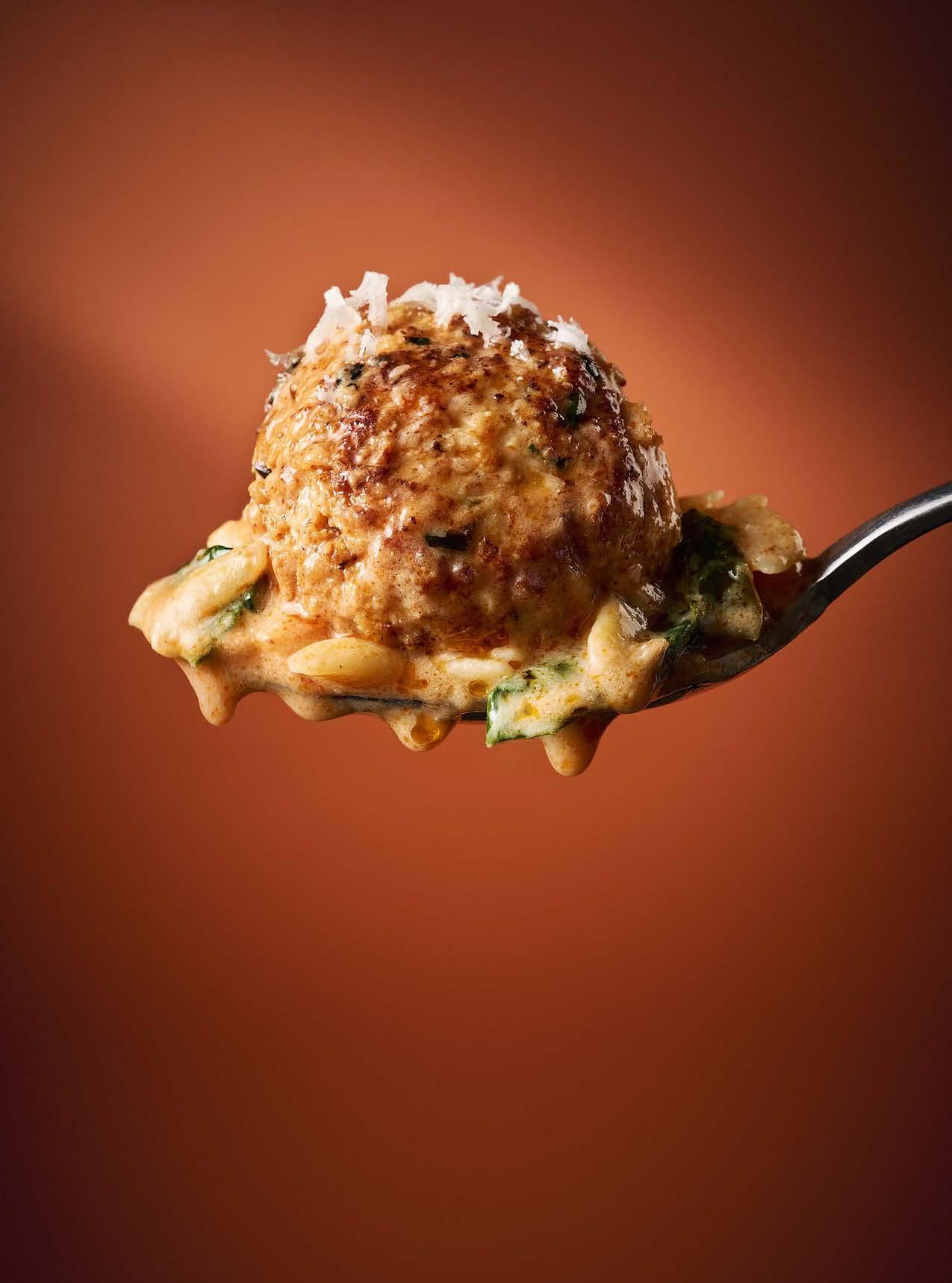
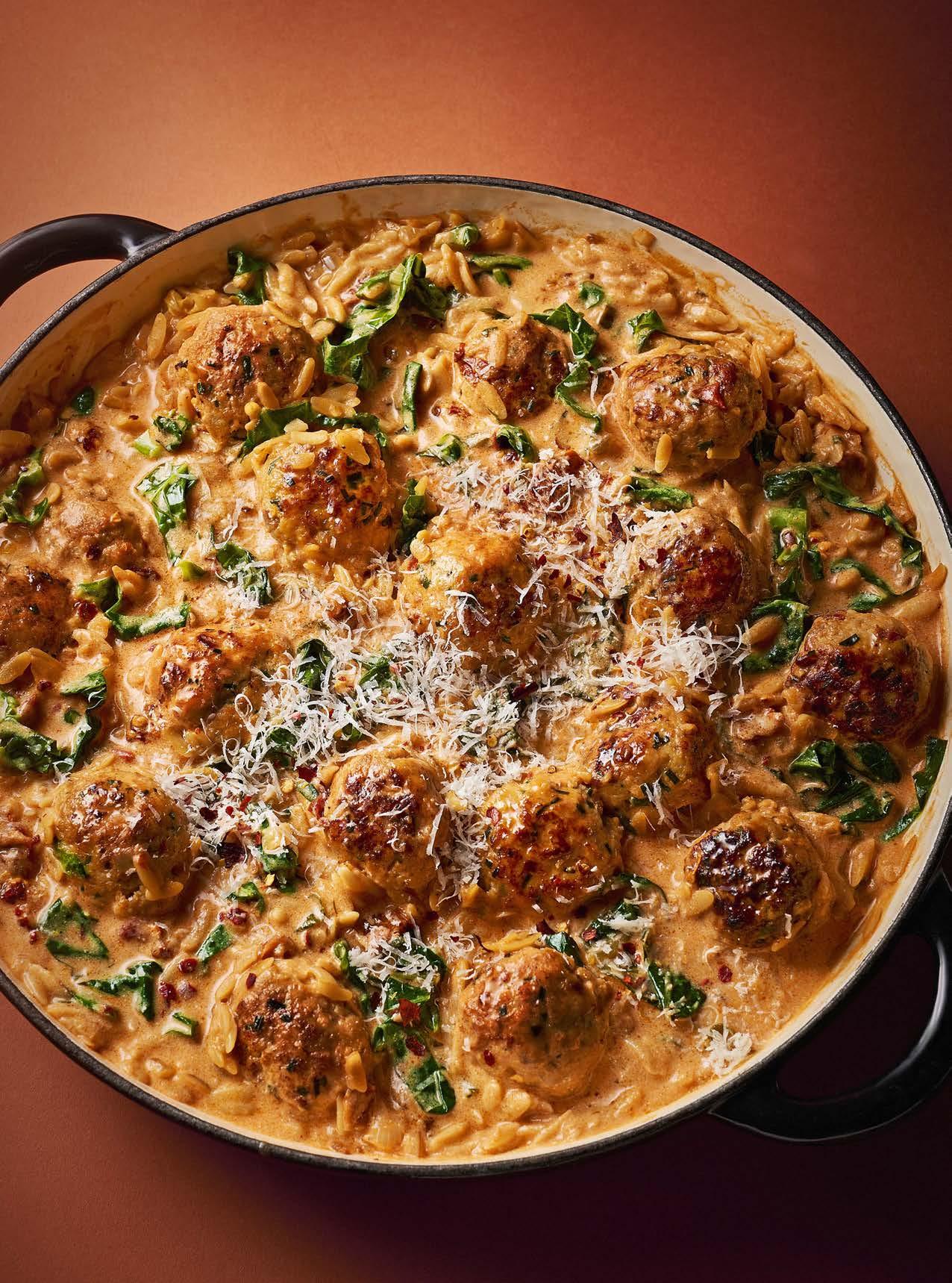
A favourite on socials, ‘Marry Me’ chicken combines sundried tomatoes, garlic and parmesan in a creamy sauce, but we’ve given it a vibrant twist with lemony meatballs and orzo. Spring greens provide bite, but you could add spinach if you prefer.
SERVES 4-5 PREP 30 mins plus chilling COOK 45 mins EASY
1 tbsp olive oil
40g sundried tomatoes, plus 2 tbsp of the oil from the jar
1 onion, finely chopped
2 garlic cloves, grated
½ tsp chilli flakes, plus extra to serve (optional)
1 tbsp tomato purée
200g orzo
750ml chicken stock
200g spring greens, sliced
100g crème fraîche
50g parmesan, grated, plus extra to serve (optional)
For the meatballs
400g chicken mince
125g ricotta
1 egg, beaten
1 lemon, zested
30g sundried tomatoes, finely chopped
15g chives, finely chopped
50g dried breadcrumbs
1 To make the meatballs, put all the ingredients in a large bowl. Season with a little salt and plenty of black pepper, then mix well with your hands, being careful not to overmix – you only want to bring everything together so the meatballs don’t become too dense Shape into 20 meatballs (about 35g each) and arrange on a baking sheet or plate lined with baking parchment. Chill for 15 mins to firm up
2 Heat the olive oil in a large flameproof casserole dish over a medium heat and brown a batch of five meatballs for 2-3 mins on each side. Repeat with the rest of the meatballs, transferring them to a plate as you go (they don’t need to be fully cooked at this stage, as they will continue to cook with the orzo)
3 Heat the 2 tbsp sundried tomato oil in the casserole over a medium heat and cook the onion for 10 mins until beginning to soften. Stir in the
garlic and chilli flakes, and cook for another minute, stirring well. Stir in the sundried tomatoes and tomato purée, and cook for another 3 mins until slightly darkened. Stir through the orzo, then pour in the stock.
4 Bring to the boil, then scatter in the spring greens. Reduce the heat to a simmer, cover with a lid and cook for 5 mins. Uncover, stir well and cook for 8-10 mins more with the lid off, stirring often to prevent it from catching
5 Stir in the crème fraîche and parmesan until they have melted and been incorporated, then return the meatballs to the pan and cook for another 4-5 mins, or until the meatballs are cooked through.
6 Sprinkle over some chilli flakes, black pepper and more parmesan, if you like, before serving
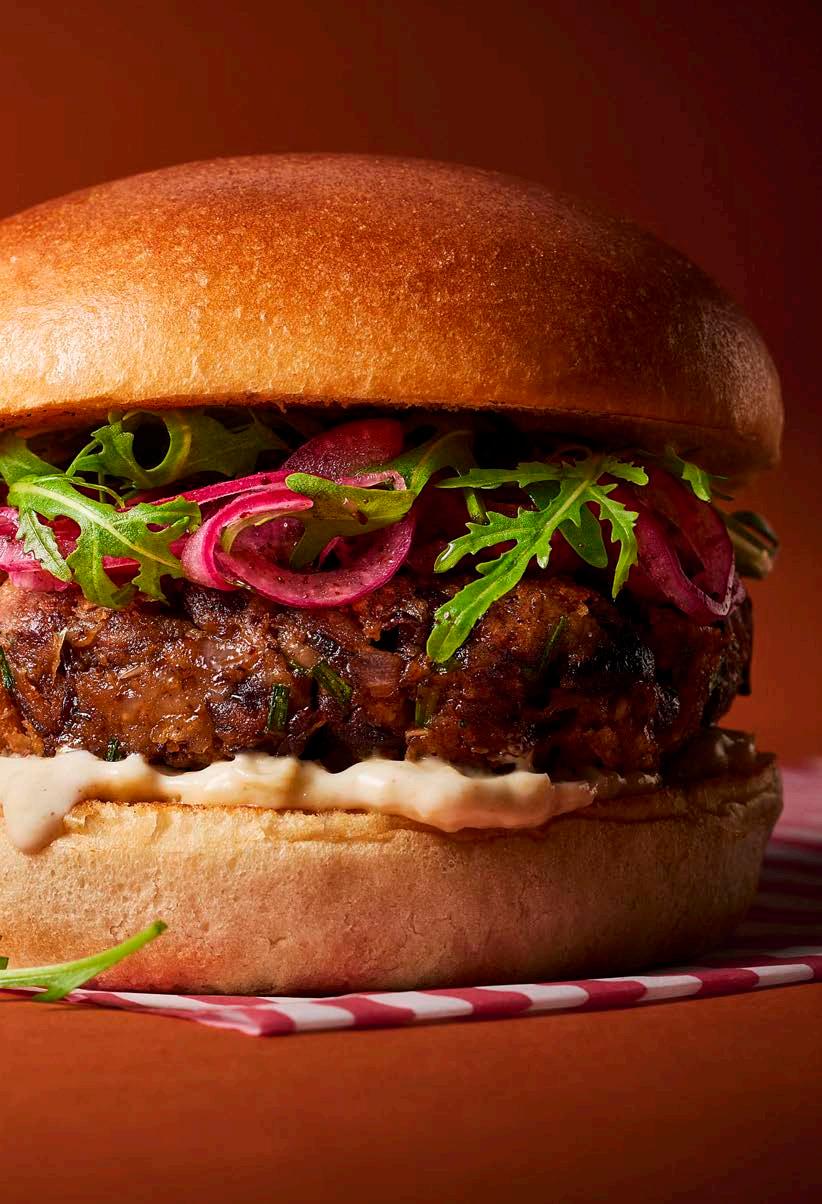
Bean burgers can be tricky to get right but this recipe packs in moreish flavour and texture. We’ve roasted half the beans to create depth, added halloumi and a tahini dressing. Do use jarred beans if you can, they make all the difference.
SERVES 4 PREP 30 mins plus cooling and chilling COOK 1 hr EASY V
700g jarred black beans (550g drained weight)
2 tbsp olive oil
1 red onion, finely chopped
2 garlic cloves, chopped
1 jalapeño, finely chopped
1 jarred roasted red pepper (about 75g), roughly chopped
2 tsp ground cumin
1 tsp smoked paprika
1 egg, beaten
125g fresh breadcrumbs
15g chives, finely chopped
100g halloumi, coarsely grated
4 toasted burger buns, a handful of rocket (optional) and cooked chips, to serve
For the garlic & tahini dressing
1 small whole garlic bulb, cut in half through the middle
1 tsp olive oil
100g mayonnaise
2 tbsp tahini
½ lemon, zested and juiced
For the pickled red onions
1 red onion, finely sliced
3 tbsp red wine vinegar
2 tsp caster sugar
2 tsp sumac
1 Heat the oven to 200C/180C fan/ gas 6. For the dressing, put the garlic bulb halves on a sheet of foil, then drizzle over the oil and season with a pinch of salt. Scrunch up the foil to fully enclose. Line a large baking tray with baking parchment and scatter over half the black beans, ensuring they’re in a single layer. Roast the beans alongside the garlic for 25-30 mins until the skins of the beans are splitting and slightly crisped, and the garlic has softened. Leave to cool
2 Meanwhile, heat 1 tbsp olive oil in a large frying pan over a medium heat and cook the onion, garlic, jalapeño and roasted red pepper with a pinch of salt for 10-15 mins until softened and fragrant. Scatter in the cumin and paprika, and cook for another 2-3 mins before pouring in the remaining beans. Stir well to combine, then transfer to a plate and leave to cool slightly.
3 Transfer the bean and onion mix to a food processor. Blitz to a smooth paste Transfer to a large bowl and stir through the cooled roasted beans, the egg, breadcrumbs, chives and halloumi. Mix well to combine, then shape into 4-5 patties (about 150g-160g each) using
slightly wet hands. Transfer to a plate lined with baking parchment and chill for 20 mins.
4 Meanwhile, make the pickled red onions. Put the onion in a small non-metallic bowl and scatter over 1 tsp salt, the vinegar, sugar and sumac, then scrunch well using your hands to combine. Chill until you’re ready to assemble.
5 Squeeze the roasted garlic into a bowl and mash to a paste with a fork. Stir in the mayo, tahini, lemon juice and zest. Season to taste
6 Heat the remaining 1 tbsp oil in a non-stick frying pan over a medium heat and cook the patties for 3-4 mins on each side until golden.
7 Fill each burger bun with the mayo, a bean patty, some pickled onions and rocket, if you like, then serve with chips.
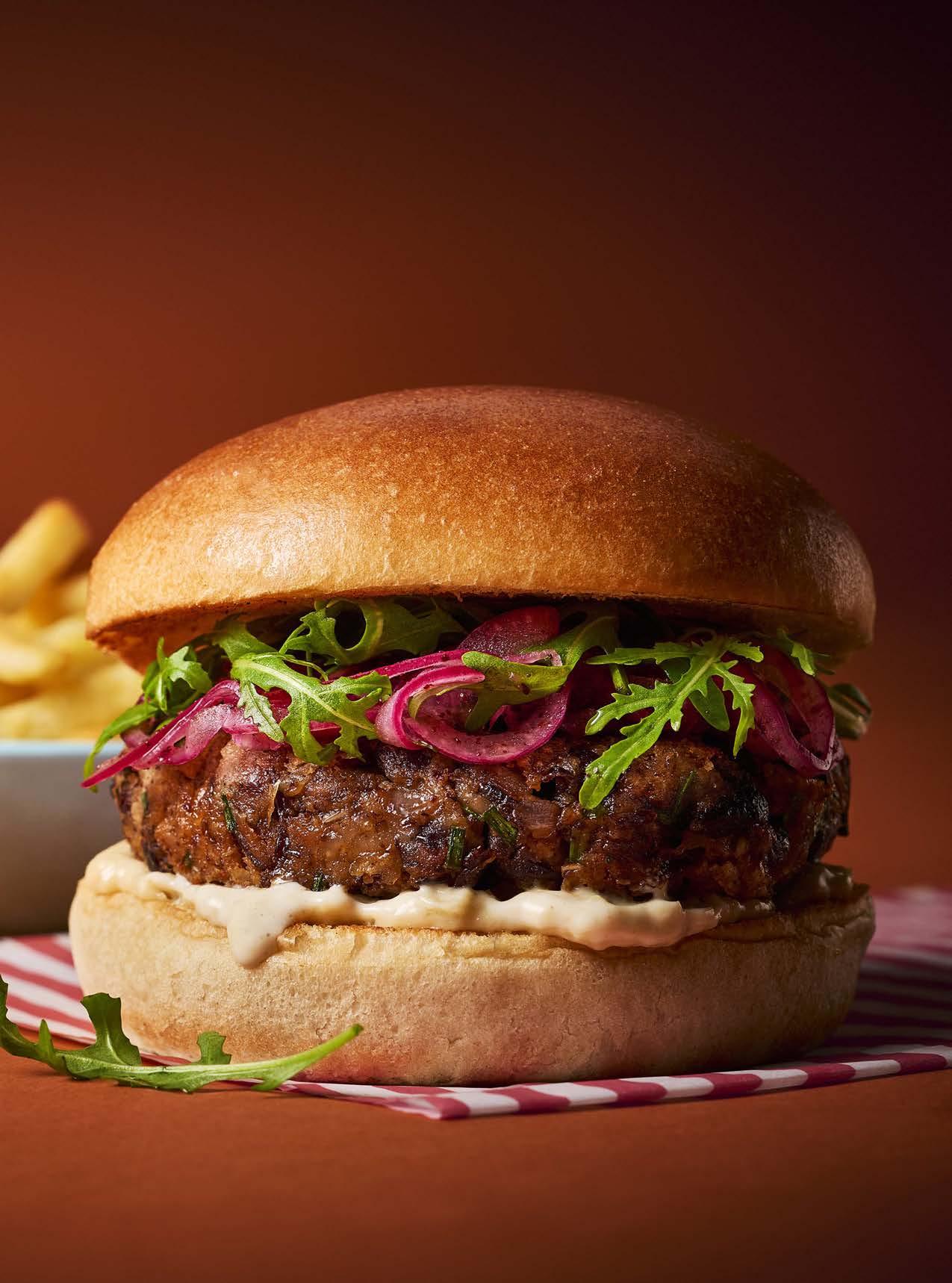
The humble swede is such an underrated veg, and the punchy spices in this recipe complement its natural sweetness. Any leftover swede is great served in a salad the next day.
SERVES 2 PREP 10 mins
COOK 50 mins EASY V
1 swede, peeled and cut into 2cm cubes (300g prepared weight)
2 tbsp olive oil
2 tsp coriander seeds, lightly crushed using a pestle and mortar
2 tsp Sichuan peppercorns, lightly crushed using a pestle and mortar
2 tsp cumin seeds
2 tsp garlic granules
150g dried egg noodles
For the sauce
75g tahini
2 garlic cloves, grated
10g ginger, peeled and grated
1½ tsp sesame oil
1 tbsp crispy chilli oil
1 tbsp light soy sauce
½ tsp maple syrup
To serve spring onions, sliced red chilli, sliced coriander leaves
2 soft-boiled eggs, halved (optional)
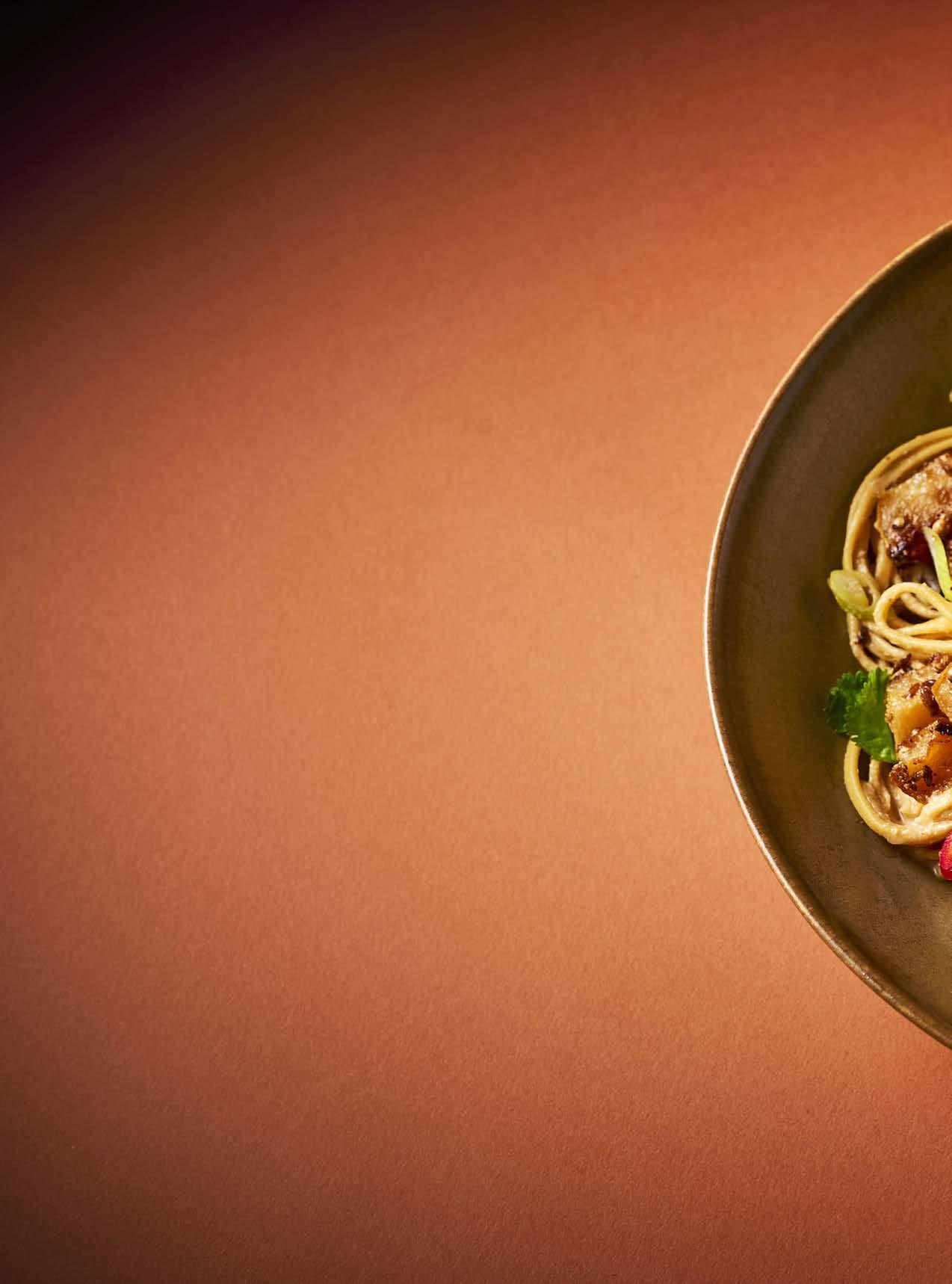
1 Heat the oven to 210C/190C fan/ gas 61/2. Put the swede in a large roasting tin, drizzle over the oil and season with the spices and some salt and pepper. Toss to coat, then roast for 40 mins, or until a fork easily pierces the swede.
2 Meanwhile make the sauce by mixing all the ingredients together in a large bowl. When the swede has about 10 mins left, bring a pan of water to the boil and cook the noodles following pack instructions Drain, reserving the cooking water.
3 Toss the noodles through the sauce, using roughly 70-80ml of the reserved cooking water to loosen, if needed
4 Divide the noodles between two bowls, then top with the swede, spring onions, chilli, coriander and soft-boiled egg, if you like.
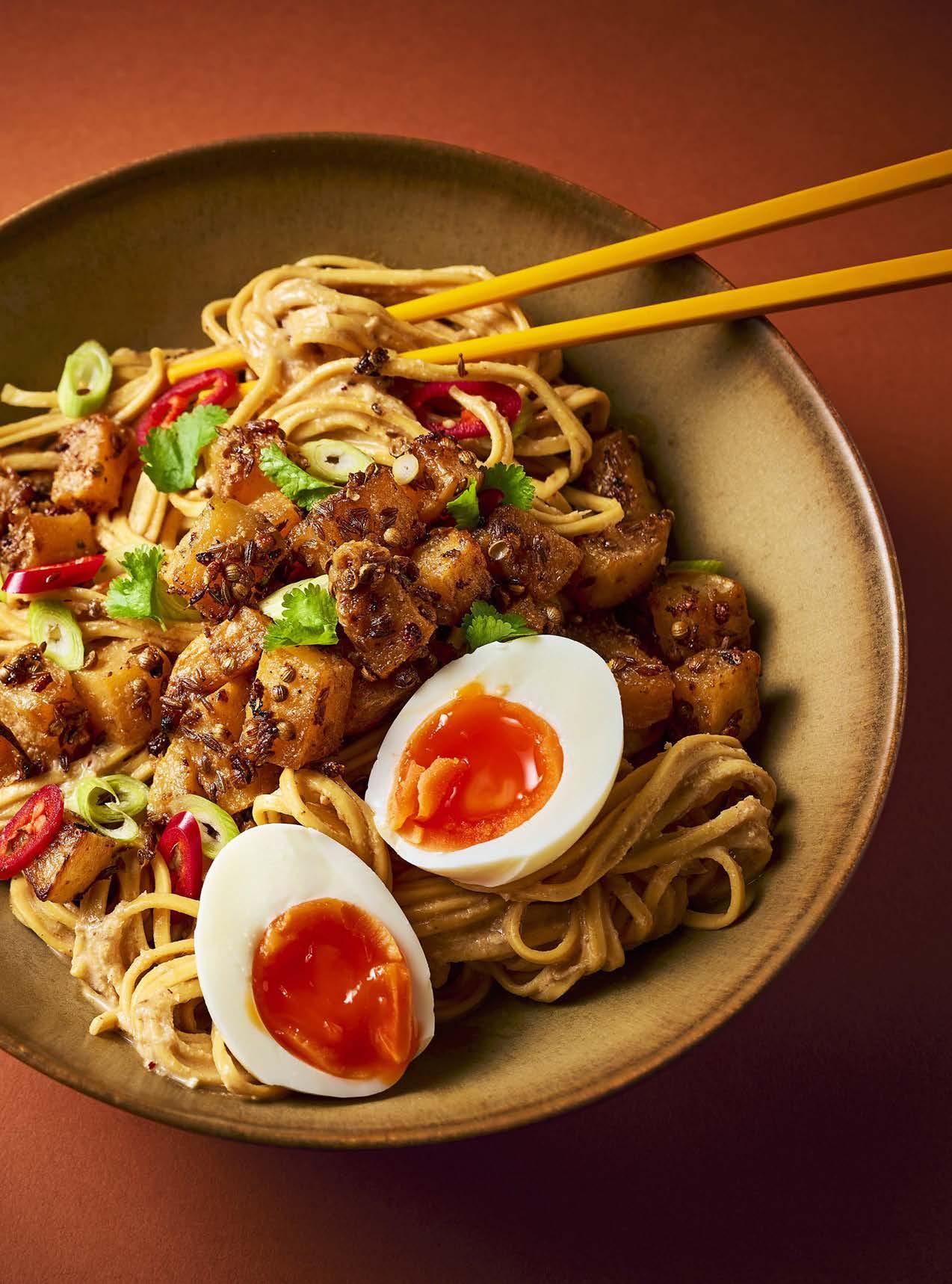
Serve this rice dish with crusty bread and butter for dunking to make this an even heartier meal.
SERVES 4 PREP 10 mins
COOK 30 mins EASY
250g chorizo, skin removed and crumbled
1 red onion, finely chopped
2 garlic cloves, finely chopped
75g basmati rice
750ml chicken stock
100g curly kale, leaves roughly chopped, tough stems removed
15g chives, finely chopped
½ lemon, juiced
1 Heat a large, deep pan over a low heat and cook the chorizo pieces for 5-6 mins until crisp and most of its oils have been released. Remove to a plate lined with kitchen paper using a slotted spoon, and leave to drain.
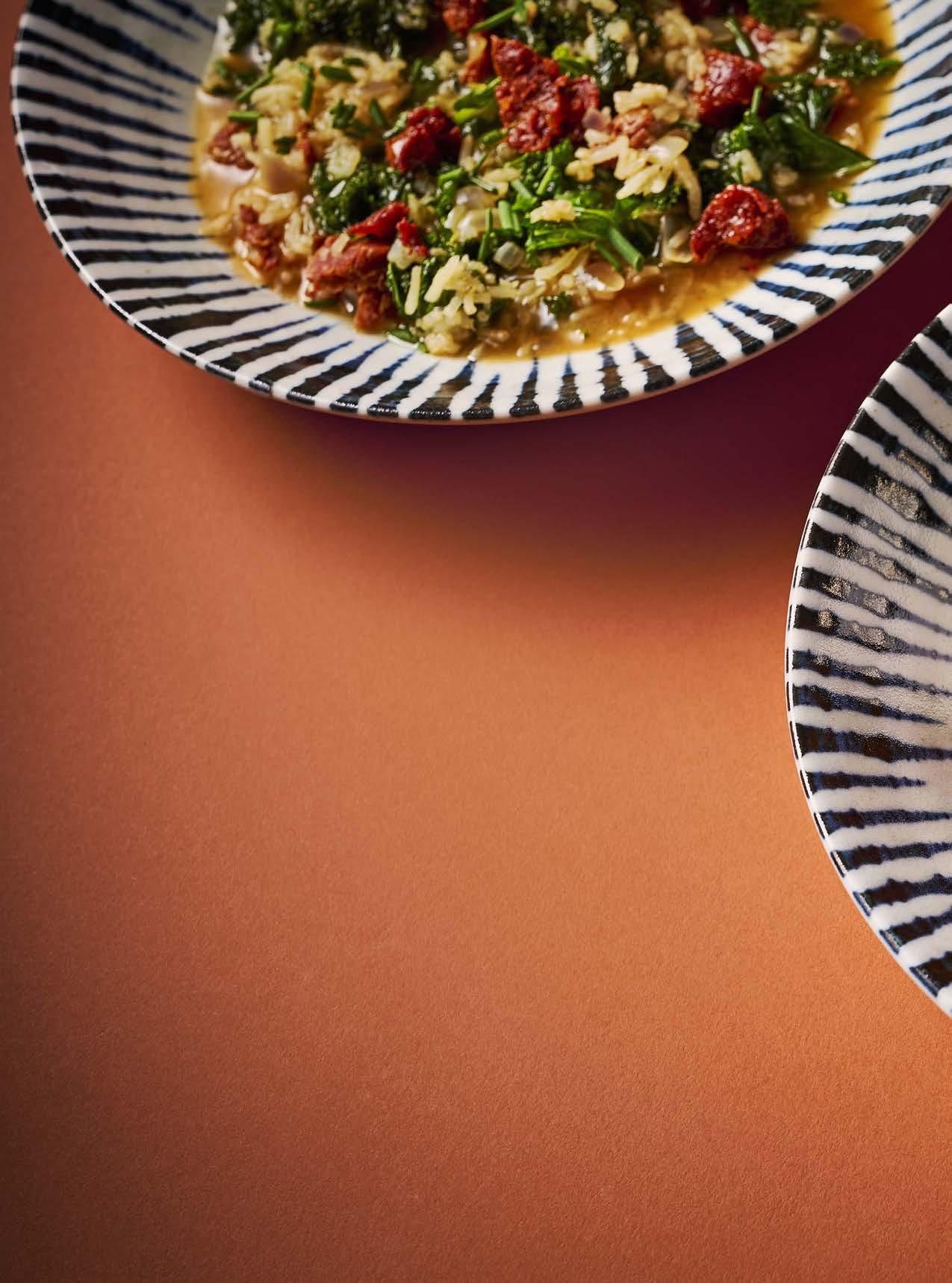
2 Cook the onion and garlic in the leftover chorizo oil for 8-10 mins until beginning to soften. Season, scatter in the rice and briefly toast in the oil.
3 Pour in the stock. Bring to the boil, then reduce the heat to a simmer and cook for 8 mins, covered with a lid. Stir in the kale leaves and cook for a final 5 mins until darkened and softened. Scatter in most of the chives and the lemon juice. When the kale is soft, divide the brothy rice mixture between four bowls, then top with the crispy chorizo and remaining chives.
GOOD TO KNOW
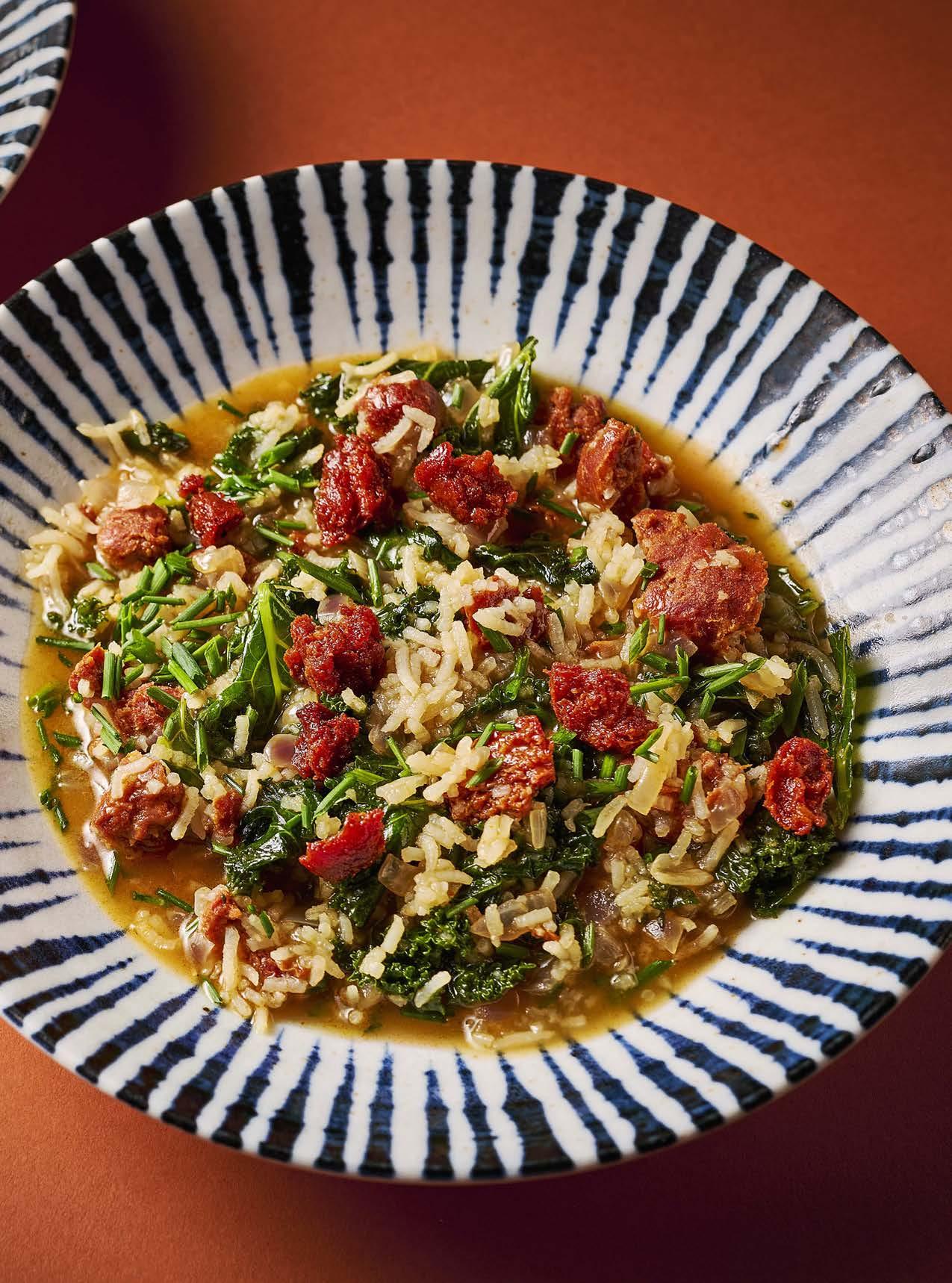
Make this delicious soup on a chilly evening, and don’t skip the raw fennel on top – it adds a lovely brightness to counter the creamy richness.
SERVES 4-6 PREP 20 mins
COOK 45 mins EASY
3 tbsp olive oil
8 boneless, skinless chicken thighs
1 onion, finely sliced
1 fennel bulb, finely sliced
2 celery sticks, finely sliced
2 garlic cloves, grated
1 bay leaf
700ml chicken stock
175g small pasta (we used ditaloni, but orzo or pastina would also work; adjust the cooking time as needed)
75g thick crème fraîche
15g dill, finely chopped
1½ lemons, zested and juiced
1 Drizzle 1 tbsp of the oil over the chicken thighs, then season with salt. Heat a large flameproof casserole dish or deep cast-iron pan over a high heat and brown the chicken for 4-5 mins on each side, or until deeply golden but not cooked through (you’ll need to do this in batches). Remove to a plate.
2 Pour 75ml water into the hot pan, bubble briefly, then scrape up any browned bits from the base and pour this into a small bowl. Set aside. (If the bottom of the pan has got quite dark, deglaze it with water as described, but taste before deciding to keep it – if it’s burnt and acrid, discard. If it’s intensely savoury and seasoned, keep it.)
3 Heat the remaining 2 tbsp oil in the pan over a medium heat and cook the onion, three-quarters of the fennel and the celery with a pinch of salt for 7-8 mins, stirring often until beginning to soften and lightly golden at the edges. Stir in the garlic and bay leaf, and cook for another minute. Scrunch up a sheet of baking parchment and rinse it under the tap. Squeeze out the excess water, then lay it on top of the fennel. Cover with the lid and cook for another 10-12 mins, stirring often until very soft.
4 Remove the parchment, then pour in the stock and 700ml water. Return the chicken thighs to the
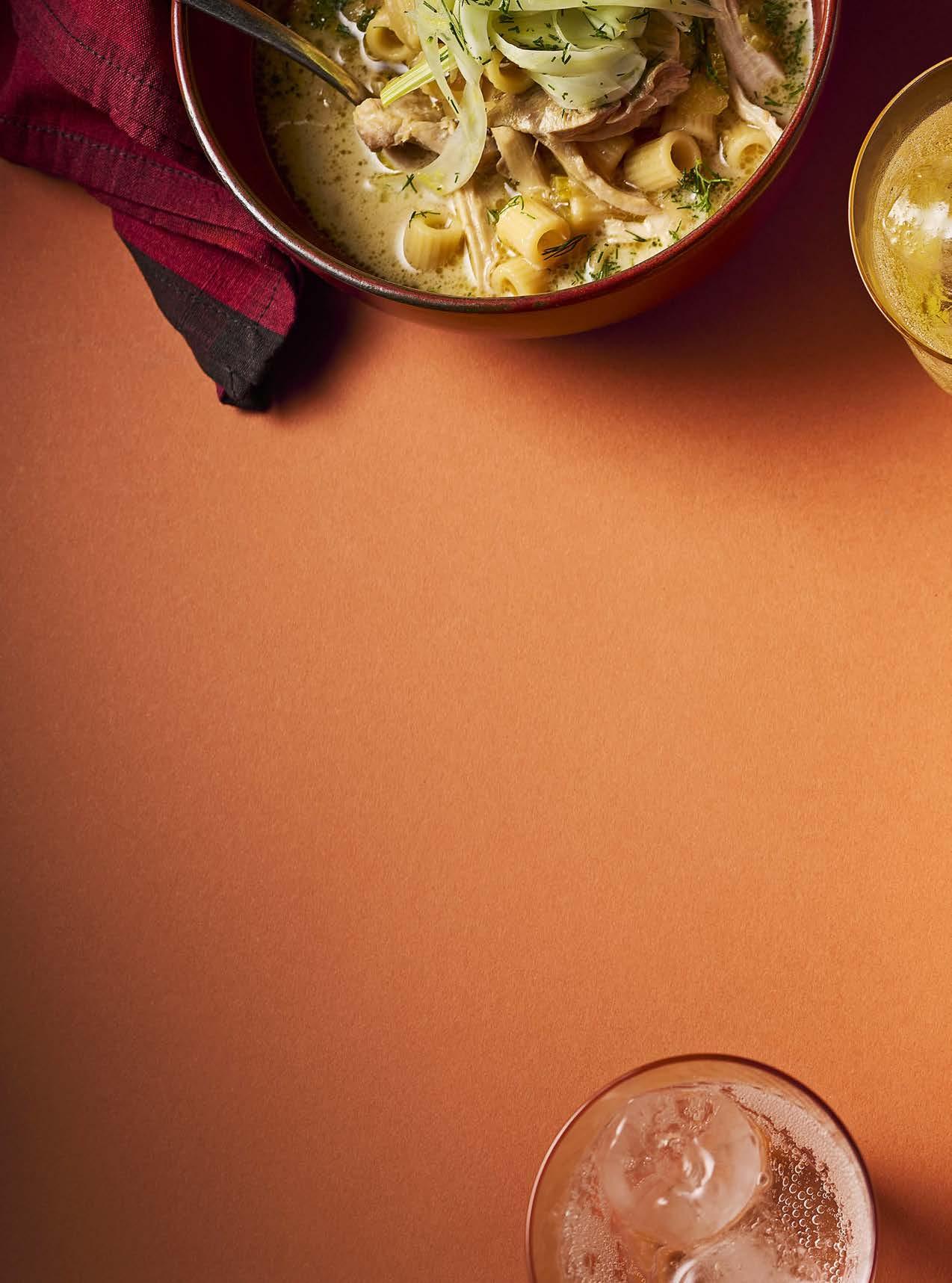
dish and reduce the heat to medium-low. Uncover and cook with the lid off for 25-30 mins, or until the chicken is fall-apart tender and the sauce has reduced by a third. In the final 11 mins of the cooking time, stir in the pasta and cook until al dente.
5 Shred the chicken in the pan using tongs or two forks. Stir in the crème fraîche, 10g of the dill and most of the lemon zest and juice Season with black pepper.
6 Put the remaining fennel in a small bowl with rest of the lemon zest and juice and dill. Season and mix well to combine.
7 Ladle the soup into bowls and top with the dressed crunchy fennel.
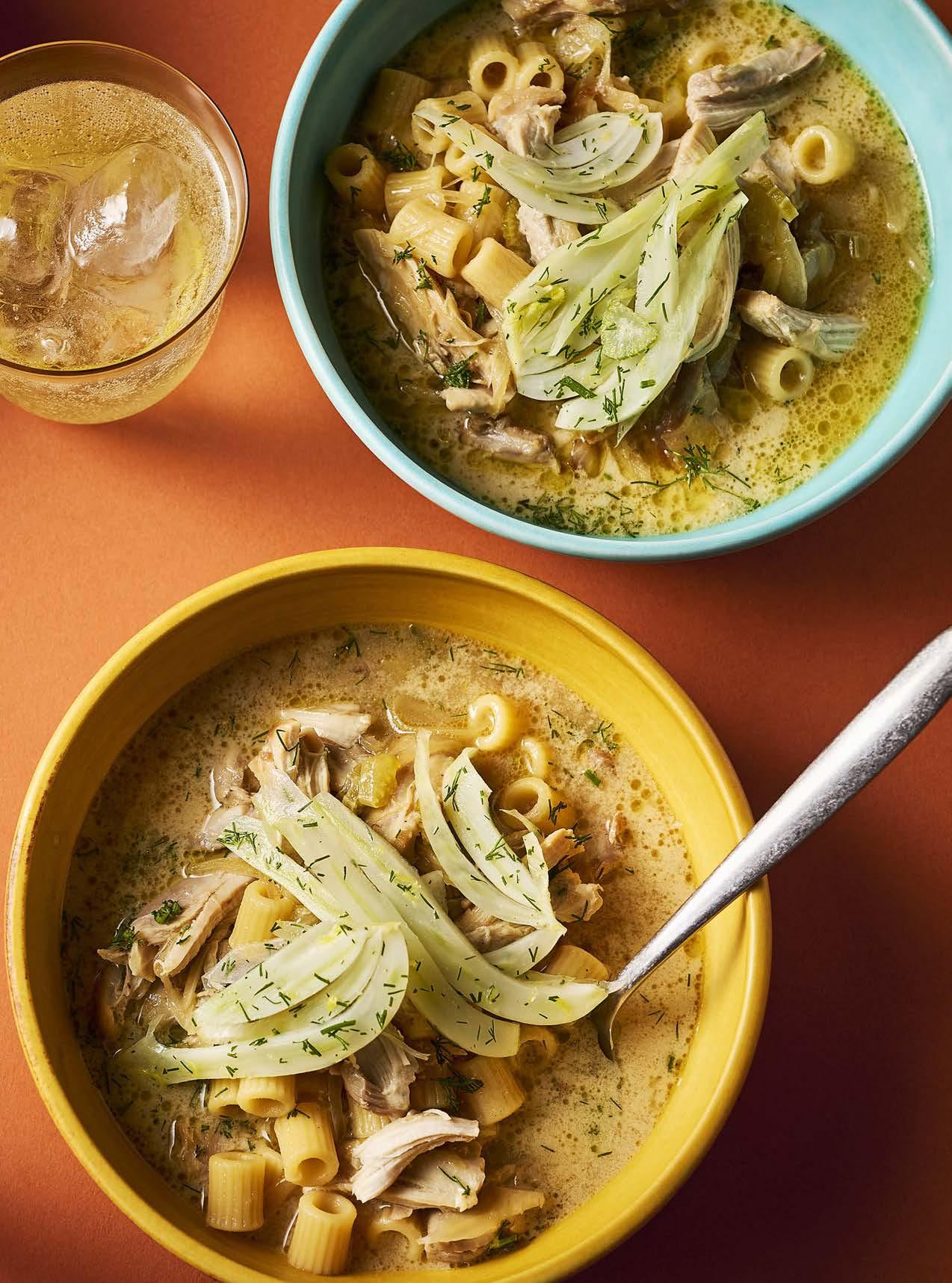



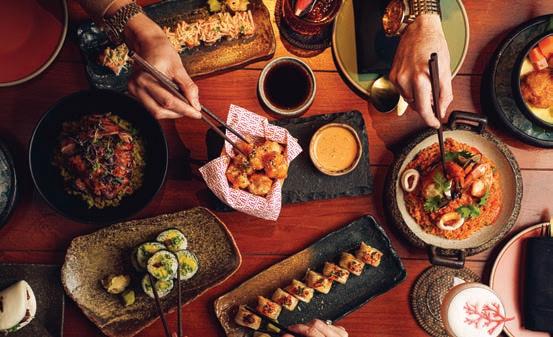

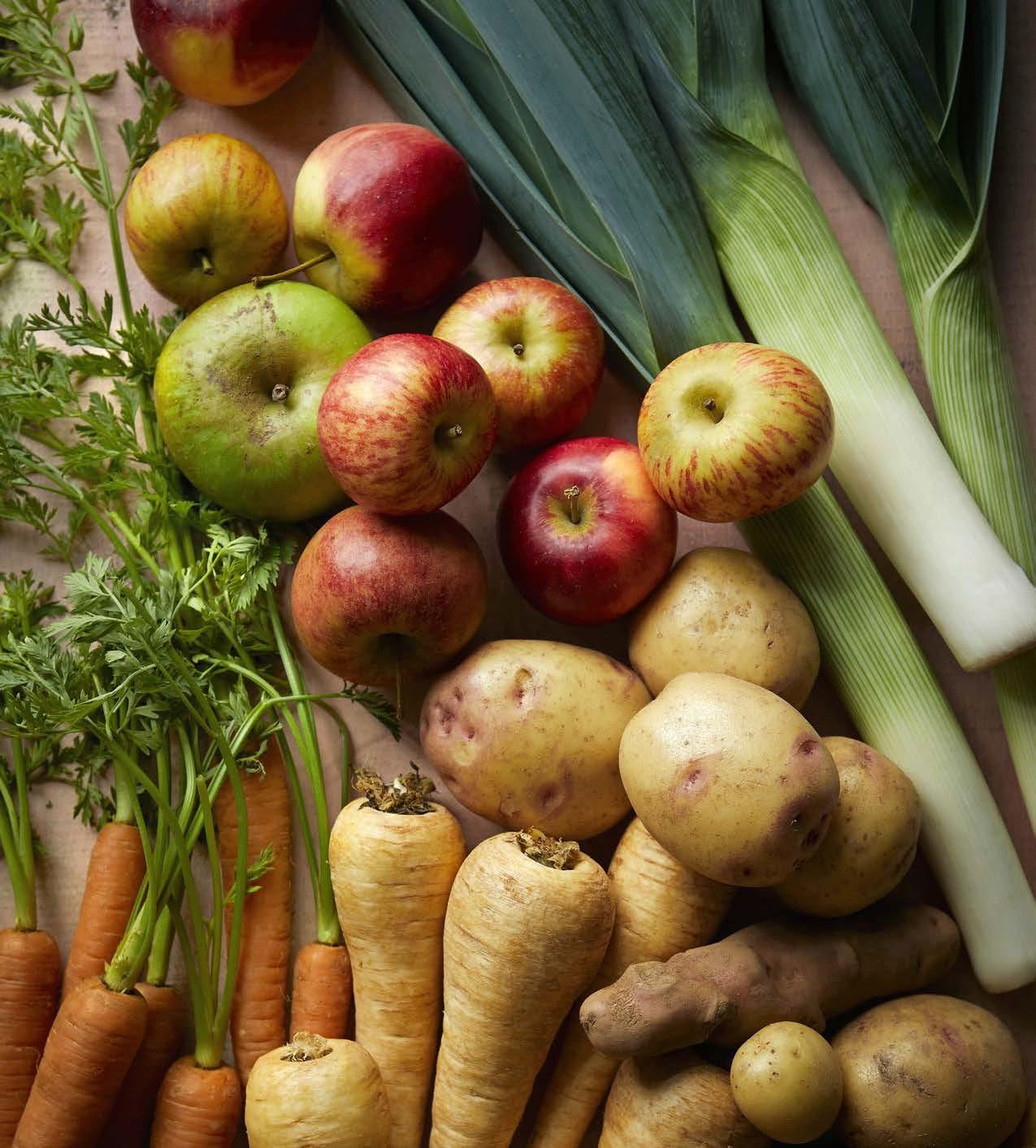
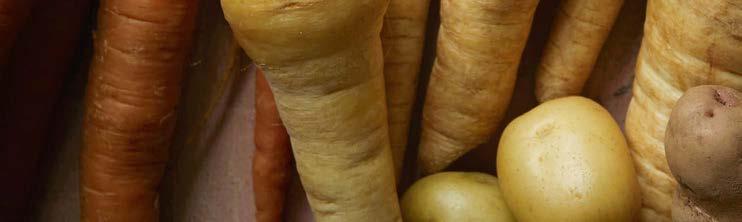
January might be chilly, but it’s filled with gorgeous root vegetables and fruits. Celebrate with hearty recipes that prove flavour doesn’t fade with the frost recipes AILSA BURT photographs MAJA SMEND
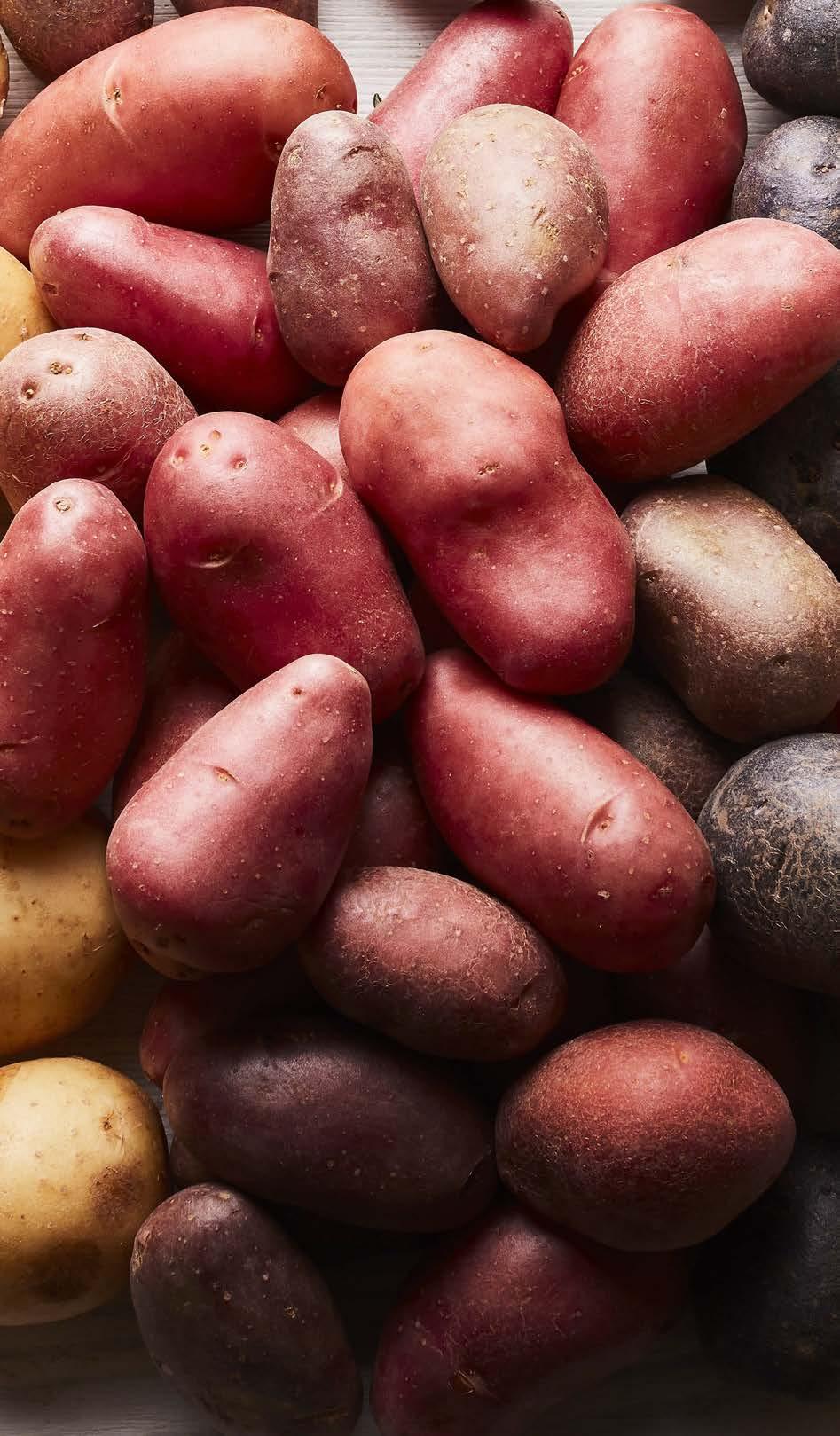
Potatoes are a versatile staple, enjoyed mashed, roasted, or fried. Store potatoes in a breathable bag (such as netted, mesh or hessian) in a cool, dark place, away from other produce such as onions – this will help prevent any pesky eyes or green spots. If you do find yourself with sprouting potatoes, simply trim off the sprouts and cut out the green spots before using. To prolong the life of potatoes and prevent wastage, you can also keep them in the fridge. Leftover cooked potatoes freeze well – add them straight from frozen to soups and stews, or roast them.

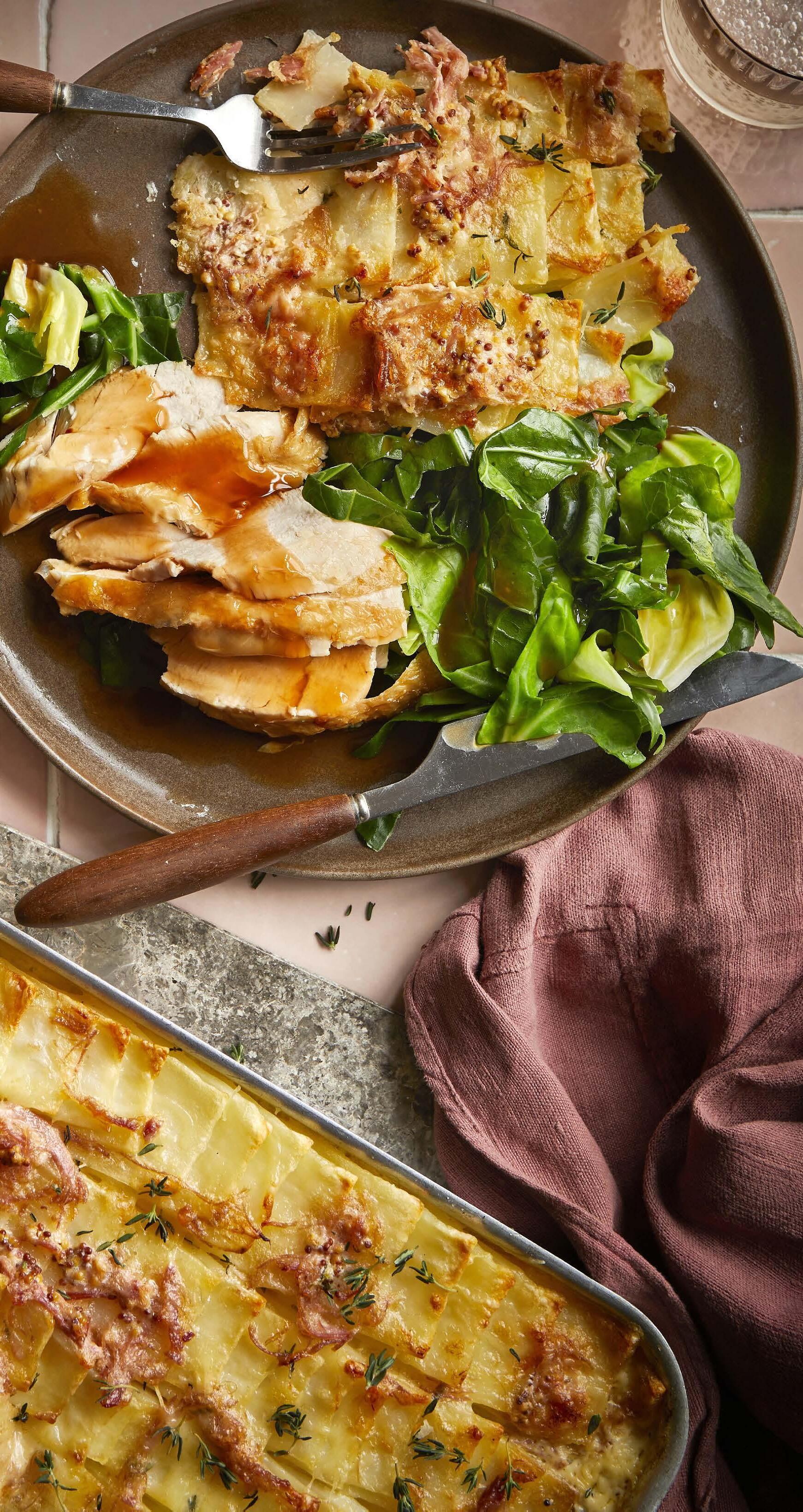
Domino potatoes with ham hock & mustard
So-called because of the way the potatoes are sliced and arranged, this dish will elevate your usual Sunday roast. It’s a great side for roast chicken with steamed greens.
SERVES 6-8 PREP 20 mins
COOK 50 mins EASY
1.5kg Maris Piper potatoes (or any floury potatoes)
50g butter, melted small handful of thyme sprigs, leaves picked
150ml double cream
50g ham hock, shredded
1 tbsp wholegrain mustard
50g gruyère or comté, finely grated roast chicken and steamed greens, to serve
1 Trim each potato at the edges to create a block shape, making sure you don’t waste too much. (Keep any offcuts in the freezer for soups and stews.) It doesn’t matter if they vary in size, as long as they are a rough rectangle or square shape. Cut the potatoes into 2mm-thick slices using a mandoline or sharp knife, keeping them stacked.
2 Heat the oven to 200C/180C fan/ gas 6. Brush some of the butter over a shallow baking sheet. Arrange the potato stacks on the sheet, fanning them out so they overlap in lines down the length of the sheet, with 3-4mm at the tops showing. Repeat until you have used all the potatoes. Drizzle over the remaining butter and season well. Scatter over the thyme and roast for 30 mins.
3 Combine the cream, ham and mustard with half of the cheese, and season with some black pepper. Spoon this over the potatoes, then scatter over the remaining cheese. Roast for 15-20 mins until crispy and golden, and the cheese is bubbling.

Subtly sweet and earthy, parsnips are a very versatile root veg. If you’re lucky enough to find some after the first frost, the cold weather will have converted some of the starch into sugar, making them even sweeter. They take on punchy and spicy flavours very well, so try roasting them with cumin and chilli powder to serve as a side. Alternatively, boil and mash them with butter and herbs for a sweet mash to serve with sausages. Keep parsnips in the fridge, or in a cool, dark place. If they do go floppy, you can revive them by leaving them in a bowl of cold water for an hour (though they are perfectly fine to eat as is). There’s no need to peel them, as the skins are edible – just give them a good scrub before using.

Parsnip, leek, sage & blue cheese
MAKES 6 PREP 45 mins
COOK 1 hr 10 mins EASY V ❄
30g butter
2 tbsp olive oil
300g parsnips, cut into 1cm cubes
100g mushrooms, roughly chopped
1 leek, halved and finely sliced
8 sage leaves, finely chopped
1 tbsp plain flour
250ml vegetable stock
120g blue cheese, crumbled
1 egg, beaten
1 tbsp nigella seeds
For the pastry
500g plain flour, plus extra for dusting
250g cold unsalted butter, cubed
1 egg
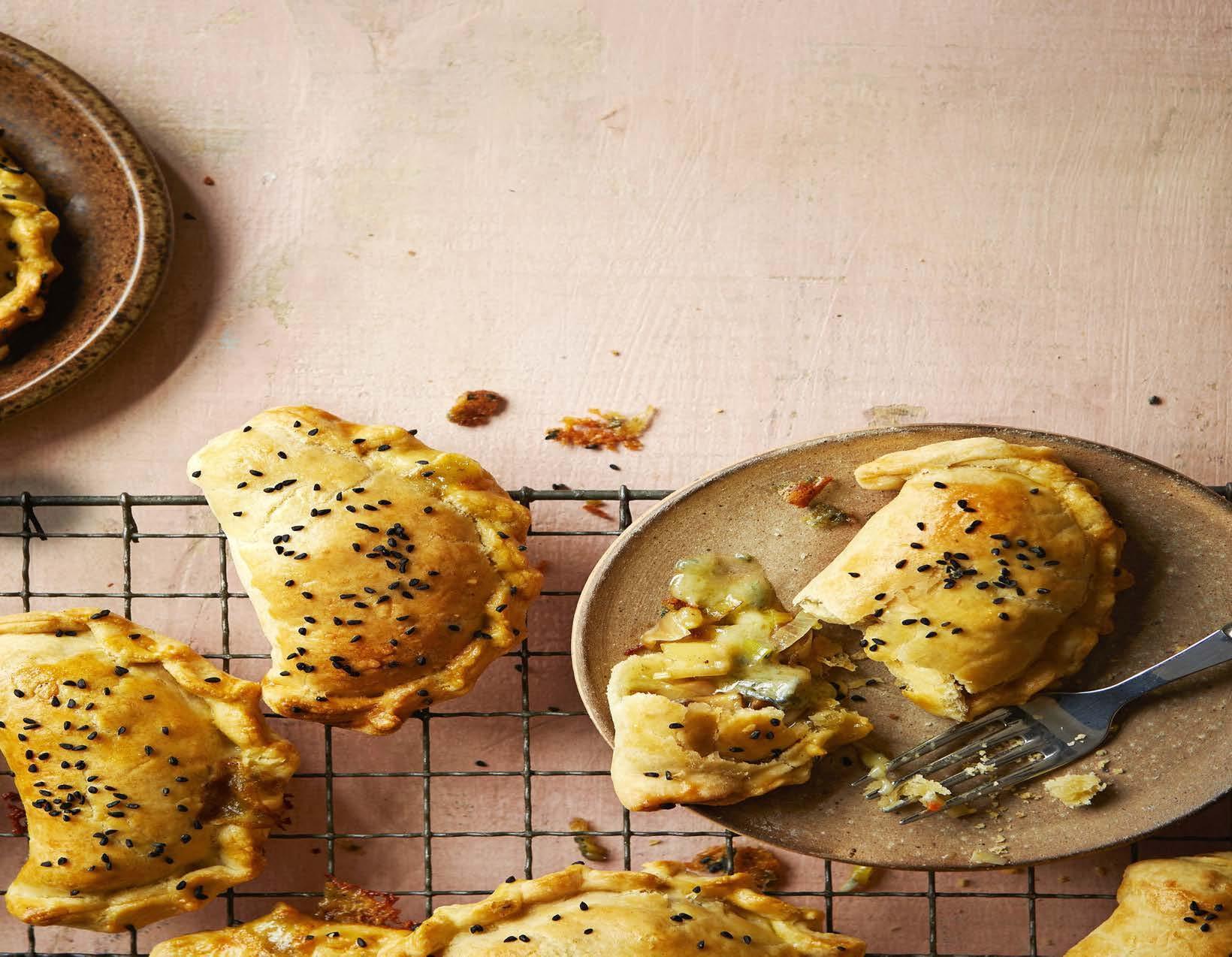
1 To make the pastry, tip the flour into a food processor with 1/2 tsp fine sea salt and the butter. Pulse until it resembles fine breadcrumbs, then add the egg and 6 tbsp cold water. Pulse again and add more water, 1 tsp at a time, until it forms into a ball. Bring together using your hands, cover, and chill for at least 1 hr. Will keep chilled for up to two days.
2 Heat the butter and oil in a frying pan over a medium heat and cook parsnips, partially covered and stirring occasionally, for 10-15 mins until softened. Stir in the mushrooms and cook for 8-10 mins until most of the water has evaporated. Add the leeks and sage, and turn up the heat to medium-high. Fry for 8-10 mins until the leeks have softened. Sprinkle over the flour and mix, then slowly pour in the stock. Bring to a simmer and season. Cook for 2-3 mins until reduced slightly. Leave to cool.
3 Lightly dust a work surface with flour and roll out the pastry to the
thickness of 2.80mm. Cut out 12cm circles, re-rolling any offcuts, and repeat. Mix the blue cheese with the cooled veg mixture.
4 Heat the oven to 200C/180C fan/ gas 6. Line a large baking tray with baking parchment. Spoon 2 tbsp of the filling over one half of each pastry circle, leaving a 1cm border. Brush egg over the border and fold the bottom half over the filling, flattening it slightly. Crimp the edges and put on the tray. Repeat with the remaining filling and pastry. Brush with the remaining egg and sprinkle over the nigella seeds and sea salt. Will keep frozen for two months.
5 Bake for 25-30 mins until golden brown (40-45 mins from frozen). Cool for 10 mins before serving. Will keep chilled in an airtight container for up to three days.
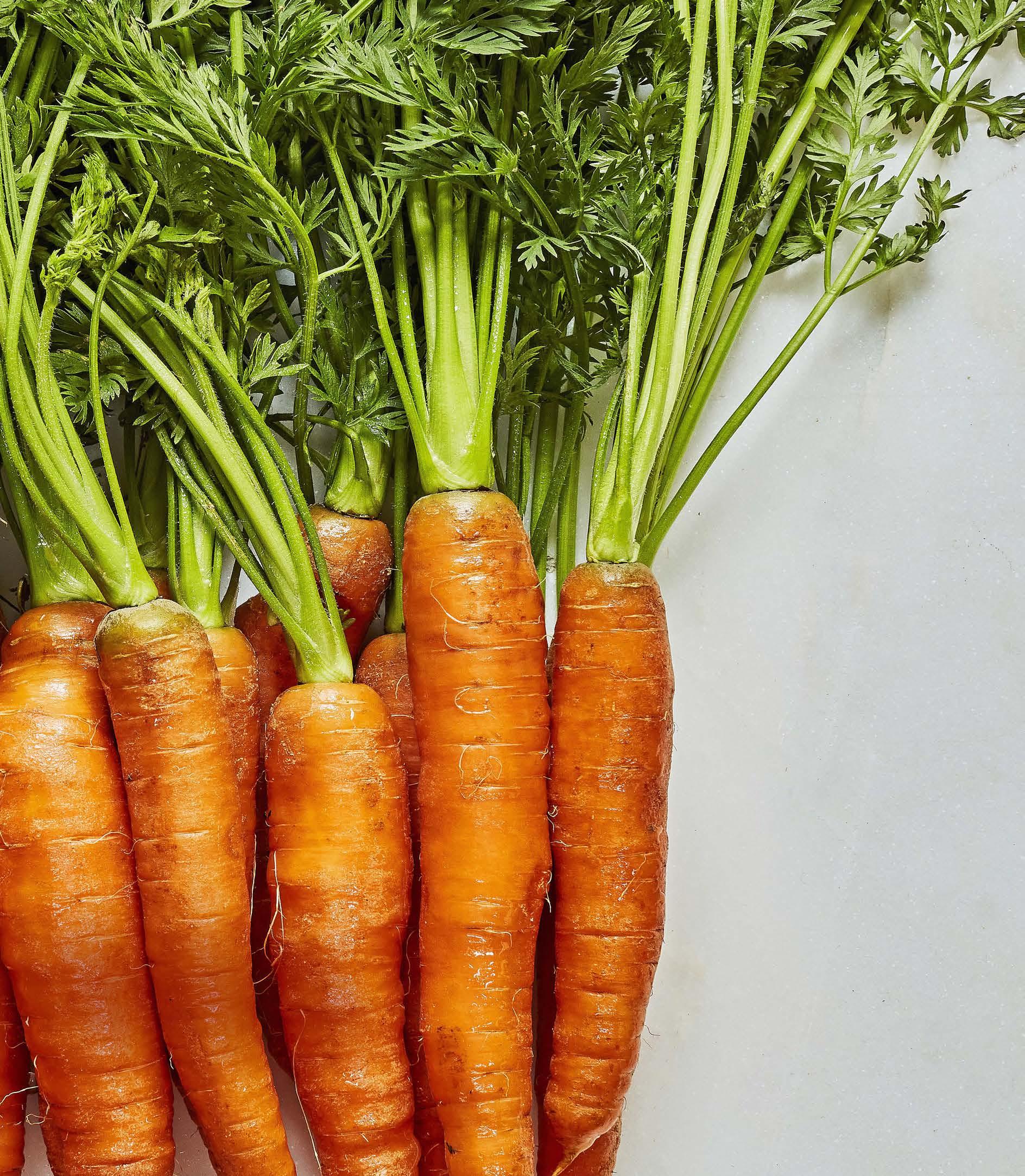
Carrots are a staple in many kitchens because of their versatility – they pair well with citrus and herbs, and can take on strong flavours like rosemary and fennel seeds. You can intensify their sweetness by combining them with dried fruit, such as sultanas in a carrot salad, or roasting them with honey. Keep in the fridge for maximum crunch and freshness. There’s no need to peel – just scrub them clean before chopping. You can bring the crunch back to carrots in the same way as you would parsnips, by putting in a bowl of cold water for an hour or two.
SERVES 4 PREP 25 mins
COOK 30 mins EASY V
1 tbsp honey
1 tbsp harissa
½ tbsp Aleppo pepper
1 tbsp tomato purée
2 tbsp olive oil
½ lemon, juiced
800g carrots, trimmed and halved or quartered, if very thick
8 flatbreads (such as piadina)
30g shelled pistachios, finely chopped
For the salad
½ small red onion, finely sliced
small handful of parsley leaves, finely chopped
½ small white cabbage, finely sliced ½ lemon, juiced For the whipped feta small handful of mint, leaves picked and finely chopped ½ lemon, zested 100g feta, crumbled 150g natural yogurt
1 Heat the oven to 200C/180C fan/ gas 6. Combine the honey, harissa, Aleppo pepper, tomato purée, olive oil and lemon juice in a bowl. Put the carrots on a large roasting tray and drizzle over the mixture, then season and toss using your hands. Roast for 25-30 mins until tender.
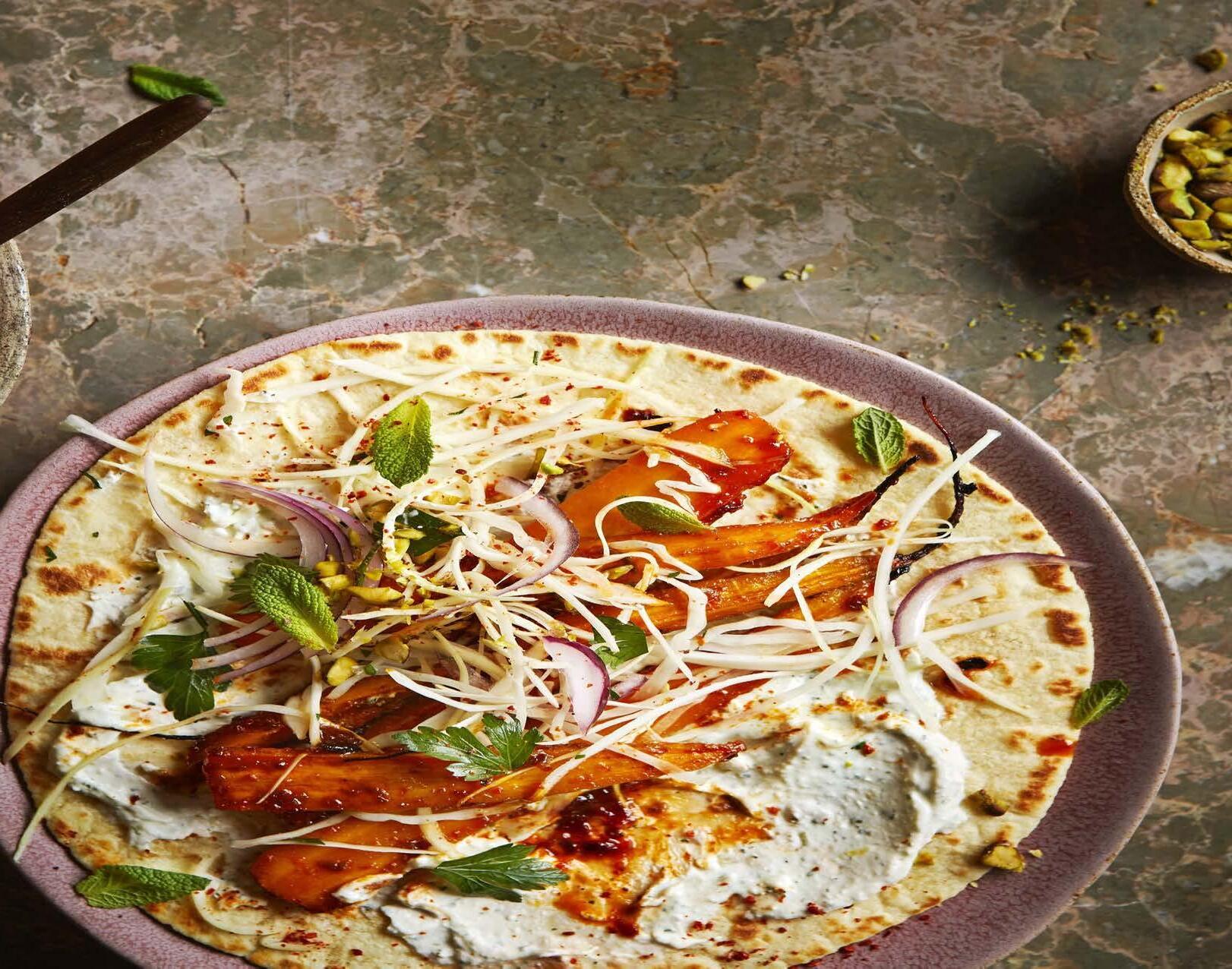
2 Meanwhile, combine all the ingredients for the salad, and season. For the whipped feta, put the mint, lemon zest, feta and yogurt into a food processor and blitz until smooth, then season and spoon into a serving bowl.
3 Toast the flatbreads following pack instructions and wrap in a clean tea towel to keep warm. Serve the flatbreads topped with the whipped feta, salad, roasted carrots and chopped pistachios.

Less harsh and pungent than onions, leeks impart a mild, sweet flavour and work in many recipes, from pies to stir-fries. They pair well with creamy dishes and lighter meats, such as fish and chicken. They become sweeter if you fry them gently in butter until soft but not coloured, or cook over a high heat for a short period to lightly char. Keep them in the fridge and wash well before using, as mud and grit often gets trapped within the layers of leaves. The easiest way to do this is to split the leeks in half lengthways and rinse under water, pulling back the layers gently before slicing. Keep the dark green tops in the freezer to use in stocks, or finely chop and use in slow-cooked dishes such as braises and stews.

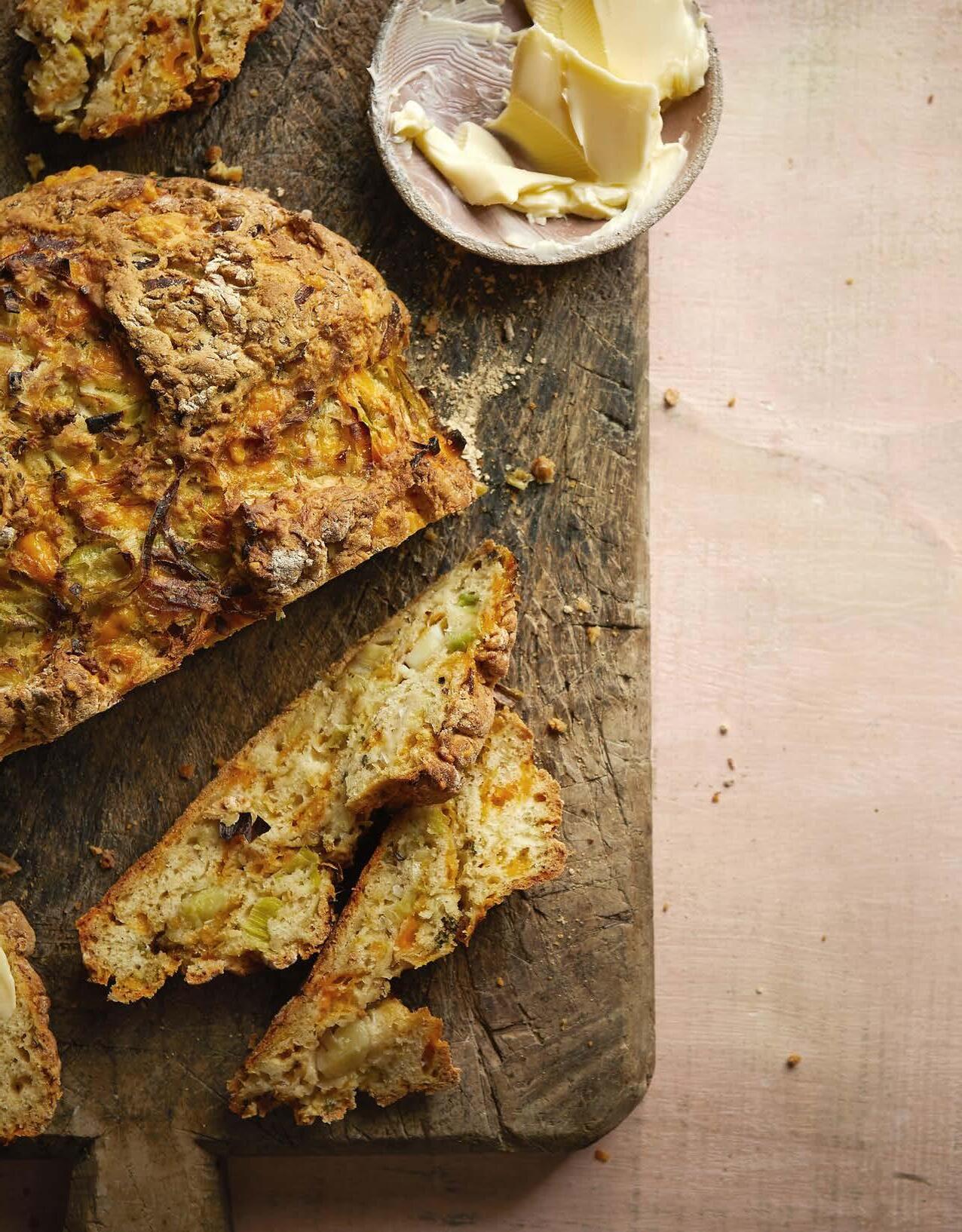
Sizzled leek & red leicester soda bread
Slather with salted butter and serve with your soup of choice to brighten a gloomy day.
SERVES 6-8 PREP 15 mins COOK 55 mins EASY V
20g butter
1 tbsp olive oil
1 large leek, finely sliced 300g plain flour, plus extra for dusting
1 tsp bicarbonate of soda small handful of thyme sprigs, leaves picked 100g red leicester, coarsely grated 250ml buttermilk salted butter, to serve
1 Heat the butter and oil in a frying pan over a medium heat, add the leeks, then turn up the heat to medium-high and cook for 15-20 mins, stirring occasionally until lightly browned. Remove to a bowl and leave to cool.
2 Heat the oven to 200C/180C fan/ gas 6. Tip the flour into a bowl and add the leeks, bicarb, thyme, grated cheese and 1 1/2 tsp salt. Pour in the buttermilk and use a wooden spoon to bring everything together.
3 Briefly knead the dough on a lightly floured work surface to just to bring it together into a ball. Transfer to a baking tray dusted with flour. Slash a cross into the top of the dough ball, then bake for 30-35 mins until the loaf is golden brown and sounds hollow when tapped on the bottom.
4 Serve the soda bread warm, cut into thick slices and slathered with some salted butter.
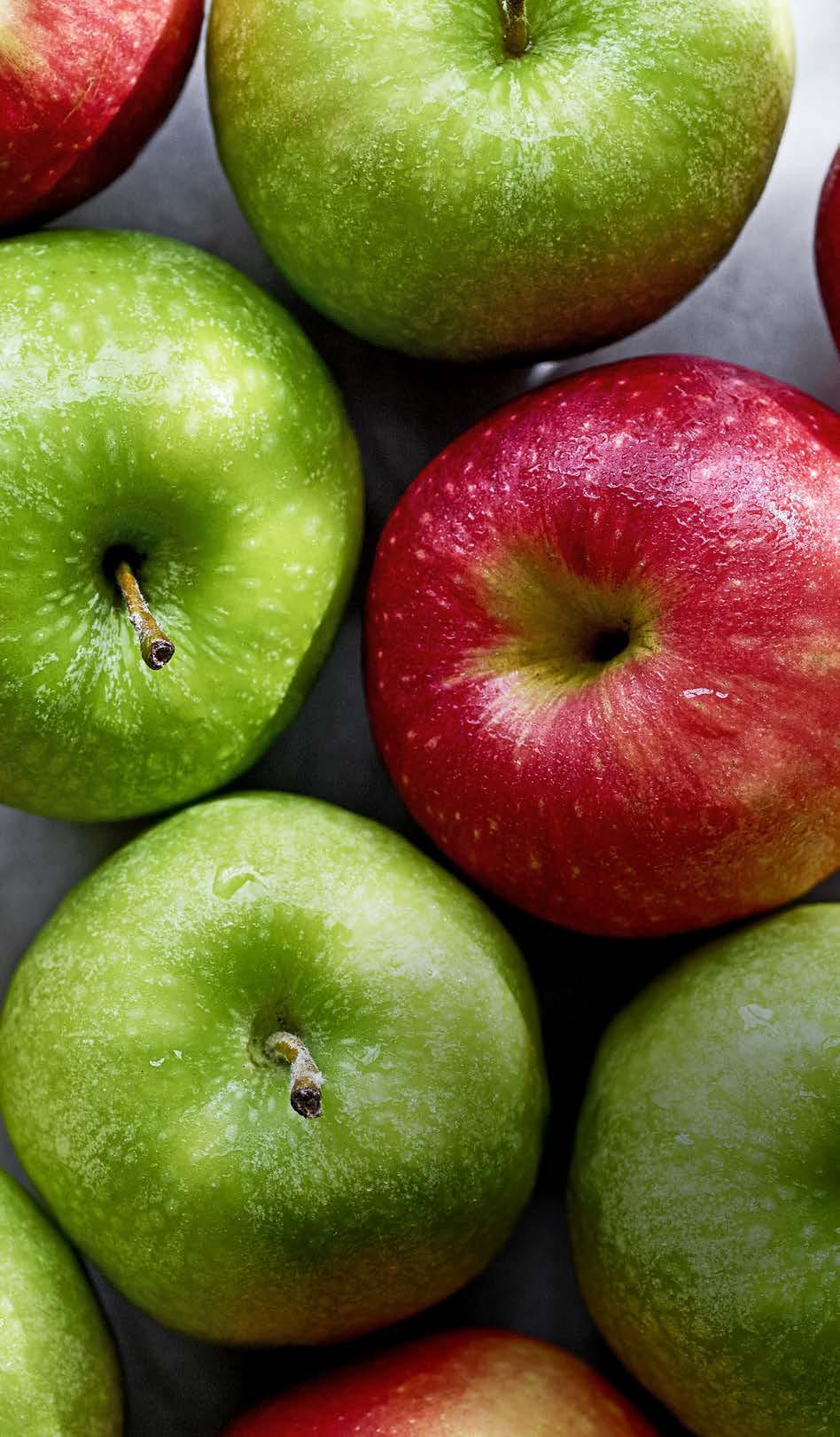
Apples are versatile and can be used in both sweet and savoury dishes. They pair well with warming spices like cinnamon and nutmeg and can balance rich meats such duck. Store apples in the fridge or a cool, dark spot, leaving the fruit bowl for those you plan to eat within a couple of days.
Apples also freeze well – simply cut or slice them (peeled or unpeeled) and store in a freezer bag, perfect for baking, smoothies, or cooking into compote.

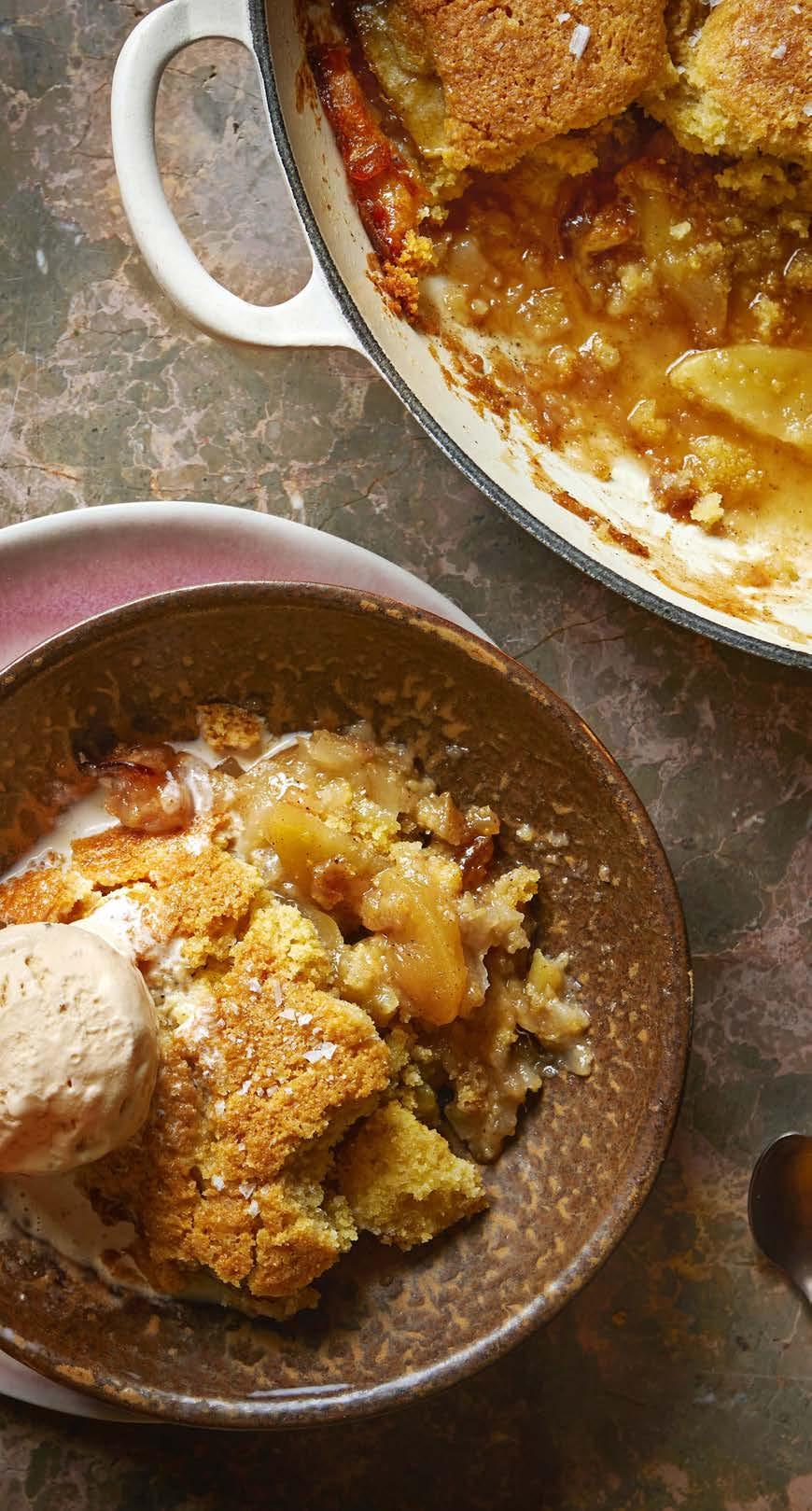
Salted crunchy apple & ginger cobbler
The filling can be made in advance – just pop on the topping and bake.
SERVES 8 PREP 25 mins
COOK 45 mins EASY V
4 balls of stem ginger, finely chopped
1 tsp vanilla bean paste
1 tsp ground cinnamon
½ tsp ground ginger
½ tsp ground nutmeg
60g golden caster sugar
4 Bramley apples, peeled, cored and sliced
4 Braeburn apples, peeled, cored and sliced
2 tbsp plain flour
1 small lemon, juiced 50g butter, cubed ice cream or double cream to serve For the cobbler
150ml double cream
1 egg
200g plain flour
1 tbsp baking powder
125g unsalted butter, cubed
¾ tsp sea salt flakes
50g quick-cook polenta
75g golden caster sugar
1 tbsp demerara sugar
1 Heat the oven to 190C/170C fan/ gas 5. Toss the stem ginger, vanilla, spices, sugar, apples, flour and lemon juice together in a large bowl until well combined. Tip into a shallow, wide casserole or baking dish. Dot the butter over the top and bake for 10-15 mins until softened.
2 To make the cobbler, whisk the cream and egg together, set aside. Tip the flour, baking powder and butter into a bowl. Rub the mixture together using your hands until you have a mixture of fine and chunky pieces. Stir in the salt, polenta and caster sugar. Pour in the egg mixture and combine into a sticky dough.
3 Remove the pan of fruit from the oven and spoon over large spoonfuls of the cobbler batter. Sprinkle over the demerara sugar and bake for 25-30 mins until golden and crispy on top, and cooked through. Cool for 5 mins before serving with vanilla ice cream or cold double cream.
GOOD TO KNOW vit c 1 of 5-a-day
PER SERVING 526 kcals • fat 29g • saturates 18g • carbs 59g • sugars 34g • fibre 4g • protein 5g
• salt 1.15g

Barney says:
As a cookery writer, I ask myself: what is it that makes my recipes stand out – what helps them work a bit harder, or take a classic to the ‘next level’? It comes down to an arsenal of skills that I use almost on autopilot. Once you start working them into your kitchen routine, they’ll make you a better cook, too. So if you’re hoping to up your game in the kitchen this year, here are my top 10 tricks.
Just like an expensive steak, the time you spend browning mince properly pays you back in flavour. That’s down to the Maillard reaction – the complex chemical changes that occur when the proteins and natural sugars in the meat are exposed to heat. It’s not just colour — you’re creating a new flavour compound that gives deep, savoury, roasted taste.
The conventional way is to chuck it into a red-hot pan, but that tends to sear unevenly and often leaves the mince stewing in its own juices. My way (and I’ll admit, very few things in the kitchen are truly original, but I’ve not seen this written down anywhere else) is to render it: you let all the liquid cook off and reduce into flavour, then allow the mince to sizzle in its own fat, which is when the real browning begins.
Heat oil in a pan over a medium-low heat, crumble in the mince and cook for 15-20 minutes. At first, it will release liquid, which is pure flavour. Once that bubbles down – leaving you with what’s essentially a reduced beef stock glaze – the mince will start to crackle in the fat and properly brown. At that stage, stir well and often with a wooden spoon, scraping the bottom of the pan so the browned bits are worked back in. (Depending on the fat content, you may want to splash in a little extra oil.) Once it’s evenly speckled with crisp brown bits, you can add veg and aromatics.
The reason we’ve all gone mad for salted caramel and pretzels in brownies is simple: salty-sweet tastes delicious. Salt doesn’t just add its own flavour, it amplifies and balances the flavours already there, whether that’s savoury or sweet. In desserts, where sugar can sometimes overwhelm, a pinch of salt reins it in and lets the other ingredients shine. Scientifically, salt reduces bitterness and balances sweetness, so flavours like vanilla, fruit or spice pop more vividly against the sugar. Whenever you’re baking, a small pinch of salt can make a big difference. And, with anything involving caramel, chocolate or coffee, a more generous seasoning takes it to another level. Remember: it doesn’t always have to mean flaky salt – it can be salted butter, miso, salted nuts, anchovies (okay, maybe not anchovies!) or soy sauce.
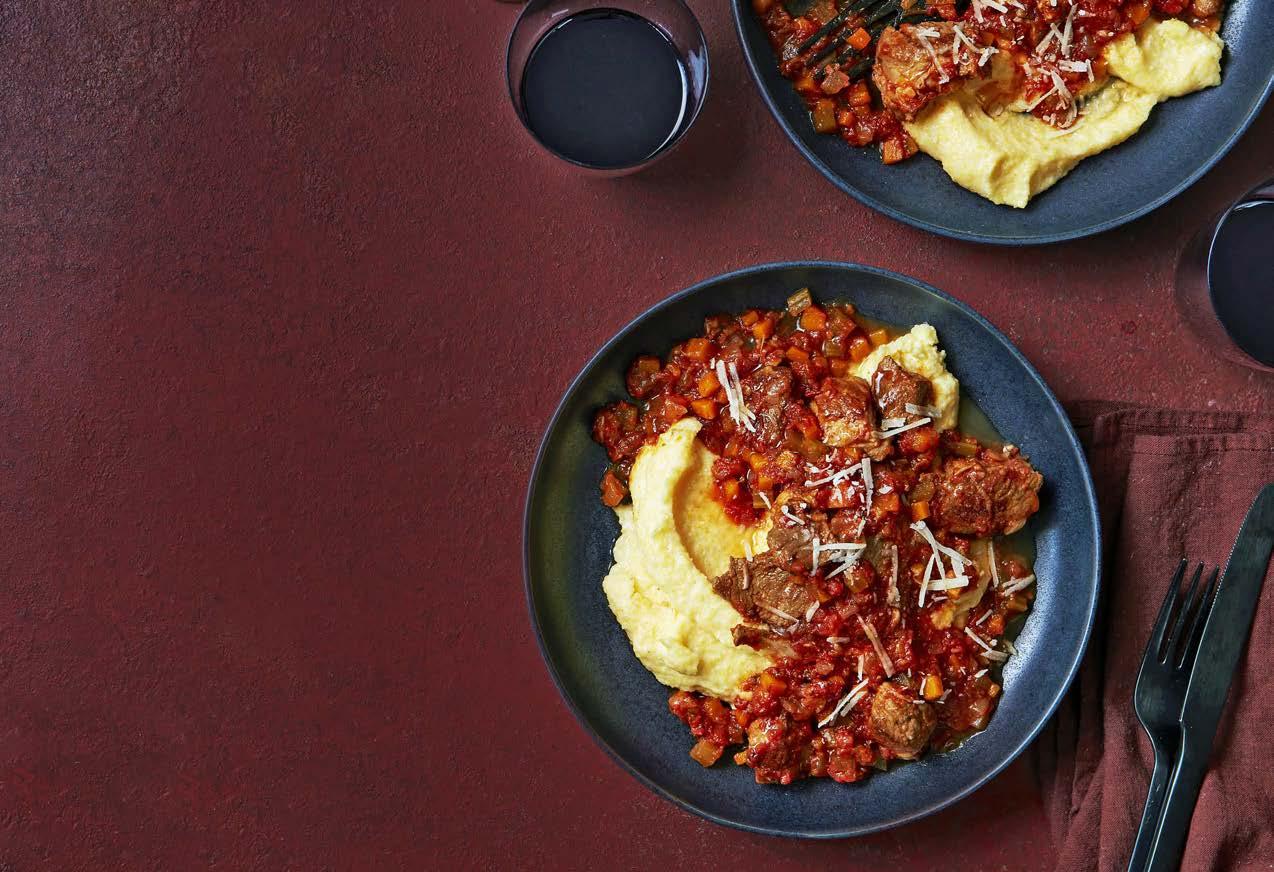
Our skills and shows editor Barney Desmazery, the longest-standing member of the Good Food team, shares the secrets he’s gathered after 26 years of developing recipes and talking to countless chefs and cooks


For years, the conventional wisdom with seasoning animal protein was to do it seconds before applying heat, otherwise the salt would “dry it out” and make it tough. But, science shows this isn’t true. Samin Nosrat’s Salt, Fat, Acid, Heat is a good place to read more on this. Salt draws out a little surface moisture at first, but given time, the liquid dissolves the salt and is then reabsorbed into the protein. This means the seasoning penetrates deeper, flavouring the meat all the way through, rather than just coating the outside. In fish, it also firms up the flesh. Use the same amount of salt you’d normally season with, just apply it earlier. How far in advance depends on the size and structure – a turkey or large fore rib of beef can be salted two days ahead, while a chicken or pork rack is best done 24 hours before. For a fillet of fish or individual steak, an hour is ideal. And, when it comes to crackling or poultry skin, salting in advance and leaving the meat uncovered in the fridge dries the skin, too, so it roasts to a crisp finish. It only takes seconds and the difference is surprisingly noticeable.
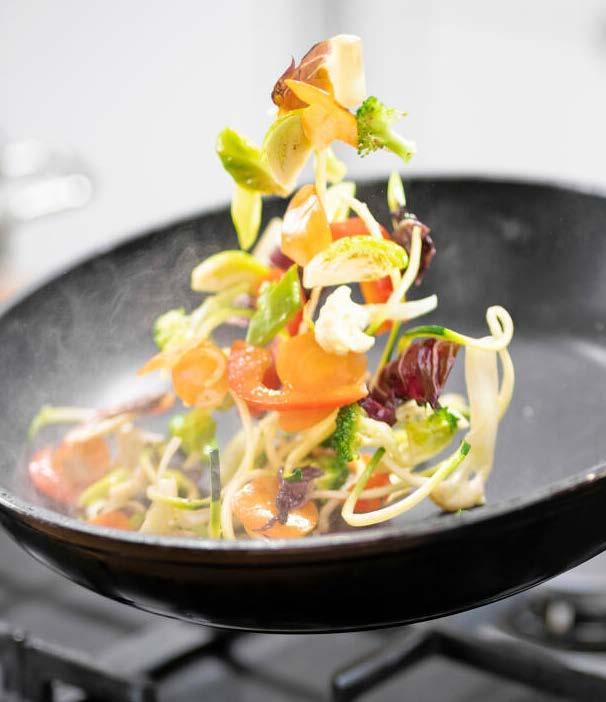
Properly stir-fried food should have a bit of char – that smoky, savoury edge that comes from the Maillard reaction (see tip 1).
That’s why, in a professional kitchen, it’s done over a roaring heat with flames licking the ingredients as they’re tossed in the air. Even then, the frying is done in stages so the wok doesn’t get overcrowded.
At home, we tend to think of stir-fries as quick and easy, and they are, but that’s no excuse to throw everything in at once and steam it into submission. Overcrowding the wok traps
moisture, which means veg is limp rather than charred and crunchy, and meat stewed instead of browned. The best way to do it in a home kitchen is to have everything prepped, then cook a handful at a time over the highest heat you can manage. Tip each batch into a bowl as soon as it’s charred. Once everything has had its turn, return it all to the wok at the end, along with any aromatics or sauce ingredients to finish and bring the flavours together. You’ll be amazed at how much fresher and more vibrant your stir-fries taste.
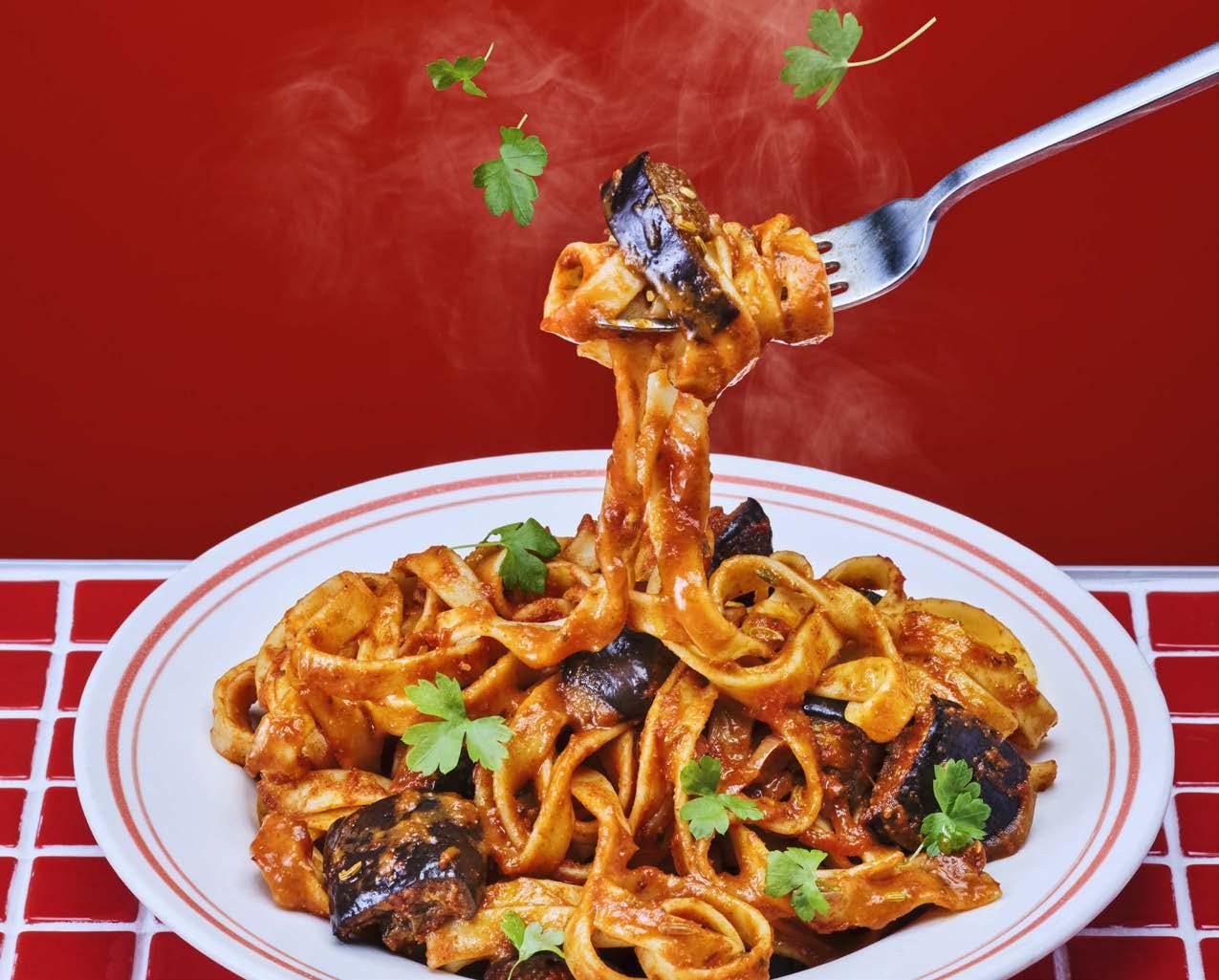
The starchy water your pasta is cooked in is the secret to a silky, restaurant-quality sauce. I like to undercook my pasta slightly, scoop out a good mugful of the water, then return the pasta to the empty pan with some of that liquid. Let it bubble briefly, then stir in the sauce until glossy, and suddenly, it tastes like something you’d get in a good trattoria. And, forget that classic image of plain pasta with a neat puddle of sauce spooned over the top – pasta should always be finished in its sauce. A good bowl of pasta should feel like one dish, not two separate parts. So, undercook your pasta, let it finish cooking in the sauce (stirring vigorously like you would a risotto), then finish with fat (see below).
One of the quickest ways to make food taste brighter and more balanced is to finish with a touch of acid. A squeeze of lemon or lime or splash of vinegar can transform a dish from good to great. Acid works by sharpening flavours, tempering richness and giving the palate something to cling to.

It doesn’t have to come from liquid alone – you can build it into the dish with ingredients like tomatoes, yogurt and crème fraiche, or by serving with something sharp, such as tangy pickles or a spoonful of chutney. Think of acid as your secret seasoning weapon.
Whether it’s olive oil, sesame or chilli oil, a knob of butter or handful of parmesan, fat makes food taste more delicious and gives a richer mouthfeel. So, as well as adding fat at the beginning to fry ingredients, use it to enrich at the end of cooking. That could mean a good glug of olive oil stirred through a tomato-based sauce or drizzled over a dish to finish, tossing vegetables in butter or serving a dessert with a spoonful of something thick and creamy.
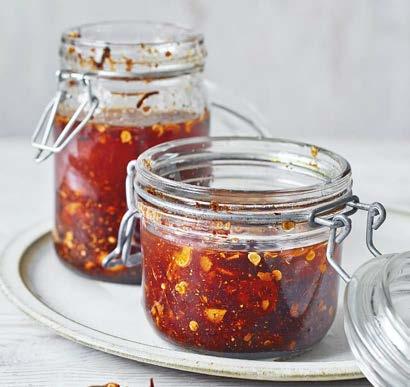

The so-called “fifth taste” is best described as savouriness: that moreish quality that makes food irresistible. Certain ingredients are naturally rich in umami, and using them cleverly can transform a dish from good to unforgettable. Whenever I’m working on a savoury recipe, I ask myself, ‘can I sneak in a little umami to boost the flavour?’ It might be a touch of Marmite in a cheese dish, dash of soy in gravy, mustard whisked into a dressing, dried mushrooms blended into anything mushroom-based or – don’t tell the Italians – a spoonful of miso stirred through risotto. None of these should dominate the taste; they’re only there to add depth and savouriness in the background.
One of the best beef sauces I’ve ever eaten, courtesy of Beth O’Brien at The Fat Badger pub, owed its incredible flavour to a small amount of anchovy butter whisked in at the end. A double win, adding umami and finishing with fat (tip 7).
I haven’t finely chopped garlic, ginger or chilli in years; instead, I grate everything. It saves your chopping board from reeking of garlic, it’s infinitely quicker and means you can ditch the most irritating gadget of all: the garlic press. Best of all, you can grate straight into the pan or bowl. With garlic, I don’t even bother peeling – the papery skin slips off as you grate. Ginger goes in, peel and all, and I like to keep chillies in the freezer so I can grate them into a flurry of spicy snow. And, of course, the grater’s original party trick is turning a block of hard parmesan into a cloud of cheesy goodness, which is still as impressive as ever.
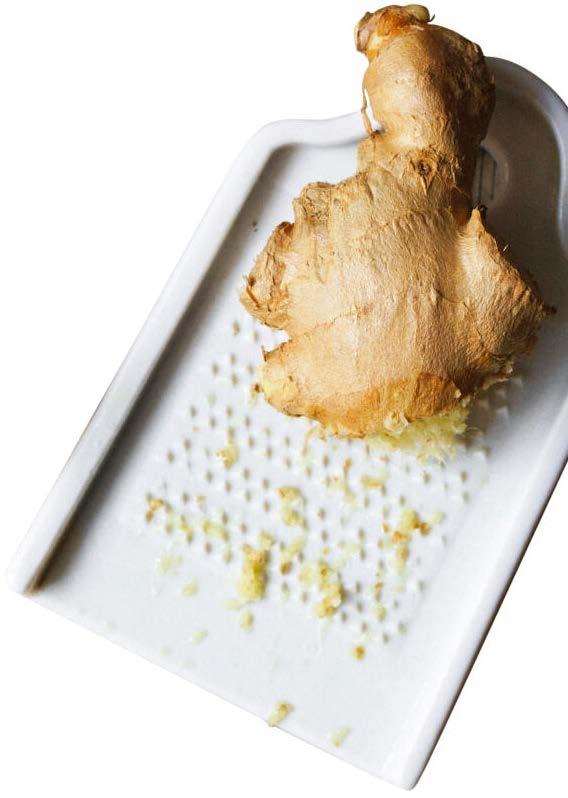
Remember, the best ingredients make the best dishes
Buy what you can afford, but remember that the best ingredients will give you the best results. Whether that’s Japanese soy sauce, bronzecut pasta or Italian canned tomatoes, when you start with the right building blocks, half the work is already done. And, there’s a big difference between cost and value: if something is cheaper but far lower quality, is it truly good value? Often,

paying a little more pays you back with superior taste. Supermarkets don’t always carry the finest examples of pastes, sauces or condiments. That’s where the fun begins; going to specialist shops or browsing online to track down the best of their kind. With fresh produce, it’s about seasonality and provenance — knowing what’s in season is the first step to buying better.
Rich, comforting and clever – you need this one-pot in your repertoire
recipe BARNEY DESMAZERY photograph MAJA SMEND

If you can, dice your own meat (or ask your butcher to) from a larger piece. Supermarket packs of pre-diced beef are often uneven and cut too small. Doing it yourself means you can choose the cut, control the size and get better value for money.

We’ve given the classic beef and ale stew a richer, darker twist by using stout instead. Its bitterness is perfectly balanced with a generous pinch of sugar for depth.

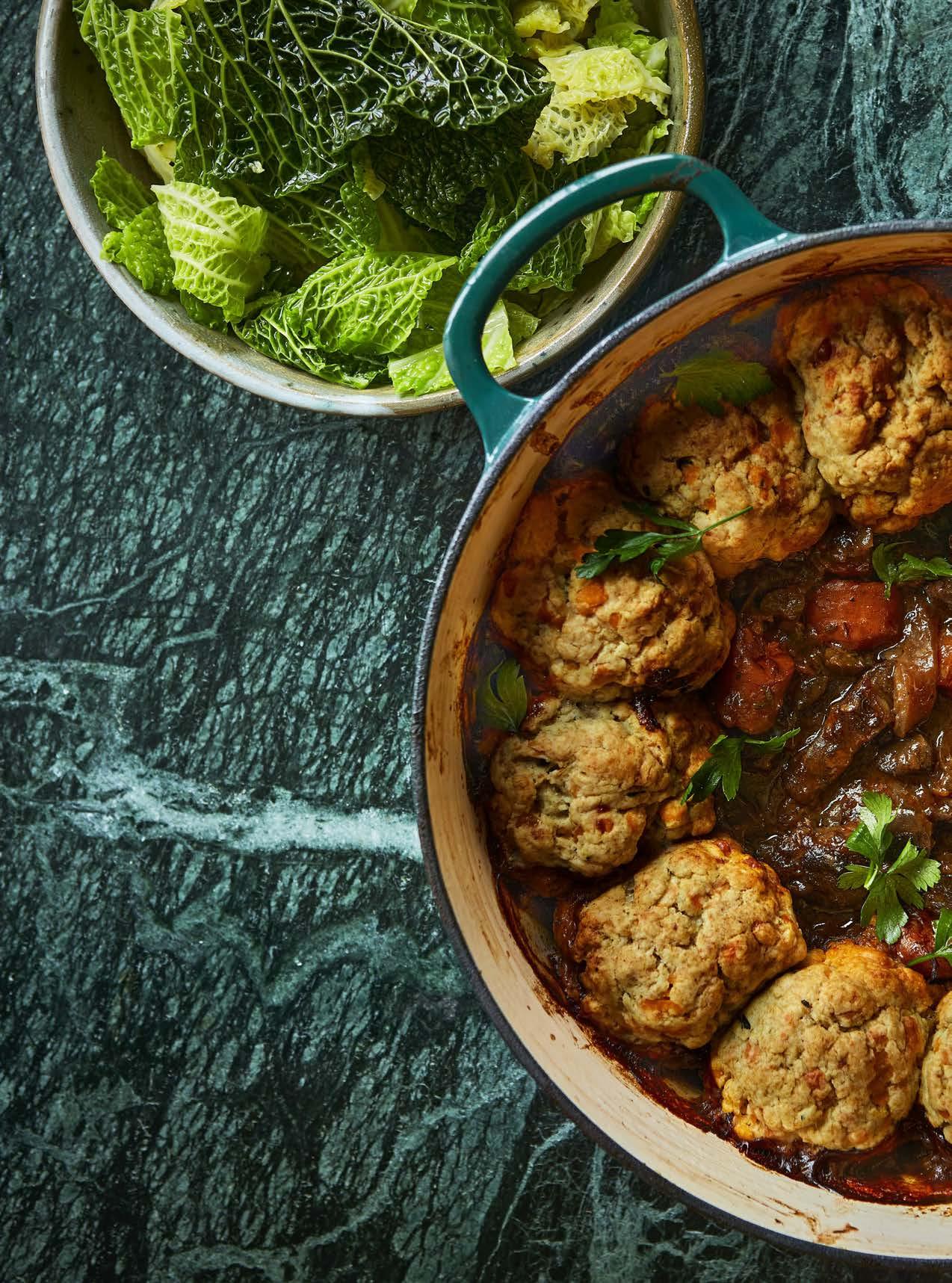

Instead of heavy suet dumplings, we’ve made lighter scone-style ones that become crisp on top while soaking up the rich gravy underneath.

We’ve elevated the flavour of our dumplings with mustard powder, which enhances the beef, plus thyme and onion granules, which complement the cheese perfectly.
We think the veg in a stew should shine just as much as the meat. We’ve upped the quantity, especially the carrots, so they effectively become a side dish.

Alongside the usual braising basics, we’ve boosted the savouriness with Marmite and a splash of Worcestershire sauce.

This stew works well as a pie filling, too. Chill, remove some of the sauce, spoon into a pie dish, top with pastry and bake. Warm the remaining gravy and serve it on the side.

To take our dumplings further, we’ve added cheese – it’s a good way to use up odds and ends from the fridge. Any hard cheese will do, including Christmas leftovers.
Few dishes are as comforting as a slow-cooked stew, especially with a batch of fluffy dumplings. This is when kitchen magic is at its best; transforming a humble cut of meat into something rich, tender and deeply flavoured. But, it’s also where things can go wrong; rush it and you’ll be left with tough meat and watery gravy. We’ve taken inspiration from the hop-based stews of northern France and Belgium, swapping their pale brews for a generous pour of dark stout. Its bitterness is perfectly balanced with the right seasoning. The veg gets to shine too and, instead of the usual suet dumplings, we’ve topped things off with light, cheesy scone-style ones that puff up beautifully in the oven, making this a one-pot supper that feels every bit as indulgent as it does comforting.
SERVES 6 PREP 40 mins
COOK 4 hrs MORE EFFORT
❄ stew only
1.2kg stewing beef (such as chuck or shin), cut into large chunks (do this yourself or ask your butcher)
3 tbsp sunflower oil
5 carrots, cut into large chunks
1 large or 2 small onions, roughly chopped
3 celery sticks, chopped
1 tbsp tomato purée
2 tbsp plain flour
1 tsp Marmite
½ tsp caster sugar
440ml stout
small bunch of thyme
3 bay leaves
1 tsp Worcestershire sauce
500ml beef stock
small handful of parsley, to serve
For the dumplings
400g self-raising flour
1 tsp baking powder
1 tsp mustard powder
1 tsp onion granules
100g cold butter, diced 125g cheese, grated (we used a mixture of cheddar, parmesan and red leicester) bunch of thyme, leaves picked 150ml milk, plus extra for brushing
1 Heat the oven to 150C/130C fan/ gas 2. Season the beef well with salt and pepper. Heat half the oil in a shallow 30cm flameproof casserole over a high heat and brown the beef in batches until well coloured, lifting out onto a plate as you go. Reduce the heat, pour in the remaining oil and fry the carrots, onion and celery for 10 mins until softened and lightly coloured. Stir through the tomato purée and flour, cook for 1 min, then stir in the Marmite and sugar.
2 Pour in the stout and let it bubble for 5 mins, scraping up any sticky bits from the base of the pan. Return
the beef and any resting juices to the pan, add the thyme and bay, then add the Worcestershire sauce and stock Bring to a simmer, stirring well, then cover, transfer to the oven and cook for 2 hrs 30 mins-3 hrs, stirring once or twice, until the beef is fork-tender.
3 While the stew cooks, make the dumplings. Tip the flour, baking powder, mustard powder, onion granules and a pinch of salt into a bowl. Rub in the butter until the mixture resembles breadcrumbs, then stir through most of the cheese and all the thyme. Stir in the milk to bring it together into a soft dough. Shape into 12 lime-sized balls, then chill until ready to cook.
4 Uncover the stew and taste for seasoning – it should be rich, savoury and slightly sweet. The sauce should be glossy and coating the meat and vegetables; if it looks thin, simmer on the hob for a few minutes, uncovered, to reduce and thicken
5 Turn the oven up to 200C/ 180C fan/gas 6. Arrange the dumplings on top of the stew in a circle around the edge Lightly brush over some milk, then sprinkle over the remaining cheese and bake, uncovered, for 25-30 mins until the dumplings are puffed up, golden and crisp on top. Sprinkle with parsley if you have it, and serve.
GOOD
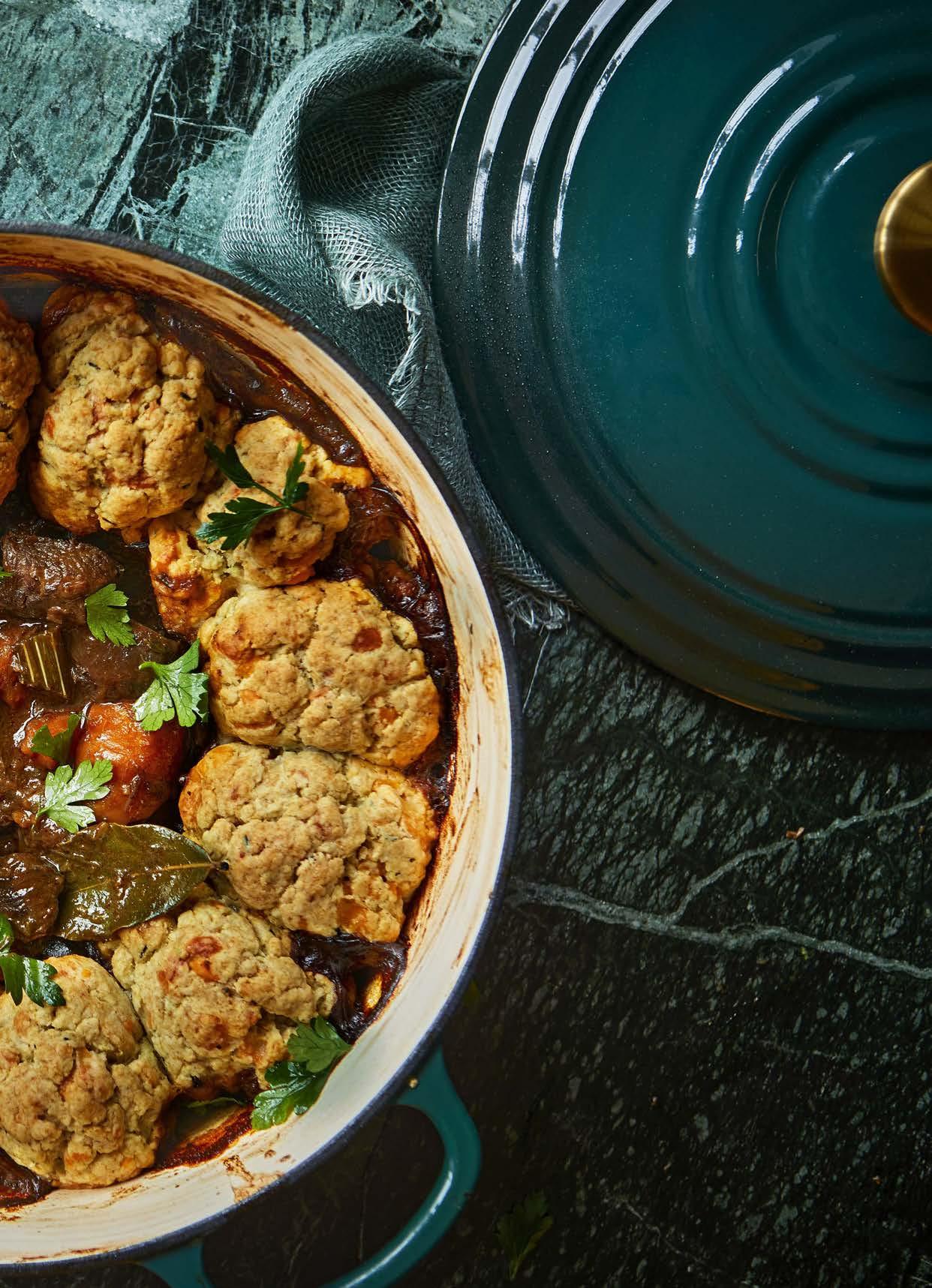
The stew (without dumplings) can be made up to two days ahead. Cool, cover and chill, or freeze for up to three months. Defrost overnight in the fridge and reheat gently until piping hot before topping with the dumplings and baking as directed.


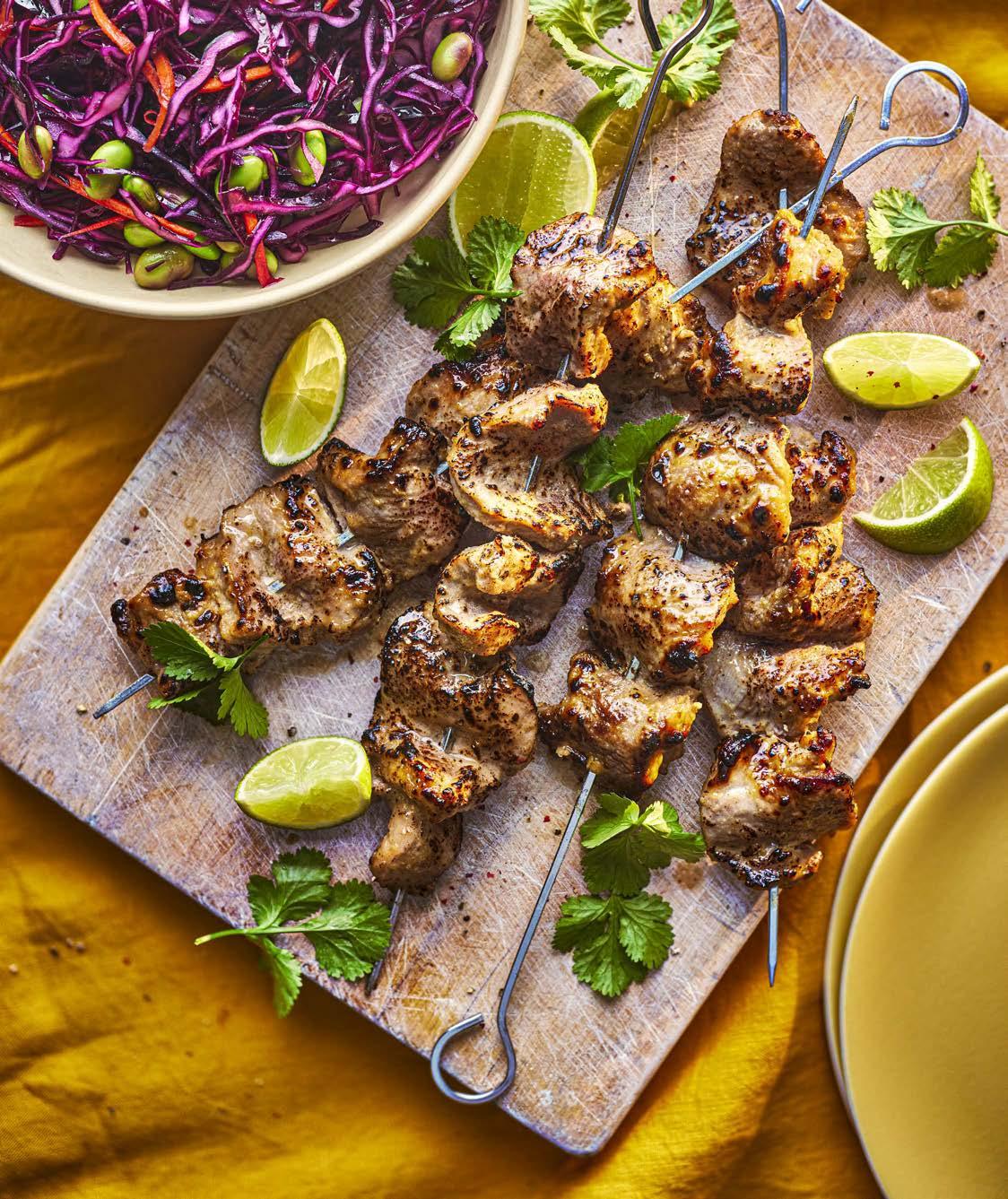
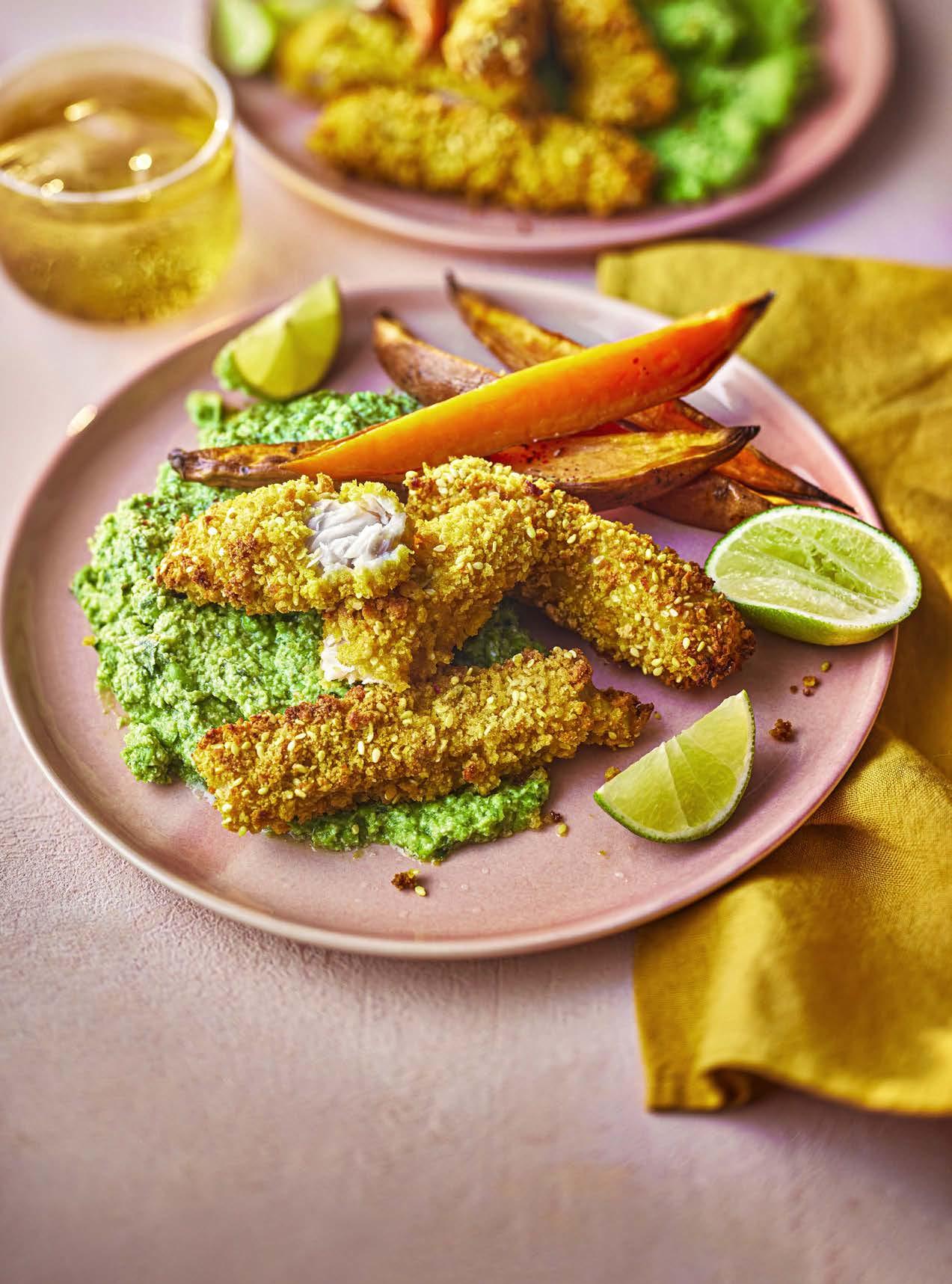
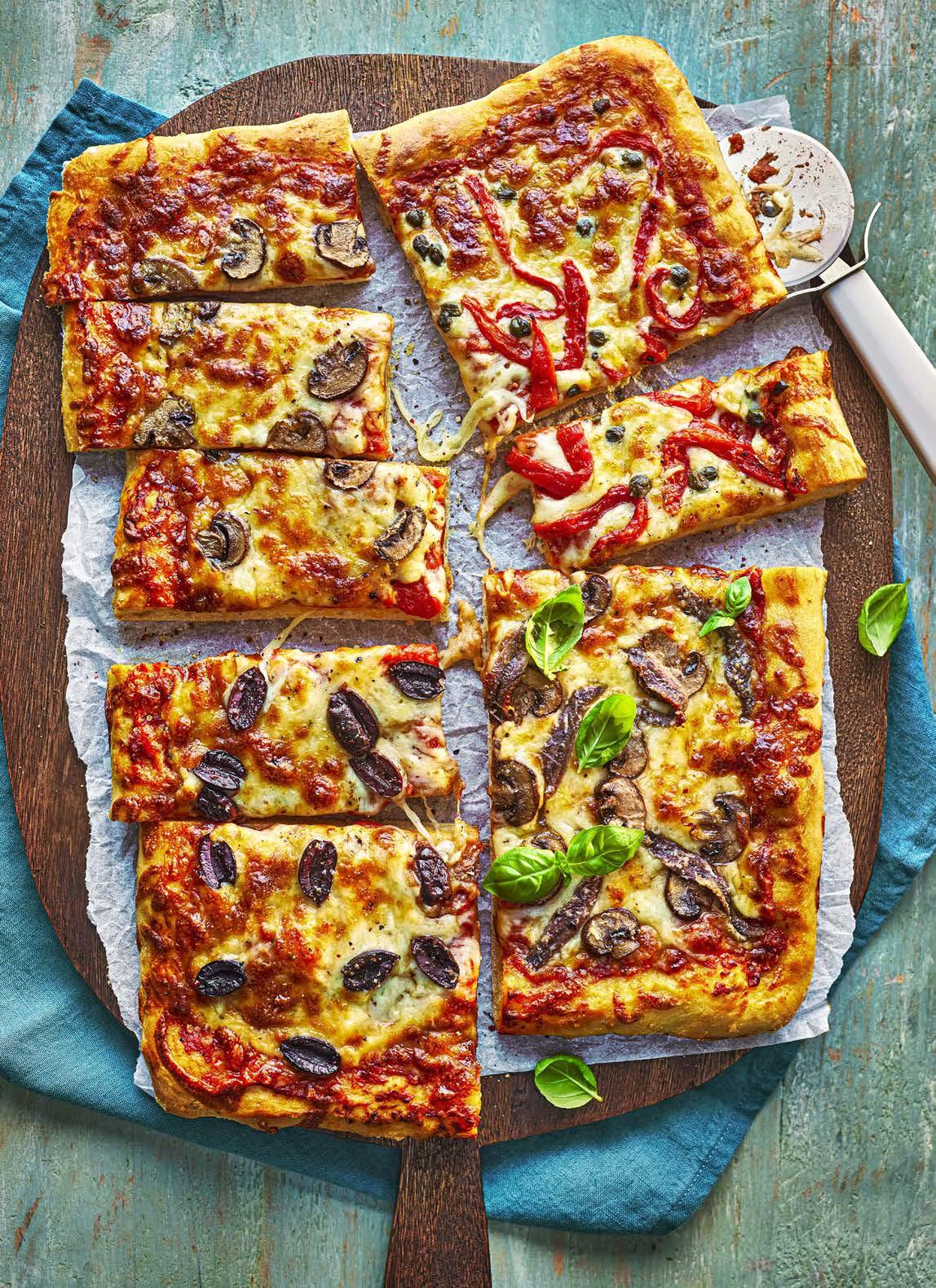


Ultra-processed foods (UPFs) are industrially made products that go far beyond simple processing. They typically contain little to no whole food, and are formulated with ingredients you wouldn’t use at home, such as emulsifiers, flavour enhancers, colourings and preservatives.
Researchers developed the Nova classification for describing foods on a sliding scale
● Unprocessed/minimally processed: fruit, vegetables, grains, meat, milk
● Processed: canned veg, some bread, cheese, cured meats
● Ultra-processed: foods heavily modified through industrial techniques
Common features
● Long ingredient lists full of additives and chemicals
● High levels of sugar, salt and trans fats (hydrogenated oils)
● Long shelf-life and instant convenience
Typical examples of UPFs
● Some breads, packaged biscuits, cakes, sugary cereals, fizzy drinks, flavoured yogurts, ready meals, reconstituted meats and snack bars that are marketed as “healthy”
Health concerns
● Studies link UPFs to higher risks of obesity, heart disease, depression and cognitive decline
Key takeaway
● If it contains ingredients you don’t recognise or couldn’t cook with at home, it’s probably ultraprocessed – choose whole, fresh food instead
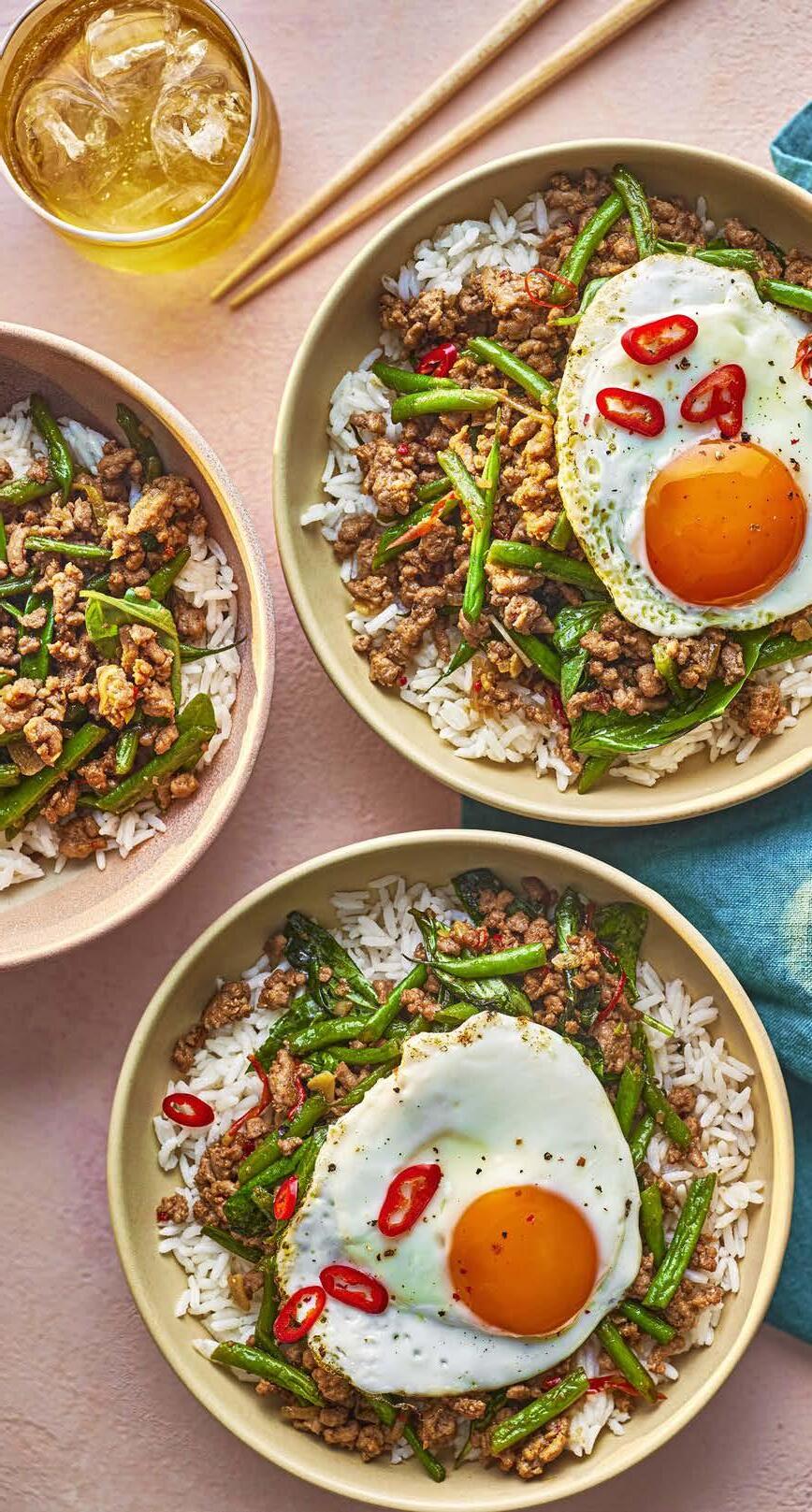

Turkey, bean & basil stir-fry
SERVES 4 PREP 15 mins
COOK 15 mins EASY
3 tbsp flavourless oil
2 shallots, thinly sliced
4 garlic cloves, thinly sliced
1 red chilli, thinly sliced, plus extra to serve (optional)
300g green beans, cut into short pieces
400g turkey mince
3 tbsp naturally brewed soy sauce
2 tsp fish sauce
1 tbsp honey
handful of holy or regular basil, leaves picked
4 eggs
cooked jasmine or brown rice, to serve
1 Heat 2 tbsp oil in a large frying pan or wok over a medium heat and fry the shallots for 5 mins, stirring often, until sizzling and golden. Add the garlic, chilli and beans, and fry for 2-3 mins more, stirring often to ensure the garlic doesn’t burn.
2 Add the mince to the pan and continue cooking for another 6-8 mins, breaking up the mince with your spoon, until browned.
3 Stir in the soy sauce, fish sauce and honey, cook for another 2 mins, then toss in the basil until just wilted. Season well with salt and pepper and add a splash more soy sauce, if needed.
4 Heat the remaining oil in a frying pan over a medium heat. Crack in the eggs and cook to your liking –a crispy edge and runny yolk works well here. Serve the stir-fry over rice with a fried egg on top, a crack of black pepper and a scattering of red chilli, if you like.
1
2 3

Understand that completely avoiding UPFs is difficult. Eating them occasionally, within a balanced and varied diet, is unlikely to harm your long-term health.
4
Prepare your own meals instead of relying on ready meals or pre-made sauces and burgers. Cooking using whole foods (fresh, frozen or canned) can help you avoid UPFs.
Whether cooking or shopping, prioritise fresh or minimally processed ingredients like veg, fruits, grains and lean proteins over UPF options.
5
Cook larger portions and freeze leftovers for later – you’ll have homemade meals ready and won’t be tempted to order takeaways or reach for convenience foods when time is short.
When buying packaged food, check ingredient labels carefully and avoid products that have long lists of unfamiliar and artificial-sounding ingredients.
6
When you’re eating out, ask the staff about how the food is prepared and try to choose dishes from the menu that are made with simple ingredients.
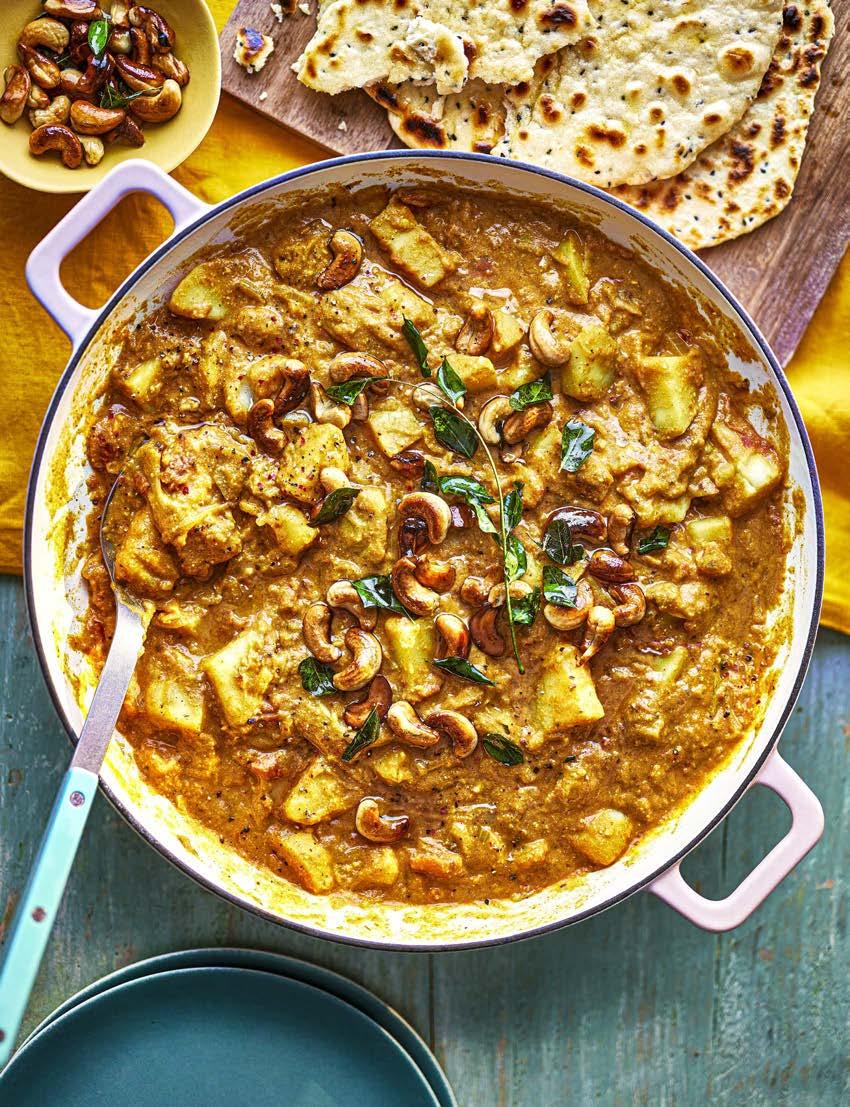
Creamy cashew, tomato & potato curry with easy homemade naans
SERVES 4 PREP 25 mins
COOK 45 mins EASY V ❄
150g cashews
2 tbsp pure coconut or flavourless oil
2 onions, sliced
4 garlic cloves, grated
thumb-sized piece of ginger, grated
1 red chilli, deseeded and finely chopped
2 tsp ground cumin
2 tsp ground coriander
½ tsp ground turmeric
3 medium potatoes (about 800g), quartered, then sliced into 1.5cm pieces
400g can chopped tomatoes
1 natural/organic vegetable or chicken stock cube (see tip, right)
2 tbsp flavourless oil
10 fresh curry leaves
2 tsp garam masala For the naans
250g self-raising flour, plus extra for dusting
200g natural yogurt
2 tsp nigella seeds
2 tbsp butter, melted
1 Soak 75g of the cashews in 200ml hot water and set aside while you get started with the curry. Heat the coconut oil in a large pan over a low-medium heat and cook the onions with a pinch of salt, stirring often, until the onions are sizzling, aromatic and a little
caramelised, about 10-15 mins. Stir in the garlic, ginger, chilli, cumin, coriander and turmeric, and cook for another 2-3 mins.
2 Meanwhile, boil the potatoes in a pan of salted water for 5 mins. They should still be fairly firm at this stage. Drain and leave to steam-dry for at least 10 mins.
3 Add the potatoes to the onions and spices, cook for 3-4 mins so the potatoes absorb some of the aromatics. Tip in the tomatoes and fill the can halfway with water, then add this to the pan, too. Crumble in the stock cube and stir to dissolve. Season and simmer for 10 mins.
4 Blend the soaked cashews with their water until smooth, then stir into the sauce. Partially cover the pan with a lid, leaving a small gap for steam to escape. Simmer for 45 mins, stirring occasionally. If the sauce gets too thick, add a splash of water and if the potatoes start to break down, stop cooking.
5 For the naans, combine the flour, yogurt, nigella seeds and 1/2 tsp salt in a bowl until the ingredients form a scrappy dough. Dust well with flour, cut into quarters, then roll out each piece thinly on a floured surface. Heat a frying pan over a medium heat and cook in the dry pan for 2-3 mins each side until puffed and golden. (You will need to do this one by one, or in two batches.) Brush each flatbread with melted butter as you remove it from the pan. Keep warm under a tea towel until you’re ready to serve.
Stock cubes
Be sure to check the ingredients of your stock cubes, as many contain emulsifiers and preservatives. Alternatively, use 500ml fresh stock in place of the cube, with 500ml water.
6 Heat the oil in a frying pan over a low-medium heat and sizzle the curry leaves and remaining cashews until the curry leaves crackle and the cashews turn golden brown.
7 Stir the garam masala into the curry, cook for a further 5 mins, or until the potatoes are cooked through and the sauce is the desired consistency, adding a splash more water if needed. Pour the hot cashews, curry leaves and flavoured oil over the curry, and serve with warm the naans.
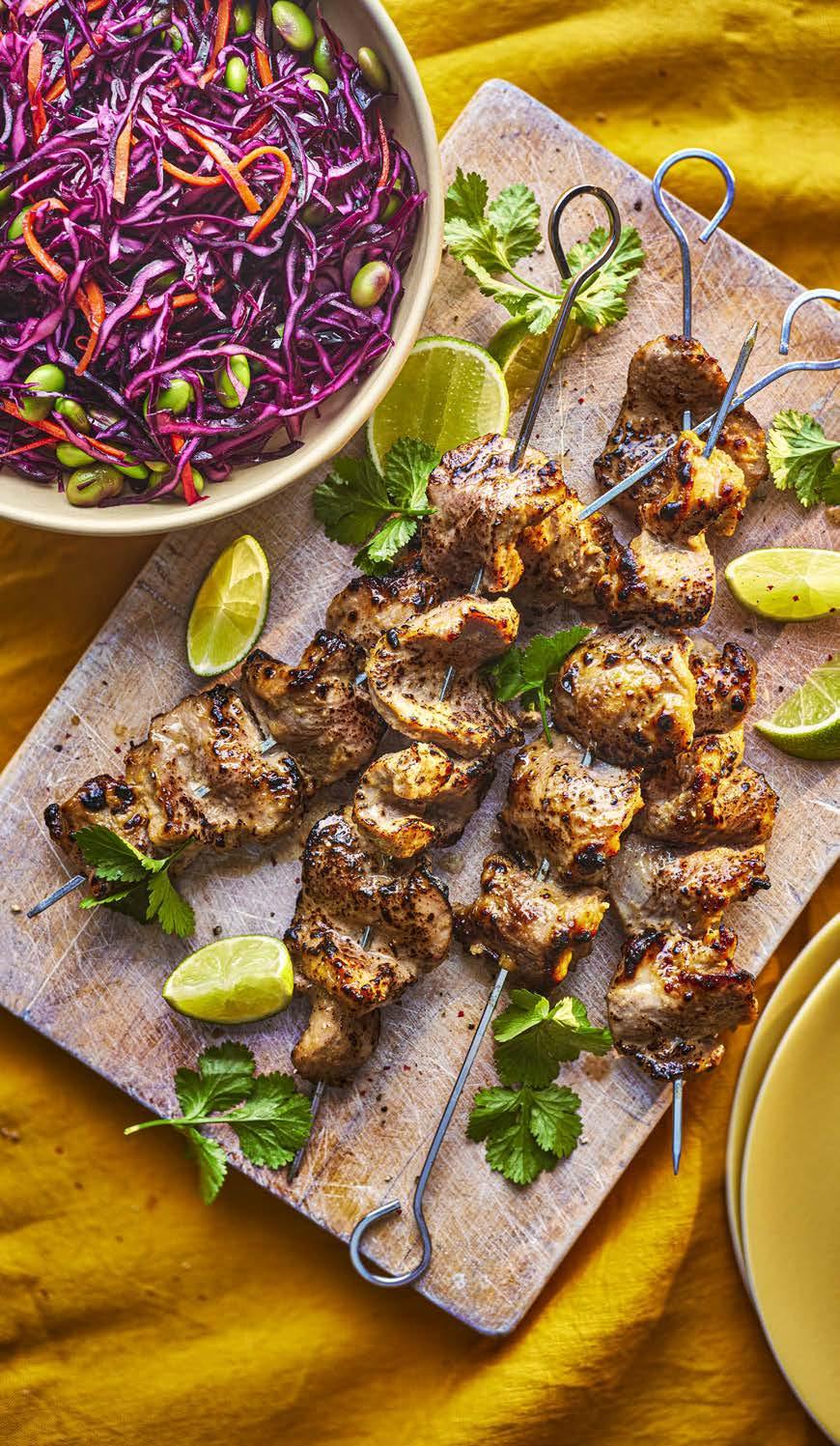
Peanut butter pork skewers with crunchy zingy slaw
These skewers make a delicious light meal, but if you’re really hungry, serve them with some brown rice, flatbreads or noodles.
SERVES 4 PREP 20 mins
COOK 15 mins EASY
400g pork loin or tenderloin
2 tbsp natural peanut butter
1 tbsp naturally brewed soy sauce
1 tbsp honey
1 tsp sesame oil
2 limes, juiced, plus 1 to serve coriander leaves, picked, to serve
For the slaw
150g frozen edamame beans
300g red cabbage
1 carrot
1 tbsp extra virgin olive oil
1 tsp honey
1 Lay the pork on a chopping board and carefully remove any sinew (the white tendons sometimes visible on the surface) using a sharp knife. Thinly slice the meat.
2 In a large bowl, whisk the peanut butter, soy, honey, sesame oil and half the lime juice together. Add a splash of cold water to loosen, if needed. Put the pork in the bowl and mix well until fully coated. Will keep chilled for up to two days.
3 Thread the pork onto four skewers. Heat the grill to high or your air fryer to 200C. For the slaw, boil the edamame for 3-4 mins, then drain and run under cold water.
4 Use a vegetable peeler to shred the cabbage (or finely slice) and tip into a large bowl. Use a julienne peeler to shred the carrot (or grate on a box grater) and add to the cabbage with the edamame, remaining lime juice, olive oil and honey. Season, then toss until the veg is well coated.
5 Cook the skewers under the hot grill for 4-5 mins each side until cooked through and caramelised at the edges. Serve the skewers with the slaw, a scattering of coriander and a squeeze of lime.
Coconut & lime fish fingers with sweet potato wedges & crushed coconut peas
We all need a quick from-thefreezer dinner option every now and then, and fish fingers are definitely not off the menu. These ones freeze brilliantly, so make a double batch and open-freeze the extras on a flat tray before transferring to a freezer bag to store for up to two months. You can cook them from frozen by adding an extra 4 mins to the cooking time.
SERVES 4 PREP 20 mins
COOK 45 mins EASY ❄
1 egg
3 tbsp natural/organic coconut cream (check for stabilisers, emulsifiers and preservatives)
1 lime, zested
3 tbsp plain flour
125g UPF-free breadcrumbs (see tip, right)
2 tbsp sesame seeds
½ tsp ground turmeric
400 skinless white fish fillets (such as pollock, cod or haddock), cut into chunky fingers
4 sweet potatoes (about 600g), cut into wedges
1 tbsp olive oil
For the crushed coconut peas
250g frozen peas
4 tbsp coconut cream
small handful of coriander
1 lime, ½ juiced, ½ cut into wedges to serve
1 Beat the egg, coconut cream, lime zest and a pinch of salt in a shallow bowl. Weigh the flour into another, and mix the breadcrumbs, sesame seeds and turmeric in a third.
2 Dip the fish strips in the flour, shake off the excess, then dip in the egg and coat in the breadcrumbs. Lay on a baking tray lined with baking parchment, and chill for at least 30 mins. Will keep chilled for a day or frozen for two months.
3 Heat the oven or air fryer to 200C/ 180C fan/gas 6. Tip the sweet potato wedges onto a baking tray, drizzle over the olive oil and season well, then toss to coat. Bake for 20 mins until soft and starting to caramelise (they’ll get another 12-15 mins with the fish fngers).
4 Put the fish fingers on the top shelf of the oven, bake for 12-15 mins (alongside the wedges), until golden and cooked through. Meanwhile, put the frozen peas in a heatproof bowl and cover with boiling water from the kettle. Leave for 3 mins, then drain. Tip into a small food processor along with the coconut cream, coriander and lime juice, then blitz in short bursts to mash, retaining some texture. Transfer to a serving dish. 5 When the fish and wedges are cooked, serve with the peas and lime wedges for squeezing over.
• Breadcrumbs
Bread is one of the most commonly consumed UPF foods in our diets, but cutting back on UPFs doesn’t mean you have to give bread up altogether. UPFfree loaves are now available in most supermarkets and, of course, can be made at home. The preservatives in ultra-processed bread does make it stay softer and mould-free for longer, so it’s a good idea to freeze homemade or UPFfree bread to prolong its shelf-life. Breadcrumbs freeze particularly well, and can be used straight from the freezer.
• Leftover coconut cream?
If you find yourself with half a can of coconut cream leftover from this recipe, use it up in a creamy coconut porridge or replace some of the water with coconut cream in our creamy cashew, tomato & potato curry.
• Leftover tomato sauce?
Any leftover pizza sauce will keep chilled for up to three days or frozen for up to three months, making your next family pizza night even easier.
Fuss-free family pizza
Make pizza night faster, fresher and UPF-free with a no-yeast pizza dough and simple sauce.
SERVES 4 PREP 30 mins
COOK 40 mins EASY V
3 garlic cloves, crushed
400g can chopped tomatoes
1 tsp dried oregano
2 tbsp olive oil, plus a drizzle pinch of sugar (optional)
300g natural yogurt
500g plain flour, plus extra for dusting
4 tsp baking powder
2 tbsp polenta or fine cornmeal
250g mozzarella, grated toppings of your choice (such as basil, mushrooms, olives, roasted peppers, capers or anchovies)
25g parmesan or vegetarian alternative
1 To make the sauce, put the garlic, tomatoes, oregano, 1 tbsp oil and seasoning in a pan over a medium heat for 15 mins. Taste and add a pinch of sugar, if too tart. If you like a smooth pizza sauce, mash any chunks using a potato masher, or blitz using a blender. Cool. Once cool, will keep chilled for five days.
2 For the base, combine the yogurt, 3/4 tsp salt and 175ml warm water in a jug. In a large bowl, combine the flour and baking powder, then pour in the wet ingredients and mix into a soft, sticky dough. Tip onto a floured surface and knead briefly until smooth – don’t work the dough much, or it will become tough.
3 Heat the oven to 220C/200C fan/ gas 7. Line a 30 x 40cm baking tray with baking parchment. Dust with the polenta or cornmeal. Press the dough into a rectangle, then roll out until roughly the same size as the tray. Carefully lift into the tray and press out into the corners.
4 Spread over a thin layer of sauce, leaving a border. Save any leftover sauce for another dish (see tip, left). Scatter with mozzarella and your choice of toppings. Grate over the parmesan, drizzle with olive oil and bake for 20-25 mins until golden. Cut into wedges to serve.
GOOD TO KNOW calcium fibre 1 of 5-a-day PER
Want to introduce your culinary offerings, restaurant, chef or FMCG/CPG brand to our targeted foodie audience? Let Good Food Middle East source the perfect venue, manage the guest list and take care of everything you need to showcase your concept to our loyal community via a fun, foodie event.


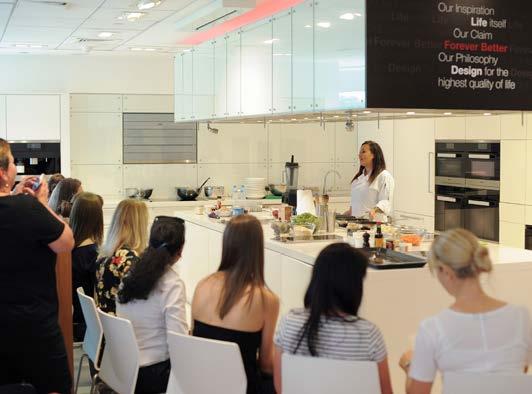
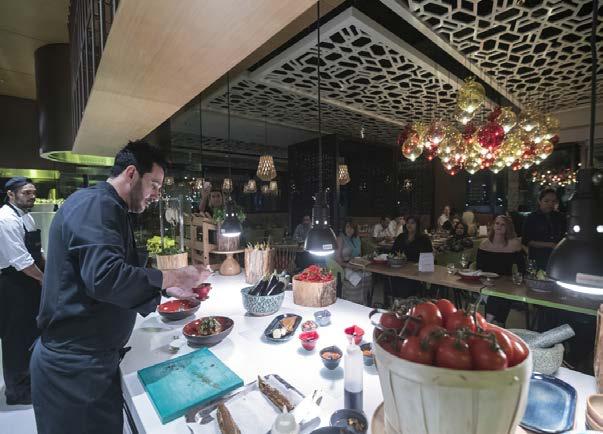
For more information, email info@cpimediagroup.com
‘The
Body Coach’ shares tips on how to overhaul your diet, plus his go-to high-protein curry

Thai green curry with jasmine rice is one of my favourites. It’s really quick, tastes authentic, smells amazing and the kids love it. You can keep some for the next day in the fridge – it heats up really well. I cook it around once a week. I call it ‘Thai me up, baby’ – I like to give my recipes fun names, add a bit of personality.
My new book is all about protein – it’s so important, as every cell in our body needs it. It’s not just for building muscle; it’s essential for our hormones, skin, hair, nails. It’s all about helping people get more
protein on their plates from whole foods, whether that’s vegetarian, animal or plant-based sources. The more protein you get in your meals, the less you’ll crave sugary snacks. People are more time-poor than ever, so you can make them in just 15 minutes – I want to get people back in the kitchen and enjoying it. We live in a world where we’re short of time and highly stressed. Convenience will always win, but cooking isn’t that hard; it can be fun.
I love cooking for the kids – it’s like therapy, I’ll put on some chilled jazz and it relaxes me. There’s something really rewarding about making a meal when you know exactly what’s in it. There’s such a strong link between the food we eat and our mental health. I didn’t understand that 10 years ago, but I’ve learned so much about the gut-brain connection.
We’ve normalised food that isn’t really food – some of it is just a concoction of powder, chemicals and additives. If you’re eating sugary food, your dopamine levels – the reward system in your brain – spikes and it makes you want more. In the afternoon when we feel tired, we grab a flapjack, biscuits, crisps – you’ll feel really energetic for a second, then your energy levels drop and you feel worse. Even foods we think are healthy, like cereal bars, granola or flapjacks, are very high in sugar – you’ll crave more an hour later. If you get in the habit of having protein in your meals and a good balance of carbs, like pasta, rice, sweet potatoes and chickpeas, you’ll feel much better.
I don’t feel pressure to look a certain way, but I like accountability. I live this life publicly and want to prove that even with four kids, you can eat well and exercise. I care about my kids’ health and everyone else’s kids, too. As a child, I grew up on a council estate with an unhealthy diet – we were on benefits and my parents had poor mental health, so that’s why I do what I do. It was a massive driver for me to do PE with Joe in lockdown. I always think if I can get just one person moving or cooking a recipe today, I’ll have a long, happy career.
I’m a component cook; I’m not an incredible chef. I don’t make my own Thai green curry paste or pesto – the reality is, I’ve got four young kids at my feet when I’m trying to cook – but the base of the meal is always about a good protein source, like legumes, lentils, chickpeas, vegetables or fish, chicken, beef. It’s about planning your meals and taking control. I’m not demonising food, but I am championing whole foods.
I’ve evolved since I did Lean in 15 Back then, it was about fat loss and body shape. Now, I understand it’s about feeling good – mentally and physically. You’ll lose weight naturally as a by-product, but the message I lead with now is energy and wellbeing – food is healing.
I’ve struggled with sugar all my life. I used to go to the shop, get a tub of ice cream or massive bag of sweets and smash the lot. Then I’d get a stomach ache, feel bloated and low. We’ve been conditioned to think these foods are a reward, but I’ve
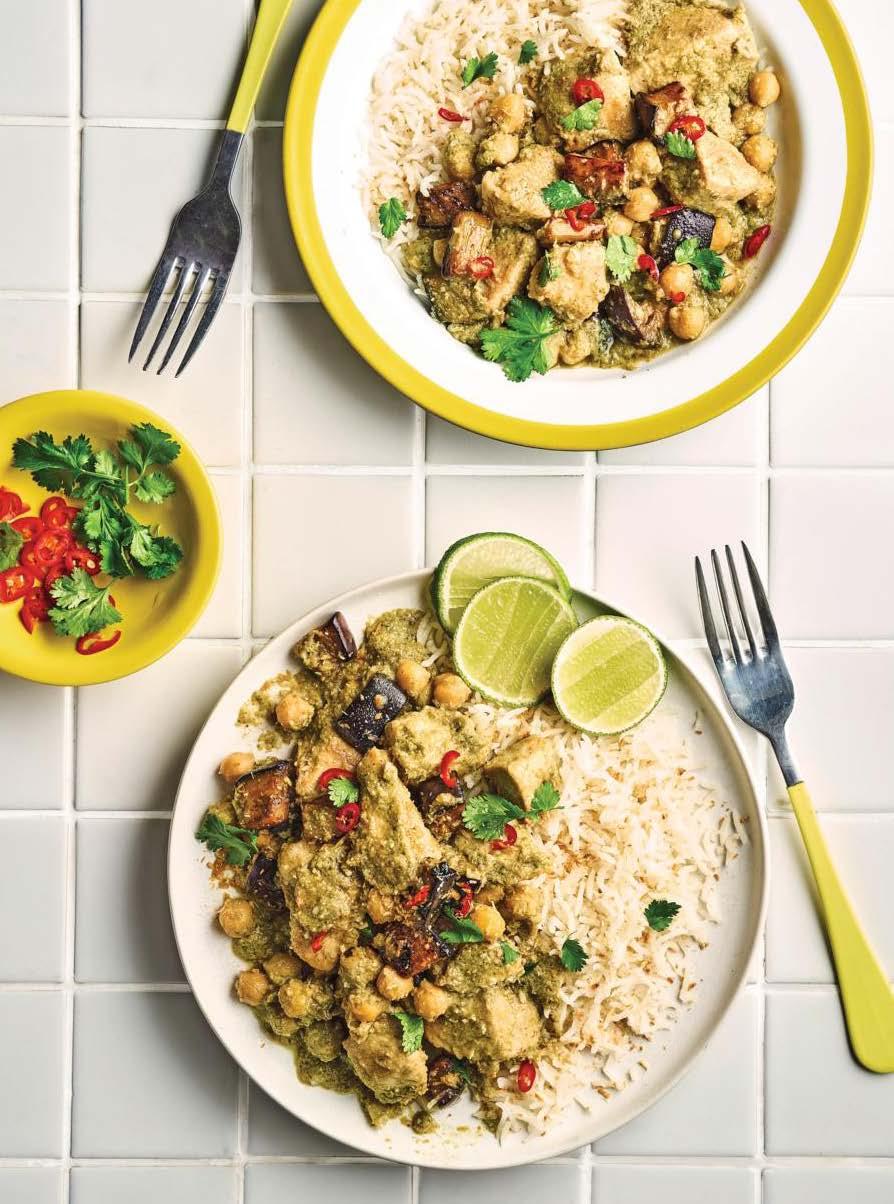
come to realise over time that healthy food is the treat. I did a seven-day challenge, cutting out sugar. The first few days were tough – headaches, cravings, irritability –but by day seven, I felt amazing. I wasn’t thinking about sugar or pudding every day. Now, pudding’s once a week, not every day.
We have a motto in our house: there’s one option for mealtimes. People get into a pattern of cooking multiple different meals for their kids, and it can be really stressful. If the kids don’t like it, fine, but there’s nothing else coming. They can go play and come back later, and I’ll reheat it – nine times out of 10, they’ll eat it. It’s about role modelling, showing them that food is exciting and nourishing, get them cooking with you. I give them snacks, but it’ll be fruit or veg sticks – I don’t give them loads of sugary snacks, otherwise their appetite wouldn’t be there at mealtimes.
Healthy food doesn’t have to be expensive. You can make a massive chilli or curry that lasts a few days. You don’t need to buy expensive beef mince, either – bulk out meals with chickpeas, lentils, pulses and make a nice veggie lentil bolognaise. It’s cheaper and better for you than takeaways. Eating out is so expensive these days – if I’m taking the kids out to a restaurant, we struggle to eat out as a family of six for less than £100 (approximately AED490.)
In the new year, it’s important to be realistic with your goals. It’s really hard to go from zero to five workouts a week, or cut out all sugar and ultraprocessed foods. It’s about setting yourself up for success. Batch cook and meal plan, use all your ingredients so you get a full week’s worth of food – it’s such a simple lifestyle change.
Food and exercise is medicine. There’s no shortcut. Go to bed early. Move daily. Eat real food. You don’t have to be perfect, but if you take care of those three things – sleep, movement, food – you’ll be happier, calmer, stronger. That’s what real health is about.
SERVES 4 PREP 10 mins
COOK 25 mins EASY
100g creamed coconut block, roughly chopped
10g desiccated coconut
4 large, skinless, boneless chicken breasts (or 8 large skinless, boneless thighs), roughly chopped (about 800g)
1 tsp ground ginger
1 tsp garlic powder
2-3 tbsp olive oil, plus extra for drizzling
1 aubergine, cut into 1-2cm cubes
170g Thai green curry paste
400g can chickpeas, drained and rinsed
280g uncooked basmati rice
To serve
1 red chilli, thinly sliced (deseeded, if you like)
handful of coriander leaves, chopped
1 lime, cut into wedges
1 Put 400ml boiling water in a heatproof jug and add the creamed coconut pieces. Leave to dissolve, whisking if needed
2 Toast the desiccated coconut in a dry frying pan over a medium-high heat for 3-4 mins until golden, stirring regularly (be careful, it can burn quickly). Set aside in a bowl.
3 Put the chopped chicken in a large bowl and sprinkle over the ginger and garlic. Toss well to evenly coat.
4 Heat 1 tbsp oil in a large frying pan or wok over a high heat. Fry the chicken in batches for 4-5 mins per batch until golden brown on all sides, adding another tablespoon of oil each time.
5 Transfer to a bowl, season with salt and pepper, and set aside. Heat more oil in the same pan set over a medium-high heat, add the aubergine and stir-fry for 3-4 mins until soft and starting to caramelise. Reduce the heat to medium and add the curry paste and coconut milk. Bring to the boil and cook for several minutes until the coconut milk reduces by more than half.
6 Reduce the heat to low, add the drained chickpeas and return the chicken pieces to the pan (along with all the juices from the bowl). Leave to warm through until ready to serve.
7 Meanwhile, cook the rice following pack instructions (usually, in a saucepan of boiling water for 14-16 mins). Once cooked, drain the rice in a sieve and season with salt. Stir through half the toasted coconut.
8 Serve the chicken with the rice, scattering over the remaining toasted coconut. Top the chicken with sliced chilli and coriander and serve with lime wedges on the side to squeeze over.
GOOD TO KNOW fibre • iron • 2 of 5-a-day • gluten free PER SERVING 876 kcals • fat 41g • saturates 14g • carbs 68g • sugars 7g • fibre 10g • protein 62g • salt 1.79g
To listen to a longer chat with Joe, go to goodfood.com/ podcast, or listen wherever you get your podcasts.

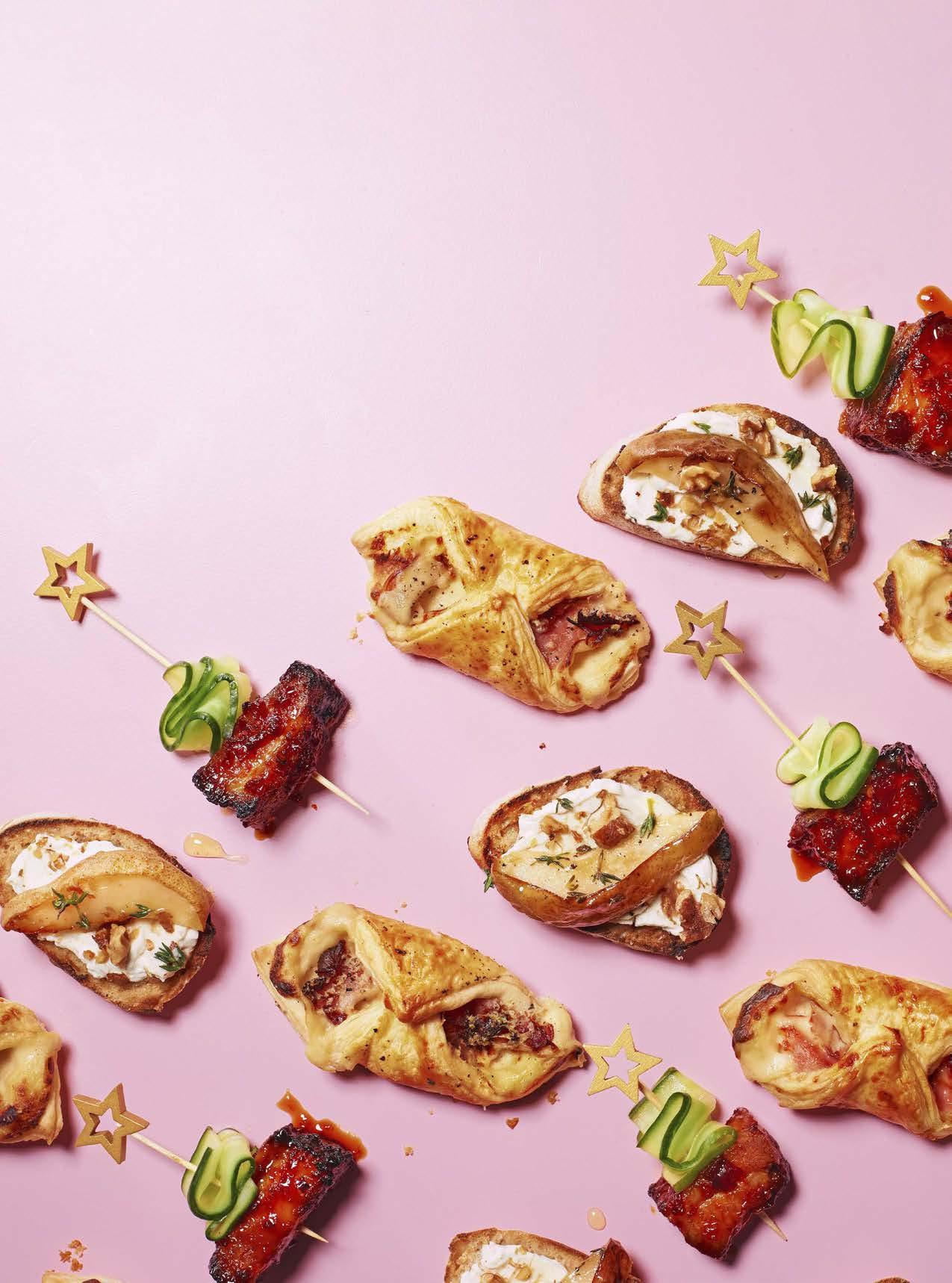
These easy bites are a breeze to make in the air fryer – perfect for a last-minute get-together recipes AILSA BURT photograph CHELSEA BLOXSOME

MAKES 12 PREP 20 mins
COOK 30 mins EASY
15g butter
15g plain flour
180ml milk
1 tbsp Dijon mustard
60g gruyère, grated
320g sheet ready-rolled puff pastry
80g wafer-thin smoked ham, torn
1 egg, beaten, or 1 tbsp milk
1 Melt the butter in a small saucepan over a medium heat, then stir in the flour and cook for 2-3 mins until light brown. Add the milk, a splash at a time, whisking well after each addition until smooth. Once all the milk has been added, bring to a simmer, whisking continuously. Cook for 3-4 mins more until thickened – this is your béchamel sauce. Remove from the heat and whisk in the mustard and 40g of the cheese. Leave to cool.
2 Unroll the puff pastry, leaving it on its sheet of baking parchment. Cut into 12 x 8cm squares. Rotate each square 90 degrees so it forms a diamond shape, then spoon 2 tsp of the béchamel down the middle. Top with some ham and a little of the remaining cheese, then fold over one of the edges. Brush with the beaten egg or milk, then fold over the opposite edge. Brush all over with more egg, and grind over some black pepper. Repeat until all the ingredients have been used.
3 Heat the air fryer to 180C and cook in batches for 10-12 mins until puffed up, golden and bubbling. Serve warm. Once cool, will keep chilled for up to two days Reheat in the air fryer at 120C.
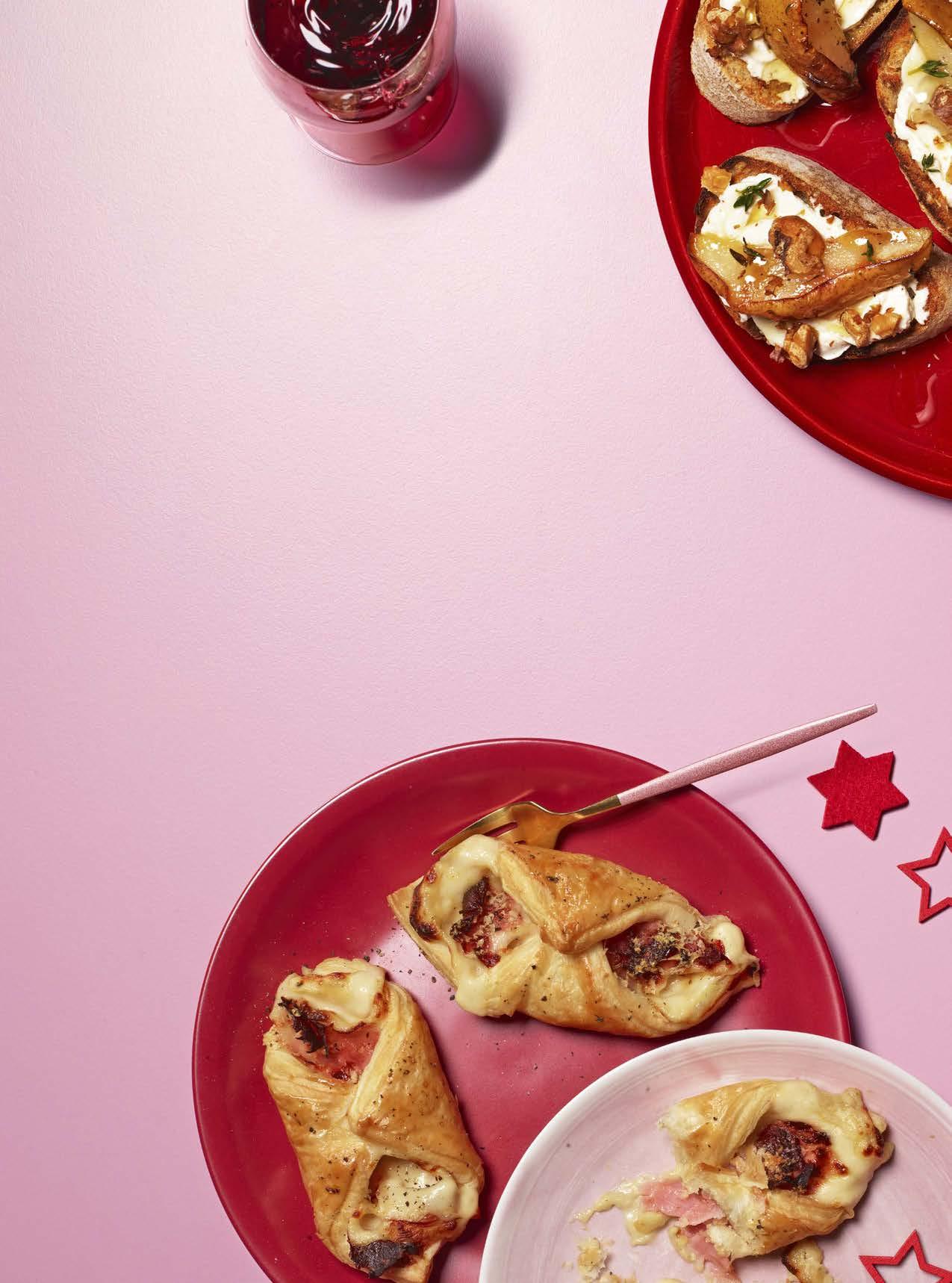
MAKES 16-20 PREP 15 mins COOK 25 mins EASY V
2 pears, peeled and cored, then cut into eighths
1 tbsp olive oil
1 tbsp apple cider vinegar, plus 1 tsp 2 tbsp honey
small handful of thyme sprigs, leaves picked 250g ricotta
1 large baguette, sliced on the diagonal 60g walnuts, toasted and roughly chopped
1 Tip the pears into a roasting tin that will fit in your air fryer. Drizzle over the olive oil, 1 tbsp of the cider vinegar, half the honey and most of the thyme. Season well and toss to coat. Heat the air fryer to 180C and roast for 15-20 mins until tender and lightly browned.
2 Whisk the ricotta until smooth and set aside. Combine the
remaining honey, vinegar and thyme, then season lightly. Toast both sides of the baguette slices under a hot grill, then cool slightly before spreading over the smooth ricotta. Top with the air-fried pears and drizzle over any cooking juices Scatter over the walnuts and drizzle over the thyme honey to serve.
If you have any leftover blue or goat’s cheese, you could crumble it over the top.
SERVES 10-12 PREP 15 mins COOK 2 hrs EASY
1kg skinless pork belly
120g chilli jam
60ml soy sauce
3 clementines or easy peelers, juiced
1½ tbsp caster sugar thin cucumber strips, to serve
1 Heat the air fryer to 170C. Put the pork belly in the centre of a large piece of foil and cover with a splash of water. Wrap tightly and cook for 1 hr 15 mins-1 hr 30 mins until cooked through. Remove and leave to cool. Will keep chilled for up to three days
2 Once cooled, cut into bite-sized pieces (about 3 x 5cm), then heat the air fryer to 180C. Add the pork belly pieces to the air-fryer basket and cook, turning once or twice, for 20-25 mins.
3 Meanwhile, tip the chilli jam, soy sauce, clementine juice and sugar into a medium saucepan with 3 tbsp water. Bring to a simmer over a
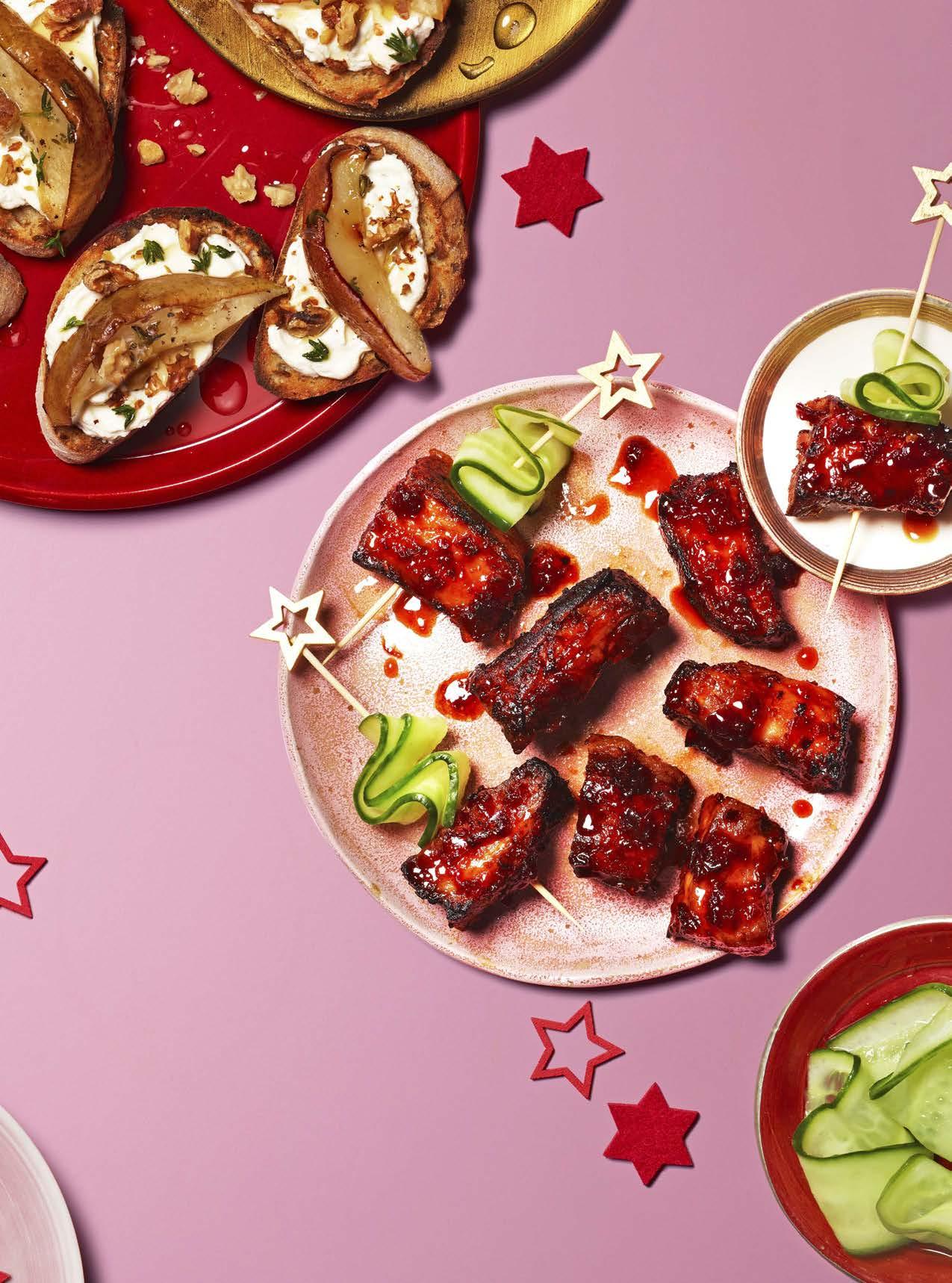
medium heat and bubble for 2-3 mins until reduced slightly and the sugar has melted.
4 Tip the pork belly pieces into the saucepan and stir to coat, then cook in the air fryer for another 3-5 mins until sticky and browned. Once cool, will keep chilled for up to three days Serve threaded onto skewers with cucumber strips.


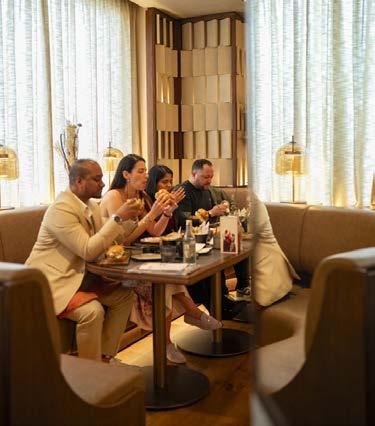

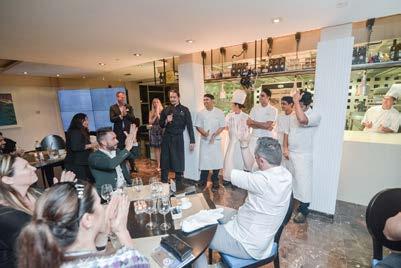

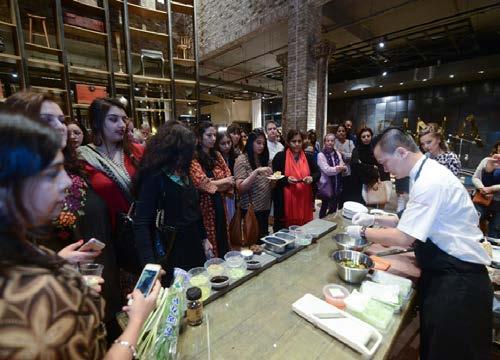



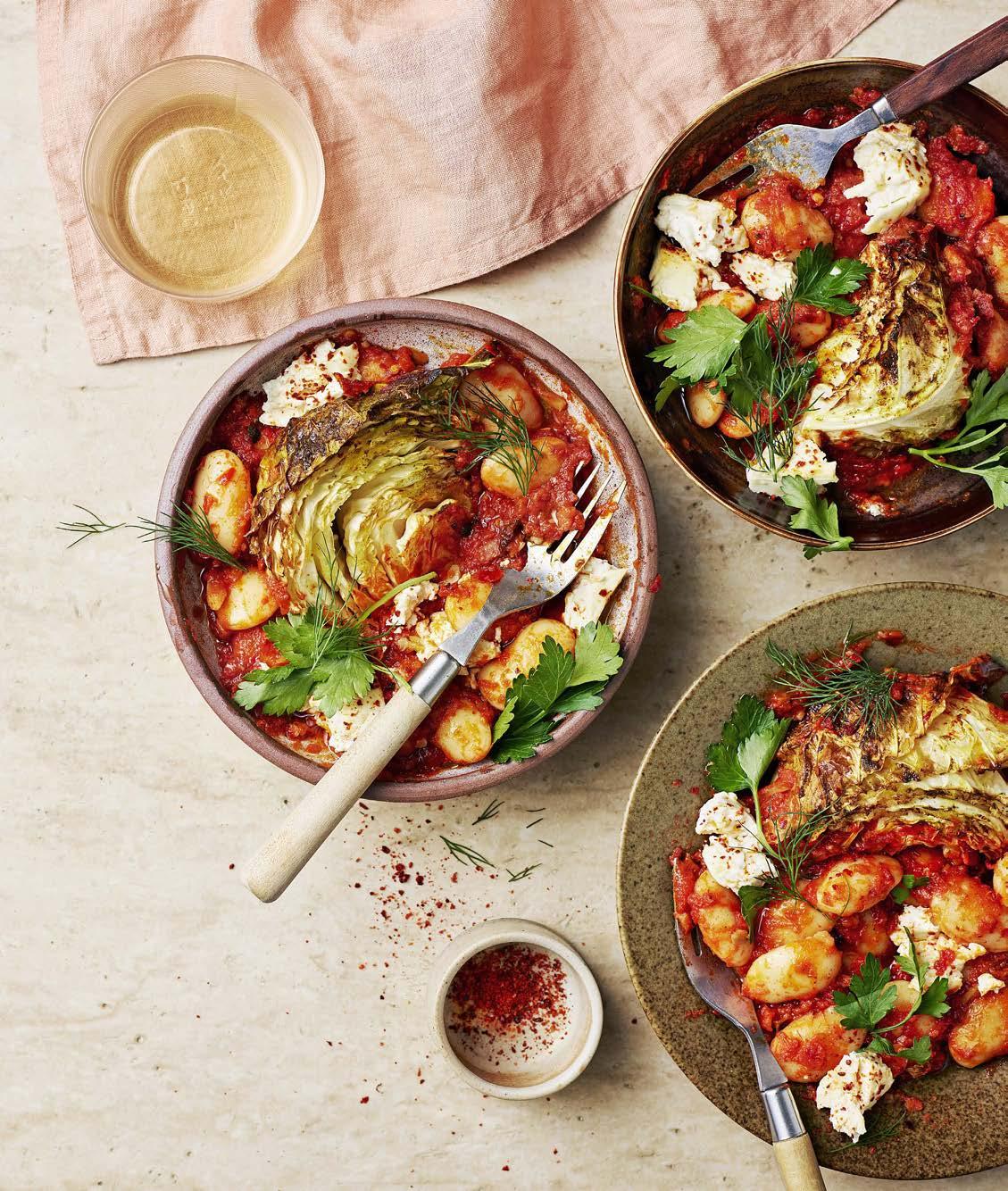

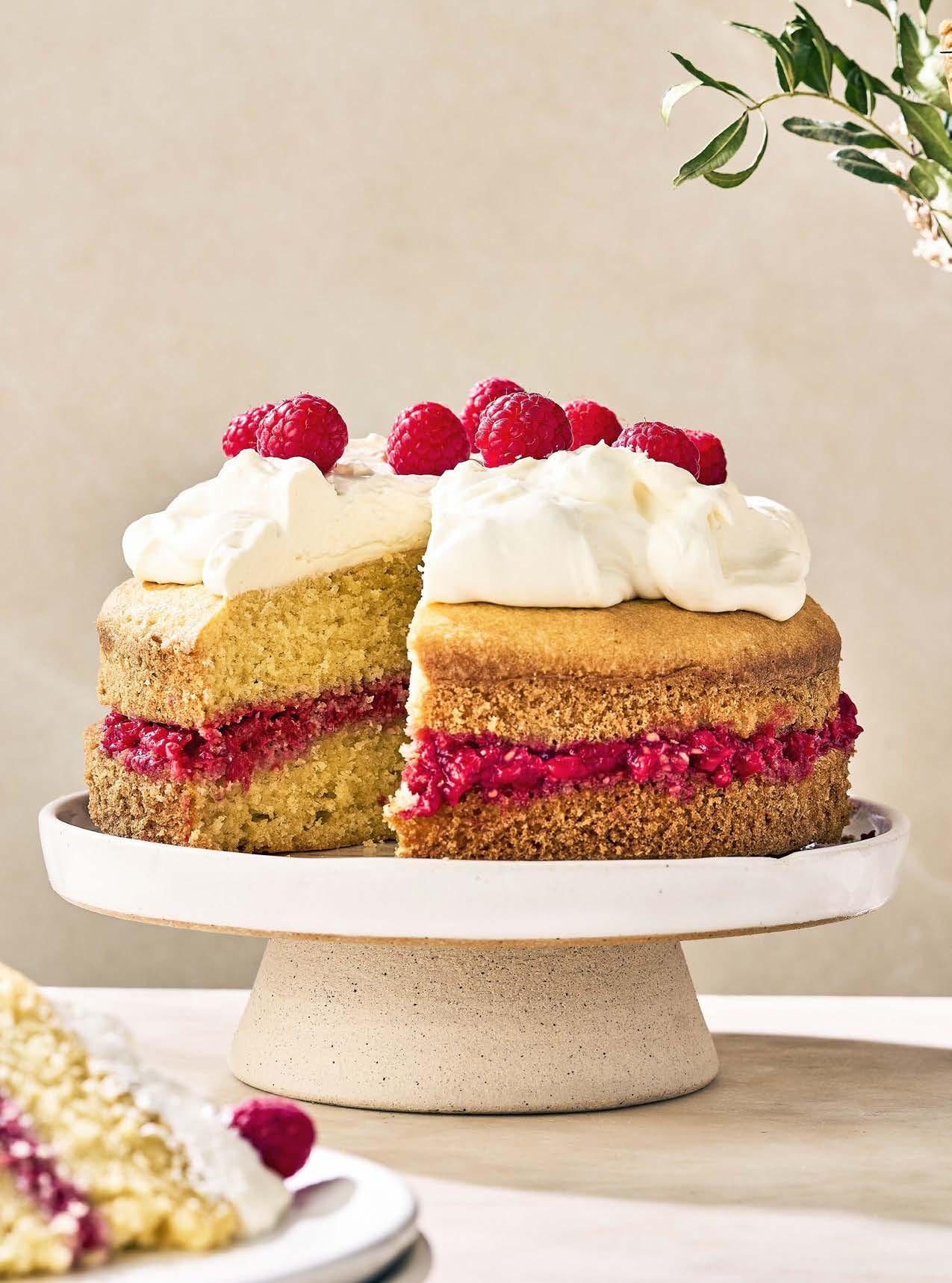
Instead of skipping dessert, try our lighter takes on favourite treats, from brownies to trendy Dubai-inspired chocolate bites
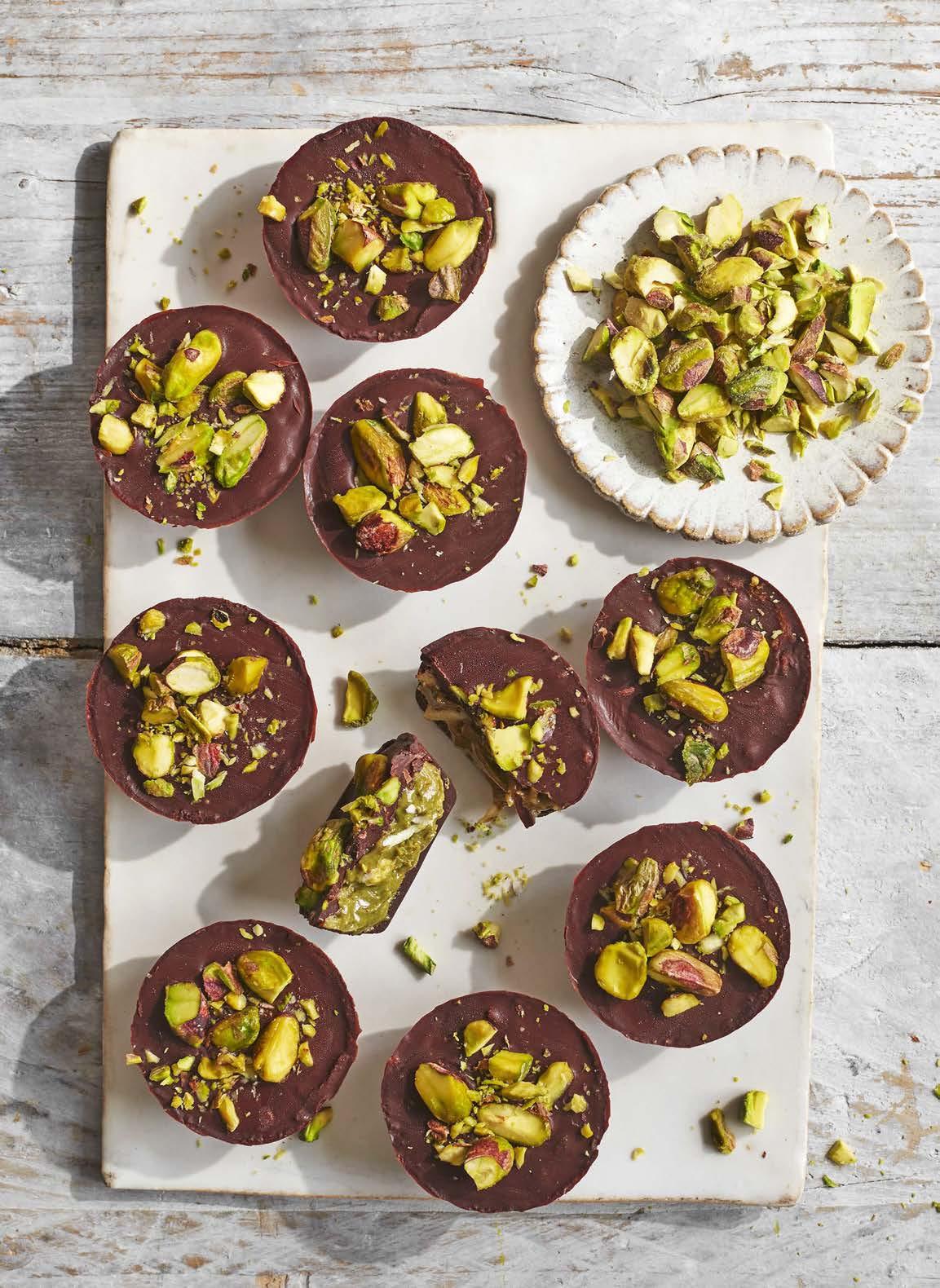
Sugar-free victoria sponge
Lighten up this classic bake by swapping sugar for xylitol, which adds sweetness but is lower in calories and doesn’t significantly raise blood sugar. If you’re short of time, use sugar-free jam in the filling instead of the raspberries.
SERVES 8-10 PREP 30 mins plus cooling and chilling COOK 20 mins
EASY V
200g unsalted butter, softened, plus extra for the tins
200g xylitol
4 eggs, beaten
200g self-raising flour
For the filling
250g fresh or frozen raspberries (defrosted, if frozen)
1 tbsp xylitol
150ml double cream (optional)
1 Heat the oven to 180C/160C fan/ gas 4 and butter two round 18cm cake tins, then line with baking parchment. Beat the butter and xylitol together in a large bowl using an electric whisk until light and creamy. Add the eggs, one at a time, beating well after each addition. Fold in the flour and a pinch of salt. Divide the batter between the two tins and smooth the surfaces using a spatula. Bake for 15-20 mins until golden and a skewer inserted into the middles comes out clean. Cool fully in the tins. Set on a wire rack.
2 If using defrosted raspberries, tip into a sieve over the sink and press down using the back of a spoon to extract as much liquid as possible (you don’t want the filling to be too wet). Transfer to a small bowl and mash with the xylitol. Set aside.
3 Lightly whip the cream, if using, until just holding its shape. Remove the parchment from one of the sponges and put on a cake stand. Spoon over the crushed raspberries in an even layer. Sandwich with the second sponge, then spread over the whipped cream in thick swirls. Chill until ready to serve. Will keep chilled for up to two days.
Healthier Dubai chocolate bites
Try the viral Dubai chocolate trend in a lighter version – these bite-sized treats omit the kataifi pastry, but still contain plenty of pistachio flavour, thanks to nuts and pistachio butter.
MAKES 12-16 PREP 20 mins plus chilling COOK 5 mins EASY V
150g dark chocolate, chopped into small pieces (check the label for dairy-free if vegan)
1 tbsp coconut oil
1 tbsp chopped pistachios
For the filling
2 tbsp pistachio butter
2 tbsp tahini
3 tbsp desiccated coconut
1 Melt the chocolate and coconut oil in a heatproof bowl set over a pan of simmering water, stirring until smooth (ensure the bowl doesn’t touch the water). Or, do this in 30-second bursts in the microwave. Remove from the heat and leave to cool slightly.
2 For the filling, mix the pistachio butter, tahini and coconut together in a small bowl until well combined – the mixture should be thick but spoonable. If it’s too dry, stir in a little more pistachio butter.
3 Spoon about 1 tsp of the melted dark chocolate into the holes of 12-16 mini silicone moulds or cupcake cases, tilting it back and forth to coat the sides. Freeze for 5 mins to set slightly.
4 Spoon a small dollop of the filling into each chocolate-lined mould, flattening it gently using the back of the spoon. Top with more of the melted chocolate to cover the filling, then sprinkle over the chopped pistachios and a pinch of salt. Chill for 20 mins until fully set, then pop out of the moulds.Will keep chilled in an airtight container for a week.
The natural sugars found in sweet potatoes not only sweeten these brownies, but also create their fudgy texture. For a vegan version, use dairy-free dark chocolate and cocoa powder.
SERVES 12-16 PREP 15 mins plus cooling COOK 1 hr 30 mins EASY V
2 sweet potatoes (about 400g), halved 125g almond butter
100g maple syrup 25g cocoa powder, sifted 50g plain flour
½ tsp baking powder 25g chopped almonds (optional) 100g dark chocolate, roughly chopped
1 Heat the oven to 200C/180C fan/ gas 6 and line a 20cm square baking tin with baking parchment. Put the sweet potato halves in a separate baking tin or tray and roast for 40-50 mins until softened. Leave to cool, then transfer to a food processor and blitz until smooth.
2 Reduce the oven temperature to 180C/160C fan/gas 4. Tip the pureéd sweet potatoes into a bowl and combine with all the remaining ingredients, except the almonds and 50g of the dark chocolate. Spoon the batter into the prepared tin. Scatter over the almonds, if using, then bake for 30-40 mins, or until a skewer inserted into the middle comes out with just a few crumbs on it. Leave to cool. Melt the remaining 50g dark chocolate in a heatproof bowl in the microwave for 30 seconds, then stir and continue to microwave in 10-second bursts until smooth. (Or, do this over a pan of simmering water, ensuring the bowl doesn’t touch the water.)
Drizzle this over the brownies, then cool before cutting into 12-16 pieces. Will keep in an airtight container for up to three days.
GOOD TO KNOW vegan
PER
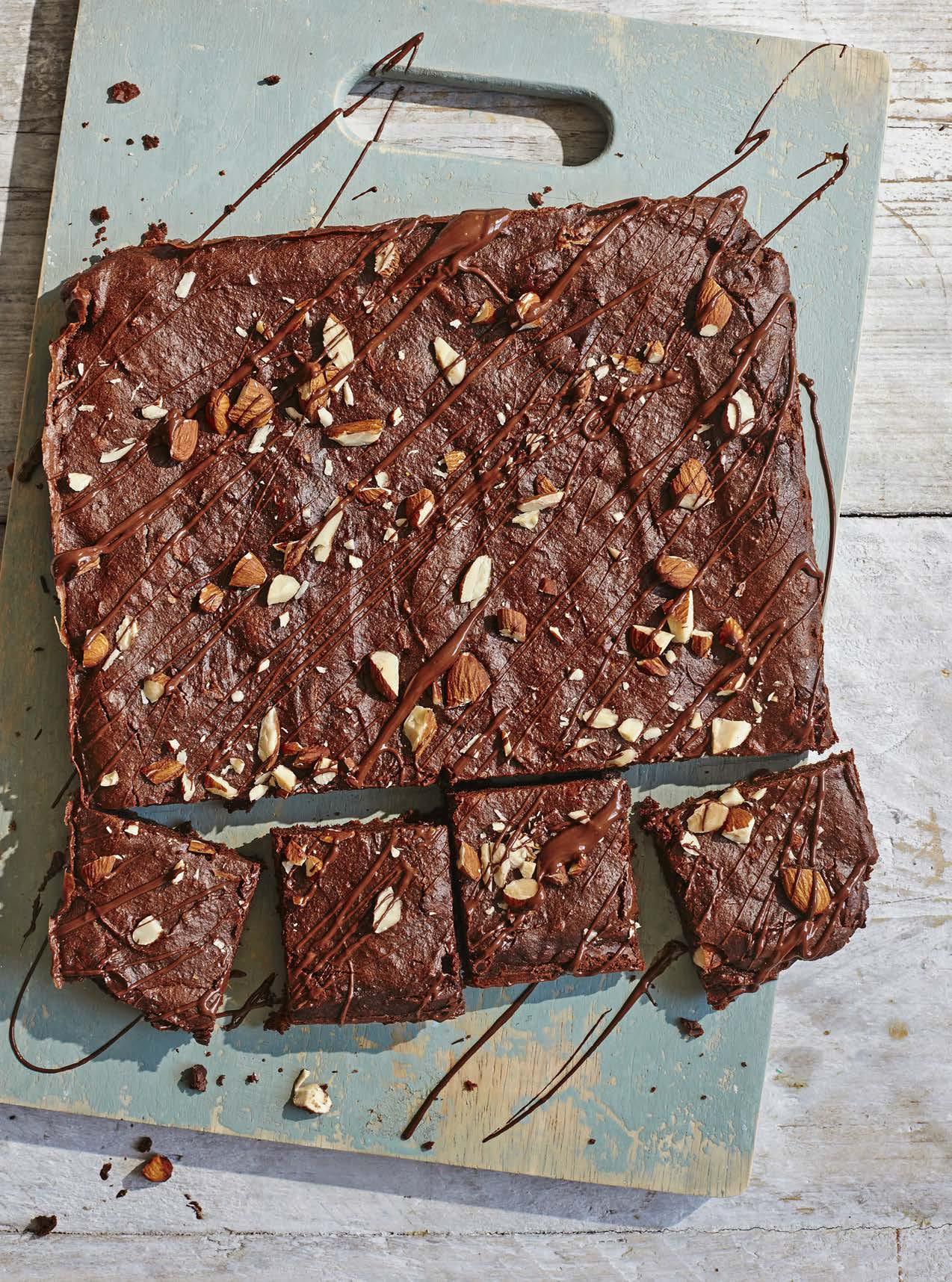


Showcase your offerings with an exclusive pre-roll commercial that plays before expert videos. The video content will be interrelated with the brand, and clients can sponsor culinary skill videos, kids’ recipes, meal inspiration, baking clips, and plenty more. For more information, email info@cpimediagroup.com

PART 1 WOMEN’S HEALTH
As our bodies change, so do our nutritional needs. In this 17-page health special BANT-registered nutritionist Kerry Torrens explains how you can maintain optimum health however old you are, with recipes to support your wellbeing
As we grow older, our interests, priorities and eating habits change, so it’s no surprise our nutritional needs change, too. That said, the principles of a healthy diet remain broadly similar whether we’re 25 or 65 – we all need a variety of nutrient-dense foods to enable us to look and feel our best, plus a little more of some key nutrients as we transition through life stages.
This advice is aimed at women. For a comprehensive guide to men’s nutritional needs, see next month’s issue of Good Food
Life can be hectic during these decades, and healthy eating is often way down the list of priorities – meaning good nutrition can get neglected as other commitments take centre stage. Whether it’s a demanding job, new baby or other family obligations, eating can become fragmented and less organised. Evidence bears this out, with women in this age group failing to meet the recommended daily intake for several key nutrients, including iodine, calcium, folate and magnesium.
Your 20s remain an important time for building bone density, but your ability to do so will naturally come to an end, so be sure to include a plentiful supply of bone-friendly nutrients, like calcium and vitamins D and K. These are found in foods like dairy, green leafy veg, egg yolks and salmon.
We’ve all skipped meals and instead relied on convenience foods to get us through a busy day, but these foods are likely to be high in salt, sugar and fat, and eating them regularly will result in a lower fibre intake. The recommended daily amount of fibre is 30g per day, yet many of us manage just over half this amount. Low fibre, high sugar, fat and salt in our diets can contribute to weight gain, bloating, digestive problems, and result in elevated blood pressure and digestive issues later in life.
Aim for three servings of dairy each day for calcium (one serving is equal to 200ml milk, 150g yogurt, 30g cheese). If you’re pregnant, there are so many dairy foods you should avoid, including unpasteurised milks, soft cheeses (like soft blue) and those made from unpasteurised goat’s and sheep’s milk.
If you don’t eat dairy, include calcium-rich plant sources like kale, broccoli, spinach, beans and fortified milk alternatives. Other useful food sources include canned fish with bones, such as salmon and sardines.
These are a source of liverfriendly choline, a nutrient needed for the formation of cell membranes and brain function, including memory. It’s especially important during pregnancy and when breastfeeding, as an adequate supply is essential for your baby’s brain development. Eggs are also a useful source of vitamin D, which is needed for healthy bones. Choose eggs enriched with omega-3 fatty acids to help support serotonin, the ‘feel-good’ hormone, which may lift mood.
The recommended daily amount of fibre is 30g, yet many of us only manage just over half of this
This is an important addition if your goal is ‘fibremaxxing’. Regularly eating two to three servings of wholegrains per day has also been linked to a reduced risk of weight gain, and is beneficial for both the heart and gut. Unprocessed carbs take longer to digest, and provide a steady supply of energy, which helps keep us fuller for longer. All the more reason to make time for breakfast – try fortified wholegrain cereals or porridge oats with chopped fruit or a handful of nuts or seeds. Prep our apricot muesli for an easy start to the day.
What else may be relevant for my 20s and 30s?
If you plan to start a family, you should be aware that, prior to conception, your gynecologist will recommend a supplement supplying 400mcg folic acid (folate) daily. This is in addition to dietary sources, such as fortified breakfast cereals, dark green leafy vegetables and oranges. Pregnant and breastfeeding mums should also consider a 10mcg supplement of vitamin D each day. Avoid liver and liver products (like pâté) in pregnancy because they may contain high levels of vitamin A, which may be harmful for your baby.
Roast chicken thighs with brown rice & salsa verde
Brown rice provides a portion of wholegrain in this dish, while the vitamin C in the salsa verde helps to absorb iron – another important nutrient for women.
SERVES 2 PREP 10 mins
COOK 35 mins EASY
3 boneless, skinless chicken thighs, each cut in half
2 tbsp rapeseed oil
2 garlic cloves, bashed
½ small bunch of coriander
½ small bunch of parsley
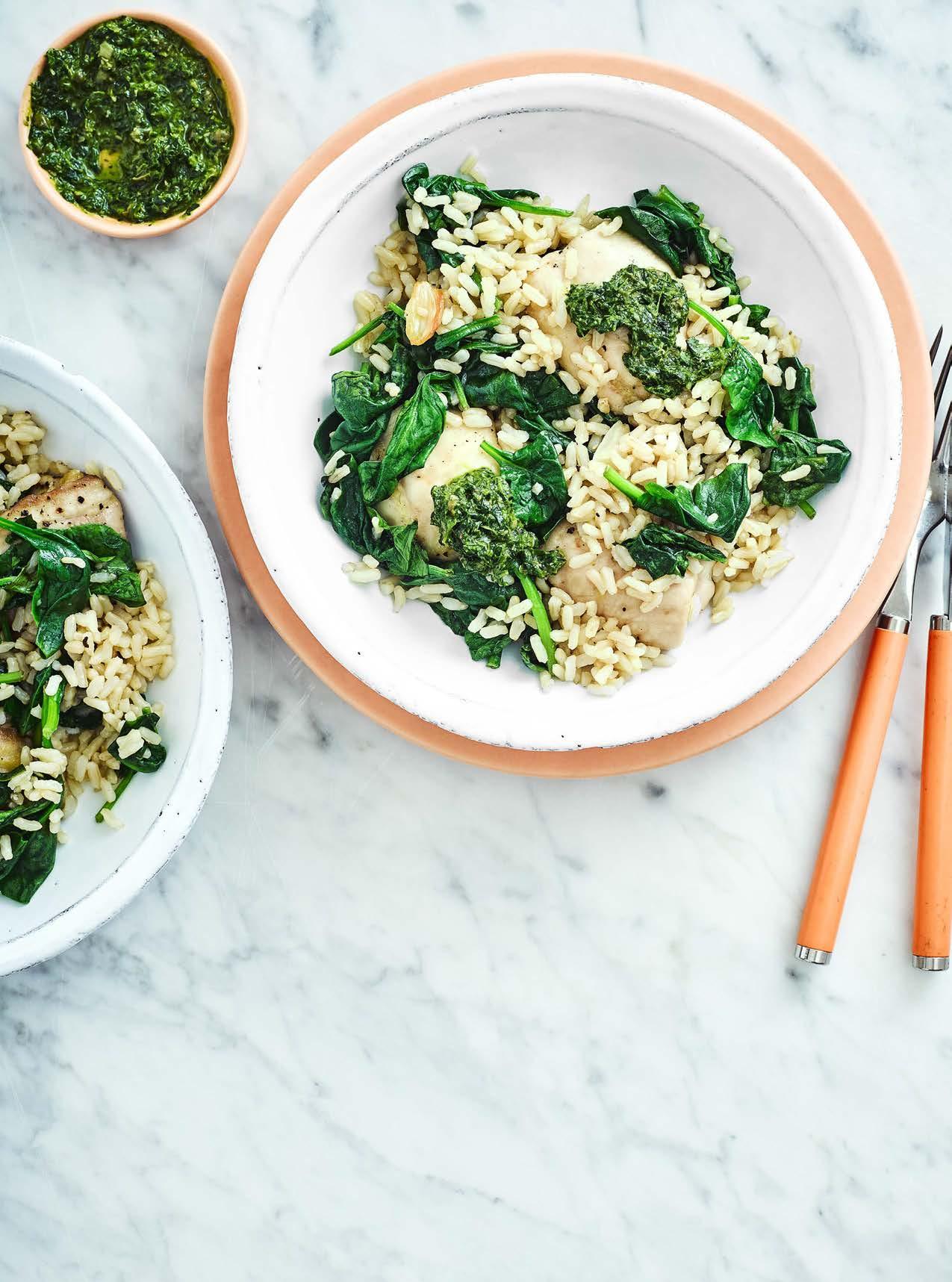
1 anchovy fillet
½ tbsp capers
½ lemon, zested and juiced
200g cooked wholegrain rice
200g baby spinach
1 Heat the oven to 200C/180C fan/ gas 6. Season the chicken, rub with 1/2 tbsp of the oil, then transfer to a large roasting tin along with the garlic, and roast for 25-30 mins.
2 Meanwhile, blitz the herbs, anchovy, capers, lemon juice and remaining oil with some seasoning in a food processor until finely chopped. Set aside.
3 Once the chicken is cooked, remove the tin from the oven and squeeze the roasted garlic cloves from their skins. Tip in the rice and use a wooden spoon to break it up, then add the spinach and lemon zest, and toss. Return to the oven for 5 mins. Divide between bowls and top with the salsa verde.
GOOD TO
Apricot & hazelnut
Zinc-rich pumpkin seeds help lift the winter brain fog, while nuts are a good plant source of protein. If you use plant milk, choose a version fortified with calcium and vitamins D and B12 for bones and energy.
SERVES 6 PREP 10 mins
COOK 5 mins EASY V
250g gluten-free porridge oats
75g blanched hazelnuts, halved
75g pumpkin seeds
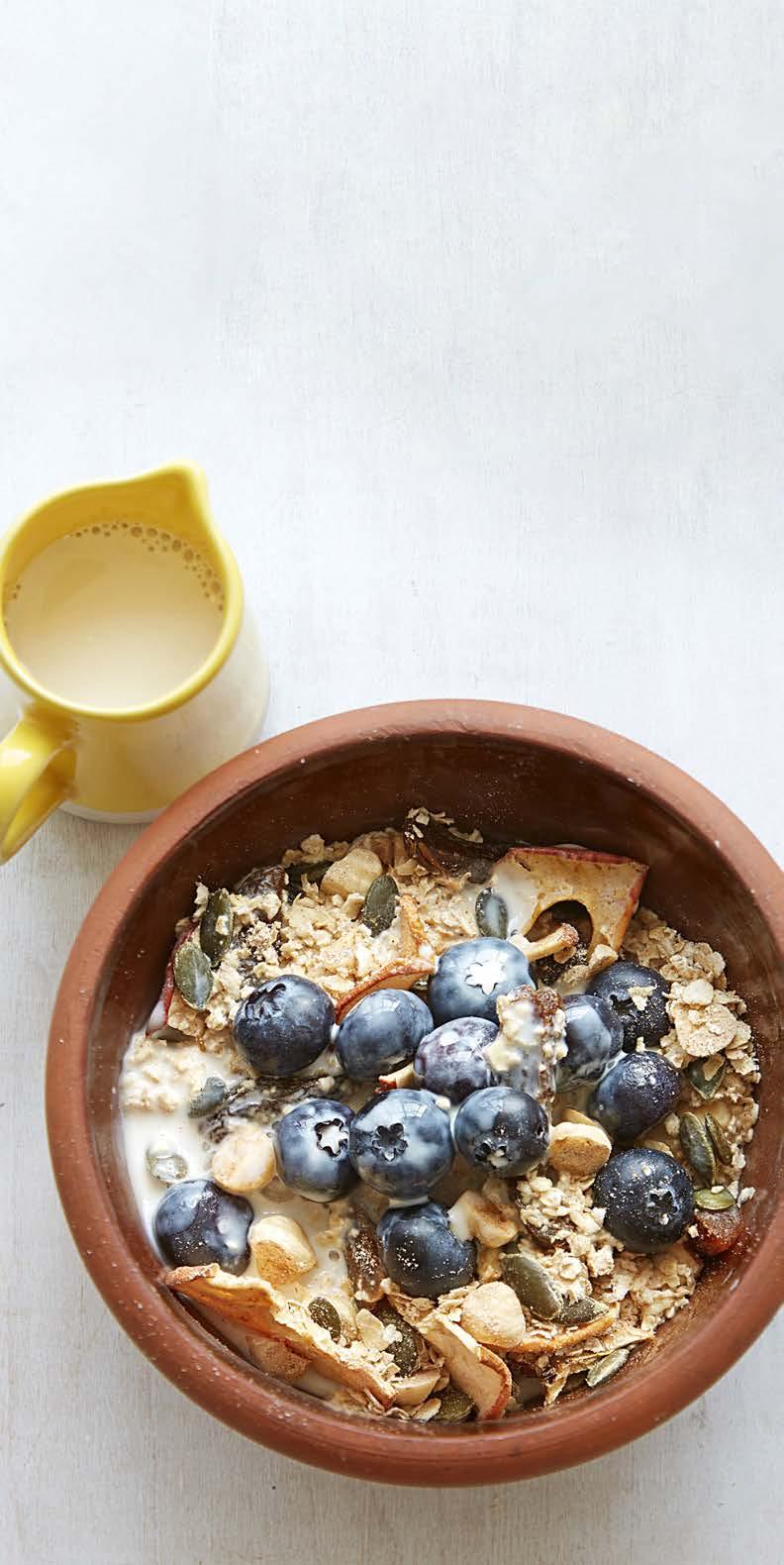
1½ tsp ground cinnamon
75g sulphur-free dried apricots, chopped
20g air-dried apple fruit crisps
600ml oat or hazelnut milk
240g blueberries
1 Toast the porridge oats in a dry frying pan over a low heat, stirring often. Turn off the heat and stir in the nuts, seeds and cinnamon.
2 Tip the oat mixture into a large bowl, stirring to help it cool, then add the fruit, breaking the apple crisps into smaller pieces. Will keep in an airtight container for up to two weeks. Serve in bowls with 100ml milk and 40g berries each.
Kale & bulgur tabbouleh with yogurt dressing
Bulgur is a wholegrain, as well as being a less common plant fibre to help you reach your 30-a-week target for good gut health.
SERVES 2 PREP 15 mins
COOK 15 mins EASY V
150g bulgur wheat
2 eggs
60g baby kale or curly kale, roughly chopped 20g hazelnuts, toasted and roughly chopped
1 carrot, cut into matchsticks
3 spring onions, roughly chopped 50g pomegranate seeds
1 tsp chilli flakes
1 lemon, juiced
For the dressing
100ml 0% fat Greek yogurt
1 lemon, zested and juiced
2 tbsp white wine vinegar
1 tbsp each chopped dill and mint
½ garlic clove, crushed
1 Put the bulgur in a medium heatproof bowl and pour over 125ml boiling water. Mix well, cover and leave for 10-15 mins until al dente.
2 Meanwhile cook the eggs in a pan of boiling water for 6 mins, then rinse under cold water to cool. Peel and cut in half. Put all the dressing ingredients in a food processor or blender with 2 tbsp water. Season with salt and blend until smooth.
3 Break up the bulgur using a fork and mix with the remaining ingredients. Toss with the dressing and top with the eggs.
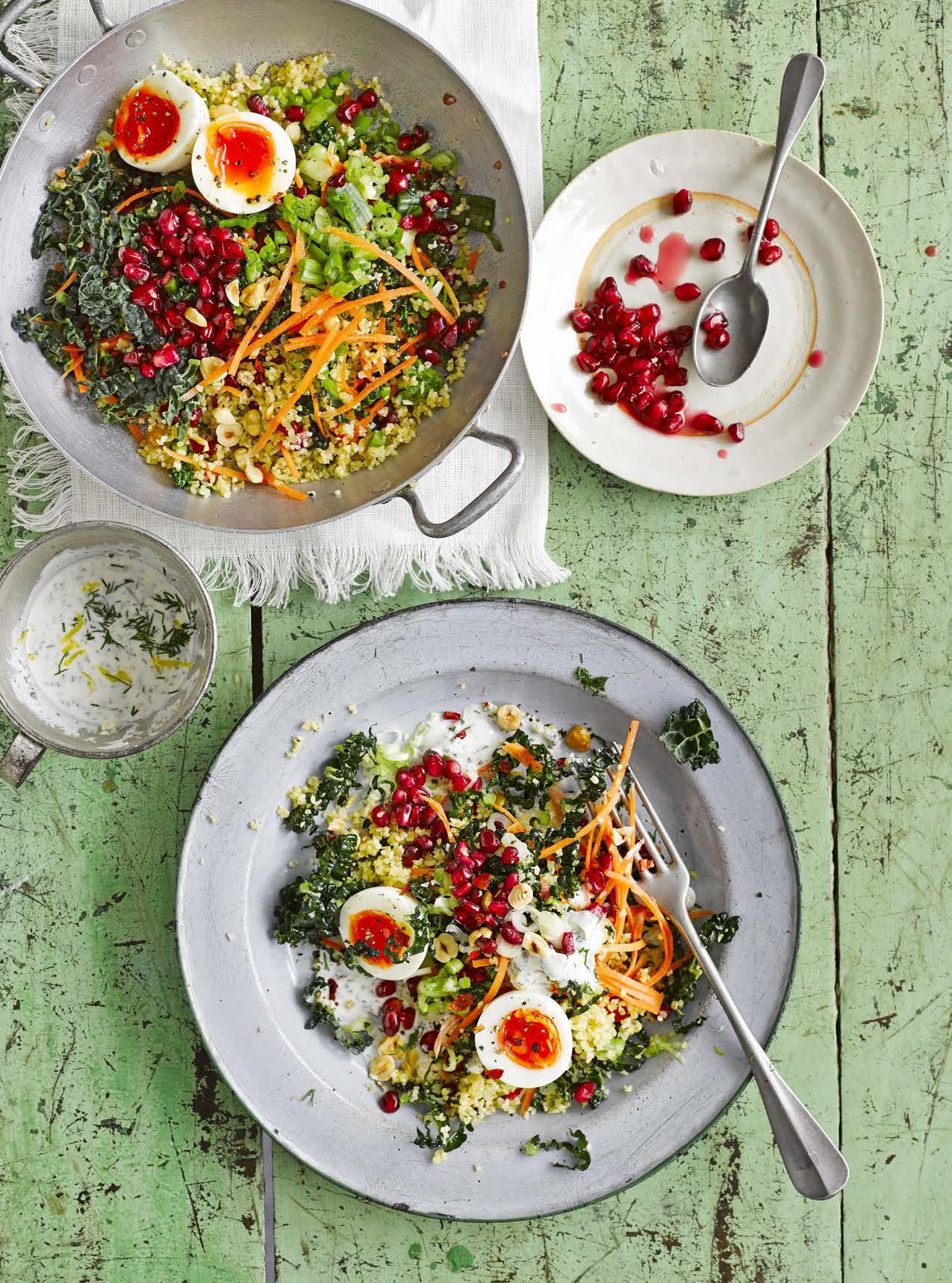
It’s during this decade that you may start to notice your energy levels waning and hormones out of kilter. Your weight may notch up a little and your jeans may feel a little bit more snug. A busy schedule, growing family and career challenges may increase stress and anxiety, impacting sleep quality, all of which can have an effect on your ability to tune into hunger and fullness cues.
The answer? Eat to keep energy levels up and hunger at bay by focusing on micronutrients like iron and the B group of vitamins, and maintain muscle mass with protein-rich foods like lean meats, fish, pulses and beans. After the age of 40, our metabolic rate (the speed at which the body burns calories) may change. This reduction is likely to be modest; the main reason people of this age start to suffer from ‘middle-aged spread’ (weight gain) is down to hormonal changes, poor dietary choices and a lack of physical activity. Excess weight, particularly around your middle, is a risk factor for heart disease, diabetes and osteoarthritis – the longer you wait before you tackle it, the harder it becomes, so it’s worth nipping weight gain in the bud before it becomes a serious problem.
• Iron-rich foods
Liver and lean red meat offer the most easily absorbed form of iron (haem iron). If you eat meat, include about 70g (cooked weight) twice a week. Plant sources of iron include fortified breakfast cereals, lentils, green leafy veg (such as chard, spinach, green beans, asparagus and broccoli) and dried fruit, like apricots.
If maintaining adequate iron levels is an issue for you, avoid drinking tea or coffee too close to your mealtimes – the natural tannins in these drinks may inhibit the absorption of minerals, such as iron.
• Fruit and vegetables
Brightly coloured fruit and veg are filled with antioxidants. These protective plant compounds are associated with numerous health benefits, from lower incidences of heart disease and obesity to maintaining good skin. Eat a minimum of five portions of fruit and vegetables every day and include a wide variety of colours.
If you’re experiencing hormonal shifts, brassica are a good choice. Cabbage, cauliflower and broccoli contain compounds called indoles, which may help regulate oestrogen levels. Including these vegetables regularly may help alleviate symptoms such as breast tenderness, mood swings and hot flushes.
Eat to keep energy levels up and hunger at bay by focusing on micronutrients like iron
• Protein
If you’re not getting enough protein, you may notice the condition of your hair, nails and skin suffering. Other signs might include injuries taking longer to heal, catching colds more easily and changes in your body composition or even your posture. Opting for high-quality protein supplies a good amount of all the essential amino acids – the building blocks of protein – which you need for growth and repair. Leucine, for one example, is key in creating muscle tissue – eggs, yogurt, milk, whey protein powder, soya milk and tempeh are all useful sources. If you opt for skimmed milk, you might want to consider swapping back to semi-skimmed or whole. Recent studies suggest skimmed milk is no healthier, and the natural fat in whole milk helps boost our absorption of valuable vitamins like A and D.
Foods like yogurt, miso, kefir and kimchi appear to influence the bacteria in your gut, which may help manage blood sugar levels, support heart health and help with hormonal balance. But, if you suffer with histamine intolerance, you may need to limit or avoid them.
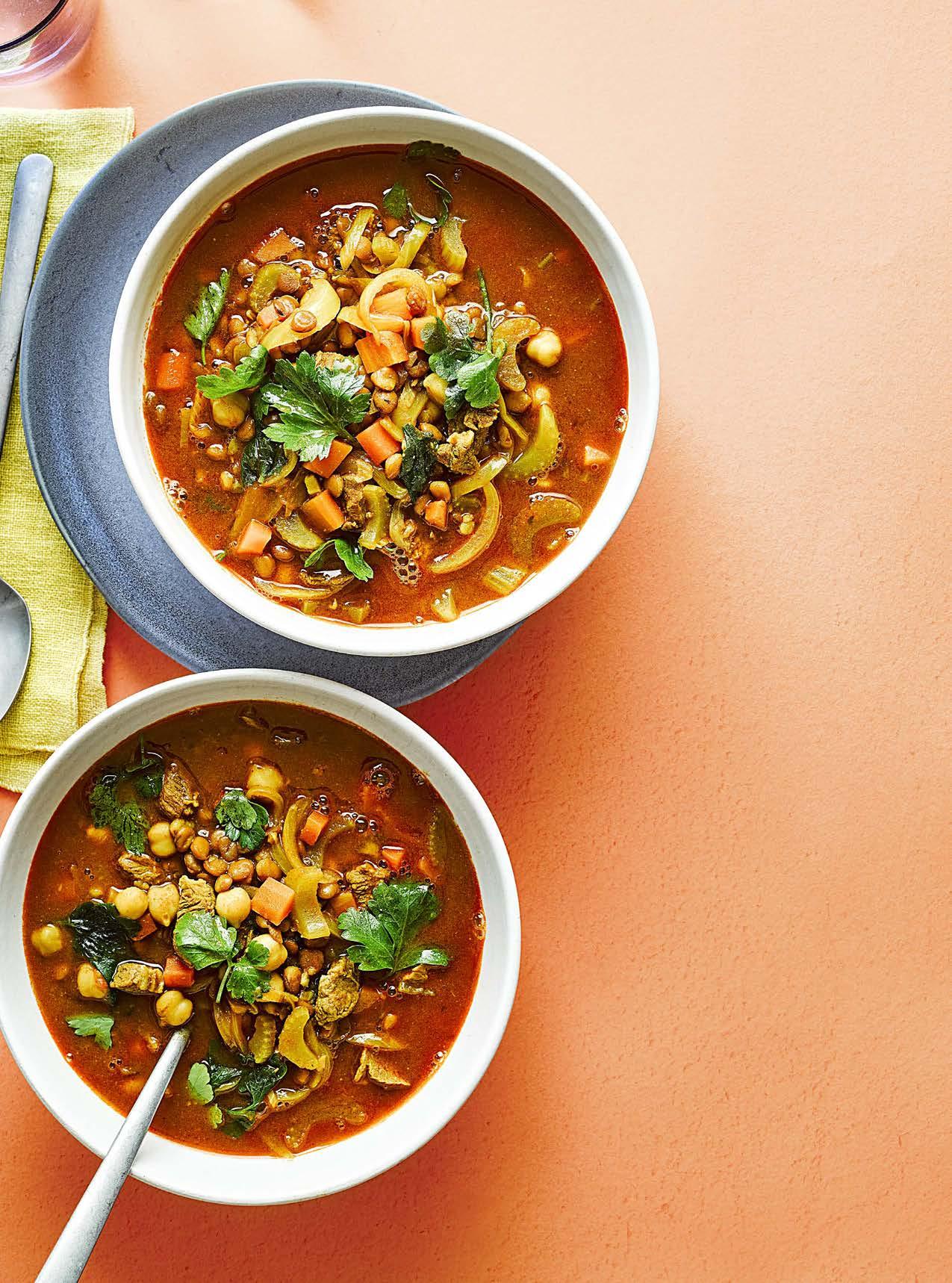
Lamb & chickpea soup
Adding pulses to a soup is a great way to boost the protein content.
SERVES 2 PREP 15 mins
COOK 35-40 mins EASY
1 tbsp olive or rapeseed oil
1 onion, halved and sliced
2 carrots, diced (170g)
3 large celery sticks, chopped
125g lean lamb leg steak, visible fat trimmed, cut into pea-sized pieces
1 tsp ground turmeric
1 tsp ground cumin
1 tsp ground coriander
400g can green lentils
210g can chickpeas
2 tbsp tomato purée
2 tsp vegetable bouillon powder (gluten-free, if needed)
½ small bunch of parsley, chopped, plus few whole leaves
1 Heat the oil in a deep, non-stick saucepan over a high heat and cook the onion, carrots and celery, stirring occasionally, until starting to soften. Stir in the lamb and spices, and cook for 5-7 mins more to brown the meat.
2 Tip in the lentils and chickpeas, along with the liquid from the cans, then stir in the tomato purée, bouillon and 1 litre hot water from the kettle. Bring to the boil, then cover and simmer for 30 mins. Stir through the chopped parsley, then scatter over a few leaves to serve.
Women in their 40s are likely to start experiencing symptoms of the perimenopause. During this time, levels of hormones – such as oestrogen, testosterone and progesterone – start to naturally fluctuate, and you may experience a host of symptoms, from hot flushes and disrupted sleep to mood swings. This transitional time makes a healthy and balanced diet, good sleep hygiene and regular exercise even more important, as well as ensuring you adopt appropriate stress management. If you drink alcohol, keep to guideline amounts of no more than 14 units per week. It’s a good idea to have two alcohol-free days during the week and spread your weekly allowance evenly, rather than indulging over one or two days.
One-pot cabbage & beans with white fish
White fish is another lean source of protein, while the four portions of veg will provide a wide range of micronutrients to support you at this busy time of life.
SERVES 4 PREP 20 mins
COOK 30 mins EASY
small knob of butter
5 rashers smoked streaky bacon, chopped
1 onion, finely chopped
2 celery sticks, diced
2 carrots, diced small bunch of thyme
1 Savoy cabbage, shredded
4 tbsp white wine
300ml chicken stock
410g can flageolet beans in water, drained
4 fillets skin-on sustainable white fish (like hake; about 140g each)
2 tbsp plain flour
2 tbsp olive oil

1 Melt the butter in a large frying pan until starting to sizzle, then fry the bacon for a few minutes. Add the onion, celery and carrots, and cook for 8-10 mins until softening, but not brown. Stir in the thyme and cabbage, then cook for a few minutes more until the cabbage starts to wilt. Pour in the wine, simmer until evaporated, then add the stock and beans. Season, cover and simmer for 10 mins until the cabbage is soft but still vibrant.
2 When the cabbage is done, cook the fish. Season each fillet, then dust the skin in the flour. Heat the oil in a frying pan and fry the fish, skin-side down, for 4 mins until crisp. Flip over and fry until cooked through. Serve the fish fillets on top of the cabbage.

Roasted cabbage with harissa butter beans & baked feta
The bright colours of tomatoes and parsley show they’re rich in antioxidants; while the cabbage may help alleviate symptoms associated with hormonal shifts.
SERVES 4 PREP 10 mins
COOK 20 mins EASY V
1 medium Savoy cabbage (about 700g), cut into 4 wedges
3 tbsp olive oil, plus extra for drizzling
1 tbsp ras el hanout
600g jar giant butter beans, or 2 x 400g cans butter beans
400g can chopped tomatoes
2-3 tbsp rose harissa
1 preserved lemon, rind thinly shredded 200g feta
¼ tsp chilli flakes parsley leaves and dill fronds, to serve
1 Heat the oven to 200C/180C fan/ gas 6. Arrange the cabbage wedges in a roasting tin, drizzle over half the oil and sprinkle with the ras el hanout and some salt. Rub the oil and spices into the cabbage wedges to coat, then roast for 15 mins.
2 Tip the butter beans, tomatoes, harissa, lemon rind and 1 tsp sugar into a bowl, season and stir to combine. After the cabbage wedges have had 15 mins, pour the butter bean mixture into the tin around the cabbage. Put the feta on a baking tray lined with baking parchment, drizzle over the remaining oil and scatter over the chilli flakes. Return to the oven for a further 20 mins alongside the feta.
3 Spoon the roasted cabbage wedges and beans onto plates or into shallow bowls along with chunks of the baked feta. Scatter over some parsley leaves and dill fronds, then drizzle with a little more olive oil before serving.
GOOD
3
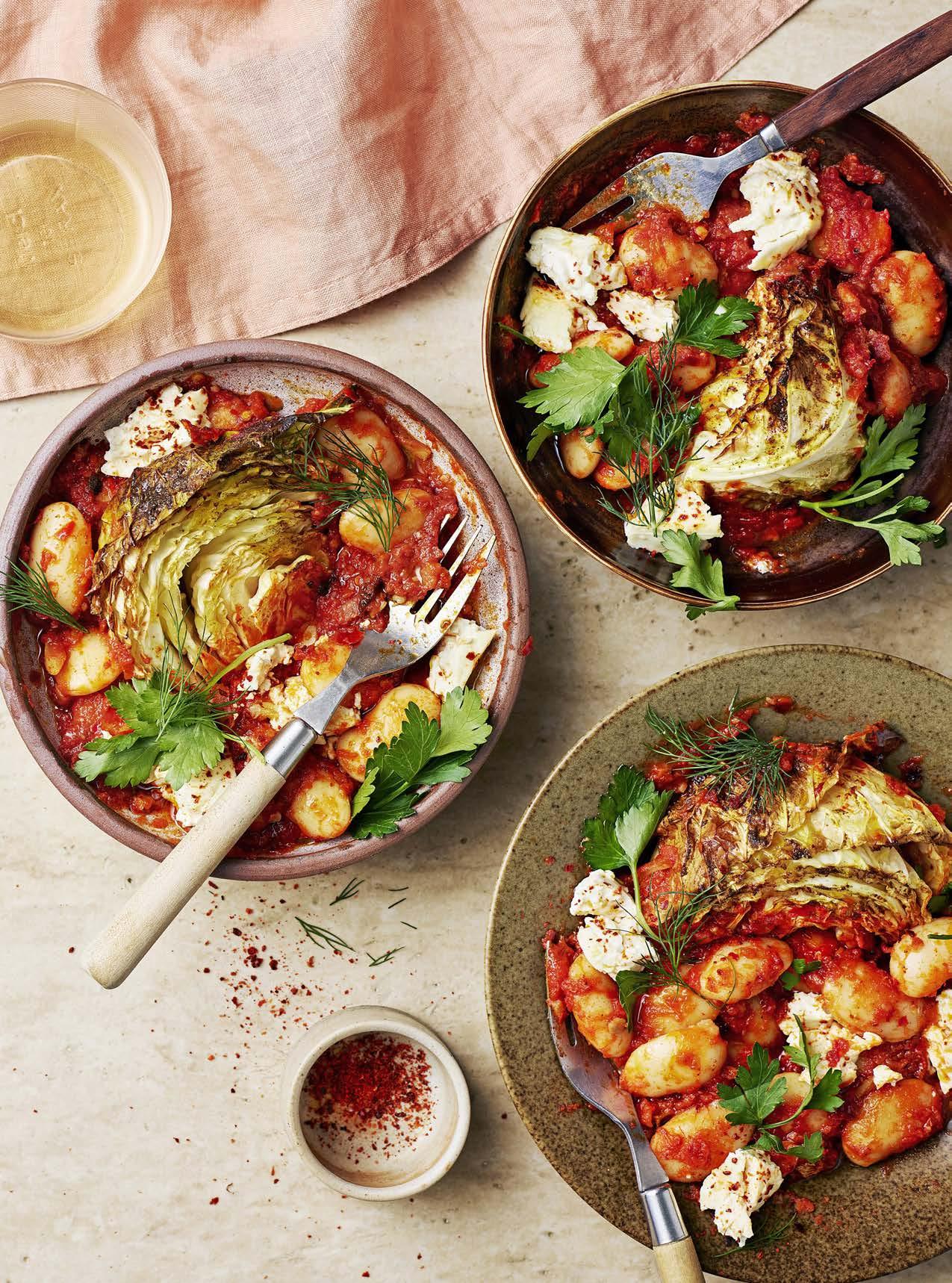
In your 50s, the focus shifts to heart and brain health, as well as managing any menopausal symptoms, if relevant. Health problems, such as raised cholesterol, high blood pressure and type-2 diabetes, are more common in this age group. The average age of menopause in the UK is 51. It’s a life stage that affects women in different ways, but a decline in libido, increased chance of osteoporosis and heart disease are all linked to the reduced levels of oestrogen that accompany it. Changes in gut health may also be experienced, because oestrogen levels appear to influence the gut microbiome. Interestingly, lower rates of menopausal symptoms are reported in countries in the East, where traditional diets are naturally rich in plant compounds called phytoestrogens – these compounds mildly mimic the effects of oestrogen in the body. Environmental factors and genetics play a huge part in how our bodies react to certain foods, so as yet we can’t say whether a diet rich in these phytoestrogens is beneficial for all women, but they may be worth a try. Foods high in phytoestrogens include soy, linseeds, chickpeas, beans and peas.
• Go Mediterranean
Aim to eat a Mediterranean-style diet based around fruit and veg – of all colours and types –wholegrains, lean meats and fish, nuts and seeds, as well as heart-friendly fats like olive oil.
Because, post-menopause, a woman’s risk of cardiovascular illness matches that of a man, now is the time to make heartfriendly foods top of your agenda. Beetroot contains natural compounds called nitrates that support blood flow, lower blood pressure and help your muscles work more effectively – plus, by including beetroot, you may even make exercise a little easier.
• Phytoestrogens
These can be helpful for some women. Consider including soyabased foods such as tofu, miso and tempeh. As well as helping reduce hot flushes and improve heart health and bone density, eating 15-25g of soya protein a day may help manage cholesterol levels.
If soya isn’t your thing, other sources of phytoestrogens include lentils, beansprouts, peanuts and linseeds. Studies suggest about 40g of linseeds a day may help balance hormone levels. Grind them before eating for optimal effect, and add to smoothies, soup or porridge.
Changes in gut health may also be experienced because oestrogen levels appear to influence the gut microbiome
• Healthy fats
Current guidelines recommend that we eat two portions of fish per week, one of which should be rich in essential fats known as omega-3 fatty acids. These healthy fats are found in fish like trout and sardines, and may help keep your heart healthy and balance hormones. Canned fish such as salmon, sardines and mackerel offer value for money. Other sources include eggs enriched with omega-3, walnuts, chia and flaxseed.
What else may be relevant for my 50s?
It’s worth getting your cholesterol and blood pressure checked and, if you have high cholesterol, consider trying products rich in plant stanols or sterols, which may help lower cholesterol. These products include spreads and yogurts, but there are some foods naturally rich in these compounds too, such as avocado. If you don’t eat at least one serving of oil-rich fish each week, it may be worth considering an omega-3 supplement. Smoking and being inactive may severely harm your bones, and it’s particularly important to include some weight-bearing exercise, such as brisk walking, yoga or jogging. These forms of exercise help keep bones and joints strong and tone and build muscle, which may support your metabolic rate. Aim to drink six to eight glasses of water or herbal teas every day, and watch caffeine consumption – caffeine can interfere with the amount of calcium your body absorbs.
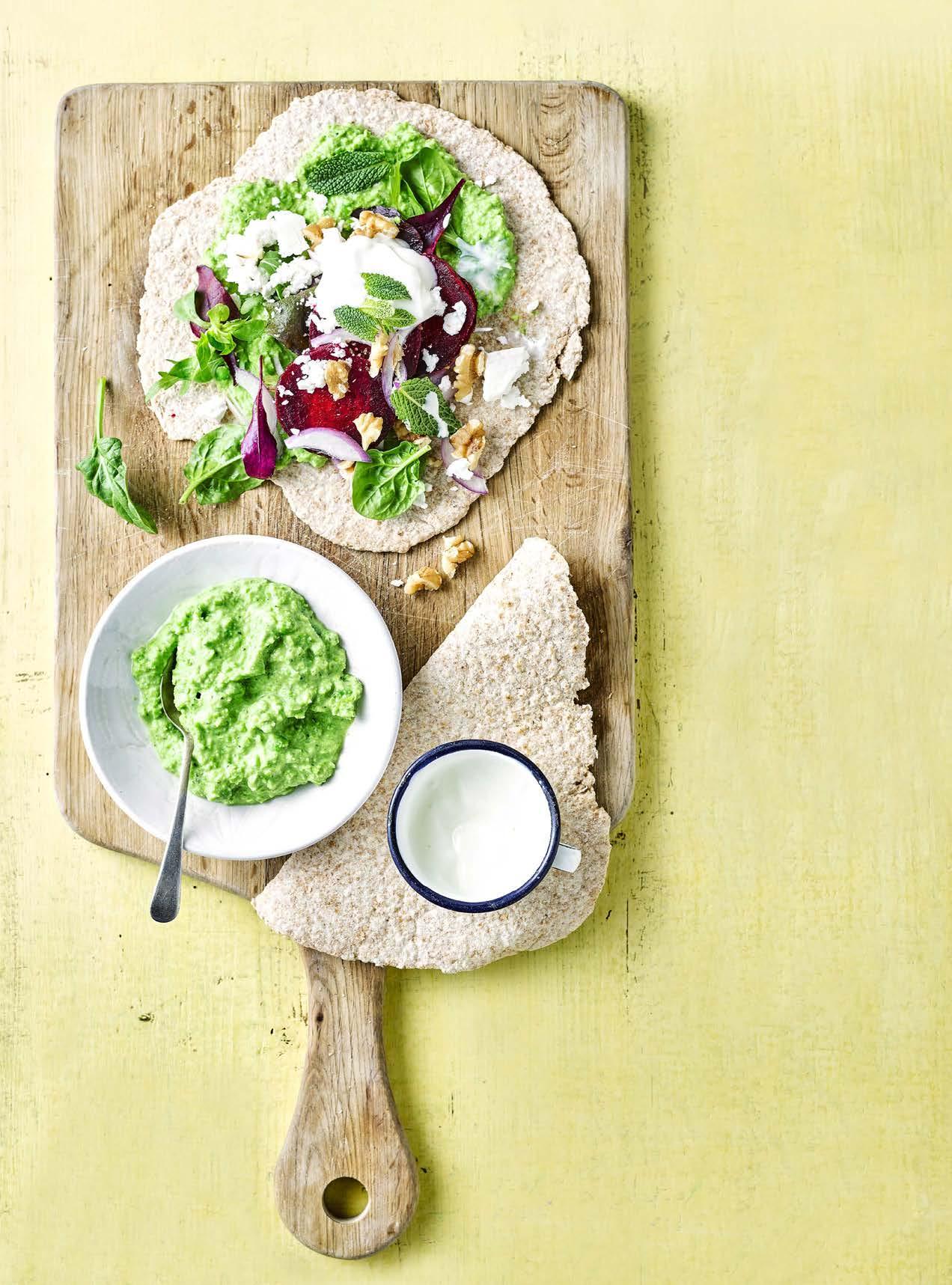
Wholemeal wraps with minty pea hummus & beetroot
This quick lunch option provides three of your five-a-day. Peas are rich in the phytoestrogens associated with a lower risk of menopausal symptoms.
SERVES 2 PREP 12 mins COOK 4 mins EASY V
For the wraps
85g wholemeal self-raising flour, plus extra for dusting
1 tsp rapeseed oil
For the filling
160g frozen peas, defrosted 1 lemon, 1/2 juiced, 1/2 half cut into wedges (optional) 4 tbsp bio yogurt
1 large garlic clove handful of mint leaves
2 handfuls of baby leaf salad
1 small red onion, finely sliced 2 large, cooked beetroots (160g), sliced 30g feta, crumbled 20g walnuts, chopped
1 For the wraps, tip the flour into a small bowl and roughly rub in the oil. Add 60ml warm water and bring together into a soft dough using your hands. Cut in half, then roll out each piece on a floured surface as thinly as you can to make a round that will cover the base of a large frying pan. Heat the frying pan and cook the wraps for about 2 mins on each side – there’s no need for extra oil. Take care not to make them crisp, as they need to remain pliable.
2 For the filling, blitz the peas, lemon juice, 2 tbsp yogurt, the garlic and most of the mint into a thick purée using a food processor or hand blender. Spread this over the wraps. Top with the salad leaves, onion and beetroot. Spoon over the remaining yogurt, then scatter over the feta, walnuts and remaining mint. Serve with lemon wedges for squeezing over, if you like.
Sardine tomato pasta with gremolata
Sardines are a high calcium food
(as long as you eat the bones) –useful if you’re concerned about bone health.
SERVES 1 PREP 5 mins COOK 15 mins EASY
75g wholemeal spaghetti
60g canned sardines in oil, plus
1 tbsp of the oil
½ tbsp capers, drained
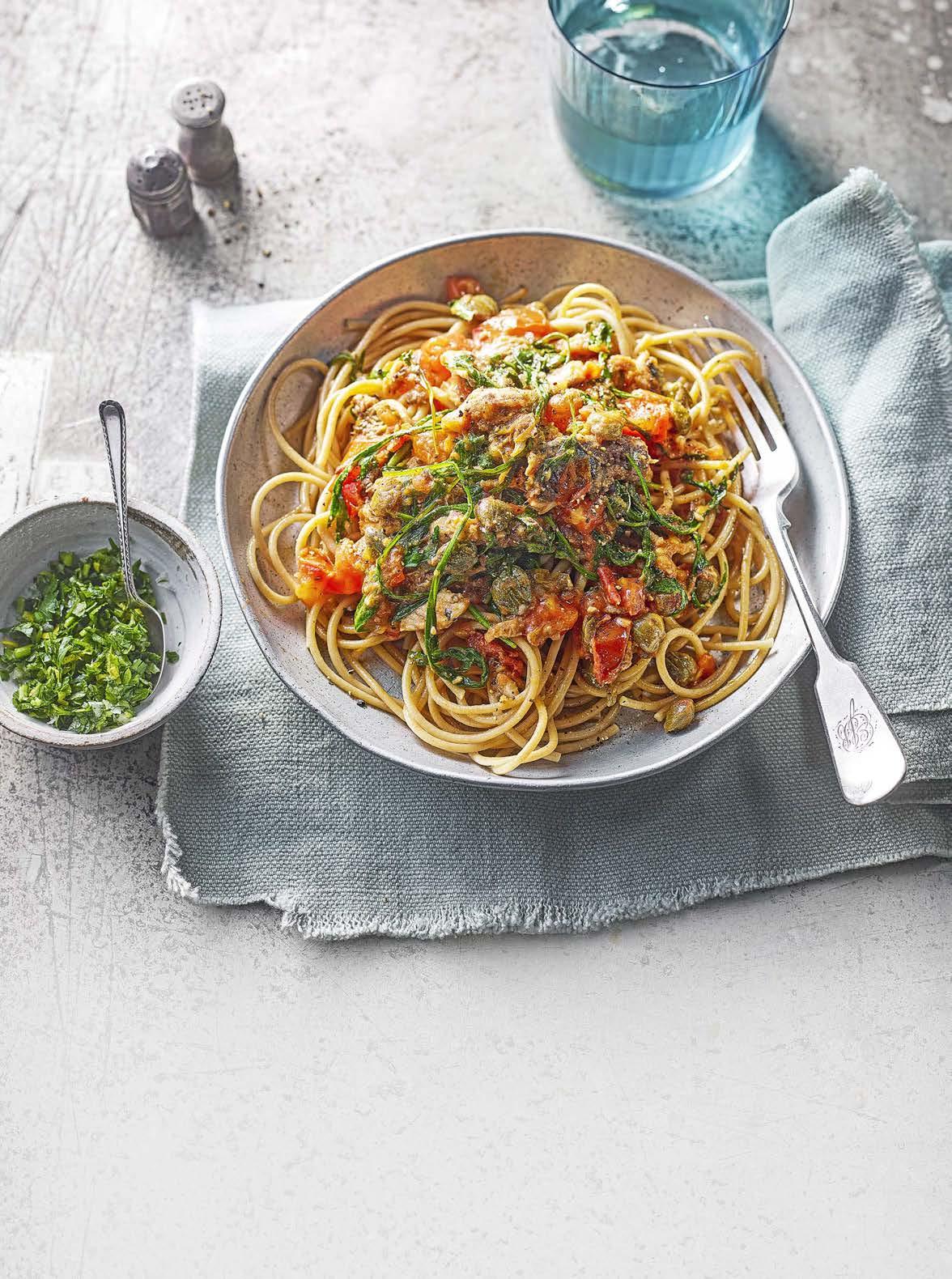
2 garlic cloves, crushed
2 tomatoes, roughly chopped
30g rocket
½ lemon, zested
small handful of parsley, finely chopped
1 Cook the pasta in a large pan of boiling salted water following pack instructions. Heat the sardine oil in a non-stick frying pan over a medium heat and fry the capers and half the garlic for 1-2 mins until fragrant. Tip in the tomatoes,
fry for 4-5 mins until softened and bursting, then stir in the sardines and rocket, tossing a few times to break up the fish and wilt the leaves. Season.
2 For the gremolata, combine the lemon zest, parsley and remaining garlic in a small bowl, and season. Drain the pasta and top with the sardine sauce and gremolata.
The healthy fats in mackerel are important for heart and hormone health, which are important to keep an eye on at this age.
SERVES 4 PREP 30 mins COOK 45 mins EASY
2 red chillies, deseeded and roughly chopped, plus extra sliced chillies to serve
4 shallots, roughly chopped
2 garlic cloves
1 thumb-sized piece of ginger, peeled and chopped
1 lemongrass stalk, roughly chopped
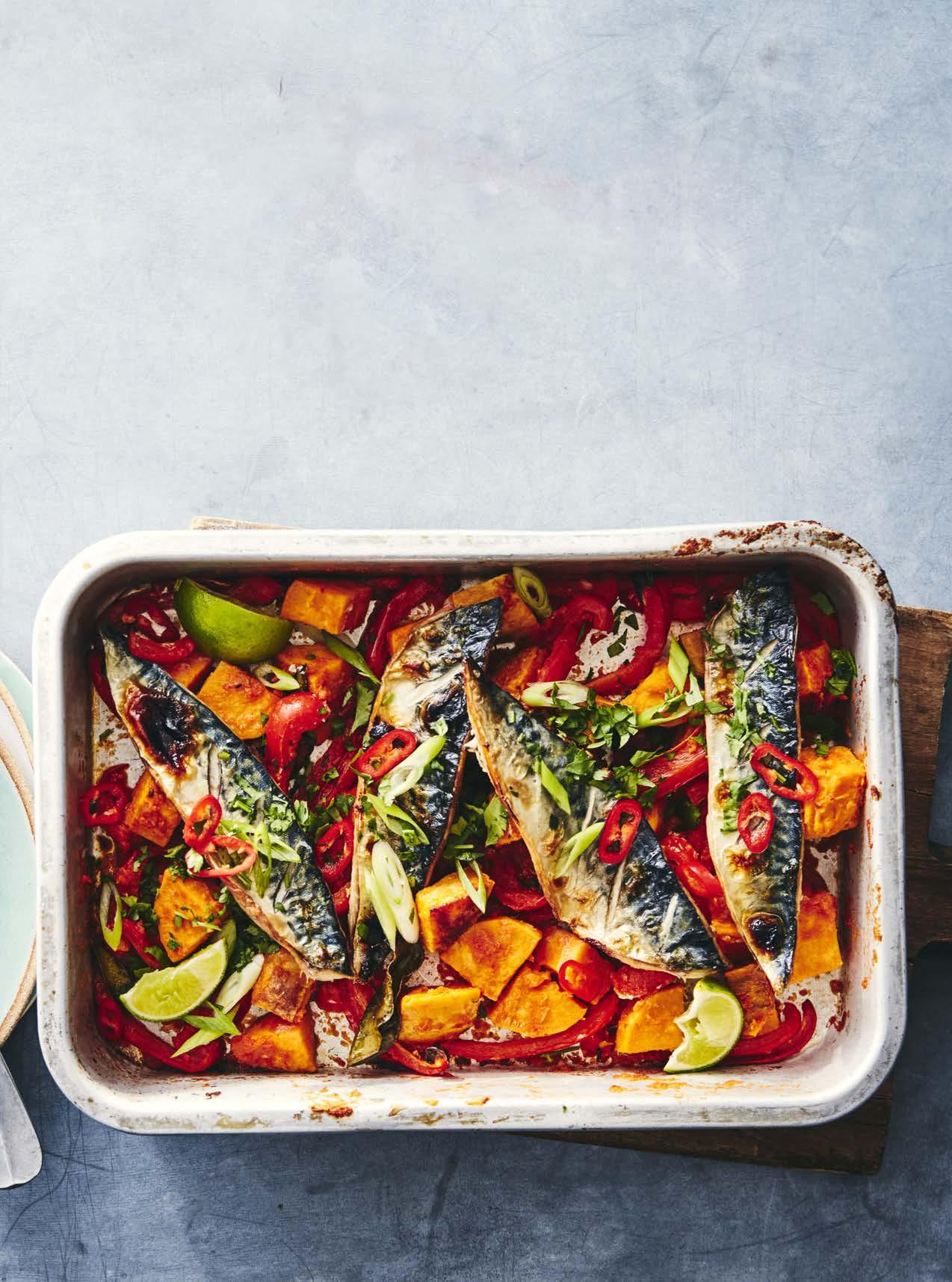
1 tbsp hot smoked paprika
2 limes, zested and juiced, plus wedges to serve 200g sweet potato, peeled and cut into 1cm cubes
1 tbsp rapeseed oil
2 red peppers, deseeded and sliced
3 dried lime leaves
4 raw mackerel fillets
4 spring onions, trimmed and sliced small bunch of coriander, chopped 320g broccoli, steamed, to serve
1 Put the chillies, shallots, garlic, ginger, lemongrass, paprika, the lime zest and juice and 1 tbsp water in a small food processor, and blitz to a smooth paste.
2 Heat the oven to 200C/180C fan/ gas 6. Put the sweet potatoes in a
large roasting tin and toss with the oil. Add the curry paste, peppers and lime leaves, and roast for 35-40 mins until the potatoes are tender. Heat the grill to high.
3 Slash the mackerel skin a few times using a sharp knife, then arrange over the veg, skin-side up. Grill for 4-5 mins until the skin is blistered and the flesh is cooked.
4 Scatter over the spring onions, coriander and extra chillies, then squeeze over the lime wedges. Serve with the steamed broccoli.
Diet plays an important role in helping extend the number of healthy, active years we enjoy. Eating well may help reduce your risk of chronic diseases and minimise agerelated muscle loss, weakened bones and frailty. Our risk of heart attack and stroke rises steadily with age and nutritional deficiencies – too much saturated and trans fats, excess alcohol, smoking and a lack of exercise are all contributing factors.
We tend to see changes in appetite coupled with the fact that our bodies become less efficient at absorbing nutrients from the foods we eat. This is because levels of stomach acid fall and, as a result, the absorption of iron, calcium and vitamins like B6, B12 and folate are reduced, as well as decreased secretion of gastric intrinsic factor – the protein needed for vitamin B12 absorption.
Our bodies at this stage don’t absorb and manufacture vitamin D as well either. Vitamin D can be made by the action of sunlight on the skin during the warmer months, but as we get older, we tend to spend less time outside, so our skin becomes less efficient at this process.
Digestive problems like constipation, piles and diverticular disease are also more common with age. Being active helps the gut function properly, so keep up with the walking or yoga – and don’t forget, exercise may also help manage levels of stress and anxiety.
• Grains and pulses
Include fibre-rich foods, such as beans, peas and lentils, in your diet. Beta-glucan in oats and barley is effective at managing cholesterol levels. Choose minimally processed oats and pot barley – they may help stabilise blood sugar levels and keep you fuller for longer. If you typically eat white, processed bread, pasta and rice, you will need to introduce wholegrains slowly, so your gut can adjust to the additional fibre.
• Fruit and vegetables
Increasing your intake of stone fruit, such as plums and apricots, or adding a small glass of prune juice to your breakfast, may help alleviate constipation, while bananas provide a useful source of potassium – a mineral that helps balance blood pressure. The magnesium and vitamin B6 they contribute may also help manage anxiety, while tryptophan may support sleep duration. Including cherries or their juice may also help tackle sleep disturbances –they’re a source of melatonin.
Including avocado in your diet may promote the production of an antioxidant compound called glutathione, which helps the liver work more effectively and may be important if you’re taking prescribed medication. Avocado
Eating well may help reduce the risk of chronic diseases and minimise muscle loss and frailty
also provides beneficial fats that support the heart, and may help reduce visible effects of aging.
• Vitamin B12
About 10-15 per cent of those over 60 are low in this vitamin; symptoms include frequent ‘pins and needles’ and muscle weakness. Eat plenty of foods rich in B12, such as meat, fish, eggs, dairy and fortified breakfast cereals. Yeast extract is a good source for those with a plantbased diet. Check with your GP if you’re concerned about your vitamin B12 levels.
• Vitamin D
Small amounts of vitamin D are found in eggs and fatty fish, as well as fortified foods, like spreads. It can be difficult to achieve enough from diet alone, which is why all adults are advised to consider a supplement.
What else may be relevant in my 60s and beyond?
Our tastebuds lose sensitivity as we age, so care needs to be taken not to over-season food. For some, excess salt can lead to an elevation in blood pressure, cause bloating and aggravate bone loss. Guidelines suggest adults consume no more than 6g per day. Check the nutritional information on the back of packs before you buy ready meals or sandwiches – for a main meal, aim to eat no more than 2.5g salt. When cooking from scratch, use alternative seasonings, like garlic, black pepper, chilli, lemon juice, fresh herbs and spices.
Kale, tomato & poached egg on toast
Eggs are a good source of vitamin D, which helps with bone strength and mood.
SERVES 2 PREP 2 mins COOK 7 mins EASY V
2 tsp oil
100g chopped kale
1 garlic clove, crushed ½ tsp chilli flakes
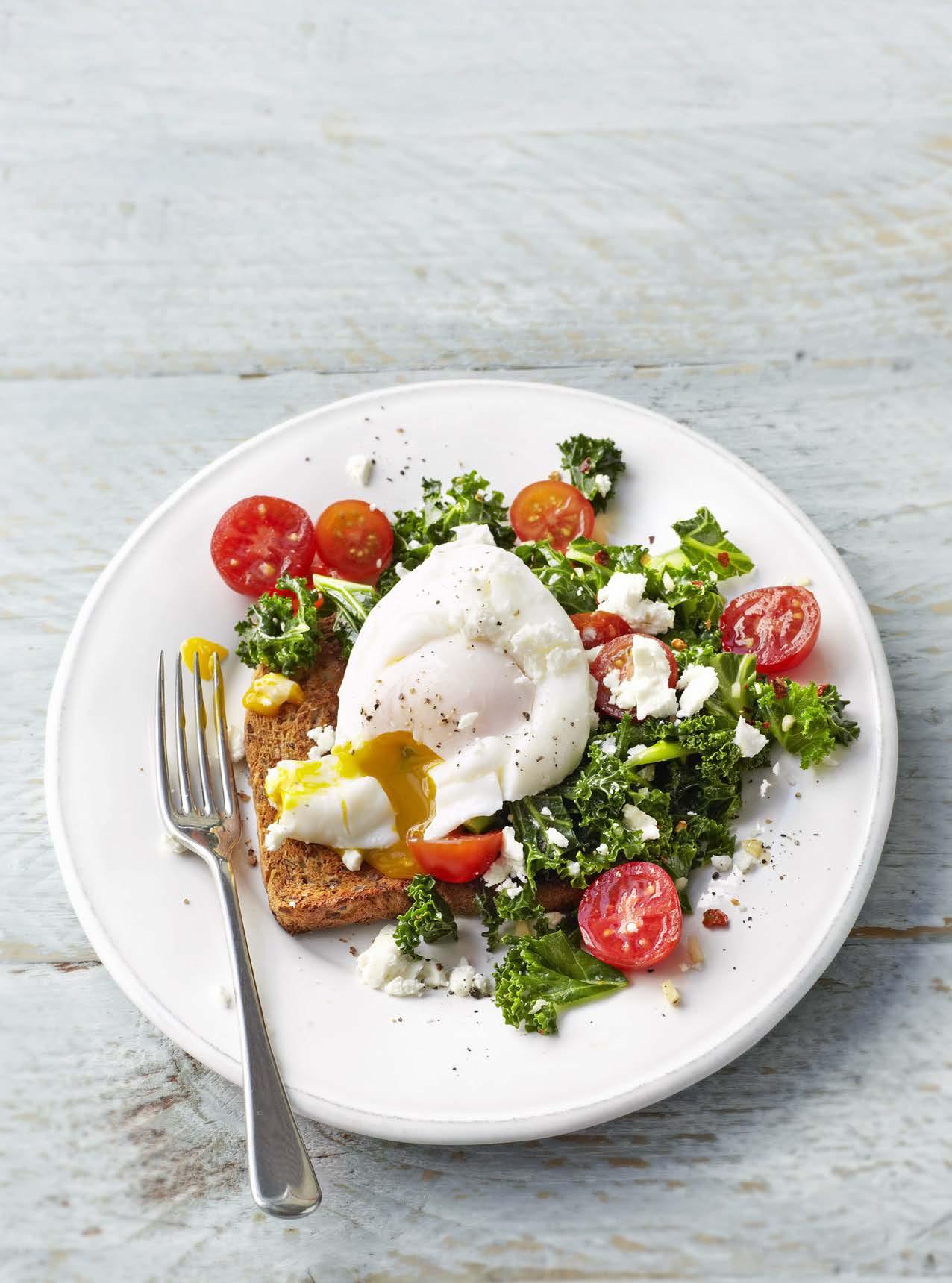
2 eggs
2 slices multigrain bread
50g cherry tomatoes, halved 15g feta, crumbled
1 Bring a large pan of water to the boil. Heat the oil in a frying pan over a medium heat and cook the kale, garlic and chilli flakes for 4 mins, stirring occasionally until the kale begins to crisp and wilt to half its size. Set aside.
2 Adjust the heat so the water is at a rolling boil, then poach the eggs for 2 mins. Toast the bread.
3 Remove the poached eggs using a slotted spoon and top each piece of toast with half the kale, an egg, the cherry tomatoes and feta.
GOOD TO KNOW vegetarian
Mussels with tomatoes & chilli
The omega-3 fats in shellfish can help reduce the risk of heart problems, which rise as you age. They’re also a source of iron, to help fight fatigue.
SERVES 2 PREP 20 mins
COOK 8-10 mins EASY
1kg mussels
2 ripe tomatoes
2 tbsp olive oil
1 garlic clove, finely chopped
1 shallot, finely chopped
1 red or green chilli, deseeded and finely chopped
small glass of dry white wine
1 tsp tomato purée
pinch of sugar
large handful of basil leaves
1 Tip the mussels into the sink or a large bowl of cold water.
Swish them around using your hands to wash thoroughly, then
use a small, sharp knife to scrape off any barnacles attached to the shells. Discard any with broken shells. Pull off the beards (the brown, wispy bit hanging out of the shells) using the knife to help you – if you tug firmly, they should come away. (Not all mussels will have beards.) If any mussels are open, tap them sharply against the side of the sink or work surface, or do this with a knife. If they don’t close, discard them; they are dead and not edible. Rinse the mussels again in fresh, cold water to remove any bits of shell or barnacle, and drain in a colander.
2 Put the tomatoes in a heatproof bowl. Cover with boiling water, leave to stand for 3 mins, then drain and peel. Quarter the tomatoes, then scoop out the seeds using a teaspoon and discard. Roughly chop the tomato flesh. Set aside.
3 Heat the oil in a large pan and fry the garlic, shallot and chilli for 2-3 mins until softened. Pour in the
wine, then add the tomatoes, tomato purée, sugar and a little seasoning (mussels are naturally salty, so take care with the salt). Stir well and simmer for 2 mins.
4 Tip in the mussels and stir. Cover tightly and steam for 3-4 mins, shaking the pan halfway through, until the shells have opened.
5 Discard any shells that remain shut, then divide the mussels between two bowls and scatter over the basil leaves. Serve alongside a large bowl for the empty shells.
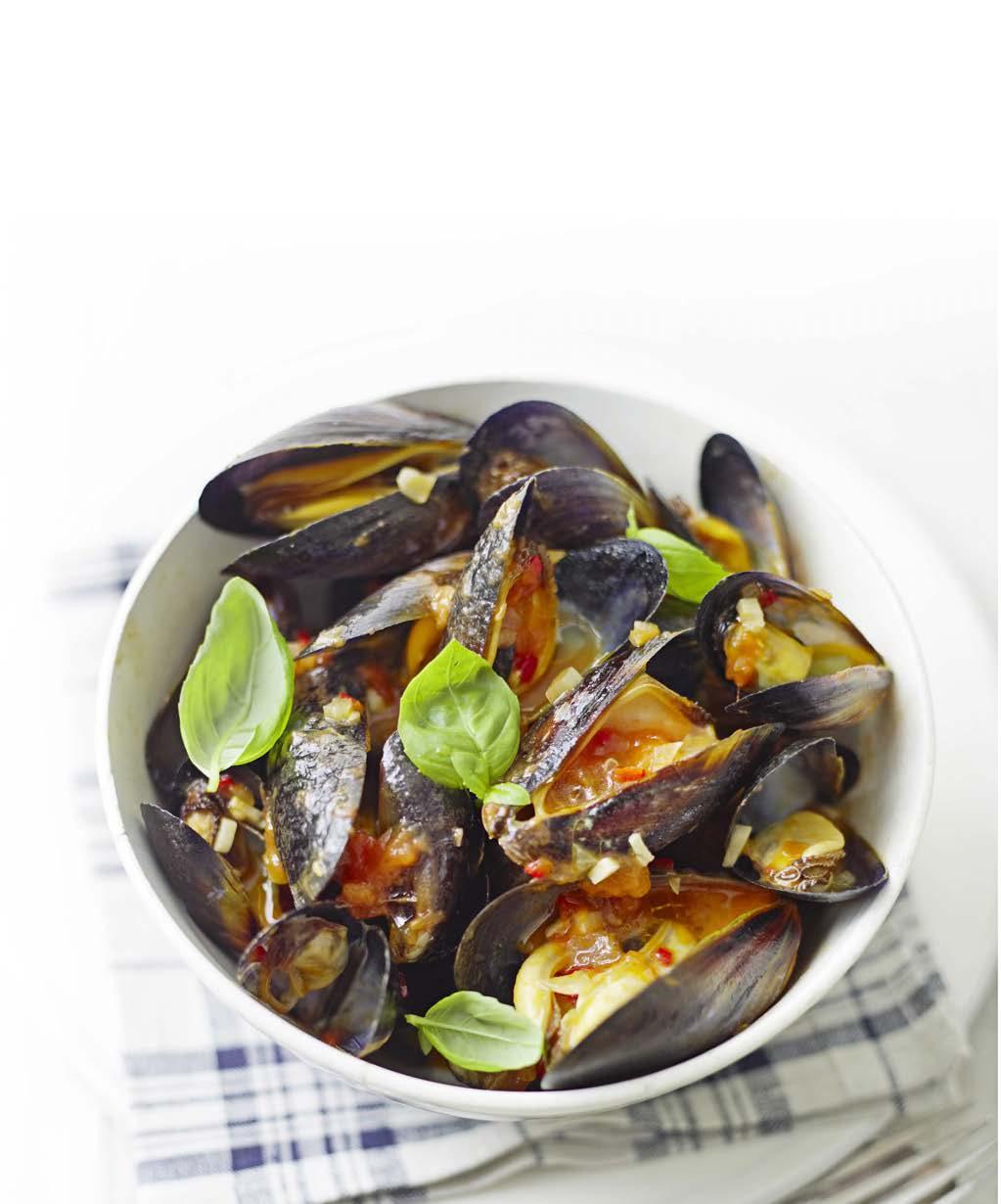

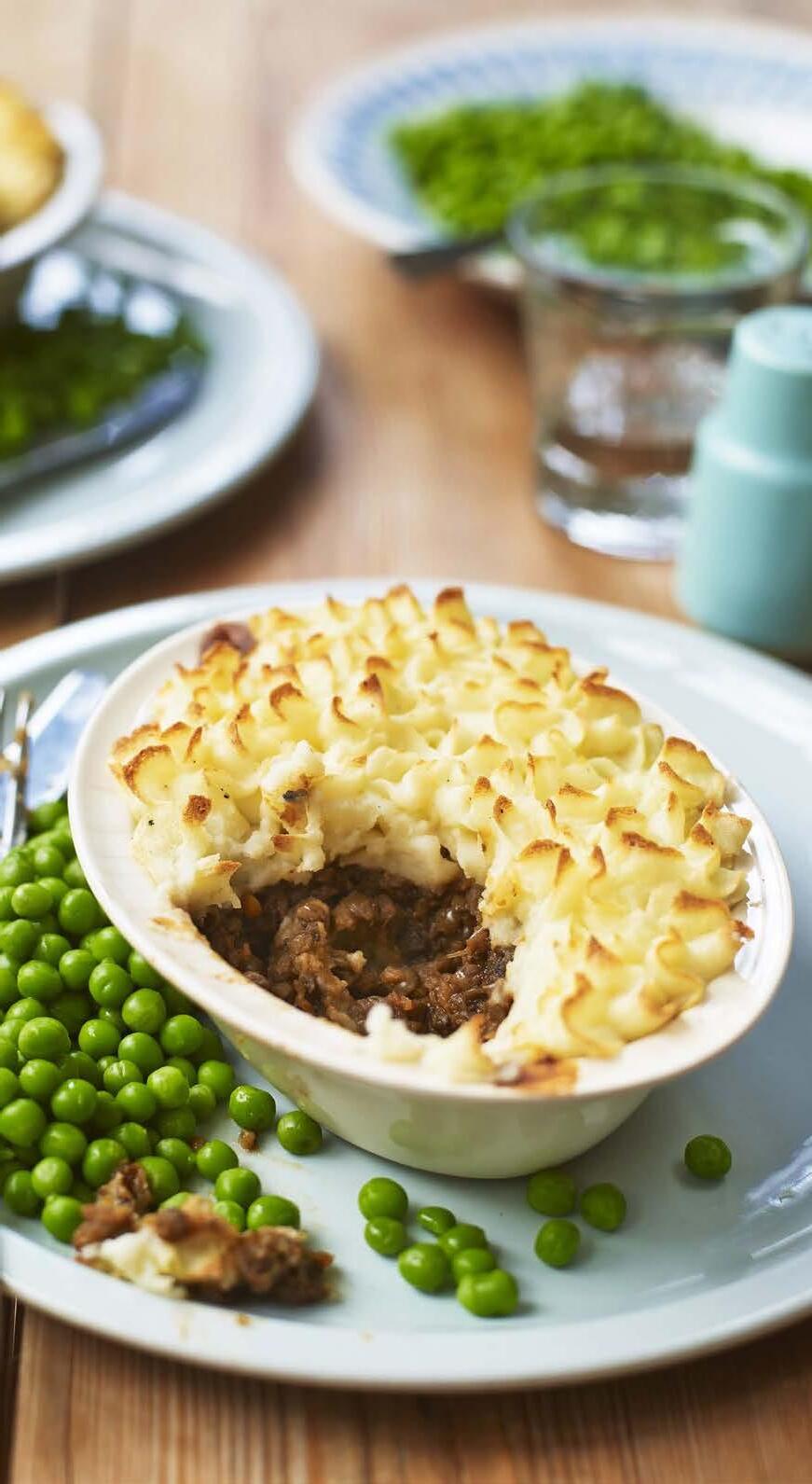
Mini lentil shepherd’s pies
Pulses are an excellent source of fibre, so helpful with digestive ailments that can strike at this age.
SERVES 4-6 PREP 25 mins
COOK 1 hr 30 mins EASY V
2 tbsp butter or olive oil, plus extra for the dishes
1 large red onion, chopped
2 carrots (200g), finely diced
4 celery sticks, chopped
4 garlic cloves, finely chopped
150g chestnut mushrooms, chopped
2 tsp thyme leaves (optional)
250g puy lentils
100ml red wine (optional)
900ml vegetable stock
2 tbsp tomato purée
1 tbsp Marmite (optional) cooked peas, to serve (optional) For the topping
850g Maris Piper potatoes, peeled and cut into chunks
75g butter
100ml milk
1 Melt the butter or heat the oil in a large saucepan and fry the onion, carrots, celery and garlic for 15 mins until soft and golden. Turn up the heat, add the mushrooms and cook for 3-4 mins. Sprinkle in the thyme and add the lentils. Pour in the wine and stock, and simmer for 40-45 mins until the lentils are soft. If you find the mixture is drying out, add a splash more stock or water.
2 Meanwhile, put the potatoes in a large pan, pour over boiling water from the kettle, bring to the boil and cook for 15-20 mins until tender. Drain well. Mash with the butter and milk, then season to taste.
3 Remove the lentils from the heat and add the tomato purée and Marmite, if using. Stir well and check for seasoning, then add a good grinding of black pepper.
4 Heat the oven to 200C/180C fan/ gas 6. To assemble, butter four to six small pie dishes (or one a large dish), and spoon in the lentil mixture. Spoon or pipe over the mash. Bake for 30-40 mins until golden, then serve with peas on the side, if you like.


The Cultural Pleasures of Vienna p122 Competitions p127

Over 72 hours in Vienna, Nicola Monteath moves from imperial history to the city’s well-defined culinary scene

Whether it’s the rhythmic clip-clop of fiacres on cobblestones or the aroma of roasted coffee beans wafting from a grand café, Vienna conveys a distinctive continuity between past and present. It is a city where history is not simply preserved behind glass but lived in, its architecture forming the backdrop to modern life. From the baroque splendour of the Innere Stadt to the artsy district, the Austrian capital offers an amalgam of old-world charm and modern innovation.
If walls could talk, those of the Anantara Palais Hansen Vienna would whisper stories of the 1873 World Exhibition, when this now heritage-listed building first took shape. Set along the iconic Ringstrasse boulevard, and designed by renowned architect Baron Theophil Edvard von Hansen, the hotel is a striking example of Neo-Renaissance architecture. Inside, the lobby welcomes guests with soaring ceilings and an atmosphere that feels both warm and refined. Suites are airy and spacious, framed by large windows with city views and enhanced by comfort-forward amenities and thoughtful details, including a calming lavender spray waiting by the bed.
Rooms from €445 (approximately AED1900); visit anantara.com/en/palais-hansen-vienna
To truly comprehend the weight of the Habsburg legacy, walk the grounds they ruled. Our city immersion began with Basti from Rebel Tours, whose narrative style brings history to life. As we navigated the sprawling grounds of the Hofburg Palace—the winter residence that served as the seat of Austrian power for over 600 years—the sheer scale of this city within a city became apparent. Hidden within these walls is the Sisi Museum, amongst several others, a necessary stop for discovering the romanticised myths of the past. The story of Empress Elisabeth unfolds across the Imperial Apartments, where her private life comes into focus. Formal reception rooms give way to more personal spaces, including her preserved exercise room complete with wooden wall bars and rings. Book a tour with rebeltoursvienna.com.
No trip to Vienna is complete without embracing the UNESCO-recognised coffeehouse culture. For a slice of history and Kardinalschnitte (airy sponge cake layered with meringue), stop at L. Heiner. As an Imperial and Royal Purveyor since 1840, its dark wood panelling and aesthetic preserve the
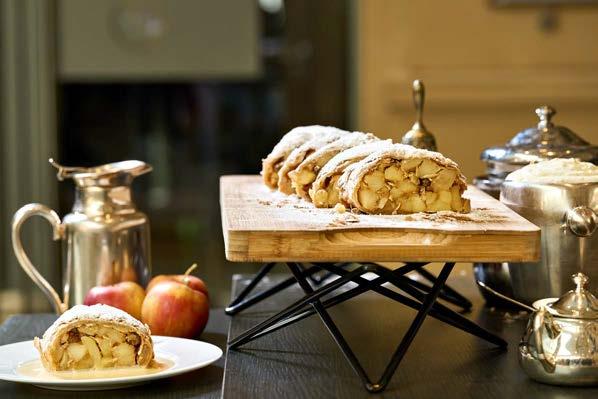

atmosphere of a 19th-century coffee house. It feels like a step back in time, where attention is focused on the quality of cake and a well-made cup of coffee. heiner.co.at
Witness how the city is reinventing its gastronomic identity at Reznicek. Describing itself as a modern Viennese inn, this cosy dining room is buzzing with chatter in the air. The menu offers brilliant local twists, such as the Styrian hummus, which swaps chickpeas for earthy scarlet runner beans. Even those hesitant about offal may be converted by the Veal tongue - comforting, broth-forward bowl with meat that’s surprisingly delicate and flavoursome. The Beef Zwiebelrost is the star of the show featuring succulent boiled beef on a bed of rich onion gravy, topped with crisp potatoes. Save room for the nostalgic petit fours tray that arrives at the table. reznicek.co.at
Start the day at MAK (Museum of Applied Arts), where design and architecture meet. Explore Donald Judd’s Permanent Collection Baroque Rococo Classicism, which contrasts 18th-century opulence with his Minimal Art aesthetic. Richly ornamented objects are displayed on simple white marble platforms, surrounding the stunning Dubsky Room from Brno, decorated with over 3,000 porcelain pieces. mak.at.

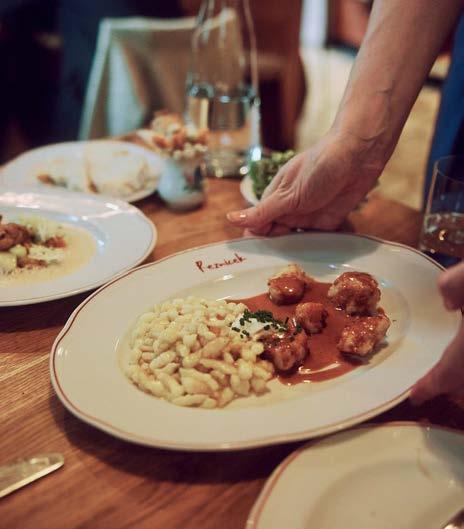



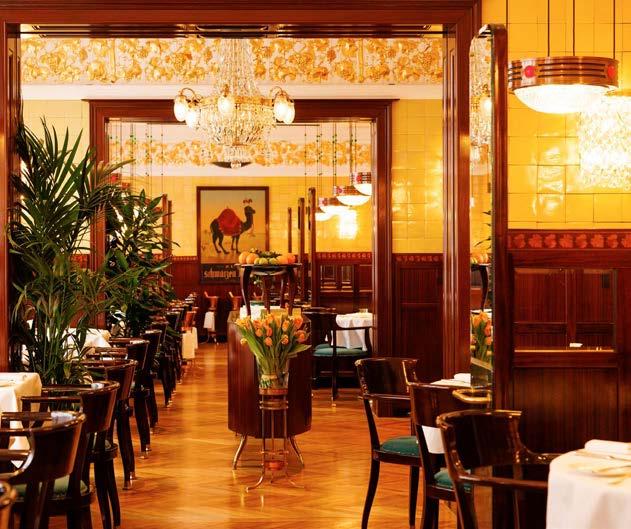

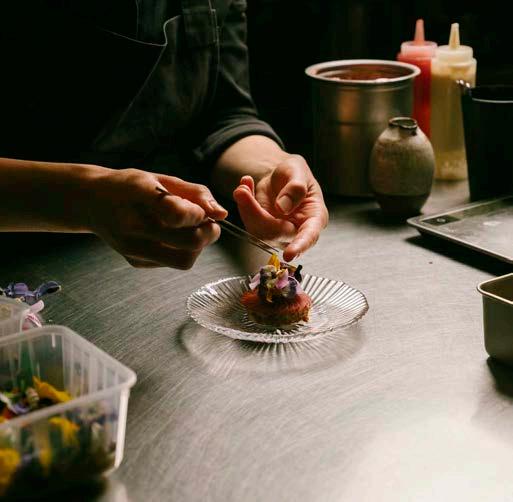

The sleek mid-century vibe of Die Cafetière is instantly inviting. Honouring Vienna’s coffeehouse heritage, this quaint, owner-run espresso bar and café serves a spiced homemade chai, rich hot chocolate, and an exceptional stirred Viennese iced coffee. diecafetiere.wien
As you continue exploring the city, stop by Calienna, a concept store home to lush greenery on the ground floor and a lounge upstairs. The leafy setting brings a sense of calm, making it a relaxed spot to browse indie magazines with a coffee in hand, or pick up tasteful gifts from your travels. calienna.com
Make a reservation at Zum Schwarzen Kameel, a Viennese hotspot that has been serving the city since 1618. This Art Nouveau restaurant and delicatessen is celebrated for its impeccable Tafelspitz (tender boiled beef with horseradish) and what many consider the gold standard of Wiener Schnitzel (crisp, delicately breaded veal). Portions are generous, and the atmosphere lends itself perfectly to a classic lunch. Short on time? Take a seat on the terrace and order a selection of Brötchen (bite-sized open-faced sandwiches). schwarzeskameel.at
Tucked away on Salzgries in Vienna’s inner city, JOLA is a Michelin-listed restaurant and the brainchild of duo Jonathan Wittenbrink and Larissa Andres. Together, they are redefining the genre, bringing plant-based fine dining to a stratospheric level. The space itself feels like a secret shared between friends. Underneath an industrial ceiling traced with gold-painted pipes, the room is intimate and cosy. There is no printed menu when you arrive. Instead, diners are treated to a surprise, seasonal journey that turns humble vegetables into masterpieces. The menu is seasonal, but let’s paint a picture for you anyway.
A piece of edible architecture greeted us, a flower constructed from yellow and red beetroot complemented with fresh coriander oil. Pumpkin follows, adorned with orange petals, in a warm moreish broth. Midway through, the menu defies the usual lightness of plant-based eating with a pasta course. Ravioli with Alba truffle and toasted hazelnuts offer texture, earthy notes, and comfort, and soon after, we’re
treated to tender Lion’s mane. Paired with broccoli, it offers a textural bite that renders the need for traditional meat protein obsolete. The desserts are equally gorgeous. A poached pear and chocolate quenelle bring in indulgent, velvety notes, while pumpkin spice latte tartlettes resemble daisies, ending the meal with a whimsical touch.
The beverage pairings match the innovation plate for plate. The curated list boasts natural and local varieties, with refined non-alcoholic pairings that are equally compelling. After the meal, the menu is presented on a textured, seed-laced card designed to be planted, where it blooms into flowers and edible produce. The tasting menu is priced at €185 (approximately AED795). jola.wien.
Vienna’s dedication to craftsmanship is evident at Jarosinski & Vaugoin. Founded in 1847, this sixthgeneration family atelier is among the world’s oldest silversmiths, renowned for crafting heirloom-worthy cutlery, tableware, and novelties for royalty and high-profile clientele. An exclusive walk through the workshop spans 150 years of on-site artistry, revealing archives of silver made for celebrations long past, alongside designs yet to be brought to life. vaugoin.com.
Head to Gastwirtschaft Steman, a charming Viennese beisl with honey-toned wood paneling, and a striking vintage green bar at the heart of the taproom. The menu feels like a greatest-hits collection of Austrian dishes with comforting plates including the Fiakergulasch (beef stew with gherkin and egg) and Cheese spaetzle with bacon. steman.at
Return to the Anantara Palais Hansen Vienna for a threehour apple strudel workshop. Guided by the hotel’s patisserie chef, you’ll master the delicate technique of stretching dough until translucent, before savouring your creation warm from the oven, draped in vanilla sauce. It’s a great introduction to Viennese pastry, and every guest leaves with a certificate worthy of a little well-earned bragging. €138 per person, bookable on request.
Wrap up your trip at Wrenkh, a contemporary Viennese kitchen that proves tradition doesn’t need meat to feel complete. The restaurant reworks familiar Austrian comfort food to create vegetarian specials. Order the Mushroom schnitzel that’s shatter-crisp on the outside and tender within, paired with creamy Spaetzle, and best washed down with a Plum cardamom fizz. wrenkh-wien.at
Emirates and Austrian Airlines fly direct to Vienna International Airport.


Part vintage store, part café, the carefully curated designer finds may leave you wishing you’d packed an extra suitcase. bg24.com
A specialty bottle shop redefining drinking culture. The focus is on expertly curated no-and low-alcohol beverages, from refined proxy varieties to sparkling teas and functional drinks. keinundlow.at
An iconic coffee house in the city centre that serves a mini Sachertorte. Rich and perfectly portioned, Demel is ideal for a sweet pause between strolls. demel.com
Café Sacher Vienna
Sampling the famed Sachetorte is a rite of passage in Vienna, even if some locals question the hype. Created in 1832, the dense chocolate cake is layered with apricot jam and sealed beneath a glossy chocolate glaze and whipped cream. sacher.com




Fabulous prizes, from dining vouchers to gourmet goodies, up for grabs
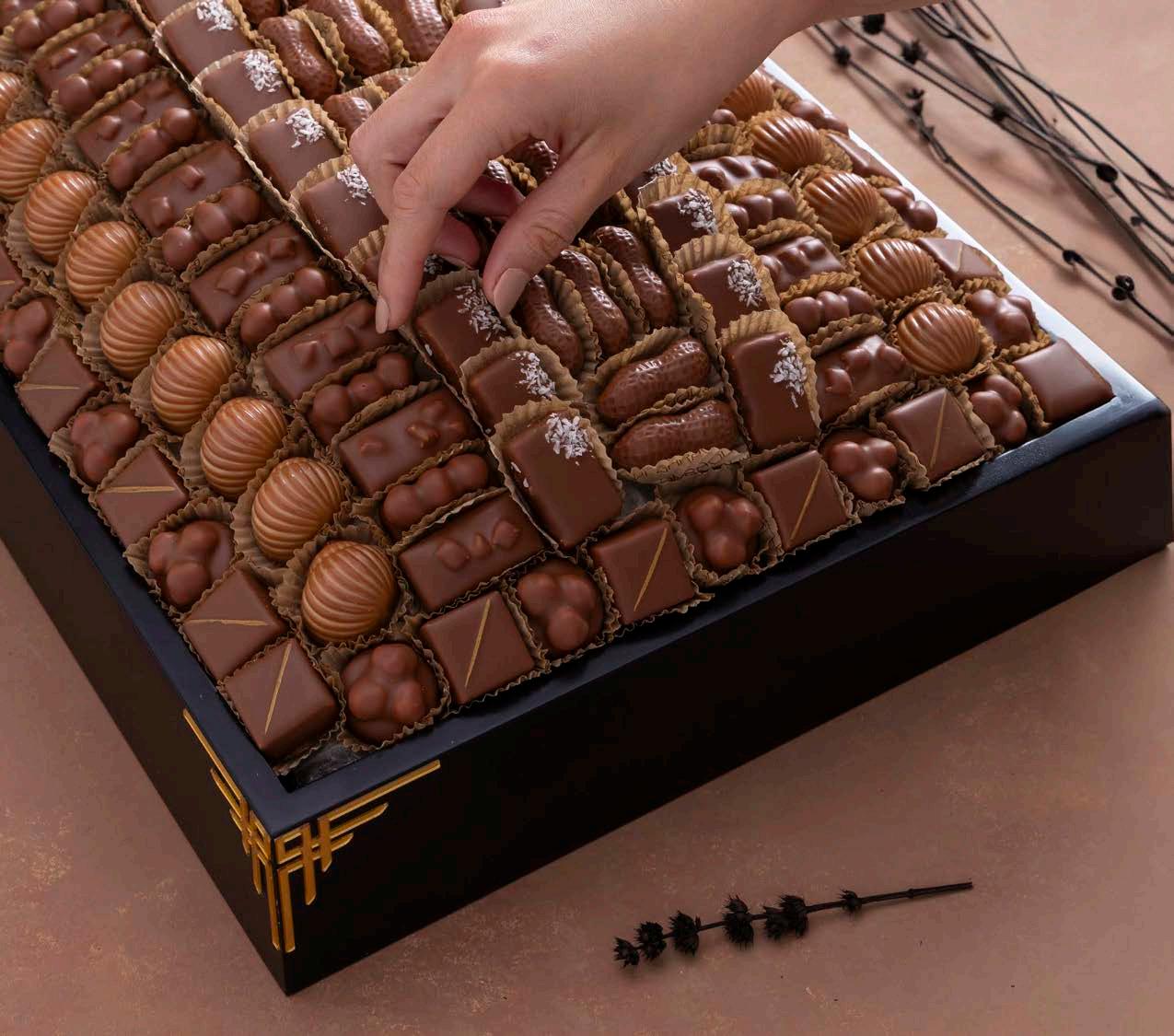
Ghraoui Chocolates is a luxury chocolate maison known for its heritage, craftsmanship and focus on quality. Celebrated across the region, the brand brings together classic European chocolate-making techniques with Middle Eastern flavours, using premium cacao and natural ingredients. The collection spans from signature pralines to thoughtfully presented gift boxes. Available in Dubai and Abu Dhabi, Ghraoui is a favourite for sophisticated gifting, delivering a taste of tradition with a modern, luxurious finish.

Discover the flavours of India at Bombay Borough Dubai with its new food and drinks menu. Inspired by the country’s regions and ingredients, the contemporary Indian bar and eatery puts a modern twist on traditional recipes with global influences and refined techniques. From vibrant small plates to signature drinks, the menu celebrates India’s depth and diversity, offering a memorable dining experience in the heart of DIFC.
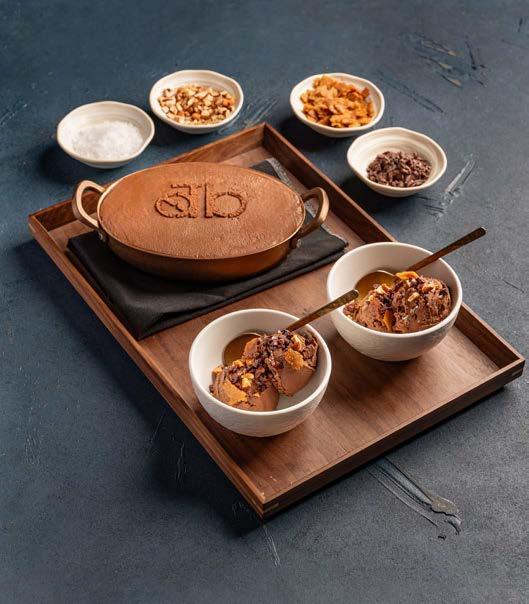
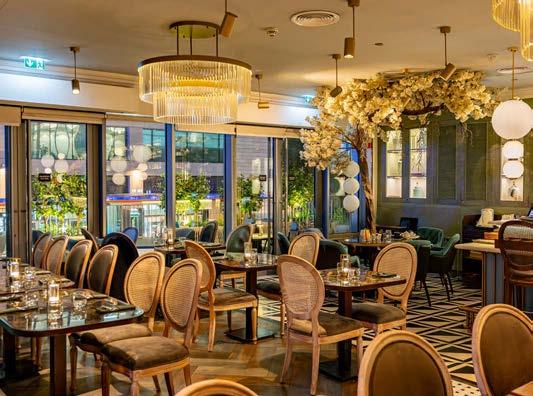

WIN ELEPHANT IN THE ROOM MYSTICAL BRUNCH FOR TWO AT FLYING ELEPHANT, WORTH AED600
Step into The Mystical Brunch this Saturday and enjoy the incredible voice of Danish Khan and his live band while you savour Indian-fusion brunch favourites. Choose from soft, house, or premium beverage packages and make it a meal to remember. With engaging storytelling, a welcoming ambience, and fun for younger guests, this is one brunch experience you won’t forget. Enter now for your chance to win and treat your loved one!
WIN A DINE-IN FOR TWO AT LEVEL 19 LOUNGE & BAR, WORTH AED500
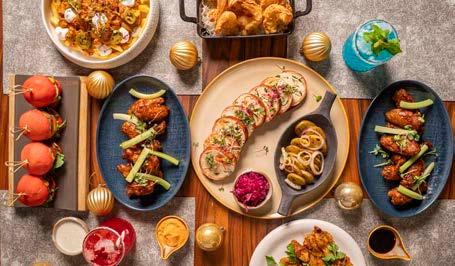
Level 19 Lounge & Bar at Park Regis Kris Kin Hotel offers a vibrant dining experience with a menu that blends international and local influences. Guests can enjoy a variety of dishes alongside a curated drinks selection while taking in views of Dubai’s skyline. The space makes a great spot for evenings with friends, celebrations, or casual nights out in the city.

To be in with a chance of winning these prizes, visit our competitions page on bbcgoodfoodme.com, or simply scan this QR code with your mobile to directly to the website.
*Terms & conditions apply. Employees of CPI Media Group and entrants below 21 years old are not eligible to enter. Winners will be selected on random basis from correct entries.
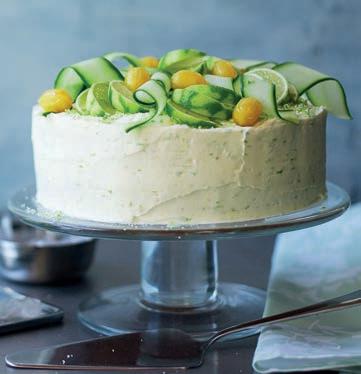

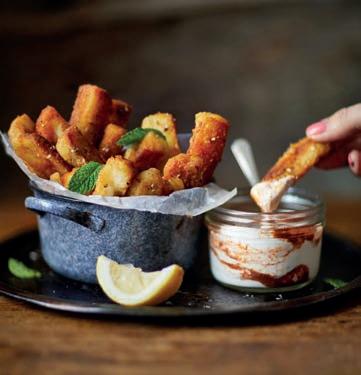
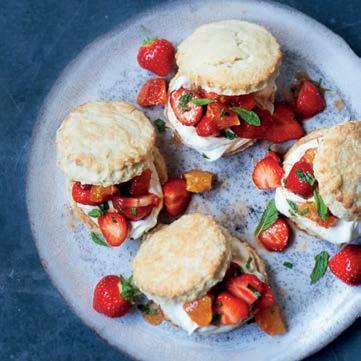

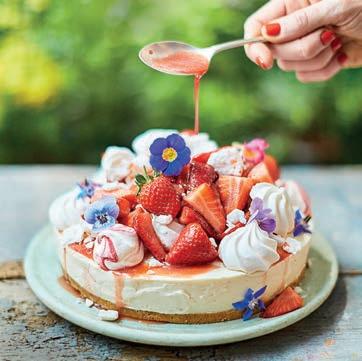
For daily inspiration, behind-the-scenes snaps and gooey videos, join the goodfood Instagram community today