


ALISON NEWELL

Head of CCD Broken Bay
P:83791637
E:alisonnewell@bbcatholicorgau
MARICEL MALAPIRA
Diocesan CCD Compliance Officer
P:83791638
E:maricel.malapira@bbcatholic.org.au



ALISON NEWELL
Head of CCD Broken Bay
P:83791637
E:alisonnewell@bbcatholicorgau
MARICEL MALAPIRA
Diocesan CCD Compliance Officer
P:83791638
E:maricel.malapira@bbcatholic.org.au
s we move from the intense focus of Lent into the brilliance of Easter, we often sense a collective sigh of relief The fast is over, the fasting music is replaced by the “Alleluia”, and the focus shifts Easter is more than just the
end of Lent; it is the absolute heart of the Catholic faith As ministers of faith, our task is to ensure that Easter isn’t just a day, but a profound 50-day season (Eastertide) that can transform how we live and teach.
For SRE catechists, the challenge and joy lies in guiding students to look past the secular imagery of Easter eggs, as a representation of new life, to the profound hope that the Resurrection of Jesus brings to our world.
Easter celebrates that Jesus died to save humanity and rose again, defeating sin and death and offering eternal life The message of Easter is one of light, hope, peace and intense joy
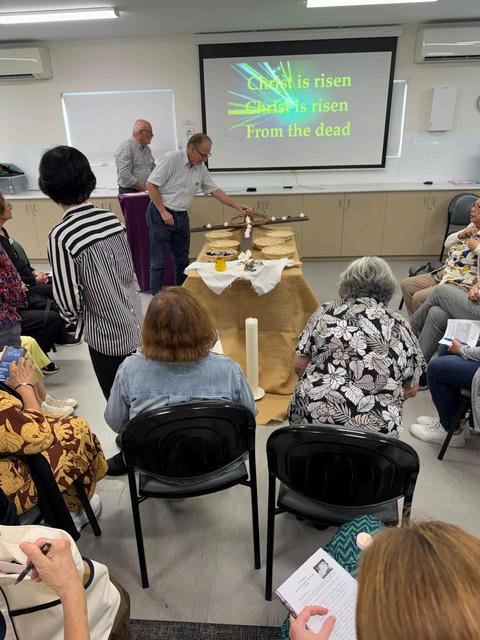
Symbols speak loudly to children, so use your sacred spaces to ‘teach’ them of this joy Your sacred space can represent a shift from sacrifice to celebration. Replace violet or purple fabric with gold or white. Place the word “Alleluia” in the sacred space in a prominent position and put a lighted candle (battery operated) beside it Place an open ‘resurrection egg’ in the sacred space Having the egg opened is a powerful representation of the empty tomb Invite students to cover a bare wooden cross with colourful flowers –the cross, a symbol of death, brought to new life with the flowers Place your bible in the sacred space opened at one of the Resurrection or post-Resurrection readings
During this Eastertide, invite students into acts of kindness Encourage “practicing resurrection” by performing acts of love and forgiveness, reminding students that they are now witnesses to the hope of Jesus. The disciples were transformed from frightened followers to bold witnesses Our goal as catechists is to help our students experience that same joy, filling them with the hope that Jesus is alive and active in their lives today
Finally, help children know where they fit into the Easter story. Jesus taught us that by making the right choices and doing God’s will, new life can come from our suffering Each of us encounters times when people, things or circumstances we care about might change or are lost Christian hope means that if we focus on Jesus and offer our suffering to God, we will change, grow and rise up to new ways of living as God intends.





As your lessons draw to an end each week, have a bowl of holy water available and invite students to dip their hand into the water and make the sign of the cross, explaining that this is a reminder of promises made during the Rite of Baptism (be mindful that some students may not have been baptised and be sure to invite all students to participate)
The key phrase of Easter which can be used in your classrooms as a closing prayer during this Eastertide is: “Christ is risen! (Response) He is risen indeed!”
May your classrooms be filled with the joy of the Risen Lord this season As we celebrate this feast of feasts and head towards the feast of Pentecost, thank you for your dedicated service in helping others encounter the Risen Christ.
Over the school holidays, we launched our newly refreshed Ongoing Curriculum Training unit, Voice of the Students – Voice of the Catechists, with Catechists from across the diocese This formation will continue to be delivered over the next three years, ensuring all Catechists have the opportunity to participate.
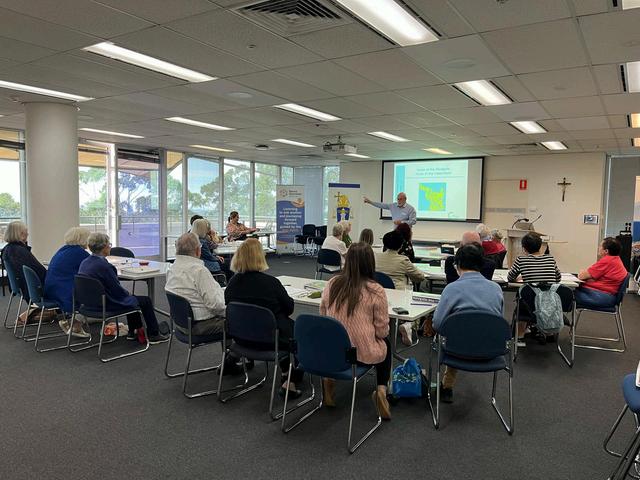
As part of our commitment to quality formation, Ongoing Training units are renewed every three years so that Catechists continue to encounter fresh learning This unit highlights an often-overlooked resource in the Walking With Jesus Teacher’s Manuals Appendix 2 which includes evaluation tools designed to gather feedback from both students and Catechists During the session, Catechists explored practical ways to listen to the voice of their students and collect meaningful feedback on the units they teach They also participated in a facilitated listening experience themselves, using the Conversations in the Spirit model, creating space to reflect on their own experience of the curriculum
This focus aligns closely with the Annual Assurance process, through which we are asked to demonstrate our commitment to curriculum quality and ongoing review It also supports our upcoming three-year Curriculum Project the first major review and renewal of Walking With Jesus in many years Over the next three years, feedback gathered from both students and Catechists will play a vital role in shaping the next edition of the curriculum helping us understand what is working well, what can be strengthened, and where new opportunities may lie.
Catechists who would like to begin collecting feedback in their classrooms, or who wish to share their own reflections on the curriculum, are warmly invited to get in touch at ccdadmin@bbcatholic org au


From time to time, Catechists and families may come across articles on social media that raise concerns about the future of Special Religious Education (SRE) in NSW schools. These posts can sometimes sound alarming and may encourage readers to take urgent action
Recently, an example was shared promoting the idea that SRE is under immediate threat and calling for support through an online campaign hosted by another provider. While these messages can be persuasive, it is important to approach them with careful discernment At this time, there is no cause for concern SRE in NSW government schools continues to have the support of both the Government and the Opposition This bipartisan support reflects a shared recognition of the value of SRE in contributing to the holistic formation of young people.
Recent coverage in The Catholic Weekly highlights this strong support, including public acknowledgment of catechists in Parliament and affirmation of the importance of religious education in schools
We encourage Catechists to remain confident in their ministry and assured of the ongoing place of SRE in NSW education

We have seen a trend in schools adjusting schedules for SRE For some, this can feel disheartening, especially when we are used to long-established routines Yet within these changes, we continue to witness the quiet and powerful work of God bringing about new opportunities and deeper collaboration
A wonderful example of this comes from Northern Beaches Secondary College –Manly Campus When approached by Catholic, Combined Christian SRE and Ethics to extend their hours in line with SRE procedures, the school responded with openness, doubling the allotted time and starting classes in week 2 of 2026 This was made possible through the strong partnership between providers and importantly, the generosity of Catechists to step forward. In a beautiful moment of grace, two Catechists from primary answered the call to take on an additional high school class What a gift to our ministry and a reminder that the Lord always provides It has also been wonderful to see our High School Catechists supporting each other across parishes to ensure that classes are covered
We give thanks for the dedication and generosity of all our Catechists, whom we hold in prayer each morning These experiences also highlight the importance of nurturing relationships with other Providers, so please continue greeting and praying with fellow Scripture Teachers at schools
As we journey toward Pentecost this term, we pray: Come, Holy Spirit, fill the hearts of your faithful and kindle in them the fire of your love May we be instruments of your presence, so that through our witness, the children we teach may come to know and encounter you
Sue-Anne Sherwood

After a term of teaching SRE, have you taken some time to reflect on the year so far? I have found myself doing just that, and I’ve been struck by the many grace-filled moments that have come simply from being in the classroom, sharing the story of Jesus with young people.
This term, I had the opportunity to teach a couple of very small classes in a primary school where SRE is in a rebuilding phase after some time without a catechist While the classes were small, this became a real gift. It allowed space for deeper conversations and for each student’s questions to be heard and explored
In particular, I was blessed to teach a group of four Stage 3 students as we journeyed through the story of Jesus’ Passion. Their engagement was remarkable. I watched them wrestle with the details of the story, noticing things they had never considered before, and seeking to make sense of it all It was a privilege to witness their curiosity and growing understanding
This experience also brought into focus just how strong our lesson plans are The work is already there - thoughtfully prepared, engaging, and grounded in faith Stepping into these extra classes was seamless, and the questions and activities naturally invited genuine responses of discipleship from the students.
I am truly looking forward to Term 2 as an SRE catechist, and I pray that you are too As you begin the new term, where have you noticed God at work in your classroom, and how might He be inviting you to respond?
I hope you all had a wonderful and meaningful Easter celebration!
This year, my family and friends skipped the 7 churches visitation, which we commonly call Visita Iglesia Instead, we visited the Shrine of Our Lady of Mercy at Penrose Park in the Southern Highlands One of the unique features of the shrine is the international chapels built all around the property. We visited on Good Friday and were able to watch the Passion Play a live-action re-enactment of the Passion of Christ
It was so nice to see many of you at the Lenten Reflection Day in Chatswood We heard a lot of positive feedback, and we truly appreciate you taking the time to be with us We look forward to seeing you again at our next reflection day
Term 1 has been the busiest term (since I started here at the Chancery), especially with many new catechists joining the ministry We are growing, which is wonderful, but recruitment should continue for sustainability We encourage you to invite your friends and fellow parishioners to be part of this ministry
As you return to teaching, we hope you are becoming more familiar with your students Many of them will remember your face and name as their Scripture teacher You might even see them in the shops or at church, and they recognise you what a blessing to be known by them in this way!
A reminder for those eligible for a Service Award this year: please complete the form and send to ccdadmin@bbcatholic.org.au so we can recognise your amazing contribution If you have years of service from another diocese or overseas, we also acknowledge these, so please don’t hesitate to contact us
NORTHERN BEACHES NORTH SHORE COMPLIANCE OFFICER

In recent months, we have said goodbye to two Parish Catechist Coordinators in the Hornsby area One was long-serving, reliable, and deeply pastoral in her approach The other was newer to the role but quickly proved innovative and insightful, bringing strong digital skills
Although I have never been a Parish Coordinator, I have learned a great deal from these two, as well as from all the Coordinators I have had the privilege to work with over the years
Stepping in to support PCCs has given me a closer experience of the role Last year, one parish needed to recruit a new Coordinator
The Parish Priest advertised the paid position in the parish and school bulletin and was delighted to receive several strong applicants With support from diocesan Human Resources, a new Coordinator was appointed. As an existing catechist, they were quickly inducted, and with ongoing support, the SRE ministry is now thriving under their leadership
Earlier this year, another parish needed help recruiting catechists before classes resumed With the support of the Parish Priest, staff, and experienced catechists, an appeal was made at Masses over one weekend Twelve people (like the apostles!) expressed interest and were quickly invited to begin authorisation and training
At the first training session, one new recruit reflected that 20 years ago, “Father just sent me into the classroom ” Today, with increased compliance requirements from both the Church and government, the role of the Parish Catechist Coordinator is more vital than ever It calls for a balance of pastoral care and effective organisation Let us take time this term to acknowledge and support our Parish Catechist Coordinators Much of their work goes unseen, yet its impact is evident every week in our schools
God bless our Parish Catechist Coordinators
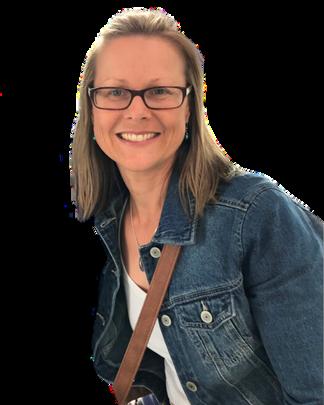
Over the recent school holidays, I had the privilege of gathering with many of you for our new Ongoing Curriculum Training, Voice of the Students – Voice of the Catechists It was a rich and encouraging experience, not only because of what was shared, but because of how we listened.
As catechists, we are often focused on what we will say and how we will teach Yet in these sessions, I was reminded of the quiet power of attentive listening being fully present to one another, open to the movement of the Holy Spirit, and willing to hear beyond the surface of what is spoken. In listening to your experiences, I heard a deep love for the Walking With Jesus curriculum: its structure, its stories, and the way it invites students into a relationship with Jesus At the same time, there was a genuine openness to reflect and discern where we are being called next
What struck me most was the spirit in which these conversations took place There was patience, honesty, and a shared desire to serve our students well By creating space to truly listen to one another and to God we began to uncover insights that no one person could have arrived at alone
This experience has reinforced for me that listening is not just a skill, but a spirituality It is how we come to understand each other more deeply, and how we remain attentive to God’s call in our ministry I’d encourage you to read my article about this just over the page.
As we return to our classrooms, may we continue to be attentive listeners present to our students, open to their questions, and guided always by the Spirit

Term 2 already? It can’t be! As our days grow shorter and cooler, I must admit it’s comforting to be in the full swing of routine and predictability I hope you had a nice break over the school holidays and enjoyed a Happy Easter with family and friends A big thank you to everyone who came along to our Lenten Reflection Days in March and to those who attended Ongoing Curriculum training in the school holidays It was wonderful to see you all.
I also want to acknowledge the 50+ new catechists & helpers who have joined our ministry since late 2025! Thank you for saying ‘yes’! We have enjoyed welcoming you to the ministry, assisting you with training, and supporting you as you start going into schools.
This term, we’ll be offering the CCD Ministry Induction course on Zoom again, this time on Thursday evenings. Catechists who need to do this course will receive an email providing details of the sessions Register by calling 02 8379 1643 or email registrations@bbcatholic.org.au
We’ll also be starting our Level 1 ‘Tools for the Classroom’ course, with Zoom sessions from 11 May – see our ad in this issue. The Level 1 course will continue in Term 3 with evening Zoom sessions and Workshops
Don’t forget, we use our Cycle A curriculum this year, so head to our website to download our Walking With Jesus Cycle A Powerpoints and Quizzes Click here to access them: https://www bbcatholic org au/mission/ccd /curriculum/walking-with-jesuspowerpoint/walking-with-jesus-powerpoints
Wishing you all a wonderful Term 2
Alicia Klein Michael Tebbutt
John Donnelly NORTH SHORE CENTRAL COAST COMPLIANCE OFFICER

What is attentive listening? Simply put, being an attentive listener is one who is able to be fully present to the person who is talking When you are fully present to the person who is conveying a message to you, you do not just hear the message but you are aware of that person’s tone, body language and his or her emotions. If you are doing all this, you will be listening attentively and will hear the true meaning of the message that the person is telling you
To do this, you will need to turn off your inner voice and remain open to the person You will also need to turn off your mobile phone Make sure you are in a place where you will not be distracted or interrupted Making eye contact is very important as this tells the speaker, you are listening If you need to ask questions to help you understand what is being said, make sure the questions are open ended They should not be questions that can be answered with “Yes” or “No”, e.g. “How are you feeling today?” is much better than asking “Are you feeling well?” The first question allows the speaker to explain how he or she is feeling in more detail, which in turn gives you a better idea from where the person is coming
Another skill to use when you are listening attentively is to paraphrase what you have heard This gives the speaker the opportunity to let you know you have heard correctly or clarify something you may have misheard, or the speaker may not have explained clearly Once again, this helps you, the listener, get the true meaning of what is being said
If the speaker pauses and there are periods of silence, do not try to fill the silence with your own reflections or stories. The speaker may need some time to collect their thoughts. Another thing to avoid is rehearsing what you are going to say in response to what has been said so far. An attentive listener needs to be patient Be patient with the silence and wait until you have heard the whole story before formulating your response
Finally, whatever you do, do not judge By remaining neutral and non-judgemental, you are enabling the speaker to feel safe and comfortable An example from the classroom might be, you have just finished a lesson on the Lord’s Supper in which John’s Gospel is used where Jesus washes the disciples’ feet to teach them that they need to be servants for those to whom they minister. When you have finished explaining the meaning of the Gospel and ask the class if they have any questions, one student asks that if this was when Jesus instituted the Eucharist and taught the meaning of service, and a bishop ordains priests, who was the bishop who made Jesus a priest and was Jesus therefore Catholic?

Up until this point you thought the lesson was progressing splendidly, and with such a question which could make the rest of the class giggle, the magic of the moment is gone and it is very easy for us to pass judgement on that child But we need to listen to the child and set the rest of the class to work and then attend to that students’ question
The Bible constantly calls us to listen In the Book of Deuteronomy, we are called to listen
“Hear, O Israel: The LORD our God, the LORD is One.” (Deut 6:4)
This is the beginning of the Shema. It is prayed twice daily and reinforces the Jewish person’s commitment to God. The important feature of this prayer is that the person praying it is called to hear, to listen to what God is calling them to be When Jeremiah announced the prophecy that the Lord God has ordered him to proclaim, Jeremiah often prefaced the Lord’s words with:
“Hear O heavens and listen , O earth for the Lord has spoken”.
e
Ezekiel simply stated “Thus says the Lord God” to introduce the message for God to the people of Israel
In Psalm 34:6 the psalmist wrote, “This poor soul cried, and was heard by the Lord, and was saved from every trouble,” pointing out that God listens attentively to us even when we test God This is borne out in Psalm 9.
“O that today you would listen to his voice! Do not harden your hearts, as at Meribah, as on the day at Massah in the wilderness, when your ancestors tested me,”
In the New Testament, Jesus is the perfect listener The way he ministered to people was by listening
How did Jesus prepare for His Ministry? After being baptised in the Jordan River, by John, His cousin, Jesus went off to the wilderness where he was alone and He listened to what His Father wanted him to do Throughout his ministry, we are told many times that he would go off alone to a lonely place to listen as he conversed with His Father in prayer.
In Mark’s Gospel, Jesus asks the blind man, “What do you want me to do for you?” Jesus does not judge and presume to know what the man wanted. He asked and listened to the blind man
When his disciples told them that John the Baptist’s disciples were being taught to pray, they then asked him to teach them to pray He didn’t tell them they already knew as they attended synagogue and went to the temple He listened to them attentively and saw through to the heart of their question We all know the result and today we continue to pray the prayer Jesus taught them – The Lord’s Prayer.

What can we learn from Jesus about listening and ministering to the children in our classes? He didn’t presume but enquired to the needs of the person and he listened to the questions attentively in order to give them the answer they required

For us to be effective ministers and continue the work that Jesus began, let us be attentive listeners to both the Lord and the children we teach, that we may be effective ministers of the Word in the classroom Where is our lonely place? Where do we go to reflect on what we are doing in our work as SRE catechists?
All these words remind us that God keeps God’s promises, and the Bible tells us the Good News of what Jesus said and did

As you carefully colour this image of Jesus holding the Eucharist, take time to quietly pray and reflect on what he means when he says, “Do this in memory of me.”

Our Youth Ministries Formation Lead shares tips that Catechists can use in the SRE classroom to connect with teens.
My name is Geraldine Vytilingam and I am the Youth Ministries Formation Lead for the Catholic Diocese of Broken Bay As part of the Mission Broken Bay team, I support leaders involved in youth and young adult ministry My priority areas involve promoting safeguarding and best practices, faith formation programming and developing our youth ministry leaders
Prior to this role, I’ve gained over a decade of youth ministry experience across rural, regional and metropolitan parishes and schools in Australia (predominantly across Queensland and Victoria). Through the Fr John Wallis Scholarship (supported by the Missionary Sisters of Service) I completed a Master of Theological Studies degree at Catholic Theological College (University of Divinity).
I am grateful to accompany leaders in the diocese of Broken Bayyouth, young adults, parents, volunteers, parish personnel and clergyproviding them with tools to thrive in faith-based service and sustainable youth ministry.


My Mum was a catechist. Some of my earliest memories of teaching religious education was with her at our parish, educating state school students from Victoria I remember watching her teach the young students, and then eventually stepping up and supporting them as an assistant as I got older It was quite full circle eventually seeing some of them attend Mass as adults with their families at our parish!

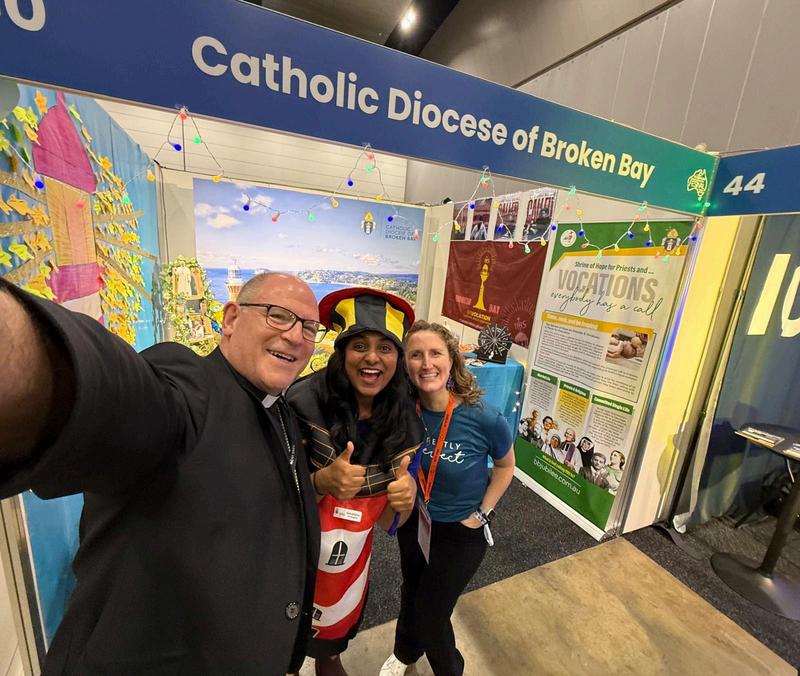
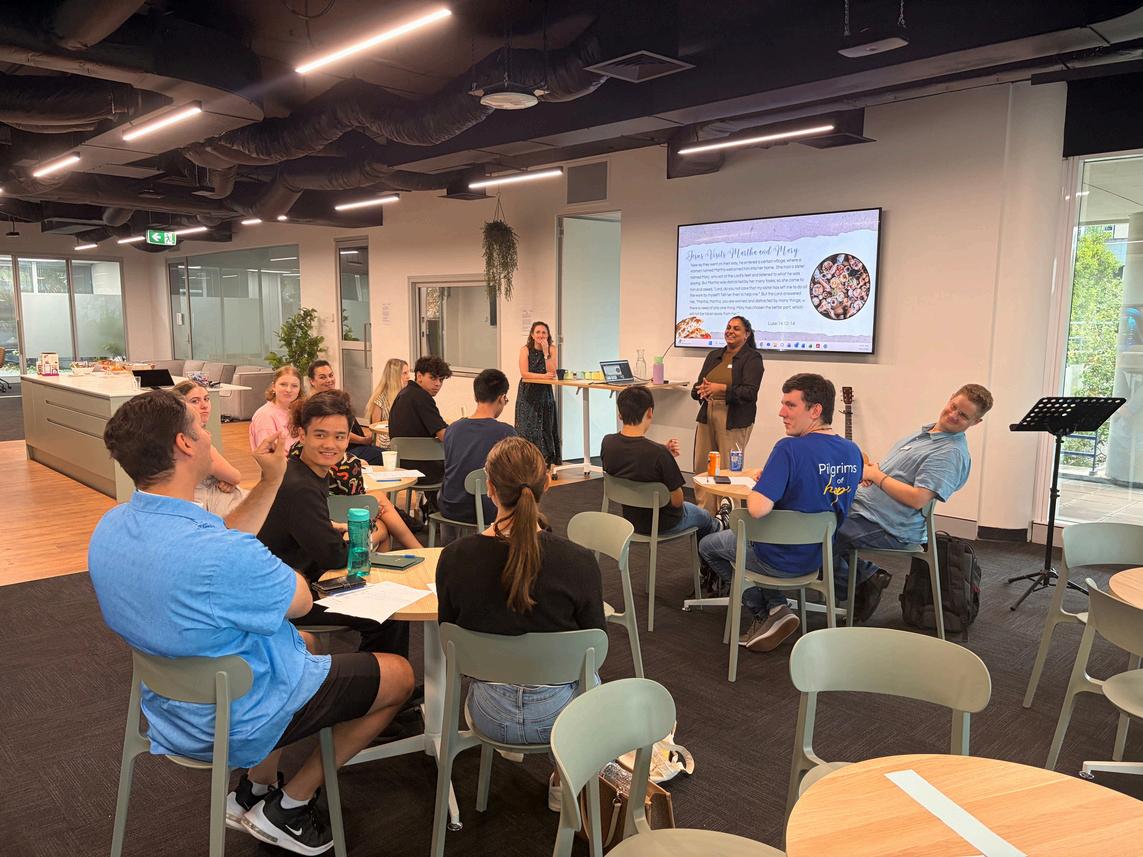
The current climate of being a Catholic adolescent is complex, and heavily influenced by various challenges including mental health, loneliness and questions around purpose and identity The Australian Institute of Health and Wellbeing 2013-2014 reports demonstrate that 1 in 5 young people aged 11-17 reported high or very high levels of psychological distress The need for our young people to be engaged and accompanied is prevalent Amidst these challenges, there are strong seeds of hope being planted Over my time here in the diocese, it has become more and more apparent that God is alive and ever present with our young people Our leaders - be that in the classroom, parish youth groups or young adult small group settings, truly care about our young people They want them to know they are valued and loved by God, and are an integral part of the community.
So the question arises, how do we engage with young people in the SRE classroom? Not just in a way which fuels them with knowledge for their mind, but which relates to them in their heart. Being relational with youth is the foundation of building trust. Below are some top tips that I recommend for Catechists who are looking for creative ways to engage with students in a way which relates to them interpersonally:


As a SRE teacher, use appropriate pop culture references (books, movies or television shows) to break the ice with young people. It might be starting your lesson with a reference from a Disney show, or a song from a contemporary artist - use the culture young people are already immersed in as the launch pad for a deeper concept of the Catholic faith I’ve been in classrooms where we’ve linked Moana’s story to mission and discipleship, and The Hunger Games to how Jesus felt on Palm Sunday It might take a bit of creative thinking, but the moral themes which emerge can be valuable
your audience with personal sharings
A key thread interwoven in youth ministry is personal sharings. Often in my own ministry when delivering a talk, I will share a funny or random story which will connect to my teaching or topic for the week. Take note of the funny stories in your own life that your young people might relate to. It’s a great way for them to see the human side of being Catholic, and to see how metaphors can connect to teaching points.

Get amongst the fun of being in the classroom! If you’re ending with a game of silent ball, don’t just instruct the students or spectate, participate! There is beauty in bringing joy with the catechism of the Catholic faith St John Bosco believed that activities and joy were essential for development and holiness He often used sports or games to capture the attention of young people before preaching the gospel to them Ending your lessons with a light hearted game re-establishes that connection between you as the SRE teacher and your students
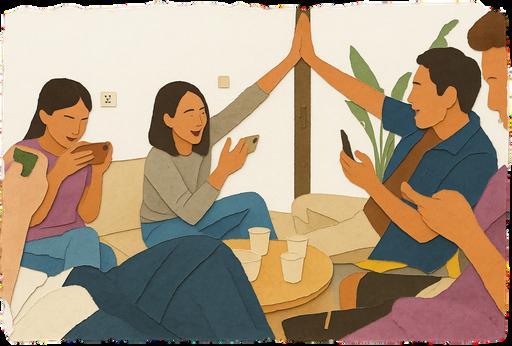

I hope that integrating these relational aspects into your sessions shows young people that they are seen, known and valued... and that Catholics enjoy a bit of fun!
During February and March, many parishes across the Diocese came together to celebrate Catechist Sunday, a special occasion recognising the vital ministry of catechists.
Within parish communities, catechists were formally commissioned and sent forth to share the Gospel in local public schools, continuing the Church’s mission of evangelisation and faith formation
These celebrations also provided a meaningful opportunity to acknowledge the dedication and generosity of catechists, with many being recognised for their years of faithful service through diocesan awards. Their quiet commitment, often carried out week by week in classrooms beyond the walls of the parish, is a powerful witness to lived faith
Catechist Sunday serves not only as a moment of gratitude, but also as an important opportunity to highlight and promote this often unseen ministry It reminds parish communities that the work of catechists extends the life of the Church into the everyday lives of children and families.
We give thanks for the generous “yes” of our catechists and pray that their ministry continues to bear much fruit in the lives of the young people they serve
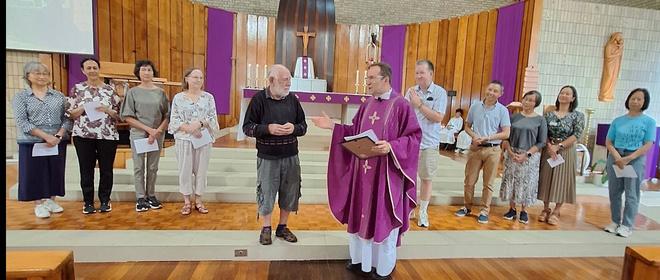
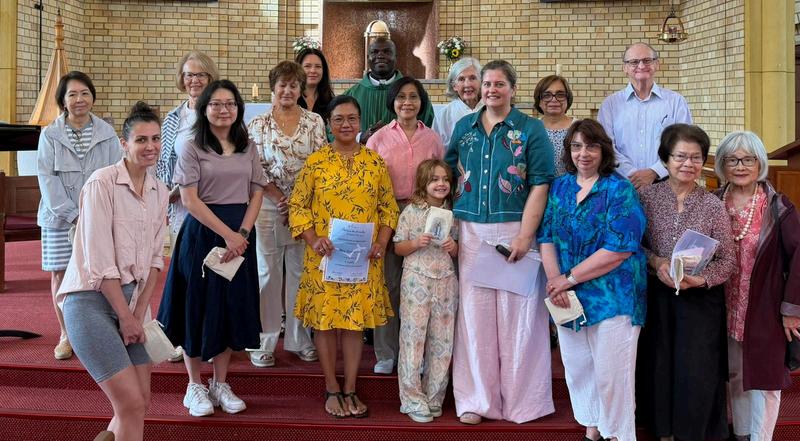

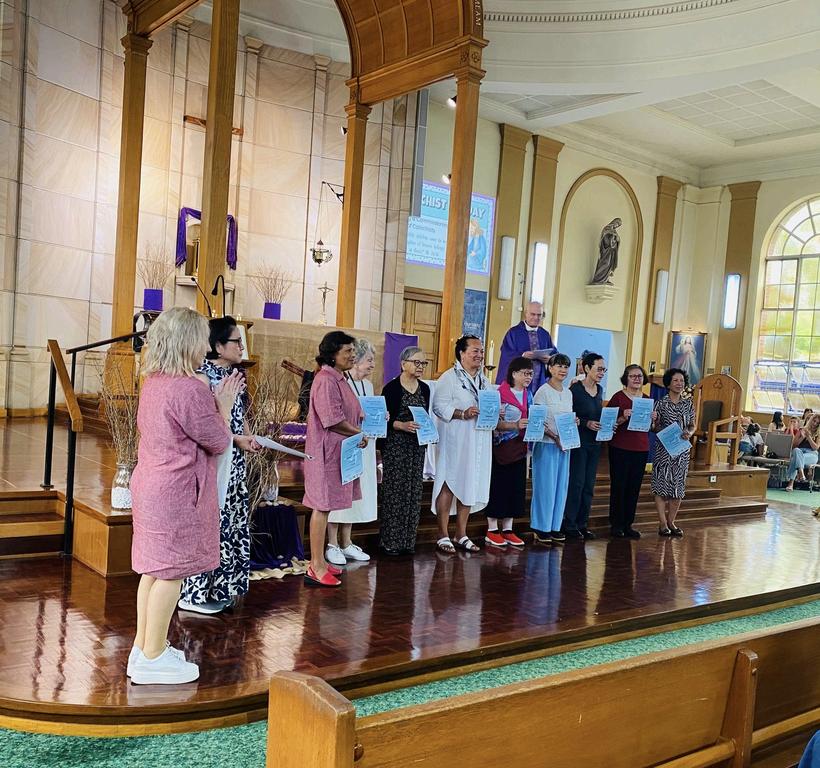

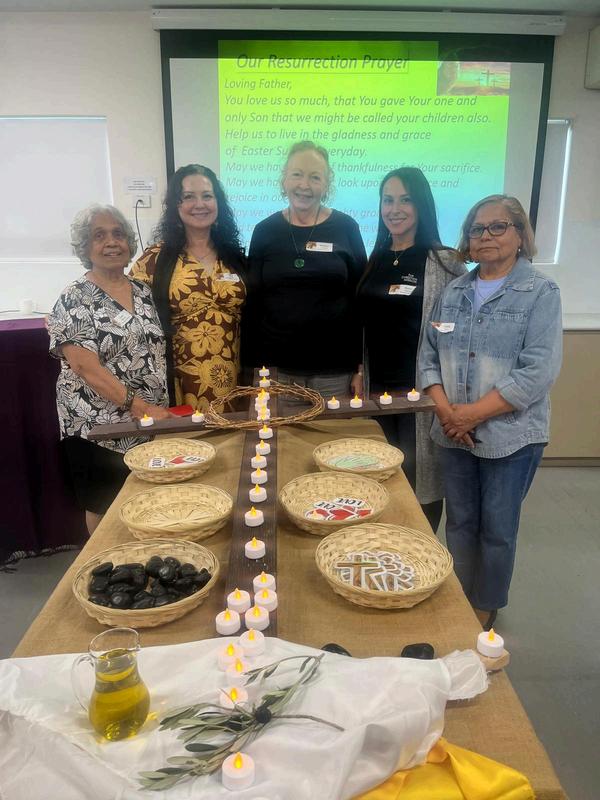
At the end of Term 1, catechists from across the Diocese gathered for our annual Lent Reflection Days, held at Chatswood and The Entrance Parish These days offered a deeply prayerful and reflective space, inviting participants to step away from the busyness of life and enter more fully into the spirit of Lent
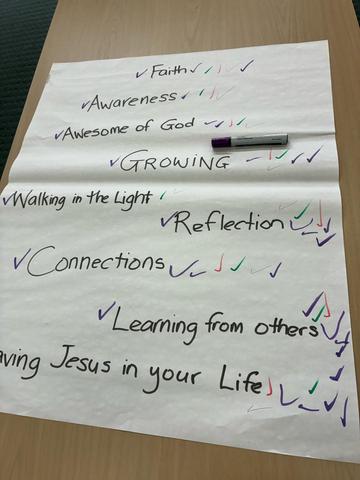
We began by recalling what Lent means in our own lives, sharing personal reflections within small groups From there, catechists were invited to name their hopes and intentions for the day, grounding the experience in openness to God’s grace. A key moment of reflection came through engaging with Pope Leo’s Lenten address, allowing his words to resonate deeply and challenge us anew
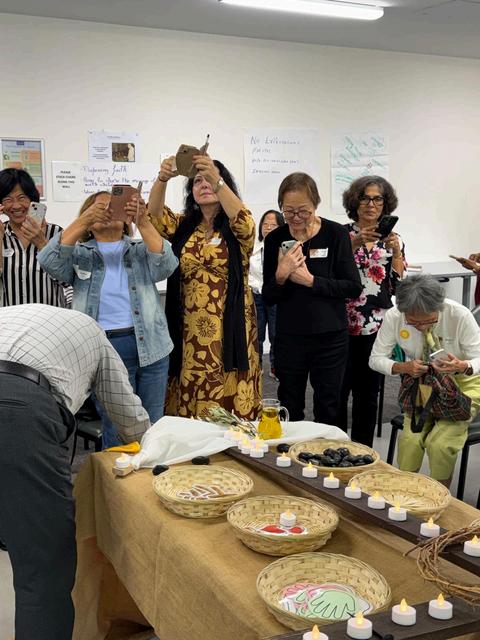
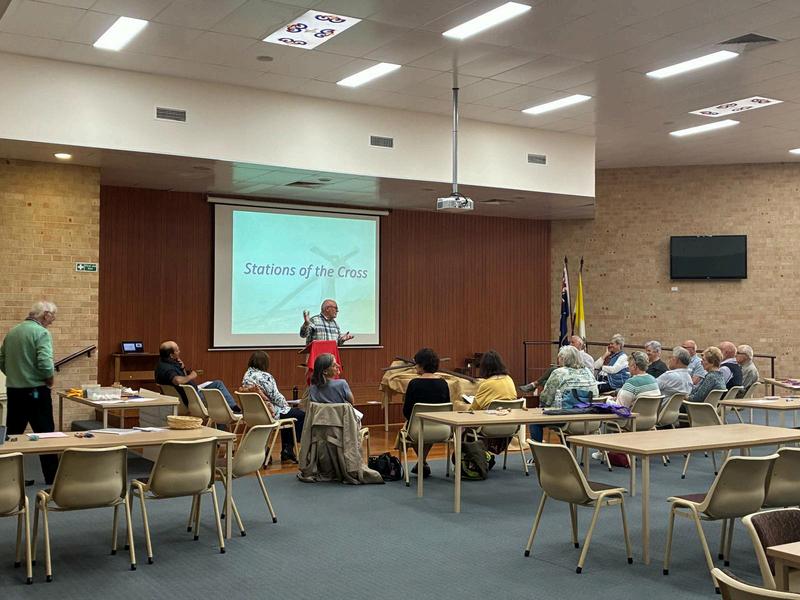
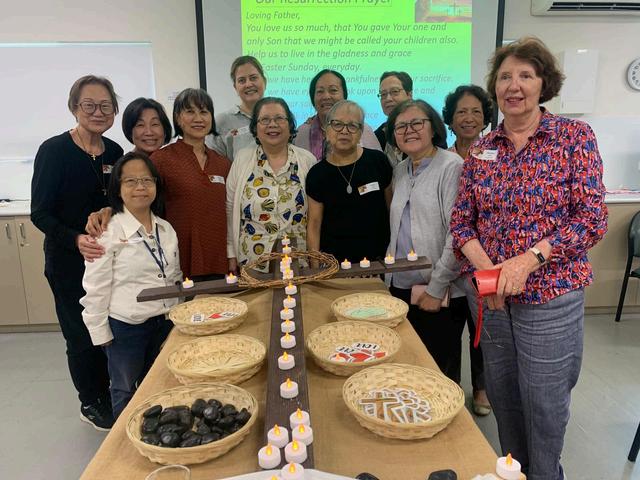
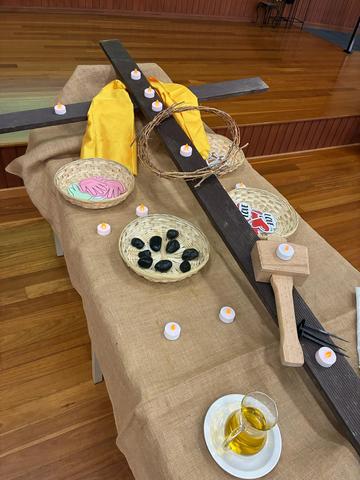
The day culminated in a moving liturgical experience centred on the Stations of the Cross Through music, scripture, and symbolic actions, a sacred space was created around a large wooden cross, drawing everyone into a profound encounter with Christ’s journey The response from catechists was overwhelmingly positive As Barbara McMullen shared, these days are “a highlight in our year… prime opportunities for deep prayer as well as fellowship in community.”
CCD Ministry Induction (CCD MI) training for new catechists
Our CCDMI course is running again in Term 2, 2026 (April-June) The sessions will be on Thursday evenings - all on Zoom.
Our Level 1 'Tools for the Classroom' course is back! This optional course is suitable for Green card catechists who have completed our CCD Ministry Induction (CCDMI) course Topics include Prayer in the Classroom, Miracles and Parables, and Listening & Questioning We also include a full day hands-on Workshop where catechists will learn how to incorporate Music, Stories and Drama into lessons
Please check our website for further details
CCD Registrations will be in touch before the course commences if you have units to complete Contact CCD Registrations on 02 8379 1643 or email registrations@bbcatholic.org.au if you have any questions.
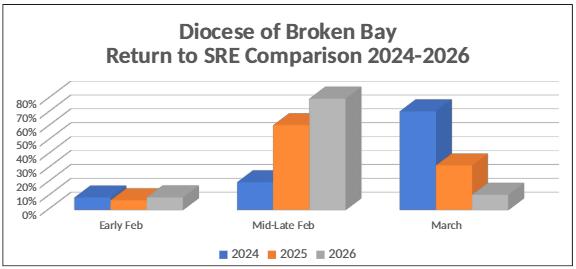
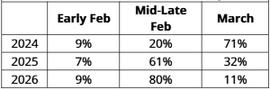
For the past three years, we have been asking our Parish Coordinators to complete a survey at the beginning of the school year, to let us know when each public school has started SRE classes in Term 1. We did this because we were worried that too many schools were delaying the start of SRE classes, and we were missing out on valuable teaching time. We are happy with a February start date, but anything in March (or later) is just too late
In 2024, our survey showed that only 29% of public schools in our Diocese were starting SRE in February This was very disappointing, however we’ve noticed the Department of Education has been getting tougher with schools over the past couple of years, telling them they must start SRE in the ‘early weeks’ of Term 1, to ensure all SRE and SEE Providers get adequate time to teach their curriculum across the year Our Parish Coordinators have also been working hard to secure earlier return dates, with a lot of planning and confirming happening in Term 4 of the previous year. In 2025, our survey results showed a significant improvement – 68% of schools returned to SRE in February!
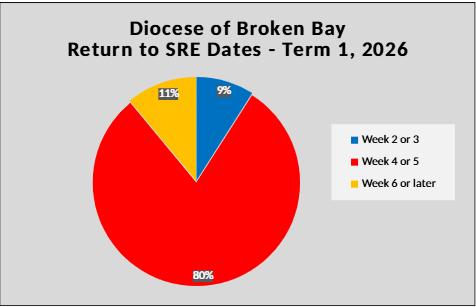
We are pleased to share with you that the data we collected in this year’s survey shows an even better result, with 89% of schools across our Diocese starting SRE classes before the end of February.
Our Parish Coordinators are to be acknowledged and commended for their hard work in securing these earlier start dates And we are grateful to the Department of Education for their support in reminding schools how important SRE and SEE is for students and families Lastly, we thank YOU – each and every catechist for being available and ready to teach as soon as Term 1 commences, to ensure each child in your SRE class is able to learn more about Jesus and how much he loves them! Let’s continue this trend and aim for 100% of SRE classes to return by the end of February in 2027!

Returning SRE classes as early as
possible ensures we can use the full school year to faithfully teach our program, as every delayed week reduces the time we have to share the fullness of the Good News with our students
Think of a time you asked a question in your SRE class and everything went quiet.
This is a simple structure that helps students feel safe enough to think before they speak.
How it works:
1 Ask a question or give a task

Not the awkward, painful quiet – but the good kind The kind where students stare into space, eyebrows furrowed, you can practically see the wheels turning You sense that faith is connecting with real life, and you’re just seconds away from a thoughtful, honest discussion Those moments are gold That’s discipleship happening But we all know it doesn’t always go that way
There’s another kind of silence most catechists know too well. You ask a question and suddenly everyone looks down. Some appear to be rereading the Scripture passage, others are suddenly very interested in their shoelaces. Eye contact is carefully avoided
Then the silence is broken by that student – the one who can’t tolerate the quiet and jumps in just to make it stop Everyone else exhales in relief Crisis averted They don’t have to answer
Sometimes this turns into a one-on-one conversation between you and the ‘jump in’ student, while the rest of the class watches on. Other times, you ask another question… and the awkward cycle repeats. One kind of silence leads to reflection and growth. The other slowly erodes confidence and group culture. So what causes the unhelpful silence?
Some common reasons include:
A group that doesn’t yet trust one another
Questions that feel too obvious or pointless to answer
Questions that are too hard, too specific, or feel like a trap (“guess what’s in the teacher’s head”)
The simple reality that young people are often self conscious
The good news? These are not dead ends. With thoughtful facilitation and a couple of simple strategies, you can lower anxiety, build trust, and create space for genuine faith conversations
SILENCE ISN’T THE ENEMY. SOMETIMES IT’S A SIGN THAT SOMETHING IMPORTANT IS HAPPENING BENEATH THE SURFACE.
2 Give students quiet thinking time (10–20 seconds really matters)
3 Ask them to discuss their ideas with a partner or small group nearby
4 Invite pairs/groups to share with the wider class
Why this works:
It provides structure
Uncertainty feeds self consciousness. Think–Pair–Share reduces that uncertainty because everyone knows what’s coming next. No one is put on the spot without warning.
Instructions feel safer than questions
When starting a discussion, instructions often feel less threatening than open questions
It gives processing time
Sometimes silence isn’t resistance – it’s confusion Students may not have fully understood the question, the Scripture, or the task Pair discussion allows clarification without embarrassment
Everyone participates
This approach avoids the trap of hearing from the same two confident voices every week Every student has an entry point into the conversation, even if they never speak to the whole class.
Tool #2: The Follow‑Up Prompt
One of the most effective prompts you can use is:
“Tell me more about that.”
It sounds simple – and it is – but it changes the tone of the conversation It signals that students’ ideas are worth exploring, not judging
Other variations include:
“Say more about that ”
“Can you explain what you mean?”
“It sounds like there’s more behind that – is that right?”
Rather than shutting down discussion, these prompts gently open it up.
Once an idea is on the table, you can invite the wider group into the conversation with questions like:
·Do we all agree with this?
·Does anyone want to add to that?
·Does anyone see it differently?
How does this connect with Jesus’ message?
What difference could this make in real life?
What might this look like on a Monday morning at school?