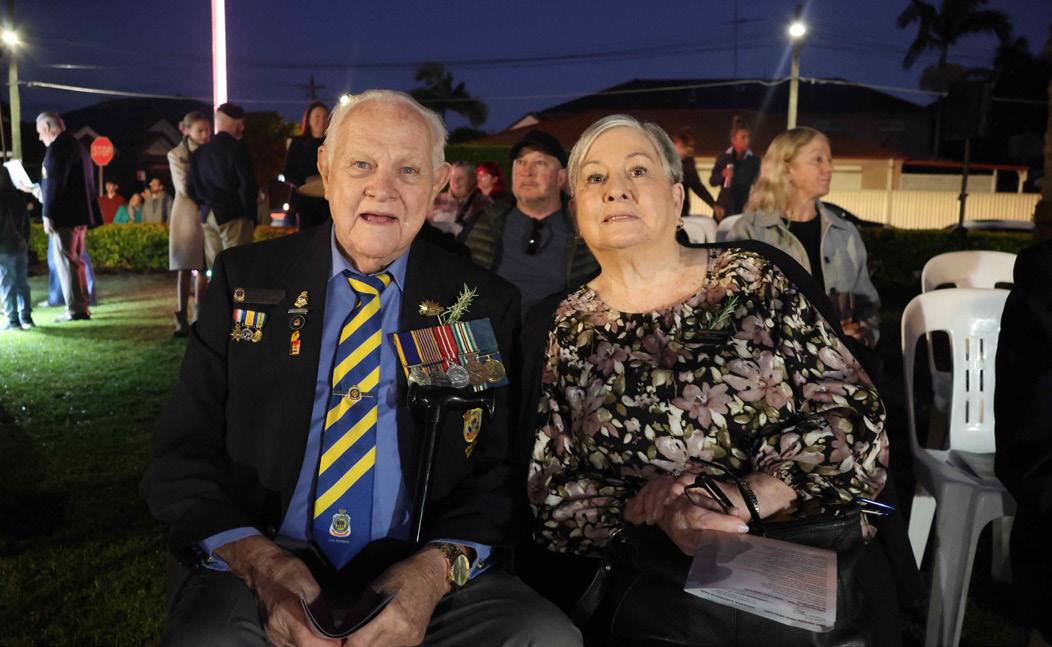
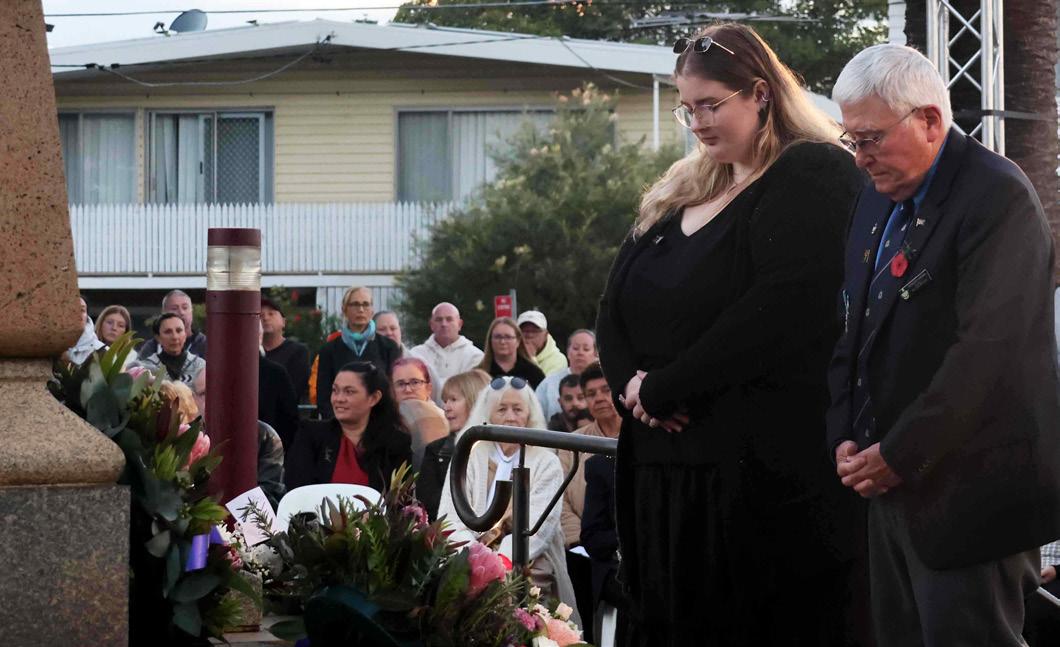
Welcome to our first Newsletter for 2026. How quickly the years go by!
Your Executive is keen to get an excursion program up and running this year. We are planning to have excursions to the ANZAC Memorial Museum in Hyde Park and to the Macquarie Street Precinct, including Parliament House and other places of historical interest. Visits to National Trust buildings and the Prince Henry Hospital Nursing and Medical Museum are also being considered.
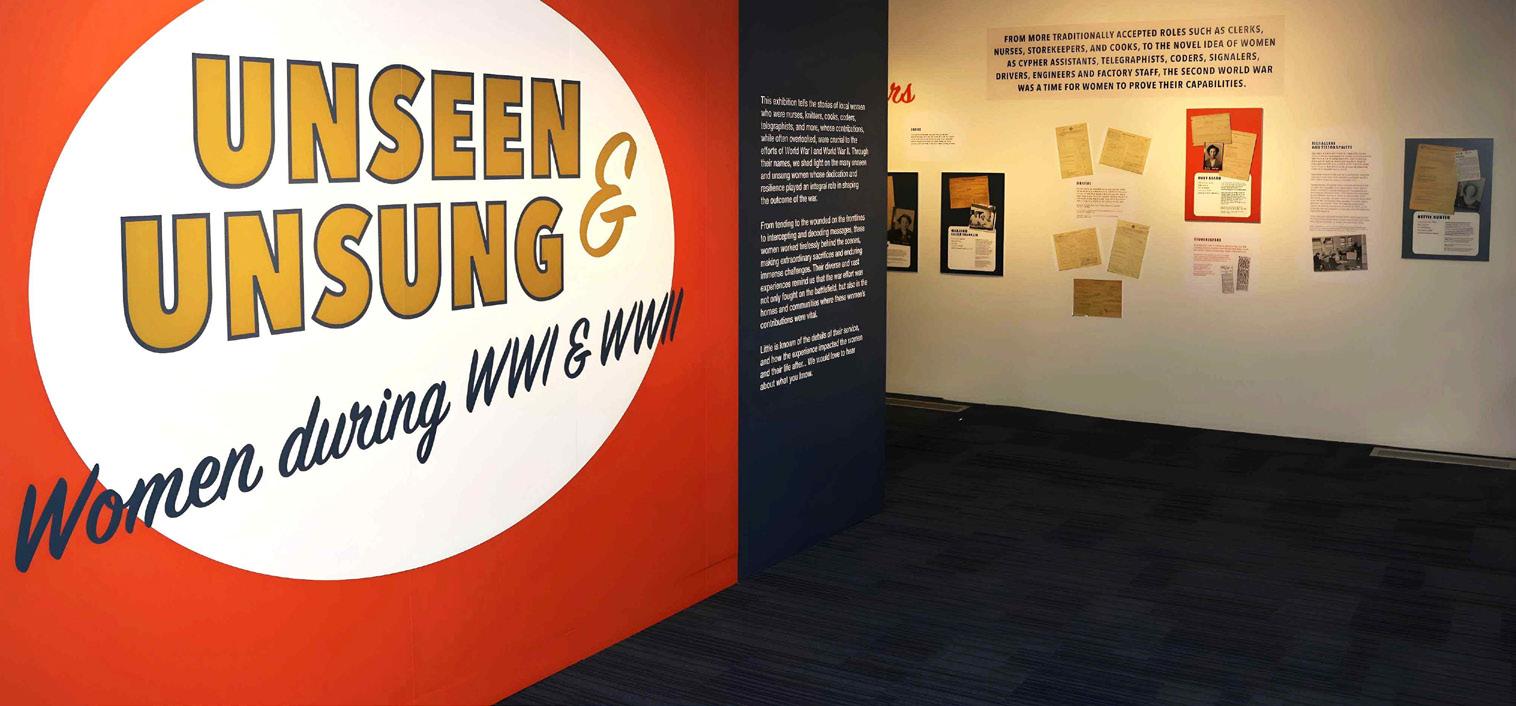
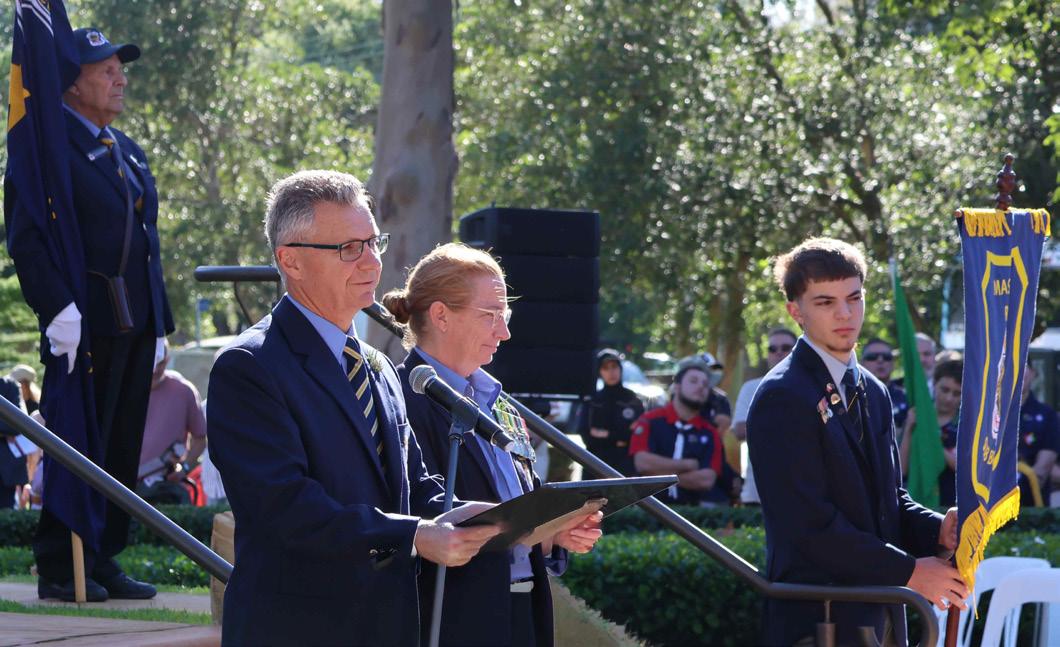
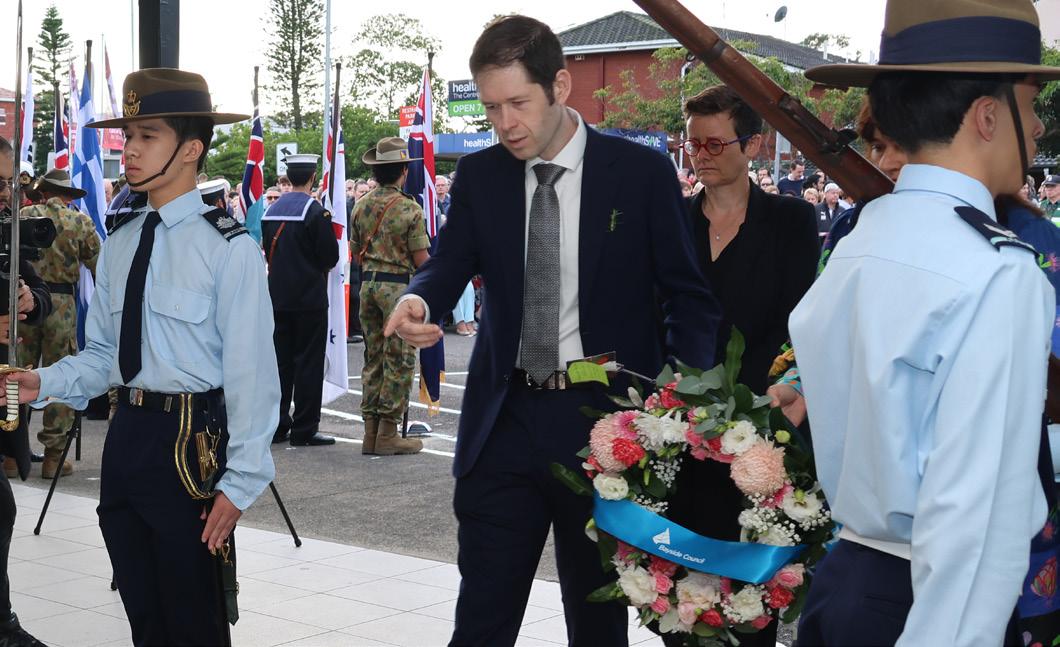
Bayside Council, in conjunction with the BHT, opened on 11 April the Women in War Exhibition, to commemorate the 80th anniversary of the end of the Second World War. This exhibition, originally scheduled for last year, is well worth a visit at the Mascot Library and George Hanna Memorial Museum.
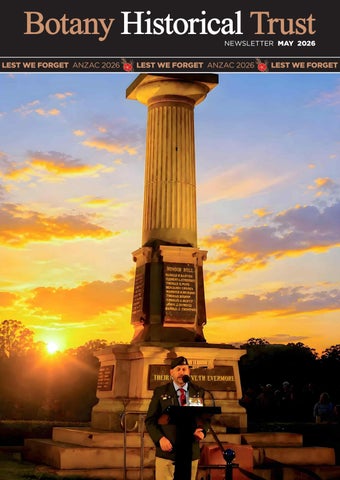
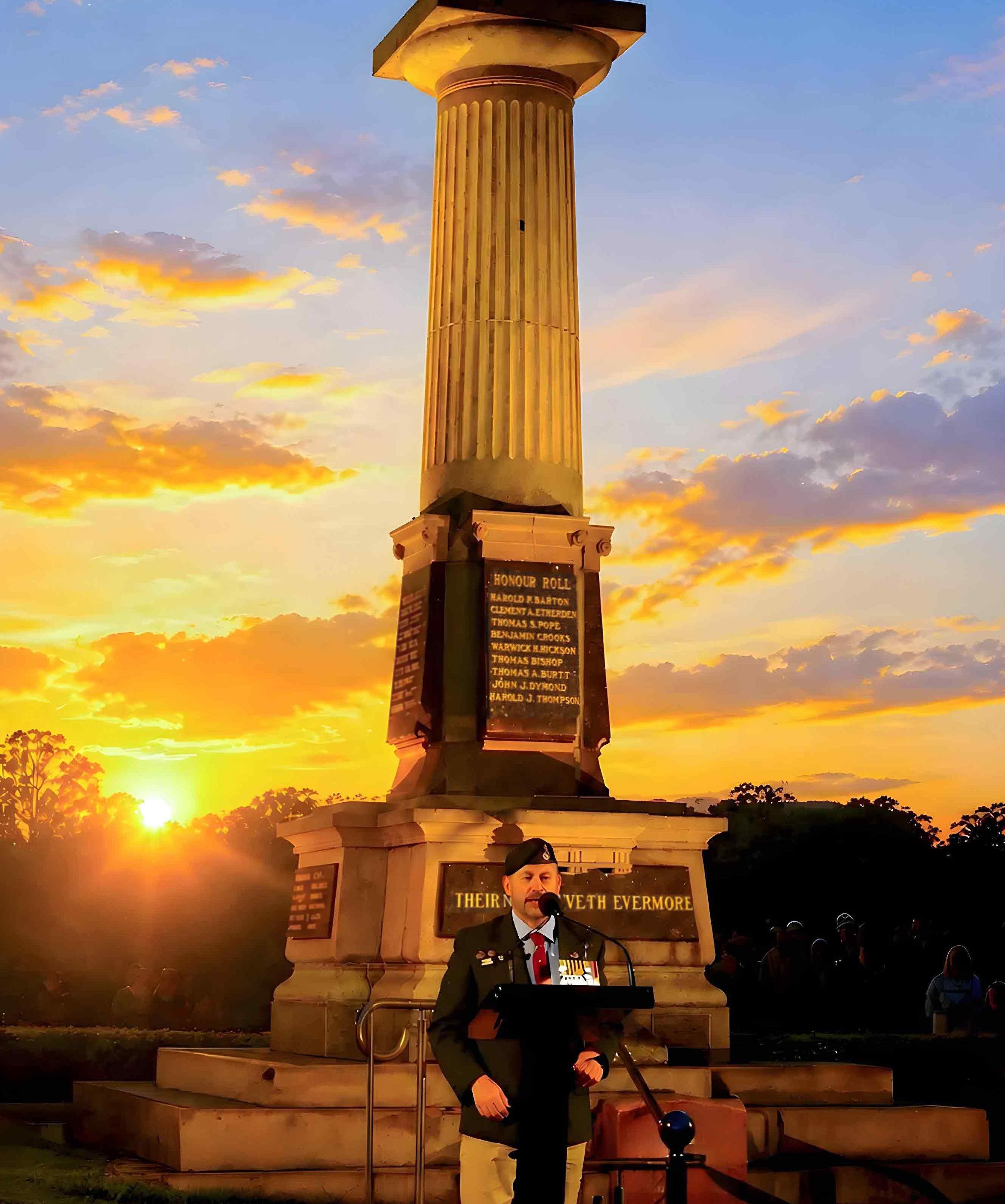
Our plans to push on with the alterations to the Botany War Memorial continue to progress. You may recall I initiated this matter when I sought to have one name added. That of Flight Sergeant Oscar McFadden, who died in World War II.
PRESIDENT’S REPORT
My request opened Pandora’s Box. Further investigations have revealed that some 15 names from World War I need to be added, as well as 14 World War II names, including Oscar McFadden.
Our latest advice is that we could endanger the integrity of the existing structure to add the additional names. Consequently, the BHT and Bayside Council are looking at a separate plinth or structure near the existing memorial. Design and quotes are currently being obtained to support this project.
Bayside’s Historical Markers program continues. A worthwhile initiative that places markers on buildings and locations of historical interest. 13 nominations for 11 locations were received for the 2025 Historical Markers Program. Five nominations were recommended and approved by Council including Botany Fire Station, Bruce Mackenzie at Sir Joseph Banks Park and Botany Literacy Institute. The markers are in production and should be unveiled sometime in July 2026.
The BHT provided feedback and suggestions for Council to reinvigorate and increase participation in the Ron Rathbone History Prize competitions.
Council Officers will report back to Council on the outcome of the review shortly.
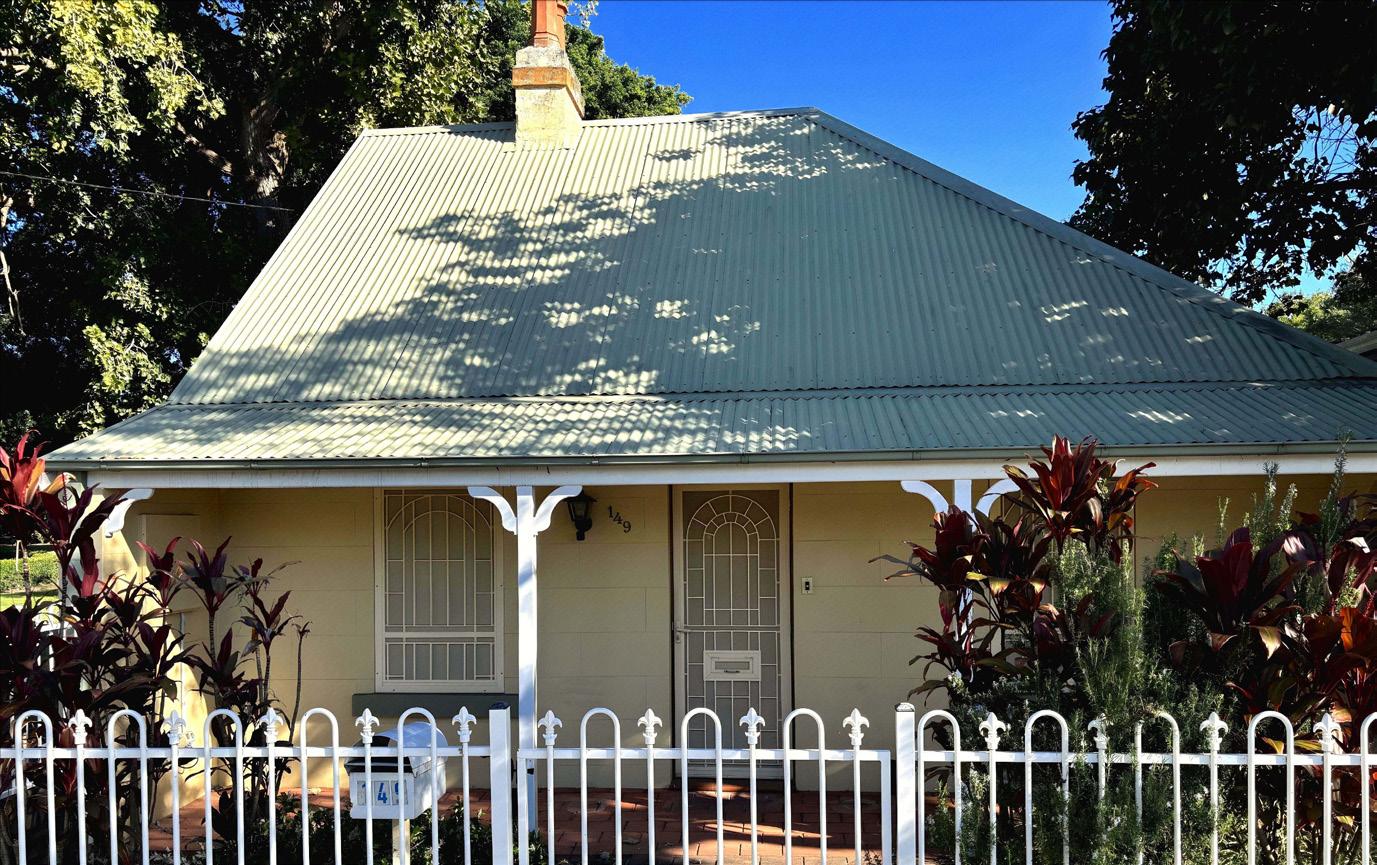
In August 2025, Bayside Council resolved to investigate the former Family Day Care Centre, at 149 Coward Street Mascot, in consultation with the BHT, as a suitable long-term home for the BHT’s collection previously housed at AMAC house. Executive members have inspected the property, now referred to as the BHT Cottage, and found it to be most suitable for our purposes. The BHT Executive is working with Council staff to determine what is required to have the property up and running. The requirements with funding options will be reported back to Council for consideration.
As you are aware, the BHT Executive has been pursuing the future of the former Botany Police Station premises, which remains unoccupied. We have been advocating for some time for its use for local community services. Thanks to our local State Member, the Hon Michael Daley, I have made contact with the Office of the Hon Rose Jackson, Minister for Housing, whose portfolio is responsible for the Botany Police Station premises.
We are hopeful of arranging for an inspection of the premises with a view to further pursuing its restoration and use for local community purposes.
The BHT Executive overwhelmingly recommended rejection of the Development Application at 55 Gardners Road on heritage issues. I provided Council’s lawyers with the text of our recommendation which was presented at the Land and Environment Court site hearing on 21 October. Executive members Jacquie Milledge, Chris Hanna and Amanda Wilson attended the hearing, and reinforced our case. You will be pleased to know that the Land and Environment Court upheld Bayside Council’s decision to refuse the development application for this heritage listed property.
The BHT Annual General Meeting held in November 2025 passed a proposed amendment of our constitution that removed the requirement for BHT members to renew their membership every five years. This was supported and endorsed by Council.
This change came from a draft Engagement Strategy agreed to by the Executive at a special meeting held in June last year. The Strategy recommends a number of initiatives aimed at having the BHT being more active in certain areas.
These include increased meetings of the Executive, enhancing and encouraging BHT members’ participation, providing information on the storage of and access to BHT’s collections, and exploring the feasibility of a BHT heritage grants scheme.
The Committee
Robert Hanna President
Jacqueline Milledge
Senior Vice President
Christopher Hanna
Vice President
Richard Smolenski Treasurer
Warren Hensley
Secretary
Amanda Wilson AM
The BHT cannot function without the support of dedicated Bayside Council staff. I would like to thank personally Bobbi Mayne, Cate Kloos and others too numerous to mention, and thank them also. I would also like to thank the members of our Executive Committee who have supported me as their President and worked so hard to provide input and promote the projects, activities and aims of the BHT.
Rob Hanna President, BHT
Jo Jansyn Community Representative
Dr
Scott Morrissey Councillor
BHT Cottage at 149 Coward Street in Mascot
Exhibition at: Mascot Library and George Hanna Memorial Museum
April – September 2026
From tending to the wounded on the frontlines, to intercepting and decoding messages, these women worked tirelessly behind the scenes, making extraordinary sacrifices and enduring immense challenges. Their diverse and vast experiences remind us that the war effort was not only fought on the battlefield, but also in the homes and communities where these women’s contributions were vital.
Little is known of the details of their service, and how the experience impacted the women and their life after.
Read More and Share Her Story at the exhibition in person or online here: bayside.nsw.gov.au/unseen-unsung-women-during-wwi-wwii
Celia Piper, Local History Librarian
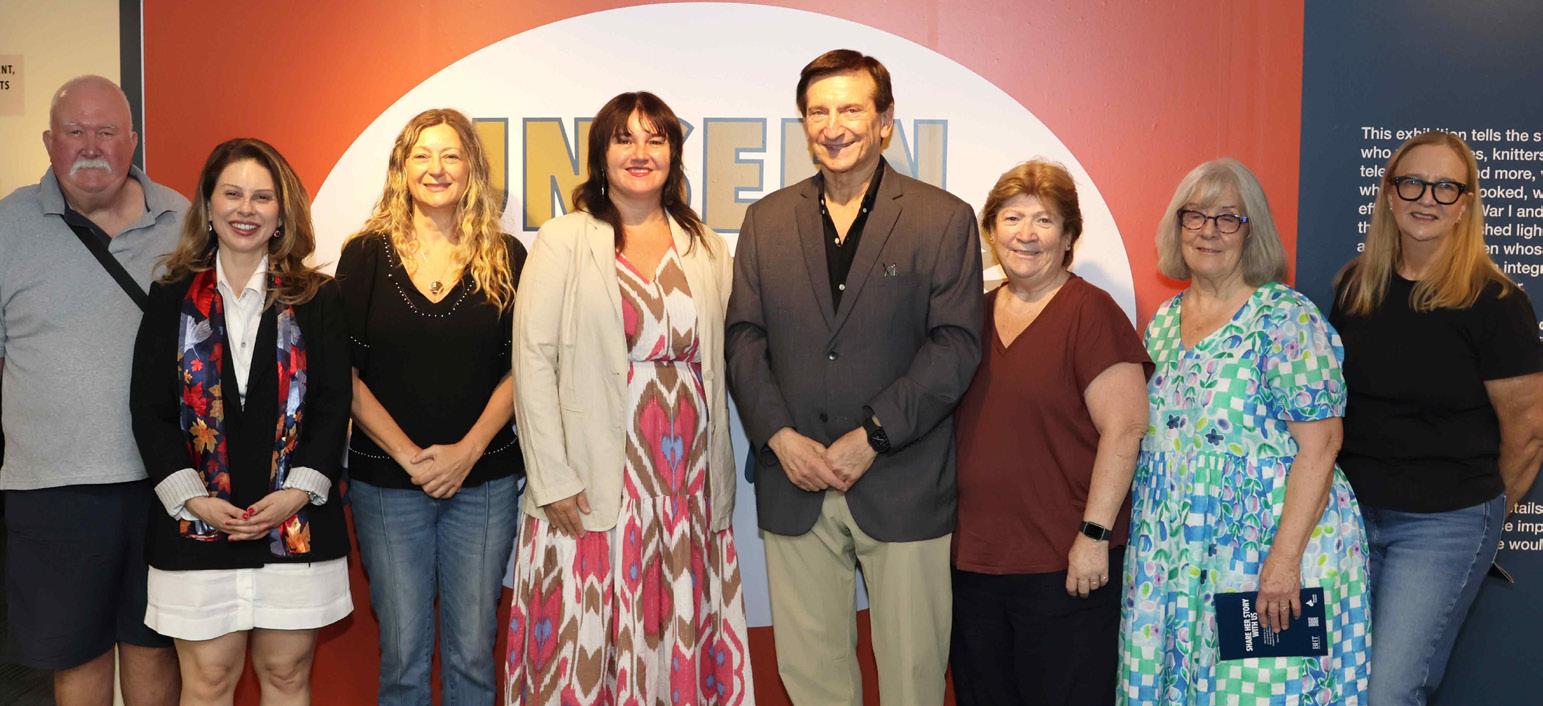
Unseen & Unsung Exhibition title wall
Group photo of special guest attendees L to R: Christopher Hanna, Councillor Fiona Douskou, Jo Jansyn, Deputy Mayor Councillor Heidi Lee Douglas, Honourable Ron Hoenig MP Member for Heffron, Jenny Muscat, Councillor Liz Barlow, Amanda Wilson.
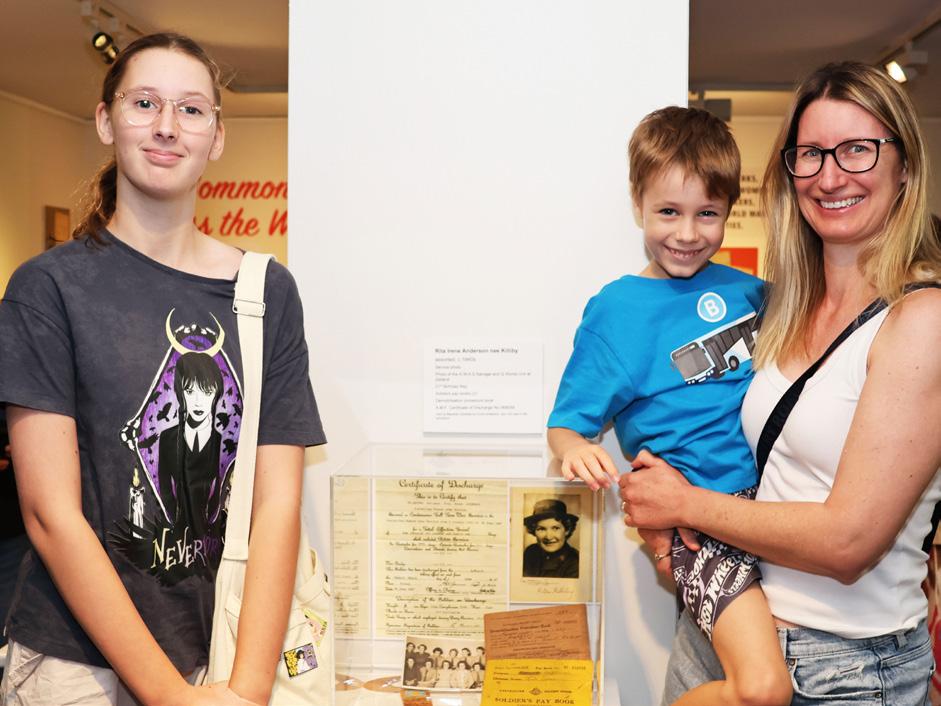
Granddaughter of Rita Irene Anderson nee Killiby with her family near her display of items loaned for the exhibition.
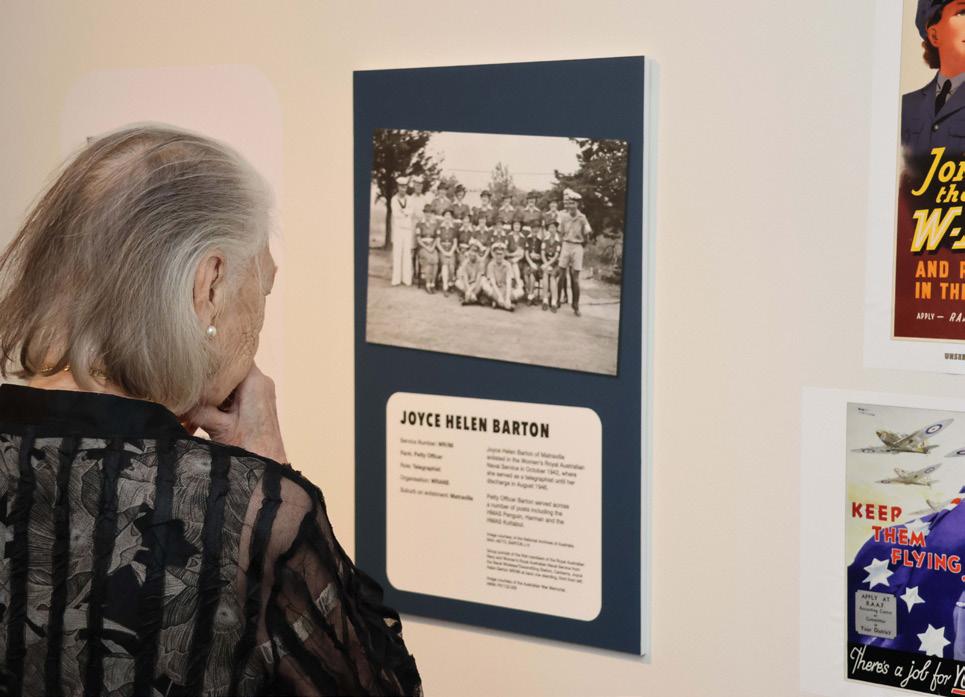
Guest viewing exhibition following opening
Botany Booralee Park War Memorial Update
As Botany Historical Trust members will be aware, we are currently working on a project to record the names of local soldiers who died during either World War I or World War II, but whose names are not recorded on the Botany Booralee Park War Memorial.
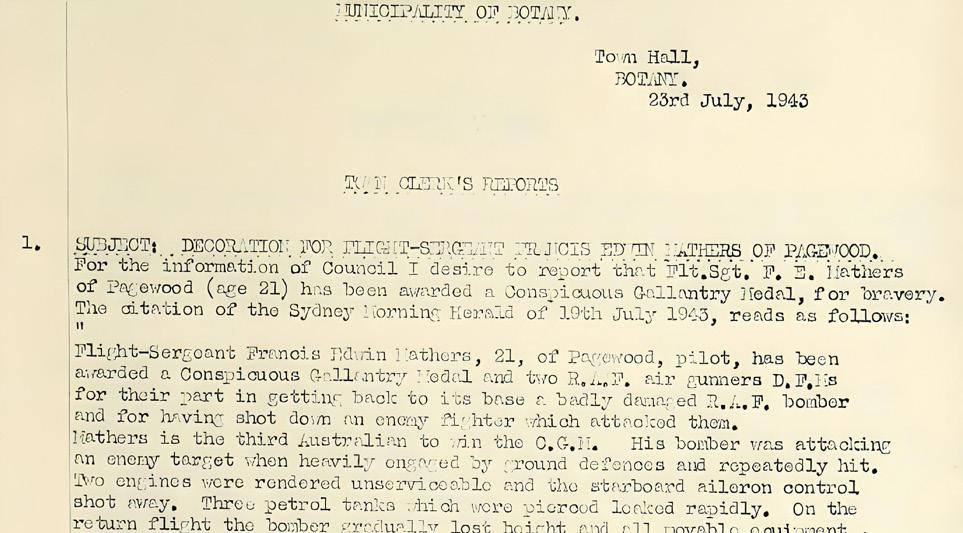
This project initially started with the research of the Botany Historical Trust’s president, Robert Hanna, into the war service of Flight Sergeant Oscar Patrick McFadden. Flight Sergeant McFadden, who grew up in Bay Street, Botany, died in a bombing raid over Germany in 1944; however, his name is not to be found amongst those listed on the Botany War Memorial. Further research led to the identification of an additional fourteen local World War II soldiers not listed on the Memorial. In the midst of this research, a request was received from the Botany RSL regarding the World War I soldier Timothy Driscoll, from Underwood Street, Botany, who died of wounds received in action in France in 1918, but whose name did not appear on the Memorial. This led to yet further research being undertaken on the local World War I soldiers who had died in action. It came to light that there were fifteen men listed with stars against their names on the Botany Town Hall Honour Board that were not listed on the Botany War Memorial Booralee Park.
To date, a total of 29 local soldiers have been identified: clearly too many names to add to the existing structure. The question of how to best acknowledge these 29 additional soldiers was raised at the Botany Historical Trust Meeting of 9 February 2026. It was decided that the best option would be to erect a separate plinth near the existing memorial with a plaque on top listing the names of both the World War I and the World War II soldiers who had died during their war service. Sufficient space would be left on the plaque so that any additional names that may be identified in the future could be added. The next steps in this project will be a report to Council, consultation with the community, stakeholders and heritage professionals, and finally the design of the plinth and wording for the plaque. Rob Hanna was nominated as BHT Executive Representative to participate on the project team.
We look forward to seeing the service of all Botany servicemen who made the ultimate sacrifice for their country suitably honoured and acknowledged.
Kirsten Broderick, Local History Librarian
An extract from the Botany Council Minutes of 23 July 1943 recording that Flight Sergeant Francis Edwin Mathers, of Pagewood, had been awarded a Conspicuous Gallantry Medal for bravery. Francis Mathers was killed in a Flying Battle over Germany less than two months later; he was 21 years old. His name is not currently listed on the Botany War Memorial.
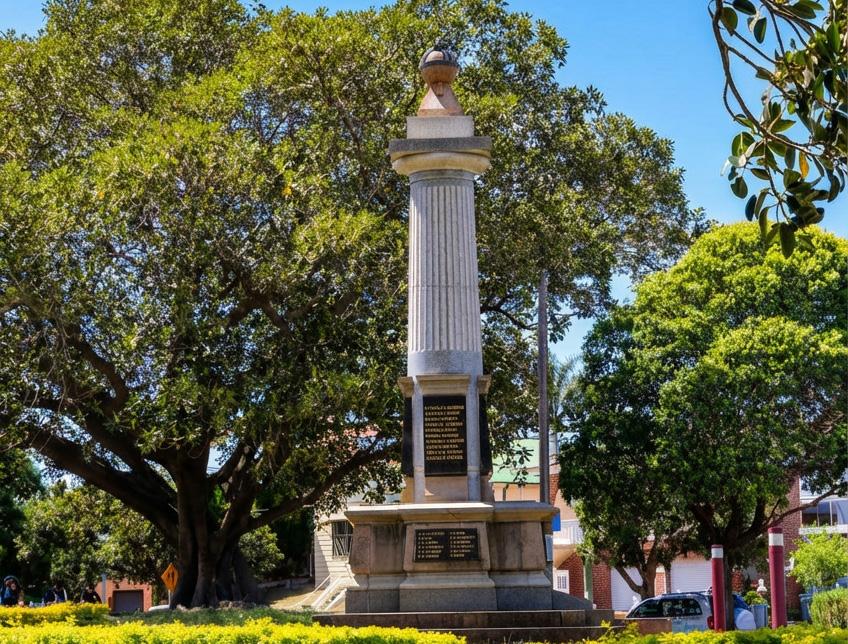
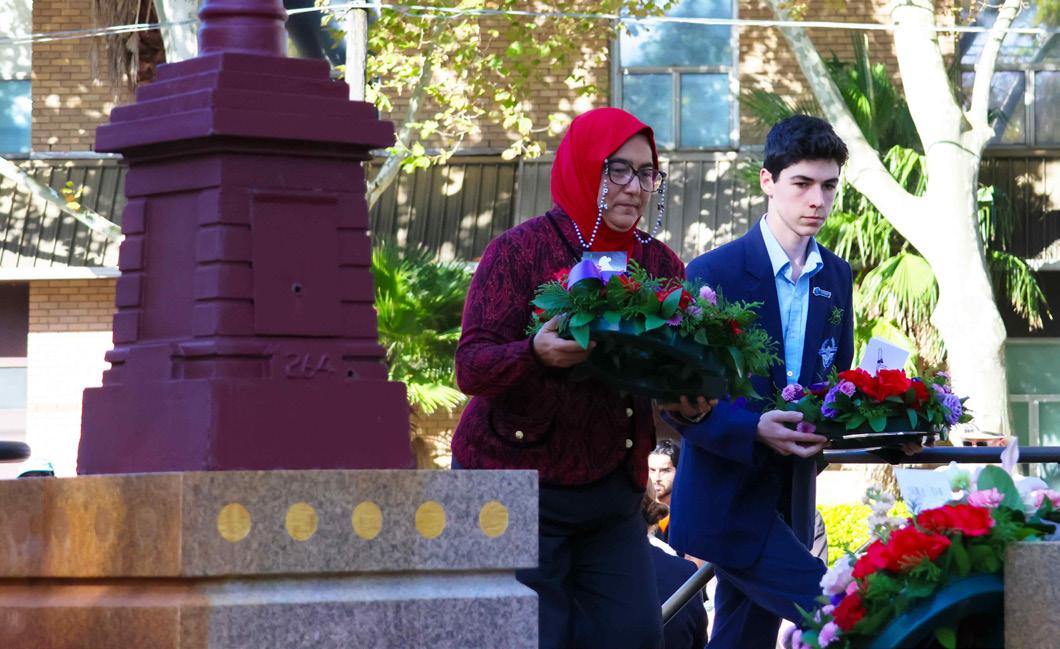
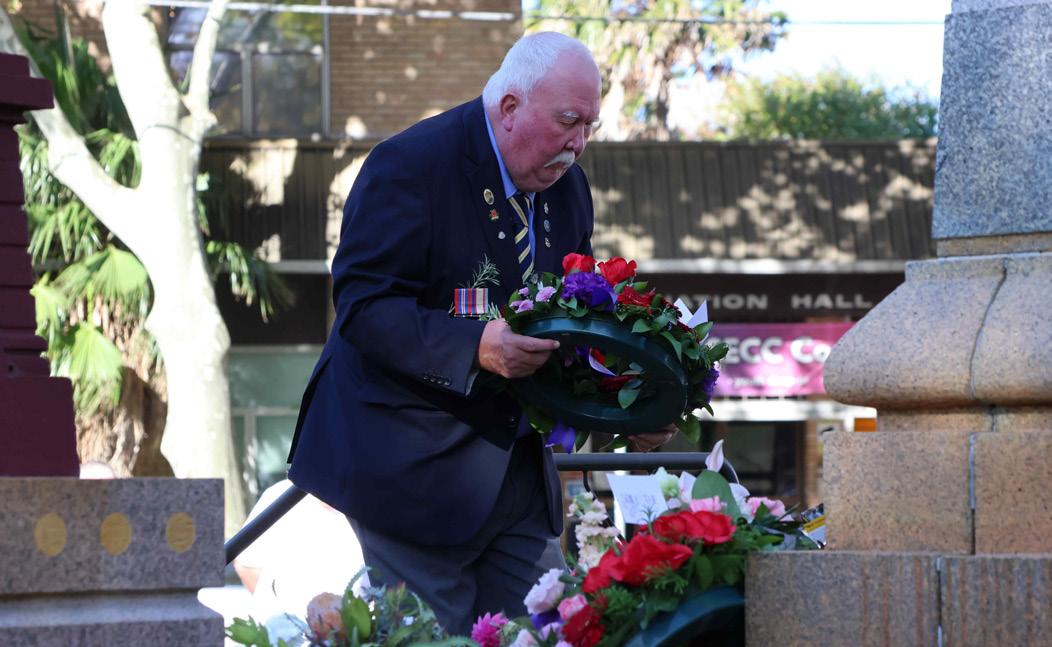
The Botany Booralee Park War Memorial. The names of the World War I soldiers who died are engraved on the stones around the column of the Memorial. The names of the World War II soldiers who died are engraved on the stones on the base beneath the columns.
Historical Markers Program Botany
I was part of the last term of Council that adopted the Bayside Historical Markers Program and it’s something I continue to feel strongly about. As someone with a genuine interest in local history and now as a community representative on the Botany Historical Trust Executive, I’ve also spent time nominating places in our local area that I believe are worthy of recognition.
The program itself is about recognising and sharing the stories of places that have shaped Bayside. Community members nominate sites of historical or cultural significance and selected locations are marked with plaques that include a short description and a QR code linking to deeper stories. It’s a relatively new initiative, launched in 2024, but it’s already proving to be a simple and effective way of making local history visible and accessible in everyday spaces.
Since its introduction, a number of important sites have been recognised and I’m really pleased that several of the places I nominated have been included.
Botany Public School
Botany Public School is one of them. It’s not only historically significant as Sydney’s first public school, but also deeply connected to the local community. My own son attended the school, and I was part of the P&C as Secretary. For me, it marks the entry to Botany and has always felt like a cornerstone of the area, one of those places that quietly holds generations of local stories. The school itself houses displays of old schooling relics as well as a footpath of engraved pavers of formers attendees.
Sir Joseph Banks Hotel
The original Sir Joseph Banks Hotel is another site that tells a very different story of Botany. It was once a vibrant seaside destination, complete with gardens, entertainment and even what’s believed to have been Australia’s first zoo. Over time, as the character of the area shifted, so too did the hotel, eventually giving way to subdivision and housing. It’s a really powerful reminder of how much the landscape has changed, particularly before the port, airport and land reclamation reshaped our section of Botany Bay coastline.
Botany Literary Institute
I also nominated the Botany Literary Institute, now known as the John Brotchie Nursery School. This is a building I’ve always been drawn to, not just because my son attended nursery school there, but because of what it represents. Literary institutes and schools of arts were once central to community life, providing spaces for learning, connection and selfimprovement at a time when formal education wasn’t widely accessible. The building itself is quite beautiful, set back from the street and full of character, and it played an important role in Botany’s civic life, even hosting Council’s first meeting.
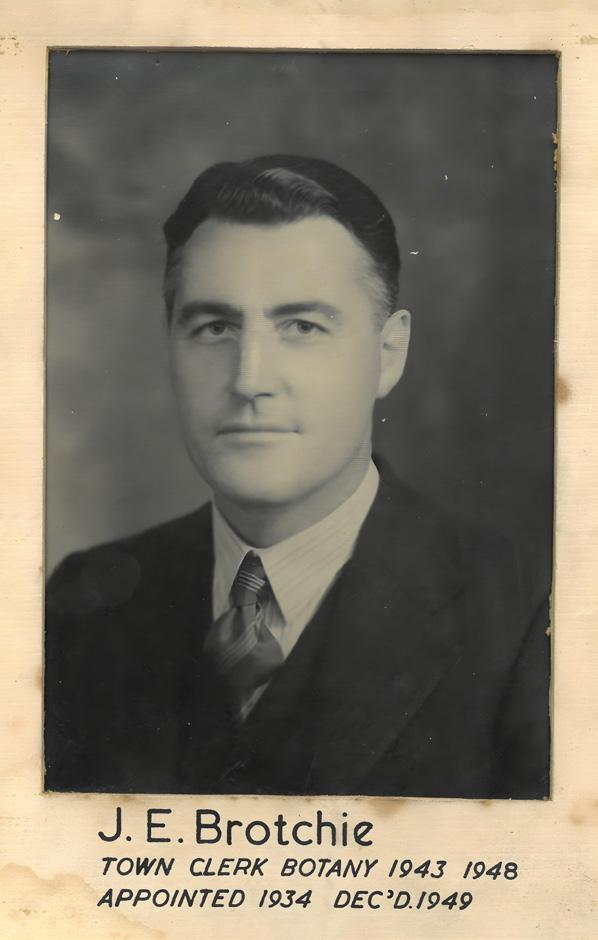
The Botany Literary Institute is now known as the John Brotchie Nursery School. Many people are unaware of who John E. Brotchie was - he was Botany Council’s Town Clerk in 1946 when, along with Mayor J S Greenfield, he made the proposal to establish a nursery school in Botany. The Botany Nursery School opened in 1949 and, when John Brotchie died just months later, the decision was made to rename the school in his honour.
Botany
Fire Station
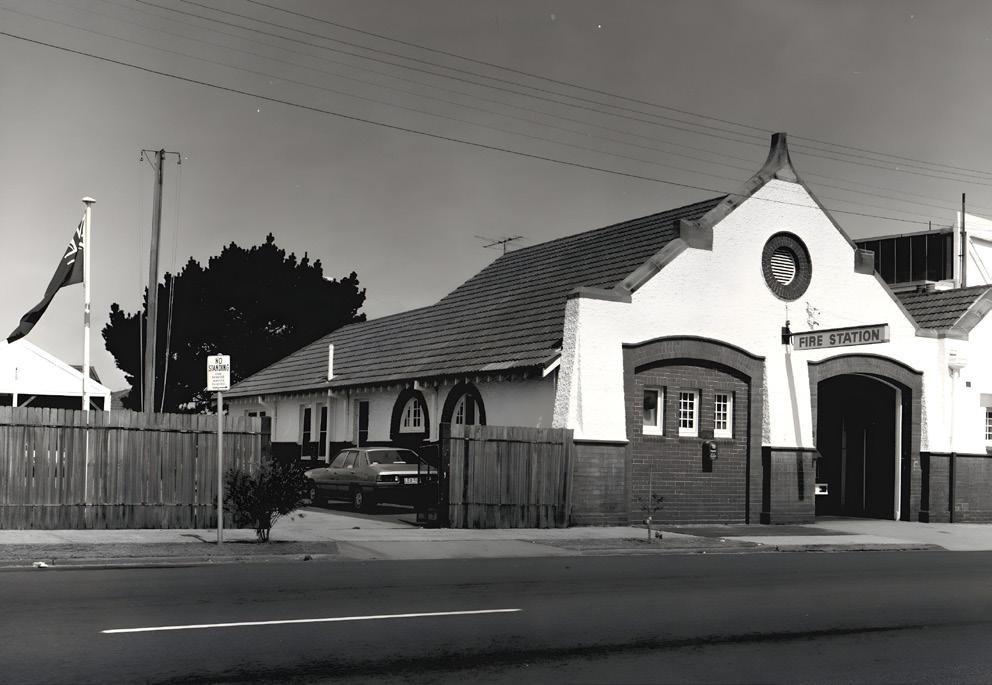
Botany Fire Station is another standout. It’s an impressive and still-operational building, designed in the Arts and Crafts style by E.L. Drew from the Government Architect’s Office and built in 1905. It’s a great example of a style not widely represented in Botany and adds an important architectural layer to the area’s history, while continuing to serve the community today.
There have now been two rounds of the program, with more sites across the LGA continuing to be recognised. What I like most about the program is its simplicity. It doesn’t overcomplicate things, it just quietly brings history into the public realm, making it part of everyday life. It encourages people to pause, notice, and connect with the stories around them. And in doing so, it helps strengthen that sense of place that is so important to our community.
There are still plenty more sites across Botany and the wider Bayside area that deserve recognition, so keep an eye out for the next round, and have a think about what places matter to you. www.bayside.nsw.gov.au/community/local-history/historical-markers
Jo Jansyn, BHT Community Representative
Note:
Botany Public School and the Former Joseph Banks Hotel already have Historical Markers in place. The Botany Literary Institute and the Botany Fire Station were among the five sites successfully nominated in 2025. The other three were Lydham Hall, Bruce Mackenzie at Sir Joseph Banks Park, and Earl Park. Planning is currently underway for installation of Markers at all five sites.
The Botany Fire Station in Banksia Street, Botany, circa 1984
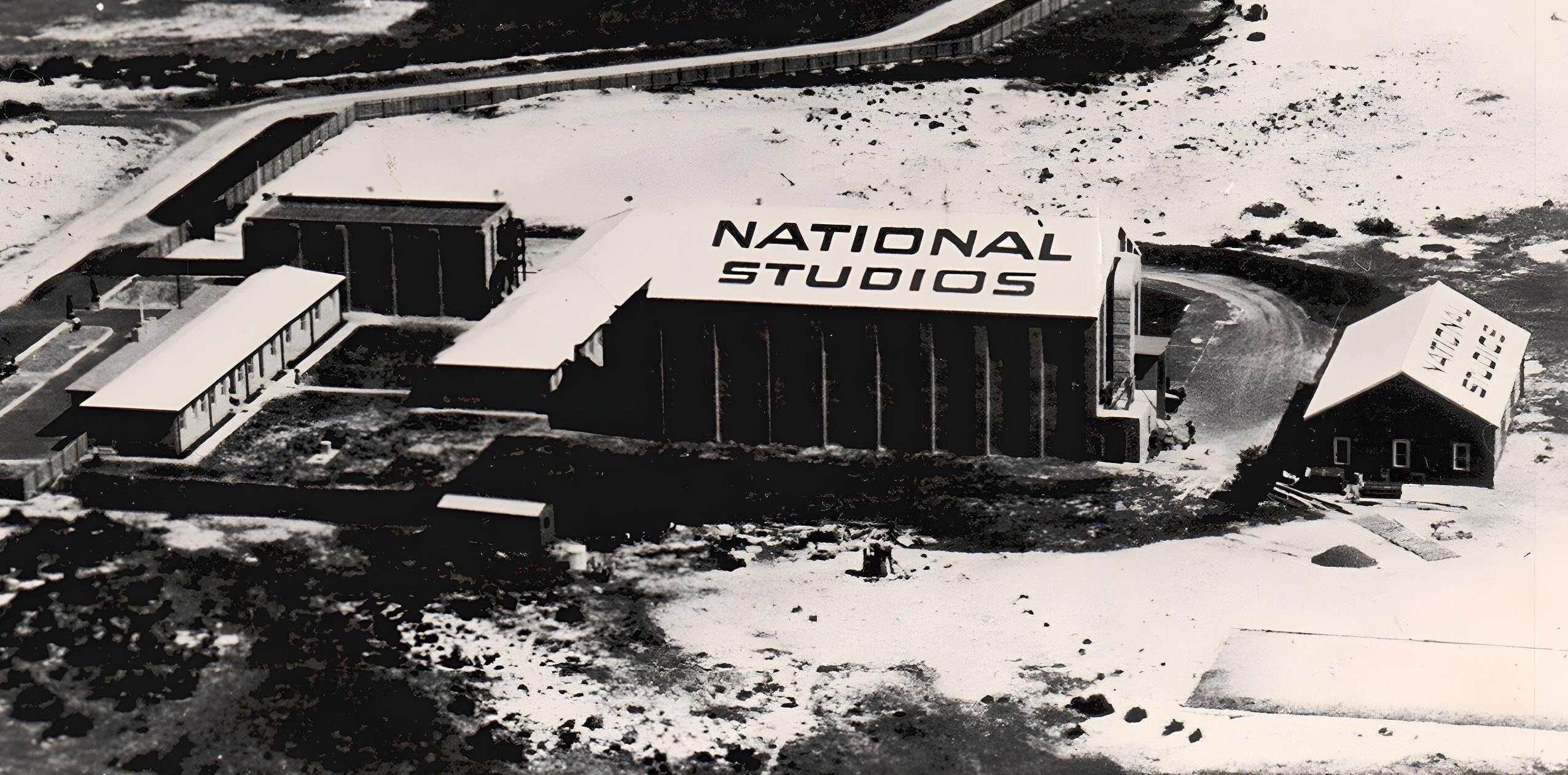
Did you know that the site of today’s Westfield Eastgardens was once home to a state-of-the-art film production studio?
This aerial photograph from the Bayside Library Local History collection shows National Studios from above just after it was constructed in 1935. Surrounded by sandy, undeveloped land, the site looks strikingly different from the busy retail hub we know today.
Also known as Pagewood Studios, National Studios was one of three studios for film production in Sydney at the time creating Australian, British and Hollywood films. When it opened, the facility was considered cutting edge and incorporated the latest European innovations. These included double-walled soundproofing, advanced camera and sound equipment, and even its own electrical substation. Some notable films produced by the studio include The Flying Doctor, Rangle River and Eureka Stockade.
Despite its early promise, the studio faced growing competition from local film production studios Cinesound and Figtree Productions. The Second World War created further disruptions and saw the studios become both a training site and producer of wartime entertainment. By the late 1950s the studio had closed and in 1959 was sold to the neighbouring Holden manufacturing plant.
The photograph itself was taken by pioneering aerial photographer Milton Kent, who worked extensively for Sydney newspapers. Kent was renowned for capturing the city from above documenting its rapid transformation during the early to mid-20th century.
Today, thousands of people pass through the shopping centre each day unaware of the cinematic history beneath their feet.
Alex Falkiner, Library Graduate
Aerial view of the National Studios at Pagewood looking west, circa 1937 Bayside Library Local History Collection
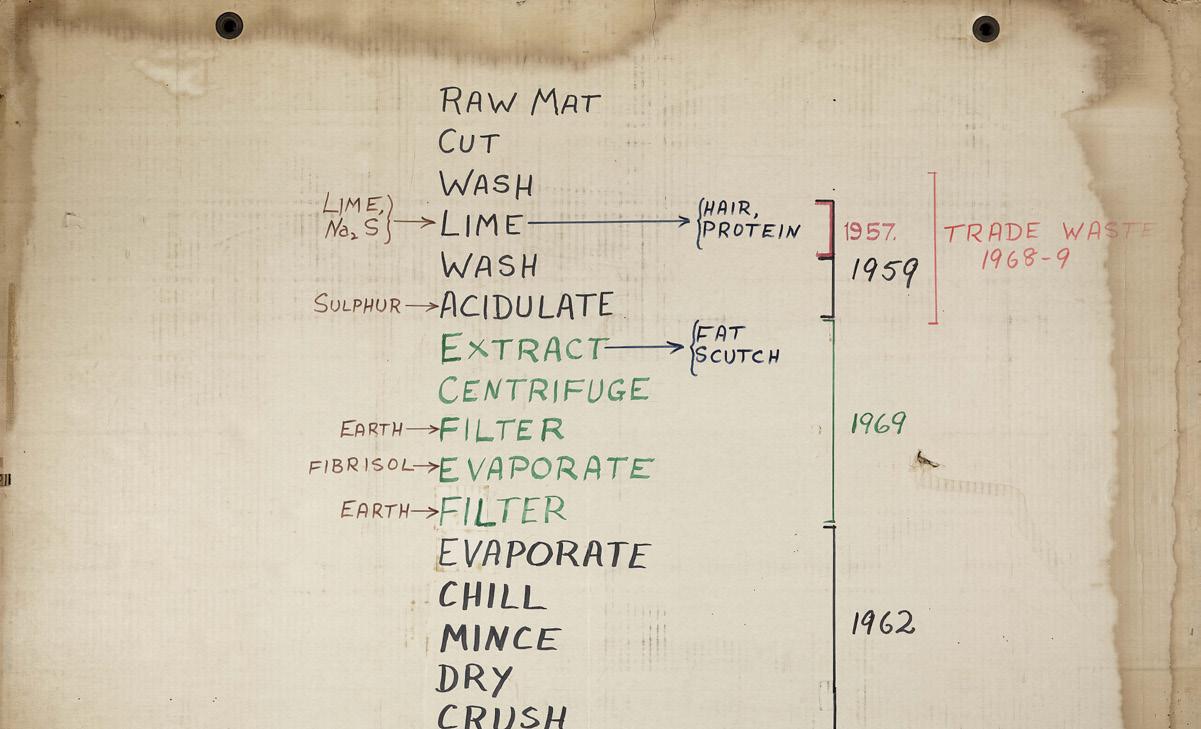
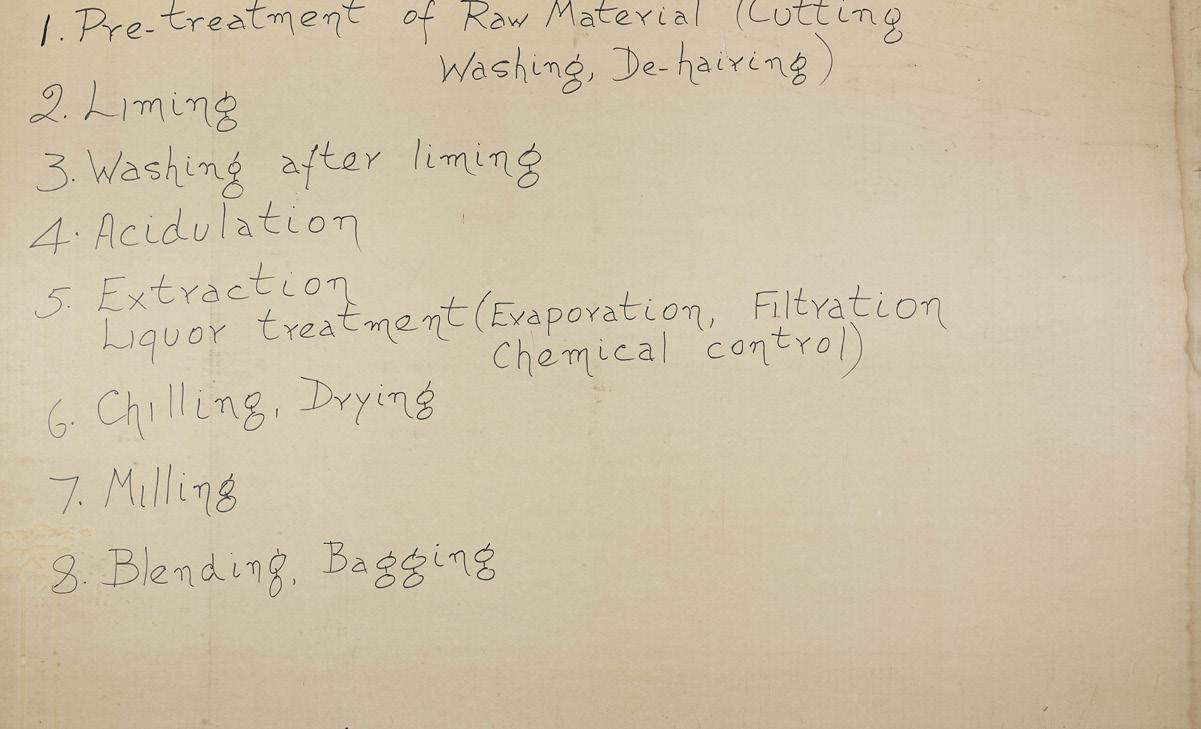
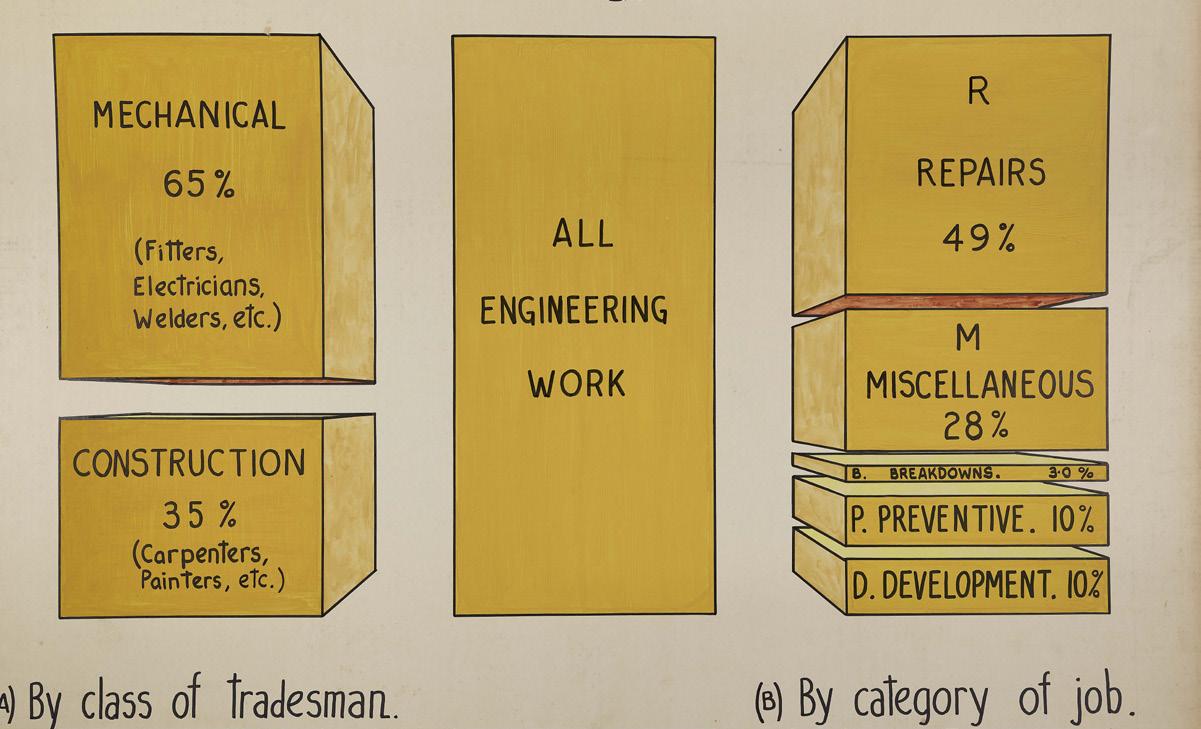
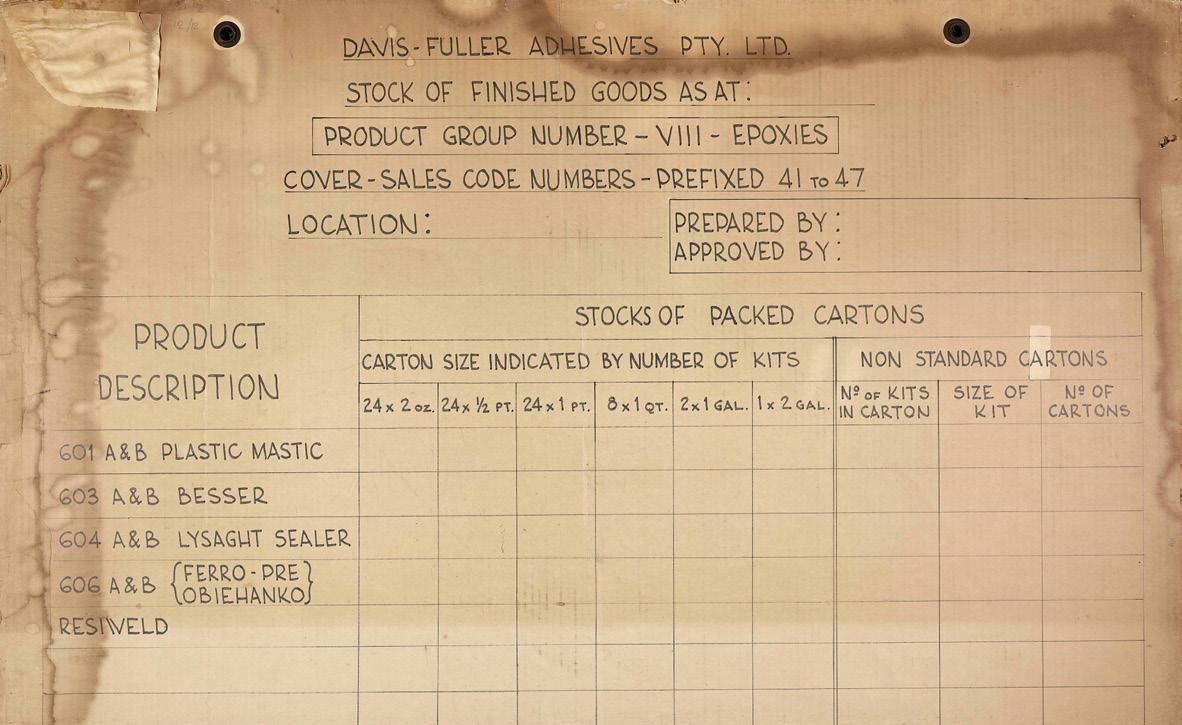
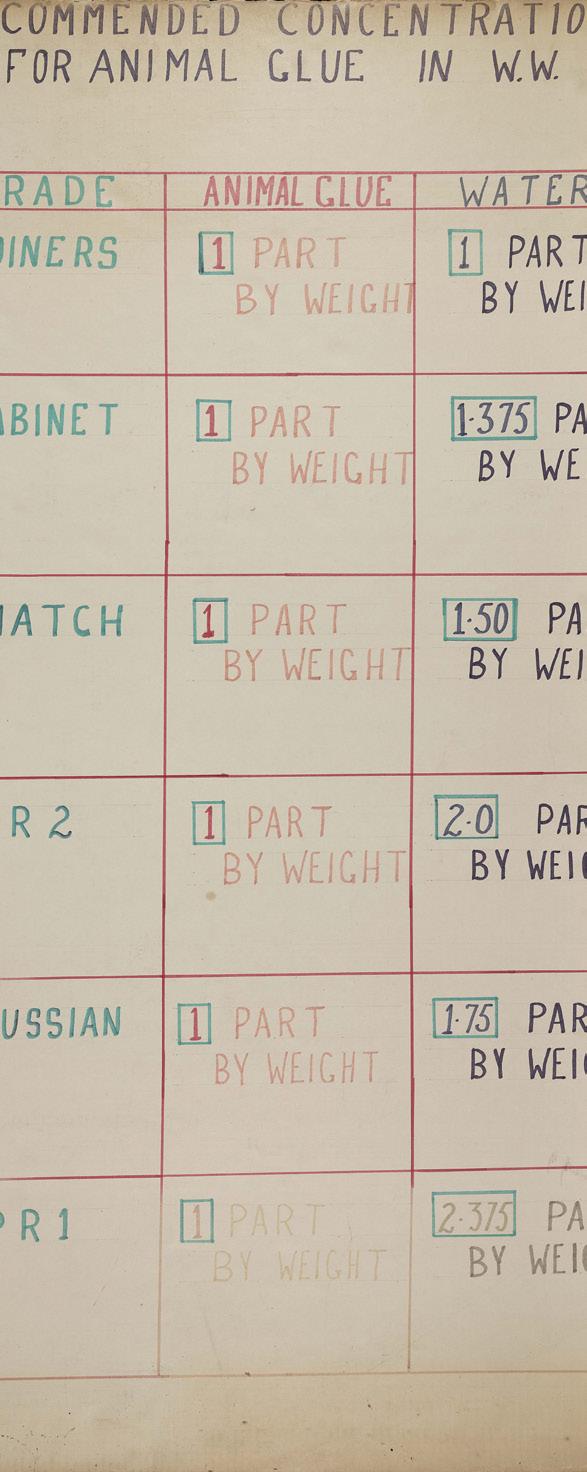
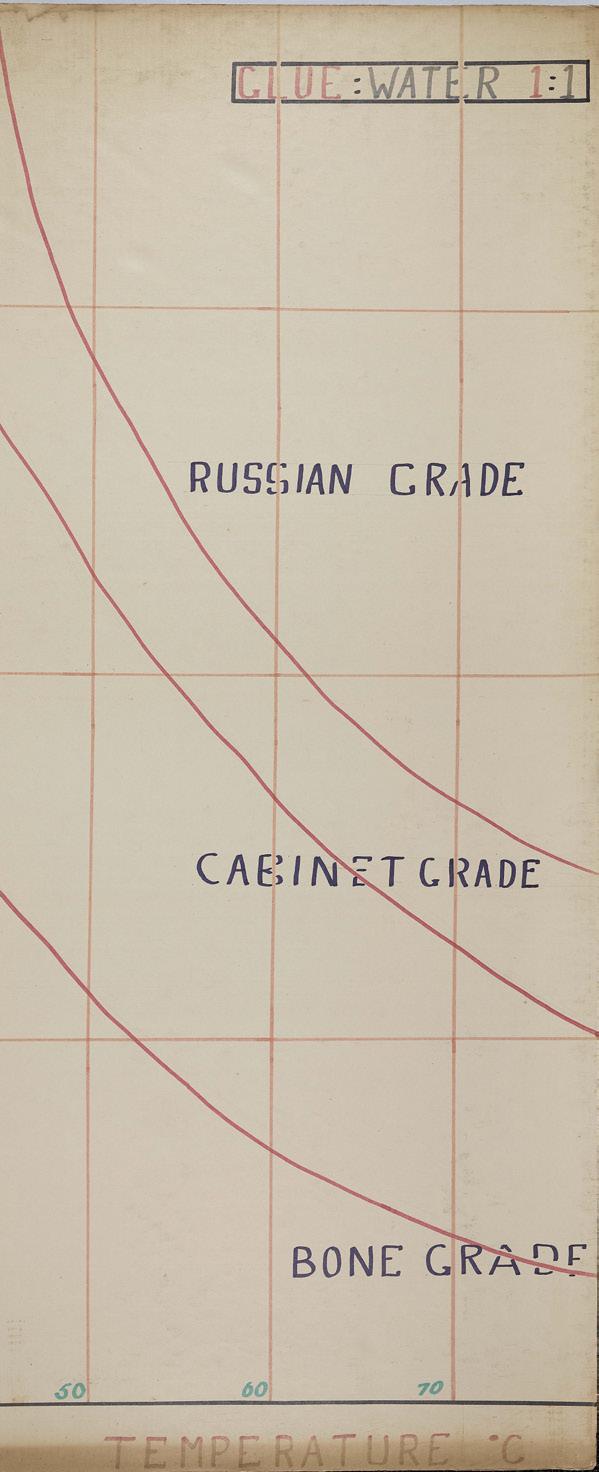
Davis Gelatine Boards
We recently had old panel boards from the Davis Gelatine factory digitised to further the preservation of the items. The digitisation allows for the boards to be easily viewed and accessed and will also allow for further re-use and repurposing of the drawings during exhibitions, displays, and research.
Whilst we are unsure what these boards were made for, whether for constant reference in the factory or the office, or perhaps created for a presentation or visit, they provide an interesting view in the way the information is presented.
We hope you enjoy this early preview of the boards. Celia Piper, Local History Librarian
Davis Gelatine Boards. Bayside Libraries Local History Collection
WOOL SCOURING AND FELLMONGERING IN BOTANY
Thomas Elliot and Company Botany , NSW
Introduction
The History of Botany, 1788-1970 by Frederick Larcombe records that the history of the Australian wool processing industry has close links with Botany’s industrial history. “Because of the efficiency of the scourers and the combers, Botany wool became a trade identity, so that today products of fine merino wool are still described as ‘Botany’ to distinguish them from crossbred yarns. Thus ‘Botany’ is synonymous with fine quality wool.” (Page 203). Historically, Botany attracted wool scourers to the area because of the then isolated nature of the region, and the abundant and cheap supply of natural water. (Page 199).
Larcombe states that most of the wool scouring industry in Botany dates from 1890 “when the Pine Valley wool scour was built and operated by Messrs Swinbourne and Stephen.” (Page 15).
A Jubilee History of the Municipality of Botany, 1888-1938 compiled by James Jervis and Leo Flack refers to the Development of Wool Manufacturing in Australia by F. Whiddon. Whiddon states “The name of BOTANY has always been closely associated with the development of the wool industry in New South Wales....and resultant products of fine quality merino wool are still described as ‘BOTANY’.” (Page 371).
On page 372 Whiddon further states that in the field of wool manufacture “The Botany district was early in the field, and about 1814-15 Mr Simeon Lord erected a mill for the production of coarse cloths, blankets and flannels......In other ways, the Botany district actively participated in pioneering and developing the wool industry. In the very early history wool was processed in some form that otherwise would not have been in an exportable condition.”
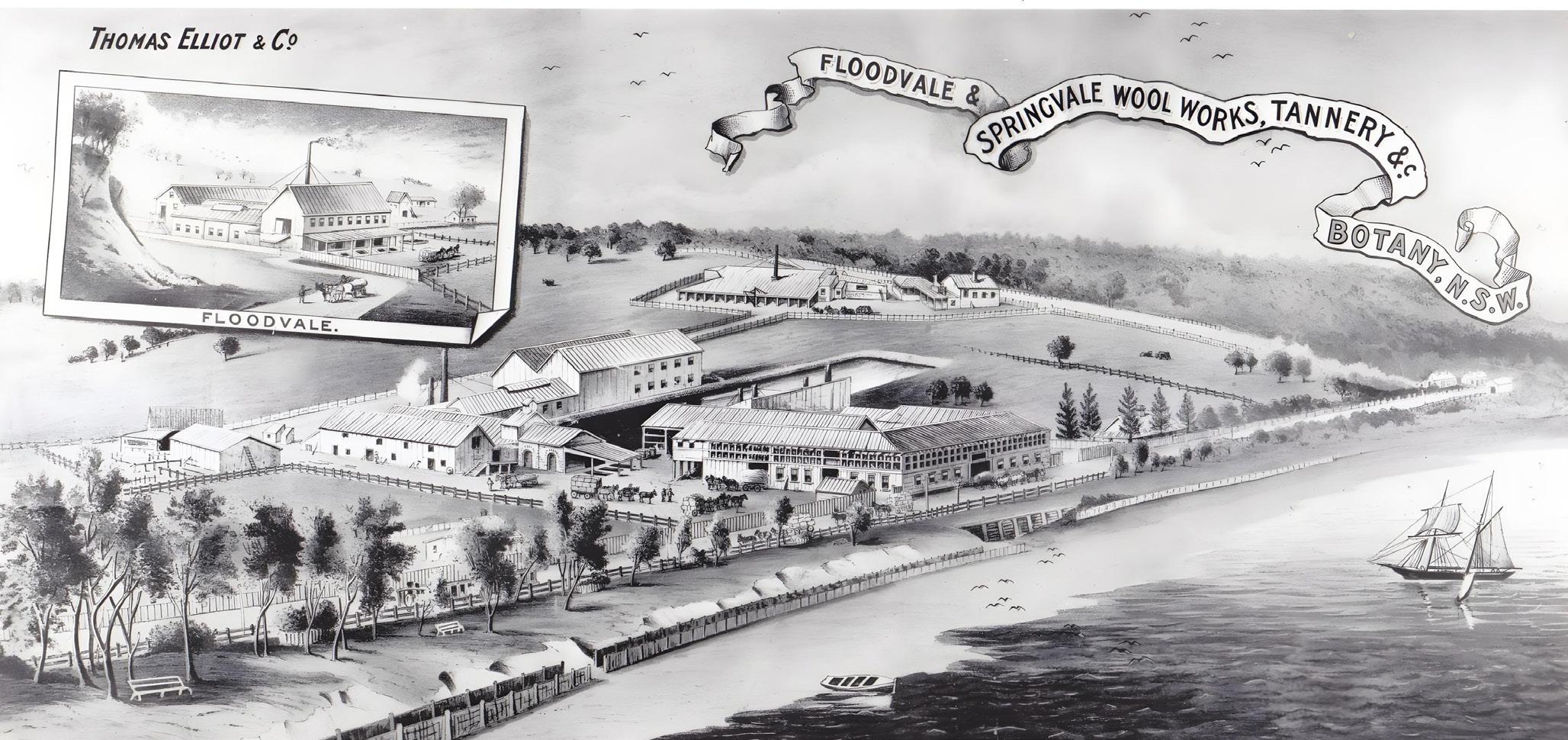
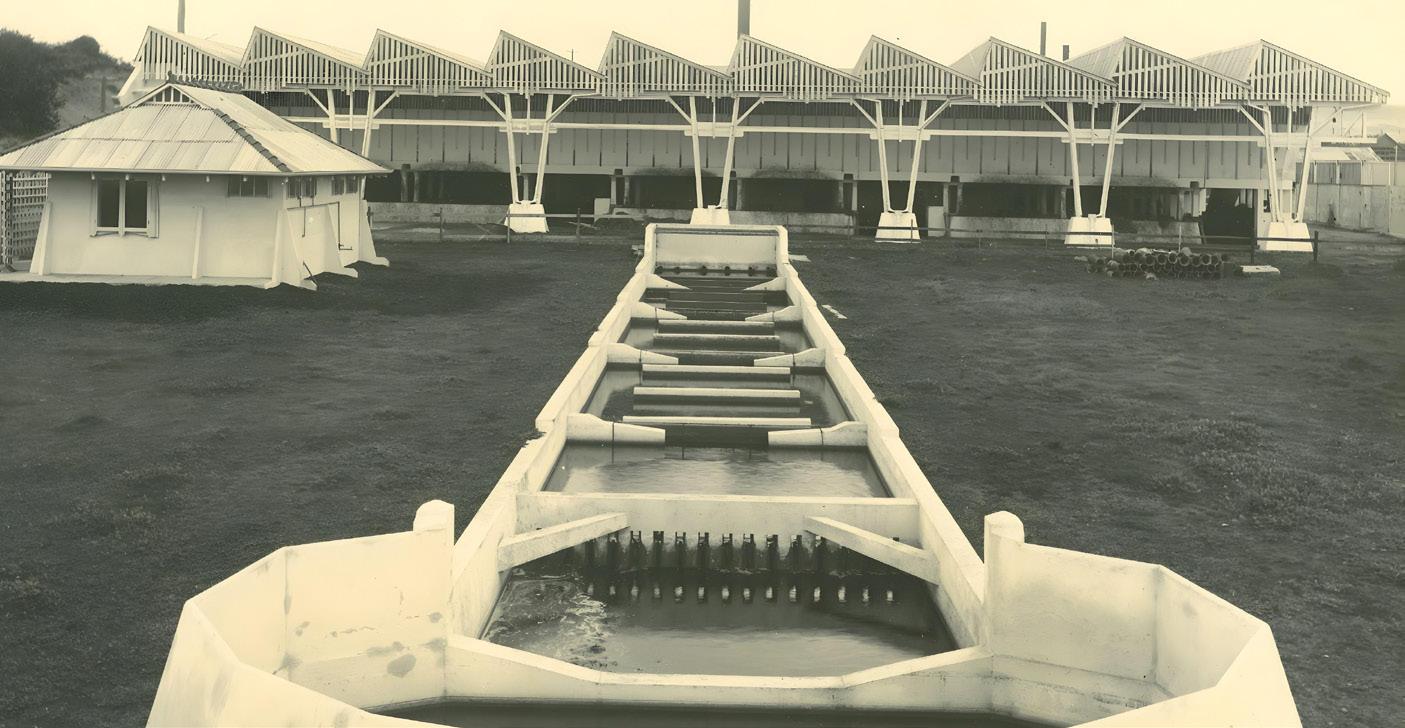
Floodvale and Springvale Woolworths and Tannery Thomas Elliot & Co. Floodvale Archives. Bayside Libraries Local History Collection
Thomas Elliot and Company (Springvale and Floodvale)
In the Jubilee History Jervis states that “The founders of the firm of Thomas Elliot & Company Ltd., as the concern was earlier styled, were Mr. Thomas Elliot, Mr. Walsh and Mr. Rennie. The first load of sheepskins arrived at the Springvale Yard and tannery on New Year’s Day, 1886, and the team was driven by Mr. Alfred Ralph.......Shortly after the name of the firm was changed to Thomas Geddes & Co., but the business reverted to Thomas Elliot & Co. under Mr. Thomas Elliot, who shortly afterwards took over the Floodvale works from Mr. Edward Flood.
Eventually the concern was acquired by financial interests represented by Mr. David Fell and under the name of Thomas Elliot & Co. Ltd., they carried on the business for many years until the works were leased to T. A. Field & Co. Ltd.
The works have been continuously carried on for over half a century; during that period Mr. James Bradley, the General Manager, has seen service of 33 years and Mr. George Hanna, now Works Manager, 47 years.
When working full time, the works give employment to between 150 and 200 men.” (Page 374).
The Works Manager, Mr George Hanna, was in fact my grandfather, Robert George Hanna, 1872-1944. He was known as George to most, and the “Old Cook” to his work colleagues.
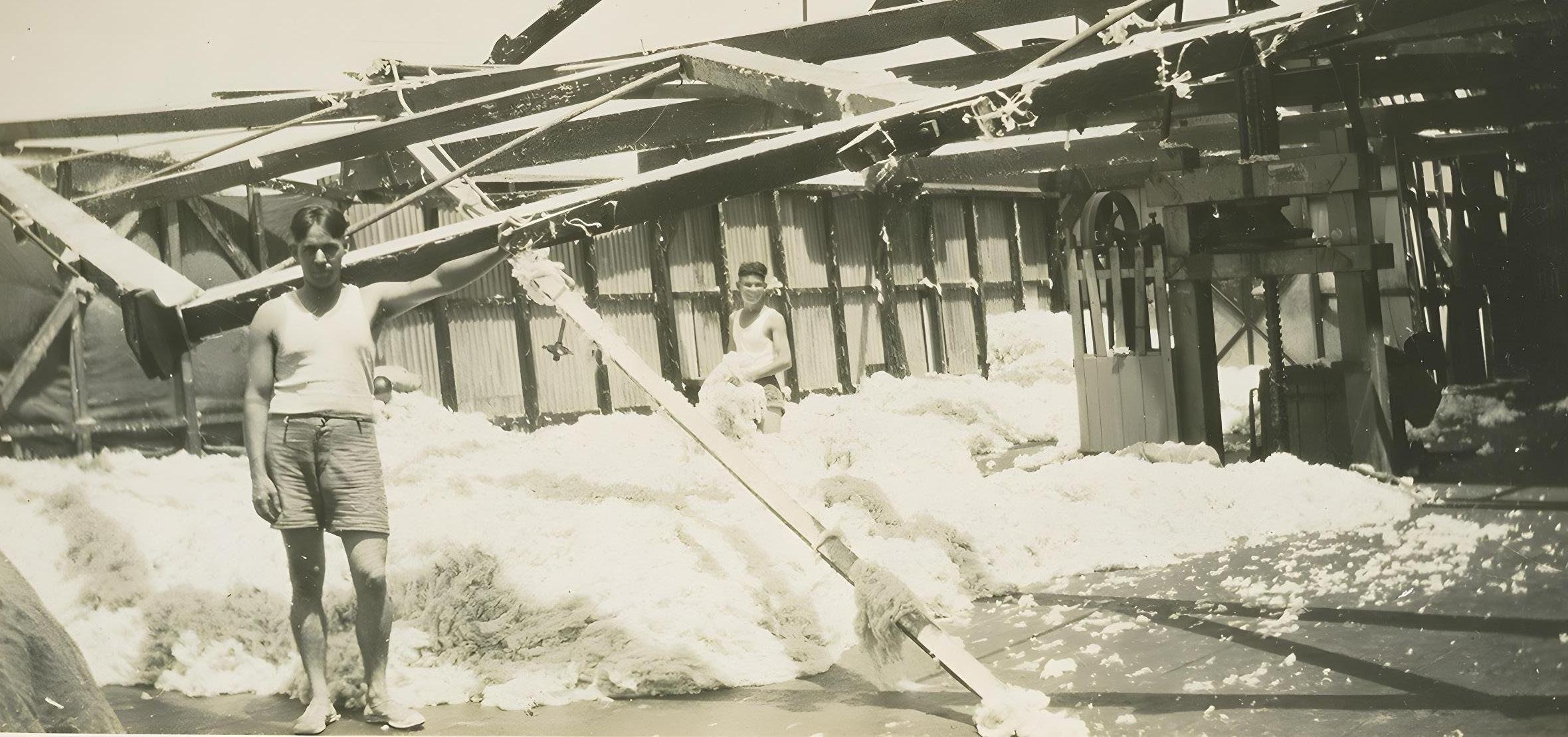
A devastating cyclone did substantial destruction in Botany on 25 January 1937, as well as causing a small number of deaths. Jervis records in the 1938 History that “Elliott’s tannery (sic) at Cook Street near Exell Street was severely damaged and about one-half of the structure was wrecked.” (Page 287 ). I understand that Cook Street was renamed McPherson Street in the 1960s.
There are photographs taken at the time recording this damage, and are in our family’s possession. They will be made available for use with this narrative.
Blown off roof. Floodvale Archives. Donated by Robert Hanna 2011. Bayside Libraries Local History Collection
The Scouring Process at Floodvale
As mentioned above, my grandfather Robert George Hanna was Works Manager at Floodvale. My father told me he was Works Manager from 1911 to 1939 He was recalled from retirement during the Second World War (1939-1945) to again manage the Floodvale works so that younger men could be released for war service.
My father, George Robert Hanna, was also employed at Floodvale for a short period during the 1930s. My late father told me that Floodvale was the wool scouring and fellmongering plant of Thomas Elliot and Co., while Springvale was the tannery.
My grandfather was a fellmonger by trade when he commenced employment. According to my father, my grandfather made his livelihood in the wool industry possibly because of his early association with his grandfather, William Dean, a wool classer who lived in Botany in the 1880s.
Fellmongering is the process where wool is removed from the pelt of a dead sheep by treatment with chemicals. Wool scouring is process where the wool is then cleaned and freed from dirt and other foreign matters. To remove the dirt and other unwanted matters in the wool, the wool is immersed in a mixture of hot water and detergent or soap and then passed through a number scour lines, which are bowls through which the wool is passed by the use of rake and then squeezed when they have reached the other end of the bowls.
The Bureau of Agricultural Economics, Canberra, in Occasional Paper No.34, AGPS, 1976, describes the scouring process as follows:
“Scouring and carbonising are the first stages of greasy wool processing and 'are designed to prepare clean wool fibres suitable for subsequent manufacture. Scouring removes grease, suint (the natural grease of the wool, consisting of a mixture of fatty matter and potassium salts, used as a source of potash and in the preparation of ointments) and dirt from wool while carbonising is undertaken subsequent to scouring, if necessary, to remove vegetable matter that is not removed in the scouring process. All raw wool contains grease and suint and thus requires scouring, but only a minority of wool contains sufficient levels of vegetable matter (e.g. burr and seed) to also require carbonising.
The usual method of scouring is to pass greasy wool through a series of bowls containing a hot solution of water and non-ionic detergent, to rinse it clean and finally dry it in an oven. Scouring bowls vary in size but typically range from 3 to 6 feet wide. Commonly there are four bowls in a scouring chain and the wool is propelled through them by a series of rakes and intervening squeeze rollers. Water in the bowls is typically kept at between 48° to 54°C.
Scouring chain. Floodvale Archives. Donated by Robert Hanna 2011. Bayside Libraries Local History Collection.
In the past, soap and alkali were the main scouring agents but non-ionic detergent is now preferred because of greater scouring efficiency and lesser problems with effluent treatment. Typically, detergent is added to the first and second bowls of the chain; actual detergent requirements depend on the amount of dirt and grease in the wool. After the wool has passed through the final or rinse bowls of the chain it is dried in a hot oven.
Traditional scouring practice is to empty scour bowls every 7 to 8 hours, but this is giving way to the use of the counter-current system. With this method clean water is constantly running into the bowls at the rinse end of the train and overflowing back towards the first bowls. In this way continuous production can be maintained three shifts a day.
A major concern in scouring today is effluent disposal. In Australia used scour liquors are commonly passed through a centrifugal grease extraction unit. In this method the lanolin is recovered, the scour liquor recycled to the initial scour bowl and the effluent discharged into the sewers after preliminary settling; a discharge fee is paid to local authorities. Alternatively, effluent may be treated by gravity settling in sludge lagoons. Success is dependent on the area available for the lagoons and the retention time, which is a minimum of 21 days.
After scouring, wool containing a high percentage of vegetable matter is carbonised by immersing it in bowls containing a weak solution of either sulphuric or hydrochloric acid and then passing it through a baking oven.
The baking and acid char the vegetable contaminants which are then crushed by passing the wool between heavy rollers.
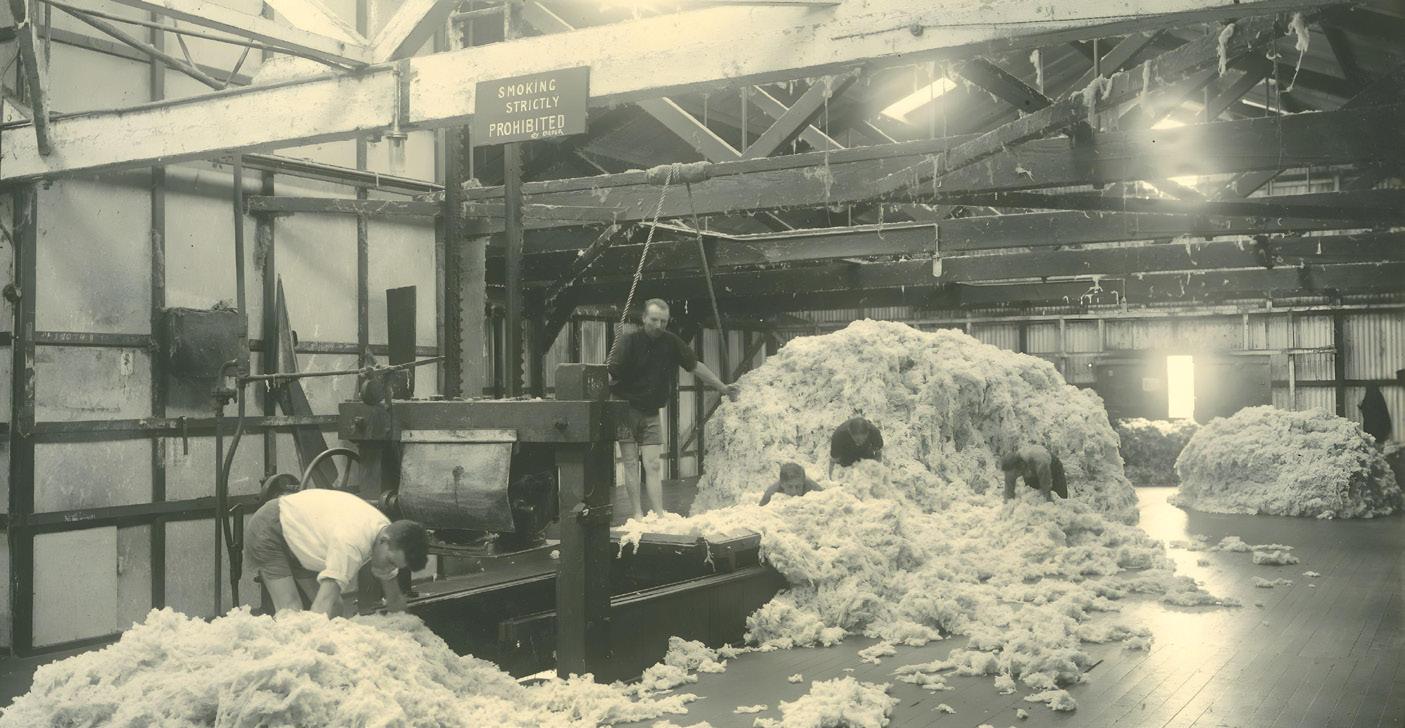
Wool piles. Floodvale Archives. Donated by Robert Hanna 2011. Bayside Libraries Local History Collection.
Finally, the wool is shaken to remove the vegetable dust, neutralised and dried. Fibre loss through carbonising can be as high as 20% but is generally much less than this.”
The penultimate paragraph above describes the effluent disposal process. My recollection is that effluent from both Floodvale and Springvale went into natural springs or creeks that drained into Botany Bay, and undoubtedly contributed to pollution in and around the Bay at that time. This ceased when the operations of both plants ceased.
My father described the fellmongering and scouring process used at Floodvale as follows:
“Sheepskins were put into a number of ‘soaks’, and then transferred to steam (and later electric) driven burring machines. These were like rollers that pressed and mangled the skins. After that they were transferred to sweathouses (concrete and hardwood beams) where the wool was ‘pulled’ or separated from the skins or hides. The skins were then salted, pickled and dried, and then sent to the Springvale Tannery. The wool was sent on to the scouring process, where it was washed and rolled some four times. Lanolin was sometimes extracted as a by-product. After washing the wool was dried (fed by rollers into drying chambers) and then pressed and baled.”
Alas, both Floodvale and Springvale are now a part of Botany’s history and heritage. On the site of these erstwhile establishments are modern container storage depots servicing the Port Botany Container Port which hopefully one day will also be part of Botany’s history.
Robert Hanna President, Botany Historical Trust
Libraries 200 years nsw
Over 100 years in Botany
The State Library has been a place of curiosity for 200 years. Today, it's also a place of joy and discovery, offering essential services, extraordinary collections and magical experiences for all ages. The State Library is encouraging people to share their experience and stories of libraries that have made a difference to them.
shareyourstory.sl.nsw.gov.au
We at Bayside Council have had libraries in the area for many years. Whilst starting out with smaller lending libraries and literary institutes, we have grown into an area where libraries and the contents are accessible for everyone, with expanding use.
The former City of Botany Bay has had library branches in Mascot, Botany, and Eastgardens over the years.
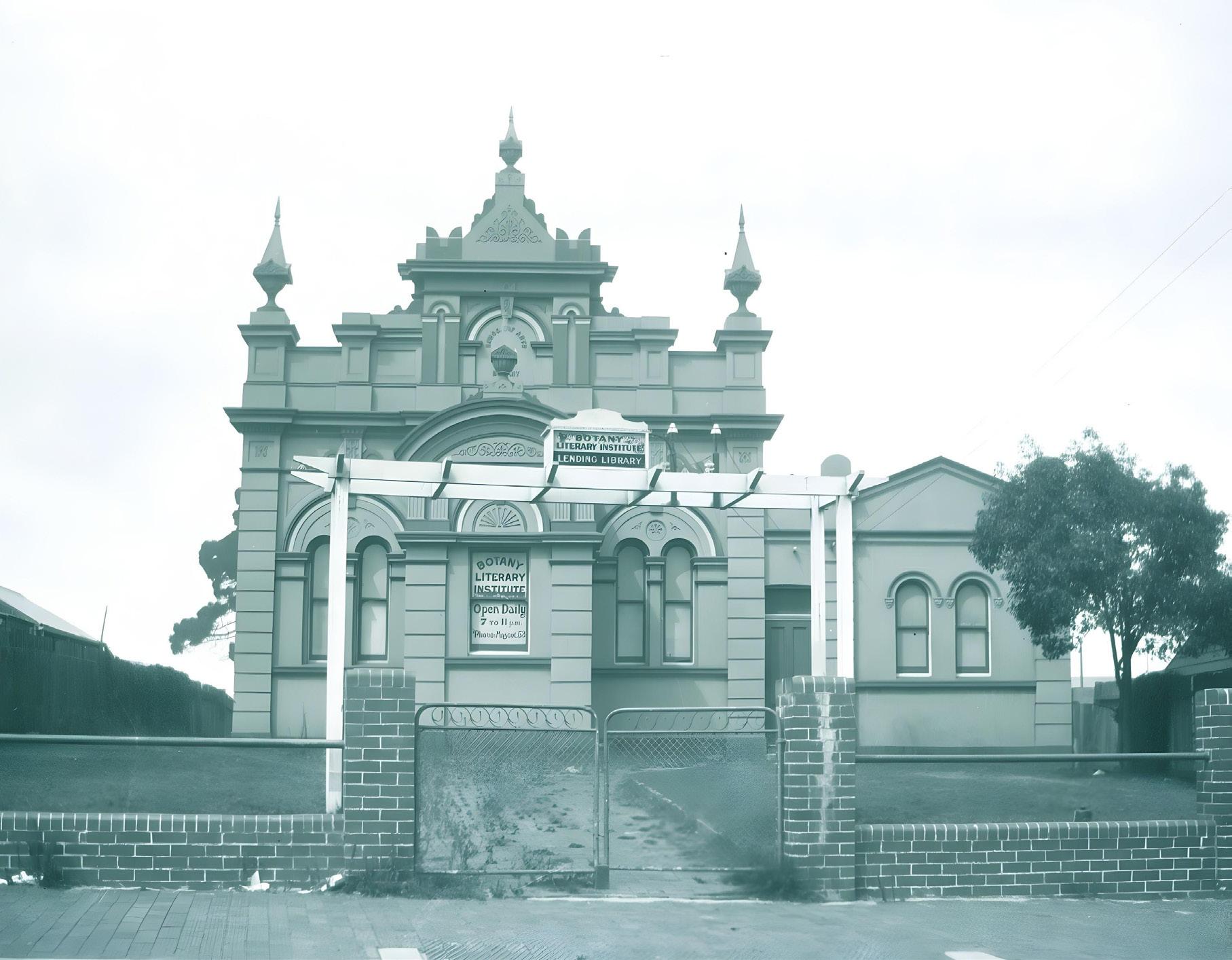
The earliest library was the Botany Lending Library at what was the Botany Literary Institute in the late 1800s, followed by the Botany Library which opened in the 1890s at the Town Hall. The North Botany Public Library opened in 1892
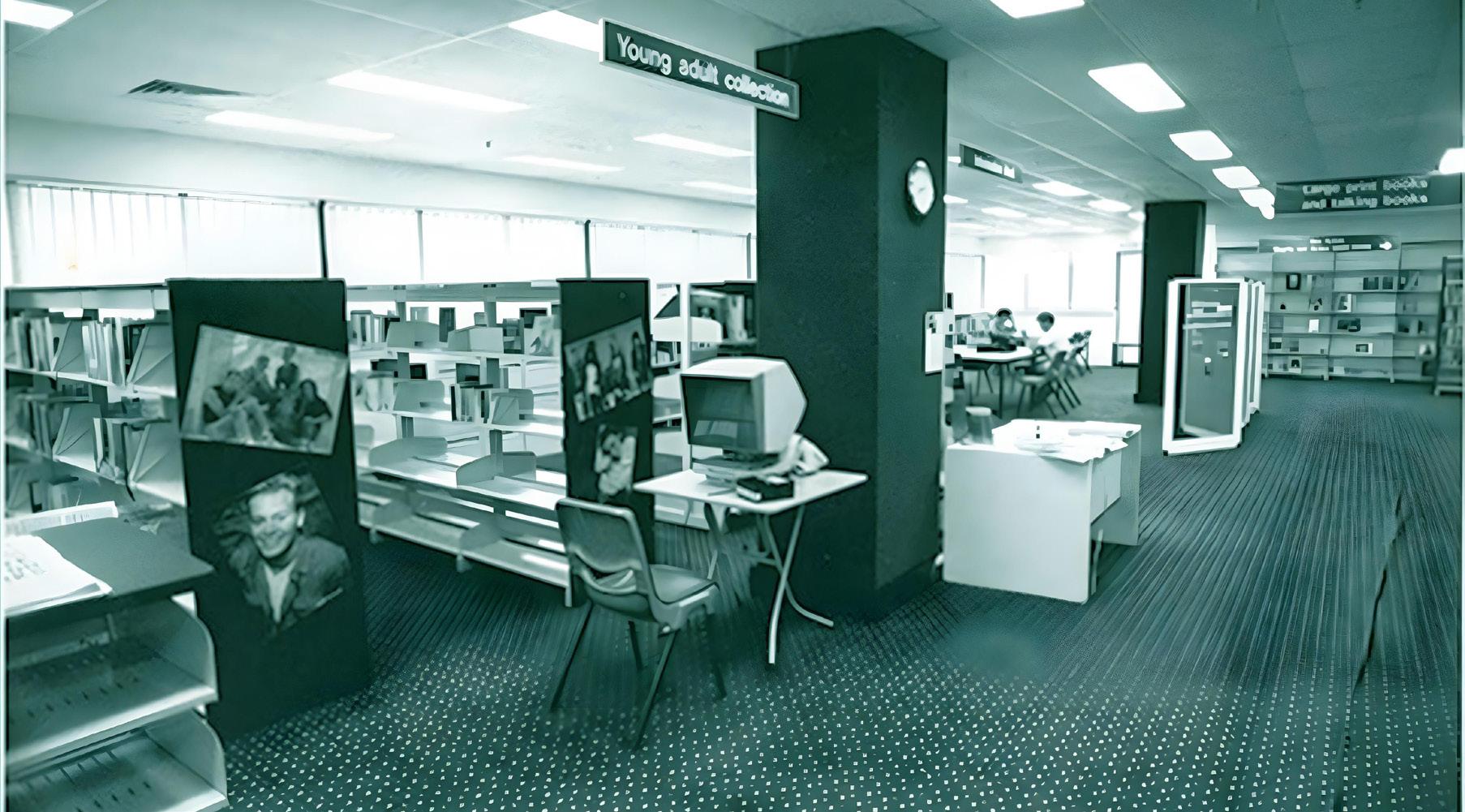
Eastgardens began as the Pagewood Library, in the Westfield Shoppingtown Eastgardens in the 1980s.
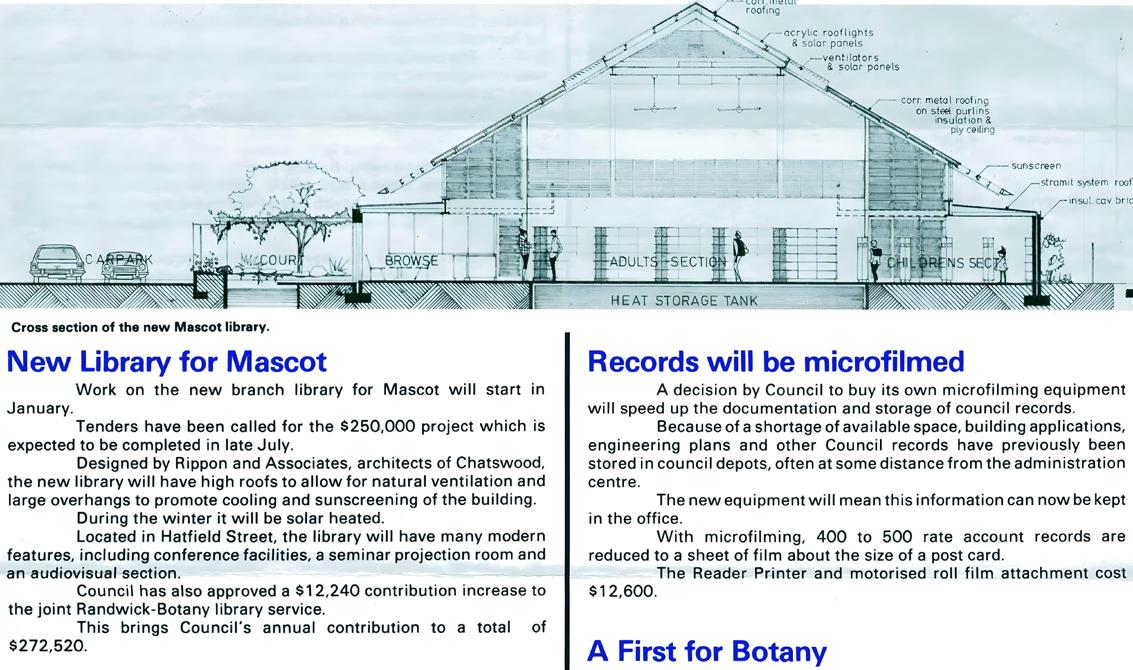
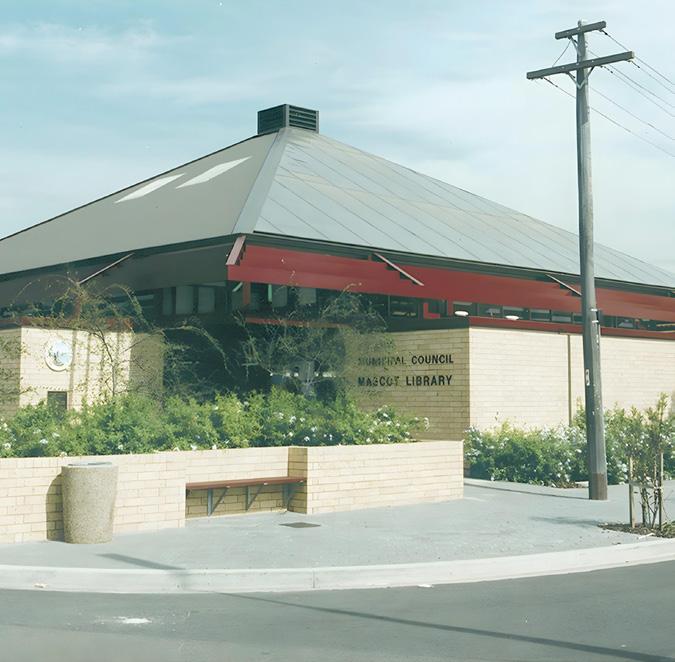
Following Botany Library at Town Hall, the Mascot Library was planned and built on Hatfield Street in the 1980s, officially opening in 1983. There had been a branch in Mascot since 1976, but its previous locations included the Council Chambers and Mascot Town Hall which were cramped and inaccessible. The purpose-built library was to replace the older one in the Botany Town Hall, and the building won an excellence in Library Design Award in 1984
Eastgardens Library was refurbished in 2017-2018, and Mascot Library also had some improvements done following the amalgamation of the councils in 2016.
Celia Piper, Local History Librarian
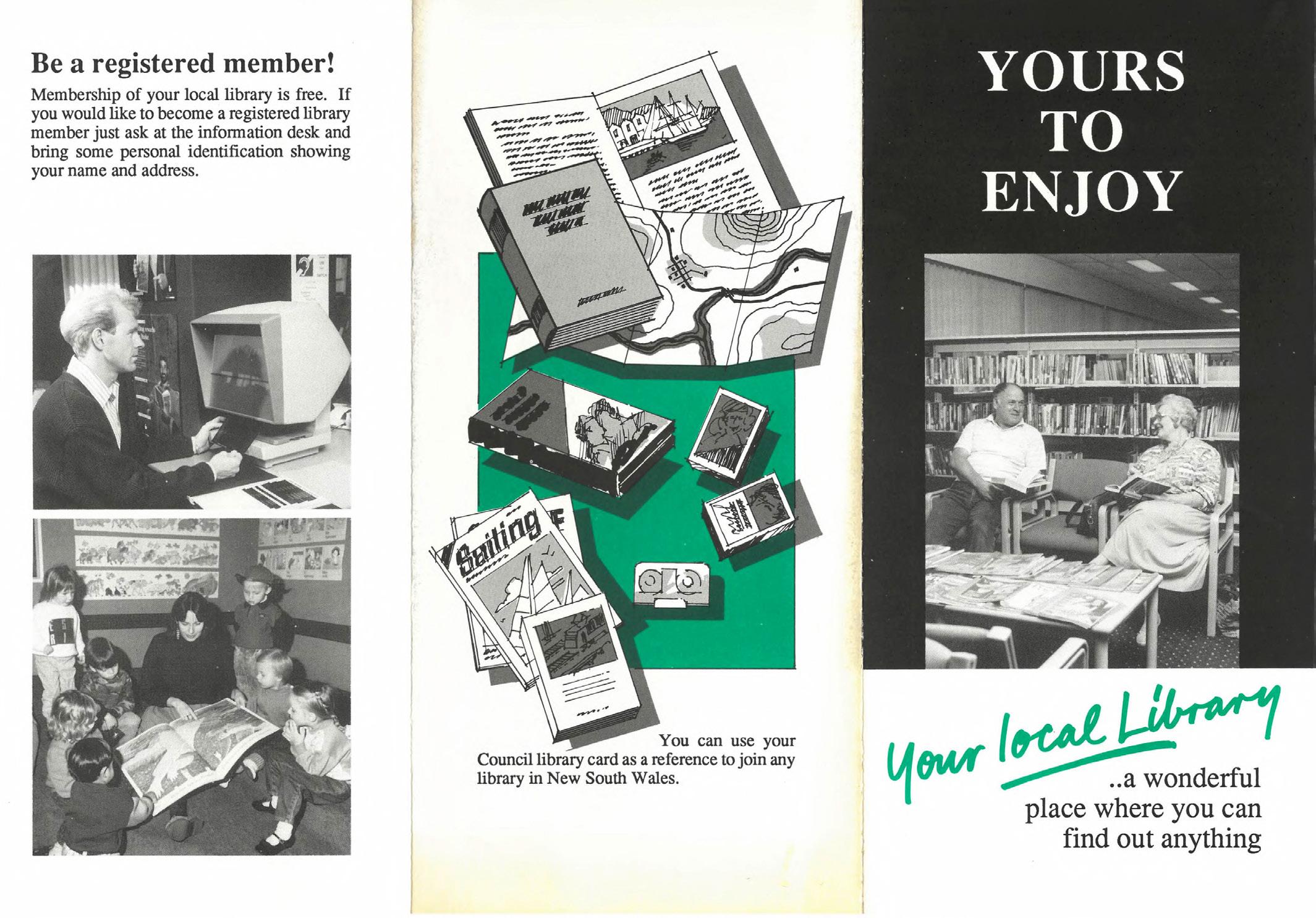
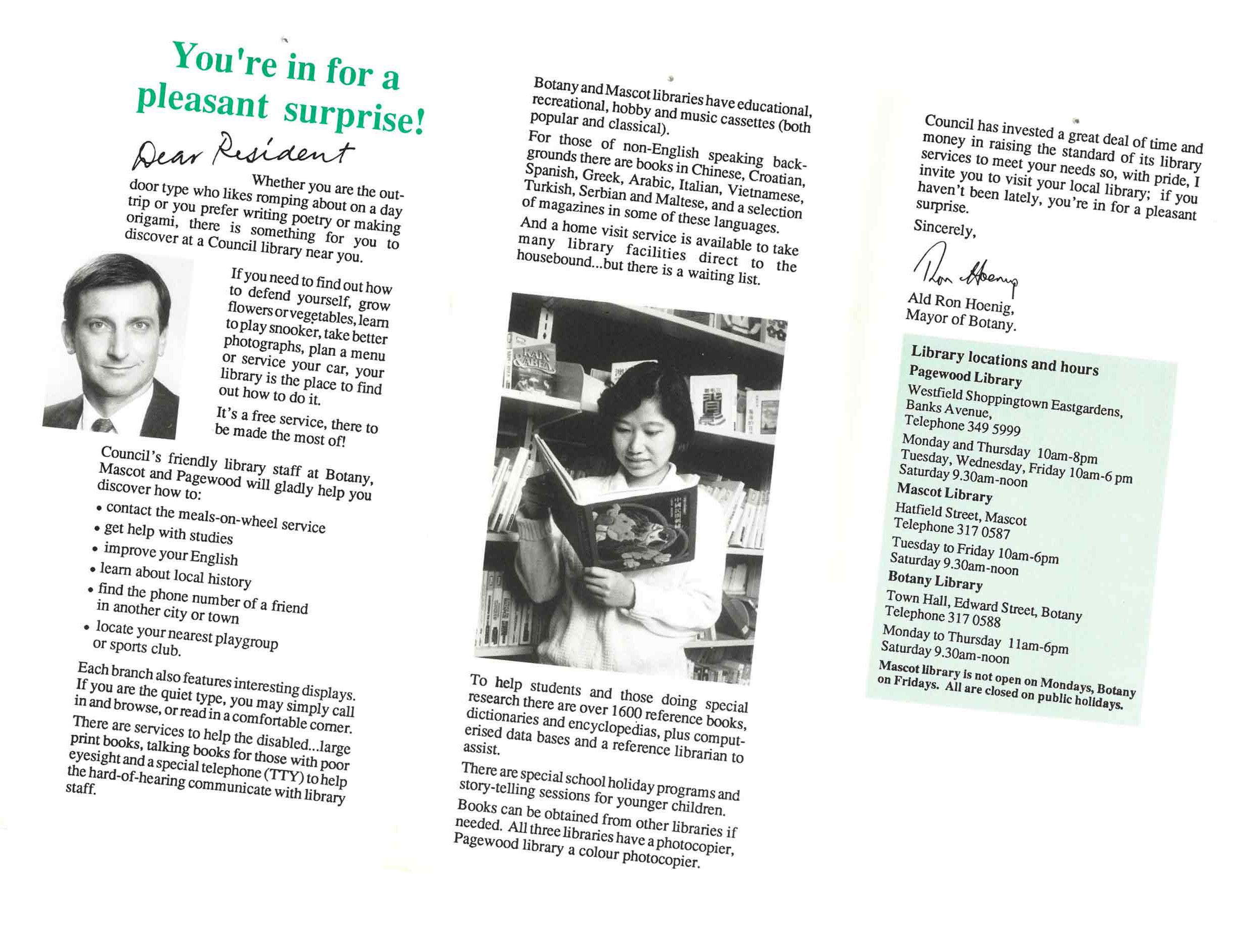
Botany Library Services brochure c.1980s.
Bayside Libraries Local History Collection
Botany Literary Institute, Lending Library c. 1900-1930s. Bayside Libraries Local History Collection.
Pagewood Eastgardens Libraries Internal c.1990s. Bayside Libraries Local History Collection.
Mascot Library Horizons Newsletter. Bayside Libraries Local History Collection.
LEFT IMAGE:
RIGHT IMAGE: Mascot Library and Museum
Heritage Strategy
In a meeting on 25 March 2026 Council endorsed the draft Heritage Strategy for community consultation.
More information will soon be published on Council’s Have Your Say page so please keep an eye out for it if you would like to get involved:
haveyoursay.bayside.nsw.gov.au
Mascot
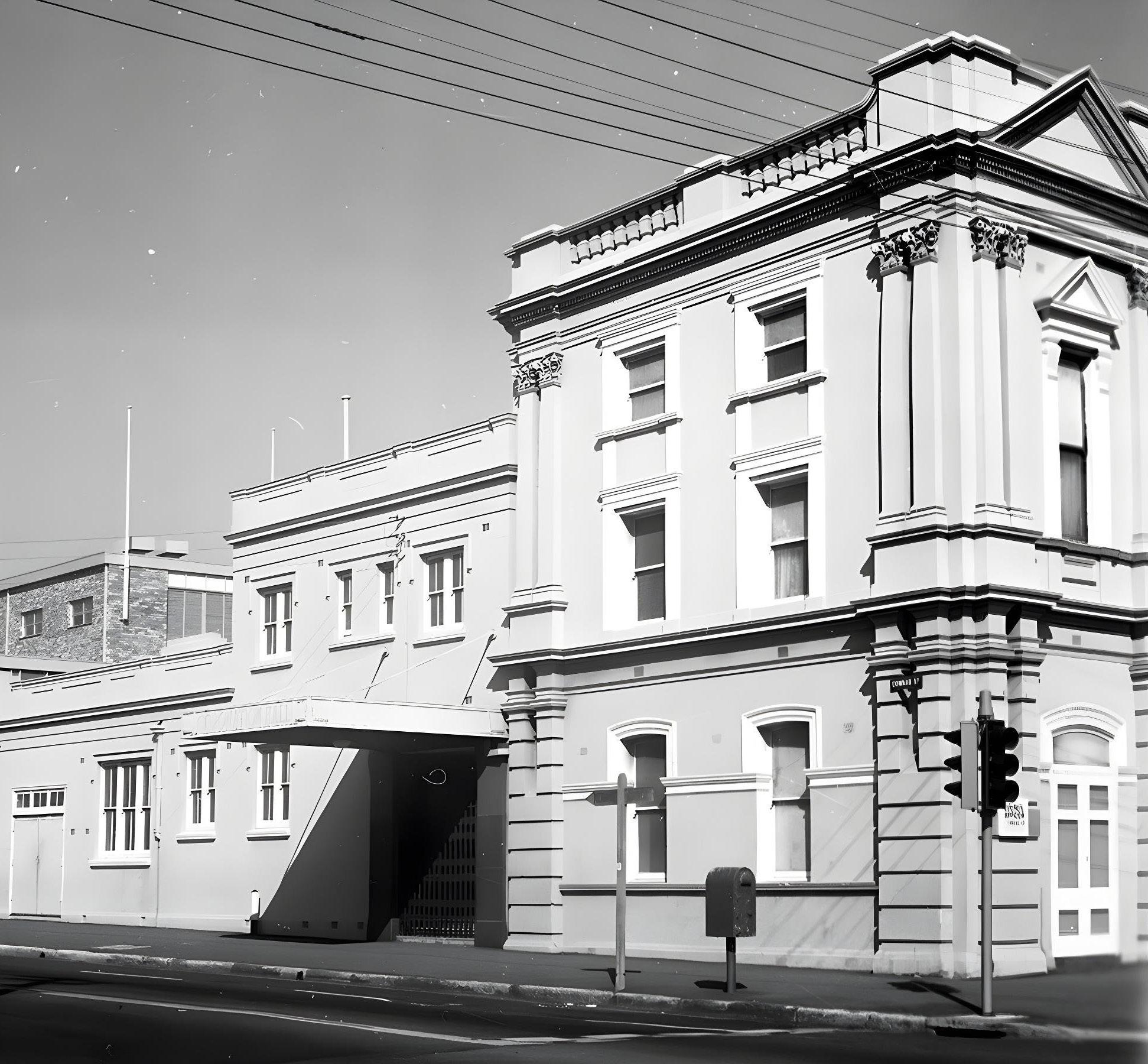
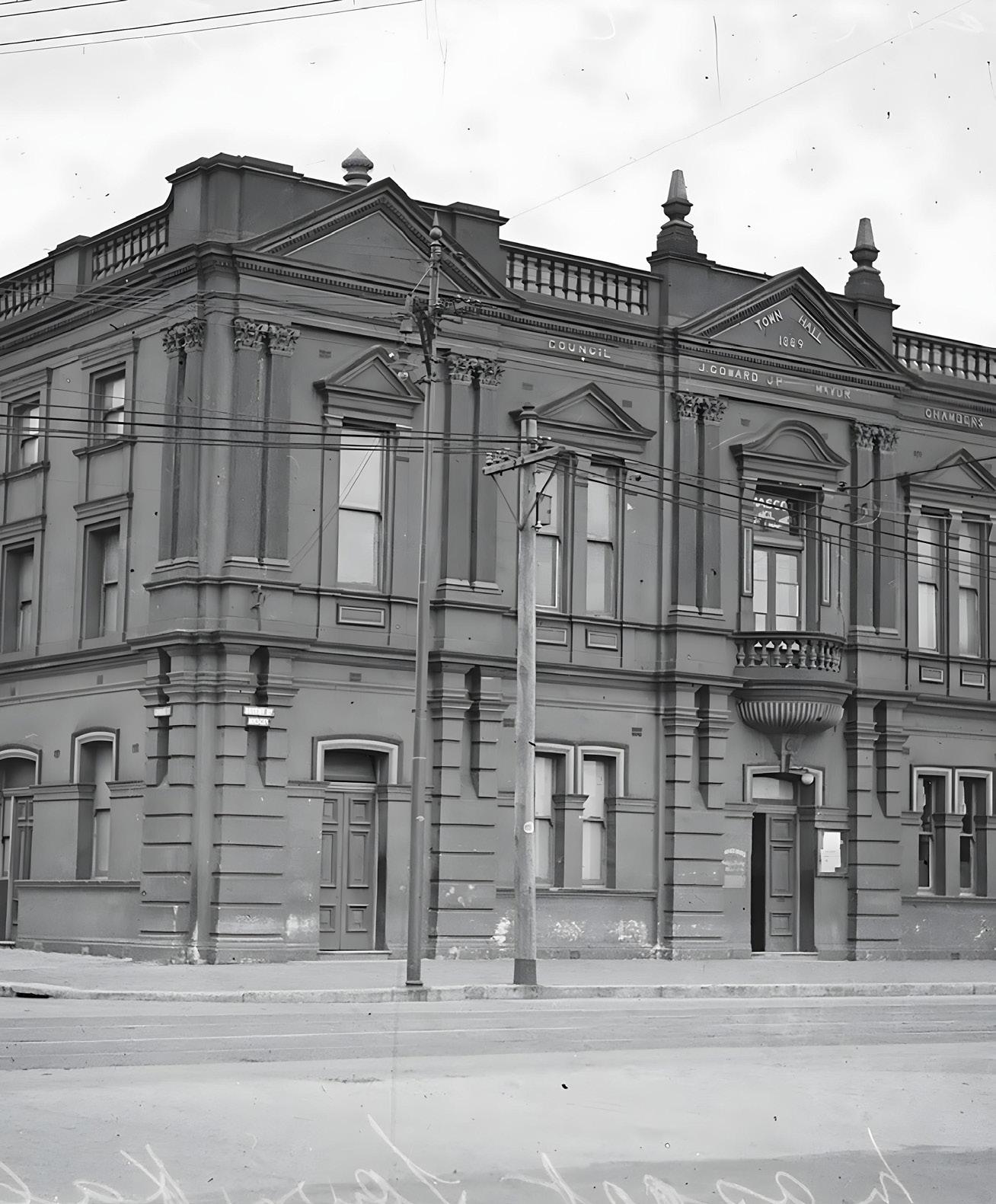
Town Hall and Coronation Hall
Council has also commenced a Heritage Investigation for Mascot Town Hall and Coronation Hall.
The investigation involves historical research, targeted investigation works, and a heritage assessment to better understand the history, condition and significance of the building complex. This work will help identify any original architectural features that may be uncovered and inform options for potential restoration.
The findings will help guide future planning for the building and a report outlining the investigation outcomes will be presented to Council later this year.
Mascot Town Hall and Council Chambers October 1929. National Library of Australia
Mascot Coronation Hall c.1960s. Bayside Libraries Local History Collection
Australian National University (n.d). Milton Kent: Art in Archives. https://archives.anu.edu.au/exhibitions/art-archives/milton-kent#
Bayside Library. (n.d.). Aerial view of the National Studios at Pagewood looking west, circa 1937 [photograph] https://library.bayside.nsw.gov.au/montage/gallery.aspx?method=50&keyword=r0000115666
Kornits, D., & Kornits, D. (2025, September 7). Forgotten Australian films: Rangle River. FilmInk. https://www.filmink.com.au/forgotten-australian-films-rangle-river/
NEW SYDNEY STUDIOS. - A visit to Pagewood. (1936, January 2). The West Australian (Perth, WA : 1879 - 1954), p. 5. Retrieved March 30, 2026, from http://nla.gov.au/nla.news-article32968516.
National Film and Sound Archive of Australia. (n.d.). NFSA Player | Stream Rangle River. https://player.nfsa.gov.au/film/rangle-river/
Wikipedia contributors. (2025, October 20). Pagewood Studios. In Wikipedia, The Free Encyclopedia. Retrieved March 30, 2026, from https://en.wikipedia.org/w/index.php?title=Pagewood_Studios&oldid=1317815096
Horizons Newsletter 1982 Bayside Council Local History Collection
Horizons Newsletter 1983 09 Bayside Council Local History Collection
Botany Council Library Services Brochure c.1980s Bayside Council Local History Collection
BOTANY MUNICIPAL LIBRARY. (1896, August 17). The Daily Telegraph (Sydney, NSW : 1883 - 1930), p. 6. Retrieved March 31, 2026, from http://nla.gov.au/nla.news-article238592004
OPENING OF THE NORTH BOTANY PUBLIC LIBRARY. (1892, December 3). The Daily Telegraph (Sydney, NSW : 1883 - 1930), p. 5. Retrieved March 31, 2026, from http://nla.gov.au/nla.news-article235966024