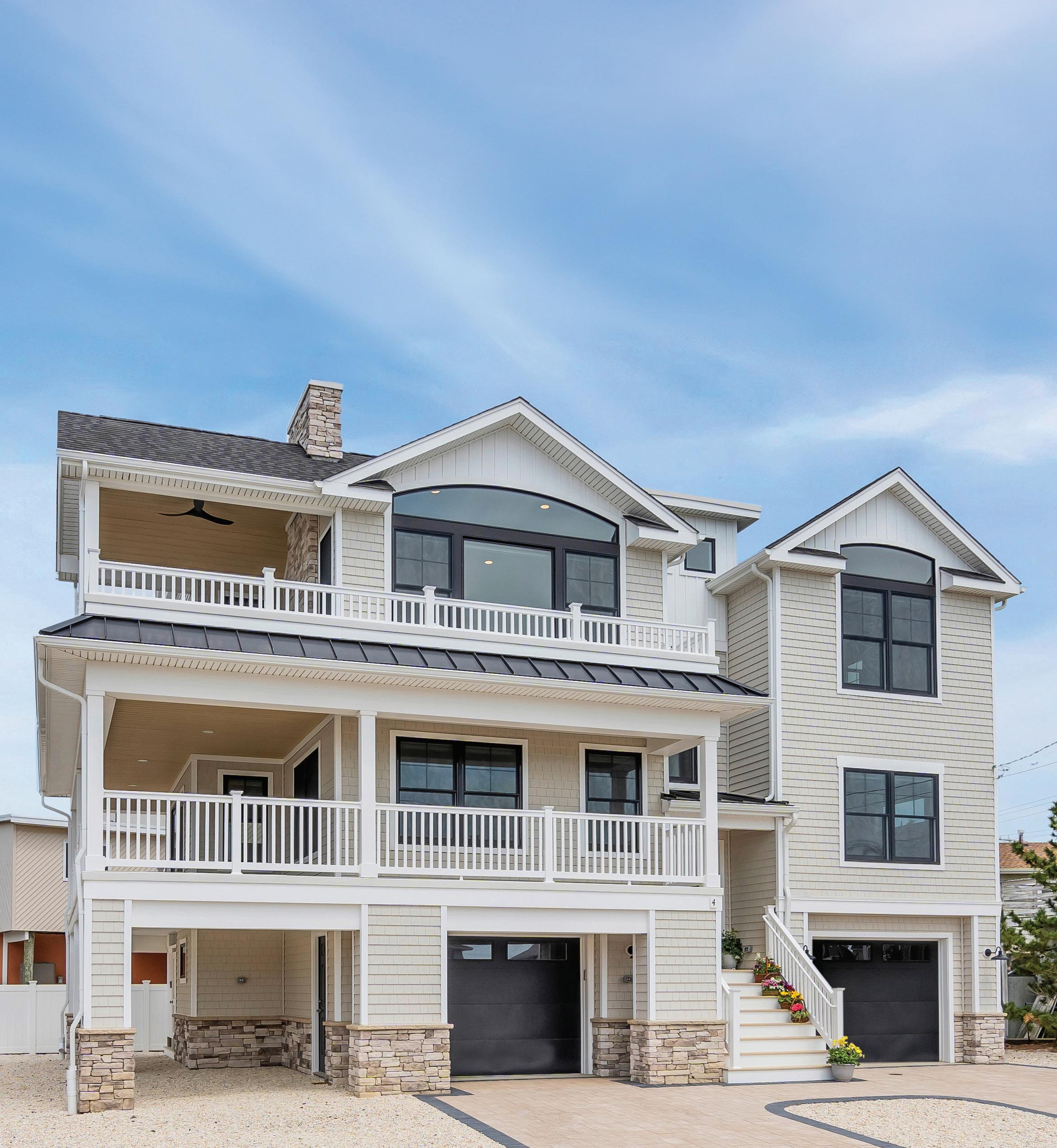
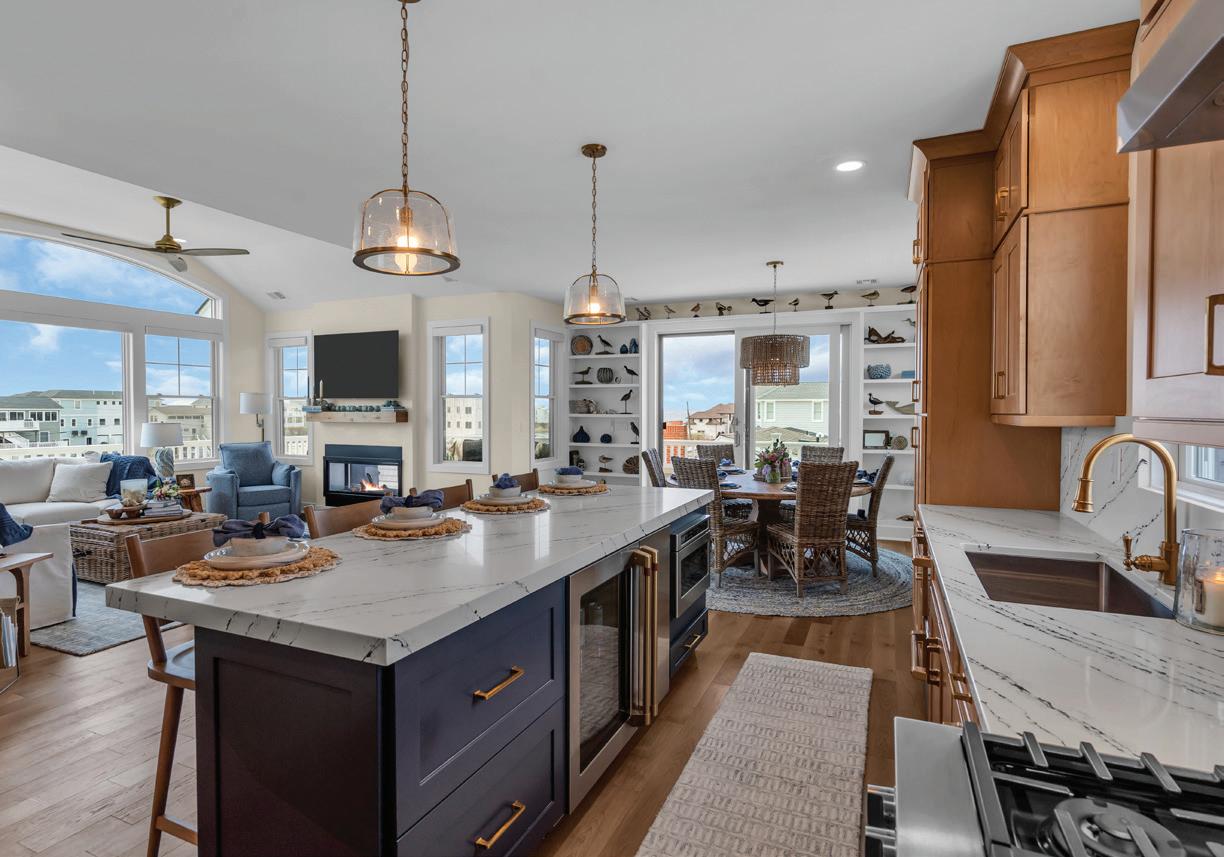
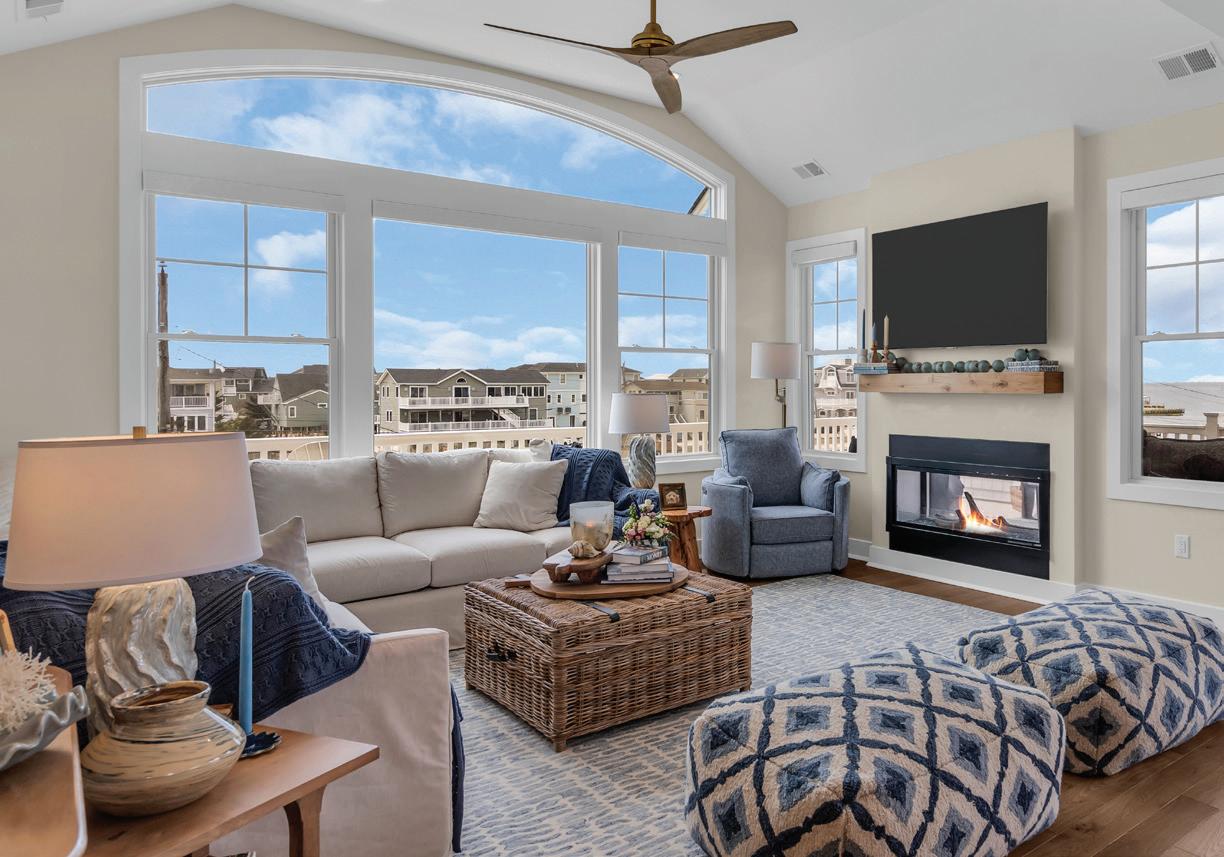
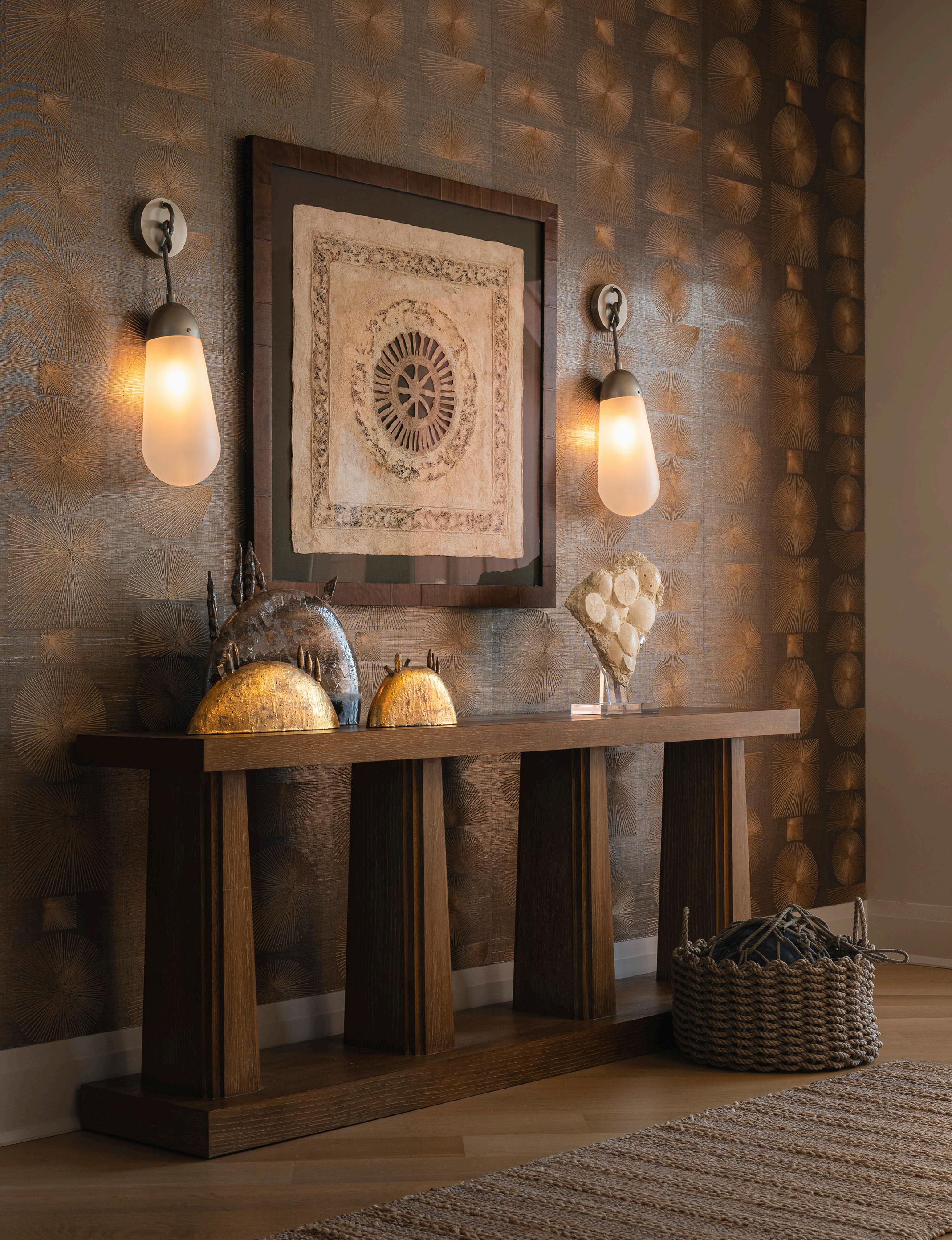
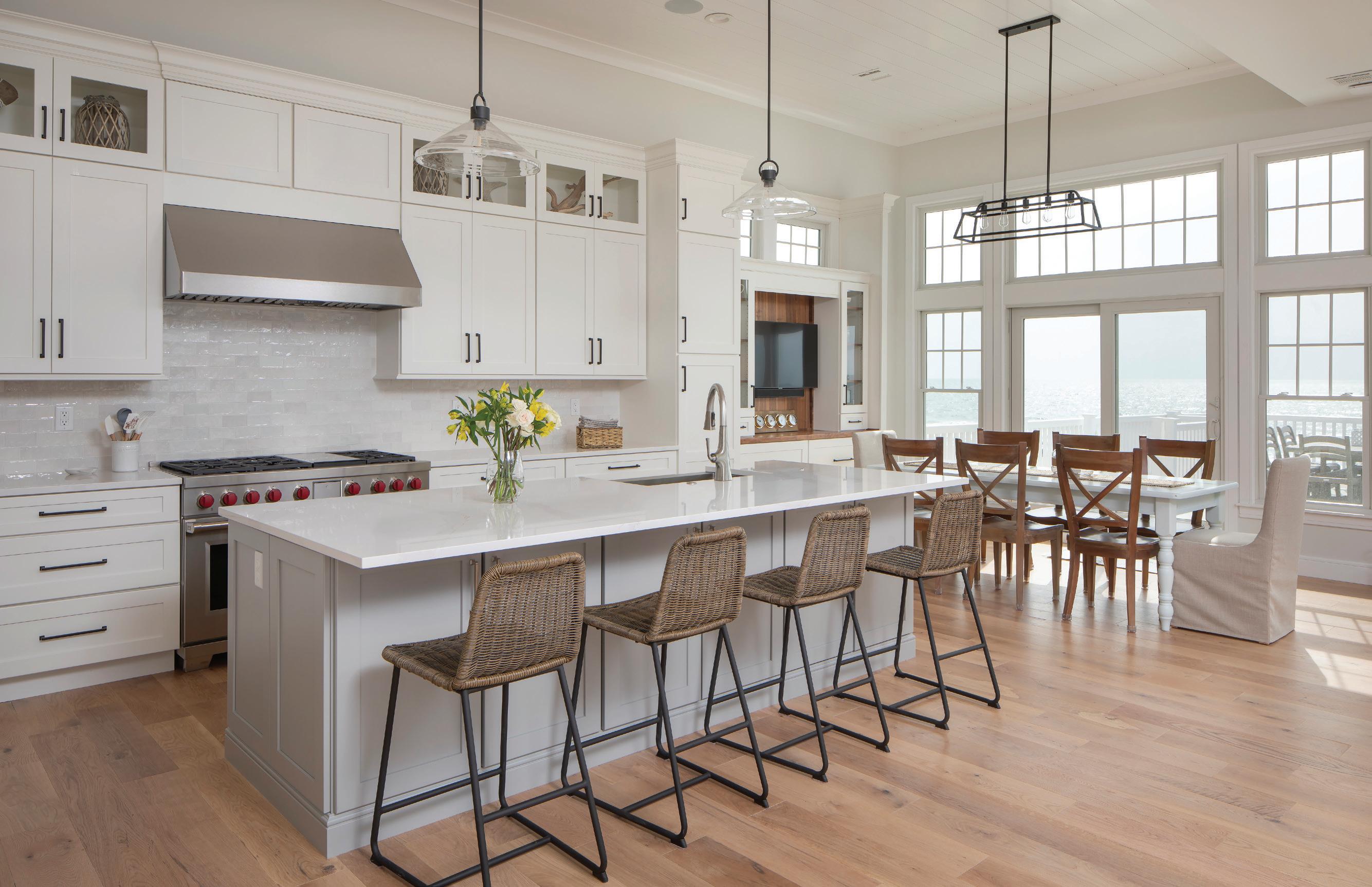
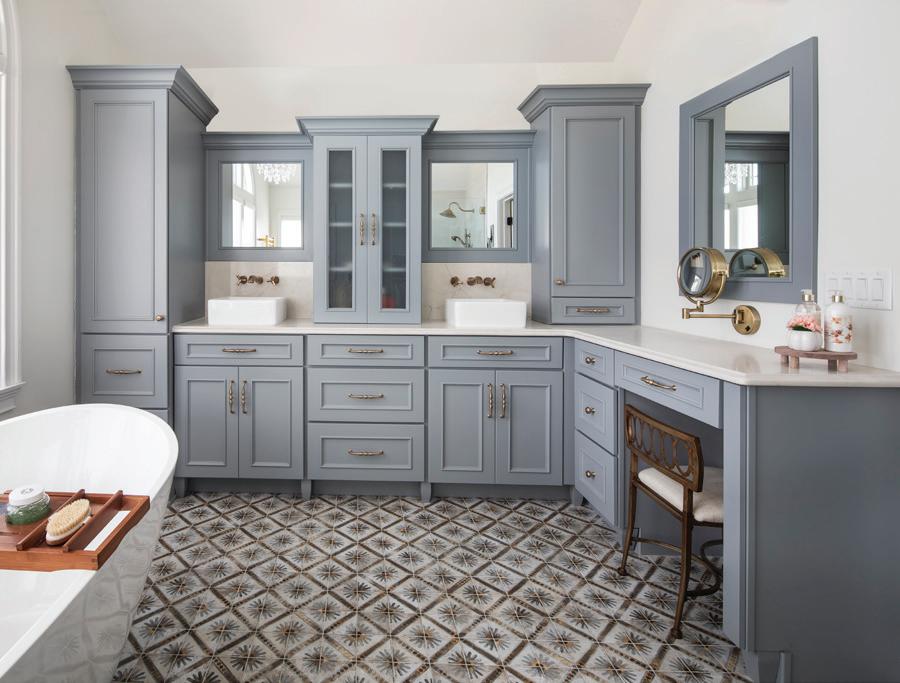
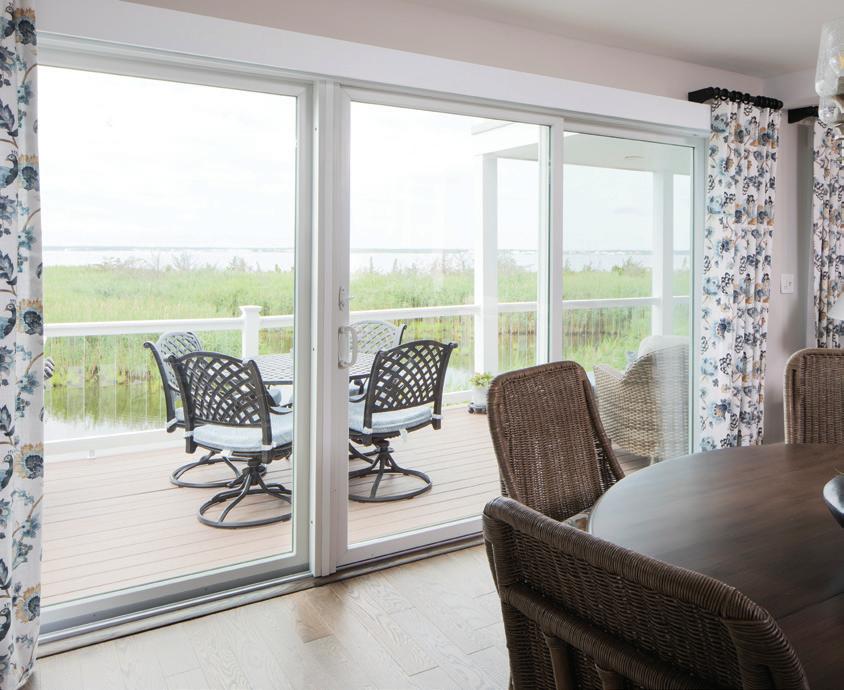
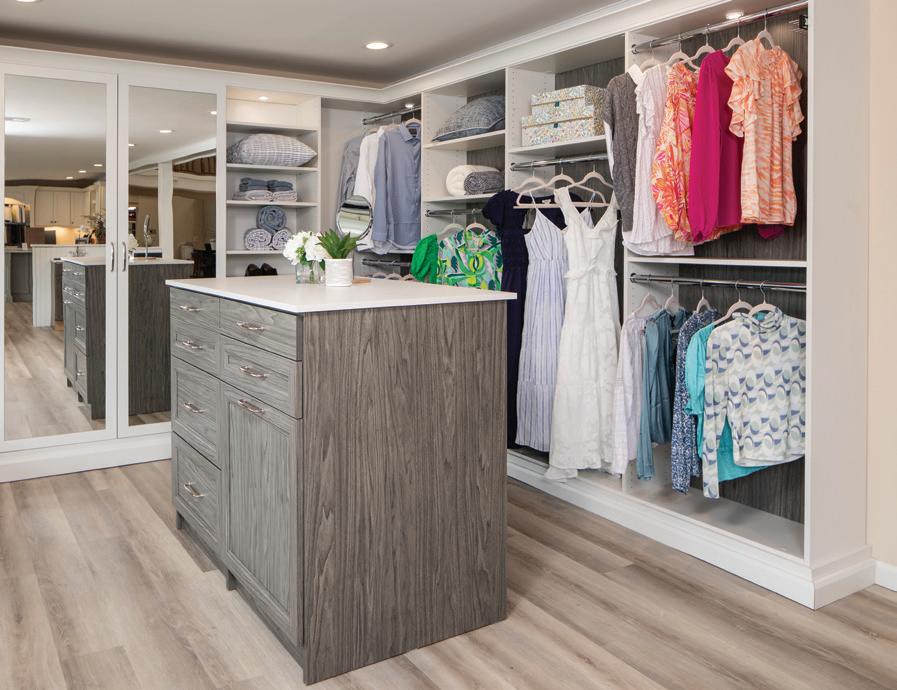
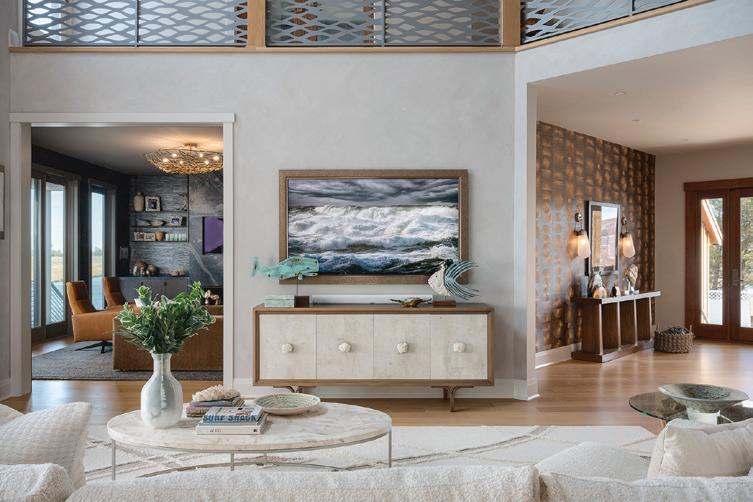
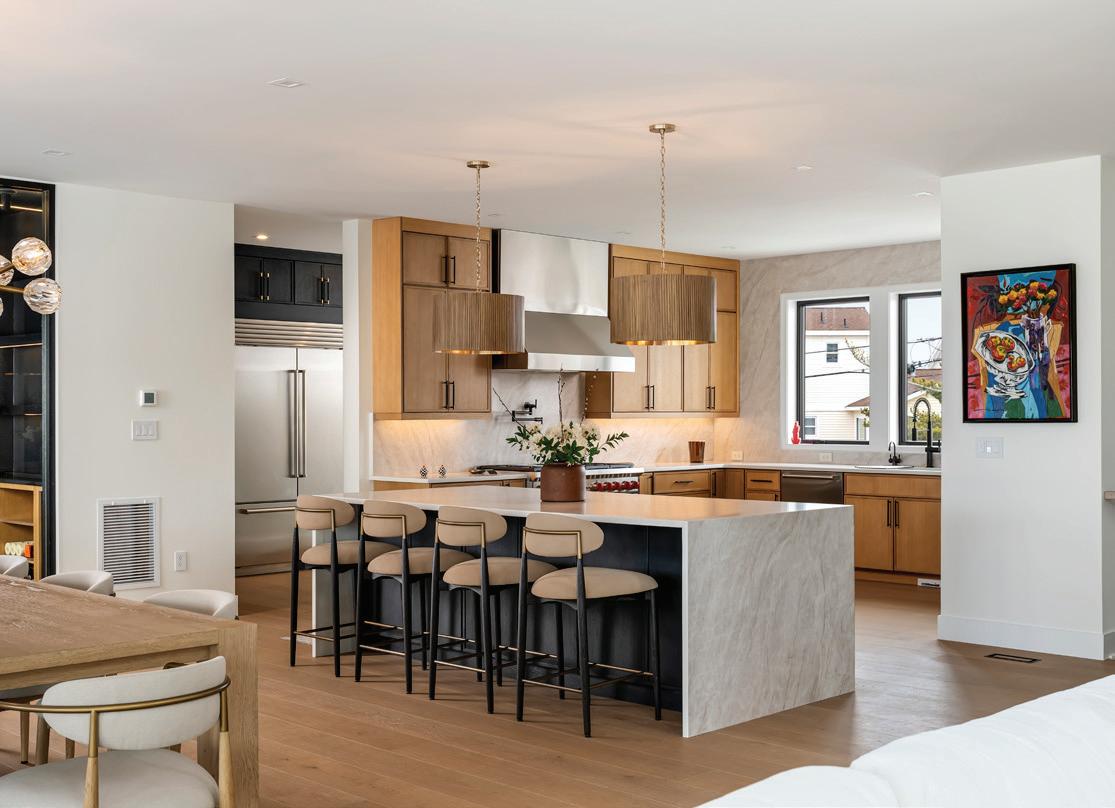
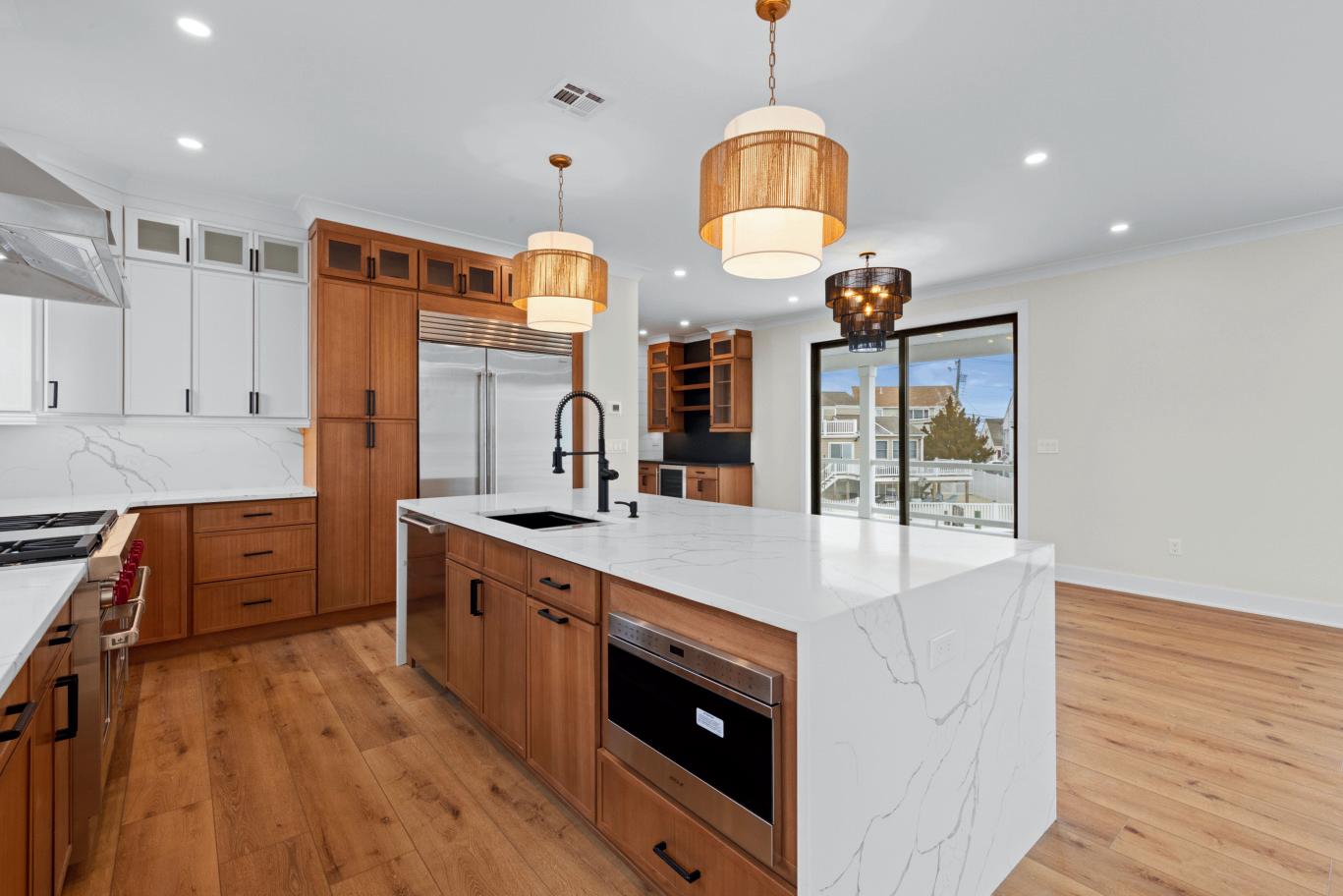
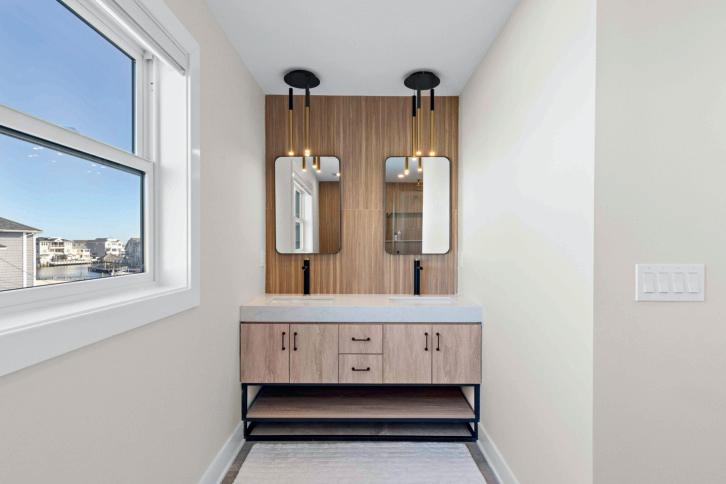
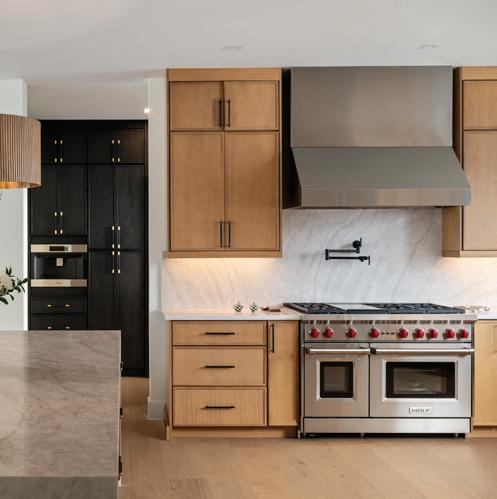
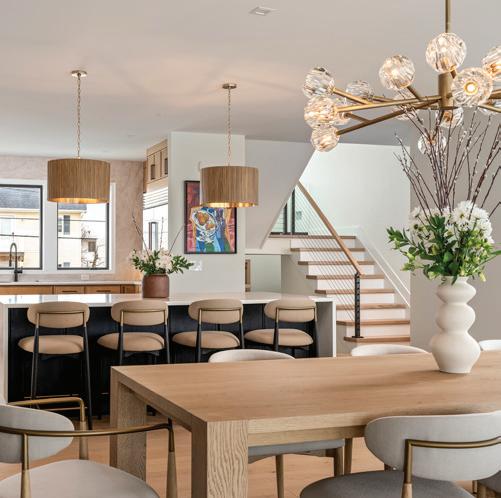
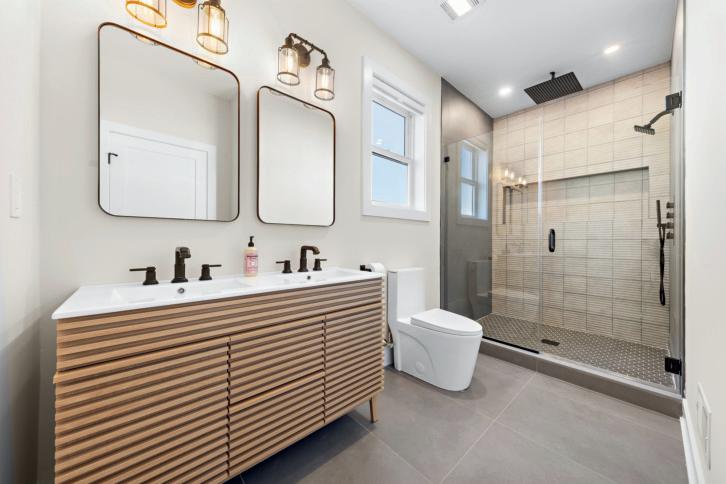
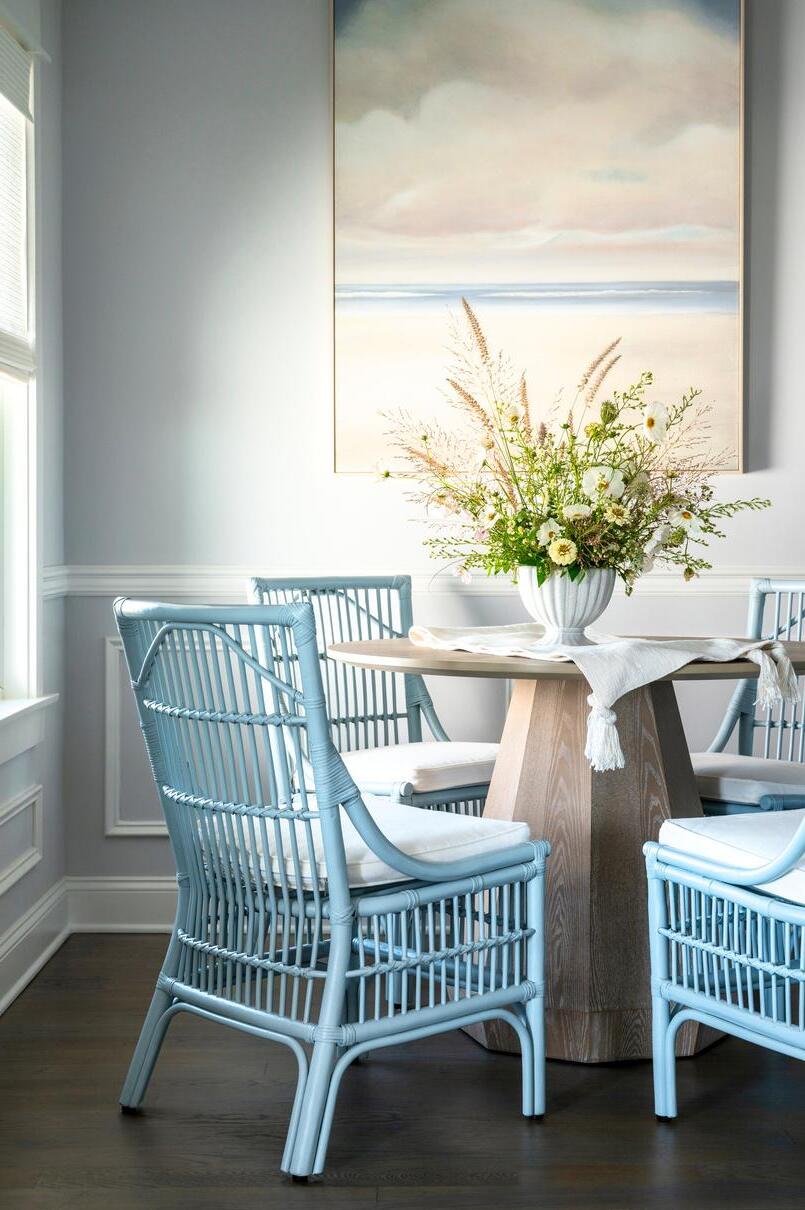
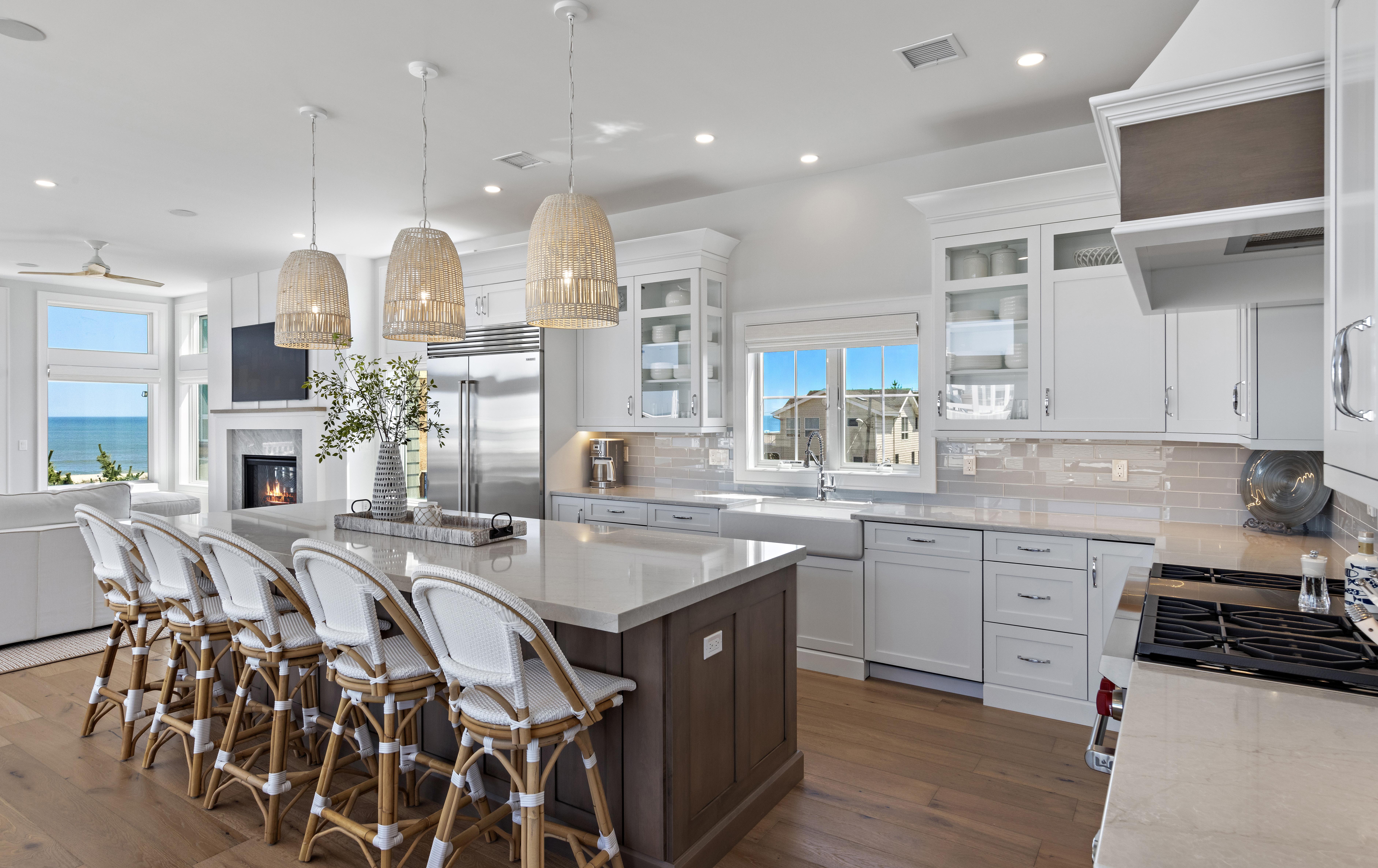
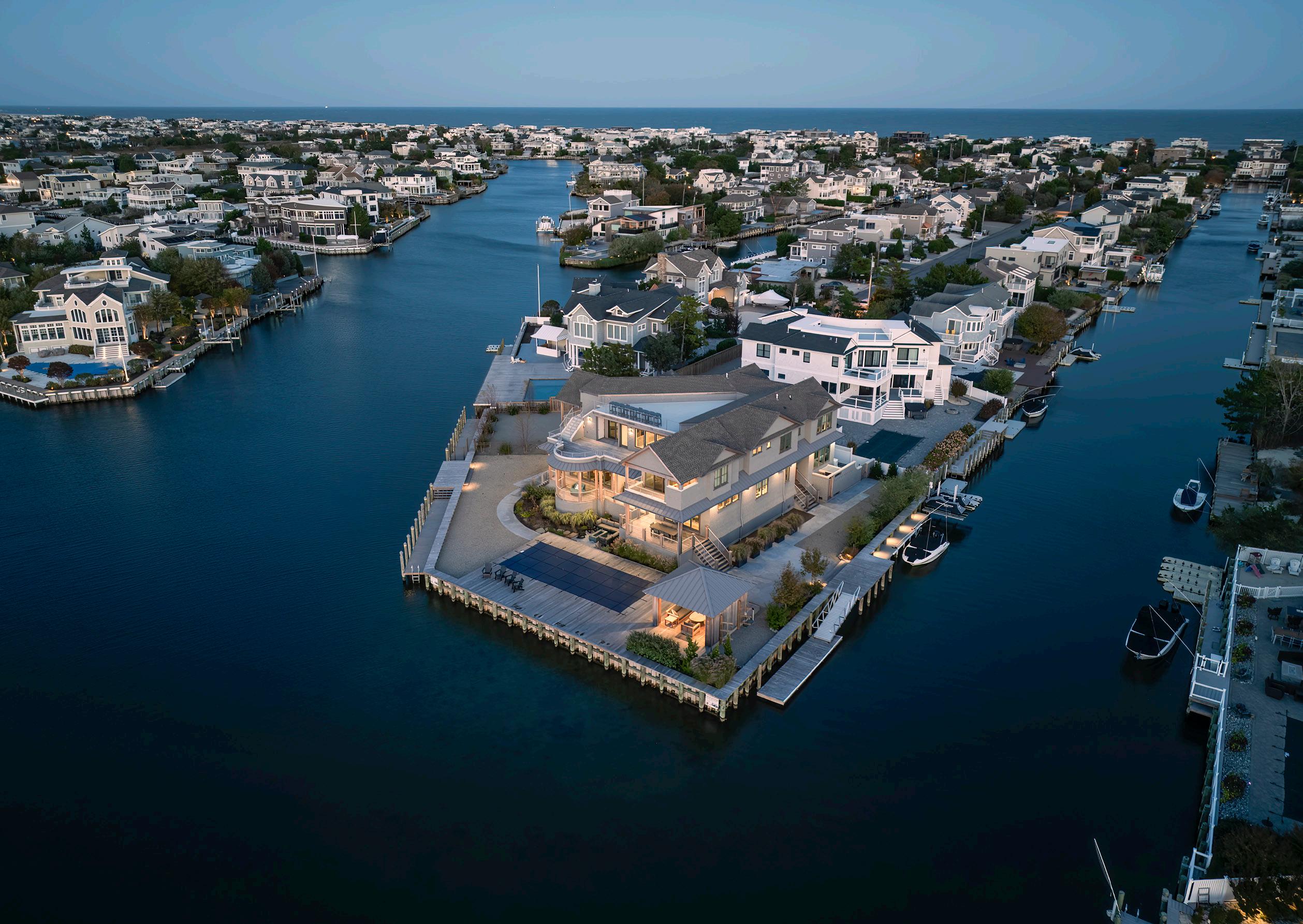
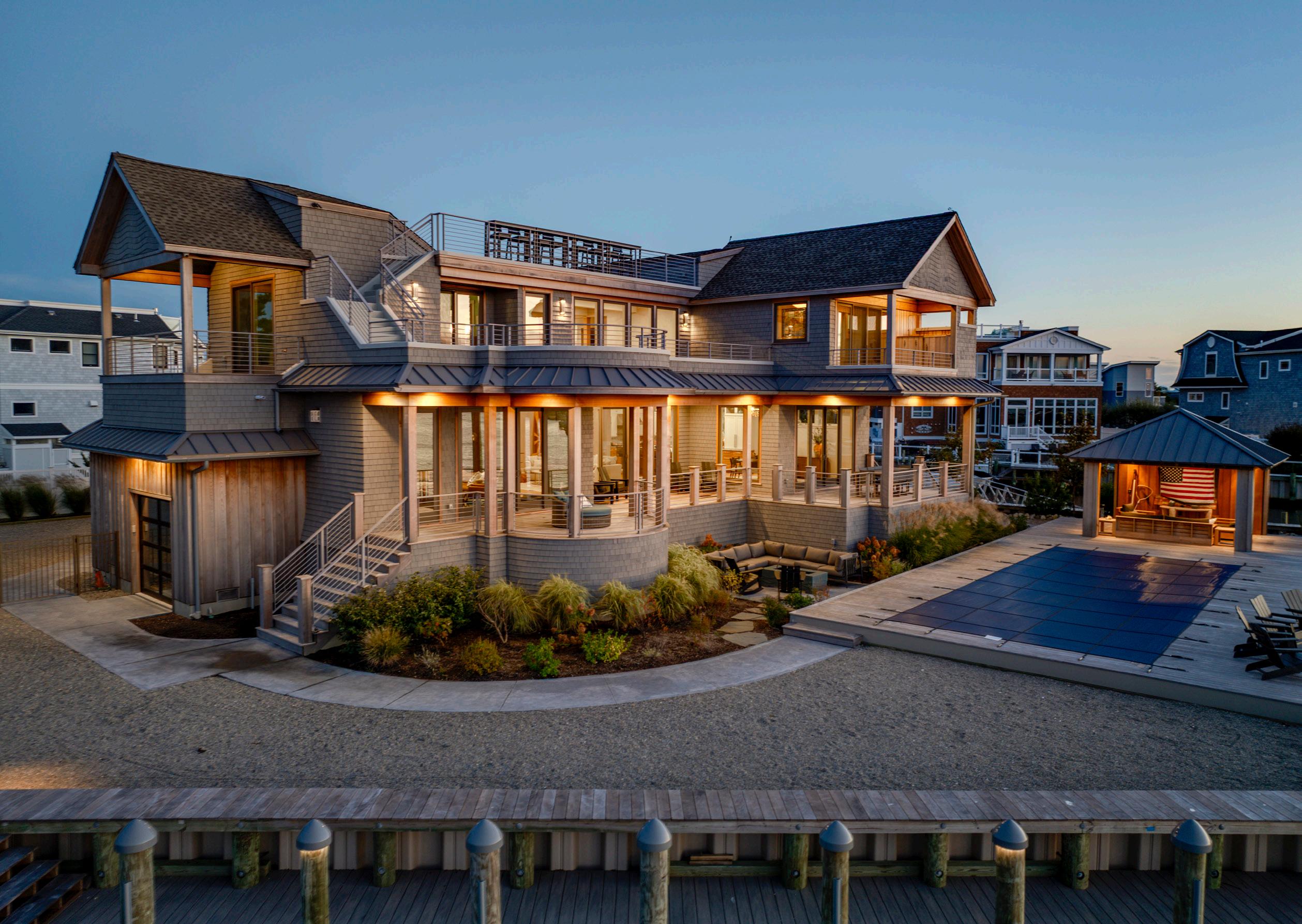
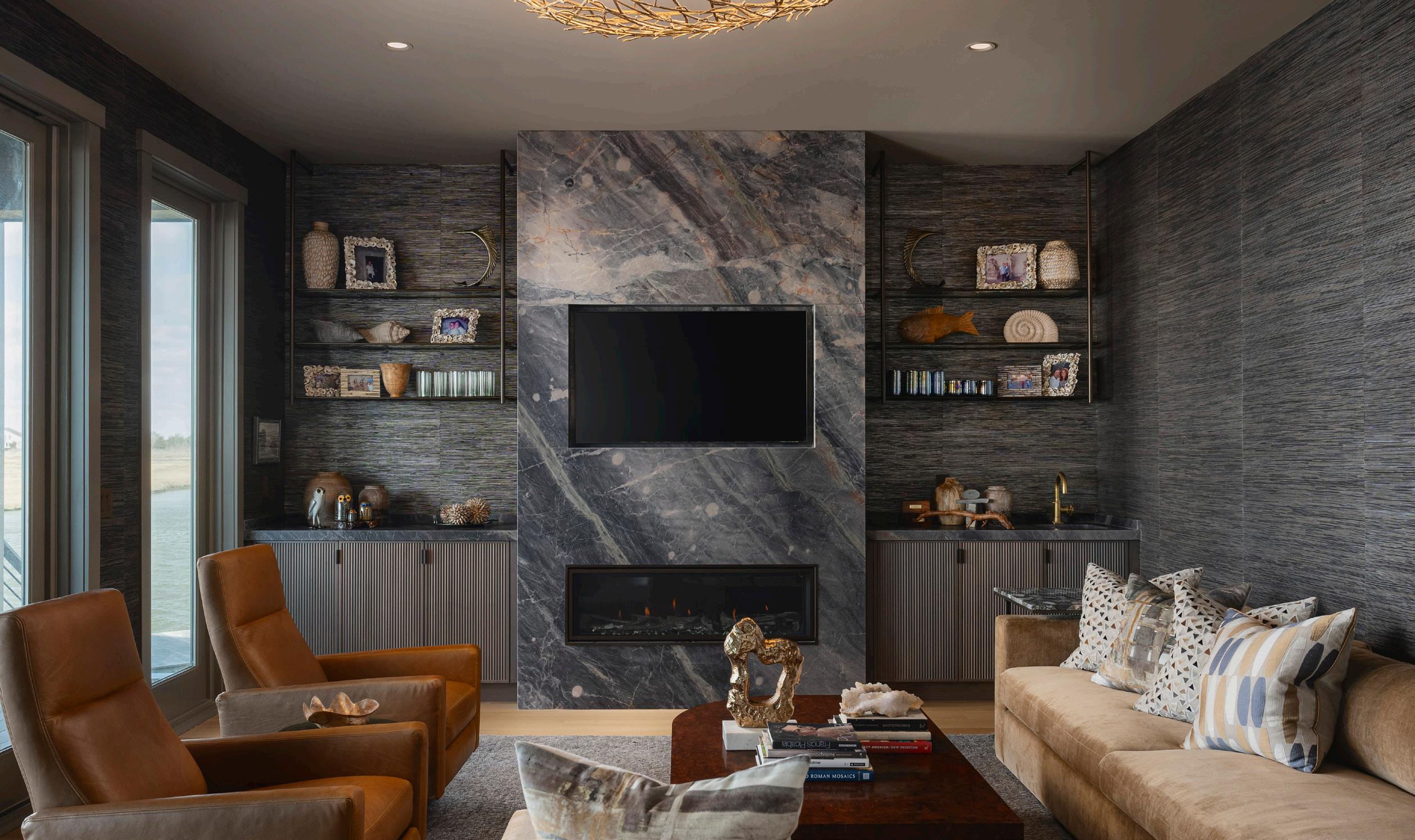
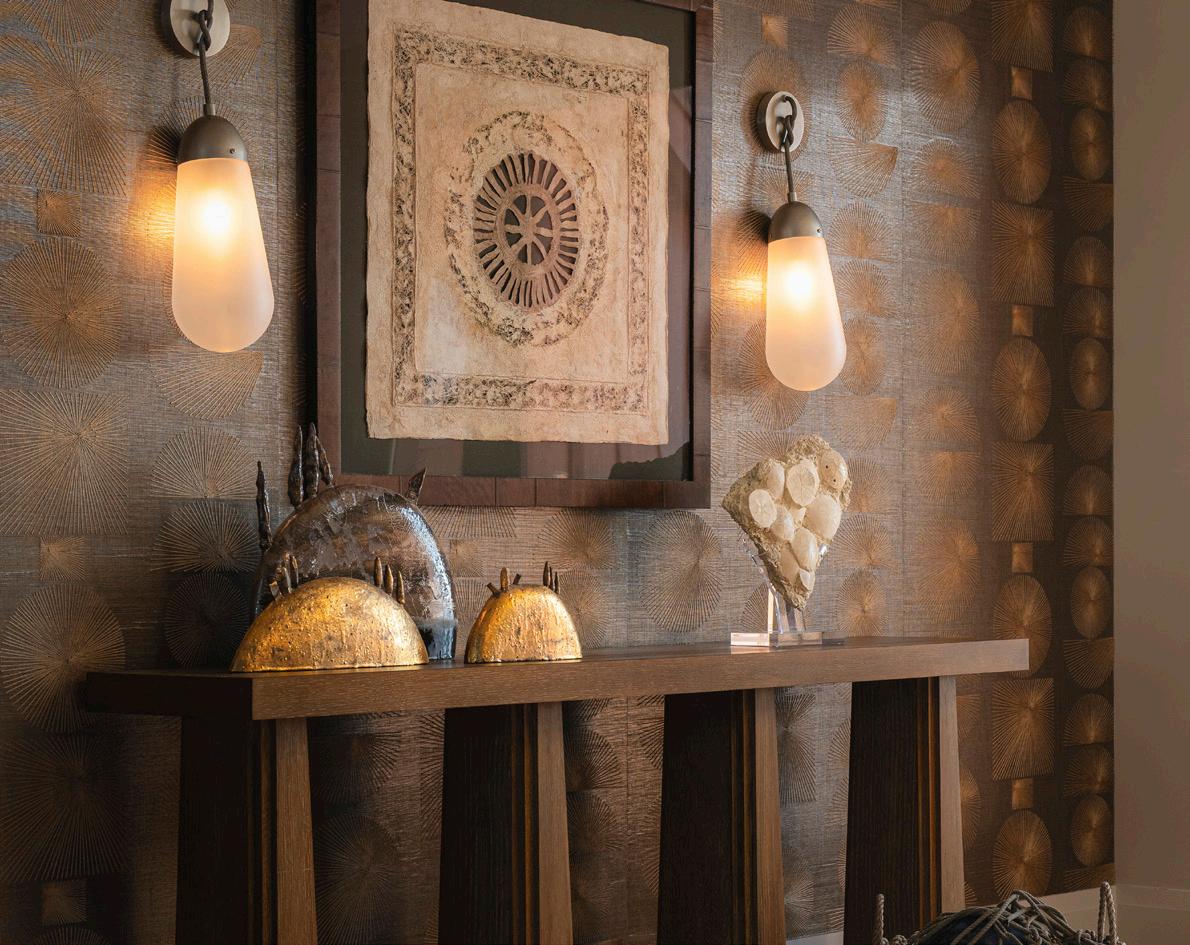
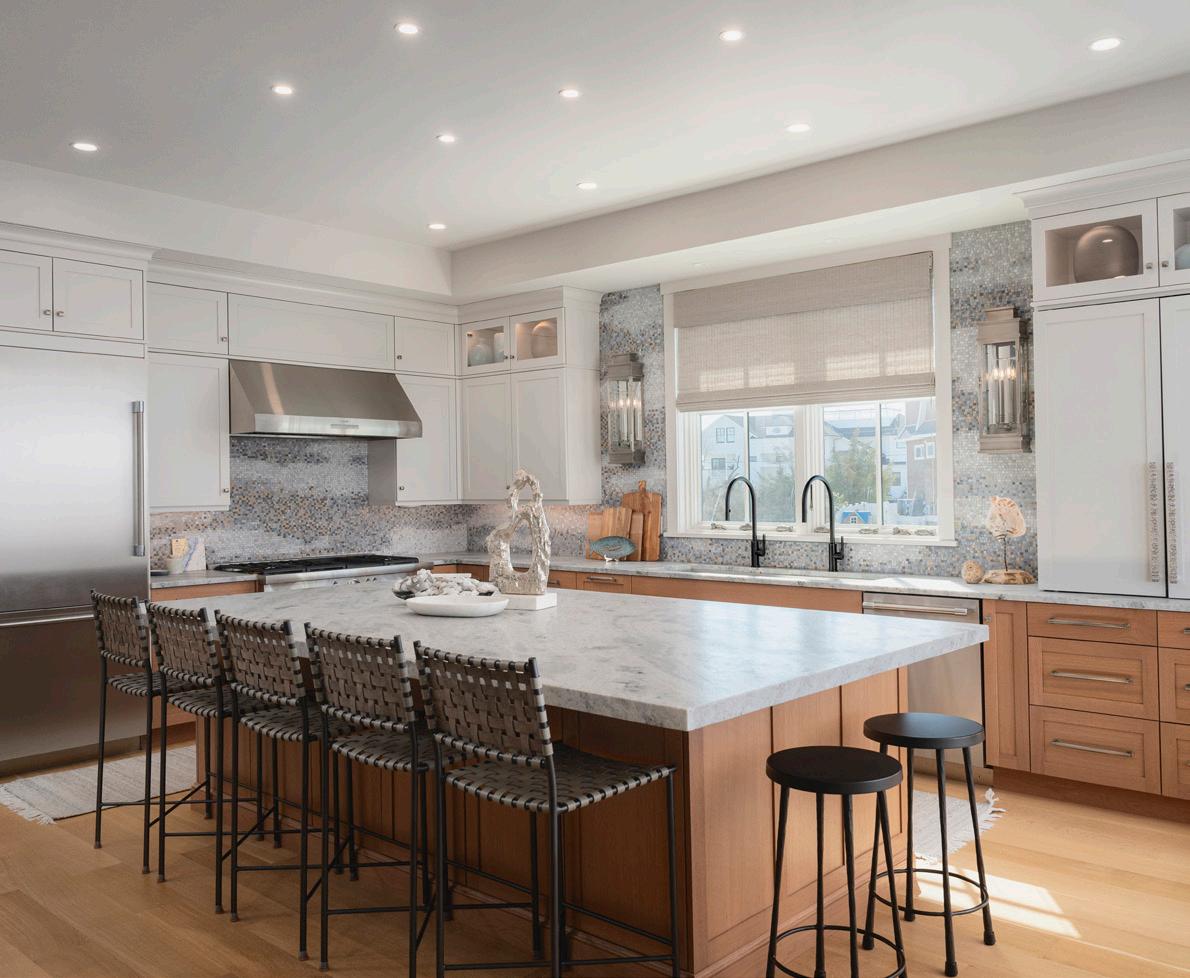
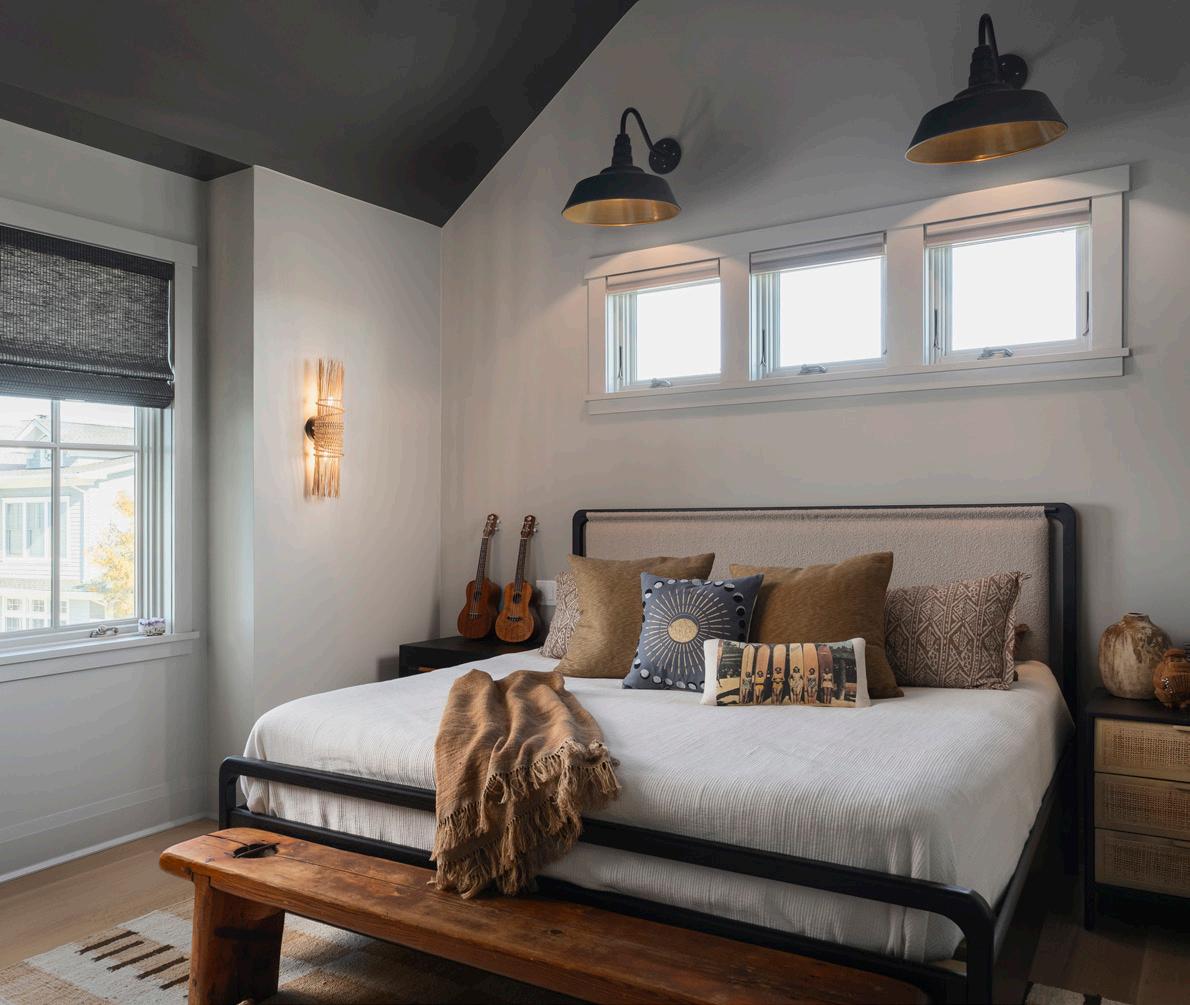
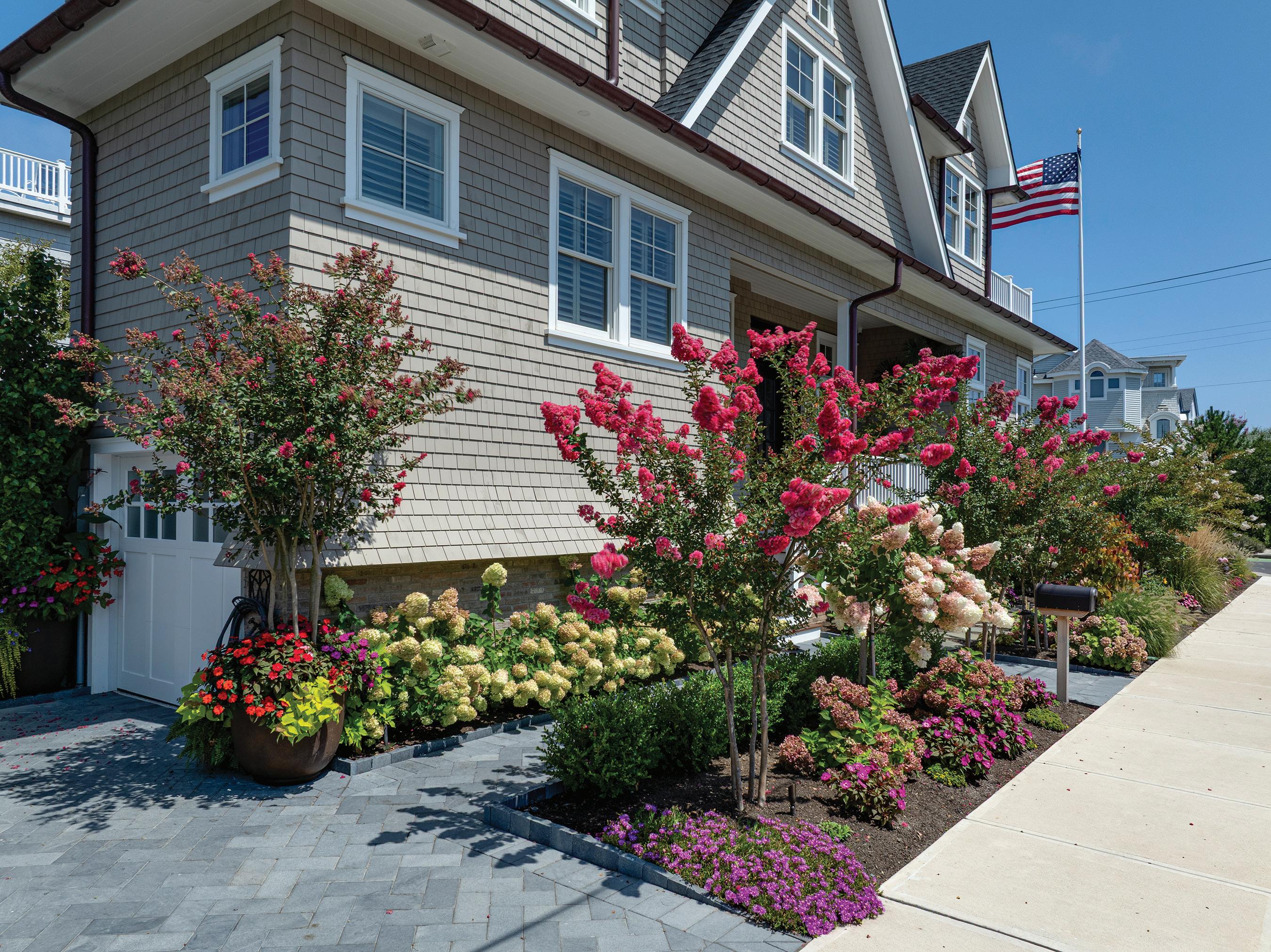
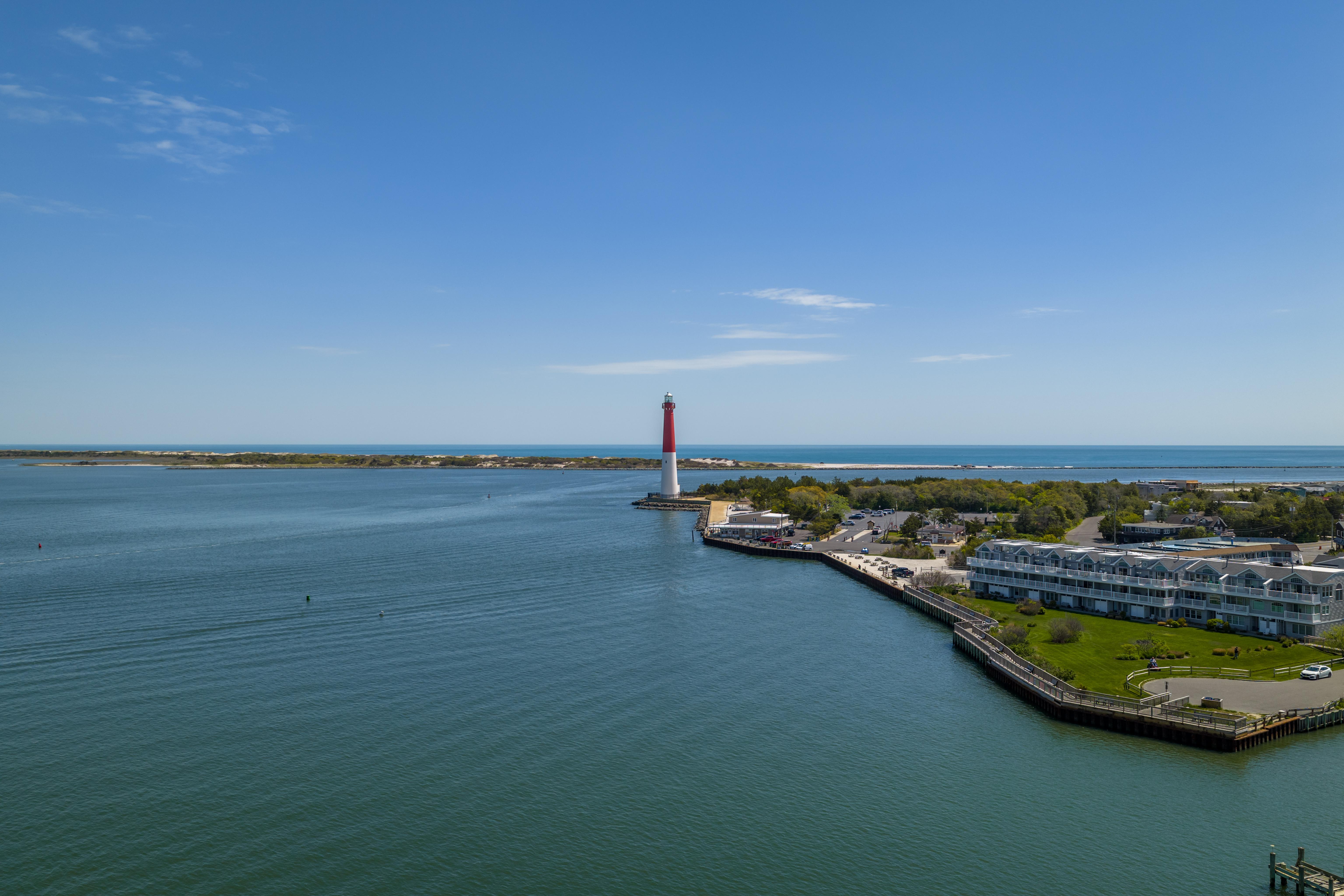
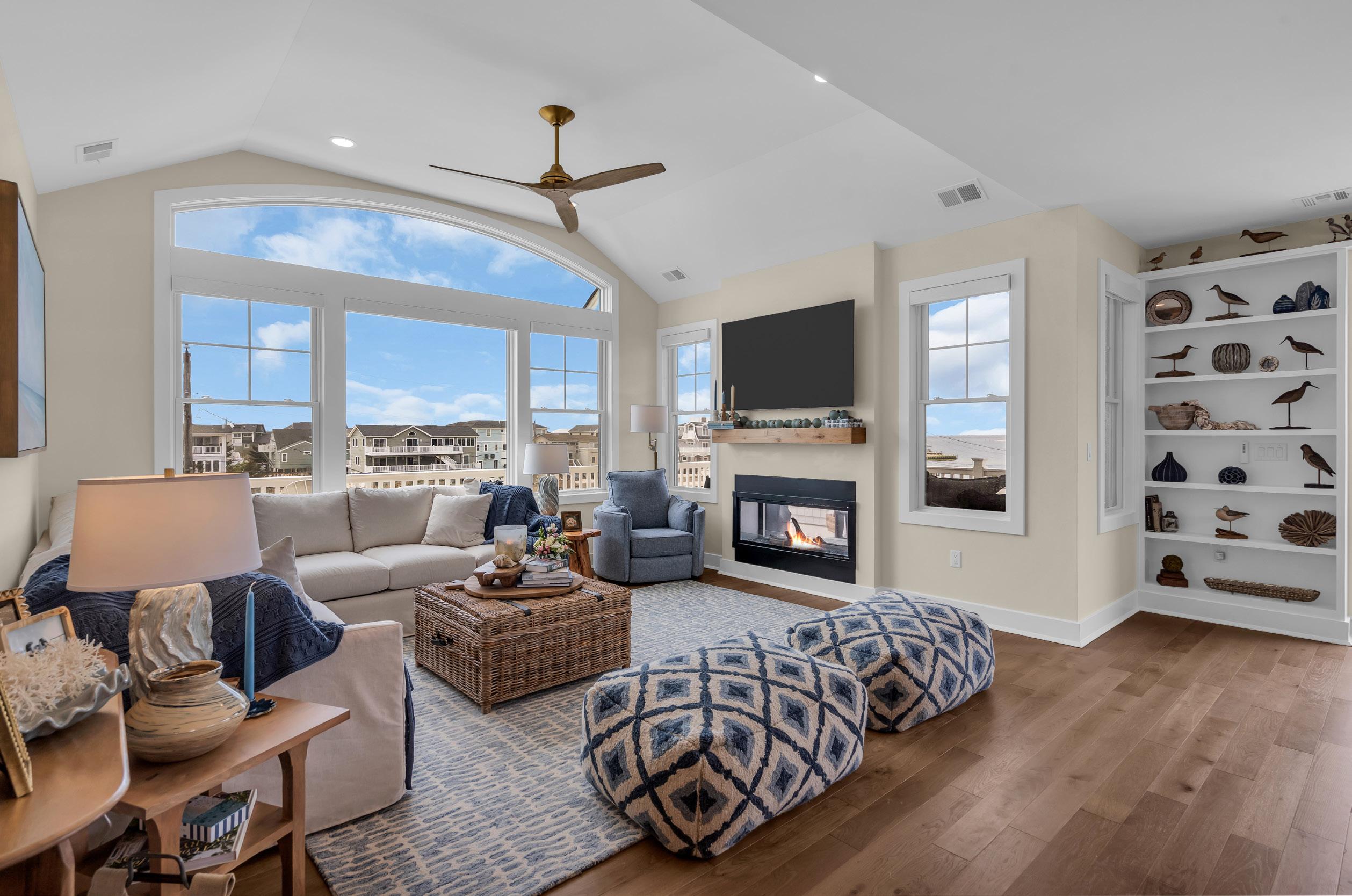
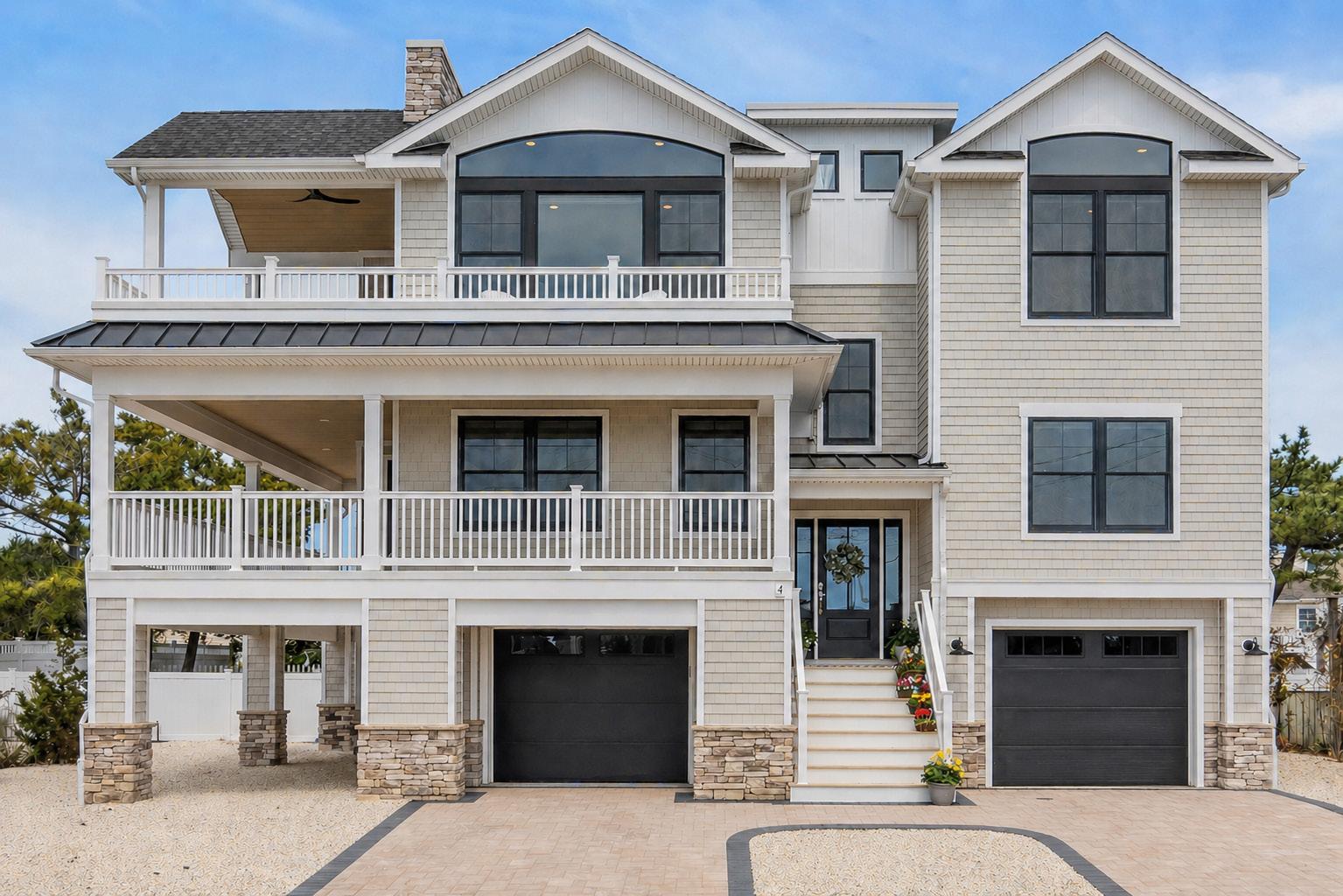
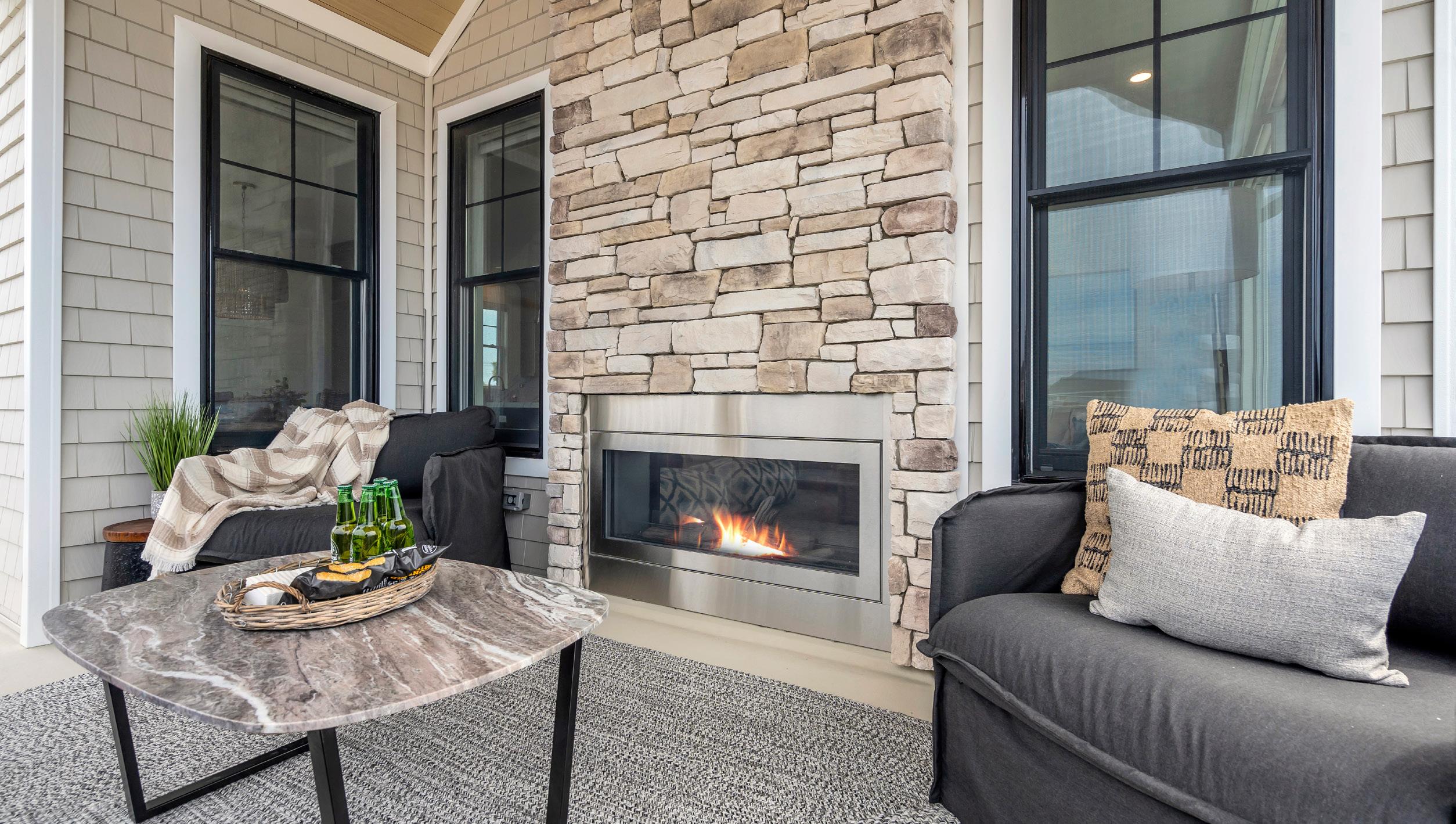
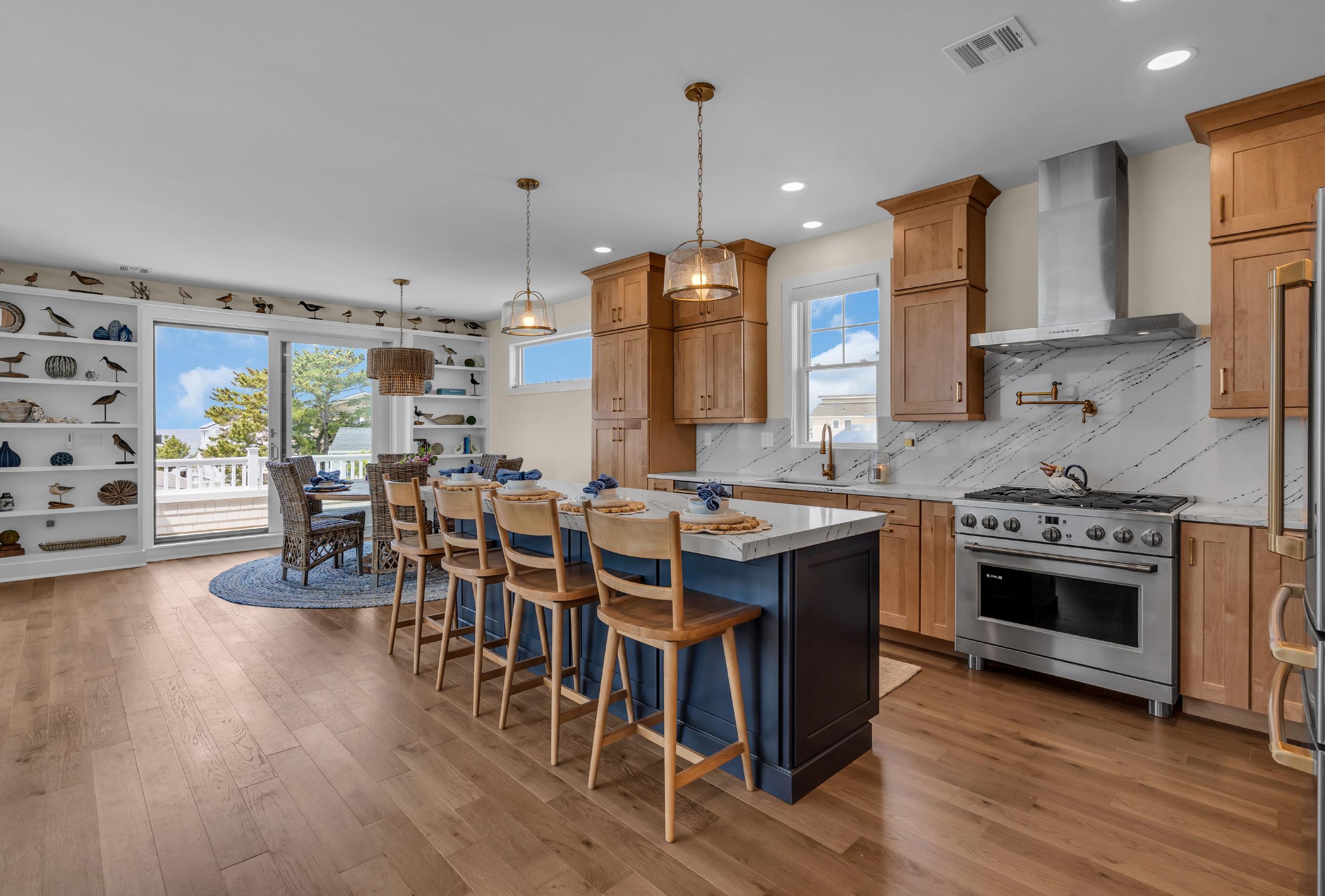
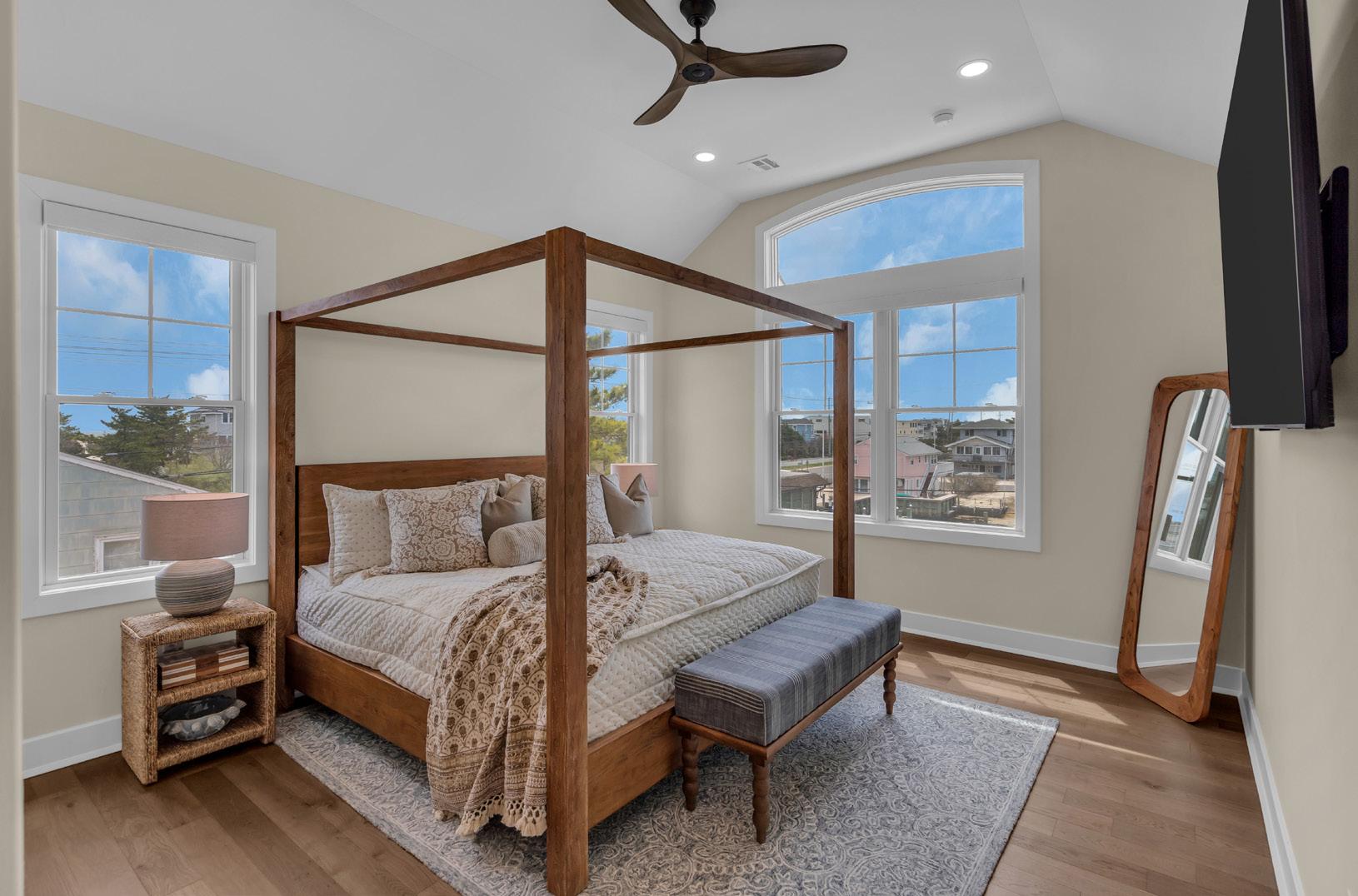
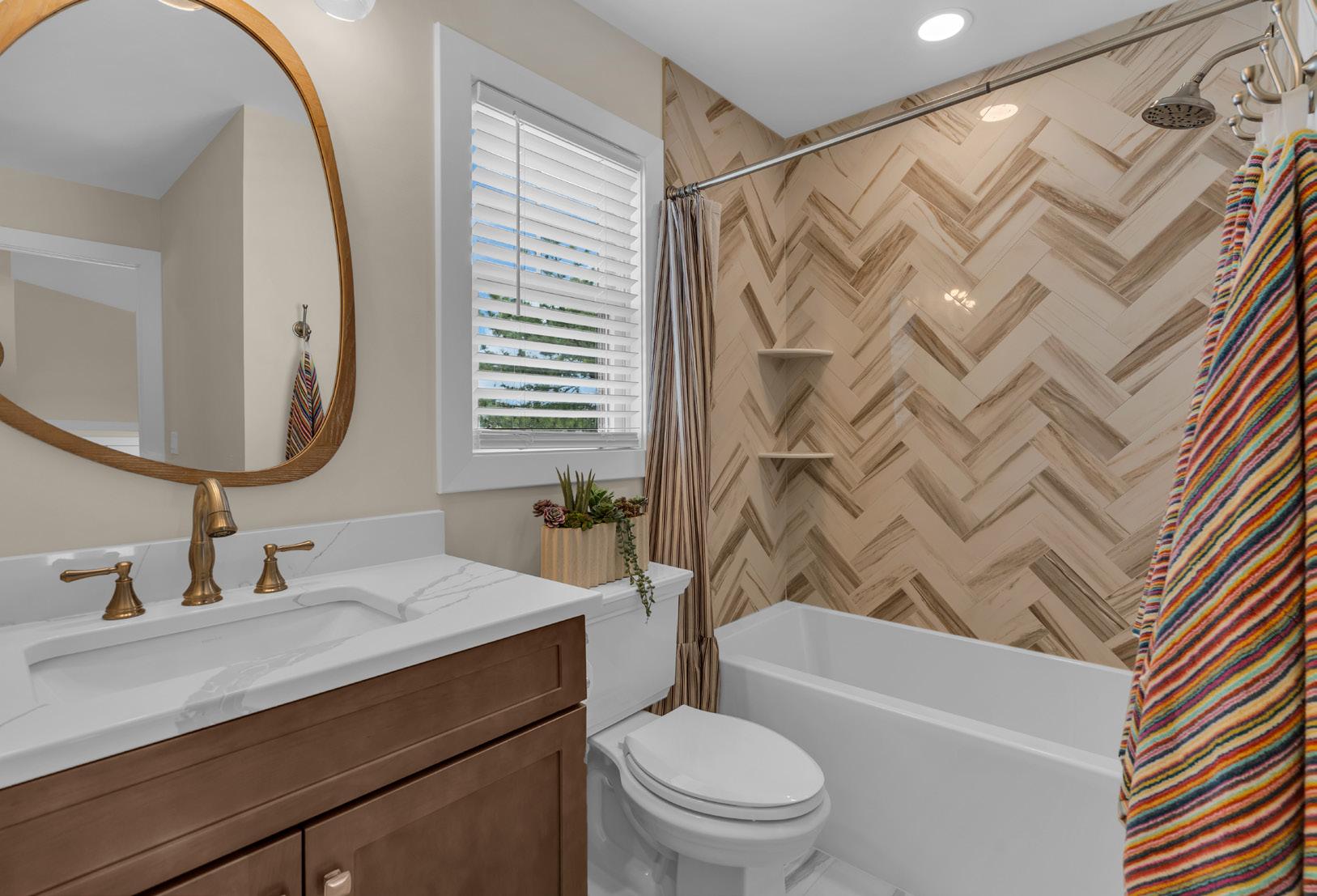
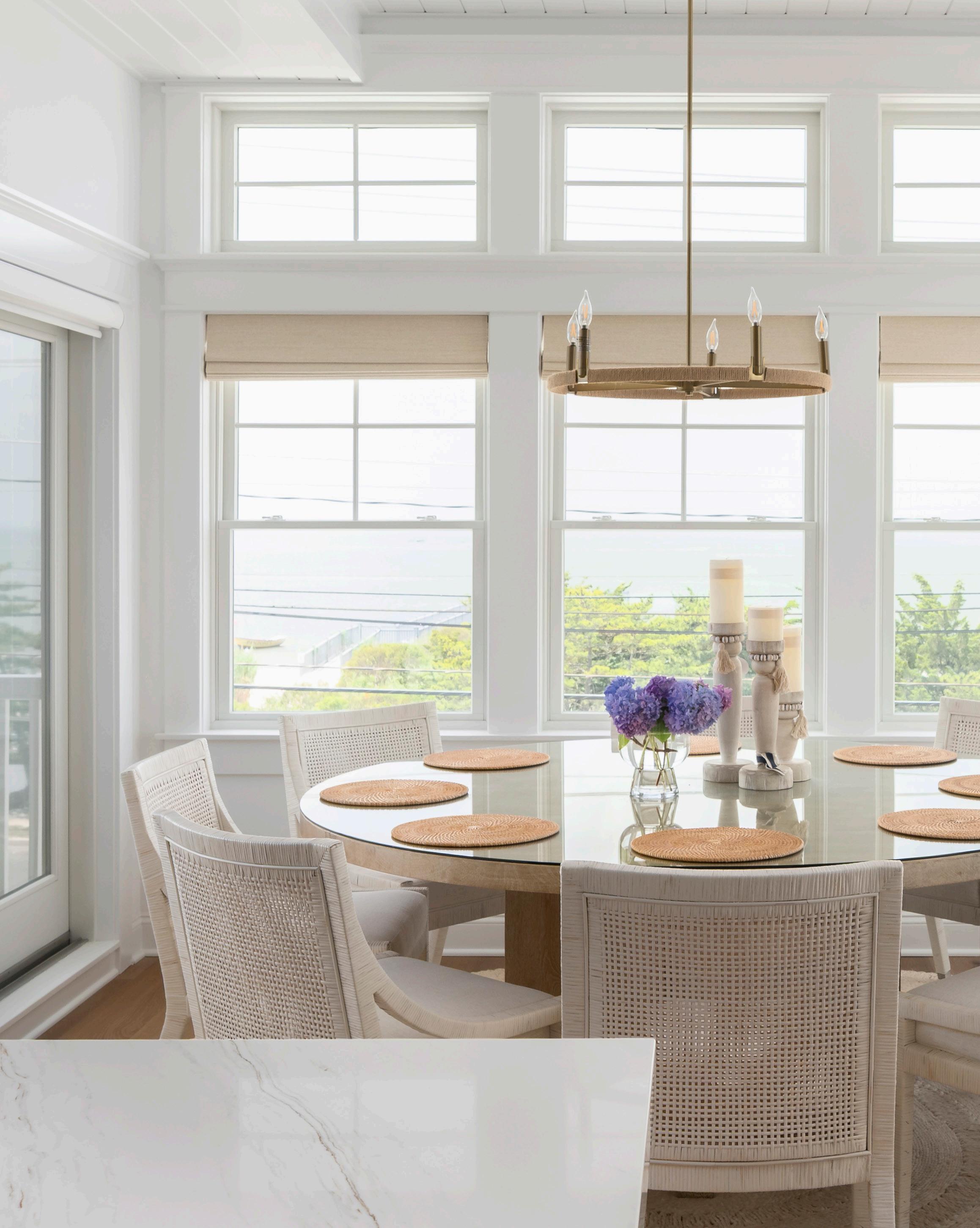
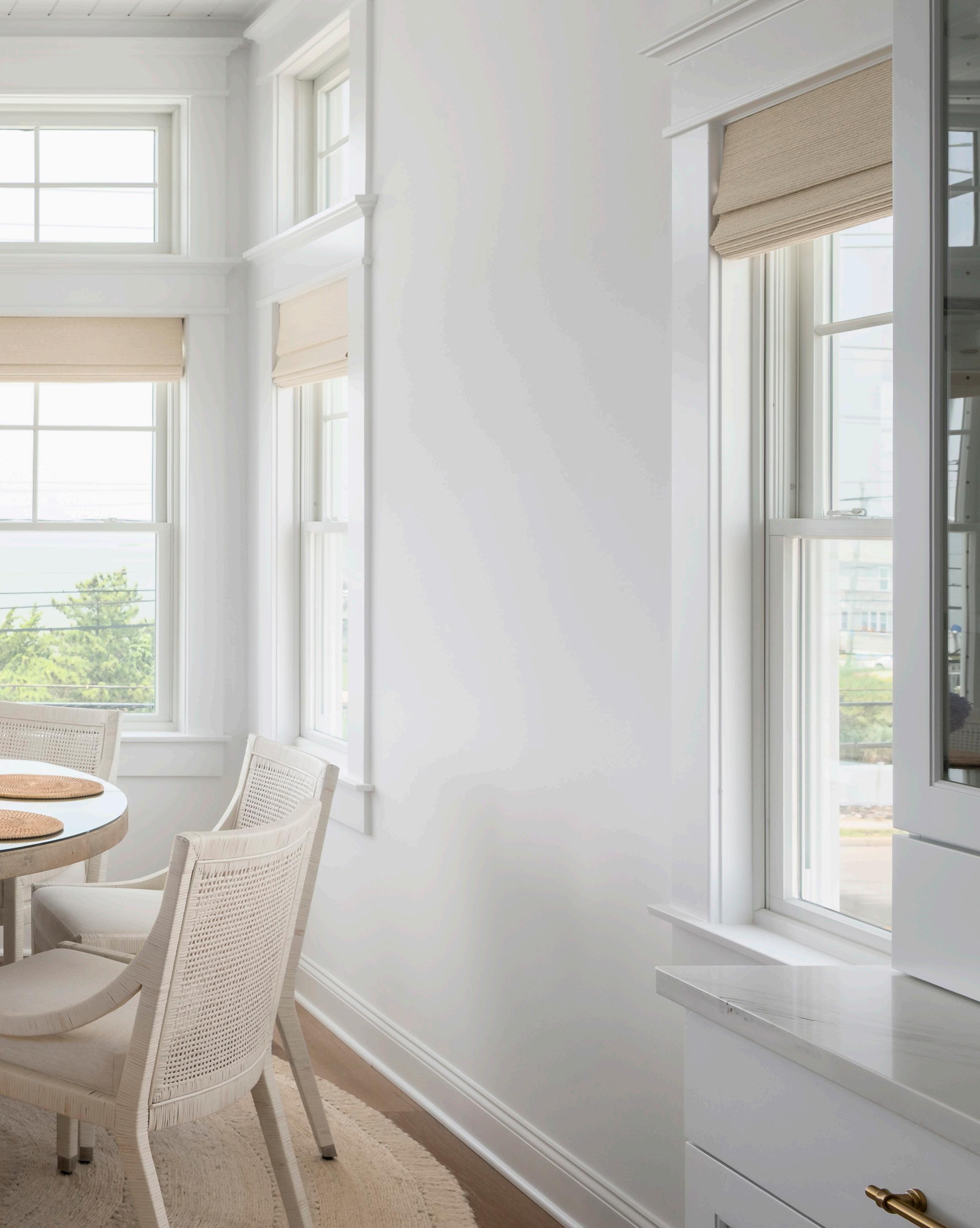
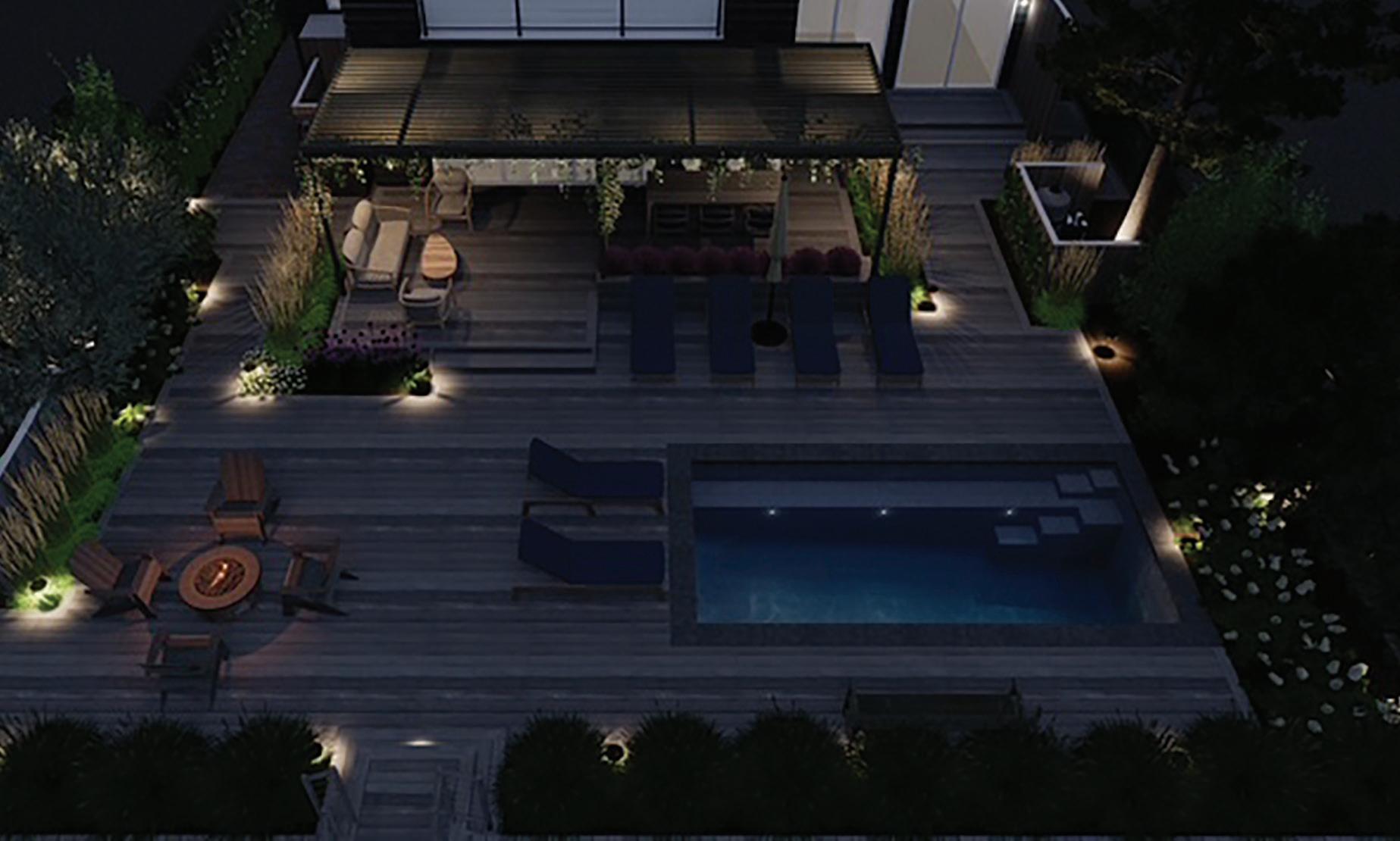
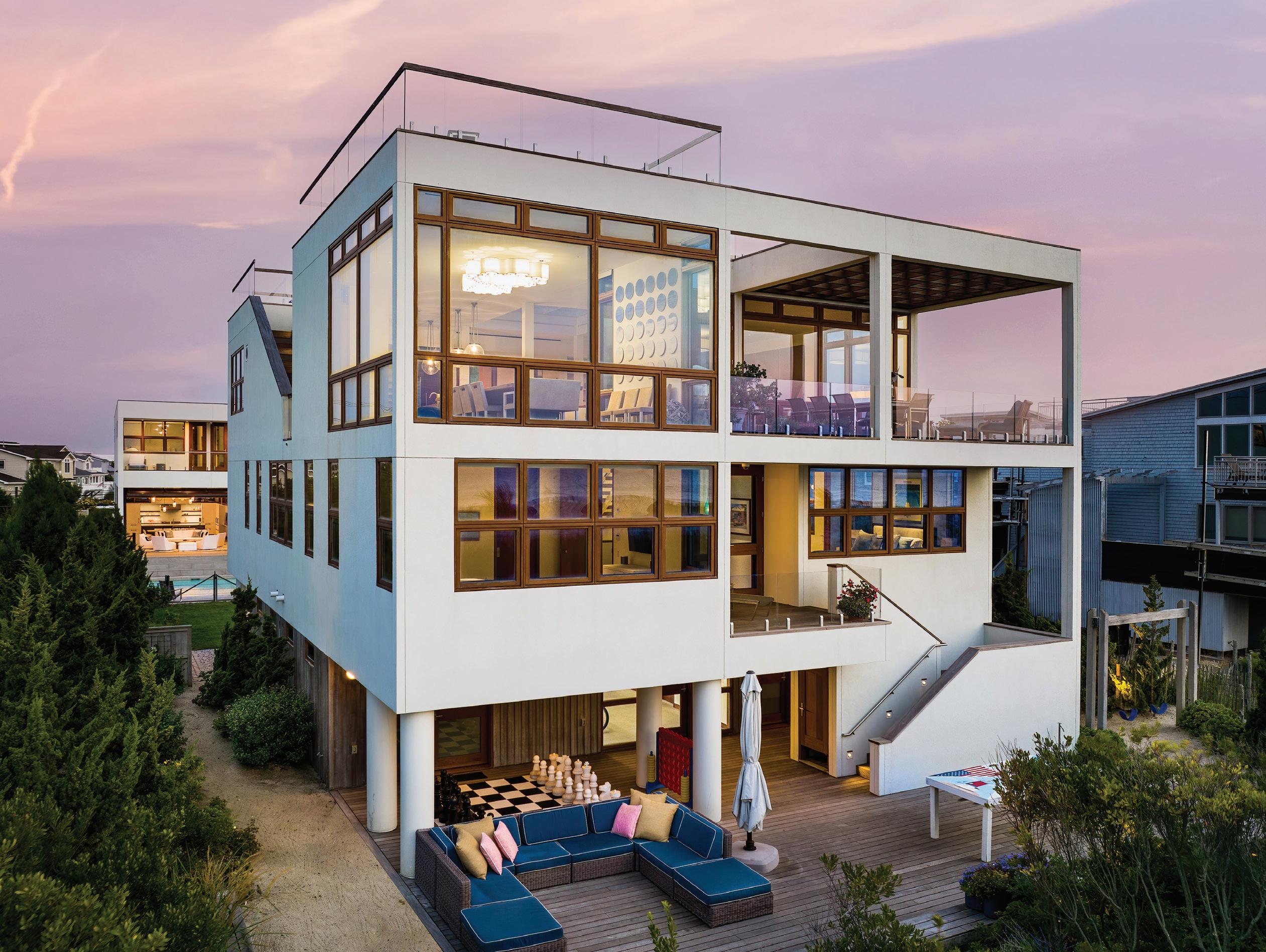
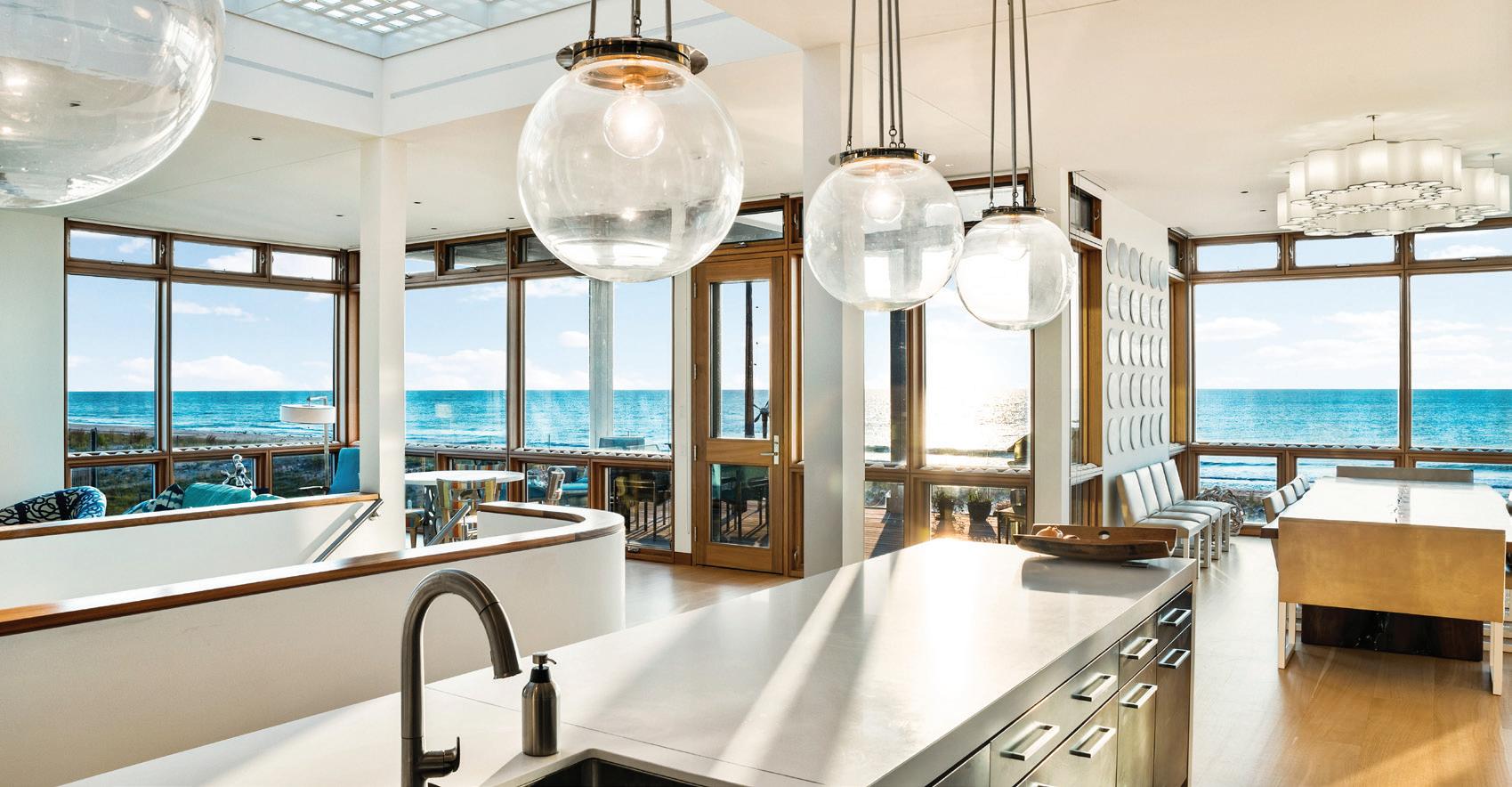
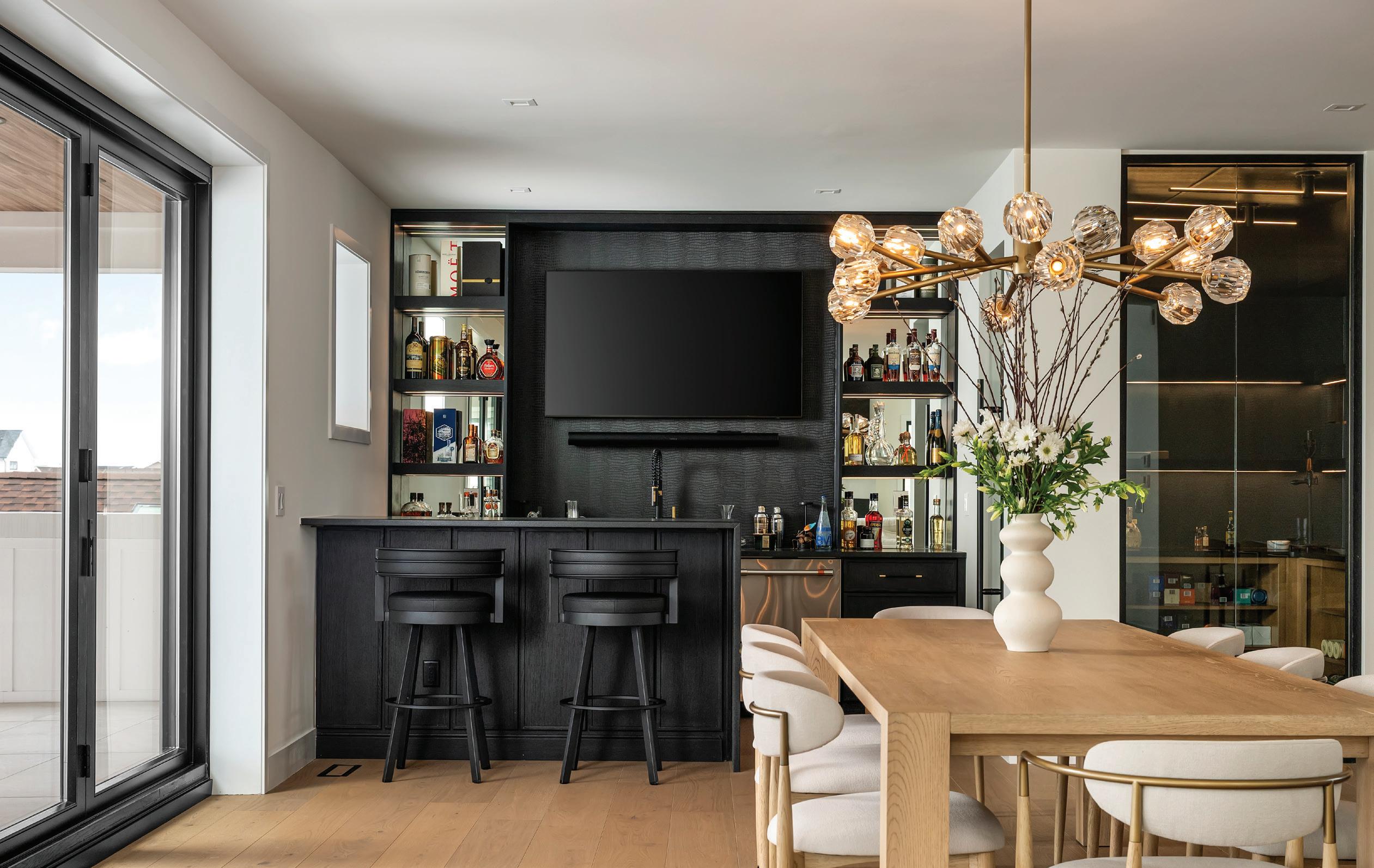
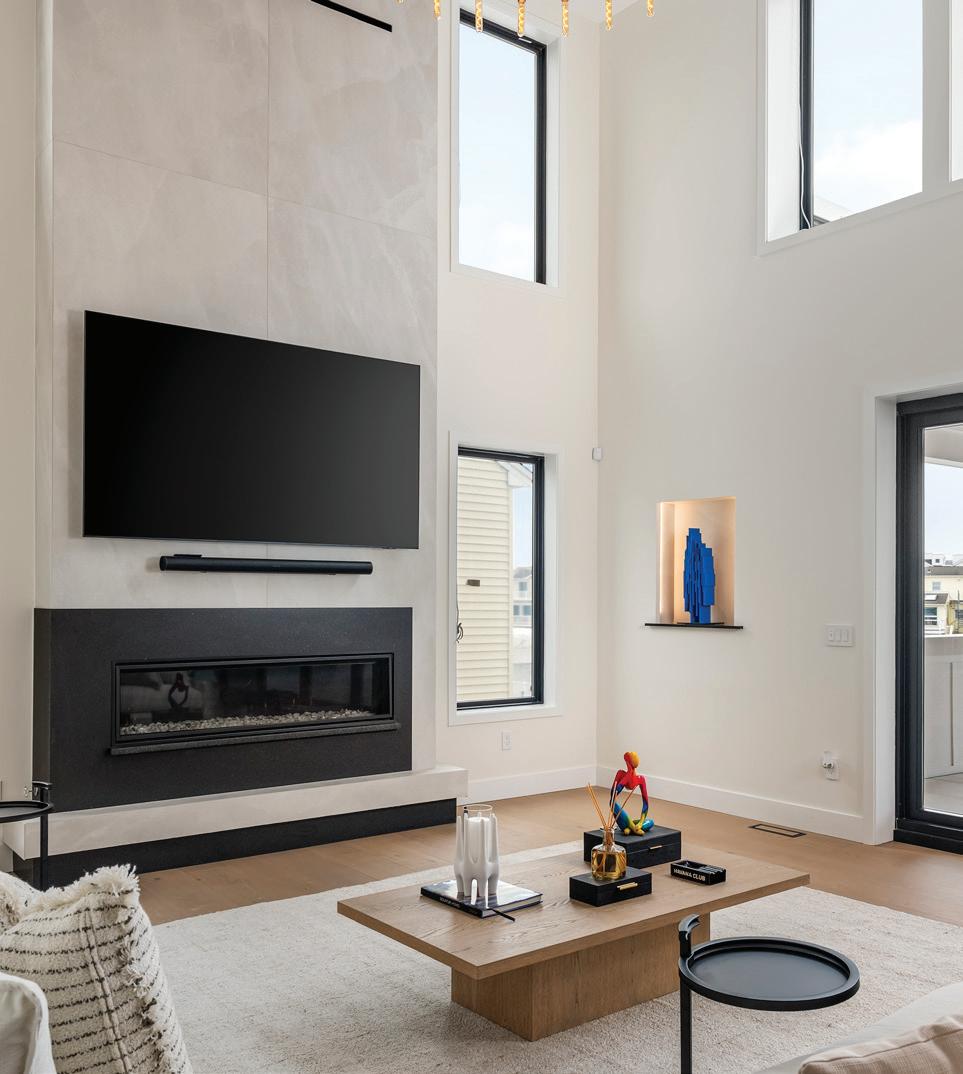
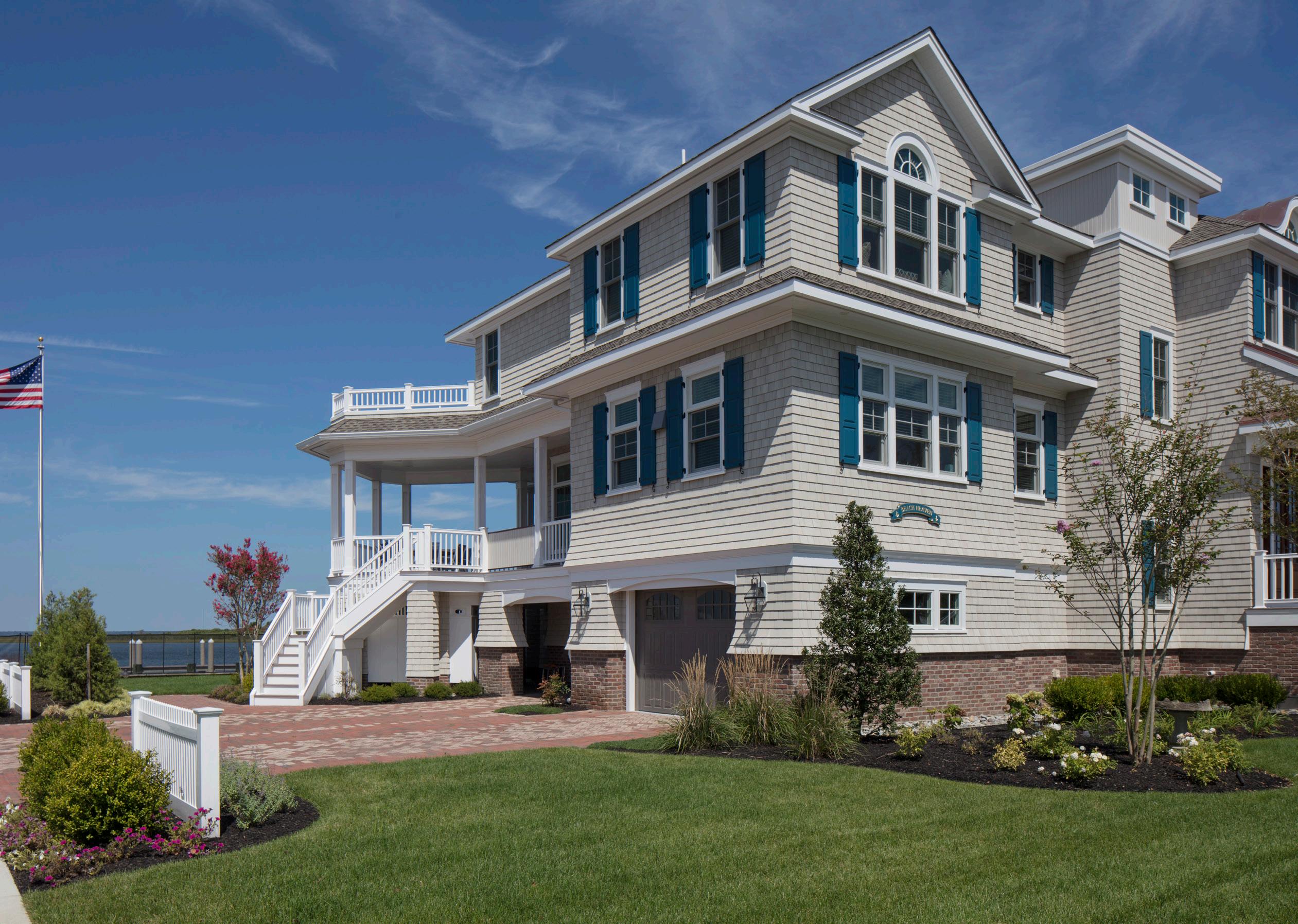
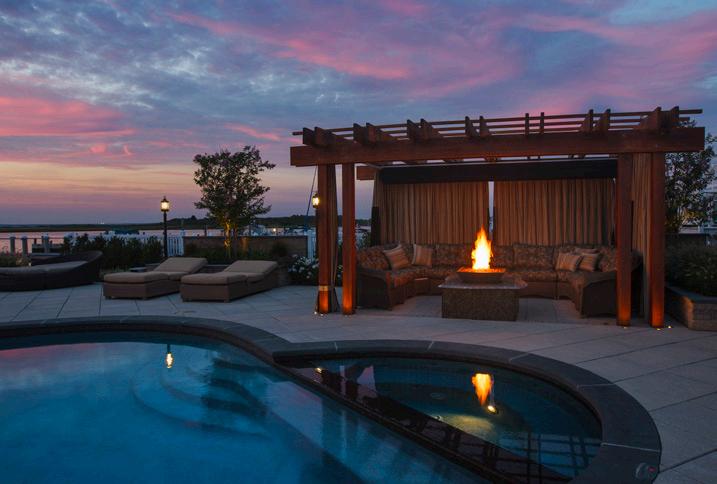
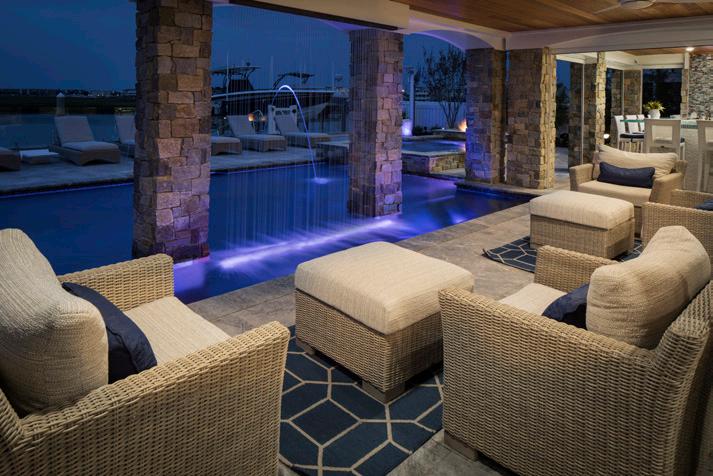
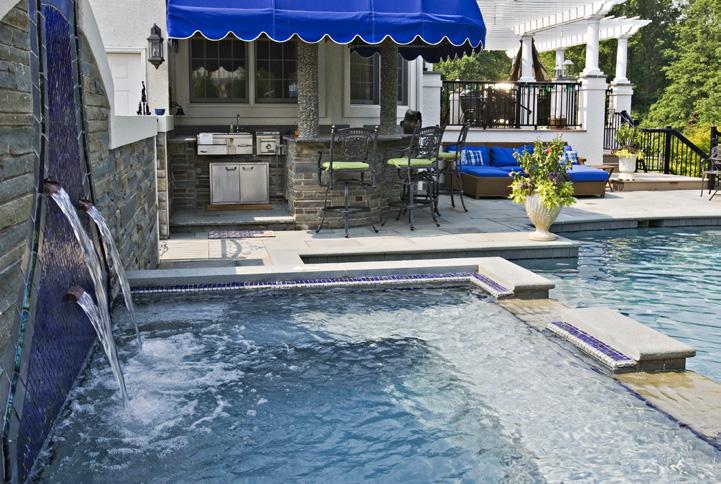
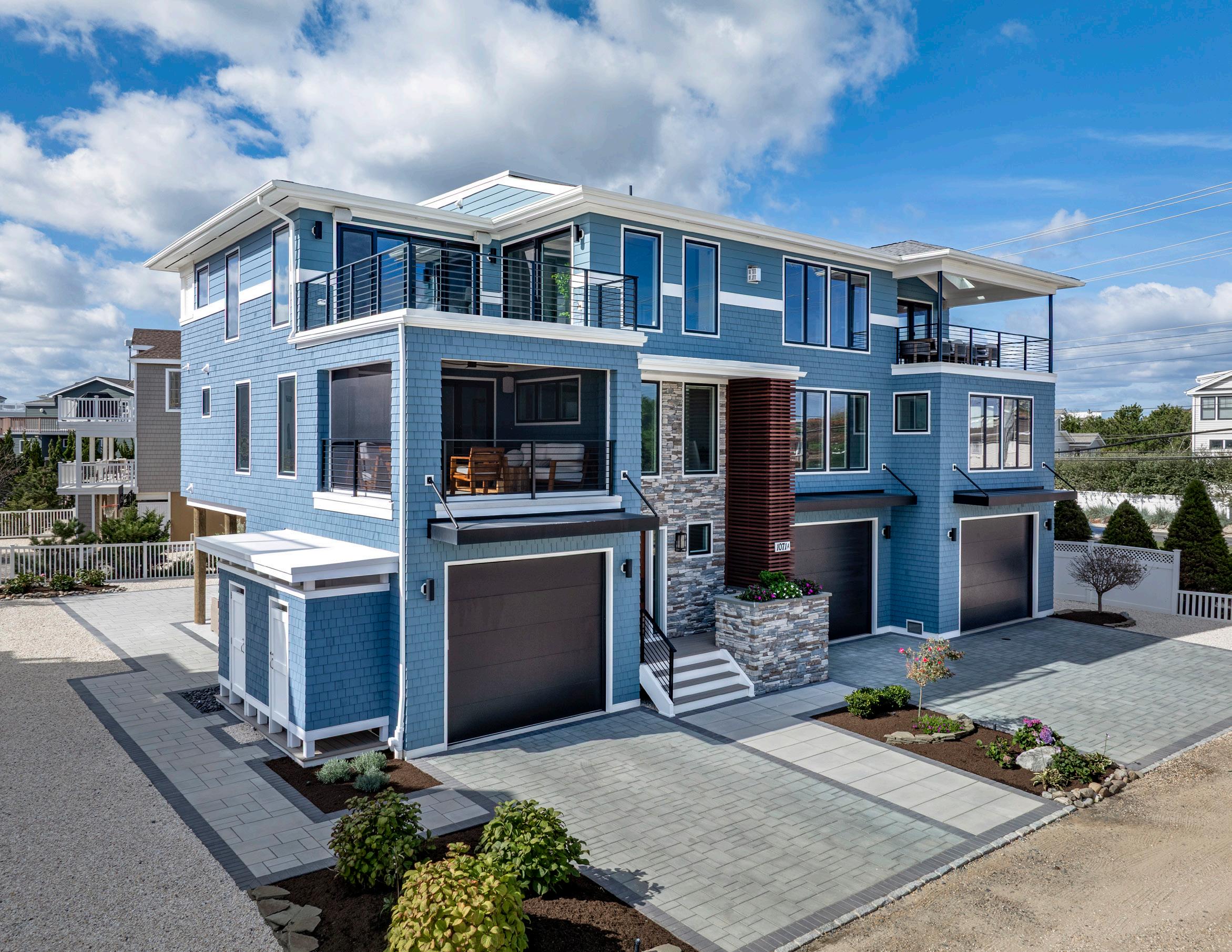
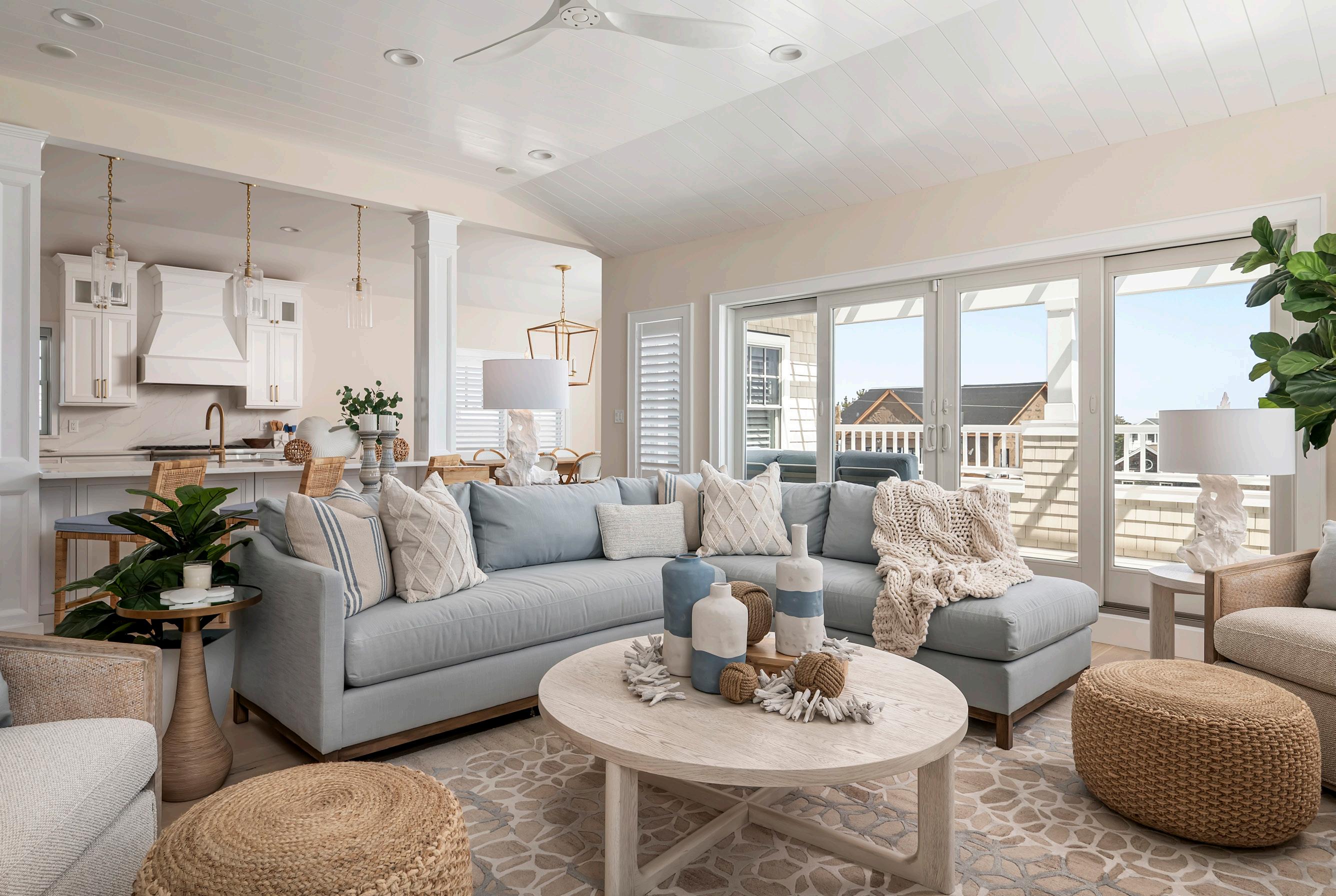
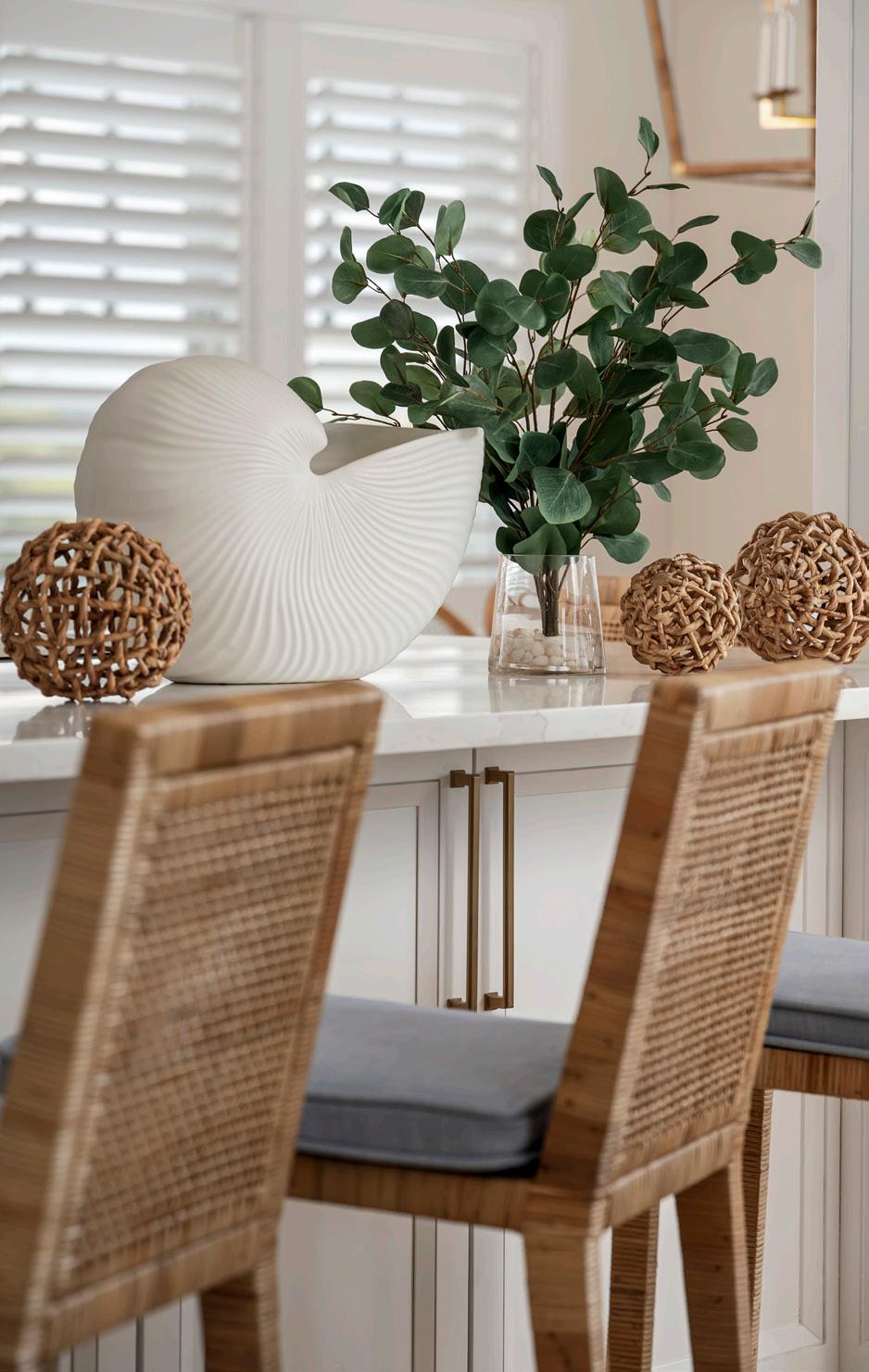
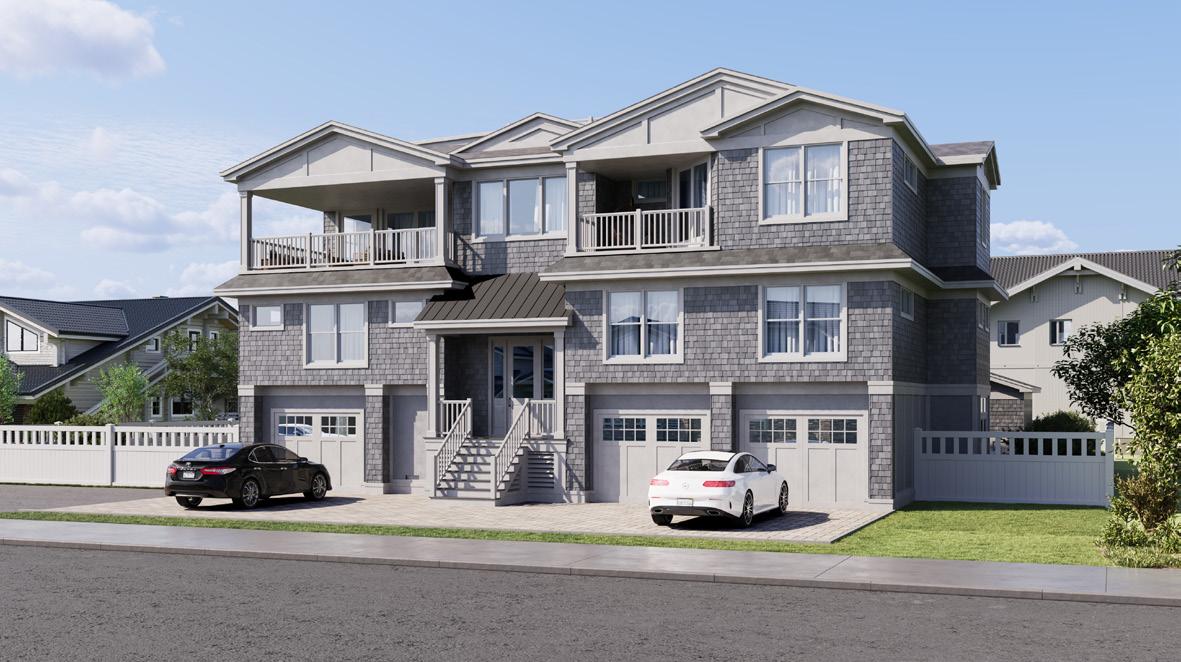
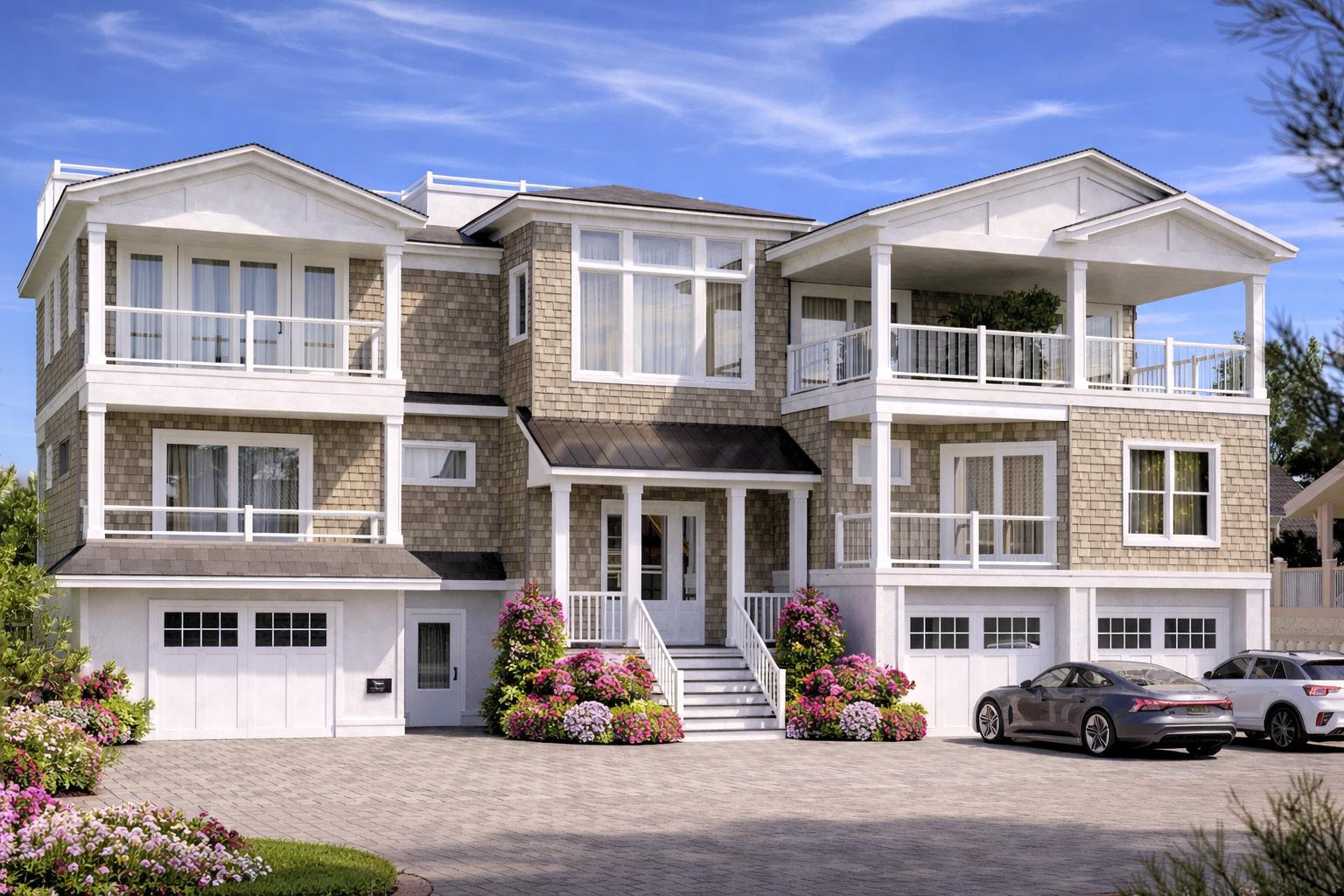
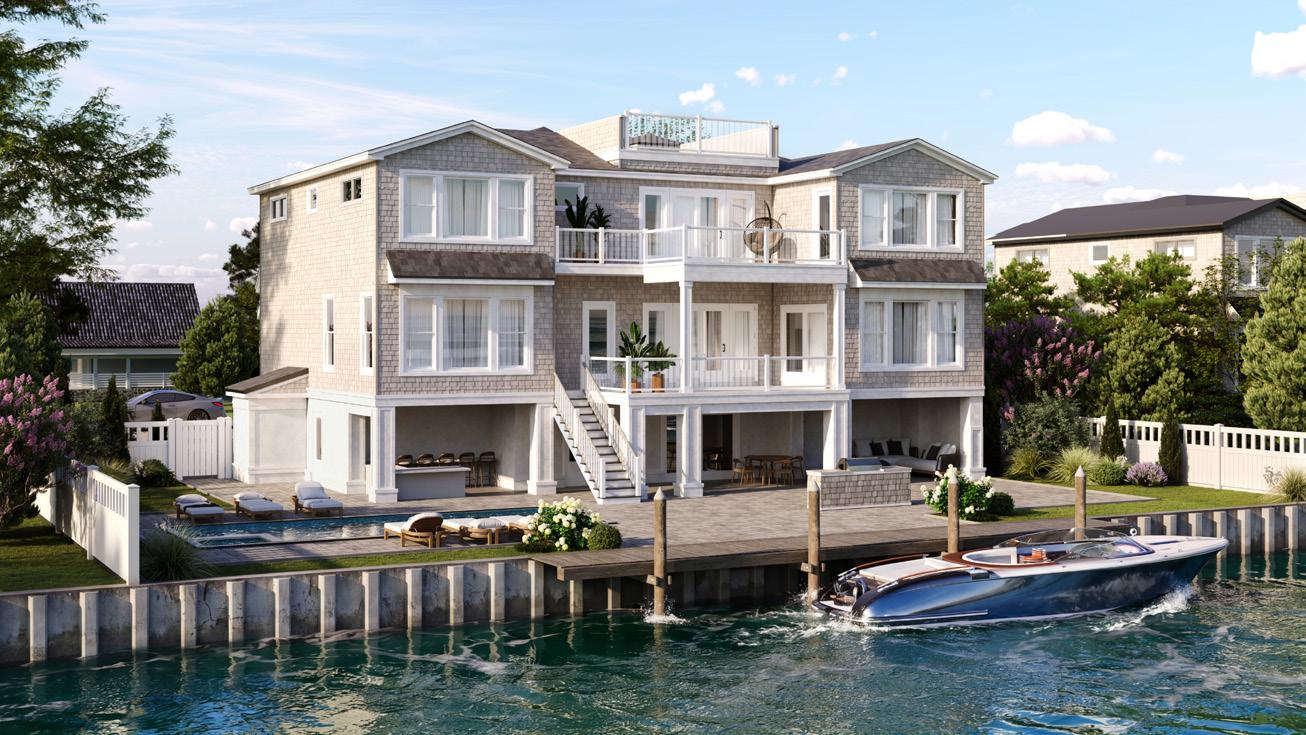
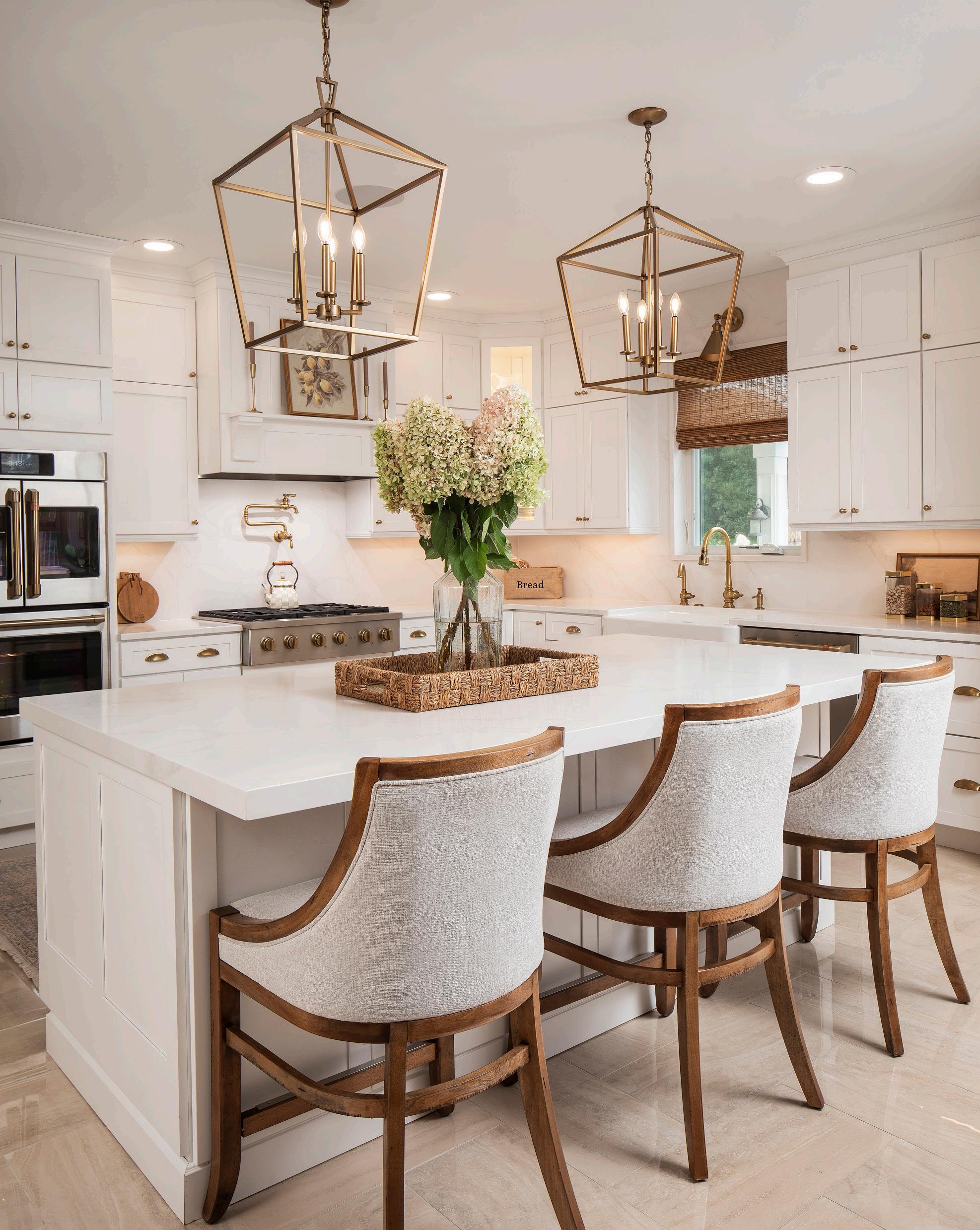
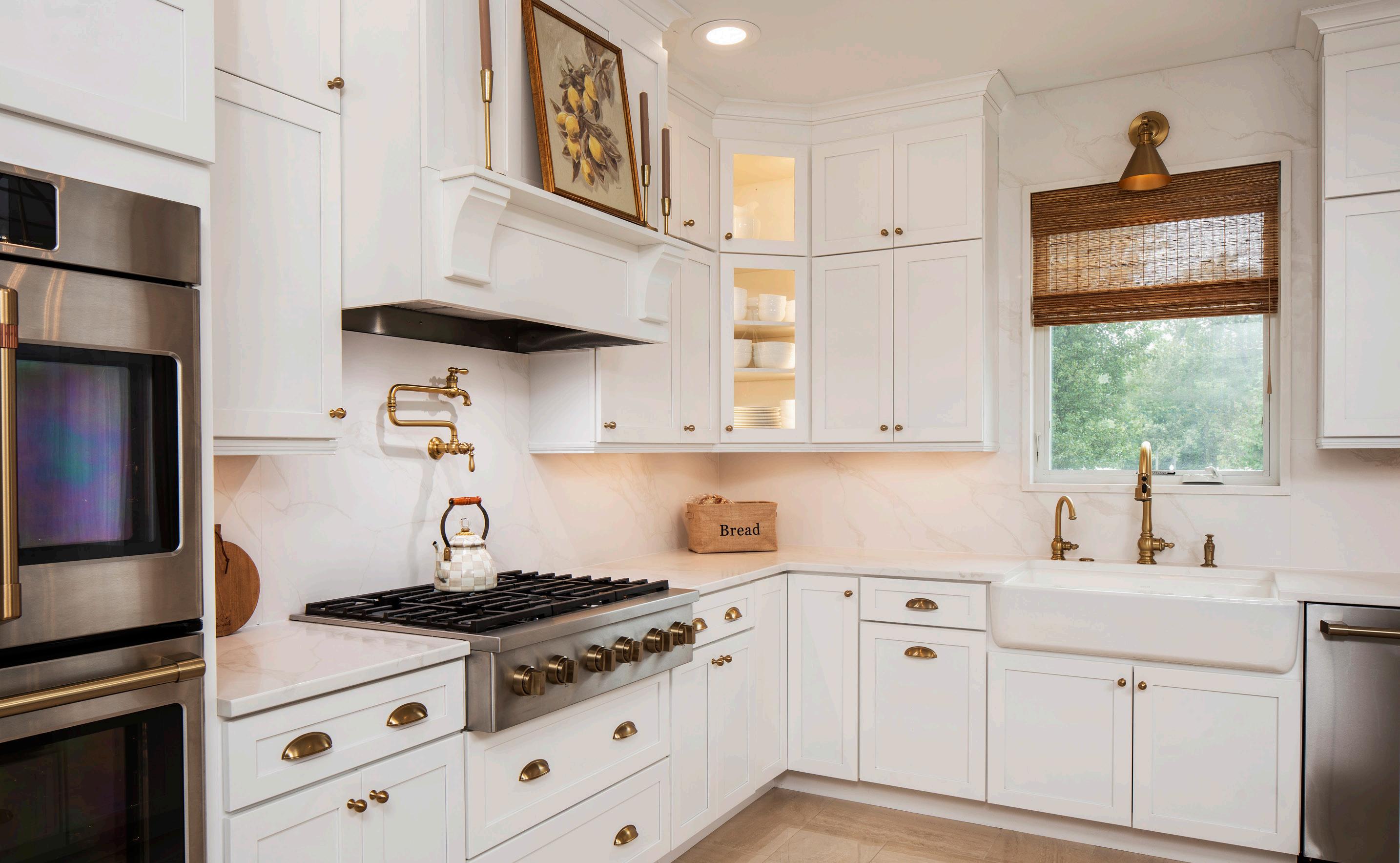
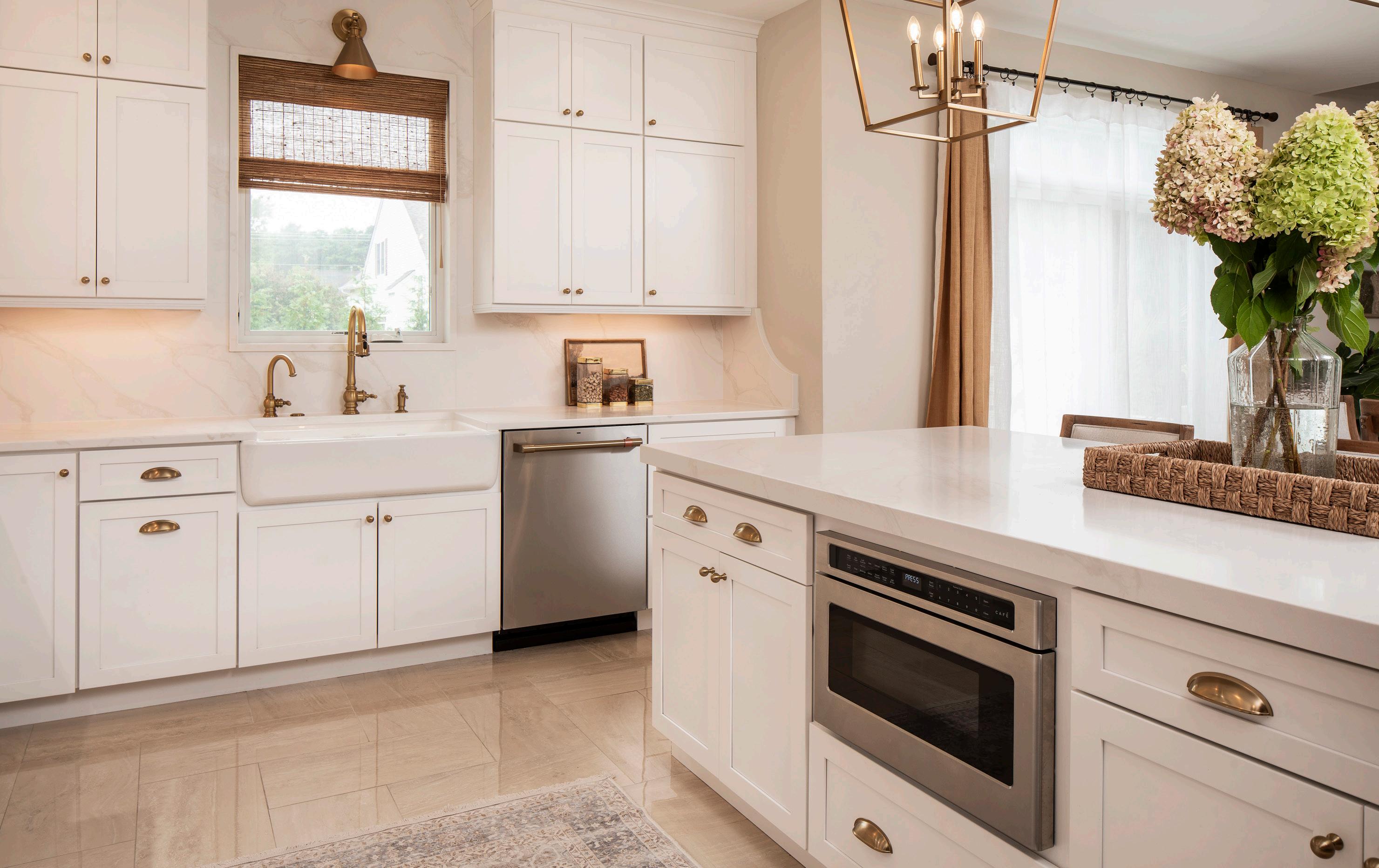
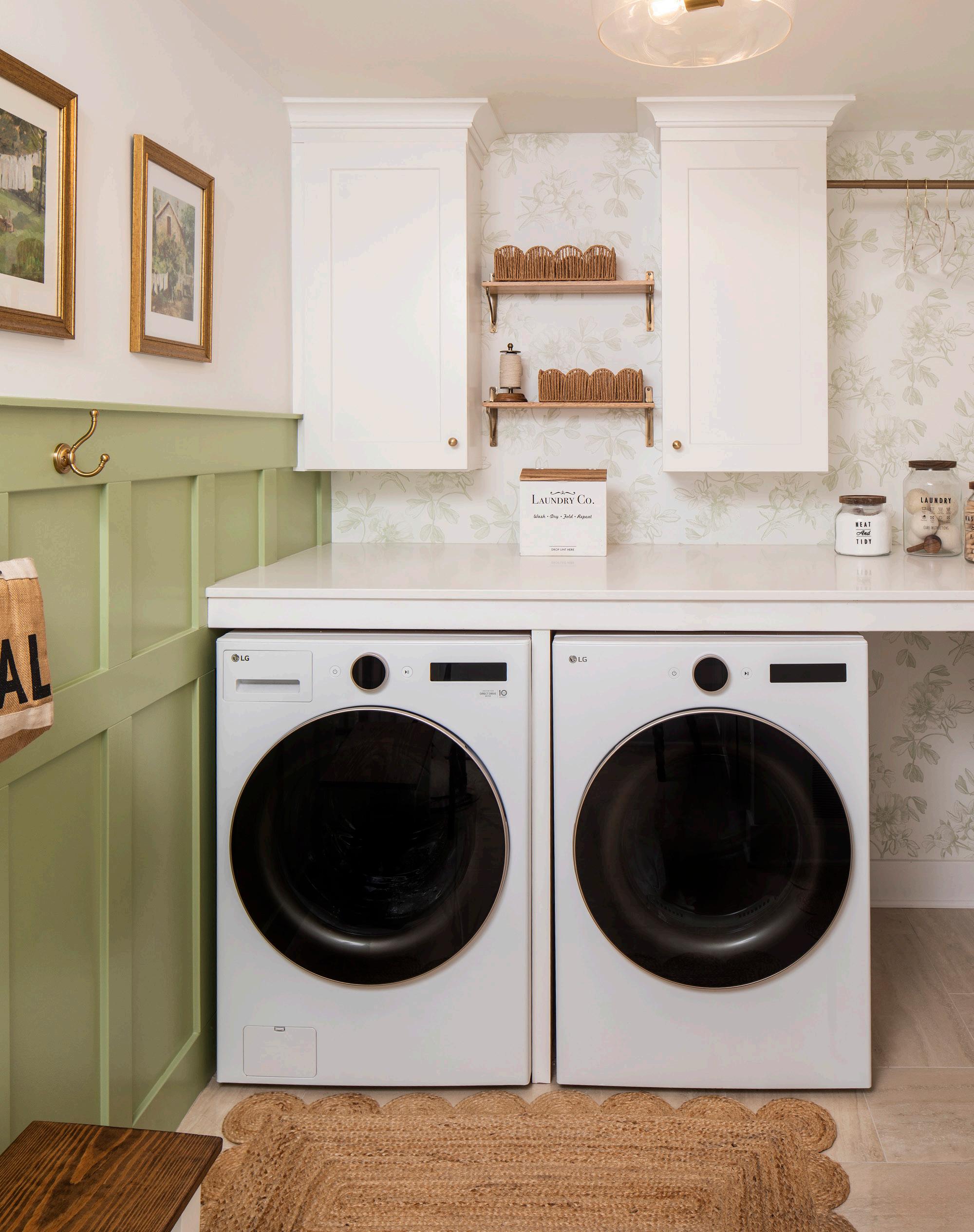
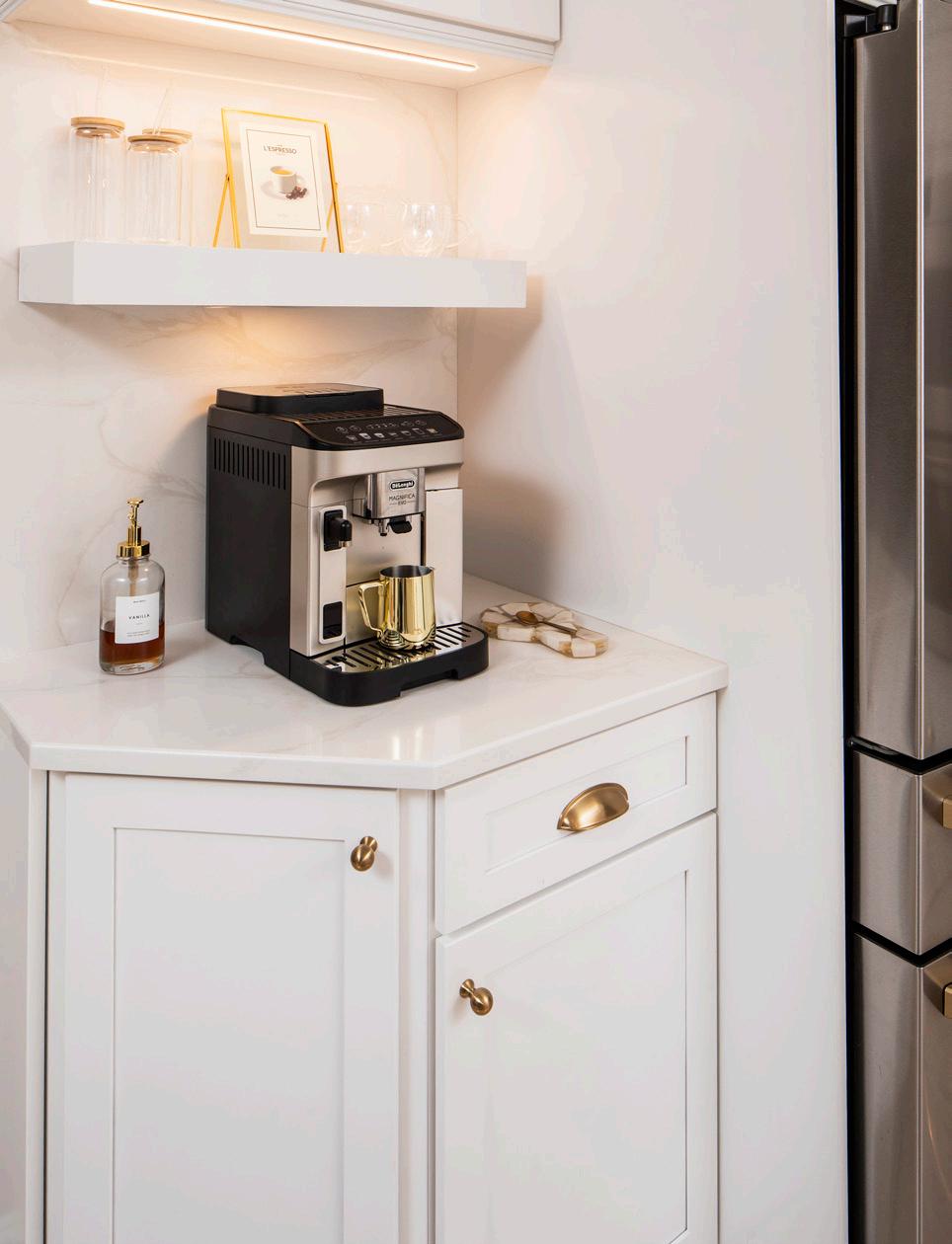
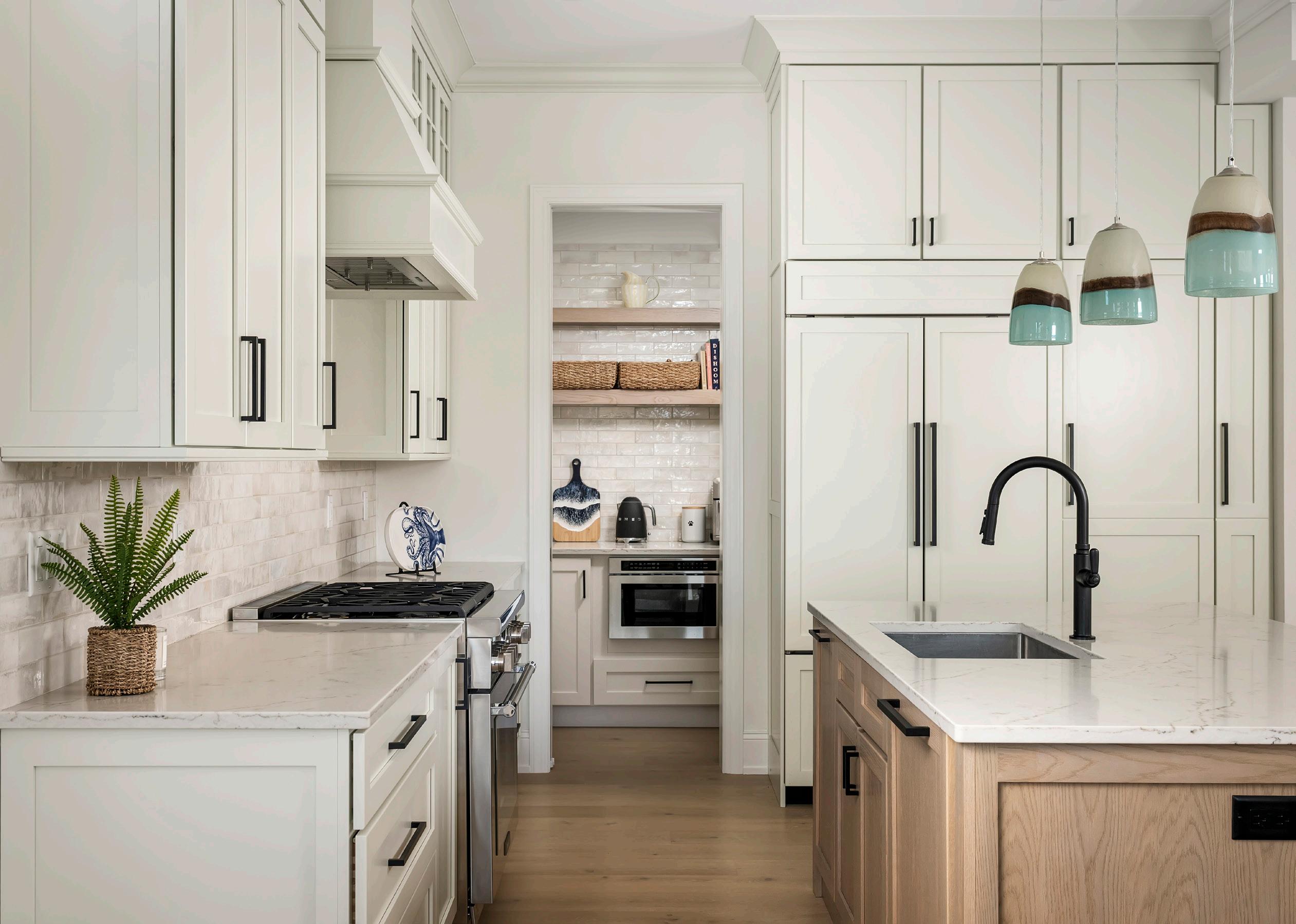
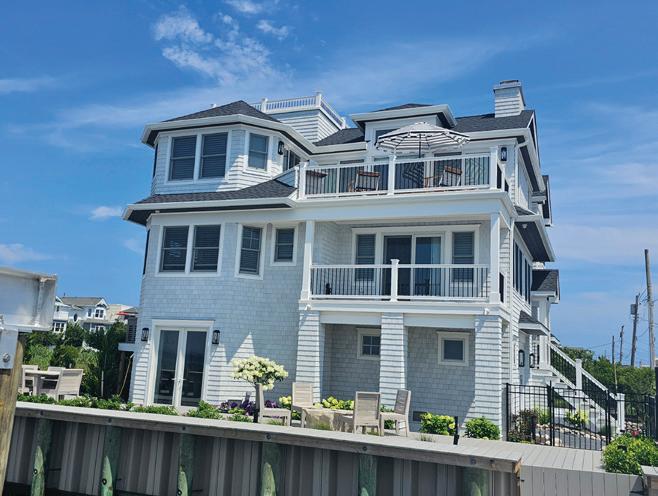
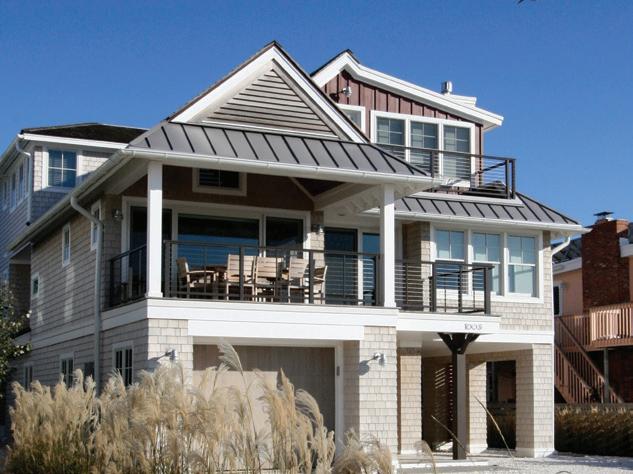
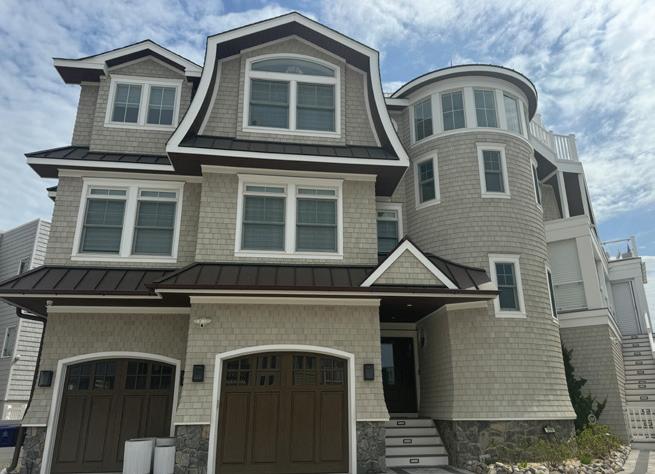
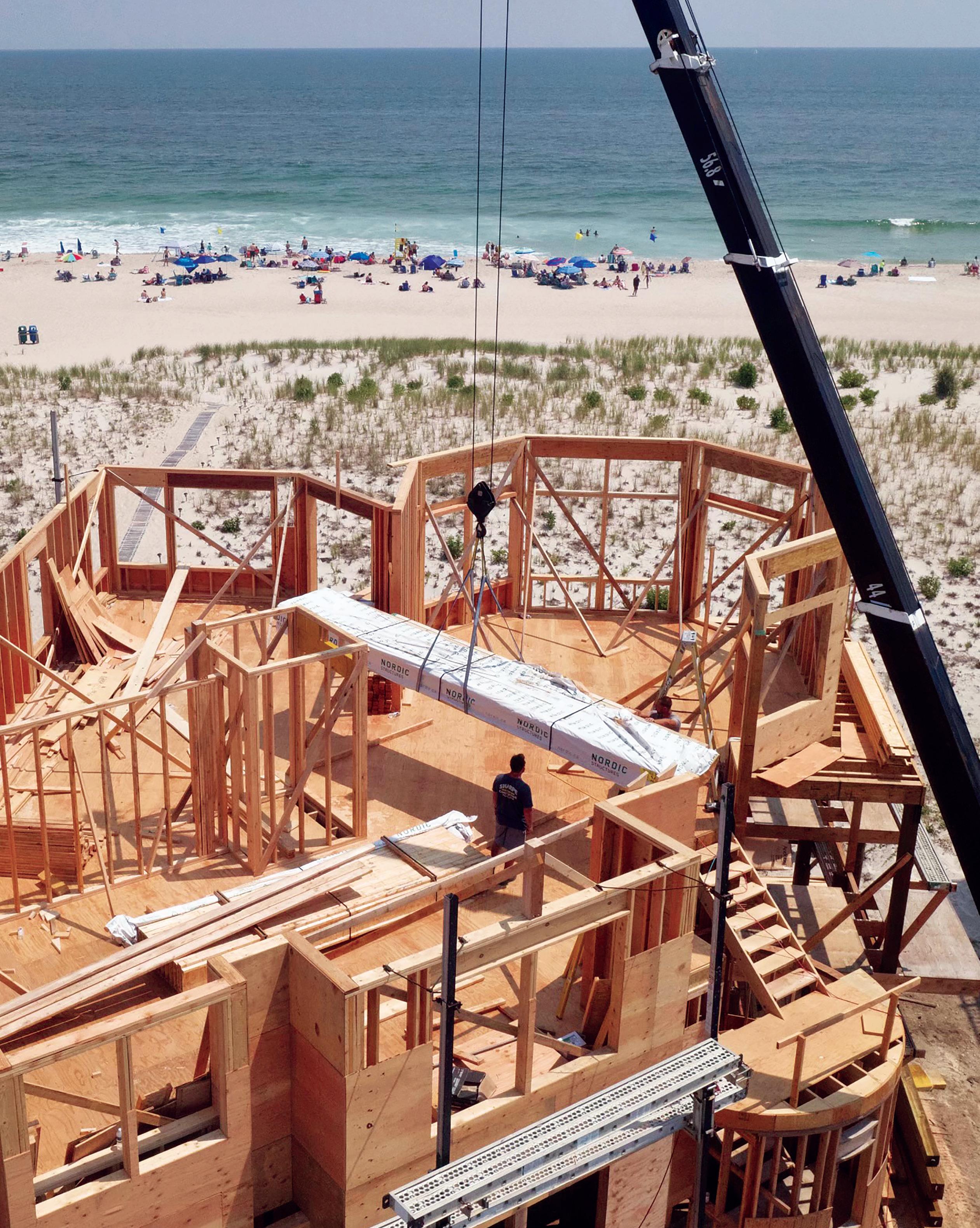
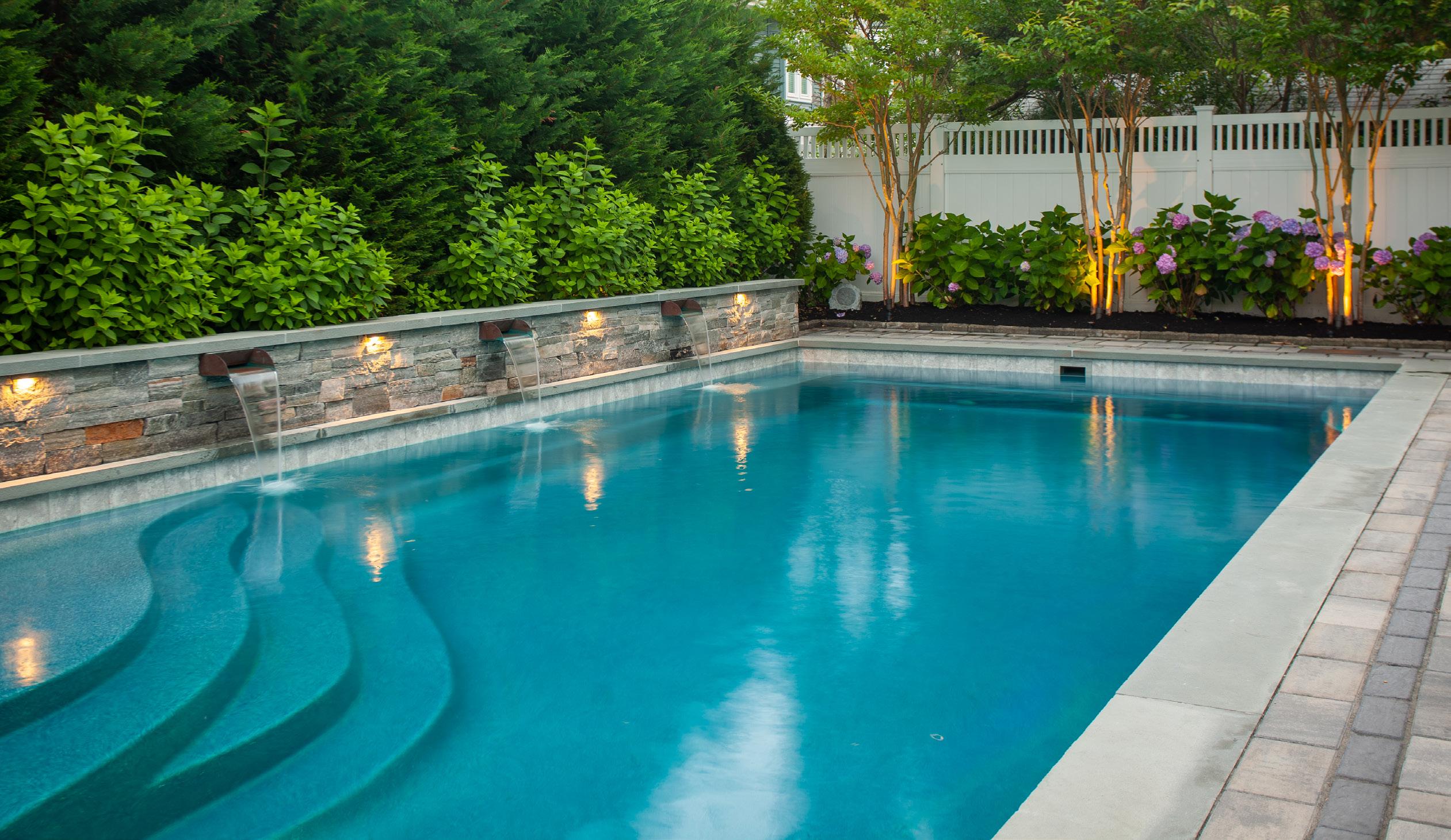
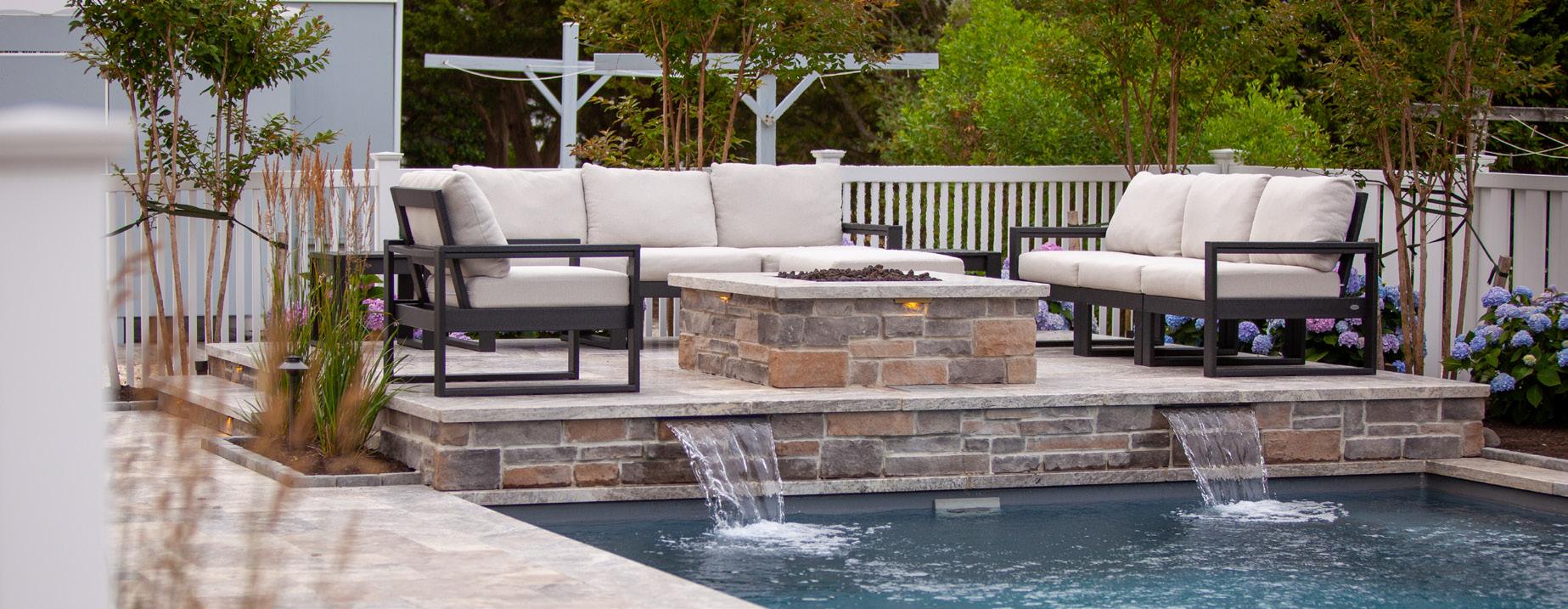
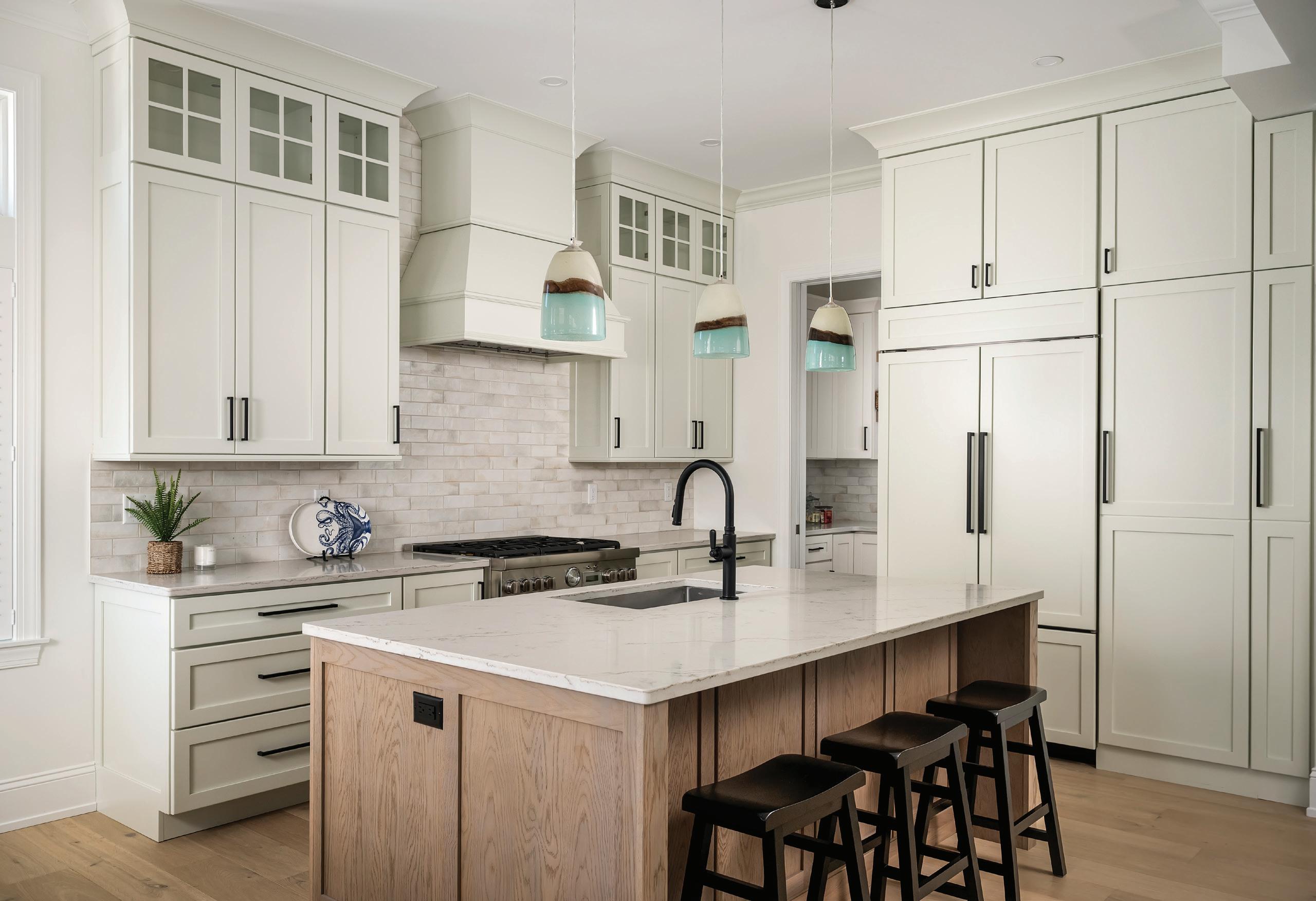
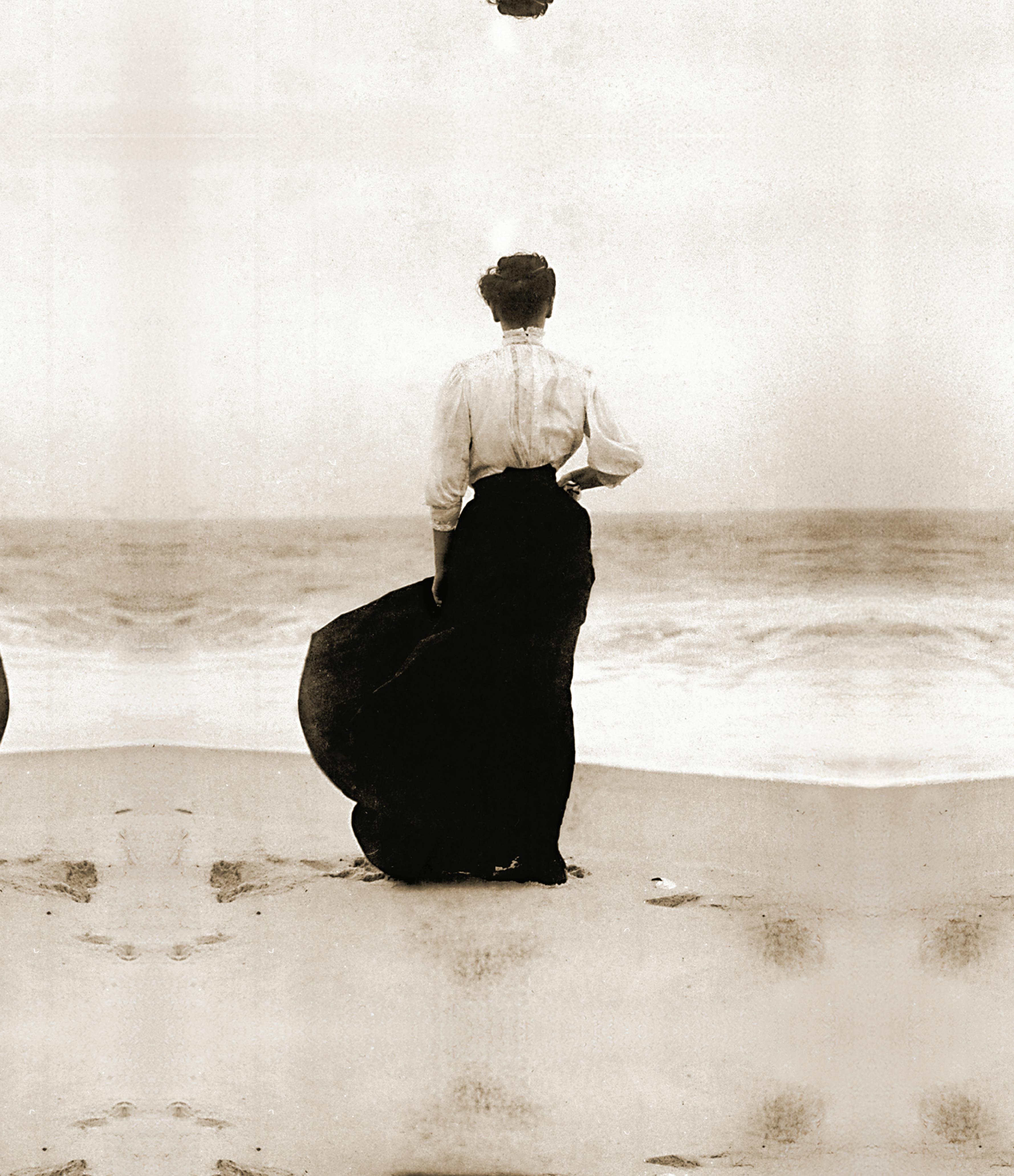
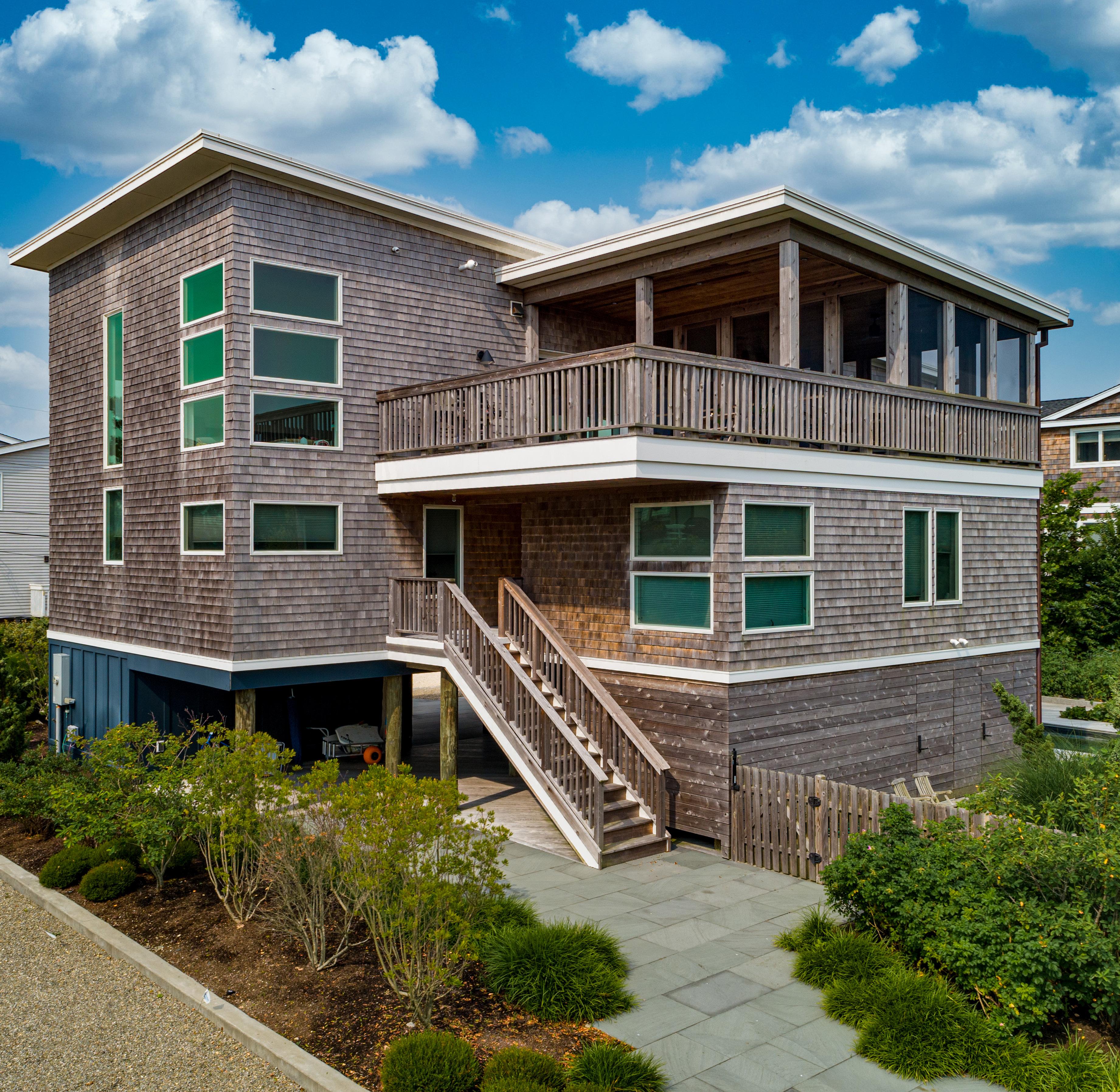
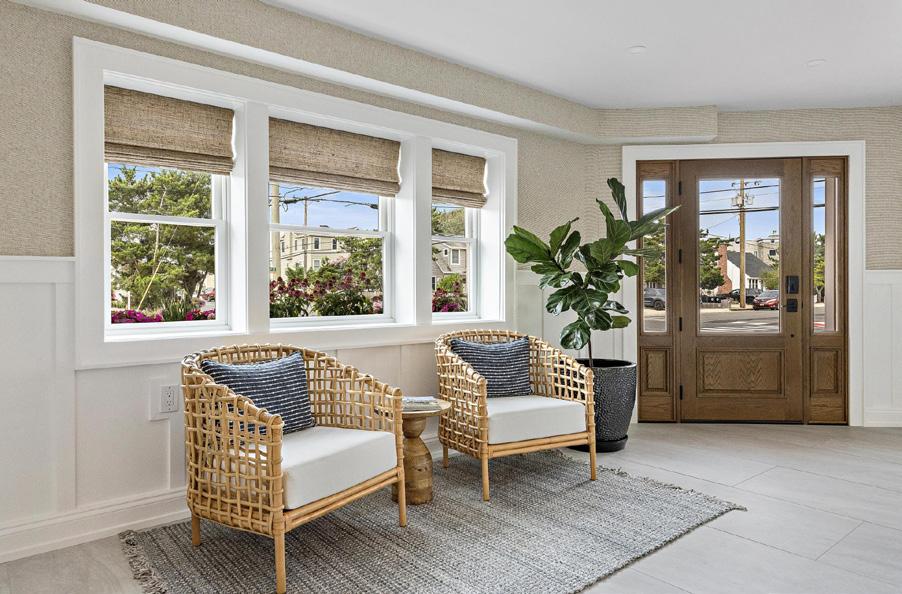
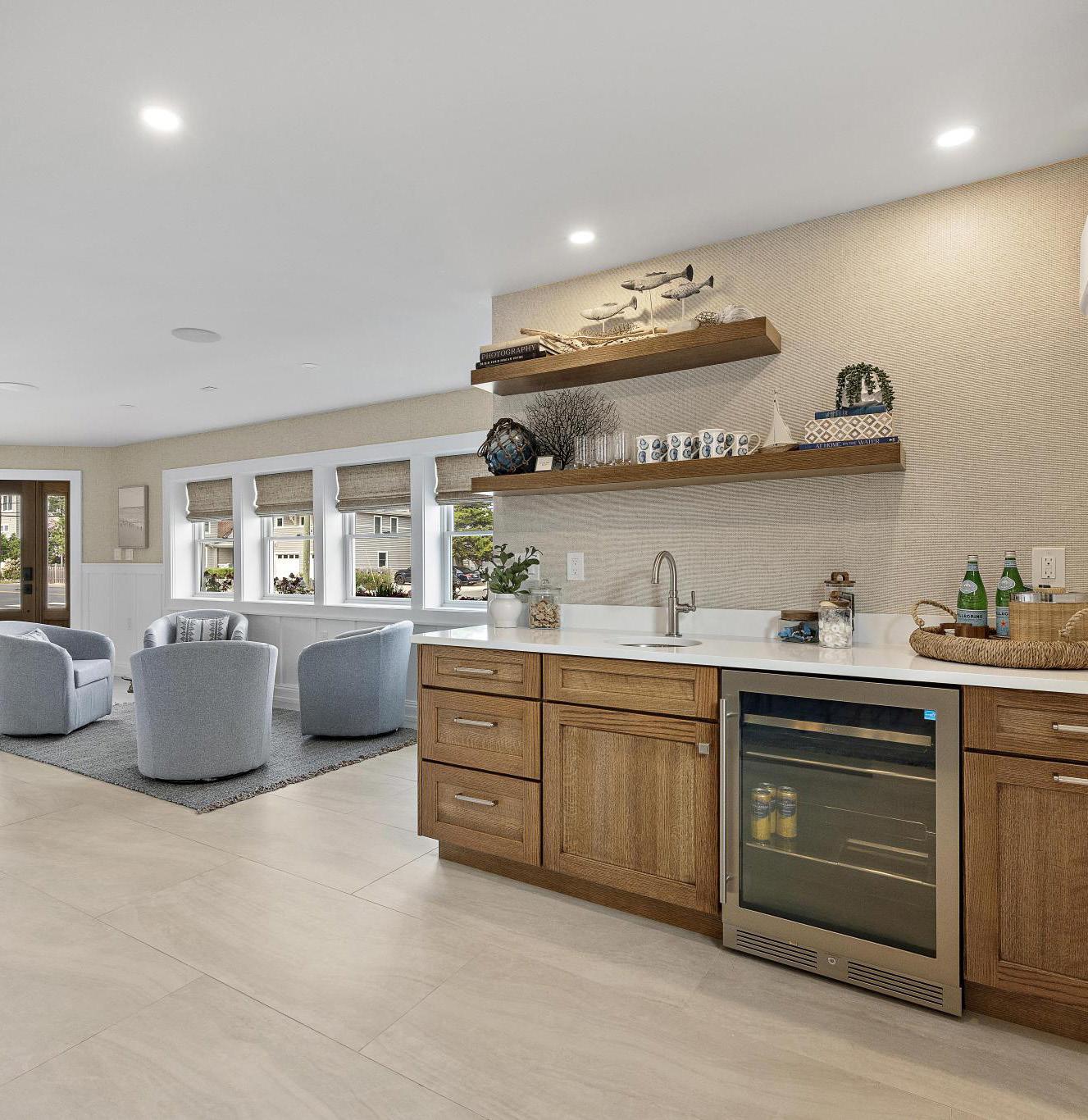
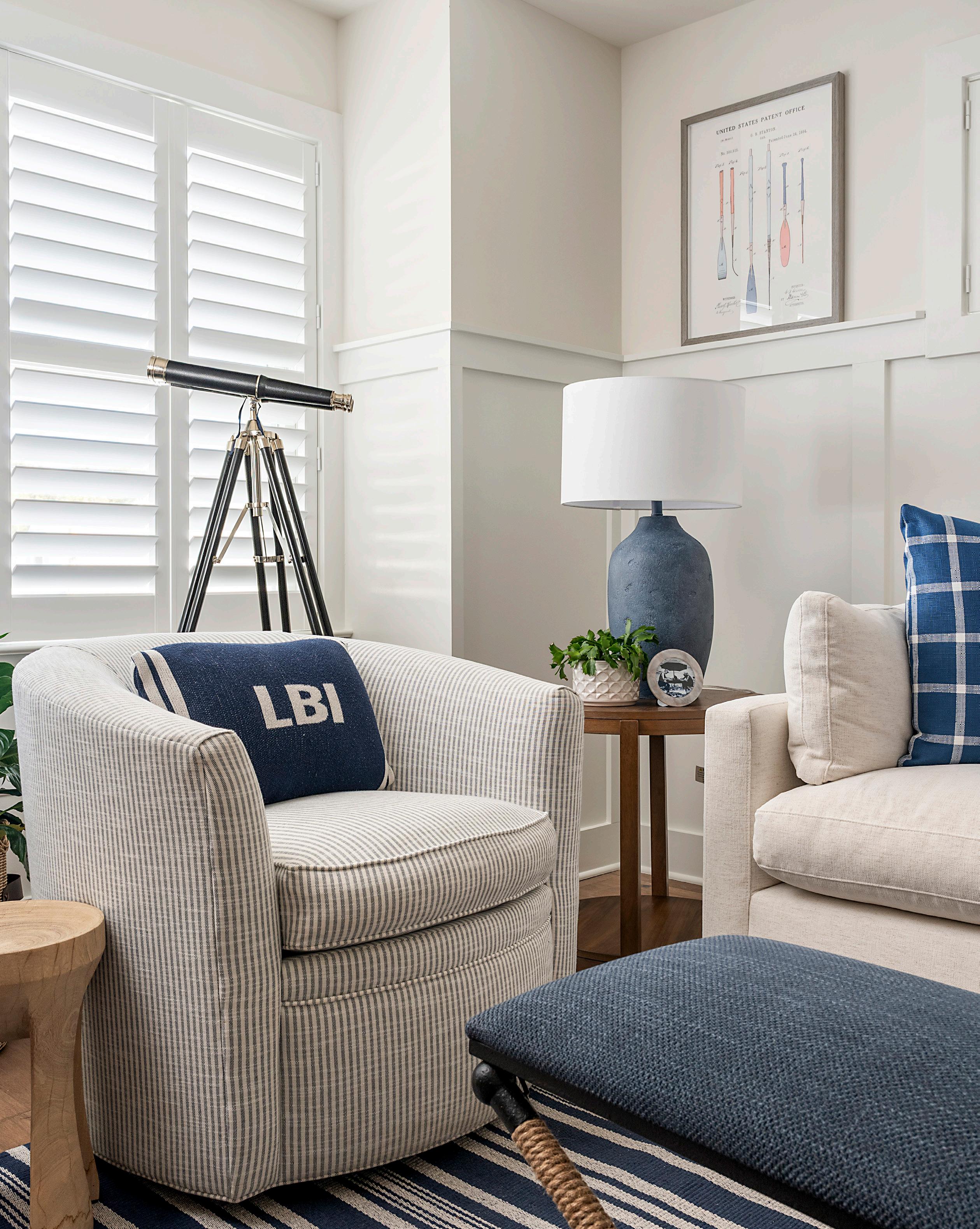
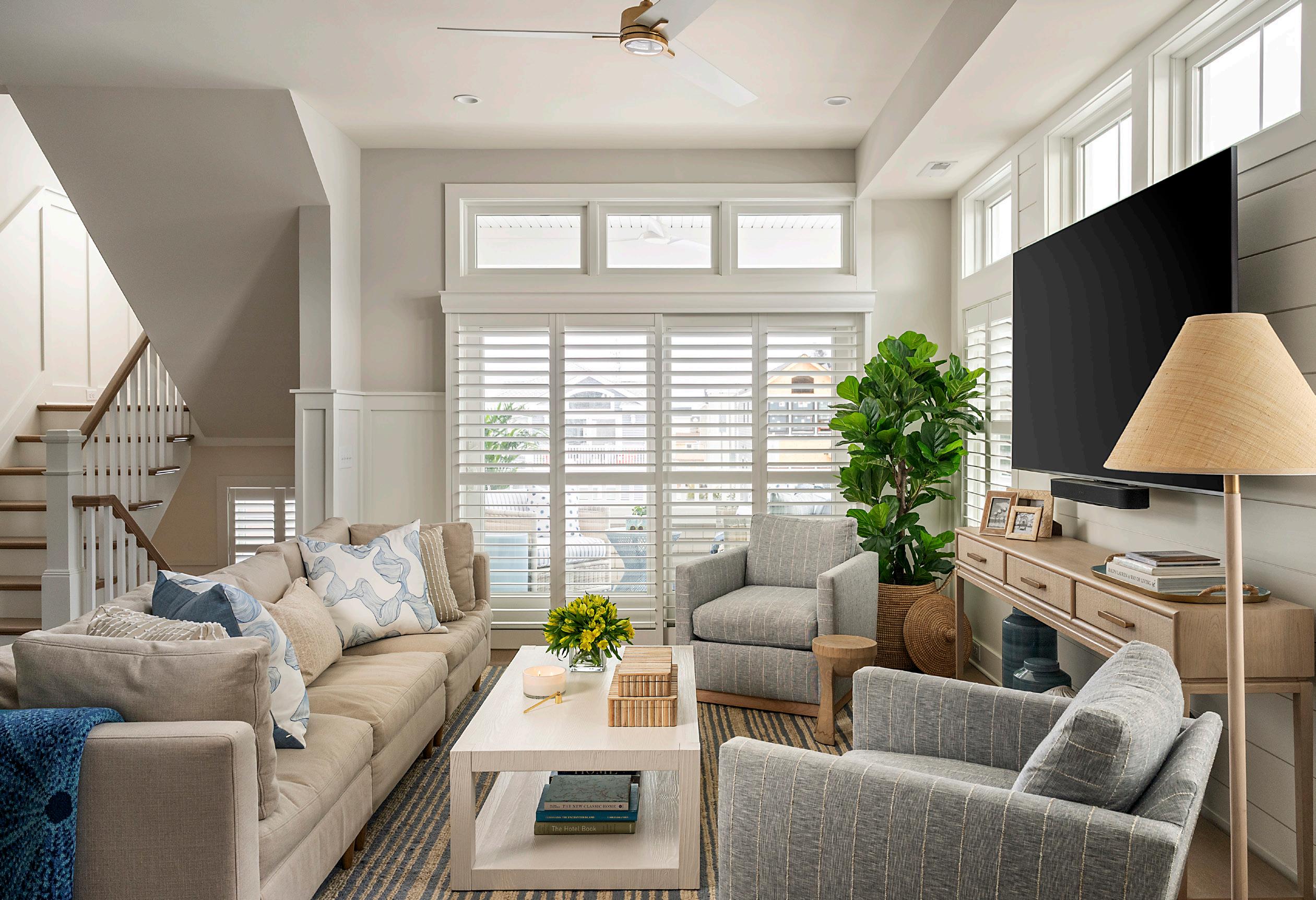
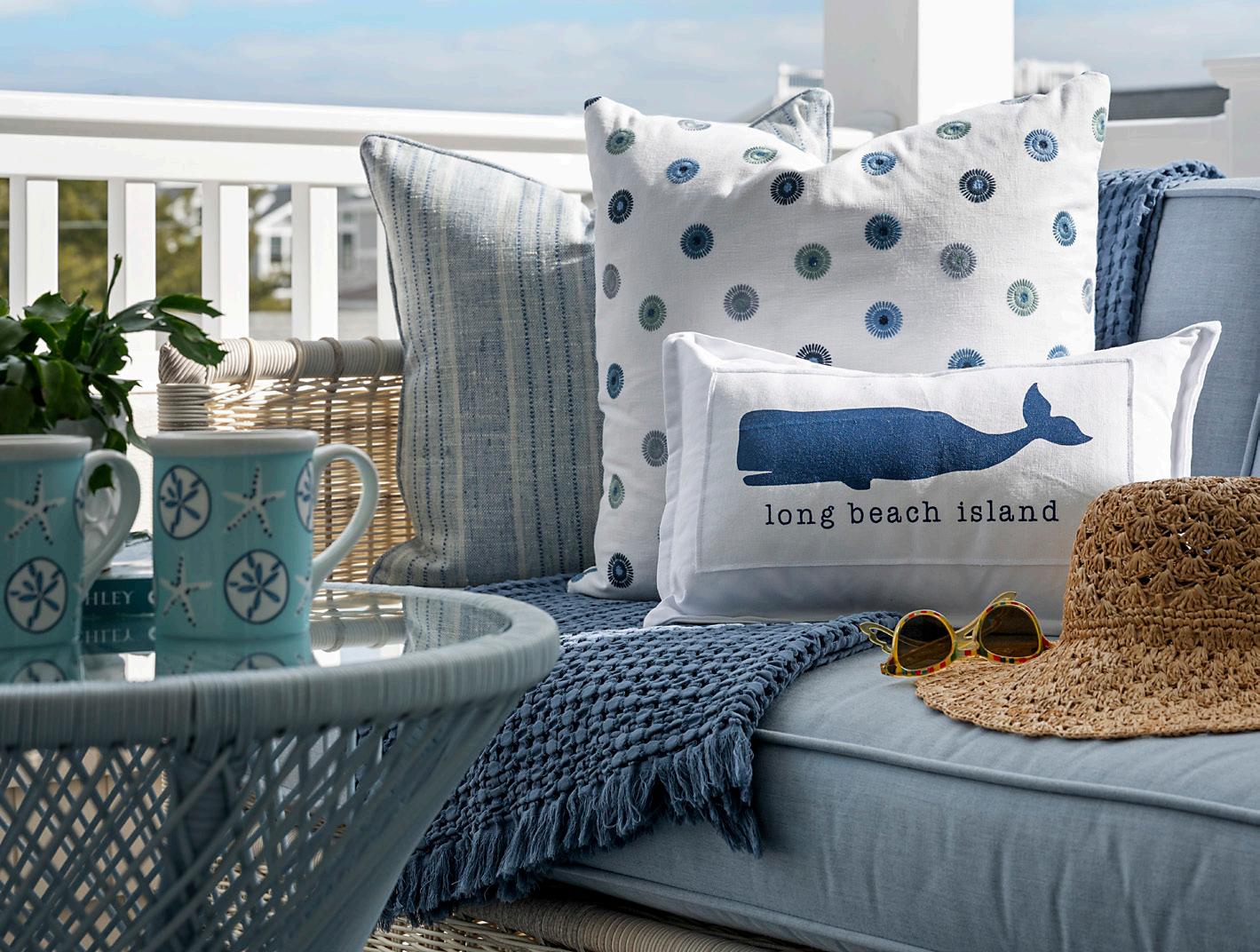
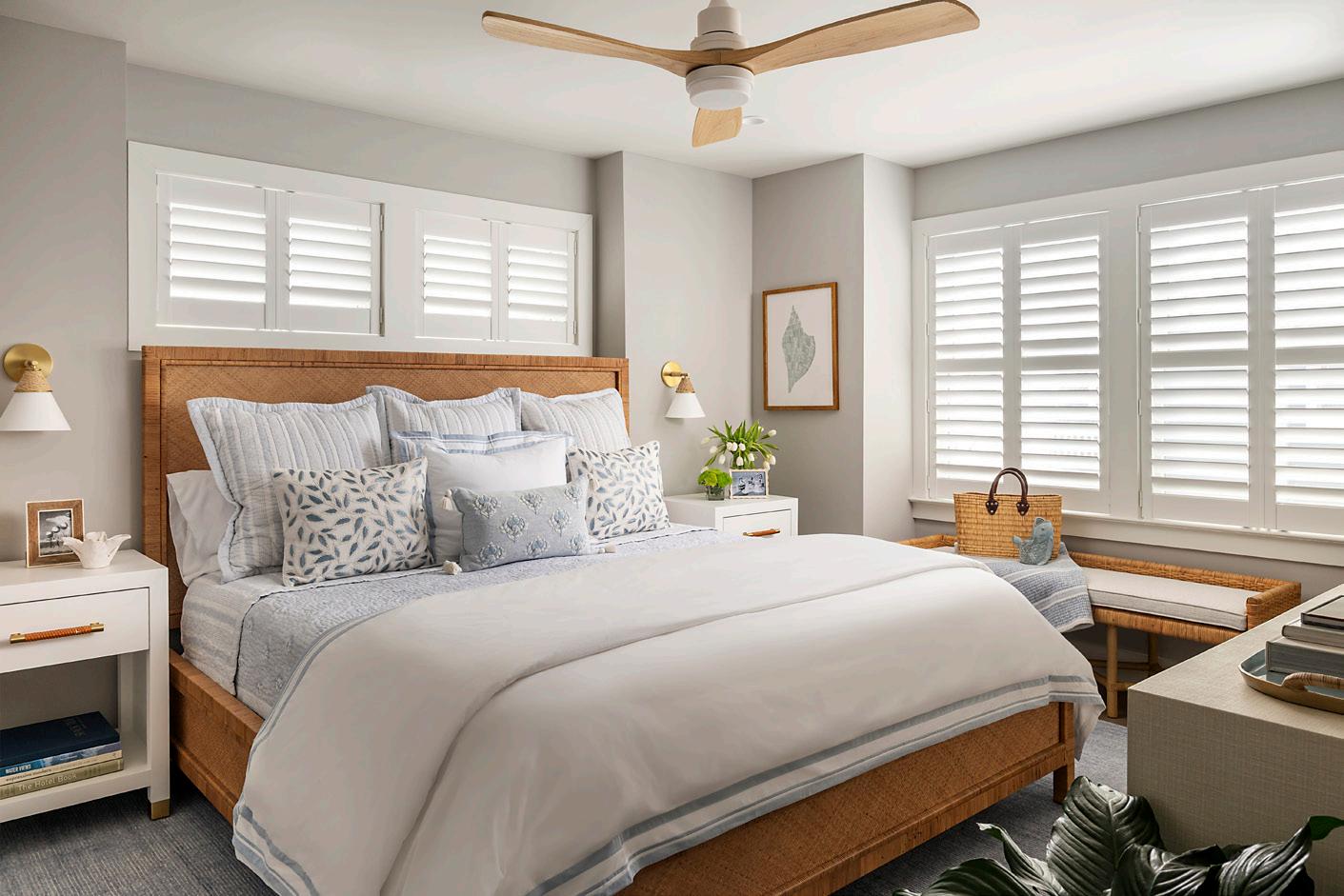
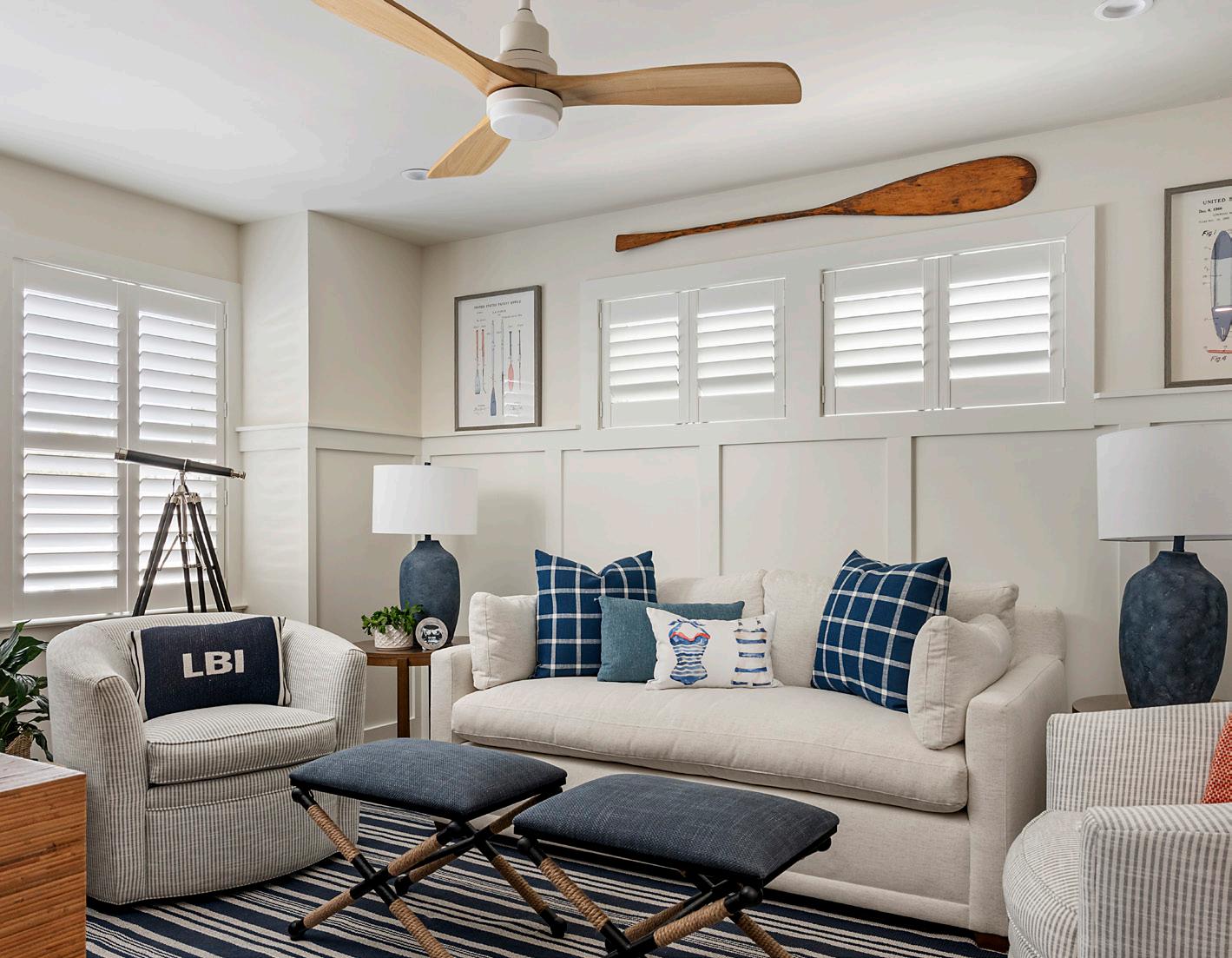
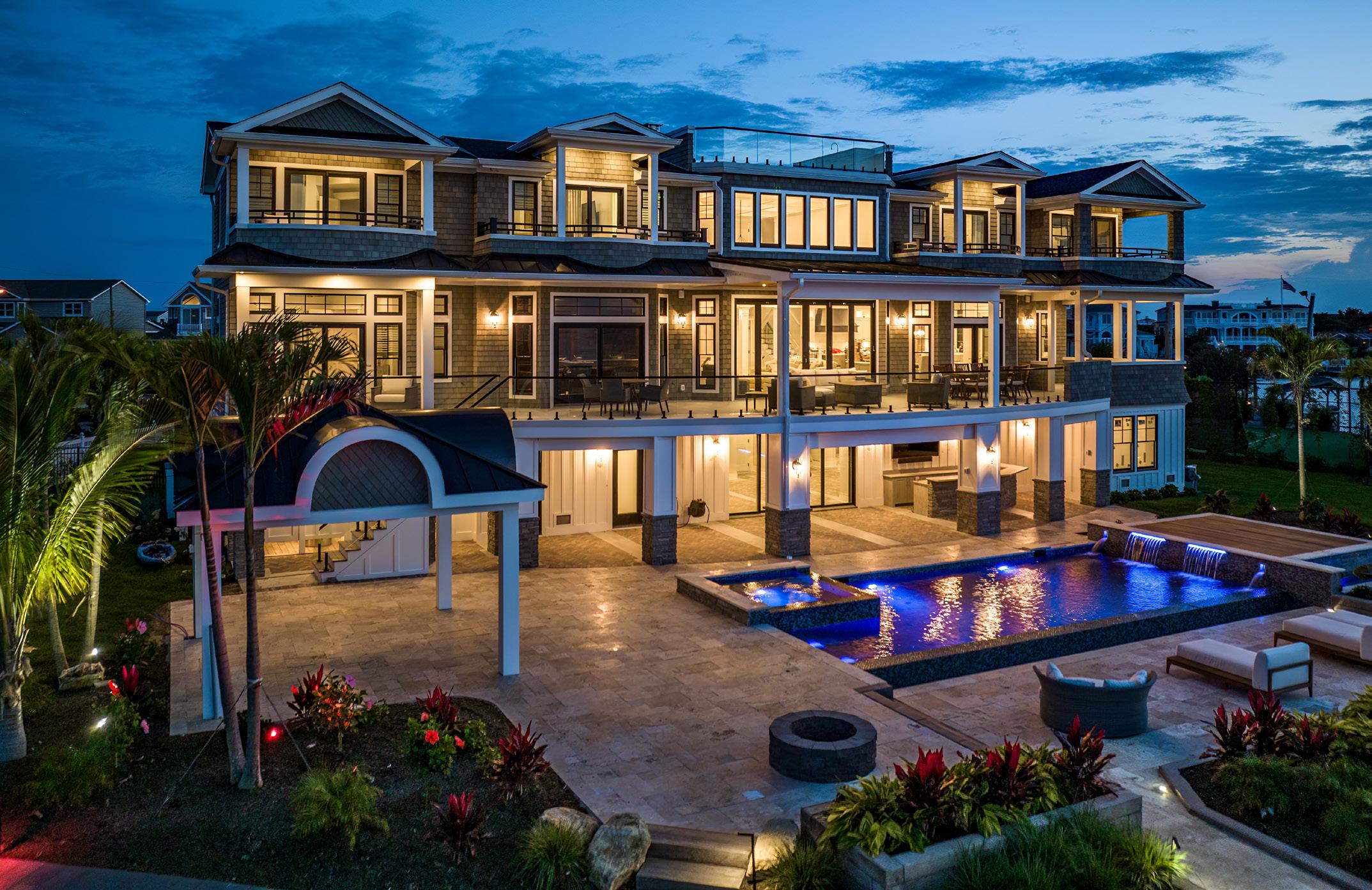
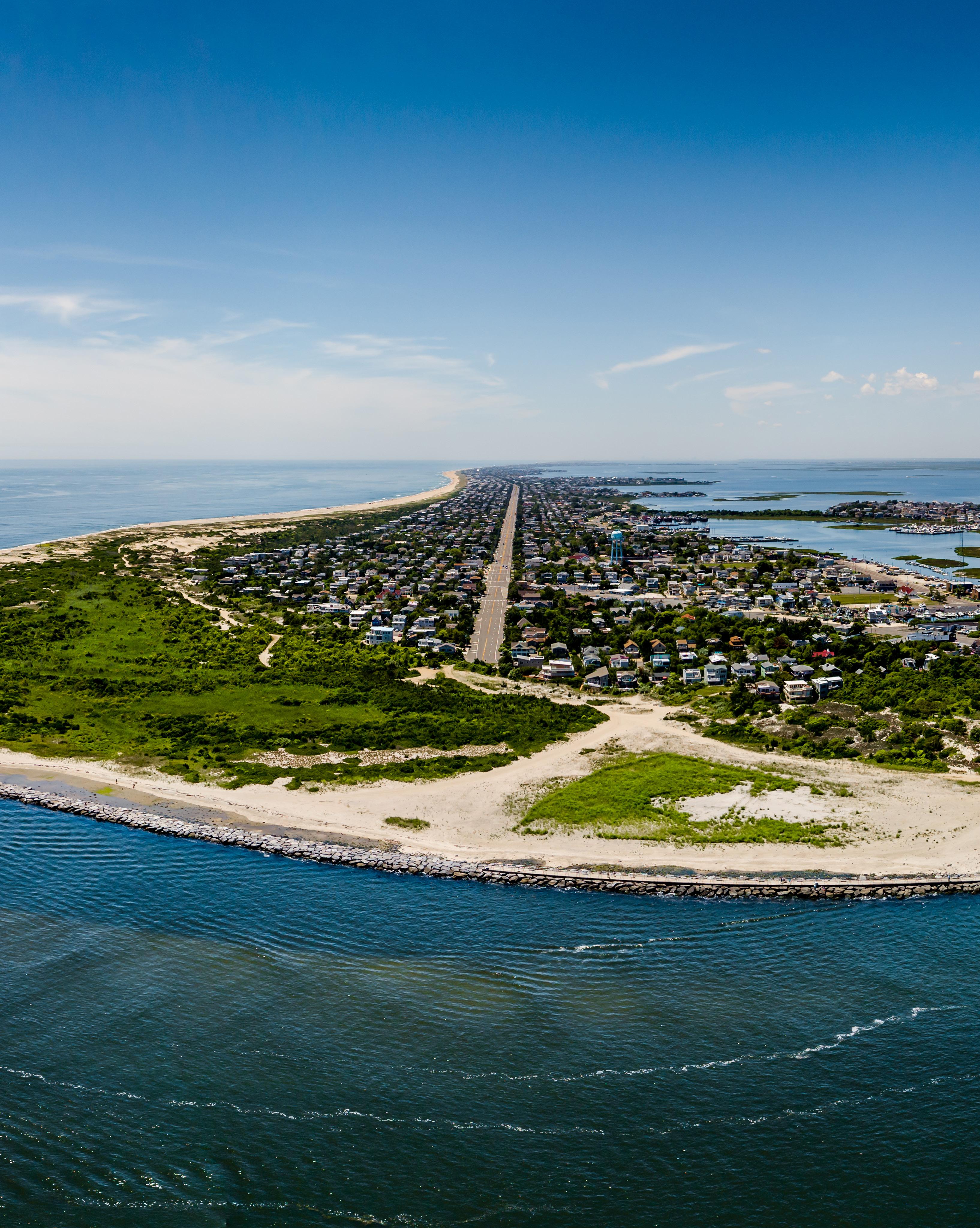
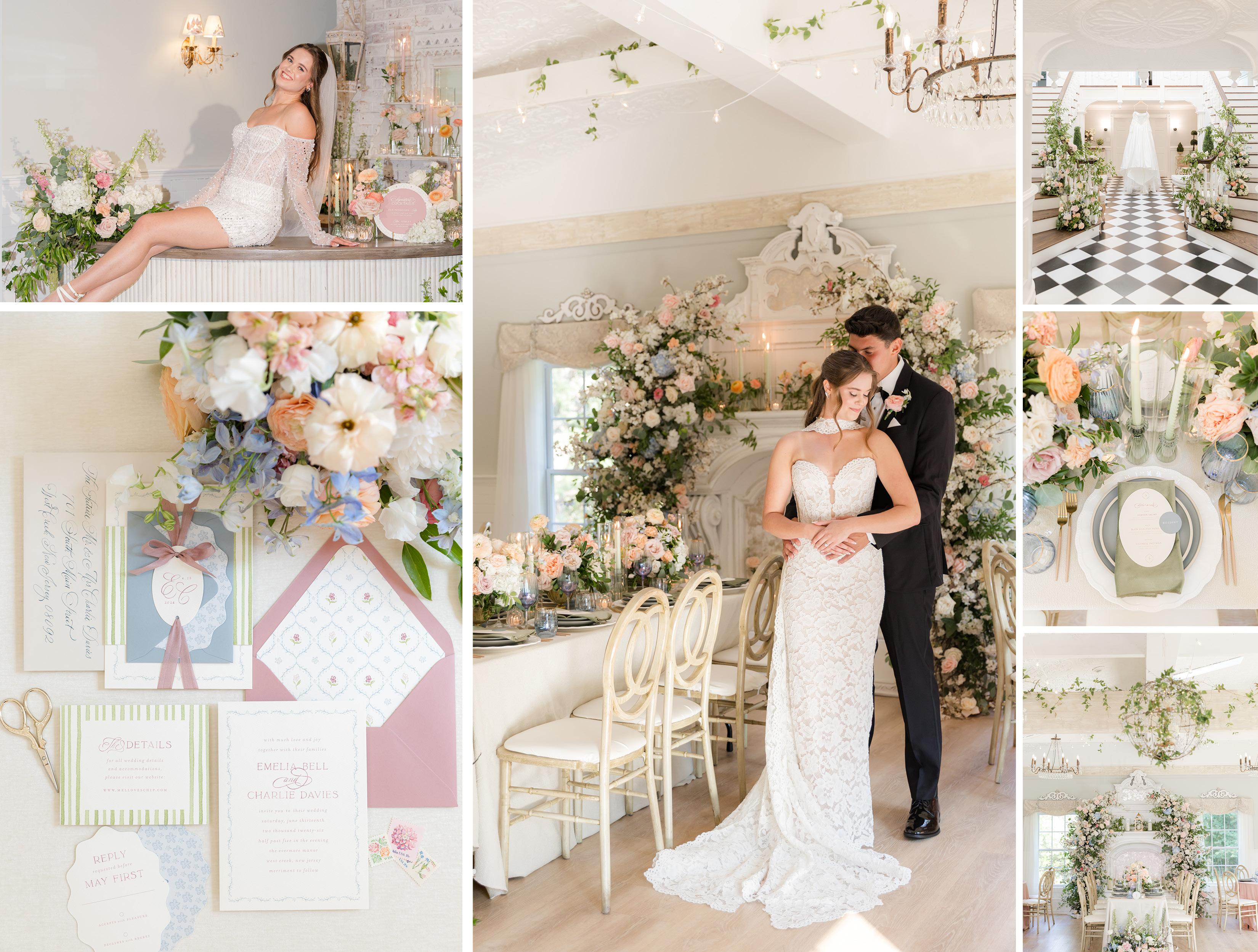
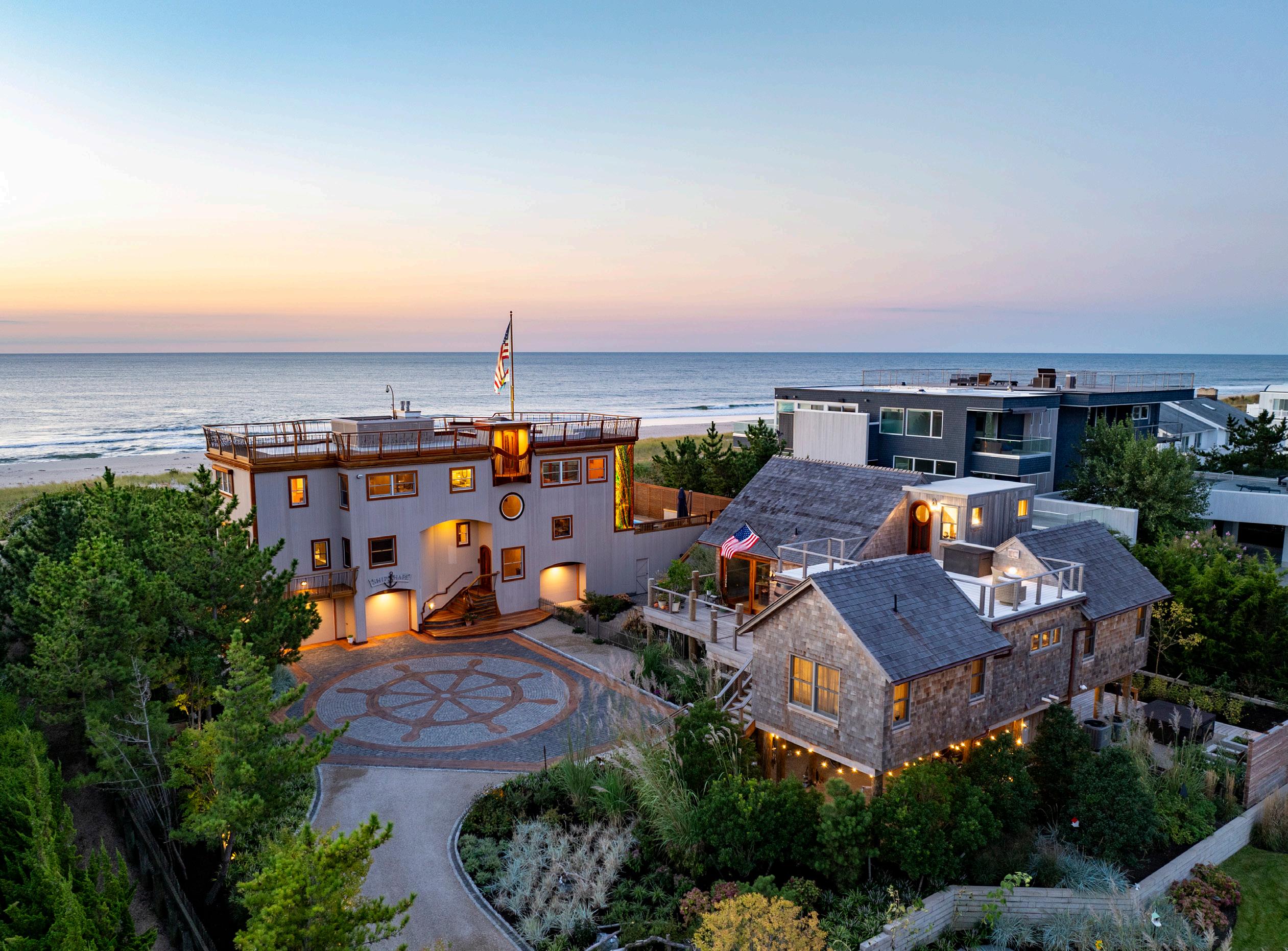
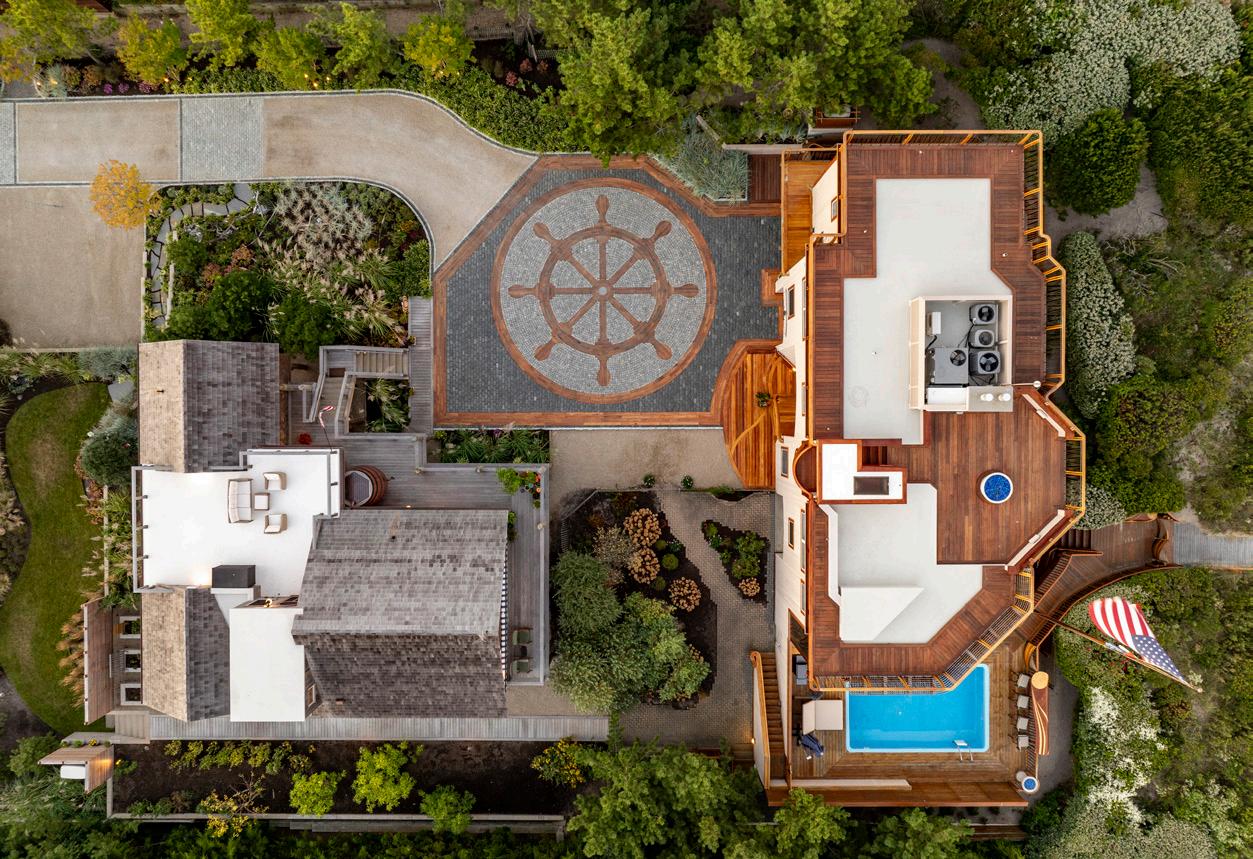
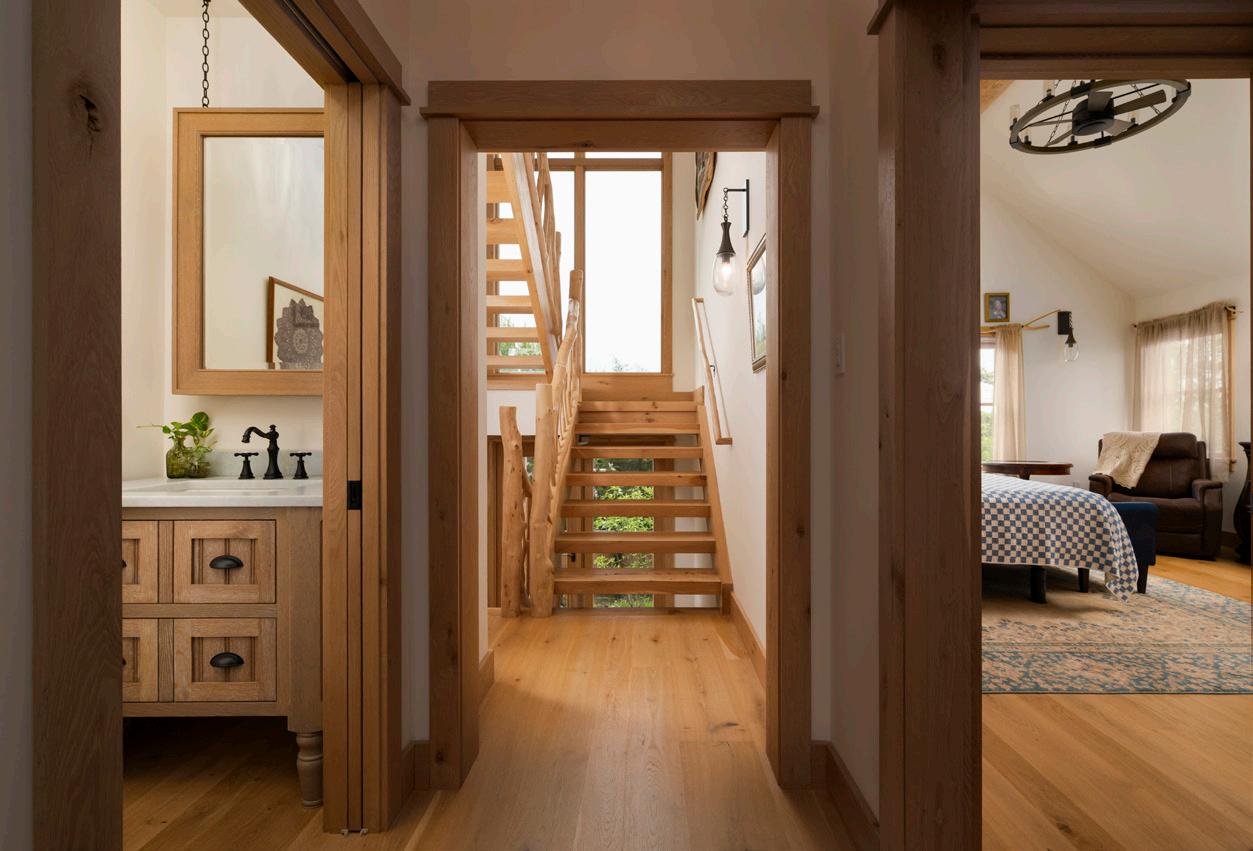
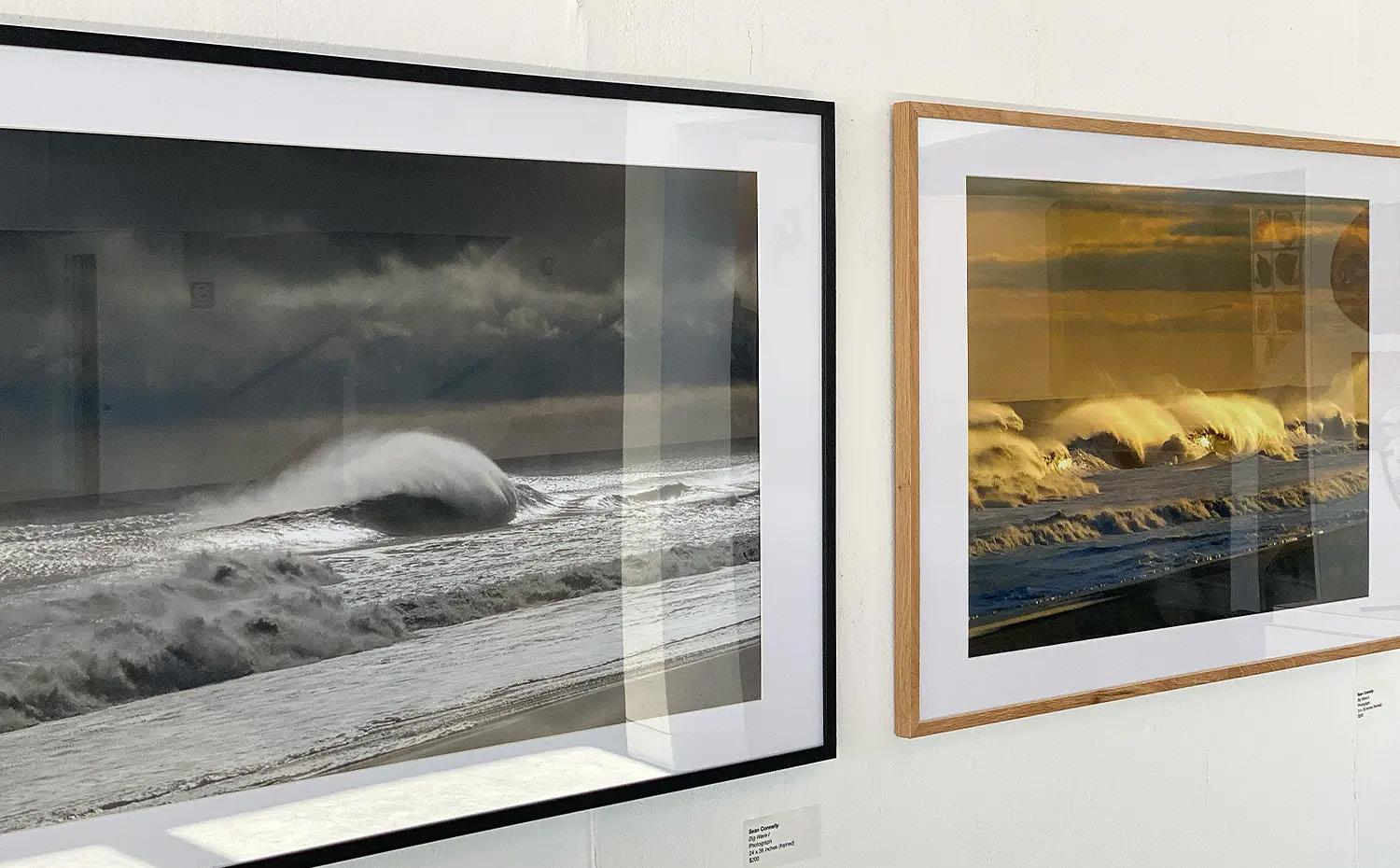
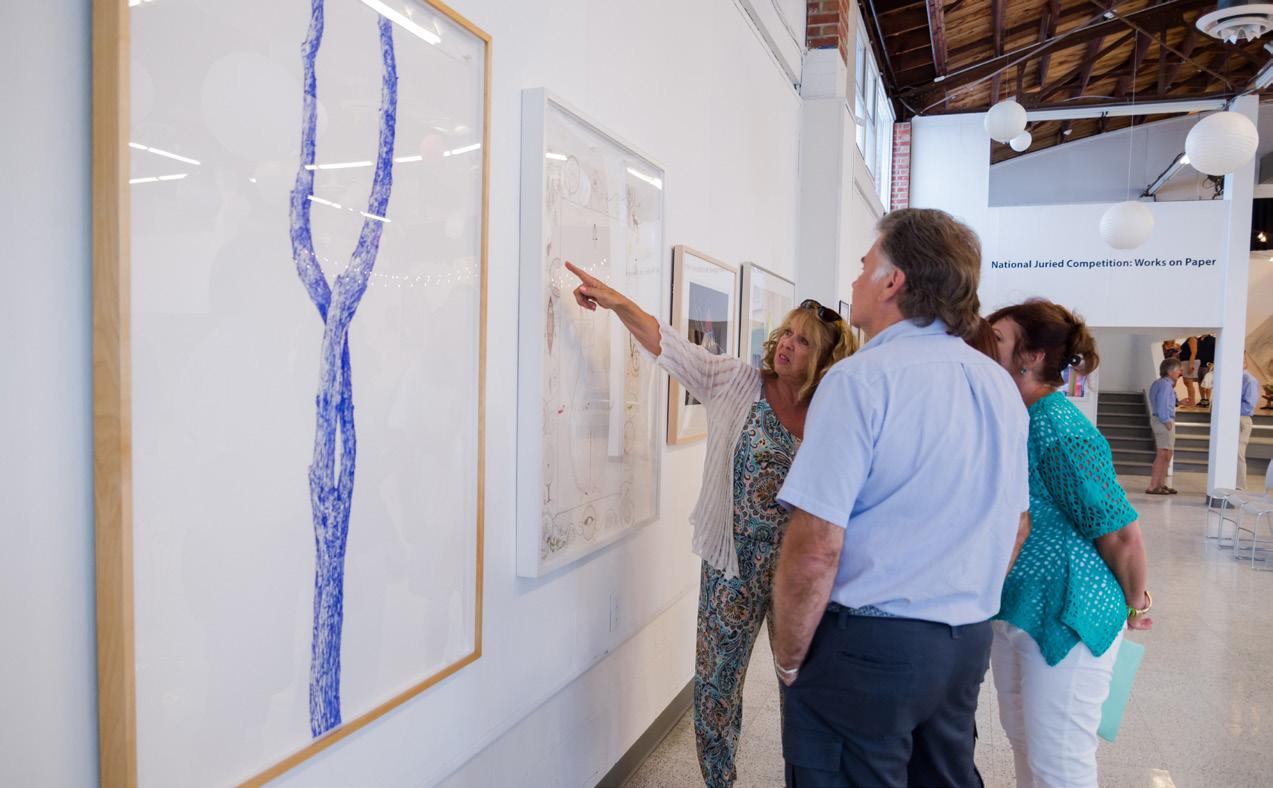
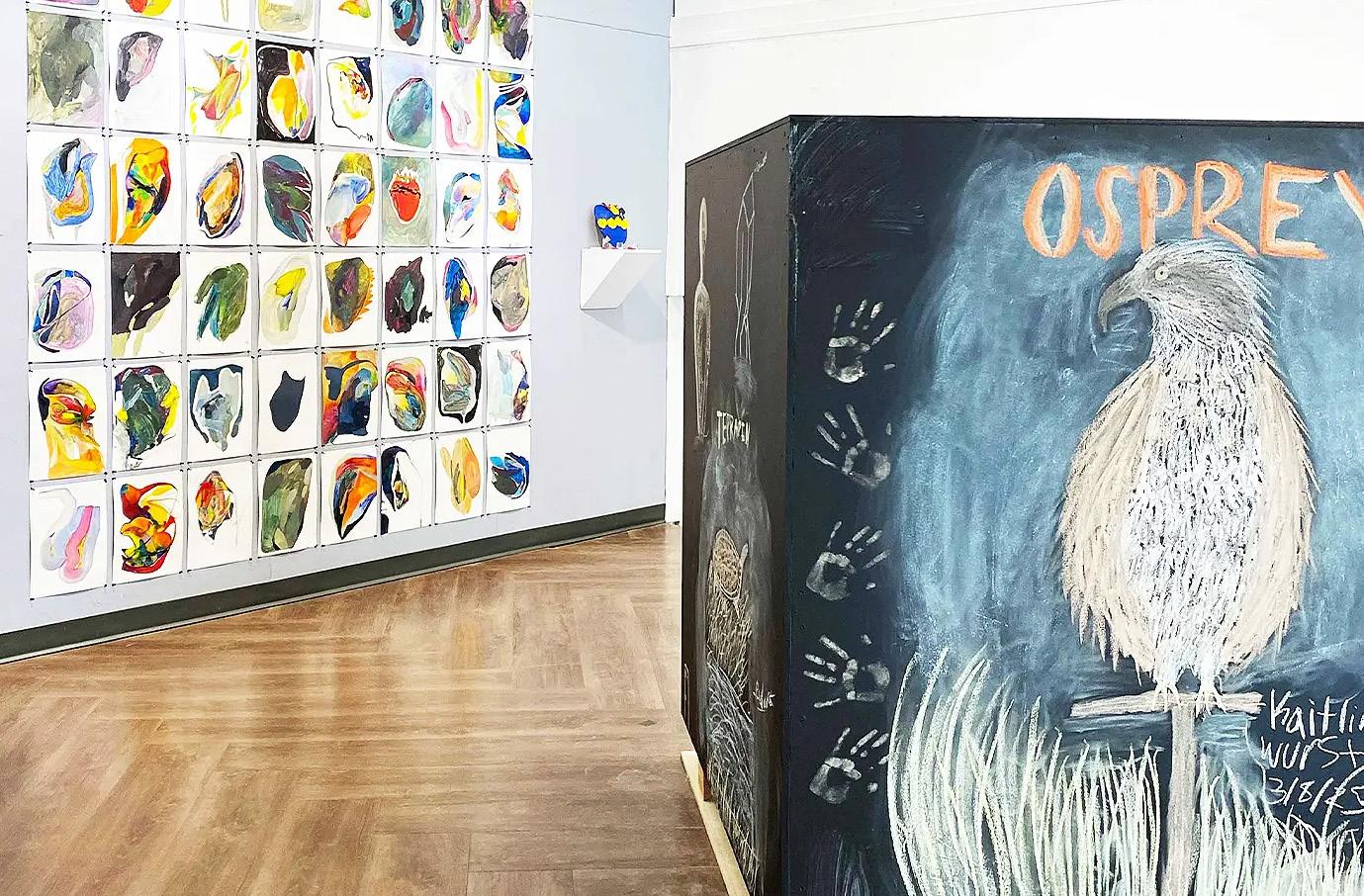
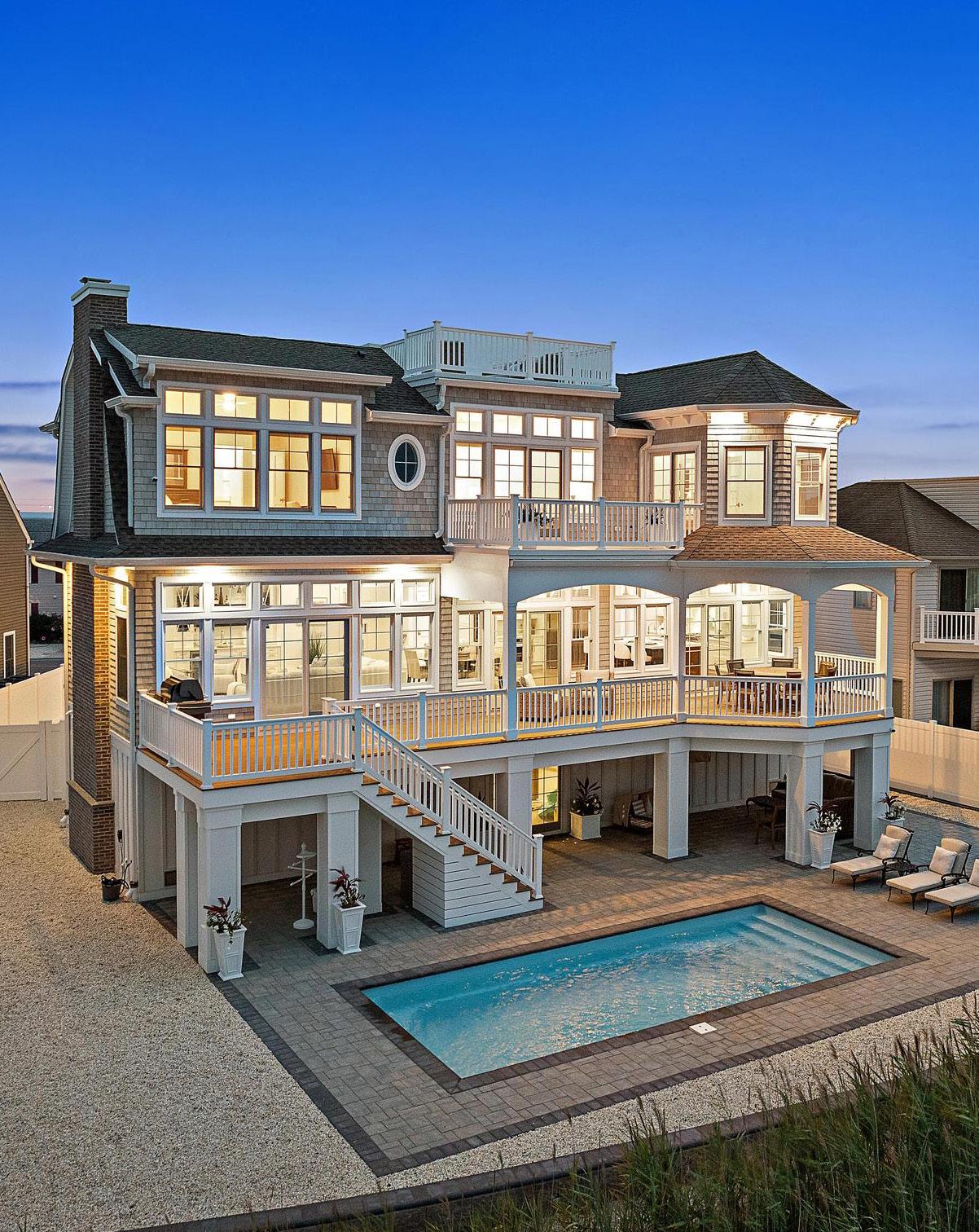
For more than 40 years, Walters has helped shape life along the Jersey Shore with homes designed for the way people truly want to live. From custom residences tailored to your vision to beautifully crafted homes available now, every Walters home reflects thoughtful design, enduring craftsmanship, and a deep connection to coastal living. Whether you’re beginning the journey, refining the details, or ready for your next chapter at the Shore, Walters creates homes that capture the ease of summer and the comfort of home all year long.
CO-FOUNDER | CHAIRMAN PUBLISHER
GARY HENDERSON
CO-FOUNDER | EDITORIAL CREATIVE DIRECTOR
FARRELL DUNLEAVY VP OPERATIONS
LUELLEN HENDERSON
CONCEPT & STYLING WEDDINGS
JEANNE COON-BOGATH
BOGATH WEDDINGS AND EVENTS
CONTRIBUTING PHOTOGRAPHERS
MICHAEL SPARK
MICHAEL JOHN MURPHY JOHN MARTINELLI ROBIN CHASE
CONTRIBUTING WRITERS
JENNA COWPERTHWAITE
KATHERINE LIOUDIS LISA SIMEK DENISE PETTI
SUSAN VON BRACHEL ANNE GREEN
ADVERTISING SUBMISSIONS GENERAL INQUIRES
info@bay-mag.com
For a digital copy of bay magazine visit our website at www.bay-magazine.com. All rights reserved. No part of this periodical may be reproduced without express permission of the publisher. The opinions expressed by writers commissioned for articles published by bay magazine are not necessarily those of the magazine.
Feed your mind cookbook™ Wedding Bliss Expo™ The Book
DYK | Long Beach Island’s Email Blast
HAPPY BIRTHDAY AMERICA
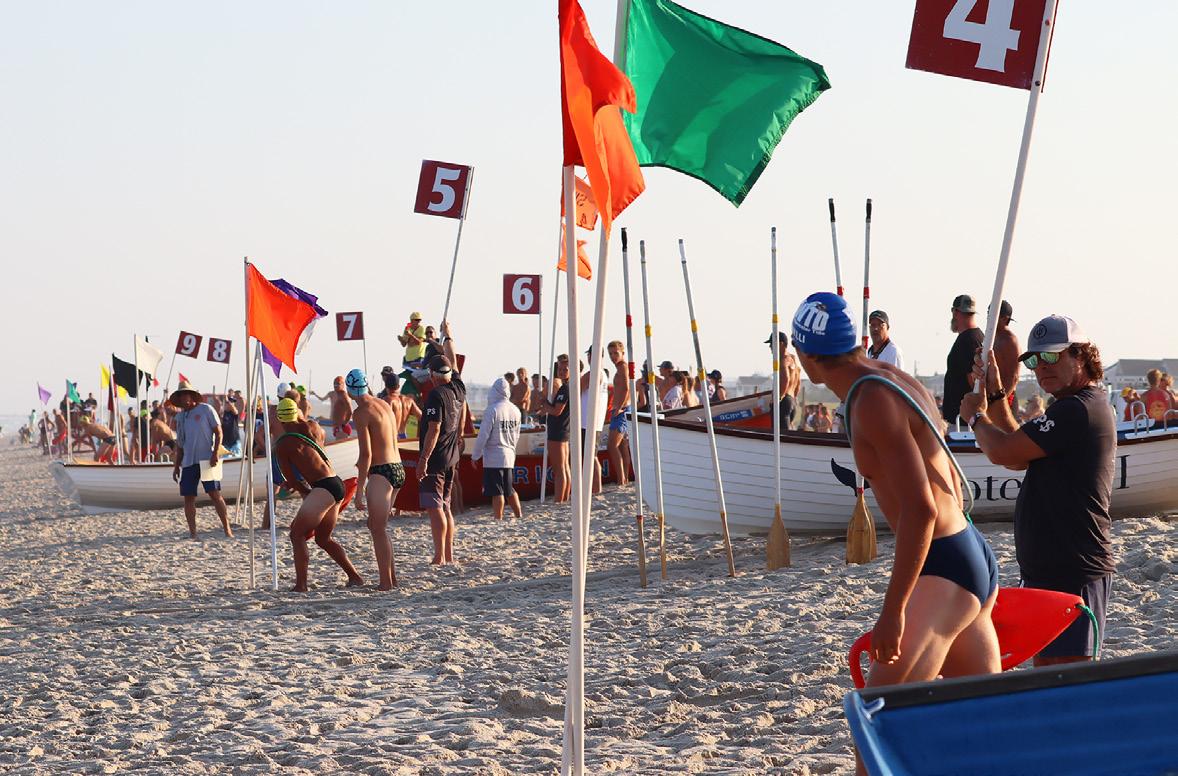
Whether you live here year round or only have the opportunity to visit for one week each year, summer on Long Beach Island brings out the best in us. Amidst the golden sun, the shimmering waves, and the coastal charm found on every block, it’s no wonder why. And this year, especially, as we celebrate our country’s 250th anniversary, the island is positively buzzing. Together we honor the values of resilience and hope, and commemorate the sacrifices of those who have worked to uphold our nation’s ideals. What a joy to observe this milestone in such a special place!
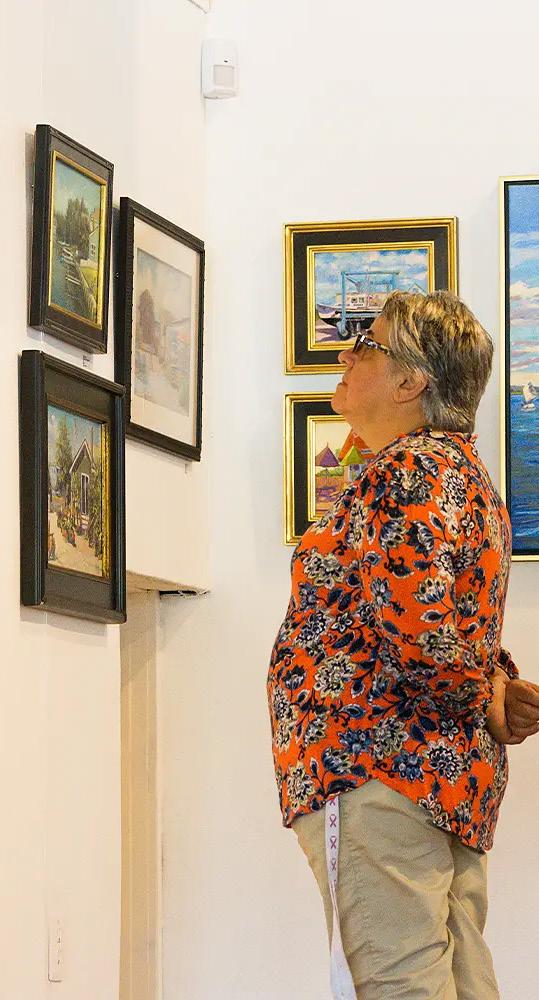
For this issue, we’re highlighting some exquisite seaside properties aglow with personal takes on design, from breezy colors to natural fibers. We take a look at some notable restaurants—both on and off the island—serving up the best of local flavors. We honor the blossoming art scene, thankful for the galleries brimming with watercolor canvases, oil masterpieces and stunning sculptures; infusing our island with this bit of culture offers a great escape from rainy mornings or mid-day heat. And we reintroduce you to some of the island’s gems, standing as true beacons of the unique mores that have been honed over decades.
From an enviable modern kitchen to a gathering place for citizen scientists, we’ve assembled a collection of people and places that represent the best of our island. We hope this issue helps you to relax and make the most of the season to come. Wishing you a safe and happy Independence Day!
The Founders
Photo by Molly Ardoin Winner of the Southern Regional High School Photo Scholarship - Sponsored by Bay Magazine
D id you kno
We have a We have a great selection great selection of lamps, bedding, lamps, bedding, home accessories home accessories and more. more. accessories
We have a We a fun selection selection 0f artwork 0f artwork. ar w We offer We offer upholstery, blinds, upholstery, blinds, flooring and rugs flooring rugs.
We have a We a complete selection selection of tile and marble of tile and marble.
Build with an Architect™
Queen of the Harbor
A client’s devotion, a builder’s vision, and a storied stretch of Barnegat Bay… this is the making of Loveladies Harbor’s crown jewel.
PHOTOS BY MICHAEL SPARK WRITTEN BY LISA SIMEK
Every summer, without fail, he wrote a letter by hand.
Not an email. Not a business card left at the door. A proper handwritten letter, folded and tucked into the mailbox of a beloved home on Oceana Drive in Loveladies. For more than fifty years, the property had been a place of family summers and generational memories; it was a home that had known decades of laughter, salt air, and the particular joy that Long Beach Island has a way of producing in the people who love it. In its later years, after the family patriarch had passed, the grounds had grown quieter, the gardens wilder, the property settling into a kind of peaceful stillness in the care of his children. And all the while, the lagoon shimmered just beyond the overgrowth, patient as ever.
The letter said simply: if you ever consider selling, I would be grateful for the opportunity.
Year after year. Summer after summer. The owner of the property continued to hold on, and the man who loved the house continued to write. Around them, Loveladies Harbor was transforming with older cottages giving way
to sleek new construction one by one, but this parcel on Oceana Drive remained frozen in time, wrapped in green.
Then one day, the phone rang.
To understand why a man would write that letter for so many years, you first have to understand the land beneath the house, because it is not land that was always there. The very ground under Oceana Drive was made, finger by finger, from the floor of Barnegat Bay.
The name Loveladies itself reaches back to the 19th century, derived from Thomas Lovelady, a landowner who gave his name to this remote stretch of Long Beach Island long before anyone thought to develop it. The establishment of the Loveladies Life-Saving Station in 1871 put the place on the map in a more official sense, but for decades it remained one of the quietest, most undeveloped corners of the Island; it was a wetland expanse that most of coastal New Jersey had never heard of.
That changed in 1956, when approximately 250 acres of bayfront land were acquired by Loveladies Harbor, Inc., a
development entity backed largely by Philadelphia-area real estate investors riding the wave of post-World War II coastal development. Their vision was audacious: they would not simply build on the land. They would create it.
Using a lagoon-subdivision model that was popular along Long Beach Island during the 1950s and 1960s, the developers dredged a series of long, parallel channels directly from Barnegat Bay. The material pulled from the bay floor was used to raise and stabilize the surrounding land. Bulkheads were constructed. Lots were carved out. What emerged, slowly and methodically, was the distinctive “seven-fingers” layout that defines Loveladies Harbor to this day: a network of residential peninsulas extending into the bay, each one offering its residents water on two sides and a kind of private relationship with the tides that flat-lot living simply cannot replicate.
From the beginning, Loveladies Harbor was designed to be different. Larger lots. Lower density. More space between neighbors. Landscape architect Don Russell, who
was part of the original design team, helped shape not just the plantings and streetscape, but the very way each home sat on its lot. Each one angled slightly differently from the next, so that the community would feel varied and alive rather than uniform and repetitive. It was a small but meaningful decision, and walking through Loveladies Harbor today, you can still feel its effect.
By the early 1970s, approximately 199 acres had been developed. About 51 acres of wetlands remained untouched, and as environmental regulations tightened through the late 1960s and 1970s, federal and state agencies denied permits to fill what was left. This set the stage for one of the most unusual chapters in the harbor’s story.
At the far end of Tidal Drive, past the last developed lot, past the last bulkhead, approximately 1,000 feet beyond the edge of the harbor as most people know it, sits a house that should not exist. And yet it does, and it is extraordinary.
Max Rab, one of the principals connected with the
original Loveladies Harbor development, spent years fighting for the right to build on a narrow, finger-shaped parcel of land that the regulatory environment of the era seemed determined to leave undisturbed. He pursued the matter all the way to federal court. In 1994, the case “Loveladies Harbor, Inc. v. United States,” resulted in a landmark ruling: the court found that government restrictions had effectively stripped the property of nearly all economic value and ordered compensation. The decision remains one of the most cited regulatory-takings cases in American environmental law.
Rab ultimately built his home at the end of Tidal Drive: a long, linear, contemporary structure shaped almost entirely by the constraints of the site and the DEP’s required setbacks from the water’s edge. There was no fighting the geometry of a narrow finger of land. The house had to follow the land, and what emerged was something singular: a modernist home sitting alone at the tip of Loveladies Harbor like a vessel at anchor, surrounded by water on both sides.
Mark Reynolds of Mark Reynolds Builder-Contractor knew that house well. He had served as the general contractor on its renovation and landscape, working the site over the course of several years. When the time came to think about the next chapter at the Oceana Drive property, Mark brought that same deep familiarity with the harbor’s character and its demands to a new address.
The call that changed everything came on a Friday.
Mark had worked with his clients before, on a previous home, and theirs was exactly the kind of relationship built for a moment like this. When the son of the original owner reached out to offer his clients the first opportunity to purchase the property, those years of quiet, handwritten letters had not been forgotten. Before they made a single move, they picked up the phone and called Reynolds.
By Sunday, the Builder-Contractor had completed a full preliminary feasibility analysis. Zoning parameters, lot coverage constraints, building setbacks, DEP considerations for a waterfront property …all of it mapped and evaluated within 48 hours. That work led to a critical early milestone: securing a Letter of No Interest from the DEP, which established that the regulatory path forward was clear. With a viable building footprint of approximately 5,000 square feet confirmed, Reynolds advised his clients to move forward.
“This story is ultimately about opportunity,” Mark reflects. And he is right, though it is the kind of opportunity that only arrives for those who have done the work of being ready for it.
Mark Reynolds Builder-Contractor went on to assist in selecting the architect for the project (Sean McGovern of
Architectural Integrity in Manahawkin), and the Reynolds Builder-Contractor team managed the DEP application process for the waterfront development in its entirety, including the bulkheads, docks, and boat lifts that would eventually make this one of the most capable waterfront properties on the Island. As the project progressed, Reynolds and his team took on dual roles, serving as both general contractor and design consultant.
What the team uncovered beneath all that overgrowth was a property of rare and genuine distinction. The site at Oceana Drive sits on one of the original dredged fingers of Loveladies Harbor, the very land that was sculpted from the bay floor in the late 1950s and early 1960s. More unusually still, the property is bounded by deep-water lagoons on both its north and south sides, a configuration that is uncommon even by Loveladies standards.
With 300 feet of bulkheaded waterfront, the north lagoon can accommodate a substantial vessel (a significant asset in a community where boating is a way of life), while the south lagoon offers additional dockage capacity. Together they give the property a relationship with the water that goes well beyond the visual: this is a home you can arrive at by boat, depart from at sunrise, and live on in the fullest sense of the word.
The landscape that Luke Reynolds of Reynolds Landscape Architects and Builders designed honors all of this. Rather than impose on the site, it works with the water and the light, connecting the architecture to the tidal rhythms that have defined this particular piece of land since the dredges first moved through in the 1950s. The result is a home that feels entirely of its place: modern in its expression, grounded in its history, and quietly confident in the way that only long-settled things can be.
There is a tradition in the way Long Beach Island holds its best stories: quietly, across generations, in the particular way that a place does when it knows its own worth. Loveladies Harbor has always been that kind of place. From the 1871 Life-Saving Station to the Philadelphia dreamers who dredged an entirely new geography from the bay, from Max Rab’s decade-long legal fight for a narrow finger of land to the landscape architect who made sure no two houses in the community ever looked quite the same; this is a place that has always rewarded patience, vision, and a genuine love of the water.
The home at Oceana Drive is the latest expression of all of that. It is a modern house on ancient-feeling land, the product of a handwritten letter and a Friday phone call and a man who had the expertise and the integrity to be ready when the moment arrived.
Call it what you like. We’ll call it the Queen of the Harbor.
BUILT FOR THE NEXT CHAPTER
A North Beach dream home decades in the making becomes a gathering place for generations to come.
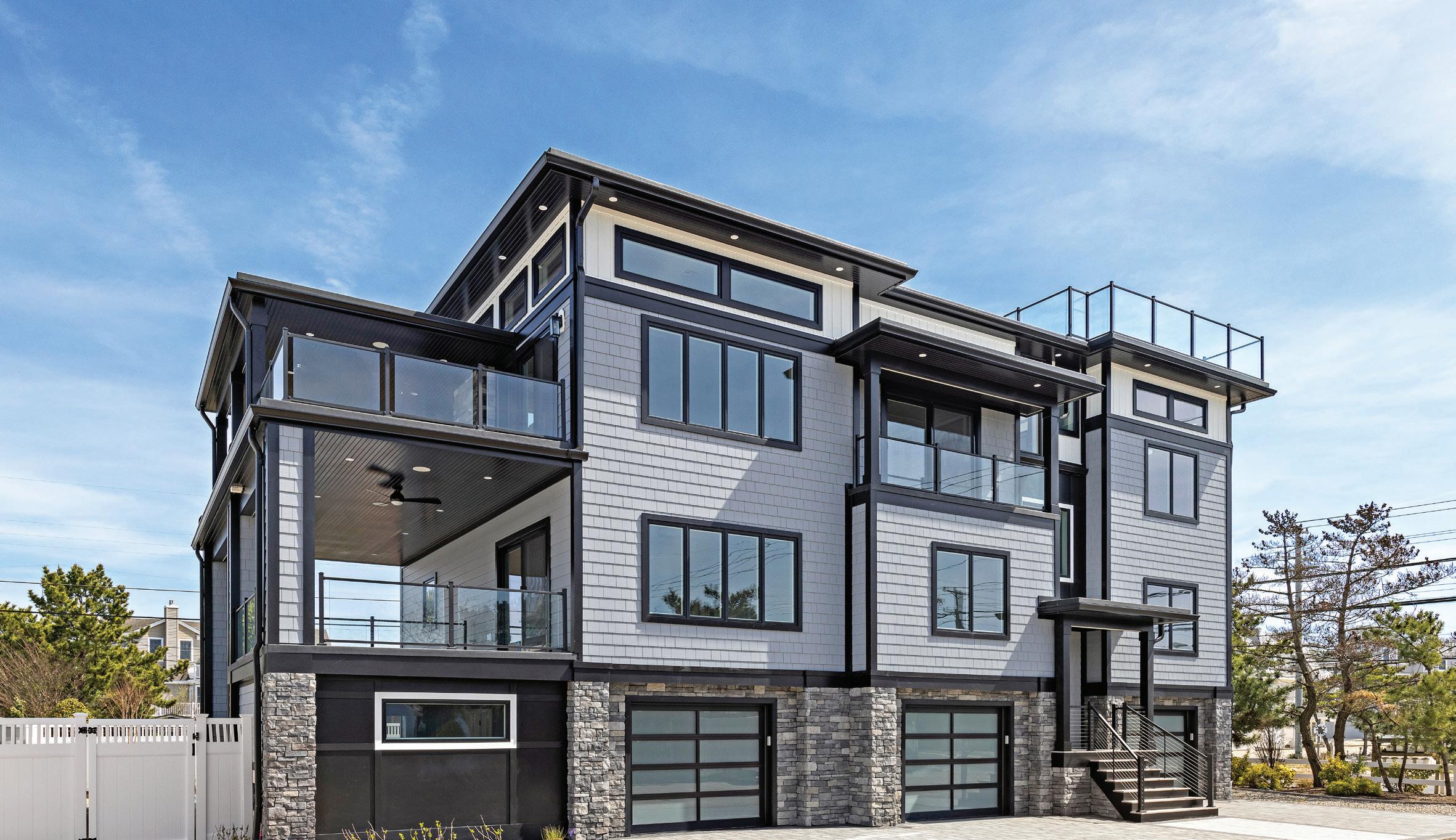
For Bryon and Denise DuBois, the dream of a beach house wasn’t born overnight. It started the day they got married, a quiet promise made between two people who believed that someday, they would have a place of their own on the water. Decades later, that dream stands on a lagoon in North Beach: a 2,350-square-foot coastal retreat that is equal parts design achievement and love letter to family.
“We always wanted a place that everybody could come to,” says Denise, a retired teacher who now helps run the family business, DuBois & Associates, an environmental consulting firm in Manahawkin. “We figured the beach could be everyone’s ‘home base.’”
The story of this home really begins in Toms River, where Bryon grew up spending summers at a friend’s house in Seaside Park. Those sun-soaked seasons instilled in him a love of the Jersey Shore that never faded. When he and Denise married and eventually settled in Manahawkin, Long Beach Island was always the destination.
In 2016, the very day after dropping their oldest son off at college, the DuBoises purchased a lot in North Beach. It came with a charming A-frame cottage, and while their two boys enjoyed many a college summer
PHOTOS BY WALTERS HOMES
WRITTEN BY LISA SIMEK
there with friends, the structure was impossible to heat and cool. It was, as Denise warmly recalls, “a good place to run up from the beach and go to the bathroom,” but not much more.
As the boys grew older, married, and started families of their own, with a granddaughter and two more on the way by September, the DuBoises knew it was time. They knocked down the old cottage and broke ground on something built for the next chapter: a home designed not for a season, but for a lifetime of memories.
To bring the vision to life, the DuBoises turned to Walters, a locally trusted name on LBI, whose in-house team of Architecture, Design, and Construction experts, guides clients through every stage of the process, from initial consultation and plan development all the way through permitting, construction, finish selection, and warranty.
“We met with several builders,” Denise says. “We went with Walters because of the individualized attention they gave us. We weren’t just a number. They made you feel like you were the only one building a house.”
From the start, the priorities were clear. The home sits on a lagoon with sweeping bay views and ocean sightlines from the rooftop, and the DuBoises were determined to take full advantage. Every deck, every common area, every window placement was deliberately
oriented toward the water. “We wanted to access those views as much as we could,” Denise explains.
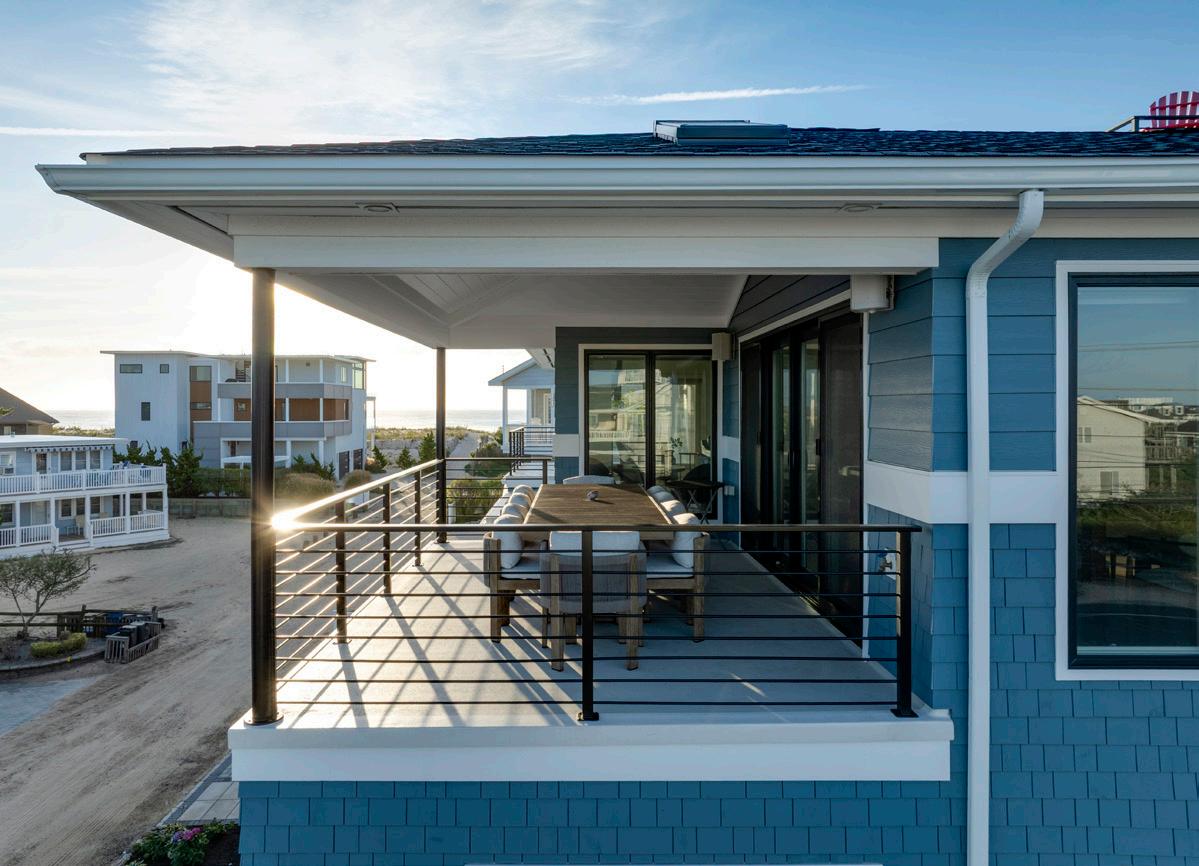
The decks were so essential to Bryon that the family gave up two feet of interior space to preserve them (a necessary trade-off under Long Beach Township zoning, which counts decks as building coverage) factoring the entire house footprint, decks included, against the allowable lot coverage. It was a decision they have never regretted. Spread across three levels, the home’s outdoor spaces total an impressive 1,011 square feet of al fresco entertaining area, from a ground-level deck up through the rooftop terrace where, on clear evenings, the ocean glimmers in the distance.
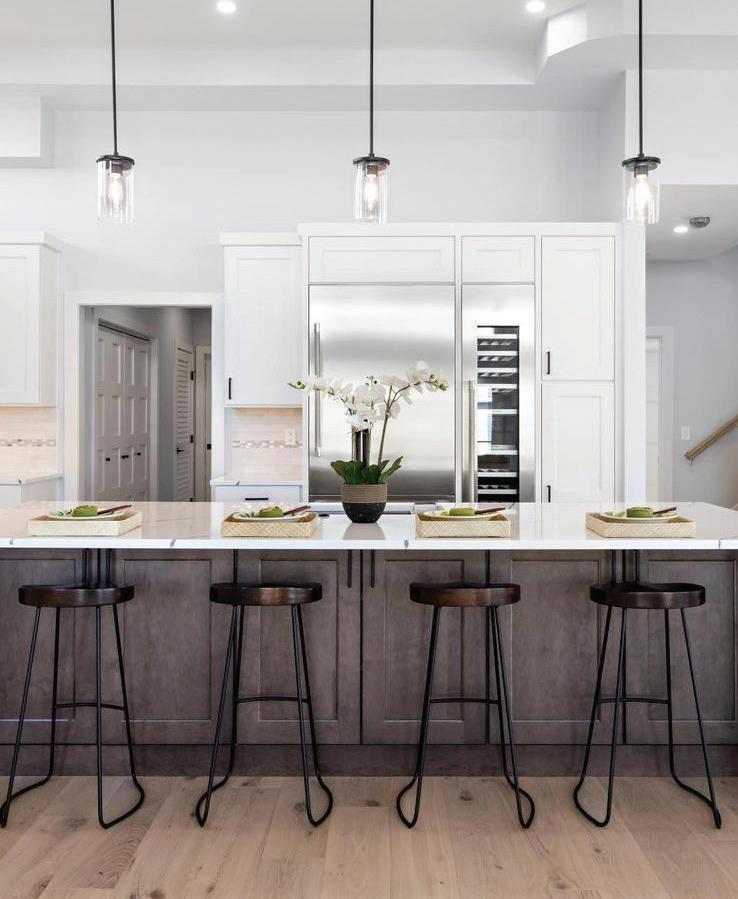
Denise’s non-negotiable was the kitchen, and the top floor “common area” as a whole. The open-plan living, dining, and kitchen space had to be large enough to accommodate the entire family: two sons, two daughters-in-law, grandchildren, and yes, two very large grandpups. During construction, the decision was made to remove the elevator shaft from the top floor entirely and expand the kitchen instead, prioritizing a generous island where everyone could gather. “That’s where everybody hangs out at all times,” she laughs. “The elevator is there on the lower floors if we ever need it… but that kitchen had to be right.”
Adding to the magic of that top floor is a Monessen Artisan 48-inch see-through gas fireplace. This is a
showstopping feature that can be enjoyed simultaneously from the living room and from the deck, seamlessly blending the indoor and outdoor experience that defines the LBI lifestyle.
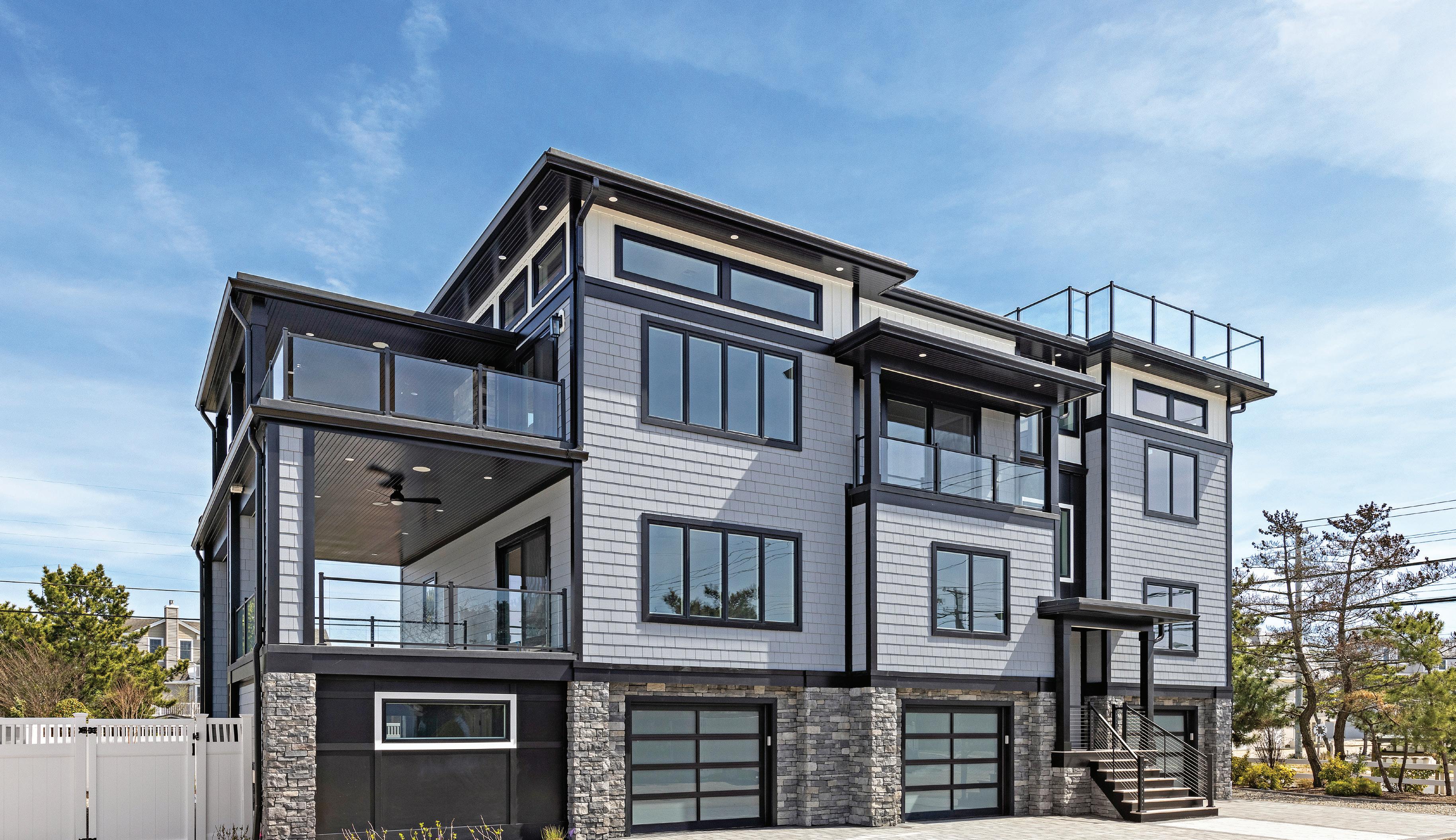
Walters describes the home as “coastal-traditional with contemporary features,” and the materials selection reflects that ethos perfectly. The exterior is clad in CertainTeed Cedar Impressions siding, with NewTechWood decking and soffits, Therma-Tru exterior doors, Andersen 400 Series windows and A Series sliding doors, Phoenix Vinyl railings, and a combination of Englert metal roofing and GAF Timberline HDZ asphalt roofing. Each product was chosen not only for its aesthetic but for its resilience against the salt air and coastal elements.
Inside, the home is Energy Star Certified, with an HVAC system engineered by EAM Associates to optimize both performance and efficiency, a meaningful upgrade from the old A-frame that couldn’t keep the family comfortable through a Jersey Shore summer.
The 4-bedroom, 3.5-bath home took approximately 8
months from groundbreaking to move-in, remarkably efficient for a fully custom build. For Walters, that efficiency is part of the model: a streamlined process that begins with a free consultation, proceeds through architectural design, budgeting, permitting, and construction in parallel, and concludes with a walkthrough and warranty.
Walk through the DuBois home and you’ll quickly sense that this is not a decorator’s showroom, but rather it is a living, breathing family home with a deeply personal character. Denise furnished and decorated the entire interior herself, a detail that surprises most visitors who assume it was professionally done.
The coastal aesthetic is anchored by something unexpected and utterly authentic: Bryon’s collection of hand-carved duck decoys and coastal bird sculptures, displayed on custom-built shelves throughout the home. Bryon, along with both of the DuBois sons, is a biologist and environmental scientist; the family has spent a lifetime hunting, fishing, and immersed in the natural world of the Jersey Shore and beyond. The collection,
which Bryon has been building in earnest since around 2020, spans pieces sourced from Virginia all the way up through the local area.
“The day the shelves were finished, he showed up with this enormous box of birds,” Denise recalls with a laugh. “I was like, what are you doing? He said, ‘Well, I think they’ll go perfect in there.’ And they do.” Now the collection is growing to include vintage oyster cans (the latest obsession at auction), adding yet another layer of Shore history to the walls.
The art, too, is intentional. The DuBoises have made a point of sourcing work from local LBI artists (among them painter, Elizabeth Sabine) rather than defaulting to generic coastal imagery. “We didn’t want the typical flipflops-and-anchors look,” Denise says. “Everything has a little bit of meaning.”
Ask Denise what her favorite part of the home is, and the answer comes instantly—and it isn’t the kitchen, or the rooftop deck, or the breathtaking sunset views from the upper porch.
It’s the bunk room.
“It just warms my heart,” she says quietly. “I know that sounds silly, but just to decorate that room, to know that my grandchildren have their own space there, that it belongs to them, it makes me so happy.” With one granddaughter nearly three years old and two more grandchildren arriving this September, that bunk room is about to become the most popular destination in North Beach.
“She’ll call us and say, ‘Poppy, are
you at the beach house? Can you go in my room?’ And we talk about who’s going to sleep where,” Denise says, her voice full of warmth. “To be able to provide that happy spot for our grandchildren …that’s everything.”
That, perhaps, is the most honest summary of what Walters helped create here. Not just a beautifully engineered, thoughtfully designed coastal home (though it is certainly that). But a place where a family that spent decades dreaming, saving, and waiting finally gets to exhale.
“We’re building spaces for these people to spend their lives and create memories,” says the Walters team. On a lagoon in North Beach, with the sunset gleaming through the windows and a shelf full of hand-carved birds watching over it all, that is exactly what they did.
FLAWLESS FUSION
Merging the Interior of Your Home with the Exterior
WRITTEN BY JENNA COWPERTHWAITE
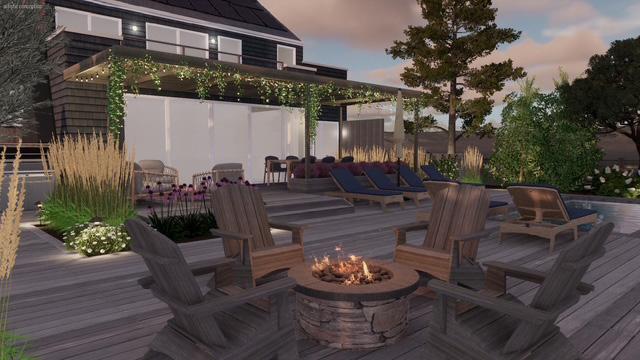
Long Beach Island’s most memorable properties share an essential quality that transcends architectural style or interior aesthetics; they offer superior landscape design that honors regional character while serving modern living. And an exceptional exterior demands a thorough understanding of not only place and climate, but also history and human behavior. Ash Outdoor is a trusted partner for landscape design, committed to maximizing the potential of your property. With gorgeous weather through the summer and well into fall, the space outside beckons to be a flawless extension of your home. From afternoons in the pool to evenings dining under the stars alongside the glow of a fire, there is nothing quite like being in the fresh salt air to make memories with loved ones. And a space designed and built by Ash Outdoor ensures time together with family and friends has a comfortable, beautiful, and functional backdrop.
A COLLABORATIVE PROCESS
Ash Outdoor works very closely with their clients from the onset of a project, using their signature process to completely customize each space. Following a design consultation and proposal, detailing the scope of work, they perform a site analysis and evaluation, allowing them to craft a personalized plan bringing all the ele-
ments together. State-of-the-art 3D modeling software produces a detailed rendering of not only the landscaping, but also any hardscaping, lighting, and outdoor living features. This design presentation is a critical step that ensures everyone is on the same page. An itemized estimate, project approval, and detailed scheduling culminate in the build, as their skilled craftsman and horticultural specialists bring your vision to life. Regular site check-ins during construction avoid any unpleasant surprises, and a final walkthrough ensures complete satisfaction with your outdoor oasis. Ash Outdoor even offers clients a tailored maintenance plan to keep everything looking its best all year long.
BONES OF THE SPACE
Working with a blank canvas, Ash Outdoor often begins by breaking up large spaces into smaller, specialized areas. They focus on hedging, walls, and mature tree establishment which naturally serve to define spaces. Then they thoughtfully place key features of outdoor living, like a pool, inviting seating areas, and an outdoor kitchen. Pathways and transitions demand careful attention to ensure effortless flow between the spaces. Focal points like water features are never an afterthought, as they make a significant contribution in creating
ambiance critical to the bones of a space. Lighting is also an essential element to the foundation of the exterior of your property. Determining where to place ambient lighting, task lighting, and accent lighting serves to instinctively tie everything together.
MARITIME CLIMATE AND SEASONAL INTEREST
Pulling from over three decades of experience working with Long Beach Island’s unique climate, Ash Outdoor intentionally designs their landscapes using plants well-suited to the seaside temperatures and conditions—species that will thrive without excessive intervention. They plan blooming sequences to ensure there is always color, texture and form no matter the time of year. Bringing in slightly unexpected features like grasses creates movement in the landscape, making it come alive. Even the hard materials, like stone and wood, are carefully selected to ensure they will hold up in our humid, salt-laced environment.
HARMONIOUS BLEND OF ART AND SCIENCE
A beautiful, thriving outdoor space requires a nuanced balance between design principles and horticultural requirements. It’s imperative to consider long-term viability and evolution of the garden, envisioning how the landscape will mature over the years. Drawing from personal preference in regard to material selection and color to communicate each homeowner’s unique style, Ash Outdoor crafts a layered planting to provide depth. But even these peripheral factors must be considered within the context of treating your space as an ecosystem. Defining shaded areas and sunny spots, the design must account for drainage and sustainability, all while maintaining the overall vision that fuses the interior of your home with the exterior.
Luxury real estate demands an exterior with thoughtful amenities and landscaping with distinctive character. For a space in which your home and garden merge for perfect harmony with nature, look to Ash Outdoor. Your perfectly tailored retreat will quickly become the most beloved part of your property.
INVESTMENT CHALLENGES of the Affluent Investor
For affluent investors, success often creates a new set of financial challenges. The fundamentals of investing still matter, but once wealth reaches a certain level, the real issue is often no longer access to opportunities. It is making sure important decisions are coordinated, efficient, and aligned with a larger vision for family, legacy, and long-term stewardship.
When More Wealth Requires More Precision
High net worth investors often face issues that are less common in the broader market. These can include balancing long-term growth with legacy goals, managing illiquid assets, handling concentrated stock positions, and bringing order to advice that may be spread across multiple professionals.
In other words, greater wealth can create greater complexity. And complexity, if left unmanaged, can lead to unintended consequences.
Let’s examine a few of these.
Becoming Too Conservative - When someone has accumulated more than they expect to spend in their lifetime, there can be a natural tendency to become overly conservative. That instinct is understandable. However, being too cautious may reduce long-term growth potential and, over time, may limit the impact of charitable giving or the wealth ultimately transferred to children, grandchildren, or other beneficiaries.
Collectibles - Many affluent investors buy what they enjoy, whether that means art, antiques, memorabilia, or other collectibles. These assets can carry emotional as well as financial value. But one often-overlooked issue is failing to maintain current appraisals and documentation. That can create challenges around estate liquidity, valuation, and taxes.1
Concentrated Equity -Executives and business leaders sometimes build substantial positions in the stock of the company that employs them or helped create their wealth. While that can be understandable, concentrated equity can create a level of risk that deserves close attention, especially when a significant portion of personal wealth depends on a single company or industry.2
DIY Mentality - Many wealthy individuals became successful through intelligence, discipline, work ethic, and sound judgment. Those qualities matter in every field. But managing meaningful personal wealth can require a different knowledge base than building a company, leading an organization, or excelling in a profession. The decisions are often broader and more interconnected than they first appear. Just as importantly, there may come a time when you are no longer able to make these decisions yourself—or are no longer here to make them at all. That is why affluent planning often needs to extend beyond personal decision-making today and account for continuity, clarity, and stewardship for the people who may one day need to step in.
Too Many Professionals - Affluent investors often place their investment assets with multiple professionals, thinking that better results will arise from that. However, many of the key needs for larger portfolios, such as risk management and tax efficiency, will suffer since there is no overarching view into the larger picture of an individual’s entire portfolio. The independent actions by separate professionals, all with the best of intentions, may actually lead to suboptimal outcomes.
Why Coordination Matters
For affluent families, wealth planning is rarely just about investments in isolation. It often involves how investment decisions interact with taxes, estate considerations, liquidity needs, charitable intent, business interests, and family priorities. This is where a coordinated planning process can be especially valuable: not by adding noise, but by helping bring clarity to complexity.
A thoughtful advisory relationship often follows a simple progression: Discovery, where goals, assets, risks, and priorities are examined; Plan, where strategies are organized into a coherent framework; Implementation, where recommendations are put into action in coordination with the appropriate professionals; and Ongoing Review, where the plan is reviewed and adjusted as life, markets, and tax laws evolve.
A More Deliberate Approach to Wealth
As wealth increases, so do the consequences of small oversights. The challenge is not simply having more assets. It is making sure those assets are being viewed in context, with attention to risk, efficiency, family objectives, and long-term purpose. For many affluent investors, that level of perspective can be every bit as important as investment selection itself.
If you would value a private conversation about your current financial picture, we invite you to schedule a no-cost, no-obligation consultation. We can discuss your goals, concerns, and the areas where a more coordinated, bespoke planning approach may be helpful. Your privacy and discretion are respected throughout the process.
RAY OFFENBURGER | FINANCIAL PLANNER
609-478-7154
ray.offenburger@rocfinancialservices.com
1.The value of collectibles can be significantly affected by a variety of factors, including economic downturns or markets that have little or no liquidity. There is no guarantee that collectibles will maintain their value or purchasing power in the future.
2.Keep in mind that the return and principal value of stock prices will fluctuate as market conditions change. And shares, when sold, may be worth more or less than their original cost.
The content is developed from sources believed to be providing accurate information. The information in this material is not intended as tax or legal advice. It may not be used for the purpose of avoiding any federal tax penalties. Please consult legal or tax professionals for specific information regarding your individual situation. This material was developed and produced by FMG Suite to provide information on a topic that may be of interest. FMG Suite is not affiliated with the named broker-dealer, state- or SEC-registered investment advisory firm. The opinions expressed and material provided are for general information, and should not be considered a solicitation for the purchase or sale of any security. Copyright FMG Suite.
We don’t just build homes We Build Dreams
PROUD INSTALLERS OF NOVIKSTONE, THE LEADER IN STONE SIDING
DESIGNED FROM A DISTANCE
How a Rye, New York family furnished their Long Beach Island dream home almost entirely by phone, FaceTime...and a whole lot of trust.
WRITTEN BY LISA SIMEK
PHOTOS BY MICHAEL SPARK
Lisa Farrington grew up spending summers on Long Beach Island. She knows the particular quality of light there, the way the salt air settles into everything, the unhurried rhythm that makes a week feel like a month in the best possible way. When she and her husband built a house on LBI for their family (their two children are nine and seven), she had a clear idea of what she wanted the home to feel like. What she didn’t anticipate was how hard it would be to get there.
“I initially thought I could manage furnishing the entire house on my own,” she says. Months of scrolling through Pottery Barn and Serena & Lily catalogs, placing orders, and waiting sometimes up to six months for a single piece, left her exhausted and behind schedule. “Panic set in,” she admits. She called a few designers. The fees felt overwhelming. Then her builder suggested she try Oskar Huber Furniture & Design in Ship Bottom.
“When I called, Jackie answered the phone like a ray of sunshine.”
That call, placed from Farrington’s home in Rye, New York, nearly three hours from the Island, was the beginning of an eighteen-month collaboration that would
needing to set foot in a showroom.
Jackie Fama, a designer at Oskar Huber, has navigated this kind of long-distance relationship before. Many of the firm’s clients live hours away from the shore homes they’re designing: in Northen New Jersey, Connecticut, New York, Pennsylvania, and beyond. The process of furnishing a beach house remotely is, at this point, something Oskar Huber has quietly made into an art form.
Fama began by asking Farrington to describe the home: its colors, its light, the feeling she was after. Farrington shared blueprints. Fama developed curated color palettes for each room and 3D floor plans, so the family could see how each space would live before a single piece of furniture was ordered. The two scheduled an early in-person visit, where Fama arrived with rugs, fabrics, and pillows to make things tangible. They were aligned from the start.
After that, the project unfolded across phones and screens. FaceTime calls from the showroom floor. Texts
furnish the house from top to bottom, almost entirely without Farrington ever
JACKIE FAMA SALES AND INTERIOR DESIGN CONSULTANT
with fabric swatches. Emails with updated floor plan renderings. Greg Farrington made a trip to the showroom to sit in the furniture himself, selecting beds for the children’s rooms, a sofa for his office, and weighing in on the main living room’s sectional. For everything else, Lisa was there virtually.
The most telling moment of the project however had nothing to do with aesthetics. It was about scale, and the kind of professional instinct that separates a good designer from a great one.
Fama had selected a sectional for the main living room on the home’s upper living level…a beautiful piece, by any measure. But something nagged at her. Before placing the order, she returned to the empty house and taped out the sectional’s exact footprint directly on the floor. One look confirmed what her instincts had whispered: the piece was simply too large. Even in a generous room, it would have overwhelmed the space.
She found the right sectional the very next day on the Oskar Huber floor, FaceTimed Lisa to walk
through it in real time, and had an updated floor plan in her client’s inbox by the end of the week. “It had the perfect balance of comfort, scale, and presence,” Fama says. It’s the kind of decision that’s invisible in the finished room, which is exactly the point.
The finished home reads as quietly confident: a soft, cohesive palette running through each room, textures layered for warmth, furnishings chosen to be comfortable first and beautiful second. It feels like a shore house that has always been there.
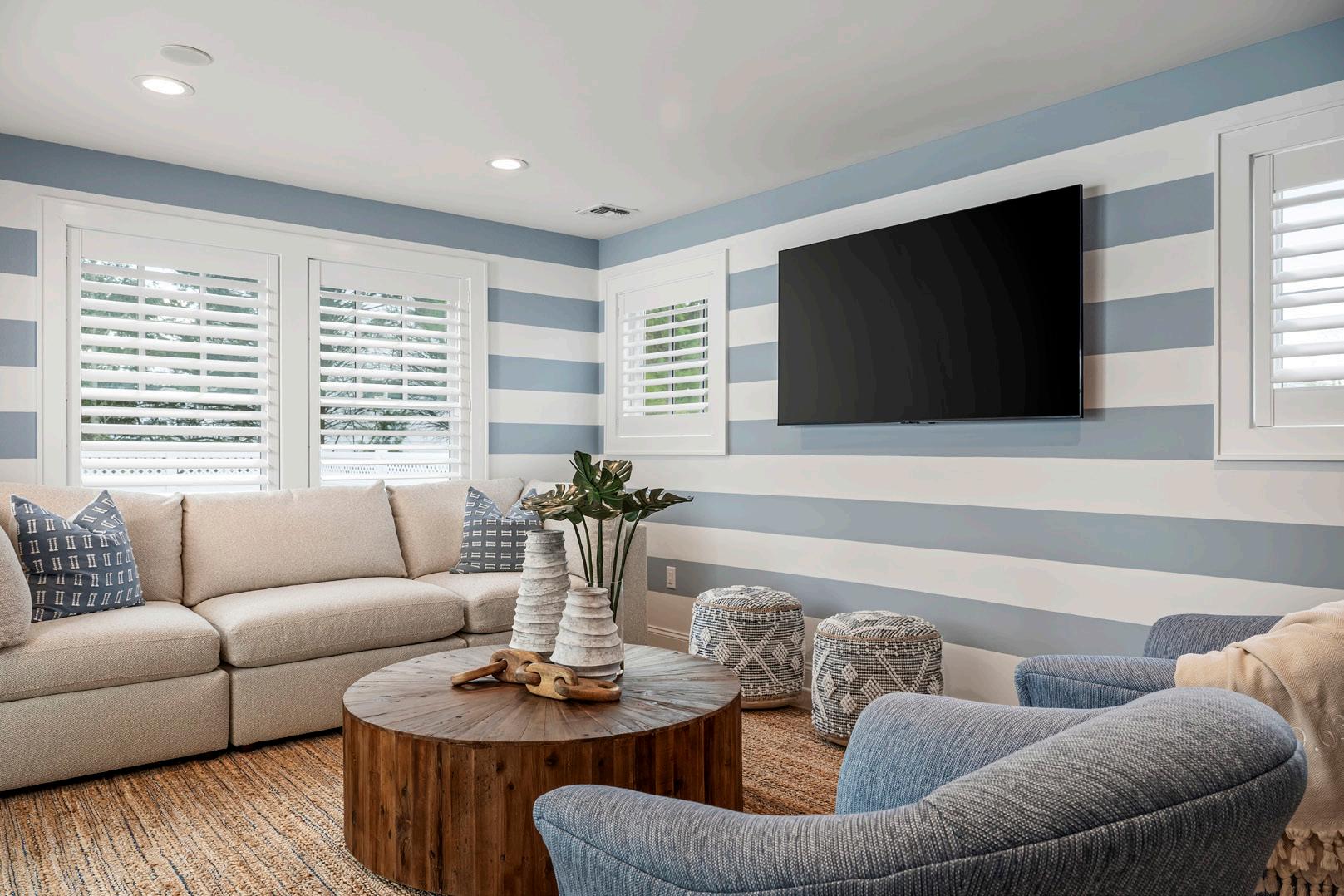
A few spaces stand out. The cabana room, already wearing a bold horizontal blue-and-white stripe, practically directed its own design. “The moment I saw it, I felt inspired to do something a little more playful,” Fama recalls. Working from the showroom via FaceTime, she and Farrington pulled pieces directly off the floor: chairs, a sofa, a coffee table, a rug, poufs, pillows. The room came together in a single session. It feels like summer the moment you walk in.
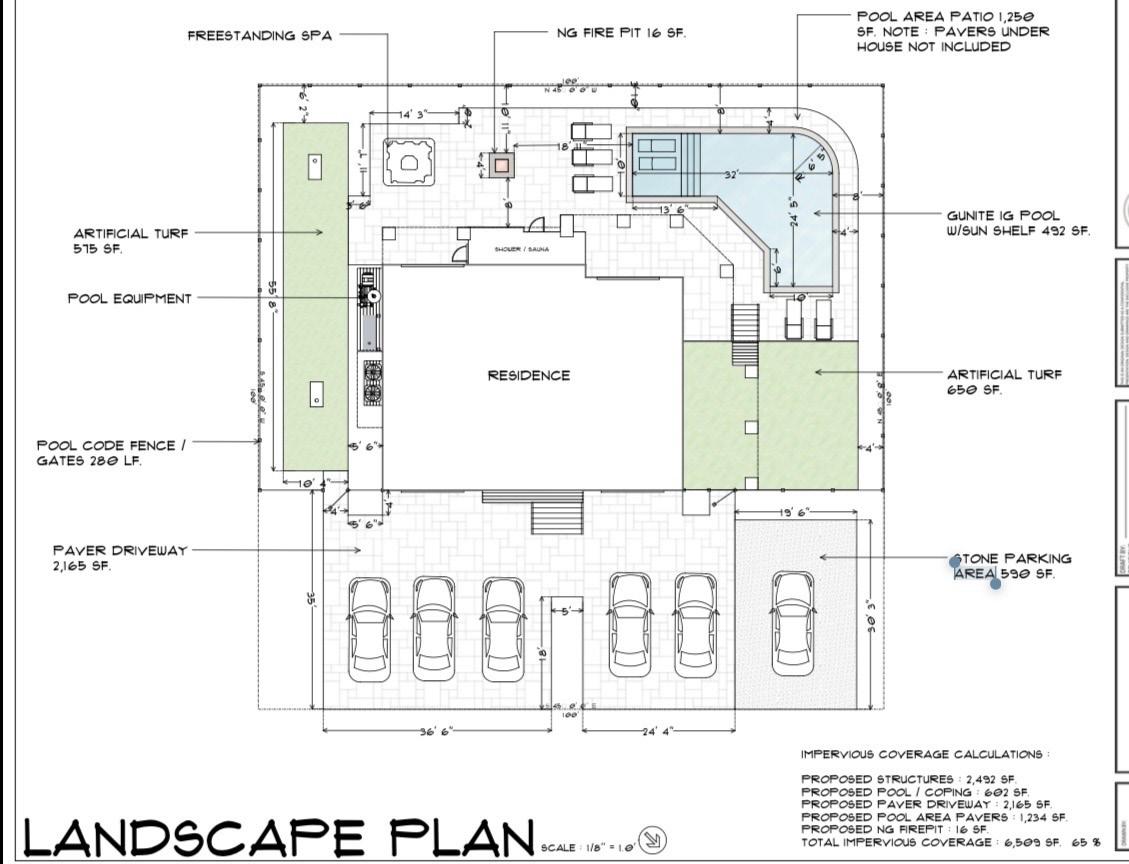
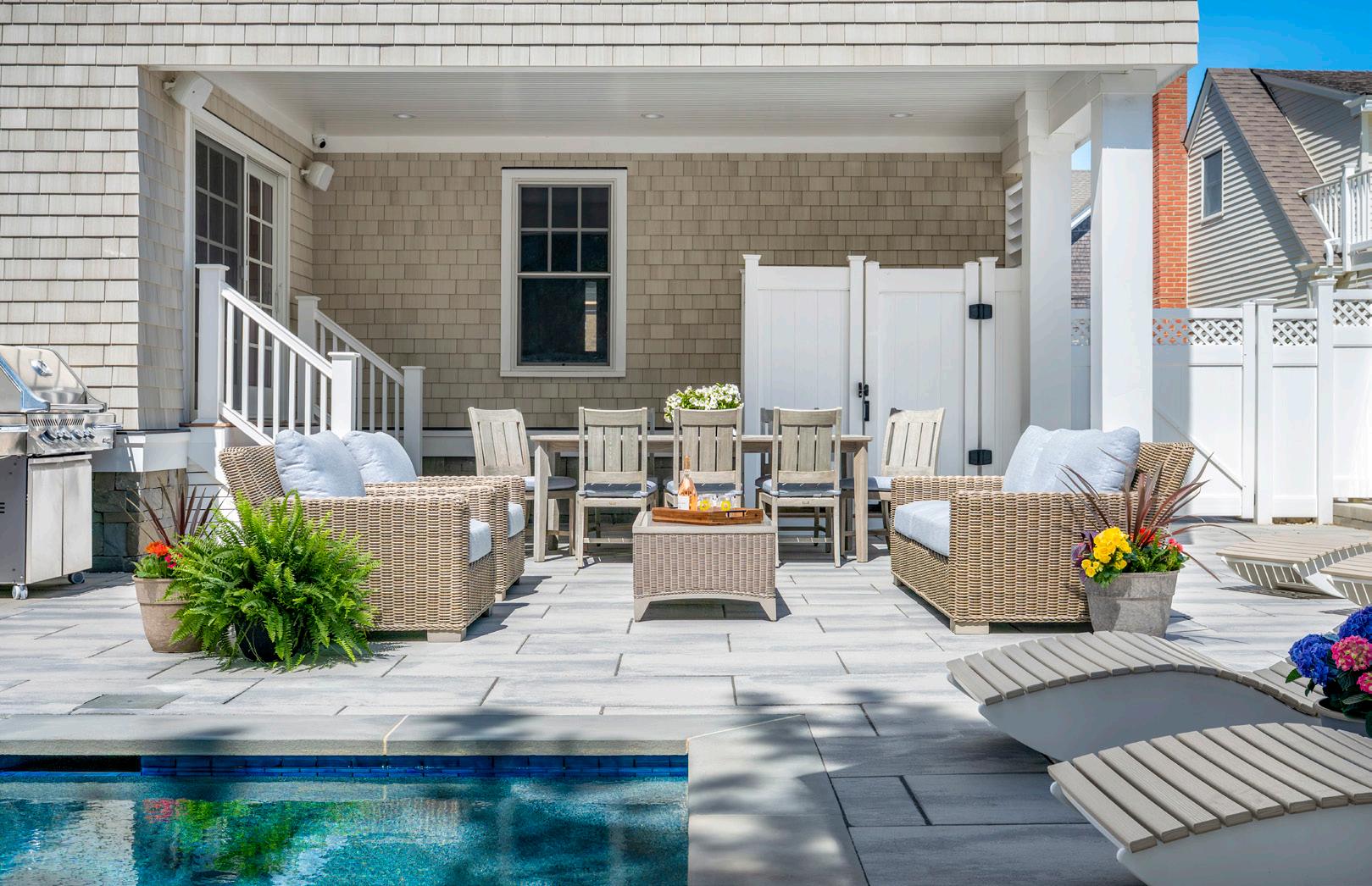
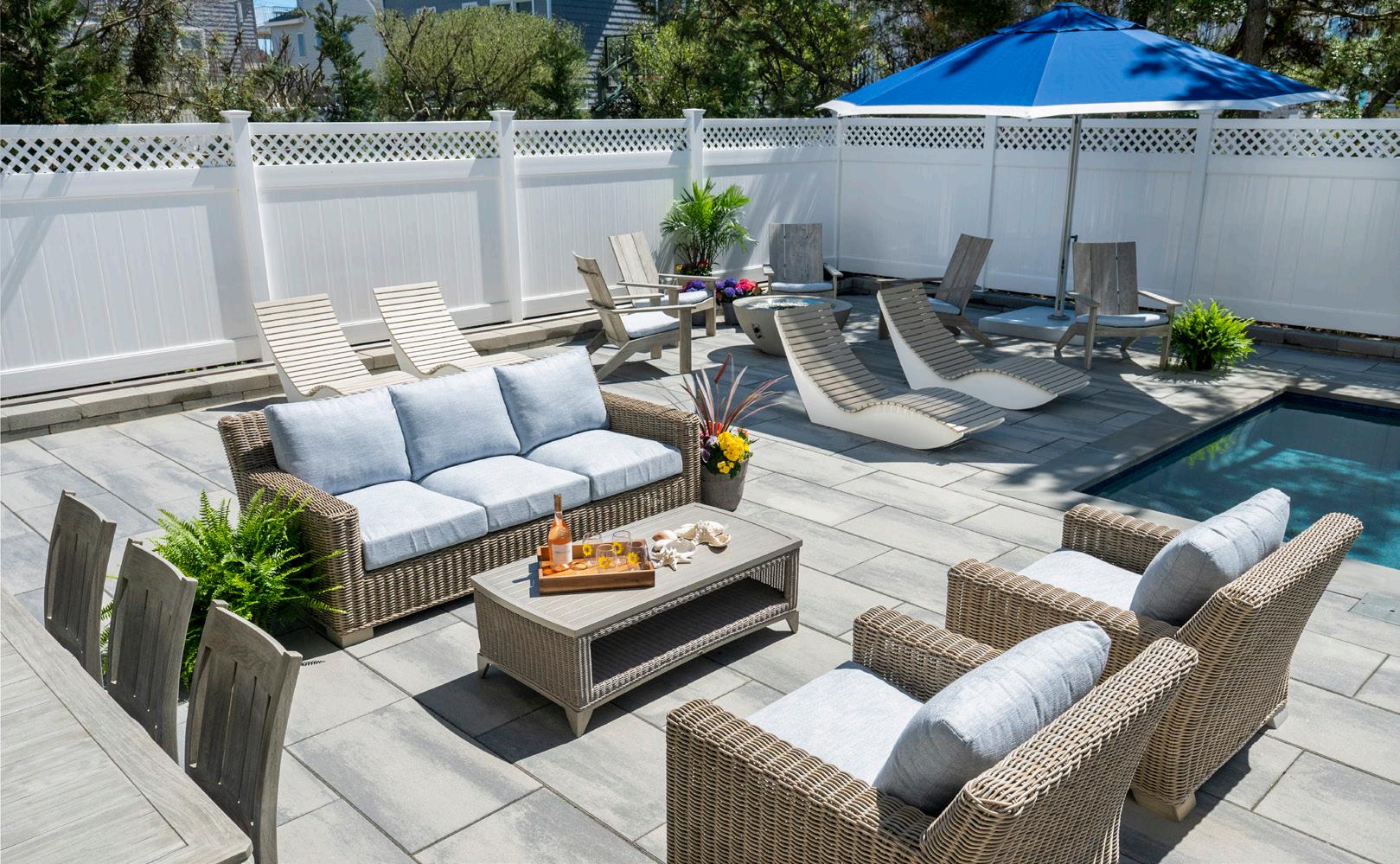
The outdoor pool area required more patience. The backyard is largely claimed by a generous pool, and an awkwardly placed outdoor shower cut into the natural flow of the entertaining space. Fire pit placement added another variable. Working through a series of 3D layout configurations, and looping Greg in by text for approvals, Fama and Farrington landed on an arrangement that turned constraints into decisions. The result is a space built for the way the family actually lives: summer barbecues, evenings by the pool, and long afternoons with nowhere to be.
And then there are the children’s rooms. Both Lisa and Greg were clear from the start: each bedroom should feel personal, comfortable, and completely their own. Fama selected queen beds with trundles for both rooms, practical enough for a family beach house where sleepovers are part of the point.
Their daughter’s room was already painted a soft lilac purple, and the design leaned into it. White bedroom
furniture brightens the walls without competing with them; a whimsical, colorful rug anchors the space; playful pillows and a billowy throw finish it off. The room is cheerful and warm, exactly what a seven-year-old at the beach deserves.
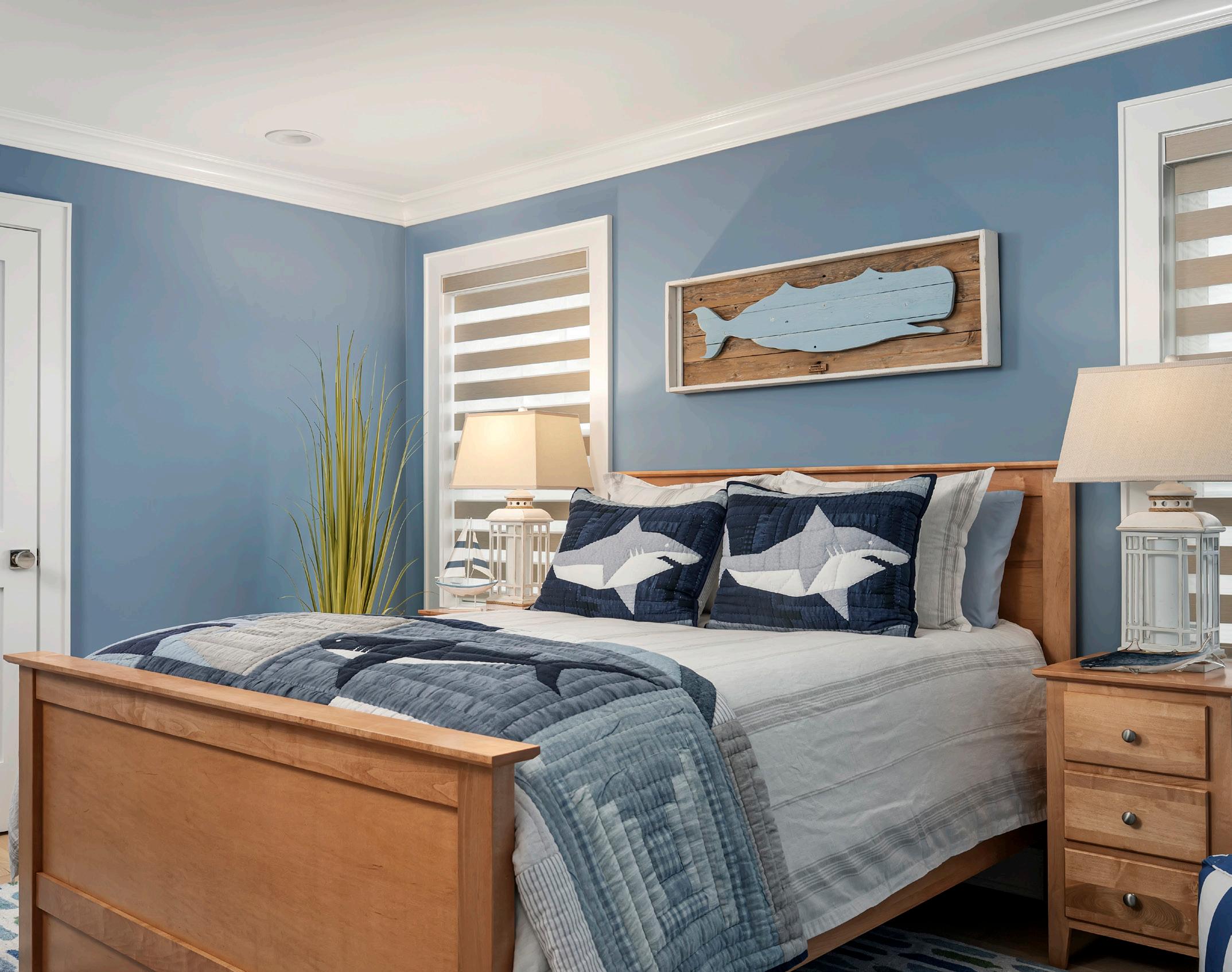
Her brother’s room takes a different direction entirely. The walls are painted a rich watercolor blue (a nod to his passion for ocean life and whales) and a rug with a graphic pattern suggesting surfboards runs across the floor. Light wood furniture warms the space, while whalethemed bedding and nautical details throughout give the room its personality. It’s a place that belongs completely to him.
The house in Surf City was completed in May 2025. This summer will be the first full season the Farrington family spends there.
Ask Lisa Farrington whether the home turned out the way she imagined, and she doesn’t hesitate. She wanted a house that felt like Long Beach Island: local, coastal, relaxed, and real. She got that. More importantly, so did her kids.
“They call it our happy place,” she says. “Barefoot days, salty air, warm summer days where nobody’s in a rush to go anywhere.” It’s where she grew up coming every summer. Now it’s theirs.
Peace in the Garden
By Peg Reynolds of Reynolds Garden Shop & Floral Market in Manahawkin
I’ve been gardening my whole life, and I’ll tell you something I’ve noticed more in the last few years than ever before: people are coming into the shop looking for more than plants. They’re looking for relief. They might say they need a tomato plant or something for a sunny corner, but what they really need is to slow down. The garden has always known how to give people that, and we’re just finally paying attention.
There’s a reason you feel better with your hands in the soil. It’s not a trend and it’s not your imagination. Researchers have actually identified a soil bacterium called Mycobacterium vaccae that triggers a serotonin response in the brain. In plain terms: dirt makes you happy. I’ve known that for over forty years. Now the science is finally catching up.
But here’s where I want to give you something you won’t find on Pinterest or in a generic gardening blog: specific advice for finding peace in this region, in this climate, in your backyard on LBI.
Plant for the senses, not just the eyes. If you want your garden to be a place you actually go to unwind, you need to engage more than your vision. Lavender along a path edge releases fragrance every time you brush past it. The way Goldenrod catches afternoon light in a way that genuinely stops you in your tracks. The rustle of ornamental grasses in a salt breeze is as good as a sound machine. I always tell customers: design a garden you can smell and hear, not just photograph.
Build in a pollinator patch and just... watch it. I’m not being sentimental when I say this. A well-planted pollinator bed is the single most entertaining square footage you can put in your yard. Once your native coneflowers and swamp milkweed or trumpet honeysuckle hit their stride in July, you will see Monarchs,
swallowtails, skippers, hummingbirds and more species of native bees than you ever knew existed in New Jersey. It becomes a ritual: morning coffee outside, watching which beautiful creature shows up to say hello. That’s mindfulness.
Grow something you can eat before dinner. Not a whole vegetable garden if that feels overwhelming, just a few containers on the porch or deck. A pot of basil, a cherry tomato, a cutting of rosemary or thyme.
There is a specific satisfaction in picking something right now for tonight’s meal that no grocery store can replicate. It closes a loop in your brain that modern life keeps leaving open. Start small. It always grows from there.
Let some things go. This one takes years to learn. A garden doesn’t need to be perfect to be peaceful; in fact, the pursuit of perfection is what ruins the peace. Let the Society Garlic seed around. Let the blackeyed Susans flop a little. Leave the seedheads on your coneflowers in fall because the goldfinches will
thank you and you’ll thank yourself when you watch them in December. A relaxed garden is a resilient one, and resilience is exactly what we all need more of right now.
Something else I’ve watched happen in this shop for years is that gardening brings people together in a way that feels increasingly hard to find. A grandmother and her granddaughter picking out marigolds. Two neighbors who finally introduced themselves because one noticed what the other was growing. A dad teaching his kid that tomatoes don’t actually come from a grocery store. I see these moments constantly, and I never get tired of them. There’s something about sharing what you’re growing (or what you’re struggling to grow, honestly) that opens people up. Swap a few extra zucchini with your neighbor and suddenly you’re exchanging recipes. Bring a kid into the garden and you’ve given them something they’ll carry their whole life. In a time when community can feel like it’s fraying at the edges, a shared love of growing things has a quiet way of stitching it back together.
After all these years, the garden still surprises me. That’s the best part. You plant something, you tend it, and then it does something you didn’t expect: a volunteer squash in the compost, a new butterfly species you’ve never seen before, a tomato that somehow survives when it shouldn’t have. The garden keeps showing up. That kind of quiet reliability is rarer than people think. Come in and see us at Reynolds Garden Shop. We’ll help you find what you’re looking for, even if you’re not quite sure yet what that is.
Peg Reynolds is a lifelong gardener and the heart behind Reynolds Garden Shop, where she shares her love of plants, community, and growing by the sea.
Personal design service, from first sketch to final pillow.
For four generations, we’ve been furnishing homes along the Jersey Shore. From first-time beach houses to forever homes, we work alongside you with clarity, care, and intention.
— Personal in-home consultations
— Whole-home design & space planning
— Coastal & vacation home specialists
• 4,835 sq ft | 2nd from the Beach
• 6 Bedrooms | 5 full, 3 Half Bath
• In-ground Pool | Poolside Cabana
•
•
REMODELING THE HEART OF A HOME
WRITTEN BY JENNA COWPERTHWAITE
With their children now grown, a West Creek couple decided it was time to remodel their kitchen. Seeking to balance the importance of adhering to a budget with their design-savvy sensibilities, they wanted quality cabinetry that would freshen up their space while echoing the traditional look of the rest of their home. When visiting Woodhaven Lumber’s showroom in Lakewood, they connected with designer Tony Soluri.
“I do a lot of listening,” explains Tony of his design process. “It’s crucial that I get a clear understanding of my clients’ vision and goals in order to expertly design their dream kitchen.” The homeowners came equipped with a host of magazine articles and Pinterest pages to detail their wishlist. Touring the showroom together offered Tony a further glimpse into the couple’s general wants and needs. He then visited their home to see the space in person and take precise measurements, allowing him to develop renderings of his proposed design concept . “It was not just a straightforward kitchen renovation, as the project also included a coffee bar, work station, and laundry room. They wanted the entire area to flow seamlessly, while carving out functional space for these specific domains.”
Tony delivered. He married timeless beauty with practicality, designing a space that beautifully matches the European flair of the couple’s home. He suggested KraftMaid cabinetry, a mid-range line known for its quality and durability. They selected Lyndale full overlay recessed doors—finished in frost white— to provide a crisp, timeless foundation for the room. Taking full advantage of the tall ceilings, stacked cabinetry offers maximum storage without feeling too imposing.
PHOTOS BY JOHN MARTINELLI
“Once I set the stage with classic white cabinetry, I wanted to infuse character through a lot of little, thoughtful touches,” says Tony. Champagne hardware offers a subtle whisper of opulence and glamour. Bistro glass in the corner cabinet not only brings airiness into the room, but also creates prime display space. A hood with custom shelving provides a show-stopping focal point. Other details—like a farm sink, floating shelves and a large island for entertaining—balance the room with both beauty and functionality.
One of the ruling requirements in the overall design was ensuring there would be a place for the plethora of items the homeowner wanted to transfer from her current kitchen into the new space. Tony included a host of unique storage solutions to accommodate her request. Charging drawers provide a discreet way to keep tech out of sight but within easy reach. The deluxe roll-out pot and pan drawer promises primary cooking vessels stay neat and tidy while allowing quick access without any digging. A tall pantry in the corner, complete with roll-out drawers, stores pantry staples close at hand. The two-tiered organizing tray drawer maximizes storage capacity for tableware and cutlery. Multiple Lazy Susans optimize functional storage, and a drawer cabinet with a pivot houses the family’s vast collection of Yeti mugs and tumblers. Tony also included finishing touches like light rails to conceal the under-cabinet lighting, creating a sophisticated look and minimal glare.
Strategically carrying the Lyndale door style and elegant champagne hardware throughout the other spaces of the project, Tony provided key continuity. A separate nook dedicated to a full coffee bar offers the ultimate at-home barista experience while keeping the flow of the primary area open for food prep
and cooking. The large kitchen also included a built-in desk workstation. This area allows the homeowners to keep their counters uncluttered, providing a designated surface to handle the inevitable influx of paperwork associated with modern life. An adjacent laundry room features the same stunning cabinetry, discreetly storing detergents and other cleaning essentials.
“My secret is that I love to get a smile out of my customers,” shares Tony. His warm, jovial nature instantly pulled the potential stress out of the project, instead infusing it with excitement and adventure. “I enjoy the challenge of troubleshooting and problem solving that comes with designing a custom space, and this warm, organized kitchen—complete with revamped coffee bar, work station and laundry room—was exactly what my clients wanted.” The dramatic redesign hit everything on the homeowners’ wish list, creating a space into which they love welcoming family and friends. And, with excellent customer service from the entire Woodhaven team, the renovation was completed on time and within budget.
Elevating every moment.
When you step into your kitchen, what do you aspire to do? Master a new cooking technique? Serve food even your pickiest family member will eat with enthusiasm?
Sub-Zero, Wolf, and Cove appliances are meticulously crafted to achieve a higher standard of performance, dependability, and style—so you can raise the bar on every meal you make.
Your future kitchen starts with Sub-Zero, Wolf, and Cove, featured at 1968
A Sophisticated, Yet Comfortable Kitchen
Combining high-end materials with warm, inviting elements
PHOTOS BY MICHAEL SPARK WRITTEN BY JENNA COWPERTHWAITE
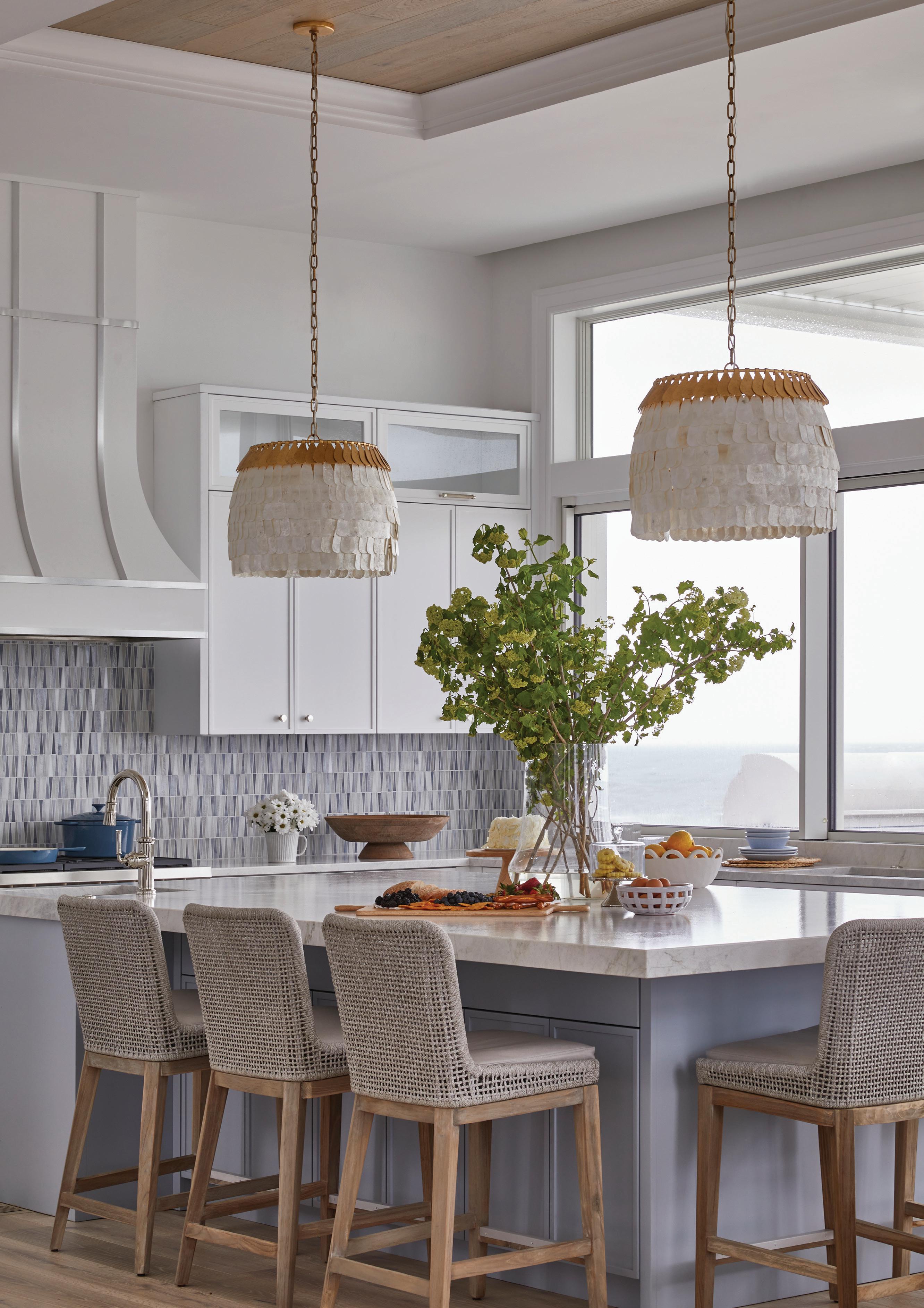
As a Beach Haven family finished up the shell of their coastal masterpiece, it was time to start thinking about how they wanted to build out their kitchen. “Since we’re Italian, everyone always gravitates to the kitchen,” emphasized the homeowner. It was important that they get it just right. Their builder recommended Elegance Surface Concepts. Owners Marc and Candyce Lape pride themselves on learning the aesthetic tendencies and functional requirements of their customers and putting together a design that perfectly fuses the two.
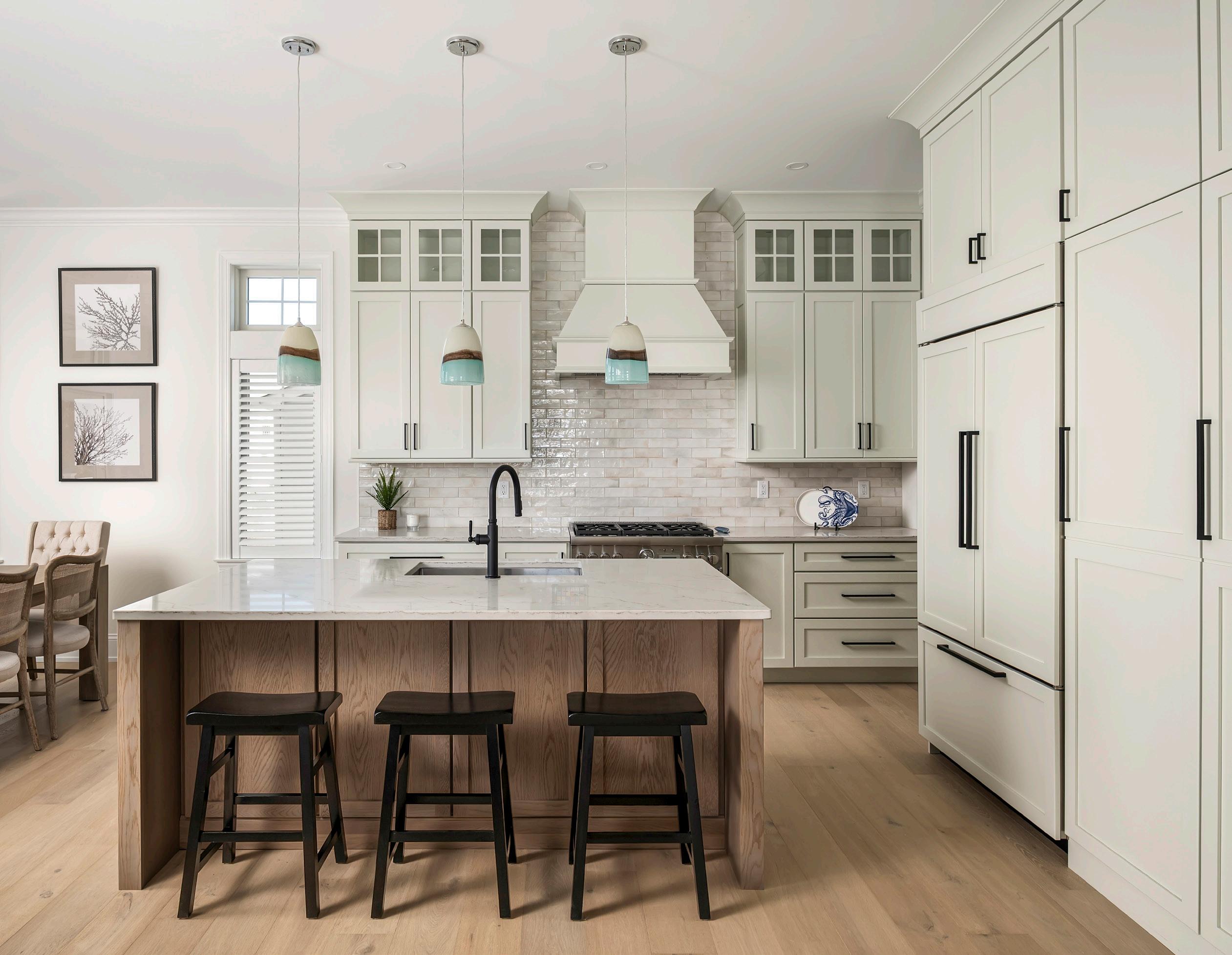
The homeowners envisioned a transitional style for their kitchen, blending timeless, traditional elements with some fresh, modern accents. Diving deeper, they had a few “must haves” in regard to the functional layout. “We knew right from the get-go that we needed to have a large center island, a walk-in pantry, and a dry bar included in the design of the space. We also wanted it to be an open concept kitchen—having a
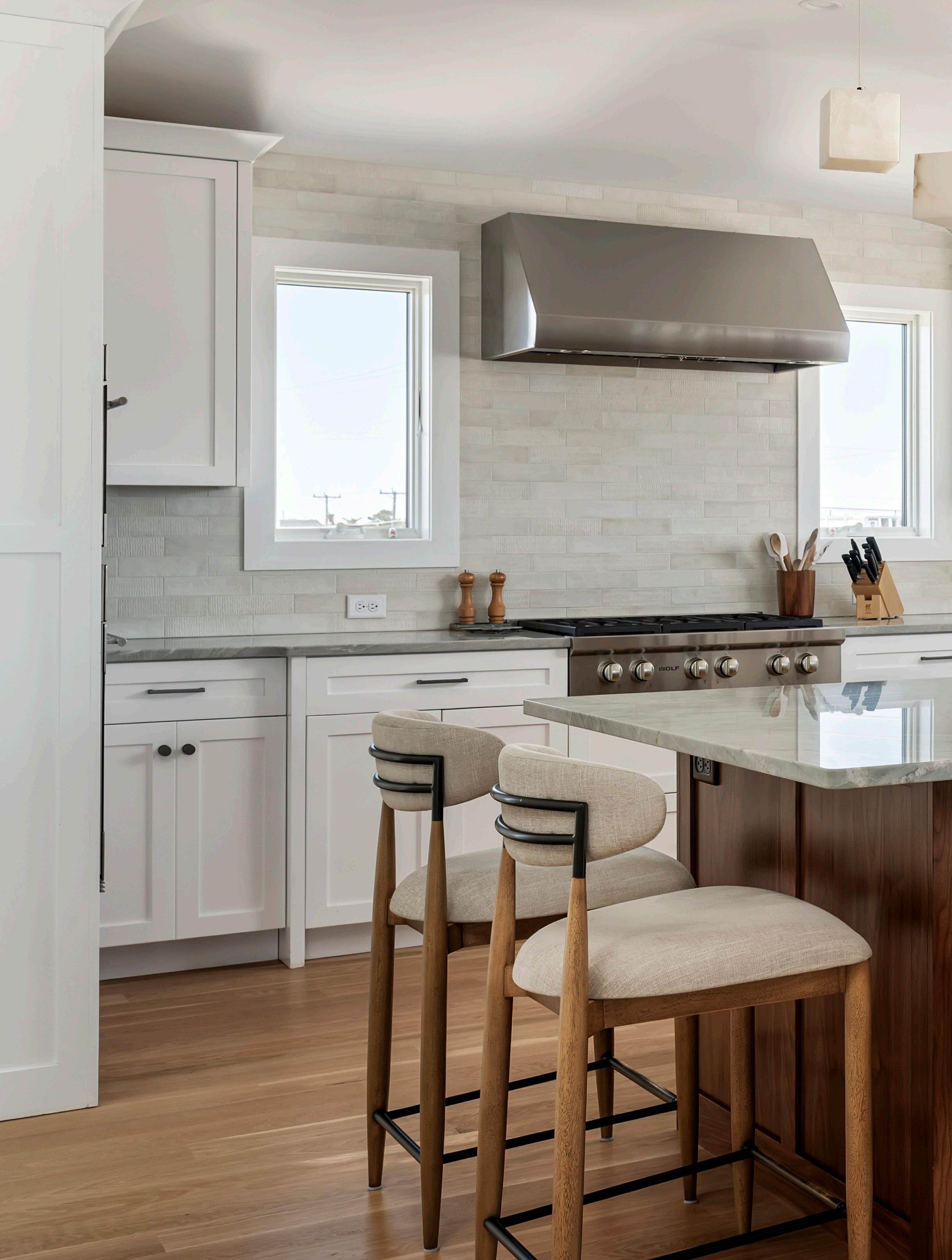
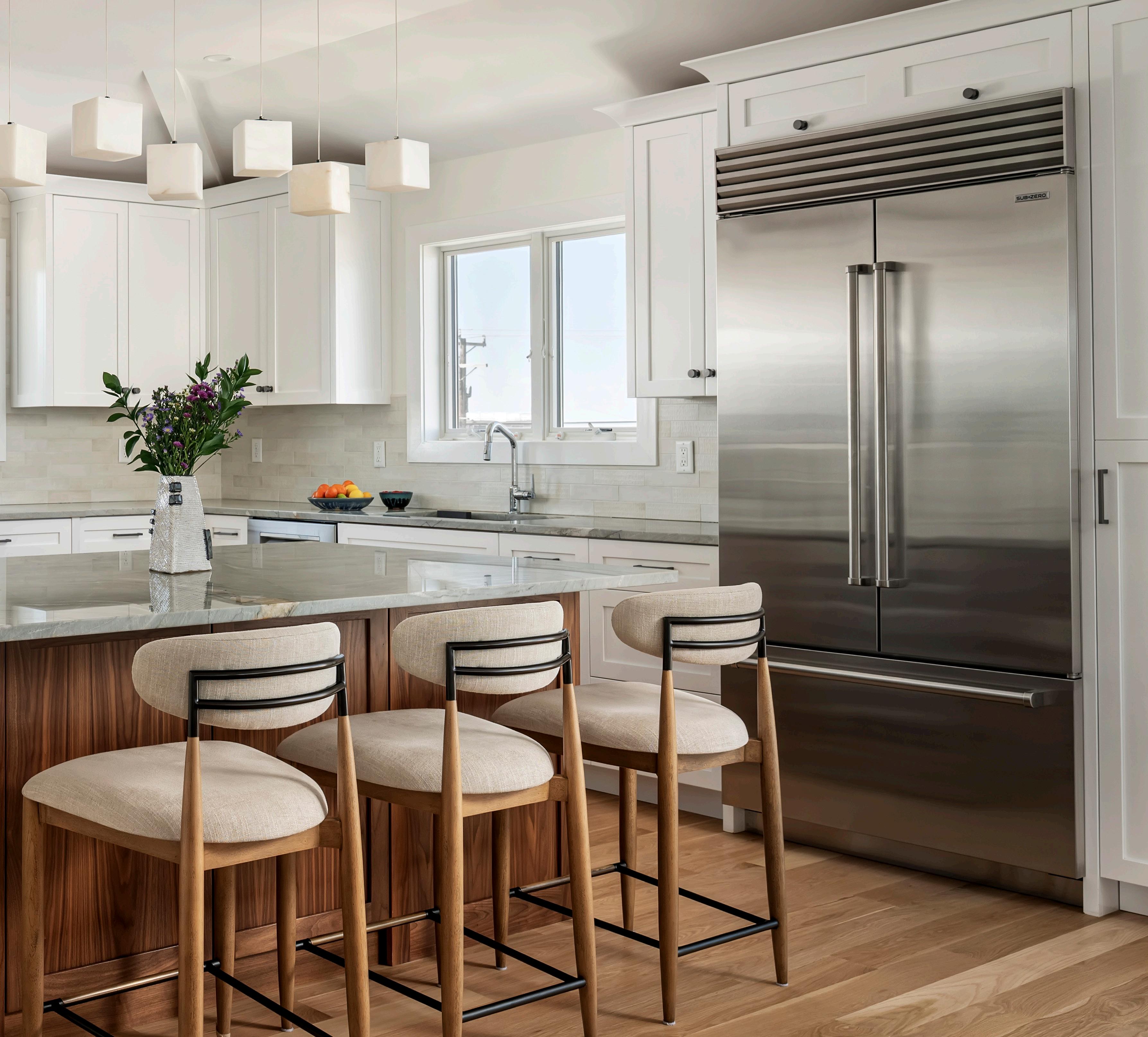
space that would be really accessible and inviting was essential to us,” explains the homeowner. To form the foundation of the room, they dove right into the cabinetry. One of the lines Marc often recommends to his clients is Covered Bridge Cabinetry, a company which builds completely custom cabinets using premium North American hardwoods. Selecting the Farmington door style, they achieved the versatile, classic look that shaker cabinets effortlessly provide. The perimeter cabinetry is finished in Sugar, softening the look of oft-coveted crisp white cabinets. Little details like panels on the fridge and a beautiful hood create a seamless effect around the room. Marc suggested a natural wood finish for the center island to provide an element of warm contrast, an effect with which the homeowners are quite pleased. The backsplash is a quiet workhorse for the kitchen, creating a brilliant design canvas. The 4 x 4 ceramic tiles from WOW are a soft cream with subtle texture to offer a refreshing lift. Azure quartz countertops with gentle gray and
brown veining pull from the natural wood island to tie everything together. White oak wide-plank floors underfoot are carried throughout the home and even up the stairs for continuity.
The ten foot ceilings not only make the space feel grand, but provided an opportunity for accent lighting. They included twelve inch glass front lighted cabinets along the ceiling. “The effect is a beautiful, soft light in the evenings,” enthuses the homeowner. For more unexpected details to infuse personality into the space, they strategically layered in grounding black accents. From the elongated matte black hardware to the kitchen faucet to the stools along the island, the contrasting hint of richness makes for a captivating room.
Through an open doorway adjacent to the stove,
the walk-in pantry offers space for appliances, like a microwave and countertop kettle, keeping the main kitchen uncluttered. Tribeca Hudson Cloud White cabinetry offers a polished appeal in the utilitarian space, and, paired with the same backsplash and countertops, feels cohesive. Floating shelves provide extra storage without overwhelming the small space with full upper cabinetry.
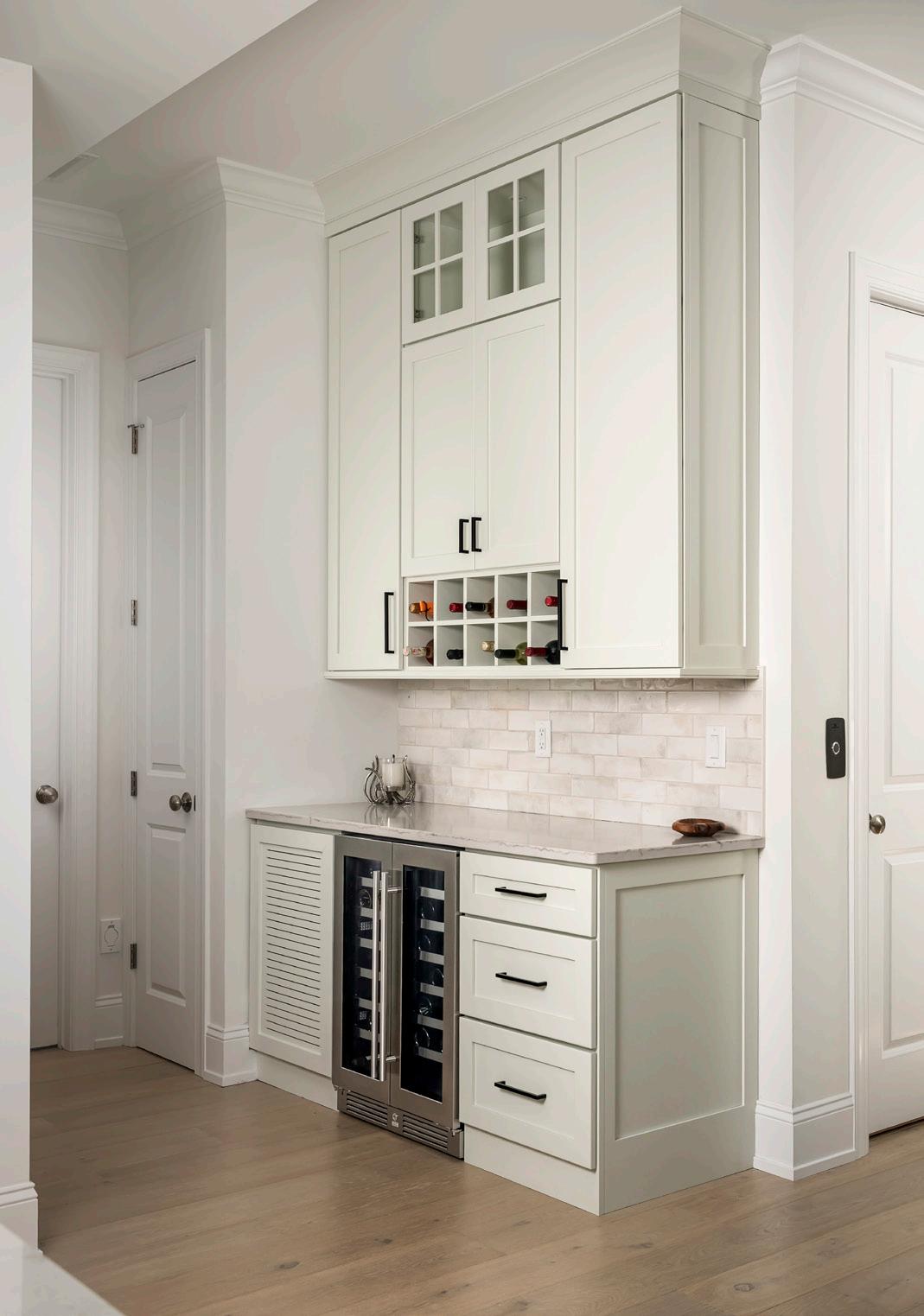
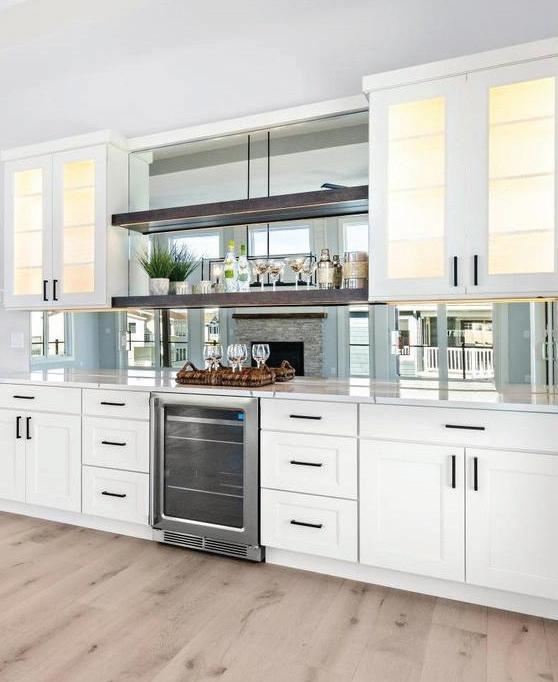
When designing the initial layout of the kitchen, they did encounter a minor challenge due to the location of an HVAC intake in what would be the perfect place for their dry bar. Marc got creative and designed a custom louvered vent cover that blends perfectly with the dry bar cabinetry. With storage for wine bottles and glassware in the upper cabinet and a built-in beverage cooler in the lower cabinet, the dry bar keeps an effortless flow through the space when entertaining.
Marc and Candyce understand that part of an effective kitchen design is leaving room for the homeowners to add their own personal touches. “While sitting at the bar at Delaware Oyster House, my wife and I were struck by the pendant lights. We went home that night and ordered the same ones online. They look perfect above our center island,” shares the homeowner.
With a bright and open kitchen, their large family can smoothly spend time together cooking, eating, and socializing. The homeowner shares, “Everyone who comes into our home for the first time comments about how all the design elements blend together to form a very sophisticated, yet comfortable space. We recently had our first grandchild and look forward to many years of our kids and grandkids gathering in this kitchen to enjoy each other’s company.”
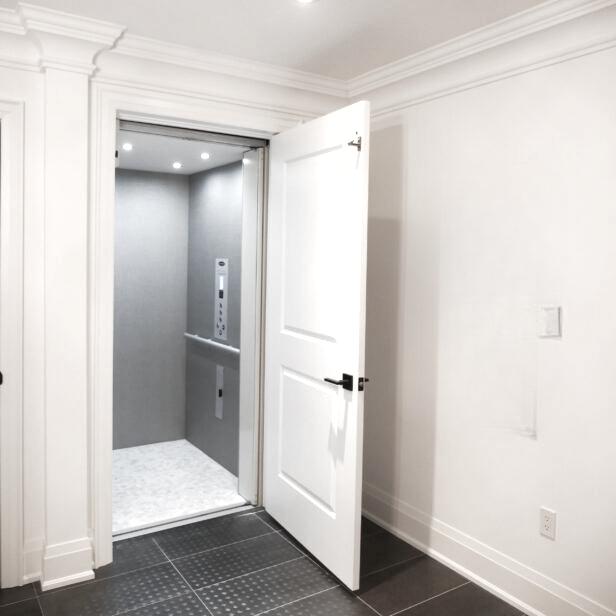
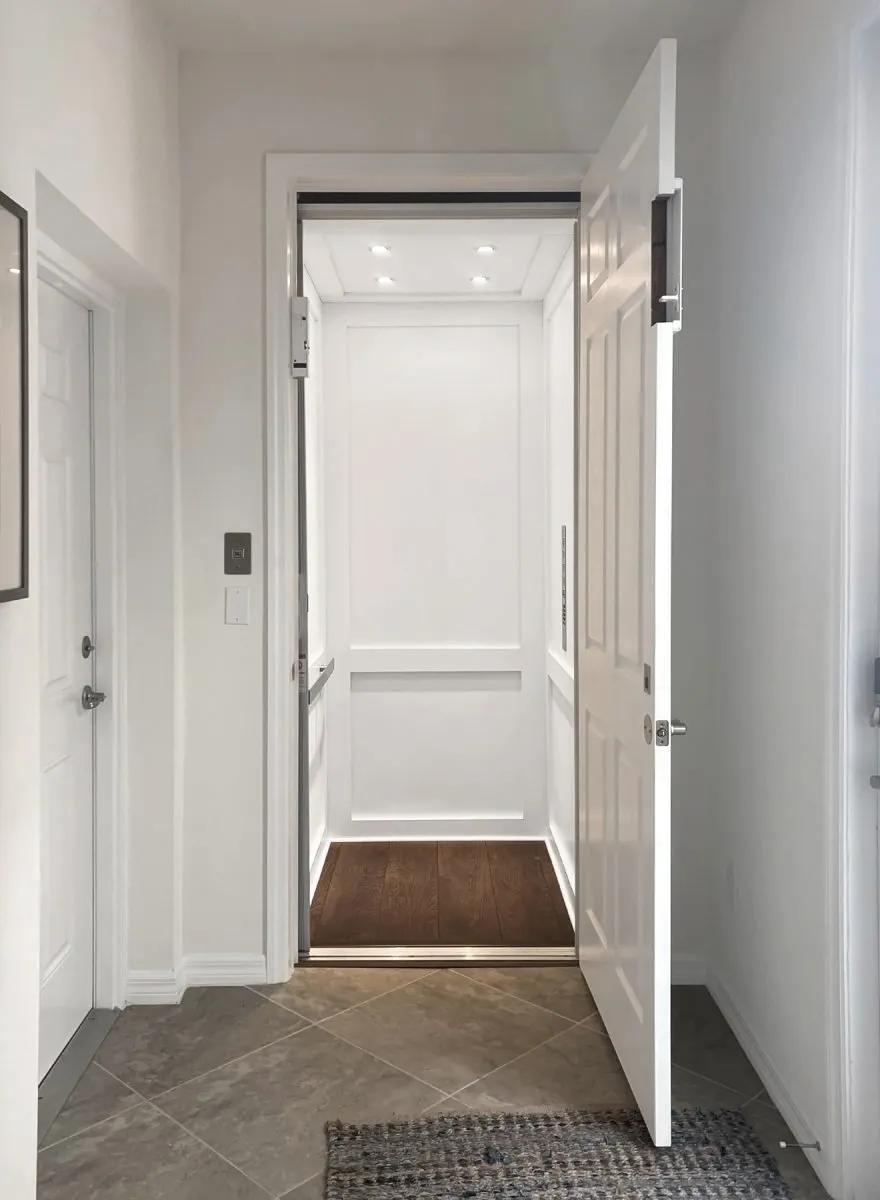
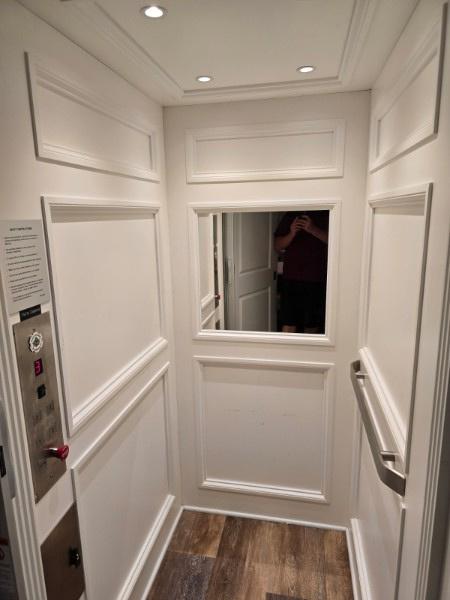
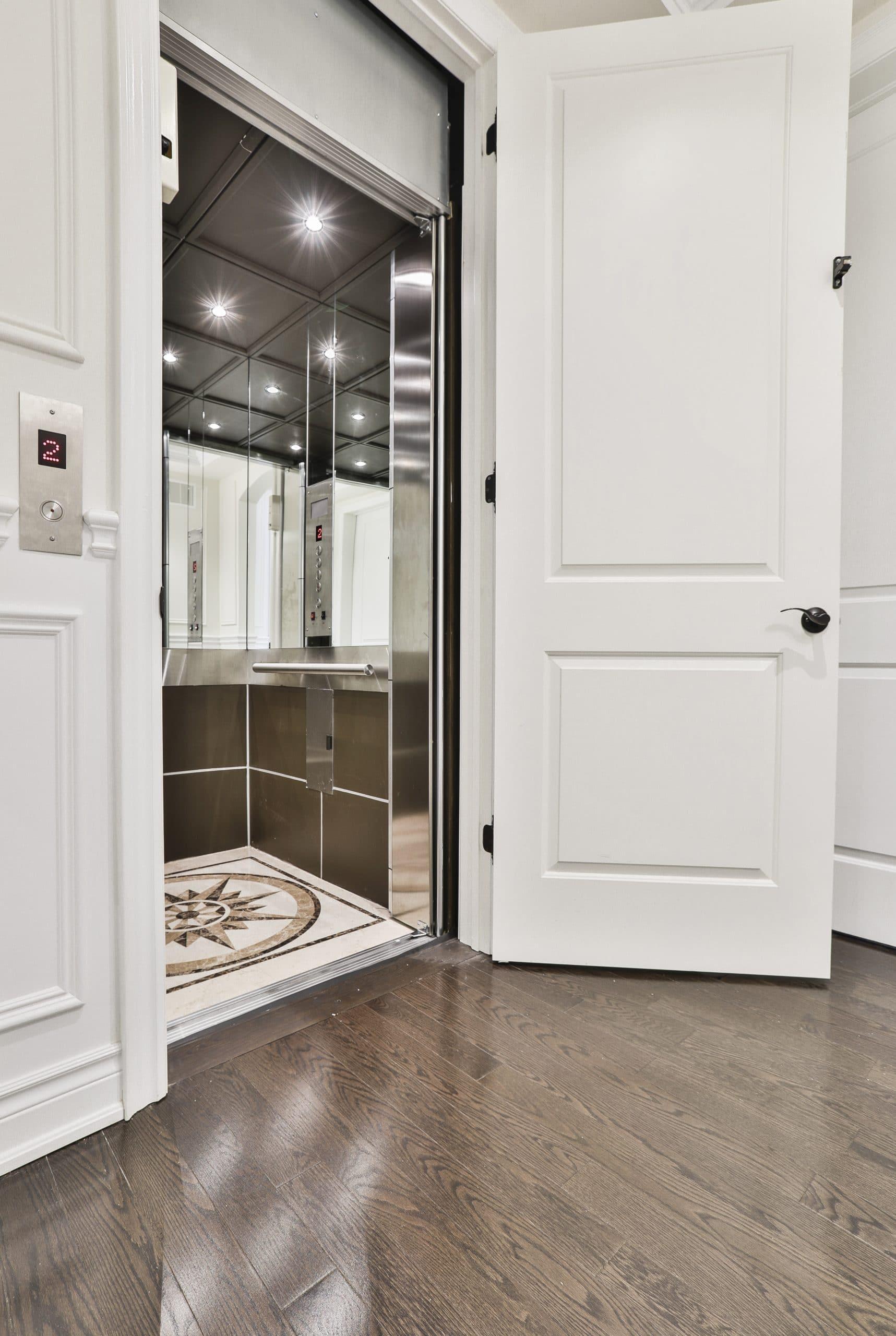
The Finest Homes Rise Higher
Discover custom elevator solutions designed to complement luxury coastal living with quiet performance, refined craftsmanship, and effortless accessibility for every level of your home. S J E L E V A T O R . C O M
MEET Nancy Jane
WRITTEN BY JENNA COWPERTHWAITE
Louis Shaw, owner and principal designer of Louis Shaw Designs, curates homes that ooze with personality. And that process begins with literally giving each project a unique nickname. Meet Nancy Jane.
Nancy Jane’s homeowner initially contacted Louis Shaw Designs for a lighting consultation. “Intentional lighting goes a long way in refining a space,” explains Louis. As the project evolved, his client turned to Louis for additional aspects of the home renovation, from building out the overall interior design to full rental home concierge services through Style Vacation Homes by Louis Shaw. “With all of the time and money we were devoting to the home, it didn’t feel right to just abandon it to whoever wanted to rent a beach house for a week,” explained the homeowner. “Once I knew Louis was screening potential renters, managing our
guests, and providing his meticulous turnover services, I could finally relax and not worry about my home.” And renters feel a similar degree of satisfaction, enjoying a truly upscale experience in the thoughtfully-designed home.
Nancy Jane is the namesake of the homeowner’s mother. As the one who introduced her son to Long Beach Island and gave him years of childhood memories in the seaside locale, he wanted this home to honor her memory and stand as a beacon of everything good about this special place. Nestled in north Beach Haven, Louis designed the interior of the home to pull from the rich nautical history of the area, as time on the water is an important pastime for the family.
“Things always evolve,” says Louis, and he began this project as he does all others—with lifelike renderings. “This gives my client and I a communal jumping off point…something concrete we can use to shape the details of the space.” Intentionally selecting a muted, creamy hue as the primary wall color throughout Nancy Jane, Louis brought dynamic life to the home through carefully chosen accents and decor.
In fact, one of Louis’ specialties is his ability to incorporate sentimental pieces of furniture and other family heirlooms into a fresh, modern space. For this project, he brought in furnishings from the homeowner’s Maine residence. “These are the pieces that make a space feel like their own,” explains Louis. “Each client has a unique background that impacts how they want their home to be presented. Restyling pieces they already have not only helps stretch their budget and is more environmentally friendly, but it’s also a really fun way to add personality to the space.”
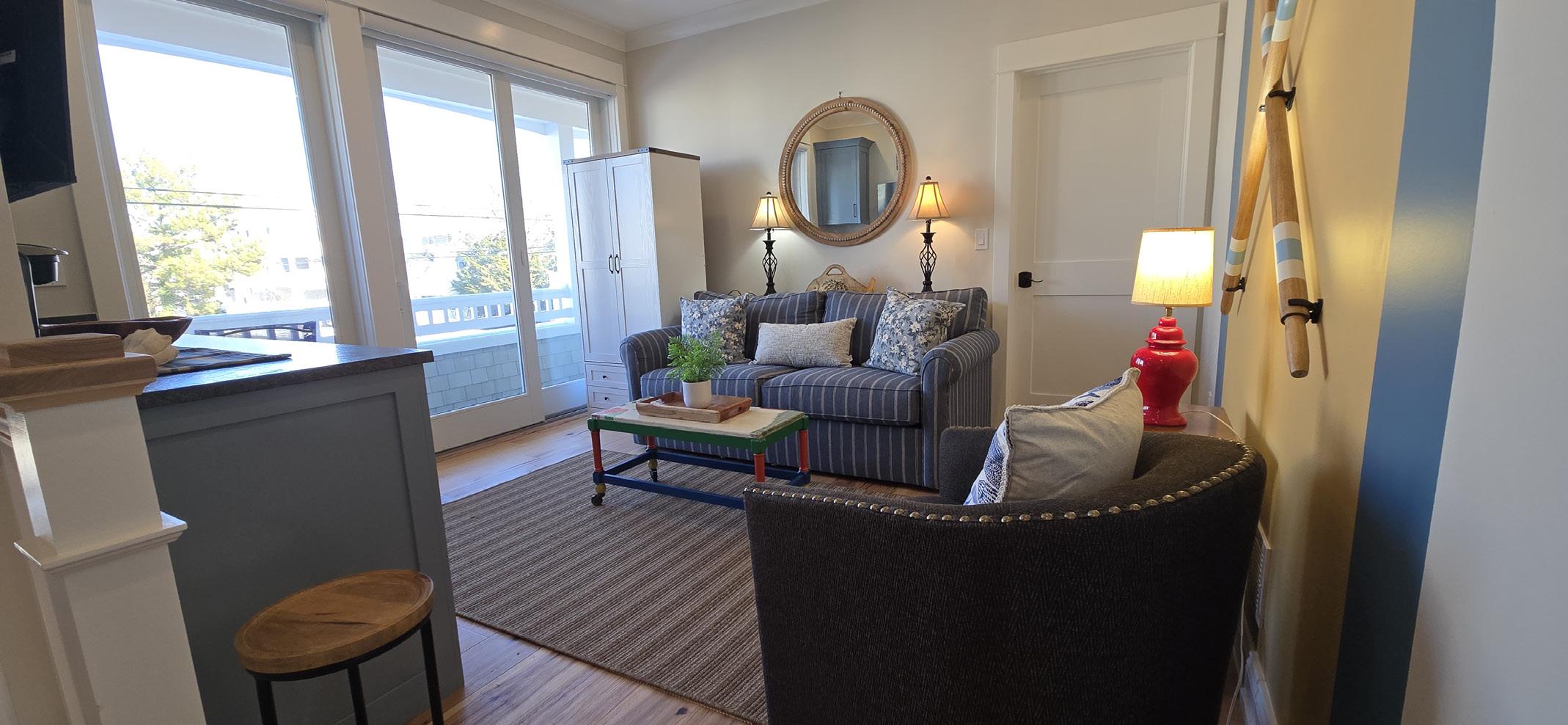
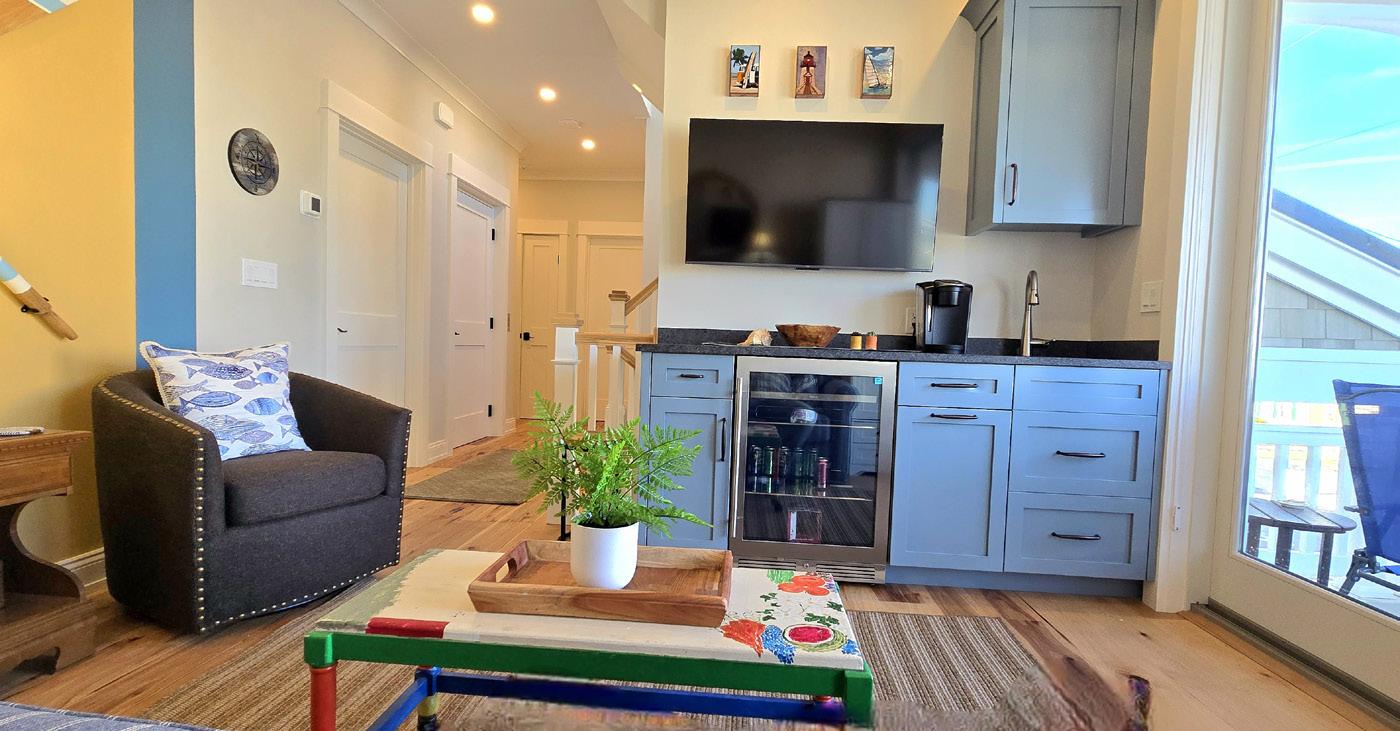
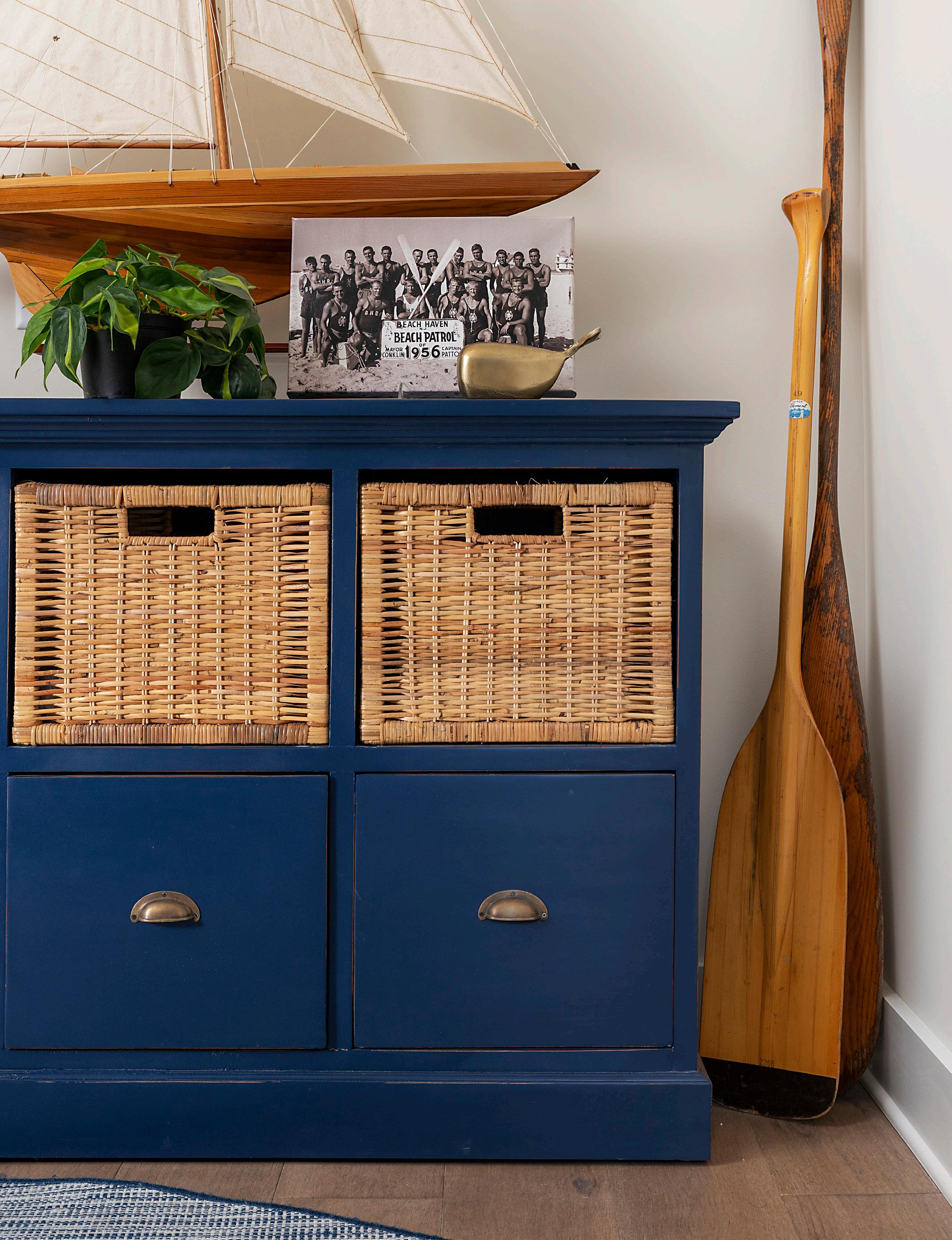
There are a few special rooms in the home that really shine through Louis’ expertise. He completely restyled the den to make it more functional and beautiful. A wet bar, complete with sink and beverage fridge, plus a comfortable sleep sofa make it a true multi-purpose space without sacrificing design. A sophisticated blue pinstripe in the sofa and deep creamy blue painted cabinetry in the bar bring in the token maritime feel. But he also includes some more punchy colors to really make the space come alive. A coffee table adorned with vibrant, whimsical paintings, lush green houseplants, and a carefully selected red table lamp give an unexpected pop to the room. Adding a side table and chair provides more seating space, while simple touches like a wooden beaded mirror over the sofa and a small wardrobe in the corner for storing linens and blankets offer a cozy touch. A yellow and blue accent wall showcasing a set of oars drives home the nautical nod.
The living room and kitchen, an open concept space, was carefully arranged by Louis to make the most of seating for hosting a large crowd. Two sofas—in a deep navy, of course—and a couple of arm chairs—in a coordinating sandy hue— sur-
round a gas fireplace enveloped with shiplap, complete with mantle and tv mounted above. Pendant lighting above the sprawling island and a special chandelier showcased by the kitchen table highlight the importance of intentional lighting in a space.
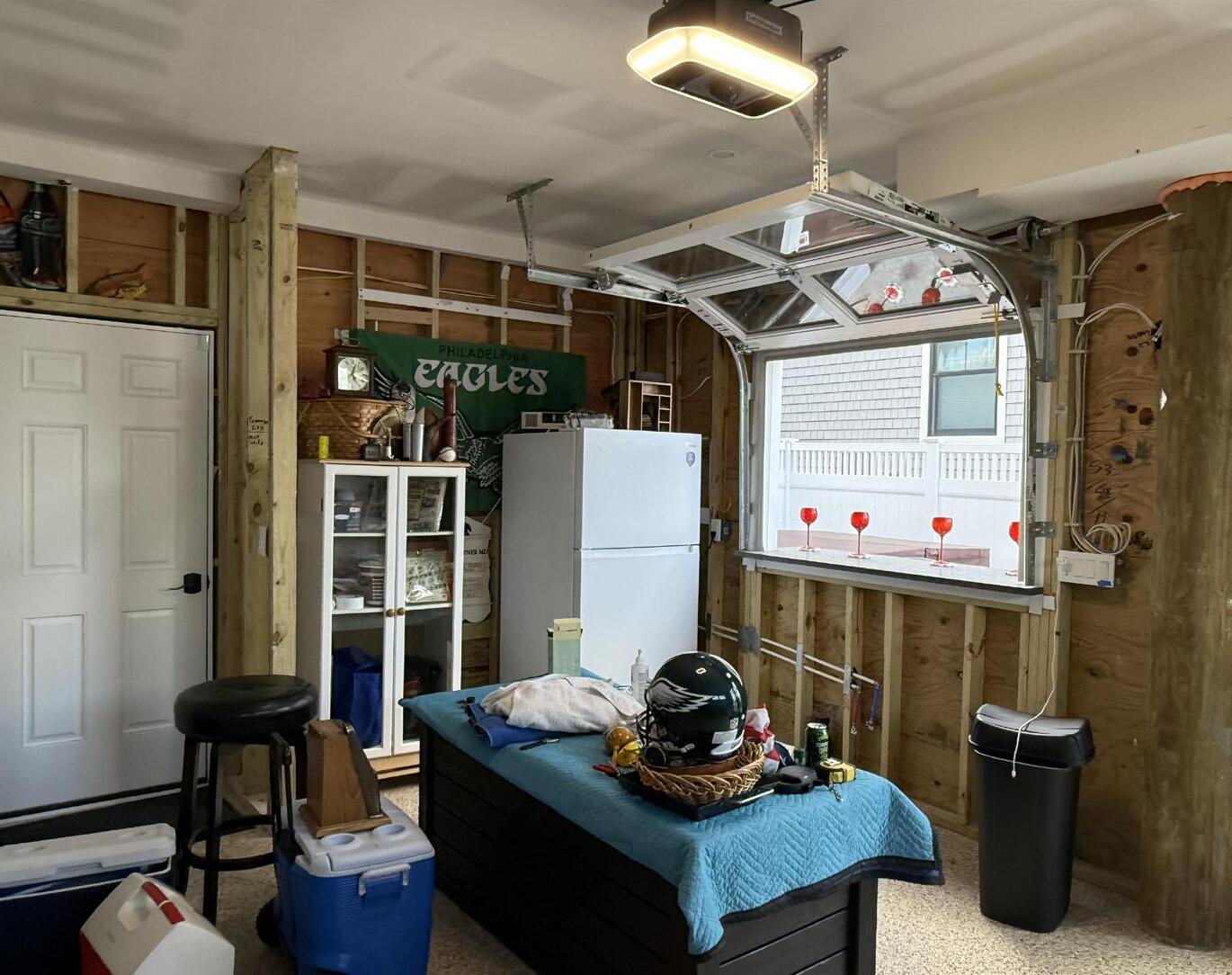
Previously an unfinished space on the ground level, “The Hatch” is the latest iteration of the project, on its way to becoming a bar-lounge space full of good energy. “It always wanted to be a casual sanctuary for afternoon game sessions and evening cocktails,” explains Louis of his vision for the area. A sliding door provides easy access to the outdoor patio and hot tub, making it a very intentionally designed indoor/outdoor space. The pass-thru garage window makes this an epic area for entertaining.
Through curated eclectic, nautical design from Louis Shaw Designs combined with professional rental management from Style Vacation Homes, Nancy Jane offers vacationers a luxurious resort experience, while providing complete peace of mind to the happy homeowners.
The ultimate set and forget? Your landscaping. With thoughtfulness woven into every design, our team at Ash Outdoor can plan your ultimate 9-5 escape for today and years to come. Set that Out Of Office notification and relax.
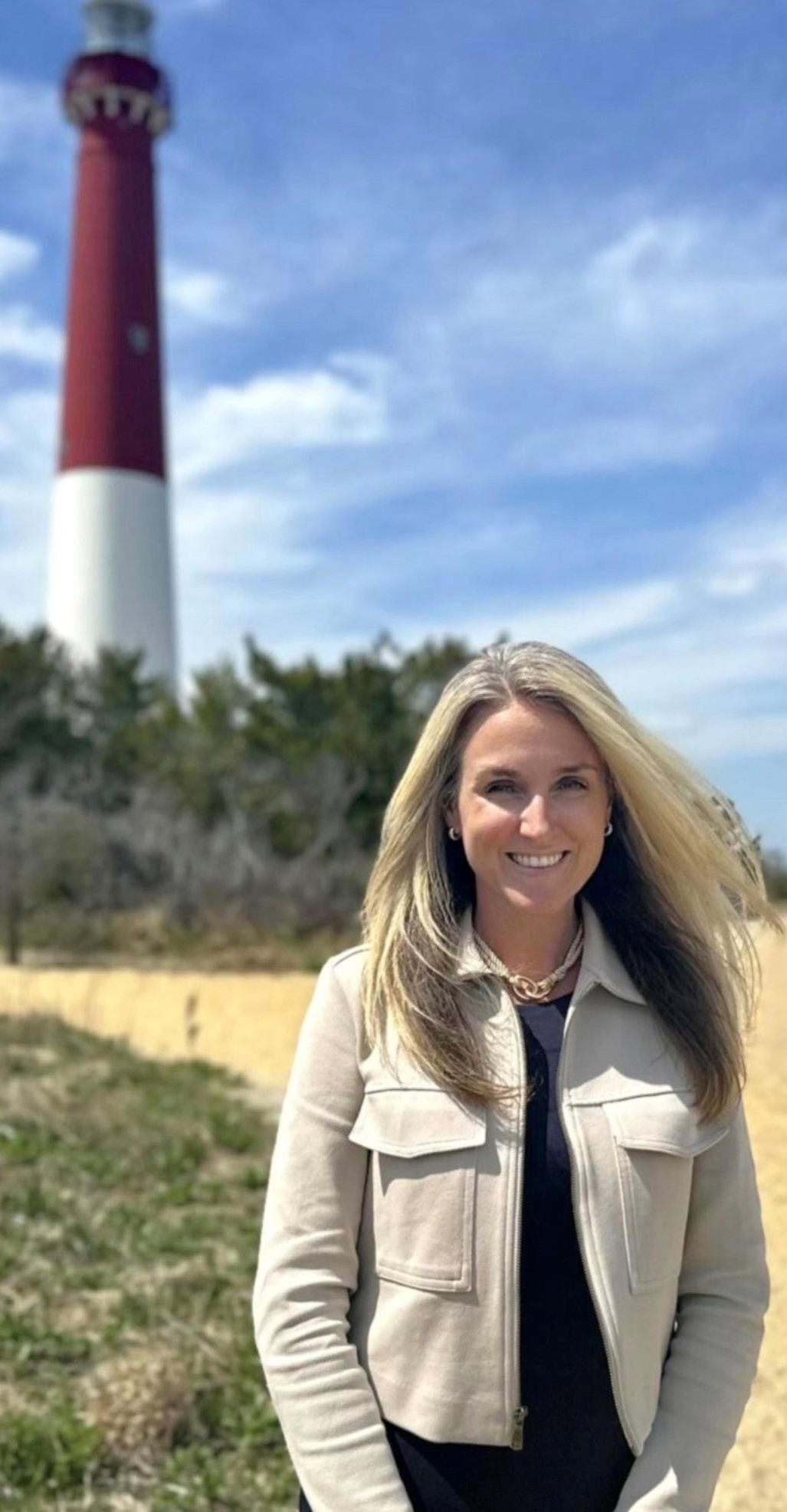
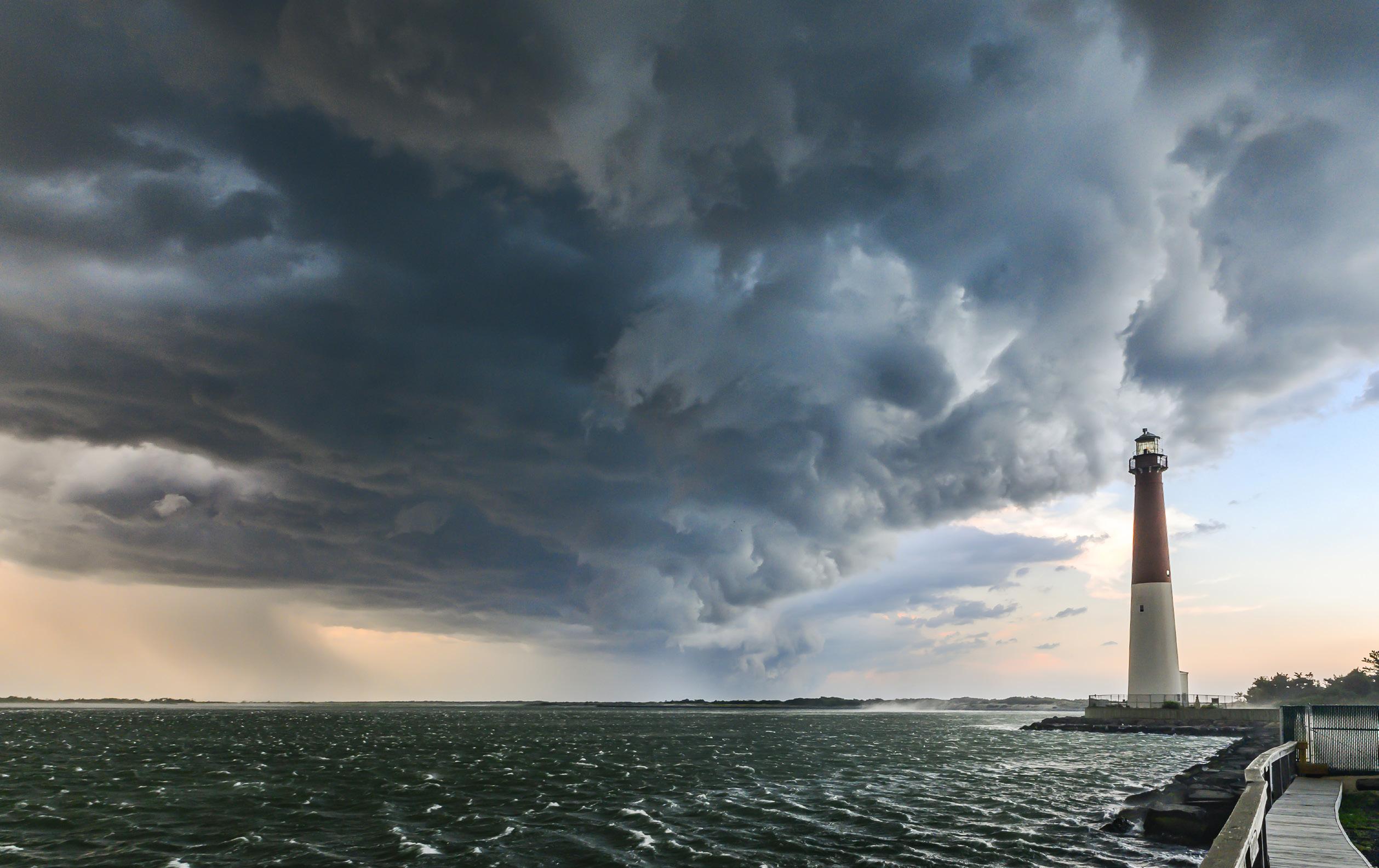
On the shores of Long Beach Island, the Barnegat Lighthouse stands as a trusted guide and a familiar, reassuring part of this community’s landscape. For Caitlin Heery, CFP®, the lighthouse is more than a backdrop for a photograph. It reflects the way she approaches her work: calm, steady, and focused on helping people navigate life’s financial decisions with clarity.
Caitlin is a financial advisor and a local resident who understands the rhythm of Long Beach Island life, especially the people who return year after year and the growth and transitions that shape their life stories. As a Certified Financial Planning® professional, her work is grounded in relationships, trust, and the belief that everyone deserves a financial plan that feels understandable, empowering, and centered on what matters most.
Many of the clients Caitlin works with are women who take an active role in managing their finances. They are professionals, business owners, and women who serve as the primary decision-makers in their households who want an advisor who listens closely, explains clearly, and respects the complexity of their lives. Caitlin’s natural affinity for working with strong, engaged women has shaped much of her practice, and she values the confidence that grows when clients feel truly supported.
She also has a strong interest in supporting clients navigating divorce. Caitlin understands how overwhelming the financial side of a major life transition can be, and how important it is to have an advisor who can help them organize their financial picture, evaluate options, and move forward confidently.
At Modera Wealth Management, Caitlin helps clients bring all the pieces of their financial lives together through thoughtful, fiduciary guidance — including planning, investments, taxes, insurance, estate considerations, and the day-to-day decisions that shape an individual’s or family’s future.
By partnering with Caitlin and Modera, clients can expect transparency, proactive guidance, and a plan built around their goals. Whether you’re preparing for retirement, managing generational wealth, navigating a transition, or simply looking for a trusted advisor who understands your world, Caitlin is here to guide you forward.
If you’re ready to explore how a personalized financial plan can bring clarity to your life, Caitlin would love to connect.
Caitlin Heery, CFP® Senior Financial Advisor, Principal
Modera is an SEC-registered investment adviser. SEC registration does not imply any level of skill or training. For information pertaining to our registration status, fees, and services, please refer to the Investment Adviser Public Disclosure website (www.adviserinfo.sec.gov) for a copy of our disclosure brochure statement set forth on our Form ADV. Please read the disclosure statement carefully before you decide to hire Modera, invest, or send money. CFP Board owns the marks CFP®, CERTIFIED FINANCIAL PLANNER®, and CFP® (with plaque design) in the U.S.
A TRUE PARTNERSHIP BEHIND A THOUGHTFUL BUILD
PHOTOS BY MICHAEL SPARK WRITTEN BY KATHERINE LIOUDIS
Choosing the right builder is one of the biggest decisions you might make while planning your future on Long Beach Island. There’s so much potential, when you have the chance to turn a lot into a home that truly fits how you want to live. But, that only works if you have the right team behind you. You need a builder you trust, someone who can pull from real experience, listen closely, and take “this is what I want” and actually make it happen.
That’s exactly what the Shaia family found with Stonehenge Builders.
After meeting with a few builders that didn’t quite feel right, Jennifer and Greg Shaia had a clear sense of what they were looking for. They wanted a true partnership. A team they could trust, who would help them think through how every space would be used, and who
cared more about getting it right than cutting corners.
That mindset led them to the father-and-son team at Stonehenge, John and Michael Szymanski. With an intentionally limited number of projects each year, Stonehenge focuses exclusively on custom homes, many of which come from referrals. It’s a reputation built over decades and one rooted in craftsmanship, communication, and long-term relationships. As Michael puts it, “We have a revolving reference list of happy customers. Our clients are best at letting people know why they should use us.” The Shaia family is now proudly part of that list.
Jennifer and Greg first came to Long Beach Island looking for a beach house, renting for several summers before deciding to buy. Not only was it the possibility of being able to walk straight to the beach without cross-
ing the boulevard, it was the overall lifestyle that pulled them in. As Jennifer explains, “We rented a couple times for a few years prior to get a feeling for it, and we immediately just loved it. The restaurants were always great, the community, the local businesses, it offered so much beyond the beach experience.”
When it came time to build, the goal was clear: create a home with space to gather, host, and truly spend time together as a family. From the start, working with Stonehenge felt easy. John brought thoughtful ideas to the table, small changes that elevated the original plans, often improving both function and cost. All of this happened under a tight timeline, with demolition beginning on August 19 and a firm goal of being moved in by the following Fourth of July.
Pulling that off took constant communication, a deep understanding of building on the island, and a shared commitment to problem-solving without pushing a one-size-fits-all approach. Every decision came back to how the family would actually use the home. And there was an expensive bottle of tequila at stake if either side let that deadline slip
As Greg puts it, “I can honestly say that we virtually had to redo nothing, which I think is pretty unusual. We knew what we wanted and we spent all the time up front working together with Stonehenge to get it to what we wanted.”
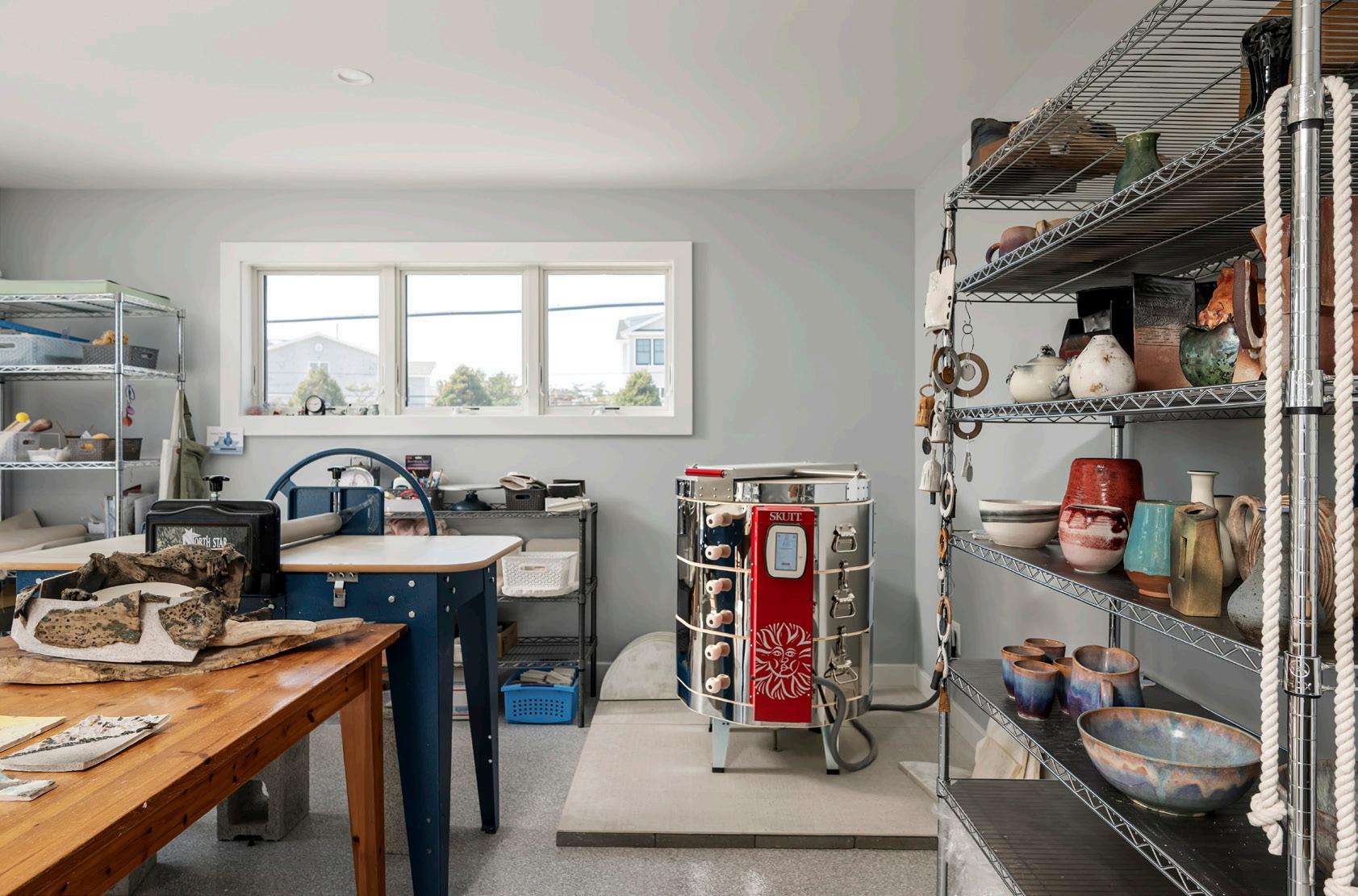
Not only did Stonehenge deliver on time, but the finished home reflects a thoughtful balance of beauty and function. From a dedicated ceramic studio complete with a kiln, to a custom
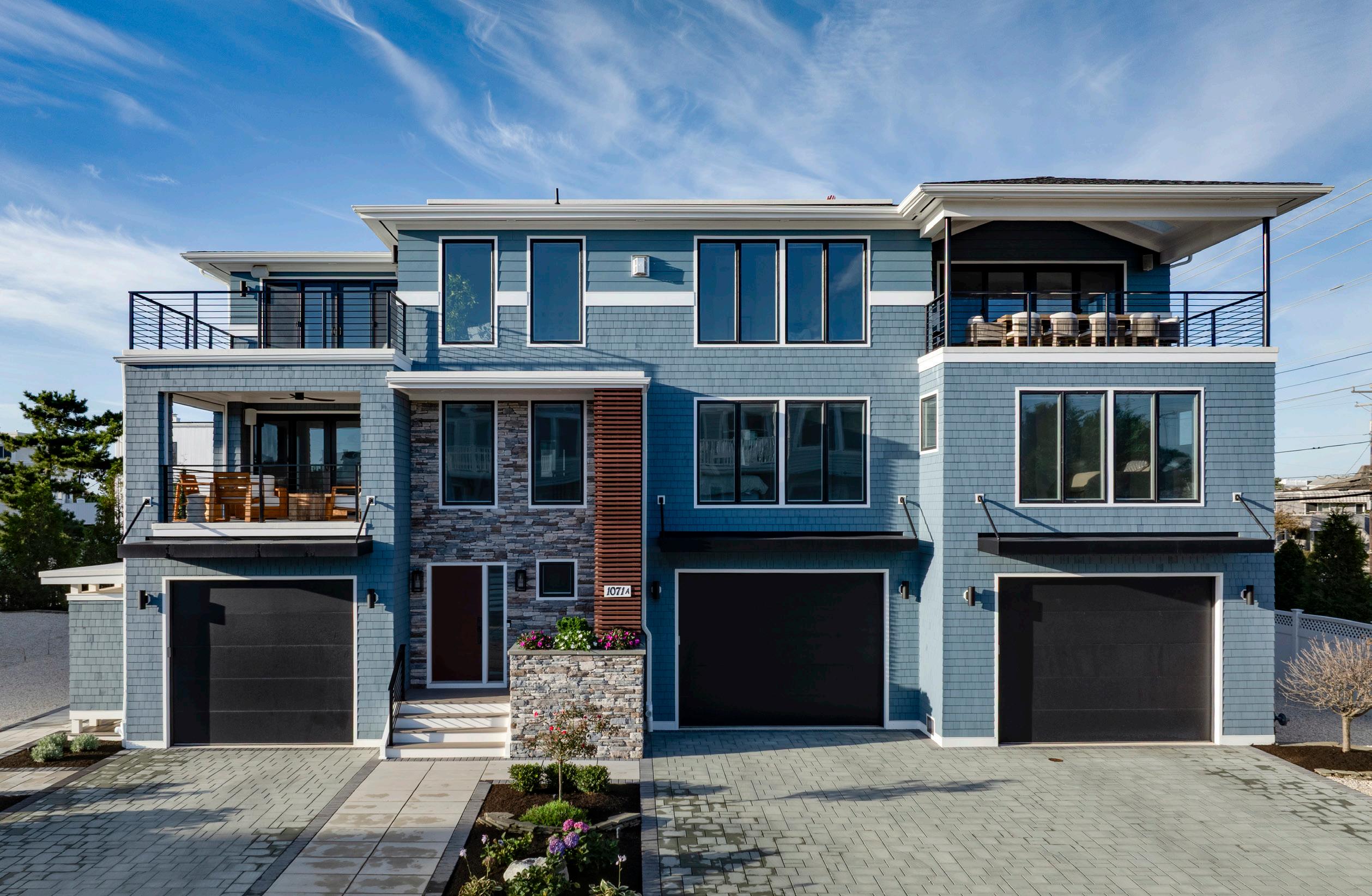
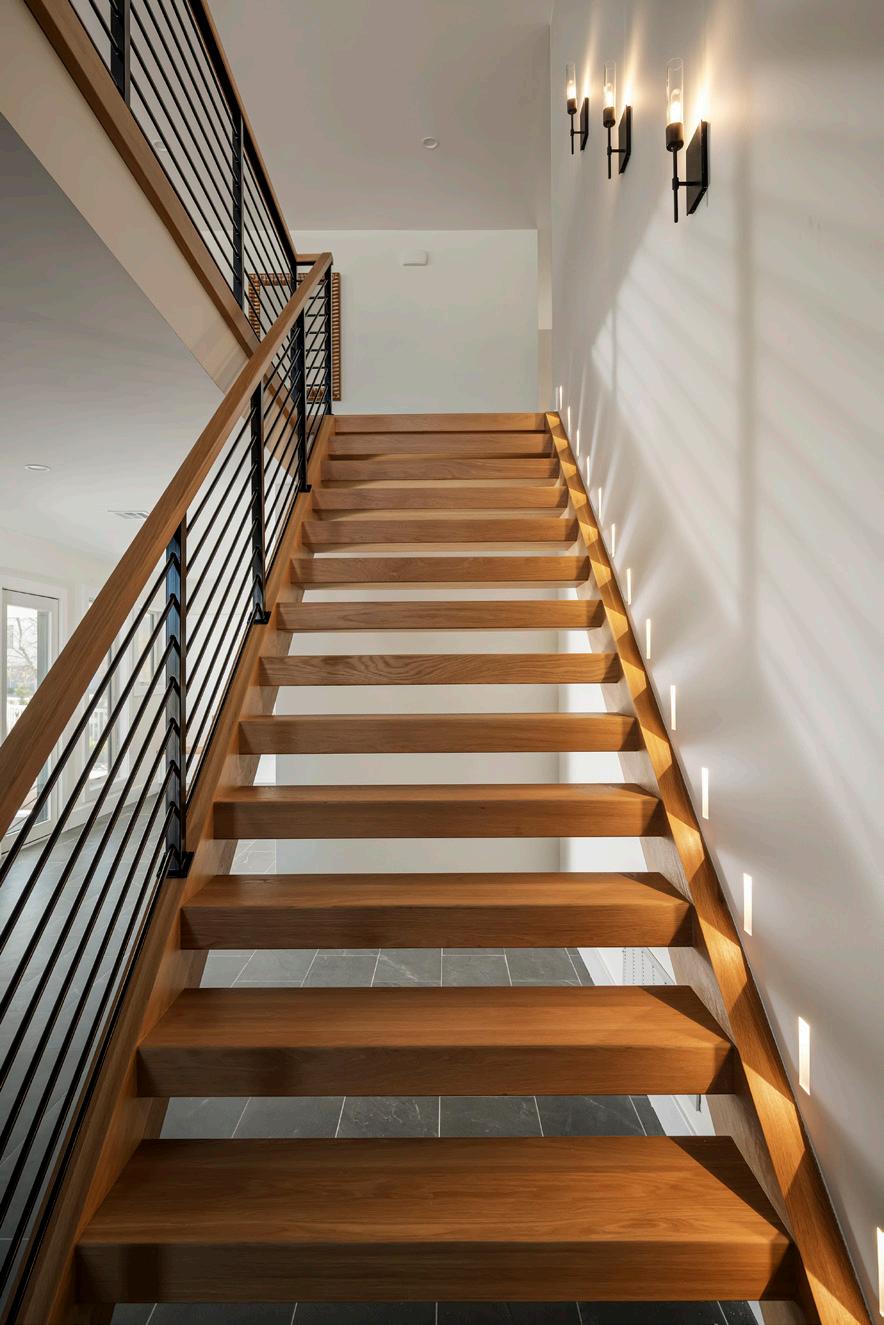
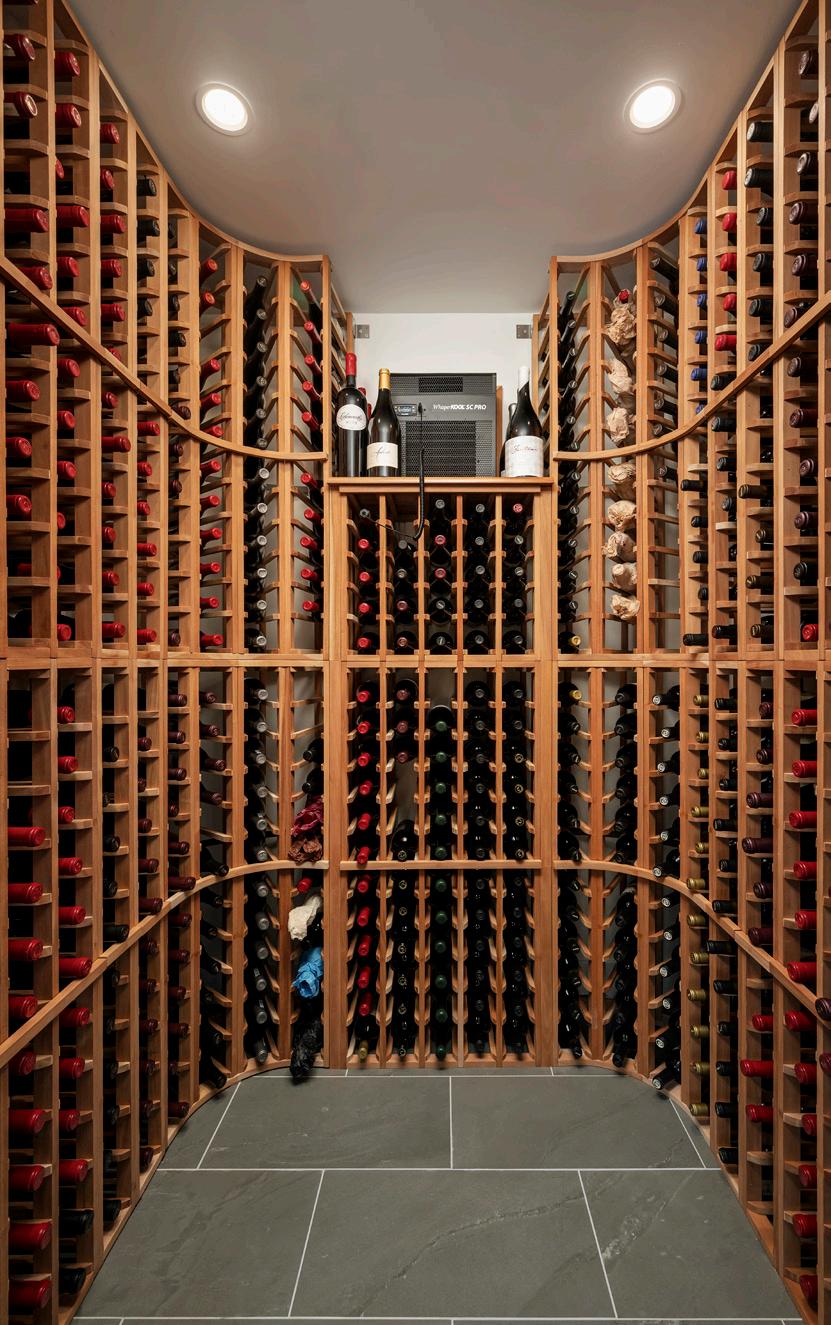
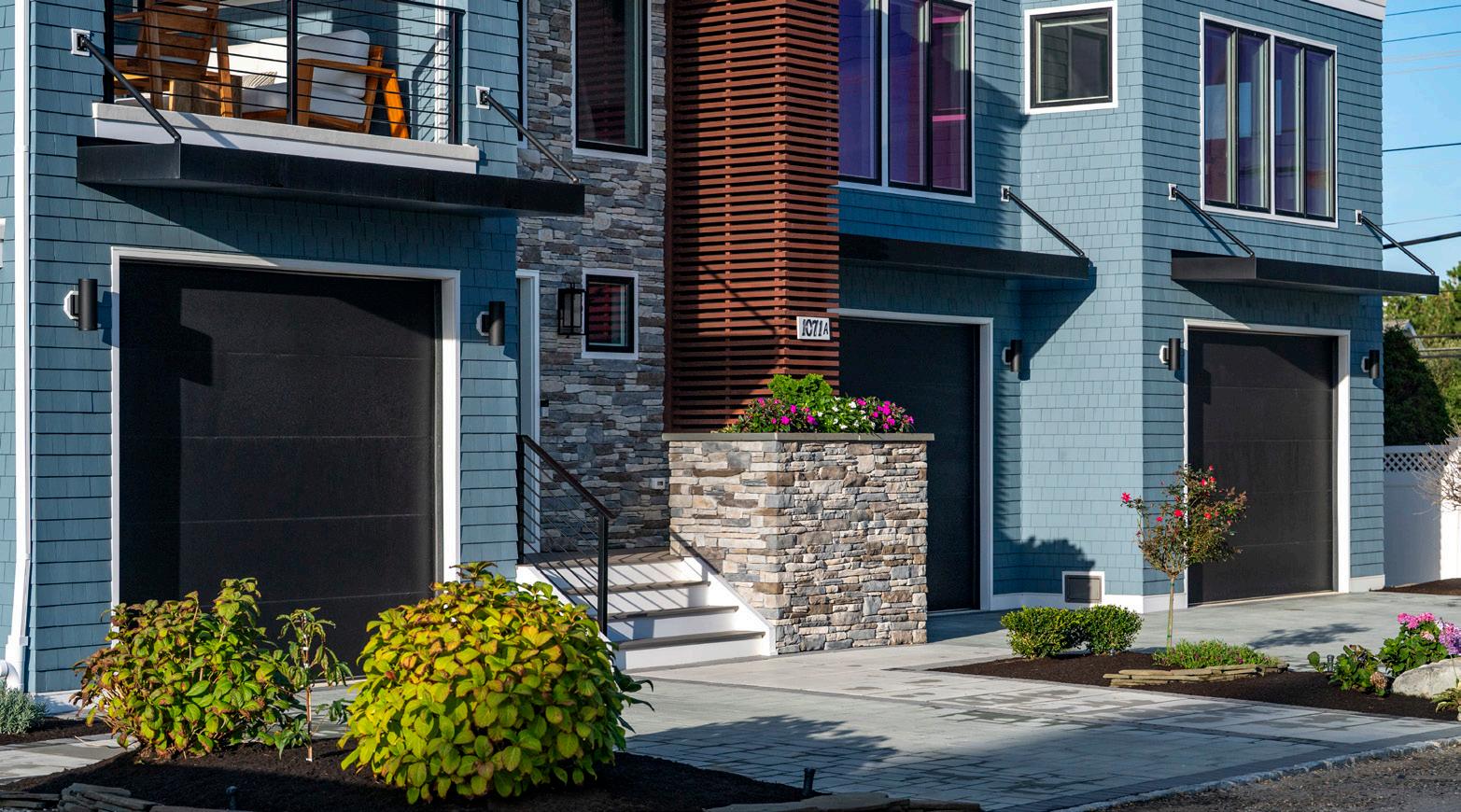
wine room built for roughly 600 bottles, a striking floating oak staircase with flush in-wall lighting, and an exterior shower off the primary suite, the home is full of details that feel personal and intentional. Throughout, materials were carefully chosen, such as hand-selected tilework by Jennifer and Greg, black walnut cabinetry, white oak flooring, and a modern exterior that blends cedar siding, stonework, and red cedar slats. Custom canopies over the front entry and garage doors add a strong element of the architecture.
That attention to detail comes from approaching each project in its own light,
shaped not only how the family functions but also the character of the site. As John explains, “Pretty much each house comes with the unique opportunity to do something that maybe you haven’t done before, or maybe take advantage of a view or a natural aspect of the site. You never get tired of the beach, you never get tired of the ocean and the views. You’re working in a house and you pick your head up, and the ocean is right there. And you stop for a while and take it all in.”
At the end of the day, this project reflects what Stonehenge does best. Every home is treated as its own opportunity, to think differently, and build something that will last. And when something new comes up, they take the time to do it properly. The Shaia family’s home is now part of that story, and another reason Stonehenge’s work continues to speak for itself.
NEW ROOTS, NEW GROUND
Ed Freeman Jr. left the franchise behind and built something entirely his own, right here on the Island he has called home for decades.
WRITTEN BY LISA SIMEK PHOTO BY MICHAEL SPARK
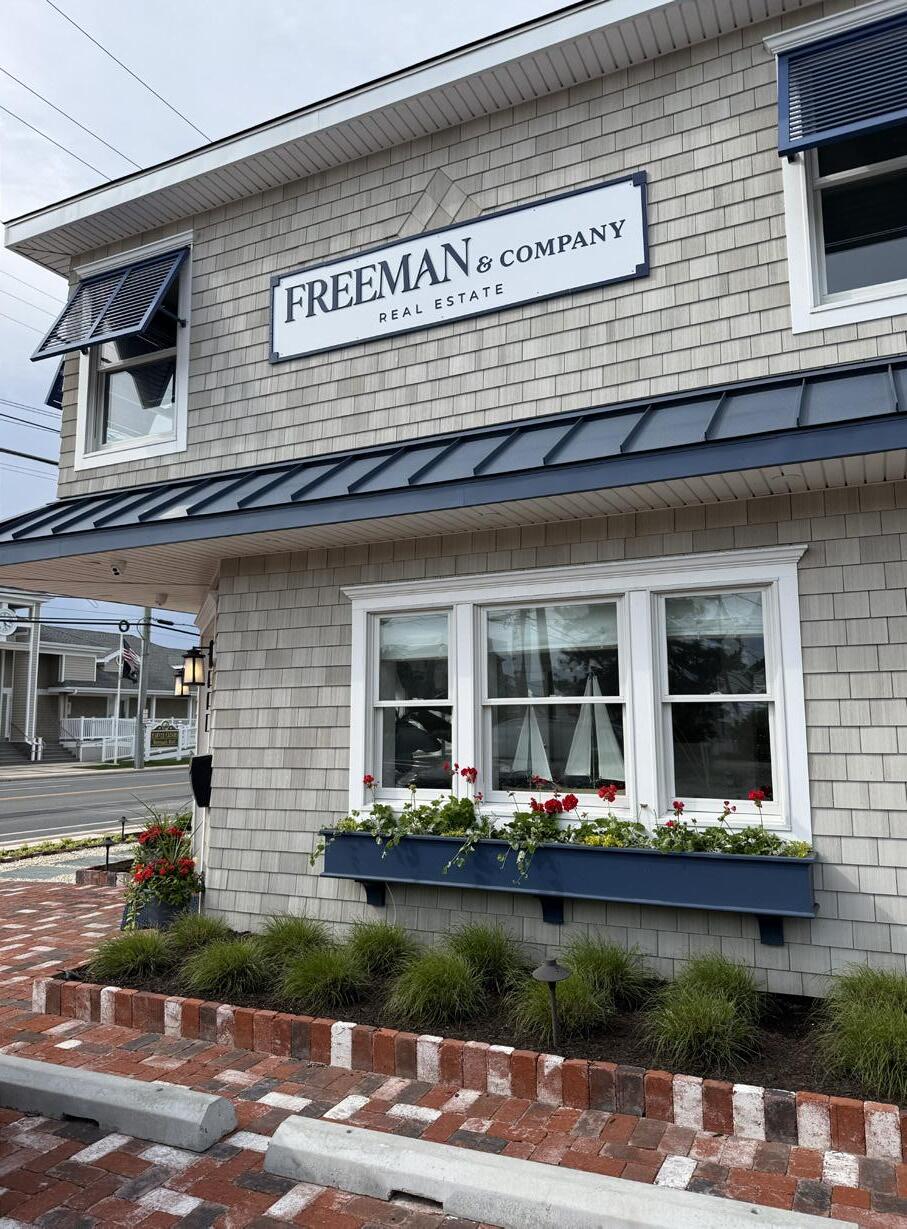
For a couple of years, Ed Freeman Jr. had been watching Harvey Cedars change. New businesses were opening. The borough’s streetscape project was underway, transforming it into what he calls the newest walking town on the Island. And sitting at the very northern entrance to that town was a building nobody seemed to want: siding falling off, unattended, the kind of eyesore that greets every visitor the moment they arrive. So, Freeman bought it.
“The first time I stepped foot in the building, I could really see a vision for the future,” he says. “I wanted to create something really beautiful to greet visitors, from the curb appeal to the inside space, to create a space that aesthetically would match the level of customer service we provide.”
That renovation is, in many ways, a blueprint for what Freeman & Company Real Estate would become. On December 1st, Freeman launched his own fully independent brokerage, stepping away from the REMAX franchise model to build something that felt, as he puts it, more like them.
The Freeman Group had been operating like a small firm for years; they had four agents generating annual
production that outpaced most brokerages on the Island. Long Beach Island is, by nature, a hyperlocal market. And after enough time, Freeman began to notice something: the Freeman name was more recognizable than the brokerage it operated under.
“We felt our brand was more recognizable than the brokerage we were a part of, which made the next most natural step to go independent.”
Independence gave him the ability to grow on his own terms, without dismantling what the group had already built, and to expand the brand in a way that felt authentic. “As a result, our clients are already experiencing an enhanced level of customer service from start to finish.”
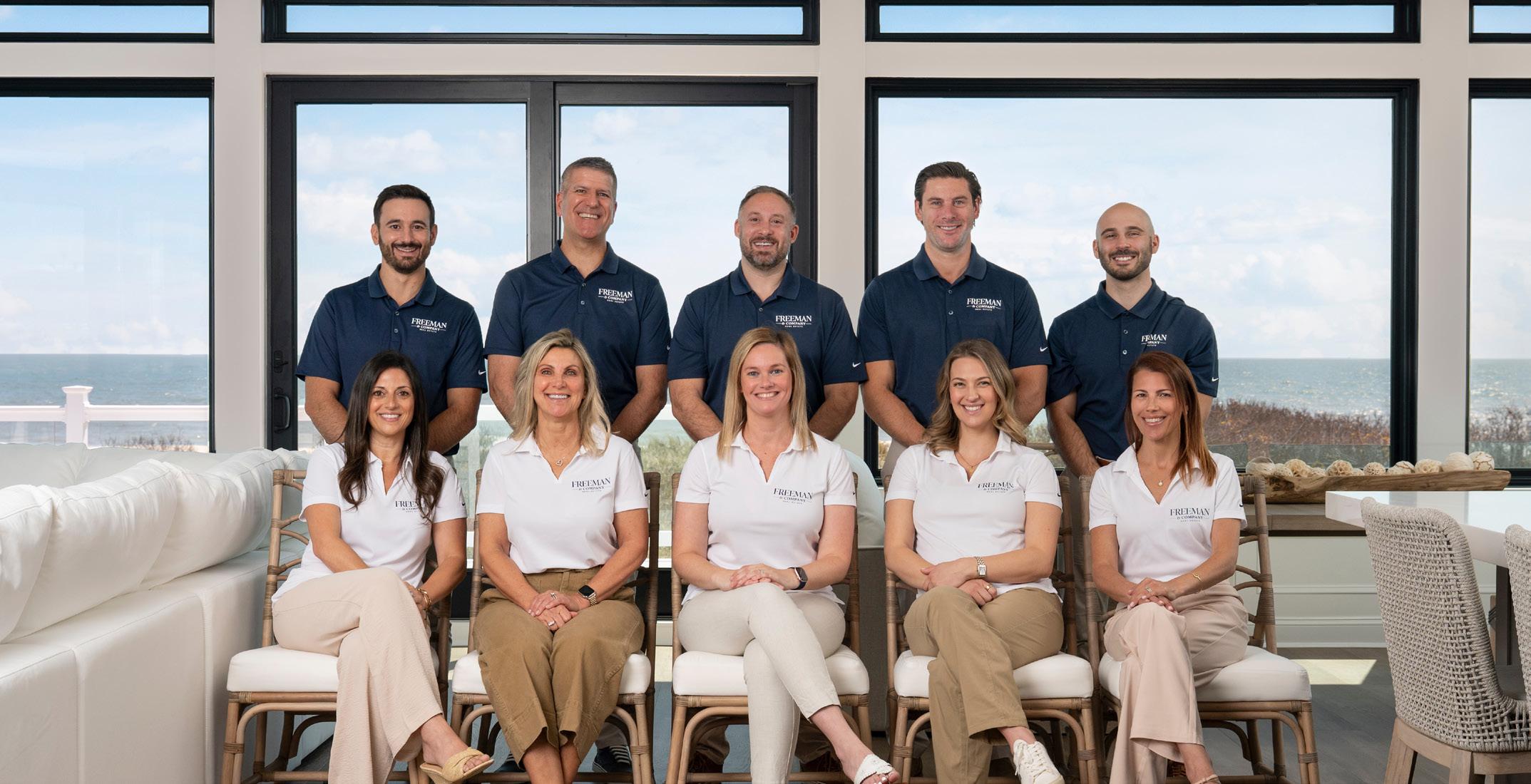
Freeman & Company Real Estate is the parent brokerage. Under its roof operates the Freeman Group: Ed Freeman Jr.’s own team, which includes Joseph Freeman, Tammy Laureigh, Audrey Pagnotta-Kaiser, and Bethany O’Leary, as well as the Guarino Team, comprised of Drew, Beau, and Vincent Guarino, as well as Andie Keefe. Both teams made the move from REMAX at Barnegat Bay together, and the pairing was anything but accidental. Most recently, Freeman & Company has also welcomed Andrew Paetow, Jordan Johnson and Carly Fredericks to the growing roster.
“We had discussed the idea for quite some time,” Guarino says. “We didn’t want to put our teams under the same umbrella for the sake of it; we really wanted to make sure we were creating something great together, where the combination of our two teams would make the whole stronger.”
The fit, he explains, came down to complementary strengths. “We view ourselves as a younger, up-and-coming team with a heavy focus on technology, innovation, and modern marketing, while his team is one of, if not the most, experienced on the island.” He describes Freeman’s knowledge base as hard to match, and his vision as clear.
“Eddie also has tremendous vision, and we’re aligned in how we want to operate and the level of experience we want to provide clients. Every day, we’re actively building systems and ideas that improve the client experience, and that’s what excites us most.”
For Guarino, operating under Freeman & Company strikes the right balance. “Working under Freeman & Company gives us the best of both worlds: the ability to remain autonomous in our day-to-day decisions while also having the support and guidance when needed.” And in a market as specialized as LBI, he adds, the name carries real weight. “The Freeman name has carried weight and earned respect in the industry for years, and being associated with that adds real value to our brand.”
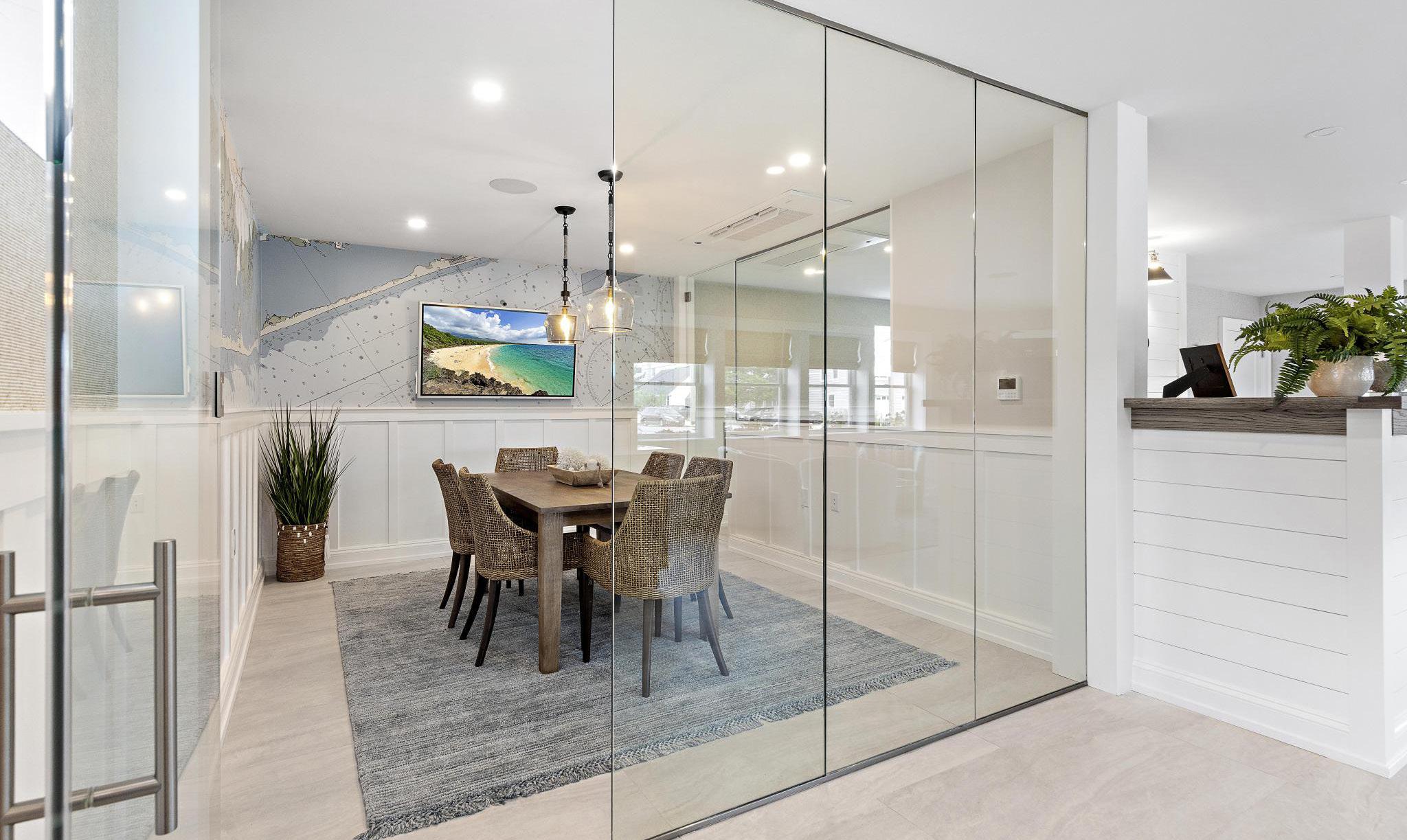
The Harvey Cedars office is the company’s flagship; the first commercial property visitors encounter when driving north into the borough, now fully renovated and, by design, indistinguishable from the character of the town around it. Every detail was considered, from the landscaping and signage to the interior, which was designed and decorated by Meg Paetow of Bayside Interiors. Nothing overlooked.
A second location, in Beach Haven, will be open for business later this summer. It occupies space in a new mixed-use building designed and built by Michael Pagnotta, who spent considerable time working with the town of Beach Haven to ensure the design complemented its surroundings. The interior will carry the same aesthetic sensibility as Harvey Cedars.
“Beach Haven holds a really special place in my heart,” Freeman says. “My family has lived here for many years, has operated a business here, and it’s an opportunity for us to come back to where it all started.”
Although Ed Freeman Sr. is retired now, his fingerprints are all over this company. He came to LBI after years working on Wall Street (stints at Merrill Lynch and Kidder Peabody) before pivoting entirely, eventually owning and operating Freeman’s Fish Market, Pearl Street Market, and ultimately The Freeman Group. “I don’t think anyone on Long Beach Island had accomplished the level of success that my father had in such a short amount of
time.” By any measure, it has been a remarkable run.
His son grew up inside all of it, working alongside him at the fish market and the deli before the natural progression into real estate. “My passion and love for real estate made the transition seamless,” Freeman says, “and learning alongside my father was invaluable. The foundation of Freeman & Company was built by my father, by what he accomplished, and it’s truly a family business.”
That family business now includes a second generation carrying something forward that began behind the counter at Freeman’s Fish Market and Pearl Street Market.
Freeman makes his home in Surf City. His wife Kera, a teacher in the local school district for more than a decade, is as embedded in this community as he is. That rootedness isn’t incidental to the business. It’s the business.
Every February, the Bayside Chapel in Barnegat hosts Night to Shine, a worldwide prom event for people with special needs, part of the Tim Tebow Foundation’s global network. Freeman and Kera are on the local leadership team. This past February, the whole company closed early so the staff could volunteer together.
It’s the kind of detail that perhaps doesn’t make it into a real estate ad, but it sure does make it into a story about who these people actually are.
Freeman is also in early conversations with Harvey Cedars’ mayor about deepening the company’s involvement in the north end, a natural next step for a firm that just planted a flag there and intends to stay.
Freeman & Company is also representing Michael Pagnotta in the marketing and sale of Fortuna Park, a 21-lot subdivision on the former site of the LBI Grade School in Ship Bottom, where Freeman’s wife was actually a teacher before the doors were closed by the district due to declining enrollment, aging facilities, and consolidation efforts. It follows two of the largest recent residential developments The Freeman Group has brought to market on Long Beach Island: Islands End and The Buccaneer Club.
The building at the north end of Harvey Cedars looks nothing like it did. The new owners saw something in it that nobody else stopped to see, got to work, and made it something worth arriving to. That is, more or less, the Freeman & Company pitch, and it’s been the family ethos for a long time.
Ed Freeman Jr. put down roots on this Island, learned the market from his father, and has spent his career building something that outlasts any particular sale. The franchise is gone. The name remains. And if the summer ahead goes anything like the last few years, there will be plenty more to show for it.
HOME at LAST
Bringing a Coastal Dream to Life with B. Oliver Designs
WRITTEN BY KATHERINE LIOUDIS PHOTO BY MICHAEL SPARK
For many families, owning a home on Long Beach Island is a dream years in the making. For Dave Gardi and his family, that dream took root decades ago, when his father first brought his high school football players to the island for preseason training and never stopped returning.
That tradition was passed on to Dave, who began coming to the island with his wife, Michele, building summer memories of their own and eventually sharing the island with their children. For years, those summers were spent staying in a family friend’s home, returning whenever they could. “What started as being a guest in a house for one week every summer turned into decades of memories,” Dave says. “Long Beach Island has always been a constant in our lives.” After a transition in Dave’s career working in professional sports, his and Michele’s dream of owning a home in Beach Haven became a reality.
When a decision like this has been building for years, shaped by nostalgia and family history, you want it to be perfect. You want the inspiration you’ve been collecting to come together in a way that feels effortless and unique to your story.
That’s where B. Oliver Designs, the interior design arm of Spotted Whale, comes in.
For those familiar with Spotted Whale and their five retail locations, the brand’s effortless coastal style is easy to recognize. B. Oliver Designs brings that same feeling into the home. Founded by Anne Pecora, the full-service studio brings over 60 years of combined design experience, offering direct access to furnishings and finishes while managing each project from concept to final installation, supported by in-house warehousing, delivery, and white-glove service. With access to an extensive network of trade only vendors and custom makers, the studio is able to source pieces
and finishes not typically available at retail. Their work spans interior renovations, new construction consulting, custom millwork, kitchen and bath design, space planning, and so much more.
At the center of B. Oliver Designs’ interior design work are Tamara Madjeski and Michelle Reilly, design experts who approach each project as a partnership with their clients. For Tamara, who stepped into the Head of Design role in 2023, the focus is on honoring a client’s desires while guiding it toward something both livable and enjoyable. “Clients come to us with a vision they’ve held onto for a long time, our job is to help bring that dream to life,” she says. With projects spanning multiple states and a portfolio that extends far beyond coastal homes, the studio brings a depth of experience that informs each design.
When it came time to design the Gardi family’s Beach Haven home, the project moved on a tight summer timeline, one that required thoughtful decisions to happen quickly. The process began with an in-home consultation, followed by interactive mood boards that helped bring ideas to life. “I’m a visual person, and the boards they sent made everything so much easier,” says Michele Gardi. “I would see them and instantly know, love it, hate it, or let’s tweak it.” Those visuals helped the project move efficiently, while still keeping the home true to how the family wanted it to feel.
Beyond the look of the home, functionality was a key focus throughout the Gardi project. The designers worked with the home’s existing elements while incorporating the Gardi family’s design choices. Each space needed to feel intentional without sacrificing comfort. “Second homes have to work harder,” says designer Michelle Reilly. “You’re designing for family time, guests, and everyday living all at once.” From multi purpose bedrooms to gathering spaces designed to support all kinds of relaxation, the home was thoughtfully planned to support how the Gardis use it. Together, the spaces came together as a cohesive whole, balancing function, comfort, and a relaxed coastal feel.
This intentionality extended beyond the interior walls, as the design team ensured a seamless flow from the indoor living areas to the outdoor spaces. By refreshing every room and the exte-
rior alike, they balanced the Gardis’ vision throughout the house while maintaining a practical design that worked for summer living and relaxation.
Now that the home is complete, the Gardis say the space feels exactly as they hoped: coastal, comfortable, and easy to live in. “I couldn’t have done this myself, and it never would have come out as beautifully,” Michele says. One of the most meaningful moments came as a surprise for Dave: a wooden sailboat he had talked about for years. Quietly coordinated with the design team, the piece was set in place before he saw it. “Seeing his reaction was the cherry on top,” Michele adds. It was a small detail, but one that captured the heart of the project, a home designed around a family dreaming of their perfect place.
ECO-FRIENDLY
Sustainable materials that are kind to you and the planet.
NON-SLIP GRIP Stay grounded in every pose.
BUILT TO LAST Durable, supportive and made to move with you.
BEAUTIFUL & FUNCTIONAL Inspired by
Ultimately, the thought and intention Dentz brings to each space creates the perfect backdrop for practice. Here, her partner Katie Ribsam practices in front of one of her vibrant installations.
The partnership between the two founders works as a kind of yin and yang with almost no overlap. Ribsam builds the programming and community experience, while Dentz creates the atmosphere students walk into before class even begins.
Long before the first studio opened, the vision was already taking shape.
“I remember Carolyn sitting on her bed with a color board, trying to figure out the energy of the brand,” Ribsam recalls. “Yoga Bohemia was never meant to feel sterile or overly polished. It was always envisioned as a collective.”
MORE THAN MOVEMENT
Yoga Bohemia brings Color, Community, and Design to Harvey Cedars
WRITTEN BY KATIE RIBSAM
Yoga Bohemia’s fourth location, opening this season in Harvey Cedars on Long Beach Island, marks more than just a business expansion. It is the continuation of a design story rooted as much in color, texture, and mood as it is in movement and yoga itself. While many know Yoga Bohemia through its classes, teacher trainings, retreats, and strong community presence, fewer know the creative force shaping the experience behind the scenes for the last twelve years: co-founder Carolyn Dentz.
For most students, the experience of Yoga Bohemia begins before they ever step onto a mat.
THE COLORS. THE MURALS. THE TEXTURES. THE FEELING.
In Sanskrit, there is a word: bhav—the emotional essence or mood of a space. And Yoga Bohemia’s bhav has always been Carolyn’s signature.
While co-founder Katie Ribsam has become the public-facing half of the business—managing programming, trainings, retreats, and education—Dentz has quietly shaped the visual identity of the brand. From interiors and logos to merchandise, retreat posters, and studio build-outs, her work has become instantly recognizable as “Bohemia.”
That collective spirit became foundational to the brand. Teachers brought their own personalities and styles into the space, and Dentz instinctively understood that such a community could never be represented through muted uniformity.
“When you think collective, how can you not think color?” says Dentz. “Everyone is unique in their contributions.”
While many yoga studios embraced neutral palettes and minimalism, Yoga Bohemia intentionally moved in the opposite direction. Whimsical, vibrant, bright, and eccentric became hallmarks of the brand. Though the design aesthetic has evolved over the years, color has remained the thread connecting every version of Yoga Bohemia.
Dentz credits much of her ability to conceptualize and physically create these spaces to her father, from whom she learned woodworking, carpentry, and interior build-outs. Through his guidance, she developed the confidence to approach design hands-on— building, repurposing, painting, and constructing many of the studio elements herself.
Each Yoga Bohemia location tells its own story through design. The original North Beach Haven studio, built twelve years ago on a shoestring budget, embodied the scrappy creativity that launched the brand. Upcycled pallet wood became furniture and signage, while roadside finds were restored into studio décor. Surf City introduced a wall-length mural created from Carolyn’s original ocean
Dentz, an artist at heart, learned the craft of woodworking from her father — a carpenter and builder — and used those skills to elevate her art to the next level. Here, she transforms curbside pallet wood into Bohemia’s 23-foot North Beach Haven sign.
Contemplative and intentional, every last brushstroke was done with purpose. Here, Dentz brings to life the vision for our newest Harvey Cedars signage.
Made from upcycled wood, repurposed pieces of ’60s furniture, a wine box adorned with a vintage cash register frame, and vibrant paint, Bohemia’s entryway was born.
photography. Bay Village features a custom altar built from a vintage fireplace mantel alongside a vibrant blue Buddha statue representing the “divine spark.”
Now, Harvey Cedars continues that evolution. The newest location will feature custom paint techniques and furniture pieces crafted from vintage doors sourced from India and reimagined into prop closets for students. Like every Bohemia space before it, the studio blends art, utility, texture, and storytelling into an environment designed to feel immersive and alive.
But just as the design of Yoga Bohemia has evolved, so too have its offerings.
Ribsam describes herself as “a traditionalist” when it comes to yoga, while Dentz has always been drawn toward broader expressions of movement and wellness, including Pilates, sculpt, and mobility-based classes, she says, even help improve her golf game.
“She definitely had to convince me,” Ribsam laughs.
Over time, the pair found balance in their differing perspectives, expanding the schedule to include heated classes, sculpt, and Pilates-inspired formats while still maintaining Yoga Bohemia’s mindfulness-centered philosophy.
“In the end, everything is yoga if you do it with a mindful approach,” says Ribsam.
Now, with four locations and a community that extends far beyond New Jersey through trainings and retreats around the world, Yoga Bohemia continues to evolve without losing the essence that made it distinct from the beginning.
And perhaps that essence can still be traced back to a simple image: Carolyn Dentz sitting cross-legged on a bed years ago, surrounded by color swatches, quietly imagining not just what Yoga Bohemia would look like—but what it would feel like.
Built to Evolve
10 Years of Black sheep studios
WRITTEN BY KATHERINE LIOUDIS
Black Sheep Studios is celebrating ten years on Long Beach Island, and it’s more than a workout, it’s built on growth, resilience, and showing up, even when it’s not easy. At the center of it all is Founder & CEO Devon Karvan, whose ability to adapt, pivot, and roll with whatever comes her way has shaped what Black Sheep is today.
When Black Sheep Studios opened in April 2016, it looked nothing like the space locals and visitors know today. Devon started Black Sheep on “a wing and a prayer,” subletting a small space in Harvey Cedars. As things quickly picked up, she outgrew the space and, in a full-circle moment, moved into the very spot she had worked in as a teenager under the late John Coyle, formerly the Sink R Swim’s women’s shop.
What started as two rooms, and Devon as the only instructor, teaching four to five classes a day, grew into something much bigger.
As clients became friends, many began expressing interest in getting certified and stepping into teaching themselves, organically building the foundation of what would become the Black Sheep team.
Since then, they have expanded into a staff of nearly 40, two additional locations in Manahawkin, and ownership of the original building along with neighboring Jersey Girl. With that growth came an evolution in offerings, from signature classes like “Cycology” and barre to reformer Pilates, boxing, circuit training, and most recently, an infrared studio.
As group fitness continues to evolve, Devon has learned how to move with it. “The market is becoming saturated with pop-up studios, with Pilates at the forefront. However, fundamentals are being convoluted in the process. Pilates reformer training, as well as mat Pilates training, requires hours, months (sometimes years) of training and observation hours. The anatomy classes alone are incredibly extensive. BSS will always strive to go above and beyond in order to maintain the integrity of what we have built, delivering effective classes, workshops, and privates by professionals in a safe and super fun environment.”
Expansion has never been about doing more for the sake of it, it’s about doing it right. “I don’t like to pigeonhole myself,” she explains. Instead, she brings in instructors who are passionate about what they do and gives them space to lead. “I like to hire coaches that specialize in certain modalities, who are experts in those specific areas of training. It allows us to offer a wide variety of classes taught by professionals. We also love giving rookie instructors the opportunity to come on board, learn, practice and grow. Everyone has to start somewhere. We act as mentors to help them get the proper education to be able to cue, modify and correct the clients the right way.”
OPEN HOUSE
At its core, Black Sheep is intentionally inclusive. “We don’t judge. We don’t care how old you are, how much experience you have, we just want you to come in and find something that moves you, something you’re passionate about,” she adds. That culture hasn’t happened by accident. “My staff is truly just so incredible,” she says. “The ones that have been with me forever are just such good people, and we get so many inquiries from people who want to work here because of the environment we’ve created.”
What started as a small, seasonal studio has grown into a year-round following, with familiar faces returning each summer and new ones continually finding their way in. “It’s just fun,” Devon says. “People are here because they are seeing results and having fun doing it.”
And that sense of community doesn’t stop at the island. To reach people year-round, Devon expanded into Manahawkin. She first opened a spin and strength studio there last April, followed by a dedicated reformer and infrared studio in November. Before signing a lease, Devon tested the concept out of her own garage, running classes for nearly three
years to test the demographic.
While much of the studio’s growth was intentional, it also comes from putting in the work and pushing through the moments no one sees. Devon and her studio have been through a lot, and she’s quick to credit the people who helped her get through it.
“I’ve had the pleasure of having so many women in this area guide me,” she says. “There’s such a strong community of women business owners here who will have your back and help you when s*** hits the fan. It’s truly incredible, I don’t know many other places like it.”
So what’s next? According to Devon: more. More spaces, more offerings, and more ways for people to experience what Black Sheep is all about. The vision is to expand into new areas, continuing to build out the concept, bringing everything under one roof, from workouts to recovery, including saunas, cold plunges, and beyond. But no matter how much it grows, the heart of it stays the same. Try Black Sheep not just for a baaa’d ass workout, but for an environment you won’t find anywhere else.
Nourishing Our Community
No one in our community should have to worry about their next meal. Through partnerships, pantry support, and community events, we’re working every day to end hunger and build a stronger, more compassionate Southern Ocean.
To support local food pantries and families in need by providing food, resources, and hope. OUR MISSION
Chowder Cook-off & Merchant Mart
OCTOBER 3 & 4
Two delicious days of community, competition, and connection!
•Sample the best chowders from local restaurants
•Explore unique vendors & family fun
•Support our mission to end hunger
Bring Your Appetite. Make a Difference.
TOGETHER, WE DONATED OVER TO LOCAL FOOD PANTRIES $2.8 MILLION+
Thanks to the generosity of our community, we have donated more than $2.8 million to local food pantries. OUR IMPACT
JOIN US! OCTOBER 3 & 4
Chowder Cook-Off & Merchant Mart
1 OUT OF 5
CHILDREN IN NEW JERSEY STRUGGLES WITH HUNGER. We are here to change that—together.
a community where all our neighbors
Minimally Invasive Procedure Used to Repair Woman’s Life-Threatening Aneurysm
When Cecelia Lucas learned she would need surgery to repair a dangerous aneurysm in her chest, she thought she was facing a long and painful recovery. Fortunately, a new minimally invasive procedure allowed her to have the repair with a much shorter recovery time.
WOMAN AVOIDS TRADITIONAL ANEURYSM SURGERY WITH MINIMALLY INVASIVE PROCEDURE
When 74-year-old Cecelia Lucas ended up in the emergency department at Southern Ocean Medical Center for severe stomach pain over Memorial Day weekend 2022, she had a sense of déjà vu. She had been in the same place for similar complaints two years earlier, almost to the day.
Fortunately, her stomach pain was due to a blockage that was easily resolved. However, Arthur DeMarsico, D.O., a vascular surgeon and chair of surgery at Southern Ocean Medical Center, found a bigger issue: a descending thoracic and an
abdominal aortic aneurysm.
“When Dr. DeMarsico came into my room and told me about the aneurysms, I almost jumped out of bed. I had no idea that I had it, and I knew what it was because my brother had to have a very involved surgery for the same thing,” she says.
Descending thoracic and abdominal aneurysms (DTAA) are dangerous, often silent, widenings of the main artery (aorta) that can occur at the same time. If these aneurysms get too big or rupture, they can be life-threatening. They can be hereditary, but are also associated with high blood pressure and other heart issues. Dr. DeMarsico explained to Cecelia that she would only need surgery if her aneurysm reached a certain size, and for the time being, they would just monitor it.
FROM VIGILANT MONITORING TO NECESSARY SURGERY
Cecelia began seeing Dr. DeMarsico
for routine imaging studies every six months. Over the course of two years, the aneurysm grew from 4.6 cm to 5.6 cm. At that point, Dr. DeMarsico told Cecelia she needed surgery. It was an idea that terrified Cecelia.
“The surgery my brother had for the same thing was rough, and he had a long and difficult recovery. It’s not something that I wanted to go through,” she says.
During traditional open surgery for descending thoracic and abdominal aneurysms, surgeons make a long incision in the chest to access the diseased section of the aorta and replace it with a synthetic graft. The surgery is often considered high-risk and carries long recovery times.
Dr. DeMarsico knew Cecelia was nervous about the surgery and offered an alternative, Thoracoabdominal Branch Endoprosthesis (TAMBE), a new minimally invasive surgery designed to treat complex
aortic aneurysms at the Armellino Family Cardiac Catheterization Laboratory at Southern Ocean Medical Center. During the procedure, a stent graft is inserted through small incisions in the groin. The surgery also utilizes a device with four branches to maintain blood flow to the kidneys, liver and stomach.
“Cecelia was a good candidate for this surgery. The procedure was designed to treat aneurysms like hers, and because it is minimally invasive, it results in less blood loss, shorter hospital stays and a faster recovery,” says Dr. DeMarsico.
COLLAORATIVE APPROACH
Because Cecelia’s case was more complex and involved a lot of moving parts, Dr. Demarsico thought it would be a good opportunity to collaborate with some of his colleagues, including Satishkiran Kedika, M.D., vascular surgeon at Jersey Shore University Medical Center.
“I’ve worked with Dr. Kedika on a few other cases, and I thought this would be a chance to come together and move a novel procedure forward. One of the benefits of being a patient at Hackensack Meridian Health is that you have access to physicians who will collaborate to bring you the most innovative options possible, ” he said.
Ultimately, Dr. DeMarsico and Dr. Kedika chose to perform two minimally invasive procedures to repair Cecelia’s DTAA. They suggested spacing the procedures to minimize stress on Cecelia’s body. The first procedure, Thoracic Endovascular Aortic Repair (TEVAR), was a more common catheter-based approach that could be done at Southern Ocean Medical Center. The TAMBE procedure would be done at Jersey Shore University Medical Center.
While there are many advantages to TAMBE, both physicians warned Cecelia about the risks. As a newer procedure, it has not been done as often. However, Cecelia was quick to choose the minimally invasive procedures.
“I trusted Dr. DeMarsico and Dr. Kedika completely. They were upfront with me from the start about what was involved, and I was willing to accept any risk to avoid the traditional procedure,” says Cecelia.
RECOVERING IN HALF THE TIME
Cecelia had her TEVAR procedure done in July, 2025. She only stayed one night in the hospital and recovered well. Dr. DeMarsico and Dr. Kedika performed the TAMBE procedure a few months later, on September 5. Although Cecelia was admitted to the Intensive Care Unit as a precaution, she never suffered any complications.
“She did great following her surgery. She recovered well and was up and moving around soon after surgery,” Dr. Kedika says.
Today, Cecelia is back to her normal activities and says she is grateful to the doctors who worked together to develop a solution that met her needs.
“I was basically living with a ticking time bomb in my chest. I thought I was facing a dangerous and morbid surgery and recovery. I’m so glad that Dr. DeMarsico worked with Dr. Kedika and was aware of the minimally invasive solutions being offered. I’m forever thankful for both of them,” she says.
To learn more about the services available at Southern Ocean Medical Center, visit HackensackMeridianHealth.org/SOMC or scan the QR Code.
To learn how you can support Southern Ocean Medical Center, visit Give HMH.org/SouthernOcean.
DR. DEMARSICO
DR. KEDIKA
The LBI Summer Dress Code
If you’ve ever stood in front of your closet or your open suitcase thinking, “what do I wear to Bird & Betty’s tonight?” or “what’s the right bag for a morning at the Surf City Farmers Market?” you’re definitely not alone. Those are the exact questions Sarah Jordan Devaney is asking too. And more importantly, they’re the reason Five 0 Six Boutique is curated the way it is.
More than following trends, Sarah, founder of Five 0 Six Boutique in Surf City, is buying for real life on Long Beach Island, mixing what’s trending this season with what actually makes for the day-to-day.
“Costal casual,” she explains. “Picture what you’d be doing on LBI and where you’d be going.” Because on LBI, getting dressed isn’t about chasing fashion, it’s about dressing for the day ahead. A breezy dinner, a walk around Beach Haven, a last minute plan that turns into a full night out. And over the past ten years, Five 0 Six has built its identity around exactly that.
With that in mind, you can expect to see a lot of linen and cotton in the shop this season: easy, breathable pieces that feel good to wear. Items that are practical without following anything too overly trendy. Think in the realm of “boho”. Something that looks good with a maxi skirt or the perfect t-shirt to throw on coming off the beach. Pieces with fish, lobsters, and other fun, beachy patterns. Butter yellow is the standout color, and the perfect transition into summer.
Having a second location in St. Augustine, Florida has also expanded Sarah’s creativity, pulling inspiration from a different lifestyle and location. But at the end of the day, her biggest inspiration is her customers. “I tend to think of specific customers when I’m buying… I’ll see something and think, someone would love this,” she says.
Which is why you’ll always find staples every girl coming to LBI should have in their closet. Swimsuits are a given (with some new brands hitting the shop, three new swimwear lines you haven’t seen around the island yet). And of course, the perfect LBI custom sweaters, lightweight knits that are a necessity: fun, cute, and always needed.
WRITTEN BY KATHERINE LIOUDIS PHOTO BY ALLY JORDAN
This year, the shop is celebrating its 10th year, and there’s been a lot happening behind the scenes in the off-season to get ready for it. From custom items like sweaters, bags, and other fun pieces, to a full lineup of events, there’s a lot to look forward to.
Sarah and her team have really been working to make Five 0 Six Boutique not just a shop, but a place of community as well, packing the calendar with fun and exciting pop-ups. Look out for a 10th anniversary party (June 26th), night markets, Mahjong classes, morning Pilates, mom walks, and more. It’s going to be a fun and exciting summer, make sure to check it out!
Flow State
Why
Lymphatic Drainage Is the Summer Beauty Ritual You Didn’t Know You Needed
There is a quiet revolution happening in the world of beauty, and it has nothing to do with a new serum or a flashy treatment. It has everything to do with something your body is already doing on its own, just possibly not as efficiently as it could be. Lymphatic drainage, once the exclusive domain of medical offices and high-end European spas, has officially crossed over into the mainstream, and frankly, it could not have arrived at a better time. Summer, with its heat, its rosé, its long weekends and salty dinners, is exactly the season your body’s drainage system deserves a little help.
So what exactly is going on under the skin, and why is everyone from wellness devotees to supermodels suddenly talking about it? We did a deep dive, and we brought in an expert to help make sense of it all. Think of your lymphatic system as your body’s most dedicated behind-the-scenes worker. It is a vast network of vessels and nodes running throughout your entire body, quietly collecting excess fluid, cellular waste, and toxins, then filtering and flushing them out. The result of a well-functioning lymphatic system, according to Kristin Sloan, a National Board-Certified Massage Therapist, Approved Educator, and certified lymphedema therapist based at the Jersey Shore, is deeply visible: “A well-moving, healthy lymphatic system leads to glow-
ing skin, a sense of wellbeing, clear-headedness, and a supported immune system.”
Sloan, who trained with world-renowned lymphatic educators including the Vodder School International and completed her lymphedema intensive with Hildegard Wittlinger (a direct student of Dr. Vodder himself, the original creator of manual lymphatic drainage), has spent years studying the body on a cellular level. Her practice has taken her from Chicago to Hollywood and back to the Jersey Shore, with an office right here in Manahawkin, where she works with a clientele that, let’s just say, includes a number of very recognizable faces who trust her as much for her discretion as for her technique.
Here is the catch: unlike your circulatory system, which has the heart to keep everything pumping, your lymphatic system has no dedicated pump. It relies entirely on movement, muscle contractions, deep breathing, and circulation to keep things flowing. When life gets sedentary, when summer travel has you sitting on planes and poolside for hours, when the diet shifts to vacation mode, lymph can stagnate. And when lymph stagnates, you feel it and you see it, in the form of puffiness, dull skin, fatigue, and that inexplicable bloated feeling that
WRITTEN BY LISA SIMEK
no amount of water seems to fix.
Here is where it gets interesting from a purely aesthetic standpoint. When lymph flows freely, the skin genuinely looks different. Better. Excess fluid drains away from the face, reducing puffiness around the eyes and jawline. Circulation improves, bringing oxygen and nutrients to skin cells and giving the complexion that lit-from-within quality everyone is perpetually chasing. Contours look sharper. Skin feels more supple. It is not magic, but it is close.
Sloan describes a sluggish lymphatic system in terms that will feel instantly recognizable to anyone who has ever woken up after a long weekend looking, as she puts it, like a different person: “The body will speak to us, we just need to learn to listen to it. A sluggish lymphatic system will present as consistent general malaise, unexplained fatigue, brain fog, body aches and pains, and possible swelling.”
Sound familiar? Summer is actually a prime time to be proactive, she adds. “Summer is a fantastic time to integrate the powerful tool of lymph drainage because we all wish to look our best this time of year. Adding in manual lymphatic drainage can help beat the bloat, keep skin glowing, and help you feel like the best version of yourself.”
Before you dive into any lymphatic drainage practice, there is one thing Sloan wants every reader to know, and it is the biggest misconception she encounters in her work. “There is so much information out there about lymphatic drainage, and it has led many individuals into thinking proper lymphatic drainage must be deep and very painful to make a change. The truth is quite the opposite.”
She explains it with the most satisfying analogy: “Think of your lymphatic system like a janitor for your circulatory system, cleaning up any of the fluid that gets left
behind during the transfer of gases and nutrients. The initial collectors of the superficial lymphatic system lie right under the skin. Press too hard and you bypass them.” True lymphatic drainage, she says, requires a light-touch skin stretch that is extremely relaxing, all while stimulating the movement of lymph fluid.
This is important to remember whether you are booking a professional treatment or exploring at-home options. Gentle is the whole point.
How to Get Your Glow On: The Drainage Menu
The beauty of this trend is that there is truly something for every lifestyle and budget. Here are the best ways to bring lymphatic drainage into your summer routine.
1.Book a Professional Lymphatic Massage
This is the gold standard, full stop. A certified lymphatic massage therapist uses a feather-light, rhythmic technique to manually encourage lymph flow throughout the body. One session can leave you looking visibly de-puffed and feeling almost ethereally calm. If you are in the area, Kristin Sloan’s practice (KristinSloanMassage.com) is the real deal, with the credentials and the experience to back it up. For a special summer treat, it is the appointment worth making.
2.Try Gua Sha for Your Face
Gua sha has had its moment on social media, but there is real substance behind the trend. The practice, rooted in traditional Chinese medicine, uses a smooth flat stone (typically jade or rose quartz) swept across the skin in gentle, upward strokes to encourage lymphatic flow and circulation. The technique helps move stagnant fluid toward the lymph nodes, reduces morning puffiness, and over time can help the face look more sculpted and toned. The trick is technique: always open the lymph nodes at the collarbone first, then work upward and out-
ward across the face with the lightest possible pressure. Think of it as coaxing, not pushing.
3.Rebound Your Way to Better Skin
This one sounds almost too fun to be true, but the mini trampoline (also called a rebounder) is having a serious wellness moment for good reason. The gentle up-anddown bouncing motion causes the valves in your lymphatic vessels to open and close rhythmically, moving fluid throughout the body in a way that almost no other exercise replicates. Just ten to fifteen minutes a day, a few times a week, can make a meaningful difference. It is low-impact, easy on the joints, and genuinely enjoyable. Put it in front of the TV, turn on a playlist, and bounce your way to a better complexion.
LONG BEACH ISLAND
4.The At-Home Ritual Worth Knowing
For those who want to incorporate something into their daily routine without a lot of effort, Sloan’s advice is refreshingly simple. “Adding in some self-massage at your collarbone, neck, armpits, abdomen, and top of the thighs is enough to stimulate your lymph nodes and support lymph drainage. You only need a little bit of pressure, and a few minutes spent in self-massage is always better than none.”
If you want a little help finding your way around those key points, Esker’s Lymphatic Drainage Dots are a clever new tool worth exploring. The wearable, skin-safe patches are infused with magnesium, green tea, ginger, and vitamin B12, and are placed on the body’s six key drainage points (neck, collarbones, underarms, elbows, groin, and backs of knees) as a guide for a simple five-minute at-home ritual. Think of them as a cheat sheet for your lymphatic system. They are available at eskerbeauty.com and at Ulta Beauty.
Is it for Everyone?
Pretty much, yes. “The beautiful thing about lymphatic drainage is that it is truly for everybody,” says Sloan. Those with certain conditions including congestive heart failure, thrombosis, acute infection, or cancer should consult their doctor before starting any treatment, but for the vast majority of people, incorporating lymphatic support into a regular wellness routine is not only safe but genuinely beneficial.
The bottom line? Your most glowing summer skin might not come from a new product launch or an in-office procedure. It might come from simply helping your body do what it already knows how to do, just a little more efficiently. Flow with it.
For more from Kristin Sloan, visit KristinSloanMassage.com or follow her on Instagram @KristinSloanMassage. EcoTools Jade Gua Sha and Esker Lymphatic Drainage Dots are available at Ulta Beauty.
A Must-Do Shopping Ritual
LBI’s most enduring boutique is a fashion destination for all things – hat to toe.
WRITTEN BY ANN GREEN
On a summer morning right after you enter Beach Haven on Long Beach Island, minutes before opening, The Mod Hatter Boutique is bustling with excitement. Owner Tina Berman and her team unpack the newly delivered shipments, restock the shelves with Helen Kaminski and Eric Javits hats, admire the custom designed LBI 2026 beaded totes, and make way for new styles by Dolce Vita and Ilse Jacobsen in the shoe room. Two moms and their daughters giddily walk in and say, “We made it! Always our First Stop on LBI!”
Thirty-five years on LBI, The Mod Hatter remains a must do shopping ritual - one that signals the start of the season for those who return year after year. And for first time shoppers—an eye-opening accessory adventure for those seeking an encompassing experience.
THEN AND NOW
Long before The Mod Hatter became a fixture of LBI style, founder Tina Berman was studying architecture at The Ohio State University – drawn to structure, balance, and thoughtful design. During summers on the Island, she began selling modern, hard-to-find, and custom decorated beach hats from a pushcart. Even then, her perspective was distinct: less about trend and more about intention.
“I started with hats but was really drawn to how people put things together – what felt easy, what felt right for the Shore,” Berman says. “That design mindset never left.” Over the years, Tina has expanded to include hats, handbags, jewelry, gifts, and of course shoes.
As the moms and daughters begin to explore the store, a Wallaroo UV 50+ hat is tried on, a great raffia woven bag from Australia is on a shoulder, and a layered necklace by Coastal Grit is taken out of the repurposed China cabinet. Tina remains the head buyer and is responsible for every item
offered for sale. “I’m excited to search and find new products that are stylish, functional and create conversations.”
The Mod Hatter has grown into a carefully edited collection of hats, handbags, shoes, jewelry, gifts, and lifestyle pieces – each one chosen with purpose. The shop feels layered and effortless, a reflection of both Tina’s architectural roots and her understanding of the LBI coastal style that her customers desire. Along the way, Berman met her husband, and together they built both a life and business – now celebrating 28 years of
marriage alongside the shop’s 35-year milestone. It is a partnership that mirrors the store itself: grounded, collaborative, and built to last.
“Even now, I approach the shop the same way I did in the beginning,” she says. “It is all about the pieces that feel special but wearable-things you reach for without overthinking. That is what keeps people coming back. Whenever I see a customer of mine outside of The Mod Hatter, they always reference that bag or necklace or hat they bought and how much they love, love, love it!”
THE EXPERIENCE
There is an ease to The Mod Hatter that feels increasingly rare. The shop does not overwhelm; it invites and encourages you to
shop and explore. You may come in for a hat but leave with fabulous shoes! Every piece is personally curated, and the experience is as much about guidance as it is about discovery.
“Some people are hat people, and they know what works for them, so it is a quick & happy sale and we love that! But what becomes very meaningful is when we help an overwhelmed customer find that perfect hat,” says Berman. Hats tend to be personal and involve a lot of trying on. “You must feel confident and comfortable when wearing them,” she adds. “The energy our sales associates spend helping clients find the right hat is also spent finding the best pair of shoes, or evening bag, necklace or beach cover up.” Our goal is to have everyone love their Mod Hatter experience.”
Known for their individual approach, the Mod Hatter team collaborates closely with its clients - not only helping them find the right piece but showing them how to wear it. Whether it is choosing the perfect sun hat for the day, a styling look that moves from beach to dinner, the perfect dress for that special event or beach party, the experience feels personal, not transactional.
It is this attentiveness that transforms a simple purchase into something more lasting.
A SHORE TRADITION
For many, a visit to The Mod Hatter is woven into the rhythm of LBI itself, a must-do stop between sundrenched beach days and evening sunsets. Mothers bring daughters. Vacationers find one-of-a-kind gifts. Friends pass along the recommendations quietly as if sharing a well-kept secret. That sense of community, paired with a consistently fresh perspective, has allowed the boutique to remain relevant across generations.
Now, as The Mod Hatter marks its 35th season, this milestone feels less like a look back and more like a continuation. The collections remain thoughtful, the aesthetic refined yet approachable, and the experience is inviting as ever.
After a single pushcart set the wheels in motion in 1992, The Mod Hatter Boutique remains a reflection of both its founder and the island itself: timeless, intentional, and quietly distinctive. Thirty-five years later, Tina and her team continue to offer both long-time customers and first-time visitors a reason to step inside — to rediscover a favorite or to find something new. For those who know, it is a tradition. For those who do not, it may just become one.
STARS, SAND & 250 YEARS
WRITTEN BY LISA SIMEK Long Beach Island’s Place in the American Story
Before the grand hotels, before the causeway, before the beach badges and the rooftop bars, there was just the beach.
Here is something worth sitting with this Fourth of July, preferably with something cold in your hand and your feet in the sand: Long Beach Island has been a summer destination since (at least) roughly 140 AD. That is not a figure of speech. In 2006, Tom and Samantha Kelly discovered a wooden dugout canoe washed up on the shore in Beach Haven. It was sent to Philadelphia for carbon dating. The results came back: the canoe originated somewhere between 140 and 410 AD. The Lenni Lenape had been paddling to this island for generations before any European set foot here, coming every summer to fish, to clam, to escape the mainland heat. The canoe now lives at the Long Beach Island Historical Museum, where visitors can see it. It is, quietly, one of the most extraordinary objects on the island.
PHOTO BY MICHAEL SPARK
The urge to come down the shore, it turns out, is nearly two thousand years old. We did not invent it. We just added beach badges.
When the Lenape were arriving by canoe, and even when the first European settlers showed up in the 1600s, Long Beach Island was essentially wild and uninhabitable. No towns. No roads. No name on most maps beyond Old Barnegat Beach. Just raw barrier island: treeless dunes, cordgrass, salt marsh, and the Atlantic doing whatever it pleased.
The first permanent-ish settlers were whalers. In 1690, the Soper and Inman families set up camp in what is now Surf City, but back then known as the Great Swamp, a dense tangle of white cedar forest and freshwater bog, to hunt whales off the coast. That is why the Surf City welcome sign technically reads Founded 1690. The oldest community on Long Beach Island began as a whaling outpost in a swamp.
In 1821, the Mansion of Health rose along the southern edge of that Great Swamp and became the first major hotel on the entire New Jersey coast. A hurricane that same year conveniently cleared the cedar forest and drained much of the swamp, which helped. The hotel burned down in 1874, was eventually replaced, and the area cycled through several names before officially becoming Surf City in 1894.
By then, something remarkable was happening across the island. After a railroad bridge connected LBI to the mainland in 1886, the whole character of the place transformed almost overnight. Grand Victorian hotels rose along the oceanfront. Wealthy Philadelphians and New Yorkers arrived by the trainload. There were boardwalks. There were ballrooms. There was a particular Gilded Age glamour here that would feel almost unimaginable to anyone who knows the island only as it exists today.
Most of that world is gone. Fires took some. Time took more. Then in March 1962, the Ash Wednesday nor’easter arrived and took nearly everything else. The storm breached the island in five locations, damaged or destroyed eighty percent of its structures, and wiped out the boardwalks. Seven people lost their lives on LBI alone. Old-timers still call it simply the storm, as in before the storm and after the storm. It remains the great dividing line of island history.
What rose from it, slowly and stubbornly, is the LBI we know today.
A Few Things You Probably Did Not Learn in School
Since we are celebrating America’s 250th birthday this summer, it seems only right to mention that New Jersey was doing some genuinely surprising things at the founding.
When the state drafted its first constitution in the summer of 1776,
written in just five days with British ships already gathering offshore, it granted voting rights to all inhabitants who met a property requirement. All inhabitants. Not all men. All inhabitants. Women voted in New Jersey. So did free Black men. By 1790, the state made it official, amending its election law to formally include women, becoming the first and only state in the new nation to do so. Politicians actively courted women voters. Women showed up to the polls. For 31 years, New Jersey was quietly ahead of the entire world on this. Then in 1807 the legislature took it away, and it would stay gone for more than a century. But for a moment, right here, New Jersey got it right before anyone else did.
New Jersey’s last royal governor was William Franklin, Benjamin Franklin’s own son. The two ended up on opposite sides of the Revolution and never reconciled. Before becoming a Loyalist exile, William founded Queen’s College. You may know it today as Rutgers University.
There is a stone monument near the entrance to Barnegat Lighthouse State Park that most people drive right past on their way to climb Old Barney. It marks the site of one of the most dramatic and least known events in this island’s history: a massacre that took place in these very dunes on the night of October 25, 1782, when a band of Loyalist outlaws crept ashore from the mainland and attacked a group of sleeping patriots on the beach.
It is a genuinely chilling story, and it deserves more than a paragraph. We tell it in full right alongside this piece. But know this: what happened here that night is part of the island’s DNA, and the ground beneath your beach chair has been keeping the secret for nearly 250 years.
For as long as anyone has been coming to this island, the Fourth of July has been the main event.
In 1917, Beach Haven’s Volunteer Fire Company threw a full day of it: a street parade led by the Tuckerton Band and a detachment of marines from the Tuckerton radio station, a mock military drill and ambulance rescue on the ball field, a baseball game against Egg Harbor to close out the afternoon, and by evening a fundraiser at the picture theatre. It was, by any measure, a very good day.
Two years later, the 1919 Fourth of July program included a Grand Auto Parade, a potato race, a sack race, a three-legged race, boys and girls bicycle races, a 100-
yard dash, and, most magnificently, a Dashing Chariot Race at noon. Movies at the Opera House at seven and nine. Dancing at the firehouse after. Because the Fourth fell on a Sunday in 1920, the whole celebration moved to Monday, July 5th, with the Famous Fatima Jazz Band from Peahala Beach playing all day. Tags were 25 cents, all for the volunteer firemen. Good home cooking served from 8am.
The Beach Haven Fourth of July parade, organized by the Beach Haven Business and Taxpayers group, once brought Philadelphia Mummers marching down Delaware Avenue in a glorious, only-in-New Jersey collision of traditions. That spirit lives on today in Surf City, which gathers on 5th Street every Fourth in one of the island’s most purely joyful annual Independence Day
Parade celebrations.
And then there is 1974. A converted truck garage in Spray Beach opened that summer as a concert venue called Le Garage, strictly no liquor, run on ambition and very little money. On opening night, June 21st, an unknown musician named Bruce Springsteen took the stage with his E Street Band. The man who ran the club remembered it the rest of his life: the whole place went dark, a single spotlight found Springsteen at center stage, and he opened a cappella, alone, with New York City Serenade. That summer, Springsteen played nine shows on Long Beach Island. Le Garage eventually closed. A developer tore it down and built condos. The people who were there never stopped talking about it. However, this year, the island celebrates the 250th birthday of the country it helped build in grand style. Here is where to be:
On July 3rd, Surf City lights up the bayfront with fireworks at 9:15 p.m. at the Bay Beach between 16th and 17th Streets. On July 4th, Barnegat Light hosts fireworks after sunset at Bay Breeze Park near the lighthouse, and Beach Haven stages its signature bayfront display at 9:30 p.m. at Taylor Avenue. The Barnegat Light Independence Day Parade steps off July 4th, assembling at 5:30 p.m. at West 11th Street and Central Avenue before heading to the bayfront. Before sunset, look for live music at Veterans Memorial Park, morning parades, and patriotic specials at restaurants the full length of the boulevard.
The celebrating carries well into summer. Firepit Fridays on the beach at 68th Street in Long Beach Township bring live music to the shoreline all season long.
The beloved Festival of the Sea returns to St. Francis Community Center in Brant Beach from July 28 through August 1, running nightly from 6 to 10 p.m., with rides, games, food, music, and the community spirit that reminds you exactly why you fell in love with this island.
The best tradition, however, is every Fourth of July morning, before any of this begins. Beach patrols from every municipality on Long Beach Island join together to carry the American flag the full 18-mile length of the island, from Holgate to Barnegat Light, passing it from hand to hand through the early quiet. No fanfare. No speeches. Just young men and women representing their town’s beach patrol, running the same stretch of sand that has absorbed nearly two thousand years of human history.
Think about what those 18 miles have seen. A Lenape canoe cutting through the bay lagoon. Whalers setting up camp in a cedar swamp. Grand hotel ballrooms full of Gilded Age glamour. Marines drilling on a ball field in Beach Haven. Bruce Springsteen in a single spotlight in a converted garage in Spray Beach. Five tides of a nor’easter that nearly swallowed the whole island whole. And every Fourth of July since anyone can remember, fireworks over the water.
This is the beach that was here before America was. And this Fourth of July, 250 years in, it remains the best possible place to celebrate everything we are still becoming. Happy 250th. Long Beach Island was here before you were.
Photo Credit: Pearl & Veil Studios
The Celebration
PLANNER | Bogath Weddings & Events
PHOTOGRAPHER | Pearl & Veil Studios
PLANNER | Bogath Weddings & Events
PHOTOGRAPHER | Pearl & Veil Studios
FLORIST | MDS Floral Design
HAIR & MAKEUP | J’ilume the Art of Beauty
BRIDE’S DRESS SHOP | FBM Bridal
GROOM’s ATTIRE | The Black Tux
INVITATIONS | Crisp Designs on Paper
CAKE | Sweet Melissa Goodness | Boutique Bakery
CANDLE RENTALS | Detail + Design
TABLEWARE RENTALS | Citrine
HOW TO CURATE A JEWELRY COLLECTION
WRITTEN BY JENNA COWPERTHWAITE
Jewelry is not just an accessory; it’s a physical symbol that tells the story of who you are. A properly curated collection brings together meaningful moments from your past with the authentic expression of your present. Through an intentional mix of family heirlooms, personal classics, and a few bold statement pieces, you can develop the perfect assortment for any occasion. It is, admittedly, much easier said than done, however, which is where having a relationship with a dependable expert comes into play. Chris Biele, owner of Atlantic City Jewelry, understands the value of a family jeweler in helping to curate your personal collection. “I recognize the growing movement of customers who are turning away from online shopping and impersonal mall shops to a legacy jeweler—someone you can meet with, in person, time and time again; someone who intimately appreciates your personal style and significant life milestones, and can provide trusted guidance to help you make the right choices as you develop your private collection.”
FAMILY HEIRLOOMS
which pieces are worth keeping for your personal collection. “While the price of gold continues to fluctuate dramatically, certain items perpetually retain their value—an iconic Cartier ring, a 1960 Van Cleef necklace, a classic Rolex watch, a Tiffany bracelet,” Chris points out. You may have something in your collection that you aren’t aware of, but having a trusted advisor will ensure you don’t let something precious accidentally slip out of your collection. Chris will help you separate out the silver from the white gold—a dramatic difference in value—and offer some clarity regarding pieces that feel authentic to complement your everyday look. “For many generations, pieces like cameos were passed down from mother to daughter. These items often spark conversations and can elevate your collection beyond just aesthetics. This step is often my favorite in helping someone intentionally curate their jewelry,” he admits.
“As loved ones pass away or family members hand down treasured items, a collection of heirloom jewelry can quickly accumulate—sometimes to the point of overwhelm,” acknowledges Chris. A private meeting with him helps sift through emotions to determine
PERSONAL CLASSICS
These are personally meaningful pieces that often become future family heirlooms. “Many of the newer items that come into an individual’s collection tell the
story of an experience. Maybe a father wants to buy his daughter her first pair of diamond studs; a grandmother wants to gift her granddaughter a classic tennis bracelet, a bride wants to surprise her groom with a watch. And of course, perhaps the most obvious, is the custom engagement ring crafted to be a perfect reflection of a couple’s love,” explains Chris. He helps his customers design each unique piece and makes the entire experience in his shop memorable. “Being able to try things on and talk through the process with a family jeweler results in timeless design. We focus on quality and materials suited to your lifestyle and skin tone. Necklaces of different lengths and thicknesses can be worn alone or stacked together. Even simple gold hoop earrings or a delicate charm bracelet become an integral part of a cohesive collection.”
BOLD, STATEMENT PIECES
“Layering in a few, high-quality statement pieces takes your collection to the next level, advises Chris. “Picture this: you are on vacation in Aruba and have found an incredible piece of jewelry. But is it worth what they are asking? Will it complement the other pieces you already own? I encourage my customers to simply call me in situations like this.” Do you have a deceased spouse’s wedding band that you don’t want to leave in a drawer? Perhaps your mother’s pearls that need to be cleaned and repurposed into something fresh and modern? These provide opportunities to add some unique character to your collection. Chris encourages his customers to avoid impulse buys that won’t serve you in the long run, but don’t be afraid to experiment. “A chunky chain necklace, colorful gemstones, a sleek cuff bracelet, or bold, geometric earrings. This is where we get to have a little fun,” he says.
Combining the influences of your own lifestyle and passions, along with meaningful family history, is a deeply personal art. Through many years of experience, Chris has perfected mixing traditional elements with enduring trends to truly reflect you. “We will always be around to take care of you,” assures Chris. “The fourth generation of our family business is already working alongside me. We love sharing these special, meaningful experiences with our customers. And we strive to add to the occasion—the cup of coffee shared as your shop, the nice packaging to mark the significance of your purchase. It’s important to us that our customers feel a true relationship.” Chris Biele and his family at Atlantic City Jewelry will long stand as your trusted source for jewelry advice as you curate a collection personal to you.
From Scratch
CUSTOM CAKES & COOKIES
WEDDING DESSERT DISPLAYS & CAKES
GRAZE TABLES & MORE!
There is nothing more beautiful than a tented wedding on Long Beach Island. They are a stunning way to create a completely custom venue. It’s also a way of “inserting” a venue into some of the most gorgeous landscapes. But tented weddings are logistically challenging and expensive. In fact, contrary to popular belief, tented weddings are almost always more expensive than weddings at established wedding venues. They will involve significantly more time to plan and more wedding vendors will be involved.I get tons of inquiries asking for “something simple, just a tent.” And truly, it is anything but. There are a lot of considerations to be made. Trust me, in much the same way that beach weddings are not for everyone, neither are tented weddings! But don’t worry, if you have been dreaming of a tented wedding, I have all the information you will need to make a thoughtful and informed decision.
PRIVATE HOMES VS. VENUES
If the property you are considering has never been tented, then every aspect of the planning must be carefully and thoughtfully managed by the couple and property owners, or a wedding planner with experience in planning tented events. You are building a venue from the ground up! You’ll need to consider everything from the location of gas lines, electrical and sprinkler systems, to septic systems. Is the ground grass, stone, dirt, shell, asphalt, sand? All of these materials will need to be handled differently by your tent company. Sometimes, a tent can be placed on land that is not level, but more often, a property that is not level will require a base for the tent with a floor, significantly increasing the cost.
PERMITS, FIRE REGULATIONS & INSURANCE
Consult your local municipality for permits early. Professional tent companies can manage these requirements, including mandatory fire safety equipment like exit signs and fire extinguishers. Secure event and liquor liability insurance. Companies like WedSafe and EventHelper provide coverage for weather, accidents, and liability, protecting your investment against unforeseen problems.
WHERE’S THE KITCHEN?
Many people will think that they have a kitchen that will work for a catering staff. But the location, stairs, and distance between the point of cooking and service will be a huge factor when it comes to serving and cooking for a large number of guests. If your kitchen is far away, does not have warming ovens and is lacking items that might be required to serve the food you would like, a cooking tent is likely to be required for your event. In my experience, a cooking tent (or an empty garage) is almost always needed for parties with more than 50 people.
BATHROOMS & SEPTIC CONCERNS
Worst case scenario here is an overflowing toilet. Right!? If you want to use the bathroom in a private residence to fulfill your needs, you will want to have the septic system inspected before the wedding. You will want to ensure that it can handle your guest count without resulting in lines for the bathroom and in terms of overflowing. Most often, I suggest that couples rent a
bathroom trailer (they come with upgrades like marble sinks and chandeliers--they are defiantly not porta-pots!).
PARKING & VALET
Parking is a major logistical hurdle at private homes. Plan for roughly 60 cars per 100 guests and consider using valet services or off-site lots with shuttles. Shuttling guests from hotels helps with this a lot. In addition to guest parking, you will also want to ensure that you have considered and accounted for your vendors’ parking needs. You will want to be sure to discuss the delivery needs of each vendor prior to the wedding day. And you will also need to know where they can park their vehicles after unloading. Many will arrive and need to unload quickly. Some will have large trucks. This should be a part of your timeline and you will need to make sure that deliveries (and pick-ups after the wedding) are staggered to allow for loading and unloading of trucks and vehicles.
LIGHTING
Your tent will need lighting that
allows for dimming. This is easy, and a good tent company will add a dimmer switch to your order without even being asked. Just be sure to test it once the tent is delivered and set-up. In addition, you will want to make sure that the path to the tent from the point of guest arrival includes a clear path that is well lit for the end of the evening (especially for those guests who may have drank). You will also want to account for lighting in the catering cook tent and for the lath to and from the bathrooms.
POWER & WATER
Generators are typically required to power lighting, catering equipment, and entertainment. Collect specific power requirements from every vendor to ensure adequate supply.
Confirm water access for catering and bathroom trailers, as these facilities often require a steady supply to function properly.
HEAT & AIR CONDITIONING FOR TENTED WEDDINGS
Depending on the time of year your tented wedding is occurring you
may or may not want to include heat and air conditioning on your rental order. For the vast majority of my experience, dropping the walls of a tent have been enough to accommodate for cooler/windier conditions. But in the event of heat, you’ll want to add fans to your tent order. Air conditioned tents for these types of events are not really possible -- but thankful we have the cooler island air and most wedding receptions are not held during the hottest times of the day.
LANDSCAPING & PEST CONTROL FOR TENTED WEDDINGS
One thing to keep in mind is the need to landscape for aesthetic concerns. Also the need for clear safe pathways for guests to walk along to get to the tent, the bathrooms, and for catering staff. An equally large concern is the impact large trees, low hanging branches, and shrubs might have on the placement of a tent and the comfort of guests.
If all of that doesn’t scare you, then a tented wedding may be perfect! And, really, they are! If you need help deciding if one if for you, let me know! I’m happy to help!
placed at NOVEMBER 1 ST 11:00PM-2:00PM
At LBI National Golf & Resort for an inspiring bridal event. Wedding Bliss Expo will feature the area’s top wedding professionals including premier photographers, florists, entertainment vendors, and many more!
JERSEY SHORE’S PREMIER WEDDING EXPO
Wedding Bliss
Laura and Devon
Why did you choose Long Beach Island?
Laura and I met back in 2012 during our junior year of high school. We were at a Friday night football game and mutual friends brought our groups together. She and I found ourselves next to each other in the bleachers and the spark between us was palpable. That evening we barely watched any football, instead spending the time getting to know one another. We talked about school (turns out we sat next to each other in one of our classes), sports, and even how Laura was going to break Derek Jeter’s leg (which, ironically, ended up happening that season). When I got home that night, I realized I never asked Laura for her number, so the next day I reached out to our mutual friend to get it. Looking back I can say that was undoubtedly the best decision I have ever made.
The proposal story:
Fast forward eleven years, Laura had planned a beach picnic for my birthday in May, but a deluge of rain forced us to postpone the celebration. When July rolled around, I convinced Laura we should reschedule our beach picnic, seeing it as the perfect ruse for a surprise proposal. I knew Laura wanted to have a private engagement, but I also knew that she would be delighted to be able to celebrate with our families immediately afterwards. I devised a plan and secretly coordinated with our families.
The weekend began as they often do, spending time at her family’s beach house. It was a bit out of the ordinary to have everyone there— in fact, Laura actually commented, “How fun it is that everyone is here at the same time!” Still unsuspecting, the day unfolded with all of the things she loves to do. We started with a nice breakfast, followed by pickleball game with her brothers and their girlfriends. Afterwards, we went for a bike ride around town, one of her favorite LBI traditions. It was quite hot that day, so we took a dip in the pool before heading to the beach. As luck would have it, the weather was absolutely perfect and we lounged on the beach all afternoon with her friends and family. As the afternoon wore on, it was time for us to get ready for our picnic. My plan was nearly thwarted, as Laura was hesitant to step away from the perfect beach day with her loved ones.
Returning back to the house, we packed a basket of food and got dressed. Looking the part of a bride-to-be took no cajoling on my part, as nearly all of Laura’s wardrobe is white. Taking our basket back up to the beach, we found a perfect little spot to have my birthday picnic. As Laura began to set up, I stopped her, explaining that there was a change in plans. At first Laura was confused, but as I got down on one knee she quickly realized what was happening. After I recited the speech I had practiced over and over, she said that magic word: yes. We took some photos on the beach and enjoyed the moment to ourselves. When we returned back to the house, Laura received her second surprise, as we were greeted by both of our families with hugs and cheers. We ended the night with a big family dinner to celebrate our engagement. And we both know the best is yet to come!
Carrot Ribbon Salad with Pepitas & Pecans
Ingredients:
4 large carrots peeled into ribbons
¼ cup fresh chopped parsley
¼ cup pecans roughly chopped
2 tablespoons pepitas (pumpkin seeds)
Dressing:
3 tablespoons extra virgin olive oil
2 tablespoons fresh lemon juice
1 tablespoon honey or maple syrup
1 teaspoon Dijon mustard
Salt and freshly ground black pepper to taste
Directions:
Wash and peel the carrots into long ribbons using a vegetable peeler.
Finely chop the fresh parsley and set aside. Roughly chop the pecans.
Mix all the dressing a small bowl, combine olive oil, fresh lemon juice, honey, and Dijon mustard. Mix all dressing the ingredients together until mixed well. Season with salt and freshly ground black pepper to taste.
Combine the Salad: Place the carrot ribbons in a large mixing bowl. Add the chopped parsley, pecabns, and pepitas. Pour the dressing over the salad ingredients. Gently toss everything together using tongs and serve.
Garlic Flat Bread
Ingredients:
Store bought naan or flat bread
¼ cup salted butter
2 tsp chopped garlic
Fresh parsley, chopped
Directions:
Melt butter in a pan over the stovetop, add garlic and sauté for 1 minute or until fragrant.
Heat a skillet to medium-high heat. Cook bread for about 1 minute on one side and flip the bread and cook 30-60 seconds more, until golden brown.
Brush with the melted garlic-butter and sprinkle with chopped parsley. Enjoy warm!
Cucumber Lemonade
Ingredients:
2 cups water
1 cup white sugar
2 cucumbers, sliced 12 lemons, juiced
Directions: Make the simple syrup: Combine water and sugar together in a saucepan over medium heat until just about to boil and sugar has dissolved. Place in refrigerator until cool, around 30 minutes.
Place cucumber in a blender or food processor until mashed into a pulp. Pour cucumber pulp into a fine mesh strainer placed over a bowl. Let sit until you have about ⅔ cup of cucumber juice in the bowl, around 15 minutes.
Mix simple syrup, cucumber juice, and lemon juice together in a pitcher. Serve ice cold with sliced cucumber wheels and lemon wedges.
Greek Pork Skewers
Ingredients:
1 lb pork tenderloin, cut into cubes
1 large zucchini cut into half-moon pieces
1 red bell pepper cut into squares
1 yellow bell pepper cut into squares
1 red onion cut into squares
Greek Marinade:
3 tablespoons olive oil
1 teaspoon lemon zest
3 tablespoons lemon juice
1.5 tablespoons honey
2 cloves garlic minced
1 teaspoon salt
½ teaspoon pepper
1 teaspoon Dijon mustard
2 tablespoons fresh chopped parsley
1 tablespoon fresh chopped oregano
Directions:
Preheat the BBQ to medium-high heat and spray with oil. Soak wooden skewers in water for 10 minutes before using. Cut the pork and vegetables and set them aside.
Combine the marinade ingredients in a bowl and mix well.
Add the pork to a large mixing bowl and pour over marinade. Toss well, then add the vegetables and mix well.
Make the skewers with alternating pieces of meat and vegetables.
Place skewers on BBQ for 10 minutes on each side. Remove and serve.
Coconut Cupcakes with Cream Cheese Frosting
Cupcakes:
1 box (15oz) white cake mix (such as Duncan Hines)
1 cup shredded sweetened coconut
3 large egg whites
¾ cups coconut milk, mixed well
½ cup canola oil
½ cup light sour cream
1 teaspoon coconut extract
1 teaspoon baking powder
Frosting:
8 ounces cream cheese, cold
1 ¾ cups heavy whipping cream
1 cup powdered sugar
1 teaspoon pure vanilla extract
Shredded coconut, toasted
Directions:
Pre-heat over to 350° F. Mix coconut milk well before adding to the batter. In a large mixing bowl, combine cake mix with all remaining ingredients. Beat on medium speed until all ingredients are well mixed. Scrape down the sides of the bowl and stir from the bottom.
Fill each liner ⅔ full. Bake at 350° for 15-18 minutes. Check for doneness by inserting a toothpick into the center of the cupcake. If the toothpick comes out clean, your cupcake is done. Cool completely.
For the frosting: Chill medium size bowl for 5-10 minutes again. Beat cream cheese on medium-high speed for 2-3 minutes until cream cheese is smooth and free of lumps. Scrape down the sides of the bowl. Add 3 tablespoons of heavy whipping cream. Beat into the cream cheese until cream cheese resembles a liquid mixture.
Drizzle in the heavy whipping cream and continue beating until the cream cheese again looks like a liquid mixture. Continue to add the remaining heavy whipping cream and beat on medium-high speed until soft peaks form. Add powdered sugar and vanilla extract, beat until stiff peaks form. Use immediately or keep refrigerated. Frost cupcakes with cream cheese whipped cream. Sprinkle with toasted shredded coconut. Keep refrigerated until ready to serve.
It’s All in the Details at Dune 18
WRITTEN BY KATHERINE LIOUDIS
One of the best ways to experience Long Beach Island is through its restaurant scene. Going out to dinner is part of the ritual: you get dressed, you make a plan, you look forward to it all day.
At Dune 18, a thoughtfully curated New American seafood restaurant in the heart of Ship Bottom, that experience is taken a step further. From the menu to the atmosphere to the way guests are welcomed, every detail feels intentional. The Zanone family invites you not just into their restaurant, but into something that feels much closer to home.
Dune 18, named for the 18 miles of sandy beaches that LBI calls home, officially opened in the spring of 2020, but for owners Marc and Virginia Zanone, the story started decades earlier. After nearly 30 years in the island’s restaurant scene, the couple purchased the building just before Hurricane Sandy and opened DaVinci’s in 2013, an Italian market by day and restaurant by night. At the time, the couple was commuting to fulltime jobs in Manhattan, Marc as an electrical contractor and Virginia as a designer, running the business on weekends, a setup that felt unsustainable.
“You can’t be an absentee owner,” Virginia says. “If you want a business to be successful, you have to be there.” When COVID hit, they decided to fully reinvent the space, shifting away from the Italian market model and introducing what would become Dune 18. That first season operated primarily as takeout, but as restrictions were lifted, the Zanones became more hands-on. The restaurant quickly found its footing, driven not just by the unique food they serve, but by the way they treat every guest.
Family is at the core of the Dune 18 experience, and it shows up in more ways than one. The staff operates like a family of its own, with many team members starting as bussers and returning every summer, growing into servers and familiar faces guests come to know. Even Marc and Virginia’s own kids, Gabrielle and Christian, have been part of it, working alongside the team over the years. That consistency translates directly to the guest experience. The staff knows the menu inside and out, offers thoughtful recommendations, and plays a
role in making sure every table feels taken care of.
“When you step foot in the door of Dune 18, it should be an experience,” Marc explains as something he and Virginia take seriously. On any given night, Marc can be found making his way from table to table, checking in, catching up, and making sure every guest feels welcomed.
That sense of connection is something guests feel right away, and Dune 18 quickly becomes more than just dinner, it becomes something memorable. For many, it’s become a go-to for celebrating life’s biggest moments, from surprise 60th birthday parties to weddings and everything in between. The restaurant regularly hosts events throughout the fall, winter, and spring, offering a more personalized experience that reflects the same care found in their day-to-day service.
Each event is thoughtfully planned, often with custom menus and small details that don’t go unnoticed. Virginia, in particular, puts a lot of intention into those finishing touches, from candles and table settings to even matching napkin colors to bridal party dresses.
PHOTO BY BORN BY THE SEA PHOTOGRAPHY
While events are primarily held in the off-season, when the restaurant also offers a four-course prix fixe menu that locals have come to love, the summer months are intentionally kept open, giving everyone the chance to experience Dune18’s always-evolving menu.
Dune 18’s menu is brought to life by Executive Chef Rich Chiarello, whose years of experience guide each dish from concept to execution. Inspired by a shared vision shaped by the Zanones’ dining experiences in places like Manhattan and Philadelphia, Chef Rich skillfully transforms ideas into delicious, thoughtfully crafted plates. The result is menu items you wouldn’t normally find on the island, with standouts like edamame dumplings, shishito peppers, seared ahi tuna, and their very popular pork chop, which gets reinvented each season.
Every summer, they’re focused on making the menu better than the last, with a refresh midway through the season to keep things feeling new. This year, the changes extend beyond the food, with a full refresh of the outdoor space, including a new façade, updated signage, and a redesigned awning that brings a new look to the patio.
A table at Dune 18 offers more than just a meal, it’s an experience you’ll want to come back to. And for a different take from the same team, you can also stop by Mario’s Italian Deli in Surf City for something more casual, with favorites like New York style heroes, fresh breads, and Italian desserts brought in daily. Together, the two offer different sides of the same philosophy: thoughtful food, genuine hospitality, and a focus on making everyone feel welcome.
PHOTO BY BORN BY THE SEA PHOTOGRAPHY
Ask Marvin, the Cheesemonger Mouse
WRITTEN BY JAIME RYAN
At The Cheese Shoppe, we delight in helping our customers design their perfect food experience, whether it’s for a grand soirée, a cozy night in for one or a picnic at the shore. Recently we received the following inquiry.
Dear Marvin,
As the weather finally warms (what a brutal winter this was!), we are so looking forward to coming down to LBI to enjoy the beaches. We love your cheeses and charcuterie boards, but that’s maybe a bit tricky for us with the shore breezes and sands. Any recommendations? – LBI Longing
Dear LBI Longing,
We totally relate! For us at The Cheese Shoppe, nothing captures the essence of a LBI summer like a picnic at the beach! We also want to enjoy our cheeses in a more handheld way, so last year we decided to start crafting gourmet sandwiches. Fresh, vibrant, and effortlessly elegant! You can stop by one of our shops and dine-in or take-out for your beach day. Here are some sandwich tips and ideas if you want to make your own.
Bread - We absolutely love the MKT fresh baked bread they make for us daily. It’s a sourdough base which doesn’t come off with that sourdough taste.
Savory or Sweet - A nice tip is to build your flavor profile first, such as are you in the mood for savory or sweet? Try a drizzle of honey with a swipe of LBI’s own beach plum jam. Or perhaps stick with a savory aioli, seeded mustard, or drizzles of extra virgin olive oil with balsamic glaze.
Cheese - I’m sure someone once said; “every great sandwich starts with exceptional cheese”, and we would agree. We have over 120 cheeses in season so it’s sometimes hard to choose. What other ingredients will be highlighted and are they to allow your cheese to stand out or
are the pairing the start of the sandwich show? Choose a fresh cheese, such as mozzarella, if you want to highlight the other ingredients. Remember that a nice ripe brie can also be a feature flavor.
Meat – If you travel the world like we do you pretty quickly discover that many cultures have delicious ‘cheese’ sandwiches, or ‘meat’ sandwiches, and sometimes they’re combined them ‘cheese & meat’ sandwiches. Don’t feel obligated to always do both… experiment! We tend to gravitate towards our imported Italian favorites such as prosciutto, capocollo or soppressata, but don’t forget about the delectable duck rillette or a mousse pate.
The Pairings – What makes the sandwich complete? Like with charcuterie boards, the principal is the same. Be adventurous! Add some fruit like some slices of apple, pears or strawberries. Some roasted red peppers or tomatoes or some carrot shreds or cucumber slices to add a nice crunch.
As you know, The Cheese Shoppe is so much more than the finest curated cheeses. All our sandwich recipes utilize things found for sale in the shop. To us it just makes sense that we sell what we love and share that with our community. That feels neighborly.
Try this simple recipe! “Brie at the Beach” sandwich Ingredients:
• ½ MKT baguette sliced down the middle
• 6 oz of sliced brie or triple cream
• Sprinkle with fresh arugula
• Drizzles of honey to preference (…try our LBI local honey!)
Optional add-ons:
• Add a few apple or pear slices for more fruity flavor with a crunch
• Add slices or prosciutto for a savory twist! Pair it!
• Soft white wine, prosecco, or a non-alcohol Bellili Zero from Cipriani. So good!
Summer is here! Get ready to stack, layer, and savor - because summer is best enjoyed between two slices. Whether you’re endeavoring a picnic by the dunes or hosting a sunset gathering on the deck, our curated sandwich recipes are designed to elevate your seaside experience.
Stay Cheesy, Marvin the Cheesemonger Mouse
The Cheese Shoppe has two LBI locations—in Surf City and Beach Haven
In Harvey Cedars, amy and Her famIly Have spent seven summers turnIng a beloved old buIldIng Into sometHIng tHe Island dIdn’t know It was mIssIng.
There are places you find, and places that find you. Birdy’s Café, tucked inside one of the oldest buildings in Harvey Cedars, right at the heart of Long Beach Island, is decidedly the latter.
Owner Amy has spent seven summers building something that doesn’t feel constructed at all. It feels lived-in. Effortless. Like the kind of place that has always been there, even if you only just discovered it. The screen door, the farmhouse tables that seat ten, the vintage glassware collected from travels near and far, all of it carries the quiet confidence of a woman who knows exactly what she loves and isn’t afraid to share it.
This summer, Birdy’s is as full of life as it’s ever been. What makes Birdy’s special is the authenticity: the human connection, the lifestyle, and the fresh ingredients made with intention.
brunCH tHe way It was meant to be Summer-only brunch is something of a Birdy’s institution, and this season’s menu delivers the favorites guests come back for year after year: Avocado Toasts, Green Eggs and Ham, the Brekky Sammie. Come lunchtime, regulars already know - the BLT is the best on the island, full stop. Seafood dishes are sourced from from local fishermen, with other ingredients coming from nearby Okie’s. Fresh bread arrives from the Hoboken with other food items coming from Philadelphia, because Amy’s attention to sourcing doesn’t stop at the shore.
Most weekends, the patio hums with live music from artists like Skip Winters. Birdy’s is BYOB, so bring the bubbles! Early morning mimosas are very much encouraged.
This season, Blair’s Lemonade Stand is back out front, serving fresh-squeezed watermelon, blueberry, and original lemonades to anyone who bikes up or rolls in with their pup. Birdy’s is, proudly, very dog friendly.
a spaCe full of beautIful tHIngs
Just inside the café, the Market is a daily destination in its own right. Sometimes alive with local vendor pop-ups, other days settled into a casual, loungey rhythm with vintage couches and an edit of Amy’s vintage finds. The shelves hold glassware collected from her travels. Souvenirs of a life spent paying attention to beauty.
weekend bazaars
Every Friday through Sunday starting at 8am, Birdy’s Bazaar fills the outdoor space with talented local artisans, makers, and entrepreneurs. It’s a curated market, the kind where you linger far longer than planned and leave with something you didn’t know you needed. The lineup changes, and the whole point is to showcase our local community of creatives. Amy has always believed in giving makers a stage, and the Bazaar is her most joyful expression of that.
bIrdy’s at dusk
This season’s most anticipated new offering is a supper series that brings NJ-based chefs in to share their craft with the summer community. Think of it as a supper club with soul: menus that are thoughtfully composed, locally sourced, and always oneof-a-kind. Limited to just 40 guests per evening, each Birdy’s at Dusk event highlights a new chef, a new menu, candlelight, and good conversation. Dates and menus are announced on a rolling basis at birdyslbi.com, with reservations going quickly. Get a seat, or four, and bring your favorite foodies.
aIrstream and Indoor bar popups
Pulling up alongside it all is a raw bar pop-up that emanates pure summer. Amy is partnering with High Tide Raw Bar, a female-owned mobile operation bringing fresh, beautifully curated catches to the LBI crowd. It kicked off May 10th, and more dates are added to the website monthly. Justin from J Bakes will be popping up at Birdy’s all summer long with fresh-baked cookies and matcha drinks. With menu items varying week to week, there’s always a reason to check back. Passionate. Purposeful. Wonderfully unpretentious.
a long HIstory on lbI
Birdy’s began in 2020, when Amy opened the café at the very start of the pandemic - a true leap of faith taken after closing up Artifacts and Co. on the south end, alongside her daughter’s coffee shop, The Coffee Nest. That origin story says a lot about who Amy is. She grew up near the island, the daughter of parents who moved to Manahawkin in the 1970s and ran a humble Jersey produce stand. That early life with her hands in the soil, surrounded by fresh flowers and neighbors gave her an instinct for beauty and an unwavering respect for the people who grow, make, and create things.
Each week, Meg from Hey Sunshine Florals hangs a new arrangement over the farmhouse tables. The wallpaper changes with the seasons. But the feeling stays the same: airy, warm, and inviting. A woman-owned gathering place on a small island where families come back summer after summer, creatives find their people, and the food always tastes like someone is cooking for their own loved ones.
We’ll see you there, lounging on the vintage couches, playing cornhole by the Airstream, or passing the wine around the farmhouse table as the sun goes down over Harvey Cedars
Serving LBI, One Post at a Time
WRITTEN BY KATHERINE LIOUDIS
The idea for the Instagram account @lbi.eats didn’t come from any grand plan or specific purpose. It started as a small, private account where I shared photos of fun meals I was having on the island with maybe ten of my closest friends. Food, and sharing a meal, has always been a love language in my family, something passed down from my parents (the best hosts I know). My mom, an incredible chef, taught me to appreciate not just the meal itself, but the work that goes into it. I loved being able to share that with the people around me.
It didn’t really turn into anything until the start of the
COVID-19 pandemic. Restaurants were closing, people were leaving cities, and many who could were heading to their second homes. I had just been sent home from Colgate University and was staying at my parents’ house in Brant Beach, watching the restaurants around me struggle. I wanted to help in whatever small way I could, so I started sharing and trying to promote what different places were offering. I still remember picking up groceries and to-go wings from The Arlington! And slowly, the idea started to catch on.
The purpose of the account has always been rooted in positivity, and that’s remained the mission ever since. At the time, there was a lot of negativity and criticism surrounding local businesses, comments in Facebook groups that could easily
PHOTO BY BORN BY THE SEA PHOTOGRAPHY
damage a reputation. I wanted no part of that. Especially having worked as a hostess at a busy Beach Haven restaurant the summer before, I had seen firsthand how hard everyone works, often within a very short, makeor-break season. I’m not a critic, and the account was never meant to be one. It’s about sharing a meal with 13,000 (and counting) of my closest social media friends, and giving both visitors and locals a look at what their experience might actually feel like.
I think that’s what people have connected with most. It allows the viewer to make their own judgment, I’m just showing you the meal, the vibe, the setting. It’s more than a simple “good” or “bad.” For a long time, there wasn’t even a face behind the account, which helped keep things feeling real. It never felt like overly staged “influencer” content. just honest moments captured on my phone. Of course, not every experience is perfect, but I truly believe there’s something positive to take from each one. And if one dish misses, there’s always a whole menu to explore.
With over 100 restaurants on Long Beach Island, deciding where to go is both the most fun and the most challenging part. At the start of each summer, we make a list of our favorites, new spots, and places we haven’t visited in a while, and try to get to as many as possi-
ble in a short window. There’s no money involved, no formula for getting featured (although the suggestion of something free or a prime reservation time and a nice message never hurts). It’s just me and my phone, trying to get to as many places as I can.
I’ve been incredibly grateful for everything this little account has brought into my life, from being featured on the Inside LBI Podcast to meeting so many new people. It even helped shape my career path, leading me to pursue a master’s in digital marketing at NYU and ultimately work in both the organic and paid social space. More than anything, it’s given me a deeper connection to a community I truly admire. The island is special in a way that’s hard to describe, people genuinely support each other, and it’s something I haven’t seen anywhere else.
That’s why I’m so excited for this next chapter with Bay Magazine and DYK. It’s another way to spread that same positivity and reach a wider audience across our amazing microcosm of 100+ restaurants. As I come out of my winter hiatus, I can’t wait to see what this summer brings. Stay tuned for my ongoing column, and follow @lbi.eats!
GREAT FOOD, VIEWS & SUMMER VIBES
High Class Luxury Meets
Hardworking Piney At Hollow Pines
WRITTEN BY JENNA COWPERTHWAITE
PHOTO BY LJ HEPP
Taking a bit of a departure from their emphasis on Long Beach Island maritime culture, Tide Table Group’s newest restaurant— Hollow Pines—is an ode to a different way of life in New Jersey. Immersed in the pitch pine woods and sandy soil, the people who have made their home in the little pocket of towns directly across the bay have enjoyed a uniquely hybrid sort of life, due to their proximity to both wooded wilderness and the bay and estuaries. Going back in time, folks learned to live off the fruits of the land and water: venison, ducks, clams, cranberries, blueberries and more. The Hollow Pines spin on this set of traditions celebrates this hardworking culture in a most sophisticated way.
Co-owner Billy Mehl grew up in the Pine Barrens, saturated in the unique lifestyle. When designing the new TTG venue, he brought that firsthand intimacy together with his background in engineering to curate a space that is fresh and nostalgic all at once. Rustic brick alongside raw wood siding graces the exterior of the building, completely at home surrounded by woods. Located in West Creek and surrounded by towns with old-time names like Clamtown and Frogtown, it’s clear that folks in these parts lived in communion with their surroundings. Harvesting native salt hay for their livestock, milling local cedar—the exterior of Hollow Pines intentionally channels the natural energy from these ancient practices to create a building that sets the stage for what’s to come upon entry.
A sprawling, 35-seat, two-story bar—complete with rolling library ladder—immediately grabs your attention. Topped with an exquisite piece of marble, patrons are invited to saddle up to the gorgeous mahogany bar in black, leather-studded stools to enjoy a creative cocktail like the Jersey Devil or the Controlled Burn—harkening to the long-standing practice of burning stretches of the Pine Barrens to allow the scrub pines to thrive. Banquet booths line the wall opposite the bar in the lower dining area, cloaked among moody, rough-hewn cypress paneling. Upstairs, another bar and dining area offer mezzanine level views of the woods outside and a more private, airy atmosphere to enjoy a meal.
For channeling the true speakeasy-inspired energy of the 1920s, the Hollow Pines lounge is like no other. Leather sofas, a gas fireplace, floor-to-ceiling drapery, and a stylish tin ceiling combine to create a dramatic, yet comfortable gathering space.
Tucked inside the third bar, located downstairs, you will find our area’s first duck pin bowling alley. This fast-paced game is an ideal way to enjoy time with friends and celebrate everyday life. A perfect fit for the vibe of the venue, this relaxed, no-frills sport is another way to pay homage to the region’s long history of duck hunting; when hit with the bowling ball, the smaller pins scatter in the same way as the mallards and black ducks when a shot rings out on a cold October morning. Duckboat drab colored walls throughout the restaurant add a moody air, while deer mounts, a driftwood chandelier, an authentic sneakbox and gunning rifles evoke the vibe of an upscale hunting club. Black and white photographs of local baymen at work—a gift from the Tuckerton Seaport’s historic collection—shed light on the reality of how men and women in the area proudly lived for decades.
With the sweet scent of pine needles lingering in the air and the magnetic flames of a fire burning bright, guests can also gather in the backyard at the nostalgic “Camp Hollow Pines.”
With an A-frame bar, multiple fire pits and plenty of traditional lawn games, it provides another place to linger while immersed in the special surroundings of the Pine Barrens.
With a rotating menu to reflect the best of the region, the cuisine has been carefully curated to showcase a variety of crowd-pleasing comfort food with a flair of refinement. Many dishes offer a fresh, modern nod to locally sourced ingredients inspired by the long-standing “piney” culture. Guests can enjoy fare such as oysters, a New Jersey spin on Cassoulet, or an irresistible short rib patty melt.
Through a captivating amalgamation of high-class luxury meets hardworking Piney, Hollow Pines offers an immersive experience sought to share a historic way of living with a new generation, through delicious food, inventive cocktails and a totally enchanting atmosphere.
SUMMERTIME COMFORT FOOD AT HOME
WRITTEN BY JENNA COWPERTHWAITE
While people can wax poetic about their favorite Tide Table Group restaurant, the fresh, locally-sourced jumbo lump crab cakes are a common thread, found at the heart of many of their properties. Combine that infamous dish with the beloved fried chicken found at Parker’s Garage —and you’ve got a match made in heaven. It was precisely the enduring popularity of those two Tide Table Group staples that sparked an idea between Operations Manager, Billy Mehl, and Kyle Baddorf, Executive Chef at Parker’s Garage and Bird & Betty’s: a simple restaurant focused on summertime comfort food; a low-key venue that could fulfill catering and takeout requests even during the height of the busy season. And just like that, Ellis’ was born.
Billy and Kyle started working closely together under the Tide Table Group roster in 2019. “We hold a similar philosophy in our desire for quality and attention to detail,” shares Kyle. “Our vision for the future really aligned, as we’re always looking for ways to keep things relevant and fresh. Basically, we just want to give our people what they want and set everything else aside.”
“We realized that many folks simply prefer to enjoy an evening in their own home, rather than eating out. That being said, though, even the most beautiful summer night isn’t complete without delicious food. Ellis’ felt like the perfect way to bring a mash-up of Tide Table Group’s most sought-after menu items into people’s homes,” explains Billy. Because it isn’t just the food that sets Ellis’ apart; it’s the variety of ways that food is made available to customers. Mehl and Baddorf designed the restaurant around creating accessible options for people to get their favorites without worrying about long lines or reservations. But, since it also offers dine-in counter service, it makes for a great little snack spot and has quickly become a go-to for a midday beach-break lunch. “It’s good, fresh food with quick service. We literally don’t freeze anything—besides ice cream, of course,” jokes Kyle.
The overall vibe of this particular TTG location is best described as “marine-district casual,” according to Billy. It channels the same hard-working, down-to-earth energy as its namesake, local bayman and decoy carver, Ellis Parker. Parker ran a boat rental and repair shop, as well as a restaurant on LBI in the 1900s. “We’ve heard from more than one person that our buckets of fried chicken are great to take out in the boat—I think Ellis Parker would definitely appreciate that,” laughs Billy. The historic building housing Ellis’ has been freshened up, bringing this piece of history in step for generations to come. Cedar shakes and sidewalk dining along the exterior, combined with quaint black and white tile and beautiful wood finishes in the interior make it feel like a classic seaside retreat. Bar stools spanning massive front windows offer the perfect way to watch the action in downtown Beach Haven. A brick wall with Ellis’ eye-catching anchored chicken logo and an old black and white photograph blown up to epic proportions demonstrate the quintessential character found in every TTG venue. And take note: While Ellis Parker’s eatery was one of the first establishments in Beach Haven to get a liquor license following Prohibition, the restaurant is now BYOB.
The dishes served up at Ellis’ are in lockstep with the comfortable, welcoming venue. Aside from their self-described “sorta famous” crab cakes and fried chicken, the menu at Ellis’ includes a few creative additions alongside other TTG staples, like Black Whale’s house salad, Old Causeway’s chop salad, and Ginna’s homemade fresh key lime pie. Mac n cheese and cornbread round out the selections, and make sure you grab a red or blue slushy before you call it a day.
As it celebrates its second season in business, Ellis’ has quickly become a staple. Whether you need a catering order because you found out just days ago that the whole family is coming down for the weekend or are seeking a casual dining spot with quality food and local character, Ellis’ has you covered.
Sweet Success!
WRITTEN BY ANN GREEN
For Melissa Ludwick, baking was not always the plan. Before becoming the creative force behind Sweet Melissa Goodness, Ludwick spent 10 years as a middle school science teacher — a career that unexpectedly became the foundation for her second act as one of Long Beach Island’s most sought-after bakers. Now celebrating 10 years in business, Ludwick describes the journey as a “tough go” at times, marked by challenges that included relocating operations several times and navigating the uncertainty of the pandemic. Yet through perseverance, creativity, and a deep love for what she does, she says she is now “living a dream come true.” The story of Sweet Melissa Goodness began not in a commercial kitchen, but in a yoga studio. After suffering injuries from a car accident, Ludwick turned to yoga as part of her healing process. While attending classes, she began making her very first product, “YogiBars” for the yoga studio. The response was immediate — and encouraging enough to inspire a business. Her “Goodness Bars” are still among her customer’s favorites.
What started small expanded into a wholesale and online retail bakery operation offering gourmet baked goods made with fresh, high-quality ingredients appealing to the coffee crowd. No artificial ingredients. Real butter. Thoughtful craftsmanship. And an unwavering commitment to flavor.
Among the bakery’s ever popular creations is Ludwick’s
“OGs,” a pop tart-inspired sensation. Its popularity caught the attention of other local bakers who made their own versions of the iconic pastry, although hers, she notes, were the original gourmet pop tarts on the scene 10 years ago. Fans also flock to the most beloved jumbo cookies, cookie sammys- a large, layered cookie with buttercream filing and her peanut butter blondies. Goodness does not stop there. Brioche knots, savory & stuffed croissants, scones, cinnamon buns, and an ever-evolving lineup of specialty treats keep coffee shops, cafés and markets stocked up with customer favorites.
Today, Sweet Melissa Goodness is available at several popular LBI destinations including: The Mermaid Room, Neptune Market, Guapo’s Coffee House, Pearl Street Market, and Reynolds’s Garden Shop and Floral Market. Her Goodness can also be found at seasonal pop-ups and farmers markets.
“Sweet Melissa Goodness products fly off the counter because people know they’re getting something special every single time,’’ said Abby Johnson of Pearl Street Market. “Melissa’s professionalism, creativity, and quality really stand out, and customers are always asking for their favorites by name.”
Ludwick credits her background in science education for helping shape her approach to baking and recipe development. Precision, experimentation, and creativity all
PHOTO BY BORN BY THE SEA PHOTOGRAPHY
play a role in her process. “They have to look good and taste better,” Ludwick said, describing the philosophy that sets her creations apart. That artistic mindfulness has helped Sweet Melissa Goodness become especially well known for custom desserts and visually stunning wedding cakes, many of which have been featured at receptions and extraordinary events throughout Long Beach Island — including a celebrity wedding attended by VIP guests. Her reputation eventually attracted the attention of Los Angeles television producers of Bravo TV where Sweet Melissa Goodness baked goods were featured. Never one to stand still creatively, Ludwick continues to evolve the business to meet the needs of both year-round residents and seasonal visitors with her online retail store.
Alongside bakery staples and cakes, Sweet Melissa Goodness now offers curated “Grazing Boxes” — sweet and savory themed custom brunch boxes, as well as grazing tables – elegant catering for all celebrations such as baby and bridal showers, weddings, brunches, lunches, birthdays, and more. Along with her line up of baked goods, crowd pleasing quiches, frittatas, yogurt parfaits, pasta salads, tea sandwiches, cheeses, and charcuterie delicacies are creatively displayed to fit any party theme and aesthetic. To taste the Goodness, visit www.sweetmelissagoodness.com to place an order through the online storefront or send an email for a custom order inquiry. Then you can schedule a pickup or local delivery, and have the Goodness shipped nationwide. Follow her on Instagram@sweetmelissagoodness for the most up to
date information on market locations & pop-ups.
When asked what keeps customers returning year after year, Ludwick points to a recipe that goes beyond flour and sugar: professionalism, customer service, reliability, consistency, quality, dedication — and heart.
“People come back because they know we care,” Ludwick said. “We put our heart into everything we make — from the ingredients we choose to the way we treat our customers. Consistency, reliability, and genuine professionalism matter just as much as the product itself.”
She is equally quick to praise the bakery team behind the scenes, many of whom she mentors using skills rooted in her years as an educator. “I couldn’t do any of this without my incredible team,” Ludwick said. “Teaching has always been part of who I am, so I love mentoring and sharing techniques with the people I work with. Watching them grow and take pride in what we create together is one of the most rewarding parts of this journey.”
Ten years after those first “YogiBars,” Sweet Melissa Goodness has grown into far more than a bakery. It has become a recognizable LBI brand built on resilience, creativity, and the simple belief that tasty food — made with care — brings people together.
As Greg Allman sings in the 1972 release of “Melissa,” it is an end of a chaotic chapter and finding what truly matters for Melissa Ludwick. “This is truly my labor of love.”
Trust Us, You Don’t Want to Miss bohdy
Eating well at the shore just got a whole lot easier and a whole lot more delicious. LBI’s first fast-casual café built around functional nutrition is the summer opening everyone is going to be talking about.
WRITTEN BY LISA SIMEK PHOTOS BY MICHAEL SPARK
When was the last time you ate out and actually felt great afterward? Not just full, but great. Energized. Light. Like you ate something that worked for you instead of against you. If you’re struggling to remember, you’re not alone.
Eating on the island has always had its bright spots: the clambakes, the fresh-caught tuna, the markets overflowing with Jersey produce. But even the most well-intentioned meal can fall short in ways that have nothing to do with the chef and everything to do with the ingredients behind the scenes. In today’s food landscape, clean-sounding and genuinely nourishing are not always the same thing. BOHDY was built around that distinction.
Opening this summer at 701 Central Avenue in Ship Bottom, next to the new Walters Ship Bottom headquarters, it is the first place on Long Beach Island built on a single, radical premise: that you should be able to eat out every day and feel genuinely, noticeably good. Like you cooked it yourself. Better, actually, because someone else did all the work, sourced every organic ingredient with intention, and sent you on your way feeling like the best version of yourself. So good you’d go back tomorrow, and the day after that. You may never need to cook at home again.
BOHDY, pronounced just the way it looks, like the word it is built around: it’s a fast-casual café inside the ground floor of the Walters
custom homes building pretty much at the entrance of the island. It is the brainchild of two men who arrived at the same idea from completely different directions: Matt Gaudet-Walters, co-founder and the creative force behind the concept, and Matthew Agnello, co-founder and the operational mind who will bring it to life in the kitchen. Together, they are building something LBI has never quite seen before: a place where the food is as intentional as the people eating it.
Ask Matt Gaudet-Walters where the name came from and he will give you several answers, all of them true. There is the obvious one: Bodhi, the fearless, free-spirited surfer played by Patrick Swayze in the cult classic film Point Break, a man who lived fully, chased waves, and never once compromised on how he wanted to move through the world. There is the spiritual one: Bodhisattva, from Buddhist tradition, meaning an enlightened guide who shows others the way. And then there is the one that ties everything together, the one that gives the concept its real engine: the human bohdy. The concept that every bohdy is different. Every bohdy metabolizes food differently, needs different things, responds to the same ingredient in completely different ways. The name BOHDY, spelled the way they’ve chosen to spell it, holds all of that at once.
For Gaudet-Walters, the concept has been years in the making. He is, by trade, the Director of Business Development at Walters, the award-winning custom home building firm his father Ed Walters Jr. founded on LBI more than four decades ago. By lifestyle, however, he is a surfer who has spent the last several years going deep down what he calls “the rabbit hole” of functional nutrition, longevity science, and the role of food in the human body. “Every meal is a guess,” he says. “When you go out to eat, your options are something greasy, something fried, or something fast. If you
want to eat at a high level, you have to source your own food, spend the whole weekend cooking, meal prepping for hours. There’s so much work involved.” BOHDY is his answer to that problem.
What most people don’t know about Gaudet-Walters is that this is not, strictly speaking, his first time in the food world. He grew up in it. As a kid, his family owned the Long Beach Café in Ship Bottom, and as a teen he was taking orders, washing dishes, and prepping food. In his teens he went on to work at Voodoo Steakhouse, also in Ship Bottom, adding another layer to a foundation most people would never guess he had. “This world is like a second environment for me,” he says. “Nobody knows that.”
If Gaudet-Walters is the vision, Matthew Agnello is the execution. Long Beach Island regulars will recognize the Agnello name immediately; Agnello’s Cafe, now with locations in Harvey Cedars, Manahawkin, and Philadelphia’s Bellevue Sporting Club, has built a loyal following as a go-to spot for fresh, thoughtfully made food and exceptional organic coffee. But what many people may not know is the story behind how it started.
During the pandemic, Agnello and his brothers drove past a closed, vacant gas station in Barnegat Light. His father urged him to go for it. Agnello struck a deal with
the owner and, together with his family, converted a forgotten gas station into the beloved brand it is today. No cigarettes, no lottery tickets as you might expect from a gas station mart, just really good food, organic coffee, and a welcoming atmosphere. “What Agnello’s was in the beginning was less about food and beverage and more about creating a welcoming space,” he explains. “People remember how you make them feel more than anything else. And sometimes food tastes better when it comes from a place of kindness.”
Agnello’s own relationship with food runs deep. He has been what he calls a nourishing eater since elementary school, the kind of person who, after reading about the importance of hydration in fifth grade, went home, drank eight cups of water, and never touched a soda again. It was the start of a lifelong habit of paying attention, even if the science of hydration has since grown a little more nuanced. He became a personal trainer at seventeen and has spent the last fifteen years weaving health and nourishment into everything he does. A personal health scare deepened that commitment further, sending him into an intensive period of removing toxic ingredients from his life and learning everything he could about how the body actually processes what we feed it.
When he and Gaudet-Walters finally decided to turn
their years of conversation into a restaurant, the question was never whether to do it. It was how to do it right. “I’ve learned a lot of hard lessons in food and beverage,” Agnello says. For Agnello, BOHDY is not a departure from Agnello’s because both brands carry his heart. It is simply the next track, running at full speed alongside everything else.
One of the first things Matthew Agnello will tell you is that BOHDY is not a “healthy” restaurant. Not because it isn’t (by any reasonable measure, it is) but because that word means something different to everyone. “Healthy is entirely subjective,” he explains. “A sweet potato might be the right choice for one person and spike someone else’s blood sugar. We prefer the word nourishing.” That distinction is not semantic. It is the philosophy the entire menu is built on.
The menu at BOHDY is organized around what they call functional ingredients: whole foods chosen not just for flavor, but for the specific ways they interact with the human body. Think of it, Gaudet-Walters suggests, less like a restaurant menu and more like a functional pantry. “We went all out learning about the science of
food, the role of different compounds in the body, how to optimize nutrition over a lifetime,” he says. “This is like BOHDY. That’s the level of intent behind what goes on the menu.”
The building blocks are remarkable. Wild Alaskan sockeye salmon. Pastured eggs. Grass-fed beef and organ meat. Organic Japanese purple sweet potato. Regenerative rice. Steel-cut oats. Fermented foods like sauerkraut, kimchi, natto, and A2 kefir for the microbiome. Bone broth. Macadamia nuts, walnuts, Brazil nuts, and pumpkin seeds for selenium, zinc, and omega-3 fatty acids. Naturally fermented sourdough.
The kitchen operates on a firm set of non-negotiables. There are no seed oils (no canola, no soy, no corn, no cottonseed, no industrial sunflower) anywhere in the building, all the way down to the salad dressings. No industrial farmed salmon. No artificial colors or flavors. No gums. No nitrate cures. Every cooking fat is cold-pressed extra virgin olive oil, organic avocado oil, or organic regenerative butter. Everything is baked in electric convection ovens. Nothing is fried. All sauces are made in-house from scratch including chimichurri,
green goddess, hot honey, smoky aioli, and every one of them is seed-oil free.
Ordering at BOHDY works through a custom-designed kiosk that does something no other restaurant on the island does: it tells you exactly what is in your food and why it matters. Browse the menu, build your meal, and as you go, each ingredient comes with a plain-language breakdown of its nutritional benefits, sourced from USDA and PubMed research. No jargon, no guesswork, just real information presented simply so that anyone, whether you are a seasoned wellness enthusiast or someone who just wants to eat better, can walk away feeling confident about what they ordered.
It is worth being clear about what BOHDY is not. It is not a medical practice. It is not a wellness protocol. Nobody here is going to tell you what to eat, diagnose a deficiency, or prescribe a solution. What they will do is give you something most restaurants never bother with: real information.
The science behind what you are putting into your body, presented clearly and without agenda, so that you can make your own informed choices. Think of it less like a doctor’s office and more like finally being handed the label on everything you eat. What you do with that information is entirely up to you. And then, of course, there is the food itself.
The format is quick-service, not grab-and-go as Agnello is careful to clarify, but made fresh for you: hot, quickly, and at volume. You can choose your vehicle: a bowl, a plate, or a handheld (think a sourdough pocket stuffed with clean, intentional ingredients). There will be smoothies built around functional add-ins, and a full organic espresso bar: lattes, cappuccinos, matcha, and functional mushroom coffee served through a high-volume espresso system designed for efficiency without sacrificing quality. Coffee, brilliantly, will also be dispensed hot on tap. Kombuchas, teas, and rotating seasonal refreshers round out the drink menu.
Then there is the detail that might be the most quietly radical thing about BOHDY: the water. The kitchen and espresso bar run on a full reverse osmosis filtration system, remineralized and alkalized, meaning every latte, smoothie, and ice cube is made with water most people would pay a premium for. And then there is the free refill station at the front of the house, open to anyone. Walk in off the beach with an empty water bottle. Fill it up with clean filtered water. Walk out. No purchase necessary. “You can literally come in off the sand, grab some water, and leave, and we’ll just say hello to you,” Agnello says. On an island where a bottle of water at the convenience store will cost you, that is not a small gesture.
The physical space at BOHDY was designed by both
co-founders, down to the last detail, and that is not a figure of speech. Gaudet-Walters and Agnello went through over 150 iterations of the custom bench alone before it was right. The trash bin has its own design story. The kitchen may not be visible to customers, but is thoughtfully built regardless. It features porcelain tile floors, individual temperature zones, and dedicated lighting. The philosophy, as Agnello puts it, is simple: “When our team walks into work, it should feel like a high-end home kitchen. Not a back-ofhouse. A kitchen.”
When you walk through the front door as a customer, you’ll be greeted by the kiosks, flanked by live green olive trees, with a long custom bench set against a backdrop of dune grass. Indoor and outdoor seating is available. Outlets are easily accessible so you’re welcome to sit and work. The vibe, both men agree, is a modern home kitchen: warm, clean, intentional, and inviting. There are plans for evening events, live music, and brand pop-ups as the season develops.
One thing both co-founders are emphatic about is that BOHDY is not meant to be precious or out of reach. “We want this to be something people can make part of their daily routine,” Agnello says. The pricing will be fair and accessible, because genuinely nourishing food should be a daily option, not an occasional treat.
The long-term vision goes further. Bulk food pickup is on the near-term roadmap: the ability to order BOHDY’s roasted vegetables, proteins, and grains in quantity to bring back to your house and feed a crowd without a restaurant reservation. Further out, a weekly meal prep subscription for the off-season, where year-round residents can pick up a week’s worth of nourishing food in one stop. Eventually, delivery. For an island that lives and breathes summer but never truly goes quiet, it is a vision that extends well past Labor Day.
BOHDY is not making any promises about curing what ails you. It is not a wellness clinic, a supplement shop, or a lecture on how you’ve been eating wrong. It is a place where two people who care deeply about food, and have spent years learning why that care matters, have built a kitchen designed to make it easy for you to eat well. The science is there if you want it, explained in plain language on a screen when you go to order. The flavors are there regardless. The olive trees and the dune grass and the long bench are there if you want to sit for a while. And the water refill station is there even if you don’t buy a thing.
BOHDY opens this summer at 701 Central Ave. in Ship Bottom. Visit them at www.bohdy.com and follow along on Instagram at @bohdyco to see what it means to eat like every bohdy matters… because according to the two people who built this place, yours does.
Finding Flow along the Coast
WRITTEN BY TAYLOR JENNINGS PHOTOS BY GEOFF WEISER
For artist and photographer Geoff Weiser, the ocean is not simply a subject. It is a rhythm, a routine, and an ever-changing force that shapes the way he sees the world. Through photography rooted in surfing culture and close observation of the natural environment, Weiser captures fleeting moments along the shoreline that many people might otherwise miss.
Weiser’s connection to the coast deepened in 2005, when he and his wife began spending summers in Barnegat Light while running their business remotely. What started as a seasonal destination gradually evolved into a place that became integral to his identity and creative practice.
“The beach in Barnegat Light feels more natural and untouched to me than other New Jersey beach towns,” Weiser says. “The beaches are bigger, and the dune areas are distinctive. I love that you can randomly find yourself the only person on the beach.”
That sense of solitude and connection to nature is central to his work. Living within walking distance of his local surf break, Weiser spends much of his time watching the ocean. He monitors tides, swell direction, wind, and changing conditions. Surfing, he explains, has transformed the way he experiences the shoreline.
“I learned to surf late in life, and this forced me to study the ocean and learn its ways,” he says. “I became more aware of the subtle nuances and started to notice a new level of detail.”
Those details often become the foundation of his photography. Sunlight shimmering across moving water. Psychedelic reflections. The rising moon. Sometimes it’s the split-second interaction between wave and light. Many of these moments disappear as quickly as they arrive.
“It’s natural to me to notice small things that many people miss,” Weiser says. “Sometimes it’s those moments in between where the magic happens. This is what I try to capture in my work.”
The ocean’s unpredictability is part of what continues to draw him back.
“It’s never static, always in motion, and different every day,” he says. “It’s capable of profound beauty and frightening force.”
This mindset carries into both his surfing and photography, where each day on the coast presents a new puzzle to solve, requiring observation, instinct, and adaptability. The process, he says, keeps him mentally engaged while also grounding him in the present moment.
“I think surfing is the ultimate metaphor for life,” Weiser says. “It teaches you to be present in the moment. Everything else fades away, and you are incredibly focused on what is happening around you while feeling at one with nature.”
Before fully immersing himself in photography and art, Weiser spent more than twenty years working as a creative director. The decision by him and his wife to sell their business and retire early launched him on a path to search for a new creative outlet.
“I found that I craved the creative satisfaction that I got from my job,” he says. “I decided to dive deeper into the things I was already passionate about, mainly surfing, photography, and music.”
That transition from structured, client-driven work to a more personal creative practice was not always easy. “Ultimately, I am the client and the target audience,” he says. “It’s all for me, which has been hard to get used to.”
Still, the coast continues to provide both inspiration and perspective. Weiser describes his relationship with the ocean as something that has only grown stronger over time: “A mutual respect and understanding.”
That deeper connection to the ocean is part of what makes coastal artwork so resonant. It is not simply about documenting the shoreline, but about translating the feeling of being immersed in it: the movement, unpredictability, solitude, and quiet moments of beauty that define life near the water.
Visitors to the Coast exhibition at the Long Beach Island Foundation of the Arts and Sciences this summer will encounter artwork shaped by the atmosphere and ever-changing nature of the New Jersey coastline. The exhibition features photography, painting, and mixed media, highlighting artists inspired by the ocean and surf culture. LBIF invites viewers to slow down, observe more closely, and appreciate the fleeting beauty that exists along the water’s edge. The Coast exhibition is on view from July 18 through August 9.
ISLAND ENERGY
Fine artist Ricardo Roig translates the spirit of Long Beach Island into hand-cut screen prints.
WRITTEN BY SUSAN FIELD
Ricardo Roig lives with his eyes wide open, always scanning for the next spark of inspiration. When he crosses the bridge onto Long Beach Island, a place he’s visited since childhood, it’s more than an arrival—it’s a sensory awakening. As he breathes in the salt air, feels the warmth of the sun on his skin, sees the vibrancy of color, his natural optimism amplifies.
“I’m tapped into energy. At the beach,I feel extra hopeful, overjoyed, connected with nature, family, and community,” says Roig, a fine artist who specializes in his own method of hand-cut screen printing. “With my art, I try to capture that energy through layering colors and shapes.”
This season, Roig will feature a series of original prints inspired by LBI scenes and other local environs at Sunny Shop in Surf City, 1603 Long Beach Blvd..
The collection is largely composed of 7-by-7-inch handcut prints highlighting everyday life on LBI. Other works in the collection include Roig’s drawings, cut sections from larger works, and mixed-media pieces— vibrant blends of screen printing, colored pencil, and paint. Each piece is entirely unique.
Roig’s original prints balance a distinctive hand-cut technique with familiar scenes.
“Someone could say, ‘I know that exact boat!’” Roig says. “They’re special with a nice, original feel. They’re an easy size to make space for, and great for giving the gift of art.”
His artwork captures the essence of the coast in all its moods, balancing the breezy tranquility of daytime at the shore against the bold, radiant warmth of deep-toned sunsets.
With galleries and studios in Westfield, Hoboken, Chatham, and Montclair, Roig is excited to expand his presence and bring a fresh, contemporary perspective to the LBI art scene. Each piece Roig creates is built by hand using his signature cut-paper technique—layered, shaped, and assembled to form an original expression.
To explain his process, Roig compares it to artists like Banksy, who cut a stencil and spray-paint it onto a surface. Roig, instead, cuts a stencil, pushes ink through it with a screen and squeegee, then builds additional layers—repeating the process to create depth and texture.
“I don’t screenprint like a screenprinter—I screenprint like a painter,” the Westfield native says.
Roig is passionate about sharing his art because, although each piece may begin with his personal inspiration, it evolves into a new story every time a collector connects with it in their own way.
He also creates commissioned pieces for those who have a vision for something special, or a story they want to share, but need help bringing it to life.
Through his work, Roig hopes to channel the spirit of LBI and show that beauty exists in the quiet rhythms of life at the shore.
“Art is color, shapes, and composition, but the power behind it is the feeling it creates,” he says.
Follow Roig’s art on IG @roigcollection , www.roigcollection.com, or contact Roig at info@roigcollection.com.
EXHIBITIONS AT THE LONG BEACH ISLAND
WORKS ON PAPER ON VIEW MAY 16 - JULY 5
THE ART OF LIFEGUARDING ONE NIGHT ONLY ON JULY 11 FROM 6 PM - 10 PM
COAST ON VIEW JULY 18 - AUGUST 9
MEMBER+STUDENT+FACULTY ON VIEW AUGUST 22 - SEPTEMBER 6
PLEIN AIR PLUS ON VIEW SEPTEMBER 12 - NOVEMBER 1
From Start to Finish: EVERY MOVEMENT MATTERS
WRITTEN BY TAYLOR JENNINGS
PHOTOS BY RESCUE THREADS
It begins before the horn.
Feet shift in sand. Hands tighten grip. Eyes lock on water. The starting line holds a stillness alive with anticipation, focus, and the quiet understanding that everything moves quickly once the race begins.
Then the horn sounds.
The first steps are immediate and decisive. Sand sprays as lifeguards sprint forward. Bodies move with purpose, without hesitation, guided by training. The transition from sand to water is swift and significant. Timing and position are critical. Every movement matters.
The race becomes fluid in the water. Arms slice the surface in steady strokes. Swimmers rise and fall with the swell. Boats push forward, meeting resistance with each pull. There is no perfect control, only adjustment as the ocean shifts and the body responds.
From the shoreline, it feels fast, almost impossible to follow. But within the movement, there is precision. Each turn is deliberate. Each breath is placed. What looks like instinct is built from repetition, early mornings, and practiced effort.
The middle of the race is where small decisions make a big difference. A sharper turn around the mark. A stronger pull into a wave. A cleaner line back toward shore. These are the moments that separate competitors.
Then comes the return to land.
Bodies reemerge from the water. Legs find sand again, unsteady at first, then driving forward. The finish is loud, full of effort, shaped by everything that came before. Nothing happens in isolation. Every step, every stroke, every adjustment carries through to the end.
And just as quickly as it began, it is over.
But the movement lingers. In the sand where footprints overlap. In the water where lines have already disappeared. In the memory of those who watched and those who raced.
The energy remains.
From start to finish, the race is a sequence of decisions shaped by training, trust, and the unpredictability of the ocean. No moment stands alone; each builds on the last until the race is complete.
Every movement matters.
Don’t miss The Art of Lifeguarding, sponsored by Rescue Threads, at the Long Beach Island Foundation of the Arts and Sciences on July 11 from 6:00 pm to 10:00 pm. This one-night exhibition and community gathering captures the movement, history, and culture of ocean lifeguarding through photography rooted in Long Beach Island’s beach patrol traditions. Guests are invited to move through the gallery, hear live music from The Danksters, experience food from restaurants across the Island, enjoy drinks from the Ship Bottom Brewery mobile bar, and spend the evening among lifeguards, artists, and members of the LBI community.
What Happened on Long Beach Island: The Massacre
of 1782
And the Pine Robber Outlaw Who Brought the Revolutionary War to LBI
WRITTEN BY LISA SIMEK PHOTOS
MICHAEL SPARK
Stand near the entrance to Barnegat Lighthouse State Park on a clear summer evening and you will find, if you look for it, a stone monument set back from the parking lot, easy to miss. Erected by the Ocean County Board of Chosen Freeholders on the 225th anniversary of the event it commemorates, it marks the site of a killing that took place on this beach on the night of October 25, 1782. The men it honors were exhausted and unguarded when it happened, camped just a few hundred feet from the water. They never had a chance.
What occurred here that night is one of the darkest chapters in the history of Long Beach Island, and one of the least known. It has no grand battlefield marker, no annual reenactment, no place in the standard telling of the American Revolution. And yet it was reported in newspapers within days of it happening, documented in survivor testimony, and studied by historians for generations. It is among the most chilling episodes of the entire war, a massacre carried out not by armies, but by one man and nine others, on an island that barely existed on the map.
John Bacon is difficult to classify, which may be why history has largely set him aside. He was not a soldier. He was not a gentleman officer fighting for principle. He was, by most accounts, a shingle maker and itinerant
laborer from the Pine Barrens, the vast swampy wilderness of southern New Jersey, who had drifted into the war’s shadow economy and found in it something that suited him.
By the early 1780s, Bacon led what his enemies called the Infernal Gang: a loosely organized band of Loyalist raiders who operated out of the Pine Barrens, attacking patriot settlements, robbing travelers, kidnapping, and killing. He ranged from Toms River down to Little Egg Harbor, striking fast and retreating into the forest before militia could respond. The local militia was scattered and undermanned. They were frequently outnumbered. Bacon knew it, and he used the knowledge ruthlessly.
He was, in the language of the time, a Pine Robber, one of the Loyalist outlaws who treated the Revolution less as a political cause than as cover for a very personal kind of warfare. He viewed himself, he later said, as an avenger. His victims saw something else entirely.
The chain of events that ended in massacre began with a stroke of fortune on the water. The privateer Rainbow, co-owned by Lieutenant Andrew Steelman of Great Egg Harbor, had driven a British vessel aground on the Barnegat Shoals just off the northern tip of Long Beach Island. It was a cutter out of Ostend, bound for St.
BY
Thomas, its hold packed with barrels of Hyson, a Chinese green tea the rebelling colonists hadn’t had access to in years. Of all the things worth dying for, it turned out to be tea. A volunteer company of 25 men boarded a row galley called the Alligator and made the roughly sixty-mile journey up the coast to secure the prize, under the command of Captain David Scull and Lieutenant Steelman.
They were there for two to three weeks. The weather was foul, the surf worse, and moving the cargo was slow, punishing work. Militiaman John Dennis, who was among the 25 and later recorded the events in his veteran’s pension application, recalled that the goods had been unloaded and spread across a tent two to three hundred yards long on the beach. Historian Pauline S. Miller, in her 2000 book Ocean County: Four Centuries in the Making, notes that the labor was so exhausting that Steelman permitted his men to bed down on the beach next to their spoils of war. They were waiting only for the scows to carry everything off.
Someone was watching. According to historian David Fowler, whose landmark research on the Pine Barrens partisans drew from both primary and antiquarian sources, a local Loyalist sympathizer named William Wilson of Waretown had tipped off Bacon to the location of the encampment. Bacon gathered nine men, boarded a small boat he called Hero’s Revenge, and crossed from the mainland.
The night of October 25th was, as Dennis would later write, pretty dark. Captain Scull had posted a guard around the camp. There was a considerable fire, and most of the men and officers lay around it. Scull and Steelman lay together near the flames. Around seven o’clock, Bacon’s men came out of the darkness. They shot Captain Scull in the thigh. They killed Lieutenant Steelman. With only nine men carrying sin-
gle-shot muskets, what followed was almost certainly carried out largely by bayonet, the wounded and fleeing hunted down along the beach in the dark. Dennis ran nine miles along the shoreline, wading through the surf in places, before reaching the mainland. The New York Royal Gazette reported the attack within days, noting that Bacon and nine men killed Steelman and all the party except four or five. The Pennsylvania Packet confirmed the account, adding that the wounded survivors were sent to a doctor under a flag of truce, and that Bacon took the Alligator back to New York. The Ocean County historical marker erected at the site records that about twenty mostly unarmed and unsuspecting patriots were slaughtered.
It was, by any measure, a devastating ambush. And it was carried out, at least in part, because a neighbor had turned into an informant.
The public fury that followed was immediate. Governor William Livingston put a reward of fifty pounds on Bacon’s head. Letters went out across the region. Militia units were mobilized specifically to find him.
It took two months. On December 27, 1782, pursuing militia from Burlington County finally caught up with Bacon and his gang at a tavern along the main shore road near Cedar Bridge, a spot that is now a historic site called the Cedar Bridge Tavern Historic Site, in present-day Barnegat. The firefight that followed is considered by historians to be the last documented land skirmish of the entire Revolutionary War. Bacon was wounded but escaped into the woods in the darkness, slipping away one final time.
He couldn’t run forever. On April 3, 1783, a militia posse from Burlington County under Captain John Stewart of Arneytown finally cornered Bacon near Tuckerton, where he had been lodging alone at a public house. What followed was pure Bacon to the end. He was punched and clubbed
but kept fighting. A bayonet was driven into his side. He sat down, apparently surrendering. Then he leaped for the front door. Captain Stewart shot him dead with a single pistol ball. He gave up a fight equal to his reputation. He may have been the last recorded casualty of the Revolutionary War. His body was carried toward Jacobstown to be buried at a crossroads, as was done with criminals. His brother intervened, and Bacon was ultimately laid to rest in a Quaker cemetery in Arneytown.
An outlaw, buried among Friends. The war ending not in a grand ceremony but in a Pine Barrens public house, with a pistol shot and a man falling through a doorway. History rarely wraps itself neatly.
Old Barney, the lighthouse that now stands sentinel on the very same sands of Barnegat Light, wasn’t built and officially lit until 1859, nearly 80 years after the massacre. The men who died in the dunes never saw it. The island they died on had no towns, no roads, no name beyond Old Barnegat Beach on a colonial survey map. It was just sand and marsh and darkness, and men sleeping where they shouldn’t have.
The monument near the park entrance is easy to miss. Most people, on their way to climb the lighthouse or walk the jetty, drive right past it. But it is there, and it marks something real: a night of violence on a beach that looks, today, like every other beautiful stretch of Long Beach Island shoreline.
That, in the end, may be the most haunting thing about it. The dunes are still there. The inlet is still there. The Atlantic still rolls in from the same direction it always has. Long Beach Island has been remade a hundred times over, by storms, by development, by the rooftop bars and the beach badges and the summer traffic on the boulevard, and still the ground underneath remembers. It always does.
PULSATING WITH LIFE
WRITTEN BY JENNA COWPERTHWAITE
As it welcomes its sixth season providing pertinent insight and critical ongoing research for our community, the Long Beach Township Marine Education Field Station captures the attention of residents, vacationers, and scientists alike. The secret to its integral role in our area lies largely in the partnerships they have formed throughout New Jersey, creating a cohesive roster of impactful maritime projects.
Much of the Field Station’s work continues year round. As the crowds faded over the winter, the team facilitated multiple research studies seeking ways our bayside coastline and bay islands can be more resilient—all while enriching the experiences of the people who live and vacation on LBI. One of the most exciting studies is the Clam Cove Reserve hybrid oyster reef breakwater project. Angela Andersen, Field Station Manager, explains, “By using ‘oyster castles’ and locally recycled oyster shells, our team creates a natural framework in the bay adjacent to the eroding shoreline of the particular bay island. We are aiming to reduce adverse impacts from wave and wake erosion, while preserving and creating valuable marine habitat for all the species we have come to love in our area. Oysters, finfish, crabs— they will all benefit from this work.” This extraordinary study is attracting attention up and down the coastline. The township was recognized by the NJ League of Municipalities and honored with the “Innovation in Governance for Oyster Reef and Bay Island Restoration” award. Coming up on its official one year anniversary
since the start of the project, there remains a great deal of important work still to come. This summer the team will complete the finishing touches on the oyster reef, placing out the shell in the oyster castle framework.
This means it is important for us to continue participating in the Field Station’s Oyster Shell Recycling program. Through a carefully orchestrated lineup of participating restaurants, township building drop-off sites, and the infamous collection truck, hundreds of tons of shells are collected after we have indulged in a delicious meal. The shells are then cured for about a year and packaged into bags, later to be distributed into the bay as natural housing for spat (baby oysters). The Field Station welcomes groups of friends and organizations to help with bagging, ultimately aiding in the restoration of ecosystems and coastlines. As Angela succinctly explains, “Keep eating those local oysters and clams at the area restaurants that recycle the shells for this important bay restoration work! It’s the true bay-to-table-to-bay cycle.”
There are countless other ways in which we can include the Field Station in our summer plans. One of the most beloved traditions is the Field Station’s weekly summer programs, especially “Terrapin Tuesdays.” The team encourages each of us to remain vigilant during spring nesting season—which begins in late May and runs through July—as female turtles emerging from the bay are frequently crossing roads, seeking sandy areas to lay their eggs. Over-wintering hatchlings start emerging
as early as April. Angela reminds us, “Keep your eyes peeled for nesting mommas and if you see one, let her go in the direction she is heading. Know that she ultimately needs to find her way back to the bay.”
The late summer Hatchling Watch project puts citizen scientists in the driver’s seat, figuratively speaking. Scheduled through time slots on the Field Station’s website, you may be the one on watch when a baby terrapin emerges from its egg in the on-site hatchery—a miracle to witness. Truthfully it’s enough to make anyone fall in love with this special species, as we work together to protect their decline, largely due to coastal development.
In addition to these ongoing projects, the field station team has once again put together a stellar lineup throughout the summer of family-friendly programs suited to a wide range of interests and ages. In the 2025 season, the Field Station welcomed over 800 participants, plus numerous groups. Come interact with a local meteorologist during a special weather program, be inspired by the remarkable recovery ospreys have made over the past few years, dive deep into bird migration, or make your own home more habitable to local creatures through their native plant gardening education. Their heavy focus on Kids Corner encourages children to dive into marine science and environmental fun through hands-on activities and crafts. Kids can try their hand at weather forecasting, learn how to keep our environment healthy and clean, or explore the creatures hiding
The programming calendar is live on the Field Station website. Last summer they perfected their online registration process, keeping the programs streamlined and accessible for many. Please continue to register for their programs and be sure to let them know if you can’t make it, ensuring the smiles can be paid forward to another family.
The Field Station hosts a trifecta of weather technology. A roof-perched weather station next to a livestream bayview camera grants you access to an LBI sunset everyday! A lot of folks even use it to watch some of the dramatic weather events roll through. There is also a tide gauge monitored by partners at the Urban Coast Institute at Monmouth University. These three pieces inform the science behind much of the research and restoration that comes out of the Field Station and enables the public to see and learn more about the weather patterns and trends of our little island.
The LBT Field Station welcomes groups, birders, pleinair artists, and walk-in visitors on any given day. They love to be included them in your summer adventures and appreciate the enthusiasm so many have shown toward understanding the importance of the ecosystem surrounding where we live and play. Be sure to add this gem of a destination to your family outings this summer.
underneath the ocean’s waters. There are even some exciting Thursday afternoon camps offered for this season.