


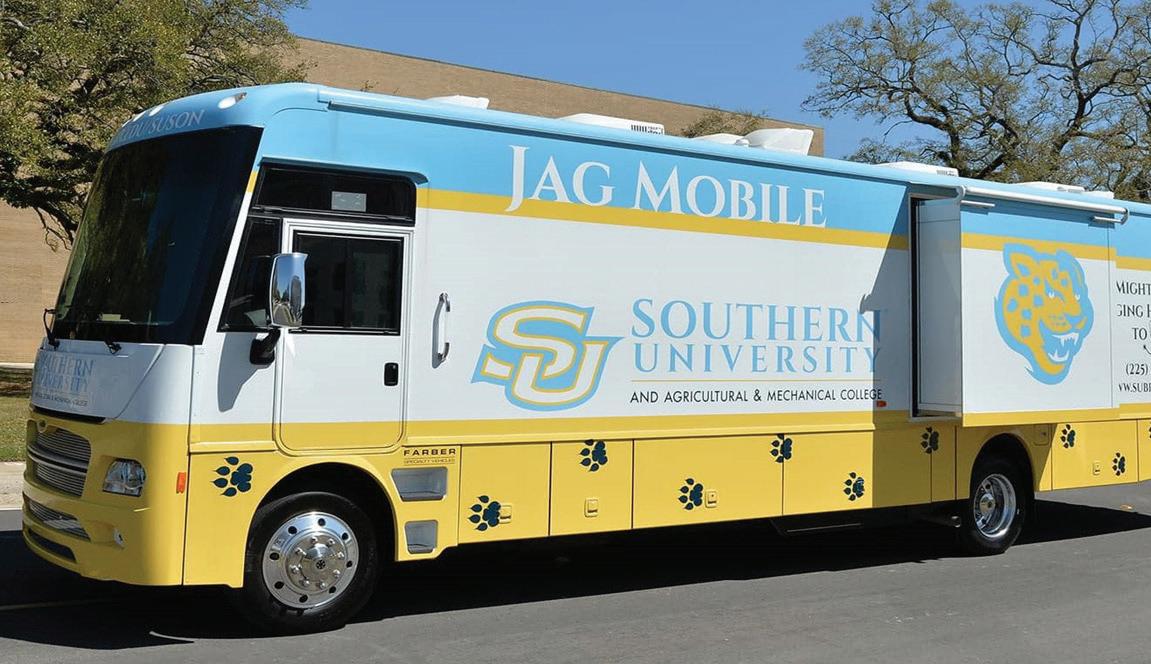

Home of the Jag Mobile Health Clinic
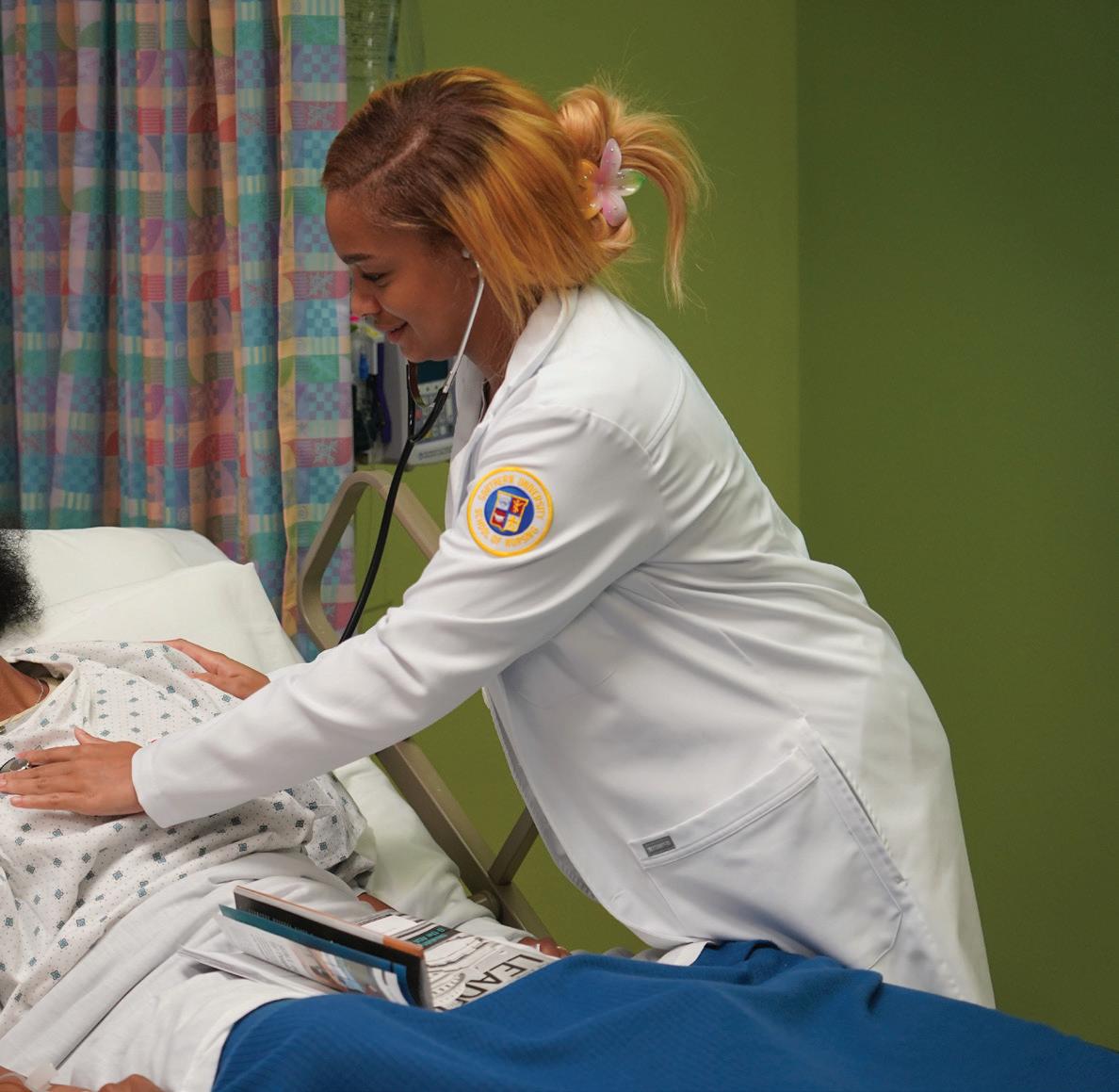
10,000+ screenings | 3,000+ participants
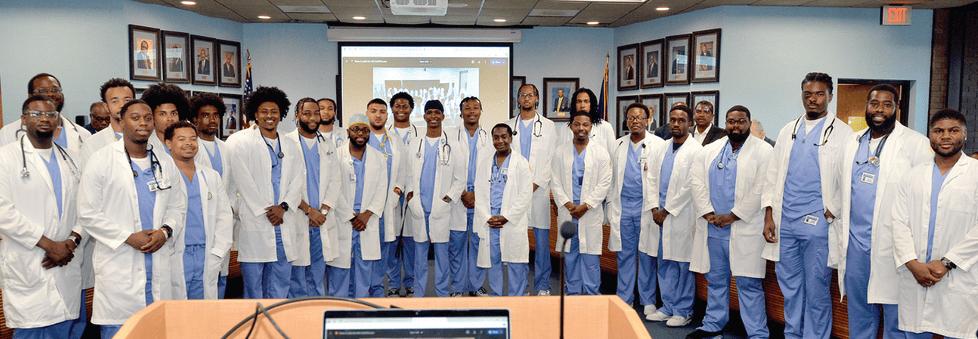
First & Only Seated Nurse Graduate in the State of Louisiana

2025 & 2026 BEST Nursing School in the U.S.
$20M secured for college expansion
Top Producer of African American Nurses
BSN - MSN - DNP - PHD

Largest Producer of African American Male Nurses


29 Stat
A look at the numbers shaping health and health care across the Capital Region
30 The Cutting Edge Devices, discoveries and treatments making waves in Capital Region medicine
32 Health care professionals to watch
36 ‘Maturing in dog years’ AI’s impact on health care is accelerating as public acceptance grows.
40 A medical corridor’s second act A decade after its launch, the Baton Rouge Health District is looking ahead to its next 10 years with transformative projects and a new strategic plan.
46 The Roundtable: Care, candidly Four executives sound off on what’s working, what’s broken and what’s next for Louisiana health care.
50 Rankings: Physician Groups

Trends in Health Care
Our annual Trends in Health Care edition explores what’s changing, what’s coming and what it all means for patients, providers and the community.
Image courtesy Mary Bird Perkins Design: Hoa Vu
Success Labs partner Adrian Owen Jones provides a blueprint for making yourself irreplaceable in the age of AI.
The curious moment that Varsity Sports Running founder and owner Jenni Peters became a runner
How Zachary native Jesse Simpson parlayed his baseball career and business acumen into Simpson Sports Engineering 17 Business Lunch
The Carriage House has a little something for everyone—from wagyu filet to oyster po-boys—but one dish rules them all, and it’s not what you’d expect.

53 The seniors are coming What the ‘silver tsunami’ means for Capital Region health care
56 House calls Nest Health is reframing health care in Louisiana and beyond.
58 Closing the distance How proactive business decisions are improving cancer care and early detection in the Capital Region
78 Still in the rough The Bluffs at Thompson Creek has survived closures, broken promises, and seven owners. The next chapter may be its most promising.
85 Rolfe McCollister LSU is making a mistake hiring Will Wade
Recharge Surety Bond Solutions President and CEO Miller Hilliard found his game at LSU—and golf has been humbling him ever since.
SPECIAL SECTIONS
Meet The Physicians
Why’d you want to be a doctor? What’s the most rewarding part of your job? What’s one piece of medical advice you wish everyone would follow? See how Capital Region caregivers answered these questions and more. page 20
What’s New In Health Care
Learn more about Capital Region caregivers whose advancements in treatment are improving patient outcomes while strengthening the Baton Rouge economy. page 63
businessreport.com

facebook.com/businessreport


HRM Concrete strives to be the premier provider and manufacturer for all your ready-mix needs. We have experienced professionals to assist you with all your commercial, residential, industrial, or municipal concrete requirements.


THERE’S A FUNNY thing happening in the middle of the AI revolution. People are craving human connection more than ever.
As you’ll learn in this Business Report Trends in Health Care issue, we can walk through any major health system today and hear the same conversation playing out at every level: How do we use technology to handle the transactional so our people can focus on the relational? How do we ensure that in a world of digital portals, automated reminders and AI-generated treatment summaries that the patient still feels seen?
That tension—between efficiency and humanity—isn’t unique to health care. It’s the defining business challenge of this decade.
And here’s what I keep coming back to: The fundamentals never changed. We just got distracted.
People do business with people they know, like and trust. That was true before the internet. It was true before social media. It will be true after AI has automated everything it can automate. The relationship is not a “nice-to-have.” The relationship is the business.
The leaders and companies winning right now understand this at a cellular level. They use technology to create capacity, more time for the conversations that matter and more energy for showing up when it counts. They don’t let the tools
become a substitute for the relationship. They let the tools protect the relationship.
So what does that mean practically?
It means you pick up the phone instead of sending the email. It means you show up to the event even when you’re busy, especially when you’re busy. It means you remember the details, you follow through on the small things and you treat every interaction like it’s the beginning of a 10-year relationship, because it might be.
The businesses that will struggle in the next decade aren’t just the ones that failed to adopt technology fast enough. They’re the ones that adopted it at the expense of the human element that made them worth doing business with in the first place.
Health care is practicing this in real time. The best providers are the ones who can look a patient in the eye—physically or through a screen— and make them feel like they are the only patient in the world. That’s not a health care skill. That’s a leadership skill.
In the age of AI, your greatest differentiator is what it has always been: You.

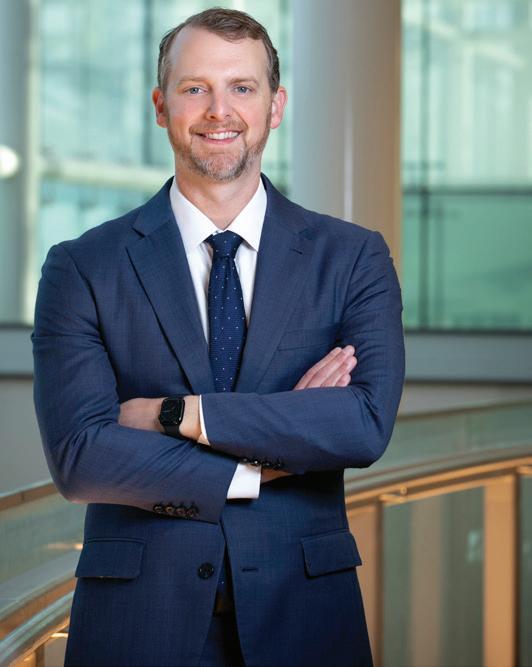
Julio Melara, Publisher
Publisher: Julio Melara
Associate Publisher: Erin Pou
EDITORIAL
Executive Editor: Penny Font
Managing Editor: Allan Schilling
News Editor: Holly Duchmann
Staff Writers: Jordan Arceneaux, Dillon Lowe
Digital Content Strategist & Researcher: John McElwain
Contributing Writers: Sam Barnes, Eileen McClelland, Maggie Heyn Richardson
Contributing Photographers: Jackie Haxthausen, Don Kadair, Tim Mueller, Collin Richie
ADVERTISING
Senior Consultant & Assistant Manager: Kelly Lewis
Multimedia Marketing Consultants: Nicole Crochet, Emma Walker
Multimedia Marketing Consultant/Custom Publishing: Judith LaDousa, Manny Fajardo, Liz Bowen
Sales Intern: Blair LeBlanc
Marketing Director: Ashleigh Ward
Digital Operations Manager: Devyn MacDonald
Partner Success Manager: Matt Wambles
Data Analyst: Sydney DeVille
Digital Operations Coordinator: Addie Champagne
Content Creator: Londyn White
Content Strategist: Emily Hebert
Sales & Marketing Operations: Kynley Lemoine
STUDIO E
Corporate Communications Strategist: Mark Lorando
Custom Content Editor: Lisa Tramontana
Video Lead: Taylor Stoma
Production Coordinator: Angelle Theriot
ADMINISTRATION
Chief Technology Officer: James Hume
Business Manager: Tiffany Durocher
Business Associate: Kirsten Milano
Business & Office Assistant: Sarah Kleinpeter
Receptionist: Cathy Varnado Brown
CREATIVE SERVICES
Creative Services Manager: Ellie Gray
Art Director: Hoa Vu
Senior Graphic Designers: Melinda Gonzalez Galjour, Sidney Rosso
Graphic Designers: Aniya Dunn, Lea Showers
AUDIENCE DEVELOPMENT
Circulation and Client Experience Manager: Ivana Oubre
A PUBLICATION OF MELARA ENTERPRISES, LLC
Chairman: Julio Melara
Executive Assistant: Brooke Motto
Vice President, Sales: Elizabeth McCollister Hebert
Chief Content Officer: Penny Font
Chief Digital Officer: Erin Pou
Chief Operating Officer: Guy Barone
Circulation/Reprints/Subscriptions/Customer Service
225-928-1700 • email: circulation@businessreport.com
Volume 41 - Number 45
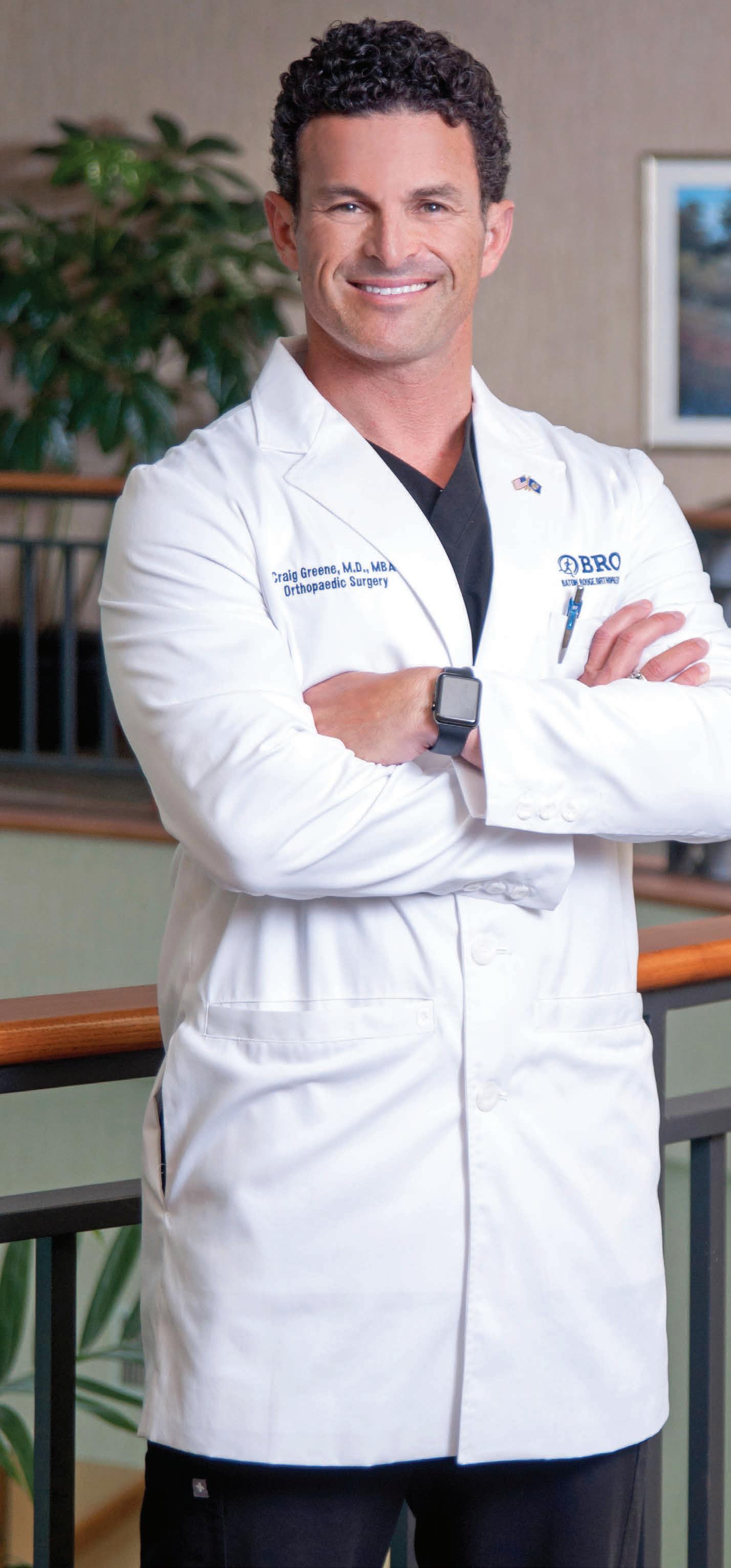

Dr. Greene is committed to serving patients with arthritis and sports injuries, helping them regain mobility and improve their quality of
Dr. Greene is committed to serving patients with arthritis and sports injuries, helping them regain mobility and improve their
• Anterior Hip Replacement
• Anterior Hip Replacement
• Knee Replacement
• Knee Replacement
• Knee Arthroscopy
• Knee Arthroscopy
• Meniscus Tears
• Meniscus Tears
• Rotator Cuff Repair
• Rotator Cuff Repair
• Sports Medicine”
• Sports Medicine”



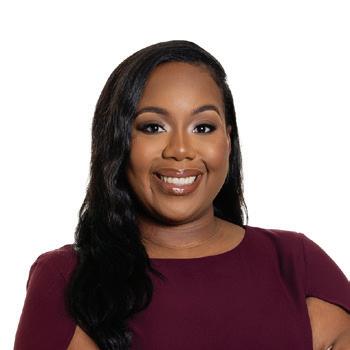
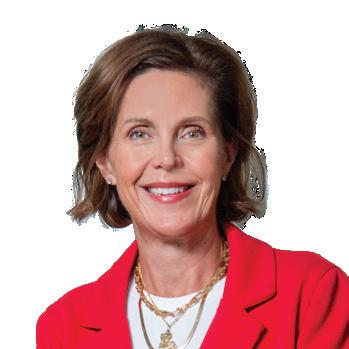
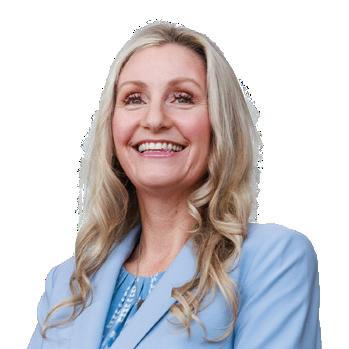
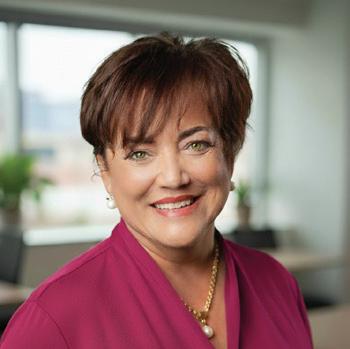
They run hospitals, build companies, fight cancer and shape the future of the Capital Region. Now nine of the area’s most accomplished women are being recognized as Business Report’s 2026 Influential Women in Business. The May 19 luncheon follows the fourth annual Women’s Leadership Symposium, where a lineup of remarkable speakers will tackle this year’s theme: “The Power of Transformation: Shaping What’s Next.” Two events. One morning. Don’t miss it. Get all the details and tickets at businessreport.com/women2026.

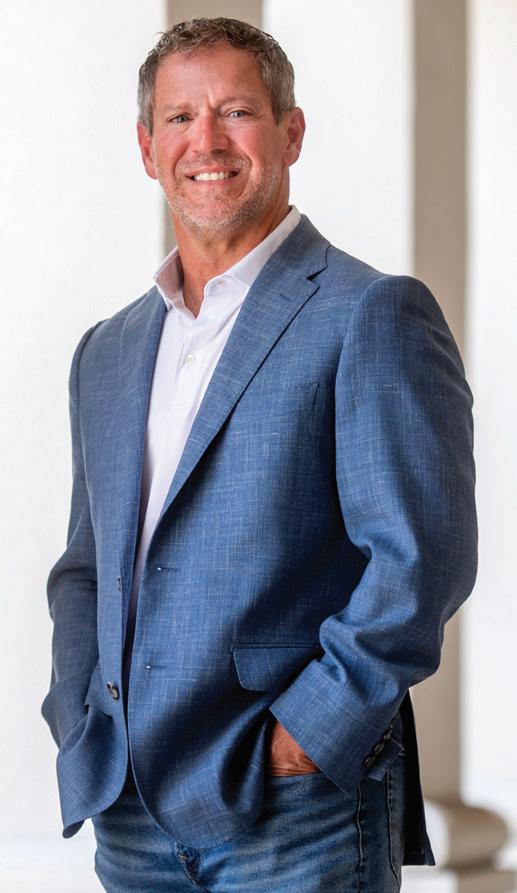
What does it really take to build a company that survives—and thrives? In this episode of “Strictly Business,” serial entrepreneur Chris Meaux gets candid about the hard lessons of building and scaling a business—the AI-powered mentorship platform he’s developing to give every entrepreneur a fighting chance—and why Louisiana’s technology economy is on the verge of something big. If you’re a founder, an executive or anyone with a stake in where Louisiana business is headed, this is a conversation you won’t want to miss. Register now at strictly business. businessreport.com.
155,036
The 2025 population of Livingston Parish, up nearly 9% since 2020. According to new estimates from the U.S. Census Bureau, Ascension follows with 6.80% growth, at 135,105. East Baton Rouge Parish declined 0.13% during the same period, to 456,180.


Louisiana's water challenges are legendary. Now the state wants to turn them into companies. The newly launched Water Innovation Studio of Louisiana is betting that coastal resilience and water management aren't just problems to solve—they're businesses to build. Read more at businessreport.com.

$20M

$45M
Amount of the funding renewal Future Use of Energy in Louisiana, or FUEL, an LSU-led initiative, secured from the National Science Foundation. The entity works with more than 50 partners across education, government, community organizations and industry to expand collaboration, support workforce development and advance the commercialization of new energy technologies in Louisiana.
Price tag to construct Southern University’s new threestory, 69,000-square-foot nursing facility that officials say will double the School of Nursing’s enrollment capacity. The project is expected to break ground as early as May. Read more health care news in our Trends in Health Care cover package, beginning on page 27.
SCAN TO NOMINATE

DEADLINE:
APRIL 17
Celebrating the Capital Region leaders advancing care, innovation & community well-being

• Outstanding Health Care Executive
• Emerging Health Care Leader
• Outstanding Practitioner
• Outstanding Health Organization
• Achievement in Innovation
• Lifetime Achievement Award
• Community Impact Award
*Finalists profiled in a special edition of Business Report
*Honorees revealed at a celebratory cocktail hour and dinner at the Crowne Plaza Aug. 12

TITLE SPONSOR:
SPONSOR:

SIGNATURE SPONSORS:




FOR MUCH OF the general public, it wasn’t long ago that artificial intelligence was considered a vague and distant threat, something reserved for sci-fi novels, tech conferences and TED Talks. That, of course, is no longer the case.
AI is here, and it’s almost certainly already in your workplace, doing tasks humans used to do. And with its rapid adoption has come a growing uneasiness among professionals who spend their days “looking at a computer,” as Andrew Yang recently put it in his widely circulated essay forecasting “the great disemboweling of whitecollar jobs.”
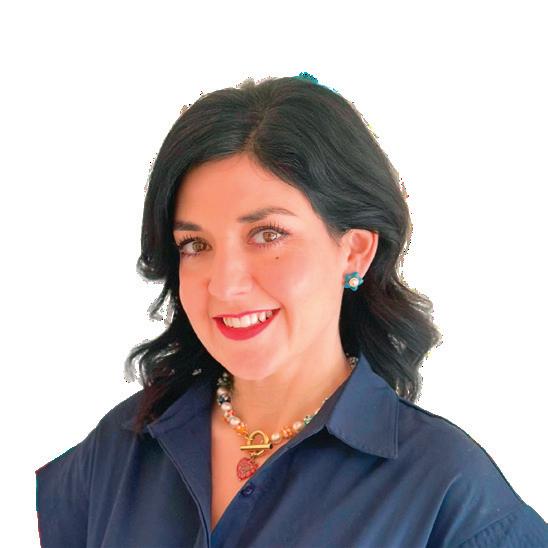
Adrian Owen Jones, a partner at Baton Rouge’s Success Labs, sees that anxiety up close.
Through her firm’s executive coaching and consulting work, she’s fielding more questions than ever from business leaders wondering what AI will mean for their organizations and for their own careers.
“We’re seeing it across industries,” Owen Jones says. “More and more people are saying, ‘I need help figuring out how to navigate this.’ People are looking for answers.”
So what answers is she giving them?
In a stable labor market, exploring new opportunities can be a smart play. In a volatile one, it’s riskier. Rather than jumping ship to an unfamiliar organization where you lack political capital, it may be a better idea to batten down the hatches.
“If you’ve got a good-paying job and you’ve got valuable institutional knowledge and you’ve built relationships and trust in your organization, you are not going to find greener grass,” she says.
Technical skill alone won’t determine who stays and who goes. In every downsizing discussion, there are advocates who fight to keep certain employees and detractors who fight to cut certain employees.
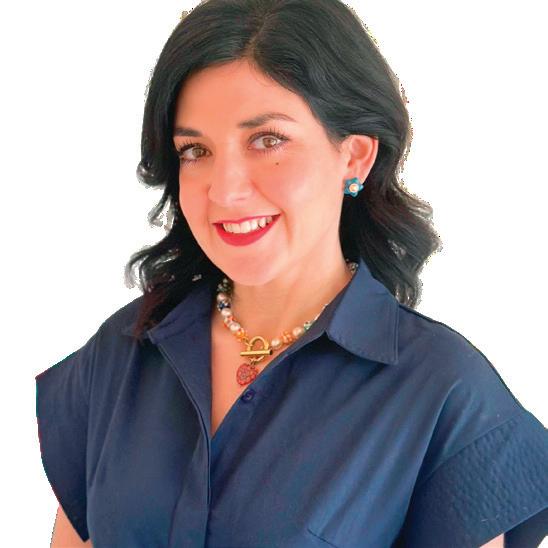
DON’T PANIC, BUT DON’T PRETEND IT’S NOT REAL.
Owen Jones doesn’t sugarcoat the severity of the coming disruption.
“I think the gist of his statement is true,” she says of Yang’s prediction that up to 50% of the roughly 70 million white-collar jobs in the U.S. will be eliminated in the next several years.
She believes coastal markets will likely feel the brunt first, with effects gradually moving inland. Louisiana, she notes, may be somewhat insulated for a time because the industries that prop up its economy, like manufacturing, are highly dependent on physical labor. But ancillary white-collar functions in the same industries—HR, accounting, procurement, legal—are all vulnerable.
“I think we’re starting to get the mist,” she says. “I think our feet are going to start getting wet in the next two years, and I think we’re going to be waist-deep fighting the current in the next five. I think a lot of people are going to be completely underwater in the next 10.”
Acknowledging that reality, she says, is the first step toward navigating it.
Though it may seem counterintuitive on its face, one of Owen Jones’ biggest pieces of advice for professionals worried about their job security in the age of AI is simply to stay put.
That’s why Owen Jones advises drafting what she calls a “stakeholder map”—an honest assessment of who holds the most influence over your career trajectory and how strong your relationships with those individuals are.
“Take the time to really map out the relationships that are going to potentially influence your career, and then nurture those relationships like hell,” she says.
Relationships, reputation and trust may ultimately prove more valuable than any single technical competency.
As important as strategy is mindset. Those who weather the storm will be those who are pliable and enthusiastic about finding ways to thrive in times of change.
Those who see change as something happening to them are more likely to struggle. Cultivate an “internal locus of control”—the belief that one’s own actions and decisions are what determine life’s outcomes—and you’re more likely to endure.
It’s probably wise to embrace AI tools rather than resist them. Others will take notice if you’re actively furthering the conversation about how technology can strengthen your organization.
Owen Jones sees hope for those who bring a distinctly human edge. Those who make themselves indispensable in ways large language models can’t replicate—say, because of their strong relationships, their shrewd judgment or their “ability to hold a room through hard conversations and harder decisions”—will ultimately prove difficult for the robots to replace.
Dillon Lowe
JENNI PETERS, A former USA Track & Field athlete and a competitor in the first-ever Olympic Marathon Trials in 1984, turned her passion for running into a thriving business. She launched Varsity Sports in 2000 near the Perkins Road overpass, growing it into a beloved local chain with four locations. The stores, often set in repurposed houses, are known for their warm vibe, expert service and weekly group runs. Peters also spent 25 years teaching marketing at LSU—where she held the Marjorie B. Ourso endowed professorship and earned the LSU Student Government Outstanding Faculty Award—before leading marketing for LSU athletics. Her impact both in business and the community has earned her numerous honors, including the Sales and Marketing Executives of Greater Baton Rouge Lifetime Achievement Award and the WRKF Community Catalyst Award in 2024.

By example. if I am going to ask them to dress up like a circus person for a big top birthday sale, I am first in with my ringmaster/ mistress costume.
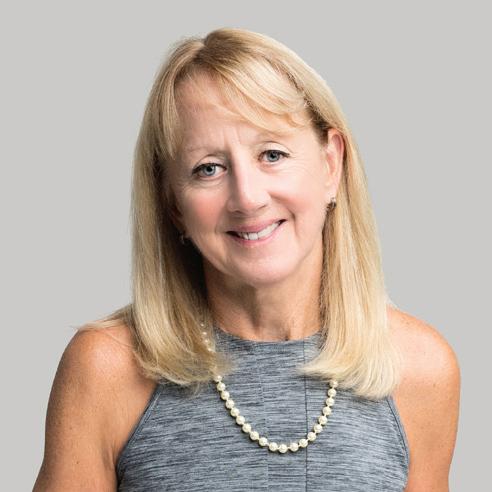

It depends on your leadership style, of course, but for me it’s a sense of humor. It makes a leader more relatable and human, which helps build rapport and trust. Ultimately, a sense of humor balances emotional intelligence with serious business objectives, making a leader more effective.
When I decided to take a break from LSU grad school studies when some friends invited me to the Miller Lite 5K on College Drive. They said for $5 you get a T-shirt and free beer. I was not a runner before that moment.


As much as you think you know where you are going, Jenni, you have absolutely no idea where this path is going to take you. Buckle up.
“You will never make a running store work in Baton Rouge.” That’s what you tell a competitive marathoner when you want them to work really hard for a long time.
Of course I am going to say much, much better community parks and walking/biking path systems. Go to other growing cities to see examples of how we are 10 years behind in that regard. Parks attract families and result in overall well-being and recreation.

Spearheaded the initiative to build a safer, more connected path under the Perkins Road overpass—right in Varsity Sports’ own backyard. Earned national recognition for community engagement in fitness from Saucony (Run for Good), The North Face (Never Stop Exploring) and HOKA (Making a Difference). Founded Envision Parks and Paths, a local initiative pushing for more high-quality parks and paths across Baton Rouge.
I became a college professor because I didn’t want to go to LSU Law School. I found a job at an ad agency because it sounded fun. I saw a notice on the journalism school bulletin board. That led me to graduate school in marketing and a 25-year career teaching. Plus that one Sunday afternoon I decided to take that break from LSU grad school studies when some friends invited me to the Miller Lite 5K on College Drive.

FIRST SET OF WHEELS I had a bright yellow VW Thing. Who even still knows what a VW Thing is? I put the name “Sunshine” on the outside in vinyl letters.
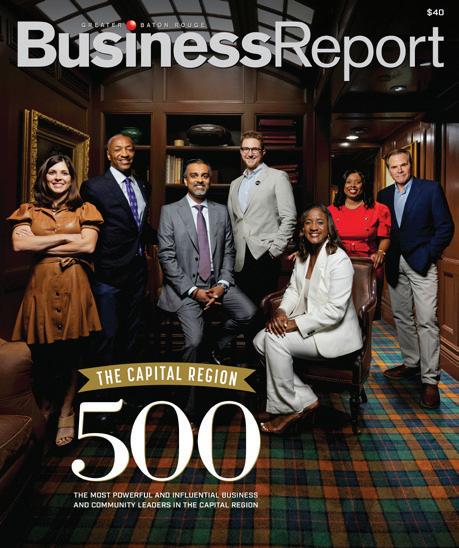
This Q&A is extended content from the Capital Region 500, a special edition produced by Business Report that profiles the Capital Region’s most powerful and influential business leaders. Visit try.businessreport.com/capitalregion500/ for more information.

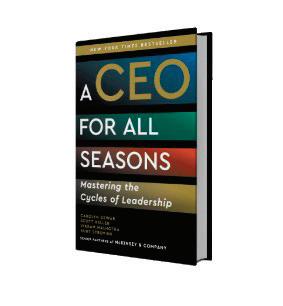
A CEO for All Seasons, from McKinsey & Company and the authors of CEO Excellence, examines the distinct phases of leadership that chief executives navigate from their earliest days in the role through their final legacy. The book draws on interviews with prominent CEOs, including Michael Dell, Ken Frazier, Adena Friedman, James Gorman and Steve Schwarzman, using a methodology that identified and studied the world’s top 200 CEOs to extract broadly applicable insights. Organized around four stages—preparing for the role, starting strong, sustaining momentum and ensuring a lasting legacy—the guide addresses the specific challenges and common blind spots that emerge at each phase, informed by surveys of thousands of executives. It’s aimed at aspiring leaders, sitting CEOs, and board members seeking a clearer framework for evaluating executive performance.

FMOL Health is one connected health system, where excellence meets empathy, and you always feel seen and understood. We healthcare with purpose, compassion and great love. Wherever you meet us, you’ll find the same promise: the best care possible.


“Staying the course and being consistent. There are always ebbs and flows, but developing a consistent process is huge.”
—Jesse Simpson

What they do: Civil engineering firm specializing in sports facilities and athletics projects.
Address: 2048 Hollydale Avenue
THE SYNTHETIC TURF market has experienced steady growth across the U.S. as municipalities and schools embrace its promise of lower maintenance and year-round accessibility.
Zachary native Jesse Simpson, who formerly pitched in the minor leagues with the St. Louis Cardinals organization, parlayed his baseball career and business acumen into Simpson Sports Engineering, a firm that helps clients across the Gulf South update sports fields with artificial turf.
The idea took root in 2013, when Simpson was working with his civil engineer father on a project installing turf on a school sports field.
“The guy that owned the turf company was telling us, ‘Hey, there’s a real market for this. Schools are starting to put a lot more focus on it, but they don’t know where to start,’” Simpson says. “So,
we developed a company that is built on educating [customers] about how to get these projects done.”
Simpson Sports Engineering manages the process for sports facility managers who often don’t have a construction background. “With turf being somewhat new, it’s not something that everyone’s educated on,” Simpson says.
Simpson Sports Engineering is licensed in 18 states and Simpson spends about 50% of his time developing relationships to keep a varied client mix.
Revenue has doubled each year, he says, with more facility managers seeing the value of investing in turf’s year-round capabilities. “Seeing a product that we’re designing and creating have an impact on the local community is very rewarding,” he says. “That’s one of the coolest parts of the job.”
—Maggie Heyn Richardson


BY MAGGIE HEYN RICHARDSON
PHOTOGRAPHY BY COLLIN RICHIE
Address: 40136 La. 942 in Darrow
Phone: (225) 473-9380
Website: houmashouse.com
Cuisine: Creole
Owner: Kevin Kelly; Chef: Jeremy Langlois
Scene: Lunch and dinner; elegant vibe
Pricing: $$
The Carriage House’s elegant but relaxed vibe attracts executives, ladies who lunch and tour groups for a wide-ranging board of fare created by Houmas House’s longtime executive chef, Jeremy Langlois.
Sturdy dishes like lasagna, a boudinstuffed double pork chop, crab-topped redfish and a wagyu filet anchor the menu, balanced by more casual eats like seafood pasta salad, a 7-ounce burger, and shrimp and oyster po-boys.
But the Carriage House’s steady top seller is the eggplant Napoleon, comprising three fried eggplant medallions layered with jumbo lump crabmeat and saffron cream sauce. It’s served with a side of seasonal vegetables. Langlois says the kitchen goes through a 20-pound case of eggplant every couple of days.
“We sell more of these things than you can imagine,” he says. “I joke that we should have called the restaurant Café Eggplant.”
2026
8:15 – 11:15 AM
Transformation isn’t a buzzword—it’s the reality shaping careers, organizations and communities. Through candid conversations with influential leaders, the symposium will explore how change is unfolding at every level and why understanding transformation is essential, not optional.
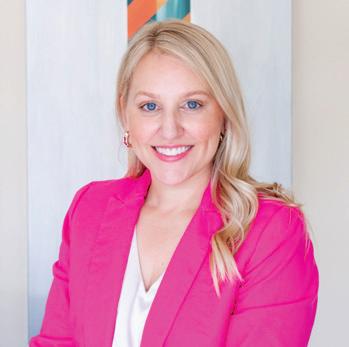
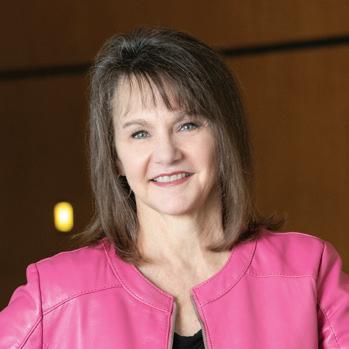
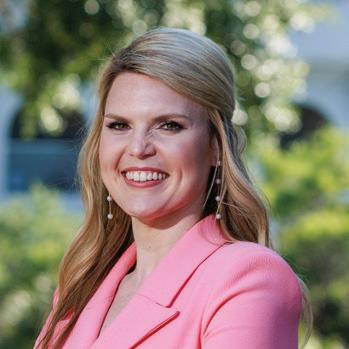
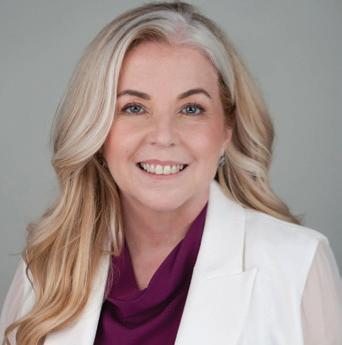

2026
11:45 AM – 1:15 PM
Join us as we recognize the 2026 honorees! This year’s Influential Women in Business will also participate in a special panel discussion.
MEREDITH EICHER CEO, Vistage
REBECCA EVANS MOUK
Owner & President, JRE LLC Ascension Roofing and Fabrication and JRE Industrial, LLC
TERRI HICKS
President & CEO, The Spine Hospital of Louisiana
JILL KIDDER
President & CEO, Visit Baton Rouge
DANIELLE MACK
Vice President and Chief Philanthropy Officer, Mary Bird Perkins Cancer Center
ADONICA PELICHET DUGGAN
CEO, Baton Rouge Alliance for Students
GUNJAN RAINA, M.D.
Internal Medicine
MDVIP / Baton Rouge General
MELISSA THOMPSON
Partner, Success Labs
LESLEY TILLEY
SEATING IS LIMITED! 2026
Executive Vice President & Chief Operating Officer, Woman’s Hospital
FOR MORE INFORMATION & TO PURCHASE TICKETS FOR BOTH EVENTS, SCAN THE QR CODE
Special thanks to our sponsors:





SPONSORED BY:

Why’d you want to be a doctor? What’s the most rewarding part of your job?
What’s the one piece of medical advice you wish EVERYONE would follow?
See how Capital Region caregivers answered those questions, and more.
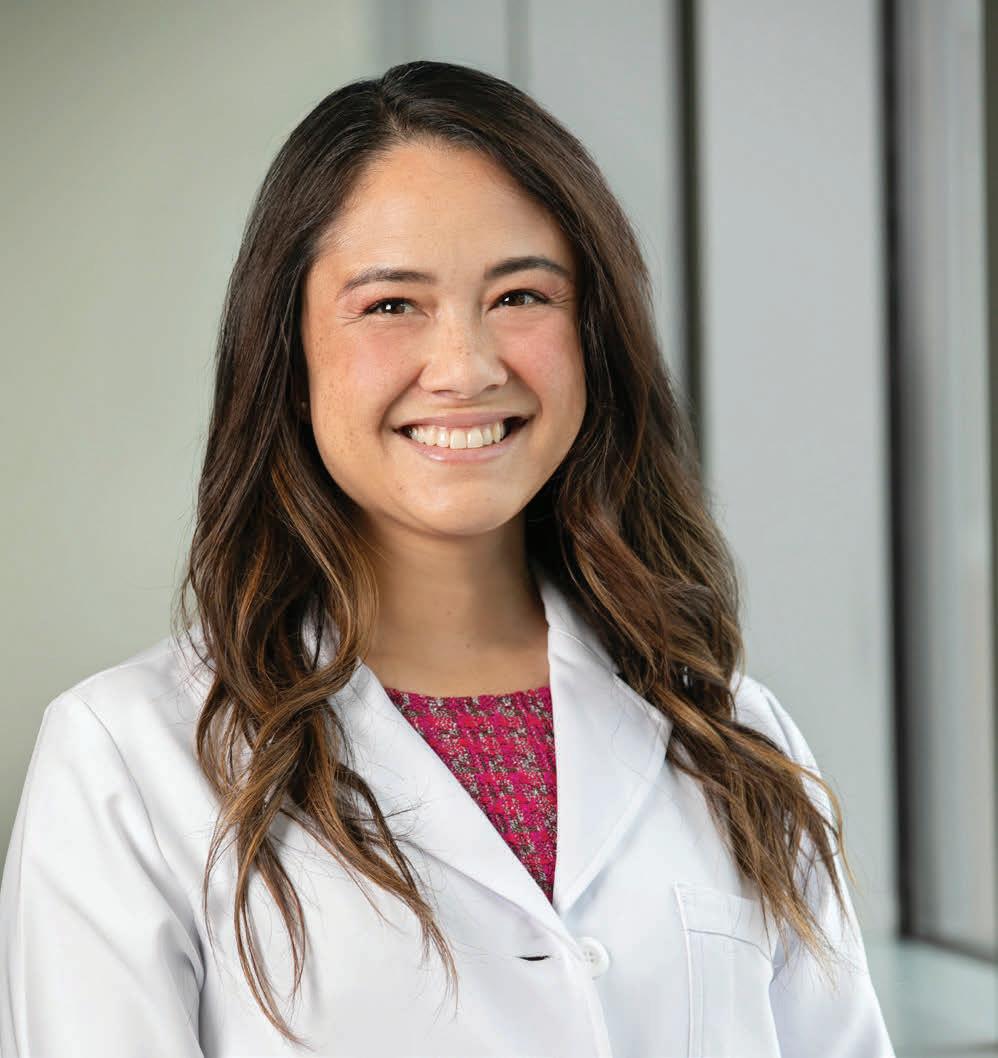
BREAST ONCOLOGIC SURGEON WOMAN’S HOSPITAL
MY SPECIALTY/PRACTICE AREA:
My specialty focus is breast cancer surgery, but I also see women for high-risk screening, abnormal mammograms and benign breast concerns. My training and work especially emphasize oncoplastic techniques, combining standard cancer surgery with reconstructive plastic surgery to maintain or even improve natural breast appearance.
WHAT INSPIRED ME TO WORK IN THIS FIELD:
I always wanted to help care for women and found the oncology field and the creative and technical aspects of surgery fascinating, but I was first inspired by my patients’ bravery and continue to be to this day. My first breast cancer patient was a new young mom with advanced disease. The memory of her fight, not just for herself, but for her new family, will always stay with me. I consider it a privilege to support women like her.
WHAT I’M PASSIONATE ABOUT:
I feel privileged to help care for my patients during their cancer journey, from surgery to survivorship. I am also proud that our staff and I work hard together to make our patients’ experiences seamless and as stress-free as possible. It is important to me to provide education and resources to patients so that they are comfortable with all their choices.
Every year, see your doctor for your mammogram and breast

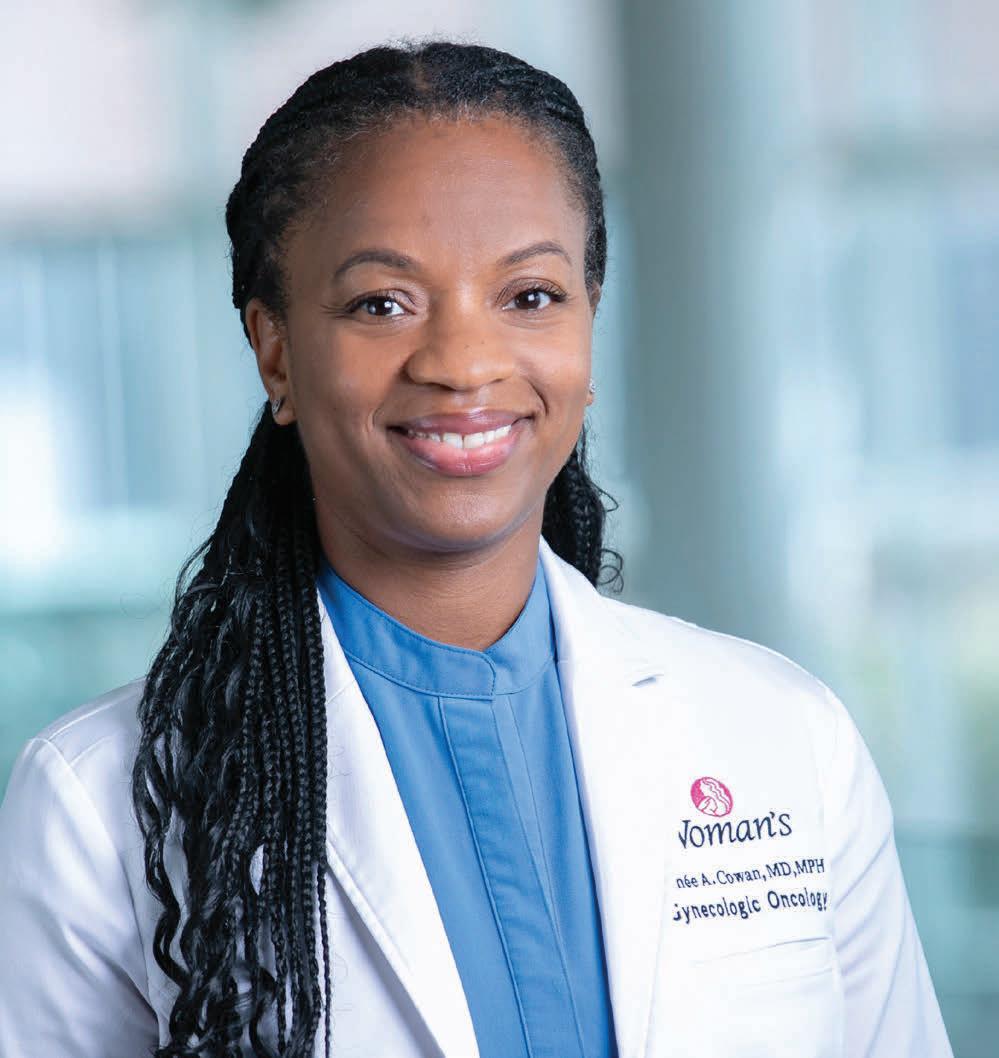
GYNECOLOGIC ONCOLOGIST
WOMAN’S HOSPITAL
MY SPECIALTY/PRACTICE AREA:
I specialize in the surgical management of women’s cancers. This includes cancers of the uterus, cervix, fallopian tubes, ovaries, vulva and vagina.
WHAT INSPIRED ME TO WORK IN THIS FIELD:
I fell in love with this field in medical school, not only for the surgical complexity and pathology, but also because of the very unique patient population. I have always been honored to be a part of the care for women during one of the most vulnerable times in their lives.
I am most passionate about patient education. I love being able to help guide my patients and the women in our community to make better health and lifestyle choices. I encourage everyone to really pay attention to their bodies, how we treat them, and what we can do to decrease our cancer risk or improve our chances of mitigating a health scare successfully.
There are three things I always share: 1) All women, no matter their age, should see a gynecologist every year until they cannot climb up on the table anymore. 2) Bleeding after menopause is NEVER normal! 3) Maintaining a healthy weight is about much more than how we look. Diet and exercise are linked to longevity, and there is no medication that will get around that.

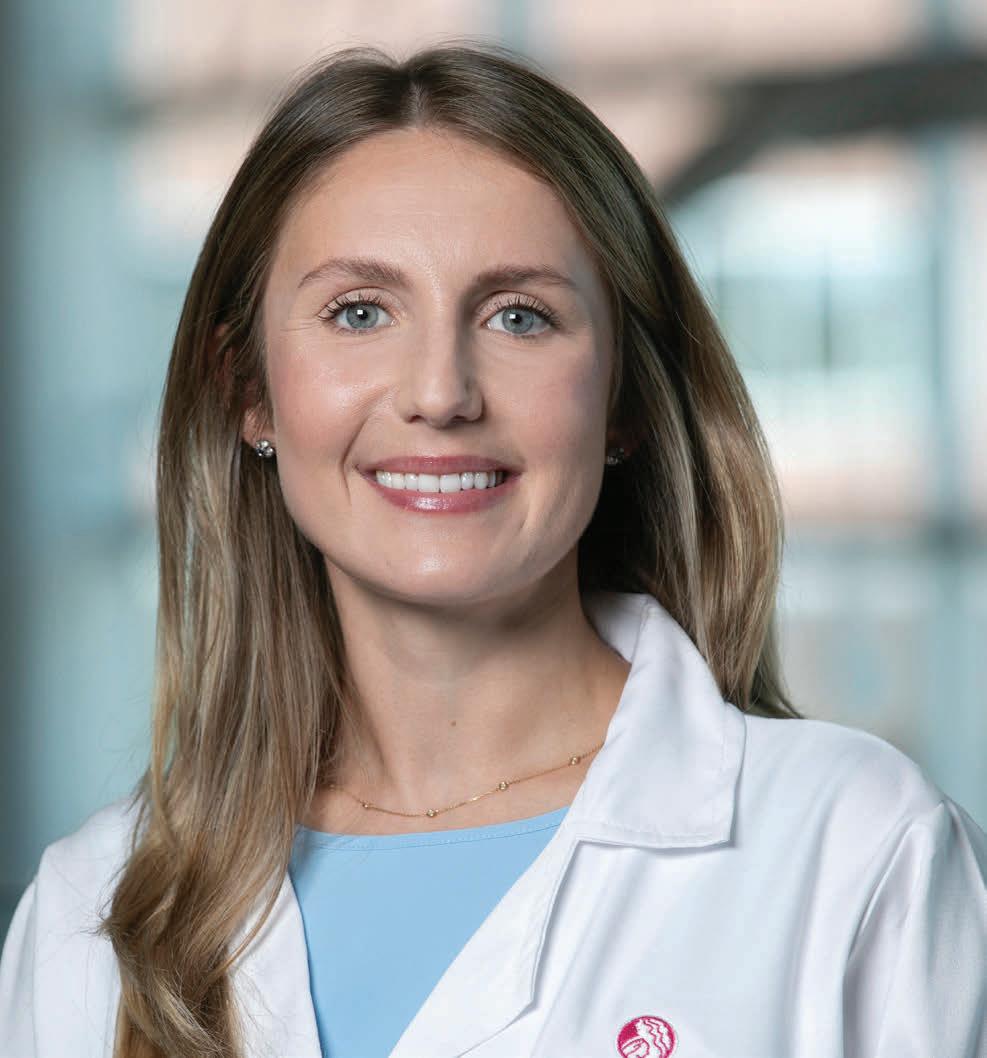
PSYCHIATRIST
WOMAN’S HOSPITAL
MY SPECIALTY/PRACTICE AREA:
I am a psychiatrist specializing in perinatal mental health. I was drawn to this field because the transition to parenthood is one of the most transformative periods in a person’s life, but it is also a time when mental health conditions are common and often overlooked.
WHAT I’M PASSIONATE ABOUT:
The most rewarding part of my work is helping patients realize that what they are experiencing is treatable and not a personal failure. Many parents arrive feeling ashamed or frightened by their symptoms, particularly when those symptoms appear during a time that society expects them to feel happy.
RECOMMENDED HEALTH TIP:
My wish is for everyone to understand that mental health is a routine and essential part of pregnancy and postpartum care. Conditions like postpartum depression and anxiety are common, yet stigma keeps many people from seeking the help they deserve.
I enjoy spending time with my family, traveling and attending LSU sporting events.

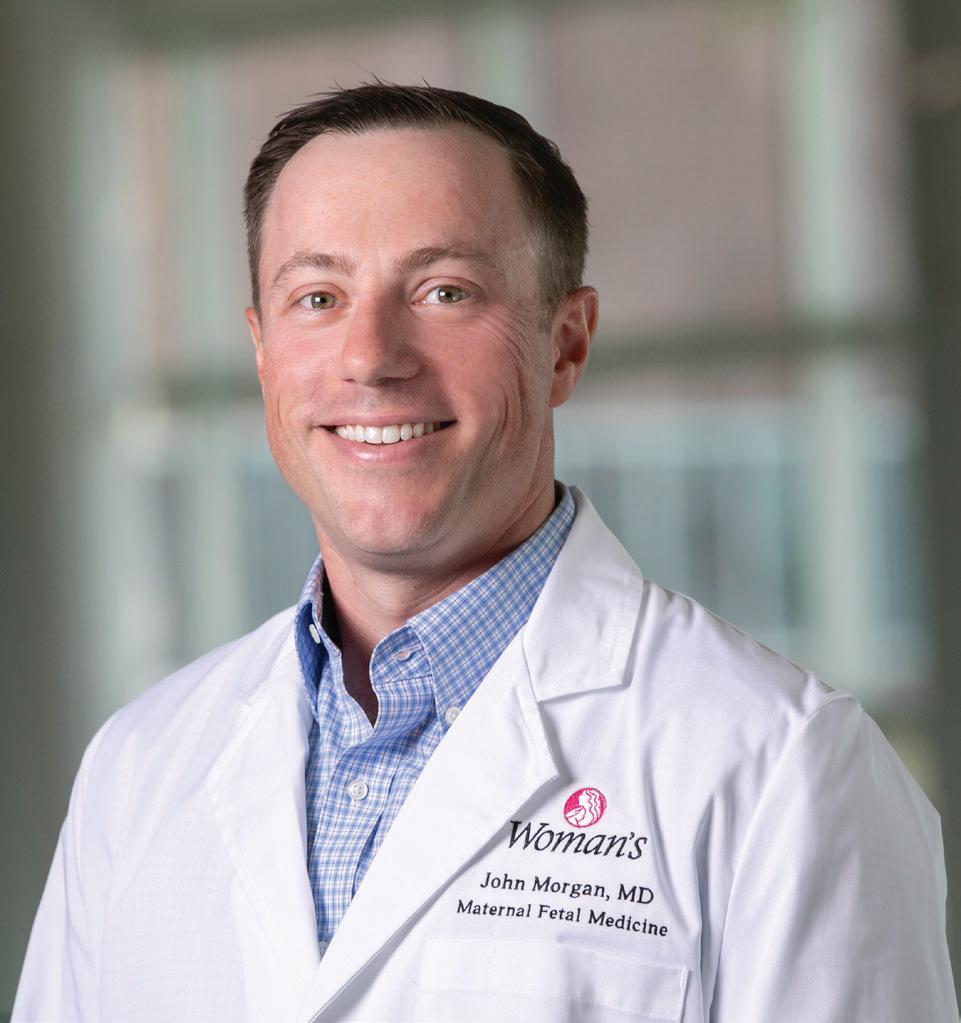
HIGH-RISK OBSTETRICIAN WOMAN’S HOSPITAL
MY SPECIALTY/PRACTICE AREA:
I practice Maternal-Fetal Medicine (MFM), also known as High-Risk Obstetrics. I was inspired to pursue a career in MFM during my OB/GYN residency when I developed a love for obstetrics and became particularly drawn to the challenge of managing high-risk pregnancies. I have been extremely blessed to have wonderful mentors who have guided me through residency, fellowship, and my early MFM career here at Woman’s Hospital.
No matter how much experience I gain, my patients teach me something new every single day. The most rewarding aspect of my work is guiding my patients through some of the most frightening and challenging days of their lives. The ability to provide reassurance when things are not as bad as expected—or helping patients achieve the best outcome possible in unfortunate circumstances—is incredibly rewarding.
My biggest piece of medical advice for women of childbearing age is to be aware of the safety profile of any medications you take, just in case you become pregnant. Some medications can cause birth defects and should be taken alongside reliable birth control. However, most medications can be safely taken during pregnancy. I never advocate for the discontinuation of all medications immediately upon finding out about a pregnancy, as this could lead to problems for both mother and baby.
•
•
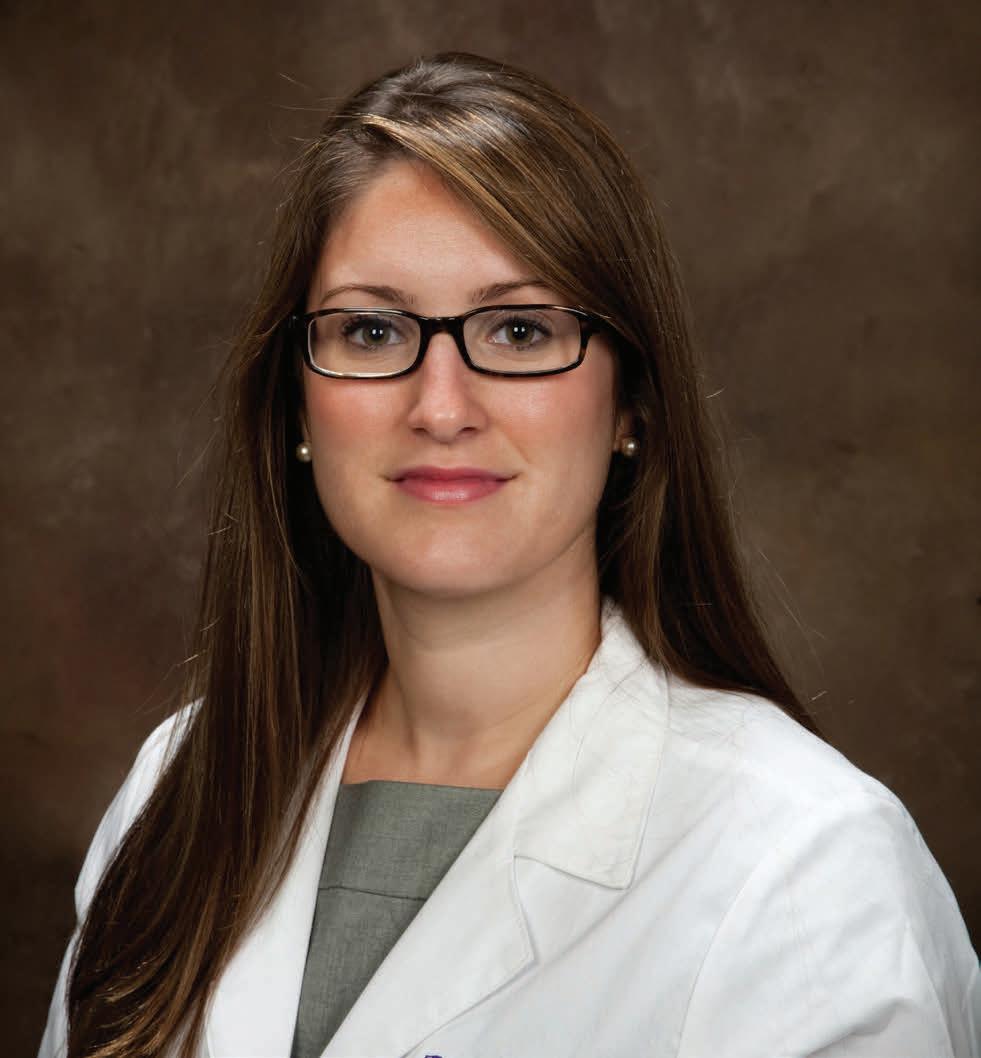
DIVISION DIRECTOR, FMOL HEALTH | OUR LADY OF THE LAKE CENTER FOR FACIAL PLASTIC AND RECONSTRUCTIVE SURGERY
MY SPECIALTY/PRACTICE AREA:
I founded my practice in 2010, spanning the full breadth of facial plastic surgery. My current focus is facial reanimation, the care of the paralyzed face and complex facial reconstructions from cancer or trauma. Because another large part of my practice is aesthetic facial surgery (facelifts, rhinoplasty and blepharoplasty), I include many aesthetic principles into my reconstructions for the best outcomes.
I’m drawn to the creative mastery it takes to marry form and function when presented with each patient’s unique problem. I enjoy both the scientific and the artistic challenge this creates.
My job gives back to me every day. We have the privilege of following our patients for decades, sometimes meeting a pregnant mom with our future patient in her womb, and giving that family hope that their baby will be able to eat, speak, smile and just be a normal child. For patients with a paralyzed face, we return their ability to smile again, an expression that imparts the thumbprint of their personality.
You don’t have to leave the state for state-of-the-art care.


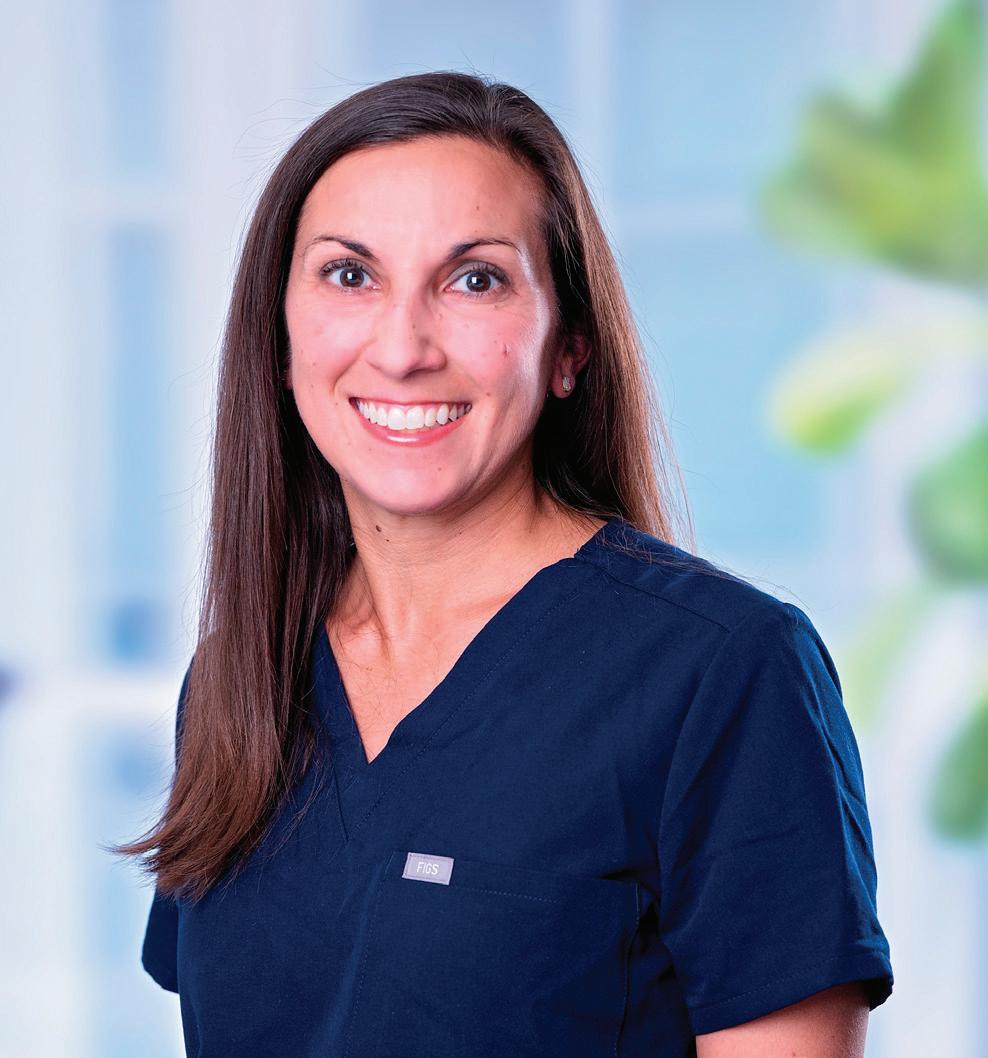
PHYSICAL THERAPIST FMOL HEALTH | OUR LADY OF THE LAKE HEARING AND BALANCE CENTER
MY SPECIALTY/PRACTICE AREA:
I specialize in vestibular rehabilitation and therapy for facial nerve disorders, which help patients manage dizziness and balance issues. I enjoy the challenge of learning something new and love being able to help patients who don’t always know that there are people who specialize in these complex disorders.
I love helping people feel like themselves again. I find tremendous reward when a patient comes to me and says that they finally feel like themselves, often after years of suffering.
We work closely with LSU and have published many articles specific to emerging evidence in vestibular rehab as well as much of our clinical data from our interdisciplinary facial nerve disorders clinic.
I wish everyone could get good sleep, move their bodies, eat whole foods and get some sunshine!

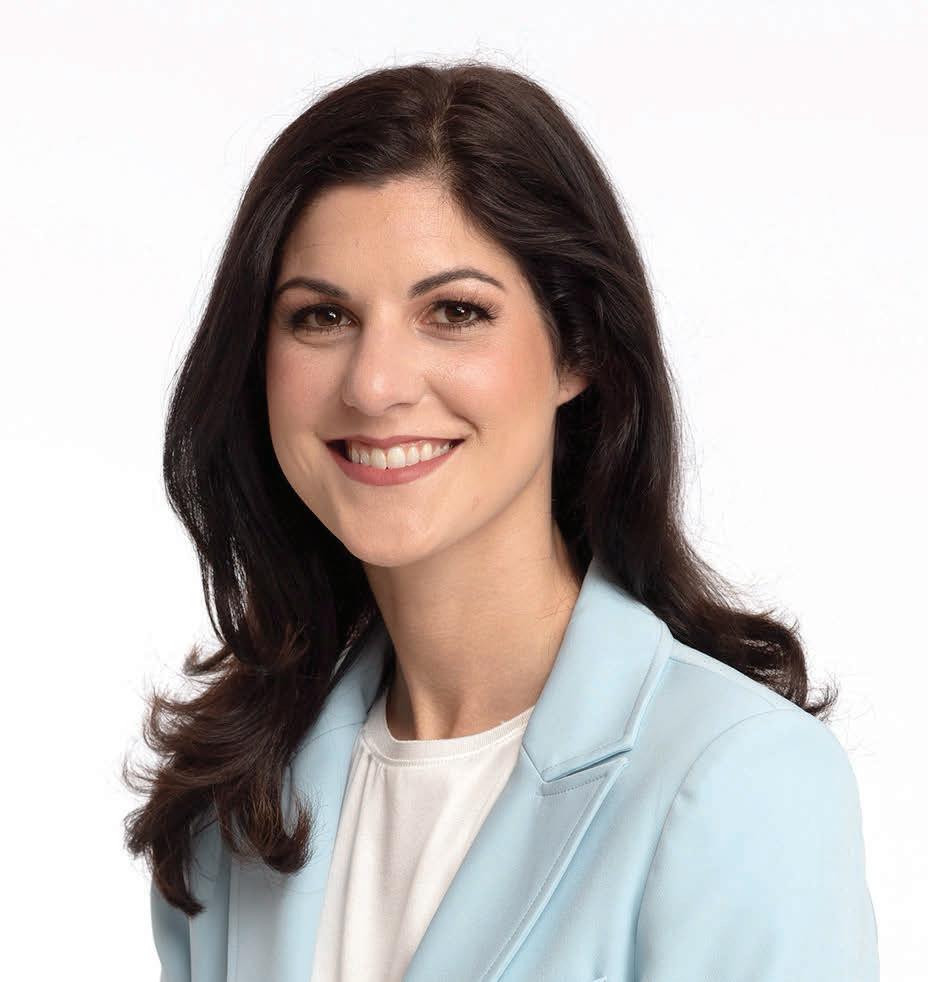
BOARD CERTIFIED INTERNIST MARCEL CLINIC
MY SPECIALTY/AREA OF PRACTICE:
I am an Internal medicine physician. I enjoy treating the whole patient. As I tell my patients, I treat “head to toe.” I started my medical career at The Baton Rouge Clinic, which I thoroughly enjoyed, and opened my own concierge internal medicine practice, Marcel Clinic, in September 2024.
WHAT INSPIRES ME:
I believe that my patients, themselves, inspire me the most. From a very young age, I wanted to be a physician and help people. I have always been fascinated with medicine and how the human body works. I continue to challenge myself to research and to learn how to best treat and help my patients.
WHAT I’M PASSIONATE ABOUT:
I am passionate about providing the best care for my patients and preventative care. I thrive to be the best doctor and advocate for my patients.
HEALTH TIP:
Take an active role in your healthcare.
WHEN I’M NOT PRACTICING MEDICINE:
I enjoy traveling and spending time with family and friends.


Business Report’s 2026 Best Places to Work is now open and free to enter. For years, this program has set the standard for honoring employers who truly invest in their people.
Best Places to Work recognizes organizations raising the bar on workplace culture. These are companies that attract top talent, retain great teams, and create environments where employees thrive. This is not a popularity contest. It is a rigorous, research driven program based on data and direct employee feedback.



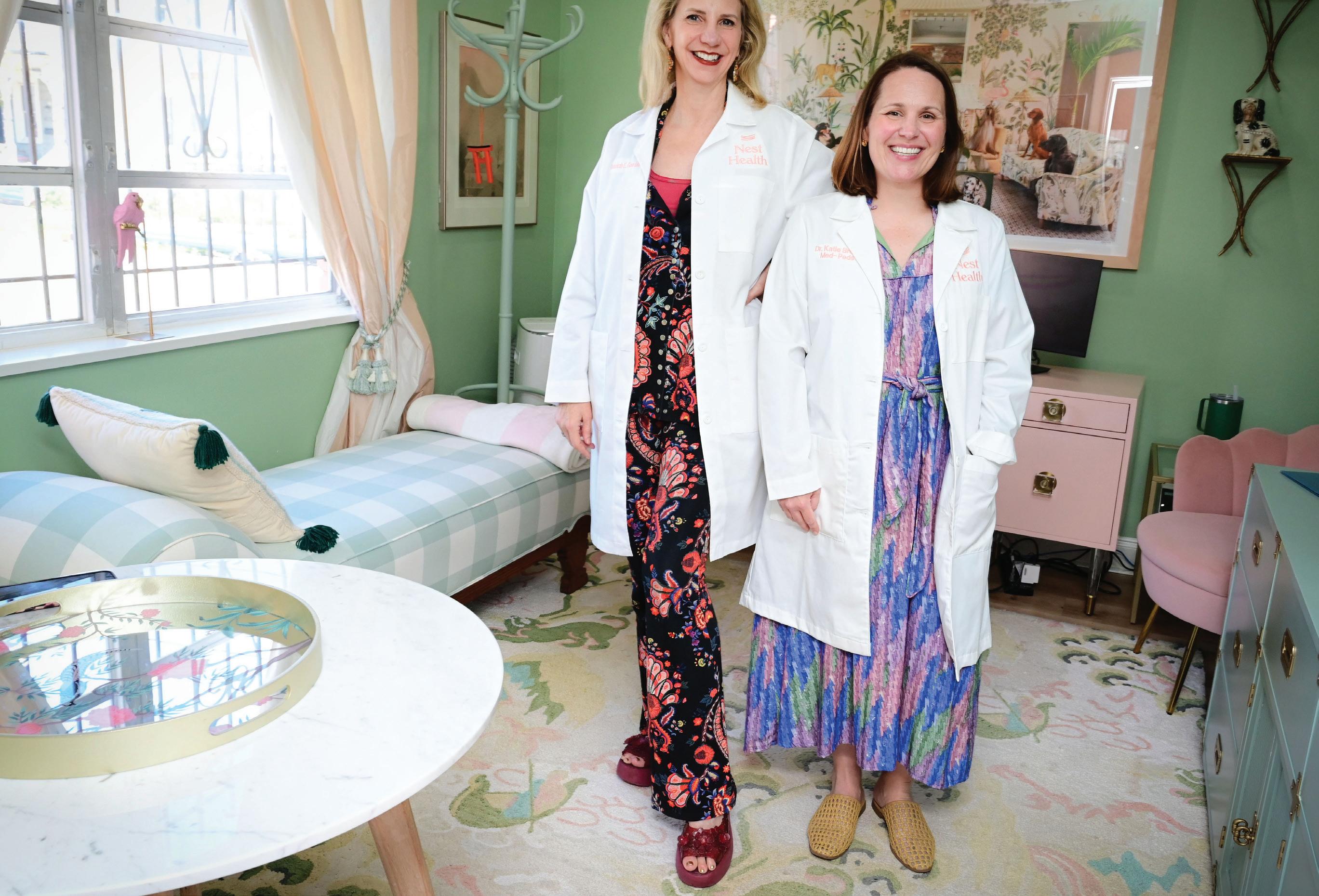
Backed by more than $50 million in funding, Nest Health has rapidly scaled from a modest 2023 patient base to 12,000 patients locally and 18,000 in Arizona, with expansion underway across Louisiana and eight additional states. The company’s growth and early profitability positions its homebased care model for national reach in Medicaid-heavy markets.
Read more on page 56.
When it comes to powering local entrepreneurship, the East Baton Rouge Parish Library and The Alliance are building one of the region’s most dynamic engines for small business growth. Their collaborative Small Business Engine Series has evolved into a practical, bootson-the-ground resource for aspiring and established business owners alike, blending expert insight with hands-on guidance that’s often hard to find elsewhere.
The next installment in the series continues that momentum with a focus on the real-world challenges local entrepreneurs are facing right now. “AI Inside the Business” will be held on April 29 at 8:30 a.m. at the Main Library.
Topics for the Small Business Engine Series are shaped directly by participant feedback and survey responses, ensuring that each session responds to genuine community needs rather than abstract trends, says Assistant Library Director Mary Stein.
One of the strongest themes to emerge from that feedback is the growing anxiety – and opportunity – surrounding artificial intelligence. The Small Business Engine Series invites local subject-matter experts to demystify the tools, show what’s useful for small operations and draw a line between hype and practical applications.

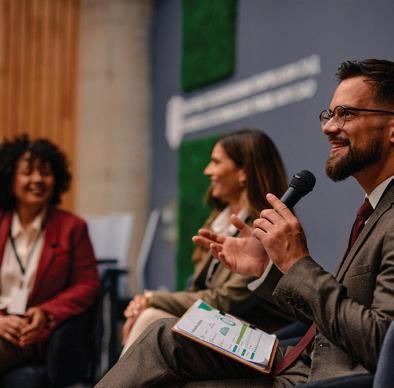
Confirmed speakers for the April session include Brandon Cornette, CIO at Paystar; Henry Hays, cofounder at Disrupt Ready; Hunter Thevis, president at S1 Technology; and Gabriel Murillo, managing partner at Easton Digital.
Rather than a single workshop, the Small Business Engine Series is structured as a sequence of programs that carry entrepreneurs through the year, with multiple sessions planned throughout 2026. Additionally, professionally produced videos of previous sessions are available on the library’s Youtube channel: http://ebrpl.co/engineseries.
Each gathering blends presentation time with Q&A, creating an environment where business owners can compare strategies, ask questions and leave with concrete next steps.
To register for “AI Inside the Business”, visit http://www.ebrpl.co/engine.
To learn more about all of the events and resources available through the library, visit ebrpl.com.
Complementing the Small Business Engine programming is a 10-week course for small business owners presented by Dr. Amber Alexis with Geaux Learn Educational Solutions. The course, “ChatGPT & Chill: A Free Monthly Hands On AI Lab,” begins April 26.
Designed as a progressive, hands-on course, this series walks entrepreneurs through core concepts and practical skills week by week. The first session focuses on developing a Personal Brand Starter Kit. Participants will leave with a bio (short and long form), tagline, three content pillars and 10 social media post ideas.
As the course progresses, participants will work on a LinkedIn Glow-Up, Resume, Email Welcome Series and more, all using AI. The series emphasizes doing, not just listening. Attendees can expect exercises, real examples and guided work time that helps them apply what they’re learning directly to their own ventures.
Registration is available now at ebrpl.com.
3
Number of Capital Region hospitals named to Newsweek’s “World’s Best Hospitals” ranking. While no Louisiana hospitals cracked the top 250 worldwide, nine made the U.S. rankings. Our Lady of the Lake Regional Medical Center came in at No. 220; Ochsner Medical Center – Baton Rouge, No. 249; and Baton Rouge General, No. 271. The rankings are in their eighth year and are based on recommendations from medical experts, hospital quality metrics, existing patient experience and other data.
HEALTH & HEALTH CARE IN THE CAPITAL REGION BY THE NUMBERS


40%
Reduction in sepsis-related deaths in the FMOL Health | Our Lady of the Lake Emergency Department, driven by earlier detection, standardized protocols and rapid clinical response, reflecting the growing focus on data-driven quality improvement and patient safety.

8,065
Live births at Woman’s Hospital in 2025 to mothers from 44 parishes across the state. That includes 142 sets of twins.

The average door-to-ballon time at Baton Rouge General. It’s the time it takes from a heart attack patient’s arrival in the emergency room to when a balloon is used to open a blocked artery and restore blood flow to the heart. The national hospital benchmark is 90 minutes.

$1B
Amount of federal funding for rural health care that Louisiana is expected to leverage over the next five years to expand existing training programs and create new financial incentives for medical professionals to work in smaller communities. The state will receive $208 million in 2026 from the $50 billion federal rural health fund to be distributed over the next five years.

NO. 10
Baton Rouge’s ranking among U.S. cities that spend the highest amount of their income on health care WalletHub reports that health care expenses in Baton Rouge comprise about 9.01% of the median monthly household income. New Orleans ranks No. 8, at 9.28%. Detroit ranks No. 1, at 13.7%.

350+
Number of patients who have been assisted through Woman’s Guiding Recover and Creating Empowerment, or GRACE, program. It’s for mothers who are either pregnant or postpartum and are seeking help with opioid, alcohol and tobacco misuse.
17,000
Number of Capital Region residents who had some or all of their outstanding medical debt erased this year, thanks to a partnership between the Huey and Angelina Wilson Foundation, Capital Area United Way and nonprofit Undue Medical Debt. The initiative will abolish nearly $22 million in medical debt for families in Ascension, East Baton Rouge, East Feliciana, Livingston, Iberville, Pointe Coupee, St. Helena, St. James, West Baton Rouge and West Feliciana parishes. Data indicates 11% of Louisianans have medical debt in a given year.


With demand for endoscopic procedures surging, North Oaks Medical Center is making a $5 million bet on faster, smarter care. Its new 9,400-square-foot endoscopy unit doubles capacity with four advanced suites, expanding access to critical screenings and minimally invasive procedures. From colonoscopies to endobronchial ultrasound, the upgraded space helps clinicians detect serious conditions like lung and colorectal cancer earlier—cutting wait times, speeding diagnoses and moving patients more quickly to treatment.

LSU is putting nutrition front and center in medical training. Beginning in fall 2026, LSU Health New Orleans and LSU Health Shreveport will require at least 40 hours of nutrition education—helping close a long-standing gap in how physicians are trained. With most medical schools offering little to no nutrition coursework, LSU’s move aims to better equip future doctors to tackle chronic disease and preventive care, where what patients eat can make all the difference.

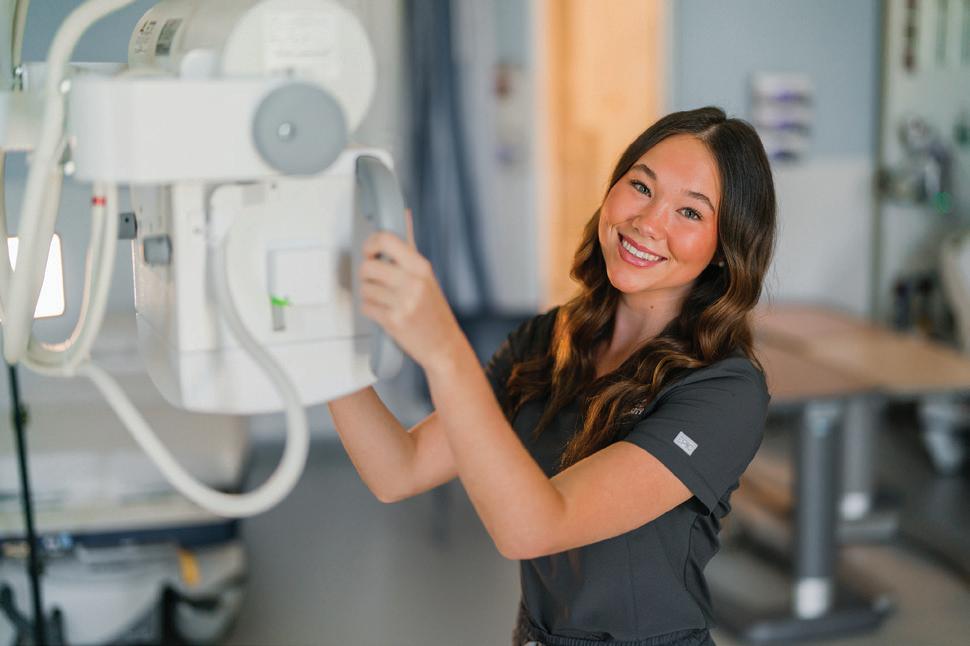
At FranU, the hospital isn’t just a hospital—it’s a classroom. The university’s Simulated Environment Teaching Hospital known as SETH has earned continued national accreditation through 2030, validating its use of high-tech, real-world training scenarios across every clinical program. From first-year students to doctoral candidates, future clinicians sharpen their skills in lifelike settings before ever treating a patient. The result: Graduates who are confident, capable and ready to deliver highquality care from day one.

Mary Bird Perkins Cancer Center is bringing next-generation cancer care closer to home with the region’s first fully outpatient CAR-T therapy program. This cutting-edge immunotherapy reengineers a patient’s own cells to hunt and destroy cancer—no hospital stay required. Patients receive treatment during the day and return home to recover, easing the burden of care while maintaining close clinical oversight. It’s a major step forward in treating complex blood cancers— and a powerful shift in how and where that care happens.
About half of men over 50 deal with an enlarged prostate—and the symptoms are no small thing: constant bathroom trips, trouble emptying the bladder, broken sleep. Many avoid treatment out of concern for sexual function and bladder control.
A new technology called Aquablation both, offering effective symptom relief while pro tecting what matters most to patients. Baton Rouge General is the first in the city to offer it, treating its first patient this past fall.




Woman’s Hospital isn’t a traditional academic medical center—but you wouldn’t know it from its research résumé. It enrolls thousands of patients in clinical research studies, and since 2021 has participated in three FDA breakthrough devicedesignated clinical trials. The latter is a rare distinction in the women’s health space. Most recently, Woman’s enrolled the first 40-plus participants in the country in the Oli Study, testing a wearable monitor that could predict postpartum hemorrhage—the leading cause of maternal mortality worldwide. That momentum is positioning the Capital Region as an influential hub for women’s health innovation— benefiting patients locally while contributing to advancements in care around the globe.
Why do two rural Louisiana parishes with similar demographics see dramatically different health outcomes? That’s what researchers at LSU’s Pennington Biomedical Research Center are working to find out. After surveying one in every 24 adults in Assumption Parish, they’re sharing early findings—including a striking one: Residents without a high school diploma are more than twice as likely to have high blood pressure and high cholesterol than collegegoers. “These initial data open up a lot more questions,” says lead researcher Dr. Stephanie Broyles, “but we see them as conversation starters, not conversation enders.”
Breast milk isn’t one-size-fits-all— its nutritional composition varies significantly between mothers and changes over time. For premature babies in the NICU, those differences can matter enormously. Woman’s Hospital is implementing the MIRIS Human Milk Analyzer, which measures the exact protein, fat, carbohydrate and calorie content of a mother’s milk from a small sample. The precision allows clinicians to tailor fortification to each infant’s specific needs—potentially reducing the risk of a serious intestinal disease and giving the most vulnerable newborns a stronger start.


Until recently, children in Louisiana needing advanced robotic surgery had to leave the state to get it. That changed with Our Lady of the Lake Children’s Hospital, which operates the only pediatric robotics program in Louisiana. Combining specialized surgical expertise with robotic-assisted technology, the program delivers greater precision, smaller incisions and faster recovery—bringing a level of care to local families that once required a long road trip.

Feeling wiped out after a tough workout, a long flight or a bout of illness? Ochsner Health is now offering IV hydration therapy at two Baton Rouge urgent care locations—no appointment needed. The treatment delivers fluids, electrolytes and vitamins directly into the bloodstream for faster recovery than drinking fluids alone. Available as a walk-in service for adults 18 to 60, sessions run 30 to 60 minutes and cost $130 out of pocket.

Chemotherapy saves lives—but losing your hair in the process can take a profound toll on self-image and quality of life. Ochsner MD Anderson Cancer Center in Baton Rouge is now offering the DigniCap Scalp Cooling System, which lowers scalp temperature before, during and after infusions to protect hair follicles from chemotherapy’s reach. Clinical studies show many patients retain a substantial amount of their hair. It’s cancer treatment that addresses not just the disease, but the person fighting it.

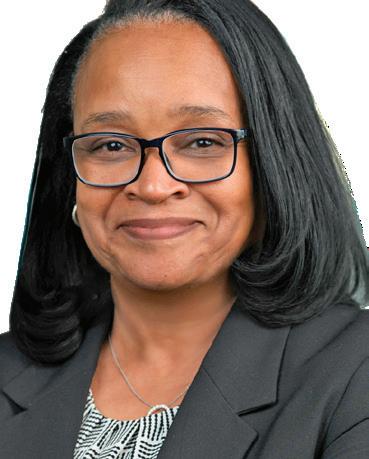
Glynis Cowart
Senior Vice President/ Chief Information Officer
Woman’s Hospital
Glynis Cowart is driving digital transformation at Woman’s Hospital.

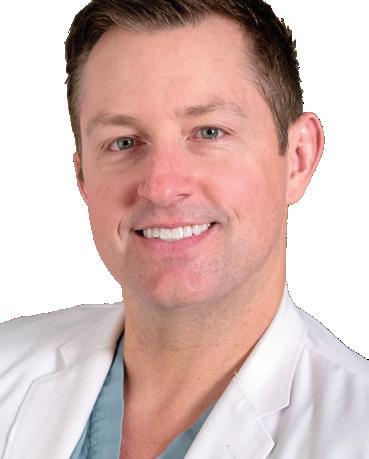
Dr. Thomas Jeider
Emergency Medicine Physician
Baton Rouge General


Dr. Clayton Runfalo
Family Medicine Physician and Director of Community Outreach and Development
Ochsner Health | Ascension Parish
Issue Date: April 2026 Ad proof #1
• Please respond by e-mail or phone with your approval or minor revisions.
• AD WILL RUN AS IS unless approval or final revisions are received within 24 hrs from receipt of this proof. A shorter timeframe will apply for tight deadlines.
A U.S. Air Force veteran, she brings deep expertise in health care information and technology operations—most notably leading the multiyear implementation of Epic, one of the most comprehensive electronic health record platforms in health care. Known for aligning IT strategy with organizational vision, Cowart holds certifications including Certified Professional in Healthcare Information and Management Systems and is a member of the American College of Healthcare Executives.
• Additional revisions must be requested and may be subject to production fees.
Carefully check this ad for: CORRECT ADDRESS • CORRECT PHONE NUMBER
What happens when an emergency medicine physician meets an entrepreneurial spirit? For Dr. Thomas Jeider, the answer is Night Shift Energy, a line of energy products he launched in December 2025 specifically designed for night-shift workers. After nearly 15 years in the ER, Jeider recognized that coffee and traditional energy drinks weren’t cutting it—the jittery boost and hard crash left him exhausted after long shifts. Night Shift Energy is formulated with higher magnesium levels to help regulate the body’s circadian rhythm and support immune health. Later this year, he’s introducing the After Shift Shot, designed to ease the transition to sleep after a long night at work.
Dr. Clayton Runfalo believes health begins far beyond the exam room. For nearly two years, the board-certified family medicine physician has voluntarily transformed his Gonzales clinic into a mobile food distribution center every second Saturday morning. Partnering with the Greater Baton Rouge Food Bank and supported by 15 to 20 regular volunteers, each distribution serves 75 to 100 households—feeding an estimated 350 to 400 individuals. A U.S. Army veteran, Runfalo’s work offers a compelling model for how clinics can serve as true community anchors.





“Health begins long before anyone enters a clinic. If we are serious about improving health outcomes, we must begin with housing.”
- Casey Guidry, CEO

Building a seamless system of care for people since 1984.
MONTHLY VIDEO PODCAST
EPISODE 39
APRIL 15 | 11AM SPECIAL GUEST
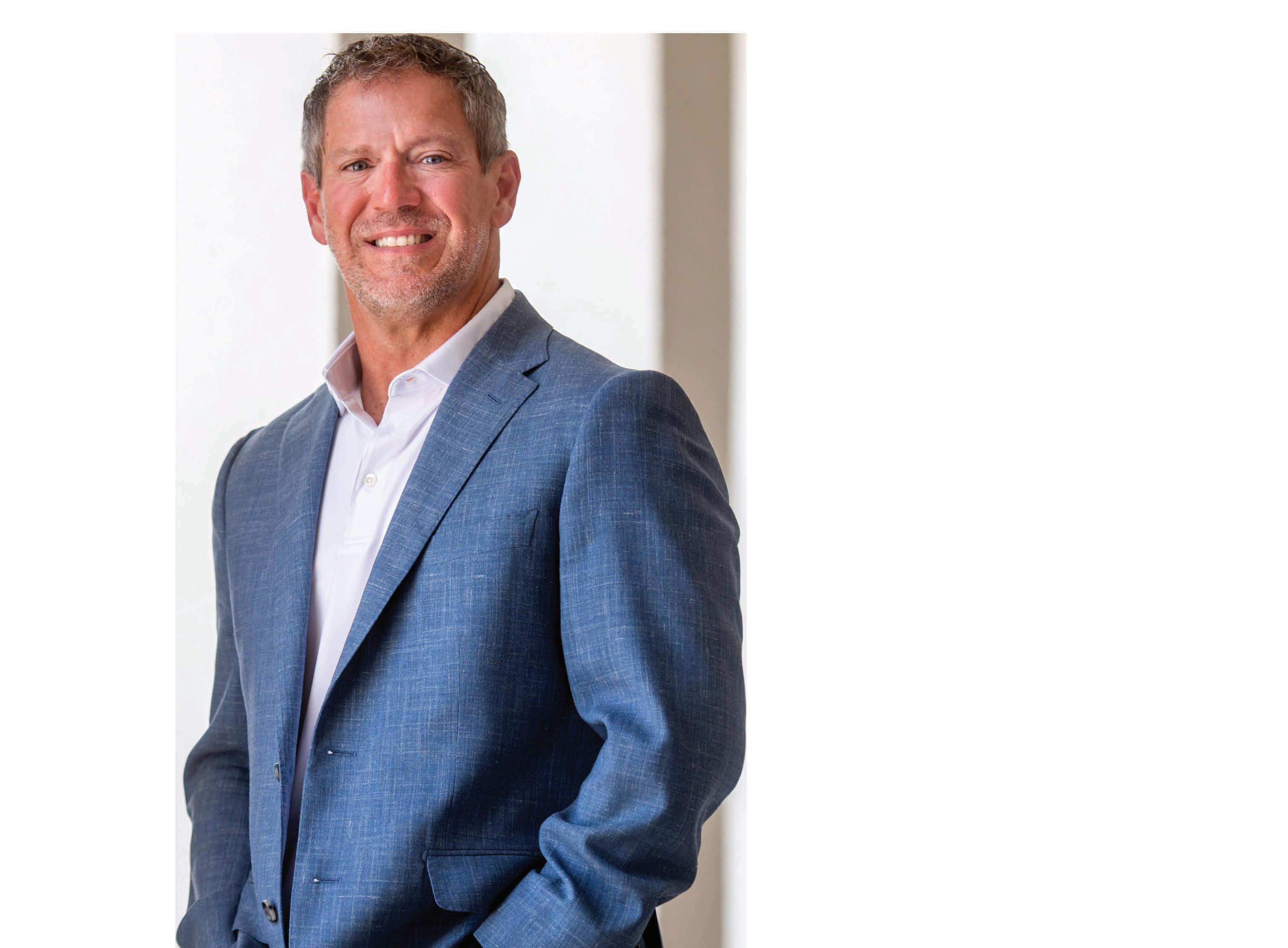
FOUNDER, QIMANA
TOPIC OF DISCUSSION
EXIT, REBUILD, DISRUPT
LESSONS FROM A FOUNDER
LOUISIANA’S RISING TECH SCENE
SCALING MENTORSHIP FOR THE NEXT GENERATION

SPONSORED BY:

This year, Business Report launches the Excellence in Health Care Awards—a new recognition program spotlighting the individuals, teams and organizations strengthening health care across the Capital Region. As the region grows, its health care system is being asked to do more: Serve a larger and more diverse population, support a rapidly expanding economy and adapt to rising complexity in care delivery. These awards recognize those rising to the challenge.
• Outstanding Health Care Executive
Senior leaders delivering measurable results through strategic vision and operational excellence

• Emerging Health Care Leader
Rising professionals already producing results—and poised to shape what comes next
• Outstanding Practitioner
Clinicians whose expertise and consistency set the standard for patient-centered care
• Outstanding Health Organization
Organizations strengthening care delivery, access and outcomes across the region
• Achievement in Innovation
Breakthrough efforts advancing care, research or clinical practice in meaningful, measurable ways
• Lifetime Achievement
A distinguished career that has permanently shaped health care in the Capital Region
• Community Impact
Health care-led initiatives delivering lasting benefit beyond the clinic—to the broader community
WHO’S ELIGIBLE
Hospitals and health systems, private practices, research institutions, public health agencies and communitybased initiatives
Finalists will be profiled in Business Report’s special Excellence in Health Care edition in August and honored at a cocktail reception and dinner at the Crowne Plaza on Aug.12.
NOMINATIONS ARE NOW OPEN
The deadline is April 17.
Visit businessreport.com/healthcareawards
BY SAM BARNES
AI’s impact on health care is accelerating as public acceptance grows.

IN JUST THE last three years, the transformational potential of AI has leapt from theory to practice in the health care space. Today, it would be difficult to find a single department within Louisiana’s more techsavvy hospitals that isn’t feeling its impact.
A confluence of factors is fueling the phenomena—specifically a growing societal acceptance of AI—thanks to the widespread use of commercial products such as ChatGPT, and an increasing awareness by doctors and hospital executives of the time-saving, and often lifesaving, capabilities of the technology.
Jonas Fontenot, CEO at Mary Bird Perkins Cancer Center, says AI is “maturing in dog years” as it spreads throughout every aspect of
the health care environment.
Five years ago, for example, the creation of a detailed radiation treatment plan could take up to two weeks. Now, with the incorporation of AI-enabled “adaptive radiation,” the same process takes mere minutes. “Adaptive radiation has changed the entire paradigm,” Fontenot says.
“Now, the patient lies on the treatment table, images are taken and an AI-enabled computer algorithm, in real time, creates a menu of treatment plans for the physician to choose from. Treatments can begin on that day.”
For years, technology and innovation have been imbedded into the “DNA” of the oncology field. Even before AI-powered commercial products began hitting the
market, Mary Bird Perkins was developing its own homegrown tools using machine learning and AI techniques. “What’s been impressive is how diverse AI solutions have become across health care in general,” Fontenot says. “AIenabled tools are in every part of an organization.”
Increasingly, users view AI as a helpful tool, not a burdensome technology. Two years ago, physicians at Mary Bird Perkins rarely used AI-enabled ambient listening tools to record and summarize doctor/patient conversations during patient visits. Today, its use is ubiquitous. AI tools can even operate across multiple systems and pull data from various sources to create a specific and concise summary of a patient’s medical background.
“That can be quite powerful in the modern business of health care,” Fontenot notes.
AI is shaking up the organizational structures of some hospitals.
At Ochsner Medical Center in New Orleans, chief digital officer Denise Basow now sits on the hospital’s executive team, with several departments reporting directly to her. Some of the early adopters of AI at Ochsner were in the radiology space. Ochsner has also used the technology to improve efficiencies with inbox messaging. In that role, AI answers patient messages quickly and relieves some of the burden from Ochsner’s care teams.
“All of our AI applications share a common theme,” Basow says. “We initially incorporate them to make life easier for our physicians and
A NEW ERA: In just the last three years, the transformational potential of AI has leapt from theory to practice in the health care space. Today, it would be difficult to find a single department within Louisiana’s more tech-savvy hospitals that isn’t feeling its impact.

workers, but it turns out to be a real patient satisfier, too.”
The most recent iteration of the technology has been “agentic AI,” implemented by Ochsner in late 2025. Unlike chatbots, agentic agents use tools, access data and collaborate to complete complex, multistep workflows with minimal human oversight.
“We’re incorporating agentic AI agents to target certain inefficiencies,” she says. “For example, our legal team has to pore over hundreds of PDF contracts every year for various reasons, but we now have an agent that will take weeks of work and do it in two to three hours.”
Statistics reveal AI’s effectiveness: Ambient listening tools at Ochsner have saved an estimated
one to two minutes in time per patient. AI-enabled workflows in the hospital’s pharmacy have expedited medication access for some 20,000-plus patients. And by using the AI-driven scheduling platform M7, nurse leaders have been able to honor staff preferences for shifts 94% of the time, improving team satisfaction and efficiency.
At Baton Rouge General, AI began “getting its legs” about three years ago, says Bennett Cheramie, chief information officer. “With players such as ChatGPT coming into the market on the social side of things, people were really starting to adopt an AI-forward way of thinking,” Cheramie says, “so we started looking at ways we could bring our users along on an AI journey.”
In addition to incorporating AI in various areas such as radiology and surgery, Baton Rouge General next spring will incorporate a TV and camera into its “MyChart Bedside” application, enabling patients to interact with a virtual caregiver from their hospital bed. Through computer vision, the technology will be able to detect falls or if a patient is in pain, as well as notice if an IV pump is running the wrong medication or at the incorrect dosage. Eventually, there will be an AI presence in every room.
AI is also helping hospitals with certain “back of office” functionalities such as medical claim processing. At Baton Rouge General, AI agents communicate directly with Blue Cross and Blue Shield of Louisiana to process claim forms more quickly. “Our bots are talking to their bots on a number of fronts,” Cheramie says.
For example, the use of Microsoft Copilot to search for a particular hospital policy would likely carry a minimal risk level of 1, while AI tools that provide insights and make recommendations for a patient’s treatment would carry a risk level of 5.
The bottom line: Technology with a higher risk has more guardrails. “We want to be very thoughtful, especially with those patient impact tools,” Cheramie says. “Most of the time, we’ll have a partner such as the vendor help us ensure that we’re not causing harm or offering
bad insights.”
It’s also critical to be transparent when incorporating a new tool. “We don’t want to confuse patients and make them think they’re talking to a person when they’re not,” says Ochsner’s Basow. “We seek to build trust and be transparent above all else. When you take that approach, it can be very effective.
“The technology is moving fast, but we don’t let the technology drive what we do,” she adds. “We flip the script and look for business problems to solve first, then see if technology can help us.”
“We want to be very thoughtful, especially with those patient impact tools.”
BENNETT CHERAMIE, chief information officer, Baton Rouge General
Even as AI gains traction, hospital owners and CIOs acknowledge that certain risks are inherent to any new technology. A multidisciplinary committee at Baton Rouge General reviews each new AI application and assigns it a “risk stratification level,” along with appropriate guardrails to ensure its safe adoption and usage.

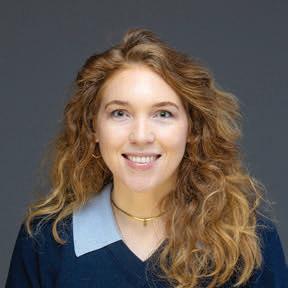
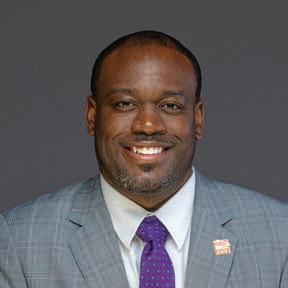
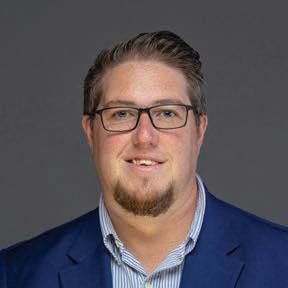
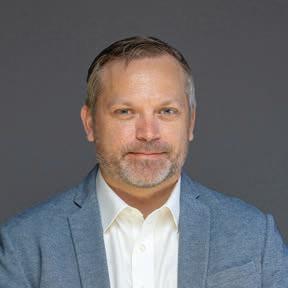
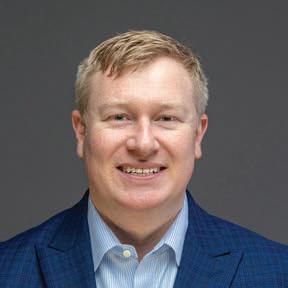
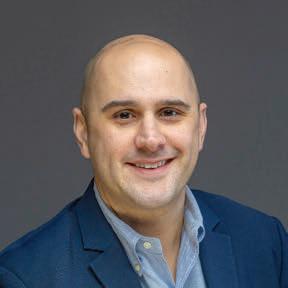
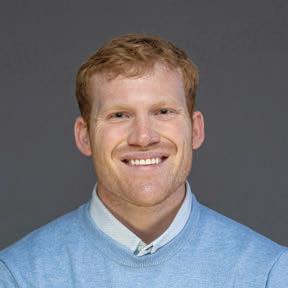
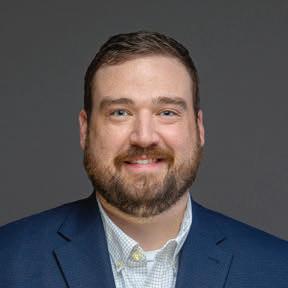
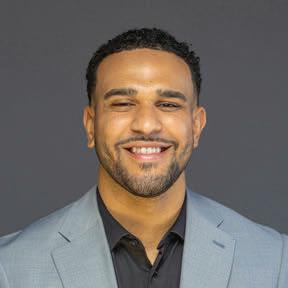
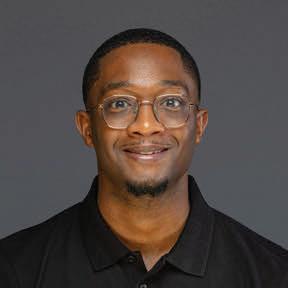
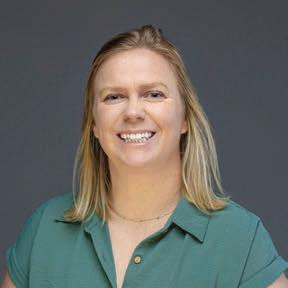
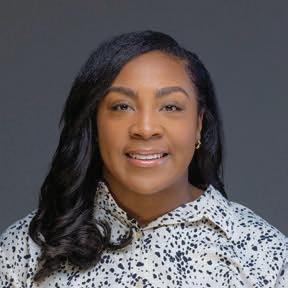
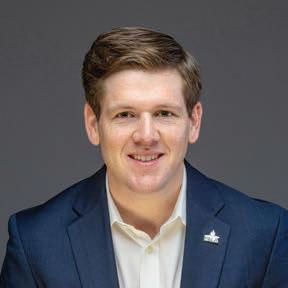
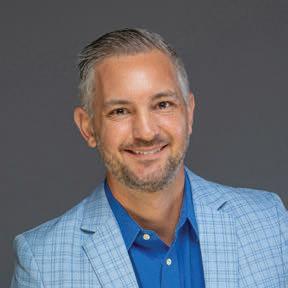
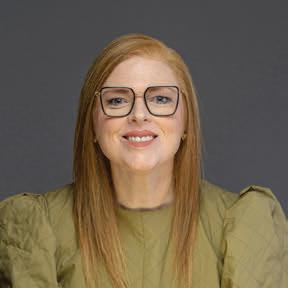
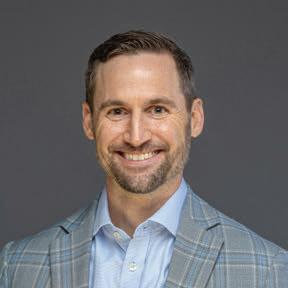
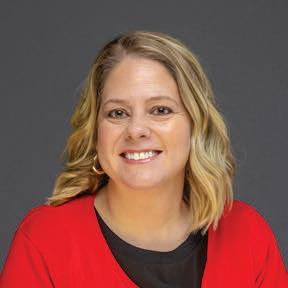
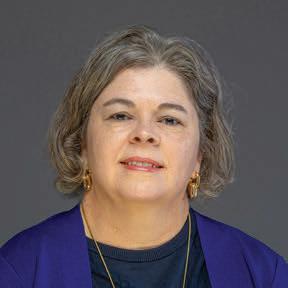
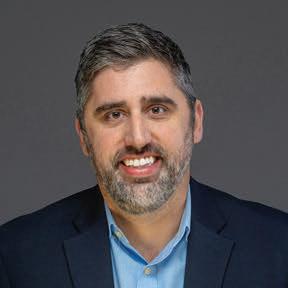
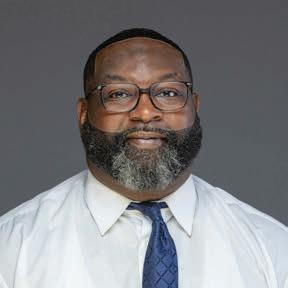



Ochsner’s AI steering committee—a cross-functional group comprising representatives from various domains—performs risk assessments and determines how to mitigate those risks. Once the technology is deployed, the committee then builds a separate monitoring protocol to ensure its safety over time.
Similarly, Mary Bird Perkins has well-defined processes for managing risk, particularly when it involves patient care. An established process for change management is also critical to the process. “It’s important to frame it to the end user in a broader context,” Fontenot says. “In other words, ‘This is the way work has been done, and this is the way this particular tool can create a more effective or more efficient process for you and the organization.’”
The true “acid test,” however, is whether a user will truly incorporate AI into their daily work activities. That’s not going to happen, Fontenot says, if the technology slows them down, adds extra steps or requires more time. Skepticism can be another drag on implementation.
“Sometimes, a physician might have reservations about a tool’s
ability to know what is relevant, or that it will be incapable of applying nuance and judgment to evaluate what’s important and what is not,” Fontenot says.
Most tech-savvy hospitals agree that the transformative potential of AI far outweighs the risks. “In the not-too-distant future, AI could more quickly diagnose diseases,” Fontenot says. “I think an appropriately scoped and scaled AI could diagnose people sooner and lead to better outcomes and do so in a way that preserves their quality of life to the greatest extent possible.”
In the field of drug discovery, AI is already “moving the needle” by accelerating the development of pharmaceuticals engineered for a particular genetic code. “AI will accelerate our ability to find more of these targets, these genes, then develop drugs to seek those targets,” he adds. “The pharmaceutical companies are doing much of the heavy lifting on that front, developing and discovering drugs that are appropriate to the targets being identified.
“With the help of AI tools, that’s where drug discoveries are happening, and with accelerating speed.”








“There







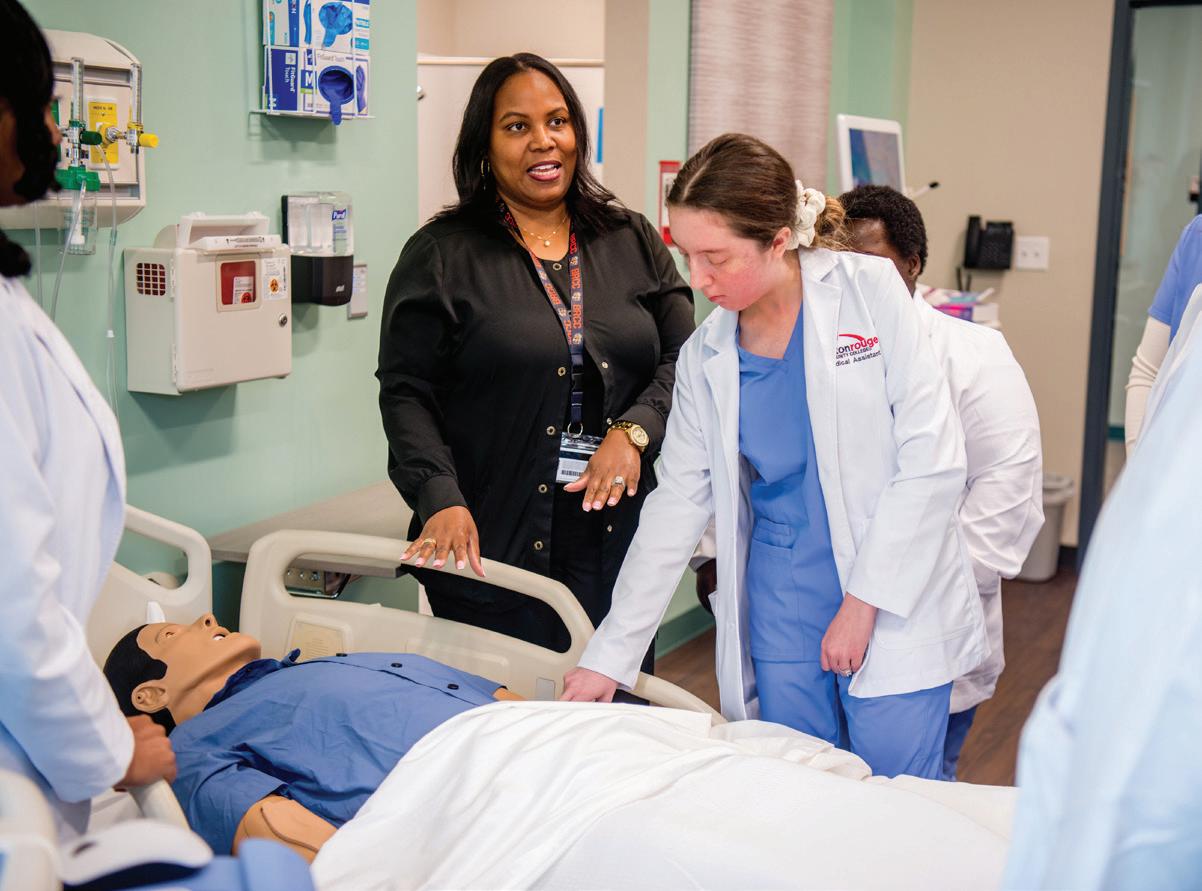
GROWING THE WORKFORCE:
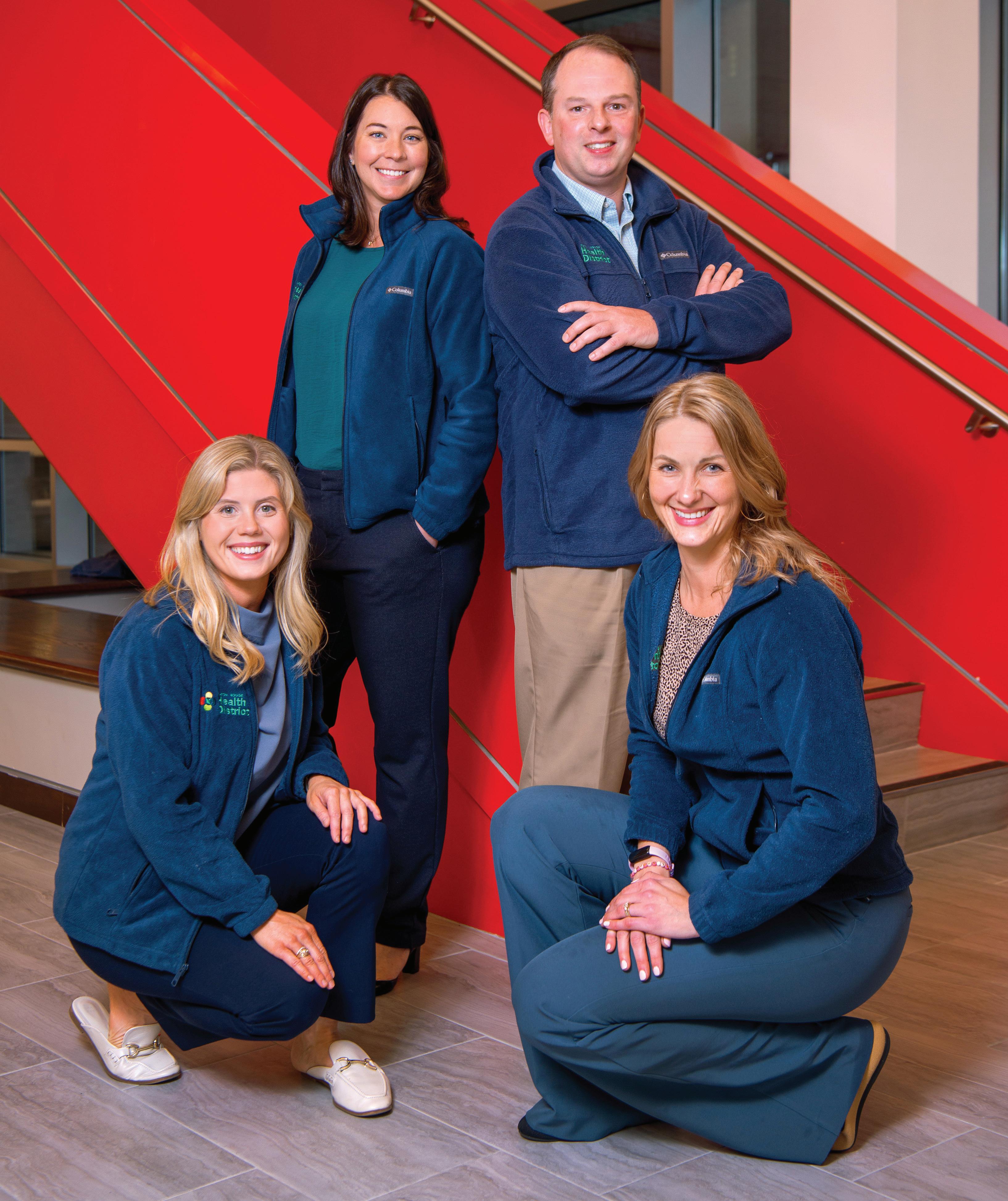
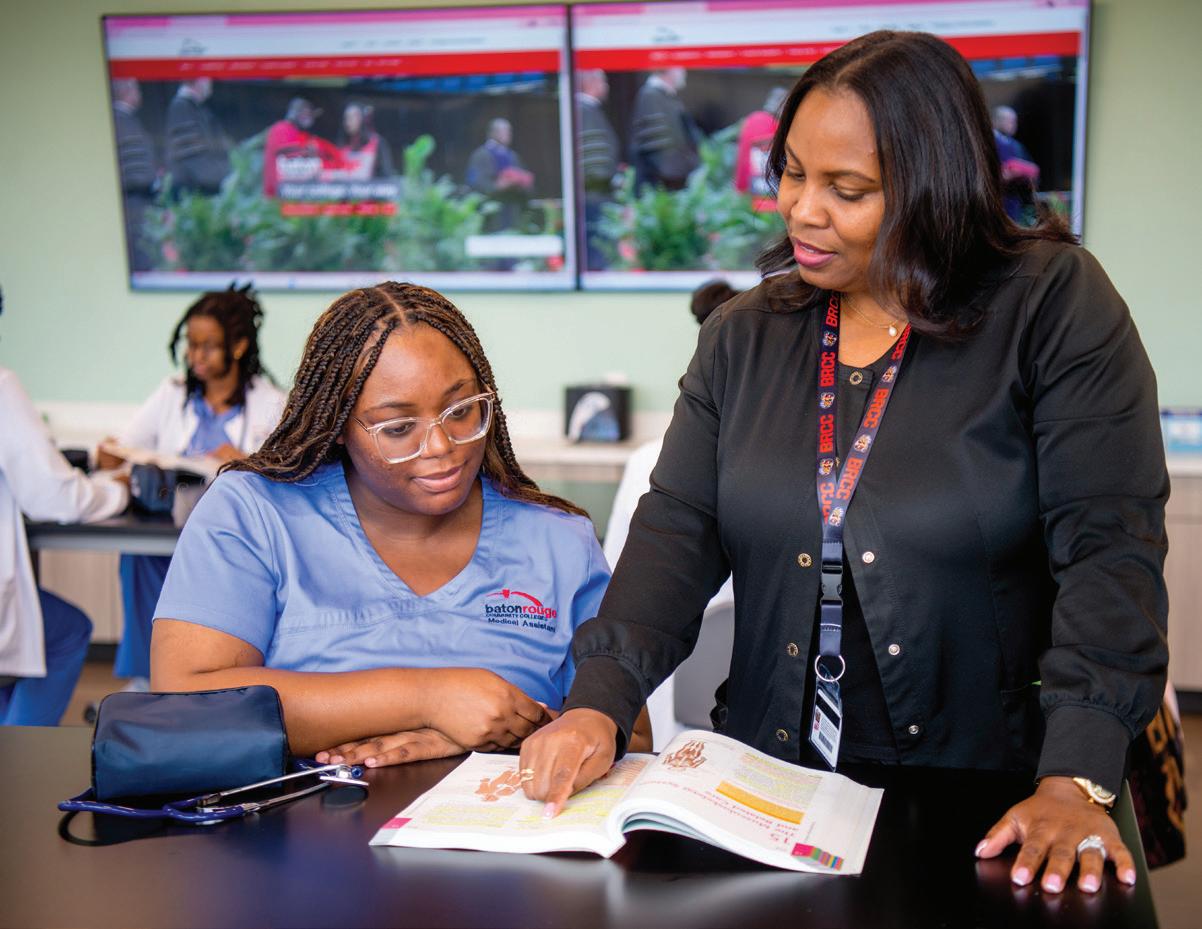
Through the BRHireD initiative, the Baton Rouge Health District and regional partners are training certified medical assistants to help meet rising workforce demand in local hospitals.
A decade after its launch, the Baton Rouge Health District is looking ahead to its next 10 years with transformative projects and a new strategic plan.
FOR THE PAST decade, Baton Rouge’s largest health systems, hospitals and research institutions have been engaged in an exercise that may seem counterintuitive on its face.
In an industry defined by competition—for patients, for employees and for research dollars—the city’s health care leaders are attempting to prove that collaboration can be just as powerful.
The Baton Rouge Health District was born out of that premise.
Launched in 2014 with support from the Baton Rouge Area Foundation and other partners, the health district set out to knit together the individual institutions spread along the city’s 1,000-acre medical corridor into a cohesive hub for research, workforce development and health care innovation.
Over a decade later, the health district is entering a new phase. A number of transformative projects—from research infrastructure to corridor improvements—are moving from planning to execution. At the same time, a new program is being launched to tackle one of the most pressing challenges facing hospitals locally and across the nation: the workforce shortage.
“All of this is ultimately about creating a virtuous cycle,” says Steven Ceulemans, president and CEO of the Baton Rouge Health District. “It’s about formulating good ideas that have merit, getting people to invest in and support those ideas and then making them happen. And when we make them happen, we can use the results to leverage
BY DILLON LOWE
into bigger goals, bigger investments and more results.”
Perhaps the biggest development for the health district over the past year has been the expansion of its BRHireD workforce initiative.
Through the program, the health district and a coalition of regional partners are attempting to build a pipeline of entry-level health care workers—certified medical assistants, specifically—to help meet growing demand among local hospitals.
In June, the district secured $2 million in funding to expand the initiative. The state contributed $1 million through the Louisiana Department of Health’s H.E.R.O. Fund, and a group of local partners that includes philanthropic organizations and the city of Baton Rouge itself contributed the other $1 million.
Over a two-year period, the program aims to recruit, train and place 100 nursing support professionals into jobs at five of Baton Rouge’s
• Baton Rouge Area Foundation
• Baton Rouge General
• Louisiana Blue
• Mary Bird Perkins Cancer Center
• Ochsner Health
• Pennington Biomedical Research Center
• FMOL Health
• Woman’s Hospital
leading health systems: Baton Rouge General, Mary Bird Perkins, Ochsner Health, FMOL Health and Woman’s Hospital. It’s a scholarship program of sorts, as participants receive free education, training and support services.
The training itself is being delivered through Baton Rouge Community College and River Parishes Community College, with the health systems providing clinical rotations.
Though BRHireD as a concept has been in development for some years, the $2 million funding injection has enabled its first full training cohort.
According to Ceulemans, early interest has far exceeded his expectations.
“We’ve seen over 1,200 expression-of-interest forms come in for ultimately 100 positions,” Ceulemans says. “I never expected over 1,200 people would reach out to us and say, ‘Hey, we want to do this.’”
That level of demand means the program is far from first-come, firstserved. Beyond simply expressing interest, prospective participants must complete a full application process that includes a placement test and a formal interview. Once accepted, they must meet strict academic and attendance requirements to remain in the program.
BRHireD arrives at a pivotal moment for Louisiana’s health care sector. Employment in the sector—the state’s largest sector by employment—is projected to grow by more than 8% over the next decade, with a large number of those new jobs expected to be certified medical assistant roles.
Health district leaders are already exploring ways to expand the model.
“Once someone becomes a certified nursing support professional, we’re looking at what opportunities exist for them to advance themselves, either through a higher level of certification or through opportunities to become licensed health professionals,” Ceulemans says.
For BRAF President and CEO Chris Meyer, who serves as chair of the health district’s board, BRHireD represents more than just another workforce initiative. In his view, the program is a clear demonstration of the collaboration the district was designed to foster.
“I think it’s a strong signal,” Meyer says. “Our institutions are really working collaboratively to expand access to good-paying entry-level jobs of common need.”
BRHireD isn’t the only health district project gaining traction. Some initiatives that have been in the works for years are now beginning to produce tangible results.
Among the most ambitious is the Research Data Collaborative, an effort aimed at transforming how clinical and research data is shared among the district’s member hospitals.
The project has seen the development of an interhospital network of “data warehouses,” infrastructure that will allow researchers to analyze anonymized patient data from all of the participating institutions in aggregate. The goal is to help researchers more efficiently advance their work and make Baton Rouge more competitive for large-scale clinical trials and studies.
Participating hospitals have either completed or are nearing completion of their data warehouse builds. The next phase of the project calls for validating the system through a pilot research project that matches hospital data with Louisiana Tumor Registry data.
According to Ceulemans, validating that the system functions as intended is the project’s last major milestone.
“We do think the core scope of the work we were funded to do—establishing these data
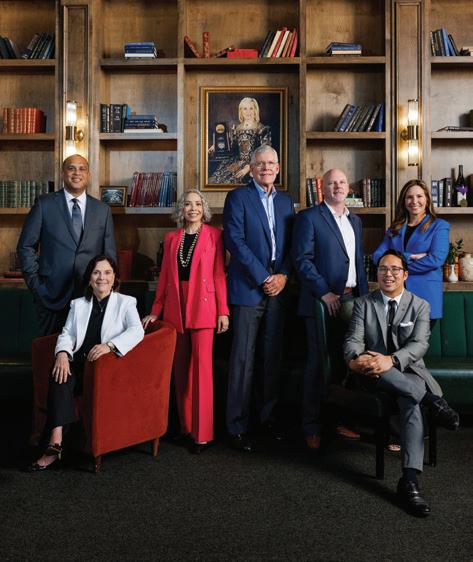
The Baton Rouge Health District was built on a simple premise: The region’s major health systems could accomplish more together than apart. We asked five health care leaders whether membership has delivered on that promise.
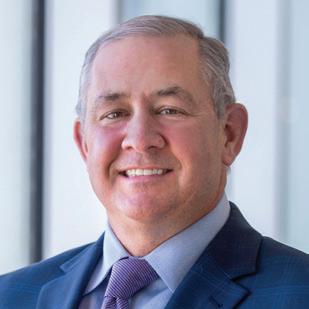
“ATTRACTING, developing and retaining clinical talent is essential in continuing to care for this community.
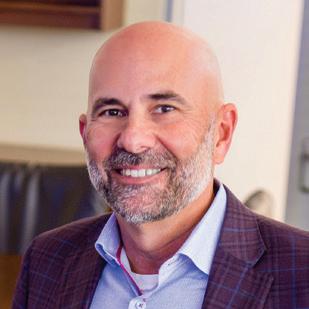
The Health District’s recent medical talent pipeline study will help find ways to improve the experience and increase the number of physician learners in our various graduate medical education programs. The Health District model enables a coordinated approach that avoids duplication of effort among members while maximizing synergy and impact.”
Edgardo Tenreiro, Baton Rouge General CEO
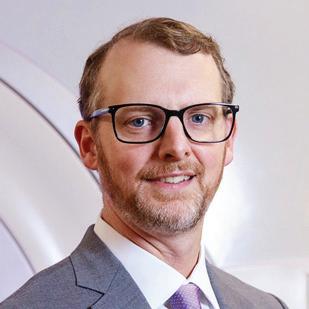
“BEING PART of the Health District, we’re seeing tangible benefits, from a growing workforce pipeline, including trained medical assistants, to increased access to grant funding that supports innovation in biotech and patient care. Just as importantly, the district’s focus on infrastructure and thoughtful development is helping create a more cohesive, patient-centered environment. Together, these efforts position all of the member institutions to better serve our community now and into the future.”
— Jonas Fontenot, Mary Bird Perkins Cancer Center President and CEO
“THE HEALTH DISTRICT has been an important vehicle for collaboration across the region’s health systems, particularly as we navigate two of the most pressing challenges in health care today: access and workforce. The Health District provides a structure for meaningful partnership to address both. Through this collaboration, we’re able to accelerate efforts that directly benefit patients and the broader community. That includes coordinated response during crises like COVID-19, hurricanes and winter storms, as well as more strategic, long-term work around workforce development, education pathways and innovation. The Health District has strengthened our ability to partner on initiatives that expand access to care, support the development of future health care professionals and attract new opportunities in research and life sciences. It’s a model that allows us to move faster and more effectively together than we could individually while reinforcing Ochsner’s role as a leader in advancing health care across the region.”
— Chuck Daigle, Ochsner Baton Rouge CEO
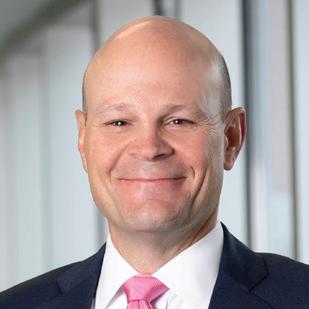
“OUR PARTICIPATION in the Health District has created meaningful opportunities to collaborate with fellow health care leaders across the region in a supportive, solutions-focused environment. Through this partnership, we have advanced workforce initiatives aimed at attracting and retaining health care professionals in Baton Rouge, including jointly pursuing state workforce grants to support these efforts. Through the Health District’s collaboration with the Louisiana Clinical and Translational Science Center, providers can share critical data, which helps generate important insights that help improve care delivery and expand access to services throughout our community.”
— Rene Regas, Woman’s Hospital President and CEO
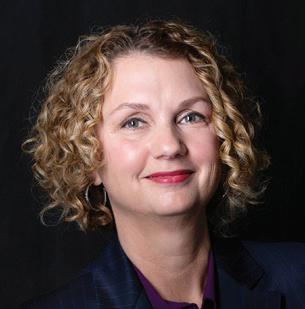
“BEING PART OF the Health District strengthens how we work together as a health care and research community to better serve the people of our region. It has improved coordination among partners, making it easier to connect research, care and community programs. We are all working toward a stronger, more unified approach to improving health outcomes across the Capital Region, ensuring our work has a more direct and lasting impact on the health of people in Baton Rouge and beyond.”
Jennifer Rood, interim senior vice chancellor and executive director at Pennington Biomedical Research Center
Don’t settle for half the story. Get 100% of local business news plus access to current data for 1,000+ Capital Region businesses.



warehouses—will be completed in 2026,” Ceulemans says.
Another initiative moving closer to reality is the R.E.A.C.H. Gateway Infrastructure Enhancement Project, an effort to improve connectivity and wayfinding in Baton Rouge’s medical corridor while also beautifying the corridor’s public spaces.
After several years of planning and fundraising, the project is nearing execution. Construction is expected to begin this summer and wrap up in 2028.
“R.E.A.C.H. is essentially about building a front door for the health district,” Ceulemans says.
The district is also turning its attention toward another structural challenge facing Baton Rouge’s health care sector: physician training capacity.
Like many parts of the country, Baton Rouge faces a bottleneck in graduate medical education. Medical schools are producing more and more new graduates, but the number of residency slots—required for physicians to complete their training—has not kept pace.
To address that gap, the health district commissioned a study to examine how residency programs could be expanded across Baton Rouge’s hospitals. The study’s
findings and recommendations are expected to be presented to the district’s board this spring.
“As those recommendations are adopted, we’ll start the next phase, which is setting some priorities where we’d like to start pushing change,” Ceulemans says.
With the health district entering its second decade, its leaders are looking outward, assessing how similar districts across the country operate and identifying best practices that can be applied back home. That legwork is helping to inform the district’s next 10-year
strategic plan, which is expected to be delivered by the end of the year.
Meyer says the organization has looked in recent years to peer districts in cities like Birmingham, Alabama; Cincinnati; and Columbus, Ohio. The goal is to understand not only how those peer districts are improving health outcomes in their communities but also the economic engines that power them.
“That’s something we really want to get into in this next strategic plan—the economic underpinnings that allow institutions to thrive and deliver the best care possible,” Meyer says.
The health district is also collaborating directly with peer organizations through its involvement with the Anchor District Council, a national coalition of “anchor” institutions—large, place-based entities like hospitals and universities—that are seeking to leverage their economic power for the betterment of their home cities.
Baton Rouge hosted the group’s annual summit in 2024, bringing leaders from anchor institutions across the country to the Capital City to explore ideas and share lessons learned.
“Our original master plan referenced a number of members of the Anchor District Council as benchmarks and references for Baton Rouge,” Ceulemans says.
“Interestingly, we’ve bubbled up as an example where they’re looking at us like, ‘We’d love to have our national meeting in Baton Rouge and do our own benchmarking against you.’ I think that’s a great story in and of itself.”
It’s worth noting that work on the strategic plan that will guide the district’s next decade comes at a time when much of the Capital Region’s population growth is concentrated outside Baton Rouge city limits.
Parishes like Ascension and Livingston have seen their
populations balloon in recent years, and with that growth has come new clinics, urgent care centers and other health care facilities closer to where their residents live.
At first glance, one might think that shift would dilute Baton Rouge’s role as the region’s health care hub. Ceulemans argues the opposite may be true.
Increasingly, he says, health systems operate under what he describes as a “hub-and-spoke” model. Primary care and basic services expand outward into growing suburban communities, while more specialized treatments remain concentrated in major medical nuclei like the health district.
“You need care close to where you live—especially primary care—so you have an easy point of entry into the health care community,” Ceulemans says. “But at the same time, if you need a higher level of care, with the way health care innovation is going, more and more specialty care is funneling toward health care hubs. And that’s where I think a model like the health district’s makes total sense and is tremendously valuable.”
In other words, Baton Rouge’s standing as the region’s health care hub appears unlikely to falter any time soon.

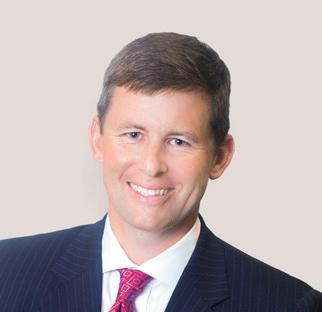
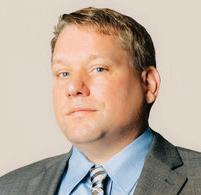
Partner Christopher K. Jones is also recognized as a 2026 Louisiana Top 50 Super Lawyer.
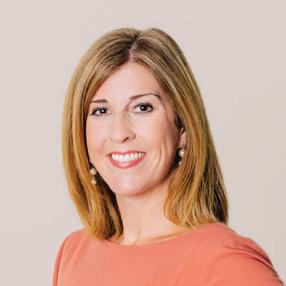
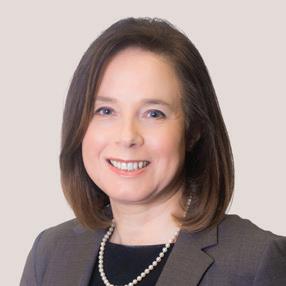
“I think it’s a strong signal. Our institutions are really working collaboratively to expand access to good-paying entry-level jobs of common need.”
CHRIS
MEYER, president
and CEO,
Baton Rouge Area Foundation
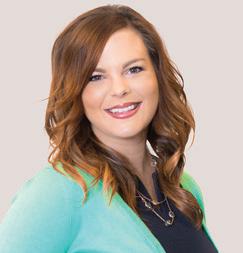
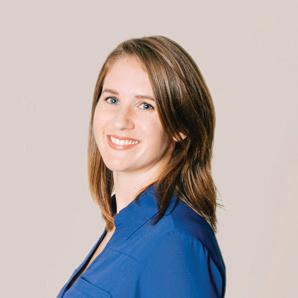
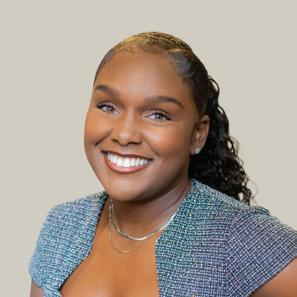
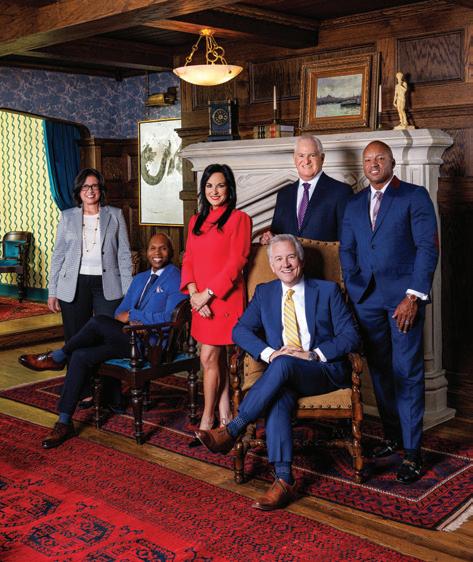
Five executives sound off on what’s working, what’s broken and what’s next for Louisiana health care.
LOUISIANA’S HEALTH CARE system is at a pivotal moment—strained by workforce shortages, Medicaid vulnerability and widening access gaps, yet energized by breakthroughs in precision medicine, artificial intelligence and care delivery innovation. To make sense of it all, we put those questions to executives from four of the region’s leading health care organizations, inviting them to weigh in on the forces reshaping the industry. The result is a candid, on-the-
record roundtable that moves well beyond talking points. These leaders weigh in on what has fundamentally changed in the past five years, how AI is already influencing clinical outcomes and where fragmentation continues to fail patients. They reflect on the leadership behaviors and cultural investments proving most critical in a high-pressure environment, and they look ahead—with both optimism and urgency—to what the Capital Region
must accomplish to build a healthier, more equitable future.
What emerges is a portrait of an industry in transition: adapting quickly in some areas, lagging dangerously in others and defined at every turn by the stakes involved. These are the people making the decisions. Here’s what they have to say.
Responses have been edited for clarity and brevity. Read the roundtable in its entirety at businessreport.com.
When you take a step back, how would you describe the current moment in health care in Louisiana—steady, strained, increasingly competitive, transitional or something else—and what informs that view?
Ed Silvey and Shunn Phillips: The moment feels increasingly complicated. Breakthroughs in diagnostics, treatments and technology are expanding our ability to improve both the quality and length of life, yet these same advances make it harder to manage cost, access and care needs at an individual level. The system is evolving quickly, but the pace of innovation often outstrips our ability to integrate it smoothly, leaving patients, providers and payers navigating a landscape that’s more complex than ever. Our health care system is also strained by the aging population, which causes an increased demand for services, and health care inequities that are complex and challenging to solve.
E.J. Kuiper: I would describe the current moment in Louisiana health care as pivotal. While I’m incredibly excited for what lies ahead for our health care system, there are headwinds that the health care industry as a whole will have to

navigate in the near future as we realize the full impact of HR1 and challenges to the 340B program. At FMOL Health, we’ve worked diligently to ensure that we are able to weather the storm ahead. Across our facilities around the state, we’re witnessing a remarkable convergence of clinical innovation, rapidly evolving technology and a renewed focus on patient-centered care. From new treatments and digital health
platforms to innovative collaborations occurring across organizations and the industry, we’re rapidly evolving to meet the needs of our patients and communities.
Jodi Conachen: From an oncology perspective, the current moment in Louisiana health care feels transitional—and access is at the center of it. While we’ve expanded services and advanced technologies,
outcomes across the state are not improving as quickly as they could. That gap points to access as the underlying issue. It’s important to understand that access isn’t just geography. It includes transportation barriers, financial pressures, insurance limitations and the ability to consistently attend appointments. In many rural and underserved communities, those barriers compound, affecting screening rates, timely diagnoses and continuity of care. Our priority is extending oncology services closer to where people live and work. That includes expanding locations across central and north Louisiana.
Michele Sutton: Louisiana’s health care environment is at a critical inflection point. With roughly 40% of our population relying on Medicaid, the system is extraordinarily vulnerable to reimbursement shifts. As supplemental payments decline and Medicare rates remain below the cost of care, providers are being asked to do more with less. Layer on a shrinking workforce, where retirements are outpacing new entrants, and we face a moment that is not just strained, but structurally fragile. This convergence of financial pressure and workforce scarcity makes the environment precarious, demanding bold policy action and innovative care models to stabilize the system.
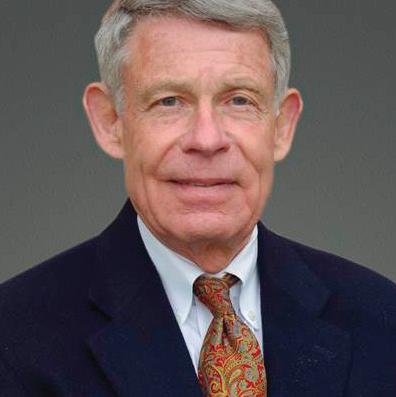

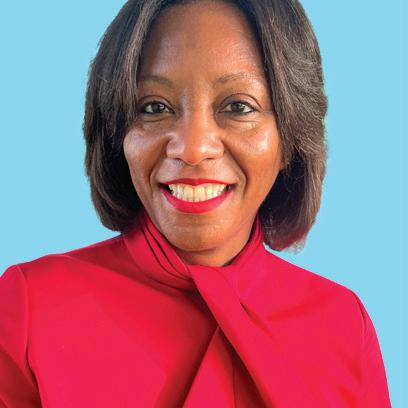
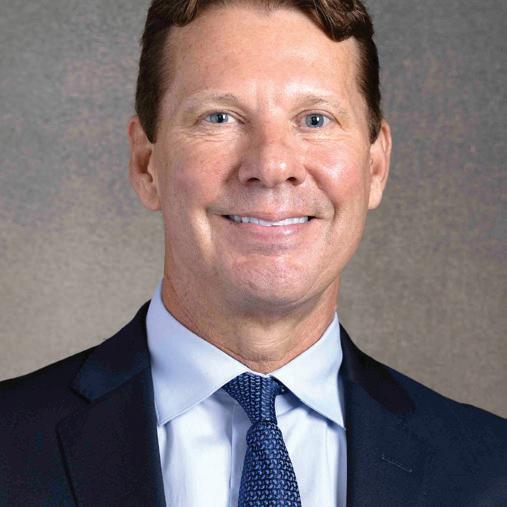

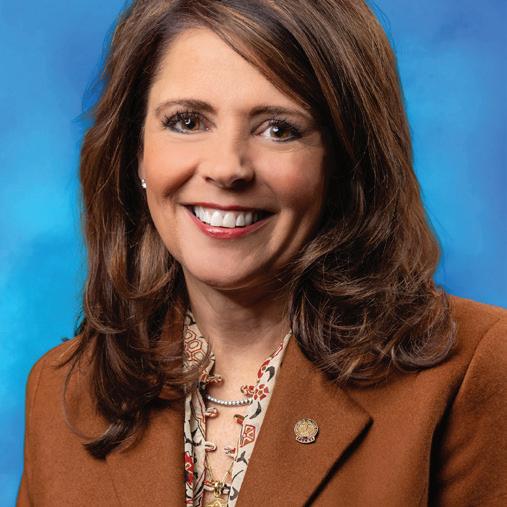

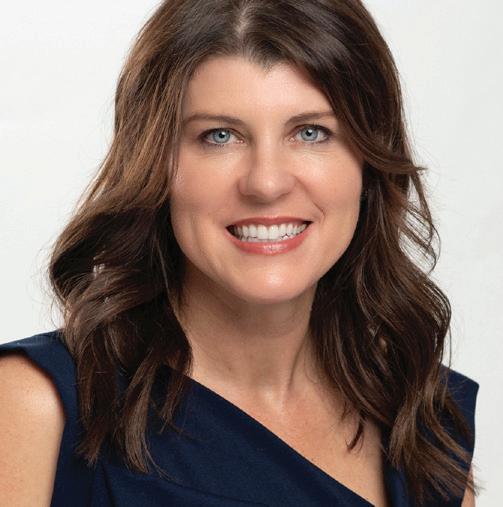
Looking beyond headlines and buzzwords, what has fundamentally changed in how Capital Region health care operates or is experienced today compared with five years ago, and what trends are on the horizon?
Michele Sutton: Care delivery has become more decentralized and community anchored. Patients increasingly receive high‑quality services closer to home, supported by innovations like micro‑hospitals. At the same time, we’re seeing a meaningful shift toward system‑to‑system cooperation, especially in advocacy and policy alignment. Looking ahead, the trajectory points toward continued localization of care, deeper regional partnerships and greater integration of data‑driven tools to anticipate patient needs rather than react to them.
Ed Silvey and Shunn Phillips: Health care today operates in a fundamentally different way because innovation has reshaped both what’s possible and what patients now experience. Advances in precision medicine, digital tools and life‑extending therapies have delivered extraordinary, often life‑changing benefits—treatments that once felt aspirational are now routine, and

conditions that were once debilitating can be managed or even reversed. At the same time, these breakthroughs have shifted expectations, workflows, and decision‑making across the system. Care is more data driven, more personalized and more interconnected, but also more complex to navigate, coordinate and pay for. The result is a health care environment where the impact on patients has never been greater, yet the operational
demands on providers, systems and individuals have grown just as quickly.
E.J. Kuiper: Five years ago, we were in the thick of the COVID 19 pandemic. The pandemic forced those of us in health care to rethink the way that we operate in many ways. It demanded flexibility, and I believe it accelerated the pace at which we innovate and think about health care delivery. Patients are more
informed and engaged in their health care journey than ever before. They understand they have many options when it comes to health care, and they are demanding the best. At FMOL Health | Our Lady of the Lake, we have invested in the latest technology, in our people and in growth in geographic areas where population is booming, bringing best in class care closer to home. For example, Our Lady of the Lake Livingston will soon bring the only overnight observation beds to the parish, and we brought infusion services to Ascension Parish a little over a year ago.
Jodi Conachen: Five years ago, precision medicine was aspirational. Today, it is operational reality. In radiation oncology, adaptive technologies allow us to adjust treatment in real time, targeting tumors while preserving healthy tissue as anatomy changes. In cellular therapy, we can now reengineer a patient’s own cells to fight cancer. This option was far less accessible just a few years ago. Equally transformative is theranostics—the coupling of diagnostics and therapy. This allows us to deliver highly targeted treatments with greater accuracy and less invasiveness. Beyond treatment advances, patient support has evolved. We better understand how symptom management, psychosocial care and navigation directly impact outcomes, along with faster entry into treatment.
Share with us in detail one example of how your organization is utilizing AI, and what are the key outcomes?
E.J. Kuiper: For the last few years FMOL Health has led the way in ambient listening tools, bringing those resources on board to more providers. What we’ve found by doing this is our providers are really able to more fully engage with their patients, instead of charting. With that work, patient satisfaction has risen, and physician burnout has fallen because our providers are able to concentrate on listening to their patient, observing what they’re saying with their words and their body language. They’re able to stay more present while the ambient listening tools do the work of notetaking.
Ed Silvey and Shunn Phillips: One example of how our organization is using AI is in our physician clinics, where we’ve integrated AI-supported documentation tools into the clinical workflow. These tools record during patient visits and generate accurate, structured clinical notes in

“Where
I see the greatest capacity for evolution is in organizations that are culturally nimble and mission driven. Being willing to invest early in innovation and rapidly integrate new modalities is essential.”
JODI
CONACHEN, COO, Mary Bird Perkins Cancer Center
real time. By removing the need for physicians to type or manually document throughout the encounter, AI reduces the “computer barrier”
that can get in the way of meaningful patient interaction. This allows our physicians to focus on the patient instead of the computer, strengthening
communication and connection during the visit. As a result, our clinicians can stay fully present with patients, maintain better eye contact and focus on listening rather than charting. It also helps decrease after-hours documentation, supports more consistent and complete records, and improves overall efficiency.
Michele Sutton: We’ve launched our first predictive model, using AI to detect subtle warning signs long before they become visible at the bedside. This enables our clinical teams to intervene earlier, preventing avoidable crises and saving lives. It’s not just theory, we’ve already seen measurable improvements in clinical outcomes. Since deploying this model, North Oaks has experienced a 40% reduction in patient codes outside of critical care areas. This work is laying the groundwork for a future where predictive intelligence is integrated across the entire care process, allowing us to provide safer, more proactive care by delivering actionable, trustworthy insights directly to clinicians, enabling quicker decisions, better care and lives saved.
In this environment, what leadership behaviors or cultural traits are proving most critical for keeping teams aligned, resilient and focused on mission?
Jodi Conachen: The most critical leadership trait right now is adaptability. In today’s environment, there is a delicate balance between mission and margin. Leaders must be nimble and respond to shifting reimbursement models, workforce strain and evolving patient needs while remaining anchored in purpose. Sustainability is important; however, the focus should remain on patient impact. Equally important is listening. Some of the most innovative ideas come from team members closest to the patient. Front-line staff see barriers in real time—whether transportation gaps, scheduling inefficiencies or psychosocial needs—and their insights often lead to meaningful improvements. We create space for contribution. Through the Favre Family Award for Innovation, team members are invited to propose ideas that enhance patient experience and outcomes.

Ed Silvey and Shunn Phillips: A successful leader in a health care organization keeps teams aligned by grounding every decision and communication in the mission of improving patients’ lives. They bring steady clarity in an environment that is clinically complex and constantly evolving, helping people understand what matters most amid shifting priorities, regulatory pressures and rapid innovation. They communicate openly and consistently, creating trust and reducing the uncertainty that can distract teams from patient-centered goals. They balance empathy with
high expectations, recognizing the emotional and operational demands of health care work while still pushing for excellence in safety, quality and outcomes. They make timely decisions even when information is incomplete, and they adapt quickly as new clinical evidence, technologies and patient needs emerge. Most importantly, they build credibility through follow-through and by continually connecting each person’s work to the real impact it has on patients and families.
E.J. Kuiper: At FMOL Health, we’ve spent a lot of time investing in our
leaders and our people. We are ultimately in the people business—the care of both our patients and our team members. Over the last 18 months we have instituted an across-the-board pay raise, a paid parental leave policy, additional holiday time and undertaken a systemwide market rate analysis that resulted in bringing over 80% of our team members to a higher rate of pay. FMOL Health was recently recognized by Gallup with Exceptional Workplace Awards for both engagement and strengths, so we know what we’re doing is working.
Michele Sutton: Today’s environment demands leaders who are deeply present, radically transparent and relentless communicators. Technical competence is no longer enough. Teams need to feel seen, valued and connected to the mission. Culture is shaped by how leaders make people feel, and in health care that emotional connection determines engagement. When employees know their leader genuinely cares, resilience rises, alignment strengthens and the organization moves as one. That sense of shared purpose is our greatest strategic asset.
Health care is often described as fragmented. Where are you seeing real collaboration across organizations or sectors—and where do silos still limit progress?
Michele Sutton: We’re seeing real progress in transitions of care, where hospitals and partners coordinate to move patients smoothly between levels of service. But silos are still deeply felt where authorization processes fail to match the pace of clinical operations. When agencies do not work with the same urgency as 24/7 providers, delays ripple through the system, slowing discharges, clogging capacity and frustrating patients and clinicians alike. Eliminating these administrative bottlenecks is essential to true system integration.
Jodi Conachen: In oncology, health care fragmentation is most visible to patients at the moment of diagnosis. That is why navigation services are so critical. When a patient first hears the word “cancer,” a nurse navigator is present, offering emotional support while coordinating

next steps. Navigators assist in scheduling imaging, specialty visits and pathology reviews. The navigator also further eliminates barriers by connecting patients to both internal and external resources. Their role is to prevent delays and reduce the risk of patients falling through the cracks as they move between providers and facilities. We’ve seen meaningful collaboration through hospital partnerships and shared campuses, but challenges exist— particularly across referral pathways and external specialties. True patient-centered care means reducing friction points. Navigation is one solution, but broader
interoperability and deeper crosssystem collaboration is the ongoing work.
Ed Silvey and Shunn Phillips: Our group is uniquely positioned to deliver care that is far less fragmented because we bring together the full continuum of a patient’s journey under one collaborative structure. In a health care environment where patients often move between disconnected providers and settings, our model creates continuity by design. A large primary care network anchors long-term relationships and early intervention; hospital-based physicians ensure
If we revisited this conversation in three to five years, what would you hope we could point to as clear progress for health care in this region—and what would concern you if it hadn’t happened?
E.J. Kuiper: We always have to look around the bend in health care to see what is coming next. It is my hope that we have figured out a way to adapt to the constantly evolving health care environment through innovation and meaningful investments that expand access and continue to elevate care to the Greater Baton Rouge area and beyond. I would be concerned if we were unable to adapt and failed to invest in both the technology and the talent that will ultimately move the Capital Region forward on our journey to becoming a healthier community.
Michele Sutton: My hope is that we can point to universal access to affordable coverage, broader

use of preventive services and reimbursement structures that finally reflect the real cost of care especially in Medicaid, Medicare and mental health. If we fail to improve behavioral health funding, we will continue to see homelessness grow, emergency departments overcrowd and too many individuals in crisis because early intervention wasn’t available. Success will mean a healthier, more stable region. Failure will mean the consequences fall on the most vulnerable among us.
Jodi Conachen: Three to five years from now, I hope we can point to advanced therapies, such as cellular therapy and theranostics, as mainstream standards of care across the region, and not limited to select facilities. Raising the bar collectively should mean that no matter where a patient enters the system, they receive equally high-level, precisiondriven care. I would also hope to see expanded partnerships that focus on extending services, particularly in rural and underserved communities.
seamless care during acute episodes; post-acute and nursing-home physicians support recovery and stabilization; and outpatient specialists provide focused expertise. Because these clinicians work within the same organization, have access to a shared electronic medical record and collaborate regularly, they share information more effectively, align on care plans, and stay connected around the needs of the same patient rather than the boundaries of their individual settings.
E.J. Kuiper: Our work in providing access points to our rural communities through our transfer center is one area where we’ve seen tremendous collaboration within our health care system and with surrounding community hospitals. At FMOL Health we see the opportunity to continue to expand our current footprint to meet increasing needs through existing avenues such as growing that transfer center and further enhancing our service lines. Our work in expanding access to Epic to other surrounding, smaller hospitals and health care systems through the Community Connect program allows us to better optimize and coordinate patient care in new ways.
Greater geographic reach and coordinated resource utilization would signal meaningful progress. The overall goal is broader reach, higher-quality care and equitable access across Louisiana.
Ed Silvey and Shunn Phillips: Clear progress for our region’s health care system would include expanding access to behavioral health services, because the need is growing faster than the current capacity to meet it. We hope to see a future where individuals and families can get timely, affordable and effective behavioral health support without long waits, limited options or geographic barriers. Strengthening access—whether through more community-based providers, integrated behavioral health in primary care, expanded crisis services or better care coordination— would make a meaningful difference in overall health and stability for the communities we serve. Improving behavioral health access isn’t just an operational goal; it’s a foundational step toward a healthier, more resilient region.
1 1 FMOL Health Physician GroupLLC 7777 Hennessy Blvd., Baton Rouge70808 225-765-5500| ololphysiciangroup.com
3
2 2
Physicians 10310 The Grove Blvd., Baton Rouge70836 225-761-5200| ochsner.org/doctors
4 4 Baton Rouge General PhysiciansInc. 8585 Picardy Ave., Baton Rouge70809 225-763-4500| brgeneral.org StephenMumford COO
5 5 Baton Rouge Orthopaedic Clinic 8080 Bluebonnet Blvd., Suite 1000, Baton Rouge70810 225-924-2424| brortho.com
6 6 The NeuroMedical Center APMC 10101 Park Rowe Ave., Suite 200, Baton Rouge70810 225-769-2200| theneuromedicalcenter.com KellyJ.Scrantz
7 8 Woman's Physicians Groups 100 Woman's Way, Baton Rouge70817 225-927-1300| womans.org
AssociatesLLC
Hennessy Blvd., Baton Rouge70808
and CEO
Lady of the Lake, Baton Rouge General, Lane, Surgical Specialty Center, BR Rehab
Lady of the Lake, Baton Rouge General, Spine Hospital of Louisiana, NeuroMedical Center Rehab Hospital, Ochsner, Woman's
care, rheumatology, dermatology, endocrinology, allergy, ENT, neurology, ophthalmology, psychiatry, pulmonology, surgery, urology and gastroenterology
Family medicine, internal medicine, OBGYN, general surgery, burn, oncology, cardiothoracic, urgent care, urology, dermatology, sleep
Elbow, foot/ankle, hand/wrist, hip, knee, shoulder, spine, sports medicine, pediatrics, musculoskeletal oncology, pain management, trauma
Adult neurosurgery, neurology, physical medicine and rehabilitation, pain medicine, neuropsychology, neuroradiology
Hosptial Obstetrics, gynecology, maternal-fetal medicine, gynecologic and breast cancer, surgery


Why not choose coverage that’s unique as you are?
At LHA Trust Funds, we know what it means to call the Pelican State home. As the only comprehensive multiline liability company dedicated to Louisiana healthcare professionals, our risk experts understand the nuances of state law. This means more support, more customization and more coverage that’s as unique as the professionals who work here.


“First and foremost, we need to strengthen and save primary care.”
KENNY COLE, vice president of clinical improvement at Ochsner Health and medical director of digital medicine programs, Ochsner Health
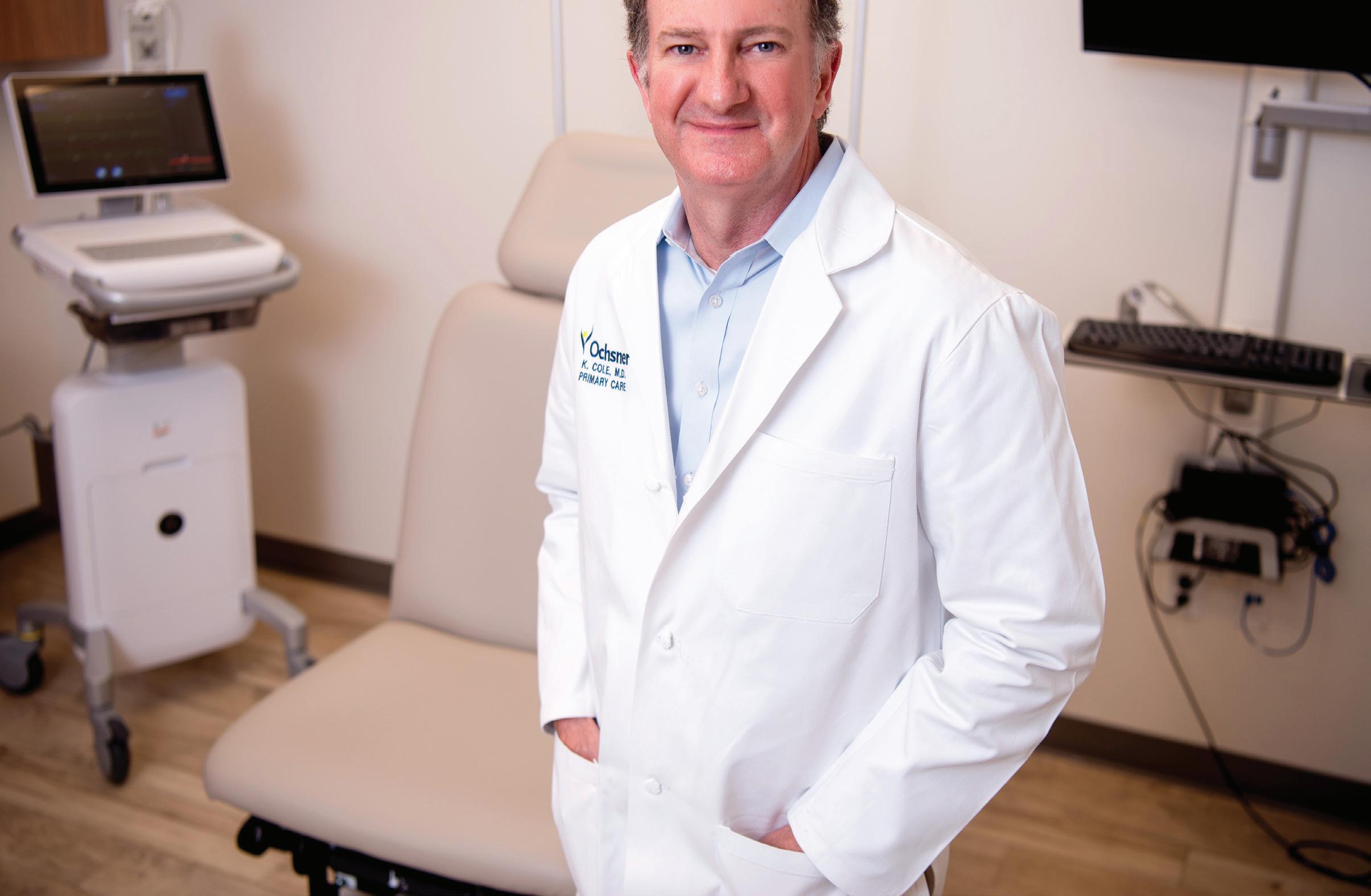
Kenny Cole remembers struggling to meet the needs of older patients in appointment time slots designed for simpler, straightforward cases.
“An 18-year-old with a sore throat would have a 15-minute clinic visit on my schedule, and so would an 80-year-old taking a dozen medications, with a dozen medical problems and a dozen complaints,” says Cole, a former clinician at the Baton Rouge Clinic and now vice president of clinical improvement at Ochsner Health. “That’s crazy, right?”
While he loved seeing patients— and still keeps clinic hours one day a week—a 4,000-patient load contributed to Cole’s burnout from private practice. Passionate about improving health care, he
transitioned to health care strategy.
One issue he mulls is how to integrate the needs of older patients into a system ill-equipped to handle their complexities.
Aging individuals are the fastest-growing demographic in Louisiana, comprising almost 20% of the state’s population, according to the Louisiana Department of Health.
Statistics signal an ominous future.
BY
reimbursements that do not cover the full cost of care.
20%
Percentage of aging individuals that comprise Louisiana’s population, making it the fastestgrowing demographic
“First and foremost, we need to strengthen and save primary care,” says Cole, who is also the medical director of digital medicine programs at Ochsner. Cole is examining how tools like AI can simplify the workloads of overtaxed physicians.
SOURCE: Louisiana Department of Health
The surge in older patients is placing more pressure on national and regional health care systems already facing significant primary care labor shortages, capacity constraints and Medicare
“One of the things we’re doing is examining how to leverage technology to reshape how primary care is delivered,” he says.
The primary care shortage is real,
with fewer medical school students gravitating to primary care, considered on the lower end of the pay scale, and opting for more lucrative specialties instead, says Susan Nelson, former system chair for palliative medicine at Ochsner Health.
Compounding the problem is that even students who want to go into primary care don’t want to work the kind of hours that their predecessors did, Nelson adds.
“There’s one statistic out there that suggests for every physician who retires, we will need 1.7 new doctors,” Nelson says. “The whole work-life balance thing is a big disparity. Gen Z is just not willing to put in those hours.”
Replacing retiring doctors is an imminent problem. According to the Cicero Institute, 32.8% of
Louisiana physicians are within retirement range right now.
Capacity is another big challenge, says Audubon Hospice Medical Director and concierge physician Kate Freeman.
“For patients who don’t have adequate access to primary care, they end up using the emergency room as their front-line health care resource,” she says. “Things that could be solved more easily in a healthier patient, like flu or UTIs, for example, tend to escalate a lot more quickly in an older person.”
An abundance of older patients in a health care system is costly, due to reimbursement rates that fall below the cost of care. Hospitals must offset losses with profitable cost centers and a diverse payer mix.
“Medicare does not cover all the cost of care that’s necessary,” says FMOL Health President and CEO E.J. Kuiper. “The way we deal with that is we do a lot of cross-subsidizing in our health system, which means we have some very profitable service lines, and then we have some service lines that are upside down financially.”
A strong bottom line is allowing FMOL Health to reinvest in strategic expansions to help absorb current and future increased numbers of seniors, Kuiper says.
“We have about a half a billion in capital projects in flight right now,” he says. “And a lot of those have to do with taking care of a population that is going to age and have an increased need of care.”
Kuiper says FMOL has already felt pressure from rural hospitals unable to care for complex cases.
“We’ve been operating at capacity for quite some time now, so we need to build additional capacity, both on the critical care and ED side of the equation,” he says.
In early March, FMOL also started a $30 million renovation of Ollie Steele Burden Manor, creating more beds for shortand long-term patients.
OMINOUS FUTURE: The surge in older patients is placing more pressure on national and regional health care systems already facing significant primary care labor shortages, capacity constraints and Medicare reimbursements that do not cover the full cost of care.

Across the country, 10,000 baby boomers turn 65 every day and a little more than 11% will develop Alzheimer’s disease, a costly condition that demands layers of care, says Alzheimer’s Services of the Capital Area Executive Director Barbara Auten. About 16,000 people are living with dementia in the Capital Region.
32.8%
Auten doesn’t see a capacity problem in numbers of home sitter companies, memory units or nursing homes. Rather, cost is the problem. A disease that generally lasts eight to 10 years can drain a family’s finances as they care for loved ones, she says. Thus, many opt to care for them at home.
team working on the LouisianaMississippi Geriatric Workforce Enhancement Project. The program aims to educates and train primary care and geriatric workforces in rural and underserved areas in dementia-friendly care. It’s funded by a five-year, $5 million Health Resources & Services Administration grant to the LSU School of Social Work.
Percentage of Louisiana physicians who are within retirement range right now
SOURCE: The Cicero Institute
Growing numbers of dementia patients have called attention to the need for better workforce training, says Auten, part of a
“Training them and getting them to understand how to care for [dementia patients], reduces the cost of incidents and medication,” Auten says.
“Because if they don’t know how to care for them and communicate with them, their behaviors accelerate.”
Auten says it is 65% more costly to treat an Alzheimer’s individual for anything that requires hospitalization compared to a same age person without the disease.
“We have about a half a billion in capital projects in flight right now, and a lot of those have to do with taking care of a population that is going to age and have an increased need of care.”
E.J. KUIPER, president and CEO, FMOL Health

ALZHEIMER’S CHALLENGE: Across the country, 10,000 baby boomers turn 65 every day and a little more than 11% will develop Alzheimer’s disease, a costly condition that demands layers of care.
“There is no clinic. We come to you in your safe space.”
DR. REBEKAH GEE, (left), CEO and co-founder, Nest Health, with Dr. Katie Brown, a pediatrician and Louisiana market medical director
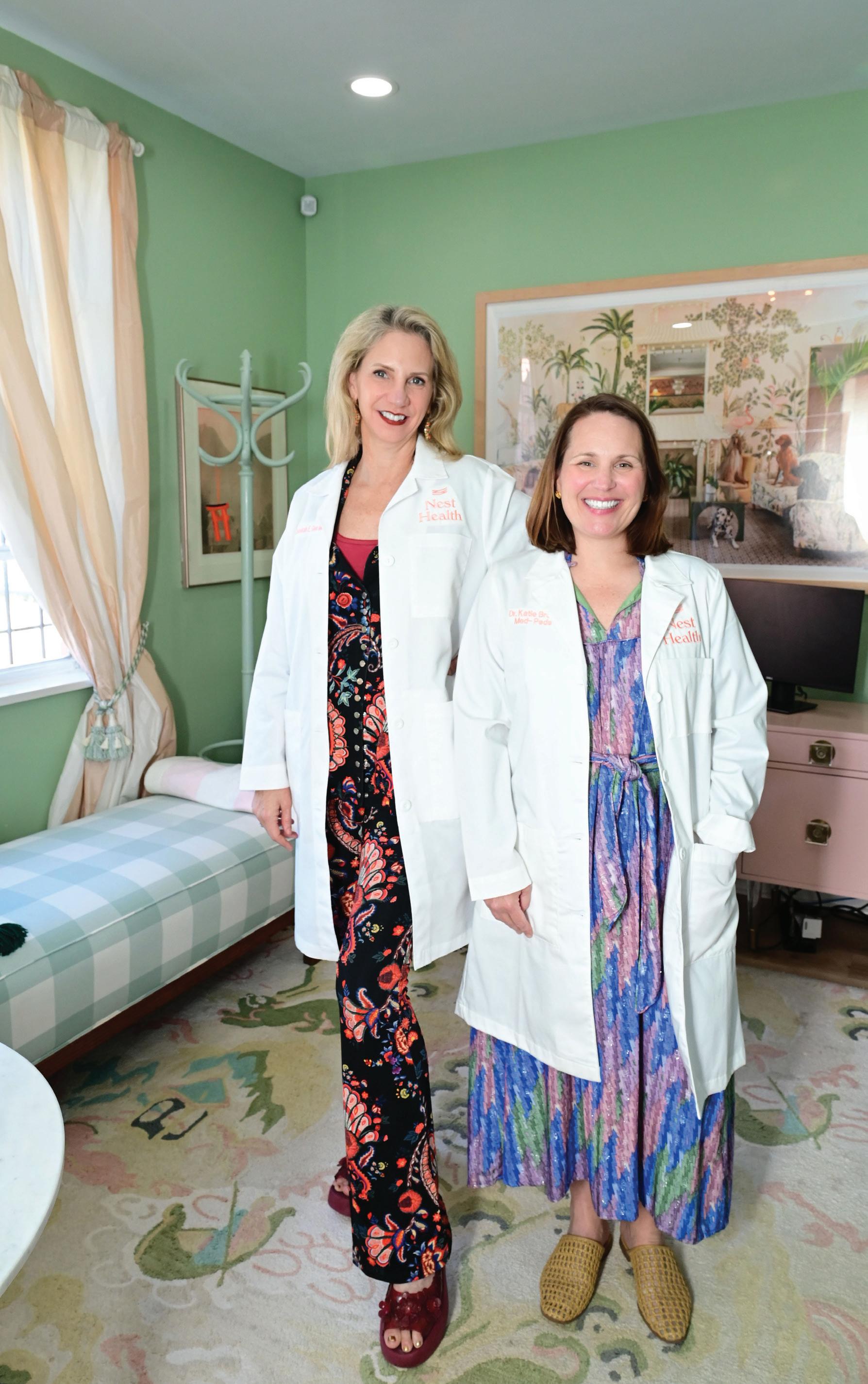
Nest Health is reframing health care in Louisiana and beyond.
BY JENNIFER TORMO ALVAREZ
DR. KATIE BROWN has a patient who used to visit the emergency room every other day.
As a parent of children with chronic health issues and behavioral challenges, the mother was struggling to keep up with their needs.
Brown connected the woman with Nest Health, an emerging Louisiana-based health care company, for medical visits and meetings with a social worker and a dietitian.
Within six months, Brown says the family’s ER visits were reduced by half.
Brown is a pediatrician and the Louisiana market medical director for Nest Health, which provides in-home, whole-family care to underserved families. Health care is available at no additional cost to those covered by participating Medicaid-managed health plans, according to Nest.
In 2025, Fast Company named Nest to its “World Changing Ideas” and “Most Innovative Healthcare Companies” lists. The company is quickly scaling, targeting markets with high emergency room utilization and populations with limited access to primary care. Nest is betting that reducing avoidable hospital visits can quickly translate into measurable cost improvements— and ease strain on health systems.
The model delivers prenatal, postnatal, pediatric and family care at a patient’s residence, along with mental health resources such as crisis intervention and substance use support.
“There is no clinic,” explains Dr. Rebekah Gee, Nest’s CEO and cofounder. “We come to you in your safe space.”
Gee, a New Orleans obstetrician/gynecologist, co-founded Nest Health in 2021.
She wanted to build a program that would provide better medical support to under-resourced parents. She drew from her experiences as former secretary of the Louisiana Department of Health, where she led the expansion of Medicaid. She also pulled from her role as a mother to five children.
She recalls what a process it was to take her then-newborns—and herself—to the doctor after she had twins: Loading her babies into a car, bringing them to a medical facility, risking that they might get sick from exposure to ill patients.
She can empathize with mothers who are reluctant to visit a doctor’s office.
“With Nest, you don’t have to pack up your baby. We help you with lactation in the same room where your own equipment is,” she says. “We can look at where your baby’s sleeping. We can look at the home environment.”
Nest has accumulated more than $50 million in funding and grown to a staff of 71. What was a modest patient base back in 2023 has
blossomed to 12,000 patients across the Capital Region and Greater New Orleans today.
In June 2025, Nest launched in Arizona, where it now serves 18,000 patients statewide. Next, it’s pursuing expansion across Louisiana and in eight additional states.
“We are profitable in the Louisiana market, and we expect to be profitable in Arizona later this year,” Gee says.
The company is positioning the Bayou State as an early proving ground for a home-based primary care model designed to scale across Medicaid-dominated markets nationally.
As of 2024, 33.9% of Louisiana’s population was enrolled in Medicaid—the fifth highest in the country—according to the Centers for Medicare & Medicaid Services. More than half of the state’s youth is covered by the program, including 54% of children and 64% of births, per data published by the Kaiser Family Foundation in 2025.
“Louisiana is the state that needs Nest the most,” Gee says. “We’re proud to be here.”
Nest works with managed care
entities to identify parents and children who are not receiving primary care. The aim is to reach children who are missing out on hearing, vision or developmental screenings and to find mothers without postpartum support and parents relying on the ER as primary coverage.
During a house visit, a medical provider and an assistant team up to greet patients at their front doors. The Nest team arrives ready to perform exams, draw labs and administer vaccines or medications. Households can also utilize behavioral and mental health screenings and treatment, when needed.
“We cannot ensure healthy babies if we don’t have healthy moms prior to pregnancy. We can’t ensure healthy families if we don’t have a healthy social environment. We can’t ensure that children are thriving if mom and dad don’t have the proper mental health support,” Gee says.
Brown has treated mothers and children who have not seen a doctor in years. Transportation barriers, rigid work schedules and prior medical experiences often keep caregivers away. Some dread piling their kids into city buses and riding to a crowded clinic.
Evening and weekend options allow flexibility for the entire family to be seen at once. A phone line is available 24/7.
Nest is embracing the AI era. Telehealth usage by physicians has nearly tripled nationally since the pandemic, according to the American Medical Association. Automation and telehealth tools will only broaden reach as Nest expands beyond its current geographic limits—particularly into rural areas, Gee says.
Nest has streamlined the traditional doctor visit format—and this fresh version also helps providers make deeper connections with patients.
Home visits make it easier for practitioners to identify potential risk factors, like exposure to secondhand smoke, lead or mold inside a building or limited access to food and utilities. Environmental problems often missed in clinics can be identified and addressed.
“There is a very intense level of trust that’s established. Information pours out of people regarding their experiences in medicine and their past traumas,” Brown says. “It definitely allows you to truly advocate for patients.”

How proactive business decisions are improving cancer treatment and early detection in the Capital Region
TWO OF THE region’s leading cancer organizations—Mary Bird Perkins Cancer Center and Ochsner Cancer Center—are pushing deeper into underserved communities, deploying new technology and rethinking how care is delivered. The challenges of access, staffing and financing remain formidable, but the distance between patients and quality care is shrinking.
Nearly 80% of Louisiana’s land is classified as rural, and for many residents in those communities, a cancer diagnosis has historically carried an added burden: The nearest high-quality treatment center is hours away. The Capital Region, shaped by pockets of poverty, high rates of modifiable risk factors and longstanding gaps in access to specialist care, sits at the center of this challenge.
Dr. Burke J. Brooks, medical oncologist at Ochsner Cancer Center in Baton Rouge, has been practicing in the region for nearly four decades. He is direct about the underlying dynamics.
“We live in an area that is a relatively poor area of the United States,” he says. “And poverty is known to be a major risk factor in developing cancer, mainly because people who have lower economic levels tend to smoke more. And smoking is a major risk factor for cancer. The second most important risk factor for cancer is obesity. So between tobacco use and obesity, that accounts for nearly 50% of all cancer in the United States. And so, we see the effects of that here in the south Louisiana area.”
Brooks is also skeptical of the environmental narrative that has come to define the region’s cancer identity. “A lot of people have talked about `Cancer Alley’ between New Orleans and Baton Rouge. That, in my opinion, has been a pretty well-worn statement and I’m not sure it’s a deserved one. I believe that protecting the environment is
“People are fearful of a cancer diagnosis. We try to educate patients that cancer is common—one out of three of us in our lifetimes will be diagnosed with invasive cancer.”
DR. BURKE J. BROOKS, medical oncologist, Ochsner Cancer Center in Baton Rouge
BY EILEEN MCCLELLAND
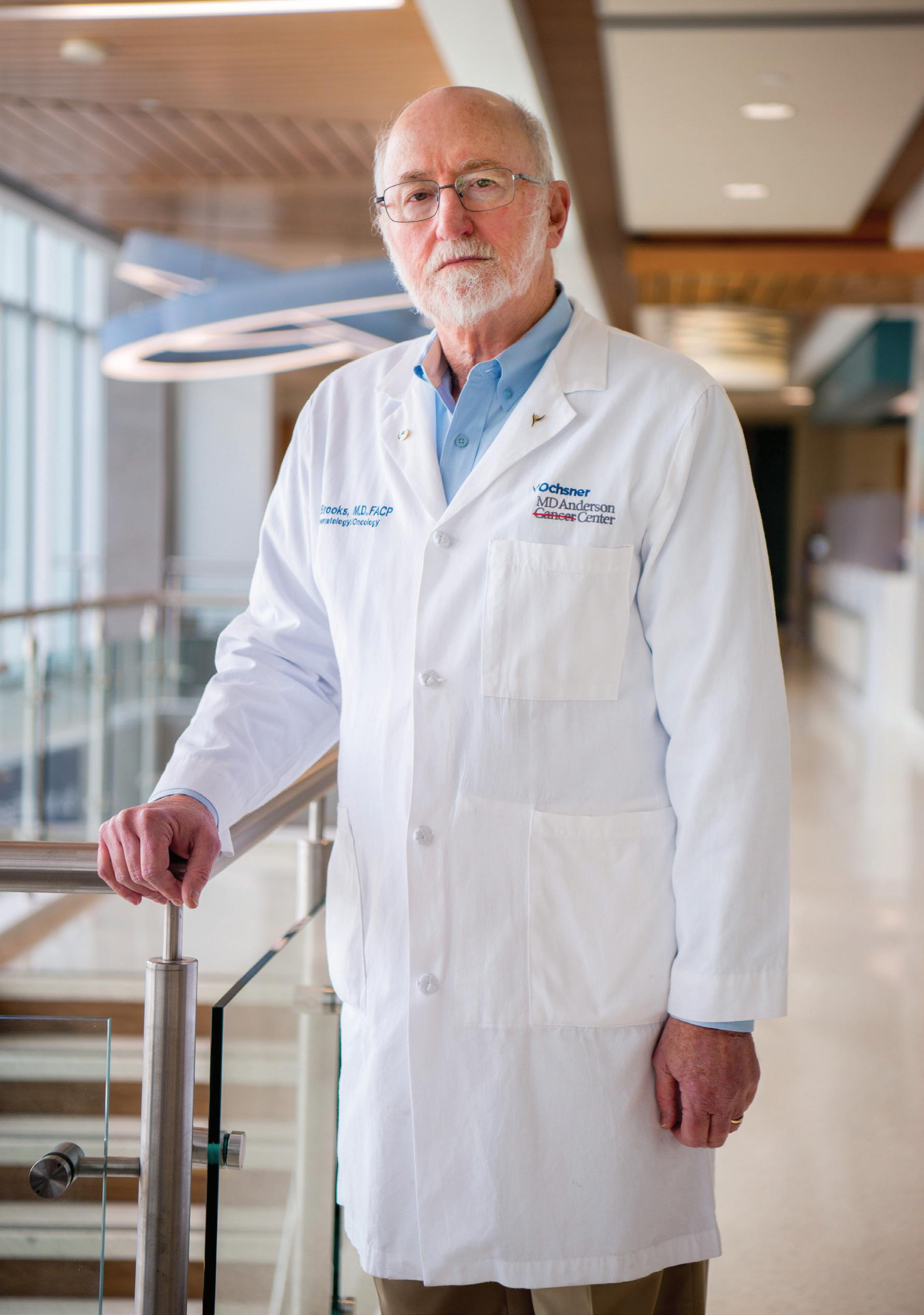
absolutely critical, but to directly relate that to someone’s individual cancer is a very large leap. I don’t see clusters of cancers around groups of people directly related to chemical exposure.”
The cancers he sees are more often common than rare, and, as he sees it, often driven by tobacco, diet and unmanaged chronic disease. “The most polluted air in the world is the breath of a smoker,” he says. “I’m not saying pollution shouldn’t be investigated—but we shouldn’t let it become a scapegoat that distracts from modifiable risk factors.”
Mary Bird Perkins Cancer Center and Ochsner Cancer Center approach the access problem from different vantage points, but both are accelerating efforts to bring care closer to patients who have historically delayed or gone without it. Mary Bird Perkins,headquartered
in Baton Rouge, has grown from a $35 million health care organization to one generating roughly $350 million to $400 million in annual revenue, says President and CEO Jonas Fontenot. Today the center serves patients across more than 23 locations in Louisiana and southwest Mississippi.
That growth has enabled a deliberate expansion into communities where cancer care has not traditionally been available.
Beginning in 2022, the center began strategically expanding its regional partnerships to broaden access. In early 2023, it partnered with Opelousas General Health System to expand care to Opelousas. Its largest expansion came in early 2024, when it extended services into central and north Louisiana through a partnership with MD Clinics. And its newest location, in Leesville, is set to open in April.
Fontenot says each expansion is preceded by an assessment that there is a substantial need.
“Access is getting more difficult, not less difficult, in this state,” Fontenot says. “The center’s singular focus on cancer is a competitive advantage that benefits the community. If you’re a hospital or health system, you have 35 or so specialties in addition to the needs of inpatient care. There are always limitations on resources. We lack that internal competition among specialties, so we can devote all our time and resources to cancer care.”
Ochsner’s approach is aided by a major institutional partnership. In June 2023, Ochsner Cancer Center formalized a relationship with Houston-based MD Anderson Cancer Center. “It’s an incredible relationship that directly affects our patients on a day-to-day basis,” Brooks says.
The partnership operates across
multiple dimensions. To coordinate care, MD Anderson adopted the Clinical Pathways tool Ochsner had been using—a system that integrates treatment recommendations for 85% of cancers directly into medical records. On top of that, a peer-to-peer consultation program gives Brooks and his colleagues direct access to leading MD Anderson specialists via the shared online Epic system. “When I have a question about a particular patient, I can direct that to one of the leading experts in the world,” Brooks says.
Treatment plans for radiation oncology patients at Ochsner are reviewed by MD Anderson specialists via Zoom before treatment begins. Surgical cases receive expert second opinions before the operating room.
“All of our radiology, our pathology, our operating rooms have met all of the standards that MD Anderson has looked at, which
“That is not somewhere we should be as a society—where the first question a patient asks is what does this treatment cost.”
DR. DANIEL LAVIE, medical director of medical oncology and hematology, Mary Bird Perkins
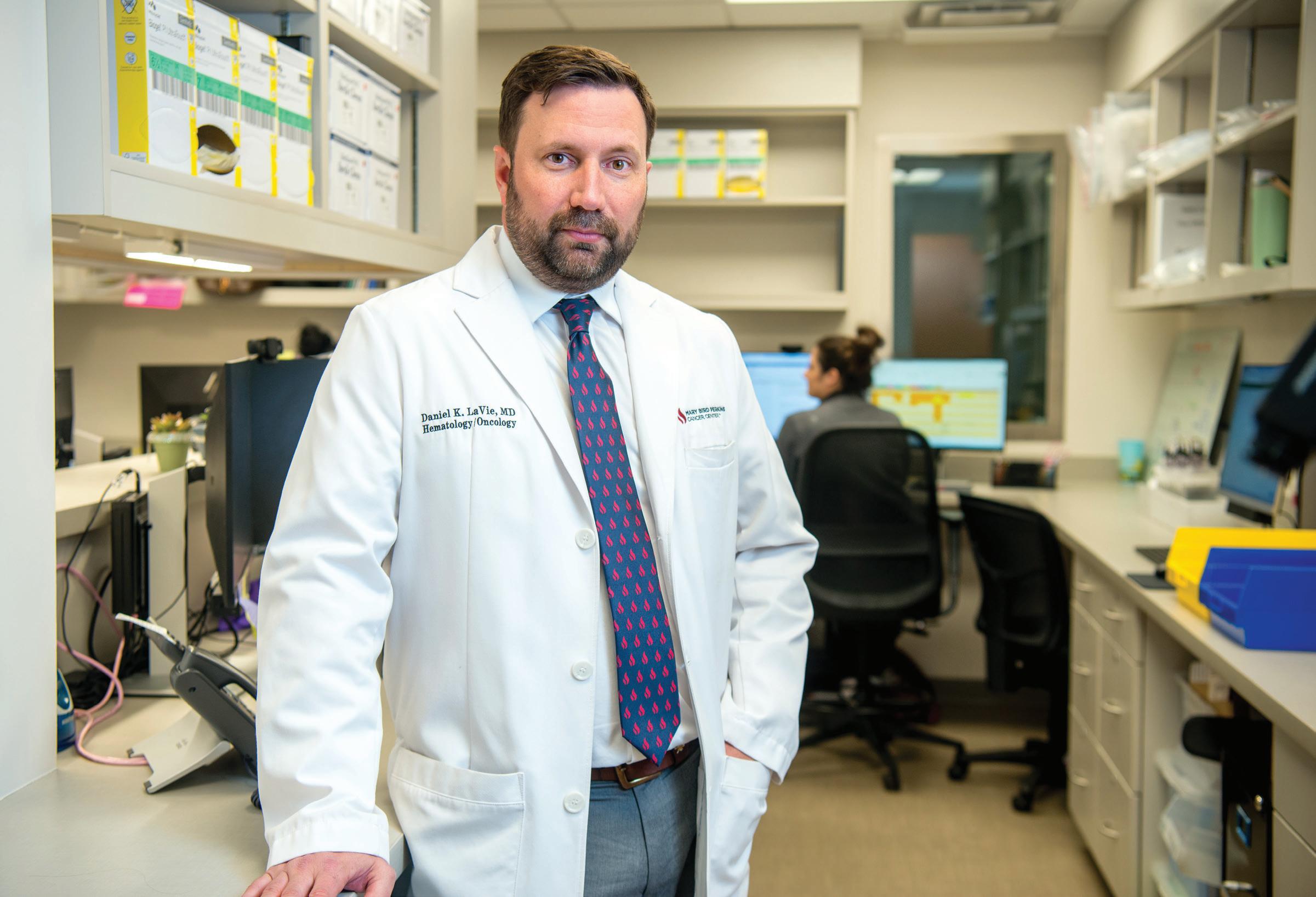
“Access is getting more difficult, not less difficult, in this state.”
JONAS
, president and CEO, Mary Bird Perkins
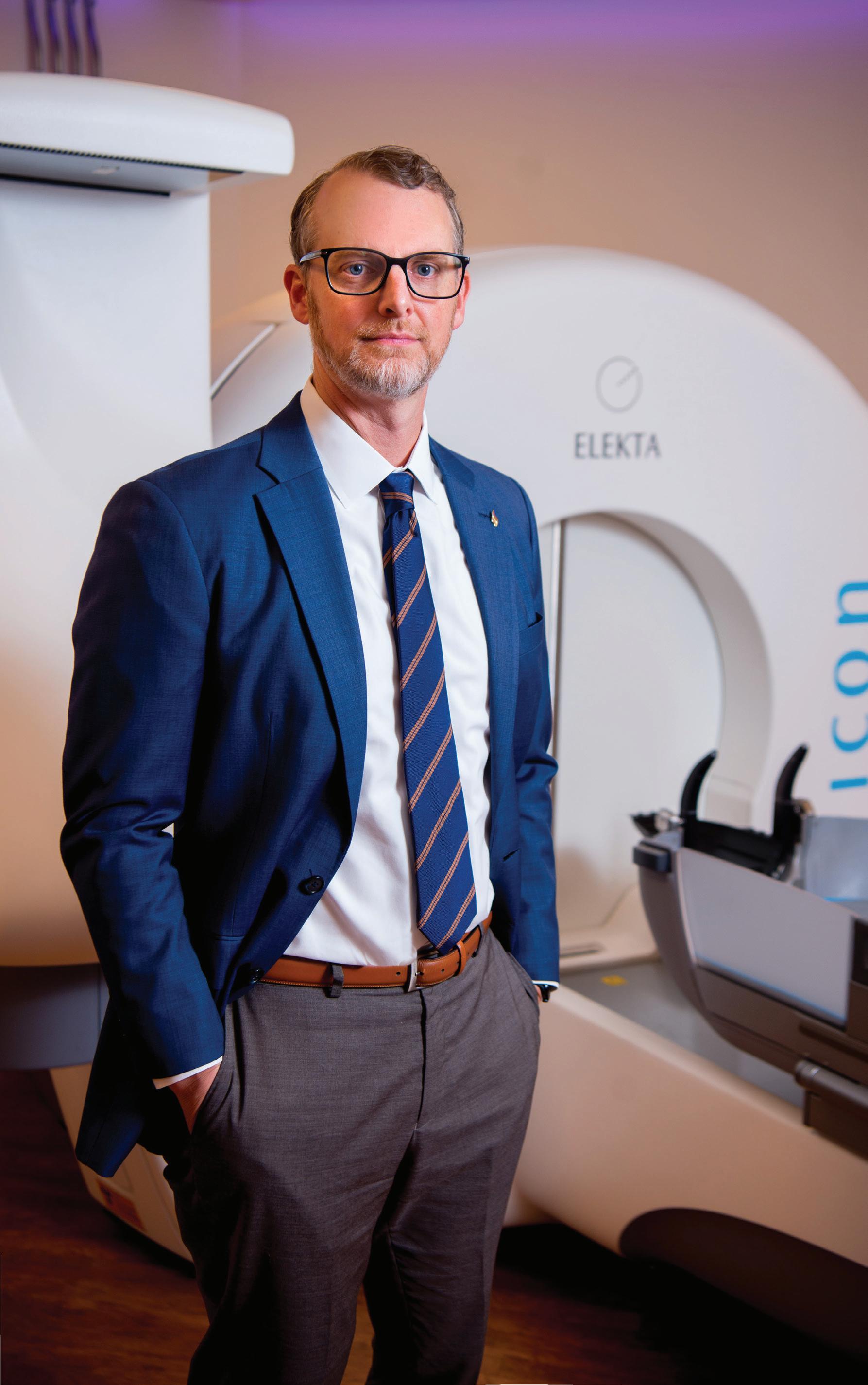
represents an incredible amount of effort on our part,” Brooks says. “It took us two years to reach that level of expertise. For certain patients who might otherwise want to travel to Houston, there’s often no need.”
Both organizations face the same fundamental geography problem: Patients in rural areas are often the sickest, the least screened and the hardest to reach.
Mary Bird Perkins operates Prevention on the Go, a mobile screening program established in 2002 that delivers comprehensive prevention and early detection services across a 30-parish and county service area. The program provides screenings to communities and directly to workplaces. In 2025, the program reached 5,400 unique participants, connecting many first-time or underserved patients to care. Philanthropy funds the program, with the Louisiana Department of Health as a supporting partner.
Patients who present with early-stage disease require less complex, less expensive treatment and achieve better outcomes. Late-stage presentations drive up uncompensated care costs and require multiple therapies that strain patients financially and organizations operationally.
Ochsner has leaned into telehealth as a bridge to rural patients. “The use of telehealth, accelerated by the pandemic, has helped people stay closer to home,” Brooks says. “Most people today, if they have a cellphone, can access virtual visits.” The organization has also established partnerships with rural clinics. “It is a challenge, and we fully acknowledge that,” he says.
Staffing those rural outposts can also be a challenge. Mary Bird Perkins’ medical director of medical oncology and hematology, Dr. Daniel LaVie, says his recruitment strategy depends on identifying people with genuine ties to the region and filling specific voids. “Most people without a real connection to the area are hard to recruit,” he says.
The center’s commitment to removing logistical barriers goes beyond outlying clinics. In 2025 alone,
Mary Bird Perkins distributed 2,300 gas cards and provided more than 3,000 rides to help patients get to appointments.
The biggest obstacle to early detection is cultural, rather than logistical.
“The number one obstacle is fear,” Brooks says. “People are fearful of a cancer diagnosis. We try to educate patients that cancer is common—one out of three of us in our lifetimes will be diagnosed with invasive cancer.” Early diagnosis is incredibly important to prevent dying from cancer, and to minimize the treatment required, he adds.
Fontenot echoes that: “People don’t always realize that screenings are free. And more fundamentally, many are conditioned not to act before they have symptoms. You have to make it as available as possible, and then if someone has an abnormal result, you connect them with who they need to see.”
On the technological side, a significant shift is approaching. Brooks describes a blood test that detects small fragments of DNA shed by certain cancers at early stages, a multi-cancer early detection tool that his team has been piloting in a research setting. It can detect many cancers that previously had no screening options.
“We’ve already detected an early cancer in half a dozen patients,” he says. “This is a new area that will be emerging in the next several years.” He expects the tests will be widely available quickly and though cost could initially be a barrier, competition should make it more affordable.
Beyond that, Ochsner’s precision medicine program screens for genetic predispositions to cancer— identifying family members at elevated risk and routing them to a high-risk clinic for tailored screening plans.
The HPV vaccine has dramatically reduced the incidence of cervical cancer, and Louisiana has performed well on vaccination rates. Hepatitis C screening has made major inroads in reducing liver cancer. And GLP-1 drugs, now widely used for weight loss, may

become one of the most significant cancer prevention tools to emerge in years, Brooks believes. “Better weight control should have a dramatic effect on reducing the 20% of cancers related to obesity,” he says.
Mary Bird Perkins’ investment in research reflects the same forward orientation. In 2025, the center enrolled 102 new patients across 52 clinical trials, expanding access to innovative treatment options for patients who might not otherwise qualify for cutting-edge therapies.
THAT WON’T GO AWAY
Expanding access costs money. Keeping the door open to all patients—regardless of ability to pay—costs more. Mary Bird Perkins employs nearly 100 people
dedicated just to navigating insurance and reimbursement, pursuing drug assistance programs and administering financial aid.
“I wonder how many better ways those millions of dollars could be used rather than funding an army of people to fight for reimbursement,” Fontenot says.
Prior authorization requirements draw particular frustration from the clinical team. LaVie describes situations in which insurers dispute clinical staging even when the approved treatment is the same regardless of staging—creating delays with no clinical rationale and significant psychological consequences.
“Patients see it as, the doctor says I need that drug. Having to justify it to people who are not even in the
cancer care arena—the fear, the waiting—it’s always emotionally damaging,” he says.
The financial stakes are not abstract to patients, either. LaVie describes the moment a patient asks what treatment will cost before asking whether it will work. “I see the fear flash in front of their eyes. That is not somewhere we should be as a society—where the first question a patient asks is what does this treatment cost.”
LaVie points to drug company patient assistance programs, foundation grants and a culture of problem-solving as helpful to patients at Mary Bird Perkins. “There’s always a mechanism to make it happen,” he says. “What’s reassuring to patients is that we figure out a way to get it done.”

SPONSORED BY:
Meet 10 Capital Region caregivers whose advancements in treatment and logistics are improving patient outcomes and strengthening the Baton Rouge economy.

Trust isn’t given. It’s earned. Earned in every inning, every pitch and every play. And just like athletes on the diamond, our providers earn it every day through commitment, precision and passion. Whether you’re chasing a championship or preparing for a new season, you can trust the team that knows the long game.
From championship athletes to everyday champions, trusted care starts here.
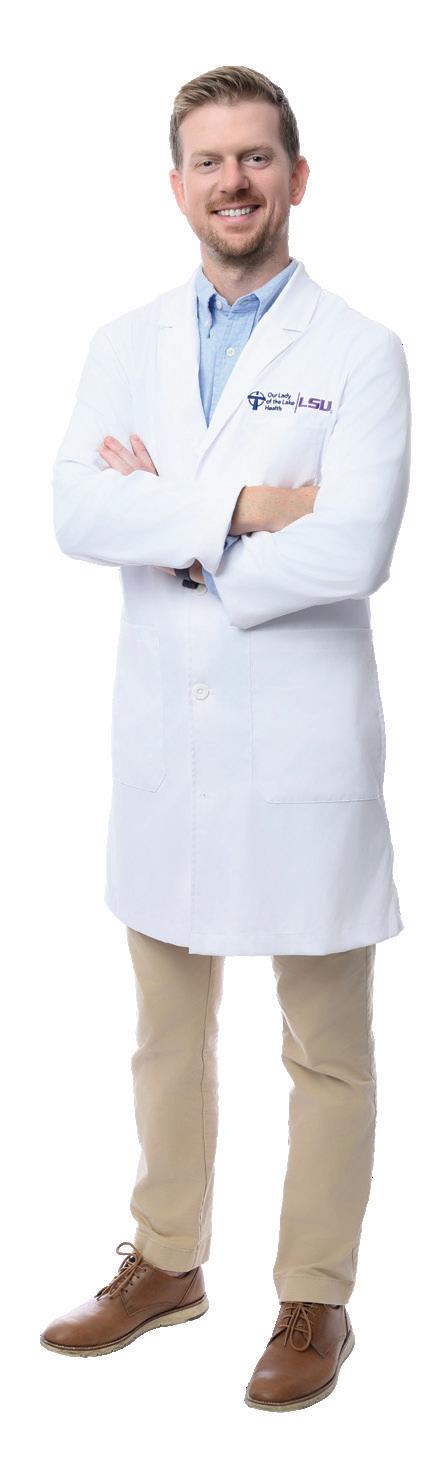
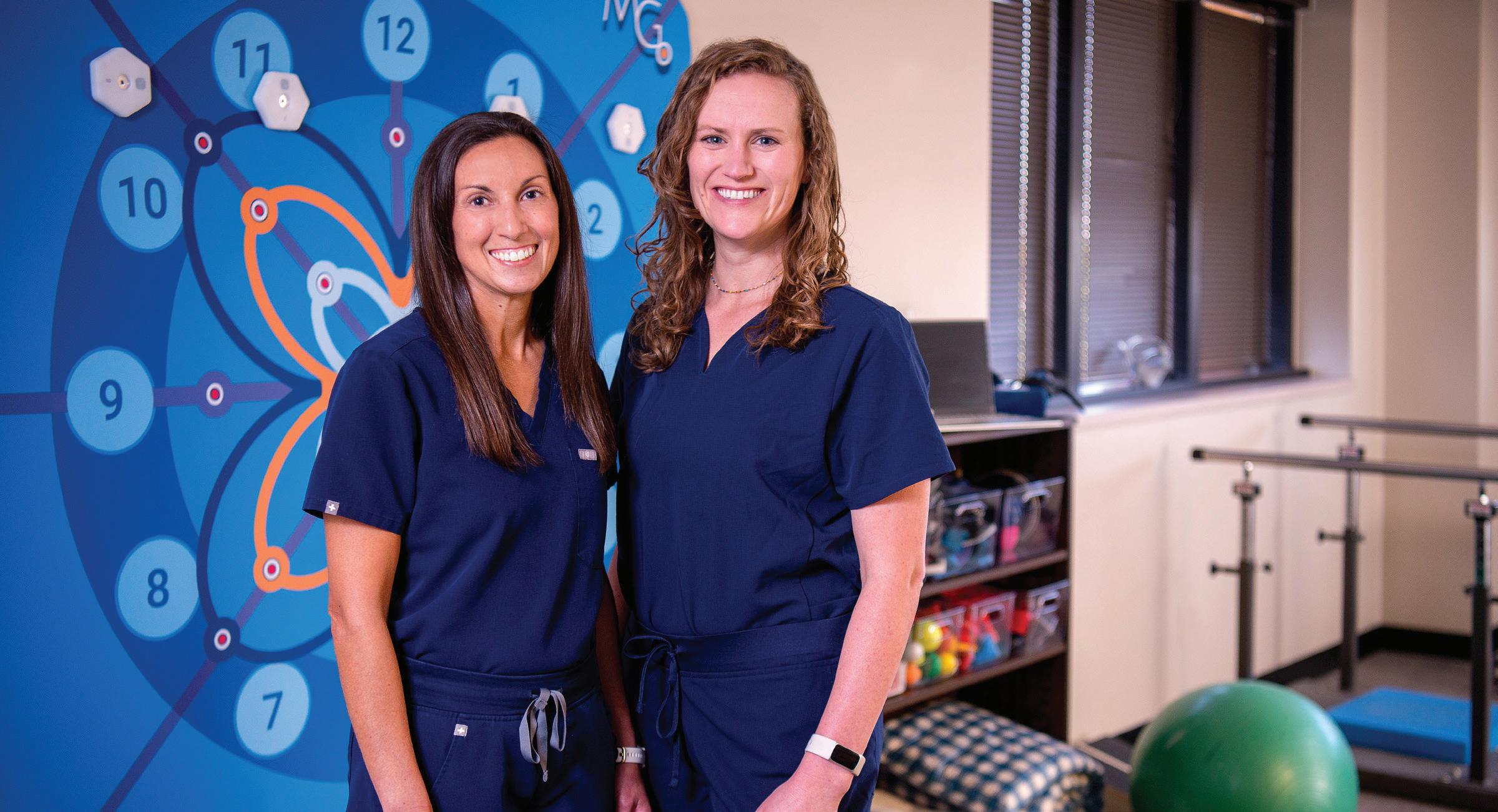
Most people never think about their balance system until something feels off. A quick turn of the head, bending forward to tie a shoe, scrolling on a computer screen. These everyday movements rely on a complex system in the inner ear and brain working together seamlessly. When that system is disrupted by injury, even simple tasks can feel overwhelming.
At FMOL Health | Our Lady of the Lake, specialized vestibular physical therapy helps patients regain that sense of stability and control. Therapists Sara MacDowell, PT, DPT; Sydney Duhe, DPT; and Monica Moss, DPT, work with patients whose dizziness, headaches and visual disturbances affect everything from school and work to elite athletics.
Vestibular therapy focuses on the inner ear and how it communicates with the brain about movement and balance. “We take the vestibular system for granted,” MacDowell says. “It is always stabilizing our vision when we’re in motion until it’s not.” When patients come in, therapists assess how well their eyes, head and body movements are
working together. Providers combine simple tests like following a moving finger with high-tech gadgets to get a complete picture. Specialized infrared video goggles block all light and remove visual cues so therapists can see subtle, involuntary eye movements that reveal how the inner ear and brain are functioning.
Treatment is highly individualized. Exercises often target visual stability, helping patients keep their eyes focused while the head moves. Others focus on repetitive head and eye movements that provoke symptoms, allowing the brain to adapt over time. Recovery is rarely predictable, and for therapists, education and reassurance are part of the process.
“Anytime you’re dealing with an injury to the vestibular system or to the brain especially, recovery is almost never linear,” MacDowell says, emphasizing long-term goals over day-to-day fluctuations.
For LSU gymnast Kathryn Weilbacher, vestibular therapy became a turning point.
After a September 2024 car accident, she was diagnosed with a concussion and whiplash.
Dizziness, nausea and light sensitivity lingered for months, making it difficult to attend class, read notes on a screen or keep her balance, a serious problem for a gymnast.
“We had to get her vestibular system better than just good. She had to be perfect,” MacDowell says. “There’s no room for error for an athlete to mess up if you’re in the air twisting and turning and do not have your spot when you land.”
Through months of tests and exercises, Kathryn’s balance system slowly returned to elite athlete level, and she is back doing flips, twists and tumbles for the Tigers this season without any symptoms.
“This is why we do what we do,” Duhe says. “We want to help people get back to their day-to-day activity, whether that’s a high-level athlete or someone who’s just going through normal movements throughout the day.”
While elite athletes may need their balance system to be perfect, vestibular therapy is not just for competitors. It is for anyone whose world has started to spin and who wants steady ground again. Learn more at ololrmc.com/balance.
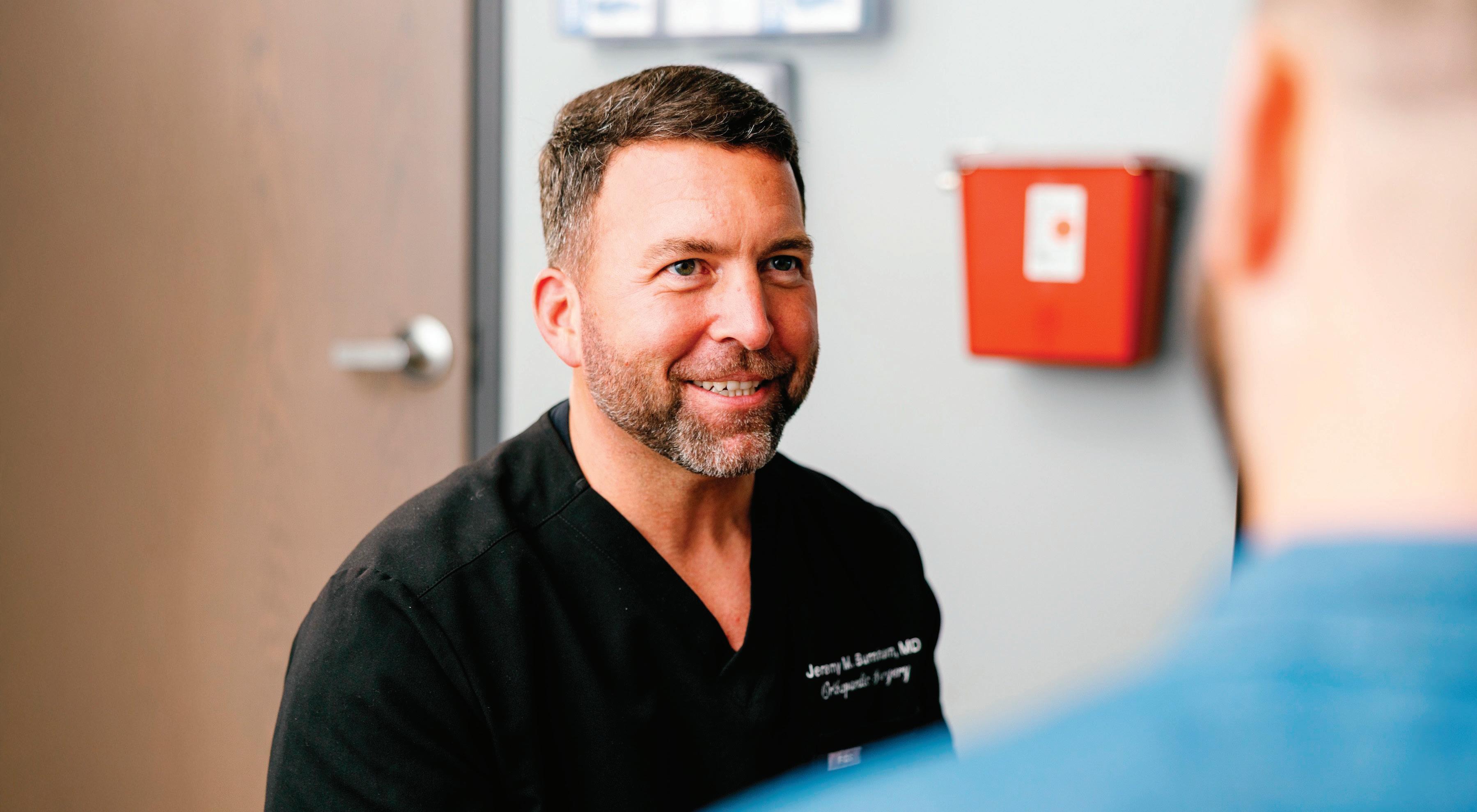
For decades, orthopedic surgery has relied on a familiar set of tools: metal screws, plates and other hardware designed to stabilize injured bones and joints. They’ve been effective but not always ideal, sometimes irritating surrounding tissue, interfering with imaging and in some cases requiring a second surgery for removal.
Absorbable materials are an alternative, but they too have a potential downside, often lacking the strength needed for more demanding repairs.
A new generation of orthopedic technology now available in the Capital Region offers the best of both worlds, working with the body rather than around it.
Jeremy Burnham, MD, a board-certified orthopedic surgeon at Ochsner Baton Rouge, is among the first in the region to offer one such innovation: the OSSIOfiber® KneeBar® procedure , which uses bio-integrative implants designed to become part of
the patient’s own bone.
Unlike traditional implants, OSSIOfiber is made from a mineral-based fiber that mimics the structure and function of natural bone. At the time of surgery, it provides strength comparable to metal. Over time, it does something entirely different.
“The implant integrates directly into the patient’s own bone,” says Burnham, who is based at the
Ochsner-Andrews Sports Medicine Institute at the Elite Training Complex on Burbank Drive. “Two years down the road, what you’re looking at on imaging is essentially normal bone. The implant has done its job, and the body has taken over.”
This process, known as bio-integration, represents a significant shift in orthopedic care. Rather than leaving behind permanent hardware or dissolving into the body, the implant is gradually replaced by healthy bone tissue.
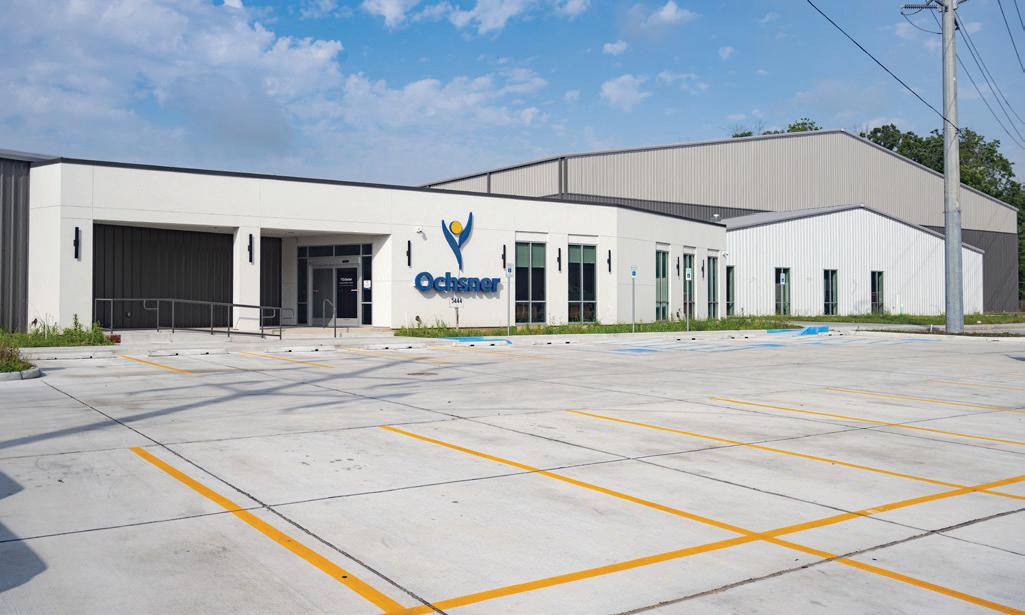
That can eliminate one of the most common drawbacks of traditional procedures: the need for follow-up surgery to remove hardware.
The OSSIOfiber KneeBar procedure is particularly effective for patients with a specific type of injury known as a subchondral insufficiency fracture—essentially, a weaken-
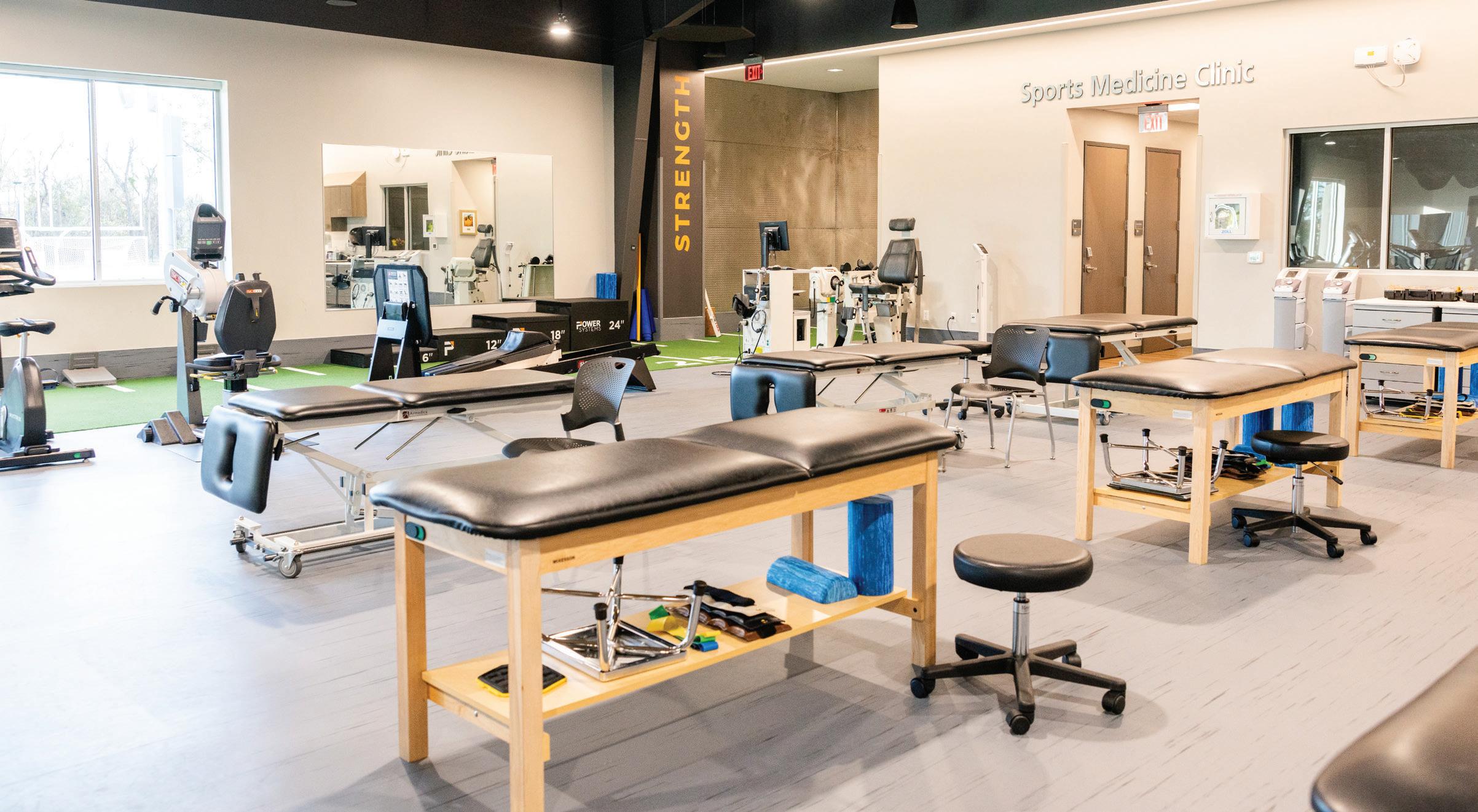
ing and collapse of the bone beneath the cartilage, and often associated with arthritis.
These injuries can be debilitating, causing significant pain and limiting mobility. Until recently, treatment options were limited.
“In the past, we might have had to put patients on crutches for an extended period or consider knee replacement,” Burnham explains.
With the KneeBar approach, surgeons make small incisions and insert OSSIOfiber implants into the weakened area of bone, providing immediate structural support. Because the material is strong from day one, patients can often begin bearing weight much sooner than with traditional treatments.
“It stabilizes the bone and allows patients to get back on their feet more quickly,” Burnham says.
The benefits for patients are both practical and meaningful. The procedure is often performed on an outpatient basis, reducing time in the hospital and disruption to daily life. And because the implant becomes part of the bone, it avoids many of the long-term complications associated with metal hardware.
The result is a more natural healing process.
While the KneeBar procedure is currently most often used for middle-aged adults with arthritis-related knee issues, the underlying technology has broader applications. Burnham says OSSIOfiber implants are already being used in a range of procedures, including ACL reconstruction and other sports-related injuries, particularly in younger patients.
“In the past, if we used a metal implant in a younger patient, we might have to go back and remove it later,” he says. “Now we can use this and avoid that second surgery.”
Beyond any single procedure, bio-integrative implants reflect a larger trend in orthopedic medicine.
“The paradigm is shifting,” Burnham says.
Where previous generations of surgery often focused on replacing damaged parts with artificial materials, today’s approach is increasingly centered on preserving and supporting the body’s natural structures. That means smaller incisions, fewer foreign materials and treatments designed to help the body heal itself.
“I think we’re moving toward being more respectful of the patient’s own tissue,” Burnham explains.
Procedures like the OSSIOfiber KneeBar could
have long-term benefits by keeping orthopedic patients active longer.
“I think it’s fair to say these types of procedures have the potential to delay knee replacement,” Burnham says.
That’s especially important as patients remain active later in life, seeking to maintain mobility and avoid major surgery for as long as possible.
For Capital Region patients, this type of advanced care is becoming more accessible closer to home than ever before. Burnham credits a deeply ingrained culture of innovation at Ochsner Health.
“Baton Rouge in conjunction with Ochsner has the potential to be a destination center for orthopedic and musculoskeletal care,” Burnham says.
“The amount of innovation that is coming out of this region and this organization in the sports medicine and orthopedics realms is profound. The research our teams have been doing is getting recognized nationally and internationally.
“Ochsner is investing heavily in this effort, leading the way in finding the safest and most effective treatments for patients.”
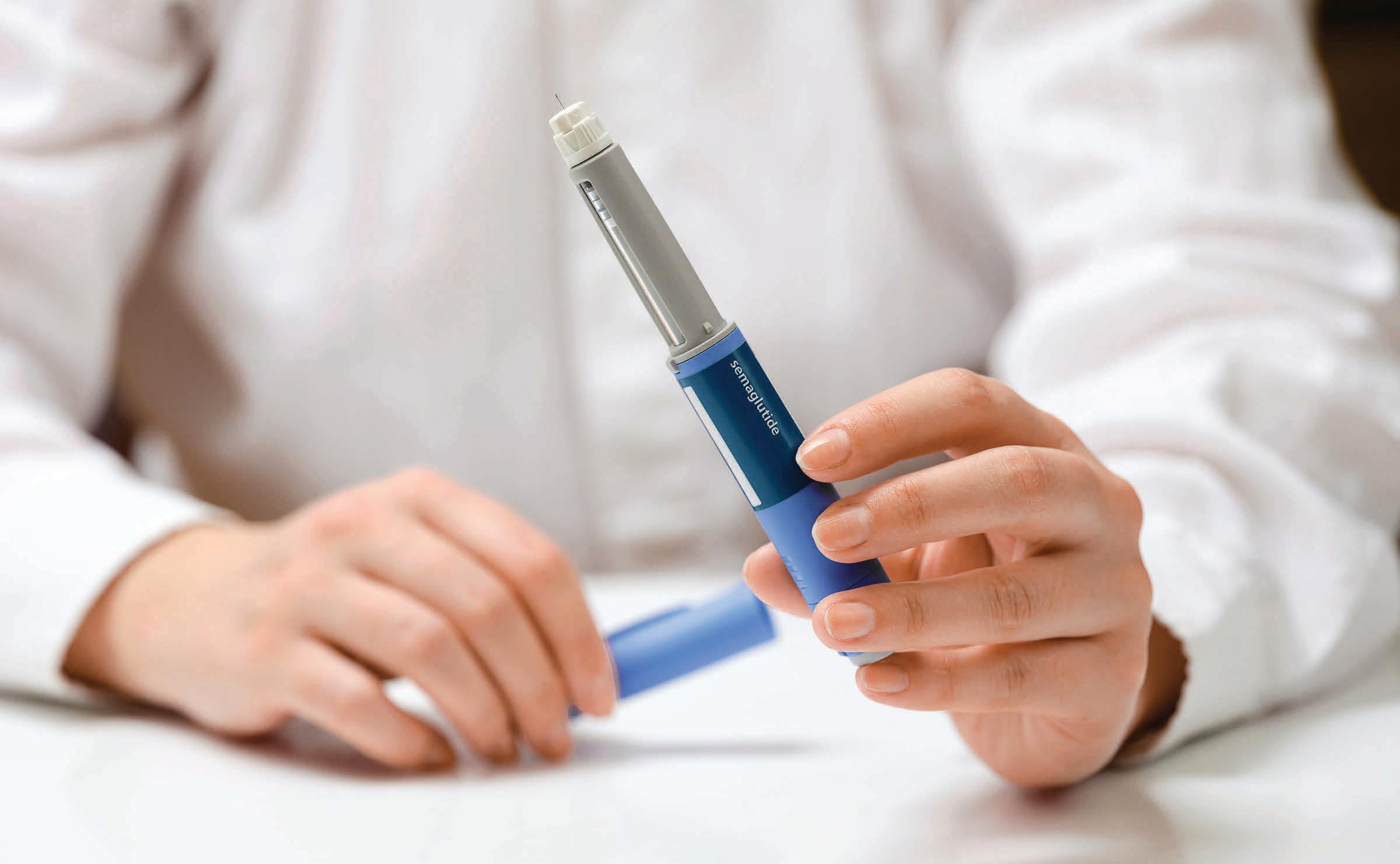
GLP-1 medications have transformed the national conversation about obesity. Prescription medications such as semaglutide, originally developed to treat diabetes, have become a cornerstone of weight-management care seemingly overnight, helping many patients achieve results that once seemed unattainable through traditional diet and exercise programs alone.
For patients, GLP-1 therapies have simplified weight loss. For researchers studying obesity and metabolism, they have raised new questions that science must help doctors and other wellness practitioners answer.
How can the benefits of these medications be maximized? And what does the future of obesity treatment look like after access to the first wave of breakthrough drugs has reached critical mass?
LSU’s Pennington Biomedical Research Center, which operates at the forefront of obesity medical research, is leading the exploration of two scientific frontiers: protecting lean mass during weight loss
and developing highly personalized approaches to nutrition and exercise, known as precision medicine. Together, advances in these areas could reshape how obesity is treated in the years ahead.
GLP-1 medications work by helping regulate appetite and improving the body’s metabolic signals related to hunger and satiety. For many patients, that means significant weight loss.
But as researchers have learned more about these therapies, they’ve also identified an important challenge: when the body loses weight quickly, some of that loss can come from muscle mass.
Maintaining muscle is critical for long-term metabolic health, mobility and overall physical function.
“Weight loss is not simply about reducing the number on the scale,” says Dr. Steven Heymsfield, LSU Boyd Professor and and Director of the Metabolism and Body Composition Laboratory. “From
a health perspective, preserving lean body mass is extremely important.”
That realization has sparked growing interest in developing therapies that protect muscle while patients lose fat. Pennington Biomedical is among the leading research institutes studying medications and metabolic pathways that could complement GLP-1 therapies by helping the body retain lean tissue.
Heymsfield authored a paper recently published in the journal Nature Medicine that described the results of the BELIEVE study, which showed that a combination of the GLP-1 agonist semaglutide with the antibody bimagrumab delivered substantial weight loss over 72 weeks with lean mass preserved. That is a potential game-changer for patients given that historically up to 40% of weight lost from GLP-1 treatments may come from lean mass.
“Future obesity treatments will likely involve multiple strategies working together,” Heymsfield says. “The objective is to improve overall body composi-
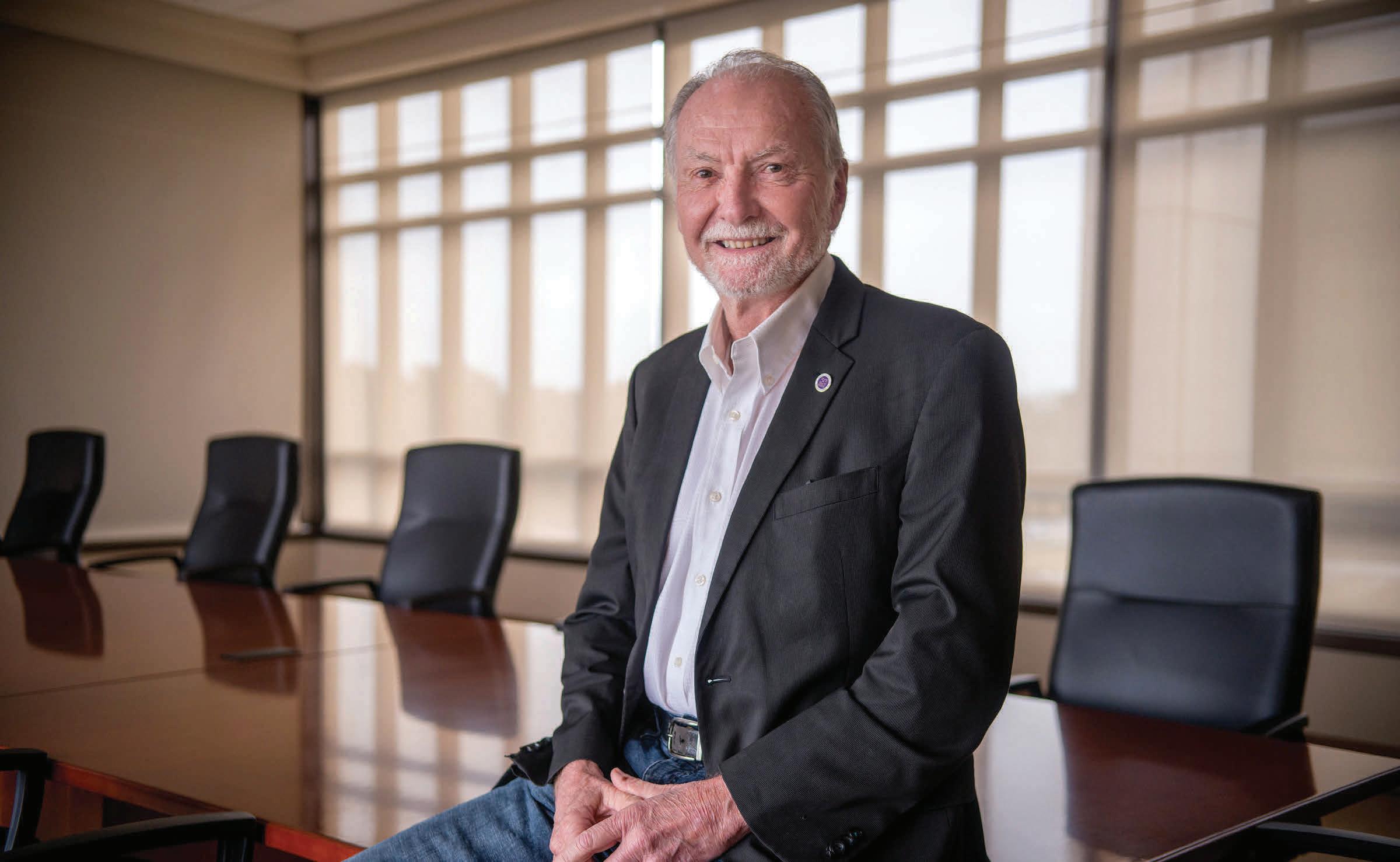
tion, not simply to reduce weight.”
Another area of innovation at Pennington Biomedical is challenging the conventional wisdom that weight-loss fundamentals are absolute and the same basic diet and exercise strategies apply to everyone: calorie reduction, increased physical activity and balanced macronutrients.
Advances in metabolic science are revealing that individual responses to diet and exercise are significantly more nuanced than that. That’s fueling interest in what researchers call precision nutrition and precision exercise — approaches that tailor lifestyle recommendations to the individual’s unique biology.
“People often assume that if a particular diet works well for one individual, it should work for everyone,” says Dr. Eric Ravussin, LSU Boyd Professor and Director of the Human Translational Physiology Laboratory at Pennington Biomedical. “But we now know that metabolic responses can differ significantly from person to person. A one-sizefits-all approach far too often fails a large
segment of the population.”
Ravussin is among the researchers studying how factors such as genetics, hormones, gut microbiome composition and energy metabolism influence how the body processes food and responds to physical activity. The hope is that future treatment plans could be customized based on those biological signals, identifying which types of exercise, dietary patterns or medical therapies will produce
the best results for a particular patient.
“Precision approaches allow us to move beyond generalized recommendations,” Ravussin says.
“Now, we can begin to match interventions to the individual or groups of individuals.”
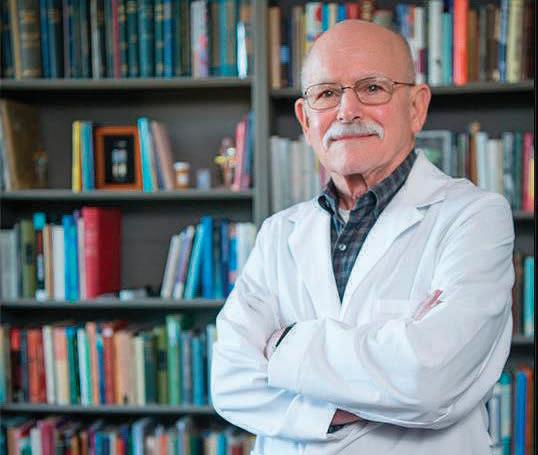
Together, these emerging strategies point toward a broader shift in how obesity is understood and treated. Rather than focusing solely on willpower or lifestyle, modern research increasingly recognizes obesity as a complex metabolic condition influenced by biology, environment and behavior. That mindset inspires creative, scientifically sound solutions. As GLP-1 therapies continue to expand access to effective treatment, researchers believe the field is poised for even greater advances.
“Obesity science has evolved dramatically over the past several decades,” Heymsfield says. “With the tools we now have, we are entering a period where treatments can become more effective, more individualized and more focused on long-term health.”
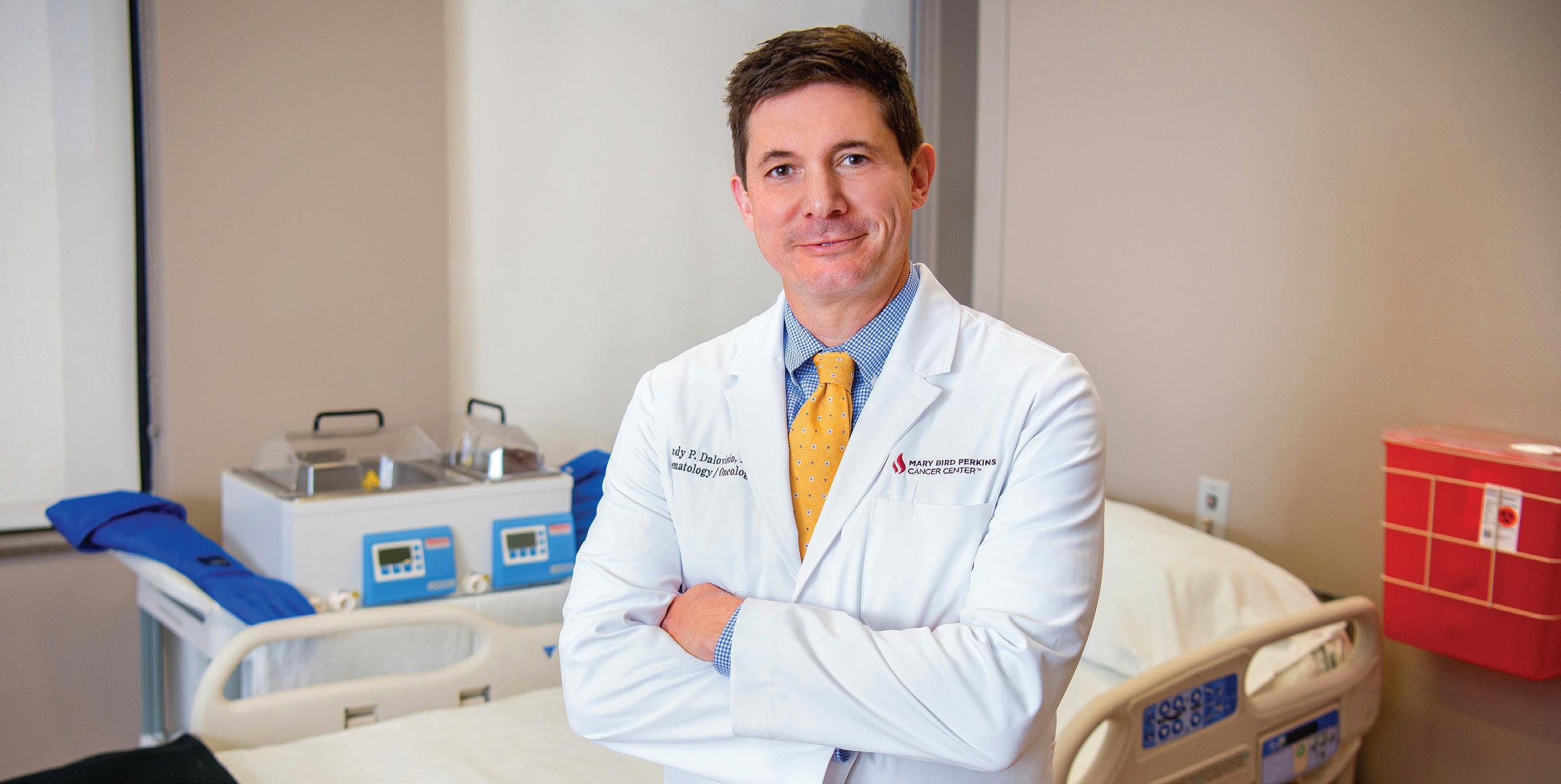
Cancer treatment, particularly for blood cancers, has rapidly evolved toward highly personalized, immune-based therapies, and patients today expect access to these advanced treatments without leaving their communities.
In response, Mary Bird Perkins Cancer Center recently began the region’s first fully outpatient Chimeric Antigen Receptor (CAR-T therapy) program in Baton Rouge, an advanced immunotherapy that genetically engineers a patient’s white blood cells to recognize, target and kill cancer cells within the body.
“Treatment of cancer – particularly blood cancer – has changed a lot in the past five to ten years,” explains Andrew P. Dalovisio, M.D., director of the Myeloma, Lymphoma, and Cellular Therapy Program at the Cancer Center. “There’s been a movement away from chemotherapy and toward precision treatment to target specific enzymes and cellular therapy, which allows us to harness the patient’s own immune system to kill cancer cells.”
CAR T-cell therapy involves the Baton Rouge cancer care team intravenously extracting a specific type of white blood cells from the patient, then sending the cells to a lab where the cells are
“trained” to identify and kill cancer cells. From there, the cells are infused back into the patient’s body to find and attack the patient’s cancer cells.
But for many patients, access to these therapies has required traveling to distant academic centers, creating barriers at a time when physical, emotional, and financial strain are already at their highest.
The fully outpatient CAR-T therapy program allows Mary Bird Perkins to bring this advanced, personalized treatment closer to home while surrounding patients with the support systems that matter most. The Cancer Center was recently activated as the only authorized Kite CAR-T cell therapy treatment site in Baton Rouge, allowing them to treat certain leukemias, lymphomas and multiple myeloma.
“Many eligible patients will have greater access and remain near all of their support systems,” explains Dalovisio. “Thankfully, CAR T-cell therapy can now be administered in the Cancer Center’s outpatient setting, which allows patients to be surrounded by the comforts of home afterwards. There’s no way to describe the peace of mind that being around loved ones can bring when someone is receiving treatment for a disease like cancer.”
The process begins with the initial collection of white blood cells, an administration of mild chemotherapy, re-infusion of the patient’s cells after they have been modified to fight cancer, and time for the care team to monitor the patient’s progress. One requirement for this outpatient treatment is for the patient to have a caretaker with them when they’re at home. Caretakers are not required to have medical training, but are taught how to look for certain side effects the patient may experience.
The ability to provide this access in the outpatient setting has been a complex process. Over the past year, the teams at the Cancer Center and partner facilities have assembled the expertise and resources required to offer CAR T-cell therapy as an outpatient treatment. Any unanticipated inpatient care that may be needed for post-infusion support will be provided by Baton Rouge General Medical Center’s Bluebonnet campus.
“This program changes what’s possible for patients in our region,” Dalovisio says. “It means more people can receive advanced treatment while staying close to home, supported by the people and environment that matter most during their care.”
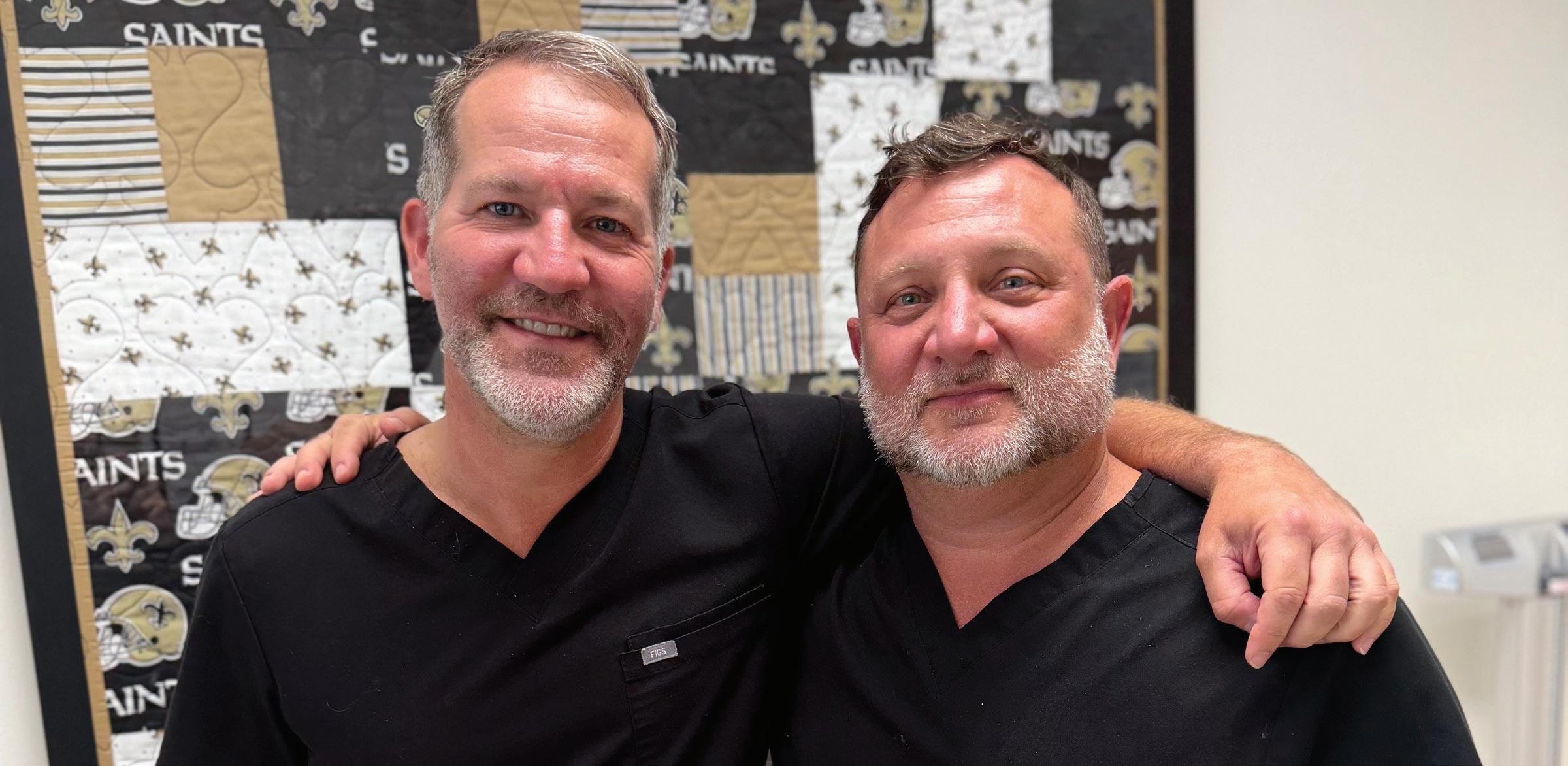
From long hours on computers or mobile devices
to sports injuries and even the natural aging process, neck pain has become an increasingly common medical concern. While the natural tendency may be to dismiss it as a minor annoyance, a simple “pain the neck” can turn into something far more serious if left untreated.
“Discs can wear out and collapse,” says Dr. Eric Oberlander, board-certified neurosurgeon and spine specialist. “This causes neck pain and eventually arm pain.”
As the discs between the vertebrae lose height and flexibility, they can place pressure on surrounding nerves, leading not only to localized discomfort, but also radiating symptoms such as numbness, tingling or weakness in the arms.
“Another common cause of neck pain is arthritis of the neck joints,” Oberlander says.
Over time, wear and tear on the joints of the cervical spine can lead to stiffness, inflammation and reduced range of motion.
Surgery is rarely the first step. Oberlander’s practice is known for its conservative, step-by-step approach to treatment.
“We usually throw the kitchen sink at our patients,” he says.
That starts with the least invasive options such
as physical therapy or chiropractic care to improve strength, flexibility and alignment. These therapies can help relieve pressure on the spine while addressing underlying movement patterns that contribute to pain.
If symptoms persist, patients may be referred for targeted injections to reduce inflammation and provide relief.
“The goal is to calm things down and give the body a chance to heal,” Oberlander says.
For many patients, this combination of therapies is enough to avoid surgery altogether. In more advanced cases—particularly when nerves are compressed or conservative treatments fail—surgical intervention may be recommended.
“If conservative therapy fails and there is a surgical solution, we will offer it,” Oberlander says.
Common procedures focus on relieving pressure on the spinal cord or nerves.
“We typically perform a decompressive surgery in which we unpinch the crushed nerves,” he explains.
In some cases, damaged discs may need to be removed and replaced with a spacer to restore stability and function.
While the idea of spine surgery can be intimidating, advances in technique and technology have
made many procedures more precise and less invasive than in the past, often resulting in shorter recovery times and improved outcomes.
Oberlander has the training and expertise to treat even the most complex spine conditions.
“I am known for taking on cases that many other surgeons have passed on,” he says.
His approach prioritizes proven, evidence-based treatments over early-stage innovations. For all the advancements in care, the most effective strategy is the same as it has always been: prevention and early intervention, before soreness turns into chronic pain.
That starts with making smart choices about physical activity. High-impact exercises like jogging can place added stress on the spine, while lower-impact options such as cycling or swimming are often better suited for long-term joint health.
Simple adjustments to posture, ergonomics and daily habits can make a meaningful difference—especially for those who spend long hours at a desk or on digital devices.
“Don’t abuse your spine,” Oberlander says. “See a therapist early to learn how to properly exercise the neck.”
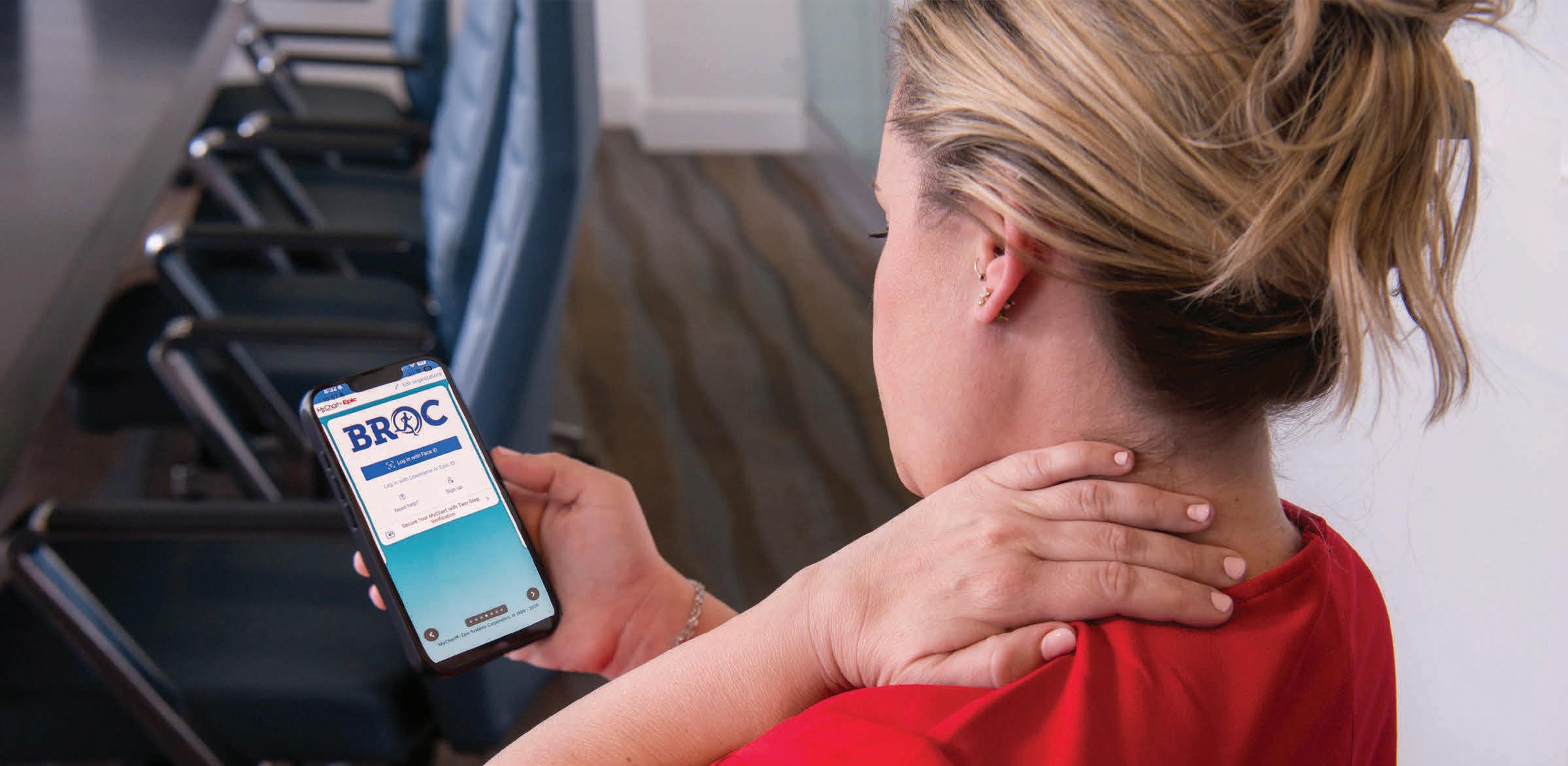
For the past several years, the team at Baton Rouge Orthopaedic Clinic (BROC) has been focused on one clear goal: expanding and improving patient access. From enhancing patient care through specialized musculoskeletal programs to streamlining access with Epic and MyChart, each initiative is designed to create a more personable and enhanced patient experience.
At the center of it all is a commitment to elevating patient care and improving communication among patients, providers, and partners across the healthcare continuum.
“The pandemic highlighted patients’ need for easy access to their healthcare information more than ever,” explains Wendy Gaudet, PharmD, Chief Operating Officer of BROC. “Being able to put information at their fingertips and provide access to physicians with MyChart has been a huge win.”
That increased accessibility doesn’t just benefit patients; it also strengthens collaboration across the broader healthcare network. This is especially evident in BROC’s Healthy Bone Program, created to address gaps in osteoporosis care. By focusing on musculoskeletal health, the program enables earlier intervention and more coordinated care between orthopedists, women’s health, and/or primary care providers, helping reduce repeat fractures in
those most at-risk.
“Women are taking a more active approach to care throughout the phases of menopause, and studies show that lack of musculoskeletal care is a leading cause of both disability and loss of productivity during that time,” Gaudet says. “Streamlining communications allows us to instantly connect with our community partners who are providing care to women.”
This same focus on connectivity carries through to BROC’s long-standing Workers’ Comp partnerships. By improving communication among providers, payors and employers, BROC creates smoother care transitions and helps employees return to work more quickly and safely.
“The beauty of enhancing access is that we’re not just communicating with the patient and other providers, but also with insurance companies,” Gaudet says. “Anything we can do to help expedite that process allows us to take care of patients’ injuries more quickly, ultimately shortening the time between injury and recovery.”
This connected approach is perhaps most visible in the field—literally—through the work of the BROC Foundation. The 501(c)3 dedicated to providing athletic training and coverage to local high schools has been supplying full-time athletic trainers to
area schools for years, ensuring athletes’ safety at games at little or no cost to families. BROC equips those trainers with technology that provides better visibility to athletes’ health history, while enabling real-time medical evaluation and communication with physicians no matter where care is taking place.
“Whether our trainers are at the Baton Rouge Soccer Complex or in school training rooms, they’re now able to quickly connect with physicians to help athletes and students have the care they need at the moment they need it,” Gaudet says. “Trainers can ensure that when the athlete gets to the clinic or the ER after an injury, their new care team has up-to-the-minute notes about what happened.”
As BROC builds gold standards for patient care, they’re in no way finished with the progress they’ve begun. With plans to merge with another large in-state orthopedic group, BROC looks forward to building a strong regional network for all musculoskeletal care.
”Our work to optimize and grow other arms of BROC will only improve how we’re able to reach patients and how patients can reach us,” Gaudet says. “The more we integrate with our partners and patients, the more seamless patient care can be.”
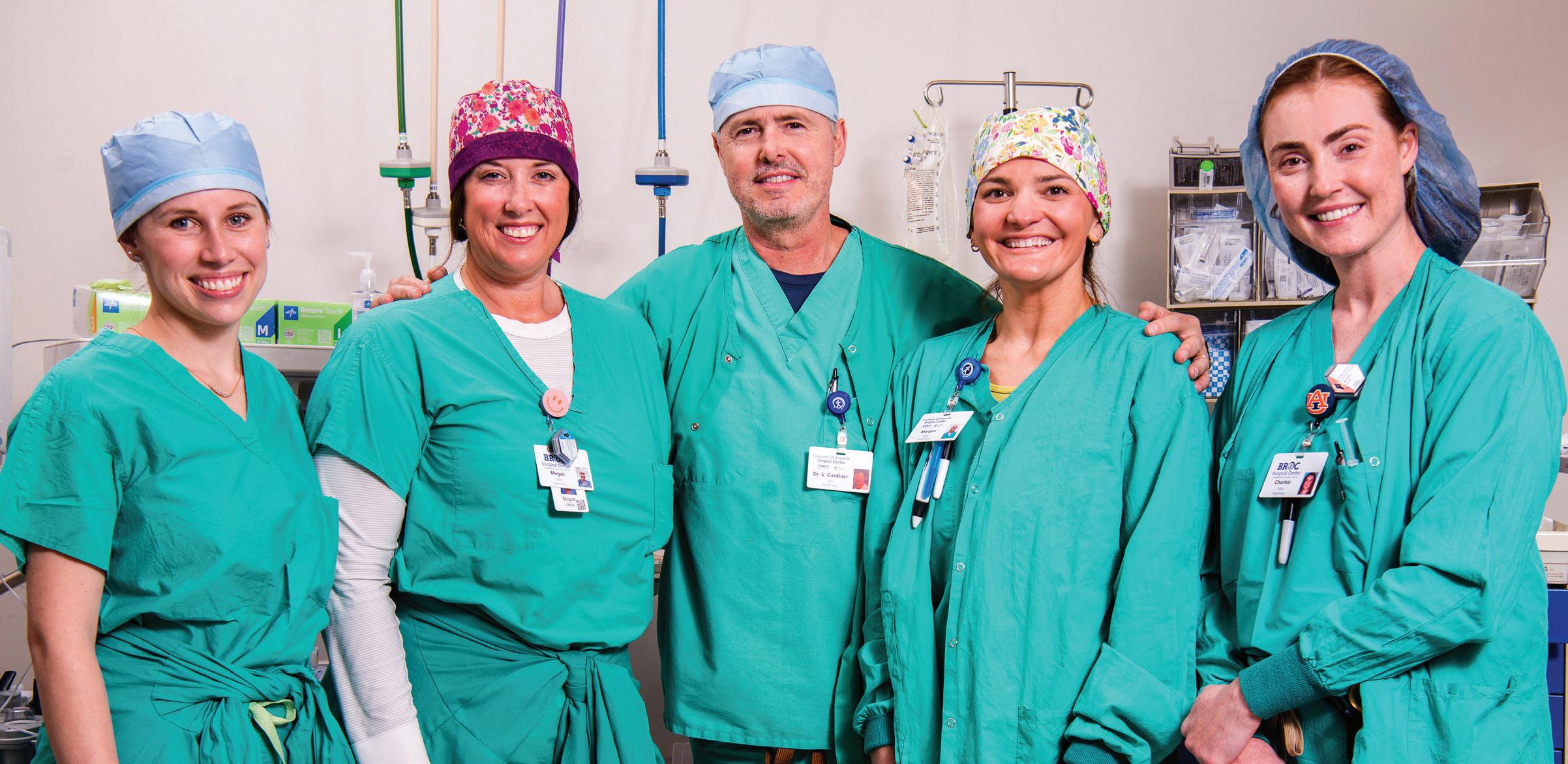
In today’s healthcare landscape, consolidation has become the norm. Across specialties, private equity investment and large corporate ownership structures are reshaping how care is delivered, often with a focus on efficiency, scale and financial performance.
But in anesthesia, one Louisiana-based provider serving hospitals and healthcare systems across the southeastern United States is taking a different approach. DPI Anesthesia has built its model around a simple but increasingly uncommon premise: independent ownership, clinician leadership and a culture driven by providers rather than investors.
That distinction, company leaders say, has meaningful implications for healthcare systems and their patients.
“We’re privately owned and clinician-led,” says CEO John Sikes. “Our objective is to make sure patients have a safe and pleasant operative experience. It’s not to maximize margin at the expense of care.”
DPI was founded in 2003 in the hopes of giving providers more of a voice in the delivery of care. DPI’s care teams in Louisiana, Georgia and South Carolina are built around a collaborative model that integrates anesthesiologists and certified regis-
tered nurse anesthetists (CRNAs), with an emphasis on empowering both groups to practice at the top of their license.
“We believe the people you hire and the culture you create are the most important parts of building a company,” Sikes says.
The result is a structure that balances clinical quality with operational efficiency at the same time that it improves employee retention. DPI has been an outlier during a period of industry-wide workforce challenges, maintaining full staffing throughout its 23-year history.
“I think we’re able to do that because we recognize the value our providers bring and create an environment they want to be part of,” Sikes says.
With health care facilities increasingly outsourcing anesthesia services, private equity firms have become major players in anesthesia, acquiring practices and introducing new financial expectations. Sikes regards that reality as a competitive advantage for a locally owned, physician-led operation like DPI.
By remaining independent, he says, DPI avoids external financial pressures, allowing clinical decision-making to remain centered on patient outcomes.
“To generate returns, costs have to increase somewhere,” Sikes says. “But healthcare doesn’t need higher costs for less care. We need better care at a lower cost.
“Anesthesia is a unique specialty. When it’s managed by a dedicated group that understands the workflow, the compliance and the financial model, it tends to be more efficient and more effective.”
Beyond its business model, DPI is also advancing clinical practices that directly impact patient experience. One example is a sustained effort to reduce opioid use in perioperative care through expanded use of regional anesthesia techniques.
“We’ve been able to significantly reduce opioid use while improving recovery times and reducing complications,” Sikes says.
The result: less nausea, shorter recovery stays and, in many cases, a smoother path home for patients.
As healthcare systems continue to evaluate partners and delivery models, DPI’s approach offers an alternative to the prevailing trend of consolidation. At its core, the company’s philosophy is straightforward.
“We’re always going to do the right thing,” Sikes says.
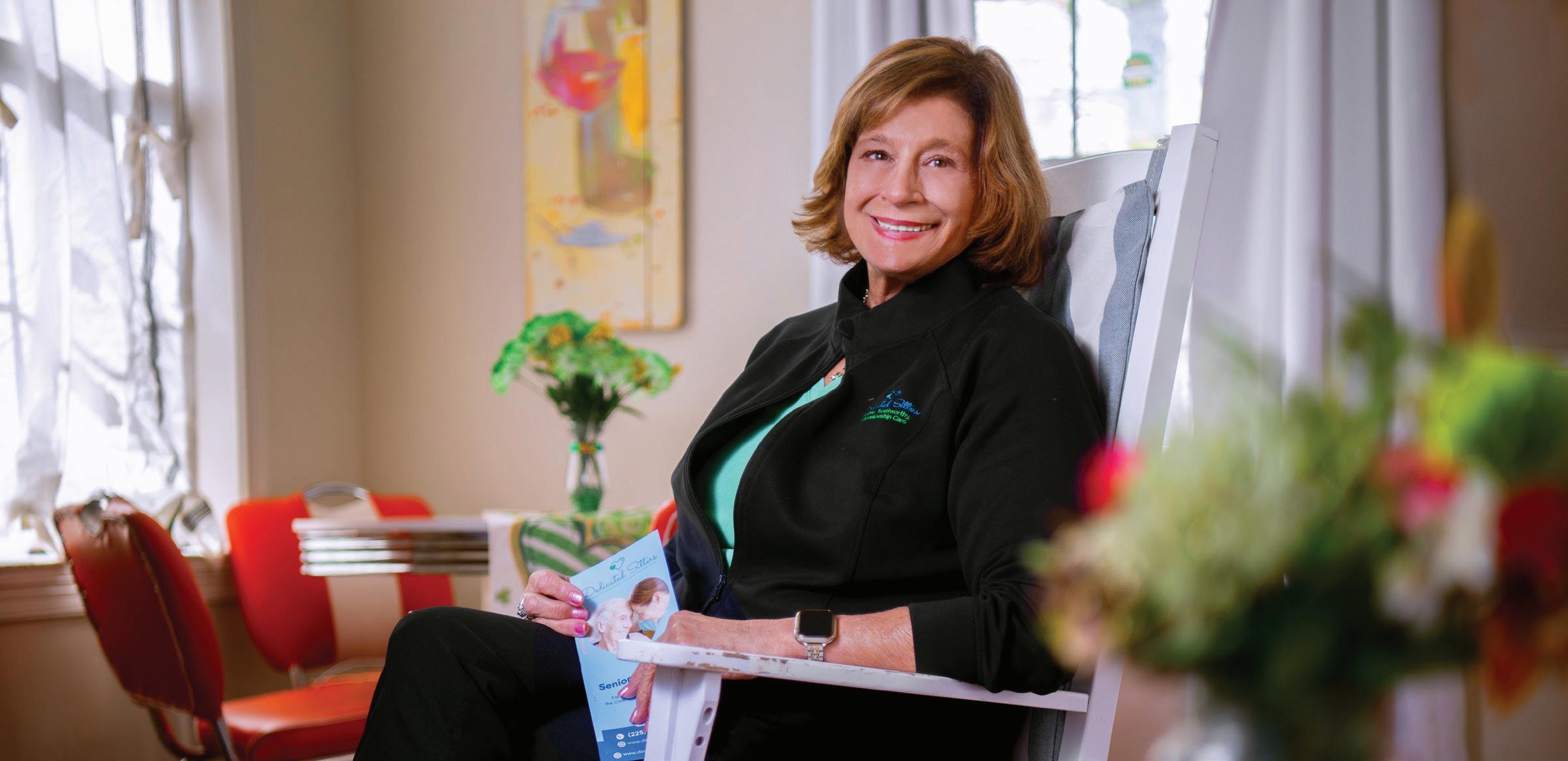
While caring for her father during a hospital stay, Maria Yiannopoulos began calling local caregiving services in search of shortterm help. What she found were a lot of businesses demanding long-term commitments.
“Everyone told me, ‘We’ll come, but you have to book four days, eight hours a day,’” she recalls. “And I kept saying, ‘I don’t need all of that.’”
That experience revealed a gap in the senior care market: Families who need flexible, short-term support often have few options. Yiannopoulos decided to fill that gap herself by creating Dedicated Sitters, an in-home, private-duty sitting service designed to meet families where they are, without the long-term contracts often required by larger providers.
“As-needed support is really the essence of this business model,” says Yiannopoulos, who also owns and operates a Baton Rouge activity center for seniors, the Bon Jour Social and Leisure Center. “You may just need four hours. You may need someone for a few days while you travel. That’s what we’re here to do: help you when you need it, without locking you into a long-term commitment.”
Unlike many national franchises, which often require minimum weekly hours or extended contracts, Dedicated Sitters operates on a simple premise: Care should match the need, not maximize the
profit margin.
Clients can schedule services as needed, whether that means a few hours to run errands, daily visits during a recovery period, short-term support while a caregiver is out of town, or whatever a family’s unique circumstances require.
“We’ll accommodate what the family needs,” Yiannopoulos says.
Yiannopoulos’ hiring policies require Dedicated Sitter caregivers to have at least five years of experience in senior care, with many bringing backgrounds in assisted living, memory care or as certified nursing assistants. Each team member also completes dementia care training, ensuring they are prepared to support clients with cognitive challenges.
“I’m very particular about who I hire,” she says. “They’re not there to just sit. They’re there to engage and support the client’s daily routine,” such as bathing, grooming and meal preparation, while also providing companionship and light housekeeping focusing on the client’s area.
Programs like Medicare’s GUIDE (Guiding an Improved Dementia Experience) initiative are beginning to recognize the impact of such services on senior wellness. The pilot program offers financial support for in-home caregiving services for patients
with dementia to help them remain safely at home longer, which benefits both families and the healthcare system.
“It’s the first time ever that Medicare is paying for sitter services for those with a diagnosis of dementia, and they will pay for sitters up to $2,500 per year,” Yiannopoulos says. “Both Bon Jour and Dedicated Sitters are approved by Medicare to provide those services.”
For those exploring caregiving options, Yiannopoulos recommends starting with a simple question: What do you actually need help with?
“I always ask families to tell me their challenges,” she says. “From there, we can determine how to support them.”
That includes concierge service, which consists of driving loved ones to and from medical appointments or other out-of-home errands such as hair appointments and shopping.
“We are not there to step in and take over what the family is doing,” she says. “We are there to lend that extra pair of hands to the family to continue the care in their environment, wherever it is needed.”
To learn more, call (225) 454-0303 or visit DedicatedSitters.com.
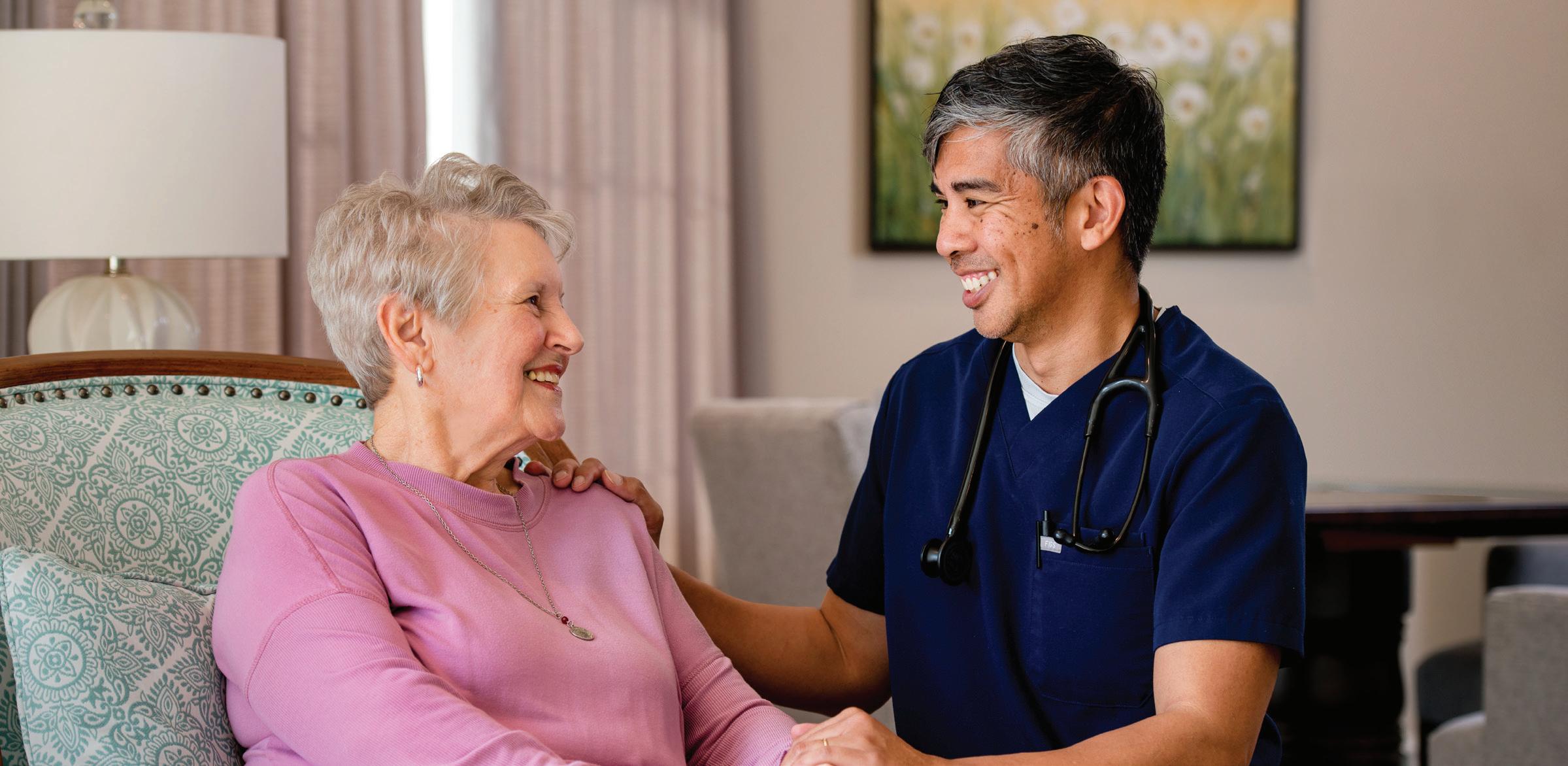
For many families, managing an aging parent’s healthcare can feel like a second full-time job. There are appointments to schedule, transportation to coordinate and medications to track, and limited support from a health care system that requires patients to commute to their care.
That’s where an old-school approach to medicine—the house call—is making a comeback in the Capital Region courtesy of Prairieville-based Neighborhood Health, which offers on-site and in-home primary care designed specifically for seniors.
Rather than requiring patients to travel to a clinic every few months, Neighborhood Health is bringing care directly to seniors where they live.
“The traditional primary care model just doesn’t work for many families anymore,” says Ellison Abad, FNP, a nurse practitioner at Neighborhood Health. “Many seniors can’t get to the doctor easily.”
That shifts the burden to adult children or extended family, resulting in work absences, logistical challenges and the emotional weight of constant monitoring.
“Being a caregiver is very time-consuming,” Abad says. “We help take some of that pressure off families so they can focus on just being family again.”
For seniors, removing this burden can lead to meaningful improvements in overall health, safety
and quality of life.
As individuals age, chronic medical conditions become more prevalent and can significantly affect safety and independence. Common conditions include dementia, Parkinson’s disease, stroke, heart failure, COPD, diabetes, and chronic kidney disease.
These conditions often lead to functional decline, limiting a senior’s ability to safely perform daily activities such as bathing, dressing, mobility, medication management, and meal preparation. This increases the risk of falls, weakness, fatigue, and medication errors.
The combined physical and cognitive impact of these conditions places seniors at higher risk for injury, hospitalization, and overall decline. In-home primary care addresses that challenge by bringing routine preventive care and urgent assessments—such as respiratory infections, urinary tract infections, falls, wounds, and sudden changes in condition—directly to the patient.
“When patients don’t have to leave their home, they’re more likely to stay engaged in their care,” Abad explains. “And that helps prevent small issues from becoming major problems.”
One of the most promising aspects of this model is its emphasis on early detection and proactive management. Remote patient monitoring allows Neighborhood Health caregivers to track vital signs
in real time and respond proactively before symptoms become severe.
“If something isn’t right, we can catch it early and intervene before it escalates to an emergency room visit,” Abad says. “Remote patient monitoring allows us to track trends in vitals and symptoms over time, ensuring we’re making thoughtful, data-driven decisions rather than adjusting medications without the full clinical picture.”
Locally owned and operated Neighborhood Health, which began as a walk-in clinic in Prairieville in 2019, now provides that coordinated on-site care at 13 area assisted living communities as well as in the homes of seniors aging in place. Payment options range from traditional insurance-based visits to a membership-style “Senior Strong” Program offering accelerated response times and increased monitoring and necessary coordination.
The common thread is flexibility—meeting patients and families where they are.
“We believe in the power of family,” says Heather Duplessis, operations manager at Neighborhood Health. “Our goal is to help seniors live longer by safely aging in place, reducing risks and supporting independence, while bringing peace of mind to the families who not only care for them but love them.”

Patients rarely think about the linens used in a hospital room or surgical suite. But behind the scenes, those materials play a vital role in infection control and patient safety.
For more than two decades, Westport Linen Services has quietly built a business around that reality, growing from two customers in 2000 into the largest privately held, locally owned healthcare laundry provider in Louisiana, Texas, Mississippi, and Alabama. Today, the company serves hospitals, surgery centers, nursing homes and physician offices across a multi-state footprint stretching from Houston to Mobile.
“We’re 26 years in business, we’re local, and we employ nearly 500 people statewide,” says owner and CEO Eddie Lefeaux. “We’ve grown alongside the healthcare systems we serve.”
While many commercial laundry providers serve multiple industries—hospitals, hotels, restaurants—Westport has always focused exclusively on healthcare, a decision that shapes everything from its processes to its certifications.
“We don’t combine lodging or restaurant linens with healthcare items,” Lefeaux says.
That specialization allows Westport to maintain
rigorous standards designed specifically for medical environments, including nationally recognized certifications for hygienic linen processing.
“All of our procedures and chemicals are focused on bloodborne pathogens and reducing HAIs for our clients,” Lefeaux explains. “We have to constantly adapt because mutating bacteria and viruses are constantly evolving.”
Westport’s growth reflects both the strength of the regional healthcare market and the increasing complexity of supporting it. The company now processes more than a million pounds of laundry each week across multiple facilities, including a 50,000-square-foot Baton Rouge operation.
That scale requires significant investment—not just in facilities and equipment, but in people and inventory. Westport replaces millions of dollars’ worth of linens annually to ensure quality and availability.
“We replace anywhere from $9 million to $12 million worth of linen each year,” Lefeaux says.
As the company grows, technology is playing an increasingly important role. One area of focus is improving accountability and infection control through automated scrub-dispensing systems.
“If you think of a vending machine, it dispenses
scrubs and tracks when they’re returned,” Lefeaux says. “Scrubs are among the highest-loss items in the industry. What we’re trying to do is convince people not to bring those bugs and viruses home— next thing you know, you’re trying to wash them in a residential washer.”
The goal is twofold: reduce loss of high-value garments and prevent potentially contaminated items from leaving clinical environments. Westport is also implementing RFID tracking, embedding chips in garments to monitor usage and movement in real time.
“That technology, along with robotics, is really starting to take off,” Lefeaux says. “We are constantly reinvesting in the future.”
At its core, Westport’s business is about supporting the broader healthcare ecosystem—often in ways that go unnoticed. Hospitals depend on a steady, hygienically controlled linen supply not just for patient comfort, but for compliance, infection prevention, and operational continuity.
“We’re an absolute necessity,” Lefeaux says, “and an essential vendor for all of our customers.”
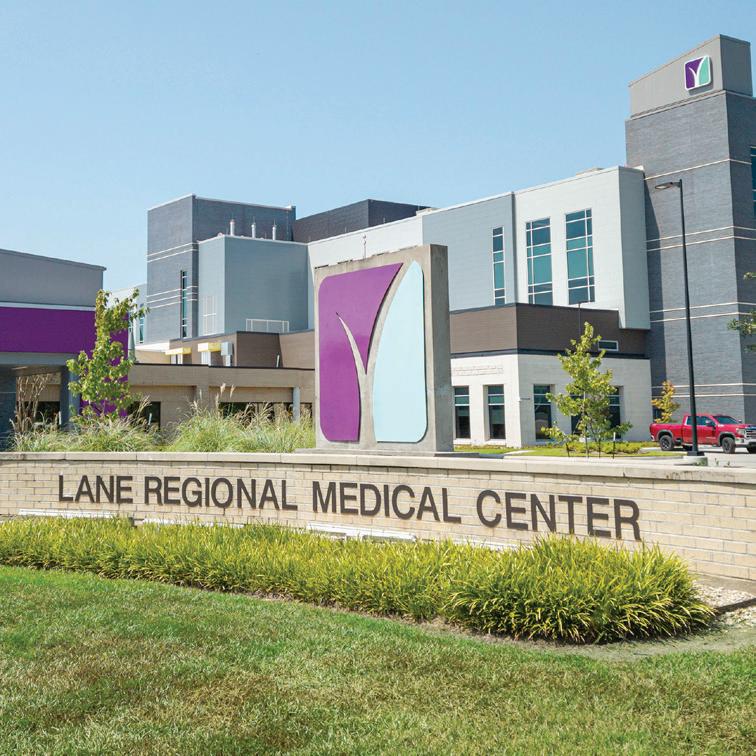
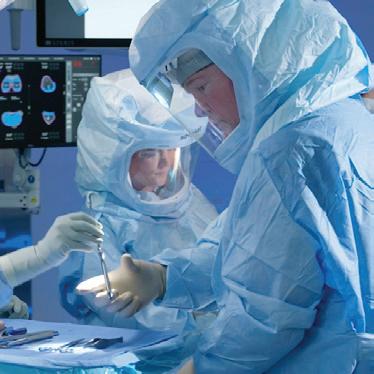
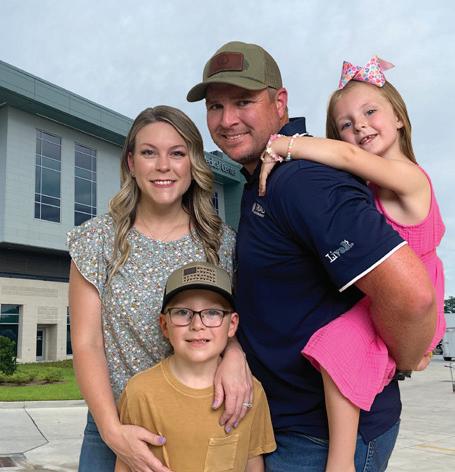
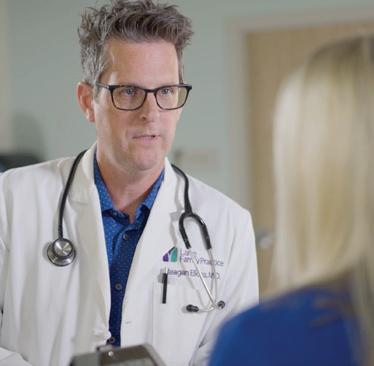
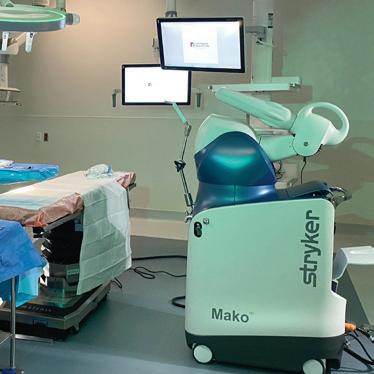
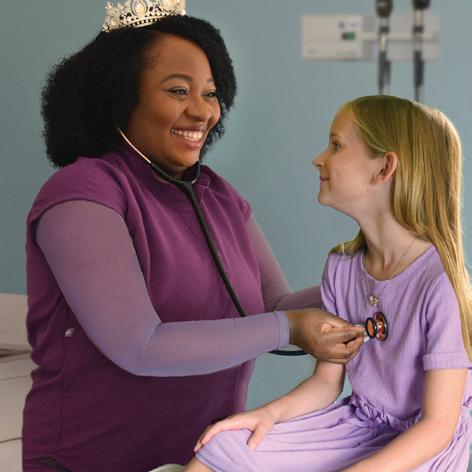

For generations, our hospital has been more than a place for treatment – it’s been a place for healing, support, and hope. That’s why we’re committed to investing in advanced technology and recruiting leading specialists to help create healthier futures for everyone we serve.
From advanced heart care and minimally invasive surgery to welcoming the next generation into the world, we’re building a healthcare system designed not just for today, but for generations to come. And while healthcare continues to evolve, the most important part of our future remains the same: caring for the communities we serve with compassion.


The Bluffs at Thompson Creek has survived closures, broken promises and seven owners. The next chapter may be its most promising.
BY MAGGIE HEYN RICHARDSON | PHOTOGRAPHY BY DON KADAIR
LOCAL GOLFERS OF a certain age remember when The Bluffs was the stuff of legend.
The Arnold Palmer Signature Course in St. Francisville along Thompson Creek debuted in 1988 and drew enthusiasts from Michael Jordan to David Toms with its sandy hills, water hazards and iconic 17th hole.
A challenging design by Palmer and architect Ed Seay helped the golf resort earn both regional and national acclaim, landing on Golf Digest’s list of the nation’s top 100 public golf courses and, at one time, considered the state’s top course. It might have been just 30 minutes from Baton Rouge, but its dramatic topography made it feel like another world.
The Bluffs closed abruptly in 2021, but it came as no surprise. It was the latest chapter in a thorny history that has seen ownership changes, membership ebbs and regular promises to rise from the ashes.
Now, new momentum is afoot to resuscitate The Bluffs, boosted by a major economic development win in West Feliciana Parish. The $10 billion Hut 8 data center could create the right environment for investors and public officials to bring back The Bluffs and finally get it right.
It’s a dream many St. Francisville residents—and regional golf enthusiasts— would love to see fulfilled.
“If you put on paper everything that West Feliciana has going for it, and the things that it does not have going for it, this is the one box that we just can’t check,” says Clay Pinson, a longtime homeowner in The Bluffs and former West Feliciana Parish Council member.
The troubles started early. The Bluffs’ complex design, difficult in the way golfers crave, came with an ugly downside: Maintenance costs were astronomical.
“That was a time when golf courses weren’t designed for their maintenance efficiency,” Pinson says. “You had hills






and hollows and culverts collecting water, and it was just an incredibly expensive golf course to maintain.”
A few years after opening, The Bluffs’ ownership sought cash infusions from investors to support maintenance. Meanwhile, membership numbers fell short.
Supplementing revenue shortfalls would continue over its history, even as it appeared stable from the outside. Real estate sales also helped buoy it, but the course struggled with profitability.
The Bluffs closed due to financial troubles in 2009, reopening the next year under new ownership. That ushered in an era of near-frequent ownership changes. Seven different entities have owned the property since then, many promising to bring it back to its early grandeur.
In otherwise enviable West Feliciana Parish—known for high-quality public schools, controlled development and charm— The Bluffs had become a vexing problem.
“The Bluffs is a very important piece of the puzzle for West Feliciana Parish,” says Parish President Kenny Havard. “It’s always been in the back of my mind about how to get it done.”
Havard says the parish isn’t committing tax dollars any time soon to the project, but the surge of new revenue from the $10 billion Hut 8 data center could provide the momentum needed to get the resort back on track.
The parish will receive around $90 million in new annual revenue from the data center alone, allowing it to invest in several new infrastructure projects, including road and water improvements, Havard says.
“The data center itself has sparked a lot of interest in West Feliciana Parish,” he says. “People know we’re about to have these nice roads and that we already have the number one school system and quality of life. That is driving people to want to be here, which means people are going to want to invest in the golf course.”
Havard says he’s working with a handful of different groups who have expressed interest in investing. The idea would be to convert the current course into an easier-to-maintain design and refresh
the resort amenities to help The Bluffs attract conventions and compete with The Grand Hotel Golf Resort and Spa in Fairhope, Alabama.
“That would be our grandiose plan,” Havard says. “How we get there is still up in the air, but we do have some people showing interest.”
One of the people pushing to revive The Bluffs is its original developer, Harold Leone, who is in the process of buying it back from the current mortgage holder, Baton Rouge attorney Jerry Dodson. Leone says developing The Bluffs was a dream fulfilled back in the ‘80s, and that he’s looked on with sadness as it has declined. He wouldn’t comment further about his current efforts.
Meanwhile, homeowner Mike Holley remains hopeful. He moved to The Bluffs in 1995 from Baton Rouge, drawn to the area for two reasons: the education system and the golf course. “The golf course was a first-class operation for many years,” he says.
Holley says watching it
deteriorate has been “devastating.” He blames the long-term failure on a dearth of members.
“The golf course never was self-sustaining,” Holley says. “It takes so many customers to make money. We didn’t have enough customers.”
Holley speculates the golf industry’s decline in the late 1990s and early 2000s also affected The Bluffs.
The resort’s struggles haven’t stopped home sales in the area, he adds.
“I’m amazed at the number of new houses going up here,” he says.
Since the pandemic, interest in golf has surged. The National Golf Foundation reports a 38% increase in engagement since 2019. The region has also seen a dramatic jump.
BREC reports an 81% increase in golf rounds played since 2018, says director of golf Mike Raby.
Such local enthusiasm could help attract investors, along with a redesigned course that’s more efficient to maintain.
“I think we’re very close,” Havard says. “It’s just a matter of putting all the pieces together.”
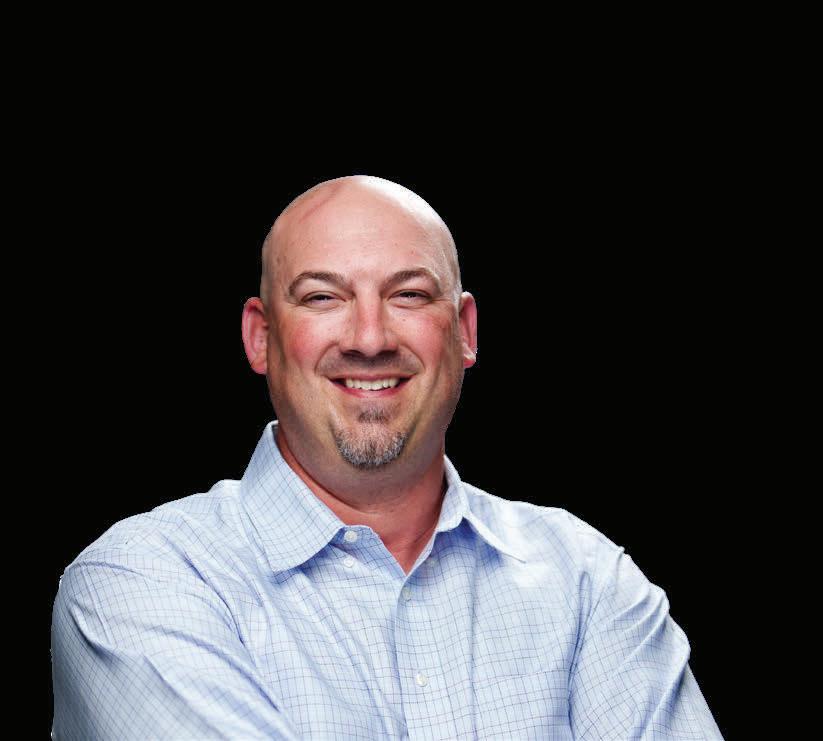
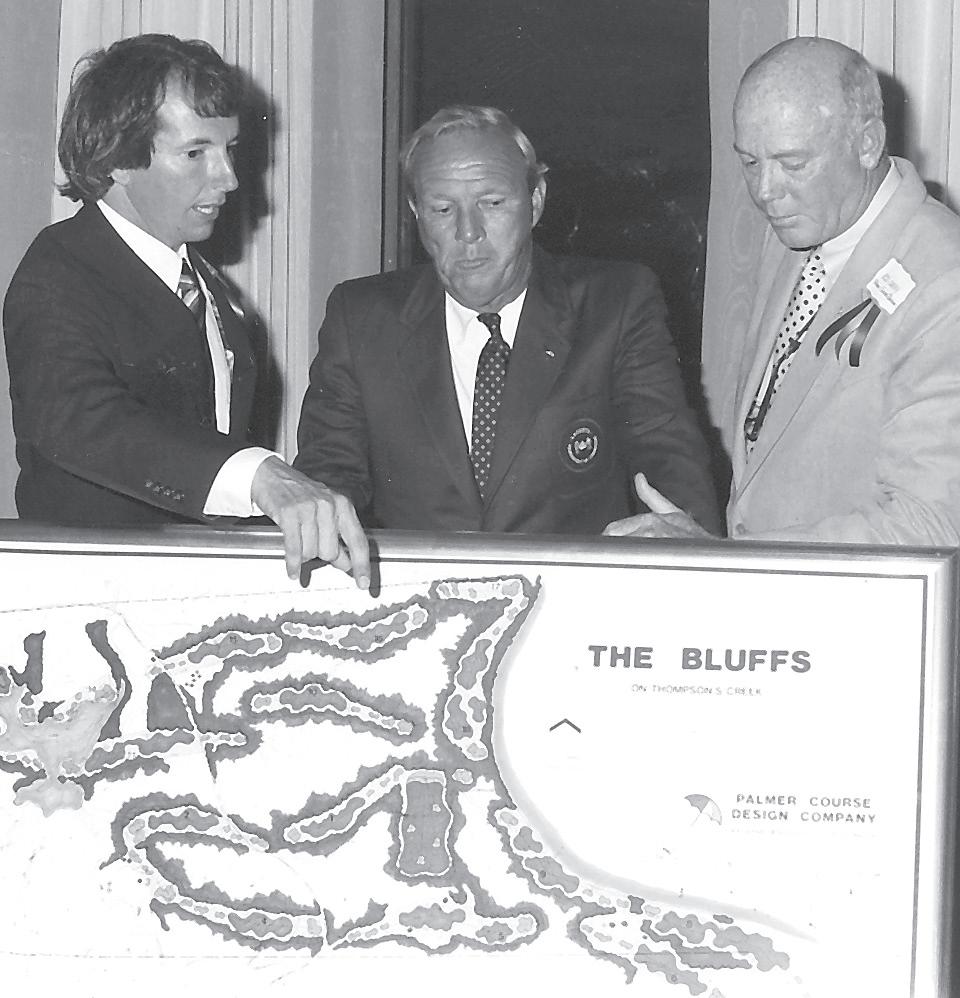

JD Bank has opened a full-service branch in Baton Rouge at 8380 Jefferson Highway, offering personal and business banking services in a space designed to reflect local character. A standout feature is the local artist wall, which will rotate artwork from Baton Rouge-area artists. The inaugural featured artist is Amy Spencer, a botanical artist whose work has been recognized in regional publications.
The Louisiana Association of Business & Industry and College Board have partnered to bring two new career-focused AP courses to Louisiana high schools: AP Business with Personal Finance and AP Cybersecurity. Part of College Board’s AP Career Kickstart initiative, the courses are being field-tested now and will launch nationally during the 202627 school year. Pending approval by the Board of Regents and BESE in June, the courses are designed to prepare students for college,
technical training or direct workforce entry.
Build East Baton Rouge, the East Baton Rouge Parish redevelopment authority, has been selected to receive a Pathway Fund grant from the Federal Home Loan Bank of Dallas to address heirs’ property issues in the parish. The program awards up to $150,000 per organization to help families resolve title and ownership complications on property inherited without a will. Build EBR will partner with Home Bank and legal aid organizations to deliver the initiative. “This is about preserving family wealth, protecting legacy and stabilizing neighborhoods,” says President and CEO Deidre Deculus Robert.
La Capitol Federal Credit Union marked its 65th anniversary with a community milestone on Read Across America Day, sending 16 volunteers into eight Louisiana schools to read to more than 1,000 students. The March 2 effort reached classrooms in Houma,
Hammond, Baton Rouge, Oakdale, Alexandria, Natchitoches, Ruston and Monroe as part of the credit union’s yearlong 65 Acts of Service initiative. Read Across America Day, held annually, promotes literacy and a love of reading among children across the country.
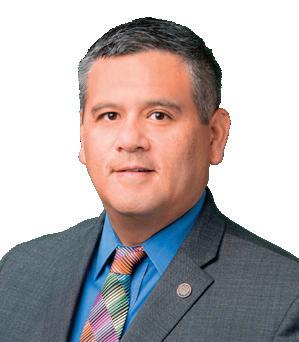
Patalano
Lou Patalano, chief legal officer at Blue Cross and Blue Shield of Louisiana (Louisiana Blue), has been appointed to the board of trustees of the National Judicial College, the Reno, Nevada-based organization that provides education to judges across all 50 states and more than 150 countries. Patalano oversees legal, compliance, cybersecurity and government relations at Louisiana Blue and brings more than 20 years of health care industry experience. He previously held senior legal roles at Sentara Healthcare, Blue Cross and Blue Shield of North Carolina and Cape Fear Valley Health System.



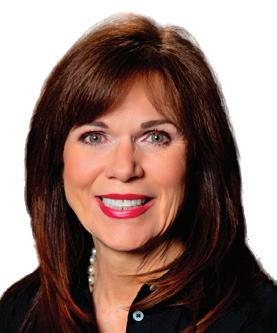
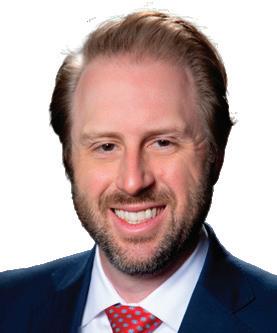
Joanie Netterville Montelaro has joined Hancock Whitney. She brings more than 25 years of commercial and middle market banking experience and previously served as commercial banking director at b1Bank.
Patrick Danna has joined Hancock Whitney. He brings more than 18 years of commercial banking experience, with a background in portfolio management, credit and relationship development.
Katie Gibbons has joined Hancock Whitney. She brings nearly 25 years of experience serving high-net-worth individuals,










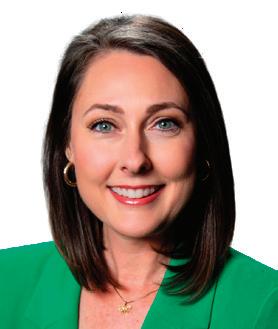
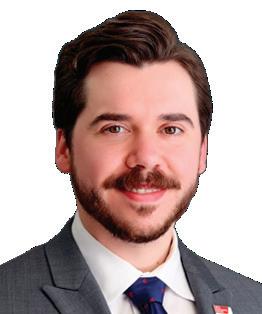
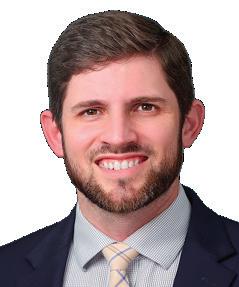
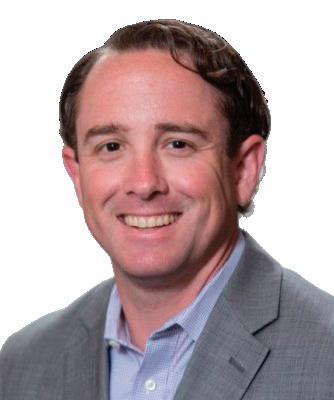
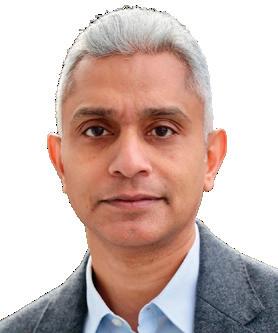
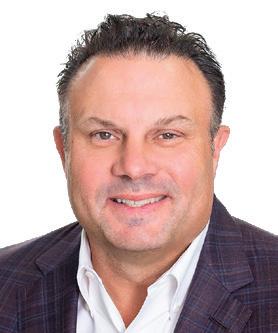
families and business owners, with expertise in financial consulting and advisory leadership.
Elise Richard has joined Red River Bank as vice president of private banking. She brings nearly a decade of banking experience and will serve clients within the Capital Region.
Drs. Shea Rogers and Landon Crowder have been named partners at Baton Rouge Physical Therapy – Lake. In his role, Rogers will support clinical excellence, mentor developing clinicians and contribute to the organization’s continued growth. Crowder will help advance clinical quality, support program development and strengthen best practices across the organization.
marketing, accounting and financial functions, compliance, underwriting, human resources and IT.
Brian von Schulz has joined Emergent Method as creative manager. In his role, he will lead creative strategy and execution, supporting branding, design, digital experiences and integrated marketing initiatives.
Highland Wealth
Andrew McGinty has been promoted to chief operating officer of LIPCA Insurance Agency. In his role, he will oversee
Emilia “Emi” Gilbert Henry has joined Guarantee Restoration Services as Louisiana business development manager. In her role, she will focus on strengthening partnerships, expanding client relationships and supporting market growth across Louisiana and the Gulf Coast.
Caesar Pereira has been named chief financial officer of
Community Coffee Company. In his role, he will provide strategic leadership and oversight of financial operations, support longterm growth initiatives and help guide the company’s financial strategy.
Gordy Rush has been promoted to vice president of business development for Guaranty Communications, a division of Guaranty Corporation. In his role, he will drive revenue growth and lead business development initiatives across the company’s portfolio.
Join us for our 2026 TLSM Impact Luncheon. This annual event gathers business & community leaders throughout the city to celebrate the many lives changed by our organization, including hundreds of women and children. This is a can’t-miss, inspiring event that includes a 3-course meal, silent auction, and special gifts for all attendees. It’s the perfect way to spend a lunch! (Hint: We have a HUGE announcement, and you don’t want to miss it!)








The Baton Rouge Business Awards and Hall of Fame banquet took place on March 17 at The Crowne Plaza Executive Center. Business Report President and CEO Julio Melara and the President of Junior Achievement Greater Baton Rouge and Acadiana Paula Dawson presented the awards to this year’s honorees: Scott Gaudin, President and CEO of Currency Bank (Young Businessperson of the Year); Renita Williams Thomas, founder of In Loving Arms Healthcare for Kids (Executive of the Year); SOLA Pharmaceuticals (Business of the Year/fewer than 100 employees); and Loadstar (Business of the Year/100 or more employees).
Benny Alford, co-owner of Benny’s Car Wash and Bob Greer (Posthumous), were named Hall of Fame Laureates.
The event was hosted by Business Report and Junior Achievement, with presenting sponsors Investar Bank, Hannis T. Bourgeois, Lee Michaels, FMOL Health, Lard Oil Company, and The Crowne Plaza.
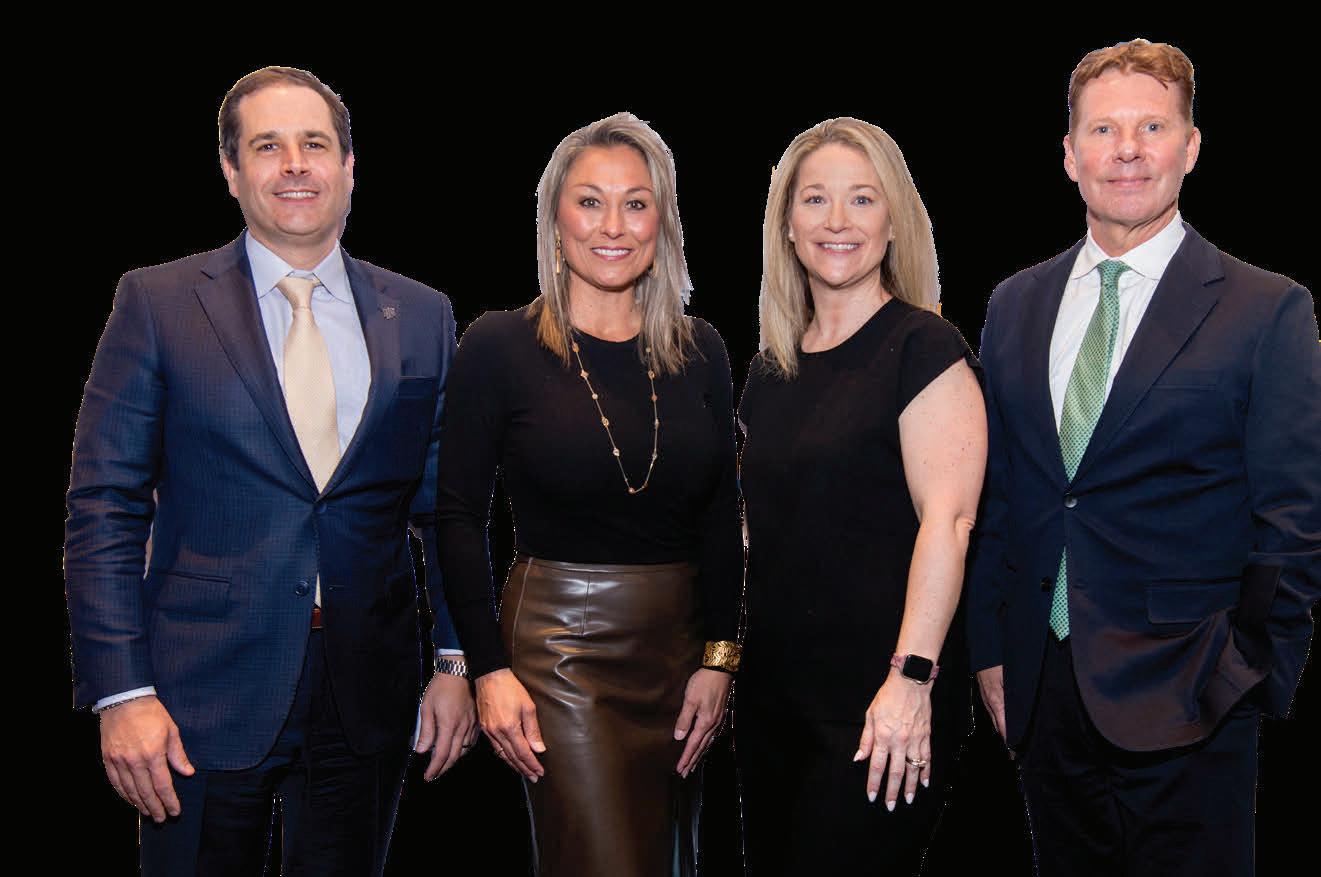



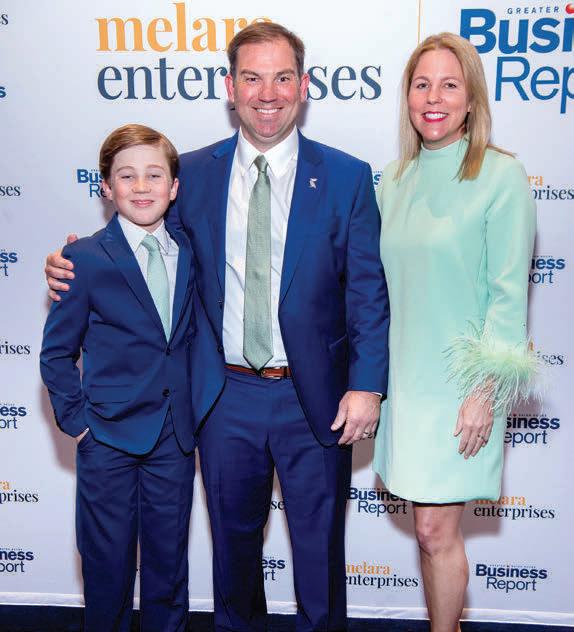
LSU IS BACK in the national headlines again, but not for a national championship. A recent opinion column in USA Today by Blake Toppmeyer featured the headline: "A scoundrel returns: Will Wade's LSU comeback makes perfect sense."
“Does LSU possess no scruples at all?” he asks. “Never mind, I know the answer to that question. LSU is a kingdom of rebels and renegades. Just win, baby.”
After living here for seven decades, it’s hard for me to argue with that. The same could be said for our politics. Remember Gov. Edwin Edwards and the slogan from his campaign against David Duke: "Vote for the crook. It’s important." This guy, who severely damaged our state and its image, was elected four times … until he finally went to prison. And oddly, the late ex-con still has fans who love him today.
Maybe that explains why Will Wade is coaching again at LSU. Many fans believe he may be a cheater who damaged LSU's reputation, ruined the program with NCAA sanctions and was fired. But “dammit, he’s our cheater … and he won.” So let’s bring him back.
I have previously written about Landry and Mallet's interference and their role in how the presidential search was managed. They got their man, Rousse, through a well-orchestrated, behind-closed-doors, monthslong process. The same applies to acquiring their coach, Wade. Their strong support for an “ends justify the means” and “win at all costs” mentality is no way to run Louisiana’s flagship university or build a national reputation that alumni and others respect. Wade might win more games, but you can’t put lipstick on a pig, as the saying goes.
As an LSU graduate, a father of a grad, a fan, and a former chair of the LSU Board of Supervisors, I love the purple and gold. However, rehiring Wade is a shameful step backward for LSU. We all know sports are like a religion in Louisiana, but we should repent for this decision. Ultimately, they will reap what they have sown.
The BREC Commission continues to focus clearly and is moving forward with plans to sell surplus land and inactive parks. It plans to sell 50 identified properties out of the parish's 175 parks. Quality over quantity is the right move.
and centered around putting a library in City Park. That was 24 years ago, and we have been debating it ever since. That was back when BREC had barbed wire on top of the fence on the “south Baton Rouge side” of the park.
When the first online petition was posted, there was no historic registry for Tom Bendelow’s golf course. That’s because no one cared about that until new ideas were proposed— and then folks rushed in as a “defensive move," per a ChatGPT query, to get the designation.
Rolfe McCollister Jr. is a contributing columnist. The viewpoints expressed are those of the author and do not necessarily reflect those of Business Report or its staff.
Where is the integrity in that decision? Where is the character? What message does it send to LSU students, faculty, alums and the nation? We should ask these questions to Gov. Jeff Landry and LSU board chair Lee Mallet, who have been working on this hire since last year, when they pushed then-athletic director Scott Woodward to rehire Wade. Woodward wouldn’t, and now he’s gone. Or maybe we should ask those questions of LSU President Wade Rousse, whom Landry and Mallet handpicked, since the former McNeese president hired Wade as his basketball coach.
This feature is a tribute in honor of Business Report founders, Rolfe McCollister Sr. & Rolfe McCollister Jr.
The commission is looking into security cameras and monitoring. Great idea. It's also considering switching retirement benefits to a 401(k) plan. Good for it. The city-parish should pay attention and follow the BREC Commission's example. The mayor and Metro Council changed their retiree health plan, and with that savings they now plan to give police officers a raise. Change can be positive—and necessary.
BREC is also having Sasaki look at a master plan for the best use of CityBrooks Park. I realized that the first petition was in 2002
THE NEXT FOUR Reflections will focus on what God is able to make, to do, to keep, and to perform. 2 Corinthians 9:8 says, “God is able to make all grace abound to you, that always having all sufficiency in everything, you may have an abundance for every good deed.” This speaks to the sufficiency of grace and its provision. Grace is the favor of God on one's life and is received, not achieved. God is the maker of grace and notice the words of its complete sufficiency;
This current debate reflects the larger struggle happening in our Capital City between different generations. Those who started this fight back in 2002 are now 24 years older, and most of them were already older at the time. I was 46 at that time. Now, I am 70 and I won’t be around in another 24 years. So, I want to ask those who are now 46, 36, and 26: What do you want for your community? It’s your time. You need to speak up, and we need to listen. BREC has an online survey open for public input until April 17, and there is a public meeting scheduled for April 22. I do have an attraction from the past in City Park that I would like to see return. City Park used to have a carousel with the "flying horses." There is one at City Park in New Orleans. Here in Baton Rouge, families have to visit the mall's food court to ride the carousel. I would love to see that piece of history return for children.

all-abound-everything-abundance-for every good deed. One begins the journey of grace by receiving it, by faith, for it is a gift of God; not a result of works. Ephesians 2:8-9. The journey of grace continues the same way it began as Colossians 2:6 explains, “just as you received Christ Jesus, so walk in Him; by grace through faith.” (Italics mine). Beloved, received his grace and walk in it to experience its sufficiency.
—Jeff Mitchell, Retired COL and Army Chaplain

President and CEO, Surety Bond Solutions
“I



Seeking affordable healthcare
Your local healthcare providers
In most businesses, cutting out the middleman lowers costs.
But in the prescription drug market, corporate middlemen called pharmacy benefit managers (PBMs) are inserted between the patient and the pharmacy. They decide what a drug costs, how much pharmacies are paid, and where patients can go—often steering them to their own pharmacies.
The result? Less transparency. Higher costs. Fewer pharmacies.
Reforming the system can help restore transparency, support local healthcare providers, and lower prescription drug costs for Louisiana patients.