









Welcome to May friends, when everything is in full bloom, and we all pay for it here in Oklahoma with our allergies. I believe May is the start of summer and all things are waking up from their hibernation. We have the Kiddie Park opening and the pools and splash pad coming online. This is my favorite time of the year.
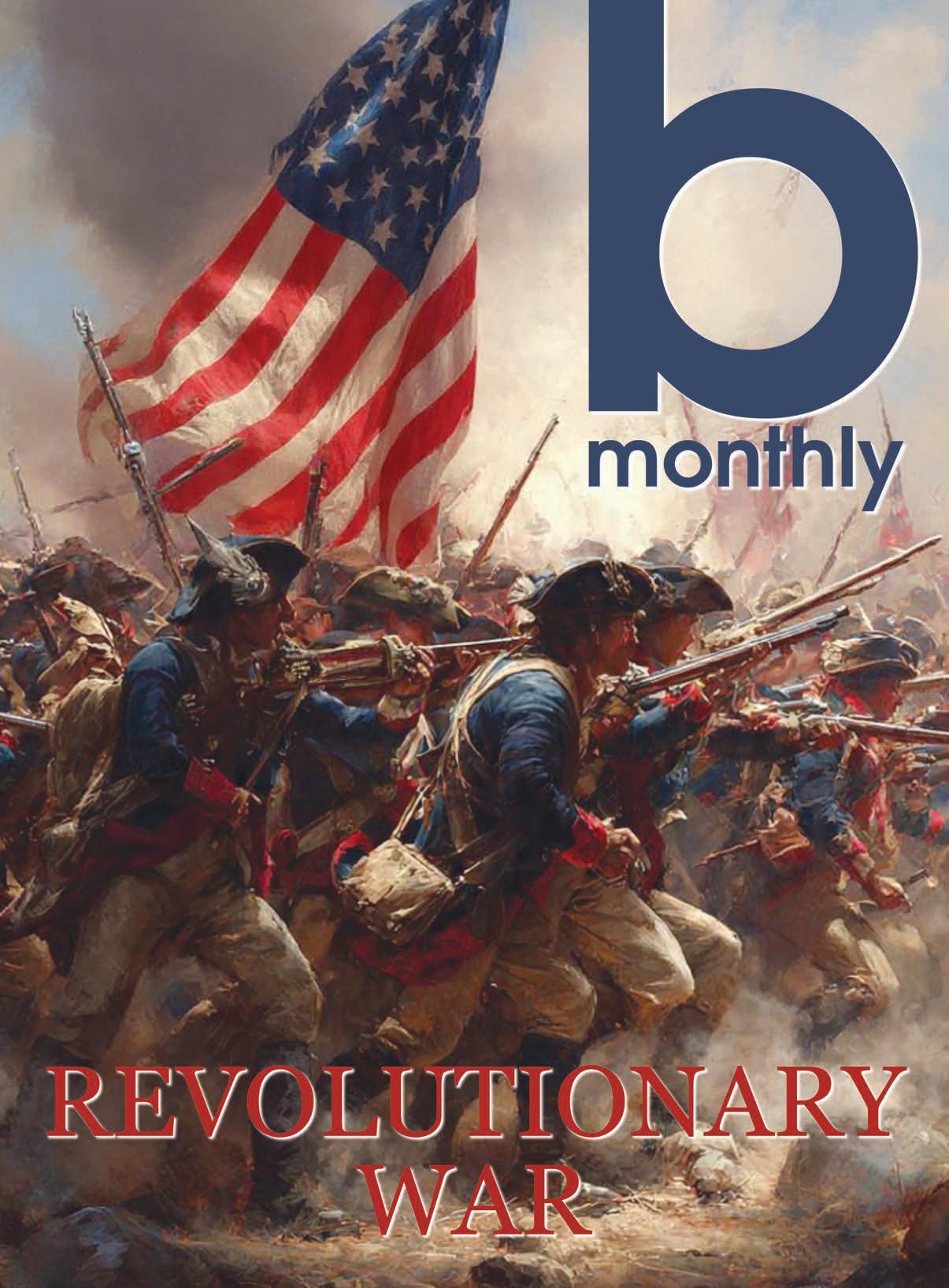
Most of you know I am a crazy history fan. I watch the History Channel all the time to the point where Christy says “is there anything else on?” For the next two months you are going to get some good American History. I have always loved how this great country became what it is today thanks to American Revolutionary War. I reached out to our good friend and former employee of the Examiner Enterprise, Andy Dossett, to write this story. This is a story about the blood, sweat, tears, loss, and all the odds stacked against us to become the family of The United States America! Do you really understand just how many millions and millions of people around the world would want to have that said to them? This country is a melting pot of so many people from countries around the world who came here for hope. They came here for a shot at their dream to be an American citizen and have a better life. I will save my thoughts on this for the end of the Upfront.
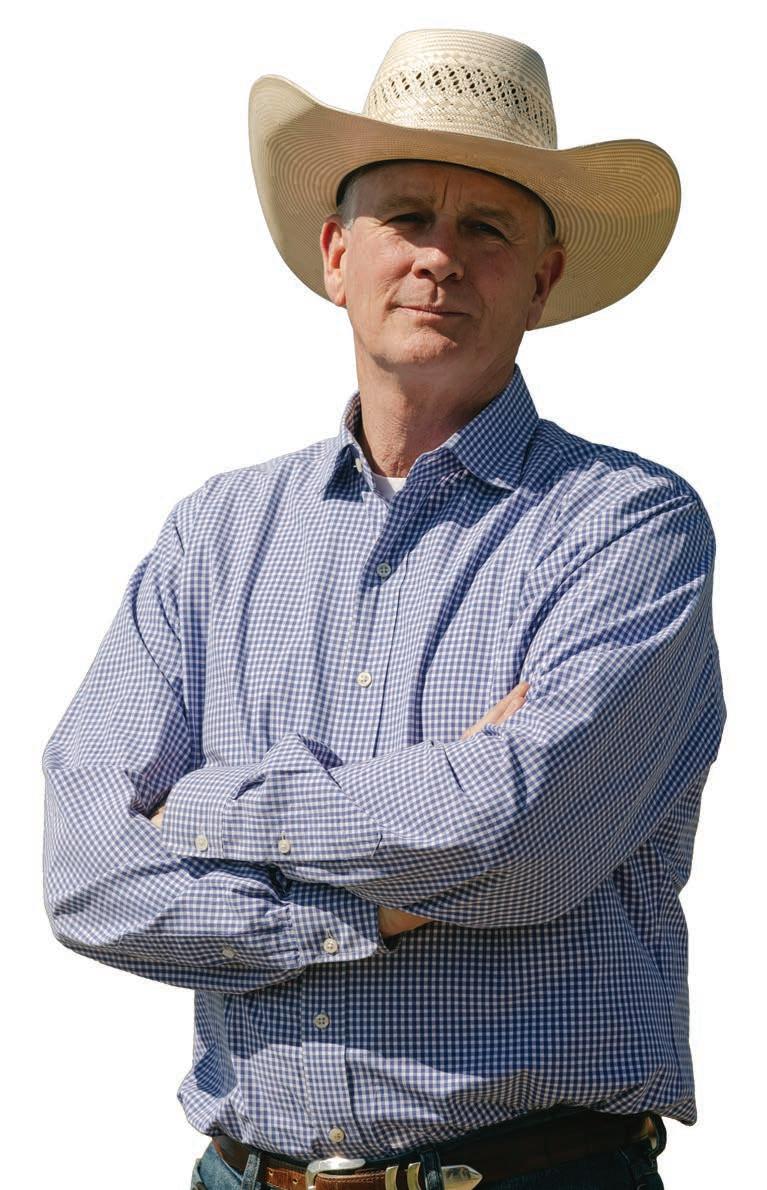
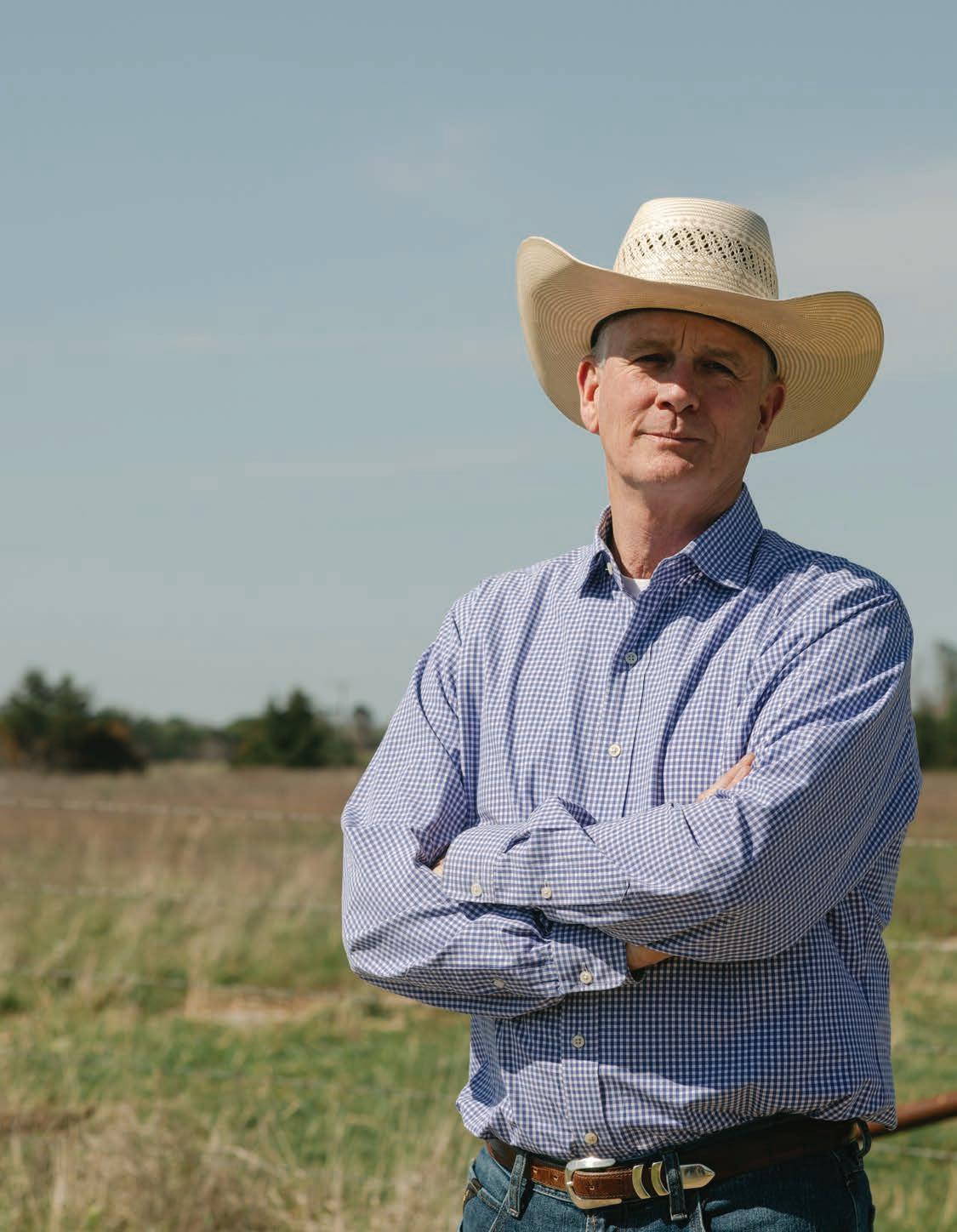
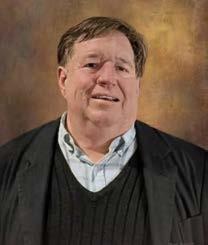
Our Profile this month is Granger Meador. What a great guy…I mean just solid. He’s done so much for our school system over the last 35 years. He knows all of our kids and taught some of them too. In his story he says “Teaching is about service.” Thank you, Granger, for all you have given to this community. Most importantly, you have helped shape these students into successful leaders in their lives.
Christy and I always know May is going to be a crazy month. April is also busy spending our time getting the magazine to print and working at B the Light Mission. However, May is when we do Gracefest on the Green. This is our 6th Gracefest, and this year we have a good friend of ours and Owasso native, Chris Cleveland, with Stars Go Dim. He is a huge Christian performer and has many hits. We are so excited to
bring him here as the headliner. He was part of a tour we brought here 4 years ago but not the main act. We are also bringing back Candace Eddleman who just became a fan favorite last year. She is starting to put her first single out on Spotify - just wait until you hear this song!
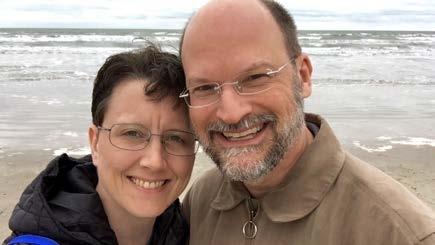
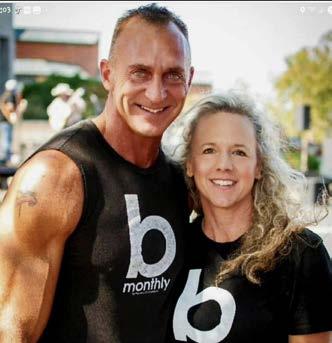
We have a lot of people asking us how we do all we do. Well, we really don’t think about it like that. This July we celebrate 21 years of marriage. You all know through our story and our videos that we were tested to the core! The Enemy had his sights on us and this family to ruin. He came close, but we know the ultimate Victor…our Lord and Savior Jesus Christ. Where would this whole thing be without HIM in our lives… the life I call coordinated chaos. When you work with your wife everyday on all facets of what we are - bmonthly Magazine, B the Light Mission and everything in between - you are still first husband and wife. I don’t know many men who work with their wives everyday like I do. I can say that each minute or hour we are not together we both are missing each other like crazy. She is the fabric of my being, my everything, but most important…my very best friend whose happiness is priority one for me!
I want to finish with what I was talking about earlier in the Upfront…in the June issue I am writing a story on my life of 57 years as an American living in this country. We will celebrate 250 years of this great place we all call home. Remember in July we have our photo contest “Beautiful Bartlesville” - that’s why we have it in July - America’s birthday! Our writer for that story is our Profile Granger Meador. You will love this story.
I will leave you with this until June…we live in an unpredictable and crazy world. There are millions of Americans estimated at 10%, which is 34,000,000 million Americans, who can not tell you who was the first president of the United States. That’s pretty sad. Yes, we have a divided country. Yes, we might not all see eye to eye. But one thing I believe is we should all be blessed and grateful for the love for our countryThe United States of America.
God bless, Keith
Volume XVII Issue V
Bartlesville Monthly Magazine is published by ENGEL PUBLISHING
New office located in the B the Light Mission 219 North Virginia Avenue, Bartlesville, Oklahoma 74003 www.bartlesvillemonthly.com facebook.com/bartlesvillemonthly
Publisher Brian Engel brian@bartlesvillemonthly.com
Graphics Engel Publishing matt@engelpublishing.com
Director of Sales & Marketing Keith McPhail keith@bartlesvillemonthly.com
Community Liaison
Christy McPhail christy@bartlesvillemonthly.com
Project Manager Andrea Whitchurch andrea@bartlesvillemonthly.com
Administration Shelley Greene Stewart
Delivery and Distribution Dewayne Engel Calendar/Social Media calendar@bartlesvillemonthly.com
Contributing Writers
Debbie Neece, Kay Little, Kelly Hurd
Jay Hastings, Keith McPhail, Jay Webster
Lori Just, Joe Todd Greg Wheat, Maria Gus, Andy Dossett Brent Taylor
Contributing Photographers
Bartlesville Area History Museum
Debbie Neece Bartlesville Photo Studio
Calendars
Debbie Neece, Jessica Smith

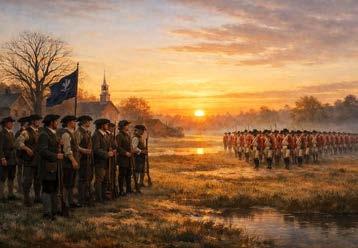
Looking back at America’s Revolutionary War.
Creative concept by Keith and Christy McPhail
Design by Engel Publishing



by Lori Just
After nearly four decades in education, Granger Meador is retiring from Bartlesville Public Schools, leaving behind a legacy as a beloved educator, technology leader and local historian. From a family history rooted in Dewey to a career shaping more than 2,600 students, Meador’s link to Bartlesville didn’t begin when he arrived to teach physics in 1989. It began more than a century earlier with a covered wagon and a family chasing opportunity.
“My connection to this area goes back over a century,” he shared. “My paternal great-grandfather Frank Meador and his wife Effie left hill farming in southwest Missouri in 1923, bringing their family to Dewey in a covered wagon pulled by a team of horses.”
Frank’s brother-in-law, Enoch Weston, was working as a power plant operator at the Dewey Portland Cement Company, and hehoped to land a job there too. Meador’s dad, Ira, was born in Dewey a couple of years after the family’s arrival. In 1936, amidst the Great Depression, the family moved north to a place called Grabham Station about five miles south of Independence. It was a Cities Service facility out in the middle of nowhere. Granger’s father graduated from Independence High School.
“Dad served in World War II, and then he became a petroleum engineer through the GI Bill,” Meador added. “By the time I was born, he was living in Oklahoma City and working for Cities Service Gas. I was born and raised in Oklahoma City.”
His mom, Charli, came from a very different background where she grew up in south-central Oklahoma on a farm without electricity or plumbing and then migrated with her large family in a dozen moves over five years across Arkansas, Arizona, Texas and New Mexico before landing back in Oklahoma. So,he believes he had “a mix of influences growing up.”
“My father had always enjoyed history,” Meador said. “He drew a huge timeline of world history on the backs of a series of natural gas pipeline charts, compiled many notebooks on genealogy and wrote autobiographies, a biography of my mother and more.”
While that environment fostered an appreciation for the past, Meador found himself drawn in another direction.
“Science, especially physics, held my attention,” he said. “I became interested in physics in seventh grade when I picked up a paperback book on the subject, and that interest stuck.”
That passion carried him through high school, where he was named a National Merit Scholar and later a U.S. Presidential Scholar, an honor that included being with President Reagan in the White House Rose Garden.
“During that trip, my parents and I met Senator David Boren,”
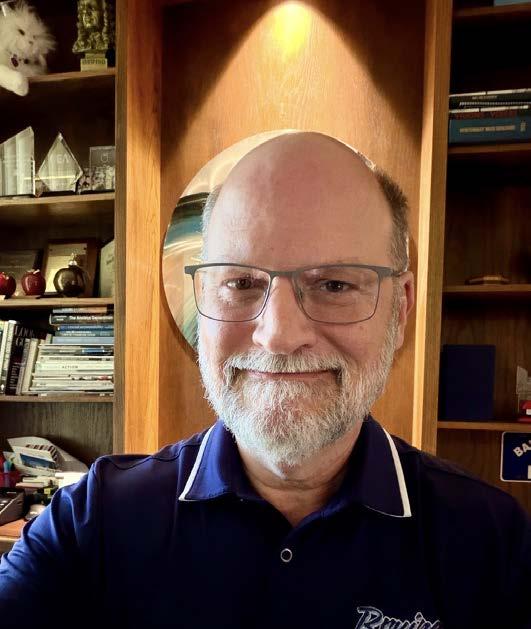
Meador said. “He looked me in the eye and said that I had a personal obligation, as a top student, to make the most of myself and serve my home state in some capacity after I graduated. He told me that an education is a debt due from our state’s present to its future generations. That really resonated with me.”
At OU, Meador initially pursued engineering physics and earned recognition as an outstanding sophomore in the program. But despite his success, something didn’t feel right.
“I wasn’t happy in the major,” he said. “I decided to switch paths because I wanted to teach high school physics. The leaders of both the engineering physics and science education programs tried to dissuade me, urging me to go into research or teach at the university level. But I wanted to teach physics all day in an Oklahoma high school.”
That was a challenging decision in a state where such opportunities are limited.
Still, he stayed the course, graduated as the Outstanding Senior of the College of Education, and remained committed to serving in Oklahoma. He got offers from several districts, but none were for full-time physics. He was stubborn enough to pass on offers until finally, in late July 1989, he got a call to interview in Bartlesville.
“I was only familiar with a few things in Bartlesville: Highway 75, the Pizza Hut, Sooner High School and the Madison Heights area,” he said. “When the Bartlesville High School Principal,Ben West, asked me if I knew where the high school was, I said, ‘Sure! It is on Baylor Drive.’”
That answer drew a laugh, with West explaining that Sooner High had become the Mid-High in 1982, and he would be interviewing him at Bartlesville High School on the west side of the Caney River. “I drove to Bartlesville, found my way west across the Caney River for the first time, and entered the big white concrete building that had formerly been College High,” Meador said. “The facility was interesting, but back then its science labs and group facilities were quite dated.”
Despite the aging building, he already understood something important about the community.
“I had worked for Scholars Programs at OU, recruiting National Merit Scholars, so I knew Bartlesville churned out lots of top-notch students with plenty of Advanced Placement credits likely due to its high socioeconomic status, arising from being the headquarters of Phillips Petroleum,” he said.
After settling in town upon landing the physics position at BHS, Meador reconnected with a relative whose influence would prove lasting.
“I knew I would eventually see Edgar Weston, my double first cousin once removed,” he said. “For those needing a translation, Edgar was the son of my paternal grandmother’s brother and the son of my paternal grandfather’s sister.”
Weston was a local legend as an avid historian. He helped organize the Washington County Historical Society, restored the Dewey Hotel, helped build the Tom Mix Museum, and wrote a newspaper column about local history. In 1990, Meador attended one of Weston’s tours as a showcase event for the annual OK Mozart music festival.
“He regaled us with stories as we drove around downtown Bartlesville and out to the Tyler-Irwin farm,” Meador said. “That kindled my interest in the history of the little town I had made my new home.”
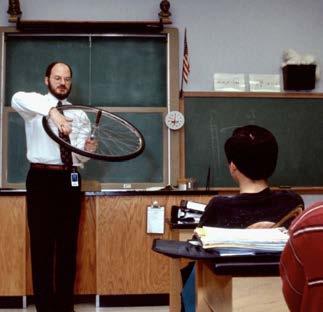
Meanwhile, in the classroom, Meador quickly became known for creativity and connection between physics and students. “One thing students remember from my 28 years in the classroom is ‘Fluffy the Cat,’” he said. “I created Fluffy as a character in physics word problems to make them more engaging, usually involving some humorous or unfortunate scenario. I’m allergic to cats, but I do like them, so I dreamed up Fluffy.”
Fluffy began as a simple teaching tool, but then his students took it further. At the end of his first year, students gave him a stuffed white cat, and Fluffy became a classroom fixture. “They would ‘catnap’ her, take her on trips, send ransom notes and share photos,” he laughed. “I joked how I hadn’t traveled abroad, but my stuffed cat had been to Ireland and London. I loved teaching.”
In the early 2000s, the Conoco-Phillips merger changed Bartlesville’s demographics, making it harder to sustain a full-time physics position. Meador filled out his day as science department chair, with added administrative responsibilities. One major project was a grant from Phillips 66 to develop STEM classes and facilities across the high school and middle schools. In 2016, Superintendent Chuck McCauley asked him to step out of the classroom to lead a technology initiative. “It felt like the right time for a change,” he added. “I helped guide Bartlesville through rapid technological transformation. A major initiative was implementing one-to-one Chromebooks. The pandemic accelerated that effort, and the technology helped us maintain in-person classes because it allowed us to manage high absenteeism from quarantines and isolations.”
Over the years, Meador became curious about Bartlesville’s unusually large number of former school buildings and its history of consolidating schools. In 1997, he began researching at the Bartlesville Public Library where he uncovered old publications, newspaper archives, and records detailing dozens of school sites and their histories. He turned this research into a personal project, creating web pages for each school and photographing the buildings himself. As his work evolved, he integrated this historical content into school and district websites and continued collecting materials from books and online sources.
After moving into district administration, he launched a largescale digitization effort, preserving thousands of historical photos and documents that had been stored as outdated media. He created
an online archive of over 40,000 images and built timelines and records of school facilities and leadership. He has given presentations at the Bartlesville Area History Museum, which he regards as a community treasure.
When he reflects about changes in education, technology stands out the most. “It’s powerful, but it brings challenges like screen time andsocial media,” he added. “We all must work to ensure it is used in healthy and productive ways.”
He also contributed to statewide advocacy. In 2018, he worked with a coalition to successfully advocate for legislation that stabilized school funding. Now, with the superintendent retiring, it felt like the right time for him to step down as well and officially retire at the end of June.
As for accomplishments, he was twice named District Teacher of the Year, and he received the Oklahoma Medal for Excellence in Secondary Teaching. That award was especially meaningful because it came from a foundation started by David Boren, who had influenced him to stay and serve in their home state.
“I’ve spent about 40 years in Oklahoma education, and Bartlesville has been an incredible place to serve,” he said. “The community’s support for education makes it special. When I arrived, many facilities were outdated. Decades of investment have transformed them into much better learning environments.”
In his retirement, he plans to continue historical projects, including documenting downtown buildings block by block. “I also enjoy the Pathfinder Parkway and created a detailed online map with hundreds of points of interest,” he added. “I blog regularly about topics that interest me and plan to do more hiking and traveling.”
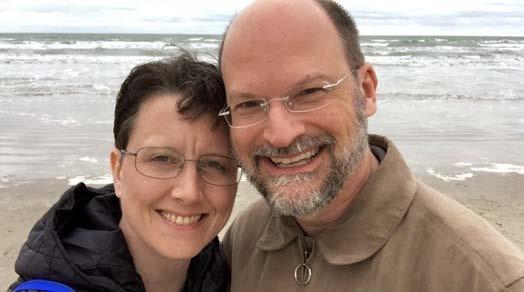
At home, Meador’s world will still be connected to the schools. His wife, Wendy, whom he married in 2016, continues that shared commitment to education, transitioning from teaching special education to leading the Chromebook repair classes at BHS that will continue to maintain the district’s devices. Their household also includes two unlikely companions, Ethel and Oreo, a pair of outdoor cats who, as Meador puts it, “adopted us.” Because of his allergies, he keeps a respectable distance, but the arrangement suits them all just fine.
As he reflects on his career, Meador returns to a philosophy that has guided him from his earliest days in the classroom to his final years in administration. “Teaching is about service,” he said about his advice for educators. “You’re serving both the community and each individual student, investing in making the world a better place by helping them grow.”
It’s a perspective that frames his career not in years, but in lives.
“That’s the legacy I hope to leave,” he added. “Knowing I have helped thousands of students become better thinkers. I am grateful to see that impact every day.”
The First to Welcome, the Last to be Counted
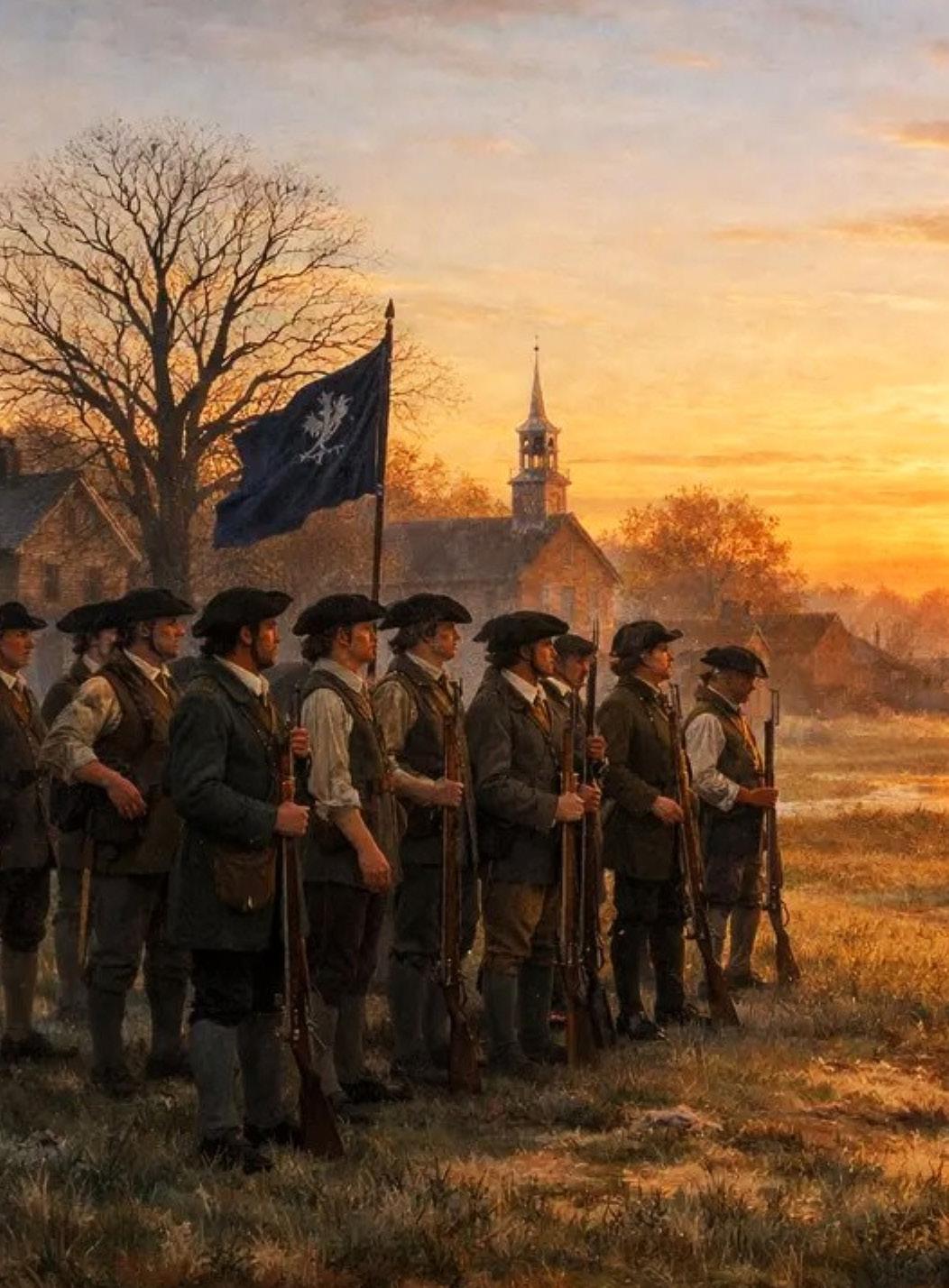
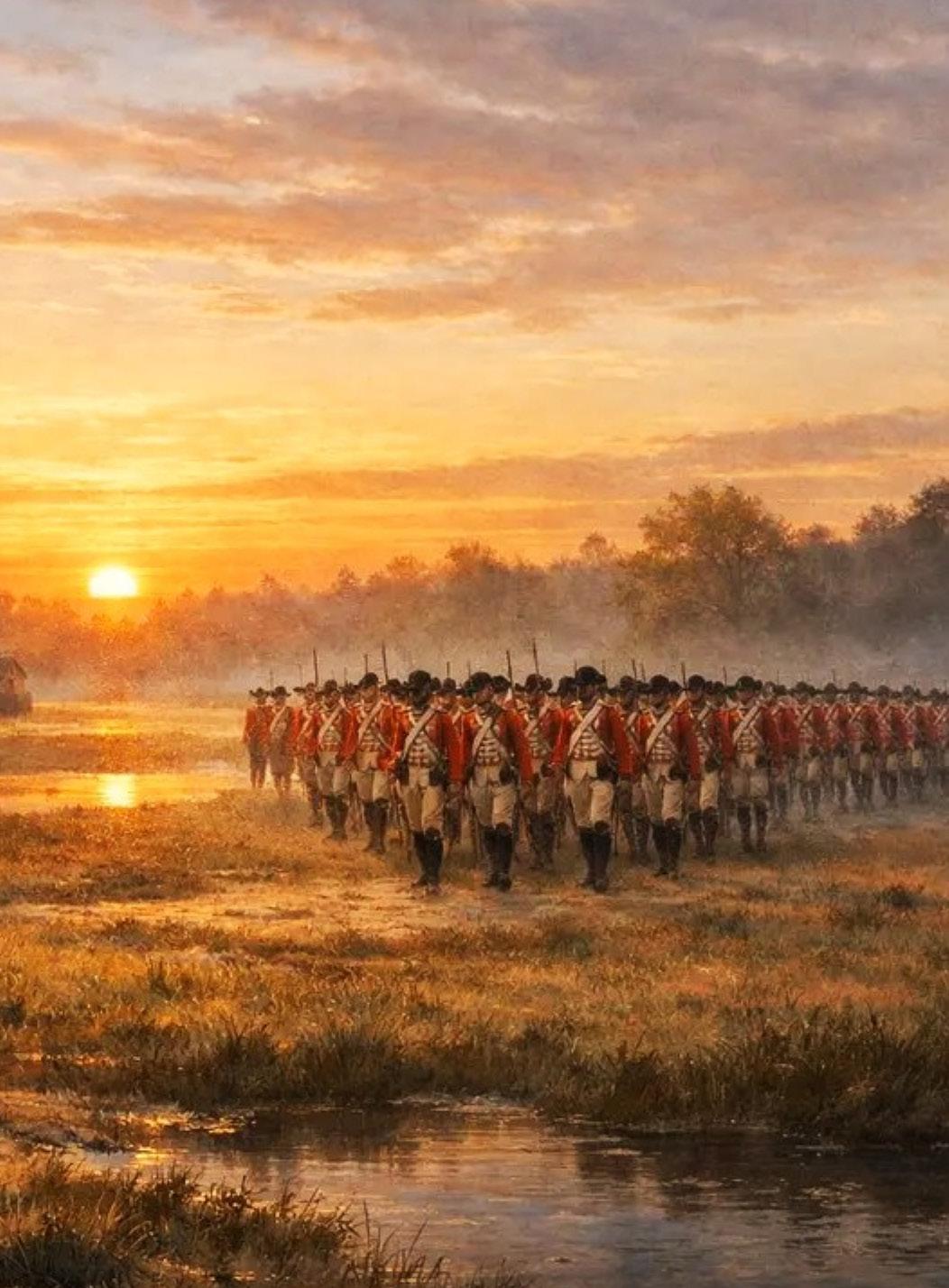
Two hundred fifty years ago, a scrappy band of colonists decided they were done answering to a king.
Maybe some spent too much time in taverns. Maybe some were dreamers, agitators, or opportunists — or all of the above. Together, they launched a revolution and helped create what would become the United States.
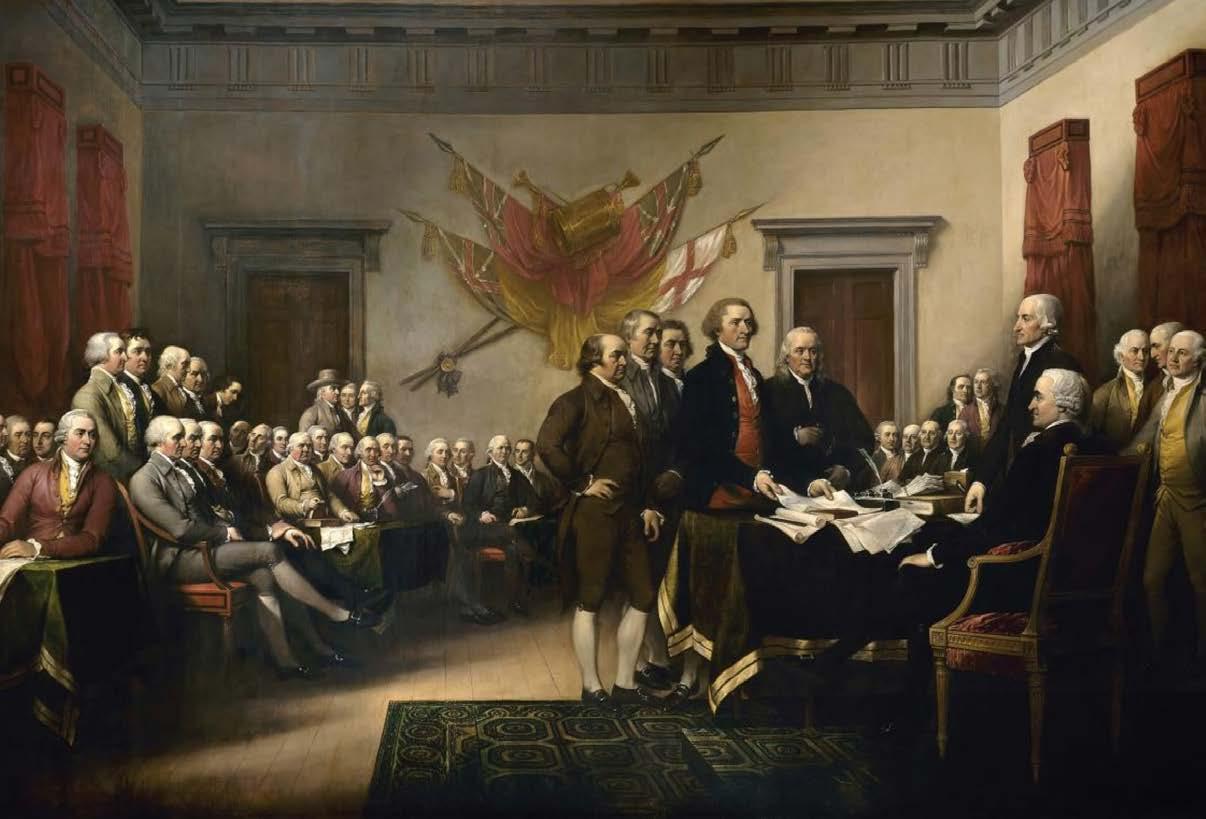
Americans excel at telling this story — it is foundational, dramatic, and true. The fight for liberty and self-government sits at the core of the national identity. It gave the country enduring words: “We hold these truths to be self-evident, that all men are created equal.” It is a sentence Americans love to repeat. It deserves to be remembered.
But as we celebrate that dramatic beginning, it is important to remember what came next — and who paid the price for that future. Because while those colonists were declaring themselves free, there were already Native nations here whose history on this continent stretched back thousands of years before 1776. Among them were the Lenape, also known as the Delaware Indians, whose homeland once spread across the Mid-Atlantic: through what is now New Jersey, eastern Pennsylvania, Delaware, the lower Hudson Valley and the waters and shorelines where settlers first built their future.
By the time the colonies rebelled, the Lenape had already lived through disease, fraud, pressure, broken promises and the steady theft of their homeland. While colonists denounced tyranny, their
governments helped make Native self-determination smaller and smaller.
And generations later, those contradictions would help create what is now Bartlesville, Oklahoma, where Jacob Bartles, the town’s namesake, married into a Lenape family. Jeremy Johnson, the culture and education director for the Delaware Tribe of Indians, puts the local truth plainly: “Bartlesville would not be what it is if it weren’t for the Delaware Indians.”
If you ask Johnson how the Lenape got to Bartlesville, he will laugh a little. “Let’s say it’s complicated,” he said. “How much time do you have?”
But in order to discuss how the Lenape traded the Delaware River for the Caney River, it’s important for Johnson that people understand who the Lenape, or Delaware, are. The name Lenape means “The people” or “The original people.” Delaware wasn’t something the people chose, and for Johnson, the name Delaware carries a sting.
“Delaware” is a colonial label, tied to the Delaware River, which was named for Thomas West, 3rd Baron De La Warr, the Virginia governor associated with brutal warfare against Native people, including the burning of villages during the AngloPowhatan wars. While the title Delaware Tribe of Indians is the federally recognized name for the Lenape based in Bartlesville, that name carries a troubled history.
Before there was America, there was Lenapehoking Lenapehoking was the Lenape homeland. It was not a blank
space on a map waiting to be named by colonists. The Lenape were not one rigidly centralized nation in the European sense, but a loose, matrilineal confederation of communities bound
by language, kinship, trade and a shared relationship to the land. Within that world were three major Lenape groups, often described as geographical and political divisions: the Munsee, associated with the Wolf in the north; the Unami, associated with the Turtle in the center; and the Unalachtigo, associated with the Turkey in the south.
They spoke related Algonquian dialects. Their villages governed their own affairs. Their culture was rooted in riverways, forests, coastlines and seasonal movement. They were distinct, but they were also connected, part of a larger Lenape world that had existed on its own terms for generations beyond counting.
The Lenape were here long before the republic was an idea. They had their own political order, their own geography, their own diplomacy and their own understanding of how to live with the land. Some of the Lenape’s migration trails would become roads and highways still used today.
Often, the public version begins with Europeans “discovering” a place and, unfortunately, proceeds as if Native people entered the frame only when colonists needed guides, trading partners or enemies.
When Europeans arrived in the 16th century, the Lenape successfully kept European expansion to a minimum. It was a time of peace and conflict.
Till much of the 17th century, the Lenape held real power in the region. They shaped trade. They controlled movement. They
determined where and when Europeans could travel and settle. Johnson said the Lenape were “the first to welcome and the first to always help.” That generosity, like so much else in Native history, would be remembered by the United States far less faithfully than it was given.
European diseases devastated Native populations. Settler ideas about land ownership crashed into Lenape understandings of family, stewardship and shared use. Colonists often negotiated as if Native leaders had the same sort of top-down authority recognized in European law, then acted offended or confused when Lenape communities disputed what had supposedly been sold
The fraud that taught the Lenape what colonial promises were worth.
If there was ever a moment that explained why the Lenape learned to hear colonial promises with suspicion, it was the Walking Purchase of 1737.
William Penn, the founder of Pennsylvania, had earned a reputation for more measured dealings with Native people than many of his contemporaries. That reputation outlived him. His fairness did not. His sons, John and Thomas Penn,
inherited the colony and quickly showed far more interest in land than in keeping the peace.
According to historian Steven C. Harper, what followed was a “convoluted sequence of deception, fraud, and extortion orchestrated by the Pennsylvania government.”
The Penns revived a disputed old claim from the 1680s that supposedly entitled them to a huge tract of Lenape land stretching from the Delaware River inland as far as “a man could walk in a day and a half.” The phrase was often used to measure longer distances at the time. The authenticity of the document was debated at the time, and now many historians believe it was a forgery, but the colonists were, to say the least, persistent in enforcing it.
To quiet Lenape suspicion, colonial officials showed them a map suggesting a fair route and a manageable amount of territory that would be consumed in the “walkable distance.” The Lenape understood that a man could walk roughly 40 miles in the given time, given the terrain of the suggested path. However, behind the scenes, the colonist cleared a path and hired three runners to cover as much ground as possible.
When the day came, it wasn’t a walk; it was a race. One runner, Edward Marshall, covered about 70 miles. Then, colonial authorities drew their lines from that endpoint and claimed more than 1.2 million acres across what is now eastern Pennsylvania, an area roughly the size of Rhode Island. The devastation of the Walking Purchase lay in the sheer amount of land and the method used. The Lenape thought the agreement used a familiar measure, only to find the colonists had altered its meaning.
The Lenape protested, but many were pushed into already
crowded places. Others moved further west into the Ohio Valley. The Walking Purchase taught the Lenape something they would have to learn again and again: in colonial America, a promise could be a trap, a treaty could be a trick and the law often arrived already leaning in one direction.
In 2004, the Lenape filed suit against the Commonwealth of Pennsylvania over the fraud. The courts did not dispute the ugliness of the history, but ruled against the tribe, saying the colonists’ actions were “accountable directly to the King of England,” not the United States.
By the Revolution, the Lenape had reasons not to trust anyone .
Before “the shot heard round the world” and the start of the American Revolution, the ground under it was already shifting. The British had tightened imperial control after the French and Indian War, taxing colonists and trying to rein in western expansion. Parliament’s measures — the Stamp Act, the Townshend duties, the Tea Act, the Coercive Acts — deepened colonial anger, while the Proclamation of 1763 tried, at least on paper, to limit settlement west of the Appalachian Mountains.
Colonists saw those years as a fight over liberty and representation. Native nations saw something else too: an empire, and then a rising republic, both trying to manage land that was not theirs.
For the Lenape, none of this was happening on some distant political stage. The Revolution unfolded across their homeland. The Delaware River itself ran through Lenape country. So did the roads, settlements and military corridors that would become some of the war’s most famous landmarks.
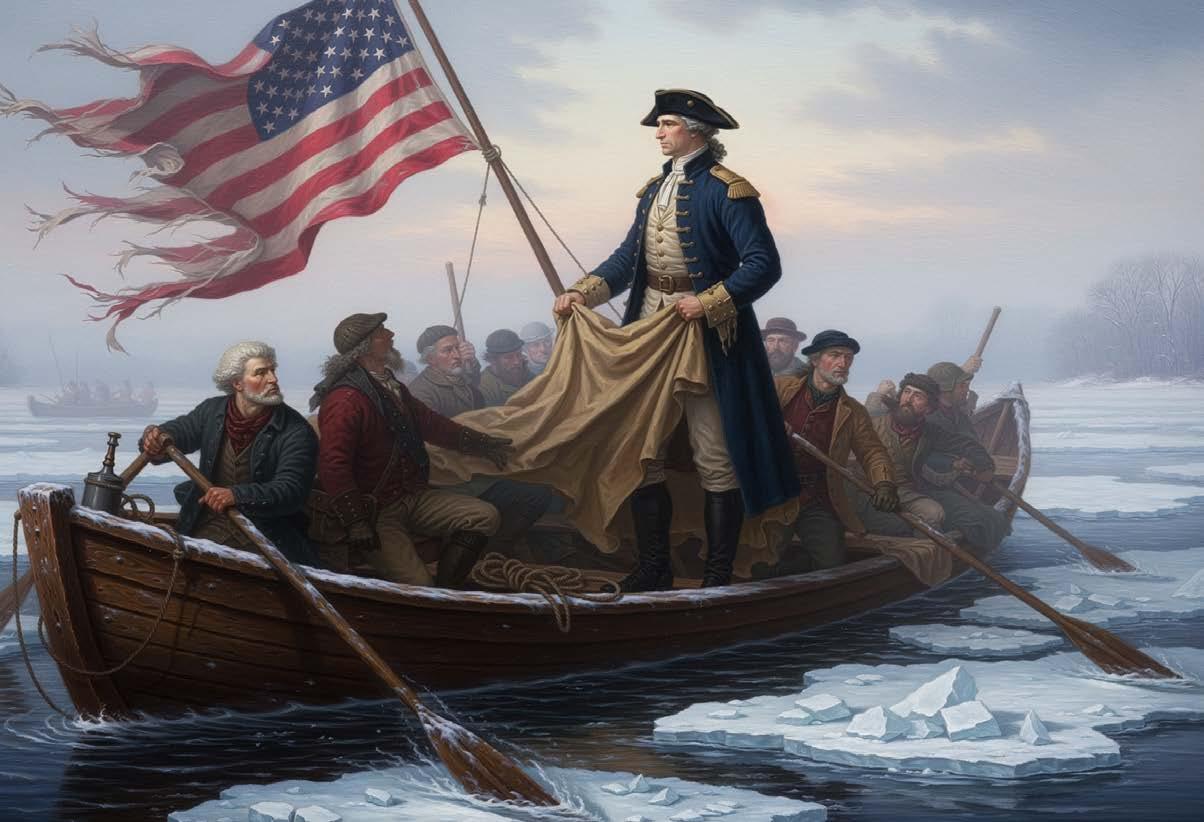
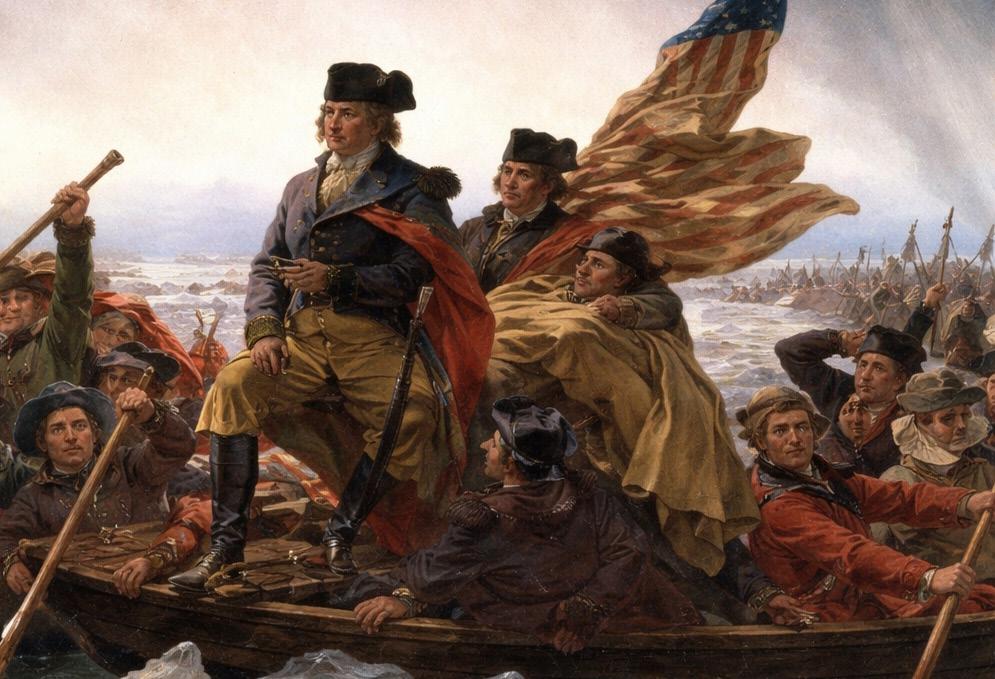
Washington’s crossing of the ice-choked Delaware on Christmas night in 1776, followed by the pivotal victory at Trenton, helped pull the Revolution back from the edge. The triumph restored morale, led to the win at Princeton and gave the patriot cause a badly needed jolt of life. Then came Valley Forge, where the army staggered through the winter of 1777-78 in hunger and misery. Soldiers starved. Supplies ran thin. Some boiled scraps of leather from shoes, belts and equipment to quiet the pain of an empty stomach.
Americans remember Valley Forge as a story of endurance, suffering and resolve. The places Americans remember as symbols of endurance and independence were, for the Lenape, part of a much older geography: Lenapehoking.
While colonists were deciding whether to break from the British crown, the Lenape were deciding how to endure yet another upheaval brought by outsiders. The governments changed over time, but the pattern did not. Again and again, the Lenape were the same people on the receiving end of bad deals, broken promises and someone else’s ambition. By the time the Revolution arrived in full, they had every reason to distrust what either side was selling.
Some wanted neutrality, which was the most sensible position available to a people caught between imperial powers and encroaching settlers. Some believed the British might better restrain settler expansion. Others chose to work with the Americans, hoping diplomacy might secure some kind of future. The Revolution was a civil war among colonists and the Lenape. Different bands made different calculations about survival and
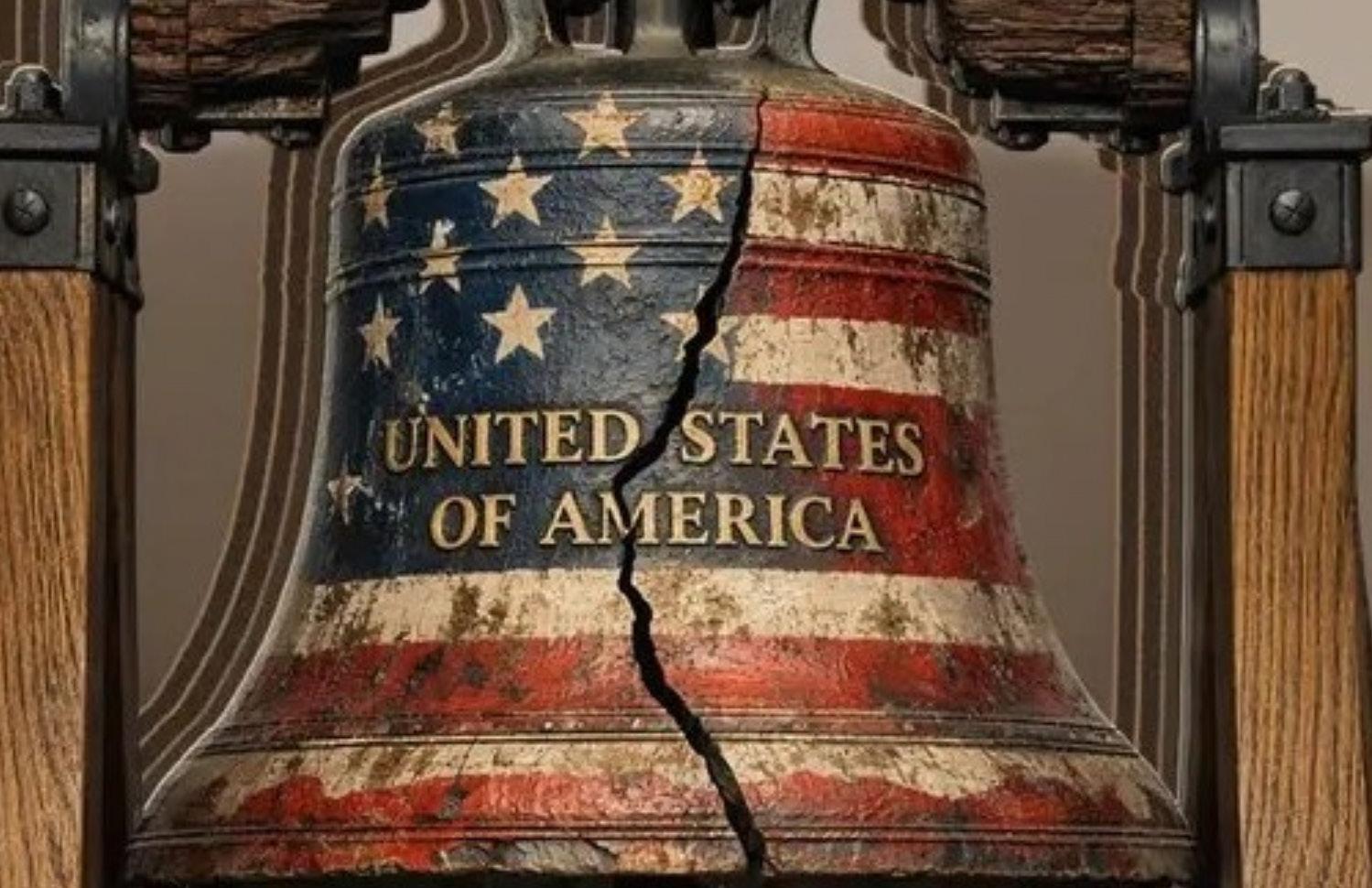
sovereignty.
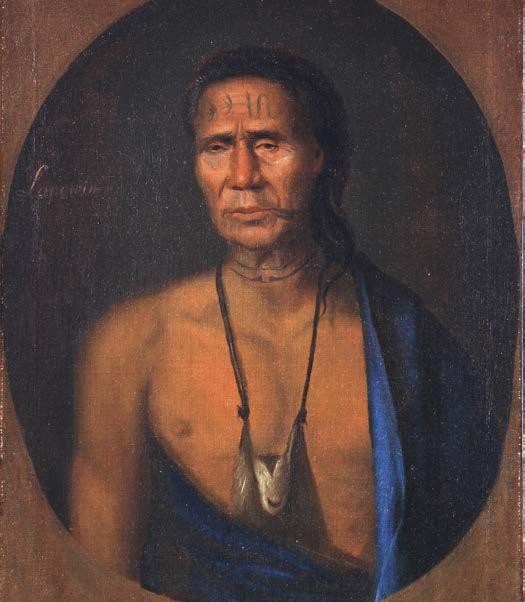
Johnson points to Koquethagechton, also known as White Eyes, who was a Lenape chief, as one of the most important figures in that history. White Eyes initially tried to remain neutral, but before long, it became evident that he would have to take sides. In 1777, he addressed the Continental Congress and, the following year, negotiated a peace treaty with American representatives. At this time, the war was going badly enough that every alliance mattered.
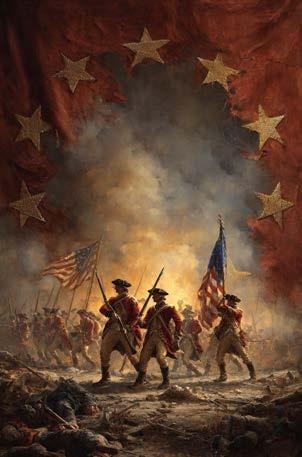
The United States signed the Treaty of Fort Pitt with the Delawares, the first treaty the new nation made with any Indigenous nation. The treaty called for free passage for American troops through Delaware country, support from Delaware warriors and the construction of a fort to protect the Lenape from the British and neighboring Native tribes. More importantly, it did something extraordinary: created a 14th state, an Indian state, with representation
in Congress. That mattered because it meant the United States was dealing with the Lenape as a nation. At least on paper.
Lenape would look back on that moment with a mix of pride and bitterness. The Delawares fulfilled their obligations under the treaty and provided the United States with troops, scouts, guides, intelligence, supplies, and safe passage, and “received nothing in return.”
White Eyes received a colonel’s commission in the American army; 68 Delawares were drafted to serve under Col. Lachlan McIntosh, and more than 500 Delaware Indians served as warriors and allies of the United States during the Revolutionary period. Five Delawares served among George Washington’s personal bodyguards.
George Morgan, the American Indian agent, put the matter bluntly in 1777. The Delawares, he wrote, would join the American side “if we will not deceive or suffer their people to be ill-treated.”
An alliance was possible. Trust was conditional. The United States had a chance. Then, it began to squander the opportunity.
Six months after signing the treaty, White Eyes died. Originally, his death was reported due to smallpox, but it was later discovered that he had been murdered by American militia.
Congress never followed through on the proposed Native state, and the treaty’s protective assurances proved ineffective. The alliance unraveled as soon as it had been struck. That failure mattered far beyond one treaty. It told the Lenape, early and unmistakably, that the new United States could speak the language of nation-to-nation respect while acting very much like the colonial governments that had already cheated them.
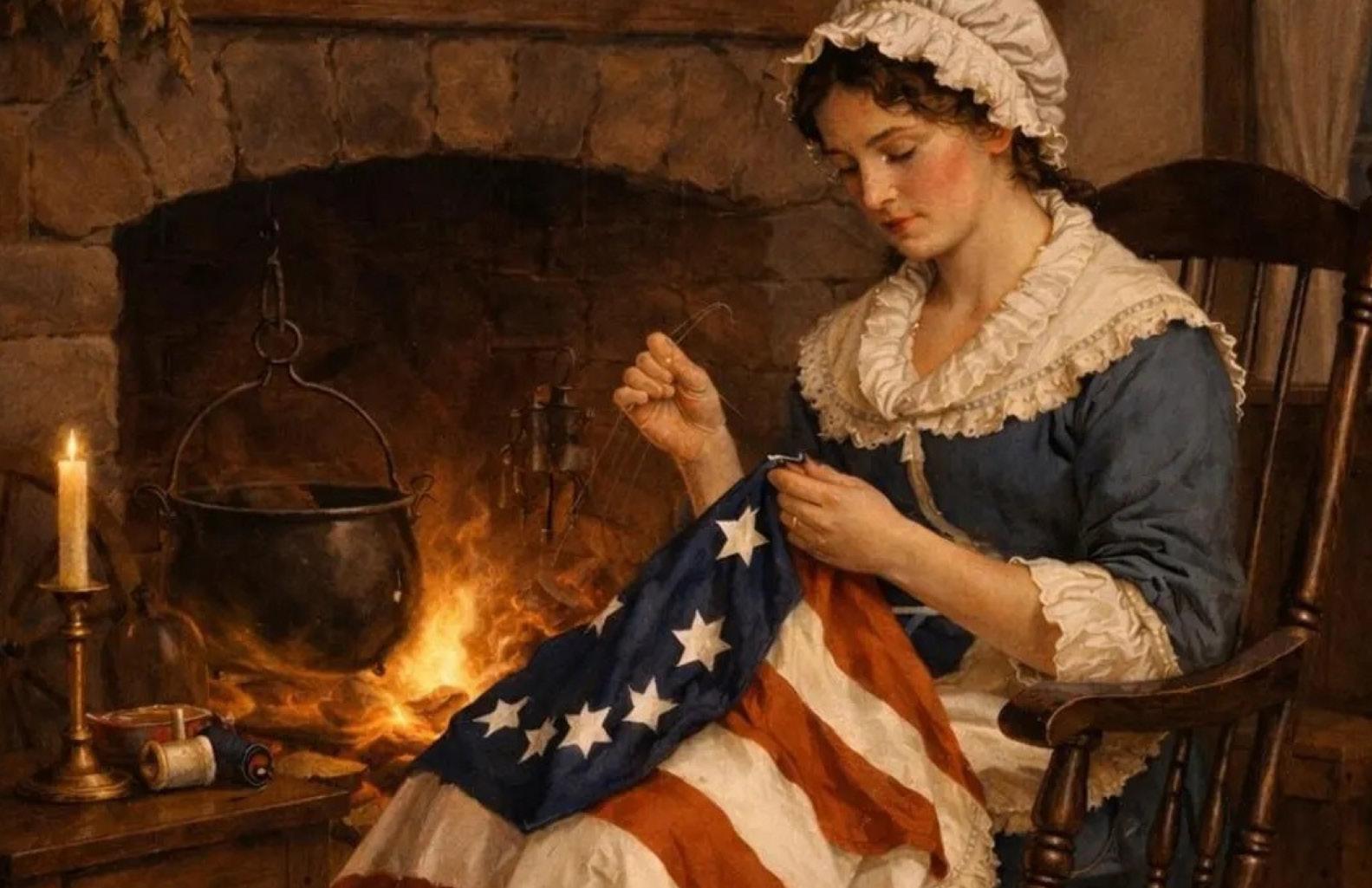
“A stain on the frontier character.”
Then came Gnadenhutten.
By 1782, with the unraveling of the Treaty of Fort Pitt and the murder of White Eyes, some Lenape had joined the British side, some had worked with the Americans, and others, including Moravian Christian Lenape and Mahican converts, tried to remain pacifists and apart from the fighting.
In March of that year, Pennsylvania militiamen rounded up Christian Indians at Gnadenhutten after promising to move them to a safer location away from the war. When the Lenape went to gather supplies from their village, the militia accused the Lenape of aiding raids and being spies. They bound them, condemned them, and dragged the women and girls into the snow and assaulted them. The next day, the militia killed 96 people: 28 men, 29 women and 39 children.
The United States had signed a treaty with the Delawares. White Eyes had tried to build an alliance. Delawares had served as guides, scouts and warriors in the revolution. And still, on the frontier, Native life remained precarious, disposable and vulnerable to men who often made no distinction between friend and foe. Years later, Theodore Roosevelt would call Gnadenhutten “a stain on frontier character that the lapse of time cannot wash away.”
Johnson sees the collapse of the Fort Pitt treaty and the massacre at Gnadenhutten as part of the same story. The first treaty between the United States and an Indigenous nation failed. The sovereignty that the Lenape had hoped to secure was not protected. The peace was not kept. And, the republic that had
spoken so confidently about liberty proved unable, or unwilling, to keep Native allies safe.
The war did not end, it moved west
With France operating on the old logic that “the enemy of my enemy is my friend,” it did more than anyone to help the United States win the war, providing money, weapons, troops and naval power.
With the blockade at Yorktown in 1781, the war was effectively over. French ships trapped the British by sea while American and French forces closed in on land, forcing the collapse of Lord Cornwallis’ army. More than 7,000 British troops surrendered. Cornwallis, claiming illness, skipped the formal surrender in an apparent effort to save face. After Yorktown, major hostilities on the American continent largely faded.
The Revolution ended on paper in 1783. The pressure on the Lenape did not. Peace was mostly something being declared without input from the Native nations.
That year, Great Britain and the United States signed the Treaty of Paris and redrew the map almost as if the Native nations were invisible. Britain recognized American sovereignty over a huge swath of land east of the Mississippi River and south of the Great Lakes — territory Native nations had never agreed to cede and Britain had no real authority to sign away. These were the lands the Lenape were forced into and would soon see themselves force from again.
The young United States, broke after the Revolution and
desperate for revenue, looked at the Northwest Territory and saw money. Under the weak Articles of Confederation, the federal government had little power to tax, so land sales became the plan. The stage was set for another fight. For Native nations, it was a fight to defend their country. For the United States, it was a fight over whether the new nation could turn contested Native land into cash, settlement and power.
Johnson points to the 1791 Battle of the Wabash, also known as St. Clair’s Defeat, as another turning point.
It’s considered the most decisive defeat in the history of the American military and the largest defeat ever inflicted on the U.S. Army by Native forces. The Native confederacy that won that battle included Buckongahelas of the Delawares, along with Miami, Shawnee and other Native leaders. The young United States had won independence, but it still had not subdued Native resistance in the Northwest.
That victory did not stop the tide. After the U.S. victory at Fallen Timbers in 1794, the Treaty of Greenville in 1795 followed, another agreement that redrew the boundary between Native land and American settlement. It ceded large parts of present-day Ohio, established what became known as the Greenville Treaty Line and began the annuity system, tying Native nations to yearly federal goods and payments even as settlers kept pushing forward. The treaty is sometimes described as a peace. It was also a framework for more dispossession. The line on the map moved once again, but the pressure kept moving with it.
Johnson said Indian removal is often told as one event, a sudden tragedy. For the Lenape, it was a pattern. One continuous line of history. Over the centuries, the faces across the table changed —
colonial officials, British authorities, American negotiators, federal agents — but for the Lenape, it was always the same people forced to live with the consequences.
Ohio. Indiana. Missouri. Kansas. Indian Territory. Oklahoma. Canada for some. Fragmentation for others. Each new place arrived with fresh promises, then new pressure, then another negotiation, another dispute, another shrinking horizon. Johnson counts roughly 24 treaties and more than 30 removals, with seven under forced violence. He calls the Lenape the most removed tribe in American history. Even when the tribe found room to settle, that room rarely stayed theirs for long.
By Johnson’s telling, that relentless movement is one reason there are now six Lenape nations, three in Canada and three in the United States. Removal forced the Lenape west. It also split families, communities and political futures.
How the Lenape came to Bartlesville .
That answer contains a century and a half of forced geography. Like Johnson said, “it’s complicated.”
Eventually, the Lenape were pushed into Indian Territory, which became Oklahoma. In 1867, the Delawares negotiated with the Cherokee Nation to purchase a strip of land that would serve as a buffer between the Cherokee and Osage nations; roughly 10 miles wide and 40 miles long. The land was bordered by the Kansas state line on the north, 96th meridian on the west (bordering the Osage Reservation), and Nowata County on the east, land now called Washington County.
The Delawares understood themselves to be buying land. The Cherokee position, Johnson said, was that they had only bought
the right to live there. That unresolved disagreement helped set the stage for later federal recognition battles and legal fights over what exactly the Lenape retained: a home, a right of occupancy or the fuller standing of a sovereign nation.
Since being forced to Oklahoma, the Delaware Tribe of Indians has gained and lost federal recognition multiple times, most recently regaining recognition in 2009. That distinction goes to the heart of what Native sovereignty means. For the United States, land ownership and political legitimacy aren’t separable. The same was true for Native nations. If you can reduce a people from a nation to a tenant, you downgrade a future.
And yet, for all that, the Lenape kept building.
The Delaware helped shape commerce, settlement and civic life in this part of Oklahoma. They helped make Bartlesville what it became. That is not just Johnson’s pride talking. It is a historical fact. The town did not emerge from empty ground. Like nearly every American place, it was built out of Indigenous history long before it was folded into state history.
In 1868, Jacob Bartles married Nannie Journeycake Pratt and they also made the move to Washington County. Jacob was an Indian trader and supreme entrepreneur. His Kansas family roots were involved in the American Revolutionary War and he served proudly during the Civil War. Nannie was of Delaware decent and her father, Charles Journeycake, was a Delaware Preacher. It is through the relocation of the Bartles and Journeycake families that the towns of Bartlesville and Dewey were founded.
The Delaware Tribe of Indian has also established their tribal headquarters in Bartlesville.
The first to welcome, the first to help.
There is one more part of Johnson’s framing that lingers.
“The first to welcome and the first to always help.”
The Delawares allied with the United States early. They signed its first treaty with an Indigenous nation. They gave passage, intelligence and warriors. Protected America’s first president. A 1910 memorial from Delaware Indians in Oklahoma presented to Congress said they later aided the United States in the War of 1812 and remained loyal in later conflicts, including the Florida War, the Mexican War and the American Civil War.
Johnson carries that line forward to the present, saying Lenape people have fought on the side of the United States in every war since the American Revolution for Independence, including long before Native people were recognized as U.S. citizens.
A people whose sovereignty was repeatedly narrowed still fought for the country that narrowed it.
A people displaced again and again still served in its armies.
A people the United States could not consistently honor in treaties somehow remained among the first to answer when it needed help.
A people standing tall as dedicated American citizens who were “The first to welcome and the first to always help.”
God Bless Americans!

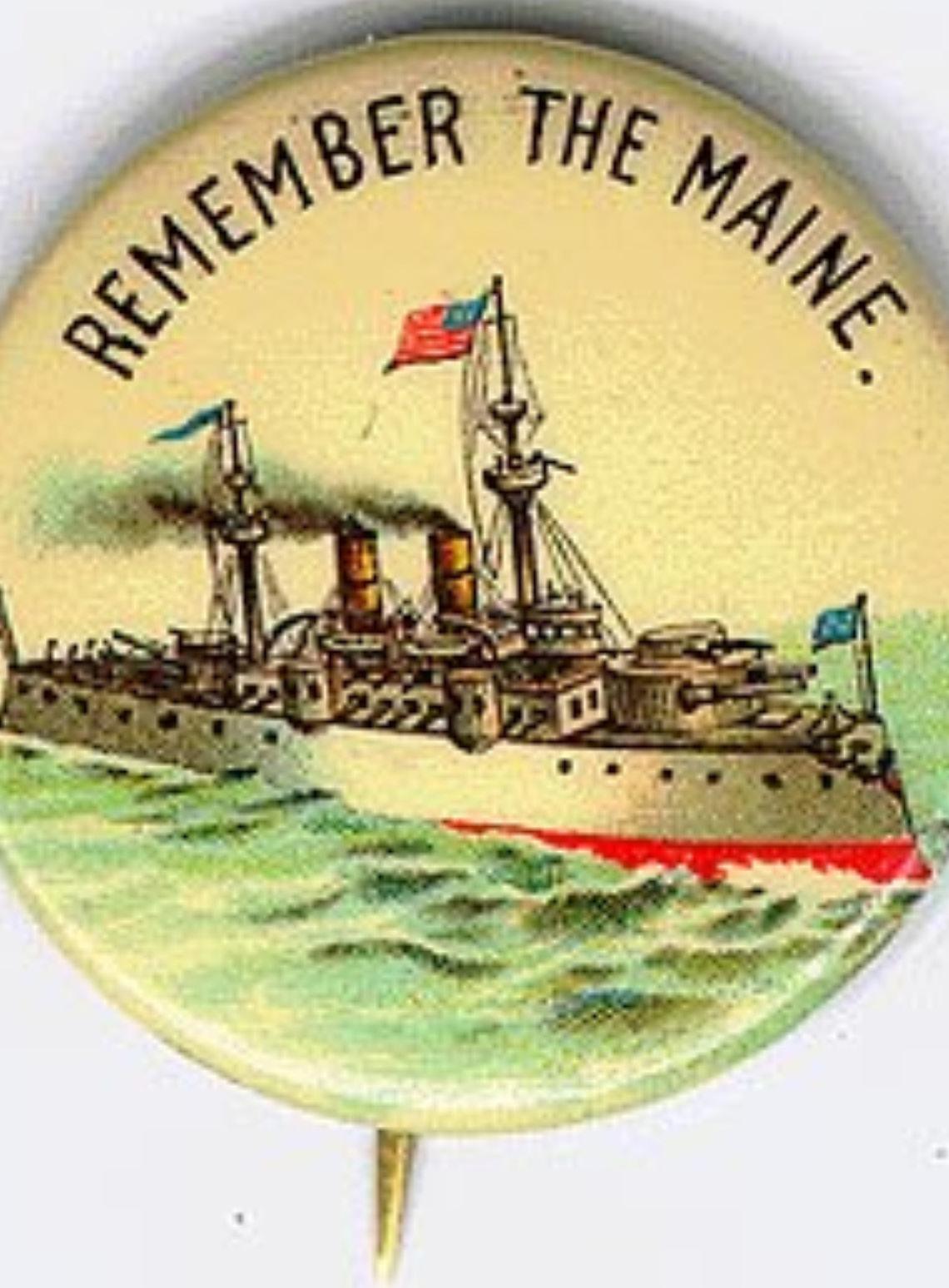
Poking a protective, well-intentioned bear is never a beneficial thing, even in an accidental situation with explosive complications. In 1898, tensions between Cuba and Spain were red hot during Cuba’s War of Independence. The American Naval battleship, the U.S.S. Maine was sent to Havana Harbor as backbone support for Cuba and to protect American interests in the area. During the peaceful evening of February 15, 1898, the Maine unexplainably exploded in Havana Harbor, killing 266 American sailors. Sound like a familiar connection to another war?
Although the exact cause was never disclosed, the U.S. blamed Spain for the sinking of the Maine and the incident festered until April when U.S. declared the sinking an “act of war,” using the incident as the catalyst to enter into the Spanish-American War. Although America’s involvement was less than four-months (April 21 to August 13), approximately 2,446 American lives were lost; 2,061 deaths were disease-related versus war-related deaths. America was ill-prepared for war; however, the effort resulted in Spain relinquishing its fourcentury dominance over Cuba, Puerto Rico, Guam and the Philippines to the United States for $20-million.
by Debbie Neece
and celebrated the war heroes at home; the town of Ramona was initially named Hobson after Medal of Honor recipient Richmond Hobson, who attempted to block the Santiago Harbor channel by sinking the U.S.S. Merrimac; he later became a prisoner of war.
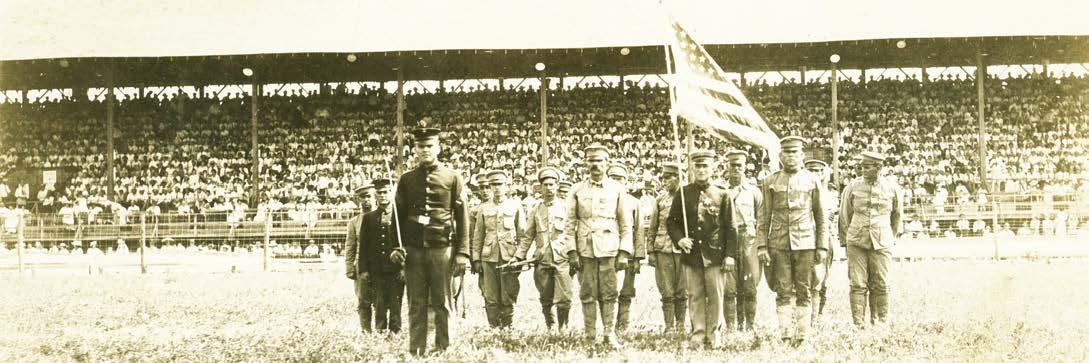
Frank Frantz rode with Theodore Roosevelt’s Rough Riders and Roosevelt rewarded him handsomely by appointing Frantz as Enid, OT’s postmaster in 1902, Osage Agent at Pawhuska in 1904, and named him Oklahoma Territory’s governor in 1906. Unfortunately, he was not successful in becoming Oklahoma’s first statehood governor in 1907. He resided in Bartlesville from 1912-1915 at 605 S. Shawnee.
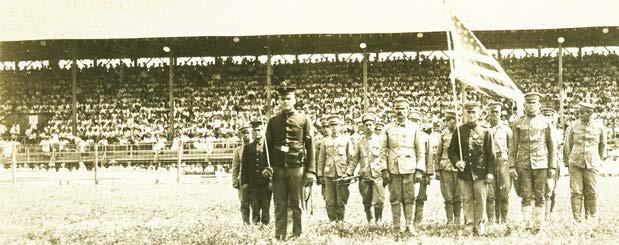
Bartlesville Camp #14 was organized by the United Spanish War Veterans Department of Oklahoma and paid their first charter fee July 20, 1912, with 35 members. In 1918, Bartlesville’s Johnstone Park became the host location for the United Spanish American War Convention with a gathering of approximately 1,000 veterans housed in the park’s tent city. The organization held meetings at the Civic Center and Camp #14 records are archived at the Bartlesville Area History Museum.
Theodore Roosevelt led his volunteer cavalry Rough Riders in the battle of San Juan Hill. His leadership brought him national attention as a war hero and, later, he became the 26th U.S. President. The victory would not have been possible without collaboration of the African American Buffalo Soldiers. Another hero was Admiral George Dewey, who led a victorious battle in Manilla Bay, defeating the Spanish fleet and gaining him worldwide recognition. It was from this victory that Jacob Bartles named his new town, Dewey.
Oklahoma and Indian territories contributed a force of 894 volunteers in support of the Spanish-American War
The Camp publicly participated in area parades, grand entries of the Dewey Roundup and honored fellow veterans as they fell. In 1960, Washington County Abstract Company’s Clarence Musselman passed away, leaving an estimated six Spanish American War Veterans in Washington County: Jacob Riggs (died 1963), Charles McDonald (1966), Bert Harris (1969), and Frank Renfro (1969), all of Bartlesville; William Taylor (1964), Dewey; and Harry Conley (1963), Ochelata. Charles McDonald founded the Bartlesville Carriage Works in 1910, which became McDonald Auto Parts. No records were found after 1969.

by Maria Gus
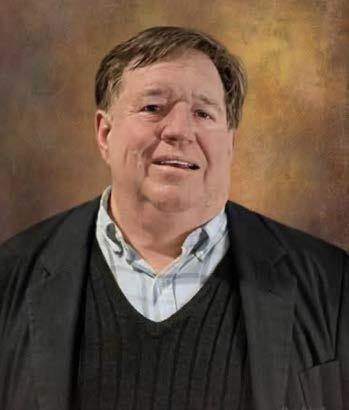
There are some people whose work speaks for them. Then there are people like Mike Tupa, whose work reflected who they were so completely that you cannot separate the two.
For decades in Bartlesville and across northeast Oklahoma, Mike told the stories of others. He showed up on sidelines and in small gyms, at golf courses and ballfields, long after the crowds had thinned. He made phone calls late into the night. He asked questions. And he wrote in a way that made people feel seen.
But those who knew him best will tell you that he was a good human first.
“As good as Mike was as a sports reporter, and he was tremendous, he was an even better person,” said David Austin, who worked alongside him at the Examiner-Enterprise. “He was unceasingly kind, considerate and humble. The world was made a better place by his presence.”
That kindness showed up in the moments that mattered most.
Longtime coach Terry Hughes remembers when Mike first began covering his ninth grade teams in the mid 1990s. “I asked him why he was doing articles about ninth grade basketball,” Hughes said. “He said, ‘I think the parents and the kids would be appreciative of seeing themselves in print.’ And he was right.”
That instinct to recognize the value in every athlete and every effort became a hallmark of his work.
“His writing was so positive. It always made me smile and remember that kids respond to positive a lot more than negative,” said Hughes.
His writing was unmistakable.
A player did not just run. He moved with “blazing speed” that raised “dust on the basepath and distress in the hearts of opponents.” A defender did not just make a stop. He hit “like a truck that just steamrolled him.” A crowd became a “sheer wall of noise” that rattled the building.
Mike used his gift for language to lift others up. “Mike Tupa was the kindest man I ever knew,” said Bob Pomeroy. “He never had a bad thing to say about anyone. He always found the good side of whatever came his way.”
“He was proud that he was a Marine, that he was once a long distance runner, and he loved his family deeply,” Pomeroy said. “He made a loss feel like a win. He asked for so little and gave so much.”
To those who worked beside him, his dedication was just as remarkable.
Chris Rush, former editor and publisher of the ExaminerEnterprise, remembers a desk full of papers that somehow made perfect sense.

“He could bang out a 15 to 20 inch story in as many minutes, full of quotes, statistics and action, and all ready to publish,” Rush said. “He never seemed to stop. It was life itself.”
Rush also saw the impact of that work. A former player once approached to thank Mike for covering her team years earlier. Mike remembered her and promised to watch for her daughter.
“His coverage filled scrapbooks, bulletin boards and refrigerator doors all around the Bartlesville area,” Rush said. “He leaves a lasting legacy and a void that cannot be replaced.”
For Chris Batchelder, one word captures it all.
“When I think of my friend Mike Tupa, the word I keep coming back to is ‘pure,’” he said. “He was the very best of us. He found good in everyone and wanted the focus to be on the student athletes above all else.”
“In his articles,” Batchelder said. “You would know the effort, the plays and the environment. It was a gift.”
That same spirit is what Tim Hudson remembers most.
“He always sounded like a fan,” Hudson said. “He could make you feel what he felt, and we are all better for it. He left the world better than he found it.”
In recent years, that same passion continued. After retiring, Mike co founded Bartlesville Area Sports with Becky Burch so local athletes would continue to be recognized.
“While I was freezing moments in time with my camera, he was capturing the grace of the human spirit in his articles and columns,” Burch said.
Their partnership became a daily friendship.
“We talked at least twice a day for the past four years,” she said.
Even in his final days, his perspective never wavered.
“One of the last things he told me was to not be sad,” Burch said. “He said he would be the happiest man in the world when he went home to our Lord, his mom and sister.”
“Bartlesville and the surrounding communities lost an icon,” she said. “There will never be another Mike Tupa. I will miss my friend.”
Mike Tupa did not just cover a community. He became an essential part of it. He reminded people of what mattered, effort, heart and the moments that might otherwise go unnoticed.
And through his life, he showed what it looks like to be consistently kind, genuinely humble, and, as those who knew him say best, pure.
The stories he told will endure. But even more lasting is the way he made people feel.

BHS Baseball vs Booker T Washington
5PM; Doenges Stadium
5K & 1K Fun Walk Awareness for MMIP
8AM; Delaware Tribe of Indians
Bruins 7th Grade Basketball Tryouts
9AM; Bruin HS Gym
Bruins 8th Grade Basketball Tryouts
11AM; Bruin HS Gym
Fishing Derby Hosted by Kiwanis of Bartlesville
11:30AM; Jo Allyn Lowe Park
Bruins 9th Grade Basketball Tryouts
2PM; Bruin HS Gym
Bruins Middle School Volleyball Tryouts
4PM; Bruin HS Gym
Bruins High School Volleyball Tryouts
6PM; Bruin HS Gym
Bruins High School Volleyball Tryouts
6PM; Bruin HS Gym
1 2 5 6 6 7 13 23 24 29 16 22
The Wall that Heals, A Vietnam Veteran’s Memorial – Start Building the Wall
8AM; Lee Lake
Bruins Middle School Volleyball Tryouts
4PM; Bruin HS Gym
The Wall that Heals, A Vietnam Veteran’s Memorial – Welcome Home Ceremony
6PM; Lee Lake
Bruins Sports Physicals – Cheer, Pom, Tennis, Golf
6:30PM; BHS Fieldhouse
Bruins Sports Physicals – Basketball, XC/Track, Volleyball
7PM; BHS Fieldhouse
Bruins Sports Physicals – Football, Wrestling, Baseball
7:30PM; BHS Fieldhouse
Bruins Sports Physicals – Soccer, Swim, Softball
8PM; BHS Fieldhouse
OKWU Softball Prospect Camp (9th-12th Grade)
9AM; OKWU Gym ($111 Register online or walk-in)
Bayoufest Benefiting Crimestoppers
11AM; Unity Square Colors of America by Bartlesville Symphony
7:30PM; The Center
61st Annual Delaware
Pow Wow – Gourd Dance, Crowing of the Princess and Juniors Contest
5PM; 3 Miles East of Highway
75 on Rd 600, Copan OK Josh Abbot Band with Special Guest Carson Jefrrey and Henry Zoellner
6PM; Downtown Caney Kansas
BHS Graduation 7PM; Custer Stadium
61st Annual Delaware
Pow Wow – Specials, Gourd Dance
1PM; 3 Miles East of Highway 75 on Rd 600, Copan OK
61st Annual Delaware
Pow 10AM; Wow –Church Service
61st Annual Delaware Pow Wow – Specials, Gourd Dance
1PM; 3 Miles East of Highway 75 on Rd 600, Copan OK
Sunfest
3PM; Sooner Park Runs through May 3

Know
Every Monday
5:00 p.m. – 6:00 p.m.
FREE Beginning Spanish Class
Bartlesville Public Library, 600 S. Johnstone Avenue
Every Monday
6:00 p.m. – 7:00 p.m.
FREE Intermediate Spanish Class
Bartlesville Public Library 600 S. Johnstone Avenue
May 1–July 7
8 a.m. – 4 p.m.
Bartlesville Area History Museum
Presents “Our Culinary Past” BAHM, 401 S. Johnstone Avenue, Bartlesville
Every Tuesday
2:00 p.m. – 3:00 p.m.
Price Tower Exterior and The Center Tour
Every Tuesday
5:30 p.m. – 6:30 p.m.
Bartlesville Public Library ELL
Conversation Class
Bartlesville Public Library, 600 S. Johnstone Avenue, Literacy Office
Every Tuesday through Saturday
6:00 p.m. – 9:00 p.m.
Bartlesville Kiddie Park Open for summer season
Kiddie Park, 205 N. Cherokee Avenue, Bartlesville
Every Tuesday
6:45 p.m. – 7:45 p.m.
Bartlesville Public Library ELL
Conversation Class
Casa Hispana, 3850 Frank Phillips Blvd., Bartlesville
Every Wednesday 6:00 p.m. – 7:00 p.m. and Every Thursday
10:00 a.m. – 11:00 a.m.
FREE Citizenship Classes
Bartlesville Public Library, 600 S. Johnstone Avenue
Every Thursday
7:00 p.m. – 8:30 p.m.
Crossing 2nd Trivia in the Garage Crossing Second, 215 E 2nd Street, Bartlesville
Every Thursday
11:00 a.m. – 12:00 p.m.
Bartlesville Public Library ELL
Conversation Class
Bartlesville Public Library, 600 S. Johnstone Avenue, Literacy Office
Every Saturday, May 2 –
October 10
8:00 a.m. – 11:30 p.m.
Bartlesville Area Farmers Market
Frank Phillips Park, Frank Phillips Blvd and Keeler Avenue
Nightly, May 26 – June 3
6:00 p.m. – 9:00 p.m.
Kiddie Park Open
Kiddie Park, 205 N. Cherokee Ave, Bartlesville



Fri, May 1, 10 a.m. – 5:30 p.m.
Sat, May 2, 10 a.m. – 4 p.m.
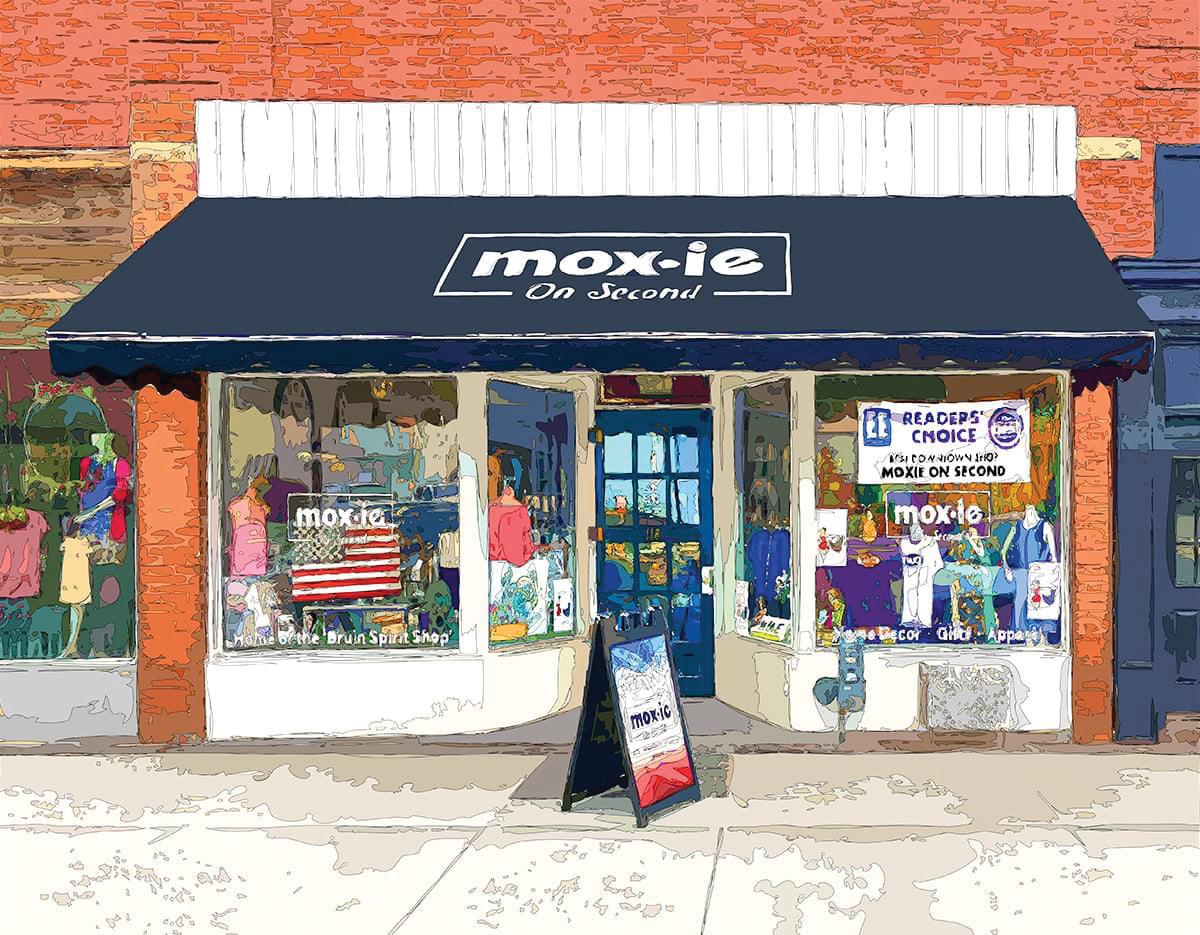
Moxie on Second Shopping Fundraiser!
Moxie on Second, 118 E 2nd St., Bartlesville
May 1-3
Times Vary
Stray Kay 500
Stray Kay Customs, 700 N Delaware Ave, Dewey
Sat, May 2
8:30 a.m. – 11:30 a.m.
FREE Fishing Derby Hosted by Kiwanis of Bartlesville
Jo Allyn Lowe Park, Price Rd & Locust Rd, Bartlesville
11:00 a.m. – 5:00 p.m.
Matteo’s Cinco De Mayo Car Show
Washington Park Mall, 2350 SE Washington Blvd Suite 320
12 p.m. – 5 p.m.
3rd Annual Comanche Center Block Party
Comanche Center, 1211 SE Frank Phillips Blvd, Bartlesville
2:30 p.m. – 4:30 p.m.
SPCA Fill the Jeeps
Lowes Parking Lot, Adams Blvd., Bartlesville
Sat, May 2, 11a.m. – 7p.m.
Sun, May 3, 12p.m. – 5p.m.
Time Travelers Geeks & Antiques Indoor Market
Washington Park Mall, 2350 SE Washington Blvd Suite 320
Tues, May 5
12:00 p.m. – 1:00 p.m.
In the Kitchen with Susan at the Bartlesville Public Library
Bartlesville Public Library, 600 S. Johnstone Avenue, Meeting Room A
Wed-Sun, May 6 – 10
Times and Activities Vary
The Wall that Heals, A Vietnam Veterans Memorial
Lee Lake, 2200 SE Adams Boulevard, Across from Lowe’s., Bartlesville
Thurs, May 7
6:30 p.m. – 7:30 p.m.
OSU Alumni Chapter Monthly Meeting - Washington County Scissortail Brewing Company, 623 E Don Tyler Ave., Dewey
Sat, May 9
8:00 a.m. – 11:00 a.m.
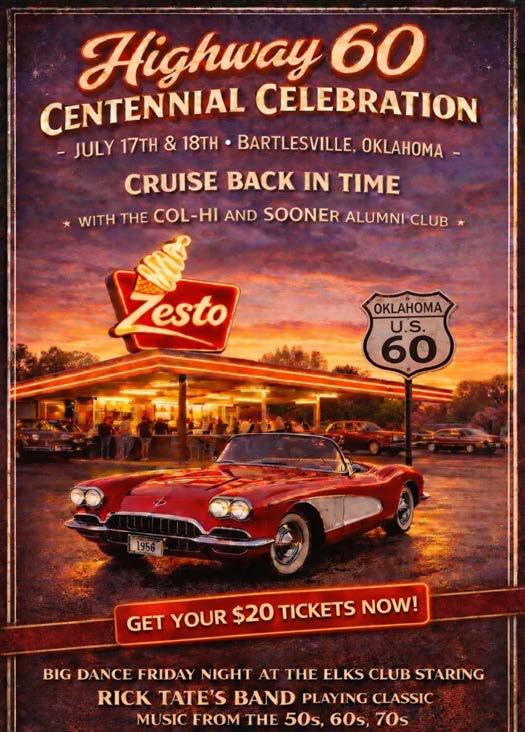
Big Country Breakfast BenefitCollege High & Sooner Alumni Club
Bartlesville Elks Lodge #1060, 1060 Swan Drive (Behind Walmart)
10:00 a.m. – 5:00 p.m.
Visit Dewey Second Saturday Downtown Dewey Merchant Shopping
Wed, May 13
10:00 a.m. – 2:00 p.m.
HeartSaver CPR/First Aid/AED Training
Tri County Tech, 6101 Nowata Road, Bartlesville
6:00 p.m. – 7:00 p.m.
Music on the Lawn at the Frank Phillips Home
Frank Phillips Home, 1107 Cherokee Avenue
Sat, May 16
7:00 a.m. – 5:00 p.m.
Woolaroc Spring Trail Ride
Woolaroc, 1925 Woolaroc Ranch Road, Bartlesville
10:00 a.m. – 11:00 a.m.
Lego Club for All Ages at the
7:30 p.m. – 9:00 p.m.
BSO presents Colors of America featuring Jeffrey Biegel
The Center, 300 SE Adams Blvd, Bartlesville
Mon, May 18
4:00 p.m. – 5:00 p.m.
Finance For Your Future Truity Credit Union NJCR Basement 501 S. Johnstone Ave, Bartlesville
Thurs, May 21
12:00 p.m. – 1:00 p.m.
Bartlesville Public Library presents Chef Hilary Bartlesville Public Library, 600 S. Johnstone Avenue, Meeting Room A
4:30 p.m. – 6:30 p.m.
Together With Veterans Social Hour
Tumbleweed’s Steakhouse, 4049 Nowata Road
7:00 p.m. – 8:00 p.m.
3-D Thursday at the Bartlesville Public Library
Bartlesville Public Library, 600 S. Johnstone Avenue, Meeting Room A
Fri, May 22

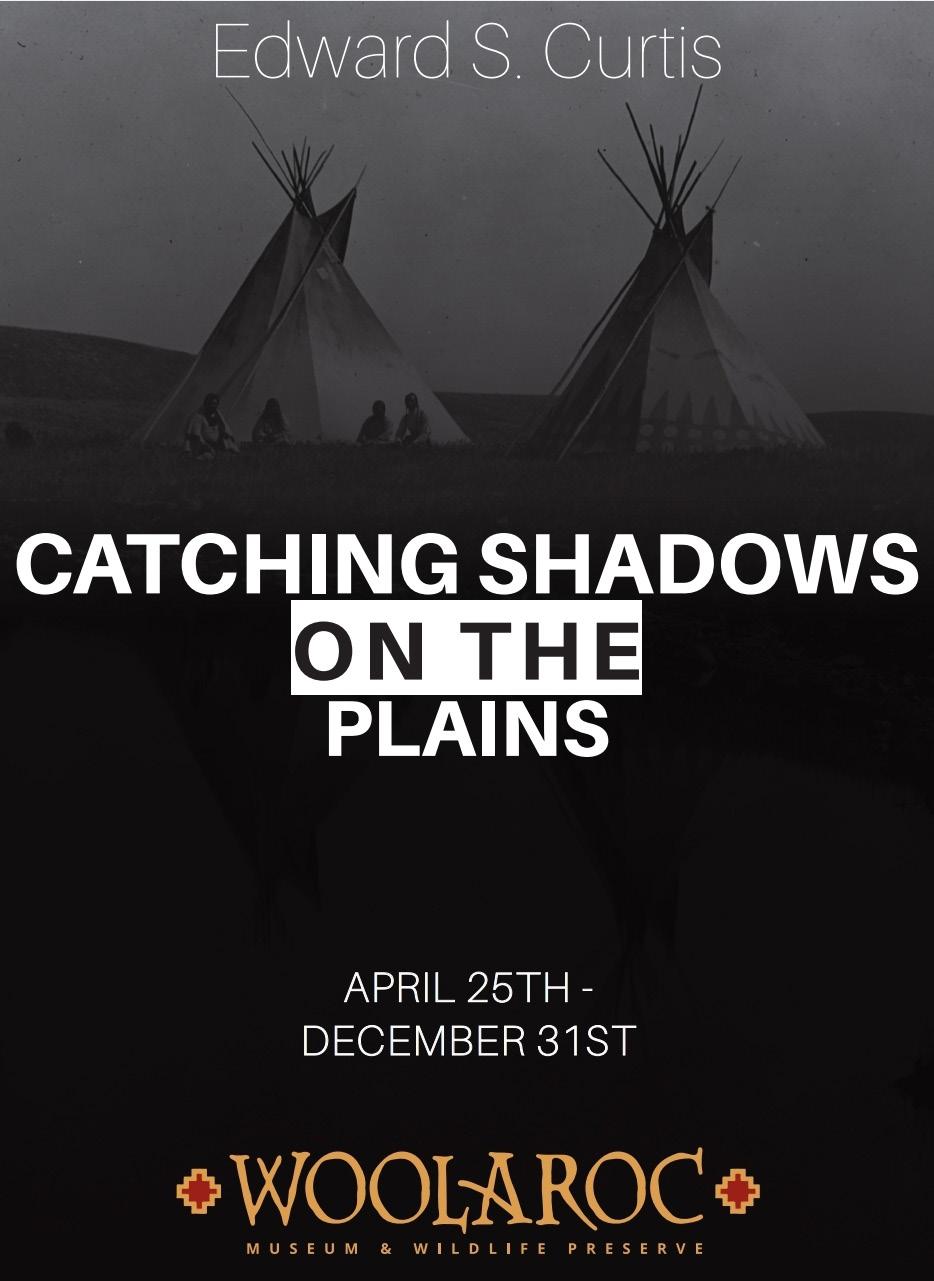
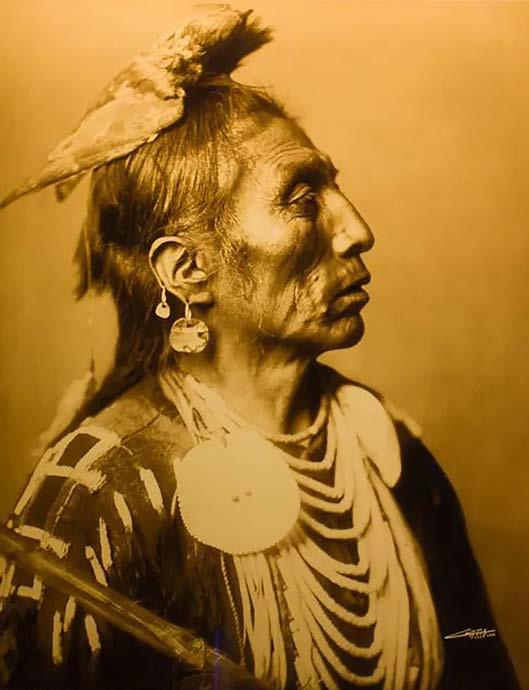
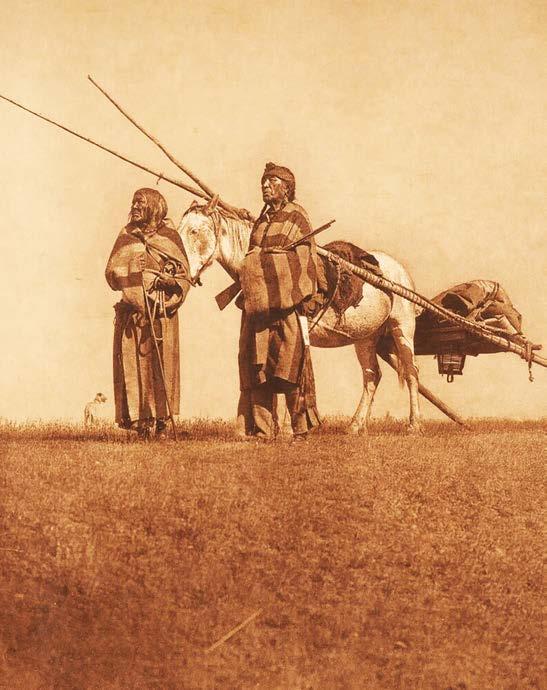
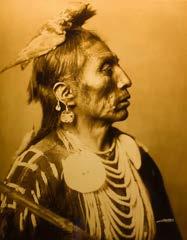
Between 1900 and 1930, the American photographer Edward S. Curtis made a name for himself documenting the American West and the lives and cultures of more than 80 Indigenous tribes. Over the course of his career, Curtis produced more than 40,000 glass-plate negatives, as well as thousands of wax cylinder recordings, pages of anthropological text, and a feature-length film.
Curtis, born in 1868, exhibited an early interest in photography, building his own camera when he was 12, beginning a formal apprenticeship at 17 and, only three years later, launching his own studio, Curtis and Guptill, Photographers and Photoengravers.
A new exhibition at the Woolaroc Museum in Bartlesville, Oklahoma, focuses on a momentous turning point in Curtis’ career when, in 1906, he partnered with J.P. Morgan on a lifelong project called The North American Indian. A collaboration between the Woolaroc and prominent art
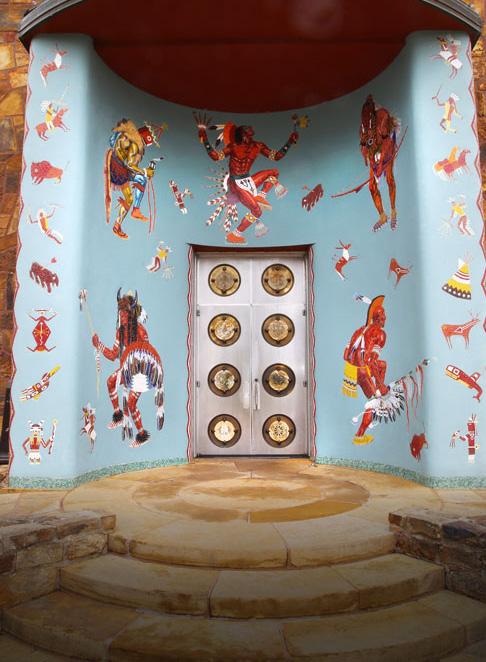
collector and curator Tim Peterson, Edward S. Curtis: Catching Shadows on the Plains will highlight Curtis’ commitment to preserving Native culture, including the Indigenous Peoples of the Great Plains.
“Curtis focused heavily on the nomadic Plains tribes, capturing iconic imagery of their lives as horsemen, hunters and warriors,” explains Woolaroc CEO Kevin Hoch. “In many cases, [they] welcomed Curtis into their communities with open arms, where they posed for his photographs, shared noteworthy oral histories and performed traditional ceremonies for documentation purposes…[Curtis’] body of work, particularly focusing on the Great Plains is significant for its immense scale and artistic portrayal of their way of life which included thousands of photographs and recordings.”
Edward S. Curtis: Catching Shadows on the Plains opens on April 25 and remains on view through December 31, 2026.
In 1887, Congress passed the General Allotment Act, also known as the Dawes Act, designed to distribute farmland to Native American families. However, Sec. 8 of that document held provisions that “protected” the territory occupied by the Cherokees, Creeks, Choctaws, Chickasaws, Seminoles, Osage and others in Indian Territory. That changed June 1906, when the Osage Allotment Act individualized the 1.47-million-acre Osage Nation Reservation among the 2,229 registered Osage members. Among the original allottees was Beg-gah-hah-she, headright #539.
The family elder, Beg-gah-hah-she was born in 1834 and carried the nicknames of “Never Been Beat” and “Brave,” which became the family name. He held a significant role within the tribe as an Osage Tribal Councilman, Osage Nation Assistant Chief with Principal Chief Nee-kah-wah-she-hun-kah and was an Osage spokesman during the formation of the 1906 Allotment Act. In March 1908, “Brave” joined the 1908 Osage delegation that traveled to Washington to hold a conference with President William Howard Taft and department officers prior to the Act of March 3, 1909, which provided broader oversight and protection of mineral leasing of Osage Nation lands. He also served as an Osage tribal policeman for many years.
Beg-gah-hah-she married Marie Louisa Chouteau #540, who pre-deceased him. They had one son, Charles “Mi-KaKe-Zhin-Ga” or “Little Star of the Sun Carrier Clan” Brave. Brave was the “embodiment of honor and well versed in Osage
by Debbie Neece
legends, traditions and beliefs. He had aged “81 winters” when he died in 1914 and received a traditional farewell to the “happy hunting ground.”
Charles “Charley” Brave (1878-1940) attended Haskell Institute and Carlisle Indian Boarding Schools and was a charter member of the Osage Baptist Mission in Pawhuska. He married Mum-Brum-Pah Mary Strike-Axe Brave in 1900 and five children made them a family: Andrew, Louis, Sylvester, Ruth and Mary Brave. Their family home resided upon Timber Hill, west of Pawhuska. Mary Strike-Axe was born in 1885, the daughter of Gus and Hum-pah-to-kah Strike-Axe. She died in 1935 and Charley followed in 1940; they are resting in the Pawhuska City Cemetery.
Louis Brave was born in 1905 and attended Pawhuska High School and the Osage boarding school. He married Tessie Mobley of Ardmore in 1926 and the couple lived in Hollywood after Tessie was selected the “most beautiful Indian maiden in the southwest” where she appeared in motion pictures and vaudeville. Louis studied Indian dancing and the couple performed together in California, winning a silver cup for their ballroom dancing.
Louis then married Lucy Taylor and Franklin Pyahhunkah Brave joined their family in 1932. Lucy was born in Stilwell and graduated from the Chilocco Indian School in 1931. She died in 1934, leaving her two-year-old son and husband, Louis. She is resting in the Stilwell Cemetery. Louis died in 1936 and he is
resting in the Pawhuska City Cemetery.
Franklin Pyahhunkah Brave was born in Pawhuska in 1932 and his life was hailed as being a “truly gifted individual.” From a young age, he exhibited exceptional artistic talent. He attended the Haskell Indian School in Lawrence, KS, where he created one of the school’s first logos. He served in the U.S. Army during the Korean War and, in 1954, while stationed in Fort Bragg, NC, he married Mary Lenora Shannon. They were blessed with six children: Julie Brave Standing Bear, David Brave, Bonnie Brave, Dina Brave Dixon, Joe Don Brave, and Lenora Brave. After his military service, the family moved to Kansas City, where Franklin graduated from the Kansas Art Institute and built a career as a commercial artist.
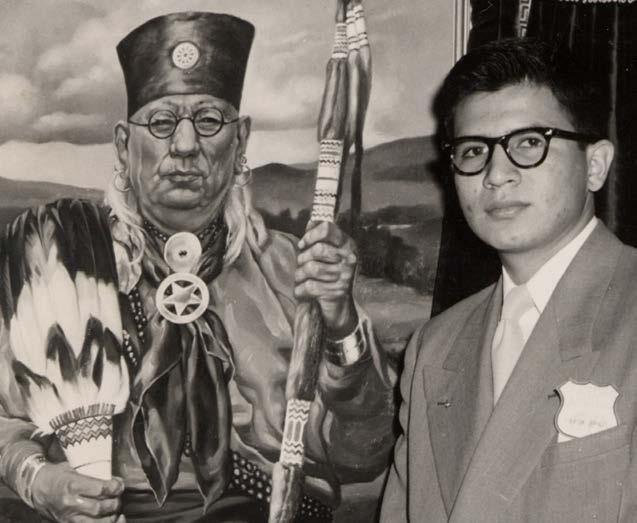
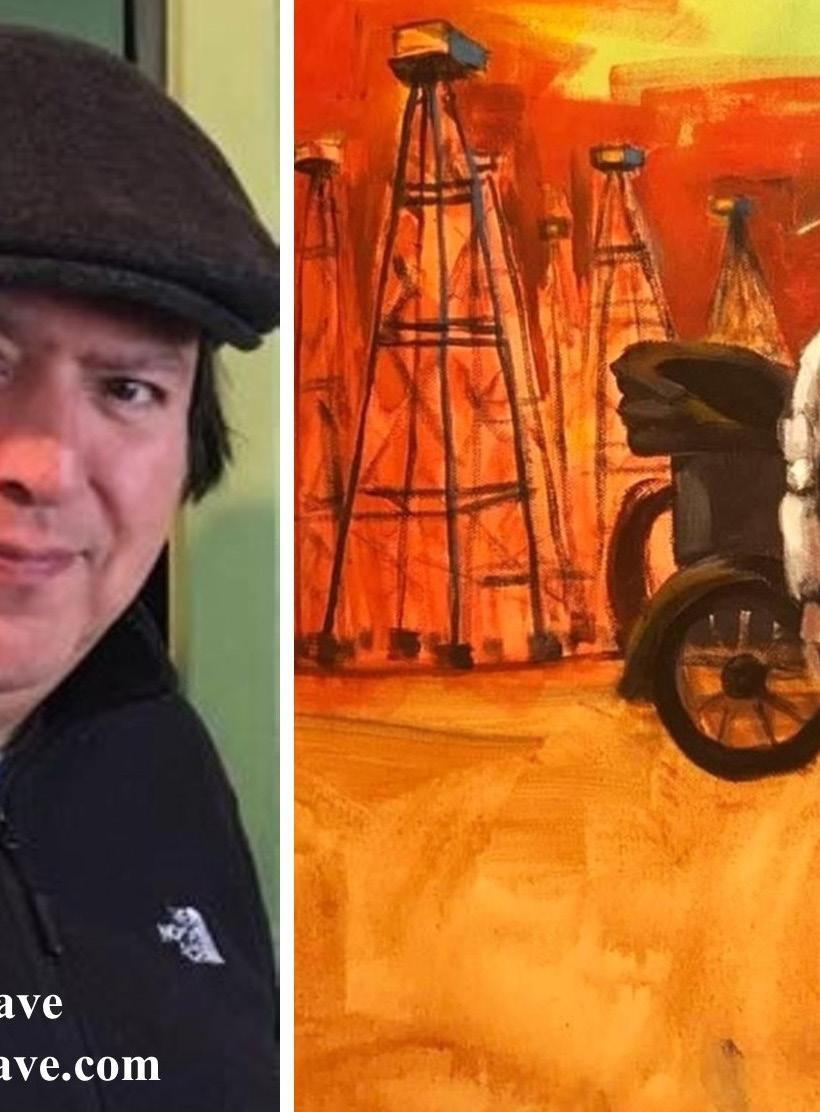
In northeast Oklahoma, the honorable name Chief Bacon Rind commands attention and respect for his pillar status in the Osage Nation. Franklin Brave’s phenomenal artistic talents were on grand display when, at the age of 17, he painted Bacon Rind’s portrait in vibrant color. On October 18, 2025, the Brave family proudly highlighted the “Portrait of Bacon Rind by Franklin Brave” as part of the Osage Nation Museum’s yearlong educational series. According to his daughter, Julie Brave Standing Bear, “He had a gift, he could draw anything, and he did it with flair and authenticity. He never forgot his Osage heritage or culture; and, he instilled in us pride in who we are and where we came from as Osages .”
Mary Lenora Shannon Brave was born December 26, 1935 in Tulsa; the daughter of Claude and Lenora Morrell Shannon; her maternal grandparents were Robert and Grace Penn Morrell. Mary attended Vo-Tech in Bartlesville and served the Osage Nation with employment at the Osage Indian Action Team in
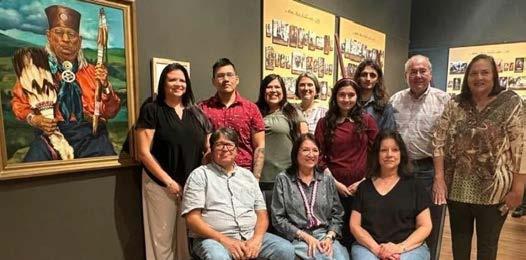
Pawhuska and Osage Housing Authority in Hominy. In 1952, she was honored as the Homecoming Princess at the Pawnee powwow; and, she is a proud War Mother. Her sons, David was a U.S. Marine and Joe Don attended military school. Mary Lenora proud of the Osage traditions, language preservation and loves watching the In-LonSchka dances.
Franklin Brave was devoted to his craft. Professionally, he became a commercial and Indian artist for the O’Neal and Swicegood Studio in Kansas City. He died February 1977 and rests in the Pawhuska City Cemetery. Mary Brave survives him.
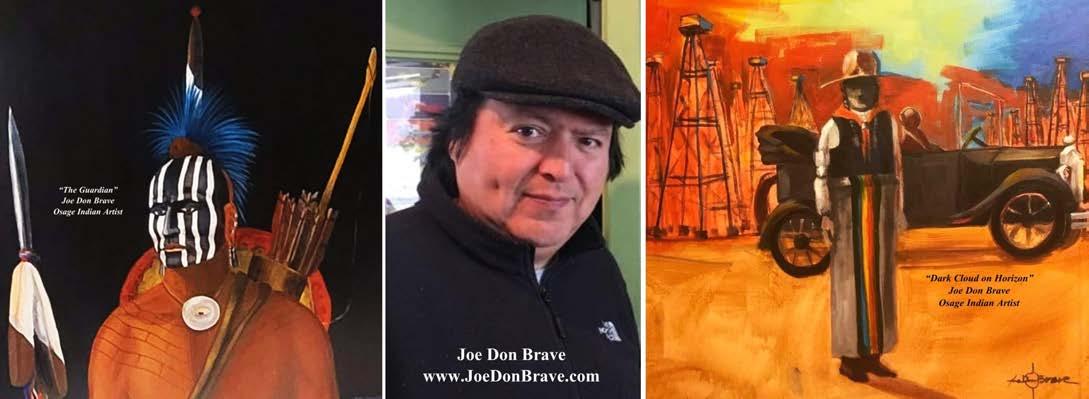
I first met Joe Don Brave when his captivating painting, “The Guardian,” was placed in the Osage Nation exhibit at the Bartlesville Area History Museum. This art is attention grabbing and full of intention. After the movie “Killers of the Flower Moon” consumed Osage and Washington County, Joe Don’s heart was drawn to create my second favorite painting, “Dark Cloud on Horizon.” Beyond being an original adaptation of the oily greed, evil and murder that enveloped the Osage Nation in the 1920s, Joe Don pushes the oil riches to the distance while bringing the Osage people to the forefront as survivors. This piece is stunning!
Joe Don Brave followed in his father’s artistic footsteps. He studied at the Institute of American Arts in Santa Fe, NM; and, his art is exhibited in art galleries and museums around the world. He actively lives and paints about the Osage traditions and has participated in the I-lon-skha traditional Osage dances since the age of thirteen. During the 1980s, he served the Osage Nation as a Museum Technician at the Osage Nation Museum and continued at the Smithsonian’s National Museum of the American Indian in New York City. Joe Don, his wife Rebecca and their son reside in Bartlesville.
Did You Know?
The last weekend of May each summer, Sooner Park entertains the greatest outdoor party SunFest. Please stop by and visit Joe Don Brave’s booth at SunFest this summer. Now You Know *






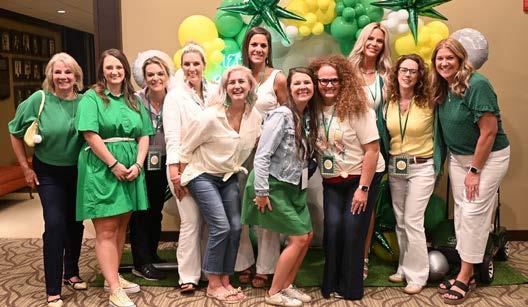
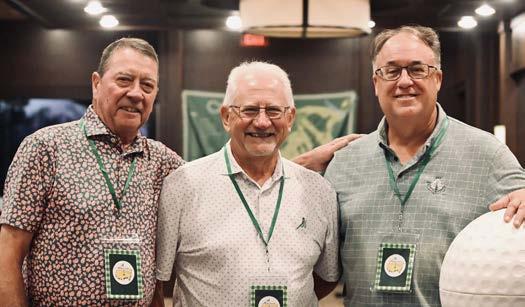






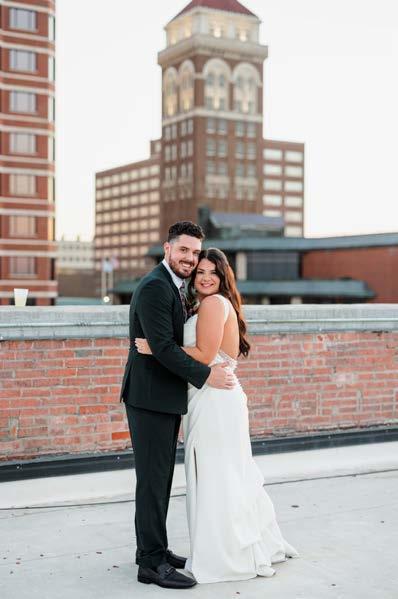
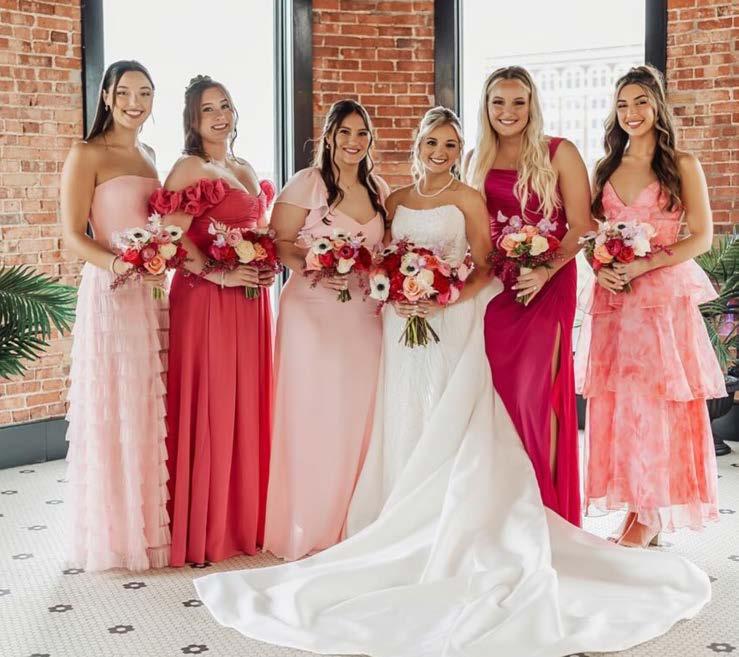
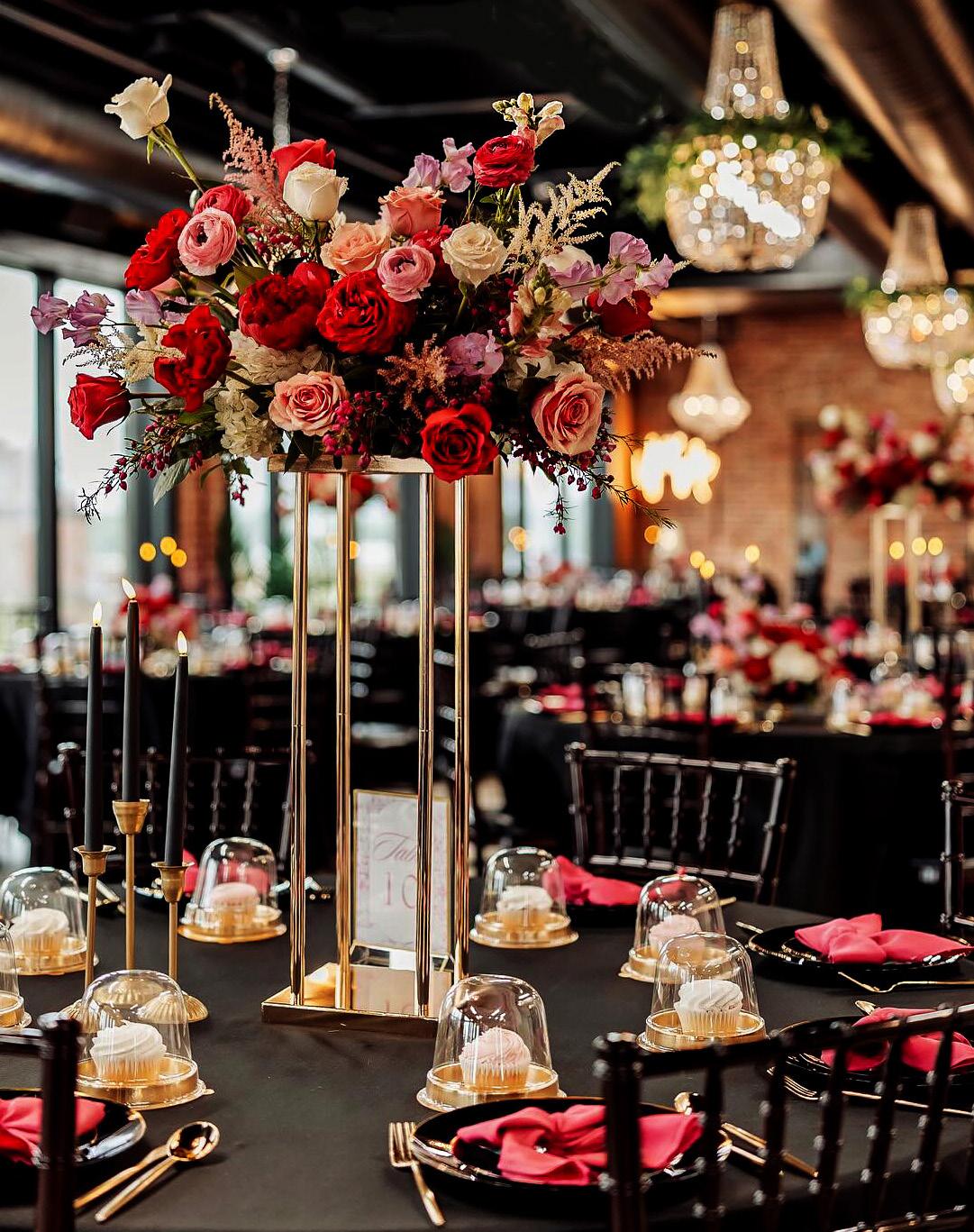
Downtown Bartlesville’s one-of-a-kind setting for your once-in-a-lifetime milestones and celebrations.
Two floors of chandelier-studded ballrooms — and an utterly charming on-site boutique hotel.
Inquire today for your special event! The Refinery at the Johnstone-Sare Building 888-733-1633
THEREFINERYOK.COM instagram @therefineryok
* Engaged? Mention B Monthly when you book a Grande Weekend Wedding package starting at $7500 and your bridal party will receive a complimentary Brunch & Bubbles!
by Kay Little, Little History Adventures
Blue Star Mothers of America, Inc. is a private nonprofit organization in the United States that provides a support base for mothers who have sons or daughters in active service in the U.S. Armed Forces. It has been updated to include grandmothers, adoptive mothers, foster mothers and female legal guardians. The program was formed in 1941, during World War II. Families of servicemen hang a banner called a Service Flag in a window with a blue star for each family member in the military. If they have a family member who has died in the service, they have a banner with a gold star.
The original goals of the BSMA were to bring their sons home, to ensure the children received the benefits they deserved, help service members’ families, help each other and to just be there for each other. The goals have expanded. They also do volunteer work with veterans and local chapters have special projects like our local chapter does.
I recently had the privilege of visiting with two members of our local Blue Star Mothers, Treva Majors and Brenda Koons. The local chapter started on February 29, 2008 and now meet the first Thursday of each month at the Elks Club. The Bartlesville chapter is the 19th chapter in Oklahoma. Treva’s son is now a veteran, while Brenda’s son is part of the Air Force Special Operations in Somalia. Several moms are also veterans themselves.
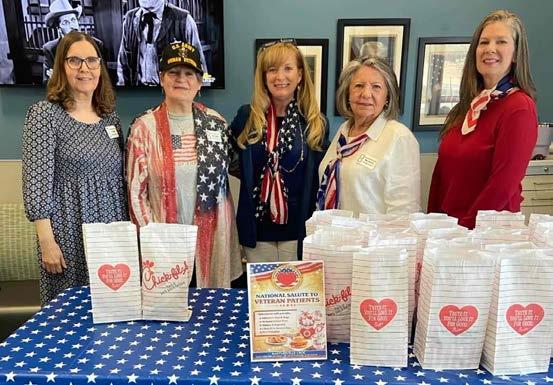
The Bartlesville chapter has done many projects for their military children and for veterans throughout the area. They go to local nursing homes monthly and holidays to visit veterans. They enlist the help of elementary students to make cards and decorate the goodie sacks. Some members help at the Bartlesville Veterans Clinic. Every Christmas, they have a Veterans tree at the Elks Lodge with veteran’s information, and a list with needs and wants, much like the Salvation Army Angel Tree. They participate in the Veterans Parade and every November, they hold a fundraiser breakfast at the
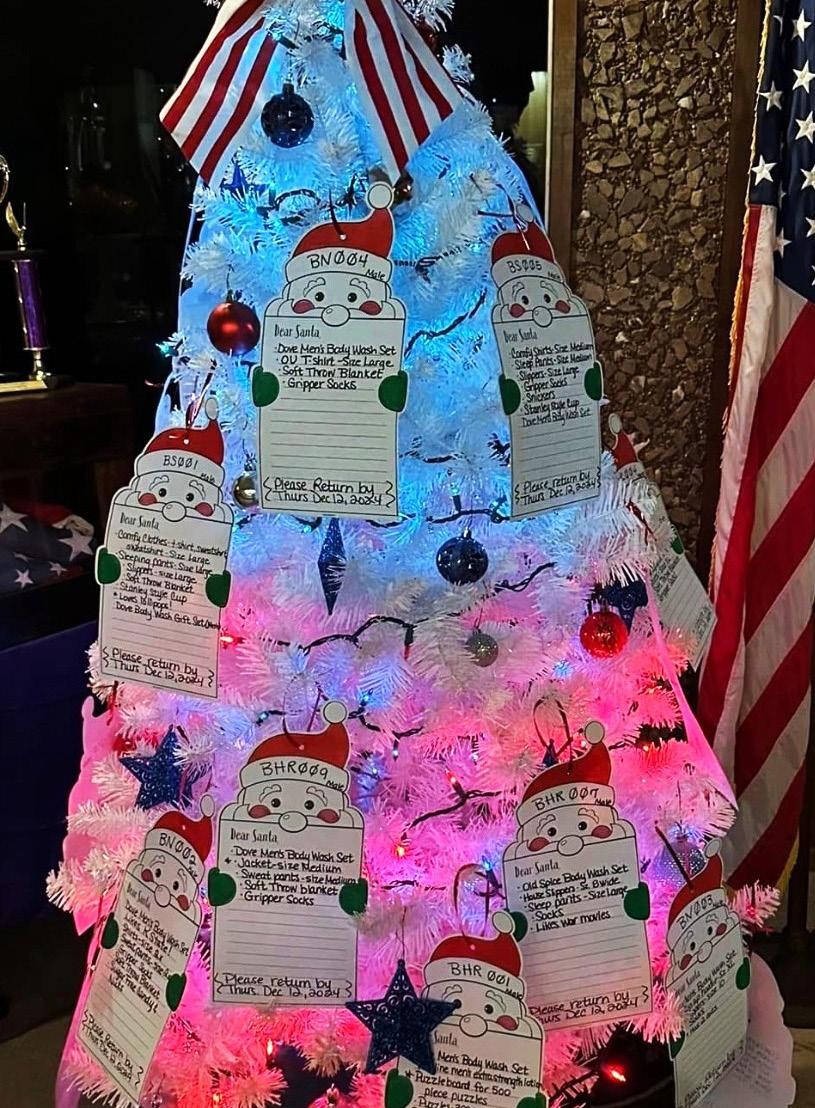
Elks. Veterans eat free. They send care packages to their veterans, with food and personal care products.
Jane Phillips Society, COP Veteran Network and COP Native American groups have helped with postage. The Cattlewomen have helped by providing beef jerky to place in the care packages. I was impressed with how well the community helps these moms. These different organizations are great support for the moms and the veterans. Treva and Brenda made sure I knew how supportive the Elks Club has been and continues to be.
The cost to join is $30 a year. A Mom, Grandma or woman who has helped raise the person serving in the military, is welcome to be a member. Dads, sisters, spouses, grandparents, aunts, uncles, cousins or friends of someone who is serving, or someone who has been a member of the Armed Forces of the United States can become an associate member. There are over 200 chapters, with over 7,500 members in the U.S.
Our local Blue Star Mothers are busy helping our veterans and military children feel special and loved. This November, let’s all go to the breakfast to help support our local military children, and this Christmas, to the Elks Club and take a name to help a local veteran.

by Greg Wheat
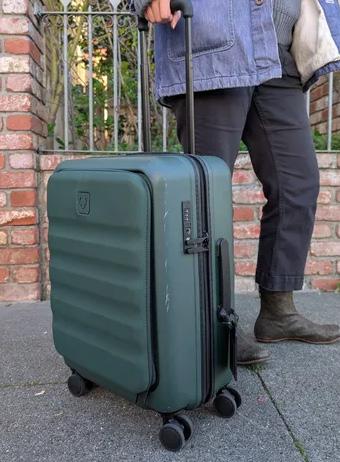
There’s nothing like packing for a trip. If you’re like me, you wait until the night before and throw everything into a suitcase like you’re relocating instead of going on vacation. Or maybe you’re the opposite—you’ve had your suitcase packed for a week—but if we’re being honest, you’ve still overpacked.
Here’s the real-life scenario we have in common: we’re all doing life together. Maybe in different places, different towns, different routines—but still together in this thing called life.
And every one of us is carrying something.
Baggage.
A lot of it looks the same, too. The daily grind. Getting up day after day, punching the clock. Feeling the weight of responsibility—whether you work for someone else or you own the business yourself. Trying to do it well. Trying to get ahead. And sometimes, if we’re honest, we feel frustrated… unnoticed… overlooked.
Maybe you’ve missed out on a promotion or a raise you felt like you earned. Maybe you’ve caught yourself wondering, Does anyone really see me? Do they recognize my value?
And it’s not just at work.
It shows up in your marriage, in your family, in your friendships—while volunteering in your community, and sometimes even at church.
Sometimes you quietly ask yourself—or at least I do—is anything I’m doing really making a difference? Does it even matter… or am I just kicking up a lot of dust?
Life can feel like a constant push—trying to pay the bills, build something for the future, be a good parent or grandparent, chase a goal or a dream, overcome a challenge, or just find a little relief from the weight you’re carrying. Sometimes that weight is stress. Sometimes it’s pressure. Sometimes it’s grief. And sometimes… it’s the quiet stuff no one sees—secret insecurities, internal battles, doubts about yourself, even questions about life that you don’t say out loud.
And here’s the truth—people handle that baggage in different ways.
And man… we get good at it.
Some mask it with humor—always joking, always making people laugh—but underneath, they’re protecting something real. Laughter becomes a shield because it feels safer than being vulnerable. It helps them feel accepted…
maybe even important.
Others go quiet. They shut down. Keep everything inside. Avoid the deeper conversations because opening up feels too risky.
Some people just go along to get along. They become pleasers because it feels easier than conflict, easier than being real.
Others wear strength and toughness like armor. Nothing bothers them. Nothing gets to them. At least, that’s what they want you to believe.
Some bury it in busyness—constantly moving, constantly doing—never slowing down long enough to actually feel what’s going on inside.
Some carry it in anger.
Others try to control everything— situations, outcomes, even their own emotions—because control feels safer than vulnerability.
And some just suppress it altogether. Ignore it. Disconnect from it. Pretend it’s not there.
If you’re being honest… which one are you?
Or maybe you’re a combination of several.
Listen, I’m not saying you need to open up your suitcase— your baggage—to everyone. That’s not wise. Not everyone has earned access to that part of your life.
But let’s not pretend the suitcase isn’t there. Be honest with yourself about what you’re carrying. And be willing to be transparent with a few people you trust—because sometimes your honesty doesn’t just help you… it helps someone else realize they’re not alone. Your willingness to be real can give someone else the courage to face what they’re carrying.
We’re going through life together. And it helps to do life together.
Ecclesiastes 4:12 reminds us, “Though one may be overpowered, two can defend themselves, a cord of three strands is not quickly broken.” Doing life alone leaves you vulnerable, but walking with people you trust—leaning on each other, strengthening each other—makes life better for everyone involved.
As we celebrate Memorial Day this month, let’s not only remember those who gave everything—but also honor what their sacrifice calls us to: to have the courage to stand together, to carry the weight together, to be genuine, and to truly care for each other on the journey.





7:30PM | The Center
featuring Gershwin: Rhapsody in Blue and the premiere of Boyer: Rhapsody in Red, White and Blue
With acclaimed pianist Jeffrey Biegel






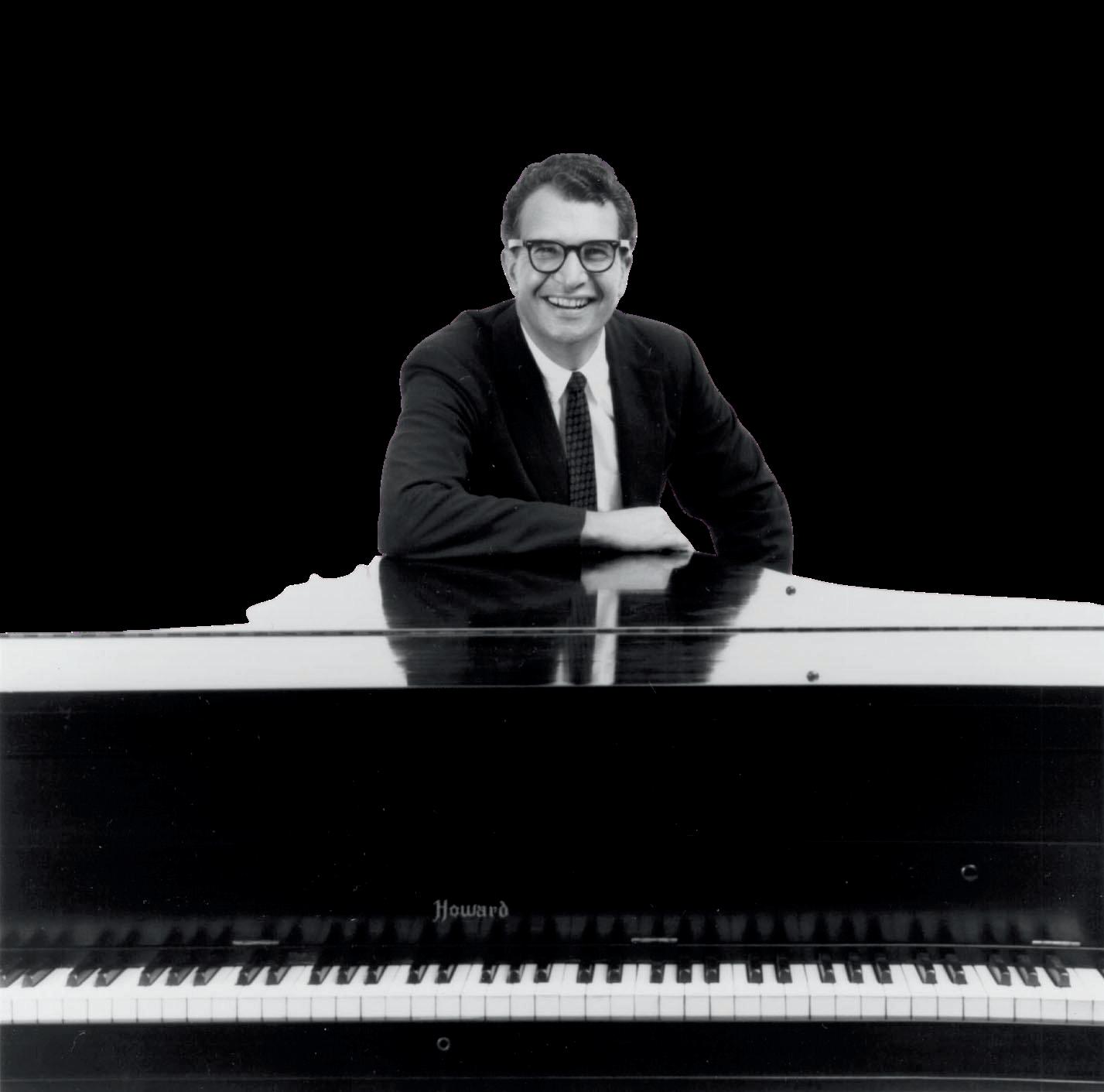


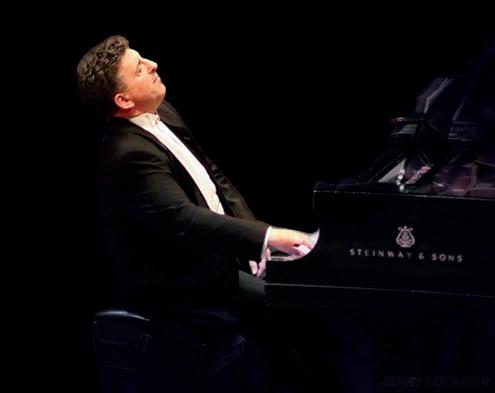


Symphonic hues of many shades will abound on Saturday May 16 as the Bartlesville Symphony presents “Colors of America”. Featured will be George Gershwin’s beloved Rhapsody in Blue paired with the Oklahoma premiere of Rhapsody in Red, White and Blue by Hollywood composer Peter Boyer.
Music Director Lauren Green has created yet another exciting and innovative concert around these two musical pillars. Using their titles as a jumping off point the BSO will explore the cultural shades that create America’s symphonic world by featuring composers who encompass a variety of styles and ethnic backgrounds.
In addition to Gershwin and Boyer, the program also includes delightful music by Xavier Foley (African American), José Elizondo (Latin American), Jerod Impichchaachaaha' Tate (Oklahoma/Chickasaw native) and others.
The BSO is particularly excited to welcome back internationally acclaimed pianist Jeffrey Biegel as guest soloist. Biegel commissioned Boyer’s Rhapsody in Red, White and Blue to commemorate the 100 anniversary of the Gershwin rhapsody and the two works are th definitely a perfect pairing.
But not only did Biegel commission this work, he also worked tirelessly to set up premiere performances in every one of the fifty states, and the BSO is proud to be Oklahoma’s official orchestra in this monumental endeavor.
Biegel is known for his stunning performances of the standard piano repertoire, but equally notably he has made an indelible mark on American music through the commissioning and performance—often through consortiums of multiple American orchestras —of a vast array of works for piano and orchestra from many diverse composers.
Additionally, he has championed little-known or neglected works by composers ranging from Leroy Anderson and Howard Hanson to Keith Emerson and Neil Sedaka.
“We are thrilled to welcome Jeffrey back to Bartlesville,” commented conductor Lauren Green. “He is a fabulous performer, and I know the two rhapsodies are going to be massive crowd-pleasers!”
Commenting on the entire concert, Green added, “It’s also exciting to remember that when it comes to music, America’s colors are far more than just red, white, and blue! We are a wonderful mixture of styles and heritages, each of which adds to America’s musical vibrancy!”
Join Green, Biegel, and our own dynamic Bartlesville Symphony for a memorable—and colorful—musical journey.
“Colors of America” takes place Saturday, May 16 at 7:30pm. Tickets are available at The Center, through the Center’s website, or by calling 918-337-2787.

Lauren Green - Music Director / Conductor www.bartlesvillesymphony.org



Join us this June for a fun-filled, week-long day camp for kids currently enrolled in 3rd - 6th grade. Visit TriCountyTech.edu/SummerCamp to register and see the full list of camp themes. Camp is Monday - Friday, 8:30am - 3:00pm with lunch, morning & afternoon snacks, and a t-shirt. Visit TriCountyTech.edu/SummerCamp to register.
*will attend all camp themes June 1 - June 5, 2026 8:30am – 3:00pm
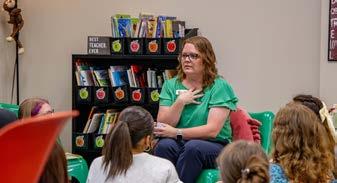
High school students can explore their future with programs in Nursing Assistant (morning class availability), Teacher Prep, and Creative Marketing Communications—each offering hands-on experience and real-world skills. Whether you’re passionate about healthcare, education, or creativity, there’s a path for you here. These programs are filling quickly, but openings are still available. Don’t miss your chance to get started!
*will attend 2 themes June 8 - June 12, 2026 8:30am – 3:00pm
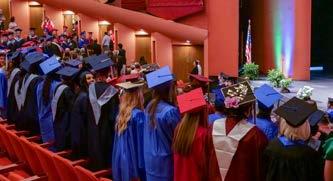
COMMENCEMENT IS ALMOST HERE!
Tri County Tech’s Commencement Ceremony will be held Tuesday, May 19, at The Center. Programs will be split up into two ceremonies. The first ceremony is at 5:30pm, and the second is at 7:30pm.
Be sure your graduate has picked up their tickets as they are required guests to attend. For questions, contact our Student Services Department at 918.331.3333 or via email at EnrichingLives@TriCountyTech.edu. Learn more at TriCountyTech.edu/ Commencement-Ceremony
ADULT PROGRAMS
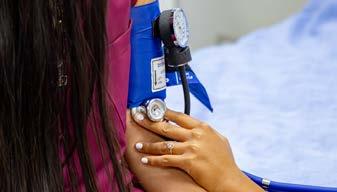
Our adult education programs are gearing up for summer with multiple upcoming start dates. Explore new career paths, strengthen your skills, and invest in your future. Apply now to reserve your place. Learn more and apply at TriCountyTech.edu/Adult
by Kelly Hurd
If you ask me what plants the seed for true success, I’ll give you a one-word answer: Vision .
I felt that the second I pulled up to the Lodge at the Delaware Tribe Ranch . Tucked away in Chautauqua County - right between Cedar Vale and Sedan, Kansas - this place is more than just a ranch; it’s a total masterclass in thinking ahead. Honestly, I think the Delaware Tribe might be rewriting the playbook on tribal investment.
While a lot of tribes have focused on gaming, the Delaware Tribe focused on the horizon. Back in 2023, they rolled the dice and made a bold move into land stewardship by picking up over 4,000 acres of some of the best grassland Kansas has to offer. Today, that land is working double-time for them:
Sustainability: They’ve got a thriving cow/calf operation with Black Angus and Charolais cattle, providing a steady food source for the Tribe.
Hospitality: There’s a stunning 4,100-square-foot lodge that’s perfect for corporate retreats, church groups, or just a big family getaway.
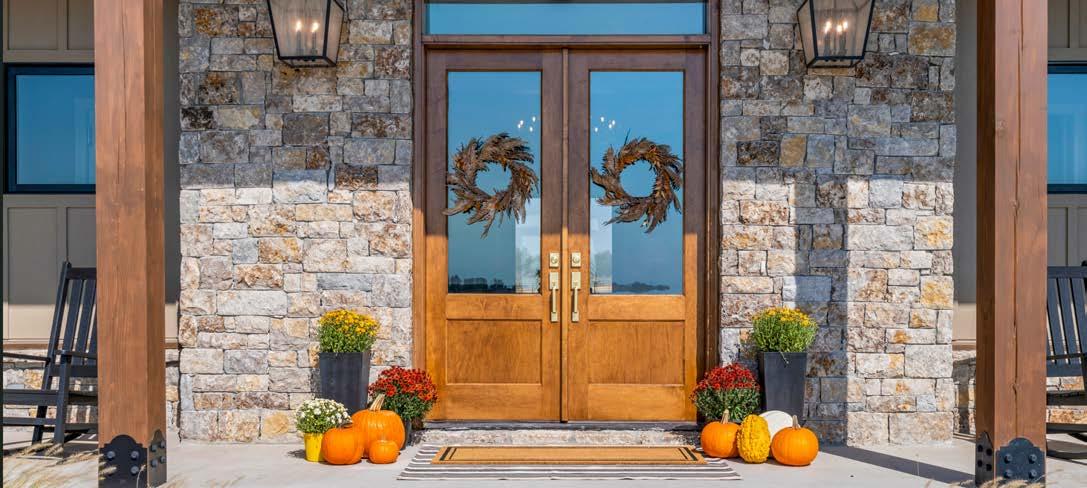
The Lodge itself is a total knockout - part architectural standout, part luxurious hideaway. Between the massive pillars on the porch and the grand double-door entrance, it definitely grabs your attention. Inside, it’s got a “rustic-refined” vibe: think beautifully exposed beams, a huge stone fireplace, and floor-to-ceiling windows that soak the whole place in sunlight.
The amenities are equally impressive:
The Main Lodge: Six bedrooms, a full kitchen, and a covered back patio with an outdoor kitchen (and a huge garage to boot).
The “Fun” Zone: An upstairs game room with a pool table, a big-screen TV, and its own kitchenette.

The Bunkhouse: Tucked in the big barn right behind the Lodge, this spot sleeps another eight people, bringing the total capacity to 20.
And during your stay, if you’re craving a little local flavor, downtown Sedan is less than 10 minutes away. You can get a “heaping helping” of Western hospitality at Buck’s BBQ & Steakhouse, T-Bar Mercantile, or the Yellow Brick Café.
I recently got to host the ranch’s Board of Directors on the Calling to the Good podcast (it’s out now on all platforms!). We recorded right there at the Lodge, and the conversation was so refreshingly real.
One of their neighbors, a rancher named Dale Goode, shared a great perspective. As a guy who’s a rancher to his core, Dale admitted he was a bit skeptical at first about putting a luxury vacation home on a working ranch. That kind of honesty is rare! In a lot of boardrooms, people just nod along, but this board really embraces the “thinkers” – and it shows and makes a positive difference. It reminds me of that Winston Churchill quote: “If everyone is thinking the same thing, then someone isn’t thinking.”
If I were to think out loud, I’d tell you that the Delaware Tribe has built something truly special. They’ve secured a food supply for their people, protected a massive landscape full of wildlife, and launched a legit business in tourism and agriculture.
Whether you’re planning a big strategy session for work or just need a quiet weekend to unplug, you’ve got to check this place out!
Want to see it for yourself ? Head over to DelawareTribeRanch.com to learn more!
#CallingToTheGood



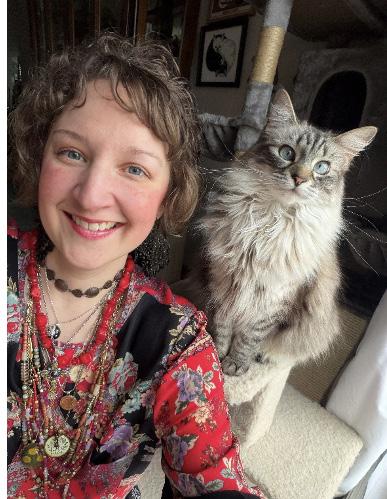


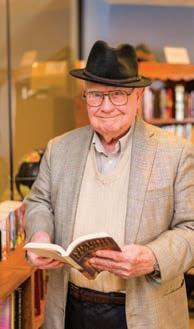
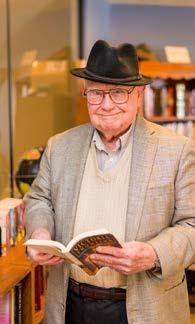
by Jay Webster
I know envy is a deadly sin, but have you ever met someone and thought, “Man, I wish I were more like them?”
Maybe they’re funny or chill or wise. Was it a friend? Did they light up a room or make everyone feel better when they were around? Did they have that quiet confidence, like they didn’t care what others thought? Did they have that magic gift to do just the right thing to make you feel loved or seen?
Yeah, that’s the way Maddie was for me.
She was wise and radiated calm. She couldn’t help but greet you with kisses or lean her whole body into you when you came home, no matter how late it was. She was good at so many things. She loved running and swimming, or just playing catch in the backyard. Her only real fault might have
been her breath…but what could she do? She wasn’t born with opposable thumbs to hold a toothbrush. She had to wait on us for that.
Maddie never played it cool. If she liked you, she would just kinda spaz out. She didn’t care who else was in the room. She wanted you to know she loved you. If you were sad, she wanted to make it better or just be sad with you. If you were going somewhere, she wanted to go with you. It didn’t matter where you were going. Being together was what mattered. Yes, her chocolate-brown hair would be in my car for weeks, but it was worth it.
She loved meeting new people. It was as if there were no strangers for her. She honestly couldn’t care less how
much money you made, what color you were, or where you were from. She couldn’t see it. She was just happy to meet someone new.
All my friends loved her. At our house for dinner, she always ate whatever was served, even if it was dry or the same as the previous meal.
The world could learn a lot from Maddie.
If I am being honest, maybe it’s not just Maddie… maybe the world would be better if we were all a little more like dogs. I mean, yes, Maddie was a Labrador, which made her exceptionally cool, but many dogs share these traits.
I mean, think about it. Most dogs can’t hide their feelings or play it cool. What’s the point? If they like you, their whole body will tell you. My first dog, Sandy, would literally pee herself with joy when meeting new friends. Dogs don’t care who else is in the room, your social status, your pedigree, or your earning potential. You got love, I got love…let’s be friends.
Dogs will protect. Dogs will forgive. Dogs will go wherever you go. Dogs will sniff out danger and won’t hesitate to let you know when something’s “sus,” as the kids say. You can’t ask much more from someone than that.
In related news, it appears that many of these same qualities lead to a happier, more joyful, and more fulfilling life. Researchers have concluded…conclusively…that our relationships are a leading factor in our overall well-being and even longevity. In fact, tons of research shows that deep connections with other humans are more impactful for your personal joy, health, and longevity than diet, exercise, and even your genes. And yet, here we are in the middle of a documented, worldwide loneliness epidemic. If close personal relationships are so important, why are so many people struggling to find them? What can we do?
According to Harvard researcher Leslie Johns, author of Revealing: The Underrated Power of Oversharing, we have to start opening up and sharing, even oversharing. Here’s how it works. We often set the terms and the bar for our relationships. If we are reserved, cautious, superficial, or insecure (only putting our best foot forward for fear of being exposed), in most cases, that is how others will respond and participate in our relationships. On the other hand, when we open up to a level that involves vulnerability, others begin to feel comfortable doing the same.
Most of us live with a dread of TMI. Maybe you have posttraumatic stress disorder from someone downloading their whole life story on you. Or maybe you trusted someone, only to have your heart used against you. And so we move forward in life with a new sense of hardness or weariness about intimacy. First, let me say - I’m sorry that happened to you. I don’t want to understate how uncomfortable and painful those experiences can be. But not allowing anyone else “in” as a result would be like having a car wreck and deciding it’s not worth driving ever again. No. You learn from the experience and move forward. You don’t lump all humans
into one pile of disloyal, narcissistic, shallow people. The stakes are too high.
I am a recovering under-communicator. I think my wife would tell you, especially in the last ten years, I’ve made up a lot of ground. I’m also bi-social…meaning I would describe myself as an introvert who can be an extrovert when the conditions are right. So, I’m someone who enjoys alone time, but also loves being with people…for a while. I know I need others. Being with people I love and having nutrient-dense conversations feeds my soul. And so I take the risk. I don’t have to always be seen in my best light. I allow others to see me as I really am. And that allows others to feel comfortable being honest in return. In that way, as the scriptures say, we are bearing each other’s burdens.
So you can play it cool if you want, but that’s a lonely place to reside. Or, you can ask yourself… What Would Maddie Do? She would likely sniff you inappropriately (so jump past that one), but then she would express love and affection regardless of how uncool she looked or who else was in the room. We could do worse.
What are the qualities we say we admire the most? Being authentic. Faithful. Kind. Making others better. Being generous. Protective of others in need. Easily happy and funloving. These are all the qualities of great canines. So, “Be More Like Your Dog.” Unless you have a Chihuahua. Then (with all apologies to my in-laws) …just don’t.
So, let me be open here. I really love these conversations with you. I love seeing you in the outside world, and we talk about this stuff, and you have such great insights and funny stories. Thanks for reaching out.
I’ll see you here next month, but until then, there is so much good that can be done out there. What good thing can you do? Let’s go do that. Peace out.















by Brent Taylor
One day, when my grandkids are old enough to understand the idea of nuclear war, I’ll tell them a bomb nearly took me out. It happened on the road to Damascus. Not the Damascus where Saul was blinded by a light from heaven. Damascus, Arkansas.
I grew up in the shadow of the Cold War. In Oklahoma, that wasn’t abstract. At school we practiced nuclear drills, crawling under desks, covering our heads as if a unidesk might save us from concrete blocks flying 150 miles an hour with radiation close behind. It was comforting but futile. It left emotional scars.
So I learned to laugh at it. Like Slim Pickens in Dr. Strangelove, riding a nuclear warhead like a rodeo cowboy into Russian airspace. I’m being facetious, but the anxiety was real, especially the part about total annihilation.
I was at Harding University then, before Karen, before marriage, still a free agent. I spent a lot of time driving west on Highway 36, locally known as West Pleasure Avenue.
If you drive west from Searcy, Arkansas, on Highway 36, you pass through three tiny towns with Hallmark names: Joy, Harmony, and Romance. They have not changed much since 1980.
My buddies and I turned that into a standing joke and, on occasion, a pickup line.
“You want to go out West Pleasure to Joy, Harmony, and Romance?”
And if that did not work, we had a backup. “You want to see a missile silo?”
You could not actually see much. Razor wire. No Trespassing signs. But you could imagine the missile rising out of the ground, flames roiling beneath it. It was just enough danger to make you feel alive. Not unlike taking a date to a scary movie, just enough fear to justify putting your arm around her, all in the name of comfort and protection.
Until one day the danger became real.
Near Damascus, Arkansas, not far from Romance, a technician dropped an eight-pound socket inside a Titan II missile silo. It fell some eighty feet and punctured the missile’s skin, causing fuel to leak. Above it sat another tank. If the
contents of those two tanks met, they would ignite. It was only a matter of time. And above it all sat a nine-megaton nuclear warhead.
Like most people, I slept through the night. I woke the next morning, read the newspaper, and realized I was still alive.
Eventually the explosion came. The warhead was blown out of the silo and landed in a ditch some distance away. For a while, no one even knew exactly where it was. That will get your attention.
After that, I stopped taking dates to Joy and Romance.
Recently, Karen and I went back to Arkansas to visit family who had traded California smog for a patch of land in Romance. They have a garden. A pig named Crunchy. Another named Yummy. Chickens: Rhode Island Reds, Plymouth Rocks, Leghorns. A rooster. A goat. The kind of place where life is loud and ordinary and real.
Our grandkids ran through the yard chasing baby ducks and chickens. A rooster with a Messiah complex woke us before sunrise, apparently convinced the sun rose because of him. The grandkids loved it. They woke laughing, ran outside, and took off after a hen across the yard. And it struck me: this felt right.
Watching children and chickens gather and scatter, hearing the racket of feathers and laughter, collecting eggs in the morning light, this is how mornings were meant to feel. Unhurried. Full of living things, not devices.
Most of our mornings are not like that. They begin quietly enough, coffee brewing, light at the window. But it does not take long. Voices rise. Arguments ignite. Lines are drawn. Bombs go off. And that is before we even get to the Middle East. Peace is in short supply in this world.
Maybe that is what I will tell my grandkids when they are old enough to understand the bomb, and all the smaller explosions we live with every day. We spent a generation building machines that could end the world. Now we practice smaller versions of the same destruction with our words, our politics, our fury, our screens.
And yet peace still begins where it always has: with children chasing chickens, breakfast on the table, laughter in the yard, love under an ordinary sky. It is easy to imagine the end of the world. What takes more faith, what takes more courage, is to imagine its renewal.
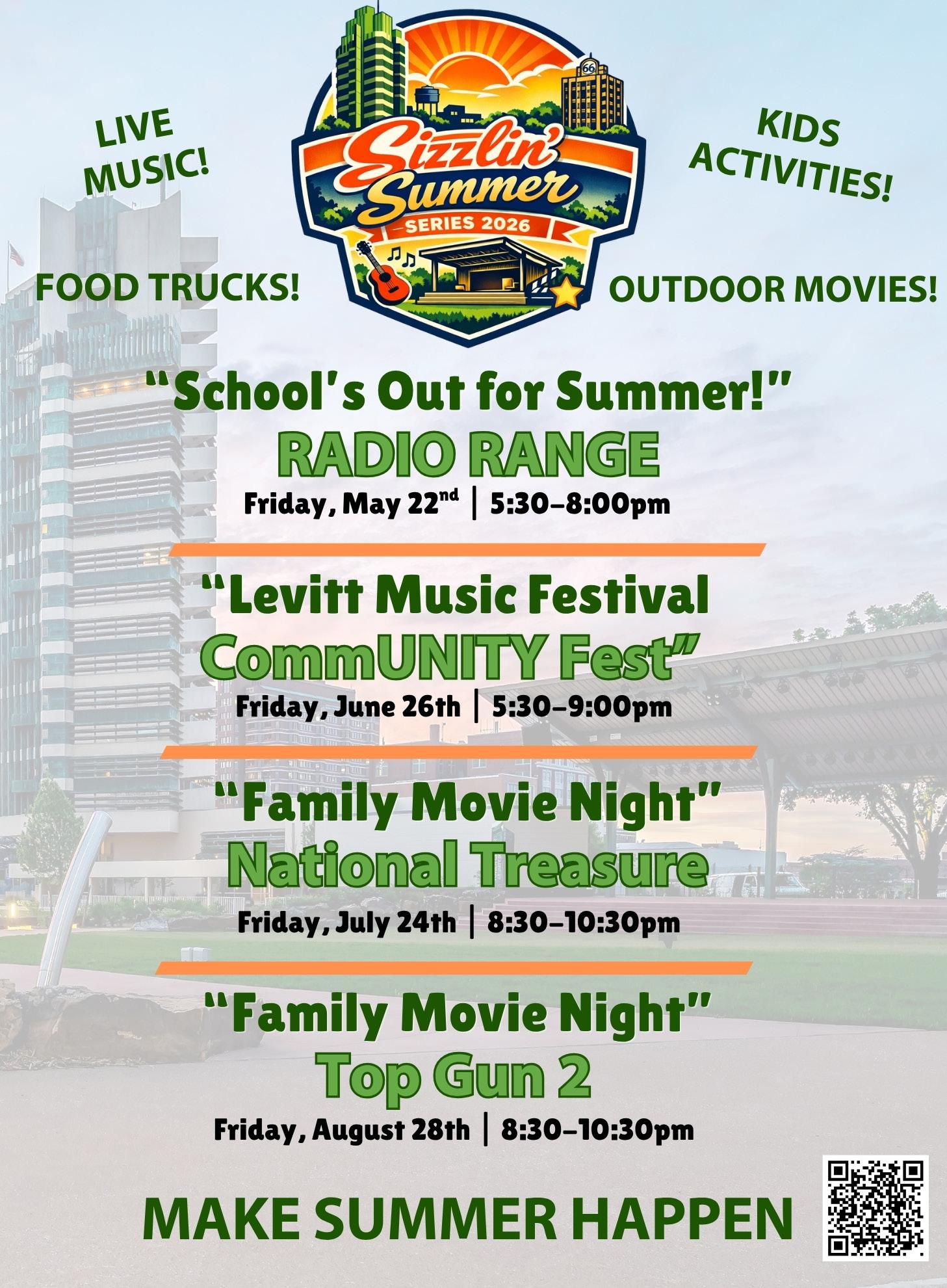
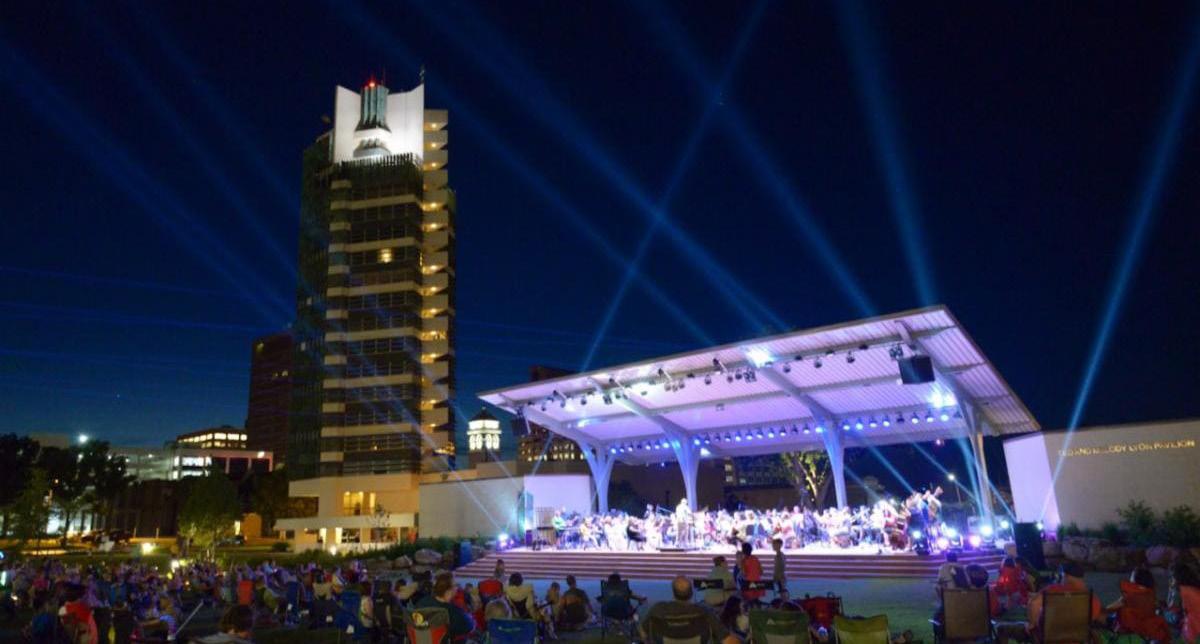
Dust off your lawn chairs and mark your calendars! As the spring breeze settles in, Bartlesville’s favorite community hub, Unity Square, is cranking up the heat with the official announcement of the 2026 Sizzlin’ Summer Series. From high-energy local rock to global cultural festivals and cinematic magic under the stars, this year’s free, familyfriendly lineup is designed to keep downtown buzzing all season long.
The Kick-Off: School’s Out for Summer | Friday, May 22 | 5:30 PM – 8:00 PM Celebrate the end of the school year with a high-energy evening featuring local favorites Radio Range. They’ll be taking the stage to deliver a setlist of cover songs you know and love. While the music plays, the square will transform into a playground for all ages:
For the Kids: A massive bounce house and giant yard games.
Shop & Stroll: Browse pop-up shops like Little Makers Creatives.
Eat: Grab dinner from a rotating selection of food trucks.
The Cultural Hub: Levitt Music Festival – CommUNITY Fest | Friday, June 26 | 5:30 PM – 9:00 PM Experience the world without leaving downtown, thanks to Bartlesville’s first Levitt Music Festival. This culturally diverse celebration features the New York-based world music sensations, Baklava. This isn’t just a concert; it’s a global immersive experience featuring:
Performances: Desi-style dancers and a colorful fashion show by Teton Trading Cloth and LJ Designs, featuring wearable art..
Artistry: Shop the Teton Trade Cloth pop-up and meet local artisans.
Performances: Desi-style dancers and a colorful fashion show by

wearable
Global Flavors: A wide variety of ethnic cuisines showcasing flavors from around the globe.
Family Movie Night: Jumbo Screen Magic Nothing beats a movie on a jumbo screen beneath the Oklahoma night sky. Grab your blankets and settle in for two blockbuster family nights:
July 24: National Treasure (PG) | 8:30 PM
August 28: Top Gun: Maverick (PG-13/PG) | 8:30 PM
The Movie Perks: We’re bringing the theater to you with full concessions available for purchase, plus free glow-in-the-dark bling for the kids to light up the night!
Bites, Brews & Swag
Hungry? Every event in the series features a variety of food and beverage options, including a cash bar for the adults. Be sure to stop by our series sponsor booths to satisfy your sweet tooth, grab some cool swag, and enter for giveaways. Admission is free! Just bring your own seating and your best summer vibes. Plan your summer at unitysquarebville.com. We’ll see you at the Square!
This spectacular season would not be possible without the support and generosity of our partners: Levitt Family Foundation; Truity Credit Union; Arvest Bank; MoveUP (Rebecca Renfro); and Visit Bartlesville. Behind every great performance is a community of support. Thank you sponsors for making Sizzlin’ Summer Series 2026 a reality.
Personalized service means having a financial advisor who understands you and what you’re trying to achieve, and helps to create a unique strategy based on your needs and circumstances.
We’re ready when you are. Contact us today.

Dustin Hancock AAMS™ Financial Advisor
3851-B Tuxedo Blvd
Bartlesville, OK 74006 918-331-9236

Green Country Pet Cremation Service offers private pet cremation with timely return of ashes in your choice of a decorative wooden urn with an engraved nameplate. If no return of ashes is requested, the ashes will be gently scattered on a beautiful pastoral/garden property.
We are located in Bartlesville, Oklahoma and gratefully serve pet owners from a wide area surrounding Bartlesville, Dewey, and Northeast Oklahoma.
For our fee schedule, please feel free to call us at any time.


Painted Horse Bar & Grill, together with Wolf Creek Ranch owners, Mark and Kelly Spencer, are proud to offer our locally raised, guaranteed all natural Angus beef products.
Painted Horse Bar & Grill, together with Wolf Creek Ranch owners, Mark and Kelly Spencer, are proud to offer our locally raised, guaranteed all natural Angus beef products.
110 SW Frank Phillips Blvd. 918-336-1100 painted-horse.com
110 SW Frank Phillips Blvd. 918-336-1100 painted-horse.com
Dine In and Carry Out Available! New dine in hours!
Dine In and Carry Out Available! New dine in hours!
Restaurant: Mon - Sat 11a - 9p Bar: 11a - 10p
Restaurant: Mon - Sat 11a - 9p Bar: 11a - 10p
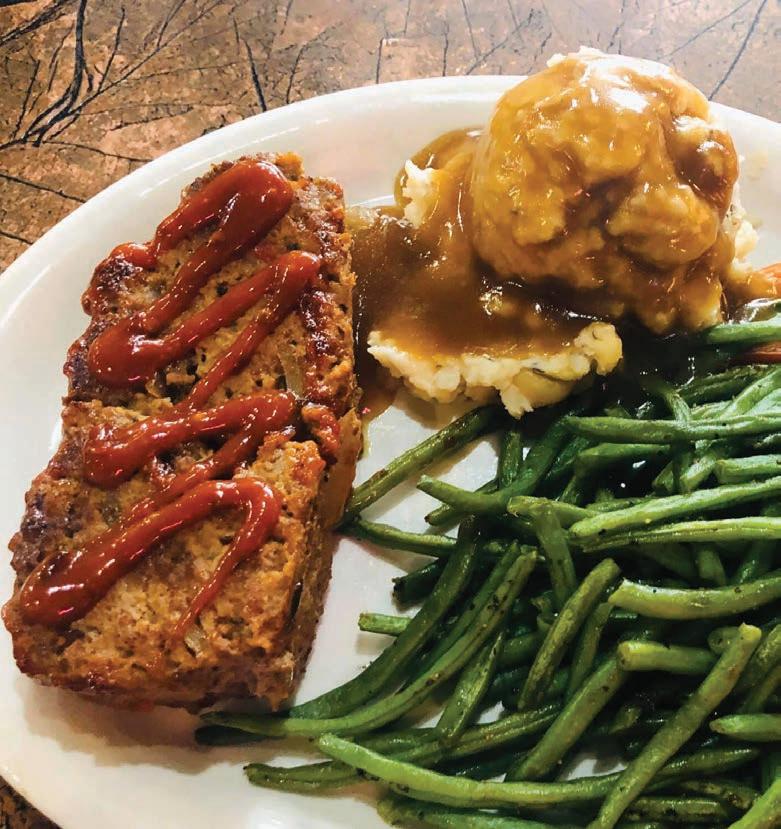



Featuring post-hospital skilled nursing and rehabilitation to help you heal, regain strength, and return home!
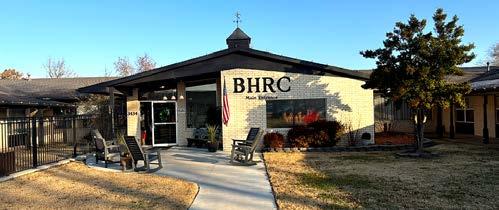

Newly remodeled semi-private and private rooms available, subject to availability.
Bartlesville Health & Rehab Community provides a comprehensive continuum of senior healthcare services, all under one roof. Locally owned, BHRC offers 24-hour skilled nursing care along with inhouse physical, speech, and occupatonal therapy. We also provide specialized care for individuals with Alzheimer’s disease or related disorders within our newly remodeled, secure Memory Living Area. In addition, BHRC’s senior living apartments offer the independence of home while fostering comfort, connection, and the companionship of a supportive senior community. For more information or to schedule a tour, call (918) 333-9545. Medicare, Medicaid, private pay, and most insurance plans accepted (Determined by on level of care). 3434 Kentucky Place • 918-333-9545 • www.bartlesvillehealthandrehab.com


We live, work, and play in Bartlesville, and we’re proud to serve our neighbors with integrity

Experienced, Honest, Local





Access to high-quality neurological care is essential for any community, and in Bartlesville, that care is being led by a dedicated team committed to both clinical excellence and compassionate service. At Ascension St. John Jane Phillips Medical Center, Dr. Jason L. King, Dr. Priscella Caron, and Kelly Shipley, APRN, work collaboratively to provide comprehensive neurological care close to home.
Dr. Jason L. King: A Hometown Specialist
A Bartlesville native, Dr. Jason L. King has returned to serve the community that helped shape him. A board-certified neurologist specializing in vascular neurology, Dr. King plays a key role in stroke care while also treating a broad range of neurological conditions.
After graduating from Bartlesville Public Schools, he completed his education within the University of Oklahoma system, earning a degree in chemical engineering before going on to receive his Doctor of Medicine. He then completed both his neurology residency and vascular neurology fellowship at the University of Oklahoma Health Sciences Center.
Today, Dr. King provides care for patients experiencing stroke, Parkinson’s disease, epilepsy, dementia, multiple sclerosis, and chronic headaches. Known for his calm and thoughtful approach, he prioritizes listening to his patients and creating personalized treatment plans that address their unique needs. In addition to his clinical work, he has contributed to stroke research and remains active in professional organizations, including the American Stroke Association and the American Academy of Neurology.
Dr. Priscella Caron: A Holistic Perspective
Dr. Priscella Caron brings a unique background that bridges both psychiatric and neurological care. As an Advanced Practice Registered Nurse with a Doctor of Nursing Practice degree from Pittsburg State University, she offers a wellrounded and patient-centered approach.
Her career began at the bedside, where she spent 13 years as a registered nurse and resource nurse. Since 2007, she has served patients at Jane Phillips Medical Center, earning a reputation for compassionate, high-quality care.
disorders, epilepsy, and multiple sclerosis.
Her approach emphasizes empathy, education, and collaboration, ensuring patients and their families feel informed and supported throughout their care journey. By integrating her psychiatric background into neurological care, Dr. Caron provides a holistic perspective that enhances patient outcomes.

Dr. Caron initially specialized in psychiatry, focusing on geriatric populations and addressing complex mental health needs. In 2023, she transitioned into neurology, expanding her expertise to include migraine management, neurocognitive
With 27 years of clinical experience, including 10 years in advanced practice, Kelly Shipley brings depth, consistency, and compassion to the neurology team. Her career reflects a strong commitment to both her patients and the Bartlesville community.
Kelly earned her Adult-Gerontology Acute Care Nurse Practitioner degree from Purdue Global University and her Family Nurse Practitioner certification through Kaplan University. She is also a Certified Neuroscience Registered Nurse and is currently completing her Certified Stroke Registered Nurse certification.
Throughout her career, Kelly has served in a variety of roles within the local health system, including bedside nursing, clinic care, hospitalist practice, and neurology. For the past five years, she has worked closely with Dr. King, providing care in both hospital and outpatient settings.
She treats patients with stroke, Parkinson’s disease, movement disorders, seizures, dementia, and other neurological conditions. Her philosophy centers on education, helping patients understand their diagnosis and treatment options so they can take an active role in their care. She also recognizes the impact neurological conditions have on families and works to build strong support systems for both patients and their loved ones.
Together, Dr. King, Dr. Caron, and Kelly Shipley represent a collaborative and comprehensive approach to neurological care. Their combined expertise allows them to treat a wide spectrum of conditions while addressing both the physical and emotional aspects of neurological health.
For patients in Bartlesville, this means access to advanced, compassionate care without leaving their community. Through their shared commitment to excellence, education, and patientcentered care, this team continues to make a meaningful difference in the lives of those they serve.
by Jay Hastings
In the early 1800s, travel was mostly regional, taking weeks to get from the East Coast to inland areas. Between 1830 and 1850, the advent of steamboats and the expansion of roads improved journey times, but transcontinental travel remained slow, taking up to six months to cross the country.
Rail travel arrived in the United States around 1826 - 1827. Some of the earliest railroads were used to move heavy supply items on steel rails pulled by teams of horses. Steampowered locomotives were introduced by 1829, and by 1930, the use of passenger trains sparked a transportation revolution.
By 1835, dozens of rail networks were established and by 1850, over 9,000 miles of track existed in the United States. By the 1860s, railroads had expanded westward to the Midwest. In May of 1869, the completion of the Transcontinental Railroad reduced cross country travel to seven to ten days, with train speeds 16 to 28 miles per hour.
The new, faster mode of transportation unexpectedly caused challenges with time schedules across the country. In 1883, the Canadian and U.S. railroads jointly established standard time zones to better manage train schedules. Four main time zones were created: Eastern, Central, Mountain, and Pacific.
Before 1883, most cities used “high noon” to set local time, resulting in over 140 local times just in North America. The variation caused catastrophic scheduling issues, resulting in accidents and other inefficiencies along the rails. In response, the railroads basically forced standardized time zones into existence.
In 1918, Congress passed the Standard Time Zone Act which formally established the railroad-established time zones and daylight savings time to aid in train coordination, intending to increase efficiency and safety.
Railroad passenger service peaked around 1916 and declined steadily through the mid-20th century. By the late
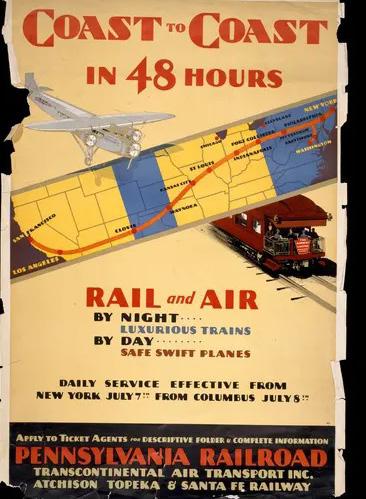
1920s, Americans were traveling five times farther in cars than on trains. In 1938, Route 66 was paved coast to coast, offering automobile travel as another option for quick travel. The invention of the V8 motor and improved roads further expanded access to freedom of travel. Following World War II, rail passenger travel declined sharply and the automobile became the primary mode of transportation.
Current day travel time by car from coast to coast is 40 to 45 hours nonstop.
On July 7, 1929, Transcontinental Air Transport started passenger service between New York City and Los Angeles, using a combination of trains and planes. At the time, night flying was hazardous, so passengers took airplanes by day and trains by night. As technology improved, airplanes evolved to using instruments for night flying, which drastically reduced travel times between major cities, compared to that by train. By the mid-1950s and with rapid advancements in technology, air travel became the dominant form of long-distance, for-hire travel. In 1955, the number of people traveling by plane surpassed those by train.
Today, a typical jetliner travels at speeds between 500 and 600mph. Eastbound cross-country flights are often faster due to tailwinds, while westbound flights can take longer as the result of headwinds. Top speeds often reach 85% of the speed of sound, or roughly 740mph in high-speed conditions. What once took several weeks to months to travel from one coast to the other can now be achieved in under six hours.
Steady development of faster modes of transportation continues to decrease perceived distances between cities. Similarly, the way we communicate has also increased in speed and convenience. As unintended consequence, whether positive or negative, these technological advancements continue to make the world we live in effectively smaller in terms of time.
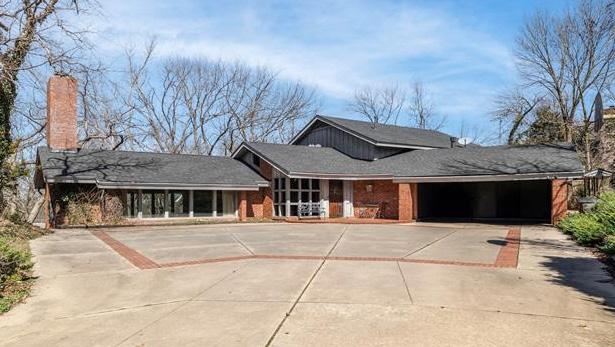
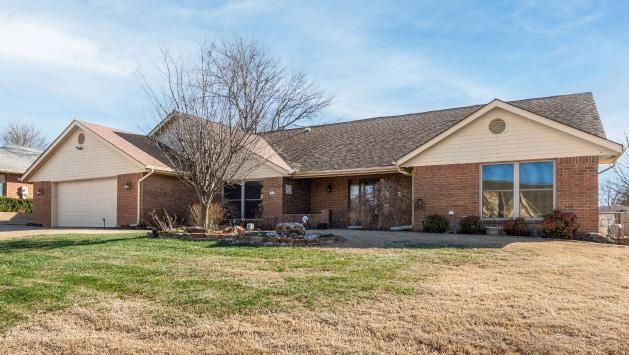
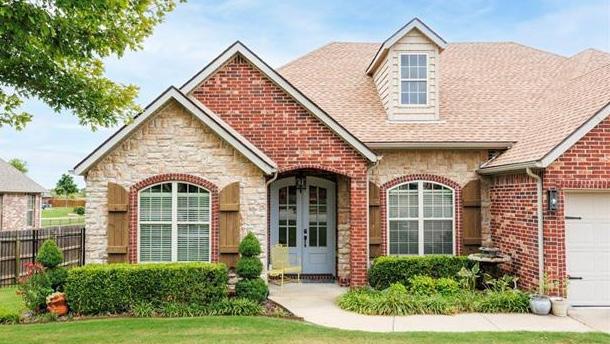
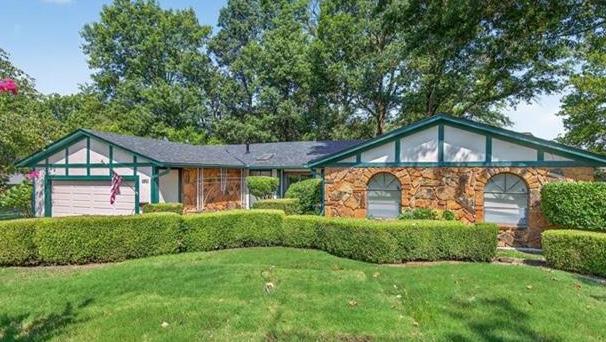

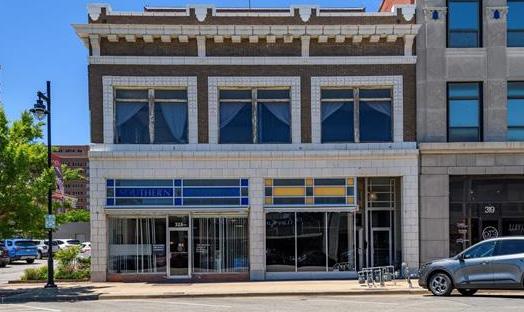


Find your dream car with Truity! Search, compare, and discover financing for your next ride using our easy-to-use tools.
Scan to shop