

Prepared by: Amy Parrella ‘99 and Joy Terentiev ‘26
Additional contributions by: Violet DiBasio ‘27, Max Frackman ‘27, and Lucia Lennox ‘28
ABSTRACT:
The Burpee Trial Garden is a new initiative at Bard College in Annandale-on-Hudson, New York, that is designed to test and grow new and experimental flowers, vegetables, and herb seeds. It provides educational opportunities for hands-on gardening and scientific evaluation for field-proven top performers, home gardeners, and the horticultural industry. The Burpee Trial Garden was grown, maintained, and evaluated by Bard undergraduate students during the months of June to October 2025 It is an organic outdoor laboratory with 20 garden beds, each 17’ x 3’, containing 50 different plant varieties. Students made observations every day and evaluated each plant for a variety of characteristics Four “New Product Candidates” were specifically evaluated closely for this project Preliminary conclusions and suggestions for additional research were concluded Overall best performance was observed by the following vegetable varieties: Bean, Stringless Green Pod; Cucumber, Sweet Success Hybrid; Kallard, Sweet Caroline Hybrid; Lettuce, Little Gem; Peas, Super Sugar Snap; Hot Pepper, Big Guy Hybrid; Sweet Pepper, First Taste; Summer Squash, Burpee’s Best Hybrid; Tomato, Fourth of July; Tomato, Sunpeach; Turnip, Tokyo Sakura Heart; Watermelon, Mini-Me Hybrid Overall best performance was observed by the following flower varieties: Celosia, Red Velvet Cake, Cosmos, Orange Glow; Gallardia, Golden Beauty, Marigold Strawberry Blonde, Sunflowers, Desire Red Hybrid and Fun N Sun Blend; Verbena, Vanity; Zinnia Cut & Come Again, Queeny Lemon Peach, State Fair and White Wedding
Introduction
The Burpee Trial Garden is a new initiative at Bard College in Annandale-on-Hudson, New York, that is designed to test and grow new and experimental flowers, vegetables, and herb seeds It provides educational opportunities for hands-on gardening and scientific evaluation for field-proven
top performers, home gardeners, and the horticultural industry The main goals of this first year (and previous late summer/fall season 2024) were to install the necessary infrastructure, acquire equipment, hire contractors, and install the garden so everything was ready to start in spring 2025
The main goals of 2025 were to run a trial year in the Burpee Trial Garden. Since the location, type of gardening, and staffing were all new, it was a test run for everyone. Overall, the year was a true success!
Bard College hired Amy Parrella ‘99 as the new full-time Arboretum Director to oversee the Burpee Trial Garden in December 2025. She oversaw all maintenance and operations of the garden during this first year, including hiring contractors and student gardeners, organizing the garden schedule and educational opportunities, and sharing the garden with the public and other visitors Various local newspaper articles highlighted the garden. See attached articles.
Arboretum Director: Amy Parrella ‘99
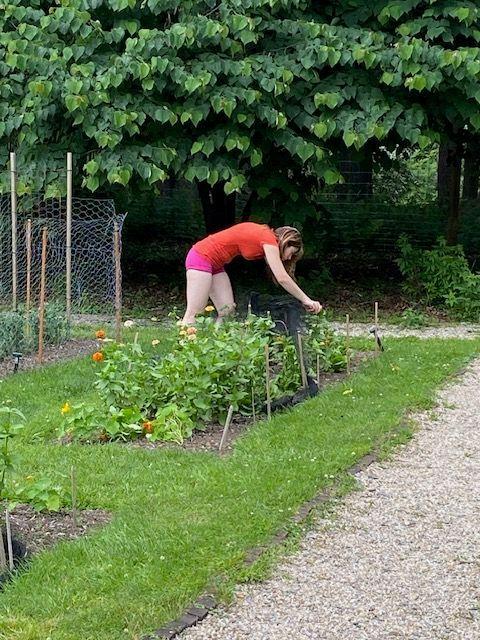
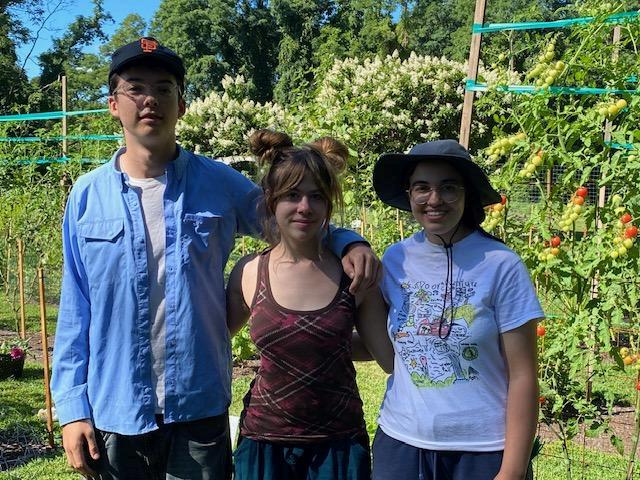
Student Research Gardeners: Joy Terentiev, Violet DiBiasio, Max Frackman, Lucia Lennox
Fencing Contractor: Oakwood Fencing
Well Drilling and Piping: Claverack Well and Pump Service, LLC
Garden Contractor: Valley Gardener
Supplies & Equipment*
Sign and banner Manufacturer: Terrabilt and Dutchess Signs
Garden Supplies: Mac’s Farm & Garden; Williams Lumber; AM Leonard; Amazon; Griffen Greenhouse, Sams Club
Computer/Ipads: Apple
Foamstream & Trailer: John Deere and Paul Congelosi Trailer Sales
* See attached Expenditure Summary
Infrastructure Set-Up
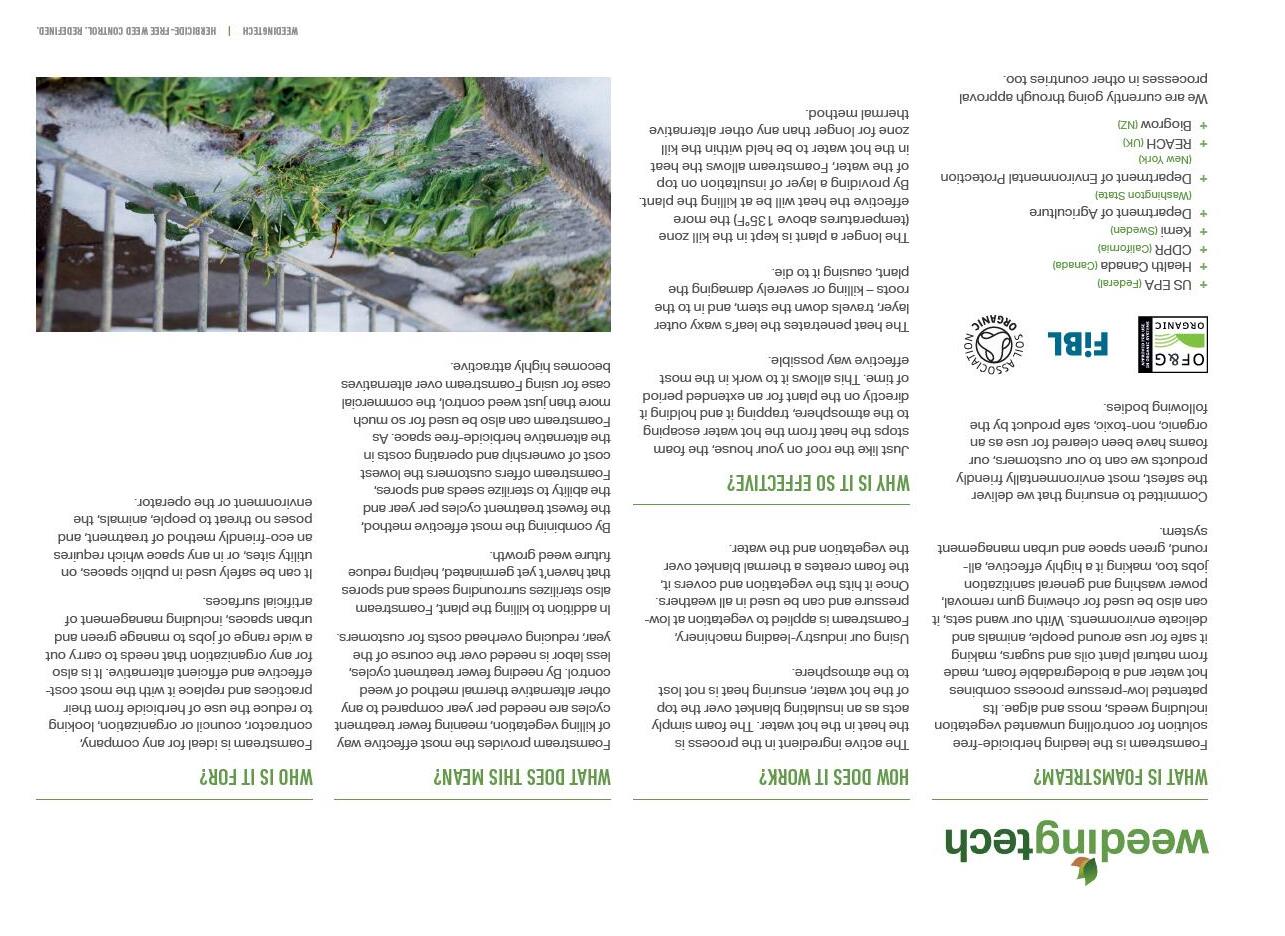
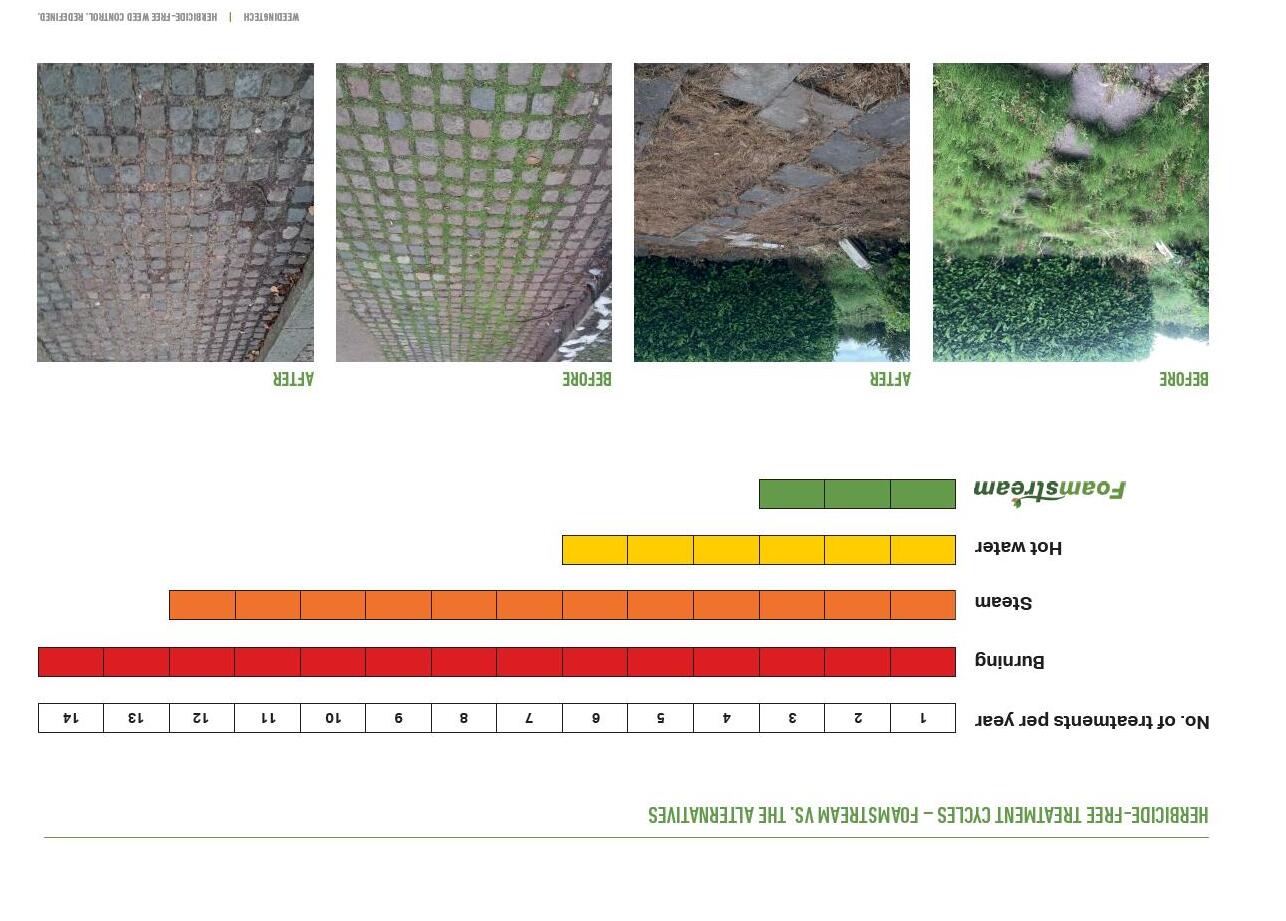
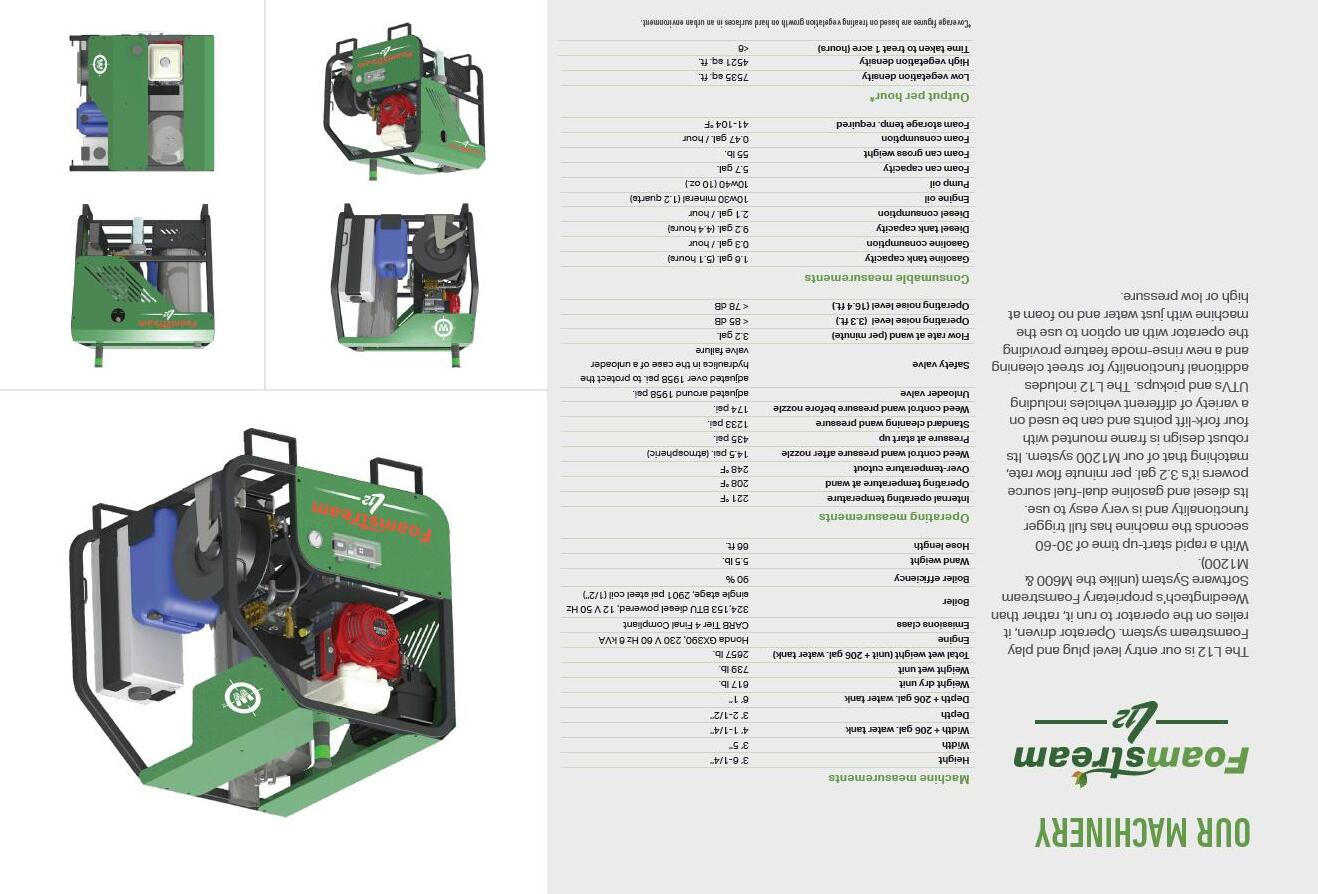
Starting in late summer 2024, the herbicide-free weed control Foamstream machine and tow-behind trailer was purchased to reduce the weeds in and around the immediate area of the Burpee Trial Garden See attached information
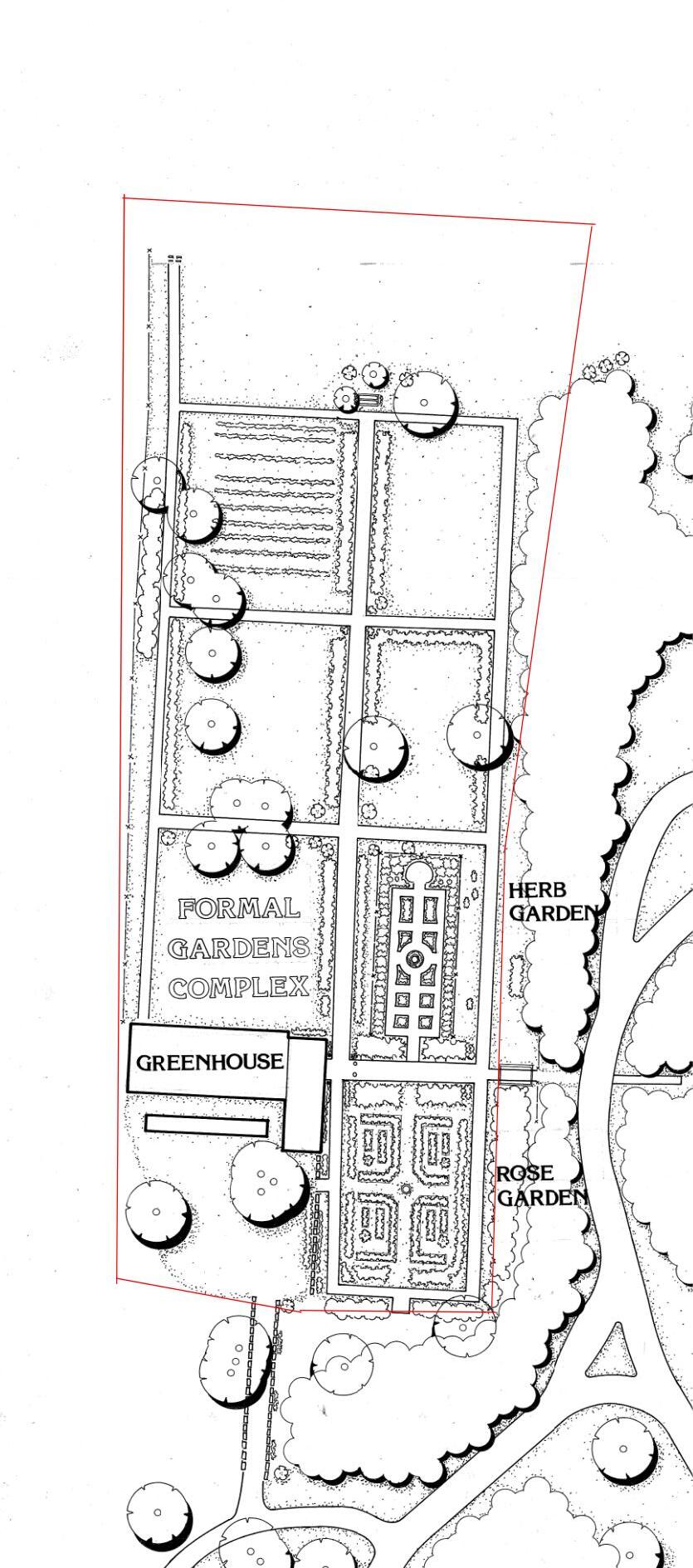
Additionally, in fall 2024, a 1000’ deer fence was constructed around the perimeter of the garden area. See attached fence map. This has proven invaluable not just for the Burpee Trail Garden but also to the entire historic garden It also allows for the project to expand in the future, if desired Also, in November 2024, Bard contracted Valley Gardener to dig out, till, and add soil amendments to the garden beds that were allowed to rest for the winter. They continued to provide initial start-up preparations, weekly maintenance, and end-of-the-year cleanup during the first year of this project
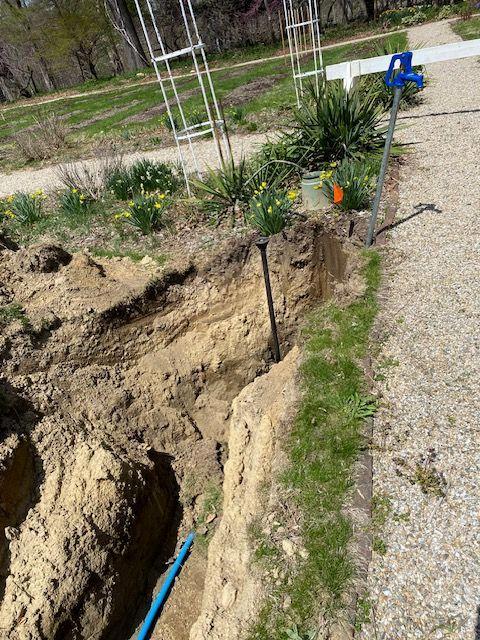
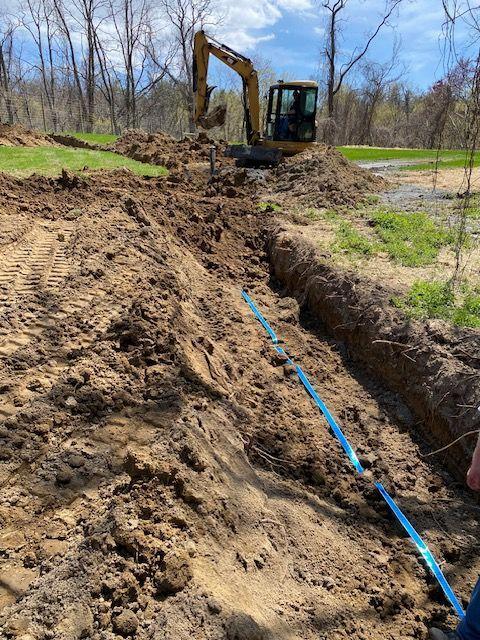
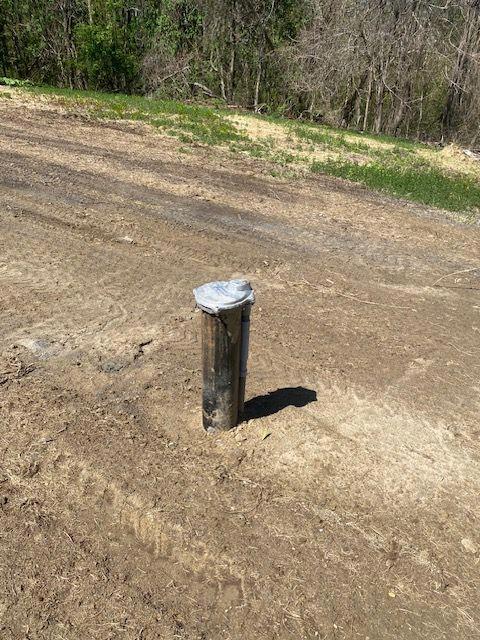
In spring 2025, an 810’ well was dug for garden irrigation, due to the limited water supply on the estate, and it also allows for future project expansion See attached well-digging photos
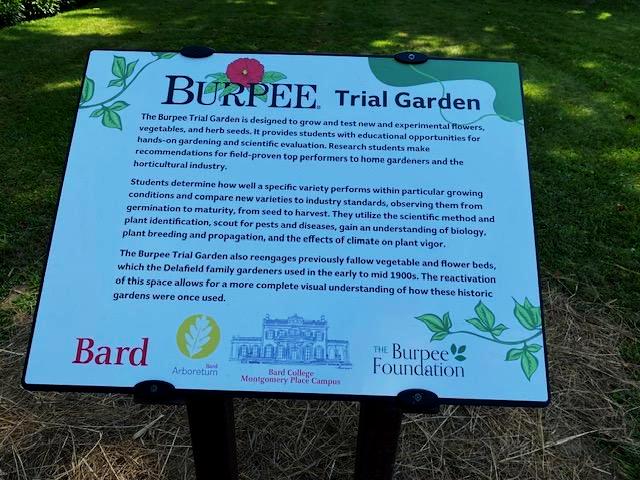
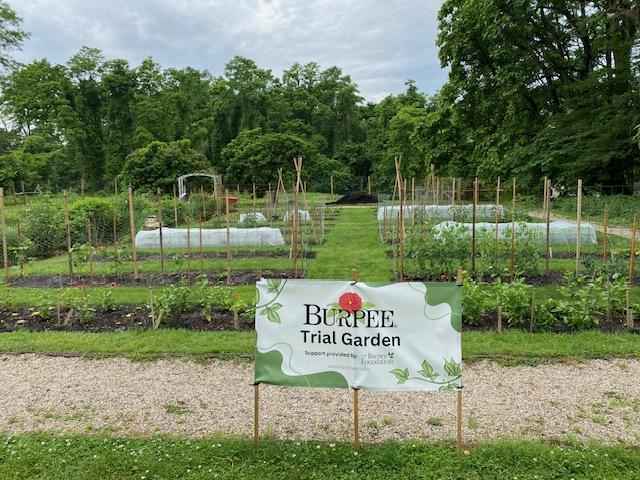
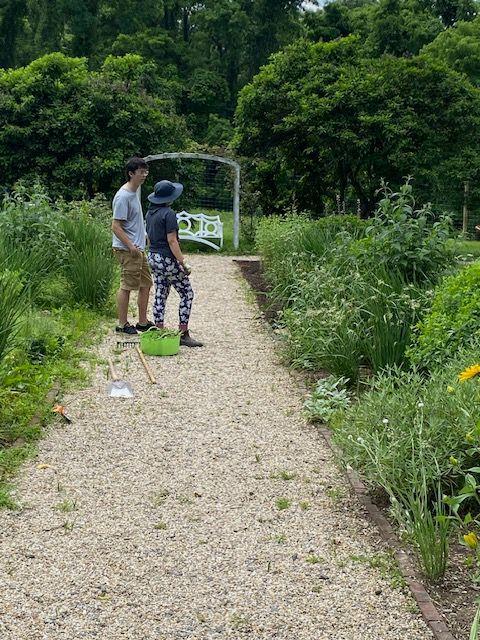
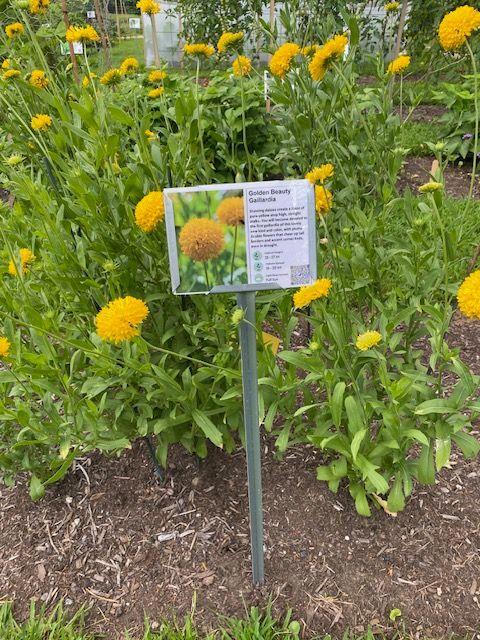
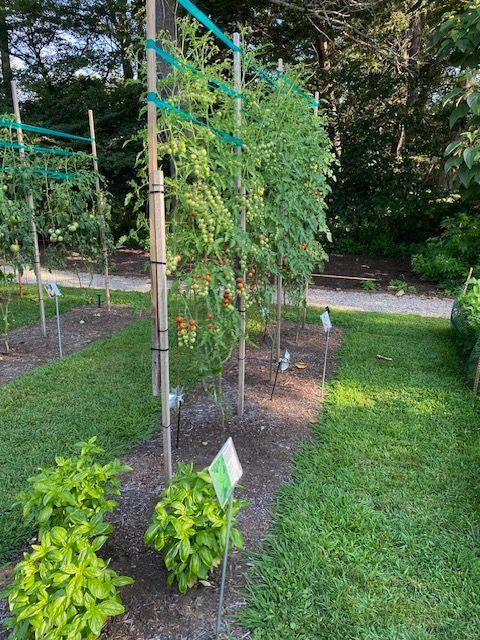
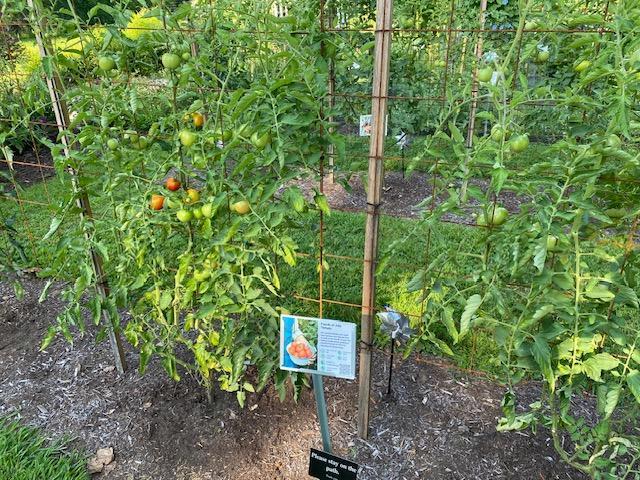
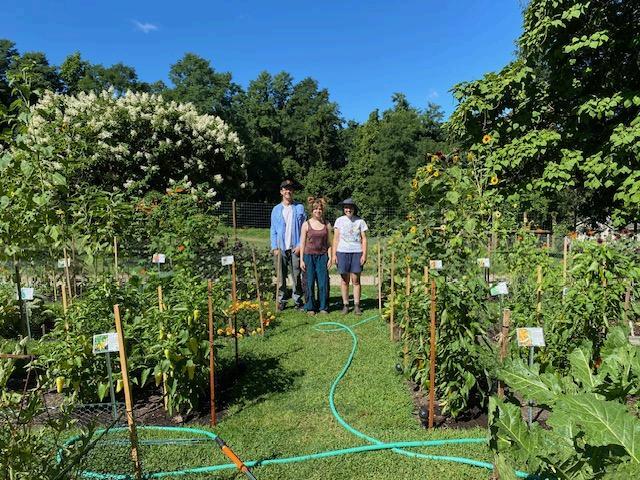
In early summer 2025, the formal Burpee Trial Garden interpretive sign was designed, ordered, manufactured, and installed. This allowed visitors to learn more about the garden. Additionally, the Arboretum Director and student staff labeled each plant, including the descriptive and growing information. See attached garden photos.
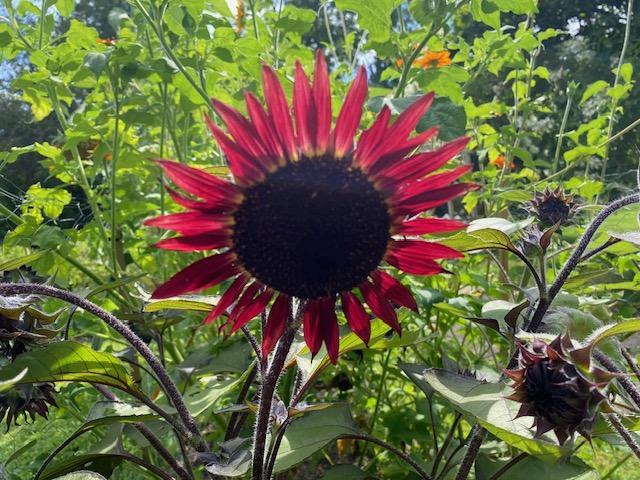
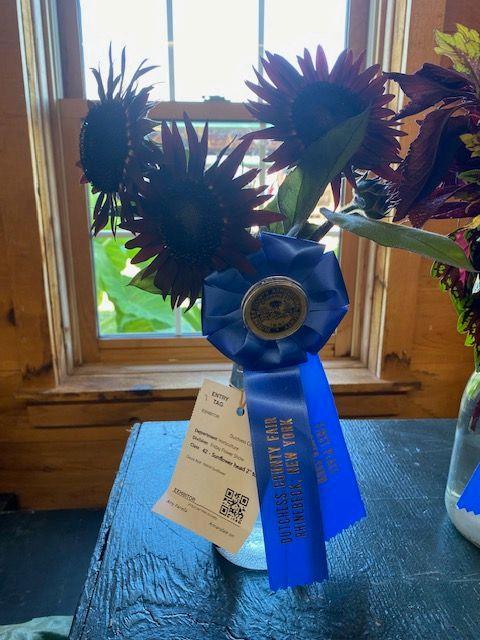
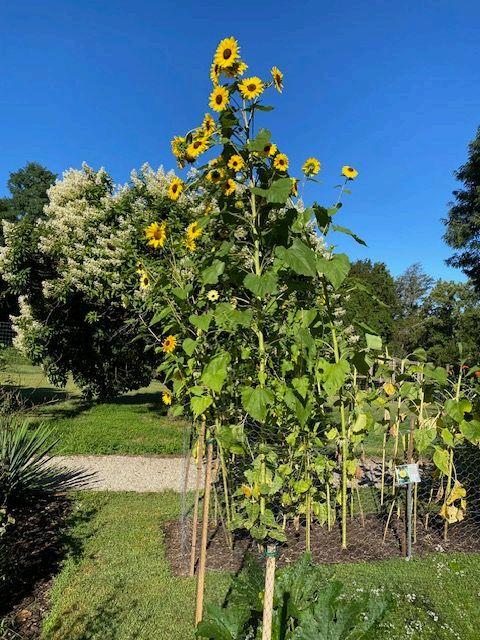
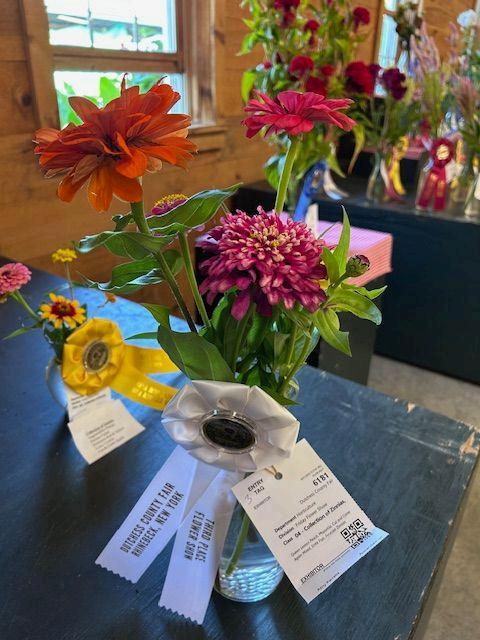
At the end of the summer, students entered four categories in the local Dutchess County Fair and won four ribbons! They entered the Red Desire Sunflower (1st place -blue ribbon winner!), Batik Basil (3rd place), Queen Lemon Peach Zinnia (5th place), and a collection of five different zinnias (3rd place) grown this summer
The Arboretum Director provided additional educational opportunities to the students during the summer to inform them about the field of horticulture and the historical/horticultural significance of Montgomery Place. There were also opportunities for them to share their experiences with others. Students shared their garden observations during weekly Bard Summer Research Institute (BSRI) meetings, public garden tours, the summer garden open house event in August, and during the Family and Alumni/ae Weekend poster session in October
Burpee Trial Garden - Student Education Calendar - Summer 2025
June 2 Garden safety with Aletta Eagle-Kosakewich, Bard Environmental Health & Safety Manager
June 5 Overview of Montgomery Place with Kathy McManus, Montgomery Place Site Manager
June 11 Tour of Montgomery Place with Henry Woods, Montgomery Place volunteer docent
June 16 Field trip to Montgomery Place archives with Helene Tieger, Bard Archivist, to learn about historic gardening on the property
June 17
Lunch & Learn with Beka Goode, Bard art professor, Natural dye-making
June 24 Plant identification walk with Amy Parrella, Arboretum Director
June 25 Tour of Montgomery Place woodlands with Henry Woods, Montgomery Place volunteer docent
July 1 Bard Summer Research Institute session to share work
July 2 Tour of Montgomery Place Arboretum with Henry Woods, Montgomery Place volunteer docent
July 3 Field trip to Hudson Valley Seed Trial Garden - group tour
July 8
July 9
July 10
July 14
July 15
July 22
July 29
August 5
August 12
Bard Summer Research Institute (BSRI) session to share work
Tour of Montgomery Place with Henry Woods, Montgomery Place volunteer docent
Tour of Bard Farm with Rebecca Yoshino, Bard Farm Manager
Tour of Montgomery Place mansion with Lauren Bailey, Collections Manager
Bard Summer Research Institute session to share work
Bard Summer Research Institute session to share work - group presentation
Lunch & Learn: Outdoor Safety with Andy Anderson, Bard Landscape Operations
Lunch & Learn: How to Plant a Tree with Andy Anderson, Bard Landscape Operations
Lunch & Learn Landscape Design with Tricia Paffendorf, owner of Valley Gardener
August 17 Burpee Trail Garden Open House event
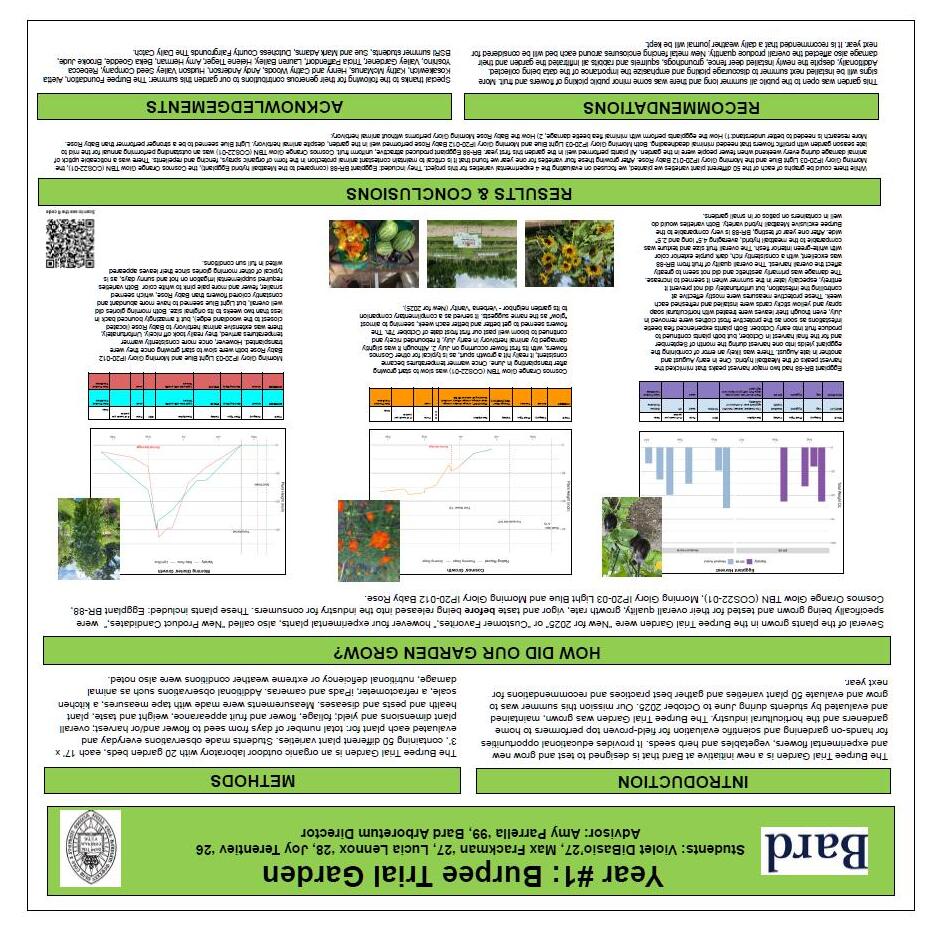
October 24 Family and Alumni/ae Weekend, Summer BSRI Poster Session Open House (see attached poster)
METHODS
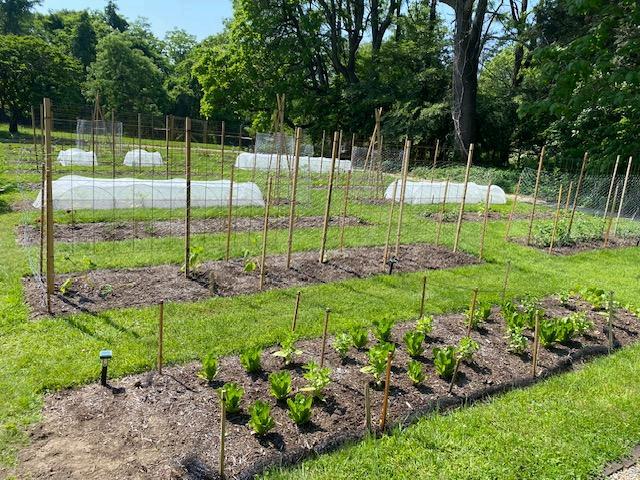
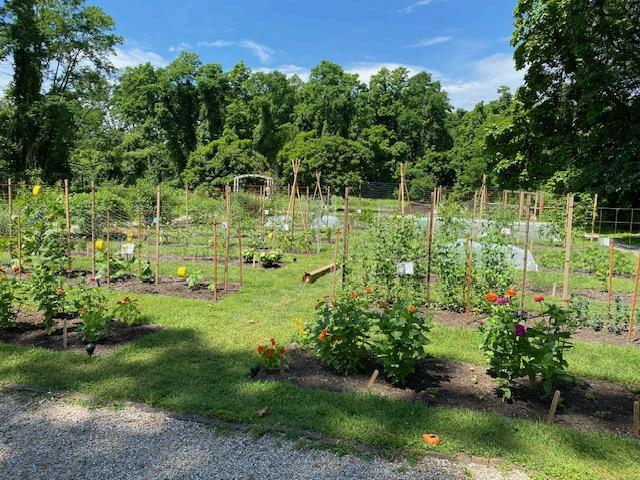
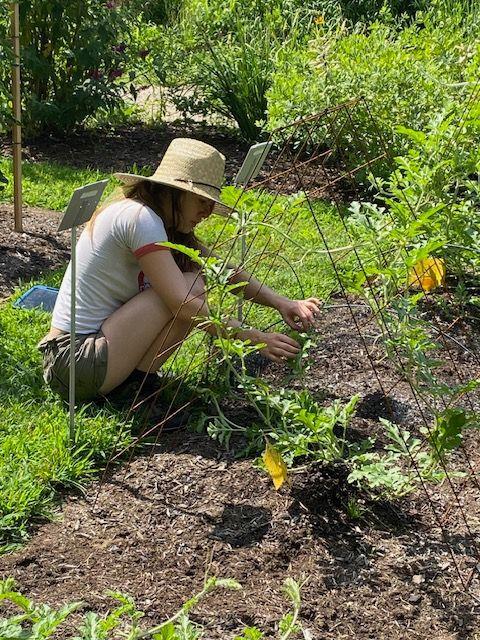
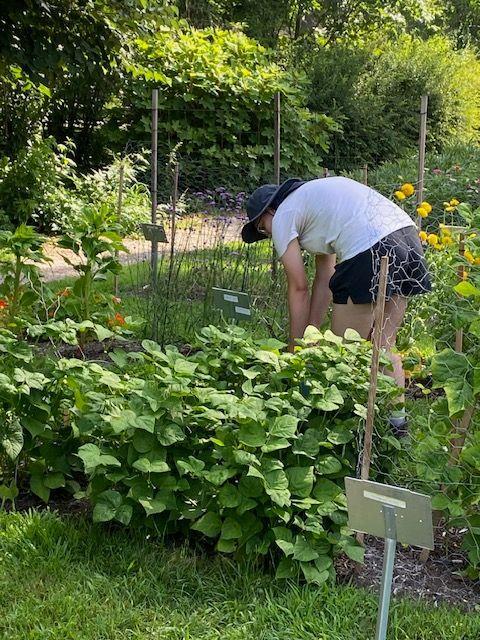
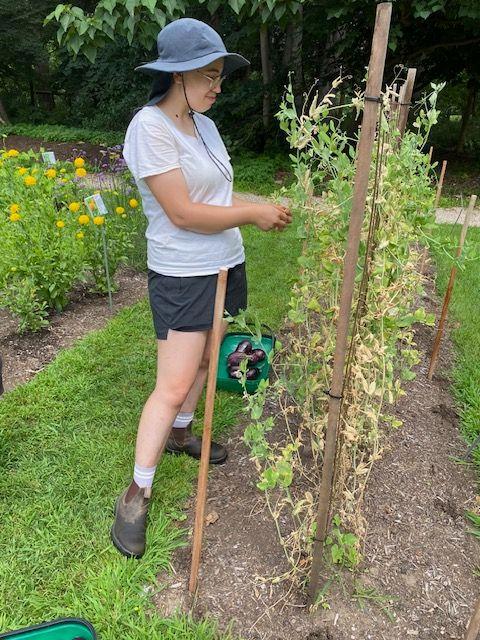
After the initial garden infrastructure was installed, the Burpee Trial Garden was grown, maintained, and evaluated by four Bard undergraduate students during the months of June to November 2025. It is an organic outdoor laboratory with 20 garden beds, each 17’ x 3’, containing 50 different plant varieties A garden layout was designed in winter 2025 and planted out in early May Fall crops were planted at the end of August in empty voids, where early spring crops finished early. See attached garden map. All crops were harvested, recorded, and the garden was finally removed and prepared for planting in 2026 on November 12, 2025
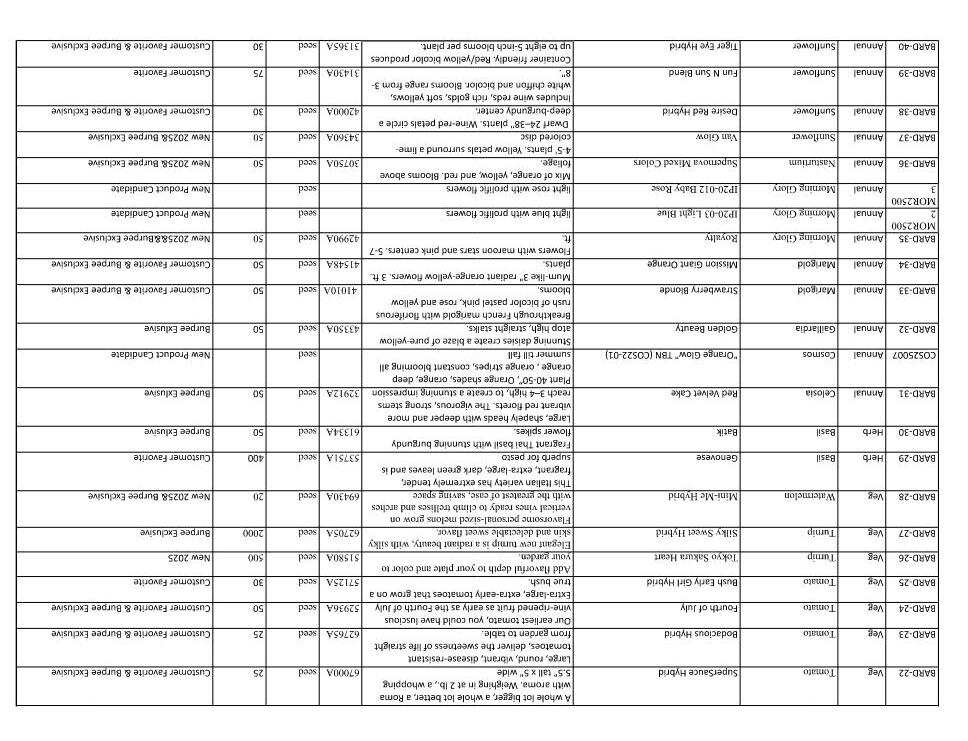
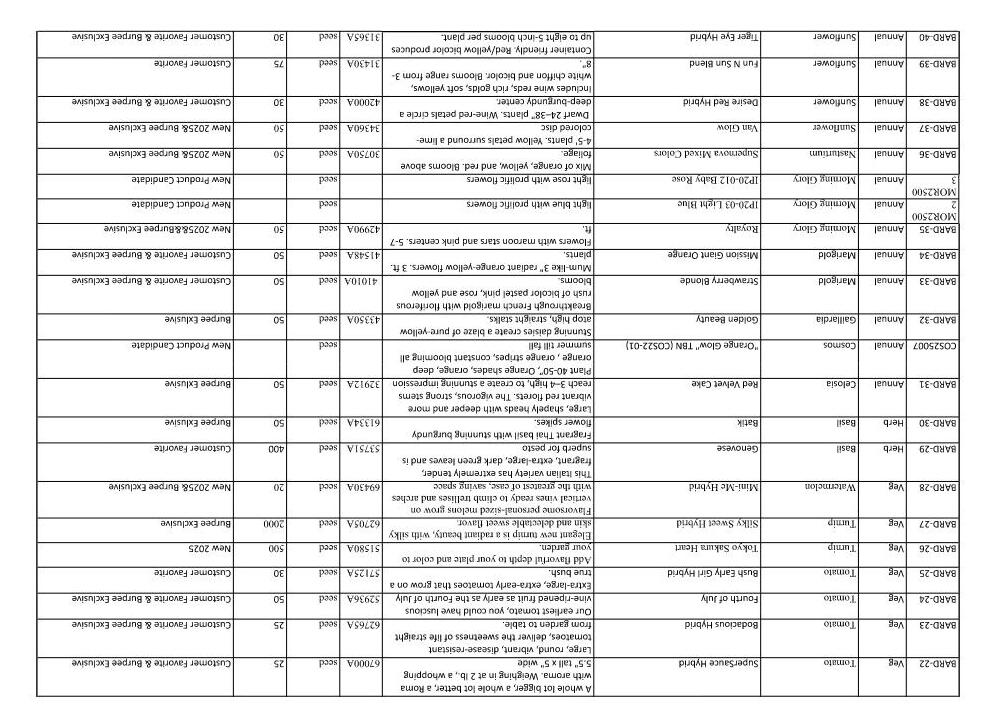
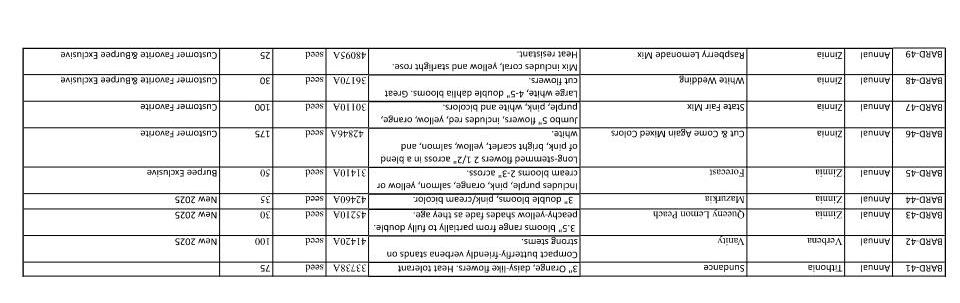
Students made observations every day and evaluated each plant for the characteristics listed below. Four “New Product Candidates” were specifically evaluated closely for this project. Preliminary conclusions and suggestions were drawn Our achieved goal this summer was to grow and evaluate 50 plant varieties and gather best practices and recommendations for next season.
Students evaluated each plant for:
1) total number of days from seed to flower and/or harvest
2) overall plant dimensions and yield
3) foliage, flower, and fruit appearance
4) fruit weight and taste
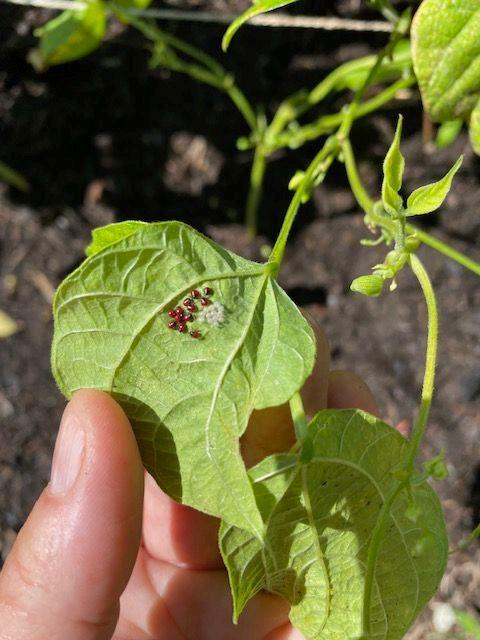
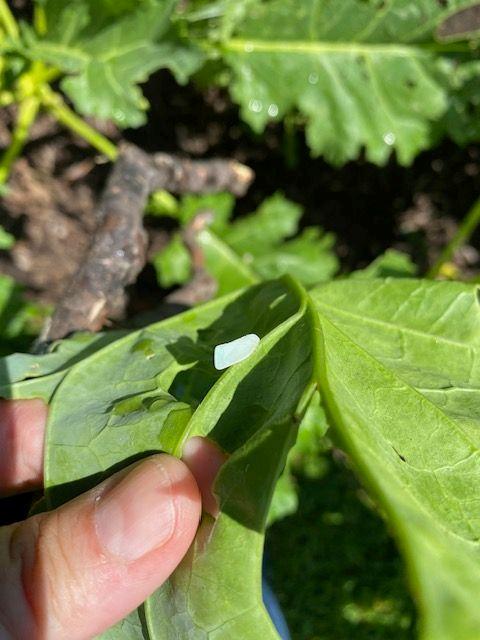
5) plant health, pests, and diseases
Measurements were made with tape measures, a kitchen scale, a refractometer, iPads, and cameras Please note that we discovered that the pH meter did not work during the season, so we were unable to record this measurement. Additional observations, such as animal damage, nutritional deficiency, or extreme weather conditions, were also noted Extra produce was donated to the Food Pantry @ Bard, which provides students, faculty, and staff who may be experiencing food insecurity with food and select personal care items, in a stigma-free environment.
New Product Candidates
Several of the plants grown in the Burpee Trial Garden were “New for 2025” or “Customer favorites,” however, four experimental plants, also called “New Product Candidates,” were specifically being grown and tested for their overall quality, growth rate, vigor, and taste before being released into the industry for consumers. These plants included: Eggplant BR-88, Cosmos Orange Glow TBN (COS22-01), Morning Glory IP20-03 Light Blue, and Morning Glory IP20-012 Baby Rose Below is the information we collected from each one, as well as graphs interpreting the data collected over the last year.
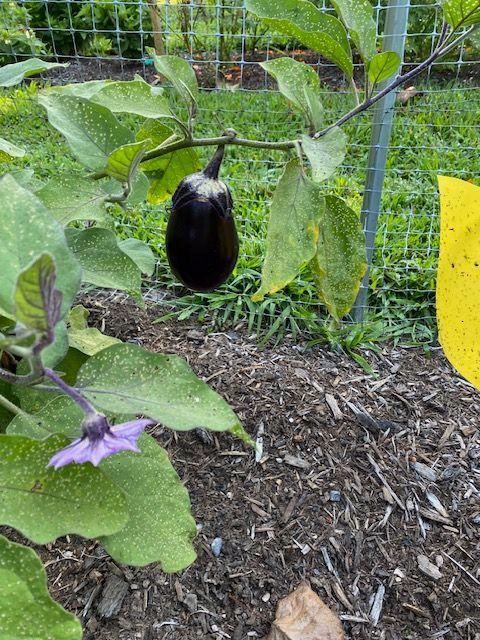
Eggplant BR-88 had two major harvest peaks that mimicked the harvest peaks of the Meatball hybrid. One in early August and another in late August. There was likely an error of combining the eggplant yields into one harvest during the month of September, and for the final harvest in October, but both plants continued to produce fruit into early October. Both plants experienced flea beetle infestations as soon as the protective frost clothes were removed in July, even though their leaves were treated with horticultural soap spray, and yellow sticky cards were installed and refreshed each week. These protective measures were mostly effective at controlling the infestation, but unfortunately did not prevent it entirely, especially later in the summer when it seemed to increase The damage was primarily aesthetic and did not seem to greatly affect the overall harvest. The overall quality of fruit from BR-88 was excellent, with a consistently rich, dark purple exterior color with white-green interior flesh The overall fruit size and texture were comparable to the meatball hybrid, averaging 4 5” long and 2 5” wide After one year of testing, BR-88 is very comparable to the Burpee exclusive Meatball hybrid variety. Both varieties would do well in containers on patios or in small gardens
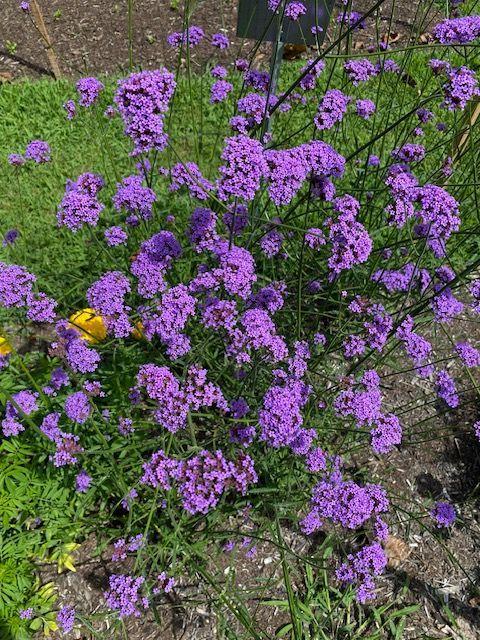
Cosmos Orange Glow TBN (COS22-01) was slow to start growing after transplanting in June. Once warmer temperatures became consistent, it really hit a growth spurt, as is typical for other Cosmos flowers, with its first flower occurring on July 2. Although it was slightly damaged by animal herbivory in early July, it rebounded nicely and continues to bloom well past our first frost date of October 7th The flowers seemed to get better and better each week, seeming to almost “glow” as the name suggests. It served as a complementary companion to its garden neighborVerbena ‘Vanity’ (New for 2025)
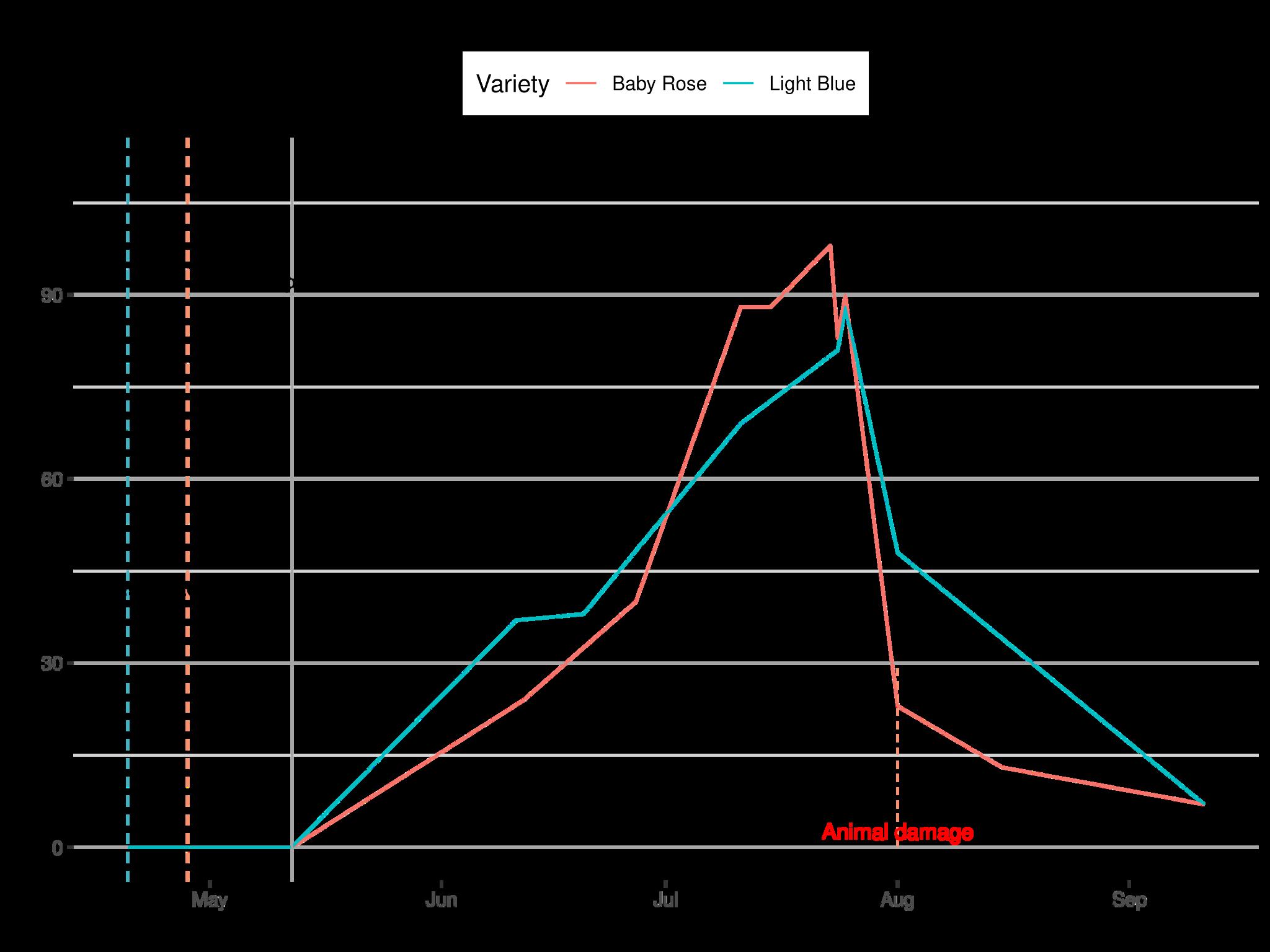
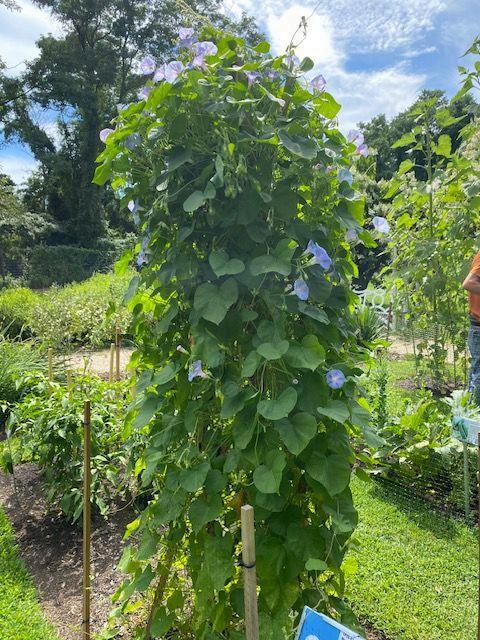
Morning Glory IP20-03 Light Blue and Morning Glory IP20-012 Baby Rose were slow to start growing once they were transplanted However, once more consistently warmer temperatures arrived, they took off nicely Unfortunately, there was extensive animal herbivory to Baby Rose (located closest to the woodland edge), but it amazingly bounced back in less than two weeks to its original size Both morning glories did well overall, but Light Blue seemed to have more abundant and constantly colored flowers than Baby Rose, which seemed smaller, fewer, and a more pale pink to white color Baby Rose is unique since it is an overall less readily available color Both varieties need supplemental irrigation on hot and sunny days, as is typical of other morning glories, since their leaves will appear wilted in full sun conditions.
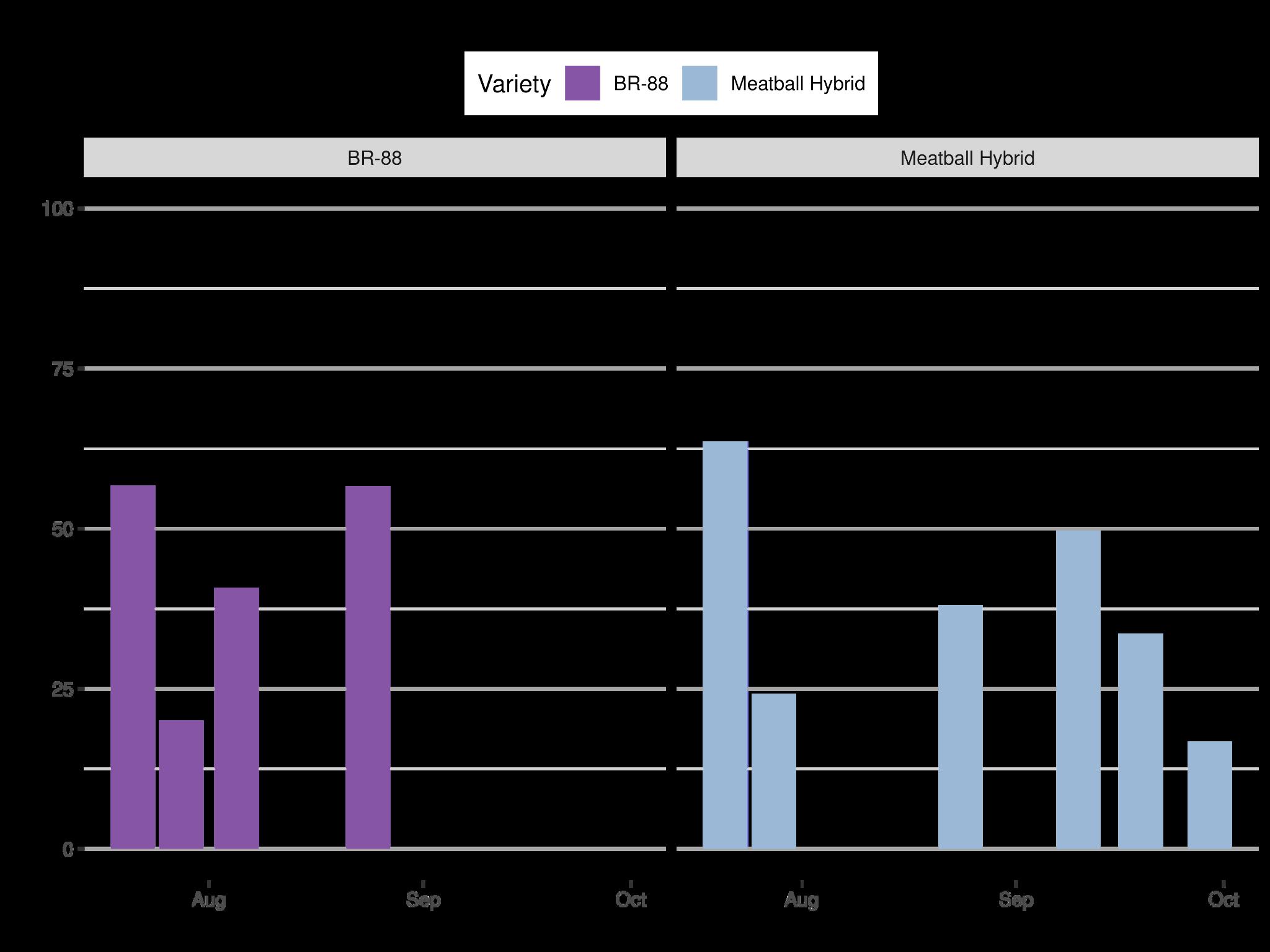
BARD-07 Veg Eggplant Meatball Hybrid The meatiest, tastiest, flavorful eggplant ever A virtuoso of versatility
EGG250 05 Veg Eggplant BR-88 Plant 40-48” tall, dark purple large fruit, with good flavor and high yield
Cosmos Orange Glow TBN (COS22-01) Trial
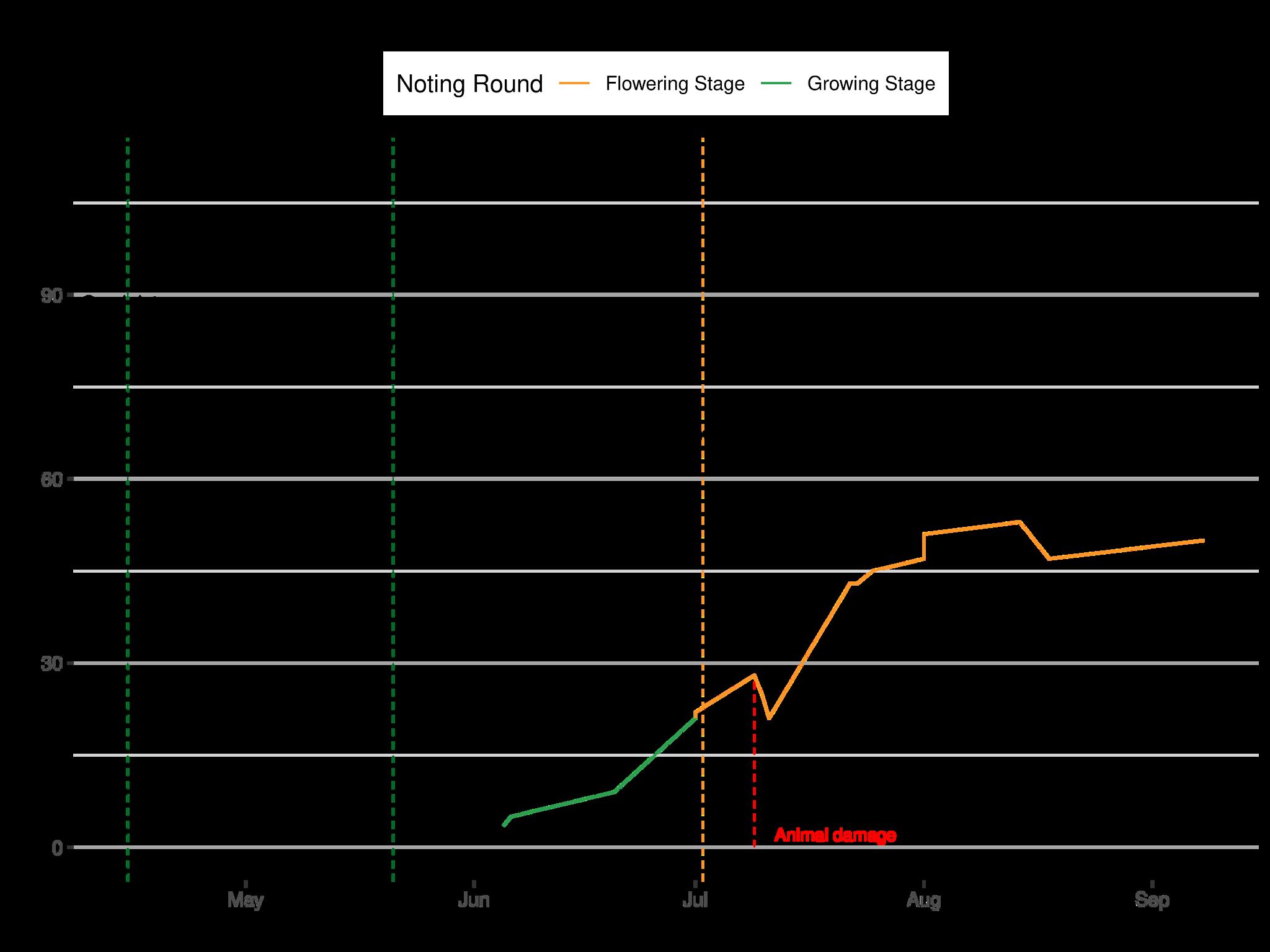
Annual Cosmos ‘Orange Glow’ TBN (COS22-01) Plant 40-50”, orange shades, orange, deep orange, orange stripes, constant blooming all summer till fall
Morning Glory IP20-03 Light Blue and Morning Glory IP20-012 Baby Rose
New Product Candidate Results
After growing these four varieties for one year, we found that it is critical to maintain consistent animal protection in the form of organic sprays, fencing, and repellents. There was a noticeable uptick in animal damage during every weekend when fewer people were in the garden All plants performed well in the garden this first year
Conclusions
● BR-88 Eggplant produced attractive, uniform fruit
● Cosmos Orange Glow TBN (COS22-01) was an outstanding-performing annual for the mid to late season garden with prolific flowers that needed minimal deadheading
● Both Morning Glory IP20-03 Light Blue and Morning Glory IP20-012 Baby Rose performed well in the garden, despite animal herbivory. Light Blue seemed to be a stronger performer than Baby Rose due to its larger, more colorful flowers and more vigorous growth
More research is needed to better understand:
● How the eggplants perform with minimal flea beetle damage, and how they compare to other small eggplants on the market
● How the Baby Rose Morning Glory performs without initial animal herbivory.
Additional Conclusions
In addition to the New Product Candidates, we also evaluated many other vegetable and flower varieties See attached graphs and data spreadsheets
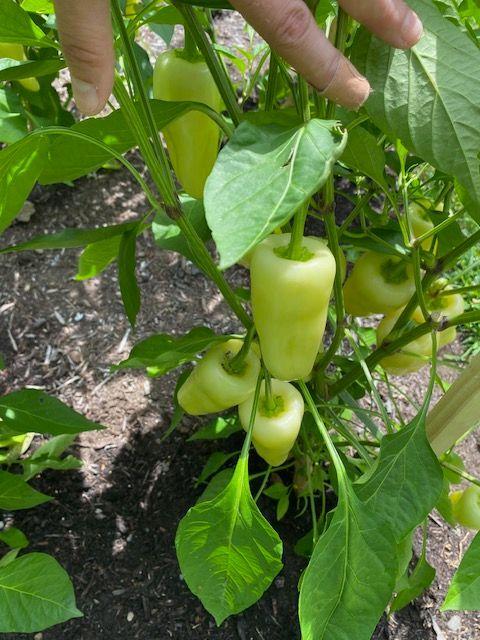
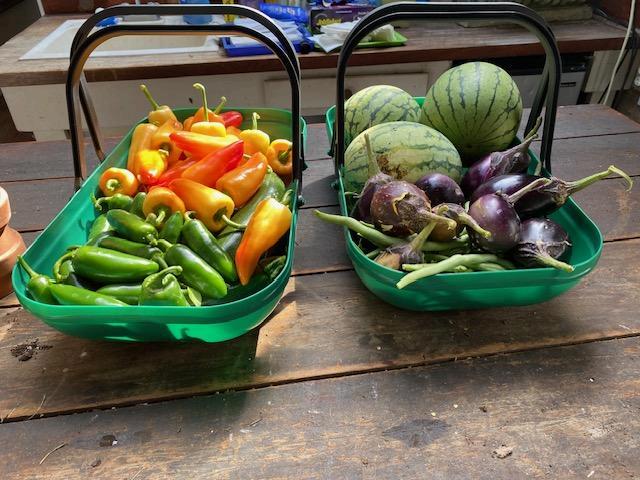
Overall best performance was observed by the following vegetable varieties: Bean, Stringless Green Pod; Cucumber, Sweet Success Hybrid; Kallard, Sweet Caroline Hybrid; Lettuce, Little Gem; Peas, Super Sugar Snap; Hot Pepper, Big Guy Hybrid; Sweet Pepper, First Taste; Summer Squash, Burpee’s Best Hybrid; Tomato, Fourth of July; Tomato, Sunpeach; Turnip, Tokyo Sakura Heart; Watermelon, Mini-Me Hybrid
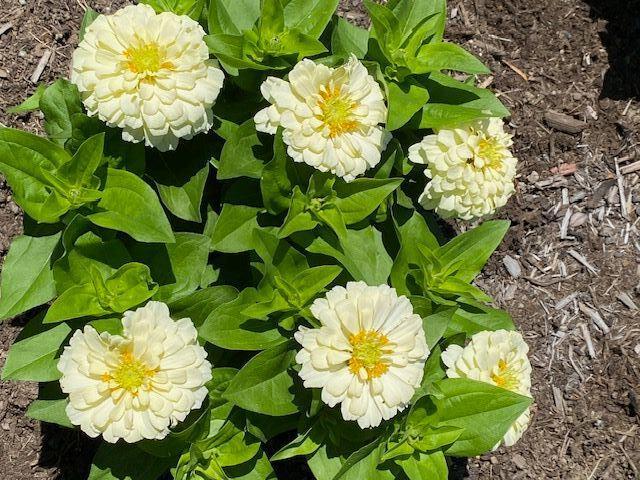
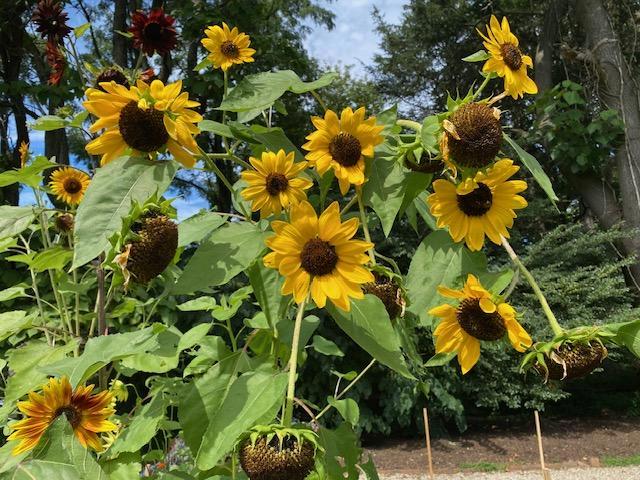
Overall best performance was observed by the following flower varieties: Celosia, Red Velvet Cake, Cosmos, Orange Glow; Gallardia, Golden Beauty, Marigold Strawberry Blonde, Sunflowers, Desire Red Hybrid and Fun N Sun Blend; Verbena, Vanity; Zinnia Cut & Come Again, Queeny Lemon Peach, State Fair and White Wedding
In addition to the vegetables and flowers grown, all the herbs grown this year were highly successful We were particularly impressed with the frost tolerance of Batik Basil, Mammoth Dill, and Cilantro. All of these varieties survived several early frosts without damage.
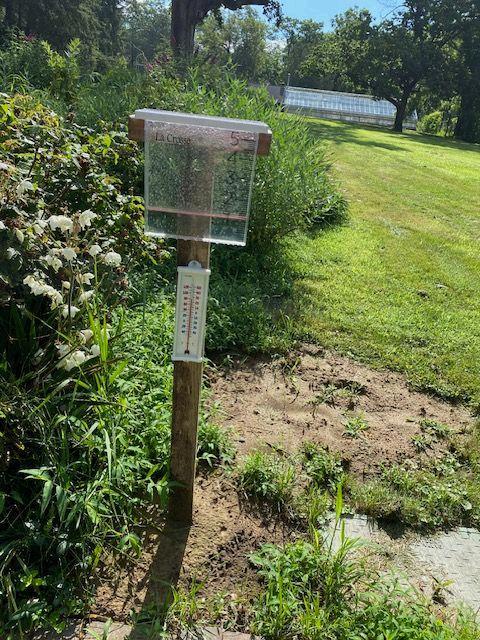
The Burpee Trial Garden was open to the public all summer long, and although there was some minor public picking of flowers and fruit, there was minimal theft overall More signs will be installed next summer to discourage picking and emphasize the importance of the data being collected. Additionally, despite the newly installed deer fence, groundhogs, squirrels, and rabbits all infiltrated the garden, and their damage also affected the overall produce quantity New metal fencing enclosures around each bed will be considered for next year. Also, a daily weather journal will be updated regularly, and additional garden notes will be recorded
Recommendations from this report and future reports will be compiled into a white paper every three years and shared with the following organizations: The Burpee Foundation, Cornell Cooperative Extension, American Public Garden Association, New York State Vegetable Grower’s Association, New England Vegetable and Berry Grower’s Association, New York State Flower Industries Inc and other related organizations and all surrounding local garden clubs
Acknowledgements:
Special thanks to the following for their generous contributions to our garden this summer: The Burpee Foundation, Aletta Kosakewich, Kathy McManus, Henry and Cathy Woods, Andy Anderson, Hudson Valley Seed Company, Rebecca Yoshino, Valley Gardener, Tricia Paffendorf, Lauren Bailey, Helene Tieger, Amy Herman, Beka Goedde, Brooke Jude, BSRI summer students, Sue and Mark Adams, Dutchess County Fairgrounds The Daily Catch.
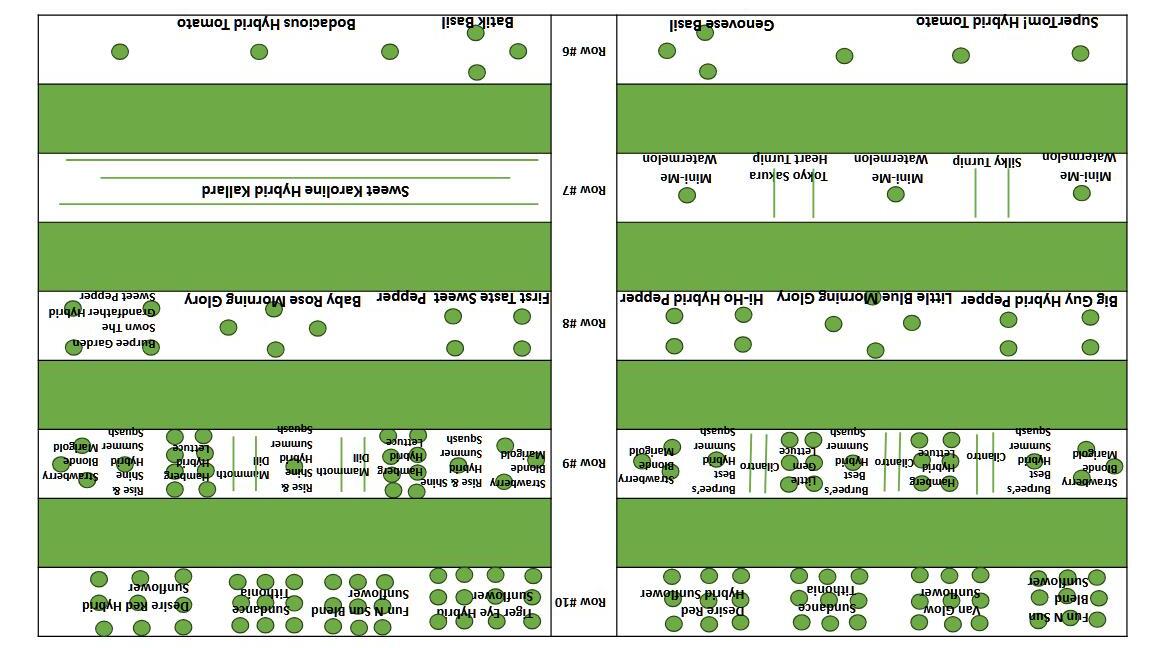
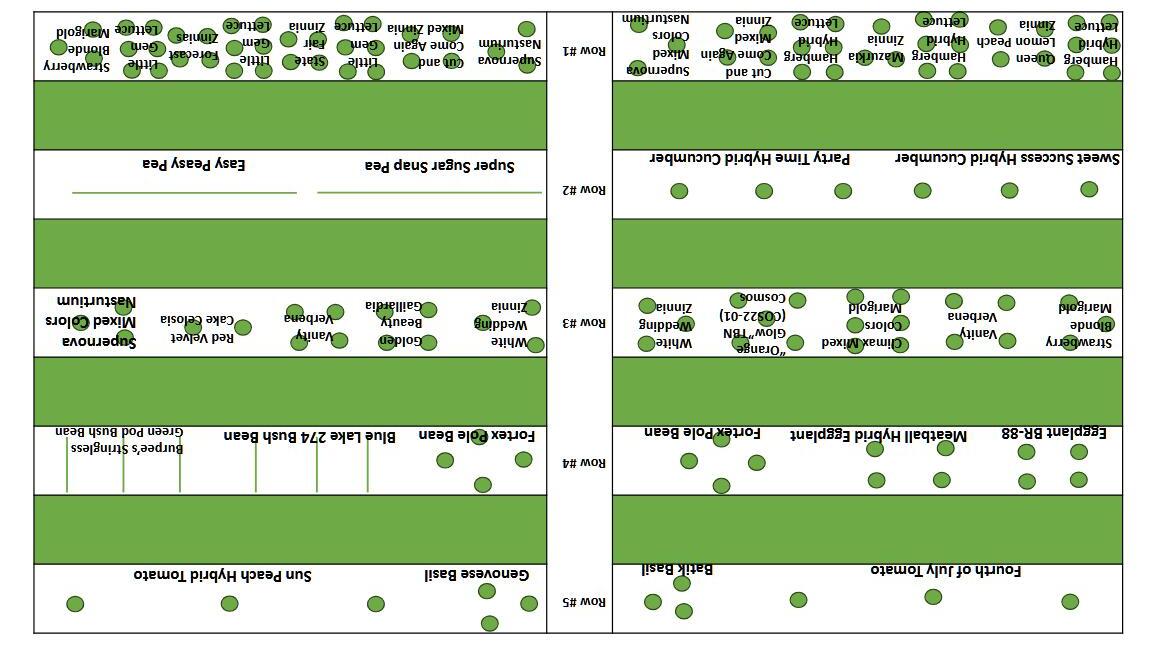
Burpee Trail Garden Results
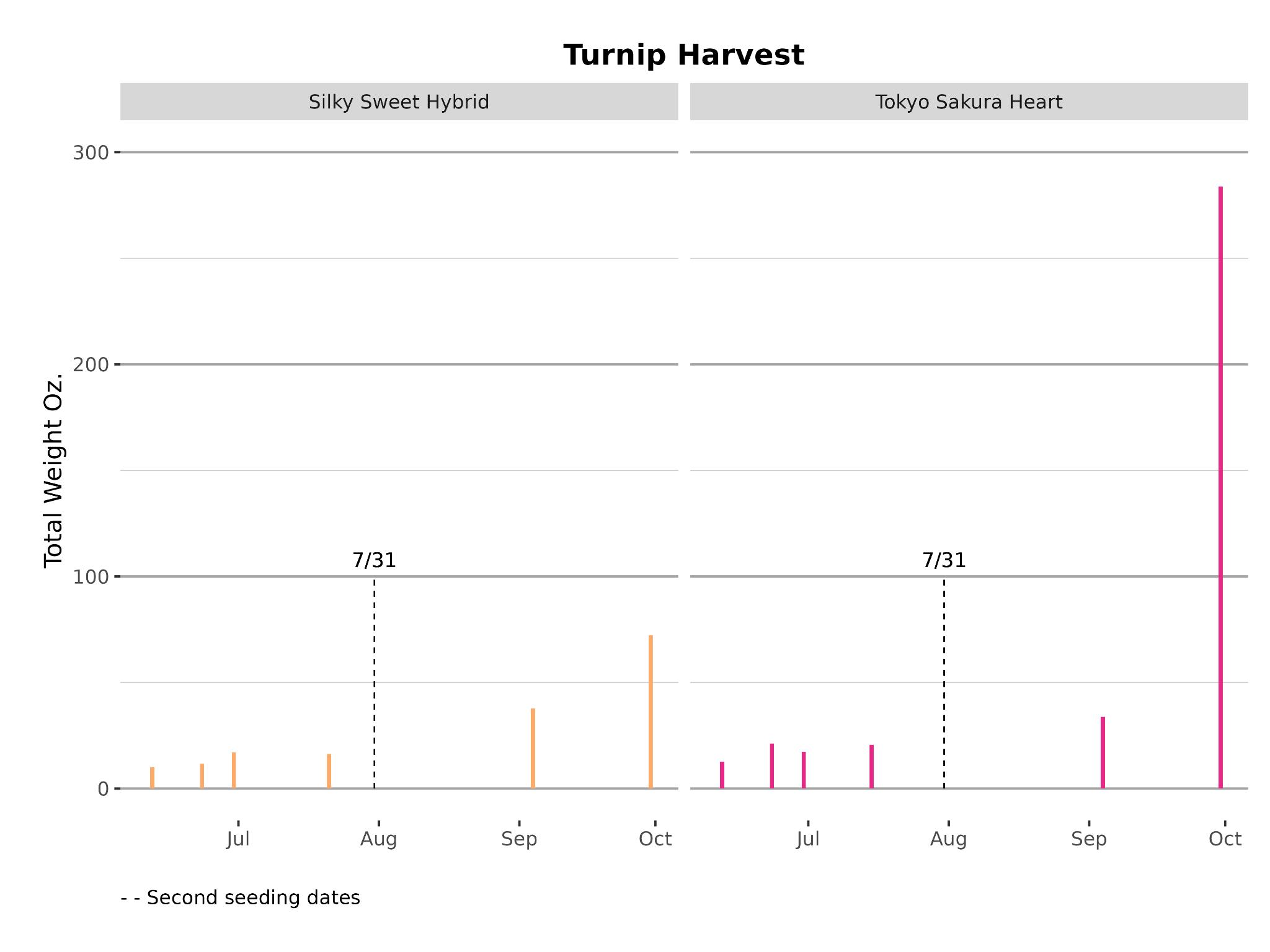
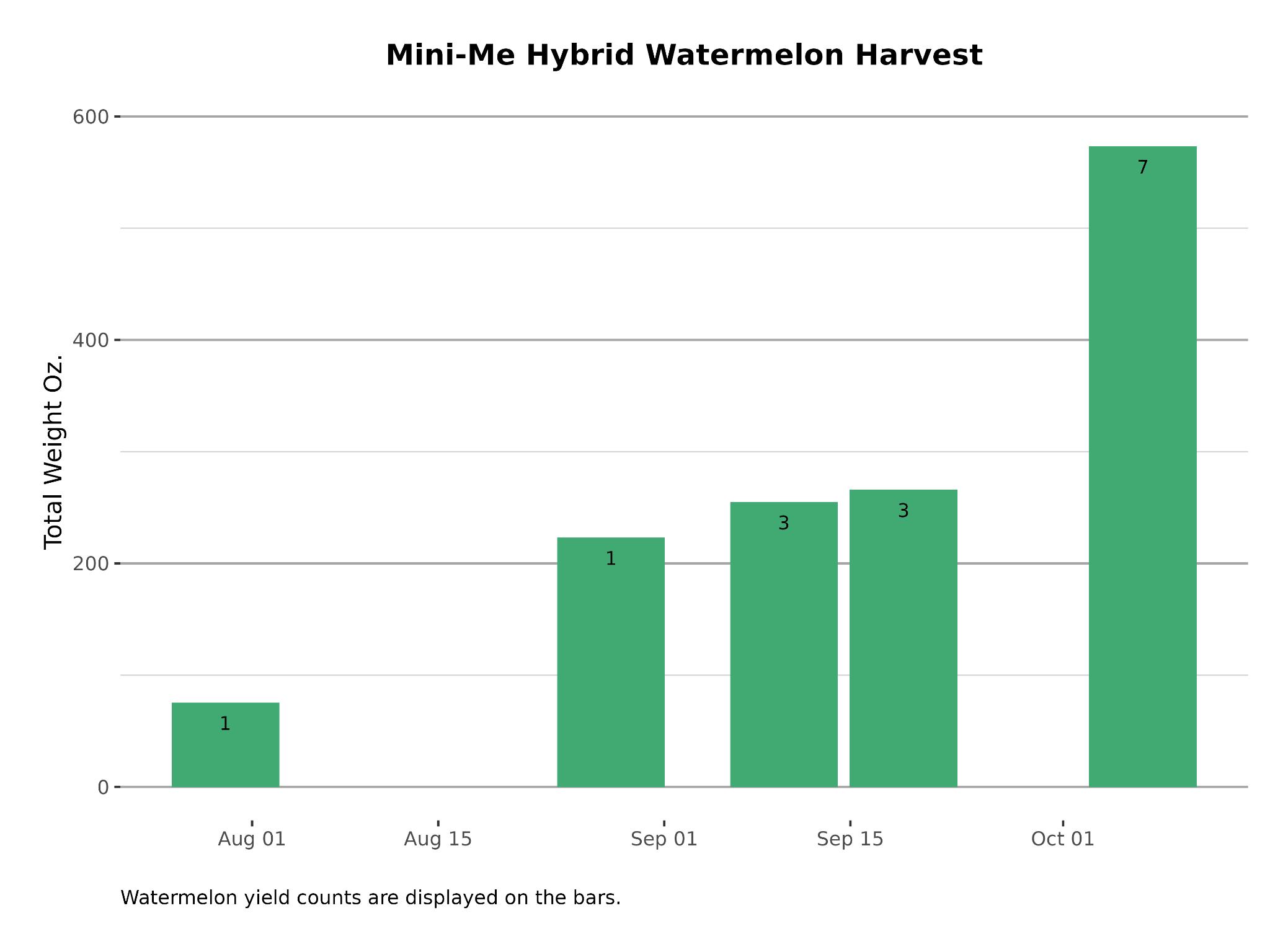
Vegetable Harvest 2025
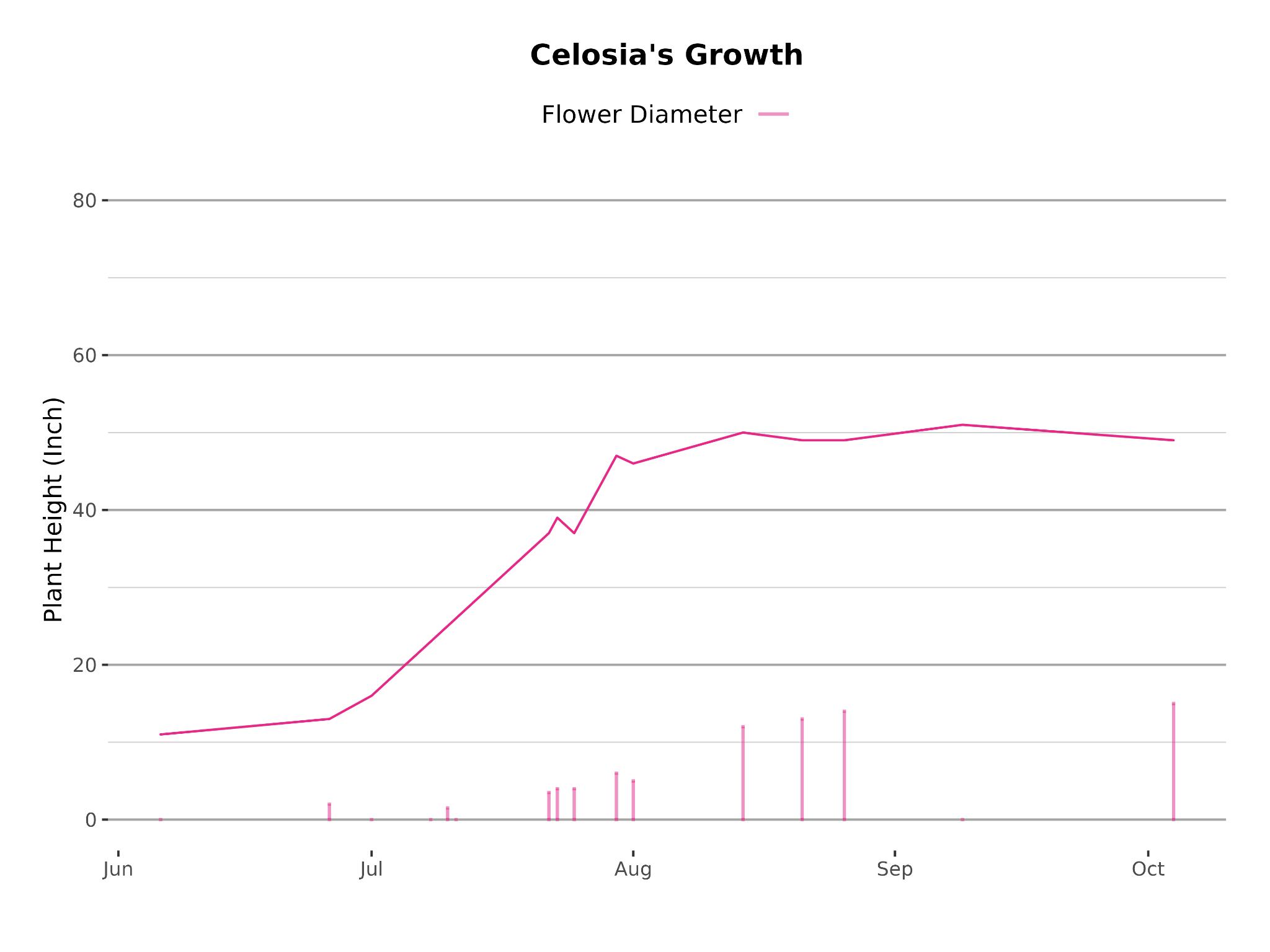
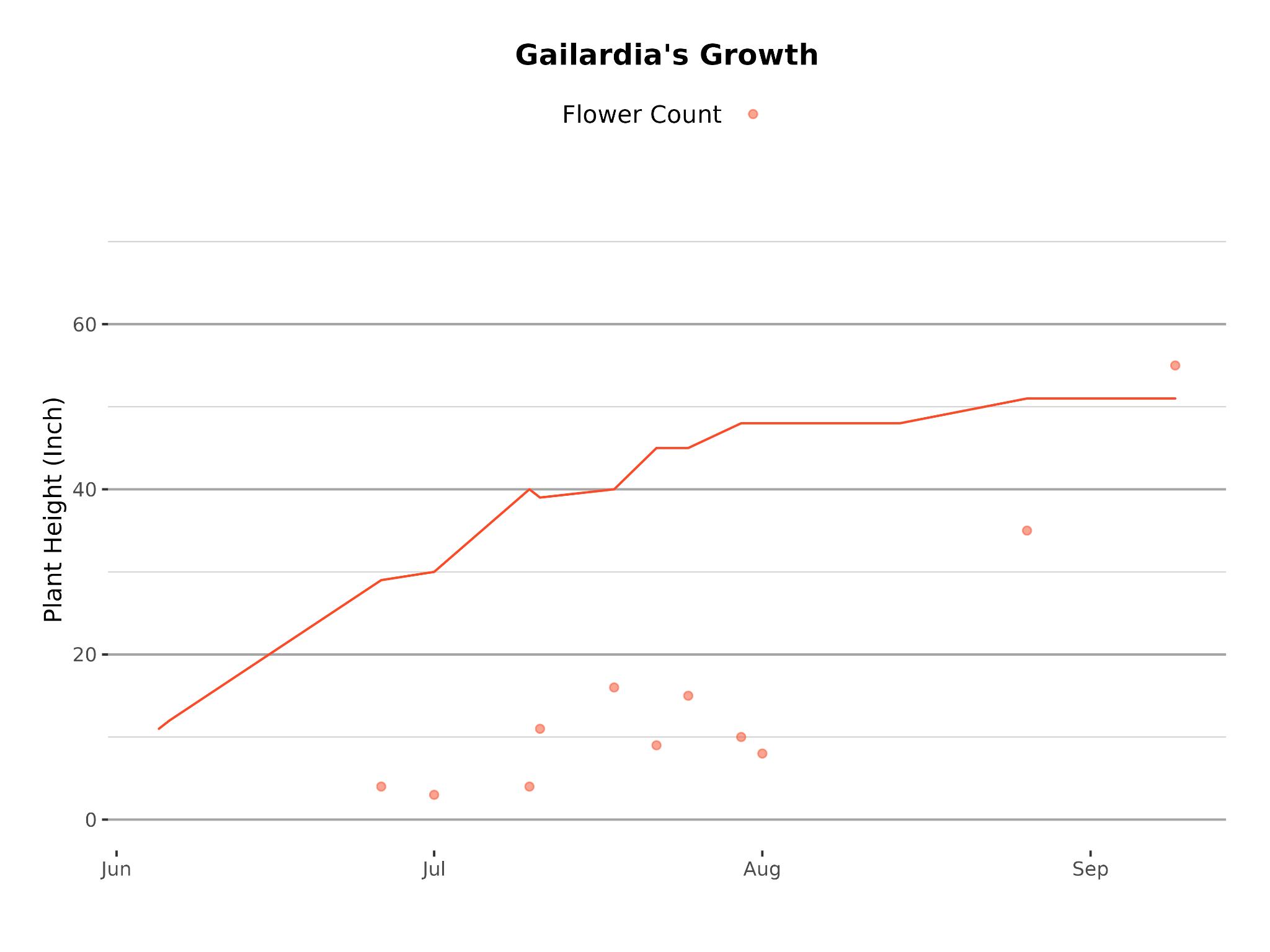
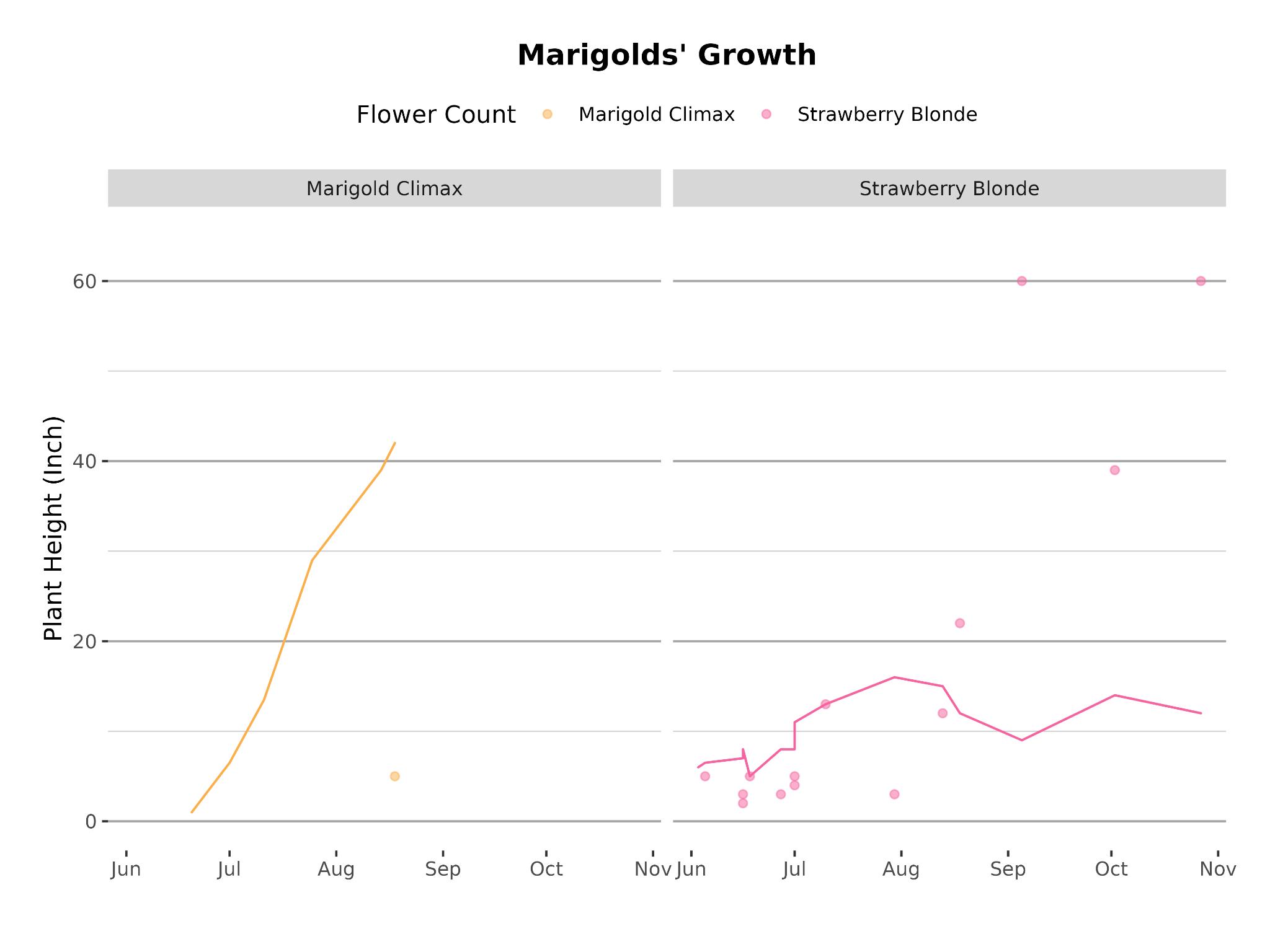
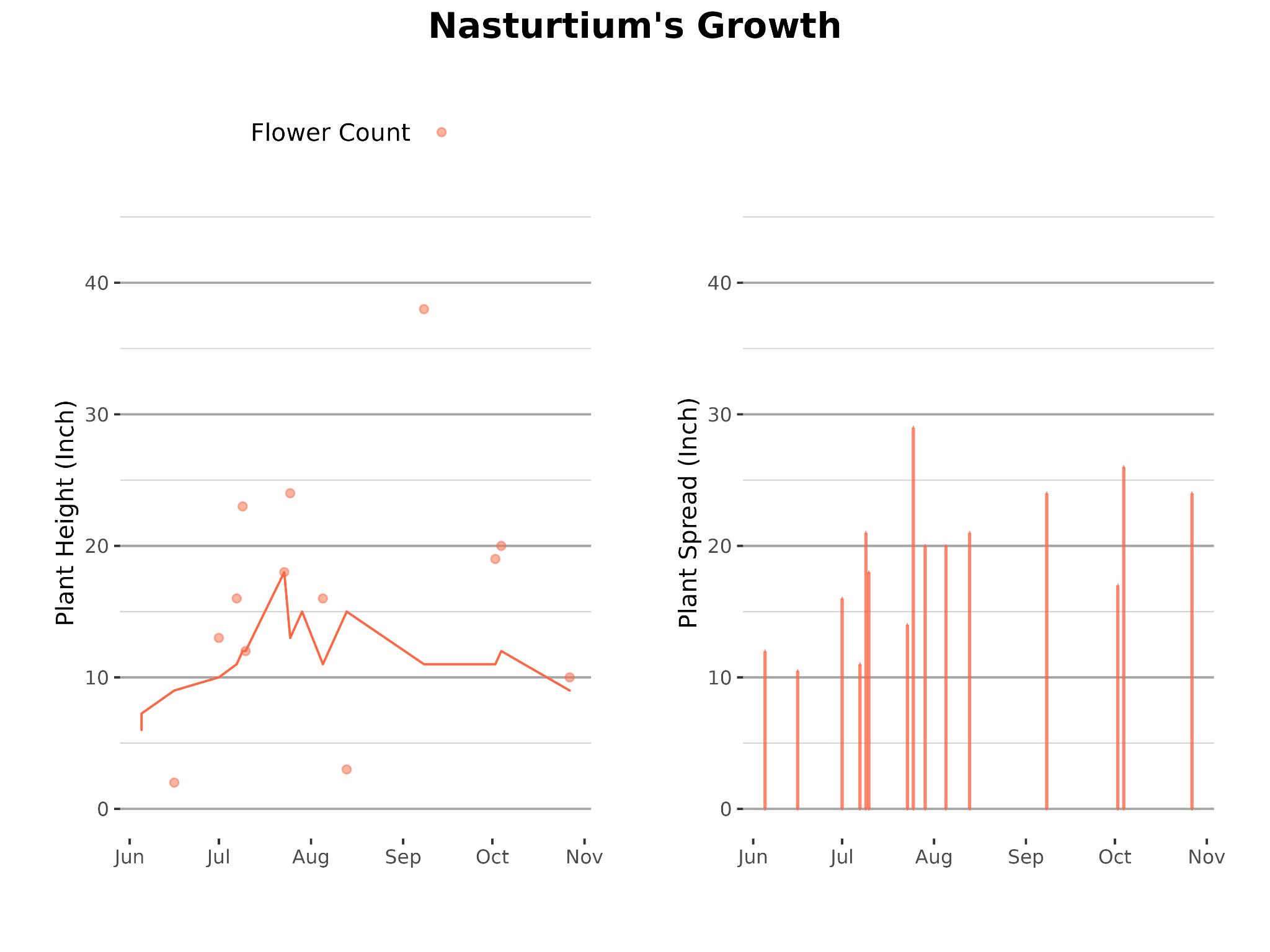
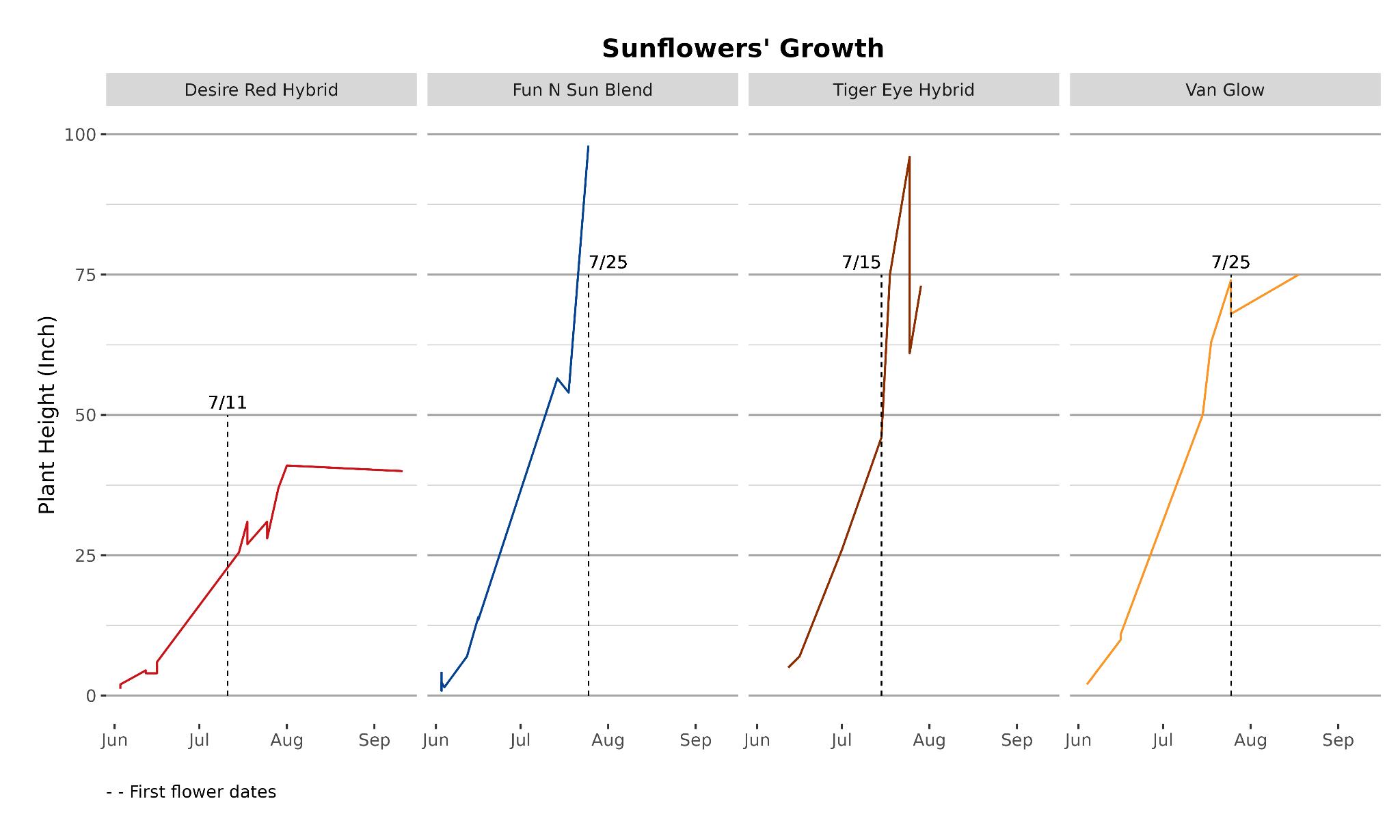
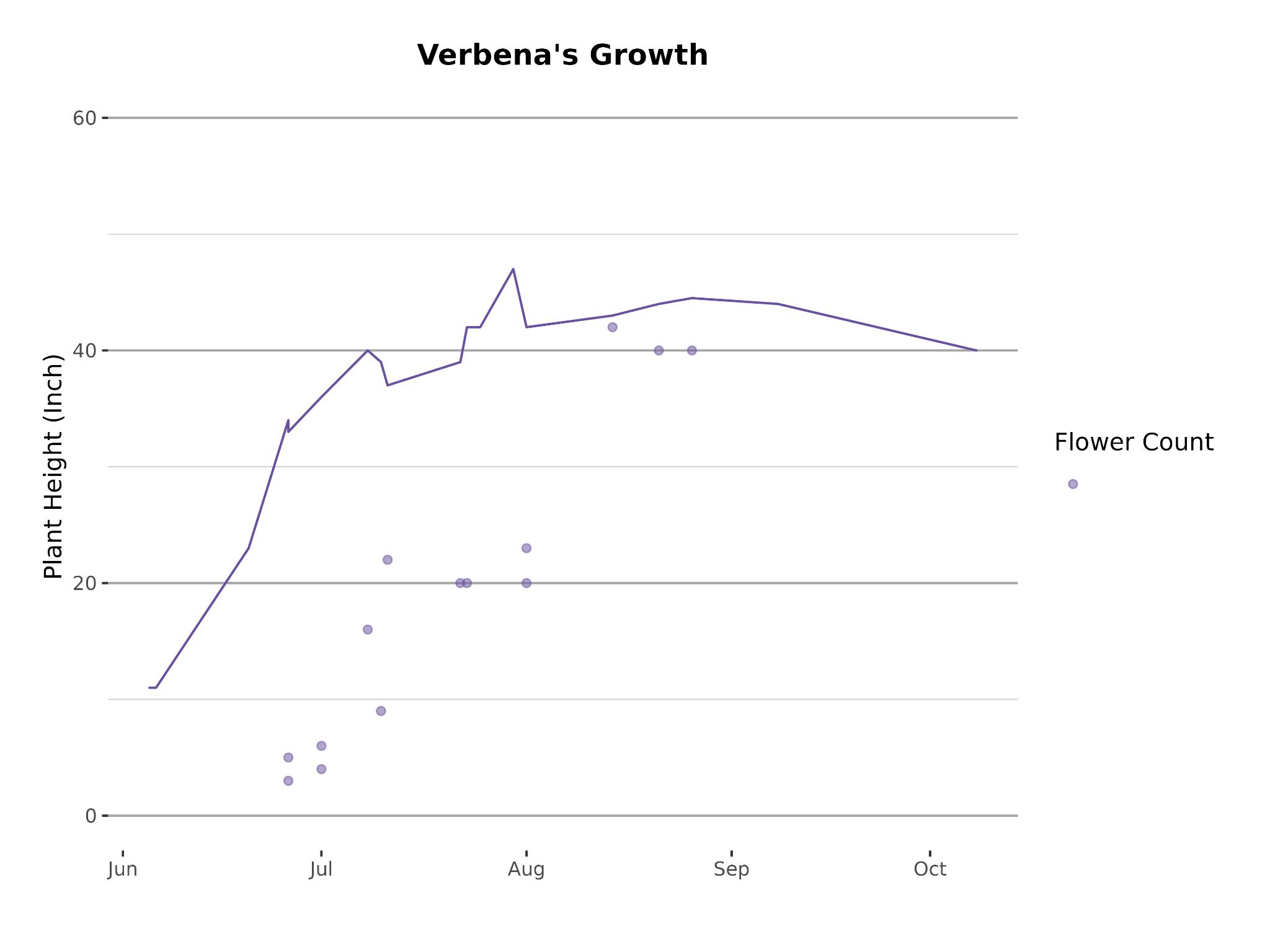
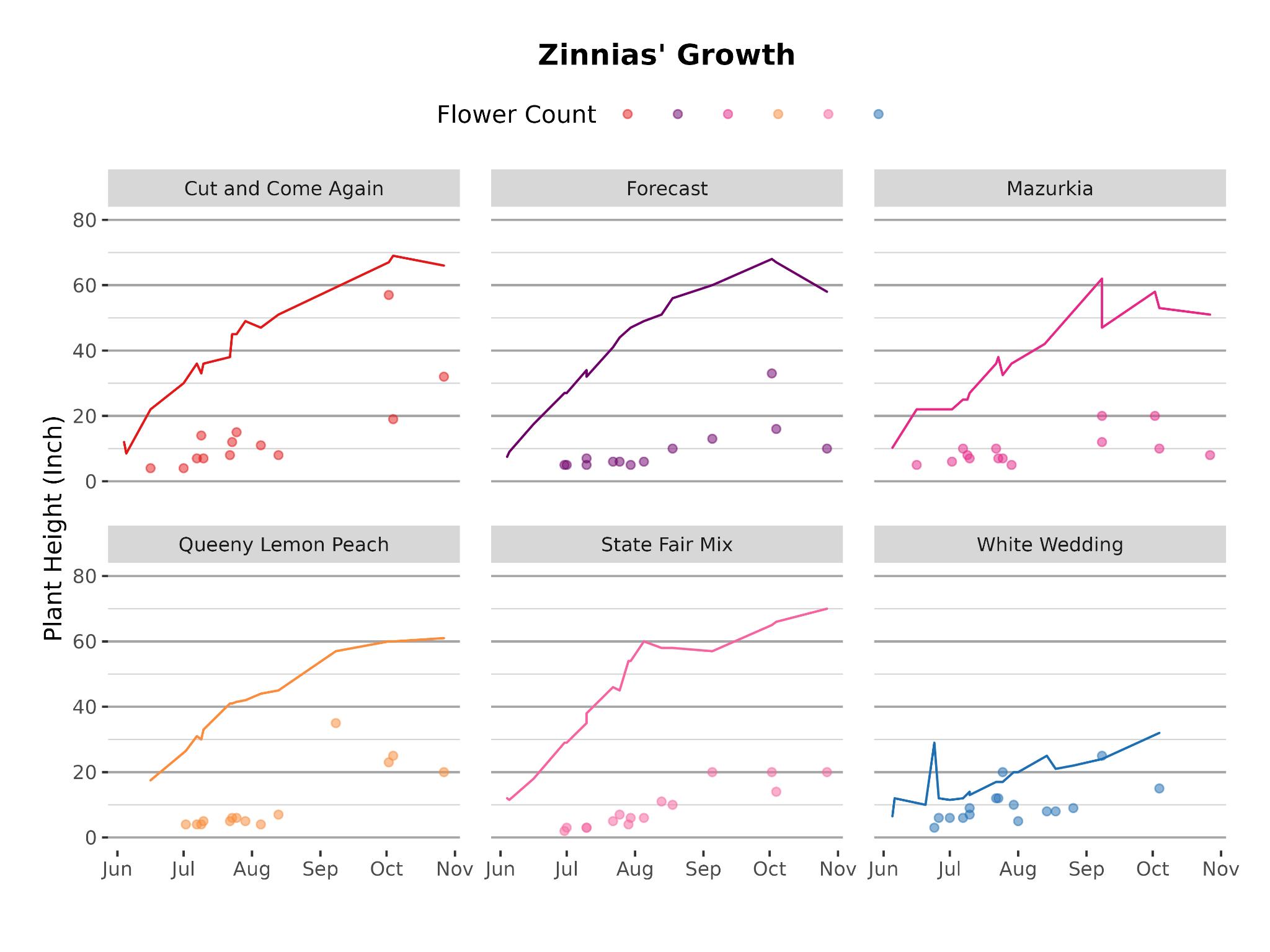
Special thanks to Joy Terentiev ‘26 for the graphs in this report. See attached R code script.
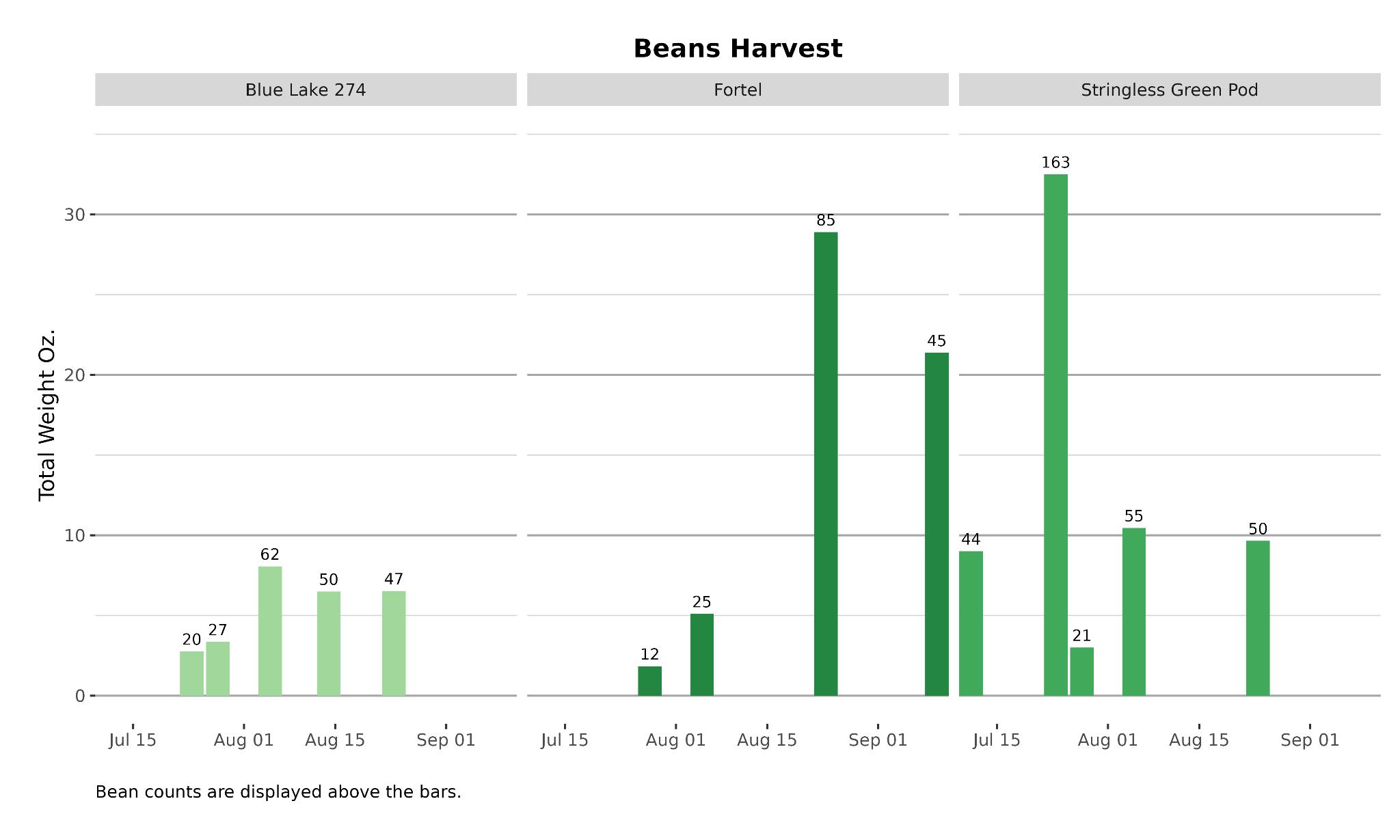
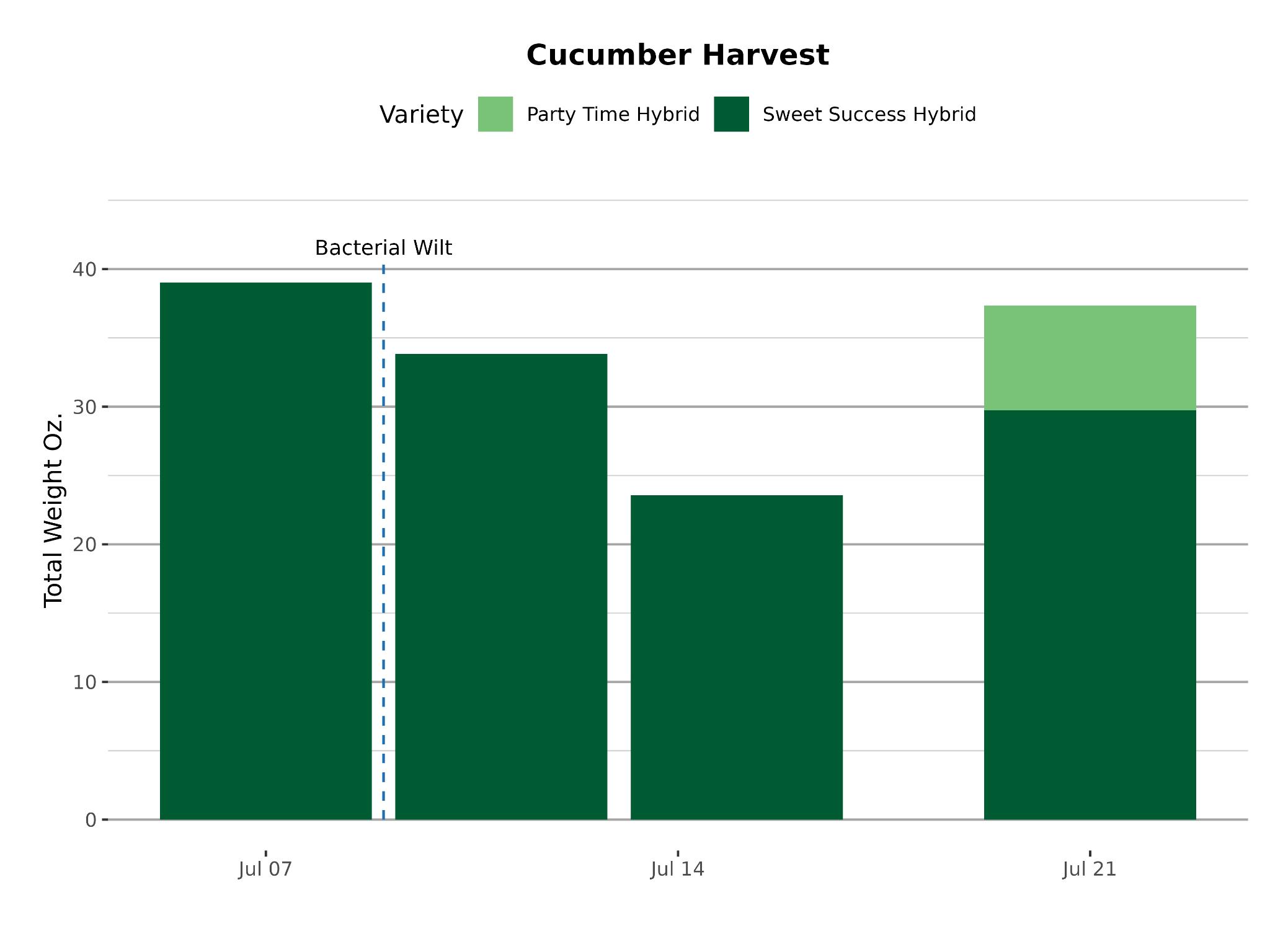
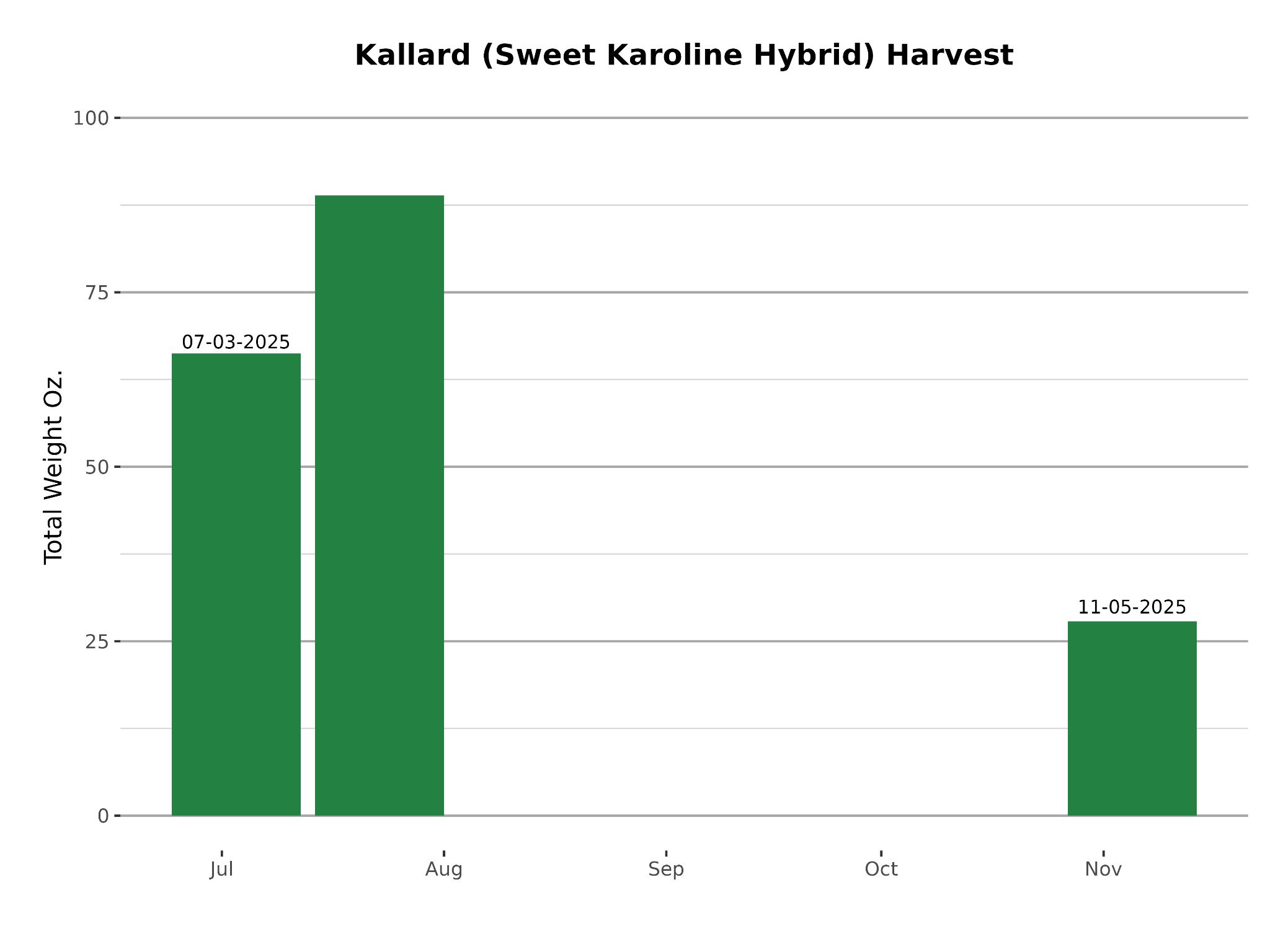
Disclaimer: Kallard became infested with cabbage loopers early on, but recovered nicely after 2 weeks of mechanical removal and soap spray, and, although it is not shown here, there was a tremendous harvest on the last day of the garden before complete removal. Recommendation to cover with floating row cover immediately after planting to minimize looper damage
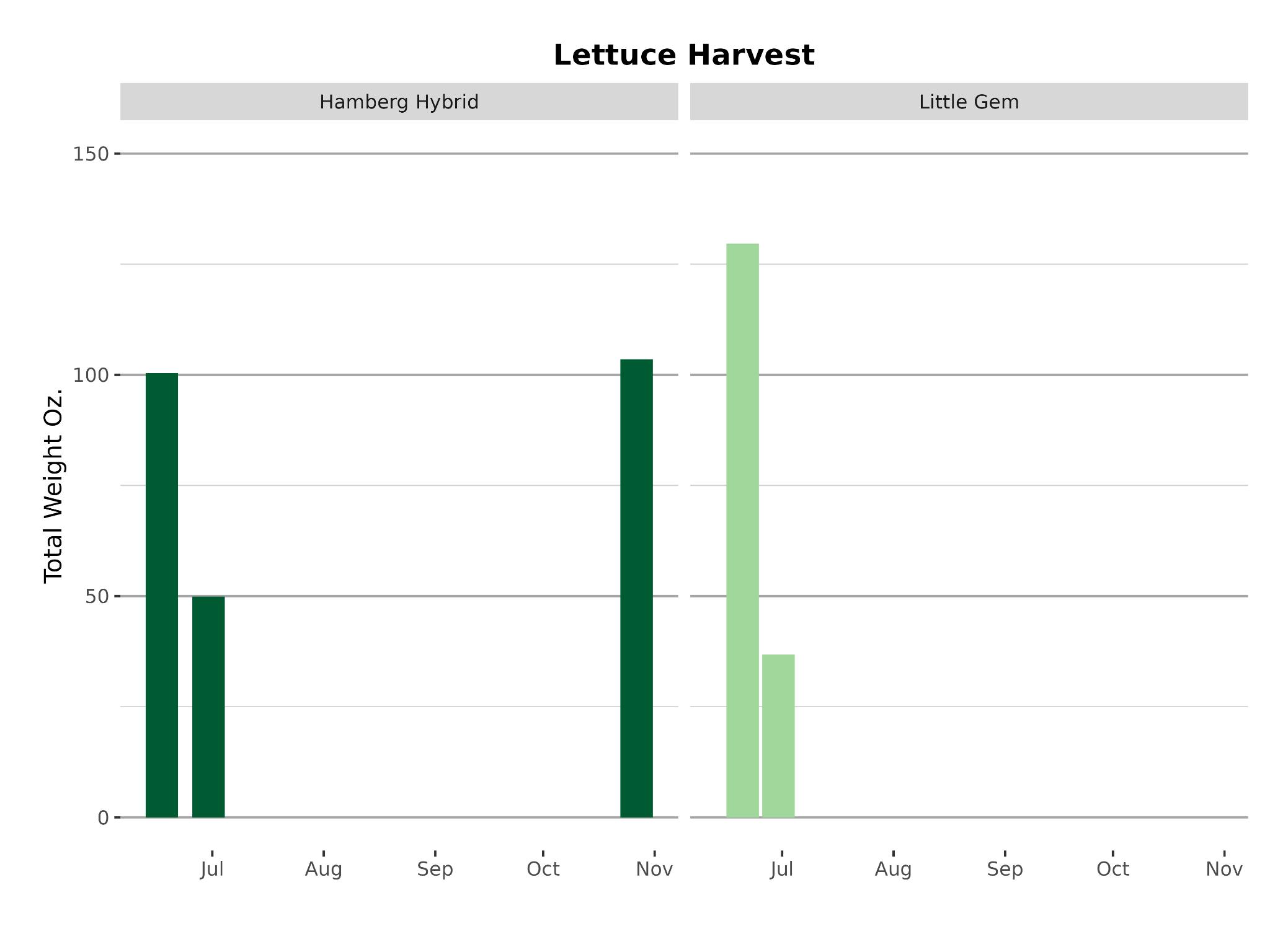
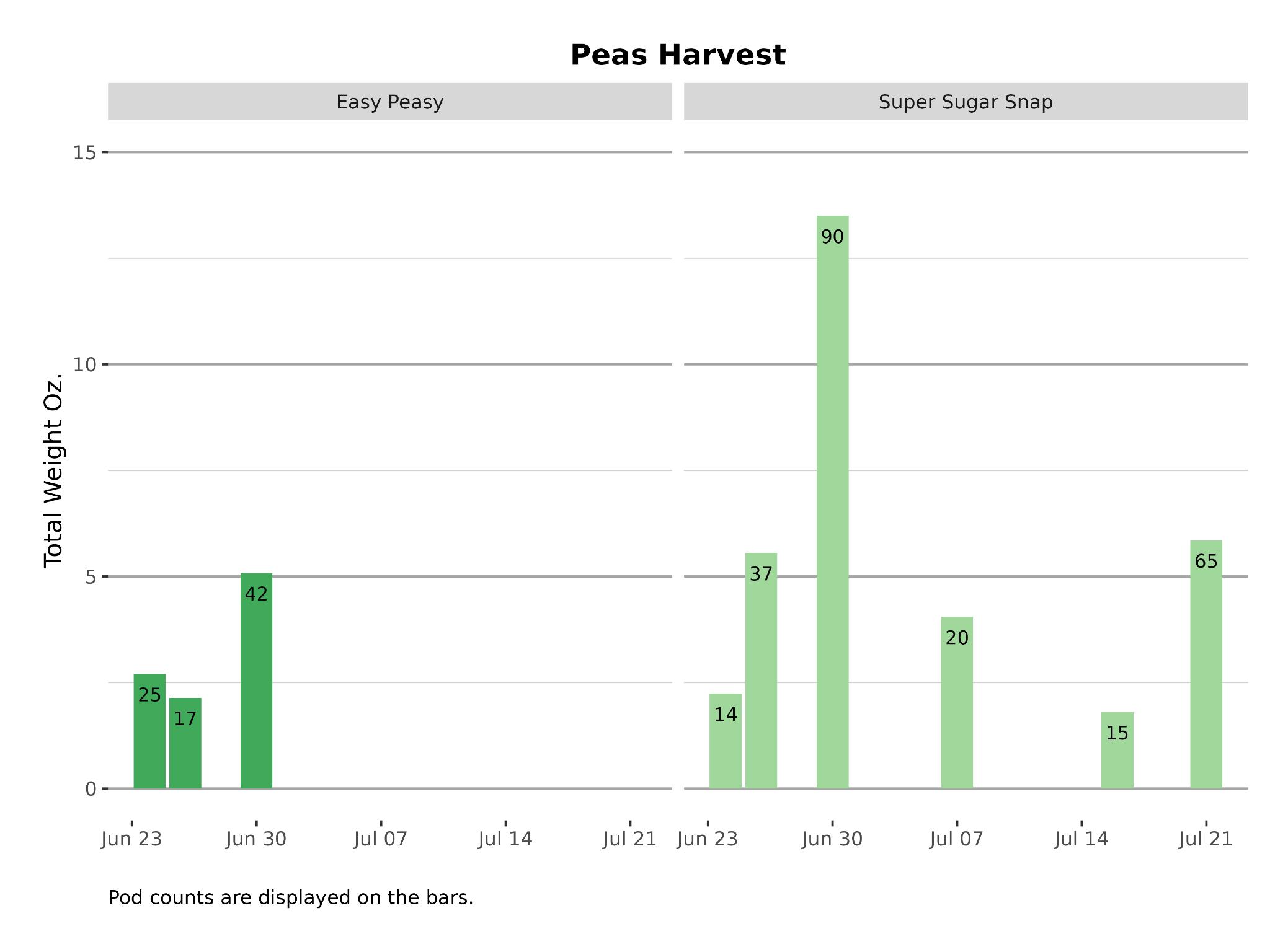
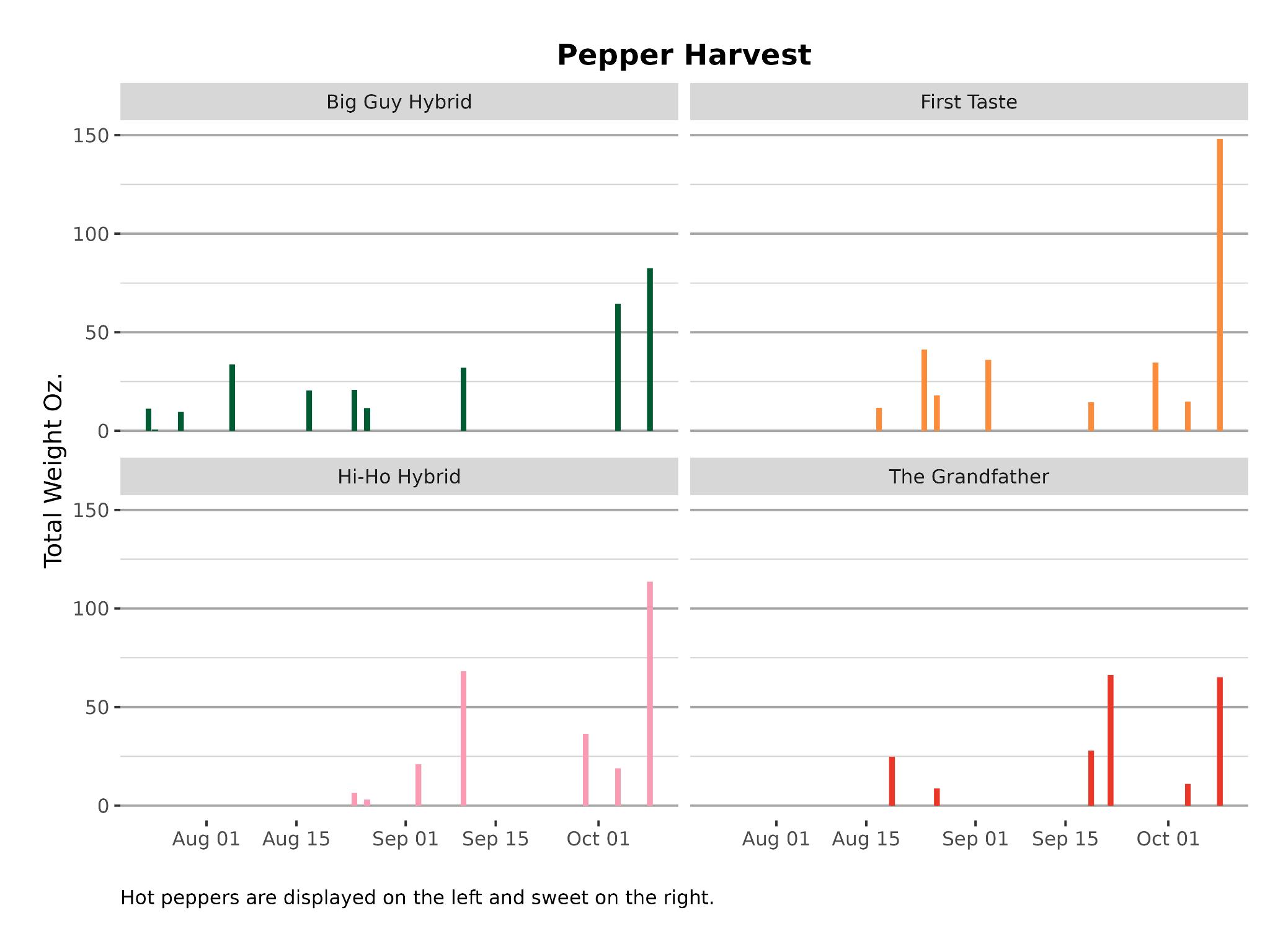
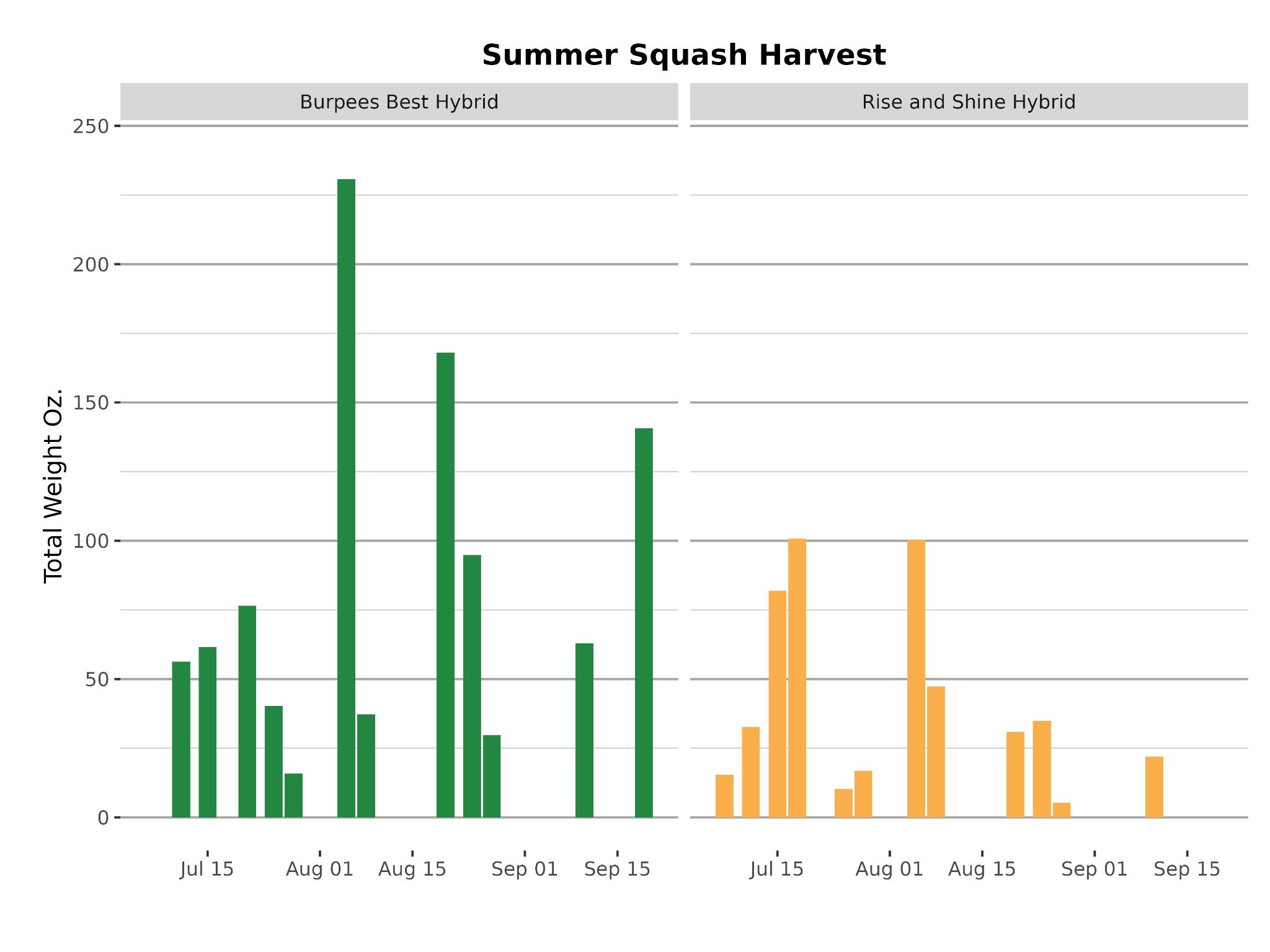
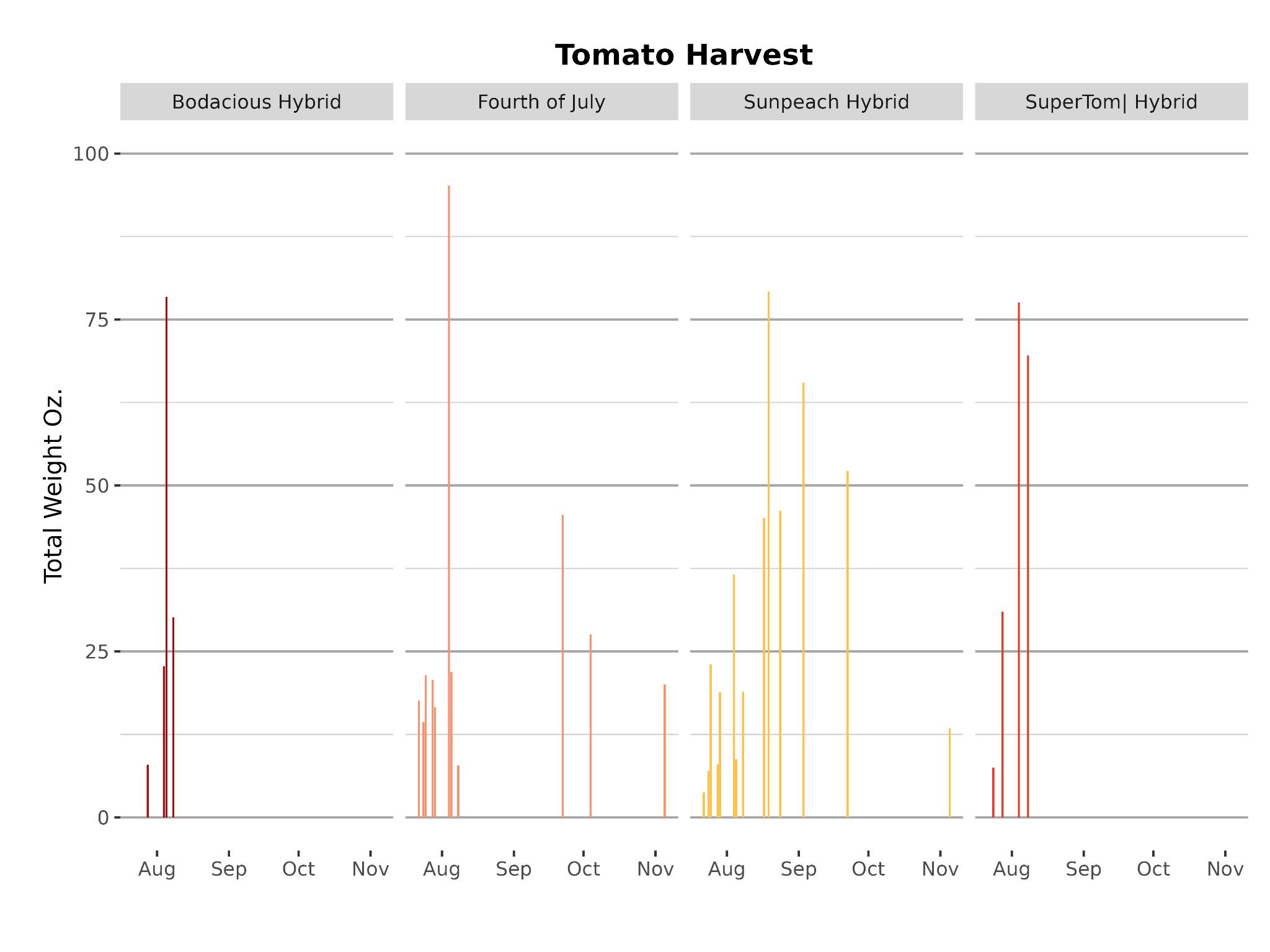
Note: While all tomatoes continued producing into the fall months, Bodacious Hybrid and Summer Tom Hybrid stayed green, while Fourth of July and Sunpeach Hybrid continued to ripen.
Flower Harvest 2025
Special thanks to Joy Terenteiv ‘26 for all the graphs in this report.
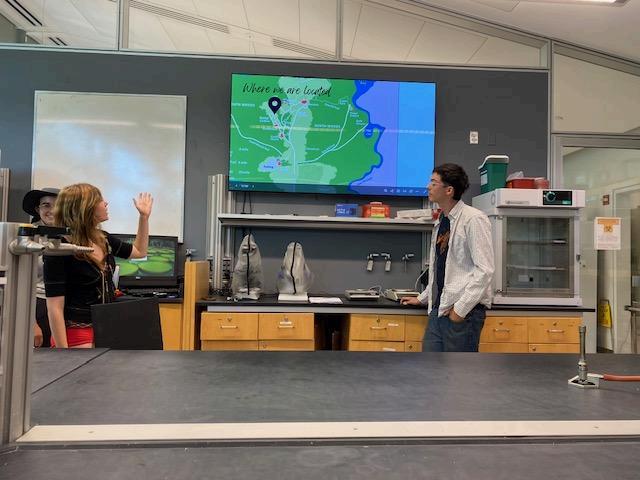
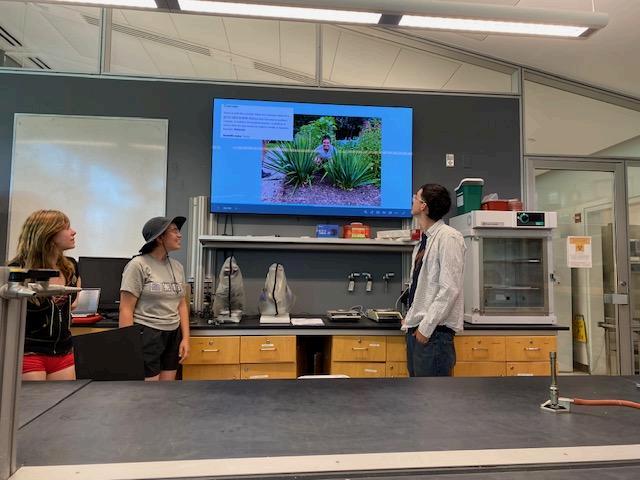
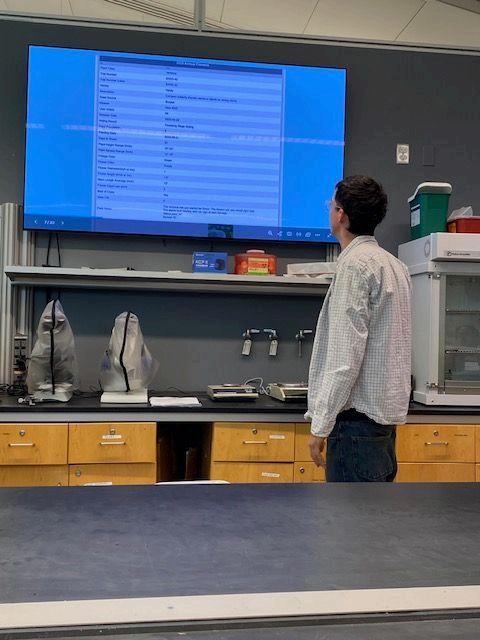
Article by Daily Catch online newspaper, Red Hook, New York
August 5, 2025
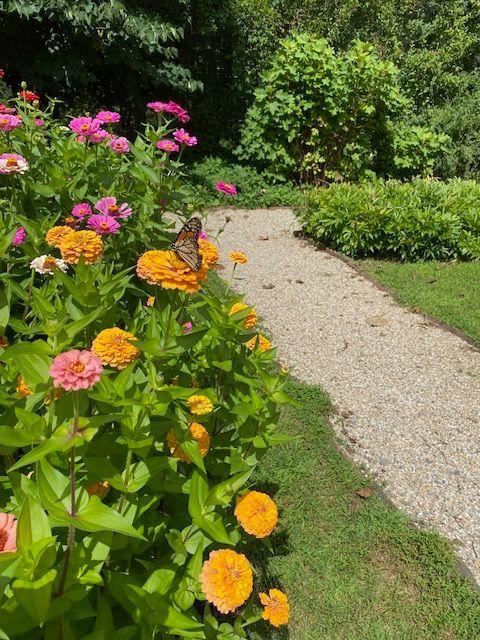
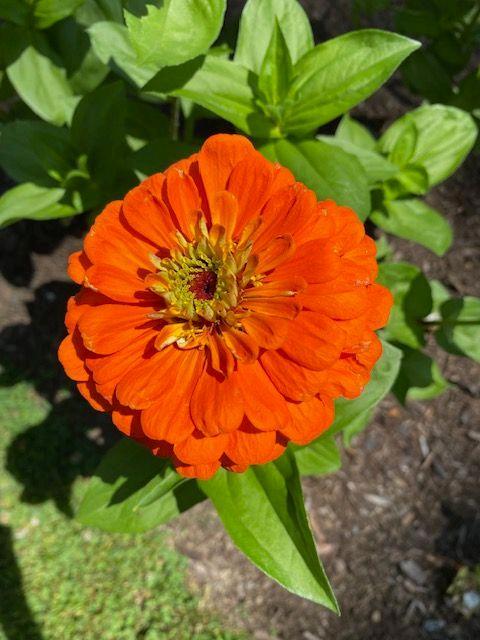
Butterflies dart about on the double blooms of ‘Orange Glow’ TBN (COS22-01) Cosmos, which promise to yield basketfuls of cut flowers on 10-12 inch stems A few beds away, a flower dubbed Vanity Verbena promises to be an improvement over other verbena seeds on the market It’s getting a “glow-up,” says the label, with taller, stronger stems and neater foliage. Nearby, Eggplant BR-88 is also not to be missed, offering large, dark purple fruit with good flavor and high yield
These are no ordinary flowers and vegetables. While they look every bit as productive and beautiful as sister plants growing around the nation, they have yet to come to market They are
sprouting at the Burpee Trial Garden in a long-fallow corner of Bard’s historic Montgomery Place campus, transforming what was once a thriving estate vegetable garden into a hub of modern horticultural research.
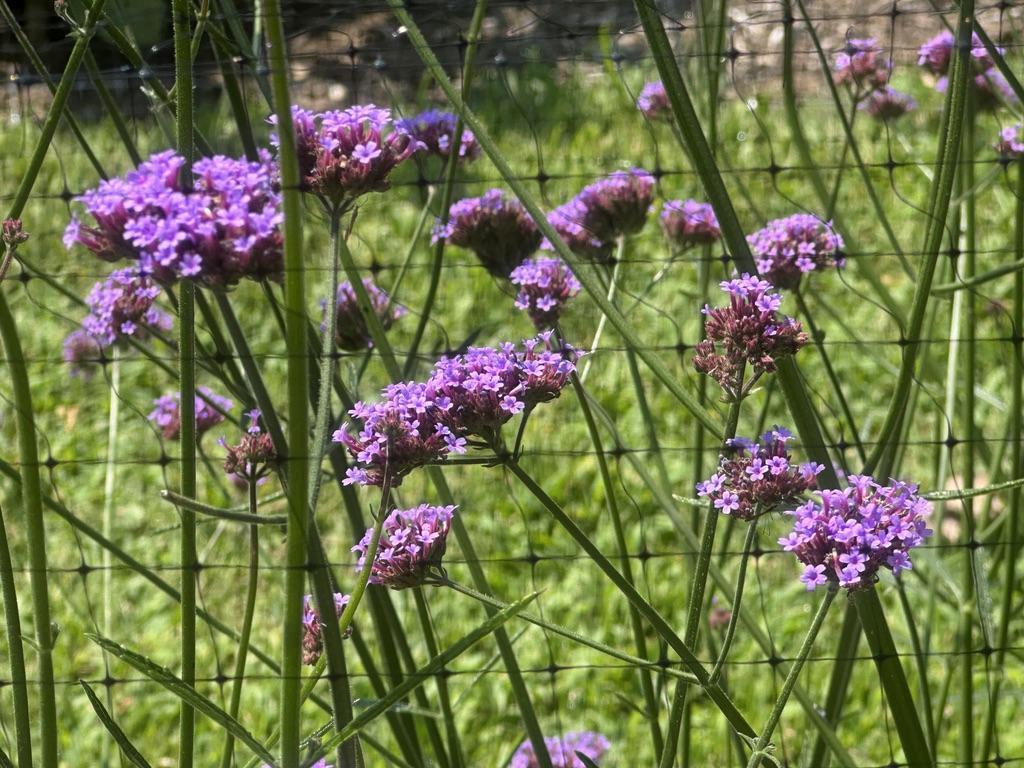
Vanity Verbena is getting a “glow-up,” in the form of a compact cultivar with taller, stronger stems and neater foliage (photo by Emily Sachar)
The garden, which is in its first season, comes courtesy of a $1-million grant from the Burpee Foundation, paid over four years, and in this “living laboratory,” three undergraduate Bard students are earnestly studying, testing, and sharing knowledge about plants that could shape the future of gardening and agriculture in the Hudson Valley and beyond.
They are also attempting to help home gardeners, ever-eager for new seeds to try And the hope is that the students will also benefit emotionally, from the satisfaction of growing plants, and professionally, perhaps developing a love of plants that will evolve into a career in horticulture
“This project is helping Bard restore and revive the historic formal gardens at Montgomery Place, and help gardeners in the process,” said Amy Parrella, Bard Arboretum Director “Gardening has been proven to alleviate stress and have therapeutic and healing results And this opportunity will
help students to cultivate their passion for plants and inspire their commitment to nurture their environment.”
cross 20 beds, the new Burpee Trial Garden, which is open to the public near the Montgomery Place greenhouse, showcases 50 varieties of vegetables, herbs, and flowers while acting as a unique educational opportunity for students interested in research, horticulture, agriculture, and ecology, Parrella added Some 75% of the specimens are vegetables, 10% are herbs, and 15% are flowers.
“Students also learn how a trial garden works and why it is important to test seed before it goes to market,” she said.
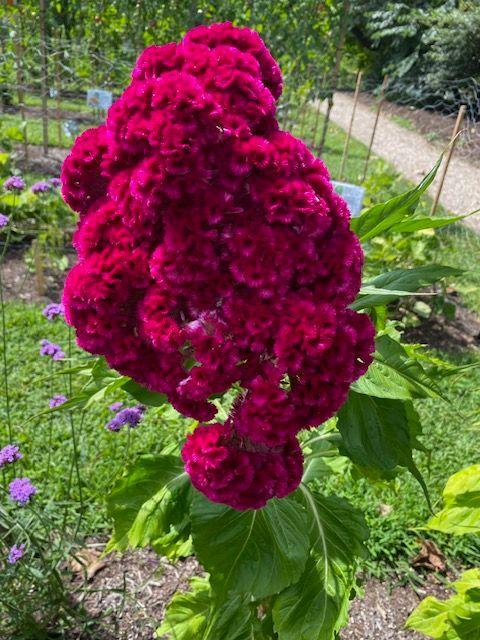
The offerings are a delectation for the eyes and palate The blooms of Red Velvet Cake Celosia grow so large they could drape comfortably, like a skullcap, over a human head. A visitor yearns to touch the soft maroon growth on 3-foot stems Sunpeach Hybrid Tomatoes promise no cracking and fruits til frost SuperTom! hybrid tomatoes can be eaten with a spoon And the Mini-Me Watermelon, its label promises, produces deep-red, flavorful flesh dotted with seeds a sweet feast for a date, designed to feed two people
Trial gardens are designed to evaluate how specific cultivars or varieties perform in real-world conditions, comparing experimental seeds to established industry standards At Montgomery Place, Bard students are cultivating plants from seed to harvest, measuring everything from germination rates to fruit weight and overall plant health. Their data, painstakingly recorded throughout the summer, are being shared with Burpee’s headquarters in Pennsylvania, influencing which new varieties ultimately make it to home gardeners in the future, Parrella said
The project is important not only to the seed industry but also to Bard’s own history. “The trial garden reactivates the former vegetable garden that once fed and beautified the house and estate,” Parrella said. Since Bard is an entire zone cooler than Pennsylvania, where the seeds were developed, she also expects it will be interesting over time to see how the plants grow and respond to the climate of Northern Dutchess County
A relevant side note is that the chairman and chief executive officer of Burpee, George Ball, attended Bard in the early 1970s
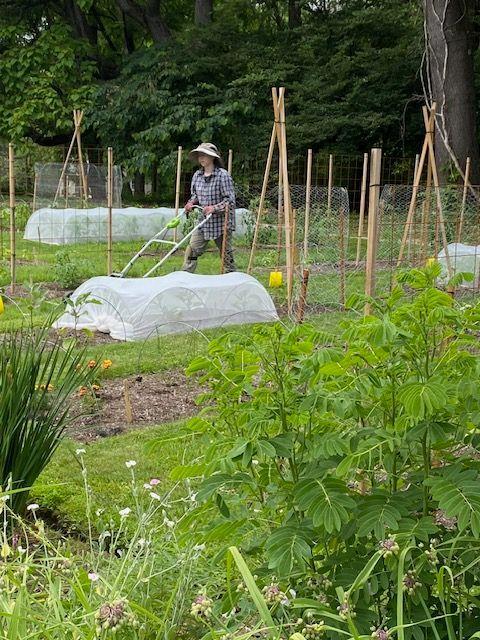
The garden’s first season has already been full of lessons and not-altogether-welcome surprises. Wildlife intrusion has been a challenge Despite a newly installed deer fence, woodchucks and rabbits have shown a keen interest in the beds, reports rising junior Violet DiBiasio Students and staff have responded with an arsenal of non-toxic deterrents floating row covers, individual chicken wire enclosures, reflective pinwheels, and solar-powered sonic repellents to protect tender seedlings.
DiBiasio on Friday pointed out a tomato hornworm that she said completely surprised the team “It camouflages into the plants and sneakily chomps at our fruits and leaves,” said DiBiasio, who has spent her summer getting the trial garden off the ground with her colleagues, Max Frackman, another junior, and Mikhal Terentiev, a rising senior
Not only does the bright green worm have a shocking horn that will numb human skin, but wasps also lay eggs on its back. These eggs will hatch and then eat the caterpillar, DiBiasio told a visitor. “It’s an awesome but a bit disturbing example of natural selection,” she said
Data collection has also proven more time-consuming than expected. With more than 40 different plant varieties under trial, measuring height, spread, health, fruit weight, and other attributes takes the summer team nearly a week for each round of observations The meticulous record-keeping, though labor-intensive, is essential to the garden’s mission: providing solid, evidence-based recommendations about which seeds perform best under the particular conditions of the mid-Hudson Valley. The seeds being tested at Bard are also being tested in Pennsylvania.
In the ensuing three summers of the project, Bard student research interns will work from June through August tending the plots, recording observations on iPads, and sharing findings instantly with Burpee’s plant breeders. They learn to design planting schedules, practice propagation and plant identification, assess pest and disease impacts, and even taste-test their harvests an exercise that blends botany with business as they weigh flavor and texture alongside yield and vigor. Any surplus produce will be donated to the Bard Food Pantry, underscoring a side benefit of the program: linking vegetable farming to community well-being
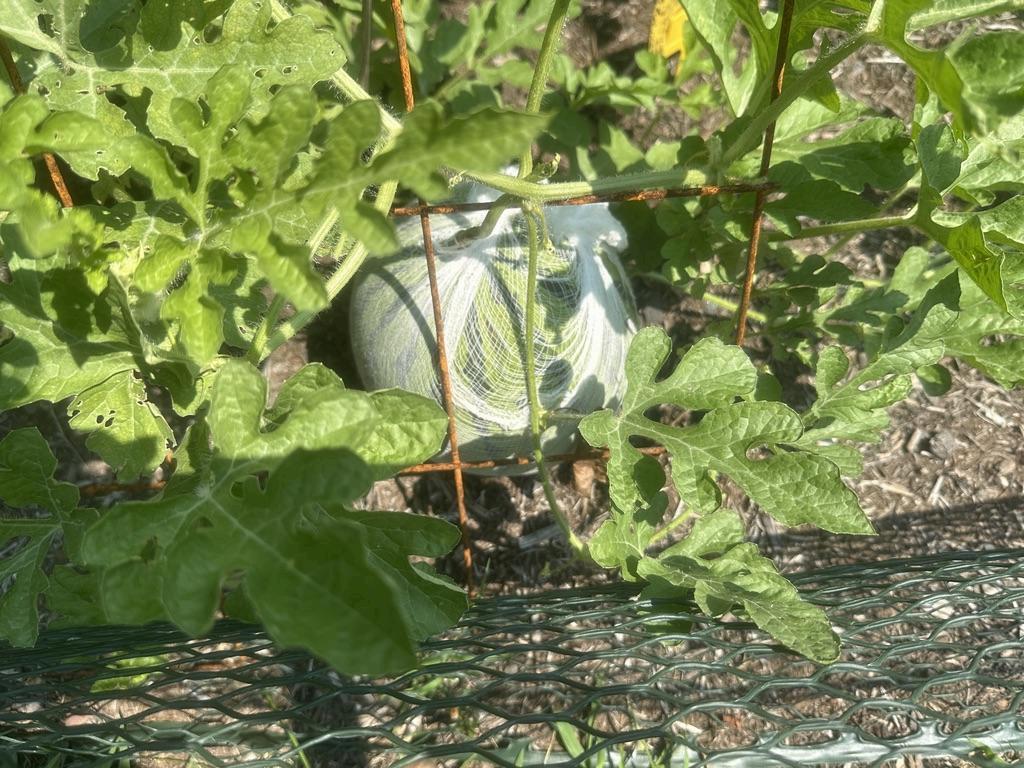
The one-of-a-kind Mini-Me watermelon, perfect for a snack for two, grows on vertical vines ready to climb trellises Each fruit weighs 2 pounds (photo by Emily Sachar)
As part of Bard’s Summer Research Institute, a faculty-student mentoring program, the three summer garden students also have toured local farms, learned about plant-based dyes, explored the history of Montgomery Place, and met with horticultural professionals from around the region In October, they will present their findings in a poster session during Bard’s Family Weekend, honing their communication skills as they share insights with visitors.
Half of the grant for the project will ensure that the garden remains in perpetuity, Parrella said
The Burpee Foundation, established by Ball in 2003, aims to reduce hunger and promote well-being through investment in horticultural and agricultural projects across the U S and globally Its support for Bard’s garden reinforces the historic role of seed innovation in American life once central to the country’s farms and homes through iconic catalogues and highlights the importance of ongoing research to meet future challenges, from climate change to food insecurity, Parella said
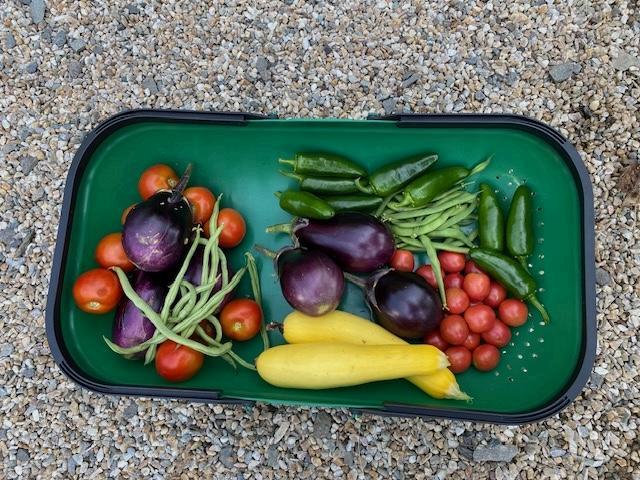
This tray shows just a few of the vegetables harvested at the Burpee Trial Garden (photo courtesy of Amy Parrella)
Burpee also has trial gardens in Lompoc, Calif , and near Swedesboro, N J And the one taking root at Bard is designed to operate similarly to Burpee’s current Fordhook Farm Trial Garden in Doylestown, Penn , but on a much smaller scale “It’s easier for the local homeowner to visit and view as a demonstration garden, and it inspires ideas,” Parrella said.
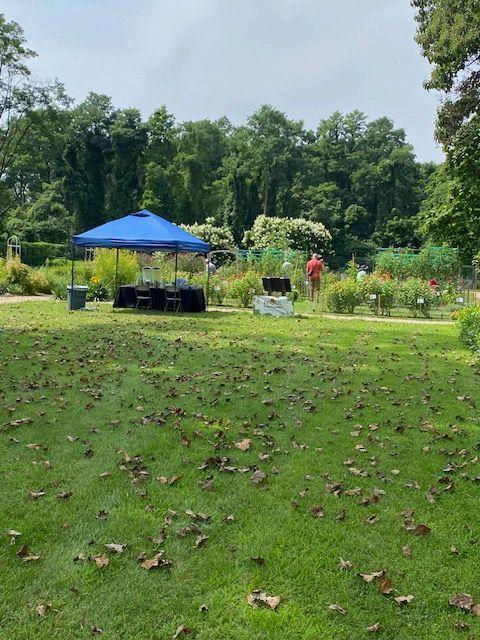
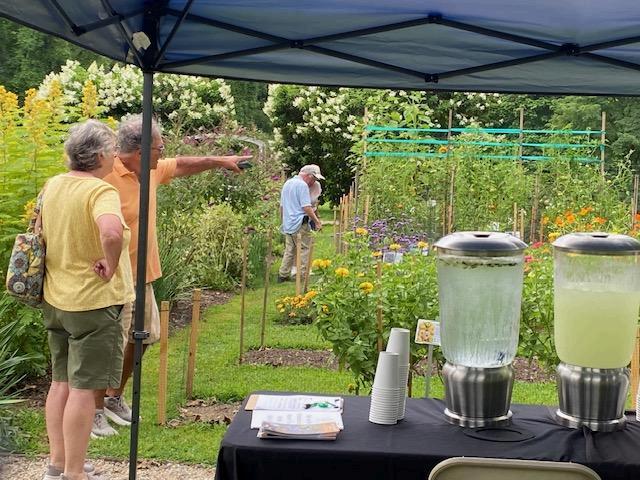
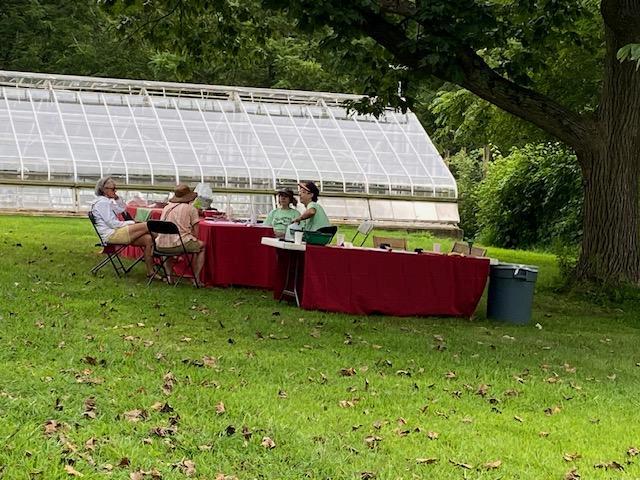
On Sunday, Aug 17, the public is invited to the Burpee Trial Garden Open House from 1 to 4 p m , where guests can see the beds in full bloom, taste some of the produce, and meet the students who have been stewarding the experimental plot
GARDEN ARTICLE LINK: https://wwwthedailycatch org/articles/glow-up-in-the-garden-tucked-away-at-montgomery-place-ba rd-launches-a-trial-seed-project-thats-bursting-with-blooms/
Article by Northern Dutchess News, online and in print newspaper
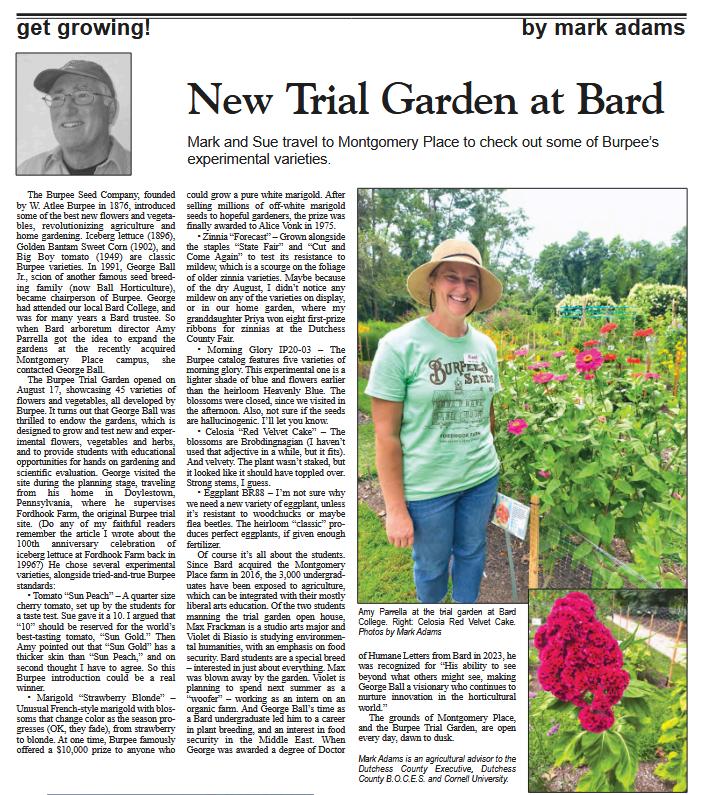
http://www.sdutchessnews.com/images/Full%20Page%20Editions/NDN/08-27-25/08-27NDN.pdf
Article by Bard Arboretum Newsletter, emailed newsletter to Bard Arboretum members
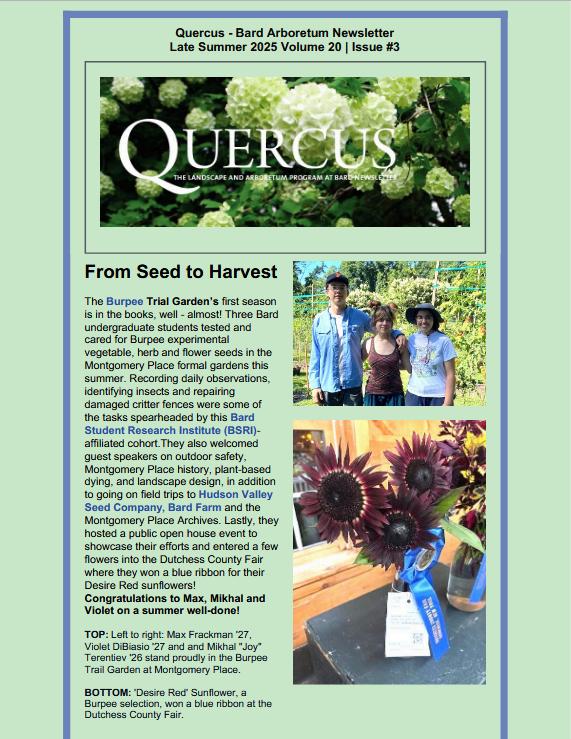
Bard Arboretum - Late Summer 2025 newsletter - https://conta.cc/41thgU3
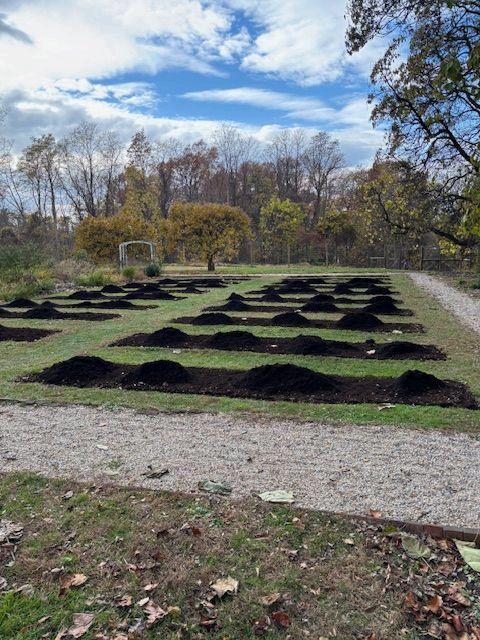
Thank you, Burpee Foundation, for a great 1st year with the Burpee Trial Garden at Bard College! We’re ready for another great year in 2026!