Barbara May Foundation Impact Report
FOR THE YEAR ENDED 30 JUNE 2025
All photos and patient stories in this report have been used with permission.
Photo Credits: Michael Benanav: Cover and page 14
Justin McLean: Pages 4-5, 21 and 27
Enabling women in Africa to give birth safely
Our Vision
A world where women can face childbirth with dignity and confidence.
Our Mission To serve vulnerable women, honour their dignity, restore their agency and strengthen their families, by facilitating safe and caring maternal healthcare and the repair of obstetric fistula.
Our Priorities
1 2 3
Fistula repair Fistula prevention: maternal and reproductive health
Equip and upskill local doctors and midwives
Our Values in Action

Compassion
Hearts
moved by loving kindness, serving the best interests of others.
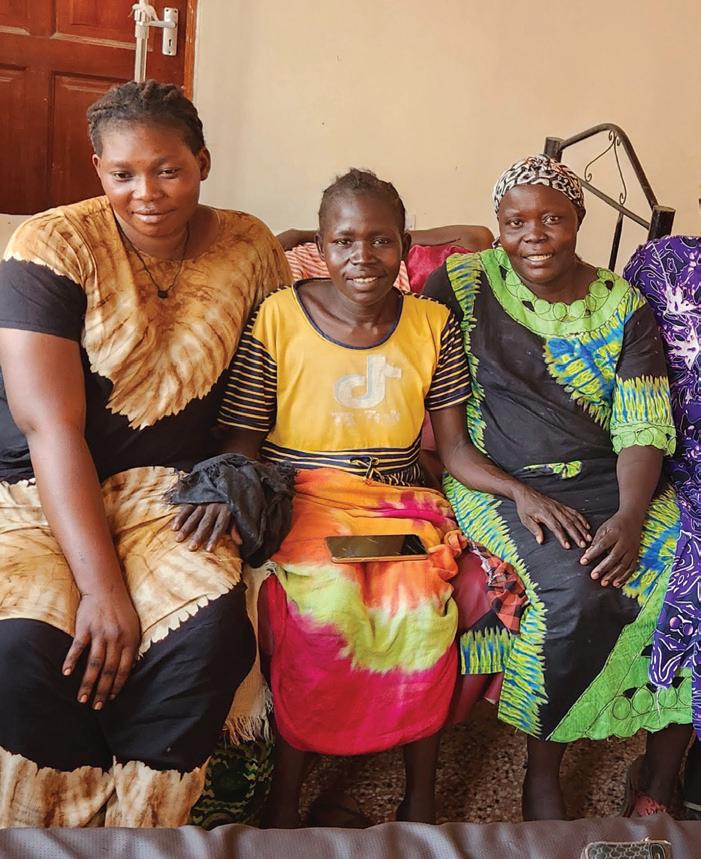
When Tensa was a teenager she was sent to a distant village to be married. Many years later, Tensa attended a fistula camp in South Sudan, where she received treatment for birthing injuries. Despite her physical suffering, Tensa’s deepest pain was not knowing if her family of origin was still alive. The hospital team set to work. On her final day of recovery, Tensa’s family, lost to her for 13 years, walked through the hospital door. Healing, at last, reached her heart.
See more of Tensa’s story on page 12.
Integrity Accountability as a neighbour, acting with moral courage.
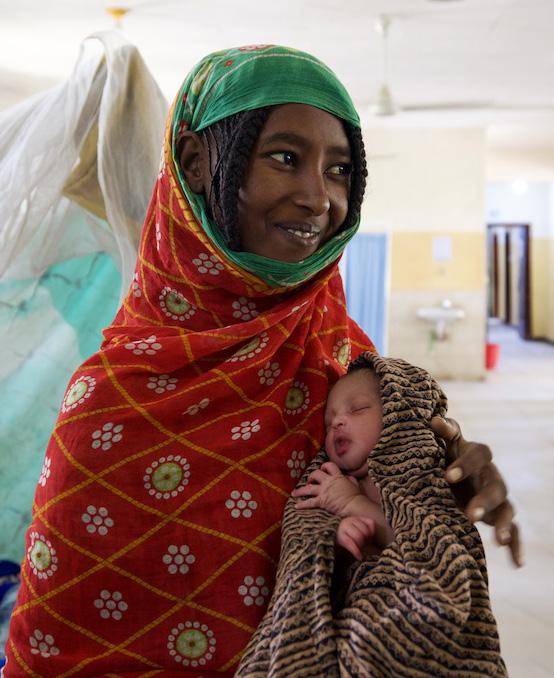
Halim, a young woman living in a nomadic Afar village, came to the hospital 7 months pregnant but extremely malnourished from malaria. The local staff quickly restored her blood haemoglobin levels, and took care of Halim at hospital until she was ready for labour. During delivery, Halim suffered severe bleeding, but was able to be revived and restored with blood that had been donated by the staff. Halim and her baby girl survived and are both now healthy and well!
Respect
The tireless recognition and honouring of the dignity of others.
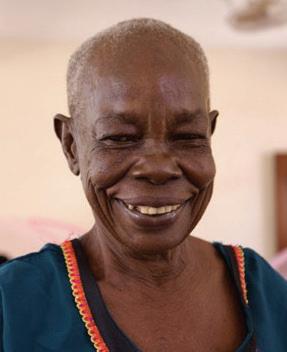
Margaret suffered with a fistula for 53 years, living in shame and isolation on the edge of her family’s compound. Last year, Margaret came to be treated at a fistula camp in South Sudan. You can imagine her happiness when Margaret was healed after 50 years of suffering, but that’s not what gave her the most joy. More than anything, Margaret was delighted that people at the camp would sit with her and talk with her.
What is the need?
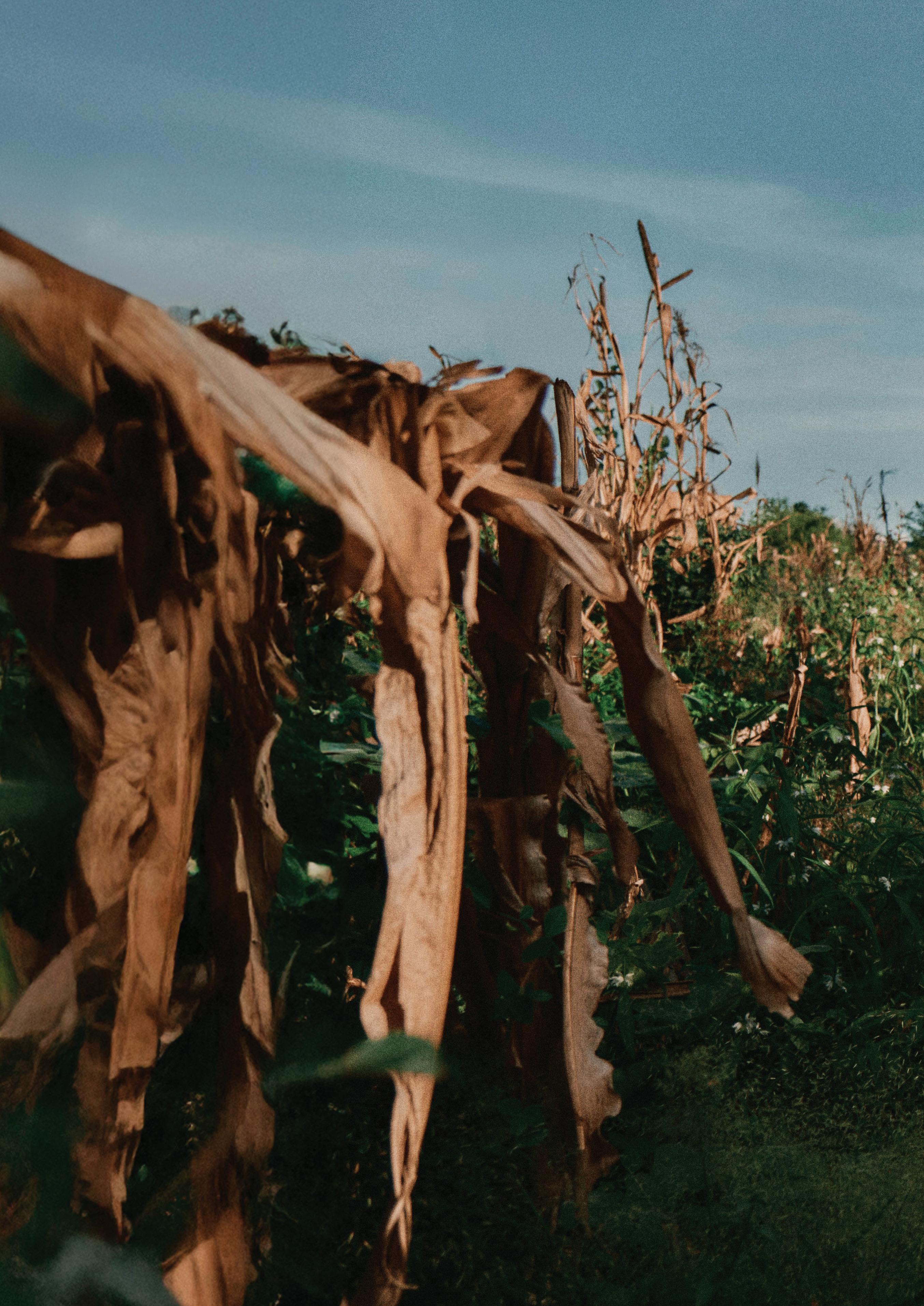
Every day globally 786 women(1) die trying to have a baby.
70% of these maternal deaths occur in Africa.
For every death, another 20 women suffer a birthing injury.
40% of women suffering with a fistula will plan or attempt suicide(2).
(1) Trends in maternal mortality 2000 to 2020: estimates by WHO, UNICEF, UNFPA, World Bank Group and UNDESA/Population Division. Geneva: World Health Organisation; 2023. Licence: CC BY-NC-SA 3.0 IGO
(2) Goh JTW, Sloane KM, Krause HG, Browning A, Akhter S. Mental health screening in women with genital tractfistulae. Br J Obstet Gynaecol. 2005 Sept 112 (9): 1328-30
Deaths and fistulas occur in Africa simply because many women lack access to safe medical care. Fistulas occur very rarely in well-resourced countries where comprehensive obstetric emergency care (including a caesarean) is generally available to women.
An obstetric fistula is a devastating injury – a large hole between the birth canal and one or both of the bladder or rectum. Left untreated, a woman suffering a fistula will live a life of incontinence, misery, shame, and ostracism.
Motivated by Jesus Christ’s call to love and serve the poor, Barbara May Foundation has responded to this need in Africa, by facilitating free and safe care for poor and vulnerable women during childbirth and for those already suffering from complications arising from childbirth.
We seek to honour women’s dignity and restore their agency by facilitating the repair of obstetric fistulas caused by obstructed labour, and by working to eliminate fistulas and prevent women dying in childbirth.
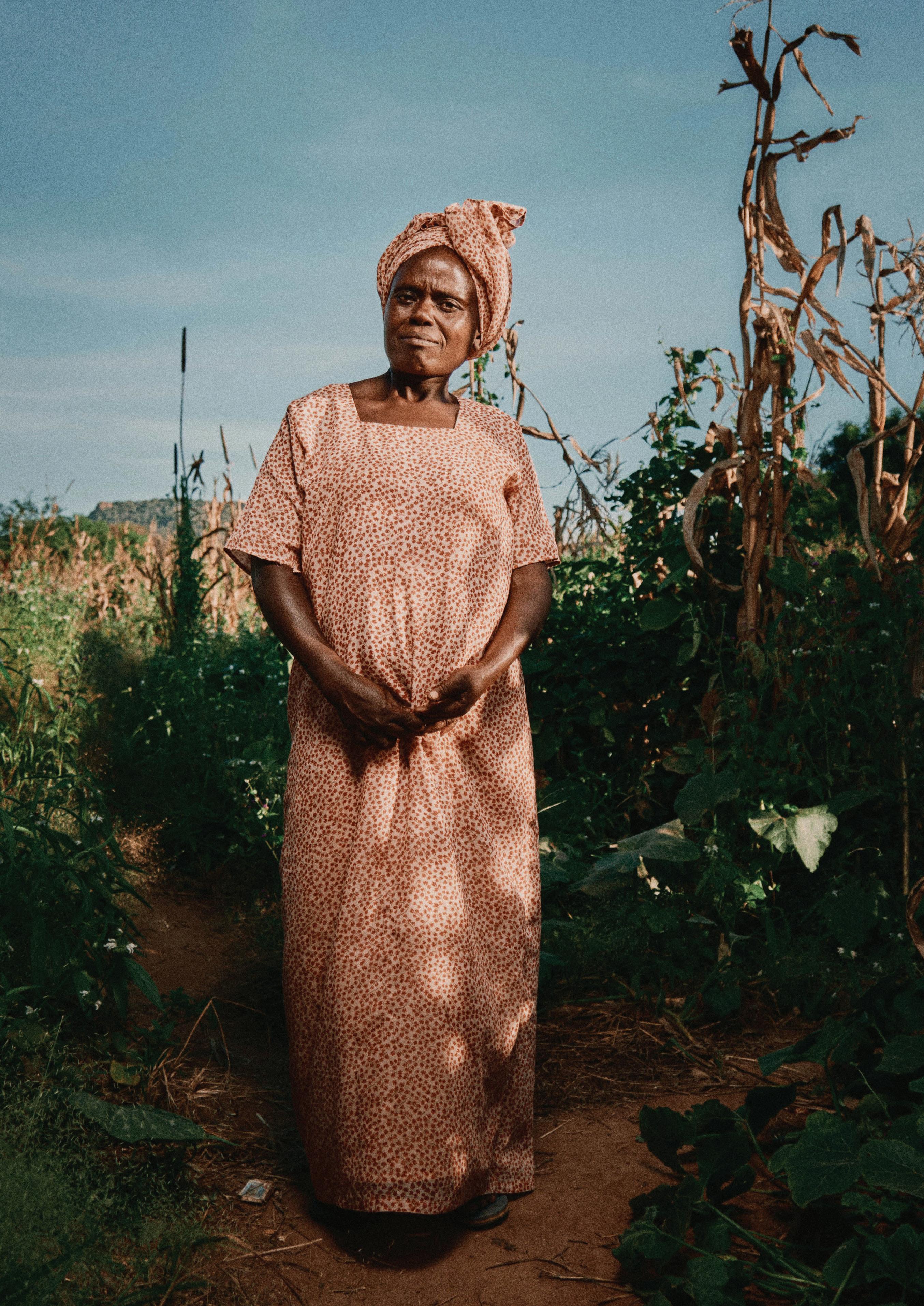
Message from our Board Chair
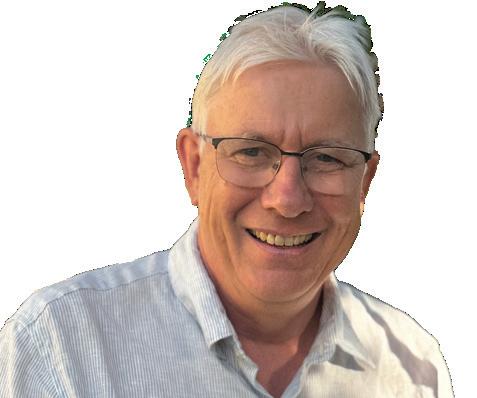
Professor Jonathan Morris AM Message from our General Manager
It is an honour to chair an organisation with global reach and so many selfless individuals serving some of the world’s most disadvantaged people. Through our own volunteering in Tanzania, my wife and I have witnessed the care and compassion that is central to the Foundation, gaining invaluable cultural insight into how to be effective in Africa.
We are thankful for the significant growth in support and activity of the past year. Growth has been accompanied by the expansion of our team and the formulation of a fresh five-year strategy. An important pillar is establishing our supported hospitals as ‘Centres of Excellence’ providing, modelling and equipping the workforce in the highest standards of care.
Everyone is created in the image of God, worthy of dignity, love and care. Each story in this report reflects that truth. To bring hope through healing to even a single person is significant; the stories and figures outlined in this report reflect the wider transformation within the communities we serve. This impact is possible only through the generosity of those on whose heart it is to support us. My sincere thanks to you. It also depends on in-country partners who allow us the privilege of working alongside them.
I wish to thank my fellow directors who volunteer their time with grace and passion; Andrew, who truly is one of the most inspiring people I have worked alongside – his hard work matched only by his humility; and the management team, led by Karen, who have been extraordinary as the Foundation’s work has grown.
This work would not be necessary if all women had access to safe childbirth. Sadly, for too many women in Africa, that is elusive. We are committed to showing that safe childbirth is possible – offering hope, healing and the love of Christ to these women.
Thank you for your partnership.
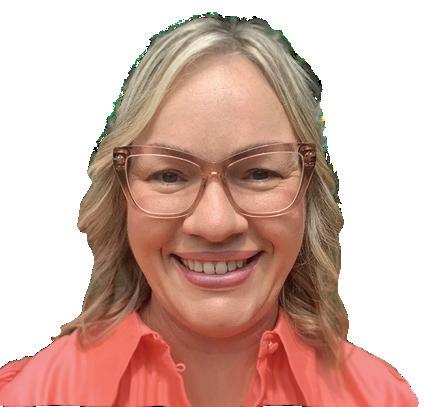
Karen Baker
When I think back over the past year, I’m struck by how much hope and possibility your generosity has created for women and families across Africa. At the heart of everything we do is a simple but profound belief: no woman should die giving life. In 2025, thanks to you, we have taken powerful steps forward in making that vision a reality. Barbara May Foundation, from humble beginnings, continues to grow in our impact. This year alone, we supported over 16,000 women to give birth safely, with dignity.
One of the most exciting milestones was the launch of the Her Dignity Fund. This initiative is about more than providing safe maternal care—it’s about ensuring every woman is treated with compassion and respect throughout her journey in motherhood. The fund is already helping us deliver care in some of the most vulnerable communities, and it represents a promise to keep expanding our impact well into the future.
A highlight for me personally was travelling to Africa and working alongside our incredible colleagues in Tanzania and Uganda. Being with them on the ground reminded me how extraordinary the local teams are — resilient, skilled, and deeply committed to the women they serve. It also reminded me how connected we all are, across countries and continents, working together for the same purpose.
And at the centre of our endeavours, always, is you — our partners and donors. Your belief in this mission is what makes every story of survival, every safe delivery, every trained midwife possible. We are profoundly grateful for your support.
As you turn the pages of this report, I hope you feel proud of the impact you’ve made. This is your story too, and we’re so excited to share what we have achieved together.
With heartfelt thanks,
Message from our Medical Director Dr Andrew Browning AM
I count myself extremely privileged to share in the lives of so many remarkable people, the staff in our partner hospitals and the patients we serve. Each person is precious in the eyes of God, and I am all the richer for having met and known some of them.
Over the past year global changes have deeply impacted healthcare in many communities. The cessation of USAID has significantly disrupted services like the supply of HIV medication and family planning availability, creating uncertainty among healthcare providers and vulnerable communities. We are deeply grateful our partner hospitals are not reliant on government funding, and their work has continued without interruption. While we remain mindful these wider shifts may have impacts in the future, we give thanks that this year we have still reached even more patients with care and support.
We know maternal deaths and fistula are preventable. Our hospitals have been working hard delivering over 16,000 women safely and for free. No fistula occurred in any of those women. Sadly 18 women died in labour, many because of the ongoing famine in the Afar desert of Ethiopia. We are incredibly grateful to our donors who enabled us to fund emergency maternal nutritional support, preventing further deaths.
We were able to treat over 600 women suffering from an obstetric fistula and the doctors we’ve trained treated many hundreds more. The fistula work in South Sudan has become busier with patients coming from all over South Sudan and even from war torn Sudan. Prof Hannah Krause AO also travelled to South Sudan during the year to treat women in Wau, further expanding our reach.
We ventured into the Central African Republic (CAR), a country that has been closed off to much of the world for well over a decade due to internal conflict. Maternal
health has been neglected here for too long. Working with the Evangelical Lutheran Church of America in the west of CAR, two fistula camps were held. The church used its networks and also broadcasted radio announcements about fistula treatment. The effect has been far reaching and some of the women travelled for days in hope of a cure.
Training of midwives and fistula surgeons has continued. It’s exciting to see the number of deliveries, in the facilities where the midwife trainees come from, increase as their improved skills builds confidence in their communities. We’ve helped train 20 fistula surgeons, some of whom are now able to train other surgeons.
Excitement is building in Pader, Uganda, as the hospital construction in partnership with Te Kworo Foundation and Sonic Healthcare Foundation nears completion. We might have our first deliveries before the end of this calendar year or early next year!
After some delays, we are set to start construction on our second maternity hospital in Tanzania, located in Central Tanzania’s district of Chamwino. The thought of helping more women and relieving suffering brings joy and excitement to many. While construction costs are already secured, the ongoing running costs of this hospital still need to be met. As always, we are relying on God’s provision and people’s generosity to sustain this work.
We are thankful to all our implementing partners serving in Africa, especially: Dr Omer and Sr Ahmed in the Barbara May Maternity Hospital; Dr Birhanu and Sr Abeba in Vision Maternity Care Hospital; Dr Doreen and Sr Glory in the Kivulini Maternity Centre; Samuel Magok and Dr Achai Riyak at the Reconciliation Hospital; Alice Achan and Milton Obua in Pader, Uganda; and Drs Dimla and Willie in CAR. We farewelled Michael Hynds and Maria Hussien after many years of service at Kivulini Maternity Centre.
Finally, thank you to all who support us with prayers, financial help and volunteering - nothing would happen without you.
Your Impact: An Overview of 2025
Fistula Repair Fistula Prevention: Maternal and Reproductive Health
601 LIFE-CHANGING OBSTETRIC FISTULA OPERATIONS performed at BMF supported hospitals and specific fistula camps
16,202 BABIES SAFELY DELIVERED via BMF supported hospitals and the rural maternity network
681
GYNAECOLOGICAL OPERATIONS
3,986 SCHOOL STUDENTS EDUCATED through the schools adolescent reproductive health outreach program
302 NEWBORNS RECEIVED SPECIALIST neonatal intensive care services
6,096 FAMILY PLANNING CONSULTATIONS provided to women
64,683 CLINIC VISITS providing antenatal and postnatal care (up to 6 visits per mother)
11,359 PEOPLE EDUCATED about maternal health and fistula in the regions around Arusha
Equipping and Upskilling Local Doctors and Midwives
20 DOCTORS TRAINED by Dr Browning in the specialised skills of obstetric fistula surgery
127 MIDWIVES AND MIDWIFERY STUDENTS TRAINED
With more hands and hearts dedicated to this mission, we expect to see more mothers surviving childbirth, more midwives trained, and more families thriving.
Regional Impact
Supported hospitals
Exponential impact
Trained doctors, midwives and surgeons have taken their skills even further.
MALAWI
Barbara May Maternity Hospital, Mille, Ethiopia
• 35-bed maternity hospital
• Rural maternity health network and emergency services for nomadic women from the Afar region
• Obstetric fistula camps
• 9,977 patients served
PAGES 14-15
Vision Maternity Care Hospital, Bahir Dar, Ethiopia
• 28-bed maternity hospital
• Midwifery student training
• 2,782 patients served
16-17
Kivulini Maternity Centre, Arusha, Tanzania
• 59-bed maternity hospital
• 24-bed obstetric fistula treatment unit
• 14-bed neo-natal unit
• Midwife training centre
• 4,665 patients served
PAGES 18-19
Phaedra Hospital, Chamwino Tanzania (building in progress)
• 40-bed maternity hospital
Kworo Sonic Healthcare Foundation Hospital, Pader, Uganda (opening 2026)
• 42-bed maternity hospital
• Midwife training centre
PAGE 20
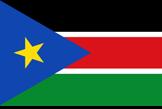
Obstetric Fistula Surgery Camps, South Sudan
• 90 patients served PAGES 22-23
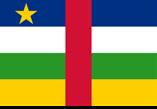
Obstetric Fistula Surgery Camps, Central African Republic
• 46 patients served PAGES 22-23
Tensa’s Story of Faith and Healing: Impact
Personified
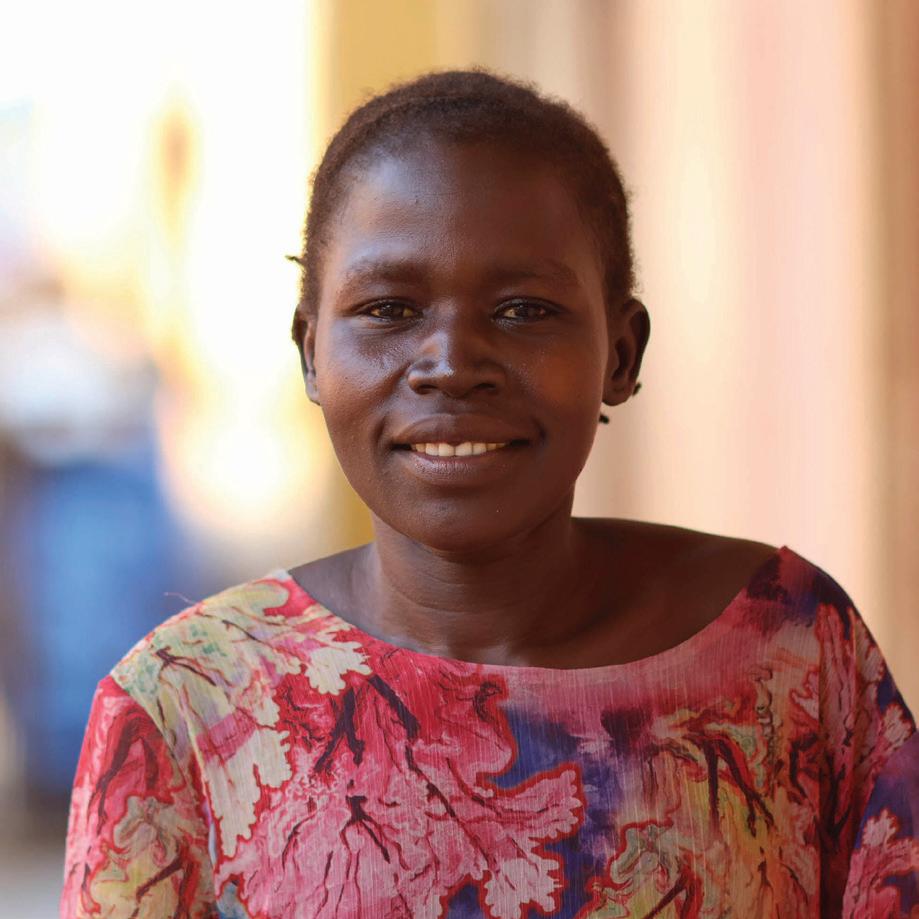
As a teenager Tensa was forced to leave her home and family in Eastern Equatoria and go to Sudan to be married. Life was tough and isolated. In her eighth pregnancy, Tensa experienced complications and, after two days of agonising labour pains in her village, she still hadn’t delivered. Tensa decided to start walking to a hospital to get help, but the long labour was starting to affect the nerves in her pelvis and her legs were weakening.
After walking for several hours, her legs were too weak and numb, and she fell into a ditch beside the road.
Later, a passing bajaj (a small threewheeled vehicle) drove past and picked her up. Tragically, on the way, the bajaj slipped on the road and rolled, and Tensa fell out of the vehicle.
She was now completely paralysed below her waist. Passers-by helped set the bajaj aright and helped Tensa back in, and they travelled on. Reaching the closest hospital, Tensa had an operation to deliver her stillborn child. She had sustained severe internal injuries, including an obstetric fistula.
The staff at the hospital cared for her, but two operations later she was still leaking urine.
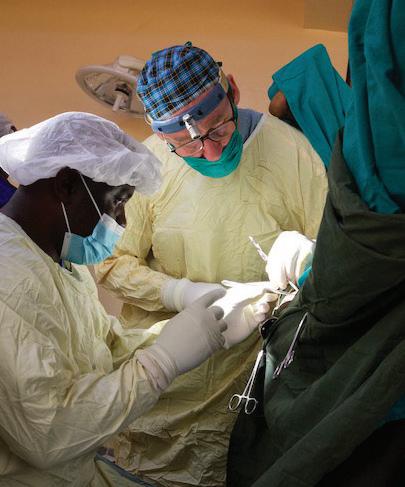
Eventually, Tensa was referred to our fistula camp in Juba, South Sudan. In February she was transported on a Mission Aviation Flight to Reconciliation Hospital, where Dr Browning and colleagues operated on 44 women with varying degrees of internal birthing injuries.
In the days following Tensa’s operation, the hospital chaplain met with her to pray. She confessed that despite all her suffering, stillborn child, missing her children, abandoned by her husband, and barely able to walk, the biggest source of anguish in her life was not knowing if her family in Eastern Equatoria were still alive. Knowing there was war and conflict in the area, she hadn’t been able to contact them for the past 13 years. This weighed heavily on her heart.
The chaplain took a photo of Tensa and, unbeknownst to her, posted on his Facebook page. Early the next morning, three of Tensa’s sisters, a brother and a niece, arrived at the hospital. Tensa got such a shock!
She was laughing and crying along with her siblings, and then of course everyone else in the ward joined in too!
A woman of deep contagious faith, Tensa left a profound impact on the other women and medical staff around her.
Dr Andrew Browning said “Tensa had such huge injuries, needing a lot of reconstructive surgery. The first stage in February was successful and she improved. She returned in June for a second procedure and is now completely cured.”
The amazing blessing of seeing Tensa reunited with her family, healed of her injuries, and overcome with joy, is testimony to how your donations, prayers and support restore more than just physical health. Thank you for partnering with us. Hear Tensa’s story in Dr Andrew’s own words.
Implementing Partners
Barbara May Foundation facilitates safe and caring maternal healthcare, including programs to prevent obstetric fistula, in Ethiopia, Tanzania, Uganda and South Sudan.
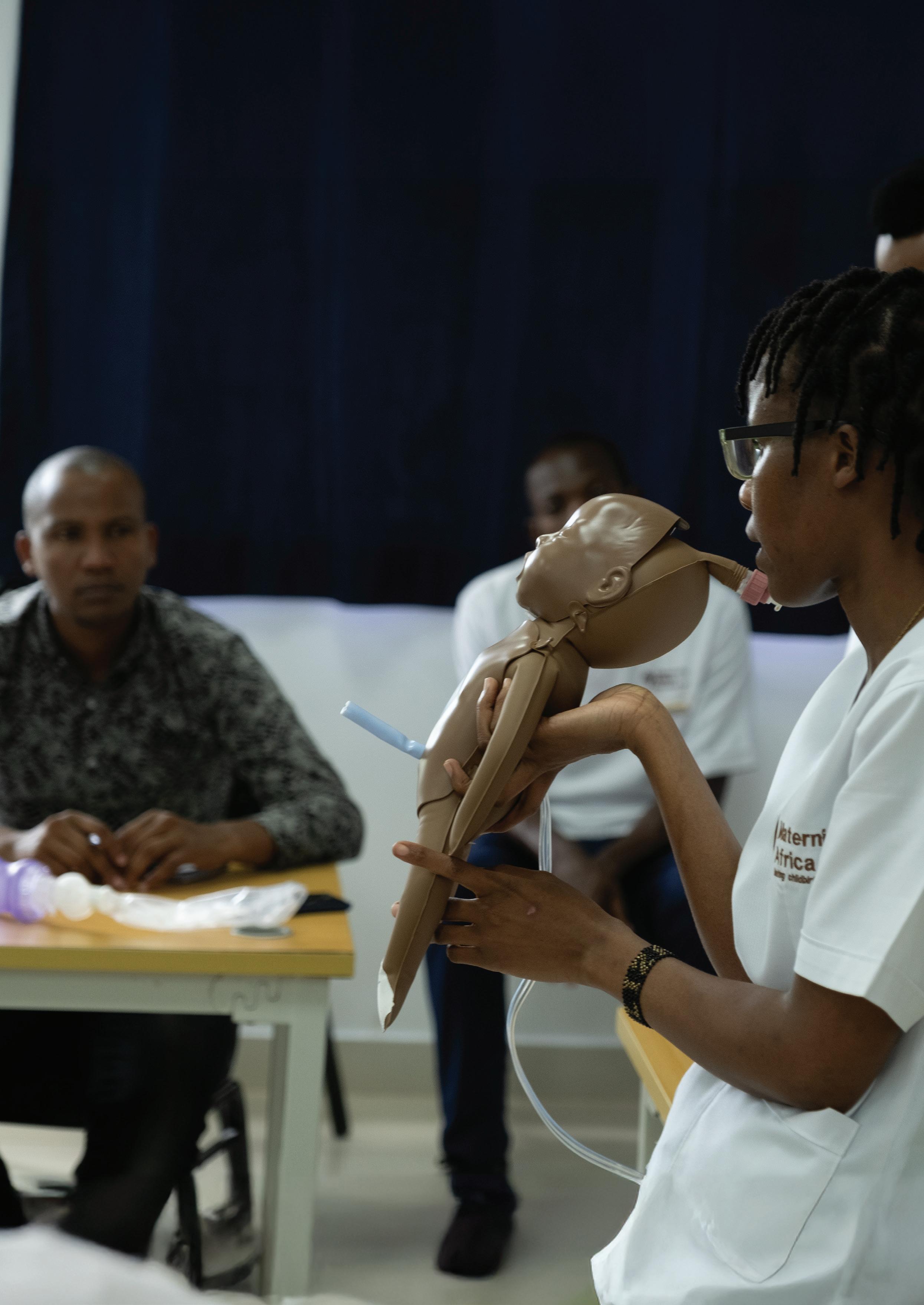
We work through implementing partner organisations, who work collaboratively with local authorities and local communities. Many specialist medical professionals volunteer from all parts of the globe, working alongside local fistula surgeons, doctors, midwives and essential support staff.
Our Implementing Partners prioritise:
• Reflecting Jesus’ compassion through patient care
• Maintaining high clinical standards
• Educating communities on the importance of seeking medical help with childbirth
• Enabling the development of medical infrastructure and services
• Training in-country medical professionals
• Providing employment opportunities to locals
• Developing strategic collaborative partnerships aimed at widening and deepening our impact
BARBARA
Supported Hospitals in Ethiopia
Barbara May Maternity Hospital and its Rural Maternity Health Program
The Afar Region, Mille, Ethiopia
Dr Omer Hassan, Medical Director
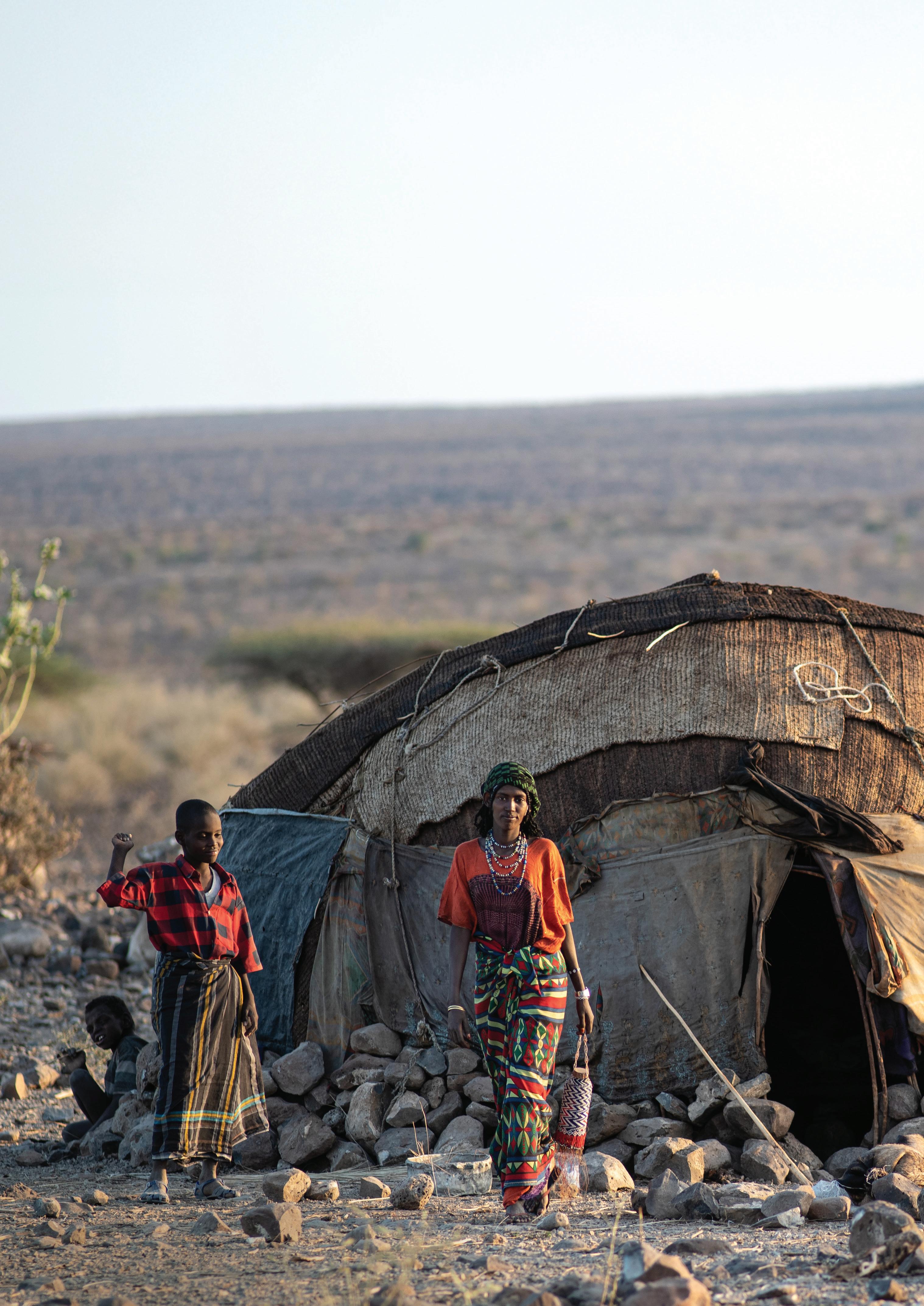
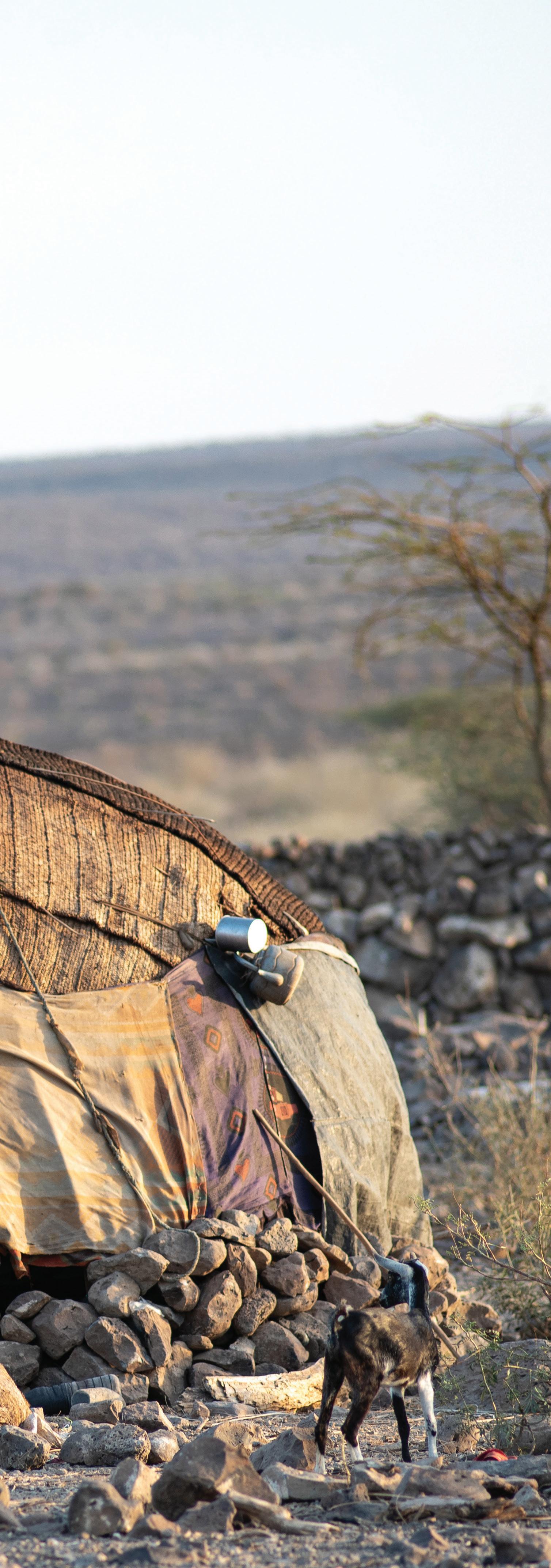
Amidst a backdrop of famine, earthquakes, outbreaks of cholera and malaria, and ongoing food insecurity, your generosity has continued to shine as a beacon of hope in the Afar.
With your support, the 66 local staff at the Barbara May Maternity Hospital (BMMH) continued to provide lifesaving care in these most difficult circumstances.
More than 9,400 babies were safely delivered in the hospital and through the rural maternity health program, with many more women cared for during their pregnancy through antenatal clinics and maternal nutrition support.
The new ambulance has been on the road almost daily, often travelling long distances to bring vulnerable women to BMMH for the safe delivery of their babies, saving countless lives. The truck donated last year continues to deliver emergency maternal nutrition support and water trucking to communities where malnutrition is severe. For many communities, this represents the only lifeline available – hope and practical support amidst a bleak environment.
Your support has enabled local doctors and international volunteers to work side by side. Staff at BMMH have been supported with obstetric fistula surgery training and lifesaving newborn care training.
Each step forward means that mothers and babies, who otherwise might not have survived, are now being given a chance at life.
You also helped expand the training of Traditional Birth Attendants, with 35 new trainees joining the Rural Maternity Health Program. These women are often the first and only point of care in their villages, and your support is equipping them with the skills to safely deliver babies and refer mothers to hospital when urgent care is needed.
Through every hardship your partnership is giving hope, dignity and a future to women and their families in the Afar. Thank you for standing with them.
Your Support enabled …
• Safe delivery of 795 babies at BMMH
• Safe delivery of 8,626 babies through the Rural Maternity Health Program with a further 4,119 women cared for during their pregnancy
• 541 women with gynaecological conditions treated
• 15 women receiving life changing obstetric fistula operations
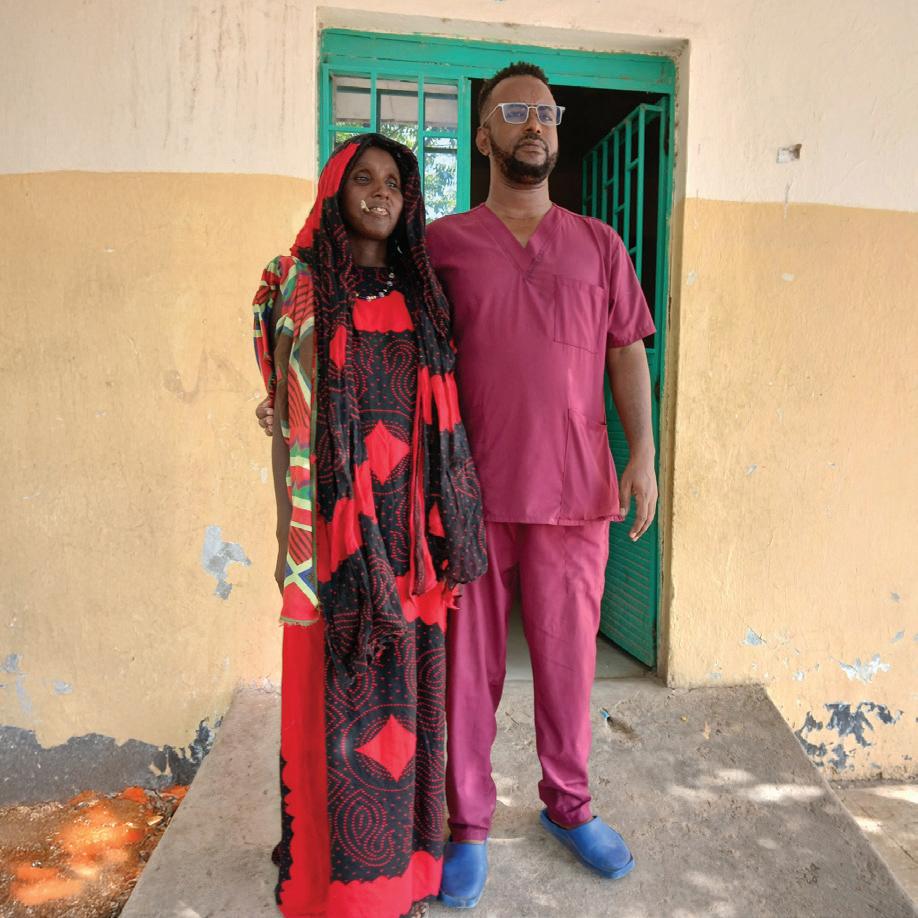
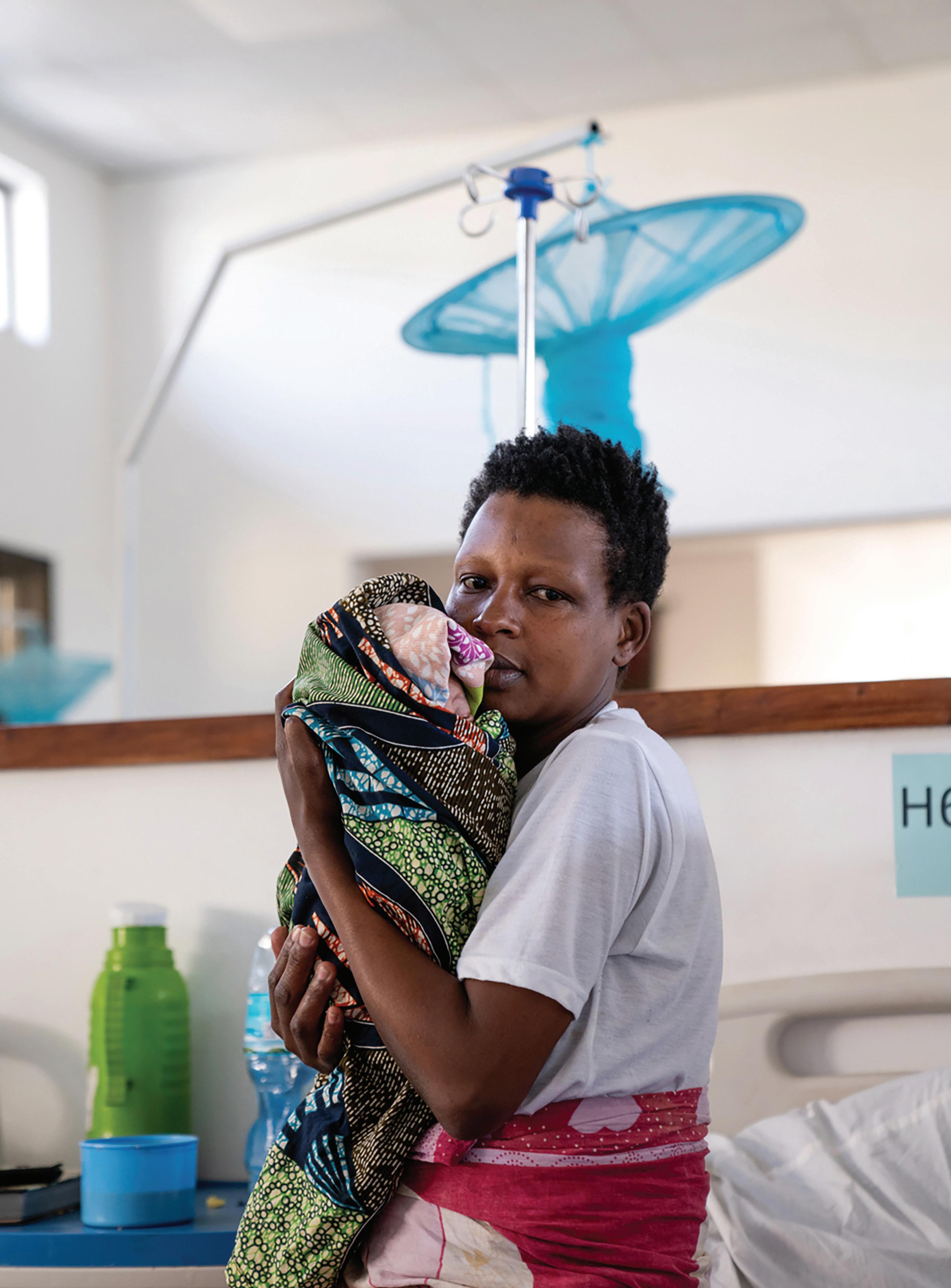
“Our hospital is the only hope in the area. We support women through labour, delivery, and life-threatening obstetric emergencies. It is challenging operating in a low-resource setting, where anaemia affects more than half of all pregnant women and blood transfusion services are scarce. The thing I love most about my job is saving the life of a mother and her newborn. Every single one counts.”
Dr Omer, Medical Director explains
Supported Hospitals in Ethiopia
Vision Maternity Care Hospital
Bahir Dar, Ethiopia
Dr Birhanu Member, Director
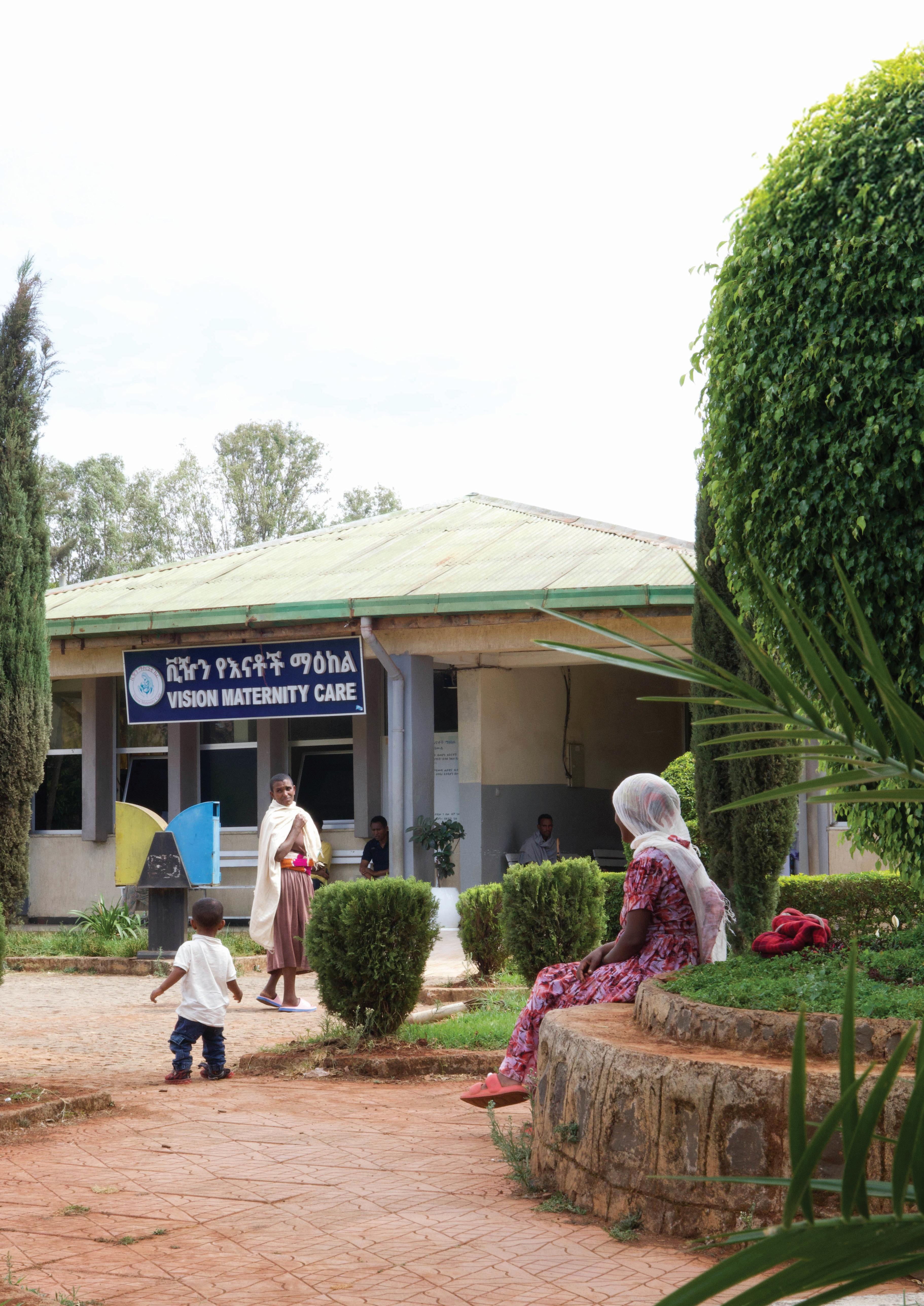
In Bahir Dar, where curfews, insecurity and rising inflation have made everyday life so uncertain, your generosity and support has given mothers and babies a place of safety and hope at Vision Maternity Care Hospital (VMC).
With your support, VMC has remained a pillar for the community, employing more than 45 local staff and providing free and safe care to more than 2,700 women, some of whom walked fearlessly for many hours in labour to receive help.
Amidst this turmoil, VMC and its staff have been commended by the local Amharic Health Bureau for the exceptional care that they have provided.
Dr Browning was able to visit in March 2025 – the first time in over a year – and it was a joyous reunion, with Andrew and the VMC staff enjoying a traditional Ethiopian coffee ceremony together. The staff, deeply committed to the women in their care, paused the ceremonies to deliver three babies when the three mothers went into labour simultaneously, adding further joy to the day!
Kindness and quiet generosity has become the culture at VMC amidst rising local inflation. VMC staff supported a young man living with his mother near the hospital by contributing to his study fees (from their own salaries).
After completing his training, the young man worked for a time at VMC to gain experience, before securing employment in Jijija, in the east of Ethiopia. He is now supporting his mother financially.
This is just one powerful example of the wider ripple effect of your generosity, reaching beyond hospital walls to transform whole families and communities.
In spite of the uncertainties in Bahir Dar, the resilience of women and the staff shines through and your partnership ensures women can still reach safe care and welcome their children with hope for the future.
Your Support enabled …
• Safe delivery of 2,782 babies
• Practical clinical training for more than 100 midwifery students under the mentorshop of experienced midwives
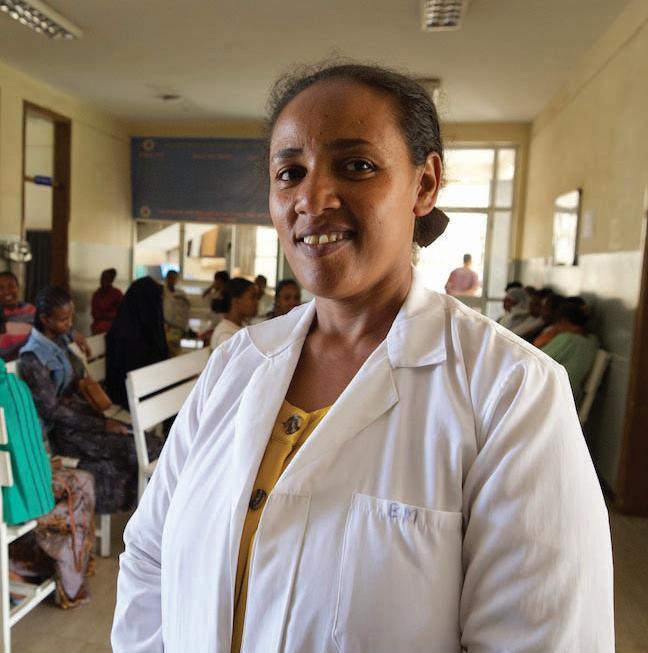
“I am glad to work at VMC because it has a nice management system, great teamwork, and is a very clean and safe area. It’s a place giving quality care for safe motherhood. I enjoy attending difficult deliveries like breech births and helping babies to breathe. After these hard struggles, having a baby for mama makes me very happy and I praise God.”
Sister Banchu, Midwife explains
Supported Hospitals in Tanzania
Kivulini Maternity Centre (Maternity Africa)
Arusha, Tanzania
Dr Doreen David Moshi, Director
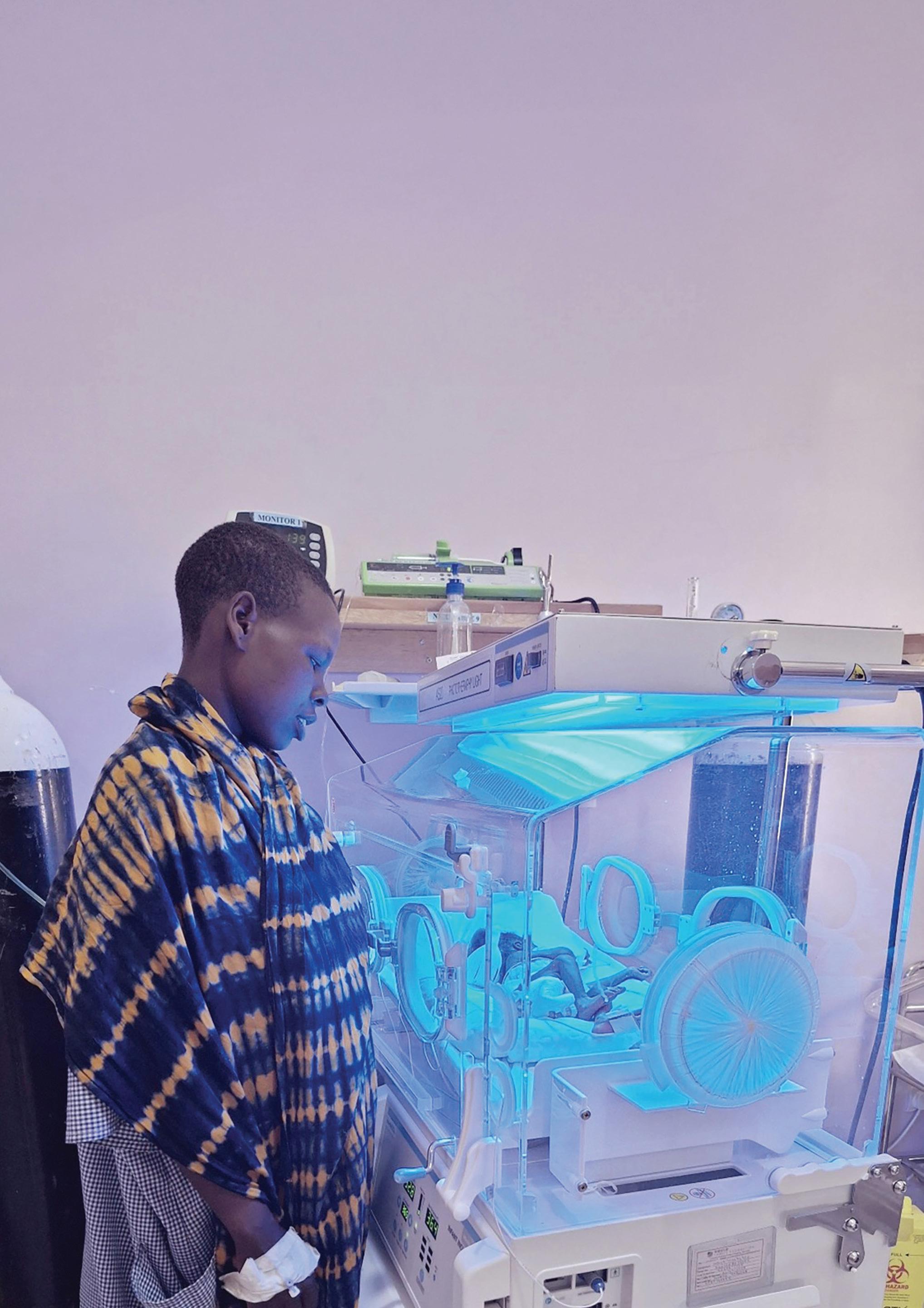
Thanks to your generosity, this year has seen remarkable growth and recognition of the service and care provided by the 78 staff at the Kivulini Maternity Centre (Kivulini). The maternity clinics and labour wards have been busier than ever with 1,174 more babies safely delivered this year than last year.
With your support we expanded the neonatal intensive care unit (NICU), which now has capacity to care for 14 premature babies at a time.
The staff at Kivulini are grateful to be able to extend this level of care to more mothers and their babies.
Dr Browning was able to attend four fistula camps, where he spent time training Drs Doreen, Brighton and Joseph, as well as other fistula surgeons from around Tanzania, in fistula surgery skills. He said it was wonderful to see them growing in confidence and skill.
The community outreach programs have been very successful in raising awareness of the restorative treatment and care of obstetric fistula provided at Kivulini. Community outreach programs have been vital for finding and treating women with fistula injury. Building awareness, understanding and trust between communities and care providers is essential for decreasing the ongoing occurrence of obstetric fistulas.
Under the guidance of Sr Eliza, midwife trainees strengthened their clinical skills and confidence across all aspects of maternity care – from managing complex labours to resuscitating newborns. Most trainees come from health centres around Arusha, but several also came from the Longido area, quite far away.
Maternity Africa, in partnership with one of Tanzania’s largest teaching hospitals, Kilimanjaro Christian Medical Centre, are exploring opportunities to send obstetrician trainees for rotations through Kivulini, a sign of the hospital’s growing reputation as a Centre of Excellence.
The International Federation of Gyneacology and Obstetrics (FIGO) formally invited Kivulini to become its eighth international obstetric fistula surgery training site.
Maternity Africa will be a part of the larger global endeavour to train more surgeons and maintain standards of care.
The staff at Kivulini, together with Barbara May Foundation, are thankful for your partnership in enabling this growth in services, impact and excellence.
Your Support enabled …
• Safe delivery of 3,999 babies
• Life changing obstetric fistula operations for 224 women
• Four weeks intensive theoretical and hands on training for 27 midwives
• Training in the specialised skills of obstetric fistula surgery for 5 doctors
• 3,986 school students educated in reproductive health
• 11,359 community members educated about maternal health and fistula
• 140 women with gynaecological conditions treated
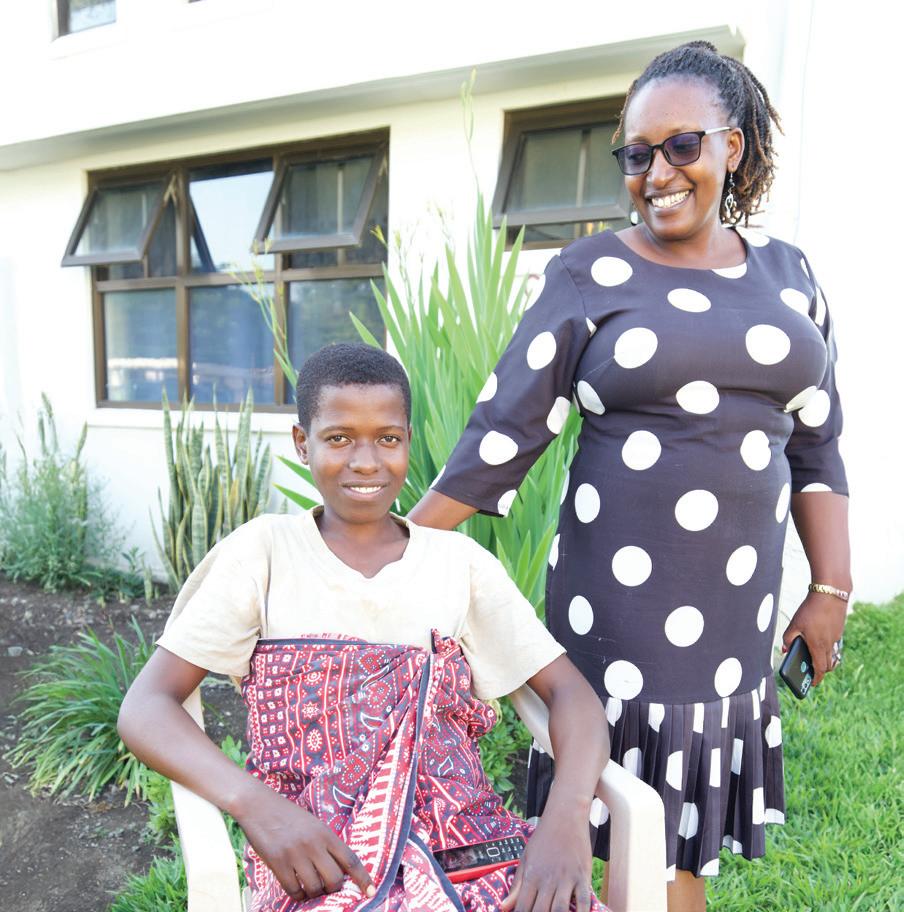
“I’m happy because I serve vulnerable women and can see their healing, which makes me feel proud. Serving even one woman who has suffered for 30 years - being wet - then I see her praying for me and Kivulini, it’s very encouraging. I like reaching the fistula patients and building relationships with them. I know through talking and sharing their testimony, they get relief. I am praying God allows us to continue supporting these women.”
Grace, Social Worker and Fistula Outreach Coordinator explains
Hospitals Under Construction
Kworo Sonic Healthcare Foundation Hospital
Pader, Northern Uganda
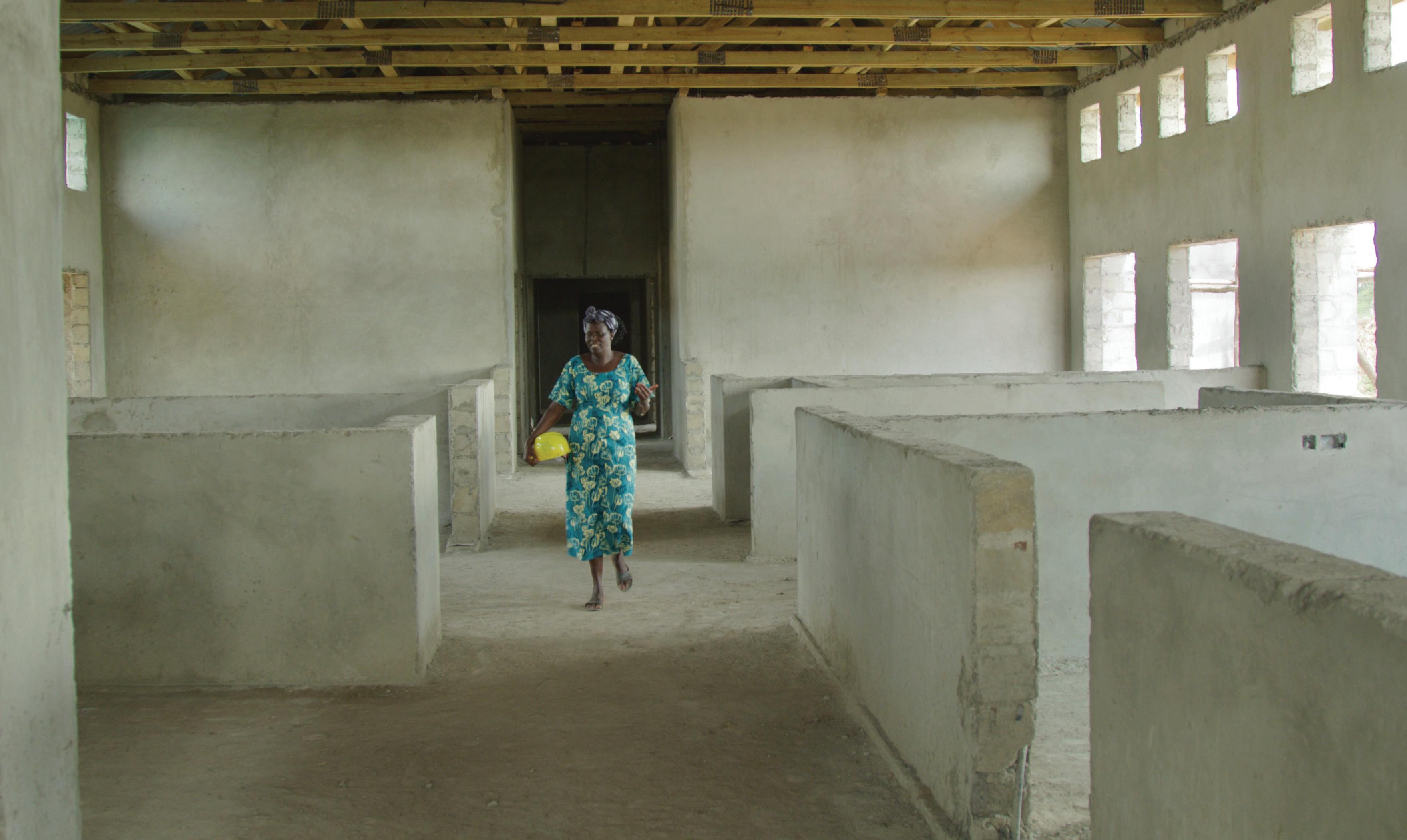
This year has seen exciting progress as the new hospital takes shape.
After years of planning and preparation it has been a joy to see the building rise from the ground, bringing hope to a community in great need of quality maternal healthcare.
Although there has been a delay in the development of the site, construction is moving ahead steadily with completion now expected towards the end of 2025.
Recruitment is now underway for key staff roles and we anticipate an initial team of 49 staff members will be in place to welcome the first patients when the hospital opens. A container filled with generously donated medical equipment has safely arrived and is being stored ready for installation once the building is complete.
It was wonderful to welcome Lindsay Thitchener and Richard Jones from Sonic Healthcare Foundation in April 2025 to see the hospital vision becoming a reality.
At capacity this hospital should provide:
• 2,000 free, safe deliveries annually
• 20+ fistula repairs annually
• Antenatal and postnatal clinics and family planning services
• Community outreach and education
• When the staff are experienced, it will provide another avenue for clinical skills training
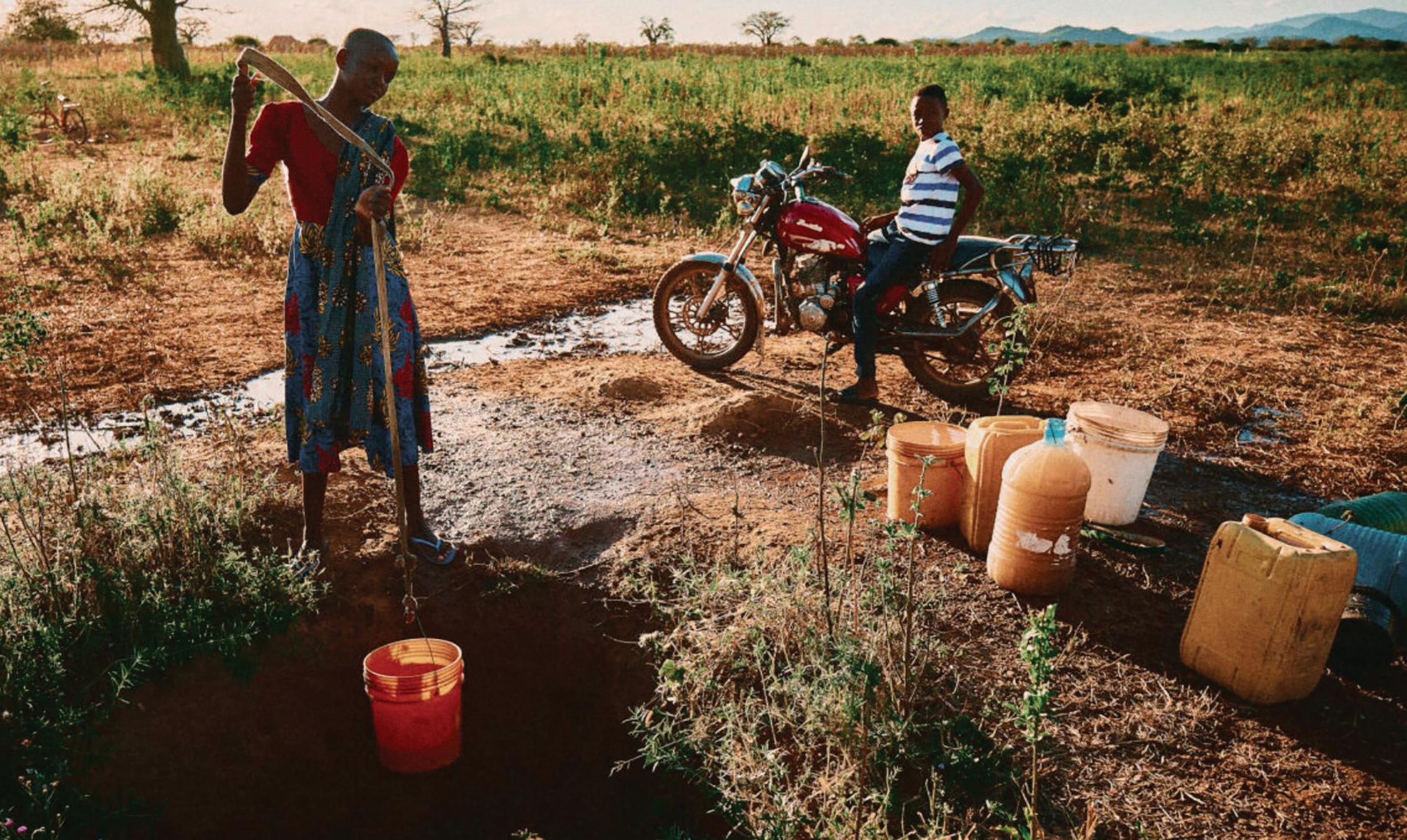
We are excited to share that construction of a new hospital in the Chamwino district, in partnership with Maternity Africa, is due to commence soon.
The 15 acre parcel of land has been fenced and a bore hole with a good water supply has been drilled.
Currently, fistula services in Tanzania are concentrated around the periphery of the country and there is currently no reliable service in the centre of the country. The site was selected because most of the fistula patients treated at Kivulini come from the Chamwino district, which was also confirmed by a Tanzanian demographic survey indicating poor maternal health outcomes in the region.
We are extremely grateful that the capital costs for construction have been fully funded by a generous Australian couple. We are now seeking funds towards the running costs, which we anticipate commencing in early 2027.
At capacity this hospital should provide:
• 2,000 – 2,500 free, safe deliveries annually
• 100 fistula repairs annually
• Family planning services
• Community outreach and education
• When the staff are experienced, it will provide another avenue for clinical skills training
Phaedra Hospital
Chamwino, Tanzania
Obstetric Fistula Surgery Camps
What is a fistula camp?
A fistula camp is the result of months of preparation for an intensive week of surgeries usually held at a hospital who has invited us to come.
• Local staff lead awareness campaigns educating communities via radio, churches, social workers and outreach teams, to identify and transport patients.
• The surgical team, typically one fistula surgeon, one to two trainee surgeons, four nurses and theatre staff, screen patients on arrival and prepare them for theatre. Fistula operations begin at 7:30am on as many as 10 women a day, with 45 or more operations completed in a week.
• Patients stay two to three weeks to recover, receiving all care and support for free. For many women, it is the first time meeting others who’ve suffered the same injuries.
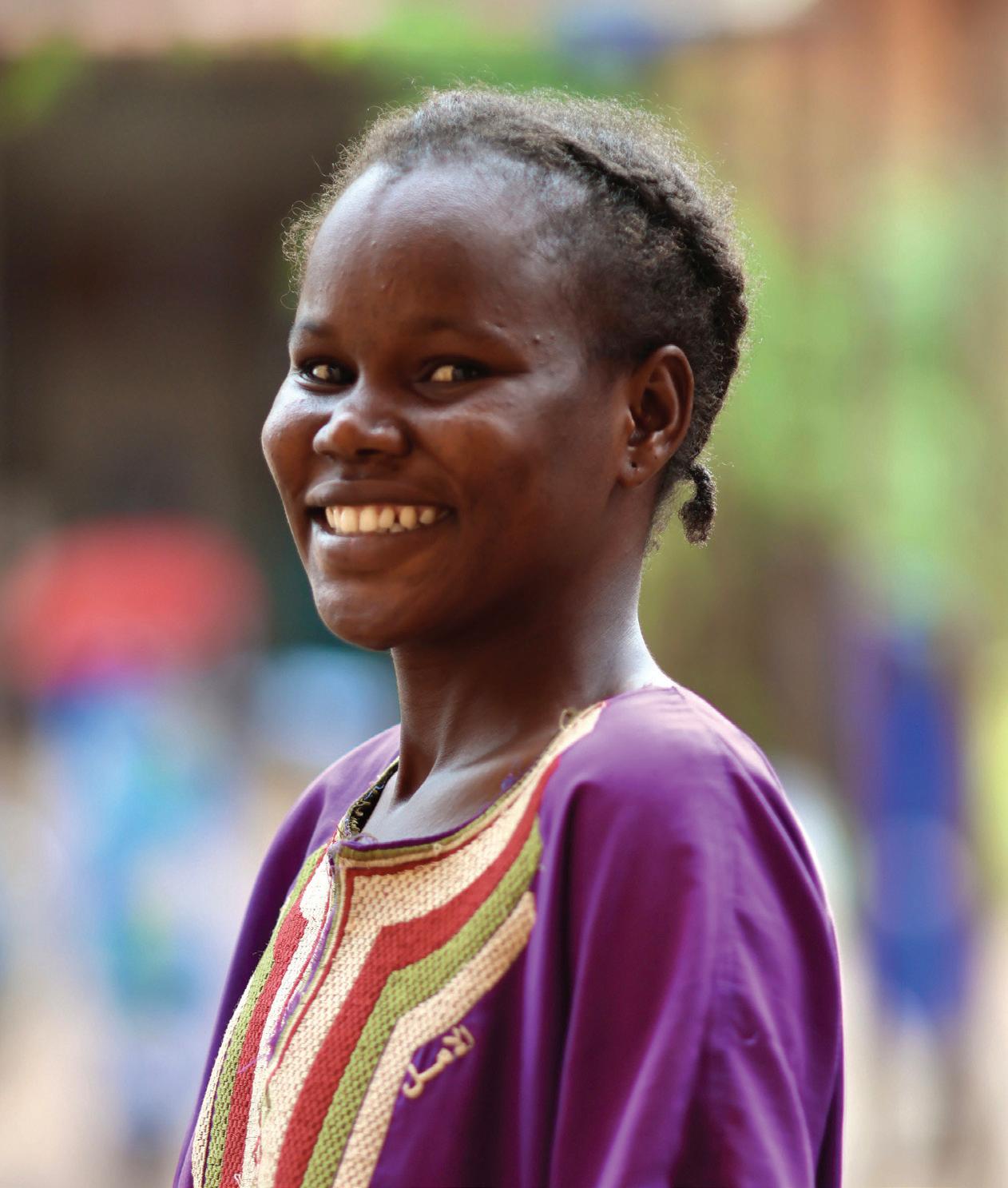
With your compassionate support Dr Andrew was able to attend two fistula surgery camps at Reconciliation Hospital this year, bringing hope and healing to 90 women who have often endured many years of suffering. We are deeply grateful to Mission Aviation Fellowship who helped transport many of these women safely to hospital amidst tensions in the region.
These camps also provided valuable training opportunities for local medical staff. This year Dr Andrew trained one fistula surgeon. It has been a privilege for Andrew to share his expertise in fistula surgery over many years at these camps. Most trainees return for several training sessions and it’s a joy to see their skills develop.
Reconciliation Hospital
Juba, South Sudan
Other Hospitals
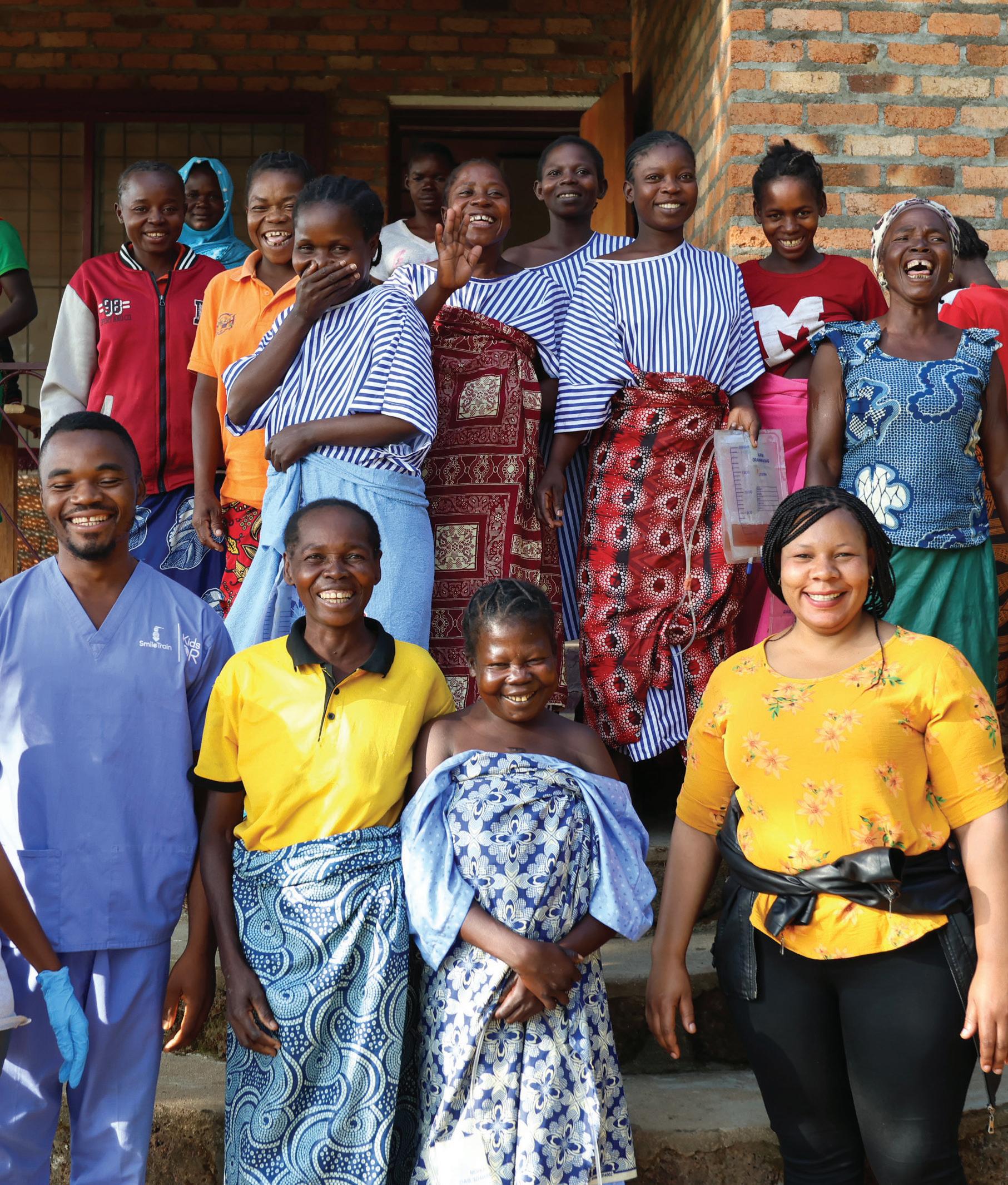
We are thrilled to share that Dr Browning, together with a small team of doctors and nurses from Cameroon, were able to run two fistula surgery camps healing 46 women and provide training for two fistula surgeons at the Emmanuel Health Centre.
Central African Republic (CAR) has been closed to international help for the past decade. The need for maternal healthcare is great. The facilities are solid but basic. Barbara May Foundation is exploring options to expand the care and help that can be given to women through this hospital.
Your support helped bring obstetric fistula camps to eight countries this year, extending this life changing care and hope for women in need.
There were several other fistula surgery camps during the year to Kenya, Burundi and Nepal where a total of twelve surgeons were given further training and 100 fistula patients were treated.
We were also pleased to assist Prof Hannah Krause AO (an Australian doctor), who attended fistula camps in Uganda and South Sudan where 126 fistula patients were treated.
Emmanuel Health Centre
Galo, Central African Republic
Kenya, Burundi and Nepal
A message from Valerie Browning AM
Afar Pastorilist Development Association (APDA)
Our thanks to all those facilitating Afar safe motherhood!
Imagine the phone rings with an unexpected call, and you think, ‘oh, no not again’. As the anxious health worker on the other end describes a mother’s distress in trying to give birth, one has to calculate where the two hospital ambulances are.
The community carries the mother on a homemade stretcher to the roadside to meet the ambulance, which then rushes over a hardly passable road, to transport her to the Barbara May Maternity Hospital. There the team is ready either to undertake an assisted delivery or operation.
This is our reality. In all this, your hands are very evident: the rural health worker has diligently assessed the mother and called for help; the ambulance rushed to the scene and the staff in the hospital are prepared to undertake the end life saving work for both mother and baby.
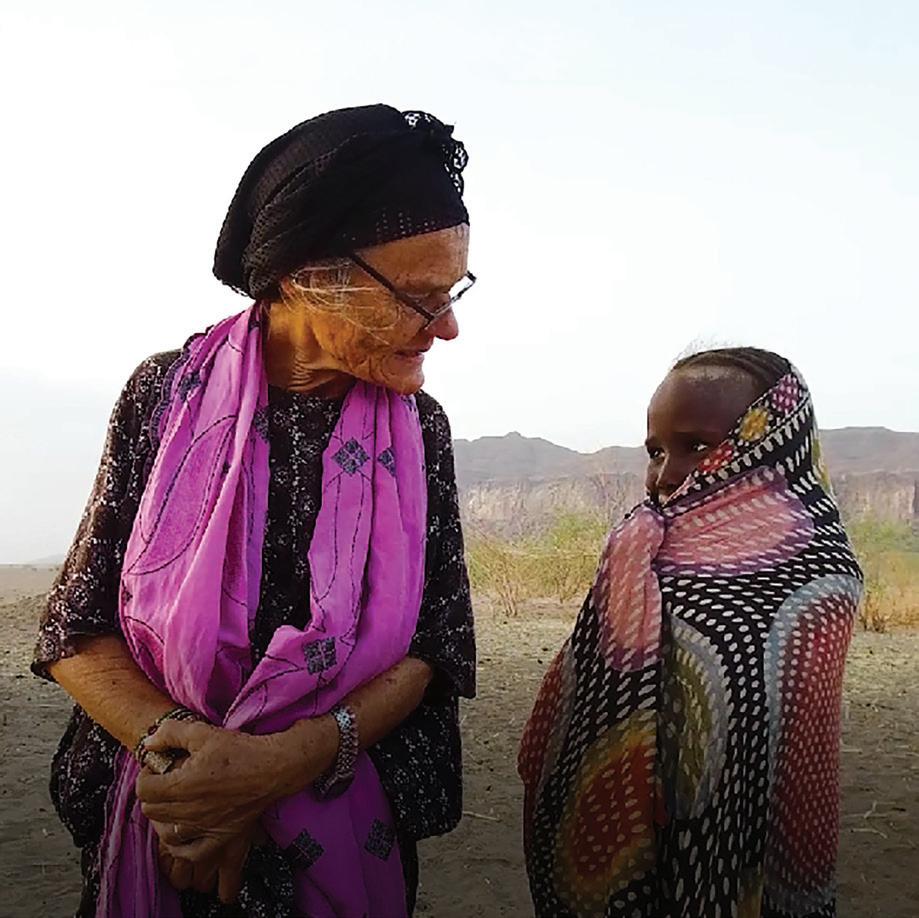
Our rural team, walking house to house, register and check all mothers antenatally and because of the constant instrumental support you have given through the Barbara May Foundation, preventable maternal and newborn deaths are being reduced.
Up to one in four mothers need the extra safety of the hospital to deliver their baby. Severe food insecurity over the past couple of years has placed even more mothers and babies at great risk with malnutrition, leaving many women too anaemic and weak for safe delivery.
Again, your beautiful hands are there providing the funding for high protein supplementary food with iron.
This year alone you supported just on 6,000 malnourished mothers with this nutrition support.
Without health workers identifying her in the last two months of pregnancy as being in danger of dying on the last push, when she risks bleeding out, and bringing her the supplementary food that we buy on your behalf, we would have another dead mother.
In every possible way we thank you.
Without Barbara May Foundation partnering with APDA in the Afar, mothers are simply left to give birth with only the support of family members or traditional attendants whose only tool may be a homemade knife.
With you, now we are on the road to providing safety in childbirth. There is much more to be done, but together – improvements can only come by two hands clapping!
Healing Goes Beyond Operations
Life skills and entrepreneurship classes
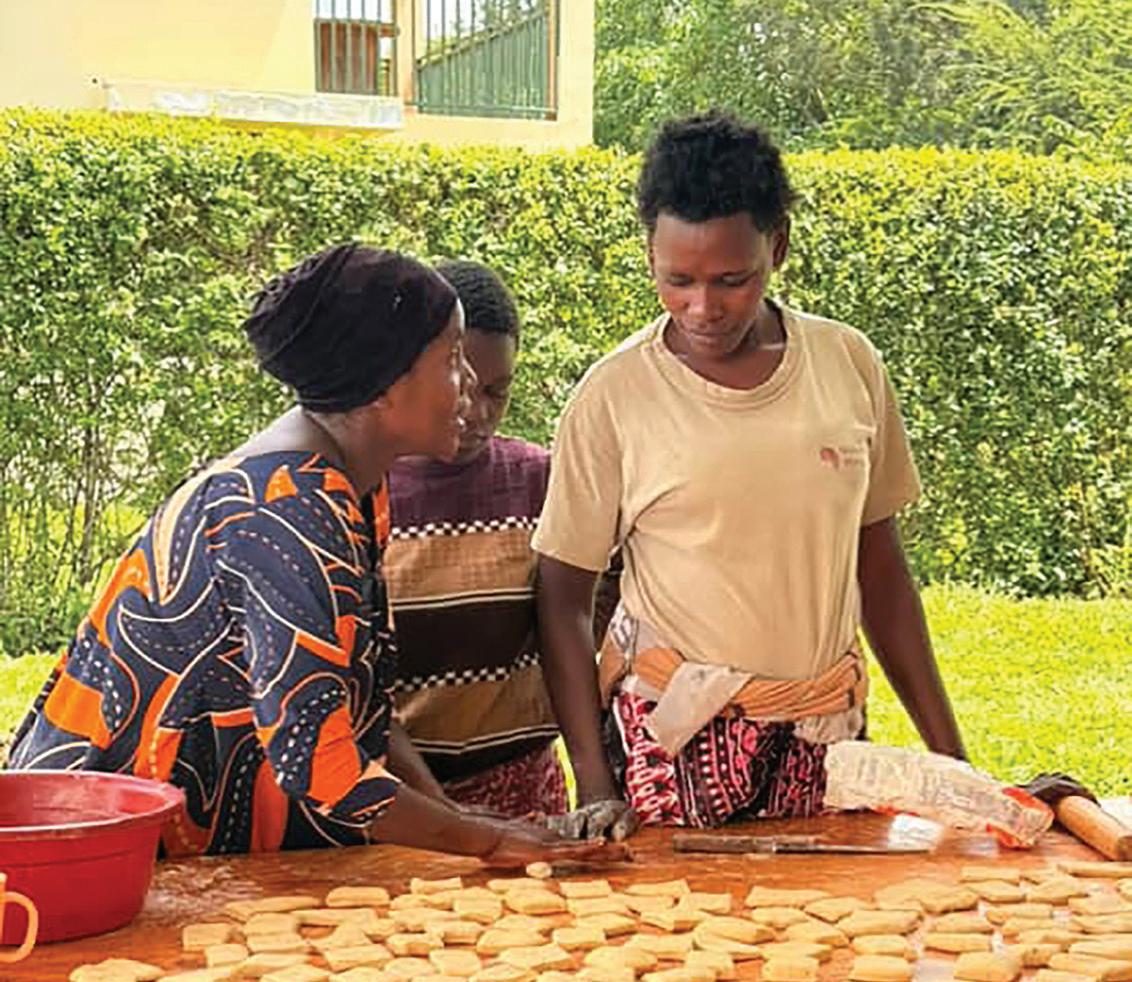
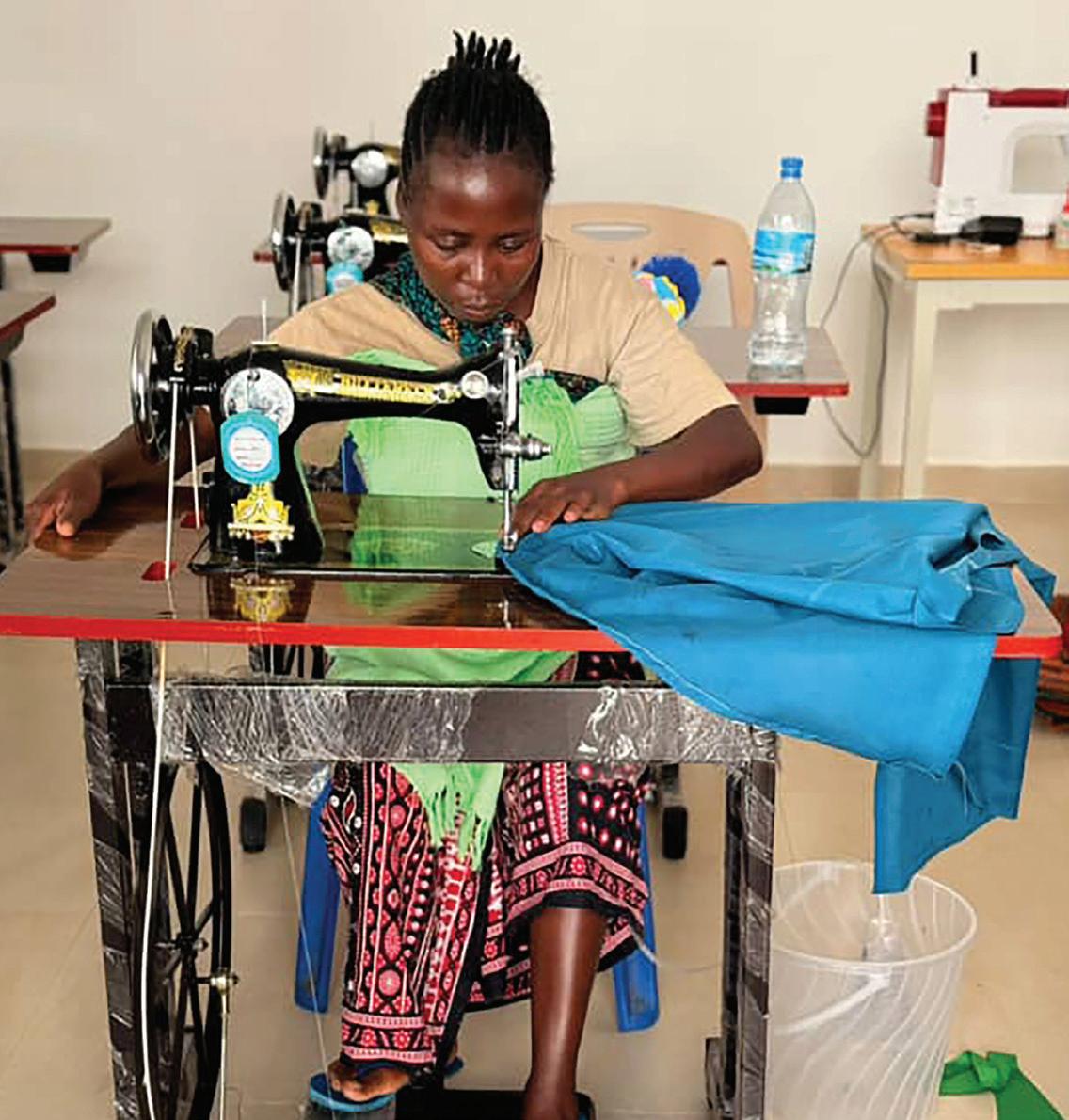
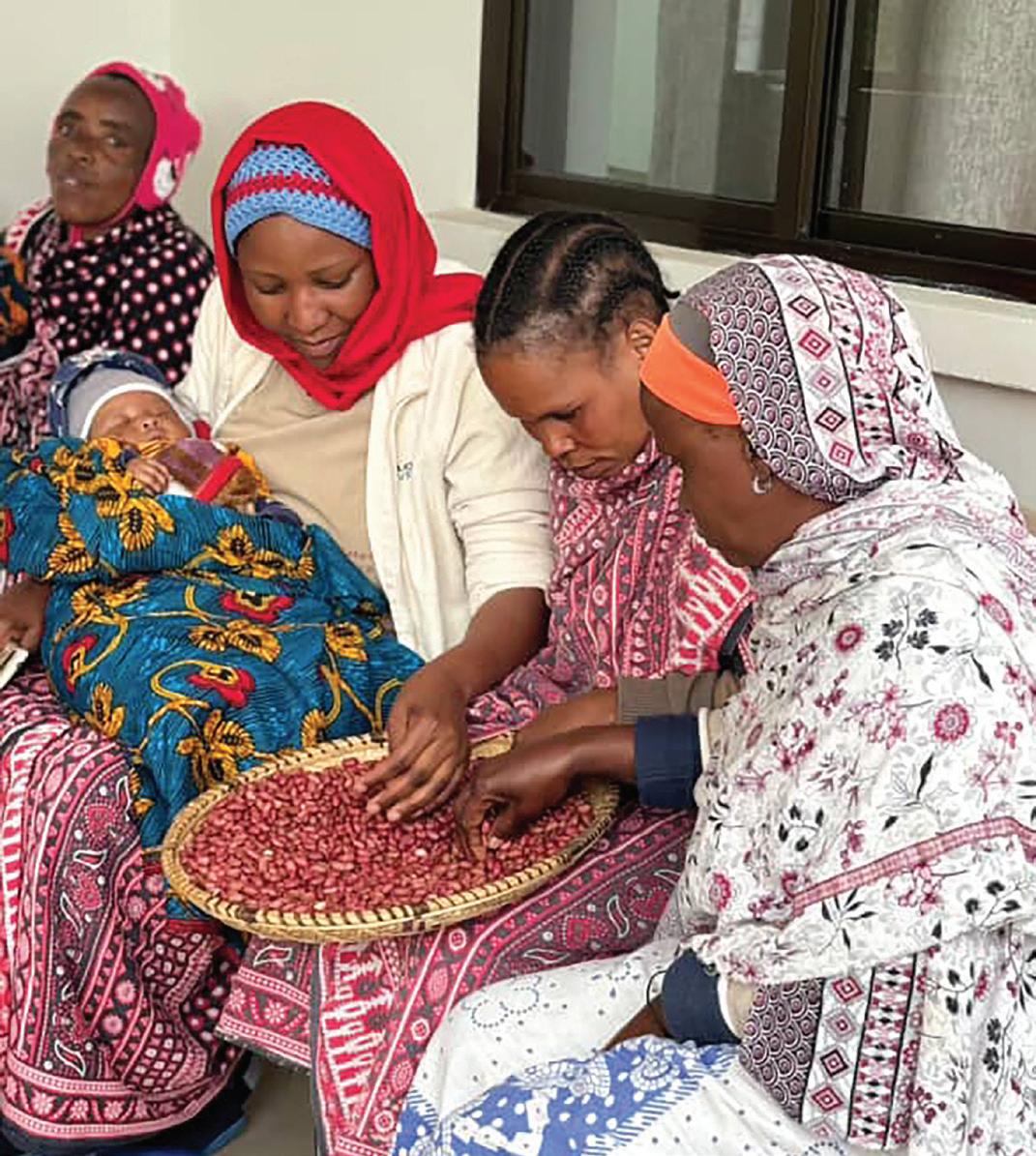
Most of the fistula patients at Kivulini no longer work or take part in community life, due to their condition. Many have lived in isolation, outcast from communities and suffering with depression and pain for so long, they may have never learned income-earning skills to begin with. By the time they come for treatment, these women often have very little confidence in themselves nor hope for their futures.
In response to this need, the women attending fistula camps in Tanzania can take part in life skills and entrepreneurship classes while undergoing treatment.
The social workers at Kivulini first help restore these women’s confidence and self-worth. They know healing goes beyond the physical.
Next, patients are able to participate in a series of classes, to see what they might be interested in pursuing after treatment: from sewing, to cooking, to agriculture. Alongside these classes women are taught financial, business and entrepreneurship skills.
Finally, the hospital staff make sure each woman has a plan for reintegrating back into community life. Our social workers plan to follow up with the patients in a few months. Sometimes, that’s a phone call, other times it’s a personal visit, to check each woman is happy, healthy and healed.
Volunteer Insights
Young Volunteers Bring Valuable Software Support to Tanzania
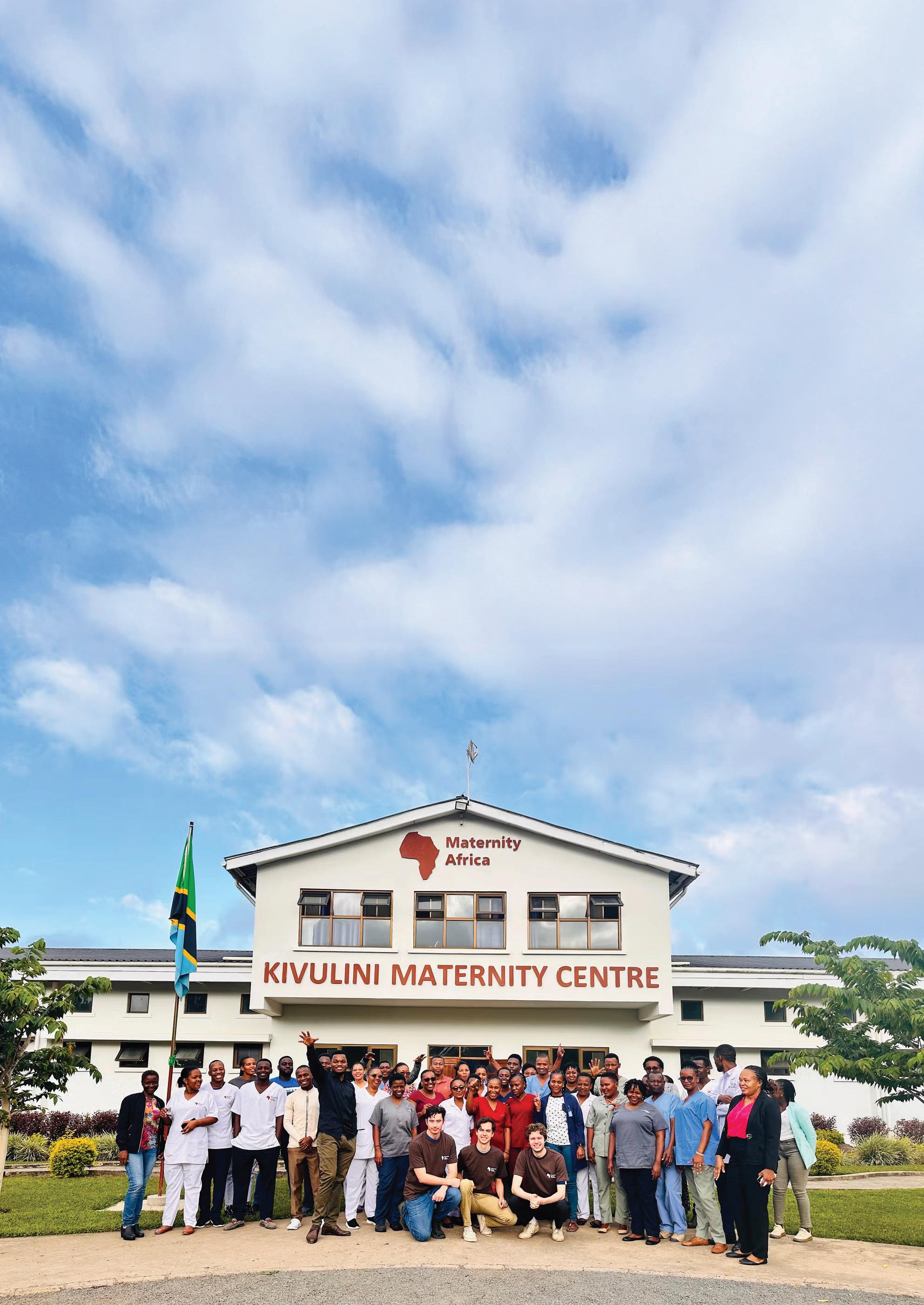
Earlier this year, as three friends Nathan, Patrick and Darcy were graduating university, they kicked-off their careers with a volunteer trip to Africa. Instead of the holiday their university colleagues were enjoying, they chose to spend two months volunteering at the Kivulini Maternity Centre in Tanzania.
“We thought, ‘what’s the most impactful trip we could take, in terms of shaping the rest of our lives?’” said Darcy.
“We wanted to make a difference in a place where the need was very high, and where even small improvements could have a big impact,” Nathan agreed.
Their mission was to use their IT, software engineering and management skills to help improve the hospital’s patient records system. This was an important and muchneeded step in making day-to-day hospital operations more efficient and freeing up staff time for patient care.
Over two months, working closely with local staff, the volunteers digitised hospital records, replaced outdated systems with open-source software, and set up SMS patient
reminders. This was an incredible feat, given the challenges of slow internet speeds the likes of which the boys had never experienced before!
For Nathan, one of the most memorable parts of his time in Tanzania was the emphasis on music. “At the start of the morning shift and night shift, there were these beautiful songs that everyone would sing together, dancing joyfully and praising God,” Nathan said.
“This was constantly underscored by the cries of healthy newborn babies. In the time I was there, around 600 babies were born.”
“It was humbling to work somewhere that brings so much new life into the world.”
Nathan, Darcy and Pat returned to Australia with a deeper understanding of what truly matters in life. Their time in Africa not only strengthened the hospital’s operations, but also reinforced these three young professionals’ commitment to service and making a difference in the world, wherever their careers take them.
Her Dignity Fund Launch!
This year, you helped launch the Her Dignity Fund, giving women in remote and impoverished areas of Africa the chance to give birth safely and access life-restoring surgery for obstetric fistulas.
We set an ambitious goal to help 260 women. Thanks to the extraordinary generosity and compassion of our supporters, we more than doubled our target – raising enough to help 524 women!
One of those women is Paulina, a mother from Tanzania, who tragically lost her baby during childbirth and was left with a fistula injury.
Constantly leaking urine, she was unable to work, go to church, or participate in her community. Overcome with grief and shame, she sank into depression. But Paulina’s story didn’t end there. At Kivulini Maternity Centre, she received treatment – and with it, relief, dignity, and hope for the future. In fact, a few months later, Paulina returned to Kivulini with great news - she was pregnant again!
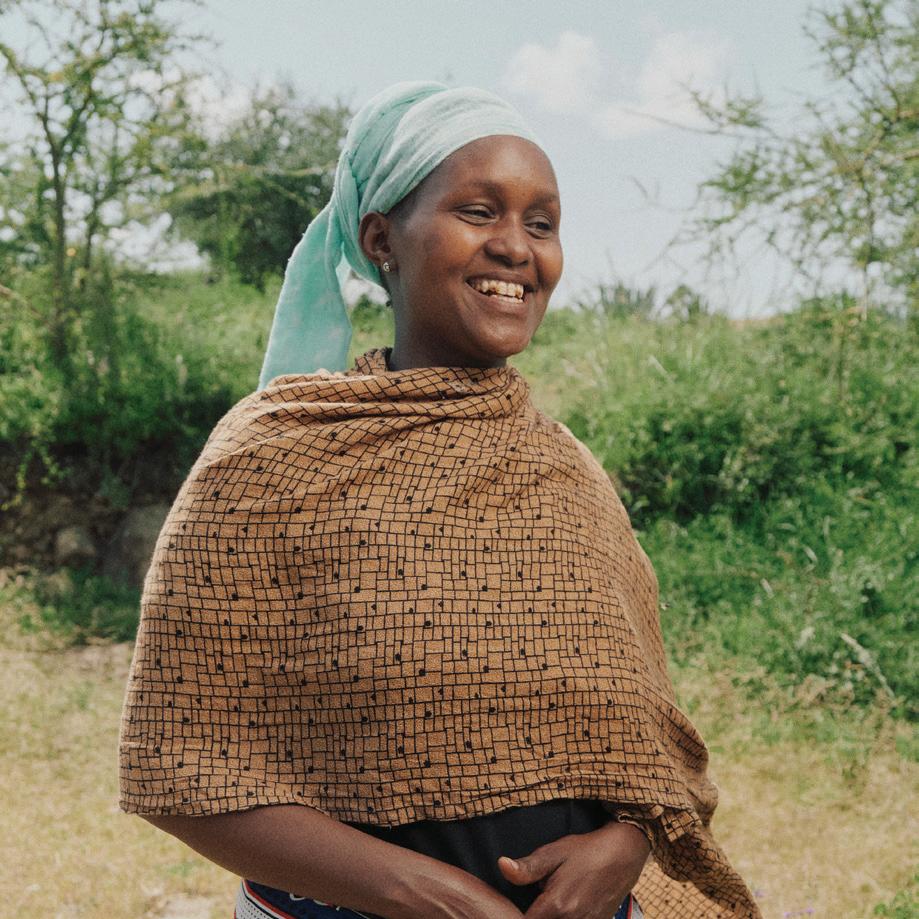
Thanks to your support through the Her Dignity Fund, Paulina received quality and compassionate care throughout her pregnancy and labour, giving birth to a beautiful, healthy baby girl. This is the difference you’ve made possible.
“ The generosity, compassion and the faithfulness of our donors is absolutely wonderful and humbling. Thank you for giving.”
Karen Baker, General Manager Barbara May Foundation
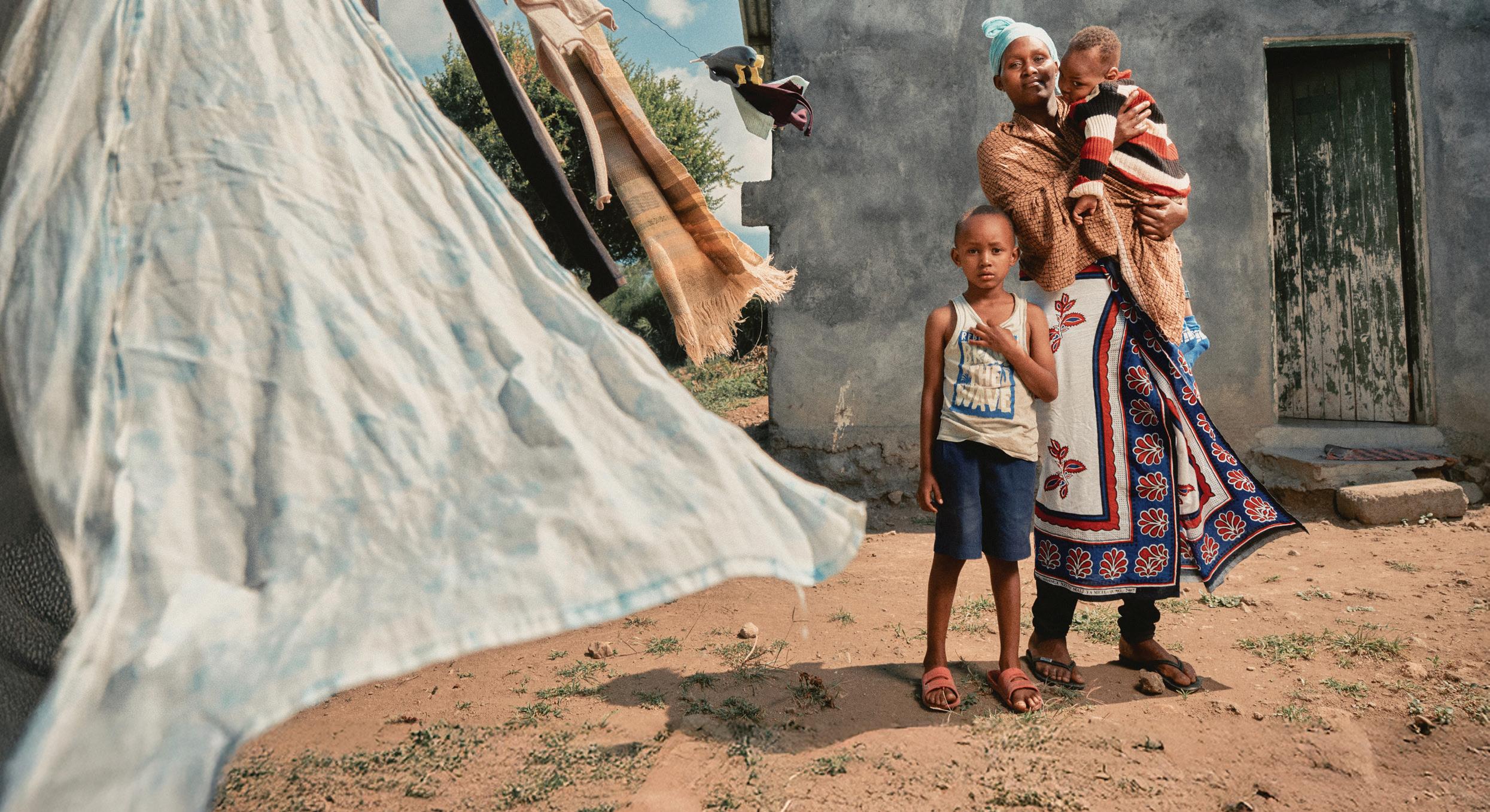
“I was so full of joy. It was a miracle.”
Paulina, fistula patient treated in Kivulini Maternity Centre
Governance and Finance Board of Directors
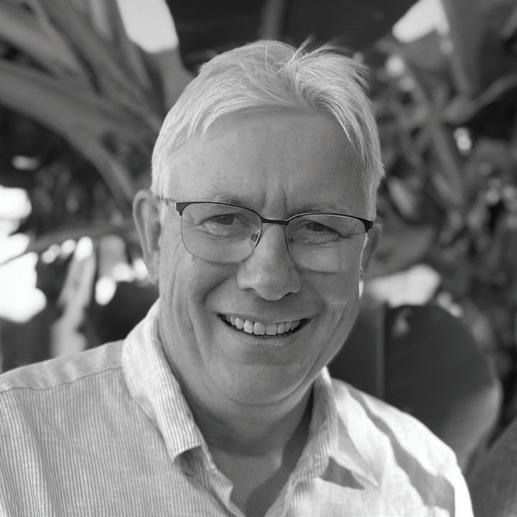
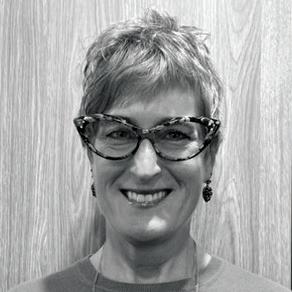
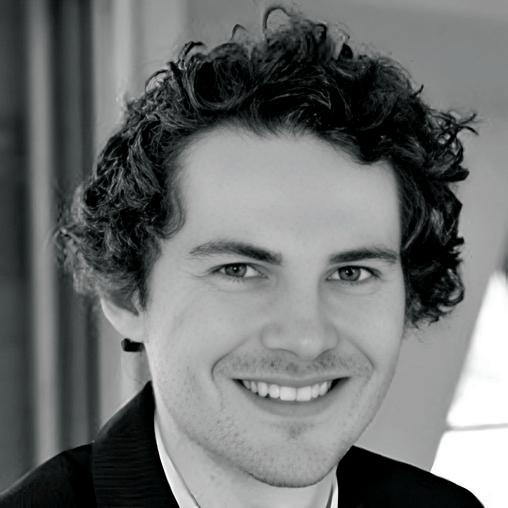
Barbara May Foundation is governed by a group of highly experienced and dedicated Directors. This year the board streamlined its committees by establishing the Clinical Governance; Finance, Audit & Risk Management; Remuneration & Nominations; and Strategy Committees.
Professor
Jonathan Morris AM, Chair
Jonathan is an obstetrician with over 20 years’ experience in managing high-risk pregnancies. He has expertise in research, clinical practice, and health quality improvement and has led significant clinical trials that have shaped practices both in Australia and internationally.
Dr Samantha Hargreaves, Deputy Chair
Samantha is an experienced obstetrician and gynaecologist currently in private practice with a specialist appointment at the Royal Women’s Hospital, Melbourne, in the advanced laparoscopic unit. She has also volunteered at our supported hospitals in Ethiopia and Tanzania.
Matthew Pendleton
Matthew is a Chartered Accountant and Director at PwC in Sydney, specialising in financial reporting, technical accounting and financial analysis to audit and assurance clients across a diverse range of industries including not-for-profit organisations.
A special thanks to Edward Kerr OAM who served as Chair of the Board from February 2024 until October 2024
Jonathan also serves as Director of Anglicare and Stillbirth Foundation Australia. He is the Vice Chair of the Australian Preterm Birth Alliance and Medical Lead for a NSW Maternity Safety Program within the Clinical Excellence Commission and he has held a number of senior positions including Head of the University of Sydney’s Northern Clinical School, based at the Royal North Shore Hospital.
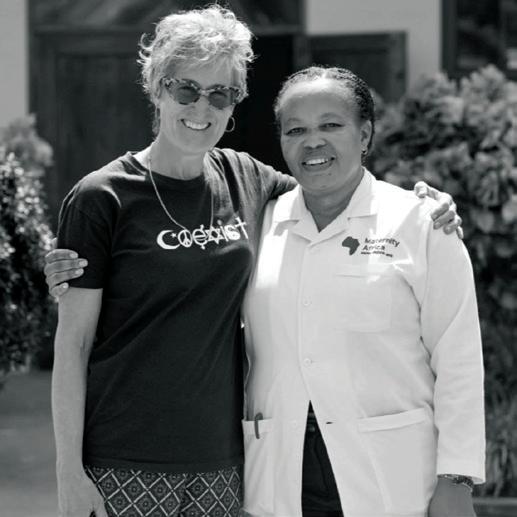
“I was looking forward to visiting Kivulini after many years – my last visit was in 2017 when it was a shell of a building. Now I found myself being welcomed into a nurturing and therapeutic environment by enthusiastic staff who are understandably proud of the care the hospital provides.
I was also honoured to have lunch at the home of Maternity Africa’s Chair, Professor Wilfred Mlay, and find that both boards are well aligned in terms of strategy and risk assessment.
Such a visit confirms my enormous pride in what our colleagues in Tanzania and Ethiopia have been able to achieve with the financial and spiritual support provided by the Barbara May Foundation family. The future looks exciting!”
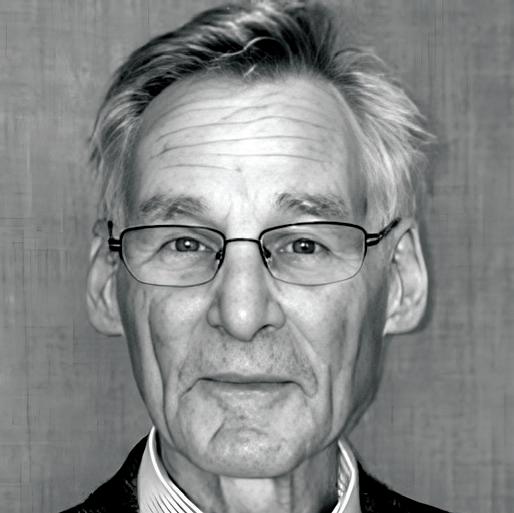
Dr David Browning OAM, Founding Director
David is a retired obstetrician and gynaecologist. In recognition of his contributions to medicine, and the Bowral community where he practised for 31 years, David was awarded a Medal of the Order of Australia in 2004. He is currently a pastoral worker in the Bowral Public and Private Hospitals, a member of the Kairos team in Goulburn jail and a long-term volunteer in the Barbara May Foundation administration team.
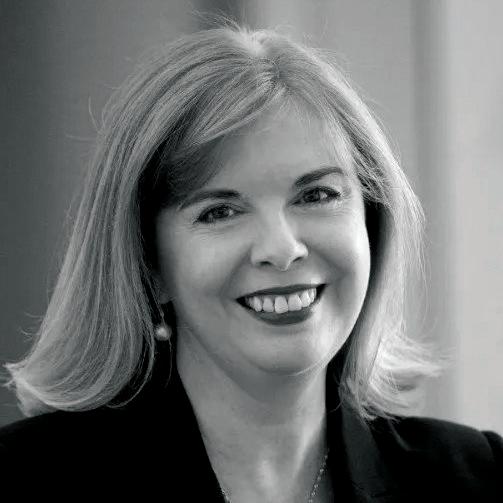
Julie Toma
Julie is an executive healthcare leader with directorship and management experience in strategy, customer experience, communications, fundraising, branding and stakeholder engagement. Her past roles and experience encompass both global corporations and not-for-profit sectors. She also serves as a Director for the RACGP Australian General Practice Research Foundation, Western Health Alliance Limited (WNSW PHN), Northern Sydney Local Health District Health Care Quality Board Committee and Combined Dispensaries Friendly Society. Julie’s past appointments include ADAD Dental Health Foundation, LiveBetter, the Asthma Australia ACT, and Jannawi Connections.
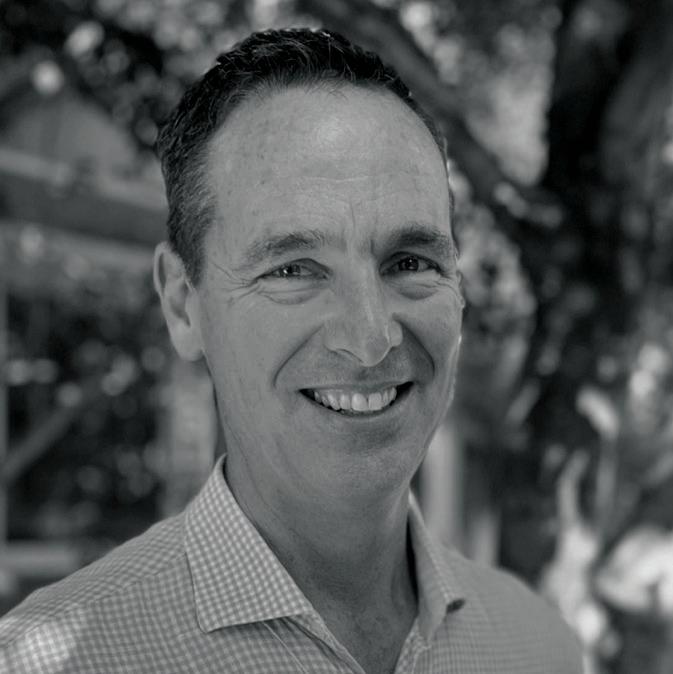
Richard
Browning
Richard is an Anglican Priest and author, and currently serves as Chaplain of Emmanuel Anglican College in Ballina, NSW. Richard is committed to gospel-centred education that fosters intelligent, compassionate students dedicated to lifelong service for the common good.
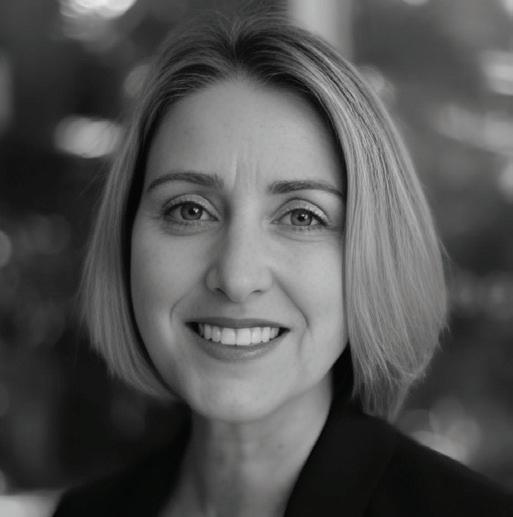
Philippa Tyndale
Philippa is a journalist, author and advocate with extensive experience in the not-for-profit sector through Board and management positions, including Opportunity International and Library for All. She is focused on improving educational and maternal health outcomes for women and girls, and has spent the past fifteen years involved in governance and fundraising for girls’ schools and maternal health programs in northern Uganda through the Te-Kworo Foundation. She also serves as Chair of the Te-Kworo Foundation Australia.
A snapshot of our finances at 30 June 2025
Thanks to your generous support, this has been an exceptional year. You have responded compassionately to our calls for support. Your giving has increased our impact and enabled us to build resources for tomorrow. Your partnership continues to power us forward as we strive to reach more vulnerable women in Africa.
What’s driving the increase in net assets this year?
1. Receipt of pledged funds for two new hospital construction projects, ahead of construction spend. These funds are held for their intended purpose and will be drawn down progressively through 2026 and 2027 as building advances. As these hospitals become operational,
the Foundation’s ongoing costs will rise, so we are deliberately building reserves now to support that step-up sustainably.
2. Advance funding received for our committed projects that will be delivered and expended in the next financial year.
3. Favourable movements in foreign currency exchange rates which led to lower costs in Australian dollars compared to the initially planned spending in local currencies and US dollars.
Together you donated $7,783,342
Your collective generosity is what drives our work forward. We are deeply encouraged by the wide community of supporters who stand with us. The charts below highlight the breadth of your support and the many hearts that have passionately contributed to improve maternal health outcomes for women and babies in Africa.
Other (United Kingdom, Germany, Canada, New Zealand) | 2%
Where your donations were spent Break down of your impact
We acknowledge the many volunteer hours that have underscored the Foundation’s growth and impact to this point. We have transitioned from a volunteer workforce to a paid, part-time professional team to position the Foundation’s capacity for growth and impact into the future. Australia |
7% of our revenue was spent on fundraising and administration
“I
support the Barbara May Foundation because we align in our values of being a “Force for Good”. Humanitix loves supporting NFPs making a real difference and Barbara May Foundation is doing just this.”
Joshua Ross Co-CEO & Co-Founder of Humanitix

Thank you
Your compassion and support is making a real difference, bringing hope and life, and restoring dignity to some of the most vulnerable women in Africa.