BETTER WORLD

FROM OUR CEO

FROM OUR CEO
There are about eight billion people in the world; over two billion of them live without safely managed clean water. That’s about one in four people.
In the 1990s, an interesting solution to this inequality was created. It was essentially a playground roundabout that would spin as children played. This generated energy that pumped clean ground water into a tank for community use.
Soon funders, celebrities and politicians were all eager to support this product—a dynamic and tangible solution to water poverty. The American government pledged $16.4 million to see it rolled out across southern Africa at a cost of $14,000 for each pump.
Sadly, there were many problems. It was reported that children were put on ‘play schedules’ to meet the demands of their community. The pumps only worked where groundwater was close to the surface. And, after the initial novelty wore off, it was the women of the village who
had to spin the roundabouts to access water. They lamented the removal of the much less expensive handpumps that were easier to work and produced five times more water per hour than the playground pumps. If only those women had been asked in the first place!
What do we learn from this? The best, smartest, most economical and sustainable solutions for environmental challenges come from the ground up. That is, if we listen to communities rather than pushing forward with ideas that appeal to us, we’re much more likely to help rather than hinder millions of people impacted by a changing environment. You can read about how Baptist World Aid’s Partners take this approach on page 6.
God calls us to care for his creation (Genesis 2:15). On page 14, Josh Bogle insightfully unpacks our intrinsic connection to God’s world as created beings. This is especially pertinent when we consider that the most vulnerable people feel the biggest impacts of a changing climate. Around 25 per cent of the world’s population are subsistence farmers, surviving on what they can grow for themselves. This makes them incredibly vulnerable to climate shocks.
Australia is one of the most urbanised counties in the world—90 per cent of us live in cities and built-up areas, so it can be difficult to put ourselves in the shoes of those so reliant on the land. But we still hold responsibility for how we use the resources God entrusts to us. Turn to page 10 for a considered look at the ways the fashion industry is having an increasingly worrying impact, and how the choices we make can help.
Caring for the environment is caring for people. If we want to love our global neighbours, we’ll steward our environment carefully.
Because
of Jesus,

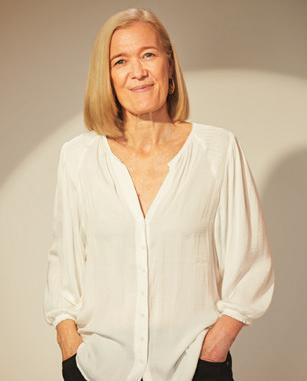
Melissa Lipsett CEO Baptist World Aid
BANGLADESH
PEOPLE received training in one project in Nepal on how to reduce disaster-related risks. 3,588
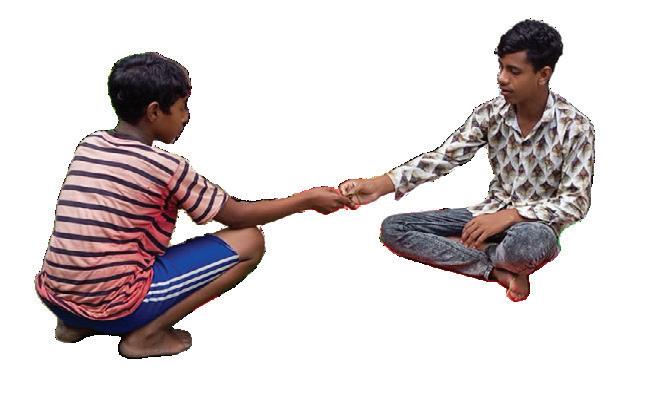
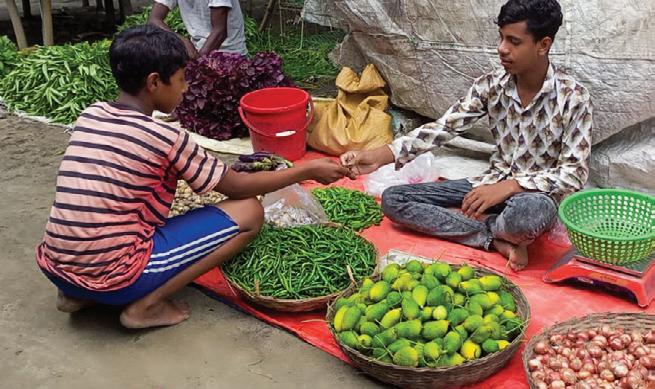
From a young age, 16-year-old Kabir (pictured above) had an entrepreneurial spirit—but almost everything around him stood in his way. Living in Bangladesh, he was malnourished, frequently ill, and financial difficulties caused tension in his family. ‘Our son was deprived of safety and protection,’ Kabir’s mother said. ‘He lacked the nurturing care every child deserves.’
When Kabir and his parents joined our Christian Partner’s program, life began to change. After learning skills such as financial management, hygiene and home gardening, the family worked together to establish a backyard vegetable plot, which greatly improved their nutrition and food security.
But Kabir didn’t stop there. He asked his older brother for 500 BDT ($6 AUD) to set up a small vegetable stall at the local market. Today Kabir’s stall is a thriving business, and he dreams of
opening a larger shop so he can create employment opportunities for other young people.
Relationships in Kabir’s family also improved after his mother joined a local women’s group, supported by our Partner, and learnt about child rights and protection. ‘I treat Kabir with empathy and respect, support his business, and include him in family decisions,’ she said. Armed with the support of his family, Kabir is now set up to flourish!
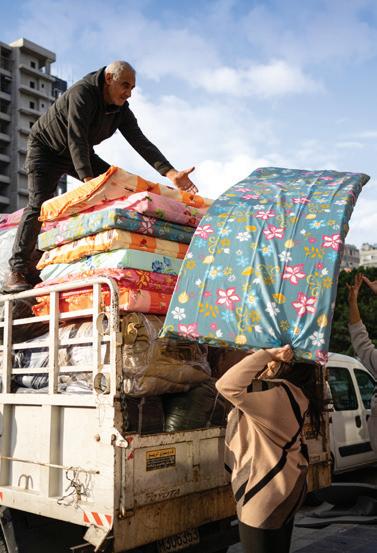
When war erupted throughout the Middle East in early March, around one million civilians in Lebanon were forced to evacuate their homes in search of safety. To help families cope with this crisis, our Partner responded quickly (with help from our supporters) to provide essentials such as food and mattresses. ‘Our hope is anchored in the living God,’ our Partner said. ‘When the future feels uncertain, his mercy does not.’
UGANDA
A primary school in Uganda struggled with high dropout rates until our Partner helped create student clubs, including a Young Farmers Club. With support from a local farmer, the club’s members established a school vegetable garden. Despite harsh weather, they successfully grew and sold produce, reinvesting profits into the garden. Now they’re using their skills to start gardens at home, cutting down their parents’ grocery expenses!
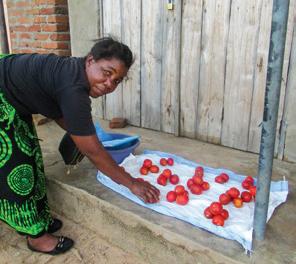
Self Help Groups in Malawi are helping families fight poverty in enterprising ways. Winnie (pictured below) and her family were only eating one meal a day, but with a loan from her group, she started a tomato selling business. Winnie more than doubled her capital, which she reinvested in her business. Now her family eats three meals daily, and she funds her daughter’s education. ‘I never anticipated that one could start a business with small capital!’ she said.
One Baptist Partner in Myanmar is supporting 3,000 SCHOOL CHILDREN with their learning and nutritional needs.
On 10 Feb, a MODERN SLAVERY BILL was introduced in New Zealand’s parliament after sustained advocacy.
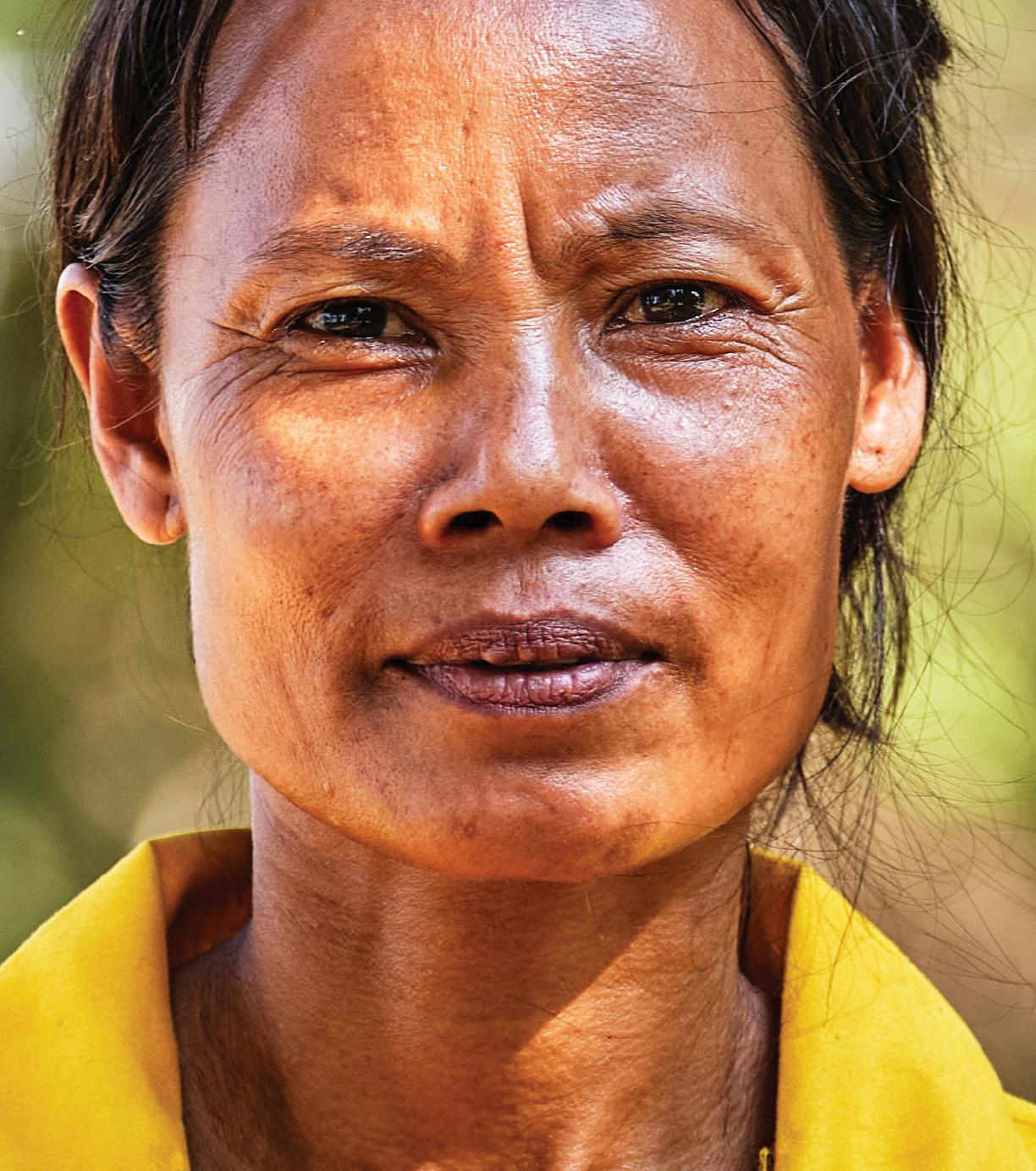
‘I envision a clean, healthy environment with proper waste management, good hygiene, and access to clean food and water.’
—MS LORN, SECRETARY OF HER VILLAGE DEVELOPMENT COMMITTEE, CAMBODIA
Ongoing conflict means children in Myanmar are at high risk of exploitation, such as trafficking and early marriage. To address this concern, our Partners provide displaced communities with safe spaces where children can play, process traumatic experiences, learn their rights, and gain life skills with the support of teachers and trained staff. Some of these spaces are designed to be mobile, so they can move with communities if they are further displaced.
Seasonal flooding in Bangladesh is especially hazardous for families fighting poverty. Sheuli’s mud home was regularly submerged during the rainy season, but after joining our Partner’s project, she learned how to protect her household. ‘I strengthened my house to reduce storm damage and promoted raised toilets and wells [in my village] to reduce flood risks,’ she said. Sheuli is now leading others—she’s already helped 20 families adopt disaster-resilient practices!
Four years since the war in Ukraine began, an estimated 3.8 million people are still displaced in the country. Our Baptist Partner is on the ground providing hot meals to those in need. ‘We were not left alone,’ said Tetiana, who has been receiving meals since fleeing to a new city with her children. ‘Your help has become not just a support for us—it has become a real salvation.’
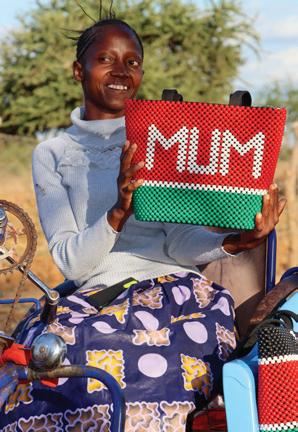
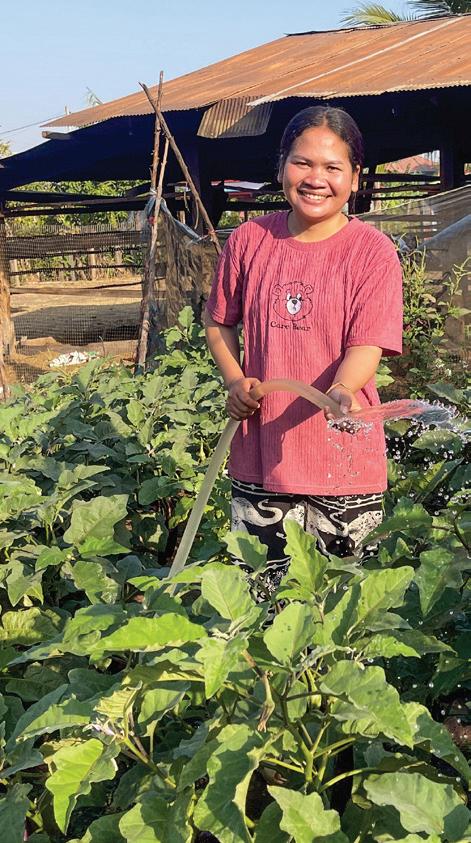
In Kenya, women like Purity (pictured above) travel long distances to collect water. Our Partner worked with Purity’s community to install a borehole with a solar pump that sends 21,000L of water every hour to 3,500 households. Now that she doesn’t have to travel far to collect water, Purity has time to make and sell beaded crafts to earn an income.
◀ You’ll change more than 35 lives when you support a child. Become a Child Sponsor today! bwaa.co/become-sponsor


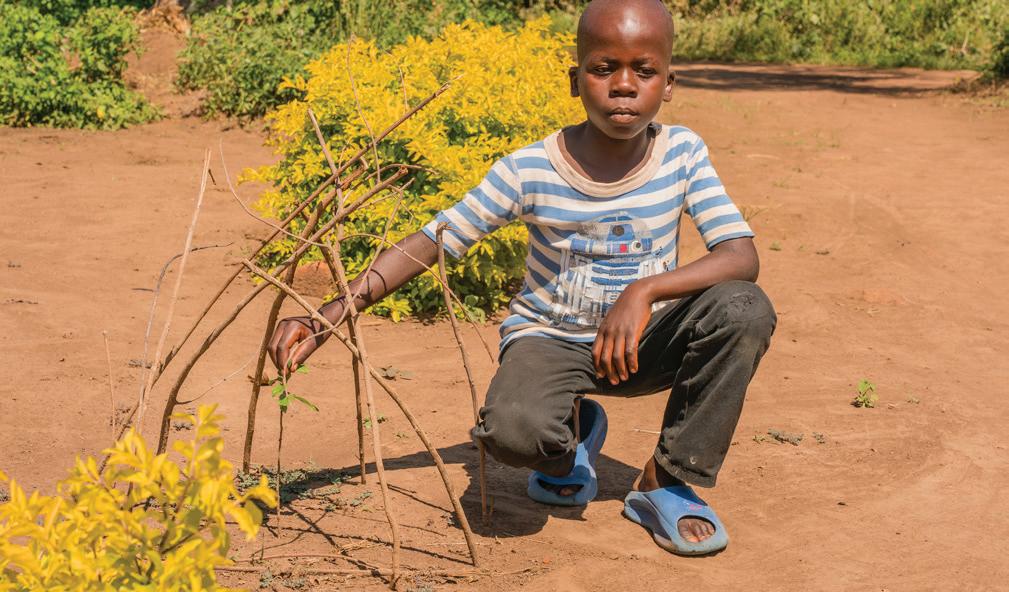
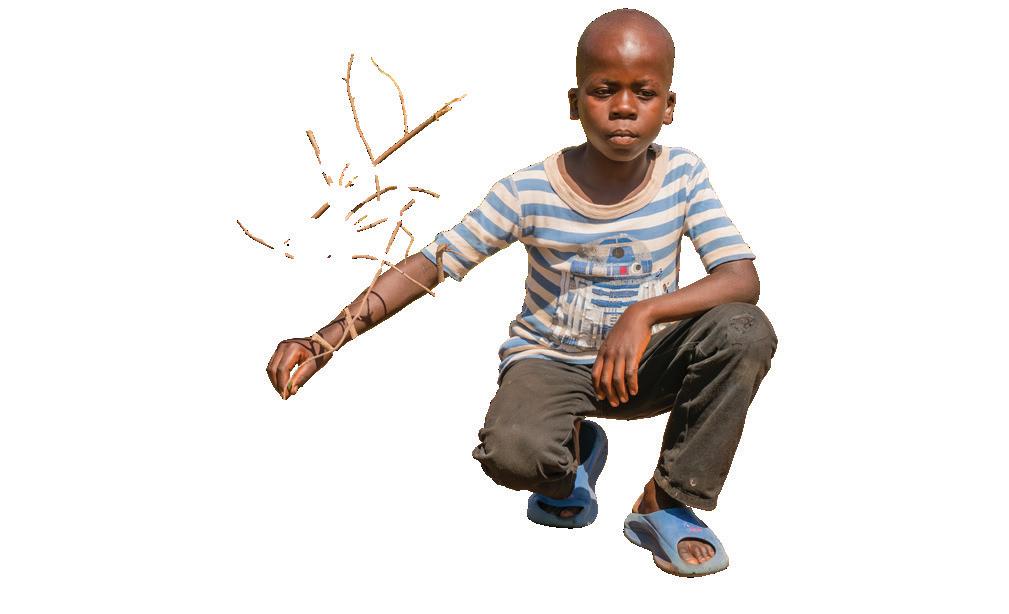
By Heather Keith
‘I will be happy when the trees that I have planted grow and provide us good shade.’
—AXEL
Do you feel like our summers are getting stickier? You’re not imagining it. According to scientists at the University of NSW, dew point levels are rising alongside the temperature of the oceans, making our summers hotter and more humid.
It’s not just us—a change in the climate is impacting every country around the world. And while Australia has had some scary bushfires and floods, these are thankfully rare. For people in lower socio-economic countries, the effects of a changing climate have a daily negative impact on family life. Axel (pictured above) is 10 years old and lives in Uganda with his mum, dad and four siblings. It’s a country that has faced significant environmental challenges
over recent decades, making life even more difficult for already vulnerable communities.
Uganda has a tropical climate that has been dramatically impacted by increased temperatures. According to the World Bank, Uganda’s climate risk shows a steady increase in temperature over the past 20 years, leading to some regions experiencing more frequent, longer-lasting drought conditions. When it does rain, floods and landslides threaten life and livelihoods as homes, soil and crops are washed away. And in a country where around 80 per cent of the population rely on subsistence farming, that’s over 40 million people fighting to stay safe and feed their families.
The local communities where our Christian Partners work are extraordinary at implementing long-term, smart solutions that meet these challenges and care for creation. Axel’s family, for example, is part of our local Partner’s tree planting initiative. By planting thousands of seedlings, this community will see steadier rainfall in the future through evapotranspiration—a process where trees draw water up from the soil, adding more water vapour to the atmosphere and boosting humidity, which leads to greater cloud formation and better rainfall. Tree roots also reduce soil erosion, and their leaves provide much-needed shade while consuming carbon dioxide. ‘I will be happy when the trees that I have planted grow and provide us good shade,’ said Axel.
Kenya is also grappling with the impact of a changing climate. According to the World Bank, droughts have become more frequent and prolonged in parts of the country, occurring every two to three years instead of every five to ten. This has made it difficult for rural families, who rely on consistent rainfall and fertile grasslands, to earn a living.
In one region where our Partners serve, the land has been barren for decades, and many people in the community had given up on regenerating it—but not the Women’s Self Help Group.
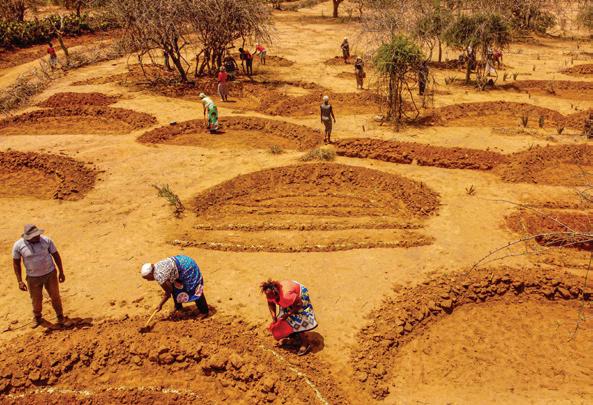
In October 2025, after receiving training from our Partner, the group’s members dug soil bunds along the slopes of the land (pictured right). These are raised embarkments that intercept and slow down water run-off, giving the soil time to absorb the water. When rainfall is erratic, soil bunding improves soil moisture levels and help prevent erosion.
Despite the scepticism of their neighbours, the women’s determined efforts paid off, transforming once-barren earth into lush, fertile soil. When the grass is ready for harvest, they’ll be able to use it as livestock fodder, and sell both the grass and seeds to create two sources of income. ‘Next dry season, these women will teach others to do the same,’ said International Programs Coordinator, Ada Lee. ‘Soil bunding is an effective, low cost, technique that not only conserves the
The women’s determined efforts paid off, transforming once-barren earth into lush, fertile soil.
environment, but also creates new, diversified income sources for vulnerable women.’
The changing climate has serious implications for vulnerable communities. But when supported, communities show tremendous resilience in caring for creation, implementing ingenious solutions that change the trajectory from dire to a secure and sustainable future.
Scan the QR code and check out our tips and resources for living sustainably. bwaa.co/creation-care ▶
▼ Lebanon: Our Partner has been working with local churches to help civilians displaced by airstrikes and evacuation orders. Here, they’re distributing mattresses so families can sleep in temporary shelters.
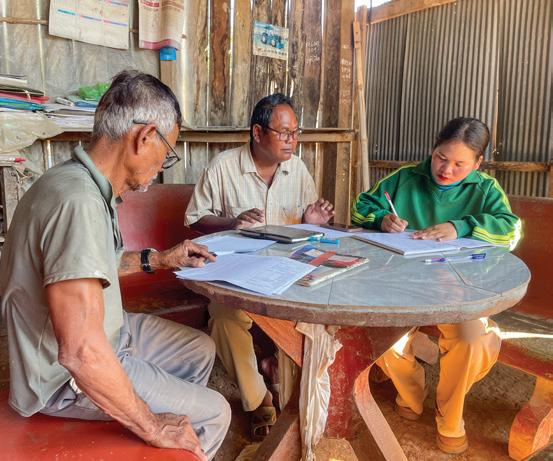
▲ Cambodia: Members of a Village Development Committee collect data for their current project. Collaborating with our Partner, they implement solutions for their village, such as installing toilets and improving Child Club spaces.
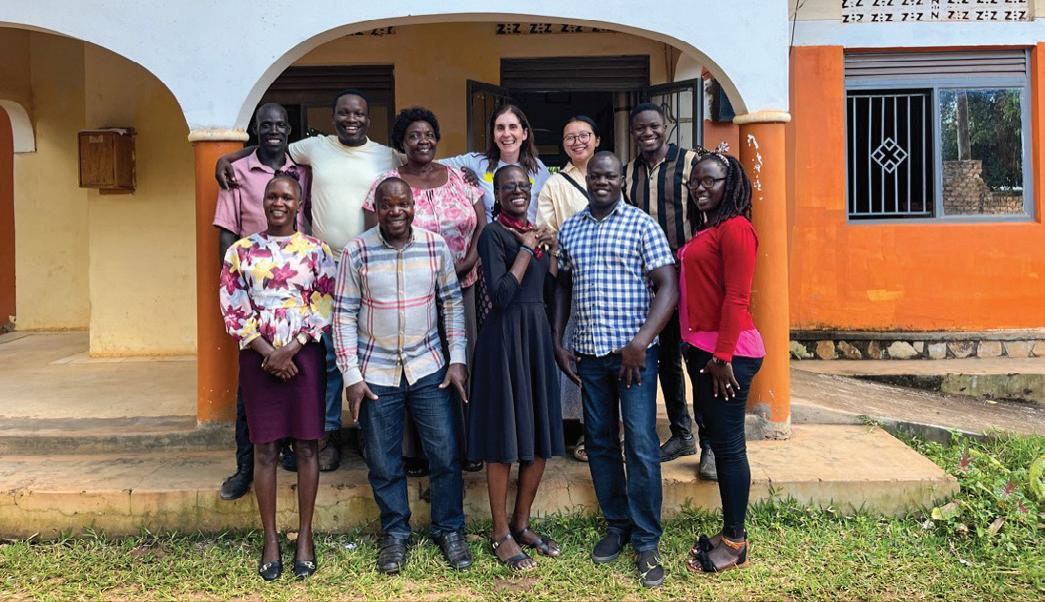
◀ Uganda: We visited our Partners in Uganda, who run education, healthcare and economic programs that lift up communities.
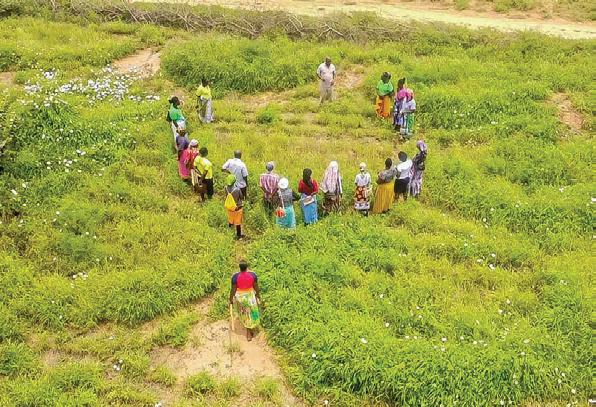
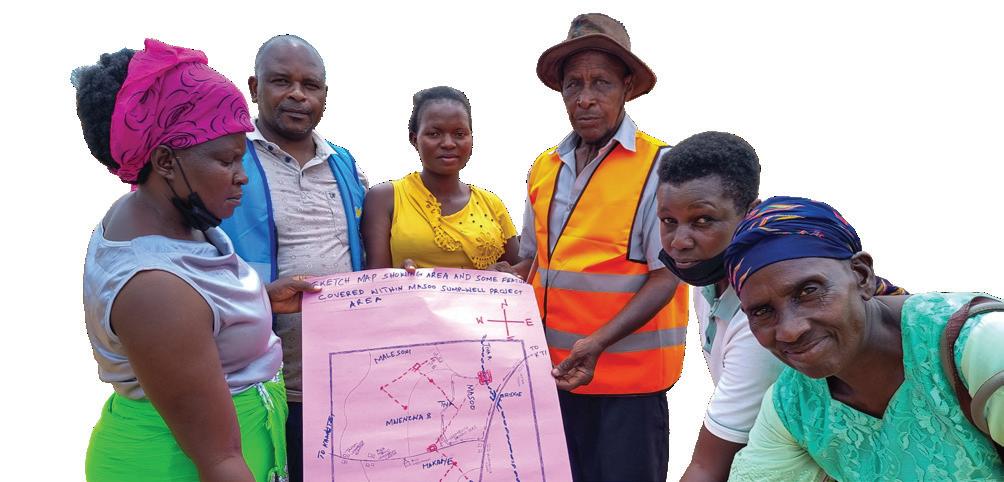
▼ Kenya: Members of a Water User Association show their water distribution plans. Supported by our Partners, they’re constructing a sump well that will improve water access to surrounding villages.
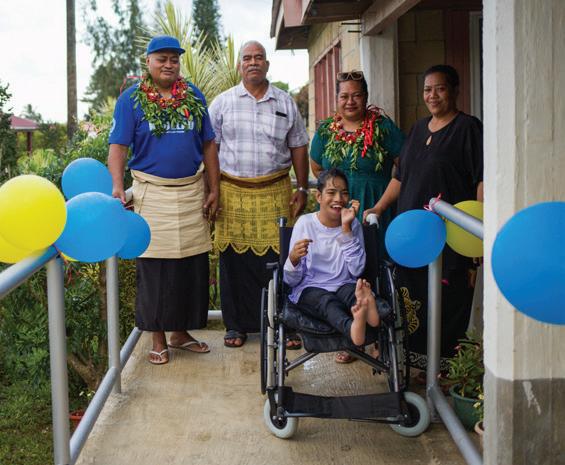
▼ Tonga: Our Partner (on the left) works with community groups and village leaders to improve accessibility for people with disabilities. Through their combined work, Angelica (front) now has a ramp in her home, so she can evacuate safely in an emergency.
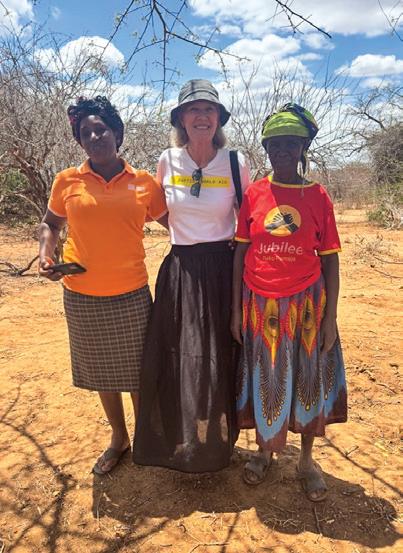
▲ Kenya: CEO Melissa Lipsett met members of a women’s Self Help Group who have been working hard with dry, hostile soil to restore damaged land, using the training they’ve gained through our Partner.
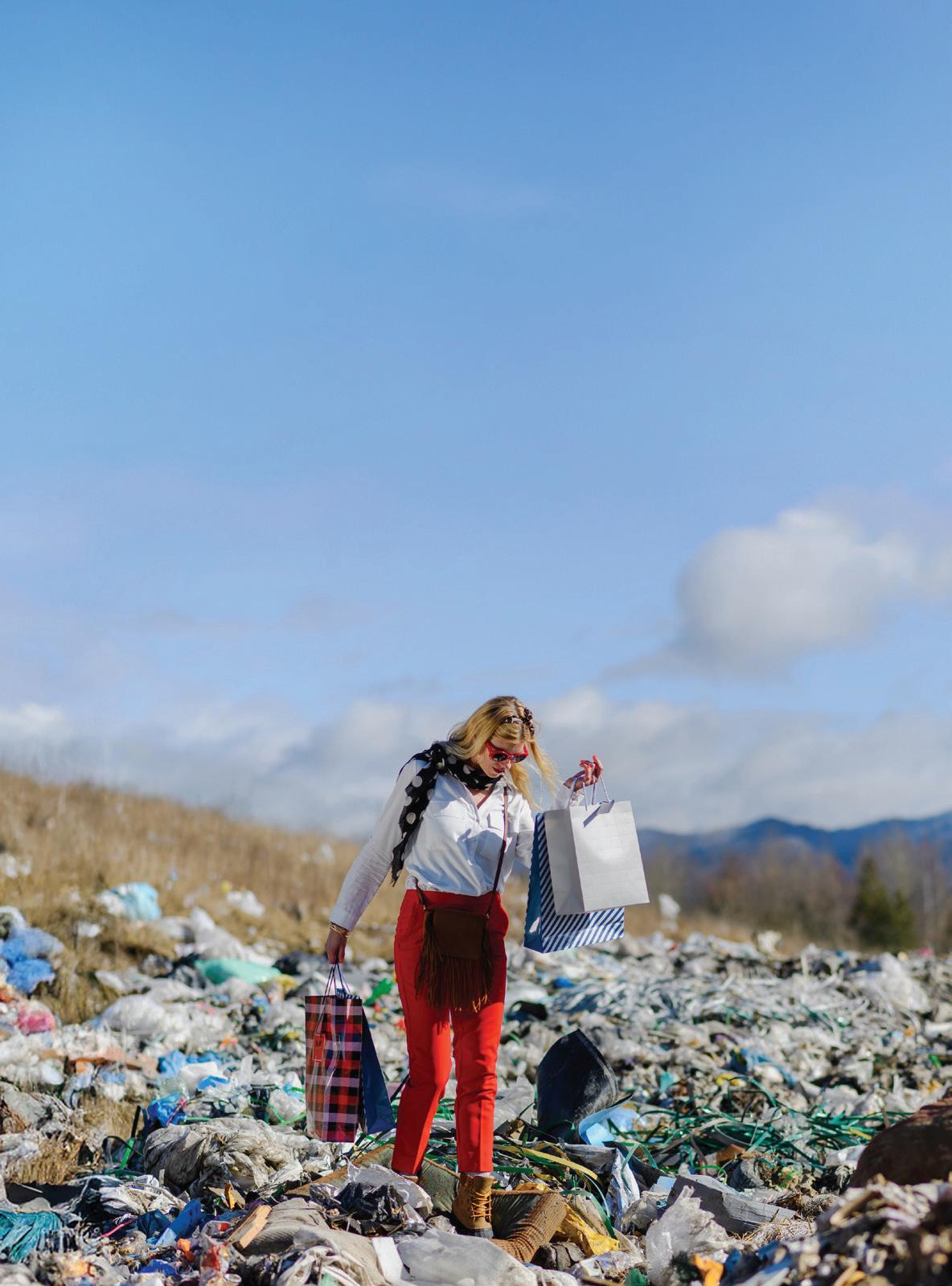
ARE WE CONSUMING TOO MUCH FOR OUR PLANET?
By Keziah Redelinghuys
Over the past decade, the way we buy clothes has changed dramatically. Trends once shifted with the seasons, but now they change by the week. Brands release thousands of new styles at lightning speed, priced so low that garments are often treated as disposable. A dress can cost less than lunch. A top might be worn once before being forgotten.
This is ultra-fast fashion—an accelerated, high-volume production model that uses real-time data and rapid manufacturing to design, produce, and distribute clothing in a matter of days. The goal is simple: keep consumers buying.
When clothing is cheap, we tend to buy more than we need. Social media fuels the pressure to keep up with ever-changing trends. Instead of repairing, we replace. This cycle of overproduction and overconsumption is not accidental—it’s the business model. Brands rely on volume, selling at low prices but high quantities. The more we purchase, the more they produce. And because trends move so quickly, vast quantities of clothing go unsold or are discarded after minimal use.
While low prices can feel like a blessing in a cost-of-living crisis, the true cost is paid elsewhere—often by the environment, and lower-income communities who live closest to pollution and waste.
Ultra-fast fashion causes many environmental harms, but one pressing issue is textile waste. Globally, over 92 million tonnes of textiles end up in landfill each year. Many of these items are made from synthetic materials that last for decades, releasing harmful chemicals into soil and groundwater.
Lower-income communities are often disproportionately affected. In 2022, Angola, Kenya, the DR Congo, Tunisia, Ghana and Benin imported nearly 900,000 tonnes of used clothes between them. Textile dumping sites are frequently located near vulnerable neighbourhoods, where residents bear the health consequences of polluted air and water. Accra, Ghana’s capital, receives around 15 million second-hand garments each week, half of which are unsellable and end up burnt or discarded along the coastline. In some countries, discarded clothing from wealthier
nations overwhelms local waste systems, disrupting local economies and ecosystems.
Microplastic pollution is another problem causing irreparable damage. A large proportion of ultra-fast fashion garments are made from synthetic fibres like polyester, which can release up to 1,900 microfibers per wash cycle. These microplastics are too small to be filtered out completely by wastewater systems. They end up in rivers and oceans, entering the food chain and affecting marine life. Coastal communities, many of which already face economic hardship, experience the impact firsthand through polluted waters and damaged fisheries.
While a single purchase may feel insignificant, collectively, our habits shape the industry. Many of us might have closets fuller than we need, and in a culture that encourages constant upgrading, contentment becomes countercultural.
Stewardship is a responsibility bestowed upon all of God’s people. He calls us to care for the earth and for the people in it. He calls us to justice, hope and defending the marginalised. Environmental harm that disproportionately affects the poor is not merely an ecological issue; it’s also about justice. If our consumption habits contribute to systems that burden lower-income communities with pollution and waste, might we reflect prayerfully on how we can do better?
In a world driven by speed and disposability, choosing to consume thoughtfully is a quiet act of faithfulness. As followers of Christ, we are called to steward wisely, love our neighbours, and care for the earth entrusted to us. Even what we wear can reflect that calling.
Along with buying less, keeping clothes for longer and being a wise shopper with our Ethical Fashion Guide, you can write to brands and demand better for people and the planet. Visit bwaa.co/speak-out ▶
Living in Australia, it can be hard to fully imagine how your support impacts a community overseas.
Ruth Warwick, a pastor at a Baptist church in Western Australia, wrestled with this disconnect, until she visited the communities where our Partners serve, and saw afresh the impact God’s people can have.
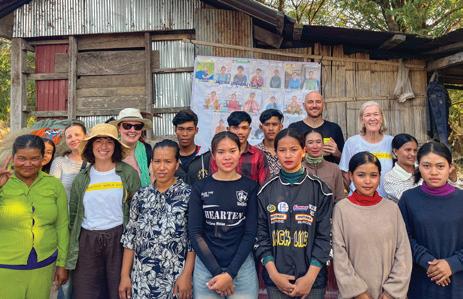
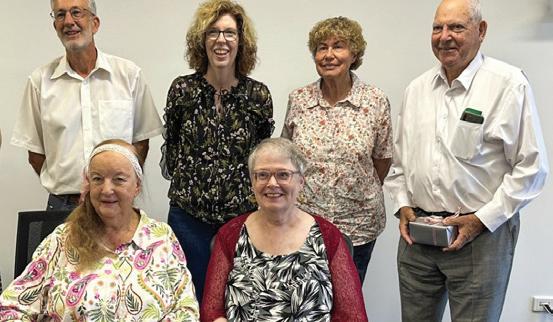
Earlier this year, a group of Baptist World Aid supporters (pictured above) took part in a 10-day Encounter Trip to Cambodia, where they visited several of our Christian Partners’ projects and saw firsthand how communities are creating lasting change.‘ Sometimes I start to doubt, does [what we do] really make a difference?’ Ruth said. ‘But on this trip, I saw that it really does!’
Starting in Phnom Penh, the group traveled across the country and met many people—including village leaders, farmers, pastors and school teachers—all of whom work with our Partners to improve their communities.
During one visit, the team met farmers who can better provide for their families after being trained in raising chickens and growing vegetables. They also visited a school that bore resemblance to the school building the Khmer Rouge had requisitioned as a detention center in 1976. Thanks to the community’s hard work, it’s a place where children are learning and thriving, which wouldn’t have been possible in the past. ‘The school ground looked identical to the one that had been turned into a torture prison . . . yet [in this building], joyful children flooded the verandas out of their classrooms to see us,’ Ruth said. ‘It was so joyful!’
Baptist World Aid supporter, Ni Can Tial, who also went on the trip, said a highlight was spending time with community members, hearing their personal stories, and seeing long-term development work in action.
‘It was powerful to witness sustainable change firsthand and to see the resilience, dignity, and hope of people despite their history and challenges,’ Tial said.
Others on the trip were inspired to see Christian love in action, and how Baptist World Aid’s Partners are working with churches to help communities break the cycle of poverty. ‘Jesus chooses us to partner with him in ushering in his kingdom,’ Ruth said. ‘Now I am asking myself: in what ways can I live differently to make an impact?’
‘Recently I asked a supporter who has just finished Year 12 why he decided to give. He shared that he had been gifted a motor bike by his mentor at church, and when he asked if he could repay him, his mentor encouraged him to pass the generosity on. It was so encouraging to hear that young people are being discipled in this way and acting on it.’
Sarah
Lenigas, Baptist World Aid Church & Partnerships Manager
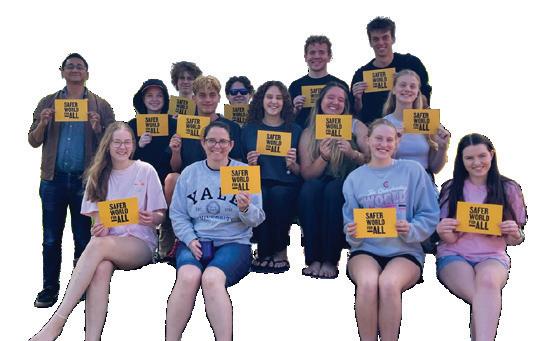
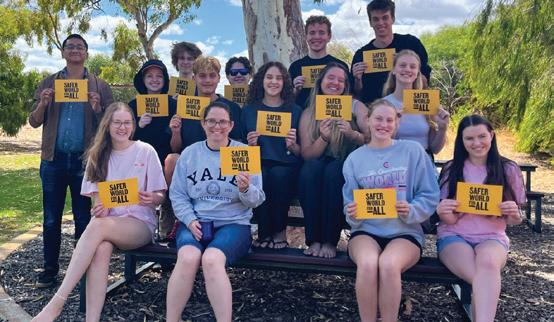
In Western Australia, Carey Baptist’s young adults group took part in a Safer World for All workshop, where they advocated for an increase of Australian Aid in the federal budget from 0.65 to one percent. What legends!
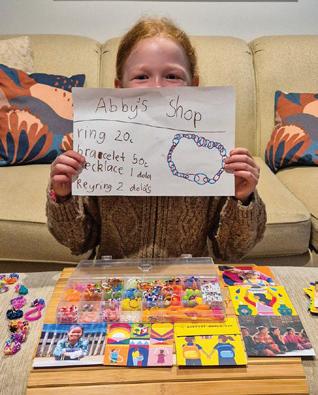
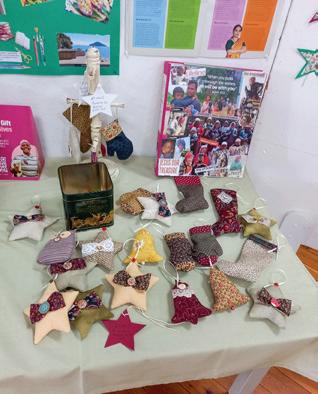
We love seeing people use their creativity to help end poverty! In Queensland, Nanango Community Baptist Church’s craft group is making ornaments to raise money for our Partners’ work, while sixyear-old Abby from NSW has started a loom band shop, with all profits going to Better World Gifts.
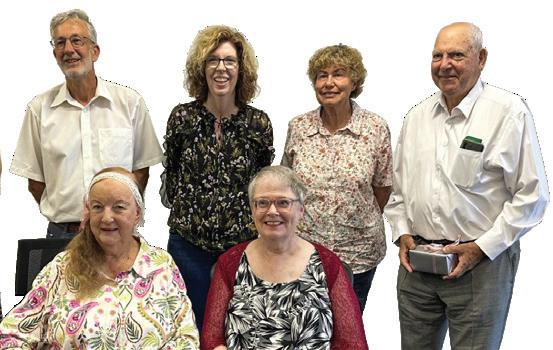
Our volunteers serve in amazing ways, contributing over 3,000 hours towards programs like Child Sponsorship. Over 12 months, the team has reviewed, packed and sent 5,720 letters to and from Child Partners around the world!

Have you ever wondered why we’re expected to care for ailing forests when children are starving? Surely people are more important than creation?
But here’s the thing: it’s easy to overlook the reality that the ‘very good’ world God has given us is remarkably integrated and interconnected. People can’t be compared to creation, as we are part of that very creation. God created humanity on the sixth day, and as he surveyed them and ‘all that he had made’, he concluded that ‘it was very good’ (Genesis 1:31). We are both part of creation and deeply reliant on the other elements of creation.
We often attempt to separate the world into spiritual and physical components, valuing the spiritual over the physical. This view finds little support in Scripture. We serve a God who came to us as a man, who walked dusty streets, and had nails driven into his hands. Was Jesus fully human or fully God? He was both! Any attempt to split these components of his nature
has always resulted in heresy. We face similar challenges when we try to separate our physicality from our spirituality. I am deeply spiritual, but have also been created to need oxygen, nutrient-rich food, clean water and many other conditions to support life. The attempt to separate inseparable parts, I believe, poses a great danger. It denigrates creation, including our physical bodies, and ignores the mission God has called us to participate in.
In the creation story, God creates us with a clear purpose, often known as the creation mandate. Humanity is to be fruitful and multiply, to till and keep the earth, and to rule over the animals. Our mandate clearly shows that God’s will is for humanity to bear God’s image by tending to creation and seeking its flourishing. In doing so, we too flourish. Land that is damaged harms us, and land that flourishes allows us to flourish.
Creation care in the church can become lost when it’s simply a response to the political issues of the day. Instead, care for creation has been a part of God’s
calling from the very beginning, far before political concerns flooded our consciousness. The Bible continually emphasises the importance of the land not just as a physical location, but as an active partner with God’s people. When sin overwhelms God’s people, we’re told the land spews them out. When they live righteously, the land flourishes. The natural world was not simply created for us, but we were also created for the natural world. From the outset of creation, we have been called to live in right relationship with it. Current environmental issues may be an indicator that our relationship with the land has become unbalanced, but it isn’t the reason we care for creation. We do so because God called us to do so from the beginning.
‘A flourishing creation results in flourishing people.’
—JOSH BOGLE
There can be a tendency to interpret Christ’s Great Commission as superseding our original mandate rather than complementing it. We are not called to go and make disciples instead of tilling and keeping the earth, but rather to do both. When we consider some of the ecological damage taking place, research shows that those suffering most in the world are communities who live in the Global South. Jesus clearly sought to care for those suffering. One of the clearest ways we can participate in his mission is to care for creation in a manner that alleviates many of the effects being felt.
We are not called to care for people over creation, but neither are we called to care for creation over people. The work of caring for children who are starving can’t be separated from caring for ailing forests—for the environments that people depend on and call home. We care for both as part of our calling and in recognition of the gift that God has given us in his very good creation. A flourishing creation results in flourishing people. This is kingdom work.
Josh Bogle is a physiotherapist, member of Richmond Baptist Church, and volunteers with creation care organisation A Rocha Australia.
DEVOTIONAL
Read Proverbs 3:19-20
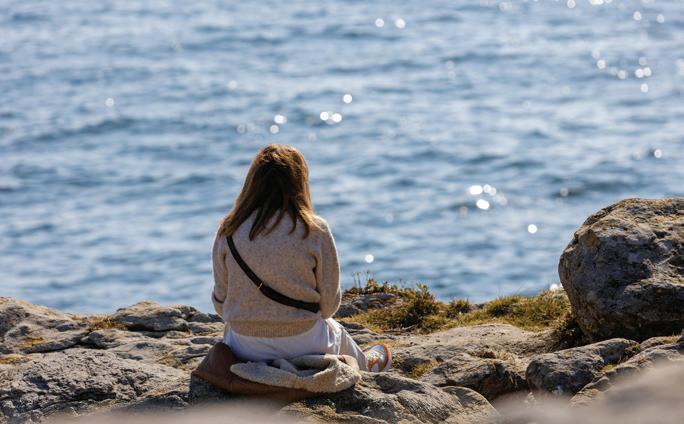
When I think of the ocean, I hear the roaring of waves and feel the gentle breeze as it whips pieces of hair across my face. My favourite moments, though, are when the water is flat with only a small rise and fall. The sunshine reflects thousands of tiny diamonds, right across the surface. Proverbs 3:19-20 tells us that through wisdom, understanding and knowledge, our loving God created the world. And through his creation, we see reflections of his character, like the tiny diamonds reflected on water.
God had a plan when creating the world, a perfect plan of how everything would fit together. It isn’t just coincidence that trees create oxygen, plants provide nourishment and sunlight gives us vitamins. The same God who crafted the glisten of sunlight on water crafted an ecosystem where everyone and everything has a role to play. There is beauty everywhere you look in creation. And when I look at such beauty, I realise that God has given me—all of us—a privilege and a responsibility to care for his creation and all we see in it.
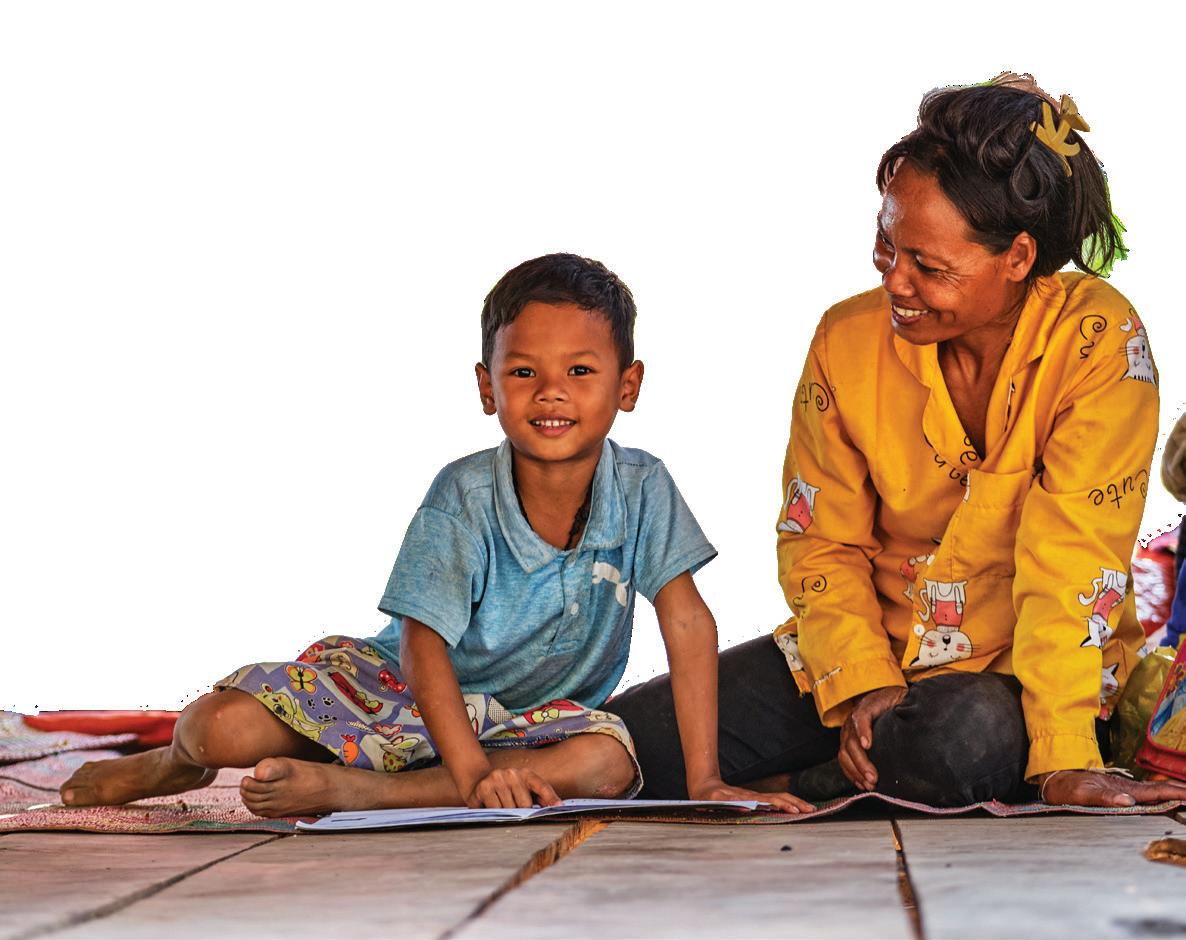
Mums like Sali shouldn’t have to choose between food and education for their children.
To support our work, visit bwaa.co/where-needed-most