Toronto for its outstanding academic standards, its steadfast commitment to
Montessori education, and its deep respect for the potential of every child.
Bannockburn Independent School is
fully accredited by Montessori Canada
a member of the Conference of Independent Schools (CIS)
an approved candidate school for the
Canadian Accredited Independent Schools (CAIS)
For questions or concerns about this magazine, please contact Erica Fyvie at e fyvie@bannockburn ca
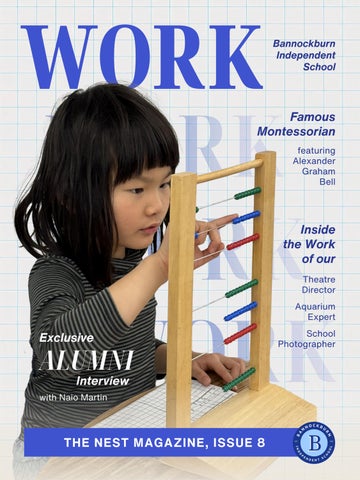
Issue8
March 2026
Bannockburn Independent School
Magazine
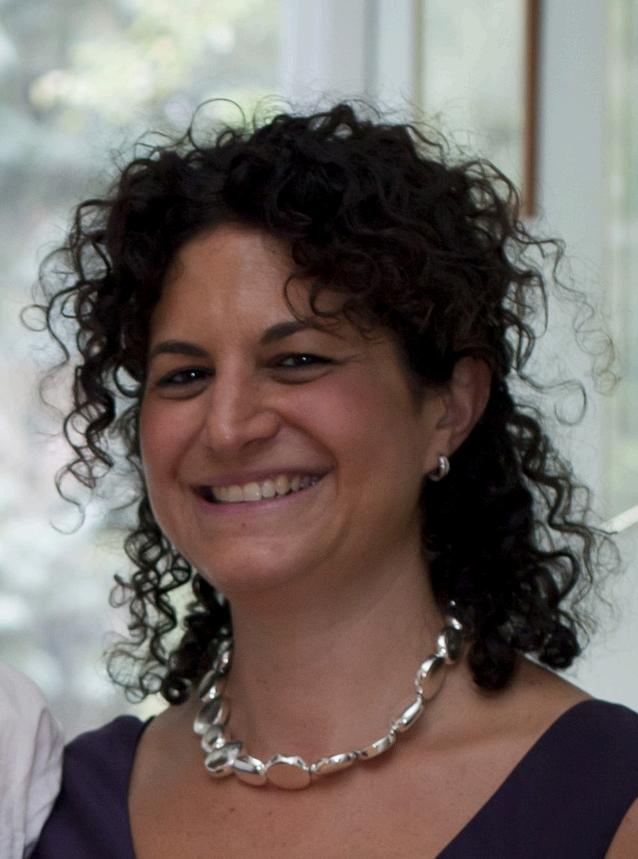
Writer and Editor
Erica Fyvie
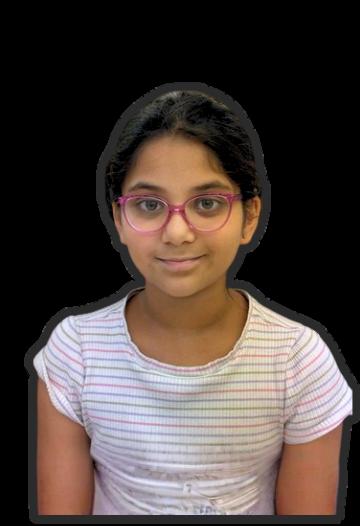
Designer
Hetvi Gandhi
We would like to thank all of the
contributors for their time and enthusiasm on this project:
Alexander Graham Bell
Ingrid Camhi
Aliusha Dayani
Jason Fonseca
David Goldberg
Ashmi Ghogale
Naio Martin
Easton Meyer
Jacqueline Richman
Elizabeth Zha
Bannockburn Independent School
3080 Bayview Avenue
North York, ON
M2N 5L3
(416) 789-7855
www bannockburn ca
Letter from the Head of School
One Question: Work
Alumni Interview: Naio Martin
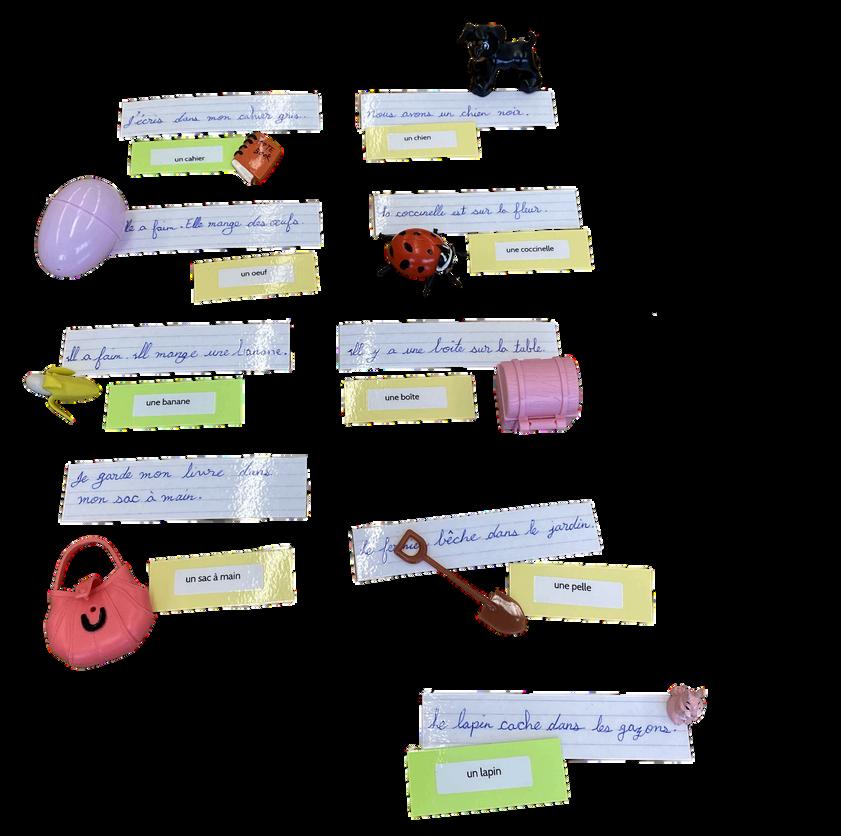
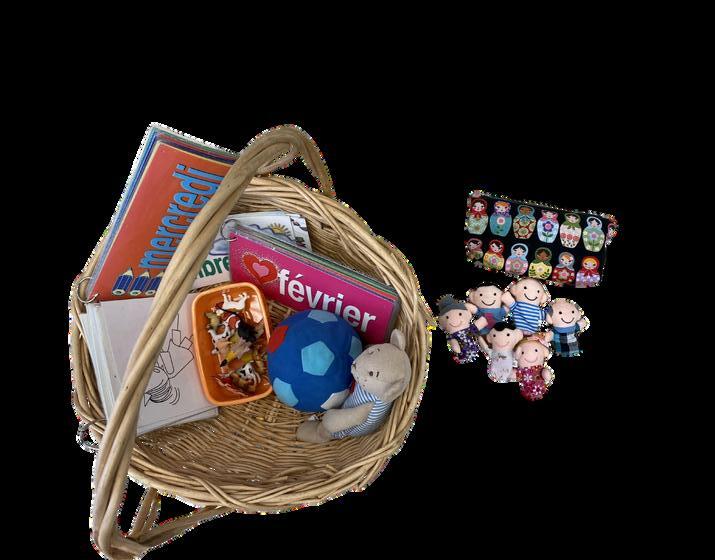
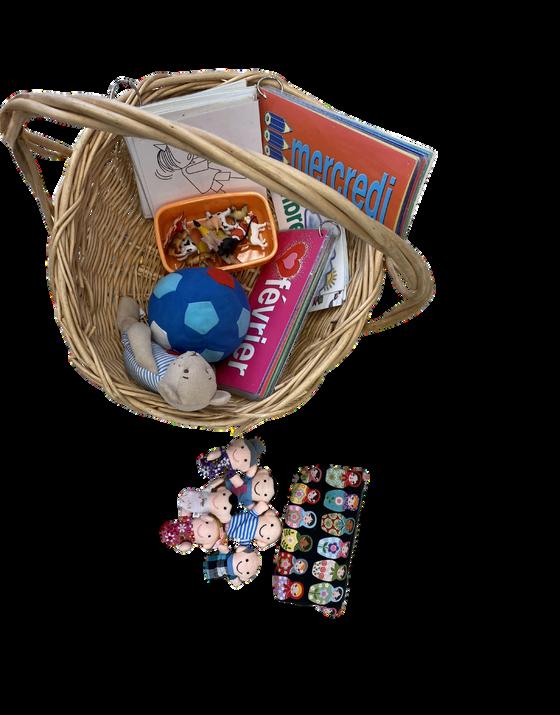
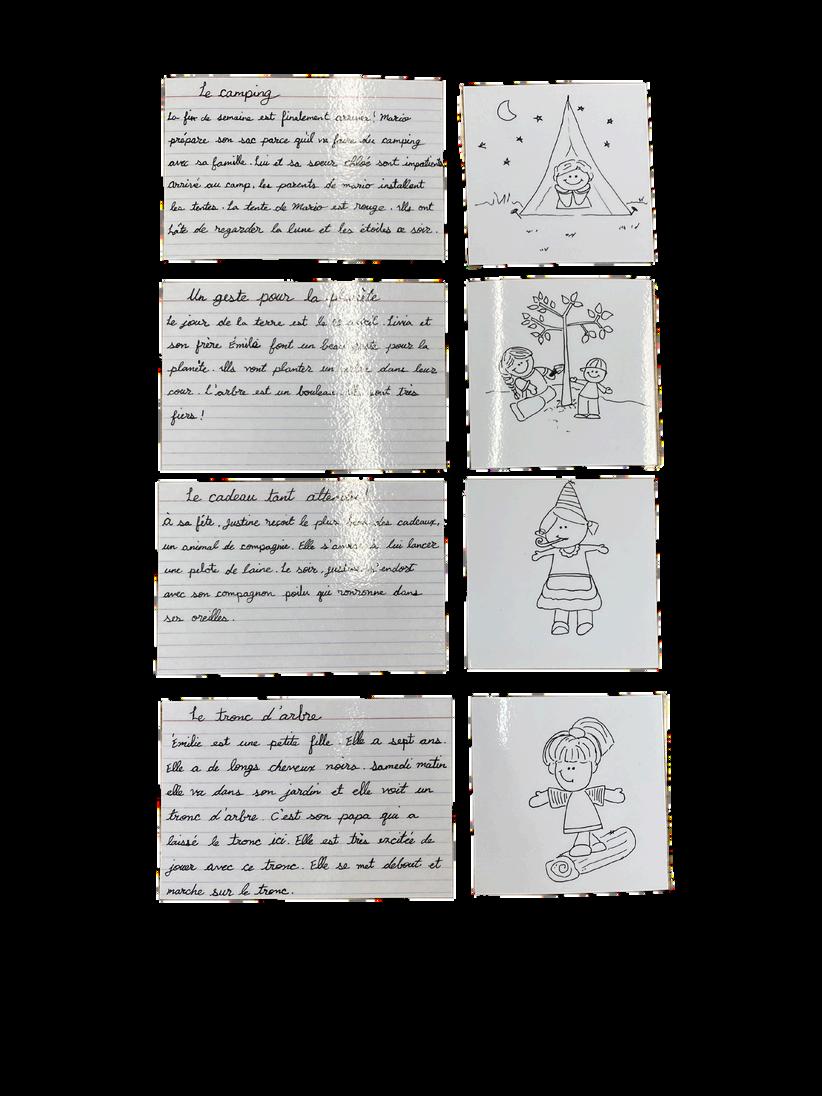
What Makes Up Your Workspace: French
Inside the Work: Theatre Director
Inside the Work: Aquarium Expert
Inside the Work:
Work
For our school magazine, we choose a theme for each of our three issues in the school year. The themes are intended to highlight a specific
feature or goal of our school, but they should all
work in concert with each other In December,
our theme was wonder What comes after the wonder stage of cultivating question after question?
It is time for this issue's theme: work Work has a different meaning in Montessori than in the
general population In Montessori, work is any
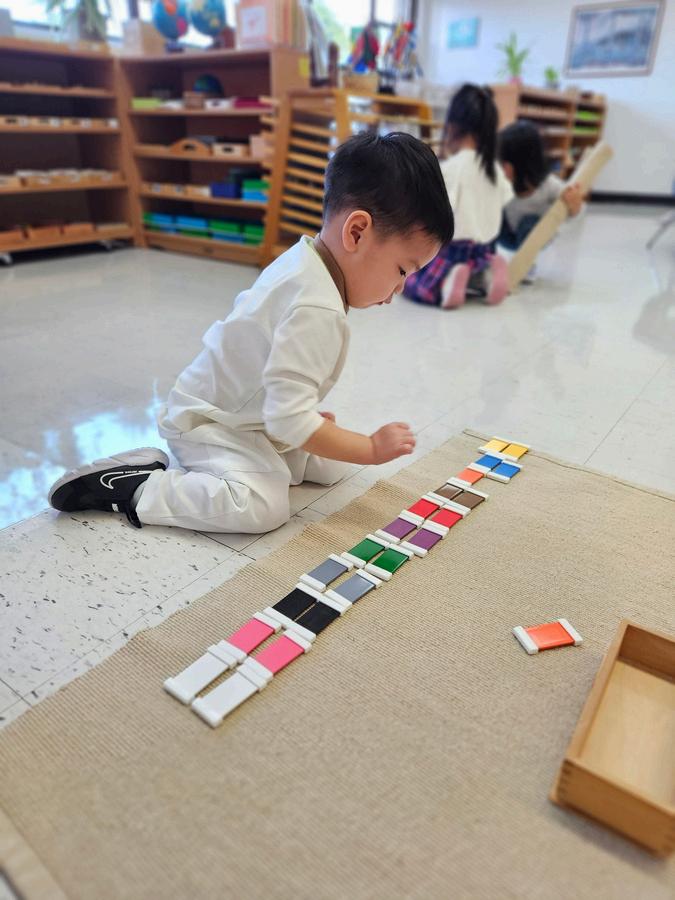
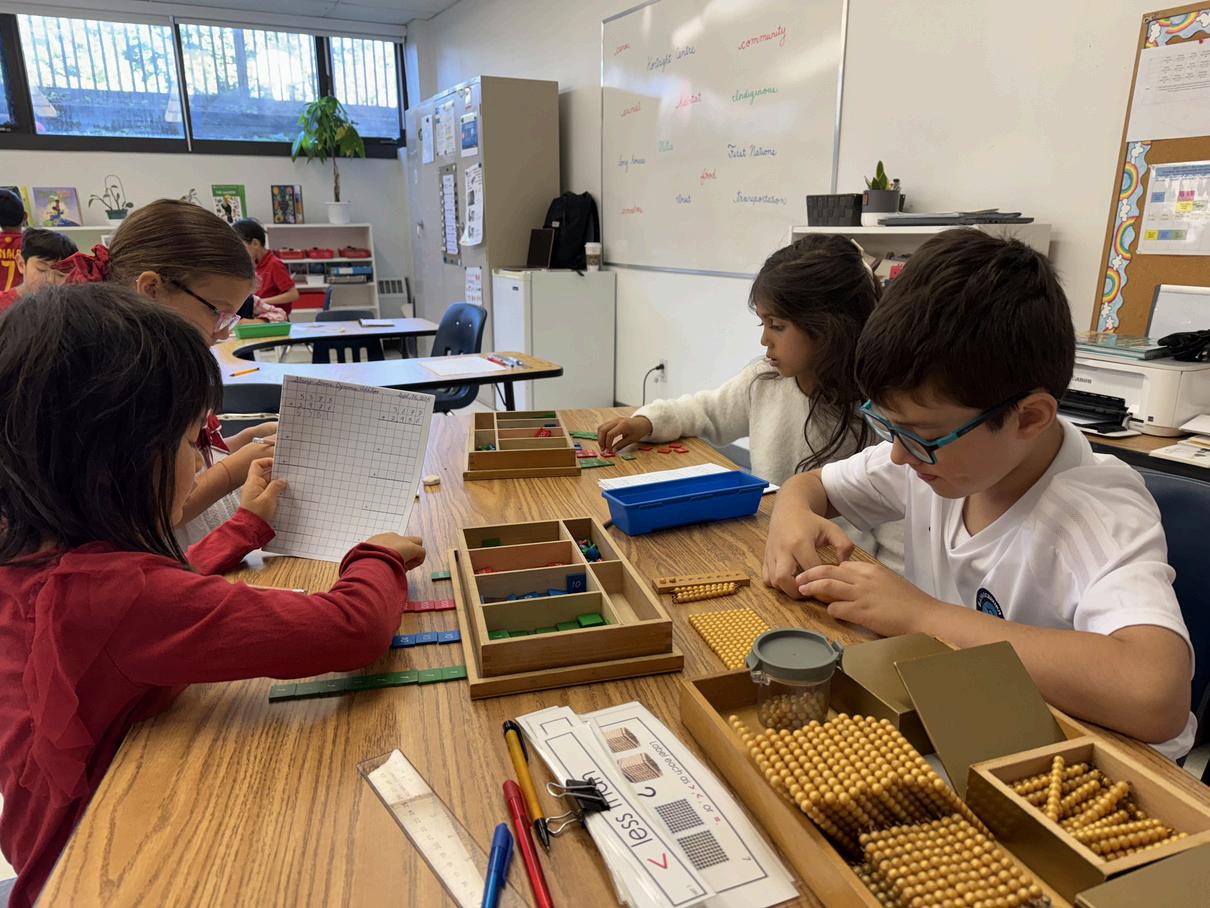
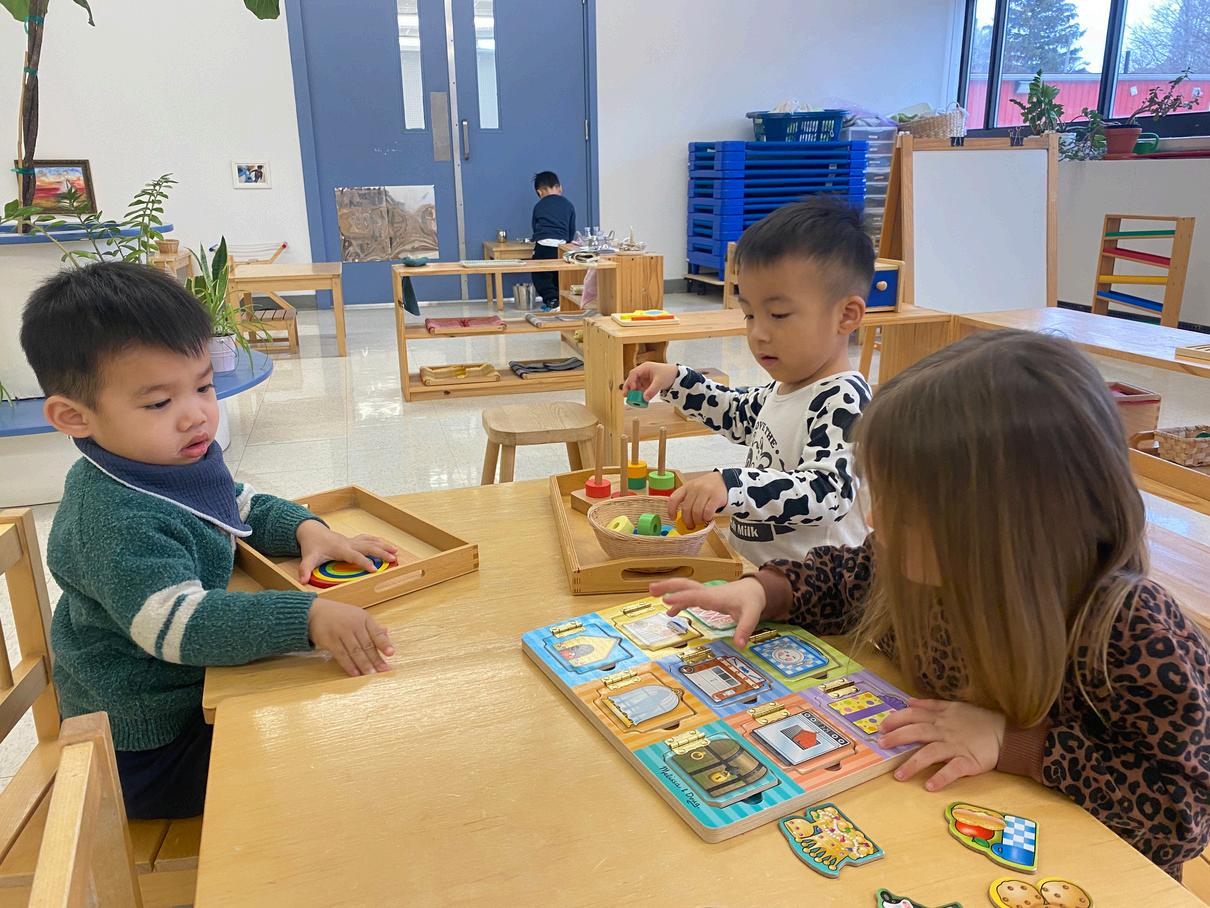
meaningful activity that a child chooses and engages in with purpose
As long as a student has had a lesson on a
particular concept or material, they are welcome and encouraged to select what to work on
throughout the day Additionally, lessons are
taught throughout the day, which then leads to follow up work on a material or concept
Children take their work very seriously in
Montessori, while at the same time, their work
brings them much joy, satisfaction, and leads to
great self-confidence.
In this issue of The Nest, we share some of the
ways that we are constructing ourselves as a community. Interviews with our school
photographer and aquarium expert shed light on
all of the work required to do their jobs well.
A look back at a very hard worker in history,
Alexander Graham Bell, is an enlightening one
to read, as you will learn about his profound
respect for Montessori philosophy And, of
course, talking to some current and former
Bannockburn students about what they work
hard at is the reason we do the work we do
In the words of Maria Montessori herself, “It is
not that the [person] must develop in order to
work, but that the [person] must work in order to develop ”
Warmly,
Jacqueline Richman, Head of School
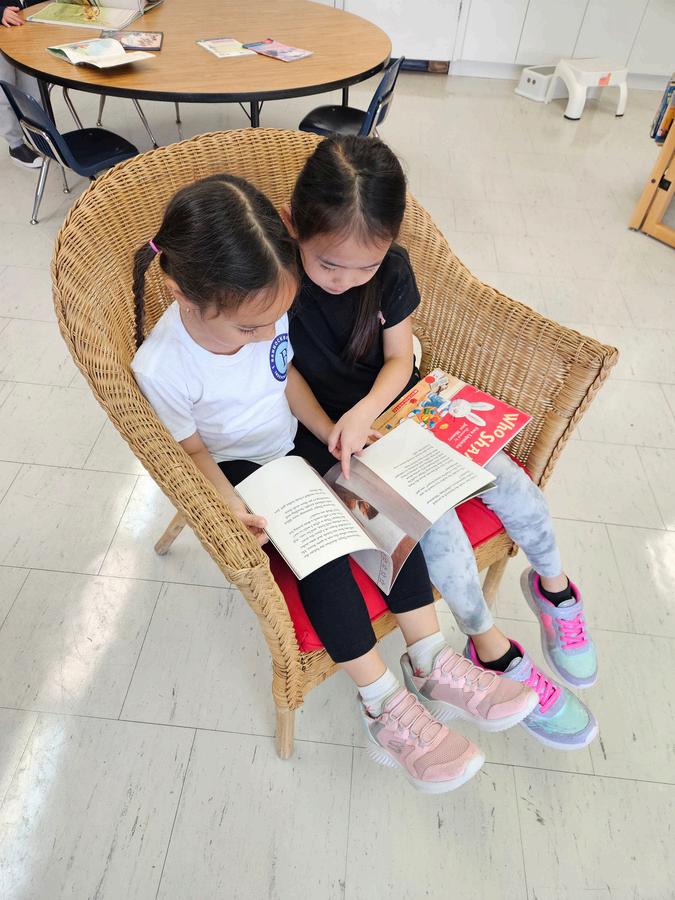
“I work hard at pin punching to do it
carefully. That’s how we learn the shape of a country.”
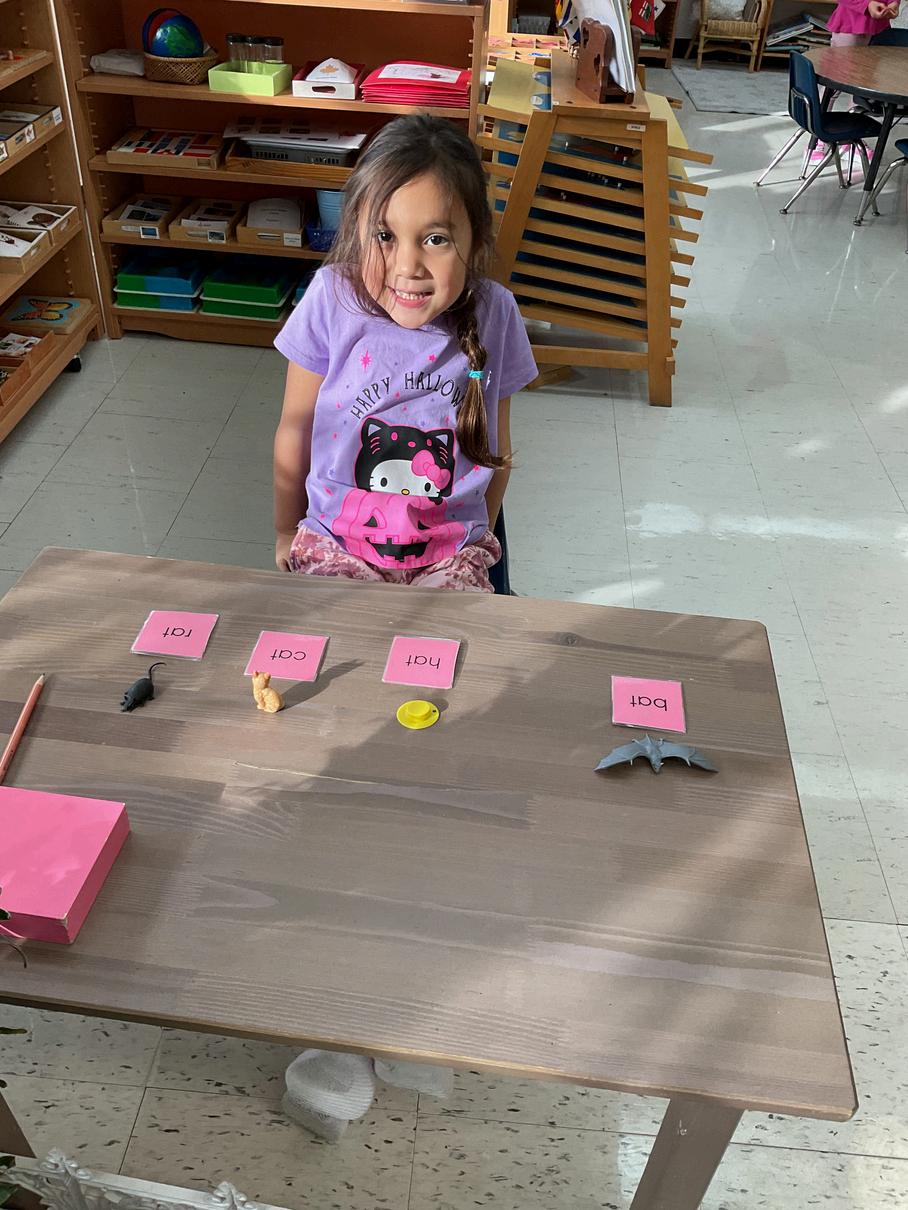
LEL: Ashmi
“In math, I really like the peg board because it’s fun work and good for focus because otherwise it’s easy to get lost. In language, I like the work of the
skyscraper material finding the synonyms and antonyms.”
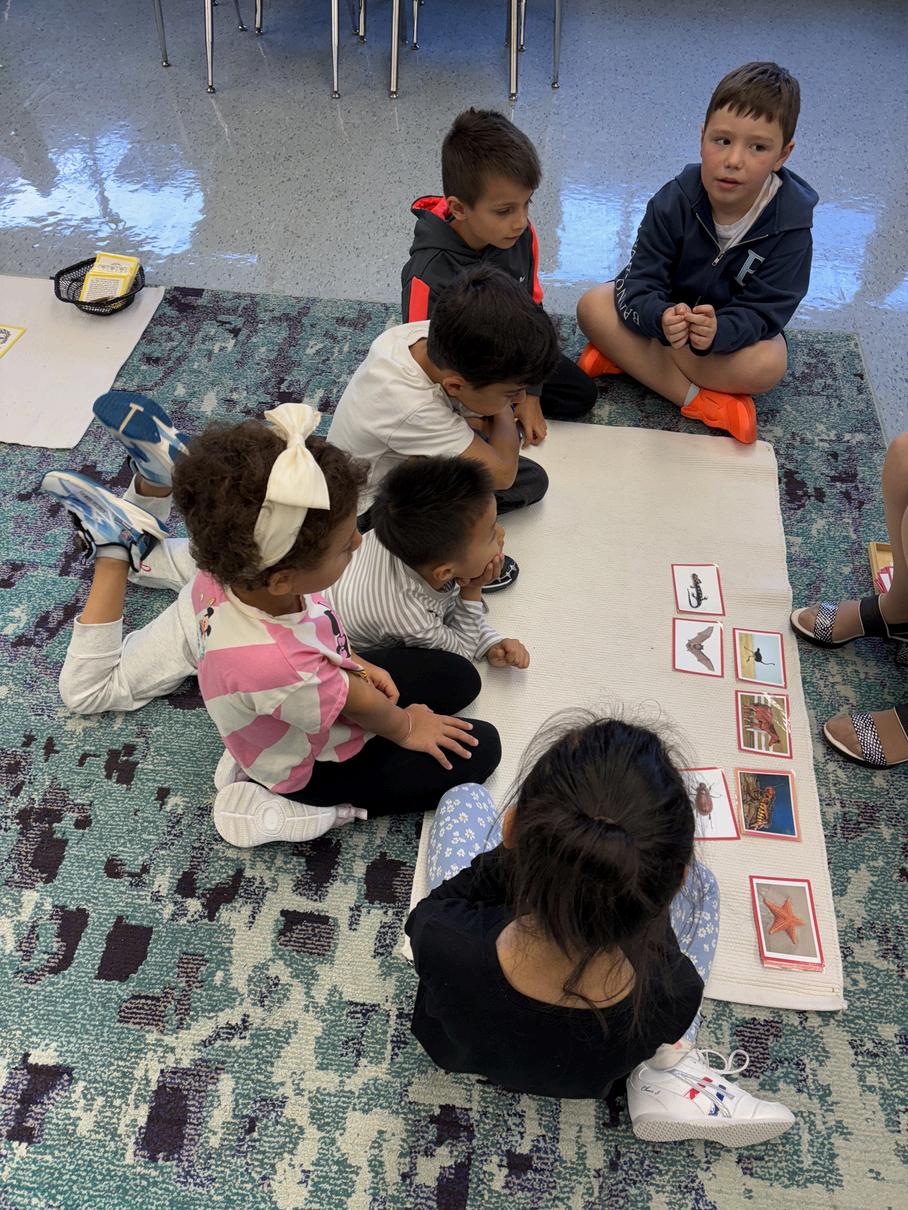
UEL: Elizabeth
“I work hard in math, volleyball, and piano. I feel like all of that contributes to a wellrounded spirit! Math is my passion, so I’ll always work hard at it. I like piano to relax and refresh my mind. And volleyball is a fun athletic activity in which I get to have fun and bond with my teammates.”
NaioMartin
In the present world with so many ups and downs global conflicts, rising costs, the stock market,
better memory retention, yet not many schools teach
it For Naio, she likes being able to write in different styles for different needs
“For long English paragraphs and essays that we’ve been handwriting on paper this year, I’ll write in
cursive because I find it faster and more fluid for me
But if I’m writing smaller, like annotating a text or
something like that, I’ll usually write in print ”
The gifted athlete that Naio was here at
Bannockburn is growing and thriving at
Havergal.
“I’m still playing a lot of soccer at school and I’m on a
team outside of school as well I play on the school
soccer team in the fall term and I’ll do ultimate
technology it is such a pleasure to be reminded that
the future is in excellent hands when you speak to a
young person like our alumni profile this month. Naio
Martin, Grad of 2022, is remembered from her time
at Bannockburn as a studious, curious, talented
student with lots of joy and energy What a delight to find out that she still is
“I remember Ms Tesfai and Ms Edgar I remember
the writing we would do, practicing our cursive And I
remember these boards where we could practice
zippers and buttons tactile things I think it’s so
cool that that was something we got to do ”
The flowing cursive handwriting that she learned and practiced here was surprising to her friends after leaving Bannockburn,
as so many alumni report.
Cursive handwriting is a skill with a long list of benefits, including improved fine motor abilities and
frisbee in the spring And I’m teaching skiing on the weekends ”
After graduating from Bannockburn in Grade 6,
Havergal was her first choice “I like it a lot The facilities are amazing I love it personally because there’s so much community focus like at
Bannockburn For example, we just had our Spirit
Week and each day there’s a different theme in your
grade and you’re competing against other grades the
whole week Monday you dress up as “Late for
School, ” and when you’re in a uniform all the time, a
dress-down week is really fun And we do grade cheers you create a cheer, practice it the whole
week and there’s three or four kids representing the
grade and they make the cheer and the dance and then they do it in front of the whole school ”
Currently in Grade 10, she has an eye toward the
future, but is keeping her options open “I’m not
totally sure about what I want to do in the future, but
I’m doing two sciences and I like bio and chem, and
I’m doing three years of a language so I can keep
U.S. schools open as well, especially for soccer opportunities, if that becomes available ”
Perhaps unsurprisingly as an athlete, she fondly remembers the track and field events at
Bannockburn, but she also smiles at the thought of her former teachers
“I remember connecting with all of my teachers at
Bannockburn For UEL I had Ms Roushani and Ms
Ashworth and they took us on the grad trip, which was so much fun That was really cool because I had never been on a trip like that before, with school and not my family ”
With all of her activities and academic
goals, there is one skill that she mentions being truly grateful to have learned as a young person.
“I think I got something from everything, but also the
way we worked in the classroom helped me with my
time management a lot as a skill, because I
remember we would have things due at the end of the day and the week and assignments due at the end of the month, and in the school day there would
be built-in times to get the short-range and longrange things done I loved returning to activities at
my own pace when I was there ”
In an issue dedicated to work, it’s so refreshing to hear a high schooler openheartedly talk about how hard she works and why the work is important to her
“I like to be the best at whatever I’m doing, ” she
smiles. “In soccer, my position requires scoring
goals, so I want to be the best goalscorer in the
league I’m very passionate about achieving that goal
because it’s such a big thing in my life right now I
have four practices Tuesday, Wednesday,
Thursday, and Saturday and games scattered
throughout the month I want to be good at it so I
can hopefully keep playing And school as well, of course ”
She loves seeing other Bannockburn alumni at
school competitions and events When asked if she
had any advice to current students, she offered the
“Take advantage of everything that’s going on. I remember doing Act One and I’m not still doing theatre—I’m not in any of the school plays but back then it was a core memory. Everyone was doing it and we thought it was so fun to perform. So, I’d say, even if you’re unsure about trying some stuff, it’s a great time to dip your toe in and see what it’s like, and even if you don’t continue on with it, the memories are still there. ”
Our memories of Naio and her two brothers Ben and Cameron, also alumni are still here at Bannockburn, too She promises to stay in touch because it’s possible that she understands just how much her journey means to us, too
Bannockburn
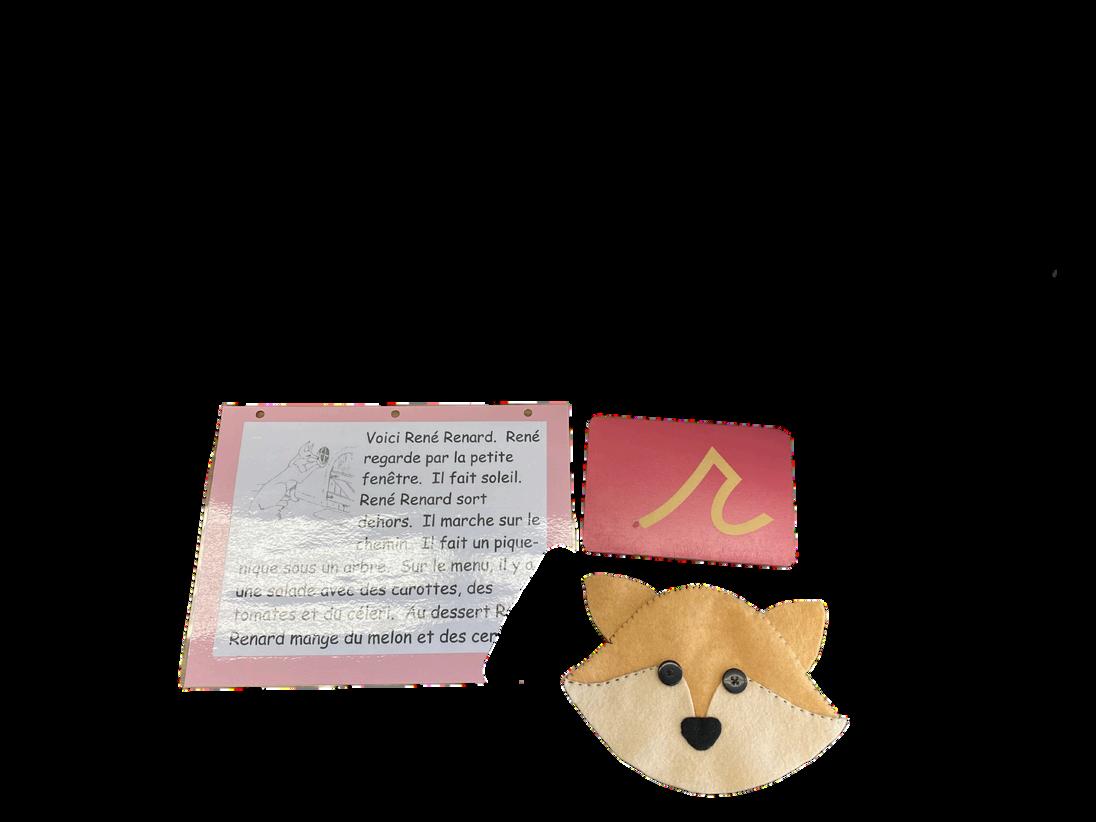
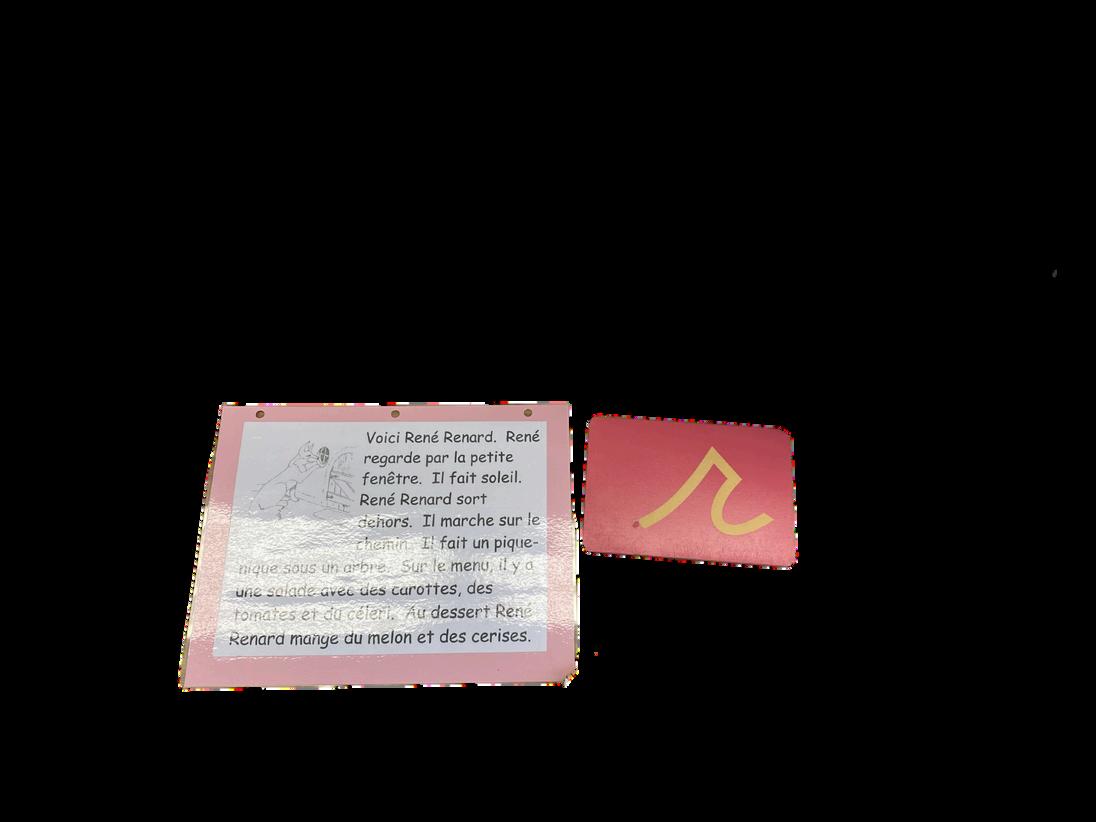
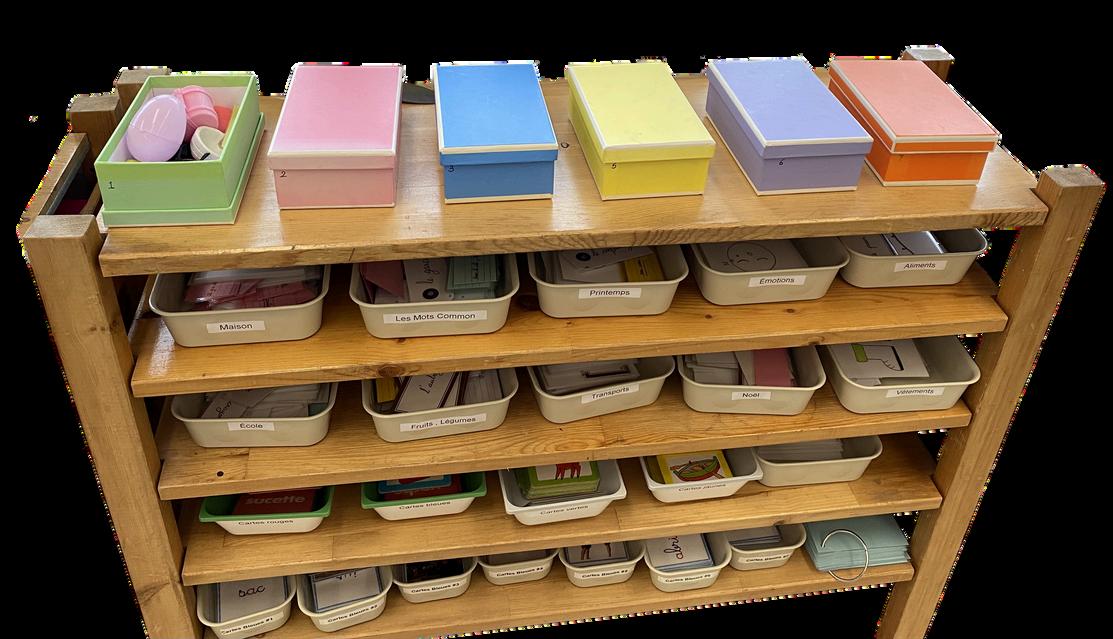
La Conv “The ch
partner convers group I
“This is Primary games a the wee kinds of get comfortable describing with joy. We have a lot of fu together so that they can he
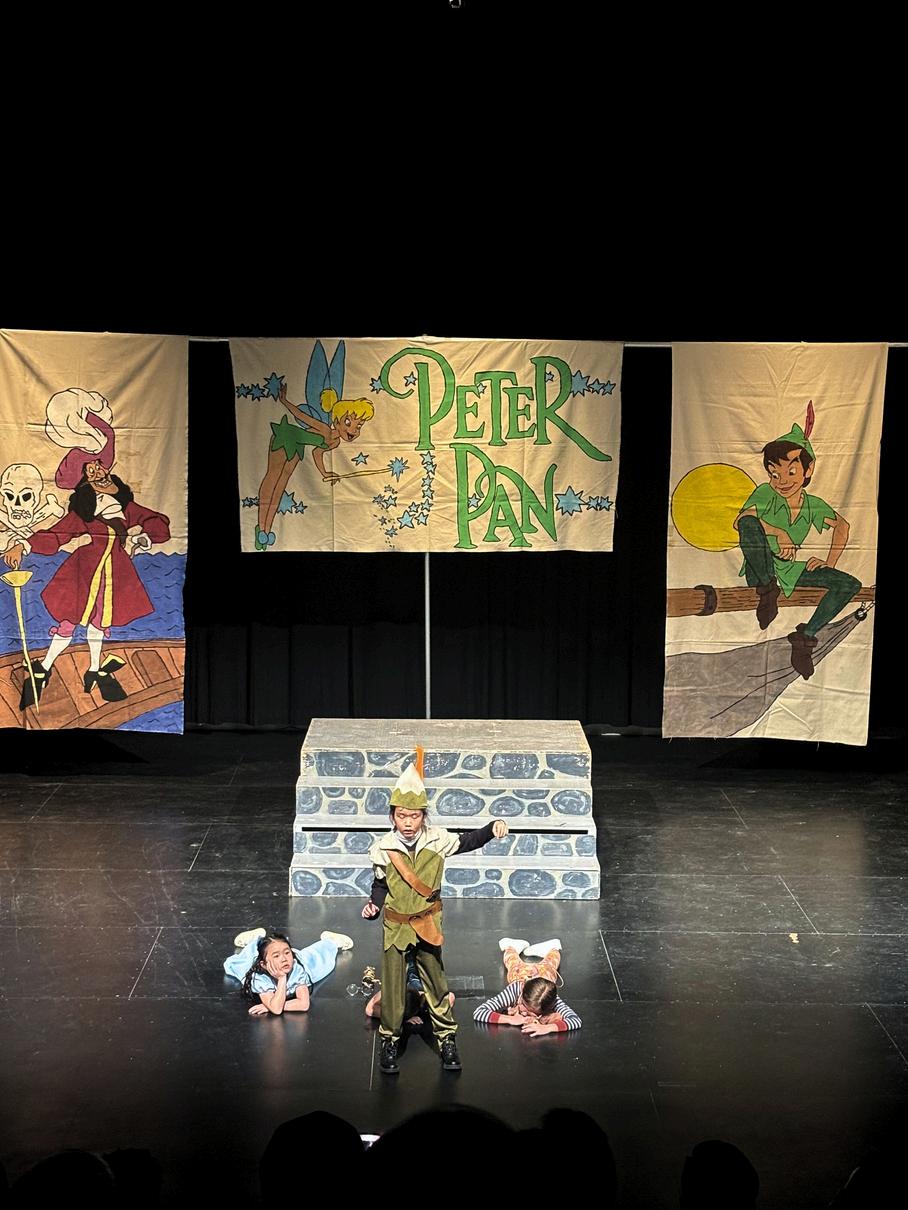
DavidGoldb TheatreDir
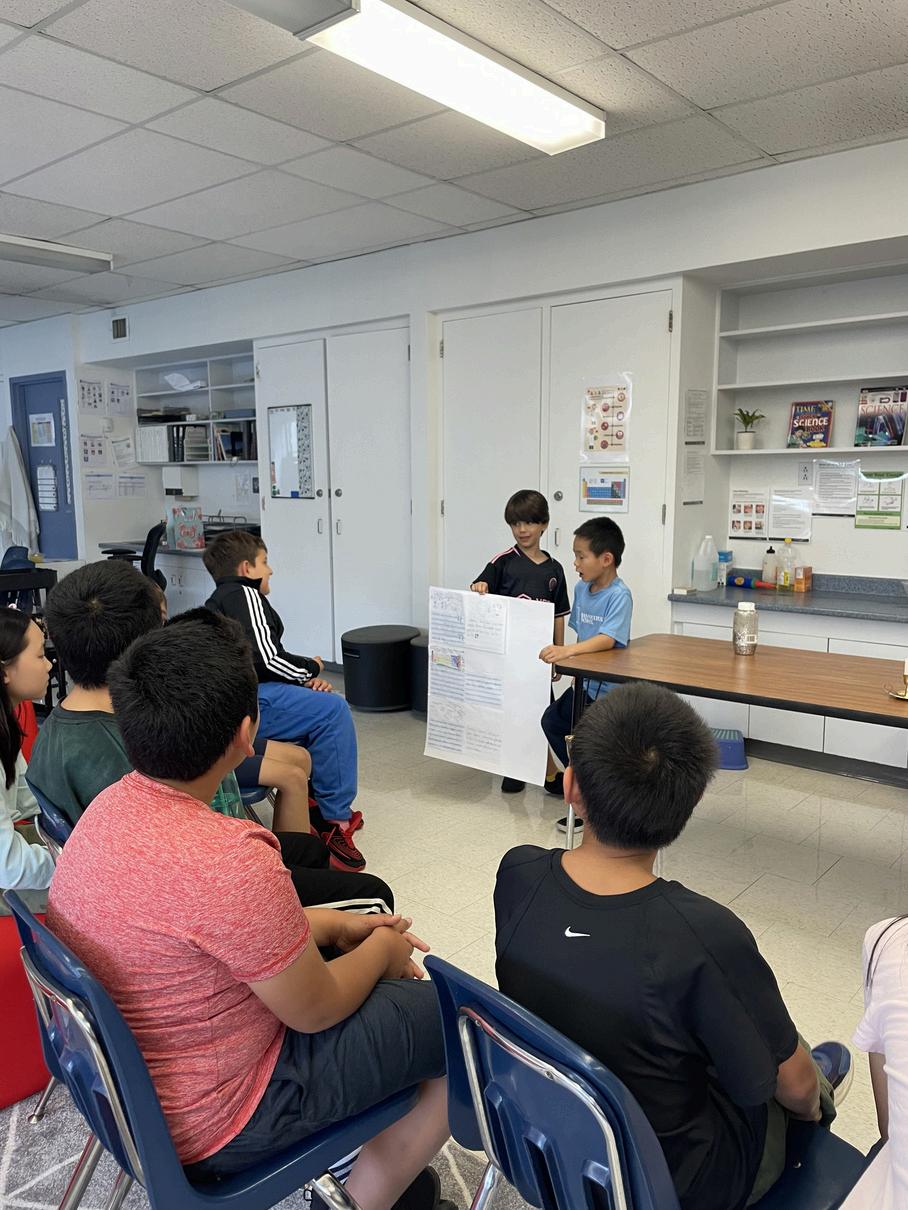
“The whole point of our program is that you’re not there to become a star, you’re
there to gain confidence, to work
together on a team, to learn your lines
together, to help each other when things
don’t go exactly as planned, to get up on that stage, to present in front of a group … all those things.”
Knowing that you’re part of something bigger is an
important lesson And they love to work together to
see how the scene comes along
“I always say that we’re in a safe space here no one
interest in drama as a child changed the course of his life.
“My boss, Alex Moses, started Act One about twenty-five or thirty years ago He ran the theatre program at Camp Wahanowin, the camp I went to as a child Then I worked at the camp for many years, and got to know Alex ”
After attending the Lee Strasberg Theatre Institute in New York City, David returned to Toronto and began working with Alex at Act One “Twenty-five years later, I’m still here!”
David thinks of Act One as a tool for gaining important life skills, not necessarily as training for life as a future performer He speaks as someone who feels dedicated and grateful for the work he gets to do
is judging you and no one will laugh at you ‘Be the
character! Put on that voice! It’s going to be great ’ It
brings me great pride to see the joy on their faces ”
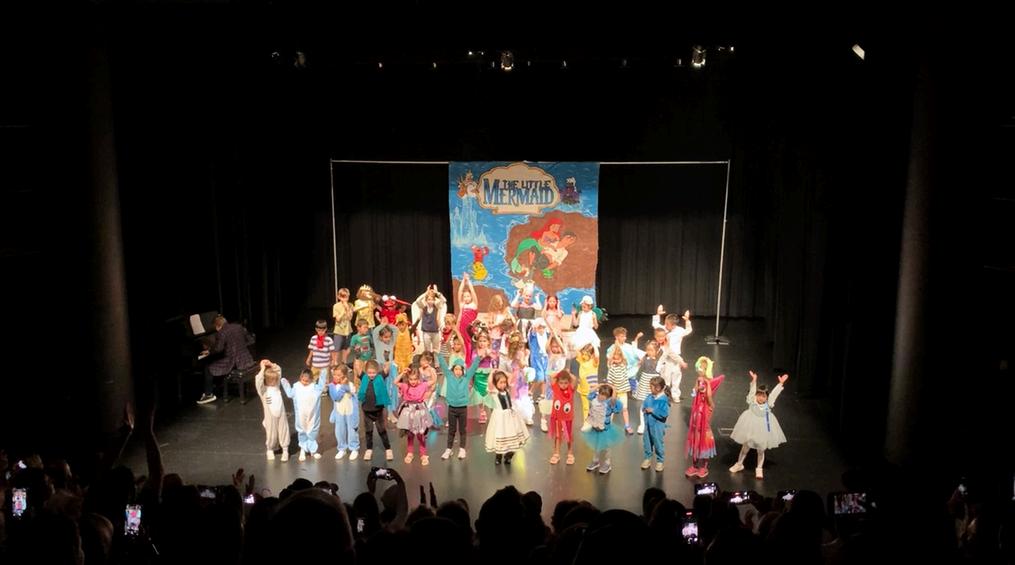
The Act One classes here at Bannockburn come
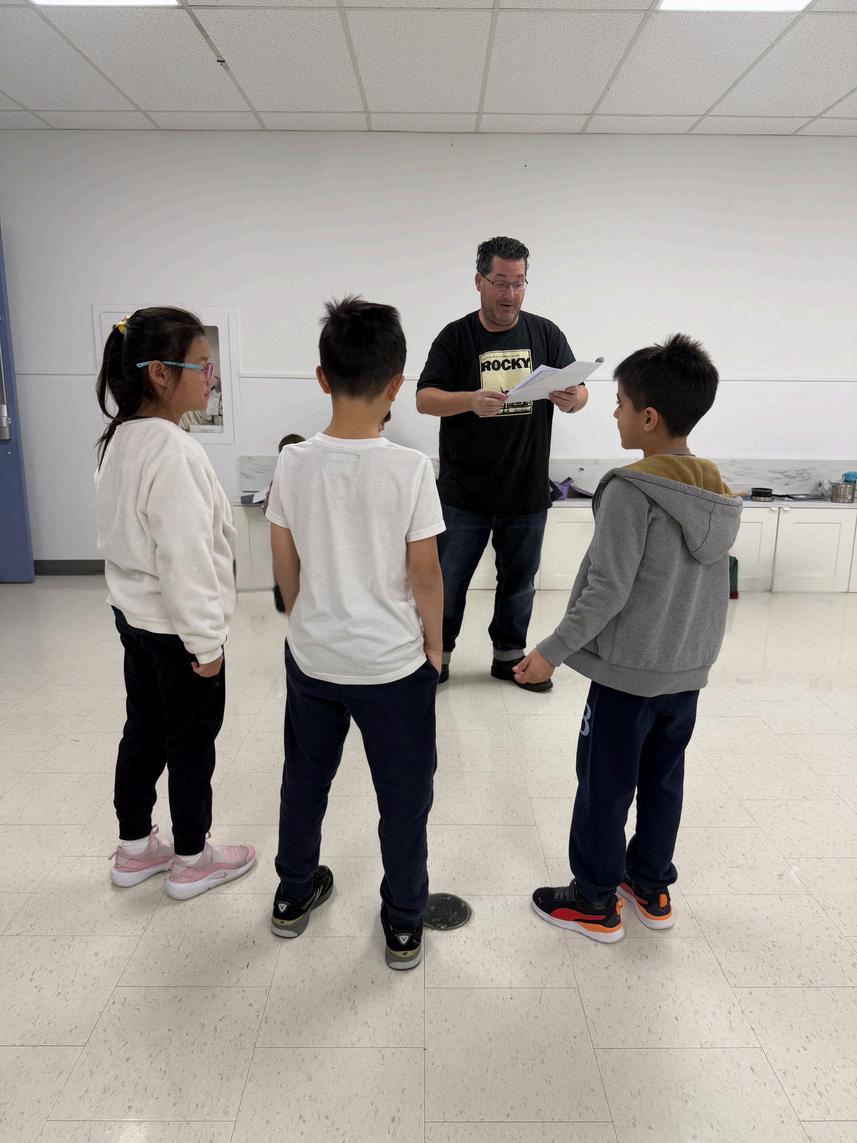
together with a lot of planning, but also by being flexible and agile “Alex and I discuss options for the productions and then sometimes I ask the kids to
give me three choices that they’d be interested in I choreograph the group numbers and the dances
Then we often tailor the script depending on the number of kids involved. For this recent production of Aladdin at Bannockburn, we sent the script out and then I got to the first rehearsal and thought, ‘Oh!
I think we need more ’ So I went home and I redeveloped the script based on the kids in the rehearsal Heather reprinted all the scripts for me at
the last minute and I totally appreciated it. The support I’ve gotten at Bannockburn over the years
from Jaci and Heather and everyone who works
there has just been phenomenal ”
David is also super thankful to the parent community here at the school
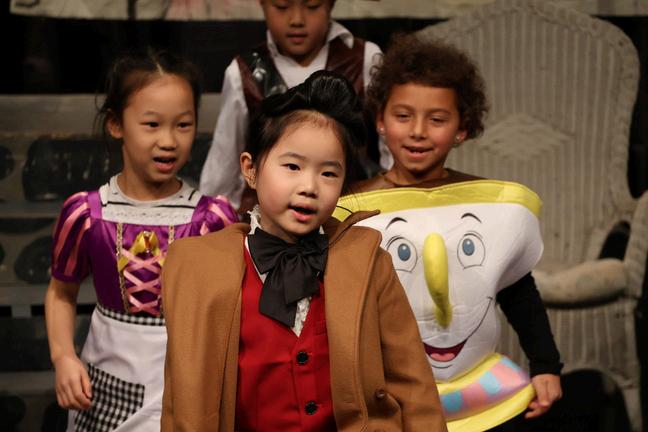
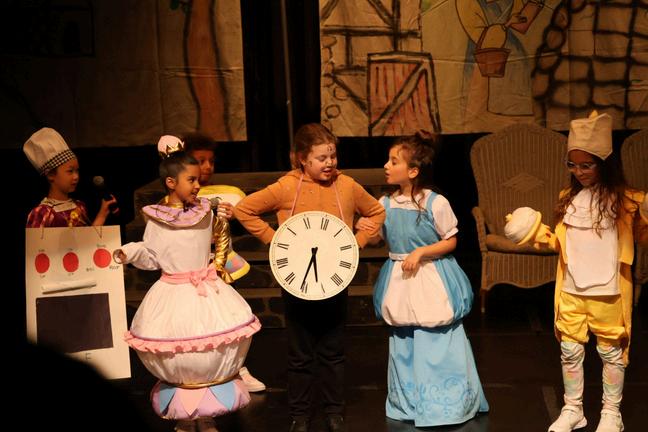
“The parent body, too, they give us so much support—between helping the kids learn their lines to putting together fantastic costumes and cheering them on there is so much support at Bannockburn. ”
Since this is the work issue, we were interested in the program as a whole He works at an average of five schools a day, including lunchtime programming.
This term he has 17 productions in the works Some classes happen at the Act One Academy at Bathurst and Eglinton in the evenings
W
a Theatre Director, there were too many to list. “What I like best is when former students come back and reminisce with me about the shows and it brings back memories for me. That it mattered enough to them to remember is meaningful to me. It’s important that they know that their work matters.”
Work Interview
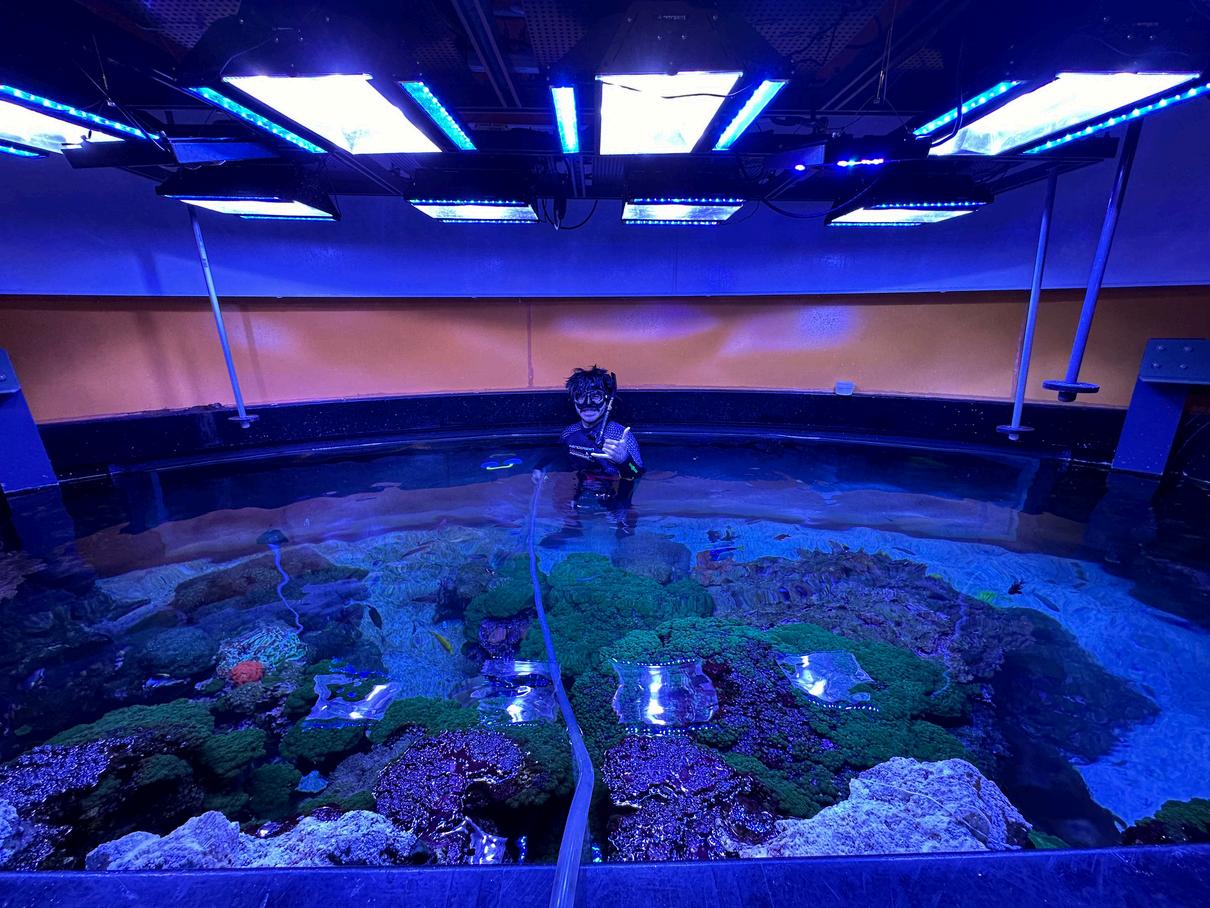
JasonFonseca, AquariumExpert
When people first enter our school’s
foyer, many are drawn to the aquarium. It
is large, colourful, and peaceful.
Throughout the school day, there is often a child standing nearby, staring in wonder at the marine life inside.
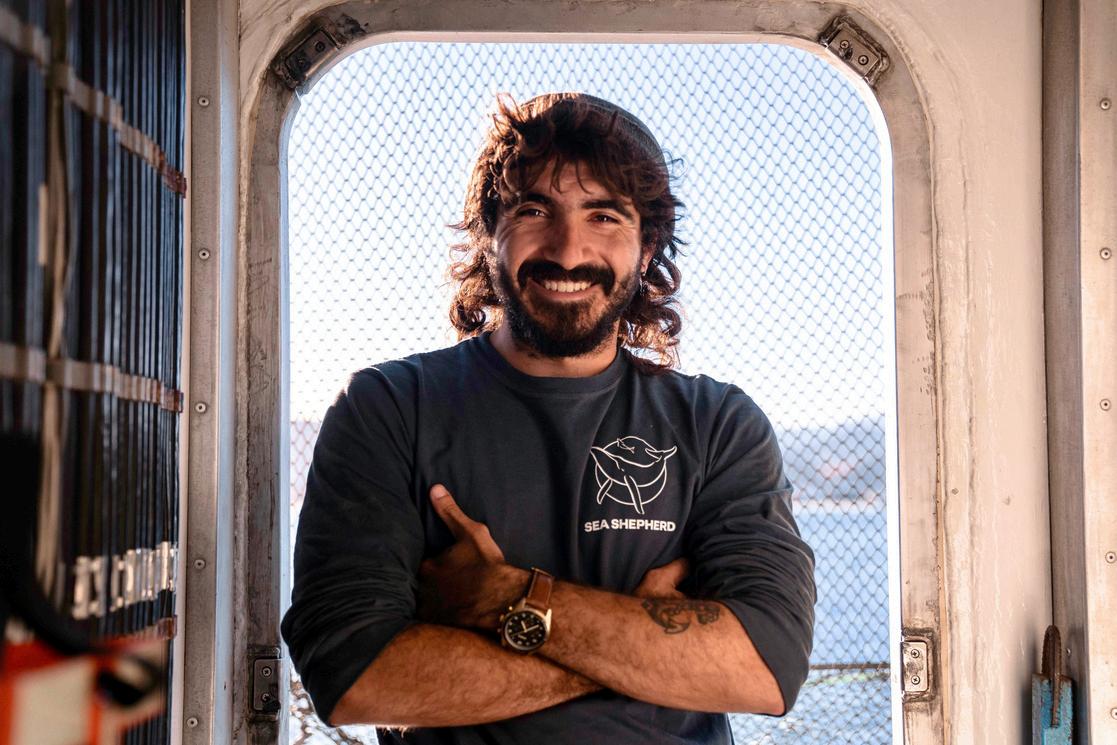
We decided to go behind the scenes (behind the glass?), and speak to Jason Fonesca, owner and operator of GTAquatics, and the longstanding carer of our aquarium He started working at Bannockburn 10 years ago after being recommended by Greg, our former aquarium expert In that time, his business has grown exponentially He currently maintains 70 aquariums, half of which are freshwater, and the
other half saltwater Is there one that he prefers?
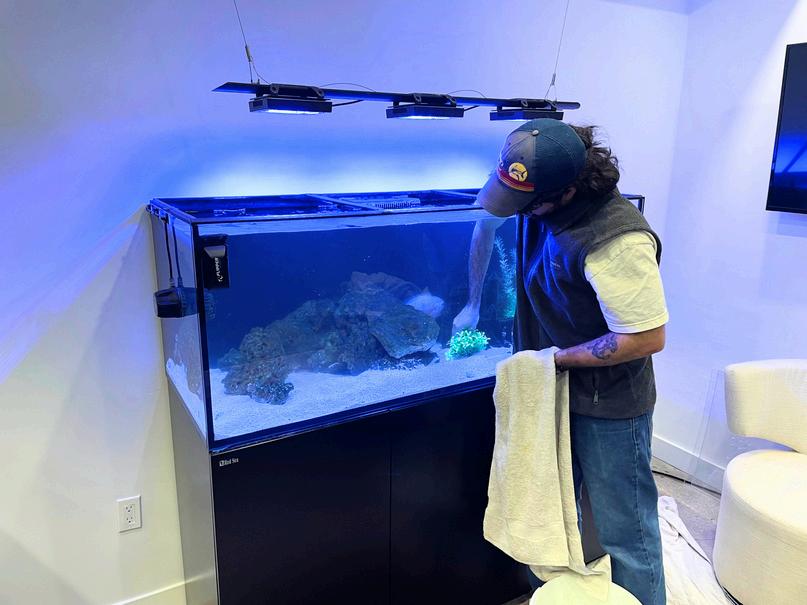
“Coral is my focus and what I’m really passionate about. They exist in aquariums like this one, a
saltwater reef tank People forget that corals are
animals they think they’re plants or rocks but corals
are some of the most sensitive and delicate animals ”
or the work he does here, he describes it as
paratively simple
Bannockburn, I come here every other week,
n the glass, do a water change, which resupplies
ank with minerals, and then I clean some of the mbing pieces to ensure that they’re working well I
clean the filter The secret to keeping a reef
successfully is lots of coral and only a few fish, h you have The coral absorbs so much of the e, so waste is not a problem It’s not a fish tank, a full ecosystem ”
So many of our Bannockburn students have a favourite fish, and Jason is the same It seems fitting in our work issue that Jason’s favourite fish is the
melanurus wrasse, the only one with a real job in the
tank It eats pests that bother the coral The students often refer to it as Purplelicious, which is, obviously, also a great name
His site, GTAquatics com, mentions a passion for marine life When and how did this begin?
“I always loved the water and was the happiest there
The coral obsession happened a bit later when I met
Greg and was just starting my degree I saw the
tanks that he had and was shocked by how beautiful
the corals were I always liked a challenge growing up, and by far, in animal husbandry terms, corals are
the most difficult ”
Part of the challenge is that coral is in a fight against climate change, a fight it is, unfortunately, losing. For experts like Jason who love coral, protecting it has taken on new and urgent meaning.
“In the wild, corals are probably the most affected by climate change We’ve lost about 80% in the last 30
years They are unique animals in that they are really reliant on their ecosystem You can imagine if you
are a super sensitive animal very reliant on your
environment and you come from the tropics, which
historically has little seasonality, change will be significant.”
The result can be coral bleaching. “What makes the
coral live are the algae in their tissues They’re single-cell algaes and when the temperature’s too
high or the water is too acidic, that algae becomes a
nuisance to the coral. ”
Jason’s interest and appreciation for marine life
started when he was a child His dad loved
aquariums, so he helped take care of them, which led to working in every aquarium store in Mississauga
From there, it seemed a natural extension to study sea life formally, and he got a bachelor of science degree in marine biology from Dalhousie University.
He also did a degree in aquaculture For the
uninitiated, aquaculture is breeding, raising, and harvesting fish, shellfish, and aquatic plants farming in water. He’s worked on various boats, as well as oyster and trout farms One ship he worked on was for environmental research, to catch poachers.
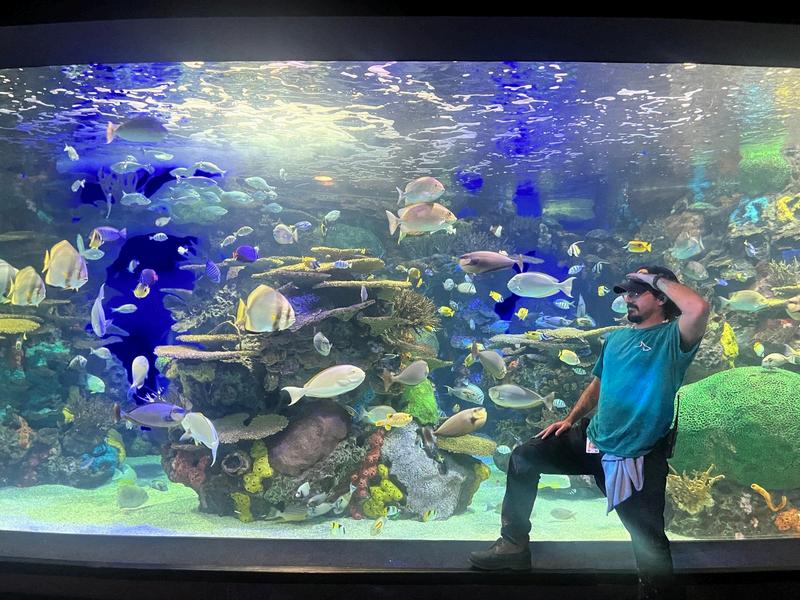
“After graduating from Dalhousie, my first job was at Ripley’s Aquarium I was the Tropical Gallery Lead for almost four years, and then I started my business, GTAquatics I went back to Ripley’s recently and one of the animals I trained, a porcupine fish, recognized
me through the glass I used to take care of the big
rainbow reef, and if you speak the language, the animals will try to communicate with you The co-
workers that I can have the biggest issues with are
fish!”
It seems like a unique and wonderful thing to have
work that grew out of a childhood interest sustain and flourish in adulthood. For Jason, the most satisfying
part is the appreciation for a tricky subject matter
“Corals are hard animals to take care of, but when
they do well, that’s the nice part. One professor
refused to talk to me about them He said to me, ‘Over
my 40-year career, I’ve seen them all die, so I don’t
want to talk about them anymore ’ Hearing that made
me think that more people should know how to care
for these beautiful animals Other animals are really
colourful for two reasons: they’re either trying to find
a mate or they’re poisonous Coral is neither It’s just
because. ”
Jason is touched to hear how adored our
Bannockburn aquarium is by children and adults alike
“I’m from Mississauga and didn’t go and see coral in the wild growing up, and I got into this industry because of aquariums So I wish everyone realized how good they are for inspiring kids. Very few people knew what they wanted to do when they were eightyears-old, and I feel very lucky to be on this path. ”
Special thanks to the BPA for helping to support the aquarium’s care with their fundraising efforts.
Inside the Work
IngridCamhi, Photographer
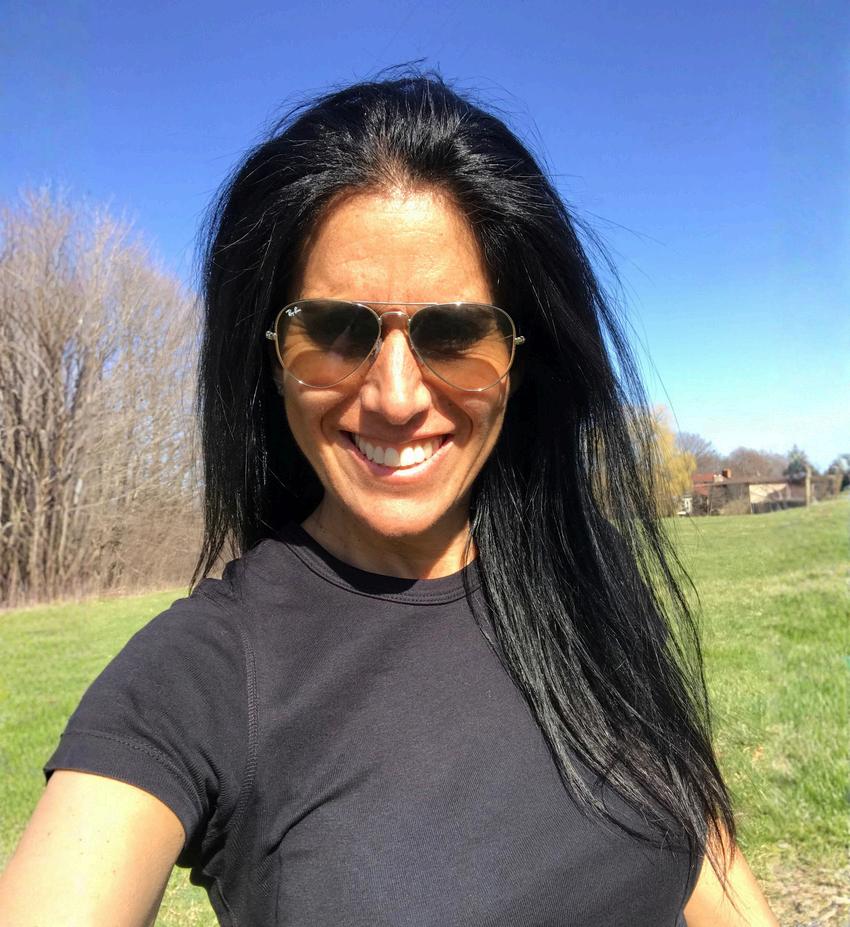
Ingrid Camhi is likely a familiar name and face to most Bannockburn parents, as she has been our school photographer since the 2006-2007 school year. Her three children attended and graduated from Bannockburn—Rebeca (2007), Andrea (2009), and Joseph (2011)—and she loves using her impressive photographic skills to capture our students.
Her connection to Montessori education shapes the way she sees her work
“I think Montessori helps to think outside of the box, ” she says “You can address one subject from many angles, like my photos Parents who are drawn to the
Montessori program may be more open to
exploration, even with photography. It’s not the
regular photo day with clouds or a blue background
and set poses. Sometimes their child isn’t even
smiling, but the parents get it, they appreciate the
moment captured For me, it’s an honour to
photograph the Bannockburn kids and to have that
window of time and to connect with those families ”
She studied graphic design in her native Mexico
City many years ago and had the opportunity to
have a specialty with her major So, she spent three
years working on photography and fell in love with
it As she says, “I fell in love with capturing the
essence of a person rather than simply asking them
to pose A photograph can reveal something real and lasting. ”
That philosophy guides every part of her process,
especially the careful planning that happens long before the camera comes out. “Who is a half day?
Who takes naps? Who are the siblings? I plan
everything ahead, respecting the kids’ time. About
three weeks beforehand I work with the staff to
coordinate the schedule. The actual photos in the school happen over four to five days I’m very
flexible because it’s a lot of juggling! A specialist class, someone isn’t feeling well, there’s Terry Fox
or a fire drill, or any number of things that require
working with all the moving parts ”
Her respect for the classroom schedules and children’s needs is one of the things she appreciates the most about Bannockburn
“I like that it’s a calm, peaceful environment I think that’s very important for the kids’ wellbeing and development The respect that the teachers have for the kids and the kids have for their teachers extends to me and everyone who comes into the school When I enter the school, it’s an orderly, clean place which creates order and safety for the kids The guidelines are well established and maintained with love When I take their photos, I get to benefit from all of that I feel at ease in an environment like that myself ”
To further that sense of calm, she introduces herself in stages to the children
“I like to enter the classroom with my camera in hand so the children can see it and become familiar with it I show them the buttons and let them understand that it’s safe That way, when they see me outside later, I’m not a stranger, I’m someone who is part of their environment ”
And if a child isn’t ready?
“That’s something I really value about
Montessori—you respect the child as an individual. If a child doesn’t want their
photo taken that day, that’s okay. Maybe they’re tired or not feeling their best. I
always build-in time to try again. I never
want a child to feel pressured or
uncomfortable. The teachers know their
Her work motto is a beautiful one and reiterates her goal to capture the essence of her subjects
students so well, and together we decide what feels right.” “The best picture is not the one in which you’re smiling and looking right at the camera necessarily, it’s the one that makes you smile when you’re looking at it. That’s my motto. ”
The days spent photographing everyone is only part one! Part two happens when she begins the lengthy process of editing the thousands of photos she takes
“I do my first selection, the first filtering, which I do to establish which retakes I need to do I’m very strict with myself I like to deliver the best of the best
Because I get a real sense of the kids, I know if one has an uncomfortable pose or a relaxed face Then I filter all the photos again Then I select them and do a fast colour and light edit Then I send them to parents That process takes me about a month at least ”
She offers a meaningful example of how to appreciate growth in photography, rather than the pursuit of perfection “Sometimes parents see a bandaid or a scratch or a bruise on their child’s leg and think, ‘Oh, I wish that wasn’t there, ’ and I tell them that that is a healthy, active kid! When they look at those photos later when they’re older, those things make it even sweeter Everything in that photo has a memory and will create a history Everything the camera catches tells a story, even if it’s a band-aid Sometimes they have on the wrong shoe! You laugh about those things later and that’s the story ”
Ingrid is grateful that her work is meaningful to families “Parents see them as a treasure These images are a sometimes nostalgic, beautiful reminder of where their children were and where they’re going ”
Alexander GrahamBell
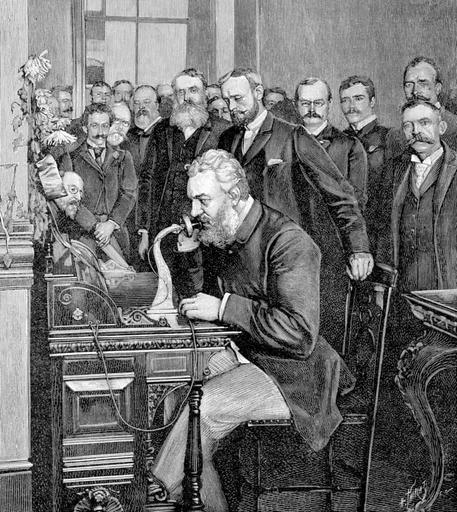
For most people, when you read the name “Alexander Graham Bell, ” a single phrase pops to mind: “the inventor of the telephone. ” But Bell’s life, accomplishments, and profound interest and promotion of Montessori education makes his life story so much more interesting than a single fact
Born in Scotland in 1847, Bell was raised in a family in which both his father and grandfather were experts in the fields of speech and elocution (pronunciation and articulation) In 1835, his grandfather published a seminal work, The Practical Elocutionist, which was based on the symbols of language When Alexander was 12-years-old, his mother began to gradually lose her hearing The combination of his family’s expertise and Alexander’s need to communicate with his mother in new ways led Bell to study acoustics
In 1870, his family emigrated to Canada, after the death of his two brothers from tuberculosis They settled in Brantford on a farm, but in 1871, he began
a teaching job in Boston at a school for the deaf He
taught “visible speech, ” which entailed teaching with
a series of illustrations that showed how sounds were made, and also worked with vibrations in an effort to
“feel” sound In 1873, he began tutoring a deaf student named Mabel who later became his wife
When not teaching, he researched the electrical
transmission of sound, which ultimately led to his
invention of the telephone
Montessori education, with its emphasis
on the phonetic approach, was instantly
appealing to both Alexander and Mabel
Bell. In Montessori, the student explores
the specific sounds of language, isolating each one.
Sandpaper letters that correspond to the sound are traced, connecting two sensory experiences. From
there, the movable alphabet is introduced, in which the letters and sounds are used to build words. This,
ultimately, leads to reading and writing with a profound understanding of language.
In 1912, the Bells read about the Montessori
curriculum in McClure Magazine They went to the first Montessori school in the U.S.A. in Scarborough, New York within weeks of learning about the program. They opened a Montessori school in Washington, D C , and established the first Montessori school in Canada at their home in Baddeck, Nova Scotia Alexander and Mabel established the Montessori Educational Association, an early Montessori-promoting organization, in 1913
Below is a letter he wrote to Maria
Montessori, extolling the virtues of
Montessori and inviting her to join their
new association.
Dear Dr. Montessori,
On behalf of the Montessori Educational
Association, I am honored to inform you that we
have chosen you as an honorary member of our
Association, as a way of expressing our deepest
gratitude for your great work in the service of humanity The Montessori Educational Association
has just been formed (with Mrs. Bell as President) to
promote and develop in America an educational movement based on its philosophy.
The organization is growing remarkably, due to the
great interest and enthusiasm aroused mainly among parents, whose children have attended, throughout the winter, the class that Miss George has carried out at my house The development and growth of children has been so favorable and the experiment has been so inspiring, that people from all over the country have become convinced of the value of its teachings and the advantages to
American education that would be followed from a general adoption of the Montessori Method
The High Commissioner for Education has agreed to form part of the Association and one of the daughters of the President of the United States has been very interested in the Method and we hope that she will also participate actively in the
Association
We would be greatly pleased if you agree to be an honorary member of our Association We believe that the Montessori Method with the powerful support we are giving it, can extend very favorably throughout the United States
If you could visit our country we would be pleased to give you the warmest welcome as we consider it one of America's top beneficiaries
Sincerely,
Alexander Graham Bell
Washington, April 29, 1913
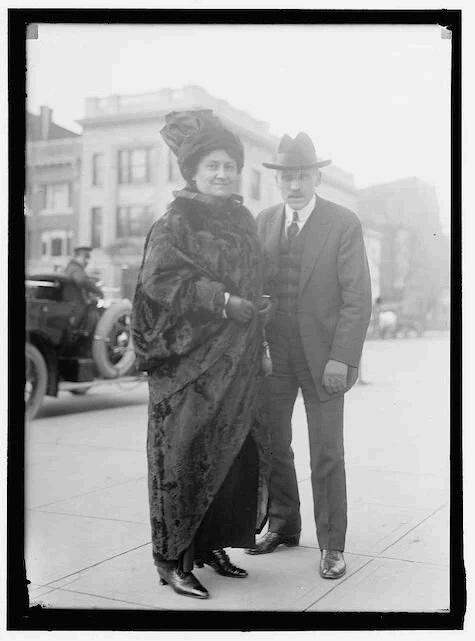
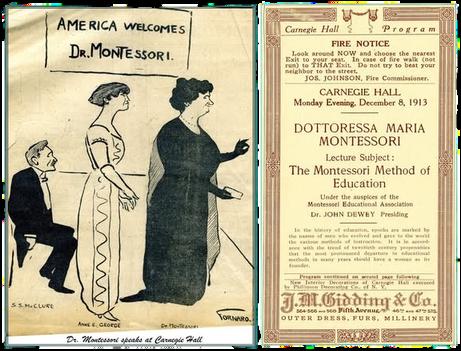
Maria Montessori and the founder of McClure Magazine on her trip to America in 1913
For those who may be wondering, “Did she take them up on their offer and visit?,” the answer is yes
Eight months later, in December 1913, Alexander and Mabel Bell hosted a large reception in her honour. Oh, to be a fly on the wall for those conversations!
Cultivating Curiosity Nurturing Potential
Empowering Independence
Bannockburn Mission Statement
Bannockburn develops responsible, nurturing, peaceful young people with self-esteem and respect for others. Bannockburn graduates are selfmotivated, intellectually curious students who love learning and who achieve academic success.
Contact
3080 Bayview Avenue, North York, ON. M2N 5L3
(416) 789-7855 | www bannockburn ca | reception@bannockburn ca