Bank cuts interest rates and slashes growth forecast
Desk report:
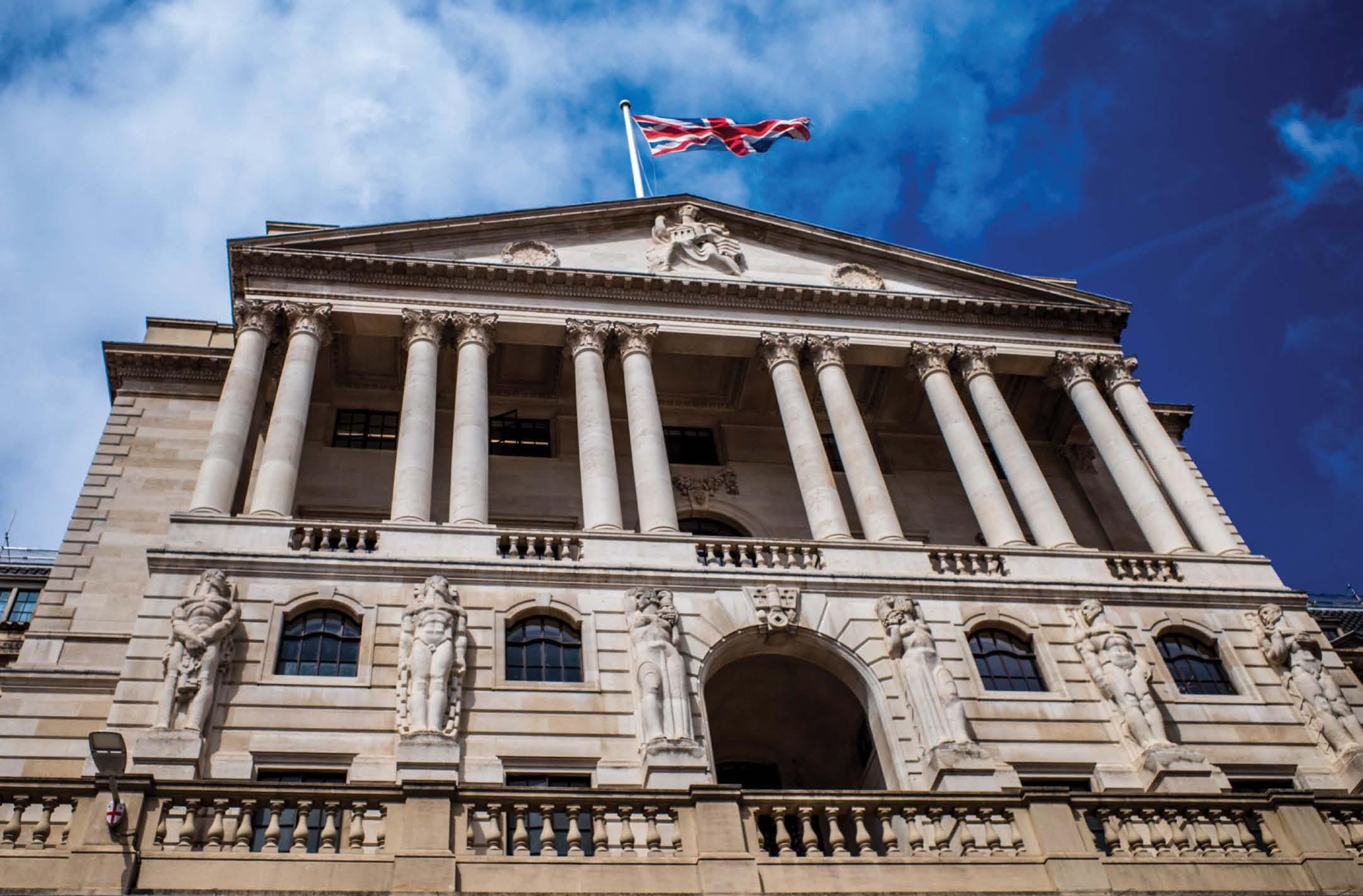
The Bank of England has halved its growth forecast for this year as it cut interest rates to the lowest level for more than 18 months.
The economy is now expected to grow by 0.75% in 2025, the Bank said, down from its previous estimate of 1.5%.
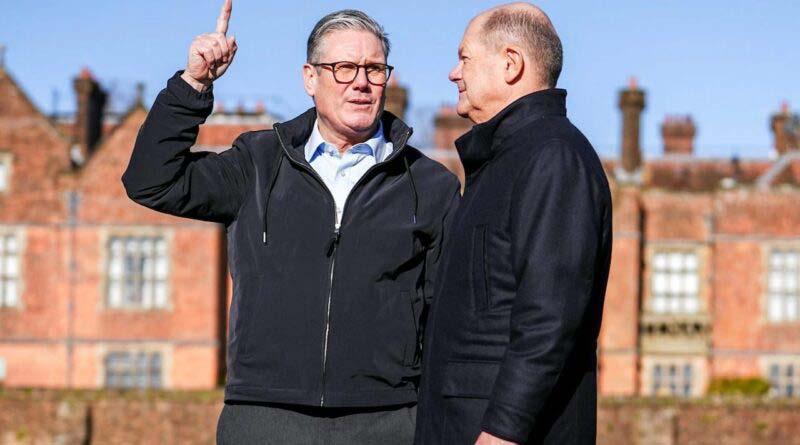
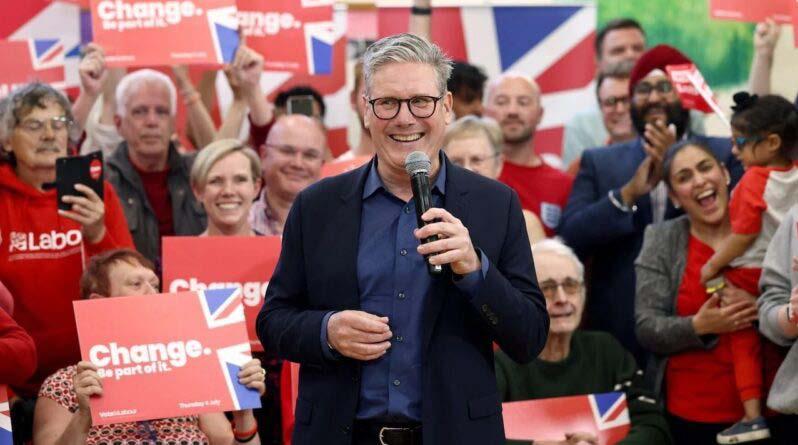
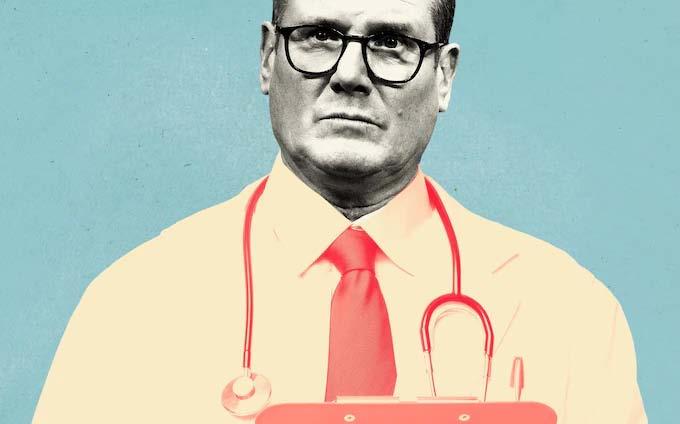
The government has made growing the economy one of its key aims. Prime Minister Sir Keir Starmer told the BBC he was "not satisfied with growth" and the downgraded forecast "just spurs us on".
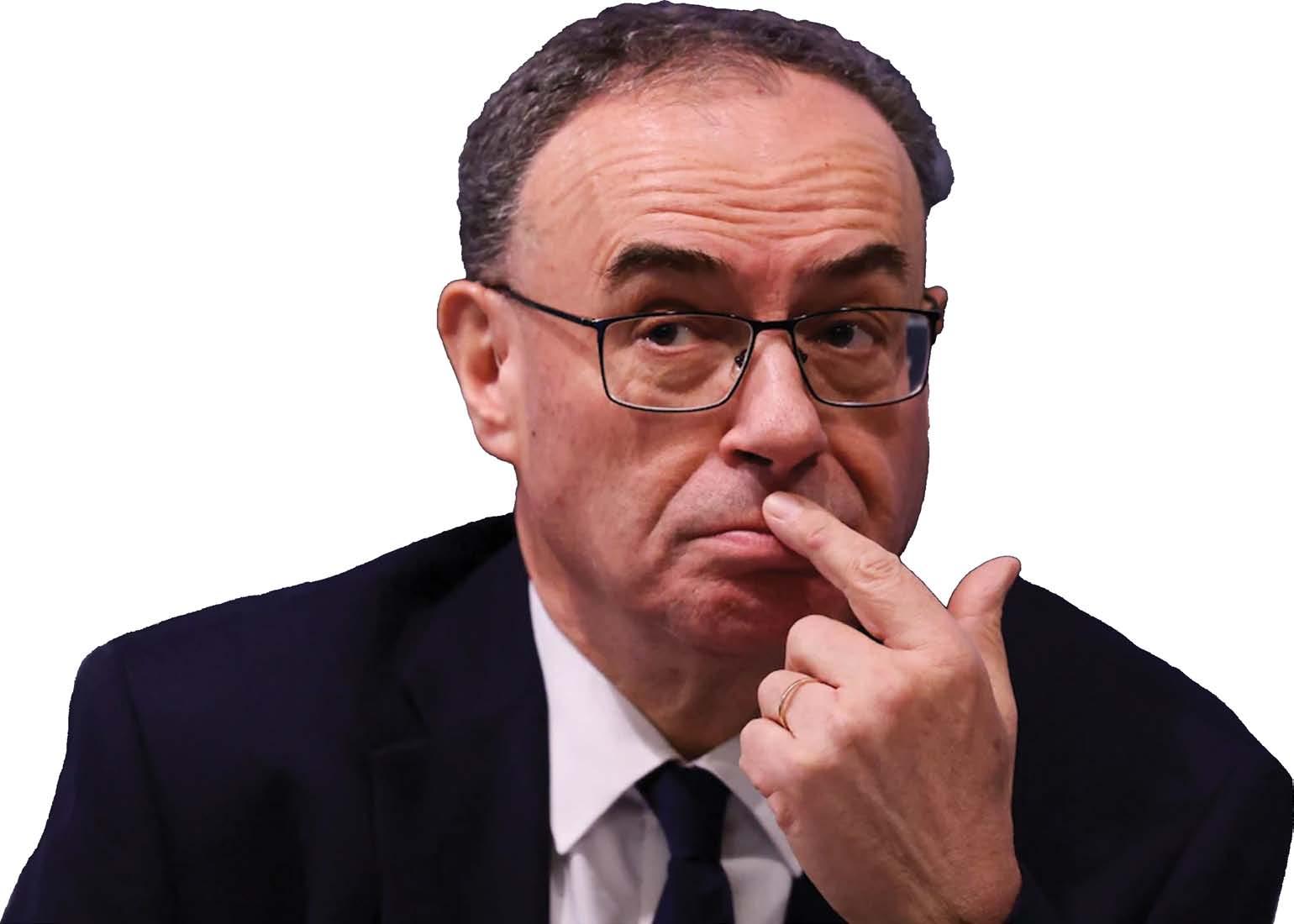
The new forecast came as the Bank cut interest rates to 4.5% from 4.75%. Its governor, Andrew Bailey, said that rates remain on a downward path.
Mr Bailey said the Bank expected to be able to cut rates further "but we will have to judge meeting by meeting, how far and how fast".
"We live in an uncertain world, and the road ahead will have bumps on it," he added.
Speaking to the BBC, Mr Bailey stressed that the Bank needs to remain "gradual and careful" when continuing to cut rates because "there is a lot more uncertainty" and because of the predicted rise in inflation.
While it cut its growth forecast for this year, the Bank upgraded its predictions for both 2026 and 2027. The economy is now expected to grow by 1.5% in both of those years, the Bank said, up from 1.25%.
However, it also predicted that higher energy and water bills would push up inflation "quite sharply" later this year, and warned there were a number of factors that could affect inflation including possible trade tariffs in the US.
Inflation - the rate at which prices rise - is now expected to rise to 3.7% and take until the end of 2027 to fall back to its 2% target.
Last week, Chancellor Rachel Reeves announced a number of measures to try to boost the UK economy. However, her decision in last
year's Budget to increase employers' National Insurance contributions from April has led to a wave of criticism from businesses, who argue it will push up prices and hit investment and jobs.
Mr Bailey said the impact of the Budget, particularly the looming higher costs of employing people, was feeding through into lower confidence for businesses and households.
"There's no question that the increase in the cost of employment does have an effect," he told the BBC.
"We're very focused on how that
increased cost of employment is going to pass through."
Sir Keir told the BBC the government would turn the economy around with a focus on "build baby build" and by making "tough decisions whether on planning, on infrastructure, on nuclear".
Shadow chancellor Mel Stride said while the rate cut would be good news for many families and businesses, the government's "disastrous Budget" was likely to mean fewer rate cuts this year than expected.
Paul Johnson, director of the Institute for Fiscal Studies think tank, said it was "very worrying" for the government that the Bank of England has "really, quite significantly" downgraded its forecasts for economic growth.
He added that if the official government forecaster - the Office for Budget Responsibility - changes its forecast in line with the Bank's then "the chancellor is in big trouble" when it comes to meeting her self imposed debt rules.
"That means... the tax revenues the chancellor is relying on are unlikely to come in as expected, and even tougher choices on spending and tax going forward."
Mortgage impact
The interest rate cut means that for the 629,000 homeowners on mortgage tracker deals that move in line with the base rate, there will typically be a £29 fall in monthly repayments.
The near 700,000 people on standard variable rate mortgages will have to wait to see if their lender responds. Those on a fixed mortgage deal will see no immediate change, but there might be cheaper deals available for new and renewing customers. However, the rate cut is likely to lead to lower returns for savers.
Tories would kick out low-paid migrants
Desk report:
Jobless and low-paid migrants would be barred from settling indefinitely in the UK under the first major Conservative policy announcement by Kemi Badenoch.The Tory leader is proposing that migrants who have entered the UK legally should only be allowed to apply for indefinite leave to remain (ILR) once they have been in the country for 10 years, double the current five-year threshold. Under the plans, in order to qualify, a migrant would have to have worked and not claimed benefits or used social housing during the entire 10 years they had spent in the UK.They would also have to have been “net contributors” to the economy over the decade, meaning their salary and tax payments must be high enough to outweigh their costs to the state,
including those of their children and any benefits they may have claimed.It would mean most low-skilled foreign workers, including any on the minimum wage, would be excluded from claiming indefinite leave.
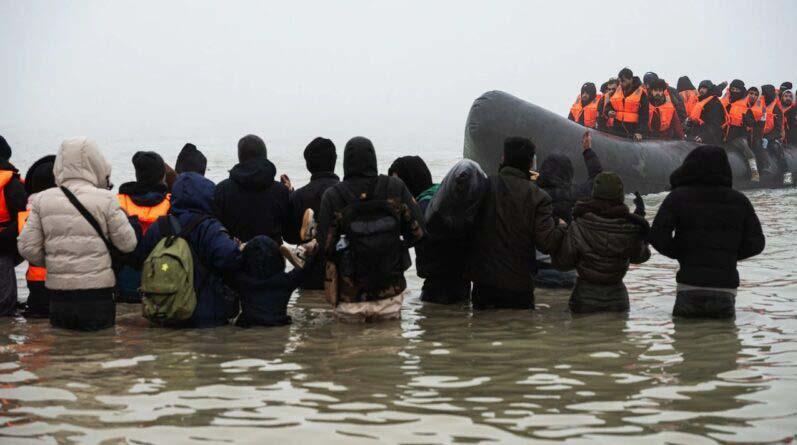
Any migrants who had arrived illegally, whether on small boats across the Channel or by overstaying their visa, would automatically be barred from claiming ILR even if their asylum claim was granted so that they
were legally recognised as refugees. Denying them the right to remain indefinitely in the UK would leave open the possibility that they could be returned to their home country if the situation that forced them
to flee improved.
Anyone whose visa expired after failing to secure ILR could also be removed from the UK.
Tories ‘will tell hard truths on immigration’ Mrs Badenoch said: “Our country is not a dormitory, it’s our home. The right to citizenship and permanent residency should only go to those who have demonstrated a real commitment to the UK.
“The Conservative Party is under new leadership. We’re going to tell the hard truths about immigration.
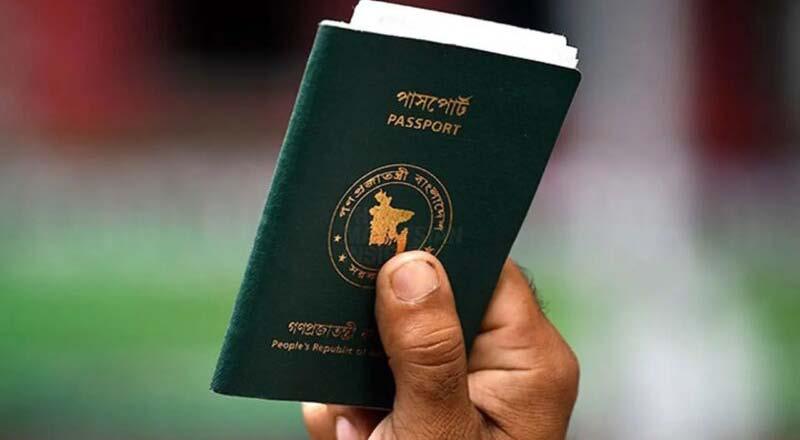
“The pace of immigration has been too quick and the numbers coming too high for meaningful integration. We need to slow down the track for citizenship. A UK passport should be a privilege, not an automatic right.”
Desk report:
Sir Keir Starmer has scrapped reforms designed to end Britain’s “sick note culture”, The Telegraph can reveal. A flagship Tory plan announced last year proposed to let work specialists, rather than GPs, decide whether employees were fit enough to do their jobs.
The reforms were an attempt to tackle the surge in sick notes – now officially called “fit notes” – after they more than doubled from 5 million in 2015 to 11 million in 2022, fuelling Britain’s worklessness crisis. However, a Labour minister in the House of Lords confirmed in a written response to a parliamentary question this week that the drive has now been abandoned.
Baroness Sherlock said: “The Government has no current plans to reform the fit note (Statement of Fitness for Work) in terms of the content of the form or the healthcare professionals who are legally allowed to issue them.”
A Department for Work and Pensions (DWP) spokesman confirmed it was the first time the Government has said publicly it is not going ahead with the reforms. A Labour source argued they were lacking in detail.
Starmer ditches plans to end Britain’s ‘sick note culture’
The number of people deemed unable to work owing to long-term sickness hit a record high of 2.8 million in early 2024, up from 2 million before the Covid pandemic. The increase, in part driven by an increasing number of people citing mental health illnesses, has put growing pressure on the Treasury’s revenues.
Tens of billions of pounds of taxpayer money is expected to be needed to cover the
UK’s benefits bill, including supporting those on longterm sickness, between now and the next general election due in 2029. Critics of the current sick note system have questioned whether there is enough incentive for GPs, who get paid for appointments where sick notes are signed off, to reject requests.
Given the tightness of the public finances and the
current push to find savings, the Treasury, No 10 and the Department for Work and Pensions are aligned in the need to identify potential welfare budget cuts. Rishi Sunak’s plan was to use figures with more work expertise, rather than just GPs, to sign off sick notes.
Mr Sunak said last year: “We don’t just need to change the sick note, we need to change the sick note culture so the
default becomes what work you can do – not what you can’t.”
He added later: “We’re also going to test shifting the responsibility for assessment from GPs and giving it to specialist work and health professionals who have the dedicated time to provide an objective assessment of someone’s ability to work and the tailored support they need to do so.” A formal call for evidence was then issued by the Tory government. It warned “there is currently not enough capacity or specific work and health expertise in primary care to make an effective assessment of a patient’s ability to undertake work”.
The move to ditch these plans will prompt fears that the actions of Liz Kendall, the Work and Pensions Secretary, will fail to live up to her tough rhetoric about the need to tackle the ballooning welfare budget. Sir Keir has also been criticised for once again giving in to the unions after the British Medical Association (BMA), the trade union which represents doctors, criticised the Tory plans.
A senior BMA figure accused Mr Sunak of “hostile rhetoric” on sick notes.
Trump’s ‘leaked’ plan for Ukraine war
Desk report:
Donald Trump’s ‘plan’ to end Russia’s war in Ukraine has reportedly been leaked online ahead of his rumoured meeting with Vladimir Putin.
Conditions of a potential ceasefire could include a stop on Russia’s steady military advance on the battlefield and a ban on Ukraine from joining Nato.
The US proposal is also expected to demand that Ukraine accepts Russian sovereignty on annexed land – a concession that Volodymyr Zelensky will likely not make.
The Ukrainian president has rejected any suggestions of ceding territory to Russia, while Putin has demanded that Ukraine give up its aspirations of joining the military alliance. As of 2025, Russia occupies a fifth of Ukraine, with an estimated 3 to 3.5 million Ukrainians estimated to be living under occupation.
A freeze on Russian attacks will abandon those – surviving – near the front line and those in occupied Ukrainian land in limbo. Striking a peace deal on the first day in the White House was Trump’s main foreign policy, one which
has miserably failed at. This goalpost was later moved to his first 100 days in office. His plan – set to be announced at next week’s Munich Security Conferencewould allegedly see a deal in place for Easter.
A phone call between
Zelensky and Putin in early February is expected to kick off the process, followed by a meeting between the two by the start of March.
A declaration on the agreed parameters for ending the war would then be released by May 9, after which
Ukraine would be asked not to extend martial law or mobilise troops.
There has been no word from Zelensky’s office regarding the speculation, but he has demonstrated willingness to negotiate with Russia, based on a plan that preserves Ukraine’s sovereignty and territorial integrity in the long run. Spokesperson Maria Zakharova told a news briefing in Moscow:
‘As for the role or possible role of the US in resolving the crisis around Ukraine, once again: everything will depend on concrete actions and on the plans of the new administration embodied in those actions.
‘For now, there are many words and many statements. (But) there is no clarity on the steps being taken (by the US), so it would be premature to talk about the prospects for negotiations or anything at all in this context.’
EURO ALUMINIUM & UPVC
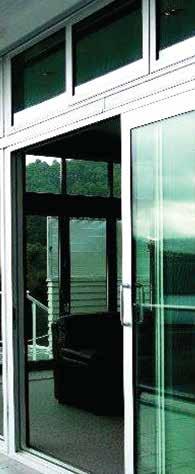
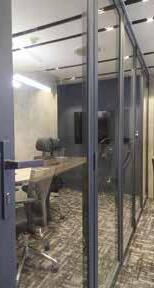
Discover the elegance of your home with Aluminum & Upvc Double glazing
We are here for the demonstration of our heat and sound reducing uPvc and Aluminium doors & windows.
WE ARE EXPART AT
Euro Aluminium Double Glazing
Upvc Double Glazing Door & Windows
Curtain Wall
Glass Door & Windows
Aluminium Door & Windows
Shower Door
Office Partition
Office Decoration
Home Decoration
Empower Yourself This World Cancer Day: Know Your Body and
Desk report:
Desk report: On World Cancer Day, health professionals and faith leaders are coming together to emphasise the crucial importance of getting checked out by your GP if you notice anything in your body that could be a possible sign of cancer.
Scheduled for Tuesday 4th February, this year’s World Cancer Day aims to raise awareness about cancer prevention and mobilise action towards early detection. Alongside this, NHS England’s latest campaign encourages everyone to be aware of their bodies and to be able to spot potential cancer symptoms, which can lead to earlier diagnosis and treatment. Anyone can get cancer, but finding it early makes it more treatable and could save your life. Checking your body
Get Yourself Checked
and healthy, it’s important to be very aware of our bodies. Start checking yourself
regularly helps you to know what’s normal for you, and to notice anything that might seem different from usual. However, a recent survey by NHS England found that under half (46%) of South Asians regularly check for changes in their bodies. Something that feels unusual, or a change in your health, could be a sign of cancer so we need to make checking our bodies part of our regular routine. GP Dr Farzana Hussain sees World Cancer Day as the perfect opportunity for everyone in the community to start taking control of their health:
‘Cancer isn’t something we like to talk about or think about, but even if you’re fit
regularly so that you know what your body usually looks and feels like – then it’s much easier to spot any differences that might signal a problem.’
There are many different possible symptoms of cancer, including having tummy trouble – like diarrhoea or discomfort in that area – for more than three weeks, or blood in your urine, even just once. Unexpected weight loss or a cough for three weeks or more could also be a possible sign that needs investigating. The first step should always be to contact your GP to get checked out, but we often put off making an appointment and just hope the symptoms will go
away.
The survey found that over two thirds of South Asian
could be a sign of cancer, your GP will want to see you. You won’t be wasting
people (67%) would not contact their GP about heartburn or indigestion for three weeks or more, and three quarters (76%) would not contact their GP if they had unexplained night sweats – despite both of these being potential signs of cancer. Just over 1 in 5 would put off making an appointment because they wouldn’t want to waste NHS time or be a burden, and more than a third (38%) would want to be sure it was serious before contacting their GP.
Dr Hussain explains how vital it is to act quickly if you spot anything that could be a sign of cancer:
‘If you notice anything that
in hand with family and faith: ‘Checking yourself regularly and seeing a GP for anything you may be worried about is part of our commitment to our religion and to family life. We cannot take anything for granted and we must take care of ourselves so that we can live a long and prosperous life’.
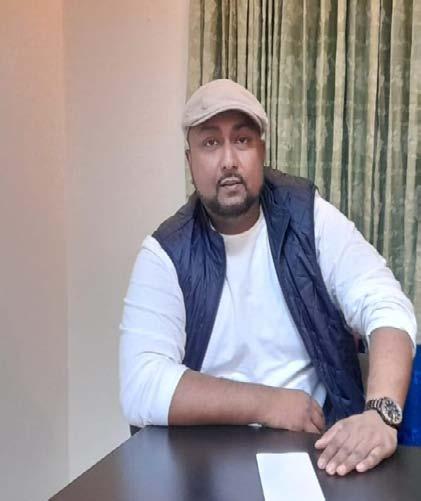
While over a third (37%) of South Asians say that they often put off a visit to the GP because they are afraid of the potential diagnosis, an overwhelming 87% – almost 9 in 10 – felt a sense of relief after the last time they had a health issue checked with their GP. Ali Rofe is in remission from lymphoma –a type of blood cancer. He wants others to know how important it is to get checked: ‘God forbid if it’s cancer, it’s a race against time – the earlier it’s diagnosed, the
our time, but you could be saving your life. If your GP suspects cancer, they’ll refer you for tests – in most cases it may turn out to be nothing serious, but please get checked out immediately if there’s anything out of the ordinary for you – the sooner cancer is diagnosed, the better.’
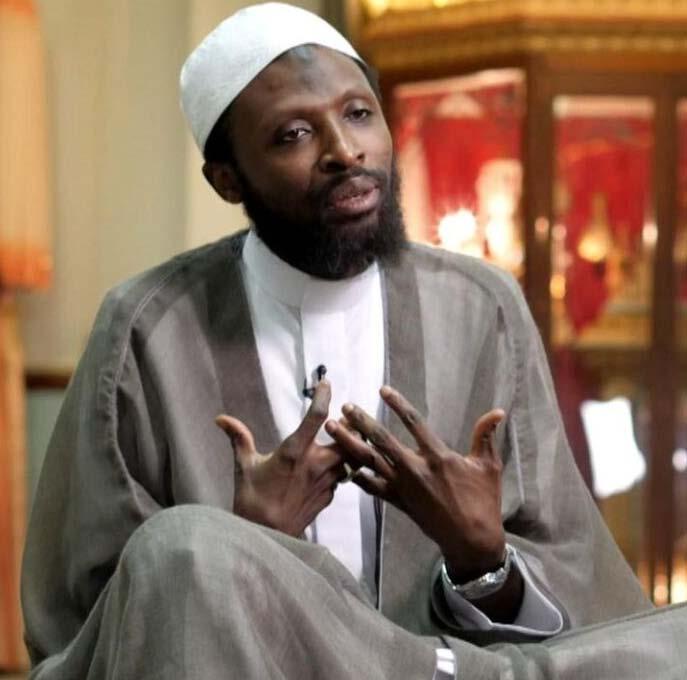
Over half of South Asian survey respondents (53%) also said that family was one of the most important things in their life and 1 in 5 (20%) would worry about the possible impact on their family if they got bad news about their health. Imam Sheikh Nuru Mohammed, is clear that checking for cancer symptoms goes hand
better chance you have. We’ve got to look after ourselves and be vigilant about our bodies. It can be frightening to even think that you could have cancer, but it’s always better to know.’
This World Cancer Day, let’s all put our health first and get checked.
If something in your body doesn’t feel right, contact your GP practice. If your GP suspects cancer they’ll refer you for further tests. It’s probably nothing serious, but finding cancer early makes it more treatable and can save lives.
For more information on cancer signs and symptoms go to nhs.uk/ cancersymptoms
Desk report:
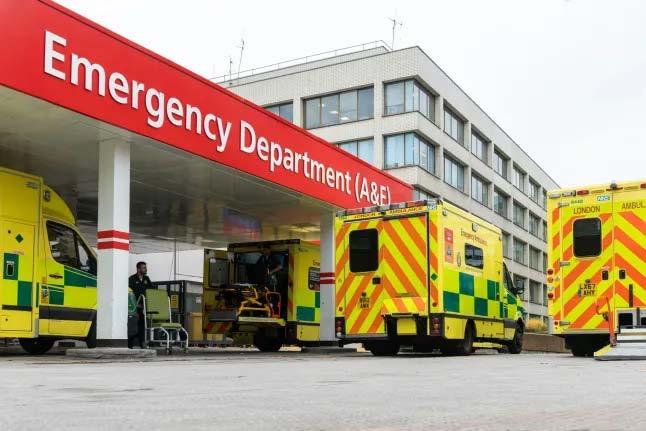
NHS hospitals have nearly run out of beds
Hospitals are running out of beds, with less than half the people fit for discharge released each day in England.
The NHS is under pressure from multiple directions. At 96% capacity on average, adult beds are closer to capacity than any point this winter.
Norovirus is wreaking havoc. Diarrhoea, vomiting and other stomach bug symptoms filled an average of 961 hospital beds each day last week.
‘Cases are way above what we would usually see at this time of year’, Amy Douglas, epidemiologist at UK Health Security Agency, said. ‘Outbreaks in hospitals continue to rise.’ But just 41% of people ready to leave hospital last week actually did, due in part to the long-running problem of delays transferring people from hospitals to social and community care.
As a result, hospitals are ‘close to full’. That’s even after ‘more beds have been opened to manage the increased demand’. according to Professor Julian
Redhead, NHS England’s national clinical director for urgent and emergency care.
In total, 98,101 patients were in hospital each day last week. Around 7% of the 13,776 occupied hospital beds were filled by patients deemed clinically ready for discharge. While most people recover from norovirus in a couple of days, some people – including the younger, elderly and people with compromised immune
systems – may suffer more serious and prolonged illness.
Cases of the stomach bug have reached the highest levels since 2020, while other viruses also circulate.
Douglas said: ‘It’s really important that if you have diarrhoea and vomiting, you take steps to avoid passing the infection on.
‘Please avoid visiting people in hospitals and care homes
to prevent passing on the infection in these settings.
‘Do not return to work, school or nursery until 48 hours after your symptoms have stopped and don’t prepare food for others in that time either. This is because you can still pass on the virus in the days after you stop being sick.’ Prof Redhead said: ‘While pressures on hospitals remains incredibly high, it’s vital people continue to use NHS services in the normal way – using 111 and
Plan to dismantle Grenfell Tower 'unforgivable', families say
111 online if you need advice and support for health conditions, and only using 999 or attend A&E in lifethreatening emergencies.’
Health and Social Care Secretary, Wes Streeting said: ‘The broken NHS this government inherited has led to patients and staff facing unacceptable conditions in hospitals up and down the country this winter.
‘It will take time to fix the NHS but with investment and proper reform, we can make our health service fit for the future and make sure that annual winter pressures do not automatically lead to an annual winter crisis.
‘We’ve taken important steps to reduce pressures this year – including ensuring doctors are on the front line and not the picket line – and over the coming years, our Plan for Change will deliver the necessary reforms to improve urgent and emergency care services and reduce waiting times.’
Desk report:
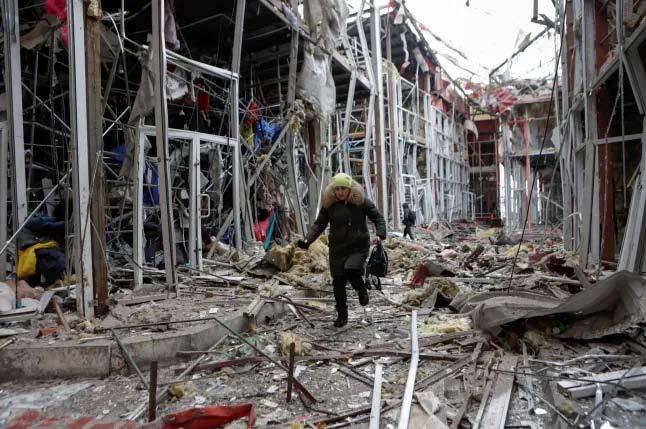
The decision to deconstruct Grenfell Tower has been met with anger by some bereaved relatives and survivors of the fire that killed 72 people there in 2017.
Deputy Prime Minister Angela Rayner told a meeting on Wednesday that the west London tower block would be dismantled to ground level.
But a spokesperson for Grenfell United, which represents some of the bereaved families and survivors, said no-one at the meeting supported the decision, and that ignoring their wishes was "disgraceful and unforgivable".
There has been years of debate over the future of the 24-storey tower, with some hoping it would remain as a lasting reminder of the tragedy and others wanting it replaced with a new memorial.
Some local residents have called for it to be removed completely.
One former Grenfell
resident said the section of the block that is structurally unsafe should be taken down, but retained to become a memorial as "if it's out of sight, it will be definitely be out of mind".
A formal government announcement on the matter is expected to be made on Friday.
The spokesperson for Grenfell United said Rayner
had refused to confirm how many bereaved people and survivors had been spoken to in the "recent, short four week consultation".
"Today's meeting showed just how upset bereaved and survivors are about not having their views heard or considered in this decision," they said in a statement.
"Ignoring the voices of bereaved on the future of
our loved ones' gravesite is disgraceful and unforgivable."
Kimia Zabihyan, from Grenfell Next of Kin, which also acts for some of the bereaved families, told the BBC she had attended the meeting with Rayner. She described the meeting as "charged", but said Rayner appeared to have come along with the "best
of intentions".
"The deputy prime minister was very clear that she has taken this decision very seriously, that it is a serious responsibility and that it is a very sensitive decision to make, but it is one that she felt she had to make," said Ms Zabihyan, adding that Rayner said she had made the decision based on what engineers had recommended.
The government has previously been warned the structure may be unsafe due to the extent of the fire damage.
A report in 2020 recommended the tower be propped up in various places because the concrete that reinforces it had been damaged by the weather, and that the heating and drying of summers and winters had created some instability. The engineers recommended that the tower was brought downand in 2019 the government was told the tower should be taken down above the 10th floor.
Bloated public sector is damaging economy, warns Andrew Bailey
Desk report:
Andrew Bailey has warned that Britain’s bloated public sector is dragging down the economy after the Bank of England slashed its 2025 growth forecasts in half.
The Governor of the Bank of England said an increase of half a million workers in the public sector since lockdown had not been matched by a rise in productivity. It comes after civil servants last week threatened to strike over demands that they return to the office for two days a week.
Speaking after the Bank slashed growth forecasts for 2025 from 1.5pc to 0.75pc, Mr Bailey said: “It is fair to say we have seen an increase in public sector employment. We haven’t seen a commensurate increase in measured public sector output.”
Mr Bailey’s comments came as the Bank cut interest rates to 4.5pc from 4.75pc in a surprise split vote and warned that the economy would narrowly avoid a recession at the turn of the year. The Bank blamed an “increasing share of employment accounted for by areas where the public sector is the predominant employer such as education, health and public administration” for holding back productivity growth in the past few years. It added: “Employment in these areas has risen significantly since 2019, particularly in health-related activities, but these sectors have also seen significant declines in their measured productivity per hour. This means that the shift in the composition of total employment towards these areas will have weighed on total productivity.”
Mr Bailey also suggested that record net migration in recent years meant overall productivity growth was even weaker than previously thought.
“We have got more population, we have got more labour force, we have got the same output, so you can only conclude then
that you have got lower productivity,” he said.
The intervention will be regarded as an embarrassment for Rachel Reeves, the Chancellor, after she vowed to prioritise growth in a major speech last week. The Government is expected to preside over a big expansion of the state in the coming years, with more workers on higher salaries funded by a record £40bn tax raid announced last October. Threadneedle Street also warned that the Chancellor’s public spending splurge risked keeping interest rates higher for longer.
“Higher public sector spending can reduce the amount of capital available for private investment,” it said, which in turn would put “upward pressure” on the borrowing costs needed to ensure inflation remains stable.
Speaking on Thursday, Sir Keir Starmer insisted he was “not satisfied with growth as it is” as he channelled US President Donald Trump by vowing to “build, baby, build” and slash planning red tape for nuclear plants.
“I’m not satisfied with growth as it is,” added the Prime Minister. “I’m determined we’re going to go further ... to turn our economy around.”
Mel Stride, the shadow chancellor, warned that government policies were making working people poorer with fewer jobs, lower wages and higher prices.
“We are heading for ‘Starmflation’ thanks to Labour’s mismanagement,” he said. Mr Bailey said policymakers would take a “gradual and careful approach to reducing rates further” as he signalled that the impact of higher taxes and Donald Trump’s trade war would affect how quickly the Bank could cut rates going forward. Public service productivity remains 8.5pc below pre-lockdown levels amid a collapse in output during the pandemic.
Ms Reeves has pledged to boost public spending on the NHS and schools dramatically over the next two years.
Lord Bridges, a senior Conservative peer, warned
After the last page
that weak productivity growth risked blowing an even bigger hole in the public finances.
The Office for Budget Responsibility (OBR), the government’s tax and spending watchdog, has previously estimated that annual productivity growth that was half a per cent lower will increase borrowing by £40bn a year by the end of the decade.
Lord Bridges said: “Taxpayers are paying more and getting less. If we don’t improve productivity, we risk going deeper and deeper into debt.
“Reeves promised us stability but it is turning into the stability of the graveyard. We are facing a triple whammy of higher prices, higher unemployment and lower growth. We risk seeing a downturn made in Downing Street.” The OBR believes public sector employment will continue to grow to 6.3m by the end of the decade, up from 5.8m in 2023-24. The Bank’s latest economic forecasts warned of a stagnating economy, higher inflation and rising unemployment against the backdrop of a £40bn tax raid that will hit low-paid workers hardest.
It said businesses were raising prices faster and shedding jobs more quickly than initially anticipated.
The pound fell against the dollar after two rate-setters surprised markets by voting for a bigger rate cut to 4.25pc.
Mr Bailey said policymakers would take a “gradual and careful approach to reducing rates further” as he signalled that the impact of higher taxes and Mr Trump’s trade war would affect how quickly the Bank could cut rates going forward. Inflation is expected to rise to 3.7pc by the end of this year, almost double the Bank’s target of 2pc.
However, Mr Bailey said he expected this to be a “bump in the road” driven by temporary factors such as higher energy and water bills.
Officials signalled that they were prepared to continue cutting rates as wage growth
continues to cool. However, price rises, as measured by the consumer prices index (CPI), are not expected to return to 2pc until the end of 2027.
Consumer-facing sectors such as retail and hospitality are expected to be hit hardest by Ms Reeves’s decision to increase employers’ National Insurance by £25bn.
Bank staff highlighted that a large share of these businesses employed staff at or just above the minimum wage, preventing them from absorbing the tax rise through lower wages. Instead, these businesses which employ millions of workers, were expected to hire less or shed more jobs.
The Bank warned: “Employment may have a more prominent role as a margin of adjustment than otherwise, as the sectors that are most affected by the NICs [National Insurance contributions] increase also tend to be more labour intensive.
“Overall, the evidence from surveys since the Budget highlights the risk that more adjustment to the NICs changes might come through lower employment than in the central assessment of the forecast.”
-----------------------------------
Knife crime is rising
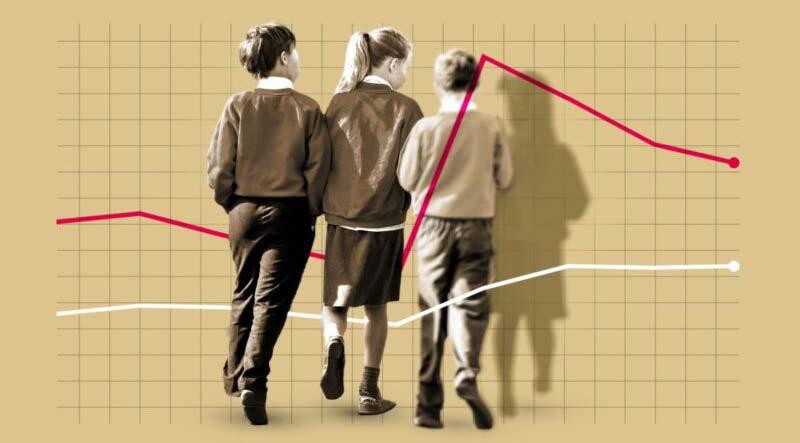
Understanding why children bring knives into school is better than a blanket exclusion policy, the chief inspector of Welsh education inspectorate Estyn has said.
Owen Evans said the "easy answer" was to ban or exclude but he believed there needed to be more nuance.
He said there were multiple reasons why a child might bring a knife into school and a one-size-fits-all policy would not work.
But the NASUWT union's national officer for Wales, Neil Butler, described the suggestions as "most unhelpful" and said immediate exclusions needed to be a priority to keep everyone safe. Mr Evans was talking after a 14-yearold girl was convicted of the attempted murder of three people during a school stabbing in Ammanford, Carmarthenshire.
"You may have a child that has every potential for redemption but they have fallen into bad practice and we cannot exclude those people from society," he told Walescast.
"I think you need to look at why. A lot of children who bring knives to school feel threatened themselves or they feel that other people are bringing knives to school.
"We need to tackle the root issues that sit behind that decision," he added.
Although knife attacks in Welsh schools are rare, Mr Evans said "we need to learn from it".
Bridgend council said it would launch a group to find out "what is going on" after police were called to Bryntirion Comprehensive last week after reports a knife had been found in a boy's bag, according to the Local Democracy Reporting Service. Speaking to BBC Radio Wales Drive, Mr Butler agreed there needed to be an understanding as to why a child would bring a knife to school, but said the approach could not be nuanced.
He described Mr Evans' comments that exclusion shuts out pupils from society as "nonsense" and said exclusion was necessary to keep pupils and educators safe.
"If that child who has carried a knife into school is to stay there whilst the psychology professionals assess them, they continue to be a danger to other children in the school," he said.
He said exclusion would not mean the end of education for the child, but rather the child could seek out education in a "more suitable setting" other than a mainstream school.
"It must be clear that is the outcome, that is the consequence of taking part in that criminal, dangerous behaviour of that school," he said.
"It's as simple as that really," he said, adding "we have got to nip this in the bud, we must stop this now and that means clear exclusions for that kind of behaviour".