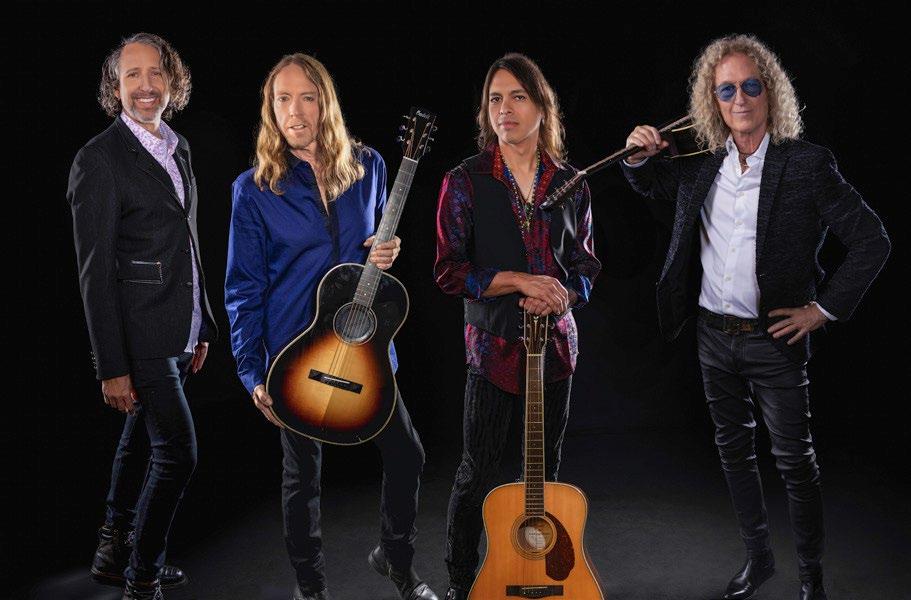

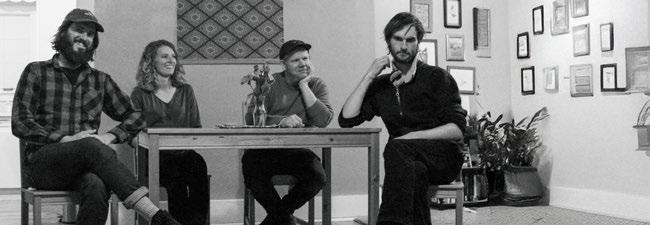
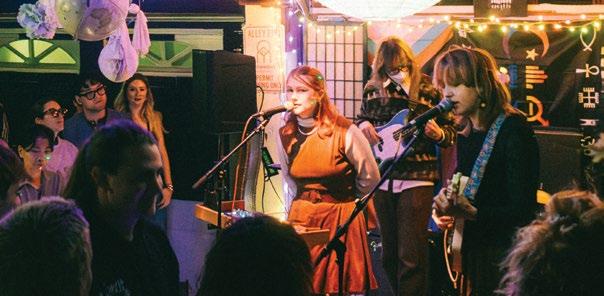






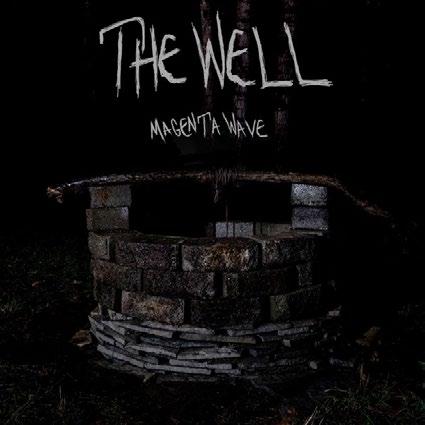
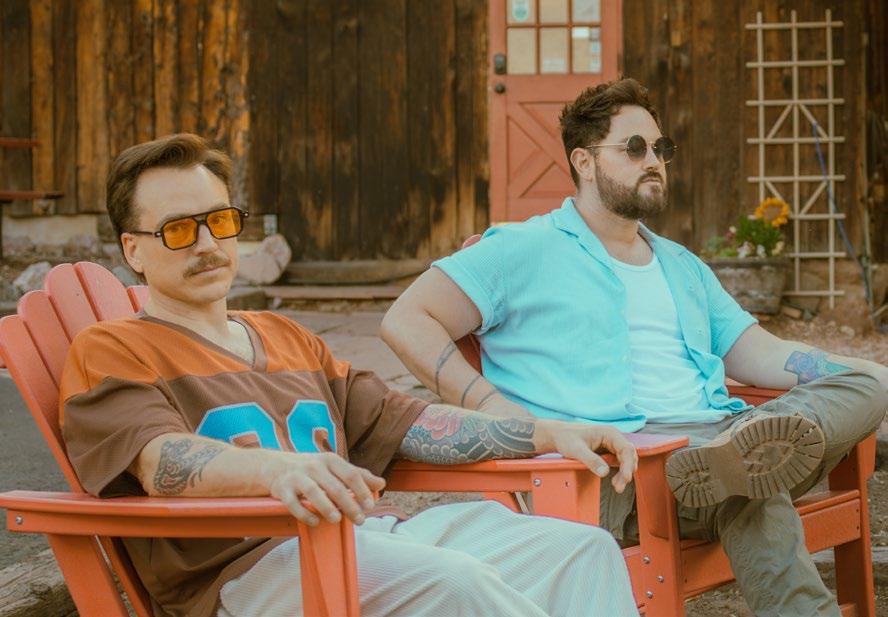
Seattle-based rock band Magenta Wave has been putting out indie power anthems for over two years now, and nothing sums up their sound better than their latest EP, The Well. Produced by future Seattle production legend (calling it now) Ethan Bovey, The Well is a tight, five track EP with a sound that could easily fill a stadium, but one that feels spiritually meant to be heard echoing off the walls of a college house basement, a warm PBR sloshing around in your hand. The opening track “Ventriloquist” is deceptively sweet, with a muted, bedroom-pop guitar dancing over soft acoustic, but when the chorus hits, a powerful half-time jam puts every band member on full display.
Speaking of being put on display, “Baby Spider” is an emotional ballad that really lets the lead vocalist shine, and it’s a light that carries through the whole EP. I’m not sure if I’m qualified to name it, that C factor, star power, je ne sais quoi, but he’s
got it. He must be on some devilmagic vocal training, because he sounds like the next big thing. Bring a marker for an autograph when you catch them live this May. Next up is “Sex on the Floor,” and it might be the highlight of the EP. No single element carries it;the track is just cohesive and dynamic, topped off with a nasty, ripping guitar solo that’ll pull a serious stank face out of you. It’s no wonder these guys have amassed 85,000 monthly listeners on Spotify in two years. Even so, “Beautiful Life” (track 4) might be tied for the top spot. It’s a fuzzy, spacey, emo-indie anthem with droning, wailing, pleading guitars that makes me feel like I’m 19 again, gripping the fuck out of a steering wheel. Then the title track closes things out, contrasting the energy of “Beautiful Life” with a sweet, almost folksy acoustic number that basically spells C-OL-O-R-A-D-O in sound waves.
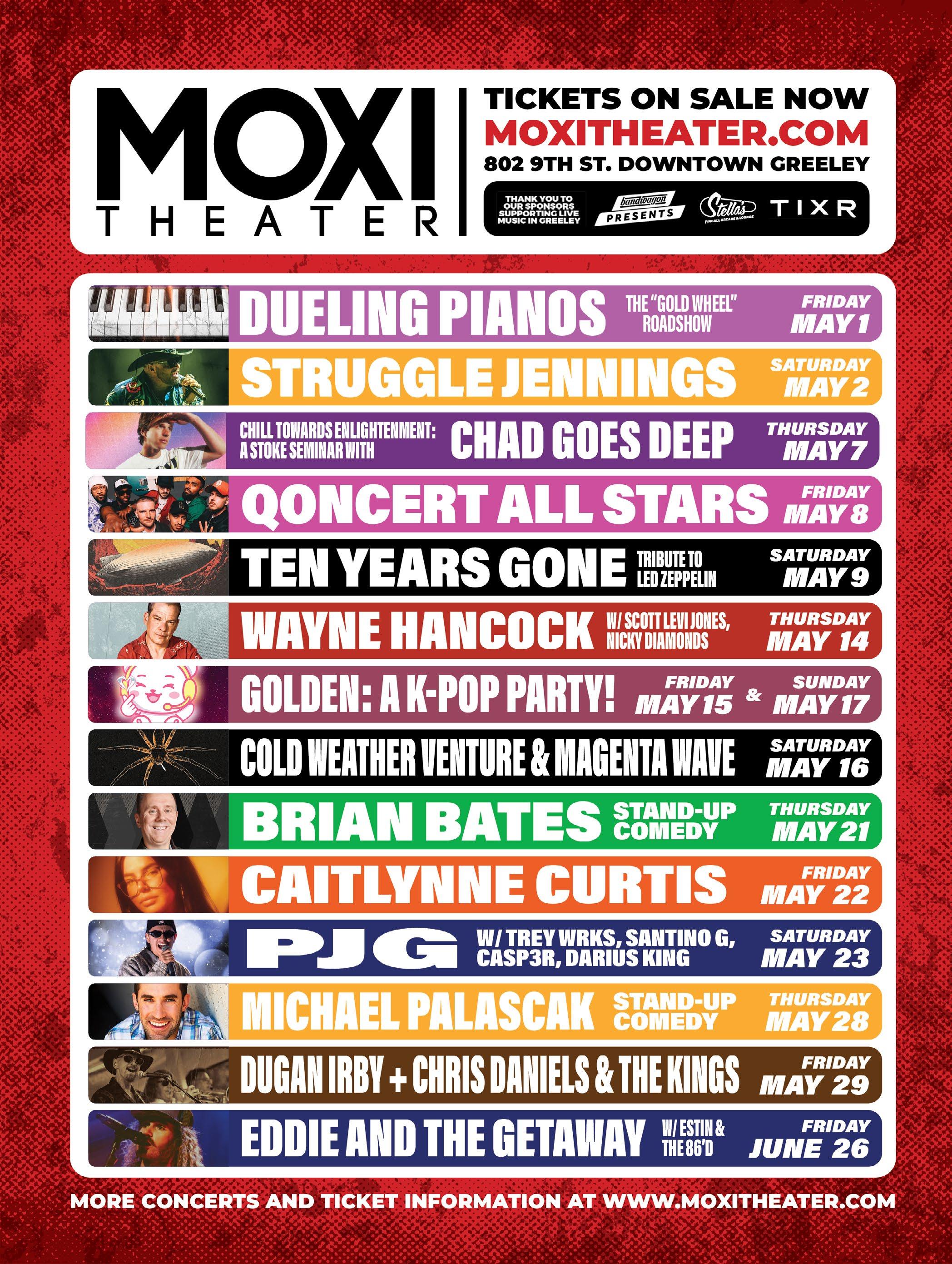
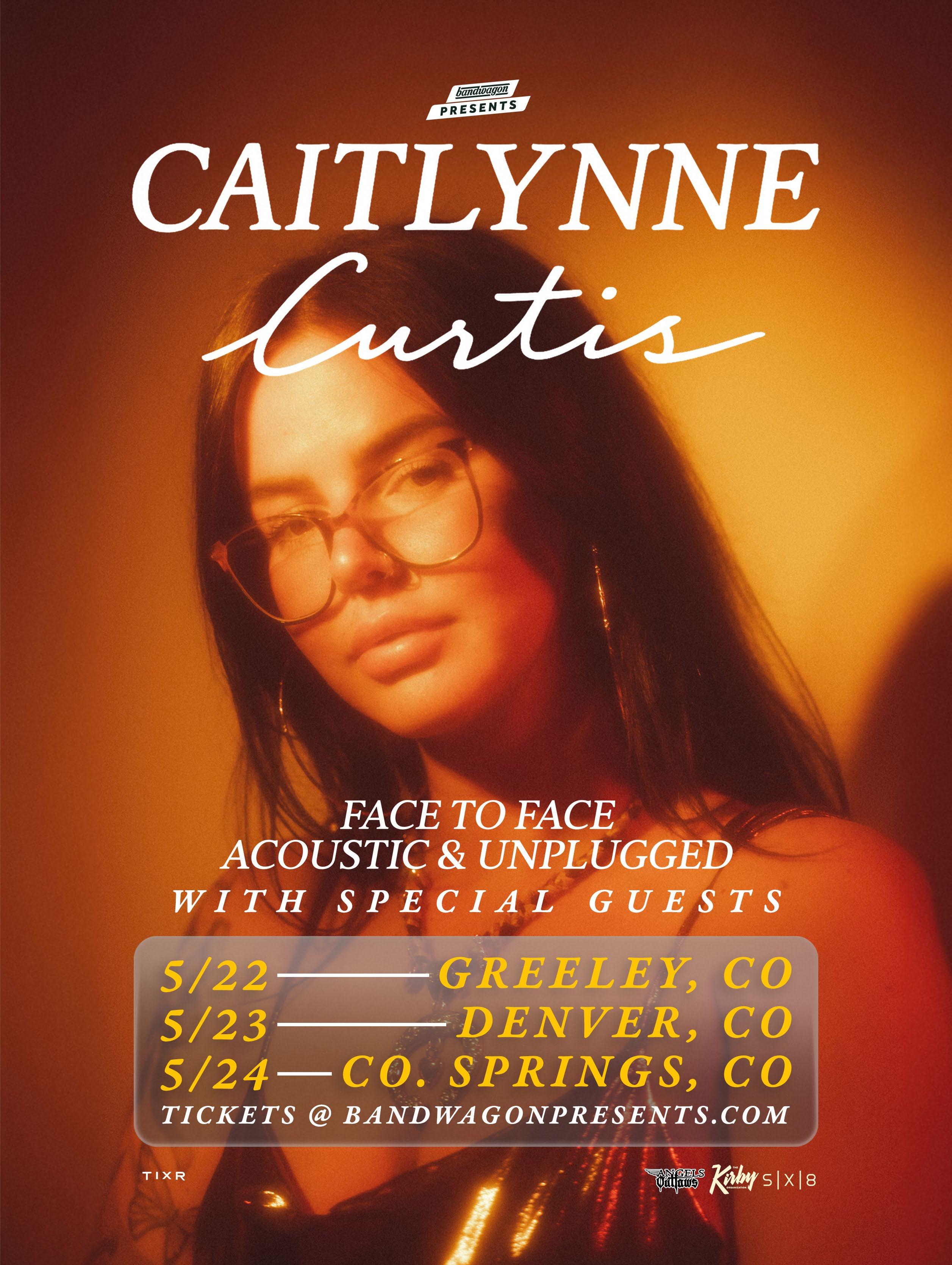
If you’re a fan of melancholy west coast power indie, unrequited love, or feeling equal parts drunk, lost, and restless, basically anyone living in Fort Collins, check out Magenta Wave. Oh, and they;re checking us out too. They’re coming to Colorado on tour, so grab your tickets for May 15 in Denver or May 16 in Greeley at bandwagonpresents. com. See you there!
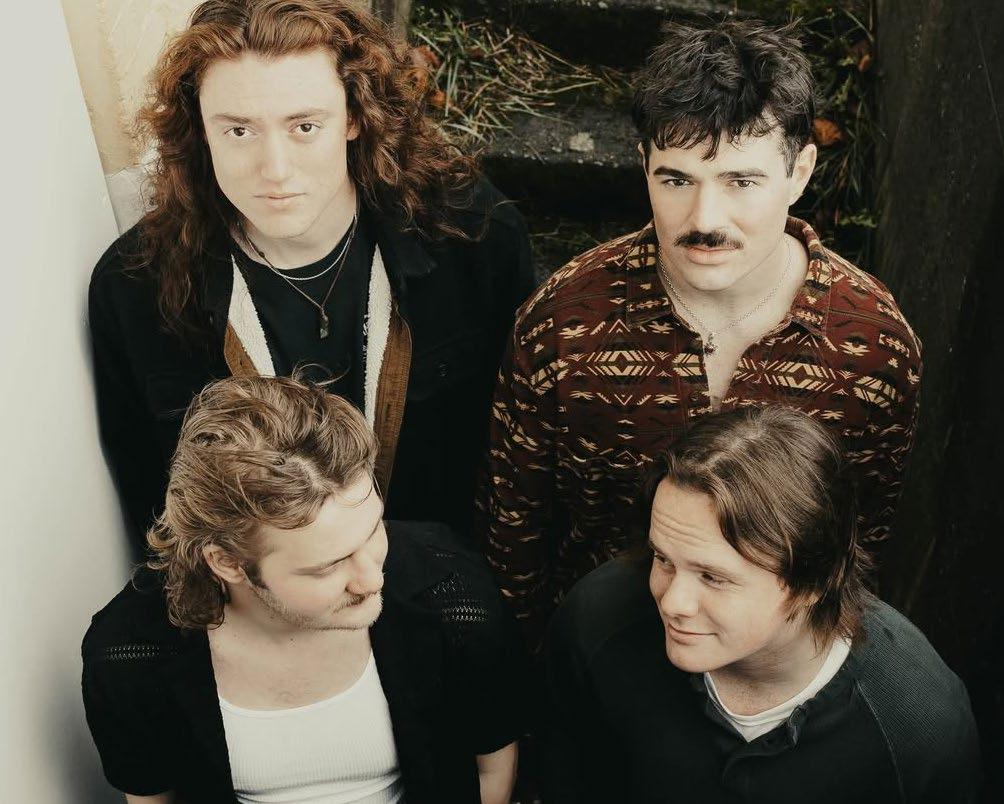


As mainstream sounds continue to dominate, Elektric Animals carve out space for alternative indie to evolve within Colorado's growing music scene. Their latest album, B&B MOTEL, blends nostalgic alternative elements with a fresh indie sound, setting it apart from what's currently trending.
Created by the duo Nick Sanders and Will Hubert, the 10-track album includes five singles released ahead of its full debut, building anticipation while giving listeners an early sense of its direction. The project also features a collaboration with Lincoln Parish, former guitarist of Cage the Elephant, who contributes as both a guitarist and songwriter.
Opening track "LULLABY" sets the emotional foundation of the album, introducing themes of self-doubt and confusion within relationships. There's a constant push and pull throughout the lyrics, with lines like "I really want to keep her" countered by "I really want to leave here," and "Picturing a future" set against "Living on fake friends." This tension conveys a sense of unresolved conflict, hinting that the album will continue to unpack these emotions.
"MUST BE THE MOON" serves as a strong follow-up, almost responding directly to "LULLABY."
Where the opening track turns inward, this one pushes outward, opening with "get out of my head" — a signal that the narrator is trying to escape those same spiraling thoughts. The shift from selfreflection to external chaos, blaming the confusion on something as distant as the moon, gives the album a sense of emotional unsteadiness. Rather than offering clarity, the transition feels intentionally messy, reflecting the ongoing struggle with unresolved feelings.
One of the most impactful tracks on the album is "SCREW IT," which serves as an emotional turning point. Unlike earlier songs that linger in uncertainty, this one leans into clarity. The line "I'm leaving you and I cannot come back" carries a sense of finality — rather than romanticizing the relationship, the song confronts the cycles that never change.
Both "STUCK" and "MY MISTAKE" lean into a nostalgic punk influence, adding intensity and channeling the anger that comes with navigating a complicated relationship. Tracks like these create balance within the album, giving it greater emotional depth.
What makes B&B MOTEL such a great listen is its constant progression. Each track builds on the last, following a story that arrives at acceptance. Sonically, the album shifts between softer and louder instrumentation, mirroring the emotional highs and lows.
Overall, B&B MOTEL captures the connection between uncertainty and self-growth. By blending nostalgic alternative elements with a modern indie sound, Elektric Animals deliver an album that feels familiar yet refreshing — a standout addition to Colorado's evolving music scene.



BY AVA HARRIS
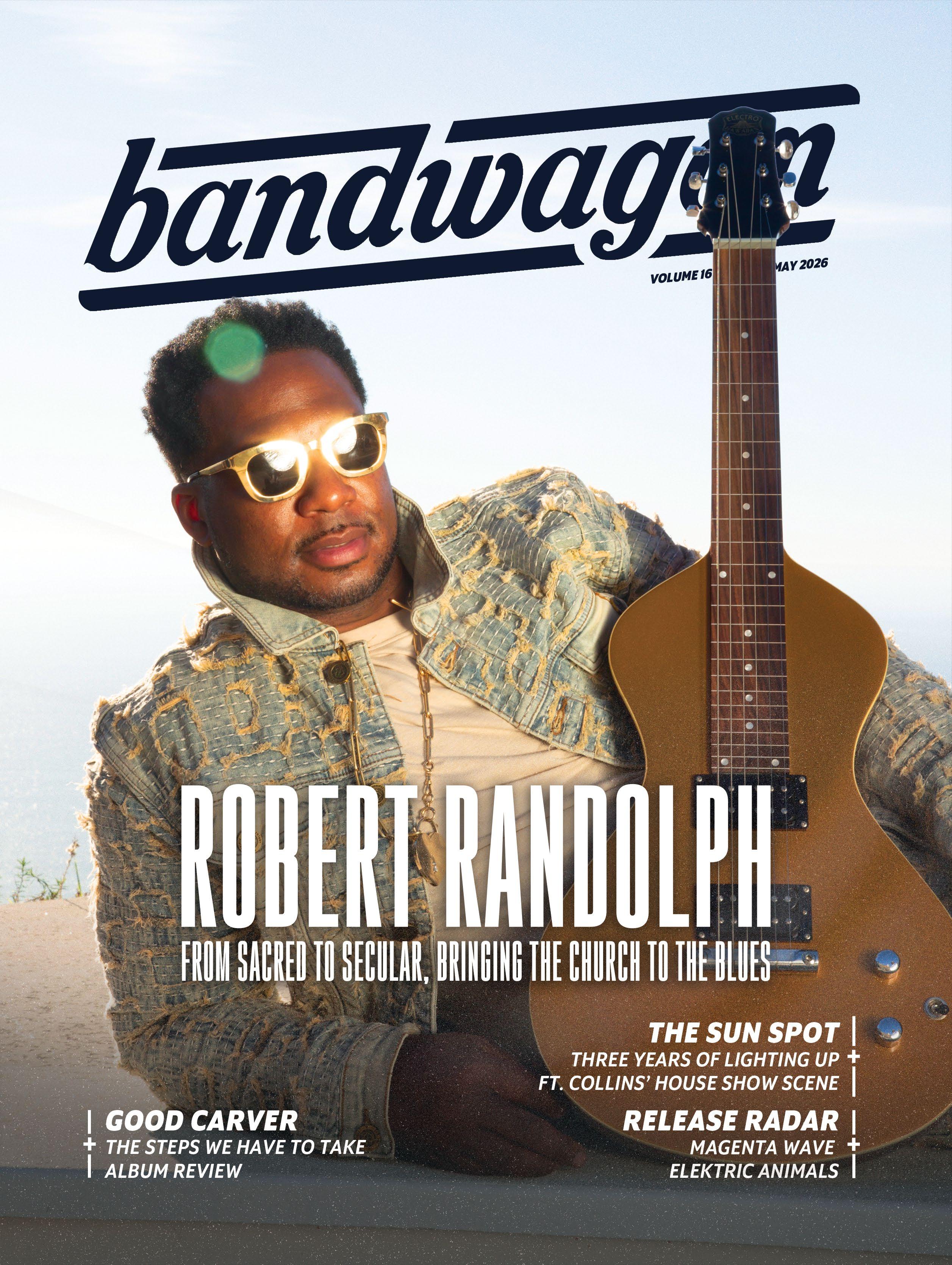
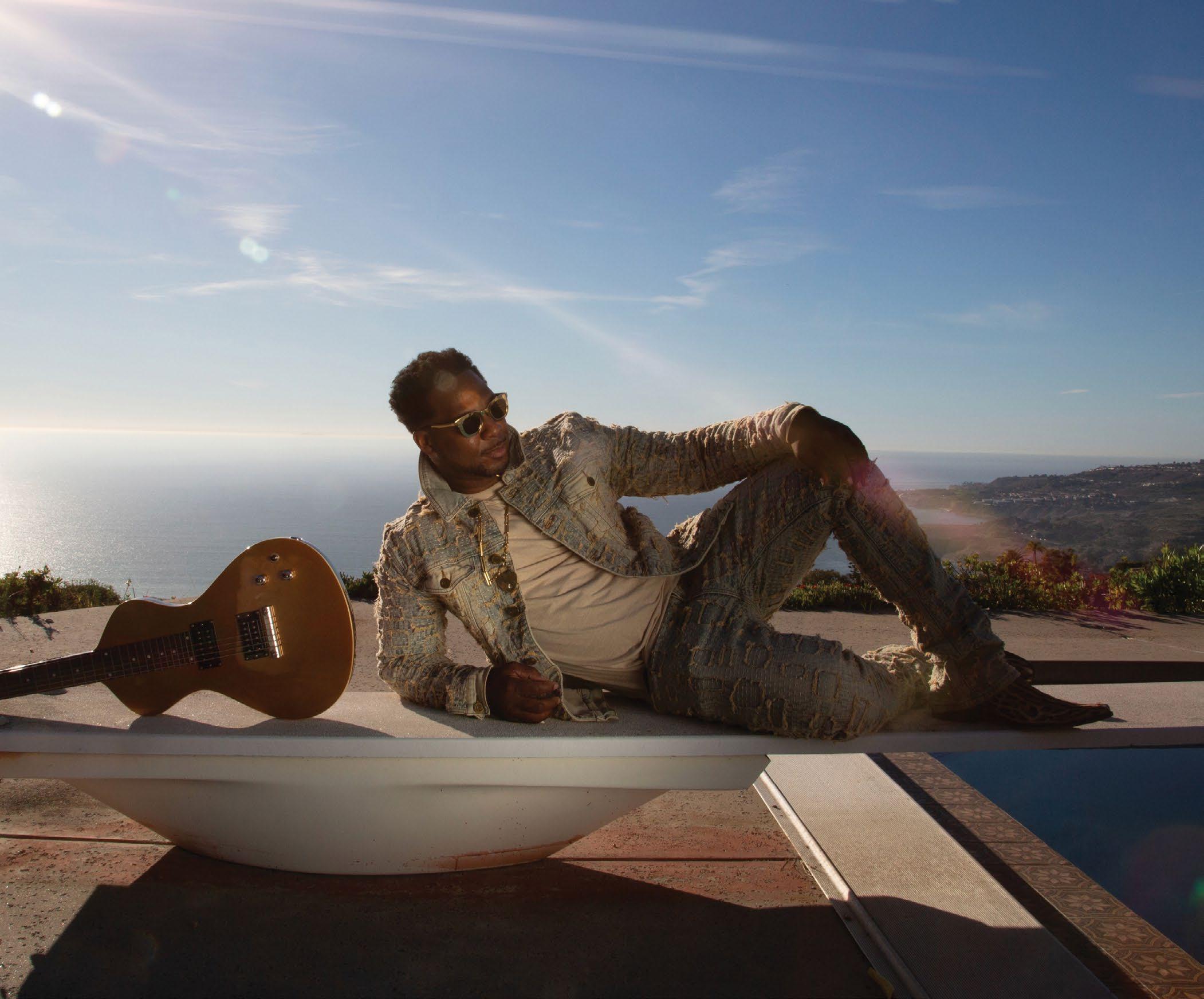
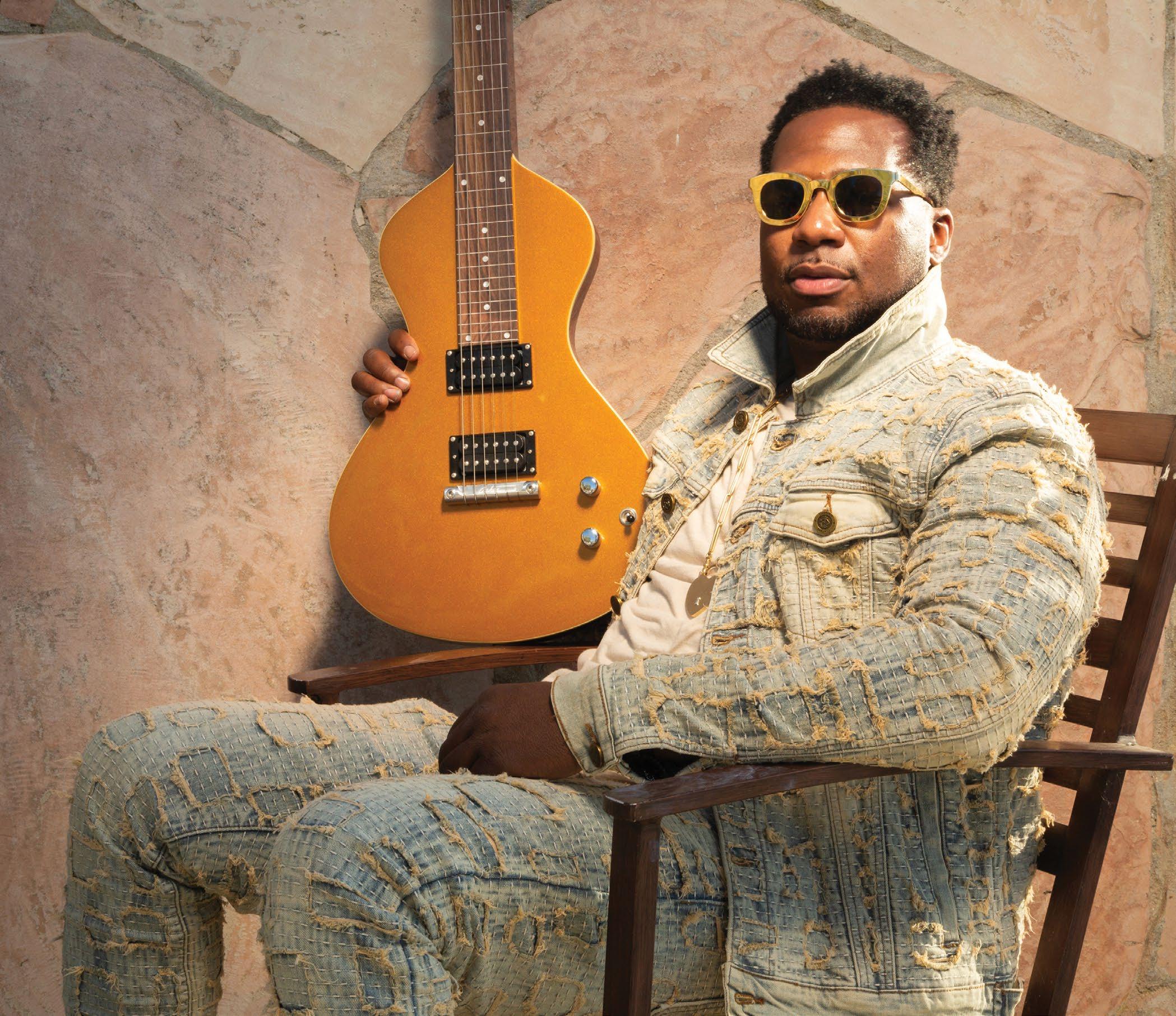
Picture a teenaged boy seated inside the House of God Church in Orange, New Jersey. No radio. No record player. No blues, no rock, no funk. Just the hum of a pedal steel guitar and the swell of gospel worship filling the room. That boy was Robert Randolph, and for a long time, that room was enough.
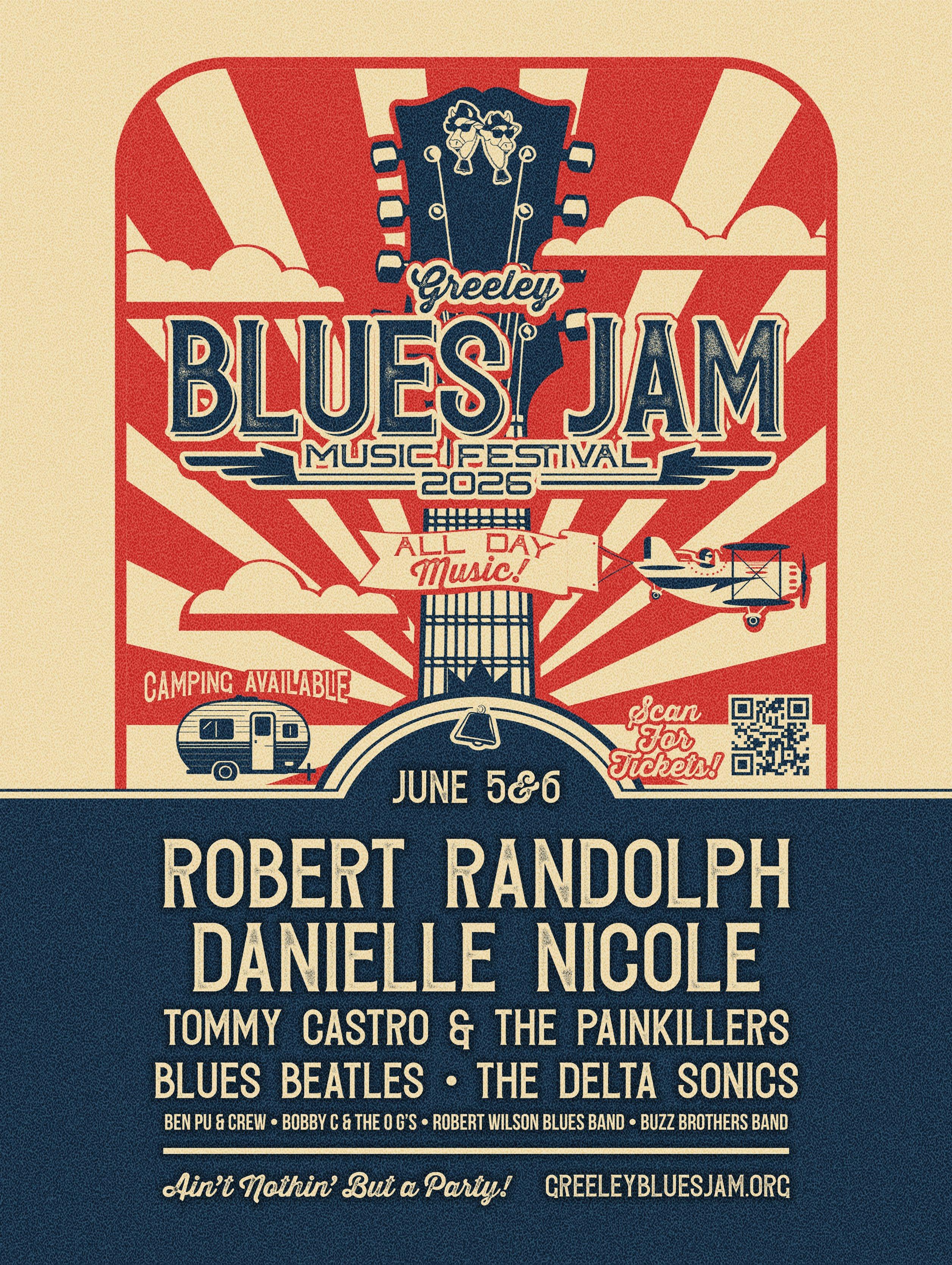
The man now set to headline the Greeley Blues Jam Music Festival was raised in a world where a stage like this — and even the blues itself — once felt completely out of reach. For years, the divide between the church and secular music shaped Robert Randolph’s path. What emerged from that tension would not only redefine his career, but help reshape the sound of modern blues.
Randolph grew up in the House of God Church, a Pentecostal denomination with deep roots in African-American worship. That’s where he found sacred steel, a gospel tradition dating back to the 1930s where the pedal steel guitar isn’t an instrument of entertainment. It’s a holy vessel. A voice for the spirit.
He learned by watching. Older church musicians were his only teachers. The congregation was his only audience. He absorbed technique through observation, sitting close enough to study the way hands moved across strings and pedals, taking in a style passed down through generations of players who never set foot on a commercial stage. By his early teens, he had picked up the in-
strument himself. It became clear almost immediately that something rare was developing.
Then came the cardboard box. A guy named Jim Markel handed Randolph a collection of CDs, and inside was a world he had never been allowed to hear. James Brown. The Staple Singers. The Allman Brothers. Led Zeppelin. Blues, rock, funk, and soul, all sharing the same emotional core as the gospel he spent his whole life playing. His idea of where a pedal steel guitar belonged shifted completely.
What makes Randolph's story different is what he did not do. He did not leave the church behind. He found a way to carry it

forward. He began framing blues and rock through the same spiritual lens he had always used, treating the joy, the release, and the call-and-response energy of secular music as an extension of what he already knew. The result was something genuinely infectious. The dancing. The soulful extended jams. The raw feeling that audiences could not quite categorize but could not stop moving to. It was gospel logic applied to a blues band.
By the early 2000s, Randolph was playing New York City clubs, and crowds were not ready for what they saw. A pedal steel guitar, an instrument most people associated with country music or quiet church services, driven through a full band like a lead guitar, singing over blues changes with the same authority as a preacher over a congregation. He was not borrowing from tradition. He was building something new on top of it.
Robert Randolph and the Family Band came together naturally, built from family members and fellow House of God Church musicians who had worshipped together long before they ever performed together. Their first major break came at the Wetlands Preserve in New York City, just before the legendary venue closed for good. That performance became their debut release, Live at the Wetlands, in 2002.
Momentum built fast. By 2004, they were opening for Eric Clapton on tour, an opportunity that came back again in 2008. Clapton's endorsement was more than a booking. It introduced Randolph to a global audience and changed the trajectory of the band permanently. The jam band world embraced them, though Randolph has been clear about resisting labels. Rolling Stone backed that up by including him on their 100 Greatest Guitarists of All Time list, recognition that crossed every genre boundary he had ever blurred.
The collaborations that followed confirmed what was already obvious. Dave Mathews Band. Elton John. Sheryln Crow. He contributed pedal steel to John Batiste’s We Are, which won Album of the Year at the Grammys. His playing landed on the Elvis film soundtrack. And a couple years ago, his pedal steel appeared on Beyoncé’s "16 Carriages" and "Ya Ya" from Cowboy Carter, one of the most talked-about albums in recent memory, and his fingerprints were on it. The throughline across all of it is the same. Robert Randolph is a Black artist carrying the pedal steel guitar into rooms it hadn’t been in before, each not crossing lines of tradition and expectation. He did not ask for permission. He just kept showing up, and the rooms kept getting bigger.
Last summer, he released his first solo album, Preacher Kids, produced by Shooter Jennings and put out by Sun Records. That same label launched Elvis, Johnny Cash, and Jerry Lee Lewis. That symbolism is not subtle, and it’s entirely earned. The album is built from musicians who share similar stories, preachers' kids representing that crossover between gospel, blues, and rock. That tension he grew up carrying turned into the foundation of the record.
Earlier this year, Preacher Kids won the 2026 Grammy Award for Best Contemporary Blues Album, his first win after several nominations. The sacred steel traditions he once learned as a child were now being validated on one of the biggest stages in music.
Fifteen years ago, he first headlined the Greeley Blues Jam as a young band still finding its footing. The musician returning this summer is a different story entirely. Grammy winner. Collaborator to some of the biggest names alive. A man who spent his whole career proving that a pedal steel guitar belongs anywhere it wants to be.
He never left the church. He just took it somewhere nobody expected. The congregation got a whole lot bigger. This summer, it comes to Greeley.


BY JED MURPHY
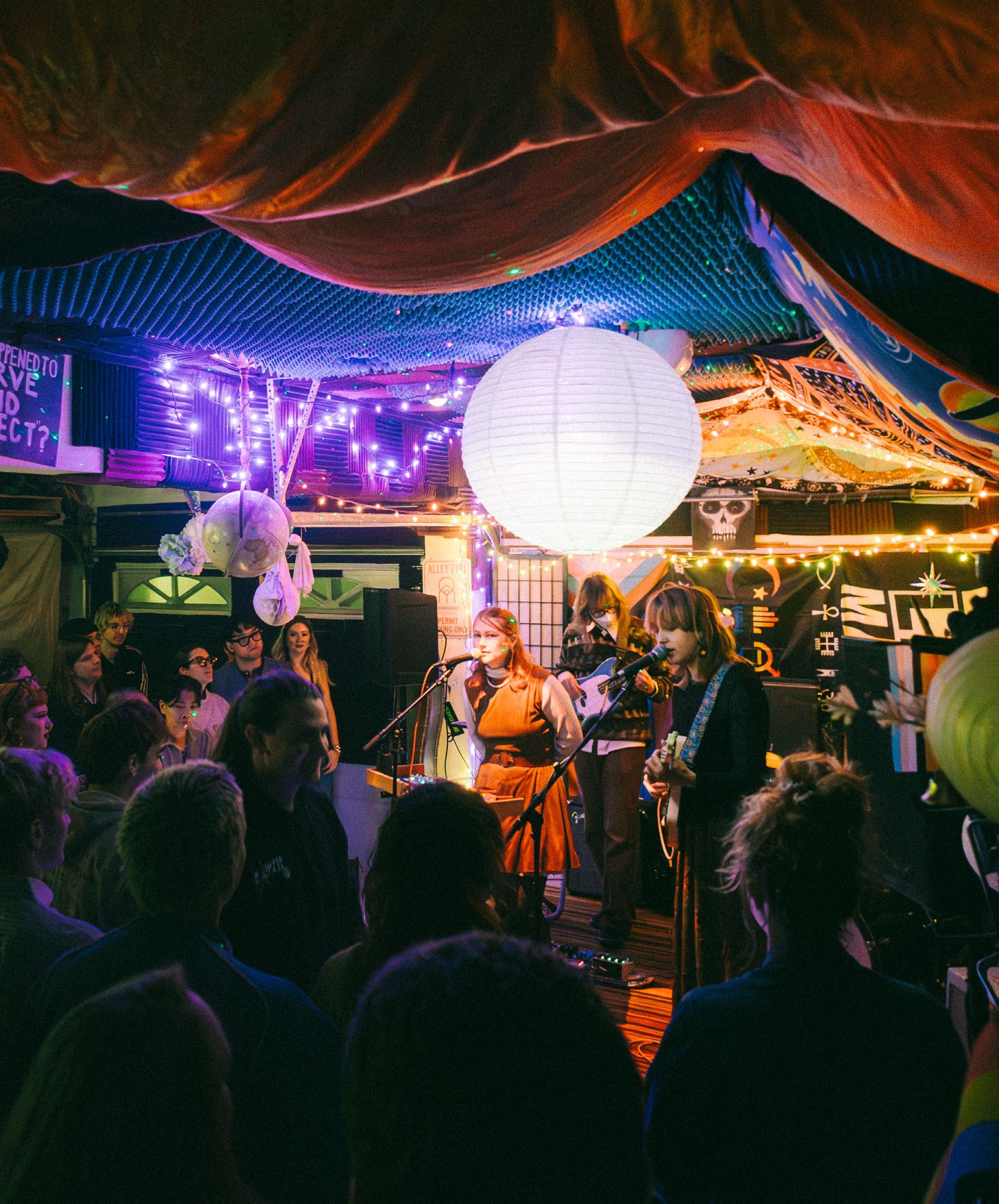
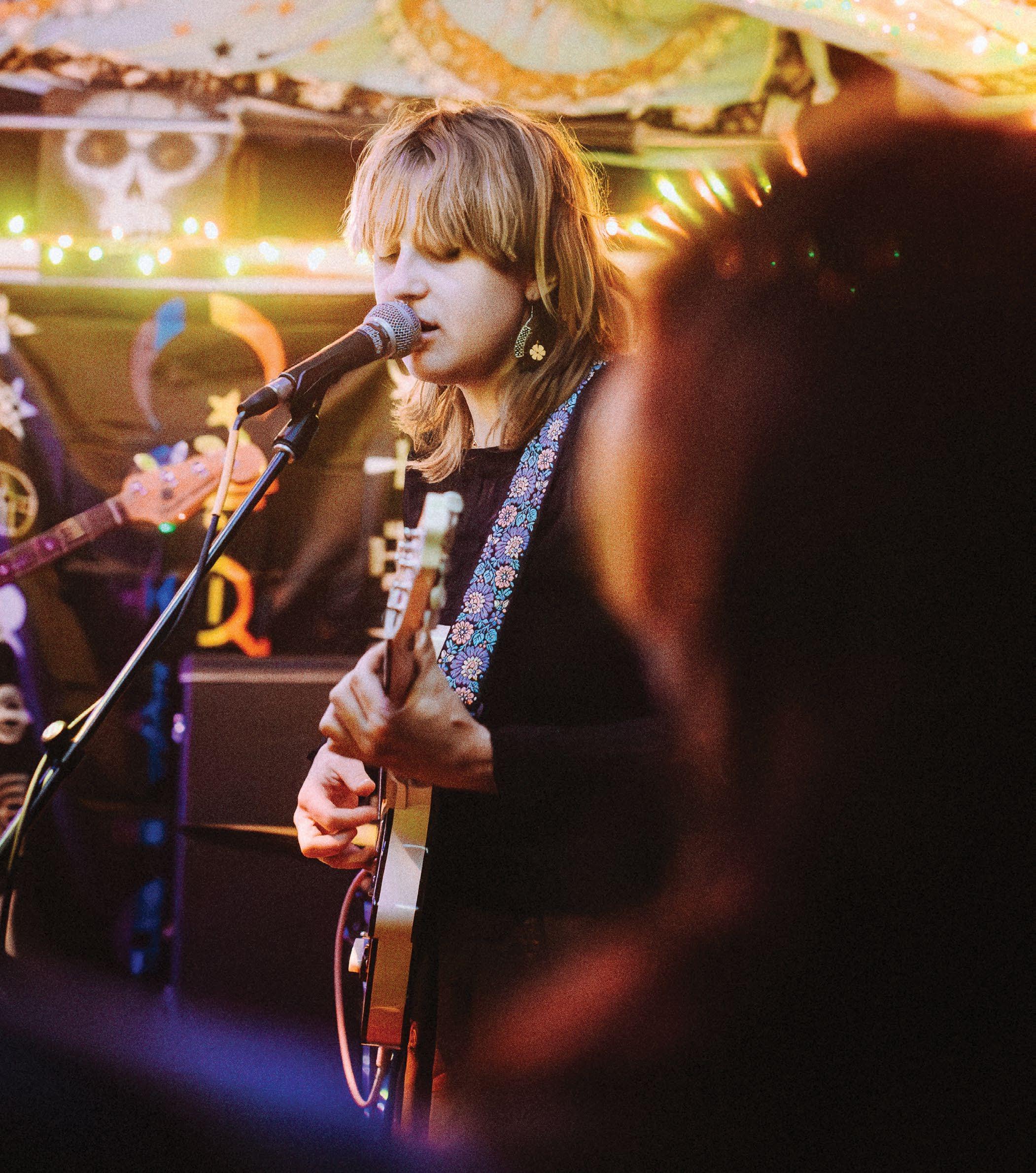
For those in the know, the Fort Collins house show scene has been a hidden gem of the music community for years. Never staying in one place for long, and existing under names like Hotel Hillcrest, Planetarium, and Mouse House, local musicians have found a way to host small concerts and gatherings outside the traditional venues. These shows have flown under the radar for most people, rarely drawing enough attention to become an issue for neighbors or city officials. It has been the respectful nature of attendees that allowed residents to be trusting enough to open their homes to dozens of strangers for live music.
Nestled in a cozy corner of Fort Collins off East Mulberry, The Sun Spot is that place for the current Fort Collins scene. Now celebrating their third anniversary and a runner-up
for Best New Venue at the FoCoMA Awards, The Sun Spot’s staying power has made it the best-kept open secret in northern Colorado music.
Founded by friends Annalee Knies and Geneva Hein of the Fort Collins indie pop band autumnal, Sun Spot started as all good things do: as a party. “We graduated high school in 2020, we never got a senior prom,” said Knies, “But we both had our prom dresses already just sitting in the closet. And so in 2023, we kinda came up with the idea of throwing our senior prom that we never had.”
Darren Hein, Geneva’s father, suggested having music. “And so that was our first show, and we didn't have the stage yet,” said Knies. “It was just the wrestling mats in the corner, and we had everyone dress up, and we had a DJ. It was a lot of fun.”
Following that, fellow autumnal member Justice Murray and some friends threw Knies a surprise birthday show, and with Darren’s blessing, the concept of house venue materialized. A woodworker and carpenter by trade, Darren had already built out their garage to dampen the sounds of his work. “I never expected to really have music in it, which is pretty cool,” said Darren. “I made a bunch of soundproofing insulation inside the walls, and evidently it turned out really well for the music as well.”
Seeing the potential of the space, and having frequented other house shows in Fort Collins, Geneva and Knies enlisted friends from the local scene and began hosting small, invite-only shows. These concerts grew more frequest as their popularity increased, and Geneva’s parents stayed on

board, in no small part due to the goodwill and respect shown by audiences.
“We've done a really good job of curating the right kind of crowd,” said Geneva. “We rarely have to ask anyone to correct their behavior. Most of the time, everybody is just super kind and grateful and we've tried really hard to make that the expectation.”
“Yeah, I'll say that when I was their age in the 90s, I would go to house shows, and it just seemed like chaos,” said Darren. “If it was an outside house show on a farm or in a barn, it was chaos, with mud fights, and wrestling, and stupid people getting into fights. Of course, this was Iowa, too. But we don't have to worry about crowd control or chaos, except for that last Clementine show where we had 200 people show up.”
While hosting the shows, autumnal began
hitting the road regularly as well, connecting with other DIY spaces and bands. As their network grew, they offered The Sun Spot to touring bands passing through Colorado.
“Touring so much with autumnal, we definitely get to see a wide spectrum of skill in the DIY house venue scene,” said Geneva. “It's very interesting to get to pick and choose the favorite aspects that we find in other DIY spaces that we've seen across the country, and try to culminate the best vibe.”
This led to more shows and more investment in the space. Darren and his wife Heather began new home projects with the shows in mind, including installing a fire pit and replacing part of the back yard with gravel to keep people from tracking mud into the house. Then in 2025, while autumnal was on tour, Darren built a full stage in the garage.
Now hitting three years in, the autumnal crew and Hein family have no intention of stopping. Between careers, the touring schedule, and everyday responsibilities, operating Sun Spot has become not just a job but an important part of their lives.
“We’ve got a pretty full, functioning staff of six people,” said Knies. “But I honestly think that that's what makes it so possible for us to have such a polished space. Each of us is able to try to dedicate a good amount of time to each aspect of the house without it getting overwhelming for any of us.”
To celebrate three years of music on May 9, The Sun Spot is hosting Sun Spot Fest, featuring a second stage in the backyard (built by Darren) and ten bands throughout the day. The second stage will also mark The Sun Spot’s expansion from house venue to event space, with plans that could include yoga sessions and drag events.
Whatever the future holds for this intimate space, seeing a show at The Sun Spot is a truly organic artistic experience, made possible by the hard work and care of a dedicated family and crew, along with some very cool neighbors.
“One of my new neighbors, like, four or five houses down the way, was in my backyard,” said Darren. “I had to ask him, ‘what brings you here?’ He's like, ‘my brother's in the band!”’



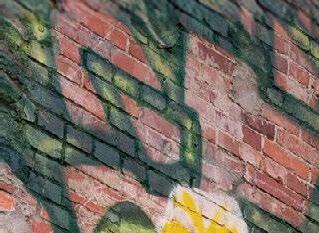
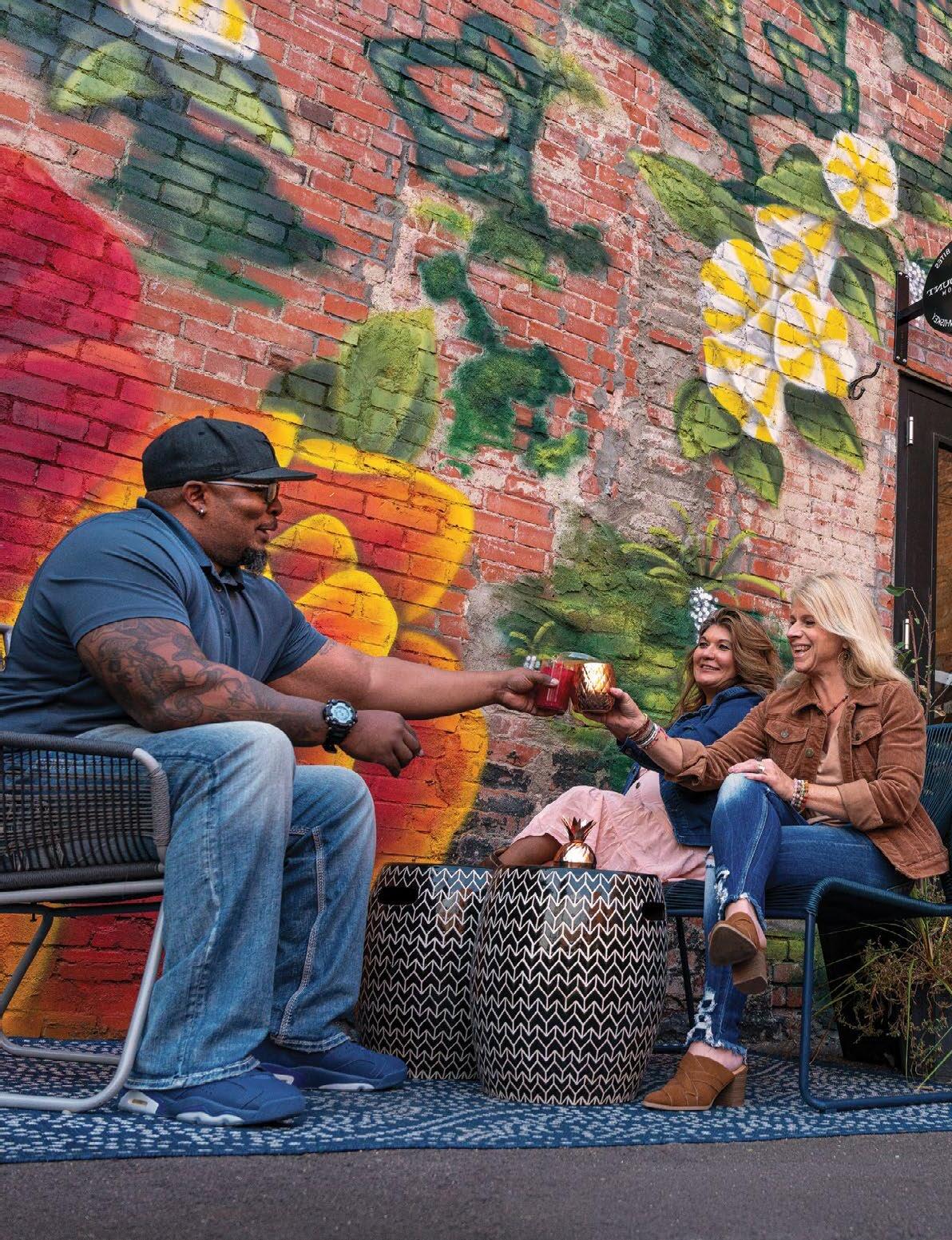
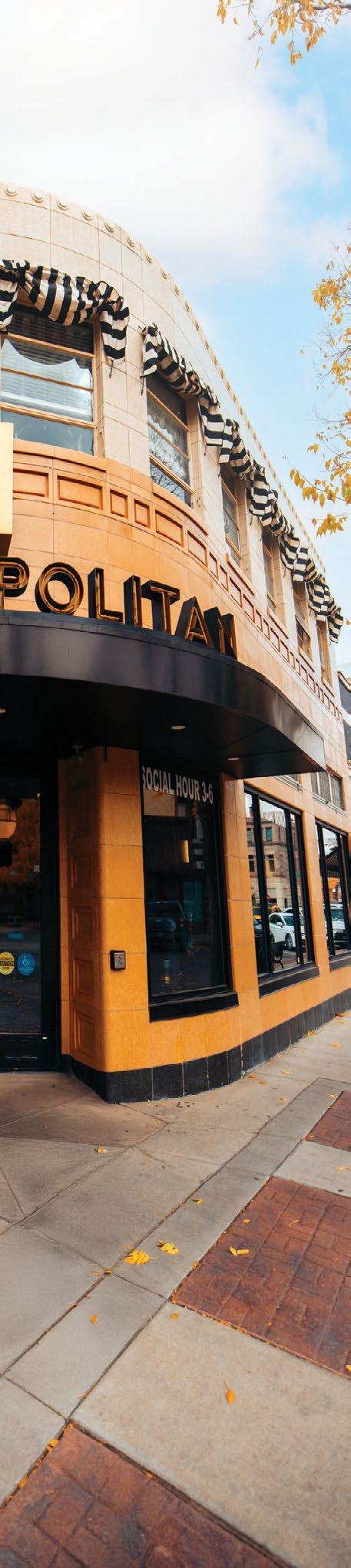
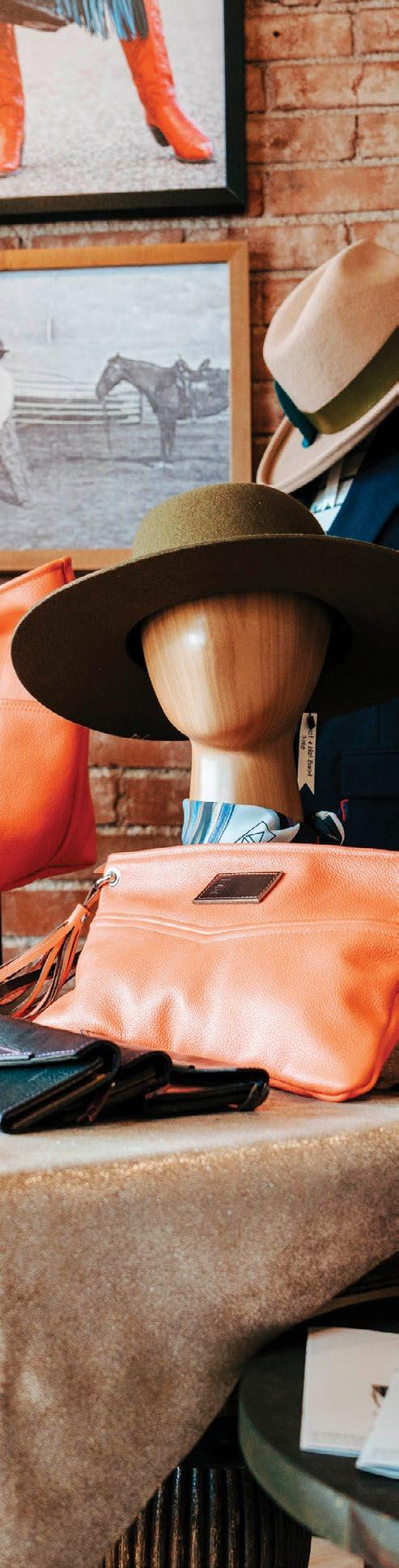

You can still hear the echo of boots on boardwalks, but now they’re headed downtown for happy hour.
Today in Cheyenne, murals pop, cocktails clink, and makers turn grit into something downright gorgeous.
STAY AWHILE. WE CLEAN UP NICE.
BY ZACHARY VISCONTI
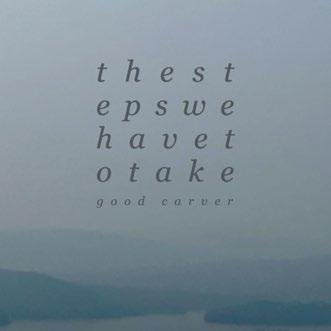
Navigating uncertainty isn’t a process that goes away with time. While the questions may change as we age, and so too the world around us, our responses to these unknowns are defined by patterns both given to us and learned.
It’s here that indie folk project Good Carver picks up the pen on debut record The Steps We Have To Take, acknowledging this ebbing and flowing of uncertainty and response.
Now comprised of principal songwriter and guitarist Eric Bjella, cellist and vocalist Lana Millard Waneka, drummer Maxwell Tretter, and bassist Eric Smith, Good Carver has grown into its sound since its 2021 EP release Winter 20/21. The addition of instruments beyond Bjella’s own guitar-playing and singing makes The Steps We Have To Take a pleasure to listen to, sporting a full, cohesive sound that even further emphasizes Bjella’s organic, approachable style of songwriting.
Despite the fuller instrumentation, the album has a simple, focused production quality. Bjella says he wanted it to feel like listeners were sitting across a table from him in a living room, just talking. Recorded primarily at his own home studio and mixed by Smith, the album embodies that naturalistic quality, following suit with some of Bjella’s earliest guitar influences, including Nick Drake and Elliott Smith.
On both vocals and instrumentation, Bjella compares his approach to the sound of a player’s breath beneath a saxophone or clarinet.
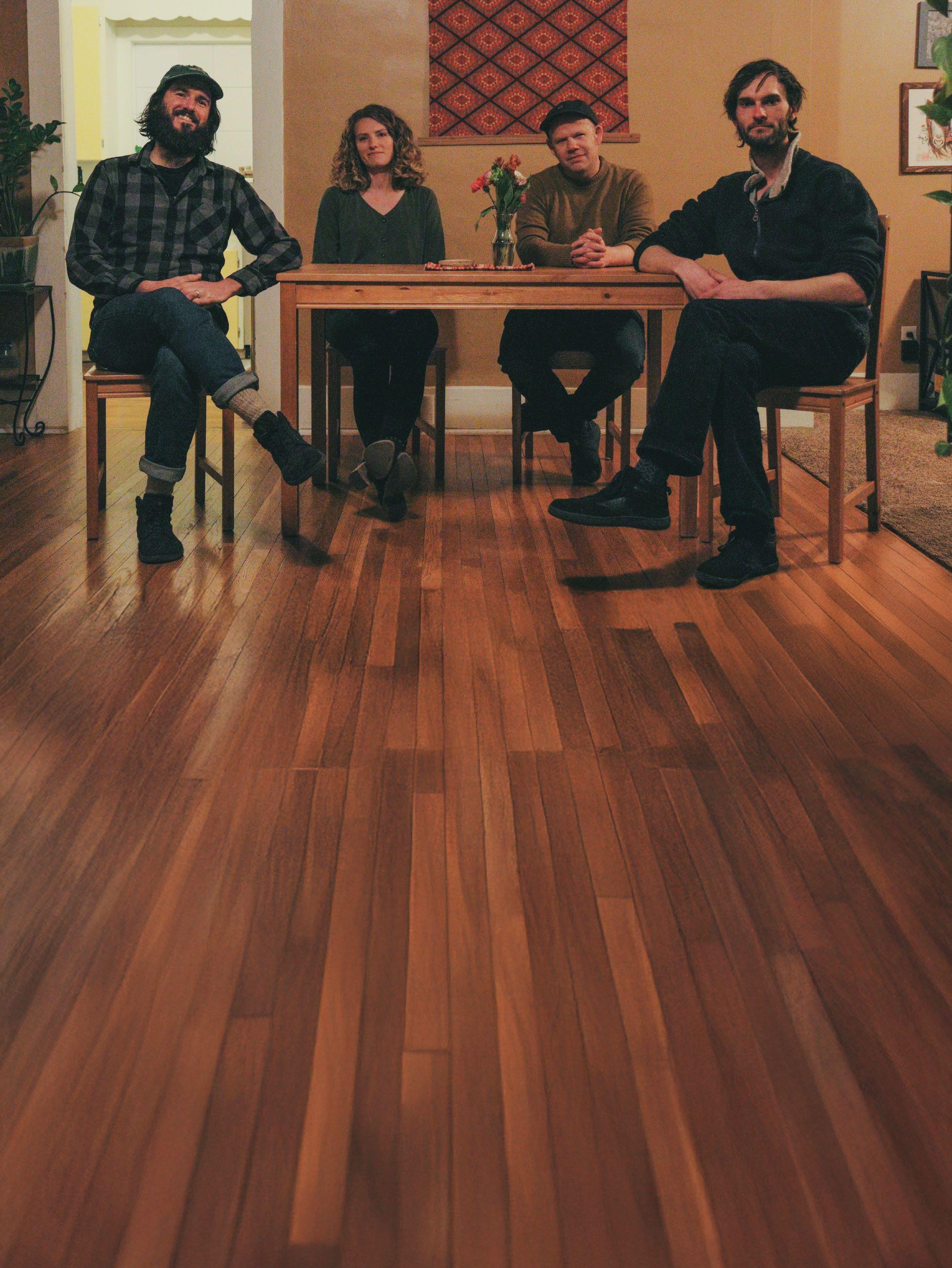
“It sort of reminds you that it's human,” he says.
Lyrics about the natural world, the lessons it can teach us, and the human response to uncertainties run throughout the album.
Opener and single “Calmer Waters” pairs a buoyant, upbeat sound to question about how much of what we know is taught to us, while other tracks take a more measured pace, including “Questions (from Leon Trotsky Trout),” and the stripped-down ballad “Take It Slow.” Songs like “Us Hunters” and “Sinking In” weigh the guilt of human mistakes against the consequences of our actions, particularly around environmental reckoning.
Amidst these questions, Bjella also uses tender imagery to illustrate how fear, uncertainty, and human choice remain a constant in our lives, even as they shift and change. That idea is perhaps most prominent on title track “The Steps We Have To Take”. In it, Bjella recalls a time when his daughter woke him up in the middle of the night to ask if all the doors had been locked. After comforting her and walking her back across the hall, he sings:
And I thought of all the steps we have to take
To make some sense of our time and place
The 10-track release leaves listeners with more questions than answers, by design. But it firmly responds to these questions with relatable poetry about the human experience, and a growing focus on musical collaboration that makes it easy to look forward to what Good Carver does next.

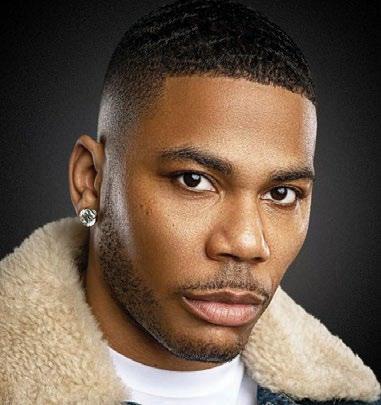

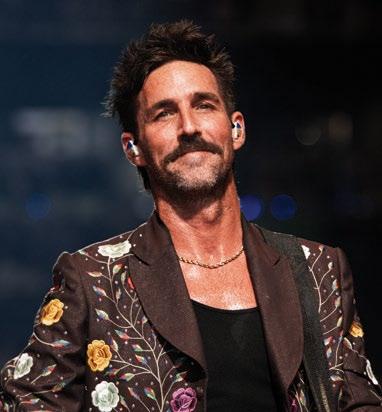


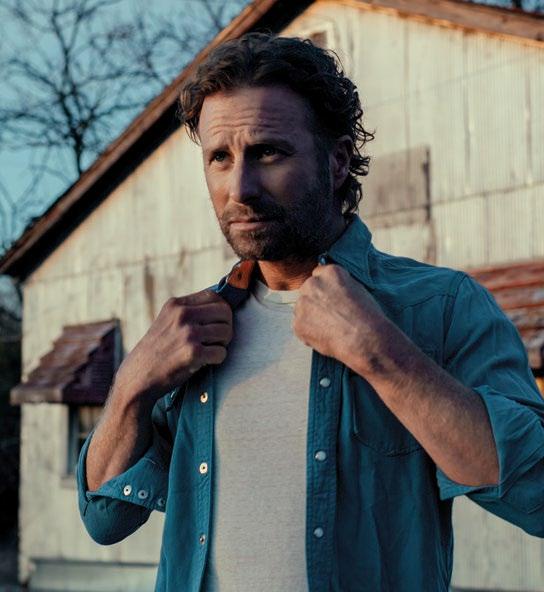
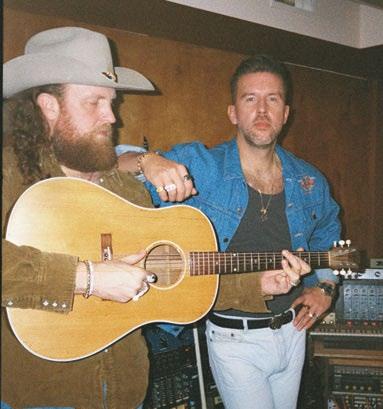
Thursday, July 2 2 Jul NATE EyJ J SMITH H with Chase Matthew w
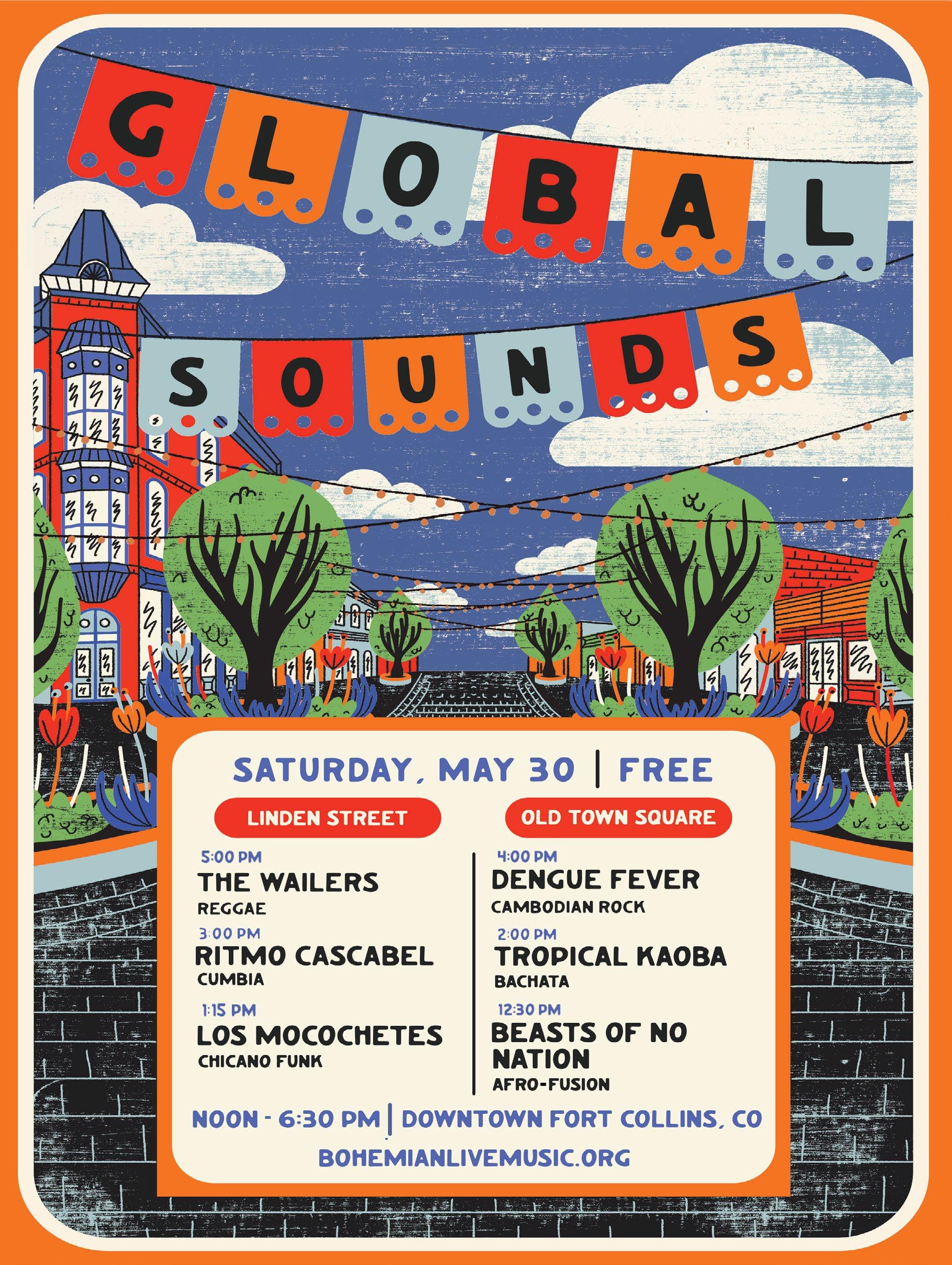
Whether you want all five concerts or there's just one you have to see, we've got you covered! While supplies last, get all five concerts with the SuperStars Series package starting at just $150. Or get an individual concert ticket starting at $47*.
Tickets are available online at greeleystampede.org (additional online fees apply). Or stop by the ticket office Monday–Friday, 10am–4pm at 600 N 14th Ave, Island Grove Park. Prefer the phone? Call 970-356-7787. *Ticket prices increase May 1, 2026.