Pensacola Pet Cover Contest
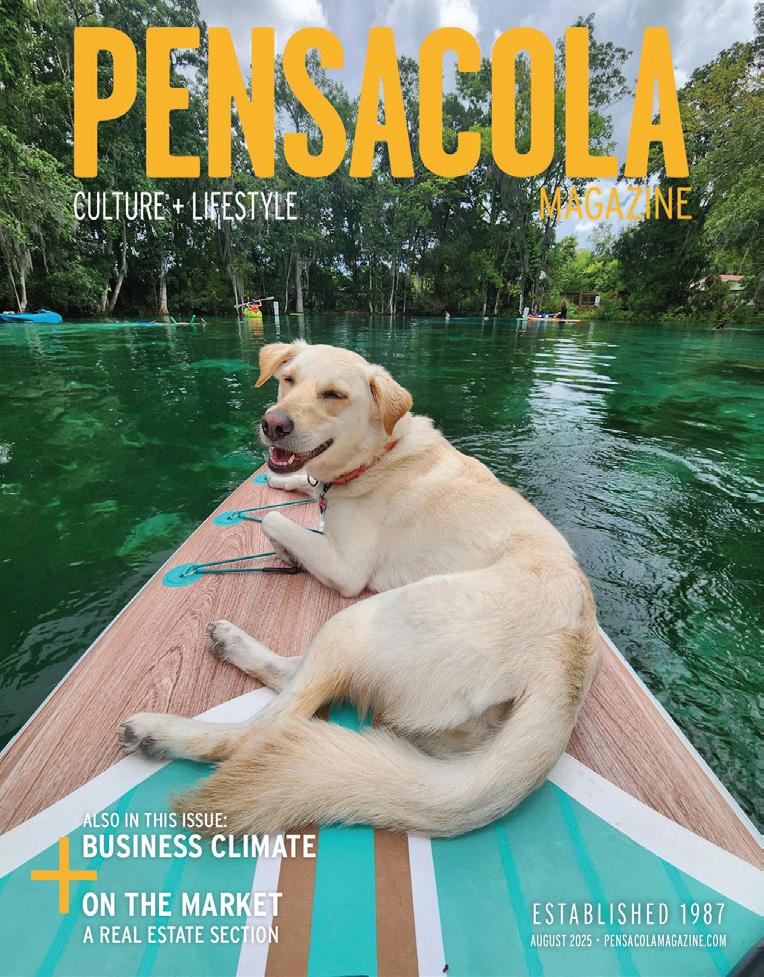

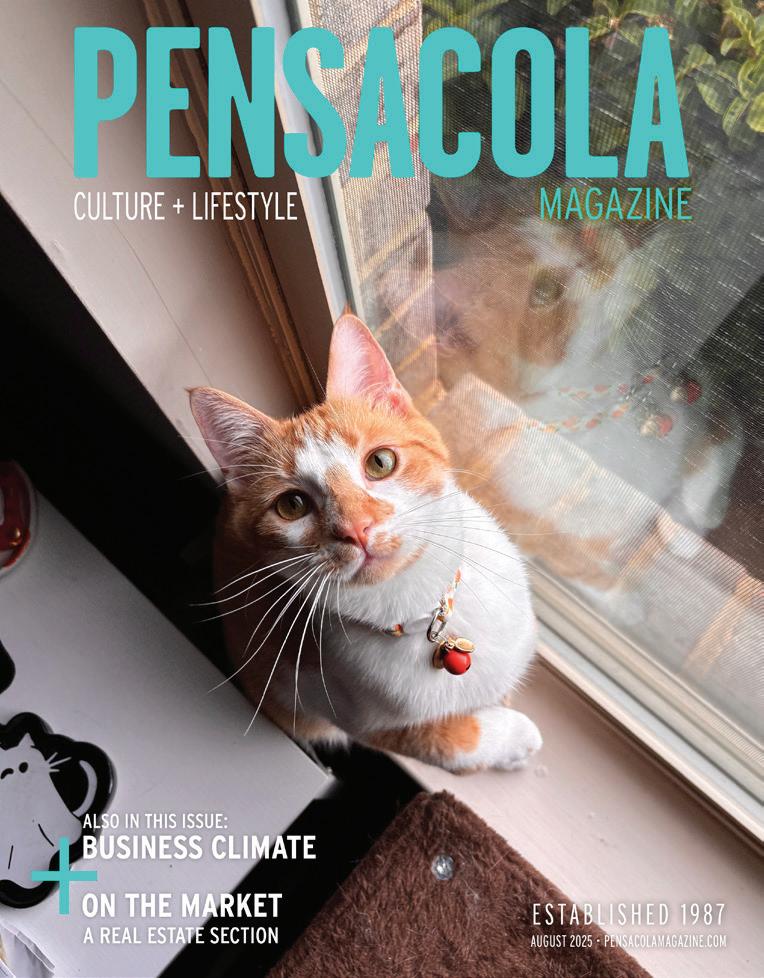
Does your pup love to paddle? Does your kitty love to climb? We want to see! Start snapping those highresolution glamour shots of your Pensacola pet and show us what makes them pawsitively cover-worthy! All species of pets are welcome.


Upload your high-resolution image (at least 300 dpi JPG files, please) and fill out the short form at the web address ballingerpublishing.com/petcontest2026 telling us why your pet is pure magic. The winner will be featured on the cover of our July issue and get bragging rights for life.
People are not allowed to appear in photos; only pets. We can not accept copyrighted or professional photo submissions. Photos that do not follow these guidelines will not be eligible. By submitting a photo entry, you warrant and represent that your entry is your own original work created by you and that you own or otherwise control all of the rights to your entry materials. While there is no fee to enter, donations made to the Pensacola Humane Society would be greatly appreciated!



[ FROM THE EDITOR ]
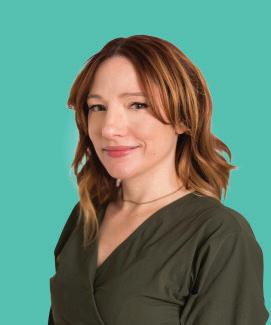
Emily Echevarria Marketing Communications Director and Editor-in-Chief
One thing that has been top of mind lately in the nonprofit space and everywhere in modern industry is the use of artificial intelligence. While I think it’s important to learn about these tools and understand their place in the world, like so many things in the tech sphere, it’s potentially “a good servant but a bad master.” It can be useful to many industries, but if we depend on it too much, it will ultimately degrade our own human cognitive abilities, much in the way it will inevitably degrade the environment through water consumption.
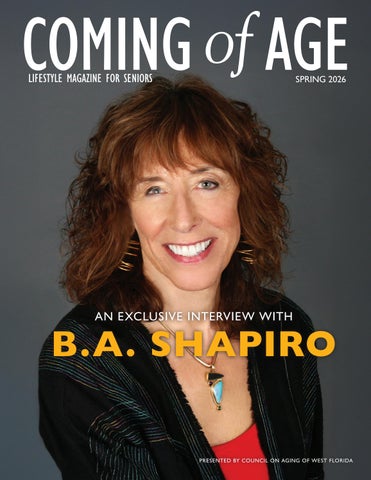
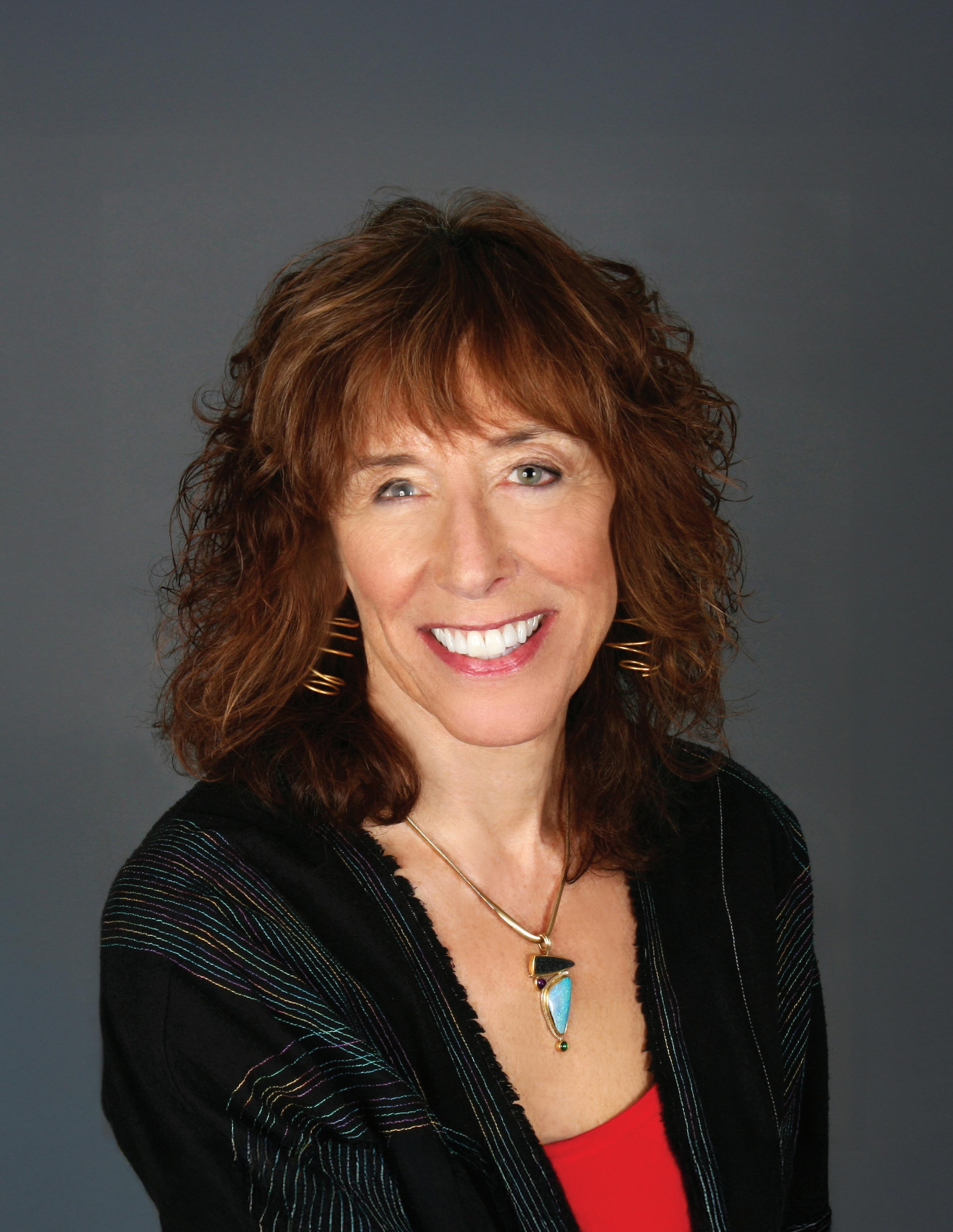
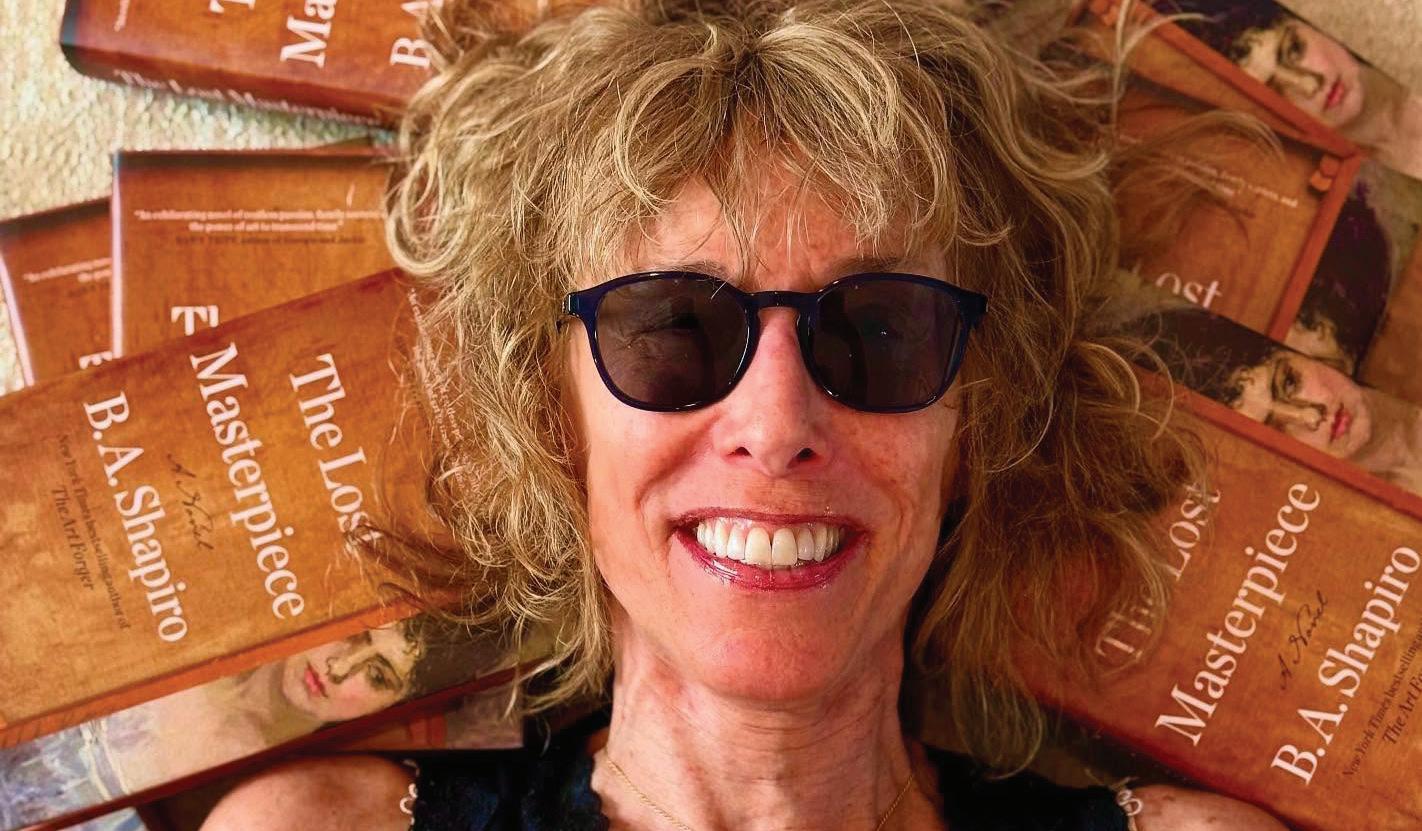
B.A. Shapiro, our cover celeb and New York Times bestselling author, discussed how she incorporates AI into the research side of her writing, a good example of using it as a servant rather than a master. She also discusses her writing process, her forthcoming novels, and her upcoming talk at the Pensacola Museum of Art. Check it out on page 21!
Another reason to at least explore the capabilities of AI is to be able to recognize AI messages and images used in fraud and scams. We’ve included a piece in this issue about Operation Senior Shield, a state program that sends alerts about current scams targeting seniors. New scams pop up all the time, and popular cons like romance scams remain widespread. Read more on page 16.
As someone who studied journalism, the idea of letting AI regurgitate written content is deeply unappealing to me — storytelling is my favorite part of my role at Council on Aging. It’s a privilege to hear and share those stories. I get to meet clients and caregivers and talk to them about how Meals on Wheels make their mealtimes easier, how a visit from a Senior Companion brings connection and joy, how respite with The Retreat adult day care makes life manageable. Read more of these impact stories in my article about the history of the Older Americans Act, a huge and complex piece of legislation that ultimately translates to tangible improvements in the lives of older adults.
We also have articles about applying your skills and passion into a new beginning (page 10). If you envision a new beginning as retirement in an exotic locale like Portugal, Costa Rica, or perhaps Croatia, check out Kelly Oden’s piece on retiring abroad on page 12, complete with details on the cost of living and culture for expat retirees. It’s more accessible than you might think!
However you choose to spend your golden years, I hope they are indeed golden. And if at any point you need a hand, or if you want to be involved as a volunteer, please don’t hesitate to reach out to Council on Aging at 850-432-1475.
SUBSCRIPTIONS
If you have questions about your subscription, call Emily Echevarria at 850432-1475 ext.130 or email eechevarria@coawfla.org.
Please do not hesitate to contact Emily with any questions or comments about your service, and thank you.
CHANGE OF ADDRESS
When calling or emailing us your change of address, please provide Council on Aging of West Florida with both the old and new addresses to expedite the change.
BACK ISSUES
Is there an issue of one of our magazines that you just have to have? Was your relative seen in a recent issue and you lost it?
Give Ballinger Publishing a call at 850-433-1166 ext. 26, and they will find one for you.
LETTERS
Council on Aging of West Florida welcomes your letters and comments. Send letters to Council on Aging c/o Emily Echevarria at 875 Royce St., Pensacola, FL 32503, emails to eechevarria@coawfla.org or contact editor Kelly Oden at Ballinger Publishing, P.O. Box 12665 Pensacola, FL 32591 or kelly@ballingerpublishing.com.
WRITING OPPORTUNITIES
We are always willing to consider freelance writers and article ideas. Please send queries and/or suggestions to Kelly Oden at kelly@ballingerpublishing.com or Emily Echevarria at eechevarria@coawfla.org.
Council on Aging of West Florida 2026 Board of Directors
Officers Chair: Sean P. Magerkorth
First Vice Chair / Treasurer: Rabbi Joel Fleekop
Second Vice Chair: Deborah J. Corbin
Secretary: P.C. Wu Ph.D.
Immediate Past Chair: Malcolm Ballinger
Board Members
Marcella V. Bearden
Charles Brinkley
Keisha Clinard
Alison Davenport
Bobby Dunn
Dr. Lucas Hall
Lois B. Lepp
Escambia County Commissioner Lumon May
Marianne McMahon
Charlie Nichols
Barbara Orth
Meg Peltier
Crystal Scott
Denise Siwick
Caron Sjoberg
Members Emeriti
DeeDee Davis
Donna Jacobi, M.D.
James M. “Mick” Novota
Charles H. Overman, III
Malcolm Parker
Marie K. Young
President/CEO
Josh Newby
Marketing Communications Director and Coming of Age Editor-in-Chief
Emily Echevarria
Legal Guidance for Issues on Aging
• Long-Term Care Planning
• Asset Protection
• Nursing Home Medicaid Qualification
• Advance Directives
• Wills, Trusts, & Probate
Spanish Trail
FL
(850) 434-8500 (850) 434-8500
Published for Council on Aging of West Florida by Ballinger Publishing 21 E. Garden St., Ste. 205 • Pensacola, FL 32502
Owner/Publisher
Malcolm Ballingerr
Executive Editor Kelly Oden
Editor
Morgan Cole
Assistant Editor
Dawn Gresko
Art Director Ian Lett
Graphic Designer & Ad Coordinator
Ryan Dugger
Account Executives
Maggie Banks • maggie@ballingerpublishing.com
Jaami Clement • jaami@ballingerpublishing.com
Homemaker and Companion AHCA Registration #4941
Disclaimer: Coming of Age magazine is published biannually by Ballinger Publishing for Council on Aging of West Florida, Inc. All Rights Reserved. Reproduction or use of the contents herein is prohibited. Comments and opinions expressed in this magazine represent the personal views of the individuals to whom they are attributed and/or the person identified as the author of the article, and they are not necessarily those of the publisher or Council of Aging of West Florida, Inc. This magazine accepts no responsibility for these opinions. The publisher and Council on Aging of West Florida reserve the right to edit all manuscripts. All advertising information is the responsibility of the individual advertiser. Appearance in this magazine does not necessarily reflect endorsement of any products or services by Ballinger Publishing or Council on Aging of West Florida. ©2026


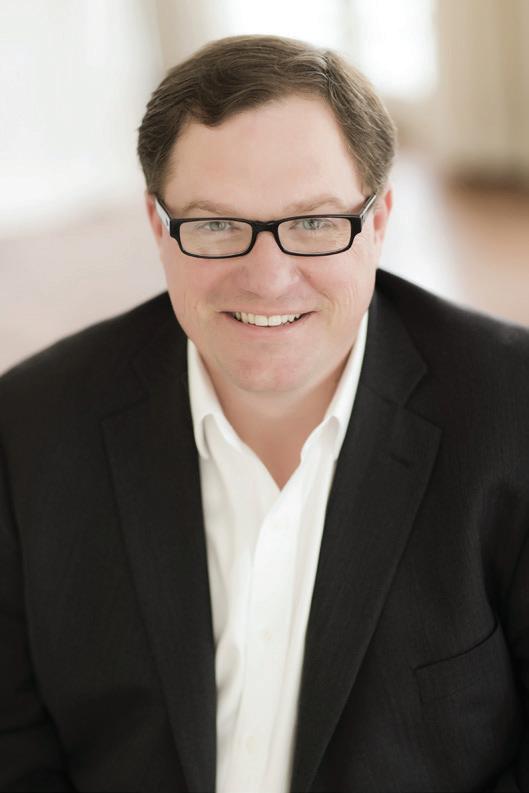
Jason A. Waddell Board Certified in Elder Law
The hiring of a lawyer is an important decision that should not be based solely upon advertisements. Before you decide, ask us to send you free written information about our qualifications and experience.

What’s Inside

The Substance of Things Hoped For
By Josh Newby
Iam debating the nature and value of faith. Is its nature actually delusion? Is its value the motivation to do what we know we ought? I stare at a world so preoccupied by division and war, by tribalism and dogmatism. Is belief in some purpose or some meaning or some higher power the cause or the cure? Can it be both?
I find myself so utterly and completely disappointed by faith leaders, their Faustian bargain jeopardizing the souls of countless millions in the name of repatriating a culture gone astray. Was their priority ever my heart or was I just a pawn, a voter to indoctrinate as one step toward larger societal control? I look at someone like Bishop Mari Emmanuel, someone whose political positions and allies I disfavor, and I observe in awe his proclamation of forgiveness for the man who stabbed him multiple times and caused him to lose his sight. Can the same twisted faith that gave us Bishop Emmanuel’s contaminated and hateful arguments also, in its pure form, inspire grace and understanding?
Then I look at my side, not known for its religious faith but with no shortage of fervor for a particular orthodoxy, and I wonder if our often-blind beliefs have similarly discarded those we should welcome. If Martin Luther King, Jr., or Malcolm X, or Langston Hughes made a return to 2026, how would they be treated by the liberal intelligentsia of today? Are the epiphanies of the Baldwin-Kennedy meeting now a little too trite, a little too backwards? But then I behold the earnest yearning for a better tomorrow for all people — conventions and your oh-so-precious pearls be damned. Can a movement that polices the borders of words and actions open those borders to less-thanperfect minds as well as foreign bodies?
Faith gave us slavery and its abolition. Faith gives us meaning and it has erased life on earth of its meaning. It gives us both conviction and complacency, sacrilege and sanctimony.
As the 2026 Florida legislative session has just concluded, many lawmakers appeal to their faith in the divine, or the principles thereof, as the basis for their decisions. How then to account for the seemingly paradoxical effects of their actions? If politics is the process of values becoming real, why do they, and we, abandon those values in pursuit of a supposedly better reality?
Supporters of both sides often advocate for using the methods of the other, which doesn’t make sense to me. How can you criticize the tactic with one hand and employ it with the other? Find the loophole, shred the norm, take up arms, raise the stakes. But someone has to hold the line, someone has to be the gravity. Because otherwise one party is just the rocket ship speeding away from the orbit of reason and the other party is its fuel.
Faith, I believe, binds us to that center. Maybe not faith in the divine, maybe not even faith in democracy, but faith in, well, others’ faith. Faith only succeeds when both parties have it.
We have seen recent studies of political action reflect this hypothesis. The feminist bell hooks writes about the notion of a love ethic as a core belief system governing our participation in politics and in activism. The writer Wadzanai Mhute says we should “continually strive and search for kindness in a world that can be as tender as it can be violent.”
So, I’ll keep the faith. For all its faults and all its naiveté, even granting that it might be delusional to trust your fellow human any more than some omnipotent and omnipresent mystical force, there is value for those who choose to all believe together in a more charitable and collaborative body politic. Maybe what gives faith meaning is that we imbue it with such, and it can be as enlightening and influential as we allow it to be.
One friend tells me everything’s political, another says nothing is, we just make it political. By “we”, he means human beings, I assume— what’s political to a fox curled in sleep, or a pond, or a sycamore in winter with no leaves left to stop the snow falling through it? I have loved you for less time than I have loved some others, but none more deeply than you; no one more absolutely. Which, as if inevitably, amounts to a hierarchy of sorts, doesn’t it? Value, then the power that comes with it—soon enough, the distribution of power, who gets to do the distributing… But if we make of tenderness a countervailing force, the two of us—
If we can make, from tenderness, a revolution— “Fixed Shadow, Moving Water” by Carl Phillips



How to Turn What You Know Into a Career in Five Steps Redefining Retirement:
By Dr. Cheryl Russell
You’ve done it. You’re in retirement — but that doesn’t mean you’re done. Nope. You’re just getting started.
Your decades of skills and knowledge can translate into real income. We’re talking everything from sustainability and survival essentials like sewing, woodworking and baking to professional expertise in management, human resources, finance and everything in between.
Right now, younger generations are searching the internet for life skills that older adults have spent decades mastering — wisdom about work, resilience, relationships and reinvention. The opportunity for seniors today isn’t retirement — its relevance. Seniors can mentor, teach, consult and lead second careers, right now.
Wondering where to even start? Let’s do it together—five steps to turn what you know into a possible new income.
1. Possibilities
Most people our age followed a pretty clear path — graduation, marriage, kids or career, sometimes all at once. Now you have the chance to define what you want. What are the possibilities for you today? You are not limited. You are free to explore.
Ask yourself:
• What activities make you lose track of time?
• What problems do people often ask you to help solve?
• What would you try if you knew you couldn’t fail?
This doesn’t mean clocking in from 8 to 5. On the contrary — you now have the flexibility to teach workshops, consult, mentor or start an online business on your own terms.
Write down 10 (or more) possible directions, even the ones that seem unrealistic. Teach cooking classes. Write a memoir. Start a small garden business. This step isn’t about choosing a direction — it’s about imagining one.
2. Identify Your Skills
You have decades of transferable experience. The goal here is to recognize and name what you already know how to do.
Many people reach this stage believing they don’t have marketable skills — especially if they stepped away from the workforce to raise families or support others. But skills are built everywhere: work, volunteering, caregiving, community leadership and everyday life. Experience isn’t just time spent. It’s expertise earned.
Think about three areas:
• Professional skills — budgeting, financial management, marketing, writing and communication
• Life skills — conflict resolution, caregiving and event planning
• Passion skills — gardening, cooking, painting and anything developed through what you love
Sometimes our most valuable skills are the ones we no longer notice because they come so easily.
Ask yourself:
• What skills have I used so long they feel invisible to me now?
• What tasks come naturally to me that others struggle with?
• What problems do I actually enjoy solving?
The truth is, by this stage of life, you’ve accumulated an extraordinary set of abilities. The challenge isn’t acquiring new skills — it’s recognizing the ones you already have.
3. Test Ideas
So how do you test the ideas you came up with? Quickly, and with low risk.
Instead of declaring “I’m going to become a writer,” try writing one article for a local publication, starting a small blog or submitting a guest column to a community newsletter. Volunteer at an organization in a field you’re curious about. Teach a skill at a senior center or host a community workshop. Then assess honestly: Did the activity energize me or drain me? Did people respond positively?
Testing ideas is as much about discovering joy as it is about finding income. The goal isn’t to make the perfect decision right away — it’s to explore. Small experiments reveal surprising directions. Sometimes the next chapter begins with something as simple as trying one new thing.
4. Build Community
Reinvention is easier when you’re not alone. Many people assume they have to start something new entirely on their own. But most successful second careers begin with something much simpler — a conversation, a shared interest or a supportive group.
Look for your people through:
• Hobby groups
• Professional associations
• Community classes
• Nonprofit organizations
Your next chapter doesn’t have to be built in isolation. Often it starts with one connection — one person who reminds you it’s never too late to begin something new.
5. Launch
After exploring possibilities, identifying your skills, testing ideas and finding your community, the final step is simple but powerful: begin.
Launching doesn’t mean having every detail figured out. Most successful ventures start before everything feels ready. What matters is choosing one idea that feels promising and taking the next step toward making it real.
The best launches are often small:
• Offer your first workshop
• Publish your first article
• Open a small online shop
Launching something new later in life isn’t only about income. It’s about purpose, growth and the joy of contributing your experience in meaningful ways.
At this stage, the most fulfilling work isn’t about proving something to others. It’s about expressing who you’ve become.
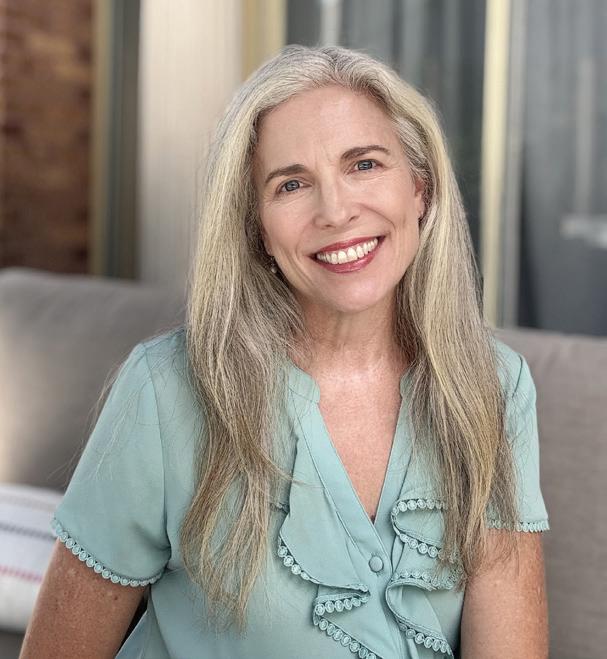
Today’s longer lives give us the opportunity to write more than one chapter of meaningful work. Whether your next step is small or bold, the most important thing is simply to begin. The future is not something we retire from — it’s something we continue to build. Dr. Cheryl Russell is the founder of Fearless After Fifty. If this article resonated with you, take the free Second Act Clarity Score assessment and find out exactly where you are in your reinvention journey. Visit drcherylrussell.com/ free-assessment.
Retiring Abroad
By Kelly Oden
Retirement abroad once felt like a privilege reserved for the exceptionally wealthy or the truly adventurous. That’s changing. For a growing number of Americans who are seeing their Social Security checks fail to keep up with cost of housing, healthcare and groceries, the idea of retiring in a foreign country is beginning to sound like both an adventure and a practical financial decision. A pension or retirement income that feels tight in the U.S. can fund a genuinely comfortable life in a handful of countries where the cost of living is a fraction of what it is here, the healthcare is very good to excellent, and the visa process is more straightforward than you might think.
Most of the destinations on this list have formal retirement visa programs or workable long-stay pathways with income requirements that fall within reach of real-world retirement incomes. We’ve included current income thresholds, estimated monthly costs and a look at safety, quality of life and cultural opportunities in each place, so you can compare options on your own terms.
Editor’s Note: Exchange rates fluctuate, and program rules change. Talk to an immigration attorney or contact the relevant embassy directly before making decisions. Safety scores also fluctuate. Be sure to check current state department ratings for countries of interest.
PANAMA
Panama, Latin America
Income Requirement: $1,000/month (single) $1,250/month (couple) — U.S. dollar economy, no conversion needed
Est. Cost of Living: $1,800–$2,500/month
Safety/QOL:
Stable government, strong expat infrastructure, U.S. dollar economy
Highlights: Permanent residency on approval / fastest processing (~3 months) / extensive retiree discounts on dining, travel, utilities and prescriptions / foreign-sourced income generally not taxed locally
Lifestyle/Culture: Warm and tropical year-round. Beaches on both coasts and cooler mountain towns like Boquete if you want a break from the heat. Panama City is modern and easy to navigate. Large American expat community. English is common in cities and expat areas.
Costa Rica, Latin America
Costa Rica
Income Requirement: $1,000/month from pension or retirement fund — U.S. dollar widely accepted; official currency is the colón

Est. Cost of Living: $2,000–$3,000/month
Safety/QOL:
One of the most stable democracies in Latin America; no standing army since 1949
Highlights: Public healthcare system (residents are required to pay into it) / permanent residency after 3 years / two-year renewable visa / strong environmental protections / wellestablished expat communities in Central Valley and coastal areas
Lifestyle/Culture: The Central Valley (where most expats live) has comfortable, mild weather year-round. Beaches are a few hours in either direction. Outdoor lifestyle is a big draw — hiking, wildlife and national parks. Relaxed pace of life. Spanish is the primary language outside expat areas.
Mexico, North America
Income Requirement: Approximately $1,620/month in verifiable income OR approximately $27,000 in savings — Requirements vary significantly by consulate and change frequently; verify directly with the consulate in your area before applying
Est. Cost of Living: $1,500–$2,500/month (wide regional variation; budget beach towns vs. colonial cities vs. resort areas differ significantly)
Safety/QOL:
Highly region-dependent; Mérida, San Miguel de Allende, and Oaxaca rank very differently from border cities
Highlights: Driving distance from much of the U.S. / largest established expat community on this list / enormous lifestyle range / permanent residency after 4 years / property ownership accessible to foreigners
Lifestyle/Culture: Enormous range depending on where you settle. Colonial cities like Mérida and Oaxaca offer a slower, affordable lifestyle with a strong expat community. Beach towns are an option but pricier. Food and culture are a genuine draw. Close to home, easy to visit family. Safety varies a lot by region — research specific cities carefully.
PORTUGAL Mexico
Portugal, Europe (Western)
Income Requirement: $1,080/month (€920/month) — pension, dividends, rental income or investments. The amount is tied to Portugal’s minimum wage and adjusts periodically.
Est. Cost of Living: $1,900–$3,300/month (Lisbon and Porto on the high end; interior and Algarve towns considerably lower)

Safety/QOL:
Consistently ranked among the world’s safest countries; excellent public healthcare
Highlights: Access to public healthcare after establishing residency / Schengen Zone travel / path to EU citizenship after 6 years / significant in-country time required — consult an attorney on current residency and tax residency thresholds.
Lifestyle/Culture: Warm and sunny most of the year, milder and rainier in the north. Beautiful beaches, good food and a relaxed pace of life. Well-established expat community, especially in Lisbon, Porto and the Algarve. English is widely spoken. One of the easiest cultural adjustments for Americans.
SPAIN
Safety/QOL:
Spain, Europe (Western)
Income Requirement: $2,515/month (€2,151/month / €25,816/year) + private health insurance
Est. Cost of Living: $2,000–$3,000/month (much lower outside Madrid and Barcelona)
Excellent healthcare system; high overall safety; strong expat infrastructure
Highlights: Highest quality of life on this list / access to one of the world’s top healthcare networks / permanent residency after 5 years / significantly more affordable in smaller coastal cities and interior towns than the headline income figure suggests
Lifestyle/Culture: High quality of life with a social, outdoor culture. Smaller cities like Valencia, Málaga and Seville are much more affordable than Madrid or Barcelona and offer a genuinely excellent day-to-day lifestyle. Great food, healthcare and weather. Late dinners and a relaxed schedule are just how life works here.
Albania, Europe (Balkans)
ALBANIA
Safety/QOL:
Income Requirement: $1,140/month (€967/month)
Est. Cost of Living: $1,000–$1,500/month
Low crime rates, rapidly modernizing infrastructure, EU candidate country
Highlights: Most affordable European option on this list / fully online application, 25-day processing / permanent residency after 5 years / foreign pension income generally not taxed locally / growing expat community along the Riviera
Lifestyle/Culture: Beach towns in the south, mountains in the north and a scrappy, energetic capital in Tirana. Hot summers on the coast and cooler winters inland. Still developing, which is part of why it’s cheap. Locals are friendly and welcoming to foreigners. Limited English outside tourist areas.
Croatia, Europe (Adriatic)
CROATIA
Income Requirement: No fixed published minimum — immigration authorities require verifiable passive income sufficient to cover living expenses; practical benchmark is approximately $1,500–$2,000/month. No dedicated retirement visa exists; retirees apply under temporary residence for private purposes.
Est. Cost of Living: $1,800–$2,500/month (lower in inland cities such as Osijek; higher in Split and Dubrovnik, especially in summer)
Safety/QOL:
Safety index of 85/100; low crime rate in expat areas; EU member since 2013
Highlights: EU member with Schengen access / dedicated retirement visa program reportedly in development / coastal cities drive up costs significantly in summer; long-term leases in off-season mitigate this
Lifestyle/Culture: Beautiful Adriatic coastline with a laid-back lifestyle and good food. Hot summers on the coast; more affordable and quieter in inland cities. Medieval towns, islands and easy access to the rest of Europe. English is widely spoken in tourist areas. Costs have risen since adopting the euro and joining Schengen in 2023.

THAILAND
Thailand, Southeast Asia
Income Requirement: $2,030/month (65,000 THB/month) OR $25,000 one-time bank deposit (800,000 THB) — rate approximately 32 THB per $1 as of April 2026 / Age 50+
Est. Cost of Living: $1,200–$2,000/month
Safety/QOL:
Very safe in established expat areas; world-class private hospitals in Bangkok and Chiang Mai
Highlights: Deposit route works well for retirees without a traditional pension / Health insurance requirements apply to some retirement visas and change periodically / requirements shift periodically — always verify current rules with the Thai embassy before applying
Lifestyle/Culture: Hot and humid, with a cooler season from November through February — that’s the sweet spot for expat living. Chiang Mai in the north is popular for its lower cost and cooler weather while Gulf and Andaman coast islands or the urban intensity of Bangkok appeal to others. The food is excellent and cheap. Locals are friendly. English works fine in cities and resort towns.
Philippines, Southeast Asia
Income Requirement: One-time bank deposit of $10,000–$20,000 USD (no ongoing monthly income threshold) / Age 35+
Est. Cost of Living: $1,000–$1,600/month
Safety/QOL:
English-speaking and hospitable; healthcare quality is strongest in major cities like Manila and Cebu
Highlights: Lowest entry age on this list (35+) / deposit-based structure suits drawdown or savings-based retirees / no language barrier / among the lowest day-to-day costs on this list
Lifestyle/Culture: Hot and humid year-round with a typhoon season to plan around. Thousands of islands, great beaches and a low cost of living. The biggest practical advantage: English is an official language and spoken everywhere, so there’s almost no adjustment period for Americans.
Vietnam, Southeast Asia
Income Requirement: No dedicated retirement visa exists. Long-term stays currently require workarounds such as business visas or renewable tourist extensions — not a structured program. Verify current options with an immigration attorney before planning around it.
Est. Cost of Living: $1,000–$1,500/month for a couple
Safety/QOL:
Generally very safe; low crime; rapidly modernizing infrastructure
Highlights: One of the cheapest places on earth to live well / extraordinary food culture / fast-growing expat communities in Da Nang, Hoi An, and Ho Chi Minh City / formal retirement visa program has been discussed but not yet implemented — worth watching

Lifestyle/Culture: Hot and humid, but the climate varies significantly by region — the north has four seasons, the central coast is sunny and beach-friendly and the south is warm year-round. Food is a genuine highlight at every price point. Locals are friendly and increasingly accustomed to foreign residents. English is limited outside tourist areas and major cities, so some language effort goes a long way.
VIETNAM
Combating Scams and Fraud: Operation Senior Shield
By Emily Higgins
In today’s world, new scams are constantly emerging, using increasingly sophisticated tactics to target older adults and financially exploit vulnerable individuals. As Florida is home to 6.5 million residents over the age of 60, it has one of the largest elderly populations in the United States.
Because of this, Florida must lead the way in ensuring that our older adults are protected from the devastating harm these scams can cause. In response to the growing threat of scams that target older adults in Florida, Operation Senior Shield was launched on November 18, 2025.
If you are interested in protecting yourself or your loved ones, Operation Senior Shield is a
program for seniors that sends free alerts to Floridians about new scams to keep them safe and informed of emerging threats, while also coordinating with statewide law enforcement on an enhanced scale. This Operation was launched by Lt. Governor Jay Collins and DOEA Secretary Michelle Branham as a new initiative to help families, older adults and caregivers have access to the information they need to help prevent fraud and exploitation of their personal information and financial assets.
After signing up for Operation Senior Shield, participants receive information to help stay up to date on all the ways to keep personal information secure and stay safe from scammers.
“Our seniors have spent their lives serving their families and communities, and they deserve to be protected from criminals who target them,” Lt. Governor Collins said. “Operation Senior Shield is our answer to that threat and a

mission to keep seniors safe. Too many older Floridians are being targeted by scammers, and it is time to push back and take this fight directly to them.”
By providing seniors with realtime scam alerts, educational resources to prevent scams and coordination with a statewide specialized team to combat fraud, Florida is leading the way to ensure seniors stay confident and secure in their ability to keep themselves, their information and financial assets safe.
Gulf Winds Credit Union Fraud Manager, Trina Wade, explained that some of the most common scams she sees in her role are call spoofing, gift card scams, romance scams and cryptocurrency investment fraud.

Call spoofing is when a scammer pretends to be a legitimate financial institution by disguising their call and then getting the verification code for your account, allowing the scammer to withdraw money. A gift card scam usually plays out when a scammer tries to appear as a trusted institution to make a “deposit” or “refund” into a member’s account, but then
they tell the member that they have been refunded too much money and need to purchase gift cards and give the information to the scammer.
Romance scams play on the emotions of the victim and often exploit loneliness experienced by older adults.
“A member meets someone online, and that person earns the member’s trust. After trust is established, the person who is often overseas or non-local starts explaining that they have financial difficulties and asks for money,” Wade said.
Cryptocurrency investment fraud often begins with scammers establishing trust through online communication and then convincing the victim to invest money in a cryptocurrency account. Victims typically lose all the money they invest in the scheme.
Wade’s tips to avoid these scams are not giving out any usernames, passwords, secure access codes, debit/credit information and not providing remote access to your device. She also warns against paying upfront for a promised
“Our seniors have spent their lives serving their families and communities, and they deserve to be protected from criminals who target them.”
price, and advises that, when in doubt,you should hang up and call back to verify the legitimacy of a call. Wade further cautions against online relationships that involve requests for money, whether romantic or based on trust.
Wade also gives some red flags for caregivers to look out for if they want to know if their loved one is being targeted by a scheme. Some of the behaviors to look out for might be erratic or unusual banking transactions, changes in banking patterns, wiring large amounts of money, and withdrawing money from accounts without explanation. Other strange behaviors that might indicate that a loved one is being scammed is if they have been giving monetary gifts to a person they claim is a new friend or romantic partner, or if they have recently opened a new cryptocurrency account. Being aware of these scams and the ways to prevent them can allow your loved ones to keep their financial assets safe and secure.
To stay updated on current popular scams that target older adults, visit opseniorshieldfl.com and sign up for alerts.
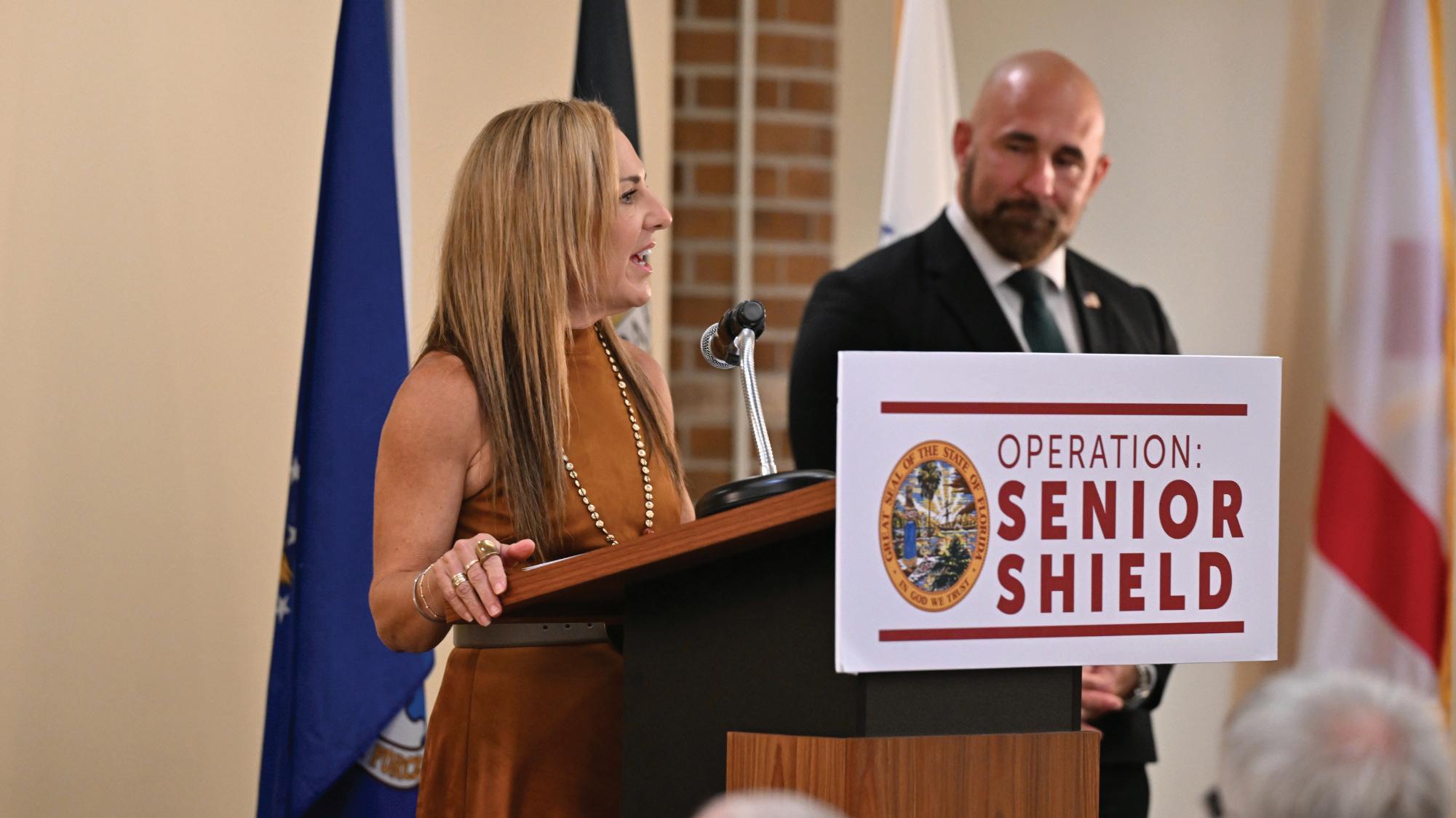
DOEA Secretary Michelle Branham and Lt. Governor Jay Collins courtesy of Elder Affairs Florida
- Lt. Governor Jay Collins
Older Americans Act: Impact in Action
By Emily Echevarria
Like many older adults, Rochelle McCall greatly values her independence. At 67, she lives alone and still takes the bus when she needs to run an errand, something her adult daughters say they worry about. She receives weekly home-delivered Meals on Wheels, a service that began after she fractured her ankle leaving her unable to stand for months during her recovery.
“I was in a wheelchair for nine months and had to learn to walk again,” she said. “It would be hard for me to make meals for myself without them.”
Rochelle grew up in Philadelphia, and attributes some of her determination to remain independent as she ages to her big city upbringing. She also knows how to stretch a dollar and says that as prices for everything from groceries to home insurance have risen, her Meals on Wheels deliveries have had a huge impact in keeping her bills manageable.
Rochelle is one of almost 300 older adults in Escambia and Santa Rosa counties that receive weekly meal deliveries from Council on Aging volunteers and staff. The meals meet a required one-third of the daily nutrition needs for seniors, offering the convenience of a single serving that can be heated up quickly. This program is a vital service for older adults who are facing food insecurity at increasing rates, giving them an easy and nutritious option for staying
well while living independently in their homes. For those who enroll in the program through the aging services network, which assesses eligibility and subsidizes the meals, it is part of Older Americans Act (OAA) legislation.
The OAA was signed into law by President Lyndon B. Johnson on July 14, 1965, funding a nationwide network of programs that empower older adults to live with independence, safety and health. The Act is reauthorized regularly to ensure continued resources to support seniors, particularly those that are most vulnerable. The original piece of legislation laid the groundwork for state grants for community planning, social services and other projects that serve aging populations. It also established the agency tasked with facilitating these grant funds, the Administration on Aging (AoA), an agency within the Administration for Community Living of the U.S. Department of Health and Human Services.
While Meals on Wheels is just one of the programs funded through OAA, it’s among the most
widely recognized aging services, providing essential nutrition for seniors who may not be able to drive themselves to grocery stores or stand for extended periods to cook. The program also addresses another common challenge facing older adults, especially those who no longer drive: isolation and loneliness.
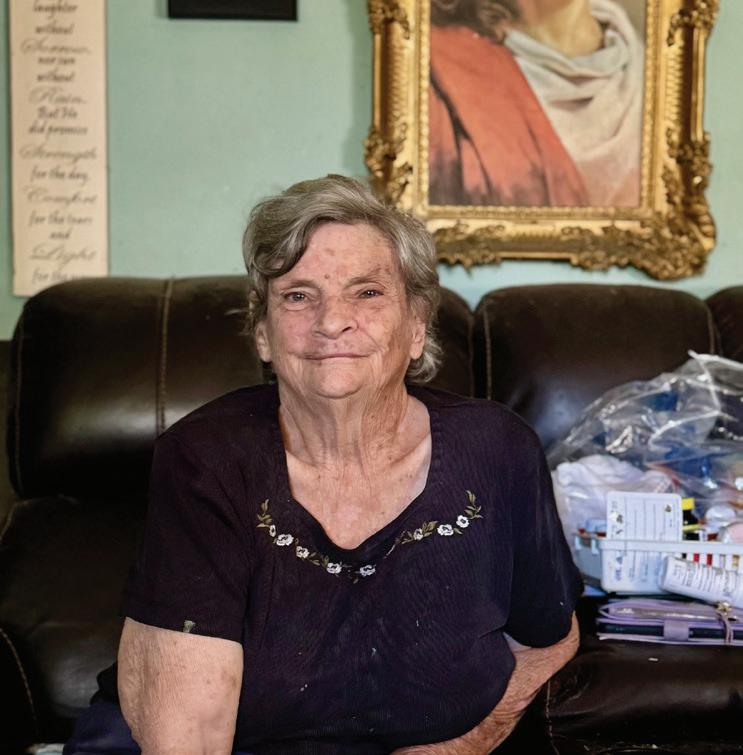
Mary Bobe, another Meals on Wheels recipient, has developed a friendship with her delivery driver of four years, Stanley. She lives alone and has been taken to the hospital by ambulance over the past year due to health issues. Several months of construction work on her street have also created several challenges, including her driveway being blocked several times and her mailbox being removed during
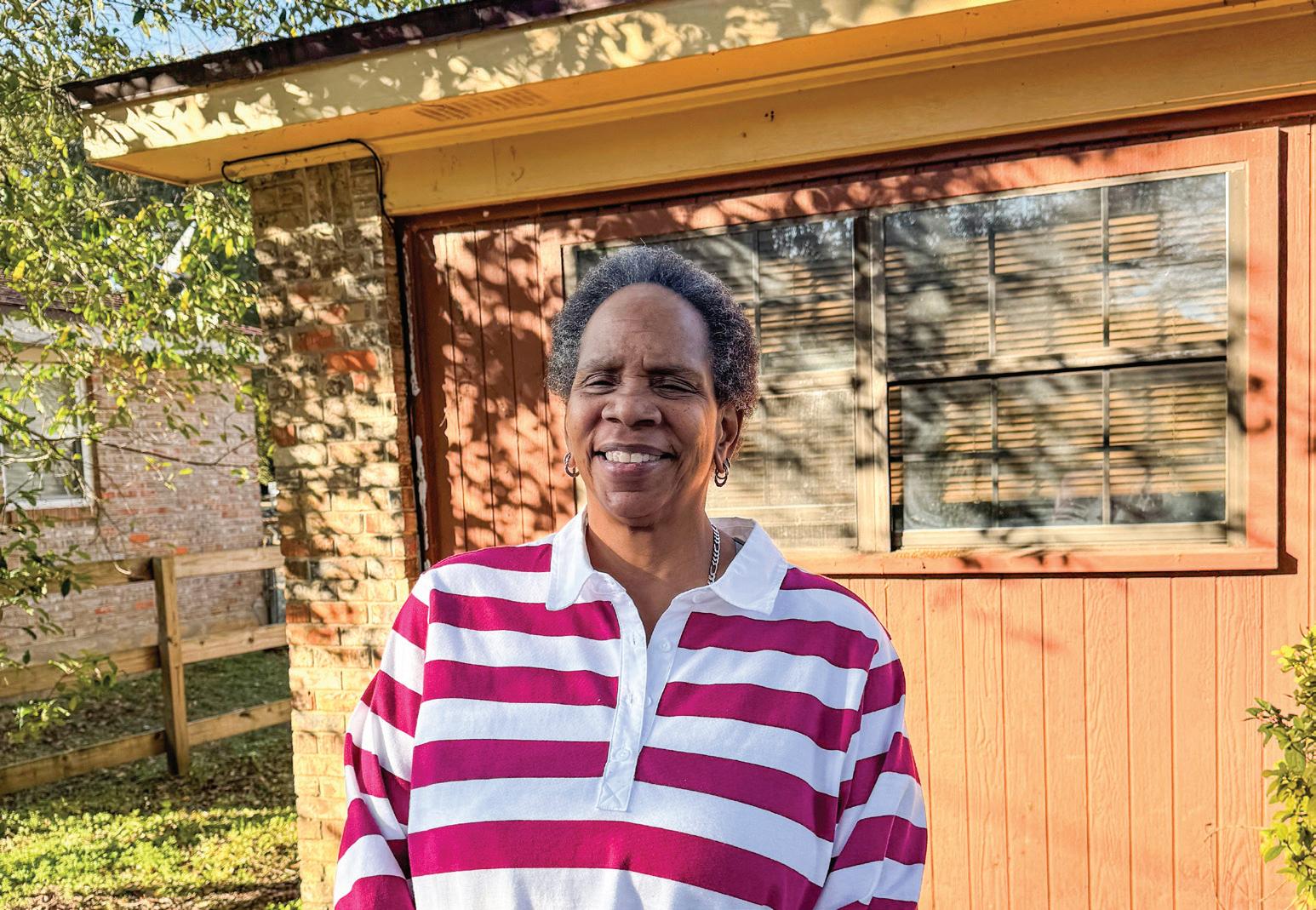
Rochelle McCall
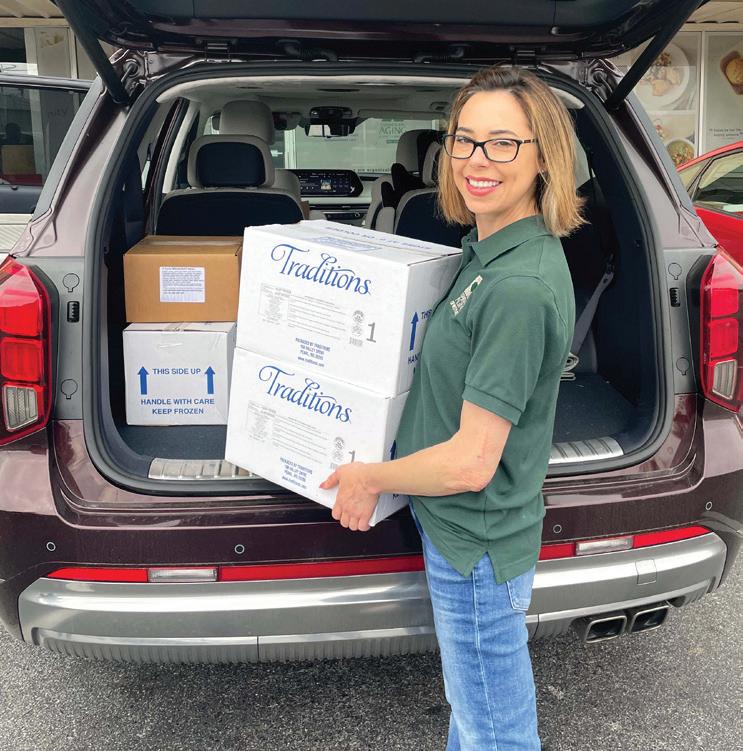
Kelly, a Meals on Wheels Volunteer
the ongoing work. After hearing about her concerns, Stanley took action, talking with the construction workers and asking them to keep a pathway open to Mary’s driveway. It worked — Mary says the driveway hasn’t been blocked since.
“I’m so thankful for Meals on Wheels, because they took an interest in my situation,” Mary said.
Additionally, Mary has the support of a Council on Aging case manager who ensures that she is connected to the resources she needs and the services that allow her to continue living in her home, another service funded through federal OAA dollars.
These programs target a specific demographic of older adults who can safely live independently with some in-home assistance. They serve seniors in their homes through community- and homebased initiatives, which has the dual benefit of being what most older adults would prefer whenever possible, and being more cost-effective than the alternative of facility placement. The average home care plan enacted by an agency in the aging services network is $7,000 to $28,000 annually, compared to the average annual institutional cost of $111,325 to $150,000, saving more than $100,000 per person each year in taxpayer dollars.
Across the country, the agencies that steward OAA funds, like Council on Aging in Escambia and Santa Rosa counties, offer an assortment of other programs that help older adults and caregivers, and these organizations are able to adapt to the needs of a given client with available support.
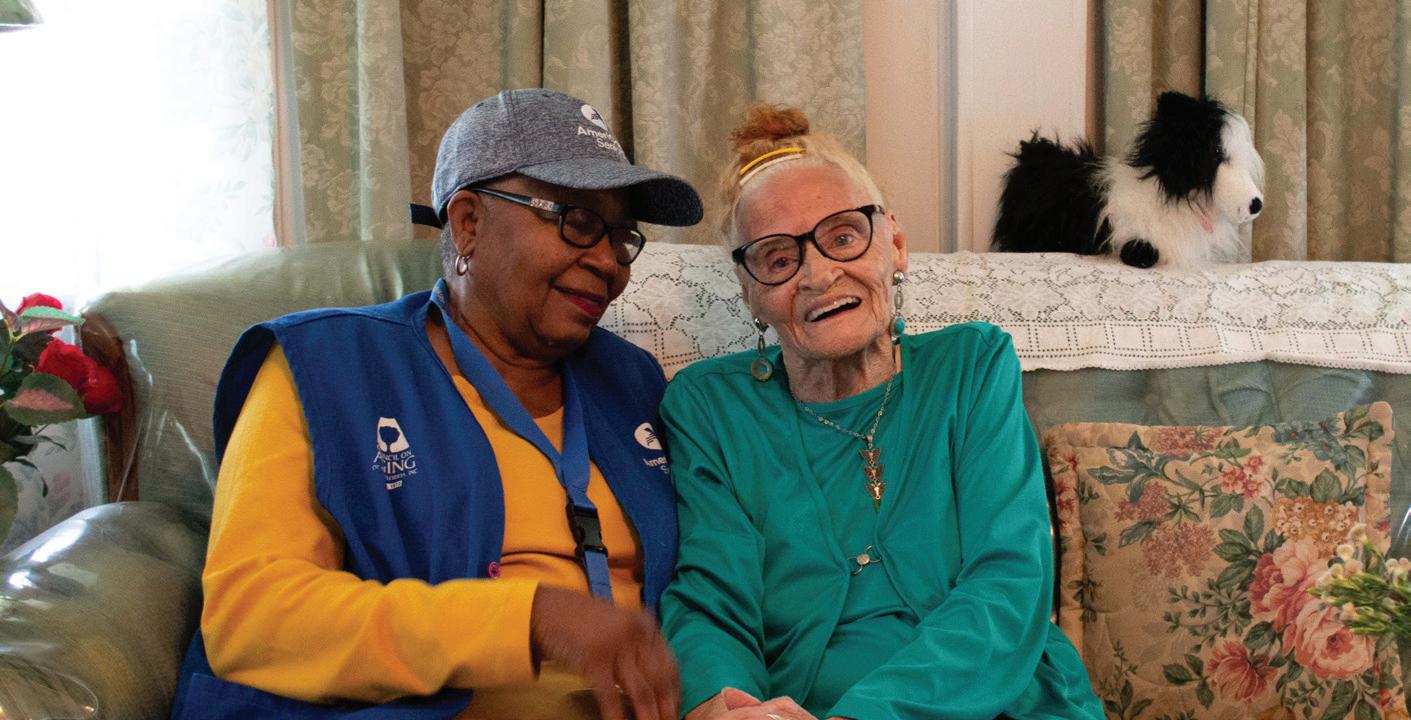
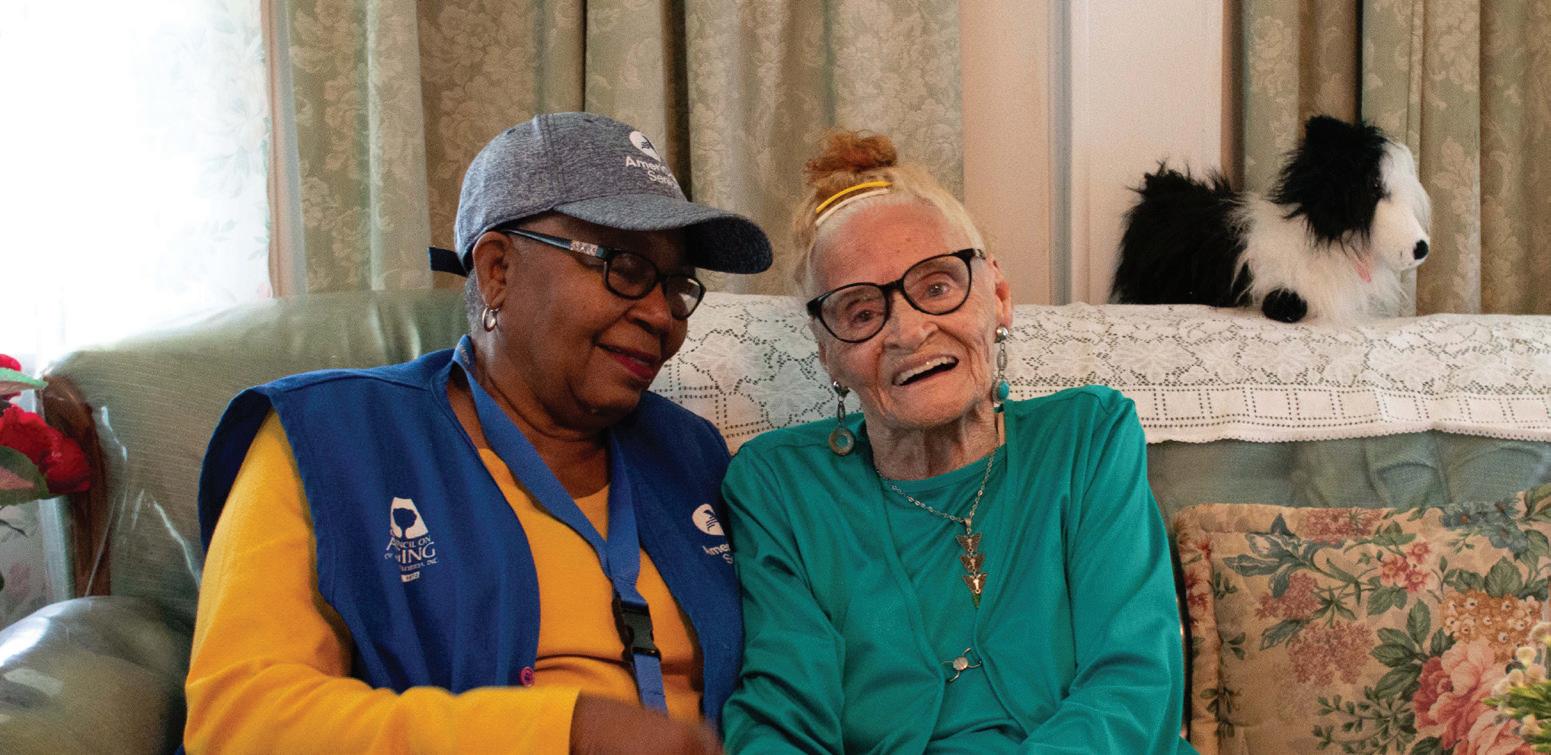
Helen Russ is a Meals on Wheels recipient in Pensacola. At 98, Helen works hard to stay healthy and independent, and her weekly Meals on Wheels deliveries help with that. Since she no longer drives, she needed assistance with transportation, and Council on Aging was able to pair her with another program the agency provides: AmeriCorps Seniors volunteers. Helen now has a Senior Companion volunteer in her community of support, and her easy rapport with volunteer Jonnie Anderson has added friendship along with nutrition assistance to her life.
Jonnie visits two days a week and helps Helen by driving her to run errands, grocery shop and attend appointments. When they aren’t on the go, Jonnie says they’re probably “sitting around having a discussion about life.”
“We get along well,” Helen said. “I miss her on the days she doesn’t come.”
It is thanks to OAA funding that such programs are able to meet the needs of older adults and
allow them to “age in place.” The needs of elder Americans continue to grow in prominence as the country’s population ages, especially in states like Florida, which is currently experiencing a “silver tsunami” of population growth among those over the age of 60. This complicated set of structures and funding streams may seem like a bureaucratic rigmarole, but its effects can be clearly seen in the older adults staying healthy in their homes, getting the assistance they need, and empowering them to live according to their own wishes, even as their circumstances and abilities change with age.
Helen was disappointed with the loss of independence when she was no longer able to drive, but she’s delighted with the addition of her Senior Companion to her life. Jonnie’s both a friend and a support to her, offering the simple gift of companionship that adds massively to her life. The pair has plans for Jonnie to take Helen on a leisurely ride around town to view the developing cityscape, which Helen is happily anticipating, another simple pleasure she would otherwise not get to experience without these programs.
“I’m going to take you on that cruise,”Jonnie promises with a smile.
Mary Bobe
Jonnie Anderson and Helen Russ


B.A. Shapiro
an Exclusive Interview
By Kelly Oden
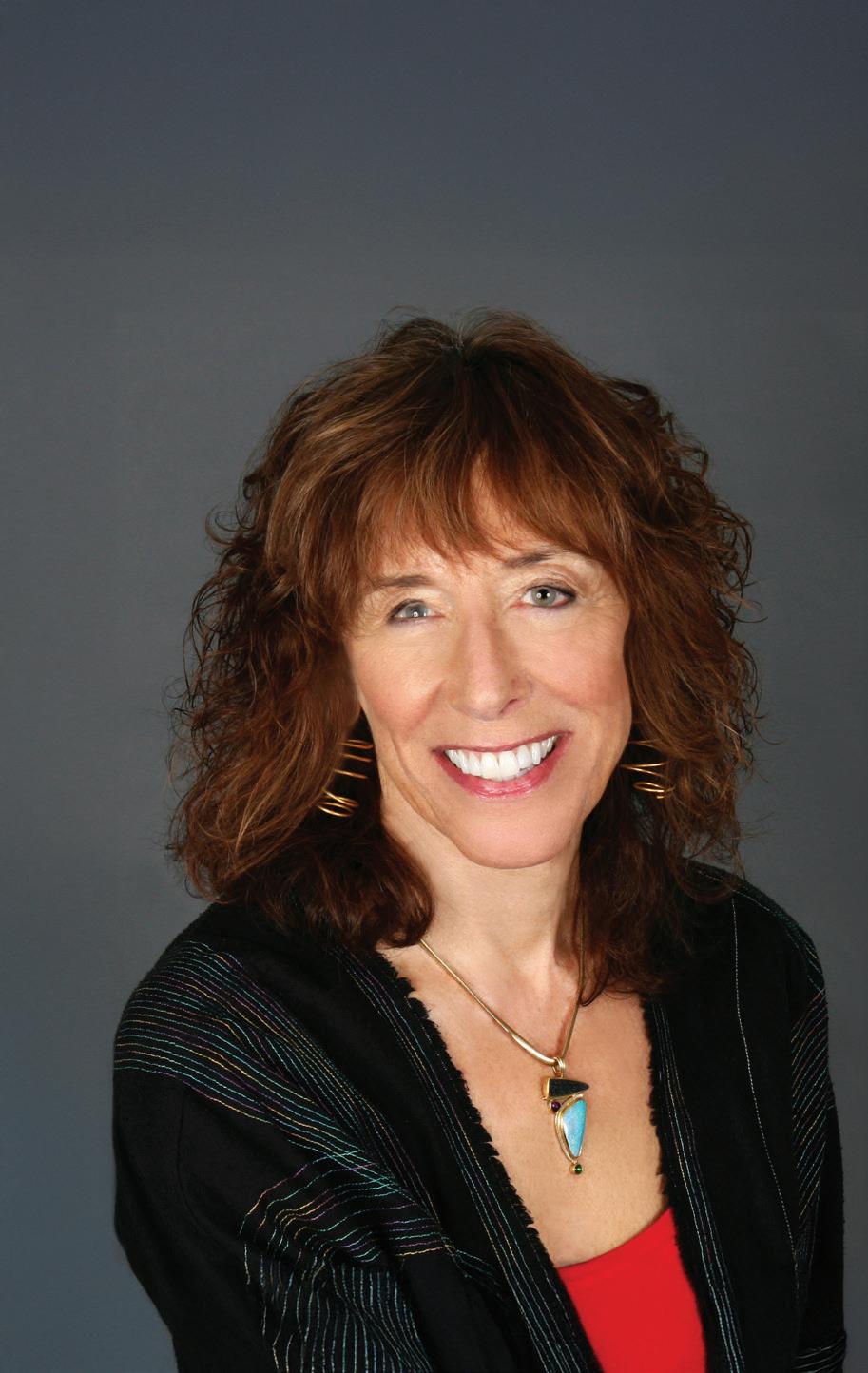
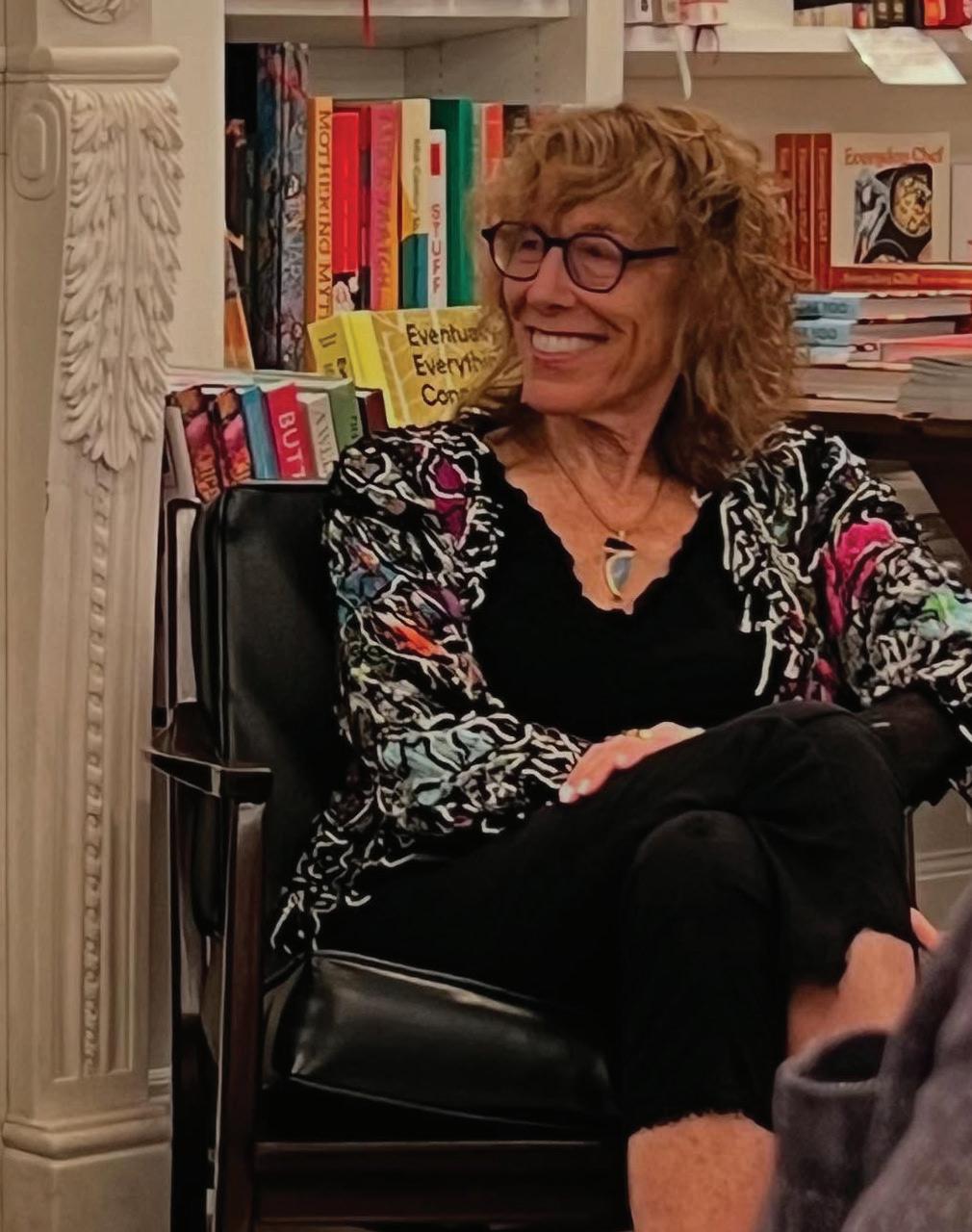
B.A. Shapiro is the award-winning, New York Times bestselling author of 10 novels that span more than three decades and have earned her a devoted international readership. Best known for her richly layered art-world literary thrillers, Shapiro’s books have been translated into more than a dozen languages and selected for organized community reads across the country.
Her breakout novel, The Art Forger, drew international attention with its fictional reimagining of the infamous 1990 Isabella Stewart Gardner Museum heist and won the New England Book Award for Fiction. It highlighted Shapiro as a master of weaving historical fact with invented narrative, a gift she has honed across each successive book.
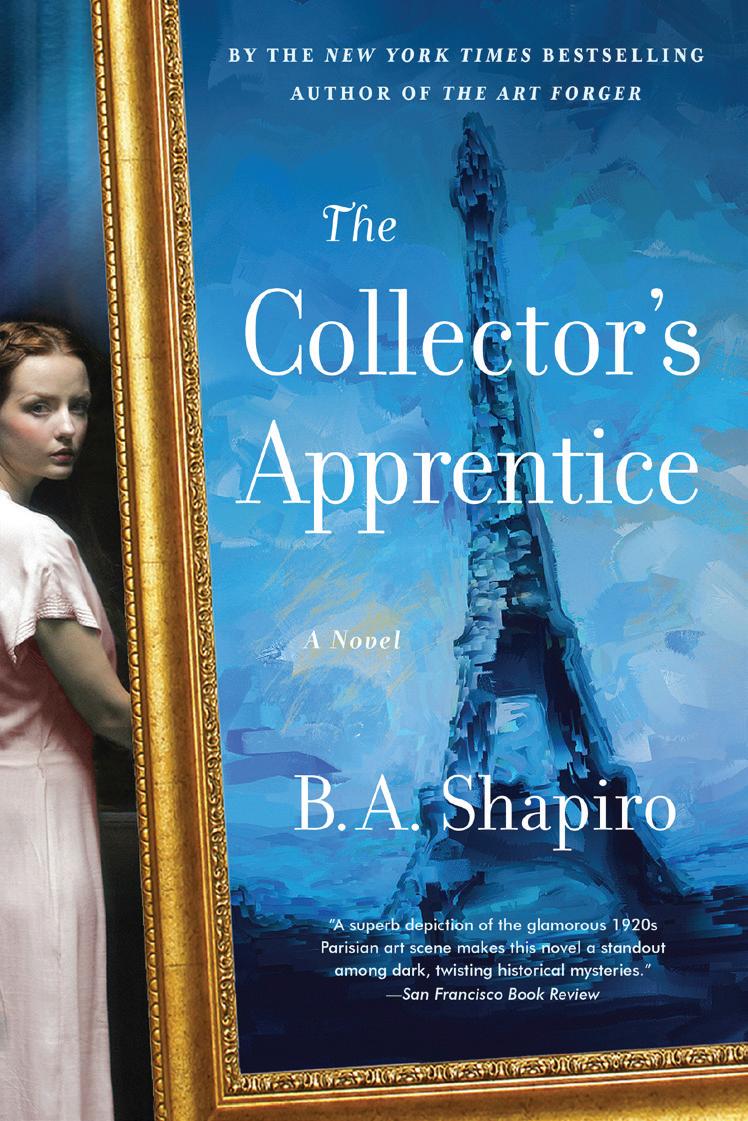
The Muralist explored abstract expressionism and the plight of Jewish refugees on the eve of World War II. The Collector’s Apprentice transported readers to the early 20th-century Philadelphia art world of collector Albert C. Barnes. Metropolis, her most recent
novel, marked a bold departure into contemporary ensemble fiction, following six strangers whose lives converge around a crumbling Boston storage warehouse.
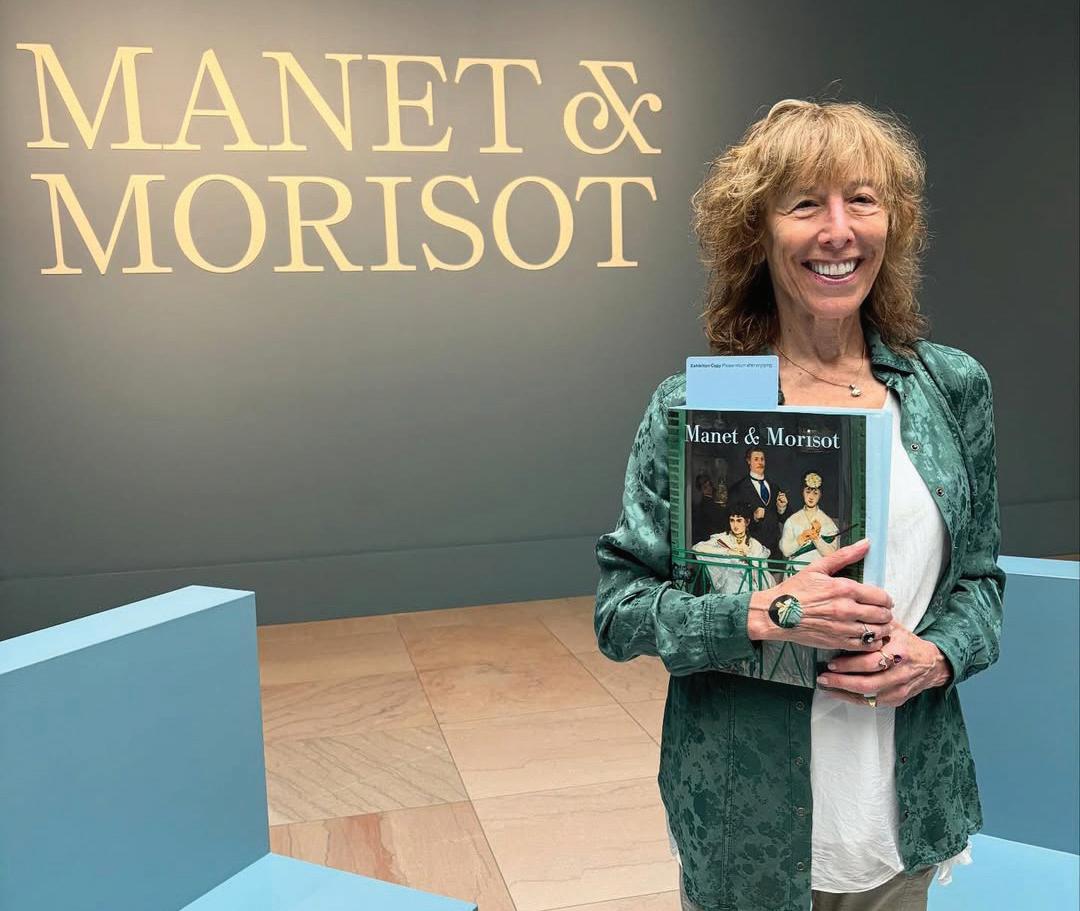
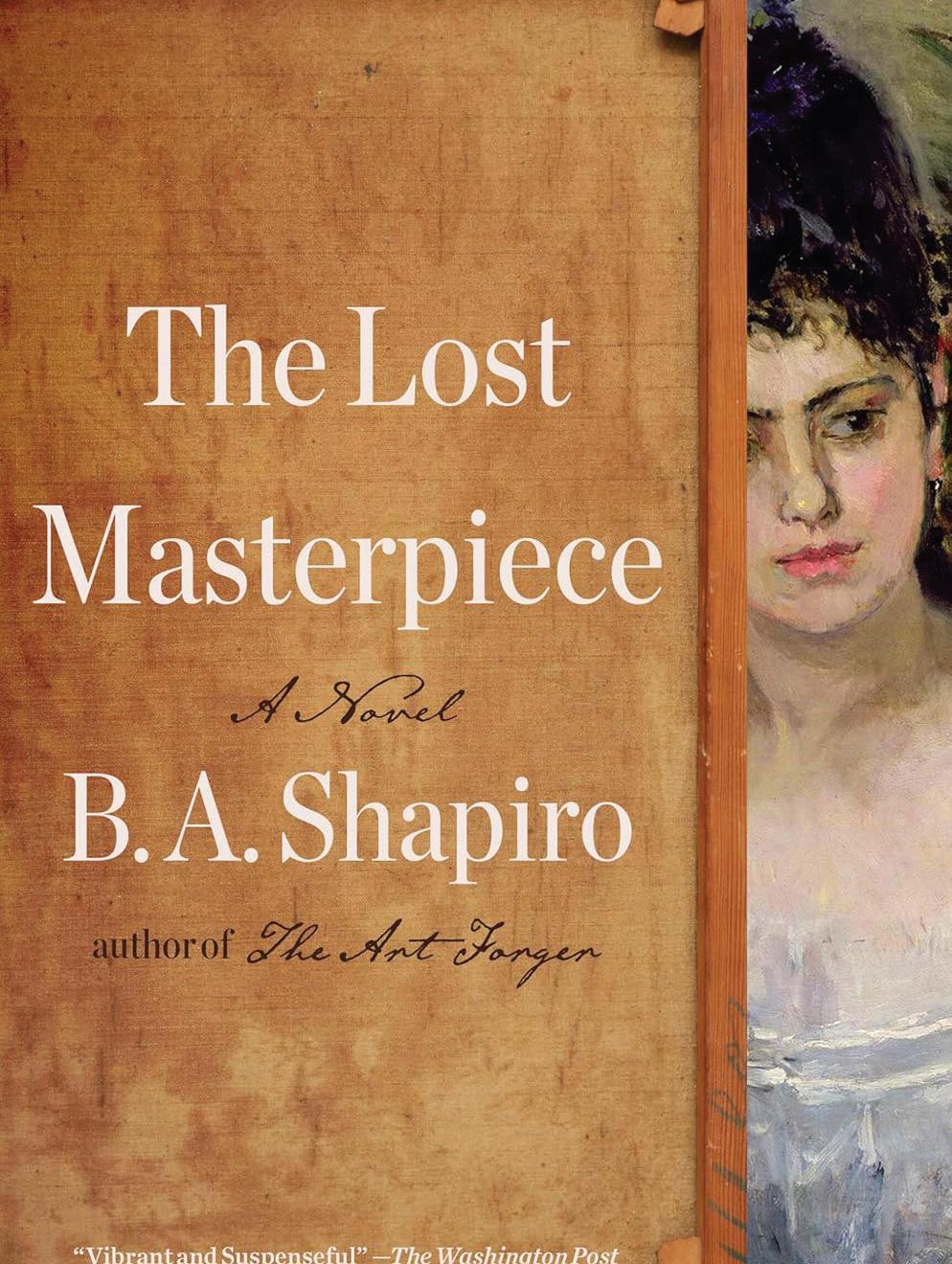
Her newest novel, The Lost Masterpiece, returns to her beloved territory at the intersection of art history and mystery, following the trail of a Nazi-looted Impressionist painting and the haunted legacy of 19th-century French painter Berthe Morisot.
Shapiro holds a Ph.D. in sociology and has worn many professional hats including researcher, systems analyst, software executive and university professor, teaching sociology at Tufts and creative writing at Northeastern. She began writing fiction in her late 30s and has never looked back. She splits her time between Boston and Naples, Florida, and has a daughter who calls Pensacola home.
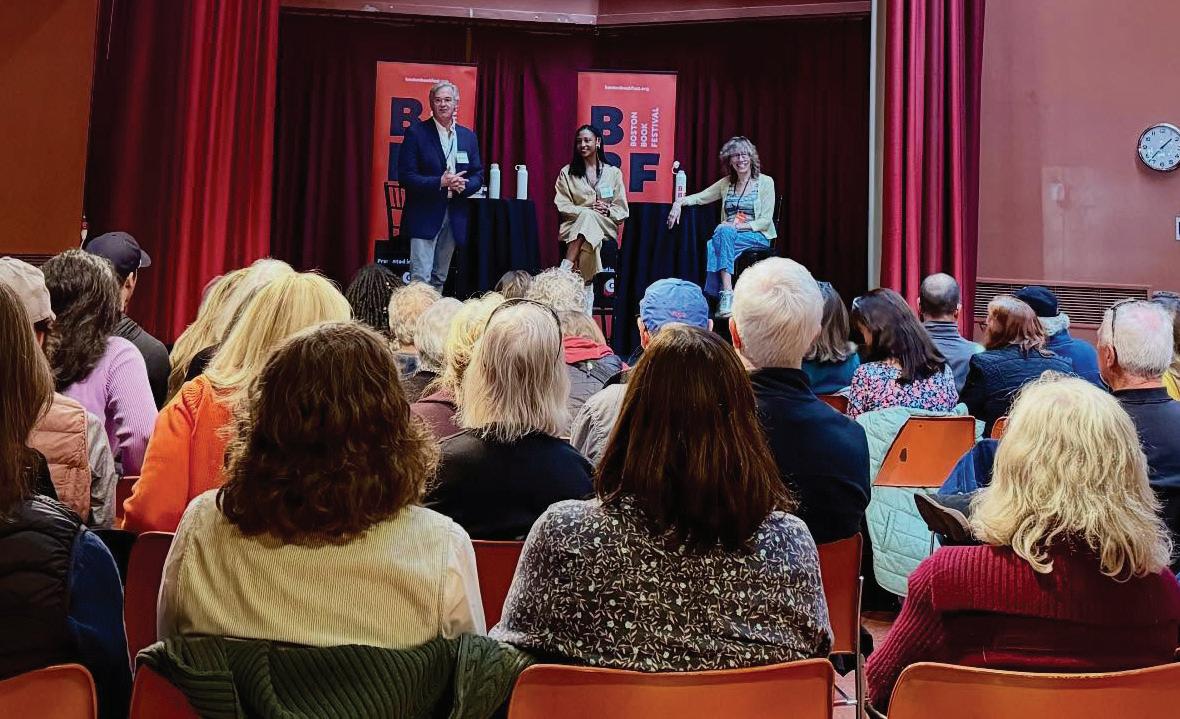
COA recently had the pleasure of speaking with B.A. Shapiro ahead of her upcoming talk at the Pensacola Museum of Art Guild Luncheon on May 19.
COA: Hi, Barbara. Thanks for speaking with me today. Can you give me a little background on where you’re from?
B.A. Shapiro: I am a New England girl. I grew up in Connecticut, outside of Hartford. I went to college and graduate school in Boston, and I’ve been in Boston ever since. I went to Tufts, and I have a Ph.D. in sociology, which relates so well to writing novels, right (laughs)?
COA: As a child growing up, were you a reader? Did you think that you might ever want to be a writer?
B.A. Shapiro: Yeah. I was a voracious reader. I know a lot of writers, and it is very, very common to be childhood voracious readers. I originally wanted to be a painter, and my parents were very supportive. My mother took me to classes at the local museum, and unfortunately, it became clear early on that I had no talent for painting. So, I decided that I wanted to write novels. But then, I grew up in the 60s and 70s and became a determined feminist.
And I said, ‘No, I have to have a job that I can excel in and make money and support myself.’ So, I became a sociologist. I should have gone to business school instead, but it worked out until I kind of switched. I’ve had several careers. I started in sociology. My first job was running federal research for a drug treatment facility in Boston for low income, Black women with children. Then the Reagan years started, and I realized there wasn’t going to be any more federal funding for things like that. So, I used my statistics background and became a systems analyst and worked a few jobs doing that. Then I got hired to run the Boston office of a software development company. Then I had two kids, and it became hard to work 50 hours a week. That was when I started writing. Of course, that didn’t come easily, so I started teaching sociology at Tufts. I taught a lot of adult education. And I went into the schools and taught writing to my kids’ classes. When I started getting published, I started teaching writing at Northeastern University.
COA: I read that you started writing in your late 30s. Do you think that your background in sociology and research and even the corporate work that you did make you a better writer?
B.A. Shapiro: I think anything that you’ve done does help you to be a better writer, but I think probably the most important thing that I did was read thousands of novels in my life. I had no training in writing at all, but I found I had a kind of muscle memory from reading so many novels. The first novel that I wrote did not get published, which is not uncommon at all. So, I thought that maybe I should take a writing class. I really didn’t know anything. I took a writing class at the Cambridge Center for Adult Education in Cambridge, Massachusetts. I met some people there, and we started a writers’ group. There were four of us who stayed together over many, many years, and we basically taught each other. None of us knew how to write a novel. We taught each other how to write novels. Now there have been 18 traditionally published, by major publishers, novels that came out of that group. So, between the reading and that group, that’s how I learned to be a writer. And of course, persistence. The Lost Masterpiece that I’m going to be talking about is my tenth published novel, but I’ve written 15. You start to be able to figure it out, although the novel I’m writing now is driving me crazy, so maybe I haven’t figured it all out.
COA: When you decided to make the shift to writing, your mother asked you: ‘If you had one year to live, what would you do?’ And you answered, ‘Novel writing.’ Would your answer to that question be different now?
B.A. Shapiro: I think the answer that I gave was to write a novel and spend more time with my kids. That’s basically what I do now. I write novels and spend time with
my family and friends. No one has asked me that recently, but yes, it would be the same answer.
COA: So much of your work focuses on art and history. Does that fascination come from your initial interest in painting?
B.A. Shapiro: Yes. I did want to be a painter, but when I couldn’t become a painter, I became an art appreciator. I travel all the time. The first thing that I do anywhere I end up is go to the art museum. I also have a lot of friends who are artists. The first five books that were published were not about art. Then I wrote four others that never were published, and those were not about art. It wasn’t until I wrote a book called The Art Forger, which became my big breakout book. That was when I started writing about art. I had a really good time writing that. It was a New York Times bestseller, and I had a publisher who said, ‘Do you want to write more about art?’ I said, ‘Sure.’ That’s how I got into that. Each book explores a different kind of art. Although I have no background in art, I feel like I have given myself a master’s degree in writing all these books.
COA: There are some feminist tones running through your books. Is there a certain personal philosophy about women that you’re working through in your books?
B.A. Shapiro: Women have traditionally had a very difficult time breaking into the world of art. In The Lost Masterpiece , Berthe Morisot was hanging out with all the big Impressionists: Manet, Monet, Renoir and Degas. They all appreciated her. They thought she was fabulous. They worked together. But after they all died, everybody knew Manet, Monet, Degas and Renoir, but hardly anybody had ever heard of Berthe. I also wrote a book called The Muralist, and it was about the abstract expressionists. The men, Pollock and Rothko and de Kooning, are pretty much
remembered. But Lee Krasner was seen more as Jackson Pollock’s wife than a painter on her own. She was kind of pushed aside. So, a lot of the books have to do with women having a difficult time, either in the present or the past. Whether it’s the art world or the high-tech world, it’s about being accepted into a man’s world.
The other thing is that, through all the research I’ve done on these books, I’ve become fascinated with the idea of how difficult it is when a new idea starts, and how hard it is for the people with these new skills and new ideas to break into the status quo. In The Lost Masterpiece, this happened with the impressionists. Now we think of them as such wonderful artists. But for decades, the impressionists struggled because the people who were determining what is good art were stuck back in the Renaissance. They thought the impressionists were just sloppy. They thought that they couldn’t see. It looked like they needed glasses, and they just ridiculed them. In The Muralist, which was about the abstract artists, it was the same exact thing. They couldn’t get accepted. Then in The Collector’s Apprentice , it’s about the post-impressionists, and it was the same thing. So, this whole idea of how hard you have to work if you have a new idea, and how strong the power of the status quo is also a theme that runs through all my books.
COA: You’re well known for writing very convincingly about the art world. How do you go about your research? Are you researching as you go? Do you have a whole idea formed from the beginning, or are you just making it up as you go along?
B.A. Shapiro: All of the above. One of the things that was very helpful about my graduate education in the humanities is that I learned how to research. It was much harder then, but when you research for a novel, you can just research until you feel
like you have enough or you’re not interested anymore, and then you make the rest of it up. I normally start researching a novel months before I start to write it. When I first started, my very first book that got published was called Shattered Echoes, and it took place in Boston in the area called the Back Bay. This was an area that had been a landfill and had been filled in during the 19th century. I spent months and months researching the houses of Back Bay and how it was built. I was really interested in it. I spent an incredible amount of time on it. When I sat down to write the book, I realized when I was finished that I hadn’t needed to do that level of research to write a novel. Now, I do a lot of research, but it’s more about where the information is, rather than studying it all. I like hard-copy books so that I can highlight them, and I can put little stickies on them. I also type up notes constantly. The best thing about the research is it gives me ideas. In The Lost Masterpiece, I didn’t know before I started doing the research that Berthe and Manet were in love, and that took me off on a whole strong storyline. This happens a lot. People ask me if I
hire people to do my research, but I don’t for that exact reason. I need to do it myself to get the ideas. It’s a constant going back and forth process. While I’m writing, I’m checking and doing research. I also write many, many, many drafts. Then each draft, I end up going back to the research again. In my writers’ group, we used to say, ‘Your research is showing,’ which means you get fascinated with something and it’s not furthering the book. Readers are going to get bored. So, what ends up in the book is the very top of the mountain. The rest of it is not in there exactly, but it’s necessary to get the book where it needs to go. I want the historical and the artistic stuff to feel real, but it’s also got to be part of a good story. It’s not nonfiction. That’s a constant back and forth. Another one of our sayings was, ‘You can’t let the truth get in the way of a good story.’ So, it’s when do you change it, and how do you change it, and what’s the amount of change? I write historical fiction, which basically is an oxymoron. I always have an author’s note that explains what’s true and what isn’t true. Because people think if it’s written, then it must be true, but it’s not necessarily. I feel it’s my responsibility to tell people what I made up and what I didn’t.
COA: Tell me more about your latest novel, The Lost Masterpiece. It centers on Berthe and her relationship with other painters of her time?
B.A. Shapiro: That’s the past part of the story. Then there’s a modern part of the story. I wanted to have a current-day character who was similar, particularly in that they have a lot of the same psychological ways of thinking and doing things. The character in the present is also fighting against the patriarchy in a field that’s male-dominated. She’s in biotech, very high up, and she’s very successful, but she keeps bumping up against the glass ceiling that the men keep hard and unable to break through. To tie her story in with the Berthe story, I brought in the stealing of art from the Jews and the claims council. That’s actually a real council that tries to get all of the things that Nazis stole back to the people that they belong to. Then I realized there needed to be another connection. I’ve written some stuff that has a little bit of the paranormal in it, so I put a little magical realism into the story.
COA: Can you give us a little sneak peek of the book you are currently working on?
B.A. Shapiro: It’s a book about a real woman whose name was Misia Sert. She lived in the late 19th century, and she was a muse to artists and writers and musicians and choreographers. She was even a muse to Coco Chanel. We’re talking about artists like Toulouse-Lautrec and Renoir, and writers like Proust and Zola, and musicians like Diaghilev. She’s just this incredible character, and at one point was known as the queen of Paris. She was very successful, but she had all these awful things that happened in her life. It’s a rich story, and it takes place during the Belle Époque in Paris when all of these great, brilliant minds were all in the same place at the same time.
She was a real catalyst to bring them all together and help them all. But after two years of writing it, I realized that it just isn’t enough to tell her story in the past. So right now, I’m on chapter two of adding in a modern-day character. It’s actually a character from 10 years from now who starts interacting with her and playing around. I don’t know if it’ll work. But I’m going to give it a try.
COA: Has writing gotten easier or harder as you get older?
B.A. Shapiro: Both. In many ways, it’s gotten easier because I’ve been doing it for so long. I started writing in my late 30s and I’m now 74. The more you do something, the better you get at it. Because I’ve written so many books, I create a challenge for myself in each new book, something that I haven’t done before. That makes it more difficult, because the challenges get bigger and bigger. This one is a really big challenge, which I don’t need. But here I am.
COA: You mentioned you’re 74. Do you have any secrets for aging well? What do you do to keep yourself sharp and healthy?
B.A. Shapiro: I do write every day. I’m working my brain for many hours every day. That helps. I also have an active social life. We spend a lot of time with family and friends. I believe that keeps you more vibrant and connected. I’m also very into the world and politics and technology. I think it’s important. My parents lived into their 90s, and by the end, they couldn’t deal with the world because they hadn’t kept up with the technology. I’m trying very hard not to have that happen. But now things are changing so fast it’s almost impossible to keep up.
COA: Speaking of which, as a writer, what are your thoughts on AI?
B.A. Shapiro: I don’t use it to write, but it is good for research, particularly historical research. You have to
double-check everything, though. For example, with this new book that I’m writing now I decided that the person in the present is going to be part of a virtual experiment where she virtually goes back to the past to hang out with Misia. I had to learn all these things about virtual reality. She also is a docent at a museum, and because it takes place in the future, there’s a lot of augmented reality that’s part of her work. I had to learn a lot about that. I went to AI and used ChatGPT. I asked about it, and it told me. But the beauty of writing a novel is that you don’t need to know every exact underlying thing in order to make it real. You just have to feel confident that you can make it feel real. In The Lost Masterpiece, I have a scene that takes place around 1890, and Berthe is fighting with Edouard Manet. I wanted her to stand up and leave the room, but she had a purse or something like that. I wanted her to pick whatever it was up and just get out of the room. I asked ChatGPT, ‘What kind of purse would an upper-middle-class woman in 1890s Paris carry?’ And it gave me five different kinds of purses that a woman like that might use. One of them had a bracelet that the purse clipped onto. I really liked the visual of that, so I had her grab the purse and click it onto the bracelet and
storm out of the room. If I were going to research that on my own, it would be hours and hours, and there’s a good chance I might not be able to find it. So, it’s very useful as an aid.
COA: Do you have any advice for people who want to write? And what about people who maybe are a little older and have always dreamed of writing — should they go ahead and try?
B.A. Shapiro: Yes. Absolutely. When people ask me for advice, the first thing I say is yes, just go for it. Then what you need to do is sit down in the chair and stay there. Then what you need to do is write it wrong. Let yourself write it wrong. Because whether you’re writing a memoir or a short story or an essay or a novel, you’re going to have to rewrite it many, many times. So don’t get hung up on the first paragraph or the first chapter or whatever it is, because you’re going to change it. That’s what’s so good about writing is that you can change it. This book that I’m writing now, I’ve already written six drafts — whole drafts from beginning to end — and now I’m starting a whole new one. So, if I had spent all this time on the first paragraph of the first chapter, I never would have gotten to the end to be able to see what’s wrong with it.
COA: What’s your rough timeframe for getting a book out?
B.A. Shapiro: Usually, it takes somewhere between three and four years to write it. It also takes the publisher about a year to publish it, from the time that my editor and I decide that it’s ready to go into production. It can be a while. Most of my books lately have come out every three years. It’s not for the faint of heart. You have to love to rewrite, and many people don’t want to. But my feeling is that rewriting is so much more fun than staring at a blank screen and trying to come up with something new.
COA: You’re coming to Pensacola to speak at the Pensacola Museum of Art’s Annual Guild Luncheon. What can people expect from your talk?
B.A. Shapiro: I have a very unusual style of writing, so I always talk about that. And people want to hear about how I came to write, what it’s like to be a writer, the difficulties and the good parts. I’ll talk about the book and the ideas coming up with the book. I’m very loose. I do have a PowerPoint presentation, but it’s very off the top of my head, and it usually goes just fine.
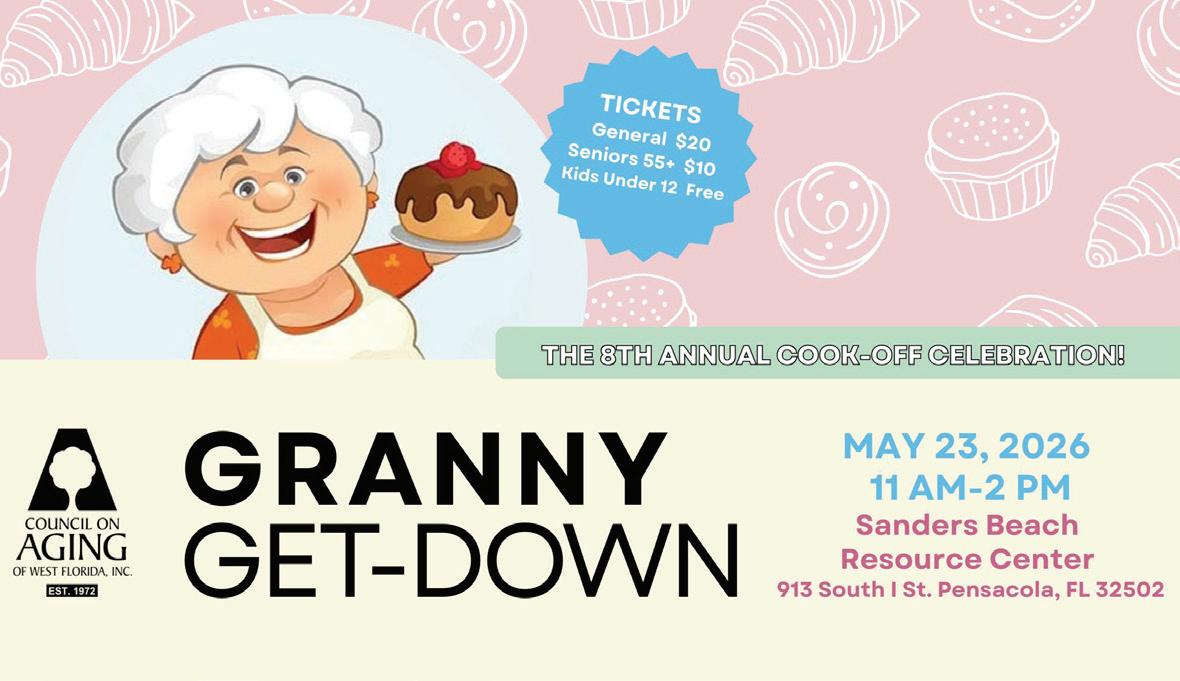
Granny Get-Down: A Cook-Off Celebration
May 23 | Sanders Beach Resource Center
Join us for Granny Get-Down: A Cook-Off Celebration where attendees can experience an event that brings the community together to eat delicious food and support seniors. This event will take place Saturday, May 23 from 11 am to 2 pm at Sanders Beach Corinne Jones Resource Center. At Granny Get-Down, Council on Aging’s AmeriCorps Seniors cook up a wide variety of dishes that attendees can sample while they enjoy a DJ, cooking demonstrations by local chefs, raffles and door prizes. This event celebrates the AmeriCorps Seniors volunteer programs Foster Grandparents and Senior Companions, while also shining a spotlight on two challenges these programs address: social isolation and food insecurity among seniors. Proceeds from Granny Get-Down will go towards Council on Aging of West Florida’s AmeriCorps Seniors volunteer programs. Tickets are $20 for general admission, $10 for those age 55 and up, and free for kids age 12 and under. For tickets and more information visit grannygetdown.org.
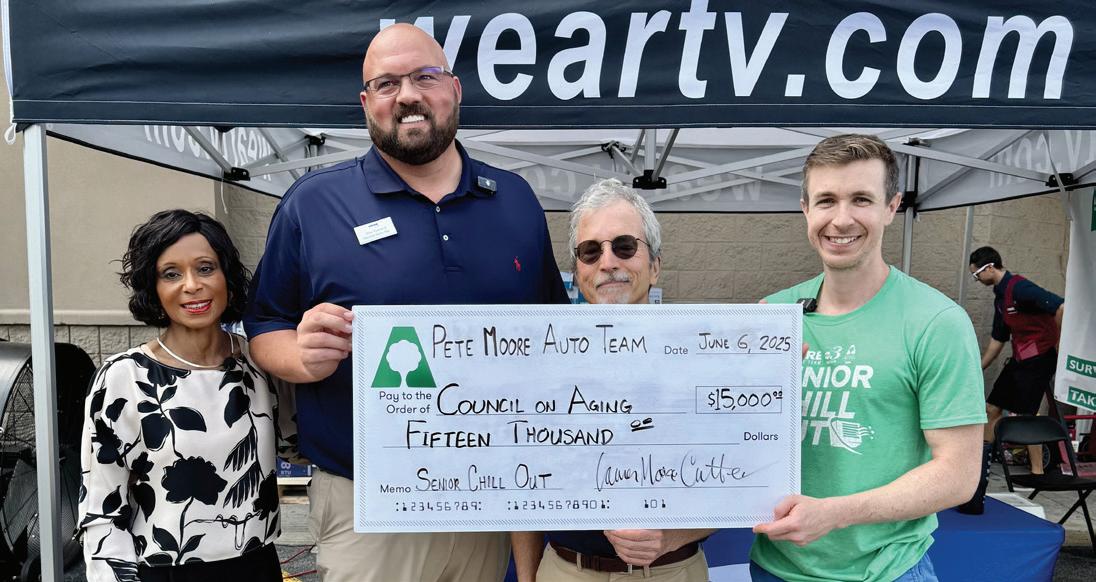
Pete Moore Auto Team Senior Chill Out Returns June 5
The annual Pete Moore Automotive Team Senior Chill Out, a one-day donation drive for new air conditioners, fans and funds to help seniors beat the heat, will be held Friday, June 5 at the five area Lowe’s stores (Fairfield Drive, Airport Boulevard, and Nine Mile Road in Pensacola; Highway 98 in Gulf Breeze; and Highway 90 in Pace) from 6 am to 6 pm. The event is hosted by Council on Aging of West Florida in partnership with WEAR ABC 3, WFGX 35, Cat Country 98.7, NewsRadio 92.3, and Lowe’s Home Improvement stores. The community is encouraged to help seniors who experience dangerous health complications resulting from stifling summer heat by donating AC units or fans. Monetary contributions are also appreciated and can be made at the event or any time online at SeniorChillOut.org.
Fans and ACs will not be distributed during the event on June 5. Individuals age 60 and up who are interested in receiving a fan and/or AC should call Council on Aging at (850) 432-1475 beginning June 5.
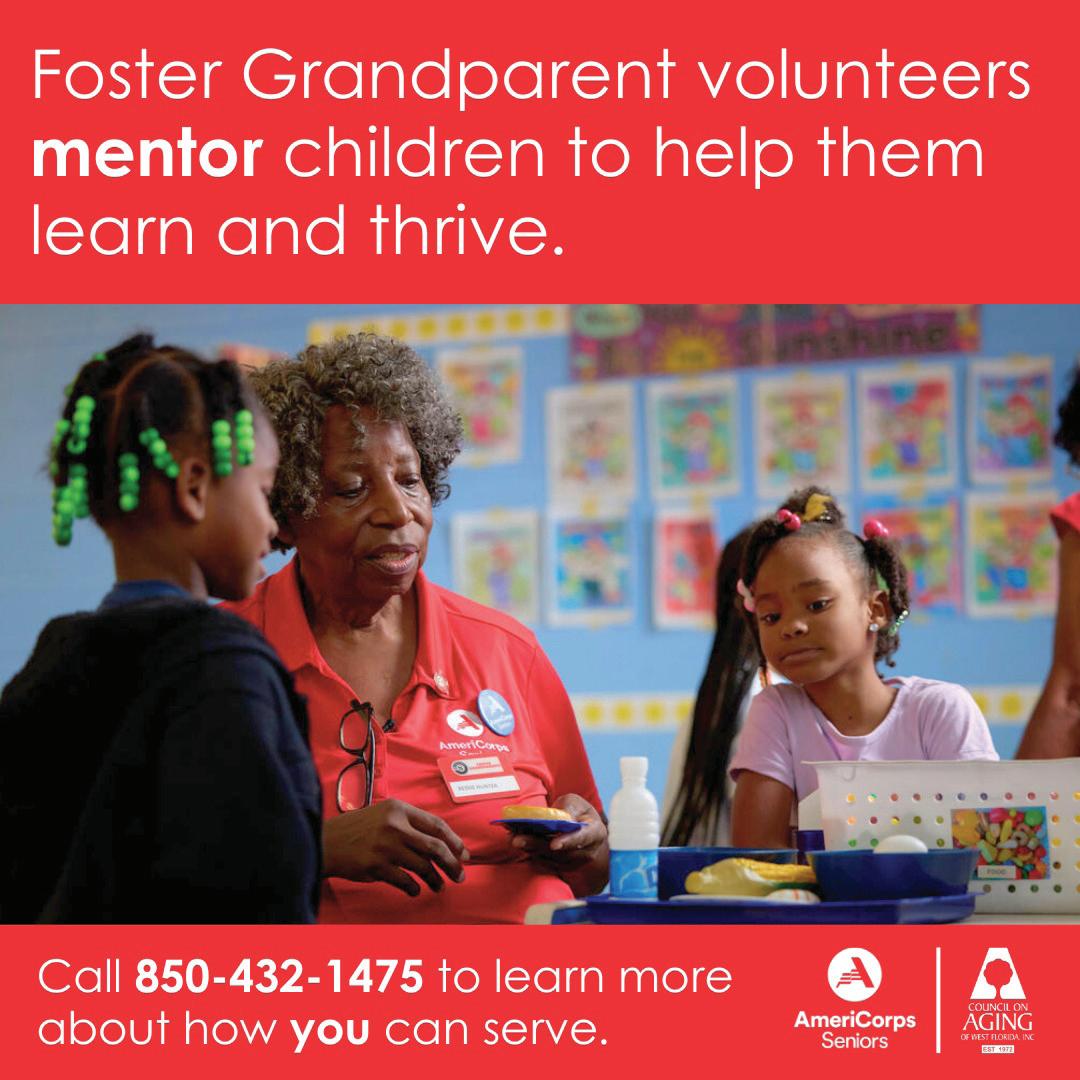
Volunteers Ages 55 and Up Needed!
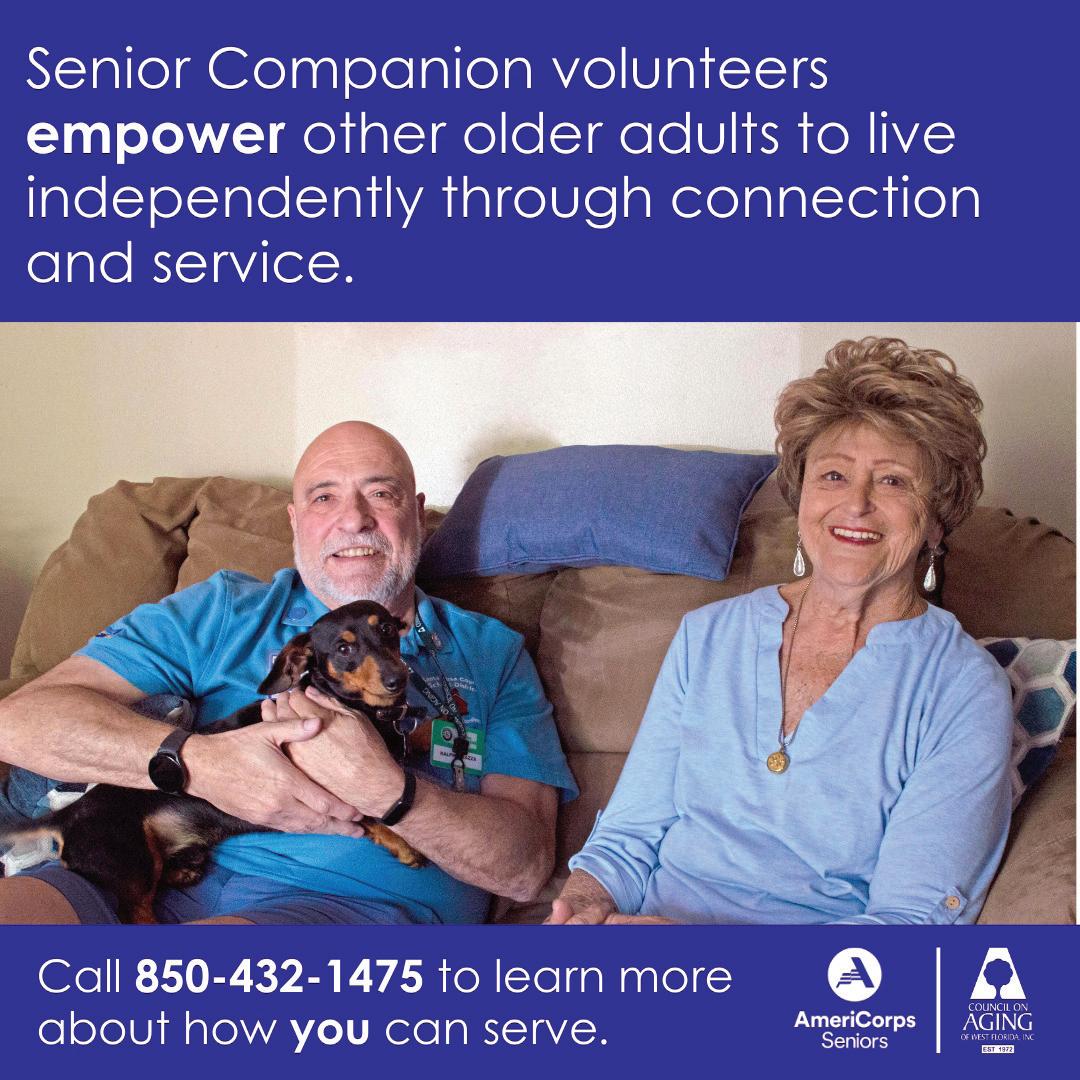
Council on Aging is seeking community members age 55 and up to serve as AmeriCorps Seniors volunteers with the Senior Companion or Foster Grandparent programs. Your skills, time, and engagement can help older adults in their homes or at-risk youth in schools and development centers. Eligible adults aged 55+ can devote up to 20 hours of service with the program and receive benefits including small hourly stipend, supplemental insurance, and other benefits. Call 850-432-1475 or visit coawfla.org to learn more.






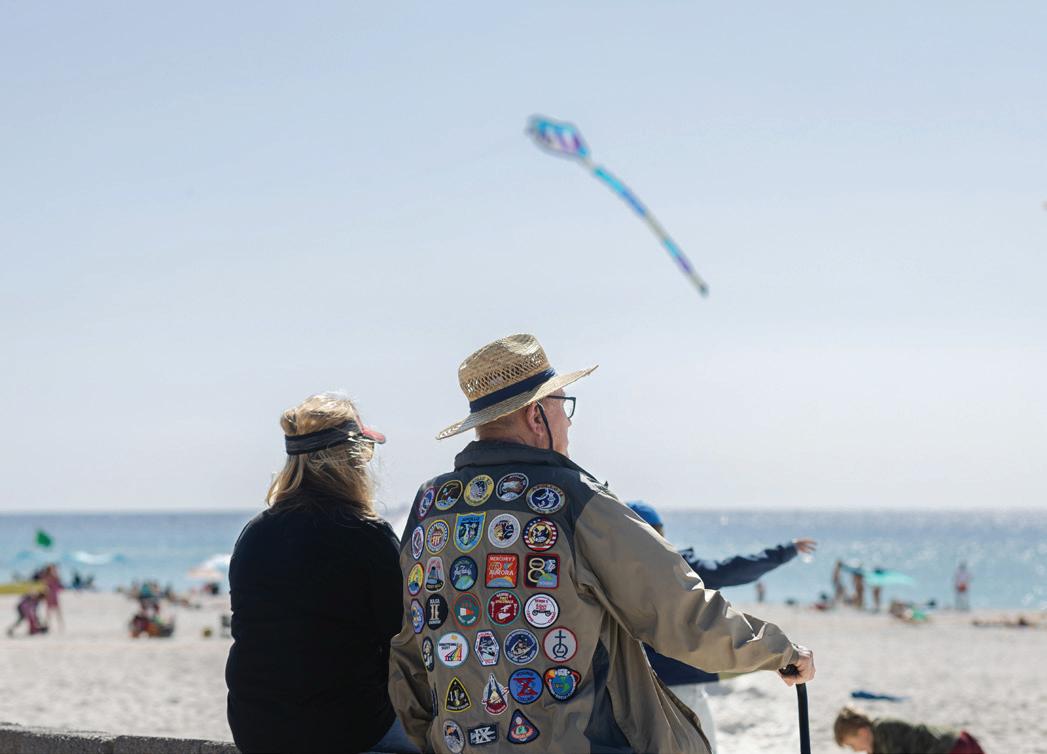
Kites on the Coast
2026


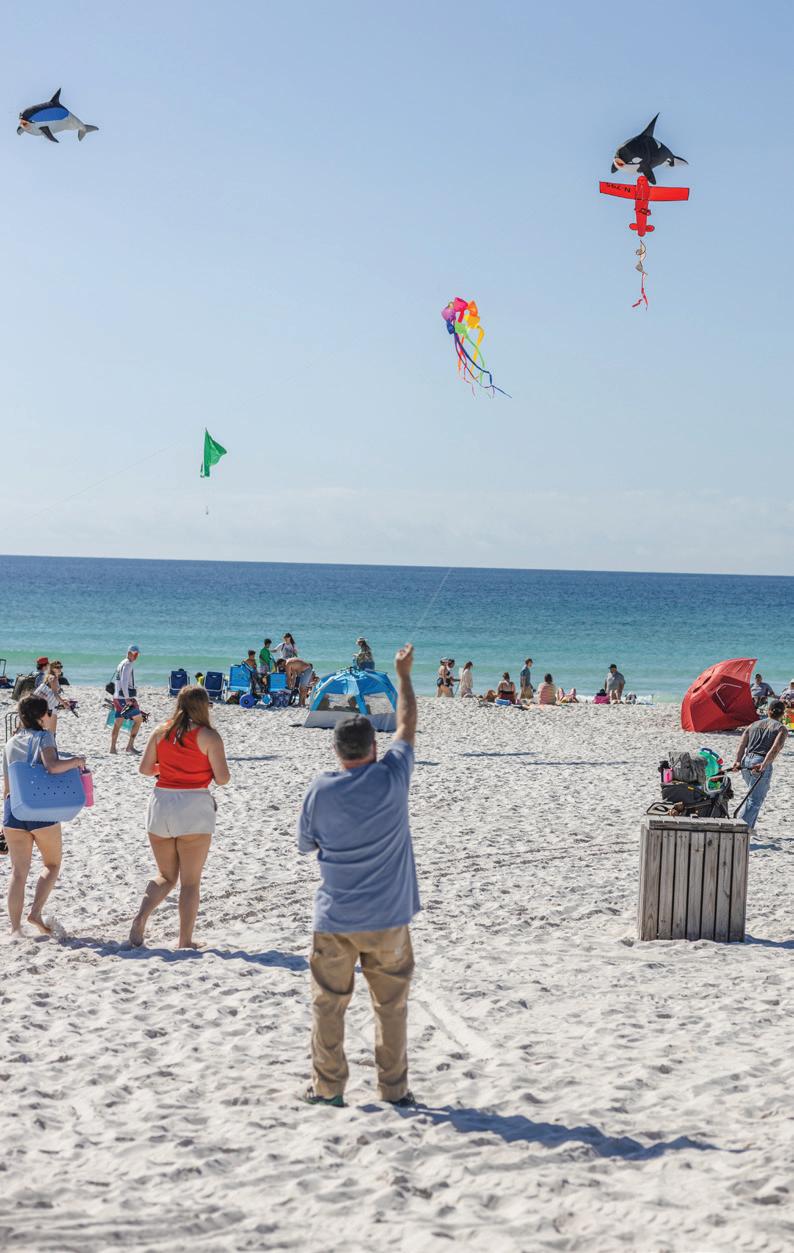

Photos courtesy of Evan Osburn




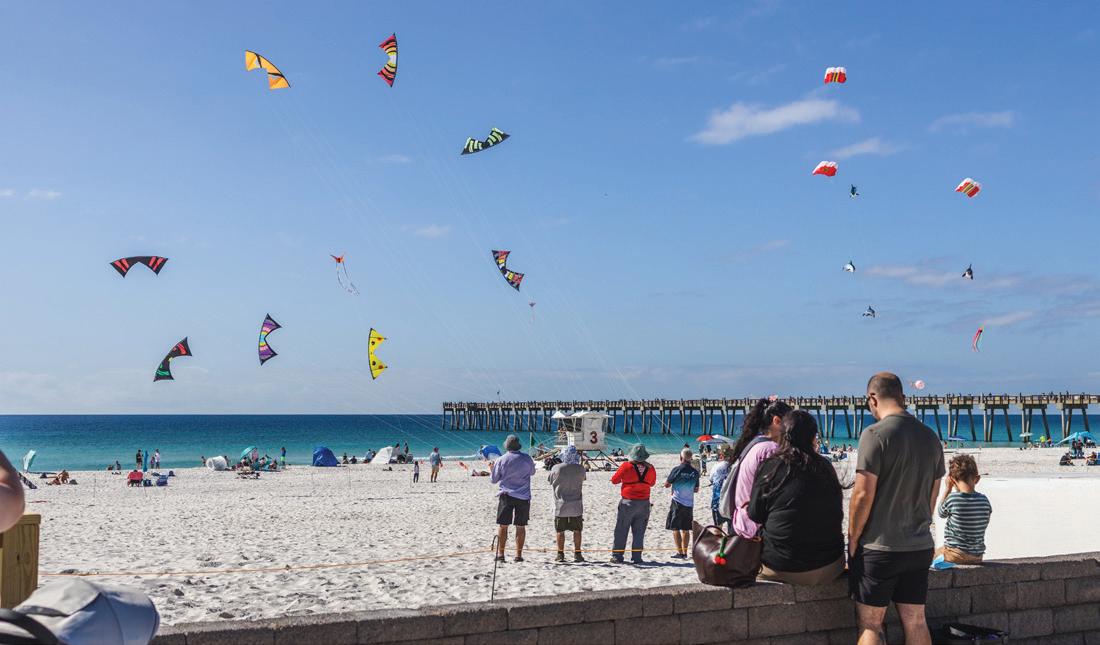
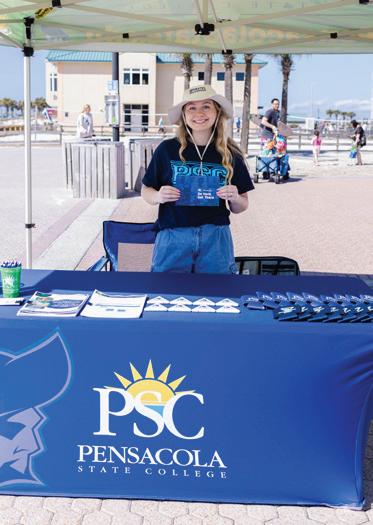
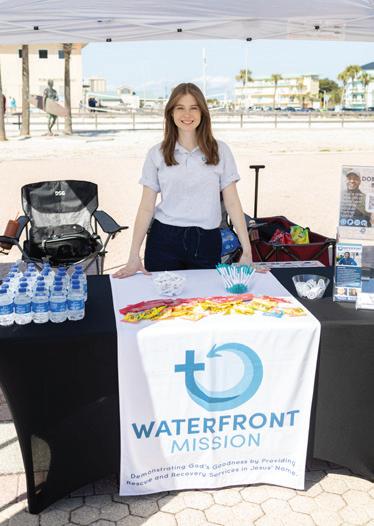
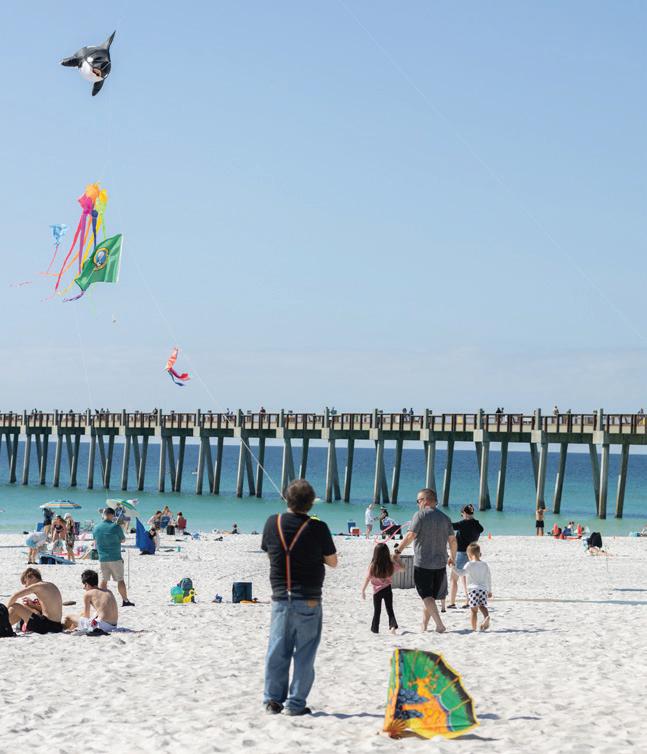

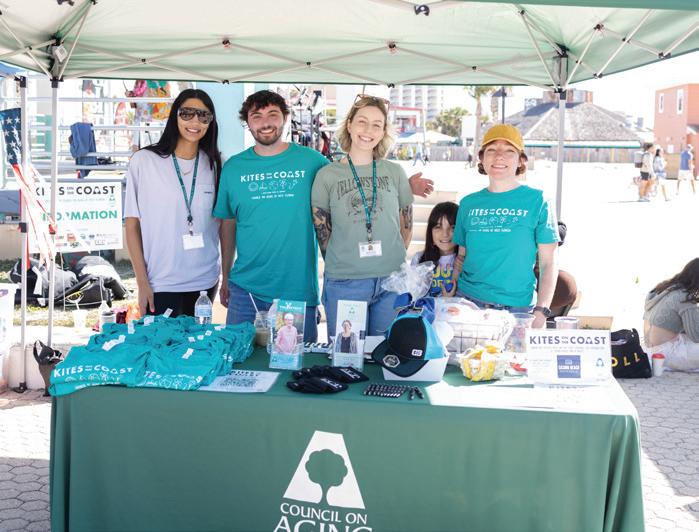
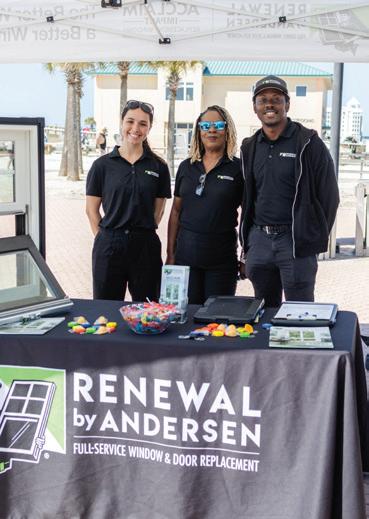
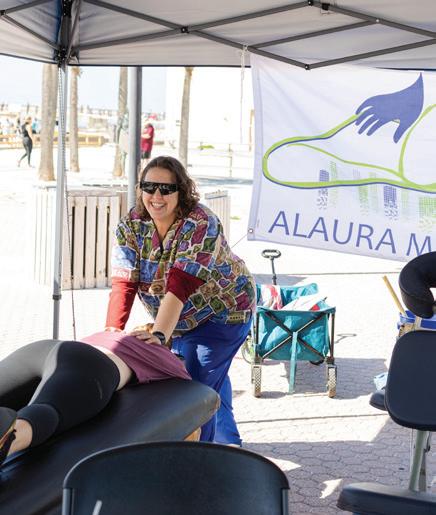
Thank you to our generous sponsors and partners of Kites on the Coast 2026: Chicago Kite, SkyFX, Alaura Massage, Azaela Trace, Ballinger Publishing, Casino Beach Bar, Cat Country 98.7/News Radio 92.3, Centennial Bank, Drink Pensa-Cola, East Hill Honey, ECUA, Emergency Care Partners, Gentiva Hospice, Pensacola Beach Resort, Pensacola Little Theatre, Renewal by Anderson, Superior Van & Mobility, T-Mobile, Trinity PACE Health, University Pines, and to all attendees, partners and volunteers!
Thank You.
Many thanks to our donors. We appreciate your generous support. Gifts received from September 25, 2025 – April 23, 2026
Aaron and Karen Kwast
Acts Retirement Life Communities Inc
Al & Ellanor Pruitt
Alan and Margie Moore
Alaura Massage
Alcuin Alexander
Alicia Christy
Alyssa’s Antique Depot
American Fundraising Foundation, Inc
AMR At Pensacola Inc
Andrea and Mark Dalton
Angel Smith
Angela Noblin
Ann and Jim Neal
Annette McArthur
Annie Lindley
Arthur Searcy
Ascend Cares Foundation
Ashton and An Hayward
Assisted Living Locators Pensacola
Baptist Health Care
Barbara Godwin
Barbara Erhart
Barry McClain
Ben Potts
Bere Jewelers
Bessie Jackson
Beth Rood
Beverly Boege
Bill and Dinah Hanvey
Bill Parker
Bill Sheffield
Blackbaud
Blu Salmon
Bob Palmer
Brenda G. L. Berry
Brenda Starr Foreman
Brent Populis
Brett Aldridge
Brian and Crystal Spencer
Brian Hennick
Britt and Nell Landrum
Bruce M. Taylor
Cari Wilson
Caron Sjoberg
Casino Beach Bar & Grille
Catherine Campbell
Cathy Gibson
Cathy Kress
Charles Hicks
Charlie Brinkley
Charlie and Fran Switzer
Charlie Nichols
Cheryl Peterson
Chris Roney
Christine Burnham
Claudette Armprester
Courtney Milton
Craig Huffman
Dave and Mary Hoxeng
David Bear
David and Julia Crow
David Penzone
Debbie Ritchie
Deborah Corbin
Denise A. Siwik
Dennis and Sharon Rudowski
Dick and Laverne
Baker
Donald and Linda Lindsey
Donald Toole
Doretha Davison
Dr. Donna Jacobi
Ed and Kitty Meadows
Edward and Joy Kidd
Edward Jones
Edward Moore
Eleanor Blunt
Ellis and Joan Bullock
Emergency Care Partners
Emily Echevarria
Eric and Peggy Nickelsen
Escambia Lodge No. 15, F&AM
Faye E Rosenbaum
First Christian ChurchDisciples Women
Florida Power and Light
Gentiva Hospice
Gina Rinehart
Greek’s Catering and Events
Gregg and Beth
Martin
Group 1 Ford of Pensacola
Gulf Coast Home
Experts
Gulf Coast Va Suicide
Prevention Program
Gulf South Pipeline
Company
Gulf Winds Cares
Foundation
Guy Stevens
Harry and Margaret Stopp
Healthcare
Professionals
Association of Northwest Florida
Helen Adamson
Herman L. Franklin
High-Tech Plumbing and Heating Inc.
Home Instead
Horace Carter
Iantha Brown
Jack and Pamela Pearlman
Jackie Callahan
James H Beagles
James J Reeves
Attorney
James Mattern Sr.
James McDonough
James ‘Mick’ Novota
James Reeves
Subsidiaries
Janet Riesberg
Janice Hervieux
Janice Hufford
Janice Miller
Janice Weems
Jeanine and Eugene Hellwig
Jodi Bell
Joe Tomko
John Box
John Clark
John Kribbs
John Sherrill III
Jon Yuan
Joshua Newby
Joyce Ward
Julie Green
Kathleen and Flack
Logan
Kathleen Gordon
Kathleen HortonBrown
Kathy Hodges
Katie Blankenau
Ken and Rhoda
Somerville
Kenneth and Faye
Merritt
Kenny Holt
Kerri Bowen
Kevin King
Kim Cheney - Ally’s Fur-Ever Angels, Inc
Kim Harvell
Kimberly Ernst
Kristin Longley
Landry and Emily Leidner
Larry and Lynn Morris
Laura Garrett
Lauren Clark
Lejoya Fails
Life Changing Experience
Worship Center
Lisa Hilliard
Lisa Ihns
Lisa M Moody
Lisa Overdorp
Liz Callahan
Lois Lepp
Lori Storey
Louis and Denise Rosenbloum
Maggie Funk
Manheim Pensacola Hildebrand
Margaret Lynn Duggar
Margaret Peltier
Margaret Pote
Marianne McMahon
Mark and Barbara DeNunzio
Mark Faulkner
Marny Needle
Martha Holden
Mary Murphy
McGuire’s Irish Pub
Melissa Sidoti
Melissa Solomon
Merrill Land Company
Michael Curry
Michael Riesberg
Michelle Salzman
Michelle Liechti
Mickey Clinard
Myron Smith
Nancy Forshaw
Nancy L Kurre
Nathan and Myra
Kahn
Nels Offerdahl
Nimota Akin
Ochsner Novant
Health 65 Plus
P.C. Wu
Parmelie McManamy
Patricia Windham
Patrick Garrett
Patti Rushing
Pauline Nelson
Peggy and Rolando Regino
Pensacola Beach RV Resort
Price Family Private Foundation
Priscilla O’Rear
Queen Williams
Quint and Rishy
Studer
Ramona Shoemaker
Randall Bobbitt
Ray and Valerie Russenberger
Renewal by Anderson
Rhonda Johnson
Ricardo Cristobal
Richard and Carolyn Appleyard
Richard P Sloan
Rick Appleyard
Robert Switzer
Robert E Dunn
Robert Fabbro
Ronald Ringo
Sam and Priscilla Forester
Sandra Senaros
Sarah Williams
Sarah Jones
Scott Remington
Sean Magerkorth
Sharon and Paul Van Lenten
Sharon Page
Shawn McCorkle
Shelby C. Smith
Sherlyn E Culwell
Sherneatha
Youngblood
Sheryl J Stafford
Shirley D Lewis-Brown
Sidney Cobia
Sophia Forsley
Stacey Allen
Stephanie Dickens
Sterling Gilliam
Steve Bode
Steve &Kathy MacKey
Studer Foundation, Inc.
Sue and Sam Stinson
Superior Van and Mobility
Susan Hicks
Suzanne K. Horton
Tamika Burke
Tanya and Lauren Nelson
Tara Cannon
Temple Beth El
Terrance Shashaty
Terry and JoAnne D. Meyer
The Andersons
The Bear Family Foundation
The Bellanova Corporation
The Butcher Shoppe East Inc
The Honorable Linda Nobles
The Zimmern Team
Theresa and Bill Harrell
Tiffany Turner
Trinity Health
University Pines
Vanessa Knight
Waffle Boutique
Warren and Dianne
Thompson
William Bell
William Crutchfield

Caring for Your Heart
Then, Now & Always
Since 1951, Baptist has led with compassion and a commitment to heart health. From life-saving procedures to everyday prevention, we’re bringing you the latest advancements in cardiovascular care. Baptist Health Care is here for you then, now and always.