
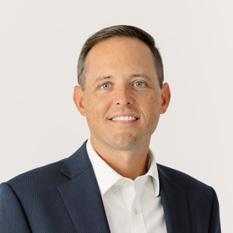
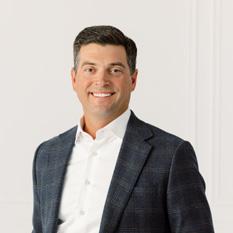
John V. Boardman, III CFP®, CPWA® Founder, CEO
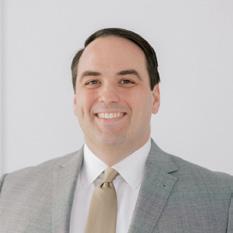
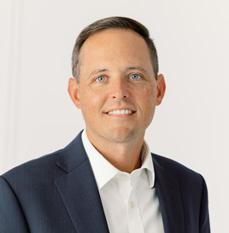
Andy
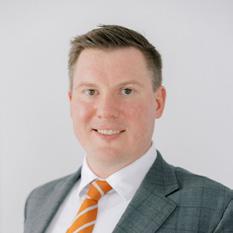
CFP®, CEPA®, MBA Partner, COO
The modern economy is increasingly characterized not by direction, but by concentration. A relatively narrow cohort of high income, high asset households now exert disproportionate influence over aggregate demand and consumer spending. Recent estimates suggest the top 10% of earners account for roughly half of all U.S. consumer spending, while the top 20% approach 60%. In an economy where consumption represents nearly 70% of GDP, this is not a marginal shift, it is structural.
This concentration is, in many respects, a function of asset ownership. Over the past decade, equity markets, private businesses, and residential real estate have compounded meaningfully, and those gains have accrued unevenly. Households with exposure to these assets have seen balance sheets expand and, importantly, have demonstrated a higher propensity to spend out of

Bonds play a vital role in a well-diversified investment portfolio. Whether you should own bonds depends on several factors, including your proximity to liquidity needs (i.e., how soon you will need to take money out of your account) and your risk tolerance (i.e., how comfortable you are with market downturns), among others. Equities (stocks) can easily capture attention for their long-term growth potential, but bonds can provide balance, stability, and income.

that wealth. The result is an economic engine increasingly powered by capital rather than wages.
There is a stabilizing quality to this dynamic. Strong balance sheets at the upper end have supported discretionary spending through periods of tightening financial conditions, sustaining travel, services, and highend consumption even as broader cohorts adjust. Capital markets, in this sense, have become a primary transmission mechanism for economic resilience.
Yet concentration also introduces sensitivity. When a smaller share of households drives a larger share of activity, fluctuations in asset prices and confidence carry greater consequences. Drawdowns in financial markets can translate more directly, and more quickly, into reduced spending. This is not an inherently fragile system, but it is a more finely tuned one. Understanding that distinction is essential to interpreting both economic data and market behavior.
In simple terms, bonds are loans made to governments or corporations in exchange for regular interest payments and return of principal at maturity. Their predictable income stream makes them valuable during periods of market volatility. Historically, when equity markets decline, bonds have tended to hold their heads up higher, thereby reducing portfolio losses and overall portfolio risk.
High quality bonds, such as government and investmentgrade corporate bonds, tend to be significantly less volatile
(Continued on next page...)
than equities. This quality makes them especially useful for investors nearing retirement – or otherwise getting closer to taking money out of their portfolio – who cannot afford to take large losses.

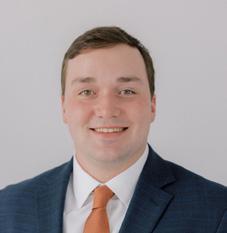
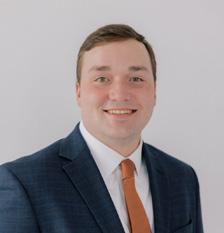
Brian Burton
The economy and markets have moved into a more nuanced phase than we’ve seen in recent years. Growth remains intact, but it’s clearly moderating and increasingly uneven across regions. Inflation has eased from its highs yet continues to linger in ways that complicate the outlook for interest rates.
At the same time, markets are adjusting to a world with less central bank support and a structurally higher cost of capital. The backdrop remains supportive, but it is a more complex one, where dispersion is rising, outcomes are less predictable, and a more deliberate, disciplined approach to investing is essential.
The U.S. continues to stand out, with steady consumer spending and ongoing fiscal support helping to sustain growth. Elsewhere, the picture is more mixed. Europe is struggling to gain momentum, and China is working through longerterm challenges tied to its property sector and demographic trends. That uneven backdrop is part of why capital continues to gravitate toward U.S. markets, even as valuations in some areas feel stretched.
Central banks are also in a different phase now. After moving aggressively
Ultimately, bonds are not about maximizing portfolio returns, but about managing risk, generating income, and providing stability.
to bring down inflation, they’re trying to strike a balance between keeping prices in check and not slowing things too much. Inflation has come off its peak, but it hasn’t disappeared, especially in services. That likely means any rate cuts will be gradual, not the kind that spark a rapid market rally.
One notable shift in markets is that leadership has started to broaden after a prolonged period of concentration. While mega-cap companies dominated returns for some time, performance is now becoming more dispersed across sectors and styles.
That’s a healthier dynamic, but it also creates a more complex opportunity set. Investors may find that active positioning, thoughtful rebalancing, and a willingness to look beyond the most crowded trades are
increasingly rewarded.
Add in ongoing geopolitical uncertainty, and it becomes clear this is a more complex environment than we’ve seen in years. Trade tensions, election cycles, and regional conflicts continue to shape sentiment and capital flows in ways that are difficult to predict.
In this kind of environment, the advantage shifts to those who are prepared rather than reactive. Strong portfolios today are built with intention, balancing growth and preservation, liquidity and longterm opportunity, and efficiency across taxes and structures. For us, the role is less about forecasting the next headline and more about helping clients stay aligned with a disciplined strategy that can perform across cycles.

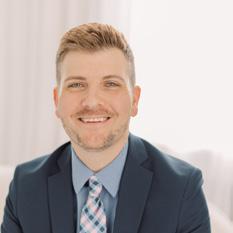
Andy Reynolds
Charitable intent often begins simple, a check written to your place of worship or to a cause/charity that you care about. As people grow older, their resources increase, as do the gifting strategies. For people with significant charitable inclination, opportunities lie in elevating generosity into coordinated, multigenerational strategies.
John and Jane Goodheart offer a useful case study in how thoughtful planning can transform charitable giving from a series of transactions into a cohesive legacy. John and Jane, both in their early 60s, accumulated wealth through business ownership and long-term investing. Their giving habits mirrored those of many successful families: consistent annual contributions to their place of worship, several local nonprofits, and a few national organizations.
As their balance sheet grew more complex, so did their awareness that charitable giving, when structured properly, could serve both philanthropic goals and broader financial planning objectives. Over time, they began to view giving not as a separate activity, but as an integrated component of their overall plan.
The first significant shift in their approach came through the establishment of a Donor-Advised Fund. Rather than continuing to make annual gifts directly, the Goodhearts contributed several years’ worth of charitable intent into a single funding event. This allowed them to take a larger tax deduction in a high-income year while maintaining flexibility in how and when distributions were made. The Donor-Advised Fund became a centralized charitable vehicle, capable of receiving appreciated assets, growing tax-efficiently, and supporting consistent grant making without requiring annual recalibration.
To further improve efficiency, the Goodhearts implemented a bunching strategy. In years when their income was elevated, often tied to business distributions, they concentrated multiple years of charitable contributions into one tax year. This enabled them to exceed the standard deduction threshold and itemize deductions. In the intervening years, they reverted to the standard deduction while continuing to recommend grants from their Donor-Advised Fund.
This approach created a rhythm that balanced tax efficiency with steady support for the organizations they cared about, ensuring that charitable impact remained consistent even as the timing of deductions varied.
As their planning matured, the Goodhearts recognized that their charitable strategy could also serve as a tool for managing their investment portfolio. A significant portion of their wealth was held in appreciated securities, including several concentrated positions that had grown substantially over time. Rather than viewing these positions solely through a risk lens, they began to incorporate charitable giving as part of their portfolio management process.
By contributing appreciated stock directly into their Donor-Advised Fund, they were able to avoid realizing capital gains on the embedded appreciation while still receiving a charitable deduction for the full fair market value of the shares. This approach proved particularly valuable following periods of strong market performance. The same strategy allowed them to gradually reduce concentrated positions without triggering significant tax consequences.
As their planning evolved further, John and Jane began to explore ways to align their charitable goals with long-
(Continued on next page...)
term income needs. A Charitable Remainder Trust (CRT) emerged as a natural solution. By contributing a portion of highly appreciated assets into the Trust, they were able to diversify without triggering immediate capital gains tax. In return, the Trust provided them with a predictable income stream during their lifetime. Upon their passing, the remaining assets would pass to charitable organizations. This structure allowed the Goodhearts to balance present financial security with future philanthropic impact, effectively linking their retirement planning with their legacy objectives.
In retirement, additional opportunities presented themselves through their tax-deferred accounts. Beginning at age 70½, the Goodhearts incorporated Qualified Charitable Distribution (QCD) strategies from their IRA into their giving plan. These distributions allowed them to direct funds to charity while excluding those amounts from taxable income, a particularly valuable benefit in years when they did not itemize deductions. QCD strategies also helped satisfy Required Minimum Distributions, providing a straightforward and tax-efficient mechanism for continued charitable support during retirement.
While the technical aspects of the Goodhearts’ plan were significant, their most intentional decision centered on family involvement. Recognizing that financial capital without shared values can diminish over time, they structured their Donor-Advised Fund to include their children and, eventually, their grandchildren. Annual family meetings became a forum for discussing charitable priorities, evaluating organizations, and making grant decisions collectively.
Over time, John and Jane designated their children as successor advisors to the Donor-Advised Fund, with the expectation that they would carry forward the family’s philanthropic vision. A portion of the fund was also
set aside for the grandchildren to recommend grants, creating an early introduction to thoughtful giving. This structure transformed the Donor-Advised Fund into more than a financial tool; it became a platform for education, stewardship, and shared purpose across generations.
The Goodheart family’s approach illustrates how charitable planning can operate across multiple dimensions simultaneously. The Donor-Advised Fund and bunching strategy optimized annual tax outcomes while preserving flexibility. Their use of appreciated securities integrated investment management with charitable intent, reducing concentrated risk while avoiding unnecessary taxation. The Charitable Remainder Trust connected income and tax planning with long-term philanthropic goals, and Qualified Charitable Distribution (QCD) strategies maintained efficiency in retirement. The Goodhearts also designated charitable organizations as beneficiaries of their pre-tax retirement accounts, ensuring these heavily taxed assets passed to charity rather than heirs, improving overall tax efficiency while preserving more favorable assets for their family. Finally, the deliberate inclusion of children and grandchildren ensured that these practices would extend beyond a single generation.
What began as consistent, well-intentioned giving ultimately evolved into a coordinated strategy aligning tax efficiency, investment management, estate planning, and family governance. In doing so, the Goodhearts demonstrated that charitable planning, when approached with clarity and intention, can serve not only as an expression of generosity, but as a defining element of a family’s legacy.
Charitable planning is most powerful when guided with intention. When generosity meets thoughtful planning, impact multiplies.

cAn you shAre A little ABout Blue gr A ss community founDAtion (Bgcf) AnD its mission going forwArD?
The Community Foundation was founded in 1967, with a goal to create a greater spirit of personal and community generosity to support diverse community needs. Almost six decades later, our mission remains the same. BGCF builds more generous, vibrant, and thriving communities across Central and Appalachian Kentucky, connecting people, ideas and charitable resources.
We exist to help people, businesses, and nonprofits realize their charitable goals.
we like to Bring A te Am of professionAls together so we c An Deliver holistic pl Anning services to our clients. whAt vAlue Does Bgcf Bring to the tABle in the rel Ationships we hAve with our clients?
BGCF has a 17-person team, including three attorneys and two CPAs, with deep expertise in all aspects of charitable giving. Our focus is to offer personalized, creative, charitable-giving solutions to meet the unique needs of Ballast clients.
while we hAve clients thAt live All over the country, mAny hAve connections to k entucky. why shoulD chAritABly inclineD people work loc Ally with Bgcf inste AD of nAtionAl firms?
Clients choose BGCF for the same reasons they choose Ballast – highly personalized service from accessible staff with deep expertise and strong Kentucky roots. When you partner with BGCF, your giving is simplified, organized and efficient.
As with Any inDustry, iDe A s AnD pr Actices Are AlwAys evolving. whAt Are the most common themes you see in the phil Anthropic spAce toDAy, AnD how Does Bgcf help mA ximize those opportunities?
• Donor-advised charitable funds are increasingly popular and a perfect place to start, with the immediate benefits of organizing and simplifying year-round giving.
• Moving from reactive giving to strategic giving. BGCF offers a free resource, The Giving Guide, to help you create a personalized, strategic giving plan. Download a copy at bgcf.org/resources.
• Taking advantage of Endow Kentucky Tax Credits: individual or corporate taxpayers with Kentucky tax liability can benefit from a 20% state tax credit on donations to permanent endowment funds at nationally certified Kentucky community foundations, including BGCF.
• Smart giving that maximizes tax savings. Two key strategies are 1) “bunching” a larger gift of appreciated securities into a BGCF charitable fund that can provide for multiple years of ongoing giving, while resulting in more significant tax savings, and, 2) individual donors, 70½ years old or older, can donate up to $111,000 per year in qualified charitable distributions (QCDs) from their IRAs into a variety of charitable fund types at BGCF.
it c An Be tricky for someone to know when they hAve the finAnciAl c ApAcity AnD stABility to give. when shoulD people think ABout AnD pl An for their chAritABle goAls?
It is never too early to start! We believe in the saying, “Start where you are, use what you have, and give what you can.” At BGCF, we work with givers of all sizes and ages. For example, we have no minimum balance requirement to establish a non-endowed donor advised charitable fund and no minimum gift size to establish a charitable legacy fund.
We collaborate with clients across the ages and stages of their lives. BGCF charitable funds and legacy plans can be easily updated as life evolves.
Did You Know...
..WE CAN BE HIRED IN A CONSULTATIVE ROLE TO GUIDE BENEFICIARIES OF TRUSTS?
In many trust relationships, beneficiaries find themselves navigating complexity without a clear advocate. Trustees, advisors, attorneys, and custodians each play distinct roles, but rarely is there a single party focused on helping the beneficiary interpret, evaluate, and make well-informed decisions. That is where a consultative relationship can add meaningful value.
Our advisors can be engaged to provide guidance independent of direct asset management. In this capacity, our role is not necessarily to replace existing advisors, but to work alongside them with a singular focus on the beneficiary. This often includes integrating tax, risk, income, and personal planning considerations across both trust and non-trust assets. It may also involve evaluating the beneficiary’s team of professionals, guiding larger decisions where beneficiary input is required, and supporting generational planning across families with differing goals, values, and priorities.
Modern trust structures are increasingly complex, often involving multiple parties and, in some cases, providing amendment flexibility that extends beyond a beneficiary’s lifetime. As a beneficiary’s consultant, we help bridge these gaps, bringing clarity, accountability, and a steady hand in moments that often feel anything but straightforward.
Ballast Book Club
BOOKS, MUSIC, PODCASTS, AND CONVERSATIONS WE’VE ENJOYED LATELY
By Dr. Brené Brown
“Argues that vulnerability isn’t weakness, it’s our most accurate measure of courage.” - Dereka
Podcast
“Great for long drives, a SUPER long form podcast series that dips into the history of specific companies. The Starbucks episode is fantastic and only 3 hours!” John
“Author of the 4-Hour Workweek, in this podcast he deconstructs world-class performers from eclectic areas, digging deep to find the tools, tactics, and tricks that listeners can use.” - Brian
Book by Joshua Medcalf “Learn to fall in love with the process.” - Trent
Book by Keith Hernandez
“A deep dive into the psychology of America’s favorite pasttime.” - Christopher
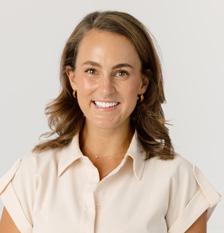
Novel by Virginia Evans
“Loved this story of the life of a lady told through years of letters and emails.” - Madeline
UPDATES, MILESTONES, AND THE PEOPLE BEHIND BALLAST
Spring brought a welcome change of scenery to the Ballast office. Spring break trips were abundant, with trips to Florida, Breckenridge, Colorado, and Anguilla (to name a few!). Cameron spent another year at Hogs for the Cause in New Orleans competing with his charity BBQ team and raising money for pediatric brain cancer.
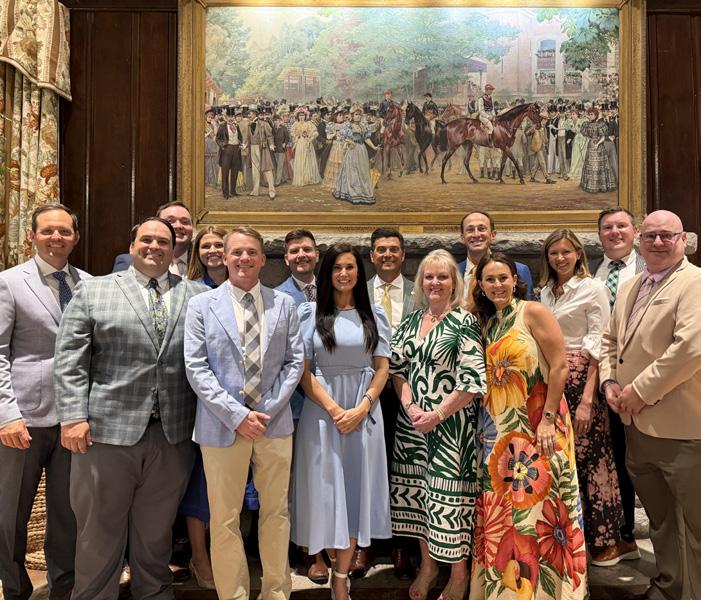
In April, a company outing to Italx and Keeneland gave everyone a chance to step away from the desk and into something a little more fun.
We’re also proud to announce that Trent Lakes, Investments and Planning Strategist, has officially earned his CERTIFIED FINANCIAL PLANNER® certification, one of the most respected credentials in the financial services industry.
On a final note, congratulations are in order to both Jeff and Dereka, whose oldest kids are graduating high school this spring, and to Madeline, who is expecting a baby this August. Big milestones all around!

Madeline Flynn
Carole Simpson joined the Ballast team in the summer of 2024 and has been the welcoming face you see when you enter our office and, often, the first voice you hear when you call us! We are thrilled for you to learn a little more about Carole.
whAt Drew you to A role centereD ArounD cre Ating first impressions AnD c Aring for client experience? whAt leD you to BAll A st?
I am a people person and love to host, so the position at Ballast was a great opportunity for me. I was impressed with my first impression at Ballast. The lovely office and the warm people, so I knew this is the place I wanted to be. I enjoy meeting new people and getting to know them.
whAt hAve you le ArneD ABout people, or ABout yourself, through Being the first point of connection for so mAny clients?
A warm greeting makes everyone feel good. And first impressions make all the difference for me in my everyday life, so I want to ensure anyone who comes in the door or calls is greeted with enthusiasm.
you’ve workeD AnD inter ActeD with mAny people over the course of your c Areer, whAt’s the Best piece of ADvice you’ve ever receiveD?
Throughout my career I have learned to truly listen when someone is speaking. Everybody wants to be heard. Treat people the way you want to be treated. Be kind.
you’re AlwAys up to something fun AnD hAve your finger on the pulse in lexington. whAt’s your fAvorite wAy to spenD A weekenD in lexington?
My favorite thing to do on the weekend is going out with my friends to new eateries, venues, wineries, and shops. I hit all the new places.
If I had to choose a few standouts, you can’t go wrong at The Tulip, Obstinate Sons, Bella Cafe, or Heirloom. However, a nice patio is a must... so I must also include Dudley on Short’s rooftop patio, and Merrick Inn. For brunch, Beau’s Cafe is the best. And finally, Equus Run Vineyard is the perfect place to spend time on a weekend.
outsiDe of work, where Do you finD your BAl Ance?
I enjoy hosting small gatherings at my house. Evening walks in the neighborhood. But I always like exploring all new things and learning. I try to be outside as much as possible when the weather is nice. Right now, I am excited about getting my patio decorated and doing container gardening. I keep up on the happenings locally and plan around that.
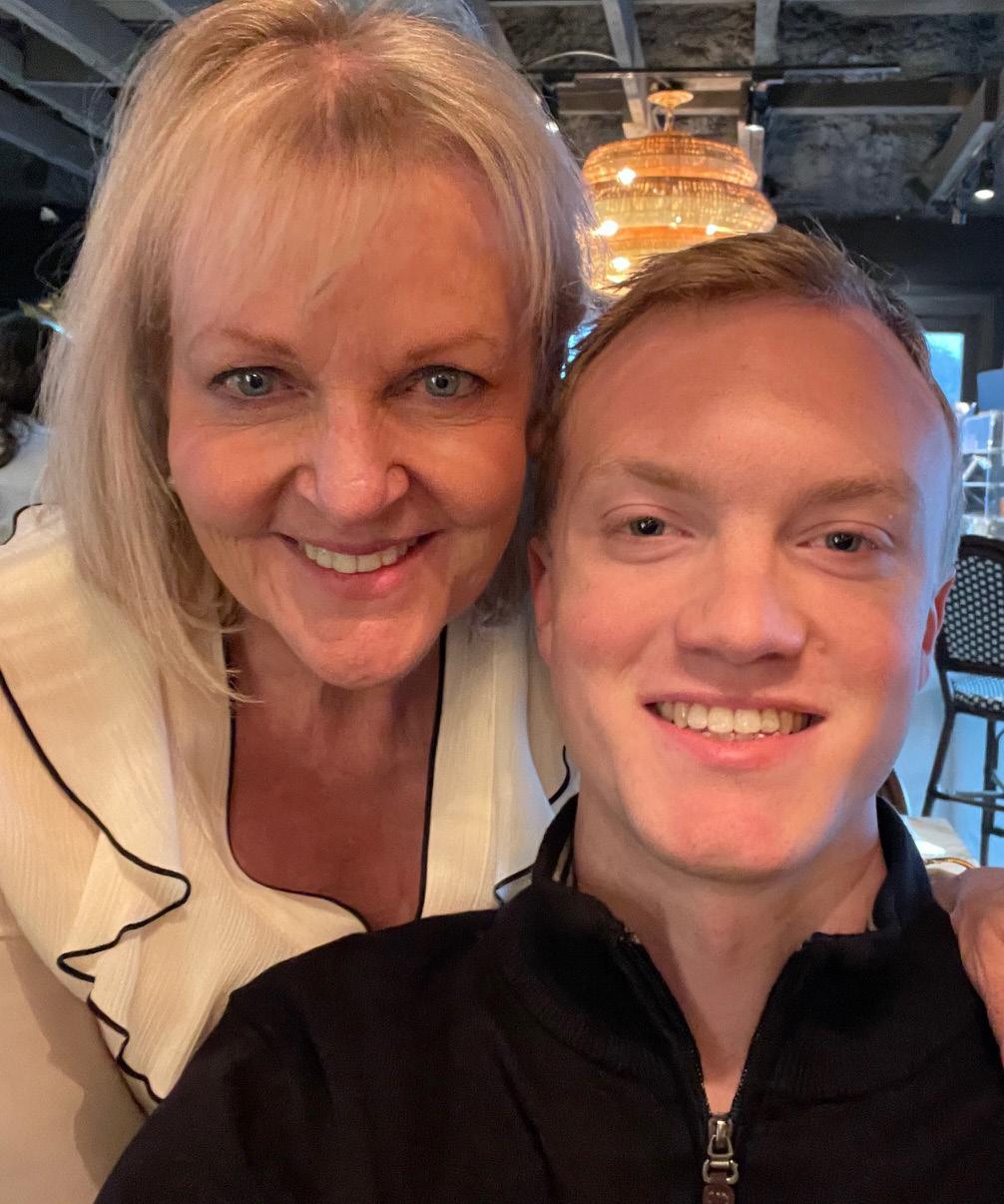
My favorite thing to do right now in this stage of my life is to go on adventures with my nephew (pictured above) when he is home from university. He brings me so much joy and I like sharing new places with him.

Cameron Hamilton
Over 90% of the time Americans make a charitable donation, two things happen at the same time. One, the donor makes a donation for tax purposes and two, the charitable recipient receives the money. Most families don’t know that these two pieces of the charitable puzzle, the deduction and the grant, can be separated.
A Donor-Advised Fund (DAF) is a charitable vehicle operated by a nonprofit organization, most often a local community foundation. Families donate assets to their fund and realize a tax benefit in the year of the donation, since they have given up ownership of the asset. However, they maintain an advisory role and the ability to grant
those funds to charities at the time of their choosing. This allows charitable-minded families to optimize the timing of their donations to cherished causes.
Among the many uses for DAFs are these three common use cases with examples:
01. Pre-Fund Giving in High-Income Year: Business or property sale, option exercise.
02. Pledged Gift: Donor can ensure promises are kept before granting subsequent funds.
03. Appreciated Stock: Donate low basis to charity and repurchase with cash.
Too much wealth, transferred without intention, can become a quiet liability. We are increasingly advising families in a first-generation wealth moment, where significant assets have been created within a single lifetime and will soon pass on to children who did not participate in building them.
John Boardman
At its best, inheritance expands possibility. Financial capital can fund education, entrepreneurial risk, and intellectual freedom, allowing the next generation to pursue purpose rather than necessity.
Yet the evidence argues for restraint.
Roughly 70% of affluent families see wealth dissipated by the second generation, and nearly 90% by the third.
Studies also suggest that sudden or excessive inheritance can reduce labor participation and dampen intrinsic motivation. More subtly, children raised with abundant
financial safety nets can experience elevated anxiety, identity confusion, and a diminished sense of agency. Wealth absent structure can erode the very behaviors that created it.
This is particularly relevant with first-generation wealth, where there is no inherited playbook. The transition from creator to steward is not intuitive. Without preparation, heirs may view wealth as entitlement rather than responsibility.
The solution is not to withhold, but to design. Thoughtful trust planning can introduce pacing, purpose, and guardrails, tying distributions to age, achievement, or need. Incorporating charitable beneficiaries further reinforces stewardship, reminding families that wealth is both a privilege and a tool.
The objective is not simply to transfer assets, but to transfer judgment, discipline, and values alongside them.
Death and Taxes… two things in life no one can avoid. While we can’t predict when someone will pass, taking methodical steps today can have a huge impact, even after one’s life. So how can we use the tax code to efficiently distribute assets as a part of legacy planning?
Generally, pre-tax assets have more embedded tax liability compared to taxable or tax-free assets. For the charitably inclined, donating pre-tax assets directly to charity will avoid income and estate tax on those dollars, while also giving to causes you care about. If instead, those pre-tax assets were left to family, they are subject

to ordinary income tax on the withdrawals and a forced distribution schedule.
For taxable assets, the assets’ appreciation determines the embedded tax liability. When you pass, your assets receive a step-up in basis equal to the market value. By giving stepped-up assets to family at passing, you are giving them an asset with no appreciation, and therefore no embedded tax liability. If instead, those taxable assets were given to charity, there would still be no tax owed, but you’d lose an efficient way to pass assets to family.
By implementing these strategies today, you can minimize the amount of taxes owed to the government and maximize your legacy in the future.
how woulD you DescriBe the current stAte of the loc Al housing mArket?
Real estate is hyperlocal and our housing market is currently very sensitive to interest rates. Based on early year indicators for 2026, we expect a strong buyer pool in Lexington for our Spring/Summer selling season. Lexington is a very steady market with a stable job market, attracting buyers who desire the city’s lifestyle while remaining a short commute to work.
whAt Are the Biggest chAnges you’ve seen in the mArket over the pA st 6-12 months?
We have seen prices stabilize, making the market much more balanced for buyers and sellers. We are still seeing some multiple offer scenarios but they are becoming fewer and farther between. Buyers really want a move-in-ready home. We are advising our sellers to really take the time to properly prepare to wow buyers with their first impression.
how Are current mortgAge r Ates Affecting Buyer AnD seller BehAvior in our Are A?
As we enter our Spring and Summer 2026 Market, we expect high demand from buyers who have remained on the sidelines for the last 3-4 years waiting for interest rates to drop. With rates down nearly a full percentage point from this time last
year we are hopeful and expect them to jump back in. Buyers remain very rate sensitive. Sellers will be more willing to list as they hear buyer activity increasing.
where Are you seeing the Biggest opportunities right now, for Buyers AnD sellers?
Sellers can capitalize on our peak season from March-June as annual Lexington trends show this is our best listing and selling timeframe. Buyers may elect to wait for the fall market when sellers may be more willing to negotiate.
Are there specific neighBorhooDs, property types, or price points thAt Are seeing incre A seD DemAnD?
We have a high demand for homes
(Continued on next page...)
with a first floor primary suite as we see many baby boomers looking to downsize, and Lexington continues to be a great place to retire. Lexington is fortunate to have great neighborhoods and plenty of real estate types to select from. However, our area still lacks the affordable housing options needed to allow first-time home buyers to buy - they are what sets the market in motion and make up nearly a third of our buyer pool.
whAt Are some of the most common mistAkes you’re seeing
Buyers AnD sellers mAke in toDAy’s mArket?
The cardinal sin is for sellers is overpricing your home (it is not 2021 anymore, wink wink). Sellers should also spend the time to freshen and prep the home as affordability issues remain and buyers don’t have the appetite for a project. Buyers need to be fully prepared with their financing in order to make an offer - speaking with their financial advisor and their mortgage lender to understand what they can afford and put together a long term budget plan.
whAt is your outlook for the housing mArket over the next 12-24 months?
This answer largely depends on interest rates and if we can stay at or under 6% the market will see an influx of buyers. We expect prices to continue to stabilize but demand to be strong. Fayette and all surrounding counties within commuting distance will be strong as buyers search for affordable options that are competitively priced.
If you are Dave Ramsey or a disciple of his strict debt-free philosophy, go ahead and skip these thoughts. I love Dave for 90% of Americans, but the families we serve tend not to be in that majority that can’t help but abuse debt and spend what they earn or more.
For families clearly on the way to financial independence with a track record of discipline, we are happy to maintain a reasonable fixed-rate mortgage and invest in a taxable account in lieu of accelerated paydown. Especially if you are blessed with a sub-4% loan, this creates flexibility and expands your wealth over time. Our goal is to sync up retirement with the ability to be mortgage free; we can always decide to carry the bill or cut a check when the time comes.
Helping with a home purchase is also one of the greatest ways to help your children gain a financial foothold and accelerate their journey to financial independence. The sad fact for early career Gen Zers is that those who delay home ownership by saving for a down payment often see home prices run away faster than they can save and grow their income.
Parents looking to help their children own a home
can consider these options, in order from least to most complex.
01. Annual exclusion gifts to child used for down payment
» $19,000 in 2026, up to $76,000 (4X) gifted from two spouses to two spouses
02. Taxable gift
» Gift in excess of annual exclusion amount, reported on tax filing
» Reduces lifetime $30 million exemption per couple
03. Finance privately
» Parent must charge Applicable Federal Rate (4.53% April 2026)
04. Parent owned, leased to child
» Talk to us and estate attorney before considering
» Custom structure like interest only, delayed principal payment
» Collateralize with other assets such as securities based lending
» Custom underwriting if net worth and income don’t match
» Annual exclusion gifts
» Taxable gift
» Lease and estate transfer
Frank Yozwiak
Designations – many are unaware that beneficiary designations on retirement accounts and insurance policies trump estate plans. If you’ve recently updated your estate documents, make sure to update your beneficiary designations to match your wishes as well.
Passwords – using a reputable password manager can be helpful for your current day-to-day and can also make knowing about and accessing those secure accounts easier for your heirs after your death. You may want to add your spouse or trusted heir as an authorized user with your cell phone carrier as well.
Crypto Assets – many crypto wallets require strong passwords and specific instructions to move assets. It
may be helpful to write these instructions down in a safe place for your spouse or heirs.
Safes and Safe Deposit Boxes – these are great for protecting physical assets but are a headache if the next generation cannot access them. Be aware – most fireproof safes are not also waterproof, so consider putting items inside in a waterproof container.
Communicate in Advance – How will your heirs know to look for any of these things if you do not tell them in advance? If you are uncomfortable giving them passwords, instructions, combinations, or the location of the key today – consider writing this information down in a sealed envelope and give it to your trusted attorney to give to your heirs at the appropriate time.
Join us for our upcoming live webinars to learn more and ask questions, or book a one-on-one meeting with our team. Want our team to cover a certain topic? Let us know. We look forward to connecting!
Scan the QR code to tune in or visit BALLASTPLAN.COM/CONNECT for more.
Live Webinar Schedule:
• Tuesday, May 19th at 4:00 PM ET
• Tuesday, June 16th at 4:00 PM ET
• Tuesday, July 21st at 4:00 PM ET

Visit BallastPlan.com to learn more about our team, our services, or to set up a free consultation. To speak to a member of our team, call 859.226.0625 or email info@ballastplan.com.
Ballast is located at 400 E. Vine Street, Suite 400, Lexington, KY 40507, however we
please