
Partner: Luiss Data Lab, RAI, TIM, Ansa, T6 Ecosystems, ZetaLuiss, NewsGuard, Pagella Politica, Harvard Kennedy School, Ministero degli Esteri, Alliance of Democracies Foundation, Corriere della Sera, Reporters Sans Frontières, MediaFutures, European Digital Media Observatory, The European House Ambrosetti, Catchy, CY4GATE, Ministero dell’Istruzione e del Merito



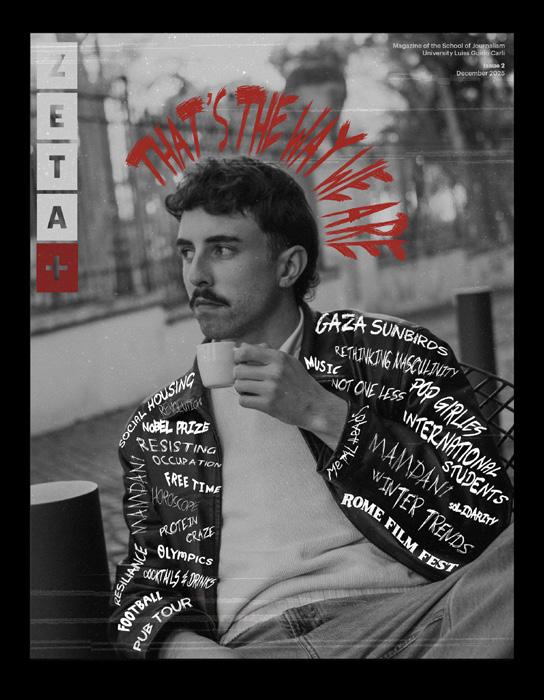
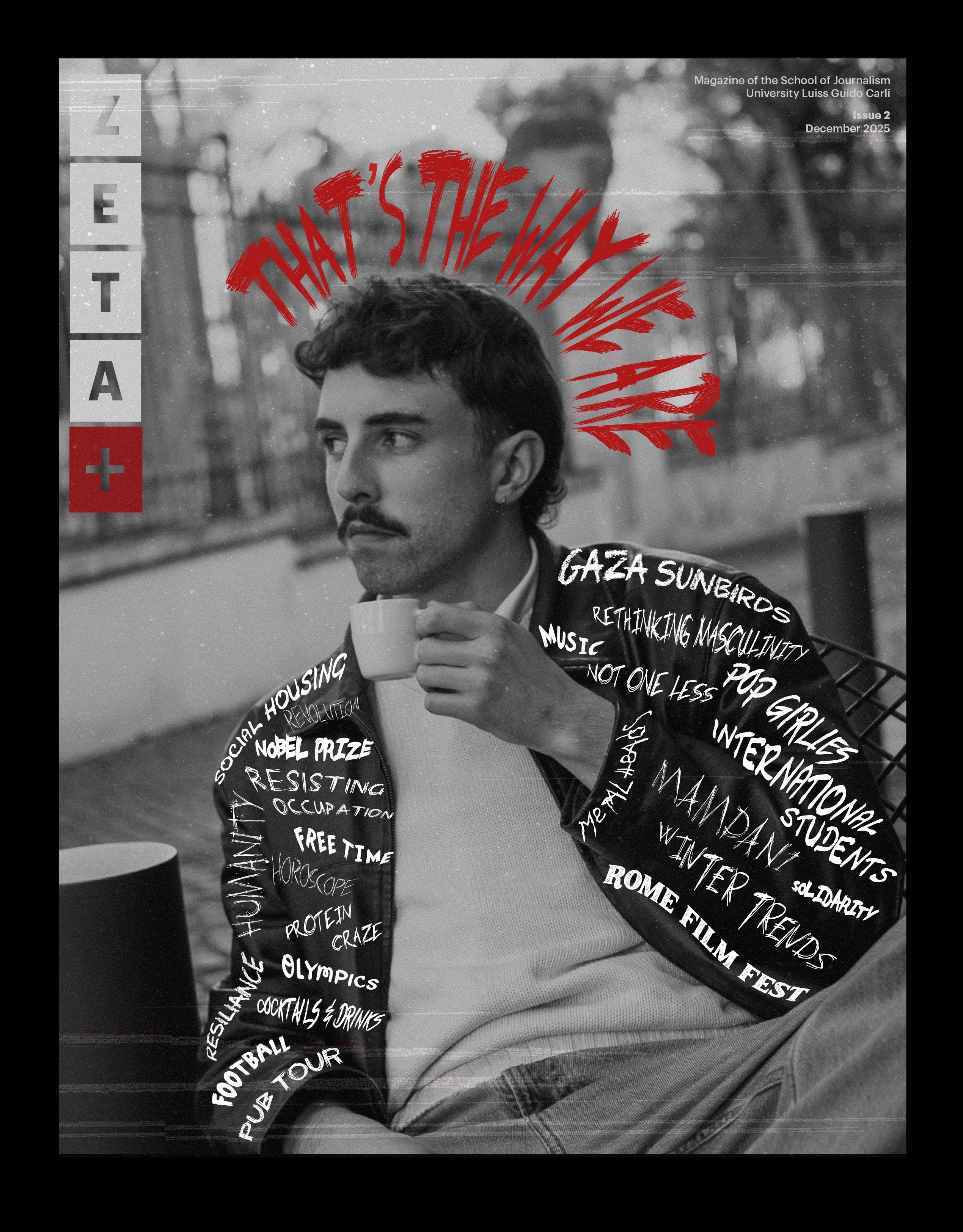
Cover design and photograph by Salvatrice D’Anna Campo
Cover
The Gaza Sunbirds pedal toward Palestine’s freedom by Salvatrice D’Anna Campo
“At home, we don’t see what happens in Gaza” by Elin Kaasa
American society
Mamdani dealt a blow to Trump by Andrea Charur Society
Victims and perpetrators when masculinity becomes toxic by Matilde Risi
Keys to Europe’s housing crisis by Dylan Browne-Wilkinson and Davide Bertusi
Internationals lost amid unclear rules by Andrea Charur Investigations
Economy driven by innovation by Rocco Matone
The processed protein gold-rush by Joe Toolan
Photogallery
“Angelina please over here” by Salvatrice D’Anna Campo
A red carpet as long as the city by Dylan Browne-Wilkinson
Cinema takes Rome by storm by Salvatrice D’Anna Campo and Dylan Browne-Wilkinson Sport
Sustainable Winter Olympics with a lasting legacy by Elin Kaasa
Passion over concrete by João Kerr
Technology
Turning free time into solidarity by Davide Bertusi
Music
The pop renaissance is led by vision and identity by Alessandro Marchiello
Beyond heavy metal anatomy of a prejudice by Matilde Risi
Fashion
What’s trending: Italy versus USA by Andrea Charur
City guide
Rome through the prism of a pint by Joe Toolan
Horoscope
Which Italian Film Are You? by Joe Toolan and Salvatrice D’Anna Campo
From across Italy, Europe and the ocean, bright young people eager to become journalists gathered in the capital of this peninsula—at the International Master at Luiss Guido Carli in Rome. Each of them arrived with their own experiences and passions, and together they are discovering how to develop them and refine them to use them in a professional setting. They are learning the rules and the way is done, but also remaining true to the “way we are”.
A reflection of that spirit—curious, passionate but also open to change and new experiences—of the young journalists is what this issue of the magazine Zeta+ aims to be: a meeting point between their past, their present and their future.
They keep an eye on current affairs, but with a young perspective: Israeli students speak about their country and a cyclist team from Gaza recalls their story. As international students looking for a place to stay, they discover how difficult the search for a house in Rome can become and they analyze the phenomenon. Moving to a new country can lead to discover new things… and trends in
fashion, prompting a comparison between what is cool in winter in the United States of America and here. Foreign affairs find their place next to Italian issues: with 78 femicides since the beginning of the year, a collection of voices from women and men helps rethink masculinity.
The range of topics stretches from politics, with the election of Mamdani as mayor of New York, to culture, with seeing celebrities walking the red carpet of the Rome Film Fest. There is also someone who is trying to find a piece of home—of Ireland—in Rome, with a tour of the pubs of the city looking for the perfect pint of beer.
As the students from the International Master of the Luiss School of Journalism learn and grow, so does the course. The first edition of the Master published the first issue of Zeta+, whose focus was on artificial intelligence. This time, the magazine broadens its topics as the course hosts more backgrounds and lifestyles. The variety of themes and countries in these pages mirrors the classroom: the “way we are” on the page is the “way we are” in life.
Giorgio Casadio
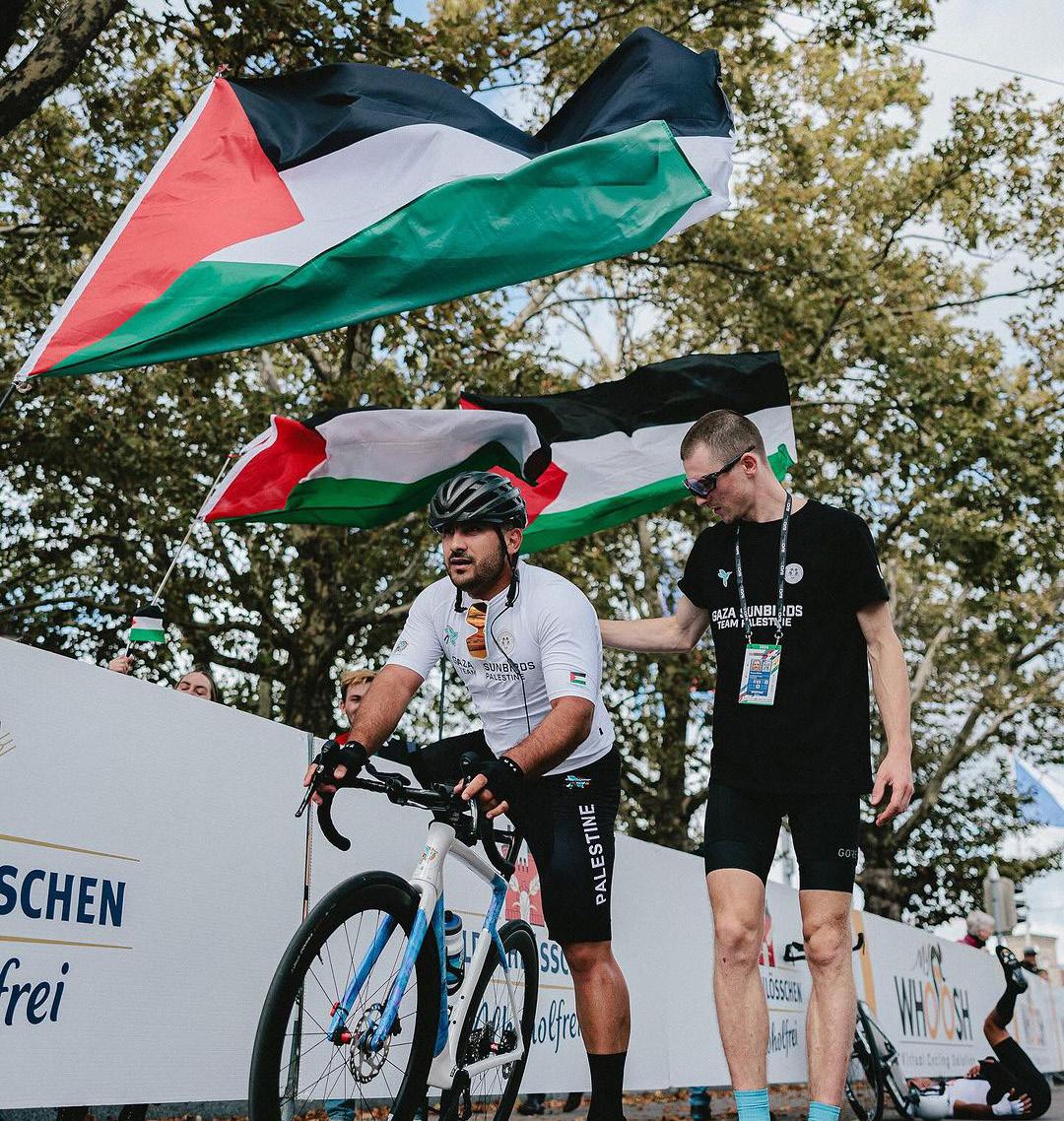
by Salvatrice D’Anna Campo
“I once dreamed of becoming a champion with both legs. After my amputation, I became determined to be a champion for Palestine with one,” says Alaa al-Dali, who made history in 2024 as the first Palestinian to compete in the UCI Road & Para-Cycling World Championships in Zürich.
Al-Dali is the team captain and cofounder of the Palestinian para-cycling team, the Gaza Sunbirds. Following Hamas’s October 7, 2023 attacks and the ensuing Israeli military response, which UN experts and human rights groups have described as amounting to genocide in Gaza, the team has continued its athletic pursuits while taking on humanitarian relief efforts, delivering aid by bicycle to displaced and injured civilians. Drawing on what remains of Gaza’s farms, warehouses, and supermarkets, the Sunbirds deliver food to communities that many aid groups can no longer reach. In just under two years, their work has amounted to more than 520,000 US dollars in assistance.
Their work on the ground reflects a deeper journey, one rooted in Al-Dali’s childhood love of cycling. By age 15 he was training in road cycling. “Gaza is very small, there’s only one road, about 35 kilometres long, for training,” he said. “But it didn’t matter; we did it for the love of cycling.” His dedication paid off in 2018, when he was selected to represent Palestine at the Asian Games.
“I was scared I might not be allowed to go. In all my life, I had never been permitted to leave Gaza, neither for leisure nor to compete internationally. That’s why, a few months before the Games, I proudly joined the March of Return protest at the border between Israel and Gaza, where I was shot by an Israeli sniper.” During these peaceful demonstrations for an end to the blockade and the right of return for Palestinian refugees, many protesters were shot, resulting in amputations. Al-Dali was among them. After a long, grueling recovery, he returned to cycling, becoming a tribute to his homeland’s perseverance.
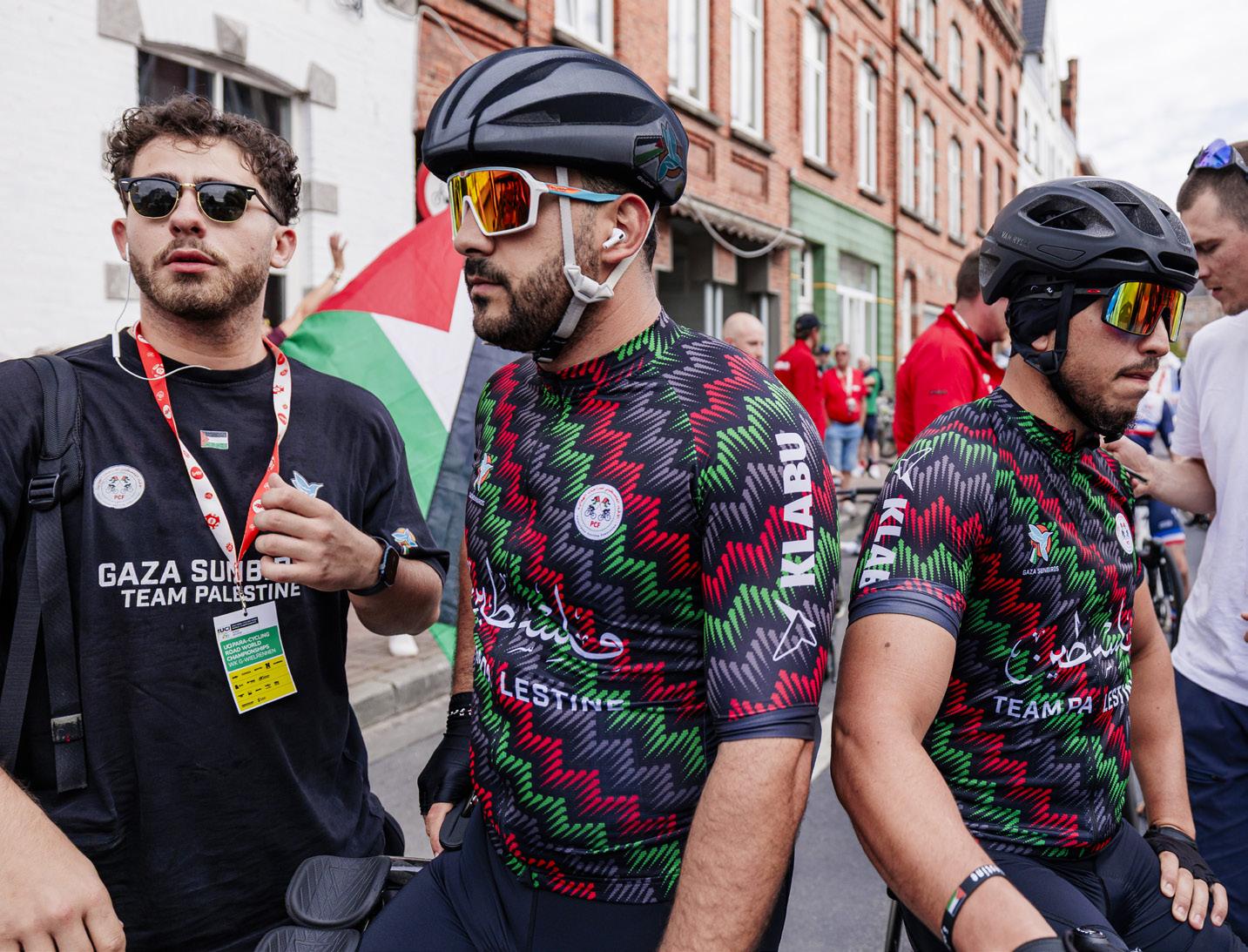
“Now, my biggest dream is to create a paracycling team out of the ashes, aiming for the Paralympic Games. I want everyone to see us cycling on one leg and feel our power: we are not a burden; we will make Palestine proud. We ride for freedom.” In 2020, the Gaza Sunbirds were founded, turning Al-Dali’s dream into a reality. In 2024, he was evacuated to Egypt and then Belgium, determined to put Palestine on the global sports stage. On August 31, 2025, Al-Dali and teammate Mohammed Asfour achieved three top-20 finishes at the UCI Para-Cycling Road World Championships in Ronse, Bel-
gium. Before taking on the final race, AlDali revealed what fuels his determination to train, even in the face of Gaza’s hardships: “I train out of frustration, on the bike, I release all these negative feelings. I also try to create a good enough reason for leaving my family. Even so, I don’t want them to think I left to achieve a dream of mine. Despite all these problems and psychological burdens, I need to persevere. I try to deliver the voices of our families through this bike and the sounds of starvation in Gaza. When I ride my bike, I used to feel like I was in a different world; now I don’t feel that way, because my spirit is there with them.”
Leaving his family, friends, and homeland was heartbreaking, but he is driven to inspire children and adults back home who have lost limbs. Amidst the turmoil, tragedy, and uncertainty, one truth remains clear: with each training session, each competition, every pedal the team takes, is fuelled by the spirit, resilience, and unwavering will of every Palestinian.
After the ceasefire between Hamas and the IDF on October 10, 2025, emotions remain complex. Karim Ali, co-founder and team manager of the Gaza Sunbirds, reflects: “Despite everything the occupation has tried, the steadfastness of the people in Gaza is why they still exist today. Today, we celebrate the limits of what Israel can do to kill and displace Palestinians. But peace cannot exist without ending occupation, apartheid, and settler colonialism.” The Gaza Sunbirds keep riding, highlighting Gaza’s hardships, supporting aid efforts, and asserting their existence. Every pedal stro-
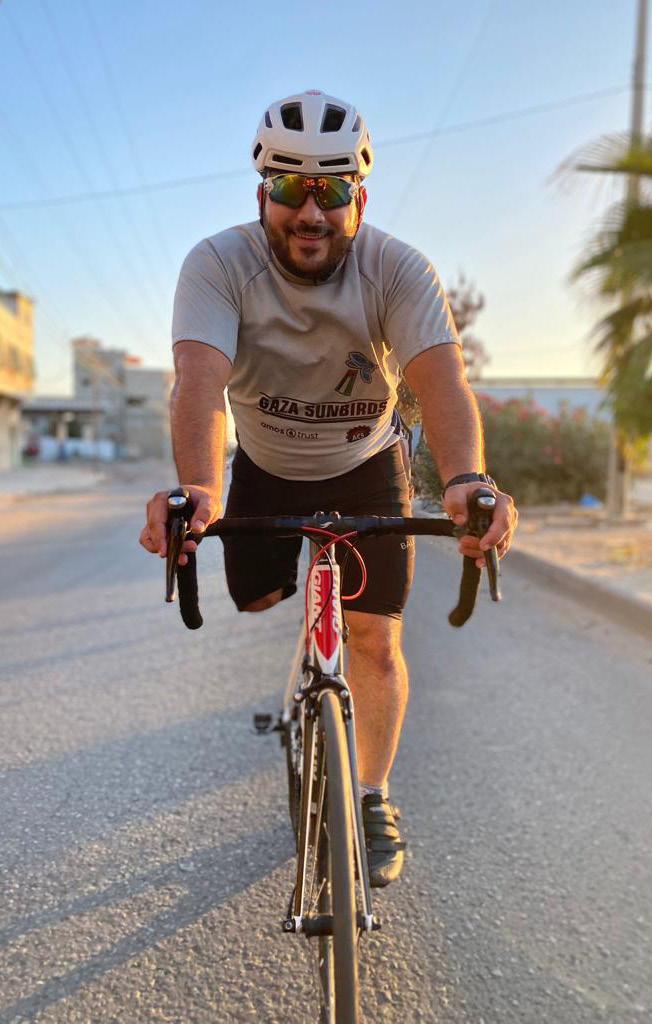
ke is a testament to courage and a refusal to be erased. Their name carries subtle power: the sunbird, a small bird native to the region and featured in the Palestinian emblem, soars without legs. Like their namesake, the Gaza Sunbirds rise above devastation, propelled by the strength of their spirit. ■
Photos courtesy of Gaza Sunbirds
1. Ala al-Dali competing at the UCI Para-cycling Road World Championships in Zurich, 2024
2. Ala al-Dali in Gaza
3. Karim Ali, Ala al-Dali and Mohammed Asfour in the UCI Para-Cycling Road World Championships in Belgium, 2025
“At home, we don’t see what happens in Gaza”
Three Israeli exchange students in Rome share how they are living the conflict that has killed more than 65,000 people in the Strip
by Elin Kaasa
While the war between Israel and Hamas was still ongoing, three Israeli university students – Omer Shimon, Rachel (pseudonym) and Daniel (pseudonym) – all in their early twenties, moved to Rome for an exchange semester. About a month after their arrival in Italy, the two sides agreed to a ceasefire. For them, life back home feels far away and different from everyday Rome, yet the conflict follows the students wherever they go.
In Italy, the focus on the war – and the strong emotional reactions and engagement from people across the political spectrum – has made them feel more sensitive to express their Hebrew and Israeli identity in everyday situations. “I’m really afraid if someone asks me where I’m from. If I say Israel, I feel like I have to explain myself, and sometimes it’s just easier to say Malta or Greece,” admits Rachel. She goes on to explain an uncomfortable situation that occurred in
Tuscany a couple of weeks ago: “I was in a market and a friend of mine told me something in Hebrew. Then a guy said something like ‘Israel go away, go away’, and we became afraid that the whole market would know our nationality and that maybe they would attack us, but I know I’m paranoid…” says Rachel.
The current situation also influenced the choice of destination for the semester abroad for some: “It was one of the things I thought about before I chose Rome. In France and Spain there are a lot of Muslims who don’t like us. I thought of a country that is more calm and more Christian, where we can feel safer”, says Shimon.
The three students agree that being surrounded by people with different views can be challenging: “Once I got to know other Israelis, I felt a unique sense of community. Those people understand you much better than anyone else,” says
Daniel. He adds that for others it is hard to grasp their stories, but that media portrayals help explain the contrast of views. “For us, what happened on the 7th of October is something we feel all the time. Other people say ‘oh, but it’s been two years’, it’s history for them. They only see what’s happening in Gaza, only their side. I can understand what they feel because it’s hard to see what’s going on, but we feel other things. I think they don’t understand and they don’t want to talk about it,” remarks Rachel. She adds: “At home, we don’t see a lot of what has happened in Gaza. We are constantly reminded of the hostages and every soldier that has been killed.”
The semester abroad has also shifted perspectives for the students. “I feel that my thoughts have changed a little since moving to Rome. Now I can see what’s happening in Gaza – I didn’t see that before. However, I still think it’s all in the hands of Hamas,” remarks Rachel.
The three students hope that people will understand specifics they feel are missed or misunderstood. “I feel that people think that Hamas has some sort of legitimacy. They are terrorists and use schools and hospitals to store their weapons. Before Israel attacked an area, we encouraged Palestinians to move away from the target zone. Many times, Hamas stopped them from doing so, because they wanted to show the world that Israel was committing a murder. We don’t want this war, to hurt civilians; we want to live in peace. But until the Israeli hostages in Gaza are released, the war won’t end,” explains Daniel. The students share how they have participated in weekly demonstrations for the last two years, with the goal of bringing the hostages back home and end the war.
On October 11 this year, Israel and Hamas agreed to a ceasefire that required Hamas to return Israeli hostages in exchange for the release of nearly 2,000 Palestinian prisoners. The students are sceptical about how long it will hold. “I’m hopeful about it, but I don’t think it’s going to last,” says Shimon. What the next step in building a future for Gaza will be is still unclear, but Shimon is sure about one thing: “While Hamas is
leading the Palestinians and influencing the education of the young people there, peace isn’t achievable. Palestinian children are being equipped with books and educational material that teach them to hate Jews and Israelis. Hamas is a terror organization; its goal is to murder the Jews, to conquer the land.”
Attempts at a two-state solution are still being discussed. Shimon reflects: “I think it’s a good option in an ‘ideal world’, but the Palestinians don’t want Israelis to be in the land, and Hamas doesn’t want us to exist at all. While this hatred remains, we cannot live with them in peace.” Before October 2023, daily crossings from Gaza into Israel for work were common: “Some of these people gave information about Israel to Hamas, which helped plan the October 7 attack. It’s proof that we cannot trust them,” says Rachel.
Protests regarding the conflict in Rome have been frequent. The students feel many protestors are insufficiently informed. “The news here is showing only the Palestinian side and not all the stories. I understand why they want to support the Palestinians; they’re seeing the news and what’s happening there
and it seems crazy, but things are not like this. The people here just see murder in Gaza; they think they need to save them and feel that they are doing a good thing by protesting. They don’t understand that they are giving more power to Hamas, instead of actually helping the Palestinians. I think that if you’re going to protest, you need to deeply understand what has happened – not just go because it’s popular,” remarks Shimon. She adds: “On Instagram and TikTok, I also saw videos of gay people protesting. If they went to Gaza, they would be condemned because of their orientation. I feel like they don’t understand.”
Perhaps the exchange semester has sharpened the students’ sense that two realities must be bridged before any lasting peace is possible. ■
from Reuters:
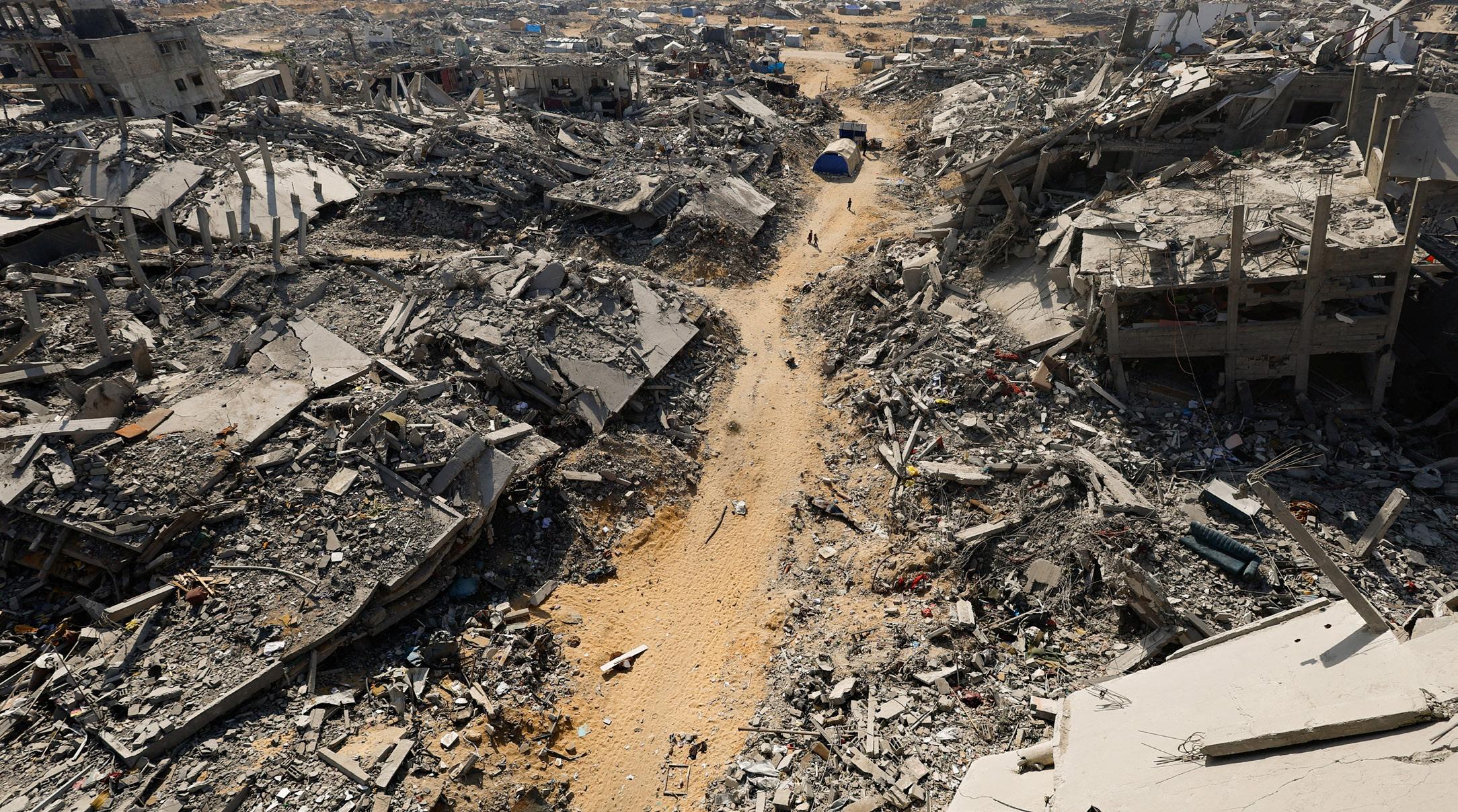
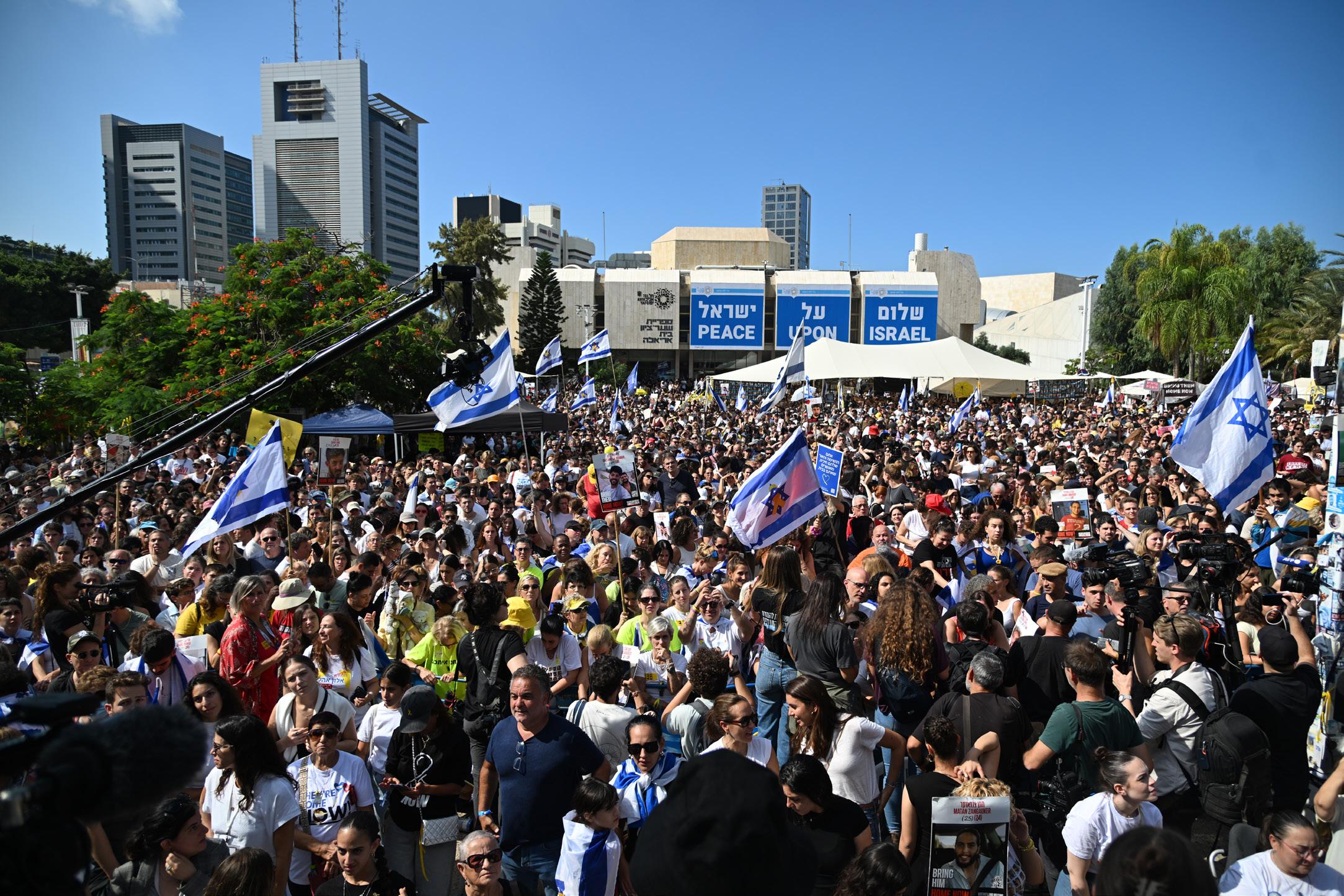
1. Palestinians walk past the rubble of destroyed buildings in Gaza City, November 2
2. Hostages families wait for the return of their relatives at the Hostage Square in Tel Aviv, October 13
U.S. elections
in several cities were a meter of the President’s popularity, signalling dissatisfaction with his administration
by Andrea Charur
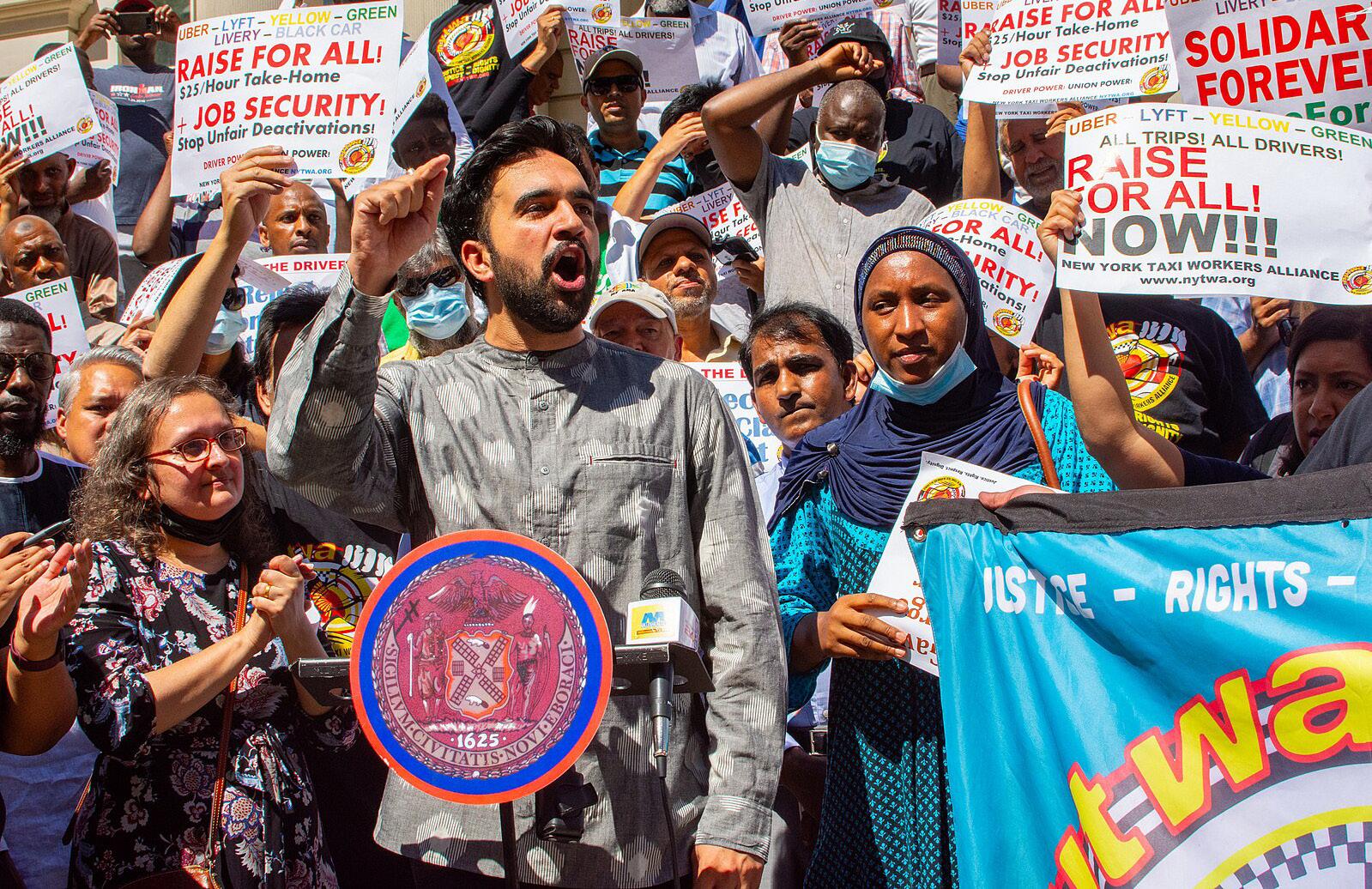
Democrats won elections for NYC mayor, governor of New Jersey, governor of Virginia and a redistricting law in California that would create more Democratic districts by large margins. The results are further proof of declining favorability for U.S. President Donald Trump, who won both the popular and electoral vote in 2024.
In a race that captured attention around the world, Zohran Mamdani won the election for mayor of the Big Apple with an almost ten percent lead over former New York Gov. Andrew Cuomo. The New York Times reported that this was a historic turnout for a mayoral election, the largest seen in more than three decades, with a surge in early voting among youth.
A self-described Democratic Socialist, Mamdani rose from a New York state representative to the mayor of the largest city in the U.S. The Ugandan immigrant will become the first Muslim mayor and the first born in Africa, according to the Associated Press.
At 34 years old, he is also the youngest person to be elected mayor in more than a century.
“For as long as we can remember, the working people of New York have been told by the wealthy and the wellconnected that power does not belong in their hands,” Mamdani said in his victory speech. “Tonight, against all odds, we have grasped it. The future is in our hands.”
Mamdani’s progressive agenda includes rent freezes for rent-stabilized apartments, free buses, free childcare for children under 5 years old, publiclyfunded affordable grocery stores and a Department of Community Safety to assist police officers. He plans to pay for his policies by implementing a two percent tax on New Yorkers making over $1 million and raising the corporate tax rate to 11.5 percent.
His election does not come without criticism. He has been labeled a communist, most notably by Trump. His
pro-Palestinian views have garnered attacks from Cuomo, who has called him a danger to Jewish New Yorkers. His religion has been targeted by the public, as Muslims in New York have faced discrimination since the 9/11 attacks.
“If Communist Candidate Zohran Mamdani wins the Election for Mayor of New York City, it is highly unlikely that I will be contributing Federal Funds, other than the very minimum as required, to my beloved first home,” Trump wrote on Truth Social.
Mamdani held a significant lead over Cuomo, his main opponent, who resigned as governor in 2021 amid sexual harassment allegations. Cuomo initially ran as a Democrat in the primaries, but then lost to Mamdani and tried again in the general election as an independent. Trump endorsed Cuomo in the race over Republican candidate Curtis Sliwa, who was accused of taking votes away from Cuomo.
In New Jersey, Democrat Mikie Sherill, congresswoman and a former Navy pilot, won the race for governor over Trump-backed candidate Jack Ciattarelli. Sherill is succeeding two-term Democratic Gov. Phil Murphy.
Although Jersey is a blue state, no party has retained control of the governorship for more than three terms since the ’60s, according to the Associated Press. However, the results show Sherill held a double-digit lead over Ciattarelli. “I promise to listen, lead with courage, and never forget who I serve,” wrote Sherill on Instagram.
Sherill, like Mamdani, promises to tackle the affordability crisis. She plans to build more affordable housing, incentivize smaller grocery stores to compete with big chains, lower prescription prices, fund childcare centers and boost sustainability. Trump has stood firmly behind Ciattarelli and against the Sherill and the Democratic Virginian governor-elect.
“Why would anyone vote for New Jersey and Virginia Gubernatorial Candidates, Mikie Sherrill and Abigail Spanberger, when they want transgender for everybody, men playing in women’s sports, High Crime, and the most expensive Energy prices almost anywhere in the World?” he said on Truth Social. The Democratic win for governor of Virginia, a swing state, is an indicator that the federal government may become more blue in the 2026 midterm elections. Abi-
gail Spanberger, former congresswoman and former CIA case officer, won with a large lead over Republican candidate Lt. Gov. Winsome Earle-Sears and became the first female governor of the state, according to AP.
“We sent a message to the whole world that in 2025, Virginia chose pragmatism over partisanship,” said Spanberger in her victory speech on Nov. 4. “We chose our Commonwealth over chaos.”
The state’s gubernatorial elections often flip to the opposite direction of the sitting president, and governors cannot serve consecutive terms. Trump did not outright endorse Earle-Sears but did encourage Virginians to vote red.
Spanberger’s proposed similar policies to those of the new governor-elect of New Jersey, but notably, Spanberger is a staunch advocate of abortion rights. She noted on her website that Virginia is the only Southern state to not pass abortion restrictions after the overturning of Roe v. Wade, and she plans to cement reproductive rights in the state.
While California did not have any candidates on the ballot this election, California Proposition 50 passed with more than 60 percent of the vote, creating a new redistring map that favors Democrats for the next three election cycles.
The AP said that up to five seats could turn blue because of changes, which are seen as counter to redistricting in Te-
xas that created five more Republican districts. Gov. Gavin Newsom, Trump’s longtime rival, hailed the win as a projection of Republican loses in the upcoming midterm and encouraged other states to follow California’s lead.
“We’re sicker and we’re poorer, and [Trump] fundamentally understands that,” said Newsom in a victory speech. “Why else would he call [Texas Gov.] Greg Abbott saying he’s entitled to five seats?” Before the proposition passed, Trump called it a “GIANT SCAM” on Truth Social.
On the judicial front, three liberal judges will keep their seats on the Pennsylvania Supreme Court after winning reelection, keeping a liberal majority among the seven judges. The “yes” votes to retain Kevin Dougherty, Christine Donohue and David Wecht had more than 20-point leads in each race, giving them another 10-year term. The judicial system has often blocked Trump’s executive actions, and although this court is not federal, the highest court in Pennsylvania has the power to block measures aligning with Trump’s agenda. Trump urged voters to vote “no” on the judges on Truth Social.
The elections have given Democrats across the U.S. hope that they can flip the lower chamber of Congress, the House of Representatives. Reps only serve two years, so 2026 elections have the power to shape Trump’s agenda in the last two years of his presidency. ■

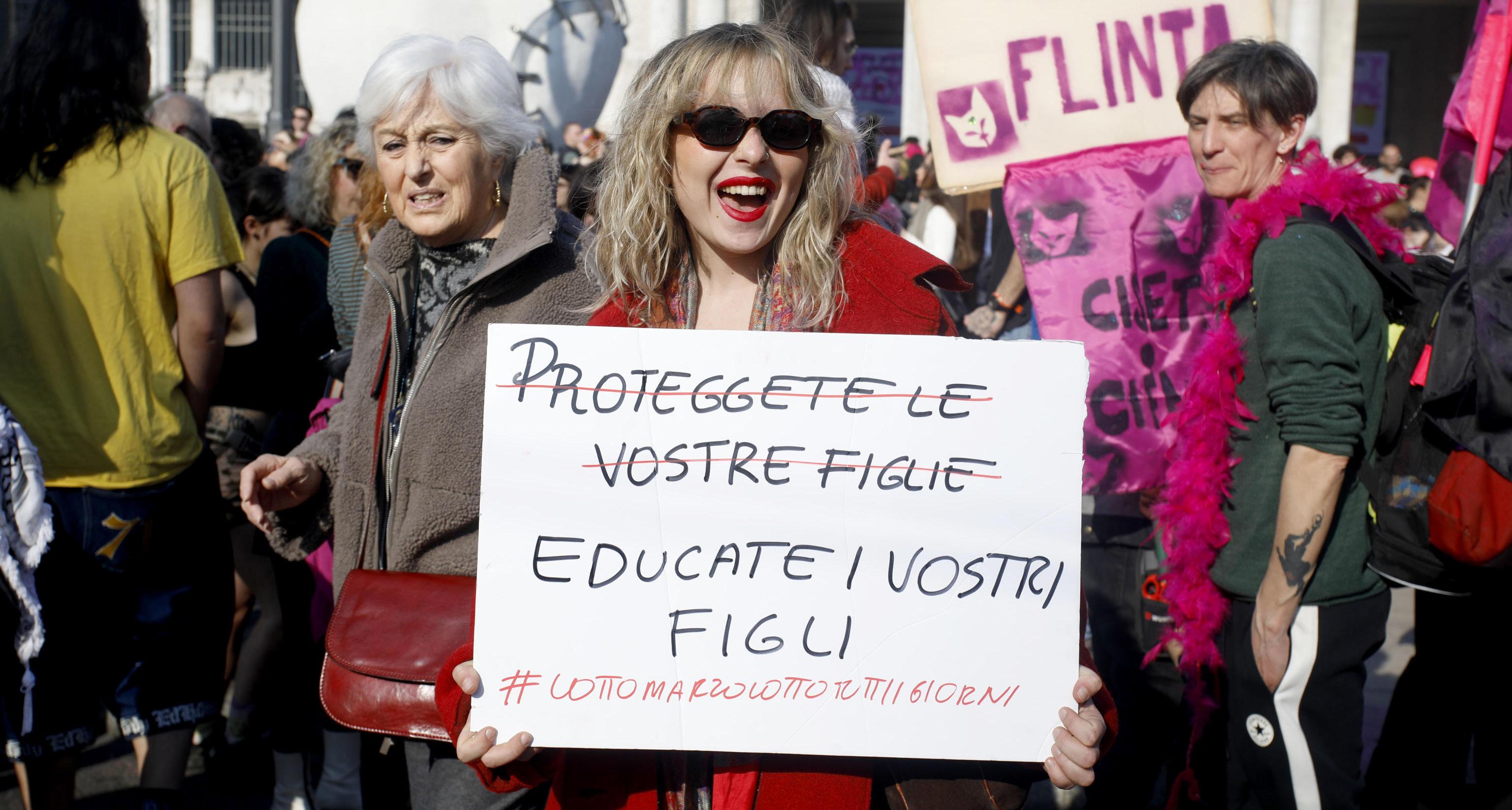
Gender crises, patriarchy and wrong media narratives. Violence against women remains a tragedy gripping our society
In Italy, according to official data from the Ministry of the Interior, in 2023, out of 120 women victims of murder, 97 were killed in the family and emotional sphere, and over half by partners or expartners. Growing numbers that underline how femicides are a structural phenomenon, the tragic outcome of cultural, psychological, and social mechanisms that continue to shape gender relations.
To truly understand it, it is necessary to look at both sides of this violence: the women who suffer it, and the men who perpetrate it. Behind every victim, there is a story of identity, fragility, and resistance; behind every perpetrator, there is a system of distorted beliefs, models of masculinity, and unaddressed emotional fractures.
by Matilde Risi
In the tragic landscape of femicides, the portrait of the victim resists simplification. As women experts underline, there is no single profile that defines those who fall victim to gender-based violence. Sociologist Consuelo Corradi reminds us that national and international data make one point clear: “Variables such
as social class, education level, or occupation are not particularly significant in defining the victims”. Corradi stresses that poverty or social hardship are not in themselves determining causes of violence: “A disadvantaged environment does not automatically generate violence against the vulnerable.”
There is no such thing as a “type” of woman destined to become a victim; violence can strike indiscriminately — fragile women as well as independent ones.
The psychological mechanism linking victim and perpetrator is the next layer of analysis. Criminologist and forensic psychologist Roberta Bruzzone describes the emotional dynamics that keep women trapped in toxic relationships. Drawing from real cases, she speaks of how “women become intoxicated by these relationships.” After moments of extreme abuse, sudden affection, apologies, and promises of change, “reactivate” the emotional memory of love. This process, known as love bombing, is a manipulative cycle of affection designed to reignite trust and reset the emotional bond. For Bruzzone, it becomes nothing less than a “deadly trap,” where the vic-
tim’s hope becomes her prison. These are not, she insists, “weak” women. Rather, they are “women trapped within powerful mechanisms.” The bond that ties them to their aggressors is rooted in a desperate and distorted hope: the man who now terrifies them might once again become the man they loved. To minimize this dynamic is to misunderstand the profound psychological force of abuse. Each attempt to escape collides with the emotional dependency that has been cultivated over time.
But violence is also a cultural and narrative one. Professor Fabrizia Giuliani, scholar of gender studies at La Sapienza University, highlights the crucial role of language. “Each time a woman is killed,” she observes, “the media rush to dig into her life in search of a motive.” This relentless scrutiny easily slides into a subtle form of blame, as if her choices or behavior could justify the crime. Too often, the press still resorts to expressions like “crime of passion” or “moment of madness,” which Giuliani calls an “unacceptable lack of respect” toward the victim. For her, it is essential to reiterate that these are not private matters but social and political failures — the visible fracture lines of a society still marked by inequality and control.
Experts urge us to see them with new eyes, stripped of stereotypes. The victims are never to blame for their fate; they are often women overwhelmed by forces larger than themselves. Recognizing this means abandoning the reflex to find excuses and beginning to treat each femicide as a collective emergency.
“There are no common traits,” warns psychotherapist and gender-violence expert Giovanni Calegari. Behind men who seem perfectly ordinary — respec-
table, well-integrated, often described as quiet neighbors — lie deep emotional fractures. Yet, as psychotherapist Stefano Ciccone observes, “male violence against women does not follow the usual patterns of crime: it stems from a cultural understanding of relationships built on power, control, and the fragility of male identity.”
Calegari often traces these crimes back to a narcissistic wound, a blow to the ego rather than the heart. Violence does not emerge from the pain of losing love, but from the humiliation of losing power — from the collapse of an image in which the woman once “validated the killer’s virility.” “Rage,” Calegari explains, “comes from the fracture of one’s social image.”
The recurring narrative of the “raptus” — the idea of a sudden, uncontrollable fit — is, according to psychiatrist Paolo Crepet, “an insult to humanity.” These acts are rarely impulsive. “In many cases, the lucidity of the killer is evident,” says Calegari. Some murders are even premeditated, a perverse form of punishment rather than a momentary loss of control.
Most femicides occur within intimate relationships. While family histories — exposure to anger, dependency, or silence — may shape behavior, none of these factors alone can explain the violence. “These men come from every social class and level of education,” Calegari notes. The issue, he emphasizes, is not one of social background, but of cultural conditioning.
Ciccone describes domestic violence as “a distorted idea of relationship” still anchored in patriarchal thinking. The myth of the man as protector and the woman as nurturer persists, and love remains confused with possession. When a woman decides to leave, she exposes a fragility that men have never been taught to manage. “Many men,” Ciccone observes, “perceive separation as an unbearable defeat.”
Equally dangerous, warns Calegari, is the normalization of psychological distress. Behind apparent normality often hide anxiety, depression, and compulsive behaviors — symptoms that society tends to trivialize or ignore. Crepet adds: “The most dangerous men are often the mediocre ones — those without dreams, corroded by resentment.” At the core lies a crisis of masculinity. Ciccone and Crepet agree that patriarchy continues to shape men’s habits and expectations. Ca-
legari adds: “While women’s roles have evolved and diversified, men’s roles have remained largely static”. Many men, unable to adapt, cling to obsolete ideals of dominance and control. What some call love, Calegari insists, is often just a mechanism of possession. “Healthy love is open-eyed,” he explains. “If you treat me well, I love you; if you treat me badly, I don’t.” But when reciprocity fails, frustration and violence can follow.
The path forward, experts agree, begins with collective awareness. Men — as individuals and as a community — must question what kind of masculinity they are transmitting. Emotional education is not an optional virtue; it is a daily practice. “Silence makes us complicit,” warns Crepet.
Femicide is not a “women’s issue.” Men who mistake love for ownership are expressing not affection, but a fractured identity. To break this cycle, Calegari concludes “ we must redefine masculinity: accept vulnerability, embrace love without possession, and act before violence turns fatal.”
Only through a shared and conscious reimagining of what it means to be a man can society end the recurring tragedy of femicide — and save lives.
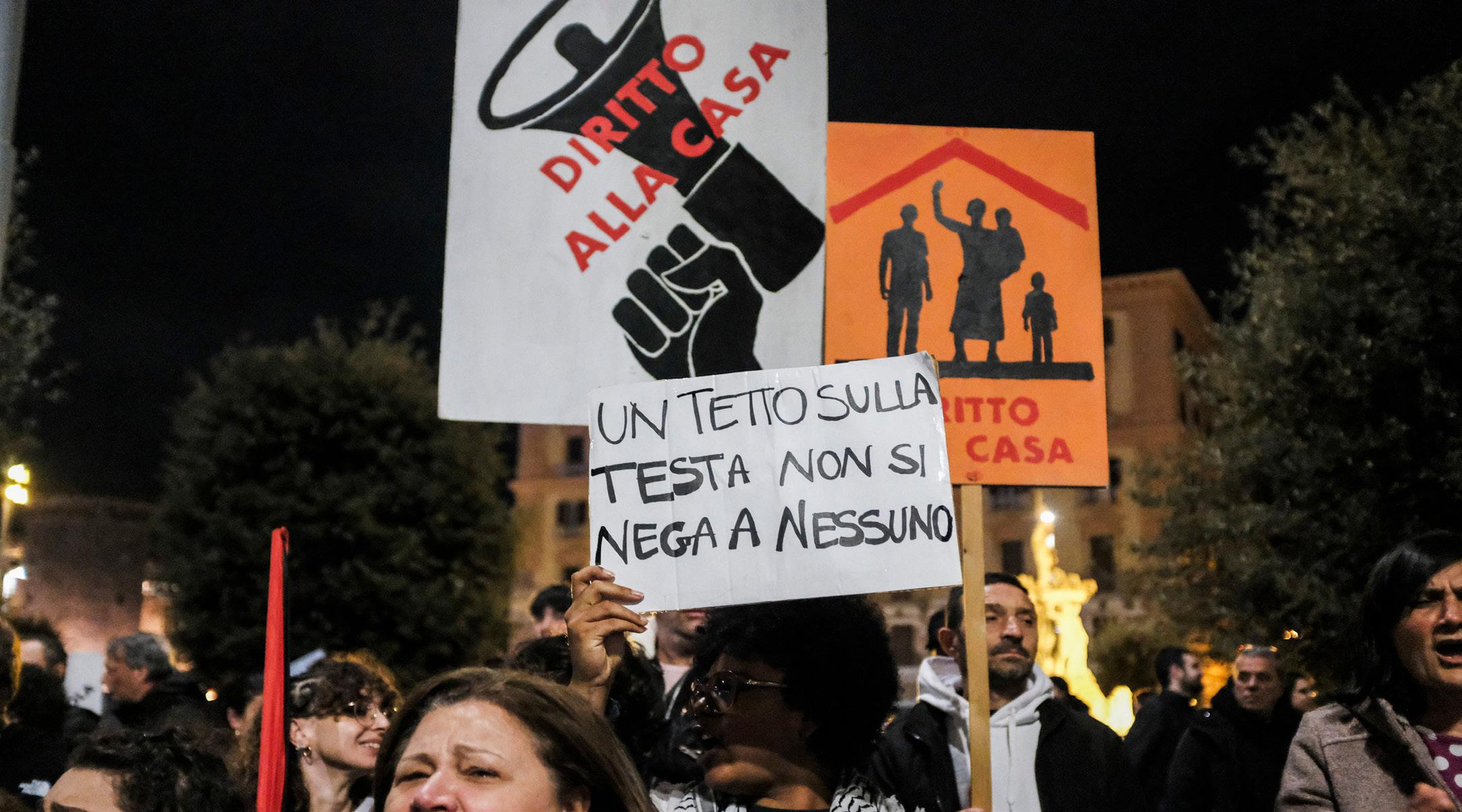
The rapid increase in real-estate prices in the last two years has led to voters prioritizing the issue in elections
by Dylan Browne-Wilkinson and Davide Bertusi POLICY-MAKING
In Italian cities, renting a property has become one of the toughest challenges. In Milan and Rome, residents are on average spending 72% and 65% of their respective monthly salaries on rent, ranking them 4th and 5th in Europe for most unaffordable housing, according to Deutsche Bank Research Institute.
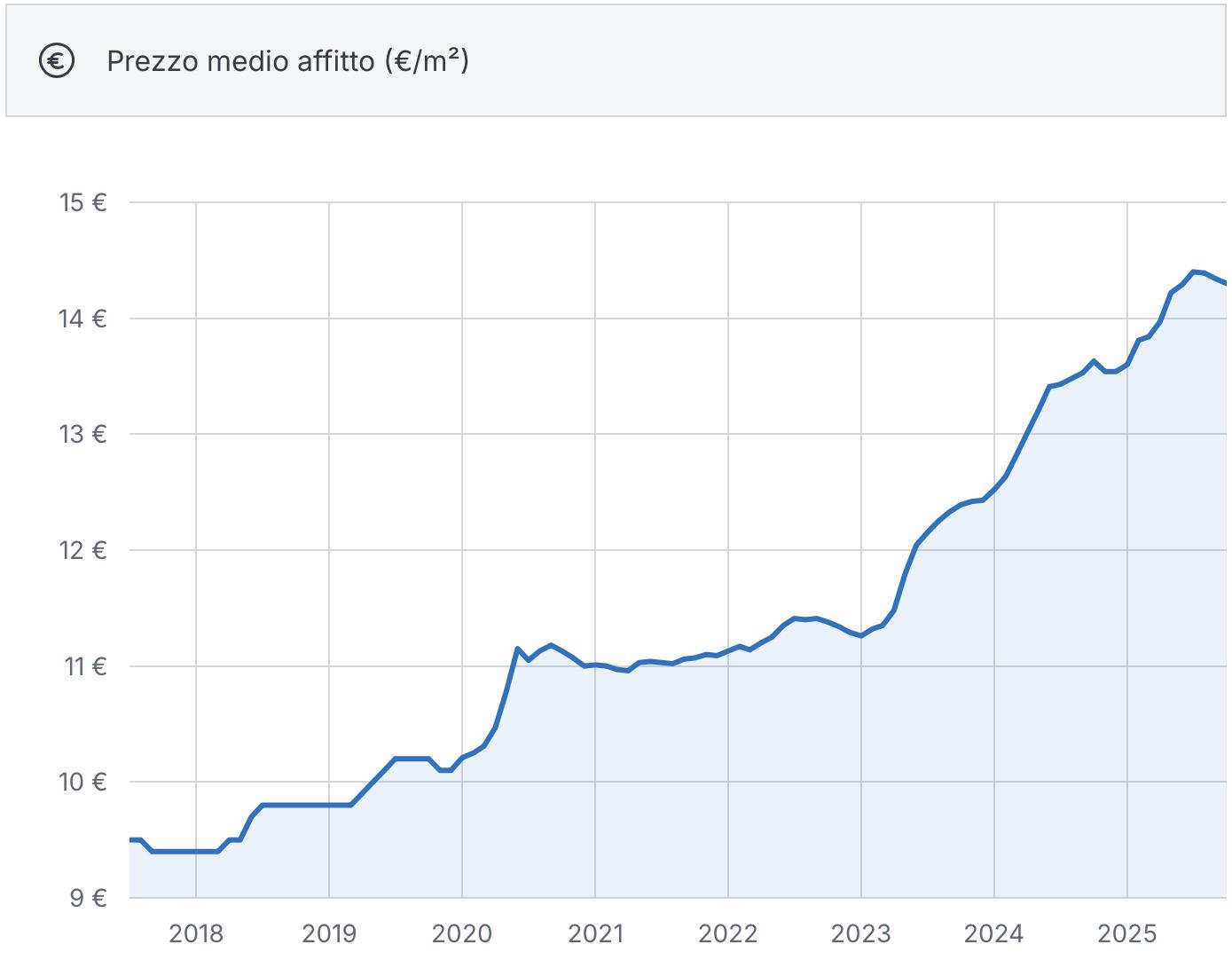
Although ISTAT, Italy’s National Institute of Statistics, reports that rental prices have increased steadily in previous years, the situation has become critical since 2023 as long-term rentals decline whilst thousands of properties remain unoccupied.
The boom of short-term rentals and the return of foreign investment have reshaped European city centres, fuelling an imbalance between affordable homes as a social need and property as a profitable investment. The issue is compounded by stagnant real wages that have not kept pace with rental price
hikes. The Italian housing market faces a unique challenge to housing related to its legal system. Dimitri Pompei, director of Pompei Realty, an international real estate company based in Rome, explains that Italy’s rental laws, which make it difficult to reclaim properties from tenants who stop paying, have made owners cautious about renting to Italian residents.
“If the government introduced stricter and more balanced laws,” he says, “we would see a much larger supply of available homes.”
Rental platforms like Airbnb amplify this crisis. Italian landlords favour short, high paying tourist rentals whilst avoiding long-term contracts, contributing to the nine million unoccupied homes across Italy. Dimitri Pompei adds that “many landlords prefer international tenants, who pay regularly and stay for a limited period.”
He also notes that “as the Jubilee period comes to an end, many property owners are realizing that the expected boom in short-term rentals didn’t bring the returns they hoped for,” leading some to rethink this model — though the damage to long-term affordability is already entrenched.
72% of monthly salaries on average spent on rent in Milan
According to 2024’s EU post-electoral survey, 42% of voters cited rising prices and the cost of living as the main reasons that drove people to vote in the recent European elections.
In addition, there are clear signs that current market drivers could worsen political polarisation and threaten democracy. Populist parties in EU member states, such as the AfD in Germany, have benefitted from rising rent and gained support among younger generations and lower income individuals.
To tackle the problem of short-term rentals, the European Union is drafting its first-ever European Affordable Housing Plan (EAHP). Led by Danish Social Democrat Dan Jørgensen, the publication has been brought forward to December 2025 from 2026, citing the urgency of the social crisis.
“The EAHP must avoid reducing the housing crisis to a mere question of supply. The answer cannot be build, build, build,” explains Alex Quinn, Policy Officer of Social and Economic Inclusion Policy Officer at European Youth Forum (EYF).
“While supply is indeed one answer,” adds Alex Quinn, “it is equally important to ask what type of supply we need, for whom, and how it will remain affordable in the long-run.”
“The answer cannot be build, build, build”
While the approach taken by EU member states to national housing differs, there are shared trends.
“There is a chronic shortage of social housing in almost every Member Stateit’s only 8%,” says Alex Quinn.
Unions and youth organisations like EYF are consolidating their position that the EAHP should contribute to an increase in the social housing stock, as well as other forms of non-profit and limited profit housing to avoid financial speculation. The housing crisis has
become more than a question of rent - it is reshaping Europe’s social contract. In Italy, as in much of the continent, housing policy now sits at the crossroads of inequality, urban identity, and political stability.
Whether the EAHP can turn this emergency into a long-term solution will depend on how effectively governments balance the logic of the market with the right to a home. ■
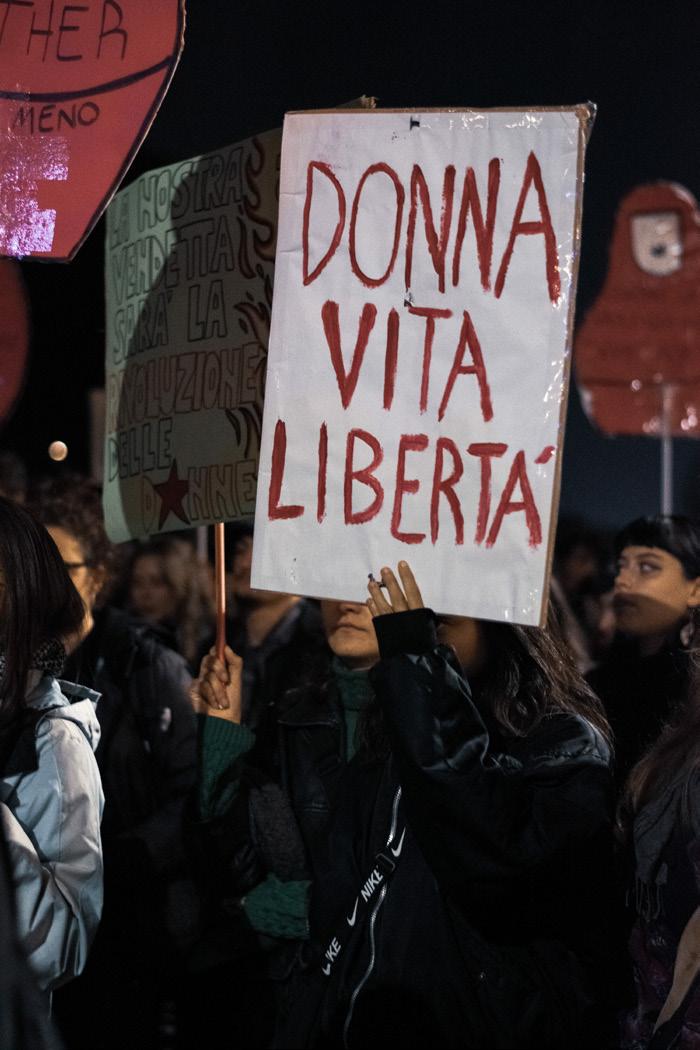
1. Photograph from Reuters shows demonstrations against overtourism and evictions caused by the excess of holiday homes is promoted by activists of the network Resta abitante in Naples
2. Graph from Immobiliare.it illustrates the increase in average rental price across Italy between 20182025. In the last two years, prices have spiked by 20%, compounded by outdated eviction laws resulting in a high rate of unoccupied homes
3. The lack of affordable housing has become a sistemic problem across Europe, influencing people to vote for parties which priortise housing reform in respective countries. This has trigged a response by the European Union to address the problem

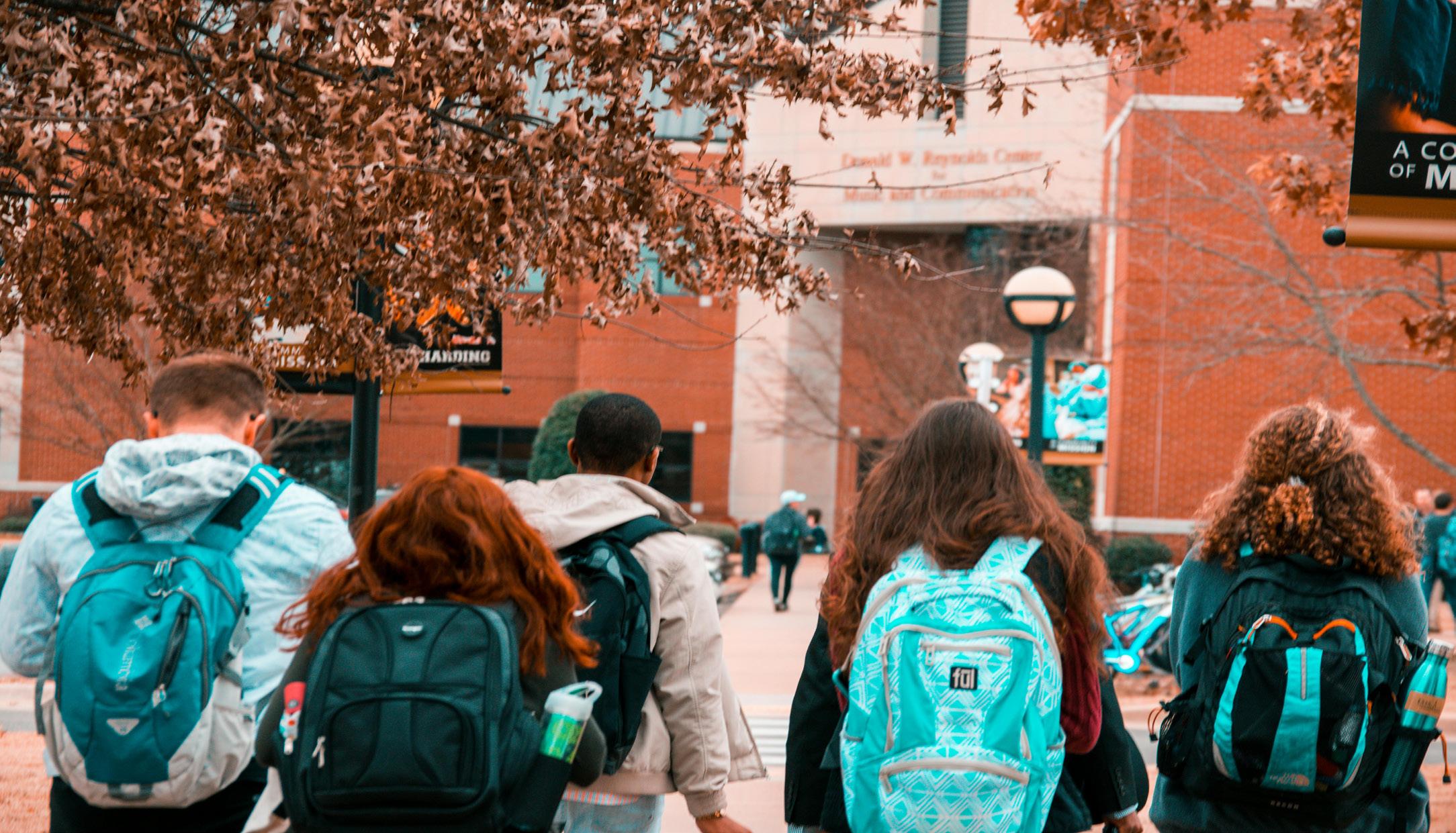
Getting through Italian bureaucracy has never been easy, but changing regulations and growing frustrations makes students wonder if roadblocks are built into the system
by Andrea Charur
International students looking at Italy as a destination to study away from home may dream about the pasta, the wine and the “dolce vita.” But after starting the residency process, this peaceful vision will be likely turn into chaos and confusion. From changing rules not listed on government websites, employees with incorrect information and long waiting periods for documents, incoming foreigners might want to give up on the “sweet life.”
Historically, students obtained a codice fiscale, fiscal code, at the revenue office, a tax code, upon arrival in Italy before applying for a permesso di soggiorno, a residency card. A codice fiscale is required to open an Italian bank account and transfer money inside Italy without fees, and sometimes other processes like securing an Internet provider and an apartment require one. However, in September, Italy began requiring a permesso di soggiorno to get a
codice fiscale in Italy – a process that takes months and is often subject to delays, according to several international students.
João Kerr, 24, arrived in Rome in late September 2025 from São Paulo, Brazil, to start a master’s in journalism at Luiss University. After running into the roadblock of not being able to get a codice fiscale in Italy, Kerr contacted his hometown’s embassy via email and was able to obtain one. Without one, Kerr said he would have even more difficulty securing an apartment in an already tight housing market in Rome. “Most places demand a codice fiscale,” Kerr said, “if you have another thing that messes up your research, you have even fewer options. You have to spend a lot more because you have fewer options as the time passes.”
Before a few months ago, a foreigner could get a codice fiscale
with an appointment at the Agenzie delle Entrate upon arrival, said Obay Almunirawi, 24. He got one within the first two weeks. He first came to Italy to study at La Sapienza as an Erasmus student from Palestine in 2022 before the war, although he recently changed his status to an asylee.
Saniya Khan, a 30-year-old PhD student at La Sapienza, said she needed a tax code as soon as she got to Rome in 2022 because she was relying on a doctorate student salary that would only be transferred to an Italian bank account. She said the currency in India, where she’s from, is “very low” compared to the Euro, and it would be “pretty difficult” to study in Europe without a salary.
Khan said she received her appointment to check her documents at the immigration office more than six months after her arrival, while
Almunirawi said it was “great” that he only had to wait about five months. She said that while the immigration office gives students a timeline for when their residency card will be ready for pickup in a month, it usually takes more than that. Khan was supposed to receive hers in 60 days but had to wait 90. For the annual renewal process, Aluminawi said he had to wait 18 months to get a new card the next year.
Even for international students from the European Union, who do not need a permesso di soggiorno, navigating Italian bureaucracy can be difficult. Anka Pietrzak, a Polish student at Luiss’s business school, said she was able to get ahead and obtain a code through the Italian embassy in her home country by email. However, she ran into trouble filling out the forms, which were in Italian, and immigration officials were not clear on what parts of her form were incorrect.
“I changed it and sent it back. After, I don’t know, next day or sometime I got the email, ‘Yeah, in this line is also incorrect, so change it,’” she said. “With the third email about some other mistakes, I was like, ‘Come on! Can you
just like open the file or give me some instructions and then I will fill it all correctly?’”
The difficulties of getting through the immigration system can prevent students from continuing their stay in Italy. Khan reapplied for temporary residence permit early in July to stay in Europe for a conference in September. She said she sent emails to the immigration office every day to get an appointment in time with no response. Then, she went to the immigration headquarters “two or three times” – each time getting different answers – until a police officer told her they were no longer issuing temporary residency permits this year. She missed the conference, which she described as “important for my academic journey.”
After Almunirawi waited more than six months to get a high-priority appointment to change his status from a student to an asylee, he needed a letter to present to the immigration office on the day. Officials told Almunirawi that they would ship the letter, and he was told it was on its way and even received an incorrect tracking number. In the end, Almunirawi said they had never
sent the letter and only handed it to him in the office after he became stern with them.
Khan said “they don’t entertain you too much” if you don’t speak Italian. Kerr said that if you don’t know someone in Italy that can help you get in, people are at the mercy of the immigration officers. He said all the rules “make it possible for them, the police, all the the Italians, to choose whoever comes in and whoever comes out.” Almunirawi said the complicated processes are a result of right-wing politicians that “don’t want immigrants” in Italy. “And they’re lazy,” he said about the government employees, “they don’t want to work.”
In an email from the Revenue Agency, foreign residents who do not yet have a permesso di soggiorno can get a temporary tax code at a police headquarters. However, the website’s main page for tax code information still lists residency cards as an optional document. ■
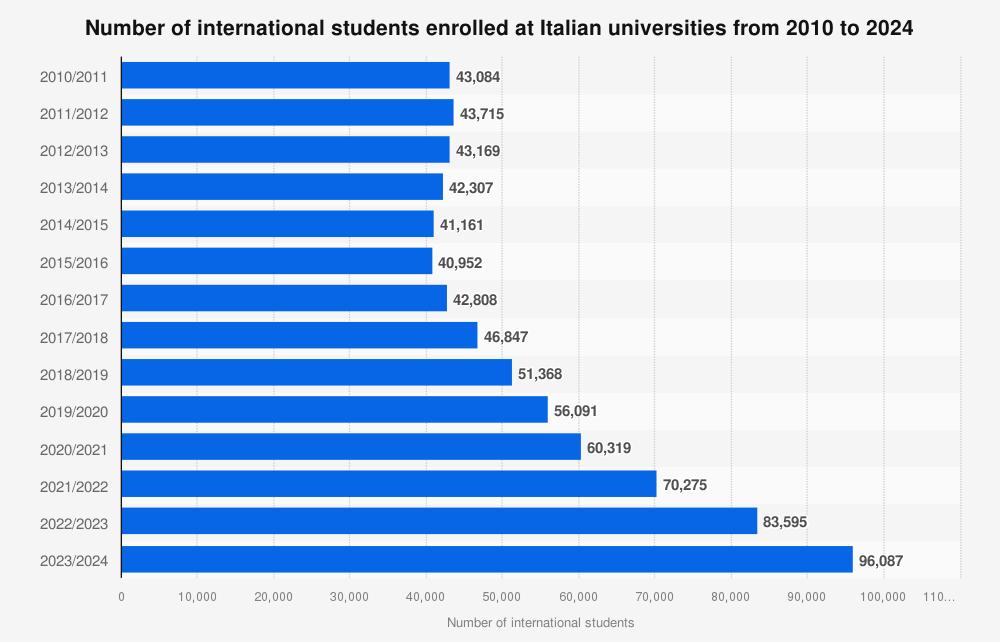
Credits: 1. Source: Ministero dell’Università e della Ricerca (2010-2024), published by Lorenzo Macchi - May, 2025
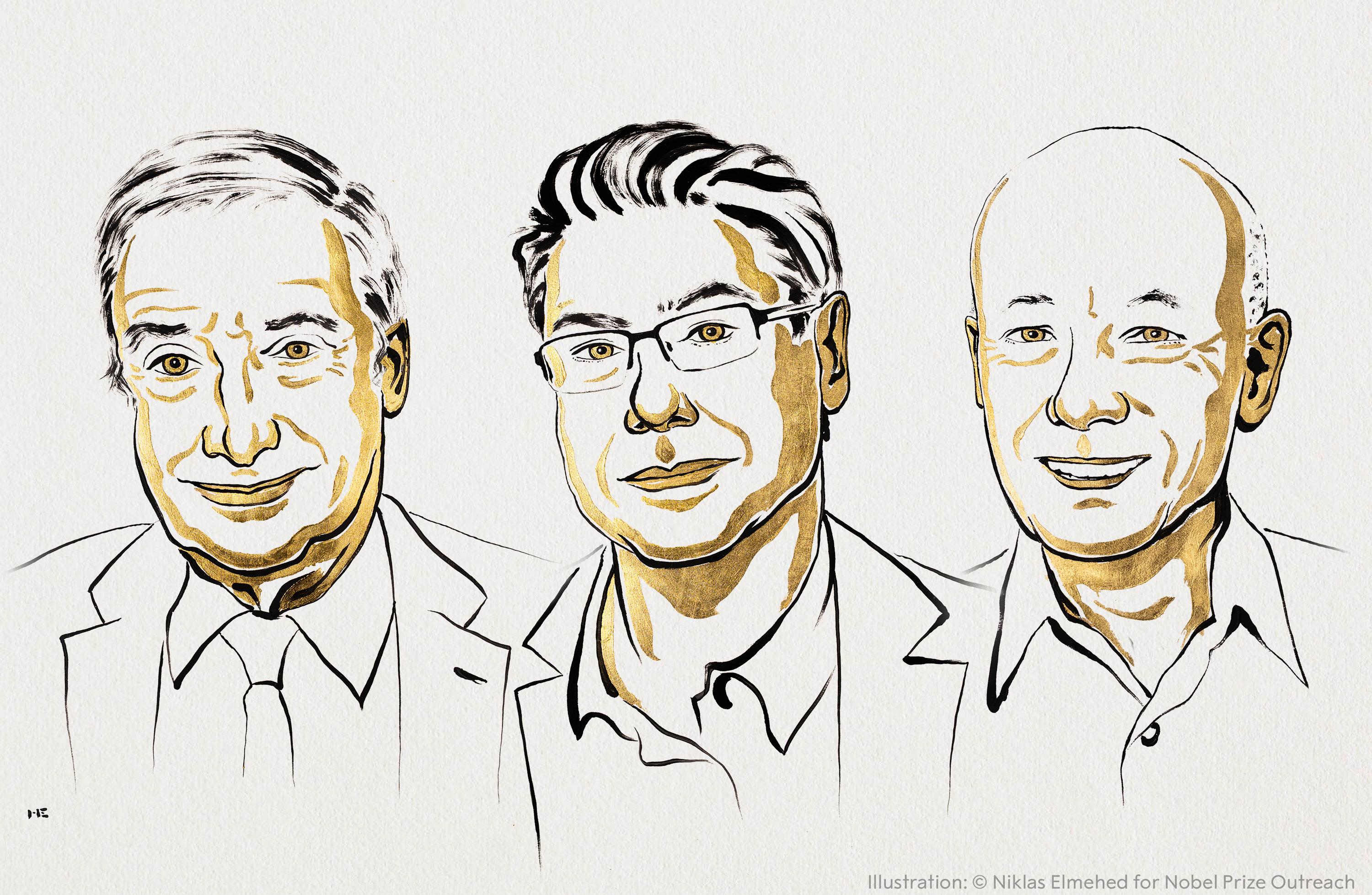
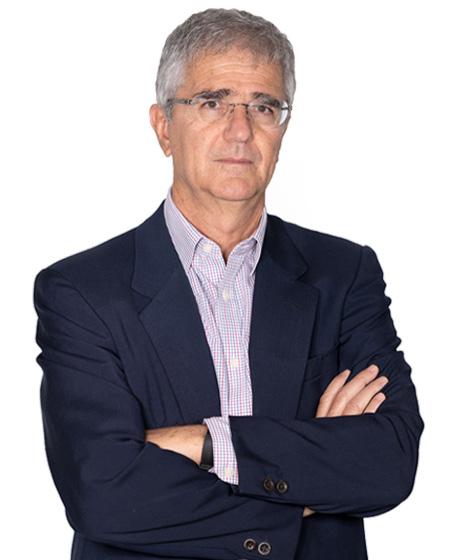
Technology, history and “creative destruction”: a dialogue with Pietro Reichlin on the Nobel Prize 2025 winners
In a year when artificial intelligence and mass layoffs dominate the headlines, the Nobel Prize in Economics has gone to three scholars who have spent their careers studying how innovation shapes growth – and disruption. Half of the 2025 prize was awarded to Joel Mokyr, an Israeli-born American economic historian at Northwestern University, and the other half jointly to Philippe Aghion, a French economist at the Collège de France, and Peter Howitt, a Canadian economist at Brown University.
The Royal Swedish Academy of Sciences honoured them “for having explained innovation-driven economic growth.” Their choice also confirms a recent trend: Mokyr is the second laureate in three years whose work is rooted in economic history, signalling the Academy’s growing interest in how a historical perspective can explain the evolution of societies.
research. Seen from the twenty-first century, it is easy to treat innovation as a given. It’s a kind of optical illusion: when something has been around us for long enough, it starts to feel obvious.
Yet innovation is anything but obvious. Before the industrial era, no economist had imagined a system capable of renewing itself continuously through new technologies. Not even Karl Marx, the philosopher of The Communist Manifesto, whose theory of capitalism’s “destiny” many believe was disproved by the wave of innovation that neither he nor his contemporaries could foresee.
by Rocco Matone
Although they work in different branches of the discipline – Aghion and Howitt are macroeconomists – all three place innovation at the centre of their
“For millennia the world economy was essentially stagnant. Important discoveries occasionally improved living conditions and raised incomes for a time, but growth ultimately petered out” highlights Pietro Reichlin, professor of Economics at Luiss. This raises a fundamental question: what changed, at the end of the eighteenth century in Europe, that allowed innovation to transform our societies instead of fading away?
Mokyr: when ideas meet industry – and institutions
Mokyr’s work tackles precisely this question and highlights two key elements. The first is the dialogue between those who produce new ideas – scientists and engineers – and those who apply them in industry.
As Pietro Reichlin explains: “The classic counter-example that shows how important this connection is, is China. It was a forerunner in many major scientific discoveries, but those discoveries were not applied: they had no practical followup and therefore no impact on the economy. In Europe, by contrast, scientific discoveries found practical applications more easily, generating productive innovations.” Paper, printing, gunpowder, the magnetic compass, sophisticated mechanical devices: China developed all of these centuries before Europe. Yet they did not trigger an industrial leap comparable to the European industrial revolutions.
The second element is political and cultural. In Europe, Reichlin continues, explaining Mokyr’s argument, “certain balances were broken, challenging monopolies and vested interests and opening the way to progress. Innovation is not just the isolated discovery of a new technology. It also depends on a cultural and institutional environment that allows it. There are regimes where innovation is viewed with suspicion because powerful interests want to preserve the status quo, and others where a context is created that allows the established order to be challenged. In Europe this happened for various reasons – above all thanks to political decentralisation between the seventeenth and eighteenth centuries, which
generated competition between states. In essence, innovation stems from the freedom to break existing equilibria and from the space that is created for research and experimentation. That was the cultural climate of the Enlightenment, and it was a fundamental ingredient of modern growth.”
Creative destruction in real time
Innovation, however, also generates anxiety. The Academy’s announcement came just weeks before the new Challenger, Gray & Christmas report on U.S. job cuts: with 153,000 layoffs, October’s figure was the worst for that month since 2003 and almost three times higher than in the previous month. It is too early to unpack all the causes of this surge, but artificial intelligence is the chief suspect. Many American companies are eliminating entire layers of middle management and shrinking administrative staff.
+183%
Increasing job loss in October 2025 in the U.S.
Source: Challenger, Gray & Christmas report
We are witnessing in real time what Joseph Schumpeter called “creative destruction”. According to Reichlin, “the introduction of radical innovations inevitably entails social costs in the short term. New technologies replace old ones, new production methods make previous ones obsolete, and many people may lose out initially. In a sufficiently competitive environment these costs are gradually absorbed, and in the long run the gains in terms of growth and productivity come through.”
Rising of inequality in the short term, however, is a concern for governments, which has to face with budget constraints and global competition, making redistribution harder. “Today innovations spread much faster on a global scale,” Reichlin notes, “allowing countries that were once ‘out of the game’ to compete. This does make it harder for individual states to intervene and manage major economic transformations on their own. On the other hand, we are collectively richer than in the past. We can afford welfare policies and measures to reduce inequa-
lity that would once have been unthinkable. More wealth also means more tax revenue that can be used to redistribute income. In short, both things are true and need to be kept in mind: global competition partly limits government action, but long-run growth provides more resources to cushion the negative effects. It is up to politics to strike a balance.”
Europe between incremental innovation and open markets
If we shift our gaze to Europe, one striking fact is that, according to CompaniesMarketCap.com, no European company appears among the world’s top thirty firms by market capitalization. For Aghion Europe is stuck in incremental innovation, specialising in refining technologies rather than producing radical new ones.
Reichlin invites caution before drawing overly pessimistic conclusions. “Europe has a strong industrial base and, in the past, has generated considerable growth precisely by absorbing technologies introduced elsewhere. After all, innovators produce a public good: new ideas can be replicated, and once they emerge, others can benefit from them.”
When he accepted the Nobel, Aghion nonetheless warned about the “dark clouds” over future growth. Among them he highlighted the return of protectionism and the rise of dominant tech monopolies, which risk suffocating competition and slowing innovation. Reichlin shares this concern. “The biggest risk for Europe today is a return to closed markets. If trade wars break out and barriers are erected that hinder the circulation of ideas and technologies, our continent will suffer greatly. If anything, Europe should aim to attract talent: it is worth remembering that many discoveries made in the United States came from researchers who had emigrated from Europe or other parts of the world.”
The 2025 Nobel Prize in Economics is, in this sense, both a celebration and a warning. It reminds us that sustained growth is not guaranteed: it depends on a fragile mix of scientific progress, open markets, and institutions willing to let new ideas overturn old privileges – while finding political ways to ensure that the gains from that disruption do not leave too many people behind. ■
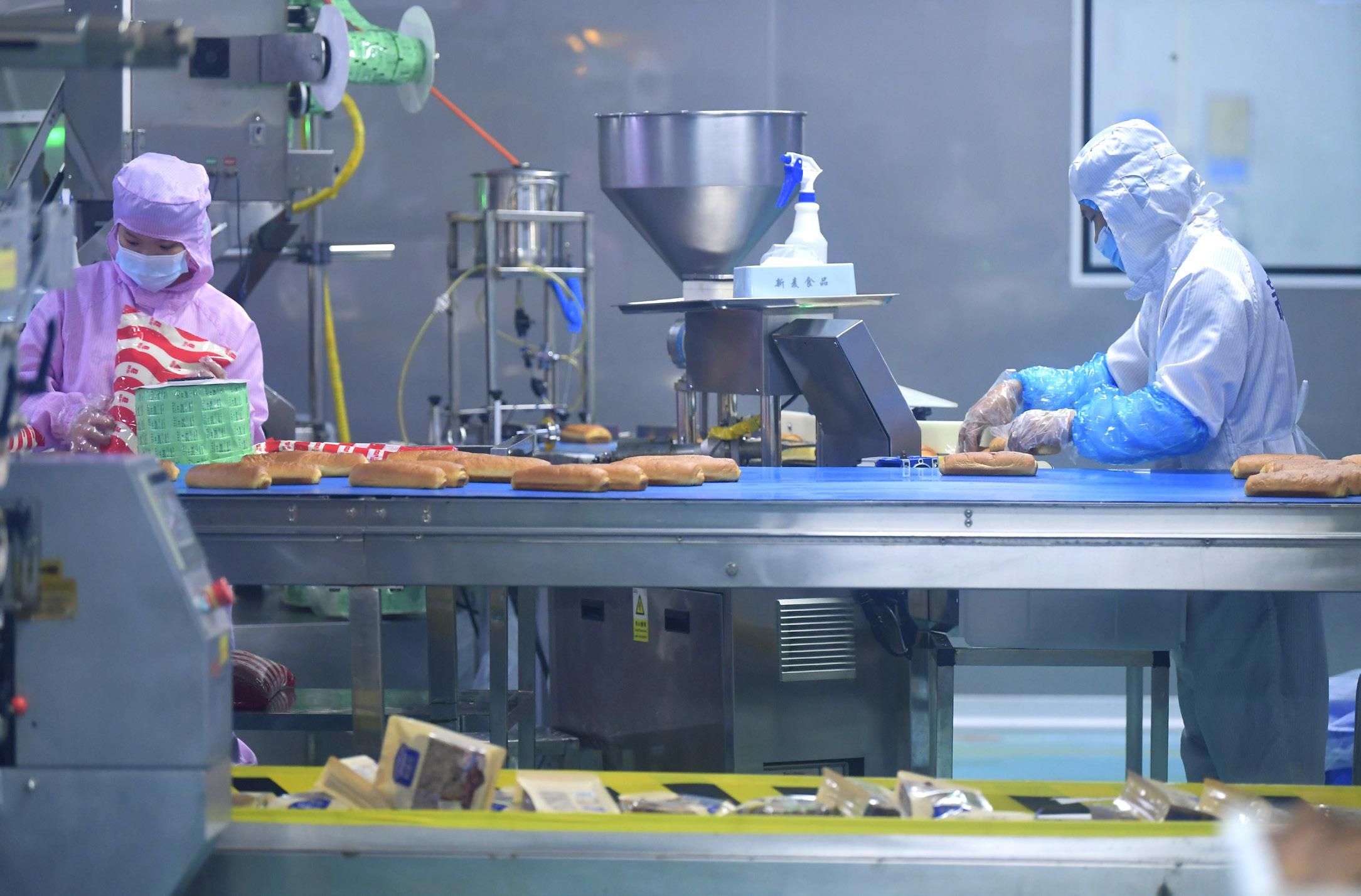
We are in the age of manufactured, high protein foods. However, these products are not necessarily the healthy versions of their normal equivalents
by Joe Toolan
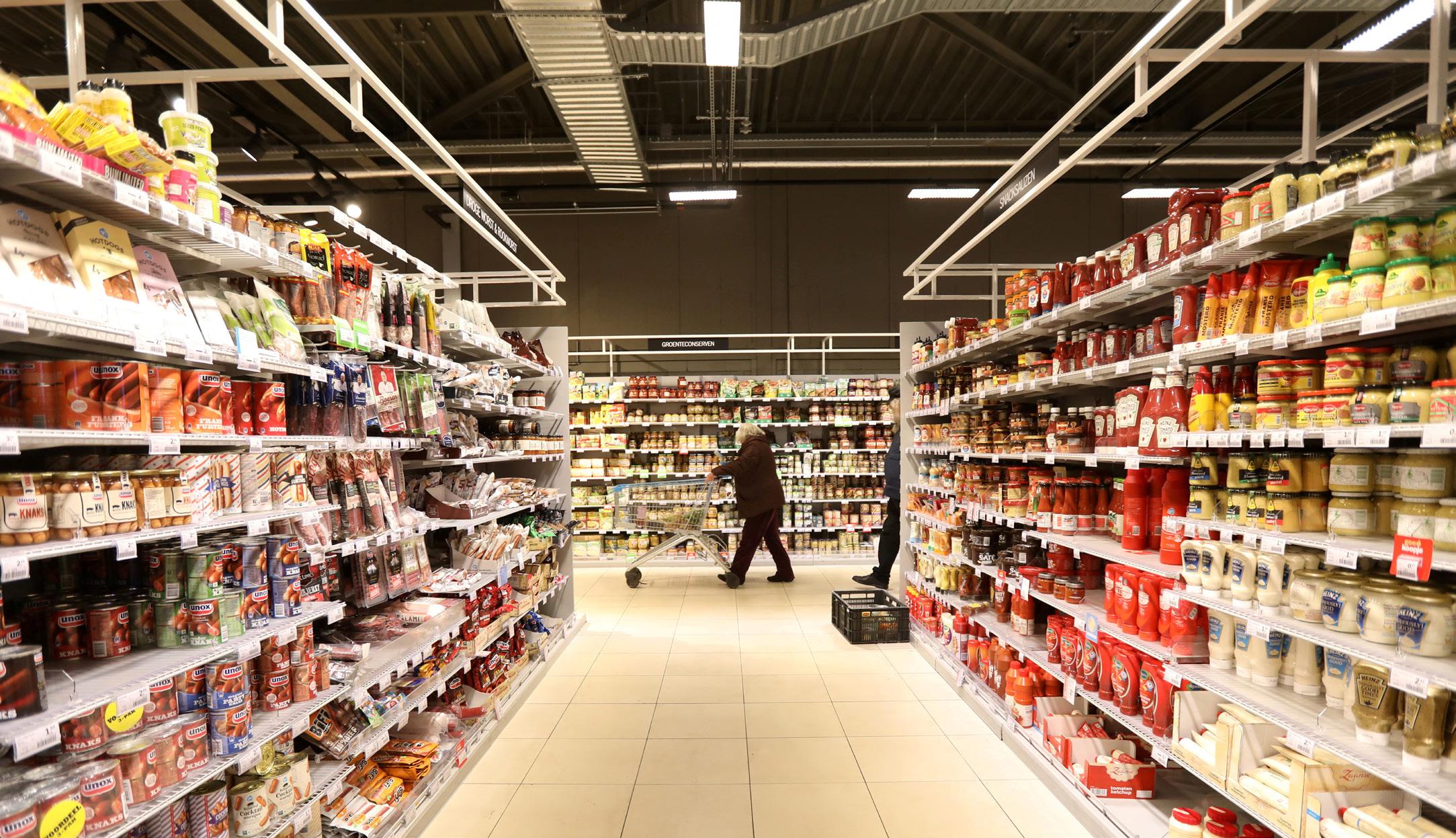
The shelves of our supermarkets are teeming with protein infused, injected and tainted foods. Everything under the sun from protein yogurts to creations like protein pasta can be found at your local grocery shop.
There is always a trend that dominates the food market of any given time period. In the 80s and 90s, following on from it was low-fat this and fat-free that dominated the market. During the 2000s and 2010s carbohydrates were attacked under the reign of the Atkins diet. Now, it’s all about the protein. There is no doubt about the importance of protein as part of a balanced diet but food manufacturers are using clever marketing tricks to manipulate the consumer.
The volatility of the food market is not a new phenomenon. Nothing shows this quite like the iconic Time Magazine covers of the era. The cover of the magazine that came out in march 1984 read ‘Cholesterol: and now the bad news’. This was at the start of the war on fat in processed foods. Then almost exactly 30 years later, in June 2014
The cover of Time read ‘Eat Butter: Scientist labelled fat the enemy. Why they were wrong.’ This took place before the rise of protein as a fad. Before this it was just an element of our diets, only of real concern to bodybuilders.
However, while fat and carbohydrates have experiences highs and lows of public opinion and vilification, protein has always had a virtuous halo. Food manufacturers seem to have realised this. There is no real risk of protein being vilified by the nutrition world and so it is an effective marketing asset for these companies.
There is a common trend of companies releasing ‘high protein’ version of familiar foods. It can be a completely new product like Khloe Kardashian’s protein popcorn, Khloud.
More often, manufacturers create a protein version of a product they already make, marketing it towards the healthy option for the dietetically virtuous consumers. This often incurs a price increase. A prime
example of this is the much loved babybel, a cheese snack popular among schoolchildren and gym goers alike. Babybel have recently released a high protein version of their flagship product, which contains 5.2 grams of protein per serving, a meagre 0.8 gram increase on the protein content of the flagship product which contains 4.4 grams. Comparing pricing at various supermarkets, the supposedly high protein version comes in at an average of 30% more expensive than the normal babybel. With a marginal difference, the juice is not really worth the squeeze especially with the higher price tag.
Marginally increasing the protein content of a product is a common tactic of these manufacturers. However, sometimes the high protein version is not even different from the original at all, with companies using loopholes to get around the rules regarding nutrition claims. In 2015, General Mills, the company that owns Cherios in the United States got into legal trouble regarding their ‘high protein’ cherios.
According to the Centre for Science in the Public Interest (CSPI) the cereal had the same amount of protein by weight as the normal version, just with a different advised serving size. It also had 17 times more sugar and their protein claims could only be substantiated when consumed with cow’s milk. Claims like this are not only misleading and unethical but unfortunately very common.
It hurts our pockets and our diets.The high protein, supposedly healthier version of sweet treats are the worst culprits.

A protein is a large, complex molecule made of one or more chains of amino acids, which are required for the structure, function, and regulation of the body's tissues and organs. One of the three main macronutrients
These snacks are often nothing more than junk food masquerading as a diet conscious snack. Weider Cookies are a popular and widely available snack marketed as a healthy alternative to a standard cookie. Yet for the 22 grams of protein in the cookie, you will consume a whopping 411 calories,
18 grams of sugar and 19 grams of fat! While there is nothing inherently wrong with this, the world is filled with calorific sweets which are there to be enjoyed as part of a balanced diet. However, this cookie is marketed as a health food. On their website they advise to ‘carry it with you in your rucksack to avoid the temptation to eat unhealthy food.’
There is nothing wrong with having a treat, but This kind of marketing blinds the consumer and fools them into thinking that these foods are healthy. In reality, the only thing it has going for it is the protein content, it is certainly not a health food as it is marketed. The processed food market is known for its trickery and clever marketing. Its approach to protein is no different.
The protein craze is not about health, it is about profit margins. Consumers need to be aware of these tactics as to not be fooled by flashy tags and expensive marketing campaigns.
Perhaps not everything needs to be high protein. A cookie can just be a cookie and enjoyed guilt free, without being worried about the protein content.
If you do want to increase you protein content, don't be fooled by the marketing of over processed foods. Just eat real food! Perhaps it's about time whole foods had their time in the limelight.
The parasocial reality that lurks behind the light and glimmer of the Roma Film Fest as celebrities make their fleeting appearance
by Salvatrice D’Anna Campo
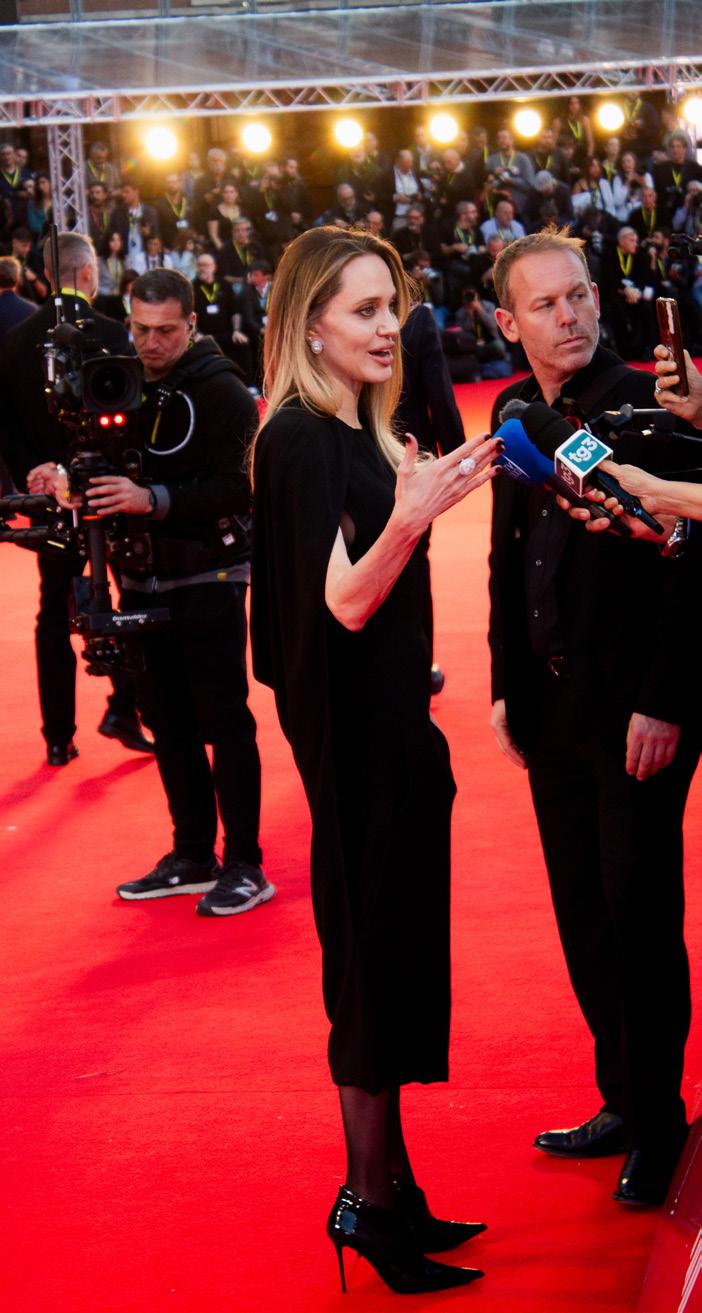
The Auditorium Parco della Musica hummed with energy on a bright, sunny afternoon. The smell of popcorn floated through the air as crowds of festival goers, staff, and journalists moved quickly through the packed venue. Turning a corner, the red carpet came into view; long, glittering, and impossible to ignore, placing the spotlight on the parasocial spectacle that takes centre stage.
The Roma Festa del Cinema is an international film festival held annually, typically in mid-October, in Rome, Italy. The week-long cultural event showcases a new and diverse selection of Italian and international films, ranging from fiction and documentaries to animated productions, while also celebrating the rich history of cinema.
The heart of the festival is the Auditorium Parco della Musica, which features the world’s longest red carpet. However, the
spotlight isn’t on the celebrities who stroll its length, but rather by the sidelines, where the crowds invest their time and energy, bicker with strangers, all for the hope of a fleeting moment in which they might be noticed by their idol.
On October 18, people began to line up throughout the red carpet hours before the arrival of American actress and global A-list celebrity, Angelina Jolie. One woman had secured a spot closest to the rope line by arriving more than three hours early. At one point, she frantically called her partner, irritably lecturing him to arrive as soon as possible, as she had been saving a spot for him and the crowd was beginning to swell.
Eventually, the partner arrived, eagerly charging toward the front, radiating a sense of entitlement. Almost immediately, he began arguing with the man behind him, who had said, “Don’t push people.” Like a kettle about to boil over, he snapped back, “Oh yeah? Why don’t you call security then, go ahead.” His girlfriend, trying to shrink into herself.
Tensions with the surrounding crowd began to settle, but the couple remained on high alert, completely enthralled in planning how to position themselves for the perfect photo with Angelina Jolie.
“No, we’re way too squished, there’s no way it’ll come out good,” the woman said,
glancing around nervously. “I’ll lean back and take it on the 0.5 setting,” he replied, already opening his camera. He held it up to show her an example. “See? Don’t worry, it’ll work.”
As time passed and the actress’s arrival became imminent, masses of people flooded in, and personal space vanished, everyone packed together like sardines in a can.
Finally, the moment arrived. Everyone whipped out their phones to record as she stepped out of the vehicle. Her calm energy and delicate smile contrasted sharply with the crowd pressing against the rail, pleading, “Angelina, please, over here!”, some even breaking down in tears. Yet the couple, and many others, were left behind, unnoticed and without even a glance.
As the last flashes of cameras faded and the crowds slowly dispersed, the real story wasn’t the celebrities walking the carpet, but the restless energy of the fans; their hopes, frustrations, and the complicated emotions behind it all. It’s not that celebrities blatantly neglected them; it’s the nature of a parasocial relationship. The fans feel a false sense of familiarity, a belief that their idol knows them, even though, in reality, that person has no idea they exist. Behind all the glamour, that’s the hidden tension at the heart of Roma Film Fest’s red carpet. ■
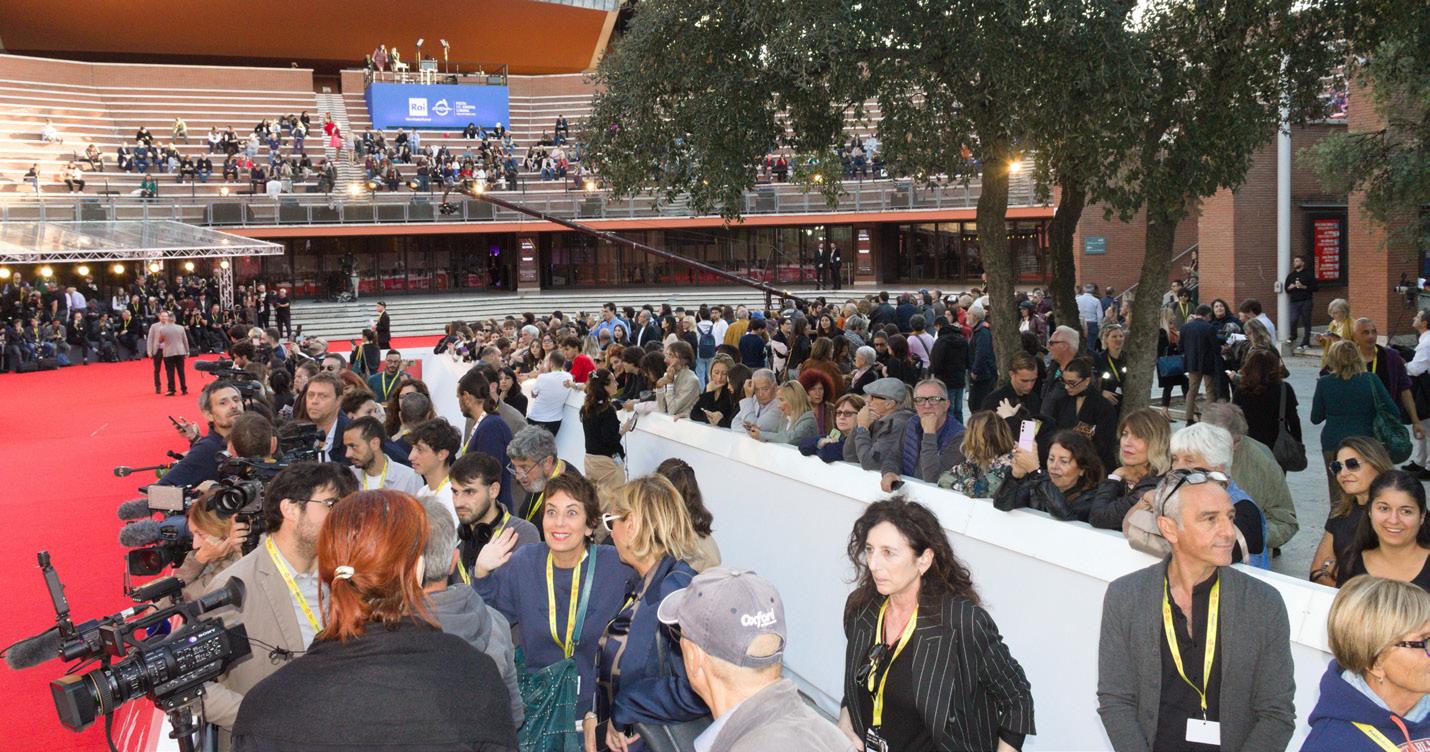
The Festival's free exhibitions told the story of Italian cinema's roots in Rome, yet they are under threat from the government's recent funding cuts
by Dylan Browne-Wilkinson FILM
The 20th edition of the Rome Film Fest came to a close at the Auditorium Parco della Musica on October 27, 2025, amid international stars and new releases. Yet the celebrations were overshadowed by the government’s announcement of funding cuts for the audiovisual sector, casting uncertainty over its future.
Over the years, the festival has built a tradition of bringing together cinemas and cultural spaces across Rome by coordinating free events. This year, it organized exhibitions throughout the city to tell the story of Italian cinema, whose roots lie deep in the capital itself.
From Garbatella to Pigneto, partner cinemas hosted exhibitions in the very heart of the city. On Via Veneto, the boulevard linking Villa Borghese to Piazza Barberini, red carpets stretched down both sides for the free exhibition “Franco Pinna: Fellini on Camera!” As guests enjoyed the festive atmosphere, they stopped to admire photographs celebrating one of Italy’s most iconic directors. Among them was Beatrice Noun, a French tourist visiting Rome on a short holiday, who said the exhibition “offers a great overview of his work and of Italian cinema.” She added that it was “a good way to understand the filmmaking process, the actors, and the people involved,” and that she found it
wonderful “to walk around and experience the city and its culture.”
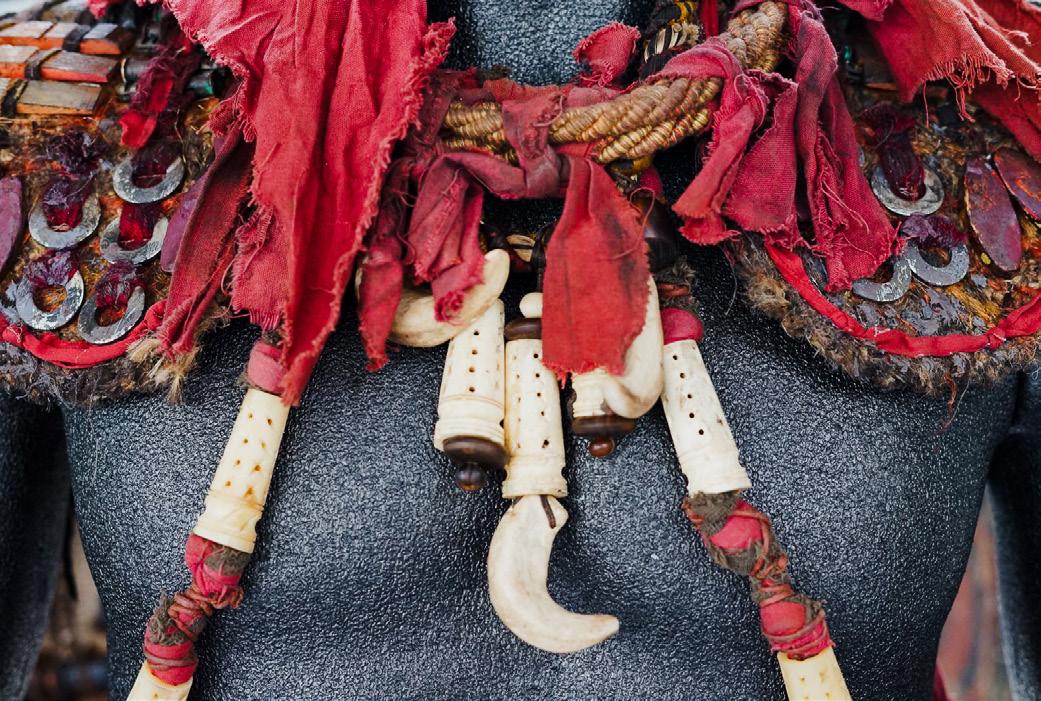
This year also saw the presentation of the remake of Sandokan, a television series set to premiere on RAI 1 on December 1, 2025. To mark the occasion, the festival coordinated a free exhibition in the courtyard of the MAXXI Museum, showcasing the show’s costumes and sets. The production designer, Luca Merlini, explained that “last week we presented the series to the world, and we decided to build the Sandok and Shikki boats just for the festival.” He noted that the costume designers were two talented professionals and that “the beautiful thing is that every detail is made with everyday objects.” Costumes inspired by the peoples of Malaysia, for instance, were decorated with clothespins, wall plugs, and metal spacers. Against the contemporary backdrop of the MAXXI, there was no more fitting place to celebrate the reimagining of an Italian story in a modern context.
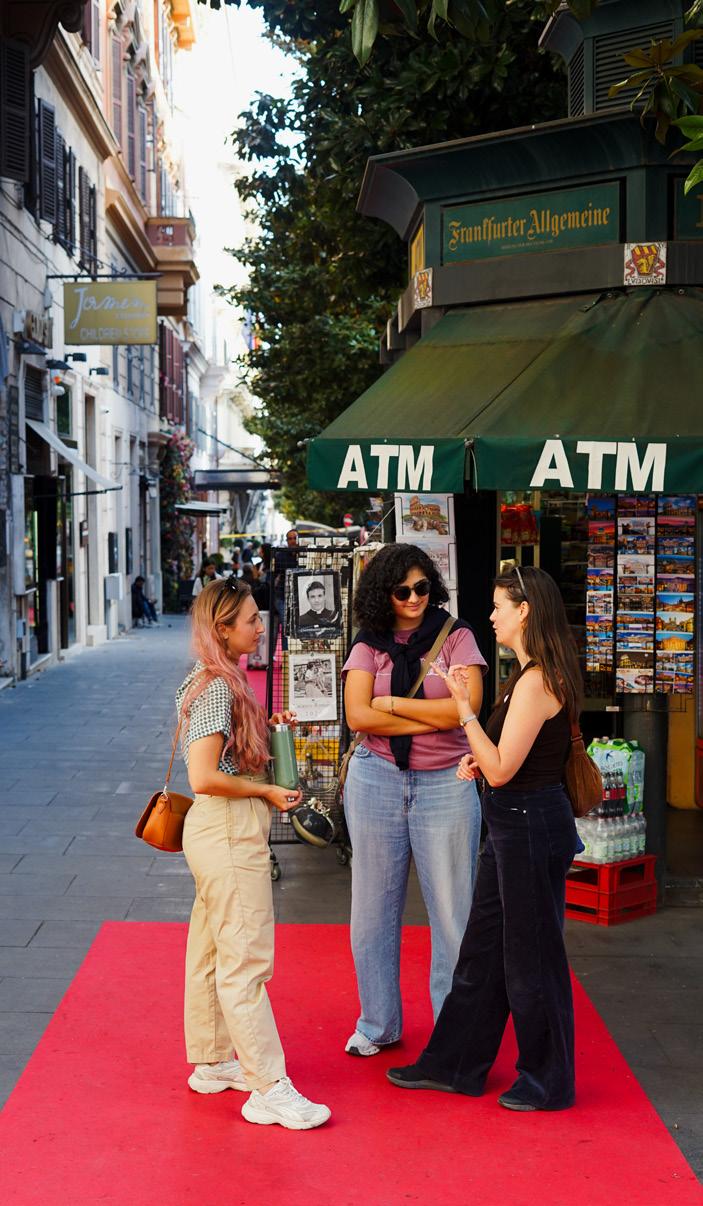
While these exhibitions informed and delighted the public, a growing sense of unease is spreading among film professionals in Italy. Last week, the Manovra 2025, the government’s annual budget law outlining fiscal measures for the coming year, announced cuts that have alarmed the audiovisual community. The Cinema and Audiovisual Fund is expected to face a reduction of about €450 million over the next two years, with allocations of €190 million in 2026 and €240 million in 2027.
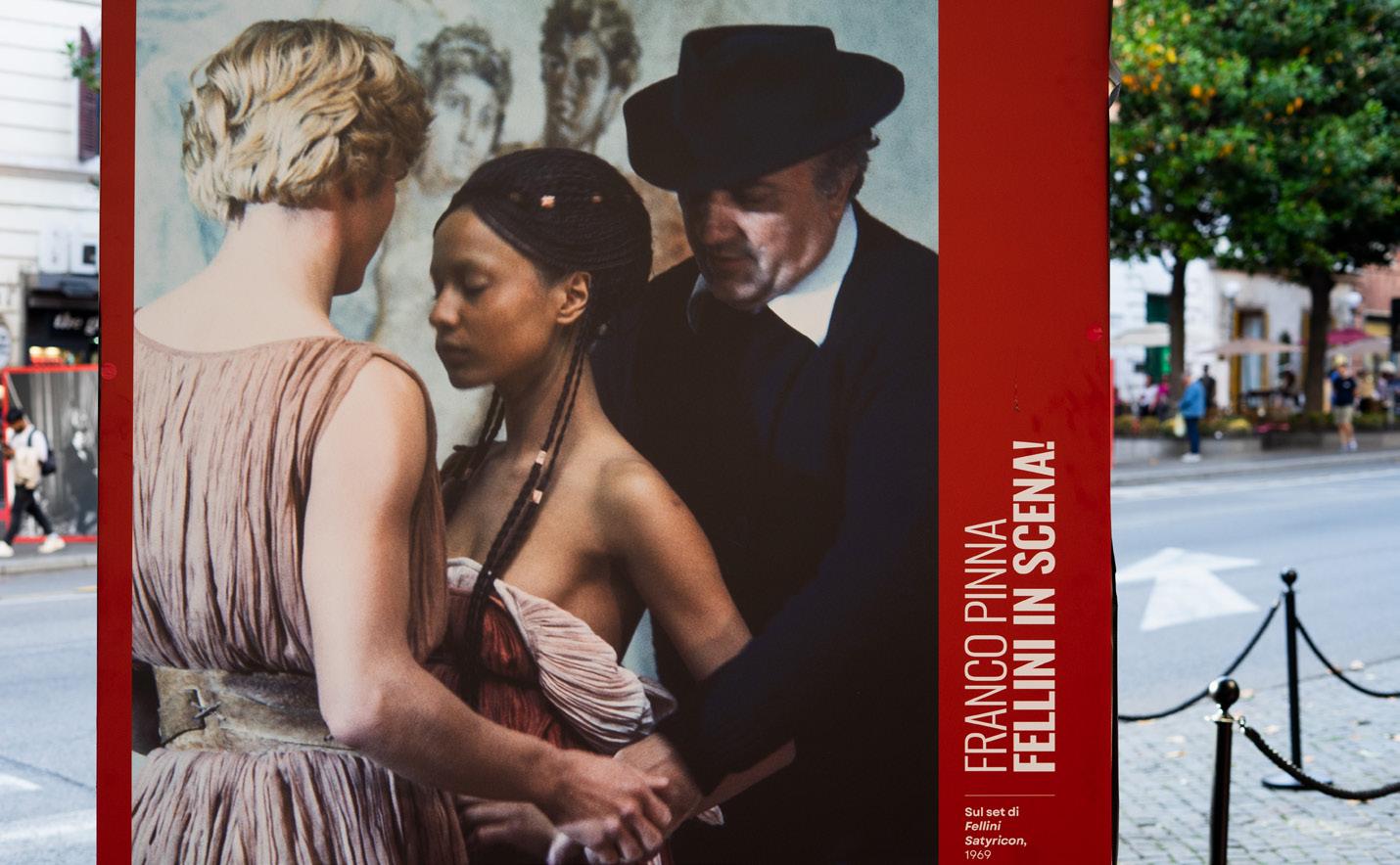
“This way, no fertile ground is created for culture, and thousands of skilled workers who have lived off cinema all their lives are left jobless,” said Mirko Platania, a film editor based in Rome. He warned that the cuts will slow the growth of young professionals in the sector, leaving space only for larger companies. “Unfortunately,” he added, “events like the Rome Film Fest aren’t enough to ensure steady growth and a lasting passion for cinematic storytelling.”
Even though the festival celebrated the strong, diverse, and creative tradition of Italian cinema, its closing night was marked by growing concern for the industry’s future. If the cuts are confirmed, thousands of workers, screens, and communities are at risk. If confirmed, the Rome Film Fest itself could lose touch with its roots. ■
The film fest breathes life into the eternal city, serving as a poignant reminder of the power of culture in renewing our connection to history and each other IMAGES
by Salvatrice D’Anna Campo and Dylan Browne-Wilkinson

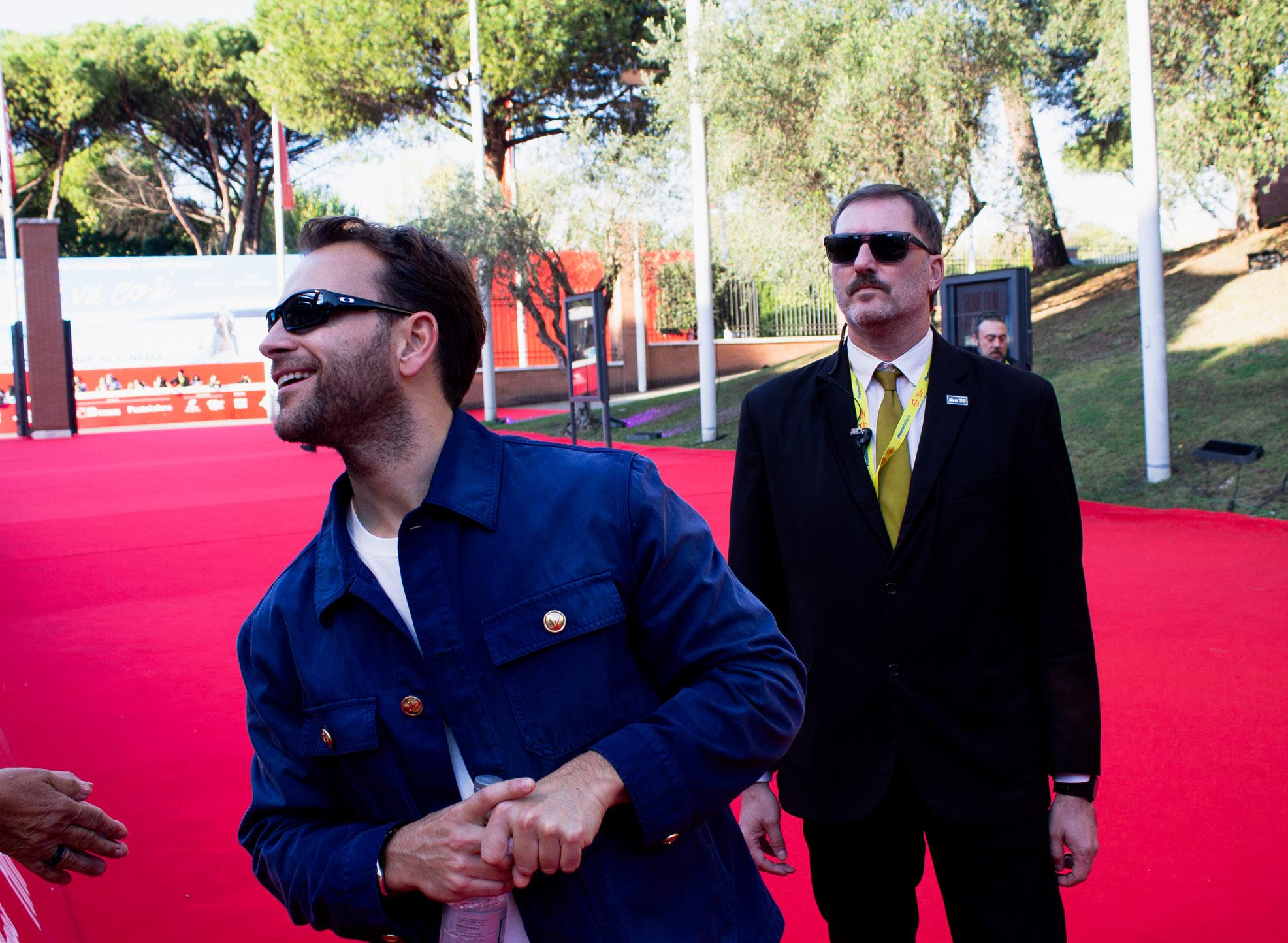
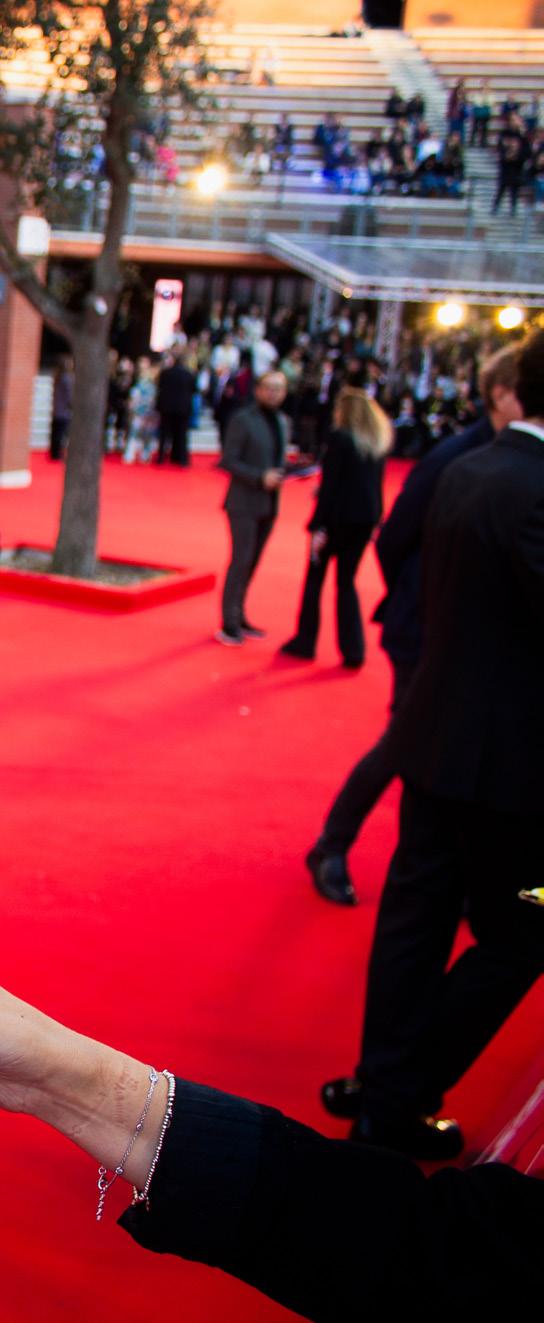

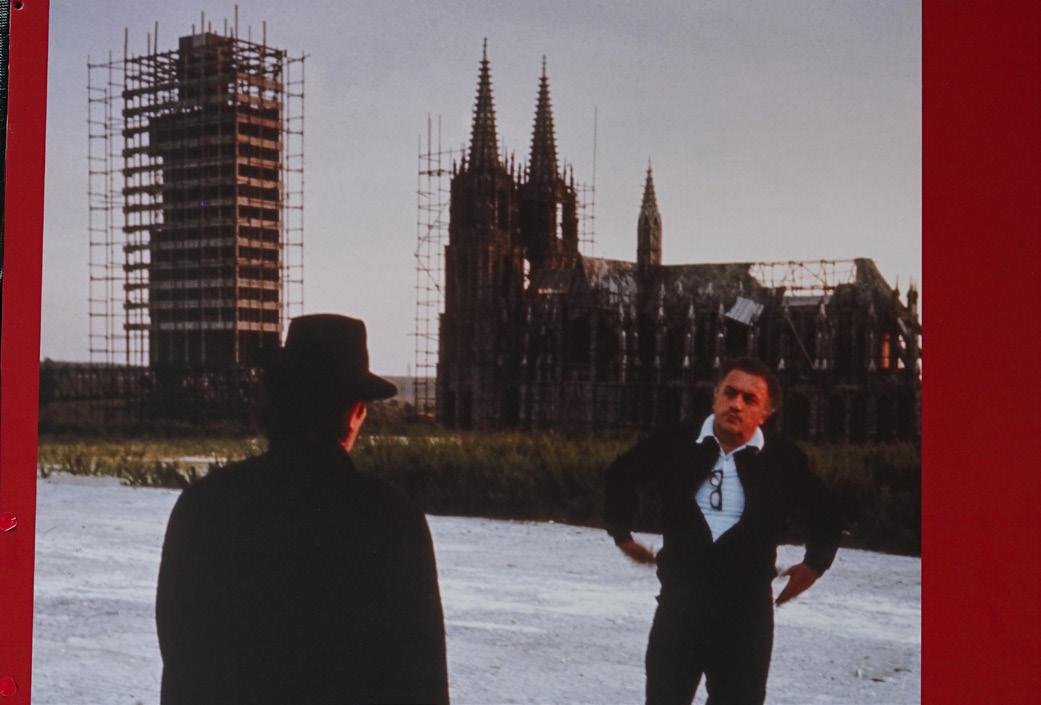
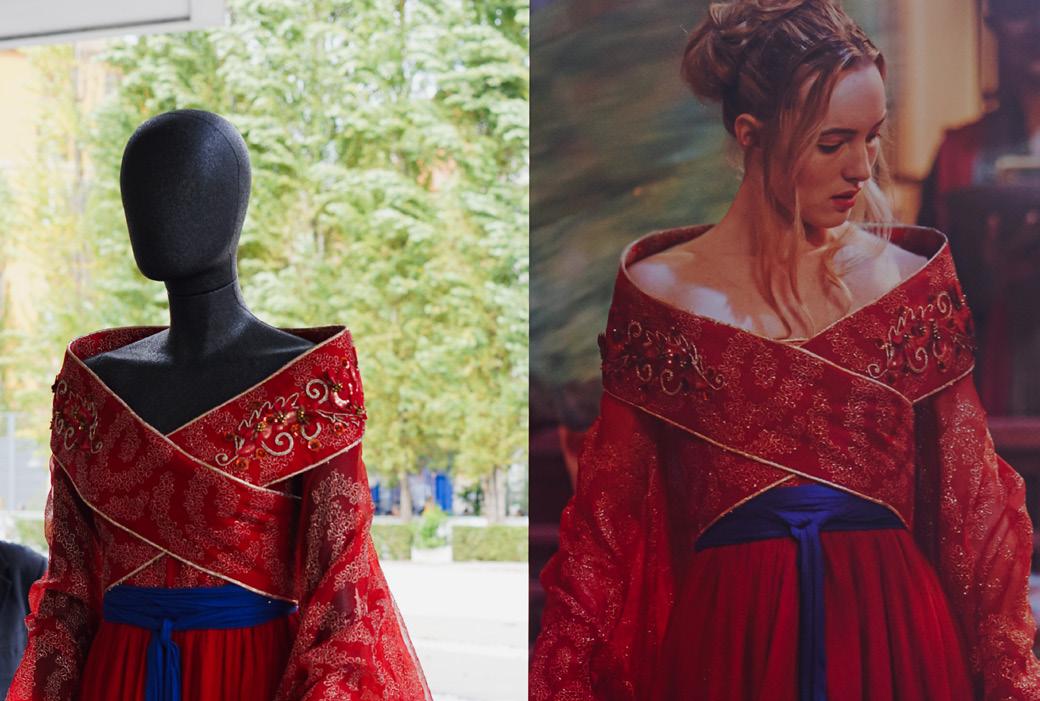
1. American Actress Angelina Jolie on the red carpet for the film Couture, directed by Alice Winocour
2. Italian Actor Alessandro Borghi on the red carpet for the 10th anniversary cult film Non essere cattivo, directed by Claudio Caligari
3. Sudanese actress Anyier Anei on the red carpet for the film Couture
4. Italian director, Federico Fellini, on the set of the documentary Fellini: A Director’s Notebook
5. Costume of a Malay warrior worn in the reboot of the Italian adventure story Sandokan
6. Red dress worn by British sctress Alanah Bloor, who plays Lady Marianne Guillonk in Sandokan
Milano-Cortina
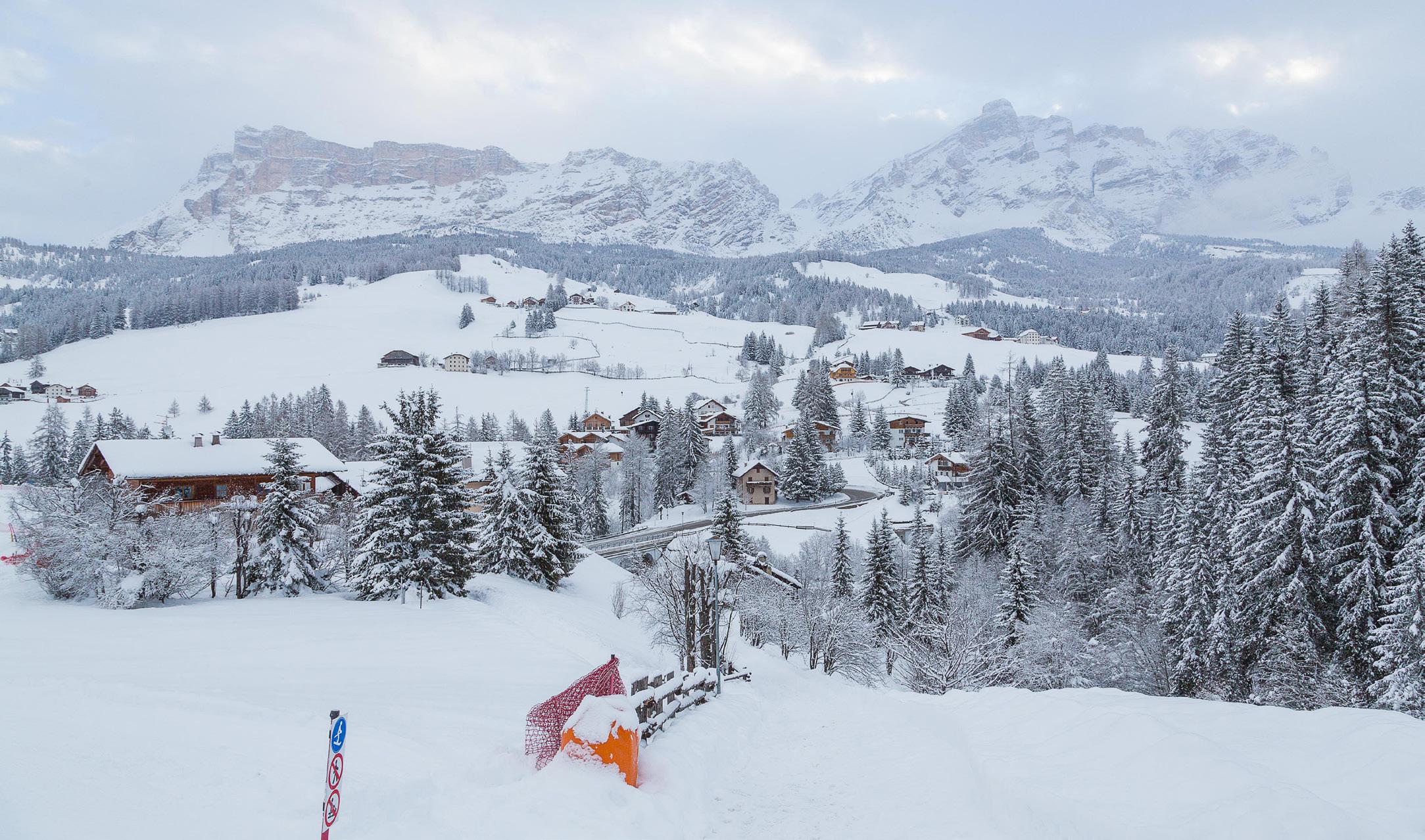
2026, held 6-22 February, prioritizes reusing venues and upgrading existing infrastructure to be enjoyed by local communities for years to come
Described as the most geographically widespread Olympic and Paralympic Games ever organised, the Milano-Cortina 2026 edition is making history before it has even begun.
“We can already understand it from the name, Milano-Cortina; it’s the first time ever that the name itself consists of two locations,” says Michele Antonelli, sports journalist for Adnkronos. With fewer than three months remaining until the opening ceremony in Verona, preparations are still underway.
“Because the Olympics were awarded to Milano-Cortina in 2019, we effectively had two to three years less to prepare, due to the period affected by Covid,” explains Marina Claoti, sports coordinator for Milano-Cortina 2026 in Livigno.
in the host areas, however, are noticing changes. “For a couple of years now, they’re working on the railway, because they’re planning to increase the number of departures during the Olympics. It was quite old, so it’s good that they’re doing renovations,” says Cristina Maspes, a resident and clothing store owner in Sondrio, a city in Valtellina in Lombardia.
The city of Milan is also experiencing positive developments. “The Olympic Village in Milan will become a student residence after the competitions, with rooms available at low cost,” notes Antonelli.
by Elin Kaasa
Nonetheless, the strong emphasis on sustainability and the reuse of existing facilities has reduced the need for extensive new construction. Local residents
Julien – a pseudonym adopted in accordance with his employer’s rules on press inquiries – is working with security for indoor venues in Milan. He highlights the long-standing demand for improved sports infrastructure in the city, which preparations for the Games are now helping to meet. “In the south of the city, there’s an area being built to host ice hockey events. This is a valuable legacy for resi-
dents after the Games”, Julien explains. Apart from the new ice hockey venue, all the other competition facilities in Milan already existed, some of which are now being upgraded. “Olympic requirements are usually a bit more demanding than, for example, those for national competitions in Italy, so we improve the venues to comply with security or sporting standards set by the International Olympics Committee (IOC),” says Julien.
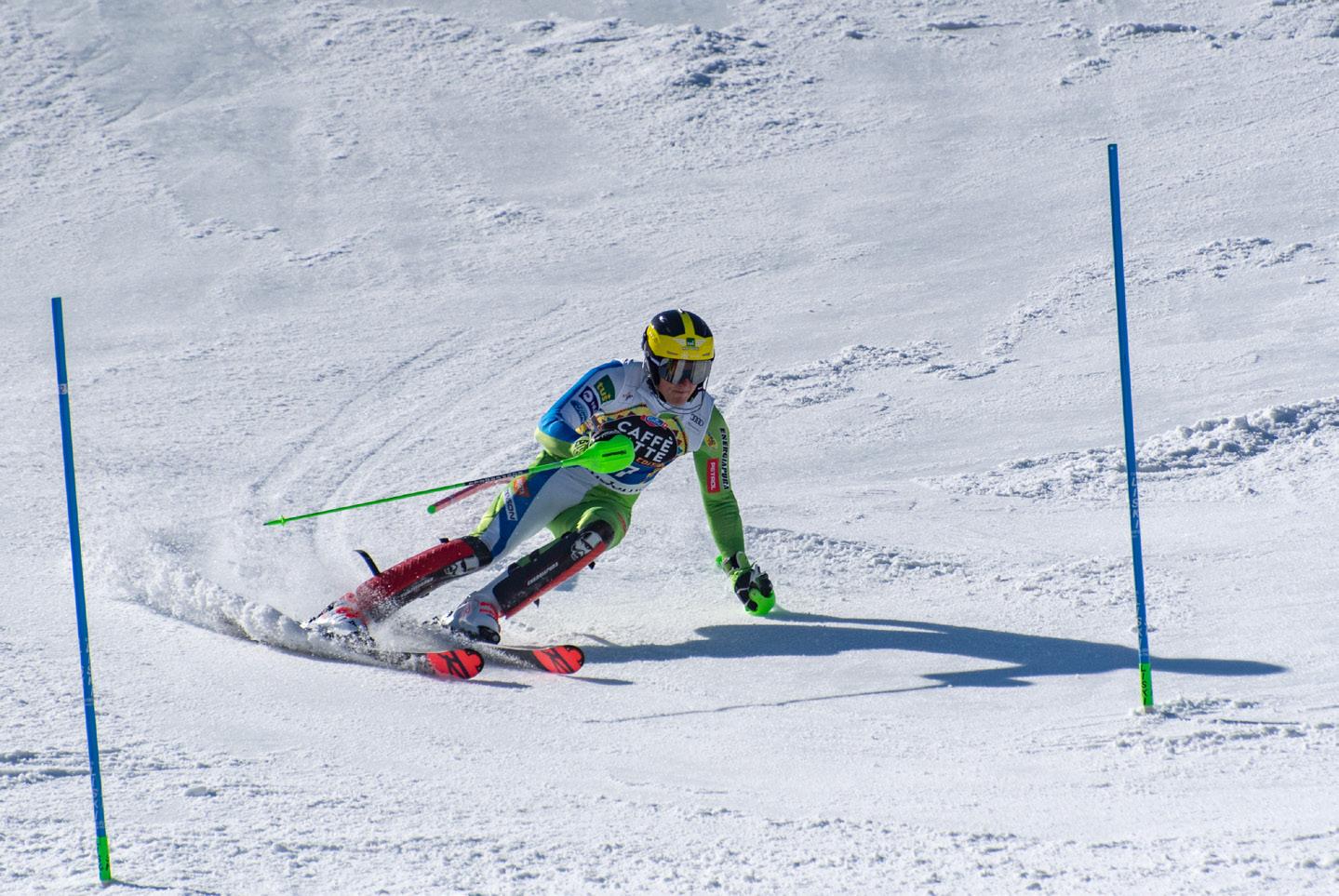
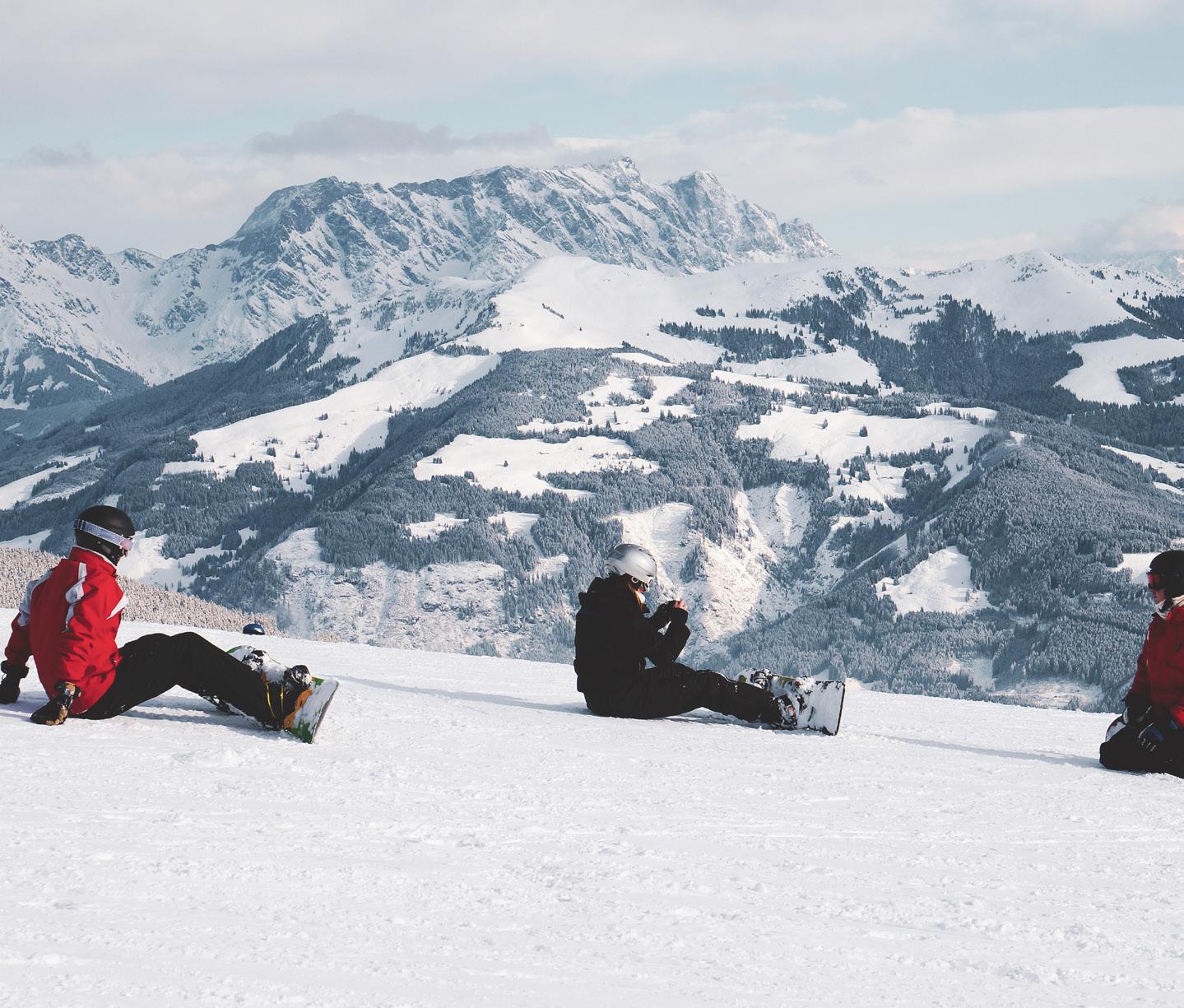
In Livigno, where the snowboard and freestyle events will take place, Claoti
emphasises the positive aspects of the accelerated development of infrastructure and other services. “It’s an opportunity to accomplish in five or six years what might otherwise have required thirty. Thanks to the Olympics and additional funding, the radiology department in the town’s emergency room is being expanded and existing facilities are being renovated. Since Livigno is a sports town, we experience a lot of accidents. A renovated and efficient emergency room allows us to cover crucial services,” she explains, before adding: “There’s also a new muni-
cipal operations centre being created for the firefighters, the rescue team and the local police.”
In addition to the significant longterm legacy, she points to the positive aspects of reusing existing infrastructure. “Instead of allocating new land to construct an Olympic village from scratch, we are using existing hotels,” says Claoti. Milano-Cortina 2026 is frequently described as the first Winter Olympic and Paralympic Games planned entirely under the Olympic Agenda 2020 principles – a set of recommendations adopted by the IOC in 2014, aimed at safeguarding Olympic values, including those related to sustainable development. “Distributing the events across a wide region facilitates the reuse of sport centres and arenas. It also supports organisational, logistical and sustainability objectives,” says Antonelli. There are, however, differing perspectives. “With long distances between venues, I think it will be impractical for spectators who want to attend multiple disciplines,” observes Ragne Wiklund, a Norwegian ice skater who is planning to participate in the 2026 Winter Olympics.
Upgrades on the railway and shuttle buses provided by the organisers are, however, initiatives implemented to ease the need for travelling. “Visitors will have to leave their private vehicles in a parking lot near the entrance of the town, then they can use Olympic public transport to reach the final destination of the venue”, says Claoti. She continues: “Residents and workers can get accredited for a pass free of cost, to enter certain zones by car”. The accreditation of passes is a necessary security measure to control the flow of people into the towns, but it might represent an obstacle for some residents.
Various viewpoints from the local population have been taken into account during the preparation phase. “We’ve held open, public meetings, which we prefer to surveys because they allow citizens to ask questions directly and receive immediate answers from the administrators responsible for the project. By doing so, we get to the bottom of the matter”, explains Claoti.
According to her, there has not been a notable dissatisfaction in the local community. “It’s all pretty calm. The only thing that caused some controversy, was when some trees were cut down,” she says. She adds: “In my opinion, the population is happy because of the great legacy the Games will leave behind”. ■
In Rome, the most visible and passionate cultural script is painted directly onto the walls, showcasing the colors and legends of Associazione Sportiva Roma (AS Roma)
by João Kerr
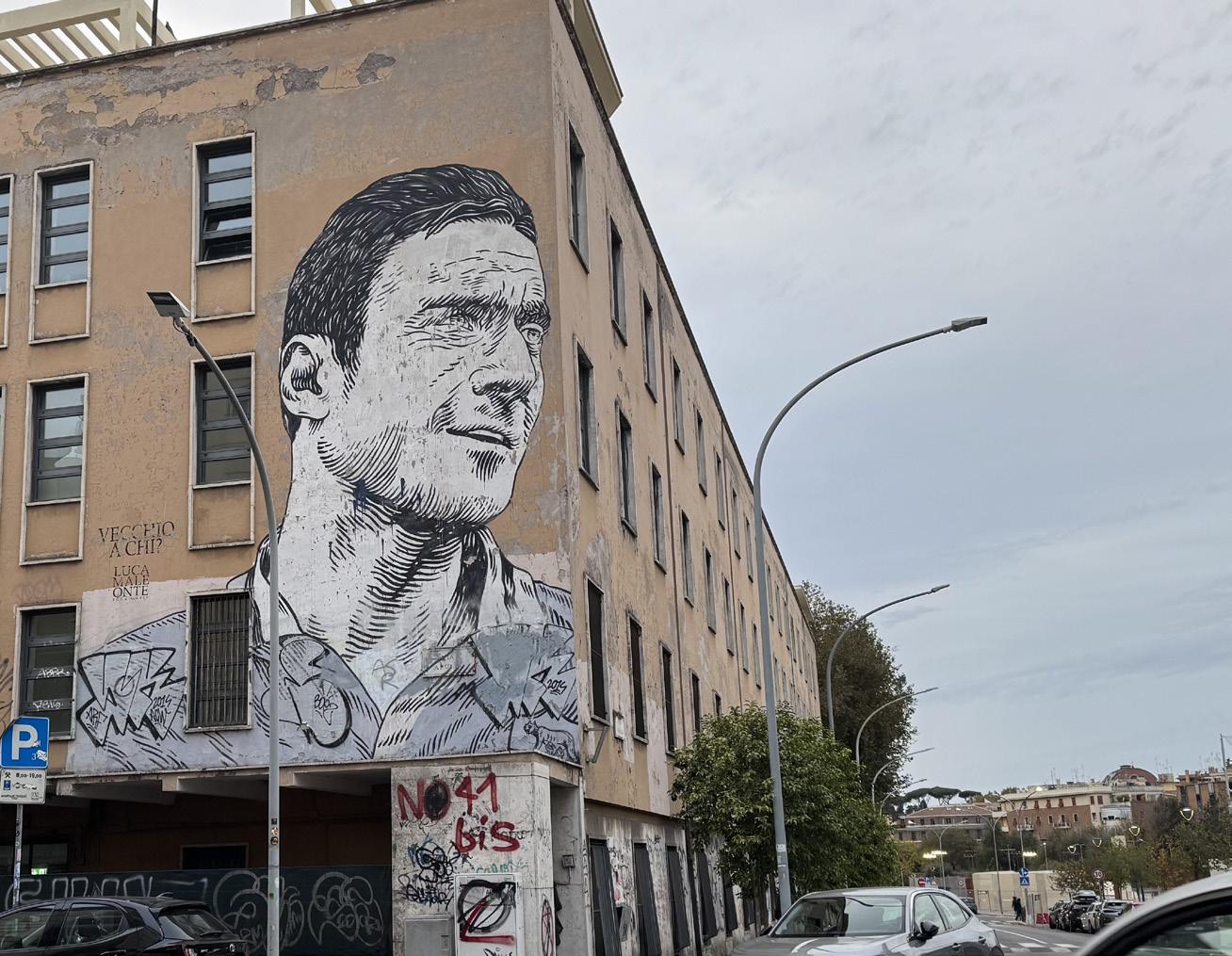
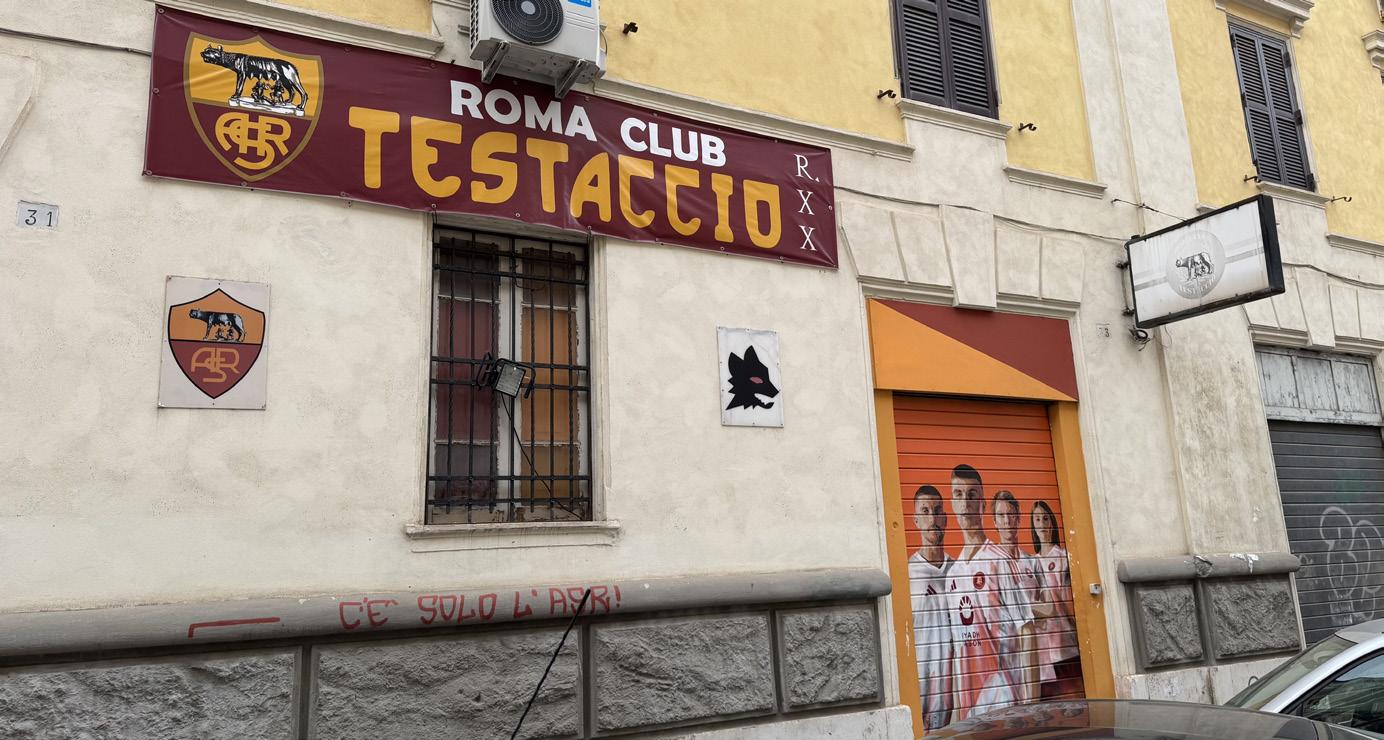
the heartland and the Wolf
Totti: the monument to loyalty
The scale of Francesco Totti’s legacy is physically stamped onto the city walls. The most monumental tribute to the former captain is the giant mural in the San Giovanni district, on Via Apulia. This powerful work cements his status as the defining symbol of club loyalty. As fan Delfina stated during a visit: “He definitely deserves it. A man who dedicated his career to this club, was loyal and always showed passion”. Totti’s image is not limited to size. The historic photo from the 2001 Scudetto victory is still represented with a painting in Via della Madonna dei Monti in the Monti district.
Testaccio is the undisputed historic heartland of Romanismo. Here, murals function as outright territorial claims. The monumental “Jumping Wolf” by Belgian artist ROA, located on Via Galvani, confirms this. Though the wolf is the general symbol of Rome, its placement in Testaccio transforms the towering artwork into an unmistakable Giallorossi territorial emblem. The fanbase actively curates its history within these walls. Inside the Roma Club Testaccio, one of the most traditional clubs for Roma fans, the “Figli di Roma” (Sons of Rome) painting honors four legendary captains. Club member Simone noted the intentional curation of time: “We chose four of the biggest captains in Roma history. Two from recent times, but also one from the 1990s and one from the 1980s”.

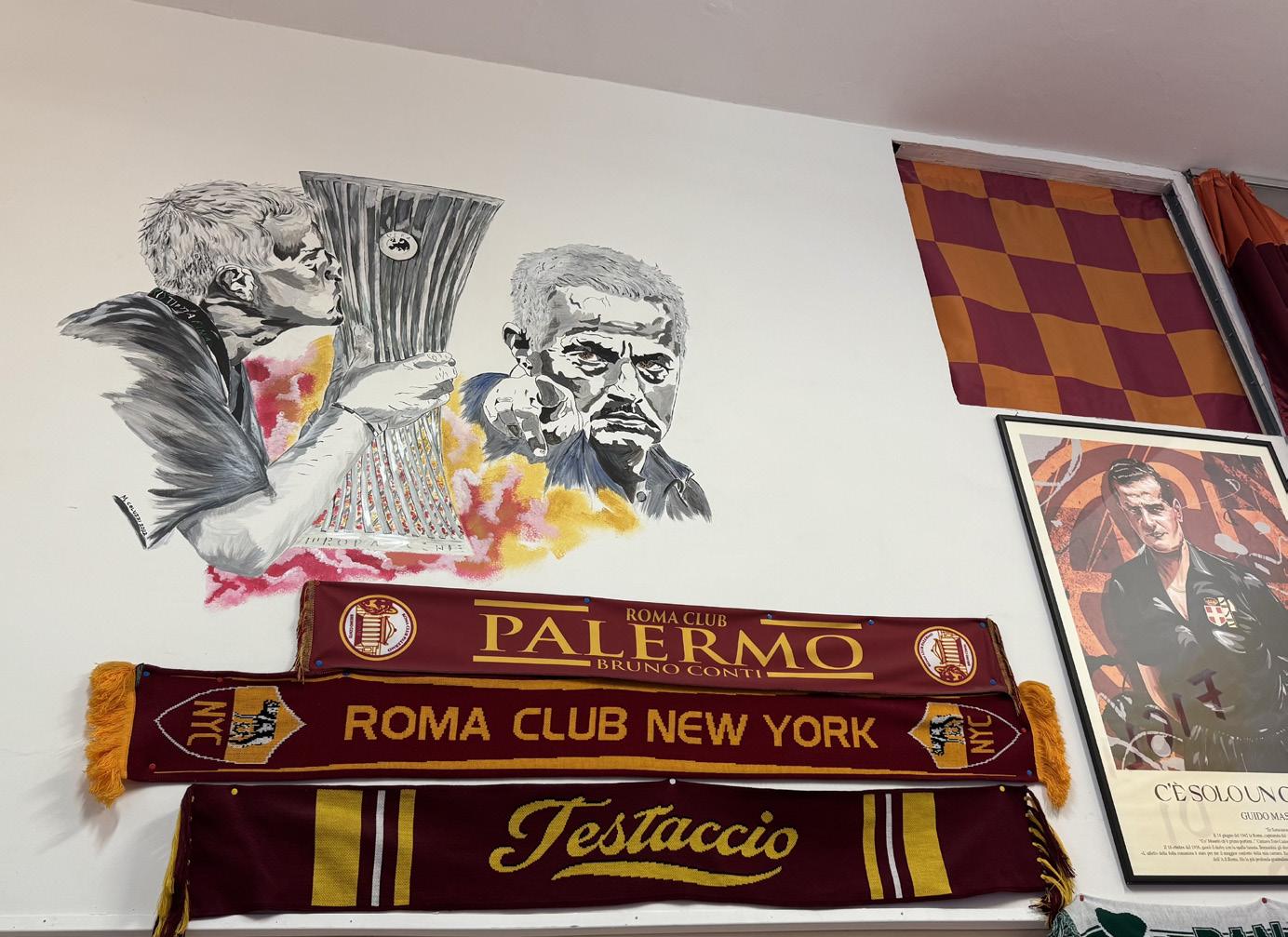
The Ironman of Ostia
Daniele De Rossi (DDR), the locally born “protector of Rome,” is honored with the “Ironman” mural on Via Dei Capocci. More defining is the mural in his birthplace, Ostia, on Via delle Baleniere. It proudly featured the line: “Vanto di Ostia, simbolo di Roma” (Pride of Ostia, symbol of Rome). Murals also reconcile collective trauma. Following the Conference League win, the elusive artist Laika1954 created a powerful stencil in Testaccio. It depicted current captain Lorenzo Pellegrini holding the trophy aloft on the shoulders of Agostino Di Bartolomei, the captain of the team that suffered the devastating 1984 European Cup final loss.
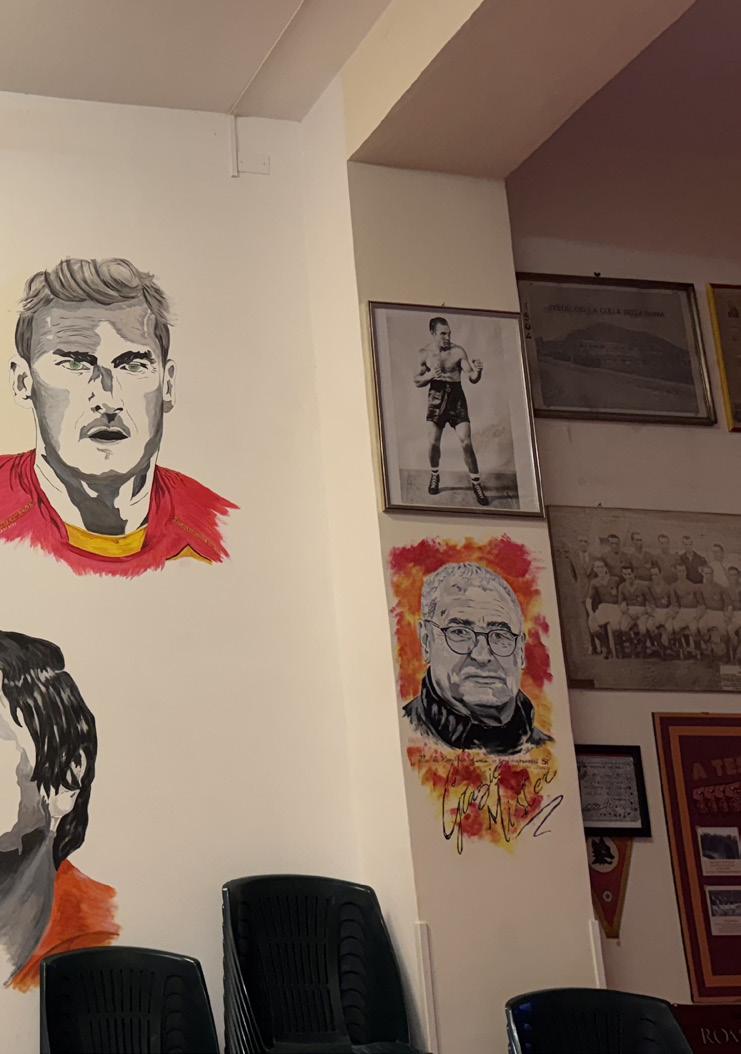
Street art instantly absorbs international figures, assimilating them into the Roman cultural framework. When Portuguese manager José Mourinho arrived, Roman artist Harry Greb immediately recast him as a local icon. Greb’s first, most famous piece, “Lo Specialone,” appeared overnight in Testaccio on Via Pietro Querini. It depicts Mourinho on a Vespa, scarf around his neck, styled after A Roman Holiday. Greb explained his welcome gesture: “I imagined him as a Roman on his Vespa, scarf around his neck, ready to bring satisfaction to the Giallorossi fans”. Greb followed this welcome with “Ave Mou” after the 2022 Conference League triumph. He portrayed the manager “as a Roman emperor in armor, with the cup in the other hand”. By installing it at the Circo Massimo, Greb instantly placed the modern victory in a sacred, ancient context, which is exactly where Roma fans celebrate titles and important victories.
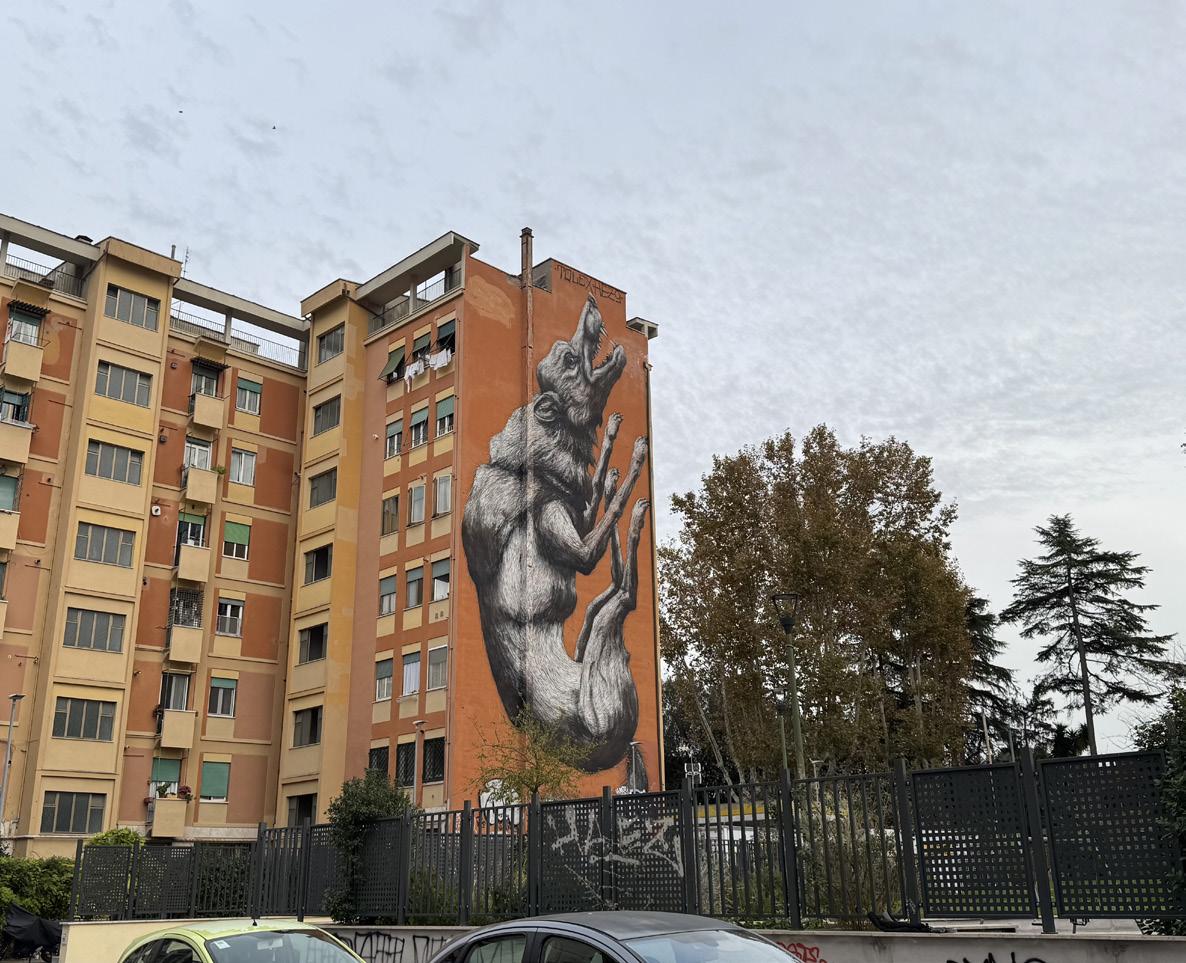
AS Roma murals are not permanent; they exist under the rigorous “law of the street,” where their visibility is a constant challenge to rival groups. Vandalism is the front line in a “war for the cities’ walls” where rivals attempt to erase opposition claims However, even in intense conflict, a code exists. When the memorial for fan Antonio De Falchi, (Roma fan who died in 1989, after being beat up by AC Milan supporters) was defaced, the core Lazio fan group, the Curva Nord, publicly condemned the act. They deemed such actions “infamous” and took the extraordinary step of arranging and paying for the mural’s immediate restoration. This self-policing established a powerful moral boundary: while the rivalry is aggressive, respect for memorial art is absolute. The vibrant, defended, and continuously restored murals of AS Roma are the truest historical documents of Romanismo today. Writing on Rome’s walls is an ancient tradition now used to express the club’s fierce identity, beating in red and yellow.
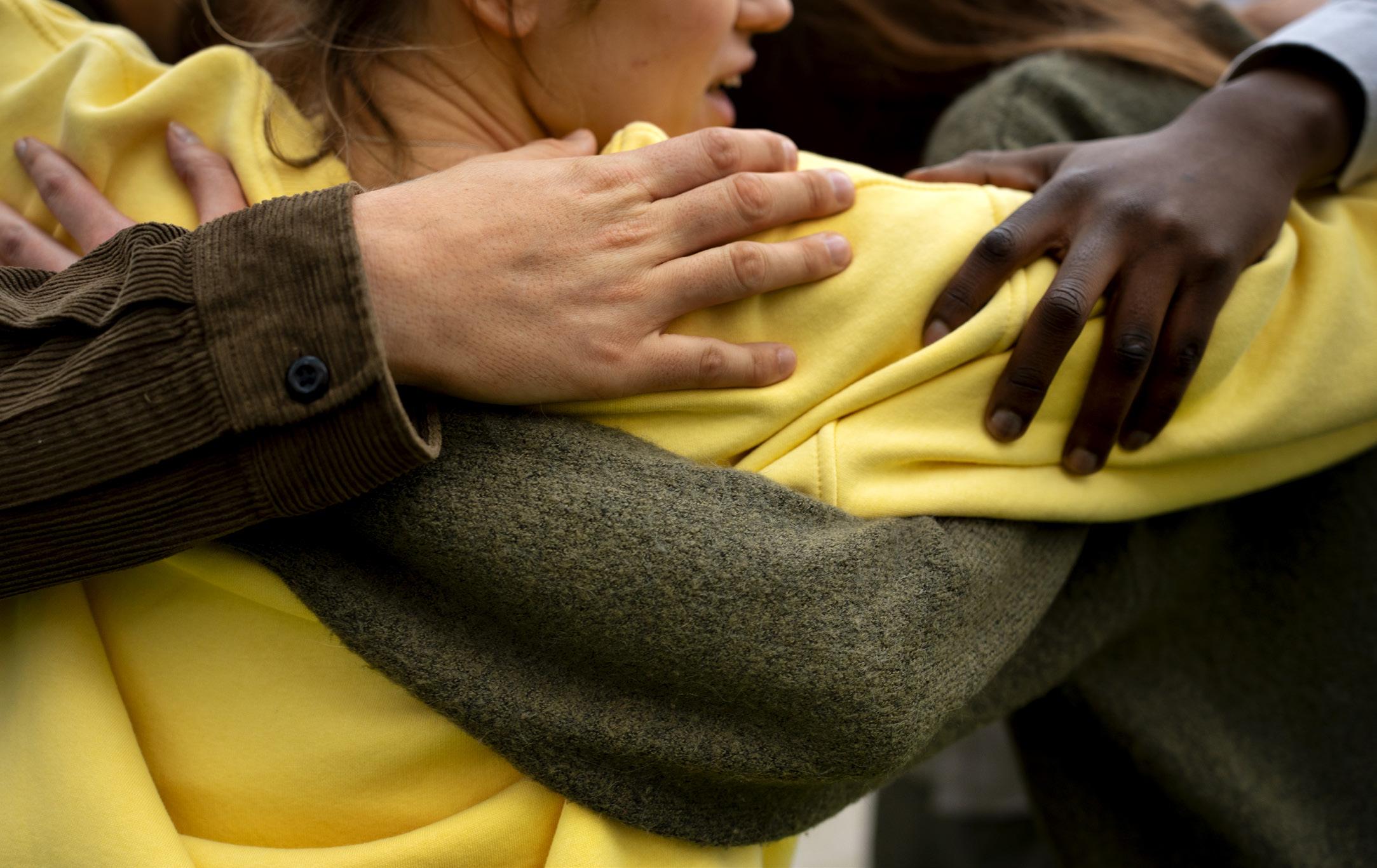
TIME4 is an innovative Italian platform designed to restore and strenghten community bonds by encouraging human interactions and mutual support
We can order dinner, call a taxi, or find love with a tap, but when it comes to asking for real, human help, there’s still no app for that.
TIME4 was created to fill that void, an Italian platform that turns free time into a gesture of solidarity, transforming hours into connections and support.
It’s not about money but about rediscovering the value of rebuilding trust, relationships, and community.
According to data from the Istituto Superiore di Sanità (ISS), the leading technical and scientific public body of the Italian National Health Service, one in ten people lives in social isolation, a reality that especially affects the elderly but also extends to young people and adults of all ages.
TIME4 finds its purpose, presenting itself as a tool capable of giving time back its social and human value. No money is earned, but time credits are. Whoever helps someone earns them, whoever receives help spends them. You can listen, teach, accompany, advise, lend a hand.
“I believe that anyone with a free hour has value”, explains Angelo Bucchioni, 42, an insurance broker from Pisa and creator of the project. “And this value can be given.”
The idea was born from a simple episode. “I was stopped at a motorway toll booth, and the car in front of me couldn’t get through. The driver pressed the red button, and someone helped them. I thought that we need a button like that in real life as well” said Bucchioni. That’s where it all started.
by Davide Bertusi
This lack is not only a personal discomfort, but it is also a real public health problem: those who are more alone are more exposed to depression, stress, and chronic illnesses. This is exactly where
Creating the platform was not easy: Angelo often worked at night, carving out time between work and family commitments. There are no big companies behind it, only determination, initiative,
and the use of accessible technologies. TIME4 was designed to be intuitive and free of bureaucracy, a strength compared to traditional time banks, which are often limited geographically and require more complex processes.
One in ten people lives in social isolation: those who are more alone are more exposed to depression, stress, and chronic illnesses
The platform is divided into theme areas. Time for You is the heart of the project, dedicated to exchanges between people. Time for Learn promotes shared study and peer-to-peer lessons.
Time for Green values ecological actions, such as cleaning a park or caring for a public space. There will also be a solidarity space for urgent cases, with the aim of supporting those in economic difficulty, such as paying rent or buying schoolbooks. But this is not just a digital project. It is a response to a social condition that affects everyone. ISS data show how loneliness is becoming a widespread risk, especially for those living in big

cities or in difficult economic situations. Support networks have weakened and trust has declined.
TIME4 tries to fill this gap, offering a simple way to start building relationships again. Time cannot be accumulated, nor can it be bought. It can only be lived, given, exchanged.
“I believe that anyone with a free hour has value”
Angelo reminds us that the most precious resource is precisely what we choose to dedicate to others. Perhaps this is where something bigger can start again: a social change, a new way of being together, one hour at a time. ■
Photos courtesy of Andrea Bucchioni
1. Time4 App mission
2. Screenshot of app request for help in daily activities
3. Screenshot of app request for quality time with female companion for someone with autism


The genre made a huge comeback through the high caliber sound produced and world-building efforts made by artists sorrounding their work
After ruling the charts throughout the 2010s, pop music seemed to fade under the weight of rap, hip-hop and Latin music in the late decade. Yet beneath the surface, the genre has quietly rebuilt itself, becoming more personal and visionary, as artists use it not just to entertain, but to express who they are.
As Andrea Conti, entertainment journalist for FQ Magazine, explains, pop’s comeback reflects a natural shift. “In America — and it hadn’t happened for 35 years — rap and trap have fallen off the charts. After an overdose of similar sounds, people are turning back to wellcrafted pop songwriting.”
they stand on their own, and the artists have learned to take advantage of new platforms to amplify, not define, their music.
Indeed, this shows that pop’s revival isn’t just about sound, it’s also about identity. One of the main reasons why pop music is back in its prime is that artists have learned to build their own narratives and aesthetics.
by Alessandro Marchiello
This evolution planted its seeds in 2024, when the major women in pop –from Taylor Swift to Beyoncé, Ariana Grande and Dua Lipa – released new music, each with a completely unique sound and vision, bringing back elements that had been overshadowed by hits designed for fifteen-second TikTok trends. Today’s biggest songs succeed not because they bend over social media, but because
They have started to express themselves and the message they want to share not only through lyrics, but with recognizable concepts, colors and visuals as well, focusing on the so-called “pop persona” – the carefully crafted public identity that defines each artist’s universe. This doesn’t exist in isolation: it needs fan engagement, with audiences becoming active participants.
“Building a solid fanbase also involves clever marketing and image strategies,” explains Andrea Conti. “Taylor Swift first launched messages and then engaged fans in her philosophy and va-
lues – a clear example being the exchange of friendship bracelets at her concerts.” In fact, Taylor Swift was one of the first to create an entire universe around her music. Each album has a completely different theme and color palette, filled with hidden easter eggs – scattered clues about background stories and upcoming music. All of this creates excitement and anticipation among her audience, making every release an event that reinforces their sense of community.
Many other artists are following the same path, from Beyoncé, whose latest project is divided into “acts” (Renaissance, Cowboy Carter, and the still-to-come
Act III), to younger voices like Gracie Abrams, the new voice of confessional pop, and Charli XCX, whose Brat – an album with a minimalist cover – became a global cultural statement, defining “Brat summer” in 2024.
The pop renaissance and the rise of personal branding didn’t stop in the United States. It crossed borders, reaching Europe and Italy as well, where popstars with strong identities are reshaping the scene.
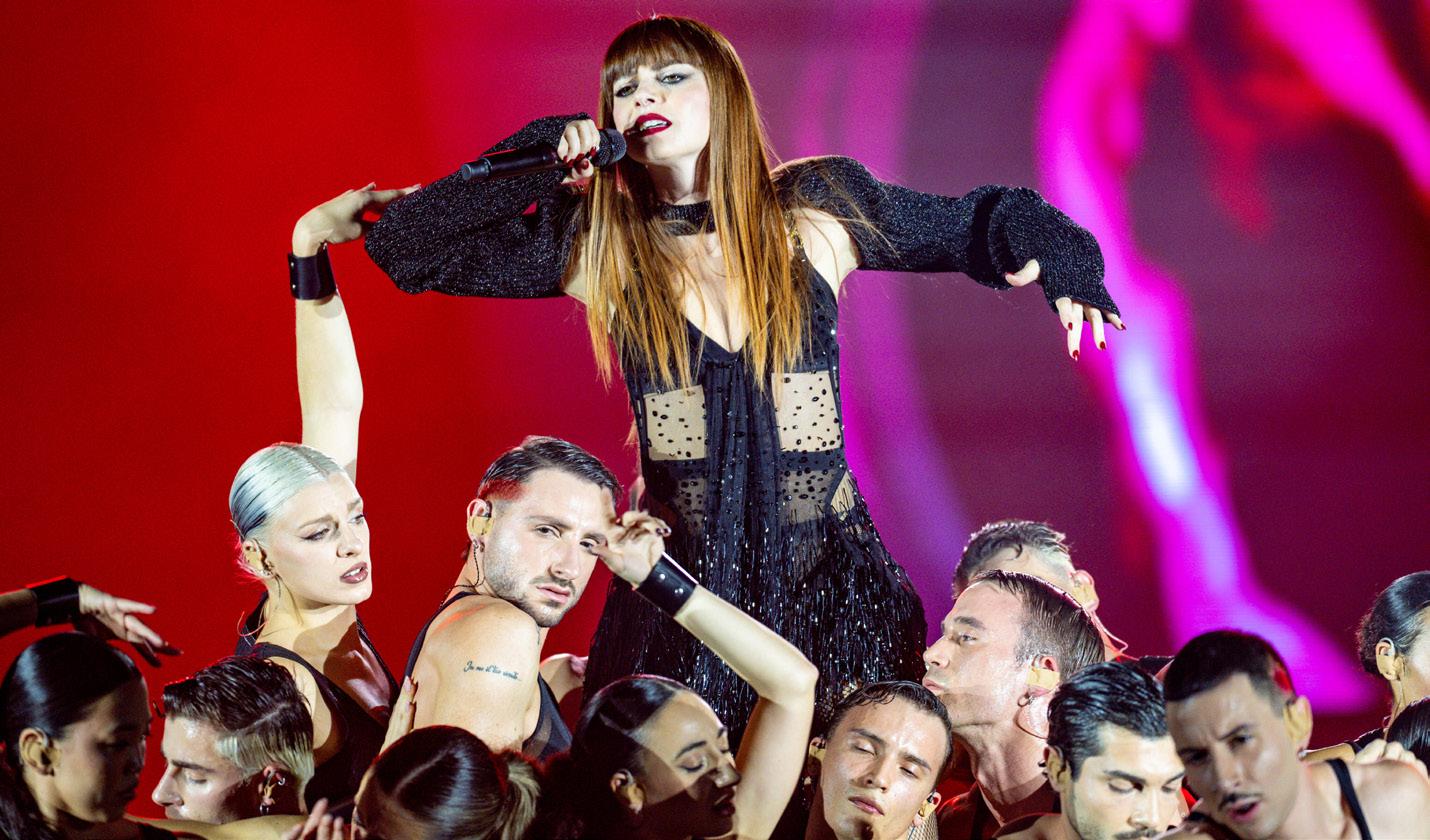
As Conti notes, both Annalisa and Elodie are examples of a perfect balance: they have turned their image into an in-
tegral part of their success, backed by hit songs that have entered their audience’s collective imagination.
From the established stars to the new generation, pop continues to evolve. Gen Z artists have already learned the lesson. Each one of them is offering a unique world, from Camila Cabello’s C,XOXO, a chaotic love letter to Miami, to Zara Larsson, PinkPantheress and Addison Rae reviving Y2K aesthetics in their own way.
The list could go on with Olivia Rodrigo’s high-school nostalgia and Tate McRae’s distinctive way of owning the stage, but the point is clear: pop music is in good hands and once again leading culture. ■
1. Taylor Swift – The Eras Tour Image credits: ©Disney.
A shot from The Eras Tour by Taylor Swift, the highest grossing tour of all time, surpassing $2 billion in ticket sales
2. Annalisa – Ma Noi Siamo Fuoco Tour
Image credit: © Alessio Marini / ZUMA Press Wire via Reuters Connect
A photo from the Ma Noi Siamo Fuoco Tour, a show that plays with the fire imagery central to Annalisa’s latest album
3. Elodie – Elodie Show 2025
Image credit: © Alessio Marini / Gruppo LiveMedia via IMAGO Images / Reuters Connect
An image from the Elodie Show 2025, a new live production blending her signature stage presence and striking visual elements
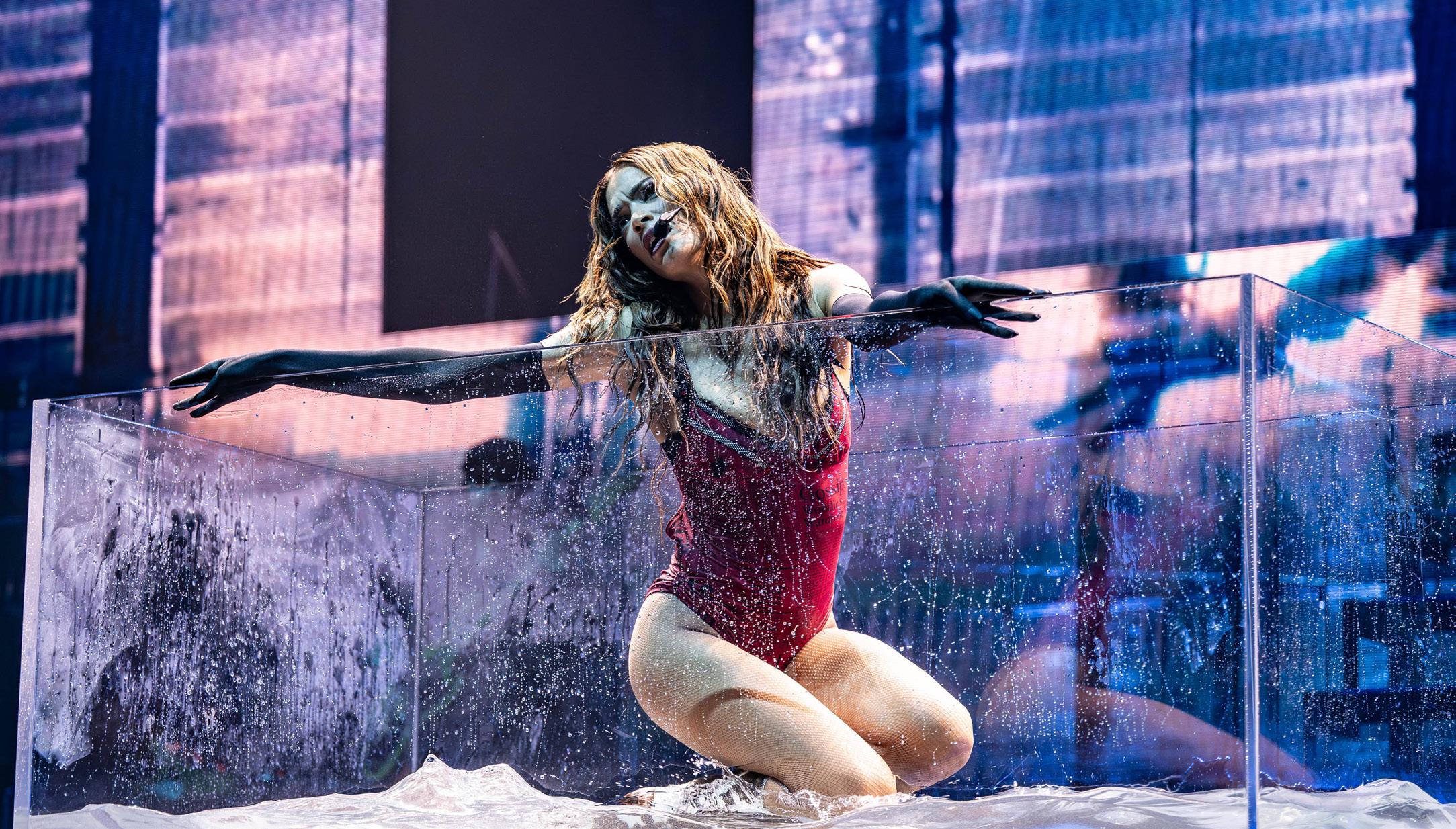

Behind warped guitars and empahtic beats lies a genre that culminates into the ultimate catharsis of human experience
by Matilde Risi
There was a time when a single distorted riff was enough to evoke evil. Television reports in the 1980s described metalheads as followers of a dark cult, ready to burn churches and praise the devil. And yet, decades later, metal music continues to thrive precisely because that portrayal was, and still is, a caricature. Behind the downtuned guitars and guttural voices lies a surprisingly complex, supportive, and deeply emotional human universe.
But what is metal, really? Noise, rebellion, or something subtler? “It depends on what we mean by art,” reflects music historian Tommaso Franci. “Metal, like all popular music, is fascinating precisely because it isn’t art in the academic sense.” In a world where beauty still seems to belong to the elites, metal gives voice to those who lack the technical or
cultural tools to express themselves according to refined canons. It is the raw, imperfect but authentic voice of those who translate life into sound without asking permission. And perhaps it is precisely in this “impure” nature that metal becomes the most democratic of musical forms: an art of the people, where every distortion is an act of freedom.
“Metal has internalized humanity’s universal fears — death, illness, destruction — and turned them into sound aesthetics,” explains Antonio Silvestri, musicologist and professor of economics. “It’s not an objective language: it’s a subjective way of processing terror.”
From bands like Black Sabbath to Meshuggah, heavy metal has gathered the anxieties of its era and made them resound at deafening volume. In the indu-
strial Birmingham of the early 1970s, the noises of steelworks and the bombings of World War II found their echo in the riffs of Tony Iommi, the guitarist who, after a workplace accident, turned his injury into a heavier, more metallic sound. “Without that accident,” notes Emiliano Risi, collector and historian of the genre, “metal probably would never have existed.”
Metal, then, did not emerge as an act of rebellion for its own sake, but as a reflection of an alienating, bleak, wounded industrial reality. In this sense, as Franci points out, “it is a perfect litmus test for the second half of the twentieth century: its dark side is the photographic negative of postwar prosperity.”
Yet its strength lies not only in denunciation, but in transformation. “When reality becomes too frightening,” conti-

nues Silvestri, “metal sublimates it. Escaping is a way of facing it.”
“Every musical innovation has been branded as noise,” Silvestri reminds us. It happened with dodecaphony, and it happens today with trap. But metal — in its infinite variations, from doom to death, from speed to progressive — is one of the most articulate expressions of contemporary popular culture. Beneath the violence of the sound hides a refined emotional grammar that speaks of empathy, fear, and catharsis.
Risi, however, interprets it differently: “Metal is an unconscious form of art. Its intellect lies in the sounds more than in the lyrics.” An art that becomes body, vibration, pure matter. “Many of its artists,” adds Franci, “didn’t even know how to play in the academic sense. But precisely that simplicity allowed them to say something new.”
In the end, metal doesn’t just talk about fear—it is fear, accepted and traversed. “Some fight it by becoming the
monster,” explains Silvestri, “and others contemplate it, resigned. Death and doom metal were born from these two opposite directions.”
And in this emotional mirror, the listener finds recognition. “It requires an emotional affinity,” Silvestri continues. “Those who can let themselves be crossed by unease find in metal a language that understands them.” It’s no coincidence that recent psychological studies, such as those from the University of Queensland, show that metal fans are, on average, calmer and more empathetic than others, precisely because they use music as catharsis rather than incitement to aggression.
Those who imagine metal concerts as infernal chaos would do well to look closer. “I’ve seen thousands of concerts,” says Risi, “and never a single episode of violence. On the contrary, mutual respect is sacred.”
Silvestri confirms: “In the mosh pit, you fall and get back up together. You scream, but you don’t hate.” In this apparent sonic anarchy survives an unwritten discipline: freedom, yes, but without oppression.
It is an ethic that, according to Franci, distinguishes the “authentic” metalhead from those who merely imitate the image. “Today, anyone dressing like in the eighties is doing carnival,” he observes. “But back then, behind the leather jacket and long hair, there was an ethic: the rejection of hedonism, the search for truth.”
“The dark metalhead is a journalistic invention,” clarifies Silvestri. “A bogeyman figure useful to the media of the
1980s and 1990s.” Franci adds: “Mass media, unable to talk about the music itself, talk about everything around it, hair, crosses, makeup. It’s a story told through images, not through sound.”
That imagery, however, had an unexpected effect: the rediscovery of individual freedom. From Rob Halford’s public coming out, frontman of Judas Priest, to the androgynous aesthetics of Kiss or Twisted Sister, up to contemporary bands like Liturgy or Backxwash, metal has proven to be fertile ground for the expression of differences. “It’s a democratic music,” Franci reiterates, “and a society that accepts metal is a society that accepts provocation.”
As Risi puts it, “it’s a bubble of freedom, where anyone can scream, mosh, live without judgment.” Perhaps that is, ultimately, the heart of metal: a place where darkness is not to be feared but recognized as part of oneself. ■
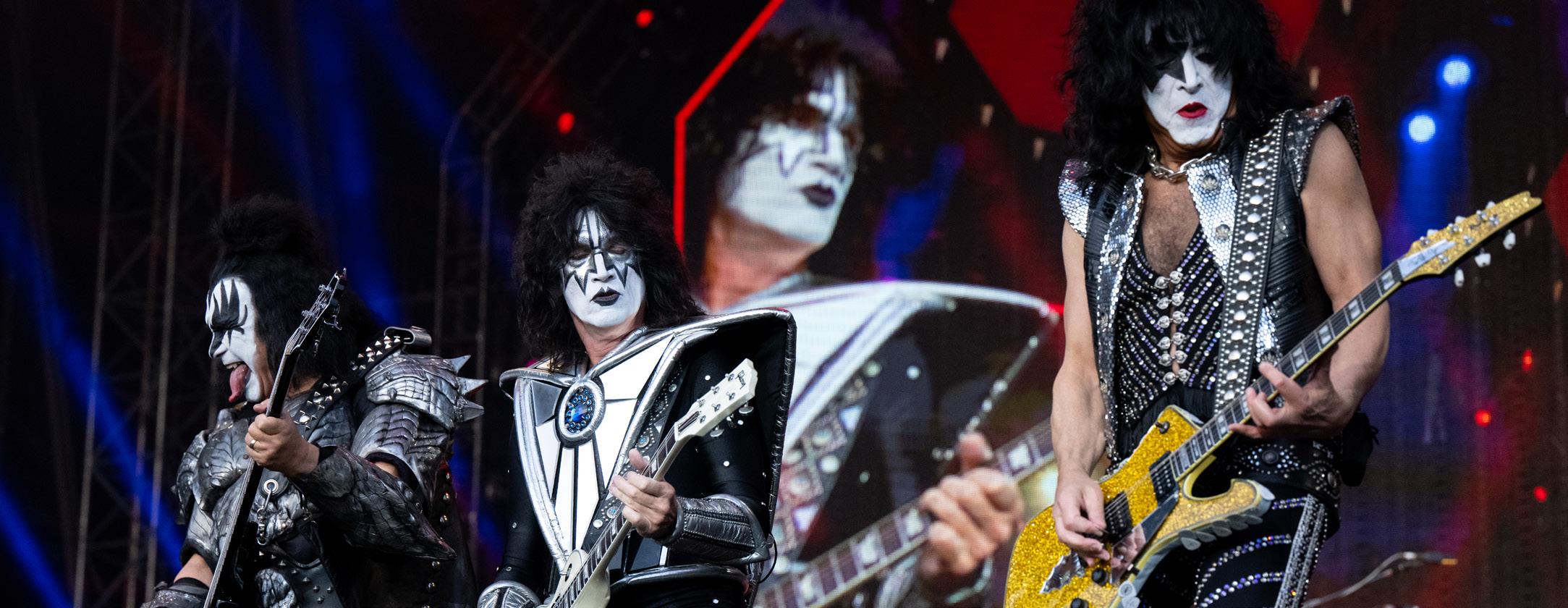
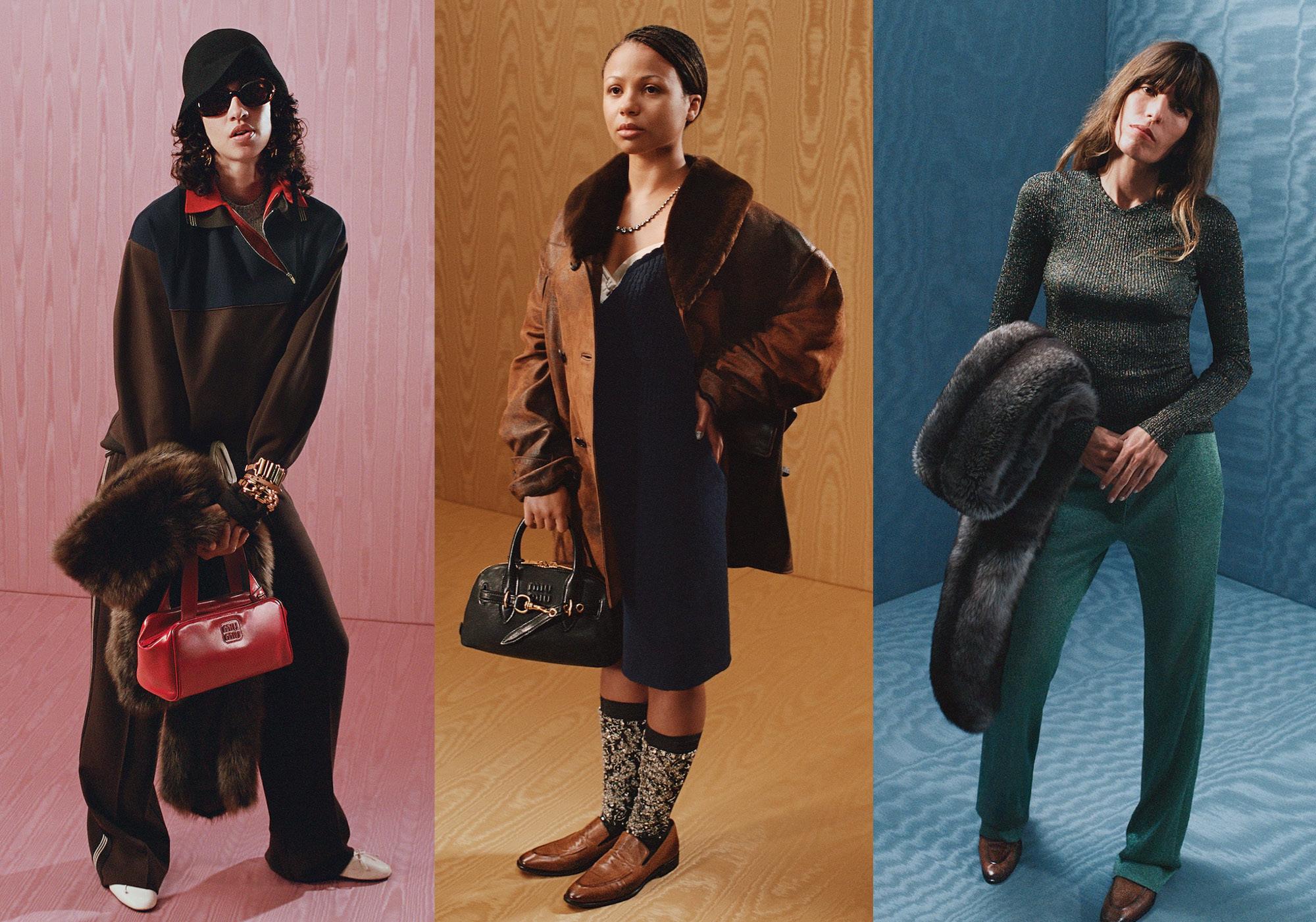
Ready-to-wear style between the two countries shaped by fast fashion and social media still shows a cultural divide
Italians are pulling out their coats and polishing their boots as the Northern Hemisphere heads into the chilly fall and winter months. At Luiss, international students may be surprised to see natives dressed in sleek coats, tailored pants and heeled boots to go to class. For those who’ve studied in the United States, it’s a far cry from the sweat pants and athletic wear one commonly sees around university campuses across the Atlantic.
by Andrea Charur
Both the United States and Italy house cities that are part of the “Big Four” of fashion: London, Paris, New York and Milan. But both countries take entirely different approaches to fashion that later reflect ready-to-wear style. Paola Cacianti, fashion and design journalist in Rome, said: “You can’t confuse Versace with Prada, or Prada with Armani, or Armani with Etro. They all have a highly recognizable style, which isn’t the case in American fashion. What’s important in American fashion, however, is a sense of belonging, a truer connection with buyers.”
Because Italian fashion is driven by brands, style is more creative and diverse, said Cacianti. In the U.S., consumer demand pushed trends. Even American fashion houses have a wearable, casual style compared to the European tendency toward artistry. “American fashion is extremely wearable, extremely, shall we say, logical, and doesn't make designs that are difficult to wear,” Cacianti said. For Americans, fashion isn’t just an art but a utilitarian concept that prioritizes everyday comfort. “It manages to embrace contemporary life,” she added.
Ironically, while Italian brands have more leeway to push the boundaries of wearable fashion to include more chic, unique pieces, consumer demand for fashion is a demand for pieces from the famous Italian houses. When people go to Milan to check out the fashion scene, they’re looking for luxury products, not to get inspired. They want a signature made-in-Italy look. The U.S.’s disseminated approach to fashion, not focusing on a specific brand and with the internet
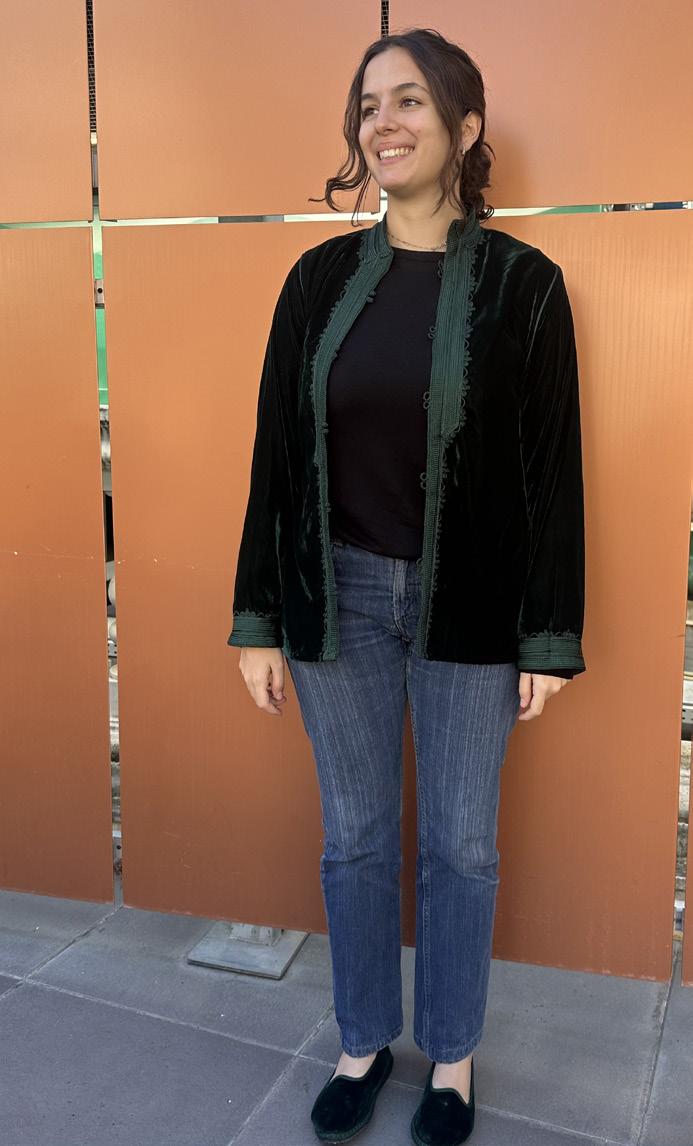
and social media creating an explosion of new labels, is more likely to set the trends worldwide. They want what they can sell– and American fashion sells. “What’s important in American fashion, however, is a sense of belonging, a truer connection with buyers,” Cacianti said.
However creativity in fashion has been going down and becoming more industrial– Italy included. Ever since the 2000s, Italy has also created it’s own ready-to-wear style based on the signature pieces of the designer brands. Fast fashion has made designer style accessible to the “young, penniless buyer.”
For the youth, social media is a means to spread trends and turn them from luxury art into everyday wear. At Luiss University, students no longer get information on trends from the glossy pages of high-fashion magazines, but from the constant feed of style influencers on the front page of your favorite app. Three Italian students at the Luiss Viale Pola campus said they scroll through Pinterest and Tik Tok to get outfit inspiration.
Each noted that the pieces they were wearing reflected trends they’ve seen online recently. “Colorful shoes,” commented Angela Vivenzio, 24, “I have yellow ones.” Ida Ingravalle, 23, said she’s seen brown loafers. “I’m seeing a lot of velvet,” agreed Irene Rosa, 24, after her friends pointed to her velvet coat and matching velvet shoes. All three of them said long trench coats are in for winter
wear. While all said they mainly scroll on their feed and let the algorithms recommend fashion content, Vivenzio and Ingravalle said they get inspiration from European style influencers, namely Giulia Romanelli, an Italian, and Jenny Walsh, who’s Irish but lives in Barcelona. Ingravalle said she likes Walsh’s “outfit of the day” content, and Vivenzio likes Romanelli’s matching outfits with her young child. “She’s so cool mom vibes,” Vivenzio said.
But as far as American fashion, the girls said the “streetwear approach” doesn’t line up with their more “classic style.” They also said they don’t like combining a sporty, athleisure pieces with dressier items. “I don’t know how I feel about like the hoodie and then the blazer on top,” Ingravalle said. “Yeah,” agreed Rosa, “I don’t like when there is trying to combine athleisure, like leggings with Louis Vuitton.”
In contrast to Cacianti’s analysis, they said they think Europeans try new trends while Americans have kept a more consistent style. Europeans play with layering different textures and colors, they said. However, they do agree that Europeans tend to stick to the same colors- muted tones, like browns and grays. Americans wear more colors and bolder ones, the three commented.
That is one of the things they do like about American fashion, they said. Rosa said she looks at American influencers “when [she] wants to see colors and
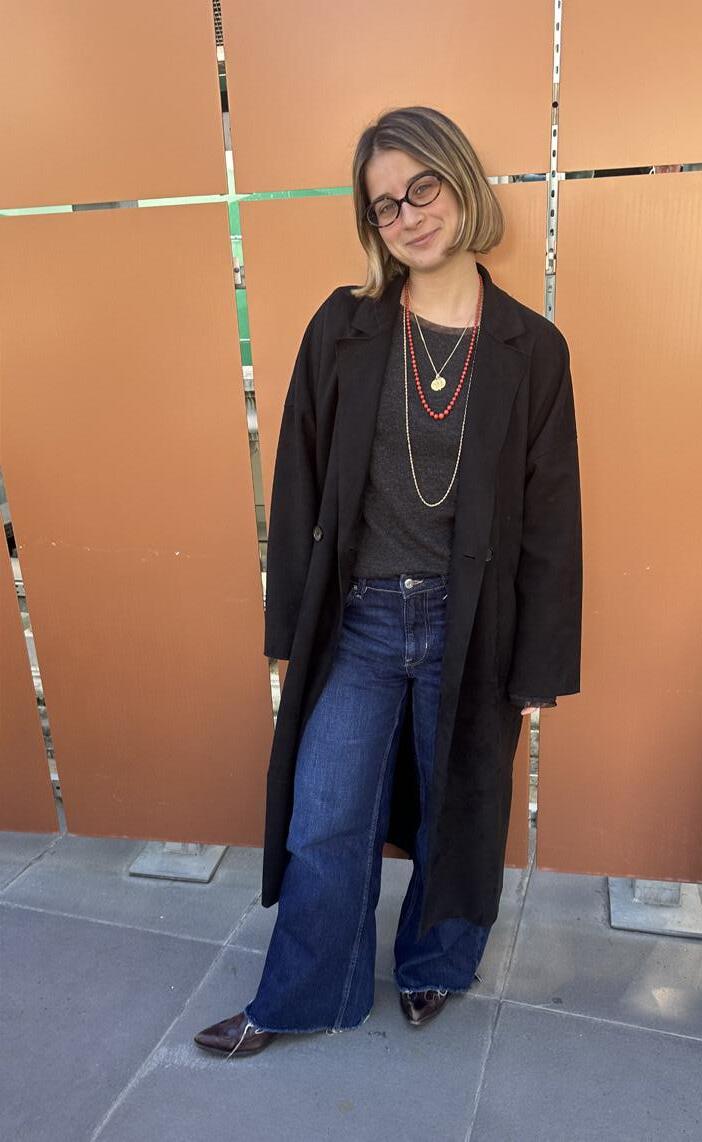
shape.” Another thing the Americans do right is summer wear, they said. The girls agreed that brighter colors and more casual clothing from America is perfect for sunny days in Italy. But for this season, the divide between American and Italian season remains stark. ■
Credits:
1. Creative Director: Miuccia Prada
Photography: Lengua Styling: Lotta Volkova Cast: Towa Bird, Lou Doillon, Rila Fukushima, Myha’la Herrold, Kylie Jenner, Yura Romaniuk and Cortisa Star
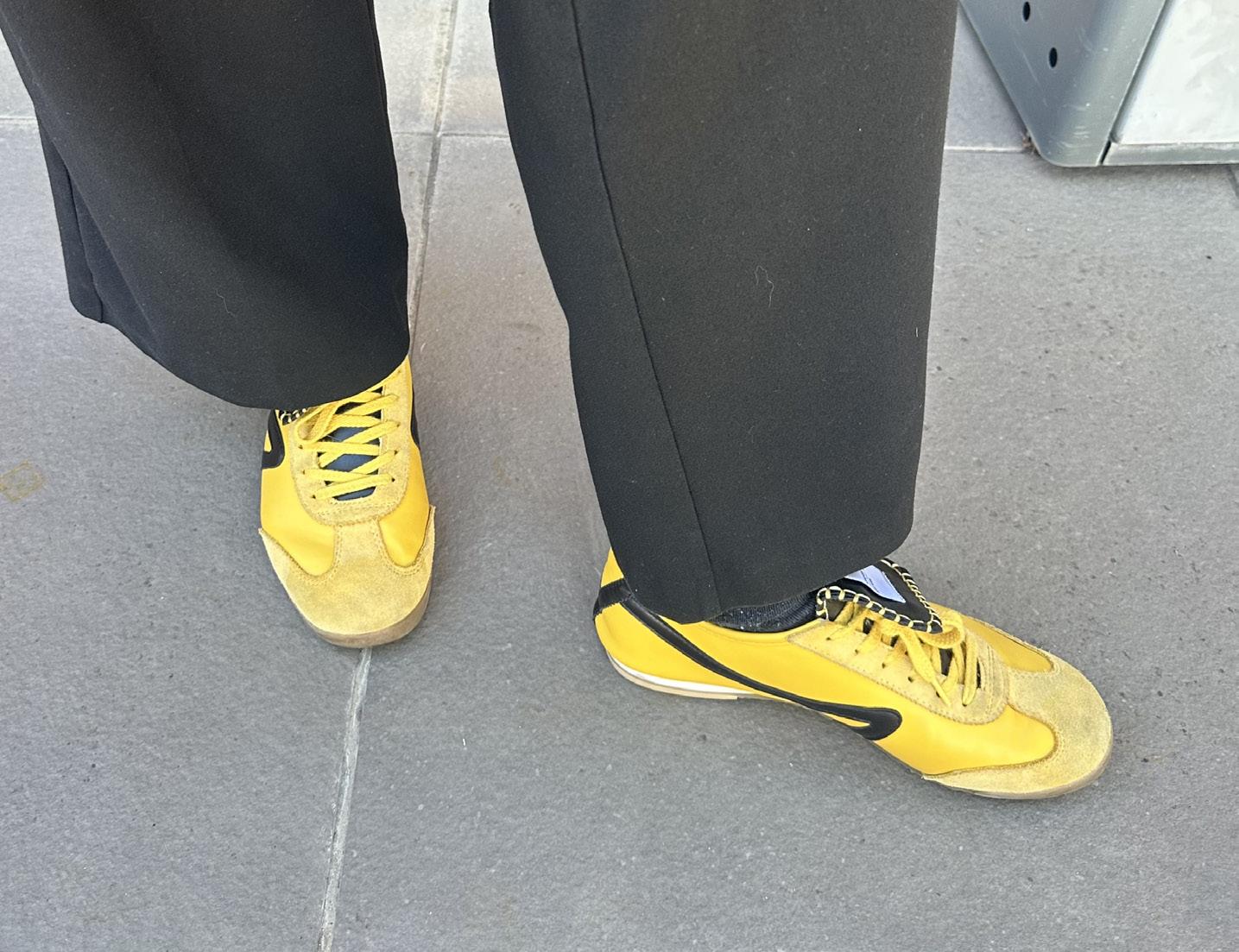
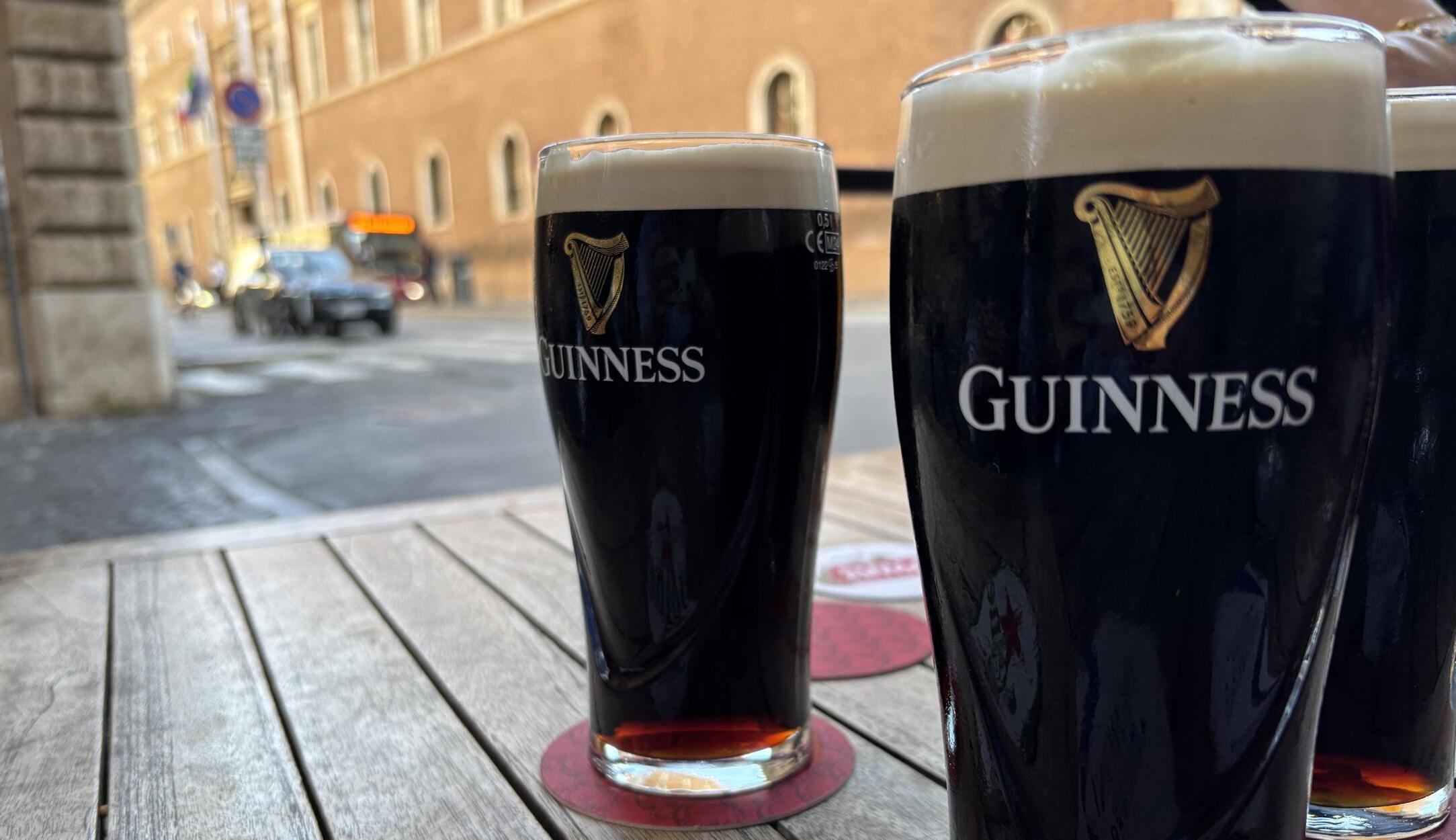
Every corner and square of the the Capital is full with fabulous bars, teeming with people enjoying their spritzes. Discover what makes a good pint and three places you can find one
There is nothing more disappointing to an Irish person living abroad who goes into an Irish pub in search of a decent pint of Guinness, only to be let down. Whether it’s warm, flat, in the wrong glass, too much or not enough head, the list goes on.
This is such a problem in Irish expat communities that there is a Instagram page dedicated to the worst pints. The Instagram page, called @shitlondonguinness, highlights all of the worst pints of Guinness. While it focusses on London, the reach of this page has become global with people from all parts of the world submitting the most horrendous pints. So, to avoid having this kind of disappointment when you go in search for something other than a spritz, consult this guide of the top three pints of Guinness in Rome.
mean that it cannot sit in the keg too long and it needs to move through the pipes so it doesn’t go stagnant. So if no one is drinking Guinness, you really don’t want to be the first one. If not you end up with a really a flat, boring devastating pint. If it is nice and fresh, you should be able to tilt the glass and make a little lip with the stout. Unfortunately, this does mean that it will never be quite as delicious as it is in Dublin, so for the best experience you might just have to make the pilgrimage.
Good Guinness demands patience and crucially, it must be poured correctly. If you order a Guinness and they pour the full pint in one go, run a mile! It is a two pour situation. It should be filled up to about three quarters the way up the glass, left to rest for about a minute and then topped off. This is the only way to get the right head on it and the right texture.
by Joe Toolan
For the non-Irish readers, you might not think there could be such a huge difference between the Guinness from one pub versus. However, Guinness and stout in general, is a quite a fussy drink. Its very different from other beers like a lager and demands a certain ritual for the best taste. Firstly, It is a very fresh product and needs to be treated as such. This
Guinness may be a difficult drink to get right but when it is perfect, there is nothing better. More than that, a good pint must be accompanied by the right atmosphere. Whether you want to unwind after a long week, catch up with friends or just have something different, the three places are perfect.
Via del Collegio Romano, 6
Just off Via Del Corso, in a nice little corner you will find Trinity College pub. It’s location is perfect, down a quiet street, tucked away from the hustle and bustle of the city. This place has a fantastic atmosphere and super kind staff, most of all it has amazing Guinness. Probably the closest you’ll get to the real thing in Dublin. Creamy and perfectly poured. The atmosphere in the pub is fabulous, and if you sit outside you can have the feeling of a Roman aperitivo but with a velvety pint in front of you. A fabulous pub for you to dip into after a day shopping in the city. By day you can soak up the classic atmosphere of the pub and by night you can have a boogie on the dancefloor.
Via Leonina, 66
Finnegan’s is one of the few actually Irish owned pubs in the city. In the heart of Monti, they take special care to create both the authentic, friendly atmosphere while also serving excellent pints. Their website touts the tagline ‘home of the real Guinness’, and this rings through! If you prefer a younger and less touristy crowd, this is the perfect place. A bit smaller and a bit more intimate, it is the perfect environment for a cold and cozy winter’s evening. What’s more, if you are a sports fan, you can go there to watch a match , both local sports and live Irish Gaelic Games like hurling. All this while getting stuck into a ruby-red stout.
Via del Governo Vecchio, 51
Taking its name from one of the most important theatre in Dublin where many Irish talent got their start, Abbey theatre pub is a good spot for food and drink. With its classic interior, just a few minutes away from piazza Navona, walking into this pub is like being transported to Ireland.They serve an excellent pint of Guinness but also serve decent food if you’re looking for something different. Or you can relax with a classic wintery drink such as a hot whiskey. They also stock some high-rage whiskies like the Redbreast range. There is often live music there and other events. Generally you will find a buzzing and welcoming atmosphere.
In this magazine you have read about the magic of the Rome Film Festival, the best pints in Rome, social housing, Fall Fashion Trends amongst many others. After going through all these articles, we thought it would be a great idea to suggest a classic Italian film directed by the likes of Fellini, Visconti and Tornatore. For each Zodiac sign, we have paired you with the best Italian movie to suit your personality. Better yet, you can pair it with a cocktail that suits your vibe perfectly
by Joe Toolan and Salvatrice D’Anna Campo

ARIES (Mar 21-Apr 19)
La Dolce Vita - Federico Fellini
Bold, adventurous, and unapologetically alive, you thrive in the spotlight and chase excitement wherever it appears.
Sip with: Negroni

TAURUS (Apr 20-May 20)
Cinema Paradiso - Giuseppe Tornatore
Warm, nostalgic, and deeply loyal, you savor the beauty of simple, meaningful moments.
Sip with: Amaretto Sour

GEMINI (May 21-June 20)
La Grande Bellezza - Paolo Sorrentino
Witty, social, and endlessly curious, you love spectacle, conversation, and a little absurdity.
Sip with: French 75

CANCER (Jun 21-Jul 22)
Il Postino - Michael Radford & Massimo Troisi
Gentle, charming, and poetic, you find joy in small gestures and heartfelt connections.
Sip with: Limoncello Spritz

LEO (Jul 23-Aug 22)
8½ - Federico Fellini
Dramatic, creative, and impossible to ignore, your personality shines in every room you enter.
Sip with: Margarita

VIRGO (Aug 23-Sep 22)
Il Gattopardo - Luchino Visconti
Refined, meticulous, and deeply thoughtful, you appreciate elegance and subtle beauty.
Sip with: Martini

LIBRA (Sep 23-Oct 22)
Matrimonio all’Italiana - Vittorio De Sica
Charming, stylish, and socially graceful, you balance romance and humor perfectly.
Sip with: Bellini

SCORPIO (Oct 23-Nov 21)
Suspiria - Dario Argento
Intense, mysterious, and magnetic, your presence captivates and intrigues.
Sip with: Boulevardier

SAGITTARIUS (Nov 22-Dec 21)
Pane e Tulipani - Silvio Soldini
Free-spirited, adventurous, and optimistic, you follow your heart wherever it leads.
Sip with: Piña Colada

CAPRICORN (Dec 22-Jan 19)
Il Padrino - Francis Ford Coppola
Strategic, ambitious, and commanding, you play the long game with precision and authority.
Sip with: Old Fashioned

AQUARIUS (Jan 20-Feb 18)
Io sono l’amore - Luca Guadagnino
Innovative, stylish, and slightly unconventional, you bring fresh perspectives wherever you go.
Sip with: Aperol Negroni

PISCES (Feb 19-Mar 20)
Johnny Stecchino - Roberto Benigni
Playful, dreamy, and delightfully whimsical, you bring humor and imagination to every situation.
Sip with: Sangria

Research center specializing in social media, data science, digital humanities, artificial intelligence, digital narrative, and the fight against disinformation
Partners: ZetaLuiss, MediaFutures, Leveraging Argument Technology for Impartial Fact-checking, Catchy, CNR, European Commission, Social Observatory for Disinformation and Social Media Analysis, Adapt, T6 Ecosystems, Harvard Kennedy School, European Parliament