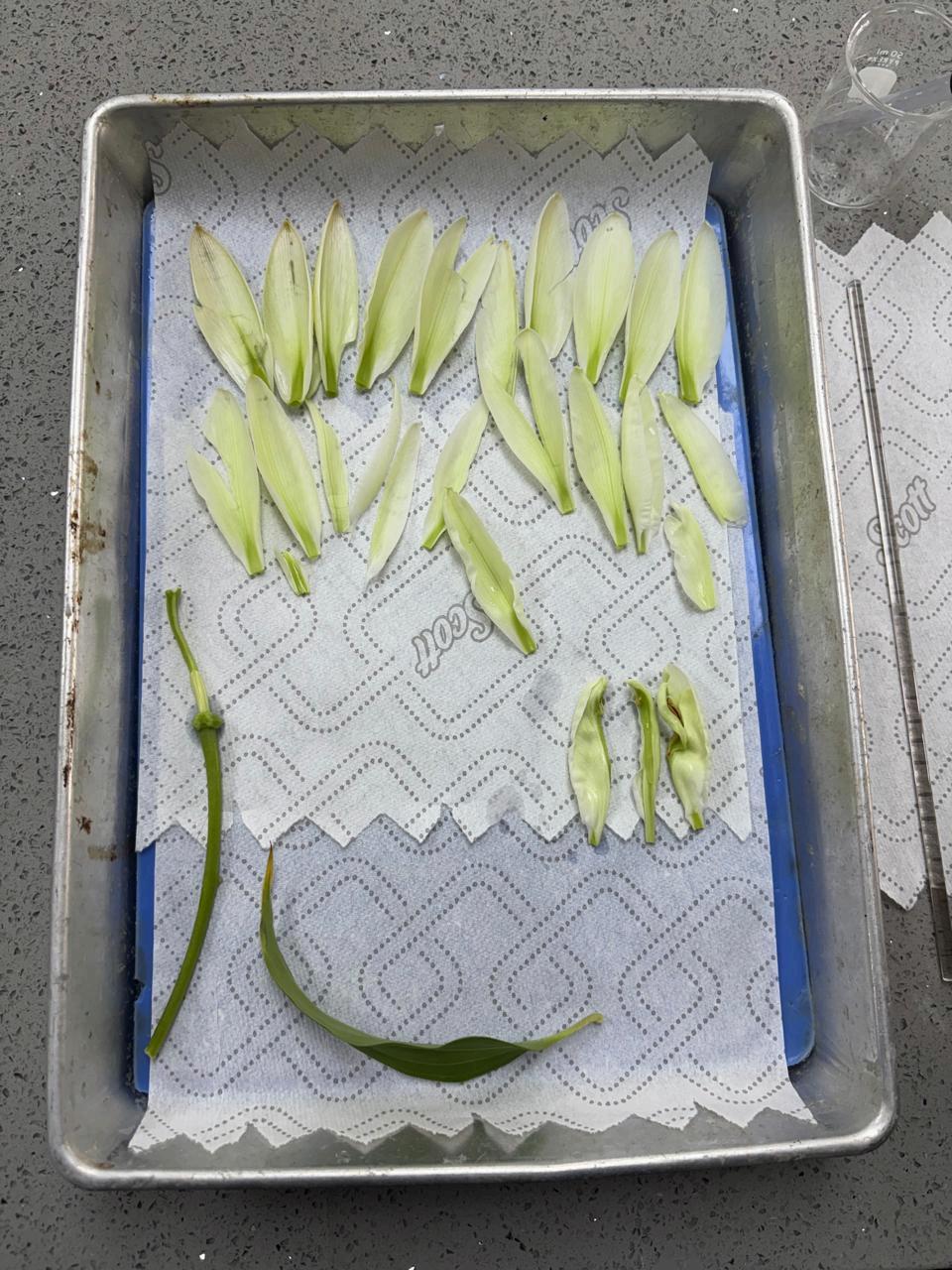
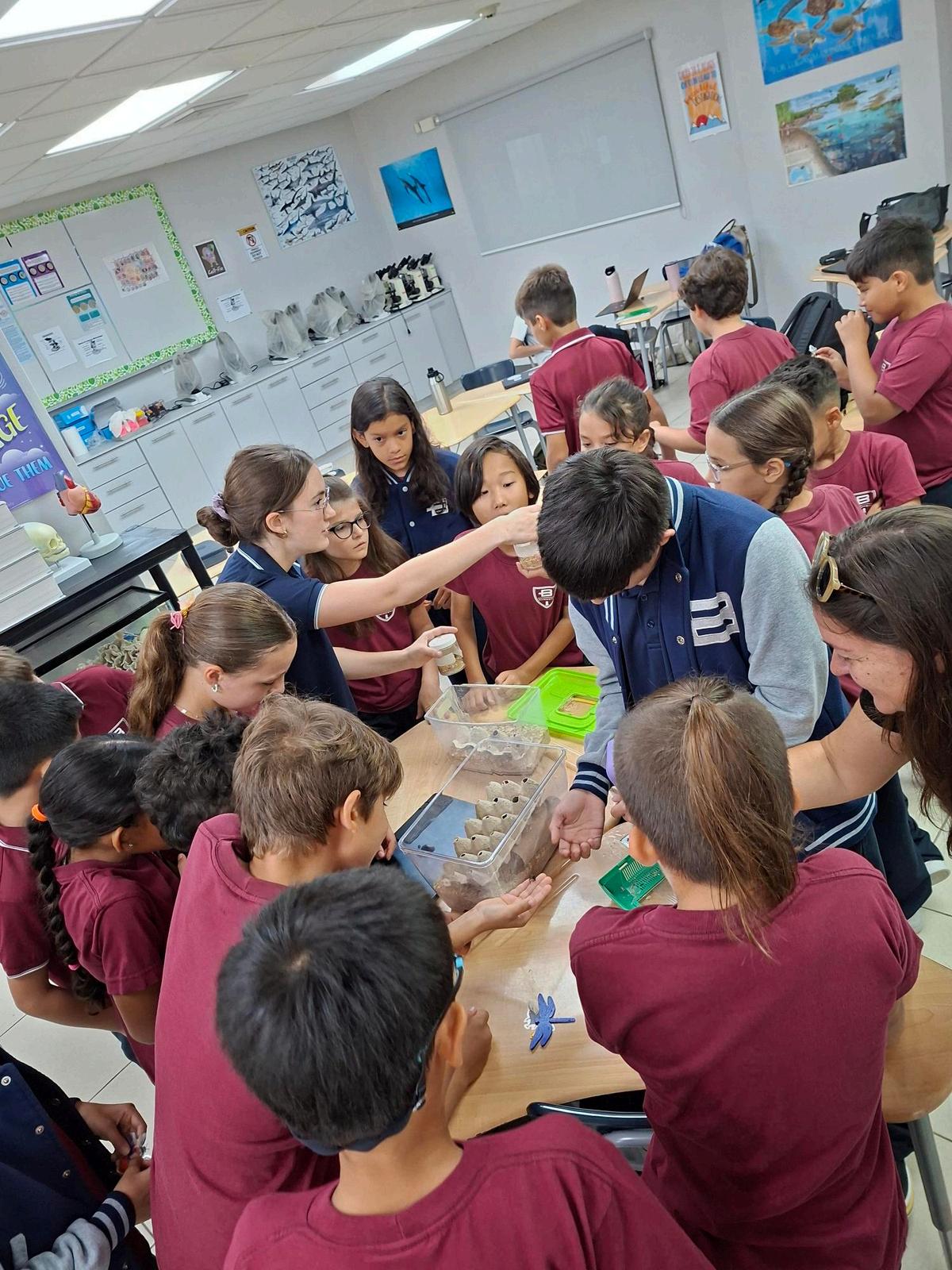
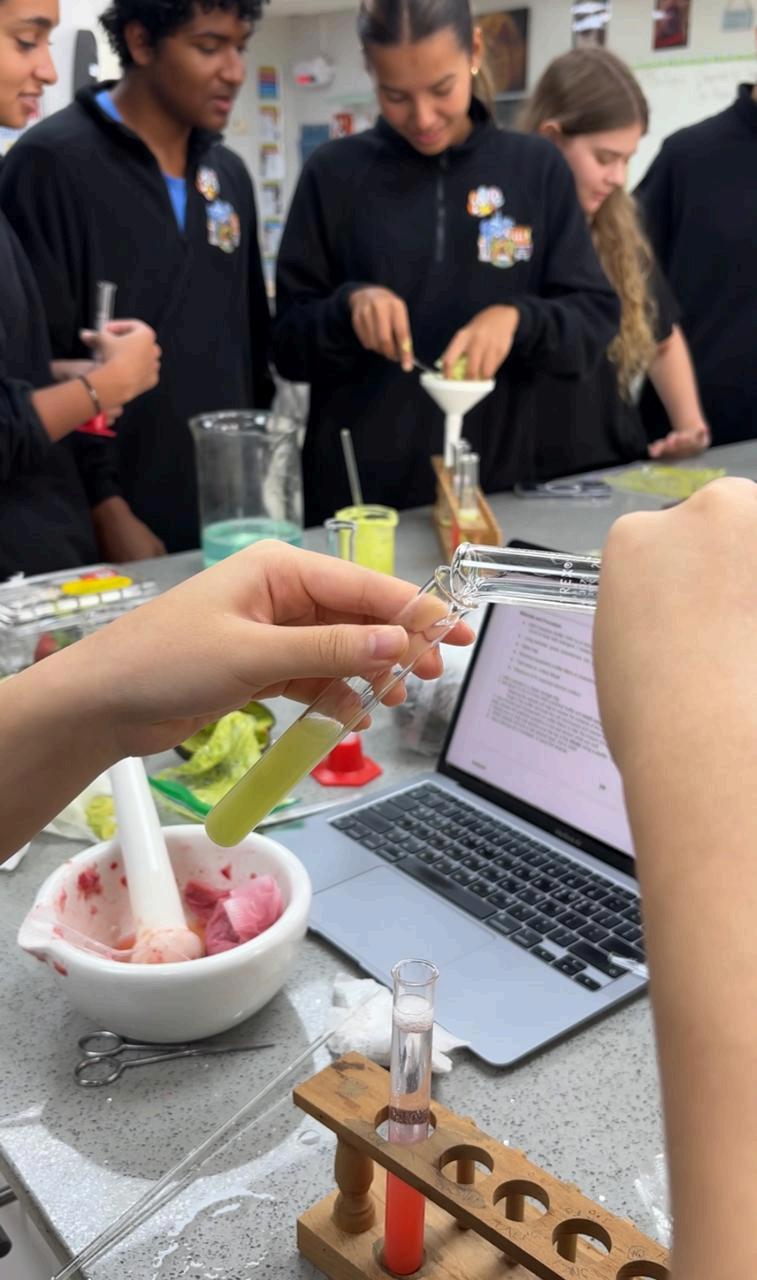
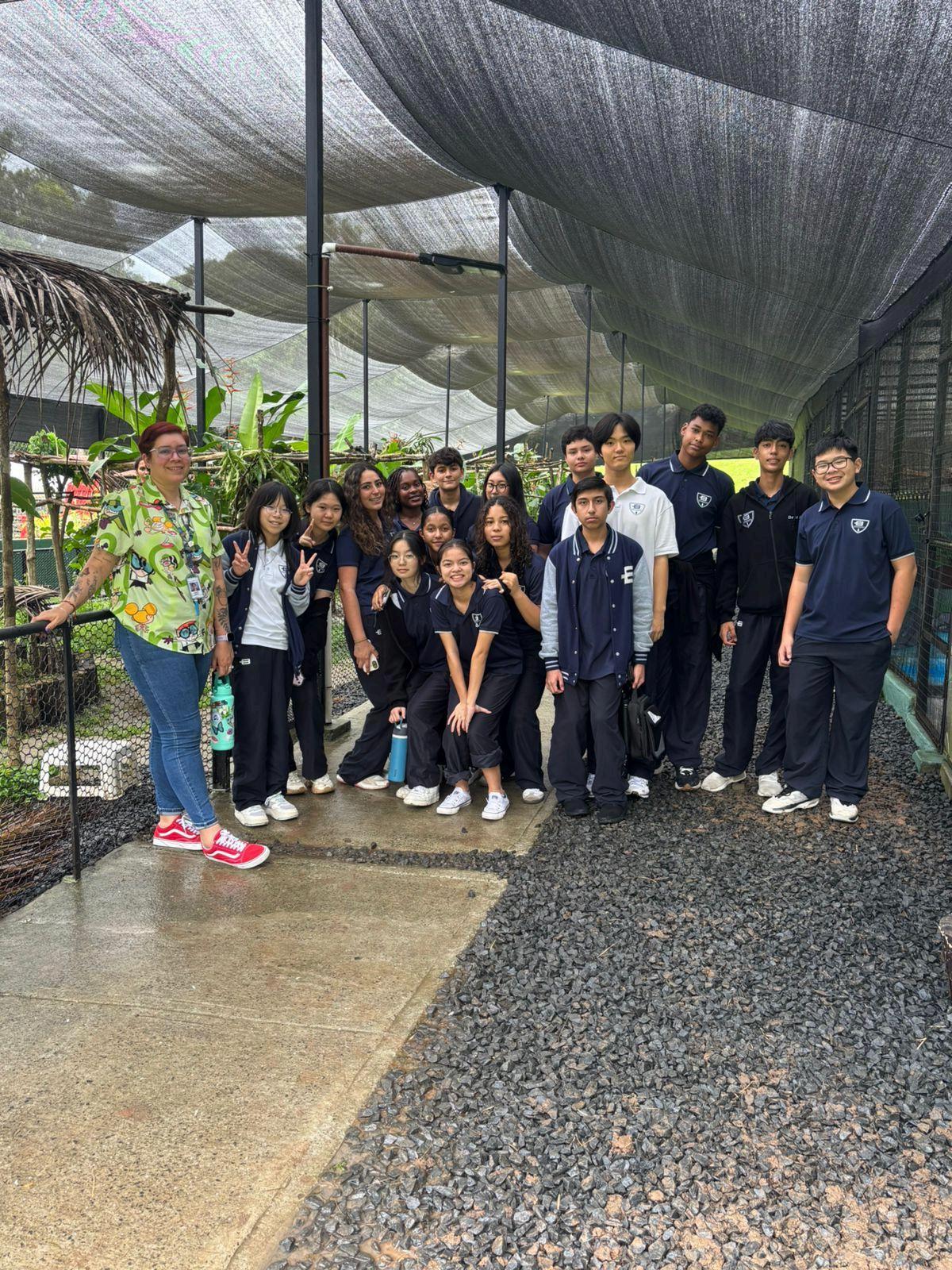
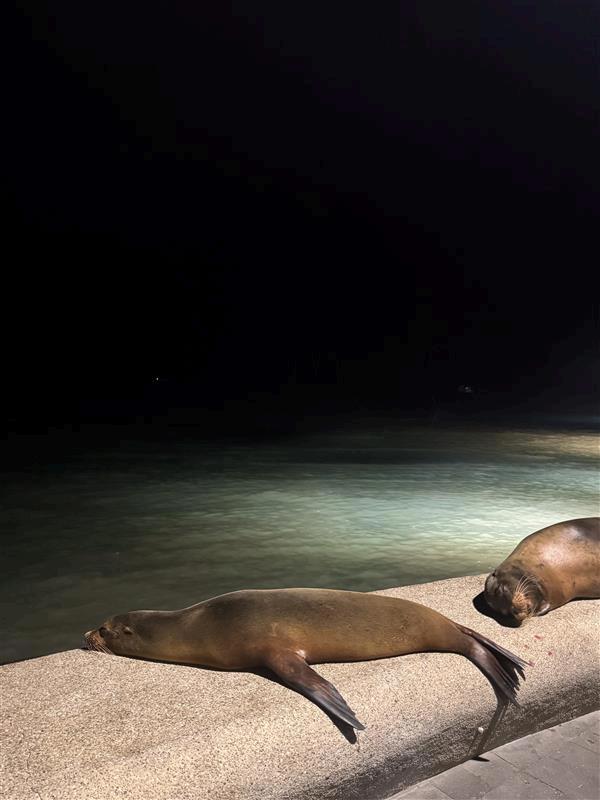
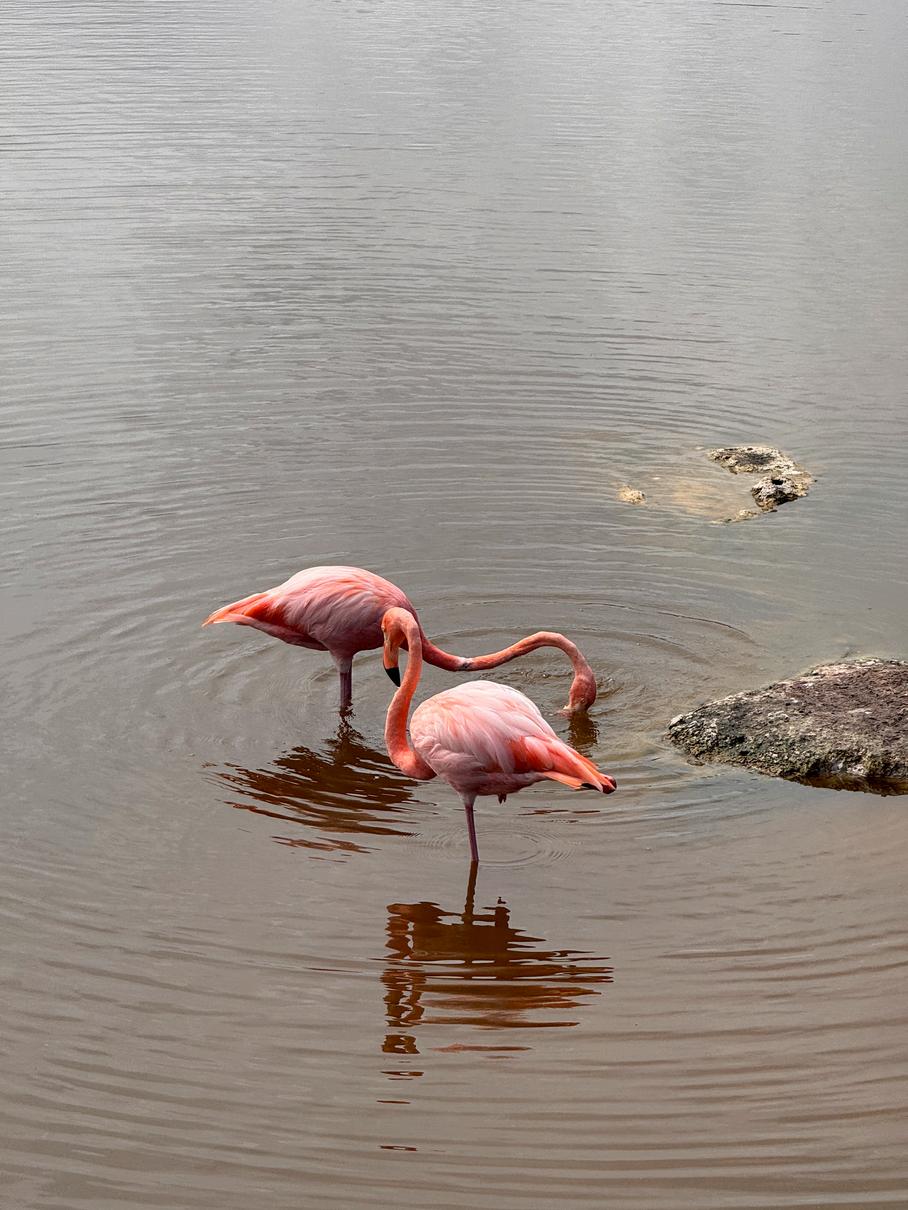
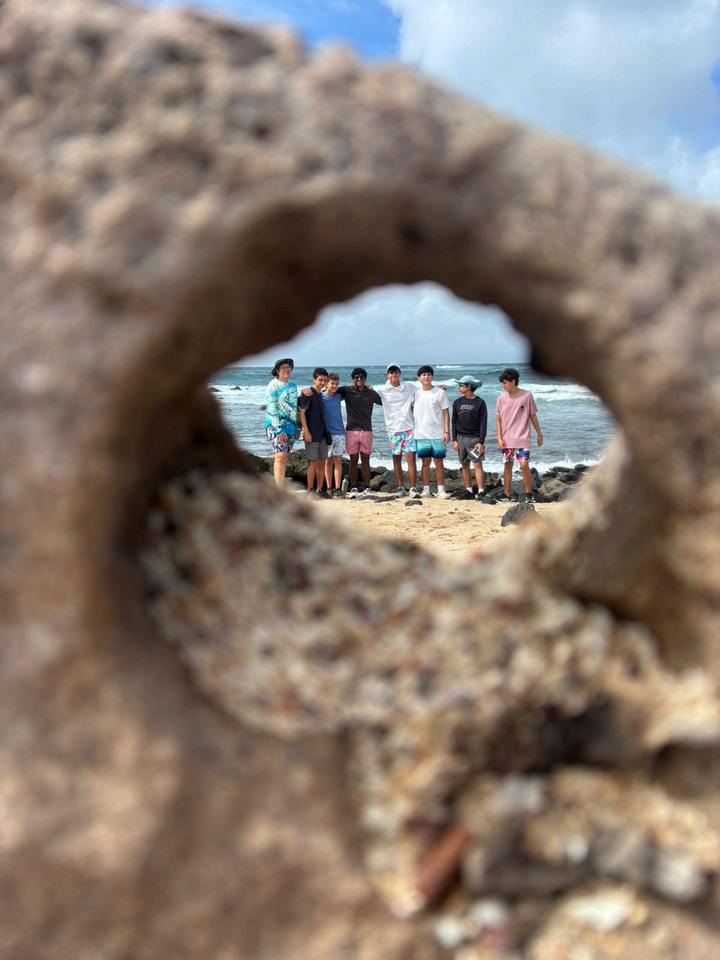
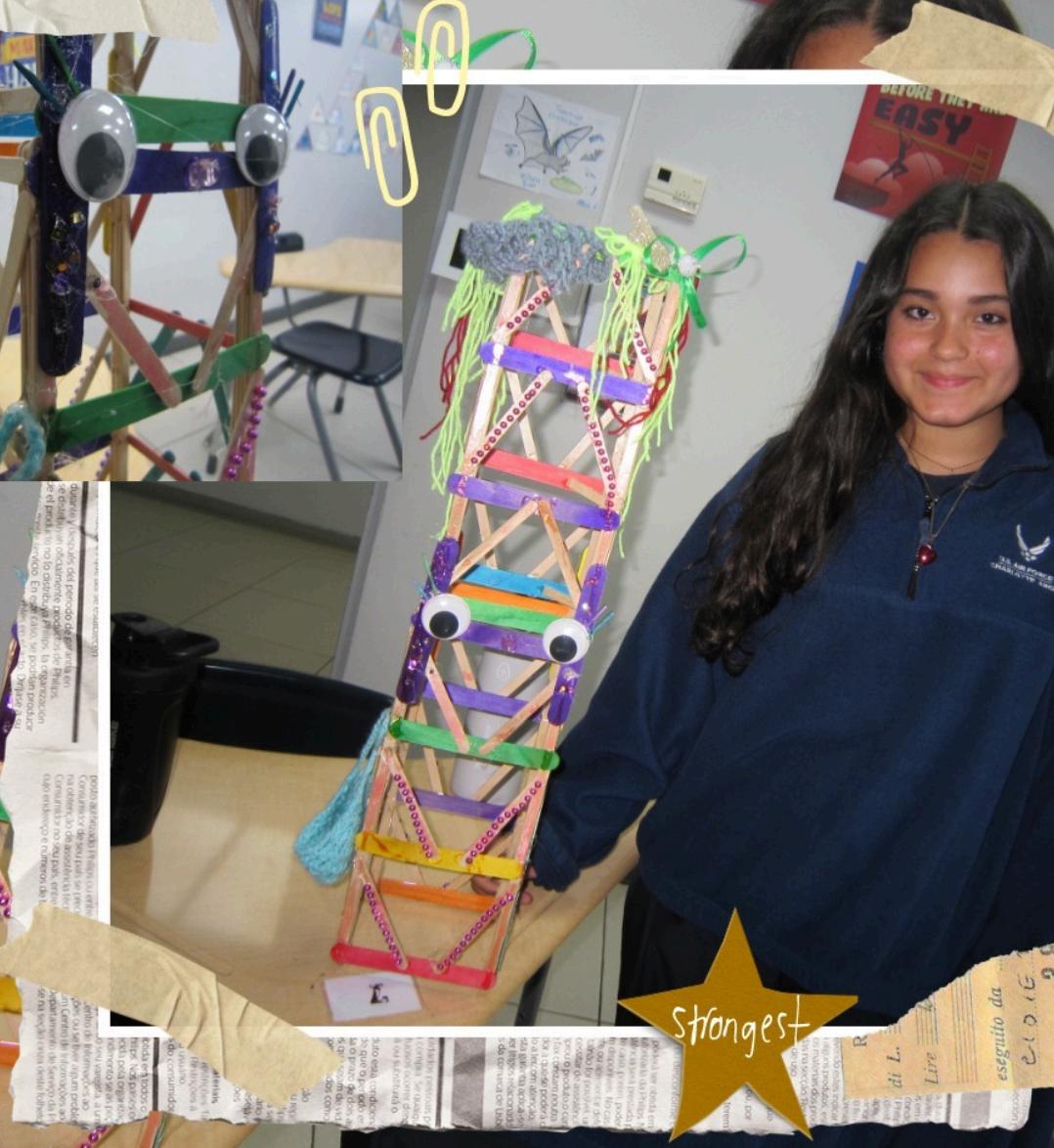
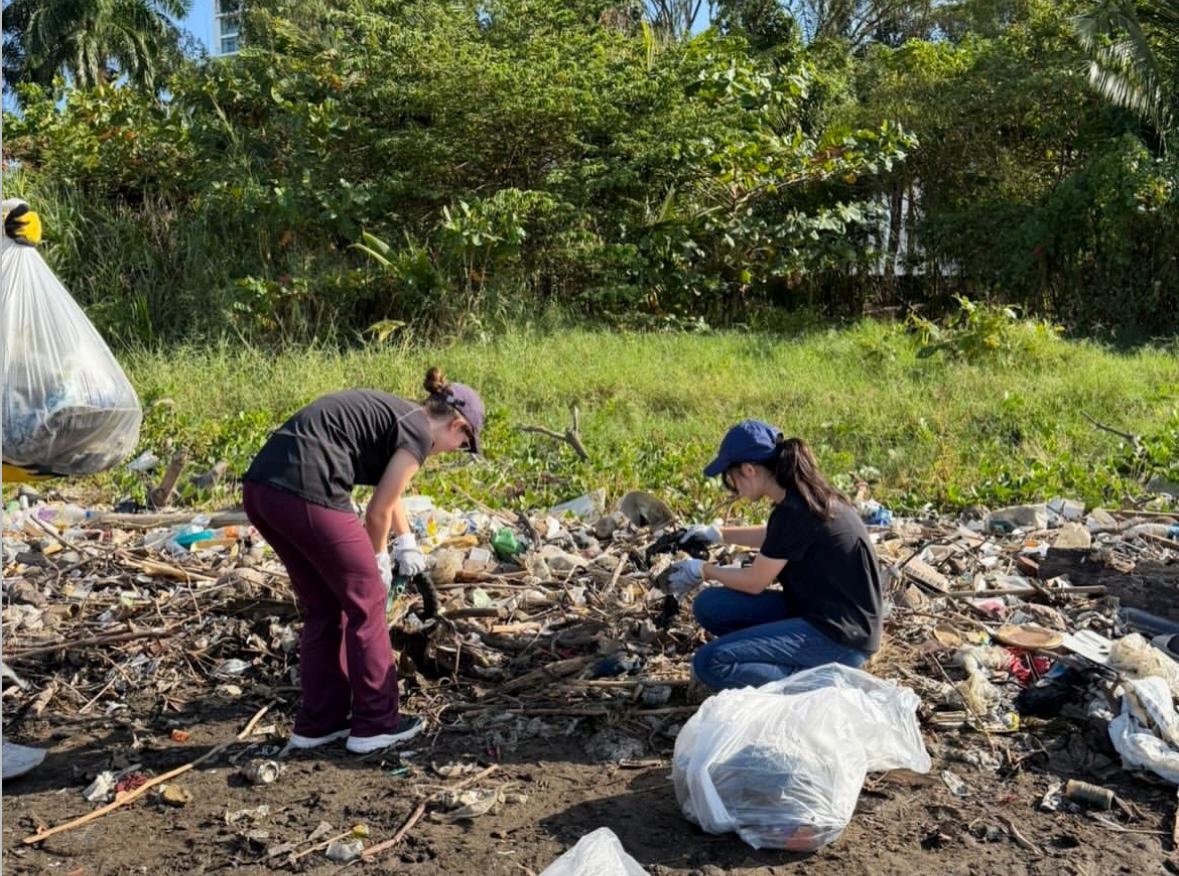
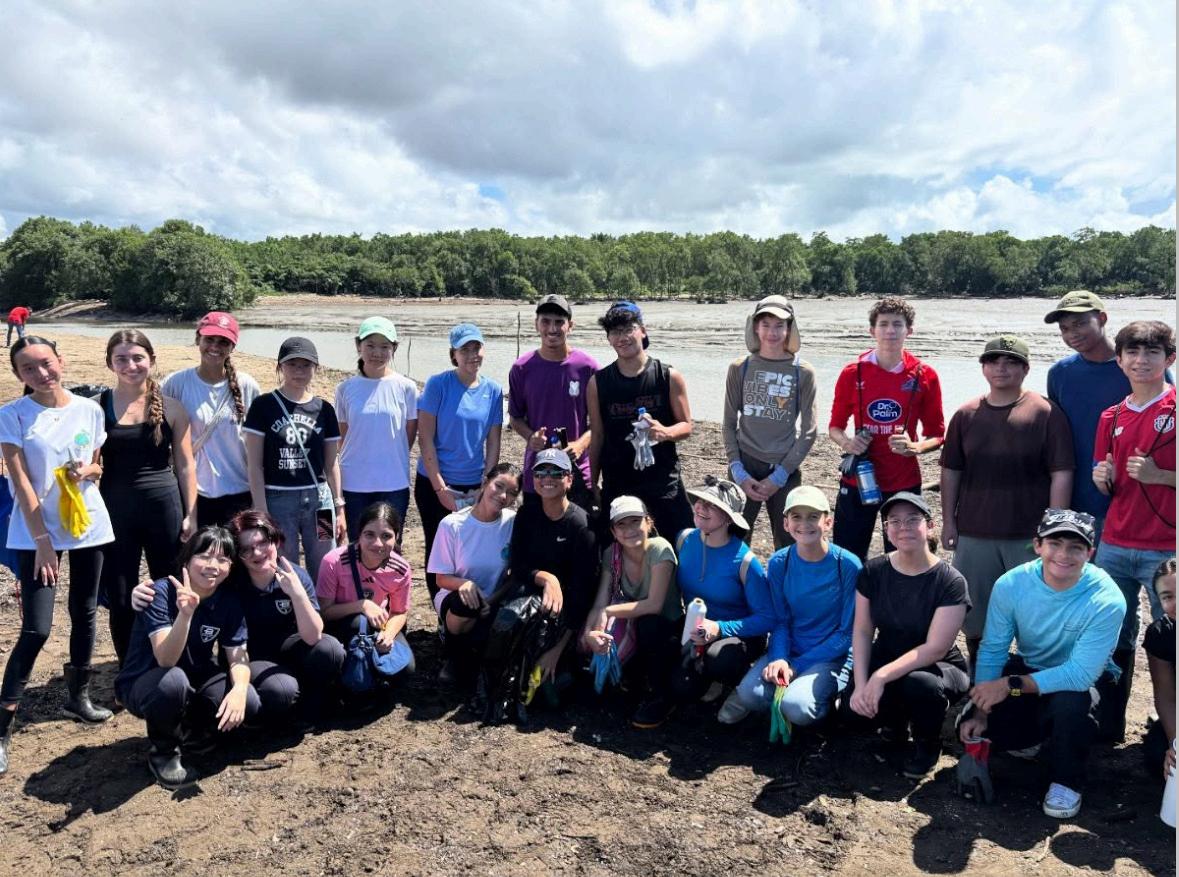
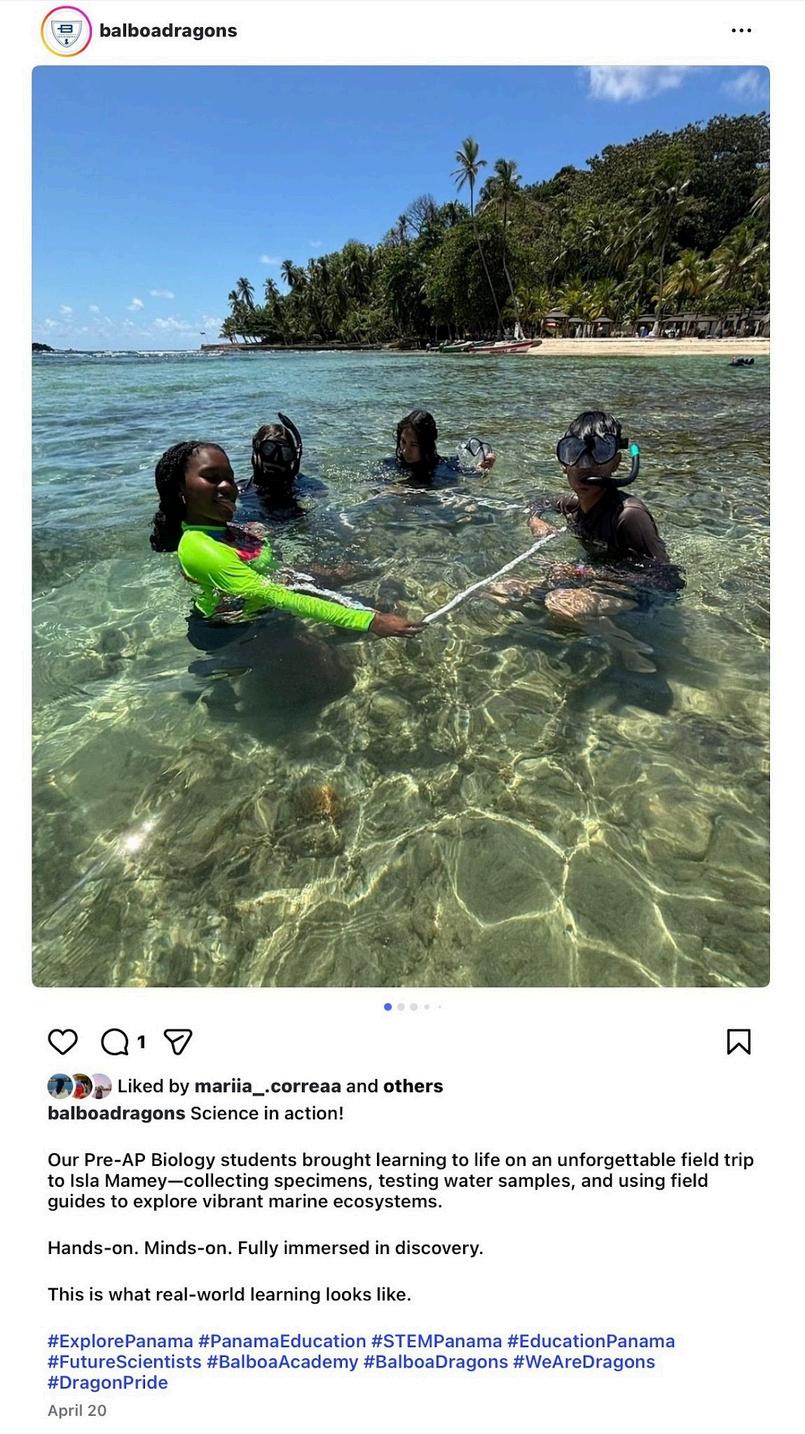
This academic year has been an extraordinary journey of discovery, growth, and scientific exploration for our Biology students. Throughout SY 25-26, students demonstrated remarkable academic and personal development, not only through the theoretical concepts explored and discussed in class, but also through rigorous laboratory work, demanding field experiences, and authentic scientific research.
The Journal of the Young Biologist serves as a platform to celebrate scientific curiosity, innovation, and hands-on discovery among Pre-AP and AP Biology students. Now in its second edition, this student-led publication showcases authentic scientific inquiry, providing a space where young researchers can share their findings from rigorous lab experiments, local ecological studies, and global conservation efforts. By profiling the dedication of student scientists, the magazine aims to bridge the gap between classroom theory and real-world biological research, creating an engaging and collaborative community for the next generation of STEM innovators.
Meet our Committee AP Biology
Lucy Noh
Elisa Jung
Asia Quevedo
Gabriella Rios
Kaelynn Skillbred
Gwendolyn Bethel
Pre-AP Biology
Sofie Nordtveit
Eunjin Wi
Simon Bethel
Sofia Mock
Jiaxi Zhao
Anastacia Sotero
Ramon Diaz
Miguel Colon
Vivian Fang
FROM OUR EDITOR-IN-CHIEF
Lineth Tuñon
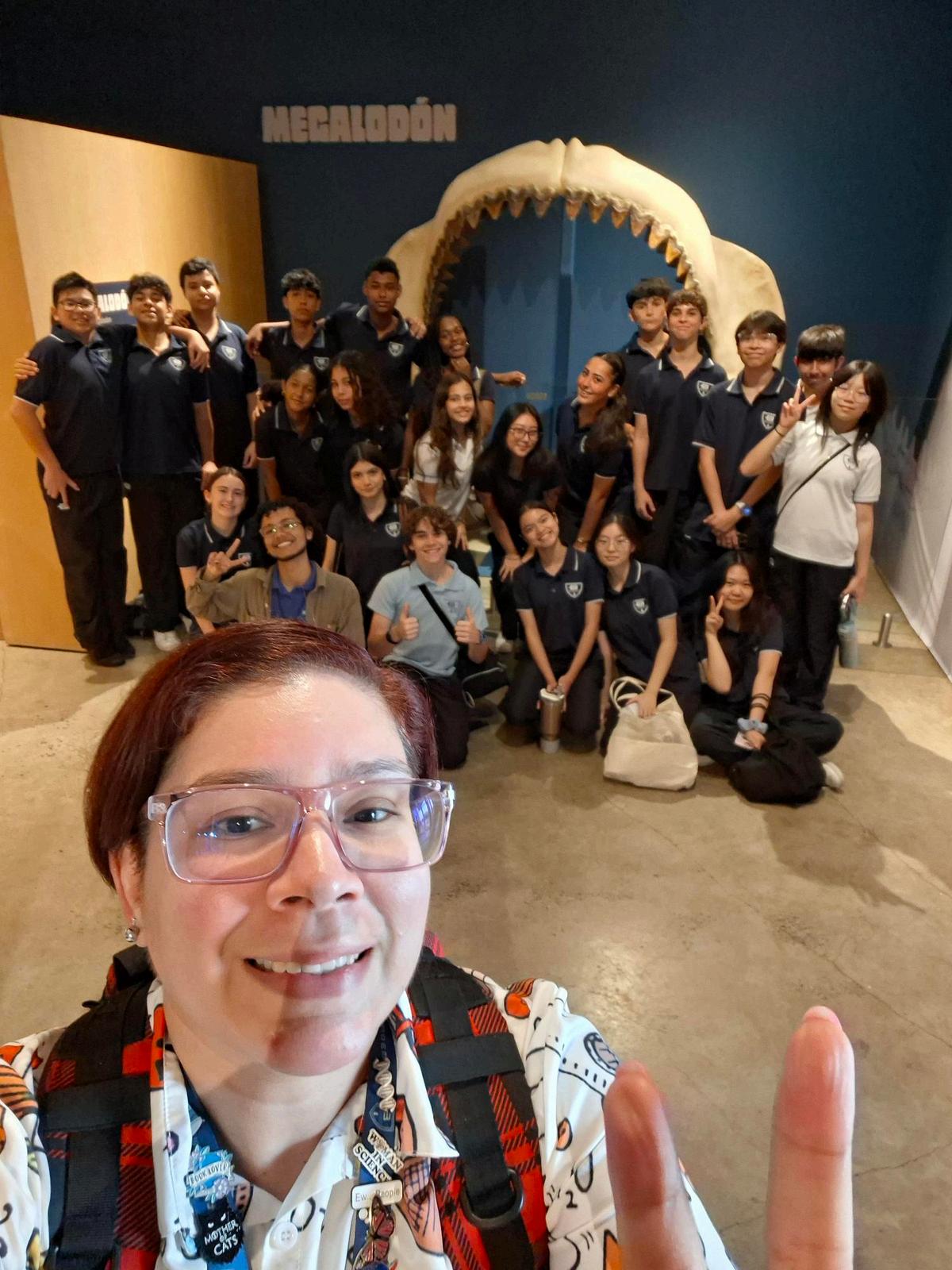
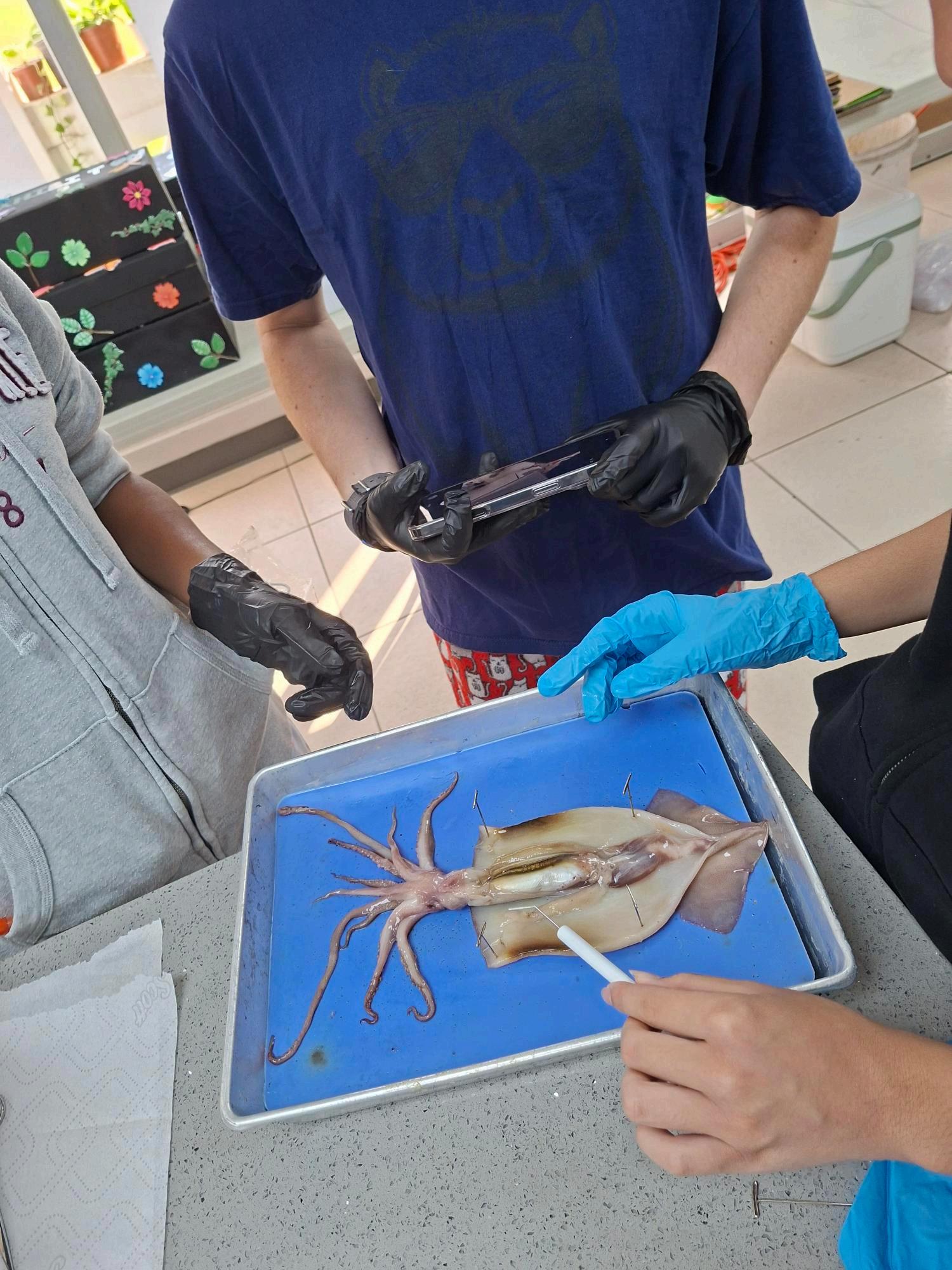
Our students embraced biology far beyond the classroom walls Through intensive laboratory investigations and challenging field trips, they learned how to apply scientific knowledge to real-world environmental issues. They developed essential scientific skills by practicing laboratory techniques, field sampling methods, data collection, and data analysis, while making meaningful connections between scientific evidence and current environmental challenges
One of the most impressive achievements this year has been the exceptional growth our students demonstrated in the field sciences. They became capable of processing, preserving, and analyzing biological samples effectively and responsibly, showing increasing independence and professionalism in scientific practices Their dedication, resilience, and curiosity have been truly inspiring to witness. The results of this hard work are reflected in every research project presented in this edition of The Journal of the Young Biologist. From studies on bacteria, fertilizer applications, and insect evolution, to ecosystem comparisons and even cookies made with insect larvae flour, each project represents not only creativity and innovation, but also the knowledge acquired throughout the year. These investigations demonstrate a true mastery of the scientific method and the ability to follow complex and often demanding laboratory protocols, giving students the invaluable opportunity to experience how real science is conducted
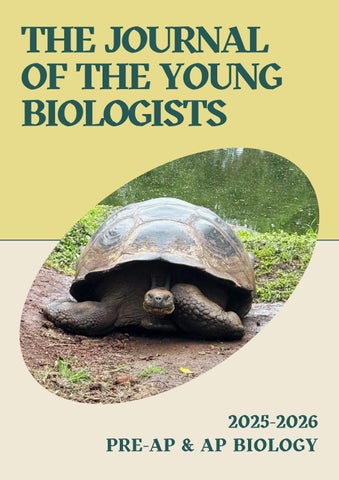
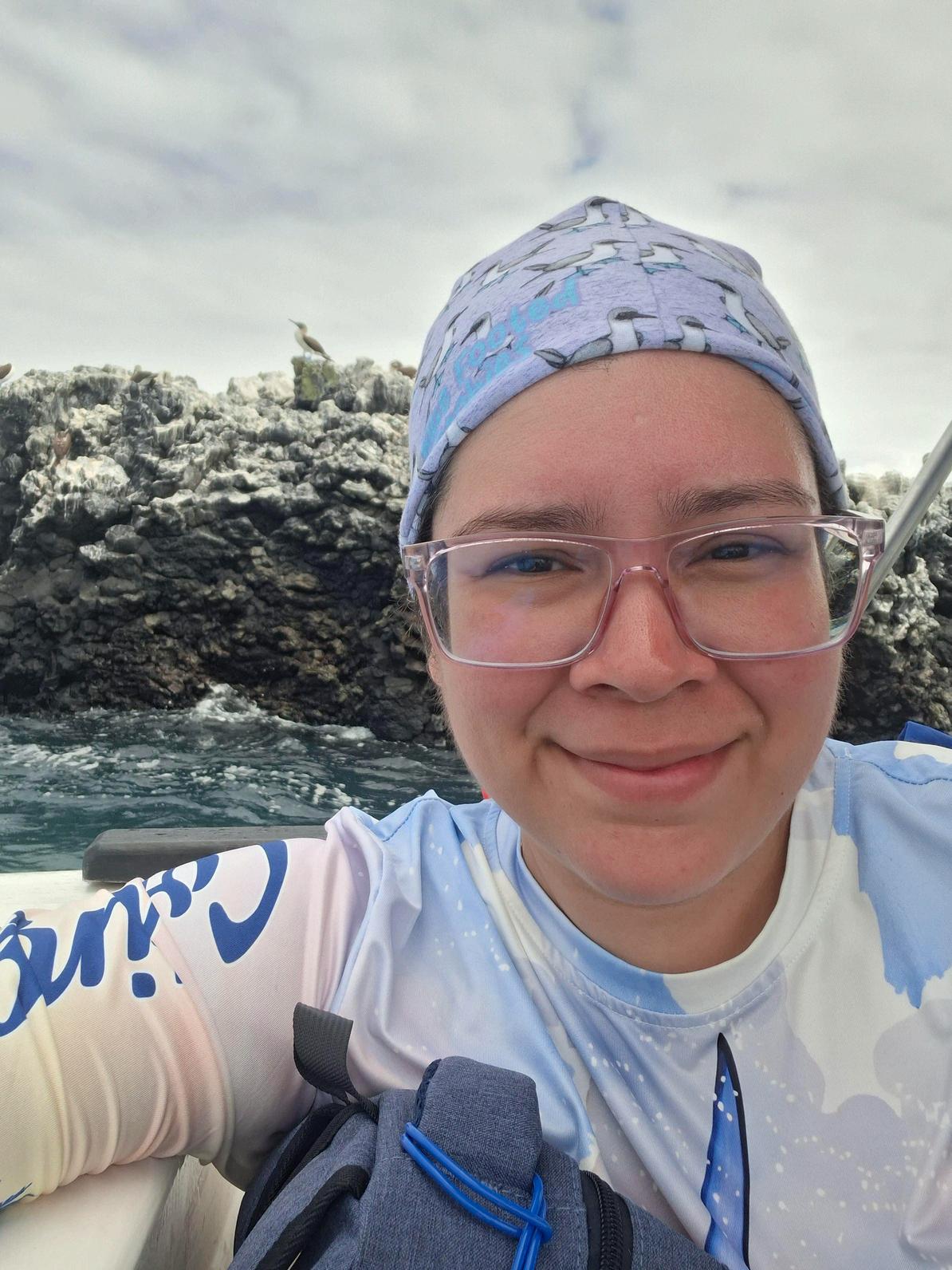
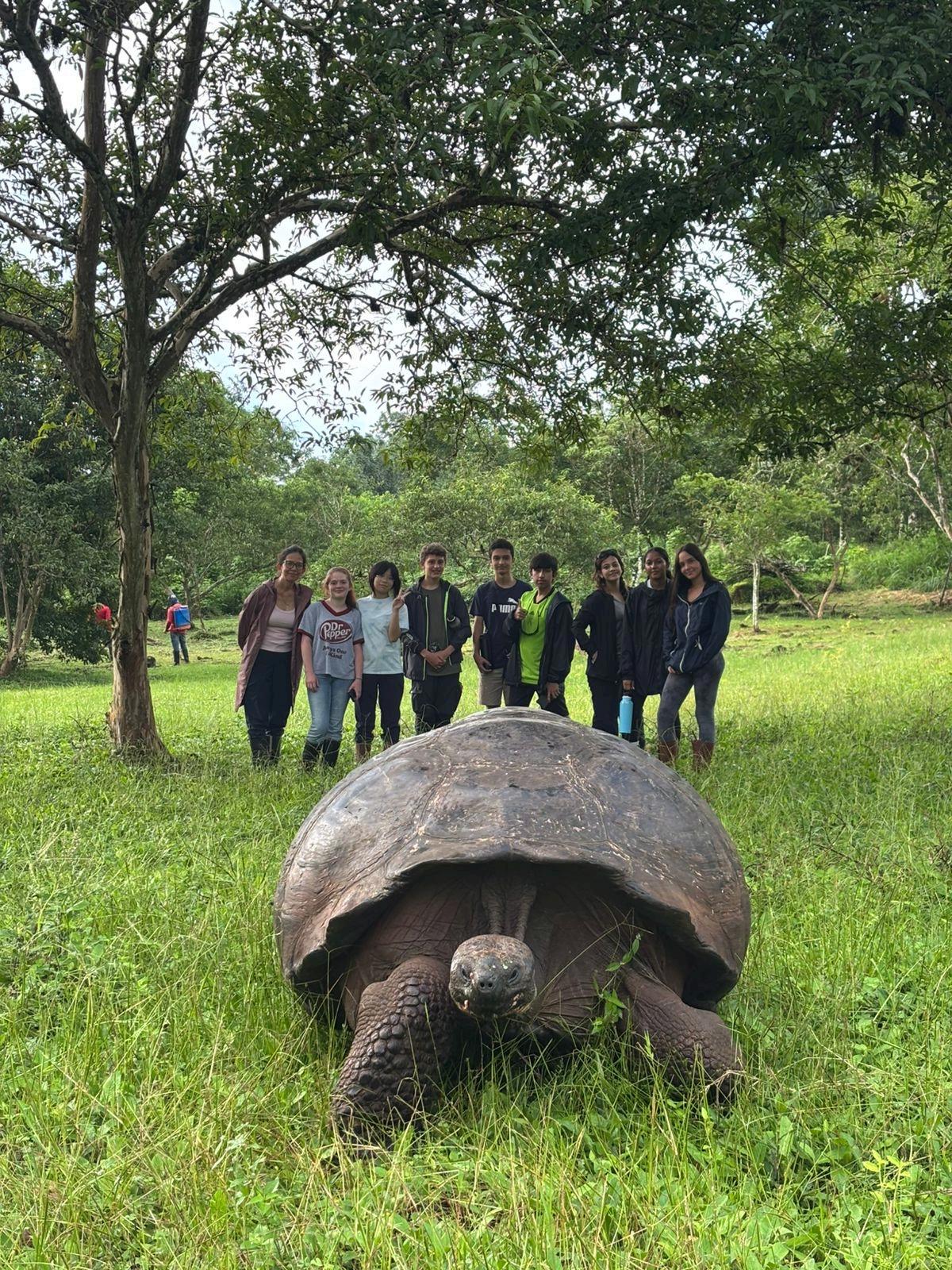
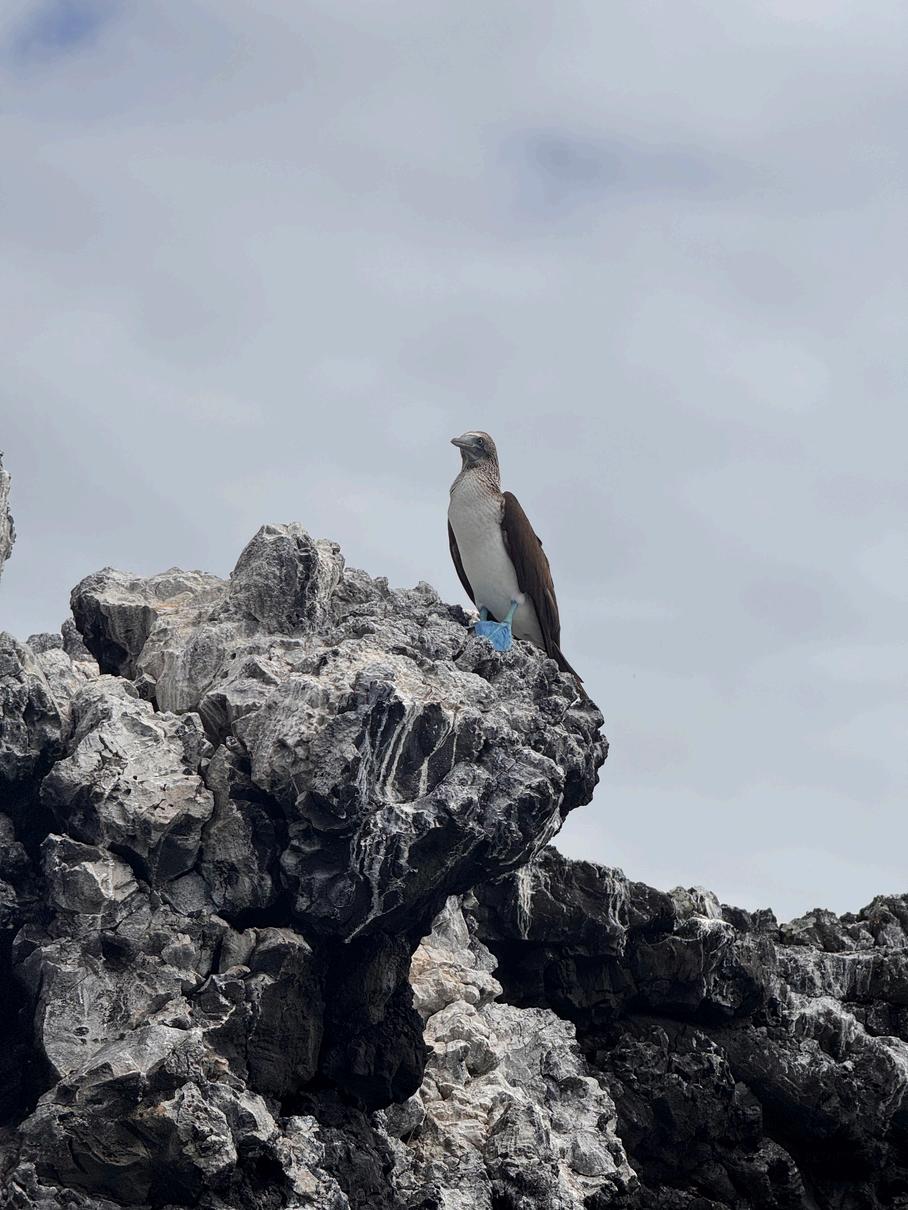
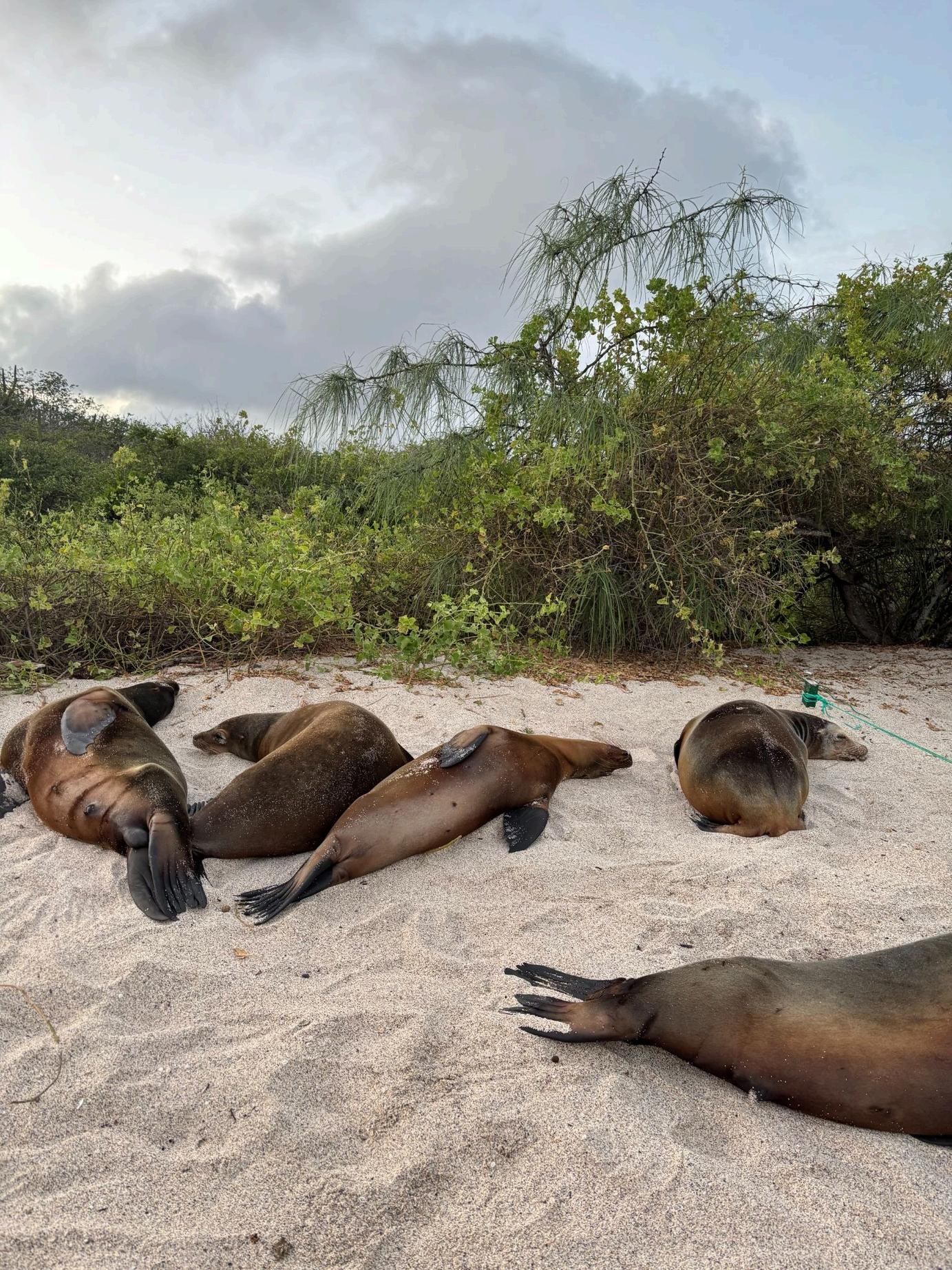
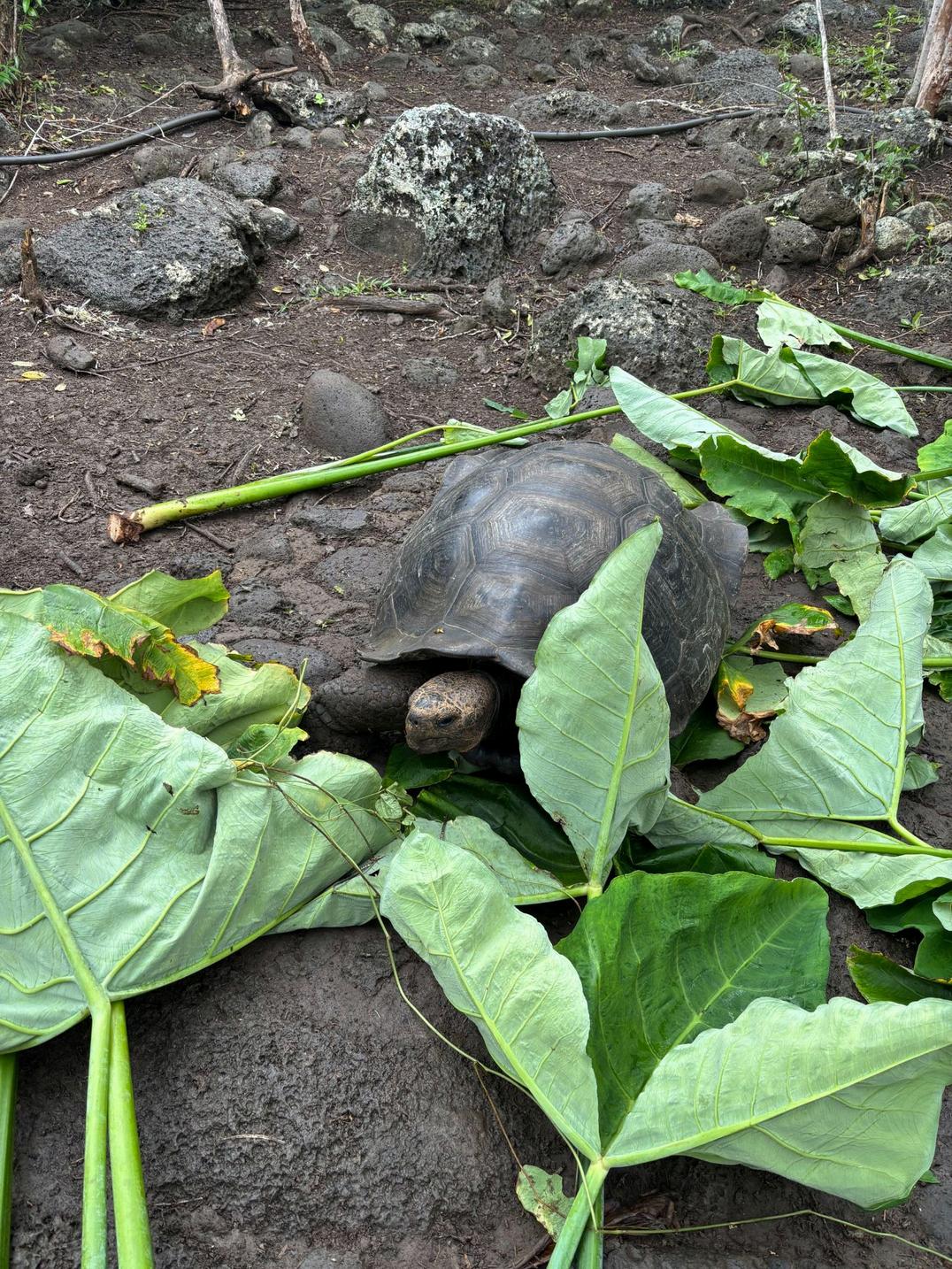
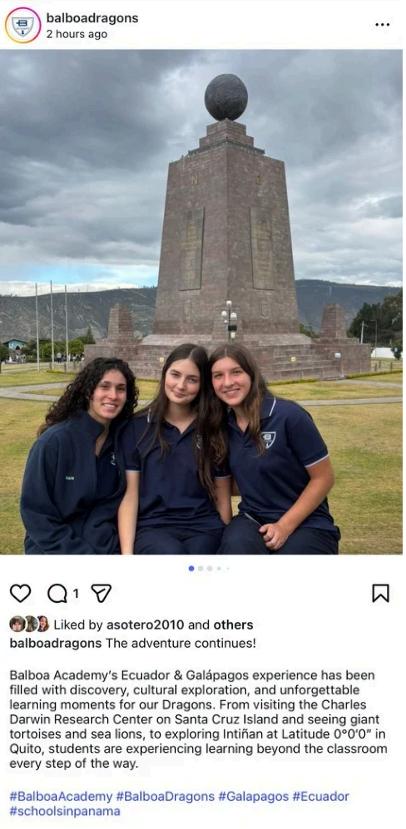
A particularly meaningful highlight of this year was our recent expedition to the Galápagos Islands. During this unforgettable experience, students strengthened their understanding of evolution by retracing the journey that inspired Charles Darwin himself Surrounded by harsh environmental conditions, unique ecosystems, and extraordinary biodiversity, students were able to observe firsthand the evidence that contributed to the development of evolutionary theory. More importantly, they demonstrated an advanced understanding of evolutionary mechanisms and an authentic passion for scientific inquiry, exploration, and discovery
As Editor-in-Chief, I could not be prouder of the passion, perseverance, and scientific excellence demonstrated by our students this year. This journal is more than a collection of projects it is a reflection of countless hours of research, collaboration, critical thinking, and determination. It represents a new generation of young scientists who are not only learning about science, but actively contributing to it
We hope you enjoy exploring the outstanding work showcased in this edition and celebrate with us the incredible achievements of our young biologists.
ZOPHOBAS MORIO AS AN OPTION FOR HUMAN CONSUMPTION
By: Colon M, Fang V, Mosquera S, Nordtveit S.
Abstract
The purpose of our research was to find a sustainable source of protein for human consumption other than meat. This is due to the high quantity of pollution caused by animal farming which affects the environment greatly. Our research was primarily focused on the psychological perception of entomophagy and nutrient factors that Zophobas morios have compared to protein powder The content of protein in Z. morio compared to the plant and animal based protein powder was lower. After surveying participants who tasted the cookie samples more people rated the sample 5/10 or lower compared to after which 2 participants rated it higher. Participants also showed higher interest in eating insects when hidden in food. This shows that while the taste of the cookies could be improved, more than half of the participants would be willing to eat Z morio when it's hidden in food, showing that cultural stigmas can change Moving forward we can use these raw reflections to create an understanding of entomophagy and future eating habits.
Introduction
Zophobas morio are a type of darkling beetle which belong to the kingdom of Animalia, the phylum of Arthropoda, the class of Insecta, the Order of Coleoptera (beetles, the family of Tenebrionidae (darkling beetles), the genus of Zophobas, the species of Morio They have a genus family that originated from the beetles the Tenebrionidae, and is native to Central and South America Z morio’s lineage is broad and has adapted to many kinds of environments which have allowed them to survive through many years While the family’s evolution has been well-studied, the specific lineage is only partially understood. Z. morio has 45-55% protein, 30-35% fat lipids, and around 6-10% fiber. They are considered an alternative protein source because they have high nutritional values, they are produced sustainably and bring environmental and economic benefits. While super worms have some disadvantages; they contain benefits such as being a source of and being rich in energy Traditional livestock can impose major threats to the environment which is why having insects as a main protein source is an excellent way to combat these factors as they do not take up as much space and water usage as mammals need to survive. The research question that guided us in this study was “Do Zophobas morio (super worm) flour contain higher amounts of protein content compared to store bought protein powders?”. Our hypothesis was that if food is made with Zophobas Morio flour, then it will contain higher amounts of protein than if made with store bought protein powder
Materials that were used included mortar and pestle, incubator, sterilizing machine, blender, sieve, Z. morio (adults and larvae), freezer, oven, cookie ingredients, baking trays, protein powder, food for Z. morio, ice, hot plate, and beakers. The methods of the experiment were long and each step was crucial. Starting from feeding the larvae and freezing them to sterilizing them multiple times in ice cold water and boiling water, sterilizing machine, in a highly heated incubator and oven Once the larvae had dried they were grinded and blended into a powder which was then baked into a chocolate chip cookie. The 3 other samples were regular cookies, one with plant-based protein powder, and one with animal-based protein powder. 20 participants had to sign waivers and then blindly taste test the 4 samples and respond to a survey.
Results
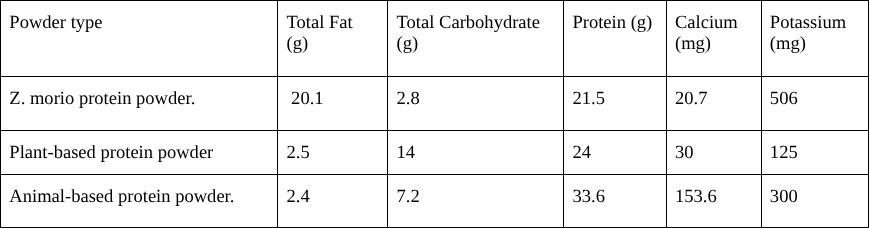
Table #2: Nutrient comparison between store bought protein powders and Z morio protein powder
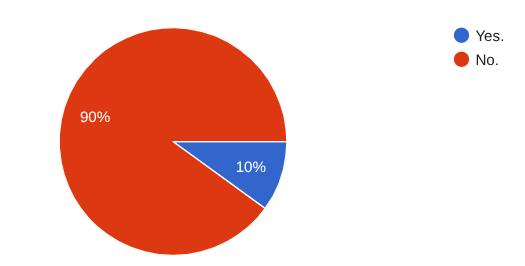
Survey pie chart #7: Would you incorporate Zophobas morio (larvae) in your everyday diet, given that it's a good source of protein?
Discussion
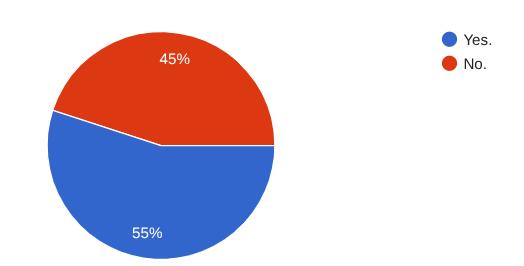
Survey pie chart #8: Would you eat larvae if it was hidden in foods (example: in the form of flour)?
The results that we obtained were beyond interesting. Throughout harvesting the larvae, beetles, and pupa, we were able to analyze and see the way that Z. morio live throughout the different stages of metamorphosis. This included understanding the right conditions and ways to raise the Z. morio. During the process of making the larvae powder we were also able to face different challenges such as oiliness, burnt taste, and the proper ways of sterilization. Once we were able to survey participants in our research we also discovered interesting factors such as texture which contribute sometimes even more than taste This reflects on the importance of the grinding process and the psychological role that entomophagy can have even in cultures not used to the practice of eating insects as long as it is hidden within other products or ina form where we can’t acknowledge the presence of insects in the food For future references, it is important to ask in what ways can the powder be improved texture and taste wise as it was the main problem that was criticised by participants It would also be interesting to see the difference in product manufacturing of different protein powders compared to the Z. morio powder and the environmental footprint both practices leave on the environment. While the protein powders that were store bought did have higher percentages of protein, the natural powder we achieved using only Z. morio contained almost as much protein powder as plant-based protein powder. This reflection is important as it shows the close relation between manufactured and naturally made powder for protein source. This statement refutes our original hypothesis, however, it provides a great comparison between the natural and artificial world.
Conclusion
This study showed that Z. morio could be a sustainable and nutritious alternative protein source for humans. Superworms contain high levels of protein and other nutrients. They also require fewer resources, which causes less environmental impact compared to traditional livestock farming. The experiment demonstrated that Z. morio flour can be incorporated into food without drastically affecting the taste or texture This shows that insect-based protein could be realistically added to common foods, such as pasta and cookies to improve overall nutrition and protein intake Although the experiment faced errors such as beetle deaths, inconsistent feeding schedules, and baking issues, the results still support the potential of edible insects as an important sustainable food source in the future
EFFECTS OF INORGANIC AND ORGANIC FERTILIZERS ON CROPS
By: Bethel S., Mock S., Sotero A., Wi E.
Abstract
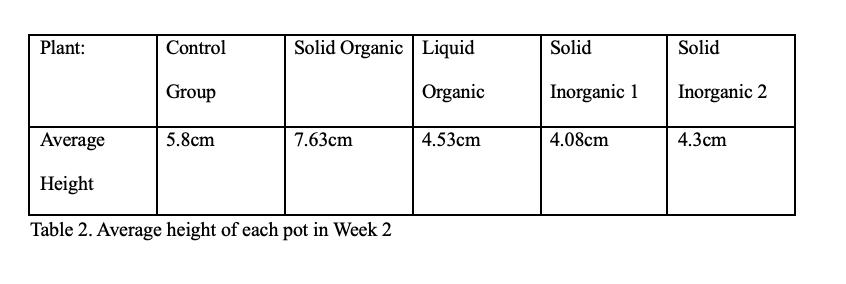
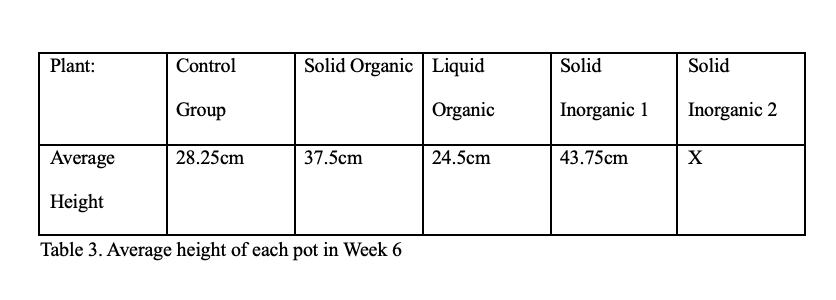
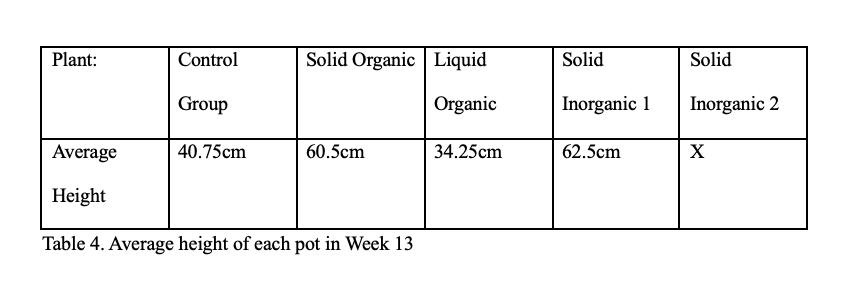
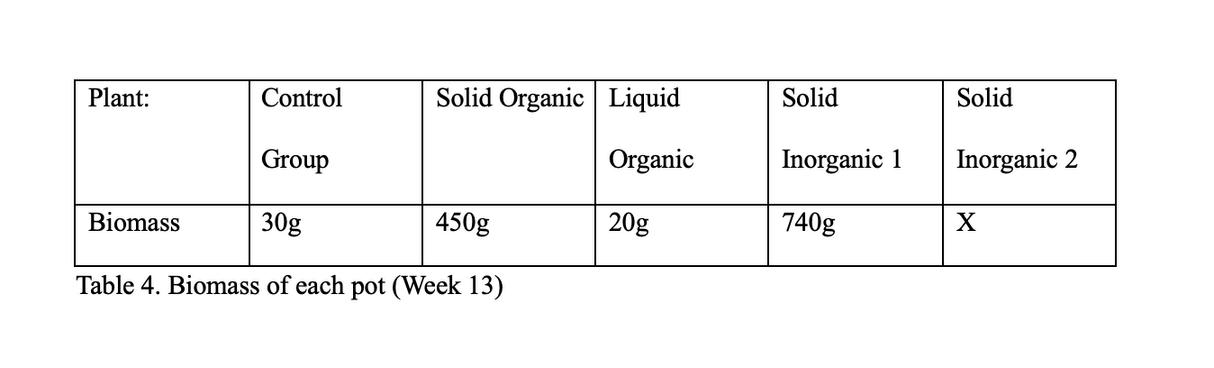
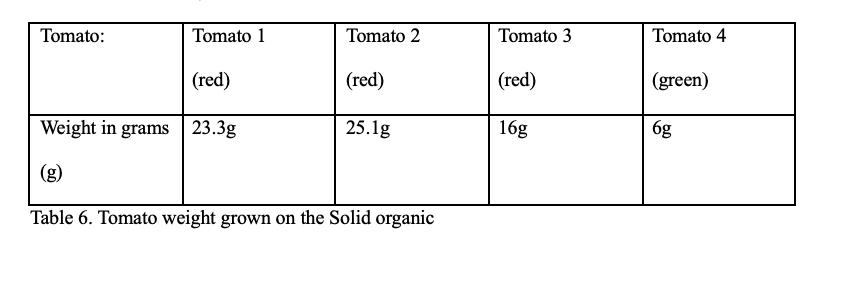
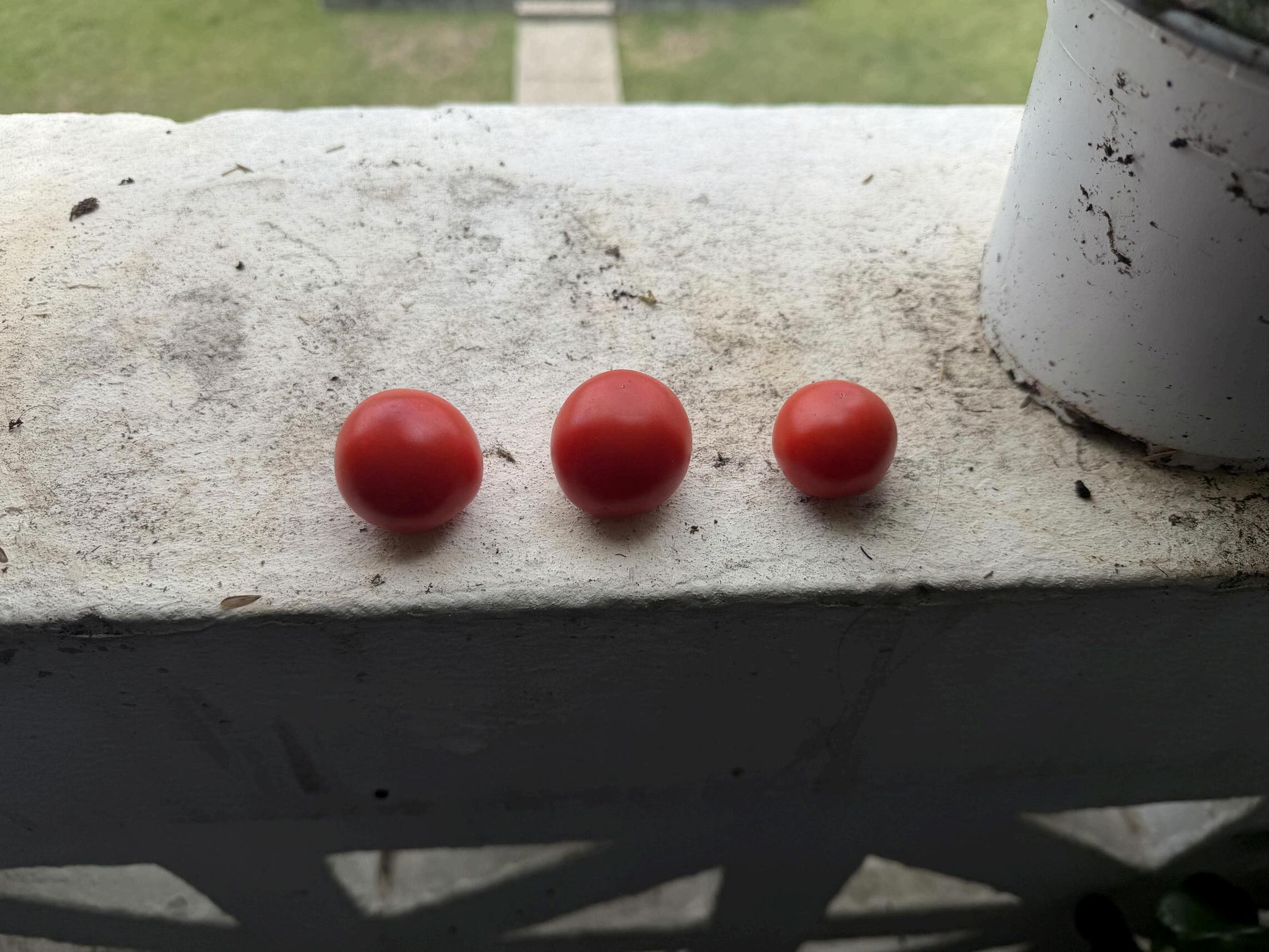
To find the most efficient way to grow crops, we tested the effects of organic fertilizers vs inorganic ones. We grew two tomato plants in each of five pots, one was not fertilized, one had a liquid organic fertilizer, one had a solid organic fertilizer, and two had solid inorganic fertilizers, but of different brands. We found that the solid organic had the most tomatoes, the first solid inorganic was the biggest, the liquid organic and the control groups were unhealthy, and the second solid inorganic died entirely.
Introduction
Fertilizers are nutrients that break down into the soil to provide plants the proper conditions and essential compounds, like nitrogen, phosphorus, and potassium (NPK), to thrive Organic ones are made up of natural, carbon-containing substances that are sourced from organic matter or natural minerals. Inorganic ones are synthetic or man-made, using chemicals to provide essential nutrients to plants. Comparing the two allows us to determine the most efficient way to grow crops, which means that farmers can maximize yields, save money, and provide more food to the population Our hypothesis was that the inorganic fertilizers would perform the best at first, but over time, the plants fertilized organically would grow bigger and dominate at the end of the experiment For our experiment, we needed cherry tomato seeds, five 2-gallon pots, five 16-ounce pots, both types of solid inorganic fertilizer, a liquid organic fertilizer, solid organic fertilizer, potting substrate, a watering can, a trowel, masking tape, permanent markers, a ruler, a scale, and four trellis posts. First, we filled the small pots with substrate and planted the seeds We then left them in the sun and watered them every day We also fertilized them every two weeks Eventually, we transplanted every plant to the two-gallon pots so that they would have more room for their roots to grow Finally, after four months, we harvested the tomatoes and weighed the plants
Results
Discussion
Based on our results, we can determine that the first solid inorganic had the best growth, but the solid organic was the only one with tomatoes The liquid organic and the control group had very small, unhealthy plants, and the second solid inorganic killed the plant Inorganic fertilizers provide readily available nutrients, which likely causes plants to grow very quickly and extensively, as shown by our results. However, the solid organic had slower growth, which may have been better for fruit production This suggests that while inorganic fertilizers promote rapid growth, organic ones are better for fruit production. The second solid inorganic most likely killed the plant because it was too strong.
Conclusion
For the nitrate results, we saw that the liquid organic had the most nitrates, despite being one of the least healthy. This suggests that there was some other issue with the fertilizer, such as a lack in another essential nutrient.
A few limitations were that we did not have enough time for the tomato plants to go through their full life cycle, we were only able to use a limited number of samples and brands, and we didn’t test it with different quantities of fertilizer. Furthermore, the care was inconsistent due to breaks from school and other factors
Similar research has been done in the past, and in those the organic fertilizers did slightly better than the inorganic ones, which was different from our experiment, possibly due to a different crop type, fertilizer composition, or environmental conditions.
Our hypothesis was not supported, because the solid inorganic plant was the biggest at the end
All in all, the solid organic and the first solid inorganic worked the best, being the most tomato bearing and the biggest, respectively The liquid organic and the control group were extremely unhealthy and small. The second solid inorganic fertilizer completely killed the plant. So, the best fertilizer to grow with is either a solid organic, which is more consistent, or a solid inorganic, which provides higher growth but is less reliable In the future, research should be done on other crops, with different brands and quantities, and with larger sample sizes
By: Chavarría M., Correa M., Zhao J.
Abstract
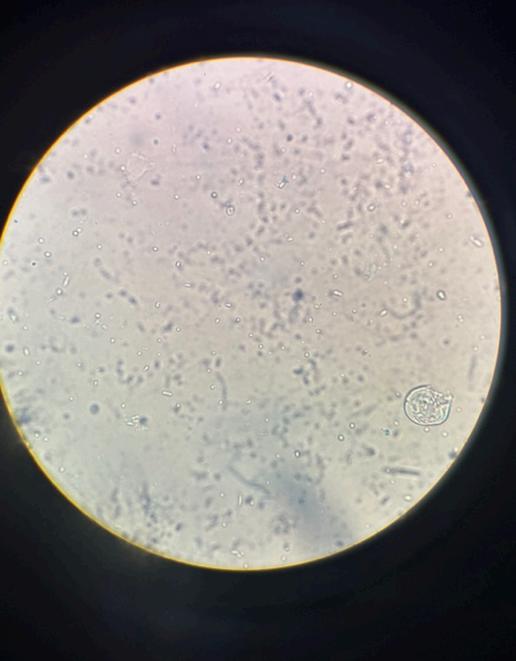
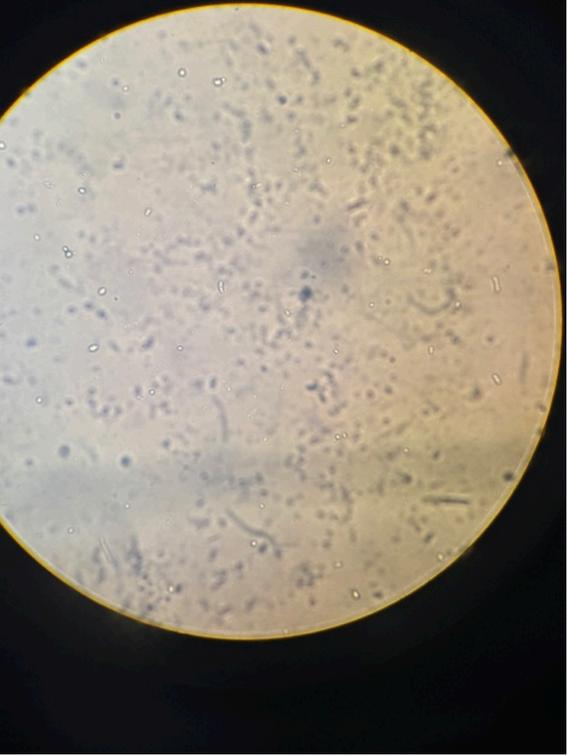
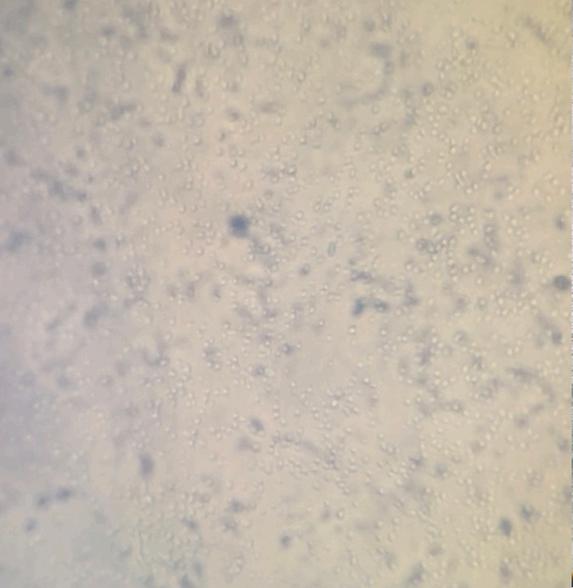
This experiment investigated how different sugar sources affected the pH and fermentation of water kefir. Four samples were tested: White Sugar, Brown Sugar, Raisins, and a mix of Raisins and Brown sugar. We measured the pH, recorded observations, and observed yeasts and bacterias under a microscope. In the first trial, Raisins and Brown Sugar showed the lowest pH and the strongest fermentation, while White Sugar fermented the least. In the second trial, pH values fluctuated over time, and White Sugar and Brown Sugar produced the lowest pH Microscope observations showed higher densities and more yeasts in the raisins samples, and more bacteria in White Sugar and Brown Sugar
Introduction
Fermentation is a process in which microorganism break down sugars into simpler substances to produce energy, acids, alcohol, and carbon dioxide. pH is a measure of acidity or basicity of a solution, the lower the pH, the more acidic. In water kefir, yeast convert sugar into ethanol and carbon dioxide, while bacteria produce acids and vitamins. Enzymes produced by microorganisms speed up these reactions, and minerals such as calcium, magnesium, and potassium help enzymes function effectively. White sugar mainly contain sucrose, while brown sugar and raisins contain minerals such as calcium, magnesium, and potassium, and raisins are made of simpler sugar like glucose and fructose. Because of these differences, sugar sources may affect fermentation and pH differently.
The research question is: how do different sugar sources (white sugar, brown sugar, and raisins) affect the pH and fermentation rate of water kefir?
Our hypothesis is: if different sugar sources are used in water kefir fermentation, then the samples containing brown sugar or raisins will ferment more actively, resulting in lower pH values and greater acid production, because they provide minerals that help enzymes function efficiently and raisins have simpler sugars that allow microorganisms to break down sugars more quickly compared to white sugar.
Results
First trial (25 days):
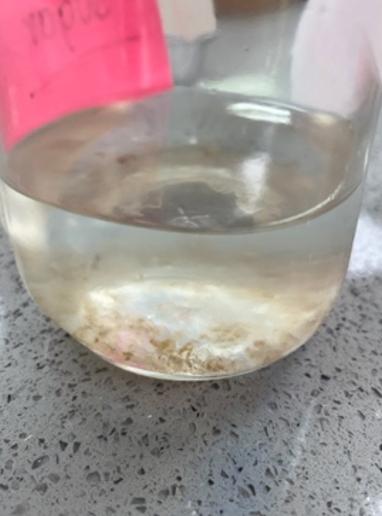
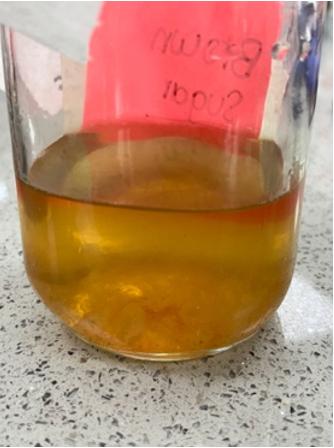
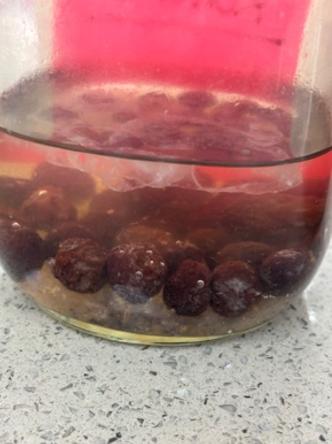
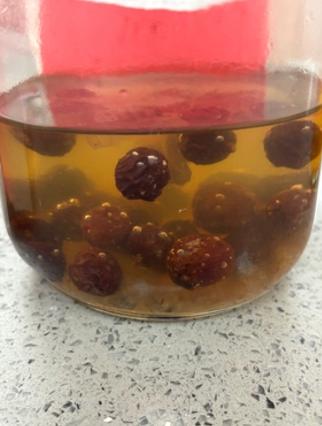
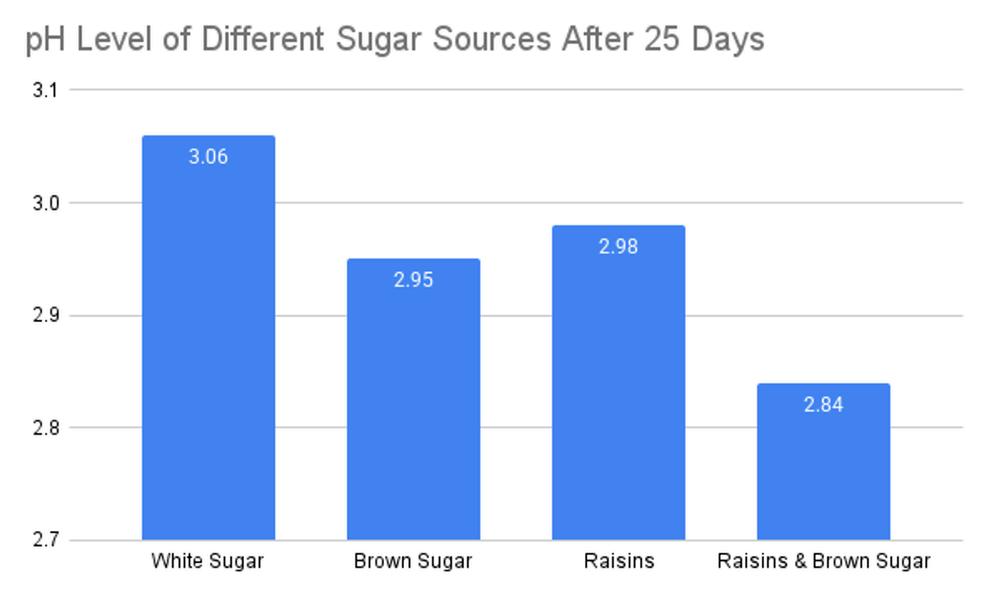
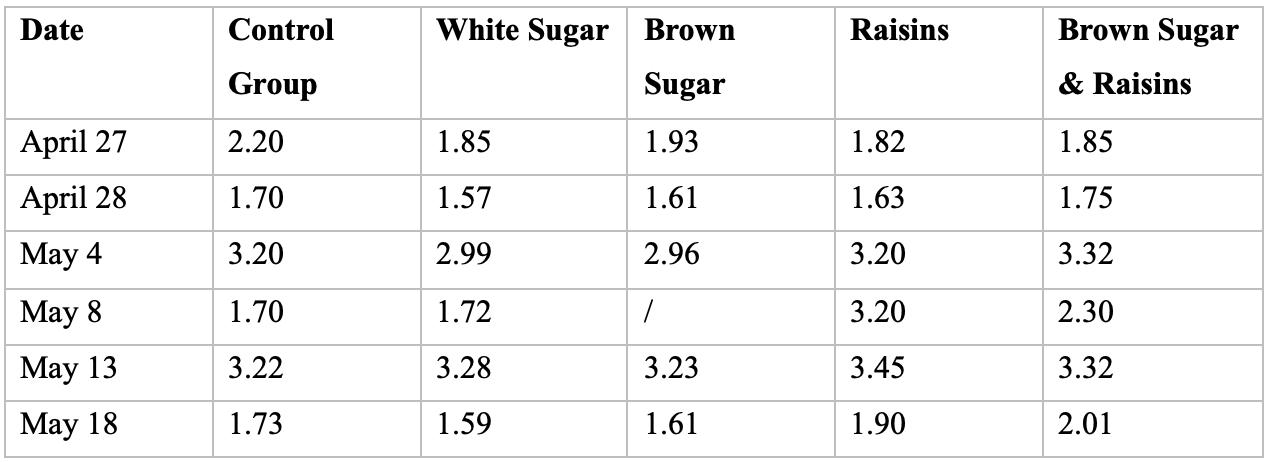
White Sugar had the highest pH (3 06) and Raisins & Brown Sugar had the lowest pH (2 84) Raisins samples showed more bubbles and gas accumulation
White Sugar Brown Sugar Raisins Raisins & Brown Sugar
Second trial (21 days):
White Sugar
Pre-AP Biology 2026
Brown Sugar
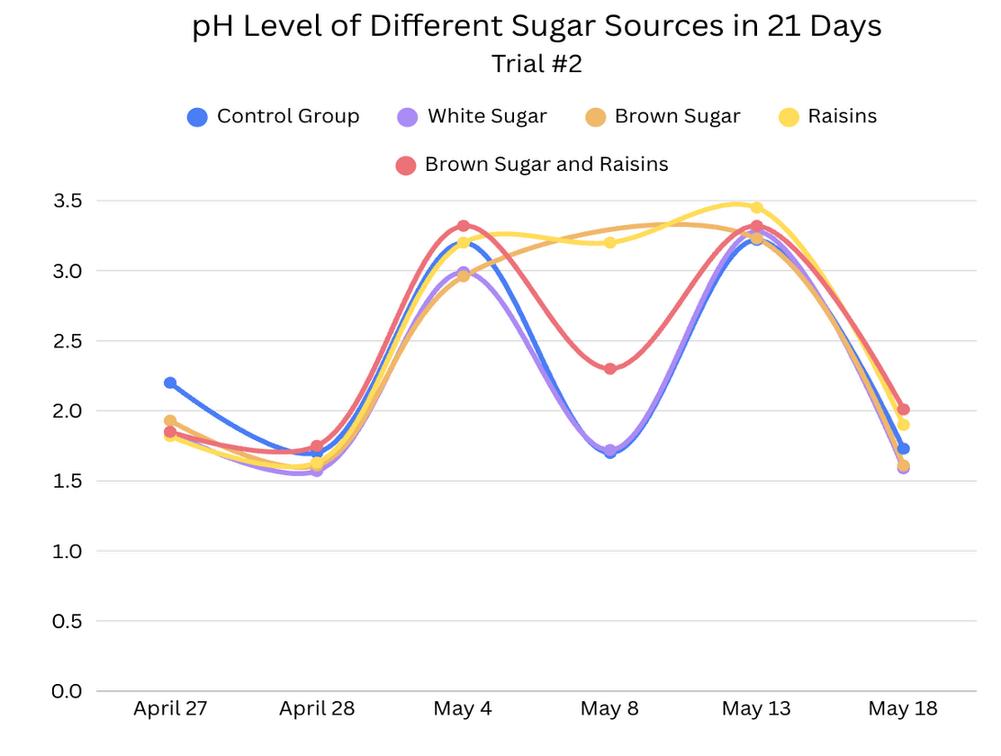
White Sugar (1 59) and Brown Sugar (1 61) had the lowest final pH values.
Raisins samples showed higher microorganism density under microscope than others pH value fluctuated during the experiment
Discussion
The first trial supported the hypothesis because samples with raisins and brown sugar showed greater acid production and lower pH values compared to White Sugar, because minerals and simpler sugars (free glucose and fructose) in raisins supported enzyme activities and microbial growth.
In the second trial, white sugar and brown sugar unexpectedly produced lower pH values, which might be due to a shorter fermentation period compared to the first trial, since refined sugars are quicker to become available for microorganisms to utilize than raisins The fluctuating pH values may have been caused by temperature inconsistencies, since the temperature wouldn’t be ideal (20°C ~ 24°C) during weekends Microscope observations showed that raisins samples generally had the highest visible microorganism’s density, especially yeast, while White Sugar and Brown Sugar contained more visible bacteria than the other samples Since bacteria are mainly responsible for acid production, greater bacterial presence in white sugar and brown sugar may explain their lower pH values.
Some limitations may have caused experimental inaccuracies. Unequal total masses of sugar sources may have affected fermentation rates; temperature conditions were not consistent; and microscope observations were only based on appearance and small portions of each sample.
Conclusion
The experiment showed that different sugar sources affect the fermentation of water kefir. Brown sugar and raisins supported greater microbial activity and acid production than white sugar because they provide minerals and simple sugars that help microorganisms ferment more effectively
Although some limitations may have affected the results, the experiment indicated that mineral-rich sugar sources improve water kefir fermentation
It also highlighted the importance of microorganisms in fermentation and their applications in health, nutrients, food production, and microbiology.
Raisins & Brown Sugar Raisins
EVOLUTION OF INSECTA AND MIRIAPODA
By: Diaz R., Kouttoupis N.
Abstract
Arthropods have survived and adapted for more than 350 million years largely because of the evolution of their specialized mouthparts Insects developed a wide variety of feeding structures, including chewing, piercing, sucking, sponging, and siphoning mouthparts, allowing them to exploit many ecological niches and food sources. In contrast, centipedes evolved venomous mouthparts mainly specialized for predation. This research examined the evolution and development of insect and centipede mouthparts while also investigating the debated classification of Rhyniognatha hirsti. The findings suggest that insects evolved greater mouthpart diversity due to broader environmental adaptations, whereas centipedes remained primarily predatory However, limited fossil evidence prevented a definitive conclusion about whether Rhyniognatha hirsti was an early insect or a myriapod, highlighting the complexity of arthropod evolution and the need for further research.
Introduction
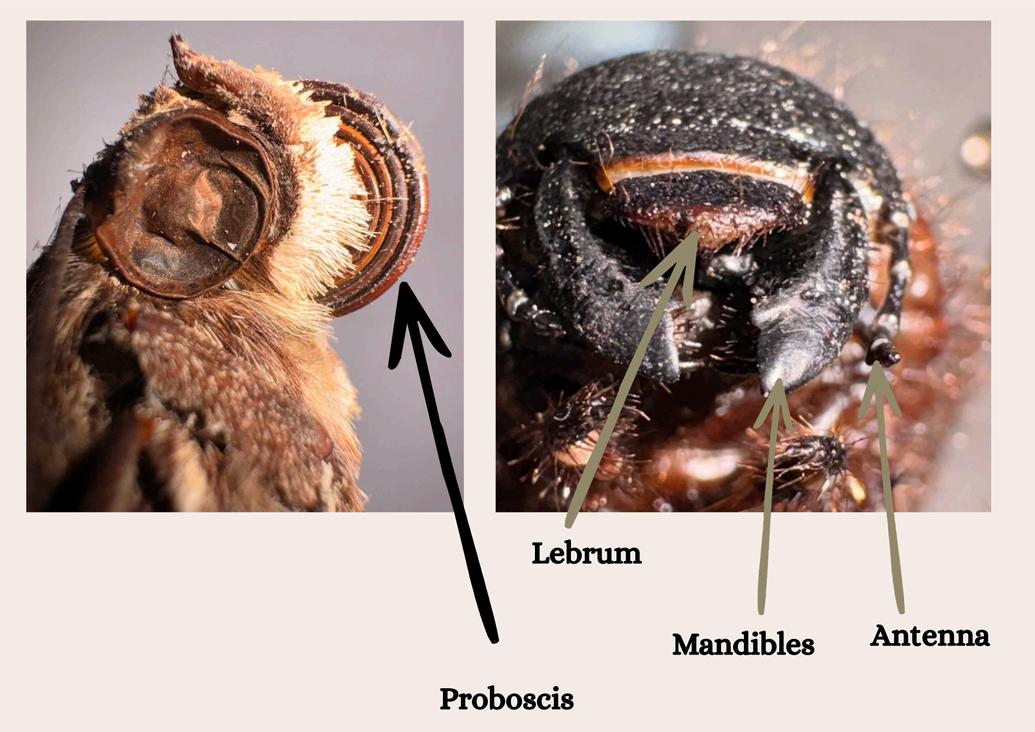
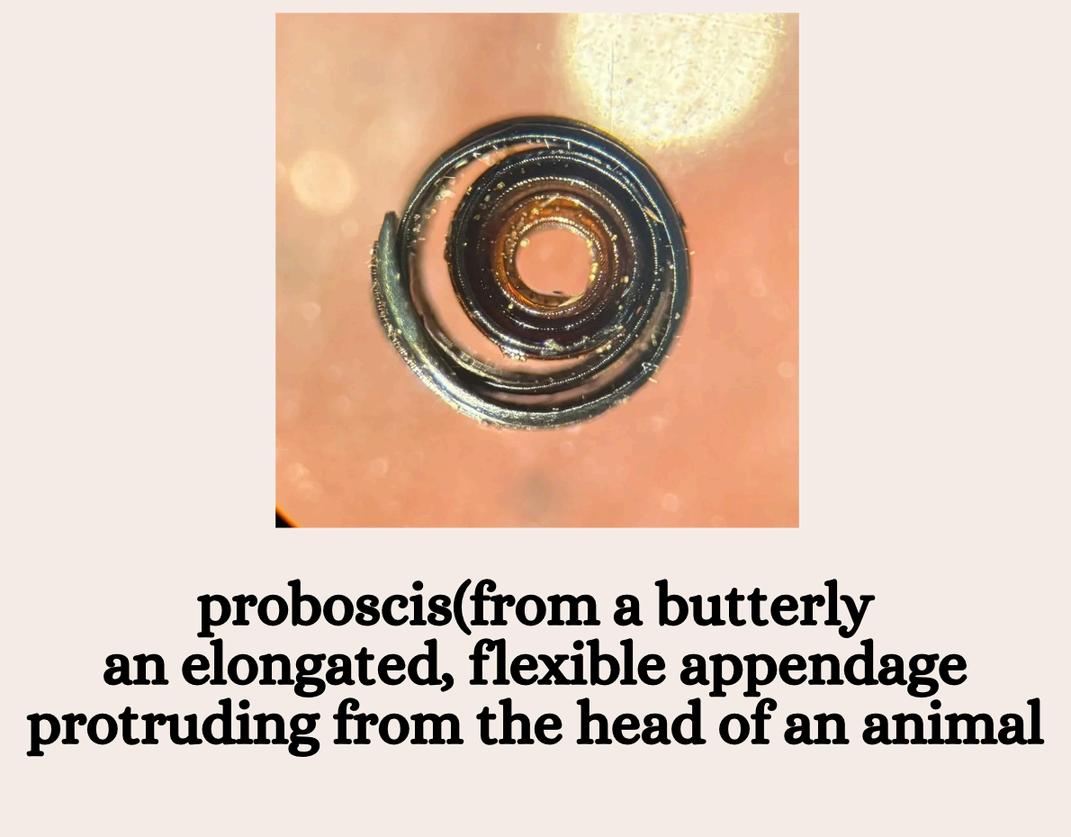
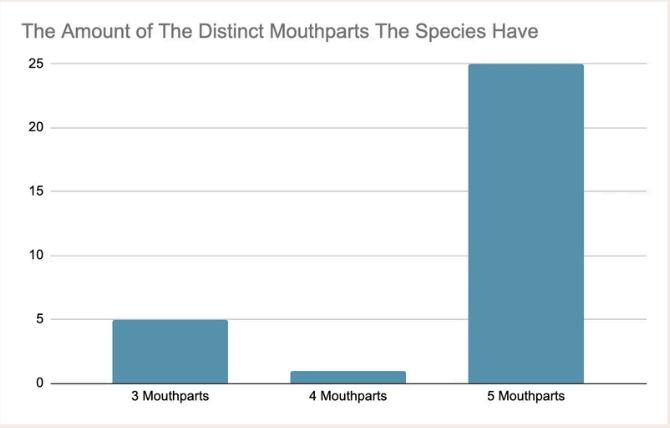
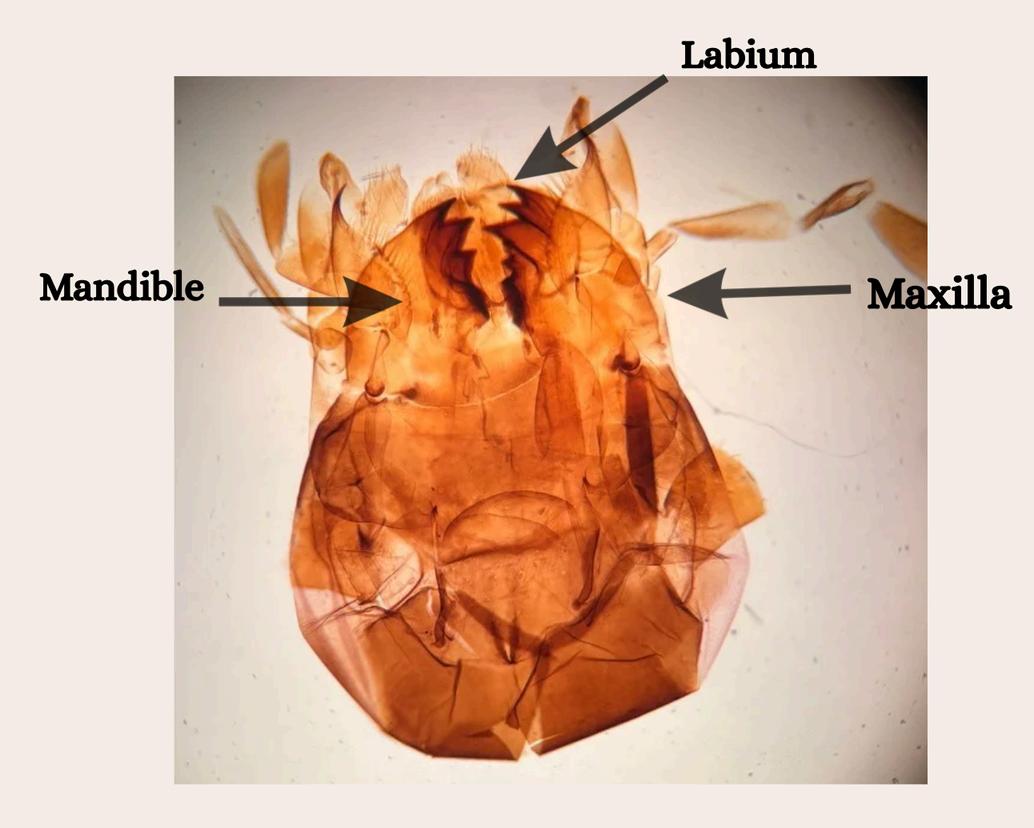
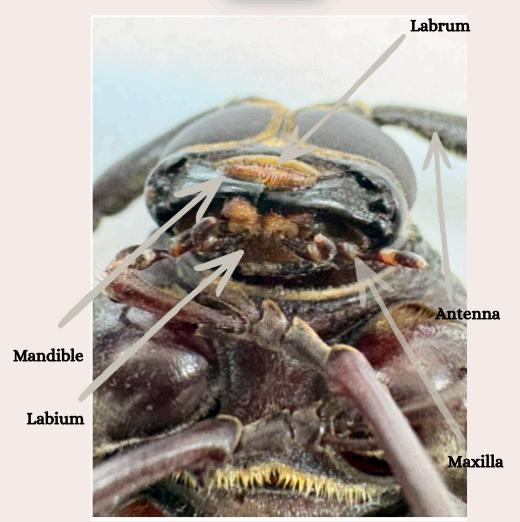
Arthropods are the most diverse animal group on Earth, having survived over 350 million years by adapting to nearly every environment. A key reason for this success is the evolution of specialized mouthparts. Insects, which make up roughly 80% of all animal species, developed five mouth types built from five basic structures: the labrum, mandibles, maxillae, labium, and hypopharynx These structures gave rise to chewing mouthparts in beetles and grasshoppers, piercing-sucking mouthparts in mosquitoes and aphids, siphoning mouthparts in butterflies, sponging mouthparts in flies, and chewing-lapping mouthparts in bees. This diversity allowed insects to feed on solid plant material, animal fluids, nectar, and decaying matter across almost every habitat.
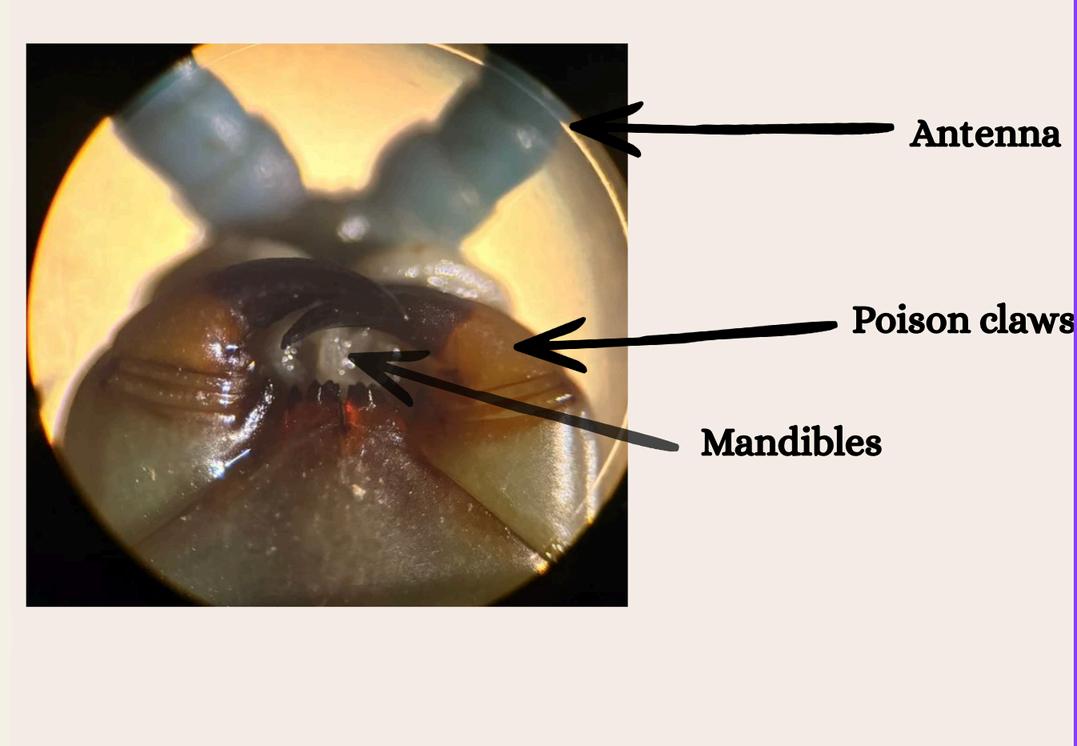
Centipedes, belonging to the myriapod group, took a different evolutionary path Rather than diversifying their mouthparts, they developed a specialized predatory design consisting of a labrum, mandibles, two pairs of maxillae, and venom claws called maxillipeds. These claws grasp prey and inject venom to immobilize it before feeding. While the venom is generally mild to humans, it can cause allergic reactions in some cases Both insects and centipedes share a common arthropod ancestry and possess similar basic structures, but evolved differently due to their distinct diets and ecological roles. The fossil Rhyniognatha hirsti, dating back over 410 million years, sits at the center of an ongoing scientific debate over whether it represents one of the earliest insects or a myriapod, a question that remains unresolved due to limited fossil evidence The research question of this project is: What is the difference between the mouthparts of insects and myriapods? The hypothesis is: If insects and myriapods have similar mouths, then how were they developed similarly.
Discussion
The evolution of insect mouthparts was key to their success as the most diverse animal group on Earth. Starting from simple chewing structures, insects developed five specialized types: chewing in beetles and grasshoppers, piercing-sucking in mosquitoes, siphoning in butterflies, sponging in flies, and chewing-lapping in bees. Each adaptation allowed insects to exploit different food sources, reducing competition between species and enabling them to occupy nearly every habitat.
Compared to insects, myriapods like centipedes developed less diverse mouthparts, mainly evolving venom-injecting forcipules for predation, while millipedes kept generalized chewing structures for consuming decaying material
The fossil Rhyniognatha hirsti, found in Scotland and dating back 400 million years, remains debated. Its mandible-like structures resemble those of winged insects, but incomplete fossil evidence leaves scientists unable to definitively classify it as an early insect or a myriapod relative.
Beyond feeding, insect mouthpart evolution shaped entire ecosystems through pollination, predation, and disease transmission, demonstrating how small anatomical changes over millions of years can produce major ecological impact
Conclusion
The evolution of insect mouthparts demonstrates how adaptation and natural selection contributed to the incredible success and diversity of insects Starting from simple chewing structures, insects developed specialized mouthparts such as siphoning, piercing-sucking, sponging, and chewing-lapping forms that allowed them to exploit different food sources and habitats. Fossil evidence, including Rhyniognatha hirsti, shows that advanced mouthparts appeared early in insect evolution. Compared to myriapods, insects evolved a far greater variety of feeding structures, enabling them to reduce competition and thrive in nearly every ecosystem on Earth. These adaptations not only improved insect survival but also shaped ecosystems through pollination, decomposition, predation, and disease transmission, making insect mouthparts an important example of evolution, biodiversity, and ecological interaction.
Abstract
BIRD INVENTORY OF URBAN AND COASTAL AREAS IN PANAMA CITY
By: Levy J.
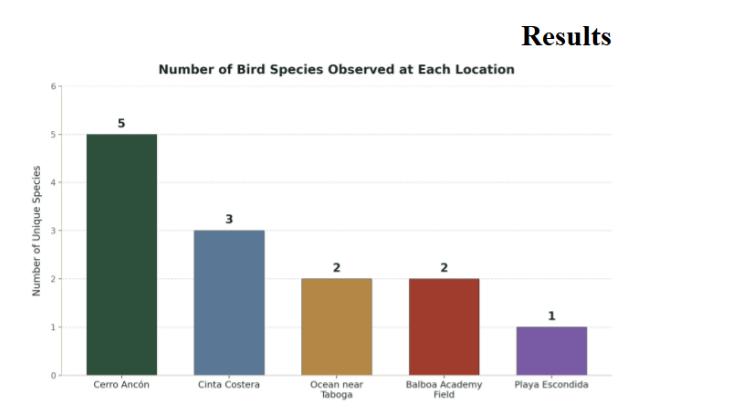
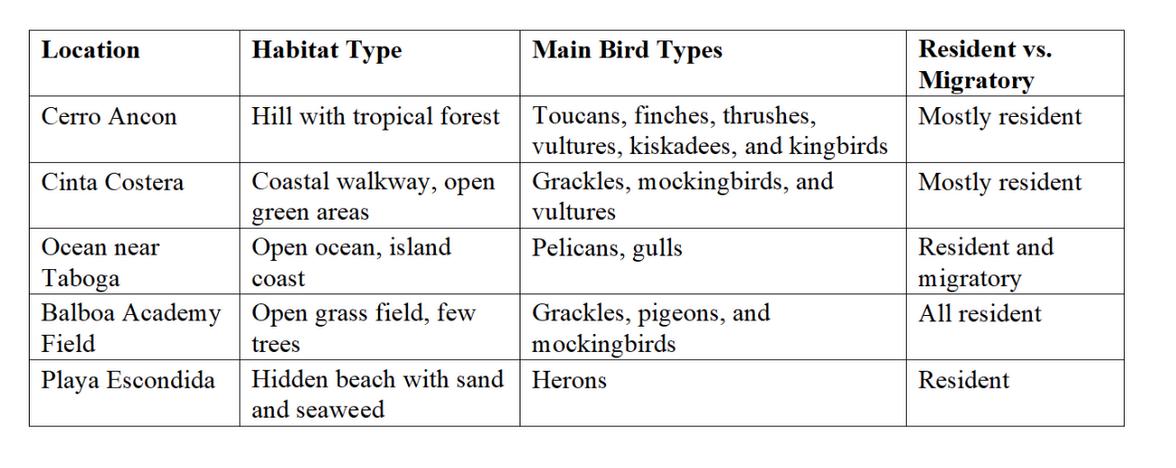
Most people who live in a city assume that biodiversity exists far away, but this project shows that Panama City has a lot of birdlife in parks, walkways, and ocean edges. I surveyed five locations representing different habitat types: Cerro Ancón, the Cinta Costera, the ocean near Taboga, the Balboa Academy field, and Playa Escondida. I identified 13 unique bird species , and logged them into a custom website I made for this Project.
Introduction
Panama is one of the most biodiverse countires in the world becuase of its location between North and South America and its tropical climate, and has over 1,000 known species of birds. The research question for this project is: what bird species can be found in Cerro Ancon, the Cinta Costera, Tabogas coast, the Balboa Academy field, and playa escondida, and how can each species be clasified by its taxonomy, color, and migratory status? My hypothesis is that Cerro Ancon would have the most species since it has the most trees, Taboga and playa escondida would mostly have seabirds, and the Cinta Costera and Balboa Academy field would have fewer but still some variety.
Results
Discussion
Cerro Ancon recorded the highest species which suports my hypothesis becuase Cerro Ancon has the most tree cover. The open grass field at Balboa academy and the coastal walkway at the Cinta Costera had less. In my visit to playa escondida I was able to take fotos of the Tri-Colored Heron, a bird that was not observed at any of the other 4 locations. The majority of species documented live here in panama and don't migrate, with the Laughing Gull being the only partially migratory one Limitatons of this study include that each location was visited only once and that a smart phone makes it hard to differentiate species that look the same
Conclusion
In conclusion, I learned that habitat is more important than location when it comes to bird diversity, because the small Cerro Ancon right in the middle of an urban city produced more species than the open ocean near Taboga or any of the more developed locations By building a custom inventory website for this project I was able to take photos, drop pins, and classify each species on the same tool that anyone with a QR code can later explore Alll this information can be used in the futuere to lern more about Panamá, and all of its avifauna
MICROORGANISMS IN SEWAGE WATER
By: Mock E., Giraldo J.J., Peñaherrera D.
Abstract
This project investigated the microorganisms found in sewage water near Clayton and Panama City. Water samples were collected from several locations, including Parque Los Lagos, Laguna de los Caimanes, Lago de los Andes, and nearby sewer systems Using microscopes and repeated observations over 4 months, we found different microorganisms and compared their abundance and diversity. The most common organism found was parameciums, especially in sewage water, where food sources like bacteria and waste. Pond water had barely any microorganisms, likely because it is cleaned and oxygenated regularly Sewage water, on the other hand, contained many microorganisms such as parameciums, nematodes, dinoflagellates, and several unidentified species due to the conditions Our results show that that water has cleaner environments have fewer microorganisms, while dirty or untreated water supports more growth. This helps explain why polluted water can be more dangerous for humans and why water maintenance systems are important.
THE EFFECTS OF ORGANIC AND INORGANIC FERTILIZERS ON FRESHWATER ORGANISMS
By: Lee S.
Abstract
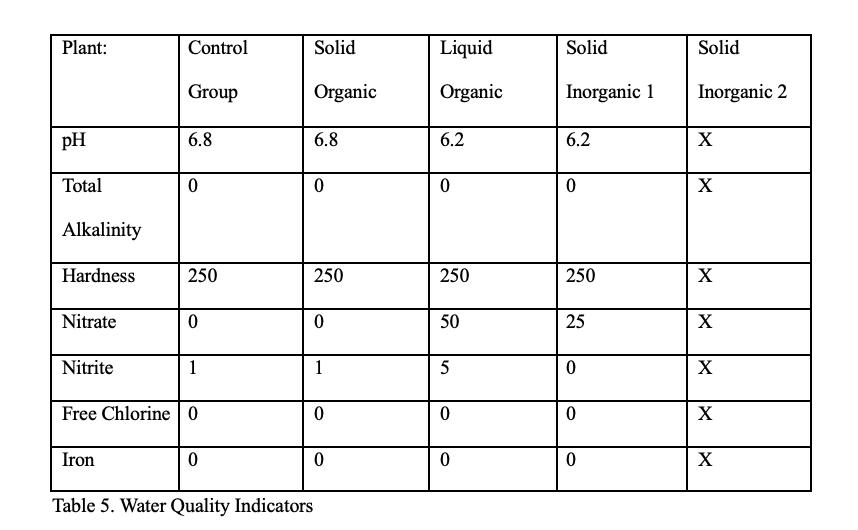
Freshwater ecosystems are highly sensitive to changes in water chemistry and nutrient levels. This study investigated the effects of organic and inorganic fertilizers on freshwater organisms over multiple trials lasting between three and eleven weeks. Three treatments were tested: organic fertilizer, inorganic fertilizer, and a control group without fertilizer Organism population growth, survival, and water quality measurements, including pH, alkalinity, hardness, nitrate, nitrite, chlorine, and iron levels, were recorded weekly. Results showed that inorganic fertilizer caused rapid initial population growth but eventually led to population decline and organism death. Organic fertilizer supported higher and more stable populations throughout the experiment, while the control group remained relatively stable with limited growth. Water quality data indicated that organic treatments maintained more stable chemical conditions, whereas inorganic treatments showed lower pH and alkalinity levels These findings suggest that organic fertilizers may be less harmful to freshwater ecosystems than inorganic fertilizers over long-term exposure.
A COMPARISON BETWEEN MARINE ECOSYSTEMS IN PANAMA AND THE GALAPAGOS ISLANDS, AND HOW THE PANAMA CURRENT AFFECTED THE GALAPAGOS ISLANDS’ BIODIVERSITY
By: Barahona-Arias N.
Abstract
Seasonal upwellings and the oceanic currents created by the rising of the Isthmus of Panama have affected the biodiversity of the Galapagos Islands since their formation 5 million years ago This research was conducted with the goal to compare the marine ecosystems on both sides of the Panamanian Isthmus as well as the ecosystems in Santa Cruz and Isabela islands in the Galapagos Archipelago. After a series of observational dives, the conclusion was that without the rising of Panama and the closing of the Central American Seaway, the Galapagos Islands would not be able to receive essential resources such as nutrients and stable, balanced temperatures, resulting in the now thriving volcanic islands becoming completely inhabitable for all organisms, and the surrounding seas being far too cold and lacking in nutrients for any of the endemic species to survive.
BENEFITS OF 3D PRINTING SUPPLIES AND EQUIPMENT FOR HIGH SCHOOL BIOLOGY CLASSROOMS
By: Lowenthal A.
Abstract
This study investigated the effectiveness of using fused deposition modeling (FDM) 3D printing to produce laboratory supplies and equipment for a high school biology classroom Factors that were considered were function, durability, accessibility, and cost. Half the 3D printed items were reproduced and the other half were custom designs. The items were digitally modeled using Tinkercad and printed using a Bambu Lab A1 3D printer with PLA and PEG filament. Printed items included a laboratory scoop, storage container, tweezers, modular drying racks, petri dish racks, and a test tube holder. Each item was tested for function and under stress Also, a cost comparison was done between printed items and similar equipment that could be purchased from a business. Subjective feedback was also collected using a survey that was given to 33 people. Results from the study showed that most 3D printed items performed their function and cost less than similar purchase options. The printed equipment was also more accessible and had the ability to be customized. However plastic 3D printed items breakdown with high heat and are weaker than metal Overall, the study supports the hypothesis that 3D filament printing can be an accessible and cost effective alternative to purchasing biology classroom laboratory supplies.
ZOPHOBA MORIOS PLASTIC CONSUMPTION AS AN OPTION FOR BIOREMEDIATION
By: Cohen D., Jaramillo M.
Abstract
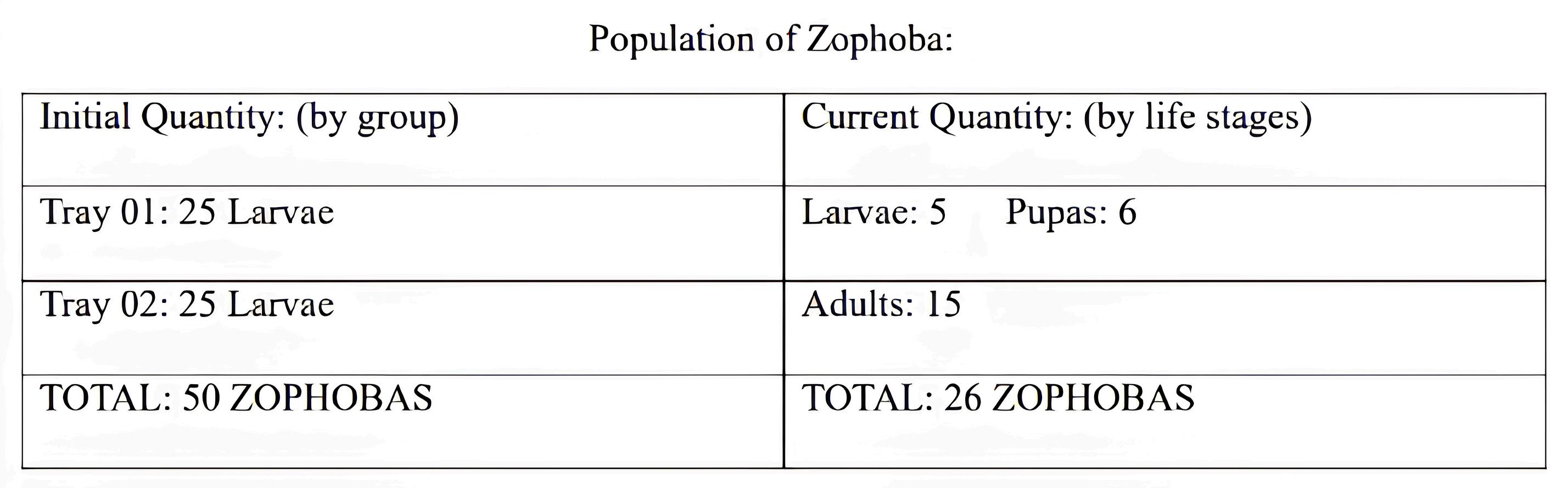
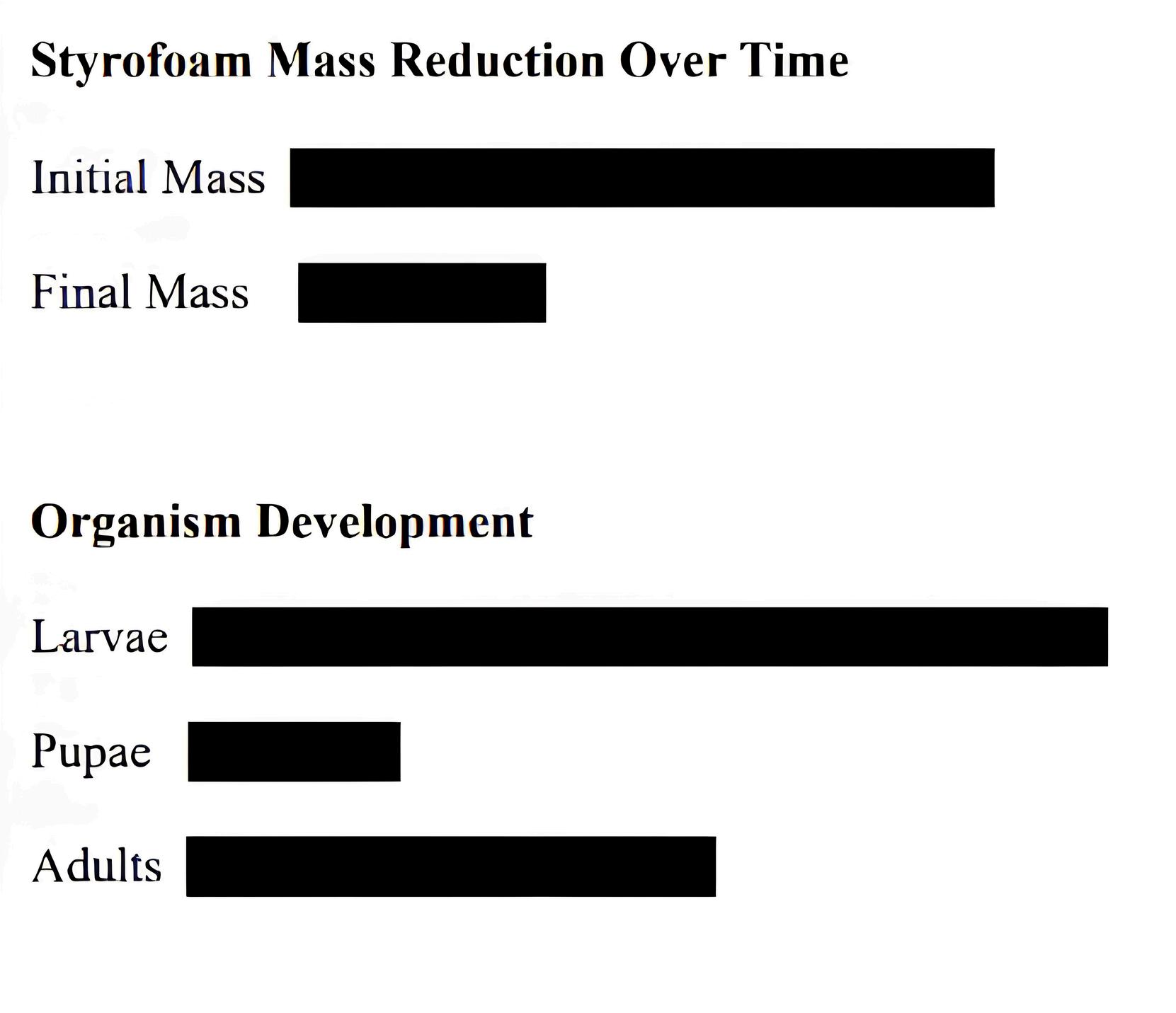
To investigate this possibility, fifty Zophobas morio larvae were observed over approximately thirteen weeks while being exposed to Styrofoam as their primary food source. Styrofoam blocks were weighed periodically using a digital balance, while researchers also recorded larval survival, development, and visible changes in the plastic This study aimed to determine whether the larvae could survive while consuming Styrofoam and whether their feeding activity would produce a measurable decrease in the mass of the plastic over time. It was expected that larvae deprived of regular food and provided only with Styrofoam would consume the material, resulting in observable degradation and reduced Styrofoam mass, supporting the potential use of superworms as a method of bioremediation.
Introduction
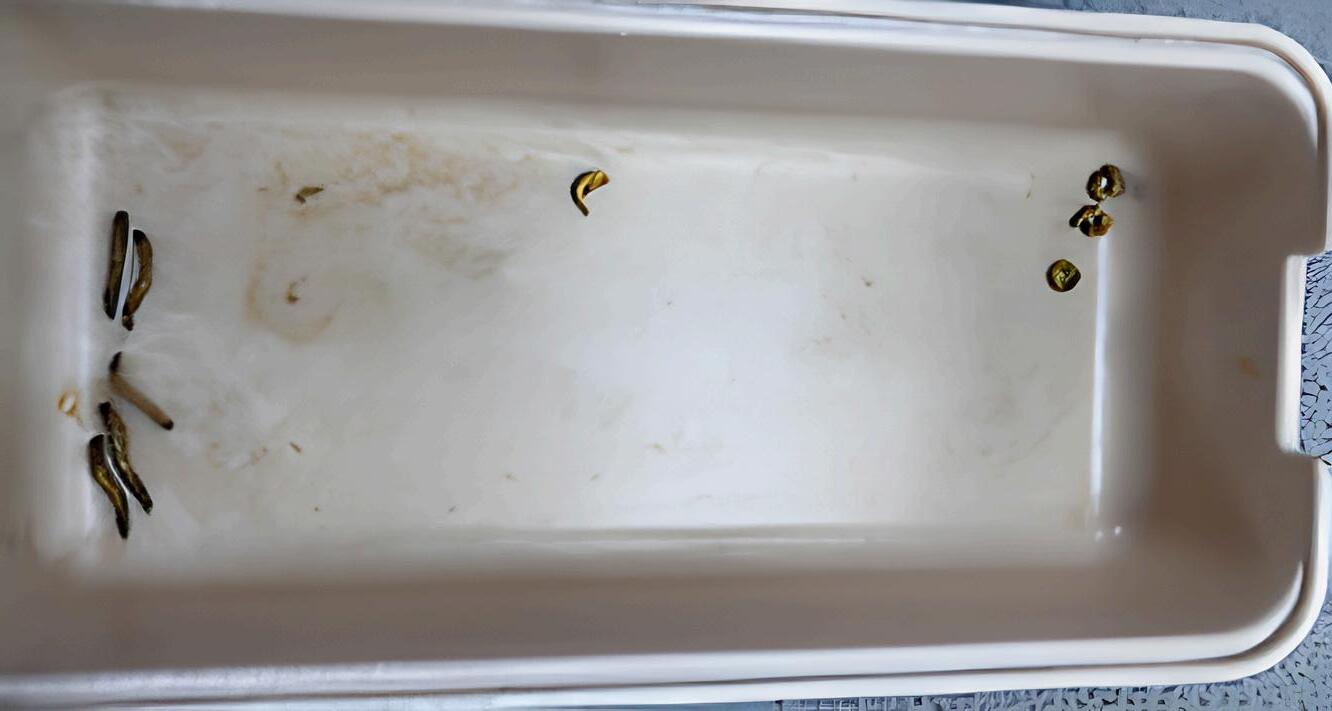
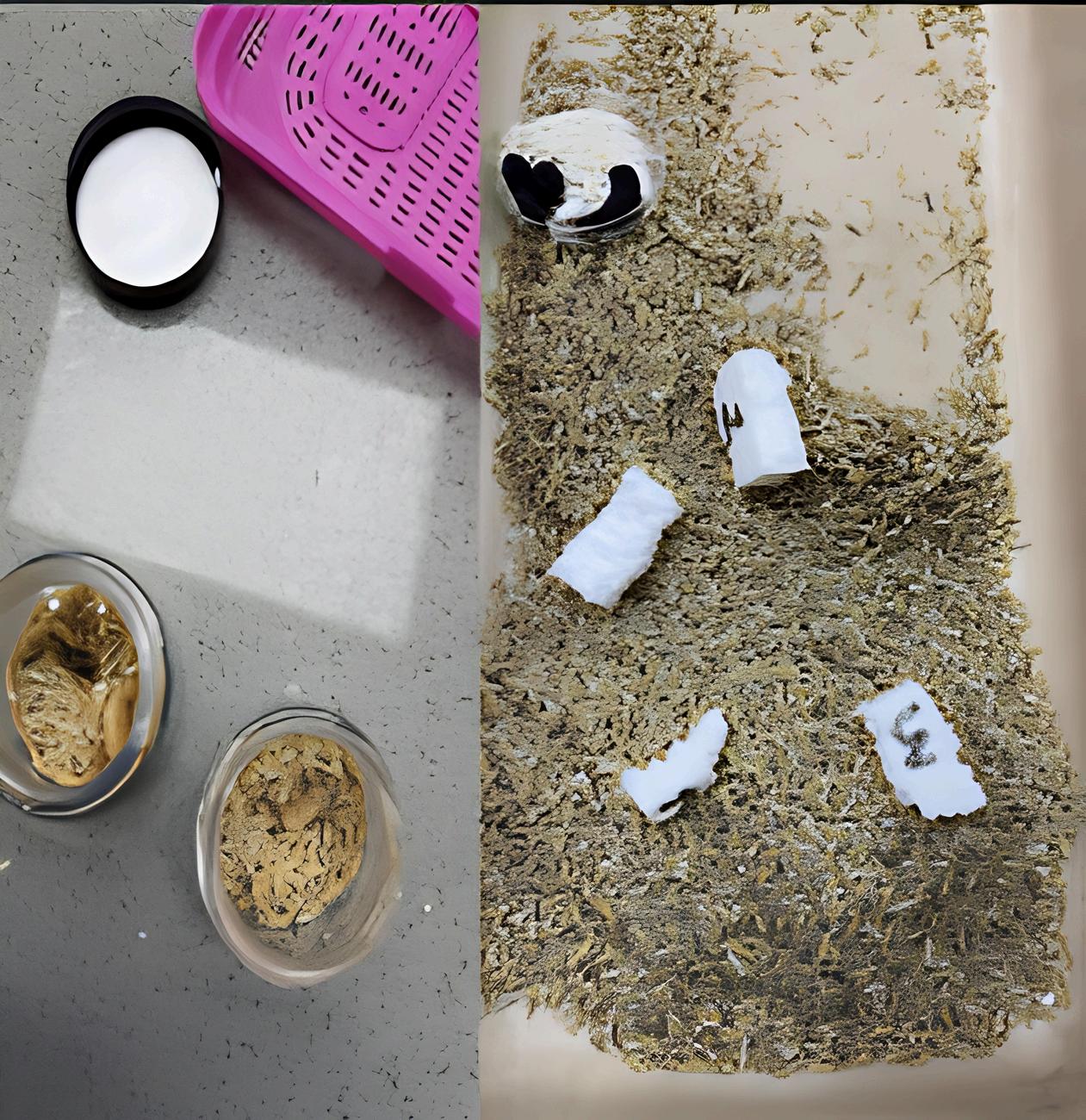
Fifty Zophobas morio larvae, commonly known as superworms, were used in this experiment to investigate their ability to consume Styrofoam as a possible method of bioremediation. The materials used included plastic containers with ventilation holes, Styrofoam blocks, a digital balance, rice husk substrate, forceps, labeling materials, and observation tables. The larvae were divided into experimental trays, with the experimental group receiving Styrofoam as their primary food source while control organisms were fed bran. Over a period of approximately thirteen weeks, the Styrofoam blocks were weighed periodically to monitor changes in mass. Researchers also observed larval survival, development into pupae and adults, visible damage to the Styrofoam, and any behavioral changes throughout the investigation.
Results
Discussion
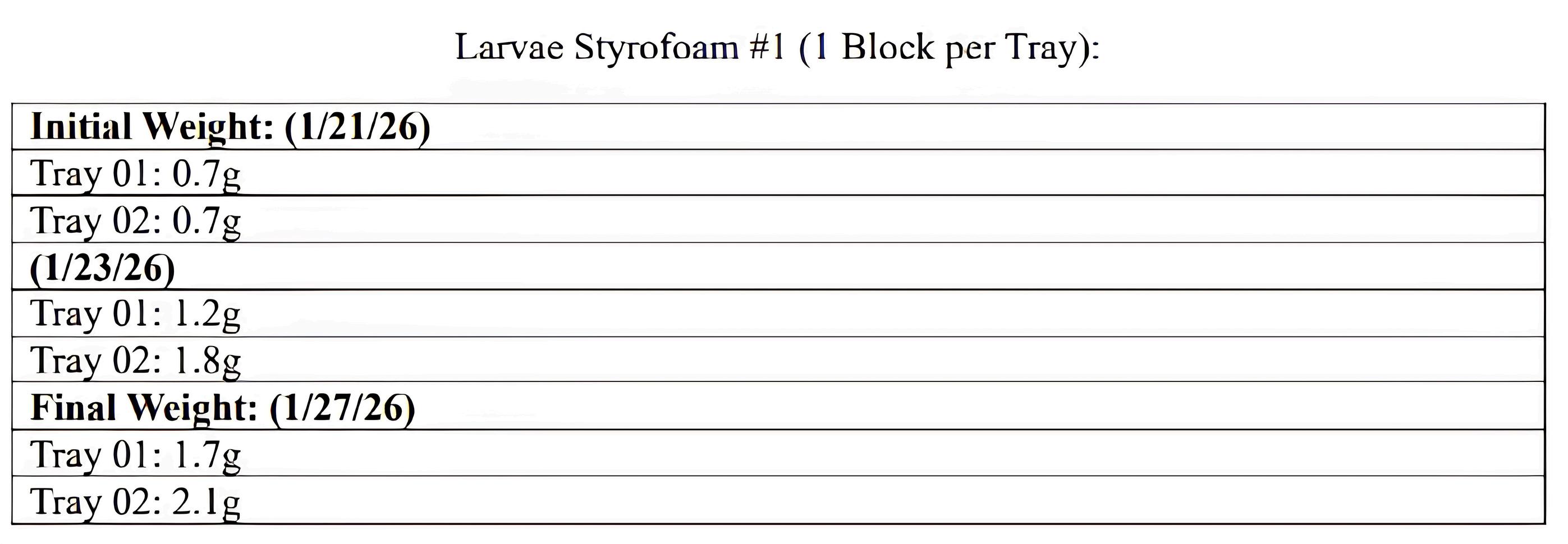
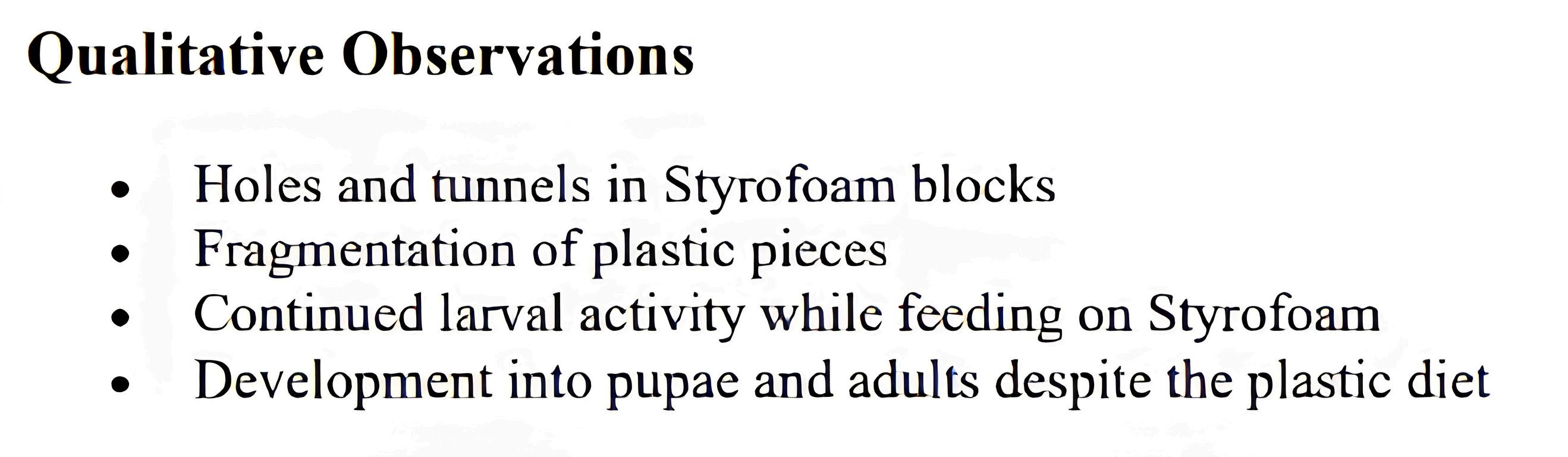
The experiment provides evidence that Zophobas morio larvae are capable of consuming and degrading Styrofoam. Throughout the investigation, visible damage such as holes and fragmentation appeared in the plastic blocks, while repeated measurements demonstrated a measurable reduction in mass
An important finding was that several larvae successfully developed into pupae and adults during the experiment This suggests that the larvae were able to obtain at least some energy from the polystyrene diet, supporting previous scientific research on plastic-degrading microorganisms within superworm digestive systems.
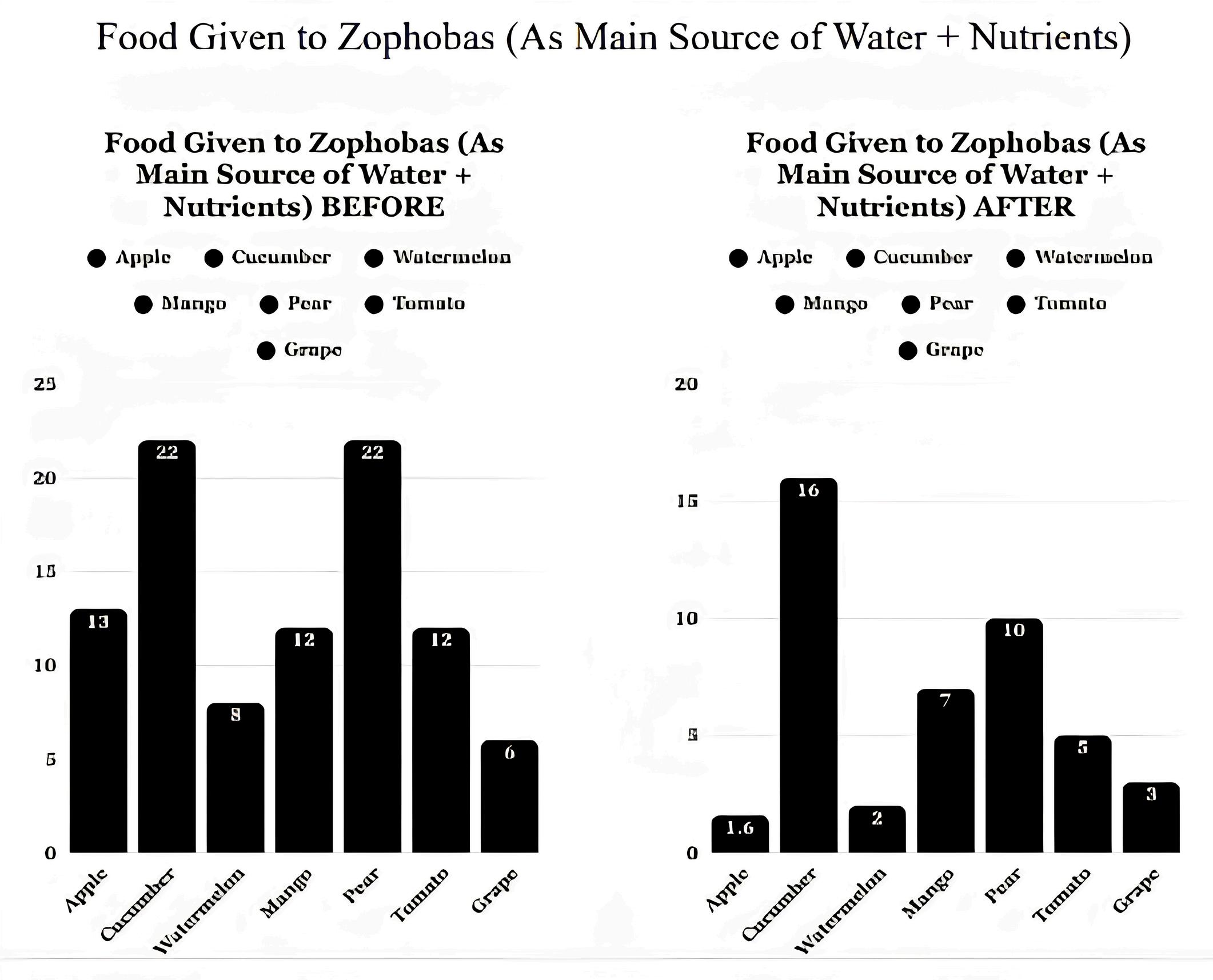
However, several limitations may have affected the accuracy of the data In some cases, larvae remained inside Styrofoam tunnels during weighing, potentially increasing recorded masses and reducing precision. Additionally, moisture from fruits provided during the experiment may have influenced larval survival and feeding behavior.
Despite these limitations, the results support the possibility of using Zophobas morio larvae as a biological tool for plastic waste reduction and future bioremediation strategies.
Conclusion
This investigation demonstrates that Zophobas morio larvae can survive while consuming Styrofoam and can significantly reduce the mass of polystyrene over time Although further studies are required to determine the long-term environmental impact and efficiency of this process, superworms show promising potential as a sustainable bioremediation alternative for plastic waste management.
Abstract
NITROGEN (UREA) SOIL CONCENTRATION EFFECT ON PLANT GROWTH
By: Martinez R., Williams M.
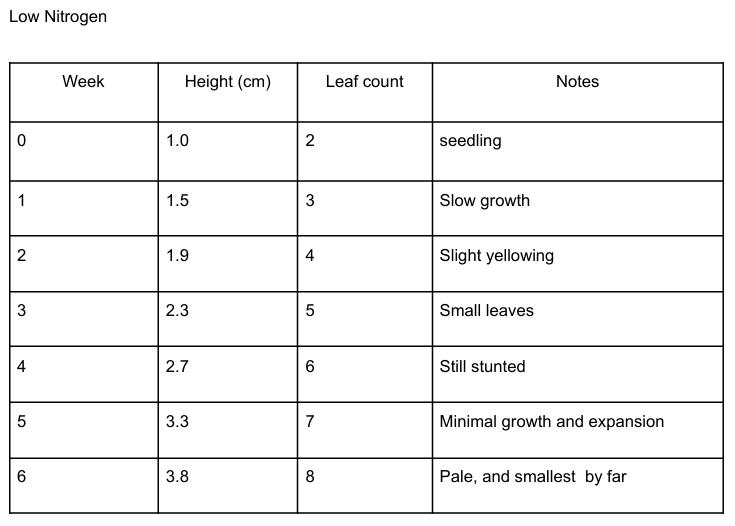
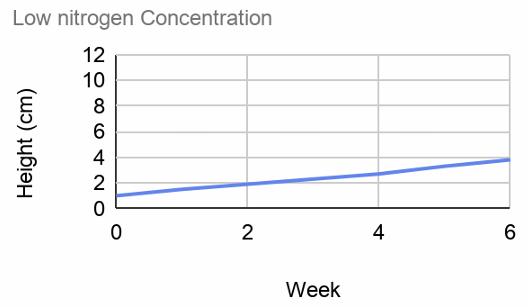
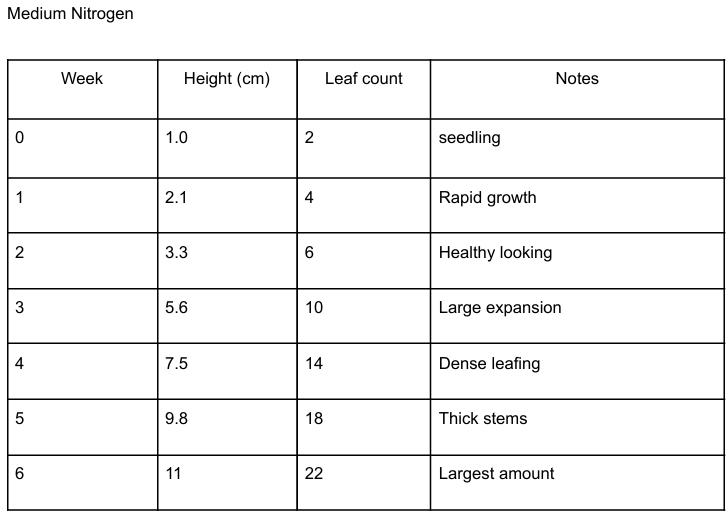
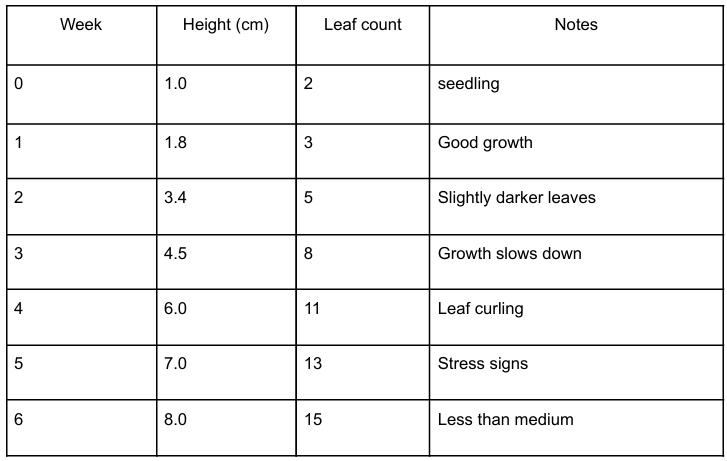
Nitrogen is an important nutrient that plants need in order to grow because it helps make amino acids, nucleic acids, and chlorophyll. In this experiment, different amounts of nitrogen, given as urea, were tested to see how they affected the growth of sweet basil (Ocimum basilicum) The basil seedlings were grown for six weeks in soil with low nitrogen and were watered weekly with different urea solutions. During the experiment, plant height, number of leaves, and dry biomass were measured to compare growth between the plants. It was predicted that the basil plants given a medium amount of nitrogen would grow the best and have the most chlorophyll because a balanced amount of nitrogen helps plants photosynthesize and develop properly. Too little nitrogen can slow growth, while too much can also cause problems for the plant This experiment helps show how nitrogen levels affect plant growth and can provide useful information for gardening and fertilizer use in a more sustainable way.
Introduction
Nitrogen is essential for plant growth because it is needed to produce chlorophyll, proteins, and nucleic acids, which support photosynthesis and biomass production. Plants absorb nitrogen mainly as nitrate or ammonium, while fertilizers such as urea help provide usable nitrogen through soil microbial activity However, both low and excessive nitrogen levels can negatively affect plants This study investigated how different urea-based nitrogen concentrations affected the growth of sweet basil (Ocimum basilicum), a fast-growing plant that responds strongly to fertilization It was hypothesized that basil plants receiving a medium nitrogen treatment would show the greatest growth because extremely low or high nitrogen levels may limit development
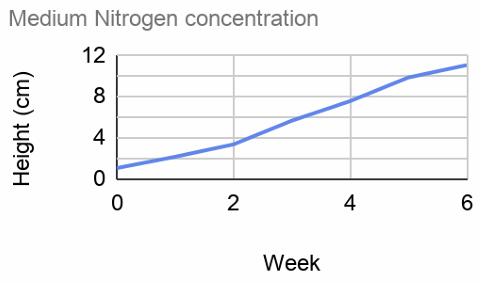
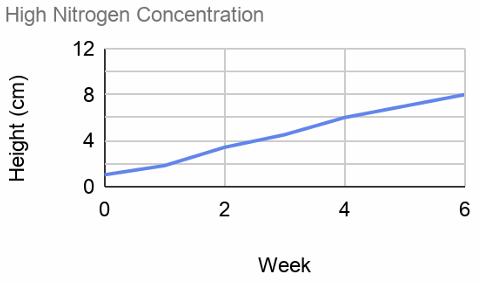
The experiment used basil seedlings planted in low-nitrogen soil and exposed to three nitrogen treatments: low (25 ppm), medium (100 ppm), and high (400 ppm). Plants were watered weekly with 100 mL of their assigned urea solution over six weeks, while environmental conditions were kept consistent by rotating pot positions regularly. Researchers measured plant height, leaf count, and visible symptoms such as chlorosis or wilting each week. All observations were recorded and later analyzed to compare the effects of nitrogen concentration on basil growth.
Results
Discussion
AP Biology 2026
The medium-nitrate treatment ended up producing the strongest overall growth With a moderate level of nitrogen available, the plants were able to maintain efficient protein synthesis and balanced metabolic activity, which supported consistent leaf expansion and higher dry biomass By the end of the experiment, the mediumnitrate basil plants were taller, had more leaves, and reached the greatest dry mass Throughout the six-week period, the medium group gradually separated from the low-nitrate plants, especially after the early growth stages when nitrogen demand increased On the other hand, the low-nitrate plants showed the weakest growth performance. The limited nitrogen supply resulted in reduced leaf production, slower increases in height, and lower overall biomass by the end. The high-nitrate treatment also did not outperform the medium group. Excess nitrogen appeared to cause slight nutrient imbalances or stress, which may have limited growth despite the higher availability. Observations such as minor leaf tip burn and uneven growth patterns, along with the recorded data, helped explain why the high-nitrate plants did not grow as well as those in the medium-nitrate treatment.
Conclusion
This investigation showed that nitrogen concentration has a big effect on the vegetative growth of sweet basil (Ocimum basilicum) The results supported the hypothesis that plants given a medium amount of nitrogen would grow the best overall The basil plants treated with 100 ppm nitrogen had the greatest height, more leaves, and the healthiest appearance during the six weeks. These plants also developed thicker stems and the most biomass, showing that a moderate amount of nitrogen helps plants grow and photosynthesize more effectively. On the other hand, the low-nitrogen plants were smaller, had pale leaves, and showed less growth, showing that nitrogen deficiency limits plant development. The high-nitrogen plants grew quickly at first, but over time their growth slowed and their leaves began to curl and grow abnormally. This suggests that too much nitrogen can harm plants instead of helping them grow better. Overall, this experiment showed that balanced nitrogen levels are important for healthy plant growth. Moderate fertilizer levels worked better than both low and high nitrogen concentrations. These results can be applied to real life because gardeners and farmers can use the right amount of fertilizer to grow healthier plants and avoid problems caused by using too much fertilizer, such as poor plant growth and environmental pollution
Abstract
COMPARING PERCEPTION AND DIVERSITY OF MICROORGANISM POPULATION
By: Bethel G., Jung E., Noh L.
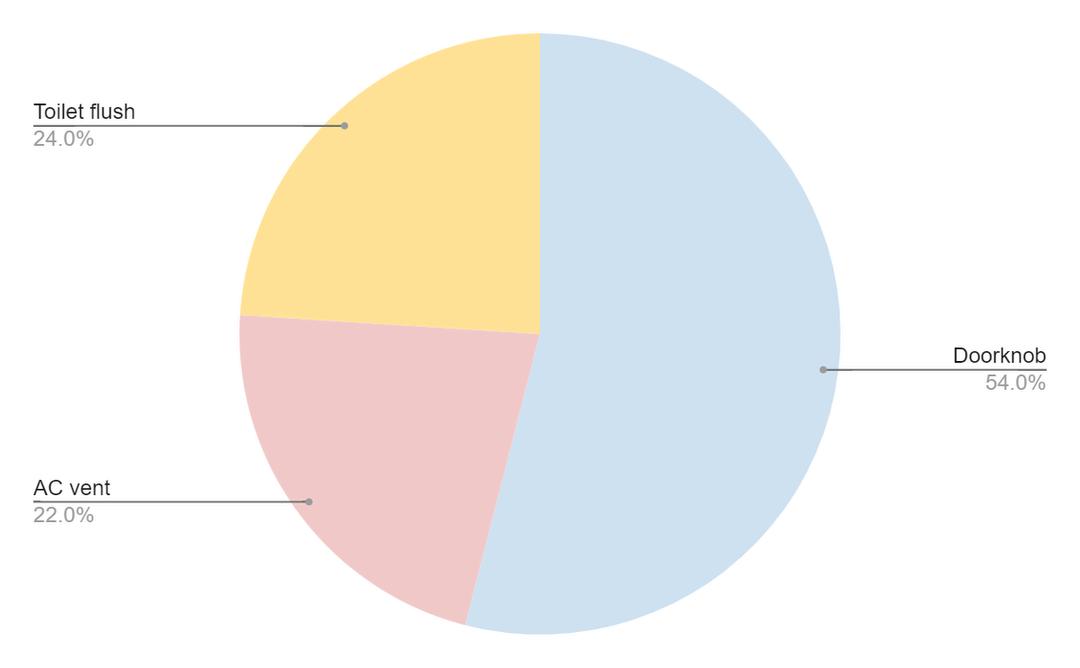
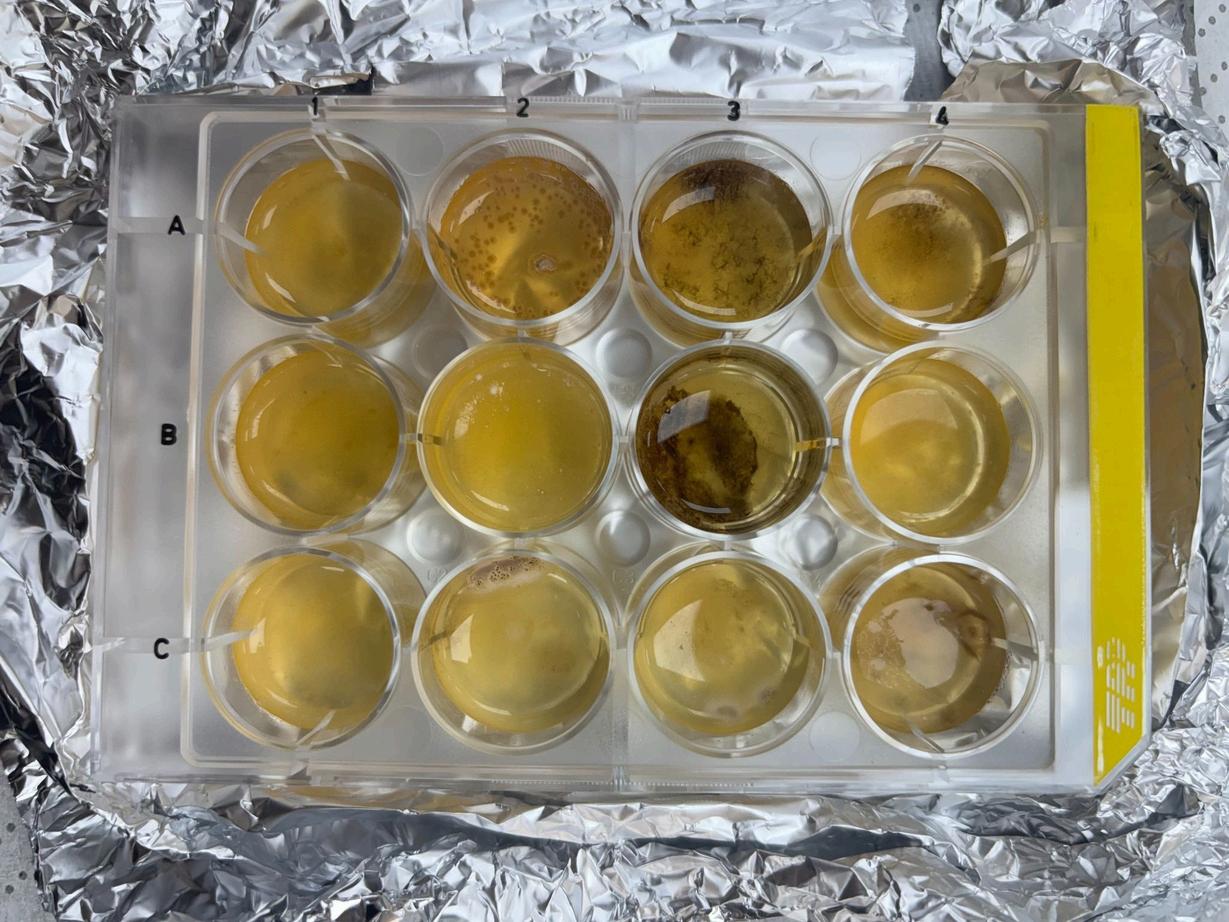
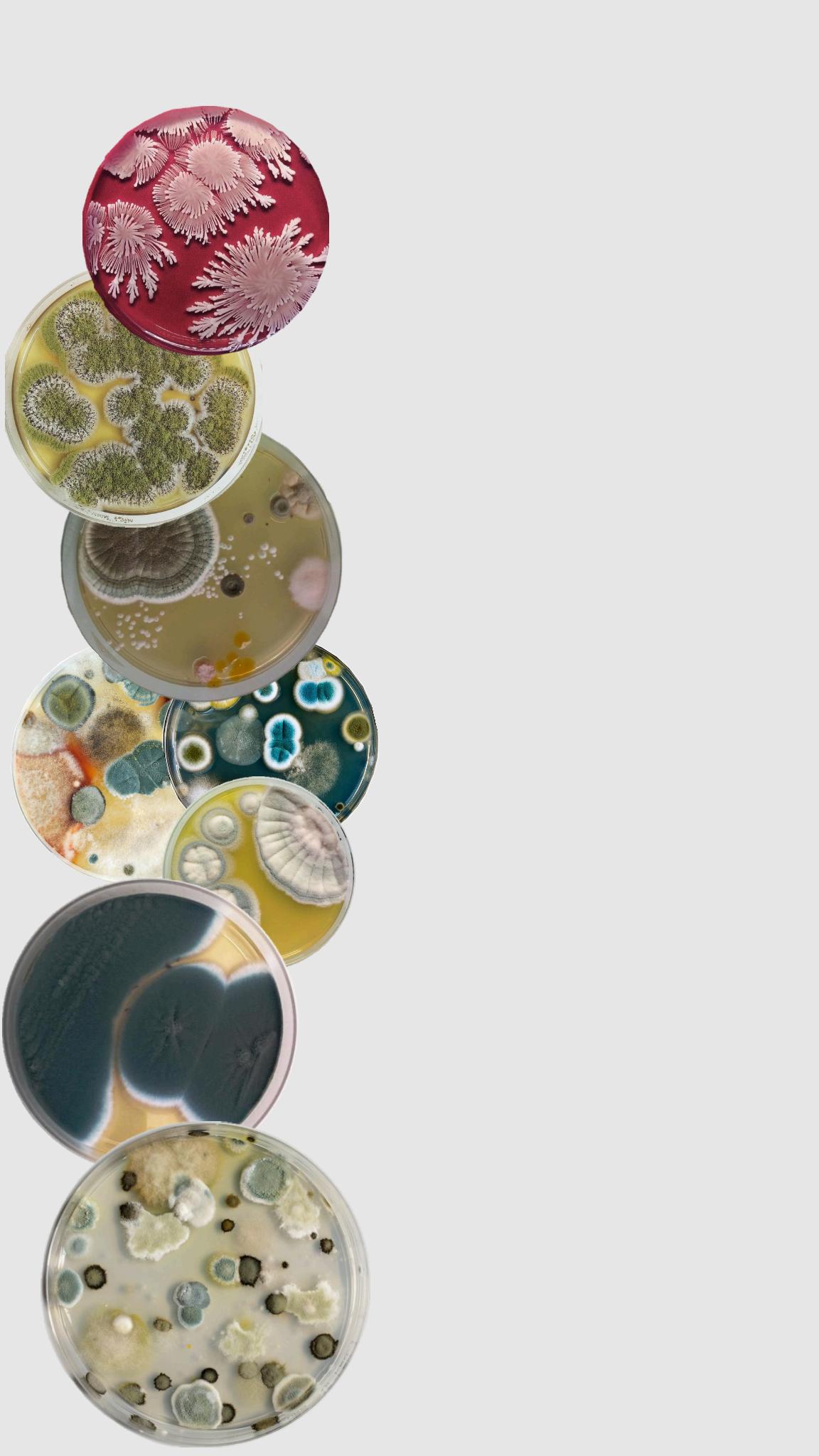
To investigate whether the perception of attributing physical fatigue and illness to the "school air" phenomenon aligns with biological evidence, a digital survey of Balboa Academy high school students (n=50) was integrated with environmental sampling across key high-traffic surfaces (Doorknobs, Air Conditioning Vents, Toilet Flushes) The survey revealed that 92% of respondents believed in the "school air" phenomenon, and 54% hypothesized that doorknobs would harbor the highest contamination However, data obtained through agar plate and liquid nutrient broth cultivation did not meet such expectations. AC Vents yielded the highest overall microbial diversity, followed by Doorknobs, then Toilet Flushes. Microscopic analysis confirmed the possible presence of potential pathogens, including Aspergillus niger and Alternaria, alongside three distinct species of dust mites. These findings indicate that ventilation pathways, rather than frequently touched surfaces, serve as primary environmental sinks for bioaerosols.
Introduction
Microorganisms like bacteria, fungi, and viruses are present everywhere in our daily environments While most are harmless, some cause allergies or disease Exposure to touched surfaces can spread bacteria, and inhalation of fungal spores can result in respiratory illnesses . Our group defined the colloquial term “school air” as the phenomenon of increased physical fatigue associated with school environments, and investigated whether the perceived “school air” aligns with measurable biological evidence, using dual-method approach combining surveys and biological sampling We hypothesized that students would expect Doorknobs to be the primary source of microbial concentration, but biological sampling would reveal that Toilet Flush handles exhibit greater microbial diversity
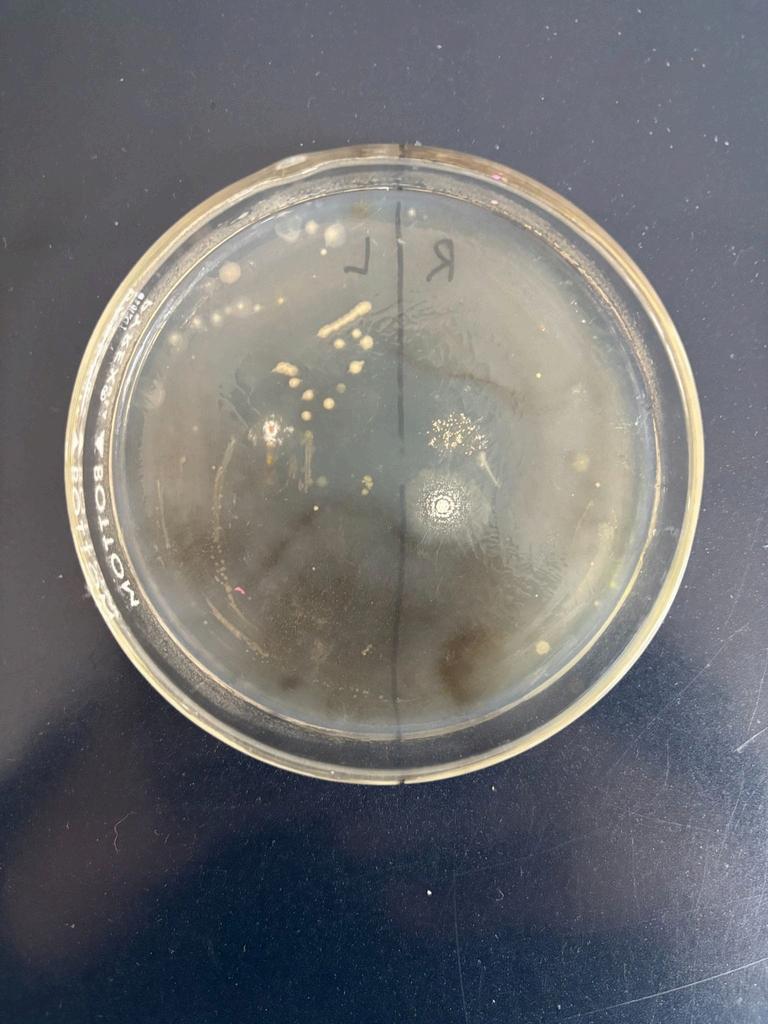
First, a pre-survey via Google Forms was administered to evaluate student perceptions. Next, the solid agar and liquid nutrient broth was prepared under aseptic conditions. Then, environmental sampling was conducted by swabbing the designated surfaces (Doorknob, AC Vent, Toilet Flush) across multiple locations (Mr Chan’s, Ms Ellis’s, Ms Brown’s, Ms Gonzalez’s, B and A Hallway Bathrooms) and was inoculated at approximately 25°C for one month. After sufficient microbial growth, target microbial colonies were isolated to liquid nutrient broth, then the resulting samples were observed under light microscope at 4x, 10x, and 40x magnifications for further analysis.
Biology 2026
Results
The survey showed that the majority (54%) of students predicted Doorknobs to be the most contaminated due to its frequent human contact Biologically, the pooled means for the number of microorganism varieties from nutrient broth across trials resulted in mean value of 2 625 for Doorknob, 2 875 for AC Vent, and 2 5 for Toilet Flush. When comparing individual trials, Trial 1 demonstrated a higher overall diversity of microorganisms than Trial 3. Both trials identified Mr. Chan's classroom (AC-1) as the peak location for AC microbial levels.
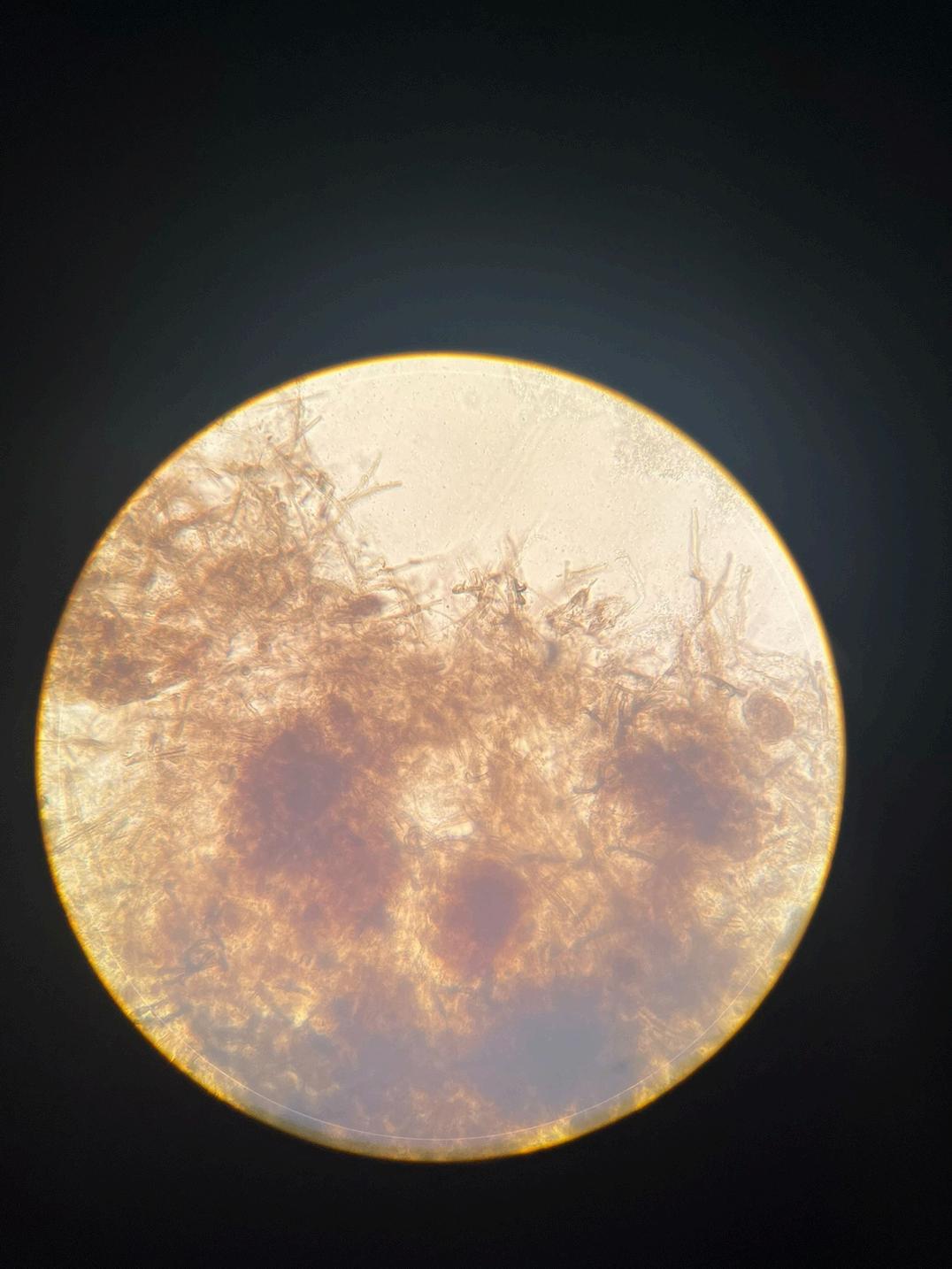
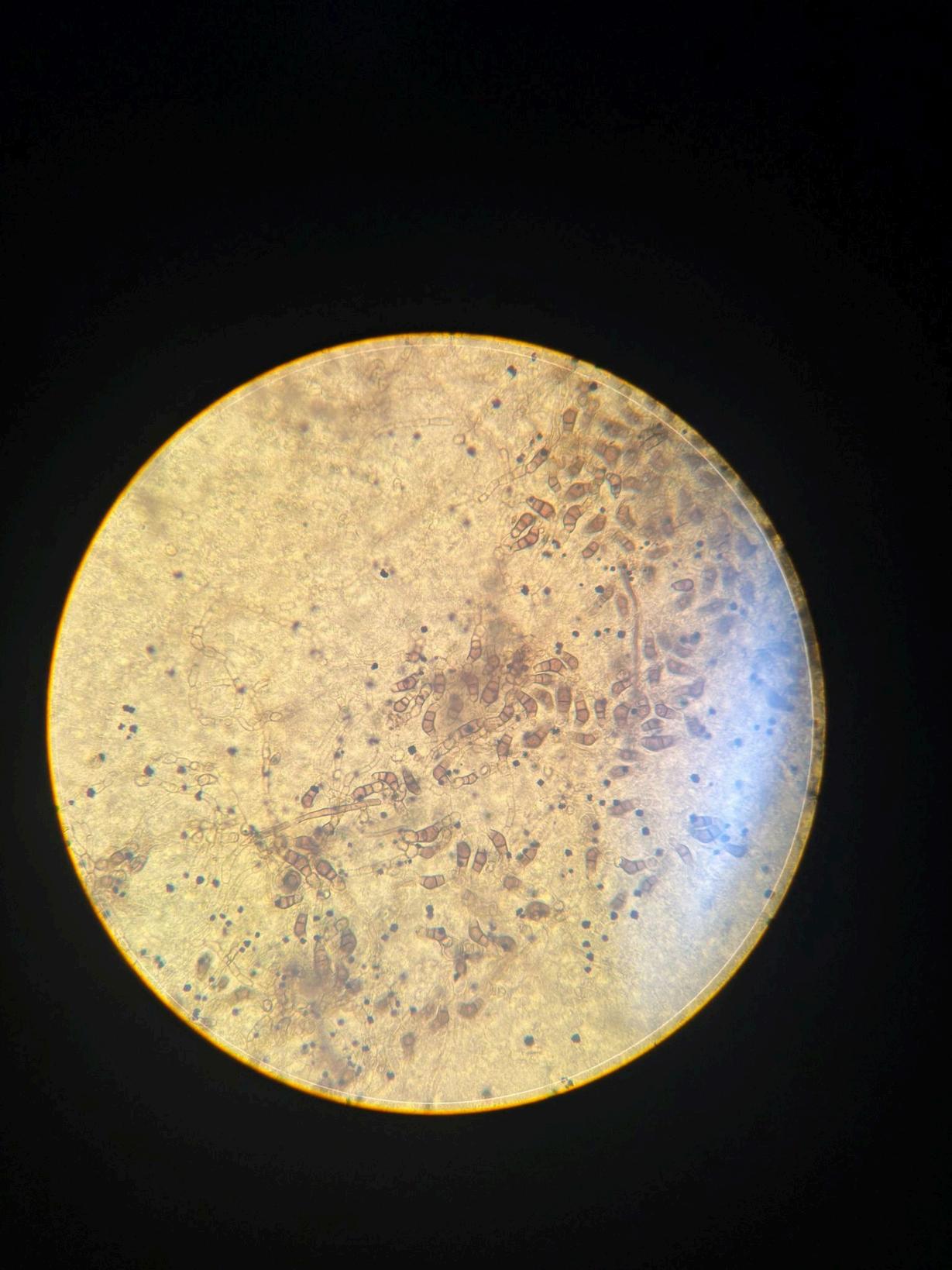
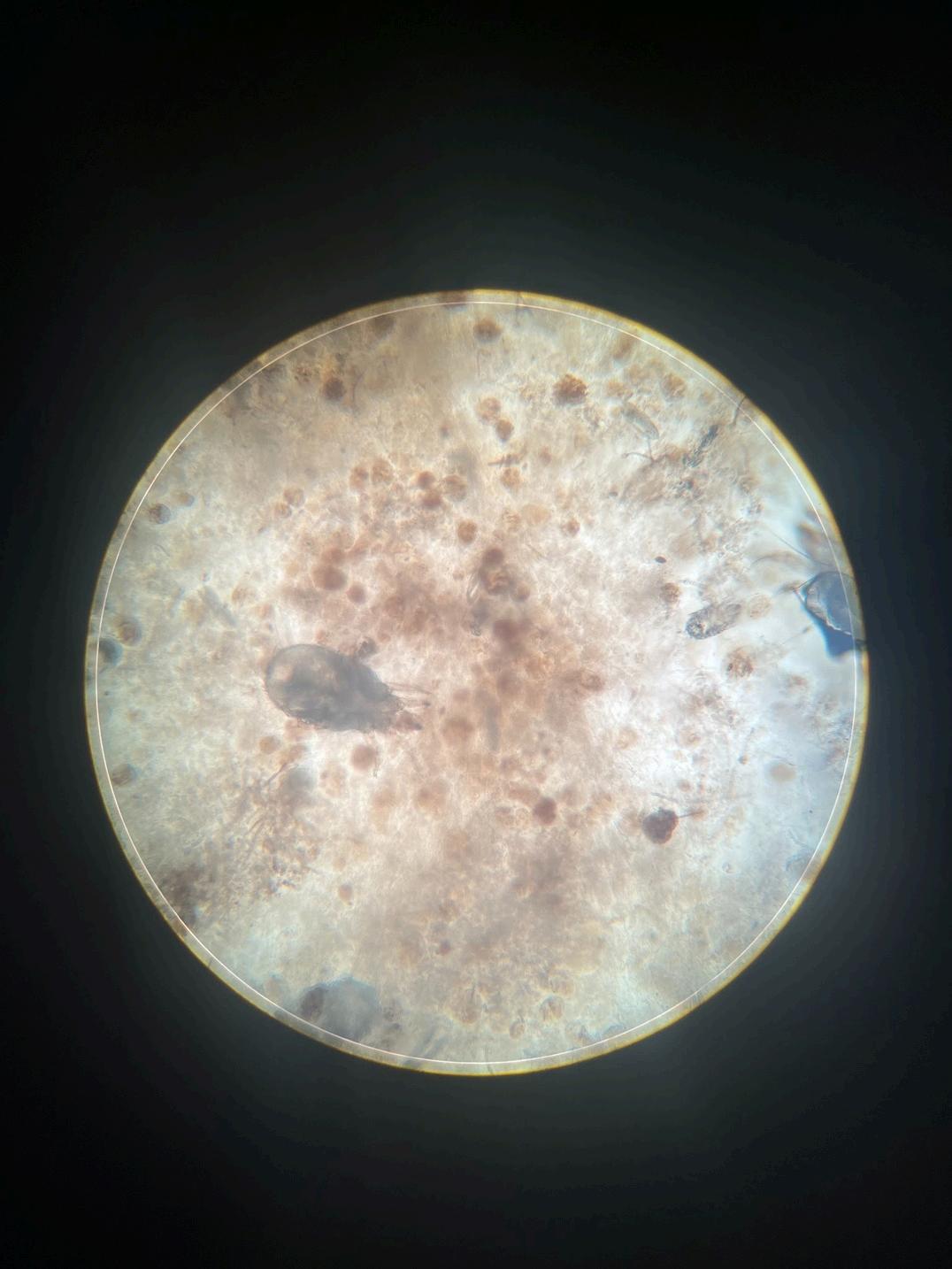
Aspergillus niger Alternaria conidia
Discussion
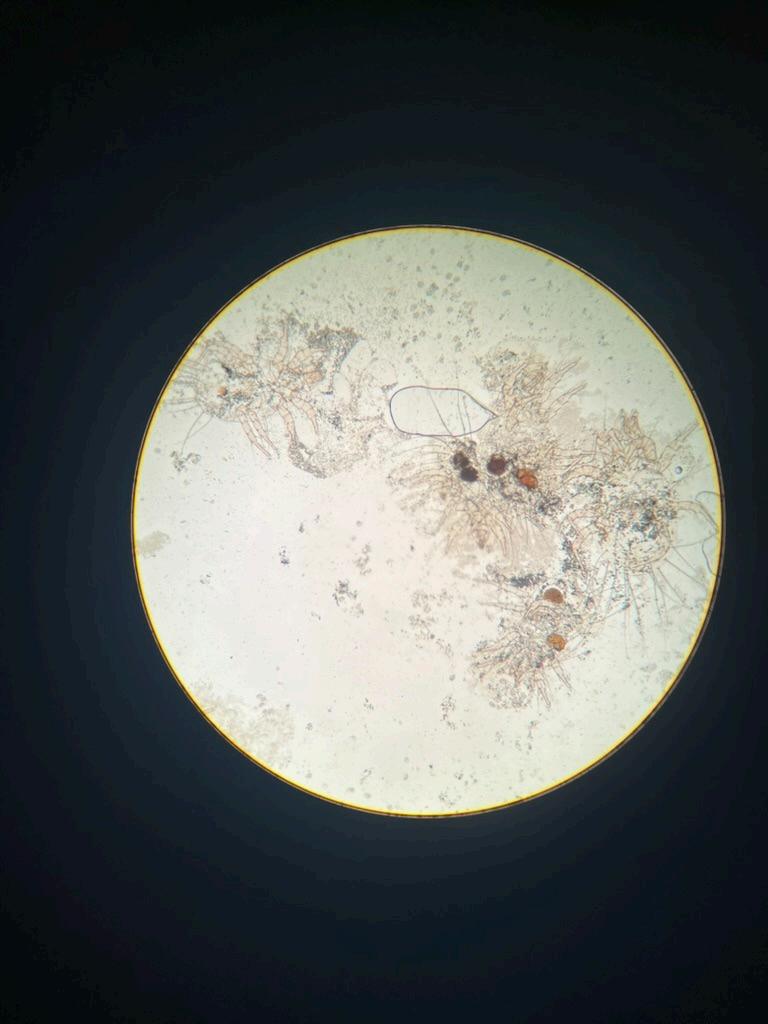
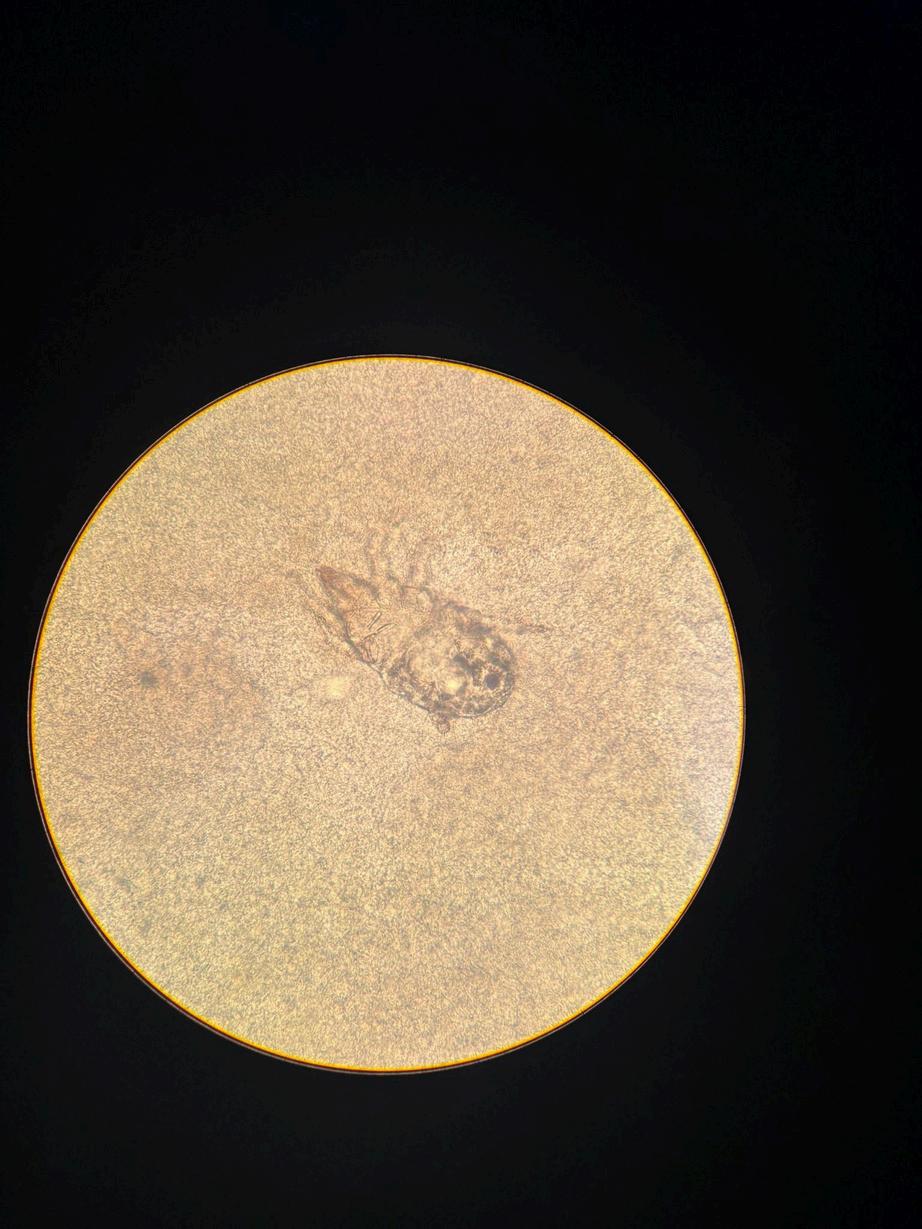
3 Different Mite Species Observed
Microscopic observation revealed clusters of dark brown/black spherical conidial heads matching Aspergillus niger in air samples, alongside segmented profiles matching Alternaria conidia Additionally, three distinct mite species were observed
A comparative analysis revealed a distinct drop in variety from Trial 1 to Trial 3. Compared to initial agar plates for Trial 3, a sharp decline of variety occurred after inoculation into the liquid nutrient broth. With high concentrations of nitrile and fiber fragments, it is suspected that the rigorous rubbing and thorough disinfection protocols accidentally introduced foreign mechanical particulates, which likely disrupted the stability and adaptation of the sensitive organisms inside the liquid broth cultures
The high microbial diversity found in AC Vents highlights a major gap between risk perception and environmental reality. Air conditioning systems create localized microclimates where warm indoor air meets cold coils, leading to condensation and high humidity This moisture, combined with caught skin flakes, organic matter, and outdoor spores trapped on uncleaned louvers, builds a rich, long-term biofilm community that cycles through the shared indoor atmosphere
The widespread presence of three distinct dust mite species across the sampling locations provides a clear biological link to the "school air" phenomenon. Dust mites thrive in environments with high moisture, low ventilation, and in areas with high mold accumulation, created by the air conditioning systems These mites can trigger physiological symptoms such as sneezing, coughing, runny noses, and watery eyes, exacerbate existing asthmas, or even induce chronic asthma in previously healthy individuals.
Conclusion
While the result from the survey did support our hypothesis regarding perceived cleanness by 54% of respondents selecting Doorknobs as the area that harbors the most microorganisms, the biological findings failed to support our hypothesis that Toilet Flush will exhibit the highest microbial diversity. Instead, the AC Vents showed the highest diversity with a mean number of 2 875 These findings suggest that microbial populations in our school are strongly influenced by environmental conditions such as moisture, airflow, and frequency of human interaction. To better determine their correlation, further research should implement stricter protocols to minimize contamination, sample different locations across different times of day, and utilize more precise methods such as Gram-staining and oil immersion microscopy.
WHAT HAPPENS TO YEAST ON A CELLULAR LEVEL IN DIFFERENT ENVIRONMENTS AND PH LEVELS?
By: Quevedo A., Rios G., Soleiman K.
Abstract
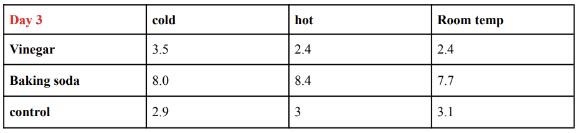
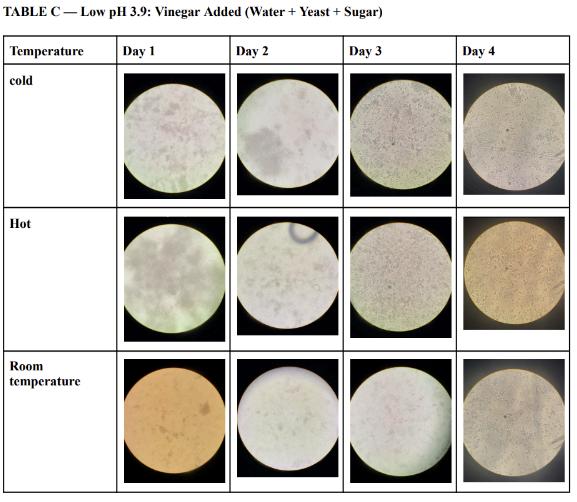
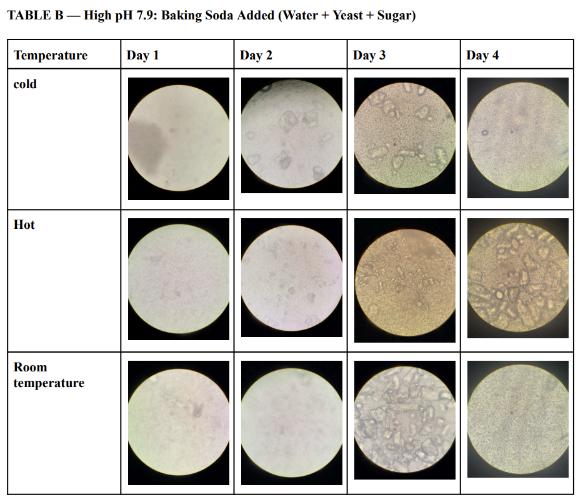
This experiment investigated how different temperatures and pH levels affect yeast growth and metabolism Yeast samples were placed in cold, room temperature, and hot environments with acidic, neutral, and basic pH levels Results showed that temperature had a greater effect than pH Warmer environments produced more bubbles, indicating increased metabolic activity, while cold temperatures slowed or stopped growth. Changes in pH did not significantly affect growth but influenced yeast distribution and bubbling.
Introduction
Yeast is a unicellular organism often used to study cellular processes because it is highly sensitive to environmental changes Factors such as temperature and pH affect enzyme activity, cellular respiration, reproduction, and fermentation. By observing changes in growth patterns, clumping behavior, and carbon dioxide production, this experiment explored how yeast adapts to different conditions. Nine flasks containing yeast, water, and sugar were prepared. Some samples were made acidic using vinegar, while others were made basic using baking soda The flasks were then placed in different environments: a refrigerator, classroom, and heated outdoor area Over 12 days, samples were observed under a microscope, photographed, and tested for pH while growth and metabolic activity were recorded Materials used included yeast, water, sugar, flasks, baking soda, vinegar, a microscope, a phone camera, a pH machine, a refrigerator, and a heated outdoor environment.
Results
Discussion
We completed a second trial because the first trial did not give enough clear results. The amounts of baking soda and vinegar were too low, so the pH changes were not strong enough, and yeast growth slowed naturally after several days. In Trial Two, we used new samples and increased the baking soda and vinegar amounts to collect clearer data and more accurate results.
The data presented in Trial 1 demonstrates no drastic changes and not enough data was collected, the only noticeable change was the way the yeast was distributed but those were not the results we were expecting. To make sure we got more accurate results we decided to run a second trial. On this trial we didnt change the methodology but we did change the measurements of the vinegar and the baking soda.
The data collected during this investigation showed that temperature and pH levels does not affect the growth of yeast, rather it changes they way they are distributed and how they grow. The data we collected for trial one was not valid because they all had the same results and we weren't able to collect the data for some days, but we did use the result from trial one to better the procedures for trial two. In trial one we didn't get drastic changes in the ph, meaning we need to add more baking soda and vinegar for more drastic changes.
Conclusion
Temperature affected yeast more than pH. Cold temperatures slowed yeast activity, while hot and room temperatures increased bubbling and fermentation. Although we expected drastic changes from different pH levels, yeast continued to grow in most conditions. Our hypothesis was partially supported since temperature impacted yeast growth more than pH.
Abstract
HOW ENVIRONMENTAL FACTORS AFFECT ORGANIC MATTER
DECOMPOSITION AND COMPOST
By: Botero S., Lee C.
This study investigated how soil quality, moisture, and light exposure affect the decomposition of organic matter and the effectiveness of compost. The research was conducted to determine which environmental conditions allow organic materials to decompose most efficiently and produce nutrientrich compost for plant growth Banana peels and eggshells were placed under different environmental conditions for ten weeks, and decomposition was measured through percentage mass loss, visible changes, and physical observations. After decomposition, the materials were used as compost to grow cilantro under controlled conditions. The results showed that banana peels decomposed much faster than eggshells due to their softer organic composition. Excess moisture caused the highest mass loss (96 77%), but this mainly resulted in rapid physical disintegration rather than effective biological decomposition. In contrast, samples kept under ideal conditions produced the most effective compost and the highest cilantro growth rate (60.0%). Overall, the findings supported the hypothesis that ideal environmental conditions improve decomposition and compost quality. This investigation highlights the importance of proper composting conditions for nutrient recycling, sustainable waste management, and plant growth
COMPARING CORTICAL COMPLEXITY: STRUCTURAL AND MICROSCOPIC DIFFERENCES BETWEEN PIG AND COW BRAINS
Abstract
By: Chammas N.S., Ripoll I.V.
The cerebral cortex plays a critical role in cognition, perception, and behavioral responses, with structural variations across mammalian species reflecting differences in ecological demands and behavioral complexity. This study compares the macroscopic and microscopic characteristics of pig (Sus scrofa domesticus) and cow (Bos taurus) brains to investigate how neuroanatomical structure relates to behavior. Pig and cow brains were analyzed through external observation of cortical folding and surface morphology, as well as microscopic examination of neural tissue organization. The research question guiding this investigation was: How do the structural and microscopic characteristics of pig and cow brains differ, and how are these differences related to their behavioral complexity? It was hypothesized that pig brains would exhibit a greater degree of cortical folding and a larger cortical surface area relative to brain mass, along with more complex microscopic neural organization, reflecting their more exploratory and behaviorally flexible nature. Observations from both gross anatomy and tissue samples supported noticeable differences in cortical organization between the two species These findings contribute to the understanding of comparative neuroanatomy and demonstrate how brain structure may be associated with species-specific behaviors and cognitive demands.
NUTRIENT SOURCE
OPTIMIZATION FOR IN-VITRO SEED GERMINATION
By: Chugani R., Fraga S., Levy M.
Abstract
Traditional soil-based germination is susceptible to mold growth, inconsistent moisture, and fungal contamination. This study tested basil, cilantro, and spinach seeds across four nutrient-agar mixtures: nutrient broth, liquid fertilizer, brown sugar, and white sugar. To cultivate the seeds, we used sterile agar as an alternative growth medium. White sugar demonstrated superior growth performance, likely due to its simple disaccharide composition, while fertilizer performed worst, possibly promoting mold development These findings suggest simpler nutrient sources are more effective during early seedling development, with possible applications to large-scale agriculture cultivation.
DETERMINING THE EFFECTIVENESS BETWEEN HAND SANITIZERS
By: Ardon A., Cook C., Padmore L.
Abstract
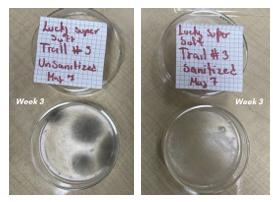
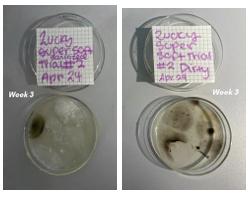
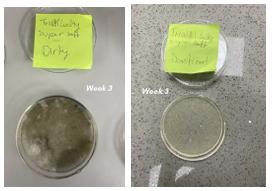
This study investigates the comparative antibacterial effectiveness of two commercially available hand sanitizer brands, Lucky Super Soft and Fresh Hands, in reducing bacterial growth on human skin. Bacteria were collected via palm swabs from a single participant before and after applying each sanitizer, then cultured on nutrient agar plates and incubated over multiple weeks across three repeated trials Growth was assessed both quantitatively and qualitatively by comparing the number, size, and appearance of bacterial colonies across sanitized and unsanitized samples. Results consistently showed that Lucky Super Soft reduced bacterial growth more effectively than Fresh Hands, with the latter producing visibly greater colony development on sanitized plates across all trials. These findings suggest that differences in formulation, such as alcohol concentration or the inclusion of additional antimicrobial agents, may account for the variation in effectiveness between brands This investigation highlights the importance of evaluating hand sanitizer products beyond marketing claims and underscores the role of product selection in maintaining effective hand hygiene.
Abstract
EFFECTIVENESS OF PLANT GROWTH: HYDROPONIC VS.
GEOPONIC CULTIVATION
By: Haecker D., Krüger S.
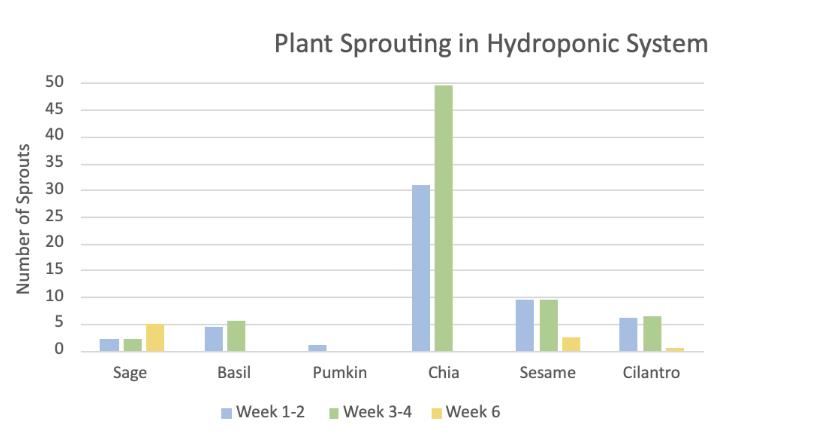
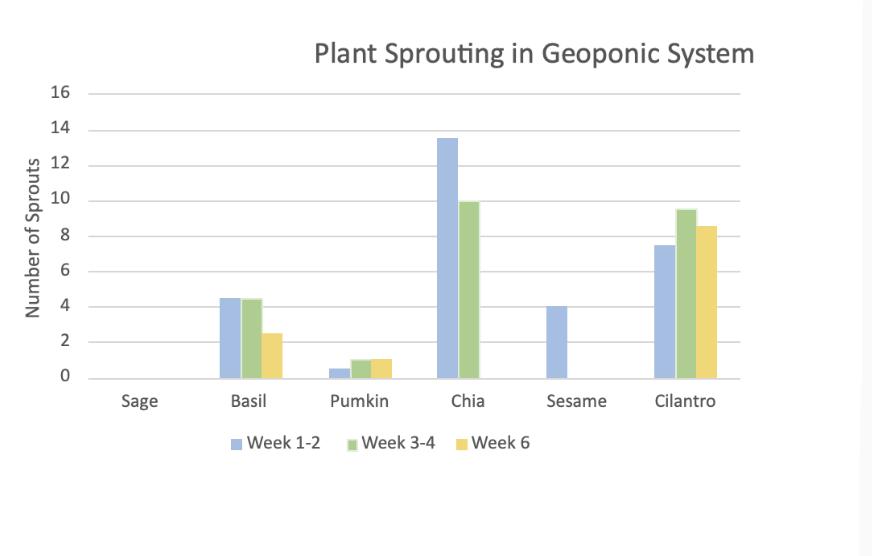
Geoponic (soil-based) farming and hydroponic (water-based) farming have long been contrasted to see which one presents more beneficial This study evaluated whether hydroponic or geoponic systems produce more prosperous plant growth across six diverse species: sage (Salvia officinalis), cilantro (Coriandrum sativum), sesame (Sesamum indicum), chia (Salvia hispanica), pumpkin (Cucurbita pepo), and basil (Ocimum basilicum). We hypothesized that the environment provided by the hydroponic system would yield better overall plant development. Over a six-week (trial 1) and four-week (trial 2) observational period, we germinated seeds and grew the plants in either a dense soil medium or a water and nutrient solution anchored by rock wool We recorded certain weekly measurements such as sprout count, stem sturdiness, growth rate, and disease prevalence. Additionally, a lack of maintenance during week five (trial 1) served as a test of stress durability for both systems. The quantitative data showed a recurring pattern in the hydroponic system. There was significant accelerated early-stage development compared to low initial yields in geoponic pots. However, when vertical growth increased, the waterbased system failed to provide root anchorage, leading to delayed growth or plant death Furthermore, we observed that under water deprivation conditions (which we simulated in week five), hydroponic setups were significantly weaker and displayed complete failures by week six because of the fast water depletion, whereas geoponic systems exemplified high rates of water retention which lead to more resilient crops. We can conclude from our findings that our initial hypothesis was partially supported: hydroponics optimizes early initial growth while geoponic systems support longer term plants Ultimately, this research indicates that a hybrid strategy between both systems would most benefit and maximize plant success.
MEET THE BIOLOGIST Roberto Ibañez
By: Kaelynn
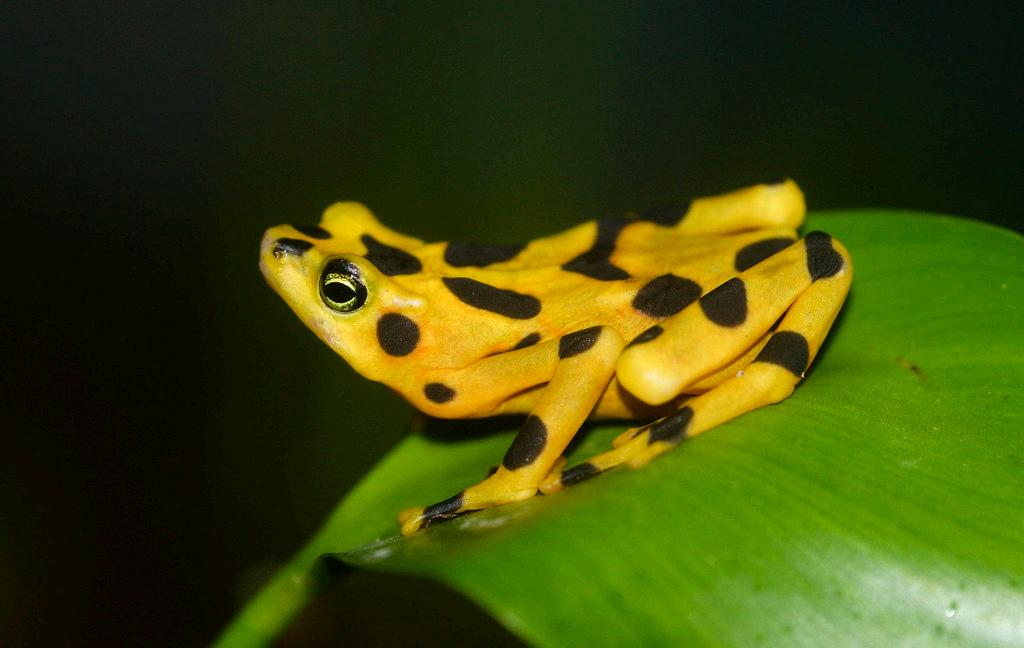
As our beautiful Panama City grows through time, we have slowly forgotten the treasure that doesn’t lie in the steel of our buildings, or the cement in our streets. Instead, we are failing to value the treasure that lies in our environment; a diverse organism that is slimy, jumpy, and small Panamanian Frogs have faced many problems throughout the past few decades such as rapid urbanization, leading to habitat loss and stress, and a particular fungus that irritates their skin and leads them to death. For this reason, we aimed to compare these two factors that seem to dominate the causes of the decline in frog population. The project aimed to conclude which factors contribute the most to the decline and what causes them to be so prevalent With the help of Dr Roberto Ibáñez, a frog conservationist, we were able to answer some of the main questions and develop our metaanalysis even further Dr Ibáñez focuses on sustainably supporting Panamanian frogs that are threatened or likely to go extinct because of the fungus by breeding programs and advancements in finding a cure for this fungal disease, called Chytridiomycosis.
AP Biology
Skilbred, Ana de la Guardia
MEET THE BIOLOGIST
Therefore, we conducted a digital interview as follows:
As part of the Panama Amphibian Rescue Project, what environmental factors have you observed that pose the greatest risk to amphibian populations? The main threats we see are habitat loss (deforestation), water contamination (pollution in streams and ponds), disease (caused by amphibian chytrid fungus Batrachochytrium dendrobatidis that causes chytridiomycosis), and climate change.
In your view, how significant a role does urbanization play in amphibian population decline? Urbanization threatens amphibian populations through habitat loss, habitat fragmentation, and stream pollution However, other threats seem to be more important overall The decline was mainly caused by chytridiomycosis from the pathogen B. dendrobatidis, to which Panamanian golden frogs are highly susceptible. Reintroductions are still in an experimental stage, partly because the chytrid fungus remains widespread in their former habitats. Current release trials aim to study toxin development, infection and survival rates, and which life stage is best suited for future releases.
What research have biologists in Central America conducted to address the chytrid fungus, and have there been measurable changes in infection rates or population recovery over the past decade?
Biologists first used ex situ conservation programs (assurance colonies) to breed susceptible species and prevent extinction Early surveys noticed severe population declines, especially in highland areas However, over the past decade, some species have been rediscovered in small, localized populations in warmer and drier climatic refuges, where the fungus is less favorable. Some species also show signs of tolerance or resistance, although others, such as the Chiriquí harlequin frog, have not reappeared.
After we got these answers, we were able to base our research on more reliable and recent qualitative data. His answers aided us in our understanding of the factors that truly contribute and the reason why. Additionally, we were informed about the methods they are using to preserve and recover the frog populations. Since our project is based on others’ research, this allows us to dig deeper into our analysis with a hands-on scientist who works with these organisms in the perimeter of Panama.
ANIMAL OF THE YEAR Harlequin Toad
The Harlequin Toad, genus Atelopus, is an endangered group of toads native to the tropical region of America. We have been unable to find about 40% of Harlequin Toad species, so we can assume they have gone extinct. However, there are still quite a few species remaining, yet their numbers are dwindling. Like all toads, they are animals of the family Bufonidae, of the kingdom Amphibia. They are small, generally under 3 inches, are toxic for predators, and often have beautiful, bright colors as a warning sign to the predators
The Harlequin toads are one of the most colorful amphibians that can be found in central and South America They commonly live in mountains and tropical forests Found in humid lowlands, mountain forests and near water streams where they can obtain food, water and other resources for their survival. Environments like these are necessary for the toad to get the shelter necessary for their survival and reproduction.
Harlequin Toads have a diet of mainly small arthropods. Because of this, they are an important predator in the environment because they control the insect populations Harlequin toads are hunted by various snakes, birds, and small mammals. Harlequin toads help these species by providing food for them. Furthermore, these species help control Harlequin Toad populations.
Harlequin toads have toxic skin, which is being studied for potential medical treatments. Conservation centers may also use them as for educational purposes in order to spread awareness and raise funds for conservation efforts
By: Simon Bethel
Harlequin toads are endangered for several reasons. One major problem is the destruction of habitats as humans have been doing more destruction in order to expand there has been high amounts of environmental losses because. Another reason why they might be disappearing might be because of a weird fungal infection called chytridiomycosis which seems to be affecting the frogs in many parts of the world and its because of this that many species pf Harlequin toads like the golden frog have been disappeared from areas where they once lived
So, what can we do to help? There are many organizations dedicated to conserving and saving these toads, like the Atelopus Survival Initiative, which monitors populations and searches for lost species. To help, you can support these programs in the form of donations or even volunteering. Furthermore, it is important to spread awareness about these toads, and other endangered animals, and to avoid and harmful actions such as illegal purchasing of Harlequin toads. Finally, you can work to help the environment in general. This could be by reducing plastic, supporting sustainability, etc.
ANIMAL OF THE CLASS Dubia Roach
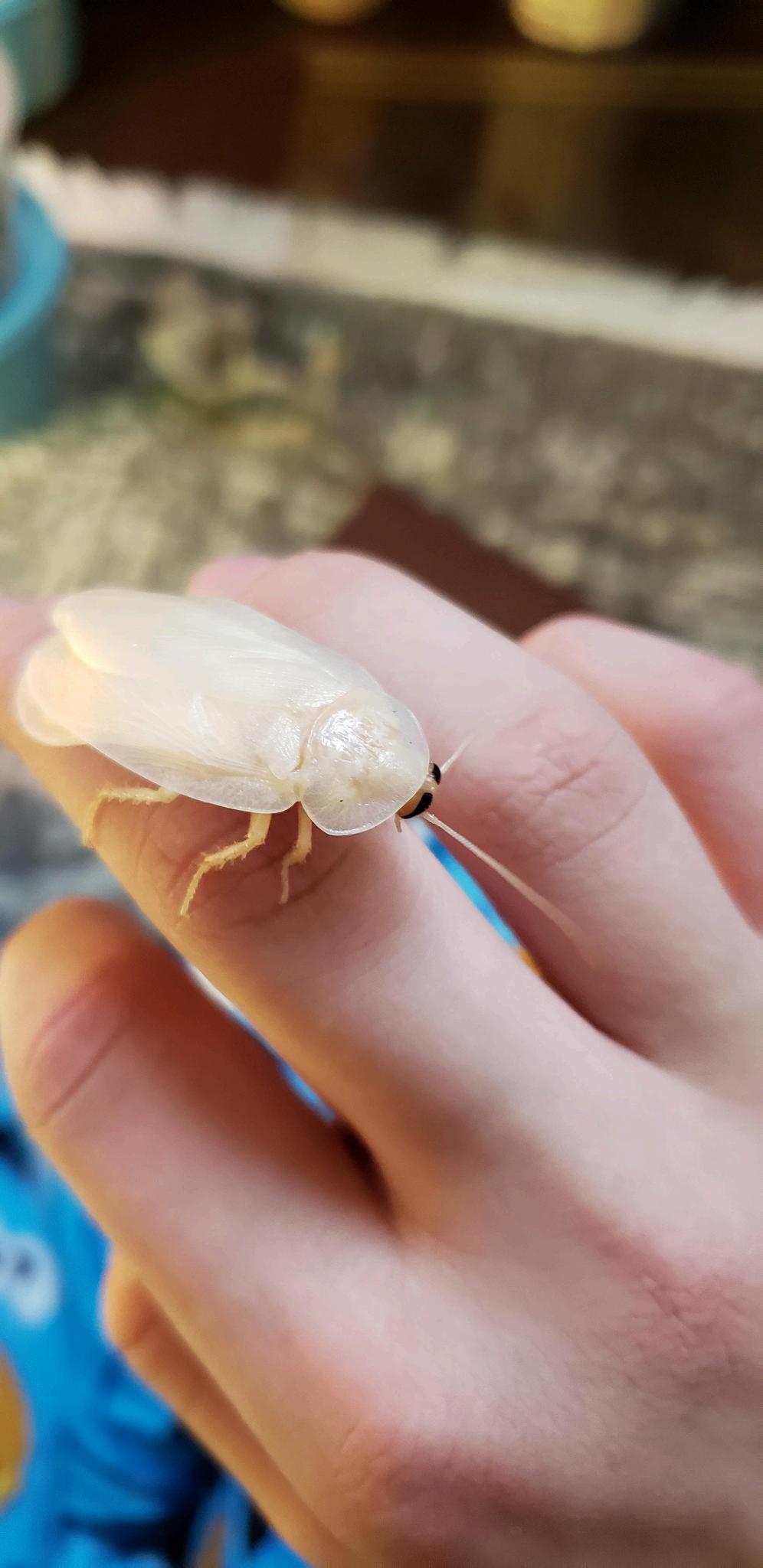
In AP Biology, our first activity was to observe cockroaches and to make a poster out of it. Each group was handed a plastic petri dish containing Dubia roach, an insect that looked quite different from typical cockroaches that we encounter. Blaptica dubia, commonly referred to as the dubia roach, is a small insect commonly found in South America.
Dubia roaches are sexually dimorphic, meaning that there is a clear difference in physical appearances of males and females. Adult males are slimmer and have fuller wings, while females are rounder with wider abdomen, have more body mass, and have smaller wings Both female and male adults are typically 35 to 45 mm long and have brown-black color with hints of oranges. Nymphs of Dubia roaches are wingless and have more uniform dark-brown color, while adults display more variety and distinct coloration patterns.
By: Elisa Jung
During mating, adult males search for females since females are heavier-bodied thus more sedentary Dubia roaches are ovoviviparous, meaning they incubate eggs internally and give birth to live offspring. A single brood contains around 20 to 40 nymphs per birth, and the breeding cycle lasts approximately 60 to 70 days. Dubia roach’s average lifespan is around 1 to 2 years, with 4 to 7 months to reach maturity
Dubia roaches live in warm (between 80~95°F, or 27~35°C), dark, and dry environments and are nocturnal. In the natural ecosystem, they act as natural decomposers, assisting in breakdown of organic waste like woods and leaves Dubia roaches live in high-density colonies, show strong loyalty toward their preferred shelters, and perform intraspecies communication through tactile and chemical signals
Nymphs of Dubia roach regularly go through ecdysis, or molt, for their exoskeletons to fit into their growing body size Their exoskeletons appear pale and soft immediately after the molting but darkens as it hardens.
As mentioned, unlike common cockroaches, Dubia roaches can’t jump nor climb on smooth surfaces. Due to their non-aggressive nature, lack of odor, and low risk of parasites, they are common food sources for many pet reptiles Dubia roaches are more nutritious than crickets and have a high protein and calcium ratio of 22% protein and 238ppm calcium. Additionally, the long digestive tracts of Dubia roaches also supplement reptiles with hydration
female (left), male (right)
#1_Zebrafish research reveals drugs that reverse autistic behaviors
#2_Scientist discover a new way life produces DNA
BIONEWS #1
Zebrafish Research Reveals Drugs that Reverse Autistic Behaviors
Autism has been an issue for as long as humans have existed, and its rates keep getting higher and higher.
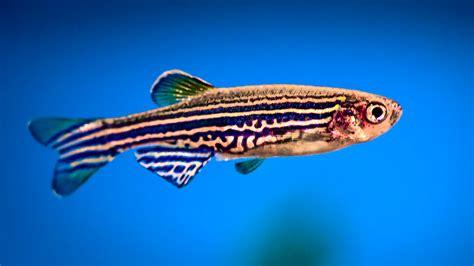
Zebra fish have been used a lot for research and studies, because they are very genetically similar to humans, produce many offspring, are easy to take care of, are transparent and easily observable, and they have easily modifiable DNA They have already helped scientists with research regarding muscular dystrophy, melanoma, and more.
Now, researchers from Yale University are using zebra fish to study autism spectrum disorder. They identified over 100 genes associated with autism, and studied and tested zebra fish with these genes
The research was mainly focused on 2 specific genes: SCN2A and DYRK1A. Scientists mutated zebra fish to have this genes, mimicking autism, which elicited responses in the zebra fish, namely differences in sleep patterns, sensory responses, and brain signaling.
They then tested over 500 FDA-approved drugs on the modified zebra fish, tracking how the drugs affected brain activity and behavior. They turned this into an opensource database showing which drugs had the most meaningful effects.
One important finding regarded the drug levocarnitine It restored a lot more typical behavior and brain activity in zebra fish with certain mutations. They then tested it for humans as well, and saw similar improvements
The study also showed the importance of precision medicine for autism Autism varies wildly between cases. The study proved that each different genetic mutation requires a different solution, which makes autism research and treatment exceptionally difficult.
In conclusion, scientists used zebra fish to study autism, and found a number of some drugs that are more effective than others. They published their research as a database to facilitate future research regarding autism
This discovery has been a massive breakthrough in all of science because it challenges one of biology's most established principals This changes the way many scientists looked at DNA replication and its formation.
Scientist are surprised by this because the newly discovered bacterial system seems to bypass the traditional process of how DNA gets copied and created and it suggests that life may use more methods for genetic information than it was originally thought it could
Scientist have described this as a fundamentally new mechanism for DNA production. Biology is build around genetic rules but there can be discoveries that challenge those rules which get considered extremely rare as its not something that happens ever and its really important
DRT3 represents an all in one molecular machine for sequence specific DNA synthesis, which is a rare find in nature If scientists could figure out how to engineer Drt3b to produce other sequences, Gao adds, they might make customized DNA strands, for instance to create advanced biomaterials such as DNA hydrogels.
All of this shows how much there is still hidden in microbial biology and that we are still able to find new and really rare things that we didn't even imagine were possible. By challenging long standing scientific assumptions researchers have opened the door to possibilities like in genetics medicine and biotechnology This discovery may become one of the most important scientific advancements in recent years and it could continue evolving and becoming even more rare than we originally believed.
ACTIVITIES SENACYT Expo La Feria Científica Nacional del Ingenio Juvenil 2025
By: Lucy Noh
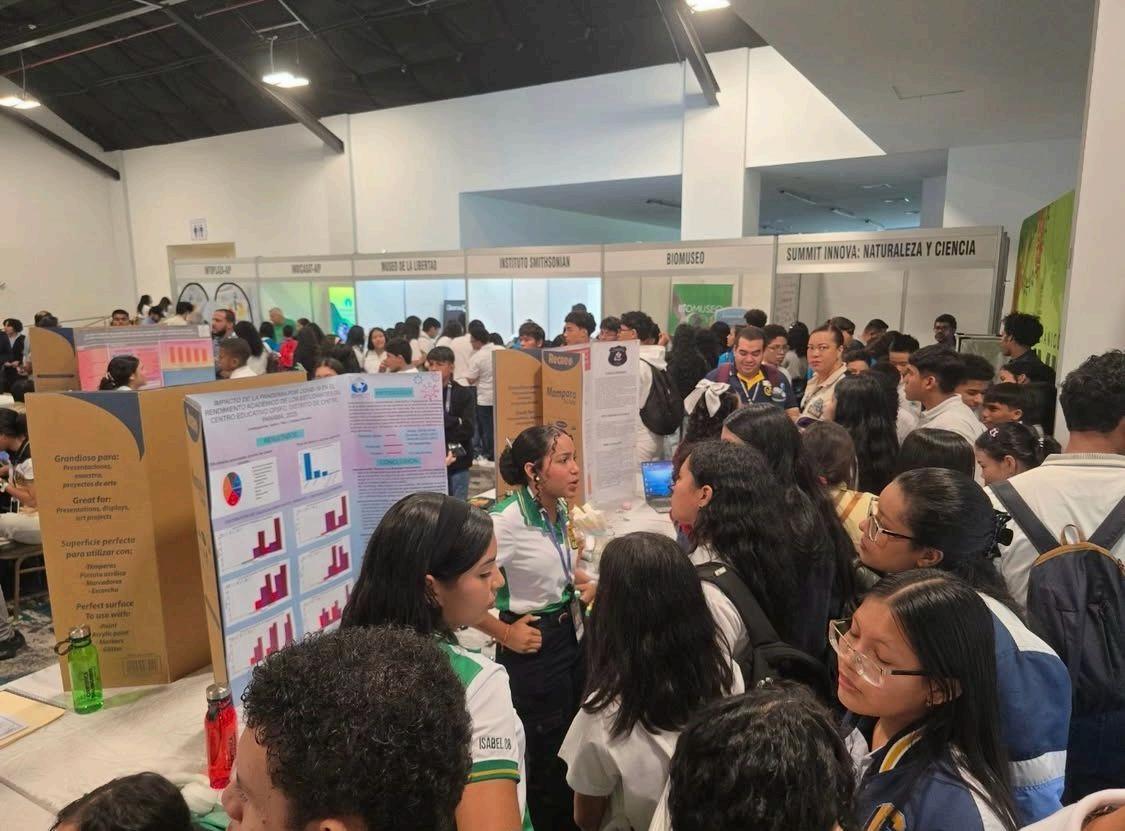
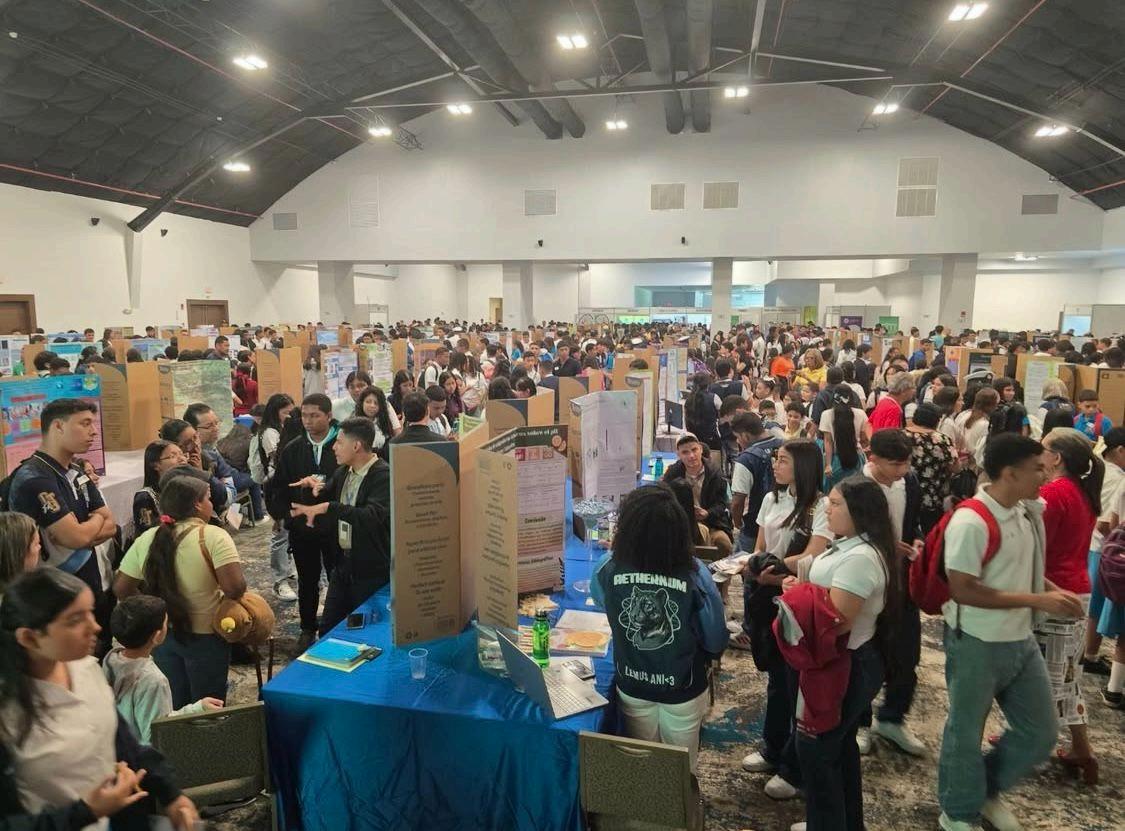
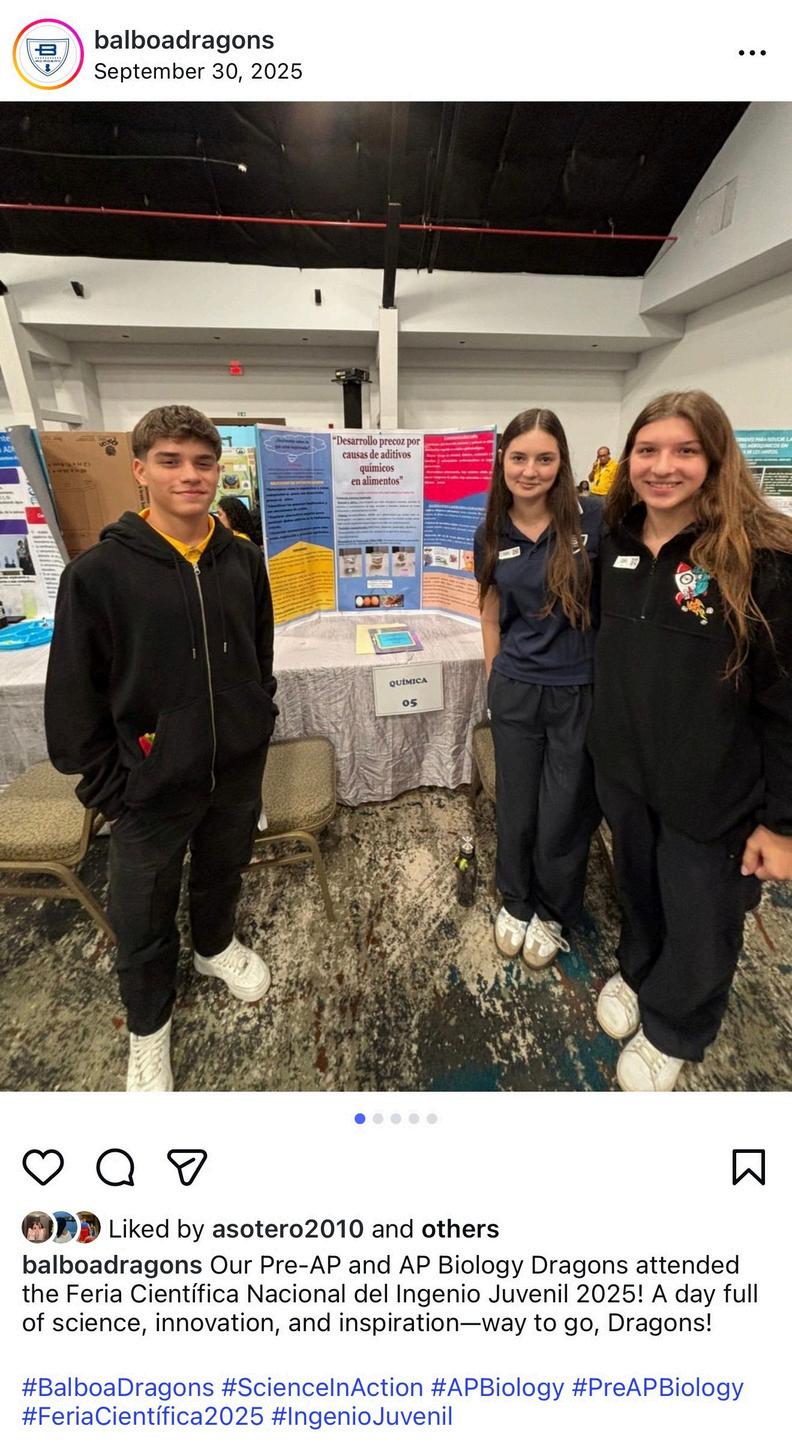
From September 24 to 26, 2025, Secretaría Nacional de Ciencia, Tecnología e Innovación (SENACYT) hosted the 27 la Feria Científica Nacional del Ingenio Juvenil at the Mariott Panama Hotel in Albrook Mall. Co-organized with MEDUCA, the event brough 321 middle and high school students from 92 schools across Panama to present 183 research projects The projects covered fields such as biology, environmental science, engineering, and computer science. With support from scientific mentors and research microgrants, students investigated real-world problems and developed practical solutions through scientific research.
The students with the highest-scoring projects earned the opportunity to represent Panama at international academic events, including the Campamento Latinoamericano de Ciencias and MILSET Expo-Sciences Latin America (ESI AMLAT). The science fair highlighted the increasing interest in research and innovation among young people in Panama and demonstrated how students are using science and technology to address current global challenges.
The competition´s first-place award went to Valery Luo Qiu and Kelly Michelle Wu Chong from Panama Christian Academy Using the “One Health” framework, they analyzed water samples from Matasnillo River, isolated E. coli bacteria, and identified concerning patterns of antibiotic resistance in the environment Their project highilighted the growing connection between environmental health and public health.
Second place was awarded to Victoria Celideth Camaño Morales from IPT Las Palmas for her research on renewable energy. She converted recycled cooking oil into biodiesel and tested its efficiency according to international standards, demonstrating a sustainable alternative fuel source
Third place was shared by two projects. Amelia Samudio and José Guardia presented a sociological study on climate displacement in communities within Guna Yala, while César Antonio Cedeño Espinosa designed a biometric palmrecognition security system focused on improving authentication technology.
By: Sofie Nordtveit
ACTIVITIES Trip to Isla Mamey
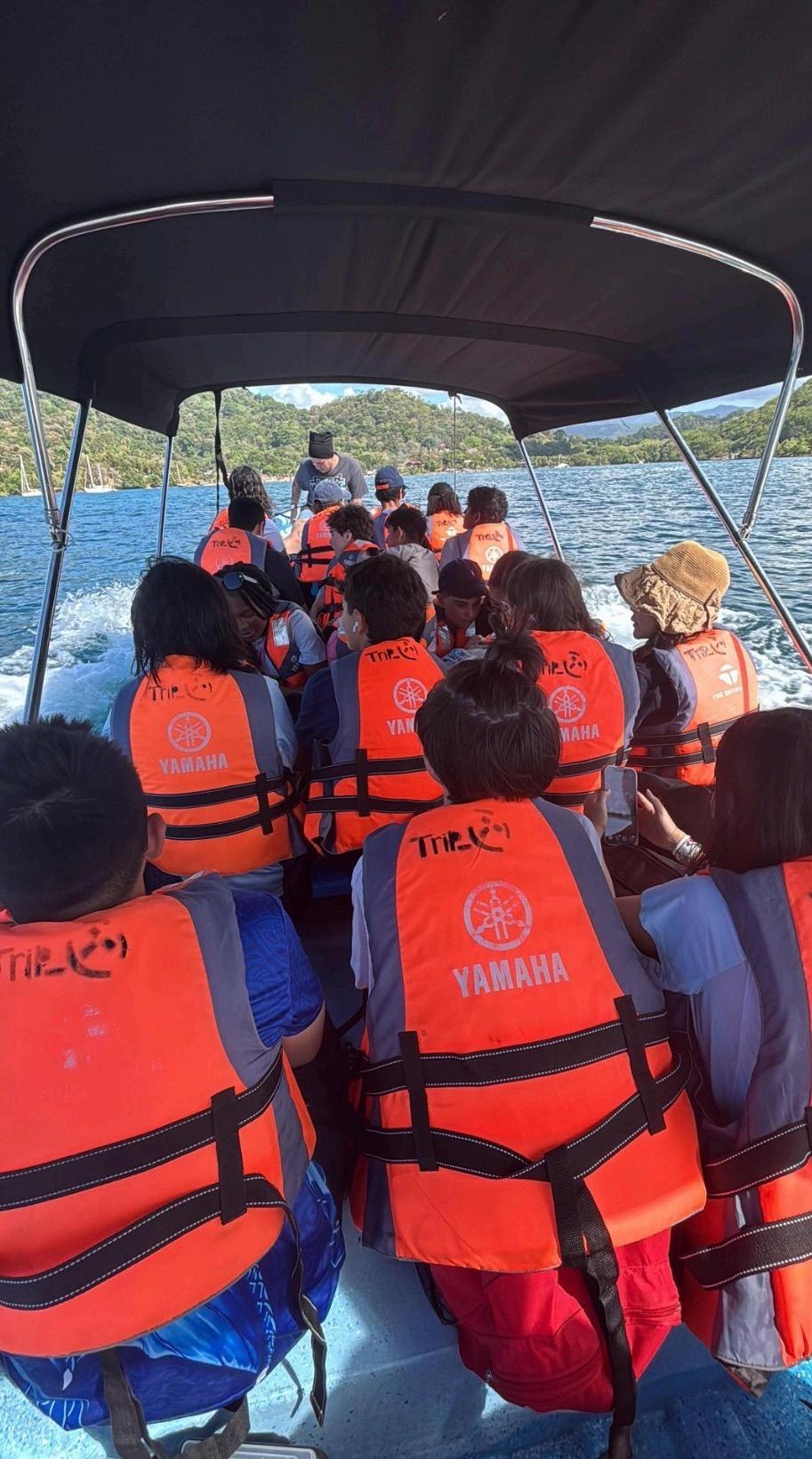
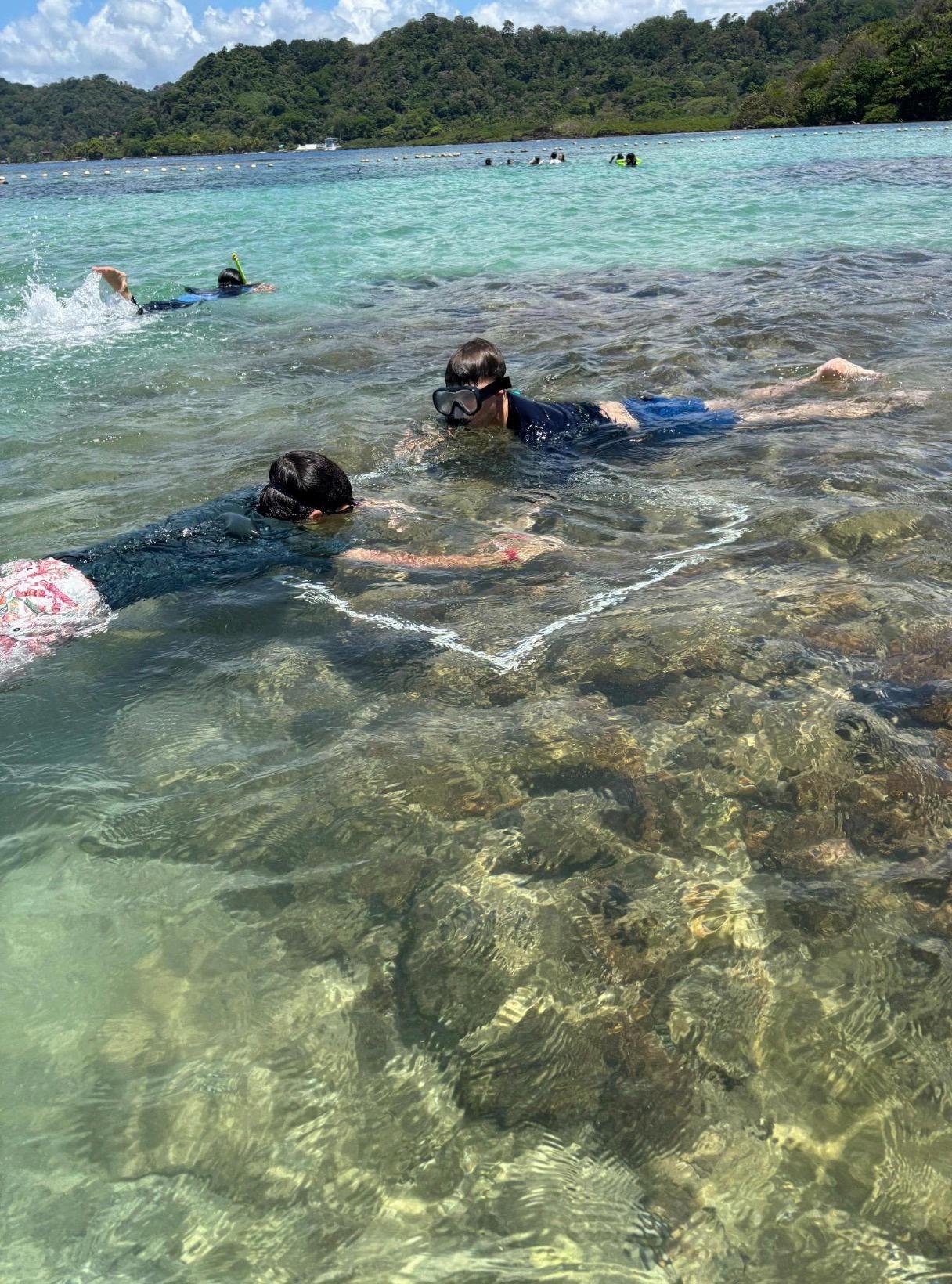
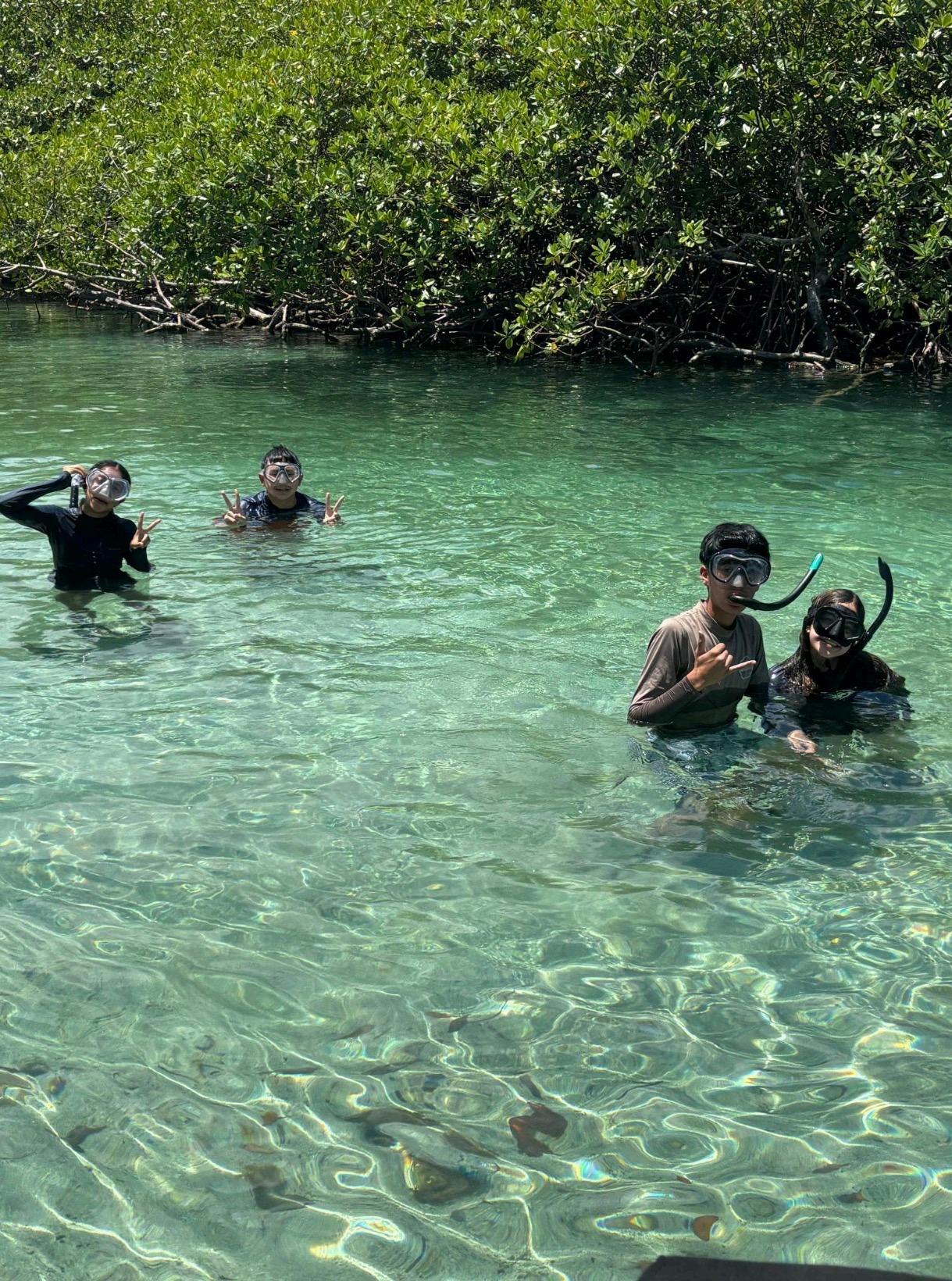
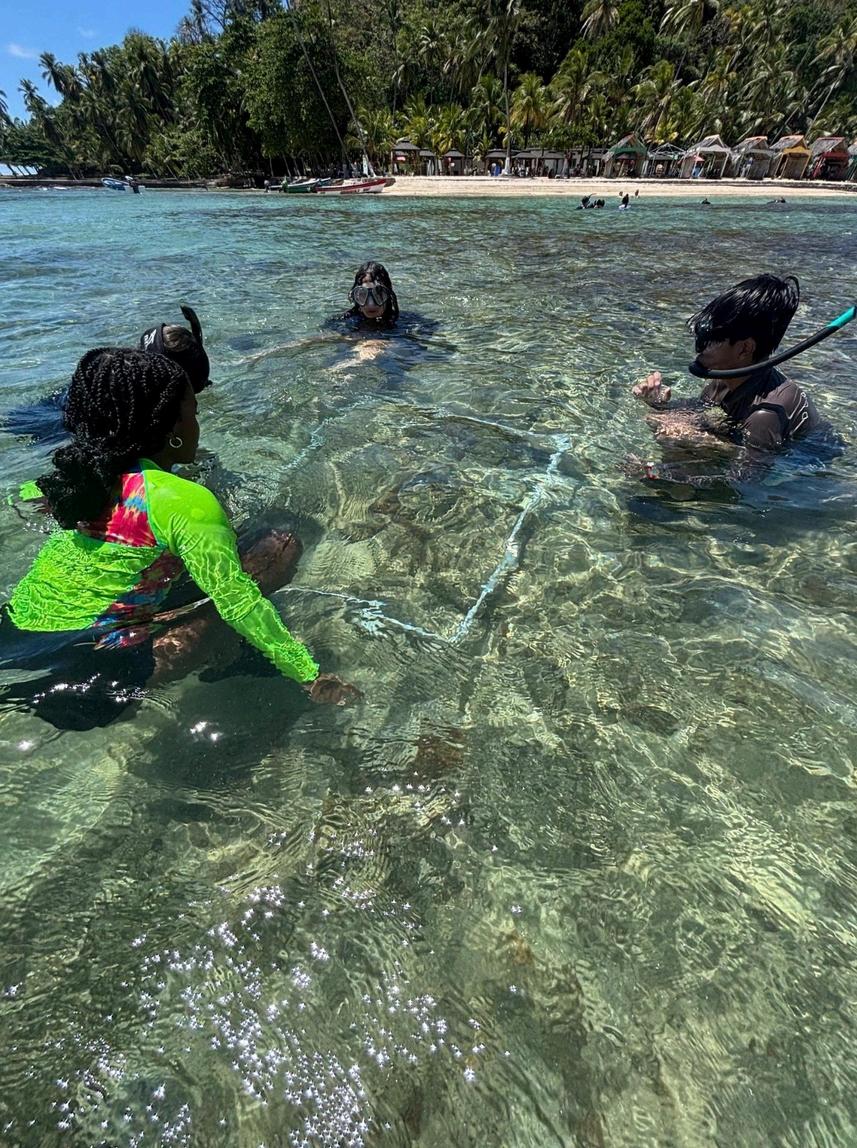
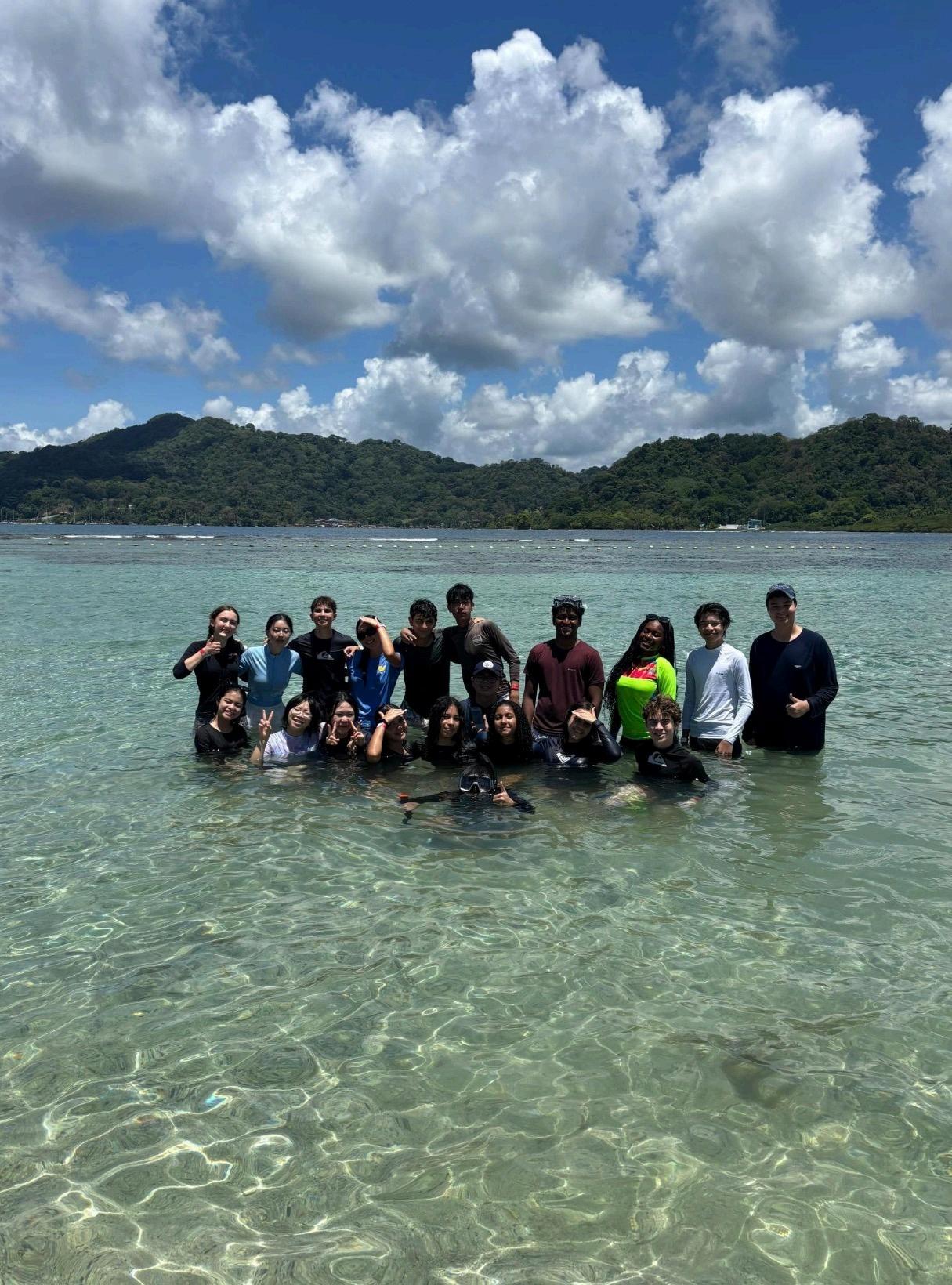
On April 17th, 2026, Pre-AP and AP Biology students joined together to explore the biodiverse ecosystems of the Caribbean Sea, specifically Isla Mamey and the shallow ocean pools surrounded by mangroves. The purpose of this field trip was to not only explore the waters of the Caribbean coast in Colon, Panama but to practice using scientific methods of measuring population density and diversity. This was done using quadrats which students used to count population in 3 different areas around the island!
Through team effort and multiple trials and errors, students were able to experience real time biology field work, getting an insight at the career of marine biology and collaborative investigation.
While exploring the ocean, students found multiple types of marine organisms including fish, algae, sea sponges, and invertebrates help better understand the ecosystem of the Caribbean Sea. This field work trip was the first part of a two part scientific report where biology students were able to compare and contrast the differences and similarities between the Caribbean Sea and the Pacific Ocean. Acknowledging Panama’s rich geological history is extremely important such as events like the rise of the Isthmus of Panama which led the vastly different ecosystems as they are today.
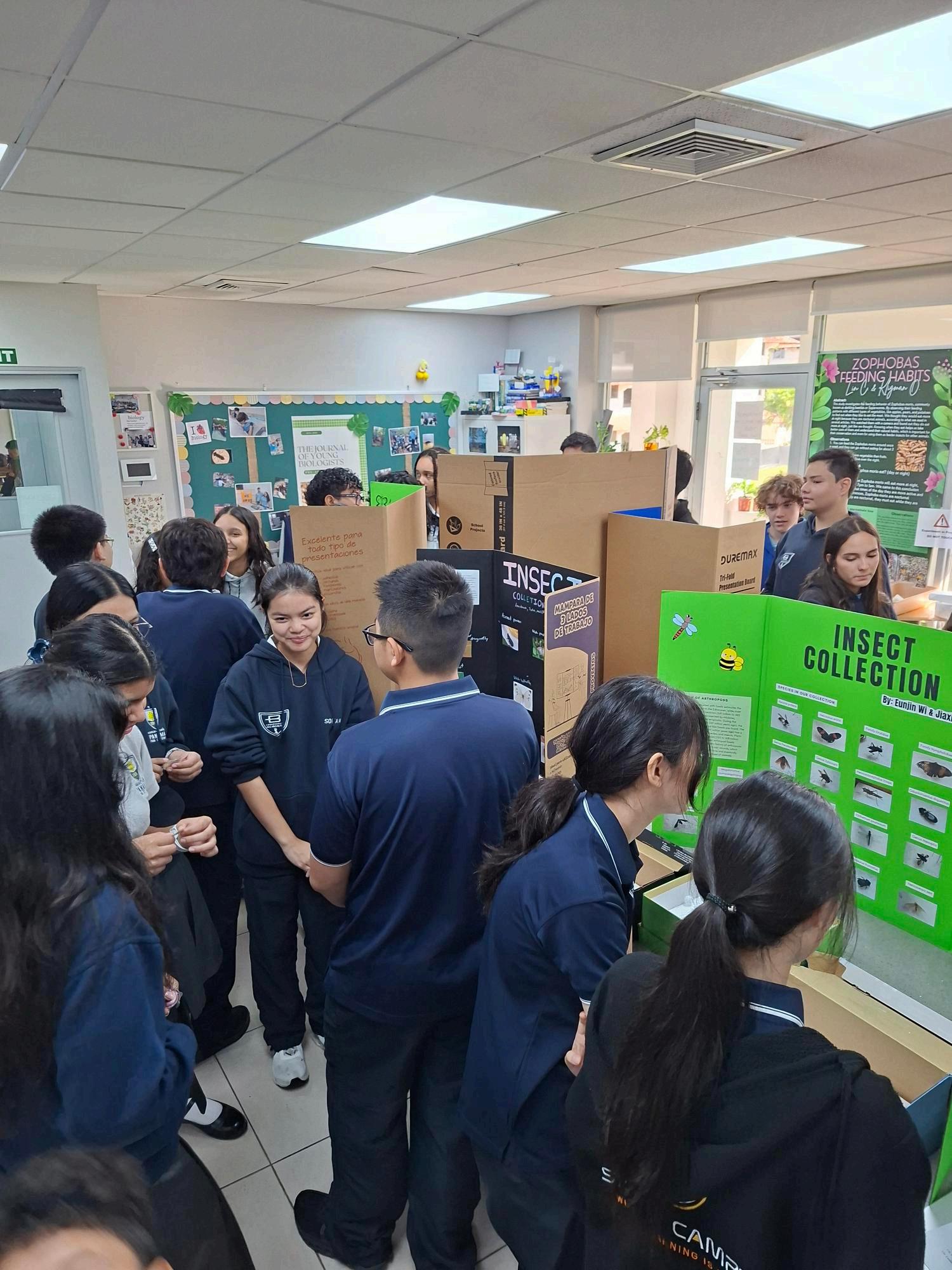
ACTIVITIES Insect Collection Nocturnal Insect Collection Field Trip
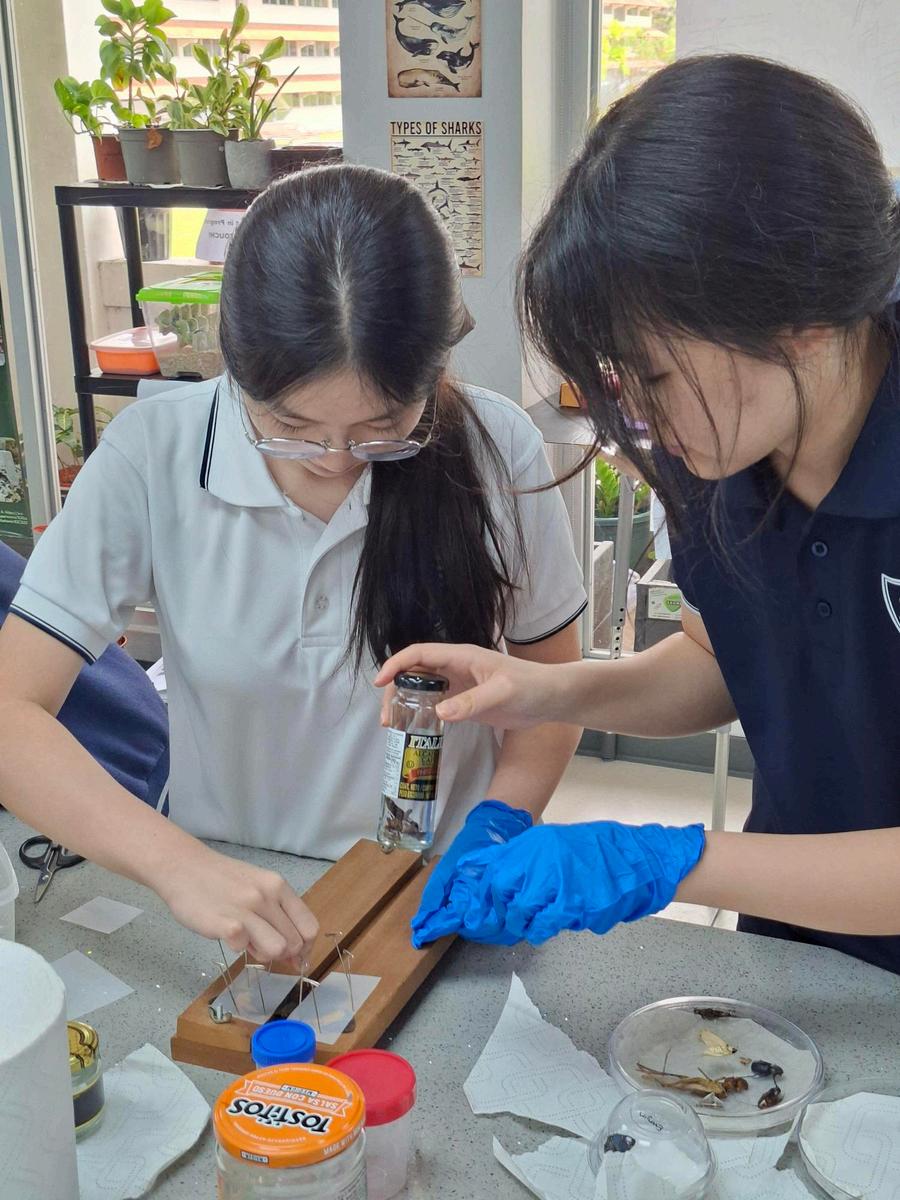
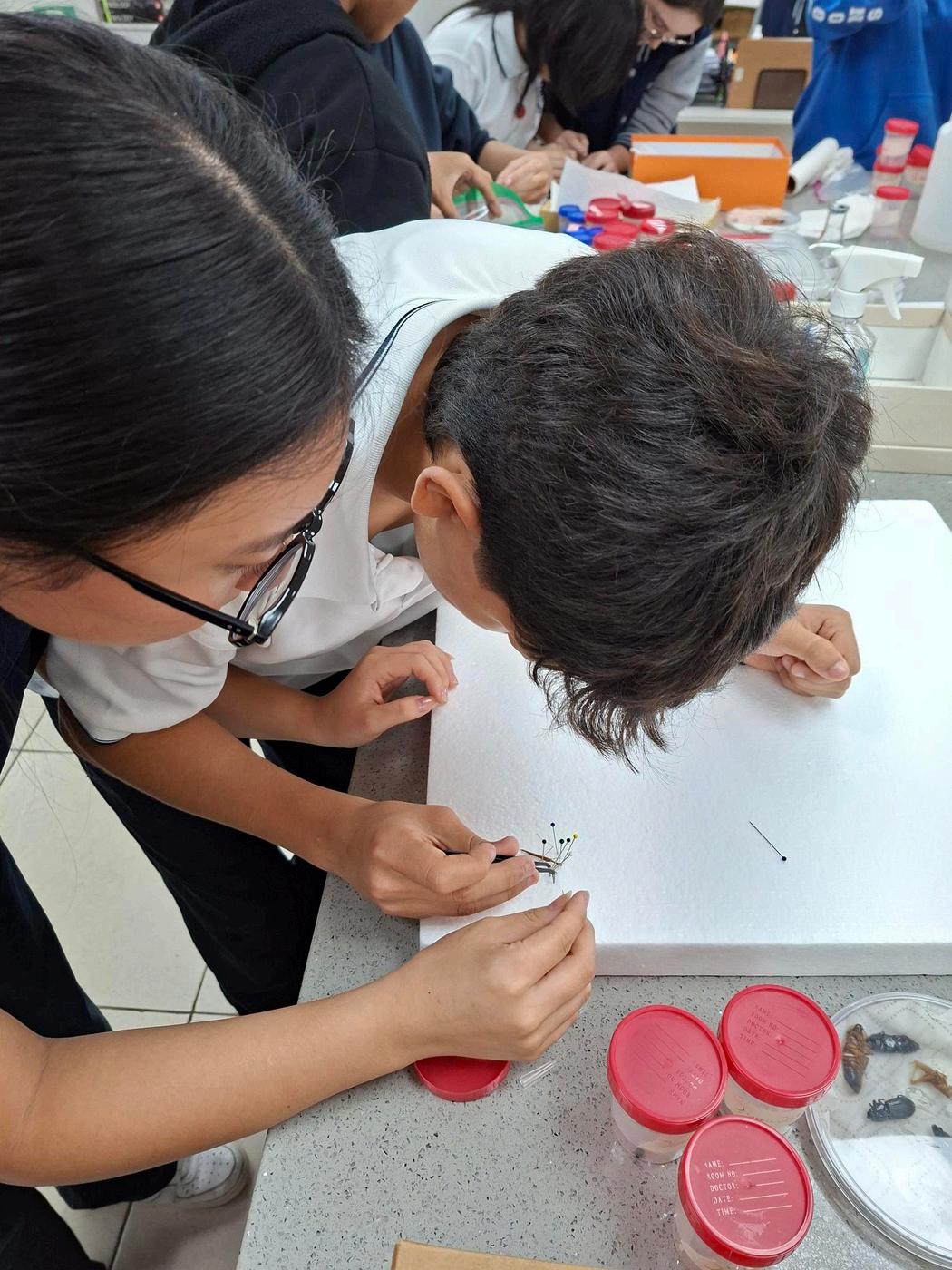
Our Pre-AP and AP Biology students collected different types of insects, preserved them as specimens, and classified each one.
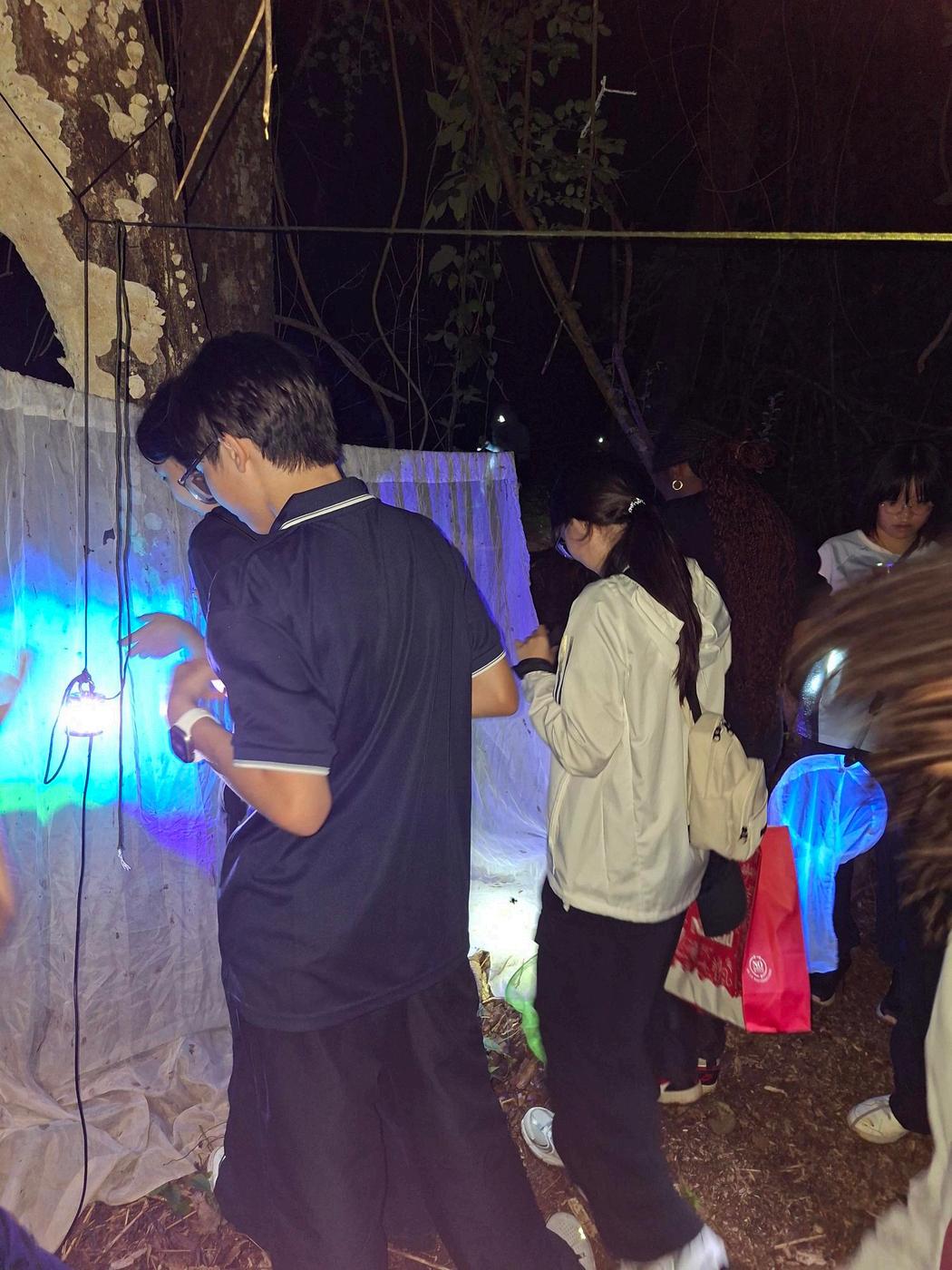
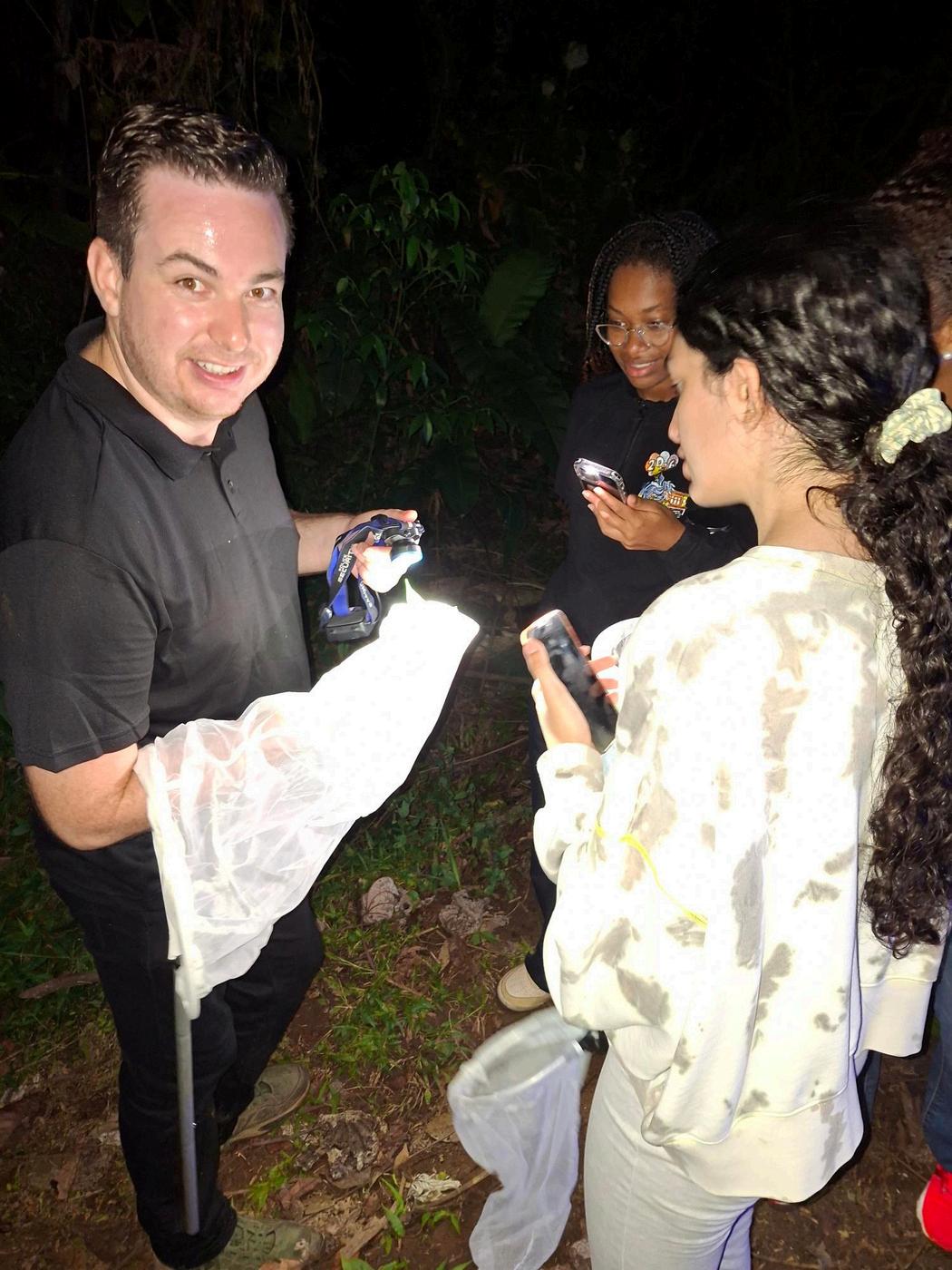
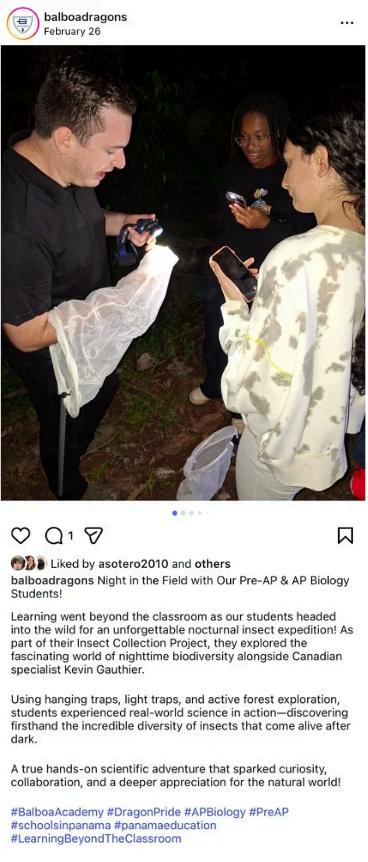
Students went to Sendero Ave Cárdenas in Ciudad de la Salud to collect insects. With the help of the biologist, Mr. Kevin, students set up a light trap using a white screen and special lights to attract flying insects. Students then caught insects using insect traps.
After freezing the insects for 24~48 hours, non-butterflies insects were preserved in alcohol for up to 48 hours For larger insects, butterflies and moths were secured on spreading boards, while other insects were shaped and stabilized using small pins before being pinned through the thorax onto styrofoam boards. Smaller insects were attached to triangular paper points and secured with nail polish Finally, all specimens were placed in decorated shoe boxes named “Insect Collection”
By: Jiaxi Zhao
Thereafter, students classified the taxonomy of each insect and created a dichotomous key for identification.
Finally, each group made a trifold about arthropod evolution, insect characteristics, and their collected species, and presented their work to other students.
Through this project, students gained experience in field collection and insect preservation They also learned to identify insect body parts and understood arthropod diversity and evolution while also developing observation and scientific skills.
ACTIVITIES
OEI (Expo ConCiencia) Fair
By: Elisa Jung
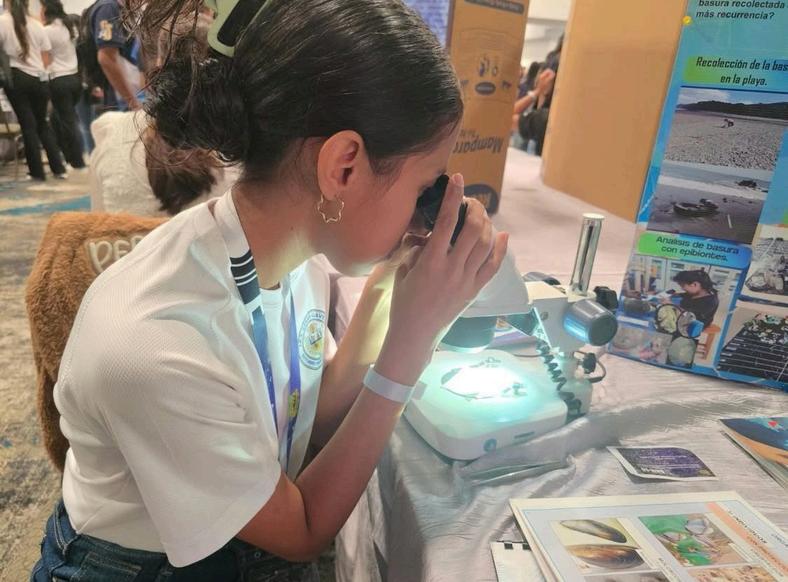
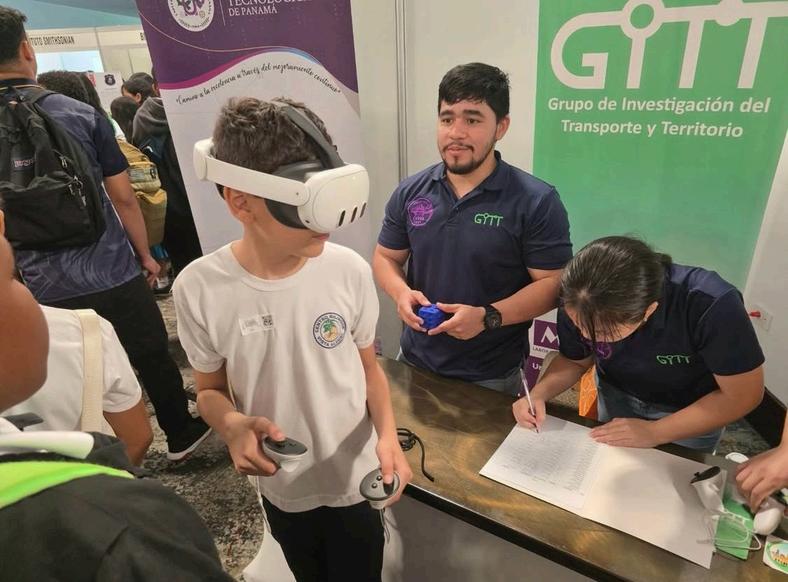
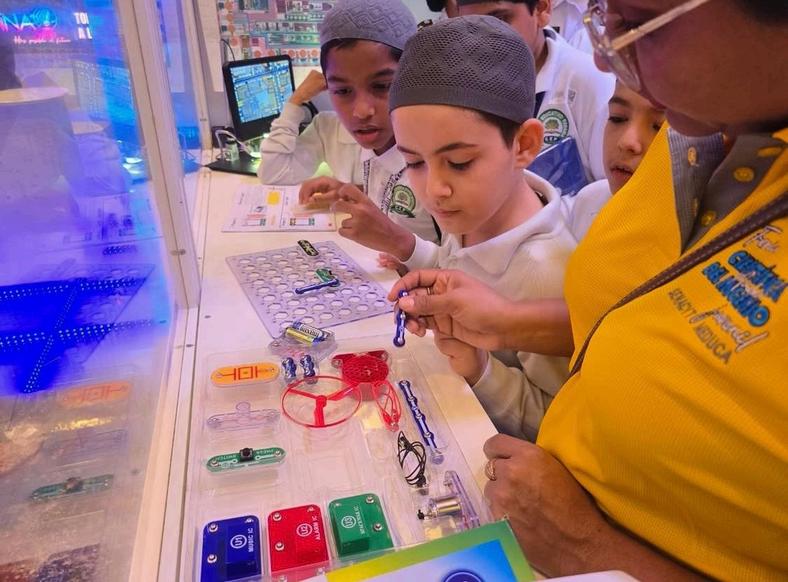
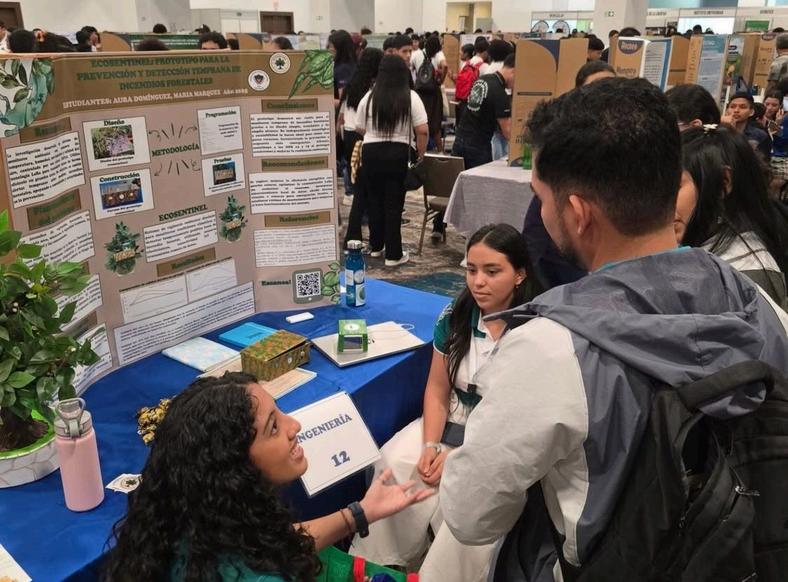
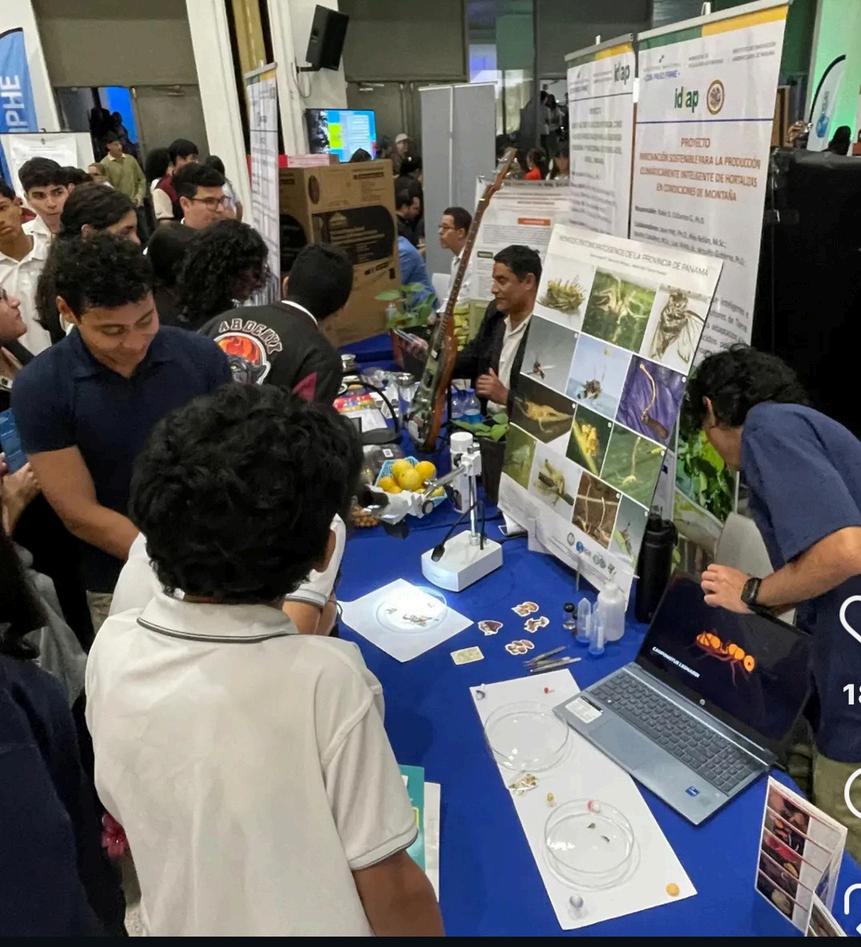
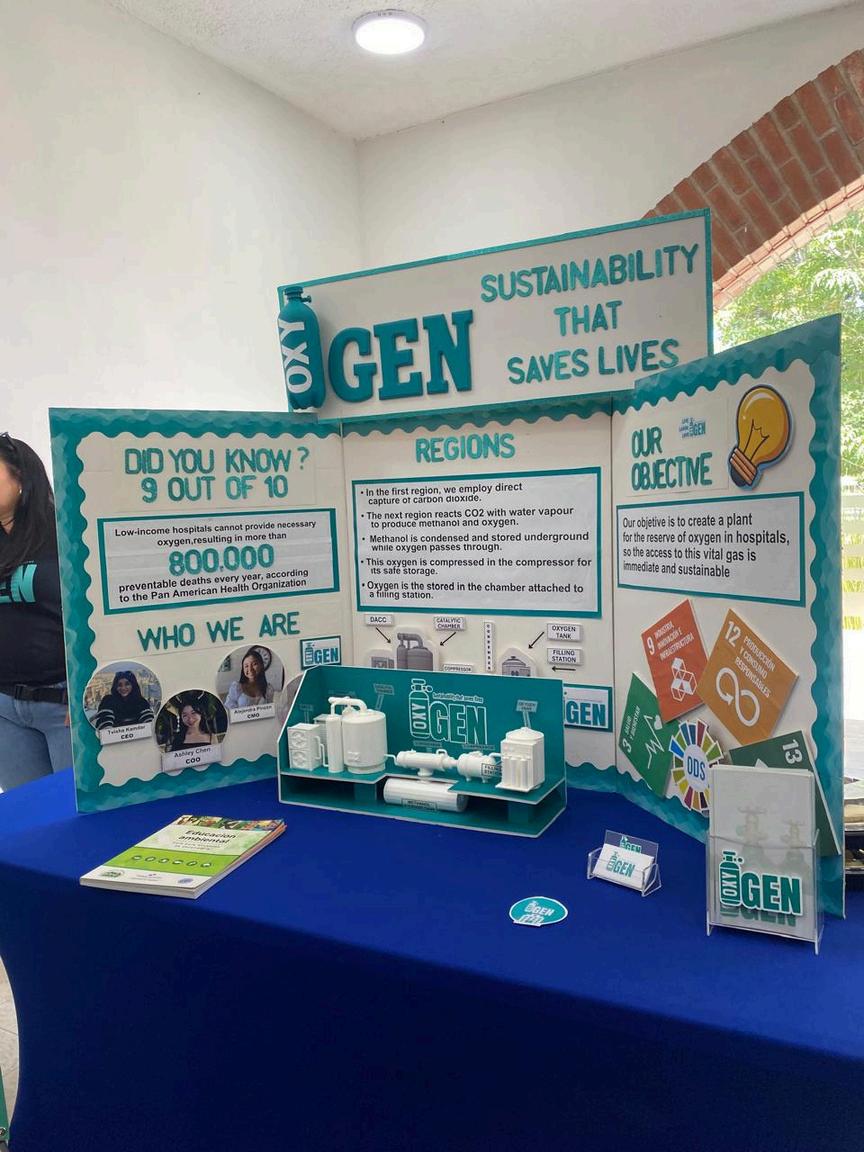
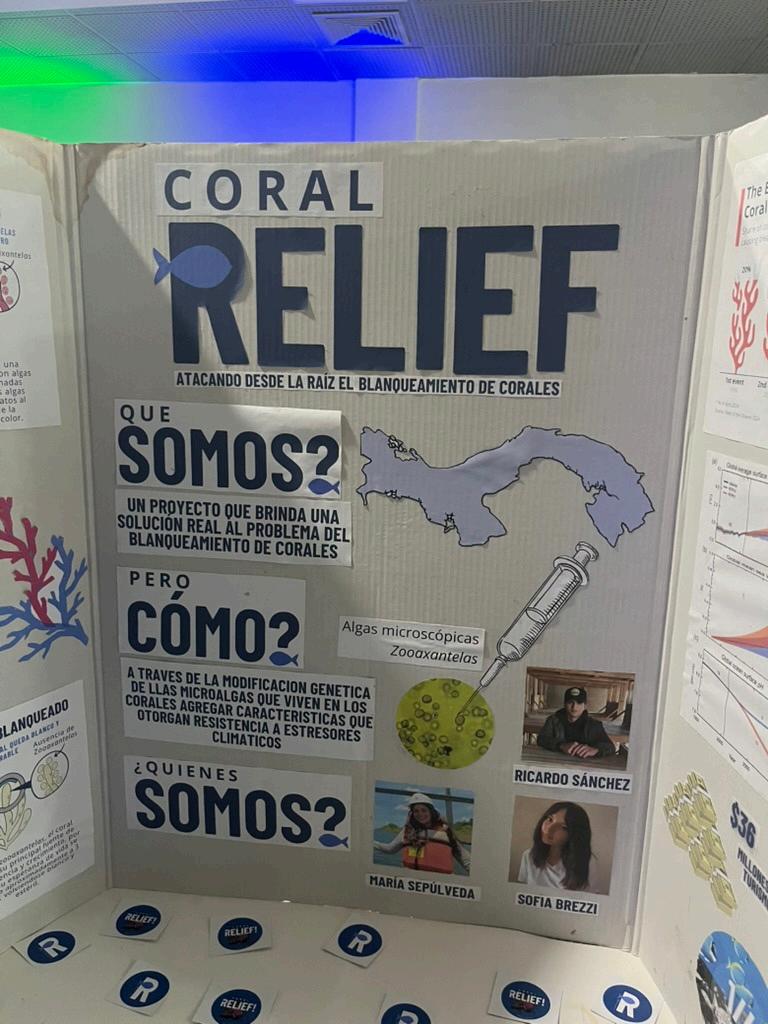
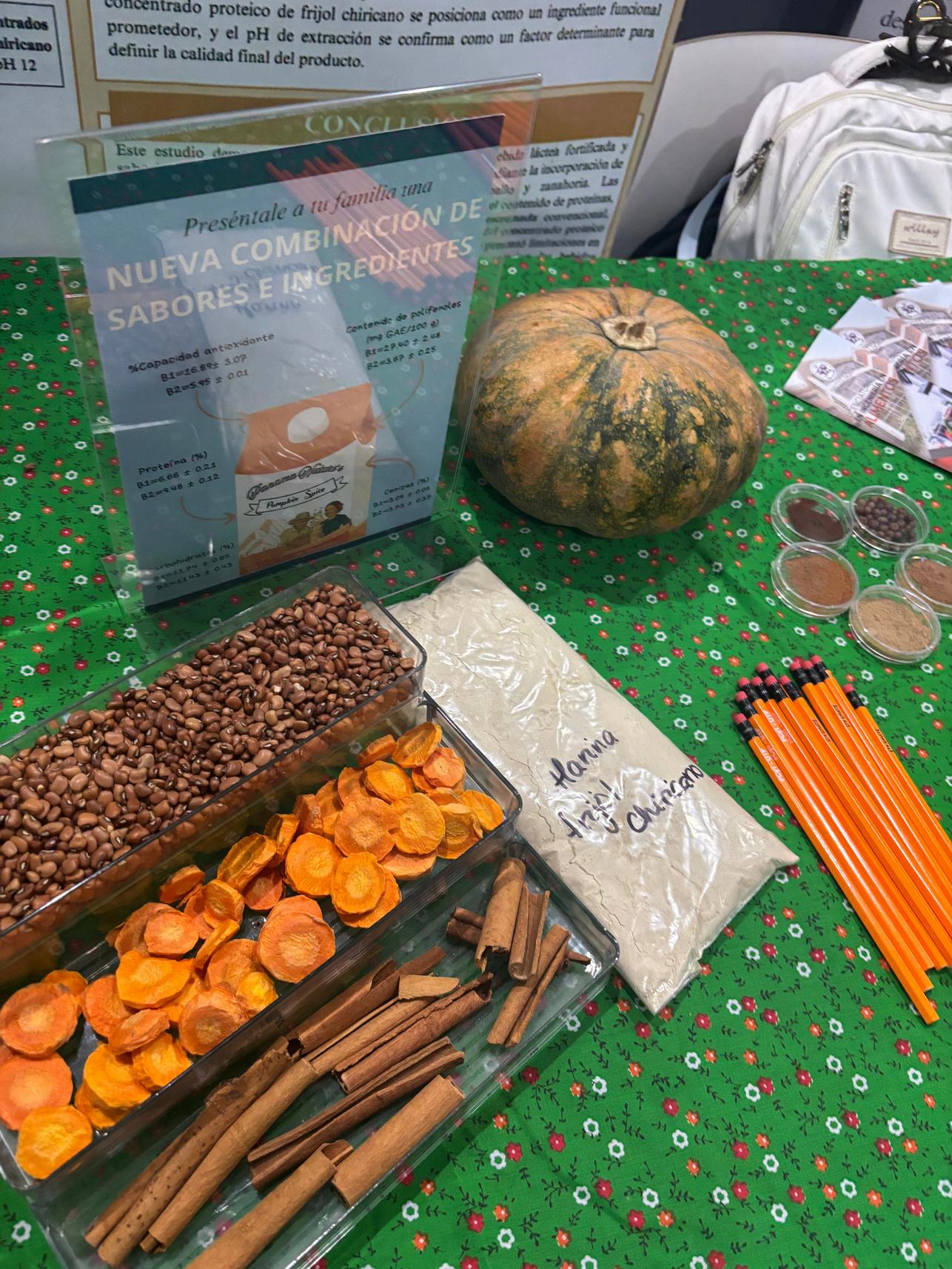
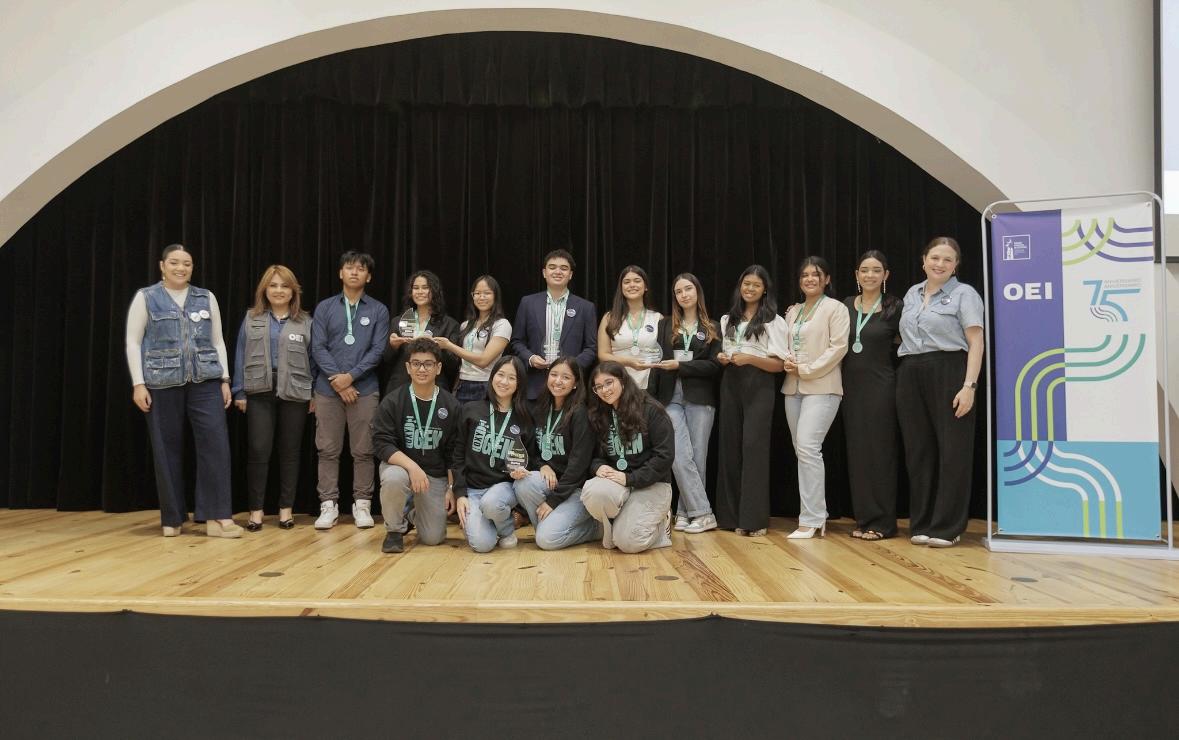
The Organización de Estados Iberoamericanos (OEI) hosted the third Edition of Expo ConCiencia on September 26, 2025 at the City of Knowledge Convention Center. The fair featured more than 100 active research projects, 14 dynamic talks, and 10 interactive workshops
Centered on the overarching theme of “Youth in Science,” Expo ConCiencia 2025 was organized around four primary areas of knowledge: Environmental Science and Sustainability, Health and Biomedicine, Technology and Innovation, and Social Sciences and Education
Among all the notable projects on display, several stands stood out for their innovative approaches to real-world problems:
BioBeads Duo: project that utilized RoboDrops technology to distribute dissolvable beads designed to improve community water quality by suppressing mosquito reproduction
OXY-GEN project: a self-contained generation plant that uses carbon capture mechanism to produce and store medical oxygen for local low-income hospitals
Coral Reef genetic modification: a biotechnological solution to help coral bleaching by making zooxanthellae to become more resistant to the changing environment from climate change
Pumpkin Spice Nutritional Milk: Fortifies milk with proteins and essential micronutrients (provitamin A carotenoids, critical minerals, and protective antioxidants) to treat malnutrition issues in Panama,
The Expo ConCiencia 2025 overall aimed to bring science closer to all audiences from primary school students to he
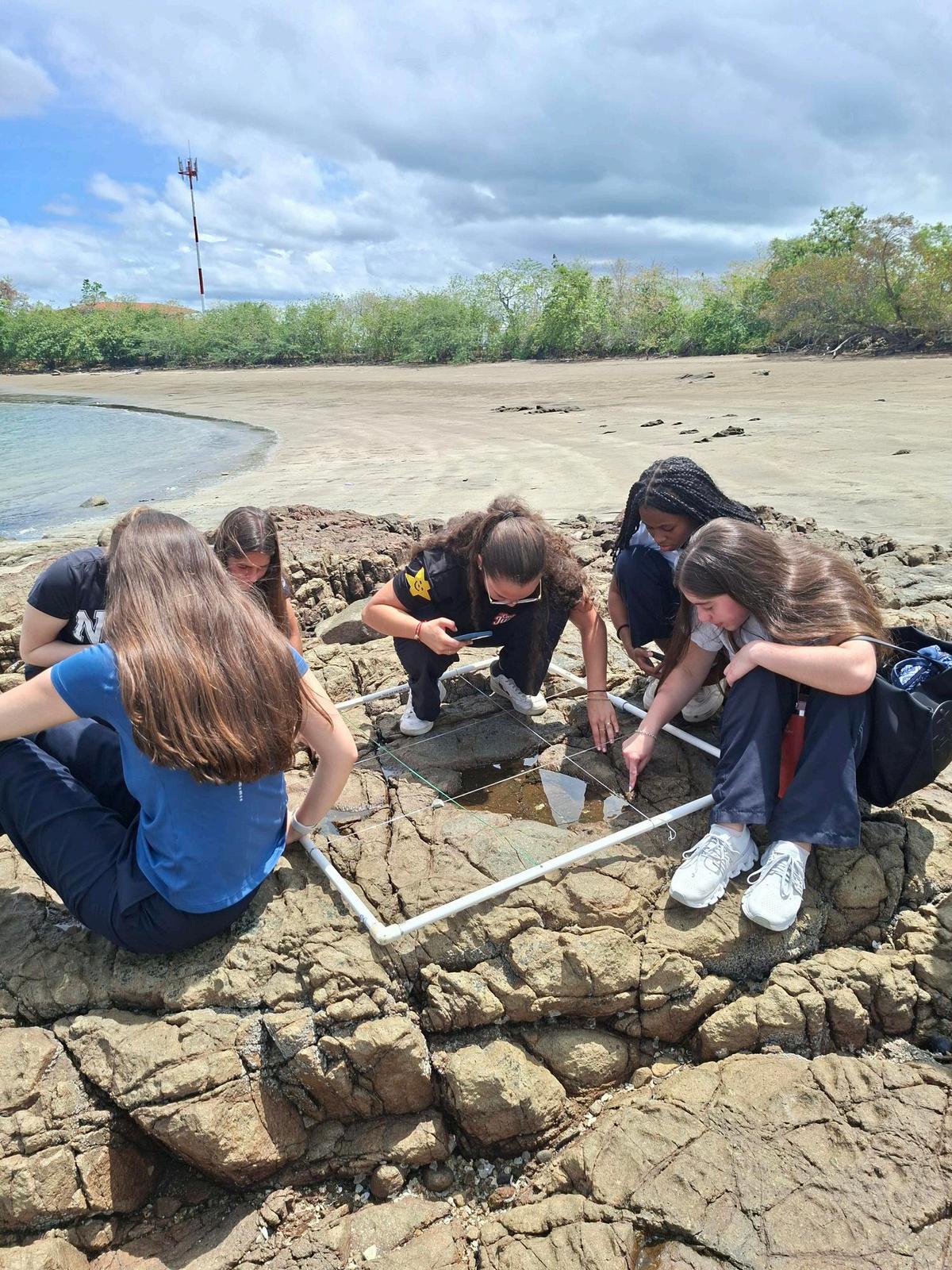
ACTIVITIES Field Trip to Punta Culebra Quadrat Sampling
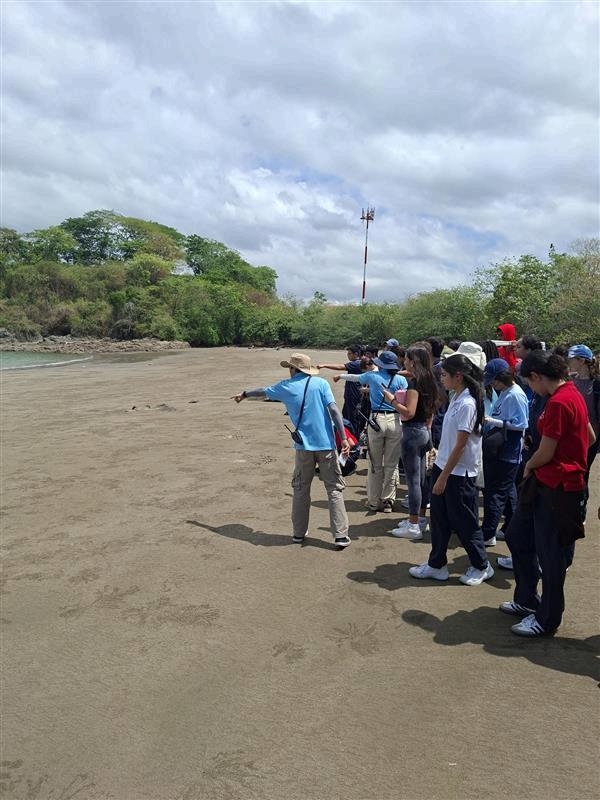
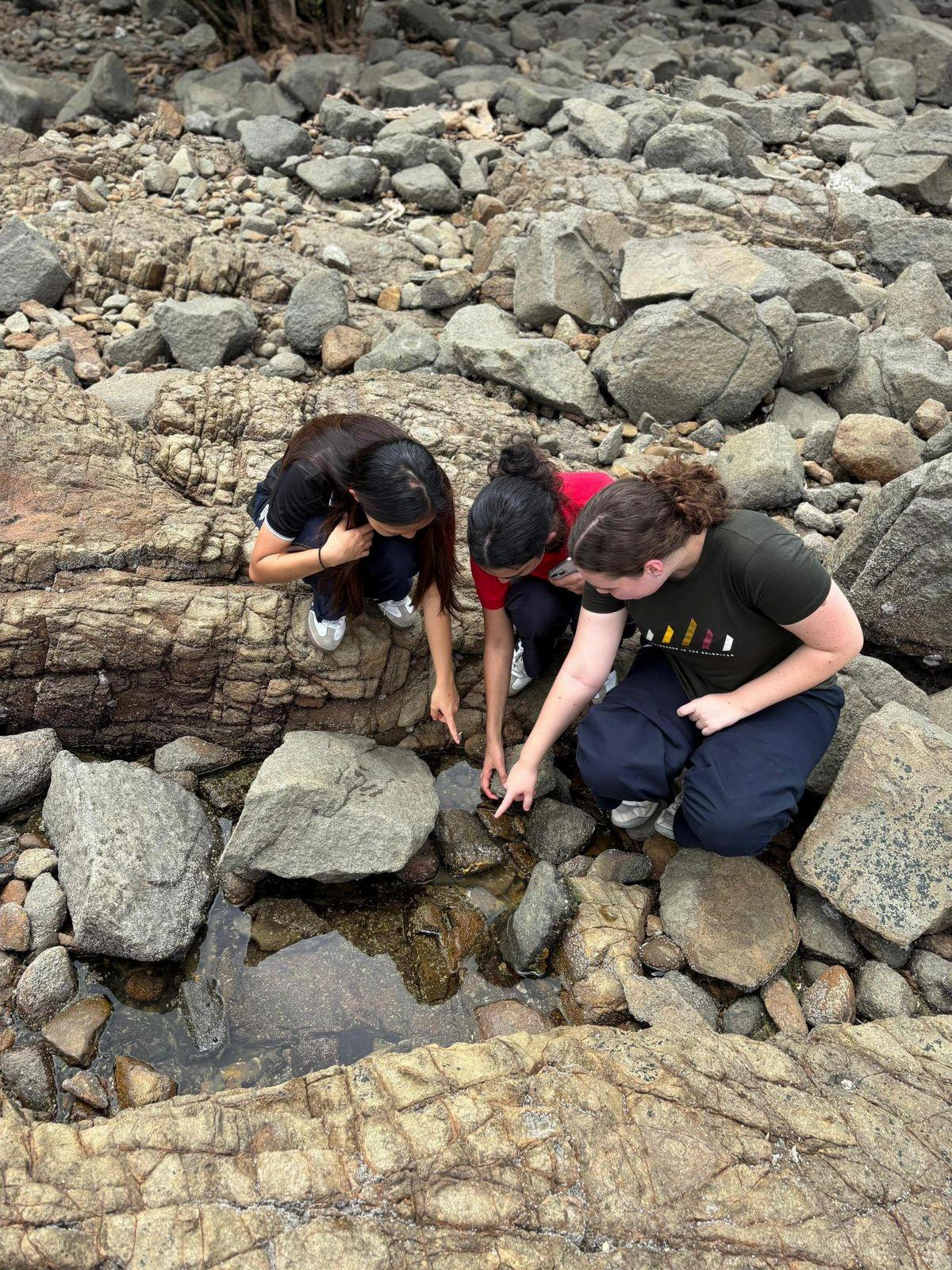
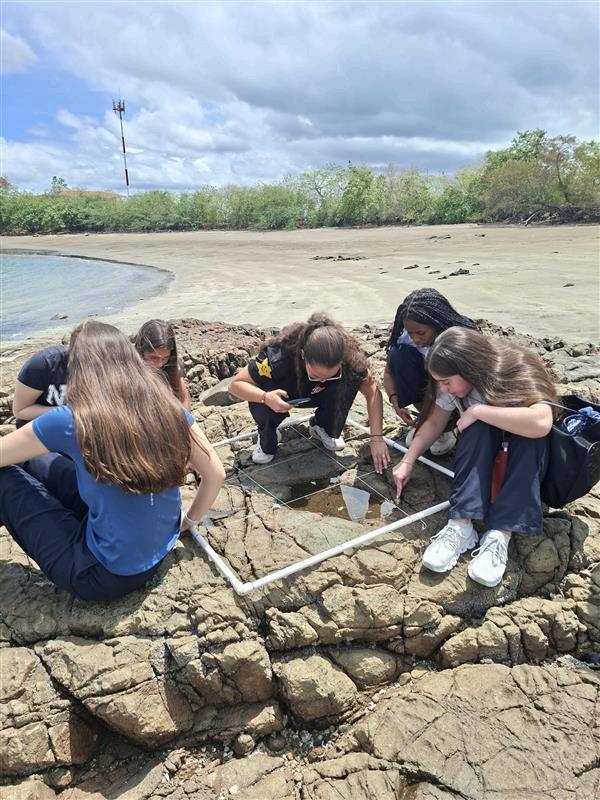
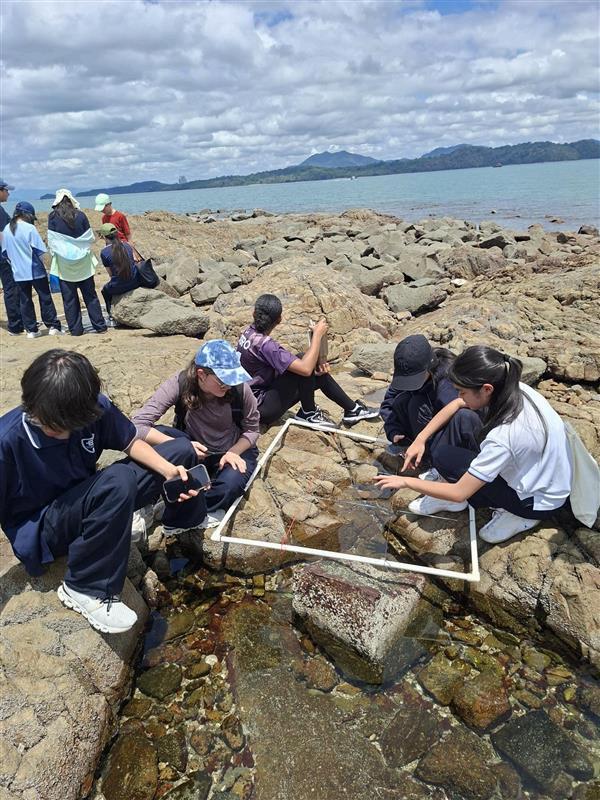
On April 30th, 2026, Pre-AP and AP Biology students joined together to explore the biodiverse ecosystems of the Pacific shores of Punta Culebra. The purpose of this field trip was not only to observe the marine environment, but also to apply scientific methods used in ecology. Students practiced using quadrats, an important tool for estimating population density and comparing biodiversity across different locations.
Through teamwork and multiple trials, students experienced real-time biological fieldwork and gained insight into careers such as marine biology and environmental science. This hands-on investigation allowed students to apply classroom knowledge while learning how scientists collect and analyze ecological data.
While exploring the shoreline, students observed a variety of marine organisms, including fish, algae, and invertebrates, helping them better understand the Pacific ecosystem. This trip also contributed to a two-part scientific investigation comparing the ecosystems of the Caribbean Sea and Pacific Ocean while recognizing how the formation of the Isthmus of Panama shaped their differences.
By: Ramon Diaz
ACTIVITIES Panama Nature Center Field Trip
By: Sofia Mock & Anastacia Sotero
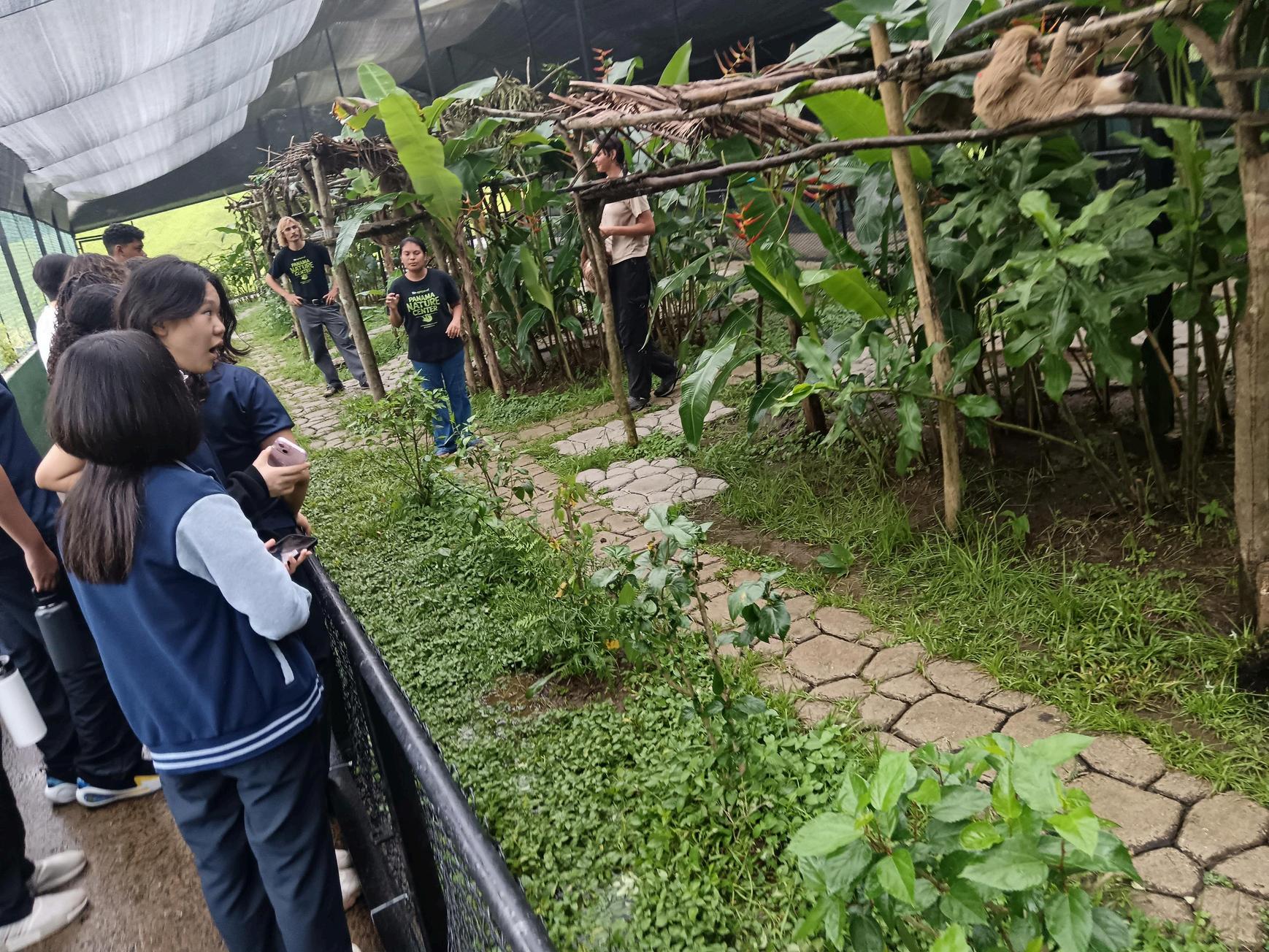
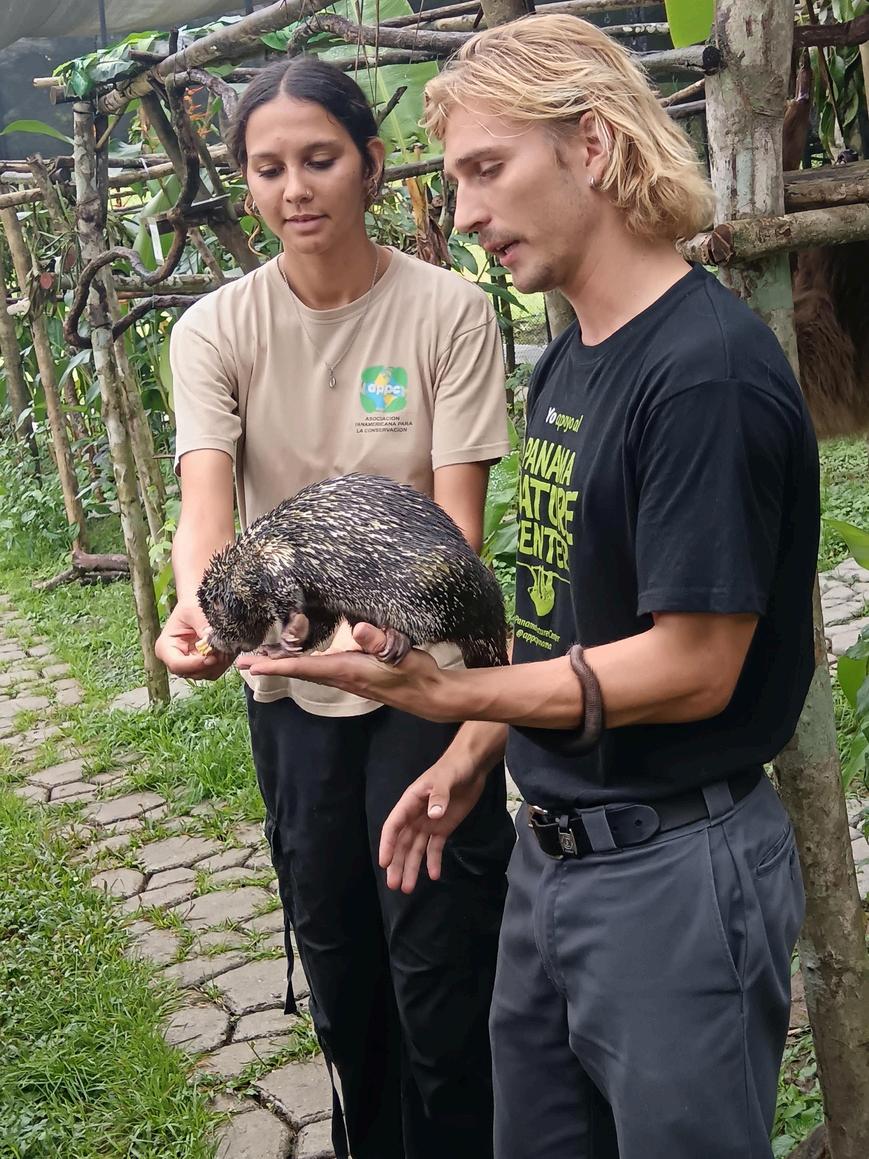
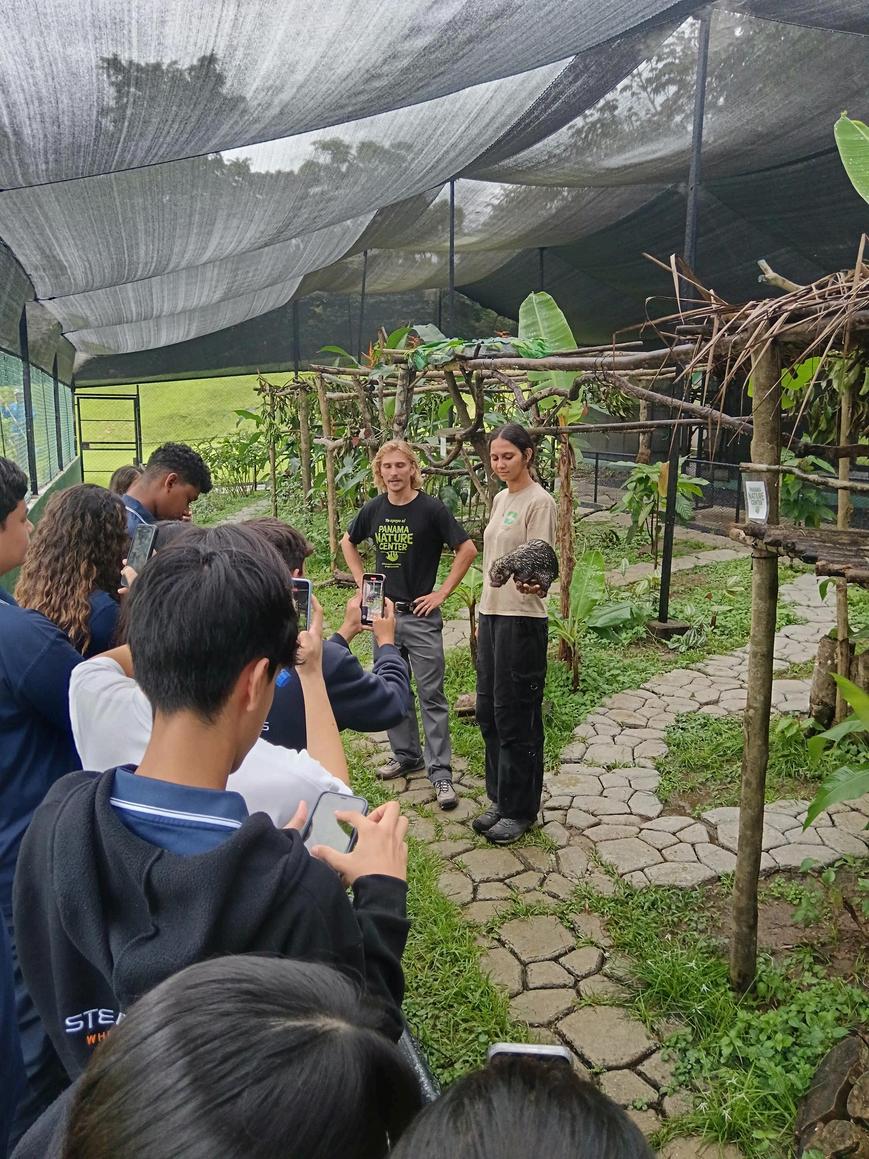
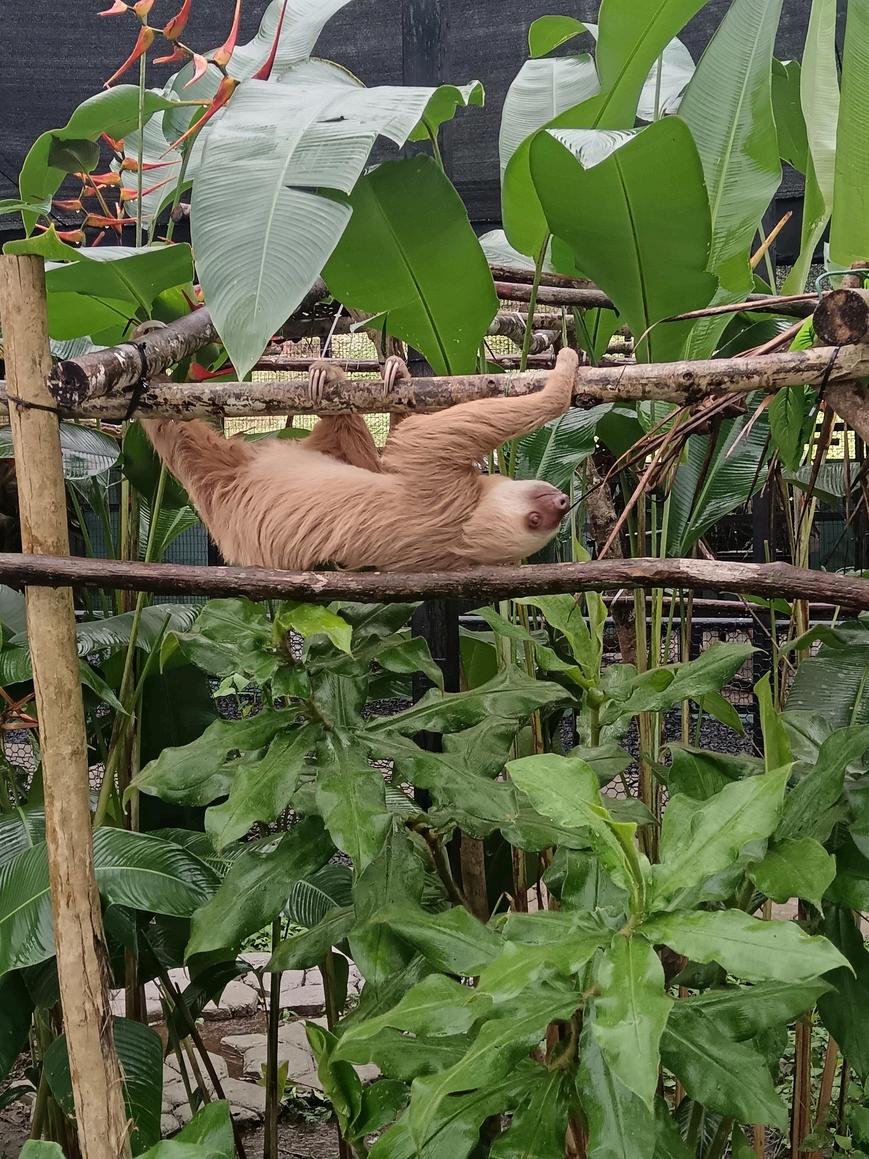
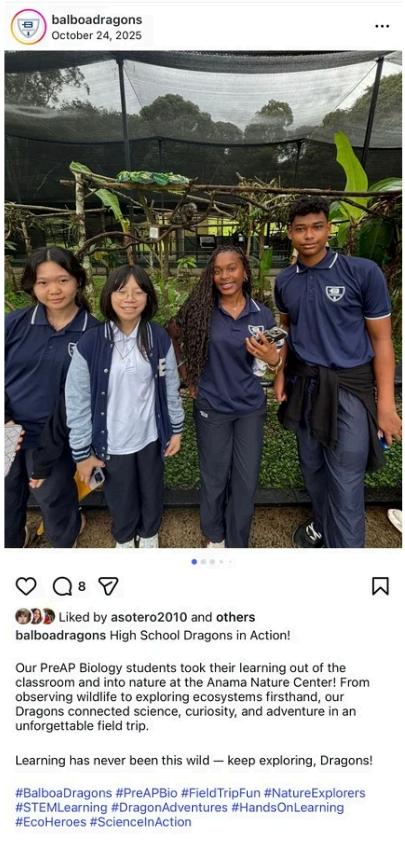
On October 23, 2025, P gy trip to the Panama Nature Center in Ciudad del Saber.
The Panama Nature center is a non-profit organization that rescue, rehabilitate and release animals back to nature, also working as a learning center too. It has been running for one year by the APPLC. The organization is a branch of the Asociation Panmericana para la conservacion that have been working for 20 years in rehabilitating animals specialy orphaned sloths and other native species
During the field trip to the Panama Wildlife Rescue Center, the staff explained the conservation efforts they carry out to protect and care for wildlife. They introduced us to many of the animals at the center, including sloths, snakes, scorpions, tarantulas, porcupines, anteaters, crocodiles, and turtles. The workers also explained that the facility is a rescue center, where injured or endangered animals are
ACTIVITIES Galapagos Trip
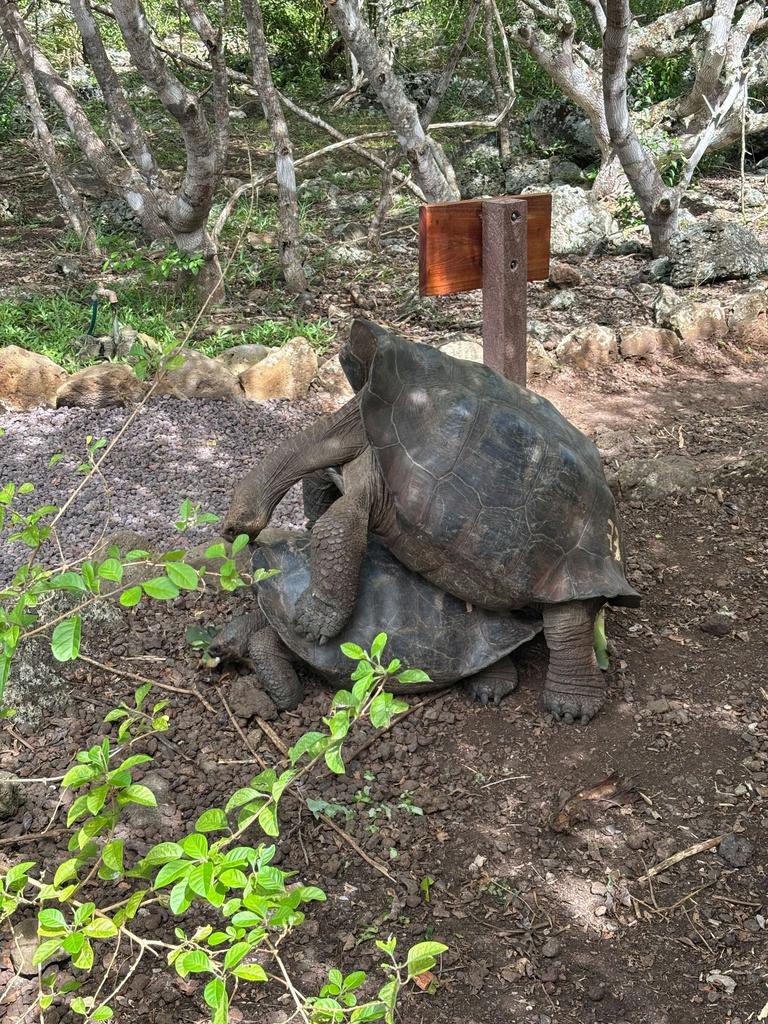
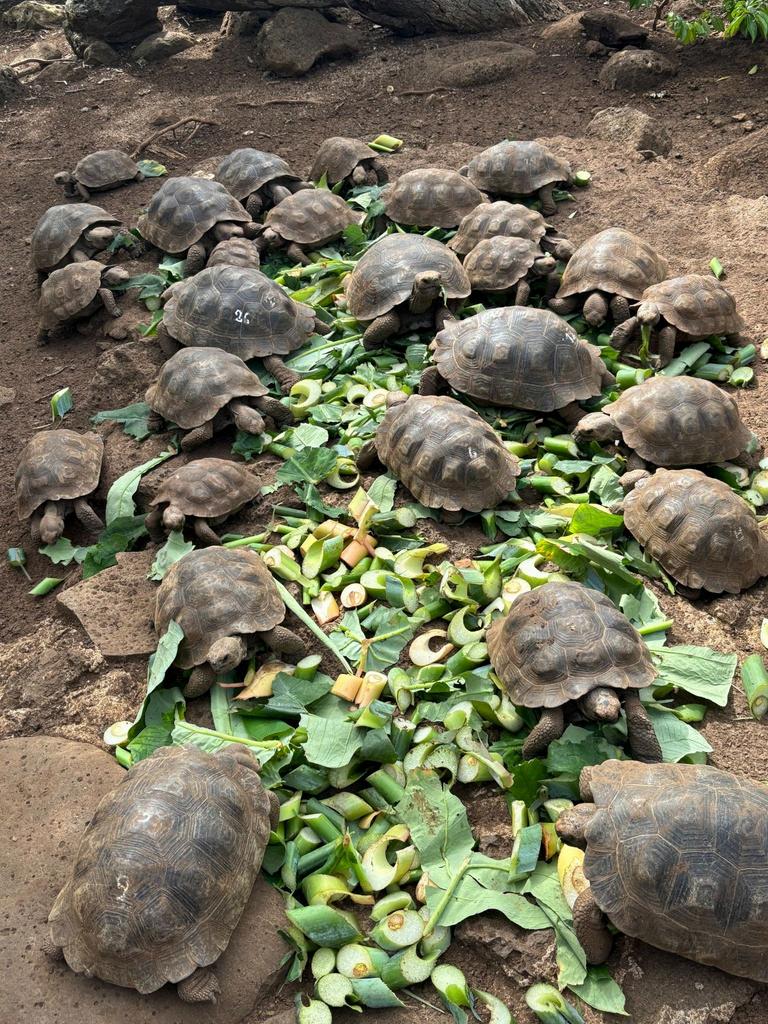
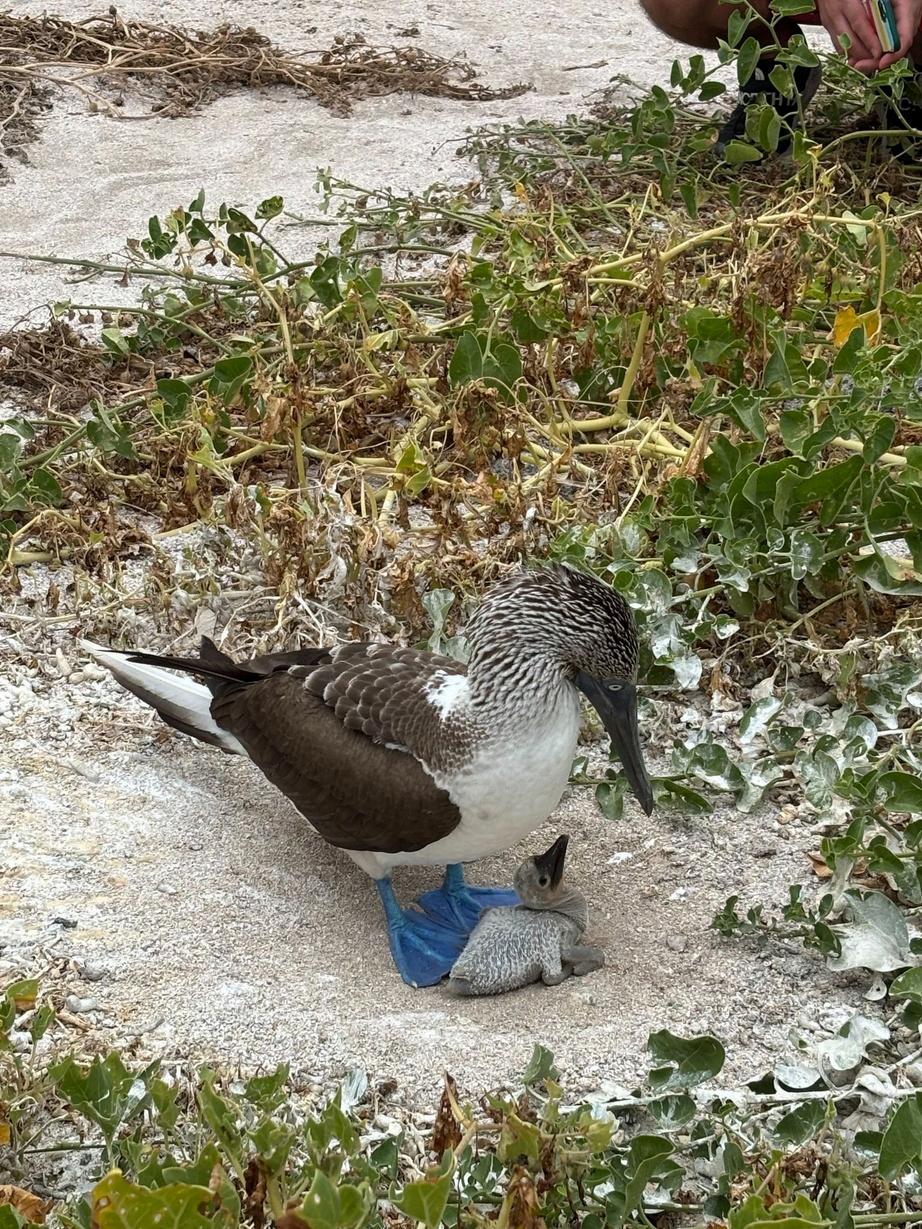
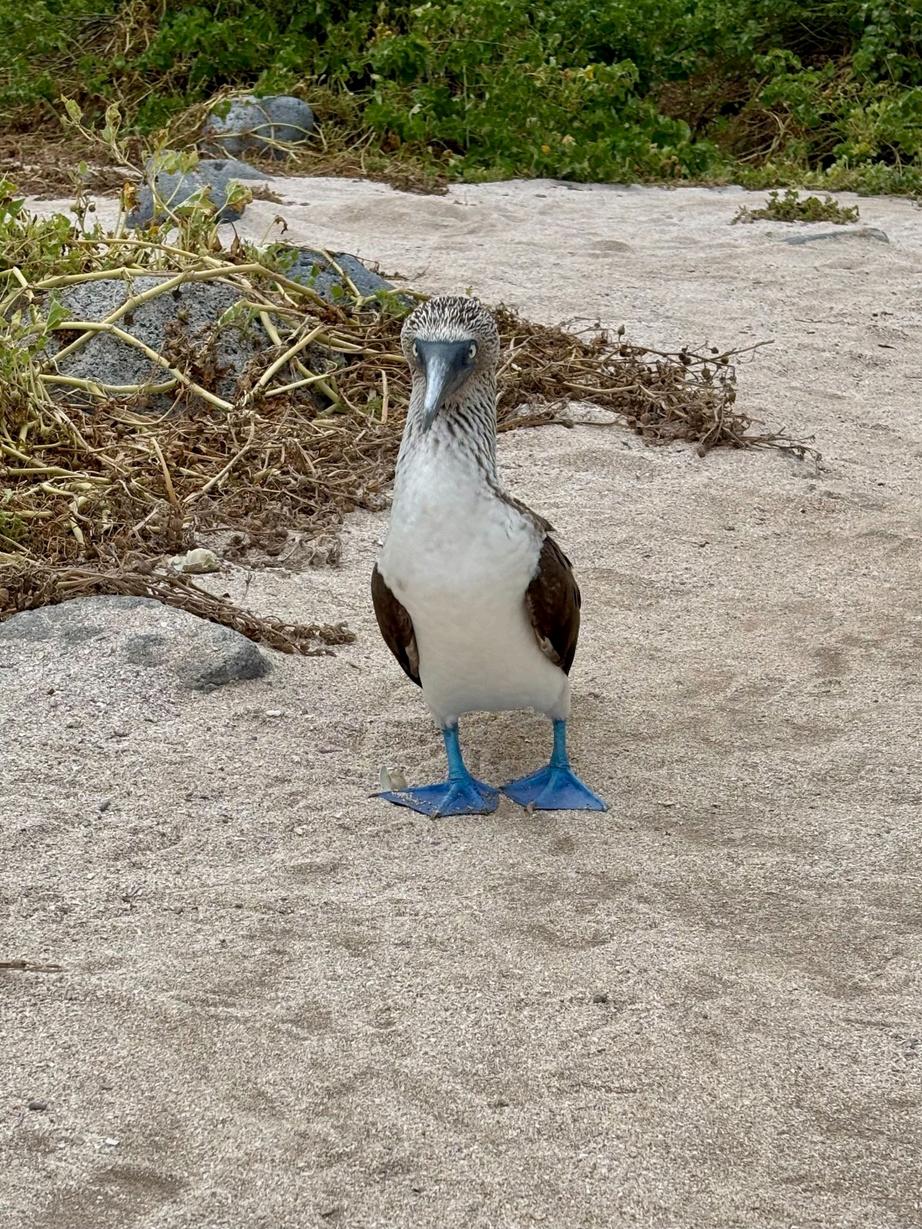
The Galápagos Islands are one of the most extraordinary destinations in the world, known for their unique biodiversity, remarkable landscapes, and scientific importance. Located in the Pacific Ocean about 600 miles off the coast of Ecuador, these volcanic islands provide visitors with the opportunity to witness nature in its most fascinating form My trip to the Galápagos was not only an exciting adventure but also an educational experience that deepened my understanding of ecosystems, wildlife, and evolution
During our journey, we visited several islands and natural sites, each providing different environments and landscapes. Some locations featured rocky volcanic terrain with black lava formations, while others had white sandy beaches, mangrove forests, and crystal-clear waters. Every destination revealed a different side of the Galápagos and demonstrated how diverse the islands truly are despite their isolated location.
One of the most memorable aspects of the trip was observing the incredible variety of animals that inhabit the islands We saw giant tortoises, marine iguanas, sea lions, blue-footed boobies, lava lizards, small sharks and many species of birds and fish Unlike many animals in other regions, the wildlife in the Galápagos often showed little fear of humans due to the absence of natural predators This allowed us to observe their natural behaviors closely and appreciate their adaptations to their environments.
The Galápagos Islands contain several ecosystems that support different forms of life. Marine ecosystems provide habitats for sea turtles, sharks, fish, and coral communities, while terrestrial ecosystems include dry forests, volcanic zones, and highland vegetation areas. Each ecosystem plays an essential role in maintaining balance and biodiversity within the islands The variation in climate, altitude, and geography creates conditions that allow many unique species to survive
By: Asia Quevedo
The history of the Galápagos is equally fascinating Formed through volcanic activity millions of years ago, the islands remained isolated from the mainland for long periods of time. This isolation allowed species to evolve independently and develop unique characteristics found nowhere else on Earth. The islands later gained worldwide recognition because of their contribution to scientific discovery.
The Galápagos are strongly connected to the work of Charles Darwin, who visited the islands during his voyage on the HMS Beagle in 1835 While observing differences among species, particularly finches and tortoises on different islands, Darwin noticed that organisms seemed adapted to their specific environments. These observations later contributed to his theory of evolution through natural selection. The Galápagos continue to be considered a living laboratory because they provide evidence of how species change and adapt over time.
The trip demonstrated that the Galápagos are much more than a beautiful tourist destination They are a place where science, history, and nature come together, allowing people to better understand the relationships between organisms and the environments in which they live
CONSERVATION VOLUNTEER AT GALAPAGOS with Projects Abroad
During the summer of 2025, I traveled to San Cristobal Island in Galápagos to participate in the Conservation Volunteer Program, run by Projects Abroad. One of our primary tasks was monitoring the Galapagos sea lions’ (Zalophus wollebaeki) population and behaviors. Practicing a form of citizen science, we walked around the perimeter of the beaches to count and classify each individual into an appropriate age cohort. We also logged their behaviors, such as playing, suckling, sleeping, or vocalizing
During the survey, it was highly evident that alpha males are territorial, since alpha males were limited to 2 to 3 individuals per beach The alpha males were also frequently engaged in territorial battles that involved excessive vocalizing and showed high levels of aggression if approached. In contrast, the juveniles were often found suckling early in the mornings and playing with each other in the afternoon.
Throughout the whole process, a strict no-contact policy was enforced, especially for the newborns and puppies Since sea lion mothers rely on vocalization and olfactory senses to recognize their offsprings, human contact has a high risk of altering the pup ’ s scent, possibly resulting in maternal rejection and abandonment Similarly, the non-interference policy was enforced to comply with the process of natural selection. Treating any injury was strictly prohibited unless its cause was explicitly anthropogenic, such as getting caught in fishing nets.
By: Elisa Jung
In the Galpaguera de Cerro Colorado, our task mostly involved habitat management of the giant tortoises (Chelonoidis niger). We carried heavy loads of Otoy plants (tortoises’ primary food source) up the mountainous national park, and cut up the Otoy plants into smaller pieces for younger tortoises. The ponds of Galapaguera were also cleaned by picking up biological wastes and draining and re-filling the water. Unlike traditional zoos, the tortoises in Galápagos were not held in captivity but roamed around the park freely Also, concepts like allopatric speciation and adaptive radiation were clearly demonstrated from tortoises from different islands possessing distinct shell shapes and neck lengths
During the weekends or after daily schedules, I explored the Galapagos Island by snorkeling, watching sunset at the beach, or trying local seafood restaurants A day trip to Isla Lobos also allowed me to see the famous Blue Footed Boobies (Sula nebouxii), characterized by their unique colored feet and special mating dance.
BALBOA
WATER QUALITY CHECK AND FILTRATION
By: Skye Lee
Introduction
Water quality presents a public health challenge in rural regions and indigenous communities in Panama. This is significant because contaminated water can influence disease transmission, child development and healthcare. The quality of the water people use to drink, shower and sanitation needs to be checked. An efficient invention that can easily filter the water to make it cleaner can be made to ensure the water is clean enough for drinking.
Timeline
Weeks 1-2: Make the water quality checker
Weeks 3-6: Research where Panamanian locals obtain their water and collect water quality data of different regions
Week 7: Organize it into a chart and analyze what the problems in water quality are
Week 8-12: Make a water filter system using the data that was collected, research and testing whether it enhances water quality
Week 13-15: Find a way to distribute it to local resident
Procedure
First, previous research about water quality in Panama and the water sources used by rural and indigenous communities will be reviewed and analyzed Afterward, approximately 10 different water sources will be selected for testing Five samples from each source will be collected in storage bottles and transported to a laboratory for analysis. The collected water samples will then be tested for factors such as pH, electrical conductivity, and turbidity using a multiparameter water quality meter to determine whether the water meets safety standards for drinking and other uses.
Based on the results of the water quality tests, a filtration system will be designed using local and sustainable materials such as bamboo, clay, coffee paper, and 3D-printed components Different materials and filter designs will be tested through trial and error to determine which combination most effectively improves water quality. The efficiency of the filter system will be evaluated by comparing water quality measurements before and after filtration Once a safe and effective filtration system is developed, several filter samples may be distributed to local residents in communities affected by poor water quality.
ENGINEERING COMPETITION
hosted by WiSTEM
By: Gwen Bethel
WiSTEM is a club designated to provide a supportive space that empowers girls to challenge themselves and succeed in STEM The three pillars of WiSTEM: Education, Mentorship, and Outreach allow students to engage richly with all sciences.
Members of the Women in STEM Club recently participated in engineering competitions designed to encourage innovation, teamwork, and probelm-solving Through handson challenges, such as the catapult and bridge-building competitions, participants explored real-life applications of engineering.
BEACH CLEANUP
hosted by EcoUnite
This helps students understand the importance of protecting the environment and marine ecosystems while encouraging teamwork, responsibility, and community involvement Small actions like a beach cleanup can make a significant difference in preserving our ocean ecosystems for future generations.
Our school’s ecology club, EcoUnite, hosted several sessions of beach cleanups throughout the year. Students worked together with non-profit organizations like Adoptabosque and Greensquad collaborated with local governments to collect trash and plastic waste along the shoreline.
The goal of beach cleanup is to reduce marine plastic pollution and protect coastal ecosystems. Our club aims to create cleaner and safer beaches for the community and marine life. By removing litter from beaches, EcoUnite helps create cleaner and safer environments
By: Jiaxi Zhao, Vivian Fang
BATTLE OF THE GENIUSES
hosted by Science Club
Every year, students from different schools in Panama come together to compete in one event: Battle of the Geniuses, organized by Balboa Academy’s Science Club. This competition challenges students to test their intelligence, creativity, and teamwork with trivia and puzzles, bringing together some of the brightest students in Panama in hopes of winning the title of “Genius”.
BOTG includes 7 types of fundamental areas of study: science, mathematics, social studies, art, music, geography and general knowledge Questions revolving around these topics are answered by members of each participating team to collect as most points as possible. After this trivia, a team-building challenge follows to test teamwork and understanding of different puzzles they must solve together with their mentor in order to maintain their spots on the leaderboard.
By: Gabriella Rios
Last year ’ s Battle of the Genius 2025 was held in Teatro Ateneo where Balboa Academy won the title of “Genius”, showing their impressive intelligence and teamwork skills. This team consisted of members Santiago Bermudez, Eric Wright-Muller, Nicolas Schiavi, and Milan Cohen, led by their amazing mentor Mr. Meneses. This year, in Teatro Ateneo on May 27, schools El Colegio de Panama, Oxford International School, Colegio Bilingue de Panamá, and Balboa Academy will compete in another exciting edition of Battle of the Geniuses Since the event began in 2023, Balboa Academy has won each competition, making them the team to beat this year.
SCHOOL INVITE hosted by Science Club
In biology, students learned how to use microscopes to observe samples such as hair and printed letters, helping them understand magnification and microscopic structures. In chemistry, they created a volcanic eruption using vinegar and baking soda, and experimented with milk, soap, and food coloring.
In physics, students designed protective structures for an egg drop challenge to test concepts related to force and impact. They also explored virtual reality technology through VR experiences. These hands-on activities encouraged curiosity, teamwork, and a deeper understanding of science and technology
The Science Club collaborated with WiSTEM and Tech Club to invite students from Colegio Bilingüe Kuna Nega on October 29, 2025 for a day of interactive STEM activities and experiments
By: Eunjin Wi
SOCIAL MEDIA
SOCIAL MEDIA
SHOUTOUTS
“It is not the strongest of the species that survives, nor the most intelligent that survives. It is the one that is the most adaptable to change, that lives within the means available and works co-operatively against common threats.”
— Charles Darwin
Claudia Gough
Congratulations to all the Biology students who helped bring the magazine’s second edition to life! It has been a tremendous joy to witness Ms Tunon’s Biology students demonstrate remarkable growth in both their research skills and their passion for nature and science.
I am also proud to have been part of this year ’ s expedition to the Galápagos Islands, where encounters with sea lions, marine iguanas, sharks, penguins, giant tortoises, and our beloved bluefooted boobies created unforgettable memories I wholeheartedly recommend this once-in-a-lifetime experience, especially for those who appreciate Charles Darwin’s contributions to the theory of evolution and who possess a genuine curiosity about these extraordinary species and ecosystems
As we continue to explore and learn from the natural world, let us also remain kind and responsible members of our planet and all it has to offer. I leave you with this inspiring quote:
Lucy (Semin) Noh
Being part of the team behind this year ’ s edition of The Journal of the Young Biologists and showcasing the work produced in our Pre-AP and AP Biology class has been a very meaningful experience for me Throughout the year, I had so much fun learning and collaborating on projects that allowed us to explore various concepts in creative ways. Seeing our annual work come together in this publiction is deeply fulfilling because it reflects all the hard work and dedication that went into each article and the passion we shared throughout the process I am truly grateful for the opportunity to share our experiences and celebrate the achievements of our class with the wider community, and I hope to bring the same experiences commitment with me into my future studies and career
Elisa (Seoyeon) Jung
It was such an honor to participate in the 2nd edition of The Journal of the Young Biologists. Looking at its final product, it feels incredibly rewarding and proud to see all our hard work and dedication come to life Each piece in this publication truly captures the time, energy, and intellectual curiosity of students who have pushed the boundaries of classroom learning. Throughout this process, my journey through these scientific inquiries has solidified my passion for both Biology and Chemistry, setting a clear path for my future in Pharmacy As I prepare to take the next step in my academic career, I look forward to carrying this exact dedication and scientific spirit into my future.
Drd. (2025, November 23). Breeding dubia roaches: A Comprehensive guide. Dubia Roach Depot. https://dubiaroachdepot.com/guidance/breeding-dubia-roaches eBird. (2026). Panama hotspot bird list. Cornell Lab of Ornithology.
https://ebird.org/hotspot/L454680/bird-list
Hernandez, T., Berlanga, J. G., Tormos, I., & Garcia, C. (2021). Organic versus inorganic fertilizers: Response of soil properties and crop yield. AIMS Geosciences, 7(3), 415–439.
https://doi.org/10.3934/geosci.2021024
Hussain, A., Iqbal, Z., Sabir, A., Alhomaidi, E., & Ahmad, M. (2026). Comparative impact of bioorganic and inorganic fertilizer application on soil health, grain quality and yield stability in nutrient deficient regions. SOIL, 12(1), 133–149. https://doi.org/10.5194/soil-12-133-2026
Lazcano, C., Gómez-Brandón, M., Revilla, P., & Domínguez, J. (2012). Short-term effects of organic and inorganic fertilizers on soil microbial community structure and function. Biology and Fertility of Soils, 49(6), 723–733. https://doi.org/10.1007/s00374-012-0761-7
OEI - Organización de Estados Iberoamericanos. (2026, January 30). Así fue Expo ConCiencia 2025 - Organización de Estados Iberoamericanos. Organización De Estados Iberoamericanos.
Scientists stunned by “fundamentally new way ” life produces DNA. (2026). AAAS Articles DO Group. https://doi.org/10.1126/science.zjmlf97
Smithsonian Tropical Research Institute. (2016, December 19). Why Panama?
https://stri.si.edu/why-panama
Wang, X , Liu, M , Ciampitti, I A , Cui, J , Fang, K , Zhao, S , He, P , & Zhou, W (2024) Benefits and trade-offs of replacing inorganic fertilizer by organic substrate in crop production: A global metaanalysis Science of the Total Environment, 925, 171781–171781
https://doi.org/10.1016/j.scitotenv.2024.171781
Zebrafish reveal new insights into the biology of autism (2026, April 2) Yale News