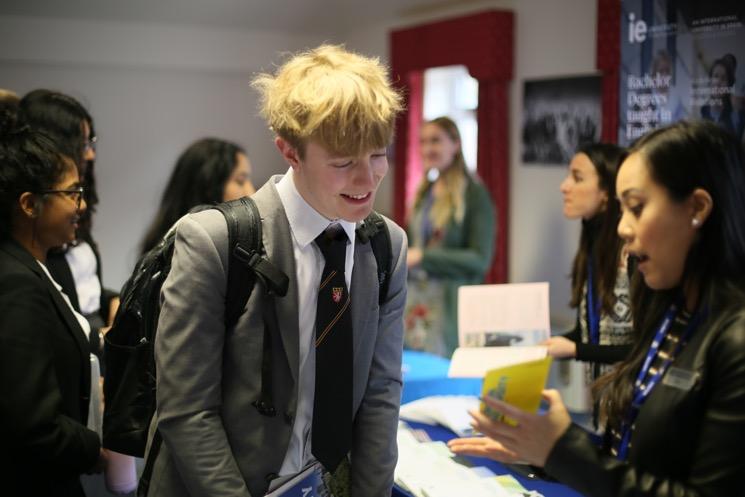
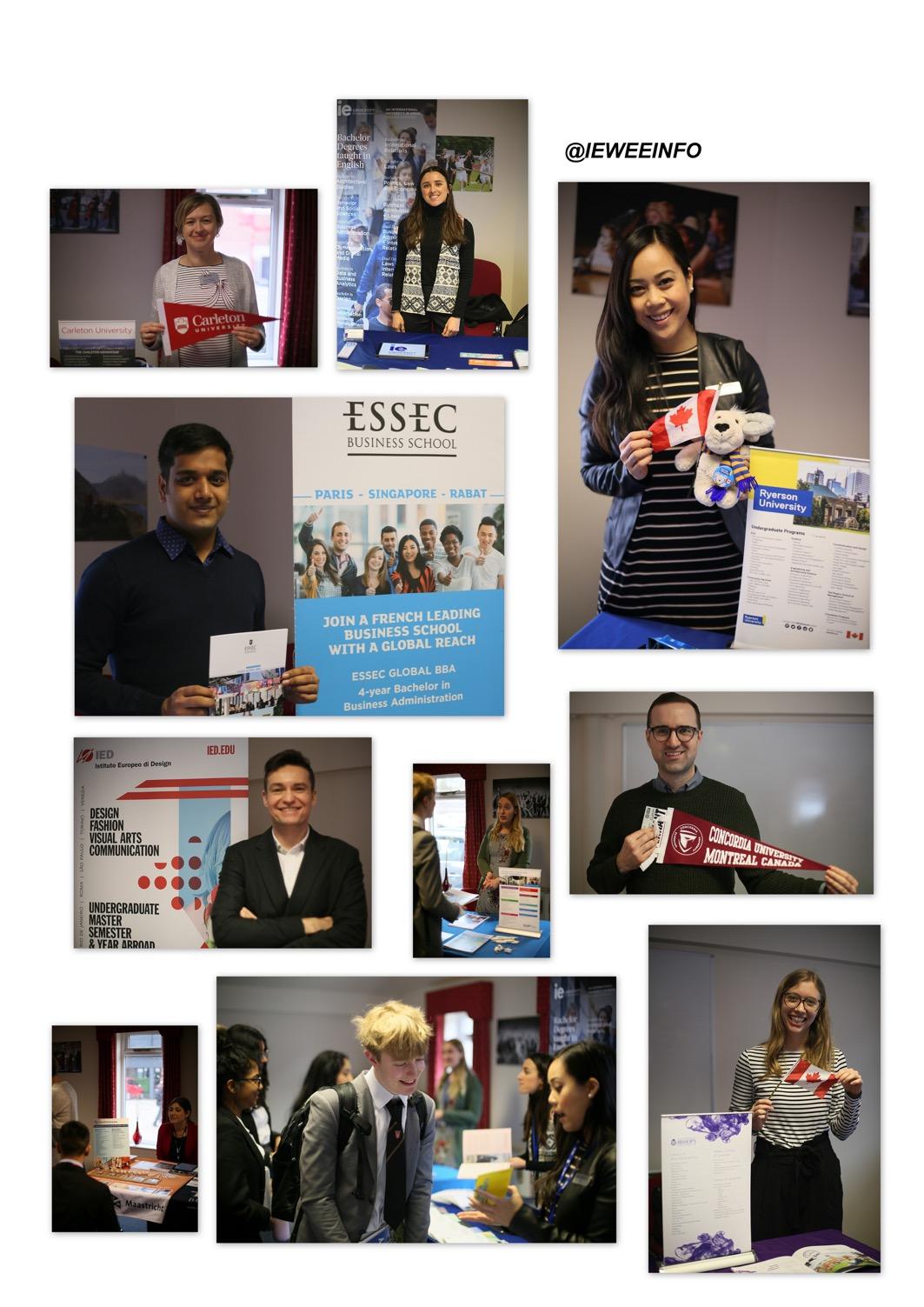
March has been a very busy month with advice available via What Career Live, four Careers Forums, our fourth Study Abroad Fair and, for the Lower Sixth, three presentations about options beyond Bablake. We have seen a lot of very focused individual students and look forward to more of these visits over the final fortnight of this term.
ISSUE 12 – Friday 29 March 2019
NETFLIX COULD TRANSFORM LANGUAGE LEARNING !
18 HASHTAGS WHY…
We asked Antony Adams, founder of International Education Week, for 18 hashtags summing up why you might study abroad for the whole or part of a degree. Here is his list:
Earlier this month, The Guardian published a fascinating article about how streaming service Netflix was gaining notice as a sofa - based language lab. Just as so many people round the the world once learnt their English through Hollywood movies, pop songs and costume drama, a new online tool, LLN (Language Learning with Netflix) is set to reverse the decline nationally in pupils studying foreign languages in secondary education.
LLN, which was launched last December, has proved very popular on the download charts, since it enables viewers to watch foreign language TV with subtitles in the original language and English. The excitement comes from the knowledge that Netflix has such a rich variety of programmes: 26 languages in 190 countries, with many more non-English language shows already in production. Bablake ’s Modern Languages department is already utilising it.
Memrise, Babbel and Duolingo are language-learning apps that all show signs of increased popularity, while, with programmes already embedded with Catalan, Dutch, Filipino, Icelandic and Tamil , the future development of LLN is very exciting.
What began as a hobby for the developers of LLN, David Wilkinson and Ognjen Apic, can on ly go from strength to strength in Bablake and across the country.
To read the full article, please see: www.theguardian.com/education/2019/mar/02/netflix-languages-education.
It is certainly true in a globalised world - better connected than ever before with the advance of technology - that employers have never valued applicants with international experience and languages more than now.
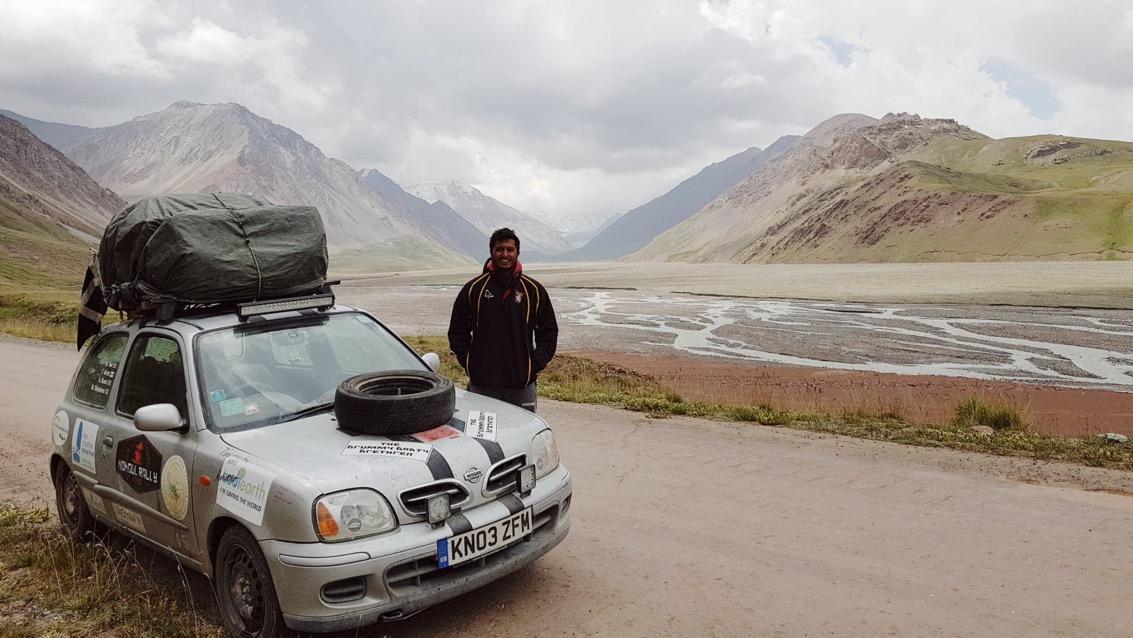
Former pupil Aniruddha Bose, a final year chemical engineering undergraduate at the University of Birmingham took on a fascinating charity challenge last summer. With some of his university sailing club friends, the Brummy Boaty Brethren, he set out for the summer of a lifetime, thundering 10,000 miles across Europe and Asia in the Mongol Rally – ‘the greatest motoring adventure on the planet’ – raising an amazing £5641.87 for Cool Earth and the Ellen MacArthur Cancer Trust. His chosen mode of transport was a 2003 Nissan Micra too!
We asked Aniruddha to document 18 things he learnt from this amazing venture:
1) Be ambitious – set your sights on a goal, and you'll know if it's ambitious enough if people think you're unrealistic and crazy. The only people who reach those places are those who dream high enough. Everyone was in your shoes at one point.
2) Be patient - there will be speed bumps and there will be times when you're stuck in a car park for 3 nights waiting for a ferry, but know it is temporary, wait and see it through to the end, as you'll be glad you waited
3) Communicate clearly – whether it's in English or improvised sign language to a native resident on the side of the road; if you explain well, people will often try and h elp.
4) Teams are a blessing – they exist to reduce responsibility and collectively improve your overall result. Embrace them!
5) Play to your strengths – show your team what you can do and give them the confidence they can trust you to deliver your strengths.
6) Be trusting – trust that your teammates are capable (perhaps more capable) than you in certain areas, and let them also play to their strengths. Your team potential will become so much greater, and you can learn so much from them.
7) Embrace diversity – with diversity com es a fresh perspective, a new range of opinions and brilliant new ideas
8) Restore your faith in humanity – there are plenty of people, many of them strangers, who will sometimes go out of their way to help you out of a sticky situation... or drag you through a river when your engine is flooded. People are awesome!
9) Step out of your comfort zone and get used to it – whether it is picking up a new instrument, trying a new sport or cooking a new meal. The next few decades are going to give rise to a new era of industry and the ability to 'learn something new' is one of the most important characteristics for our lives and has never been so significant.
10) Even if you d oubt yourself, still give it a try – you know that feeling a few days or a few hours before an event, that anxiety, your mind forming excuse upon excuse to back out of the new challenge you have set yourself. Try and understand that feeling and what really fuels it, but don't let it scare you out of that incredible story you could be telling your friends in a few days’ or a few months’ time.
11) Think of a rough destination – be it physical, strategic or career wise, chart your way to it. A seemingly unachievable long term goal is achieved over many very achievable short term goals. They accumulate over time and who knows, maybe you'll realise your initial destination came a bit too soon, but you've got time to be ambitious, remember!
12) Be creative – no-one is asking you to be the next Beethoven or Davinci, but embracing that side of yourself will help you come up with innovative ideas to tackle today's and the future's problems.
13) Be prepared to be proven wrong and happy to be proven wrong – it’s a great lesson to have just learnt something new or a better w ay to do something.
14) Experiences outweigh material items - every day of the week ! Do you want a newer car or a trip around Europe? A better TV or a ski trip? Every purchase has a trade off – there will always be a material upgrade available and if you want something new , you will never be completely satisfied. Get out there and create som e stories that are priceless.
15) Read – Buzzfeed and The Daily M ail do not count! In all seriousness, we think we have to face the world on our own and learn everything from scratch, but so many people have lived through more , different, difficult experiences and have documented their lessons into fantastic books, so we can learn from them and be better prepared.
16) Take calculated risks – whatever the new venture is, is there a chance it will go wrong? Would you be able to rescue it? What will you have to go through if not ? Imagine the worst – are you prepared or is it wise to endure it? If it's a yes, then get started.
17) Go and live – how many times in your life will you be able to take two or three months off, guaranteed, every year? Secure the internships and money when you can – different people will have different priorities and requirements for their jobs – but m ake the most out of the time you have to explore, go on an adventure and meet new people. You will grow in ways you didn't see coming.
18) There's no such thing as a bad experience – when you realise there is always something positive to take out of every scenario, you will be less afraid to take the risk, start a new challenge, study abroad or drive half way around the world !
ADVICE REGARDING APPRENTICESHIPS
Discussions about apprenticeships are exciting and there are outstanding opportunities for Bablake students looking for alternative options at 16 or 18. A university degree is still an essential for some professions and entirely suitable for many students, but we have compiled 18 pieces of information to consider if you are interested in taking up an apprenticeship or degree apprenticeship
1 CHOOSE COMPANIES DIRECT – Unless you are looking at opportunities via a training provid er, openings are advertised by a company and you apply direct to that employer. This means your research must be focused on individual employers or sectors.
2 BE PREPARED / GET COMMERCIALLY AWARE – The application process could be as rigorous as that for ‘graduate’ schemes, so video interviews, situational tests etc all need careful preparation. Practise questions and mock presentation s pay off. Compiling a Word doc for questions from applications or interviews will become helpful, as will fulsome research into the companies applied to. Research the levels (1-7) for apprenticeships, and don’t worry if some sectors initially need you to step back a level
3 EMPLOYERS WANT YOU – Your youth, enthusiasm and raw creativity are very attractive. Bablake students are clearly involved in so much outside the academic classroom – this is very appealing. Be leaders of clubs, instigate new ones, enjoy team activity, develop a USP or particular talent.
4 HIDDEN JOB MARKET – It is clearly apparent that not every vacancy will be listed on the official Government site for apprenticeships. Employers recruit and headhunt via Insight days, disruptive apps and closed groups Internal promotions may be found, once established in a firm Watch specific #hashtags, use LinkedIn and Twitter to follow companies and join discussion groups.
5 POSITIVE DIGITAL FOOTPRINT – Use social media to your benefit. Have an immaculate professional presence. ‘You are the average of your Top 5 contacts’ on any social media platform, so network cannily.
6 COMPETITION – If you are the best person in any ‘room’, challenge yourself by moving to a better/ new ‘room’. Your competition is outside your current ‘room’, but aim to keep standing out and staying ahead.
7 DON’T EXPECT TO BE THE FINISHED ARTICLE – Employers clearly expect more of graduates. Apprentices are worth the trouble of training – potential is being judged – and are clearly taking roles graduates would seek.
8 EARNING – From day 1, you will earn a competitive salary, enjoy benefits and discounts, and be an employee of the company. Employers value you and are investing in you.
9 LEARNING – As well as invaluable practical experience, you gain recognised, accredited qualifications.
10 JOB GUARANTEE – It makes little sense for most employers not to employ you after ‘graduation’.
11 NETWORK/ BE MENTORED NOW – This will happen at work, but would be invaluable in the lead up.
12 TOTALLY DIFFERENT RECRUITMENT CYCLE – The application process and timing do not mirror UCAS; deadlines really matter as they will often close well before a stated date. Until certain of a direction to take, spend time to choose and apply wisely. A gap year would be well spent gaining experience to improve an application
13 BREAK THE RULES A LITTLE – Be professional, but positive disruptive behaviour is often well regarded.
14 DON’T LET ANYONE BREAK YOU – Disability, gender, identity, mental health, race and sexuality define you in a very positive way and are no barrier to success. Many companies are often more interested in your qualities than the highest grades.
15 SOMEONE IN EVERY YEAR GROUP WILL CHANGE HISTORY FOR THE BETTER – This is so exciting! Try and ensure that person is you! Of course, there is no limit on there just being one person either.
16 CHOOSE THE BEST ENVIRON MENT FOR YOU – Know what works best for you and remember there is no wrong path. You are starting an exciting journey, not necessarily moving straight to a fixed final destination.
17 USEFUL WEBSITES – Possibly a page in itself, but consider LinkedIn, Twitter and individual companies (inc their social media); Which?Uni & UCAS; National Apprenticeship Service; Amazing Apprenticeships , Not Going to Uni, Rate My Apprenticeship, Get My First Job, Target Careers, Milkround, All About School Leavers…
18 ONE LIFE – JUST DO IT! WHY NOT?! – Aim to have no regrets. It’s your life!
FURTHER NOTES:
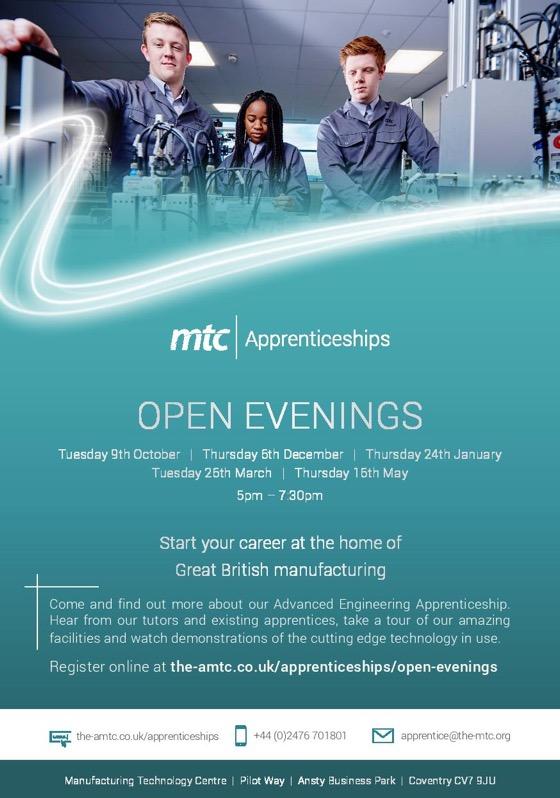
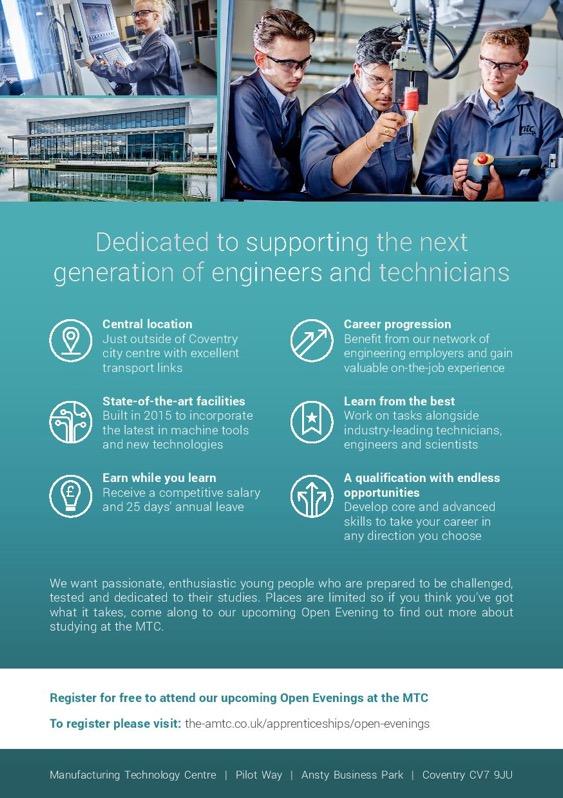
• A very impressive number of students have taken up apprenticeships across the UK post A level study in the last decade and a few of our current U6th are still in the application process for 2019/ 20. We listed some of our most recent apprentices in Issue 11. As regards recent 5th Year leavers, we can add James McElligott is enjoying a 3 year engineering apprenticeship at MTC and Archie Morgan is happy with the opportunities at WMG. In future newsletters, we will post general guidance about (degree) apprenticeships, but please continue to approach individually for this assistance.
MTC OPEN EVENING - Thursday 15th May 5pm – 7pm
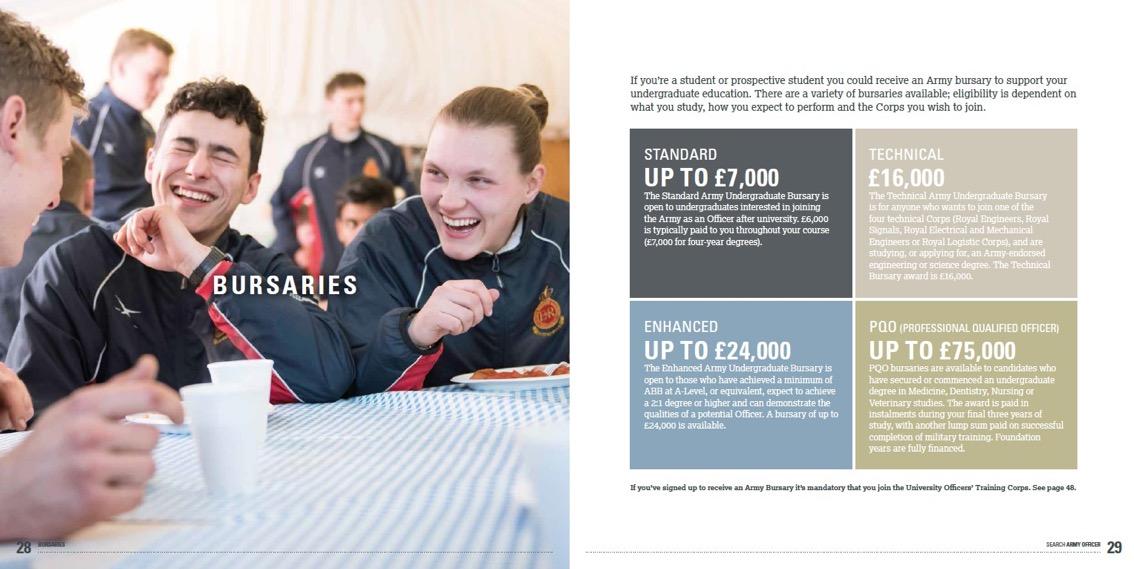
ADVANCE NOTICE CAREERS FORUM – THE ARMY Friday 3rd May 1pm
Thank you to ANTONY ADAMS and INTERNATIONAL EDUCATION WEEK
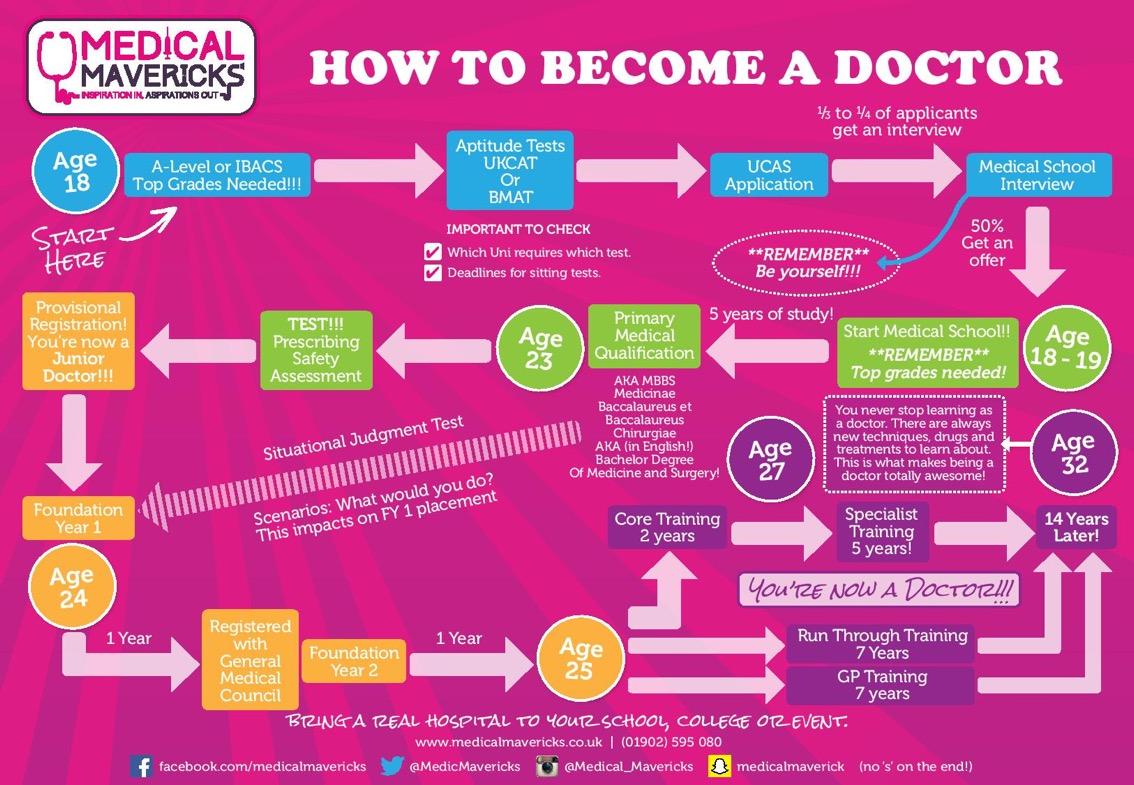
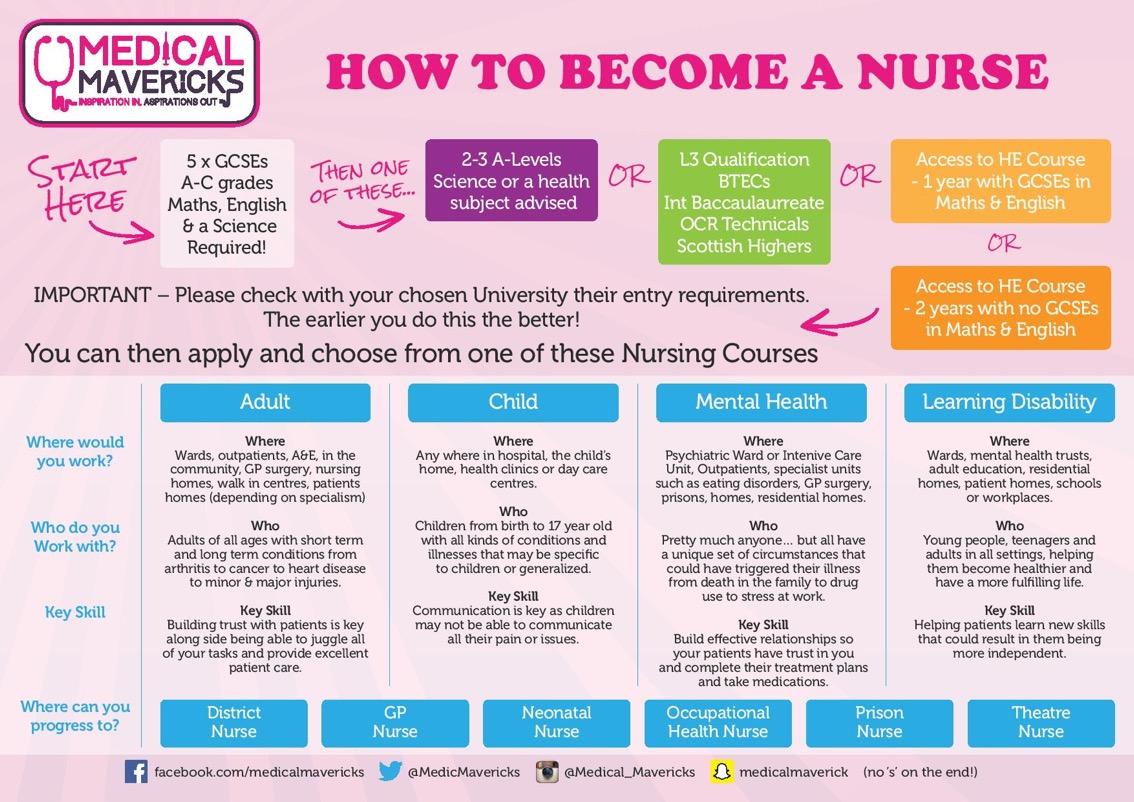
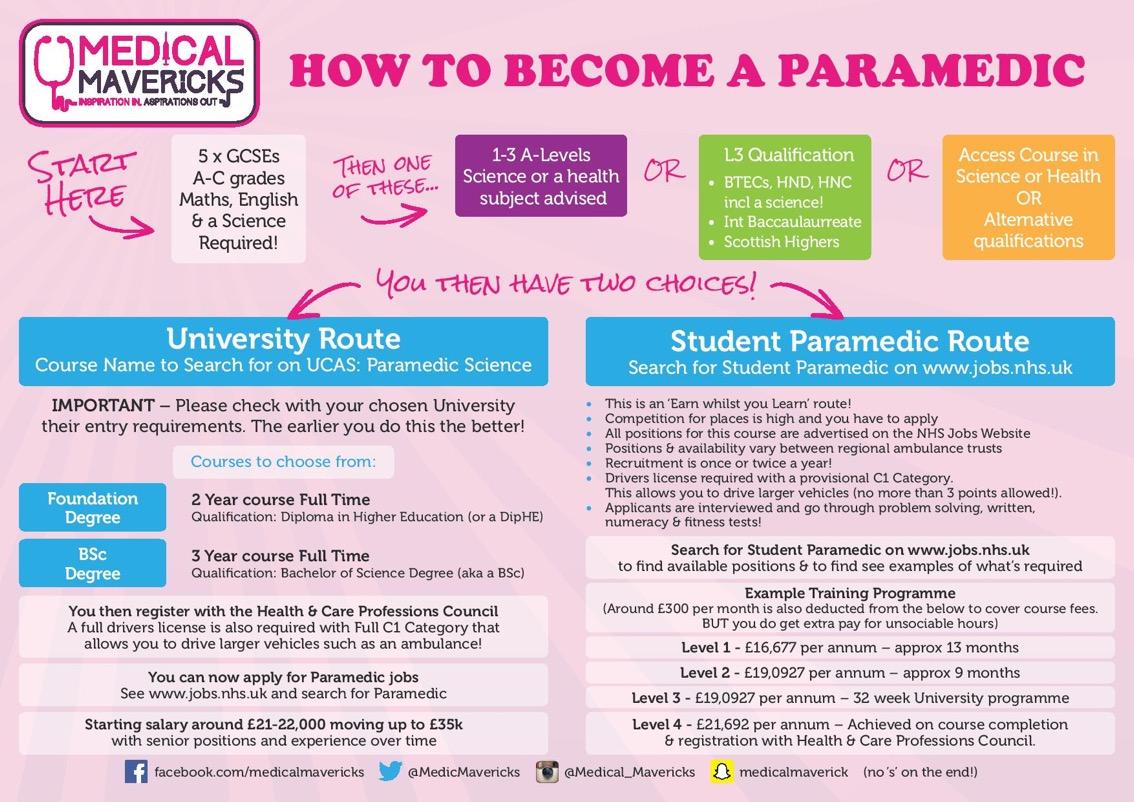
What to do if you can’t / don’t get into Medical School!
Option 1 – The long route!
Study PostGraduate Medicine
You can still become a doctor, but it will take a bit longer. Here’s what to do…
Study a medically related subject at uni. Something like Medical Science, Human Physiology or Biomedical Science for 3 years and get a BSc degree.
You’ll need a 2:1 (like a B grade) or a 1st (like an A!) and then you can apply for a Graduate Entry Medicine course.
These courses are 4 years long, it is quite competitive to get into and can have a more intense workload – BUT you are older and more experienced in the world of study after your first degree!
Search UCAS for Graduate Entry Medicine (in the undergraduate section!!!)
Option 2 – Go Abroad!
Study Medicine in a foreign country
Yep! You read that right! You can go and study medicine in another country.
There are many European Universities that teach in English and there are several ways to become registered with the General Medical Council in the UK once you have completed your training.
Things to consider…
You’ll be away from home in a foreign country for 6 years! Not every Uni teaches in English. Current English speaking options include: Czech Republic, Latvia, Bulgaria, Hungary, Lithuania & Italy.
The grades to get in vary as well. Some are quite tough like in the UK and others not so. You need to check with each uni, what they require!
Option 3 – Diferent Subjects
Study a Diferent Subject
There are dozens of diferent careers you can go into in the NHS and still work with patients every day. Here are two of our top picks!
Healthcare Scientist: There are 50+ careers here, spread across 5 diferent sectors. You want to look for the Physiology careers if you want to work directly with patients. You can specialise too!
Physician Associate: a very new role in the NHS. You support Doctors by taking patient histories, performing examinations, diagnosing & analysing results!
Go to healthcareeers.nhs.uk to discover more!
TALKING POINTS
MOOC OF THE FORTNIGHT (12)
‘Forensic Psychology – Witness Investigation’
Discover how psychology can help obtain evidence from eyewitnesses in police investigations and prevent miscarriages of justice
www.futurelearn.com//courses/forens ic-psychology
8-week course developed by the Open University,
COMMON GROUND
What is the link between these people?
Barack Obama Rebel Wilson Mahatma Gandhi Sandi Toksvig Martin O’Neill Slavan Bilic Mrs Skilton Amal Clooney Tony Blair Gerard Butler Julio Iglesias Andrea Bocelli Wayne Barnes Brian Moore John Cleese Hardeep Kohli Shami Chakrabarti Phelan Hill Katherine Grainger Nelson Mandela
Answer? They all studied a Law degree.
CAREERS FORUM 18- 19 REVIEW (13/14)
‘LEICESTER LAW SCHOOL/ UNIVERSITY OF LAW’ – LEGAL WEEK
This week, we were privileged to host presentations by Steve Evans and Rochelle Williams about Leicester Law School and the University of Law respectively. Both sessions offered the chance for our speakers to promote the ir institutions as well as give a flavour of what a Law degree could entail.
We learnt about equity law, viewed Princess Diana’s will and heard about the small seminar groups at Leicester Law School – the rich diversity of the students, with over 60 countries represented, was also highlighted
The University of Law considered social media and networking, offering excellent examples of where the law had been breached by posts. It was encouraging to hear about the practice-based undergraduate courses on offer.
Further Information:
LEICESTER LAW SCHOOL: //le.ac.uk/law and @LawLeicester. THE UNIVERSITY OF LAW: www.law.ac.uk and liveprospectus.com.
GENERAL INFORMATION - www.thelawyerportal.com / www.lawsociety.org.uk
ESSAY COMPETITION SUCCESS
THOUGHT OF THE FORTNIGHT
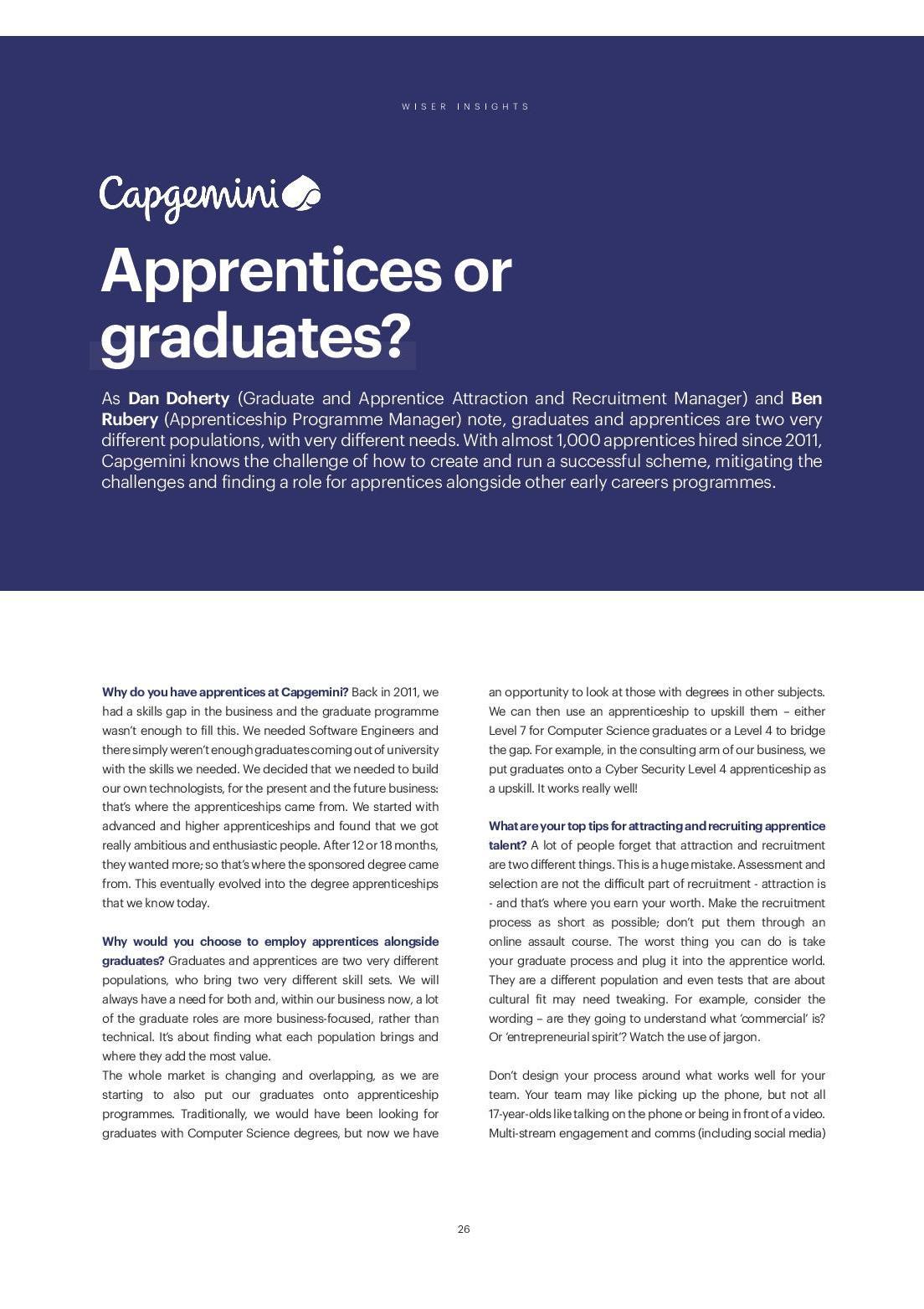
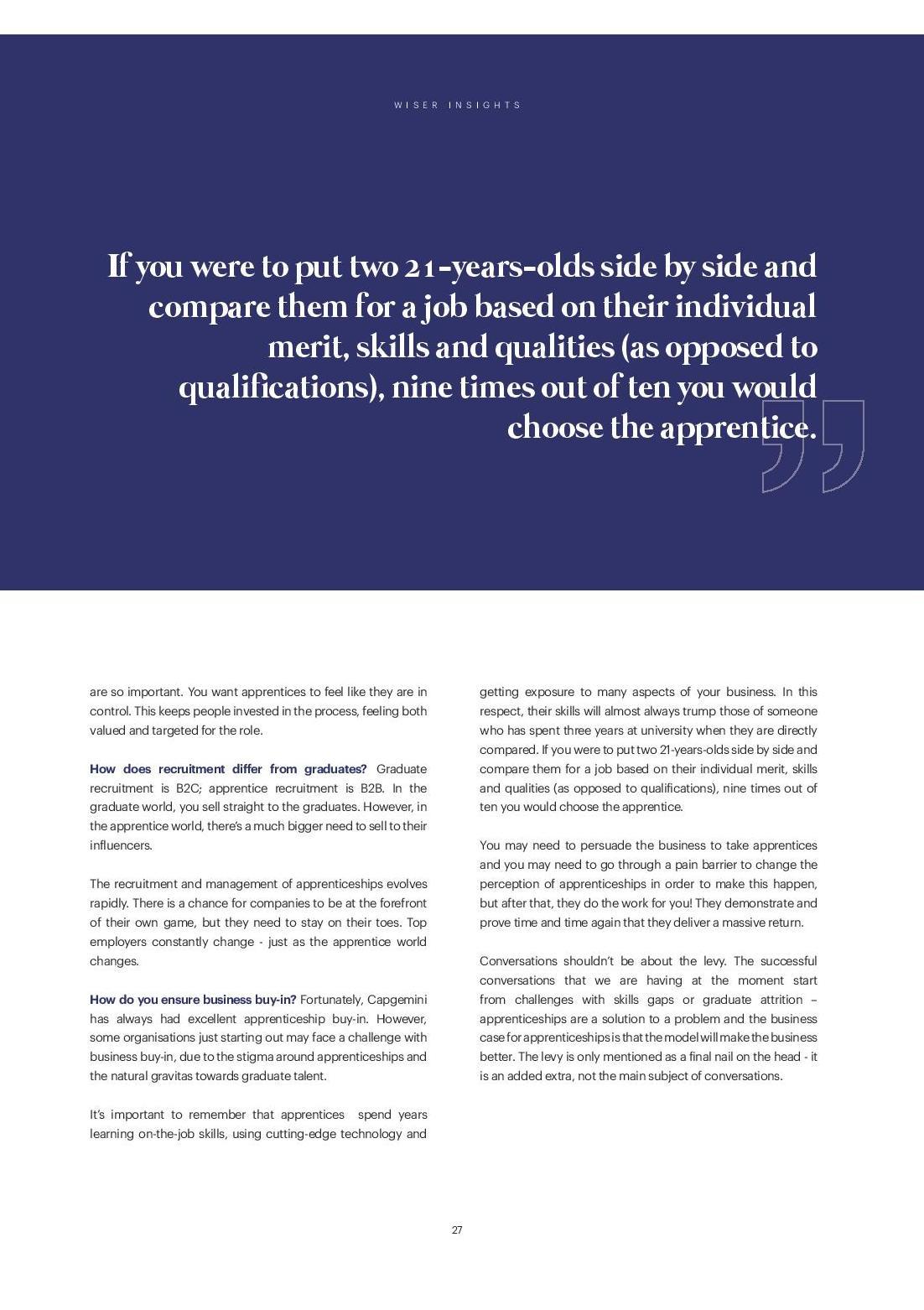
‘If you were to put two 21 year olds side by side and compare them for a job based on their individual merit, skills and qualities (as opposed to qualifications), 9 times out of 10 you would choose the apprentice (over the graduate).’
Discussion point with Dan and Ben (CapGemini) and Sacha Morgan Manley via ‘Wiser Insights: 1’, on how recruiters may rate you.
Well done, Ashley Kabue, on being a runner up in an Oxford Scientist essay competition that elicit ed 200 + entries.