ARIZONA JOURNAL A JP OF PHARMACY THE OFFICIAL PUBLICATION OF THE ARIZONA PHARMACY ALLIANCE
WINTER 2009
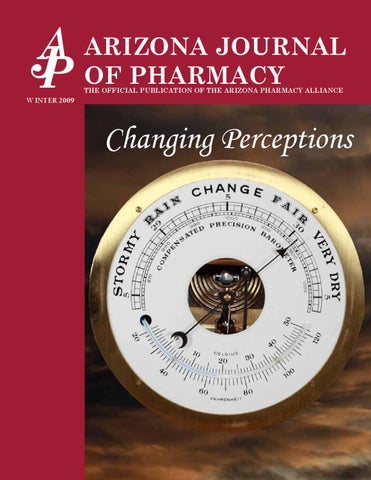
Changing Perceptions
Grow Your Business with Health Mart
Leverage the Collective Strength of More Than 2400 Independents
As an independent pharmacist, you face numerous business challenges--from reimbursement pressures and limited marketing resources to heightened competition from mail order and chain pharmacies. Health Mart unifies leading independents under a common brand, providing:
Managed care that drives PBM recognition Branding that drives consumer recognition In-Store Programs that drive manufacturer and payor recognition Community advocacy that drives industry recognition
“The Health Mart brand gives us trustworthiness, professionalism, and a national strength to compete more effectively. From the managed care network, to the innovative marketing programs, to the pharmacy management systems, and much more, Health Mart is a brand that will help me grow my business.” -John Nicolais, R.Ph., Owner, Sierra Health Mart Pharmacy
Join Health Mart Today! 800.369.5467 | www.healthmart.com
Health Mart proudly supports the Arizona Pharmacy Alliance
PROUD SPONSOR OF ASK A PHARMACIST
ARIZONA JOURNAL A JP OF PHARMACY Vol. 1, No. 4
WINTER 2009
IN THIS ISSUE BOARD OF DIRECTORS PRESIDENT Mark Boesen PRESIDENT-ELECT Kelly Hampton TREASURER Ken Mahan PAST PRESIDENT Linda McCoy SECRETARY Kelly Green Boesen COMMUNITY PHARMACY ACADEMY CHAIR Chad Schuster COMMUNITY PHARMACY ACADEMY CHAIR-ELECT Keith Gallus HEALTH-SYSTEM PHARMACY ACADEMY CHAIR Michael Dietrich HEALTH-SYSTEM PHARMACY ACADEMY CHAIR-ELECT Butch David SENIOR CARE PHARMACY ACADEMY CHAIR Dawn Knudsen SENIOR CARE PHARMACY ACADEMY CHAIR-ELECT Kimberly Cauthon MANAGED CARE PHARMACY ACADEMY CHAIR Kim Kelley MANAGED CARE PHARMACY ACADEMY CHAIR-ELECT Ray Clark TECHNICIAN ACADEMY CHAIR Jenny Whitney TECHNICIAN ACADEMY CHAIR-ELECT Chris Lesaca NORTHWEST DISTRICT DIRECTOR Norbert Laskowski NORTHEAST DISTRICT DIRECTOR Chuck Dutcher SOUTHWEST DISTRICT DIRECTOR Lisa Keller SOUTHEAST DISTRICT DIRECTOR John Nicolais DEANS OF COLLEGES J. Lyle Bootman The University of Arizona College of Pharmacy Dennis McCallian Midwestern University College of Pharmacy Glendale STUDENTS Scott Hall The University of Arizona Mario Rosado Midwestern University INDUSTRY REPRESENTATIVE & LEGAL COUNSEL Roger Morris Quarles & Brady EDITOR’S NOTE: Any personal opinions expressed in this magazine are not necessarily those held by the Arizona Pharmacy Alliance. “Arizona Journal of Pharmacy” (ISSN 1949-0941) is published quarterly by the Arizona Pharmacy Alliance at 1845 E. Southern Avenue, Tempe, AZ 85282-5831. PHONE (480) 838-3385, FAX (480) 838-3557, email info@azpharmacy.org. It is distributed to members as a regular member service paid for through an allocation of dues of $20.00 in advance. Non-member subscription rate is $40.00 per year. Periodical postage paid at Tempe, Arizona, and additional mailing offices. POSTMASTER: Send address changes to Arizona Journal of Pharmacy, 1845 E. Southern Ave., Tempe, AZ 85282-5831
COLUMNS President’s Message 2 CEO’s Message 3 Academy News • Community Pharmacy Academy 12 • Health-System Academy 13 • Managed Care Academy 13 • Senior Care Academy 14 • Technician Academy 15 FEATURES AND ARTICLES Nurses’ and Other Staffs’ Opinions of the Potential Impact of an Emergency Department Clinical Staff Pharmacist at Tertiary Care Academic Medical Center 21 2007/2008 Arizona Pharmacist Compensation & Labor Survey (Part 2) Pharmacists’ Job Duties & Satisfaction 25 Rx 360 28 Geriatric Patients and the H1N1 Vaccine 29 A Day in the Life of a Community Pharmacist 30 Time Capsule 44 DEPARTMENTS New Members 4 Alliance News 5 PAPA News 9 Calendar of Events 10 Legislative Update 11 Drug Information Questions 16 Student Perspective • Arizona Patient Safety and Pharmacy Services Collaborative (PSPC) 18 • Telepharmacy in Arizona: An Innovative Advancement in Patient Care 19 Feature Pharmacist 20 • Passionate about Patient Care Rx and the Law 31 Continuing Education 32 Financial Forum 43 EDITOR-IN-CHIEF Mindy D. Smith, R.Ph., Executive Director/CEO MARKETING AND COMMUNICATIONS Janet Weigel EDITORIAL BOARD Leslie Rodriguez, Pharm.D. Jonathan Merchen, Pharm.D. Whitney Rice, Pharm.D.
Julie Hernandez, Pharm.D. Jennifer Penrose, Pharm.D.
Cover photo: © KCpixs
Arizona Journal of Pharmacy 1
President’s Message Changing Perceptions on the Football Field and on Capitol Hill
However, every day is a new day and brings with it new experiences, challenges, and opportunities. I have two young boys who love to play football. They play in an NFL licensed flag football league and played for the Packers this year. Not good for a Bears’ fan, especially, when I sat down with the boys on opening day of the NFL season to watch my beloved Bears play Green Bay at Lambeau Field. While the boys cheered Green Bay, “their team” (and Grandma’s team), to a victory on that opening night, I thought only one thing… they’ve got a passion that their Dad shares and there is no more special gift than to share special everyday moments with my family.
perception is difficult, but not impossible. Arizona Pharmacy Alliance members went to Washington, D.C. this fall to change the perception of Congressional and Administration officials. That perception being, pharmacy does not have as much to offer Capitol Hill during Health Care Reform as the nursing, senior citizen, or medical lobbies. Although not generally considered one of the top 10 lobbying groups in the capital city, Arizona pharmacy led a coalition of national pharmacy players to a major victory this fall. Influencing Health Care in Washington, D.C., One Problem at a Time In October of this year, the Centers for Medicare & Medicaid Services (CMS) changed the reimbursement calculation for a medication used to treat AMD (Age-related, wet macular degeneration). Pharmacists sell a commonly compounded chemotherapy medication that treats AMD and prevents blindness across the country for approximately $27 per dose. The alternative medication therapy is approximately $2000. Prior to October, physicians administering the compound were reimbursed $50. During the month of October, CMS decided to change the reimbursement to $7 and leave reimbursement the same for the more expensive medication. As physicians were hit with yet another reimbursement cut that resulted in losses to their businesses, physicians began shifting their treatment protocols (reluctantly) to the profitable, higher cost alternative. AzPA estimated the impact to the American taxpayer to be somewhere between $3-$9 billion annually. AzPA was also concerned that the co-insurance/co-payments for the more expensive therapy would decrease access to AMD therapy for many Americans, resulting in poor therapeutic outcomes from AMD.
The Point to the Story Two paragraphs into my column and not a word about pharmacy, nor any perceivable point to the story. Sorry about that. Here’s the point…changing
Arizona pharmacists needed to make sure that the United States Congress and CMS knew we were watching, weren’t happy with the direction of health care policy decisions, and had solutions to
Mark Boesen, Pharm.D. AzPA President I will begin with a disclaimer. I was born in suburban Chicago. And, although dangerous to write about in the Arizona Journal of Pharmacy, I am a Bears’ fan. I was born a Bears’ fan, and I will die a Bears’ fan. No apologies. Anyone who knows a loyal fan of the great City of Chicago’s sports franchises, knows that it is very difficult - if not impossible to change a Chicago sports loyalist’s perceptions.
2 Arizona Journal of Pharmacy
health care problems that made sense and didn’t require an Act of Congress to accomplish. On September 29, we made an impromptu visit to the nation’s capitol to get something done about silly bureaucratic decisions that adversely affect patient care and increase health care costs at the same time. We found a friendly ear at the Office of Senator Herb Kohl (D-WI), Chairman of the Senate Special Committee on Aging. With the help of the American Academy of Ophthalmology (AAO), the American Society of Retina Specialists (ASRS), the International Association of Compounding Pharmacists (IACP), the National Alliance of State Pharmacy Associations (NASPA), and many individual state pharmacy associations, by early November we not only got CMS to change their policy, but make the change retroactive to the date of the policy change. Recognizing Arizona Pharmacy Alliance as a Leader among Leaders—You’ve Joined the Right Organization Although this was a relatively small and parochial issue, it is just one of hundreds of real life examples of Arizona pharmacists bridging policy and innovation to simultaneously improve the quality of care while increasing the accessibility of care. As an end result, staffers on Capitol Hill recognized the role the Arizona Pharmacy Alliance has in bringing practical solutions to the table that improve access to care, enhance outcomes, and save precious financial resources at the same time. Not only was Congress persuaded by our “no nonsense” approach to solving health care policy issues, we were viewed as facilitators capable of bringing other pharmacists, health disciplines, and patients to the policy debate table. Arizona may be almost 2000 miles from the nation’s capitol, but we are closer than ever to the inner circle of influence and we won a big one for our patients this quarter.
CEO’s Message Pharmacists and Medications - Keys to Health Care Reform Last month, the U.S. Senate voted 60 to 39 to bring its health care reform proposal to the floor for debate. The proposal, the Patient Protection and Affordable Care Act (H.R. 3590), includes several pharmacy elements supporting medication therapy management (MTM) services, such as the inclusion of pharmacists in the medical home model; medication review and management as part of transitional care activities; a pharmacist-provided MTM grant program; and the inclusion of MTM services as a model of care to be tested in the Center for Medicare and Medicaid Innovation. But is this enough? Do these provisions really improve health care to the level that will make a difference to improve the health and wellness of an individual? Health care reform must allow access and use of the correct medication and give health care providers the ability to bring quality care to their patients. Health care reform must also recognize that investing in medications keeps patients out of the hospital and emergency rooms and makes people healthy. Treatment that may be good for one individual may not be good for another. Similarly, medication that works for one person may not work for another. As pharmacogenomics brings the coupling of medications with DNA to the forefront of cutting edge medicine, drug therapy will become more and more individualized. Over the past few years, it has become increasingly difficult for patients to obtain the medications their physicians prescribe due to “costsaving” measures and algorithms that prevent access to medications and omit monitoring of therapeutic outcomes. Health care reform must include accountability which empowers patients and brings the health care team back into health care. Each “accountable” health care team should utilize a pharmacist who works in collaboration with the physician or primary care provider who designs a medication treatment plan which ensures the best outcomes for the patient. Investment needs to lie in a model where barriers of access and cost are eliminated.
I realize that by the time this message is published that another form of the health care bill may be being debated, but pharmacists must continue communicating to their elected officials the message of better health outcomes for all Americans. Please communicate these key messages and questions to your Congressperson: 1. Pharmacists play a critical role in providing care to patients to help prevent costly medication errors, improve medication use, and provide preventive care services. Many of these proposals require care teams to have the "support" necessary to have access to pharmacistprovided medication therapy management services. Do you support the inclusion of pharmacists, the medication use experts, as providers of clinical services in an integrated care model? 2. Hospital readmissions are one of the most expensive preventable costs in our health care system. A top reason for these readmissions is medication use issues. When patients leave the hospital with new treatment plans at discharge, they need a health care provider to explain their new medication regimen. As the medication experts, pharmacists are the most qualified health care providers to assist patients in understanding and managing their medications. How do you propose reducing hospital readmission rates? 3. Health Information Technology offers the opportunity to improve quality and reduce costs. In order for the benefits of health information technology to be fully optimized and to prevent the creation of silos of information, health care providers, including pharmacists, must have the ability to interact with a patient's electronic health record in a way that allows providers to effectively communicate with each other while maintaining the patient's privacy. What measures would you be willing to support that ensure pharmacists have access to patients' health records and that these records are the interoperable to facilitate communications between providers?
Mindy D. Smith, R.Ph. Chief Executive Officer 4. Several of the health care reform proposals include provisions on the prevention and chronic disease management, including a grant program for pharmacists to provide medication therapy management services. These provisions improve care and reduce health care costs. What are your thoughts on making successful MTM programs permanent? 5. Pharmacy is the third largest health care profession and the profession with the expertise on the primary form of therapy – medications. What assurances can you provide that pharmacists will be included in Congress' workforce strategy as a part of its health care reform? The Health Care Reform debate is far from over. Medications and MTM services are certainly key to health care reform, but it is up to all of us to change the perception of the public, and especially our congressional representatives, about the value of pharmacists’ services in improving patient health and saving health care dollars.
Arizona Journal of Pharmacy 3
New Members WELCOME NEW MEMBERS Serena Felix David Andersen Matt Andrews Douglas Reed Arthur Sara Azimian Samantha Barnum Jacqueline Kelly Barraclough Amelia Bennett Charles C. Berry Michael Biegelman Mark H. Binus Stella Bloemers Liliana Boardman Daniel R. Boardman Nina Bomberg Stephen W. Borowy Amanda Boysen Michelle C. Brandon Olivia Brown Mitchell S. Buckley Charlotte Campbell Michael A Campbell Jr. Anna Carr George Cherian Keith L. Cook David A. Cooper Teri Corrales Mike Darling Tagg Daugherty Erica Davis Piya Debnath Ashley DeStefano Melissa Diaz Pedro Diaz Alexander Dong Kristen Ellis Mohammad Fazel
Linda Fodor Paul France Michelle Lea Garland Tahya Garlobo Andrew R. Gaspar Eduardo Gomez Michelle Grayham Amber Gustin Christine Hackman Courtney Hanauer Tracy Hanna Dory Hardy William Robert Heath Amanda Heltsley Maria-Elena Herran Debbie Hiestand Danielle Higgs Chad Garrett Hoelzer Steve Hoffman Julie Holstad Evan Hood Syed Hossain Greg Huffaker Annie Hunt Robert Jackson Suesan Jacobs Karen Jehle Nichaela Johnson-Clague Sunny Kim Anna Kirejczyk Janice Kruse-Severns William Lewis May Li He Liu Oega Lowret Heather Magsarili
Jacob Maki Linda Martin Erin McCusker Veronica McGowan Brian McKinley Michelle McLain Nathanael Mihoch Stefanie Moreno Nicholas Morey Marina Moroz Nicholas Muscolino Mobeen Muslem Guptan S. Nair Grace Nguyen Gaetan Nkemzl Sarah Norman Dalys O'Connor Seung W. Oh Kammy L. Orner Yanina Ortega Ian Palese Marcia Palmer Jeff Pasteur Niyat Patel Rajal Patel Tiara Patten Stephanie Pavone Ryan G. Pett Evelyn Phillips Richard Phinney Erin Phoebe Jennifer Prze Sheida Rahimzadeh Veronica Ramirez Marna Rautenbach Traci Richarols Daniel Ross
Natalee Rycraft Gail A. Ryshawn Janet L. Safranske Joe Salcido Newsha Sarmadnia Danielle Schiefer Robert Schuman Laurel Seibert Gaurav Shinde Lisa Sims Katrina Skuba Nathan Smith Casey Smith Page Smith Carolyn Snyder Preston Spriggel Christina Squire Matt Stewart Lupe Cajero Surratt Barbara Tausch Laura Thaler Lisa Thompson Kimberly Tran Marianne Tysoe Sierra Vig Keith Walsh Steven C. Warren Phillip Weddle Sterling White Kathleen Whitmore Michelle Wild Jessica Woodling Dennis B. Worthen Brian Yee David Zucarelli
Volunteer Recognition The Arizona Pharmacy Alliance staff is here to support YOU - our members. We acknowledge the contributions of the volunteers who have recently made a difference for our organization and their fellow pharmacy professionals. Thank you for all you do!
Kelly Hampton Ridgway Mindy Throm Burnworth Christina Tankersley Nicole Romney Whitney Rice Tom Moore Mark Boesen Kim Cauthon Chad Schuster Dawn Knudsen Morton Steinberg Karen Gallus Kelly Kistler Elizabeth Pogge Jayne Knott Stephen Borowy Dave Cauthon
4 Arizona Journal of Pharmacy
Jon Glover Brian O’Halloran Kathy Huff Lee Ellershaw George Foose Ruth Demar Andy Collins Mike Dietrich Mark Binus Ken Frisard Erin Bolton Jennifer Penrose Kristen Allison Julie Hernandez Ha Nguyen Andrew Gaspar Kim Kelley
Sandra Leal Rose Martin Keith Gallus Ray Clark Jenny Whitney Chris Lesaca Albert Flores Mike Taday Dennis McAllister Leslie Rodriguez Linda Baker Eric Luecht Bruce Semingson Janet Safranske Lindsay Davis
MISSION STATEMENT The Arizona Pharmacy Alliance is committed to serving and representing all practice settings. AzPA will foster safe and effective medication therapy, promote innovative practice, and empower its members to serve the health care needs of the public.
VISION
Empowering pharmacy professionals to provide optimal patient care
Alliance News Do you know someone who is not a member of the Arizona Pharmacy Alliance . . . and should be?! Invite them to join the only statewide organization that represents the pharmacy profession in Arizona. DUES
Pharmacist Individual Joint (husband and wife) New Practitioner – 1st year 2nd year Retired Technician Resident Student (full-time U of A or Midwestern)
$225 $340 $115 $180 $ 85 $ 40 $ 65 $ 20
Name _______________________________________ Address _____________________________________ Phone _____________ Email _____________________ Employer _____________________________________ Please check the box of the Academy that best represents your practice. Note: Please check only one box. ____Academy of Community Practice ____Academy of Health Systems ____Academy of Senior Care ____Academy of Managed Care ____Academy of Technicians IMPORTANT INFORMATION Concerning your membership dues, taxes and donation to Arizona Pharmacy Foundation: Of the “Membership Payment” shown, the amount listed below is deductible as a charitable contribution made to the Arizona Pharmacy Foundation (APF) – a 501 C(3) corporation, IRS #86-0679270. The remaining portion is not deductible as a charitable gift, but may be deductible as a normal business expense. Also under the Omnibus Budget Reconciliation Act of 1993, membership payments to associations that are used for lobbying expenses are no longer deductible for federal income tax purposes. Of the membership payment to the AzPA, 10% is nondeductible. Check with your tax advisor on how these rules may apply to you.
METHOD OF PAYMENT Make checks payable to Arizona Pharmacy Alliance. Mail this form to: 1845 E. Southern Avenue, Tempe, AZ 85282-5821 or fax it to (480) 838-3557. Check #_____________ Credit Card: M/C _____ VISA_____ AMEX_____ Card # _______________________________________
Expiration Date ____________ CC Security Code ____________ Signature ___________________________________
Tax deductible amount from your membership dues Pharmacist: Individual: $15 Joint $30 New Practitioner: 1st year $10 2nd year $15 Individual Affiliate: $15 Retired: $10 Student: $0 Technician: $5 Resident: $0
AzPA Strategic Plan 2009 - 2012 The AzPA Board of Directors, along with key leaders from the Arizona Pharmacy Foundation and Pharmacy Network of Arizona, participated in a board retreat to refine the strategic plan for the organization. Reinforcing the mission and vision of our alliance, an executive summary of the outcomes from this session follows: GOAL: Serving and Growing Membership – to ensure stability of the organization that it remain the only professional pharmacy organization in the state representing pharmacists in all practice settings OBJECTIVES: Establish clear branding; Recruitment; Retention; Involvement; Academy Outreach; District Outreach; CE statement of credit file; Members Connections and Expert database GOAL: Influencing Public Policy and Advocacy – to represent the profession of pharmacy as an integral component of the health care delivery system to entities outside the profession OBJECTIVES: Stakeholders’ coalitions of health care professionals and patients; PharmPAC; Strengthening Government Affairs resources; Communication value of pharmacists
GOAL: Securing Strong Financial Development - to ensure the economic growth, strength and services of the organization OBJECTIVES: Finances; Foundation Patient Services Endeavor; Expanding non-dues income; Strengthening PNA MTMS business model GOAL: Advancing Pharmacy – to develop standards of practice which ensure delivery of quality pharmaceutical care as a means of protecting and enhancing the public health OBJECTIVES: Expand scope of practice/collaborative practice Expand MTMS/prevention/wellness services and networks; Entrepreneurial Spirit; Continuing Professional Development; Communication regarding optimal medication use and the pharmacist; Leadership Development; Mentor program for new practitioners
Arizona Journal of Pharmacy 5
Alliance News APF News
On Wednesday, November 4, 2009, at 7:30 p.m. the Arizona Pharmacy Foundation (APF), in conjunction with the Arizona Pharmacy Alliance, presented Ask a Pharmacist, a 30-minute program examining the ways pharmacists are improving their patients’ well-being every day. Moderated by Ted Simons, a panel of pharmacists featured Kelly Hampton Ridgway, R.Ph., President-Elect of the Arizona Pharmacy Alliance; Mindy Throm Burnworth, Pharm.D., BCPS; and Sandra Leal, Pharm.D., CDE. The panel discussed the pharmacists’ ever-expanding role in medication therapy management, patient medication adherence, medication misuse, and challenges facing patients with chronic disease states. The program aired across Arizona on KAET-TV Channel 8 Phoenix, KUAT-TV Channel 6 Tucson, Cox Channel 116 and Comcast Channel 76. More than 9,000 viewers tuned in. Patients from all over the state called in and asked licensed pharmacists questions concerning their prescription medications and over-the-counter medicines. Nearly 200 calls were answered during the 30-minute broadcast by more than 35 pharmacists and student pharmacists who made their way to the ASU main campus in Tempe to volunteer their time. Here is a sampling of the questions asked by callers: • Should a 90-year-old get the H1N1 vaccine? • I am feeling depressed about my condition and want to ask my doctor for an antidepressant which won’t aggravate my other conditions; can you recommend one? • I have ulcerative colitis (uc); which antibiotic can I take for cystic acne that won’t exacerbate my UC? • I heard that flushing my old medicines down the toilet is no longer recommended. How do I dispose of them? • I would like information on probiotics. • Does Macrobid cause dizziness? Presented as a public-outreach program, Ask a Pharmacist is a great opportunity to “give back” to the community and support the pharmacy profession in Arizona. Plus, it provides an ideal setting to reconnect with old friends and network with colleagues. A big THANK YOU to those who volunteered their valuable time this year. This was the second year that APF and AzPA produced this call-in format program. Thanks and appreciation to our 2009 Ask a Pharmacist underwriters: Health Mart Pharmacies of Arizona, Good Neighbor Pharmacies of Arizona, Walgreens, and Fry’s Pharmacy.
PNA NEWS
The Pharmacy Network of Arizona (PNA) coordinates Medication Therapy Management (MTM) Services with employers in the state of Arizona. Health care reform proposals and 2010 CMS Medicare changes create a window of opportunity for pharmacists to expand their practice setting by adding MTM. Medicare Part D plans presently offer face-to-face MTM services with a community pharmacist. Beginning in 2010, the guidelines for MTM eligibility are expanding to include more patients depending upon specific criteria: Number of chronic conditions, number of Part D-covered medications, drug expenditure and an “opt-out” feature. Chronic conditions being targeted are hypertension, heart failure, diabetes, dyslipidemia, bone disease, respiratory disease, and mental health. Currently, there are no certification requirements for pharmacists to provide MTM services, however the American Pharmacists Association (APhA) in cooperation with the American Society of Consultant Pharmacists (ASCP) have developed a comprehensive certificate program that encompasses 21 hours of training to equip pharmacists to provide MTM services. The Arizona Pharmacy Alliance is an authorized provider of this MTM Certificate Program and is offering the activity on January 23, 2010. Registration information is included on pages 7 and 8 of this Journal. The expansion of Medicare Part D coverage for MTM services is just the beginning of pharmacists being reimbursed for providing clinical services. While the standards for care and certification are being developed, pharmacists must demonstrate their value to MTM services by leading the charge. PNA is now hiring pharmacists to provide MTM services to diabetic patients who are employees of health plans currently under contract with the Pharmacy Network of Arizona. Qualified candidates must satisfy one of the following criteria: a valid documentation of successful completion of a certificate training program in diabetes management offered by a continuing education provider who is approved by the American Council on Pharmaceutical Education (ACPE), currently recognized by the National Certification Board for Diabetes Educators as a Certified Diabetes Educator (CDE), currently recognized by the Board of Pharmaceutical Specialties (BPS) as a Board Certified Pharmacotherapy Specialist (BCPS) with experience in caring for people with diabetes, or has passed the NISPC Diabetes Exam. For more information, please contact the AzPA offices or Rose T. Martin, Pharm.D. at rmartin@pharmacy.arizona.edu or (520) 626-3784.
AzPA volunteers answer questions for PBS viewers during Ask a Pharmacist. l to r Nicole Romney, Pharm.D.; Kelly Kistler, Pharm.D.; student pharmacist Rebecca Jastrzab and Elizabeth Pogge, Pharm.D.; Mark Binus, R.Ph.; Jeremy Gerber, Pharm.D.
6 Arizona Journal of Pharmacy
Alliance News A MTM Certificate Training Program for Pharmacists of All Practice Settings Co-provided by the American Pharmacists Association, American Society of Consultant Pharmacists and the Arizona Pharmacy Alliance
January 23, 2010
Crowne Plaza Phoenix Airport Hotel
Desert Conference Room
4300 E. Washington St., Phoenix, Arizona
SPECIAL OFFERING - LIMITED SEATS AVAILABLE!
A comprehensive, three-part certificate training program including: • Four self-study learning modules that present √ MTM: A new Era for Pharmacy Practice √ Becoming an MTM Practitioner: A Plan for Success √ Getting Ready for MTM Service Delivery: Knowledge and Skills √ Ready for Action: Conducting an MTM Encounter • A 1-day training seminar that provides tools for √ Explain how to overcome communication barriers. √ Conduct a thorough medication therapy review. √ Complete a personal medication record (PMR). √ Develop a medication-related action plan (MAP) √ Perform the following tasks, given a patient case including one or more medications: √ Document services in a manner appropriate for evaluating patient progress, sufficient for billing purposes, and applicable to tracking of clinical and financial outcomes √ Discuss the elements of an effective recommendation to another health care practitioner. √ Describe the medication use concerns and adverse drug events that affect senior patients. √ Explain how to bill for services using the appropriate CPT codes(s). • Post-Seminar √ Conduct a thorough patient medication history for three patients. √ Complete a personal medication record (PMR) for three patients. √ Develop a medication-related action plan (MAP) for three patients. √ Given three patient cases: • Identify patient-specific data and issues and interpret these findings to assess the patients medication-related needs. • Apply the principles of pharmacokinetic and pharacodynamic changes when reviewing an elderly person’s medication regimen. • Generate a list of medication-related problems for the patient • Establish goals of therapy for each identified medical condition and medication-related problem. • Provide recommendations for modifying potentially inappropriate medication regimens. √ Document services provided to three patients in a manner appropriate for evaluating patient progress, sufficient for billing purposes, and applicable to tracking of clinical and financial outcomes.
Live Seminar Agenda
• The Patient Interview • Pre-Seminar Case Review: Communication Barriers • Case Study William • Documentation • The Medication Therapy Review • Case Study Carlos • Setting Therapeutic Goals • Pre-Seminar Case Review • Medication Related Action Plan • Standardized Case Review Toni: Identifying MedicationRelated problems • Case Study Theresa • Recommendation to Other Health Care Professionals • Cultural Sensitivity • The Senior Patient • Case Study Donna: The Senior Patient • Staying Current • Standardized Case Review Toni: Patient Case Assessment • Implementation • SWOT Analysis • Setting Business Goals and Recruiting Patients • Billing Concepts CPT Coding and Measuring Outcomes
Delivering Medication Therapy Management Services in the Community, developed by the American Pharmacists Association and the Association of Consultant Pharmacists, originally supported in part by educational grants from: Boehringer Ingelheim, Eisai, Eli Lily, Janssen, Ortho –McNeil Janssen, sanofi-aventis, and Wyeth.
The Arizona Pharmacy Alliance, the American Pharmacists Association, and American Society of Consultant Pharmacists are accredited by the Accreditation Council for Pharmacy Education as providers of continuing pharmacy education. Successful completion of the selfstudy learning component will result in 10 hours of continuing pharmacy education (1 CEU) – ACPE UPN:202-999-09-006-H04-P. An additional 8 hours of continuing pharmacy education (0.8 CEU) for the live component and 3 hours of continuing pharmacy education (0.3 CEU) for the post-seminar component. CPN 202-0012. This certificate program is a designated activity type: practice-based. A certificate of achievement will be awarded to participants who successfully complete all program components.
SPEAKERS: Russell Newman, Pharm.D. Fry’s Food & Drug Stores, Peoria AZ Grace Akoh-Arrey, Pharm.D. Fry’s Food & Drug Stores, Glendale, AZ Arizona Journal of Pharmacy 7
Alliance News Delivering Medication Therapy Management in the Community
REGISTRATION FORM
Saturday, January 23, 2010 8:00am – 5:00pm Crowne Plaza Phoenix Airport Hotel Desert Conference Room 4300 E. Washington Street Phoenix, AZ 85034 Please provide all requested information and fax this form to 480 838-3557 (no fax coversheet needed)
REFUND POLICY
We have a limited number of available seats open for this offering. Registration deadline is January 8, 2010.
Refund and/or cancellation requests must be made in writing to the Arizona Pharmacy Alliance office before January 8, 2010. A $100 service charge will apply to all cancellations. Substitutions are welcome. Refund checks will be mailed three weeks after the conclusion of the MTM Live Session 1/23/2010. No refund requests will be honored after January 11, 2010. AzPA reserves the right to cancel any activity because of insufficient preregistration and as determined by the Executive Director or CE Administrator. In this case, all individuals pre-registered are notified and issued a full refund.
GRIEVANCE POLICY
All grievances regarding courses, personnel or practices at any continuing pharmaceutical education program should be brought to the attention of the CE Program Administrator/Executive Director. Every attempt will be made to satisfy the complaint. In addition, measures shall be taken to correct deficiencies. Those program participants who wish to appeal their participation at a program should address such an appeal in writing to the Program Administrator/Executive Director, AzPA Annual Meeting, within 10 working days of the program. The Program Administrator will convene an appeal process committee consisting of the members of the CE Committee within 30 days after the filing of the appeal. The written results of the appeal will be shared with the participant within two weeks following the committee meeting.
PARTICIPANT REGISTRATION INFORMATION
On-line registration available at www.azpharmacy.org http://fs7.formsite.com/AzPA/MTMCertificateProgram/index.html
Before 12/21/2009 AzPA Pharmacist Member Non-Member Pharmacist AzPA Student Member Non-Member Student
$295 $395 $185 $235
After 12/21/2009 AzPA Pharmacist Member Non-Member Pharmacist AzPA Student Member Non-Member Student
$350 $450 $240 $290
Name: ___________________________________________________________________________________________________________ Address: __________________________________________________________________________________________________________ City| ST | Zip: ____________________________________________________________________________________________________ Phone: ______________________________________
Pharmacy/Organization______________________________________________
E-mail: _________________________________________ TOTAL Charge: $____________ Charge Card: Visa: ________ MasterCard: ________ Amex ________ Check # _____________ Card Number: ____________ - ____________ - ____________ - ____________
Exp. Date: __________ CC Security Code _________
Signature: ____________________________________________________________________________________
8 Arizona Journal of Pharmacy
Suicide: Are Pharmacy Professionals at Risk?
Emily Dykstra, R.Ph. Pro Heights Consultants, Inc. & Iowa Pharmacy Recovery Network (IPRN)
This article is about a taboo subject, a subject that we do not talk about…suicide. This is dedicated to all pharmacy professionals who have lost their lives due to chemical dependency and/or suicide. It is especially dedicated to one Iowa pharmacist who, through the tragedy of his death, has inspired all of us involved in recovery in Iowa to be aware of what we are doing with pharmacy professionals. This pharmacist was suspected of diverting medications at a chain pharmacy. The loss prevention department was called in to investigate. They caught his diversion on tape. He was confronted late at night at the end of his shift with all of the evidence. He was fired and he was arrested. He was released from jail sometime in the middle of the night. He got into his car and drove across the state of Nebraska and checked into a hotel. He committed suicide. I heard through mutual friends of another pharmacist who had died. He was a casual acquaintance and I was saddened by the loss. I didn’t know him well. It was about 4 months later when someone almost whispered to me that he had died of suicide… Why is it so hard to talk about suicide? Why do we keep these facts a secret? Why is there so much shame about this topic? The purpose of this article will be to give us language to break the shame and silence about suicide within the pharmacy profession. To begin the discussion, the statistics from the Center for Disease Control reveal that more than 32,000 suicides occurred in the U.S in 2005. This is the equivalent of 89 suicides per day; one suicide every 16 minutes or 11.05 suicides per 100,000 in population. Males take their own lives at nearly four times the rate of females. Firearms are the most commonly used method of suicide among males and poisoning is the most common method of suicide for females. The number of deaths from suicide reflects only a small portion of the impact of suicidal behavior. In 2002, more than 90,000 people were hospitalized following suicide attempts. More than 324,000 were treated in hospital emergency departments for deliberate self harm. Deaths and injuries from suicidal behavior represent a substantial drain on the economic, social, and health resources of the nation. There are no agencies that are keeping records by profession of those who are committing suicide. The CDC
PAPA News does not keep these statistics. Some professions have attempted to compile this data for their profession, but due to the silence, guilt and shame of suicide, it has been a difficult if not impossible task. Health care professionals are considered to be at high risk. Factors that may put pharmacy professionals at risk: • Long hours - How many of us have worked 12 hours without a break? Have you worked more than that? How can someone take care of themselves when they are working that much? • Lack of personal interests – How can personal interests take the forefront when the profession demands so much? • High Stress - We truly have other people lives in our hands. The consequences of making a mistake can be life and death. • Perfectionism - We have to perform perfectly. There is no room for error. We spend hours on quality control, hours trying to figure out how to do our jobs perfectly. • Knowledge of Medications - You would not think of this as a liability, but it may be. We may think that we know everything about medications, possibly even better than doctors. This thinking may put us at risk for addiction, believing that we are not at risk, and consequently suicide. • Knowledge of Disease States - Facing a possible terminal illness and all of its consequences, knowing the path a person has to take when confronting this illness, suicide becomes an option. • Co-dependency - taking care of others rather than yourself. Pharmacists are always focusing outside of themselves, putting others’ needs ahead of your own. • Addictions - Is there a link? Could suicide be linked to depression or professional shame? Professional shame is a term that we use to describe the feelings professionals feel about harming their profession. Professional shame occurs when the professional makes a mistake. There is no room for mistakes. So the person starts to believe he or she is a mistake. Professional shame manifests itself in pharmacy professionals who are addicted to drugs and alcohol. We are the experts for medications, so when we violate this trust by using drugs, we are susceptible to professional shame. Professionals hold themselves to a higher standard. We can recognize addiction in the general public but not around an addict within our midst. Addicts in our field are not forgiven. There is a difference between guilt and shame. Shame is about who you are and guilt is about what you did. Guilt can be remedied through acknowledgement and restitution. Shame is more difficult to confront.
Arizona Journal of Pharmacy 9
PAPA News Suicide (continued from page 9) The signs of “Acute Risk” for suicide by The American Association of Suicidology are threatening to hurt or kill him/herself, or talking of wanting to hurt or kill him/herself; looking for ways to kill him/herself by seeking access to firearms, available pills, or other means; and/or, talking or writing about death, dying or suicide, when these actions are out of the ordinary. If someone actually has a plan for committing suicide, and they are expressing this plan, we have to take it seriously. This is considered ideation. I continue to bring up the topic to individuals in the IPRN program. What I ask is “Are you thinking about harming yourself?” “Are you suicidal?” “Do you have a plan for harming yourself?” “Are you feeling hopeless?” Just talking about the subject can take the power away from it. Many times I will have them make a contract with me and promise not to harm themselves. I will say, “will you promise to call me before you harm yourself?” Getting someone to make that commitment may give them that moment to think before acting on their suicidal thinking. Knowing that someone else is aware of your decision and that you have made a promise to them can take the power out of that decision. A plan of action for the pharmacy profession: • Break through the silence and shame surrounding suicide • We need to start to talk about suicide and ask those difficult questions. You do not have to be an expert to ask. • Develop language to talk about suicide. • Promote awareness of suicide in the pharmacy professional. • Train pharmacy professionals to recognize risk factors. • Be aware of suicidal ideation. • When someone is talking about suicide or making a plan, they are at high risk. • Learn the basics of intervention and referrals. • Don’t be afraid to tell on someone. There are experts who can help. • Develop educational programs. • Study suicide within our profession. • Let’s get those statistics. • Improve reporting. We need strategies, especially when pharmacy professionals are being confronted at their jobs due to impairment. We need to directly talk about this risk. No one is responsible for the actions of the person who chooses suicide over life, but we could at least provide hope in a seemingly hopeless situation. I hope no pharmacist, student pharmacist or pharmacy technician has to go through what the Iowa pharmacist who died in that hotel had to go through. I hope we can provide hope for those who believe the only way out is suicide. Stay safe and reach out! The author may be contacted at emily@proheight.com 10 Arizona Journal of Pharmacy
If you or someone you care about is suffering from an alcohol and/or chemical dependency problem…
“A Partnership in Caring”
Pharmacists Assisting Pharmacists of Arizona (PAPA)
is Available For Help and Information CALL LISA YATES AT 928-532-2293 ALL CALLS CONFIDENTIAL • CALLER REMAINS ANONYMOUS
AzPA Calendar of Events January 13, 2010 PTCB Exam Review Course Begins January 23, 2010 MTM Certificate Program February 17, 2010 Pharmacy Day at the State Capitol February 19-20, 2010 11th Annual Southwest Nephrology Conference February 26-28, 2010 46th Annual Southwest Clinical Pharmacy Seminar March 27, 2010 AzPA Managed Care Academy Conference April 17, 2010 AzPA Health-System Academy Conference July 15 - 18, 2010 AzPA 6th Annual Meeting Visit www.azpharmacy.org for all upcoming events. Empowering pharmacy professionals to provide optimal patient care
Legislative Update Medicare/CMS Update On October 22, 2009, CMS Federal Register released Medicare Program: Policy and Technical Changes Part II. The document, over 105 pages long, is comprised of several proposed rule changes. To access The Federal Register’s complete text go to the Legislative Action Center page of the AzPA website at www.azpharmacy.org Comments were due no later than December 8, 2009 or the proposed rule changes become effective January 1, 2010. Summary of changes as designated by the Academy of Managed Care Pharmacy (AMCP) and National Community Pharmacists Association (NCPA) are provided below. AMCP summarized key items of interest to its members in a press release November 06, 2009. There were nine categories addressed by AMCP. Further explanation can be found by reading the complete AMCP press release posted on the Legislative Action Center page of the AzPA website at www.azpharmacy.org 1. CMS’ ability to make certain that all current and potential MA-PDs and PDPs understand and can anticipate how CMS measures sponsor performance, determines non-compliance, and decides when enforcement actions are warranted. 2. Beneficiary protection; including eligibility and enrollment policy, transition period requirements, coordination of benefits policy, retroactive claims adjustment, reimbursement and recoveries, and use of standardized technology. 3. Plan offerings with meaningful differences. 4. Data collection for oversight and quality assessment. 5. Regulatory requirements affecting the inclusion of protected drug categories and classes on Part D formularies. 6. Regulatory requirements for medication therapy management (MTM) programs. 7. Requirements for pharmacy and therapeutics (P&T) committee input on formulary changes. 8. Standard timeframe and notice requirements for coverage determinations and for expediting coverage determinations. 9. CMS has also proposed minor clarifications to the generic equivalent price difference requirements and to the Part D pharmacy network requirements.
The NCPA summary of key changes affecting Community Pharmacy in Medicare Part D to Begin in 2010 includes the following general categories. Details of these changes and their effects on community pharmacy can be found by going to the Legislative Action Center page of the AzPA website at www.azpharmacy.org • Prompt Payment of Retail Pharmacy Claims and Submission of LTC Pharmacy Claims • Medication Therapy Management Program Requirements • FDA - CMS Non-matched NDC list • Prescription Origin Code • Fraud, Waste and Abuse • Negotiated Pricing (Pass through v. Lock-in pricing) • Claims for Drugs Prescribed by Excluded Providers
Do you have a
safety net? Pharmacy Quality Commitment® (PQC) provides a safety net for pharmacies to address continuous quality improvement (CQI) programs such as; pharmacy network contracts, Medicare Part D requirements under CMS Section 423.153 (c), and state mandates for CQI programs.
Do you have a safety net protecting you and your patients? PQC is a risk management tool for pharmacists to use to address the growing emphasis on controlling medication errors. When implemented, pharmacies improve efficiency and increase patient safety through an analysis of quality-related events.
Call toll free (866) 365-7472 or go to www.pqc.net for more information. PQC is brought to you by your state pharmacy association.
Arizona Journal of Pharmacy 11
Academy News Community Pharmacy Academy News Greetings, Community Pharmacy Academy Members! The 2009 CPA Conference on September 12, 2009, was a tremendous success. The full-day program held at the Buttes Resort in Tempe provided 6.0 hours of continuing pharmacy education for pharmacists and pharmacy technicians, including 1.0 hours of law CE. More than 90 registrants attended. We wish to extend a huge thank you to Reckitt Benckiser and GlaxoSmithKline, who provided funding for our breakfast and lunch sponsored programs. During the sponsored breakfast symposium, Dr. Michael Carlton from Recovery Solutions spoke on Addiction Treatment and Suboxone. The sponsored luncheon symposium featured Dr. James Daitch and a session on Treating Enlarged Prostate: Reducing Size, Symptoms, and Risk. The morning sessions began with Mark Boesen, Pharm.D. and AzPA President, conducting a Town Hall-style discussion on Barriers to Quality in the Workplace. Jon Glover, Pharm.D., presented Patient Adherence to Medications: Patterns, Predictors and Solutions. How to Incorporate MTM Services into the Community Pharmacy Practice was offered by Rose Martin, Pharm.D.
Kelly Hampton Ridgway, R.Ph., AzPA President-Elect, Rep. Nancy Barto, and Keith Gallus, Pharm.D., CPA Chair-Elect at the CPA Conference. 12 Arizona Journal of Pharmacy
The afternoon activities included a presentation from Dr. Karen Lewis, Medical Director with the Arizona Department of Health Services, on Novel H1N1 Influenza Virus and Vaccine in Arizona and Tony Lee, Director of Public Policy for the National Community Pharmacists Association (NCPA), provided an Independent Community Pharmacy Legislative and Regulatory Update. Rep. Nancy Barto, sponsor of the recently enacted pharmacists; immunization bill that expanded pharmacists’ authority to administer vaccines to adults without a prescription, was honored with an AzPA Pharmacy Appreciation Award. This award recognizes individuals who have dedicated significant personal time and effort for the advancement of Arizona pharmacy. If you are interested in expanding your practice to include Medication Therapy Management Services, be sure to register for the AzPA MTM Certificate Program on January 23, 2010. Complete information and registration form are printed in this journal on pages 7 and 8. Or visit the Arizona Pharmacy Alliance website at www.azpharmacy.org. Sincerely, Chad Schuster, Pharm.D. Community Pharmacy Academy Chair chad.schuster@frysfood.com
On November 10, 2009, Gov. Brewer held a bill-signing ceremony at the Arizona State Capitol for HB2164 immunizations; pharmacists. In attendance were representatives from the bill’s stakeholders, including Kelly Hampton Ridgway, Mindy Smith, and Jeff Gary for AzPA.
Health-System Academy News Happy Thanksgiving and Holidays from the HealthSystem Academy! The cool-down is finally here and we enjoyed attending the annual ASHP Midyear Clinical Meeting in Las Vegas. This meeting showcased the variety of career opportunities and patient care settings available to pharmacists. Too often we go about our careers and lives and forget to tell each other about our rewarding careers and unique care scenarios. This issue of the Journal is themed “Changing Perceptions” and focuses on sharing our rewarding and unique practice opportunities with our colleagues. We strive each day to improve patient care and must begin to change perceptions within and outside of the profession. We are the most trusted, accessible and cost effective part of the health care system and we are obligated to share this information. This issue will begin to change the perceptions in Arizona and through the work of the national organizations we will change the perceptions in Washington and the nation! Many of the HSA board members attended the ASHP meeting and represented AzPA at a variety of meeting and functions in Las Vegas. We will be bringing you a full report in the New Year. So this time “what happens in Vegas doesn’t stay in Vegas.” The HSA is busy planning the Annual Conference and will focus on neurologic problems for 2010. SAVE THE DATE: Banner Desert Medical Center, Mesa, Arizona, April 17, 2010. If you have topic suggestions or would like to volunteer to speak please contact Heidi Mahay (Heidi.Mahay@bannerhealth.com) or Jean Patel (Jean.Patel@bannerhealth.com). Thanks for your support! Mike Dietrich, PharmD, BCPS Chair 2009-2010, Health-System Academy mdietr@midwestern.edu
Academy News Managed Care Academy News Hello, Managed Care Academy Members! Mark your calendars for the upcoming AzPA Managed Care Academy Conference which will be held March 27, 2010. We are working closely with the Academy of Managed Care Pharmacy (AMCP) to collaborate on programming. AMCP staff will be present at the conference to give us an update on MTM initiatives. Other topics will include The Challenging Landscape of Specialty Pharmacy: New Challenges in Multiple Sclerosis Management as well as Pharmacists Focus on Biologics: The Who, When and Why of Novel Approaches to Immune Mediated Inflammatory Disease. More to come…confirmed venue and program information will be available soon. watch the AzPA website for details at www.azpharmacy.org and Happy Holidays! Sincerely, Kim Kelley, Pharm.D. Chair, Managed Care Academy kkelley@azblue.com
Kenneth R. Baker, RPh, JD Legal and Consulting Practice
Pharmacy Law Pharmacy Regulation Risk Management Insurance Pharmacy Quality Programs (CQI) Medication Error Reduction
Phelps Dodge Tower One North Central, Suite 900 Phoenix, AZ 85004 602-307-9900 Main 602-256-3086 Direct 602-307-5853 Fax kbaker@rcdmlaw.com
Arizona Journal of Pharmacy 13
Academy News Senior Care Academy News Dear SCA Members, Mark your calendar, the American Society of Consultant Pharmacists (ASCP) Midyear Meeting is in Phoenix, May 25-28, 2010. AzPA is working with ASCP to coordinate special events for attending SCA members! Please see the special message below from the ASCP Foundation. The ASCP Foundation provides excellent opportunities for pharmacists to expand their knowledge. I attended the October 2009 ASCP Foundation’s Parkinson’s Disease traineeship at Northwestern University’s Parkinson’s Disease and Movement Disorders Center, in Chicago, Illinois. It was an amazing experience that has made me a better pharmacist for my geriatric patients. Please consider supporting the foundation so they can continue to provide exceptional educational programs! Speaking of education, I have been following the medical literature and CDC recommendations for the elderly. It is important to remember that H1N1 flu and regular seasonal flu CDC recommendations are different for the elderly. I encourage you to read the article in this issue of Arizona Journal of Pharmacy exploring the topic (see page 29). Also in the press, ezetimibe (Zetia by Merck) has been making headlines because of data from The HALTS Trial, which has not yet been published. You may have patients or care providers asking you if ezetimibe is safe or effective. Anyone remember the 2008 Vytorin controversy - N Engl J Med 358:1431, April 3, 2008? The HALTS study compared ezetimibe to extended-release niacin evaluating the change in the common carotid intima-media thickness (a surrogate marker for the progression of atherosclerosis). HALTS was stopped prematurely after an interim analysis showed that niacin was superior to ezetimibe in effecting the regression of carotid intima-media thickness.
But what does this mean to our patients’ pharmacotherapy who rarely have their carotid intima-media thickness measured? If you want more information, New England Journal of Medicine online (www.nejm.org) published a free access editorial on November 15, 2009, that explores that topic - The HALTS Trial: Halting Atherosclerosis or Halted Too Early? Happy reading and please support the ASCP Foundation. Dawn S. Knudsen, Pharm.D., CGP Senior Care Academy Chair dknuds@midwestern.edu Dear Arizona ASCP Member, The ASCP Foundation is marking the 40th anniversary of ASCP! The state with the highest percentage of members contributing $40 or more to the Foundation between now and December 18 will win a trip to ASCP’s 2010 Annual Meeting in Orlando, Florida, which it can use to send a student to the meeting or in any way it chooses. Please support the ASCP Foundation and lead ARIZONA to victory in the State Competition! The ASCP Foundation is working for you . . . to get the message out about the value of your services in ensuring appropriate, effective and safe medication use in older adults. Your gift will go directly to support traineeships, practice innovation recognition, entrepreneur grants and collaborative initiatives, which provide the programs, resources and tools you need to optimize medication therapy and improve health outcomes, and the recognition you deserve as the expert in medication therapy management in older adults. Just access the link below to make your tax-deductible contribution through the Arizona ASCP web page. It’s simple, fast and totally secure. http://www.firstgiving.com/ascparizona <https://azowa. midwestern.edu/exchweb/bin/redir.asp?URL=http://rs6.net/tn.js p?et=1102780115744%26s=9535%26e=001YQmBHBTNAfrPU FjuArXR_CuXB-KjfY7O6OPmIJtMRmq9fKhTug2P-YrsqTJ1 mkr7g7gTgjkNPO0UL2fqSYmZhXQ3a88ZOoi7xXvyzmBFtZ_5 aCLMKRKBeDObuGdnMOSY2oLBdeyjieE=> Thanks for your support! Nancy Losben, Chair ASCP Foundation Board of Trustees
14 Arizona Journal of Pharmacy
Technician Academy News Greetings, Technician Academy Members!
Academy News PBS Broadcast November 4, 2009
The Technician Academy Conference on November 14, 2009, was a tremendous success. The all-day continuing education activity offered 5.0 hours of CPE, including 1.0 Law CPE. More than 50 pharmacy technicians participated and we recruited more than ten new members for AzPA! The program began with a presentation from Eric Luecht, R.Ph., Technicians Improving Quality of Care in the Patients They Serve. Mindy Burnworth, Pharm.D. spoke on Pain Management and Leslie Rodriguez, Pharm.D. presented two sessions: H1N1 and the Traditional Influenza and Diabetes Update. The day concluded with Linda Baker, V.P. of Government Affairs for United Drugs, and her program Advocacy 101.
The Arizona Pharmacy Foundation and the Arizona Pharmacy Alliance thank our program underwriters !
Many thanks to Humana RightSource Rx for providing the facility for this program. Albert Flores, C.Ph.T., Mike Taday, Pharm.D. and Dennis McAllister, R.Ph., all of Humana, were gracious hosts for the conference. We wish to acknowledge our exhibitors for their support of the Technician Academy Conference. Abbott Laboratories, BD Diabetes and Home Diagnostics offered information and materials on diabetic devices and their use. Thank you, too, to Chris Lesaca, C.Ph.T., Technician Academy Chair-Elect for all his hard work in securing the speakers for the Technician Academy Conference. Great job, Chris!
View the 2009 Ask a Pharmacist PBS program at www.azpharmacy.org
If you know someone who is currently working as a pharmacy technician-in-training and needs to become certified, or someone who is interested in a career as a pharmacy technician, the next PTCB Exam Review Course begins January 13, 2010. The seven-week course is the best way to prepare for your certification exam. See the Arizona Pharmacy Alliance website at www.azpharmacy.org for the complete agenda and registration form. Professionally, Jenny Whitney, C.Ph.T. Technician Academy Chair
Chris Lesaca, C.Ph.T., Technician Academy Chair-Elect; Albert Flores, C.Ph.T.; and Jenny Whitney,C.Ph.T.; Technician Academy Chair, at the Technician Academy Conference. Arizona Journal of Pharmacy 15
Drug Information Questions Question: Can rotigotine (Neupro®) be used for the treatment of restless legs syndrome (RLS)?
Diem Nguyen, Pharm.D. Candidate, and Stacy L. Haber, Pharm.D., Associate Professor, Midwestern University College of Pharmacy-Glendale
Answer:
Restless legs syndrome (RLS) affects approximately 9.6% of people worldwide.1 It is thought to be caused by a lack of dopamine activity in the central nervous system.2 RLS is an urge to move the limbs with or without an uncomfortable sensation which worsens at rest, improves with movement, and worsens at night.1,3 Sensations are often described as crawling, tingling, burning, pulling, cramping, or itching.1,4 RLS can be idiopathic or due to other medical conditions, such as pregnancy, iron deficiency, renal failure, rheumatoid arthritis, peripheral vascular disease, or peripheral neuropathy.3,4 Non-ergot dopaminergic agonists are considered first-line treatments for daily RLS symptoms because of their efficacy at reducing paresthesias, while causing fewer cardiac adverse events than other dopaminergic agonists.3,5 Ropinirole (Requip®) and pramipexole (Mirapex®), available as oral formulations, are FDA-approved for the treatment of RLS.5 Rotigotine, another non-ergot dopaminergic agonist, is being investigated as a possible treatment option for RLS and is available as a transdermal patch. Currently, 4 randomized, controlled trials have been published on the efficacy of rotigotine for RLS.6-9 In 2004, a double-blind, placebo-controlled, proof-ofprinciple trial was published on the use of rotigotine in patients with moderate to severe RLS by Stiasny-Kolster et al.6 Sixtythree patients were randomized to daily doses of patches containing 0.5 mg/24h, 1 mg/24h, or 2 mg/24h of rotigotine or placebo for 1 week. Primary efficacy was measured as changes to the total score of the 10-item International Restless Legs Scale (IRLS); scores range from 0 to 40, with 0 reported as no symptoms and 40 as very severe symptoms.2 Secondary endpoints were measured using the RLS-6 scale and the Clinical Global Impressions (CGI). The RLS-6 scale rates illness severity during 4 different periods of the night and day, as well as sleep satisfaction and daytime fatigue. The CGI is a 3-item, clinician-rated scale that measures illness severity, changes to illness, and treatment response.8 Scores on the IRLS improved 10.5, 12.3, 15.7, and 8 points in the 0.5 mg/24h, 1 mg/24h, 2 mg/24h, and placebo groups, respectively (the only difference that was statistically significant when compared to placebo was for the 2 mg/24h group). On the RLS-6 scale, the 2 mg/24h group was the only one to experience improved RLS severity during all 4 periods of the night and day; all groups experienced similar improvements in sleep satisfaction and daytime fatigue. On the CGI, 89.5% of patients in the 2 mg/24h group versus 42.9% in the placebo group experienced “much” or “very much” improvement (p=0.0119). No serious adverse events were noted, although mild site reactions (26.5% of patients receiving rotigotine) and headaches (22.4% of patients receiving rotigotine) were reported, which were much more common in the 1 mg/24h and 2 mg/24h groups. The authors concluded
16 Arizona Journal of Pharmacy
that rotigotine is able to treat idiopathic RLS and that there was a marked dose-response improvement. However, the small size and short duration of the trial limited conclusions. In 2008, Oertel et al.7 conducted a double-blind, placebocontrolled trial to determine the safety and efficacy of rotigotine for RLS, as well as the dose-response relationship. Three hundred forty-one patients were randomized to rotigotine 0.5mg/24h, 1 mg/24h, 2 mg/24h, 3 mg/24h, 4 mg/24h, or placebo for 6 weeks. Primary efficacy was measured as changes to the total score of the IRLS. Secondary endpoints were measured using the RLS-6 and CGI. Quality of life was measured by changes to the QoL-RLS questionnaire. Improvements of 10.5, 15.3, 15.7, 17.3, 14.9, and 9.3 points in the IRLS occurred in the 0.5mg/24h, 1mg/24h, 2 mg/24h, 3 mg/24h, 4 mg/24h, and placebo groups, respectively. All rotigotine groups, except for 0.5 mg/24h, showed statistically significant differences compared to the placebo group. Improvements in bedtime and nighttime symptoms of the RLS-6 were noted in the 1 to 4 mg/24 h groups. On the CGI, 70 to 81.1% of patients in the 1 to 4 mg/24 h groups experienced “much” or “very much” improvement. Quality of life increased in all rotigotine groups, except 0.5 mg/24h. Application site reactions (17.5% of patients receiving rotigotine) and nausea (14.4% of patients receiving rotigotine) were the most common adverse events, with increased incidence at higher doses. Overall, the authors concluded that rotigotine doses of 1 to 4 mg/24h are efficacious for patients with moderate to severe RLS. In 2008, Oertel et al.8 conducted a follow-up, open-label trial of the previous trial to assess the long-term efficacy and safety of rotigotine. Two hundred and ninety-five patients were enrolled to receive 0.5 mg/24h titrated up to a maximum of 4 mg/24h for several years. Efficacy was assessed using the IRLS, RLS-6, and CGI. The following preliminary results were reported after 1 year (the average dose was 2.8 ± 1.2 mg/24h). The IRLS total score improved by 17.4 points from baseline to 1 year (p<0.001). The other measures of severity, sleep satisfaction, and quality of life were also improved by rotigotine after 1 year (p<0.001 for all comparisons). Application site reactions were the most common adverse events (experienced by 40% of patients) and were usually mild, but 13.2% of patients withdrew due to intolerability. The authors concluded that rotigotine is efficacious and safe when continued to 1 year. In 2008, a double-blind, placebo-controlled trial was conducted by Trenkwalder et al.9 to determine the efficacy of rotigotine in patients with idiopathic RLS. Four hundred fifty-eight patients were randomized to rotigotine 1 mg/24h, 2 mg/24h, 3 mg/24h, or placebo for 6 months. Primary efficacy was measured as changes in the IRLS and CGI illness severity scores. Secondary endpoints included changes in scores of the RLS-6, CGI, and RLS-QoL questionnaire. Scores on the IRLS improved by 13.7, 16.2, 16.8, and 8.6 points in the 1 mg/24h, 2 mg/24h, 3 mg/24h, and placebo groups, respectively (p<0.0001
Drug Information Questions (continued from page 18) for all comparisons to placebo). Improvement was also noted in the CGI illness severity scores for all rotigotine groups (p<0.0001 for all comparisons to placebo). On the daytime symptom scores of the RLS-6, 49%, 56%, 58%, and 30% of patients in the 1 mg/24h, 2 mg/24h, 3 mg/24h, and placebo groups, respectively, improved. Quality of life improved in all groups, with the greatest improvement in the 3 mg/24h group. Application site reactions (42.5% of patients receiving rotigotine) were the most common adverse events, with increased incidence at higher doses. The authors concluded that rotigotine is more efficacious than placebo for the treatment of moderate to severe RLS. For RLS, rotigotine was studied in doses of 0.5 to 4 mg/24h; for Parkinson’s disease, the FDA-approved dose of rotigotine is 2 to 6 mg/24h (it is made in 2, 4, and 6 mg/24h strengths and the patches can not be cut). When used for Parkinson’s disease, the most commonly reported adverse events include application site reactions (21 to 37%), nausea (34 to 48%), vomiting (10 to 20%), fatigue (13 to 25%), dizziness (18%), headaches (14%), and insomnia (6 to 14%); more serious events, such as sleep attacks, hallucinations, and a loss of consciousness, have also been reported infrequently.10 The incidences of these adverse events may be lower when rotigotine is used for RLS since it is used in lower doses. Rotigotine is contraindicated in patients with sulfite sensitivities because it contains metabisulfite. There are no known major drug interactions with rotigotine and it does not affect CYP enzymes.11 Rotigotine was recalled from the U.S. market in April of 2008 due to crystal formation on the patches, which can reduce efficacy. Rotigotine is currently available in Europe and refrigeration of the patch is required to decrease crystal formation.12 Future availability of rotigotine in the U.S. is unknown. At this time, there are no active-controlled trials involving rotigotine for RLS and most of the placebo-controlled trials are limited by small sample sizes and relatively short durations of time. One meta-analysis has been published that compared the efficacy and safety of rotigotine, pramipexole, and ropinirole for RLS (the trials by Stiasny-Kolster et al.6 and Oertel et al.7 were included). In terms of efficacy, pramipexole was the best, followed by rotigotine and then ropinirole. In terms of safety, rotigotine was the best, followed by pramipexole and then ropinirole. Pramipexole may have been the most efficacious because it has a longer half-life (8 to 12 hours) than ropinirole and rotigotine (about 6 hours).13 In conclusion, pramipexole may be the best agent for the treatment of RLS. Ropinirole is the only other FDA-approved option. If rotigotine comes back on the U.S. market, it may be a better second option due to its greater efficacy and safety than ropinirole. Additionally, rotigotine would be a good option for patients who prefer a transdermal patch.
6.Stiasny-Kolster K, Kohnen R, Schollmayer E, Möller C, Oertel WH, the Rotigotine SP 666 Study Group. Patch application of the dopamine agonist rotigotine to patients with moderate to advanced stages of restless legs syndrome: a double-blind, placebo-controlled pilot study. Mov Disord 2004;19:1432-38. 7.Oertel WH, Benes H, Garcia-Borreguero D, Geisler P, Högl B, Saletu B, et al. Efficacy of rotigotine transdermal system in severe restless legs syndrome: a randomized, double-blind, placebo-controlled, six-week dose-finding trial in Europe. Sleep Med 2008;9:228-39. 8.Oertel WH, Benes H, Garcia-Borreguero D, Geisler P, Högl B, Trenkwalder C, et al. One year open-label safety and efficacy trial with rotigotine transdermal patch in moderate to severe idiopathic restless legs syndrome. Sleep Med 2008;9:865-73. 9.Trenkwalder C, Beneš H, Poewe W, Oertel WH, Garcia-Borreguero D, de Weerd AW, et al. Efficacy of rotigotine for treatment of moderate-to-severe restless legs syndrome: a randomized, double-blind, placebo-controlled trial. Lancet Neurol 2008;7:595-604. 10.Rotigotine. In: DRUGDEX® System [Internet database]. Greenwood Village, Colo: Thomson Reuters (Healthcare) Inc. Updated periodically. 11.Cada DJ, Levien T, Baker DE. Rotigotine transdermal system. Hosp Pharm 2007;42:939-50. 12.UCB [homepage on the Internet]. Brussels, Belgium: UCB S.A.; c200709 [updated 2009 Jun 29; cited 2009 Sep 20]. UCB brings back Neupro® to all patients in Europe. Available from: http://www.ucb.com/media-room/ newsdetail/?det=1325571&select-year=&select-archive=. 13.Baker WL, White CM, Coleman CI. Effect of nonergot dopamine agonists on symptoms of restless legs syndrome. Ann Fam Med 2008;6:253-62.
compete
Independent Community Pharmacies with
References: 1.Ondo WG. Restless legs syndrome. Neurol Clin 2009;27:779-99. 2.Splinter MY. Rotigotine: transdermal dopamine agonist treatment of Parkinson’s disease and restless legs syndrome. Ann Pharmacother 2007;41:285-95. 3.Montagna P. The treatment of restless legs syndrome. Neurol Sci 2007;28:S6166. 4.First MB, ed. Diagnostic and statistical manual of mental disorders. 4th ed. Washington, DC: American Psychiatric Association; 2000. 5.Hening WA. Current guidelines and standards of practice for restless legs syndrome. Am J Med 2007;120:S22-7.
large corporations EVERY DAY!
Like most independent pharmacies, you present yourself as: • • • • • •
a pharmacy that patients trust a friendly, knowledgeable pharmacist knowing and caring for your patients giving high quality care to every patient providing better service for the co-pay dollar a specialist in disease management
Like YOU, Pharmacists Mutual competes with large corporations. Pharmacists Mutual: • • • • • •
is trusted by its pharmacy customers has a friendly, knowledgeable staff knows its customers and the pharmacy industry provides quality service to every customer has provided policyholder dividends every year since 1909* specializes in all aspects of pharmacy insurance and financial products
Like YOU, Pharmacists Mutual is successful because we have been taking care of our customers... since 1909! Contact your Pharmacists Mutual representative to discuss comprehensive insurance products to help your business prosper.
Ryan Goodrich
Mobile: 480-332-5656 • Toll Free: 800-247-5930 ext. 7133
• Pharmacists Mutual Insurance Company • Pharmacists Life Insurance Company • Pro Advantage Services, Inc. d/b/a Pharmacists Insurance Agency (in California) CA License No. 0G22035 †
800-247-5930 • PO Box 370, Algona, Iowa 50511 • www.phmic.com
*Dividends cannot be guaranteed; however, they have been returned uninterrupted since 1909. † Notice: This is not a claims reporting site. You cannot electronically report a claim to us. To report a claim, call 800-247-5930. Not all products available in every state. Pharmacists Mutual Insurance Company is not licensed in HI or FL. The Pharmacists Life Insurance Company is not licensed in AK, FL, HI, MA, ME, NH, NJ, NY or VT. Pro Advantage Services, Inc., d/b/a Pharmacists Insurance Agency (in CA) is not licensed in HI. Check with a representative or the company for details on coverages and carriers. Pharmacists Mutual is endorsed by the Arizona Pharmacy Alliance (compensated endorsement).
Arizona Journal of Pharmacy 17
Student Perspective Arizona Patient Safety and Clinical Pharmacy Services Collaborative (PSPC)
Today, the leading cause of death and injury in the United
States is due to adverse medication events. It is now more than ever vital to realize the importance of clinical pharmacy services and their positive impact on patient safety. In an innovative effort the Patient Safety and Clinical Pharmacy Services Collaborative (PSPC), sponsored by the Health Resources and Services Administration (HRSA), aim to incorporate evidence-based clinical pharmacy services into the care and management of highrisk, high-cost, complex patients in order to improve the overall quality of health care. The Collaborative is “committed to saving and enhancing thousands of lives a year by achieving optimal health outcomes and eliminating adverse drug events through increased clinical pharmacy services for the patients we serve.” The Collaboration started in August of 2008. In just one year the Collaboration has grown to over 110 participating teams that represent over 350 organizations nationwide. The various organizations represent community-based health care providers such as community health centers, poison control centers, hospitals, colleges and school of pharmacy, Ryan White HIV/ AIDS program grantees, primary care associations, state health departments, and rural health clinics. Each team focuses their efforts on small groups of patients with chronic conditions that warrant them as high risk, highcost, and complex. By having small groups the team is able to adequately identify and address the top challenges of their patient population. In addition, by having a small testing population, each team can effectively refine and adapt their practice to fit the population’s needs. The key to making the collaboration work is the unique cycling of Learning Sessions and Action Periods. Learning sessions incorporate input from national faculty and from each other, thus creating an “all teach, all learn” model. The action period is a time when the PSPC team tests, refines, adapts, and implements changes within their practice. The past year the Arizona PSPC (AzPSPC) team was the largest and most diverse team that participated. The AzPSPC team includes: Team Leader Tony Felix with El Rio Health Center, Mary Lou Brubaker with North Country, Rick Herrier with the University of Arizona College of Pharmacy, Justin Brock and John Kohli with the Apothecary Shop, Sandra Leal with El Rio Health Center, Brad Matke with Maricopa Integrated Health Systems, Alana Podwika with Mountain Park Health Center, Victor Provencio with Sunlife Family Health Center, Derek Rowen with El Rio Health Center, Mindy Smith with the Arizona Pharmacy Alliance, and Marisa Soto-Rowen with El Rio Health Center. What makes the AzPSPC team so unique is that they have a large sundry team with each practice researching multiple disciplines, in contrast to most other teams across the country. Also, El Rio Health Center is part of the Leadership Coordinating Council. The Leadership Coordinating Council provides support to HRSA PSPC teams across the country and is comprised of around 150 professionals from national health care organizations and key stakeholders. On September 17, 2009 the AZPSPC team won four awards at 18 Arizona Journal of Pharmacy
the national meeting in Dallas, Texas: 1.) The Clinical Pharmacy Services Improvement Award recognizes teams of health care providers that have successfully installed clinical pharmacy services since the beginning of the Collaborative, and were able to demonstrate improvement in one area of service. For the purpose of the PSPC, clinical pharmacy services include any services provided to ensure the appropriate selection and utilization of medications. 2.) The Health Outcome Management Award recognizes teams of health care providers that successfully gathered patient health outcomes data during the Collaborative and reported health outcomes measures for at least 9 - 10 consecutive months. Teams receiving this award also were required to demonstrate that data was used to improve patient care. 3.) The Life Saving Patient Safety Award recognizes teams that established systems and processes for detecting, identifying and preventing adverse drug events, or harm caused by medication use. In order to receive this award, teams of health care providers also had to provide evidence that they were able to identify one potentially life-threatening adverse drug event and resolve the situation. 4.) The PSPC Performance Award recognizes teams that demonstrated overall excellence during the Collaborative. In order to receive this award, teams of healthcare providers had to use data to show increased provision of clinical pharmacy services and improved health outcomes for their target population. Teams were also required to demonstrate the ability to identify and prevent adverse drug events. The awards were co-sponsored by the 340B Prime Vendor Program and the Health Resources and Services Administration. This was a significant accomplishment for the team, as only a handful of other teams in the country received all four awards. The team is gearing up for another great year and is looking forward to continuing their efforts on improving the quality of health care. by Rebecca Jastrzab, University of Arizona College of Pharmacy Pharm.D. Candidate, Class of 2010
The Arizona PSPC is honored by HRSA. Seated: Sandra Leal, Pharm.D., CDE; Mary Lou Brubaker, Pharm.D., P.A., CDE; Standing: Denise Geolot, Director, HRSA Center for Quality; Tony Felix, R.Ph.; Arthur Martinez, M.D.; Jimmy Mitchell, Director, HRSA Office of Pharmacy Affairs.
Student Perspective Telepharmacy in Arizona: An Innovative Advancement in Patient Care How much do you know about telepharmacy? Perhaps a more basic question is, do you even know what telepharmacy is? It doesn’t mean taking a prescription over the phone from a prescriber. It’s actually a pretty cool concept that is in place in Tucson and coming soon to Flagstaff, Kingman and the Grand Canyon. Telepharmacy is a means of providing patient care by pharmacists from a host site to patients at a distant remote site. Many factors are needed to ensure the effectiveness of this pharmacist-patient relationship, including state-of-the-art technology, pharmacists and technicians trained in using the system, and a very specific drug inventory stock. One of the most important components in this new concept is communication. Unlike traditional pharmacies, communication with the patient is done solely via technology allowing video conferencing with speakerphone or headset/phone. The two pharmacies that utilize telepharmacy in Arizona use technology and hardware developed by ScriptPro®. The telepharmacy process of filling a prescription is really the same as any pharmacy, but with the video conferencing component. A practitioner sends the prescription electronically to the host pharmacy. The host site enters the prescription information into their system and verifies its accuracy. The host site then transmits the prescription label electronically to the remote site, staffed by a certified pharmacy technician, who follows quality assurance techniques to fill the prescription. The technician then queues the pharmacist at the host site to begin product verification, allowing a review by the pharmacist at the host location via high-quality photos of the patient information, labeled directions, and the drug itself with access to everything the technician has. After product review, the prescription is considered filled. When the patient arrives to pick up the prescription, counseling is done by the hostsite pharmacist via live video conference. North Dakota was the first state to initiate and pass administrative rules allowing retail pharmacies to operate in certain remote areas without requiring a pharmacist to be present. There are now at least 17 states that allow telepharmacy. El Rio Community Health Center is a Federally Qualified Health Center (FQHC) located in Tucson. The pharmacy director at El Rio, Tony Felix, first learned about telepharmacy a year and a half ago and did some research on this novel technology. His pharmacy was granted a waiver by the Arizona State Board of Pharmacy in May 2008 to begin using this innovation in pharmacy. El Rio CHC has 17 different sites in the Tucson area, with pharmacies in five. The main reason for introducing telepharmacy into the El Rio system was to increase access of medications to patients. The host site, El Rio Congress, is the mainstay of the El Rio clinics, and offers family practice, midwife services, internal medicine, urgent care, pediatrics, dental, pharmacy, and lab services. The remote site, El Pueblo, offers only family practice employing nurse practitioners, doctors, and one clinical pharmacist. “This remote site was chosen for telepharmacy due to the unique needs of the patients there,” Tony explains, “and to increase access and provide a bridge for service that patients otherwise would not be able to gain access to.” Tony also says that there is a need in urban as well as rural areas. Some urban areas are “islands in themselves.”
El Rio pharmacist Melinda Quiroz explains to pharmacy student Ali Odeh the features of telepharmacy.
North Country HealthCare (NCHC) is also a FQHC based in Flagstaff and has 11 satellite clinics that stretch from Lake Havasu City to Grand Canyon to Springerville. The Pharmacy Director for NCHC is Mary Lou Brubaker, Pharm.D. In September 2009, The Arizona State Board of Pharmacy granted NCHC a waiver to open a telepharmacy in their Grand Canyon and Kingman locations. NCHC will set up the Grand Canyon site first with a target “golive” date around April or May 2010. The telepharmacy at the Kingman satellite clinic should go live about 2-3 months later. Mary Lou explains the unique situation at NCHC, “Today we send prescriptions to Grand Canyon daily via courier, which is a 160 mile round trip. That means the patient won’t get their medications for at least 24 hours. The trip to Kingman is even farther, a 300mile round trip. Telepharmacy will allow us to dispense those prescriptions to our patients the same day, even within 30 minutes. “One of the critical components to making this telepharmacy program work is our staff of certified pharmacy technicians,” Mary Lou explains. “The technicians that work there will be an integral component of a smooth, error-free, and successful operation.” Indeed, as the only pharmacy personnel on site, the CPhT will be running the telepharmacy under the direct video supervision of the pharmacists back in Flagstaff. Since it is a 340B Drug Pricing pharmacy, federal guidelines require NCHC to fill prescriptions only for patients seen at the clinic. The telepharmacy setup at Grand Canyon will be a dual/ virtual inventory, and will not only fill the needs of NCHC patients, but will allow Park Service employees, support service employees, park visitors, and residents of the nearby community of Tusayan to have their prescriptions filled locally rather than drive more than 100 miles round trip or wait several days to be delivered by courier. Mary Lou is excited about this project, “We will now be able to provide more complete patient care than has ever been experienced at our Grand Canyon clinic.” The same guidelines requiring NCHC to fill prescriptions only for patients seen at the clinic hold true for Kingman as well, a condition which makes partnering with an existing commercial Kingman pharmacy very difficult. “Opening a telepharmacy is the best option for us to service our uninsured/ underserved population locally. We won’t be competing with any commercial pharmacy.” by Kenneth Fletcher, Pharm.D. Candidate and Ali Odeh, Pharm.D. Candidate, Midwestern University - College of Pharmacy Glendale, Class of 2010.
Arizona Journal of Pharmacy 19
Feature Pharmacist Passionate about Patient Care
Mary Lou Brubaker is a unique Arizona practitioner. She not only fills prescriptions for patients at North Country HealthCare in Flagstaff, but on Wednesdays each week she may be found writing prescriptions for patients. You see, Mary Lou Brubaker, Pharm.D., is also a Physician’s Assistant (P.A.-C) and a Certified Diabetes Educator (CDE). As Director of Pharmacy at NCHC, Mary Lou oversees the work of four pharmacists and six pharmacy technicians. The clinic and pharmacy serve patients all over Northern Arizona. NCHC has 11 clinic sites that extend from Lake Havasu to Grand Canyon to Springerville. That’s “coast-to-coast” for the state. Put another way, that’s essentially the same distance as from Washington, D.C., past Philadelphia and New York City all the way to Hartford, CT. She was North Country’s first Pharmacy Director. “I’ve been director since the pharmacy opened in 2001,” she says. “I took this job because I wanted to have a positive impact on patient care with the opportunity to influence the integration of medical provider and pharmacist care.” How did Mary Lou get to where she is today? She’s been practicing pharmacy for 34 years. She earned her BSPharm from the University of Iowa in 1975 and moved to Flagstaff a few years later. She picked up her Pharm.D. from Idaho State University in 1994. Most of her career up to that time had been as a hospital pharmacist. If you have an opportunity to visit with Mary Lou you will quickly learn that she loves direct patient care, something she didn’t feel she was experiencing to the fullest extent. So, she went back to school at Midwestern University’s College of Health Sciences in Glendale to become a PA, graduating in 2000. “I fully intended to change careers”, Mary Lou explains, “because I didn’t feel I was contributing directly to patient care as much as I wanted. I was looking for a way to utilize my pharmacy background to the full benefit of the patient. I wanted a more clinical practice than pharmacy was offering back then.” Right about that time she was offered the opportunity to become pharmacy director at NCHC. She quickly realized the possibility that was available. As a Family Practitioner every Wednesday, Mary Lou Brubaker, PA-C, is seeing patients starting at 8:00am. It is nonstop patient care until about 4:30pm. “Who has time for lunch?” she asks, “I have patients who need our help.” And she gives them her best help. With her clinical pharmacy knowledge, Mary Lou can prescribe the right drug therapy for whatever ails her patients. As a PA-C she draws on her pharmacist background when seeing patients. “It’s always a challenge to review a patient’s chart and labs, then talk with a patient about their condition to determine a diagnosis. I rely pretty heavily on my knowledge and background as a pharmacist to help with the treatment, which helps me prescribe the right medication therapy for the patient.” In fact, as I was rounding with Mary Lou one Wednesday, we saw an older patient regarding his diabetes care. During the appointment I asked him why he liked seeing Mary Lou, since she only sees patients once a week. “Because she’s also a pharmacist so I’m know I’m getting the right drugs to keep my diabetes under control,” he said without hesitation. 20 Arizona Journal of Pharmacy
NCHC has pharmacists participating in an anticoagulation clinic that sees patients two days per week. Two of the staff pharmacists trade days seeing patients. In the diabetes clinic the same two days a week, Mary Lou is a Pharm.D. and a CDE. In this role she is not acting as a PA-C to diagnose. Rather, she is counseling patients how to monitor their blood glucose and adhere to their medication therapy, make good dietary choices, the importance of exercise, and essentially how to take control of their life. “The counseling and education I provide is not just for the patient”, Mary Lou says, “It’s for the whole family, even their friends. I’m trying to help people change their lifestyle to control diabetes. Those changes extend to the family so hopefully they will develop healthy lifestyles as well.” The anticoagulation and diabetes clinics at North Country were Mary Lou’s idea. These are traditionally overseen by a practitioner's office. North Country's medical providers are all skilled in diabetes care and are quite familiar with anticoagulation care. So, why have the pharmacy so involved in these clinics? “It’s really pretty simple,” Mary Lou explains, “With pharmacists participating in these clinics it frees up the practitioners to see patients who are otherwise ‘sicker’. Rather than having the practitioners take care of counseling and monitoring patients in these areas, the pharmacists do it and can apply their drug expertise to maximize patient outcomes. Our pharmacists see four warfarin patients per hour, and two diabetes patients per hour, in coordination with the patient's provider. Those are people a practitioner doesn’t have to see as often so it allows them to see other patients who need their care.” So which job does she like better? That’s a tough question, but Mary Lou takes it in stride. “I know it sounds strange, but it really depends on the day of the week. While I’m a PA-C I dream of being back in the pharmacy, and when I’m a pharmacist I dream of being in the patient exam rooms. It’s really a great blend for me.” I asked Mary Lou for any words of advice she might share with student interns and her fellow practitioners. “Pharmacists really need to be further upstream in patient care. We can help catch problems sooner, before they become chronic. We have that knowledge. Work closely with providers and get to know them as you build those bridges of cooperation and trust to maximize patient care.” That answer really shows where her passions lie. by Kenneth Fletcher, Pharm.D. Candidate, Midwestern University - College of Pharmacy Glendale, Class of 2010.
It must be Wednesday. Mary Lou Brubaker, PA-C, sees a patient at North Country HealthCare in Flagstaff.
Features and Articles Nurses’ and Other Staffs’ Opinions of the Potential Impact of an Emergency Department Clinical Staff Pharmacist at Tertiary Care Academic Medical Center
by Terri Warholak, Ph.D., R.Ph., The University of Arizona; Courtney Clark, Pharm.D., Phoenix VA Health Care System; Lauren Babits, Pharm.D., Seattle VA Health Care System; Asad Pantanwala, Pharm.D., The University of Arizona; William Fritz, MS, FASHP, The University of Arizona Health Sciences Center Contents do not represent the views of the Department of Veterans Affairs or the United States Government. Abstract: Purpose: To evaluate physicians’, nurses’, and others’ perceptions of the value of an emergency department (ED) clinical staff pharmacist (CSP). Methods: This study utilized a prospective, cross-sectional, print-based questionnaire with 4 items based on a Likert-type scale. Two open-ended questions were asked at the end of the questionnaire to evaluate staff opinions concerning areas within the ED where a pharmacist may be most beneficial. The questionnaires were manually distributed to physicians, nurses, and others working at a tertiary care, academic medical center ED during a one-week span in March 2008. Results: A total of 99 questionnaires were distributed, completed, and collected. Of these, 35 were completed by physicians, 43 by nurses, and 21 by those classified as “other.” The response rates were 54.7% for physicians and 40.2% for nurses. Seventyone percent of respondents indicated that they “Agreed” that having a CSP in the ED would improve the quality of patient care and improve patient outcomes. Sixty-three percent “Agreed” that having a pharmacist in the ED would help prevent medication errors and 58% “Agreed” that having a CSP in the ED would improve patient outcomes. There was no significant difference between the opinions of physicians, nurses, and others. Respondents felt that the ED is error prone because of its environment and indicated that all processes might be a potential problem due lack of staff knowledge or inexperience. When answering the open-ended question addressing the most important process a clinical pharmacist could help with, more physicians requested help with medication dosing (p= 0.0119) while more nurses indicated that pharmacists could help with medication turnaround time in the ED (p= 0.000117). Conclusion: Staff indicated a moderate belief that a CSP could produce a positive impact on the quality of patient care in the ED. Efforts should be made to improve these opinions by educating ED personnel about the clinical services a pharmacist can provide. Introduction: A report published by The Institute of Medicine stated that the Emergency Department (ED) is one of the three hospital sectors where “high error rates with serious consequences are most likely.”1 This can be expected in an environment where large volumes of patients that require immediate attention are encountered. Medical staff who work in this hectic environment are constantly under a great deal of pressure and hence errors may occur if additional safeguards are not employed. Utilizing a clinical pharmacist in the ED setting is one such safeguard that has the potential to reduce medication errors.2 Barriers to the implementation of an ED pharmacist program have been described and one of these barriers is the initial
uncertainty among the physicians and nurses regarding the contributions a clinical pharmacist could provide to the ED.3 However, these hesitations quickly resolved when it became evident that certain nursing duties, such as drug dispensing, drug preparation, and patient education, could be alleviated, and when physicians noticed that rapid sequence intubations (RSIs) occurred twice as quickly with the presence of a clinical pharmacist than without.3 In addition, there were positive economic outcomes that resulted by having a clinical pharmacist present in the ED; the estimated savings for substituting more cost-effective medications in place of more expensive medications prescribed was $100,000 annually.3 The authors of a review article that evaluated several studies describing the significance of the clinical pharmacist in the inpatient medical care setting concluded that the overall quality, safety, and efficiency of care were improved when a clinical pharmacist was involved.4 However, many of the studies included in this review were conducted in general medicine, surgery, and intensive care departments where the practice of incorporating a clinical pharmacist is widely accepted. To the contrary, many EDs do not have a clinical pharmacist as part of the interdisciplinary team, thus, there are inadequate data on the impact this health care professional can have on economic, humanistic, and clinical outcomes in the ED. As opposed to investigations in institutions with existing clinical pharmacy services in the ED, this study was conducted prior to the implementation of an ED clinical staff pharmacist (CSP). The goal of this study was to assess the perceptions of the physicians, nurses, and other staff at a tertiary care, academic medical center ED concerning the role of and degree to which they think a CSP would assist the interdisciplinary health care team. Methods: This study employed a prospective, cross-sectional, print-based questionnaire that was distributed to ED staff (physicians, nurses, and others) in a tertiary care, academic level 1 trauma center located in the southwest which has approximately 60,000 annual patient visits per year. The print-based questionnaire utilized 4 items scaled on a Likert-type scale with response choices that included “Agree”, “Somewhat Agree”, “Somewhat Disagree” and “Disagree”. Two open-ended questions were posed at the end of the questionnaire to evaluate staff opinions concerning areas within the ED where a pharmacist might be of most benefit. Demographic data collected included respondent occupation and years in practice. Questionnaires were distributed to physicians, nurses, and “other” ED staff at the academic medical center. The “other” category included paramedics, patient care technicians, a respiratory therapist, and other employees that were involved in patient contact in the ED. Approximately 64 physicians and 107 nurses were employed by the ED at the time the study was conducted. The total staff in the ED was 253. This number includes paramedics, patient care technicians, nurses, physicians, and other clerical workers. Distribution of the questionnaires occurred on three separate occasions within a one week span in the beginning of March, 2008. They were distributed by the principal investigators to staff working in the ED on a Monday and a Wednesday at 7 am and 7 pm, respectively. This was done to maximize response
Arizona Journal of Pharmacy 21
Features and Articles Emergency Department Clinical Staff Pharmacist (continued from page 21) rate because shift changes occur every 12 hours in the ED. Questionnaires were also distributed to resident ED physicians directly following a resident conference. During distribution, authors explained the purpose of the study and voluntary participation was emphasized. Investigators remained within the ED to collect questionnaires upon completion. Responses to open-ended questions were categorized by two of the investigators (LB and CC). Each investigator categorized the responses separately, then discussed the categories and narrowed them down based on topic similarities. Specific qualitative data classification techniques employed included: topic coding, analytical coding, and post-coding.5 Topic coding, the labeling of responses according to subject, was accomplished in two phases: a general categorization followed by a recoding to incorporate more specific sub-categories. An example of this would be grouping “meds delivered faster” and “getting meds” together in the “ED medication turnaround time” category. Analytical coding was employed to assess the larger meaning and ramifications of responses. Post-coding or summarizing data was employed as a method of data reduction for the production of counts. Quality assurance was accomplished via recoding and consistency checking of 10% of the entries. The surveys were then analyzed using the SPSS program.6 Responses to the 4-item Likert type scale were analyzed using the Kruskall-Wallis test. The chi-square test was used to determine differences in the response frequencies for the most popular responses to the open ended questions, and demographic data and response rates were analyzed with descriptive statistics which included frequencies. An a-priori alpha value of 0.05 was set and a Bonferoni correction was utilized in the event of multiple testing. Approval was obtained from the Investigational Review Board (IRB) at the University of Arizona and site approval was received from the medical center’s Research Committee. Results: A total of 99 questionnaires that were distributed, completed, and collected. Of the 99 questionnaires, 35 were completed by physicians, 43 by nurses, and 21 by those classified as “other.” Approximately 54.7% of the ED physicians and 40.2% of the ED nursing staff participated in the survey. The number of years in practice ranged from less than one to 35 (mean 7.7 years ± 8.8, median = 3). The average number of years in practice for physician and nurse respondents was 5.4 ± 8.6 (median = 2) and 10.6 ± 8.9 (median = 7), respectively. The average and mean number of years in practice for the “other” category was not calculated due to item-specific non-response. Seventy-one percent of respondents indicated that they “Agreed” that having a CSP in the ED would improve the quality of patient care and improve patient outcomes. Sixty-three percent “Agreed” that having a pharmacist in the ED would help prevent medication errors and 58% “Agreed” that having a CSP in the ED would improve patient outcomes. Only 50% “Agreed” that having a pharmacist in the ED would make their job less stressful. There was no significant difference between the opinions of physicians, nurses, and others. Additional data can be found in Table 1. The open-ended question “Which process in the ED do you feel is most prone to medication errors?” elicited 84 responses that were grouped into 13 categories. These responses are defined in Table 2.
22 Arizona Journal of Pharmacy
The error prone processes that were reported in highest frequency were general such as the ED environment and “all processes” due to lack of staff knowledge/inexperience. Medication dosing was mentioned third most frequently by respondents. Chi-square tests were not done on these data due to small cell sizes. There were a total of 104 responses to the open ended item “The most important process a clinical pharmacist could help me with is….” It is important to point out that questionnaires often included multiple responses to this question. Out of the 104 responses, 41 were from physicians, 52 were from nurses, and 11 were from the “other” category. Responses were grouped into 13 categories. These are defined in Table 3 and the results are separated by profession. The areas that elicited the greatest number of responses for this question from physicians were medication dosing (29.3%), appropriate drug selection (19.5%), and medication interactions (14.6%). The nurses (28.8%) and “other” category (27.3%) both listed ED medication turnaround time as being the most important thing a pharmacist could help with. Two responses produced cell sizes large enough for statistical analysis. Of these, more physicians requested help with medication dosing (p= 0.0119) while more nurses indicated that pharmacists could help with medication turnaround time in the ED (p= 0.000117). Discussion: Previous research has demonstrated that pharmacists working in the ED have been associated with a two-third reduction in medication errors2 and that physicians and nurses working in the ED have a positive outlook concerning the employment of a clinical pharmacist within the ED setting.7 Respondents in that study felt that pharmacists were an integral part of the interdisciplinary team and 93% indicated they had consulted with a clinical pharmacist at least a few times during their last five shifts. This indicates that these physicians and nurses were aware of the services a pharmacist could provide within the ED. However, some physicians, nurses, and other professionals may be uncertain about what contributions a clinical pharmacist could provide to the ED.3 ED staff in this investigation were surveyed prior to the implementation of clinical pharmacy services in the ED. This key difference may provide some explanation concerning why the respondents in our study did not “Agree” more frequently when asked if having a CSP in the ED would help to improve the quality of patient care, prevent errors, improve patient outcomes, and make jobs less stressful. In fact, there were a few in each group (physicians, nurses, and others) who “Disagreed” or “Somewhat Disagreed” with each questionnaire statement. This is disappointing but may indicate that it may be beneficial to educate staff concerning pharmacist education, duties, and abilities before employing a CSP in the ED to ensure acceptance of clinical pharmacists will not present a barrier to the integration of a CSP within the ED. Alternatively, it may be that recognition of the ED pharmacists’ contribution will happen naturally, once a CPS is incorporated. In addition, some of the dissent may be attributed to the difference in pharmacist involvement levels. For example, one respondent indicated he/she only “Somewhat Agreed” with the questionnaire statements but added the caveat that if the pharmacist was more of an active partner and participant in the ED, then he/she would “Agree” with all questionnaire items. This is an important point because it stresses that individual pharmacist personality and commitment may have a large impact on the ED
Features and Articles Emergency Department Clinical Staff Pharmacist (continued from page 22) opinions of the pharmacist’s impact. The error prone processes that were reported in highest frequency were general such as the ED environment and “all processes” due to lack of staff knowledge/inexperience. Medication dosing was mentioned third most frequently by respondents. These responses provide insight into areas where a CSP could assist ED staff. Pharmacists may be able to improve the ED environment by being a more available and accessible drug information resource. One study found that the drug administration process accounts for more than half of medication errors.8 Thus, a CSP could develop error reduction policies and procedures that are specifically tailored to the fast paced, high stress ED environment. They could then train personnel on these policies and procedures. A CSP could also provide continuing education sessions to update staff on new medications and help monitor medications with narrow therapeutic indices. In addition, a CSP could develop and implement a quality improvement program aimed at identifying and reporting medication errors. This is important in the areas of drug dosing, appropriate drug selection, and drug-drug interactions which are all areas that can commonly lead to medication errors.9-12 Instituting these services in the ED could aid in the creation of advanced systems processes that could help prevent similar adverse situations from reoccurring, and could improve the overall safety and quality of patient care.13-15 The open-ended question addressing the most important thing a CSP could help with elicited responses that are best characterized by profession. Physicians indicated they would like assistance with dosing of medications, appropriate drug selection, and medication interactions. While nurses and “others” listed turnaround time on medications in the ED as being the most important activity with which a pharmacist could help. The authors found it interesting that physicians acknowledged the potential clinical and cognitive roles a pharmacist could provide while nurses in this study view medication turnaround time to be their most pressing need at this juncture. This helps us understand expectations of different groups within the ED and provides us with information that can assist in the prioritization of pharmacy services in this setting and suggests that additional explanation or demonstration of a pharmacist’s capabilities might help nurses to recognize the additional assistance that an ED pharmacist can provide. One limitation of this study is the fact that questionnaires were distributed and collected at one institution; the results have limited generalizability. The views of the medical and nursing staff at this university-affiliated teaching institution may differ from other institutions where viewpoints and practices may be more or less progressive. Since the institution surveyed did not employ a full time CSP at the time of this study, the views of the respondents may not be consistent with the views of staff working in an ED with existing clinical pharmacy services. However, the results of this survey apply to institutions in the process of implementing clinical pharmacy services in the ED. Another limitation of this study include is the response rate as less than half of the physicians and nurses working in the ED completed questionnaires. This was due to difficulties in the distribution and collection process of questionnaires in the ED. The lack of ED staff time during their regular work shift, likely resulted in decreased staff participation and may have contributed to a lower number of completed questionnaires than desired.
Thus, a convenience sample was taken because of difficulties encountered with getting the attention and time of ED staff in their busy work environment. Effort was made to distribute questionnaires at several different times and on different days in order to get as many respondents as possible. However, weekend shifts were not included in data collection. Conclusion: Overall, this study elucidated various areas where ED respondents felt a CSP could have the greatest impact in the ED. Efforts should be made to improve these opinions by educating ED personnel about the clinical services a pharmacist can provide. This assessment increases the understanding of barriers that may be encountered when implementing a CSP in the ED and provides a baseline measurement for evaluation if a CSP is employed. Tables for this article appear on page 24. References: 1. Kohn LT, Corrigan JM, Doaldson MS, et al. To err is human: building a safer health system. Washington, DC: National Academy Press;1999. 2. Brown JN, Barnes CL, Beasley B, et al. Effects of pharmacists on medication errors in an emergency department. Am J Health-Syst Pharm. 2008; 65(4):330-3. 3. Fairbanks RJ, Hays DP, Webster DF, et al. Clinical pharmacy services in an emergency department. Am J Health-Syst Pharm. 2004:61;934-37. 4. Kaboli PJ, Hoth AB, McClimon BJ. Clinical pharmacists and inpatient medical care. Arch Intern Med. 2006:166;955-64. 5. Richards, L. (2005). Handling qualitative data: A practical guide. London, Sage Publications, Ltd. 6. SPSS statistical analysis system version 11.5 for Windows (SPSS, Inc, Chicago, Ill). 7. Fairbanks RJ, Hildebrand JM, Kolstee KE, et al. Medical and nursing staff highly values clinical pharmacists in the emergency department. Emerg Med J. 2007:24;716-19. 8. Krahenbuhl-Melcher A, Schlienger R, Lampert M, et al. Drug-related problems in hospitals: a review of recent literature. Drug Safety. 2007:30(5);379-407. 9. Lee AJ, Chiao TB, Lam JT, et al. Improving medication safety in the ICU: the pharmacist’s role. Hosp Pharm. 2007:42(4);337-44. 10. Marcin JP, Dharmar M, Cho M. Medication errors among acutely ill and injured children treated in rural emergency departments. Ann Emerg Med. 2007:50(4);361-67. 11. Heininger-Rothbucher D, Bischinger S, Ulmer H et al. Incidence and risk of potential adverse drug interactions in the emergency room. Resuscitation. 2001:49;283-88. 12. Chin MH, Wang LD, Jin L et al. Appropriateness of medication selection for older persons in an urban academic emergency department. Acad Emerg Med. 1999:6(12);1232-42. 13. Donabedian A. Institutional and professional responsibilities in quality assurance. Qual Assur Health Care. 1989;1(1): 3-11. 14. Leape LL, Kabcenell AI, et al. Reducing adverse drug events: lessons from a breakthrough series collaborative. Jt Comm J Qual Improv. 2000;26(6): 321-31. 15. Pronovost P, Weast B, et al. Medication reconciliation: a practical tool to reduce the risk of medication errors. Journal of Critical Care. 2003;18(4): 201-5. 16. Thomasset KB, Faris R. Survey of pharmacy services provision in the emergency department. Am J Health-Syst Pharm. 2003:60;1561-4.
Arizona Journal of Pharmacy 23
Features and Articles
Nurses’ and Other Staffs’ Opinions of the Potential Impact of an Emergency Department Clinical Staff Pharmacist at Tertiary Care Academic Medical Center
24 Arizona Journal of Pharmacy
2007/2008 Arizona Pharmacist Compensation and Labor Survey (Part 2) Pharmacists’ Job Duties and Satisfaction
by Mary K. Gurney, Ph.D., R.Ph., and Midwestern University Glendale College of Pharmacy Pharm.D. Candidates Rene Delgado, Alexandra George, Hope Kimura, Sapna Sawhney, Nathan Spence. Introduction A high level of job stress among pharmacists throughout the country has become ever more apparent in the last few years. A cross-sectional nationwide study conducted in 2004 showed that 68% of pharmacists experienced job stress and role overload.1, 2 Coupled with the national shortage of pharmacists in the United States3 and the current economic environment, it is not surprising that job satisfaction is a pressing issue in the pharmacy profession. Mott and colleagues found job stress and satisfaction to be highly correlated with the type of work activities and time spent performing these activities on a daily basis.1 This study compares Arizona pharmacists’ perception of their time spent on daily work activities to those they desire. This study is a continuum of pharmacist compensation and workforce studies done on a biennial basis. This study was first conducted in Arizona in 2005 when Midwestern University College of Pharmacy teamed up with the Midwest Pharmacists Workforce Consortium. The purpose of this article is to present findings from the 2007 Arizona Compensation and Labor Survey relating to Arizona pharmacists’ job duties including actual time spent and time desired in each work activity. Information on demographics, hourly wages, and benefits for pharmacists in Arizona can be found in Part 1 of the 2007 Arizona Pharmacist Compensation & Labor Survey published in the Fall 2009 issue of the Arizona Pharmacy Alliance (AzPA) Journal. A poster presentation based on Part 1 information was presented at the Annual 2008 AzPA Meeting. Methods In 2007, Midwestern UniversityGlendale continued their research with
Features and Articles the Midwest Pharmacists Workforce (Research) Consortium in completing the 2007 Pharmacist Compensation Survey. As part of ongoing research by the Midwest Pharmacist Workforce Consortium, the 2007 the survey was also administered in Illinois, Iowa, Minnesota, and Wisconsin. The detailed methods used to complete the survey research were presented in Part 1 of this series4. Data was entered from the returned questionnaires into Microsoft Excel, then analyzed using SPSS version 15.0. Pharmacists were categorized by practice setting: independent, chain, mass merchandiser, supermarket, hospital, mail service, and other. Furthermore, pharmacists were categorized by residency trained and non-residency trained. Pharmacists surveyed were asked to provide the percent of actual time spent and percent of time desired in the following professional activities: • Medication dispensing: activities directly related to preparing, distributing, and administering medication products, including associated consultation and communication with patients about these products, selection and use of over-thecounter products, and interactions with other professionals during the medication dispensing process. • Patient Care Services: activities related to services focused on assessing and evaluating patient medication-related needs, monitoring and adjusting patients’ treatments to attain desired outcomes, and other services designed for patient care management. • Business Management: activities related to managing personnel, finances, and systems. • Other: activities related to teaching, precepting, research, service, etc. Results Of the 1000 surveys mailed, 22 were returned by the U.S. Postal Service as undeliverable, leaving 978 which were assumed to have reached the sample. A total of 386 surveys were returned for a 39.5% response rate. Only pharmacists who reported actively practicing pharmacy in Arizona for at least an average of 30 hours per week were included in the data analysis. Thus a total of 286 (29.2%) respondents met our inclusion criteria for this report. Figure 1 presents the percentages of time Arizona pharmacists spend in dispensing medications, performing patient care
services, carrying out business management tasks, and other work activities. In 2005, respondents spent the greatest share of their time dispensing medications and performing consultations (63%), which holds true for this study as well (60%). The difference between Arizona pharmacists’ actual versus desired time spent dispensing medications has not remained the same since the 2005 survey. In the previous study respondents desired to spend 23% less time dispensing medications and performing consultations. In this study, respondents desired to spend roughly 10% less time in these work activities. Time spent on patient care services does not show as large a difference between time desired (31%) compared to time actually spent performing these activities (22%). Figures 2 and 3 present information regarding actual time spent and time desired conducting various work activities in different practice settings. The practice settings not included in this assessment were those that account for less than 5% of the entire practice setting category and those which fell under the “other” category. Pharmacy Benefit Managers were excluded due to their unique practice environment. With the exception of mail service pharmacies, all practice environments showed a desired percentage of time spent in medication dispensing to be less than that of the actual time spent in this work activity. Mail service is the only practice setting which desired less time spent performing patient care services compared to that which is actually spent in this practice setting. These results are similar to those from the 2005 survey. Practice Activities for residency/nonresidency When comparing hospital pharmacist data only, there was no significant difference between hourly wages for pharmacists who completed a residency and those who did not. In Part 1 of the 2007 Arizona Pharmacist Compensation & Labor Survey, which compared pharmacists’ hourly wages and benefits, the average salary for hospital management was $54.59/hour and $50.66/ hour for hospital staff. It is impossible to tell when considering our sample size (n = 9) that completing a residency will or will not be a benefit. There was no statistical difference between
Arizona Journal of Pharmacy 25
Features and Articles 2007/2008 Arizona Pharmacist Compensation (continued from page 25) hourly wages, yet when looking at years employed with current employer, those with a residency (n = 8) were employed an average of 2.11 years and those without (n = 32) were employed 8.89 years. Based upon our sample size, it appears that completing a residency advances one 6.78 years in terms of salary at a place of employment. The opportunity to provide more non-dispensing services may be seen as a benefit to completing a residency. When comparing actual percentage of time spent in activities for inpatient hospital pharmacists (Figure 4 ), those who completed a residency provide 15% more patient care services, 24% less medication dispensing, and 6% more of other activities (activities related to teaching, precepting, research, service, etc.). Whether a residency is completed or not, there is a disparity between actual versus desired percentage of time spent in activities. When looking at the assessment of actual and desired practice activities for inpatient hospital pharmacists (Figure 4 and 5 ), those who completed a residency and those who did not both desired to participate in more patient care services and less medication dispensing. There is a larger difference between actual and desired participation in patient care services in those who completed a residency (11%) versus those who did not (8%). There is a smaller difference between actual and desired participation in medication dispensing in those who completed a residency (7%) versus those who did not (14%). Those who completed a residency desire 3% less time spent on business management activities. Those who did not complete a residency desire 5% more time spent on other activities. Discussion As expected, pharmacists in most practice settings spent more time than desired on medication dispensing and less time than desired on patient care services. The majority of time in community settings was spent on medication dispensing. Mail order pharmacists appear to be most satisfied with how their time is spent. The desired amount of time spent in this setting was the same as the actual time spent on various practice activities.
26 Arizona Journal of Pharmacy
Pharmacists with residency training spent less time than desired on patient care services (56% vs 45%); however they spent more time on patient care services than those without residencies (45% vs 30%). This study also indicates that pharmacists who have completed residency training desire more patient care services than those who have not completed residency training. The 2007 results indicate that there is very little difference in the desired and actual amount of time spent on various practice activities within community settings (chain, supermarket, mass merchandisers). This is in contrast to the findings in the 2005 study, which suggested that pharmacists at mass merchandisers spend more time on medication dispensing than any other group. One possible explanation for this is the small number of surveys returned from pharmacists working for mass merchandisers (n=23 in both 2005 and 2007), which makes the data susceptible to outliers. All of the results found in the 2007 study were similar to the results of the 2005 study. It is difficult to analyze disparities in results between 2005 and 2007 because different terminology was used in the survey to describe practice activities. The term “drug use management” was used to describe activities related to assessing and evaluating patient medication-related needs and monitoring and adjusting patients’ treatment to attain desired outcomes. The term “patient care services” was used for this definition in 2007. Also, in 2005 the amount of time spent counseling patients was analyzed by itself, whereas it was grouped with “medication dispensing” in 2007. Respondents to the survey may have inadvertently assumed patient care services included counseling, when in fact this study grouped it with medication dispensing. It appears that Arizona pharmacists are dissatisfied by the amount of time they spend performing patient care services. The actual time spent compared to the time desired in carrying out business management tasks and other activities are of lesser concern as Arizona pharmacists seem to be content with the hours they spent in these two categories of work activities. Final Comments The results presented in this article are part of a follow-up to an assessment of economics and environment effecting
pharmacists practicing in Arizona. From the data presented it is evident that the actual and desired times allotted to various professional activities are not equivalent. There are several practice settings available and with such variety within the profession some of this data may help to guide future students and programs as to what best fits their professional goals. More of a specific focus on how residency, community or inpatient, effects time allocated on various professional activities and if there is the same difference between time allotted to actual and desired activities. Tables for this article appear on page 27. Part I of this survey appeared in the Fall 2009 Arizona Journal of Pharmacy. Acknowledgements We want to thank the Arizona pharmacists who took the time to respond to our 15 minute survey. This report is only possible due to the information they provided. We would also like to thank the members of the Midwest Pharmacist Workforce Consortium who developed the survey and collected data in their respective states: William Doucette, PhD (University of Iowa), David Mott, PhD and David Kreling, PhD, (University of Wisconsin-Madison), Ana Quiñones PhD (Midwestern University – Chicago College of Pharmacy), Jon Schommer, PhD (University of Minnesota), and David Zgarrick (Drake University). The study was funded by the Midwestern University Intramural Grant Program. References
1. Mott DA, Doucette WR, Gaither CA, Pedersen CA, Schommer JC. Pharmacists’ attitudes toward worklife: results from a national survey of pharmacists. Journal Of The American Pharmacists Association: Japha. 2004;44(3):326-36. 2. Gaither CA, Kahaleh AA, Doucette WR, Mott DA, Pederson CA, Schommer JC. A modified model of pharmacists’ job stress: The role of organizational, extrarole, and individual factors on work-related outcomes. Research in Social and Administrative Pharmacy. 2008;4(3):231-43. 3. Aggregate Demand Index. Available at: www. pharmacymanpower.com/index.html. Accessed November 16, 2009. 4. Gurney MK, Delgado R, George A, Kimura H, Sawhney S, Spence N. 2007/2008 Arizona Pharmacist Compensation and Labor Survey (Part 1): Pharmacists’ Hourly Wages and Benefits. Arizona Journal of Pharmacy. 2009(Fall ):26-8. 5. Chui M, Brock J. 2005 Arizona Pharmacist Compensation & Labor Survey (Part 2). Arizona Pharmacist. 2007(Jan-Mar):32-5.
Features and Articles 2007/2008 Arizona Pharmacist Compensation and Labor Survey
Arizona Journal of Pharmacy 27
Features and Articles Rx360
Each day, we hear of someone who has fallen victim to
prescription overdose. Not long ago, we all learned that pop icon, Michael Jackson, tragically died from a prescription drug overdose. We normally associate this epidemic with larger metros such as New York and Los Angeles. Well, we don’t have to search too far as the problem occurs right here, right now, in Arizona. According to drugfree.org, 2500 US teens abuse a prescription drug for the first time every day. Here in Arizona, 1 in 5 teens reported abusing prescription drugs without a prescription. Today, Vicodin and Oxycontin lead the list of abused substances among our youth, surpassing crack/cocaine, ecstasy, methamphetamine and heroin. Launched by the Partnership for a Drug Free America, Rx360-Drugs/Alcohol, Your Teen and You, is a research-based community education program created to raise awareness of the problem of prescription abuse by middle and high school aged children. This program is based upon the Partnership’s successful Meth360 prevention program. Meth360 relies upon law enforcement officers, substance abuse prevention organizations and parents to help the public recognize and reduce the problem of methamphetamine abuse. Using a training module, the Partnership staffers visit select communities and present a basic methamphetamine “seminar” to potential presenters who have been recruited by local law enforcement officers. Following the initial presentations, these presenters will provide subsequent presentations to their respective organizations in the community such as business associations and church groups. In addition, there is usually a parent who has lost a child to prescription abuse speaking to the audience about the impact it had on their family. While law enforcement officers present the Meth360 program, health care providers like pharmacists present Rx360. This is exactly how I started… As the APhA-ASP Community Outreach Chair at Midwestern University in Glendale and an AzPA student member, I was invited by the Partnership for a Drug Free America to train with a few of my colleagues and other health care professionals which included nurses and pediatric physicians. The training began with a mother describing her loss of a college-aged son to opioid overdose. The atmosphere was disheartening as she showed photos of her family so happy and normal. She learned of her son’s prescription abuse when he was just sixteen. She did not know where to go for help. Two years later, her son was gone. He had a long life ahead of him before it was taken away by
Are you a recent pharmacy school graduate? Have you relocated to Arizona and wish to apply for reciprocity? The Arizona Pharmacy Alliance’s Online Law Course is the ideal preparation for the MPJE!
Visit www.azpharmacy.org for complete details.
28 Arizona Journal of Pharmacy
prescription overdose. According to drugfree.org, fewer than 1 in 4 teenagers reported learning about the risks of Rx/OTC misuse from their parents, yet kids who reported learning about the risk of drugs were half as likely to use them. A child who gets through their teen years without abusing drugs or alcohol is highly unlikely to develop a problem as an adult. Furthermore, the later we can delay first use, the less likely a child is to develop a problem. Clearly, parents can play a vital role by steering their children away from this destructive habit. Hence, Rx360 is specially designed for parents with children between the ages of five and eighteen to educate them about the abusive trends occurring with young people. It teaches parents new ways of communicating with their kids about the real dangers of Rx/OTC abuse and the importance of safeguarding the medicine cabinet. It also helps parents understand the pressures of drugs and alcohol kids face today and most importantly, how parents can help. When we mention “parents”, it does not involve only mothers and fathers. “Parents” include legal guardians, grandparents, aunts, uncles, mentors and other caregivers. Kids are smart. Their brains are constantly maturing, forming new ideas and concepts. Before they make decisions, most teens do a cost/benefit measurement. The greater the perceived risk, the less likely they are to act; the lower the perceived risk, the more likely they are to act. Since Rx drugs are produced by large manufacturers and approved by the FDA, kids don’t perceive prescription drugs to be as dangerous as “street drugs”. Even worse, parents have given their own prescription medications to kids to treat seemingly similar symptoms such as pain and anxiety. This sends the wrong idea to our kids. It is a subtle but devastating message that prescription drugs can help the body and well-being without the direction of a physician. Since there is a lack of urgency around Rx/OTC drugs, patients generally store their medicine in places that are easily accessed by others such as kitchen cabinets. They would not notice if a few tablets were missing from their bottles; however, such a discrepancy poses a real danger when it reaches the hands of children and teenagers. Surveys have shown that most kids get their drugs from their home or friends, not from the street or the internet. Pharmacists can play a great role in educating parents on the proper storage of prescription drugs and all medications. Community pharmacists, in particular, can use their face-to-face counseling to educate patients regarding this issue. Another great way to get involved is to become a presenter for Rx360. Pharmacists make great presenters for the program due to their specialized medication knowledge. Currently, more than twenty Midwestern University student pharmacists are trained to do so. If any pharmacists or student pharmacists are interested in participating, contact Shelly Mowrey at shelly.mowrey@ partnerupaz.org. by Stephanie Liou, Pharm.D. Candidate Class of 2010, Midwestern University - College of Pharmacy Glendale
Geriatric Patients and the H1N1 Vaccine Pam Coumans, Pharm.D. Candidate, Class of 2010 and Kelly Florian, Pharm.D. Candidate, Class of 2010, Midwestern University - Glendale College of Pharmacy Dawn S. Knudsen, Pharm.D.,CGP
“The government is closing the door on us,” one elderly patient expresses concern over the apparent disregard for seniors and the H1N1 pandemic. “Why can’t I get the H1N1 vaccine? They don’t care what happens to me.” Why isn’t the geriatric population, those aged 65 and older, among the first target groups selected by the CDC to receive the H1N1 flu shot? If your geriatric patients have asked you why they can’t get the H1N1 vaccination, you are not alone. Seniors are accustomed to receiving their flu shots early. Historically, shortages in seasonal flu shots have resulted in seniors being placed first in line for vaccination, as this group has the highest rates of hospitalization and mortality resulting from seasonal influenza. H1N1 is different. The CDC’s Advisory Committee on Immunization Practices (ACIP) reviewed epidemiologic and clinical data to determine which populations should initially receive the vaccination. Five target groups were identified, and seniors are not among them. The target groups include 1) pregnant women, 2) people who live with or care for children younger than 6 months of age, 3) health care workers, 4) people 6 months through 24 years old, and 5) people 24 through 64 years old with certain chronic health conditions or compromised immune systems. Priority was determined by evaluating risk for infection, rate of infection and influenza-related complications in the population. Evidence indicates low incidence of H1N1 affecting the geriatric population and relatively few severe cases. The highest hospitalization rates are among those younger than age 65. This differs significantly from seasonal influenza, which has the largest impact on the geriatric population, accounting for an estimated 90% of the influenza-related deaths and 60% of influenza-related hospitalizations. 1 Thus, it is clinically appropriate for seniors to be the first priority for seasonal influenza vaccination. H1N1 does not impact the geriatric population as severely. Seniors accounted for only 5% of the hospitalizations and 8% of the deaths associated with H1N1 nationally, as of July 31, 2009.1 According to the Arizona Department of Health, the geriatric population showed the lowest incidence of confirmed H1N1 cases, accounting for only 2% of the H1N1 cases in Arizona as of October 31, 2009. Arizona also reported ten H1N1 associated deaths in the elderly, which is 12% of the 81 total H1N1 associated deaths in the state.2 While H1N1 incidence in geriatric patients is low, they are more likely to experience serious complications.3 In light of all the statistics, the recommendation remains to immunize the target populations initially and the senior population as soon as supplies increase. Should geriatric patients get the influenza A (novel H1N1) 2009 monovalent vaccine? Seniors are not inherently immune to H1N1, however they do have a reduced risk for contracting the virus. A strain similar to H1N1 may have circulated previously in the population, resulting in the formation of antibodies that are cross-reactive to H1N1. Senior populations express higher rates of antibodies than those under 65 years old. A CDC report showed that 33% of patients aged 60 and older express antibodies
Features and Articles for the H1N1 novel strain. While that percentage may seem low, it is significantly higher than the younger population, 18-64 years old, of which only 6-9% expressed antibodies. Once demand is met for the initial target groups, the CDC recommends focusing next on all people ages 25-64, and to delay vaccination among the geriatric population until demand has been met among younger age groups.4 However, there are some geriatric patients who fall into the initial five target populations due to household contact with a child less than 6 months old, or those who are health care workers in direct contact with patients. If your geriatric patient does fall into one of the primary target groups, please assist them in locating the vaccine. Supplies of H1N1 are limited, and dispersal of the vaccine has been slower than anticipated. As of November 11, 2009 there are no public locations in Maricopa County that have the H1N1 vaccine, however it is available at many primary care locations and clinics.5 Patients in the target groups should check with their doctor for availability. A list of clinic locations with the vaccine available, as well as information on upcoming mass immunization clinics can also be found online at www.cir.org/ seasonal-flu.html Even though the geriatric population does not represent one of the five initial target populations, it is still important to limit their exposure to the virus. Health hygiene is a key point of education when patients express concern regarding H1N1 flu. Washing hands frequently, covering coughs, avoiding touching eyes and mouth, and keeping distance from those who are ill will greatly decrease the exposure of the geriatric population to the H1N1 virus.6 If your patient is exposed to the flu and exhibits the following signs: fever, cough, headache, chills, sore throat, runny nose and body aches; refer your patient to their physician or an urgent care clinic so proper medication can be prescribed when necessary. The CDC will review new epidemiologic and clinical data as they become available, and may revise H1N1 recommendations in future. References 1. Centers for Disease Control and Prevention, “Use of Influenza A (H1N1) 2009 Monovalent Vaccine,” MMWR Morb Mortal Wkly Rep, 2009, 58(RR-10):1-8. Available at http://www.cdc.gov/mmwr/PDF/rr/rr5810.pdf[PubMed 19713882] 2. Arizona Department of Health Services. Arizona Weekly Influenza Summary, MMR week 43 (10/25/2009-10/31/2009). Available at www.azdhs.gov/phs/oids/ epi/flu/pdf/weeklyflureport.pdf 3. “What you should know and Do this Flu Season If You Are 65 Years and Older, October 9, 2009.” Available at http://www.cdc.gov/h1n1flu/65andolder.htm 4. “H1N1 Clinicians Questions and Answers, October 23, 2009.” Available at http://www.cdc.gov/h1n1flu/vaccination/clinicians_qa.htm 5. “Novel H1N1 Flu Update” Maricopa Country Department of Public Health, November 5, 2009, Available at www.maricopa.gov/pr_detail.aspx?release=1258 J CDC surveillance 6. 2009 H1N1 Flu Vaccine: Questions and Answers. Pharmacist’s Letter 2009; 25(10):251001.
Arizona Journal of Pharmacy 29
Features and Articles
A Day in the Life of a Community Pharmacist
by Jennifer Penrose, Pharm.D., BCPS and Whitney Rice, Pharm.D. The role of a community pharmacist has rapidly evolved in recent years beyond traditional dispensing and counseling responsibilities. Community pharmacists are often a first point of contact for many patients, so it is important that we continue to define and adapt our unique value to the health care team. However, much of the public and even the profession are unaware of the types of clinical and cognitive services that pharmacists may offer their patients. These services are not only invaluable to patients, but add a rewarding aspect of job satisfaction for those providing them. Whether you have dedicated time to commit to these activities, or if you work these services into your daily schedule, it is necessary, possible, and even easy to think outside the box to continually adapt your practice to your patients’ needs. The following are examples of reimbursable clinical and cognitive services that you may offer your patients: 1) Get certified to immunize! Remember, pharmacists may now administer most immunizations to eligible patients over 18 years of age. Providing immunizations to your patients offers an invaluable service to the community and to the health of each individual that you reach out to. Administering immunizations is quick and easy, and can be fit into your daily staffing routine. Planning ahead, setting appointment times, and incorporating your technicians into the procedure will allow you to efficiently administer immunizations to your patients throughout the day. Another idea: advertise and plan an immunization day at your pharmacy on a day you have double staffing coverage. By setting up a table outside the pharmacy (or in your counseling room) with all of the necessary supplies, you can efficiently provide immunizations to your patients while openly advertising this valuable pharmacy service. For more information on immunization certification, visit the Arizona State Board of Pharmacy’s website and http://www.azpharmacy.gov. 2) Did you know that pharmacists can screen blood pressure/ pulse, cholesterol, blood sugar, liver function, thyroid, hemoglobin A1c, PT/INR, osteoporosis, weight/BMI/body fat percentage, and several other disease states? Well, we can! With the proper equipment, acquiring these measurements takes mere minutes and offers your patients a wealth of valuable information regarding their overall health that they may not be able to obtain as conveniently from their physician. Additionally, you will be able to more aptly assess medication effectiveness and adherence, as well as disease state processes, with this information. Here’s an idea: advertise and plan a health screening day in your pharmacy. Set up appointments for every 15 to 30 minutes so that you may spend time with each patient reviewing their results and relating them back to their medication regimen. Or, reach out to the community to offer this valuable service! You may be surprised, but community centers, senior centers, assisted living facilities, retirement communities, and businesses love welcoming pharmacists in their doors to offers these services to 30 Arizona Journal of Pharmacy
their patrons, residents, and employees. All it takes is a phone call and supplies! 3) Don’t forget about your colleagues! Consider offering employee health programs to keep your fellow associates healthy and going strong throughout the year! Many community pharmacies offer fitness/nutrition/weight loss, diabetes management, and smoking cessation programs to their employees company-wide. All you need is a protocol and procedure for how the program should run, and the necessary supplies. You will be able to offer a wonderful service to your colleagues, whether it is in a single department, a store, or company-wide. 4) Every community pharmacist reviews medications profiles all day long. Why not reach out to some of your patients with complicated or expensive medication regimens to help them streamline and save money? Medication Therapy Management services (MTMS) may be contracted through an insurance company or offered on your own clinical judgment. Either way, this service allows you to take extra time to identify poly-pharmacy, duplicate therapy, drug interactions, and cost issues, and to address these issues with the patient and his/her physician(s) to optimize the medication regimen. Here’s an idea: make appointments with your patients when you have double staffing coverage, or set aside a day in the counseling room for MTMS only. For more information on providing MTMS, visit http://www.pharmacist.com. 5) If nothing else, offer a brown bag day once a month for patients to bring in their medication bottles and over-the-counter products to ask questions regarding their regimen. What a great opportunity to showcase your value and as practitioner, keep current patients loyal, and recruit new customers! There are a wide variety of clinical and cognitive services that you can easily offer your patients in the community setting. With proper planning, these services may be fit into your daily routine or offered during a dedicated block of time. Either way, your patients will appreciate your knowledge and time, and your job satisfaction will benefit from taking the time and necessary steps to evolve with an ever-changing profession. If you have any questions regarding clinical or cognitive services, please email Jennifer.Penrose@frysfood.com or Whitney.Rice@frysfood.com
ARIZONA PHARMACY ALLIANCE
C A R E E R
C E N T E R Searching for a job or looking to fill a position? Search Through Premier Job Postings Receive Job Alerts Post multiple positions Advertise Your Business
For more information, visit us online at www.azpharmacy.org
AND THE LAW
Rx and the Law
In summary, PDMP are in place in the majority of states across the US. The programs vary based on type information gathered and how it’s used. Overall, the goal is the same: reduce drug abuse by compiling data into a single source accessible to prescribers and by Allison Seiwert and Don R. McGuire, R.Ph., J.D. dispensers. The following case highlights how several pharmacies failed to use information provided by Nevada’s PDMP. The district This series, Pharmacy and the Law, is presented by Pharmacists Mutual court dismissed the pharmacies from the case, but the plaintiff has Insurance Company and your State Pharmacy Association through appealed to the Nevada Supreme Court for further review. Pharmacy Marketing Group, Inc., a company dedicated to providing Nevada Case quality products and services to the pharmacy community. The Nevada Supreme Court is expected to rule by the end of the year on whether seven chain pharmacy owners and one independent IMPACT OF STATE PRESCRIPTION DRUG owner were rightfully dismissed from the civil case, Sanchez v. MONITORING PROGRAMS Wal-Mart Stores, et al5. The case arises from a June 2004 car Overview of Programs accident caused by Patricia Copening. While under the influence Prescription drug monitoring programs are helping states address of prescription medications, she was driving along a busy Nevada prescription drug abuse, addiction and diversion. As of July 2009, highway. The accident killed one man, Gregory Sanchez, Jr. and a total of forty states have laws allowing for a prescription drug injured another, Robert Martinez. monitoring program (PDMP)1 . Thirty-three states have PDMPs Prior to the accident, in June 2003, the Nevada controlled in place and six more have legislation enacted but are not yet substance task force sent letters to 14 Las Vegas area pharmacies operational. Washington’s program has been suspended due to lack informing them that Copening may be abusing drugs. It is not of funding. PDMPs are not a new idea; Texas began collecting data clear at this time what information was contained in the letter, but in July 1982 for Schedule II prescriptions and recently expanded the there is no documentation to show that it was considered prior to program to also cover Schedules III, IV and V. Pennsylvania passed dispensing future prescriptions to the patient. Yet she continued to legislation in 1972, but the program was not operational until 20022. receive multiple prescriptions for hydrocodone-acetaminophen and PDMPs gather information that may include: patient name, date of carisoprodol. One year later, the accident occurred and she was birth, address; drug name, strength, and quantity; doctor name and found to have hydrocodone in her system. She appeared confused DEA; and other prescription information, date written, refills, and and the police found prescription bottles and loose tablets in the day supply3. vehicle. She served nine months in jail after pleading guilty to States vary in the information gathered as well as the drugs reckless driving. A civil case was filed by the Sanchez family, Mr. monitored. Thirty-six states have the authority to monitor Schedule Martinez and his family against Copening, the doctors prescribing II, III and IV prescriptions. Twenty states also monitor Schedule for her, and the pharmacies. The district court dismissed the V substances1. Nine states are allowed to monitor non-controlled pharmacies as Nevada law does not specify the action to be taken by substances (drugs of concern or have demonstrated a potential for the pharmacies when notified of a potential drug abuser. Therefore, abuse). For example, Ohio, Washington and North Dakota have the district court found the pharmacies did not have a legal authority to monitor drugs containing tramadol or carisoprodol1. obligation to refuse to fill Copening’s prescriptions. This case of first A major goal of PDMPs is to support legitimate use of impression may have an impact on how practitioners use information prescriptions while minimizing illicit use. The information obtained obtained from PDMPs. by the PDMP is accessible to prescribers and dispensers. However, The question of the case becomes: did the pharmacies have a duty there is little guidance about what a practitioner should do with the to act upon information received from the task force warning of a information at hand. It’s up to the individual practitioner to utilize patient’s potential drug abuse? Time will tell. An update will follow the PDMP to ensure legitimate medical use of controlled substance when the Nevada Supreme Court releases its opinion. prescriptions. References 1. Green, Sherry. Prescription Drug Monitoring Programs: A Brief Overview. National Alliance Some state programs will notify prescribers and/or dispensers for Model State Drug Laws (NAMSDL) August 2009. Available at: http://namsdl.org/documents/ about patients receiving multiple prescriptions in the same class PDMPsBriefOverview7-31-09.pdf Accessed October 29, 2009. 2 . Questions and Answers: State Prescription Drug Monitoring Programs. November 2008. Available at: from multiple prescribers. In sixteen states, the PDMP laws do not http://www.deadiversion.usdoj.gov/faq/rx_monitor.htm#14. Accessed October 29, 2009. 3. State Statutory and Regulatory Prescription Monitoring Program Data Elements Required for Transmission require the practitioners to utilize this information. These states to the Central Repository. January 2005. Available at: http://namsdl.org/resources/Chart%20of%20PMP%20 include: Alabama, Alaska, Arizona, Florida, Idaho, Illinois, Indiana, Data%20Elements%20Jan05.pdf Accessed October 29, 2009. 4. Kelsey, Sarah. Immunity for Failing to Access & Requirements to Access PMP Data. August 2009. Iowa, Kansas, Minnesota, North Dakota, Ohio, Oklahoma, Oregon, Available at: http://namsdl.org/documents/August2009DoctorImmunityForFailuretoAccessData_000.pdf South Carolina and Wyoming. However, not all of the states protect Accessed November 3, 2009. 5. Merrick, Amy. “Case Spurs Pharmacies’ Fears of Lawsuits Over Drug Abuse.” The Wall Street Journal. 28 practitioners from civil liability if they don’t use the information in Oct. 2009. the program. Of the sixteen states, Alabama and Wyoming do not © Allison Seiwert and Don R. McGuire. Allison is a Pharm.D. provide civil immunity. Idaho and Illinois provide protection when Candidate 2010, J.D. Candidate 2012 from Drake University on rotation information is accessed and used negligently but do not provide at Pharmacists Mutual Insurance Company. Don R. McGuire Jr., R.Ph., immunity for failing to access the program at all. Indiana’s statute does not specifically include dispensers in the immunity provisions. J.D., is General Counsel at Pharmacists Mutual Insurance Company. This article discusses general principles of law and risk management. It Prescribers are encouraged to use data provided by PDMP in order to optimize appropriate use. Nevada mandates review by prescribers is not intended as legal advice. Pharmacists should consult their own attorneys and insurance companies for specific advice. Pharmacists under certain circumstances to assess the medical necessity of a should be familiar with policies and procedures of their employers and 4 prescription . insurance companies, and act accordingly.
Arizona Journal of Pharmacy 31
Continuing Education
USP’s Role in Setting Enforceable Quality Standards for Medicines Council of the Convention Section on the Quality of Manufactured Medicines Gordon R. Johnston, R.Ph., Section Chair (Generic Pharmaceutical Association), Barbara J. Ferguson (New Jersey Pharmaceutical Quality Control Association), N. Lee Rucker, M.S.P.H (AARP), Joseph G. Valentino, J.D. (Honorary Member) Goals: The goals of this lesson are to provide an overview and update on the current status of USP and address some of the challenges they are facing in acquiring and maintaining sound public standards. Objectives: At the conclusion of this lesson, successful participants should be able to: 1. Review the current status of USP standards and the deficiencies that exist in the USP and NF 2. Determine the challenges USP is facing in acquiring and maintaining sound public standards and some approaches taken to address these challenges 3. Describe how USP is moving towards more harmonized standards INTRODUCTION For nearly two hundred years, the United States Pharmacopeial Convention (Convention or USP) has worked to set quality standards for drugs (medicines and their ingredients). Much has changed during that period, including the globalization of the pharmaceutical industry, ongoing availability of better drugs to promote health and treat disease, demands for access to good quality medicines, systems that deliver interchangeable multi-source products after periods of patent and market protection, advances in measurement and manufacturing science, and calls for regulatory and compendial harmonization. In these contexts, USP’s public standards continue to play an important role in assuring both practitioners and patients that the medicines they use are of good quality relative to their safety and efficacy. If anything, recent events such as the rise in counterfeit and substandard medicines and adulteration crises (diethylene glycol, melamine, heparin) have heightened concerns about the quality of drugs, and reinforced the importance of USP’s public standards as part of the safety net that protects practitioners and patients in the U.S. and elsewhere. USP’s standard-setting activities have a long and distinguished history. At the first meeting of the Convention in 1820, the convening practitioners established recipes for the first Pharmacopeia of the United States of America (United States Pharmacopeia or USP). These recipes were used in the preparation of medicines to assure their consistency— process standards for articles of medicinal commerce. In the latter part of the 19th century, Charles Rice, Chair of the Committee of Revision
32 Arizona Journal of Pharmacy
(predecessor of the Council of Experts), transformed the United States Pharmacopeia from a book of recipes to a book of tests with procedures and acceptance criteria for medicines and their ingredients—product standards for articles of medicinal commerce. The National Formulary (NF), originally a repository for preparations deleted from the USP when such preparations were deemed less effective, later became a compendium of excipient product standards. NF was acquired by the Convention in the 1970s, and USPNF is published now as a combined text of documentary standards. In the early part of the 20th century, the Convention began offering reference materials to assist analysts in the conduct of monograph procedures. Today the procedures for all monographs in USP-NF are likely to (or should) have an allied reference material. USP’s drug standards are given special force by their long-standing recognition in U.S. law. In the 1906 Pure Food and Drug Act, Congress created a role for the Federal government to enforce (assess conformity to) Convention standards by naming USP as an official compendium of the United States. Congress strengthened this role in the 1938 Federal Food, Drug, and Cosmetic Act (FDCA) and made USP’s standards enforceable by the newly-created Food and Drug Administration (FDA) under the adulteration and misbranding provisions of the FDCA. NF was subsequently added as well as an official compendium of the United States. Today, the FDCA continues to mandate compliance with USP-NF standards, giving them broad impact across both the innovator and generic pharmaceutical industry. This legal status and the public-private partnership between the United States Federal government and USP created through these laws reflects a societal agreement recognizing the importance of public standards for both manufactured and compounded medicines. Many state laws also recognize USP’s standards, reaffirming this societal agreement. With this history in mind and looking towards the future, the Council of the Convention Section on Quality of Manufactured Medicines describes in this white paper ways that USP might be further transformed to better fulfill its historic and legal role of establishing quality standards for drugs and helping to address current challenges in assuring a safe global drug supply. A general thesis of this white paper is that the original societal agreement reflected in Federal and state laws tying the Convention
and FDA together in the early part of the 20th century must evolve in today’s environment to allow continued availability of public standards to help assure the quality of drugs. At the same time, modern measurement science allows opportunity for change that can transform USP and pave the way both for global harmonization and rapid detection of adulterated medicines. The Overview section below discusses the current status of USP standards, and the deficiencies that exist today in the USP and NF. The next section explains the challenges USP faces in acquiring and maintaining sound public standards. It also describes the innovative approaches USP has taken to address these challenges, and how USP is working to facilitate movement towards more harmonized standards while advancing the measurement science behind its standards. The last two sections explore the current societal problems of adulteration and contamination and ways that USP identity standards can play a role. OVERVIEW AND CURRENT STATUS OF USP STANDARDS Although the complexity of the discovery, development, registration, and utilization processes for a medicine can be staggering, the concepts behind these processes are straightforward. A medicine and its ingredients must have specified quality and be produced under good manufacturing practices. Based on consistency in quality attributes over time (sometimes termed “equivalence”) relative to clinical study materials, practitioners and patients can expect predictable safety and efficacy outcomes when a medicine is administered. For new drugs, quality attributes are developed and maintained privately as part of the new drug application process and eventually, if a manufacturer is willing to provide this information to USP, can become public standards in USP. The private and public standards contain tests, procedures, and acceptance criteria that form the specification for the article, for both the medicine itself and its ingredients. Those in Congress and at USP framing the societal agreement embodied in the legislation of 1906 and 1938 may have expected a public standard for all medicines legally marketed in the U.S. While that expectation is currently expressed in USP’s Board of Trustees strategic plan for the 20052010 cycle, it has not been realized. Exhibit 1 indicates the current status of USP in terms of monographs in four stages: 1) approved drug articles where no monograph exists, 2) articles
Continuing Education (continued from page 32) with newly acquired monographs that are not official, 3) articles with official monographs that need updating, and 4) articles with official monographs reflecting the state of the industry. The numbers indicate that about 44% of USP is deficient—either because of articles for which there are no monographs (34%) or because of monographs that need updating (10%). MONOGRAPH ACQUISITION AND MODERNIZATION 1. CHALLENGES TO DEVELOPING AND MAINTAINING PUBLIC STANDARDS A key reason for the lack of up-to-date monographs in USP lies in the fact that USP has no way to compel information and receipt of candidate materials to support a public monograph. Via the FDA Freedom of Information Act exemptions at 21 CFR Part 20, FDA is prohibited from giving USP the private regulatory specification—a prohibition generally termed trade secret or data protection. Manufacturers may resist voluntary donation of needed information and materials because of: 1) the need for some time after market access for controls in the private specifications to finalize, 2) the involved resource burden, and 3) a desire to protect trade secret information. Moreover, despite the fact that the societal agreement reflected in federal law does not distinguish between single-source and multisource drugs, the innovator industry sometimes questions the need and rationale for a public monograph prior to generic entry. USP has been slow to develop a monograph in the absence of donated information and material because of the difficulty in developing suitable analytical procedures and certain science and technical constraints. For example, without knowledge of synthetic and degradation routes for a drug substance (active pharmaceutical ingredient or API), USP has little understanding of which impurities exist within a drug product or its ingredients. Similarly, understanding of degradant impurities requires special studies that are, for the most part, beyond USP’s capability to conduct. Patent barriers may limit access to and availability of certain reference materials. 2. USP EFFORTS TO ADDRESS CHALLENGES a. Alternative Monograph Development Paths One way in which USP has attempted to respond to its monograph acquisition challenges is to develop alternative pathways for monograph development. These allow greater flexibility for manufacturers and may enhance the usefulness of monographs to manufacturers, regulators, and - ultimately practitioners and patients/consumers. • The flexible monograph moves away from a “one size fits all” approach for the monograph’s specification to an approach that allows differences in the tests, procedures
and acceptance criteria of the monograph depending on routes of synthesis, differences in formulation, or other factors. This approach facilitates voluntary donation of information from multi-source manufacturers of pharmaceutical ingredients and products and reduces the likelihood of “lock-out” specifications from any single manufacturer. • The pending monograph encourages voluntary submission of information and material to support a Web-based public monograph in advance of a regulatory decision, coupled with rapid advance to official status in USP at the time of regulatory approval. This approach is particularly applicable to multisource manufacturers. • A non-U.S. monograph allows USP to develop Web-based monographs for medicines and their ingredients that are marketed outside the United States. This approach is an effort to provide standards for manufacturers and the public interested in having a sound public monograph irrespective of (and at times in the absence of) strong regulatory systems. Thus, these monographs may be of special value to manufacturers, purchasers and regulatory authorities in developing countries who are seeking assurance of quality. The program is limited now to medicines and their ingredients intended to treat neglected infectious disease, and thus has a very targeted public health focus. • The performance based monograph (PBM) is a new idea to USP, although the approach has been widely used by other industries. Conceptually, the model is straightforward. A PBM might consist of tests and acceptance criteria, as presented now, but the procedures of the monograph would not be specified. Instead criteria for an acceptable procedure would be provided, and over time a list of acceptable procedures would be made available. The approach is based on the availability of a
qualified reference material, and this reference material preferably would be certified. The reference material would be the drug substance itself or an “equivalent” material, or one or more impurities. Taken together, the general approach has many positive advantages,as well as features that merit special consideration. From a global standpoint, the approach might allow rapid advance towards compendial harmonization. Only the tests and acceptance criteria would need to be harmonized— the procedures themselves would be the responsibility of manufacturers and their corresponding regulatory agencies. Any acceptable procedure would be allowed for determining if a medicine or its ingredients were suitable for use. And these procedures could be public or private, depending on the interests of involved parties. The relationship between these repositories can be clearly understood based on modern metrological principles and careful collaborative studies. The PBM approach is still in the exploratory stage and there are many important questions to be answered, including those related to FDA’s need for a default or referee procedure in a monograph to readily determine noncompliance with USP standards. While all of these opportunities are of interest and have some value, those implemented to date have not had a substantial impact on the acquisition of new monographs or the updating of existing monographs. Comparisons of monograph backlogs at the beginning and close of the 2005-2010 cycle indicate a rise in the backlog (i.e. the number of articles for which there is no up-to-date monograph). b. Sponsor Outreach and Prioritization Efforts USP has increased its efforts in recent years to educate manufacturers as to USP’s role and the value of public standards. In order to lessen
Arizona Journal of Pharmacy 33
Continuing Education (continued from page 33) Exhibit 2: Monograph Status Comparison
(Fiscal Year 2005 vs 2009 with Pending & Non-US Monographs)
Fiscal Year 2005
58%
31% 5% 6%
Fiscal Year 2009
52%
10%
34%
4% Non-US Added
Pending Added 0
750
1500
2250
3000
3750
4500
5250
Fiscal Year 2009
Fiscal Year 2005
Articles w/o Monographs
1960
1646
Official Need Updating
583
301
Pending Added Non-US Added
New, Not Yet Official
27
Official, Acceptable
the resources required from manufacturers to provide needed information, USP has assisted with monograph development—including providing easy-to-use templates for monograph submission and furnishing USP staff on-site at a manufacturer’s facilities to work on monographs. Although these efforts seem to have been well-received, as the table above indicates they have not had an appreciable effect in increasing the development of USP standards. Understanding that the effort needed to correct all of the deficiencies in USP is an immense challenge, USP has made efforts to prioritize its monograph acquisition and modernization activities so that it can conduct more targeted outreach to manufacturers. This includes working with industry to identify those monographs that are of greatest importance in terms of public health impact. Such prioritization activities help USP to more effectively utilize its acquisition resources, and make it easier for manufacturers to understand and allocate the resources requested of them for development of high-priority monographs. USP has also worked to expand the recognition it gives to sponsors of monographs and reference standards, so that it can more publicly acknowledge the contribution that monograph sponsors make to the public health. It is too early to tell whether these efforts will prove fruitful in increasing the quantity of monograph submissions. 3. INTERNATIONAL COMPENDIA AND COMPENDIAL HARMONIZATION In today’s global pharmaceutical market,
34 Arizona Journal of Pharmacy
5
212
235
2965
3064
6000
the desire and need of industry for harmonized standards and requirements have become more pressing, and USP has recognized this. Harmonization of regulatory requirements has occurred in the International Conference on Harmonisation of Technical Requirements for Registration of Pharmaceuticals for Human Use (ICH) for countries and regions with advanced drug regulatory systems, and at the World Health Organization (WHO) for all countries. The primary mechanism for compendial harmonization has been the Pharmacopoeial Discussion Group (PDG), begun through Convention impetus in 1989, which continues to this date and operates in connection with ICH. PDG includes representation from organizations that elaborate the major compendia of the world— the European Pharmacopoeia (European Department for the Quality of Medicine and Health Care or EDQM), the Japanese Pharmacopoeia (Ministry of Health, Labor, and Welfare or MHLW), and USP, with WHO as an observer. WHO itself continues to elaborate The International Pharmacopoeia, which focuses on essential medicines. PDG does not work to harmonize monographs for medicines or their active ingredients; rather, PDG has concentrated on excipient monographs and allied general chapters (with 40 monographs and 26 general chapters concluded to date) and other non-excipient general chapters. PDG-harmonized documents may undergo a further evaluation in ICH to become guidances to assist in developing the private regulatory specification for the ICH regulatory agencies (FDA, Japan’s MHLW,
and the authorities of the European Union, including the European Medicines Agency). Recently, PDG participants agreed to continue and expand their work. However, the PDG process, which requires the pharmacopoeias to retroactively revise varying and conflicting standards to achieve harmonization, remains slow and laborious. Moreover, although a 2005 Convention resolution encouraged USP to broaden harmonization efforts outside of PDG, for the most part this has not occurred as a PDG activity, although all major pharmacopoeias hope for and at times realize opportunities to work together. USP has been particularly vigorous in these activities in this cycle, reflecting the intent of prior Convention resolutions. Another harmonization opportunity has arisen through a pilot currently being conducted by USP and EDQM, known as “prospective harmonization,” in which a manufacturer works with USP and EDQM simultaneously on the development of a monograph and accompanying reference standard. The advantage of this approach is that a monograph would at least be harmonized between the European Pharmacopoeia and USP from the outset, avoiding the difficult process of attempting to harmonize such standards after the fact. In addition, because manufacturers benefit from obtaining a harmonized monograph through a single process, they may be willing to provide the necessary information and materials for such monograph and reference standards at an earlier stage in the life of the product. Although, again, it is far too soon to tell whether this new approach will be successful in significantly accelerating the development of harmonized monographs. Early phases of the pilot have proceeded well. Harmonization with less-developed pharmacopoeias may also be advanced through USP’s “adopt/adapt” approach. Under this activity (started in the 1990s with plans to reinvigorate the general approach), USP permits pharmacopoeias in regions with limited resources to incorporate USP monographs and general chapters in their own pharmacopoeias as they see fit. While the primary purpose of this initiative is to help these countries develop better standards for use with their domestic manufacturers and raise the standard of quality in these regions, it may also result in de facto harmonization between USP and other pharmacopoeias. 4. MODERN MEASUREMENT SCIENCE In recent years, USP’s standard development activities have been aided by its growing understanding and application of measurement science—termed “metrology.” Metrology is the science of measurement and embraces both legal and fundamental aspects. The societal agreement created by Congress between FDA and USP relies on
Continuing Education (continued from page 34) metrology, which in this context helps assure that a material is fit for its intended use; i.e., that a medicine may be used suitably by practitioners and patients to maintain health and treat disease. Today, modern measurement science undergirds the tests, procedures, and acceptance criteria in USP’s standards. Metrology originally was driven by needs of commerce, and commerce still is the major motivation for legal aspects of metrology. Fundamental metrology is of more academic interest and involves the establishment and realization of measurement units (such as the International System of Units or SI), research into new measurement methods, the development of measurement standards, and the transfer of metrological traceability throughout a measurement system. A country’s national metrology institute—in the United States, the National Institute of Standards and Technology—typically has statutory responsibility for a nation’s measurement system, including the advancement and maintenance of the nation’s primary standards. The interface of legal metrology and fundamental metrology is often called “applied metrology,” which concerns the application of measurement science to manufacturing, ensuring the suitability of measurement instruments, their calibration, and quality control of measurements. The Convention’s official compendia, USP and NF, represent the application of applied metrology, which includes both legal and fundamental metrology. Through staff and Council of Experts’ activities, the Convention has worked to enhance metrological science in USP. In part, the way has been made easier by a general movement of national drug control laboratories (official medicines control laboratories) towards International Organization for Standardization (ISO) 17025 and other standards. These standards encourage traceability of results to enhance consistency and reliability of measurements. A specific example of the Convention’s use of applied metrology is release of a certified reference material as an official USP Reference Standard by the Council of Experts Reference Standard Committee. Such certified reference materials may result in a better understanding of repositories of reference materials at the global (global primary), regional (regional primary), national (national primary), and manufacturer (secondary, house, or working standards) levels and their respective uses to assess the quality of drugs in global commerce. They also allow manufacturers, regulators, and others to compare results across different procedures—a critical task now with supplier-purchaser relationships in question—and also assess contributions of manufacturing and analytical variability to avoid “out of specification” results.
DETERMINING “QUALITY” MEDICINES: CONCEPTS OF ADULTERATION AND IDENTITY In some respects, issues of adulterated or substandard medicine —and the challenges USP faces in trying to address these through compendial standards—are far from new. Even in the earliest edition of the USP, the presence of a recipe to assure consistency in the quality of what we would now term a “compounded medicine” could not protect against the possibility of a medicine that might be deemed unacceptable or adulterated. Efforts to protect patients gained great force in Congressional decisions of the early 20th century as the Federal government sought ways to remove medicines from the market that were unsafe, ineffective, and/or of substandard quality. Congress relied on the terms “adulteration” and “misbranding” in the FDCA, and it is in these provisions that USP and NF are specifically recognized as official compendia of the United States as a means of assessing adulterated or misbranded products. In modern terms, USP’s standards speak to the identity of a medicine, as well as its strength, quality, and purity— terms now comprised, through harmonization, under the overarching term “quality.” Our understanding of identity insofar as it relates to a medicine, its ingredients, and its packaging is rapidly evolving based on the science of spectroscopy. The use of both identity testing and spectroscopy to help combat today’s problems of substandard and intentionally adulterated drugs is addressed below. 1. ADULTERATION Over the years, many countries around the world, including the United States have been challenged by economically motivated adulteration. Examples include melamine in pet food and infant formula, oversulfated chondroitin sulfate in heparin, and diethylene glycol in glycerin. Such instances involve the deliberate substitution of a less costly substance for a more expensive one, resulting in patient harm and even death. USP’s role in helping to address these challenges stems from its legal recognition and the requirement under the FDCA that medicines meet the identity, strength, quality, and purity standards in USP relative to an established name, as discussed more fully below. Even a well manufactured medicine may at times fail these standards and must be removed from the marketplace or risk a claim of adulteration. The approach is used daily by manufacturers (first parties), and information about it is often publicly available at http:// www.fda.gov/Safety/Recalls/default.htm. The public-private partnership established by Congressional and Convention forebears a century ago thus works still today—quietly and without notice—when a manufacturer tests a batch to assure it meets requirements in USP or
withdraws a drug from the marketplace when it does not. The matter becomes more challenging when manufacturers themselves may unknowingly or, worse, intentionally adulterate a medicine or its ingredients. Work at FDA and in the Convention is advancing approaches that rely on identity standards to reduce the likelihood of economically motivated adulteration. Placement of limits on known adulterants in the Identification test of a USP monograph requires manufacturers of a medicine to test to assure absence of the adulterant prior to use of a material in manufacturing. The approach relies on knowledge of the adulterant and thus is limited to known examples. Unfortunately, there are many other materials that might be used to adulterate a medicine, either for economic or other motivations, which at this time remain unknown. 2. IDENTITY PROVISIONS IN THE FDCA Identity standards (and related tests and reference standards) play an important role in defining or characterizing what is meant by a “drug” as defined in USP. The identity component of a compendial standard is distinct from the array of specifications related to strength, quality, and purity. Identity may not legally vary from the USP specifications, although strength, quality, and purity can, if a medicine is appropriately labeled. The 1906 Pure Food and Drug Act first officially recognized the role of USP standards for strength, quality, or purity in terms of defining when a drug would be deemed to be adulterated. The 1938 FDCA built on the 1906 Act with Section 501(b), which contains the more extensive, two-part, modern, USP-related provisions related to adulteration: 501(b) - “If it purports to be or is represented as a drug the name of which is recognized in an official compendium, and its strength differs from, or its quality or purity falls below, the standard set forth in such compendium. Such determination as to strength, quality, or purity shall be made in accordance with the tests or methods of assay set forth in such compendium, . . . .” FDCA 501(b). The first section (underlined) creates an implicit compendial role in establishing standards for identity (i.e., is it, or is it not, the drug addressed in the compendium?). The second section (italicized) includes the explicit compendial role for standards related to strength, quality and purity (i.e., whether the drug measures up in terms of various quality parameters). FDA regulations subsequently established an important and unambiguous role for compendial standards of identity, and reflect the interconnection between the naming and identity authority in FDCA [at 502(e)] and the compendial adulteration standards [at 501(b)].
Arizona Journal of Pharmacy 35
Continuing Education (continued from page 35) Part 299 of the Code of Federal FDA regulations concerns official and established names. One subsection in particular addresses the role of compendial naming and identity requirements, as well as other compendial standards; it has remained unchanged in FDA regulations since Part 299 was first promulgated in 1975 (40 Fed. Reg. 14041, March 27, 1975). Under FDCA and in Part 299, a drug with a name recognized in USP must comply with compendial identity standards or be deemed adulterated, misbranded, or both. Such drugs may vary in terms of strength, quality, or purity, if truthfully labeled [per FDCA 501(b)], but they may not vary from the compendial identity specified for such a drug. As noted above, USP has worked with FDA to leverage this distinctive role of identity standards to address recent cases of intentional adulteration. These recent efforts reaffirm the value of the public-private partnership created in law and reinforce the ongoing importance of public standards in today’s environment. 3. THE ROLE OF SPECTROSCOPY Identity frequently relies on use of portions of the electromagnetic spectrum to “see” an article —just as humans recognize each other (relative to their established names) by sight —which relies on the visible portion of the electromagnetic spectrum. For wellmanufactured medicines, USP has long allowed the use of infrared (IR) spectra as a means of establishing identity in the USP Identification test (General Chapter <197> Spectrophotometric Identification Tests). And spectral images (photographs) have long been used by practitioners to identify medicines, e.g., Physician Desk Reference (PDR) photographs. Modern analytical instrumentation offers the opportunity to use far larger portions of the electromagnetic spectrum and with modern informatics and hand-held devices can now bring identity tests to any site on the globe for screening purposes. Using near-IR instrumentation, China’s government has led the way in the use of mobile vans and personnel to utilize this technology to check for counterfeit and substandard medicines. USP has considered using Raman spectroscopy to assess identity in the field, and pharmaceutical manufacturers have built non-public spectral libraries to allow rapid identification of incoming materials. Results typically require confirmation via more in-depth laboratory studies—as with the eye, instrumentation recognizes what it has seen before. Consequently, identification of materials used to adulterate for economic or other purposes require additional study. But even here, understanding of likely adulterants would pave the way for spectral libraries using
36 Arizona Journal of Pharmacy
repositories of likely and potentially dangerous adulterants. For episodes of intentional adulteration, such as the production of fake medicines (counterfeits), rapid reporting systems might allow the detection of outbreaks of poor quality manufacturing, just as we now identify outbreaks of infectious disease. Thus, scientific advances in instrumentation and informatics, linked with repositories of spectral images of legally marketed medicines (and their ingredients and packaging), coupled with spectral images of undesirable materials and medicines, allow understanding of identity in ways that would have amazed Convention forbears 100 years ago. At the same time, the use of “sight” to establish the identity of a medicine and its ingredients would have been entirely comprehensible to them. USP intends to continue the exploration of spectral libraries as a potentially important weapon in the ongoing global battle against adulterated and substandard medications. CONCLUSION This white paper suggests several avenues that might be pursued to help resolve current deficiencies in the availability of public monographs and reference materials, promote compendial harmonization, advance the availability of good quality medicines, and detect and deter adulterated (counterfeit/ substandard) medicines. The basic approach remains the concept of a public monograph containing product standards for all legally marketed medicines and their ingredients, allied with publicly available reference materials. The procedures of the monograph would be clearly linked to and supported by global, regional, national, and manufacturer reference materials for both the medicine (drug product) and its ingredients and their packaging. Availability of this material would allow comparisons across procedures and yield results, where feasible, traceable to SI units. Public reference materials would be a public repository of chemicals and mixtures of chemicals reflective of legally marketed medicines and their ingredients. The repository would also include likely adulterants. The materials of the repository would be associated with spectral images drawn from the electromagnetic spectrum to allow screening to assure identity and to detect and deter adulterants. Many aspects of the approach are transformational. Yet none are beyond current scientific capability, nor would the general approach require major changes in policy, with possibly the exception of adjustment in barriers to the availability of reference materials. While full expression of the concept might await stronger global institutions, the approach could be implemented now nationally or regionally. The USP Convention might be a major advocate for advancing the general
approach, working on the assumption that the Convention itself supports public standards for medicines and their ingredients—in the 21st century as it did in the 19th and 20th centuries—and recognizes the value of such standards in assuring patients and practitioners of good quality medicines. ACPE UAN #0100-9999-09-086-H04-P This continuing education monograph is adapted from the United States Pharmacopeial Convention (USP) series of white papers prepared by the Council of the Convention (CoC) titled “Focus On: Future Directions for USP.” The learning objectives and assessment questions were developed by National Alliance of State Pharmacy Association’s (NASPA) Continuing Education Advisory Panel. No financial support was received for this activity. This activity may appear in other state pharmacy association journals. ABOUT USP and NASPA The United States Pharmacopeia (USP) is an official public standards–setting authority for all prescription and over–the–counter medicines and other health care products manufactured or sold in the United States. USP also sets widely recognized standards for food ingredients and dietary supplements. USP sets standards for the quality, purity, strength, and consistency of these products–critical to the public health. USP's standards are recognized and used in more than 130 countries around the globe. These standards have helped to ensure public health throughout the world for close to 200 years. More information can be found at www.USP.org The National Alliance of State Pharmacy Associations (NASPA) promotes leadership, sharing, learning, and policy exchange among state pharmacy associations and pharmacy leaders nationwide, and provides education and advocacy to support pharmacists, patients, and communities working together to improve public health. NASPA was founded in 1927 as the National Council of State Pharmacy Association Executives (NCSPAE). More information can be found at www.naspa.us Reprinted with permission. Copyright 2009, The United States Pharmacopeial Convention. All rights reserved.
Continuing Education A Model System to Promote Access to Good Quality Compounded Medicines Council of the Convention Section on the Quality of Compounded Medicines Loyd V. Allen, Jr., Ph.D., Section Chair (University of Oklahoma College of Pharmacy), Dawn M. Boothe, D.V.M., Ph.D. (Member-at-Large), Lucinda L. Maine, Ph.D. (American Association of Colleges of Pharmacy), Rebecca P. Snead, R.Ph. (National Alliance of State Pharmacy Associations) Goals: The goals of this lesson are to describe nongovernmental and governmental approaches to provide compounding standards and conformity assessments to these standards, and provide an overview of a proposed model system of standards and conformity assessments to standards that assure access to good quality compounded preparations Objectives: At the conclusion of this lesson, successful participants should be able to: 1. Compare the non-governmental and governmental approaches to provide compounding standards and conformity assessments to these standards 2. Identify some of the non U.S. approaches to pharmacy compounding regulations 3. Evaluate the proposed model system of standards and conformity assessments to standards that could assure access to good quality compounded preparations. INTRODUCTION Extemporaneous compounding of preparations is a worldwide practice dating back centuries. Today, compounding is commonly defined as the preparation of a medicine in accordance with a licensed practitioner’s prescription or medication order. This definition evolves from a triad—the prescribing practitioner, the compounding professional, and the patient/consumer. Historically, what was once viewed as an art is now deeply rooted in the scientific study of how to prepare and assess compounded preparations, together with provision of stability data to allow assignment of a beyonduse date (BUD). In the following white paper, USP’s Council of the Convention Section on the Quality of Compounded Medicines provides a general description of non-governmental and governmental approaches to provide compounding standards and conformity assessment to these standards. Conformity assessments may be conducted by various parties—first (compounding group/individual), second (purchasing group/individual), or third (group/individual independent of first or second party). While data are limited, all types of conformity assessments are likely to be conducted in the United States. The white paper then articulates a proposal for a model system of standards and conformity assessments to standards that assure access to good quality compounded preparations.
UNITED STATES NONGOVERNMENTAL APPROACHES 1. USP: PREPARATION AND PROCESS STANDARDS The compounding of the most “fully established and best understood” preparations for patient use was a founding principle for USP’s volunteer practitioners in 1820. USP still takes an active role in supporting the public’s access to the type of customized therapy offered by compounding and works to ensure the quality of such therapy by creating national standards and guidelines for compounding both sterile and nonsterile medications. These standards are process standards in that they provide appropriate techniques and procedures to guide practitioners in compounding. They also are product standards (commonly referred to as preparation standards to distinguish compounded formulations from manufactured products) to allow testing, both of the materials used in a compounded preparation and also the compounded preparations themselves, to assess quality and establish a BUD. Taken together, these preparation and process standards appear in official compendia of the United States—the United States Pharmacopeia (USP) and National Formulary (NF). Just like manufactured medicines, compounded preparations must comply with the product standards in the USP and NF, which are recognized as official compendia in federal food and drug law. In addition, a number of States recognize USP’s process standards for compounding and require compliance with these standards. These legal requirements are discussed further below. In the 2005-2010 cycle, USP supported two Expert Committees that provided these compounding standards. The Compounding Pharmacy Expert Committee of USP’s Council of Experts is composed of 10 experts, with proven extemporaneous compounding expertise representing varied pharmacy environments such as hospital, ambulatory, academia, veterinary practice, and private practice. The Sterile Compounding Expert Committee of USP’s Council of Experts is composed of 12 experts, also representing a wide range of pharmacy disciplines and infection control. These two Expert Committees: 1) develop compounded preparation monographs that can be used every day by pharmacists to prepare medications for patients requiring customized drug therapy, and
2) develop and revise General Chapters that describe good compounding practices. As an emanation of the standards from USP’s two Expert Committees in the Council of Experts, USP supports several compounding constituencies through publication of the Pharmacists’ Pharmacopeia (P2), now in its second edition. P2 contains more than 115 compounding monographs, for use in both humans and animal patients, and 75 supporting General Chapters, all of which were excerpted from the USP and NF. In USP’s ongoing effort to develop more preparation monographs, academic and other laboratories are performing method development and stability studies for both sterile and nonsterile preparations. When these studies are completed, they provide information to support decisions of the compounding Expert Committees relative to a BUD designation. Currently, 17 compounded preparations are under study. USP also is reaching out to professional organizations and others to obtain candidate formulations, materials, tests, procedures, and acceptance criteria for the two compounding Expert Committees. The total universe of formulations needed for compounded preparations is unknown, but is well over 1,000. USP is attempting to focus on those that are most commonly compounded or that present the most significant risk. 2. PROCESS STANDARDS/ CONFORMITY ASSESSMENTS FOR SITE ACCREDITATION The Pharmacy Compounding Accreditation Board (PCAB) was launched in 2004 by eight pharmacy-related organizations (including USP) as a voluntary accrediting body to assess compounding pharmacies against high quality standards for compounding. The founders of PCAB, and the pharmacists they represent, believed that standards against which compounding pharmacies can be tested are not only good for patients, but also good for the practice of pharmacy. To date, PCAB has accredited 65 compounding pharmacies. Each PCAB-accredited pharmacy undergoes a rigorous review of its policies and procedures and an on site inspection against PCAB standards, which incorporate USP standards. The pharmacies that have achieved the milestone of PCAB accreditation have demonstrated their commitment to quality standards and procedures. However, participation levels in PCAB are less than hoped for among U.S. pharmacies, which include approximately 3000 to 4000
Arizona Journal of Pharmacy 37
Continuing Education (continued from page 37) pharmacies that emphasize compounding capability. This may be attributed to the rigor of the accreditation process and the absence of “drivers” that would compel pharmacies to seek accreditation, e.g., reimbursement and insurance. Nevertheless, PCAB in recent months has seen an upswing in applications with over 140 pharmacies awaiting survey. Emerging “drivers” include professional organizational endorsements of PCAB (beyond PCAB’s governing board institutions), including the American Medical Association, American Veterinary Medical Association, American Animal Hospital Association, American Association of Equine Practitioners, and others, as well as incentives offered by liability insurers. In 2008, PCAB established a separate Accreditation Committee that now oversees the accreditation process, and more recently began the first formal review of PCAB standards since their adoption in 2004. The revised standards are expected to be available before the end of 2009. 3. CONFORMITY ASSESSMENTS FOR PRACTITIONERS There are several organizations and accreditation activities that speak to conformity assessments for practitioners. The Accreditation Council for Pharmacy Education (ACPE) is the national agency responsible for the accreditation of professional degree programs in pharmacy. ACPE sets accreditation standards and guidelines for pharmacy education and conducts conformity assessment of institutions. Standardized assessment of practitioner competence also occurs through the North American Pharmacists Licensure Examination (NAPLEX) developed by the National Association of Boards of Pharmacy (NABP). NAPLEX is used by boards of pharmacy as part of their assessment of pharmacy practitioners’ competence prior to licensure. Certification through the Board of Pharmaceutical Specialties (BPS) is one additional conformity assessment for practitioners. BPS certification is a voluntary process by which a pharmacist's education, experience, knowledge, and skills in a particular practice area are confirmed as well beyond what is required for licensure; however, there is currently no BPS specialty in compounding. UNITED STATES GOVERNMENT APPROACHES 1. FEDERAL The role of federal law and regulatory oversight of compounding has proven to be one of the most problematic for FDA, particularly in recent years. As a general rule, FDA has tended to avoid involvement with activities that relate to the practice
38 Arizona Journal of Pharmacy
of medicine and pharmacy, both of which traditionally are regulated at the level of the states in the U.S. However, FDA pays close attention to the quality of products regardless of whether they are manufactured products or compounded preparations. Sorting out the scope of state versus federal authority, and the demarcation between compounding and drug manufacturing, has proven elusive. Congressional efforts to resolve the issue have so far failed. For now, there is a legal and regulatory stalemate, leaving compounding practitioners and regulatory authorities in a state of uncertainty. The federal legal history leading up to this point helps illuminate the current situation. In FDA’s view, compounded drugs in interstate commerce are “drugs” under the Federal Food, Drug, and Cosmetic Act (FDCA), and are potentially subject to the full panoply of requirements (including pre-approval prior to marketing, such as a New Drug Application (NDA), good manufacturing practices (GMPs) required for manufacturing, and compliant labeling). In recognition of the role of compounding, FDA has generally, in the exercise of its enforcement discretion, excused such compounded drugs from most requirements otherwise applicable to “drugs.” In particular, under FDA Compliance Policy Guidance (CPG) 460.200, eligible compounding has been exempted from: the adulteration provisions of the FDCA with respect to GMPs; the misbranding provisions regarding labeling with adequate directions for use; and the new drug requirements, that is, approval of an NDA or Abbreviated New Drug Application (ANDA). In 1997, Congress sought to codify many aspects of FDA’s compounding policy and generally provide a limited regulatory exemption from certain requirements of the FDCA for compounding. Section 127 of the FDA Modernization Act (FDAMA), which added §503A to the FDCA, in large part reflected CPG 460.200, and, among other things, provided that bulk drug substances used for compounding must comply with USP or NF requirements. To identify the compounding eligible for the less stringent regulatory requirements of 503A, Congress stipulated that such eligible compounders could not “advertise or promote the compounding of any particular drug, class of drug, or type of drug,” although the “compounding service” itself could be advertised and promoted. These limits on advertising were found by the 9th Circuit U.S. Court of Appeals in the Western States decision to be unconstitutional; moreover, the 9th Circuit held that the advertising restriction was not severable from the rest of FDCA 503A, thereby leaving at least the 9th Circuit in a preFDAMA condition (in terms of the application
of the overall FDCA). The Supreme Court later affirmed Western States, but declined to consider the severability issue. More recently, the 5th Circuit declined the request of pharmacists to find that compounded drugs are exempt from the “new drug” provisions of the FDCA, but also found that the unconstitutional advertising restrictions of FDCA 503A are severable (leaving what some now call a “503A safe harbor”). Thus, in the 5th Circuit, 503A, absent the advertising provision, applies to eligible compounders. Elsewhere in the country, FDA’s current compounding policy continues to be reflected in the CPG it issued in the wake of the Western States decision. While these federal uncertainties are sorted out, USP continues to play an important role: 1) state law may incorporate USP process standards (e.g. General Chapters <797> Pharmaceutical Compounding – Sterile Preparations and <795> Pharmaceutical Compounding – Nonsterile Preparations) in regulating the practice of compounding, and 2) compounded preparations remain “drugs” under the FDCA and must comply with any applicable USP monographs if they use the name recognized in USP-NF. 2. STATE In the U.S., pharmacy practice, including compounding, is regulated at the state level by state boards of pharmacy. Each state establishes and enforces its own laws and regulations governing the practice of pharmacy and performs routine inspections of pharmacies to ensure compliance. State boards also issue licenses to pharmacists—evaluating their competence to practice—and to pharmacies. When needed, state boards also investigate complaints. There are times when states recognize standards from non-governmental third parties; for example, several states recognize USP for sterile and nonsterile compounding and, to a more or lesser degree, other USP standards related to compounding, drug product labeling and packaging. In an effort to maintain a certain level of consistency among the states, NABP offers to boards of pharmacy model language that may be used when developing state laws or board rules. The current set of model regulations also contains the NABP Model Rules for Pharmacy Interns, Institutional Pharmacy, Pharmacist Care, Nuclear/Radiologic Pharmacy, and Sterile Pharmaceuticals. NON-U.S. APPROACHES 1. ARGENTINA In Argentina, the Health Department regulates the practice of pharmacy compounding. Legal difficulties abound for compounding practitioners because there are few established regulations to guide compounding practices and the guidelines
Continuing Education (continued from page 38) that do exist are based on outdated legislation. Technical and scientific advances in drug therapy are not considered in the guidelines. Even though the regulatory framework may be lacking in certain respects, some restrictions do exist that ultimately limit patient access to medicines. For example, several dosage forms and therapeutic categories—such as troches, nasal preparations, and ophthalmics— are excluded and hormone replacement therapies, as well as medicines the U.S. would term over-the-counter, are not permitted to be compounded. In addition, Olanzapine (Zyprexa for schizophrenia/acute manic episodes) is the only drug that cannot be used in compounding. 2. BRAZIL The Brazilian National Health Surveillance Agency (ANVISA) regulates compounded pharmaceuticals. In 2005, ANVISA proposed new rules for compounding pharmacies, including: • Disallowing compounded drugs of the same formulation as manufactured products; • Setting limits on the marketing of products to the general public; and • Requiring the pharmacist to provide the patient with more product information, including the drug formulation, adverse effects, and duration of treatment. Veterinary pharmaceuticals are regulated by a number of different agencies, including the Ministry of Agriculture and the Ministry of Agriculture, Cattle and Supplying. Brazil appears to be one of the most advanced countries in regards to compounding. Brazil has 306 Schools of Pharmacy and graduates 14,000 pharmacists per year. In contrast the U.S. has slightly over 100 Schools of Pharmacy. There are 7,211 pharmacies in Brazil that are solely engaged in compounding and 16,000 compounding pharmacists. Brazil offers Continuing Education (CE) on compounding over standard TV channels throughout the country. ANFARMAG is Brazil’s National Association of Compounding Pharmacies and has a membership of over 4,000 pharmacists. 3. GERMANY Federal Law, primarily the Arzneimittelgesetz, and subordinate federal directives, primarily the Apothekenbetriebsordnung, regulates the practice of pharmacy compounding in Germany. Extemporaneous preparation is mandatory when a prescription requiring compounding is presented to a community pharmacy. All dosage forms can be compounded; however, preparations that are difficult to compound (e.g. cytotoxic preps, injectables) can be compounded only after a pharmacist has completed special training. Over-the-counter (OTC) compounding is
allowed and occurs frequently. There is a list of preparations that both community pharmacies and hospitals are not allowed to prepare, such as allergens used to trigger an allergic response in a patient. Beyonduse dating for 243 standardized formulas is provided in the Neues Rezeptur-Formularium (NRF). There are 21,570 pharmacies in Germany. 4. SPAIN In Spain, regional governments regulate the practice of pharmacy compounding. Four levels of compounding exist: 1) Dispensing; 2) Topical; 3) Oral, rectal and vaginal; 4) Sterile. Beyond-use dates for compounded preparations are based on literature and references, such as USP-NF. Health authorities in Spain have a very restrictive attitude toward pharmaceutical compounding. Compounded medicines are generally regarded as the last resource and authorized almost exclusively when all other therapeutic alternatives have failed. Pharmacies that only engage in compounding are not allowed. If a pharmacy only performs Level 1 compounding; i.e., dispensing, it must subcontract with a pharmacy that does other levels of compounding because it is against the law to refuse to serve any patient that enters a pharmacy. “Elaboracion a terceros” (third-party compounding) is the term used when a pharmacy contracts with another pharmacy specializing in higher-level compounding. Spanish patients receive most of their prescription medicines free or at little cost. However, compounded preparations are reimbursed according to a drug list that, according to Spanish practitioners, is currently out of date. Pharmacists are allowed to compound OTCs for sale in their own pharmacies, with the only limitation being that the medicine must be described in the Formulario Nacional (National Formulary). Additional specialized training is not required to be a compounding pharmacist. AEFF is the Spanish Association of Compounding Pharmacists. A MODEL SYSTEM The goal of any model system is to assure access to good quality compounded medicines, assist compounding practitioners— pharmacists and physicians—in delivering such preparations to patients, and ensure patient safety, above all. While a number of standards, including USP’s, exist to help ensure that compounded medicines are of good quality, the lack of strong conformity assessments to such standards leaves both practitioners attempting to provide access to good quality compounded medicines as well as patients/ consumers who receive them at risk. In this setting, the Council of the Convention Section on Quality of Compounded Medicines offers the following model system of standards and
conformity assessments, in which USP would play a primary role in developing monographs and process standards and could play a role in other areas as well. 1. PEOPLE, PROCESS AND PREPARATION STANDARDS • Ingredient and Preparation Standards (Product) - Optimally, a preparation monograph in USP exists for all compounded preparations in the U.S. Compounding monographs are prioritized so that standards for the most frequently compounded articles are developed first. The Compounding Expert Committee, working with compounding practitioners, associations and others, develops a preparation monograph. The Committee takes into account safety and other considerations, such as intended use in target species. This input is obtained through a variety of sources, including FDA (whose views are represented by FDA liaisons to the Committee), NABP, and other practitioner and board associations. As noted above, conformance to such monographs is required under the FDCA. • Compounding Sites Standards (Practice and Process) - Optimally, practitioner associations and others, including associations representing state practitioner boards such as NABP, develop standards for all compounding sites (both in community and hospital locales where compounding is practiced, as well as practitioner office practices). Practice standards (<795>, <797>, and others) developed by USP for compounding are recognized in state regulations and accreditation standards (similar to the treatment of compounding provided by NABP in its Model Pharmacy Act and Pharmacy Rules). • Practitioner Training and Accreditation (People) - Adequate professional education and training curricula are adapted in schools of pharmacy to ensure that competencies in compounding are acquired and are supported by assessment through NAPLEX and licensure requirements through the state boards. An independent certifying body, such as BPS, builds an accreditation to define specialty certification of compounding practitioners. Optimally, all practitioners who compound complex or sterile preparations beyond a certain frequency are certified. 2. CONFORMITY ASSESSMENTS • Site Accreditation Through Congressional and/or judicial and regulatory determinations, the line between compounding and manufacturing is clarified, with the states retaining responsibility for regulation of compounding and FDA retaining responsibility for regulation of manufacturing. State boards of pharmacy (and other disciplines’ boards), working with PCAB or equivalent national practitioner associations,
Arizona Journal of Pharmacy 39
Continuing Education (continued from page 39) are responsible for conformity assessments of all compounding sites. When appropriate, a state board may deem non-governmental bodies, such as PCAB or equivalent associations, suitable to accredit traditional compounding sites. Optimally, all sites engaging in significant compounding activity require accreditation. • Adverse Event Reporting An adverse event reporting system that offers strong Federal confidentiality and privilege protections, as provided by the Patient Safety Act of 2005, is provided and maintained to ensure the capture of adverse events associated with compounded preparations, for deliberation and analysis regarding quality and safety. SUMMARY As a general matter, compounding remains both a responsibility for practitioners (those who prescribe compounded medicines as well as those who compound them) and an opportunity for their patients. At the same time, assurance that manufacturing does not occur under the guise of compounding is critically important. This white paper argues for a model system, building on good systems in the U.S. and other countries, that recognizes the interests of all parties in assuring access to good quality compounded preparations. 1. This paper is intended to address both compounding for human use and compounding for veterinary use. However, there are some significant differences between the two, including differences in the relevant laws. The federal laws regulating veterinary compounding are found in the Animal
Drug Amendment of 1968 and the Animal Medicinal Drug Use Clarification Act of 1996 (and related regulations and guidances) which are intended to protect consumers of foods of or from animals, as well as the animals themselves that might be treated with drugs, including compounded preparations. As with compounding for human use, there is controversy surrounding the distinction between legitimate compounding and manufacturing; the scope of the FDA’s role in regulating veterinary compounding; and the efficacy, safety, and appropriate labeling of these products, as well as other issues. A detailed discussion of the particular considerations that apply in the veterinary context is beyond the scope of this paper, but USP is committed to providing standards for compounding of preparations for both human and animal use, and the information and model system proposed herein is generally applicable to both human and veterinary compounding. 2. Pharmacy Compounding Accreditation Board, www.pcab. info 2009. 3. http://www.fda.gov/ICECI/ComplianceManuals/ CompliancePolicyGuidanceManual/ucm074398.htm
ACPE UAN# 0100-9999-09-085-H04-P This continuing education monograph is adapted from the United States Pharmacopeial Convention (USP) series of white papers prepared by the Council of the Convention (CoC) titled “Focus On: Future Directions for USP.” The learning objectives and assessment questions were developed by National Alliance of State Pharmacy Association’s (NASPA) Continuing Education Advisory Panel. No financial support was received for this activity. This activity may appear in other state
pharmacy association journals. ABOUT USP and NASPA The United States Pharmacopeia (USP) is an official public standards–setting authority for all prescription and over–the–counter medicines and other health care products manufactured or sold in the United States. USP also sets widely recognized standards for food ingredients and dietary supplements. USP sets standards for the quality, purity, strength, and consistency of these products–critical to the public health. USP's standards are recognized and used in more than 130 countries around the globe. These standards have helped to ensure public health throughout the world for close to 200 years. More information can be found at www.USP.org The National Alliance of State Pharmacy Associations (NASPA) promotes leadership, sharing, learning, and policy exchange among state pharmacy associations and pharmacy leaders nationwide, and provides education and advocacy to support pharmacists, patients, and communities working together to improve public health. NASPA was founded in 1927 as the National Council of State Pharmacy Association Executives (NCSPAE). More information can be found at www.naspa.us Reprinted with permission. Copyright 2009, The United States Pharmacopeial Convention. All rights reserved.
“We Solve Staffing Problems!” We Service: R E TA I L C H A I N S H O S P I TA L S & H E A LT H C A R E S Y S T E M S NUCLEAR PHARMACIES INDEPENDENT PHARMACIES T H E I N D I A N H E A LT H S E RV I C E S S P E C I A LT Y C L I N I C S “ WE WERE THE FIRST AND WE ARE STILL THE BEST!”
1-800-532-0536 W W W. T E M P - P H A R M A C I S T. C O M
S TAT E & F E D E R A L P R I S O N S H O M E H E A LT H C L I N I C S V. A . FA C I L I T I E S
C O R P O R AT E @ T E M P - P H A R M A C I S T. C O M
FLEXIBILITY
FREEDOM
40 Arizona Journal of Pharmacy
...and more! INTEGRITY
QUALITY
Continuing Education Quiz USP’s Role in Setting Enforceable Quality Standards for Medicines 1. What percentage correctly represents the USP Monograph status for articles with newly acquired monographs that are not official? a. 4% b. 10% c. 34% d. 52%
5. Who has been the primary mechanism for compendial harmonization? a. European Department for the Quality of Medicine and Health Care (EDQM) b. World Health Organization (WHO) c. Pharmacopoeial Discussion Group (PDG) d. Food and Drug Administration (FDA)
2. Which type of alternative monograph development pathway moves away from the “one size fits all” approach? a. Performance based monograph b. Pending monograph c. Flexible monograph d. Non-U.S. monograph
6. Which year did the Pharmacopoeial Discussion group begin? a. 1980 b. 1989 c. 2000 d. 2009
3. The pending monograph approach is particularly applicable to which of the following? a. Single source manufacturers b. Multi source manufacturers c. Regulatory authorities d. Purchasers 4. Which of the following would need to be harmonized under compendial harmonization? a. Tests b. Acceptance criteria c. Procedures d. A+B
This activity was developed by the National Alliance for State Pharmacy Associations (NASPA) for pharmacists as a knowledge-based learning activity. The Arizona Pharmacy Alliance and NASPA are accredited by the Accreditation Council for Pharmacy Education as providers of continuing pharmacy education.
9. An example of adulteration is: a. Melamine in pet food b. Oversulfated chondroitin sulfate in heparin c. Diethylene glycol in glycerin d. All of the above 10. Which of the following can NOT legally vary from the USP specifications? a. Strength b. Identity c. Quality d. Purity
7. In “prospective harmonization” USP works simultaneously with which of the following? a. European Department for the Quality of Medicine and Health Care (EDQM) b. World Health Organization (WHO) c. Pharmacopoeial Discussion Group (PDG) d. Food and Drug Administration (FDA)
11. Part 299 of the Code of Federal FDA regulations concerns which of the following? a. Purity b. Truthful labeling c. Strength d. Official and established names
8. Which of the following is true regarding “metrology?” a. It is not considered a science, but a measurement b. It was originally driven by the needs of commerce c. It embraces only legal aspects d. It embraces only fundamental aspects
12. Which type of spectroscopy has USP considered using to assess identity in the field? a. Raman spectroscopy b. Laser spectroscopy c. Mass spectroscopy d. Electron spectroscopy
Arizona Pharmacy Foundation USP’s Role in Setting Enforceable Quality Standards for Medicines ACPE UAN# 0100-9999-09-086-H04-P This activity is accredited for 1.5 hours of CPE credit (CEUs 0.15) This activity is a benefit to AzPA members. Non-members of AzPA must enclose a $10 check payable to the Arizona Pharmacy Foundation. In order to qualify for ACPE credit, participants must achieve a grade of 70% or above on the quiz and submit a completed activity evaluation. ACTIVITY EVALUATION – Please indicate if the activity met the stated learning objectives: 1. Review the current status of USP standards and the deficiencies that exist in the USP and NF. 2. Determine the challenges USP is facing in acquiring and maintaining sound public standards and some approaches taken to address these challenges. 3. Describe how USP is moving towards more harmonized standards.
AGREE DISAGREE
AGREE DISAGREE AGREE DISAGREE
Will the information presented cause you to make any changes to your style or method? Yes If you answered “yes” please list one or two things you will do differently: _________________________________________________________________________________________________________ _________________________________________________________________________________________________________ _________________________________________________________________________________________________________ Overall evaluation of the article content: (please circle one)
No
Name __________________________________________________________
Not accepted after DECEMBER 15, 2010 Send this page to: APF, 1845 E. Southern Ave., Tempe, AZ 85282
Address ________________________________________________________ City, State, Zip ___________________________________________________
Certificates will be mailed within 60 days.
Poor 1 2 3 4 5 Excellent
Continuing Education Quiz A Model System to Promote Access to Good Quality Compounded Medicines
1. Today’s definition of compounding evolves from a triad which includes all of the following EXCEPT: a. Patient b. Manufacturer c. Compounding professional d. Prescribing practitioner 2. Who may perform conformity assessments? a. Patient b. Pharmacy benefit manager c. Purchasing group d. None of the above 3. In compounding, product standards are also commonly referred to as a. Preparation standards b. Compounding standards c. Item standards d. Formulary standards 4. The Compounding Pharmacy Expert Committee of USP’S Council of Experts is composed of how many experts? a. 2 b. 5 c. 10 d. 12
5. The Sterile Compounding Expert Committee of USP’s Council of Experts is composed of how many experts? a. 2 b. 5 c. 10 d. 12
This activity was developed by the National Alliance for State Pharmacy Associations (NASPA) for pharmacists as a knowledgebased learning activity. The Arizona Pharmacy Alliance and NASPA are accredited by the Accreditation Council for Pharmacy Education as providers of continuing pharmacy education.
6. The Pharmacists’ Pharmacopeia contains which of the following a. 115+ compounding monographs for use in humans only b. 75 supporting general chapters excerpted from the USP and NF c. Both A+B d. B only
9. Which of the following countries does NOT allow “compounding only” pharmacies? a. Argentina b. Brazil c. Germany d. Spain
7. Which of the following regarding the Pharmacy Compounding Accreditation Board (PCAB) is true? a. PCAB was launched in 2004 by USP b. In 2008 PCAB established a separate Accreditation Committee to oversee the accreditation process c. PCAB accreditation does not necessarily include an onsite inspection d. There are approximately 1000 pharmacies in the United States that have compounding capability.
10. Which of the following countries does not allow Olanzapine to be used in compounding? a. Argentina b. Brazil c. Germany d. Spain
8. In the U.S. pharmacy practice, compounding is regulated at the state level by who? a. State pharmacy association b. State board of pharmacy c. Pharmacy Compounding Accreditation Board d. Food and Drug Administration
11. The most important goal of a model system is to a. Assure access to good quality compounded medicines b. Assist compounding practitioners c. Ensure patient safety d. Provide direction on good compounding technique 12. Competencies in compounding are assessed through which examination a. NAPLEX and state board requirements b. BPS and state board requirements c. MPJE and state board requirements d. State board requirements only
Arizona Pharmacy Foundation A Model System to Promote Access to Good Quality Compounded Medicines ACPE UAN# 0100-9999-09-085-H04-P This activity is accredited for 1.5 hours of CPE credit (CEUs 0.15) This activity is a benefit to AzPA members. Non-members of AzPA must enclose a $10 check payable to the Arizona Pharmacy Foundation. In order to qualify for ACPE credit, participants must achieve a grade of 70% or above on the quiz and submit a completed activity evaluation. ACTIVITY EVALUATION – Please indicate if the activity met the stated learning objectives: 1. Compare the non-governmental and governmental approaches to provide compounding standard and conformity assessments to these standards. 2. Identify some of the non U.S. approaches to pharmacy compounding regulations. 3. Evaluate the proposed model system of standards and conformity assessments to standards that could assure access to good quality compounded preparations.
AGREE DISAGREE AGREE DISAGREE
AGREE DISAGREE
Will the information presented cause you to make any changes to your style or method? Yes If you answered “yes” please list one or two things you will do differently: _________________________________________________________________________________________________________ _________________________________________________________________________________________________________ _________________________________________________________________________________________________________ Overall evaluation of the article content: (please circle one)
No
Name __________________________________________________________
Not accepted after DECEMBER 15, 2010 Send this page to: APF, 1845 E. Southern Ave., Tempe, AZ 85282
Address ________________________________________________________ City, State, Zip ___________________________________________________
Certificates will be mailed within 60 days.
Poor 1 2 3 4 5 Excellent
FINANCIAL FORUM This series, Financial Forum, is presented by Pro Advantage Services, Inc., a subsidiary of Pharmacists Mutual Insurance Company, and your State Pharmacy Association through Pharmacy Marketing Group, Inc., a company dedicated to providing quality products and services to the pharmacy community.
FIVE INVESTMENT MISTAKES YOU DON’T HAVE TO MAKE
It’s easy to have confidence in investments made during bull
markets as share prices climb and any losses from poor decisions are usually recovered fast. But in times of increasing market volatility, mistakes tend to be magnified and many investors may lose confidence in their decision making. Let’s take a quick look at some of these common mistakes that can generally be avoided. 1. Timing the Market During a downturn in the market, investors who regularly contributed to their portfolios when the market was rising often decide to stop investing until conditions improve. This can prove to be a costly mistake. Not only is it impossible to time the ups and downs of the market with consistent success -- by sitting on the sidelines during a down market, you could miss out on an opportunity to buy stocks and other investments at low prices. In good times and bad, long-term investors should carefully consider the merits of dollar-cost averaging. By continuing to make investments of the same dollar value at regular intervals, investors can buy more shares when prices are low, fewer when prices are high. A periodic investment plan such as dollar-cost averaging does not assure a profit or protect against a loss in declining markets. Also, since such a strategy involves continuous investment, investors should consider their ability to continue purchases through periods of low prices. It is also important to continue to make contributions to your 401(k) plan or similar employee-sponsored retirement plan. These contributions often “earn” matching funding from your employer -- providing additional earnings potential. 2. Skipping the Research Determining whether an investment is appropriate for your portfolio requires research. There are more companies and investment products to invest in today than ever before, but determining which investments have potential for growth requires information. Before making an investment, it’s helpful to evaluate it in the context of comparable opportunities. At a minimum, you should find two articles (from different authors) about the company or investment product and review the company’s website. Both the investor relations section and news announcements found on the website can provide useful information. You should also review financial statements and carefully investigate anything that looks vague or unusual. In addition to its role in making sound investment decisions, research can also help you to feel comfortable with the holding in spite of temporary ups and downs.
Financial Forum 3. Chasing Past Performance Yesterday’s hot stock may have already topped out. Today’s innovative start-up may not have the wherewithal to stay in business. So it’s important to make investment decisions based on more than past performance and a few headlines. Investments should be made with the future in mind. If there is strong growth potential, and the fundamental likelihood of the company’s success looks good to you, then it may make sense to invest even after a successful run. Keep in mind, however, that past performance is no guarantee of future results. 4. Trading Too Often Frequent trading will likely reduce the total return of your portfolio. In addition to the trading fees and taxes that are incurred, frequent trading does not reflect a long-term outlook and thoughtful investment strategies. Typically, neither timing the market nor running scared enhances your portfolio’s performance. In fact, a study from the University of California found that the average annualized return of retail investors who traded most frequently was seven percent lower than the return of those who traded least frequently. 5. Selling Low, Or Not At All Before selling a stock or investment product that has tumbled, it’s important to do some additional research to understand why it dropped. This research will help you anticipate the holding’s potential for recovery. If the setback appears to be triggered by a temporary problem that can be easily overcome, you may even want to consider buying more while the price is low. Conversely, it’s also important to know when to take a loss. It hurts to lose money, but a little pain now may pay off in the long run. If your company or investment relies on an industry that is likely to be weak for several years, consider selling to avoid any additional losses. Learning from your own past mistakes, as well as from those made by others, is an important step toward becoming a better investor. To find out more about avoiding these and other mistakes often made by investors, contact your financial advisor. Provided by courtesy of Pat Reding, CFPTM of Pro Advantage Services Inc., in Algona, Iowa. For more information, please call Pat Reding at 1-800-288-6669. Registered representative of and securities offered through Berthel Fisher & Company Financial Services, Inc. Member NASD & SIPC Pro Advantage Services, Inc./Pharmacists Mutual is independent of Berthel Fisher & Company Financial Services Inc. Berthel Fisher & Company Financial Services, Inc. does not provide legal or tax advice. Before taking any action that would have tax consequences, consult with your tax and legal professionals. This article is for informational purposes only. It is not meant to be a recommendation or solicitation of any securities or market strategy.
Arizona Journal of Pharmacy 43
Time Capsule Pharmacy Time Capsules Fourth Quarter 2009 1984—Twenty-five years ago: • •
•
The 50th anniversary of the APhA headquarters building on Constitution Avenue was celebrated. Drug Price Competition and Patent Term Restoration Act (Waxman-Hatch) simplifying the Abbreviated New Drug Application process and extending patent life for exclusivity lost as a consequence of FDA delays was signed into law. FDA approved Nicorette 2mg on January 13, 1984, for prescription use only. One of only three NDAs classified as 1-A in 1984.
1959—Fifty years ago • •
Bill Apple became secretary of APhA replacing Robert Fischelis. Alaska and Hawaii become the 49th and 50th states.
1934—Seventy-five year ago •
North Carolina pharmacist and University of Maryland graduate, Caleb Bradham died. Bradham developed a soda drink that incorporated vanilla, essential oils, and kola nut that he named Pepsi-Cola.
24/7 Support
44 Arizona Journal of Pharmacy
• •
There was an open protest against the sale of grocery items in drugstores at the annual meeting of the South Dakota Pharmaceutical Association. A number of states still licensed pharmacy assistants allowing pharmacy assistants to operate a drugstore in the temporary absence of a registered pharmacist. Temporary defined as short as 2 consecutive hours (Indiana) to no more than one-third of the time per week that the store is open (Tennessee).
1909—One hundred years ago • •
Founded by pharmacist Al Falkenhainer, Druggists Mutual Insurance Company (now Pharmacists Mutual) was chartered by Iowa on October 16. University of Tennessee moved its pharmacy program from Knoxville to Memphis.
1859—One hundred fifty years ago •
Chicago College of Pharmacy formed; later merged (1896) with the pharmacy program at the University of Illinois.
One of a series contributed by the American Institute of the History of Pharmacy, a unique non-profit society dedicated to assuring that the contributions of your profession endure as a part of America’s history. Membership offers the satisfaction of helping continue this work on behalf of pharmacy, and brings five or more historical publications to your door each year. To learn more, check out: www.aihp.org
Pro ud Spo nso r
of Ask a
Pha rm aci st
The benefits of the network. The power of the brand. Today, more than 3,000 independent Good Neighbor Pharmacies enjoy the power of volume purchasing, scaled services and best practice solutions from AmerisourceBergenŽ. Our partners know how to achieve higher profits, retain more patients, and gain market share. We provide pharmaceuticals, business support, and consulting services to help our participating pharmacists focus on their most valuable strength — caring for their patients.
Please call us at 800.352.4039 or visit www.amerisourcebergen.com today to learn more.
Arizona Journal of Pharmacy 1845 East Southern Avenue Tempe, Arizona 85282
For all of your insurance needs please consider: Rx Relief Arz Ad1.pdf
12/12/07
2:51:17 PM
PERIODICALS Permit #30800 Tempe, AZ