ARIZONA JOURNAL A JP OF PHARMACY THE OFFICIAL PUBLICATION OF THE ARIZONA PHARMACY ALLIANCE
SPRING 2011
Pharmacy: A Lifetime Commitment to Care
Endorsed by:**
Guarantee a better
Quality of Life for your family.
Life Insurance can provide for your loved ones by:
• Providing coverage for final medical and funeral expenses • Paying outstanding debts • Creating an estate for those you care about • Providing college funding
Life insurance solutions from The Pharmacists Life Insurance Company. For more information, contact your local representative:
Ryan Goodrich
800.247.5930 ext. 7133 480.332.5656 www.phmic.com * This is not a claims reporting site. You cannot electronically report a claim to us. To report a claim, call 800.247.5930. ** Compensated endorsement. Not all products available in every state. The Pharmacists Life is licensed in the District of Columbia and all states except AK, FL, HI, MA, ME, NH, NJ, NY and VT. Check with your representative or the company for details on coverages and carriers. *
PO Box 370 • Algona Iowa 50511
ARIZONA JOURNAL A JP OF PHARMACY Vol. 3, No. 1
SPRING 2011
IN THIS ISSUE BOARD OF DIRECTORS PRESIDENT Kelly Ridgway PRESIDENT-ELECT Kevin Boesen TREASURER Ken Mahan PAST PRESIDENT Mark Boesen SECRETARY Michael Dietrich COMMUNITY PHARMACY ACADEMY CHAIR Teresa Stickler COMMUNITY PHARMACY ACADEMY CHAIR-ELECT Chad Schuster HEALTH-SYSTEM PHARMACY ACADEMY CHAIR Butch David HEALTH-SYSTEM PHARMACY ACADEMY CHAIR-ELECT Jonathan Merchen MANAGED CARE PHARMACY ACADEMY CHAIR Ray Clark MANAGED CARE PHARMACY ACADEMY CHAIR-ELECT Julie Hernandez SENIOR CARE PHARMACY ACADEMY CHAIR Kimberly Cauthon SENIOR CARE PHARMACY ACADEMY CHAIR-ELECT Dawn Gerber STUDENT PHARMACIST ACADEMY CHAIRS Bonnie DiLorenzo, Midwestern University College of Pharmacy Glendale Kerry Redman, University of Arizona College of Pharmacy STUDENT PHARMACIST ACADEMY CHAIRS-ELECT Valerie Bostel, Midwestern University College of Pharmacy Glendale Jessica DiLeo, University of Arizona College of Pharmacy TECHNICIAN ACADEMY CHAIR Chris Lesaca TECHNICIAN ACADEMY CHAIR-ELECT Mike Severn NORTHWEST DISTRICT DIRECTOR Norbert Laskowski NORTHEAST DISTRICT DIRECTOR Chuck Dutcher SOUTHWEST DISTRICT DIRECTOR Lisa Keller SOUTHEAST DISTRICT DIRECTOR John Nicolais INDUSTRY REPRESENTATIVE Greg Morrill DEANS OF COLLEGES J. Lyle Bootman University of Arizona College of Pharmacy Dennis McCallian Midwestern University College of Pharmacy Glendale LEGAL COUNSEL Roger Morris, Quarles & Brady EDITOR’S NOTE: Any personal opinions expressed in this magazine are not necessarily those held by the Arizona Pharmacy Alliance. “Arizona Journal of Pharmacy” (ISSN 1949-0941) is published quarterly by the Arizona Pharmacy Alliance at 1845 E. Southern Avenue, Tempe, AZ 85282-5831. PHONE (480) 838-3385, FAX (480) 8383557, email info@azpharmacy.org. It is distributed to members as a regular member service paid for through an allocation of dues of $20.00 in advance.
COLUMNS President’s Message 2 CEO’s Message 3 Academy News • Community Pharmacy Academy 14 • Health-System Academy 14 • Managed Care Academy 15 • Senior Care Academy 16 • Student Pharmacist Academy 17 • Technician Academy 17 FEATURES AND ARTICLES A Telephone-based Medication Therapy Management (MTM) Center: Program Development and Observations over Five Years 24 National Poison Prevention Week 31 “Bath Salts”: The Newest Designer Drug? 32 Little People, Big Rewards 33 Rx Riders 34 Pills, Potions, Potato Salad and People 35 A Look Back - Bleeding Bowl 37 Time Capsule 51 DEPARTMENTS New Members 4 Alliance News 5 Legislative Update 12 PAPA 13 Drug Information Questions 18 Feature Pharmacist • Secret Agent Man 20 Rx and the Law 38 Student Perspective • Non-Traditional Pharm.D. 22 Continuing Education 39 Financial Forum 52 EDITOR-IN-CHIEF Mindy D. Smith, R.Ph., Executive Director MARKETING AND COMMUNICATIONS Janet Weigel EDITORIAL BOARD Leslie Rodriguez, Pharm.D. Julie Hernandez, Pharm.D. Tina Smith, Pharm.D., BCPS Whitney Rice, Pharm.D.
Arizona Journal of Pharmacy 1
President’s Message Pharmacy: A Lifetime Commitment to Care
•
• Kelly Ridgway, R.Ph. AzPA President
As we look ahead into 2011 the focus for this issue of the Arizona Journal of Pharmacy is “Pharmacy: A lifetime commitment to care”. It recently struck me that although AzPA is steaming ahead advocating for our profession and working to expand our scope of practice, it may be an opportune time to challenge you, our members, to step up and take responsibility for helping us bring to life this expanding role. AzPA can advocate for changes and continue to insist that health plans and the public recognize us as “health care providers”, recognize our value and, in turn, be willing to compensate us for our services. But this cannot and will not happen if every pharmacist is not engaged and determined to demonstrate to the public (our patients) on a daily basis how valuable we are to the overall health care team. If the public does not have valuable interactions with their own pharmacists on a regular basis, how can they ever grasp the importance of our profession? The patients we serve everyday are also our legislators, mayors, governors, health plan employees and CEO’s, health care providers, neighbors, etc. If we cannot convince them, how will change ever happen? Ask yourself these questions: • How many of your patients would say that they had been given a proper consultation with every 2 Arizona Journal of Pharmacy
•
new medication regarding proper medication use, side effects, what to do if they miss a dose, and the importance of compliance? How many would say that you remind them about the importance of keeping a completed medication list and sharing it with all their providers? How many would say that you have intervened and advocated for medication changes to ensure they have better therapy outcomes? How many would say you are the medication expert? How many would know your name?
• I think too often we get comfortable and complacent and do not take advantage of the opportunity we have as pharmacists during consultations to improve medication use with each and every patient. We often assume the physician is handling that or if the patient does ask any questions it means they are taking their medication properly. I think too often our consultations are wasted when we ask questions like “Have you had this medication before? Do you have any questions?” Or are we simply just reading the prescription label to them, which they can do themselves? We all know that most patients, when given an opportunity to answer a question with a yes or a no, will do just that and therefore we have wasted a valuable opportunity to improve medication use, identify compliance issues, identify filling errors, identify a patient’s lack of knowledge about why they are taking the medication, how to take it and what to expect.
All of us took an oath as pharmacists at graduation to apply our knowledge, experience, and skills to the best of our ability to assure optimal drug therapy outcomes for the patients we serve. So I ask: are you doing this on a daily basis with each and every one of your patients?
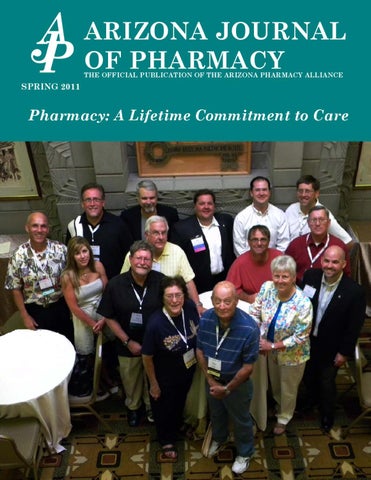
Oath of a Pharmacist At this time, I vow to devote my professional life to the service of all humankind through the profession of pharmacy. I will consider the welfare of humanity and relief of human suffering my primary concerns. I will apply my knowledge, experience, and skills to the best of my ability to assure optimal drug therapy outcomes for the patients I serve. I will keep abreast of developments and maintain professional competency in my profession of pharmacy. I will maintain the highest principles of moral, ethical and legal conduct. I will embrace and advocate change in the profession of pharmacy that improves patient care. I take these vows voluntarily with the full realization of the responsibility with which I am entrusted by the public. I know our profession has many talented and caring pharmacists doing their best every day to help our patients and I don’t want to insinuate that we are ill-intentioned in any way, but a lot of what we do is not seen by our patients and if we don’t tell them, they don’t know. As a profession we need to be more intentional and focused to ensure every single patient and prescriber with whom we interact recognizes and sees value in what we are doing behind the scenes to advocate for them. Cover Photo: Past Presidents of the Arizona Pharmacy Association and the Arizona Society of Health-System Pharmacists joined with past, present and future presidents of the Arizona Pharmacy Alliance to recognize the 100th anniversary of the founding of the Arizona Pharmaceutical Association. In attendance were: Back row (l to r): Jon Glover, Greg Morrill, Terry Daane, Mark Boesen, Crane Davis and Paul Smith. Middle row (l to r): Kelly Ridgway, Alan Barreuther, Steve LeMahieu, Rick Herrier. Front row (l to r): Bob Lipsy, Kathryn Kalsman, Mike Kalsman, Linda McCoy and Kevin Boesen.
CEO’s Message An Urgent Matter! On February 3, 2011, Kathleen Sebelius, Secretary of the Department of Health and Human Services (HHS), sent a letter to every Governor outlining states’ flexibility and availability of federal support for Medicaid. The letter states how “Medicaid is a major source of coverage for children, pregnant women, seniors, and people with disabilities in every State. It has a unique role in our health care system, covering a diverse group of beneficiaries, including some of the most frail and vulnerable Americans. And it is the nation’s primary payer for long-term care in nursing homes and outside of institutions. Medicaid is a Federal-State health partnership. The Federal government pays a fixed percentage or matching rate and sets minimum standards. States fund their share of program costs and have the lead on designing their programs beyond these standards, including what benefits are covered, how providers are paid, and how care is delivered.” The Arizona Legislature is looking for funding cuts in the state’s Medicaid program, the Arizona Health Care Cost Containment System (AHCCCS), and ways to meet pressing health care challenges and better cope with rising costs. As of the second week of March 2011, a joint House and Senate leadership budget proposal was submitted to the Governor. The Governor’s budget plan was used as the skeleton, but legislative leaders chose not to utilize the proposed accounting maneuvers - such as rollovers - to help balance the budget. Instead, approximately $600 million in cuts have been substituted for the accounting “gimmicks,” with education taking a large hit. The ultimate impact of the budget on Medicaid is still uncertain. The Arizona Hospital and Healthcare Association (AzHHA) is seeking support for a hospital/provider tax, but this concept has not gained much traction with legislators who would rather see greater cost sharing from AHCCCS members in the form of co-pays, monthly premiums, penalties for missed appointments, and elimination of non-emergency transportation. AzHHA is now looking for support for its plan from
the Governor’s Office. While the Governor’s initial proposal to reduce eligibility for childless adults on AHCCCS (i.e. the Prop. 204 populations) has been embraced by Republicans, the Governor now appears to be moving toward wanting flexibility on eligibility standards for eligible AHCCCS members. Discussions about an enrollment freeze for AHCCCS members, similar to the KidsCare program, are beginning to take shape. The freeze could begin April 1 and could eventually take 250,000 enrollees off of AHCCCS. To do this, Arizona would have to submit a phase down plan to CMS no later than March 31.
Key areas of potential cost savings in Secretary Sebelius’ letter to the Governors which give opportunities for pharmacists include managing care for high-cost enrollees more effectively through initiatives like medical home delivery models and payment strategies that integrate acute and long-term care; strengthen systems for providing longterm care to people in the community, provide better primary and preventive care for children with significant health care needs; and lower the incidence of low-birth weight babies. Other opportunities are available through the Affordable Care Act which offers new Medicaid options that provide States with additional Federal matching funds and the Community First Choice Option, available in October, which will offer States a six percent increase in the Federal matching rate to provide certain person-centered long-term care services and supports to enhance efforts to serve beneficiaries in community-based settings. Proposals for purchasing drugs more efficiently are an area of concern for pharmacy. In 2009, States spent $7 billion to help Medicaid beneficiaries afford prescription drugs. States have broad flexibility to set their pharmacy pricing. As recommended by States, HHS is undertaking a first-ever national survey to create a database of actual acquisition costs that States may use as a basis for determining State-specific rates, with results available later this year. Additional approaches that States have used to drive
Mindy D. Smith, R.Ph. Chief Executive Officer down costs, such as relying more on generic drugs, mail order, management relating to over-prescribed high cost drugs, and use of health information technology to encourage appropriate prescribing and avoidance of expensive adverse events will be shared by HHS. So why is this important…why is this an urgent matter? Because these changes will have a huge financial impact on hospital budgets as well as community pharmacies and patient care. What will happen if we discontinue access to medications to 250,000 adults in the state of Arizona? In addition, what we know today as usual and customary pharmacy reimbursement prices are not going to be usual and customary any longer. AHCCCS is already changing the reimbursement structure for 340b pharmacies (community health centers) and it will not be a surprise to see this model applied n Arizona in the near future, as Alabama and Oregon have already moved to a new pricing structure. As professionals we need to stand up and get involved to address these issues and opportunities. We need to stand strong and loud to ensure that decision makers are demanding that pharmacist-provided medication therapy management services are not only mandated in the health home, but reimbursed for their value. To read the full context of Secretary Sebelius’ letter go to www.azpharmacy.org/ associations/10285/files/Sebelius_Medicaid_ letter_to_states.pdf
Arizona Journal of Pharmacy 3
New Members WELCOME NEW MEMBERS Terry B. Gaines Holly Ann Frandsen Jeffrey B. Larkin Jerome Factor Julian Fine Linda R. Earhart Michael P. Feeley Patrick Mondone Dale Heward Kelleen Brenden Amanda J. Trangsrud Mansur Oloumi Kelly A. Elliott Judith Bodor Tamara Collard Laurie Campbell Nichole Cernoch Adam Redner Alan Lojka Denison Lee Baldwin Kelly Bartelson Lynn Edward Jensen Rozita Ghazanfari Kevin J Reilly Tera Teachout Aaron Matlow Catherine M. Telewicz David Brenden Howard Rock James Granecki James L. Long Kirk B. Shastid Milagros J. Davila-Rivera Radhikadevi Koripella Robyn Yumi Piekarski Sarah L. Champagne Scott Roberts Shahneela Hanif Susan Halterman Thomas Lyle Hinckley Ann Elizabeth Sears Brian Jones Eugene Meyer Kathleen A. Mickle Ljiljana Sipka Marlane P. Sparks Sherri Oxford Todd Meyer Binta Patel Vickie Goen Jodye Barker Bich Tran Nguyen Elizabeth Q. Zapanta-Dispo Stacy Simon Olusola Jolaogun Kathi Evans David Brushwood Jose Manuel Alvarez
4 Arizona Journal of Pharmacy
Krista M McCoy Rachel Lyn Vanderveen Suzanne Margaret Moyer Anne Freyer McCluskey Audrey Stewart Franklin G. Suo Glen Keith Anderson Joy Olbertz Kevin Christopher Smith Kirsten Mary Nielsen Laura Elizabeth Hanson Lisa Kay Goodin Paul Riffenburg Randall King Harding Rebecca Sue Mizen Rich Mendribil Thy Phuong Nguyen Adam S. Epstein Amy A Nayel Charlene Burbage Christopher R Sellars Cynthia Vera Cunningham Dennis Soto Martinez Ganesan Krishnasamy Jacqueline Marie Hilton Jenna Dene Milazzo Joe Kimbro Joshua Kramer Nona Josie Cerveny Randie Rae Bricklin Robert Paul Keiser Sapna S Joiner Sharlene McDougall Veronica Lynn McGowan Ajay Desai Ajit Kamdar Allyson J Lauwers Alma Mowry Alyson M Shady Amina Khan Aminah Mansoor Amir Akhlaghi Amy Christina Reinmann Andrea Decker Arnita Stanford Austin Johnson Barbara Renthal Brandon Bosch Bruce Frederick Bruce Onderko James M. Carpetis Christy Bosch Colin Decker Deanna Dawson Derwin Mack Dirk Lehew Esther Chen Gary Burdette
Gatluak Biel Wakow George Fischer Hiteshkumar P. Patel Hoo Nam Shin J Christopher Meilinger Jack Lin James R Staffa Jane Douglas Janna Hewitt Jason Collard Jason Mays Jayson Tripp Jennifer LaVigne Jennifer Zoss JoAnn Froshaug Joel Sundstrom John Pierce John Stevens John W Benson Jonathan Gruenke Judith Elaine Pratt Judith Renea Exham Justin W Lake Karen Godwin Kathleen Skornicka Keith Jackson Kenton Dorsey Kimberly Burdette Kristin Allegrucci Lienhoan Cao Lynn Michels Mandi Pokorney Maria Botha Mark LaVigne Mark Piacquadio Mashelda Patterson Min Seo Nicole Oh Peter Bergen Rachel Bergen Rick Schisler Rick Yerondopoulos Robert Goodhue Rodney Randall Rodney W Sowers Ronald Fais Sanjay Khunkhan Set Chu Shefali Patel Shepin Chen Tamara Abdel-Khalip Thomas O Martin Timothy Flores Toni Burgos Tonya Bekker Tracy Tran Van Lieu Wesam Hammad
Alliance News Cheers for Volunteers! The Arizona Pharmacy
Alliance staff is here to support YOU - our members. We acknowledge the contributions of the volunteers who have recently made a difference for our organization and their fellow pharmacy professionals. Thank you for all you do! Butch David Ken Mahan Terry Daane Julie Hernandez Kerry Redman Ken Frisard Peggy Khan Ray Clark Jessica DiLeo
Chris Lesaca Jon Merchen Teresa Stickler Mindy Burnworth Mike Dietrich Crane Davis Leslie Rodriguez Tina Smith Whitney Rice Mike Blaire Bob Lipsy Jon Glover Valerie Bostel Jean Patel Paul Librodo Mitch Buckley Robin Staib
Bonnie DiLorenzo Mark Boesen Kelly Ridgway Kevin Boesen Keith Boesen Jayne Knott Lindsay Davis Martie Fankhauser Russ Newman Elizabeth Pogge Ken Baker Shepin Chen Jim Kloster Dawn Gerber Paul Smith Mike Severn Norbert Laskowski Chuck Dutcher John Nicolais Lisa Keller
Because Supplemental Staff Represent You
Hiring Mistakes Make A Difference
Every Rx relief professional has been qualified through our rigorous “Standards of Excellence” pre-employment screening initiative – a tailored process designed to assure each supplemental pharmacy staff placement fits the needs and exceeds the standards of your pharmacy. Rx relief’s Standards of Excellence screening Continuous assessment and client communication • Handling all types of staffing situations and emergencies • Over 60 years of pharmacy management experience • •
Rx relief ® Your Trusted Pharmacy Staffing Partner Arizona Journal of Pharmacy 5
Alliance News AzPA 7th Annual Meeting SAVE THE DATE! Be sure to mark your calendars to be in Tucson at the Westin La Paloma Resort & Spa, July 7-10, 2011, for the Arizona Pharmacy Alliance 7th Annual Meeting! Here is your opportunity to earn up to 16 hours of continuing pharmacy education.
Pharmacy: A Lifetime Commitment to Care
Watch your mailbox for complete registration information coming soon. Online registration is available now on the AzPA website at www. azpharmacy.org/2011_Annual_Meeting_Registration CALL FOR NOMINATIONS This meeting marks the transition of our organization’s leadership and recognizes the contributions and accomplishments of our members. A membership privilege of the Arizona Pharmacy Alliance is the ability to participate in the election of the Board of Directors and Officers. Your voice is important to the future of our profession and AzPA! Please consider running for a position on the 20112012 AzPA Board of Directors. Board of Directors Nominations are now being accepted at: www.azpharmacy.org/2011_2012_BOD_Nominations Honor your peers and colleagues by nominating them to receive an award. If you know someone who is worthy of receiving one or more of our annual awards, please submit your Annual Awards nominations at: www.azpharmacy.org/2011_Awards_Nominations DEADLINE FOR ALL NOMINATIONS IS APRIL 4, 2011! Visit the AzPA website at www.azpharmacy.org for information about all upcoming events. See you at the Westin La Paloma in July!
Pharmacy ROCKS
Register online at www.azpharmacy.org/2011_Annual_ Meeting_Registration POSTER SESSION The AzPA 7th Annual Meeting will once again include a poster session. Individuals interested in presenting a poster must submit a 250-word abstract. Abstracts can be emailed to greg.morrill@pfizer.com. The deadline for poster abstracts is June 12, 2011. Posters may cover a variety of topics, including evaluative studies of new services, roles for pharmacists in institutional, community, managed care or ambulatory practices, descriptive reports about therapeutics (case reports), clinical research, outcomes research, or any other innovative reports (i.e. documentation of clinical services, implementation of new management or clinical programs). We need volunteers to evaluate posters for the awards. If you will not be submitting a poster this year and are interested in being a poster judge, please let us know. Please contact Greg Morrill via email at greg.morrill@pfizer.com for more information.
6 Arizona Journal of Pharmacy
APF News
Alliance News Also in the planning stages is a motorcycle road rally fundraiser. The Modern Day Pony Express “Ride for Safety”, with motorcycles instead of horses, will raise awareness for prescription drug abuse and generate funds for the APF. Stay tuned for more information!
The AWARxE Program The Arizona Pharmacy Foundation (APF) has become a licensee of the drug abuse awareness campaign, AWARxE. Founded by the Minnesota Pharmacists Foundation (MPF) after the death of a 24-year-old Minnesota resident who mixed drugs obtained online and from a local pharmacy. The AWARxE program’s mission is to increase awareness about prescription drug abuse in the United States and to provide medication safety information to the public. Pharmacists, students, and pharmacy staff have a critical role in educating the public and raising awareness of the dangers of medication abuse. In 2010, the National Association of Boards of Pharmacy (NABP) Foundation acquired rights to the AWARxE program. NABP recently relaunched the AWARxE website with new features, including: • A page just for pharmacists that will provide patient medication safety materials and information on prescription monitoring programs (PMP) as tools to fight drug abuse. • Links to relevant resources from the DEA, FDA, and EPA. • Information on DEA drug take-back events and proper disposal of unused or unwanted prescription medications. • Facts and resources about prescription drug misuse and abuse, counterfeit medications, and the NABP list of Not Recommended Websites for buying medicine online.
Annual APF Golf Tournament Mark your calendars for Friday, July 8, 2011 for the annual APF Golf Tournament. This year’s event will be held at the La Paloma Golf and Country Club in Tucson, Arizona. Shotgun start is at 6:30 am for the the best-ball format competition. Prizes will be awarded for longest drive, closest to the pin, hole-in-one, and winning team. Proceeds from the tournament benefit the Llyn Lloyd Service to Pharmacy Scholarship. To register go to www. azpharmacy.org/APF_Golf_Tourney
Upcoming Events To launch the AwareRx program in Arizona, APF is embarking on a statewide public awareness campaign to coincide with American Pharmacists Month in October 2011. Plans for a multi-media approach include outdoor advertising, radio and television public service announcements, collaboration with local municipalities, and possibly a televised informational program.
The Arizona Pharmacy Foundation is a 501 (c) 3 non-profit, charitable foundation. You can support APF by playing in or becoming a sponsor of the APF Annual Golf Tournament, participating in the APF Legacy Endowment program, designating APF in your workplace United Way or other charitable fundraising campaign, or making a donation in cash or kind. All donations are 100% tax-deductible.
APF is looking for volunteers for the newly-formed AWARxE Committee. If you are interested in becoming involved in this groundbreaking program, please contact the AzPA office or email Mindy Smith at mindy@azpharmacy.org. Get Informed! Visit www.awarerx.org for more information, including medication safety tips, trends on medication abuse, and resources for your patients about counterfeit medications, online pharmacies, and other related topics. Inform your patients about the dangers of prescription and over-the-counter drug abuse, especially parents or guardians of children and young adults.
One in four teens knows at least one friend or classmate who abuses prescription drugs.
Arizona Journal of Pharmacy 7
Alliance News Thursday, July 7, 2011 9:00 am to 4:00 pm Pharmaceutical Care for Patients with Diabetes is an innovative and intensive practice-based activity that focuses on the pharmacist's role in the area of diabetes management. The program, which emphasizes a health care team approach, seeks to foster the implementation of pharmaceutical care interventions that will promote disease self-management. Goals of the program: • Provide comprehensive instruction in the pathophysiology of diabetes • Teach current approaches to the medical management of diabetic patients • Introduce pharmacists to their role as a diabetes educator • Provide pharmacists with information about becoming a Certified Diabetes Educator, and about other diabetes management-related credentialing opportunities Pharmaceutical Care for Patients with Diabetes certificate training program is conducted in three parts – a self-study learning component, web-based case studies and key concepts, and a live training seminar. A Certificate of Achievement will be awarded to participants who successfully complete all program components. FACULTY Grace Akoh-Arrey, Pharm.D., CDE, Fry’s Food & Drug Russ Newman, Pharm.D., Fry’s Food & Drug CPE CREDIT Successful completion of the live seminar component involves passing the final exam with a grade of 70% or higher and demonstrating competency in self-injection techniques, diabetic foot exam, and blood glucose testing. Successful completion of these components will result in 6 contact hours of continuing pharmacy education credit (0.6 CEUs). ACPE UAN: 202-999-09-229-L01-P Successful completion of the self-study component involves passing the self-study assessment with a grade of 70% or higher and will result in 18.0 contact hours of continuing pharmacy education credits (1.8 CEUs). ACPE UAN: 202-999-08-097-H01-P
The American Pharmacists Association and the Arizona Pharmacy Alliance are accredited by the Accreditation Council for Pharmacy Education as providers of continuing pharmacy education.
Pharmaceutical Care for Patients with Diabetes was developed jointly by the American Pharmacists Association and the American Association of Diabetes Educators and supported in part by an independent educational grant from Merck and Co., Inc.
REGISTRATION ONLINE ONLY AT: www.azpharmacy.org/Diabetes_Cert_Program REGISTRATION FEES Until AzPA Member Pharmacist Non-Member Pharmacist AzPA Member Allied Pharmacy Non-Member Allied Pharmacy
6-1-11 $395 $595 $250 $350
After 6-1-11 $450 $650 $300 $400
*Allied Pharmacy category includes associate, resident, student, nurse, industry representative, and other nonpharmacist attendees.
8 Arizona Journal of Pharmacy
PNA News With proposed new legislation - SB1298 titled: pharmacists; drug therapy protocols - making its way through the Arizona legislature, the Pharmacy Network of Arizona (PNA) is poised to grow its client base across the state. In addition to expanding immunization authority for pharmacists, SB1298 would modify the location requirements in ARS 32-1970 so pharmacists are not limited as to where they can practice medication therapy management via physician approved agreements, protocols, and guidelines. This is good news for pharmacists who wish to provide medication management therapy (MTM) services as part of their practice. And PNA is hiring pharmacists who are certified to provide patient care services to diabetic patients with our contracted Arizona employers. If you are certified to provide these services and are interested in being a part of the PNA MTM program, please contact Rose T. Martin, Pharm.D., at rmartin@pharmacy.arizona.edu or 520 626-3784. If you are not yet certified, the Arizona Pharmacy Alliance is presenting a diabetes management certificate program on Thursday, July 7, 2011 at the Westin La Paloma Resort & Spa in Tucson, Arizona. Please see the advertisement on this page for complete details, or visit www.azpharmacy.org/Diabetes_Cert_Program.
MISSION STATEMENT The Arizona Pharmacy Alliance is committed to serving and representing all practice settings. AzPA will foster safe and effective medication therapy, promote innovative practice, and empower its members to serve the health care needs of the public.
VISION Empowering pharmacy professionals to provide optimal patient care
Alliance News C H W C A R E E R S . O R G / A R I Z O N A
Experience a truly fulfilling career. At CHW, our commitment to employee satisfaction is unwavering. We work hard to ensure our employees have the support they need to live their lives to the fullest — both professionally and personally. And by creating an environment that inspires them to perform at their best every day, we’re able to continuously deliver the extraordinary care our patients have come to expect. We’re CHW Arizona, comprised of Chandler Regional Medical Center, Mercy Gilbert Medical Center, and St. Joseph’s Hospital and Medical Center. Our focus on employee satisfaction has helped us earn recognition as: • A “Best Place to Work in the Valley” by the Business Journal, Phoenix • One of “Arizona’s Most Admired Companies” by the Best Companies AZ • One of the “Top 100 Best Places to Work in Healthcare 2010” by Modern Healthcare magazine (second year in a row) • One of the “Top 25 Best Places to Work for Women 2011” by AZ Magazine • One of the Valley’s Healthiest Employers 2011 by the Business Journal, Phoenix Find us on Facebook and follow us on Twitter: CHWAzCareers.
Come and experience the many opportunities we give you to learn, grow and achieve. Whatever it is you’re looking for in a career, you can find it at CHW Arizona. For more information, visit chwcareers.org/Arizona.
EOE. © 2011 Catholic Healthcare West Arizona
Arizona Journal of Pharmacy 9
Alliance News
Arizona Pharmacy Alliance – A Lifetime Commitment to Care
More than 100 years ago the first state pharmacy organization was established in 1910, the Arizona Pharmaceutical Association. Since those early days, two colleges of pharmacy have been established in the state – The University of Arizona College of Pharmacy in Tucson and Midwestern University College of Pharmacy in Glendale - and the state counts more than 7,000 licensed pharmacists. Associations and societies have come and gone; some of the names have changed and merged, but the purpose of these organizations has remained constant: to effectively support and promote the pharmacy profession and its professionals in Arizona to improve patient care. The Arizona Pharmacy Alliance is the only statewide pharmacy association representing all practice settings. AzPA strives to ensure that the voice of pharmacy is heard across the state. But we need members to accomplish this task. Membership in the Arizona Pharmacy Alliance is an affordable way to keep abreast of national issues, protect your professional practice, enhance your specialized skills, further your career and be a part of the future of pharmacy in Arizona. Do you know someone who is not an AzPA Member – but should be? Invite them to join the only statewide organization that represents the pharmacy profession in Arizona.
“Every man owes a part of his time and money to the business or industry in which he is engaged. No man has a moral right to withhold his support from an organization that is striving to improve conditions within his sphere.” Theodore Roosevelt, 1908 26th President of the United States
10 Arizona Journal of Pharmacy
Join the Arizona Pharmacy Alliance today! Annual dues for a pharmacist are just $225 per year. This equates to: • Approximately 2/10 of 1% of the annual wage for a new practitioner pharmacist • Less than 5 hours of work per year, after taxes • Less than 62 cents per day Visit the AzPA website at www.azpharmacy.org to join online or click here to download a printable Membership Investment Statement.
AzPA values its members and recognizes that your time is valuable. Monthly payment plans are available for pharmacist membership categories, as well as an automatic annual renewal option, when you provide your credit card information.
Alliance News
PharmPAC “March Madness� Drawdown The Pharmacists Political Action Committee of Arizona (PharmPAC) plays an important role in advancing the legislative action mission of the profession of pharmacy here in Arizona and in Washington, D.C. You can make your voice heard by contributing to the PharmPAC!
AzPA Calendar of Events April 2, 2011 Health-System Academy Conference Banner Desert Medical Center April 16, 2011 Student Pharmacist Leadership Conference Tempe Mission Palms May 6, 2011 Senior Care Academy Conference Grace Inn of Ahwatukee June 11, 2011 Immunization Certificate Program TBD
CONTRIBUTE TO PHARMACY POLITICAL ACTION & RECEIVE A CHANCE TO WIN UP TO
July 7, 2011 Diabetes Certificate Program Westin La Paloma Resort & Spa
$5000*!
July 7-10, 2011 AzPA 7th Annual Meting Westin La Paloma Resort & Spa August 2011 MTM Certificate Program TBD September 17, 2011 Community Pharmacy Academy Conference TBD
10 cash prizes awarded = 10 chances to win! PharmPAC Drawdown Tickets are available for $50 each.** Tickets will be sold March 21 to 25, 2011. Winners will be drawn March 31, 2011. Purchase tickets online at the AzPA website www.azpharmacy.org/PharmPAC_Drawdown*** *Assuming the receipt of 400 entries. In the event 400 entries are not received, prizes may be reduced proportionally. **Tickets may be purchased by AzPA members only. ***Member login required.
September 24, 2011 Anticoagulation Certificate Program TBD October 2011 American Pharmacists Month November 2011 Managed Care Academy Conference TBD Visit www.azpharmacy.org for all upcoming events.
Empowering pharmacy professionals to provide optimal patient care
PharmPAC contributions are not tax deductible. Arizona Journal of Pharmacy 11
Legislative Update
SB1298 Senate Bill (SB1298), which addresses three key legislative changes (see bill summary below) to expand pharmacy practice for pharmacists and student pharmacists, unanimously passed both the Senate Healthcare and Medical Liability Committee and the House Committee on Health and Human Services. We will continue to update you on the status of this proposed legislation.
SB 1298 Summary (to read bill language, click here: http://www.azpharmacy.org/associations/10285/files/ sb1298p.pdf) Pursuant to section 32-3104 and 32-3106, Arizona Revised Statues, SB1298 addresses three items: 1. Permit licensed immunization trained pharmacists to administer vaccines to persons age 6-17 without a prescription for influenza, and with a prescription for all other children’s vaccines. 2. Modify the location requirements in ARS 32-1970 so pharmacists are not limited as to where they can practice medication therapy management via physician approved agreements, protocols and guidelines. 3. Clarify that immunization-trained pharmacy students may administer vaccines to persons under the direct supervision of a licensed immunization-trained pharmacist. Please call or email your respective state representatives and senator and ask them to vote YES for SB1298 – titled pharmacists; drug therapy protocols. If you do not know who your two state representatives and one state senator are, please enter your zip code at this link: www.votesmart.org Below are links to talking points and additional information for your reference. You may also access these documents on the Immunization Information page under the Resources tab on the AzPA website at www.azpharmacy.org
Increase Access to Vaccines pdf http://www.azpharmacy.org/associations/10285/files/ Increase_Access_to_Vaccines.pdf Medical Marijuana On behalf of the Arizona Pharmacy Alliance (AzPA) comments were submitted to the AzDHS Director, Will Humble, on February 18, 2011 on the Draft Rule language regarding implementation of the Medical Marijuana Initiative (Proposition 203). The Arizona Department of Health Services is in the process of reviewing public comment and will publish the final rules on March 28, 2011. To view AzPA comments, please click on the following link: http://www.azpharmacy.org/associations/10285/files/ AzPA_Comments_to_ADHS_Medical_Marijuana_ Draft_Rules_2_18_11.pdf To view a compilation of all comments submitted, click on the following link: http://www.azdhs.gov/prop203/comments.htm PDAC 2011 The annual Pharmacy Day at the Capitol was held on January 26, 2011. This jointly-sponsored event by APhA – Academy of Student Pharmacists Chapters of University of Arizona College of Pharmacy and Midwestern University College of Pharmacy – Glendale and the AzPA offers the opportunity for legislators and their staffs to meet with pharmacy professionals and students, learn about the services pharmacists and pharmacies provide to our community, and discuss current issues relating to pharmacy and health care. For more information about PDAC, please read the Student Pharmacy Academy News on page 17.
Immunization Talking Points pdf http://www.azpharmacy.org/associations/10285/files/ Talking_Point_Immunizations_2011.pdf Collaborative Practice Talking Points pdf http://www.azpharmacy.org/associations/10285/files/ Talking_Points_Collaborative_Practice_2011.pdf 12 Arizona Journal of Pharmacy
Rep. John Kavanaugh gets his flu shot from Sam Webster, Pharm.D., at PDSC 2011.
PAPA Letting Go
by Joel Heerboth, Ph.D.
Recovery from alcohol or drug dependency begins with establishing abstinence from alcohol and drugs, hopefully with the intention of maintaining abstinence one day at a time for the rest of one's life. That's a successful recovery, right? Well, maybe. Obviously, maintaining abstinence from drugs and alcohol is a major life improvement and is essential for ongoing recovery to occur, but the heart and soul of recovery is discovering how to evolve an underlying feeling of serenity in one's life. Inner peace. Tranquility. Sounds nice, doesn't it? But where does that come from? Certainly not from getting the world in perfect order. Just turn on the nightly news or work a twelve hour pharmacy shift and you'll have plenty of data to conclude that peace of mind is never going to come from getting everything "out there" in order. It's an amazing thing to witness how often in recovery the "ground" out of which serenity ultimately emerges is the earthshaking experience of everything appearing to fall completely apart in one's life due to loss of control over alcohol or drugs. This falling apart is invariably the entry point into chemical dependency treatment and subsequent recovery. The First Step: Surrendering to the no longer deniable fact that life as you knew it is now a thing of the past and there is not much of anything you can do right now to fix any of it. This can be a particularly crushing blow for a pharmacist. You can't become a pharmacist without having experienced a lot of successes along the way. You have to be gifted with sufficient intelligence to survive the rigors of pharmacy school. You know how to function professionally with tremendous precision and attention to detail. There's usually the expectation that the other aspects of your life will be in similarly good working order. And now, because of an addiction, that which had seemed so solid is crumbling down all around you. That wasn't supposed to be a part of the game plan. What's more, the intelligence that so reliably enabled all of your successes has run out of answers. It can be unsettling to butt up against the limitations of your intelligence, especially when it has served you so very well over the years. Often, the mind seems to find it almost impossible to let go. It's easy to be swept away by obsessive angry thoughts, desperately trying to convince yourself of your status as a victim. "I can't believe they're doing this to me." Even more disturbing are those nonstop, self-attacking, shaming thoughts that make you just want to crawl in a hole and hide. I don't know whether you've ever noticed this, but there is no off button for the mind. Those thoughts just keep coming, one after another after another. The heart pumps blood, the lungs breathe, and the human brain, among other things, produces an endless stream of thoughts. Often, I think that addiction in healthcare professionals results in part from the need to get out from under the burden and torment of nonstop high-level thinking. Getting high is like taking that relentlessly
demanding voice in the head, tying it up, and putting it away in the closet for a few hours. What a relief! At last, you can catch a break, have some fun, get some rest. It works for awhile. But eventually, it all falls apart. Then what? Well, when it all does finally come crashing down, you can think and think and think, but you probably aren't going to come up with any answers. This is a key fork in the road. One path leads to despair. The other path, to serenity. You'll be heading towards despair if stubbornness kicks in and you refuse to let go of how things were. We're all stuck with a human ego, and when it feels cornered, the ego usually dies a hard and reluctant death. If you refuse to surrender, all of your energy (meaning endlessly repetitive, obsessive, negatively-charged and mostly futile thoughts) will then be devoted to trying to figure out how to recapture what was lost and to hold on to what little remains. Your own best thinking got you here, and now, you're going to rely on more of the same to get you out of here. Good thinking! You'll refuse to recognize the undeniable truth of the First Step by exerting what little personal power and self-will that you can still muster in one last desperate gasp. You'll find yourself fighting to the death when it's surrender that's called for. And you'll be miserable. It's a lot like contracting all your muscles when you're trying to do a back float in the pool. You just sink to the bottom. The alternative usually goes against the grain of everything that got you to where you are. It's called surrender. This isn't the same thing as resignation and it doesn't lead to despair. It's more like letting go. It's unclenching the fists when they feel like clenching. It's like enjoying the feeling of being in free fall rather than trying to clutch at the sky to stop your fall. So what happens when you let go? At first, everything out there is still the same, which is to say, a total mess. Moreover, those obsessive thoughts will keep coming at you for awhile, trying to lure you into biting the bait, but you begin to learn to just let those lures float by without getting hooked. Slowly but surely, you are evolving a new perspective. It can be surprising to discover that you don't hit the ground with a splat. You find that somehow, you are remaining afloat. And what is it that's holding you up? That's the mystery that's sometimes called the miracle of recovery. AA suggests, "Let go and let God." Maybe that's it. The best thing to do is find out for yourself. I do think you'll be pleasantly surprised by how things eventually grow back into your life, and you'll be even more surprised by how much better you'll find yourself feeling about it all. Life will never seem perfect, but it doesn't need to be. It will just be better than before and that will be more than good enough.
Arizona Journal of Pharmacy 13
Academy News Community Pharmacy Academy News
Greetings, Community Pharmacy Academy Members, Chad Schuster has been appointed to fill the Community Pharmacy Academy Chair-elect position following Keith Gallus’ recent move to Minnesota. Chad previously served as CPA Chair and his experience and contribution are very valuable to AzPA. Welcome back, Chad! As SB1298 pharmacists; drug therapy protocols makes its way through the Arizona legislature, we are excited about the opportunities that will be available with the expansion of immunization authority and the enhancement of the definition of collaborative practice agreements. Please contact your state senator and representatives and urge them to support SB1298. The Arizona Department of Health and Human Services is scheduled to release its rules regarding the dispensing and growing of medical marijuana. We will keep you up to date on this issue as new information is available. AzPA is looking for volunteers to launch the AwareRx campaign, the prescription drug abuse program supported by the Arizona Pharmacy Foundation. Other projects for the CPA include the possibility of creating a New Owners forum or workshop for the annual meeting, scheduling medication disposal days for 2011. In addition, the Independent Pharmacy Owners meetings will begin again in 2011.
Health-System Academy News Greetings, Health-System Academy Members, 2011 marks the acceleration of a number of potential (and interesting) changes to our professional responsibilities. Ongoing expansions of clinical responsibilities move Arizona Health System Pharmacies closer to the ASHP 2015 vision. We’re collecting information on individual hospital progress towards this vision. If you’ve not taken the survey, please do so at http://www.surveymonkey.com/s/D3QDBRS . In addition, ASHP is working diligently on creating a new vision for pharmacy past 2015. To this end ASHP held a series of conferences, including Mary Manning and Brian Erstad from Arizona, representing our fine state. You can get more information on what ASHP is calling the Pharmacy Practice Model Initiative at http://www.ashp.org/DocLibrary/PPMI/ Summit-Recommendations.aspx . AzPA also had elections for a new House of Delegates (ASHP) representative: Please join me in congratulating Carol Rollins as Arizona’s newest Delegate to the ASHP!
HEALTH-SYSTEM ACADEMY CONFERENCE SATURDAY, APRIL 2, 2011 Banner Desert Medical Center
If you wish to get involved with any of the CPA activities, please contact me. Sincerely, Teresa Stickler, R.Ph. Community Pharmacy Academy Chair melrosepharmacy@yahoo.com
Catch the Beat: The New Pulse of Health-System Pharmacy Visit www.azpharmacy.org to register!
14 Arizona Journal of Pharmacy
As if this is not enough change to manage, the new Accountable Care Organization (ACO) concept is picking up interest, and a number of organizations in Arizona are beginning to formulate plans to open Medical Homes and become ACO’s. Here is an excellent link to become familiar with this innovative new way of delivering health care http://www.ashp. org/DocLibrary/Advocacy/PolicyAlert/ACO-PolicyAnalysis.aspx. More than a few pharmacists and pharmacy leaders are asking what their role needs to be as our environment changes, and how to best position themselves to maximize their positive impact on Arizona patients. Here’s a way to get some ideas: In January AZPA began the first of our Pharmacy Leaders Forum. About 40 pharmacists from as far south as Yuma and as far north as Flagstaff drove to Phoenix where we began discussions about topics as diverse as managing medical marijuana all the way to staffing levels. The 2011 AzPA Health-System Academy Conference is Saturday, April 2, 2011 at Banner Desert Medical Center. The theme of the conference is Catch the Beat: The New Pulse of Health System Pharmacy. We are slated to provide 6.5 hours of continuing pharmacy education, including 1.5 hours of Law CE. Go to www.azpharmacy.org to view the full agenda and register online. Enough said. It’s a busy time, not only for day to day work in our pharmacies, but in directing and recreating our profession! I hope to see everyone on April 2nd for the conference! Sincerely, Butch David, R.Ph. Health-System Academy Chair butch.david@bannerhealth.com
Academy News Managed Care Academy News Greetings, Managed Care Academy Members, In the last issue of the Journal we mentioned that our annual Managed Care Academy conference would be held in March of 2011. Due to an exciting sponsorship opportunity from the good people at PRIME®, we have decided to move the date of the annual conference to November of 2011. We are looking forward to building upon the amazing success of last year’s conference and will pass along more details as they become available. The outstanding students at Midwestern University have formed a student chapter of the Academy of Managed Care Pharmacy (AMCP). Please contact their AMCP Diplomat, Ray Clark (ray.nelson.clark@ gmail.com) if you would like to volunteer as a speaker or learn more about the exciting activities that the student chapter has planned. We continue to seek out enthusiastic volunteers to represent managed care pharmacy on AzPA committees. Please check out our section on the AzPA website and feel free to contact me if you have any questions. It is important to note that more than one Academy member can be on each committee. Best regards, Ray Nelson Clark, Jr., PharmD Managed Care Academy Chair ray.nelson.clark@gmail.com
SUPPORTING PHARMACISTS ADVANCING CAREERS Find the best jobs and highly qualified pharmacists Arizona has to offer.
ONLINE CAREER CENTER www.azpharmacy.org/jobs
Arizona Journal of Pharmacy 15
Academy News Senior Care Academy News Greetings, Senior Care Academy Members, The Senior Care Academy is in the process of planning for the academy conference. It is scheduled for the afternoon of Friday, May 6th and will be a halfday continuing education (CE) event. The location will be in the Phoenix area. The conference theme is a focus on infectious diseases including urinary tract infections, MRSA infections, immunizations, and law. There will be small-group case discussions and lectures. Please mark your calendars and consider attending as further information will be coming soon.
up joint organization obligations to benefit both organizations and to increase communications. More information will be provided as further progress is made.
Also, I encourage you to mark your calendars for the AzPA Annual Meeting, July 7-10, at the Westin La Paloma Resort & Spa in Tucson, Arizona. There are many programs being planned that are applicable to the care of geriatric patients and it will be a great conference.
Kim Cauthon, Pharm.D. Senior Care Academy Chair kbyrdx@midwestern.edu
As stated in previous Journal editions, the two main goals of the academy this year are to promote and increase membership in the academy and strengthen our affiliation with the American Society of Consultant Pharmacists (ASCP). For promoting and increasing membership in the Senior Care Academy during the past quarter, we hope that promotion of and attendance at the academy conference will help achieve this goal. The Senior Care Academy section of the AzPA website has been updated to provide more value to membership through provision of helpful information. The Senior Care Academy page can be found on the AzPA home page (www.azpharmacy.org) under the “About Us� tab. The section includes news updates and quick website links for information such as guidelines, safety, adherence, and patient assistance programs. Please take a look at the site. Suggestions for the website are welcome; please email me your feedback and recommendations. For the goal of strengthening our affiliation with ASCP, a draft affiliation agreement has been written and is being reviewed and revised. It currently sets
16 Arizona Journal of Pharmacy
Your feedback and involvement are always welcomed and needed. If you are interested in becoming more involved, please email me. Sincerely,
CAUTION! INFECTIOUS DISEASES AHEAD
Save the Date! Senior Care Academy Conference Friday, May 6, 2011 More information to follow.
Academy News Student Pharmacy Academy News Technician Academy News Greetings, Student Pharmacists, Students from both Midwestern University and the University of Arizona colleges of pharmacy participated in Pharmacy Day at the State Capitol on January 26, 2011. More than 20 informational and health screening booths were staffed by student pharmacists and pharmacists. Informational booths included the AzPA Student Pharmacist Academy (SPA), the Arizona Poison and Drug Information Center, PediaCATS (see story on page 33), and breast cancer awareness. Free screenings for diabetes and blood pressure and free flu shots were available to state legislators and their staffs. This annual event is coordinated by the chapters of APhA Academy of Student Pharmacists at both schools and is supported by AzPA. Many thanks to Fry’s Food & Drug for sponsoring the luncheon for all attendees. The AzPA SPA is excited to announce the Inaugural Student Pharmacist Leadership Conference. Designed to develop future leaders for the pharmacy profession, student leaders from both the University of Arizona and Midwestern University will be invited to participate in this event. The day-long conference will offer programs on leadership, advocacy, entrepreneurship, and future trends. We hope all invited students will attend. Pharmacy students at both colleges of pharmacy remain active in a wide variety of activities. Graduation ceremonies for the Class of 2011 are fastapproaching and soon new first-year students will be arriving on both campuses. Election of the 2011-2012 SPA Chair-elect from the University of Arizona will be held in April. If you are a member of the Class of 2014 and are interested in serving, please contact Kerry Redman. The election for the SPA Chair-elect from Midwestern University will take place in September 2011. Sincerely,
Greetings, Pharmacy Technician Academy Members, The 2011 Pharmacy Technician Academy Conference was held Saturday, February 19, 2011, at Scottsdale Healthcare Shea. This year’s theme was the The Certified Pharmacy Technician of the Future. More than 80 were in attendance and AzPA gained 12 new pharmacy technician members. The conference provided 5.5 hours (0.55 CEUs) of continuing pharmacy education for technicians, including 1.5 hours of Law CE. The keynote session, 3 T’s of the Pharmacy Technician Workforce: Trained, Tested, Trusted was presented by Mindy Throm Burnworth, Pharm.D., BCPS. Ken Baker, J.D., R.Ph, spoke about Quality Assurance and Patient Safety; Jon Glover, Pharm.D., discussed The Medical Home and the Role of the Pharmacy Technician, and Dawn Knudsen Gerber, Pharm.D., CGP, offered an OTC/ Herbal Update. Mike Severn presented the Law CE, Pharmacy Audits: The fundamentals and strategic guidelines for preparation and prevention. The luncheon was sponsored by Lilly Diabetes and representatives from Lilly were on hand to demonstrate various diabetes devices Many thanks to Scottsdale Healthcare Shea, Lilly, all the speakers, and AzPA staff for a terrific conference. Sincerely, Chris Lesaca, C.Ph.T. Technician Academy Chair azclml@yahoo.com
Bonnie DiLorenzo and Kerry Redman AzPA Student Pharmacy Academy Co-Chairs bblorenzo@hotmail.com kredman@email.arizona.edu
Arizona Journal of Pharmacy 17
Drug Information Questions
Question: Is vitamin E effective for the prevention of cisplatin-induced peripheral neuropathy?
by Hana Yu, Pharm.D. Candidate,Class of 2011, and Elizabeth Pogge, Pharm.D., BCPS, Assistant Professor, Midwestern University College of Pharmacy-Glendale
Answer:
Introduction Cisplatin is a highly effective antineoplastic agent used to treat a number of different cancers. Its use has been limited by toxicities including peripheral neuropathy, ototoxicity, and nephrotoxicity. Peripheral neuropathy is a major dose-limiting toxicity that has an incidence of 30 to 100% and usually presents at doses greater than 300 mg/m2.1 Neuropathy often persists after discontinuation of cisplatin and may be irreversible. The variance in the reported incidence of peripheral neuropathy may be due to the different methods used to assess for toxicity. Studies in rats have suggested that cisplatin-induced peripheral neuropathy (CIPN) may be due to damage to sensory neurons in the dorsal root ganglia.2 Vitamin E became a subject of interest when it was observed that clinical manifestations of CIPN, including peripheral neuropathy, ataxia, and areflexia, are similar to those seen in vitamin E deficiency. One study found that patients treated with cisplatin combination chemotherapy had significantly decreased plasma levels of antioxidants including vitamin C, vitamin E, uric acid, and ceruloplasmin.3 A pilot study by Bove et al. examined the relationship between cisplatin neuropathy and vitamin E and found that vitamin E levels were reduced in patients with severe peripheral neurotoxicity following cisplatin therapy.4 These results suggest that vitamin E may play a role in the development of CIPN. Animal models have shown that vitamin E protects against cisplatin-induced neurotoxicity without interfering with cisplatin’s antitumor activity, making it a good option if it is found to be effective in humans as well.5 Currently, there are 4 randomized controlled trials examining the effect of vitamin E supplementation for the prevention of neuropathy due to cisplatin or cisplatin plus paclitaxel. Clinical Trials In 2003, Pace et al. published the first randomized controlled trial studying the neuroprotective effects of vitamin E supplementation during cisplatin therapy.6 A total of 47 patients with solid malignancies were enrolled between April 1999 and October 2000. Candidates for cisplatin therapy were randomized to receive either cisplatin with 300 mg of oral alpha-tocopherol daily (vitamin E 447 IU using the conversion factor of 1.497) or cisplatin alone (control group). Patients in the vitamin E group received supplementation between 1 to 8 days before starting cisplatin and continued it for 3 months following the discontinuation of cisplatin therapy. Plasma levels of vitamin E were measured prior to cisplatin initiation and were not statistically different between the 2 groups. Patients underwent comprehensive neurologic and electrophysiologic examinations by a neurologist who was not blinded to treatment before or after the study. A modified Neurologic Symptom Score (NSS) was used to assess the severity of neurologic symptoms. A cumulative neurotoxicity score was assigned to each patient 18 Arizona Journal of Pharmacy
based on symptoms. Before treatment, neurological examination scores were normal in all patients. Of the initial 47 participants, 20 dropped out early leaving only 27 who received a cumulative dose of cisplatin greater than 300 mg/m2 that were included in the final analysis. There was a significant difference in the incidence of neurotoxicity between the 2 groups with the group who received vitamin E having a much lower incidence at 30.7% (4 of 13) versus the control group at 85.7% (12 of 14; P < 0.01). The cumulative neurotoxicity scores were also significantly higher in the group that was not treated with vitamin E (4.7 vs. 2.1; P < 0.01). Limitations of this study include a small sample size and a high dropout rate. The authors concluded that vitamin E supplementation significantly decreased the incidence and severity of peripheral neurotoxicity associated with cisplatin. In 2005, Argyriou et al. performed an open-label randomized controlled trial to determine if vitamin E provided protection against neuropathy associated with cisplatin and paclitaxel.8 From March 2003 to March 2004, 40 patients with nonmyeloid malignancies treated with cisplatin, paclitaxel, or a combination of both were enrolled and randomized to receive chemotherapy with oral alpha-tocopherol 300 mg (vitamin E 447 IU7) twice daily or chemotherapy alone (control group). Patients in the vitamin E group continued supplementation for up to 3 months after cessation of chemotherapy. Two blinded independent neurologists performed neurological and electrophysiological examinations on all the patients before and after treatment. The evaluation of neuropathy was based on a modified NSS and a Neurologic Disability Score (NDS). The severity of neuropathy was assessed using a modified Peripheral Neuropathy (PNP) score. Of the initial 40 patients, 31 successfully completed the study and were included in the efficacy (EFF) population. The EFF population was analyzed for neurotoxicity incidence and neurotoxicity scores. The intent-to-treat (ITT) population, which included all randomized patients, was only analyzed for the incidence of neurotoxicity. There were no significant differences in the baseline characteristics or intensity of drug administration between the vitamin E and the control group in either population. In the EFF population, the vitamin E group had a significantly lower incidence of neurotoxicity at 25% (4 of 16) compared to the control group at 73.3% (11 of 15; P = 0.019). The mean PNP scores were higher in the control group versus the vitamin E group (11.5 vs. 3.4; P = 0.026). The ITT population showed a similar trend with 40% in the vitamin E group (8 of 20) developing neuropathy compared to 80% in the control group (16 of 20; P = 0.023). Limitations of this study include a small sample size, lack of a vitamin E placebo in the control group, and the use of 2 chemotherapy agents. The authors concluded that vitamin E supplementation resulted in a significant decrease in the incidence of neurotoxicity associated with cisplatin and paclitaxel. In 2006, Argyriou et al. published another open-label randomized controlled trial evaluating the safety and efficacy of vitamin E supplementation for CIPN.9 The primary outcome
Drug Information Questions (continued from page 18) of this trial was the efficacy of vitamin E in preventing CIPN. Secondary outcomes included adverse events associated with vitamin E, PNP scores, and functional ability using the Hughes’ Functional Grading Scale (FGS). The secondary outcomes were only assessed for the EFF population. The study design was the same as the previously discussed trial from this author with the only difference being that paclitaxel was not included. Baseline characteristics and intensity of drug administration were similar between groups. Patients were randomized to oral alpha-tocopherol 300 mg (vitamin E 447 IU7) twice daily with cisplatin or cisplatin alone (control group). Thirty-five patients were initially enrolled, but only 30 completed the study and were included in the EFF population. Neurotoxicity significantly differed between groups in the EFF population with an occurrence of 21.4% (3 of 14) in the vitamin E group compared to 68.5% (11 of 16; P = 0.026) in the control group. Mean PNP scores were statistically higher in the control group versus the vitamin E group (10.47 vs. 4.99; P = 0.023). The primary outcome was similar in the ITT population (31.25% versus 68.4%; P = 0.030). In the functional ability analysis, the FGS scores worsened in only one patient in the vitamin E group compared to 8 patients in the control group. Limitations of this trial once again include a small sample size and lack of a placebo. The number of patients reporting adverse events was similar between treatment groups with the most common being nausea, vomiting, and alopecia. The authors concluded that the adverse events seen in the trial were unlikely to be due to vitamin E supplementation and that vitamin E was beneficial in decreasing the incidence of CIPN. In 2010, Pace et al. published a larger placebo-controlled trial studying vitamin E supplementation for CIPN.10 This trial included 108 patients with solid malignancies who were randomized between August 2004 and June 2007 to receive cisplatin with either oral alpha-tocopherol 400 mg (vitamin E 596 IU7) per day or placebo. Patients were initiated on supplementation between 1 to 8 days prior to the start of cisplatin therapy and were instructed to continue it for 3 months following the discontinuation of cisplatin. Two blinded independent neurologists performed neurological and electrophysiological examinations on all the patients at baseline, after 3 cycles of cisplatin, and 1 month after chemotherapy treatment ended. The primary outcome was neurotoxicity incidence at the 1 month of follow-up. Patients were assigned Total Neuropathy Scores (TNS) based on the examination results. Only 41 of the initial 108 patients achieved the necessary cumulative cisplatin dose of greater than 300 mg/m2 and were included in the final analysis. The large number of dropouts was primarily due to disease progression. Cancer type and average cisplatin dose did not vary between the remaining patients in each group. The vitamin E group had a significantly lower rate of neurotoxicity at 5.9% (1 of 17) compared to the placebo group at 41.7% (10 of 24; P < 0.01). The severity of neurotoxicity, as measured by TNS, was also statistically higher in the placebo group compared to the vitamin E group (4.1 vs. 1.4; P < 0.01). The researchers concluded that this study supports the results of previous trials which have demonstrated the neuroprotective effects of vitamin E in CIPN. Despite the large number of dropouts, this is the largest trial to date on this subject.
Discussion Effective treatment or prevention of CIPN could potentially allow for more aggressive chemotherapy regimens in the future and improve the prognosis for patients with cancers responsive to cisplatin therapy. Furthermore, vitamin E is relatively inexpensive and easily available to patients, making it a favorable treatment option if it is proven to be safe and effective. It is important to note that the studies were performed in a relatively small number of patients and by 2 main research groups. Also, these trials all used alpha-tocopherol as their source of vitamin E supplementation and therefore the doses of vitamin E that were used in these trials are different than the doses commonly seen in the United States. Large trials are needed to provide more information about the safety and efficacy of vitamin E to prevent CIPN before routine supplementation is recommended. Other factors to consider before recommending vitamin E to patients include potential drug interactions, toxicities, and dosing. A 2005 meta-analysis found that vitamin E supplementation at doses ≥ 400 IU daily may cause an increase in all-cause mortality.11 Because of the potential risk associated with vitamin E supplementation and the lack of trials that show a clear benefit, a comprehensive risk versus benefit analysis should be performed before recommending vitamin E supplementation to prevent CIPN. References: 1. Alberts DS, Noel JK. Cisplatin-associated neurotoxicity: can it be prevented? Anti-Cancer Drugs 1995;6:369-83. 2. Cavaletti G, Tredici G, Marmiroli P, et al. Morphometric study of the sensory neuron and peripheral nerve changes induced by chronic cisplatin (DDP) administration in rats. Acta Neuropathol 1992;84:364-71. 3. Weijl NI, Hopman GD, Wipkink-Bakker A, et al. Cisplatin combination chemotherapy induces a fall in plasma antioxidants of cancer patients. Ann Oncol 1998;9:1331-7. 4. Bove L, Picardo M, Maresca V, et al. A pilot study on the relation between cisplatin neuropathy and vitamin E. J Exp Clin Cancer Res 2001;20:277–80. 5. Leonetti C, Biroccio A, Gabellini C, et al. Alpha-tocopherol protects against cisplatin-induced toxicity without interfering with antitumor efficacy. Int J Cancer 2003;104:243–50. 6. Pace A, Savarese A, Picardo M, et al. Neuroprotective effect of vitamin E supplementation in patients treated with cisplatin chemotherapy. J Clin Oncol 2003;21:927–31. 7. Dietary Supplement Fact Sheet: Vitamin E. National Institutes of Health Office of Dietary Supplements. Available at http://ods.od.nih.gov/factsheets/vitamine. Accessed 11 Nov. 2010. 8. Argyriou AA, Chroni E, Koutras A, et al. Vitamin E for prophylaxis against chemotherapy-induced neuropathy: a randomized controlled trial. Neurology 2005;64:26 –31. 9. Argyriou AA, Chroni E, Koutras A, et al. A randomized controlled trial evaluating the efficacy and safety of vitamin E supplementation for protection against cisplatin-induced peripheral neuropathy: final results. Support Care Cancer 2006;14:1134-40. 10. Pace A, Giannarelli D, Galiè E, et al. Vitamin E neuroprotection for cisplatin neuropathy: a randomized, placebo-controlled trial. Neurology 2010;74:762-6. 11. Miller ER, Pastor-Barriuso R, Dalal D, et al. Meta-analysis: high-dosage vitamin E supplementation may increase all-cause mortality. Ann Intern Med 2005;142:37-46.
Arizona Journal of Pharmacy 19
Feature Pharmacist Secret Agent Man
by Peter Vu, Pharm.D. Candidate, Class of 2011, University of Arizona College of Pharmacy Who Moved My Cheese, by Spencer Johnson, illustrates a world of constant change in which the characters must learn to anticipate, adapt and to move with the changes in life or get left behind. This business fable encapsulates the challenges we face daily in today’s evolving world, and in such a fast-pace environment there lays a catalyst providing impetus for change. In 2005, Dr. Eric Bergstrom was chosen among the Tucson Medical Center (TMC) staff as a Master Change Agent looking at how to move organizations and people through change. When looking at effectiveness there are three components: Quality, Acceptance, and Accountability. Acceptance and Accountability present as difficult obstacles to affect. As an agent, Eric was trained to analyze situations, address issues and provide the tools to solve problems. Analogically, the quality of weight reduction improves cardiac function and provides less strain on joints; however, not everyone obtains their ideal body weight. Attaining goals require time and commitment. TMC utilized Change Agents to analyze inefficient clinical quality processes, collaborate with front line staff and team members to formulate a plan, and resolve the issue at hand. Eric finds these principles useful in his personal life as well as professional: start and end meetings on time, keep on track, use ground rules, involve everyone, and have assignments and deadlines by the end of the meeting. Moreover, as the Master, Eric trained other managers and directors in this process for five full days every two months. After completing his doctorate of pharmacy at the University of Arizona in 1993, Eric began his career with TMC’s very first residency program and has been practicing there for more than 17 years. He has been deeply involved with the changes such as implementation of electronic medical records, immunization certification, Advanced Cardiac Life Support (ACLS) certification, Tobacco Intervention Skills certification, and Human Research Subjects training. In addition to being the Clinical Lead Pharmacist, he is a faculty/preceptor for the University of Arizona, Midwestern University-Glendale, Creighton University, University of Southern Nevada, Idaho State University, University of Missouri Kansas City, and St. Louis College of Pharmacy. In his preceptorship, he has won multiple Preceptor-of-the-Year Awards through the University of Arizona. Being an effective and didactic mentor, Eric’s philosophies entail: 1. Bring enthusiasm, creativity, integrity, and flexibility to his work. 2. Nurture trusting relationships with his students, patients, co- workers, and supervisors. 3. There is no such thing as a stupid question. 4. Feedback is a gift. What motivated you to become a pharmacist? I have always been fascinated with biology, chemistry, and medicine. I took a medical careers class in high school (Paradise Valley High School in Phoenix, Arizona) and also did a summer internship at St. Joseph's Hospital for medical careers. When 20 Arizona Journal of Pharmacy
the pharmacist spoke, I was shocked to find out they were more clinical in the hospital (keep in mind this is 1986). That's when I knew I wanted to be a pharmacist at a hospital. I was so happy to have had the opportunity to take this class that I became a guest teacher for my old high school medical careers class for a couple years when I got into pharmacy school. What is your style to effectively teaching 4th year pharmacy students on rotations? Effective teaching involves good communication. Giving and getting feedback is essential on a daily basis - both positive and constructive. Make changes if necessary and do not be afraid to try something different. I also try to make it fun and interesting; I not only try to bring out the knowledge and application of information previously learned but encourage creativity and assimilation of it as well. I also try to "individualize" the rotation to each student's needs and wants as much as I am able to do. I am grateful to my fellow pharmacists and technicians as they provide a lot of support and teaching for the students as well. How did you start and help launch the first TMC residency program? My first exposure to TMC was during rotations. I did a nutrition support rotation and really enjoyed it. I really wanted to become part of the TMC family! I interviewed and was offered the resident position in 1993 which I gladly accepted. It was a gamble because it was not ASHP-accredited but would be retroactive if it passed - this was the incentive. I worked closely with the manager of clinical and educational services and the director of pharmacy to make it a success. It took a lot of initiative on my part to make sure I was on track by following all of the ASHP residency guidelines. I did not have my own phone, pager or desk at the time. Both pharmacy and hospital staff were not sure what to do with a pharmacy resident. I had to be more engaged. The pharmacy itself was already in a good position to be more clinical—they had decentralized order entry and drug distribution with Lionville carts. PYXIS automation was just starting to be used for narcotics and some floor-stock medications. It was good to work with all the staff and finally get the ASHP accreditation.
Eric Bergstrom, Pharm.D.
Feature Pharmacist Secret Agent Man (continued from page 20) What achievements are you most proud of? U of A preceptor of the year, being a Master Change agent, developing 60-second kinetics, being the clinical lead pharmacist at TMC as well as having a wonderful family to come home to every day. What major changes do you see in the future of pharmacy practice? Technology is always evolving - hospitals are moving toward EMR, CPOE, RFID, and bar-coding (which will be replaced by something faster and more efficient). Pharmacists will be incorporated in multidisciplinary teams to lead and provide cognitive services. Research in many areas including pharmacogenomics will challenge pharmacists to keep up with this technology and tailor medication regimens to each patient based on their results. Pharmacy technician roles are evolving into more patient interaction including medication reconciliation. Pharmacists need to be cognizant and use technology to help them be more efficient and not be replaced by it. What advice do you have for graduating pharmacy students? Remember how important your job is to improve patient care and prevent medication errors, always look up information on medications you are not familiar with before dispensing, do not be afraid to ask questions, talk/listen to your patients (try to understand what they are going through), be positive, professional, approachable, ethical, creative, and work hard.
If you or someone you care about is suffering from an alcohol and/or chemical dependency problem…
“A Partnership in Caring”
Pharmacists Assisting Pharmacists of Arizona (PAPA)
is Available For Help and Information CALL LISA YATES
Register Now at the Early Bird Rate! ona Ariz , x i oen
h • P 11 0 2 1-4, May
The College of Psychiatric and Neurologic Pharmacists (CPNP) is a professional association of psychiatric and neurologic pharmacists. The CPNP Annual Meeting offers cutting-edge information ideal for the pharmacist, physician, nurse practitioner or other healthcare professional involved in the medication therapy management of psychiatric and/or neurologic patients.
Meeting Highlights Include: Pre-Meeting Workshop: A 3-hour workshop on Optimizing Cardiovascular Health in Psychiatric Patients will be offered on May 1. This workshop will provide hands-on experience in selecting first-line agents, identifying adverse effects and monitoring techniques to maintain safe and adequate care. Daily Keynote Addresses From: • Seizing the MTM Opportunity Linda Strand, PharmD, PhD • Drug Transporters and Psychiatry Lindsay Devane, PharmD, BCPP, FCCP • Management of Aggression in Children Lynn Crismon, PharmD, BCPP, FCCP • Glutamate: The Emerging Frontier of Psychopharmacology - Stephen Stahl, MD, PhD Programming: Registrants have 23 hours of ACPE and CME approved programming to choose from along with an anticipated five industry supported symposia opportunities. Research: Three hours of the meeting will be dedicated to networking with an anticipated 150+ poster authors. Abstract and Award submissions are open to all investigators with submissions due January 12, 2011.
AT 928-532-2293 ALL CALLS CONFIDENTIAL • CALLER REMAINS ANONYMOUS
Arizona Journal of Pharmacy 19
Registration and information available at cpnp.org/2011
Student Perspective
Non-Traditional Pharm.D.
by Kellie Miller, R. Ph., B.S. Pharm. AE-C, CGP, Non-Traditional Pharm.D., Candidate 2011 University of Colorado I can now say that I am about to complete pharmacy school. Twice. In other words, I am one of those NonTraditional Pharm.D. students that are popping up here and there to confuse everyone else. When I am asked what I do for a living, I explain that I am a pharmacist. When I am asked what I am studying in school or what degree I am working toward, I say a Non-Traditional Doctor of Pharmacy degree. I then have to explain further, because it gets complicated from there. How can I be a practicing pharmacist if I am studying for a Pharm.D.? If I have a license to practice pharmacy already, why did I need to return to school? Did I get in trouble or something? What do I plan to do once I graduate? Would I recommend that other pharmacists return to school like I did? All are very valid questions. I originally graduated with a Bachelor's of Science Degree in Pharmacy from Drake University in Des Moines, Iowa (class of 1997). Since that time I have maintained licenses in good standing in multiple states, practiced in retail, inpatient hospital, and PBM settings, and finally decided to start a Non-Traditional Pharm.D. program with the University of Colorado in 2007. Many of my friends and colleagues have asked me if the program has been worth the effort. I can only speak for myself, but in my opinion, the answer is yes. From what I remember of my first pharmacy school program, it was a whirlwind. There were so many subjects to cover and so many specific things to know and remember that it would be virtually impossible to retain it all effectively. As a student, I studied frantically for each exam with my peers, and then quickly moved on to the next subject. I revisited major topics while studying for the NAPLEX exam, but other than that my class notes gathered dust on a bookshelf. Once I graduated and started practicing, there was even more to know and learn and those class notes never did get the “re-read� I had always promised them. Within two years those notes were outdated anyway. The pharmacy world just moves that quickly. When I decided to return for a Non-Traditional Pharm.D. degree in the fall of 2007, I had been thinking it over for some time. I had seen a few of my colleagues complete programs from various universities across the nation and they had always seemed to benefit from the extra knowledge. Once I started a program myself, I 22 Arizona Journal of Pharmacy
found the courses to be very similar in structure to the therapeutics courses I had taken during my bachelor's curriculum. To be honest, it was a welcomed and needed review for me. What we know about disease states and the medications we use to treat those disease states have changed drastically since I was a student the first time around. New drug classes have been developed, older medications have fallen out of favor, and pharmacists are being expected to have a much more integral role in patient care. These were all the types of “up-training that I was hoping a Non-Traditional Pharm.D. degree would provide, and I can honestly say that I have been pleasantly surprised with how much I have learned. Now, I may have been able to provide this so-called training on my own. After all, each pharmacist is taught how to find drug information in school and many of the important changes to practice are simply learned in the workplace. But, holding a full-time position as a pharmacist is both stressful and exhausting at times. All of us juggle work, families, hobbies, and other obligations, which doesn't always leave much time for keeping up on the latest studies or therapy guidelines. In a way, I see my Non-Traditional Pharm.D. as a sort of crash course in those pieces of the healthcare puzzle I may have missed over the years. We all have our patient's best interests at heart. This was just my way of making sure that I am able to provide the best possible patient care with the most current information available. So, now that I am about to graduate, what do I plan to do with my newly printed diploma? My answer is that I plan to do exactly what I've been doing... only I hope to do it even better. In other words, I'm already doing what I love to do. I provide drug information and recommendations to physicians and nurses. I manage patients who are prescribed anticoagulants, and adjust antibiotic levels and medications that require a dosage change due to a patient's renal function, age, or other relevant factors. As the role of pharmacists evolves in the future, I hope to have more oneon-one patient interaction in the form of medication therapy management. I have always worked with a great group of pharmacists and pharmacy technicians who all have our patients' best interests at heart with everything we do. When friends and colleagues, who are also practicing with a B.S. Pharm. degree, ask whether they should invest in a Non-Traditional Pharm.D., my answer is, it depends. My mom is a pharmacist who plans to retire in the next few years. (It's funny how the profession of pharmacy tends to span generations, isn't it?) She has no intention of going back for further education and I don't feel that she needs to. Friends of mine who are younger may feel differently, but I definitely don't think that a Non-Traditional Pharm.D.
Student Perspective Non-Traditional Pharm.D. (continued from page 22) is the only answer to being a qualified pharmacist. There are skills learned through experience in the workplace that can't be taught in a classroom. The Non-Traditional Pharm.D. has made me a bit more confident in the professional decisions that I make for patients on a daily basis, but for the most part, I would have made those same decisions with the knowledge I already had. At the same time, I'm glad that I have the Pharm.D. under my belt, so to speak. Ultimately, the value of a Non-Traditional Pharm.D. needs to be weighed by each pharmacist considering it. Whether to invest in one or not is a personal decision and the value of the program will be different for each pharmacist. All that I can really say is that I am proud of our profession and of everyone practicing in it. We've come a long way, baby. Let’s keep moving forward!
Kellie Miller, R.Ph., Non-Traditional Pharm.D. Candidate, Class of 2011 University of Colorado
AzPA Career Center - Here for You As your primary resource for professional development and services, the Arizona Pharmacy Alliance offers a full-service Career Center designed especially for employers and job seekers in the pharmacy industry. Posting your positions and resumes on the AzPA Career Center gives you great exposure to a wide array of candidates and exciting opportunities in our professional community. Looking to fill a position? The AzPA Career Center is custom-tailored for the pharmacy industry. It’s the best way to find qualified and experienced talent. • Gain access to Arizona’s most qualified pharmacy professionals • Post multiple positions at affordable prices • Receive Resume Alerts of recently uploaded resumes Searching for a job? Employers, recruiters and staffing firms are constantly looking to our members to fill vacant positions in the pharmaceutical industry. The AzPA Career Center is your premier source to find the best pharmacy jobs in the state. • • •
Save the Date!
Arizona Pharmacy Alliance 7th Annual Meeting July 7-10, 2011 Westin La Paloma Resort & Spa Tucson, Arizona Be part of Arizona’s Largest Pharmacy Meeting!
Create a FREE Job Seeker account Set up automated email Job Alerts Post resumes anonymously
Register today as an employer or job seeker. Visit the Arizona Pharmacy Alliance website at www.azpharmacy.org Go to the Career Center page and click on the link to the Career Center. From there follow the navigation tools. It’s that simple. AzPA Members receive a discount on all Career Center packages. Please contact Janet Weigel, AzPA Marketing and Communications Coordinator, at janet@ azpharmcy.org with any questions you may have about using the Career Center.
The Arizona Pharmacy Alliance Career Center Your Industry • Your Community • Your Career
Arizona Journal of Pharmacy 23
Features and Articles A Telephone-based Medication Therapy Management (MTM) Center: Program Development and Observations over Five Years
Authors: Prasadini Perera, MS, Graduate research assistant, University of Arizona College of Pharmacy, Tucson, Arizona; Mignonne C. Guy, Ph.D., Assistant research scientist, Center for Health Outcomes and Pharmacoeconomic Research, University of Arizona College of Pharmacy, Tucson, Arizona; Kevin Boesen, Pharm.D., Director, Medication Management Center, University of Arizona College of Pharmacy, Tucson, Arizona ABSTRACT Purpose: Describe the process of service provision by a callbased Medication Therapy Management (MTM) program, and observations over five years. Summary: The pharmacist-run, opt-out MTM program for Medicare Part D beneficiaries, initiated in 2006 at the University of Arizona has evolved over the years to comply with changing standards of the Centers for Medicare and Medicaid, along with the needs of clients served. One challenge faced by the program has been the push toward service expansion to cover a larger number of beneficiaries. To meet this demand health information technology was developed and utilized to identify medicationrelated problems (MRPs) from beneficiaries’ pharmacy and medical claims through customizable clinical algorithms. These clinical algorithms form the basis of the automated medication reviews that identify MRPs. These aid in telephone-based comprehensive medication reviews and form the backbone of targeted medication reviews (TMRs). The TMR program is a direct response to service expansion and addresses MRPs close to real time as they are identified with each new data feed of patient information provided by health plans. Outbound calls for TMRs make up the largest call volume making direct contact with patients. In addition to these calls, patients also receive mailings with a personal medication record and medication-related action plan. Providers are informed of MRPs through evidence-based faxes. Provider response to MTM has been favorable, and service provision over the years has identified opportunities to further support providers by filling the gap that involves evaluating the appropriateness all of a patient’s medications in relation to each other and their diseases. Conclusion: Although HIT has aided in the expansion of MTM service provision, the success of MTM will depend on availability and accessibility of the pharmacist as a medication and chronic disease expert.
24 Arizona Journal of Pharmacy
Background The Medicare Prescription Drug, Improvement, and Modernization Act (MMA) signed into law in 2003, established Medicare Part D, a federally funded outpatient prescription drug coverage program for Medicare beneficiaries in the United States.1 Medication Therapy Management (MTM) services were first recognized under this Act that mandated Medicare Part D plan sponsors provide MTM services to eligible enrollees with the primary goal of improving quality and controlling costs through appropriate medication use.2 At the outset, basic criteria were specified to define beneficiary eligibility based on targeted disease conditions, medications, and drug spend.2 Simultaneously, Medicare Part D plan sponsors were granted the flexibility to further define these criteria and to determine enrollment in the program, types of interventions, the provider of MTM service, and metrics for outcomes.2 However, beginning in 2010, following an assessment of the MTM programs over previous years, the Centers for Medicare and Medicaid (CMS) put forth more stringent criteria with the objective of increasing the robustness of MTM programs and expanding services to Medicare Part D beneficiaries.3 To further increase access to and the impact of MTM services, requirements included that enrollment in all programs be restricted to opt-out, and an annual comprehensive medication review (CMR) offered to all eligible beneficiaries.3 The University of Arizona Medication Management Center In response to the MMA, in 2006 The University Arizona (UA) College of Pharmacy, established the telephone-based Medication Management Center (MMC) to provide MTM services to Medicare Part D beneficiaries through their plan sponsors. The MMC was founded to provide an opportunity for Medicare Part D plans to utilize the expertise of pharmacists to deliver MTM services through an easily accessible model. Realizing that Part D program sponsors had limited resources to implement and deliver MTM programs, the UA MMC designed a call center that specialized in the delivery of MTM services. In 2005, the UA MMC developed a business plan that expanded the services of the Arizona Poison and Drug Information Center (APDIC) (established in 1955) by creating a similar call center with expertise in chronic disease and MTM. The UA MMC recruited pharmacists with specific expertise in disease management, ambulatory care, community practice, geriatric pharmacy, and long term care. At program initiation the pharmacists staffing the MMC had a combined 50 years of community pharmacy experience and 20 years of experience with the US Department of Veterans Affairs. Credentials of the pharmacists include residency training, a board-certified pharmacotherapy specialist, and a certified geriatric pharmacist. MMC pharmacists were trained by and work directly with pharmacists from the APDIC. A licensed pharmacy located in Arizona, the MMC also holds licenses and permits to deliver MTM services throughout the U.S. To support the pharmacists, MMC utilizes various staff to deliver the MTM program and include licensed pharmacy technicians, pharmacy interns (student pharmacists), and administrative personnel. In addition to developing clinical expertise, the MMC recruited and hired information technology specialists to create MTM specific health information technology (HIT). HIT
Features and Articles A Telephone-Based MTM Center (continued from page 24) developed by the MMC utilizes pharmacy and medical claims to identify MTM eligible beneficiaries, and opportunities to improve care through customizable clinical algorithms developed in collaboration with client health plans. For service delivery MMC uses a combination of personalized phone calls and mailings to Part D beneficiaries, and faxes to providers. Since program initiation, provision of MTM services by MMC has changed over the years to reflect evolving CMS requirements and the needs of clients served. The steps involved in MTM service provision are summarized in Figure 1 and described in more detail in the subsequent sections. Beneficiary Identification From program initiation (2006) to 2009 beneficiaries were eligible to receive MTM services if they: 1) had multiple chronic conditions; 2) were on multiple Part D medications; and 3) were likely to incur an annual excess of $4,000 in Medicare Part D drug spending.2 In 2010, reflecting the more stringent criteria put forth for MTM programs by CMS, beneficiaries were eligible for services if they had a minimum of two or three chronic conditions, had a minimum of two to eight Part D covered medications, and were likely to incur at least $3,000 in annual costs for Part D medications.3 Beyond these minimum criteria health plans had the flexibility to define specifics to indentify beneficiaries for MTM services (e.g., number and specific chronic conditions and their definitions, number of Part D covered medications). Within the MMC, identification of eligible beneficiaries for MTM services occurs in one of two ways: 1) direct identification by the health plans; or 2) identification by MMC, based upon specific eligibility criteria provided by health plans. In the first instance, only the health information pertaining to eligible beneficiaries are provided to the MMC. Beneficiary Enrollment Once eligible beneficiaries are identified, a welcome letter is sent via the United States Postal Service to notify these beneficiaries that they have been enrolled in the program. In effort to reduce costs associated with internal staffing for mail services, a mail vendor is contracted to perform these tasks. The informative nature of the welcome letter notifies beneficiaries of the availability of MTM services and requests that they inform the MMC in the event they do not wish to receive medication management services (i.e., opt-out). Enrollment into the program is on a continual basis determined by the frequency with which the health plan provides pharmacy and, if available, medical claims to the MMC. With each regular data feed (e.g., weekly, monthly) the MMC identifies and enrolls new beneficiaries into the program. Beneficiaries once identified as eligible and enrolled, remain in the program until the end of the year even if they may not meet one of the aforementioned eligibility criteria as the year progresses. Beneficiaries have the option to disenroll from the program at any given time of the program period. MTM Service Provision MTM services as provided by the UA MMC is described sequentially in terms of the ‘Core Elements of an MTM Service
Model in Pharmacy Practice’, which was developed in collaboration with a number of leading pharmacy organizations in the U.S.4
Medication Therapy Review (MTR) Each eligible beneficiary has a profile in the MMC’s MTM application which incorporates information from health plan enrollment data, pharmacy and medical claims, and any additional patient-reported information. The patient profile includes demographic information, medication history, current medications, and provider details. Medical diagnoses, laboratory, and other clinical information are included if provided by client health plans. For all eligible beneficiaries, the MMC’s MTM application completes an automated medication therapy review (MTR). During the automated MTR, MMC developed HIT utilizes pharmacy claims, medical claims, and customizable clinical algorithms to identify the presence of possible medication-related problems (MRPs) and thus, opportunities to improve patient outcomes. The clinical algorithms focus on three target areas and include: 1) opportunities to improve safety (i.e., safety interventions); 2) reduce cost (i.e., cost saving interventions), and 3) optimize treatment by identifying deviations from pharmacotherapeutic recommendations in clinical practice guidelines (CPGs) for a number of target chronic conditions (i.e., guideline interventions). MRPs typically encompass the following: untreated indications, subtherapeutic dose, overdosage, inappropriate drug, therapeutic duplication, side effects, adverse events, drug-drug or drug disease interactions, and assessment of drugs in elderly. Table 1 presents a sample of the MRP alerts that were developed and targeted in the provision of MTM services in 2008. The automated MTR is designed to assist the medication management specialist during the person-to-person CMR. Additionally, automated MTR drives outbound phone calls for the MMC’s Targeted Medication Review (TMR) program. Calls to schedule a person-to-person CMR are made either by a pharmacy technician or a pharmacy intern. During this call, additional information on allergies, disease conditions, current medications, any problems experienced with current medications, and non-Part D covered medications (e.g. over-the-counter, herbals, physician samples) are collected. Patient-reported information is incorporated into the beneficiary profile and reviewed by the pharmacist prior to the MTM session. The CMR consultation with the pharmacist (or supervised pharmacy intern) includes an evaluation of the beneficiaries’ medications and a general assessment of their disease conditions. In addition, the pharmacists review any MRP alerts generated by the automated MTR. The goals of the CMR are to: improve patient knowledge and address any concerns the patients may have regarding their medications and disease conditions. More specifically, during the CMR pharmacists address issues related to medication adherence, identify and address any MRPs, identify opportunities for cost savings, provide recommendations for preventive care (e.g., vaccinations, screenings, lifestyle modification), perform assessment of laboratory data and recommend appropriate follow-up, improve coordination of patient care, and monitor progress by scheduling follow-up consultations based on the professional judgment of the pharmacist. During the MTM session, the pharmacist creates a medication-related action plan Arizona Journal of Pharmacy 25
Features and Articles A Telephone-Based MTM Center (continued from page 25) (MAP) for the patient (described in detail later). All of the information related to the MTM session, and recommendations made to the provider, are documented and stored in the MMC MTM application. In addition to the person-to-person CMRs which are generally conducted once per patient per year, if any MRP alerts are identified by the automated MTR, outbound calls are made to the patient to address these potential MRPs. These form the basis of TMRs. During a person-to-person TMR, beneficiaries are contacted by a pharmacist, pharmacy technician, or pharmacy intern depending on the severity of the MRP alert. Since MRP alerts result from an automated MTR that occurs with each data feed from the health plan, potential problems are addressed quickly. If beneficiaries are unreachable by phone, a data review is conducted and outreach completed either to the beneficiary by mail or the provider by fax or phone depending on the severity of the MRP alert generated. Personal Medication Record The personal medication record (PMR) is a document containing a comprehensive list of medications prescribed to patients. All beneficiaries eligible for the MTM program receive a PMR with their initial welcome letter. A PMR sent by the MMC contains the patient name, date of birth, contact information, all medications covered by the Medicare Part D drug benefit (medication name and strength), PMR generation date, and information on the usefulness of the PMR along with the easily accessible instructions on the importance of maintaining an accurate record. Furthermore, MMC pharmacists advise patients on how to complete the section of the PMR that documents the purpose and directions for each medication. Additionally, the PMR lists any allergies and adverse reactions experienced by patients. Following a CMR, an updated, more comprehensive PMR is sent following the telephone consultation. In addition to Medicare Part D covered medications obtained from pharmacy claims, this additionally includes patient-reported prescription and non-prescription medications not covered by Part D (e.g., over-the-counter (OTC) products such as vitamins, supplements, and herbal products). In effort to achieve continuity of care, patients are advised to take the PMR to all appointments with their healthcare professionals and voluntarily share it with their providers. Medication-Related Action Plan Along with the PMR, MTM program enrollees receive a medication-related action plan (MAP). For the MAP included with the welcome letter and initial PMR, the document focuses on medication-related patient education and best practices. Furthermore, the MAP provides patients with a number of questions to enhance patient knowledge regarding any new medications. Following a person-to-person CMR, the MAP is tailored to the individual beneficiary and summarizes the CMR for the patient. The MAP includes any MRPs identified, patient action required for each MRP, recommendations made to the provider for each MRP, any preventive or follow-up action that may be required, 26 Arizona Journal of Pharmacy
and if necessary, general education related to medications and the patient’s disease conditions. Intervention and/or Referral An intervention occurs when the pharmacist acts upon MRPs identified through medication reviews (e.g., automated MTR, CMR). The intervention consists of a MRP-related recommendation to the patient and/or their provider. Communication of a recommendation to the provider can occur via one or more of the following mechanisms: 1) Prescription recommendations are faxed to the provider when there is adequate information to suggest a change to the medication regimen. In addition to requesting changes, the fax documents an evidence-based rationale for making the specific recommendation. 2) For your information (FYI) faxes are sent to the provider in the presence of incomplete information to make a prescription recommendation but, a potential MRP is identified in the patients’ medication profile. 3) Patient-directed. At the patient’s request the pharmacist recommendations are communicated to the provider via the patient. The MMC requests a signed provider response to prescription fax recommendations (i.e., approval or denial of recommendation). Once an approved recommendation is received, the MMC notifies the patients’ community pharmacy of the change in the medication regimen. Subsequently, the patient is notified (telephone call/letter) and advised to pick up the filled prescription from their community pharmacy. Documentation Following medication reviews any concerns observed in the patient’s medication profile and all recommendations made to the provider are included in a subjective/objective observation, assessment and plan (SOAP notes) located in the MMC patient profile. Additionally all provider responses to faxed recommendations are uploaded into the patient profile. Quality Assurance and Quality Improvement The MMC has put in place a Quality Assurance and Quality Improvement (QA/QI) Committee that provides ongoing leadership and oversight of continuous quality improvement activities in the center. The committee consists of Training, Compliance, and QA Coordinator; Projects Coordinator; Information Technology Team representative; Pharmacy Technician; Support Services Coordinator; and Pharmacist. The committee meets at least quarterly to identify best processes to provide consistent quality of care and services. Any deficiencies identified are corrected and addressed through process or training measures. Quality assurance (QA) processes have been developed at each point in the MTM process. At the onset of each program year and with each new data feed from client health plans, QA is conducted to ensure appropriate patient qualification (qualification QA). This process occurs prior to the initiation of communication with beneficiaries and their providers. Qualification QA consists of a review of the correct application of the qualification criteria to beneficiary information for a random
Features and Articles A Telephone-Based MTM Center (continued from page 26) sample of members identified as qualified and not qualified to receive MTM services. Furthermore, at the beginning of each year prior to program start, and accompanying any changes to the logic in the clinical algorithms used in MRP alert generation, systems testing QA is conducted to ensure the proper generation of MRP alerts. During this process, medication profiles of a sample of beneficiaries that received each MRP alert is reviewed to ensure that inclusion and exclusion criteria from MRP alert logic were accurately applied. In addition, a sample of patient records that did not qualify for any alerts are reviewed to assure that there are no errors of omission. Once medication reviews are conducted, letter/fax QA is carried out prior to the distribution of written communication to beneficiaries and their providers to assure appropriateness of these communications. These are checked to ensure that the fields in letters/faxes are appropriately filled by the MMC MTM application and the user has selected the appropriate verbiage for the intervention to be communicated. Letter QA is conducted weekly while fax QA is conducted daily. In addition, an internal audit (i.e., user QA) is conducted in each quarter on a random sample of cases from the quarterly reports to evaluate consistency in documentation and completion of cases by the users of the MMC MTM application (pharmacists, interns, technicians). Any issues that are identified are reported back to the individuals involved. Furthermore, issues are presented to the QA/QI committee so that policies are developed, reviewed and updated in order to prevent future errors. Finally, reporting QA is conducted to check the accuracy of all data reported. Processes include: checks for consistency and accuracy of aggregate numbers of participants, and MRP alerts across different reports; reporting accuracy of alerts, medications involved and patient/provider communication; and formatting and standardization of reports. Reporting QA is conducted prior to delivery of reports to client health plans and CMS, and is carried out monthly, quarterly, and annually depending on report type and reporting requirements. Observations of MTM Service Provision The primary observation over the past 5 years is that there is a tremendous need for MTM services, and one MTM session per beneficiary per year may result in underutilization of the clinical expertise of available service providers. Managing Medicare beneficiaries with chronic illnesses is complex. Many patients have multiple comorbidities, take numerous medications, and are regularly treated by several providers and specialists. As a result, a substantial proportion of medication profiles can be potentially unsafe, unnecessarily expensive, and suboptimal for long-term treatment of the chronic condition. Patients can benefit from programs such as MTM to understand complex health information in order to better manage their conditions. At program initiation in 2006, the MTM program consisted of an annual 30 to 45 minute telephone consultation with an enrolled beneficiary. However, since there was a great need by patients for medication and disease condition-related information, it became evident that the entire consultation time could easily be spent providing general education. While this time spent educating patients can improve health literacy, the sessions did not always result in medication changes. Consequently, the program was modified to include shorter and more frequent
MTM sessions following automated MTRs that would target specific MRPs. All patients are still able to request and schedule a 30 to 45 minute CMR with a pharmacist; however, the primary focus of the program is outbound calls meant to address a specific opportunity identified by a near real-time review of prescription and medical claims. Patients may be contacted once or multiple times throughout the program period depending on their medication profiles. Using this approach, it was possible to maximize services by addressing a greater number of MRPs in effort to improve patient care. Another observation is the general acceptance of the providers to the MMC approach of providing MTM services. At program initiation, provider response to this type of new service was unclear. Since the majority of provider communication is via fax, a brief and clear evidence-based rationale of the recommendation is provided. The MMC recognizes the challenge providers face managing patients with multiple chronic illnesses. Providers have limited information from other providers treating the same patient, they lack the time needed to discuss medications with patients, and they may not have easy access to resources to obtain the latest drug information. Experience over the past five years suggests a tremendous opportunity to continue to develop MTM services that support providers directly. Services designed by the MMC targeted prevalent MRPs unique to the population of Medicare Part D beneficiaries as qualified by MTM Part D requirements defined by CMS. However, given the high morbidity and mortality related to MRPs,5,6 it is expected that expansion of MTM services to other Medicare Part D beneficiaries and patients with chronic illnesses outside of Part D will benefit from MTM. This has been recognized and the MMC and other MTM providers have begun providing MTM services to private insurers, employer groups, and direct to consumers. One of the longest running programs that incorporate MTM is the Asheville Project in Asheville, North Carolina. The project was initiated in 1996 to support city employees with chronic illnesses. This model involves regular patient visits face-to-face with a pharmacist to receive MTM services, and several studies have shown improved health outcomes and reduced overall medical expenses.7-9 However, scaling a program that includes face-to-face visits with pharmacists is a challenge. In a survey exploring community pharmacists’ attitudes toward providing MTM services, 65% of pharmacists reported finding time for a one-on-one consultation to be a barrier, although the majority were in agreement regarding the value of this type of service to patients.10 Considering this limited availability, alternate models such as pharmacist-run call centers have been implemented to serve patients with chronic illnesses.11 As described in this paper, the MMC has further developed the call center model through the use of innovative HIT in conjunction with pharmacists who specialize in the provision of MTM service, and is a possible model when expansion of services is considered to meet the demand for MTM services. Conclusion By combining innovative HIT with experts in MTM and chronic disease management, the MMC has developed an effective pharmacist-based MTM program with the goal of Arizona Journal of Pharmacy 27
Features and Articles A Telephone-Based MTM Center (continued from page 27) improving patient outcomes, and reducing overall healthcare costs by targeting specific MRPs. Efficiency of the program is accredited to the use of HIT, and further use of technology such as secure e-mail and text for health information messaging, integration with home diagnostic and adherence tools, and secure web-based portals for personal health records can serve to enhance the program. The additional use of technology will allow for greater scalability at a lower cost. It will also allow pharmacists to continue to be available for patients and caregivers that need personal attention to manage their complex issues. Regardless of the amount and creativity of the technical innovation, the success of the MMC model will depend on availability pharmacists as a medication the chronic disease expert. References
1. Public Law 108-173. The Medicare Prescription Drug, Improvement, and Modernization Act of 2003, HR1. December 8, 2003. Available at: http://www.cms.gov/MMAUpdate/downloads/hr1.pdf Accessed on June 14, 2010. 2. Centers for Medicare and Medicaid Services. Medicare Part D Medication Therapy Management (MTM) Programs - 2009 Fact Sheet. Available at: https:// www.cms.gov/PrescriptionDrugCovContra/Downloads/MTMFactSheet.pdf. Accessed on May 24, 2010.
3. Centers for Medicare and Medicaid. 2010 Medicare Part D Medication Therapy Management (MTM) Programs. Available at: https://www.cms.gov/ PrescriptionDrugCovContra/Downloads/MTMFactSheet.pdf. Accessed on November 10, 2010. 4. American Pharmacists Association, National Association of Chain Drug Stores Foundation. Medication therapy management in pharmacy practice: core elements of an MTM service model (version 2.0). J Am Pharm Assoc (2003). 2008;48(3):341-353. 5. Johnson JA, Bootman JL. Drug-related morbidity and mortality: a cost-ofillness model. Arch Intern Med. 1995;155(18):1949. 6. Ernst FR, Grizzle AJ. Drug-related morbidity and mortality: updating the cost-of-illness model. JAPHA-WASHINGTON-. 2001;41(2):192-199. 7. Cranor CW, Bunting BA, Christensen DB. The Asheville Project: long-term clinical and economic outcomes of a community pharmacy diabetes care program. J Am Pharm Assoc. 2003;43(2):173-184. 8. Bunting BA, Cranor CW. The Asheville Project: long-term clinical, humanistic, and economic outcomes of a community-based medication therapy management program for asthma. Journal of the American Pharmacists Association. 2006;46(2):133-147. 9. Bunting BA, Smith BH, Sutherland SE. The Asheville Project: clinical and economic outcomes of a community-based long-term medication therapy management program for hypertension and dyslipidemia. Journal of the American Pharmacists Association. 2008;48(1):23-31. 9 10. MacIntosh C, Weiser C, Wassimi A, et al. Attitudes toward and factors affecting implementation of medication therapy management services by community pharmacists. Journal of the American Pharmacists Association. 2009;49(1):26-30. 11. Moczygemba LR, Barner JC, Gabrillo ER, Godley PJ. Development and implementation of a telephone medication therapy management program for Medicare beneficiaries. American Journal of Health-System Pharmacy. 2008;65(17):1655.
Table 1.
Targeted medication reviews in 2008 Medication Therapy Management program Intervention category
Cost saving interventions
Condition
Targeted medication review alert
NA NA NA NA NA NA NA NA Asthma Chronic obstructive pulmonary disease (COPD)
Lexapro Nexium Prevacid Crestor Lipitor Alphagan P Actonel Lunesta Asthma – add inhaled corticosteroid (ICS) COPD – add anticholinergic inhaler CKD – add angiotensin converting enzyme (ACE) inhibitor CKD – add angiotensin II receptor blocker (ARB)
Chronic kidney disease (CKD)
Guideline interventions
Diabetes mellitus (DM)
Heart failure (HF)
Myocardial infarction (MI)
28 Arizona Journal of Pharmacy
CKD – add pravastatin CKD – add simvastatin CKD – add erythropoietin stimulating agent (ESA) DM – add angiotensin converting enzyme (ACE) inhibitor DM – add angiotensin II receptor blocker (ARB) DM – add pravastatin DM – add simvastatin HF – add angiotensin converting enzyme (ACE) inhibitor HF – add angiotensin II receptor blocker (ARB) HF – add metoprolol ER HF – change to metoprolol ER MI – add angiotensin converting enzyme (ACE) inhibitor MI – add metoprolol ER MI – add pravastatin MI – add simvastatin
Pharmacist recommendation/ a action Citalopram Omeprazole Omeprazole Simvastatin Simvastatin Brimonidine Alendronate Zolpidem Fluticasone propionate HFA Iprotropium or tiotropium inhalers Lisinopril Angiotensin Receptor Blocker (ARB) Pravastatin Simvastatin Erythropoietin Stimulating Agent (ESA) Lisinopril Valsartan Pravastatin Simvastatin Lisinopril Valsartan Metoprolol ER Metoprolol ER Lisinopril Metoprolol ER Pravastatin Simvastatin
Features and Articles
10
Table 1. (continued)
Targeted medication reviews in 2008 Medication Therapy Management program Intervention category
Condition
Safety interventions
Targeted medication review alert AD – anticholinergic antihistamine for allergies AD – anticholinergic antihistamine for anxiety AD – anticholinergic antihistamine for insomnia AD – anticholinergic antihistamine (no indication)
Alzheimer’s disease (AD)
Asthma Chronic obstructive pulmonary disease (COPD) Chronic kidney disease (CKD) Diabetes mellitus (DM)
Elderly (> 65 years)
AD – tricyclic antidepressant (TCA) for depression AD – tricyclic antidepressant (TCA) for insomnia AD – tricyclic antidepressant (TCA) for neuropathy AD – tricyclic antidepressant (TCA) (no indication)
AD – oxybutynin IR to ER AD – Detrol to Detrol LA AD – typical Antipsychotic Asthma – nonselective beta blocker COPD – nonselective beta blocker CKD – nephrotoxic drug DM – metformin Elderly – anticholinergic antihistamine for allergies Elderly – anticholinergic antihistamine for anxiety Elderly – anticholinergic antihistamine for insomnia Elderly – anticholinergic antihistamine (no indication)
Elderly – tricyclic antidepressant (TCA) for depression Elderly – tricyclic antidepressant (TCA) for insomnia Elderly – tricyclic antidepressant (TCA) for neuropathy Elderly – tricyclic antidepressant (TCA) (no indication)
Elderly – oxybutynin IR to ER Elderly – Detrol to Detrol LA Elderly – antipsychotic Elderly – propoxyphene Elderly – muscle relaxant HF – calcium channel blocker Heart failure (HF)
HF – non-steroidal anti-inflammatory drug (NSAID) HF – thiazolidinediones (TZD)
NA Pain
Pharmacist recommendation/ a action Fexofenadine SSRI or Benzodiazepine Zolpidem Fexofenadine, SSRI or benzodiazepine, or zolpidem depending on indication Citalopram Zolpidem Gabapentin Citalopram, zolpidem, or gabapentin depending on indication Oxybutynin ER Detrol LA Risperdal or Zyprexa Metoprolol ER Metoprolol ER Discontinue nephrotoxic drug Discontinue metformin Fexofenadine SSRI or Benzodiazepine Zolpidem Fexofenadine, SSRI or benzodiazepine, or zolpidem depending on indication Citalopram Zolpidem Gabapentin Citalopram, zolpidem, or gabapentin depending on indication Oxybutynin ER Detrol LA Abilify, Seroquel, Risperdal or Zyprexa APAP or Hydrocodone-APAP Tizanidine Discontinue calcium channel blocker Discontinue Non-steroidal antiinflammatory drug (NSAID) Discontinue Thiazolidinediones (TZD) Lower APAP dosage Omeprazole
APAP (acetaminophen) toxicity Pain – add omeprazole to non-steroidal antiinflammatory drug (NSAID) a All alerts are reviewed for appropriateness by the pharmacists before recommendations are made to the provider. NA = Not applicable, ER = extended release, SSRI = selective serotonin reuptake inhibitor, IR = immediate release, LA = long-acting, APAP = acetaminophen,
Arizona Journal of Pharmacy 29
26
Features and Articles Figure 1: MTM service provision process Medicare Part D beneficiaries Application of eligibility criteria 1) number and type of disease conditions 2) number of medications 3) annual drug spending Medicare Part D beneficiaries eligible to receive MTM services Enrolled beneficiaries Medication review Automated MTR, CMR, TMR Patient communication Personal Medication Record (PMR)
Medicationrelated Action Plan (MAP)
Provider communication
FYI fax
â„ž fax
Provider responded
Approved
Patientdirected
Provider did not responded
Denied
Community pharmacy informed Patient picks up prescription MTR = medication therapy review; CMR= comprehensive medication review; TMR= targeted medication review; FYI fax= for your information fax; Rx fax= prescription fax. 30 Arizona Journal of Pharmacy
National Poison Prevention Week Approximately every 13 seconds, someone calls a poison center in the United States. During 2008, the American Association of Poison Control Centers (AAPCC) recorded more than 2.5 million human exposures reported to and by 61 U.S. poison centers. More than 73% of these calls were able to be managed on-site, without visits to health care facilities. With an average emergency room visit costing $560, poison center calls potentially saved $997,395,280 in annual medical expenses. • More than 50% of 2008 exposures were to children under age 6. Cosmetics and personal care products accounted for 13% of these exposures, cleaning substances less than 10%, painkillers less than 10%. • Nearly 92% of poison fatalities were to adults over age 20 (77% of deaths were to people age 20-59). Painkillers accounted for 17% of adult poison exposures; sedatives, antipsychotics, and hypnotics accounted for less than 15%; cleaning substances, 8%. In Arizona, the Arizona Poison and Drug Information Center at the University of Arizona College of Pharmacy in Tucson answers about 65,000 calls a year. About half of those calls concern a human exposure to something toxic and about half of those human exposure calls involve young children. These calls are answered by registered pharmacists who are also certified specialists in poison information who provide individualized assessment and treatment recommendations. This service is confidential, free to the public, and available 24 hours a day, seven days a week. National Poison Prevention Week In 1961, President Kennedy designated the third full week of March for as National Poison Prevention Week (NPPW) in order to increase community awareness of dangerous and harmful products, chemicals, and medications in order to prevent potential poisonings. During this week, pharmacists are encouraged to step up as key sources of valuable information regarding poison prevention. The Arizona Poison and Drug Information Center and the Banner Good Samaritan Poison and Drug Information Center are teaming up to promote NPPW, March 20-26, 2011. The goal is to communicate through pharmacies across the state of Arizona the message: “Not just for kids! When accidents happen with medicine, chemicals or critters, call your poison center at 1-800-222-1222.”
Features and Articles If you suspect that someone has inhaled, ingested, or touched a poison, do not induce vomiting! Call 1-800-222-1222 immediately to reach the closest regional poison center in the U.S. If the poisoned person has collapsed, stopped breathing, or is seizing, call 911 immediately. The Arizona Poison and Drug Information Center offers ways to support pharmacists who are interested in increasing their knowledge about poison prevention and providing education to the community. You can find up-to-date information from the Arizona Poison and Drug Information Center on its website http://www.pharmacy.arizona.edu/poisoncenter .
Resources for Pharmacists Arizona Poison and Drug Information Center www.pharmacy.Arizona.edu/poisoncenter Banner Good Samaritan Poison and Drug Information Center http://www.bannerhealth.com/poisoncenter American Association of Poison Control Centers www.aapcc.org National Poison Prevention Council (NPPC) www.poisonprevention.org American Academy of Pediatrics www.aap.org/family/poisonwk.htm
National Poison Prevention Week March 20-26, 2011 “Not just for kids! When problems happen with medicine, chemicals or critters, call your poison center.”
Help From Your Poison Center 24 Hours A Day
Poisonings: What Every Pharmacist Should Know Residents value their local pharmacists. The community often turns to us in the event of a suspected poisoning. At the very least, every pharmacist should know the basic facts about poison center services.
Arizona Journal of Pharmacy 31
Features and Articles “Bath Salts”: Newest Designer Drug?
by Shepin Chen, Pharm.D. Candidate Class of 2011, University of Arizona College of Pharmacy Every year has its drug fad. In 2010, a major news headliner was widespread abuse of K2, a synthetic drug that mimics a high similar to that of marijuana. Unfortunately, this year will be no different. In fact, the beginning of January was already marked by numerous reports of a crystal meth-like drug under the guise of innocuous “bath salts”. Unlike true bath salts though, these drugs aren’t used for the purpose of softening skin with lavenderinfused oils, but are rather used for their hallucinogenic effects, which are far from benign. Its increasing popularity across the United States and widespread availability are helping it emerge as a frontrunner for claiming the title as the latest 2011 drug craze. While many may be unfamiliar with these bath salts, they are actually easily attainable, over-the-counter products sold at local tobacco shops, head shops, gas stations, and online from various dealers. Prices range from $20 to over $65. They are known under other names as well, such as Ivory Wave, Ocean, Charge+, Vanilla Sky, White Lightning, Scarface, Hurricane Charlie, Red Dove, Cloud 9, White Dove - the list goes on. They come as white powder, comparable to the consistency of cocaine, in packets or plastic containers. The packaging usually has a label warning “not for human consumption”, but it is hard to believe this statement is truly meant to deter its buyers, especially when these drugs lack any qualities of a legitimate bath salt. The routes of exposure are typically through snorting. Some have reportedly injected the substance, smoked it, and more rarely, mixed it with water for drinking. Though the exact supply source for many of the manufacturers is unknown, there have been traces made back to China, India, Pakistan, and Europe. There are no regulations on the product and the packages generally do not list their ingredients. It is believed, though, that most contain mephedrone, an amphetamine which has effects that mirror those of crystal meth, and methylenedioxypyrovalerone (MDPV), a hallucinogenic amphetamine-like drug that reportedly has four times the potency of methylphenidate. The substance MDPV is considered a synthetic or designer drug. The parent source of MDPV comes from the plant cathinone, which then needs to be chemically altered to generate MDPV. As expected, the symptoms seen in users are very similar to those seen in methamphetamine and cocaine abusers. Bath salts can cause symptoms of hallucinations, extreme paranoia, tachycardia, hypertension, headache, suicidal ideations, violence, and agitation. The effects can also be prolonged, with symptoms lasting weeks in some cases. In Louisiana, there are reports of patients who were admitted to psychiatric facilities for one to three weeks after using the products. In the past five months, there have been hundreds of reports detailing overdoses of bath salts. The outcomes of these incidences are often grave. There have been several cases of its users inducing harm to themselves and to others, and, on some 32 Arizona Journal of Pharmacy
occasions, even leading to suicide. The Washington Post reported after Neil Brown from Fulton, Mississippi got high off of bath salts. Brown took a skinning knife and repeatedly slit his face and stomach. He was one of the lucky ones - he survived. In another case, a 21-year-old man from Louisiana slit his throat and shot himself under the influence of the drug. The Washington Post also reported Dickie Sanders of Covington, Louisiana was calmed by his physician father after initially presenting with bath salts overdose. However, later after his father was asleep, Sanders shot himself in the head in another room. In Florida, a woman attempted to behead her 71-year-old mother, believing she was a monster. These are just a few of the reported cases. Most bath salt overdoses are reported to poison control centers and by law enforcement and since January the number of cases has drastically increased in states such as Missouri and Mississippi. Louisiana has the highest number of cases at 165, accounting for the largest number of state cases reported in the U.S. However, the ban of bath salts enforced in January has dropped the number of cases considerably. The Arizona Legislature passed HB2167 which was signed into law on Feruary 18, 2011, by Governor Brewer. Other states such as Alabama, Florida, and North Dakota have followed Louisiana’s lead in bans, and several other states are considering similar bills. New York Senator Charles Schumer is currently introducing legislation to ban bath salts nationally, hopefully putting a halt to this dangerous drug fad.
Have You Used The PEER Portal? Quick...What Can You Do In 3 Minutes? Work your abs Boil an egg Wait for a stoplight to turn green (unless you're putting on mascara) Take a shower (unless you're a teenager) Listen to a song Microwave a meal Submit a PEER Portal entry What's the PEER Portal? It's the Pharmacy and Provider E-Prescribing Experience Reporting Portal. It's a quick and easy way for pharmacists and technicians to confidentially submit experiences encountered with eprescriptions; for instance: Did the directions for mouthwash say "apply twice daily to affected area on arms?" Did the Rx authorize 30 months instead of 30 tablets? Was an e-prescription for the wrong patient? By capturing and analyzing this detailed data, industry-wide process improvements can be made, certification standards can be revised, and interventions can be initiated with prescriber and pharmacy technology vendors. Better quality, safety and efficiency for all. Here's the link: https://www.pqc.net/eprescribe/?refcode=apms. It's a great use of 3 minutes--while you wait for your microwave meal.
Features and Articles Little People, Big Rewards!
UA introduces PediaCATS to the nation
by Jessica DiLeo, Pharm.D. Candidate Class of 2013, University of Arizona College of Pharmacy
A majority of the pharmacy profession is focused on the adult and geriatric patient population, but what about the pediatric population? Positions in pediatric pharmacy are often overlooked and are in high demand across the country. Students at the University of Arizona, College of Pharmacy recently took it upon themselves to create an organization dedicated to improving the well-being of children within their community and emphasizing the importance to their peers of the need for pediatrics as a pharmacy specialty. PediaCATS was founded by students from the class of 2014 at the beginning of 2011 and has recently been recognized as the first student group through the Pediatric Pharmacy Advocacy Group (PPAG) a national organization focused on improving children’s health through the practice of pharmacy. PediaCATS officers hope to influence colleges of pharmacy across the nation to join in their effort to promote children’s health. Though recently founded, PediaCATS members are wasting no time getting involved. Several events for the spring 2011 semester have been planned. Events include participation at health and safety fairs across Tucson, providing education workshops to elementary school children on proper hand sanitization techniques, and volunteering with the Tucson Boys and Girls Club and University Medical Center Diamonds Children’s Center. In
January, PediaCATS participated in Pharmacy Day at the Capitol demonstrating to Arizona state legislators the role and importance of pharmacists in pediatrics. PediaCATS also continues to promote awareness of pediatric specialty practice through Clinical Lunch Talks with guest speakers, offered quarterly. As the pharmacy profession continues to expand, it is important to remember that pediatric practice is a great opportunity to make a difference in patient care in regards to safe and effective medication use in children. Like adult and geriatric populations, pediatric patients and their families have a need for continued quality patient care and education. Starting small with the hope of becoming a national organization, PediaCATS at the University of Arizona, College of Pharmacy will improve children’s health through the practice of pharmacy and will help to educate student pharmacists across the state on the evergrowing field of pediatric pharmacy. Faculty Advisors: Dr. Hanna Phan Dr. Kathryn Matthias Officers Founding President: Tina Vallabh VP of Membership and Professional Affairs: Clarissa Sema VP of Philanthropy: Amy Smith Secretary: Christina Summy Treasurer: Marti Larriva Service Coordinator: Beena Vemulapalli
promoted by the Arizona Pharmacy Alliance
MTM Toolkit
ER ORD Y! A TOD
www.pswi.org/membership/Toolkits.htm Only $100
Developed by community pharmacists for community pharmacists. Contains tools for: MTM interventions Comprehensive Medication Reviews Patient medication lists Medication reconciliation by community pharmacists And much more!
Arizona Journal of Pharmacy 33
Features and Articles Rx Riders
by Butch David, R.Ph. I started riding motorcycles in 1965. My first bike was a Honda Sport 50. Top speed was 45 miles per hour going downhill with a breeze. Even so, it was one of the most exciting things a fourteen-year-old boy could do in Texas. Times were different then. I lived across the street (NASA Rd 1) from the Manned Spacecraft Center, and put an amazing number of miles on the roads around NASA until I upgraded to a 1960 Pontiac Catalina in 1967. But my love for two-wheel travel never diminished. Over the years both my motorcycles and I have gotten substantially larger and heavier, but in 1993 I got out of motorcycles for a while. Then I moved to Arizona. I can say with complete certainty that this is the best state in America to ride motorcycles. Auto drivers notice you more than in other states, the weather usually cooperates, the roads are excellent, and the scenery is some of the best on the American Continent. So, four years ago I bought a Harley Road King Classic and rekindled my love of motorcycling. I tried joining up with different clubs to enjoy group rides, but ran into a few complications, most often finding a mutual interest (outside of riding) to discuss when we stopped for breaks. I rode with a few other pharmacists, most notably Dennis
McAllister. He shared my re-found passion for riding, but also longed for a riding group that was, how do I say it gently, more sophisticated. There was a need for a club that catered to pharmacists and other health care professionals; a club where the other members did not hit you up for drugs when they learned you were a pharmacist; a club where you weren’t worried about the police raiding you at a road stop; a club with other people who shared interests similar to your own. My personal vision was a club of intelligent people with diverse interests, a grasp of current events, and an ability to discuss current health care issues: people who were interested in exploring this fascinating state, enjoyed challenging dialogue, and appreciated diversity. So we founded the Rx Riders motorcycle group, with a specific intent: An exclusive motorcycle club composed of only health care professionals. Since we started the club a number of well-known pharmacists joined. Everyone knows Dennis McAllister – he just began his fourth term as a state board member, an unprecedented honor. Phil Schneider, past winner of the prestigious Donald Francke Medal is one of our most active participants. But don’t get the idea we’re stuffy. . . More recent new riders include Russ Newman and Nate Coons from Fry’s, and Ross Eklund of Safeway, so our retail colleagues are well-represented. We want pharmacists from all specialties! Photos: Top row, from left: Butch’s first bike; Butch on his Road King Bottom row, from left: Dennis McAllister; John Silverberg, Butch David and Dennis McAllister in at Four Corners, Arizona; Phil Schneider hamming for the camera.
34 Arizona Journal of Pharmacy
Features and Articles (Rx Riders continued from page 34) We’ve enjoyed some truly interesting rides. We explore some unique and not well known parts of the state. One of our more interesting recent rides was to Coolidge Dam. It was built to create the San Carlos irrigation project in 1928, and while it is one of the largest dams of its kind in the world, very few people, even in Arizona, have even heard of it. Will Rogers was on hand for the dedication in 1930. Almost no water had accumulated in the dam by the date of the dedication, and the dry Gila River was surrounded by weeds and thick grasses. Will told President Coolidge, “If this was my dam, I’d mow it.” Our ride that day from Phoenix to the dam and back was about 240 miles, took about six hours with breaks and a lunch stop. Our lunch stop was at a hole in the wall restaurant in Globe with great food. As I recall, we discussed a lot of topics, some pharmacy-related, but more general conversation. Our members always brag about the extraordinary camaraderie we all enjoy as a benefit of the rides.
Pills, Potions, Potato Salad, and People by Joe Rowan, R.Ph.
After a life as a pinsetter in a bowling alley, shoeshine boy, and janitor’s assistant, in 1939 I passed through the doors of the corner drug store to a career that I deeply cherish, including this very day about 72 years later, if my math is still in functioning mode. I bravely approached Mr. Wylie Casteel, President of the Gunning Casteel Drug Company (G&C), a six-store, locally-owned chain in the city of El Paso, Texas, and asked for the opportunity to assist him in the betterment of his organization. Took some courage and plain old guts for an 11-year-old (going on 12, as I phrased it at the time) to offer this assistance to the President of a successful business, but that is exactly how my professional life in pharmacy began.
The owner partners of G&C were Mr.Casteel and Mr. Tom Gunning. Both men graduated from the Capitol Hills College of Pharmacy in Denver, Colorado. The pharmacist/ Our longest ride was a group ride through Colorado. store manager at the store where I would first provide my Six bikes and a support Jeep carrying luggage (thanks labors was Henry Targett, also a Capitol Hills graduate. to my wife Susie) did a four-day, 1,300 mile trek from These constituted a trio of the finest men anyone could Phoenix through the rugged mountains of Southwestern possibly work for. They remained my mentors throughout Colorado. That was a trip that will stay in our memories my life and I adopted as many of their policies as I for a while! John’s (the guy in green in the photo) daughter possibly could for my own successful run in the pharmacy came along for the ride, riding behind John to help profession. I labored for the G&C chain for 21 years until celebrate his birthday on the ride. I don’t know that I will venturing out to Flagstaff, Arizona for giving it a go in my ever forget his chocolate birthday cake, bought in Silverton, own pharmacy. Colorado, but eaten later that same day in Telluride as we watched the gondolas easing up and down the summer Corner drug stores acquire that moniker because as an slopes. The July Colorado sky was clear enough to see the exposure to the public, most indeed occupied the corner Andromeda Galaxy as a blur in the sky. Some experiences location on fairly-traveled thoroughfares. In the 1930’s are so sublime that they defy description. laws were nonexistent or very lax on the working age and And then there was the “Out of This World Ride” to Sedona, but if you are not interested in being a part of this interesting motorcycle group, no more stories will convince you! Probably even the “Top of the World” ride to Kitt Peak, or the paranoid lovers ride “Find the Corona Satellite Crosses”. We’re looking for new riders to join our riders’ group! If you ride, and we don’t care what you ride, please consider becoming a member of RxRiders! (http://www. meetup.com/Arizona-Rx-Riders/ ) Not only will you be able to enjoy your pastime with others sharing similar interests, but you may be surprised to find a gem of an interesting spot in our fine state! We’re also interested in new chapters in Tucson, Flagstaff, where ever – we just want to get all pharmacists who ride out to ride with us. Watch for more information: I am planning an early morning ride up to the top of Mt. Lemmon on Sunday morning of the Annual meeting in Tucson! Join us!
if a youngster needed work, there was work to be had if you were willing to give it your best. There were several other kids waiting for you to fail so they could move in. The pharmacist in those days was known as a druggist and, though now discarded, many of us wore that label with great pride. We always felt the word druggist indicated a family and patron friend. I’m sure many of you have heard the term “curb service”. My first position in my new venture was known in those days as a “curb hopper”. This was my introduction to the profession for which I hold deep love. A “curb hopper” was one who sat on a stool out in front of the corner drug store watching and waiting for cars to pull up to the curb on either street creating the corner. At the sight of one such auto, the “curb hopper” jumped off the stool and offered his assistance for service from the drug store. This could mean obtaining and delivering to the car medications, cigarettes, magazines, film or a variety of other items stocked in the Arizona Journal of Pharmacy 35
Features and Articles Pills, Potions, et al (continued from page 35) store. For the most part it would involve soda fountain treats. We would take an order, retreat into the store, obtain the desired items, return to the car for payment, and back into the store if change was required. There was no plastic money at this time; it was all cold cash. The majority of the requests were for ice cream, sodas, malts, and sandwiches. We delivered these items on a tray which we attached to the car window, keeping watch for a flash of the lights or toot of the horn to remove the tray and collect payment. We weren’t idle in between customers as we also were charged with operating the popcorn machine and dispensing the popcorn to pedestrians walking past the store, as well as our car patrons. It was a very exciting experience for a young man. My pay for this labor was 10 cents per hour. In those days, no one really knew what the word “TIPS” (to insure prompt service) meant, though on some occasions customers would slip me five or ten cents. I was somewhat embarrassed to accept money from strangers who were not my employer, but my boss Mr. Targett assured me that it was okay provided I did not act as though I expected such a reward. I acquired many friendships in my initial experience as a “curb hopper”, and some lasted throughout my 21 years with the G&C organization. After thirty days as a “curb hopper”, Mr. Targett offered me a promotion to work at the soda fountain. This position was referred to as a “soda jerk” or more reverentially as a “soda skeet”. “Soda jerk” was not only the popular label with our customers, but also with us who considered ourselves professionals in our field. Soda jerks were provided with a white shirt, apron, and a white cap as their uniform. For some time, this soda counter profession in the “corner drug store” was limited to the male gender. Most of us were between the ages of 12 and 21, with a few elderly gentlemen thrown in for good measure in the field of management in some of the stores. Soon World War II would claim many of those 18 and over for the draft into the Armed Forces to repel the enemies of the United States. This situation provided an opportunity for the female gender to join our professional fraternity. At the soda fountain we made our own ice cream and syrups. We boiled chickens in order to prepare chicken salad, fried hamburgers as well as bacon and eggs, cooked our own chili, made our own potato salad, combined pimentos and cheese for pimento cheese sandwiches, and used canned tuna to make tuna salad sandwiches. You might say that for such a tender age, we were quite accomplished. As I mentioned before, one was motivated to acquire all the skills possible, as there were many faces on 36 Arizona Journal of Pharmacy
the outside waiting for you to fail and take your place. Soda jerks also served as pseudo medical professionals by preparing fizzy bromo and alka seltzers for those patrons who might have imbibed too heavily the night before. We also dispensed aspirin tablets to those with headaches or minor pains. Castor oil was a dreadful-tasting laxative, however we made it much more palatable by combining it with a frosty root beer. We tended to earn and deserve the respect of one and all. In order to show off in front of the girls, we developed some tricks of the trade such as scooping a ball of ice cream into the air and catching it with a malt can or sundae dish. We dispensed all of our sodas, malts, sundaes and whatever with a great deal of finesse, attracting attention and admiration. Soda jerks developed a lingo that simply amazed our customers. When one soda jerk was working the sandwich end of the fountain and another was stationed at the drinks end, an order from the sandwich maker to the soda specialist might sound something like this: “Squeeze a short wild baby in the rain and hold the hail.” This translated to: “I need a small cherry limeade with plain water and no ice.” In the reverse situation with the soda station sending a message to the sandwich maker, the order might be: “Gimme a Palm Beach on” which indicated a pimento cheese sandwich on toast. Gunning Casteel encouraged their young employees to consider a career in pharmacy and this became the route I chose to follow. By 1946, I was enrolled in pharmacy school at the University of Texas at Austin. This is the first in a series of reflections from Joe Rowan, R.Ph., longtime Arizona pharmacist and AzPA member. Follow Joe’s memoirs in future issues of the Arizona Journal of Pharmacy.
Joe Rowan, soda jerk (left) at the Gunning Casteel Drug Store, El Paso, Texas, circa 1940.
Features and Articles
A Look Back - Bleeding Bowl by Robert E. Kravetz, MD, FACP, MACG American College of Gastroenterology
Bloodletting has been a form of treatment for every known ailment to mankind and has been practiced by all societies and cultures. Its origin dates back as far as the time of Hippocrates (5th century B.C.) Although it was considered a specialized and delicate procedure, bloodletting was often performed by barber-surgeons who flourished in the Middle Ages. Preceding this time, Pope Innocent II, at the Council of Reims in 1131, had instructed clerics to stop treating the body and devote their efforts to nourishing the soul. This gave the barber-surgeons free license to practice medicine and bloodletting.
Specialized bowls to collect the blood were in common use by the 14th century; they were made of clay, tin, or pewter. Frequently they were incised on the interior of the bowl to measure the amount of blood that was removed. Ceramic bleeding bowls, used by the barber-surgeons, frequently doubled as shaving bowls and had a semicircular area cut out for this purpose. They were often beautifully decorated and came in a variety of styles and colors. This mid-19th century French bleeding bowl is representative of the unique medical artifact.
Arizona Journal of Pharmacy 37
Rx and the Law AND THE LAW by Don R. McGuire, R.Ph., J.D. This series, Pharmacy and the Law, is presented by Pharmacists Mutual Insurance Company and your State Pharmacy Association through Pharmacy Marketing Group, Inc., a company dedicated to providing quality products and services to the pharmacy community.
WHAT DID I DISPENSE? One question that pharmacists have when a claim is reported
is, “How do we know that the patient didn’t switch the medication themselves?” Unless the pharmacy has very good documentation, we don’t positively know. But, we do know that it’s very unlikely in most cases. The reasons we know this are: 1. The patient’s access to prescription drugs is limited, so that limits their ability to make the switch. The patient would also need to know the specific generic brands that the store carries to effectively make the switch. 2. We have observed patterns of medication errors over time and find that look alike/sound alike drugs account for a large part of our claims. So the patient would not only need access to prescription drugs, but also have access to the specific drug of the problematic pair of drugs. 3. We have also observed that workflow patterns contribute to medication errors and seldom is a drug switched as an isolated, random event. More often than not, there is an explanation for why the switch might have occurred. The incident can be linked to a particular step in the dispensing process where mistakes typically occur. The patient profile only tells you what should have been dispensed, not what actually went out. Documentation of what was dispensed can be very useful in claims situations. Without this documentation, it is almost impossible to know what was dispensed after a patient has consumed all of the medication. Sometimes inaccurate counts in Schedule II perpetual inventories can verify that the switch occurred. But what about noncontrolled drugs? The following example illustrates one solution. Mrs. Jones suffered from an arrhythmia and was maintained on Coumadin® brand of warfarin. When she presented a new prescription to continue her therapy, it was accidentally filled with Cardura® brand of doxazosin. While investigating the claim, Mrs. Jones became concerned that she had received the wrong drug for the last year. Her previous prescription had been entered correctly and she had it refilled every 30 days for the last year. Various pharmacists and technicians at the pharmacy had processed the refill requests. For Mrs. Jones to have received the incorrect medication for the last year, every person who processed the refills would have had to make the same mistake, i.e., fill her refill with Cardura®, independently, 12 different times. Statistically, this is highly unlikely. However, statistics were not very comforting to Mrs. Jones. 38 Arizona Journal of Pharmacy
Luckily, the pharmacy had a documentation practice where they recorded both the color and the imprint of the product that was dispensed. It was easy to prove to Mrs. Jones that she had not received the incorrect drug for the last year because the records showed that she had received Coumadin® every month up until the new prescription was filled. This documentation did not take a lot of time because the staff was not necessarily looking up and double-checking all of the colors and imprints. They were merely observing them and recording them. It was a record of what was going out. However, you would hope that the staff would still question appearances that seemed unusual to them. This practice enabled us to verify what the patient had received long after the contents of the prescription were consumed. This same record would also help to detect if a switch had been made by the patient. The problem with documentation is that the person documenting receives negative feedback. They document, document, document and most of the time it is never used. Over time, the temptation is to quit doing it. However, documentation, or the lack of it, many times is the critical evidence in a case. The method here was relatively simple and not time-consuming. These are essential criteria for any documentation program. If it takes too much time or is too complex, the negative feedback wins out. The method provided in this article is not the only way to document the actual item dispensed. It is merely the easiest that we have seen. Put your thinking caps on and see what else you can come up with. You won’t be sorry that you’ve taken the time when the need for it arises. Then you won’t have to say, “What did I dispense?” © Don R. McGuire Jr., R.Ph., J.D., is General Counsel at Pharmacists Mutual Insurance Company. This article discusses general principles of law and risk management. It is not intended as legal advice. Pharmacists should consult their own attorneys and insurance companies for specific advice. Pharmacists should be familiar with policies and procedures of their employers and insurance companies, and act accordingly.
Kenneth R. Baker, RPh, JD Legal and Consulting Practice
Pharmacy Law Pharmacy Regulation Risk Management Insurance Pharmacy Quality Programs (CQI) Medication Error Reduction
Phelps Dodge Tower One North Central, Suite 900 Phoenix, AZ 85004 602-307-9900 Main 602-256-3086 Direct 602-307-5853 Fax kbaker@rcdmlaw.com
Continuing Education
Hyperlipidemia: A Clinical Review of Etiology, Lifestyle Changes, and Over-the-counter Treatments by Elizabeth Pogge, Pharm.D., BCPS and Rachel Vanderveen Pharm.D. Candidate 2011, Midwestern University College of Pharmacy-Glendale Goal: This home-study CPE activity has been developed to educate pharmacists on hyperlipidemia, with focus on selftreatment approaches for patients. Objectives: Upon completion of this CPE activity, the participant should be able to: 1. Describe dietary supplement use among United States adults 2. Counsel patients on lifestyle changes they can make to help target hyperlipidemia 3. Compare the different dietary supplements commonly used for the treatment of hyperlipidemia, along with the efficacy, common adverse effects, contraindications, interactions, and counseling points for the use of these supplements Introduction Cholesterol is an insoluble, fat-like substance that is present on cell membranes. It travels throughout the blood in particles known as lipoproteins, which can be measured to determine a patient’s cholesterol level. The three major classes of lipoproteins are low density lipoproteins (LDL), high density lipoproteins (HDL), and very low density lipoprotein (VLDL). According to the National Health and Nutrition Examination Survey 1999-2006, approximately 54% of United States (US) adults over the age of 20 have hypercholesterolemia (total cholesterol >5.2 mmol/L) or are on a cholesterollowering medication1. The National Cholesterol Education Program (NCEP) promotes LDL cholesterol as the primary target of therapy2. Hydroxy-3-methylglutarylcoenzyme A (HMG CO-A) reductase inhibitors, also called “statins�, are potent LDL lowering agents that have been shown in clinical trials to decrease LDL cholesterol by up to 54%3. Statin therapy is considered first line pharmacotherapy for hyperlipidemia, however not everyone can tolerate statins or reach their LDL goal with statin therapy alone. Other prescription options for treating hyperlipidemia include bile acid
sequestrants, cholesterol absorption inhibitors, fibric acid derivatives, nicotinic acid, and omega-3-fatty acids. Despite many different prescriptions options, many patients seek alternative ways to lower their cholesterol. Dietary supplements, including vitamins, minerals, herbs, botanicals, amino acids, and enzymes, are products which are taken orally and are intended to supplement the diet4. A national survey in 2007 found that 17.7 percent of American adults had used a dietary supplement other than vitamins or minerals in the past 12 months5. Due to the high number of adults using dietary supplements, it is important for pharmacists to be educated on the side effects and safety concerns surrounding some of the most commonly used supplements. One safety concern surrounding all supplements is the lack of regulation by the United States (US) Food and Drug Administration (FDA). Some manufacturing companies have been accused of adulterating their products intentionally to induce the desired effect6. In 2007, the FDA passed the Current Good Manufacturing Practices that will be implemented in three phases7. This law will regulate dietary supplement manufacturing and ensure that manufacturers meet specific regulatory guidelines. Despite this current legislation, many products still have a variety of active ingredients in them, along with other non-active constituents. Pharmacists can help patients choose appropriate products by looking for US Pharmacopeia (USP) verified products, which assures consumers the manufacturer of the product has met the criteria set forth by the USP8. Manufacturer product submissions to USP for verification of quality, purity, and potency are currently mae on a voluntary basis. Since dietary supplements are readily available without a prescription, patients may perceive all supplements as safe. Other patients may be instructed by their physicians to use a product and are unsure how to select an appropriate product. It is important that pharmacists be able to help patients select appropriate dietary supplements. There are many dietary supplements that claim to provide heart
benefits. Some of the commonly used products to target hyperlipidemia include fiber, niacin, fish oil, phytosterols, red yeast rice, and policosanol (Table 1). The following article will provide information to help make recommendations for lifestyle changes along with alternative treatments for hyperlipidemia; including counseling patients on doses, efficacy, adverse effects, and drug interactions Dietary Recommendations The NCEP recommends therapeutic lifestyle changes (TLC) in all patients who are diagnosed with hyperlipidemia. This includes reducing the intake of saturated fat and cholesterol, increasing phytosterols and fiber intake, weight reduction, and physical activity (Table 2)2. These dietary recommendations are generally consistent with the Dietary Guidelines for Americans 2000. One exception is a higher recommended intake of fat, particularly unsaturated fat that may lower triglycerides and raise HDL. Fiber Fiber is a non-digestible carbohydrate that has been shown to have a role in lowering cholesterol, gastrointestinal health, weight control, and diabetes prevntion9. There are two types of fiber, soluble and insoluble. Soluble fiber absorbs water in the GI tract and is found in products such as oat bran, barley bran, psyllium, nuts, seeds, beans, lentils, peas and some fruits and vegetables. Insoluble fiber, which is found in wheat bran, vegetables and whole grains, does not absorb water from the GI tract, instead it serves as a bulking agent and helps with laxation. There are many different fiber products on the market (Table 3). Clinical trials have found conflicting data on which type of fiber is most protective10. A recent pooled analysis of cohort studies found that soluble fiber was more protective against coronary mortality than insoluble fiber11. Based on current studies, the DRI committee has concluded that fiber from cereal and functional fiber that is soluble may be more protective against cardiovascular disease10. Two types of soluble fiber, beta-glucan and psyllium husk, have met the requirements set by the Arizona Journal of Pharmacy 39
Continuing Education (continued from page 39) US FDA to be able to claim that they reduce the risk for heart disease10. In addition to the two mentioned, pectin and guar gum have both shown a decrease in LDL in well-controlled studies12. The 2005 US Dietary Guidelines set the dietary reference intake (DRI) of total fiber, including soluble and insoluble, at 14 grams per 1,000 calories, or 25 grams for women and 38 grams for men10. The NCEP recommends 20-30 grams of fiber per day as a TLC and based on clinical trial data, they recommend increasing soluble fiber to 10-25 grams per day to lower blood cholesterol2. There have been many studies, epidemiologic and prospective, that have shown fiber can protect against cardiovascular disease through lowering blood cholesterol levels. When recommending fiber products, it is important to note that studies have shown they may lower LDL and total cholesterol, but have minimal impact on HDL and triglycerides10. It is also important to make patients aware that the cholesterol lowering effect is highly variable. The exact mechanism through which dietary and supplemental fiber products are able to decrease LDL is unknown; however there appears to be a relationship between the viscosity, solubility and molecular weight of the product. Common adverse effects of fiber include abdominal cramping and flatulence. Because soluble fiber absorbs water, it should not be used by someone who is dehydrated or cannot maintain hydration and it should always be taken with 8 ounces of water. Although considered safe in most patients, soluble fiber can cause a blockage in the esophagus or colon, leading to choking, constipation or fecal impaction10. These products should be used cautiously in those with intestinal ulcerations or stenosis. It is also important to note that psyllium can cause a rare hypersensitivity reaction. Several different fiber products can interact with oral anticoagulants, digoxin, salicylates, and tetracyclines. Patients should be advised to separate these medications from their fiber product by at least 2 hours13. Niacin Niacin or nicotinic acid is a B-complex vitamin that can be used at higher doses to treat hyperlipidemia. It is thought to inhibit fatty acid release from adipose 40 Arizona Journal of Pharmacy
tissue as well as inhibit fatty acid and triglyceride production in liver cells14. Niacin has been shown to decrease cholesterol levels either alone or in combination with other cholesterol lowering medications. Niacin (nicotinic acid) is currently available in three formulations: immediate-release (IR), sustained-release (SR) and extended-release (ER). Each formulation differs in its pharmacokinetics, efficacy and safety profile. The IR and SR formulations are available over-the-counter (OTC), whereas ER is only available by prescription. Only niacin ER and IR are approved by the FDA for the treatment of dyslipidemias. It should also be noted that these different formulations are not interchangeable and switching to a different product requires the patient to re-titrate the niacin product to avoid developing common adverse effects15 (Table 4). Pharmacists should help patients select a niacin product because many different products are available and some products may not work, for example niacinamide and inositol hexanicotinate are ineffective for treating dyslipidemias. Niacinamide and inositol hexanicotinate are related to niacin, but based on clinical trials, are ineffective for cholesterol lowering and should not be recommended16. Products that contain niacinamide or inositol hexanicotinate are often marketed as “no flush” or “flush-free.” With all niacin formulations, patients should always be advised to start at a low dose and titrate up to their target dose over several months (Table 4). If flushing is a concern, patients can be instructed to take 325 mg of aspirin 30 minutes before taking niacin, and to avoid alcohol and hot beverages. In addition to flushing, some patients experience gastrointestinal upset with niacin and they should be advised to take it with a meal or snack15. Well-designed clinical trials have shown that niacin can benefit all aspects of the cholesterol profile. For example, one trial of extended release niacin found an 18% decrease in LDL, a 24% decrease in triglycerides, and a 29% decrease in total cholesterol to HDL ratio17. Other studies with immediate release niacin have shown similar results18-21. Although niacin is available OTC, it can cause some common and severe adverse effects if used incorrectly. As previously mentioned, the safety profile of
niacin formulations differ. For example, IR formulations are most likely to cause vasodilation, which leads to flushing, itching, rash and an overall sensation of burning14. Prescription niacin uses an ER tablet formulation to decrease the incidence of flushing and reduce the likelihood of developing hepatotoxicity. In comparison, the SR formulation of niacin is associated with a higher incidence of hepatotoxicity, and should be recommended with caution. Liver function tests should be done periodically in all patients taking niacin to monitor for hepatotoxicity and discontinuation should occur if liver enzymes exceed three times the upper limit of normal15. Niacin can also cause an increase in uric acid levels and can worsen glycemic control; therefore it should be used cautiously in patients with gout or diabetes. Another important side effect to discuss with patients is myopathy and rhabdomyolysis, which has a higher incidence in patients who were also taking HMG-CoA reductase inhibitors15. Some patients may decide to initiate niacin therapy without instructions from a physician and may not realize the need for follow-up; while others may be instructed by a physician to start niacin, but may not be counseled on adverse effects, proper administration, or product selection. It is important that pharmacists are aware of the different available niacin products and that they feel comfortable recommending these products to patients. Omega-3 Fatty Acids Omega-3 fatty acids are present in both plants and fish. They are beneficial in the American diet and are thought to produce anti-inflammatory effects at a cellular level22. Plants contain alpha-linolenic acid (ALA), whereas fish contain both docosahexaenoic acid (DHA) and eicosapentaenoic acid (EPA)23. Major food sources of ALA include vegetable oils, flaxseed, and nuts. All fish contain EPA and/or DHA; however the quantity varies among species with higher amounts being found in fatty fish. Omega-3 fatty acids are available as a prescription product under the brand name Lovaza®, as well as OTC. When taking omega-3 fatty acids for hypertri- glyceridemia, the prescription product has several benefits. It has the studied and recommended amount of EPA plus DHA, less reported side effects, and less risk for contamination. Despite these benefits, cost
Continuing Education (continued from page 40) has many patients turning to OTC alternatives. OTC products vary in the type of omega-3 fatty acids they offer as well as the amounts. When helping patients choose a product, it is important to find a product with greater amounts of EPA and DHA and instruct them on how many capsules are needed to meet the recommended dose of 2-4 grams per day. Products that contain high amounts ALA should be avoided. Although ALA can be converted to EPA or DHA in the body, the rate of conversion is thought to be <5%; furthermore, studies have shown the impact of ALA on serum triglycerides and cardiovascular disease is minimal compared to EPA and DHA24. LovazaŽ is a combination of ethyl esters of omega-3 fatty acids, mainly EPA plus DHA, that is FDA-approved for the treating severe (>500 mg/dL) hypertriglyceridemia at a dose of 4 grams daily or in divided doses25. It is the EPA plus DHA found in this prescription product that is responsible for its triglyceride lowering effects. Welldesigned clinical trials have shown that 4 grams per day of EPA plus DHA can lower triglycerides by up to 45%26. Participant’s VLDL was also reduced 40% while HDL and LDL increased slightly26. It is important to tell patients that omega-3 fatty acids may increase their LDL levels, and that they should follow-up with their physician for monitoring. Omega-3 fatty acids have been studied for multiple cardiovascular indications, including reducing stroke, cholesterol, infarct size, blood pressure, inflammatory markers, hemostatic markers, the prevalence of arrhythmias, and coronary heart disease mortality22. These studies have shown multiple beneficial effects of omega-3 fatty acids, leading the American Heart Association (AHA) to make recommendations regarding their consumption. The AHA recommends that patients without coronary heart disease eat a variety of oily fish at least twice weekly, while patients with documented coronary heart disease should consume one gram of EPA plus DHA per day. In those needing triglyceride lowering, the recommendation increases to 2-4 grams of EPA plus DHA daily, under a physician’s care23. Patients should be advised to not take more than the recommended 4 grams daily due to concerns that high amounts may increase markers of inflammation22. Omega-3 fatty acids are safe and
well-tolerated in most patients. The most common side effects are gastrointestinal in nature and dose related. Indigestion, nausea, burping, and a fishy aftertaste are the most common patient complaints25. These side effects may be decreased by freezing the capsules, changing to a different formulation, or dividing the dose throughout the day. Omega-3 fatty acids may prolong bleeding time, especially at high doses, making it important to counsel and monitor patients taking drugs that affect coagulation. Contamination is often a concern when it comes to taking omega-3 fatty acids or eating high amounts of fatty fish. Methylmercury, polychlorinated biphenyls (PCBs), dioxins, and other environmental contaminants can be present in low levels in older, larger, predatory fish such as shark, swordfish, king mackerel, and tilefish. A recent review found that the benefits of consuming fish exceed the potential risk and these concerns should not stop the general public from consuming fatty fish27. In this same review, supplements contained little to no contaminants, making them a safe alternative. Due to the current lack of regulation with supplements, it is important to discuss USP verification when patients are selecting products. Some fish oil products may also state that they are made from USP pharmaceutical ingredients; this verifies that the ingredients meet USP verification28. Other fish oil products may be molecularly distilled to remove heavy metals29. Instructing patients to buy products that are USP verified or molecularly distilled can help ensure that they will receive quality products. Phytosterols Cholesterol is the sterol found in humans that is utilized in cell membranes, while phytosterols are the sterols found in some plant cell membranes30. Because of the structural similarities to cholesterol, phytosterols are able to displace cholesterol from intestinal micelles and prevent the absorption of cholesterol. They increase the excretion of dietary and biliary cholesterol, producing a reduction in serum LDL, with minimal effects on HDL and triglycerides. There are two main types of phytosterols, plant stanols and plant sterols. The three most abundant plant sterols are beta sitosterol, campesterol, and stigmasterol. Plant stanols such as
campestanol and sitostanol, are hydrogenated plant sterols that have been produced under the theory that saturating the double bonds in sterols would produce a more potent lipid-lowering effect with less adverse effects. This theory is currently unproven; plant stanols and sterols (phytosterols) appear to have similar efficacy and adverse effects. In the typical western diet, people consume about 160-360 mg of phytosterols a day through eating vegetable oils, nuts, cereals, and breads; however this amount is not enough to produce LDL lowering effects30. For this reason, many foods are enriched with phytosterols. Phytosterols in foods are esterified with fatty acids to improve solubility. The esterified products must be hydrolyzed in the small intestines by cholesterol reductase to their active form, making it important to take these products with food31. Some common foods that have been fortified with phytosterols include margarine, juice, and dairy products (Table 5). Phytosterol supplements are also available in tablet form. Patients should be made aware that the amount of phytosterols found in products can vary, and they need to consume the recommended dose for LDL lowering benefits. One trial found equivalent lipid lowering with once daily dosing verses three times a day dosing, therefore the dosing schedule should be whatever is most convenient for the patient30. The type of phytosterols and the delivery vehicle are unimportant when recommending a product; therefore selection should be based on patient preference32. A meta-analysis of 14 studies concluded that 2 grams of phytosterols per day lowered LDL by 9-14%33. Another meta-analysis of 23 studies with doses ranging from 2 to 9 grams per day found a similar LDL reduction of 11%34. LDL cholesterol was not decreased more at higher doses, therefore 2 grams, which is recommended by NCEP, appears to be the safest and most effective daily dose2. Patients should be made aware that it may take up to 8 weeks to reach full LDL lowering effects. Phytosterols have minimal drug interactions, making them safe to use in combination with other cholesterol lowering medications. So far, the only known interaction occurs with Arizona Journal of Pharmacy 41
Continuing Education (continued from page 41) cholestyramine, which should be separated from phytosterols by 2-4 hours32. In clinical trials done with phytosterols, side effects were mild, transient, and dose related, with the most common complaints being gastrointestinal in nature32. There are several concerns, however, with the long term use of phytosterols. Currently, no trials lasting longer than 2 years have been conducted with phytosterols, and no conclusions can be drawn about the long term efficacy or safety of these products32. There is concern that the absorption of fat soluble dietary components, such as vitamins and antioxidants, might be decreased by phytosterols. This concern has not been proven in clinical trials, but if patients are concerned, a daily multivitamin supplementation should be recommended. There is also concern that patients with sitosterolemia, a rare inherited disorder characterized by high plasma concentrations of plant sterols, could develop toxicity from taking phytosterols32. Until future research can be done in this group of patients, supplementation with phytosterols should be avoided. Currently, phytosterols should be recommended to appropriate patients for LDL lowering. Efficacy of phytosterols has been noted in normal subjects, postmenopausal women, high risk patients with established CHD, those with type 2 diabetes and persons with familial hypercholesterolemia35. With the widespread availability and use of phytosterols, more trials are needed to determine their efficacy and safety with long-term use. Red Yeast Rice Red yeast rice (RYR) has been used in traditional Chinese medicine since 800 A.D. 34 Monacolin K, which has the same chemical structure as lovastatin, is the active ingredient thought to be responsible for the cholesterol lowering effects of RYR. Several clinical trials that studied RYR have found mixed results, possibly due to the varying amount of monacolin K among different preparations. A comparative analysis of 10 different products found a greater than 30 fold range in monacolin K content between them35. They found that 4 of the 10 products had greater than 90% monacolin K, suggesting that these products may have been strengthened with 42 Arizona Journal of Pharmacy
prescription grade lovastatin. Taking unknown doses of a statin-like agent may put a patient at risk for developing hepatoxicity or rhabdomyolysis. In 1998, the FDA announced that Cholestin速 was not a dietary supplement, but an unapproved drug under the Federal Food, Drug and Cosmetic Act36. This resulted in making all dietary supplements containing monacolin K illegal in the US. Patients who want to purchase a RYR product should be informed that based on current laws, effective RYR products should no longer be available. Although some study results in the past have been promising, pharmacists should educate patients and providers that RYR is not a recommended alternative to HMG-CoA reductase inhibitors. If a patient is receiving RYR from a different country, the recommended dose is based on the monacolin K content of the product. The recommended dose of Cholestin速 capsules is 2.4 grams per day, which contains 5 mg of monacolin K. For the product Zhibituo速, the recommended dose is 3.15 grams per day, which contains 9 mg of monacolin K. Another product, Xuezhikang速, contains the highest amount of monacolin K per dose, 10 mg per 1.2 grams, which is the recommended daily dose37. Each formulation can be given 2 to 3 times daily or at bedtime. Policosanol Policosanol consists of aliphatic alcohols, derived from sugar cane wax, and has been used in Cuba since 1991 to treat hyperlipidemia. A recent metaanalysis found that policosanol was more effective than phytosterols for LDL lowering and was well tolerated and safe34. This meta-analysis included 29 studies looking at policosanol in doses ranging from 5 to 40 mg per day. It found that policosanol significantly reduced LDL (24%, compared to placebo.) They also found a decrease in triglycerides, an increase in HDL, and a decrease in the LDL to HDL ratio. Despite positive meta-analysis results, several controversies exist regarding policosanol. Until 2004, virtually all published medical literature on policosanol had been authored by one research group38. Since 2004, multiple studies have been published that revealed no change in lipid levels in subjects taking policosanol. A recent randomized, placebo-controlled trial found that policosanol 20 mg daily did not lower
cholesterol levels38. It is important to note that most studies done in Cuba have shown positive results, while most studies outside of Cuba have shown no clinically significant impact on cholesterol levels. One thing all studies have in common is that policosanol appears to be safe and well tolerated. If a patient decides to take policosanol, the recommended dose is 5-10 mg twice a day39. Policosanol may inhibit platelet aggregation, which raises concern with those taking anticoagulants, anitplatelet drugs, or other agents that can affect bleeding Conclusion Hyperlipidemia is a prevalent disease that affects over half of the US population and pharmacists have an important role in helping patients manage this disease state1. Patients turn to supplements and OTC products when prescription products are not affordable or produce intolerable side effects. Due to the large selection of alternative products, pharmacists need to be able to confidently recommend products for treating dyslipidemias, and be able to counsel on dosing and side effects.
References: 1. Ford ES, Li C, Pearson WS, et al. Trends in hypercholesterolemia, treatment and control among United States adults. Int J Cardio. 2010;140(2):22635. 2. National cholesterol education program (NCEP) expert panel on detection, evaluation, and treatment of high blood cholesterol in adults (adult treatment panel III). Third report of the National Cholesterol Education Program (NCEP) expert panel on detection, evaluation, and treatment of high blood cholesterol in adults (adult treatment panel III) final report. Circulation. 2002;106(25):3143-421. 3. Jones P, Kafonek S, Laurora I, et al. Comparative dose efficacy study of atorvastatin versus simvastatin, pravastatin, lovastatin, and fluvastatin in patients with hypercholesterolemia (the CURVES study). Am J Cardiol 1998;81(5):582-7. 4. United States department of health and human services: food and drug administration. Dietary supplements. Accessed online October 27 2010 via www.fda.gov/food/dietarysupplements/default.htm. 5. Barnes PM, Bloom B, Nahin RL. Complementary and alternative medicine use among adults and children: United States, 2007. Natl Health Stat Report. 2008;12:1-23. 6. Israelsen L. Spiking: Is the end near? Nutra World. 2009;57-8. Accessed online October 27 2010 via www.nutraceuticalsworld.com/contents/view/14124. 7. United States department of health and human services: food and drug administration. Current good manufacturing practice in manufacturing, packaging, labeling, or holding operations for dietary supplements. Accessed online October 27 2010 via www.fda.gov/ohrms/dockets/98fr/cf0441.pdf. 8. USP Verified. United States Pharmacopeia. Accessed online October 27 2010 via www.usp.org/USPVerified. 9. Institute of medicine, food and nutrition board.
Continuing Education (continued from page 42) Dietary reference intakes: energy, carbohydrates, fiber, fat, fatty acids, cholesterol, protein and amino acids. Washington, DC: National Academies Press; 2005. 10. Slavin JL. Position of the American Dietetic Association: health implications of dietary fiber. J Am Diet Assoc. 2008;108(10):1716-31. 11. Pereira MA, O’Reilly E, Augustsson K, et al. Dietary fiber and risk of coronary heart disease: a pooled analysis of cohort studies. Arch Intern Med. 2004;164(4):370-6. 12. Bazzano LA. Effects of soluble dietary fiber on low-density lipoprotein cholesterol and coronary heart disease risk. Curr Atheroscler Rep. 2008;10(6):473-7. 13. Product Information: Fibercon®, calcium polycarbophil. Pfizer, Richmond, VA, 2011. 14. Brunton LL, Lazo JS, Parker KL, et al. Goodman and Gilman's the Pharmacological Basis of Therapeutics, 11th. McGraw-Hill, New York, 2005. 15. Product Information: Niaspan®, niacin extended-release tablets. Abbott Laboratories, North Chicago, IL, 2010. 16. Figge HL, Figge J, Souney PF, et al. Nicotinic acid: a review of its clinical use in the treatment of lipid disorders. Pharmacotherapy. 1988;8(5):287-94. 17. Guyton JR, Goldberg AC, Kreisberg RA, et al. Effectiveness of once-nightly dosing of extendedrelease niacin alone and in combination for hypercholesterolemia. Am J Cardiol 1998;82(6):73743. 18. Yovos JG, Patel ST, Falko JM, et al. Effects of nicotinic acid therapy on plasma lipoproteins and very low density lipoprotein apoprotein C subspecies in hyperlipoproteinemia. J Clin Endocrinol Metabol 1982;54(6):1210-5. 19. Schaefer EJ, Levy RI. Pathogenesis and management of lipoprotein disorders. N Engl J Med 1985;312(20):1300-10. 20. Knopp RH, Ginsberg J, Albers JJ, et al. Contrasting effects of unmodified and time-release forms of niacin on lipoproteins in hyperlipidemic subjects: clues to mechanism of action of niacin. Metabolism 1985;34(7):642-50. 21. Alderman JD, Pasternak RC, Sacks FM, et al. Effect of a modified, well-tolerated niacin regimen on serum total cholesterol, high density lipoprotein cholesterol and the cholesterol to high density lipoprotein ratio. Am J Cardiol 1989;64(12):725-9. 22. Saremi A, Arora R. The utility of omega-3 fatty acids in cardiovascular disease. Am J Ther. 2009;16(5):421-36. 23. Kris-Etherton PM, Harris WS, Appel LJ. American Heart Association. Nutrition Committee. Fish consumption, fish oil, omega-3 fatty acids, and cardiovascular disease. Circulation. 2002;106(21):2747-57. 24. Wang C, Harris WS, Chung M, et al. N-3 fatty acids from fish or fish-oil supplements, but not alpha-linolenic acid, benefit cardiovascular disease outcomes in primary and secondary prevention studies: a systematic review. Am J Clin Nutr. 2006;84(1):5-17. 25. Product Information: Lovaza® oral capsules, omega-3-acid ethyl esters oral capsules. GlaxoSmithKline, Research Triangle Park, NC, 2010. 26. Harris WS, Ginsberg HN, Arunakul N, et al: Safety and efficacy of Omacor® in severe hypertriglyceridemia. J Cardiovasc Risk. 1997;4(56):385-91. 27. Mozaffarian D, Rimm EB. Fish intake, contaminants, and human health: evaluating the risks and the benefits. JAMA. 2006;296(15):1885-99. 28. USP Verified Pharmaceutical Ingredients. United
States Pharmacopeia. Accessed online January 19, 2011 via www.usp.org/USPVerified/ pharmaceuticalIngredients/ 29. Bunea R, Farrah KE, Deutsch L. Neptune krill oil on the clinical course of hyperlipidemia. Altern Med Rev. 2004;9(4):420-8. 30. Kerckhoffs DA, Brouns F, Hornstra G, et al. Effects on the human serum lipoprotein profile of beta-glucan, soy protein and isoflavones, plant sterols and stanols, garlic and tocotrienols. J Nutr. 2002;132(9):2494-505. 31. Nessinen M, Gylling H, Vuoristo M, et al. Micellar distribution of cholesterol and phytosterols after duodenal plant stanol ester infusion. Am J Physiol Gastrointest Liver Physiol. 2002;282:G10009-15. 32. Malinowski JM, Gehret MM. Phytosterols for dyslipidemia. Am J Health-Syst Pharm. 2010;67(14):1165-73. 33. Law M. Plant sterol and stanol margarines and health. BMJ. 2000;320(7238):861–4. 34. Chen JT, Wesley R, Shamburek RD, et al. Meta-analysis of natural therapies for hyperlipidemia: plant sterols and stanols versus policosanol. Pharmacotherapy. 2005;25(2):171-83. 35. Bhattacharya, S. Therapy and clinical trials: plant stanols and sterols in management of hypercholesterolemia: where are we now? Curr Opin Lipidol. 2006;17(1):98-100. 36. Heber D, Yip I, Ashley J, et al. Cholesterol lowering effects of a proprietary Chinese red yeast rice dietary supplement. Am J Clin Nutr. 1999;69(2):231-6. 37. Li YG, Zhang F, Wang ZT, et al. Identification
and chemical profiling of monacolins in red yeast rice using high-performance liquid chromatography with photodiode array detector and mass spectrometry. J Pharm Biomed Anal. 2004;35(5):1101–12. 38. United States Department of Health and Human Services: food and drug administration. FDA determines Cholestin to be an unapproved drug. May 20 1998. Accessed online November 11 2010 via www.fda.gov/ohrms/dockets/DOCKETS/97p0441/ ans0002.pdf. 39. Liu J, Zhang J, Shi Y, et al. Chinese red yeast rice (Monascus pupureus) for primary hyperlipidemia: a meta-analysis of randomized controlled trials. Chin Med. 2006;1:4. 40. Dulin MF, Hatcher LF, Sasser HC, et al. Policosanol is ineffective in the treatment of hypercholesterolemia: a randomized controlled trial. Am J Clin Nutr. 2006;84(6):1543-8. 41 Castano G, Mas R, Fernandez L, et al. Effects of policosanol 20 versus 40 mg/day in the treatment of patients with type II hypercholesterolemia: a 6-month double-blind study. Int J Clin Pharmacol Res. 2001;21(1):43-57.\ 42. Anderson JW, Davidson MH, Blonde L, et al. Long-term cholesterol-lowering effects of psyllium as an adjunct to diet therapy in the treatment of hypercholesterolemia. Am J Clin Nutr. 2000;71(6):1433-8. 43. Product Information: Metamucil®, Psyllium fiber. Proctor and Gamble, 2009. 44. Product Information: Benefiber®, Wheat dextrin. Novartis, 2009. 45. Product Information: Citrucel®, Methylcellulose. GlaxoSmithKline, 2011.
ACPE UAN# 0100-0000-11-013-H01-P
Arizona Pharmacy Alliance presents
Online Pharmacy Law & Quality Assurance Course 15 Hours of continuing pharmacy education completely online! This two-week course is designed to provide home study law credit to any pharmacist wanting to learn about quality assurance strategies and Arizona’s pharmacy laws, and ideal for pharmacists applying for reciprocity into Arizona, recent pharmacy school graduates preparing to take the MPJE, or pharmacists who want an update on Pharmacy Law and Quality Assurance. Online discussion boards, instructor monitoring and interaction keep you on track throughout the course. Assignments, tests and quizzes track your progress. You must receive a score of 70% or higher on the final exam to pass this course and receive credit. This course is accredited by ACPE for 15 hours (1.5 CEUs) of home study pharmacy law continuing education.
Course Fee including textbook: AzPA Member $215 AzPA Student Member $145 Non-Member $315 Visit www.azpharmacy.org for to register. Arizona Journal of Pharmacy 43
Continuing Education (continued from page 43) Table 1: Dietary supplements for hyperlipidemia PRODUCT
RECOMMENDED DOSE
POTENTIAL SIDE EFFECTS
Fiber
10-25 grams per day. Supplement doses are up to 6 grams once daily or in divided doses (see table 2)
Constipation, diarrhea, cramps, abdominal bloating, flatulence, bowel obstruction
Niacin
2-4.5 grams once daily or in divided doses (see table 3)
Flushing, itching, rash, burning, GI upset, hepatotoxicity
Omega-3 fatty acids
2-4 grams of EPA and DHA once daily or in divided doses
Indigestion, nausea, burping, fishy aftertaste
Phytosterols
2 grams once daily or in divided doses
Nausea, dyspepsia, diarrhea, constipation, flatulence, feces discoloration, gastroesophageal reflux, appetite changes
Red yeast rice
1.2-3.15 grams per day
Myopathy, hepatotoxicity
Policosanol
10 -20 mg per day in divided doses
Minimal side effects
Table 2: Nutrient Composition of the TLC Diet NUTRIENT
RECOMMENDED INTAKE
Saturated fat
Less than 7% of total calories
Polyunsaturated fat
Up to 10% of total calories
Monounsaturated fat
Up to 20% of total calories
Total fat
25-35% of total calories
Carbohydrates
50-60% of total calories
Fiber
20-30 grams per day
Protein
Approximately 15% of calories per day
Cholesterol
Less than 200 mg/day
Total calories
Intake = expenditures
Source: Adapted from reference 2
44 Arizona Journal of Pharmacy
Pogge and Vanderveen
Table 3: Soluble Fiber products
Page 1 of 3 16 March 2011
Source: Adapted from reference 2
Continuing Education (continued from page 44)
Table 3: Soluble Fiber products COMMON OTC FIBER PRODUCTS
Beta-glucan (oats, oatmeal, etc.)
Psyllium (Metamucil®)
Guar gum (Benefiber®)
Methylcellulose (Citrucel®)
Calcium Polycarbophil (Fibercon®)
DOSE
3 to 6 grams by mouth per day9
3.4 grams by mouth three times a day to 5.2 grams twice a day41
2.5 grams by mouth twice a day up to 5 grams three times a day42
4 to 6 grams by mouth per day43
2 tablets by mouth 1-4 times a day (Max of 8 tablets daily)13
LDL LOWERING IN CLINICAL TRIALS
10-16%9
6-13%9,40
11-16%9
No effect in a direct comparison study with psyllium40
No effect in a direct comparison study with psyllium40
Table 4: Niacin Dosing
FORMULATION IR Niacin ER (Niaspan®) Source : Adapted fromNiacin information found in references 9,13,40,41,42,43 Table 4: Niacin Dosing STARTING DOSE FORMULATION
100 mg by mouth three Niacin IR times a day
100 mg by mouth three STARTING DOSE Increase by 100 mg TITRATION times a day Pogge and Vanderveenweekly
Niacin SR
500 mg by mouth at Niacin ER (Niaspan®) bedtime
500 mg by mouth at Niacin SR bedtime
500 Page mg by2mouth at of 3 mg Increase by 500 every bedtime 4 weeks
500 mg by mouth at Increase by 500 mg bedtime 16 March 2011 every 4 weeks
Increase by 100 mg Increase by 500 mg every 4500 mg per day 2000 mg per day weekly 4 weeks (average dose 3 grams per 4500day) mg per day MAXIMUM DOSE 2000 mg per day (average dose 3 grams Source : Adapted from information found in references 14,15,16 per day) TITRATION MAXIMUM DOSE
Increase by 500 mg 2000 mg per day every 4 weeks 2000 mg per day
Source : Adapted from information found in references 14,15,16 Table 5: Selected products that contain phytosterols PRODUCT DOSAGE UNIT Table 5: Selected products that contain phytosterols
PHYTOSTEROL PER SERVING (grams)
Bayer Heart Health Advantage® PRODUCT
1 tablet DOSAGE UNIT
0.4SERVING (grams) PHYTOSTEROL PER
Benecol® Spread Bayer Heart Health Advantage®
Tbsp 11tablet
0.85 0.4
Benecol® Benecol® Smart SpreadChews
11 chew Tbsp
0.7 0.85
Centrum Benecol®Cardio® Smart Chews
11 tablet chew
0.4 0.7
Lifetime® Low Fat Cheese Centrum Cardio®
slice 11tablet
0.65 0.4
Minute Maid® Health Wise Orange Juice Lifetime® Low Fat Cheese
cup 11 slice
1 0.65
Nature MinuteMade Maid®ColesteOff® Health Wise Orange Juice
11tablet cup
0.45 1
Promise Activ®ColesteOff® Spread Nature Made
Tbsp 11tablet
1 0.45
Rice Dream® HeartWise Promise Activ® Spread Rice milk
cup 11Tbsp
0.65 1
Smart Balance® Heart Right Rice Dream® HeartWise RiceSpread milk
11 Tbsp cup
1.7 0.65
Silk Heart HealthHeart Soymilk Smart Balance® Right Spread
cup 11Tbsp
0.65 1.7
Source: product Silk Heart Healthinformation Soymilk is from package labeling 1 cup
0.65
Source: product information is from package labeling
Continuing Education Natural Products: Ginkgo, Ginseng, Glucosamine
by J. Richard Wuest, R.Ph., PharmD, Professor Emeritus, University of Cincinnati, Cincinnati, Ohio and Thomas A. Gossel, R.Ph., Ph.D., Professor Emeritus, Ohio Northern University, Ada, Ohio Goals. The goals of this lesson are to present information on the claims, mechanisms of action, typical dosages used and other items of interest on natural products and nutraceuticals alphabetically from ginkgo to glucosamine, and to provide background information for assisting others on their proper selection and use. Objectives. At the conclusion of this lesson, successful participants should be able to: 1. exhibit knowledge of the claims, mechanisms of action, and typical dosages for natural products and nutraceuticals presented; 2. select from a list, the synonyms for these products; and 3. demonstrate an understanding of information that can be used when discussing these products with consumers. This lesson is part of a series that presents an overview of the common uses, proposed mechanisms of action, typical dosage regimens and other information of interest on natural products and nutraceuticals. Since natural products are somewhat controversial, the authors restate that the information presented is neither a promotion of nor a condemnation against their use. It is merely an overview of what has been reported in both the public and scientific literature, and certainly not an in-depth treatise. Additional sources (websites) of information on natural products are provided in Table 1. Some of these websites require subscription. GINKGO Ginkgo (Ginkgo biloba), also known as adiantifolia, baiguo, fossil tree, ginkgo folium, Japanese silver apricot, kew tree, maidenhair tree, and yinhsing, is reported to be the oldest living tree species on the planet. Fossils have been found that are more than 200 million years old. Individual trees may live as long as 1000 years. Their leaf system is unique among all other trees. The stem branches out like a fan reaching the entire edge of each leaf. All other species have an arterylike configuration in which the stem 46 Arizona Journal of Pharmacy
extends through the middle of the leaf and branches out into smaller and smaller channels throughout the leaf. The ginkgo leaf appears to be the most successful version of the evolution of the separate pine needles of conifers to the broad leaves of most trees seen today. The ginkgo is also unique in that it survived the last ice age in China, where it was cultivated as a sacred tree. Preparations made from its leaves have been used for medicinal purposes since the beginning of recorded Chinese history. However, ginkgo did not become a popular natural product in the Western World until the 1960s. Ginkgo is used for Alzheimer’s dementia, vascular and mixed dementias; cerebral vascular insufficiency conditions including memory loss, dizziness, vertigo, headache, difficulty concentrating, mood disturbances, tinnitus and hearing disorders; ischemic stroke and intermittent claudication; cognitive problems related to depression and Lyme disease; angina pectoris; and diabetic retinopathy. It is also used for attention-deficit/hyperactivity disorder, premenstrual syndrome, sexual dysfunction, arteriosclerosis, hypercholesterolemia, heart disease, thrombosis, allergies, asthma and bronchitis. Ginkgo, one of the most prescribed agents in Europe, is approved by the German Commission E (a European agency that oversees the promotion and use of natural products) for symptomatic relief of organic brain dysfunction; intermittent claudication; and vertigo and tinnitus of vascular origin. As with most natural products, there is a lack of clinical proof of therapeutic benefits for ginkgo sufficient to gain FDA approval of its effectiveness. The following represents a review of those conditions for which there are citations in the literature, reporting some evidence that ginkgo may possibly be effective. Age-related Memory Impairment. There are reports that ginkgo leaf extract improves cognitive function in some elderly people with mild to moderate, agerelated memory impairment, especially short-term visual memory, and possibly speed of cognitive processing. However,
taking ginkgo does not seem to improve memory in persons over the age of 60 with normal mental function. Cognitive Function. Taking ginkgo leaf extract reportedly improves some measurements of cognitive function in healthy young to middle-aged individuals. It might modestly improve memory and speed of cognitive processing, including increasing speed of performance on factors used to assess increased attentiveness in individuals with no complaints of memory impairment. Dementias. Several studies have reported that taking ginkgo leaf extract seems to moderately improve symptoms of Alzheimer’s dementia, and vascular and mixed dementias. Studies lasting from three months to a year have shown that ginkgo improves some measurements of cognitive function and social behavior in individuals with multiple types of dementia. The majority of studies found in researching this topic report that ginkgo leaf extract can be modestly helpful in delaying the disease from worsening, but there is a lack of evidence that verifies ginkgo has an effect on the disease’s progression. Other Conditions. There is some evidence that ginkgo leaf extract can improve measurements of color vision in patients with early diabetic retinopathy; improve preexisting damage to the visual field in patients with normal tension glaucoma; increase pain-free walking distance in patients with intermittent claudication; relieve breast tenderness and psychological symptoms in women with premenstrual syndrome (PMS); decrease painful attacks in patients with Raynaud’s syndrome; and alleviate symptoms of vertigo. Ginkgo leaf contains several constituents that are claimed to have pharmacologic activity. These include flavonoids, terpenoids and organic acids, which are thought to protect tissues in the body from oxidative damage, due to antioxidant and free-radical scavenger properties. Claims are made that these flavonoids protect neurons and retinal tissue from oxidative stress and injury following ischemic episodes (temporary inadequate
Continuing Education (continued from page 46) blood flow). This might prevent progression of tissue degeneration in patients with dementia and other conditions. Patients with certain central nervous system disorders such as dementia and peripheral arterial disease, and allergies, asthma and bronchitis might benefit from the anti-inflammatory effects of the extracts from ginkgo biloba. Ginkgo leaf constituents seem to improve blood flow to capillaries throughout the body, especially to the brain, eyes and extremities, both by decreasing blood viscosity and relaxing the vascular smooth muscle. This might benefit central nervous system and vascular disorders by improving circulation. Another proposed, but unproven, activity of ginkgo leaf extract that might be helpful for patients with Alzheimer’s dementia is the ability to inhibit toxicity and cell death induced by beta-amyloid peptides. It is a build-up of these peptides that is linked with destruction of cholinergic neurons in the brain that can lead to Alzheimer’s dementia. Ginkgo leaf extract is well tolerated in typical doses, but there are reports that, rarely, it causes mild gastrointestinal upset, headache, dizziness, irregular heart beat, constipation and allergic skin reactions. Large doses can cause nausea, vomiting and diarrhea, restlessness, weakness and lack of muscle tone. There have been reports of spontaneous bleeding, including intracerebral and ocular bleeding. The typical dose of ginkgo leaf extract for dementias is 120 to 240mg daily, divided into two or three doses. The same or higher doses are used to relieve walking pain in patients with intermittent claudication. For cognitive function improvement in healthy, young to middleaged persons, doses of 120 to 160mg daily have been used. Ginkgo leaf extract, in a dose of 80mg twice daily beginning on the sixteenth day of the menstrual cycle until the fifth day of the next cycle, is recommended for PMS symptoms. For vertigo or tinnitus, dosages of 120 to 160mg daily, divided into two or three doses, have been used. For the treatment of Raynaud’s syndrome, 120mg three times a day is the typical dose. These doses are often started at lower amounts and increased to the recommended doses to avoid adverse gastrointestinal effects.
GINSENG Ginseng (Panax ginseng), also known as Asian ginseng, Chinese ginseng, ginseng radix alba, jen-shen, jinsao, Korean ginseng, Korean panax ginseng, oriental ginseng, radix rubra, red ginseng, renshen, renxian, shen-seng, sheng shai shen, and white ginseng, is possibly the most widely recognized plant used in folk medicine. It plays a major role in the herbal healthcare marketplace. Various forms of ginseng have been used for more than 2000 years. The name Panax is derived from the Greek word all healing. The medicinal part of the plant is its whole root, which is considered to be shaped like a man. Its oriental name is shen-seng, which means man-root. Because of its shape, the root was thought to have properties that could strengthen any part of the body. There are several other members of the same plant family as Panax ginseng. These include Panax japonicus (Japanese ginseng), Panax notoginseng (Western five-finger ginseng), Panax pseudoginseng (Himalayan ginseng or zhuzishen), Panax quinquefolius (American or Canadian ginseng), and Panax vietnamensis (Vietnamese ginseng). The major components of the various types of ginseng are saponins (ginsenosides), steroid-like compounds linked to glycosides. Over 20 ginsenosides have been identified to date, and each variety of ginseng contains similar but different combinations. Only two of these components are common to American, Chinese, Japanese and Korean ginsengs. Major variants in saponin content for any of these forms are the age of the root, where it was grown, in what season it was harvested, and what processing method was used in its preparation. Since saponins are difficult to isolate and purify on a large scale, the whole root is generally used in herbal preparations. Other minor compounds that have been isolated from ginseng root include biotin, caffeine, choline, flavonoids, peptides, polysaccharides, starch, steroids, theophylline, and volatile oils, as well as a number of enzymes, minerals and several B vitamins. Today, Panax ginseng is used for its “adaptogenic” effects. This term refers to products that are believed to provide strengthening effects to the body for increasing resistance to environmental
stress, and as a tonic for improving well-being. Ginseng is also used to stimulate immune function; improve physical stamina, cognitive function, concentration, memory and efficiency at work; to treat anxiety, chronic fatigue syndrome, and depression; and for various cancers, including breast, liver, lung, ovarian and skin. Additionally, ginseng is used for anemia, asthma, chronic bronchitis, convulsions, cystic fibrosis, diabetes, dizziness, dysentery, erectile dysfunction and impotence, gastritis, headache, insomnia, loss of appetite, menopausal symptoms, and to slow the aging process. Among the claims made for the benefits of ginseng, because one of its components has demonstrated a stimulation activity on nicotine receptors in the CNS, the herb is alleged to be beneficial for neuroprotection against age-associated cognitive disorders. Ginseng reportedly exerts antineoplastic effects by inhibiting proliferation of adenocarcinoma cells resistant to cisplatin, inducing apoptotic cell death (the normal, programmed phagocytic destruction) of malignant tumor cells. Conversely, it also exerts antioxidant effects that are claimed to protect normal cells against oxidative DNA and protein damage caused by free radicals. The herb is reported to decrease intravascular blood clot formation by inhibiting aggregation and thromboxane activity of platelets. It is said to induce production of interferon, enhance natural killer cell and antibody-dependent cytotoxic activities, and stimulate cellmediated immunity. Components of ginseng reportedly activate lipoprotein lipase, an enzyme that reduces chylomicrons and very low-density lipoproteins (VLDL), thus decreasing serum triglyceride and cholesterol levels; stimulate insulin release and increase the production of insulin receptors to exert a hypoglycemic effect; and enhance penile erectile capacity mediated by endothelium-derived relaxing factor. There is evidence that ginseng may improve abstract thinking, mental arithmetic skills and reaction time in otherwise healthy persons; decrease fasting blood sugar and hemoglobin A1c in some people with type 2 diabetes; and improve sexual function in some men with Arizona Journal of Pharmacy 47
Continuing Education (continued from page 47) erectile dysfunction. However, there is a lack of strong confirmation supporting the effectiveness of ginseng for these conditions. Nonetheless, ginseng is approved by the German Commission E for use in persons with a lack of stamina. Ginseng is usually well tolerated. One reference estimates that more than six million people ingest ginseng regularly in the United States with few reports of severe reactions. The adverse effects noted most often are nervousness, excitation and insomnia. Lesser reported adverse effects are amenorrhea and vaginal bleeding, decreased appetite, diarrhea, edema, euphoria, fever, headache, hypertension, hypotension, irregular heart beats, itching, mania and vertigo. Typical doses of ginseng include: for cognitive dysfunction, 400mg daily; for treating type 2 diabetes, 200mg daily; for erectile dysfunction, 600 to 900mg three times a day; and for lack of stamina, 100mg twice a day. GLUCOSAMINE Glucosamine (2-amino-2-deoxyglucose), also known as chitosamine, glucosamine hydrochloride, glucosamine sulfate, glucose-6-phosphate, and N-acetyl glucosamine, is an amino-sugar that is naturally produced in humans. It is a building block in the synthesis of glycosaminoglycans, hyaluronic acid and proteoglycans. These substances are the foundation of many of the body’s tissues, including tendons, ligaments, cartilage, collagen, basement membranes (membranes separating various cavities and spaces throughout the body), mucous membranes of the digestive system, membranes in the respiratory tract and synovial fluid in joints. Proteoglycans are proteins that make up the connective tissue of cartilage, which gives joints their elasticity, strength, and resilience. Tissues in the joints become damaged when the lubricating synovial fluids in the joint spaces lose their viscosity. The amount of glucosamine synthesized by an individual may not be in sufficient quantity to allow for repair. The resulting loss of cushioning for the long bones connected in the joint may allow degeneration of the bones and cartilage to begin, along with reduced flexibility of the joint. Advocates of the use of 48 Arizona Journal of Pharmacy
glucosamine state that supplementation helps make the synovial fluid thick and elastic. Glucosamine is not found in food to an appreciable extent, with the exception of its commercial source, chitin. Chitin is the processed exoskeleton of shellfish, such as shrimp, crabs and lobsters. Commercial glucosamine is also manufactured synthetically. Glucosamine is used orally to treat osteoarthritis, alone and with chondroitin and/or magnesium salts. Claims are made that glucosamine significantly improves symptoms of pain and functionality in patients with osteoarthritis, especially in their knees. Some evidence suggests that it is comparable with and even better than NSAIDs or placebo. Glucosamine may have disease-modifying activity and may slow joint degeneration in patients with osteoarthritis. It has been reported that patients taking glucosamine for up to three years seem to have significantly less knee joint degeneration, less joint space narrowing and symptom improvement when compared with placebo. A single report suggests that although glucosamine may decrease pain and improve joint functionality, it might not prevent disease flare-ups and patients are likely to need a rapid-acting analgesic for these flare-ups. While most studies have evaluated glucosamine for the treatment of osteoarthritis of the knee, there are reports that it might also help in patients with osteoarthritis of the hip and lumbar spine. Opponents of the claims made for the use of glucosamine argue that there are deficiencies in studies reporting beneficial effects. These include their short duration (sometimes only one to two months); the exclusion of obese patients and those with
severe forms of osteoarthritis; the use of different, and sometimes unstandardized, formulations of glucosamine as well as different dosages; study sponsorship by manufacturers of glucosamine products; concurrent use of analgesics in some trials; and the use of different outcome measurements of arthritis pain relief and patient mobility. Currently, there is lack of evidence that combining glucosamine with chondroitin is any more effective than using the individual ingredients alone. Also, while claims are made that the sulfate salt of glucosamine is more effective than the hydrochloride form, there is lack of proof that this is true. Opponents point out that since glucosamine is cleaved from both its sulfate salt and hydrochloride moiety in the stomach, neither form can be any more or less effective than the other. Glucosamine is well tolerated by most persons, with the most often reported problem being difficulty in swallowing the large tablet. The majority of adverse effects reported have been mild and include gastric discomfort, heartburn, diarrhea, constipation, nausea, vomiting and itching. The typical dose of glucosamine for osteoarthritis is 1500mg once daily, although 500mg three times a day has also been used. ACPE UAN #0100-0000-11-014-H01-P The content of this lesson was developed by the Ohio Pharmacists Foundation and reprinted with permission. No financial support was
received for this activity. This activity may appear in other state pharmacy association journals. Participants should not seek credit for duplicate content.
Continuing Education Quiz
Hyperlipidemia: A Clinical Review of Etiology, Lifestyle Changes, and Over-the-counter Treatments
This activity was developed by the Arizona Pharmacy Alliance as a knowledge-based learning activity. The Arizona Pharmacy Alliance is accredited by the Accreditation Council for Pharmacy Education as providers of continuing pharmacy education.
1. According to a 2007 national survey, approximately what percentage of American adults had used dietary supplements other than vitamins or minerals in the past 12 months?
a. 7.7% b. 17.7% c. 27.7% d. 37.7% 2. According to the National Health and Nutritional Examination Survey 1999-2006, what percentage of adults have high cholesterol or are on a cholesterol lowering medications?
cholesterol for over 1 year and is currently taking simvastatin to lower her cholesterol levels and is not at goal. 6. KP wants to start taking fiber. Which of the following products would be best for KP to help lower her LDL cholesterol?
a. 30% b. 39% c. 43% d. 54% 3. According to the national cholesterol education program (NCEP), which lipoprotein is the primary target of cholesterol lowering therapy?
a. Metamucil® b. Citrucel® c. Fibercon® d. Store brand methylcellulose 7. KP is interested in taking niacin to lower her cholesterol. Your store carries four different niacin products and she asks you which product you recommend. You compare the labels and see the following ingredients. Which product is best for this patient?
a. LDL b. HDL c. VLDL d. Triglycerides 4. Which of the following regulatory bodies has a voluntary program available to regulate dietary supplements?
a. niacinamide b. isositol hexanicotinate c. nicotinic acid d. niacin sustained release formulation 8. KP comes back to your pharmacy four months later. She tells you she had a reaction to her simvastatin about 2 months ago and has decided to take red yeast rice instead. Which of the following is an important counseling point to tell KP?
a. United States Food and Drug Administration b. United States Pharmacopeia c. United States Health and Human Services d. United States Department of Health 5. Which of the following is a therapeutic lifestyle change recommended by the national cholesterol education program?
a. Red yeast rice products are effective and safe to take for cholesterol lowering b. Red yeast rice products that contain monacolin K should be avoided because they do not lower cholesterol c. Red yeast rice products in the United States should no longer contain the ingredient that lowers cholesterol and are therefore ineffective d. Red yeast rice products do not work like prescription statin medications therefore they are safer than prescription statin medications
a. Increase saturated fats to 10% of total calories b. Increase polyunsaturated fat to up to 10% of total calories c. Decrease monounsaturated fats to less than 7% of total calories d. Decrease total fat to less than 10% of total calories Answer questions 6-8 with the following case. KP is a 45 year old female who comes into your pharmacy for recommendations on over-the-counter cholesterol lowering therapies. She has had high
9. A patient comes into your pharmacy after reading in a magazine that she should be taking fish oil to help with her high cholesterol levels. Which of the following is an important counseling point to discuss with her about fish oil?
a. Fish oil is best at lowering LDL levels and won’t change your HDL or triglycerides b. Fish oil should be taken on a empty stomach for best absorption c. The recommended dose of fish oil is 2-4 grams of EPA and DHA per day d. You should look for a product with high amounts of ALA 10. Which of the following statements is true with regards to over-the-counter cholesterol lowering supplements?
a. The recommended cholesterol lowering dose of policosanol is 100 mg twice a day b. Policosanol may inhibit platelet aggregation and should be used with caution in patients who are on warfarin therapy c. Policosanol was used in traditional Chinese medicine as far back as 800 AD d. Policosanol is recommended for cholesterol lowering by the national cholesterol education program 11. Which of the following is true with regards to phytosterols?
a. The recommended dose of phytosterols is 2 milligrams per day b. Plant stanols are more effective at lowering cholesterol than plant sterols c. The entire dose of Phytosterols needs to be taken at one meal to provide the most benefit d. Phytosterols have shown they can lower LDL levels by 9 -14% in clinical trials
Arizona Pharmacy Foundation
Hyperlipidemia: A Clinical Review of Etiology, Lifestyle Changes, and Over-the-counter Treatments ACPE UAN# 0100-0000-11-013-H01-P This activity is accredited for 1.5 hours of CPE credit (CEUs 0.15) This activity is a benefit to AzPA members. Non-members of AzPA must enclose a $25.00 check payable to the Arizona Pharmacy Foundation. In order to qualify for ACPE credit, participants must achieve a grade of 70% or above on the quiz and submit a completed activity evaluation. ACTIVITY EVALUATION – Please indicate if the activity met the stated learning objectives: 1. Describe dietary supplement use among United States adults 2. Counsel patients on lifestyle changes they can make to help target hyperlipidemia 3. Compare the different dietary supplements commonly used for the treatment of hyperlipidemia, along with the efficacy, common adverse effects, contraindications, interactions, and counseling points for the use of these supplements Will the information presented cause you to make any changes to your style or method? Yes If you answered “yes” please list one or two things you will do differently: _________________________________________________________________________________________________________ _________________________________________________________________________________________________________ _________________________________________________________________________________________________________ Overall evaluation of the article content: (please circle one)
AGREE DISAGREE No
Name __________________________________________________________
Activity accredited date: 03-31-2011 Expiration date: 03-31-2012. Send this page to: APF, 1845 E. Southern Ave., Tempe, AZ 85282
Address ________________________________________________________
Email ________________________________________________________
City, State, Zip ___________________________________________________
AGREE DISAGREE AGREE DISAGREE
Poor 1 2 3 4 5 Excellent
Certificates will be mailed within 60 days.
Continuing Education Quiz Natural Products: Ginkgo, Ginseng, Glucosamine 1. All of the following statements about ginkgo are true EXCEPT:
This activity was developed by the Ohio Pharmacists Foundation for pharmacists as a knowledge-based learning activity. The Arizona Pharmacy Alliance and OPF are accredited by the Accreditation Council for pharmacy Education as providers of continuing pharmacy education.
a. it is reported to be the oldest living tree species on the planet. b. its leaf system is unique among all other trees. c. its leaf is an artery-like configuration extending through the middle of the leaf. d. its leaf appears to be the most successful version of the evolution from pine needles to broad leaves 2. The German Commission E approves the use of ginkgo for all of the following EXCEPT: a. Alzheimer’s dementia. b. intermittent claudication. c. organic brain dysfunction. d. tinnitus of vascular origin. 3. Which of the following statments about ginkgo leaf extract is FALSE? a. There is some evidence it can improve measure-ments of color vision in patients with early diabetic retinopathy. b. It seems to moderately improve symptoms of Alzheimer’s, vascular and mixed dementias. c. It might modestly improve memory and speed of cognitive processing in individuals with no complaints of memory impairment. d. It seems to improve memory in persons over the age of 60 with normal mental function. 4. The components of ginkgo that are claimed to pro-tect neurons and retinal tissue from oxidative stress and injury following ischemic episodes are: a. alkaloids. b. flavonoids.
5. Ginkgo leaf constituents seem to improve blood flow to capillaries throughout the body by:
8. The typical dose of ginseng for lack of stamina is: a. 50mg once a day. c. 250mg 3 times a day. b. 5200mg twice a day. d. 500mg 4 times a day. 9. Glucosamine is a building block in the synthesis of all the following EXCEPT:
a. increasing cardiac output. b. stimulating alpha-adrenergic receptors. c. inhibiting platelet aggregation. d. relaxing vascular smooth muscle.
a. chondroitin. b. glycosaminoglycans.
6. All of the following statements about ginseng are true EXCEPT: a. various forms of ginseng have reportedly been used for more than 2000 years. b. the medicinal part of ginseng is its whole root. c. the name Panax is derived from the Greek word all natural. d. the oriental name of ginseng is shen-seng which means man-root. 7. The major components of ginseng are: a. saponins. b. polysaccharides.
c. hyaluronic acid. d. proteoglycans.
10. Chitin, the commercial source of glucosamine, is the processed: a. bones of slaughtered animals. b. exoskeleton of shellfish. c. by-products from the dairy industry. d. residue of mining dolomite.
c. flavonoids. d. alkaloids.
c. organic acids. d. terpenoids.
Arizona Pharmacy Foundation Natural Products: Ginkgo, Ginseng, Glucosamine
ACPE UAN #0100-0000-11-014-H01-P This activity is accredited for 1.0 hours of CPE credit (CEUs 0.10) This activity is a benefit to AzPA members. Non-members of AzPA must enclose a $25.00 check payable to the Arizona Pharmacy Foundation. In order to qualify for ACPE credit, participants must achieve a grade of 70% or above on the quiz and submit a completed activity evaluation.
ACTIVITY EVALUATION – Please indicate if the activity met the stated learning objectives:
1. exhibit knowledge of the claims, mechanisms of action, and typical dosages for natural products and nutraceuticals presented. 2. select from a list, the synonyms for these products 3. demonstrate an understanding of information that can be used when discussing these products with consumers.
AGREE DISAGREE AGREE DISAGREE
AGREE DISAGREE
Will the information presented cause you to make any changes to your style or method? Yes If you answered “yes” please list one or two things you will do differently: _________________________________________________________________________________________________________ _________________________________________________________________________________________________________ _________________________________________________________________________________________________________ Overall evaluation of the article content: (please circle one)
Name __________________________________________________________
Activity accredited date 03-31-2011. Expiration date 03-31-2012. Send this page to: APF, 1845 E. Southern Ave., Tempe, AZ 85282
Address ________________________________________________________
Email_________________________________________________________
City, State, Zip ___________________________________________________
No
Poor 1 2 3 4 5 Excellent
Certificates will be mailed within 60 days.
Time Capsule Pharmacy Time Capsules Fourth Quarter 2010 1985 - Twenty-five Years ago:
1935 - Seventy-five Years Ago:
•
•
•
•
•
Prescription revenue in community pharmacies accounted for 62% of total sales. First Pharmacy in the 21st Century held in Millwood, VA. Attendees represented 8 pharmacy associations and 9 manufacturers. While no consensus developed, 3 later P=21 Conferences helped support the move to pharmaceutical care and the acceptance of the PharmD degree. Invitational Conference of Directions for Clinical Practice in Pharmacy (The Hilton Head Conference) focused on the role of clinical pharmacy primarily in the institutional setting. There were 72 accredited colleges of pharmacy in the US (including Puerto Rico)
1960 - Fifty Years Ago: • • • •
109 companies introduced 45 new chemical entities and 98 new dosage forms. In the first large scale use of Sabin oral polio vaccine in the US 180,000 school children were vaccinated. 50% of US hospitals lack the services of registered pharmacists. There were 75 accredited colleges of pharmacy in the US (including Puerto Rico).
Over 18% of community pharmacies were operating at a loss compared to 1932 when 34% were in the red.
1910 - One hundred Years Ago: • •
There was an average of 1,500 pharmacy graduates annually. However, not all states required graduation as a prerequisite for licensure. There were 26 colleges of pharmacy represented at the annual meeting of the American Conference of Pharmaceutical Faculties (now the American Association of Colleges of Pharmacy).
One of a series contributed by the American Institute of the History of Pharmacy, a unique non-profit society dedicated to assuring that the contributions of your profession endure as a part of America’s history. Membership offers the satisfaction of helping continue this work on behalf of pharmacy, and brings five or more historical publications to your door each year. To learn more, check out: www.aihp.org.
Certified Pharmacy Technician
trained trained
tested tested trusted trusted
Continuous Testing and Immediate Pass/Fail Results Now Available The PTCB Certification Program is the only pharmacy technician certification endorsed by the American Pharmacists Association (APhA), the American Society of Health-System Pharmacists (ASHP), the National Association of Boards of Pharmacy (NABP) and other professional pharmacy organizations. In 2008, PTCB tested over 50,000 pharmacy technicians and has certified over 330,000 CPhTs since 1995.
Arizona Journal of Pharmacy 51
Financial Forum
FINANCIAL FORUM This series, Financial Forum, is presented by Pro Advantage Services, Inc., a subsidiary of Pharmacists Mutual Insurance Company, and your State Pharmacy Association through Pharmacy Marketing Group, Inc., a company dedicated to providing quality products and services to the pharmacy community.
TAKE ADVANTAGE OF THE SAVING YEARS
Preparing for retirement requires a plan, and that plan should consist of two important phases: the saving years and the retirement years. To achieve the goal of a financially secure retirement, you will have to make wise decisions during the saving phase of your plan. For starters, if you plan to use IRAs to help you save, you need to decide what type of IRA you’re going to use. Traditional and Roth IRAs have different eligibility requirements, and each has its own advantages. More than likely, your unique financial needs will make one kind of IRA better-suited for you than the other, so it’s a good idea to evaluate your options. The main difference between traditional and Roth IRAs is the way their earnings are treated for tax purposes, so it’s important you understand the concepts of tax-deferred and tax advantaged accumulation. With tax deferral, you only owe taxes when you withdraw money from the account. A traditional IRA lets you make contributions and pay taxes when you take withdrawals. Withdrawals prior to age 59-1/2 may be subject to a 1070 IRS penalty. On the other side of the coin, tax-free growth means you don’t have to pay federal taxes on your earnings. A Roth IRA offers the potential for tax-free growth on the after-tax dollars you invest, as long as you meet a few specific requirements. To avoid paying taxes on your Roth IRA earnings, you must have held the IRA for five years and you must be age 59½ or older at the time of withdrawal. Nonqualified withdrawals may be subject to income taxes and a 10% IRS penalty. In addition to the difference in how earnings are taxed, another important consideration is the tax deduction possibilities of a traditional IRA. As long as you meet certain conditions, you may be able to claim a deduction on your income taxes based on the amount of your IRA contributions.* To help illustrate our objective, let’s consider an example. Suppose Kim, age 30, is thinking about investing for her future retirement security. Even before considering her IRA options, her first smart move would be to invest in her employer’s 401(k) plan. Assuming she’s already done that, let’s think about her IRA options. With a modified adjusted gross income (MAGI) of $30,000, she is eligible for either a tax52 Arizona Journal of Pharmacy
deductible contribution to a traditional IRA or a nondeductible contribution to a Roth IRA. To help her decide, she should think about her answers to a few key questions. For one thing, how would she handle the immediate tax benefit (i.e. tax deduction) of a traditional IRA contribution? If she chooses to invest the money she would otherwise pay in taxes, her savings could get an additional boost. But if she chooses to spend it elsewhere, the deduction a traditional IRA offers may not help in building her retirement assets. Kim also needs to ask herself how soon she will need to access her retirement savings. Any traditional IRA withdrawals before age 59½ will be taxed as ordinary income and may also incur a 10% IRS penalty. So if she expects to need access to her retirement savings before age 59½, tax- and penalty-free access to Roth IRA contributions would probably prove valuable. Additionally, Kim needs to think about whether her tax bracket during retirement will be higher or lower than what it is currently. This could provide valuable insight as to which account would be better suited for her, given the taxation of traditional IRA withdrawals versus the tax-free withdrawals from a Roth IRA. Like our example, it’s important for you to think about retirement savings well before you approach the time when you’ll actually need the funds. Take steps now to get your savings started, and make the most of the years you have to add to that savings. *This example is for illustrative purposes only and does not reflect the performance of any particular investment.
Provided by courtesy of Pat Reding, CFPTM of Pro Advantage Services Inc., in Algona, Iowa. For more information, please call Pat Reding at 1-800-288-6669. Registered representative of and securities offered through Berthel Fisher & Company Financial Services, Inc. Member NASD & SIPC Pro Advantage Services, Inc./Pharmacists Mutual is independent of Berthel Fisher & Company Financial Services Inc. Berthel Fisher & Company Financial Services, Inc. does not provide legal or tax advice. Before taking any action that would have tax consequences, consult with your tax and legal professionals. This article is for informational purposes only. It is not meant to be a recommendation or solicitation of any securities or market strategy.
2010 Recipients of the “Bowl of Hygeia” Award
James Walker Alabama
Robert Johnson Arizona
Ronald Norris Arkansas
Horace Williams California
Tim Mead Colorado
Jacqueline M. Murphy Connecticut
Kim Robbins Delaware
Eric Alvarez Florida
Flynn Warren Georgia
Elwin Goo Hawaii
Carl Hudson Jr. Illinois
Jeanne VanTyle Indiana
John Forbes Iowa
Steven Charles Kansas
Kimberly Croley Kentucky
John O. LeTard Louisiana
Douglas Kay Maine
David Fulton Jr. Maryland
Donna Horn Massachusetts
Michael Sanborn Michigan
Gregory W. Trumm Minnesota
William Wells Mississippi
Robert Piepho Missouri
Ernest Ratzburg Montana
Charles Moore Nebraska
Kathryn Craven Nevada
Robert Gooch New Hampshire
Richard Weiss New Jersey
L. Kirk Irby New Mexico
Stephen Giroux New York
Albert Lockamy Jr. North Carolina
Terry Kristensen North Dakota
Jeffrey Allison Ohio
Charles Braden Oklahoma
John Block Oregon
Michele Musheno Pennsylvania
Marisel Menchaca Puerto Rico
Kimberly McDonough Rhode Island
Lynn Connelly South Carolina
Mark Dady South Dakota
Sherry Hill Tennessee
Douglas Parker Texas
Derek Christensen Utah
Randy Pratico Vermont
Brenda Smith Virginia
The “Bowl of Hygeia”
Holly Henry Washington
Betsy Elswick West Virginia
Susan Sutter Wisconsin
Linda Martin Wyoming
The Bowl of Hygeia award program was originally developed by the A. H. Robins Company to recognize pharmacists across the nation for outstanding service to their communities. Selected through their respective professional pharmacy associations, each of these dedicated individuals has made uniquely personal contributions to a strong, healthy community which richly deserves both congratulations and our thanks for their high example. Over the years a number of companies have supported the continuation of this worthwhile program, including Wyeth and Pfizer. The American Pharmacists Association Foundation, the National Alliance of State Pharmacy Associations and the state pharmacy associations have assumed responsibility from Pfizer for continuing this prestigious recognition program. The Bowl of Hygeia is on display in the APhA Awards Gallery located in Washington, DC.
Yep, we’re a lifesaver!
A continuous quality improvement program can be a lifesaver ... Protect your patients. Protect your pharmacy. Errors can injure your patients and put your pharmacy in financial jeopardy. Pharmacy Quality CommitmentÂŽ (PQC) is a continuous quality improvement (CQI) program that supports you in responding to issues with provider network contracts, Medicare Part D requirements under federal law, and mandates for CQI programs under state law. Implemented, pharmacies improve efficiency, increase patient safety, and decrease error rate through an analysis of quality-related events.
Call toll free (866) 365-7472 or go to www.pqc.net for more information. PQC is brought to you by your state pharmacy association.