
ARIZONA BUILDERS ALLIANCE
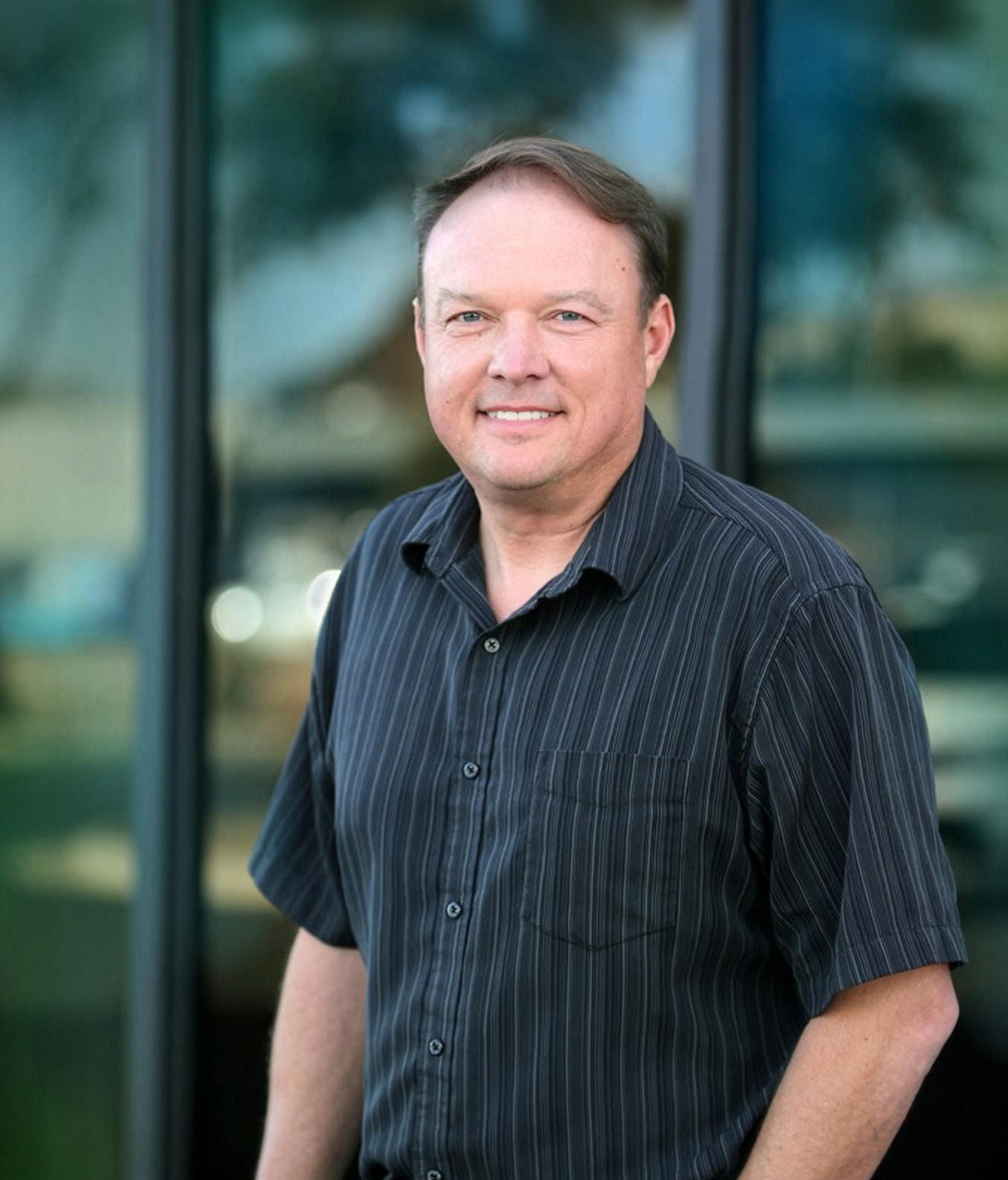
Mike Ornoski
Commercial inspections lead
City of Phoenix
Lead instructor
ABA
AZRE: When did you first get involved in the ABA?
Mike Ornoski: I’m actually a product of the ABA. I graduated from the association’s electrical apprenticeship program in 1997. By the time I finished, I was an electrical foreman before I started my own business. I did that for almost six years and put three of my employees through the same ABA apprenticeship I was in. Fast forward a bit, and I wanted to give back to the ABA, so I decided to become their lead instructor.
AZRE: How has your experience been in the classroom?
MO: Once you become a supervisor out in the field, you’re basically training and mentoring everybody around you. So I’ve been doing it a long time, even now as an inspector for the City of Phoenix. I started teaching some compliance classes there, and then in 2018, I took over an apprenticeship class through the Independent Electrical Contractors. Eventually, this opportunity at the ABA opened up, and I jumped at it.
AZRE: What does the apprenticeship entail?
MO: The apprentices work for a member contractor to complete 8,000 hours of on-the-job training over four years. During that time, they come into to the classroom twice a week for two and a half hours to learn more of the technical skills and the National Electric Code, which is the building code adopted for all your jurisdictions.
The main purpose for code is to protect people and buildings from electrical hazards that may exist, so we’re teaching our apprentices that when you’re installing, your role is to make sure that you’re installing a code compliant electric system, because everyone will assume that you did.
AZRE: How has the apprenticeship changed since you were involved?
MO: We all know there’s a major worfkorce shortage and we have the older generation retiring from the trades and the next generation coming in. When I was an apprentice, we had to go to the library to read up on code, then learn how to do something handson in the lab.
Now, everything is at your fingertips and that’s what they’re used to. So,
my No. 1 focus is helping them understand why they do what they do in the field. We want to make sure our apprentices understand that their job is essential and is very impactful. Electricians are in a high position of trust, and I want them to understand the legacy side of it.
AZRE: What do you mean by that?
MO: Being an electrician isn’t about showing up and putting a widget together. Everything you touch has a lifelong impact. Think about the fire alarm systems in the buildings. If there’s an emergency situation and the building loses power, it’s important that there’s backup power so first responders can come in and save people. Every project you touch, you leave a legacy.

ARIZONA BUILDERS ALLIANCE
Julia Young
Director of business development
Tempe Mechanical
AZRE: Can you talk about your career path and how you got involved with the ABA?
Julia Young: I’ve been in the construction industry for 12 years now, but my dad worked in HVAC, so I was exposed to the industry from an early age. When I started working at Tempe Mechanical, they didn’t have a person dedicated to marketing and business development, so I helped build up those functions.
That’s when I enrolled in some of the ABA’s continuous education courses, so I could learn more about the

industry itself and build relationships. Putting yourself out there can be intimidating when you’re just starting out, but I discovered the Young Builders Council and thought I should give it a try.
AZRE: What drew you to the Young Builders Council?
JY: It was a welcoming group of people who were all my age, so it felt like the right place to be. I ended up joining the membership committee, eventually serving as its chair and now I’m the chair for the whole YBC. I’m happy to report that over the last 8 years I’ve been involved with the YBC, we’ve gone from about 100 members to 200 and counting. We’ve improved the branding and put a lot of effort into telling people what opportunities are available, like working on public speaking and touring different job sites.
AZRE: What are your biggest takeaways from your involvement with the YBC?
JY: Learning how to organize people, run meetings and delegate tasks had a big impact on me because those are all skills needed to be an effective leader. We ran the committee like its own little business where everyone had a role, which made it a more rewarding experience for all involved.
The other thing was meeting people who are further along in their careers. When you’re young, it means a lot when a leader encourages you to take on an opportunity you may not think you’re ready for. That really helped build up my confidence.
If you’re trying to become a leader, the YBC will give you the tools and at least exposure to some of those opportunities, and it’ll also put you around people who are doing exactly what you’re doing.
AZRE: Did you meet any mentors through the YBC?
JY: I’ve had many, but Julia Staten was a huge mentor to me within YBC. She was one of our previous chairs and she encouraged me to take that next step. Her and Eric Espinosa were instrumental in the YBC. Eric helped us move into a more structured committee environment, which gave everyone a sense of direction.
It’s funny because Eric and I ended up being in the Leadership Development Forum together as well. You build this synergy with people through the ABA, and when you get everyone in the same room with all these different skill sets, each of you get to play to your strengths. By doing that, you’re making the association a better place.
ARIZONA BUILDERS ALLIANCE
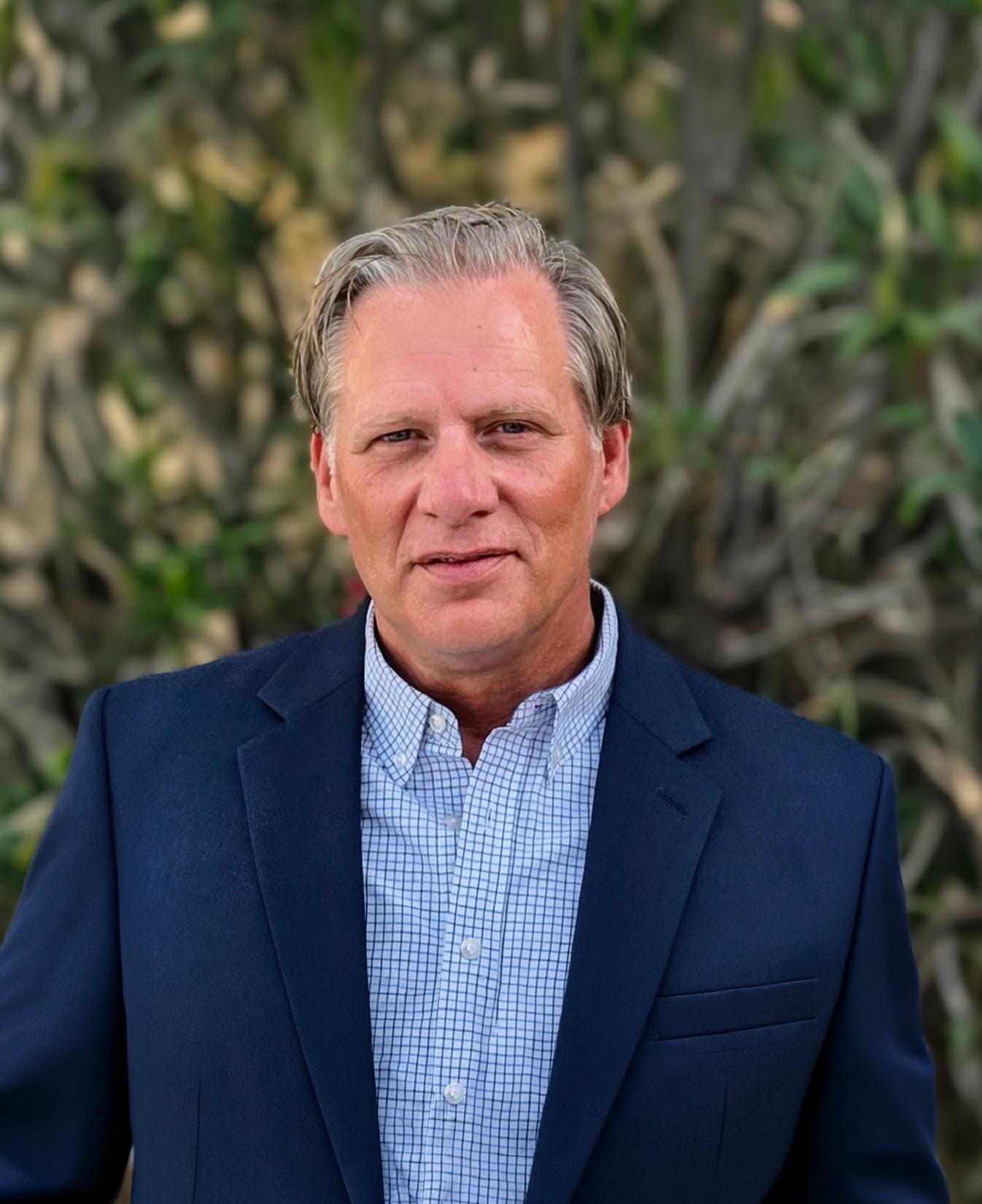
Jon Bohlken
Personnel director
Delta Diversified
AZRE: Tell us about your career path.
Jon Bohlken: I work for the electrical contractor Delta Diversified, and I started the same way most of our employees do — bending pipe and pulling wire, as we say in the business. Being a merit-based contractor, your ability to move up the ranks is determined by your own initiative, which always hit home for me. Our company is in a position where our supervisory personnel all started at the same level, and through their own ambition, were given additional responsibility.
I moved from doing installation to running smaller crews, before becoming a general foreman. I eventually took over as a project superintendent, and that’s where I started to make these personnel decisions. I was trying to figure out who would work best together on a crew to accomplish our goal.
AZRE: How are you able to make those determinations?
JB: Honestly, it was just a matter of getting to know the strengths and weaknesses of each member of the crew. Once I talked with them, I wanted to put them in a position to succeed, and everything just seemed to click for us on certain projects. Through that, I developed a reputation as someone who could put crews together that have the right chemistry. Really, there’s no shortcut to it — you have to take the time to get to know your people.
After several years of running projects, I took over for the previous personnel manager. The executives recognized that I have a talent for putting crews together, so they decided to bring me into the corporate office to do that for all the company’s jobs.
AZRE: How are you involved with the ABA?
JB: The association has an Education Trust Fund, and I chair that board. Basically, we go over budgetary issues for the electrical apprenticeship and pay the bills. It’s an invaluable program for the industry.
As a company, Delta Diversified sponsors all eight semesters of tuition for everyone who gets accepted into the apprenticeship. It’s not easy — a
lot of times, they’re working 10hour shifts and then going to class two nights a week. We try to be as accommodating as possible for these people who are making sacrifices to improve themselves and get to a point where they can take on more responsibility.
The apprenticeship provides people with the knowledge that will separate them from someone that just knows how to perform installation. When you have that code knowledge, you can take your career in a lot of different directions. We have whole crews who come in after the installation is done to ensure everything is up to code, so quality control is just one other path the apprenticeship opens up.

ARIZONA BUILDERS ALLIANCE
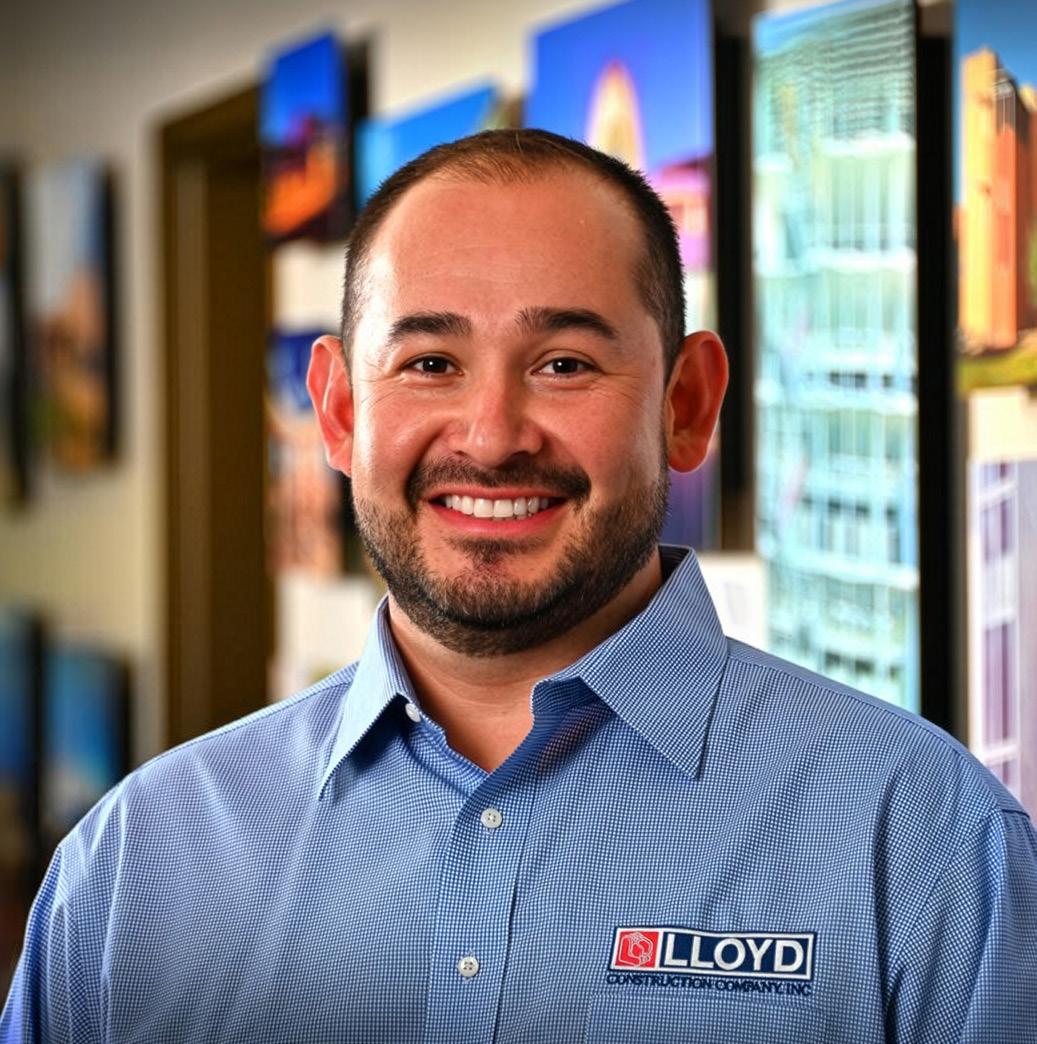
Paul Pena
General manager
Lloyd Construction
AZRE: When did you get involved with the ABA?
Paul Pena: I’ve been with Lloyd Construction down here in Tucson going on 16 years, and the company has always been a key stakeholder in Southern Arizona part of the ABA. We hold the association in high regard, especially what they do on the advocacy side — what laws are changing, who the pro-construction candidates are and how to support a favorable piece of legislation being considered.
The ABA is the glue that holds the building community
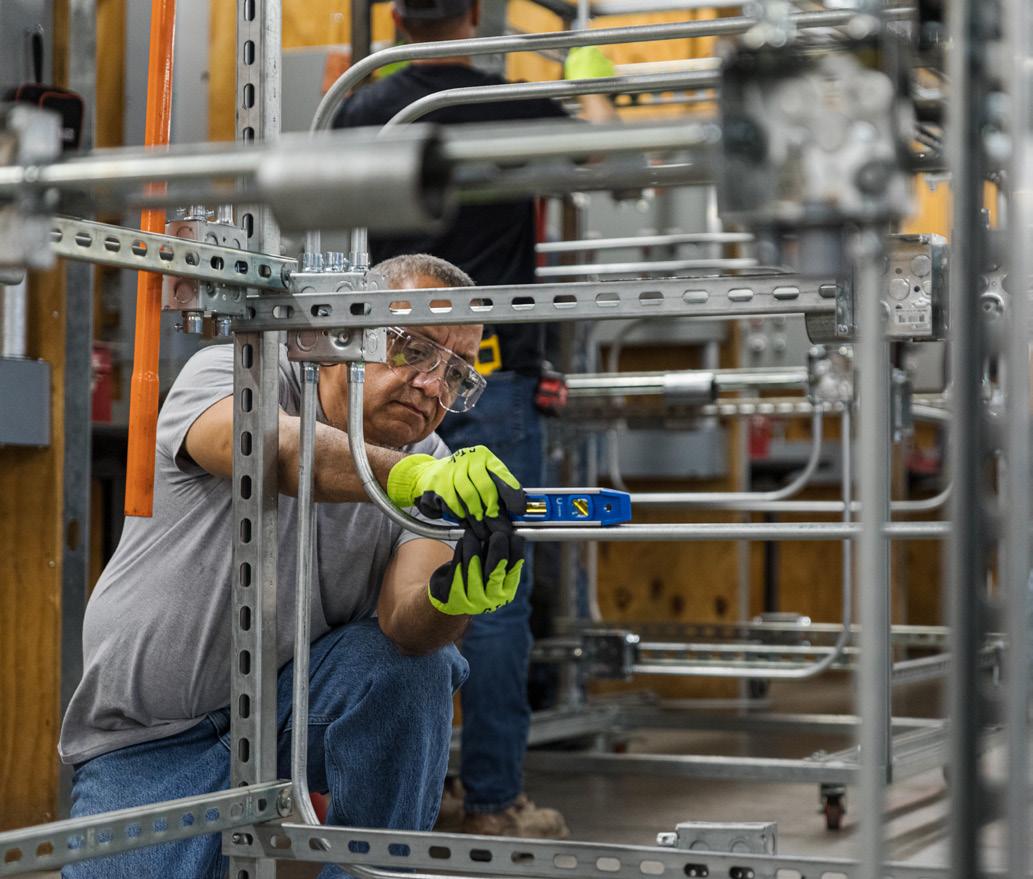
We believe education is so important that we privately fund our own school and apprenticeship, Phoenix Electrical Training Alliance.
To

together. When I go to an event, the room is full of our competitors, subcontractors and their competitors, which allows us to build camaraderie around our collective interest in the construction industry.
AZRE: Have you attended any of the association’s training classes?
PP: I’m currently enrolled in the Senior Executive Program, which is for people who have been in a leadership role for a while. Most of my cohort are project directors or higher within their companies.
AZRE: You mentioned before that one of the benefits of the ABA is bringing competitors into the same room. Does that hold true in the Senior Executive Program?
PP: Definitely. Overall, the program focuses more on the individuals in the room and less on the companies, so you’re getting to know your classmates on a personal level. Everyone has different struggles because the range of positions people have, but having the chance to learn together is the beginning of building those relationships.
AZRE: What are some takeaways you’ve had from the program?
PP: One of the big things was taking the time to learn how I operate and the influence that has on the team. Having more self-awareness within your leaderships role is a big theme of the course.
From a more tactical perspective, one thing that jumps out is the importance of meeting with not just your direct reports, but the people who report to them. That might look like connecting with the project engineer to see how their doing and how you can help them out. Taking that servant leadership approach shows people you’re there to support them even though they’re a couple positions separated from you. A check-in like that goes a long way in making people more excited about their work.
AZRE: Anything else you’d like to leave readers with?
PP: I’d just add that the quality of speakers in the Senior Executive Program is impressive. I’ve been through a lot of leadership courses, and there’s always a bit of skepticism on the first day — will this be a wise use of my time? But I’ve walked away from every class with plenty of insights that I can put to use immediately.
ARIZONA BUILDERS ALLIANCE

LEARNING LEADERSHIP
How Rudy Garcia Jr. found success on the jobsite and in the boardroom
For Rudy Garcia Jr., president at RG & Sons Plumbing and chairman of the Arizona Builders Alliance (ABA), construction has been part of his life since childhood. When he was 9 years old, Garcia Jr.’s father started the family business.
“My mom was his first bookkeeper, so I grew up in the industry. It was a different time, so I was out on job sites from a young age — my dad got a lot
of free labor out of me,” he recalls. “I enjoyed working with my hands, so I had a lot of fun working for him, but I didn’t plan on plumbing being my career choice.”
AZRE magazine sat down with Garcia Jr. to learn more about his start in the trades, how the ABA’s education programs helped grow his leadership skills and his priorities for the association.
The following responses have been edited for clarity and length.
AZRE: When did you decide that construction was the career you wanted to pursue?
RGJ: Candidly, I wasn’t a great student, so I started my plumbing apprenticeship right after high school because I knew it was something I enjoyed. I continued to work for

my father’s company and became a journeyman, and through that time, I learned from a lot of dynamic leaders. That made me realize that I wanted to become one of those people, and I had the opportunity to become a foreman and lead crews in the field.
When there was a slowdown in the industry, I helped out with estimating, but I didn’t like being stuck in the office full time.
So, I started focusing on how we could be more strategic with our resources in the field, and that type of thinking put me on a path that eventually led to me becoming the president of the company.
STRONG FOUNDATION: The Arizona Builders Alliance is a member-driven trade alliance and one of only two chapters nationwide with a dual affiliation to both the Associated Builders and Contractors (ABC) and the Associated General Contractors of America (AGC). The association’s three pillars guide its work — advocating on behalf of the industry on legislative matters, offering education to members at all stages of their career and connecting professionals to build a stronger construction community. (Photo licensed from Adobe Stock)
AZRE: Did you take any leadership development coursework once you decided on that path?
RGJ: Definitely. In the trades, you’re trained on the craft, not supervisory skills. Mentoring happens on job sites, but this is where the ABA steps in by offering leadership classes.
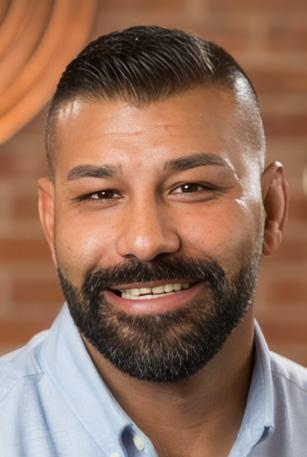
One of the first courses I took was the Supervisory Training Program. The instructors guided us through different scenarios that might come up when you are leading a team. The instructors were great, and two of them became my mentors.
AZRE: What lesson stands out to you?
RGJ: The importance of being openminded and realizing that construction is a team sport. Hearing your people out is extremely important because sometimes they have a better way to approach a problem than you do. I’ve always tried to surround myself with folks who are better than me at something and lean on them.
AZRE: How did you go from taking some ABA courses to leading the association as its chair?
RGJ: I live in Tucson, and the Southern Arizona part of the organization has its own chairman. After I went through some classes, I started learning more about how the association is structured and got into the leadership path from there.
In 2019, I became chairman for Southern Arizona, which has a board seat at the state level, so I went to those meetings and learned how everything worked behind the scenes. Later on, I was asked to consider leadership of the association.
AZRE: What are your priorities as board chair?
RGJ: The ABA has three pillars that we’ll continue to focus on — education, advocacy and connection. Those are three very strong pillars, but what I’m planning to dive deep on the membership experience and making sure that we continue to be the gold standard for construction associations.
AZRE: Why is it important for the association to weigh in on legislative matters?
RGJ: I’ll be the first to tell you that advocacy isn’t one of my strong suits, but everyone in the construction industry — regardless of ABA membership — is impacted by what happens at the state legislature. The ABA has a PAC and a lobbyist who makes sure legislators understand how their votes could impact our industry positively or negatively.
AZRE: What are you hearing from members about the challenges their businesses face in 2026?
RGJ: It’s not a new issue, but it’s still affecting every business I talk to — having enough qualified people. The labor shortage is real, but companies also struggle retaining them as well.
AZRE: Any last thoughts you’d like to share with readers?
RGJ: The ABA was the bridge that took me to the next stage of my career. It’s an incredible opportunity for our membership to have access to. I still feel more comfortable in a job trailer than a boardroom, but the ABA has taught me how to be successful in both.
Rudy Garcia Jr.
ARIZONA BUILDERS ALLIANCE BREAKING THE SILENCE
Why understanding mental health is crucial for the construction industry
By KYLE BACKER
The construction industry is often thought of as having a macho culture with tough men doing hard work. Even as more women have entered the workforce and older perceptions of the sector have faded, construction is not the first sector most

would point to as being attuned to mental health issues.
But the numbers tell a different story. Nearly two-thirds of U.S. construction workers reported anxiety or depression in the last year, up from 54% just a year ago, according
THE TRUE COST OF IS PRICELESS
We have a lot on our mind, and your experience is one of them.
to the National Alliance on Mental Illness (NAMI). Arizona’s booming construction industry means more workers, more pressure and more people who need support.
“With safety, we’re always looking at leading indicators. What are the

BUILDING PRESSURE:
A 2025 survey conducted by Clayco shows anxiety and depression are widespread, with 64% of U.S. construction workers said they experienced anxiety or depression in the previous 12 months. According to OSHA, the suicide rate for construction workers is four times higher than the general population, underscoring the need for mental health awareness and crisis training. (Photo licensed from Adobe Stock)

average. It’s not just the people in the field either — it’s the whole industry, top to bottom.”
People don’t realize that the death by suicide rate is four times higher in the construction industry than the national
When Hawkins first started working in construction, it was common to be told to “walk it off” or “leave your problems at home.” But today, he says the causes? What can I help fix or prevent?” explains Sidney Hawkins, director of apprenticeship for the ABA. “Mental health has become the No. 1 topic.
industry has started to understand the everyone is human and has struggles.
“I’m not just talking about diagnosable conditions. It could be that someone had an argument with their spouse the night before, and they’re carrying that weight with them the next day

ARIZONA BUILDERS ALLIANCE
at work,” Hawkins says. “If you’re a crane operator, you’re in a hazardous situation where you can accidently kill people in a matter of seconds. If your mind is focused on that fight at home, it’s easy to see how mental health challenges equate to safety problems.”
That’s why the ABA offers a mental health first aid course to help prepare individuals to help when acting quickly is crucial.
“The class teaches you how to engage with someone who is prepared to die by suicide,” Sidney explains. “Just like CPR training teaches you how to perform compressions to keep someone alive until the medical professionals arrive, this course helps you recognize the signs, how to help someone in crisis and how to manage your own mental health in those situations.”
Participants also learn to recognize the signs of mental health issues before they become a crisis. The key is to create a culture where mental health
can be discussed without shame.
“I believe there are people, especially old school guys, just waiting for someone to ask how we’re doing,” Hawkins says. “We’re not going to volunteer, but if someone walks up and says, ‘Hey, you seem edgy today, everything going alright?’ Opening the door for someone to share their struggles with you won’t fix the problem, but it gives people the opportunity to get it off their chests.”
Creating this environment of openness, Hawkins continues, requires buy-in from company leadership and workers. That can be a challenge, but he does see a reason to be hopeful.
“When I look at the new generation, they’ve really embraced mental health awareness,” he says. “It’s reassuring to know we’re leaving this industry in good hands, because if we can address a mental health challenge before it becomes a worsening or crisis condition, it could save a life.”
Stopping the stigma
The growing importance of mental health and its impact on safety is why the ABA has established a Mental Health Committee to host events and informational sessions about the topic. Laurie Arnold, owner of Temporary Wall Systems and a family therapist, explains that there is a growing recognition that mental health impacts safety, employee retention and overall performance, but many struggle with moving beyond awareness alone and into practical action.
In April, the ABA hosted a workshop focusing on how mental health challenges surface through absenteeism, disengagement, conflict and turnover. Arnold says that after the event, she was approached by two participants.
“They told me, ‘I love these talks, but I still don’t know what to do about it,’” she recalls. “That’s great feedback, because clearly, we’ve been too



conceptual and need to focus on practical applications. How do we actually change company culture?”
Jake Herblan, safety manager for Hensel Phelps, says that hanging banners and posters about mental health awareness can help people access information, but the biggest change maker is having peer-to-peer support.
“People feel more comfortable talking to someone they trust rather than going
to a professional,” Herblan says. “A single check-in can change someone’s mindset, so it’s important to create a positive environment where people feel like they can talk about their issues without fear of somehow getting in trouble or being embarrassed.”
Even though mental health issues can grow into life threatening situations, Herblan says establishing that it’s okay to speak about life problems even if they
don’t constitute a crisis helps chip away at the stigma.
“You don’t want to start the conversation with, ‘Hey buddy, are you having mental health problems?’ Just ask about how things are going so they feel comfortable speaking to you,” Herblan concludes. “Maybe they don’t open up to you right then and there, but a few days later they might. You never know what impact that may have.”



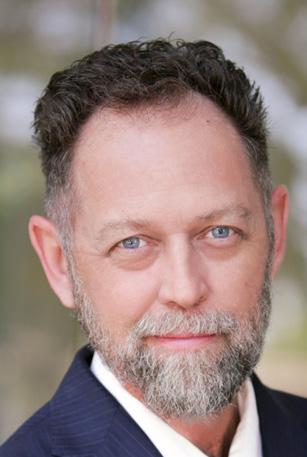
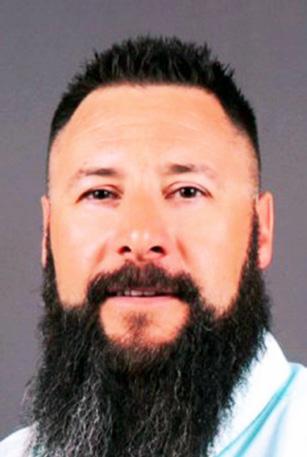
Sidney Hawkins Laurie Arnold Jake Herblan
ARIZONA BUILDERS ALLIANCE

Arizona
Science Center
Dorrance DOME
General contractor: Ryan Companies US
Architect: DLR Group
Owner: Arizona Science Center
Subcontractors: Integrity Electrical Services, JF Ellis Corporation, Dickens Quality Demolition, Design Drywall West, American Sound City: Phoenix
Size: 2,464 square feet
Details: The Dorrance DOME renovation project features an 18-meter dome with 8K resolution and over 44 million LED lights. This space delivers a world-class visual experience while accommodating 205 seats with both fixed and removable options.
ABA MEMBER PROJECTS TO KNOW
Arizona Builders Alliance (ABA) member companies have helped deliver some of the most impactful projects across the state. Here are 23 noteworthy developments made possible by ABA’s membership.
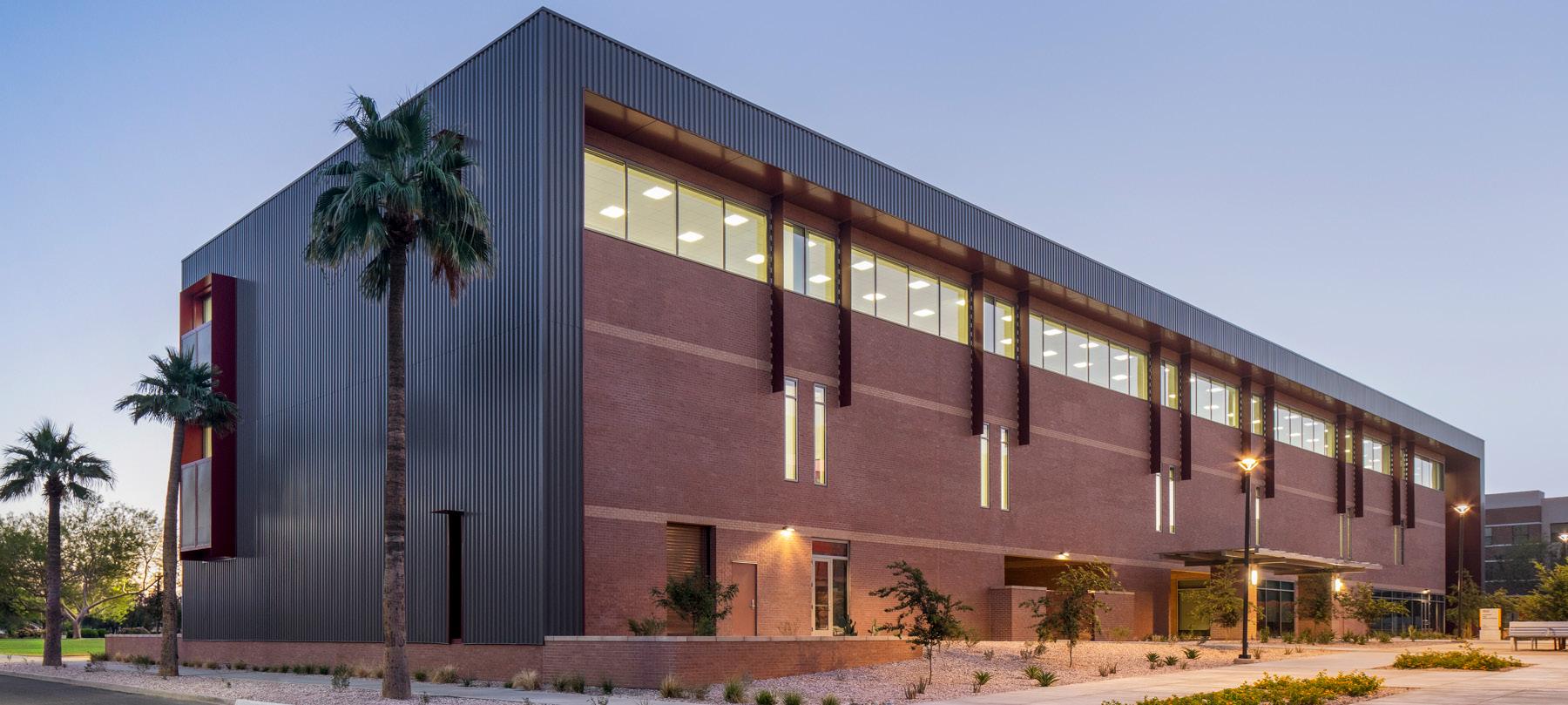
ASU West Academic and Office Building
General contractor: CORE Construction
Architect: Todd & Associates
Owner: Arizona State University
Subcontractors: Sun Valley Masonry, Pete King Construction, Artcraft Tile & Granite, Kearney Electric & Communications, AZ Verde Fire Protection
City: Glendale
Size: 52,314 square feet
Details: Completed as a three-story, 52,314-square-foot LEED Silver facility, the West Academic and Office Building at Arizona State University supports a wide range of general education, data research and interdisciplinary academic programs.
ARIZONA BUILDERS ALLIANCE
Denu Hotel and Spa
Developer: Mortenson Development
General contractor: Mortenson
Architect: Gensler
City: Phoenix
Size: 185,000 square feet
Details: Denū Hotel and Spa is a 17-story luxury hotel bringing 236 rooms to Downtown Phoenix. With interiors inspired by the Arizona desert, additional features include a full spa, 22,500 square feet of meeting and banquet space, a ground-level restaurant, and a rooftop bar, pool and lounge.
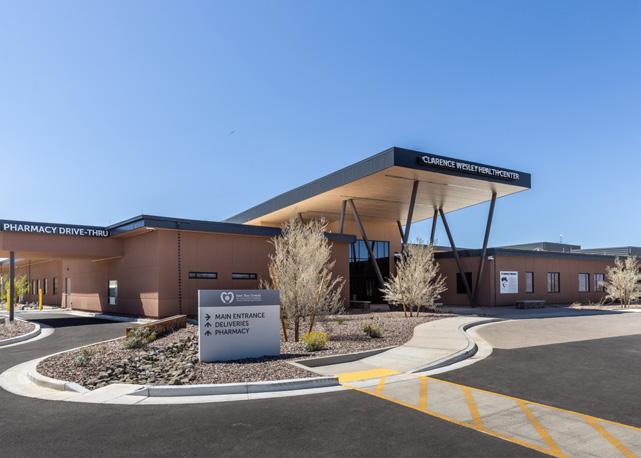
Clarence Wesley Health Center
Developer: San Carlos Apache Healthcare Corporation
General contractor: Willmeng
Construction
Architect: Cuningham Group
Owner: San Carlos Apache Healthcare
Corporation
City: Bylas
Size: 36,000 square feet
Details: The facility significantly expands the range of healthcare services available locally. Notable features include a medical wing with 13 exam rooms, a dental area with five chairs, and dedicated spaces for optometry, physical therapy and laboratory services.

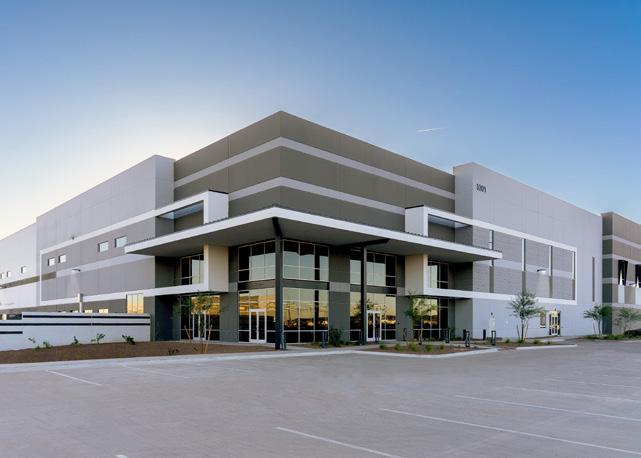
C|303
Phase I
Developer: Merit Partners
General contractor: Stevens-Leinweber
Construction
Architect: Butler Design Group
Subcontractors: Suntec Concrete, Denny Clark Masonry and Concrete, Universal Piping, Brown & Sons
Electrical Contracting, Adobe Drywall
City: Litchfield Park
Size: 1,750,000 square feet
Details: C|303 Phase I delivers the first three buildings across a range of sizes for all types of industrial users: Building A is 375,600 square feet, Building B is 420,536 square feet and Building C is 958,847 square feet.
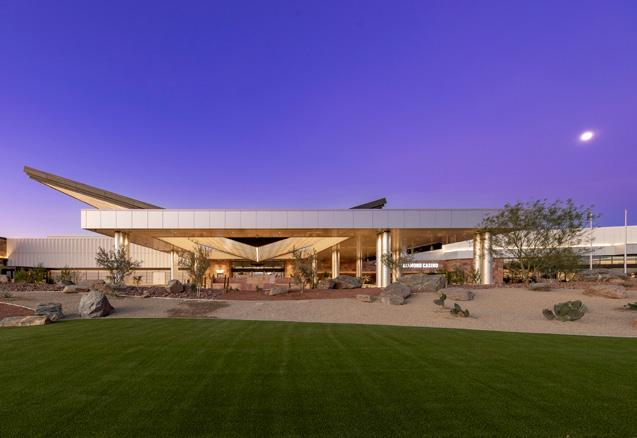
Desert Diamond Casino White Tanks at San Lucy
Developer: Tohono O’odham Nation
General contractor: The PENTA Building Group and AECOM Hunt
Architect: JCJ Architecture
Owner: Tohono O’odham Nation
Subcontractors: Desimone
Engineering, Dowl, EXP, Suntec Concrete, Arok
City: Waddell
Size: 184,000 square feet
Details: This ground-up build marks the fifth Desert Diamond Casino owned by Tohono O’odham Nation, featuring 900 slot machines, 36 table games, a 12-table poker room and a sportsbook.
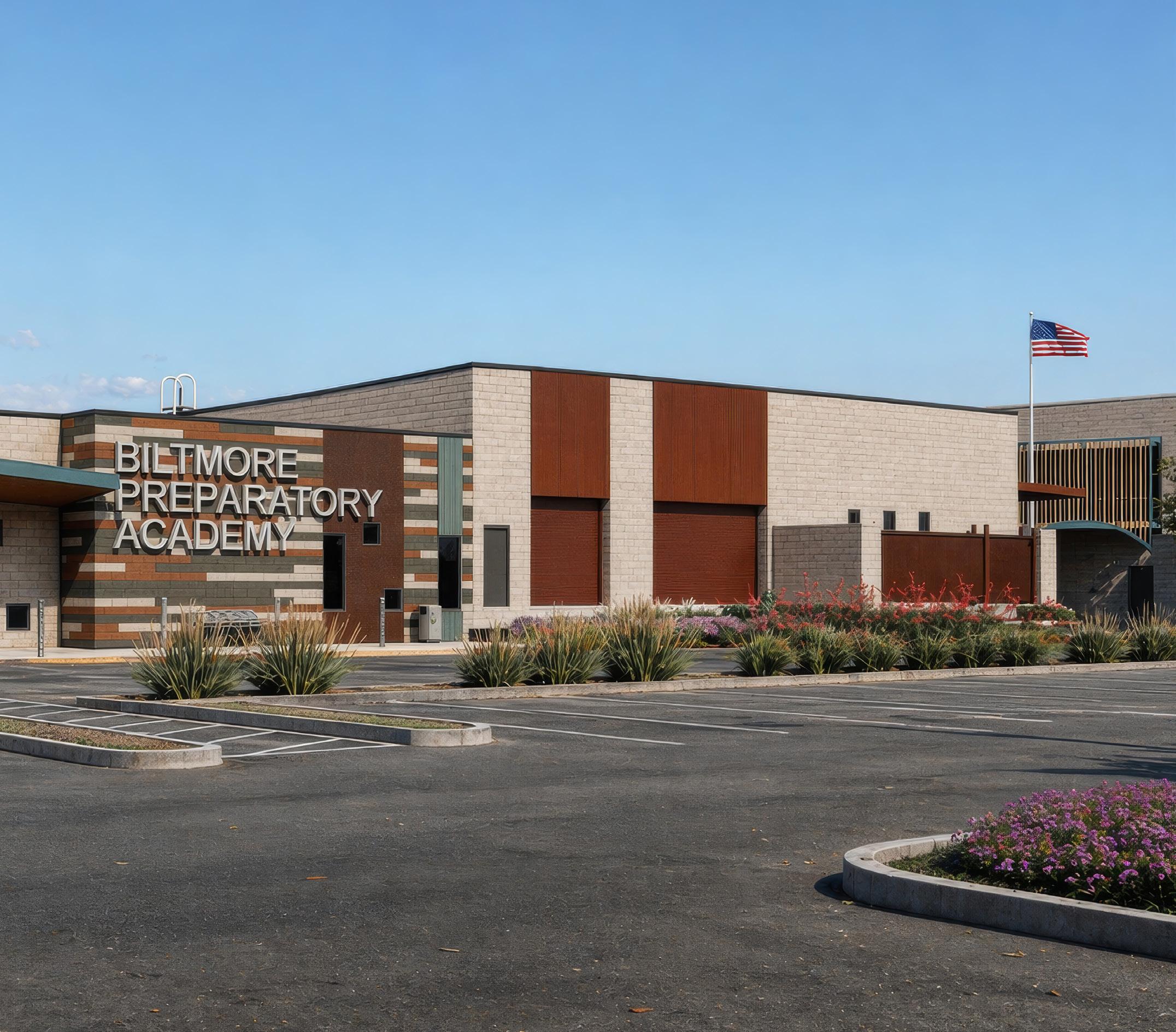
Biltmore Preparatory Academy Rebuild
General contractor: McCarthy Building
Companies
Architect: SPS+ Architects
Owner: Creighton School District
Subcontractors: Stone Cold Masonry, Procon Concrete, AZ Specialty Demo, Rummel Construction, B&F
Underground City: Phoenix
Size: 75,000 square feet
Details: The campus redevelopment will create a modern learning environment for kindergarten through eighth grade
students. Nearly doubling the student population, the finished campus will feature 86,000 square feet of reimagined learning space, complete with a new administration and cafeteria building and a two-story elementary classroom building with modernized K-5 classrooms. The two-story middle school building will house all sixth through eighth grade classes, featuring a stateof-the-art media and learning center, hands-on STEM labs, a maker space, and dedicated rooms for music and the arts.
ARIZONA BUILDERS ALLIANCE
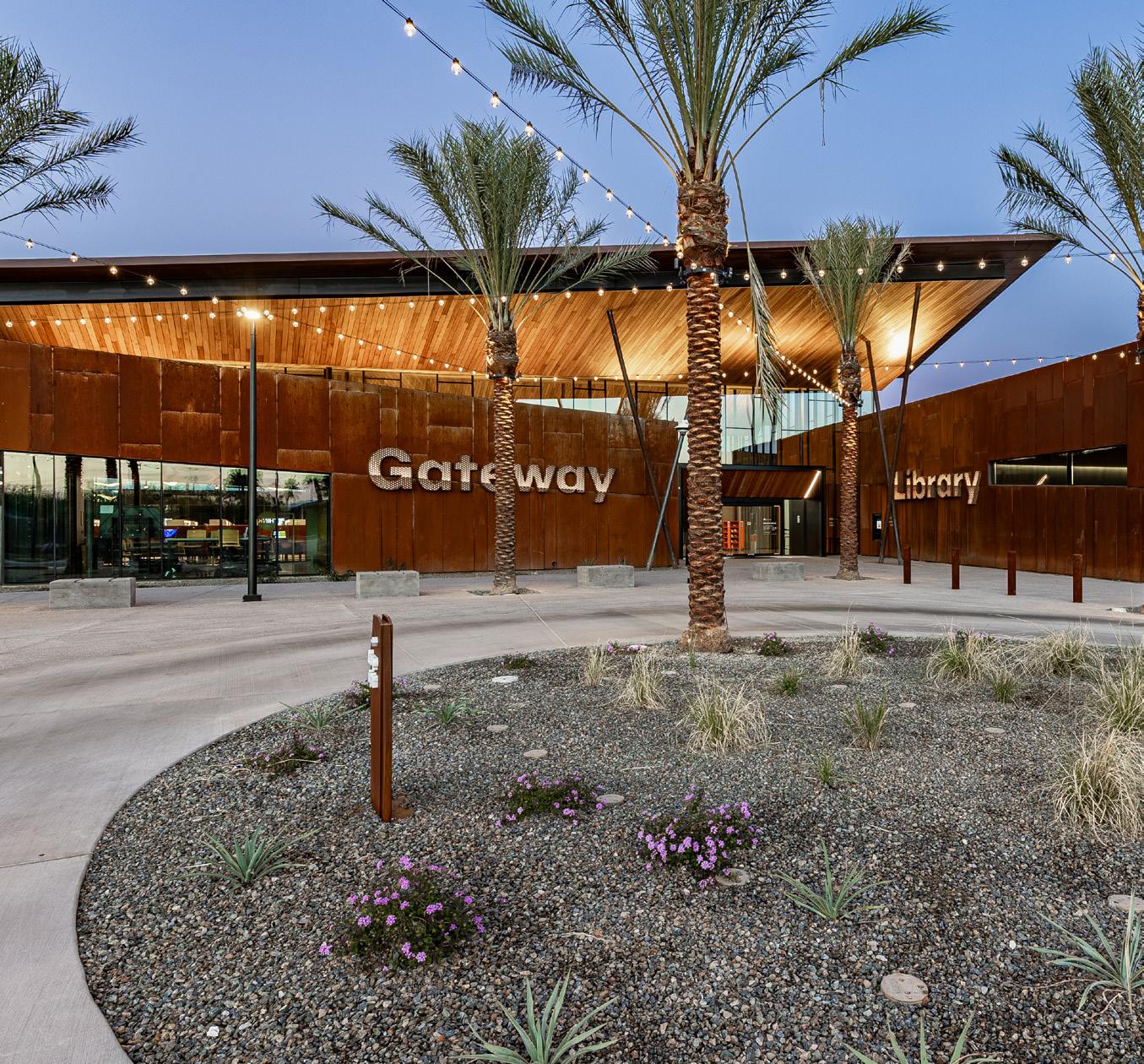
Mesa Gateway Library
General contractor:
Willmeng Construction
Architect: Richärd Kennedy Architects
Owner: City of Mesa
Subcontractors: Kimley-Horn, Dibble, Energy Systems Design, Dig Studio, Knot Studio
City: Mesa
Size: 28,146 square feet
Details: Situated in the Eastmark master-planned community, the project represents Mesa’s first new fullservice library in more than 25 years.
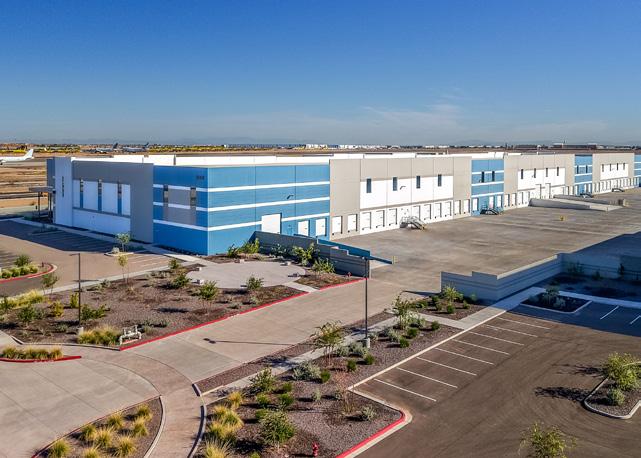
Goodyear AirPark
Phase I
Developer: Lincoln Property Company
General contractor: Stevens-Leinweber
Construction
Architect: Butler Design Group
Subcontractors: Suntec Concrete, Integrity Electric, The Structures Group, Olympic West Fire Protection, Raven Concrete
City: Goodyear
Size: 1,600,000 square feet
Details: Sitting on 565 acres and slated to bring up to 7 million square feet and 20 buildings at build out, Goodyear AirPark is the largest industrial park ever to break ground in Goodyear.
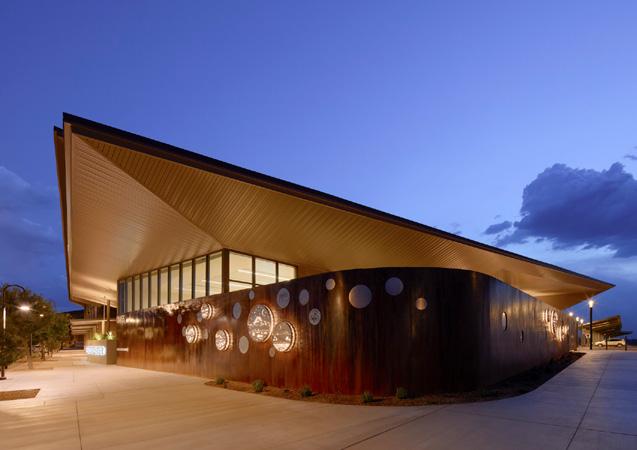
Marana Aquatic and Recreation Center
General contractor: CHASSE Building Team
Architect: Architekton
Owner: Town of Marana
Subcontractors: Shasta Industries, Stark Electric, Sun Mechanical
Contracting, Parsons Steel Builders, Universal Wallboard
City: Marana
Size: 126,832 square feet
Details: Built to serve a fast-growing region, the project brings together a full suite of indoor and outdoor amenities that encourage movement, gathering and community connection.
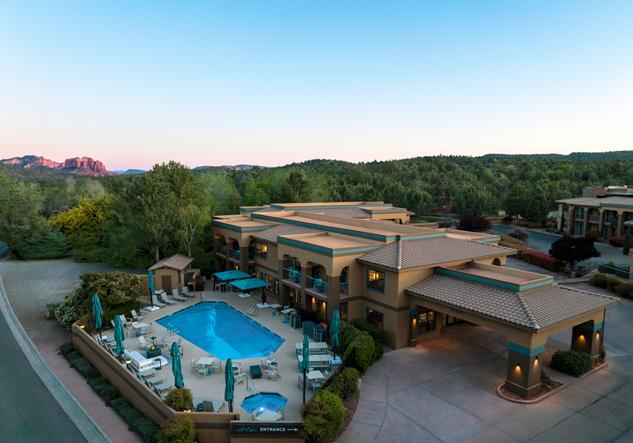
Mountain Modern Sedona
Developer: Crystal Creek Capital Real Estate Advisors
General contractor: Chanen, a Dick
Anderson Construction Company
Architect: RSP Architects
Owner: Crystal Creek Capital Real Estate Advisors
Subcontractors: IMEG, PK Associates, Berghoff Art Consultants, RaederWhaler, Sheets Studios
City: Sedona
Size: 43,100 square feet
Details: With 89 oversized rooms, studios and suites spanning eight buildings, Mountain Modern Sedona welcomes travelers looking to connect with Sedona’s quirky appeal and undeniable natural beauty.

ARIZONA BUILDERS ALLIANCE
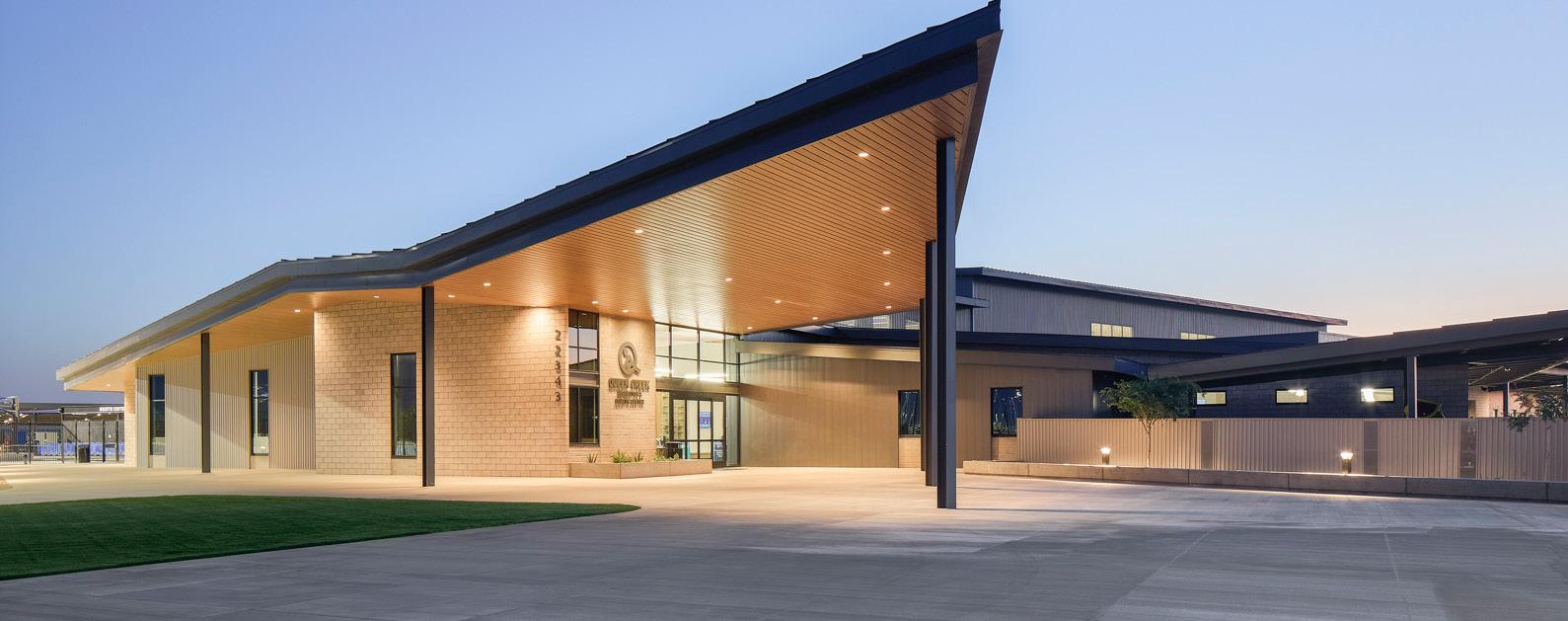
Queen Creek Recreation & Aquatics Center
General contractor: Haydon
Architect: DWL Architects + Planners
Owner: Town of Queen Creek
Subcontractors: Shasta Industries, M.A.G. Construction, Division 3 Structures, Western Building Group, Wholesale Flooring City: Queen Creek
Size: 68,672 square feet
Details: Encompassing 92 acres and representing a $130 million investment, the complex was forms a comprehensive community destination designed to support wellness, play, connection and lifelong learning for residents of all ages and abilities.
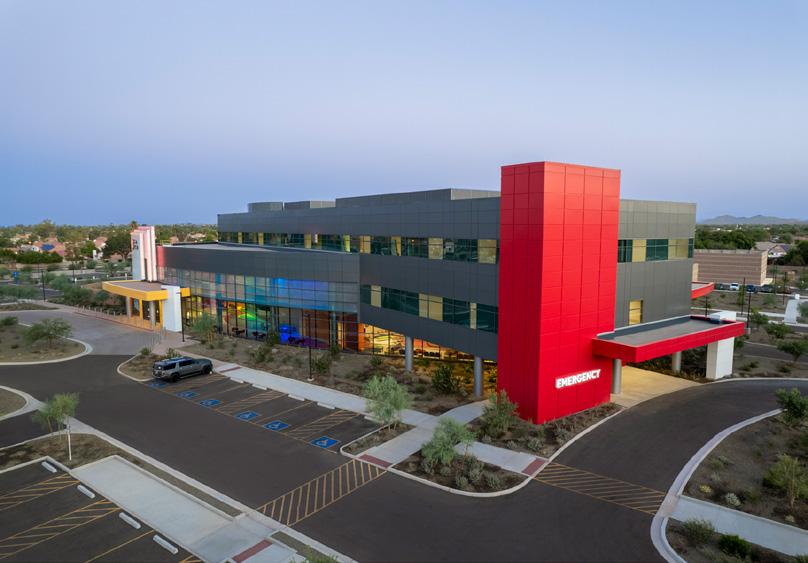
Phoenix Children’s Arrowhead Campus
General contractor: Kitchell Architect: HKS
Owner: Phoenix Children’s Hospital
Subcontractors: Progressive Commercial Interiors, DP Electric, Western Millwork, Gen3 AZ, Integrated Masonry
City: Glendale
Size: 225,000 square feet
Details: As one of the most significant pediatric healthcare expansions in the region’s history, the $132 million Phoenix Children’s Arrowhead campus brings world-class, specialized care directly to families who previously traveled long distances for treatment.
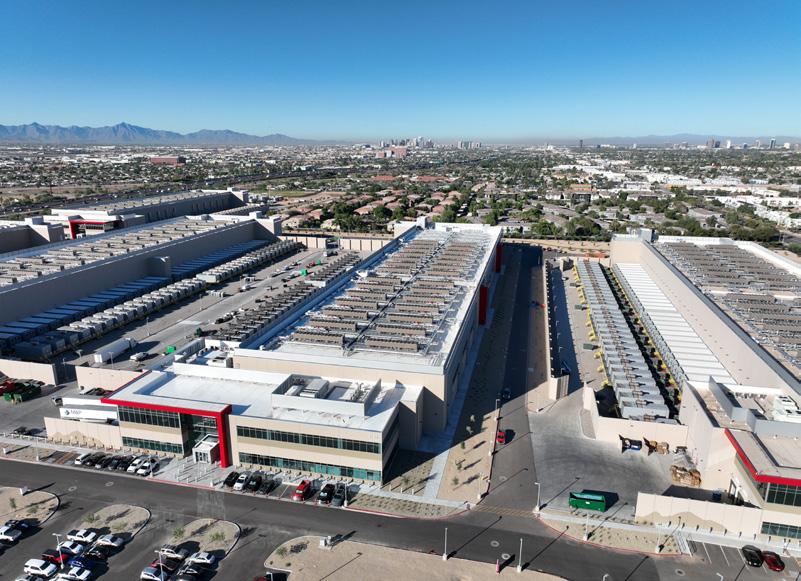
Phoenix QTS Data Centers
General contractor: Clayco
Architect: Jacobs
Owner: QTS Data Centers
Subcontractors: TLD Design Consulting, Concrete Strategies, Bel-Aire
Mechanical, MKB Drywall, Helix Electric
City: Phoenix
Size: 108,000 square feet
Details: Located just minutes from Phoenix Sky Harbor International Airport, this latest phase continues to drive the QTS Data Centers campus toward becoming a major hub for data infrastructure in the region.
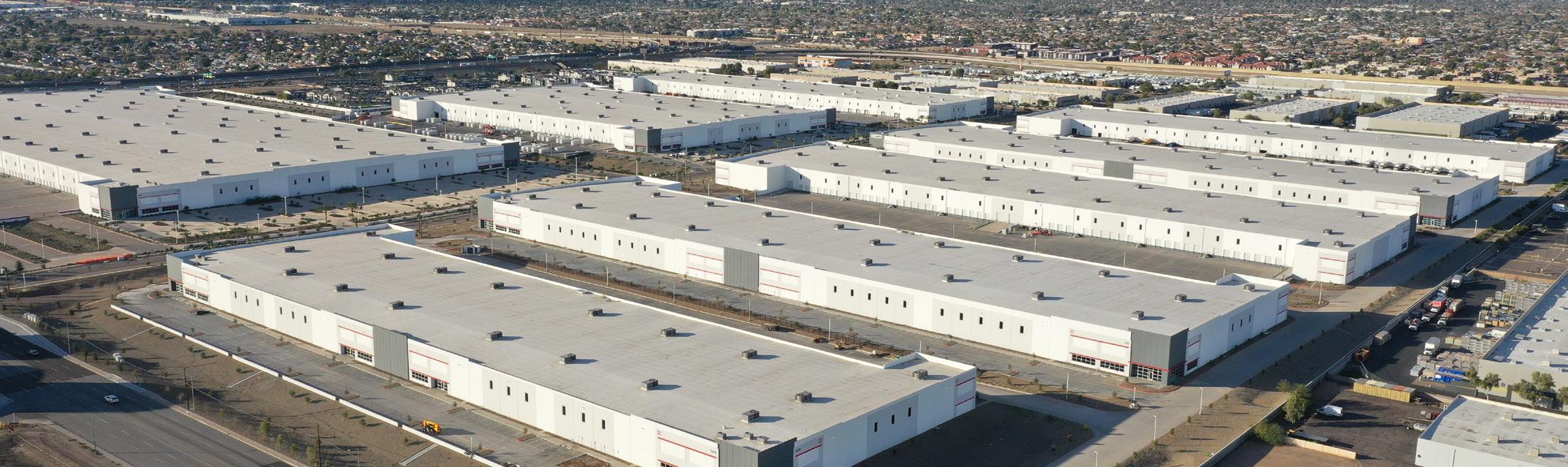
CapRock West 202 Logistics
General contractor: Willmeng Construction
Architect: CAA Architects
Owner: CapRock Partners
City: Phoenix
Size: 3.4 million square feet
Details: Completed in December 2025, CapRock West 202 Logistics spans 183 acres and eight buildings, making it the largest speculative industrial development completed within the City of Phoenix and the first major industrial campus to front the South Mountain Freeway. Industrial projects exceeding 3 million square feet typically exist around the edges of metropolitan areas where land is more readily available. CapRock instead assembled and transformed a rare infill site in Southwest Phoenix, creating a campus with immediate access to one of the region’s most robust labor pools and some of the Southwest’s most critical transportation infrastructure.
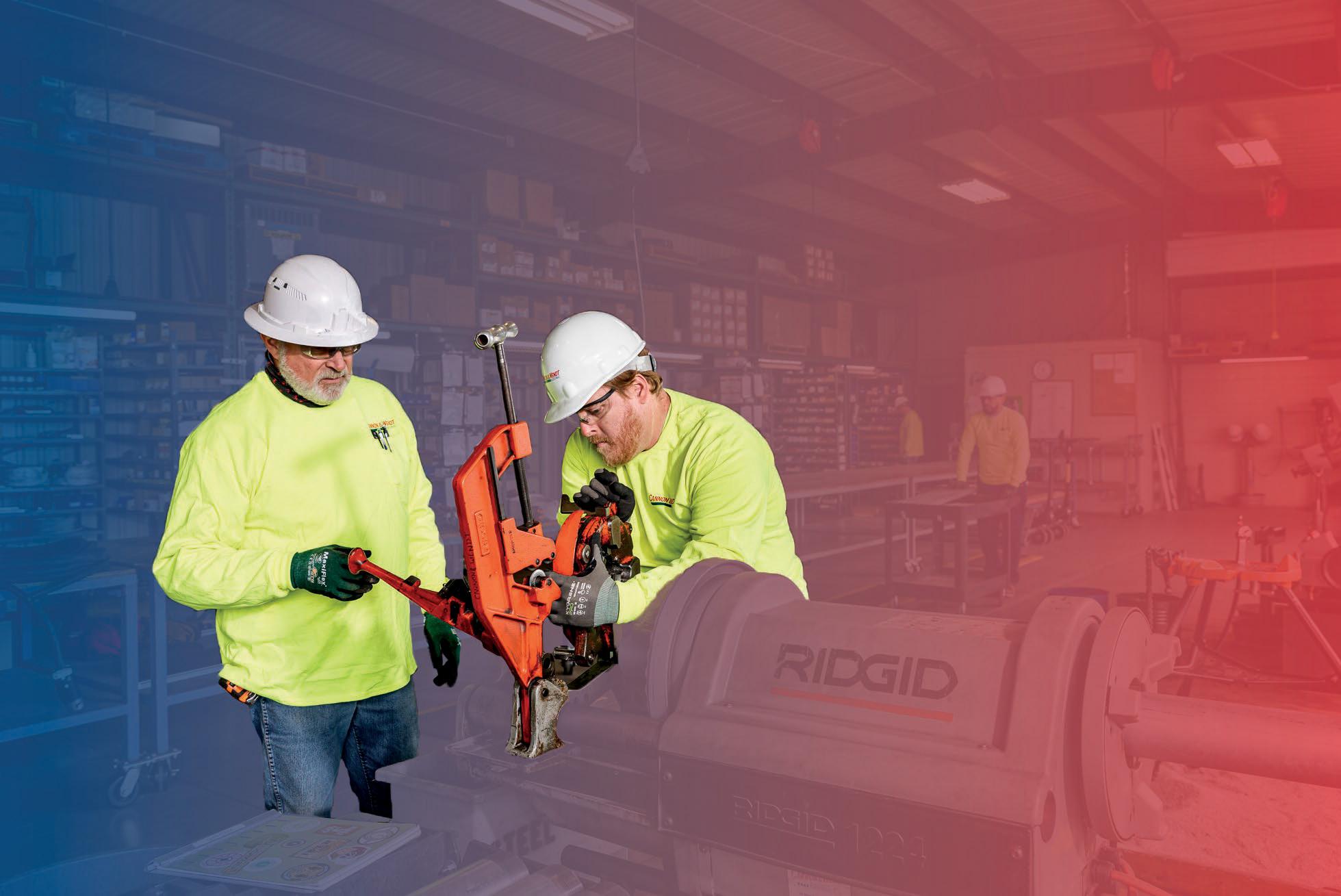
Glen F. | Field Supervisor Elijah C. | Apprentice


ARIZONA BUILDERS ALLIANCE Ray Phoenix
Developer: VeLa
General contractor: Clayco
Architect: Lamar Johnson Collaborative
City: Phoenix
Size: 523,000 square feet
Details: Ray Phoenix offers 401 units — including studio, one-, and twobedroom residences — in a 26-story tower shaped by a modernist form and a textured green façade, offering a visually striking addition to Downtown Phoenix’s skyline.
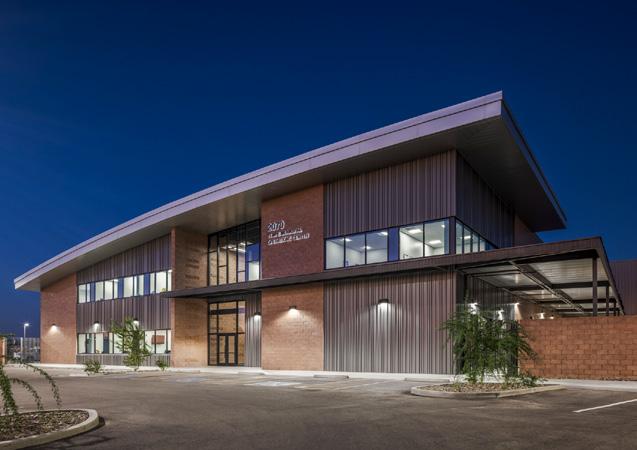
Tempe Municipal Operations Center
General contractor: Haydon Companies
Architect: DWL Architects + Planners
Owner: City of Tempe
Subcontractors: Kimley-Horn, SCL Consulting, LSW Engineers, Castle Steel, M.A.G. Construction
City: Tempe
Size: 119,847 square feet
Details: By consolidating three dispersed operation yards totaling 52-acres into one high-performance campus, the Tempe Municipal Operations Center enhances operational efficiency and service reliability.

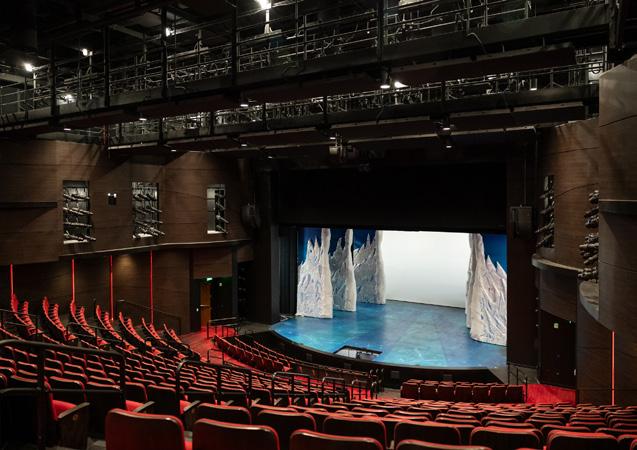
Dr. Stacie J. and Richard J. Stephenson Theatre Renovation
General contractor: Chanen, a Dick
Anderson Construction Company
Architect: RSP Architects
Owner: The Phoenix Theatre Company
Subcontractors: The Ruzika Company, Henderson Engineers, Meyer Borgman Johnson, McKay Conant Hoover, Dibble
City: Phoenix
Size: 30,000 square feet
Details: Located at the Phoenix Theatre Company’s iconic campus next to the Phoenix Art Museum, the new venue adds technical capabilities that will attract more complex productions while improving the guest experience.
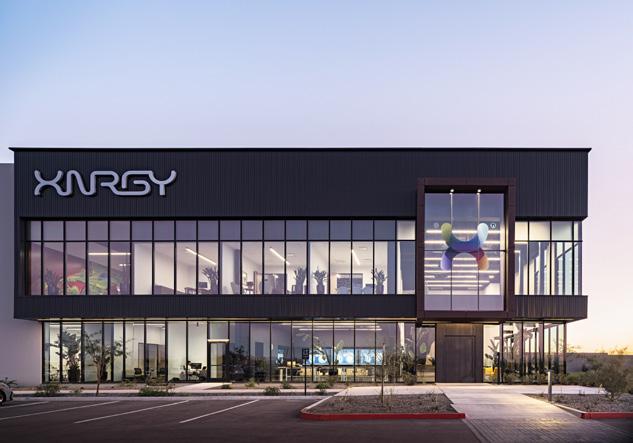
XNRGY Manufacturing 1 & Headquarters Facility
Developer: The Boyer Company
General contractor: Wespac
Construction
Architect: Gensler
Owner: XNRGY
Subcontractors: IMEG, Suntec
Concrete, Colwell Shelor, HACI, Next Level Steel
City: Mesa
Size: 550,000 square feet
Details: The project was delivered in multiple phases, allowing production to begin while construction continued, which was a feat of coordination and precision across the multi-disciplinary project team.
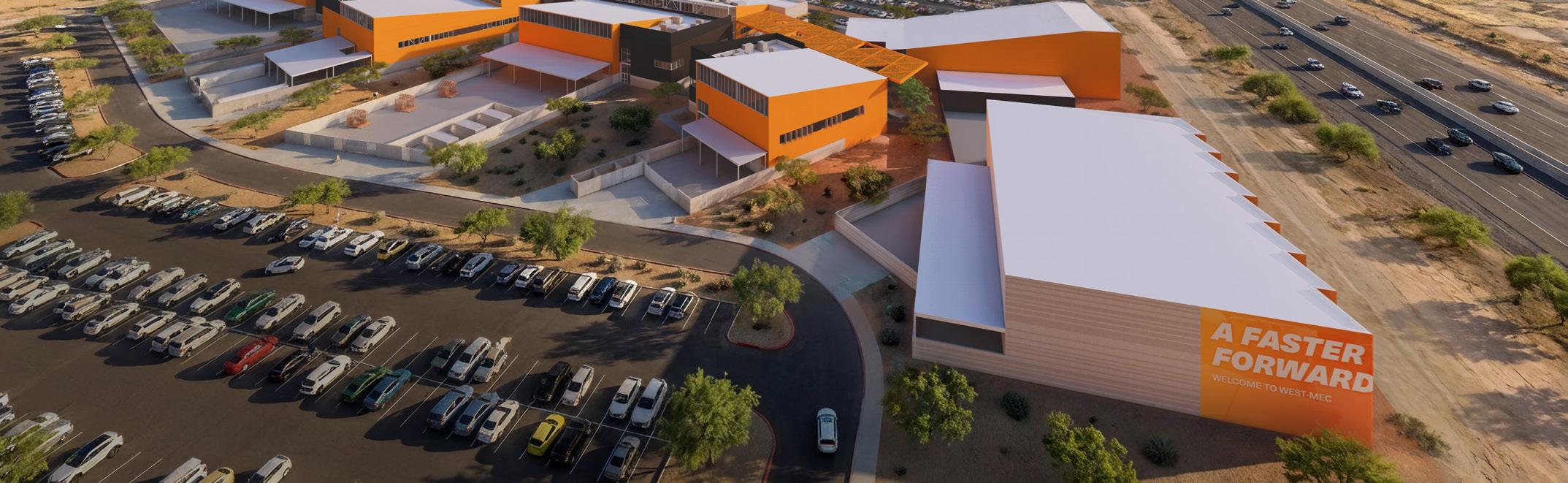
West-MEC Southeast Campus Phase II
General contractor: CHASSE Building Team
Architect: DLR Group
Owner: West-MEC
Subcontractors: Progressive Roofing, LR Cowan Concrete, S&H Steel, Pete King
Construction, Western Acoustics
City: Phoenix
Size: 79,500 square feet
Details: The project’s tight schedule will be managed through innovative approaches such as leveraging city allowances to begin earthwork ahead of permitting and developing detailed build plans. These plans will break the project into manageable components, allowing the team to analyze each space’s requirements in advance and maintain efficiency. Additionally, the building will be strategically designed to accommodate future expansion, with removable exterior envelope sections and structural tie-ins for upcoming phases.